Bar operations

by David Klemt David Klemt No Comments

Tales Announces Top Four Awards Finalists

Tales Announces Top Four Spirited Awards Finalists

by David Klemt

The number four inside a circle

It’s official: The Tales of the Cocktail Foundation announces the top four finalists in each of the 2022 Spirited Awards categories.

I don’t envy the judges who have to narrow down the top ten nominees to the top four finalists. Equally as daunting: deciding on the winner of each award in each category.

We’ll know who’s taking home each Spirited Award in just over a month. The ceremony will take place on Thursday, July 28 at the Ritz-Carlton, New Orleans. For those attending the 20th anniversary Tales of the Cocktail, the Ritz-Carlton is this year’s headquarters hotel.

Purchase Spirited Awards tickets here, and check out the digital playbill here.

See you at Tales, y’all! Cheers.

US Categories

US Bartender of the Year presented by Del Maguey

  • Josh Davis (16th Street Bar, Chicago, IL)
  • Chris Hannah (Jewel of the South, New Orleans, LA)
  • Masahiro “Masa” Urushido (Katana Kitten, New York, NY)
  • Christine Wiseman (BarLab Hospitality Group, Miami, FL)

Best US Bar Mentor presented by BarSmarts

  • Meaghan Dorman
  • Sean Kenyon
  • Nectaly Mendoza
  • Jeffrey Morgenthaler

Best US Brand Ambassador presented by Libbey Glass

  • Chris Cabrera (Bacardí USA)
  • Tad Carducci (Gruppo Montenegro)
  • Vance Henderson (Hendrick’s Gin)
  • Lynn House (Heaven Hill)

Best US Bar Team presented by William Grant & Sons

  • Half Step (Austin, TX)
  • Jewel of the South (New Orleans, LA)
  • Katana Kitten (New York, NY)
  • The Roosevelt Room (Austin, TX)

Best US Cocktail Bar presented by Absolut Vodka

  • Bar Goto (New York, NY)
  • Katana Kitten (New York, NY)
  • The Roosevelt Room (Austin, TX)
  • Thunderbolt (Los Angeles, CA)

Best US Hotel Bar presented by Grey Goose

  • Dear Irving on Hudson at the Aliz Hotel (New York, NY)
  • Hey Love at The Jupiter (Portland, OR)
  • Little Rituals at the Residence Inn/Courtyard by Marriott (Phoenix, AZ)
  • Silver Lyan at the Riggs Washington DC (Washington, DC)

Best US Restaurant Bar presented by Maison Ferrand

  • Café La Trova (Miami, FL)
  • Cleaver: Butchered Meats, Seafood & Classic Cocktails (Las Vegas, NV)
  • Jewel of the South (New Orleans, LA)
  • Kumiko (Chicago, IL)

Best New US Cocktail Bar presented by Aviation Gin

  • Double Chicken Please (New York, NY)
  • Happy Accidents (Albuquerque, NM)
  • Temple Bar (New York, NY)
  • Yacht Club (Denver, CO)

International Categories

International Bartender of the Year presented by Patrón

  • Lorenzo Antinori (ARGO / Four Seasons Hotel & Resorts, Hong Kong, China)
  • Keith Motsi (Charles H. Seoul at the Four Seasons Hotel, Seoul, South Korea)
  • Rémy Savage (🔶🟥🔵 A Bar with Shapes for a Name, London, UK)
  • Matt Whiley (RE, Sydney, Australia)

Best International Bar Mentor presented by Lyre’s Non-Alcoholic

  • Monica Berg
  • Renato “Tato” Giovannoni
  • Lauren Mote
  • Agostino Perrone

Best International Brand Ambassador presented by Lyre’s Non-Alcoholic

  • Martin Hudák (Mr. Black Spirits)
  • Daniyel Jones (House of Angostura)
  • Ricardo Nava (Bacardí Latin America)
  • Nicola Riske (The Macallan)

Best International Bar Team presented by House of Angostura

  • ALQUÍMICO (Cartagena, Colombia)
  • MAYBE SAMMY (Sydney, Australia)
  • The Clumsies (Athens, Greece)
  • Two Schmucks (Barcelona, Spain)

Best International Cocktail Bar presented by Tequila Fortaleza

  • MAYBE SAMMY (Sydney, Australia)
  • Satan’s Whiskers (London, UK)
  • Tayēr + Elementary (London, UK)
  • Two Schmucks (Barcelona, Spain)

Best International Hotel Bar presented by Perrier

  • Charles H. Seoul at the Four Seasons Hotel (Seoul, South Korea)
  • Fifty Mils at the Four Seasons Hotel (Mexico City, Mexico)
  • Lyaness at Sea Containers London (London, UK)
  • The American Bar at The Stafford London (London, UK)

Best International Restaurant Bar presented by Tales of the Cocktail Foundation

  • Danico (Paris, France)
  • Le Mary Celeste (Paris, France)
  • Pujol (Mexico City, Mexico)
  • Sexy Fish (London, UK)

Best New International Cocktail Bar presented by Stranger & Sons

  • 🔶🟥🔵 A Bar with Shapes for a Name (London, UK)
  • ARGO (Hong Kong, China)
  • Schofield’s Bar (Manchester, UK)
  • SIPS (Barcelona, Spain)

Global Categories

Best New Spirit or Cocktail Ingredient presented by Tales of the Cocktail Foundation

  • Abasolo Ancestral Corn Whisky
  • Citadelle Gin Jardin d’été
  • Lyre’s Non-Alcoholic – Italian Orange
  • Nixta Licor de Elote

World’s Best Cocktail Menu presented by Diageo Bar Academy

  • Little Red Door (Paris, France)
  • Lyaness at Sea Containers London (London, UK)
  • Swift Soho (London, UK)
  • Tayēr + Elementary (London, UK)

World’s Best Spirits Selection presented by Beam Suntory

  • In-Situ Mezcaleria (Oaxaca City, Mexico)
  • Jack Rose Dining Saloon (Washington, DC)
  • Sexy Fish (London, UK)
  • Swift Soho (London, UK)

Writing and Media Categories

Best Cocktail & Spirits Publication presented by Diageo Bar Academy

  • CLASS magazine
  • Discard the Zine
  • VinePair
  • Whisky Magazine

Best Broadcast, Podcast, or Online Video Series presented by Diageo Bar Academy

  • Radio Imbibe
  • Shōshin Art Club
  • The Cocktail Lovers Podcast
  • The Speakeasy Podcast

Best Cocktail & Spirits Writing presented by Diageo Bar Academy

  • “Get Real: The bar world looks beyond feel-good measures on sustainability and climate change” by Max Falkowitz, for Imbibe Magazine
  • “Has the Coronavirus Pandemic Destroyed American Bar Culture?” by Jeffrey Morgenthaler, for Daily Beast
  • “Meet the Eco-Packaging Innovations Transforming the Drinks Industry” by Betsy Andrews, for SevenFifty Daily
  • “The Greatest Drinking Contest in History” by David Wondrich, for Daily Beast

Best New Cocktail or Bartending Book presented by Lyre’s Non-Alcoholic

  • Death & Co: Welcome Home by Alex Day, Nick Fauchald, and David Kaplan
  • The Cocktail Seminars by Brian D. Hoefling
  • The Japanese Art of the Cocktail by Masahiro Urushido and Michael Anstendig
  • The Way of the Cocktail: Japanese Traditions, Techniques, and Recipes by Julia Momosé with Emma Janzen

Best New Book on Drinks Culture, History, or Spirits presented by Diageo Bar Academy

  • Bourbon: The Story of Kentucky Whiskey by Clay Risen
  • Drunk: How We Sipped, Danced, and Stumbled Our Way to Civilization by Edward Slingerland
  • Girly Drinks: A World History of Women and Alcohol by Mallory O’Meara
  • The Oxford Companion to Spirits and Cocktails edited by David Wondrich with Noah Rothbaum

Image: Tim Hüfner on Unsplash

by David Klemt David Klemt No Comments

Eatertainment Poised to Come Roaring Back

Eatertainment Poised to Come Roaring Back

by David Klemt

Two women playing cornhole

People are eager to return bars and restaurants, and that focus is beneficial to the growth of one hospitality category in particular: Eatertainment.

As the name suggests, an “eatertainment” venue operates as both an entertainment space and restaurant.

Those who have been to such a concept know the key elements that define eatertainment. A robust F&B program; an array of bar games and other entertainment; room enough to play games and attract groups, but so large it draws massive crowds; and an interest in extending guest stays rather than constantly turning and burning.

Pre-pandemic, the eatertainment category was heating up, steadily growing in popularity. As recently as 2019, SevenRooms and YouGov partnered to study these concepts. When your category draws the attention of data-focused platforms and research firms, you know it’s a winner.

So, what did SevenRooms and their research partner conclude? That eatertainment venues are the new nightclub.

Eatertainment Muscles in on Nightlife

Per the SevenRooms report from 2019, nightlife preferences in the United States were shifting away from traditional nightclubs. This switch was, according to SevenRooms, partially driven by three factors:

  • Nightclubs draw large crowds;
  • they play very loud music; and
  • such venues embrace exclusivity.

Now, that isn’t to say that the nightclub is dead. Particularly in destination cities like Las Vegas and Miami, nightclubs are a major draw.

However, as people reach their thirties or seek out more casual spaces, eatertainment becomes increasingly attractive. For the most part, people can leave work and go straight to an eatertainment concept to meet up with friends. They’ll be able to carve out a space, grab a bite and a drink, and socialize while engaging with an array of entertainment options.

Such venues also tend to be open seven days per week, from noon or early afternoon into late night. Their F&B programs, focus on entertainment, and hours of operation position them to play an important role: the third place.

Home Away from Home

As any dive or neighborhood bar operator knows, becoming a person’s third place is crucial. The third place, for those unfamiliar with the term, is the spot you go to in between the workplace and home.

So, becoming someone’s home away from home is a big deal. It’s the ultimate in consumer loyalty. Become someone’s third place and you’ll be on your way to building an army of brand advocates.

The third place is where we unwind after work. We’re friendly with the staff: they know us, know our usual orders, and know what recommendations to make.

Now, what if a regular’s third place offered not just quality F&B but also entertainment and an atmosphere that shifted with dayparts? You’d have a supercharged third place, a.k.a. an eatertainment concept.

Eatertainment will Continue to Grow

Where should people go when they decide they’re beyond their nightclub years? Feeling uncomfortable in a nightclub doesn’t mean the interest in nightlife simply disappears.

Well, they turn to eatertainment. And why do they find these concepts appealing? For several important reasons driven by shifts in consumer behavior.

One, I think we’re all tired of endless text and DM exchanges attempting to organize an outing. An eatertainment venue is a restaurant, bar, entertainment space, and nightclub in one place. No more planning to travel to a restaurant, then a bar for drinks afterward, and then a nightclub, concert, or lounge.

Two, today’s consumer is seeking out restaurants and bars that offer more inclusive, more welcoming, more personalized experiences. Again, eatertainment hits all those marks.

According to SevenRooms, there are key datapoints that indicate eatertainment will continue to grow. And while their report was published in 2019, their findings are still relevant given the past two years:

  • Around a quarter of Americans want more eatertainment venues close to them.
  • A quarter of Americans prefer a venue that combines quality food and drinks with fun activities in one space.
  • Nearly 30 percent of Americans consider food quality when deciding where to spend their time and money.
  • Close to 20 percent want a venue to offer something to do beyond drinking.

More recently, May of this year, in fact, Datassential also found that eatertainment is on the rise again. Per their data, half of consumers “are very interested in revisiting an eatertainment experience.

Takeaway

Eatertainment concepts are positioned to perform well moving forward.

Think about it: people are eager to socialize without being packed together; guests are showing interest in innovative, high-quality F&B items; people want entertainment that spans live music and DJs to cornhole (or bags, if you want to have that argument), axe throwing, and arcade games; and having access to an incredible, personalized experience in one venue is an attractive prospect.

Punch Bowl Social, Topgolf, Pinstripes, and Flight Club are among the best representatives of the category. Do you have the idea for the next big eatertainment brand? Let us know!

Image: Elevate on Unsplash

by David Klemt David Klemt No Comments

Raise a 7&7 to National Dive Bar Day

Raise a 7&7 to National Dive Bar Day

by David Klemt

Dive bar or neighborhood bar

We celebrate one of the most hallowed of drinking establishments on July 7, also known as National Dive Bar Day.

Look, we love a visit to a high-end, luxurious cocktail bar. But there’s nothing quite like discovering a casual, comfortable, unpretentious bar that feels like home.

Often times, the local watering hole is a cornerstone of a given community. So, we’re looking forward to the fifth annual National Dive Bar Day in just over two weeks.

You should have plenty of time if you’re a dive or neighborhood bar owner to create your National Dive Bar Day promotion.

A Little History

It’s hard to believe that National Dive Bar Day is a mere five years old. In fact, Seagram’s 7 Crown launched the first annual celebration in 2018.

Not only does this holiday honor a true institution, Seagram’s donated $25,000 to the National Trust for Historic Preservation on its inception. (This year, Seagram’s 7 Crown is supporting Main Street Alliance.)

This makes a lot sense when you think about it. After all, dive bars are often located in a historic building or are landmarks themselves.

Some people may not like it, but drinking culture is an integral part of many a community across not just America, not just North America, but the world.

Not so long ago a bartender could set beers and shots in front of two people with opposing views and they’d find common ground to bond over. The optimist in me hopes we can return to those days, visiting our local neighborhood bars and focusing on what we all have in common rather than letting ourselves grow further divided.

Where some people see a “just” a dive bar, those of us in the know see social and cultural centers that support neighborhoods and communities.

Given their commitment to unpretentious and welcoming service, we need to support and protect our local dives.

What Makes a Dive Bar?

There are some key elements that set dive bars apart from other drinking establishments.

Characters on both sides of the bar, inexpensive drinks, familiar bar food, and an approachable feel are, I would say, the hallmarks.

Now, there are those who think a dive bar also includes an “earthy” smell, to be generous. They may also feel that they call dirty buildings with questionable structural integrity home.

However, “dive” doesn’t have to mean filthy. First and foremost, a dive bar needs to be comfortable and welcoming. Filth tends to give off an unwelcoming, dangerous vibe. That’s not exactly the spirit of hospitality.

Just as a great dive bar should be clean, it should also have a solid F&B program. Inexpensive doesn’t have to mean cheap. Oh, and no, the staff doesn’t have to be surly and untrained.

Dives are Neighborhood Bars

When I first learned about Nickel City, as an example, I saw what a dive bar should be. Both locations, Austin and Fort Worth, are described by co-owner Travis Tober as “anytime bars.”

Nickel City commits to serving the community, and they’re open when people need them. In fact, as you’ll learn during episode 50 of the Bar Hacks podcast, Tober made sure they were open to serve people during the infamous winter storm of 2021 that shut down much of Texas.

In speaking with Tober and reading other interviews with him, I learned that he prefers the term “neighborhood” to “dive.” Due in part to the negative perception some have of dive bars, I can understand his preference.

In my opinion, the difference lies in subtle but important nuances. However, I’ll probably still refer to neighborhood bars as dive bars.

Either way, Nickel City is a dive bar done right and a concept that other operators should certainly study. Nickel City is exemplary, a standard that dive/neighborhood bars should aspire to reach.

The 7&7

As far as Seagram’s is concerned, the 7&7 is “the quintessential Dive Bar drink.” It’s difficult to argue: it’s a highball, it’s fast and simple to make, it’s refreshing, and it shouldn’t be pricey.

But, hey, if you’ve never made or ordered one, here’s the recipe:

Simply prepare a highball glass with ice, add Seagram’s 7 Crown and 7UP, and stir. Then just stir, garnish, and serve.

Cheers!

Image: Florencia Viadana on Unsplash

by David Klemt David Klemt No Comments

Viral Post Highlights Real Leadership

What a Viral Reddit Post Reveals About Leadership in Hospitality

by David Klemt

Reddit app icon on smartphone

A text exchange between a restaurant manager and delivery driver posted to Reddit went viral last month.

Refreshingly, it didn’t make the rounds on news sites for the wrong reasons. Rather, the text conversation is a succinct example of emotional intelligence, empathy, and leadership.

Those interested in reading the text exchange in its entirety can follow this link. However, I’ll sum it up here.

Posted to the subreddit Kitchen Confidential, the conversation begins with the manager checking in on the driver, asking, “You doing OK?”

The driver says they’re “doing better but” is still dealing with a lot. After the manager asks if they should cover their shift that night, the driver reveals they may need to quit the job.

Instead of blowing up at the driver, trying to talk them out of their decision, or cutting the exchange short, they say, “It’s alright [sic].”

Going further, the manager says, “You’re [sic] happiness is more important.” They add that the business hopes the driver will return to the job when they’re ready.

Shall I Cover You Tonight?

Now, I tend to believe that most members of restaurant, bar, and hotel leadership teams are empathetic. I also lean toward believing that most are competent problem solvers.

However, we’ve all come across people who don’t belong in a leadership role. In some cases, a person’s lack of leadership qualifications doesn’t manifest until they’ve been in the role for some time.

My business partner Doug Radkey and I have had conversations about leaders who don’t seem to lead. At best, they’re examples of what not to do. At worst, they’re chasing away a business owner’s staff and guests.

Most recently, these conversations have centered around managers insisting that staff solve scheduling problems themselves.

Before I proceed, I acknowledge fully that we’re facing an unprecedented labor shortage. That’s no excuse for poor leadership.

What, exactly, is the leadership team doing that they can’t manage the schedule? Further, with today’s modern scheduling platforms, why is filling available roles difficult for leaders? Several scheduling apps make it a painless, automated process.

The manager in this Reddit text exchange doesn’t demand the driver find someone to cover their shift. Instead, they behave like a manager and handle it themselves.

Don’t Ever Discount Yourself

If you’re active on LinkedIn and have a sizeable hospitality-centric network, you’ve likely seen posts about how the industry needs to be more people-focused. Not in terms of guests—that’s obvious.

Rather, the consensus is that we’re not going to solve the labor problem if we don’t treat staff as well as we treat guests. Some of these posts may be a bit saccharine, but they’re not incorrect.

Let’s review the texts from this manager:

  • “You doing OK?”
  • Your “happiness is more important.”
  • “We love having you here.”
  • “You’re an awesome person.”
  • “Don’t ever discount yourself.”

When’s the last time you and other members of the leadership team asked a staff member if they’re okay? And if you’ve asked recently, did you get an honest answer? Did you want an honest answer?

A restaurant or bar team that doesn’t trust leadership isn’t going to bother providing an honest answer to that question—they feel like the leaders don’t care about them.

Looking at the rest of the texts above, do you and your leaders take the time to recognize and thank staff? Even the shyest team member wants recognition for a job well done.

Those in leadership roles need to develop their skills constantly. Contrary to some in those positions, leaders aren’t there simply to lord their authority over others and dish out punishments.

So, before your next team meeting, gather the leaders. Find out if every member of the team is checking on staff, valuing their health and wellness, and tackling the mundane tasks that are inherent to their roles.

The maxim is true: People don’t quit jobs, they quit people. If your leadership team isn’t leading with empathy, you can expect your labor issues to compound. No amount of excuses will turn that around.

This article by KRG Hospitality director of business development David Klemt was first published by Bar Business and can be read in its entirety by following this link.

Image: Brett Jordan on Unsplash

by David Klemt David Klemt No Comments

Top 10 2022 Spirited Award Finalists

Top 10 2022 Spirited Award Finalists

by David Klemt

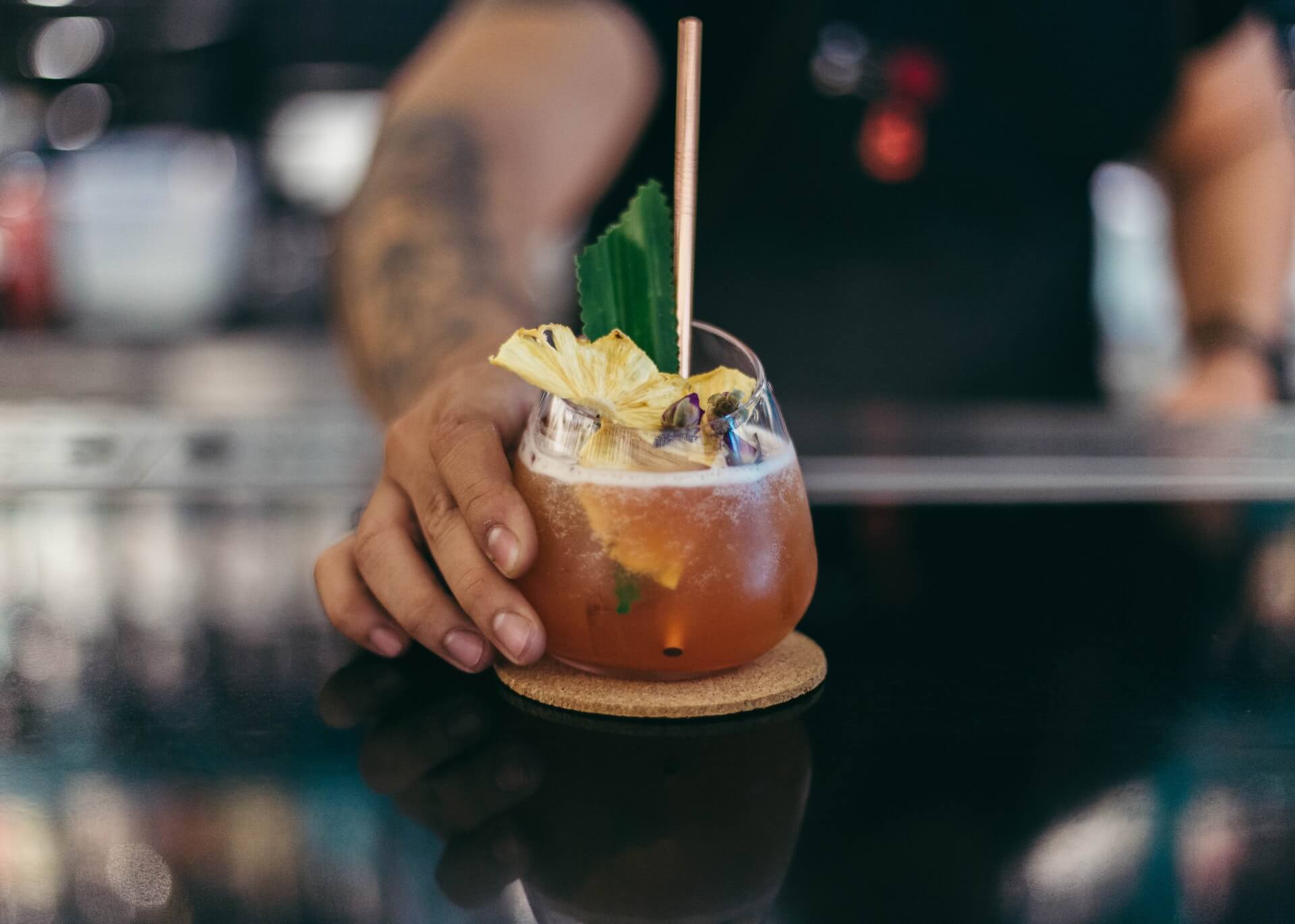
Bartender presenting cocktail

With just six weeks to go until the 20th anniversary of Tales of the Cocktail, the foundation announces their Spirited Award finalists.

Unsurprisingly, a number of the nominees can also be found on the North America’s 50 Best Bars list.

However, the Spirited Awards honor more than bars. The awards span four categories: US, International, Global, and Writing & Media.

Along with bar nominees, you’ll find mentors, bar teams, brand ambassadors, spirits, cocktail ingredients, books, articles, podcasts, videos, and publications in the list below.

Congratulations to the Spirited Awards’ top ten nominees! We’ll see you in New Orleans.

Cheers!

US Categories

US Bartender of the Year presented by Del Maguey

  • Josh Davis (16th Street Bar, Chicago, IL)
  • Chris Elford (Trade Winds Tavern, Navy Strength, Rob Roy, Here Today Brewing, Seattle, WA)
  • Chris Hannah (Jewel of the South, New Orleans, LA)
  • Caer Maiko Ferguson (DrinkWell, Austin, TX)
  • Chris McMillian (Revel Bar & Cafe, New Orleans, LA)
  • Shauna O’Neil (Sweet Liberty, Miami, FL)
  • Kapri Robinson (Allegory, Washington, DC)
  • Christian Suzuki-Orellana (Wildhawk, San Francisco, CA)
  • Masahiro “Masa” Urushido (Katana Kitten, New York, NY)
  • Christine Wiseman (BarLab Hospitality Group, Miami, FL)

Best US Bar Mentor presented by BarSmarts

  • Colin Asare-Appiah
  • Julio Cabrera
  • Kevin Diedrich
  • Meaghan Dorman
  • Alba Huerta
  • Alex Jump
  • Sean Kenyon
  • ms franky marshall
  • Nectaly Mendoza
  • Jeffrey Morgenthaler

Best US Brand Ambassador presented by Libbey Glass

  • Kiowa Bryan (Spiribam)
  • Chris Cabrera (Bacardí USA)
  • Tad Carducci (Gruppo Montenegro)
  • Cameron George (Ardbeg)
  • Vance Henderson (Hendrick’s Gin)
  • Lynn House (Heaven Hill)
  • Jenna Murray (The Glenlivet)
  • Natasha Sofia Velez (Davos Brands)
  • Ryan Wainwright (Bombay Sapphire)
  • Daniel Warrilow (Campari America)

Best US Bar Team presented by William Grant & Sons

  • Attaboy (New York, NY)
  • Cleaver: Butchered Meats, Seafood & Classic Cocktails (Las Vegas, NV)
  • Half Step (Austin, TX)
  • Jaguar Sun (Miami, FL)
  • Jewel of the South (New Orleans, LA)
  • Katana Kitten (New York, NY)
  • The Long Island Bar (Brooklyn, NY)
  • The Roosevelt Room (Austin, TX)
  • The Snug (Sacramento, CA)
  • Thunderbolt (Los Angeles, CA)

Best US Cocktail Bar presented by Absolut Vodka

  • Bar Goto (New York, NY)
  • Beachbum Berry’s Latitude 29 (New Orleans, LA)
  • Bitter & Twisted Cocktail Parlour (Phoenix, AZ)
  • DrinkWell (Austin, TX)
  • Julep (Houston, TX)
  • Katana Kitten (New York, NY)
  • Occidental (Denver, CO)
  • Pearl Diver (Nashville, TN)
  • The Roosevelt Room (Austin, TX)
  • Thunderbolt (Los Angeles, CA)

Best US Hotel Bar presented by Grey Goose

  • Bar Marilou at Maison de la Luz (New Orleans, LA)
  • Champagne Bar at The Surf Club Miami (Miami, FL)
  • Dear Irving on Hudson at the Aliz Hotel (New York, NY)
  • Hey Love at The Jupiter (Portland, OR)
  • King Cole Bar at The St. Regis New York (New York, NY)
  • Libertine Social at the Mandalay Bay (Las Vegas, NV)
  • Little Rituals at the Residence Inn/Courtyard by Marriott (Phoenix, AZ)
  • Midnight Rambler at the Joule (Dallas, TX)
  • Mountaineering Club at the Graduate Seattle Hotel (Seattle, WA)
  • Silver Lyan at the Riggs Washington DC (Washington, DC)

Best US Restaurant Bar presented by Maison Ferrand

  • Café La Trova (Miami, FL
  • Cleaver: Butchered Meats, Seafood & Classic Cocktails (Las Vegas, NV)
  • Crown Shy (New York, NY)
  • Gramercy Tavern (New York, NY)
  • Jewel of the South (New Orleans, LA)
  • Kimball House (Decatur, GA)
  • Kumiko (Chicago, IL)
  • L’Oursin (Seattle, WA)
  • Republique (Los Angeles, CA)
  • Spoon and Stable (Minneapolis, MN)

Best New US Cocktail Bar presented by Aviation Gin

  • Double Chicken Please (New York, NY)
  • Happy Accidents (Albuquerque, NM)
  • Kona’s Street Market (San Francisco, CA)
  • Law Bird (Columbus, OH)
  • Overstory (New York, NY)
  • Palmetto (Oakland, CA)
  • Temple Bar (New York, NY)
  • Tiki Tatsu-Ya (Austin, TX)
  • Trade Winds Tavern (Seattle, WA)
  • Yacht Club (Denver, CO)

International Categories

International Bartender of the Year presented by Patrón

  • Moe Aljaff (Two Schmucks, Barcelona, Spain)
  • Lorenzo Antinori (ARGO / Four Seasons Hotel & Resorts, Hong Kong, China)
  • Giorgio Bargiani (The Connaught Bar, London, UK)
  • Kate Boushel (Atwater Cocktail Club / Milky Way Cocktail Bar, Montréal, Québec, Canada)
  • James Grant (Little HK, Edmonton, Canada)
  • Keith Motsi (Charles H. Seoul at the Four Seasons Hotel, Seoul, South Korea)
  • Rémy Savage (🔶🟥🔵 A Bar with Shapes for a Name, London, UK)
  • Daniel Schofield (SCHOFIELD’S BAR, Manchester, UK)
  • Ezra Star (Mostly Harmless, Hong Kong, China)
  • Luke Whearty (BYRDI, Melbourne, Australia)
  • Matt Whiley (RE, Sydney, Australia)

Best International Bar Mentor presented by Lyre’s Non-Alcoholic

  • Monica Berg
  • Arijit Bose
  • Simone Caporale
  • Renato “Tato” Giovannoni
  • Tim Etherington Judge
  • Trevor Kallies
  • Dre Masso
  • Lauren Mote
  • Danil Nevsky
  • Agostino Perrone
  • Christina Veira
  • Camille Vidal

*Includes 12 nominees due to a tie

Best International Brand Ambassador presented by Lyre’s Non-Alcoholic

  • Jenna Ba (Diageo)
  • Claudia Cabrera (Fratelli Branca)
  • Irene Díaz (Ron Diplomático)
  • Martin Hudák (Mr. Black Spirits)
  • Daniyel Jones (House of Angostura)
  • Ally Martin (Hendrick’s Gin)
  • Dave Mitton (Lot No. 40 / JP Wiser’s)
  • Ricardo Nava (Bacardí Latin America)
  • Tim Phillips-Johansson (Johnnie Walker)
  • Nicola Riske (The Macallan)

Best International Bar Team presented by House of Angostura

  • ALQUÍMICO (Cartagena, Colombia)
  • Atwater Cocktail Club (Montréal, Québec, Canada)
  • Jigger & Pony at the Amara Hotel (Singapore)
  • La Factoría (San Juan, Puerto Rico)
  • MAYBE SAMMY (Sydney, Australia)
  • Salmon Guru (Madrid, Spain)
  • Tayēr + Elementary (London, UK)
  • The Clumsies (Athens, Greece)
  • Tres Monos (Buenos Aires, Argentina)
  • Two Schmucks (Barcelona, Spain)

Best International Cocktail Bar presented by Tequila Fortaleza

  • ALQUIMICO (Cartagena, Colombia)
  • Atwater Cocktail Club (Montréal, Québec, Canada)
  • Cause Effect Cocktail Kitchen & Cape Brandy Bar (Cape Town, South Africa)
  • COA (Hong Kong, China)
  • Florería Atlántico (Buenos Aires, Argentina)
  • MAYBE SAMMY (Sydney, Australia)
  • Paradiso (Barcelona, Spain)
  • Salmon Guru (Madrid, Spain)
  • Satan’s Whiskers (London, UK)
  • Tayēr + Elementary (London, UK)
  • Three Sheets (London, UK)
  • Two Schmucks (Barcelona, Spain)

*Includes 12 nominees due to a tie

Best International Hotel Bar presented by Perrier

  • Bar Trigona at the Four Seasons Hotel (Kuala Lumpur, Malaysia)
  • Botanist at the Fairmont Pacific Rim Hotel (Vancouver, BC, Canada)
  • Bulgari Bar at The Bvlgari Resort (Dubai, UAE)
  • Charles H. Seoul at the Four Seasons Hotel (Seoul, South Korea)
  • Fifty Mils at the Four Seasons Hotel (Mexico City, Mexico)
  • Jigger & Pony at the Amara Hotel (Singapore)
  • Lyaness at Sea Containers London (London, UK)
  • MO BAR at the Mandarin Oriental (Singapore)
  • Origin Bar at The Shangri-La Hotel (Singapore)
  • The American Bar at The Stafford London (London, UK)
  • The Donovan Bar at the Brown’s Hotel (London, UK)

*Includes 11 nominees due to a tie

Best International Restaurant Bar presented by Tales of the Cocktail Foundation

  • Bar Kismet (Halifax, Nova Scotia, Canada)
  • Caffe Fernet (Singapore)
  • Danico (Paris, France)
  • Le Mary Celeste (Paris, France)
  • Locale Firenze (Florence, Italy)
  • LPM Restaurant & Bar (Dubai, UAE)
  • Pujol (Mexico City, Mexico)
  • Sexy Fish (London, UK)
  • The Continental Deli (Newtown, Australia)
  • Tjoget (Stockholm, Sweden)
  • Zuma Dubai — Dubai, UAE)

*Includes 11 nominees due to a tie

Best New International Cocktail Bar presented by Stranger & Sons

  • 🔶🟥🔵 A Bar with Shapes for a Name (London, UK)
  • Amaro Bar (London, UK)
  • ARGO (Hong Kong, China)
  • Dead End Paradise (Beirut, Lebanon)
  • DEAN & NANCY (Sydney, Australia)
  • RE (Sydney, Australia)
  • Schofield’s Bar (Manchester, UK)
  • Side Hustle at the NoMad (London, UK)
  • SIPS (Barcelona, Spain)
  • Wax On (Berlin, Germany)

Global Categories

Best New Spirit or Cocktail Ingredient presented by Tales of the Cocktail Foundation

  • Abasolo Ancestral Corn Whisky
  • ANGOSTURA® cocoa bitters
  • Citadelle Gin Jardin d’été
  • Del Maguey Single Village Mezcal Vida de Muertos
  • Equiano Light Rum
  • Fever-Tree Sparkling Lime & Yuzu
  • Fever-Tree Sparkling Pink Grapefruit
  • Hendrick’s Lunar Gin
  • Lyre’s Non-Alcoholic – Italian Orange
  • Nixta Licor de Elote
  • Lost Irish
  • Ojo de Tigre Mezcal Artesanal
  • SAVOIA Americano

*Includes 13 nominees due to a tie

World’s Best Cocktail Menu presented by Diageo Bar Academy

  • ALQUÍMICO (Cartagena de Indias, Colombia)
  • Dante NYC (New York, NY)
  • Himkok (Oslo, Norway)
  • Little Red Door (Paris, France)
  • Lyaness at Sea Containers London (London, UK)
  • Mace Bar (New York, NY)
  • Paradiso (Barcelona, Spain)
  • Scarfes Bar at the Rosewood London (London, UK)
  • Swift Soho (London, UK)
  • Tayēr + Elementary (London, UK)

World’s Best Spirits Selection presented by Beam Suntory

  • ATLA (New York, NY)
  • Brandy Library (New York, NY)
  • In-Situ Mezcaleria (Oaxaca City, Mexico)
  • Jack Rose Dining Saloon (Washington, DC)
  • Origin Bar at The Shangri-La Hotel (Singapore)
  • Rumba (Seattle, WA)
  • Sexy Fish (London, UK)
  • Swift Soho (London, UK)
  • The Bamboo Room at Three Dots and a Dash (Chicago, IL)
  • The Doctor’s Office (Seattle, WA)

Writing and Media Categories

Best Cocktail & Spirits Publication presented by Diageo Bar Academy

  • CLASS magazine
  • Difford’s Guide
  • Discard the Zine
  • DRiNK Magazine Asia
  • Drinks International
  • Liquor.com
  • The Cocktail Lovers magazine
  • The Spirits Business
  • VinePair
  • Whisky Magazine

Best Broadcast, Podcast, or Online Video Series presented by Diageo Bar Academy

  • A Life In Whisky: The Dennis Malcolm Story (A documentary by Whisky Magazine)
  • Behind the Bar with Cara Devine
  • El Club de los Cantineros (Documentary)
  • Freepour
  • Happy Hour History
  • Hospitality Forward Podcast by Hanna Lee Communications
  • Radio Imbibe
  • Shōshin Art Club
  • The Cocktail Lovers Podcast
  • The Speakeasy Podcast

Best Cocktail & Spirits Writing presented by Diageo Bar Academy

  • “Get Real: The bar world looks beyond feel-good measures on sustainability and climate change” by Max Falkowitz, for Imbibe Magazine
  • “Getting high from a new supply: a revolutionary flavour extraction method for cocktails is being pioneered in South Africa” by Leah van Deventer, for TheWorlds50Best.com
  • “Has the Coronavirus Pandemic Destroyed American Bar Culture?” by Jeffrey Morgenthaler, for Daily Beast
  • “Making it Through: How a Bar’s Regulars Helped During a Pandemic,” by Rebecca Cate as told to Paul Clarke, Imbibe
  • “Marc Farrell Wants to Change the Way You Think About Rum” by Yolanda Evans, for Food & Wine
  • “Meet the Eco-Packaging Innovations Transforming the Drinks Industry” by Betsy Andrews, for SevenFifty Daily
  • “Mexican Terroir” by Liza Weisstuch, for Whisky Magazine
  • “The Greatest Drinking Contest in History” by David Wondrich, for Daily Beast
  • “The Hard Reset – Creating a New Hospitality Culture” by Anna Sebastian, for CLASS
  • “Turns Out Rye Whiskey Isn’t an American Creation After All” by Lew Bryson, for Daily Beast

Best New Cocktail or Bartending Book presented by Lyre’s Non-Alcoholic

  • Claridge’s The Cocktail Book by Denis Broci and Nathan McCarley-O’Neill
  • COCKTAIL DIVE BAR: Real Drinks, Fake History, and Questionable Advice from New Orleans’s Twelve Mile Limit by T. Cole Newton
  • Death & Co: Welcome Home by Alex Day, Nick Fauchald, and David Kaplan
  • Difford’s Guide to Cocktails Sixteenth Edition by Simon Difford
  • Mezcal and Tequila Cocktails by Robert Simonson
  • The Cocktail Seminars by Brian D. Hoefling
  • The Japanese Art of the Cocktail by Masahiro Urushido and Michael Anstendig
  • The Way of the Cocktail: Japanese Traditions, Techniques, and Recipes by Julia Momosé with Emma Janzen
  • Tokyo Cocktails by Nicholas Coldicott
  • Zero Proof: 90 Non-Alcoholic Recipes for Mindful Drinking by Elva Ramirez

Best New Book on Drinks Culture, History, or Spirits presented by Diageo Bar Academy

  • A Good Drink: In Pursuit of Sustainable Spirits by Shanna Farrell
  • Bourbon: The Story of Kentucky Whiskey by Clay Risen
  • Drunk: How We Sipped, Danced, and Stumbled Our Way to Civilization by Edward Slingerland
  • Girly Drinks: A World History of Women and Alcohol by Mallory O’Meara
  • L’Ora dell’Americano by Mauro Mahjoub & Lucio Tucci
  • Something & Tonic by Nick Kokonas
  • The Big Book of Amaro by Matteo Zed
  • The New Kindred Spirits by F. Paul Pacult
  • The Oxford Companion to Spirits and Cocktails edited by David Wondrich with Noah Rothbaum
  • The Spirit of Rye by Carlo DeVito

Image: Jia Jia Shum on Unsplash

by David Klemt David Klemt No Comments

After RRF Failure, What’s Next for Us?

After RRF Failure, What’s Next for Us?

by David Klemt

Super Mario Bros. game booth

After the US Senate failed to even debate the Restaurant Revitalization Fund, instead opting to let it die, what’s next?

Obviously, trusting our elected officials to do the right thing isn’t a viable option. After all, the Senate slow-walked the RRF’s death march. It took six weeks after the House voted “yes” on RRF for senators to filibuster the bill to death.

Last Thursday, the National Restaurant Association addressed moving forward. Sean Kennedy, executive vice president of public affairs, released a 90-second video in which he spoke about the RRF and where we are now.

Reconciliation?

One of the first options Kennedy proposes in his video is a reconciliation bill. That, however, is highly unlikely to come to fruition.

So, what’s a reconciliation bill? Simply put, it has to do with the Senate’s supermajority requirement.

In order for a bill to advance to a vote, 60 percent of the Senate must support ending a filibuster. On that topic, a filibuster is a procedural tool that prolongs a debate. The filibuster is used to delay or prevent a vote on a bill, resolution, etc.

Now, a budget reconciliation bill circumvents the supermajority requirement. A simple majority—51 senators for the US Senate—is all it takes to override a filibuster in this instance.

Technically, from what I’ve come to understand, the Senate can pass a maximum of three budget reconciliation bills in a year. Most often, it passes a single such bill per year.

Obviously, Kennedy feels that this would be a longshot to cross our fingers and hope the RRF is funded via these means.

Staying Ready

As they say—yes, “they”—if you stay ready, you don’t have to get ready. According to Kennedy, the NRA is prepared to act in any way they can should replenishing the RRF or similar aide once again become an option.

“We’re gonna continue to closely monitor the situation and we certainly can activate if there any signs of movement,” he says. “We’re not seeing them yet.”

The “yet” there is perhaps a bit hopeful. And as we like to say, hope isn’t a strategy. However, optimism is far healthier than pessimism and hopelessness.

Additionally, Kennedy and the NRA are grateful to the bipartisan group of representatives and senators who have shown their support for our industry and replenishing the RRF.

“We’re incredibly appreciative of the works of our champions in Congress,” says Kennedy.

In particular, he acknowledges Senate Majority Leader Chuck Schumer (D-NY), and senators Ben Carden (D-MD), Roger Wicker (R-MS), Kyrsten Sinema (D-AZ). In the House, Kennedy thanks Speaker of the House Nancy Pelosi (D-CA), and representatives Earl Blumenauer (D-OR), Dean Phillips (D-MN), Brian Fitzpatrick (R-PA).

What’s Next?

As Kennedy says, much of what he discussed with people at the 2022 NRA Show centered around this very topic. Just what are we supposed to do moving forward?

Unfortunately, there’s no clear answer, no simple solution we can point to and implement.

Instead, we have several issues we must navigate to keep restaurant and bar doors open:

  • What can we do to more effectively recruit and retain staff?
  • How can we best address increases in food costs and problems with availability?
  • Is there a way to address rising credit card transaction fees?

Of course, that’s but a handful of what we must address and solve. And at least when it comes to the first question, we know some of the elements for the solution:

  • Treat staff with respect.
  • Value diversity, equity, and inclusion.
  • Improve pay and offer benefits.
  • Develop a healthy company culture and workplace.

On the topic of state and local policymakers, expecting help is a dicey proposition.

Unless they engage with the owners, operators, and industry professionals in their states, counties, cites, and towns, they’ll hurt these businesses. The only effective and helpful way forward is for them to engage with us and not simply introduce and pass legislation that hurts. Possible, of course, but a big ask as we’ve seen proven time and time again.

Image: Minator Yang on Unsplash

by David Klemt David Klemt No Comments

2022 50 Best Bars: North America

2022 50 Best Bars: North America

by David Klemt

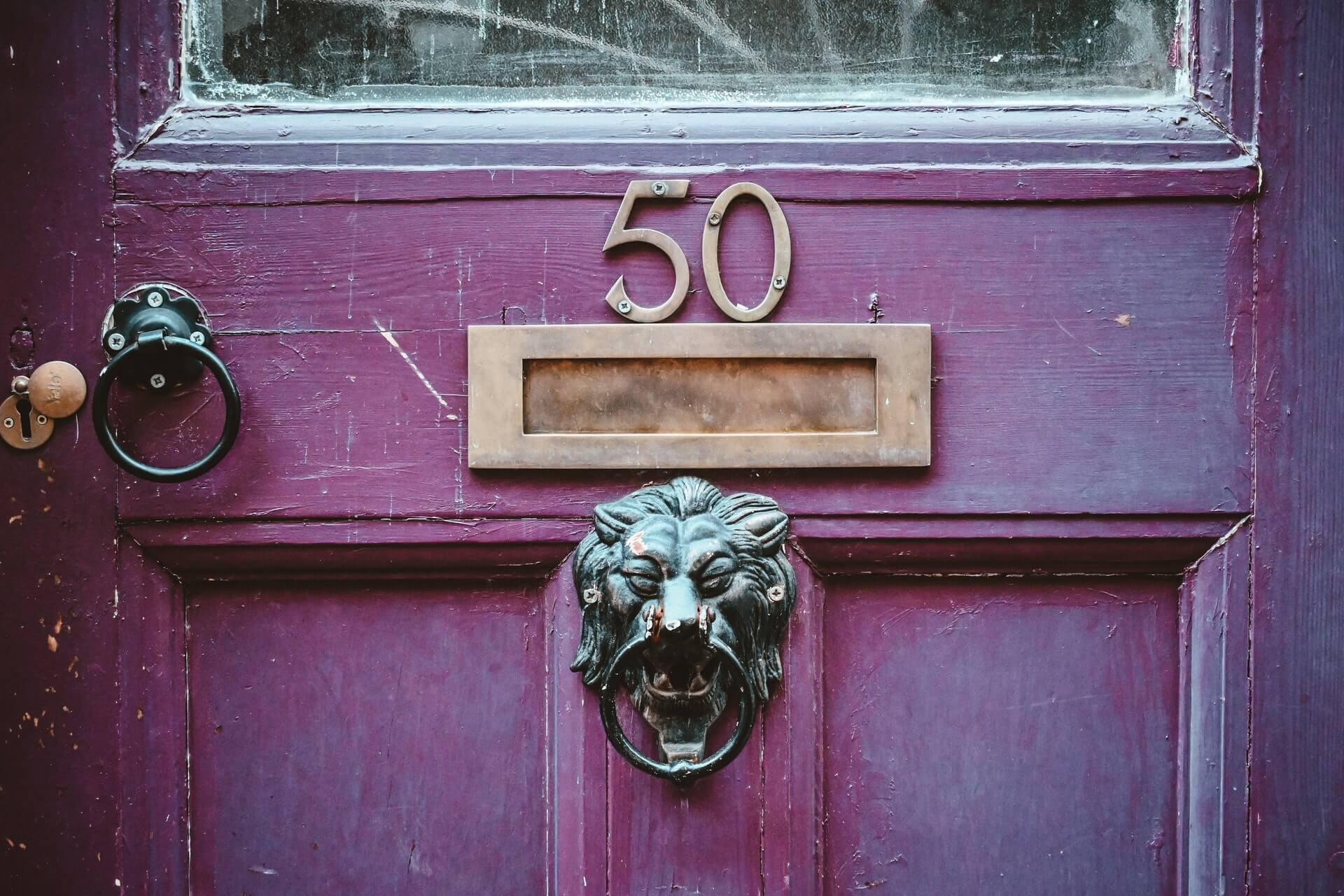
Door with number 50 address

Probably a speakeasy.

The World’s 50 Best Bars ranking for North America is official and the bars are, of course, extraordinary.

Unsurprisingly, much of the list consists of “household” names in our industry. Now, where some people may see a list of the “cool kids,” I see something different.

In a word, consistency. Sure, the more cynical among us roll their eyes at rankings and awards.

However, I see approaches to operations, service, menu and design innovation, and guest experiences to learn from and emulate.

Would I like to see bars in markets outside of the usual suspects on these lists? Absolutely. As so-called secondary and tertiary markets develop their scenes that may start to happen more often.

So, congratulations to this year’s 50 Best Bars in North America! Cheers!

Canada

This year, the second-largest country in the world claims eight of North America’s 50 best bars. One bar is in the top ten.

As Ontario’s capital and Canada’s most-populous city, it should come as no surprise that Toronto takes four spots. Bar Mordecai is number 47, Bar Raval is 41, number 38 is Mother, and Civil Liberties is tenth.

It’s a bit surprising to see just one bar from Vancouver—number 25, The Keefer Bar—but Montréal has two venues on the list. The Cloakroom Bar is number 45 and 29 is El Pequeño Bar.

Bar Kismet, in Halifax, Nova Scotia, is sitting in the 49th spot on the 2022 North American list.

America

Impressively, the US boasts 30 of North America’s 50 Best Bars, six of which are in the top ten. Intriguingly, ten of the bars on this list were ranked on the World’s 50 Best Bars last year.

As one would assume, New York City dominates the 2022 rankings. Eleven bars are on the list, with the number one spot going to Attaboy. Congratulations to Michael McIlroy and Sam Ross, their teams, and their partners. Katana Kitten is number four, and Dante earns the eighth spot on the list.

Moving to the south, two bars on the list are in Miami: Broken Shaker (32) and Sweet Liberty (14). Heading northwest, Kumiko in Chicago is in the top ten at number five.

On the other side of the country, Los Angeles claims three spots, one in the top ten. Genever holds number 50, Death & Co. is 34, and Thunderbolt is ninth. The Bay Area has two bars on the list. ABV in San Francisco is number 39 and Oakland’s Friends and Family is in the 33 spot.

Somewhat surprisingly, Las Vegas and New Orleans each have just one bar in the rankings. One of my personal favorites, Herbs & Rye, is number 28 on the list. Jewel of the South in NOLA is in the top half of the list, holding number 24.

In San Juan, Puerto Rico, the beloved La Factoría is twelfth on the list.

Mexico

Achieving 11 spots—three in the top ten—Mexico is crushing it this year. Remarkably but not surprisingly, the three bars in the top ten are all in Mexico City.

Baltra Bar earns number nine, and Handshake Speakeasy and Licorería Limantour are second and third, respectively. Overall, Mexico City boasts six bars on this list.

Two spots are in Oaxaca: Selva, which is number 22, and Sabina Sabe, number twenty.

Arca, number 37, is in Tulum. Number 21, El Gallo Altanero, is in Guadalajara. And Zapote Bar in Playa del Carmen almost breaks the top 10, coming in eleventh.

Cuba

The legendary El Floridita grabs Cuba’s only entry on the 2022 list.

Impressively, El Floridita can trace its opening to the early 1800s. Originally, the space was La Piña de Plata. About a century later, a bartender, Constantino “Constante” Ribalaigua Vert, became the owner and changed the name.

Oh, and he just so happens to be the inventor of the frozen Daiquiri. Along with its impressive history, El Floridita also has an awesome statue with its own seat at the bar. Ernest Hemingway is immortalized in bronze.

50 Best Bars: North America

Below, the full list in ascending order.

  1. Genever (Los Angeles, CA)
  2. Bar Kismet (Halifax, Nova Scotia)
  3. Teardrop Lounge (Portland, OR)
  4. Bar Mordecai (Toronto, Ontario)
  5. Julep (Houston, TX)
  6. Cloakroom Bar (Montréal, Québec)
  7. Bitter & Twisted (Phoenix, AZ)
  8. Clover Club in (New York, NY)
  9. Bar Leather Apron (Honolulu, HI)
  10. Bar Raval (Toronto, Ontario)
  11. El Floridita (Havana)
  12. ABV (San Francisco, CA)
  13. Mother (Toronto, Ontario)
  14. Arca (Tulum, Quintana Roo)
  15. Death & Co (Denver, CO)
  16. Mace (New York, NY)
  17. Death & Co (Los Angeles, CA)
  18. Friends and Family (Oakland, CA)
  19. Broken Shaker (Miami, FL)
  20. The Dead Rabbit (New York, NY)
  21. Employees Only (New York, NY)
  22. El Pequeño Bar (Montréal, Québec)
  23. Herbs & Rye (Las Vegas, NV)
  24. Overstory (New York, NY)
  25. Dear Irving (New York, NY)
  26. The Keefer Bar (Vancouver, British Columbia)
  27. Jewel of the South (New Orleans, LA)
  28. Amor y Amargo (New York, NY)
  29. Selva (Oaxaca de Juárez, Oaxaca)
  30. El Gallo Altanero (Guadalajara, Jalisco)
  31. Sabina Sabe (Oaxaca de Juárez, Oaxaca)
  32. Raised by Wolves (San Diego, CA)
  33. Service Bar (Washington, DC)
  34. Double Chicken Please (New York, NY)
  35. Hanky Panky (Ciudad de México)
  36. Café de Nadie (Ciudad de México)
  37. Sweet Liberty (Miami, FL)
  38. Kaito del Valle (Ciudad de México)
  39. La Factoría (San Juan)
  40. Zapote Bar (Playa del Carmen, Quintana Roo)
  41. Civil Liberties (Toronto, Ontario)
  42. Thunderbolt (Los Angeles, CA)
  43. Dante (New York, NY)
  44. Baltra Bar (Ciudad de México)
  45. Café La Trova (Miami, FL)
  46. Kumiko (Chicago, IL)
  47. Katana Kitten (New York, NY)
  48. Licorería Limantour (Ciudad de México)
  49. Handshake Speakeasy (Ciudad de México)
  50. Attaboy (New York, NY)

Image: Hello I’m Nik on Unsplash

by David Klemt David Klemt No Comments

5 Books to Read this Month: June 2022

5 Books to Read this Month: June 2022

by David Klemt


Flipping through an open book

These engaging and informative book selections will help you develop next-level food and beverage skills, and motivate you throughout June, 2022.

To review May’s book recommendations, click here.

Let’s jump in!

Doctors and Distillers

As the historians in our industry have known for a while, cocktails were once considered medicinal. Of course, in some ways that’s still the case.

Industry author, speaker, and educator Camper English shows us how medicine and alcohol have long been connected throughout human history in Doctors and Distillers. Have you head of using wine as a dewormer? How about treating wounds with beer? Would you ever consider using spirits to heal a snakebite? Well, humans have done those things and more with booze. Pre-order this book today!

A Bartender’s Guide to the World

I’m just going to be blunt here: Lauren Mote probably knows more about spirits, liqueurs, and cocktails than you. That’s not a slam—she loves sharing her knowledge and helping people improve their craft and business.

Available for pre-order now for an October launch, A Bartender’s Guide to the World shares not only Mote’s journeys around the world but also more than 75 cocktail recipes. The book’s recipes are organized by their base ingredient. Additionally, there’s an entire chapter just addressing alcohol-free drinks.

The Portugal Cookbook

Chef Leandro Carreira shares well over 500 recipes in The Portugal Cookbook. These dishes range from traditional Portuguese cuisine to modern recipes.

Every region throughout Portugal is represented in this informative and mouth-watering book, including the Duoro Valley and Algarve coast. Portugal is known as a global destination for foodies and this book will definitely help you add some delicious, on-trend recipes to your menu.

Hacking the New Normal: Hitting the Reset Button on the Hospitality Industry

The world around us has changed. The food & beverage industry has changed. The hospitality industry has changed. But will some ways of life change for the better? In Doug Radkey’s second book, Hacking the New Normal, he asks the following: “Do you think you can hit the reset button on your approach to business? Do you think you can help hit the reset button on this industry? I have made the decision to do so. The question remains, have you?”

Trust and Inspire: How Truly Great Leaders Unleash Greatness in Others

Stephen M.R. Covey, author of The Speed of Trust, addresses the leadership crisis we face today. As the author of Trust and Inspire points out, the world is changing but leadership styles remain the same. That simply won’t work moving forward. It’s crucial we change how we view leadership, and develop new leadership styles and strategies if we’re going to succeed from now on.

Image: Mikołaj on Unsplash

by David Klemt David Klemt No Comments

Stand Out with Weird Holidays: June 2022

Stand Out with Weird Holidays: June 2022

by David Klemt

Stay Weird neon sign with purple background

Want to stand out from from other restaurants and bars in your area? Then commit to keeping it weird.

Several “holidays” are set against every date on the calendar, and June is no exception. These holidays range from mainstream to “weird.”

Pay attention to the latter to raise eyebrows, carve out a niche for your restaurant or bar, and attract more guests. Why do what everyone else is already doing?

Of course, you shouldn’t try to celebrate every holiday, weird or otherwise. And this month’s list in no way includes every odd holiday.

Focus on the days that are authentic to your brand; resonate with your guests; and help you grab attention on social media.

For last month’s list, click here.

June 4: National Bubbly Day

Fine, so maybe sparkling wines aren’t weird. Sometimes I just add holidays that have the potential to be fun while driving traffic and revenue to these lists.

As I’m sure you’re already guessing, National Bubbly Day is the perfect time to make your guests aware of your sparkling wines. Bubbly is even more attractive to guests as temperatures rise.

June 5: National Veggie Burger Day

There’s no question that plant-based food items are only growing more popular with consumers. This is the day to showcase your veggie burgers and other meat and dairy alternatives.

June 10: National Herbs and Spices Day

Without herbs and spices, where would F&B be? Task your kitchen and bar teams with creating dishes and drinks that are made better with herbs and spices. Tell your bartenders to break out the torches and light the rosemary!

June 13: International Axe Throwing Day

If you’re an eatertainment venue, bar, or restaurant with an axe-throwing setup, this is one-hundred-percent your day to shine.

June 14: International Bath Day

There are a few different ways to design a promotion around this holiday. One, you can feature distillers who specifically produce gin expressions labeled “Bathtub Gin.” Ableforth’s, for example, is one such producer. Two, you can purchase bathtub-shaped drinkware. Three, you can combine the first two for an LTO pour.

June 16: National Dump The Pump Day

It’s not exactly a secret that gas prices are rising across the nation. With that in mind, it shouldn’t be too difficult to encourage your guests to arrive at your business by bicycle, scooter, skateboard, foot, electric car, or other means of conveyance that doesn’t use gasoline or diesel for fuel.

June 20: American Eagle Day

Interested in a holiday that requires very specific planning? Try American Eagle Day.

One way to celebrate is to design a promotion around award-winning Eagle Rare bourbon. And no, they didn’t pay us to mention them. They just make really good whiskey that works great for this holiday.

June 25: National Leon Day

There’s an entire contingent of people who simply can’t wait for Christmas to come around each year. In fact, they don’t think it’s fair that they only get to celebrate it once a year.

National Leon Day is celebrated every June 25th because it’s the midway point to Christmas. So, forget Christmas in July—celebrate Christmas in June with your guests and specialty LTO menus.

June 29: National Waffle Iron Day

Your guests may be surprised to learn the number of foods that can be waffled. Create an LTO menu that showcases how creative your kitchen team can get with waffle irons. For bonus points, include your bar team with waffled garnishes.

June 30: National Social Media Day

I suppose it was only a matter of time from social media reaching ubiquity to this form of media having its own holiday. Mashable launched the first National Social Media Day in 2010.

Create post-worthy F&B items, come up with your own hashtags, and ask your guests to post pics using those tags to promote your business.

Image: Dan Parlante on Unsplash

by David Klemt David Klemt No Comments

2022 Cocktail Apprentice Program Class

TOTC Announces 2022 Cocktail Apprentice Program Class

by David Klemt


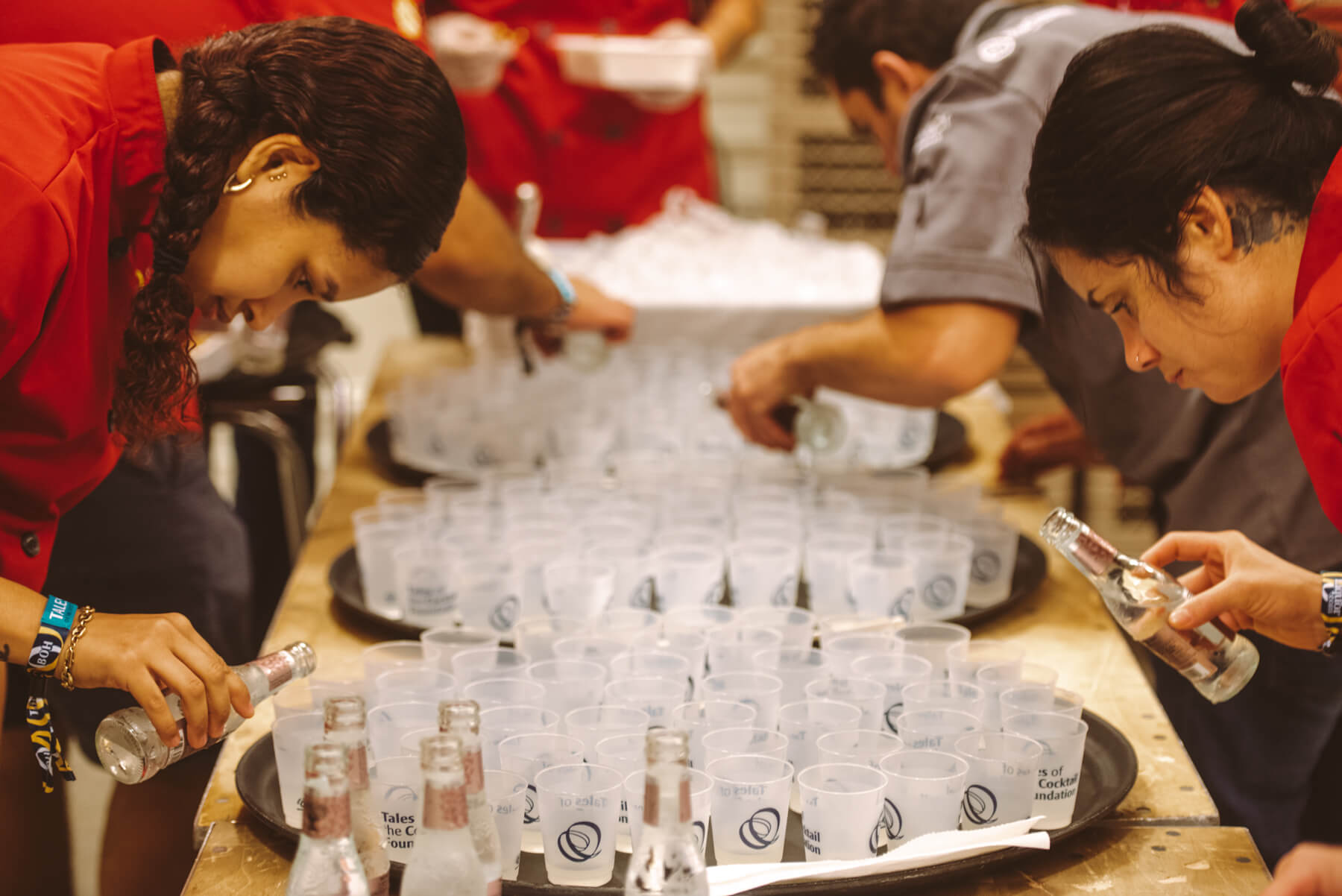
Tales of the Cocktail Red Coat apprentices

The Tales of the Cocktail Foundation has announced the 32 members of this year’s Cocktail Apprentice Program, also known as CAP.

For 2022, the CAP apprentices come from seven countries, Washington, D.C., fourteen American states, and Puerto Rico. First launched in 2008, CAP has played host to over 400 apprentices.

These bar professionals are thrown into the organized chaos that is Tales of the Cocktail each year. Well, to be fair, the event likely only feels like chaos to Tales attendees. This gathering of hospitality pros is a precision machine behind the scenes.

Of course, CAP apprentices and veterans are one of the keys to Tales’ success. These bar pros work together to prepare cocktails for for Tales seminars. They also make the many tastings possible. CAP Red and Grey Coats also batch the Dame Hall of Fame and Spirited Awards drinks.

As you’ll see while reviewing the lists below, CAP Red Coats work at some of the world’s premier bars, restaurants, hotels, distilleries, portfolios and brands, and hospitality groups. Moreover, they gain an incredible amount of experience and mentorship from industry veteran Grey, Black, and White Coats.

Valuable Experience

This is, of course, great news for attendees. Many will recognize the names and venues below. And, hey, these apprentices keep the good times flowing at Tales.

But there’s another reason this news is important.

Operators should encourage their bar team stars to apply to be TOTC CAP apprentices each year. The program is open to bartenders, barbacks, and bar managers.

Considering who they’ll meet, work with, and learn from, operators can think of CAP as an investment in their bar team.

In addition to returning to work with a wealth of knowledge and new industry contacts, they’ll be eligible to apply for the Cocktail Apprentice Scholarship Program. Since 2022 CAP Red Coats can apply when applications open next year, it’s reasonable to assume that 2023 Red Coats will be eligible to apply in 2024 for the TOTCF Cocktail Apprentice Scholarship Program.

So, operators who are serious about furthering their bar team’s careers and helping to mentor them should help them apply for the 2023 Cocktail Apprentice Program.

2022 Red Coats

Below are this year’s 32 CAP Red Coat apprentices. You’ll also find their place of work.

  • Patience AdjeiTwist Night Club and Level Up Lounge (Accra, Ghana, West Africa)
  • Gerald AkinsHamlet and Ghost (Saratoga Springs, NY)
  • Israel Baròn, Casa Prunes (Mexico City, Mexico)
  • Tammy Bouma, Bluebird Cocktail Room (Baltimore, MD)
  • Dylan BrentwoodBar Kismet (Halifax, Nova Scotia, Canada)
  • Napier Bulanan, Viridian (Oakland, CA)
  • Yosue Cordero BadilloFairmont El San Juan Hotel (Carolina, Puerto Rico)
  • Chelsea DeMarkThompson Hotel Savannah (Savannah, GA)
  • Milton DeyaMelinda’s Alley (Phoenix, AZ)
  • Linda DouglasCurly Bartender (Los Angeles, CA)
  • Kai DuartePacifico on the Beach and Down The Hatch (Wailuku, HI)
  • Cody DunavanBreakthru Beverage Virginia (Richmond, VA)
  • Glenn EldridgeROKA (Dubai, United Arab Emirates)
  • Tim FrandsenJane Jane (Washington, D.C.)
  • John FryRumba / Inside Passage (Seattle, WA)
  • Delena Humble-FischerGolden Pineapple Craft Lounge (Tempe, AZ)
  • Princess JohnsonAllegory (Washington, D.C.)
  • Maria KimSouthside Parlor (Seoul, South Korea)
  • Sungjoo KooMidnight Rambler (Dallas, TX)
  • Rylen KomeijiHere Kitty Kitty / Zouk Group (Las Vegas, NV)
  • Lars LunstrumThe Black Cypress (Pullman, WA)
  • Jacob MentelPolite Provisions (San Diego, CA)
  • Brian “Vito” MoralesSaso Bistro (Pasadena, CA)
  • Julian Bella RobinsPursuing MS in Hospitality Management at FIU (Tel Aviv, Israel)
  • Jomar SantosThe Peacock Lounge Savannah (Savannah, GA)
  • Jeremiah SimmonsSeven Three Distillery (New Orleans, LA)
  • Colin SimpsonThe Aviary (Chicago, IL)
  • Taylor SweeneyBar Shiru (Oakland, CA)
  • Vivi SzalavariUptown Cafe (Bloomington, IN)
  • Irlanda VargasBacal (Mexico City, Mexico)
  • Noor WafaiThe Eddy & Durk’s Bar-B-Q (Providence, RI)
  • Tim WeigelVegas Vickie’s (Las Vegas, NV)

2022 Grey Coats

Identifiable by their grey chef coats, Grey Coats are CAP leaders.

  • Hagay I. AbramovitzImperial Craft Cocktail Bar (Tel Aviv, Israel)
  • Justine BockGin & Juice (Bristol, UK)
  • Patrick BragaHappy Accidents (Albuquerque, NM)
  • Fifi BruceBarrel Brothers (Berlin, Germany)
  • Richie DelahoydeLyre’s Non Alcoholic Spirits (Dublin, Ireland) 
  • Amy DunkiBarr Hill and Caledonia Spirits (Los Angeles, CA)
  • Arianna Hone, High West Saloon, Post Office Place (Park City, UT)
  • Renson Malesi, House of Sage Cocktails (Nairobi, Kenya) 
  • Nicholas McCaslin, The Ritz-Carlton Nomad (New York City, NY)
  • Allie Phifer, Cayo Coco Rum Bar and Restaurante (Birmingham, AL)
  • Jessi Pollak, Spoon and Stable (Minneapolis, MN)
  • Eric Scott, Thyme X Table (Bay Village, OH) 
  • Britt Simons, The Eddy (Providence, RI)
  • Joey Smith, Chez Zou (New York City, NY)
  • Sarah Syman, The Dandy Crown (Chicago, IL)
  • Nigal Vann, The Berkshire Room (Chicago, IL)

2022 Black Coats

CAP assistant managers can be identified by their black chef coats.

  • Cam BrownSelf-employed (Vancouver, British Columbia, Canada)
  • Kaleena Goldsworthy-WarnockThe Bitter Bottle and Proof Bar and Incubator (Chattanooga, TN)
  • Alex LermanPearl Street Hospitality (Denver, CO)
  • Samm McCullochRed Wall Distillery (Sedona, AZ)

2022 White Coats

The industry veterans are CAP managers and wear white chef coats.
  • Alexis Belton-TinocoJohnnie Walker/Proof Media Mix (Chicago, IL)
  • Cris DehlaviDiageo Hospitality Partnership (Columbus, OH)
  • John DeragonResy (Brooklyn, NY)
  • Trevor KalliesFreehouse Collective (Vancouver, British Columbia, Canada)
  • Juyoung KangZouk Group at Resorts World Las Vegas (Las Vegas, NV)

Whenever you come across a Red, Grey, Black or White Coat at Tales, be sure to thank them for all their work. Well, if they don’t have their hands incredibly full. In that case, please get out of their way—they’ve got our drinks!

Image: M.S. Meeuwesen on Unsplash

by David Klemt David Klemt No Comments

Is Your Brand Engaging the Community?

Is Your Brand Engaging the Community?

by David Klemt

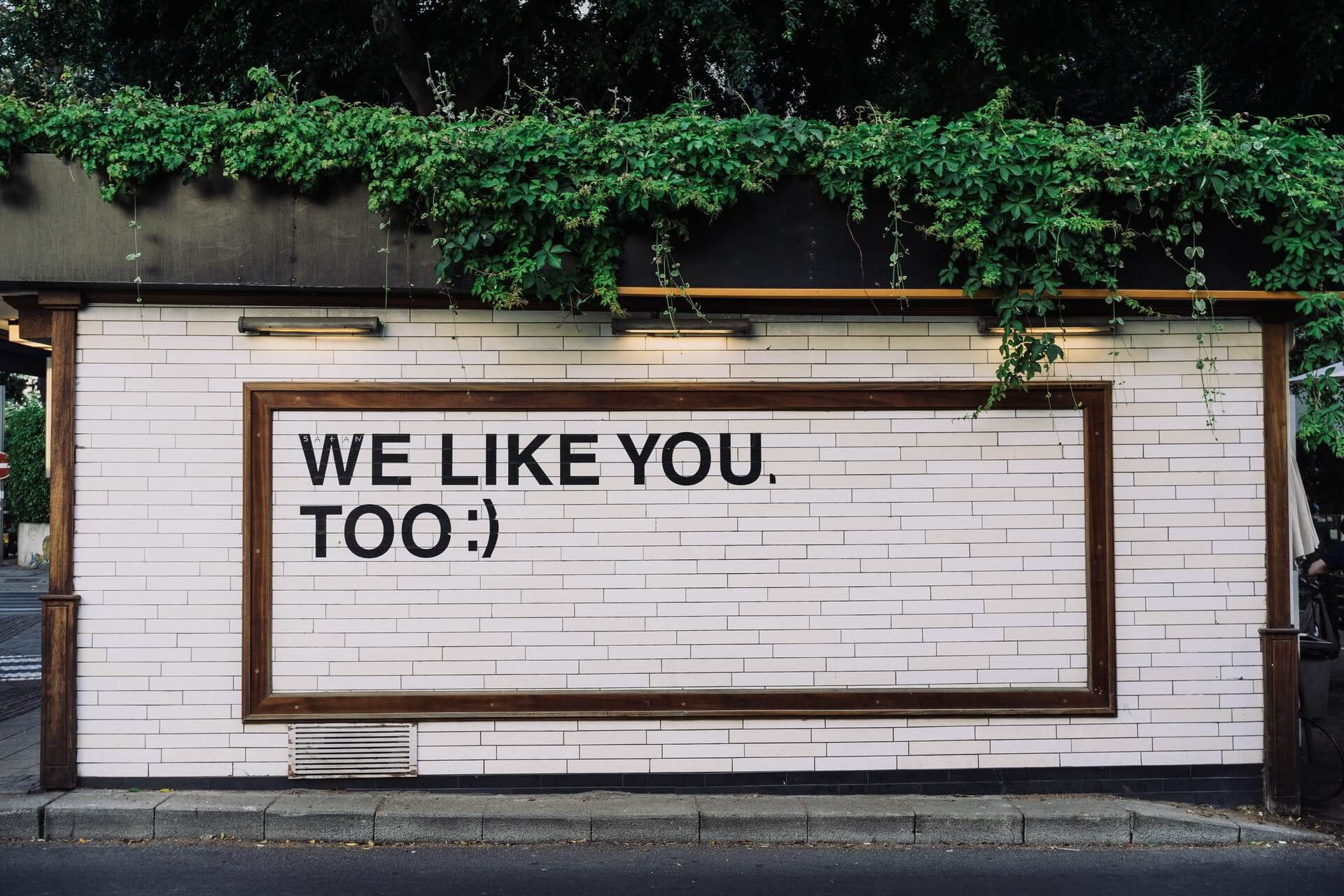
Sign on wall that reads, "We like you too"

Many speakers at HD Expo 2022 are focusing on an important element of design and the hospitality industry: the people we serve.

In other words, designers, their collaborative partners, and their clients want to engage communities.

Now, it’s true that HD Expo 2022 speakers were mainly talking about the hotel side of hospitality design. However, much of what they have to say on the subject of community relates to restaurant and bar projects as well.

Below are helpful insights into engaging the community your business operates in and serves.

Valuing the Community

Crystal Vinisse Thomas, vide president and global brand leader of lifestyle and luxury brands for Hyatt Hotels is bringing Caption by Hyatt to life.

A core element of Caption is community engagement. Yes, travelers are crucial to the success of a hotel brand. However, so are the locals.

After all, hotels, restaurants, and bars employ people from the community. Engaging the community leads to the creation of a loyal guests. During slower times, those loyal locals keep those registers ringing.

As Vinisse Thomas says, operators need to focus on locals as much as travelers. Further, she defines her approach to community as creating a space that’s open to everyone.

One way that Caption is staying true to Vinisse Thomas and Hyatt’s vision for the brand is the Talk Shop. As the name suggests, this is a hangout space. Talk Shop is a communal workspace, a a restaurant, a coffee shop… It’s a hangout for everyone, hotel guest or community guest.

However, Vinisse Thomas does admit that there are challenges when designing and operating for community engagement. One of those challenges is scalability.

Then there’s another big challenge. Designing and operating with the community in mind looks great on paper. But there’s no guarantee that this approach will give an operator an edge of the competition.

To that point, Vinisse Thomas suggests it may be best to speak with one’s competitors to partner on community engagement efforts.

Honoring the Community

An additional challenge when attempting to engage a community is authenticity. It’s a great buzzword, as Vinisse Thomas says, but it needs to be more than that.

Dyonne Fashina, principal of Denizens of Design, has some thoughts on community engagement and authenticity.

Putting it bluntly, Fashina says that honoring a community requires more than a Google search. Rather, designers and operators need to spend time in a given community. They need to get to know the people, the culture, and the vibe.

At KRG Hospitality, we agree. One of our services is site selection. We conduct intensive research to identify the best site for a concept.

However, operator clients need to ensure they know the location. Not just the ZIP code, not just the address, not just the cross streets—the community.

After KRG identifies ideal sites, the client should spend time in those communities, speaking with the people who live and work in them.

Fashina also has another excellent piece of advice for operators. The project, as we often say at KRG, isn’t over after the grand opening. Fashina’s advice speaks to that point.

If an element of an operator’s business isn’t working for the community, she says, they need to be flexible enough to fix it. For owners who perhaps don’t spend every day inside their business or businesses, Fashina recommends visiting to analyze community engagement.

Hospitality is about service, and service requires commitment to being a responsible host and steward. To that end, operators should ensure their concepts improve communities rather than exploit them.

Image: Adam Jang on Unsplash

by David Klemt David Klemt No Comments

Hiring Struggles? Engage These Age Groups

Hiring Struggles? Engage These Age Groups

by David Klemt

Chef plating greens on plates

Staff turnover rates are still above pre-pandemic levels and there’s no silver bullet solution. However, two companies have some helpful advice.

Both Service Management Group and Technomic shared their tips during Restaurant Leadership Conference. Interestingly, each company has a different approach to the current hospitality industry labor problem.

In short, both SMG and Technomic advise operators to engage with vastly different age groups. However, they each have information that supports their recommendations.

Service Management Group

Jennifer Grimes, senior vice president of client services for Service Management Group, co-presented a session with Jim Thompson, COO of Chicken Salad Chick.

SMG is a software-with-a-service platform that seeks to the employee, customer, and brand experience. One crucial element of the company’s mission is the reduction of staff turnover.

During the RLC session, Grimes shared several years of hospitality turnover rates:

  • 2017: 72%
  • 2018: 75%
  • 2019: 79%
  • 2020: 130%
  • 2021: 86%

First, some context. The general consensus is that the industry’s average turnover rate has been between 70 and 80 percent for close to a decade. However, in comparison to other industries—10 to 15 percent—that’s stratospherically high.

Secondly, the turnover rate has been on rise since before the pandemic. Per some sources, the rate jumped from 66 percent in 2014 to 72 percent in 2015, a trend that continues to this day.

For SMG, the age group operators should seek to engage—generally speaking, of course—is 25 to 34 years old. Per the SWaS platform, this group was the most engaged pre-pandemic.

One reason for SMG’s suggestion is that Boomers appear to opting out of the workforce.

During the presentation by Grimes and Thompson, the latter shared that Chicken Salad Chick predicts the 2022 turnover rate to be just slightly above the 2019 rate.

Technomic

Unsurprisingly, Technomic had some numbers to share during RLC 2022 in Scottsdale, Arizona.

Per data provided by Joe Pawlak and Richard Shank, 70 percent of operators are still struggling with labor. Recruiting, hiring, and retaining staff doesn’t appear to be getting any easier four months into 2022.

Technomic also pointed out that the US saw the lowest population growth in its history last year: 0.1 percent.

Additionally, almost 17 percent of the country’s population is now at least 65 years old. In 2019, 48 percent of people 55 or older retired. That number is now just over 50 percent for the same age group.

Nearly seven million American consumers turn 60 each year, while four million turn 70 or older.

Logically, one may assume that Technomic is saying a significant portion of the US population is leaving the workforce. So, it’s best to focus on the same age group as SMG recommends.

However, Technomic is recommending a different strategy. Per Pawlak and Shank, retirees (mostly ages 55 and up) tend to have valuable managerial skills and experience.

Obviously, those skills and all that experience can be of great benefit to operators and our industry.

Certainly, all groups should be engaged by operators seeking to recruit, hire, and develop their teams. So, as KRG Hospitality sees recruitment, operators should craft targeted, authentic messaging that appeals to each age group.

Image: Sebastian Coman Photography from Pexels

by David Klemt David Klemt No Comments

Chain Restaurants: Present & Future

Chain Restaurants: Present & Future

Woman dining with friends in restaurant

Technomic presented the state of chain restaurants, now and next, during Restaurant Leadership Conference 2022 in Scottsdale, Arizona.

Obviously, the entire hospitality industry is facing significant struggles. Rising costs, supply chain chaos, labor shortages and challenges, inflation… The past two-years-plus haven’t been easy.

However, there’s reason for operators and their leadership teams and staff to be optimistic. Additionally, independent and small-chain operators can learn from Technomic’s findings.

Challenges & Threats

Well, let’s take our medicine first, starting with the supply chain. In short, it’s bedlam.

Joe Pawlak (standing in for David Henkes) and Richard Shank of Technomic said as much during RLC 2022. Per their data, 35 percent of operators dropped at least one manufacturer between 2020 and 2021.

Whether because of rising costs, an inability to consistently deliver product, or other factors, operators had to adapt. Clearly, there’s a nasty trickle-down effect when an operator drops a supplier.

And then there’s inflation. Interestingly, Shank calls what we’re seeing currently as “existential inflation.” Relating to consumers, this means their confidence is shaken in terms of spending.

Of course, this type of consumer perception manifests in several ways. For example, some guests cut down on visits. Others will cut down on ordering, skipping appetizers and desserts. Perhaps they have one less beer, glass of wine, or cocktail.

Also, some guests “trade down.” Meaning, there are consumers who opt for casual restaurants rather than fine dining. Or, they’ll move from fast-casual to QSR.

Looking at the numbers, however, nearly 40 percent respondents to a Technomic survey say they’re visiting restaurants less. This makes sense, as 81 percent are concerned about how inflation will impact them personally.

On the operator side of inflation comes pricing. During Pawlak and Shank’s presentation, they used QSR dinner pricing as a real-world example.

According to Technomic, the tipping point for guest perception of good value is just $7. At only $10, consumers feel things are getting expensive.

As Pawlak and Shank pointed out, this is a problem. After all, the average price for dinner at a QSR is $10.08. That number may already be higher today.

Opportunities

Medicine taken, we can move to the good news.

First, Technomic predicts a strong Q3 this year. Additionally, they don’t expect double-digit year-over-year inflation.

In terms of labor, Technomic doesn’t expect costs to go down. However, they do anticipate that they’ll level off rather than rise.

Then there are the numbers. For the top 500 chains in the US in particular, 2021 was a “banner year,” according to Pawlak. On an aggregate basis, sales for the top 500 (McDonald’s is number one, for those wondering) are up 17.9 percent.

Also, every category of restaurant is performing better. The top 500 chains, for instance, are up 18 percent year-over-year. Midscale restaurants are up 38.5 percent. Casual is up 30.2 percent while fast is up 22.2 percent, QSRs are up 13.2 percent. As far as the biggest bump, fine dining is up 56.9 percent.

Looking at 2019 for obvious reasons, the industry was down 49.1 percent in sales in April 2020. However, the industry was down just about a single percentage point in February of this year compared to the same time in 2019.

So, how do we keep sales trending upward when facing inflation and other threats? Pawlak, Shank, and Technomic have some advice.

Operators, for instance, can implement the “balanced barbell” pricing strategy. In this model, high-value items drive business alongside premium offerings. In other words, don’t discount the entire menu just to entice guests to keep visiting.

Once guests get a taste for falling prices, they’ll consider the lower prices the standard. After that, any increase can be perceived as “too expensive.” Of course, discounting the whole menu also impacts guest perception of the brand negatively.

In addition, Technomic suggests offering higher net profit discount bundles, and implementing off-premise, large-party strategies.

Should Technomic’s predictions prove true, the industry may see an even stronger Q4 and start to 2023.

Image: Alex Haney on Unsplash

by David Klemt David Klemt No Comments

Leadership Facepalm, Part Two

Leadership Facepalm, Part Two

by David Klemt

Airplane email icon set against white brick wall

In a stunning example of tone-deafness and callousness, a franchisee executive sent an email that led to severe consequences.

And no, I’m not talking about the termination of the offending exec. That, in my opinion, was well deserved.

In this instance, the email has led to mass resignations and damage to a global restaurant chain’s reputation. What’s more, the negative impact to the brand’s reputation comes from consumers and employees.

Of course, I’m talking about the now-infamous Applebee’s “gas prices” email.

The Email: Labor

Let’s just jump right into the email, because…wow.

“Most of our employee base and potential employee base lives paycheck to paycheck,” writes the executive. “Any increase gas prices cuts into their disposable income.”

This could have been an excellent example of awareness and perhaps even empathy. In the context of this email, it’s appalling.

Why? Mainly because this executive appears to be celebrating the fact that Applebee’s employees, at least those who work for this franchisee, are barely earning a living wage.

“As inflation continues to climb and gas prices continue to go up, that means more hours employees will need to work to maintain their current level of living,” continues the author.

In this exec’s view, this franchisee is “no longer competing with the government when it comes to hiring.” He cites stimulus payments and boosted unemployment support have run out. Therefore, he reasons that people will be forced to return to the workforce.

The author further points to competitors increasing wages to recruit and retain employees. This, he figures, is untenable and some will have to close their doors. So, the labor pool will fill up and this franchisee will benefit.

The Email: Wages

Some of what I’ve laid out above is accurate. According to some estimates, about two-thirds of Americans live paycheck to paycheck.

Additionally, it’s accurate to state that some employees will seek more hours to combat the effects of rising costs. Further, yes, the labor market is turbulent and challenging.

And, unfortunately, some independent operators are facing incredibly difficult decisions. To recruit and retain, they’ll need to be competitive and raise their wages. To pay for that, they’ll need to raise prices, passing on rising costs to customers. In some instances, for some operators, that will prove unsustainable.

However, an executive in this industry shouldn’t be delighted about any of this. And they certainly shouldn’t see it as an opportunity to potentially pay employees even less.

You see, the author of this email suggests that the franchisee can bring in new workers “at a lower wage to decrease our labor (when able).”

He then recommends monitoring employee morale to ensure that the Applebee’s operated by this franchisee is their “employer of choice.”

For me, however, the most eyeroll-inducing line is this: “Most importantly, have the culture and environment that will attract people.”

Images of printouts of the email reveal that at least a handful of recipients agreed. “Great message Sir! [sic]” reads one response. Another paints the email as “Words of wisdom.”

Clearly, the culture and environment are unhealthy.

The Consequences

Before I proceed, know this: I’m not going to name the author. It’s not remotely difficult to find the author’s name if you feel the need.

However, I will name the franchisee that finally fired him. American Franchise Capital reportedly owns more than 120 Applebee’s and Taco Bell locations in nine states.

So, to be clear, this executive didn’t work for Applebee’s directly. In fact, Applebee’s has disavowed the former executive and the email.

In the interest of clarity, it’s possible the author worked for Apple Central LLC, owned by American Franchise Capital.

As far as fallout, it was swift. According to reports, consequences were realized immediately. A Kansas franchise manager was shown the emails, printed them out for staff to discover, and comped the meals of everyone at the location. Then, he quit and the staff walked out.

Per reporting, four other Applebee’s managers quit, as did several employees. The location remained closed for at least the following day.

If reports are accurate, Applebee’s lost five managers, nearly a dozen employees, and sales from a location for at least two days. That’s just the localized fallout.

Applebee’s, of course, is distancing the company from the former executive. However, that’s not going to stanch the reputational bleeding and turnover.

As we know, a significant percentage of consumers want to know their dollars and support are going to companies that align with their values. The same is true of employees; they want to work for companies with values they can get behind.

A Final Thought

This now-infamous email was sent March 9. Just two weeks later, it was circulated and went viral. The author, gleeful about being able to hire employees “at a lower wage,” was fired before the end of March.

I’ve seen several takes on this situation, and I’ve read some accompanying leadership advice. One in particular caught my attention.

Unfortunately, it’s not because I thought it was great advice: Be cautious about what you send via blast emails.

I’m not saying one shouldn’t be careful about what they send out in emails—that’s good advice. However, that’s not the lesson I’ve learned from this situation.

Personally, I see this as a lesson in emotional intelligence, relationship intelligence, brand culture, and work environment.

At least two companies, one with annual sales in the billions of dollars, another in the hundreds of millions, have had their reputations tarnished. The fault may not lie with Applebee’s but they’ll be dealing with the consequences regardless.

If an operator is going to learn anything about being cautious, it’s this: Be cautious when hiring those in leadership positions. Be cautious about those with whom you enter into partnerships. And be careful about how you view those who work for you.

If you aren’t seeing those who choose to work for you as people worthy of your respect, as human beings, your brand’s culture is poisoned.

Image: Daria Nepriakhina on Unsplash

by David Klemt David Klemt No Comments

Leadership Facepalm: Don’t Do This

Leadership Facepalm: Don’t Do This

by David Klemt

Close-up shot of person texting on phone in a restaurant

Here’s a hot take on the employer-employee dynamic: Don’t text staff at 3:00 in the morning demanding they come in on their day off.

In fact, let’s compress this piece of advice. Don’t text staff at 3:00 in the morning.

Really, I shouldn’t have to explain the myriad reasons that doing so isn’t acceptable. However, a post on Reddit shows that this topic needs addressing.

Are You Serious?

Yes, I’m using a Reddit post as an example of what not to do. And yes, I’m going to assume the post is legitimate for the purposes of education.

Owners, operators, and members of leadership teams need to lead. Micromanaging, assuming staff is at their beck and call, and domineering behavior only lead to high turnover.

A high staff churn rate is costly, and not just financially. Yes, it costs thousands of dollars to replace a single member of staff. However, immediate financial costs shouldn’t be the only concern.

Churning through staff also damages a restaurant, bar, hotel, or owner’s reputation. Should they become known as a bad employer—word gets around quickly in this industry—and eventually an operator won’t be able to hire rock star talent.

Over time, they’ll only draw in workers that chase away their guests. After that, the operator will be closing the doors.

“You Need to Be a Team Player”

Interestingly, the Reddit post that’s inspiring this article isn’t brand new. The post in question is about six months old.

But these days, with the shift in the employee-employer dynamic that’s taking place, stories of “epic” or “savage” quitting garner attention.

Again, there are myriad reasons people are drawn to these stories. Rather than read through those, let’s take a look at this quitting story.

A bartender took to Reddit (again, I’m assuming this is a fact) to share texts from his (former) manager. The timestamp on the first text? 2:59 in the morning.

“I need you to come in from 11a-10p today,” starts the text. The reason? Only one bartender is on the schedule for an event that day.

In response, the bartender says, “No thank you,” stating it’s their day off. And then the manager makes a demand using a term that gets thrown around far too much when some people in a position of authority don’t get the response they want (in my opinion).

The bartender is told they need to be a “team player,” and that “it isn’t all about you.” On a positive note, the manager does then say “please” and asks the bartender to come in.

Putting their cards on the table, the bartender says they’ve had a few drinks and don’t want to work an eleven-hour shift with a hangover. Personally, I don’t think the manager was due that explanation but okay.

This doesn’t sit well with the manager, who now attempts to police the bartender’s personal time. According to the texts, the bartender needs “to stay ready for work.” This is apparently because “getting too drunk is not a good look if you can’t stay prepared.”

“Fed Up with You”

After a few more texts back and forth, the manager fast-tracks this situation’s escalation. The bartender is told that they’re going to talk about the bartender’s “attitude” when they “come in Sunday.”

Well, it’s highly unlikely that conversation ever took place. According to screengrabs of the texts, the bartender replies, “No we’re not.” They then proceed to remind the manager that “dozens” of places are hiring bartenders. They’re happy to go work for one of those businesses.

Unsurprisingly, the manager attempts to backpedal. They say that the bartender is making a rash decision “because you’re drunk” and will regret it the next day. That approach doesn’t work.

Now, there’s one sentence that suggests to me, if this situation is real, that the owner needs to address this manager. Or, if this manager is the owner of the business, that they need to work on developing leadership skills.

That line? “I’m fed up with you.”

Sure, they could mean they’re fed up with them in this instance. However, the line follows the bartender saying that their are several other places they can find work instead.

My interpretation is that at a minimum, these two have a problem with one another. Worst case, this manager isn’t doing the owner (or themselves) any favors with their “leadership” style.

Just…Don’t Do This

Please, please, please, don’t text or call staff at 3:00 in the morning. There are perhaps a tiny handful of reasons to ignore this advice. As I see it, those reasons all involve emergencies.

And no, being short-staffed for an event the following morning is not an emergency worthy of texting or calling an employee to cover a shift so late at night/early in the morning.

There are several leadership and scheduling solutions that can prevent this type of situation. In this particular instance, since the bartender was “fed up with” this manager, they were going to quit sooner or later.

Which brings me to my first point: Operators need to know what their leaders are doing. How are they treating staff? How does the staff perceive the leadership teams?

Secondly, how do the operator and other leaders perceive one another? Is everything running smoothly or is one “leader” not really leading?

And finally, scheduling technology. These days, there’s really no excuse for many kinds of scheduling problems. Several scheduling apps integrate well with popular restaurant, bar, and hotel POS systems.

For example, HotSchedules gives staff the ability to give away, swap, and pick up shifts. Another example is OpenSimSim, which provides an open shift invite feature. Staff can also set their profiles to auto-accept shifts as they become available.

7shifts and Schedulefly can also help fill shifts. And like HotSchedules and OpenSimSim, leaders can message groups and individuals, and vice versa.

Perhaps the biggest takeaway here is this: The maxim, “People don’t leave jobs, they leave managers,” is accurate. Leaders need to respect their team members and their personal time.

Image: Alex Ware on Unsplash

by David Klemt David Klemt No Comments

Stand Out with Weird Holidays: April 2022

Stand Out with Weird Holidays: April 2022

by David Klemt

Stay Weird neon sign with purple background

Want to stand out from from other restaurants and bars in your area? Then commit to keeping it weird.

Several “holidays” are set against every date on the calendar, and April is no exception. These holidays range from mainstream to “weird.”

Pay attention to the latter to raise eyebrows, carve out a niche for your restaurant or bar, and attract more guests. Why do what everyone else is already doing?

Of course, you shouldn’t try to celebrate every holiday, weird or otherwise. And this month’s list in no way includes every odd holiday.

Focus on the days that are authentic to your brand; resonate with your guests; and help you grab attention on social media.

For last month’s list, click here.

April 1: National One Cent Day

Please, please, please tell me you’re not going to indulge in an April Fool’s Day “prank” today. Instead, consider—if your jurisdiction will allow it—getting rid of dead stock for a penny with a purchase of a food and/or beverage item. You won’t get rich doing it but you also won’t be sitting on stock that’s just taking up space.

April 2: National Handmade Day

An easy riff on “handmade” is “housemade.” So, on this crafty holiday you can easily promote the housemade items on your menu. Make your own bitters? Promote it. Craft your own sauces? Let the world know.

April 6: National Tartan Day

No, it’s not “weird” to wear tartan. And no, it isn’t weird to celebrate anything and everything Scottish. However, this isn’t exactly the best-known holiday, so we’re including it on this list.

This is an easy one: Encourage your guests to wear tartan, take photos, and post it on social media (tagging your business, of course). Create a promo highlighting a Scottish whisky and/or gin and you’ve got a winner.

April 13: National Make Lunch Count Day

It’s fairly easy to celebrate and program on this holiday. The entire point of this day is to make lunch the best meal. Operators, you should know exactly what to do to execute a promo for this holiday.

April 15: National Take A Wild Guess Day

Who among us hasn’t taken a wild guess for a prize? We all know how this works: A jar or a convertible (why not, right?) is filled with jelly beans, gumballs, etc. People guess how many of said item are in said container. The person who guesses the closest wins a prize.

April 19: National Hanging Out Day

Talk about the perfect day to encourage your guests to spend a morning, afternoon, evening or night at your business with their friends. This holiday can be as simple as coming up with a few F&B promotions that will keep butts in seats for a while.

April 23: National German Beer

Hey, can you guess how you should celebrate this day? Hint: The clue is in the name.

April 24: National Pet Parents Day

If you allow dogs and other pets inside your venue or on the patio, this is the time to celebrate pet parents. Just remember when creating your promo that you need to include pet-safe F&B items.

April 27: National Tell a Story Day

As an operator, you know the importance of telling a story. Whether that story is that of your brand’s, a brand you feature, or a food or beverage item, it’s a powerful engagement technique. So, you can use this holiday to tell your brand’s story or encourage your guests to engage by telling their own stories. In fact, this is a great day to help facilitate connections between guests.

April 30: National Sense of Smell Day

Experts estimate that anywhere from 70 to 90 percent of taste is smell. Creating a promotion focusing on our sense of smell can be complicated but the payoff can be huge. So, activate your reps and see how they can help you show your guests the power of their sense of smell.

Image: Dan Parlante on Unsplash

by David Klemt David Klemt No Comments

Prepare for the New Rules of Hospitality

Prepare for the New Rules of Hospitality

by David Klemt

People toasting with a variety of cocktails

Guests are returning to bars, restaurants, and hotels, so you need to prepare now for the new rules of hospitality.

If you’re wondering what those rules are, wonder no more. We have a number of articles addressing them, some of which are here, here, and here.

Phil Wills, owner and partner of the Spirits in Motion and Bar Rescue alum, also has some thoughts. In fact, Wills shared his approach to what he identifies as the new rules of hospitality last week.


View this post on Instagram


A post shared by Phil Wills (@phil_i_am11)

During Bar & Restaurant Expo 2022, Wills presented “The New Rules of Hospitality: What a Post-pandemic Consumer Wants.”

Below, you’ll find what Wills has to say about hospitality in 2022 and beyond in three categories.

Hospitality

Wills kicked off his session with a simple question: How do you define “hospitality”? And yes, he put attendees on the spot, asking them for their answers.

It’s always at least a bit amusing that even the most outgoing operator gets shy in a conference setting. I’ve never seen so many people suddenly need to check their phones, shoes, or the ceiling tiles as when they’re asked to participate in a class or education session.

For Wills, the definition is “making a guest feel welcome, as though they’re in your home.”

Obviously, the answer is different for everyone. As Wills says, the key is considering how you and your brand define hospitality. If that seems easier said than done, Wills has some tips, presented in the context of a guest visit.

First, guests take in the sights, sounds, and smells of your space. They also consume your menu items, and converse with your staff, their party, and other guests.

Look at your business through the eyes of your guests. Now, this can be a difficult exercise, particularly if you spend a lot of time in your restaurant, bar or hotel.

So, ask team members to do the same and provide feedback. We take for granted what our spaces, food, and drinks look like.

To improve the guest experience, pay attention to ticket times and F&B consistency. This will reduce recovery incidents and phrases.

Finally, Wills recommends engaging with guests (if that’s what they want). However, he also suggests facilitating connections between guests.

Interestingly, Wills also says, “Regulars are old money. You want to get that new money.” Then, you want to convert that new money into old money. Rinse, repeat.

Training

As relates to training, Wills categorizes new hires in two ways: toll takers and moneymakers.

Toll takers take a toll on your business. They cost you money, and if they don’t receive the proper training they can chase guests away.

So, you’ll need to spend time and money to convert toll takers into moneymakers.

Speaking strictly in a technical sense, training needs to provide team members with the knowledge and tools to become moneymakers. To accomplish this, Wills has three keys to making training stick:

  1. Don’t make training too easy. If training is easy, team members won’t retain what they’re taught. Challenge your staff.
  2. Vary your training. There are a number of training methods at your disposal. Use multiple methods to engage your staff. Wills suggests combining shift work, book work, and tests, at a minimum.
  3. Turn training into a competition. At this point, we’re gamifying just about anything. So, Wills recommends the platform 1Huddle to gamify your training.

Labor

Simply put, Wills says we need to find new ways to make this industry exciting to new hires.

According to the National Restaurant Association, we’re still seeing significant job losses in hospitality, foodservice, and lodging and accommodation.

In fact, we’re down 14 percent when it comes to full-service restaurant jobs. For bars and taverns, the number is 25 percent.

For Wills, offering incentives, mental health breaks, and even cash bonuses for staying in role for a number of months can draw the attention of new workers.

However, he also has another interesting idea: making people smile. On average, according to Will’s research, people smile 20 times each day. He wants to find ways to make people smile 20 times during a single visit to a restaurant or bar.

Now, Wills admits he’s still working on how to accomplish this lofty goal. I believe a key component is creating a working environment that inspires team members to smile 20 times per shift.

Image: Kelly Sikkema on Unsplash

by David Klemt David Klemt No Comments

The Leasing Game: Terms & Conditions

The Leasing Game: Terms & Conditions

by David Klemt

Rich Uncle Pennybags graffiti

Understanding the ins and outs of the leasing game means knowing the meaning of several legal and industry terms.

Winning at this game also requires a deep understanding of everything that’s in your lease agreement.

I addressed the importance of negotiating your lease (and more) yesterday. Today, let’s go over the terms you need to know.

A Warning

Before I run down a list of terms (as in phrases), let’s go over other terms you need to understand.

Namely, the terms for which you negotiated before you signed your lease. Let me reiterate: You know all of this before you sign your lease.

Do not sign anything unless you understand every word of every sentence in every paragraph on every page. If that seems overwhelming, pay a lease agreement attorney to analyze and advise you on a lease. It’s worth the spend, and please do this before you sign anything.

Why a lease agreement or real estate attorney? Because a lease agreement is a legal document. You don’t sign legal documents without knowing what’s in them.

Some Context

Based on the number of hospitality professionals that descended on Las Vegas last week, trade shows and conferences are back in full force.

KRG Hospitality attended the 2022 Bar & Restaurant Expo, formerly the Nightclub & Bar Show.

Friends of KRG, Invictus Hospitality (IH), presented a handful of sessions during the show. One of these was “Understanding the Leasing Game & How to Get Ahead.”

As I wrote yesterday, IH principal Homan Taghdiri hosted the informative session. He shared a wealth of knowledge every operator, new or veteran, should know.

The first bit of information was this: Know that you have the right to negotiate your lease. If someone tells you otherwise, they’re lying or they don’t know what they’re talking about.

As for the second piece of advice, see the section above this one.

Know These Terms

In this context, “terms” means words and phrases. Below is a list of terms that Taghdiri addressed during his session.

Note that I’m not sharing definitions, I’m sharing recommendations from Taghdiri’s session.

  • Tenant. This is you—individually—if you don’t have a business or other properties for a landlord to go after (sue).
  • Guarantor. You can negotiate the removal of your personal guarantee. As an example, Taghdiri suggested a clause stipulating if you pay on time for ten years, your personal guarantee is removed. After all, you’ve proven yourself for a decade.
  • Security deposit. Again, you should be rewarded for proving yourself and your concept. Negotiate a security deposit burn-off, like a month of security deposit removed from every year of the agreement.
  • Use of space. You need to know the following: current and future use(s) of the space; exclusive and competitive uses; obtaining conditional use permits and licenses. Bake in the ability to pivot, adjust, or modify your agreement. The pandemic exposed how important it is to understand use of space in several markets.
  • Force majeure. Another element exposed by the pandemic. Including a pandemic specifically as a valid force majeure trigger is a smart move on the tenant’s part.

Moving into the Space

Are you building the space out or is the landlord? Is it a combination of both?

Who’s responsible for delays? Is the landlord responsible for upgrades or refreshes over time?

You need to negotiate for and understand the following:

  • Premises delivery. When do you get the space? What’s the scope of work that the landlord must complete for delivery of the space? Is there a tenant already in the space? If so, when are they leaving? What if they don’t leave on time?
  • Landlord’s obligations. Is the landlord responsible for the HVAC, mechanical, electrical, and/or plumbing systems? Are they responsible for the roof on the building, the windows, and maintaining ADA compliance? Who’s responsible for the common areas, such as the parking lot and the lot’s lighting? As an example, how often are they required to repair, refresh, or resurface the parking lot?
  • Insurance requirements. You need to know what coverage, deductibles, and exclusions you’re agreeing to before you sign your lease. Taghdiri recommends asking for the proposed insurance clause and sending it to your insurance provider. If you can’t afford their insurance requirements, you can’t afford the space and need to walk away.
  • Miscellaneous. What are the security requirements for the space you’re occupying? For example, if you’re a nightclub, the landlord may stipulate how many security personnel must be working on certain days during specific hours of operation. Speaking of which, what days are you required to be open? What’s the minimum number of hours you must operate each day of the week? Should you find yourself in a shopping center with anchors, what happens if an anchor leaves? Are you required to address sound abatement?

Avoid Pitfalls

Understand the following before you sign anything:

  • Nobody can force you to sign a lease. Since there’s no such thing as a standard lease, you don’t have to accept whatever the landlord offers. If you don’t like the terms, don’t sign the lease.
  • Remember, a lease agreement is a legal document. Fully review and understand the terms. Never sign anything blindly.
  • Brokers aren’t “bad” but they’re not necessarily putting your needs before their own interests. If you’re going to work with a broker, find the right one for you.
  • Just like you need to find the right broker if you go that route, you need the right legal representation. Legal fees are worth it to understand your lease agreement. Just make sure you’re going to the right person to review it and give you advice.*

Combined with a willingness to negotiate (and walk away if you can’t get the terms you want), an understanding of the terms on this page will put you ahead of the competition. Happy space hunting.

*The information contained in this article does not represent legal or financial advice from any representative of KRG Hospitality, Invictus Hospitality, Bar & Restaurant Expo, or Questex.

Image: BP Miller on Unsplash

by David Klemt David Klemt No Comments

This is How You Win When Leasing

This is How You Win When Leasing

by David Klemt

Vintage sale or lease sign in Minnesota

At this year’s Bar & Restaurant Expo, the Invictus Hospitality team tackled a crucial step of any project: The lease.

Invictus (IH), friends of KRG Hospitality, know a thing or two when it comes to leasing a space. Principal Homan Taghdiri is a tenacious negotiator.

Case in point, an Invictus project in Orlando that opened during the pandemic. The space was owned by the city, which can certainly complicate matters. Taghdiri sunk his teeth in and refused to let go—for seven months. That’s crocodile or Komodo dragon patience.

The result? Favorable terms and massive cost savings.

Taghdiri presented “Understanding the Leasing Game & How to Get Ahead” at Bar & Restaurant Expo 2022. You know this show by its former name, Nightclub & Bar.

Knowing that when Taghdiri smells blood in the leasing water he’ll clamp down and death roll until he gets his way, I attended his session.

Before we dive in, know this: If we disagreed with the IH approach to leases, we wouldn’t share their tips. The information below would cost, as Taghdiri points out, about $2,000 coming from an attorney.

Of course, neither KRG Hospitality nor Invictus Hospitality is providing legal or financial advice in this article. I’m just passing along information, as IH was doing during their session.

Leasing Dos and Don’ts

If you take nothing else from this article and Taghdiri’s session, make it this tip: Do negotiate your lease.

“You have to negotiate your lease,” says Taghdiri. “It is a must.”

Not you should. Not you can. You must negotiate your lease. Neither of us can emphasize this enough.

In fact, it’s your right to do so. Which brings us to our first leasing don’t. Do not believe anyone who says you can’t negotiate a lease.

“Anyone who tells you that you can’t negotiate your lease is lying to you,” says Taghdiri.

And if they’re not lying, they just don’t know what they’re talking about. Either way, don’t listen to them. Walk or run away.

Also, do your due diligence. Knowing what you’re getting into before signing is on you. Taghdiri recommends you ask the following before signing anything:

  • What generation is the space? Is it brand-new? It’s first generation. Did the first tenant leave? It’s second-generation, and so on.
  • Is the space totally empty?
  • Does it have space allocated for gas, electric, etc.?

Ideally, you’ll find a second-, third- of fourth-generation bar or restaurant space. Why? They can provide massive cost savings to you.

Do fight for the terms that are important to you. These include amount of the lease, the length of the lease, and any incentives.

However, don’t over-negotiate your lease. Do put yourself in the landlord’s position. They’ve invested significant capital developing the space and they need an ROI. Pick your most important terms and negotiate them. You risk a landlord walking away from a deal if you negotiate every single item and make things difficult.

Lease Types

So, you’ve found your perfect space. Do you know which type of lease you want? Not certain which is right for you?

No problem, because Taghdiri broke them down during his session.

  • Standard. This is the easiest to explain because it doesn’t exist. A particular landlord may have “standard” lease, but their isn’t one that spans the industry.
  • Full service gross is the easiest of the actual leases. Everything is negotiated and clear in the lease, and you simply pay the agreed-upon amount.
  • Triple net is the opposite of the FSG lease. You pay your base rent. Then, your landlord passes on operational costs to you, which you also pay.
  • Percentage Rent. Basically, this is a hybrid lease. You pay base rent plus a percentage of sales. For example, you may pay natural breakpoint on top of base rent. This type of lease can be beneficial to newer businesses. However, some landlords do not like percentage rent leases.
  • Modified gross is, basically, any lease that isn’t an FSG. This is the most common lease, and it’s most easily explained as a modified FSG.

First-time operators or owners entering an unproven market will likely want to first focus on modified gross or percentage rent leases. However, FSGs are certainly attractive.

Length of Lease

Landing on a lease amount that you can live with is only part of the battle. Far too many people overlook the length of their lease, focusing too hard on the amount.

So, let’s take a look at some crucial factors you need to consider before signing anything.

  • Base Term. Let’s say you’ve invested several million dollars into your project. It’s sort of hard to imagine paying that investment off in two years, isn’t it? So, a two-year lease probably isn’t ideal. Give yourself the time you most reasonably need to open your doors and make money. Again, don’t focus solely on the amount of the lease.
  • Option Periods. Taghdiri explains term options thusly: “Jump into the pool safely before knowing what’s in it.” The real-world example is easy enough to understand. Agree to a three-year lease but bake one or two (or more, if you want or can) five-year renewal options into the agreement. Doing so means that you can trigger the renewal prior to the term’s conclusion. In other words, the landlord won’t be able to (easily) kick you out if you want to keep leasing the space. Just be aware that your landlord will likely also want to bake new terms into the agreement along with the renewal options.
  • Early Termination Rights. When it comes to this element, Taghdiri explains that this may be limited to longer-term (ten years or more) leases. Essentially, it’s what it sounds like. You should be confident in your concept before you even get to the lease stage. However, it’s not a bad idea to have an early exit plan in mind. So, you may be able to sign up for a long-term lease but bake in an 18- or a 24-month termination clause. Just remember that if you don’t exercise this agreed-upon right within the timeframe, you’ll be responsible for the original term of the agreement.

The Million-Dollar Question

You likely have a burning question searing itself into your brain right now. It’s a common question: “How much rent should I pay?”

There are a few ways to approach a satisfactory answer. The bullshit answer is, “Whatever you can afford for the space you really want.”

That’s the first step toward blowing a budget, blowing out already razor-thin margins, and skyrocketing costs.

One way to approach the how-much question is due diligence and comparables. What are the comps in your selected area? What are people paying in the neighborhood? What’s best for your business, and is that identified in your pro forma?

That said, Taghdiri did present a general lease amount rule. Try to keep your rent at 11 percent of gross sales, or less. Ten percent is even better, obviously. Anything less than that and you’re a master negotiator.

Image: Randy Laybourne on Unsplash

by David Klemt David Klemt No Comments

5 Reasons Why You Need a Calendar Audit

5 Reasons You Need to Conduct a Calendar Audit

by Jennifer Radkey

Apple iPad and Apple Pencil with calendar on screen

Keeping a hospitality business running smoothly takes an immense amount of organization, and at times you may feel pulled in a million directions at once.

As an operator of a restaurant or bar, your daily calendar may seem like an endless stream of tasks.

You are most likely already using some sort of organizational tool: an agenda, calendar, your phone, or Post-Its all over your office walls. But when was the last time you actually analyzed your calendar?

I’m going to challenge you to sit with your calendar and take a deep-dive audit of just how you are spending your time.

Here are the five reasons you need to do a calendar audit today.

You Aren’t Making Money or Reaching Goals

As the operator of your hospitality establishment, you are responsible for your business’ success. So, dissect your calendar.

What actions are you taking on a daily or weekly basis that directly lead to making money? What percentage of your time is spent on growing your business, rather than running your business? There is a difference.

You are Burnt Out

When you are not at your best, your business will not be at its best. It’s as simple as that.

How many daily operational tasks are you taking on that could be delegated to someone else? You don’t need to be involved in every aspect of the daily operations of your business.

Take a look at your calendar and highlight any tasks you have been doing that could easily be done by someone else on your team. Then, give those tasks away.

Team Morale is Low

Go back and audit your calendar.

When was the last time you scheduled a team meeting? How about individual meetings with employees to go over their successes, growth opportunities, etc.? Is there regular time delegated to improving your workplace culture?

Carve some time out for the people who choose to spend their days working for you, and watch team morale improve.

You Feel Stuck in a Rut

Maybe your business is doing well but has plateaued. Maybe you aren’t excited to go to work anymore. Take a close look at your calendar.

What have you done in the past week or month to create excitement? For example, did you attend any industry related shows or events?

As operators, it is easy to get stuck in a daily routine that doesn’t allow time for creativity. However, it is imperative to schedule time to be inspired.

Your Work/Life Balance is Off

The hours can be long, and with so much to do, you can often feel as if your entire life is your work. Take a close look at your calendar.

Are you scheduling in family time? Time for friends? Time for physical health? Hobbies? Fun?

This can be as simple as scheduling time for something you enjoy that changes up your week:

  • A 15-minute call with your mom every Monday morning.
  • Walking/biking to work twice a week.
  • Meeting up with a friend once a week for a coffee.

We often say that we will do these things. However, unless they are prioritized and written down they aren’t going to happen as much as we need them to.

Performing a calendar audit can be eye-opening and give us an entirely new perspective on how we are using our time. Doing so can help us improve time management, productivity, happiness, and goal achievement.

So, go ahead and mark some time for a calendar audit into your calendar. You will thank yourself later that you did.

Cheers to professional and personal well-being!

Image: Omar Al-Ghosson on Unsplash

by David Klemt David Klemt No Comments

What Current CDC Guidelines Mean

What Current CDC Guidelines Mean for Restaurants and Bars

"What Now?" graffiti in black spray paint on wall

Less than two weeks ago, the U.S. Centers for Disease Control and Prevention once again updated the agency’s Covid-19 guidance.

For many in America the updates simply led to more confusion. Others see the changes to CDC guidance as another blow to the agency’s credibility.

The reality of the situation appears to be rather easy to understand. Business owners are most likely ignoring the CDC and just following state and local requirements.

And who can blame operators and their teams for doing so? After all, the guests they serve are likely more concerned about local guidelines than CDC guidance.

States Make First Moves

At this point, it appears the CDC is following rather than leading the way. Several states moved to rescind Covid-19 mandates around two weeks before the CDC changed its guidance.

For example, Nevada Governor Steve Sisolak lifted the state’s mask mandate on Thursday, February 10. Unlike in other states, the mandate was rescinded regardless of vaccination status.

Five days later, California lifted its indoor mask mandate for the vaccinated. The unvaccinated, as of February 16, are still required to mask indoors.

However, the requirement for businesses to check for proof of vaccination was also rescinded. Of course, businesses can still require masks and proof of vaccination if they so choose.

So, Now What?

The CDC and many state health officials are encouraging caution. Another surge in infections is expected.

In fact, the CDC points out that Covid-19 has not yet reached its endemic stage. Some predict the pandemic won’t become endemic until some time in 2023.

For now, the CDC is using three designations to identify different areas throughout the country: low risk, medium alert, and high alert.

Per the agency’s website, 90 percent of the US population is in a low-risk or medium-alert area. People can check their community’s current CDC designation via their new map here.

Low, Medium, High

The three CDC designations each carry specific guidance:

  • Low Risk: People should stay current with their vaccinations. If someone has symptoms, they should get tested.
  • Medium Alert: In addition to Low Risk guidance, people who at high risk of serious illness if infected should ask their healthcare providers if they should wear masks indoors and/or take other Covid-19 precautions.
  • High Alert: Wear a mask indoors, stay current with vaccinations, and get tested if symptoms are felt.

Endless CDC guidance revisions have mainly resulted in confusion and an unfortunate lack of faith in the agency. So, these recommendations really don’t mean much for operators.

Rather, business owners should make they’re in compliance with state and local requirements while taking steps to ensure workers, guests, and their community are safe.

Image: Tim Mossholder on Unsplash

by David Klemt David Klemt No Comments

Stand Out with Weird Holidays: Feb. ’22

Stand Out with Weird Holidays: February ’22

by David Klemt

Stay Weird neon sign with purple background

Want to stand out from from other restaurants and bars in your area? Then commit to keeping it weird.

Several “holidays” are set against every date on the calendar, and February is no exception. These holidays range from mainstream to food-centric to weird.

Pay attention to the latter to raise eyebrows, carve out a niche for your restaurant or bar, and attract more guests. Why do what everyone else is already doing?

Of course, you shouldn’t try to celebrate every holiday, weird or otherwise. And this month’s list in no way includes every odd holiday.

Focus on the days that are authentic to your brand; resonate with your guests; and help you grab attention on social media.

For last month’s list, click here.

February 1: Work Naked Day

Actually, ignore this holiday. But wow, February is coming out swinging.

February 2: Play Your Ukulele Day

Does anyone on your staff play the ukulele? What about your guests? If you think you can handle it, encourage them to bring their ukuleles and throw down at your restaurant or bar. Live entertainment has never sounded so tropical.

February 7: E-Day

This holiday, contrary to what you may be thinking, isn’t about celebrating electronics, email, or vaping. Rather, E-Day is dedicated to honoring the mathematical constant e. Your Pi Day fans will likely appreciate you celebrating E-Day, which you can do by offering F&B items that begin with the letter “E.”

February 8: Laughy and Get Rich Day

If only it were that easy, eh? This holiday is all about having fun, having some laughs, and appreciating simple pleasures. If any holiday is about the pursuit of happiness and enriching our lives with fun and laughter, this is it.

February 15: National Gumdrop Day

With all the candies out there, do people still know about gumdrops? They can be traced back to the 17th century and were first written about in the 1850s. Talk about a throwback! If you can get your hands on some, they make great garnishes for the right cocktails.

February 18:  National Crab Stuffed Flounder Day

Do you have flounder? Do you have crab? And do you have a kitchen staff that can stuff the latter into the former? Then you have everything you need to celebrate but this simple, seafood-focused holiday.

February 22: National Cook a Sweet Potato Day

Of course, if you’re operating a restaurant—or a bar with a kitchen—you can cook more than one sweet potato. Rich in nutrition and flavor, sweet potatoes can be the star or an incredible co-star in a wide range of dishes. Come up with a sweet potato-focused holiday menu and promote it on social media.

February 24: National Toast Day

This holiday is great for featuring breakfast all day, breakfast for dinner, toasted sandwiches… You can also plan and execute an event during which you host a group toast with a specific drink. Cheers!

February 26: National No Brainer Day

Knowing your guests and community will really help you celebrate this holiday. If there’s a food or beverage item or a local custom or event you know your guests love, this is the day to create a promotion around it.

February 28: National Floral Design Day

It’s interesting that this holiday takes place two weeks after Valentine’s Day, a holiday that has traditionally involved giving or receiving flowers. Intended to celebrate the art of floral design, you can celebrate this holiday with edible flower garnishes. Such garnishes just happen to photograph very well for social media, so your guests can help promote your venue.

Image: Dan Parlante on Unsplash

by David Klemt David Klemt No Comments

NRA Sends Survey Results to Congress

NRA Sends Economic Survey Results to Congress

by David Klemt

United States Capitol Building beneath cloudy skies

On the heels of the IRC’s National Day of Action to Save Restaurants, the National Restaurant Association has sent a letter to Congress.

Sent by Sean Kennedy, executive vice president of the NRA, the letter urges Congress to finally replenish the RRF.

“After two years of closures, COVID-19 variants, worker shortages, and inflationary pressure,” reads the letter, in part, “a dangerous number of restaurants are at the end of the line.”

A Critical Moment

As I’ve written several times (exhaustively, some would say), the bill meant to replenish the Restaurant Revitalization Fund was first introduced in June 2021. We’re now a week away from February 2022.

In August of last year, a unanimous consent vote to provide $43 billion in emergency funding to the industry was shot down by Senator Rand Paul (R-KY). Build Back Better passed the House in November 2021. However, it didn’t include the Restaurant Revitalization Fund Replenishment Act.

As expressed by Sean Kennedy in an email sent yesterday, we’re at a critical juncture. Kennedy points to two dates when making his point: February 18 and March 1.

All government spending expires on the former date, and President Joe Biden delivers his State of the Union Address on the latter date. Kennedy suggests that the only large-scale spending bill of 2022 will be passed between those dates.

So, it’s probable that we have mere weeks to pressure Congress into replenishing the RRF.

The Numbers

Kennedy’s letter to Congress is addressed to Nancy Pelosi (D-CA), Chuck Schumer (D-NY), Kevin McCarthy (R-CA), and Mitch McConnell (R-KY).

Citing the results of the NRA’s largest-ever economic survey, Kennedy urges action on the RRF from Congress. The NRA’s executive vice president estimates that replenishing the RRF will save over 1.6 million restaurant jobs.

Below are the survey results included in Kennedy’s letter to Congress:

  • 88 percent of restaurants saw decline in customer demand for indoor on-premises dining due to the omicron variant.
  • 76 percent of operators report that business conditions are worse now than they were just three months prior.
  • 74 percent of operators say their restaurant is less profitable now than it was prior to the pandemic.
  • Almost 50 percent of restaurant operators who didn’t receive RRF grants feel it’s unlikely that they’ll stay in business beyond the pandemic without a grant.
  • 94 percent of restaurant operators who applied for an RRF grant but did not receive funding said a future grant would enable them to retain or hire back employees.
  • 96 percent of recipients said the RRF grant made it more likely that they would be able to remain in business.
  • 92 percent of recipients said the RRF grant they received helped them pay expenses or debt that had accumulated since the beginning of the pandemic.
  • The initial round of grants, per the NRA, likely saved more than 900,000 restaurant jobs.

Now is not the time to relent—we need to keep up the pressure. If Kennedy and the NRA are correct, we have only weeks to receive the help our industry needs and deserves.

Image: Harold Mendoza on Unsplash

by David Klemt David Klemt No Comments

SevenRooms Kicks Off 2022 with Growth

SevenRooms Kicks Off 2022 with Growth

by David Klemt

Restaurant worker using SevenRooms on tablet

SevenRooms continues their growth by kicking off 2022 with the announcement of a new, crucial addition to the team.

Today, the hospitality technology company announces the hiring of Brent-Stig Kraus. Formerly the senior vice president of sales for ChowNow, Kraus will take on the role of chief revenue officer at SevenRooms.

As CRO, Kraus will play a crucial role in further accelerating SevenRooms’ impressive global growth. The company’s new CRO will accomplish this goal by identifying and pursuing partnership opportunities, targeting high-growth sales, and scaling sales globally.

Steady Growth

In March of last year, SevenRooms brought on Pamela Martinez as the company’s chief financial officer.

By September of 2021, the platform announced a multi-year partnership with TheFork. In particular, this was major news for operators throughout Europe and Australia. Additionally, this partnership illustrates how SevenRooms is pursuing long-term global growth.

A month later, in October of last year, the company entered into a partnership with Olo. In doing so, SevenRooms ensures clients who also use Olo can capture their off-premise customers’ information. That data then creates profiles for those customers automatically, meaning operators can learn more about and effectively market to customers who engage with them via online orders.

In December of 2021, SevenRooms and ThinkFoodGroup—the hospitality company behind Chef José Andrés’ portfolio of restaurants—announced their partnership. Interestingly, this partnership sees ThinkFoodGroup joining SevenRooms in an advisory role.

And it’s not just filling crucial C-suite roles and entering into partnerships that benefit operators and the industry that are examples of SevenRooms’ rapid growth.

Along with hiring Martinez as CFO, the platform launched Direct Delivery in March 2021. This online ordering solution helped operators eliminate third-party fees; retain control of guest data; and fulfill guest desire to order from restaurants directly and seamlessly.

Finally, the company ended 2021 by sharing their 2022 trend predictions.

Why this Matters

Tech innovations are crucial to the long-term future of the hospitality industry. Restaurateurs, bar owners, and hoteliers, were once wary of adopting new tech.

Now, they’re investing more to streamline operations; automate reservations, online ordering, and marketing campaigns; and improving customer and staff relationships.

However, without growth a platform eventually becomes outdated. When that happens, the investment made by an operator to include it in their tech stack becomes a burden and liability.

As SevenRooms continues their growth, they prove worthy of an operator’s support and investment. We continue to support SevenRooms—without receiving any compensation for doing so—in large part because of the platform’s growth.

In addition to their available tools, we’re always eager to see what they’ll release next to make life simpler for operators.

Image: SevenRooms

Top