Bar operations

by David Klemt David Klemt No Comments

Mask Mandates, Recommendations Return

Mask Mandates, Recommendations Return

by David Klemt

Downtown Los Angeles, California

Pointing to vaccination hesitation, vaccination refusal, and rises in Covid-19 cases, some cities are mandating masks indoors.

Importantly, mandates and recommendations are coming down irrespective of vaccination status.

Of course, many people are unhappy about this news. Much of the backlash includes the claim that a return to masks proves vaccines don’t work.

However, others point to variants—in particular, Delta—spreading via the unvaccinated and unmasked.

Unfortunately, continuing divisiveness means hospitality and other frontline workers are again at risk for hostile confrontations.

Los Angeles County, California

If you’re an operator in Los Angeles County, masks indoors aren’t just a recommendation. An indoor mask mandate went into effect on Saturday, July 17.

Just a month prior, embattled Governor Gavin Newsom proudly announced California’s unrestricted reopening.

Now, the more cynical among us see Gov. Newsom’s June reopening as a bid to stave off recall efforts. However, recall ballots will go out to Californians next month.

Per reporting, California’s Covid-19 infection rate is close to tripling. Los Angeles County health officials say the indoor mask mandate comes out of an overabundance of caution.

On a different note, health officials expect the state’s vaccination rate to effectively combat a spike in infection rates. The current rate isn’t expected to match or surpass those of prior peaks in the state.

As far as mandate details, it’s quite simple: Masks are required for everyone indoors, regardless of their vaccination status.

According to reports, an additional ten California counties are recommending masks indoors. No word yet on if other counties—or the state as a whole—will announce mask mandates. Nor is there an end date for LA County’s current mandate.

Southern Nevada

While not a mandate, the Southern Nevada Health District is recommending people, regardless of vaccination status, wear masks indoors.

Unsurprisingly, Las Vegas is experiencing an influx of visitors. With vaccination rates on the decline and infection rates on the rise, health officials are concerned.

More than 2.9 million visitors flocked to Las Vegas in May. Clark County, Nevada, which includes Las Vegas, has a population of over two million.

Of course, it’s important to remember that, for now, wearing masks indoors is a recommendation. However, some resorts and casinos—Westgate and the Venetian among them—now require their employees to wear face masks.

So far, neither Las Vegas, Clark County or Nevada have implemented a mandate. Of course, that could change and a mandate may be in the wings.

Orange County, Florida

Much of the news of returning mask mandates and recommendations focuses on Los Angeles and Las Vegas.

In fact, some critics are attacking Nevada Governor Steve Sisolak, accusing him of blindly following Gov. Newsom.

Interestingly, though, is that a mayor in Florida is also recommending face masks.

Mayor Jerry Demings of Orange County recommends wearing masks indoors, vaccination status notwithstanding. The phrasing of the mayor’s announcement refers to the suggestion as an “official recommendation.” However, no mandate is in place currently.

Frontline Risks

Clearly, mask mandates and even recommendations are going to anger some of the population.

Unfortunately, hospitality workers (and those in other public-facing industries) are once again at risk of confrontations. Even without mandates, some businesses that choose to require masks experience hostility.

The last thing America needs is more divisiveness, anger, and potential for confrontations.

Millions of hospitality professionals have left the industry for good. One factor leading to those losses has been concern for safety due to people angry over mask and vaccine requirements.

Obviously, operators must do whatever’s in their power to ensure the safety of their team members and guests. Leadership must not only convey their support for their employees, they must stand behind that messaging with their actions.

In cities where masks mandates and recommendations return, operators need to focus on safety as much as employee retention. Indeed, the former aids the latter, which aids recruiting and hiring.

Image: Daniel Lee on Unsplash

by David Klemt David Klemt No Comments

Hospitality Labor Shortage not Improving

Hospitality Labor Shortage not Improving

by David Klemt

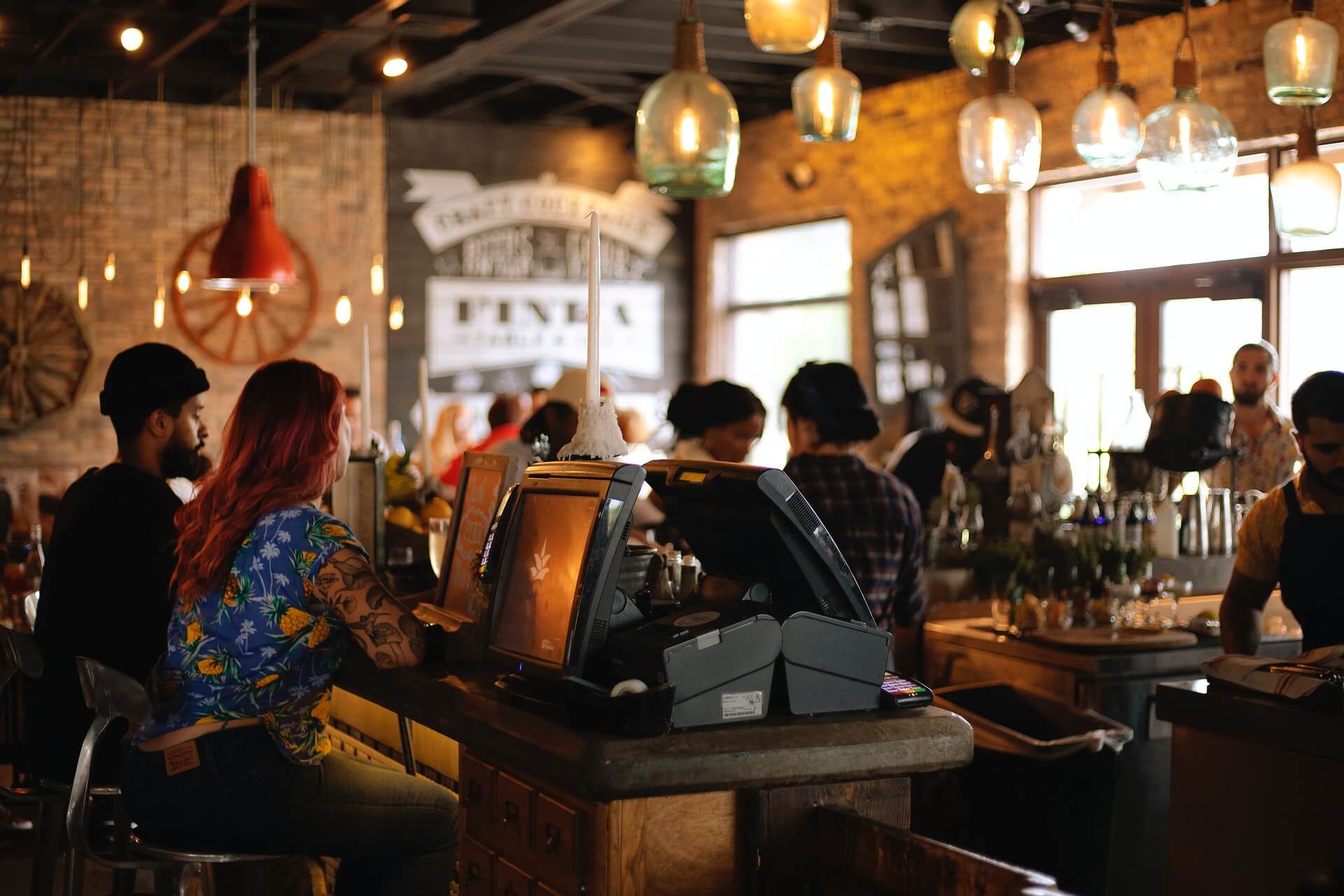
Wait station to side of busy bar

Surveys and data focusing on the restaurant and hotel employment situation paint a stark picture.

The sobering reality is that operators can’t simply point to the pandemic as the reason they’re failing to fill available positions.

Instead, we need to focus on the problems hospitality workers continue to face.

It’s not going to be easy. However, it can lead to positive change. That change can help the hospitality industry recover and thrive long into the future.

Culture is Crucial

Per several sources, millions of hospitality professionals are washing their hands of the industry.

Unfortunately, foodservice and lodging workers are citing several reasons for the exodus:

  • Lack of livable wages.
  • Inconsistent wages.
  • Stress levels not worth level of monetary compensation.
  • Lack of benefits.
  • Lack of mentoring and/or career progress.
  • Industry volatility, particularly devastating as a result of the pandemic.
  • Unhealthy lifestyle: Long shifts, late nights, and alcohol and drug abuse.
  • Cultures of harassment and discrimination.

Obviously, it’s easier to blame labor shortages on the workers. Well, being easier doesn’t make it true.

Industry and workplace culture matters. Employee turnover rates were high long before the pandemic ravaged the planet.

Rather than make excuses, operators need to look at their restaurant, bar or hotel’s culture.

Barking orders and feeling infallible isn’t leadership. Admitting failures and shortcomings—and learning from them and implementing positive changes—is how successful operators lead.

Generic Job Listings

Last week, KRG Hospitality president Doug Radkey asked a simple but poignant question on LinkedIn: Are your job listings just like everybody else’s?

He suggests knocking it off with the old standards:

  • “Are you friendly, energetic, and highly motivated?”
  • “Are you an experienced and enthusiastic [insert position]?”
  • “The ideal candidate must work well in a fast-paced environment and be a team player.”
  • List of basic job tasks.

What’s appealing about such basic, generic ads? Why would rock star talent be moved to work for operators who post these types of ads?

Instead, Doug suggests the following:

  • Hire for values, not experience. Training can address systems and standards, not personality and drive.
  • Operators should be transparent about their core values, company culture, and potential for growth.
  • Showcase the approach to inclusivity, diversity, acceptance, and flexibility. That is, if that’s authentic. If not, that’s a flashing, neon red flag that requires addressing.
  • Offer a living wage, benefits, potential for personal growth, and education.
  • Produce a video of team members sharing why they work at the company. This must be genuine and honest.

A unique approach to ads, hiring and onboarding can lead to an increase in employee retention.

Yes, it’s more comfortable to avoid looking internally for the roots of problems. It’s more comfortable to avoid blame. And it’s more comfortable to point fingers anywhere but at ourselves.

That’s not leadership. And it certainly won’t improve any operator’s situation, nor will it improve the hospitality industry and its opportunity to thrive.

Image: One Shot from Pexels

by David Klemt David Klemt No Comments

Bar Hacks: Dueling Axes Las Vegas

Bar Hacks: Dueling Axes Las Vegas

by David Klemt

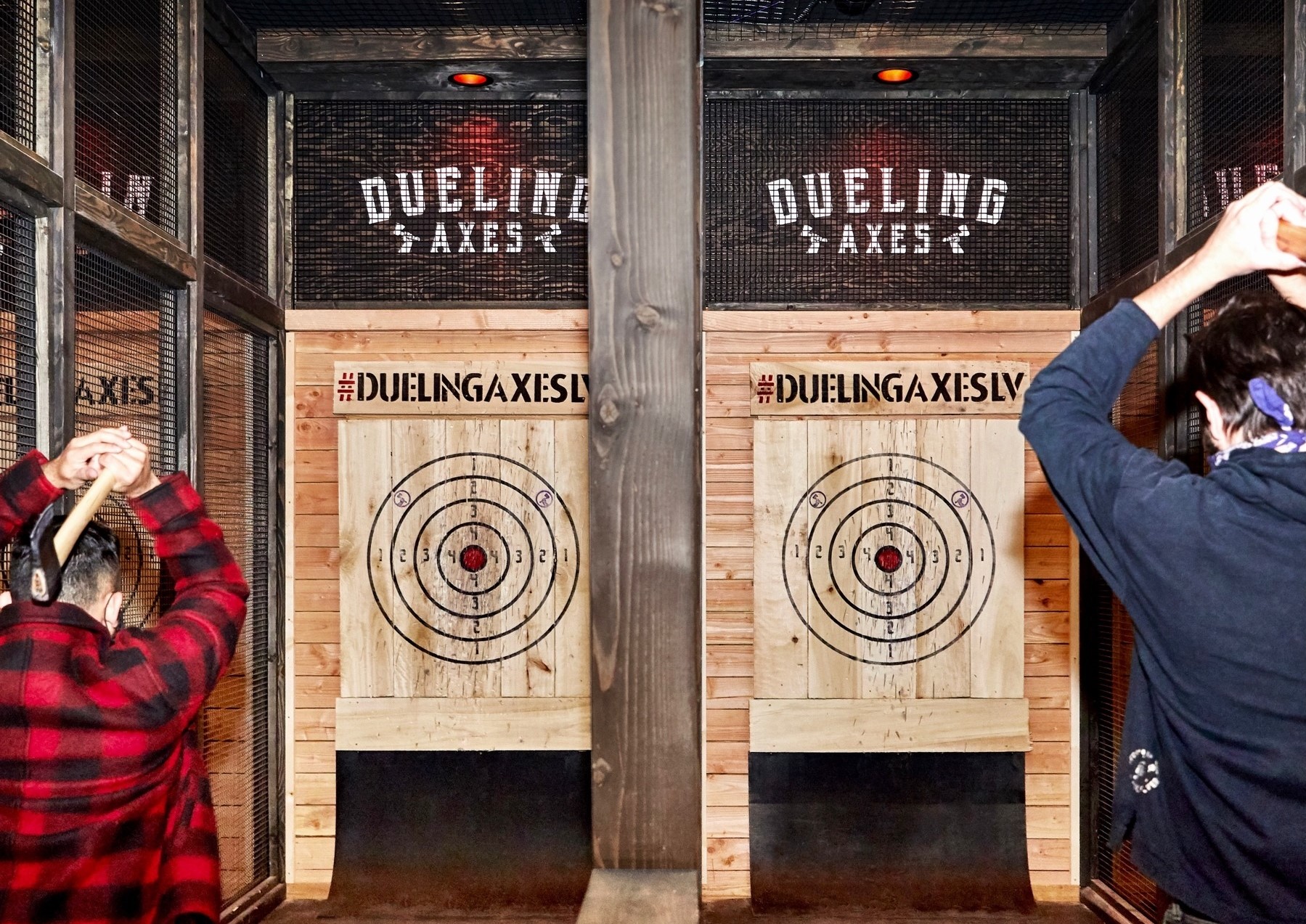
Two people throwing axes at Dueling Axes Las Vegas inside Area15

Dueling Axes Las Vegas general manager David Peterson drops by the Bar Hacks podcast to chat about this unique venue.

Interestingly, Dueling Axes Las Vegas is located inside of another unique venue, Area15.

Peterson describes the axe-throwing business he manages as upscale, approachable, and one of a kind. He describes Area15 as “an adult playground.”

So, what we have here is a one-of-a-kind venue inside a unique adult playground in America’s Playground.

Additionally, this business is leveraging one of the fastest-growing and most-popular forms of entertainment sweeping the US.

A Disclaimer

Before we get into the important details Peterson shares in episode 41 of Bar Hacks, a bit of housekeeping.

To be totally transparent, the audio is a bit muffled. It’s one of the occasional byproducts of recording via the Internet. We feel it’s worth being patient to take in all the information Peterson shares. And, of course, we thank all of you who have been patient and listened to episode 41.

However, try as we did to clean up the audio (running filters, using tools, adjusting frequencies, etc.), we understand muffled audio can be frustrating. In other words, we can’t blame anyone deciding to read about this episode instead. So, we’ve chosen to share Peterson’s insights here, on the KRG Hospitality website.

The Experience

Dueling Axes Las Vegas is one of three locations. The other two are in New Albany and Columbus, Ohio.

Per Peterson, the Las Vegas venue is 6,700 square feet. That’s huge for an axe-throwing operation.

There are 18 lanes, four of which are VIP. Guests wishing for a more intimate experience will appreciate the VIP lanes. These lanes come with their own server and axe-throwing coach.

However, VIPs aren’t the only guests who will find the venue special.

Dueling Axes Las Vegas offers everyone an upscale experience that’s comfortable and approachable: The cocktail bar inside the venue is high end, the seating in the lounge area is plush, and the lanes themselves are a notch above what most axe-throwing businesses offer.

Much like a firing range has range safety officers (RSOs), Dueling Axes employs coaches. These team members ensure everyone is being safe and, equally as importantly, having fun.

Not sticking the target can be incredibly frustrating for a guest. So, Peterson’s coaches are the lookout—and also listen—for people missing their throws. They can usually help guests correct their technique in short order, thereby ensuring they have a great experience.

That’s a crucial component of this operation. If the guests are feeling frustration rather than fun, the team has failed. According to Peterson, team training is key to Dueling Axes.

By the Numbers

If you’re reading this, you’re likely interested in starting up an axe-throwing venue. Or, perhaps you’re wondering about adding it to an existing business.

Before you run out to grab lumber and axes, there are some things you need to know.

First, this an organized sport. Therefore, Dueling Axes uses World Axe Throwing League (WATL) axes. At the Vegas location, these are 1.25 pounds.

Second, the distance to target (or boards) is the same as WATL participants throw. However, the league has made their bullseyes smaller. Peterson says there are no plans to shrink the bullseye for their everyday guests.

Third, prepare to go through a lot of boards. According to Peterson, Dueling Axes Las Vegas goes through about 20 boards a day. Replacements can be needed every three to five hours. He says his team can get boards replaced in about four minutes using drills or, in the case of bent screws, pliers.

Which brings us to the fourth point: another cost for axe-throwing venues is the axes. Sometimes, axes break. This is down to several factors, such as the grain from the manufacturing process of a particular batch; the temperatures of the market; and guests hitting the screws in the boards.

Fifth, and Peterson finds this fascinating, women “drive and dominate axe throwing.” At least, he says at the Las Vegas outpost of Dueling Axes. He estimates 60 percent of their guests are women.

Also, he says women tend to be more precise. Perhaps, as he theorizes during episode 41 of Bar Hacks, this is because he’s noticed that they listen more during the 10- to 15-minute safety and technique training portion of the experience. (The training takes place before guests begin their hour of throwing and isn’t counted against it.)

Connect with Dueling Axes Las Vegas

To learn more, be sure to check out the Dueling Axes Las Vegas website and the site for their Ohio locations.

You can also connect with them on Instagram, Twitter, and Facebook.

Of course, you should definitely connect with Dueling Axes on YouTube and watch their vides for a more immersive look into what they offer.

Image: Dueling Axes Las Vegas (Facebook)

by David Klemt David Klemt No Comments

Indoor Dining Returning to Ontario

Indoor Dining Returning to Ontario

by David Klemt

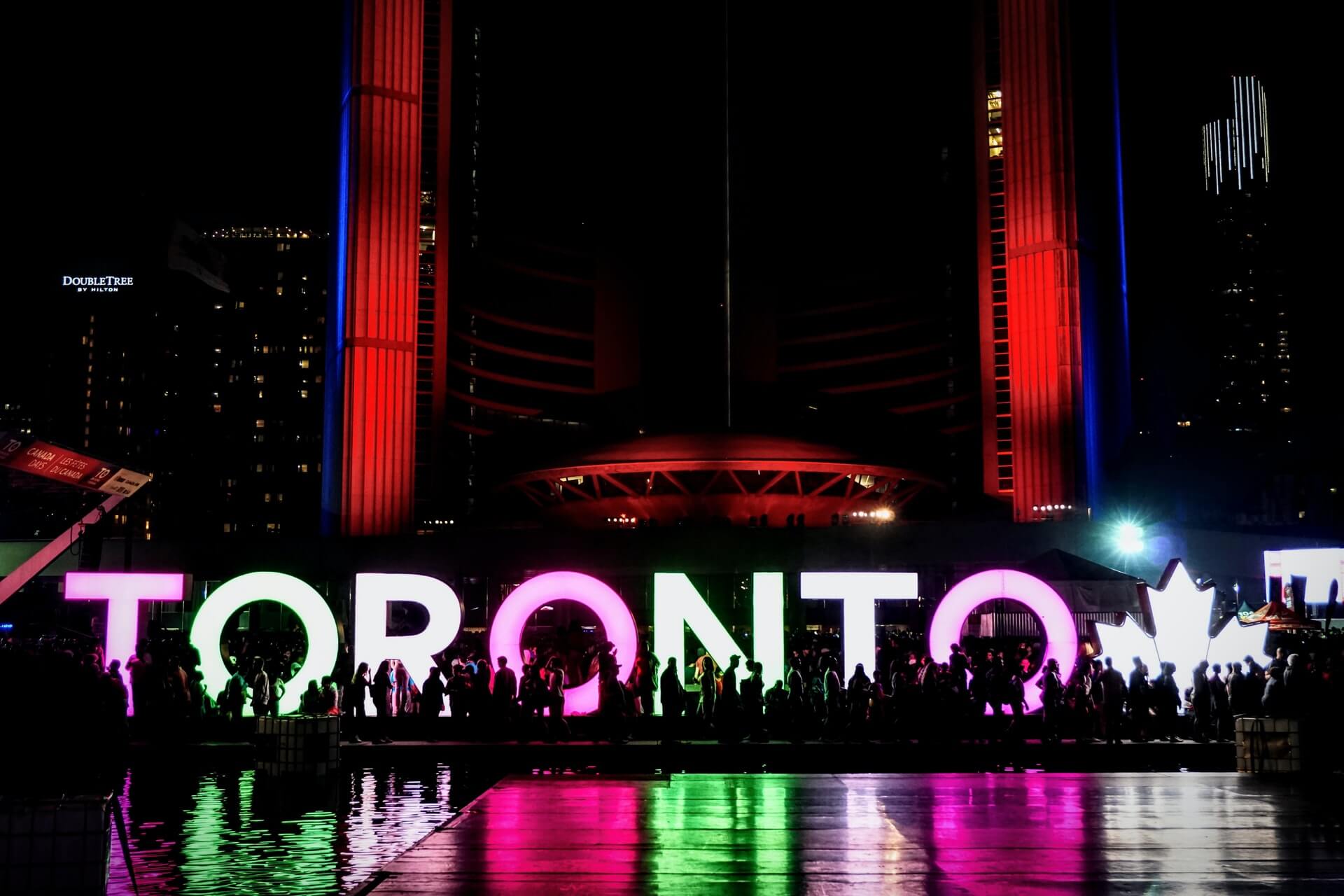
3D Toronto Sign at night

Operators and their employees and guests in Ontario, Canada, have a real reason to celebrate this week.

On Friday, July 16, at 12:01 AM, the province will launch into Step 3 of the Reopening Ontario plan.

Why is this fantastic news for Ontario operators? Stage 3 includes the return of indoor dining.

Ahead of Schedule, Again

As with Step 1 and Step 2, the province is entering Step 3 of the Reopening Ontario plan earlier than expected.

Ontario launched Step 1 three days ahead of schedule. Step 2 also came a few days early.

The province is entering Step 3 a whole five days early. These early launches are a testament to Ontario’s vaccination efforts.

Premier Doug Ford said during a press release that the targets triggering Step 3 were not just met but surpassed.

However, he did mention that the campaign to vaccinate Ontarians was in no way complete.

“While this is welcome news for everyone who wants a return to normal, we will not slow down our efforts to fully vaccinate everyone who wants to be and put this pandemic behind us once and for all,” Premier Ford said.

Step 3 Details

This phase of the plan is the least-restrictive of Reopening Ontario.

In Step 3, restaurants and bars can welcome indoor guests. The only capacity restriction is that people must be able to maintain distance of two metres between one another.

Restaurants and bars with dance floors are restricted to 25-percent capacity and a maximum occupancy of 250.

Outdoor dining capacity will focus on social distancing: there must be two metres between tables.

Face masks are a requirement for indoor gatherings and in situations where it’s not possible to socially distance properly.

Should the vaccine rate and other indicators continue to improve, it’s possible that Ontario will reopen fully as soon as 21 days after Step 3 begins. So far, Reopening Ontario steps have launched ahead of schedule, a great sign for reopening fully.

However, operators must take care to remain in compliance with federal, provincial and local regulations. Click here to review the Reopening Ontario details.

Of course, we’ll monitor the situation and see what Ontario officials say next.

Image: Maarten van den Heuvel on Unsplash

by David Klemt David Klemt No Comments

5 Books to Read this Month: July

5 Books to Read this Month: July

by David Klemt

Flipping through an open book

This month’s fun and informative book selections will help you develop next-level culinary, beverage and leadership skills.

To review last month’s book recommendations, click here.

Let’s dive in!

Tequila & Tacos: A Guide to Spirited Pairings

This pairing is iconic. However, this book proves the legendary pair can go well beyond just munching on a street taco and slamming a tequila shot. Moreover, Tequila & Tacos includes recipes for both classic tacos and modern versions like spicy cauliflower tacos. The perfect book to help you celebrate National Tequila Day on July 24.

A Long Stride

Just days after National Tequila Day comes National Scotch Day, which takes place July 27. A Long Stride tells the in-depth story of one Scotch in particular: Johnnie Walker. Published toward the end of last year, this book represents the most up-to-date history of arguably the most famous Scotch brand in the world.

Zero Proof: 90 Non-Alcoholic Recipes for Mindful Drinking

Temporary and permanent abstinence from alcohol is becoming more and more commonplace. That doesn’t mean, however, that people who aren’t drinking alcohol are staying out of bars. So, it’s important that operators update their drink programs with creative and memorable zero-proof cocktails. Zero Proof contains 90 alcohol-free recipes to inspire you to develop your non-alcohol menu section.

Playing with Fire

Summer is here and that means barbecue! Interestingly, though, many of today’s chefs have felt the siren song of cooking on open fire for a while now. Playing with Fire features 72 of Chef Michael Symon’s favorite recipes inspired by St. Louis, Memphis, Nashville, Kansas City, and other famous barbecue styles.

How to Grill Vegetables: The New Bible for Barbecuing Vegetables over Live Fire

Steven Raichlen has been dubbed “America’s master griller, and for good reason: there’s likely nothing he doesn’t know about barbecuing. In How to Grill Vegetables, Raichlen shows how to grill basically every vegetable over fire. This book features more than 100 recipes and explains how to grill eggplant on cedar planks, smoke lettuce with hay, cook whole onions directly on embers, and much more.

Image: Mikołaj on Unsplash

by David Klemt David Klemt No Comments

Restaurant Tech Map Illustrates Innovation

Restaurant Tech Map Illustrates Innovation

by David Klemt

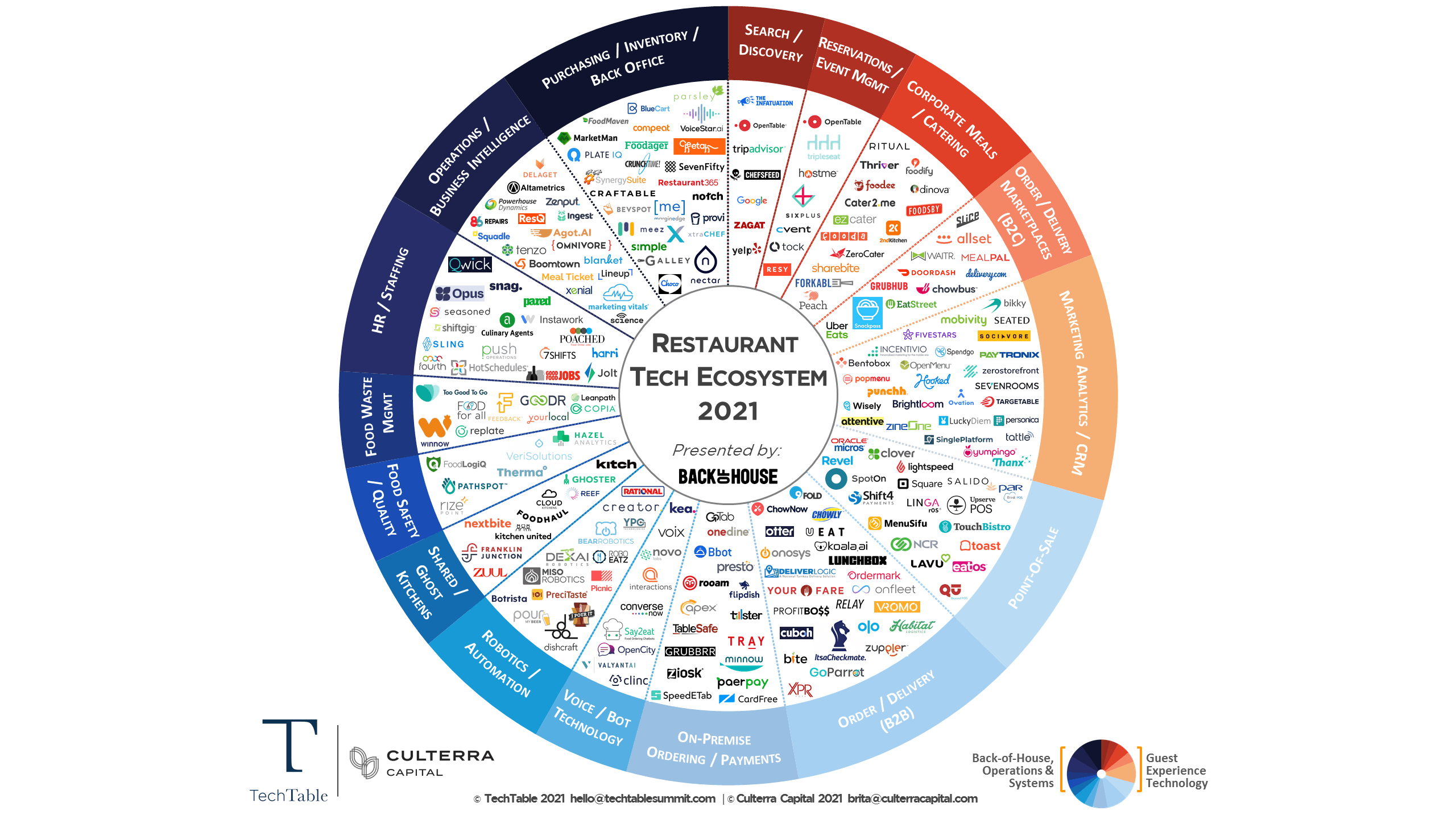
TechTable - Culterra Capital Restaurant Tech Map sponsored by Back-of-House

The hospitality industry’s embracing of new technologies is experiencing rapid and welcome acceleration in less than two years.

In comparison to the restaurant technology map by TechTable and Better Food Ventures from 2019, there are two entirely new categories: Shared / Ghost Kitchens, and Food Safety / Quality.

More than a dozen platforms on the 2021 map from TechTable and Culterra Capital (sponsored by Back-of-House) now fall into those two categories.

Changing Landscape

It’s a sign of current industry trends and what will matter to guests moving forward that ghost kitchens and food safety are emerging as separate tech segments.

Obviously, the pandemic didn’t create the ghost kitchen category. However, it did fuel a meteoric rise in delivery and takeout. In turn, ghost kitchens are more prevalent than ever.

After all, a former Uber executive Travis Kalanick owns CloudKitchens and Applebee’s is testing a ghost kitchen pilot program.

What was once the domain of murky, unpermitted virtual brands is now its own successful business model.

However, today’s guest isn’t concerned solely with convenience. In general, guests now take their health and safety more seriously since the pandemic

Tech platforms that can ensure the food guests are consuming is safe will ease some concerns.

Increase in Platforms

Again, in comparison to just two years ago, the acceleration in new tech for the industry is astounding. It’s also long overdue.

As a whole, the hospitality industry has been surprisingly slow to take on new tech. Although, it’s fair to say that there wasn’t much new to adopt until somewhat recently.

Now that there’s more to try out, operators seem keen to embrace tech that can help them streamline operations; improve inventory monitoring and ordering; hire employees and manage teams; engage with and market to customers intelligently; and much more.

Even better, the above map doesn’t include all of the available platforms. That’s excellent news as it means operators have an increasing number of choices to help improve their business in every category of operation.

For example, Barventory isn’t listed within the Purchasing / Inventory / Ordering segment. The platform makes taking inventory, gaining a real-time inventory snapshot, and efficient ordering a breeze. Barventory also features the world’s first live keg scale.

It’s challenging to find positives from the past 14 to 15 months. However, one good thing may be the leaps in technology our industry is experiencing.

If they continue, these innovations may make it easier for operators and their employees to recover.

A concept’s tech stack is crucial to operations and will only grow more important moving forward. Whether opting for a full KRG Hospitality package or the Mindset program, we can help operators make informed tech selections.

Map by TechTable and Culterra Capital, sponsored by Back-of-House

Featured image: Pepper by SoftBank Robotics (photo by Alex Knight on Unsplash)

by David Klemt David Klemt No Comments

Stand Out with Weird Holidays: July

Stand Out with Weird Holidays: July

by David Klemt

Stay Weird neon sign with purple background

Want to stand out from from other restaurants and bars in your area? Then commit to keeping it weird.

Several “holidays” are set against every date on the calendar, and July is no exception. These holidays range from mainstream to food-centric to weird.

Focus on the latter to raise eyebrows, carve out a niche for your restaurant or bar, and attract more guests. Why do what everyone else is already doing?

Of course, you shouldn’t try to celebrate every holiday, weird or otherwise. And this month’s list in no way includes every odd holiday.

Focus on the days that are authentic to your brand; resonate with your guests; and help you grab attention on social media.

For last month’s list, click here.

July 1: International Joke Day

Kicking things off this month is a fun one: International Joke Day.

July 7: National Dive Bar Day

This category of bar is one of our favorites. Whether you operate a dive bar, neighborhood bar or corner bar, this is your day.

July 8: Video Games Day

This is not to be confused with National Video Game Day, which takes place September 12. This bar holiday is perfect for all the barcades and eatertainment venues out there. Or, for cool restaurants and bars that have a video game system or arcade game or two inside.

July 11: National Cheer Up the Lonely Day

Nearly the entirety of 2020 and the first half of 2021 have been challenging, to say the absolute least. It’s safe to say that we’re all quite a bit lonely. On this holiday, provide a fun and safe environment for people to get back out there, socialize, and meet new friends.

July 12: National Simplicity Day

There’s nothing wrong with complex cocktail builds. However, today is the perfect holiday to highlight the simpler two- and three-ingredient cocktails on your menu. Simple, speedy, and delicious.

July 13: National Delaware Day

Of course, this isn’t a weird holiday to people who live in Delaware. For those outside the Diamond State, this is the time to showcase Delaware brands like Dog Fish Head.

July 15: National Give Something Away Day

We’re not huge fans of outright giveaways unless said giveaway items come from a partner or sponsor. However, operators can certainly come up with a creative food or beverage giveaway that requires a purchase.

July 17: National Tattoo Day

Operators can prepare for this holiday by partnering with a local tattoo shop and creating a traffic-driving promo with them.

July 20: National Pennsylvania Day

Again, this isn’t weird to Pennsylvanians. Operators outside the Keystone State should feature brands like Philadelphia Distilling and Victory Brewing Co.

July 22: National Refreshment Day

If it’s cold and refreshing, shout it from your rooftop. It’s July, it’s hot out, and people need to know you’ve got ice cold beer, cocktails, and soft drinks.

Image: Dan Parlante on Unsplash

by David Klemt David Klemt No Comments

Update Your Business Info Now!

Update Your Business Info Now!

by David Klemt

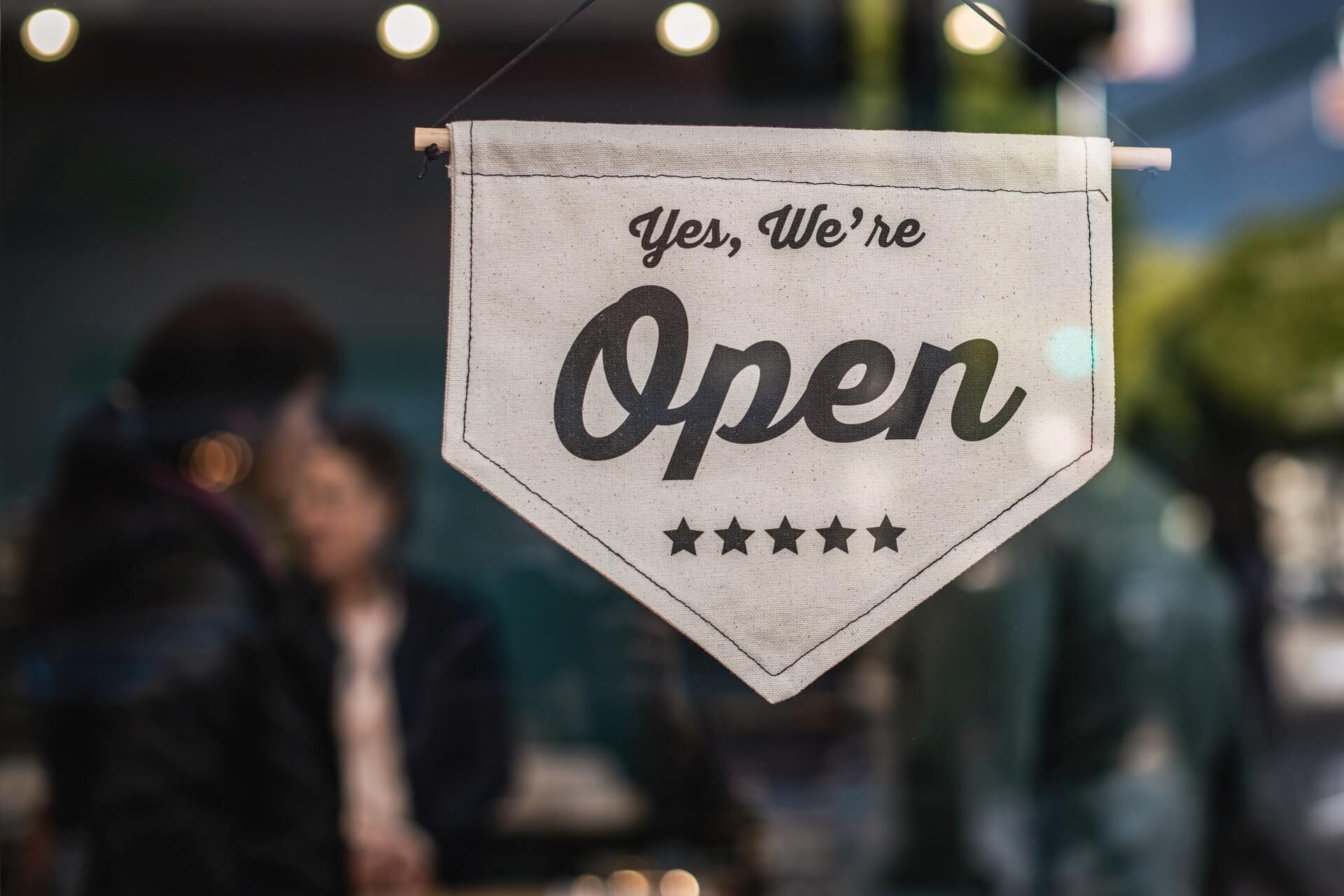
"Yes, we're open" sign in restaurant or bar window

Restrictions are relaxing and people are returning to at least a form of their pre-pandemic lives. Operators need to review and update their information.

People face a flood of confusing or vague information every day—restaurants and bars don’t need to add to it.

In other words, operators need to make sure guests are getting accurate information when they search for their businesses.

This is particularly relevant right now with summer upon us and Father’s Day in two days.

Are You Open?

Cities, states and provinces are opening things up throughout North America.

In Canada, British Columbia, Ontario, and other provinces are in the midst of reopening plans and. Some provinces are also reopening their borders to their Canadian neighboris. Some restrictions remain and provinces aren’t fully open, but they’re on their way.

And in America, more than half of states are considered open fully: Alabama, Alaska, Arizona, Arkansas, Florida, Georgia, Idaho, Illinois, Indiana, Iowa, Kentucky, Louisiana, Minnesota, Mississippi, Missouri, Montana, Nebraska, New Hampshire, New Jersey, North Carolina, North Dakota, Ohio, Oklahoma, South Carolina, South Dakota, Tennessee, Texas, Utah, Virginia, Wisconsin.

Restrictions that remain in place in some provinces and states relate to dining. For example, outdoor dining returned to Ontario, Canada, a few days ahead of schedule. Unsurprisingly, people flocked to restaurants and bars with outdoor dining areas.

Of course, that’s a long-overdue and welcome development. However, such relaxing of restrictions exposes an issue: People aren’t sure if businesses are open, what hours they’re open, and what menu items are available.

Update Your Information

It should go without saying but I’ll say it anyway: The past 15 months have been a horror show for operators.

So, it’s understandable that some operational discipline has slipped. Now’s the time to fix that and focus on the details.

Guests want to know what restaurants and bars are open. They want to know when they’re open. And they don’t want any surprises about menu item availability.

Of course, operators can manually review and update or edit their online listings. An operator can also task a manager or worker with that responsibility.

There are also platforms out there that make updating pertinent business information a much less overwhelming job.

Marqii, a paid service with three pricing tiers, manages several important details quickly and easily. Operators can use Marqii to update their menus across more than 75 sites; manage their location data, including hours of operation; and review and respond to reviews across several platforms, depending on the tier chosen.

Packages are priced per location and a business is charged monthly. There are similar solutions out there but Marqii is a great place to start.

We live and operate in the Convenience Era. Make it easy for your guests to visit and spend their money with you.

Image: Tim Mossholder on Unsplash

by David Klemt David Klemt No Comments

Guest Journey: Acquire, Engage, Retain

Guest Journey: Acquire, Engage, Retain

by David Klemt

Black "Hustle" coffee cup on desk

What if you could change your operational mindset for the better in the time it takes to enjoy a cup of coffee?

SevenRooms is confident they can help you do exactly that.

The SevenRooms Coffee Break series tackles one important operational element per 20-minute webinar.

Time for a Coffee Break?

It’s no secret that we’re fans of SevenRooms here at KRG Hospitality. In addition to supporting the actual platform, we’re always eager to share their data-driven reports and insights.

CEO Joel Montaniel is the guest on episode 24 of our Bar Hacks podcast. (You can—and should—listen to the episode on Spotify, Apple Podcasts, or wherever you listen to podcasts.)

Given how much SevenRooms values collecting and sharing data that can improve operations industry-wide, it’s not a surprise that they also offer informative webinars.

So far, there are three webinars in the Coffee Break series. And, of course, each shares a way that operators can improve their business.

That’s certainly welcome as we emerge from stay-at-home orders, ease restrictions, and welcome more guests.

The current entries focus on what SevenRooms is dubbing the Restaurant Renaissance. As Doug Radkey, president of KRG Hospitality says, we can take two paths leading to the post-pandemic world.

One, we can recognize that the industry needs an overhaul, making improvements for operators, workers and guests.

Two, we can learn nothing, do nothing, and watch the industry collapse.

Restaurant Renaissance

Call it what you prefer: the Restaurant Renaissance. The New Roaring Twenties. Re-emergence. The New Normal. The Post-pandemic World.

Sure, it’s cool to have a catchy label to slap onto unique eras. It’s better to have a clear plan and path for moving forward.

To that end, SevenRooms identifies four key factors driving what they’re calling the Restaurant Renaissance:

  • Vaccines
  • Warmer weather
  • Pent-up consumer demand
  • Restrictions lifting

Alexa Detzi, director of Enterprise Success at SevenRooms, addresses these elements in the first Coffee Break webinar, “Acquire.”

We’ve said many times that operators need to prepare for an explosion in consumer demand and guest traffic. In addition, we’ve made it clear that we’ll most likely experience a severe drop-off in traffic after the initial demand wanes.

Of course, there are several ways things might play out in the New Normal. However, huge traffic in many markets followed by a drop makes the most sense.

Get Ready

The first three SevenRooms Coffee Break webinars focus on the guest journey:

I highly recommend signing up and watching each webinar, sooner rather than later. Guests are already being subjected to a cacophony of marketing overtures—you need to cut through the noise.

We Want to Help You

Like SevenRooms, KRG Hospitality is dedicated to helping operators.

If you’re seeking to open a new business, whether your first venue or an expansion, should also download our 2021 Restaurant Start-up Cost Guide & Checklist.

And for operators looking more direct and guided assistance for improving your business, we also offer KRG Mindset.

Next time you have 15 or 20 minutes to yourself, check out our Solutions and Resources pages, reach out, and let’s set up your Roadmap to Success.

Image: Garrhet Sampson on Unsplash

by David Klemt David Klemt No Comments

Reopening Ontario: Patios Return Friday

Reopening Ontario: Patios Return Friday

by David Klemt

Outdoor seating on restaurant patio

There’s great news for Ontario and the province’s new reopening plan: outdoor dining is returning three days ahead of schedule.

From June 11 on—barring any governmental changes—the province of Ontario will enter Step 1, which focuses on outdoor activities.

Due to favorable indicators such as the province’s vaccination rate, Reopening Ontario will kick off early.

A Welcome Surprise

Ontario has been in under heavy restrictions for nearly two months. So, this news represents a refreshing glimpse of light at the end of a ridiculously long tunnel.

Initially, Reopening Ontario was slated to begin Step 1 on June 14.

The earlier date and announcement should help restaurant and bar operators take advantage of the coming weekend. After weeks upon weeks of living under a stay-at-home order, the decent-at-best forecast should be clear enough for Ontarians to get outside.

Step 1

Reopening Ontario is focusing on the following to progress through the three steps:

  • the provincewide vaccination rate; and
  • improvements to key public health and health care indicators.

Per the plan, the province will remain in each phase of the plan for a minimum of 21 days.

The first step allows for outdoor gatherings of ten or more people. And, for restaurants and bars, outdoor dining with a limit of four people per table.

RestoBiz is reporting that there will be an exception allowing for households with more than four people. The publication also reports that nightclubs may offer delivery, drive-through and takeout as long as they only operate as food or drink establishments.

To move to Step 2, 70 percent of adults must receive at least a single dose of Covid-19 vaccine. Additionally, 20 percent of adults need to receive a second dose (of a two-dose regiment).

Two weeks after Ontario reaches that target, the province will move forward.

Step 2

In this phase of Reopening Ontario, restaurants and bars can seat six people per table outdoors.

Per Ontario’s official government website, restaurants and bars will also be able to offer karaoke. Of course, in this phase it must take place outside.

The single-dose target vaccination rate to move on from Stage 2 is 70 to 80 percent of adults. Also, 25 percent of adults must receive two doses (of a two-dose regimen).

If those targets are hit and key public health and health care indicators are favorable, the province will progress further.

Step 3

Obviously, this the least-restrictive phase of Reopening Ontario.

In Step 3, restaurants and bars can once again return to indoor dining. There will be capacity and other restrictions in place.

Also, buffets can return.

Outdoor dining capacity will focus on social distancing: there must be two metres between tables.

Should the vaccine rate and other indicators continue to improve, it’s possible that Ontario will reopen fully as soon as 21 days after Step 3 begins. Of course, we’ll monitor the situation and see what Ontario officials say about a return to “normal.”

For now, things are looking up. To review the Reopening Ontario plan, click here.

Image: Taylor Vick on Unsplash

by David Klemt David Klemt No Comments

7 Whiskeys for National Bourbon Day

7 Whiskeys for National Bourbon Day

by David Klemt

Lux Row Distillers Blood Oath Pact No. 7 bourbon whiskey

We celebrate America’s native spirit on June 14, National Bourbon Day.

Certainly, this is a mainstream holiday more than worthy of celebrating. We definitely don’t need an excuse to enjoy a dram and a cocktail, but it’s great to have one at the ready anyway.

Of course, there are far too many labels out there for us to list and honor them all. So, we’ve chosen seven bottlings that span a decent range of prices.

Cheers!

$50 and Under

Evan Williams 1783 Small Batch (Kentucky), $20 SRP

Perhaps owing to their affordable prices, a lot of people tend to sleep on Evan Williams. However, their bottles routinely end up on bartender go-to lists. Their 1783 Small Batch pays homage to the year Williams founded Kentucky’s first distillery,

Wyoming Whiskey National Parks Limited Edition American Whiskey (Wyoming), $50 SRP

Are you and your guests big fans of our beautiful national parks? If so, Wyoming Whiskey National Parks Limited Edition is the perfect whiskey! This straight bourbon, which features Wyoming’s Grand Teton National Park on its label, is a five-year-old, 92-proof homage to our natural resources. For every bottle sold, Wyoming Whiskey is donating $50 to the National Park Foundation.

$51 to $99

Woodford Reserve Double Oaked (Kentucky), $57 SRP

If you and your guests are looking for one of the smoothest expressions of Woodford, Double Oaked is the one. This whiskey starts its life as Distiller’s Select but receives a second barreling in virgin, charred-oak barrels. And Double isn’t smooth enough for you, there’s always Double Double

Russell’s Reserve 13 Year Bourbon (Kentucky), $69.99 SRP

The Russell’s Reserve label is part of the Wild Turkey portfolio and honors Master Distiller Jimmy Russell’s legacy. Master Distiller Eddie Russell is Jimmy’s son, has been producing whiskey for Wild Turkey for 40 years, and, like his father, is Kentucky Bourbon Hall of Fame inductee. The Russell’s Reserve 13 Year bottling is, of course, 13 years old, and it rings in at 114.8 proof.

Blood Oath Pact No. 7 (Kentucky), $99 SRP

The Blood Oath series is part of the Lux Row Distillers portfolio. Like Orphan Barrel releases, each Blood Oath release, known as a Pact, is highly sought after. In fact, if you don’t get your hands on one right away, the prices can double or more on the secondary market. Blood Oath Pact No. 7 is a blend of three Kentucky bourbons: one 14 year and two eight years.

$100 and Over

Heaven’s Door & Redbreast 10-Year Master Blenders’ Edition (Tennessee), $99.99 SRP

Alright, so this one is only a penny under $100—we’re rounding up for this one. As the name of this straight bourbon suggests, this is a collaboration between Bob Dylan’s Heaven’s Door and Redbreast Irish Whiskey. Master Blender’s Edition features 10-year-old Heaven’s Door bourbon given a 15-month finishing treatment in 12-year-old Redbreast casks.

Copper Tongue Orphan Barrel (Tennessee), $100 SRP

As with Lux Row Distillers releases, Orphan Barrel is highly sought after and highly collectible. Aficionados and fans in the know will go out of their way to score a dram if they can find it. Coppper Tongue will be no different, a 16-year-old, cask-strength straight bourbon weighing in at 89.8 proof. The distillery recommends enjoying it neat or, interestingly, with a slice of pear.

Image: Lux Row Distillers

by David Klemt David Klemt No Comments

Stand Out with Weird Holidays: June

Stand Out with Weird Holidays: June

by David Klemt

Stay Weird neon sign with purple background

Want to stand out from from other restaurants and bars in your area? Then commit to keeping it weird.

Several “holidays” are set against every date on the calendar, and June is no exception. These holidays range from mainstream to food-centric to weird.

Focus on the latter to raise eyebrows, carve out a niche for your restaurant or bar, and attract more guests. Why do what everyone else is already doing?

Of course, you shouldn’t try to celebrate every holiday, weird or otherwise. And this month’s list in no way includes every odd holiday.

Focus on the days that are authentic to your brand; resonate with your guests; and help you grab attention on social media.

For last month’s list, click here.

June 3: National Egg Day

How are your sour cocktails? Celebrate the egg on this day by featuring your egg white-powered drinks.

June 7: National VCR Day

Leverage nostalgia by showcasing an outdated way to enjoy movies and TV shows. If you really want to immerse yourself and your guests in this holiday, find a VCR and some movies on VHS, come up with some themed cocktails, and lure in nostalgia-thirsty guests. (Make sure you have the proper licenses in place to play music, movies, TV shows, etc.)

June 8: National Name Your Poison Day

Talk about a perfect holiday for a bar! This is an excellent day to design a call promotion around or to highlight your bar team’s ability to create delicious cocktails on the fly based on guests’ spirits preferences.

June 13: International Axe Throwing Day

Are you one of the operators who has introduced axe throwing to your restaurant, bar or eatertainment venue? Then do we have the holiday for you and your guests…

June 16: Bloomsday

This holiday honors revered Irish writer James Joyce. The story goes that Joyce’s favorite dram was Jameson, so get those bottles and specials ready.

June 18: National Splurge Day

Have some high-dollar spirits, beers, wines and dishes? Promote them loudly on this day and encourage your guests to truly treat themselves.

June 24: National Bomb Pop Day

There’s more than one way to celebrate this fun, refreshing and nostalgic holiday. For instance, there are various versions of the Bomb Pop cocktail. Another example is offering housemade boozy Bomb Pops. And then you can always simply garnish drinks with Bomb Pops.

June 25: National Take Your Dog to Work Day

If you have a dog-friendly restaurant, bar or lounge, encourage people who have brought their dogs to work to pop in for a well-deserved bite and drink.

June 30: Social Media Day

Feel like your social media savvy could use some work? Want your guests to plaster your business all over social? Use this holiday to improve your social media skills, add followers, and increase engagement with the help of the people who support your business.

Image: Dan Parlante on Unsplash

by David Klemt David Klemt No Comments

Return of the Indoor Diners: B.C.

Return of the Indoor Diners: B.C.

by David Klemt

Vancouver, British Columbia, Canada skyline

Good news for operators, foodservice professionals and the public as British Columbia prepares for a return to indoor dining.

The ban on indoor dining is set to expire tomorrow, along with the rest of B.C.’s so-called “circuit breaker” restrictions.

However, it remains unclear still whether restaurants can throw their doors open and welcome guests first-thing Tuesday morning.

Confusion

Some operators and restaurant advocacy groups believe the restriction on indoor dining expires at 11:59 PM tonight.

It follows, in their opinion, that the expiration means operators can offer indoor service the following morning, Tuesday, May 25.

Of course, it’s never that cut and dry, is it?

Much like the CDC’s recent update to mask and social distancing recommendations in America, B.C.’s restaurant restrictions are only causing confusion.

While the “circuit breaker” restrictions put in place back in March are set to expire, Premier John Horgan and other officials haven’t made it clear if more restrictions will be put in place.

Additionally, restaurant and other hospitality operators haven’t been given much notice. They’re simply aware that current restrictions expire before midnight tonight.

Consistently Inconsistent

It’s never great to feel like you’re on the back foot. Unfortunately, operators still don’t receive much in the way of a heads up when rules and recommendations change.

Once again, officials and the public make it clear that they think restaurants and bars can simply flip a switch and return to regular service. Once again, the industry and its challenges are ignored.

When those with the power to impose restrictions are vague about what operators should expect after their rules expire, it makes it nearly impossible for operators to prepare properly for what comes next.

Should operators plan on an increase in traffic because they can once again fill their dining rooms? Will they need to prepare for 25-, 50- or 75-percent capacity restrictions? Are their going to be limits to outdoor dining, delivery, carryout and curbside pickup?

How much F&B and other products should they order, planning for a return to indoor dining or more restrictions? In terms of staffing, should operators plan to run with a skeleton or full crew?

Every one of those questions—and several more—have an impact on resources, revenue and survivability. When officials fail to provide all the necessary information when making important announcements, they only cause confusion and create more questions than answers. Too often, they foist their responsibilities onto business owners and the public.

There’s no excuse.

Preparation

Unfortunately, there’s no silver bullet to offer operators in this situation. They’ll need to monitor the situation in B.C. and await clear guidance from government officials pertaining to any upcoming restrictions.

Yet again given no meaningful notice, it’s going to be difficult for operators to plan to get the most out of this week and the near future.

Still, operators will want to give staff notice that they should plan to work. It’s less than ideal but operators should plan to schedule against a few possibilities: a new indoor dining ban, indoor dining with capacity restrictions, and a full return indoor dining.

One of these days, perhaps politicians will listen to our massive industry’s requests and serve us better.

Image: Aditya Chinchure on Unsplash

by David Klemt David Klemt No Comments

Can You Fire Staff for Refusing Vaccine?

Can You Fire Staff for Refusing Vaccine?

by David Klemt

Covid-19 vaccine vials

Can an employer terminate a staff member’s employment for refusing the Covid-19 vaccine? Current court cases seek an answer to that question.

Conversely, there are bills up for consideration in some states that aim to ban vaccine mandates.

Therefore, the current answer to the question of whether employer vaccine mandates are legal isn’t clear, yet.

It’s also important to note that this question is up for legal examination in Canada and America.

Are Employers Really Mandating Vaccines?

Of course. Well, some are. And it’s bound to continue until the question has been tested in court.

Looking at Canada, Ontario’s Ministry of Labour says employers can, in fact, make vaccines mandatory. They can also (for now, at least) demand proof of vaccination from their employees. Failing to answer the question or lying about can result in an employee losing their job.

However, the ministry acknowledges that legal and ethical issues come hand in hand with blanket vaccination mandates.

In America, the issue is no less thorny, to put it mildly.

Per a survey by Arizona State University and the Rockefeller Foundation, almost 90 percent of employers in the USA (and UK) have plans to “encourage or require vaccination for employees.”

Encouraging, of course, stands in stark contrast to requiring in a legal, ethical and moral sense.

That same survey suggests that most US employers—two-thirds—plan to use vaccination incentives rather than mandates. However, 44 percent say they’ll implement mandates if incentives don’t work. Just one-third of survey respondents say they don’t intend to require vaccinations as a term of employment.

Legal Challenges

Vaccine requirements and credentials (“vaccine passports”) have been banned in Arizona, Florida, Idaho, Montana, Texas and South Dakota.

Bills have been introduced in at least half of American states that seek to “limit mandatory COVID-19 vaccines,” per the National Conference of State Legislatures.

Lawsuits have been filed by workers in various industries in several states, including New Mexico and California.

It’s likely just a matter of time until the Supreme Court of the United States is at least asked to settle the matter of vaccine mandates.

Currently, attorneys and agencies say that employers need to inform employees of the consequences for refusing Covid-19 vaccination, including loss of employment; put a vaccination policy in place and communicate it with all employees; and include religious and medical exemptions.

That said, this matter is a long way from settled.

Could vs. Should

One thing is clear: It’s not clear yet whether employers can terminate employees for refusing vaccination. We can expect a flurry of lawsuits either way.

However, it’s important that operators realize this isn’t solely a legal question. This is in no small part a leadership question, and it’s a tough one.

As the saying goes, just because you can, doesn’t mean you should.

Operators must consider the ramifications of vaccine mandates. Moving forward, some guests may only support businesses that require vaccination for staff. Conversely, some guests may find such a requirement discriminatory and offensive, and they may boycott businesses with vaccine mandates.

It’s a difficult position for operators and staff. Our industry puts employees and the public in direct, close contact with each other. Team members are likewise in very close quarters. Close interactions for prolonged periods can spread any number of viruses, not just Covid-19.

The instinct to protect staff, their family and friends, and the public is common among operators. The past twelve-plus months have strengthened that resolve.

Incentivizing Instead

Requiring vaccination may exacerbate the current labor shortage.

Yes, there are some employees and potential new hires who will feel more comfortable knowing their coworkers have been vaccinated. However, there are also people who will refuse to work for an employer who requires vaccination. A mandate could damage recruiting severely as word gets around.

It’s reasonable to suggest that operators are best off implementing a vaccination incentive program rather than a mandate. Most people would likely agree that encouragement rather than requirement, at least regarding this topic, shows greater emotional intelligence, a cornerstone of leadership.

The CEO of the Cosmopolitan of Las Vegas reportedly hit their minimum goal of an 80-percent vaccination rate among staff last week. The resort’s incentive program offered bonus payments (among other incentives) for vaccinated employees set up in tiers:

  • 60 Percent Vaccination Rate: $50
  • 70 Percent Vaccination Rate: $100
  • 80 Percent Vaccination Rate: $250
  • 90 Percent Vaccination Rate: $350
  • 100 Percent Vaccination Rate: $500

That program helped the company hit their goal in just a few weeks. Operators can certainly use the Cosmo as a model for encouraging vaccinations instead of requiring them. Ultimately, the choice is up to the individual operator. It isn’t an easy one.

Disclaimer

This content is for informational purposes only, and should not be used as legal or other advice. This article does not constitute legal advice, nor does any information constitute a comprehensive or complete statement of the matters discussed or the law. This information is of a general nature and does not address the circumstances of a specific individual or entity. The reader of this information alone assumes the sole responsibility of evaluating the merits and risks associated with the use of any information before making any decisions based on such information.

Image: Braňo on Unsplash

by David Klemt David Klemt No Comments

Take Steps to Become a More Sustainable Operation this Green Monday

Take Steps to Become a More Sustainable Operation this Green Monday

by David Klemt

You’re probably being inundated with emails about Green Monday today.

Given how the meaning of the word “green” has evolved over the past couple of years, many people may think Green Monday is similar to Earth Day. In reality, it’s about the color of money.

Green Monday, a term coined by eBay, is sometimes called Cyber Monday 2. It’s the busiest online shopping day of December and second only to Cyber Monday in terms of online sales.

eBay and other retailers often promote the idea that shopping online is greener than shopping in person since people aren’t driving to and from stores. The reality is likely closer to the meaning of Black Friday—businesses are trying to boost revenue.

We’ve decided to take a different approach to Green Monday. Sustainability and responsible business practices are important to today’s consumer, including restaurant and bar guests. Significant swaths of people want to know they’re supporting businesses that share their values.

This Green Monday, take a look at the sustainability of your business. Evaluate what can be changed to make operations greener and implement those initiatives for 2021.

  1. Go local. Source produce and other ingredients from local farmers and suppliers to reduce carbon emissions.
  2. Go hyper-local. Grow produce using a restaurant garden or containers. Garnishes, items for salads, veggies for entrees… Get creative.
  3. Reduce and reuse. Inventory software can help reduce food waste by sending alerts when items are nearing their expiration dates. Reconsidering portion sizes can also help avoid food waste, as can cross-utilization: use as much of an item in as many ways as possible, such as tying food and beverage together with the same ingredients. If you can do so safely and legally in your area, donate excess food items before they expire.
  4. Recycle and compost. Getting in the habit of recycling can be as easy as placing dedicated bins in strategic locations throughout the back of house and bar. Composting can be more complicated, particularly for venues with limited space, but there are local organizations and farms that will pick up compostable items.
  5. Be efficient. The more energy-efficient pieces of equipment you can use, the better. Flow restrictors and low-flow toilets can save millions of gallons of water. Eco-friendly cleaners and sanitizers are safer for people and the environment.
  6. Audit your packaging. Are you using recyclable or compostable packaging?
  7. Audit your suppliers’ packaging. Many brands have committed to reducing packaging or opting for more sustainable materials. Speak with your suppliers and request reduced packaging.

Image: Bon Vivant on Unsplash

Top