Bar operations

by David Klemt David Klemt No Comments

US Operators, Take Action Today

US Operators, Take Action Today

by David Klemt

Chef doing prep alone in kitchen

Today is the day to let Congress know the clock has run out on our patience for them act on replenishing the RRF.

In all honesty, the industry’s tolerance for governmental inaction on the RRF ran out last year. Right around the time, I’d say, the RRF application portal closed, leaving almost 200,000 applicants without crucial grants. As a reminder, the portal closed after just 21 days of launching.

Today is the National Day of Action to Save Restaurants. The Independent Restaurant Coalition is leading the charge for this campaign.

To participate, follow the IRC on Instagram, Facebook, and Twitter. Additionally, click here to sign up for their emails. Spread the word and encourage staff, guests, your family members, and friends to take part as well.

Below you’ll find more details for taking action to #SaveRestaurants and #SaveBars today and moving forward.

Industry Advocacy

The IRC has been fighting and advocating for the industry since the start of the pandemic. Today, they’re asking owners, operators, workers in all segments of the industry, communities, and guests to throw their support behind this crucial fight.

So, today is the day to inundate your representatives with phone calls. Dial this number to reach the Capitol switchboard: 202-224-3121. The IRC provides state-specific fact sheets, which can be found here.

For an example of what you’ll find on a state’s fact sheet, here are some details for Nevada:

  • The leisure and hospitality industry accounts for 87.6 percent of all jobs lost in the state.
  • In Nevada, the industry is worth $9.9 billion, with 5,980 restaurants and bars throughout the state.

Those are just two pertinent facts about the industry in Nevada.

Along with phone calls, people should contact their representatives via email. Follow this link to email Congress and tell them to replenish the RRF.

Send a Message

Of course, social media will also play an important part in today’s campaign. Flooding Instagram, Facebook, Twitter, and other channels with #SaveRestaurants, #SaveBars, and #ReplenishRRF should get Congress’ attention in a very public, very newsworthy way.

Click here to access the IRC’s social media and website toolkit.

It’s time to let Congress know we’re doing waiting for action. We’re done with the lip service, platitudes, and empty words of support. And we’re done with the broken promises, disarray, and inaction.

Personally, I plan on once again letting my state representatives know that I’m watching. Those who don’t do their jobs and help replenish the RRF won’t be receiving my vote. I can’t support those who won’t support us. Whether you want to send that message is up to you.

Today, however, make your voice heard and send at least this message: We demand Congress acts now.

Image: Rohan G on Unsplash

by David Klemt David Klemt No Comments

January 18 is National Day of Action

January 18 is National Day of Action to Save Restaurants

by David Klemt

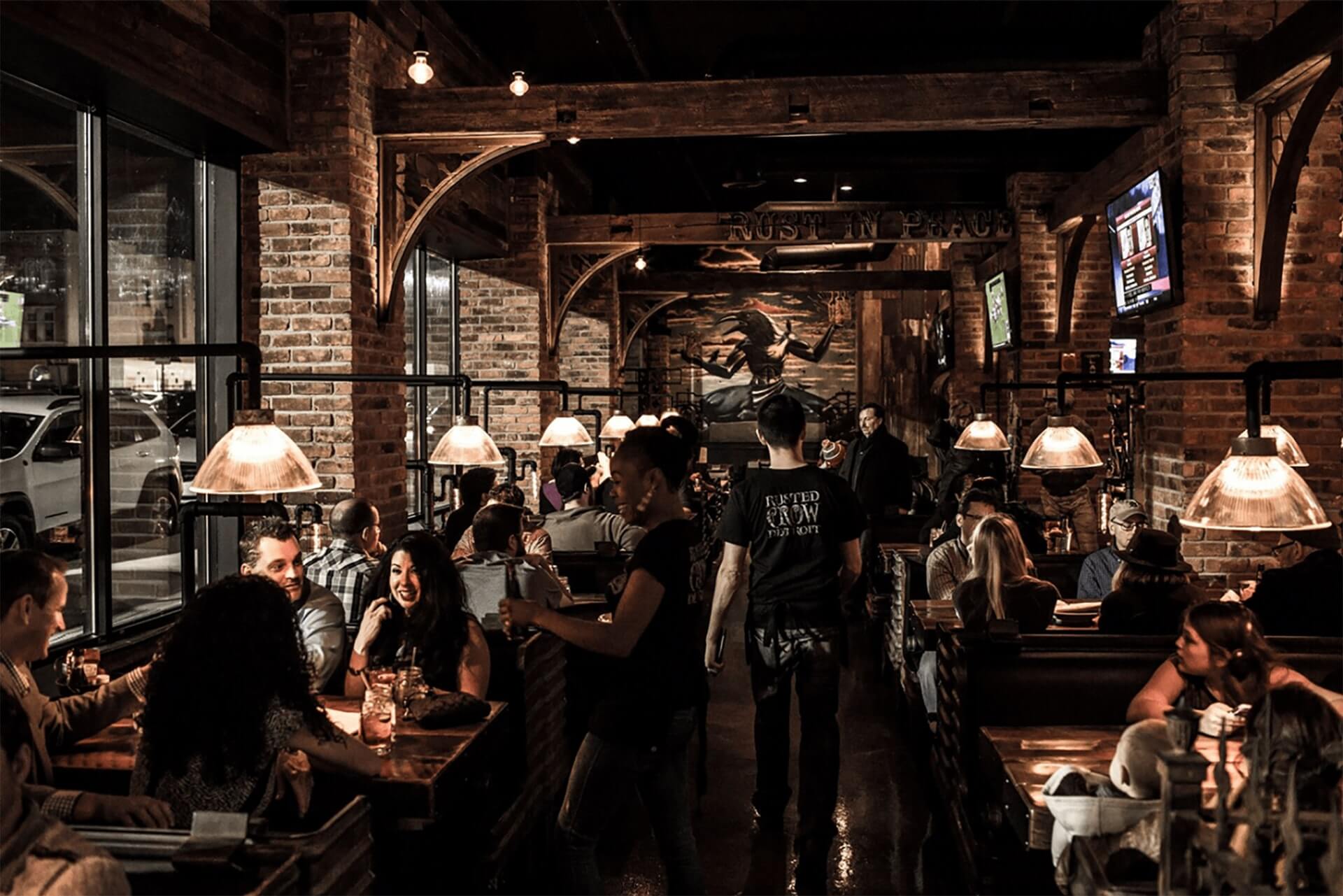
Full restaurant dining room at gastrolounge Rusted Crow in Detroit, Michigan

Tomorrow, January 18, the Independent Restaurant Coalition is spearheading the National Day of Action to Save Restaurants.

The IRC is asking all hospitality professionals, vendors, guests and communities to participate.

In short, the time for asking nicely is over. On Tuesday, we must all demand that Congress actually put action to their professed support of the hospitality industry.

On Tuesday, the IRC will send out an email detailing how everyone can push for action on replenishing the RRF. So, click here to sign up for email updates from the coalition.

People can also follow them on Instagram for National Day of Action to Save Restaurants details.

A Dire Situation

According to an email sent out by the IRC (again, you should sign up), a significant number of restaurants and bars find themselves in dire situations.

Per IRC survey results:

  • more than one in four restaurants (28 percent) that didn’t receive RRF grants are facing eviction;
  • almost 50 percent are facing bankruptcy; and
  • close to 60 percent of restaurants are reporting sales drops of more than 50 percent during the surge in Omicron infections.

For context, let’s review how RRF grants helped some recipients survive:

  • Ten percent are facing eviction.
  • Twenty percent are facing bankruptcy.

Is an RRF grant a silver bullet? No, but it’s certainly valuable ammunition in the fight for the survival of independent restaurants and operators, and therefore the industry itself.

Time is Up

Actually, time ran out months ago. Congress has allowed months to go by without taking any meaningful action.

In fact, one US Senator, Rand Paul (R-KY), blocked a vote to provide the industry with $43 billion in emergency funding. The senator killed the unanimous consent motion back in August of 2021.

As a refresher, the RRF grant application portal was closed last year on May 24. A bipartisan group introduced the Restaurant Revitalization Fund Replenishment Act of 2021 in June.

And like I mentioned, emergency funding was smacked off the table just two months later.

In November, Build Back Better was passed. Of course, it didn’t include the RRF Replenishment Act. So, apparently building America back better doesn’t include restaurants, bars, lounges, etc.

It’s clear that America’s politicians and lawmakers are content to not accomplish much. “Owning” one’s opponents via social media and sound bites is apparently much more important.

Sniping at one another, not doing the jobs they were elected to do, is the order of the day. Meanwhile, independent owners and operators are being left out in the cold and crushed under the weight of a web of inconsistent Covid-19-related mandates and guidelines. Their staff members are expected to act as the Covid police, risking their health and safety.

I could go on but we all know what’s happening: The people elected to represent the people are abusing the privilege by ignoring us.

The time for asking nicely for Congress to take action is over. It’s time to demand action.

Image: Stanford Smith on Unsplash

by David Klemt David Klemt No Comments

Top 2021 KRG Hospitality Articles

Top 2021 KRG Hospitality Articles

by David Klemt

Page in Olympia typewriter with "2021" typed onto it

We’ve gathered the top KRG Hospitality articles from 2021 and separated them into five distinct categories: Food, Beverage, Operations, Marketing & Promotions, and Industry News

Food

Delivery and Takeout Food Trends for 2021: Canada

It should come as no surprise that interest in what food items Canadian consumers wanted to order for delivery and takeout skyrocketed last year. (link)

Delivery and Takeout Food Trends for 2021: United States

Obviously, owners, operators and management wanted to stay current on consumer food trends in the USA as well. (link)

Have a Slice of Nostalgia: The Return of Viennetta

Never underestimate the marketing, promotions, and profitability power of nostalgia. This is particularly true when people are seeking comfort. (link)

Beverage

Uncorked: 2021 Wine Trends to Watch

Understanding what wines are trending is an effective way to boost profits and overcome wine intimidation. (link)

Fever-Tree Cola: Set Aside Your Soda Gun

Outright eliminating soda guns may be a long shot. However, cocktails crafted using bottled craft ingredients can justify premium prices. (link)

These are the Drinking Trends to Watch in 2021

We may not have a crystal ball but we have the next best thing: Data. (link)

Operations

Container Kitchens: The New Footprint

Several industry experts and intelligence agencies predict smaller restaurant footprints moving forward. Container kitchens are certainly a viable method to shrink venue sizes. (link)

The Reality of Hiring Right Now

It really doesn’t need to be said but I’ll do it anyway: The labor shortage and “Great Resignation” are real. (link)

The 5 Ds of Bystander Intervention

Sure, great food and beverage are crucial to luring people in, wowing them, and converting them to repeat guests. However, so is the experience. A key element of a positive memorable experience is ensuring guests feel safe. (link)

SevenRooms Reveals Third Party Delivery Impact

The high-tech reservation platform shows what many suspected to be true: Direct delivery is better for operators than third-party delivery. (link)

Marketing & Promotions

How SevenRooms Improves Operations

Not only does SevenRooms make handling reservations easier, it also makes setting up marketing campaigns simple and effective. (link)

This Generation is Most Likely to Dine In

If you want to know who to market in-person dining to, here’s your answer. (link)

0.0 to 0.5 Beers to Know for Dry January and Beyond

Dry January (along with Damp January) is here to stay. This is a sampling of alcohol-free and low-ABV craft beers to offer Dry and Damp January guests. (link)

Industry News

I Tried the Mask Made for & by Hospitality

None of us enjoy wearing face masks. This mask is comfortable to wear and amplifies the wearer’s voice. (link)

What’s the RRF Replenishment Act?

Well, here’s one take on an answer to this question: It’s the bill to replenish the RRF that has made zero progress since June of 2021. (link)

Build Back Better…Without Restaurants or Bars?

The BBB Act was passed in November. Of course, it didn’t include the Replenish RRF or ENTREE acts. It’s much easier for politicians and lawmakers to say they care about and support our industry than actually prove it. (link)

Image: Markus Winkler on Unsplash

by David Klemt David Klemt No Comments

Current Restaurant & Bar Restrictions: USA

Current Restaurant & Bar Restrictions: USA

by David Klemt

Four medical face masks on a blue background

According to reporting worldwide, the Omicron variant of Covid-19 is surging and accounting for the majority of new infections.

Scientists, medical professionals, and some lawmakers and politicians are expressing concern. This is due to Omicron apparently being much more transmissible in comparison to other variants.

So far, it appears the current administration isn’t suggesting lockdowns. The CDC isn’t recommending restaurants and bars close down.

And dozens of states are not—for now—imposing new restrictions on people and businesses. However, there are nearly 20 states that have restrictions in place for restaurants and bars currently.

Of course, this situation is fluid and subject to change on a whim. As of the date of publication for this article, this is the currents state of the USA.

No Restrictions

There are, so far, 31 states have no state-mandated restrictions in place:

  1. Alabama
  2. Alaska
  3. Arizona
  4. Arkansas
  5. Delaware
  6. Florida
  7. Georgia
  8. Idaho
  9. Indiana
  10. Iowa
  11. Kentucky
  12. Louisiana
  13. Maine
  14. Michigan
  15. Minnesota
  16. Mississippi
  17. Montana
  18. New Hampshire
  19. New Jersey
  20. North Dakota
  21. Oklahoma
  22. Pennsylvania (Note: Indoor diners must wear masks. Businesses can require proof of vaccination.)
  23. Rhode Island
  24. South Carolina
  25. South Dakota
  26. Tennessee
  27. Texas
  28. Utah
  29. Vermont
  30. West Virginia
  31. Wyoming

Your state may be on this list. If so, it’s still important to remain knowledgeable of current restrictions and guidelines in your area(s) of operation.

Restrictions

The following 19 states have restrictions in place. Most commonly, these are mask requirements for indoor diners.

  1. California: Indoor diners must show proof of vaccination in Los Angeles and San Francisco. Regardless of vaccine status, indoor diners must wear masks.
  2. Connecticut: Unvaccinated required to wear masks indoors.
  3. Colorado: All indoor diners must wear masks. In Boulder County, businesses can apply to receive an indoor mask exemption if they require proof of vaccination.
  4. Hawaii: All indoor diners must wear masks.
  5. Illinois: All indoor diners must wear masks.
  6. Kansas: Requirements vary by county for indoor dining, so check current local guidelines.
  7. Maryland: Requirements vary by county for indoor dining, so check current local guidelines.
  8. Massachusetts: In Boston, indoor diners must wear masks regardless of vaccination status.
  9. Missouri: Requirements vary by county for indoor dining, so check current local guidelines.
  10. Nebraska: Requirements vary by county for indoor dining, so check current local guidelines.
  11. Nevada: Requirements vary by county but for the most part, all indoor diners must wear masks.
  12. New Mexico: All indoor diners must wear masks.
  13. New York: Indoor diners must show proof of vaccination, and masks are required to dine indoors. Unvaccinated required to wear masks indoors.
  14. North Carolina: Requirements vary by county for indoor dining, so check current local guidelines.
  15. Ohio: Requirements vary by county for indoor dining, so check current local guidelines.
  16. Oregon: All indoor diners must wear masks. If physical distancing isn’t possible in outdoor areas, masks must be worn by outdoor guests as well.
  17. Virginia: All indoor diners must wear masks.
  18. Washington: All indoor diners must wear masks.
  19. Wisconsin: Requirements vary by county for indoor dining, so check current local guidelines.

So Far, No Lockdowns

Some restaurants and bars have closed temporarily. These decisions are fueled by myriad factors, including spikes in infections in their markets or staff testing positive for Covid. So far, many of these businesses plan to reopen a day or two before New Year’s Eve.

It may be difficult to be optimistic at the moment. However, more than 70 percent of Americans have received one dose of an approved vaccine. Over 60 percent have received two doses. And nearly 20 percent have received a booster.

While alarmed, reporting shows that scientists and medical professionals aren’t anticipating nationwide lockdowns.

Image: Tamanna Rumee on Unsplash

by David Klemt David Klemt No Comments

American Trends 2022: Technomic

American Trends 2022: Technomic

by David Klemt

Wooden spoon loaded with salt

Two weeks ago, I reviewed and shared Technomic’s “Canadian Trends: Looking Ahead to 2022” report, and now it’s America’s turn.

Not too surprisingly, the US and Canada are similar in terms of a few 2022 trend predictions.

And while the Omicron variant of Covid-19 is causing some restaurants and bars to close, there is some good news from Technomic.

Salt

First, a difference between America and Canada. As you may recall from my review of Canadian predictions, Technomic predicts butter will be even more important next year.

Interestingly, salt is the big prediction for the United States. The reasoning is similar: people are seeking out comfort in these difficult times.

Technomic’s “2022: The Year of the Climb” report states flat out that, “Salt is the new fat.”

The industry intelligence firm predicts that salt will be increasingly important in kitchens—and on tables—in 2022.

For example, Technomic expects operators to focus salt-cured fish and meats. Of course, that doesn’t just meet a predicted consumer demand. Cured foods can be preserved for longer, which is appealing to operators.

Seaweeds, salt blends, and salty sauces will be used in the kitchen. According to Technomic, some of those will replace (or accompany) traditional salt on tables.

Going further, Technomic predicts that salt will find its way into cocktails. This can be in the form of salty ingredients or salt water, a trend from a few years ago.

Creative Prep

Let’s stick with the kitchen a bit longer.

This is one of the strongest similarities shared by the US and Canada. Technomic predicts that operators will need to focus on cross-utilization and creativity.

As you’ve likely already figured out, this is because of supply chain issues. The more ways items can be used without introducing new SKUs, the easier things may be for operators.

Some examples of cross-utilization suggested by Technomic:

  • Roasting, grilling, and blistering items normally served raw.
  • Pickling ingredients.
  • Fermenting items.
  • Turning some items into jams.
  • Aging some ingredients.

Labor Challenges

Obviously, the labor shortage is felt throughout North America. Unfortunately, this is another similarity when comparing Technomic’s American and Canadian 2022 trend predictions.

KRG Hospitality has addressed the need for the industry to make significant changes several times this year. In particular, founder and president Doug Radkey published a book, Hacking the New Normal, calling for change to improve working conditions and the industry’s long-term survival.

Technomic is suggesting the same. The firm predicts the following for 2022:

  • Wage increases across the board.
  • Benefits (healthcare, emergency child care, 401(k), and more).
  • Virtual hiring events.
  • Referral and signing bonuses.

However, more needs to be done. The industry doesn’t simply need to revamp its image, it needs to:

  • address—and not dismiss—issues raised by current hospitality professionals;
  • solve the problems that led to so many hospitality workers quitting jobs and giving up on the industry;
  • implement real solutions for the problems the industry has faced and, frankly, nurtured for decades.

And that’s just the start. If we don’t face our industry’s challenges head-on, there won’t be much of an industry in the future.

The Battle for Comfort

Yes, comfort food will be important next year. Hence the entire section on salt above.

However, when I mention comfort in this section I’m referring to personal comfort levels.

You’ve likely been hearing from industry peers and seeing on social media that a number of bars are closing until December 29 or December 30. These temporary closures are due to spikes in positive Covid-19 cases, mostly driven by Omicron.

Many Americans, eager to return to a semblance of their pre-Covid lives, want to spend time in restaurants and bars. However, people need to balance their comfort levels with their desire for social experiences.

In response, Technomic predicts that operators will need to balance the on-premise and off-premise. In other words, omni-channel operators must dial in their offerings.

Per Technomic, operators have to figure out their mix: interactive in-person experiences, takeout, and delivery.

Good News

Technomic is making two 2022 predictions that should come as a relief to operators.

First, Q1 of 2022, per Technomic, “will reveal a particularly strong year-over-year performance” in comparison to 2021.

Overall, the firm projects a 10.4-percent sales increase for 2022 when compared to 2019 sales.

There is, however, a caveat. We’ll have to take rising menu prices into account when analyzing this year’s and next year’s sales levels.

For those wondering which category is predicted to perform the best, Technomic identifies limited-service restaurants will recover quickest.

In contrast, full-service will see slower recovery. Business, leisure, and indeed “bleisure” travel will have an impact on full-service traffic.

So, 2022 isn’t going to magically return to pre-pandemic “normal.” However, should Technomic’s conservative sales prediction prove accurate, recovery is on the menu.

Image: Jason Tuinstra on Unsplash

by David Klemt David Klemt No Comments

Square: 2022 Threats & Opportunities

Square: 2022 Threats & Opportunities

by David Klemt

Square terminal in restaurant kitchen

As all hospitality professionals know, the past nearly two years is imposing rapid change on the industry, necessitating rapid, strategic adaptation.

The key word in the above sentence isn’t “adaptation,” it’s “strategic.”

Of course, it’s hard to make strategic choices without as much information as possible.

To that end, we’ve reviewed Square‘s recently released “Future of Restaurants: 2022 Edition.” This is the company’s second annual Future of Restaurants report.

Square partnered with Wakefield Research, surveying 500 operators and 1,000 consumers to identify 2022 threats and opportunities.

Threat: Labor Shortage

Most operators aren’t going to want to read this prediction from Square. However, we can’t identify and adapt for opportunities if we don’t acknowledge threats.

Per Square’s report, the labor shortage may never see a correction. In other words, welcome to yet another new normal.

More than 70 percent of operators say they’re facing a labor shortage, per Square. Just over 20 percent of available positions were, at the time the survey was conducted, unfilled.

Instead, operators will likely, according to Square, need to make operational and work culture changes:

  • Improve working conditions. For example, encouraging and acting on team feedback. Another example? Modernizing scheduling.
  • Ensure workers are being mentored and not simply managed.
  • Hire, train, assign tasks, and schedule more strategically to operate with a smaller team.
  • Offering incentives that entice higher-quality candidates to work for you.

One participant quoted in the Square report claims that QR code ordering dropped their labor cost percentage by 150 percent.

Threat: Lack of Tech

As SevenRooms suggested when looking forward to 2022, technology solutions can lessen the burden of labor shortages. That leads us to another big threat: failing to embrace tech.

Some operators bristle at the word “automation.” For many, it conjures an image of robots in the kitchen and delivering food to tables.

Obviously, we’re opposed to replacing staff with any form of automation. However, we support automating tasks if that means team members are better utilized.

Why not automate inventory? Why not automate online order filling? If it improves operations and the guest experience, automation is less threatening.

According to Square’s report, 62 percent of operators think automation is appealing for managing online, delivery, and contactless orders. Ninety percent of operators say that back-of-house automation—if staff can focus on more important tasks—is a good idea.

More than 90 percent think automated inventory is an appealing solution.

It has taken a lot of time for hospitality to catch up to other industries in embracing tech. But Square reports that 36 percent of restaurants upgraded their business tech in 2021.

Of course, automation will become a threat if operators lean too heavily into it and stop paying attention to detail.

Phrased another way, be tech-savvy, not tech-reliant.

Opportunity: Omni-channel

Square see implementing an omni-channel strategy as the way forward. In fact, their general manager for Square Restaurants, Bryan Solar, said the following:

“We see the time of the dine-in only or takeout only as largely done forever.”

Going omni-channel (diversifying) in the restaurant space means making online ordering and delivery important elements within the overall business strategy. To that end, Solar posits kitchens will grow in size to better handle online orders.

Square’s survey reveals some intriguing numbers:

  • 13 percent of consumers say they’ll avoid restaurants that don’t offer online ordering.
  • Among restaurants with online ordering, those channels generate 34 percent of their revenue.
  • Over the past year, 54 percent of restaurants either added or expanded online ordering channels.
  • Online ordering is likely here to stay: 69 percent of respondents plan to offer it post-Covid-19.
  • 24 percent of operators are planning to allow guests to order alcohol from them online.

Another interesting set of numbers pertains to first- and third-party delivery. As we’ve stated several times, we much prefer operators offer first-party or direct delivery. According to Square, 49 percent of operators plan go direct delivery. More than half—62 percent—will pursue third-party delivery. That suggests that some operators will offer both.

Opportunity: Direct Ordering

When it comes to engaging online guests, operators need to control the experience. As I wrote for another publication years ago, a restaurant or bar’s website is still very important.

This statistic proves that statement true: Per Square, 68 percent of online guests want to order via a restaurant’s website or app, not a third-party.

More than likely, a significant portion of those guests want to know they’re supporting a restaurant and its staff directly. Hence the importance placed on ordering via the website or their own branded app.

So, operators would do well to ensure their websites feature an ordering widget. Or, they can opt to have an app built (or at least skinned) for their business.

Opportunity: Kiosks

According to Square’s survey results, 79 percent of consumers prefer ordering from kiosks over ordering from staff.

Most consumers and operators likely associate ordering kiosks with fast food restaurants. However, other categories can also benefit from these devices.

Close to half—45 percent—identified it as a preference when ordering at a casual-dining restaurant.

And fine dining isn’t immune to the convenience of tech. A little over 20 percent of consumers prefer to order via kiosk in the fine-dining space.

Overall, kiosks speak to the guest desires for convenience and safety. More than a third indicated that ordering via digital menu is appealing because they don’t have to touch a menu someone else has touched. And 37 percent like a digital option because they don’t have to wait for a server to bring them a physical menu.

Eleven percent of Square survey respondents will avoid a restaurant if they don’t offer digital menus.

Nearly half (45 percent) of restaurants are planning to offer QR code menus post-Covid-19. Another benefit of digital menus is dynamic pricing. As costs fluctuate, operators can increase or reduce prices easily without printing new menus.

Outlook

Representing a stark contrast from 2020 survey results, nearly 60 percent of operators say the survival of their restaurants is a concern in 2022.

That’s still a high number but vastly lower than how operators answered about 2021. Last year, 92 percent of operators surveyed said they were worried about survival.

According to Square’s report, operators are looking past surviving and making long-term plans. That’s a welcome sign that confidence is improving.

To review Square’s “Future of Restaurants: 2022 Edition” report in its entirety, click here.

Image: Patrick Tomasso on Unsplash

by David Klemt David Klemt No Comments

SevenRooms Predicts 2022

SevenRooms Predicts 2022

by David Klemt

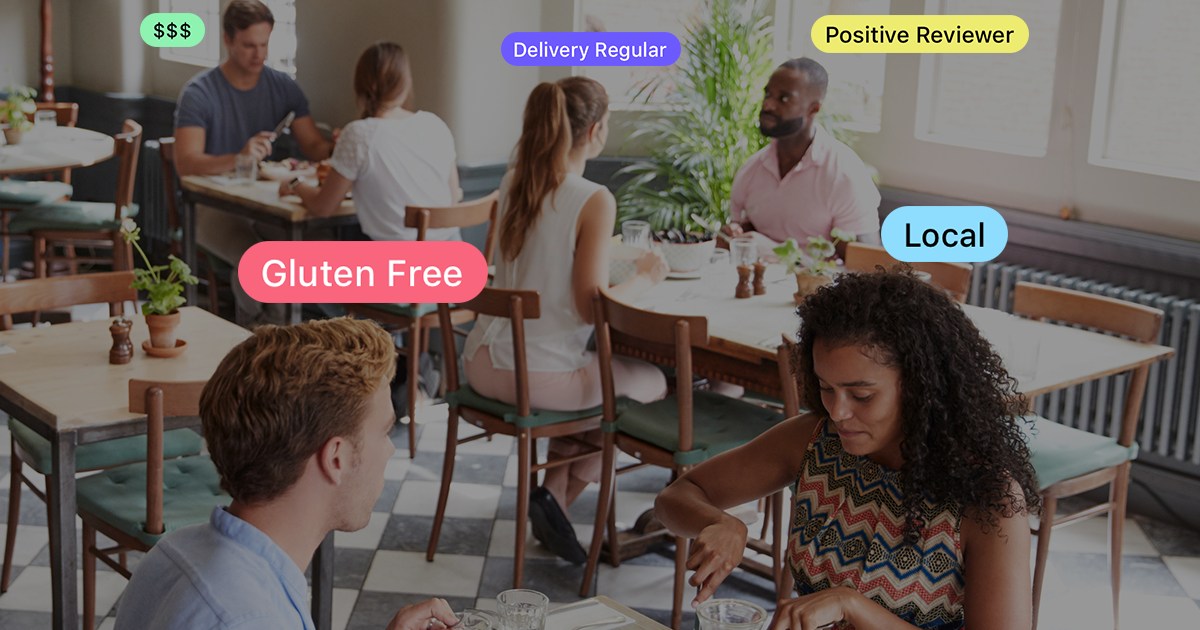
SevenRooms guest data image

As we near the end of a tumultuous 2021 we must look ahead to 2022 to set our industry up for best strategies, innovations, and recovery.

SevenRooms is doing just that, looking at what operators should consider to meet guest expectations next year.

In a blog post on the company’s website, SevenRooms reveals what they believe are the keys to success in 2022.

Let’s jump in.

More is More

The first quarter of 2022 will mark two years of the pandemic and its affects on the industry.

As SevenRooms says, some guests will not have been out of their homes for two years. The company predicts this contingent will be looking to unleash pent-up demand.

Of course, that represents an opportunity for operators. Another wave of pent-up demand can mean a boost in traffic and revenue.

However, guest expectations will be sky high. That cliché that less is more? Yeah, you can toss that right out.

More will be more for this contingent of guests looking to dine and drink out after feeling cooped up for month after endless month.

Sure, some guests are aware that operators are facing labor shortages, increased costs, and other pandemic-driven challenges. They know that workers are overwhelmed and finding themselves in hostile confrontations they certainly don’t deserve.

And sure, some guests are sympathetic to those struggles. However, they have their demands and expect restaurants, bars, and hotels to meet them.

What can operators do to meet those demands? In fact, what can they do to anticipate and overdeliver on guest expectations?

SevenRooms has a couple suggestions.

Collect guest data. At this point, this should be a given. How can an operator engage with and retain guests if they don’t really know anything about them?

Embrace more tech. Platforms like SevenRooms can handle a restaurant or bar’s reservations quickly and easily. This is a feature that, per SevenRooms, more than half of guests expect a restaurant or bar offer. Some platforms can also automate marketing; send guests post-visit surveys; and tackle review aggregation.

Convenience Reigns Supreme

Here’s a quick, impromptu survey:

Do you prefer a seamless restaurant, bar or hotel experience, or do you like frustrating dining, drinking and lodging experiences?

I’m going to go ahead and assume you prefer the former option. In other words, you like what your guests like: convenience.

Well, SevenRooms is predicting that the desire for convenience will only grow stronger among guests.

Yes, delivering on the increasingly important topic of convenience will rely on collecting data. But rather than view it as just one more task, SevenRoom suggests looking at it in a more positive light.

A number of the conveniences guests expect can be automated. They can even help ease the burden of the labor shortage somewhat.

For example, contactless ordering and contactless pay are close to becoming standards. Offering those features to guests means meeting expectations, thereby delivering an excellent guest experience. On-demand ordering and paying can also ease some front- and back-of-house pressure.

Collecting guest data allows management and front-of-house staff to add personal touches before a guest is even seated. Again, seamless, excellent guest service.

Another convenience? Online ordering. SevenRooms isn’t the first to predict that on-demand ordering is here to stay. In fact, a suite of conveniences will be important moving forward:

  • Online ordering during in-person visits and for delivery or pickup.
  • A user-friendly reservation system that goes deeper than just picking a date and time. Why not allow guests to select seats and even request upgrades?
  • A virtual waitlist. Not only is this convenient, SevenRooms says this feature can boost walk-in traffic and reduce abandonment.
  • Contactless, mobile paying options.

There you have it. Two seemingly basic predictions—higher expectations and a desire for even more convenience—with the potential to boost traffic, loyalty, and revenue.

Image: SevenRooms

by David Klemt David Klemt No Comments

ThinkFoodGroup Partners with SevenRooms

ThinkFoodGroup Partners with SevenRooms

by David Klemt

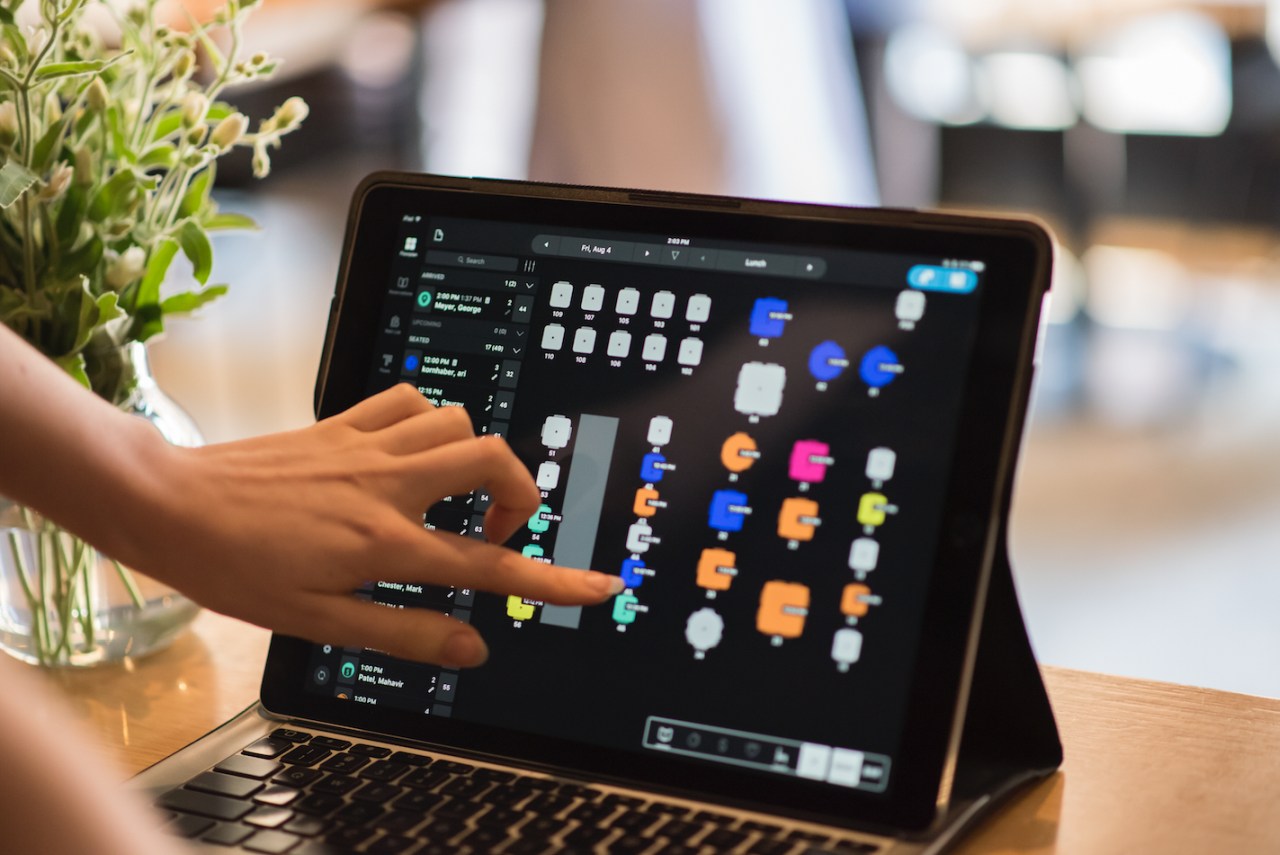
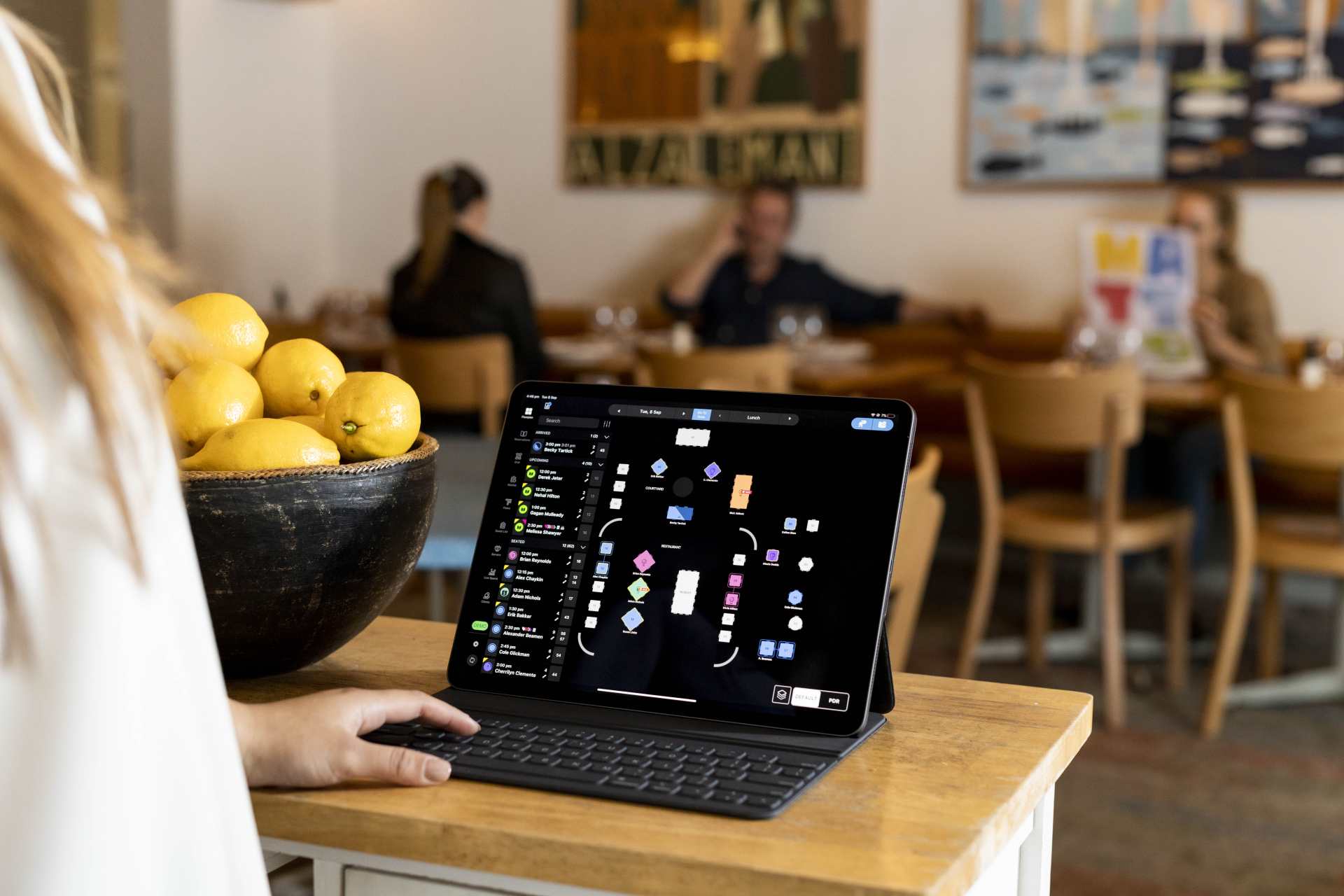
Front of house staff member using SevenRooms

Reservation and guest engagement and retention platform SevenRooms and ThinkFoodGroup announce their new partnership today.

This announcement marks at least the third high-profile partnership involving SevenRooms.

One partnership from earlier this year is with online ordering platform Olo. Another is between SevenRooms and TheFork.

As is normally the case when it comes to SevenRooms partnerships, the relationship will be collaborative.

ThinkFoodGroup be onboarding the restaurants in their portfolio onto the platform. This maneuver will deliver several benefits through the full SevenRooms suite:

  • Reservation, waitlist and table management
  • Marketing automation
  • Online ordering capability
  • Rating aggregation

Additionally, ThinkFoodGroup will be joining SevenRooms in an advisory role. The platform will benefit from the expertise of Chef José Andrés and the ThinkFoodGroup team.

In short, ThinkFoodGroup will gain valuable insight into their guests throughout their entire portfolio. SevenRooms will gain valuable insights they can use to improve their platform and better serve the hospitality industry.

Interestingly, ThinkFoodGroup appears to have been using SevenRooms prior to this newly announced partnership. The platform is already in use at:

  • The Bazaar by José Andrés at the SLS South Beach
  • Bazaar Meat by José Andrés at The Sahara Las Vegas
  • China Chilcano in Washington, D.C.
  • China Poblano at The Cosmopolitan of Las Vegas
  • é by José Andrés at The Cosmopolitan of Las Vegas
  • Jaleo at The Cosmopolitan of Las Vegas

From Joel Montaniel, CEO and founder of SevenRooms:

“With the hospitality industry returning to full-speed, it’s more important than ever for operators to prioritize technology platforms that are hyper-focused on helping restaurants thrive. We’re thrilled to welcome the ThinkFoodGroup team to our SevenRooms family, helping them build upon their incredible guest experiences across their properties. Most importantly, we look forward to learning from José and his team’s incredible expertise and unique perspective. Supporting and advocating for the hospitality industry has always been at the core of our business. There is so much work for us to do as the industry recovers, and we look forward to walking in lockstep with José and his team to build back better.”

From Chef José Andrés, CEO, co-founder and executive chairman of ThinkFoodGroup:

“Providing outstanding experiences for our guests has always been a priority. In light of the challenges brought on by COVID, we realized just how important it was to have a partner who can help us bring them to life in a seamless way. I am excited to bring SevenRooms into our restaurants globally, and for ThinkFoodGroup to also join the company as an industry advisor.”

From Sam Bakhshandehpour, President of ThinkFoodGroup:

“Pushing the limits of what’s expected in hospitality is at the core of our business. SevenRooms is completely transforming the restaurant technology platform, and we’re thrilled to partner with a like-minded company who thinks progressively and has the cutting-edge technology to challenge the status quo. Together, we will collaborate on building solutions that put operators’ success at the forefront.”

This year’s SevenRooms partnerships, announcement of a new CFO, and innovations (such as their Direct Delivery module), show the platform’s commitment to improvement and supporting the industry.

When operators are selecting the platforms to include in their tech stacks, ease of use and integration, along with growth, should be among their considerations. So, too, should be industry advocacy.

SevenRooms continues to prove that they deserve top marks for each of those crucial elements.

Image: SevenRooms

Quotes provided by SevenRooms via press release

by David Klemt David Klemt No Comments

5 Books to Read this Month: December

5 Books to Read this Month: December

by David Klemt

Flipping through an open book

This month’s fun and informative book selections will help you develop next-level culinary, beverage and leadership skills this December.

To review November’s book recommendations, click here.

Let’s dive in!

Can I Mix You a Drink?

Superstar T-Pain partners with mixologist Maxwell Britten, formerly the bar director for James Beard Award winner Maison Premier. The fifty recipes in Can I Mix You a Drink? match up with a lyric or sentiment from T-Pain songs. There are amusing and insightful anecdotes from T-Pain, and the high-end, glossy photography in the book match the high-end recipes. Overall, this book is a vibe, much like a great cocktail bar.

The Oxford Companion to Spirits & Cocktails

David Wondrich and Noah Rothbaum team up for likely the deepest dive into the role alcohol plays in human history. The Oxford Companion to Spirits and Cocktails is everything you ever wanted to know about fermentation, distillation, aging, cocktails, cocktail bars, and more. In addition to global techniques and processes, readers will be treated to illustrations, a guide to making drinks, and even a timeline of distillation and spirits.

The Alchemist Cocktail Book: Master the Dark Arts of Mixology

When one thinks of chains, they tend to think of global fast-food and fast-casual brands. However, The Alchemist stands in stark contrast to that thinking. The Alchemist is a chain of stunning, experimental cocktail “theaters.” These cocktail bar and restaurant venues elevate the cocktail to new heights, paying just as much attention to experiential and atmosphere details as drink build details. The Alchemist Cocktail Book shares 100 original Alchemist recipes, including low- and no-alcohol drinks.

Market Fresh Mixology Presents Life, Love, Happiness & Cocktails

If you’ve ever wondered what inspired someone when they were creating a now-famous cocktail, this is the book you want. Not only does mixologist Bridget Albert, senior national director of education for Beam Suntory and founder of the Academy of Spirits and Fine Service, tell the stories behind 40 cocktail recipes, she invites others to join her. Life, Love, Happiness & Cocktails features Tony Abou-Ganim, Julie Reiner, and more telling the personal stories behind their recipes.

Hacking the New Normal

Are you ready to take your restaurant, bar, lounge, hotel or resort from concept to reality in 2022? Treat yourself this holiday season to a gift that will help you achieve your goal and dream of operating a successful hospitality venue. Do you know someone who has been talking about opening a restaurant, bar or hotel but hasn’t made their move yet? Hacking the New Normal is the perfect gift for them this holiday season.

Image: Mikołaj on Unsplash

by David Klemt David Klemt No Comments

Adding Veterans to Your Team

Adding Veterans to Your Restaurant, Bar or Hotel Team

by David Klemt

Military combat helmet in digital camouflage

Do more this Veterans Day by encouraging those who have served to apply and interview for available positions on your team.

There are several benefits to providing job opportunities to veterans, regardless of the country (or countries) in which you operate.

Of course, there are dos and don’ts that come along with recruiting, hiring and working with veterans.

Benefits to Hiring Veterans

Before we begin, a caveat: Remember that veterans are individuals. “Veteran” is a label, a designation, a descriptor. In no way is one person who is a veteran interchangeable with another.

That said, there are some elements of military service that are similar to those of successful hospitality operations.

Teamwork, a strong work ethic, leadership skills, precision in tasks, achieving goals, consistency in results… When a restaurant, bar or hotel team is operating at its best, it can be said they work with military precision.

Generally speaking, veteran job candidates bring experience to the table that can benefit an operator greatly.

Additionally, it’s commonly said that hospitality leadership should hire for personality because they can train requisite skills. Speaking generally again, many veterans are so used to receiving specialized training that they’ll likely appreciate and respond quickly to yours.

If you want your business to operate with military precision, why wouldn’t you hire military personnel who fit well within your team?

Questions to Ask During Interviews

Obviously, there are definite dos and don’ts when it comes to discussing a veteran’s military experience.

As curious as you may be about some aspects of a veteran’s experience, questions shouldn’t be invasive or offensive.

Some examples of questions you should ask are:

  • “What did you do (in the Air Force, Army, Coast Guard, Marines, Navy, National Guard or Reserves)?”
  • “Why did you choose that branch of the military?”
  • “How long did you serve?”
  • “Do you come from a military family?”
  • “Where were you stationed during your career in the military? Did you visit any other countries?”
  • “Where was your favorite place you visited or lived?”
  • “How do you think your experience in the military will benefit you here?”

As you can see, nothing in those questions should make a veteran applicant uncomfortable.

Questions and Behaviors to Avoid

Speaking of discomfort, there are many questions that you should never ask a veteran. Not just during the interview process, but ever.

Also, if a veteran informs you they’re uncomfortable answering a question about their service, that should be respected.

Examples of questions and topics you should avoid are:

  • “Do you have PTSD (Posttraumatic Stress Disorder)?”
  • “Do you find it hard to get back to ‘real/regular’ life after being in the military?”
  • “Did you ever get shot/stabbed/bombed?”
  • “Did you ever kill anyone?”
  • “What’s the worst thing that ever happened to you while you served?”
  • Current military conflicts, particularly if you haven’t served in the military.
  • Referring to elements of work through military analogies.
  • Insulting branches of the military if you never served.

In short, treat veterans with the respect their deserve, as you should any other member of your staff. Veterans aren’t novelties or curiosities—they’re people.

For too long, veterans have faced undue scrutiny and undeserved stigmatization. It shouldn’t be difficult to turn that around when the solution is simple: Give veterans respect; treat them like  people since that’s precisely what they are; and provide equal opportunity.

Image: israel palacio on Unsplash

by David Klemt David Klemt No Comments

5 Books to Read this Month: November

5 Books to Read this Month: November

by David Klemt

Flipping through an open book

This month’s fun and informative book selections will help you develop next-level culinary, beverage and leadership skills this November.

To review October’s book recommendations, click here.

Let’s dive in!

Cook as You Are

The Great British Baking Show contestant Ruby Tandoh is a food writer with a half-dozen books to her name. Her latest will likely change how you look at food and its preparation. In particular, the “mini” version of Cook as You Are aims to be as inclusive as possible. The free download makes it easier for people who learn differently or require assistance in the kitchen to enjoy cooking. Cook as You Are features 100 original recipes created by Tandoh that don’t require hours of preparation or professional-grade kitchen equipment to execute.

The Bullhearted Brand

Expert Joseph Szala explains why operators should view branding as a strategic endeavor. Branding is more than a clever name, eye-catching logo, and slick tagline. Szala, as he explains, “lay(s) out the foundational elements and details about creating and scaling restaurant brands” in The Bullhearted Brand, drawing from years of real-world experiences.

Bourbon’s Backroads

Bourbon is one of the few spirits that America can truly claim as its own. Myths and legend abound, such as the claim that whiskey can only be called bourbon if it’s produced in Bourbon County. Karl Raitz conducted extensive research to uncover the full history of bourbon in the United States for Bourbon’s Backroads.

Gilded Age Cocktails

Author Cecilia Tichi takes readers on a cocktail journey spanning three decades. The Gilded Age, which took place between 1870 and the early 1900s, is known as the Golden Age for cocktails. Readers will be able to learn the stories of not only classic Golden Age cocktails to pass on to others, but also the stories of their creators. Gilded Age Cocktails transports us back to the pre-Prohibition Era, a time when bartenders first became famous and helped us all drink better.

Hacking the New Normal

Doug Radkey, president of KRG Hospitality, author of Bar Hacks and Hacking the New Normal, makes the case for making meaningful, impactful change in order for the hospitality industry to survive and thrive moving forward. As he explains during bonus episodes of the Bar Hacks podcast, as have multiple podcast guests like Chef Brian Duffy, the industry won’t truly recover unless we change our mindsets and the way restaurants, bars, hotels, resorts, entertainment venues, and arenas operate and treat staff.

Image: Mikołaj on Unsplash

by David Klemt David Klemt No Comments

Incentive Economy: What are You Offering?

The Incentive Economy: What are You Offering?

by David Klemt

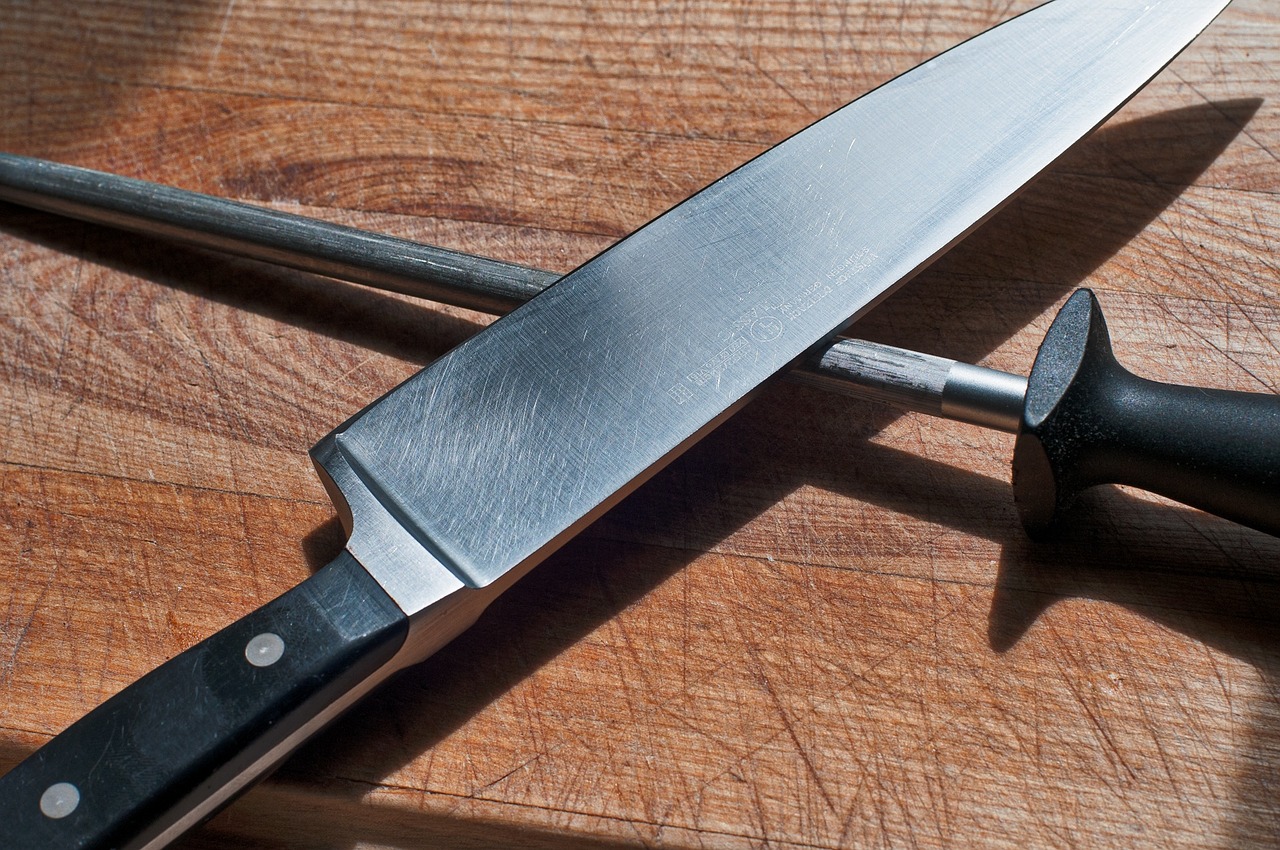
Chef's knife and honing rod crossed on cutting board

You know about the gig economy but are you familiar with the incentive economy?

It’s quite simple, and there are myriad ways for operators to engage with it. In fact, you likely already participate in the incentive economy in some way.

To put it succinctly, the incentive economy is all about the perks of a job beyond a paycheck.

The Old Ways are Out

On episode 53 of our Bar Hacks podcast, Chef Brian Duffy addresses the need for changes in our industry directly.

First, he tackles the lack of transparency in leadership by some operators. As Chef Duffy says, “That’s an old school way of doing it. That was an old school way, that was the Eighties.”

According to the chef, and we wholeheartedly agree, we now find ourselves in a “different phase” in the industry.

Then, Chef Duffy takes on how leadership in the industry treats staff.

One effective recruiting and hiring incentive Chef Duffy offers on the podcast deals with scheduling. None of his cooks close both nights of a weekend. He also posts schedules two weeks in advance so there are, A) no surprises, and B) if staff need to swap or drop, they have time to do so without impacting the business.

This simple scheduling incentive is attractive to new hires and existing staff. Why? Because working unpredictable, erratic hours is stressful.

“That ruins your life,” explains Chef Duffy.

If operators want to attract new hires, keep their team together, and reduce turnover, listening to staff about scheduling is crucial.

Things Need to Change

Chef Duffy shares a story on the podcast about his daughter and her experience working at a restaurant operated by a hospitality group.

No, he doesn’t name the group or the concept. The who isn’t the point here, it’s the what.

That what is how leadership bungled not only a scheduling issue but also how they botched Chef Duffy’s daughter’s two-week notice, her final shifts, and her final pay.

For more context, his daughter wasn’t a new hire who bailed after perceiving she had been treated poorly. She had worked at that restaurant for a year, there were ongoing issues, and she finally left.

As we all know, we’re down about a million jobs in this industry. That loss isn’t simply because of the pandemic. Our industry is undergoing a seismic cultural shift and we’re losing people who won’t return to hospitality.

Things need to change if we’re going to reverse this trend and strengthen the industry. KRG Hospitality president Doug Radkey addresses the change we need in his latest book, Hacking the New Normal. Chef Duffy addresses some of the necessary changes on our podcast as well.

“We can complain as much as we want, but we created it,” Chef Duffy says. “We as owners and operators and managers, we created what’s happening right now.”

Get Creative

The only limits to incentivizing your staff are your imagination, staying consistent with policies and procedures, being respectful of your staff and guests, and the law. Remain in those confines and get creative.

An incentive doesn’t need to be a grand gesture or prize. In many instances, something that makes a shift more fun and breaks up the monotony is enough to energize the staff.

“I want my staff, I want my front-of-house staff, to know what my sales goal is for the day,” says Chef Duffy. “And then I want to run a contest with that.”

One of the chef’s favorite contests is simple and highly motivating: Follow the Twenty.

Chef Duffy puts a twenty-dollar bill into play against a particular item or menu category. For example, either a specific dessert or any dessert.

Whenever a team member sells a dessert, they get the $20 that’s in play. If a different person sells another dessert, they get the twenty. Follow the Twenty incentivizes the first person to sell more of an item to hang onto the money, and the game motivates the rest of the staff to outperform their coworker to get the prize.

The last member of staff to sell a dessert that shift or day keeps the money.

Offering another creative incentive he’s seen, Chef Duffy shares that there’s a restaurant out there offering a free tattoo to kitchen staff that stays for at least 30 days. Will some staff leave after they get their tattoo? Possibly. Hiring wisely, implementing training policies and procedures, treating staff with respect, making scheduling easier and more flexible, ensuring clear communication is embedded in the fabric of your brand’s culture, and offering further incentives can prevent that turnover.

Offer Ongoing Education

“We live in an incentive world now,” says Chef Duffy. Explaining that he doesn’t operate large kitchens, large bars, or employ large teams, he admits he can only do so much in terms of incentives.

However, his approach to incentivizing staff to stay starts with this example of true leadership: “The one thing I can do is treat my employees well.”

With decades of experience in the industry, Chef Duffy’s knowledge is something he can offer his staff. A big believer in education, passing down information that can enrich team members’ careers and lives is an incredibly valuable incentive.

During a recent training session with a very young kitchen staff, the chef started with the very basics of education.

“Hey, guys, here’s a knife. This is a knife,” he said to the kitchen staff. “There’s seven different parts to a knife. Here’s the most powerful part, here’s the most precise part. This is how you hold it, this is what we do…”

Just reading that, it may seem like Chef Duffy was being condescending. That’s not the case. He wants to share as much of what he’s learned over the years to pass on his collected knowledge.

“I want people to feel as if they’re gaining something from me and the knowledge that I have rather than, ‘Go cut those onions and I’m gonna yell at you if you do it the wrong way,'” says Chef Duff.

Make Meaningful Change Today

Making impactful change can feel overwhelming. Let’s face it, it’s easier to just stay the course. But these days, staying the course can cost you your staff, then your guests, and then your business.

One way to start making change is to look inward at yourself, and at your leadership team.

Are your staff gaining anything from you beyond a job and paycheck? Is your leadership team mentoring and incentivizing staff? Are you, your leaders, and your team happy at work?

If the answer to those questions is “no,” do what’s reasonable to improve your brand’s work culture.

As Chef Duffy says, “The whole dynamic of it has to change and we have to take better care of our employees.”

Image: Steve Raubenstine from Pixabay

by David Klemt David Klemt No Comments

Modernize Your Scheduling Today

Modernize Your Scheduling Today

by David Klemt

2021 calendar on cell phone

Scheduling platforms and apps modernize restaurant, bar and hotel team management, streamlining and simplifying several processes.

When it comes to improving communications, the benefits of updating and upgrading how you manage scheduling can’t be overstated.

Of course, in our tech-heavy world, several scheduling platforms do more than just inform your employees about their shifts.

Today’s options handle payroll; assign specific tasks to particular team members; help leadership provide feedback; give staff a platform to provide feedback to leadership; and much more.

Staff Retention

Now, we’ve addressed how our industry has been much quicker to embrace new tech innovations over the past couple years.

We’re bringing up the topic of scheduling platforms for a specific reason. We all make mistakes, and we can learn from those mistakes. And we can also learn from others’ mistakes so we can do our best to avoid making them as well.

On today’s episode of the Bar Hacks podcast, Chef Brian Duffy shares a story about a scheduling issue.

During his return appearance, Chef Duffy explains that his 20-year-old daughter provided two months’ notice about days off she needed to her former employer. “Former” is key here.

It’s clear that the hospitality group property at which she once worked either didn’t utilize a scheduling app, didn’t communicate well, or both.

At any rate, Chef Duffy’s daughter received constant phone calls from management during her vacation. Obviously, that would be infuriating.

Even worse, after she quit that job—she had provided two weeks’ notice—this former employer called to ask if she was coming in for “her shifts.” Well, no—she had quit, with notice.

Clearly, there are other issues with that leadership team beyond a lack of clarity in scheduling. However, a powerful, easy-to-use staff management tool could possibly have kept Chef Duffy’s daughter from quitting this job. A powerful platform, for example, like the four below that are mentioned on episode 53 of Bar Hacks.

7shifts

When choosing a scheduling platform, one crucial element is integration. 7shifts integrates with several major POS systems, such Toast, Harbortouch, Heartland, TouchBistro, Micros, Upserve, and Clover.

In addition to scheduling, which is a given feature for all these platforms, 7shifts offers robust features. Leadership can send one-on-one messages to staff or create group chats. The app itself is a timeclock and handles payroll. And more inclusive packages provide operators with labor budgeting, sales forecasting, labor alerts, and even state-based compliance tools.

7Shifts is free for single locations with up to 10 workers. At the Appetizer level, 7shifts costs $17.99 per month, per location, for up to 20 team members. For $39.99 per month, per location, operators with up to 30 staff can take advantage of the Entrée level. The Works is $69.99 per month, per location, and manages an unlimited number of staff.

HotSchedules

One of the key features of HotSchedules is labor forecasting. Per the platform’s website, HotSchedules “labor forecasts are based on activity, historical data, and specific business rules” to reduce costs and increase revenue.

On the leadership side, scheduling is streamlined and simple to use. Managers can approve—or deny—shift requests with a single click. They can also message individual team members or send messages to a single location.

On the team side, staff can give away, swap and pick up shifts via the convenient app. Staff can request time off, and HotSchedules integrates with their Google Calendars. Upon arrival, staff can clock in through the HotSchedules app and track their attendance and pay.

OpenSimSim

At the surface level, it may seem like OpenSimSim isn’t as robust as the company’s competitors. However, it’s powerful and efficient.

One of the best OpenSimSim features is the open shift invite. Using this feature, team members can be invited to apply for an open shift once one becomes available. In addition, staff can set their profiles up to be auto-approved for open shifts.

Of course, OpenSimSim offers features similar to other scheduling platforms. For example, leadership receives real-time open shift, overtime, and late clock-in notifications. Users can also direct message and group chat via the platform.

Schedulefly

Last on this list solely because I organized these platforms alphabetically is Schedulefly. When you look into this platform, you’ll notice immediately that it’s powerful enough to manage concepts with multiple units.

Managers can quickly and easy navigate each unit in their chain to handle scheduling, broadcast messages for individual locations, message specific team members, and more. Is there a shift that needs to be filled at a specific unit? Schedulefly makes it easy to target the appropriate location and get it filled.

Similar to 7shifts, Schedulefly offers pricing based on staff size. There are no contracts, no fees, and each “level” offers all the same features and services:

  • 19 staff or fewer: $30/month
  • 20 to 39 staff: $40/month
  • 40 t0 59 staff: $50/month
  • 60 to 79 staff: $60/month
  • 80 staff or more: Contact Schedulefly for pricing.

It should go without saying that scheduling is crucial. Understaffing, overstaffing, staffing frustrations, failing to listen to staff about scheduling, and not simplifying the process can increase staff turnover.

Outdated approaches to scheduling also leads to significant decreases in revenue.

At its core, scheduling is a form of communication, a vital one. Commit to improving your communication today by upgrading your scheduling. Your leadership team and staff will thank you.

Image: Gerd Altmann from Pixabay

by David Klemt David Klemt No Comments

5 Books to Read this Month: October

5 Books to Read this Month: October

by David Klemt

Flipping through an open book

This month’s fun and informative book selections will help you develop next-level culinary, beverage and leadership skills this October.

To review September’s book recommendations, click here.

Let’s dive in!

Restaurant Marketing That Works: Back to the Basics: Before, During & After the Pandemic

Bar Hacks podcast guest and expert restaurant marketer Matt Plapp’s most recent book provides everything you need to supercharge your marketing and engagement efforts. Matt makes understanding the basics, collecting guest data and building an effective database, and boosting engagement easy. This is the best $7 (for the paperback) you’ll ever spend.

Spirits of Latin America

Revered James Beard Award-nominated bartender and operator Ivy Mix takes readers on a cultural and historical journey through Latin America’s spirits and cocktails. Spirits of Latin America is the 2021 Spirited Award for Best New Book on Drinks Culture, History or Spirits and features more than 100 recipes.

Drinking French

This book is the winner of the 2021 Spirited Award for Best New Cocktail or Bartending Book. Author David Lebovitz dives deep into French drinking culture through 160 recipes and beautiful photography. Readers will learn how to drink like the French do through classic and modern drinks, snack pairings, and stories.

Grit: The Power of Passion and Perseverance

Author Angela Duckworth explains why grit, not talent, is the best indicator of perseverance. Grit is the book Jennifer Radkey references in her most recent article for KRG Hospitality. If you want to change the way you hire and build teams, this is the book for you.

Death & Co Welcome Home

The third book from Alex Day, Nick Fauchald, and David Kaplan, the team behind Death & Co., features more than 400 recipes. Now, while this book targets home bartenders, it’s also beneficial to bar professionals as it delves into the Death & Co. cocktail development program. Is that worth a $35 investment? Absolutely.  Death & Co. Welcome Home is available now for pre-order.

Image: Mikołaj on Unsplash

by David Klemt David Klemt No Comments

SevenRooms Announces New Partnership

SevenRooms Announces Huge New Partnership

by David Klemt

Handshake emoji neon sign signifying partnership

SevenRooms announces today a major partnership that will change the game for operators in the UK, Australia, and across Europe.

The online reservation platform is entering a multi-year partnership with TheFork.

Fortunately, the hospitality industry, once slow to embrace new technology, is now adopting tech at a rapid pace.

This collaboration between SevenRooms and TheFork represents both a giant leap in tech innovation and support for our industry.

SevenRooms

By now, there should be no question that SevenRooms is among the most powerful tools an operator can wield.

On the surface, SevenRooms is “just” a reservation platform. In reality, the platform offers a full suite of guest engagement and retention tools; automated marketing tools; front- and back-of-house management; direct and third-party delivery management; and much more.

Additionally, the company has long been supportive of the hospitality industry. The founders didn’t just assume their reservation and engagement solutions were effective.

Rather, they spent time in the trenches. They took reservations, checked coats, and hung out with hospitality teams when their shifts were over.

During the pandemic, the platform studied the impact of third-party delivery on operators. To that end, they developed a launched a direct delivery module to help operators protect their bottom lines.

TheFork

Operating in more than 20 countries, TheFork is a TripAdvisor company.

Per TheFork, the company boasts more than 80,000 partner restaurants across the globe. Additionally, TheFork’s app has 28 million downloads and counting, and their site features over 22 million restaurant reviews.

In other words, TheFork enjoys a unique position in terms of connecting guests with restaurants.

The platform features a loyalty program; exclusive deals for guests who make reservations via TheFork; an “insider” feature that connects with guests with trendy and gourmet restaurants and entices them with a special offer; and more.

The Partnership

When one reviews how both platforms work, this partnership is a no-brainer. Going deeper, it appears the companies share similar values and commitment to the industry.

For example, SevenRooms subsidized more than $10 million in licensing fees to help operators during the pandemic. TheFork dedicated nearly $30 million to the industry within the 22 countries in which they operate.

This partnership is culminating in a two-way integration. Customers of SevenRooms will gain access to millions of diners who use TheFork to make reservations. In turn, TheFork now has access to SevenRooms’ marketing and venue management tools.

The result? Operators will be able to more easily and consistently fill their seats and attract new guests. The powerful tools that are at the disposal of SevenRooms customers will help to engage and retain those new guests, converting them to loyal regulars.

Hospitality seems to be steadily entering its Collaboration Era. Operators and platforms are seeking beneficial partnerships, all the while embracing more and more tech that enhances the guest experience and boosts the bottom line.

It will be exciting to see where we go from here.

Image: Charles Deluvio on Unsplash

by David Klemt David Klemt No Comments

5 Books to Read this Month: September

5 Books to Read this Month: September

by David Klemt

Flipping through an open book

This month’s fun and informative book selections will help you develop next-level culinary, beverage and leadership skills.

To review last month’s book recommendations, click here.

Let’s dive in!

Holy Smoke! It’s Mezcal! (revised second edition)

The world is steadily becoming more and more enthralled with all agave spirits. Mezcal, of course, helped spearhead this interest and the category’s growth. If you want a deeper understanding of mezcal, John P. McEvoy’s Holy Smoke! It’s Mezcal! is the book you’re looking for. Click here for the black-and-white version, and here for the full-color version.

Cocktails of the Movies: An Illustrated Guide to Cinematic Mixology New Expanded Edition

There’s no doubt that pop culture has an impact on food and beverage trends. In Cocktails of the Movies, authors Will Francis and Stacey Marsh take a look at cocktails featured in film. Not only are there recipes, you’ll find a history of each cocktail, the scene it was in, and artwork.

The Infused Cocktail Handbook: The Essential Guide to Homemade Blends and Infusions

One excellent way to set your bar program apart from the competition’s is with house infusions. Kurt Maitland’s The Infused Cocktail Handbook dives into what spirits pair best with specific ingredients, including bacon and gummy bears.

The Cocktail Seminars

As the story goes, author Brian D. Hoefling taught his fellow Yale students about cocktails and build techniques during his senior year. The Cocktail Seminars is a collection of five of Hoefling’s education seminars and spans 30 cocktail recipes. Along with technique, readers will learn about the history of cocktails, which they and their bar teams can leverage to engage with guests.

5 Levels of Leadership: Proven Steps to Maximize Your Potential

John C. Maxwell’s book 5 Levels of Leadership helps people become true leaders. Remember, becoming a leader is a journey in and of itself, not just a position you find yourself in.

Image: Mikołaj on Unsplash

by David Klemt David Klemt No Comments

Stand Out with Weird Holidays: September

Stand Out with Weird Holidays: September

by David Klemt

Stay Weird neon sign with purple background

Want to stand out from from other restaurants and bars in your area? Then commit to keeping it weird.

Several “holidays” are set against every date on the calendar, and September is no exception. These holidays range from mainstream to food-centric to weird.

Focus on the latter to raise eyebrows, carve out a niche for your restaurant or bar, and attract more guests. Why do what everyone else is already doing?

Of course, you shouldn’t try to celebrate every holiday, weird or otherwise. And this month’s list in no way includes every odd holiday.

Focus on the days that are authentic to your brand; resonate with your guests; and help you grab attention on social media.

For last month’s list, click here.

September 3: National College Colors Day

There are a few ways you can go about celebrating this holiday. If your bar or restaurant supports a particular college team, create a promotion that encourages guests to wear that team’s colors. You can also ask guests to wear their favorite college team’s colors…if there’s no risk of rivalries getting out of hand, of course.

September 4: World Beard Day

An entire day dedicated to celebrating facial hair? Sign us up! There’s a lot you can do with this holiday, even if that means going the other way and rewarding the clean shaven among us.

September 6: National Read a Book Day

It’s not exactly a secret that we love a good book, whether it’s about leadership, business, history, cocktails, food or fiction. Create a new promotion focused on inspiring people to read books or bring back last month’s Book Lover’s Day promo.

September 10: National TV Dinner Day

Delivery and takeout aren’t going anywhere. Even before the pandemic, these two lifelines helped many operators generate revenue. Several restaurants have come up with signature TV dinners and you can do the same.

September 12: National Hug Your Hound Day

People love dogs. People love other people’s dogs. If your business is dog-friendly, this is the day to encourage guests to bring their pooches to your restaurant, bar or hotel.

September 19: National Talk Like a Pirate Day

I doubt I have to tell you what to do this day. Brush up on your pirate and nautical lingo, feature themed cocktails like the Dark & Stormy, and if you have the capability, show a pirate movie or two.

September 22: Car Free Day

If it’s authentic to your brand and will resonate with your guests, create a promotion that encourages people to walk, ride their bikes, or otherwise get to your place by means other than traditional petrol-powered vehicles.

September 25: National Comic Book Day

Break out the comic book character-inspired cocktails and your favorite comic book movies on this day.

September 27: World Tourism Day

This is a great day to seek out partnerships with hotels and local tourism boards to drive out-of-town guests through your doors.

September 28: National Good Neighbor Day

We’ll always suggest that operators show their communities that they support them and are members in good standing. This is the perfect day to pay back the support you receive from the community.

Image: Dan Parlante on Unsplash
by David Klemt David Klemt No Comments

Why Operators Need to Set Goals

Why Operators Need to Set Goals

by David Klemt

Darts in a dartboard and in bullseye

Something restauranteur Mike Bausch said during the 2021 International Pizza Expo caught my attention.

It stuck with me for a few days. Eventually, I had no choice but to write it down and share it with others.

“If you don’t have a goal,” Bausch said, “you just have a dream. And dreams are just fluff.”

Goals are Measurable

An operator’s goals don’t stop with realizing the vision of opening their business. Rather, that’s when setting goals starts.

Starting up a restaurant, bar, brewery, entertainment venue, hotel… Just getting to the point of opening the doors for the first time requires accomplishing multiple goals.

In fact, our Roadmap to Success identifies several steps—or goals—to achieve to open a startup.

But, hey, let’s say a person’s goal is to open a business. What’s next? Just running that business? That’s not much of a goal. It isn’t defined, it isn’t really measurable, and it won’t accomplish much.

There’s a reason KRG Hospitality offers coaching for operators after they’ve opened for business. Our work doesn’t end with the grand opening.

Similarly, “I want to make a bunch of money” also isn’t really a goal. That’s a result; goals are what help you achieve desired outcomes.

So, instead of writing down making money as a goal, come up with goals that will:

Of course, those represent just a tiny handful of possible goals.

Goals Drive Forward Progress

Because goals are measurable, they help an operator and their business continue growing. So, when operators make goals, they’re working to ensure long-term viability.

Yes, building a bank account and setting one’s self up for retirement can be goals. But how does an operator achieve either of those goals?

They set and achieve the goals that will drive them toward those two personal accomplishments.

Also, in achieving a number of other, equally important goals, the business moves forward constantly. In essence, a restaurant or bar without goals is a listless ship floating in the doldrums.

An effective captain keeps wind in the sails.

Goals Strengthen Teams

Sticking with the ship metaphor because it’s incredibly original and has never before been done, it needs a crew.

So, too, does a restaurant, bar, entertainment venue, or hotel.

Sure, the basic goal of an employee is making money. Generally speaking, that’s not enough of a goal to keep a team member engaged and loyal.

However, an operator being transparent about financial goals (for a particular shift, the week, the month, etc.) engages the team.

Likewise, an operator can (and should) inquire about employees’ individual goals. Then, they should come up with mutually beneficial ways to help accomplish those goals.

Clearly, those are just two examples of how operators can include their teams in the goal-setting process.

The keys to setting goals are:

  • make sure they’re clear;
  • ensure they’re achievable;
  • be certain they’re measurable;
  • when relevant, be transparent about the results with the team;
  • learn from failures or sub-optimum results; and
  • celebrate wins.

And then, of course, set new goals.

So, are you a dreamer or are you a visionary: a dreamer and a doer?

Image: Afif Kusuma on Unsplash

by David Klemt David Klemt No Comments

Establishing a Gratitude Culture

Establishing a Gratitude Culture

by Jennifer Radkey

Thank you neon sign

In a busy world, and what sometimes seems to be an even busier industry, when do we stop to allow time for gratitude? And why should we?

The hospitality industry is built on the premise of providing a welcoming, friendly environment to guests. There have been countless articles written upon how to provide our guests with a positive and memorable experience.

Most of us are very aware of the need to thank our guests for their loyalty through customer appreciation programs, etc. We train our staff on the importance of thanking guests, ensuring that they will choose to visit our establishment again in the future.

To have a successful hospitality establishment our gratitude needs to go deeper than that. We don’t need to just thank our guests, we need to establish a culture of gratitude within our team; and it starts at the top.

Why Gratitude

Gratitude has been found to build stronger relationships, increase helping behaviours, improve quality of sleep, and just improve our overall well-being.

Martin P. Seligman, a psychologist at Penn State University, is one of the leading and founding psychologists in the field of Positive Psychology. His PERMA model dictates what well-being consists of: Positive Emotion, Engagement, Good Relationships, Meaning and Purpose, and Achievement/Accomplishment.

There are obviously many ways in which to achieve the five different components of PERMA, but one of the key character strengths that contributes to all of them is gratitude.

Why should we take on the responsibility of establishing gratitude within our team culture? Well, when you feel good about yourself you are more likely to share skills with others. You can be motivated to work harder and in turn inspire those around you to do so as well.

A team that feels appreciated and learns to be grateful for each other and for the opportunities and experiences the job affords them, is a team that will more likely stick together; support each other; work through problems more effectively; show compassion; embrace differences and creativity; and generally be stronger.

It Starts with You

So, how do we go about establishing a gratitude practice in our workplace? To do that you need to start with yourself.

People are smart—they can sense “fake” gratitude. It needs to be genuine. For some people, gratitude comes naturally; it is one of their character strengths. For others, expressing thanks may feel awkward, so gratitude needs to be practiced daily to build this skill.

Start by taking five minutes at the end of the day before you fall asleep and write down three good things that happened to you that day, and why they happened. Seligman calls this the Three Blessings activity.

Try this for a few weeks. Once you start taking just a few minutes each day to think about what went well, you will naturally find yourself seeking out and recognizing the good things in the moment.

The How

Once you feel comfortable expressing gratitude, it’s time to share with your team and watch the magic happen!

There are countless ways of establishing a gratitude practice in your team culture. One simple way to start is to call team members out on the great stuff they do and genuinely thank them for it.

Example: There is a particularly challenging guest who is upset and taking out their frustrations on one of your servers. Your server remains poised and offers various solutions to ease the guest’s frustration, in turn diminishing what could have been an ugly scene. You then approach your server afterwards and express thanks for the way the situation was handled.

Be specific in your praise and be genuine in your gratitude. Your server will go from feeling potentially upset or stressed about the situation to feeling good about themselves for how they handled it. And you will feel grateful for having such a responsible and stellar employee. Win-win situation.

A Grateful Team

Besides taking the time to notice and be outwardly grateful for the small things your team members do daily to contribute to the success of your vision and business, there are team-building gratitude activities you can initiate.

Try setting up a “Thanks for Being Awesome” board, either a physical one in a back room/staff room or an online one where team members can write quick thank-you notes to each other and post them.

“Thanks for taking my shift so I could take care of my sick mom.”

“Thank you for making me laugh with that ridiculous joke the other night!”

“Thanks for teaching me that new bartending flair trick!”

A team who is thankful for each other is a team who will build each other up, and in turn build up your business and revenue.

Silver Linings

Team meetings are an easy place to insert a gratitude practice. During the team meeting insert a “silver linings” activity.

Have team members discuss things that did not go well that week and then brainstorm together the “silver lining” from the situation. Maybe a new menu item was introduced and did not receive positive feedback. Perhaps there was a blow out between two team members when they didn’t agree on something, Maybe the new hire came for the first few scheduled shifts and then quit.

Whatever the bad situation was, what good thing came from it and what was learned from it that could make the team and business stronger? By looking for the good things in bad situations it enables us to be grateful for growth opportunities.

Building a culture of gratitude within your team can be as creative as you like, and there is no “one size fits all.” If one practice doesn’t work, try another. From team events and outings, to weekly gratitude emails, to shout-outs on your social media page, the possibilities are endless.

It is a small and simple change with little to no cost, and when it comes down to it…it just feels good. Here’s to personal and professional well-being! Cheers!

Image: Gratisography on Pexels

by David Klemt David Klemt No Comments

New York City Mandates Escalate

New York City Mandates Escalate

by David Klemt

Times Square empty in New York City during Covid-19 pandemic

Mandates requiring people to wear masks and maintain social distance indoors aren’t new.

However, a mandate requiring proof of vaccination status to dine and drink inside a restaurant or bar is a new development.

This week, Mayor Bill de Blasio is escalating Covid-19 mandates in New York City.

Restaurants and Gyms

To date, New York City is nearing a 70-percent full vaccination rate.

The latest pandemic mandate is likely intended to boost the city’s vaccination rate. Per reporting, the Delta variant of Covid-19 accounts for more than 70 percent of new cases in New York City.

Interestingly, the new mandate requires workers, not just customers, to prove their vaccination status. It also makes New York the first major city to implement such a requirement.

So far, the requirement pertains to indoor restaurants, bars, nightclubs, performances, and gyms.

Per Mayor de Blasio’s announcement, the vaccine mandate, referred to as “the Key to NYC Pass,” will begin with a transition period that starts August 16. Beginning September 13, full enforcement of the mandate via New York State’s Excelsior Pass app; the NYC COVID SAFE app; or paper vaccination card is expected.

Union Square

Predictably, the response to this mandate comes in three flavors: supportive, hostility, and apathetic.

So, those who support the requirement are applauding it, saying they’ll feel safer when dining out. Conversely, those who oppose the new mandate believe this is glaring government overreach and an infringement on their freedoms.

In a way, however, this mandate isn’t completely new. Some operators throughout the United States already require proof of vaccination to enter their venues.

Currently, several media outlets are focusing on Danny Meyer and his Union Square Hospitality Group.

Several days before Mayor de Blasio’s announcement, Meyer said guests who want to dine and drink in his NYC restaurants will need to prove vaccination status starting September 7.

Additionally, Meyer announced current and new employees would have to prove they’ve been vaccinated.

At the moment, it doesn’t appear Shake Shack, of which Meyer is founder and chairman, will follow suit.

Not the First

However, Meyer is not the first operator to implement and enforce strict Covid-19 protocols to protect their teams, guests and communities.

Perhaps some of the focus on Meyer is intended to draw eyes and ears, and ultimately encourage more people to get vaccinated fully. After all, celebrity chefs and operators have nationwide and global influence.

Cynically, however, it’s to not dismiss the focus on Meyer as a ploy for ratings, clicks, and engagement.

At any rate, many operators across the country require proof of vaccination to work and dine at their restaurants, bars, nightclubs, and hotels. And many were doing so before Meyer made his announcement.

One such chef-operator is Eric Rivera, who operates ADDO in Seattle. He has required proof of vaccination for employees and guests since May of this year.

In fact, Chef Rivera has been strict in his handling of Covid-19 health and safety measures since last year.

A visit to Chef Rivera’s website finds the following disclaimer, attributed to him:

“All of our experiences are for vaccinated guests only. That will remain permanent. If that’s a problem for you then there are plenty of restaurants that will reward you for doing nothing, this isn’t one of them.”

During an NPR interview, Chef Rivera explained his stance succinctly: “I don’t want to be somebody’s last meal. Whatever I’m doing food-wise and restaurant-wise isn’t worth that.”

He’s active on Twitter, where he makes his position and policies clear.

Takeaway

If you think I’m going to point out that New York City’s new mandate increases the likelihood of hostile confrontations with guests, you’re correct. I’ve said it before and I’ll say it again.

Also, if you’re guessing that I’m going to point out that guest-facing team members must receive support from leadership when policing guest behavior, you’re two for two.

However, policies like those put in place by Chef Rivera and others throughout the industry highlight something else: They’re showing the fallacy of the maxim “the customer is always right.”

Why should operators tolerate aggression toward their employees from disrespectful, angry customers—for any reason—if the employee is remaining professional and respectful?

It certainly seems that a growing number of operators are tired of capitulating to everyone who walks through their doors. The days of bowing to customers and failing to support and defend employees look to be ending.

Personally, I’m in favor of putting that outdated adage to rest. Continuing to reward guest behaviors we find objectionable—which has been the industry’s stance for decades—ultimately motivates good employees to quit. Again, this isn’t a pandemic-driven phenomenon—it has been going on for generations.

Of course, each operator must do what they think is best for their business. Just about every decision made in this industry is risky, but risk is something all operators understand inherently. Watching dollars walk out the doors never to return can be a frightening proposition. So is the prospect of losing good workers and incurring the associated costs.

The need to balance the comfort and safety of their team members and guests is paramount—an absence of either will shut a business down. Today, however, choosing guest dollars over employee dignity, safety and mental health is inexcusable and evidence of a problematic company culture.

If we’re truly in the midst of a Great Resignation, I can’t fault operators for deciding to keep their employees safe. Even if we weren’t facing a labor shortage, I’d support operators who support their workers.

Image: Paulo Silva on Unsplash

by David Klemt David Klemt No Comments

5 Books to Read this Month: August

5 Books to Read this Month: August

by David Klemt

Flipping through an open book

This month’s fun and informative book selections will help you develop next-level culinary, beverage and leadership skills.

To review last month’s book recommendations, click here.

Let’s dive in!

Something & Tonic: A History of the World’s Most Iconic Mixer

Author and bartender Nick Kokonas takes readers on a historical, global journey that focuses on the history of tonic. This informative book also contains tips, tricks, and 60 original cocktail recipes. Click here to purchase Something & Tonic now.

America Walks into a Bar

Do you have a passion for this business? Do you actually love bars and the rich history of our industry? Then you need to read Christine Sismondo’s America Walks into a Bar, equal parts adventure, entertainment and history.

Burn the Ice: The American Culinary Revolution and Its End

I could try to sum up Burn the Ice for you, but Danny Meyer seems to have captured the essence of this Kevin Alexander’s book in one word: “Inspiring.”

The Power of Strangers: The Benefits of Connecting in a Suspicious World

When we come across a great bar, restaurant or hotel, we never encounter strangers. Instead, we meet friends we never knew we had. In The Power of Strangers, author Joe Keohane addresses the importance of getting over the fear of engaging with strangers and why, particularly in these divisive times, we need “strangers” more than ever in our lives.

Hacking the New Normal: Hitting the Reset Button on the Hospitality Industry

The world around us has changed, as has the food & beverage industry and the hospitality industry as a whole. But will some ways of life change for the better? Will restaurants, bars, and hotels come out of the pandemic even stronger? In Hacking the New Normal, author and president of KRG Hospitality Doug Radkey addresses the need to hit the reset button on the hospitality industry for its long-term survival.

Image: Mikołaj on Unsplash

by David Klemt David Klemt No Comments

Stand Out with Weird Holidays: August

Stand Out with Weird Holidays: August

by David Klemt

Stay Weird neon sign with purple background

Want to stand out from from other restaurants and bars in your area? Then commit to keeping it weird.

Several “holidays” are set against every date on the calendar, and July is no exception. These holidays range from mainstream to food-centric to weird.

Focus on the latter to raise eyebrows, carve out a niche for your restaurant or bar, and attract more guests. Why do what everyone else is already doing?

Of course, you shouldn’t try to celebrate every holiday, weird or otherwise. And this month’s list in no way includes every odd holiday.

Focus on the days that are authentic to your brand; resonate with your guests; and help you grab attention on social media.

For last month’s list, click here.

August 3: National Night Out Day

It may sound like this holiday is just an excuse for restaurant and bar crawls. However, this day is actually about bringing communities together and making them safer. This is an excellent time to strengthen your ties to the community and support local organizations.

August 5: National Underwear Day

We’re not entirely sure what to suggest you do for this holiday but there’s definitely something here. Get creative but be tasteful, is all we recommend.

August 6: National Fresh Breath Day

Certain herbs help freshen breath: Mint, basil, rosemary, cardamom, and tarragon, for example. These same herbs also make great cocktails, so tie them into a drink promotion.

August 7: National Disc Golf Day

With mask mandates being re-issued, some people will likely be looking at outdoor sports as an escape. Encourage and reward people for getting out and playing disc golf on this day.

August 8: National Dollar Day

Have a menu item or two you can offer for $1? Perhaps a “buy one, get another for one dollar”? You know what to do on National Dollar Day.

August 9: National Book Lover’s Day

There are several ways you can celebrate this holiday with your guests. For example, you can host a book drive, encourage guests to trade books, or even create a free community library space inside your business. Tap into your creative side.

August 10: Lazy Day

I mean, come on… This day was practically invented to encourage people to spend all day eating and drinking in your bar or restaurant. People can be responsible another day.

August 14: National Bowling Day

Remember National Disc Golf Day from way up higher on this page? Of course you do. Well, it shouldn’t be difficult to come up with promotions focused on bowling, like offering promotions for bowling teams who pop into your bar or restaurant.

August 21: National Honey Bee Day

If we lose our bees, we lose our agriculture. And if we lose that, we lose our food supply. Highlight the importance of honey bees with menu items that feature honey (local sources are ideal), and promote the need to protect these valuable insects.

August 27: National Just Because Day

A promotion focused on doing whatever you want just because you feel like doing it? The sky’s truly the limit with this one.

Image: Dan Parlante on Unsplash
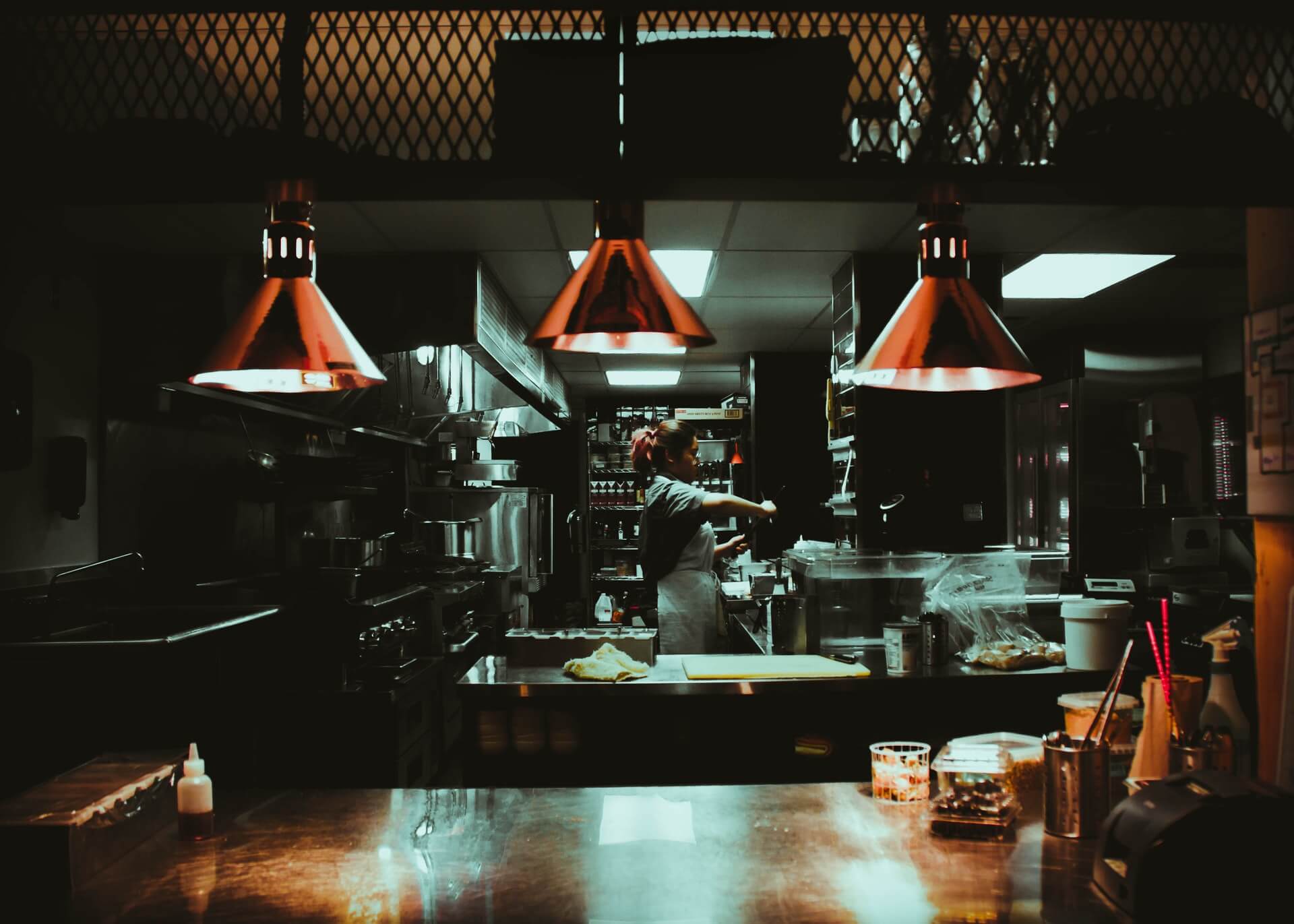
by David Klemt David Klemt No Comments

How SevenRooms Improves Operations

How SevenRooms Improves Operations

by David Klemt

Reviewing and analyzing customer data on a laptop computer

It’s true that SevenRooms is a reservation management platform. However, it’s so much more powerful than that.

Simply put, if the platform wasn’t simple to use and integrate with other systems, they wouldn’t be celebrating their tenth year.

A recent interview via Clubhouse highlights why now, more than ever, operators need to seriously consider SevenRooms.

Background

Guy Clarke, founder of Sizzle Dining, spoke with two key SevenRooms team members in a casual but informative Clubhouse chat.

Allison Page, SevenRooms co-founder and Chief Product Officer, and Marybeth Sheppard, senior vice president of marketing, fielded Clarke’s questions.

Interestingly, Page admits SevenRooms took five to seven years to really fine-tune operations. In fact, she says that the team didn’t quite know exactly what they were offering for the first year or two.

Now, the “reservation” platform has truly hit their stride. The company doesn’t just manage reservations, it provides powerful solutions: a full suite of operational tools; table management; and guest experience and retention capabilities.

Of course, many tech platforms claim to help operators. However, SevenRooms is now enjoying a decade in business.

Their longevity is, in part, due to their approach to hospitality. As Page tells it, the founders didn’t just enter the industry believing they could “fix it” with tech.

Plenty of tech folks have identified problems in hospitality, boasted about their “common sense” solution, and exited after finding out how challenging the business is.

Instead, the SevenRooms team spent time in the trenches. According to Page, they took reservations, checked coats, and more. They spent time with hospitality workers after hours and got to know them.

What’s with that Name?

I’ve written several articles about SevenRooms. However, I’ve never addressed why the founders chose that name.

When asked by Clarke during the Clubhouse chat, Page provided the answer.

Turns out, the name is a loose nod to Graydon Carter’s “Seven Rooms Theory.” The theory speaks to navigating social status in New York City. In short, it posits that the NYC social scene consists of seven consecutive “rooms,” each with a secret door. Find the secret door, move to the next room.

Of course, SevenRooms isn’t about exclusivity. Instead, SevenRooms is helping operators reach the seventh “room,” which is a lasting relationship with a guest. The six previous rooms are a journey toward understanding that guest and making them loyal by delivering incredible guest experiences.

Why SevenRooms Works

If this seems like a shameless plug for SevenRooms, well, it sort of is. They didn’t pay me, Doug or KRG Hospitality to promote the platform; we just like what SevenRooms can do for operators.

In an industry that has until recently been slow to innovate when it comes to tech, the platform has been improving restaurant and hotel operations for years.

According to Page, SevenRooms has a simple operating philosophy that drives the company: “Make small big, make big small.” SevenRooms is driven to help small, independent operations punch well above their weight class. The platform gives independent operators the same capabilities as their large chain counterparts.

Conversely, SevenRooms gives enterprise operators an effective way to deliver the engaging experiences that independents offer their guests.

However, there are other reasons SevenRooms is so worthy of consideration: simplicity.

SevenRooms is all about collecting data. Of course, data does no good if an operator doesn’t know what to do with it. If they had to analyze and leverage it on their own, they’d need to employ data scientists and an entire marketing team.

Well, SevenRooms employs those people instead so operators don’t need to. An operator doesn’t need to be a data scientist to use the information they collect through the platform. Marketing campaigns are automated and engaging, and require little effort from the end user.

Reduce Costs, Increase Revenue

As Sheppard explains, SevenRooms manages and, more importantly, helps maximize a restaurant’s floor.

Looking to increase turns? Done. Want every seat to generate revenue? Smart seating makes that possible. According to Sheppard, SevenRooms’ auto-assign seating functionality is worthy of operators’ trust. Additionally, the platform’s CRM, table management and marketing tools help staff upsell guests.

Speaking of automated functions, Sheppard provides insight into SevenRooms auto-tagging. The platform assigns automated tags that make it simple for staff to understand the guests they’re serving. Some examples are:

  • Burger lover
  • Red wine lover
  • Big tipper
  • Loves expensive wine
  • No-showed twice

Just those five examples show how SevenRooms helps operators and their teams maximize the guest experience to generate revenue. So, how does the platform reduce costs?

First, investing in SevenRooms reduces an operator’s overall tech stack investment. It integrates with around 50 POS systems and offers several tools (modules), meaning an operator doesn’t need to purchase several platforms that may not integrate with one another.

Second, the reservation and table management tools streamline an operator’s business. When team members are focusing on revenue-generating tasks, the floor is being sat more efficiently, and guests are being wowed, costs are driven down and revenue is driven up.

Then, there’s the “hidden” benefit. As Sheppard says, hospitality is a passion-driven industry. Unfortunately, there are many “non-passion” tasks that must be accomplished for operators to make money and keep their doors open.

Those tasks can take a toll, leading to an operator to fall out of love with the industry and their own concept. Well, SevenRooms takes several of those tasks (sifting through data, creating marketing campaigns, figuring out how to maximize the floor, etc.) and automates them.

Therefore, operators have more time to program menus, mentor team members, forge relationships with guests by touching tables, and more.

To request a SevenRooms demo, click here.

Image: John Schnobrich on Unsplash

Top