Cocktails

by David Klemt David Klemt No Comments

ABV: Does it Have to Be All or Nothing?

ABV: Does it Have to Be All or Nothing?

by David Klemt

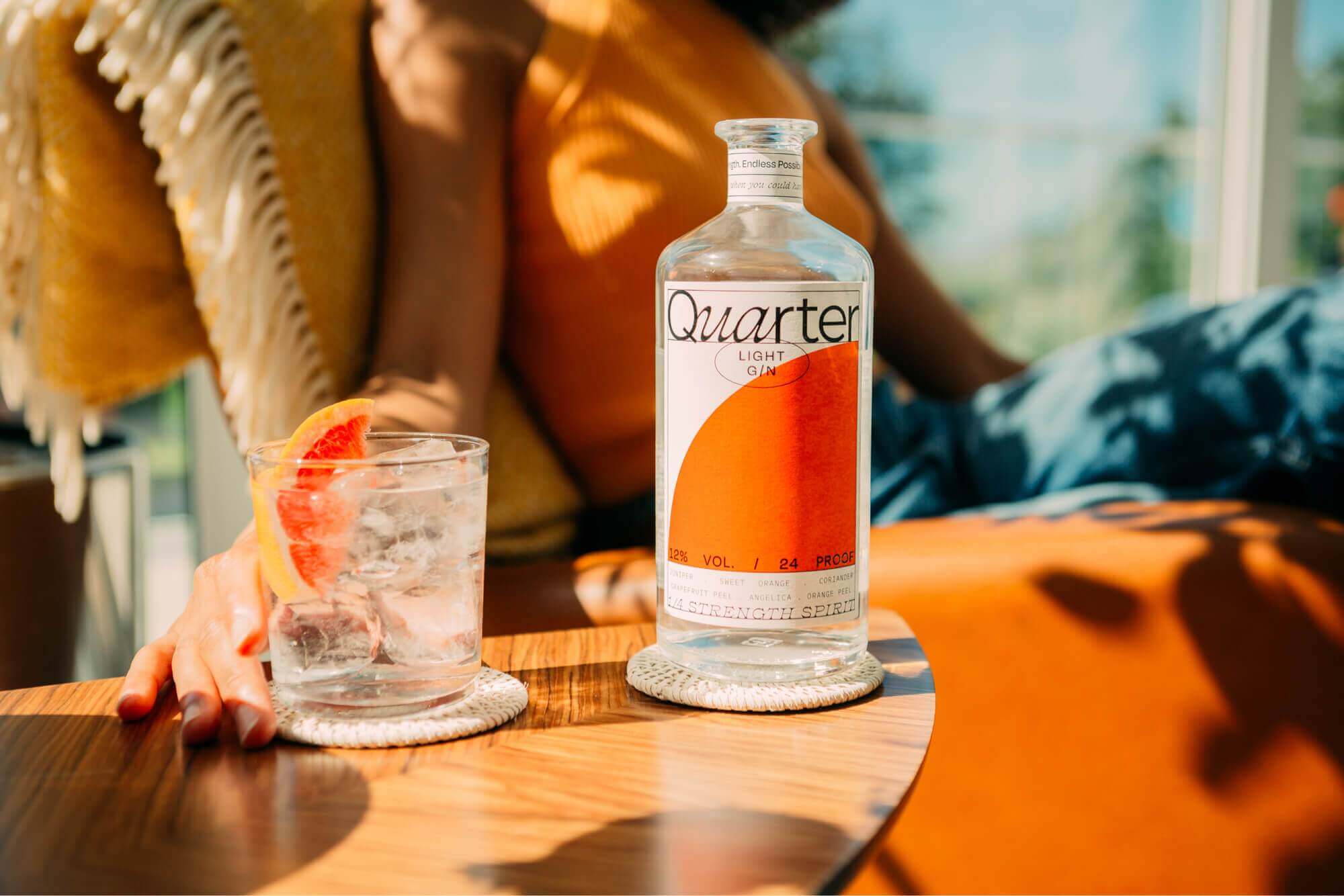
Quarter Proof Light Gin bottle and cocktail

In the discussion of alcohol, it seems to be an all-or-nothing topic: spirits and drinks are either full-proof or zero-proof.

Innovations in the space take two paths. There are brands like Seedlip that create alcohol-free spirits using botanicals, herbs and other ingredients. Resulting products are original creations with unique flavor profiles.

Another path is taken by brands such as Lyre’s. Rather than creating entirely new spirits, these producers craft alcohol-free that mimic their full-proof counterparts. For example, Lyre’s vast range includes a zero-proof bourbon and rum.

When it comes to drink builds, things get a little deeper. Yes, the all-or-nothing approach still applies to a point. Obviously, there are standard and high-proof cocktails. And yes, there are alcohol-free, zero-proof cocktails, also known as “mocktails.”

However, there’s also a third approach: low-ABV cocktails. Two popular build techniques are:

  • making low-proof liqueurs and wines the stars in Spritzers and other drinks; and
  • reverse cocktails.

When the conversation around lower-proof cocktails first gained steam, Spritzers, Fizzes and other options were brought to the forefront.

Then came the reverse cocktails, which I’ll explain briefly using a Reverse Martini build:

Let’s say your traditional recipe calls for two ounces of gin, a half-ounce of sweet vermouth (we can fight about this some other time), and a dash of orange bitters. To build the Reverse Martini, half the gin, quadruple the sweet vermouth, and keep the bitters the same.

Crafting reverse cocktails isn’t an overly complex process. But what if there was a third entry in the full-proof versus zero-proof battle?

Quarter Proof

It turns out, there is another path those seeking to consume lower-proof cocktails can take.

As the brand Quarter Proof says (or asks), “Who said it had to be all or nothing?” As the name implies, this brand intends to craft spirits that ring in at a quarter of the proof of their traditional counterparts.


View this post on Instagram


A post shared by Quarter G/N (@quarterproof)

The brand’s first product, G/N, is produced in the same manner as full-proof gin: copper pot distillation. Like traditional gin, G/N is made with juniper berries.

However, because the resulting liquid is just 12-percent ABV and not 37.5 percent, European law says it can’t be designated “gin.” So, Quarter Proof got creative with the name.

Quarter Proof G/N is like a full-proof London Dry Gin in every way—aroma, flavor profile, mouthfeel, finish—save alcohol content. Along with juniper berry, expect coriander, sweet orange, and grapefruit on the nose and palate.

This is an intriguing development in the world of spirits and I’m eager to see what Quarter Proof crafts next. “Light spirits” produced to deliver the full drinking experience with moderation from the ground up are a compelling option.

Image: Quarter Proof

by David Klemt David Klemt No Comments

Winter Sangria for the Holidays

Winter Sangria for the Holidays

by David Klemt

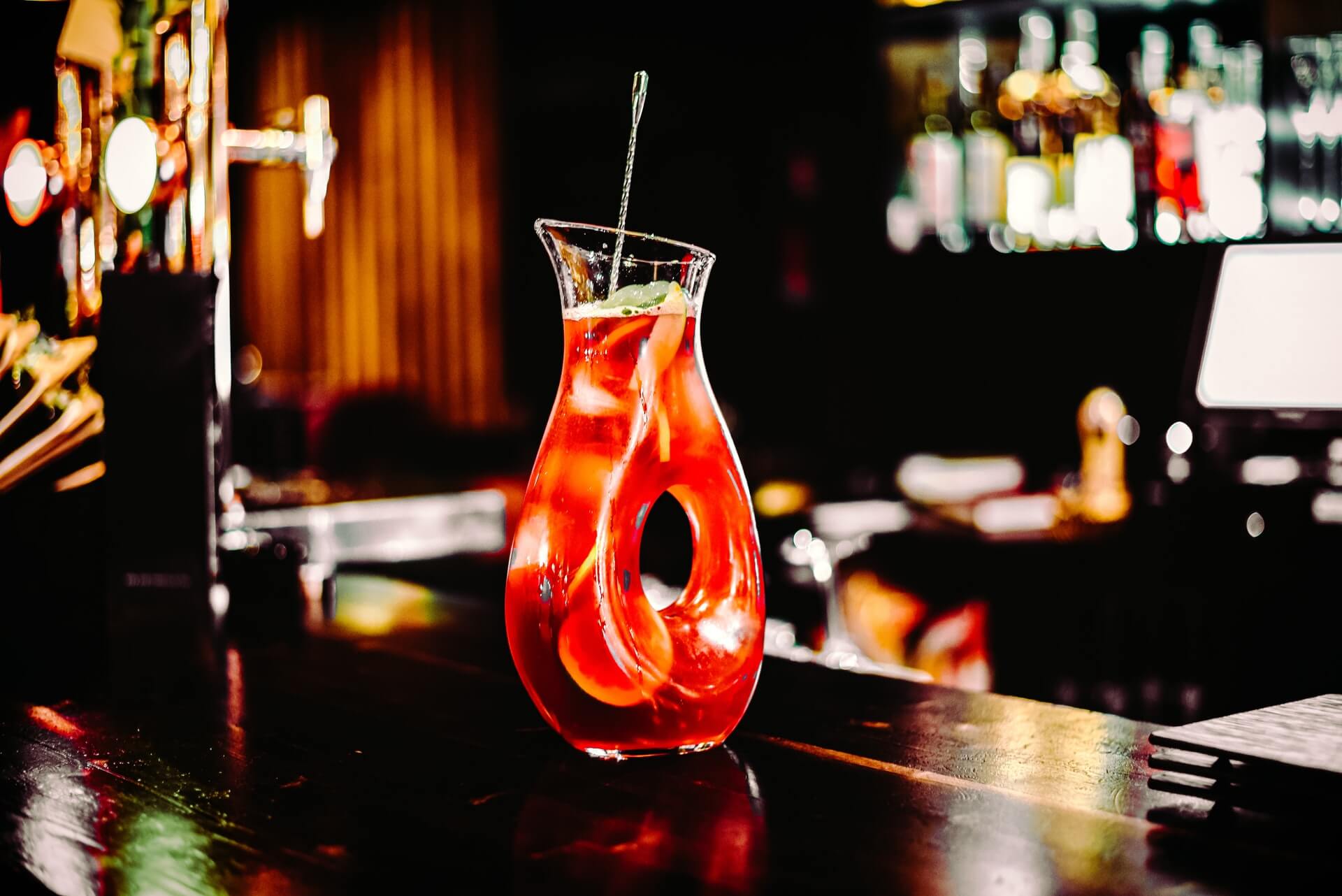
Sangria in a pitcher on a bar

Most people may associate Sangria with summer months and tropical locales.

However, Sangria can certainly shine during the winter months and holiday parties.

All you really need is a rich and perhaps somewhat sweet red wine and seasonal spices.

What is Sangria?

We celebrate National Sangria Day on December 20. That may seem strange to people who view it as a summer drink.

However, with the right wines and spices, Sangria easily transforms into a season-specific libation.

At its core, Sangria is a punch. It’s commonly accepted that this wine-based drink was created during the 18th century. Supposedly, the predecessor to Sangria (“bloodletting” in Spanish) was served cold or hot.

However, the cold version found its way onto American shores in the 1940s. There are stories that claim Sangria took off in the mid-1960s because of the 1964 World’s Fair.

So, what are the basics? Traditionally, Sangria consists of:

  • Red wine (Rioja is most traditional)
  • Chopped fruit (local fruits are most traditional)
  • Fruit juices (in place of some or all chopped fruits)
  • Sweeteners (orange juice and/or sugar)
  • An alcohol boost (brandy or liqueur)
  • Sparkling water or soda (for texture)

There are also Sangria recipes that use white wine, sparkling wine, and even combinations of red and white wine.

Winter Red Wines

Since you’ll be using seasonal fruits and spices to flavor your Sangria, the case can be made that the red wine base doesn’t matter.

However, your housemade recipe will benefit from careful consideration. Also, your guests will appreciate you putting some thought into your recipe.

The following red wines are excellent during the winter:

  • Red Zinfandel
  • Malbec
  • Petite Sirah
  • Petit Verdot
  • Merlot
  • Cabernet Sauvignon
  • Shiraz
  • Sirah/Syrah
  • Sangiovese
  • Grenache/Garnacha
  • Tempranillo

These varietals tend to have warming flavors and aromas, along with medium to full bodies.

Of particular note are Grenache, Garnacha and Tempranillo. Those varietals, along with red Riojas, are commonly used to make Sangria in Spain. By the way, Grenache and Garnacha are the same grape; it’s called Garnacha in Spain, Grenache anywhere else.

Winter Fruits and Spices

This is where you really make your winter Sangria stand out.

First, select your wine. Obviously, you don’t need to use one of your pricier wines. Get to know it, tasting it with your bar team. Consider what fruit notes and body characterize the wine. Note its level of sweetness.

Next, consider the spices that define the holiday and winter season. Cinnamon, nutmeg, star anise, clove, ginger, and allspice all come to my mind.

Now, the fruits. Pears, pomegranates, cranberries, kiwis, oranges, grapefruits, Meyer lemons, kumquats, persimmons, and tangerines are all in season in the winter.

After that, decide if you want to add a modifier like Gran Marnier, brandy, ginger ale, or just sugar.

Then, experiment with your wine choice, spices, and fruits until your housemade Sangria is to your liking and authentic to your brand.

The final step? Costing and pricing. This will be a seasonal item or LTO, so you can probably get away with charging a bit more for it than you would for a standard cocktail.

Make sure to jot down your recipe. That’s not only so it remains consistent. Doing so will also help you create new Sangria recipes for each season.

And there you have it. Not only will you be able to wow your guests on National Sangria Day, you now have a Sangria recipe you can modify on a seasonal basis.

Image: Ralph (Ravi) Kayden on Unsplash

by David Klemt David Klemt No Comments

Código 1530 Tequila Closes the Loop

Código 1530 Tequila Closes the Loop

by David Klemt

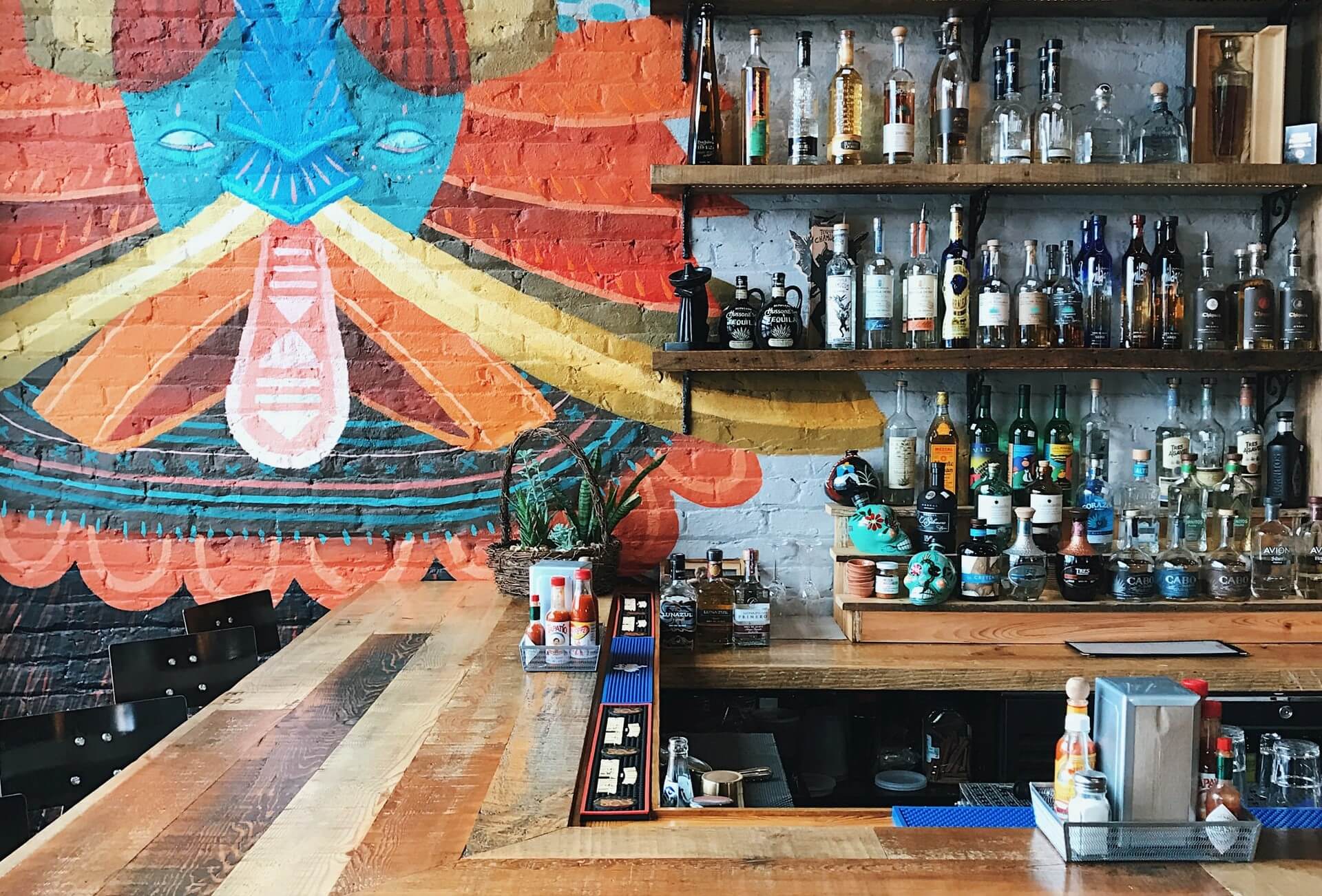
Upscale tequila bar with luxury bottles on back bar

The evidence that consumers are showing increasing interest in luxury spirits continues to mount, with tequila benefiting greatly.

According to DISCUS, the luxury category of tequila continues to grow. Sales volume is up 30.7 percent annually since 2015 for luxury tequila brands.

While it’s easy to point to brand recognition, cache and perception, there may be another reason for this growth.

In a word, “responsibility.”

Sustainability is Sexy

Episode 57 of Bar Hacks features Collin De Laval. He’s the company mixologist for Código 1530 Tequila, and he’s intimately familiar with the brand.

So, De Laval knows more than every nuance of each Código 1530 expression. He also understands the ethos that drives the brand and its processes.

One of Código’s values is responsibility, which it manifests through sustainability efforts. As De Laval explains, “we try and close a lot of the waste loop, as much as we can.”

Not only does Código utilize naturally filtered water, they cut the water back out of their heads and tails. That water is then reused. The brand uses broken pieces of barrel and spent agave to char new barrels.

Further, Código is a small craft distiller. They don’t level thousands upon thousands of agave each day. Instead, they’re selective and take only what’s necessary.

“We’re treating the land a lot better in that way,” says De Laval.

These efforts are increasingly appealing to consumers. It’s not just the liquid in the bottle that matters. How that liquid got into the bottle is important to them.

“Now it’s like, ‘I know this brand. I know they do good stuff,'” De Laval says.

That “good stuff” doesn’t reference only the quality of the spirits but a brand’s responsibility and sustainability.

Drinking Better

“People are drinking ‘up’ now,” says De Laval. “Gone are the eras of, ‘Let me get whatever’s well.'”

He’s not talking about how a guest orders their drink. By “up” De Laval means they’re choosing top-shelf spirits.

Six years of steady growth for luxury or ultra-premium spirits supports this claim.

De Laval isn’t the only Bar Hacks guest who notices this trend. During episode 56, Pernod-Ricard Prestige sales manager Maxime Lecocq mentions the trend as well.

If luxury spirits and wines had suffered during the pandemic, that would’ve made sense. It could’ve been explained as people being cautious with their money.

Indeed, consumers were cautious. However, not in the way that many would assume. The numbers support the belief that consumers were spending more to drink higher-quality bottles.

Interestingly, drinking better doesn’t appear to refer only to quality or price. Many small, luxury craft distillers enjoy the perception as more responsible than large, industrial producers.

Drinking better now seems to mean drinking what’s better for the environment. And if what’s more responsible and sustainable happens to be ultra-premium, consumers are willing to pay for it.

Image: Spencer Pugh on Unsplash

by David Klemt David Klemt No Comments

Stir Up This Authentic Mexican Cocktail

Stir Up This Authentic Mexican Cocktail

by David Klemt

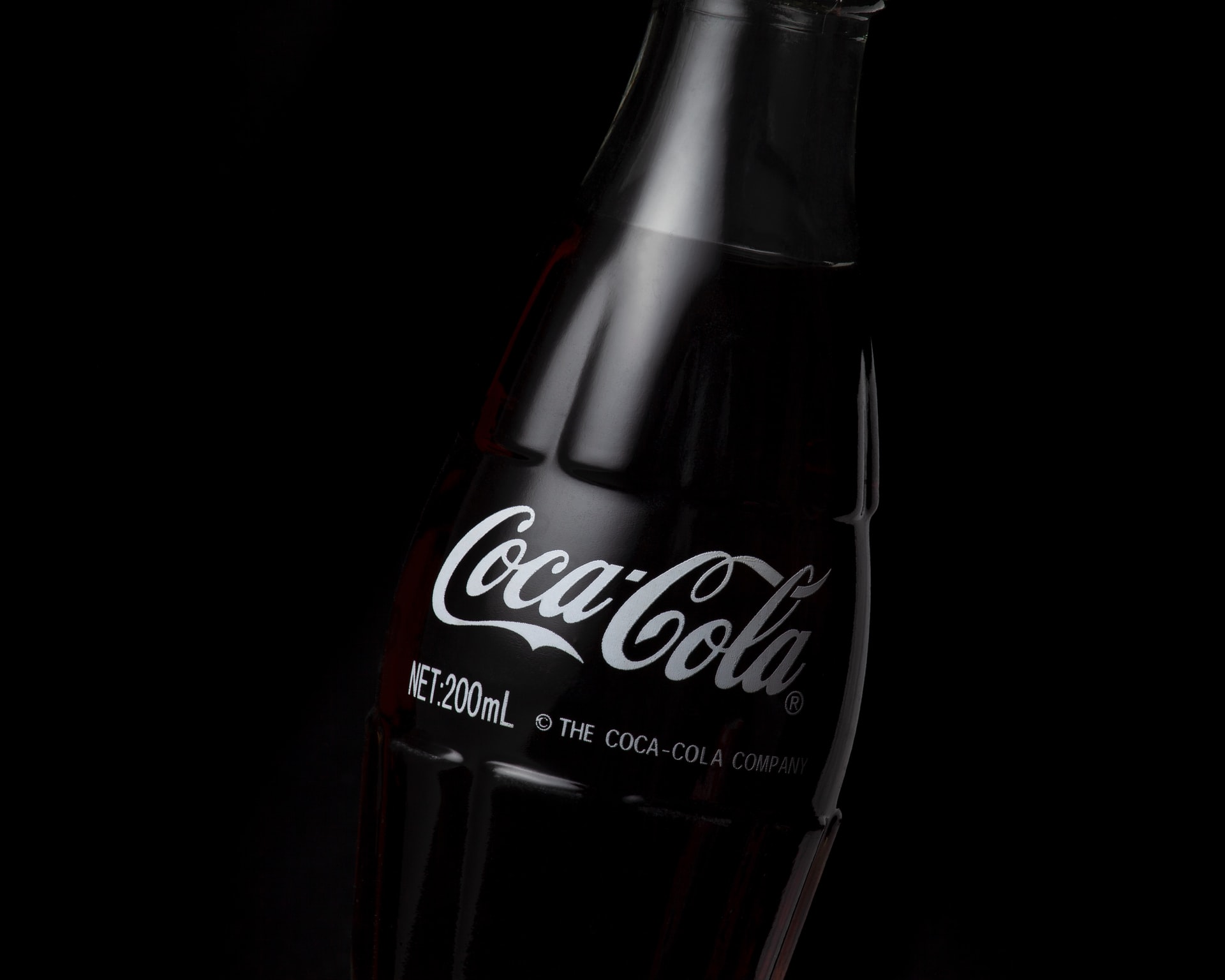
Black glass Coca-Cola bottle with black background

A simple, three-ingredient cocktail can make a big impact on guests when it’s authentic and the build is part of the presentation.

A perfect example of authenticity and a wow-factor cocktail build is the Batanga.

During episode 57 of Bar Hacks, Collin De Laval recommends this deceptively simple drink.

La Batanga

When De Laval is creating, it’s important to him that he remains faithful to a particular country, region or town.

As the company mixologist for Código 1530, that means honoring tequila in an authentic way.

Not only is De Laval a “blanco drinker, through and through,” he’s also unafraid of things getting “rowdy.”

So, while he isn’t the creator of the Batanga, he is a big fan.

One reason, as he mentions on Bar Hacks, is that the drink seems like it shouldn’t work. After all, the recipe combines tequila blanco, lime juice, and Coca-Cola.

Now, one could say that this is “just” a Cuba Libre with tequila stepping in for rum. However, that’s far too dismissive; the flavor profiles are vastly different.

In fact, I’m fairly certain that nobody has raised an eyebrow at a Cuba Libre and said the ingredients shouldn’t work together.

Impactful Build

You may find yourself wondering how this simple cocktail can possibly wow guests. Really, what’s impressive about combining tequila, juice and cola, and stirring?

Well, it’s the stirring that’s the secret.

Per several sources, the Batanga’s creator had a trick up his sleeve when he came up with the recipe. And that trick was a big knife with a wood handle.

Don Javier Delgado Corona created the Batanga in 1961 at La Capilla, his bar in Tequila, Mexico. When it came time to finish his build, he stirred the drink with the aforementioned wood-handled knife.

Even better, Don Javier is reported to have explained, if that knife has been used to cut limes, salsa ingredients, or ingredients for guacamole.

I’m going to go out on a limb here and assume that unless they’ve had a Batanga made in Mexico, not many guests have watched a bartender stir their drink with a big knife.

Of course, not just any knife will have real impact, so I recommend using the biggest knife your highball or specialty glassware will accommodate.

The Recipe and Technique

Obviously, you can decide which of your tequilas to use when adding the Batanga to your menu.

Of course, you can also build it with whatever tequila your guest requests.

However, we’re going to use Código 1530 tequila for this recipe. After all, the brand certainly speaks to authenticity.

Additionally, Código 1530 also speaks to consumer desire to drink better and seek out ultra-premium spirits. Tequila is one of the luxury spirits categories benefitting most from this consumer trend, with sales volume increasing 30.7 percent annually since 2015.

La Batanga

Recipe created by Don Javier Delgado Corona at La Capilla

  • 2 oz. Código 1530 Blanco
  • 0.5 oz. Fresh-squeezed lime juice
  • Coca-Cola to top (per De Laval, only Mexican Coke in the glass bottle will do)
  • Salt for rim

Salt rim of highball glass or other tall glassware with decent width. Add ice to glass. Combine Código 1530 Blanco and lime juice. Top with cola. Most importantly, stir with a big knife and serve to wowed guest.

Image: Jeanson Wong on Unsplash

by David Klemt David Klemt No Comments

As Guests Learn More, Luxury Grows

As Guests Learn More, Luxury Grows

by David Klemt

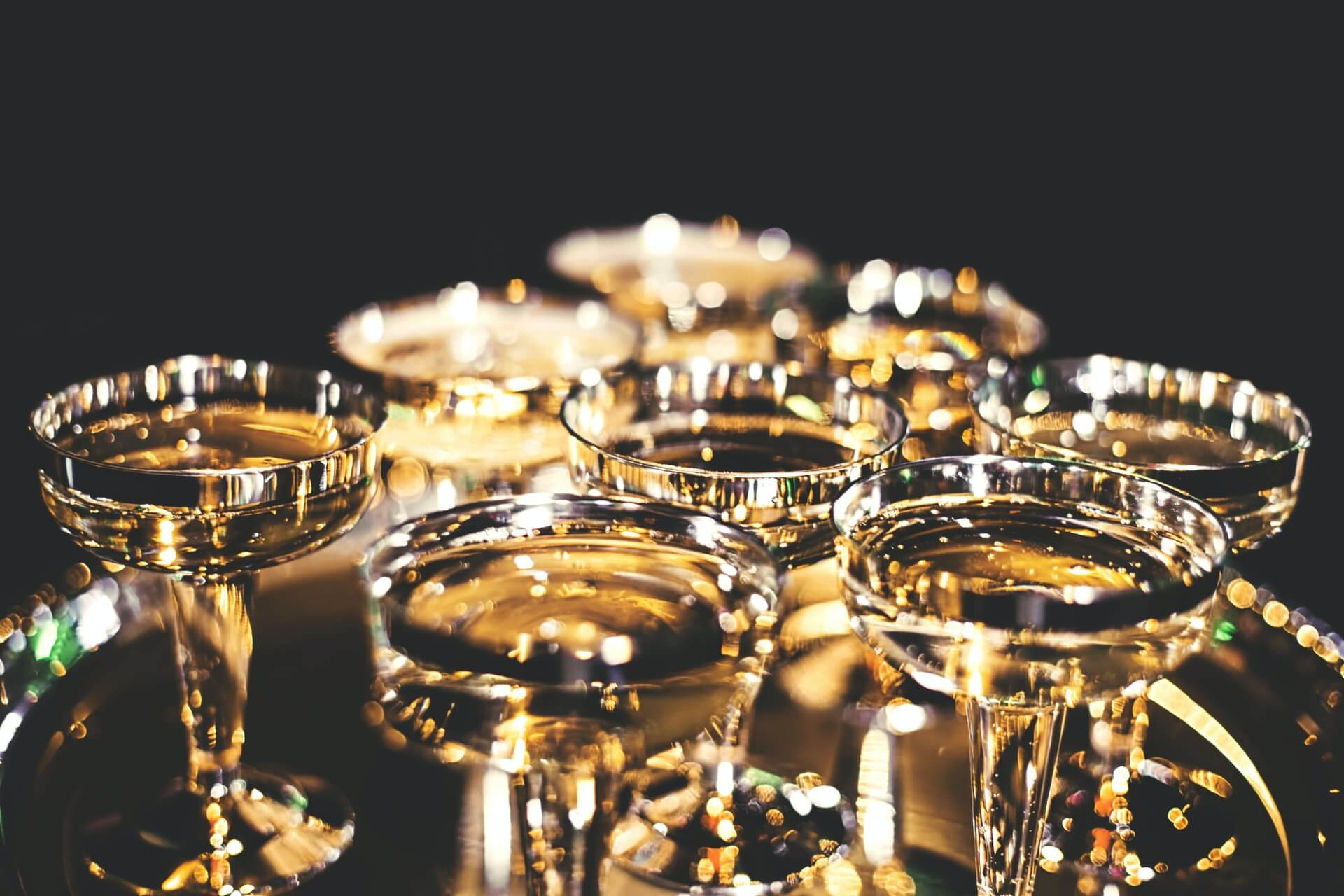
Luxury concept featuring Champagne coupes on silver tray

Consumers are drinking better and the luxury categories of several spirits, wine and Champagne are benefitting.

Interestingly, this growth no longer appears to be driven solely by a desire to stand out and be seen.

Instead, according to one Bar Hacks podcast guest, consumers seem to be more carefully allocating their dollars.

Luxury Continues to Rise

The word “luxury” tends to conjure thoughts of expensive, high-end items.

Indeed, that’s certainly still a part of luxury. However, the concept of luxury as unattainable to most people is seemingly falling to the wayside.

Maxime Lecocq, Prestige sales manager in Las Vegas for Pernod-Ricard, shares a similar thought on episode 56 of Bar Hacks.

“The consumption style started to change during the pandemic,” says Lecocq. “So, people are more careful on what they’re drinking, where they’re spending their money.”

Intriguingly, Lecocq doesn’t mean that people were looking to spend as little as possible. Rather, they wanted higher quality for their dollars.

“Instead of having just any Scotch, they’re gonna research more,” Lecocq says. “Instead of spending, like, $25, they’re gonna be like, ‘Oh, I’m gonna spend $40 but I’m gonna be more careful about what I’m gonna drink.'”

As far as Lecocq is concerned, consumers doing more research is benefiting the luxury segment.

Why does he think that? Because it appears that research is leading consumers to spend more on luxury spirits and wine.

Numbers Support Luxury Growth

Early last month, Distilled Spirits Council of the United States (DISCUS) shared their research into luxury spirits.

DISCUS data shows that during the period from 2015 to 2020, luxury spirits brands saw sales growth of 125 percent. Further, looking at the first half of 2021, luxury spirits volume is up 25 percent.

For the curious, DISCUS considers any brand that sells 750mL bottles at retail for $50 or more to fall within the luxury segment. So, $10 more than the example Lecocq provides during his Bar Hacks appearance.

There are six luxury categories tracked by DISCUS: American whiskey, Cognac, Irish whiskey, Japanese whisky, Single Malt Scotch, and Tequila.

On his podcast episode, Lecocq discussed three of those categories: Cognac, Single Malt Scotch, and Tequila.

Growth Categories

Per DISCUS, American whiskey has seen annual growth since 2015 of 41 percent. For Japanese whisky, that rate of growth is 42 percent.

Irish whiskey and Single Malt Scotch are also healthy annual growth. However, Irish whiskey’s annual growth is only a third of that of its Japanese counterpart at 14-plus percent.

Single Malt Scotch, in the first half of 2021, is up 5.6 percent.

According to DISCUS, Cognac’s annual growth is nearly 16 percent. Lecocq posits that this rise in interest in Cognac is down to shifting consumer perception.

Once thought of as “your grandparents’ drink,” younger consumers are now more eager to explore this type of brandy.

It’s perhaps tequila that sees the most interesting growth. Given its explosive and seemingly unwavering popularity, I thought the luxury tequila category would see growth in excess of 42 percent.

However, per DISCUS, luxury tequila brands are up 30.7 percent annually since 2015. Obviously, that’s impressive growth, and the category represents 28 million bottles sold.

That’s more than American, Irish, Japanese and Single Malt Scotch whiskeys combined.

Of course, this doesn’t mean that operators should abandon their less expensive spirits and wines. It does, however, show that consumers are willing to pay more for what they perceive to be higher quality brands.

Image: Billy Huynh on Unsplash

by David Klemt David Klemt No Comments

5 Books to Read this Month: November

5 Books to Read this Month: November

by David Klemt

Flipping through an open book

This month’s fun and informative book selections will help you develop next-level culinary, beverage and leadership skills this November.

To review October’s book recommendations, click here.

Let’s dive in!

Cook as You Are

The Great British Baking Show contestant Ruby Tandoh is a food writer with a half-dozen books to her name. Her latest will likely change how you look at food and its preparation. In particular, the “mini” version of Cook as You Are aims to be as inclusive as possible. The free download makes it easier for people who learn differently or require assistance in the kitchen to enjoy cooking. Cook as You Are features 100 original recipes created by Tandoh that don’t require hours of preparation or professional-grade kitchen equipment to execute.

The Bullhearted Brand

Expert Joseph Szala explains why operators should view branding as a strategic endeavor. Branding is more than a clever name, eye-catching logo, and slick tagline. Szala, as he explains, “lay(s) out the foundational elements and details about creating and scaling restaurant brands” in The Bullhearted Brand, drawing from years of real-world experiences.

Bourbon’s Backroads

Bourbon is one of the few spirits that America can truly claim as its own. Myths and legend abound, such as the claim that whiskey can only be called bourbon if it’s produced in Bourbon County. Karl Raitz conducted extensive research to uncover the full history of bourbon in the United States for Bourbon’s Backroads.

Gilded Age Cocktails

Author Cecilia Tichi takes readers on a cocktail journey spanning three decades. The Gilded Age, which took place between 1870 and the early 1900s, is known as the Golden Age for cocktails. Readers will be able to learn the stories of not only classic Golden Age cocktails to pass on to others, but also the stories of their creators. Gilded Age Cocktails transports us back to the pre-Prohibition Era, a time when bartenders first became famous and helped us all drink better.

Hacking the New Normal

Doug Radkey, president of KRG Hospitality, author of Bar Hacks and Hacking the New Normal, makes the case for making meaningful, impactful change in order for the hospitality industry to survive and thrive moving forward. As he explains during bonus episodes of the Bar Hacks podcast, as have multiple podcast guests like Chef Brian Duffy, the industry won’t truly recover unless we change our mindsets and the way restaurants, bars, hotels, resorts, entertainment venues, and arenas operate and treat staff.

Image: Mikołaj on Unsplash

by David Klemt David Klemt No Comments

Stand Out with Weird Holidays: November

Stand Out with Weird Holidays: November

by David Klemt

Stay Weird neon sign with purple background

Want to stand out from from other restaurants and bars in your area? Then commit to keeping it weird.

Several “holidays” are set against every date on the calendar, and November is no exception. These holidays range from mainstream—Thanksgiving Eve and Thanksgiving, anyone?—to food-centric to weird.

Pay attention to the latter to raise eyebrows, carve out a niche for your restaurant or bar, and attract more guests. Why do what everyone else is already doing?

Of course, you shouldn’t try to celebrate every holiday, weird or otherwise. And this month’s list in no way includes every odd holiday.

Focus on the days that are authentic to your brand; resonate with your guests; and help you grab attention on social media.

For October’s list, click here.

November 1: World Vegan Day

Obviously, this holiday isn’t weird for vegans or vegetarians. There are, however, those who still find this particular diet odd. Well, this is the perfect holiday to learn more about vegan cooking and eating. Pass on that knowledge by adding delicious vegan dishes to your menu.

November 4: National Candy Day

Do you have a surplus of candy now that Halloween is over? Trying to fight the temptation to eat it all yourself? Various candies perform well as garnishes for cocktails. There’s also another way to approach this holiday, like featuring starters such as candied bacon.

November 6: National Nacho Day

So, this holiday is more fun than weird, really. However, you can probably see the potential to deviate from the standard nacho builds. Instead, ask your kitchen staff to get creative and come up with intriguing takes on nachos that will grab the attention of your guests.

November 9: National Scrapple Day

One of the best ways to cut back on food waste in restaurants, bars, and hotels is to utilize as much of a given ingredient as possible. Scrapple, of which our Philadelphia audience will no doubt be very well aware, consists of pork scraps. Guests outside of Pennsylvania may have never tried scrapple before, so this holiday is the perfect time to tempt them with a new taste sensation.

November 12: National Pizza with the Works Except Anchovies Day

It’s not this pizza that’s weird, of course. It’s the very specific pizza this holiday is celebrating. I’m guessing that you know exactly what to do to celebrate this holiday with your guests.

November 14: Pickle Day

The (in)famous Pickleback. Bloody Mary made with pickle juice. A Dill Pickle Martini. Pickle appetizers and starters. If you’ve got pickles and some degree of creativity, it’s pretty clear what needs to be done on November 14.

National 15: National Spicy Hermit Cookie Day

This is another very specific holiday. This cookie, the Spicy Hermit, features flavors that couldn’t be any more perfect for fall: cinnamon, clove, allspice, and nutmeg. You can Google a recipe, of course, but we found this one and it seems delicious.

November 17: National Take a Hike Day

We’re big fans of encouraging guests and staff to get outside. There are thousands of trails throughout the United States and Canada, ranging from the easy-peasy to the truly treacherous, so the sky’s the limit. Encourage guests to take a hike and grab a bite and drink at your establishment to rest and recover. Have them tag your spot and their meal, of course.

November 28: Red Planet Day

It seems like billionaires and millionaires can’t get enough of Mars. Over the past few years, space travel has focused almost exclusively on the idea of reaching the Red Planet and figuring out how to live on it. So, if you’ve got dishes and drinks that are predominantly red in color, put them at the forefront on November 28.

Image: Dan Parlante on Unsplash

by David Klemt David Klemt No Comments

5 Books to Read this Month: October

5 Books to Read this Month: October

by David Klemt

Flipping through an open book

This month’s fun and informative book selections will help you develop next-level culinary, beverage and leadership skills this October.

To review September’s book recommendations, click here.

Let’s dive in!

Restaurant Marketing That Works: Back to the Basics: Before, During & After the Pandemic

Bar Hacks podcast guest and expert restaurant marketer Matt Plapp’s most recent book provides everything you need to supercharge your marketing and engagement efforts. Matt makes understanding the basics, collecting guest data and building an effective database, and boosting engagement easy. This is the best $7 (for the paperback) you’ll ever spend.

Spirits of Latin America

Revered James Beard Award-nominated bartender and operator Ivy Mix takes readers on a cultural and historical journey through Latin America’s spirits and cocktails. Spirits of Latin America is the 2021 Spirited Award for Best New Book on Drinks Culture, History or Spirits and features more than 100 recipes.

Drinking French

This book is the winner of the 2021 Spirited Award for Best New Cocktail or Bartending Book. Author David Lebovitz dives deep into French drinking culture through 160 recipes and beautiful photography. Readers will learn how to drink like the French do through classic and modern drinks, snack pairings, and stories.

Grit: The Power of Passion and Perseverance

Author Angela Duckworth explains why grit, not talent, is the best indicator of perseverance. Grit is the book Jennifer Radkey references in her most recent article for KRG Hospitality. If you want to change the way you hire and build teams, this is the book for you.

Death & Co Welcome Home

The third book from Alex Day, Nick Fauchald, and David Kaplan, the team behind Death & Co., features more than 400 recipes. Now, while this book targets home bartenders, it’s also beneficial to bar professionals as it delves into the Death & Co. cocktail development program. Is that worth a $35 investment? Absolutely.  Death & Co. Welcome Home is available now for pre-order.

Image: Mikołaj on Unsplash

by David Klemt David Klemt No Comments

Stand Out with Weird Holidays: October

Stand Out with Weird Holidays: October

by David Klemt

Stay Weird neon sign with purple background

Want to stand out from from other restaurants and bars in your area? Then commit to keeping it weird.

Several “holidays” are set against every date on the calendar, and October is no exception. These holidays range from mainstream—Halloween, anyone?—to food-centric to weird.

Pay attention to the latter to raise eyebrows, carve out a niche for your restaurant or bar, and attract more guests. Why do what everyone else is already doing?

Of course, you shouldn’t try to celebrate every holiday, weird or otherwise. And this month’s list in no way includes every odd holiday.

Focus on the days that are authentic to your brand; resonate with your guests; and help you grab attention on social media.

For September’s list, click here.

October 3: National Boyfriend Day

I’m pretty sure you understand exactly what this holiday honors and how to encourage guests to celebrate it. Invite people into your restaurant or bar to treat their boyfriend to a bite, drink, and good time.

October 6: National Noodle Day

Do you have noodles? Like to sell them to guests? Enjoy creating LTOs and specialty noodle dishes? This is the holiday to celebrate all of your favorite things with your guests.

October 8: National Fluffernutter Day

Ah, Fluffernutter. Marshmallow fluff resonates with a lot of people, particularly ’80s and ’90s kids. National Fluffernutter Day is the perfect holiday to leverage nostalgia, creative cocktails and desserts, cooling temperatures, and candy.

October 9: National Motorcycle Ride Day

One of the best parts about cruising in a group on motorcycles is stopping to refuel at a restaurant or bar. Encourage your bike-riding guests to begin, take a break during, or end their group ride at your venue.

October 11: National Kick Butt Day

No, this isn’t a day about literally kicking any butts. Instead, this holiday is about motivating people to take the necessary steps to realize their dreams and achieve their goals. Encourage your guests to take steps to reach their goals and celebrate doing so at your business.

October 13: National Emergency Nurse’s Day

Nurses always deserve our thanks. However, I think we can all agree that the past 18 months have been particularly difficult and overwhelming for nurses. Offer the emergency room nurses (all nurses, really) an amazing food or drink promotion to thank them for all they do.

October 15: National Grouch Day

While this holiday focuses on letting people let their grouch flag fly, operators can take a different direction. Why not offer people a place and promotion to get out of their funk through great food, amazing drinks, and a fantastic time?

October 17: Wear Something Gaudy Day

I mean, this holiday is two weeks out from Halloween—people are willing to make any excuse to dress up.

October 21: Get to Know Your Customers Day

Do you really want to boost your bottom line? Get to know your customers. Really, this holiday is for you. Use this day to implement guest data-collecting practices and train your team to obtain this valuable information. Learn more about why and how to build a guest database on episode 51 of Bar Hacks with Matt Plapp.

October 25: Sourest Day

There are multiple ways to approach Sourest Day. Some say it’s about eliminating the “sour” people in our lives. Others use it to enjoy sour candies which, admittedly, is perfect for Halloween month. For operators, promoting sour beers and cocktails is likely a winning strategy.

October 29: National Breadstick Day

Unless someone is counting their carbs strictly, everyone enjoys a breadstick. In reality, not many people have the discipline to enjoy just one. If you’ve got breadsticks on your menu, you know what to do on this holiday.

Image: Dan Parlante on Unsplash

by David Klemt David Klemt No Comments

8 Bourbon Cocktails You Need to Know

8 Bourbon Cocktails You Need to Know

David Klemt
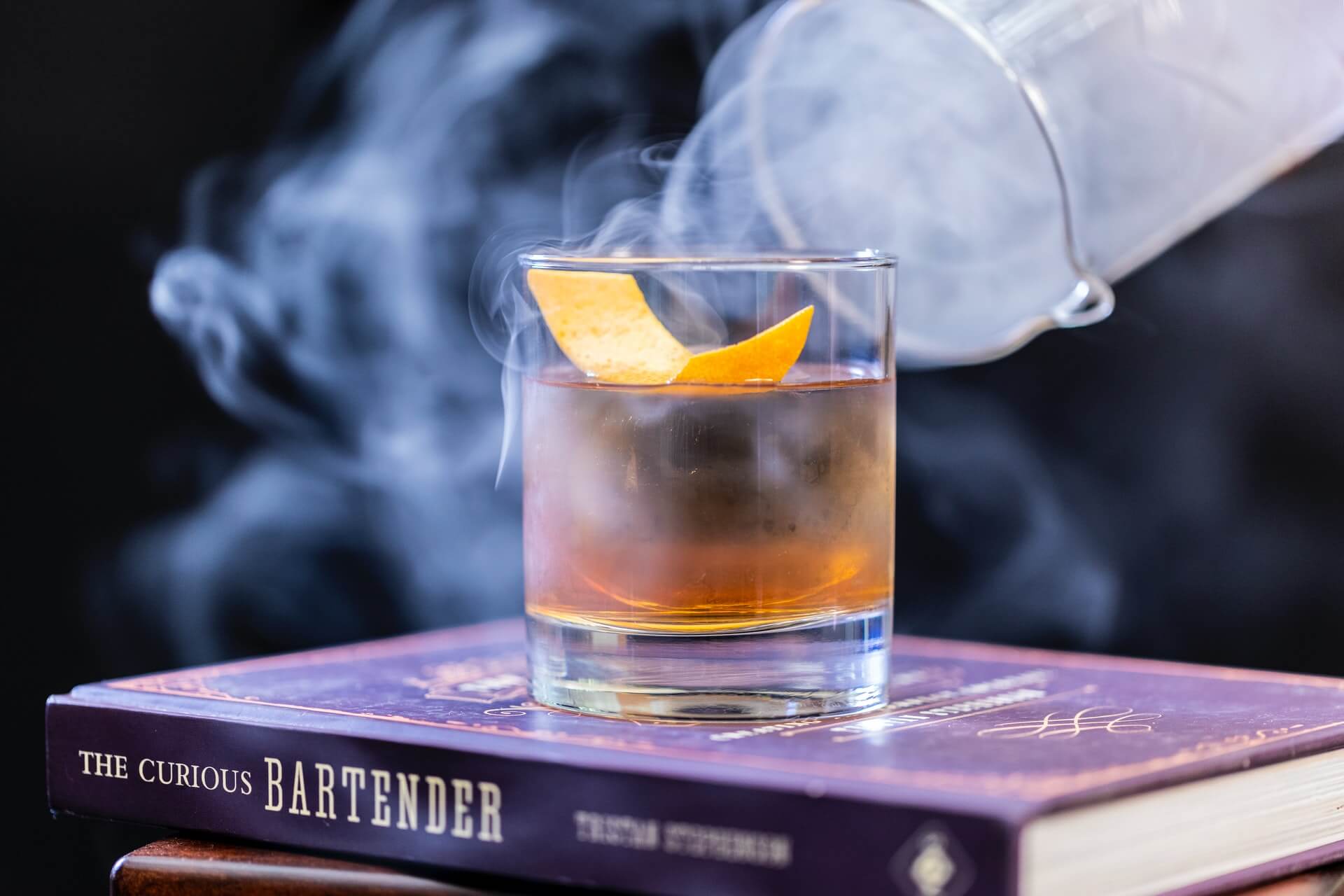
Cocktail and smoke on top stack of books

This is the culmination of all our Bourbon Heritage Month coverage, our final word on the subject: the bourbon cocktails you must know.

Yes, there are those out there who bristle at the thought of enjoying their favorite spirit being adulterated.

Combining bourbon with mixers, modifiers, even ice?! “Blasphemy,” they hiss.

Personally, we believe in enjoying spirits however you want. That’s doubly true for paying guests.

So, this is for those who appreciate their bourbon with ingredients beyond a drop of the world’s most pure water or an impossibly clear ice cube.

Here are the bourbon cocktails you and your bar team need to know.

Old Fashioned

At this point, the Old Fashioned is ubiquitous to the point that it’s doubtful there’s even a neophyte bartender who can’t make at least a mediocre one. However, this drink doesn’t carry its “classic” designation for no reason. In fact, the simpler the drink, the more legendarily classic, the more crucial it is that your bar team can absolutely nail it.

Add a half-teaspoon of sugar, three dashes of Angostura Bitters, and one teaspoon of water to a rocks glass. Stir until the sugar is dissolved. Add a large ice cube or ice sphere, or a fill the glass with big ice cubes, and add two ounces of bourbon. Stir, express an orange peel around the rim of the glass, and drop it into the drink.

Bourbon Smash

Here’s an interesting bit of trivia: All Smash cocktails are Juleps but not all Juleps are Smashes, according to Imbibe Magazine. While difficult to define, Imbibe says crucial characteristics of a Smash are ice, fruit that’s in season, and a spirit base.

Prepare a rocks glass by chilling it with ice. Grab a cocktail shaker and toss in three lemon wedges. Muddle those, then add two ounces of bourbon, three-quarters of an ounce of simple syrup, three or four fresh mint leaves, and ice. Dump the ice from the rocks glass and add a large ice cube or sphere, or big ice cubes. Shake the shaker hard until chilled, double strain into the prepped rocks glass, and garnish with a mint sprig, a popular ingredient and garnish for Smashes.

Hey, speaking of that Mint Julep trivia we mentioned…

Mint Julep

The Mint Julep is the traditional drink of the Kentucky Derby, of course. In fact, it’s said that more than 10,000 bottles of Old Forester Mint Julep are poured during Kentucky Derby weekend. While those ready-to-serve bottles are convenient, we’re going to focus on a traditional cocktail build.

Now, you can build this drink in a rocks glass. But who wants to drink this in anything but a frosty, ice-cold Julep cup? So, you’re going to start by muddling three fresh mint leaves inside the Julep cup. Then, pack the cup with crushed ice. Add two ounces of bourbon, a half-ounce of simple syrup, and stir gently. Add more crushed ice and round it off above the rim. Dust with powdered sugar and garnish with a fresh mint leaf or two.

Kentucky Mule

While we’re building cocktails that call for specialty drinkware… After the Moscow Mule exploded in popularity across North America, variants began popping up all over the place. Agave-focused bars made tequila- and mezcal-based Mules. And, of course, whiskey-centric programs latched onto their own versions of the Mule.

Enter: The Kentucky Mule. The star of this cocktail is, obviously, bourbon. Pour two ounces of bourbon into a Moscow Mule mug or highball glass—honestly, this is a toss-up given the recent surge in popularity of highballs—along with a half-ounce of fresh-squeezed lime juice. Fill the mug or glass with ice, top with ginger beer, and garnish with a mint sprig.

Bourbon Sour

In the interest of transparency, this can also be called the Whiskey Sour. I just want to make it clear that this particular recipe calls for bourbon.

With that out of the way, add two ounces of bourbon, three-quarters of an ounce of fresh-squeezed lemon juice, and a half-ounce of simple syrup to a shaker. If egg white will be used to build your Bourbon Sour, add a half-ounce to the shaker. For the egg-white version, dry shake for 30 seconds, add ice, and shake again until chilled. Skip the dry shake if no egg whites are used—just add ice and shake until well chilled. Strain into a coupe and garnish with three to four drops of Angostura bitters.

Boulevardier

Some people malign the Boulevardier is just a Negroni that swaps out the gin for bourbon (or other types of whiskey). I personally disagree with that derisive assessment as bourbon imparts entirely different characteristics.

Regardless of where you stand, part of the magic of the Negroni is that it calls for equal parts—it’s a 1:1:1 cocktail. So, I encourage you to try making your Boulevardier the same way. (Note: Some people add a quarter-ounce more of bourbon to stand up to the Campari.) Prepare a rocks glass with ice and set aside. To a mixing glass, add ice and equal parts bourbon, Campari, and sweet vermouth. Again, toss the ice inside that’s inside the prepared rocks glass and add fresh ice. Stir the liquid in the mixing glass until well chilled, strain into the prepared rocks glass, and garnish with an orange peel or twist.

Billionaire

If you’ve been to Employees Only, you’ve likely tried the Billionaire or at least know about it. Per Liquor.com, the Billionaire is a “sophisticated” riff on the Millionaire cocktail. The EO variant eschews the Millionaire’s Grand Marnier, absinthe, egg white, and freshly grated nutmeg garnish.

Instead, the Billionaire is a simpler build that calls for a specific bourbon and absinthe bitters. First, prepare a stemmed cocktail glass with ice to chill it (or task bar team members with placing them in in the freezer or refrigerator as part of their duties) and set aside. Add two ounces of Baker’s Single Barrel bourbon (107 proof), an ounce of fresh-squeezed lemon juice, a half-ounce of grenadine, a half-ounce of simple syrup, a quarter-ounce of absinthe bitters, and ice to a cocktail shaker. Shake hard until well chilled and strain into the chilled cocktail glass. Float a lemon on wheel on top to garnish.

(Updated) Amaretto Sour

This recipe is Jeffrey Morgenthaler’s modern take on the classic Amaretto Sour. To make it, you’ll need to have at least one cask-strength bourbon in your inventory. Unlike the other cocktails on this list, bourbon isn’t the star of the show. That honor goes to amaretto liqueur, but the bourbon is one hell of a supporting actor.

Prepare a rocks glass by chilling it with ice. Start by adding one-and-a-half ounces of amaretto, three-quarters of an ounce of cask-strength bourbon (remember, cask strength!), an ounce of fresh-squeezed lemon juice, one teaspoon of rich simple syrup, and a half-ounce of egg white to a shaker. Dry shake for 15 seconds, then add ice to the shaker and shake again. Dump the ice from the prepared rocks glass, add fresh ice (large cube or sphere, big ice cubes, etc.), strain the liquid, and garnish with a lemon twist and two brandied cherries on a skewer.

Image: Bon Vivant on Unsplash

by David Klemt David Klemt No Comments

9 Bottles for Bourbon Heritage Month

9 Bottles for Bourbon Heritage Month

by David Klemt

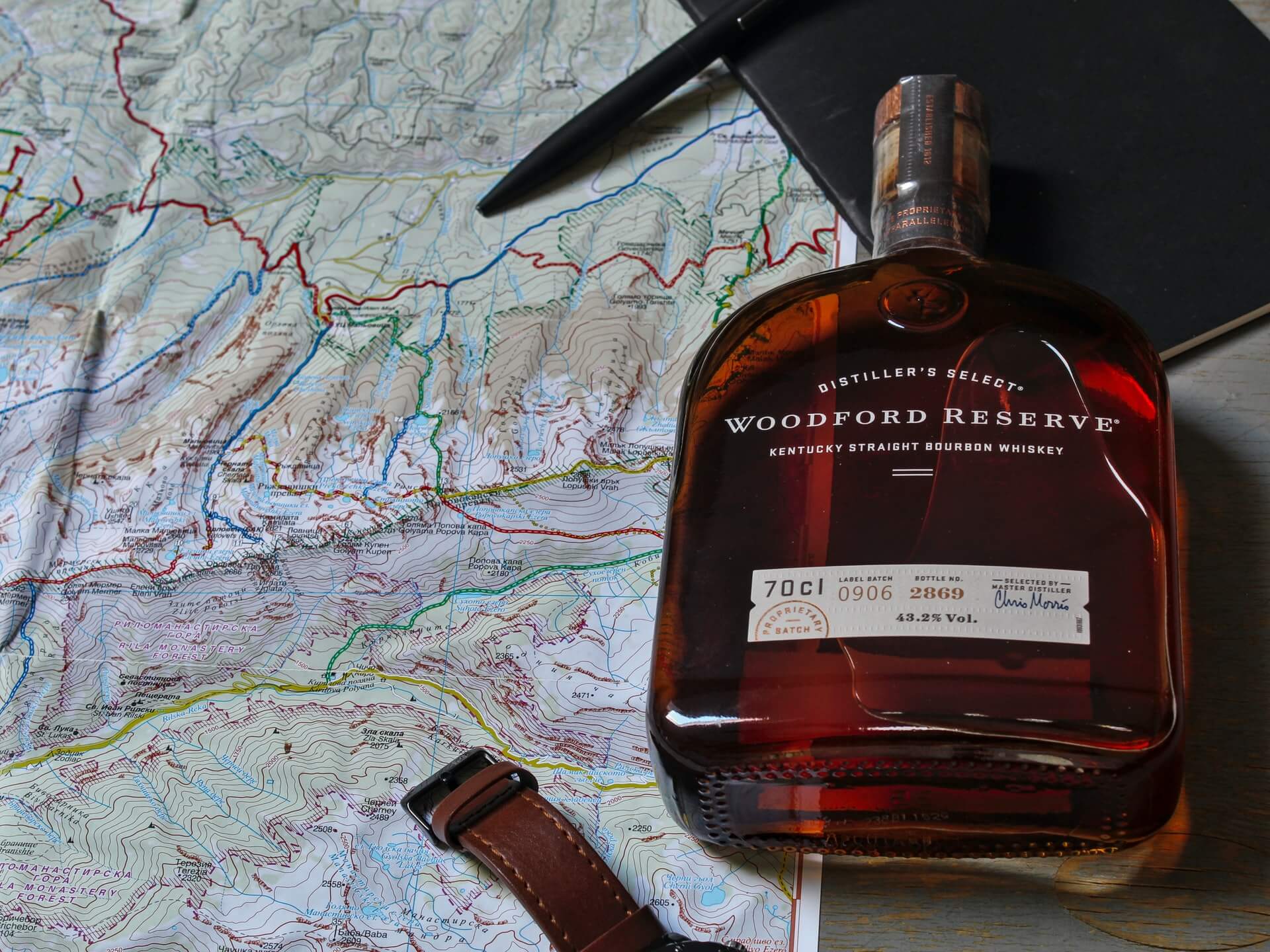
Bottle of Woodford Reserve Distiller's Select Kentucky Straight Bourbon on top of a map

One of the best elements of Bourbon Heritage Month is, undoubtedly, the opportunity to find and taste new expressions.

Given our love for finding new bottles, we’re sharing nine bottles to try this month.

Like our June 14 National Bourbon Day roundup, our suggestions for September run the pricing gamut. You’ll find a bottle under $20 and one with a $150 price tag.

The bottles below will also help your complete nine days of the 30 Days of Bourbon challenge. Who doesn’t love win-win situations?

$50 and Under

Evan Williams Bottled-in-Bond, $15

You don’t have to empty your wallet to enjoy a bonded bourbon. Also, doing so connects you with decades upon decades of bourbon distilling history and heritage. Evan Williams Bottled-in-Bond won’t break the bank and doesn’t skimp on quality, flavor or body.

Jim Beam Old Tub, $23

Speaking of bonded bourbons that won’t drain bank accounts, Jim Beam Old Tub is a limited edition, 100-proof expression that barely cracks $20 per 740ml bottle. This direct competitor to the bourbon above is neither carbon- nor chill-filtered. In fact, the distillery says the only filtering this liquid receives is of bits of wood from the barrels.

$51 to $99

Basil Hayden Toast, $50

Not only does Basil Hayden Toast receive its toasty profile from a second barreling, this bourbon features a new mash bill that includes brown rice. This is a smooth, subtle, 80-proof bourbon that practically begs you to relax and reflect to fully appreciate its nuances.

Henry McKenna Bottled in Bond, $65

There’s some controversy surrounding this 100-proof expression. That makes the bottle all the more compelling.

First, pricing can be as low as $35 per bottle SRP…if people hunting these bottles down get lucky. Some people report finding Henry McKenna Bottled in Bond for around $40, but most will say it’s between $65 and $80. Then there’s the fact that this small run bourbon isn’t exactly consistent between batches. That makes finding a bottling that really speaks to the consumer special.

Regardless of “controversy,” this bonded bourbon is aged for ten years, much longer than many other bottled-in-bond expressions out there.

Jack Daniel’s 10-Years-Old Tennessee Whiskey, $70

Here we go… On a technical level, Tennessee whiskey is bourbon. The process, up to a certain point, is identical: both must be at least 51 percent corn, and both must be aged in new, charred oak barrels. The big difference is the step that takes place just before the liquid is aged: it’s treated to a charcoal filtering.

So, please don’t come at us for including Jack Daniel’s 10-Years-Old Tennessee Whiskey on this list. Instead, seek out and try this new 97-proof offering from Jack Daniel’s.

Wild Turkey Kentucky Spirit, $65

This bourbon is for those looking for a single-barrel expression from one of the most recognizable names in bourbon production. Wild Turkey Kentucky Spirit rings in at 101 proof and is aged for eight years. Enjoyed neat, Kentucky Spirit delivers notes of almond, honey, leather, oak, pepper and vanilla, a full body, and a long finish.

$100 and Over

Old Forester Birthday Bourbon (2021 Edition), $130

September is a special month for bourbon lovers. Bourbon Heritage Month is the perfect time to splash out for high-dollar bottles. One of those is the industry’s first-ever vintage-dated bourbons.

For the unfamiliar, Birthday Bourbon has marked George Garvin Brown’s birthday, September 2, since 2002. As you may have suspected, George was the co-founder of Brown-Forman. This year’s Old Forester Birthday Bourbon is the product of 119 barrels that were filled on April 16, 2009, and aged for 12 years.

Woodford Reserve Master’s Collection Series No. 16 (Very Fine Rare Bourbon), $130

Whereas several bottles on this list pay homage to the rich history of bourbon production, Woodford Reserve Master’s Collection showcases the future. Now, Very Find Rare Bourbon is a nod to the past. However, the mission driving Master’s Collection is innovation. Special releases like Series No. 16 is produced with liquid from barrels that date back to 2003, which is the year that Chris Morris became Master Distiller.

Four Roses 2021 Limited Edition Small Batch, $150

Looking for a barrel-strength bourbon? Four Roses 2021 Limited Edition Small Batch is bottled at 114.2 proof. This bottling consists of four bourbons produced following four separate Four Roses recipes: a 12-year-old OESK, a 14-year-old OBSQ, a 16-year-old OESV, and a 16-year-old OBSV. To learn more about the Four Roses recipes, click here.

Image: Zhivko Minkov on Unsplash

by David Klemt David Klemt No Comments

5 Books to Read this Month: September

5 Books to Read this Month: September

by David Klemt

Flipping through an open book

This month’s fun and informative book selections will help you develop next-level culinary, beverage and leadership skills.

To review last month’s book recommendations, click here.

Let’s dive in!

Holy Smoke! It’s Mezcal! (revised second edition)

The world is steadily becoming more and more enthralled with all agave spirits. Mezcal, of course, helped spearhead this interest and the category’s growth. If you want a deeper understanding of mezcal, John P. McEvoy’s Holy Smoke! It’s Mezcal! is the book you’re looking for. Click here for the black-and-white version, and here for the full-color version.

Cocktails of the Movies: An Illustrated Guide to Cinematic Mixology New Expanded Edition

There’s no doubt that pop culture has an impact on food and beverage trends. In Cocktails of the Movies, authors Will Francis and Stacey Marsh take a look at cocktails featured in film. Not only are there recipes, you’ll find a history of each cocktail, the scene it was in, and artwork.

The Infused Cocktail Handbook: The Essential Guide to Homemade Blends and Infusions

One excellent way to set your bar program apart from the competition’s is with house infusions. Kurt Maitland’s The Infused Cocktail Handbook dives into what spirits pair best with specific ingredients, including bacon and gummy bears.

The Cocktail Seminars

As the story goes, author Brian D. Hoefling taught his fellow Yale students about cocktails and build techniques during his senior year. The Cocktail Seminars is a collection of five of Hoefling’s education seminars and spans 30 cocktail recipes. Along with technique, readers will learn about the history of cocktails, which they and their bar teams can leverage to engage with guests.

5 Levels of Leadership: Proven Steps to Maximize Your Potential

John C. Maxwell’s book 5 Levels of Leadership helps people become true leaders. Remember, becoming a leader is a journey in and of itself, not just a position you find yourself in.

Image: Mikołaj on Unsplash

by David Klemt David Klemt No Comments

Stand Out with Weird Holidays: September

Stand Out with Weird Holidays: September

by David Klemt

Stay Weird neon sign with purple background

Want to stand out from from other restaurants and bars in your area? Then commit to keeping it weird.

Several “holidays” are set against every date on the calendar, and September is no exception. These holidays range from mainstream to food-centric to weird.

Focus on the latter to raise eyebrows, carve out a niche for your restaurant or bar, and attract more guests. Why do what everyone else is already doing?

Of course, you shouldn’t try to celebrate every holiday, weird or otherwise. And this month’s list in no way includes every odd holiday.

Focus on the days that are authentic to your brand; resonate with your guests; and help you grab attention on social media.

For last month’s list, click here.

September 3: National College Colors Day

There are a few ways you can go about celebrating this holiday. If your bar or restaurant supports a particular college team, create a promotion that encourages guests to wear that team’s colors. You can also ask guests to wear their favorite college team’s colors…if there’s no risk of rivalries getting out of hand, of course.

September 4: World Beard Day

An entire day dedicated to celebrating facial hair? Sign us up! There’s a lot you can do with this holiday, even if that means going the other way and rewarding the clean shaven among us.

September 6: National Read a Book Day

It’s not exactly a secret that we love a good book, whether it’s about leadership, business, history, cocktails, food or fiction. Create a new promotion focused on inspiring people to read books or bring back last month’s Book Lover’s Day promo.

September 10: National TV Dinner Day

Delivery and takeout aren’t going anywhere. Even before the pandemic, these two lifelines helped many operators generate revenue. Several restaurants have come up with signature TV dinners and you can do the same.

September 12: National Hug Your Hound Day

People love dogs. People love other people’s dogs. If your business is dog-friendly, this is the day to encourage guests to bring their pooches to your restaurant, bar or hotel.

September 19: National Talk Like a Pirate Day

I doubt I have to tell you what to do this day. Brush up on your pirate and nautical lingo, feature themed cocktails like the Dark & Stormy, and if you have the capability, show a pirate movie or two.

September 22: Car Free Day

If it’s authentic to your brand and will resonate with your guests, create a promotion that encourages people to walk, ride their bikes, or otherwise get to your place by means other than traditional petrol-powered vehicles.

September 25: National Comic Book Day

Break out the comic book character-inspired cocktails and your favorite comic book movies on this day.

September 27: World Tourism Day

This is a great day to seek out partnerships with hotels and local tourism boards to drive out-of-town guests through your doors.

September 28: National Good Neighbor Day

We’ll always suggest that operators show their communities that they support them and are members in good standing. This is the perfect day to pay back the support you receive from the community.

Image: Dan Parlante on Unsplash

by David Klemt David Klemt No Comments

The 30 Days of Bourbon Challenge

The 30 Days of Bourbon Challenge

by David Klemt

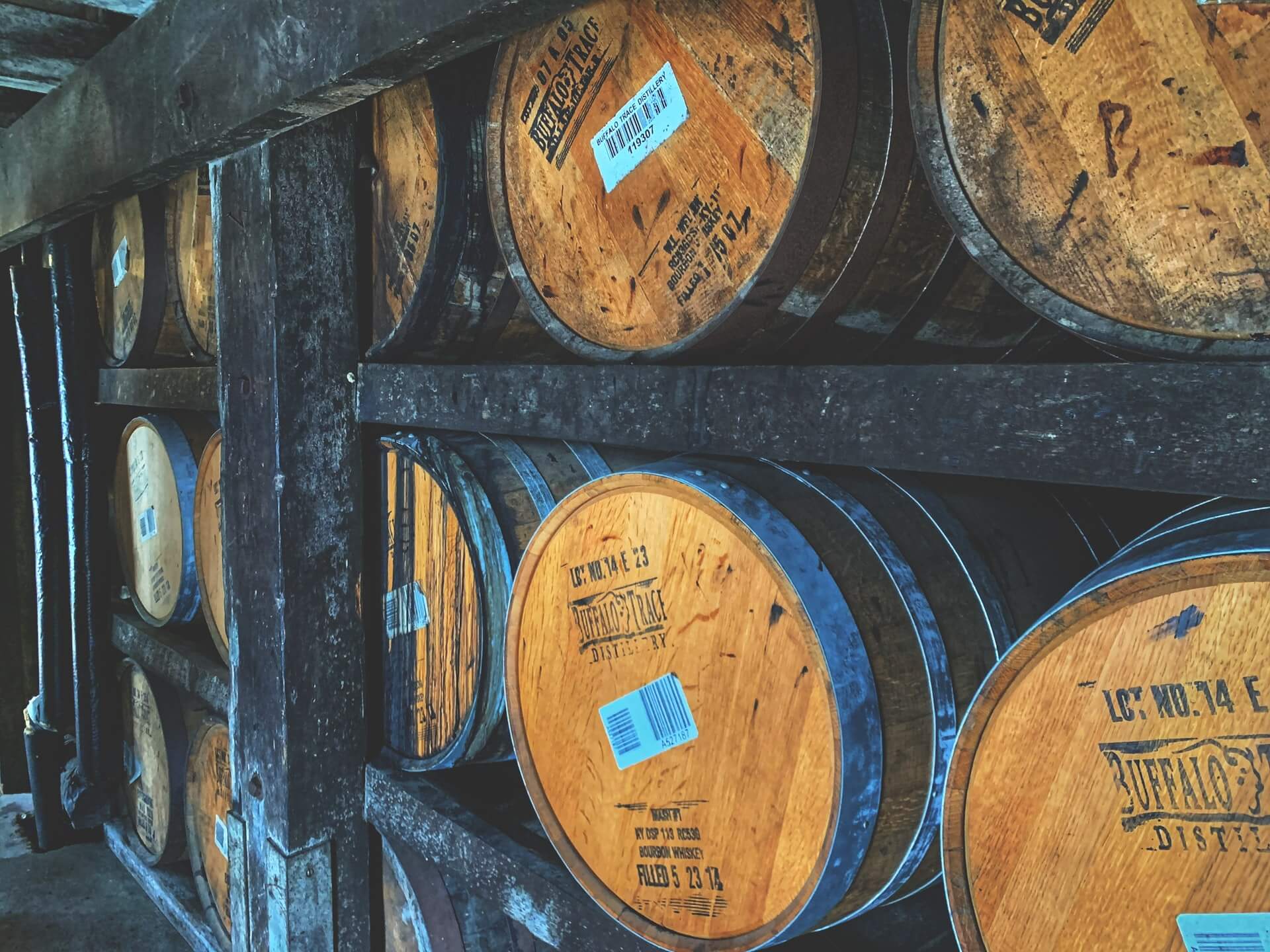
Bourbon barrels resting in Buffalo Trace rack house

Today marks the start of Bourbon Heritage Month, the celebration of America’s native spirit.

Unlike National Bourbon Day, which takes place in the US on June 14, September provides us with a monthlong bourbon celebration.

I, for one, couldn’t be more excited to revisit some of the bottles in my home bar.

But there’s another way to celebrate Bourbon Heritage Month. And operators can participate.

Bourbon & Banter

In 2011, bourbon devotee and advocate Patrick Garrett founded Bourbon & Banter.

A team of devoted contributors soon followed and developed.

Bourbon & Banter’s initial mission was simple but powerful: “to spread the Bourbon Gospel.”

However, over the course of ten years, that mission has evolved. A robust community has formed around Bourbon & Banter. Today’s mission is to continue building that community while helping others “drink curious.”

Bourbon & Banter reviews bottles, keeps readers and followers current with relevant news and events, sells merchandise, and more.

But there’s something else this dedicated bourbon bunch does. Something that celebrates Bourbon Heritage Month.

30 Days of Bourbon

Normally, the first of the month is reserved by KRG Hospitality for a roundup of weird holidays. However, we’re disrupting our regular programming in the name of bourbon.

Bourbon & Banter is challenging bourbon aficionados, casual bourbon drinkers, and the bourbon-curious to participate in a monthlong challenge.

The premise of 30 Days of Bourbon is simple: drink a new bourbon every day for the entirety of September.

Equally as simple are the rules:

  • Only bourbons count. Sure, drink whatever you want. But only bourbon counts toward the challenge.
  • Tennessee whisky counts, as technically it’s bourbon. We don’t make the rules for whiskey or this challenge, so don’t @ us.

Speaking of technicalities, Bourbon & Banter provides the following in terms of what differentiates one bourbon from another:

  • Mash bills within a single brand: Each of Four Roses ten mash bills are unique and therefore count as individual bourbons. The same holds true for their limited editions and Small Batch blend.
  • Single barrel bourbons: Using Blanton’s as the example, the stoppers don’t indicate separate bourbons—the barrels do. So, look for different barrels or they don’t count as different bourbons.
  • Proof: Bourbon & Banter says Evan Williams Black and Green Labels are the same but that White Label is different due to the rules for bonded bourbons.
  • Non-distiller producer (NDP) bourbons such as those from MGP count as the final products differ from one another so greatly.

Accept the Challenge

Bourbon & Banter have created a convenient 30 Days of Bourbon calendar. beyond that, they’ve also made logo overlays for participants to use as they post about their progress.

Operators can participate by offering a special or otherwise highlighting a different bourbon each day in September. Encourage guests to return and track their progress using Bourbon & Banter’s calendar.

Use social media to announce the day’s bourbon or mark personal progress. Operators and participants should use the hashtags #30DaysOfBourbon and #BourbonHeritageMonth.

Obviously, operators should give credit to Bourbon & Banter for this challenge and their calendar, so make sure to tag their accounts: Instagram, Twitter and, Facebook. Also, visit them on YouTube and check out their Patreon.

Additionally, Bourbon & Banter has been asking participants to donate $30 to the charity of their choice during the 30 Days of Bourbon challenge for the last five years. Founder Garrett has also been rewarding participants with bourbon-related prizes randomly.

Of course, operators can also come up with their own rewards for completing the challenge at their venue.

Cheers!

Image: Josh Collesano on Unsplash

by David Klemt David Klemt No Comments

Bar Hacks: Tales of the Cocktail

Bar Hacks: Tales of the Cocktail

by David Klemt

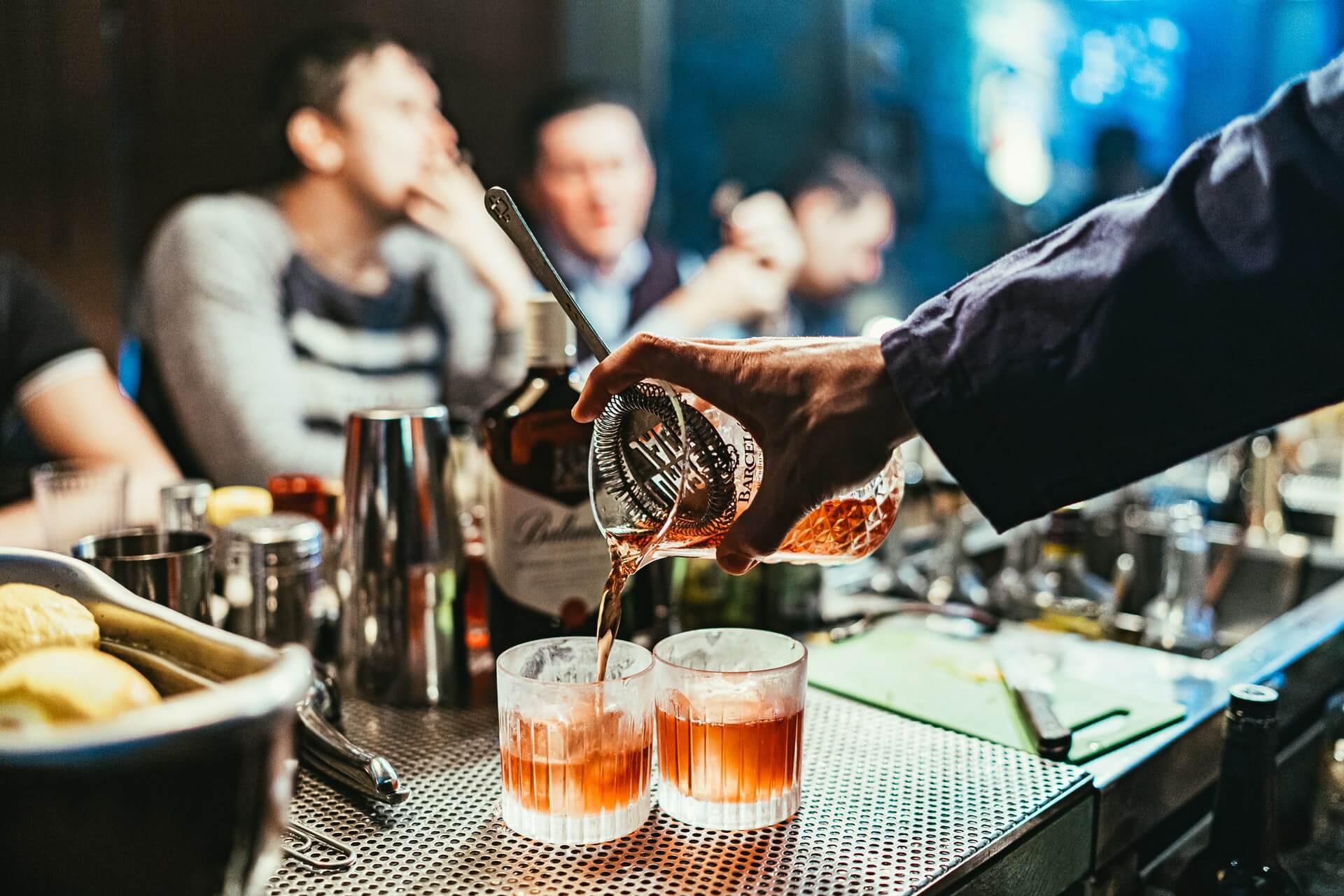
Bartender pouring cocktails on bar

Tales of the Cocktail returns next month not only in a new format but with all-new features for 2021 and beyond.

Running from September 20 through 23, Tales of the Cocktail 2021 will be a hybrid event. The digital/in-person industry show is free for attendees this year.

Eileen Wayner, CEO of Tales of the Cocktail, and Neal Bodenheimer (a board member and operator) drop by the Bar Hacks podcast for this week’s episode to talk about the 2021 event.

Learn more below.

Hybrid Format

The 19th annual Tales of the Cocktail will offer something for everyone in the industry.

So, those who wish to visit New Orleans for Tales can do so. Also, the show will be accessible to attendees more comfortable with a digital experience this time around.

Anyone attending in person needs to know two things: First, Tales will adhere to New Orleans mask and vaccine mandates and policies.

Second, Hurricane Ida made landfall this past Sunday, knocking out power to more than a million people. In-person attendees should monitor the situation and be sensitive to what people in New Orleans are experiencing.

Intriguingly, Tales 2021 will feature brand activations not just in New Orleans but in other cities as well. Pop-ups are on the schedule for New York City and London. Tales will announce more as details emerge.

Tales Evolves

For obvious reasons, Tales will be different this year. However, that isn’t a negative—the event is evolving.

For instance, the Spirited Awards will take place this month. Acknowledging that it’s simply not fair or possible “to honor every award category for 2021,” this years awards will be different.

At this year’s event, the following categories will be awarded:

  • Helen David Lifetime Achievement Award
  • Pioneer Award
  • Timeless U.S. Award
  • Timeless International Award
  • Best: Cocktail & Spirits Publication; Cocktail & Spirits Writing; New Cocktail or Bartending Book; New Book on Drinks Culture, History or Spirits; and Broadcast, Podcast or Online Video Series

Of course, there are other new event features. On Sunday, September 19, Tales will host the Diversity Distilled Career Fair. A direct response to so many in the industry losing jobs and the current labor shortage, employers will post job listings; review resumes; and more.

Listen Today

Wayner and Bodenheimer share more details in this week’s Bar Hacks episode.

So, to find out what to expect about this year’s Tales of the Cocktail (and a bit about the future of the event), listen to episode 48 today.

Listen on Spotify, Apple Podcasts, Anchor.fm, or wherever you listen to podcasts. Cheers!

Image: Adam Jaime on Unsplash

by David Klemt David Klemt No Comments

Let’s Talk About Rum Styles

Let’s Talk About Rum Styles

by David Klemt

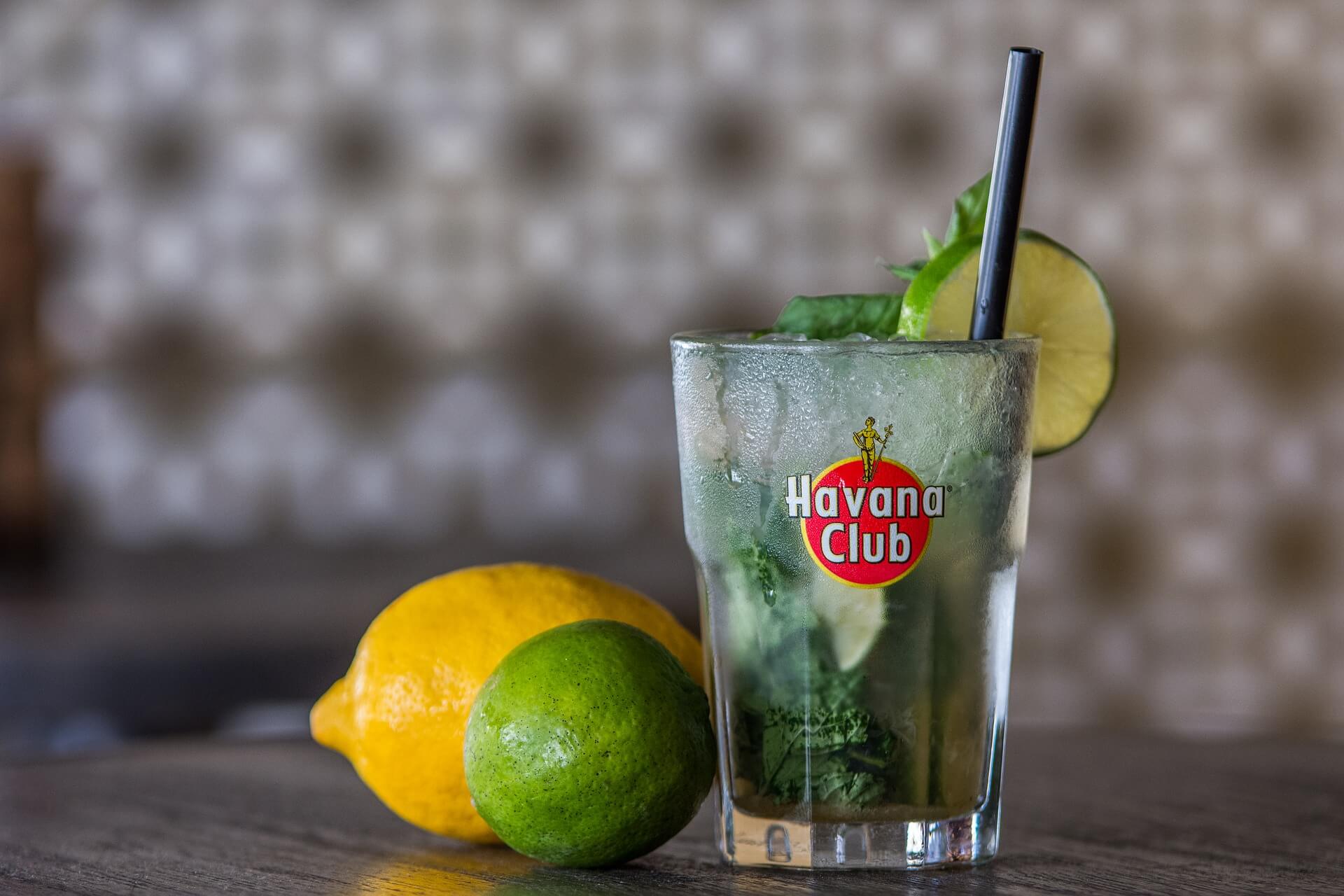
Havana Club Mojito rum cocktail

Last Monday, August 16, was National Rum Day. Of course, millions of people drink rum every day. So, there’s really not a bad day to learn more about the many styles of this versatile spirit.

Obviously, we love restaurant and bar holidays. Just review Exhibits A and B, National Tequila Day and National Scotch Day.

But, we also love learning and teaching others about spirits and cocktails any day of the week. Today, let’s dive into rum!

Cheers!

Molasses vs. Juice vs. Syrup

There are three main types of rum in terms of the main ingredient distillers ferment to make this classic spirit.

First, the more common source: molasses from sugarcane. Then, there’s fresh sugarcane juice. Finally, rum can be made with sugarcane syrup.

However, there are also spirits like aguardiente made from the distillation and fermentation of fruit. Additionally, beet sugar can be an ingredient. However, many countries—including the US—require rum to be made from cane sugar.

Light Rums

Generally speaking, rums can be broken down into two characteristics beyond molasses, juice or syrup: light rum and dark rum.

White / Clear

It doesn’t get much lighter than clear, does it? Simply put, the production method for making a white or clear rum includes filtering out the color. Contrary to what some assume, these rums aren’t necessarily unaged: many rest for one or two years.

Again, speaking generally, these light rums are often less flavorful than other styles. Daiquiris, Mojitos and Piña Coladas tend to be made mostly using white or clear rums. Of course, it can be profitable to upsell those classics with golden, pale, dark, and premium aged rums.

Gold / Pale

One way to think about gold or pale rums is that they’re a step up in flavor profile. They also tend to receive longer aging times than their white and clear counterparts.

However, since they’re not normally the rums that are rested for particularly long times, they’re usually affordable.

Dark Rums

Dark

So, let’s kick this section off with the creatively named dark rum category called…dark.

To be clear, this category can include gold and pale rums, technically. When people refer to dark rums, that’s an awfully broad description. So-called “dark rums” can run the gamut from aged a couple of years to aged for incredibly long times. Not only do these rums not undergo a filtering process to remove their color, distillers may actually add color.

Black

Now, this is a more specific categorization among the catch-all “dark rum” descriptor.

When one encounters a black rum, they can expect several elements: dark in color, rich and bold flavor, a full body, and a rum made from molasses. Often, the barrels used to age black rums are given a heavy char.

Navy

This is another full-body rum. Arguably, this is the most traditional form of rum that harkens back to the 1600s.

It bears the name “navy” because it’s the style of rum that British Royal Navy sailors made famous. As many people are aware, rum was a staple ration on the Royal Navy’s ships.

Specialty

Drilling deeper, there are several categories of rum that are too specific to simply bear the label “light” or “dark.”

Flavored / Spiced

Prepare for amazement: This category of rums receives enhancements from spices and/or flavorings. Shocking, I know.

Coconut is among the most common rum flavorings. However, you’ll also find apple, pineapple, and even gingerbread.

In terms of spiced rum—hello, Captain Morgan—common spices are cinnamon, clove, and nutmeg.

Overproof

I’m willing to bet this label isn’t difficult for most people to figure out.

Speaking generally once again, most rum in the US and Canada weighs in between 40- and 50-percent ABV. Overproof rum, then, is a high-proof spirit.

Cask strength for rum can reach as high as 84.5-percent ABV, or 169 proof. Interestingly, the US prohibits rum over 155 proof from entering the country (in most cases).

In Canada, up to 190-proof spirits are legal.

Funky

This is an incredibly fun and unique style of rum hailing from Jamaica.

Jamaican funky rums offer the drinker the opportunity to try something different, bold, and that embodies the island country’s terroir. To make these unique rums, distillers often add what’s called “dunder” during the fermentation process. Dunder it leftover material from previous distillations, and when added in large quantities, it can be referred to as “muck.”

Get heavy in the muck and the rum gets truly, unforgettably funky.

Rhum Agricole

At the top of this article are the three main sources for rum: sugarcane molasses and sugarcane juice. Distillers produce rhum agricole by distilling pressed sugarcane sugar directly.

Also, rhum agricole was created in the island nation of Martinique. Now, many people have likely read that only Martinique distillers can make rhum agricole. The reality is more nuanced.

For a rhum agricole to be labled “Rhum Agricole AOC Martinique,” the product must meet specific requirements.

Cachaça

There’s a saying well-known by bar professionals across the globe: “No Negroni without Campari.” Well, there’s no Caipirinha without cachaça.

Also known as the National Spirit of Brazil, cachaça must be made from fermented sugarcane juice. The use of many species of trees throughout Brazil give distillers the opportunity to produce cachaça with terroir and distinctive flavor profiles.

Image: Christo Anestev from Pixabay

by David Klemt David Klemt No Comments

5 Books to Read this Month: August

5 Books to Read this Month: August

by David Klemt

Flipping through an open book

This month’s fun and informative book selections will help you develop next-level culinary, beverage and leadership skills.

To review last month’s book recommendations, click here.

Let’s dive in!

Something & Tonic: A History of the World’s Most Iconic Mixer

Author and bartender Nick Kokonas takes readers on a historical, global journey that focuses on the history of tonic. This informative book also contains tips, tricks, and 60 original cocktail recipes. Click here to purchase Something & Tonic now.

America Walks into a Bar

Do you have a passion for this business? Do you actually love bars and the rich history of our industry? Then you need to read Christine Sismondo’s America Walks into a Bar, equal parts adventure, entertainment and history.

Burn the Ice: The American Culinary Revolution and Its End

I could try to sum up Burn the Ice for you, but Danny Meyer seems to have captured the essence of this Kevin Alexander’s book in one word: “Inspiring.”

The Power of Strangers: The Benefits of Connecting in a Suspicious World

When we come across a great bar, restaurant or hotel, we never encounter strangers. Instead, we meet friends we never knew we had. In The Power of Strangers, author Joe Keohane addresses the importance of getting over the fear of engaging with strangers and why, particularly in these divisive times, we need “strangers” more than ever in our lives.

Hacking the New Normal: Hitting the Reset Button on the Hospitality Industry

The world around us has changed, as has the food & beverage industry and the hospitality industry as a whole. But will some ways of life change for the better? Will restaurants, bars, and hotels come out of the pandemic even stronger? In Hacking the New Normal, author and president of KRG Hospitality Doug Radkey addresses the need to hit the reset button on the hospitality industry for its long-term survival.

Image: Mikołaj on Unsplash

by David Klemt David Klemt No Comments

Stand Out with Weird Holidays: August

Stand Out with Weird Holidays: August

by David Klemt

Stay Weird neon sign with purple background

Want to stand out from from other restaurants and bars in your area? Then commit to keeping it weird.

Several “holidays” are set against every date on the calendar, and July is no exception. These holidays range from mainstream to food-centric to weird.

Focus on the latter to raise eyebrows, carve out a niche for your restaurant or bar, and attract more guests. Why do what everyone else is already doing?

Of course, you shouldn’t try to celebrate every holiday, weird or otherwise. And this month’s list in no way includes every odd holiday.

Focus on the days that are authentic to your brand; resonate with your guests; and help you grab attention on social media.

For last month’s list, click here.

August 3: National Night Out Day

It may sound like this holiday is just an excuse for restaurant and bar crawls. However, this day is actually about bringing communities together and making them safer. This is an excellent time to strengthen your ties to the community and support local organizations.

August 5: National Underwear Day

We’re not entirely sure what to suggest you do for this holiday but there’s definitely something here. Get creative but be tasteful, is all we recommend.

August 6: National Fresh Breath Day

Certain herbs help freshen breath: Mint, basil, rosemary, cardamom, and tarragon, for example. These same herbs also make great cocktails, so tie them into a drink promotion.

August 7: National Disc Golf Day

With mask mandates being re-issued, some people will likely be looking at outdoor sports as an escape. Encourage and reward people for getting out and playing disc golf on this day.

August 8: National Dollar Day

Have a menu item or two you can offer for $1? Perhaps a “buy one, get another for one dollar”? You know what to do on National Dollar Day.

August 9: National Book Lover’s Day

There are several ways you can celebrate this holiday with your guests. For example, you can host a book drive, encourage guests to trade books, or even create a free community library space inside your business. Tap into your creative side.

August 10: Lazy Day

I mean, come on… This day was practically invented to encourage people to spend all day eating and drinking in your bar or restaurant. People can be responsible another day.

August 14: National Bowling Day

Remember National Disc Golf Day from way up higher on this page? Of course you do. Well, it shouldn’t be difficult to come up with promotions focused on bowling, like offering promotions for bowling teams who pop into your bar or restaurant.

August 21: National Honey Bee Day

If we lose our bees, we lose our agriculture. And if we lose that, we lose our food supply. Highlight the importance of honey bees with menu items that feature honey (local sources are ideal), and promote the need to protect these valuable insects.

August 27: National Just Because Day

A promotion focused on doing whatever you want just because you feel like doing it? The sky’s truly the limit with this one.

Image: Dan Parlante on Unsplash

by David Klemt David Klemt No Comments

10 Bottles for National Tequila Day

10 Bottles for National Tequila Day

by David Klemt

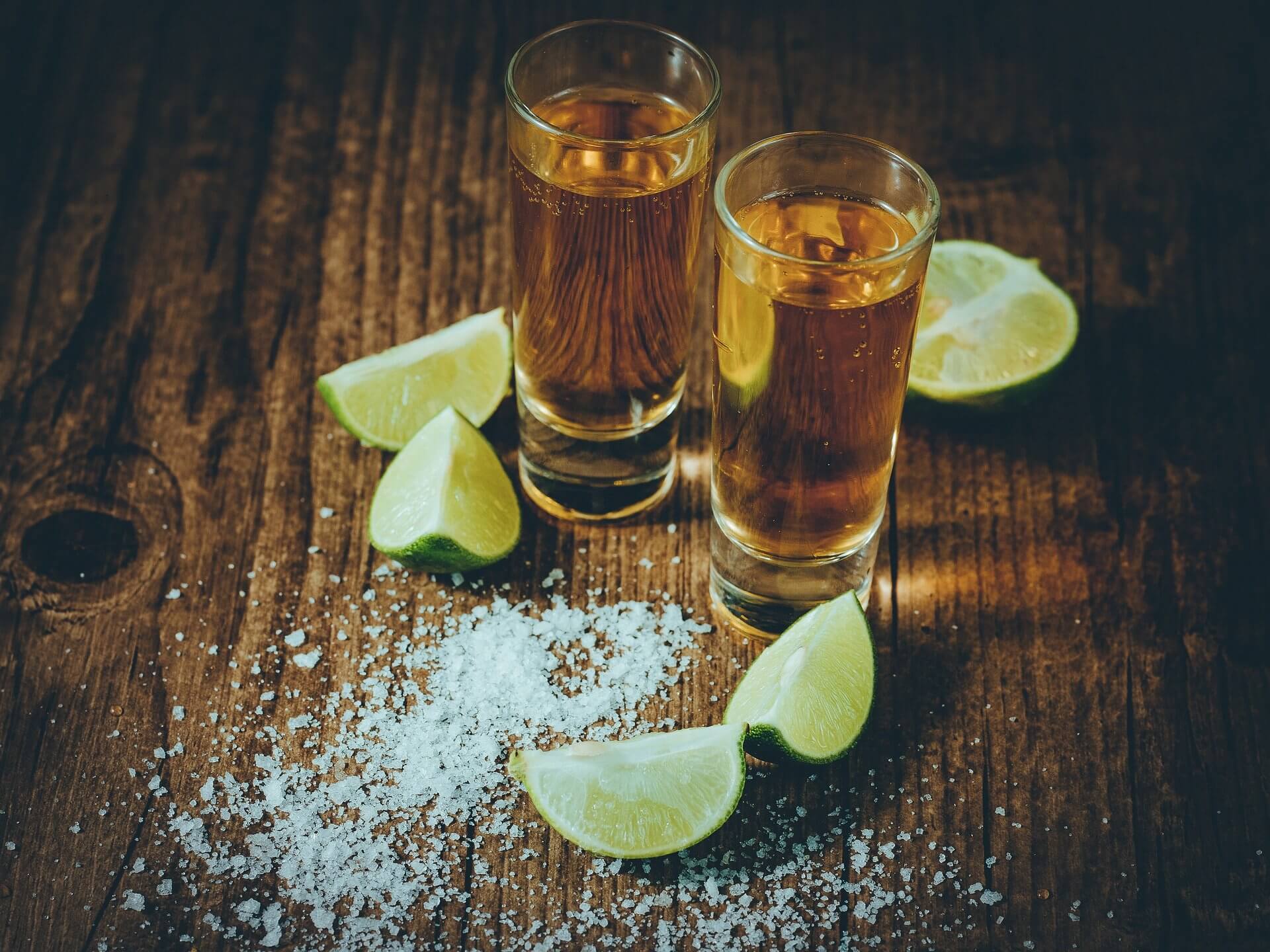
Shots of tequila surrounded by lime wedges and salt

This Saturday we celebrate the world’s most famous agave spirit: the one and only tequila.

National Tequila Day takes place this weekend on July 24.

Of course, there are still those out there who view tequila as a low-quality, high-proof spirit that leads to bad decisions.

Luckily, years of education are turning that around. People across the world are now aware of high-quality sipping tequilas.

Those in the know are drinking better, although that doesn’t preclude them from making bad choices afterward. Indeed, we can no longer blame the tequila, only ignorance of higher quality expressions.

Just like we did for bourbon and Lambrusco, we’ve rounded up bottles operators should consider for National Tequila Day and beyond.

Cheers!

Blanco

Arguably the tequila most people associate with cheap shots and cocktails. Distillers don’t age blanco and they bottle the liquid soon after distillation. However, the explosion in the growth of tequila brings with it new brands and higher standards. Many blancos taste excellent and make great cocktails.

Mijenta Blanco

This blanco represents the antithesis of the mainstream stereotype of blanco tequilas. Tequilera Maestro (Tequila Master) Ana Maria Romero approaches the process of making Mijenta Blanco with the same care and attention to detail as she does reposado.

Teremana Blanco

Yes, this is a “celebrity tequila.” Yes, Dwayne “The Rock” Johnson owns Teremana. Being a celebrity spirit doesn’t discredit the quality of this brand. Teremana Blanco is a silver tequila that aims to drink like a luxury expression.

Joven

An interesting and rare (currently) category, joven is unaged tequila blended with one or more aged expressions.

Viva XXXII Joven

Described as a “modern sipping” expression by the distillery, Viva XXXII Joven is made with estate-grown blanco and the brand’s extra añejo. Expect crisp flavors of lemon peel, yerba buena (an aromatic mint), and white pepper.

Casa Dragones Joven

When Casa Dragones first entered the market in 2009, this was their debut expression. Five years later, they released their first blanco. In the case of Casa Dragones Joven, blanco was blended with extra añejo. Not only is it proper to include one of the first joven tequilas on the market on this list, this expression has earned its place.

Reposado

Combine the bold flavors of younger blanco tequila with the smooth, refined characteristics of aged añejo. That will give you an idea of what to expect with a reposado, which is aged between two and twelve months. Equal capable in shots and cocktails or for sitting and sipping.

Volcán De Mi Tierra Reposado

Made from agaves that take well over 3,000 days to ripen, Volcán Reposado captures the terroir of the state of Jalisco. The liquid is aged in American and European oak barrels, which helps to make this a smooth expression.

Clase Azul Reposado

Arguably the most recognized bottle on the back of any bar. Clase Azul Reposado draws the eyes of guests with its unique appearance and keeps them coming back with its unique flavor profile and incredible smoothness.

Añejo

This category must be aged for one to three years in oak. Of course, añejo can be enjoyed as a shot or in a cocktail, just like any spirit can be. However, these tequilas are often best when sipped slowly to appreciate every flavor, aroma, and mouthfeel characteristic.

El Tesoro Añejo

This añejo is aged between two and three years in ex-bourbon barrels. The result is intriguing, to the say the least: Master Distiller Carlos Camarena says El Tesoro Añejo, due to vanilla and maple notes, would pair well with pancakes.

Casa Dragones Barrel Blend

Known as a small-batch producer of luxury blanco and joven tequilas, Casa Dragones is finally producing an añejo. Casa Dragones Barrel Blend is aged in Quercus Sessile French oak and new American oak barrels, both of which undergo custom toasting. The result is a smooth, luxurious sipper with spice, oak, berry, and agave notes.

Extra Añejo

Once a distiller passes the three-year mark aging tequila, they have free reign to experiment. The extra añejo category is where people find truly unique and rare (and expensive, of course) expressions.

Herradura Selección Suprema

It may interest people to know that Herradura gets the credit for creating both the reposado and extra añejo categories. So, it’s only fitting that they be on this list in one of those categories. Herradura Selección Suprema rests for 49 months—four years and one month—in American white oak barrels.

Tears of Llorona No. 3 Extra Añejo

Master Distiller Germán González initially created Tears of Llorona to for his friends and family. However, the five-year-old extra añejo Maestro Gonzalez produces are sometimes made available to the public. The current private stock offering, Tears of Llorona No. 3, is aged in Scotch, brandy, and sherry oak barrels.

Image: Xavier Espinosa from Pixabay

by David Klemt David Klemt No Comments

First-ever Carbon-neutral Distilled Spirit

Novo Fogo Releases First-ever Carbon-neutral Distilled Spirit

by David Klemt

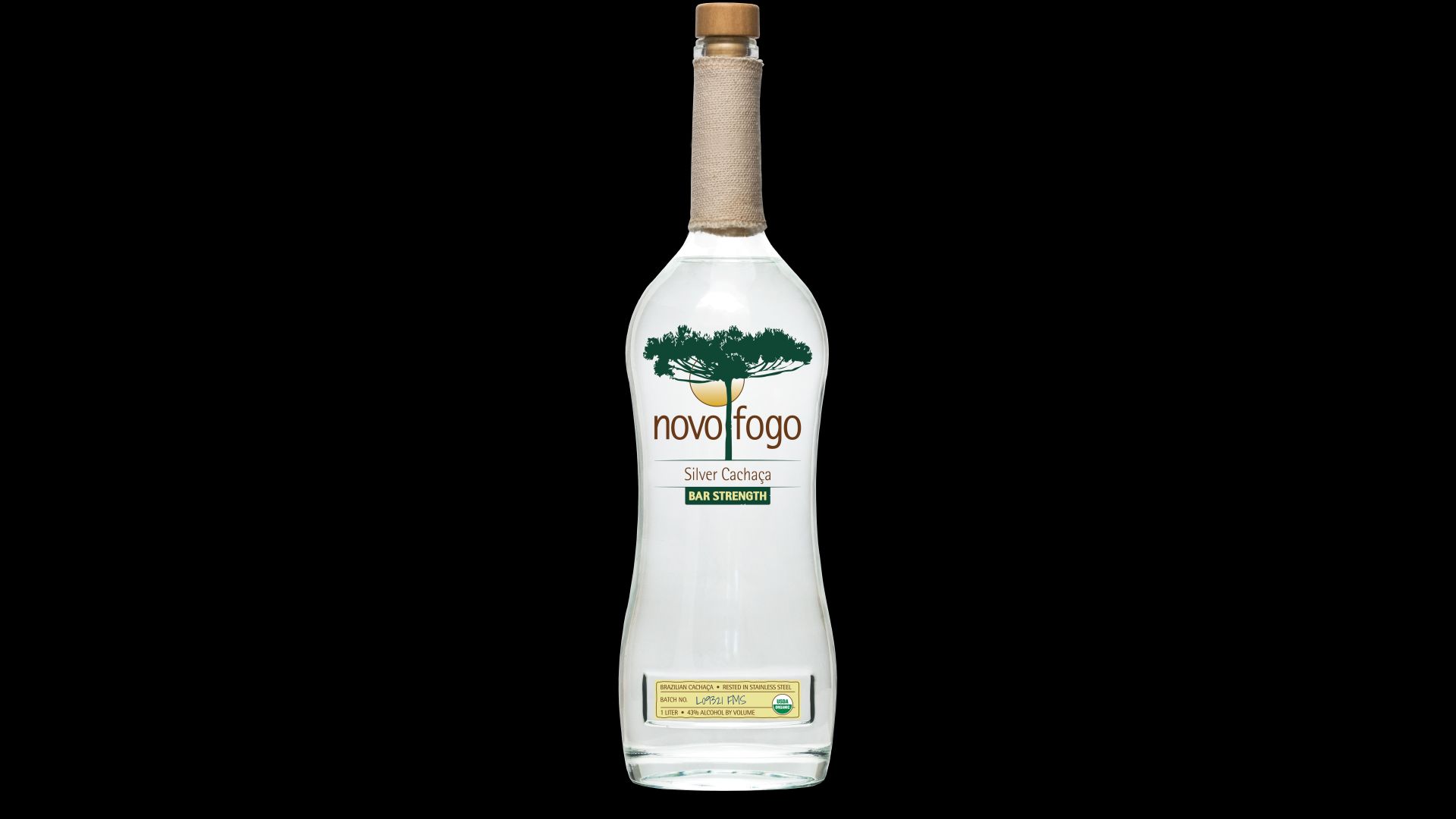
Novo Fogo Bar Strength Silver Cachaça bottle

Novo Fogo is releasing their Silver Cachaça in a one-liter bottle with a fresh new design, strength and trade industry focus.

Clearly, the Brazilian distiller is concentrating on bar owners and bartenders for 2021.

Of course, Novo Fogo is also focusing on their relationship with the planet.

Reducing Environmental Impact

The Novo Fogo distillery calls the Floresta Atlântica home. And the brand is fiercely protective of this location.

Also known as the Atlantic Rainforest, the distillery operates within the second-largest UNESCO Biosphere Reserve.

Novo Fogo’s home is pristine, surrounded by untouched nature—there’s no pollution. Operating in harmony, Novo Fogo goes to great lengths to impact their surroundings—and the planet—as little as possible.

Fans of the distillery’s handcrafted, small-batch cachaça will attest to the liquid’s terroir. Tasting Novo Fogo is like standing in Floresta Atlântica and breathing in its pristine nature.

The company is carbon negative (absorb more carbon dioxide than they emit); uses minimal water; utilizes organic production methods; and manages reforestation efforts.

World First Spirit

Novo Fogo’s mission includes a relentless, meticulous approach to saving the Amazon rainforest. The reasoning is obvious—sixty percent of Brazil is rainforest.

Also, rainforests absorb carbon dioxide; release oxygen and water into the atmosphere; are home to indigenous people; and are habitats full of animal and plant life.

So, it’s with great pride that Novo Fogo Bar Strength Silver Cachaça is the world’s first carbon-neutral distilled spirit.

This accomplishment is no small feat. To achieve this goal, Novo Fogo had to take into account the impact of their partners.

That means the brand calculated:

  • production of their glass bottles (recycled glass, neck wraps made from plastics found on the streets of São Paulo), corks, labels, and cases;
  • utilities and fuel used by their distributor’s warehouses;
  • the resources used by land and sea freight partners; and
  • the impact of sales and delivery efforts.

After calculating the entirety of Bar Strength Silver Cachaça’s impact on the Earth, Novo Fogo purchased carbon offsets through Native. The offsets will save trees by providing 2,000 families in Honduras that produce coffee with water filters. Ultimately, this will save trees as the families won’t need to cut any down to boil water.

Bar Owner and Bartender Friendly

While things are improving, it can still be cost-prohibitive for people to choose products that are good for our planet.

To that end, Novo Fogo also aims to reduce the financial impact for bar owners who purchase Bar Strength Silver Cachaça.

Per the brand, the average wholesale cost of the new one-liter expression is $24. That translates to 22 1.5-ounce pours, a cost per ounce of $0.71, and a cost per cocktail of $1.06.

However, this new expression also takes the practical into mind.

Bartenders will appreciate Novo Fogo’s new bottle design:

  • The neck is taller while the midsection is has been slimmed down.
  • Regarding the footprint, the bottom of the bottle is now circular.
  • Novo Fogo shrunk the bottle’s footprint.

Ultimately, the redesign results in a one-liter bottle that’s easier to handle and fits better in a well.

Of course, boosting the ABV from 40 percent to 43 percent means this cachaça’s flavors are more intense. Obviously, that makes for a bolder drinking and guest experience.

Consumers are growing increasingly concerned about the health of our planet. Many seek out brewers, vintners and distillers who operate responsibly. The same goes for the restaurants, bars and hotels they’ll support.

Novo Fogo just made it that much easier to make cocktails that are better for the planet.

Image: Novo Fogo

by David Klemt David Klemt No Comments

Two States Rescinding To-Go Cocktails

Two States Rescinding To-Go Cocktails

by David Klemt

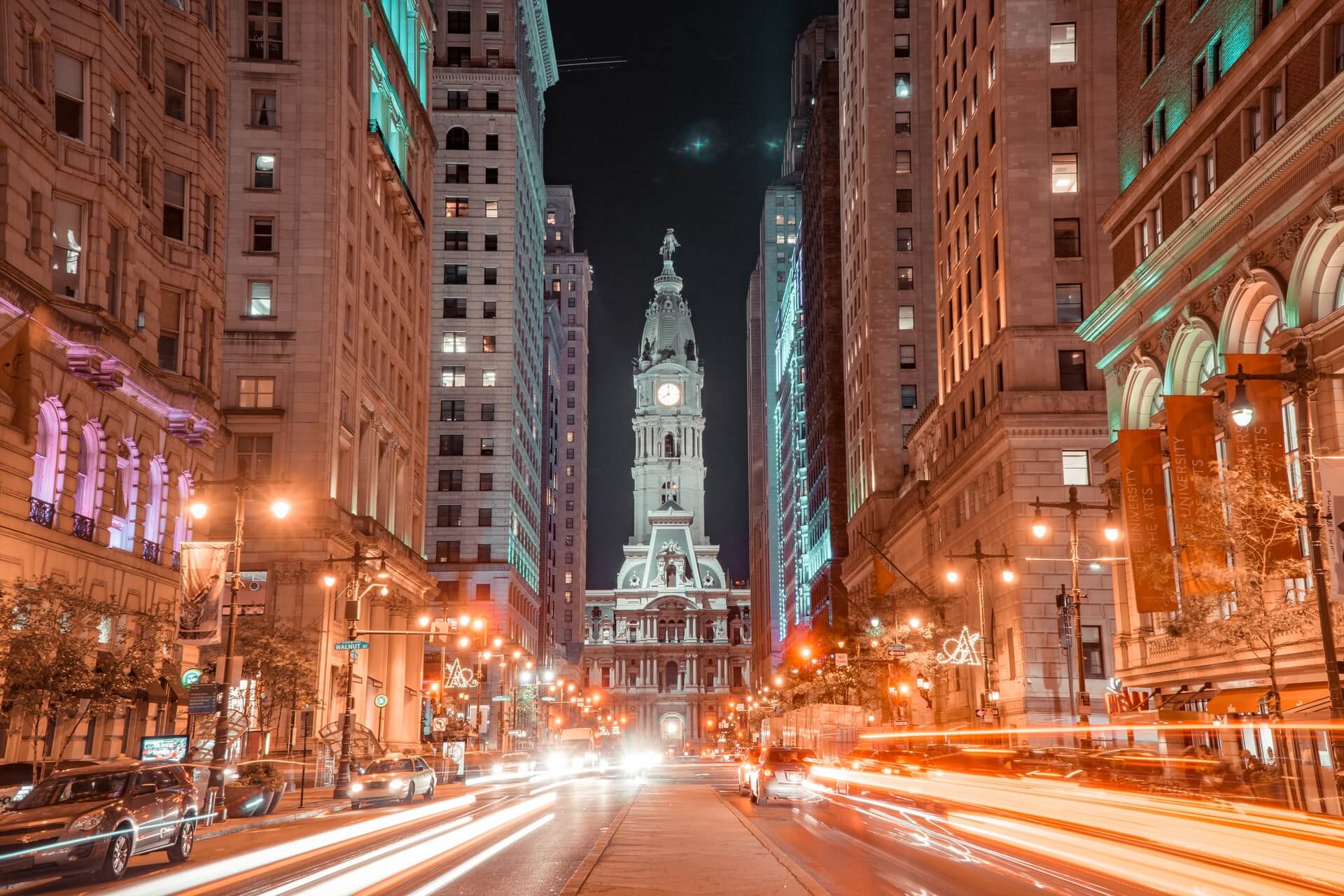
Philadelphia, Pennsylvania, time-lapse at night

Two states are putting an end to a lifeline that many restaurants and bars still rely upon as the industry attempts recovery.

Unfortunately, New York and Pennsylvania are rescinding to-go cocktail laws. Sadly, we can only hope this doesn’t lead to a state legislature domino effect.

The decision stands in stark contrast to states that chose to legalize to-go cocktails this year.

Pandemic Lifeline

Call it cynicism if you like, but it seems that our industry is constantly left to fend for itself.

For example, look at how long it took for the the American Rescue Plan to be voted into law. The bill, which included the Restaurant Revitalization Fund, didn’t pass the House until March of 2021.

Also, the awarding of Paycheck Protection Program stimulus loans was a farce and disaster.

Then, remember that the RRF application portal didn’t launch until the end of April. Of course, the fund has been depleted already and the portal closes July 14.

Obviously, restaurants and bars adapted and leaned into delivery, takeout, and pickup in an attempt to survive. In addition, several states made to-go cocktails legal temporarily.

Ultimately, some states made those “loose” laws permanent. Iowa was the first state to do so.

Now, operators in New York and Pennsylvania are having that lifeline yanked out of their hands.

Disappointing Development

Less than a month ago I reported on how several states (and Canadian provinces) are choosing to handle to-go cocktails.

So far, eleven states made them legal permanently: Arkansas, Florida, Georgia, Iowa, Kentucky, Montana, Ohio, Oklahoma, Texas, West Virginia, and Wisconsin.

Other states chose to keep their to-go cocktail rules loosened until 2022 or 2023: Delaware, Illinois, Maine, Virginia, and Washington.

Still others—New York and Pennsylvania among them—introduced bills this year that sought to make to-go cocktails legal permanently: Arizona, California, Kansas, Minnesota, Missouri, Nebraska, New Hampshire, New Jersey, and Oregon.

So, rather than keep their rules loose and continue to help their operators generate much-needed revenue as they try to recover from the economic devastation of the pandemic, New York and Pennsylvania voted to take to-go cocktails away from them.

Rather than help the industry, too many politicians and officials have used them during the pandemic as scapegoats, punching bags, and public relations stunts.

It’s clear that operators in New York and Pennsylvania (and many other states, to be fair) need to send a unified message when elected officials need venues for campaigning and fundraising.

Image: Heidi Kaden on Unsplash

by David Klemt David Klemt No Comments

5 Books to Read this Month: July

5 Books to Read this Month: July

by David Klemt

Flipping through an open book

This month’s fun and informative book selections will help you develop next-level culinary, beverage and leadership skills.

To review last month’s book recommendations, click here.

Let’s dive in!

Tequila & Tacos: A Guide to Spirited Pairings

This pairing is iconic. However, this book proves the legendary pair can go well beyond just munching on a street taco and slamming a tequila shot. Moreover, Tequila & Tacos includes recipes for both classic tacos and modern versions like spicy cauliflower tacos. The perfect book to help you celebrate National Tequila Day on July 24.

A Long Stride

Just days after National Tequila Day comes National Scotch Day, which takes place July 27. A Long Stride tells the in-depth story of one Scotch in particular: Johnnie Walker. Published toward the end of last year, this book represents the most up-to-date history of arguably the most famous Scotch brand in the world.

Zero Proof: 90 Non-Alcoholic Recipes for Mindful Drinking

Temporary and permanent abstinence from alcohol is becoming more and more commonplace. That doesn’t mean, however, that people who aren’t drinking alcohol are staying out of bars. So, it’s important that operators update their drink programs with creative and memorable zero-proof cocktails. Zero Proof contains 90 alcohol-free recipes to inspire you to develop your non-alcohol menu section.

Playing with Fire

Summer is here and that means barbecue! Interestingly, though, many of today’s chefs have felt the siren song of cooking on open fire for a while now. Playing with Fire features 72 of Chef Michael Symon’s favorite recipes inspired by St. Louis, Memphis, Nashville, Kansas City, and other famous barbecue styles.

How to Grill Vegetables: The New Bible for Barbecuing Vegetables over Live Fire

Steven Raichlen has been dubbed “America’s master griller, and for good reason: there’s likely nothing he doesn’t know about barbecuing. In How to Grill Vegetables, Raichlen shows how to grill basically every vegetable over fire. This book features more than 100 recipes and explains how to grill eggplant on cedar planks, smoke lettuce with hay, cook whole onions directly on embers, and much more.

Image: Mikołaj on Unsplash

by David Klemt David Klemt No Comments

Stand Out with Weird Holidays: July

Stand Out with Weird Holidays: July

by David Klemt

Stay Weird neon sign with purple background

Want to stand out from from other restaurants and bars in your area? Then commit to keeping it weird.

Several “holidays” are set against every date on the calendar, and July is no exception. These holidays range from mainstream to food-centric to weird.

Focus on the latter to raise eyebrows, carve out a niche for your restaurant or bar, and attract more guests. Why do what everyone else is already doing?

Of course, you shouldn’t try to celebrate every holiday, weird or otherwise. And this month’s list in no way includes every odd holiday.

Focus on the days that are authentic to your brand; resonate with your guests; and help you grab attention on social media.

For last month’s list, click here.

July 1: International Joke Day

Kicking things off this month is a fun one: International Joke Day.

July 7: National Dive Bar Day

This category of bar is one of our favorites. Whether you operate a dive bar, neighborhood bar or corner bar, this is your day.

July 8: Video Games Day

This is not to be confused with National Video Game Day, which takes place September 12. This bar holiday is perfect for all the barcades and eatertainment venues out there. Or, for cool restaurants and bars that have a video game system or arcade game or two inside.

July 11: National Cheer Up the Lonely Day

Nearly the entirety of 2020 and the first half of 2021 have been challenging, to say the absolute least. It’s safe to say that we’re all quite a bit lonely. On this holiday, provide a fun and safe environment for people to get back out there, socialize, and meet new friends.

July 12: National Simplicity Day

There’s nothing wrong with complex cocktail builds. However, today is the perfect holiday to highlight the simpler two- and three-ingredient cocktails on your menu. Simple, speedy, and delicious.

July 13: National Delaware Day

Of course, this isn’t a weird holiday to people who live in Delaware. For those outside the Diamond State, this is the time to showcase Delaware brands like Dog Fish Head.

July 15: National Give Something Away Day

We’re not huge fans of outright giveaways unless said giveaway items come from a partner or sponsor. However, operators can certainly come up with a creative food or beverage giveaway that requires a purchase.

July 17: National Tattoo Day

Operators can prepare for this holiday by partnering with a local tattoo shop and creating a traffic-driving promo with them.

July 20: National Pennsylvania Day

Again, this isn’t weird to Pennsylvanians. Operators outside the Keystone State should feature brands like Philadelphia Distilling and Victory Brewing Co.

July 22: National Refreshment Day

If it’s cold and refreshing, shout it from your rooftop. It’s July, it’s hot out, and people need to know you’ve got ice cold beer, cocktails, and soft drinks.

Image: Dan Parlante on Unsplash

by David Klemt David Klemt No Comments

Fever-Tree Cola: Set Aside Your Soda Gun

Fever-Tree Cola: Set Aside Your Soda Gun

by David Klemt

Fever-Tree Distillers Cola bottle and cocktail

Fever-Tree, the company elevating mixers since 2005, is now focusing on producing the finest cola.

Like the entirety of the Fever-Tree portfolio, Distillers Cola honors spirits and enhances cocktails.

And, like its mates in the lineup, the newest Fever-Tree product is made only with premium ingredients.

Commitment to Quality

Fever-Tree’s founding principle has always been producing high-quality mixers with high-quality and exotic ingredients. Co-founder Tim Warrillow and CEO of Fever-Tree North America Charles Gibb search the globe to find and partner with the best producers possible.

Much of that drive is down to the brand’s focus on honoring distillers and their spirits along with cocktail programs and bars.

In the mid-2000s, Warrillow and Gibb made a stark realization about spirits and cocktail. Distillers were crafting incredible spirits but most mixers were either standard or substandard.

Obviously, that changed with the launch of Fever-Tree, undeniable leaders and innovators in the mixer category.

Exotic Cola

For years now, today’s consumer has been drinking better. With unfettered access to information, social media and brands, they’ve been learning more about spirits and cocktails.

Intriguingly, the pandemic didn’t change that, and all signs point to a continued dedication to quality drinking.

Also, great bartenders want to tell, as Gibbs says, the best stories through the best cocktails. In doing so, they’ve taught their guests how to drink better.

Of course, part of improving one’s drinking is seeking out products produced with quality ingredients.

According to Warrillow, Fever-Tree is excited to finally take on “the biggest mixer of them all, cola,” the most-popular soft drink flavor in the world. He says people have been asking for Fever-Tree to craft their own cola for quite some time now.

It should come as no surprise to any Fever-Tree fan that Distillers Cola is produced with a commitment to craft.

The kola nuts are grown wild in the Caribbean sweet, earthy, and a natural source of caffeine. Large Tahitian limes from Mexico—the Yucatán province specifically—are bold but not overwhelming. Jamaican pimento berries (allspice) imbue Distillers Cola with flavors of cinnamon, clove, nutmeg and pepper. Madagascan vanilla—the “most prized” vanilla, per Warrillow—is intense, sweet, and lends to a creamy mouthfeel.

Distillers Cola, being a mixer and not a soft drink, is high in carbonation but reins in its sweetness.

A Mixer with Intent

Now, Fever-Tree Distillers Cola is meant to elevate bourbons and dark rums. Of course, that doesn’t mean its use is limited.

In fact, Speed Rack co-founder Lynnette Marrero suggests mixing up a Gin & Distillers Cola. Certainly, that’s a much different direction than Rum or Whiskey & Colas.

And Marrero’s Going Back to Kalimoxto, which she describes as “the spritz meets sangria,” calls for 0.5 oz. Cognac, 0.5 oz. Fernet, 3 oz. red wine (nothing too tannic: think Pinot Noir or Beaujolais), and 3 oz. Fever-Tree Cola. Simply stir and serve with a lemon wheel.

Indeed, this brand-new Fever-Tree product is practically begging for cocktail experimentation.

Reposado, añejo, and extra añejo tequilas, some mezcals, amaros, Scotch and rye whiskeys… A new mixer opens up a world of menu possibilities.

However, the best place to start is likely two of Fever-Trees intended cocktails: an elevated Rum & Cola or Whiskey & Cola. In fact, Warrillow and Gibbs say it was developed with Bacardí Cuatro in mind.

Interestingly, Allen Katz of New York Distilling Co. tasted “about 15 barrels” of their Ragtime Rye with Distillers Cola. According to Katz, the cola pairs very well with a whiskey with more fruit, less cedar and spice. In fact, he likes it so much he has committed a single barrel to a special Distillers Cola release—be on the lookout, whiskey hunters.

Also, since Governor Andrew Cuomo has lifted Covid-19 restrictions, people can visit New York Distilling’s Shanty to try a specialty cocktail made with Distiller’s Cola.

Holster Your Soda Guns

Yes, soda guns have been de rigueur for decades. They’re convenient in terms of service, particularly in a high-volume setting.

They’re also often perceived as being perpetually dirty. And, in many cases, that perception is reality.

Of course, in other cases it’s simply what guests have been taught from myriad articles and blog posts.

When I asked Gibbs how he expects to convince operators to hang up their soda guns and choose Distillers Cola instead, his answer was compelling. On the bar side, he points to the fact that bartenders want to craft and serve the best possible cocktails. To do that, they need high-quality ingredients. Along with that, many guests know Fever-Tree and seek it out.

That’s all well and good, but what about the operator side? Gibbs notes that bars across the country are ripping out their soda guns. Clearly, this is a response to health-conscious guests who perceive what comes out of the gun to be unhealthy or subpar in quality.

Those same operators, therefore, aren’t buying and storying bags of syrup. Instead, they can purchase higher-quality ingredients that deliver on consistency. Consistency and quality are key elements of the guest experience. Gibbs also says that operators can charge more for a drink made with premium ingredients like Fever-Tree.

Of course, the next step is for operators and their front-of-house teams to try Fever-Tree Distillers Cola for themselves. Not only will it elevate their bar programs, it certainly enhances to-go cocktail kit options.

Image: Fever-Tree

Top