Drinks

by David Klemt David Klemt No Comments

Stand Out with Weird Holidays: July

Stand Out with Weird Holidays: July

by David Klemt

Stay Weird neon sign with purple background

Want to stand out from from other restaurants and bars in your area? Then commit to keeping it weird.

Several “holidays” are set against every date on the calendar, and July is no exception. These holidays range from mainstream to food-centric to weird.

Focus on the latter to raise eyebrows, carve out a niche for your restaurant or bar, and attract more guests. Why do what everyone else is already doing?

Of course, you shouldn’t try to celebrate every holiday, weird or otherwise. And this month’s list in no way includes every odd holiday.

Focus on the days that are authentic to your brand; resonate with your guests; and help you grab attention on social media.

For last month’s list, click here.

July 1: International Joke Day

Kicking things off this month is a fun one: International Joke Day.

July 7: National Dive Bar Day

This category of bar is one of our favorites. Whether you operate a dive bar, neighborhood bar or corner bar, this is your day.

July 8: Video Games Day

This is not to be confused with National Video Game Day, which takes place September 12. This bar holiday is perfect for all the barcades and eatertainment venues out there. Or, for cool restaurants and bars that have a video game system or arcade game or two inside.

July 11: National Cheer Up the Lonely Day

Nearly the entirety of 2020 and the first half of 2021 have been challenging, to say the absolute least. It’s safe to say that we’re all quite a bit lonely. On this holiday, provide a fun and safe environment for people to get back out there, socialize, and meet new friends.

July 12: National Simplicity Day

There’s nothing wrong with complex cocktail builds. However, today is the perfect holiday to highlight the simpler two- and three-ingredient cocktails on your menu. Simple, speedy, and delicious.

July 13: National Delaware Day

Of course, this isn’t a weird holiday to people who live in Delaware. For those outside the Diamond State, this is the time to showcase Delaware brands like Dog Fish Head.

July 15: National Give Something Away Day

We’re not huge fans of outright giveaways unless said giveaway items come from a partner or sponsor. However, operators can certainly come up with a creative food or beverage giveaway that requires a purchase.

July 17: National Tattoo Day

Operators can prepare for this holiday by partnering with a local tattoo shop and creating a traffic-driving promo with them.

July 20: National Pennsylvania Day

Again, this isn’t weird to Pennsylvanians. Operators outside the Keystone State should feature brands like Philadelphia Distilling and Victory Brewing Co.

July 22: National Refreshment Day

If it’s cold and refreshing, shout it from your rooftop. It’s July, it’s hot out, and people need to know you’ve got ice cold beer, cocktails, and soft drinks.

Image: Dan Parlante on Unsplash
by David Klemt David Klemt No Comments

New Sparklers for Summer Celebrations

New Sparklers for Summer Celebrations

by David Klemt

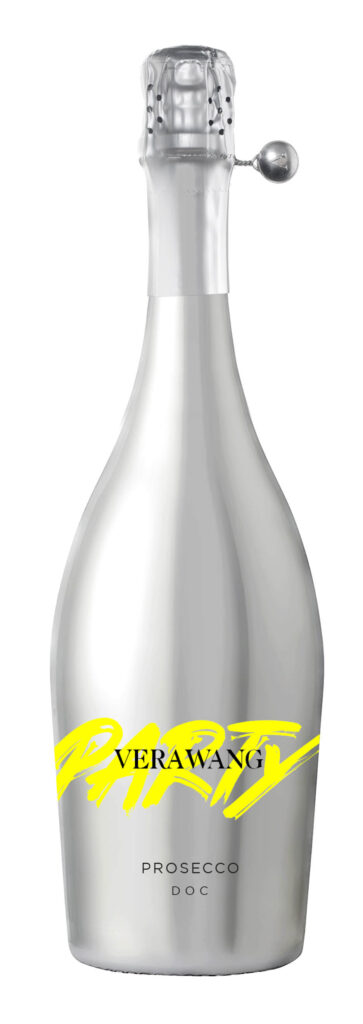
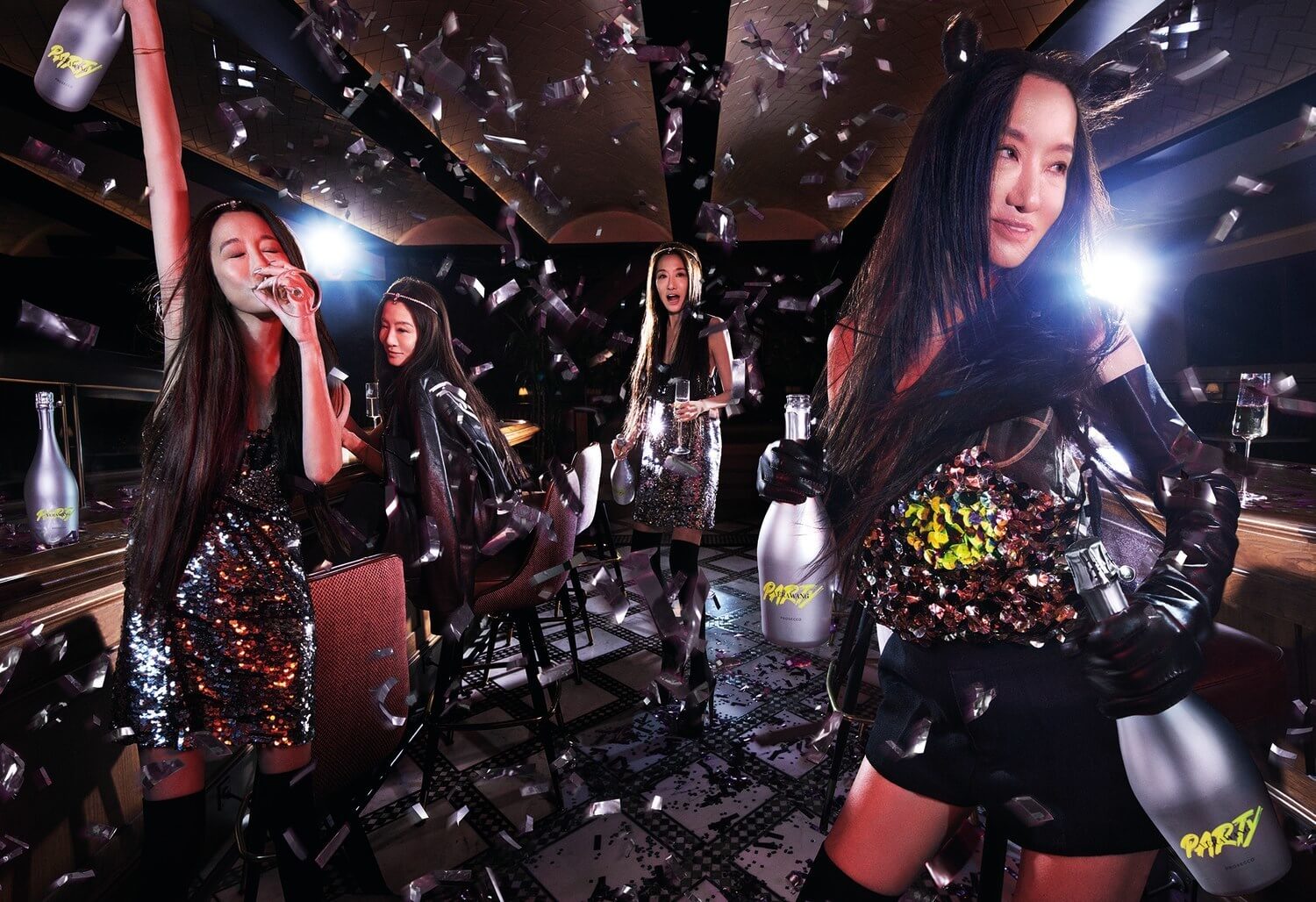
Vera Wang launches Vera Wang PARTY Prosecco

Operators can expect a massive amount of weddings to take place this summer and should angle to land rehearsal dinners and receptions.

After all, one driving element of pent-up consumer demand in Summer 2021 comes from 2020 weddings.

For many, weddings and other big celebrations call for bubbles. Well, just in time for summer celebrations come the releases of three challengers to Champagne’s throne.

Time for a PARTY

There is, perhaps, no designer or brand name more closely associated with weddings than Vera Wang.

The designer behind the eponymous label is largely credited with revolutionizing the bridal industry in the ’90s. Her bespoke wedding dresses remain the top choice for brides around the world. Of course, she also makes couture bridesmaid dresses.

Expanding ever since first dominating the bridal space, a bride can rock a Vera Wang ring and fragrance while wearing her Vera Wang wedding dress, standing across from a groom in a Vera Wang tuxedo and next to her bridal party in Vera Wang bridesmaid dresses.

And now, they can sip a Vera Wang sparkler at their rehearsal dinner and wedding reception.


View this post on Instagram


A post shared by VERA WANG (@verawanggang)

Earlier this year, the designer announced a limited release collaboration with Chopin Vodka. Now, she’s launching Vera Wang PARTY, a premium Prosecco.

So, you may be done with this phrase at this point, but we tend to drink with our eyes first. PARTY’s matte silver bottle and bright neon yellow lettering are a chic and modern take on sparkling wine presentation. I can already imagine plenty of fashionable brides wanting PARTY bottles on their rehearsal dinner and reception tables.

Vera Wang PARTY Prosecco matte silver and neon yellow bottle

And while the designer could likely justify pricing her Prosecco in the same range as the best-known Champagne houses, she has instead chosen restraint: the SRP for a 750ml of PARTY is just $25.

The label’s press release sums PARTY up thusly: “It’s what we could all use right now—a little bit of fun, a little bit of joy, and a new way to commemorate life’s meaningful moments.”

Half-size Heavy Hitter

To some, the only thing better than drinking bubbles is drinking rosé bubbles. For them, the pink hue screams, “We’re celebrating!”

Whether that means celebrating nuptials or a return to gathering and socializing this summer, Avaline is ready.


View this post on Instagram


A post shared by AVALINE (@avaline)

The clean, vegan-friendly wine brand is offering Avaline Sparkling Rosé, sold in 375ml bottles. This brand-new, small-run sparkler is just $25 per bottle.

Sparkling Rosé joins original Avaline labelmates Red and White, along with more recent releases Rosé and Sparkling.

Interestingly, it isn’t just Avaline’s focus on transparency building their deeply loyal fanbase. The Cameron Diaz and Katherine Power brand listens to their consumers to learn what to release next. After the release of Avaline Sparkling, the label’s community requested a sparkling rosé expression.

Avaline says people can expect rose petals, stone fruit and a hint of pomegranate on the nose and berry lemonade, tart peaches, and floral flavors.

Along with the rest of the Avaline lineup, Sparkling Rosé is sure to be popular during Summer 2021 weddings and other celebrations.

Vintage Vino

For vintage-loving sparkler fans, the latest Sonoma-Cutrer special release is the sip of this summer.

Sonoma Cutrer Grand Cuvée Late Disgorge 2014 Sparkling Chardonnay is a 60-40 blend of Chardonnay and Pinot Noir.

Per Sonoma-Cutrer, drinkers Grand Cuvée Late Disgorge features red apple and pear most prominently on the nose. However, that aroma is complimented by notes of hazelnut, brioche bread, mineral, and Meyer lemon.

On the palate, expect apple fruit, nut, and light strawberry flavors balanced by Sonoma-Cutrer’s hallmark high acidity. Rich and complex without overwhelming the palate, Grand Cuvée Late Disgorge pairs well with light summer fare such as oysters, salmon caviar, and fruit tarts.

This stunning bottle of California sparkling carries an SRP of $43 per bottle ($34.40 for Club Cutrer members).

Big Event Business

In America, the wedding industry generates around $60 billion annually. That number doesn’t even include honeymoons, an industry in and of itself that can be worth up to $8 billion per year.

Obviously, restaurant, bar, hotel and event space operators should find those values compelling.

Operators capable of delivering on special events should be angling to land rehearsal dinners, wedding receptions, and even engagement celebrations, bachelor, and bachelorette parties.

However, doing so means running a tight ship that pays attention to the details and delivers top-level service; developing relationships with wedding and event planners, and concierges; and keeping on top of current wedding and wedding-related trends.

Generating revenue after the horror show of 2020 and the first half of 2021 requires adapting operations. Moving into the event space—weddings, for example—can prove very lucrative.

Image: Vera Wang

by David Klemt David Klemt No Comments

Fever-Tree Cola: Set Aside Your Soda Gun

Fever-Tree Cola: Set Aside Your Soda Gun

by David Klemt

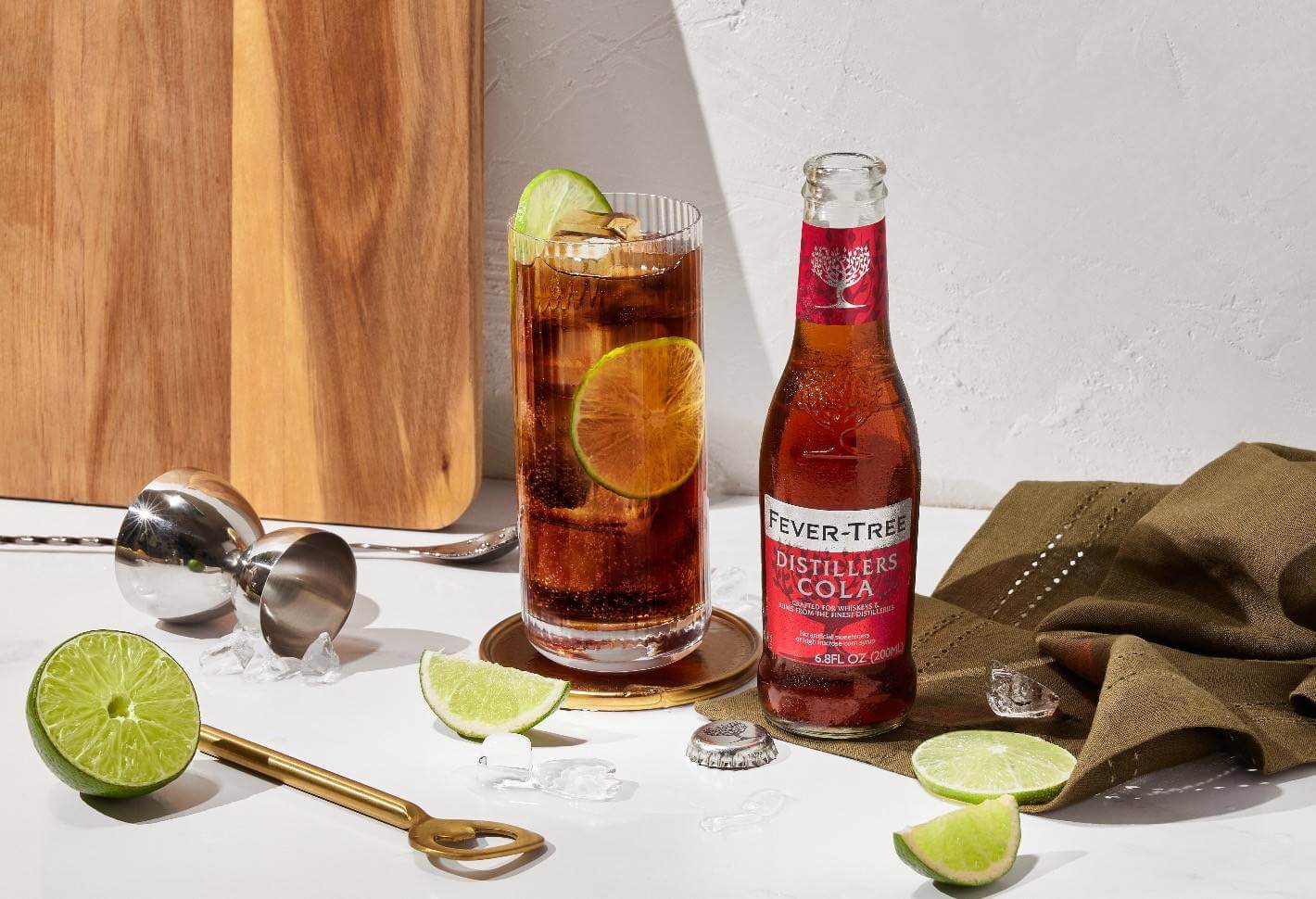
Fever-Tree Distillers Cola bottle and cocktail

Fever-Tree, the company elevating mixers since 2005, is now focusing on producing the finest cola.

Like the entirety of the Fever-Tree portfolio, Distillers Cola honors spirits and enhances cocktails.

And, like its mates in the lineup, the newest Fever-Tree product is made only with premium ingredients.

Commitment to Quality

Fever-Tree’s founding principle has always been producing high-quality mixers with high-quality and exotic ingredients. Co-founder Tim Warrillow and CEO of Fever-Tree North America Charles Gibb search the globe to find and partner with the best producers possible.

Much of that drive is down to the brand’s focus on honoring distillers and their spirits along with cocktail programs and bars.

In the mid-2000s, Warrillow and Gibb made a stark realization about spirits and cocktail. Distillers were crafting incredible spirits but most mixers were either standard or substandard.

Obviously, that changed with the launch of Fever-Tree, undeniable leaders and innovators in the mixer category.

Exotic Cola

For years now, today’s consumer has been drinking better. With unfettered access to information, social media and brands, they’ve been learning more about spirits and cocktails.

Intriguingly, the pandemic didn’t change that, and all signs point to a continued dedication to quality drinking.

Also, great bartenders want to tell, as Gibbs says, the best stories through the best cocktails. In doing so, they’ve taught their guests how to drink better.

Of course, part of improving one’s drinking is seeking out products produced with quality ingredients.

According to Warrillow, Fever-Tree is excited to finally take on “the biggest mixer of them all, cola,” the most-popular soft drink flavor in the world. He says people have been asking for Fever-Tree to craft their own cola for quite some time now.

It should come as no surprise to any Fever-Tree fan that Distillers Cola is produced with a commitment to craft.

The kola nuts are grown wild in the Caribbean sweet, earthy, and a natural source of caffeine. Large Tahitian limes from Mexico—the Yucatán province specifically—are bold but not overwhelming. Jamaican pimento berries (allspice) imbue Distillers Cola with flavors of cinnamon, clove, nutmeg and pepper. Madagascan vanilla—the “most prized” vanilla, per Warrillow—is intense, sweet, and lends to a creamy mouthfeel.

Distillers Cola, being a mixer and not a soft drink, is high in carbonation but reins in its sweetness.

A Mixer with Intent

Now, Fever-Tree Distillers Cola is meant to elevate bourbons and dark rums. Of course, that doesn’t mean its use is limited.

In fact, Speed Rack co-founder Lynnette Marrero suggests mixing up a Gin & Distillers Cola. Certainly, that’s a much different direction than Rum or Whiskey & Colas.

And Marrero’s Going Back to Kalimoxto, which she describes as “the spritz meets sangria,” calls for 0.5 oz. Cognac, 0.5 oz. Fernet, 3 oz. red wine (nothing too tannic: think Pinot Noir or Beaujolais), and 3 oz. Fever-Tree Cola. Simply stir and serve with a lemon wheel.

Indeed, this brand-new Fever-Tree product is practically begging for cocktail experimentation.

Reposado, añejo, and extra añejo tequilas, some mezcals, amaros, Scotch and rye whiskeys… A new mixer opens up a world of menu possibilities.

However, the best place to start is likely two of Fever-Trees intended cocktails: an elevated Rum & Cola or Whiskey & Cola. In fact, Warrillow and Gibbs say it was developed with Bacardí Cuatro in mind.

Interestingly, Allen Katz of New York Distilling Co. tasted “about 15 barrels” of their Ragtime Rye with Distillers Cola. According to Katz, the cola pairs very well with a whiskey with more fruit, less cedar and spice. In fact, he likes it so much he has committed a single barrel to a special Distillers Cola release—be on the lookout, whiskey hunters.

Also, since Governor Andrew Cuomo has lifted Covid-19 restrictions, people can visit New York Distilling’s Shanty to try a specialty cocktail made with Distiller’s Cola.

Holster Your Soda Guns

Yes, soda guns have been de rigueur for decades. They’re convenient in terms of service, particularly in a high-volume setting.

They’re also often perceived as being perpetually dirty. And, in many cases, that perception is reality.

Of course, in other cases it’s simply what guests have been taught from myriad articles and blog posts.

When I asked Gibbs how he expects to convince operators to hang up their soda guns and choose Distillers Cola instead, his answer was compelling. On the bar side, he points to the fact that bartenders want to craft and serve the best possible cocktails. To do that, they need high-quality ingredients. Along with that, many guests know Fever-Tree and seek it out.

That’s all well and good, but what about the operator side? Gibbs notes that bars across the country are ripping out their soda guns. Clearly, this is a response to health-conscious guests who perceive what comes out of the gun to be unhealthy or subpar in quality.

Those same operators, therefore, aren’t buying and storying bags of syrup. Instead, they can purchase higher-quality ingredients that deliver on consistency. Consistency and quality are key elements of the guest experience. Gibbs also says that operators can charge more for a drink made with premium ingredients like Fever-Tree.

Of course, the next step is for operators and their front-of-house teams to try Fever-Tree Distillers Cola for themselves. Not only will it elevate their bar programs, it certainly enhances to-go cocktail kit options.

Image: Fever-Tree

by David Klemt David Klemt No Comments

7 Whiskeys for National Bourbon Day

7 Whiskeys for National Bourbon Day

by David Klemt

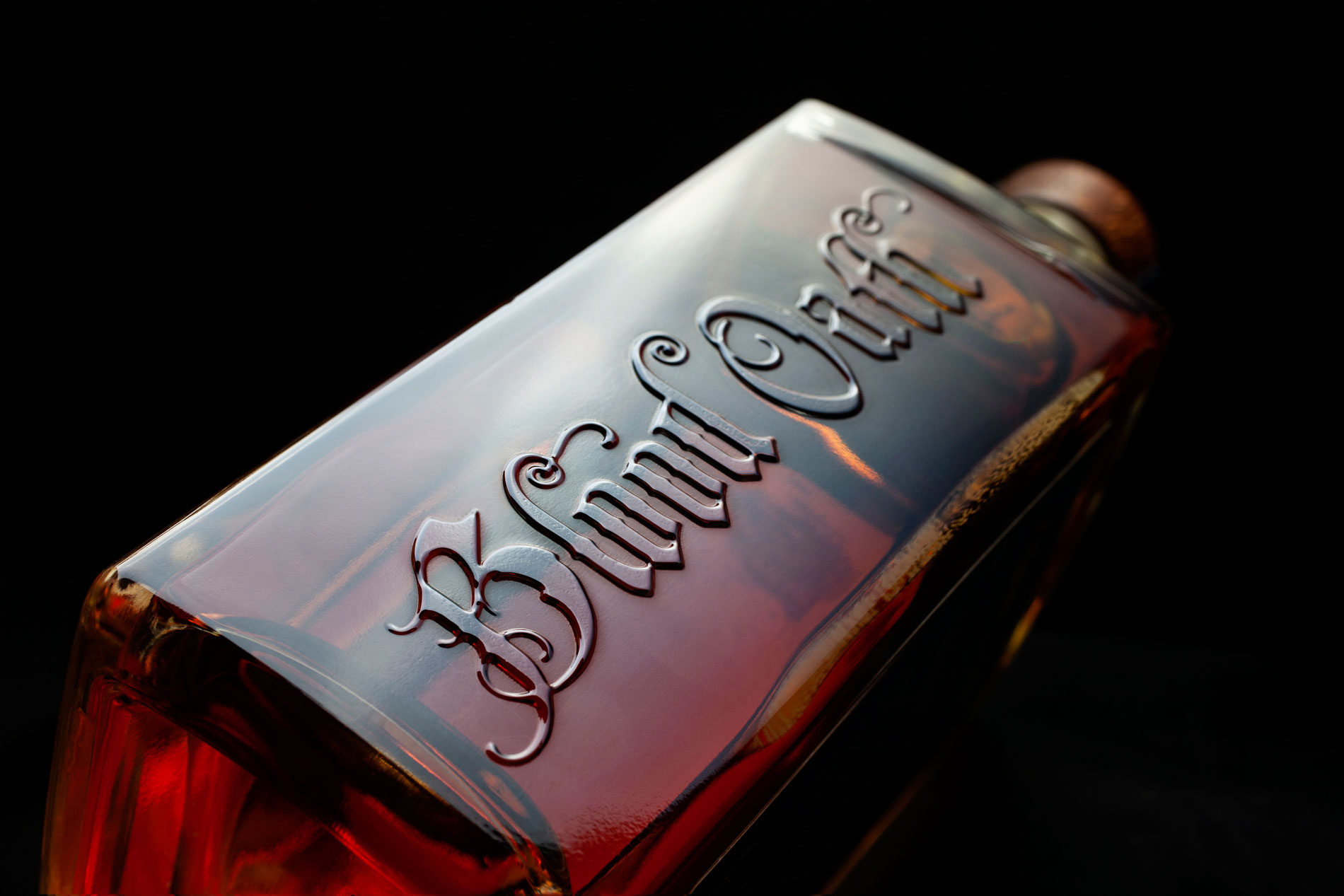
Lux Row Distillers Blood Oath Pact No. 7 bourbon whiskey

We celebrate America’s native spirit on June 14, National Bourbon Day.

Certainly, this is a mainstream holiday more than worthy of celebrating. We definitely don’t need an excuse to enjoy a dram and a cocktail, but it’s great to have one at the ready anyway.

Of course, there are far too many labels out there for us to list and honor them all. So, we’ve chosen seven bottlings that span a decent range of prices.

Cheers!

$50 and Under

Evan Williams 1783 Small Batch (Kentucky), $20 SRP

Perhaps owing to their affordable prices, a lot of people tend to sleep on Evan Williams. However, their bottles routinely end up on bartender go-to lists. Their 1783 Small Batch pays homage to the year Williams founded Kentucky’s first distillery,

Wyoming Whiskey National Parks Limited Edition American Whiskey (Wyoming), $50 SRP

Are you and your guests big fans of our beautiful national parks? If so, Wyoming Whiskey National Parks Limited Edition is the perfect whiskey! This straight bourbon, which features Wyoming’s Grand Teton National Park on its label, is a five-year-old, 92-proof homage to our natural resources. For every bottle sold, Wyoming Whiskey is donating $50 to the National Park Foundation.

$51 to $99

Woodford Reserve Double Oaked (Kentucky), $57 SRP

If you and your guests are looking for one of the smoothest expressions of Woodford, Double Oaked is the one. This whiskey starts its life as Distiller’s Select but receives a second barreling in virgin, charred-oak barrels. And Double isn’t smooth enough for you, there’s always Double Double

Russell’s Reserve 13 Year Bourbon (Kentucky), $69.99 SRP

The Russell’s Reserve label is part of the Wild Turkey portfolio and honors Master Distiller Jimmy Russell’s legacy. Master Distiller Eddie Russell is Jimmy’s son, has been producing whiskey for Wild Turkey for 40 years, and, like his father, is Kentucky Bourbon Hall of Fame inductee. The Russell’s Reserve 13 Year bottling is, of course, 13 years old, and it rings in at 114.8 proof.

Blood Oath Pact No. 7 (Kentucky), $99 SRP

The Blood Oath series is part of the Lux Row Distillers portfolio. Like Orphan Barrel releases, each Blood Oath release, known as a Pact, is highly sought after. In fact, if you don’t get your hands on one right away, the prices can double or more on the secondary market. Blood Oath Pact No. 7 is a blend of three Kentucky bourbons: one 14 year and two eight years.

$100 and Over

Heaven’s Door & Redbreast 10-Year Master Blenders’ Edition (Tennessee), $99.99 SRP

Alright, so this one is only a penny under $100—we’re rounding up for this one. As the name of this straight bourbon suggests, this is a collaboration between Bob Dylan’s Heaven’s Door and Redbreast Irish Whiskey. Master Blender’s Edition features 10-year-old Heaven’s Door bourbon given a 15-month finishing treatment in 12-year-old Redbreast casks.

Copper Tongue Orphan Barrel (Tennessee), $100 SRP

As with Lux Row Distillers releases, Orphan Barrel is highly sought after and highly collectible. Aficionados and fans in the know will go out of their way to score a dram if they can find it. Coppper Tongue will be no different, a 16-year-old, cask-strength straight bourbon weighing in at 89.8 proof. The distillery recommends enjoying it neat or, interestingly, with a slice of pear.

Image: Lux Row Distillers

by David Klemt David Klemt No Comments

Stand Out with Weird Holidays: June

Stand Out with Weird Holidays: June

by David Klemt

Stay Weird neon sign with purple background

Want to stand out from from other restaurants and bars in your area? Then commit to keeping it weird.

Several “holidays” are set against every date on the calendar, and June is no exception. These holidays range from mainstream to food-centric to weird.

Focus on the latter to raise eyebrows, carve out a niche for your restaurant or bar, and attract more guests. Why do what everyone else is already doing?

Of course, you shouldn’t try to celebrate every holiday, weird or otherwise. And this month’s list in no way includes every odd holiday.

Focus on the days that are authentic to your brand; resonate with your guests; and help you grab attention on social media.

For last month’s list, click here.

June 3: National Egg Day

How are your sour cocktails? Celebrate the egg on this day by featuring your egg white-powered drinks.

June 7: National VCR Day

Leverage nostalgia by showcasing an outdated way to enjoy movies and TV shows. If you really want to immerse yourself and your guests in this holiday, find a VCR and some movies on VHS, come up with some themed cocktails, and lure in nostalgia-thirsty guests. (Make sure you have the proper licenses in place to play music, movies, TV shows, etc.)

June 8: National Name Your Poison Day

Talk about a perfect holiday for a bar! This is an excellent day to design a call promotion around or to highlight your bar team’s ability to create delicious cocktails on the fly based on guests’ spirits preferences.

June 13: International Axe Throwing Day

Are you one of the operators who has introduced axe throwing to your restaurant, bar or eatertainment venue? Then do we have the holiday for you and your guests…

June 16: Bloomsday

This holiday honors revered Irish writer James Joyce. The story goes that Joyce’s favorite dram was Jameson, so get those bottles and specials ready.

June 18: National Splurge Day

Have some high-dollar spirits, beers, wines and dishes? Promote them loudly on this day and encourage your guests to truly treat themselves.

June 24: National Bomb Pop Day

There’s more than one way to celebrate this fun, refreshing and nostalgic holiday. For instance, there are various versions of the Bomb Pop cocktail. Another example is offering housemade boozy Bomb Pops. And then you can always simply garnish drinks with Bomb Pops.

June 25: National Take Your Dog to Work Day

If you have a dog-friendly restaurant, bar or lounge, encourage people who have brought their dogs to work to pop in for a well-deserved bite and drink.

June 30: Social Media Day

Feel like your social media savvy could use some work? Want your guests to plaster your business all over social? Use this holiday to improve your social media skills, add followers, and increase engagement with the help of the people who support your business.

Image: Dan Parlante on Unsplash
by David Klemt David Klemt No Comments

5 Books to Read this Month: June

5 Books to Read this Month: June

by David Klemt

Flipping through an open book

This month’s fun and informative book selections will help you develop next-level culinary, beverage and leadership skills.

To review last month’s book recommendations, click here.

Let’s dive in!

The Japanese Art of the Cocktail

Available as of today, this is the first cocktail book written by Masahiro Urushido, the award-winning bartender from NYC’s Katana Kitten. After just one year with Urushido at the helm, Katana Kitten took home a 2019 Spirited Award. The Japanese Art of the Cocktail features 80 recipes and serves as a deep dive into a unique approach to cocktails and technique.

Hennessy: A Toast to the World’s Preeminent Spirit

In a nod to today’s episode of the Bar Hacks podcast, we’re happy to share this amazing book that has something between its covers for everyone. Hennessy is equal parts history, humor, lifestyle, recipes, and illustrative and photographic work of art. Shepard Fairey, Nas, Fab 5 Freddy, and others contribute stories and insights in this amazing bar book.

Cocktail Dive Bar

The subtitle of this recently published book is “Real Drinks, Fake History, and Questionable Advice,” which should tell you this is going to be a fun read. In Cocktail Dive Bar, T. Cole Newton, the operator behind NOLA’s Twelve Mile Limit, mixes classic and original cocktail recipes with essays, advice and coloring book elements. Bars are supposed to be fun, and this book is a welcome reminder of that fact.

Mezcal and Tequila Cocktails: Mixed Drinks for the Golden Age of Agave

Robert Simonson is a New York Times writer and James Beard Award-nominated author who has written an impressive amount of cocktail and spirits books. His latest, Mezcal and Tequila Cocktails, shares more than 60 recipes that feature—you guessed it—mezcal and tequila. Most of the recipes aren’t at all complicated but they’re still full of agave flavor and an array of profiles. Whether you’re a neophyte or an aficionado, this book is for you.

Bar Hacks: Developing The Fundamentals for an Epic Bar

Yep, I’m 0nce again promoting a book from KRG Hospitality president Doug Radkey. Hey, I didn’t mention one last month, so cut me some slack. Bar Hacks is Doug’s first book and the title of the eponymous, KRG-produced podcast. Looking to hone the fundamentals? Want to develop effective strategies? Eager to open or grow a profitable, scalable, sustainable, consistent and memorable venue in one of the most cut-throat industries in the world? Grab this book today!

Image: Mikołaj on Unsplash

by krghospitality krghospitality No Comments

Where are To-Go Cocktails Legal?

Where are To-Go Cocktails Legal?

by David Klemt

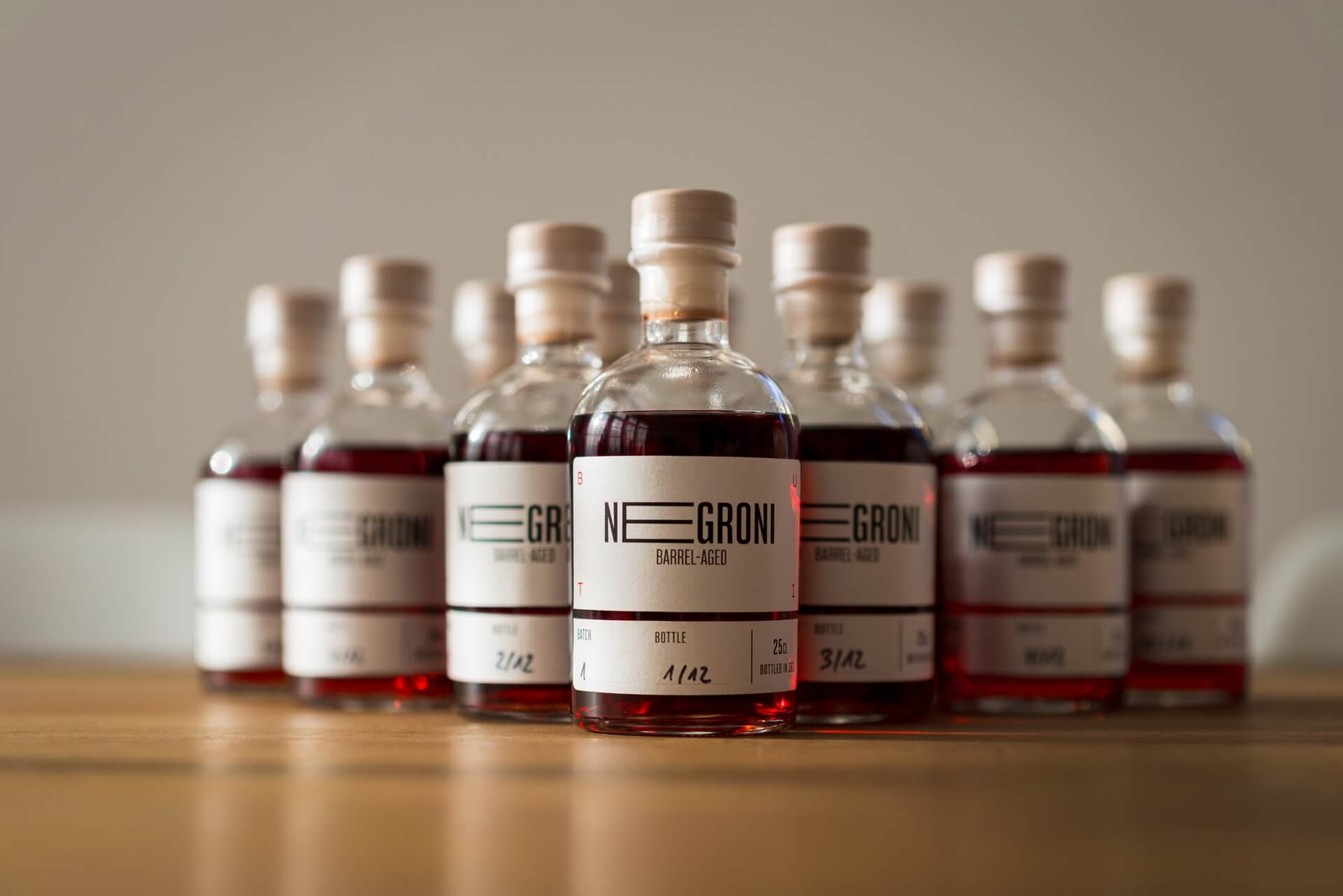
Bottled Negroni mixed drinks and to-go cocktails

We’re still coming to grips with what the industry will look like post-pandemic. One pandemic-driven adaptation is to-go cocktails.

For this article, “cocktails” means mixed drinks specifically, as that is how most jurisdictions are defining such to-go drinks.

In some markets, operators can now offer to-go mixed drinks permanently. Some jurisdictions are offering extensions to temporary sales, while others are considering bills.

The To-Go Pivot

Clearly, our industry responds to guest demands and expectations. And what does today’s guest expect? For their every customized whim to be fulfilled—conveniently.

Therefore, it only makes sense that operators constantly adapt to encourage guest loyalty (as far as that’s possible).

People are itching to get out more, impatient to return to their pre-pandemic lives. Even so, the convenience of drinking and dining at home appeals to large swaths of the public.

Of course, it’s not just convenient.

Providing guests the choice to enjoy a restaurant or bar’s F&B offerings and semblance of their unique experience at home—including cocktails—is also about safety and comfort levels.

Obviously, we want guests to be able to comfortably and safely gather in restaurants, bars, hotels, and every other type of hospitality venue. That’s a given.

However, if some people are more comfortable at home for now, operators in a position to meet guests where they are to generate revenue should do so.

Lawmakers Respond

Carryout and delivery beer and wine sales have been legal for some time in many states. Mixed drinks, not so much.

The rules addressing “to-go” cocktails (carryout and delivery are more accurate) were relaxed in several markets in response to indoor dining bans and shutdowns.

However, “loose” laws aren’t permanent changes. Some jurisdictions will eventually rescind their relaxed approach and ban to-go cocktails unless specific legislation passes.

Iowa is the first American state to legalize to-go cocktails permanently. The vote was unanimous in the Iowa House and nearly so in the Iowa Senate.

Operators in Canada or America who intend to sell to-go cocktails must be aware of their jurisdiction’s specific rules, including but not limited to packaging requirements, volume restrictions, food sale components, and transportation laws.

Canada: Delivery and Carryout Rules

Currently, KRG Hospitality operates in Alberta, British Columbia, and Ontario for the Canadian market. Therefore, we’re focusing on those provinces for this article.

Alberta

While packaged, unopened liquor may be sold for off-site consumption, pre-made cocktails may not. Food sales must accompany liquor sales.

British Columbia

The province’s approach to liquor sales for delivery and carryout are the same as Alberta’s. Operators can’t sell to-go mixed drinks.

Ontario

Restaurants and bars can sell pre-made cocktails sealed in bottles, cans, and bags. Like the other two provinces, food sales must accompany to-go liquor sales.

America: Permanent, Extended, Up for Consideration

In total, 11 states have made the move to legalize to-go mixed drinks permanently:

  • Arkansas
  • Florida
  • Georgia
  • Iowa
  • Kentucky
  • Montana
  • Ohio
  • Oklahoma
  • Texas
  • West Virginia
  • Wisconsin

Others have introduced bills to make to-go cocktails legal permanently:

  • Arizona
  • California
  • Kansas
  • Minnesota
  • Missouri
  • Nebraska
  • New Hampshire
  • New Jersey
  • New York
  • Oregon
  • Pennsylvania

A handful have extended to-go cocktails until at least 2022:

  • Delaware (March 2022)
  • Illinois (2024)
  • Maine (September 2022)
  • Virginia (July 2022)
  • Washington (July 2023)

Image: Jonas Tebbe on Unsplash

by David Klemt David Klemt No Comments

5 Books to Read this Month: May

5 Books to Read this Month: May

by David Klemt

Flipping through an open book

This month’s fun and informative book selections will help you develop next-level culinary, beverage and leadership skills.

To review last month’s book recommendations, click here.

Let’s dive in!

Trejo’s Tacos: Recipes and Stories from L.A.

Who doesn’t love Danny Trejo? His story is inspiring, his IMDB page is full of memorable characters, and he’s got fast-casual restaurants and a coffee shop. Trejo’s cookbook features 75 recipes and tons of insight into the man himself.

Which Fork Do I Use with My Bourbon?

Learn how to organize and execute an awesome tasting from Peggy Noe Stevens, the first female master bourbon taster in the world and founder of the Bourbon Women Association, and Susan Reigler, a prolific bourbon correspondent and author. Which Fork Do I Use with My Bourbon? includes tips, recipes and more for pulling off a great bourbon-centric event.

Zero: A New Approach to Non-Alcoholic Drinks

From the unique minds behind the ultra-creative Aviary cocktail bar comes Zero. If you’re looking to elevate your non-alcohol menu and approach to creating zero-proof drinks, this is the book for you. In addition to about 100 recipes, this book shares insights into Chef Grant Achatz’s culinary approach to cocktails, whether low-, zero- or full-proof.

Finding Fire: Cooking at its Most Elemental

Like Bar Hacks podcast guest Chef Brian Duffy said on episode 33, we’re fully in a comfort food zone. We’re also back to the fundamentals and simple techniques. When it comes to cooking, nothing is more fundamental than using fire. Chef Lennox Hastie dives deep into cooking with fire and provides 80 recipes in Finding Fire.

How to Listen with Intention

There’s a misconception among many business owners and managers that leadership is just delegating and issuing orders. Too many people forget that listening is a key element of leadership. Patrick King’s book How to Listen with Intention aims to change our mindset so we view listening as a superpower.

Image: Mikołaj on Unsplash 

by David Klemt David Klemt No Comments

Reverse Cocktails for Lower ABV Sips

Reverse Cocktails for Lower ABV Sips

by David Klemt

Straining a cocktail into a rocks glass over ice cubes

A simple and creative way to add low-proof drinks to a menu is to offer reverse cocktails.

As a concept, reverse cocktails are simple to understand. However, they’re also a great way to engage the bar team.

Better still, they offer guests looking to enjoy less-spirited drinks a real cocktail experience.

What’s a Reverse Cocktail?

Essentially, a reverse cocktail is exactly what it sounds like. Let’s use the classic Martini as an example.

Say your classic recipe calls for two ounces of gin, a half-ounce of sweet vermouth, and a dash of orange bitters. To build the Reverse Martini, half the gin, quadruple the sweet vermouth, and keep the bitters the same.

That’s a quick and dirty example. You and your bar team will want to play with your recipes—different vermouths and gins will deliver differing results.

Vermouths, amaros, and low-proof aperitifs are ideal for building reverse cocktails and expanding your cocktail program.

What’s the Point?

Reverse cocktails lower the ABV in comparison to their standard, boozier counterparts.

Michael Toscano, Woodford Reserve brand ambassador and Bar Hacks podcast guest, thinks many people are looking to slow down their alcohol intake. Home bartenders, if reports are accurate, have been pouring spirits generously during the pandemic. When they get out, they may be after lower-proof sips.

A reverse cocktail is a creative solution to enjoying cocktails in a new way with less alcohol.

Of course, they also offer operators a new guest experience. A menu section with the title “Reverse Cocktails” is likely to spark some guest interest and questions. Also, such drinks are a great way to refresh drink menus and move some inventory.

There’s also the fact that reverse cocktails give guests seeking low-ABV sips the full cocktail experience—there’s no risk of alienating them.

Image: Adam Jaime on Unsplash

by David Klemt David Klemt No Comments

2021 Kentucky Derby Drink Recipes

2021 Kentucky Derby Drink Recipes

by David Klemt

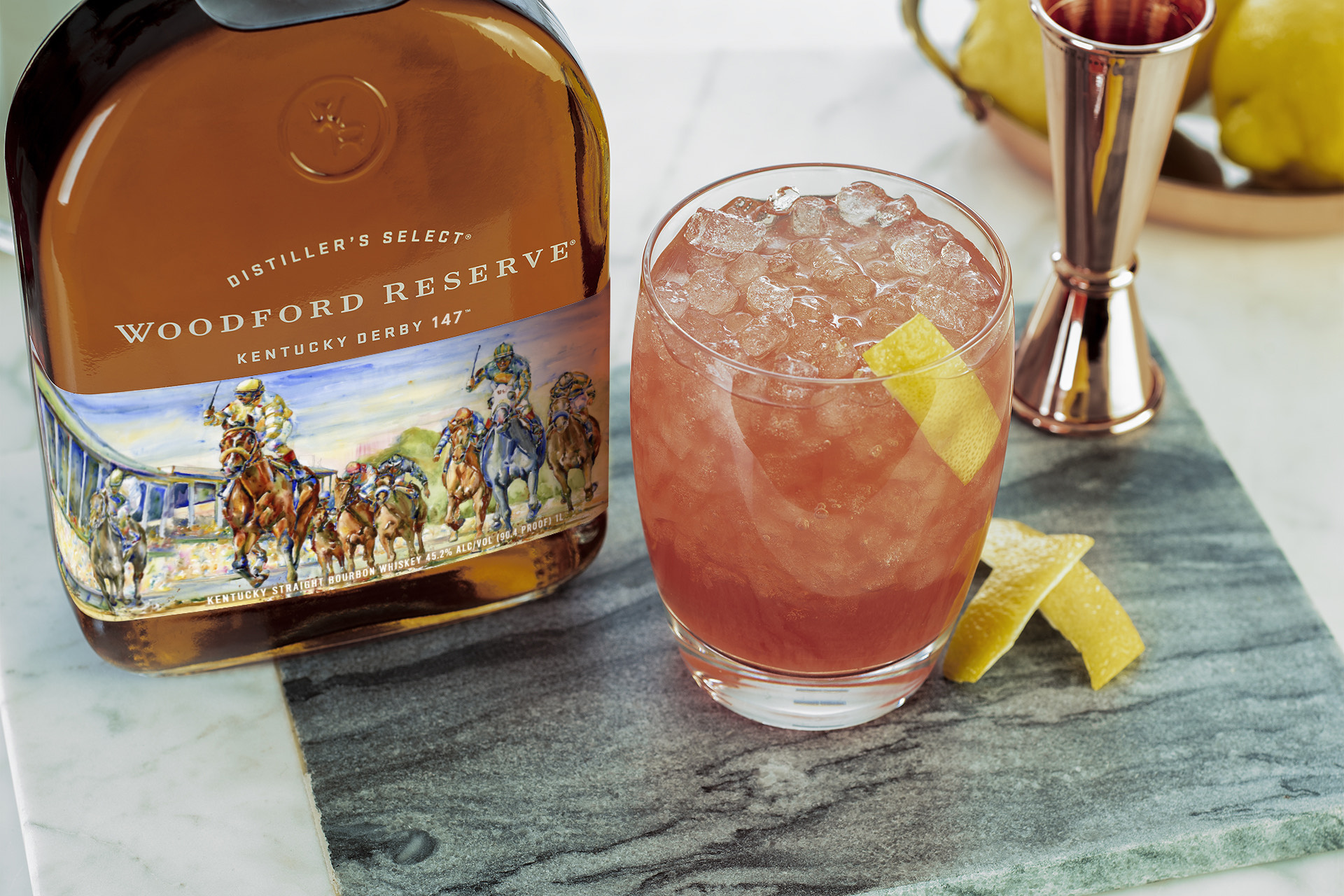
Woodford Spire Kentucky Derby cocktail

The 2021 Kentucky Derby takes place this Saturday, May 1. These cool drinks are perfect for the hottest two minutes in sports.

This year, the unbeaten Essential Quality is the favorite to win the 147th Run for the Roses. Hot Rod Charlie, Rock Your World, and Medina Spirit are also in consideration.

Personally, given the subject of this article—bourbon cocktails—we’d like to see Bourbonic take the first race in the Triple Crown.

Since Woodford Reserve is the official Presenting Sponsor of the Kentucky Derby, you can’t go wrong with the Woodford cocktails below.

Of course, the 2021 Woodford Reserve Derby Bottle makes these Derby drinks taste that much better.

Cheers!

Woodford Mint Julep

Recipe courtesy of Woodford Reserve

This is the traditional Derby Day cocktail. Churchill Downs will be pouring gallons of this classic.

Express the essential oils in the mint and rub them inside the glass (or a Julep cup, ideally). Add simple syrup, bourbon, and crushed ice. Stir, then garnish with more ice, fresh mint, and powdered sugar.

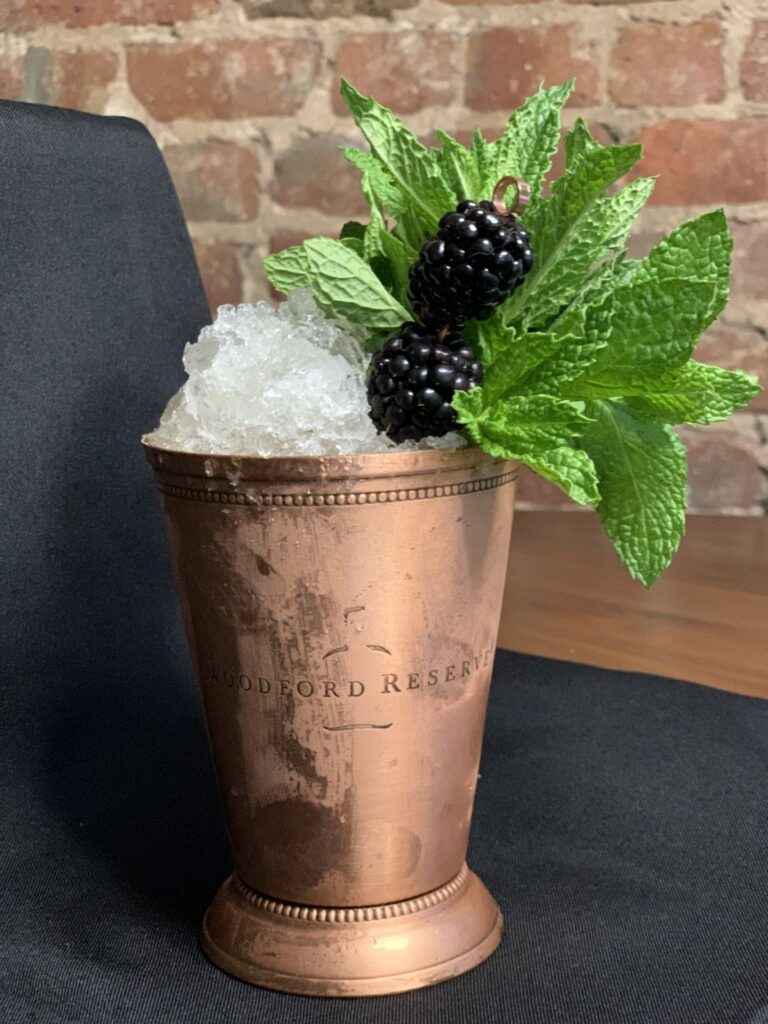
Mint Julep made with Woodford Reserve by Michael Toscano

NYC Mint Julep

Recipe by Michael Toscano, Woodford Reserve Brand Ambassador

As loyal Bar Hacks podcast listeners may already know, Michael Toscano knows his way around an irresistible Mint Julep. When you’re done with this article, click here to listen to Episode 32 of Bar Hacks with Toscano.

Muddle six blackberries with simple syrup and a healthy bunch of mint leaves (eight to ten). Add two ounces of Woodford Reserve Bourbon and fill the Julep cup with crushed ice. Stir and lift ice until the Julep cup is frosted. Garnish with two blackberries and a fresh sprig of mint.

Note: To build this cocktail precisely as Michael recommends on our podcast, add 1.5 ounces of Woodford to the Julep cup over crushed ice. Add more ice to create a mound on top of the cup, then float the remaining half-ounce of bourbon. Finish with a healthy dusting of powdered sugar and either nutmeg of powdered chocolate.

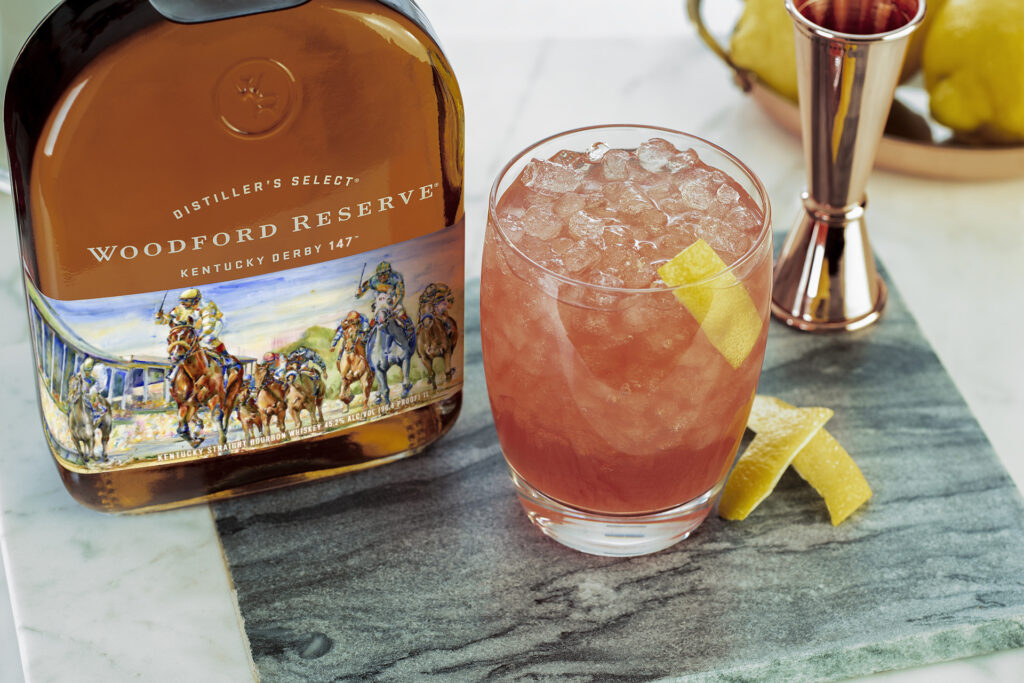
Woodford Spire Kentucky Derby cocktail

Woodford Spire

Recipe courtesy of Woodford Reserve

Some people may not know that this is the Official Cocktail of the Kentucky Derby. Most assume that title goes to the Mint Julep.

In a mixing glass, mix Woodford Reserve, lemonade and cranberry juice with a bar spoon. Pour into a copper cup, add crushed ice to the top of the glass, and serve with a lemon twist.

Zero-proof Woodford Spire

Recipe courtesy of Woodford Reserve

Those choosing to enjoy Kentucky Derby festivities without alcohol will appreciate this refreshing drink.

  • 2 parts Lemonade
  • 2 parts Unsweetened iced tea
  • 1 part Cranberry juice
  • Lemon twist to garnish
  • Crushed ice

Prepare and serve the same as the full-proof Spire.

Images: Woodford Reserve / Brown-Forman

by David Klemt David Klemt No Comments

Summer of White Claw 2.0?

Summer of White Claw 2.0?

by David Klemt

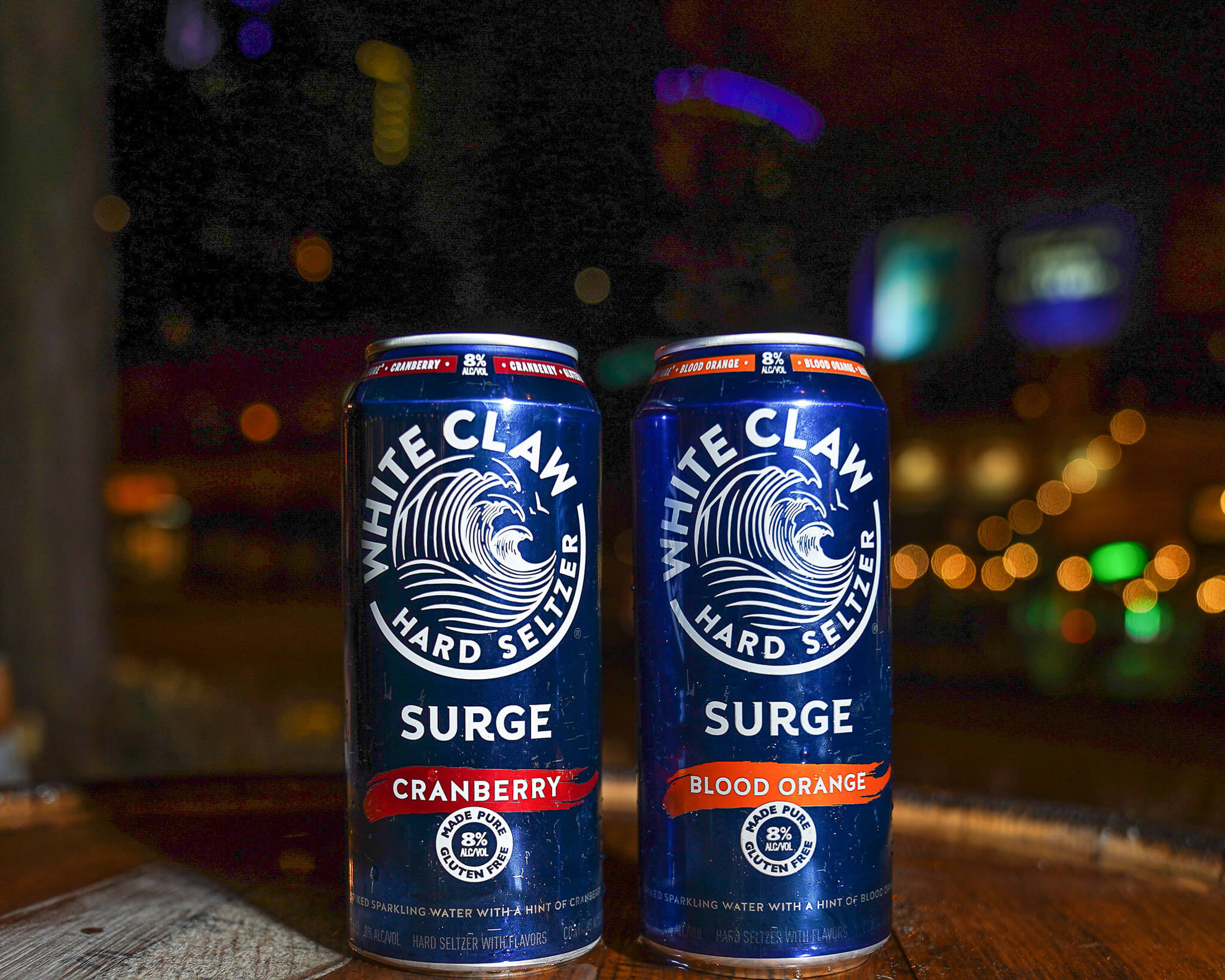
White Claw Surge Blood Orange and White Claw Surge Cranberry hard seltzer cans

White Claw is ready to leverage the surge in pent-up consumer demand to get out and party this summer with their latest innovation, Surge.

The new expressions are notable for several reasons. The most obvious, of course, is that they ring in at 8.0% ABV.

Odds are strong that we may be on the verge of a Summer of Surge.

Summer of White Claw 2.0

Let’s look back at the brief but bold history of White Claw.

Imagine it’s 2016. Hard seltzer isn’t quite the powerhouse beverage category that it is today. There’s no snappy, “Ain’t no laws when you’re drinking Claws,” tagline. Neither is there a “ClawLife” hashtag…yet. However, White Claw launches.

Fast-forward to 2018. Fanatics are sharing their devotion to White Claw all over social media. They’re tagging posts #ClawLife. The memes are everywhere, as are the white cans of hard seltzer.

That leads us to 2019. It almost seems simpler to ask what Big Brands aren’t trying to copy White Claw’s success. Try as they might, nobody dethrones King Claw.

Summer 2019 is the Summer of White Claw. The brand essentially singlehandedly grows hard seltzer into the powerhouse beverage category it is today.

In 2021, the hard seltzer kingpin certainly seems set to take over summer once again with White Claw Surge Cranberry and White Claw Surge Blood Orange.

Surging Forward

White Claw Surge’s higher ABV—a boost from 5.0% to 8.0%—isn’t the only departure from the “standard” Claws.

Surge is available only in 16-ounce cans, whereas standard White Claw comes in 12-ounce cans and tall boy versions are 19.2 ounces.

Another big difference? Standard White Claw flavors in 12-ounce cans contain 100 calories. Surge, with 220 calories, has more than twice that amount.


View this post on Instagram


A post shared by White Claw Hard Seltzer (@whiteclaw)

Should White Claw Surge perform as expected, it will represent an interesting evolution in hard seltzer. For many, hard seltzer is a stand-in for beer and other beverage alcohol options because of its low calorie count. If higher-proof, high-calorie hard seltzer becomes popular, it’s a notable shift in consumer behavior.

#ClawLife 2.0

Surge isn’t the only innovation coming from White Claw in time for Summer 2021.

The new White Claw Iced Tea flavors will likely prove to be a popular refresher as the weather gets warmer. These expressions—Lemon, Raspberry, Mango, and Peach—are 100 calories and 5.0% ABV (in 12-ounce cans) like standard Claws.

There are also three new expressions of White Claw available in Variety Pack Flavor Collection No. 3: Strawberry, Pineapple, and Blackberry.

With all of these new hard seltzers on the market and pent-up consumer demand, it’s difficult to see how we’re not headed toward Summer of White Claw 2.0.

Image: White Claw

by David Klemt David Klemt No Comments

5 Books to Read this Month

5 Books to Read this Month

by David Klemt

Flipping through an open book

Spring is traditionally the time when we’re meant to reinvent or otherwise better ourselves. These books can help you do just that.

Some will help you expand or enter this business, others will boost your marketing and social media, and a couple will help you refresh your drink menu.

With restrictions easing and vaccination rates in the United States growing, now’s the time to improve yourself and your business.

Prepare now for pent-up demand for in-person dining and drinking.

Food Truck Business Guide for Beginners

Looking to enter this industry with a food truck or expand your existing business with one? This book is a great place to start.

Food Truck Business Guide for Beginners is a comprehensive guide that covers:

  • common mistakes that lead to food truck failure, and exactly how to avoid them;
  • the most successful ways to secure funding;
  • how to master marketing;
  • best practices for passing health inspections;
  • tackling and mastering marketing for your business;
  • and many more topics.

The Terroir of Whiskey: A Distiller’s Journey Into the Flavor of Place

Dr. Rob Arnold is a plant biochemist and the master distiller at TX Distillery. To say he understands the science of whiskey and terroir is obvious.

What’s less obvious is the direction Dr. Arnold’s book heads into. He takes readers to distilleries in Kentucky, Ireland, Scotland and elsewhere, but he takes things further.

In The Terroir of Whiskey, Dr. Arnold shines a light on plant breeders, local farmers, and distillers bringing back “lost” grains. These same innovators are also attempting to create new grains to further develop terroir.

This book will definitely enhance your whiskey knowledge and engagement with guests.

Rad Cocktails

Yes, this book’s description states that it focuses on the home bartender.

No, that doesn’t mean bartenders, operators, and other hospitality pros can’t learn from it.

Rad Cocktails, in addition to including awesome illustrations, also embodies a growing cocktail trend: simplification. Innovative cocktails don’t have to be complicated or take ten minutes to build.

Beautiful Booze: Stylish Cocktails to Make at Home

Natalie Migliarini, also known as Beautiful Booze, has more than 95,000 followers on Instagram. Her cocktail recipes, photographs and mastery of social media help her stand out in a roiling sea of influencers.

Her first book, Beautiful Booze: Stylish Cocktails to Make at Home, also targets home bartenders…on the surface. This book, creative cocktail recipes, can help elevate anyone’s bartending skills. The beautiful photography will also help inspire anyone to take their social media shooting to the next level.

Hacking the New Normal: Hitting the Reset Button on the Hospitality Industry

Alright, this may seem self-serving. However, I wouldn’t have written the foreword for a book I didn’t believe this book would truly help people.

Millions of hospitality industry professionals’ lives were imperiled at the start of last year. We continue to innovate and adapt to overcome unprecedented challenges.

Hacking the New Normal addresses the need for an industry-wide reset and seeks to guide operators through rebuilding for the long term, and to strengthen the industry moving forward.

Image: Mikołaj on Unsplash 

by David Klemt David Klemt No Comments

The Science of Bitter Flavors

The Science of Bitter Flavors

by David Klemt

Selection of cocktails on table on patio of bar

Not only do bitter cocktail ingredients add depth and complexity to drinks, individual DNA plays a role in how we perceive them.

Campari, one of the best-known bitter aperitifs, adds herbal bitterness to cocktails.

However, not everyone perceives bitterness the same way. This is why some of your guests love bitter drinks, some can’t stand them, and others don’t have much of a response at all.

The Bitter Response

Dr. Danielle Reed is associate director of the Monell Chemical Senses Center. As her research summary states, why different people taste and smell differently, and how genotypes play a role in that perception.

A recent Campari digital event, “In a Sense: Decoding the Science of Bitter,” dives into the bitter response of humans. During this webinar, host Alison Mouratis, a Campari portfolio representative in Chicago, hosts Dr. Reed and Micah Melton, beverage director at the Alinea Group.

In the webinar, Dr. Reed asks, “Where does bitter come from?” The answer is: plants.

Obviously, plants can’t defend themselves like animals. If a predator chooses a plant as its prey, it doesn’t really have to worry about teeth and talons.

Instead, plants employ secondary defense chemicals, and they do so in an instant. Some of these defense chemicals are poisonous and humans perceive them as bitter. Often, bitter flavors activate our salivary glands to dilute the poison and protect us.

Phenylthiocarbamide

Yes, that. Phenylthiocarbamide (PTC) is a chemical compound that tastes bitter…to some of us.

As Dr. Reed explains, not everyone can detect PTC. Our parents determine whether the receptor that picks up PTC is broken or not.

In some of us (about 30 percent of people), the receptor is broken. Turns out, it’s broken in yours truly. In others, one parent passes on the receptor. And for some people, both parents pass it on and the reaction to PTC is strong.

Test Your Receptor

I discovered my receptor is broken during the Campari event on screen with more than a dozen other participants.

How does one test their reaction to PTC? Via PTC strips. One takes a strip, places it in their mouth, and they’ll know quite quickly if their receptor is active.

Not only is this interesting to do just out of personal curiosity, operators can host an event similar to Campari’s. Guests are looking for new ways to engage with the brands, restaurants, bars, and bar teams they support.

PTC strips are available for on Amazon, and they’re not expensive. Vials of 100 PTC strips can cost as little as five dollars.

Not only is this type of event educational, it’s entertaining and can help drive drink sales.

Image: Chino Rocha on Unsplash 

by David Klemt David Klemt No Comments

Meet Customers Where They Are, Part 2

Meet Customers Where They Are, Part 2

by David Klemt

Preparing a cocktail at home for living room tasting event

We seem to approaching a semblance of normalcy but some consumer behaviors—drinking at home among them—are likely here to stay.

Per Distill Ventures, the living room is the new tasting room.

Consumers are drinking at home, drinking during the day, and prioritizing convenience.

So, will you get creative and meet your customers where they are—their living rooms?

The New Tasting Room

Fresh off their third whisky summit, Distill Ventures believes consumers will seek out more at-home experiences.

This is partly due to some regions around the world locking down. Additionally, consumers know they can partake in experiential guests at home.

Consider what some brands are putting together to engage with people at their homes:

  • Cynar: CynArts & Crafts, Paint by Numbers Virtual Party, complete with brushes and paints sent to participants.
  • Campari: Decoding the Science of Bitter, including a PTC strip sent to participants to gauge their bitter response.
  • Espolòn Tequila: Virtual Espolotería, an online bingo-style game.

Distill Ventures and the panelists of their third summit see people’s living rooms as a viable place to engage consumers.

While the latest summit focuses specifically on whisky distillers, brand marketers and retailers, the findings are transferrable.

Don’t Be Left Out

If consumers are going to engage more with brands at home, operators must meet them in their living rooms. That means going beyond offering standard delivery.

Obviously, operators need to attract guests to their brick-and-mortar locations. And pent-up demand for in-person experiences is set to explode.

However, that initial explosion in traffic will eventually taper off, and more quickly than we think. That gradual slow-down will make digital engagement crucial.

This industry requires adaptability and agility to survive and thrive. Operators and their teams will need to focus on social, YouTube and webinar-style engagement to engage with current and new customers.

Bar team members who want to participate can share recipes and techniques via live videos. Of course, kitchen team members can do the same.

Scheduling digital events—guided tastings and cooking classes—can also draw customers. Operators should just make sure they don’t give too much away to their audience so they’ll feel compelled to visit in person as often as they can.

Succeeding with these events opens the door to potentially lucrative collaborations. Operators should reach out to brand partners for branded, themed events.

With enough lead time, packages can be put together and delivered with partner help. Of course, in “help” in this context means “dollars and/or product.”

You’ll never know what support your partners are willing to provide if you don’t ask.

Image: Boozy Events on Unsplash 

by David Klemt David Klemt No Comments

Just Add Champagne: Spring Cocktails

Just Add Champagne: Spring Cocktails

by David Klemt

We love it when our friends do cool stuff.

Two of our friends teamed up recently for what is certainly something very cool.

Both of these awesome women have been on our Bar Hacks podcast and we’re eager to share their collaboration with you.

Even better, this collaboration can help you elevate your beverage program.

Susie O.

You can hear from our friend Susie on episode 19 of the Bar Hacks podcast.

Susie is a dynamic and engaging social media influencer, photographer, and marketer. She also happens to be one of the most prolific travelers we know.

In fact, she’s traveling right now and enjoying the cocktail life. Follow her on Instagram at SusieDrinks to connect, get photography and social media tips, and follow along with her on adventures.

And while you’re on Instagram, make to follow us as well: KRG Hospitality and Bar Hacks.

Elise Cordell

Looking to learn about all things Champagne and luxury? Give episode 23 of Bar Hacks a listen to hear from Elise Cordell.

Elise is the National Manager of Trade Engagement and Events for Champagne at Pernod-Ricard. That means that outside of the Perrier-Jouët and G.H. Mumm houses, nobody knows more about Champagne than Elise.

Click this link to subscribe to the Just Add Champagne YouTube channel and scroll through the videos. You’ll find guests like sommeliers, winemakers, cocktailians, influencers, and more. Make sure to follow Elise on Instagram to stay up to date on upcoming Just Add Champagne events.

Just Add Champagne

Elise invites special guests to join her on the Just Add Champagne webcast. Together, she and her guest dive into an element of Champagne and hospitality.

In the above video, Elise and Susie team up to discuss Champagne cocktails perfect for springtime.

Like we said, we love it when our friends do cool things. All the better if there cool stuff can help you do great things too.

Cheers!

Image: Pexels from Pixabay

by David Klemt David Klemt No Comments

Your Drink Menu Deserves an Ice Program

Your Drink Menu Deserves an Ice Program

by David Klemt

Cocktail with large king ice cube, overhead view

All ice is not created equal—there’s a reason behind their shapes and sizes.

Taking the time to consider your ice and build a dedicated program that includes it is crucial for your beverage program and the guest experience.

Remember that just like there are rules for building cocktails, there are rules for using ice:

  • Dilution is your friend. Water is a crucial component for cocktails.
  • Is your ice floating? Your build balance is off.
  • Store ice in plastic bags if it’s not being used right away.
  • Don’t use ice that’s two weeks old or older.

Types of Ice

Standard Cube (1 inch x 1 inch): These absolutely have a place in the cocktail glass. Just adhere to this standard when using standard ice cubes: Never use a water source you wouldn’t drink.

King Cubes (2 inches x 2 inches): Use these for spirit-forward drinks for consistent temperature and dilution. Examples: Manhattan, Negroni, Old Fashioned, Vieux Carré.

Collins Spear/Shard/Cylinder: For highballs. These make a Tom Collins or G&T look elegant and cool.

Ice Block: Use blocks in punches to keep large-format cocktails cold and control dilution over time.

Ice Slab: These are impressive blocks of ice bars and restaurants use to cut and shape their own cubes and spheres, often providing guests with entertainment (see below). Operators either form slabs in-house or retain the services of producers who drop them off. (In fact, there are services out there that will provide perfect and bespoke cubes, spheres and spheres.)

Sphere: Ice spheres are ideal for stirred cocktails and enjoying spirits straight. They melt very slowly in comparison to other shapes and deliver an impressive visual impact, so they often wind up in cocktails that call for king cubes.

Pebble/Crushed: Use in drinks that are heavy on syrup and/or juice, tiki drinks, and drinks served in hot climates. Examples: Frozen Daiquiri, Margarita, Mint Julep, Moscow Mule, Swizzle.

Hands-on Approach

According to many well-known bartenders, mixologists and operators, the best method for perfectly clear ice is “directional freezing.” Camper English outlined the process on the Alcademics site in 2009. But what do you do to turn a single slab into several cubes?

You’ll need an ice saw to get through the slab, a traditional single-prong ice pick to break off smaller cubes, a three-prong ice pick to break off smaller cubes and shape them into spheres if you prefer (be careful!), and an ice mallet to help the ice picks do their jobs.

Treat this process as a show for the guests. For a real-world example, the bars inside Zuma restaurants have ice stations dedicated to turning an ice slab into ice cubes. These stations are an experiential feature of the cocktail program.

Semi-hands-on Approach

An aluminum ice sphere mold is a type of “set it and forget it” device.

It may seem like these would be time-consuming to use and low-yield, but most take just a minute to form a ready-to-use sphere. Most manufacturers claim their molds can produce 30 to 40 spheres per hour.

While the mold is creating a perfect sphere of ice, the bartender grabs a glass and builds the cocktail. The guest, meanwhile, enjoys the “drama” of drink production versus ice sphere production: Will the drink and ice be ready at the same time?

Ice sphere molds range in price from under $200 to $800 (and beyond). The molds themselves are appealing to the eye, simple to use, and justify higher cocktail prices. Yes, there are bars that successfully charge more for large ice spheres, often offering different types of ice for at additional charge.

Molds make spheres in a range of diameters, normally from 1.2 inches to 2.8 inches. Higher-end models also offer shapes, such as perfect spheres, diamonds or snowflakes. Several bars that use these molds utilize custom versions that “brand” the ice with their logo.

Ice Machines

There are multiple manufacturers of commercial-grade icemakers. However, there are two that are considered top of the food chain.

Hoshizaki America’s headquarters is in Georgia and the company makes dozens of icemakers. People can choose from ice shape and the pounds of ice a machine produces in a day. We’re fans of Hoshizaki for their quality and the pandemic information they added to their FAQs last year.

Manitowoc operates out of Wisconsin and manufactures several models. There are cubers, flakers, nugget producers, and there are several solutions that work for an array of venue types, layouts and service volumes.

To learn even more about creating an epic beverage program, click here for our latest download.

Image: Moritz Mentges on Unsplash

by krghospitality krghospitality No Comments

Bacardi Predicts How We’ll Drink in 2021

Bacardi Predicts How We’ll Drink in 2021

by David Klemt

Bartender making a cocktail

What will alcohol consumption look like this year? Bacardi has answers.

In association with the Future Laboratory, Bacardi’s second-annual cocktail trends report—a well-sourced 25-page document—is available.

As is the case when we begin a new year, we’re being deluged with trend predictions and reports. I’d say the Bacardi 2021 Cocktail Trends Report goes deeper than most.

The report is organized into five macro trends identified by Bacardi Limited. Let’s get to it!

Reinventing the Bar

I’m not presenting Bacardi’s macro trends in order. Instead, I’m starting with the trend arguably most relevant to operators: bar reinvention.

Industry experts have been pointing to the ease of access to knowledge along with consumer interest in learning more about spirits and cocktails as an important trends for years now. It’s no longer a trend—it’s standard that guests are better informed.

Like other sources, Bacardi predicts guests will seek out more personalized experiences. They also predict guests will want to connect more with bartenders. However, the brand goes deeper in their report.

Bacardi thinks to-go cocktails, cocktail and meal kits, and e-commerce will become standard. Going a step further, the report posits that some venues will create cocktail menus that will change according to weekly inventory; sommeliers will add spirits knowledge to their skillset; and that guests will be eager to try drinks they’ve never had before.

Perhaps most importantly, Bacardi predicts bar culture will become more positive and inclusive, resulting in gender stereotypes—including those inherent to bottle design—will fall to the wayside.

Purpose and Transparency

According to a study conducted by IBM and the National Retail Federation and cited in Bacardi’s report, a massive 70 percent of American and Canadian consumers think it’s important that brands are eco-friend or sustainable.

Bacardi predicts sustainability, transparency, and the authentic embrace of social causes will be crucial this year and beyond.

In response to climate change, sustainability, eco-friendliness, and the zero-waste movement, Bacardi plans to wipe out 80 million plastic bottles with their new biodegradable bottle design, rolling out in 2023.

Pointing to a statistic from ZypMedia—that 36 percent of consumers plan to keep buying from local businesses post-pandemic—Bacardi predicts hyperlocality will grow stronger in 2021. Operators who source more local items, including beverage alcohol, will likely find more support from consumers.

Mindful Drinking

Per a Bacardi survey, 22 percent of consumers across the globe are drinking alcohol less. More than half (55 percent) of “mindful drinkers” are drinking low-ABV options.

Bacardi predicts low- and no-ABV drinks to perform well this year. Spritzes, for example, is on the rise as a bar culture in its own right.

Per Bacardi, zero-proof spirits are getting the most attention of any other category, worldwide.

Mindful drinking is also affecting how spirits are made. Consumers, more conscious of their health because of the pandemic, are showing a preference for beverages free of artificial ingredients. Furthermore, Bacardi expects consumers to seek out drinks that have health-boosting benefits.

The report, as an example, cites a Global Wellness Institute finding that in 2019 alone, “U.S. sales of ginger rose by 94%, while turmeric and garlic sales were up by 68% and 62%.” Today’s consumer is seeking out functional cocktail ingredients.

Drinking by the Numbers

Bacardi’s report puts all the brand’s cards on the table. Operators looking to program or reprogram their menus will find this information helpful.

Consider the info below for delivery and to-go drinks since Nielsen finds that 40 percent of US consumers are interested in make-at-home cocktail kits, 37 percent are interested in pre-made bottled cocktails, and 37 percent are interested in grab-and-go cocktails.

Flavor and Experience: Extreme heat (chilies), Super-sweet, Sour, Bitter, Smoked

Experiences: Pleasure, Nostalgia, Escapism, Quality over quantity, Light-hearted drinks, Flavor-filled indulgences

Most Popular Cocktails, Globally (Descending Order): Low-ABV, Other spritzes, Negroni, Classic cocktails with a twist, G&T (including riffs), Non-alcohol, Whiskey Highball, Espresso Martini, Old Fashioned, Vermouth cocktails

Premiumization Opportunities: Gin, Rum, Tequila

Top 5 Spirits (by Interest): Gin, Mezcal, Tequila, Vermouth, Bitter/Amaro Liqueurs

Top 5 RTDs in North America: Vodka Soda and flavors, Margarita, Moscow Mule, Low-ABV, G&T

Click here to read the report in its entirety.

Image: Helena Lopes on Unsplash

by David Klemt David Klemt No Comments

Does the Margarita Still Reign Supreme?

Does the Margarita Still Reign Supreme?

by David Klemt

Whatever’s happening here, I’m in…

The Margarita has maintained the title of Most Popular Cocktail in the United States year after year.

But is the classic cocktail still wearing the crown and clutching the scepter?

Most Popular 2020 Cocktails

Midway through last year, Google revealed the top cocktail searches in each state:

  • Alabama: Hurricane
  • Alaska: Whiskey Sour
  • Arizona: Paloma
  • Arkansas: Frozen Daiquiri
  • California: Paloma
  • Colorado: Hurricane
  • Connecticut: Margarita
  • Delaware: Screwdriver
  • Washington, DC: Old Fashioned
  • Florida: Cuba Libre
  • Georgia: Sazerac
  • Hawaii: Lemon Drop Martini
  • Idaho: Kamikaze
  • Illinois: Manhattan
  • Indiana: French 75
  • Iowa: Kamikaze
  • Kansas: Screwdriver
  • Kentucky: Lily
  • Louisiana: Bushwacker
  • Maine: Margarita
  • Maryland: Kamikaze
  • Massachusetts: Old Fashioned
  • Michigan: Cosmo
  • Minnesota: Oliveto
  • Mississippi: Painkiller
  • Missouri: Gin and Tonic
  • Montana: Blue Hawaiian
  • Nebraska: Old Fashioned
  • Nevada: Grasshopper
  • New Hampshire: Old Fashioned
  • New Jersey: Manhattan
  • New Mexico: Old Fashioned
  • New York: Manhattan
  • North Carolina: Bushwacker
  • North Dakota: Kamikaze
  • Ohio: Boulevardier
  • Oklahoma: Black Russian
  • Oregon: Old Fashioned
  • Pennsylvania: Whiskey Sour
  • Rhode Island: Cosmo
  • South Carolina: Tequila Sunrise
  • South Dakota: Screwdriver
  • Tennessee: Buschwacker
  • Texas: Paloma
  • Utah: Cape Cod
  • Vermont: Cosmopolitan
  • Virginia: Old Fashioned
  • Washington: Old Fashioned
  • West Virginia: Kamikaze
  • Wisconsin: Grasshopper
  • Wyoming: White Russian

Margarita Slipping?

As you can see, the Margarita was only the top search in two states, Connecticut and Maine. Perhaps their access to the Atlantic Ocean coastline motivated residents of those states to enjoy the refreshing classic that invokes summer and escapism.

Regardless, the Margarita didn’t even make it into the top three. Third place went to the Cosmo, Manhattan and Screwdriver in a three-way tie, with each the most popular in three states.

Second place went to Kamikaze, the top cocktail search in Idaho, Iowa, Maryland, North Dakota and West Virginia.

Before I get to the first-place cocktail—according to a snapshot of time by Google—I have to address the clear winner of the Most Unique Search title. Minnesota’s top search was for the Oliveto cocktail, shaken and strained into a rocks glass:

  • 2 oz. Dry gin
  • 1 oz. fresh Lemon juice
  • 1/4 oz. Simple syrup
  • 1/4 oz. Licor 43
  • 1/2 oz. full-bodied Extra virgin olive oil
  • 1 fresh Egg white
  • Ice cubes

New Number One?

The Old Fashioned, clinching seven states, was the number-one cocktail…for about 30 days in 2020.

Much has also been made about a supposed surge in interest for the Gin & Tonic.

However, scouring the Internet for data and articles, the Margarita is still sitting comfortably on the throne. According to multiple sources, the Margarita is a to-go cocktail mainstay, it’s succeeding in the RTD space (meaning it’s performing well on- and 0ff-premise), and home bartenders are driving up sales of tequila and cordials.

Trends are fun but classics are classics for a reason. So, make sure your Margs, G&Ts, Old Fashioneds, Manhattans and other staples are dialed in this year.

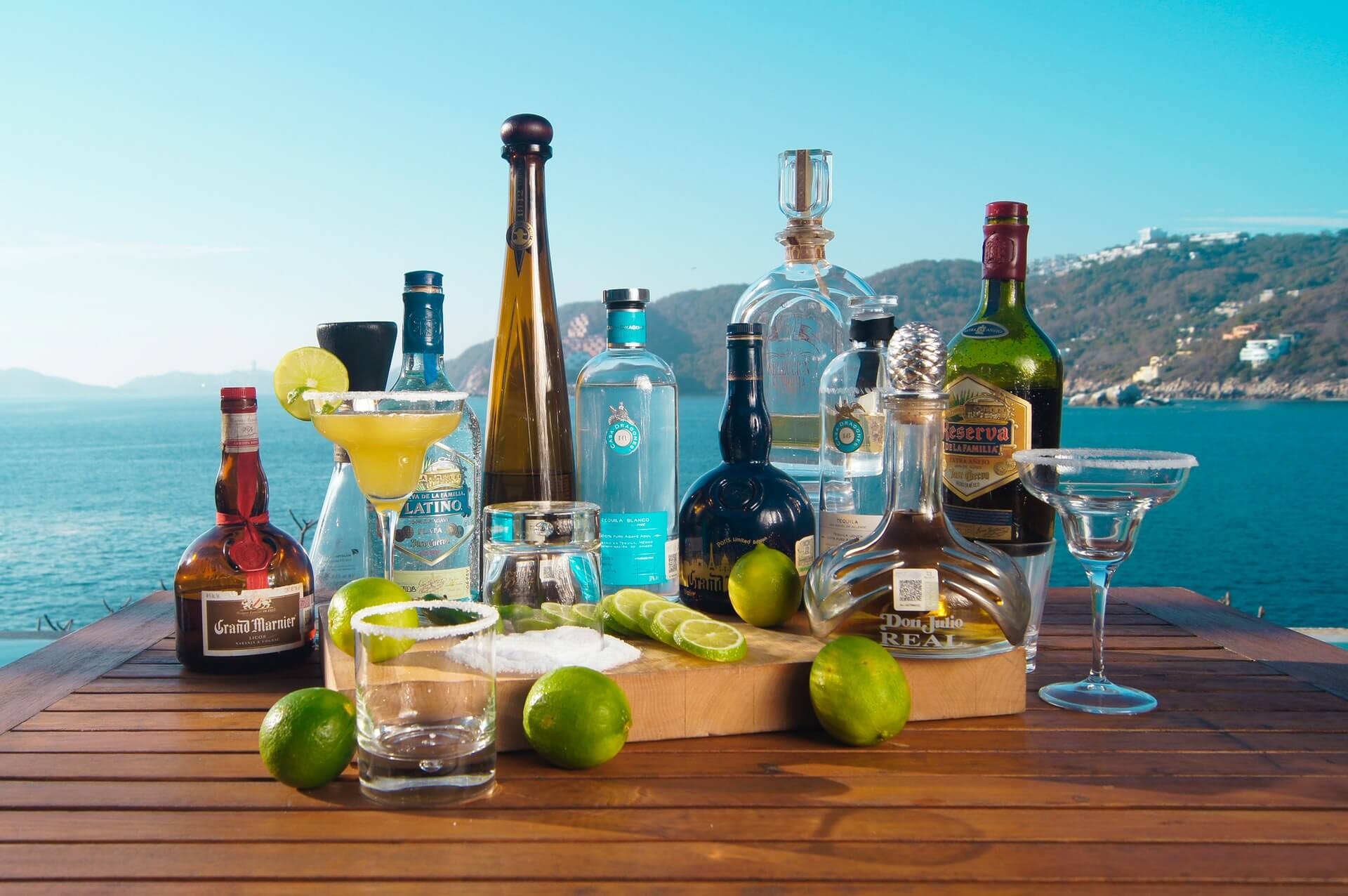
Image: Menú Acapulco on Unsplash

by David Klemt David Klemt No Comments

Dry January Will Be Different in 2021

Dry January Will Be Different in 2021

by David Klemt

Tomorrow marks the start of the first Dry January we’ve ever experienced under stay-at-home shutdowns and bar, restaurant and nightclub restrictions.

Like Veganuary—remember way back to yesterday when we wrote about it?—the movement as we’ve come to know can be traced back to the UK. People have chosen t abstain from alcohol in January for decades but Dry January really took off after the trademark was registered by a non-profit called Alcohol Change.

Understandably, many operators have taken issue with Dry January. Taking a hit to the bottom line for a month (or more) because of a reduction in alcohol sales isn’t an exciting proposition.

However, Dry January may be different this year. The convergence of a number of consumer behaviors driven by restricted access to restaurants and bars may present an opportunity.

Throughout most of 2020 we’ve been inundated with reports about unprecedented boosts in online alcohol sales. Premium and ultra-premium spirits grew at a faster rate than they had pre-pandemic. Operators have been forced to pivot, relying heavily on delivery, (somewhat) traditional takeout, and curbside pickup.

Put those all together but substitute premium spirits for premium alcohol-free options and there’s the potential for operators to generate revenue directly linked to zero-proof sales.

One of the keys to succeeding with zero-ABV drinks is presentation. Many alcohol-free brands are dedicated to elevating the category, meaning they can be treated the same as their low- and full-proof counterparts. Curated zero-proof drink kits that include quality modifiers, mixers, garnishes and drinkware can help generate sales. Post quick how-to videos to social media showing a member of the bar team building zero-proof cocktails to create interest.

Those are just two ideas. It shouldn’t be difficult for operators to pivot and offer alcohol-free options that are authentic to their brand and therefore resonate with their guests.

Operators that nail their Dry January menu programming lay the groundwork for succeeding with the alcohol-free category throughout the rest of the year. We finally live in an age where sober, sober-curious and intermittently abstinent consumers don’t feel uncomfortable visiting a bar. Make them feel welcome. Operators who alienate these guests will drive them straight to their competitors to ring their registers instead.

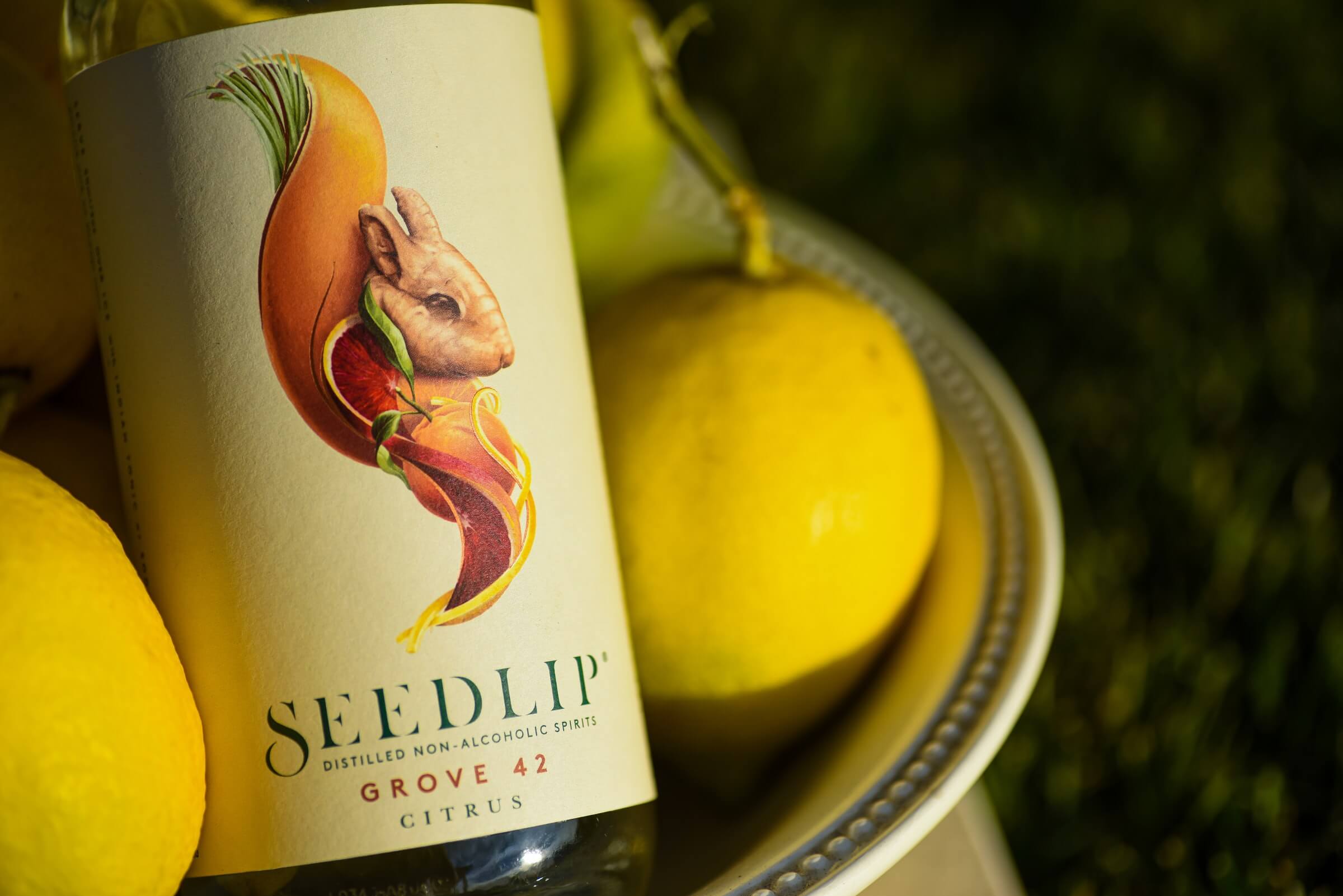
Seedlip is probably the best-known within the alcohol-free category but more premium brands are emerging. Operators should familiarize themselves with the following: Lyre’s (which crafts zero-proof spirits that taste like their traditional counterparts), Wilderton (which uses a distillation method that never introduces alcohol), and Shoki (which showcases African and Caribbean heritage and flavors). There are also brewers embracing the alcohol-free movement, such as Calgary’s Partake Brewing (which is beginning to cross into the US) and Lagunitas and their IPNA, an alcohol-free IPA.

Image: YesMore Content on Unsplash

Top