Foodservice

by David Klemt David Klemt No Comments

Canada to Reopen Border

Canada to Reopen Border

by David Klemt
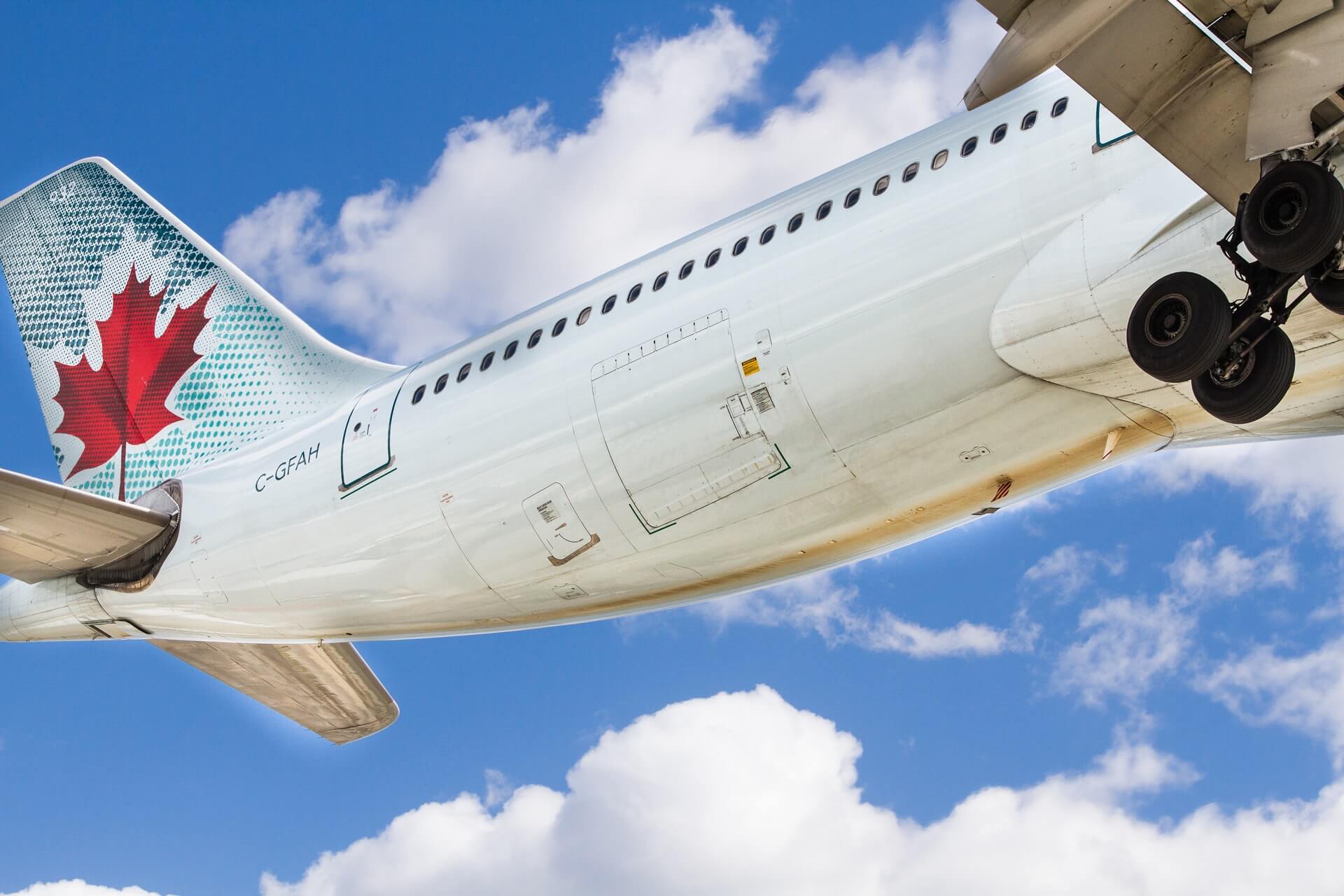
Canadian airplane with maple leaf on tail

In a move months in the making, Canadian Prime Minister Justin Trudeau is opening the border to Americans.

Remarkably, this loosening of Canada-America border restrictions doesn’t pertain solely to essential travel.

Rather, the border will open on August 9 for non-essential travel to American travelers (and permanent residents) who can prove their vaccine status.

Great News

Obviously, this is fantastic news for Canadian hospitality operators (and other business owners, of course).

Really, it’s great news for all Canadians and Americans: people can finally visit family and friends, and the economy should see a boost.

This news comes on the heels of other positive developments for Canada, such as the country’s vaccination rate now surpassing that of America’s. There’s also the province of Ontario bringing back indoor dining.

According to media reports, Canadian officials are in communication with American President Joe Biden’s administration about opening the border the other way.

However, there is no information yet about when that will happen. When asked about Canada’s announcement regarding the border, White House press secretary Jen Paski said the following:

“Any decisions about reopening travel will be guided by our public health and medical experts. We take this incredibly seriously. We look and are guided by our own medical experts. I wouldn’t look at it through a reciprocal intention.”

Should all to plan, Canada will open the border to travelers from other countries on September 7.

The Details

Of course, Americans can’t just flash their passport and cross the border. People eager to enter to Canada need to plan ahead a few days.

This is due to the requirement that Americans—with few exceptions—need to submit travel information 72 hours before arriving at the border. For example, if an American would like to cross the border the day it reopens to them, August 9, they’ll need to begin the process no later than August 6.

So, those travelers will need to use the ArriveCAN website, iOS app, or Android app.

ArriveCAN users using the website will show Canadian border agents a printout. App users will show them their screen.

Also, travelers will need to complete a Covid-19 test within the same 72 hours and be asymptomatic upon arriving at the border.

To review eligibility requirements—including lists of eligible and ineligible vaccines—click here. Full details are here.

The Opportunity

Clearly, the plan to open the border to American travelers and Canadians who found themselves stuck in America due to the pandemic presents a terrific opportunity for business owners.

In particular, in terms of our industry, bar, restaurant and hotel operators must see this development as excellent news.

Family members and friends will be eager for long-overdue reunions. That means hotel stays and restaurant and bar visits. There are also opportunities that relate to weddings, such as rehearsal dinners.

Obviously, operators must prepare for an influx of guests. So, they need to schedule accordingly, prepare staff for possibly overwhelming amounts of traffic, and ensure precautions are in place that reassure team members their health and safety are being considered.

In terms of those who waiting for the “right time” to open their restaurant or bar, this news could be a signal that the hospitality industry is on its way toward recovery in Canada.

It’s crucial that operators and management balance guest and employee comfort levels. Doing so will aid in boosting traffic, increasing revenue, and recruiting, hiring, and employee retention efforts.

Image: John McArthur on Unsplash

by David Klemt David Klemt No Comments

Mask Mandates, Recommendations Return

Mask Mandates, Recommendations Return

by David Klemt

Downtown Los Angeles, California

Pointing to vaccination hesitation, vaccination refusal, and rises in Covid-19 cases, some cities are mandating masks indoors.

Importantly, mandates and recommendations are coming down irrespective of vaccination status.

Of course, many people are unhappy about this news. Much of the backlash includes the claim that a return to masks proves vaccines don’t work.

However, others point to variants—in particular, Delta—spreading via the unvaccinated and unmasked.

Unfortunately, continuing divisiveness means hospitality and other frontline workers are again at risk for hostile confrontations.

Los Angeles County, California

If you’re an operator in Los Angeles County, masks indoors aren’t just a recommendation. An indoor mask mandate went into effect on Saturday, July 17.

Just a month prior, embattled Governor Gavin Newsom proudly announced California’s unrestricted reopening.

Now, the more cynical among us see Gov. Newsom’s June reopening as a bid to stave off recall efforts. However, recall ballots will go out to Californians next month.

Per reporting, California’s Covid-19 infection rate is close to tripling. Los Angeles County health officials say the indoor mask mandate comes out of an overabundance of caution.

On a different note, health officials expect the state’s vaccination rate to effectively combat a spike in infection rates. The current rate isn’t expected to match or surpass those of prior peaks in the state.

As far as mandate details, it’s quite simple: Masks are required for everyone indoors, regardless of their vaccination status.

According to reports, an additional ten California counties are recommending masks indoors. No word yet on if other counties—or the state as a whole—will announce mask mandates. Nor is there an end date for LA County’s current mandate.

Southern Nevada

While not a mandate, the Southern Nevada Health District is recommending people, regardless of vaccination status, wear masks indoors.

Unsurprisingly, Las Vegas is experiencing an influx of visitors. With vaccination rates on the decline and infection rates on the rise, health officials are concerned.

More than 2.9 million visitors flocked to Las Vegas in May. Clark County, Nevada, which includes Las Vegas, has a population of over two million.

Of course, it’s important to remember that, for now, wearing masks indoors is a recommendation. However, some resorts and casinos—Westgate and the Venetian among them—now require their employees to wear face masks.

So far, neither Las Vegas, Clark County or Nevada have implemented a mandate. Of course, that could change and a mandate may be in the wings.

Orange County, Florida

Much of the news of returning mask mandates and recommendations focuses on Los Angeles and Las Vegas.

In fact, some critics are attacking Nevada Governor Steve Sisolak, accusing him of blindly following Gov. Newsom.

Interestingly, though, is that a mayor in Florida is also recommending face masks.

Mayor Jerry Demings of Orange County recommends wearing masks indoors, vaccination status notwithstanding. The phrasing of the mayor’s announcement refers to the suggestion as an “official recommendation.” However, no mandate is in place currently.

Frontline Risks

Clearly, mask mandates and even recommendations are going to anger some of the population.

Unfortunately, hospitality workers (and those in other public-facing industries) are once again at risk of confrontations. Even without mandates, some businesses that choose to require masks experience hostility.

The last thing America needs is more divisiveness, anger, and potential for confrontations.

Millions of hospitality professionals have left the industry for good. One factor leading to those losses has been concern for safety due to people angry over mask and vaccine requirements.

Obviously, operators must do whatever’s in their power to ensure the safety of their team members and guests. Leadership must not only convey their support for their employees, they must stand behind that messaging with their actions.

In cities where masks mandates and recommendations return, operators need to focus on safety as much as employee retention. Indeed, the former aids the latter, which aids recruiting and hiring.

Image: Daniel Lee on Unsplash

by David Klemt David Klemt No Comments

Hospitality Labor Shortage not Improving

Hospitality Labor Shortage not Improving

by David Klemt

Wait station to side of busy bar

Surveys and data focusing on the restaurant and hotel employment situation paint a stark picture.

The sobering reality is that operators can’t simply point to the pandemic as the reason they’re failing to fill available positions.

Instead, we need to focus on the problems hospitality workers continue to face.

It’s not going to be easy. However, it can lead to positive change. That change can help the hospitality industry recover and thrive long into the future.

Culture is Crucial

Per several sources, millions of hospitality professionals are washing their hands of the industry.

Unfortunately, foodservice and lodging workers are citing several reasons for the exodus:

  • Lack of livable wages.
  • Inconsistent wages.
  • Stress levels not worth level of monetary compensation.
  • Lack of benefits.
  • Lack of mentoring and/or career progress.
  • Industry volatility, particularly devastating as a result of the pandemic.
  • Unhealthy lifestyle: Long shifts, late nights, and alcohol and drug abuse.
  • Cultures of harassment and discrimination.

Obviously, it’s easier to blame labor shortages on the workers. Well, being easier doesn’t make it true.

Industry and workplace culture matters. Employee turnover rates were high long before the pandemic ravaged the planet.

Rather than make excuses, operators need to look at their restaurant, bar or hotel’s culture.

Barking orders and feeling infallible isn’t leadership. Admitting failures and shortcomings—and learning from them and implementing positive changes—is how successful operators lead.

Generic Job Listings

Last week, KRG Hospitality president Doug Radkey asked a simple but poignant question on LinkedIn: Are your job listings just like everybody else’s?

He suggests knocking it off with the old standards:

  • “Are you friendly, energetic, and highly motivated?”
  • “Are you an experienced and enthusiastic [insert position]?”
  • “The ideal candidate must work well in a fast-paced environment and be a team player.”
  • List of basic job tasks.

What’s appealing about such basic, generic ads? Why would rock star talent be moved to work for operators who post these types of ads?

Instead, Doug suggests the following:

  • Hire for values, not experience. Training can address systems and standards, not personality and drive.
  • Operators should be transparent about their core values, company culture, and potential for growth.
  • Showcase the approach to inclusivity, diversity, acceptance, and flexibility. That is, if that’s authentic. If not, that’s a flashing, neon red flag that requires addressing.
  • Offer a living wage, benefits, potential for personal growth, and education.
  • Produce a video of team members sharing why they work at the company. This must be genuine and honest.

A unique approach to ads, hiring and onboarding can lead to an increase in employee retention.

Yes, it’s more comfortable to avoid looking internally for the roots of problems. It’s more comfortable to avoid blame. And it’s more comfortable to point fingers anywhere but at ourselves.

That’s not leadership. And it certainly won’t improve any operator’s situation, nor will it improve the hospitality industry and its opportunity to thrive.

Image: One Shot from Pexels

by David Klemt David Klemt No Comments

Restaurant Tech Map Illustrates Innovation

Restaurant Tech Map Illustrates Innovation

by David Klemt

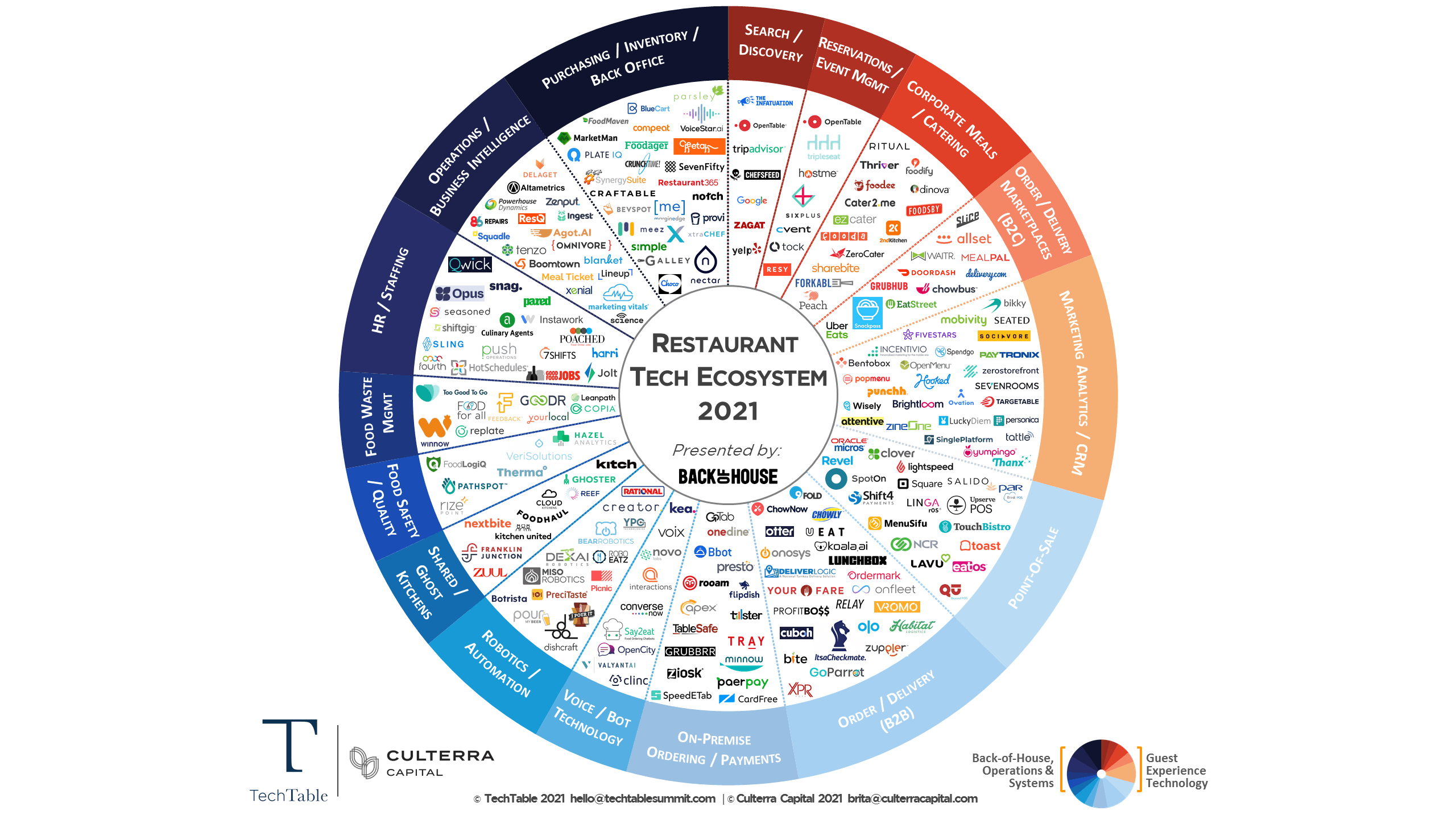
TechTable - Culterra Capital Restaurant Tech Map sponsored by Back-of-House

The hospitality industry’s embracing of new technologies is experiencing rapid and welcome acceleration in less than two years.

In comparison to the restaurant technology map by TechTable and Better Food Ventures from 2019, there are two entirely new categories: Shared / Ghost Kitchens, and Food Safety / Quality.

More than a dozen platforms on the 2021 map from TechTable and Culterra Capital (sponsored by Back-of-House) now fall into those two categories.

Changing Landscape

It’s a sign of current industry trends and what will matter to guests moving forward that ghost kitchens and food safety are emerging as separate tech segments.

Obviously, the pandemic didn’t create the ghost kitchen category. However, it did fuel a meteoric rise in delivery and takeout. In turn, ghost kitchens are more prevalent than ever.

After all, a former Uber executive Travis Kalanick owns CloudKitchens and Applebee’s is testing a ghost kitchen pilot program.

What was once the domain of murky, unpermitted virtual brands is now its own successful business model.

However, today’s guest isn’t concerned solely with convenience. In general, guests now take their health and safety more seriously since the pandemic

Tech platforms that can ensure the food guests are consuming is safe will ease some concerns.

Increase in Platforms

Again, in comparison to just two years ago, the acceleration in new tech for the industry is astounding. It’s also long overdue.

As a whole, the hospitality industry has been surprisingly slow to take on new tech. Although, it’s fair to say that there wasn’t much new to adopt until somewhat recently.

Now that there’s more to try out, operators seem keen to embrace tech that can help them streamline operations; improve inventory monitoring and ordering; hire employees and manage teams; engage with and market to customers intelligently; and much more.

Even better, the above map doesn’t include all of the available platforms. That’s excellent news as it means operators have an increasing number of choices to help improve their business in every category of operation.

For example, Barventory isn’t listed within the Purchasing / Inventory / Ordering segment. The platform makes taking inventory, gaining a real-time inventory snapshot, and efficient ordering a breeze. Barventory also features the world’s first live keg scale.

It’s challenging to find positives from the past 14 to 15 months. However, one good thing may be the leaps in technology our industry is experiencing.

If they continue, these innovations may make it easier for operators and their employees to recover.

A concept’s tech stack is crucial to operations and will only grow more important moving forward. Whether opting for a full KRG Hospitality package or the Mindset program, we can help operators make informed tech selections.

Map by TechTable and Culterra Capital, sponsored by Back-of-House

Featured image: Pepper by SoftBank Robotics (photo by Alex Knight on Unsplash)

by David Klemt David Klemt No Comments

Stand Out with Weird Holidays: July

Stand Out with Weird Holidays: July

by David Klemt

Stay Weird neon sign with purple background

Want to stand out from from other restaurants and bars in your area? Then commit to keeping it weird.

Several “holidays” are set against every date on the calendar, and July is no exception. These holidays range from mainstream to food-centric to weird.

Focus on the latter to raise eyebrows, carve out a niche for your restaurant or bar, and attract more guests. Why do what everyone else is already doing?

Of course, you shouldn’t try to celebrate every holiday, weird or otherwise. And this month’s list in no way includes every odd holiday.

Focus on the days that are authentic to your brand; resonate with your guests; and help you grab attention on social media.

For last month’s list, click here.

July 1: International Joke Day

Kicking things off this month is a fun one: International Joke Day.

July 7: National Dive Bar Day

This category of bar is one of our favorites. Whether you operate a dive bar, neighborhood bar or corner bar, this is your day.

July 8: Video Games Day

This is not to be confused with National Video Game Day, which takes place September 12. This bar holiday is perfect for all the barcades and eatertainment venues out there. Or, for cool restaurants and bars that have a video game system or arcade game or two inside.

July 11: National Cheer Up the Lonely Day

Nearly the entirety of 2020 and the first half of 2021 have been challenging, to say the absolute least. It’s safe to say that we’re all quite a bit lonely. On this holiday, provide a fun and safe environment for people to get back out there, socialize, and meet new friends.

July 12: National Simplicity Day

There’s nothing wrong with complex cocktail builds. However, today is the perfect holiday to highlight the simpler two- and three-ingredient cocktails on your menu. Simple, speedy, and delicious.

July 13: National Delaware Day

Of course, this isn’t a weird holiday to people who live in Delaware. For those outside the Diamond State, this is the time to showcase Delaware brands like Dog Fish Head.

July 15: National Give Something Away Day

We’re not huge fans of outright giveaways unless said giveaway items come from a partner or sponsor. However, operators can certainly come up with a creative food or beverage giveaway that requires a purchase.

July 17: National Tattoo Day

Operators can prepare for this holiday by partnering with a local tattoo shop and creating a traffic-driving promo with them.

July 20: National Pennsylvania Day

Again, this isn’t weird to Pennsylvanians. Operators outside the Keystone State should feature brands like Philadelphia Distilling and Victory Brewing Co.

July 22: National Refreshment Day

If it’s cold and refreshing, shout it from your rooftop. It’s July, it’s hot out, and people need to know you’ve got ice cold beer, cocktails, and soft drinks.

Image: Dan Parlante on Unsplash

by David Klemt David Klemt No Comments

Resorts World Partners with Grubhub

Resorts World Las Vegas Partners with Grubhub

by David Klemt

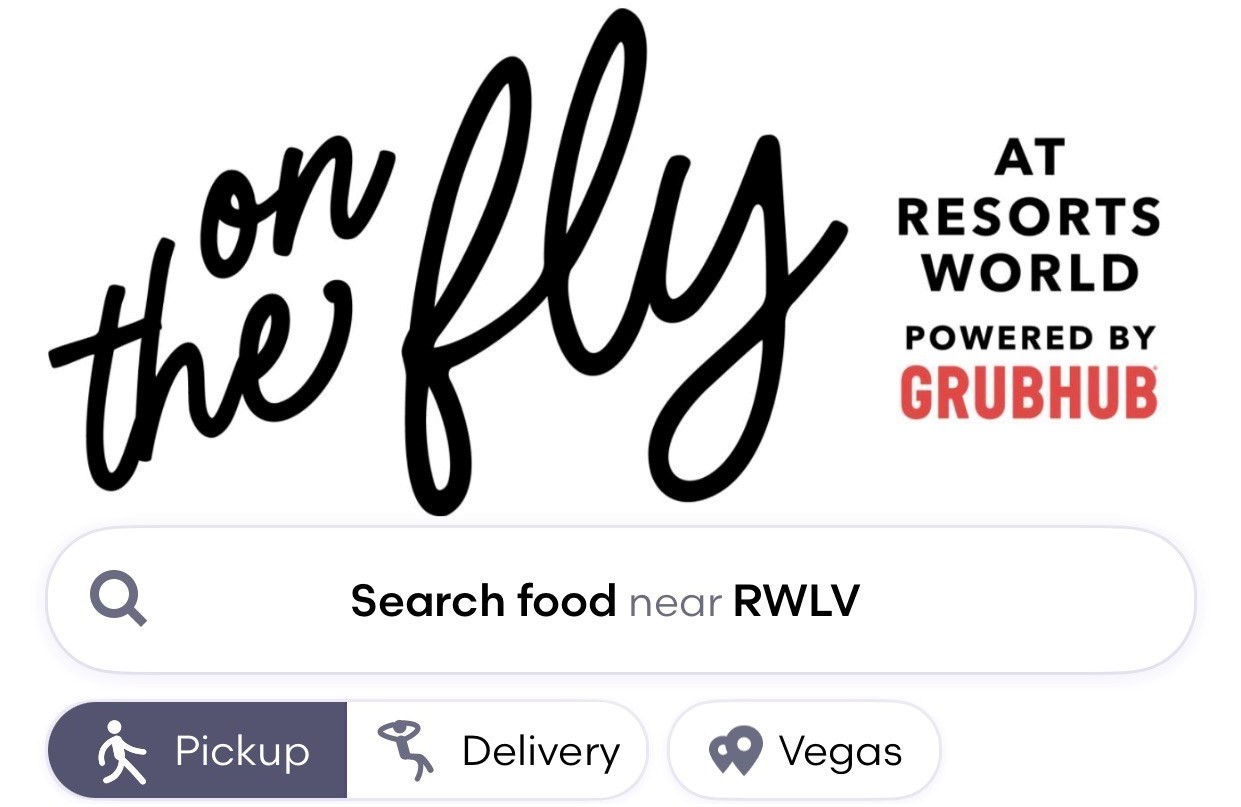
Resorts World Las Vegas partners with Grubhub for world-first in-room dining experience

Resorts World Las Vegas is foregoing traditional room service in favor of a unique, property-wide partnership with Grubhub.

The freshest, shiniest new resort and casino to open on the world-famous Strip is taking a different approach to in-room dining.

Impressively, guests can order from any of the property’s 40 food and beverage concepts. Yes, there are 40 restaurants and bars at Resorts World Las Vegas.

This resort-delivery platform partnership is a world first.

Las Vegas Emerges

The opening of Resorts World, which took place last Thursday, is significant for several reasons.

First, surviving a pandemic to open a $4-plus-billion resort and casino in Las Vegas in 2021 is no small feat.

Second, the gaming industry in Nevada was shut down for 15 months. To emerge from that and return to 100-percent capacity is a staggering achievement.

Third, this is the first new resort to open on the Strip in over a decade. For context, The Cosmopolitan opened at the end of 2010.

Fourth, Resorts World Las Vegas is being billed as the most technologically-advanced resort and casino in Las Vegas. Indeed, they make a great case for that claim: RFID-embedded chips at the gaming tables; cashless wagering; plans to accept cryptocurrency for wagers, rooms, and amenities; and the ability for guests to use mobile pay for just about everything on property.

World-first Partnership

So, that brings us to the Resorts World Las Vegas and Grubhub partnership.

Up until relatively recently, technological innovation was somewhat stagnant in the hospitality industry. Outside of POS, CRM, reservation, inventory, audio and visual advancements, other industries routinely surpassed ours in terms for tech.

Now, we’ve seen that tide begin to turn; tech companies are turning their attention more and more to foodservice, nightlife, and accommodation businesses.

Of course, one of the most-visible and most well-known applications of tech in our industry has been delivery platforms.

As stated previously, Resorts World Las Vegas features 40 F&B concepts. Via app or QR codes, guests can order from any of the concepts on property and opt for pickup or delivery. Further, they can choose to charge their orders to their rooms.

Additionally, guests at the resort pool can have orders delivered to touchless, QR-code-enabled lockers. Impressively, some Resorts World Las Vegas retail shops are available for orders via this Grubhub partnership.

Moving Forward

Clearly, news of this partnership isn’t relevant to all operators (not directly, anyway).

However, some operators will see a real-world benefit to this delivery/pick-up development. Doubtless, their wheels be turning as they consider what tech-driven partnerships they can develop.

For others, this will be a lesson in guest expectations.

Consumers are becoming more and more accustomed to convenience and selection. At this point, a consumer’s whims—particularly in the F&B and retail spaces—can be indulged with just a few taps on their phone.

Operators will need to identify where and how they can fulfill guest expectations for convenience, selection and personalization in their own businesses. For the most part, those who innovate will be those who thrive long-term.

Image: Resorts World Las Vegas

by David Klemt David Klemt No Comments

Tip Elimination is Back on the Table

Tip Elimination is Back on the Table

by David Klemt

Person holding up cash

Several operators across the country feel that as we emerge from pandemic life, now is the time to once again try eliminating tips.

Back in 2015, Danny Meyer made a decision about tips in his restaurants that sent shockwaves through the industry. Over the course of five years, Union Square Hospitality Group (Meyer’s group) implemented a hospitality included policy to eliminate tipping.

To be sure, it wasn’t only Meyer’s restaurants that examined and put no-tipping policies in place. However, Union Square was certainly among the highest-profile operators to try it out.

Good Intentions

Per the CEO of Union Square and founder of Shake Shack, attempting to do away with tipping was about promoting equity in the hospitality.

Tipping has been linked to the propagation of sexism, racism, harassment, and exploitation.

Meyer has also said that he believes it leads to wage instability, and studies have shown it contributes to outright wage theft. And, as anyone who has worked in a restaurant knows, tipping can create a gap—and therefore tension, among other issues—between the front of house and back.

However, it has proven difficult to for no-tipping policies to take hold. This is in part because tipping is so ingrained in American society. And, of course, there’s also the issue of increasing menu prices; some people are fine with tipping but not with paying more for menu items.

Guests aren’t the only individuals who have pushed back against eliminating tips. Unsurprisingly, the very people Meyers and other operators are trying to help have rejected no-tipping policies.

Many servers and other FoH staff have made it clear that they’re not interested in working for an operator who eliminates tips.

Reinstatement of Tipping

Around eleven months ago, Meyer announced he would reverse course on his hospitality included policy. According to reporting, Meyer had done so not because of pushback against increased menu prices (about 15 to 20 percent to cover increased labor costs).

Rather, the five-year experiment never worked exactly as Meyer and Union Square had hoped. As he told Pulitzer Prize-winning journalist Jonathan Capehart during a Washington Post Live conversation back in March of this year, the policy wasn’t sustainable.

“It worked to a degree, but it was not sustainable, and the biggest reason it wasn’t sustainable was we could never quite do all the things we wanted to do for our team members like make sure that a formerly tipped employee could make as much as she made when she was tipped, make sure that we had a 401(k) plan, make sure we had a really, really generous family leave policy,” Meyer told Capehart.

And then there was the impact of the pandemic. Meyer finally pulled the plug on his no-tipping policy after New York allowed restaurants to reopen for outdoor dining a year ago. Reportedly, Meyer didn’t see how he could stand in the way of his staff making additional money.

2021 Experiment

Interestingly, several news outlets are reporting that operators around the country are at least considering doing away with tips this summer.

Again, this is at least in part due to the pandemic. Restaurateurs who have wanted to implement policies similar to Meyers’ Hospitality Included see this year as the time to try.

We still don’t know exactly what post-pandemic life will be. However, a hospitality industry reset is certainly coming—and it’s absolutely overdue.

So, it does make sense that as operators can change guest and staff perception of tipping and living wages as we all emerge from pandemic life and face a new world.

For example, the Chicago Tribune has reported that Big Jones, owned and operated by Paul Fehribach, has implemented service fees so he can cover offer servers between $18 and $25 per hour. A 20-percent fee for in-person dining or placing an order with a live person, and a 10-percent fee attached to online orders go to Big Jones payroll.

While there has been some pushback, the Chicago Tribune reports that Fehriback says Big Jones reactions are trending toward the positive.

It’s possible that tip elimination simply doesn’t work for some restaurant categories. As an example, those policies may work out in the casual dining space but not fine dining. Time will tell if it works at all.

Image: Sharon McCutcheon on Unsplash

by David Klemt David Klemt No Comments

Reopening Ontario: Patios Return Friday

Reopening Ontario: Patios Return Friday

by David Klemt

Outdoor seating on restaurant patio

There’s great news for Ontario and the province’s new reopening plan: outdoor dining is returning three days ahead of schedule.

From June 11 on—barring any governmental changes—the province of Ontario will enter Step 1, which focuses on outdoor activities.

Due to favorable indicators such as the province’s vaccination rate, Reopening Ontario will kick off early.

A Welcome Surprise

Ontario has been in under heavy restrictions for nearly two months. So, this news represents a refreshing glimpse of light at the end of a ridiculously long tunnel.

Initially, Reopening Ontario was slated to begin Step 1 on June 14.

The earlier date and announcement should help restaurant and bar operators take advantage of the coming weekend. After weeks upon weeks of living under a stay-at-home order, the decent-at-best forecast should be clear enough for Ontarians to get outside.

Step 1

Reopening Ontario is focusing on the following to progress through the three steps:

  • the provincewide vaccination rate; and
  • improvements to key public health and health care indicators.

Per the plan, the province will remain in each phase of the plan for a minimum of 21 days.

The first step allows for outdoor gatherings of ten or more people. And, for restaurants and bars, outdoor dining with a limit of four people per table.

RestoBiz is reporting that there will be an exception allowing for households with more than four people. The publication also reports that nightclubs may offer delivery, drive-through and takeout as long as they only operate as food or drink establishments.

To move to Step 2, 70 percent of adults must receive at least a single dose of Covid-19 vaccine. Additionally, 20 percent of adults need to receive a second dose (of a two-dose regiment).

Two weeks after Ontario reaches that target, the province will move forward.

Step 2

In this phase of Reopening Ontario, restaurants and bars can seat six people per table outdoors.

Per Ontario’s official government website, restaurants and bars will also be able to offer karaoke. Of course, in this phase it must take place outside.

The single-dose target vaccination rate to move on from Stage 2 is 70 to 80 percent of adults. Also, 25 percent of adults must receive two doses (of a two-dose regimen).

If those targets are hit and key public health and health care indicators are favorable, the province will progress further.

Step 3

Obviously, this the least-restrictive phase of Reopening Ontario.

In Step 3, restaurants and bars can once again return to indoor dining. There will be capacity and other restrictions in place.

Also, buffets can return.

Outdoor dining capacity will focus on social distancing: there must be two metres between tables.

Should the vaccine rate and other indicators continue to improve, it’s possible that Ontario will reopen fully as soon as 21 days after Step 3 begins. Of course, we’ll monitor the situation and see what Ontario officials say about a return to “normal.”

For now, things are looking up. To review the Reopening Ontario plan, click here.

Image: Taylor Vick on Unsplash

by David Klemt David Klemt No Comments

Stand Out with Weird Holidays: June

Stand Out with Weird Holidays: June

by David Klemt

Stay Weird neon sign with purple background

Want to stand out from from other restaurants and bars in your area? Then commit to keeping it weird.

Several “holidays” are set against every date on the calendar, and June is no exception. These holidays range from mainstream to food-centric to weird.

Focus on the latter to raise eyebrows, carve out a niche for your restaurant or bar, and attract more guests. Why do what everyone else is already doing?

Of course, you shouldn’t try to celebrate every holiday, weird or otherwise. And this month’s list in no way includes every odd holiday.

Focus on the days that are authentic to your brand; resonate with your guests; and help you grab attention on social media.

For last month’s list, click here.

June 3: National Egg Day

How are your sour cocktails? Celebrate the egg on this day by featuring your egg white-powered drinks.

June 7: National VCR Day

Leverage nostalgia by showcasing an outdated way to enjoy movies and TV shows. If you really want to immerse yourself and your guests in this holiday, find a VCR and some movies on VHS, come up with some themed cocktails, and lure in nostalgia-thirsty guests. (Make sure you have the proper licenses in place to play music, movies, TV shows, etc.)

June 8: National Name Your Poison Day

Talk about a perfect holiday for a bar! This is an excellent day to design a call promotion around or to highlight your bar team’s ability to create delicious cocktails on the fly based on guests’ spirits preferences.

June 13: International Axe Throwing Day

Are you one of the operators who has introduced axe throwing to your restaurant, bar or eatertainment venue? Then do we have the holiday for you and your guests…

June 16: Bloomsday

This holiday honors revered Irish writer James Joyce. The story goes that Joyce’s favorite dram was Jameson, so get those bottles and specials ready.

June 18: National Splurge Day

Have some high-dollar spirits, beers, wines and dishes? Promote them loudly on this day and encourage your guests to truly treat themselves.

June 24: National Bomb Pop Day

There’s more than one way to celebrate this fun, refreshing and nostalgic holiday. For instance, there are various versions of the Bomb Pop cocktail. Another example is offering housemade boozy Bomb Pops. And then you can always simply garnish drinks with Bomb Pops.

June 25: National Take Your Dog to Work Day

If you have a dog-friendly restaurant, bar or lounge, encourage people who have brought their dogs to work to pop in for a well-deserved bite and drink.

June 30: Social Media Day

Feel like your social media savvy could use some work? Want your guests to plaster your business all over social? Use this holiday to improve your social media skills, add followers, and increase engagement with the help of the people who support your business.

Image: Dan Parlante on Unsplash

by David Klemt David Klemt No Comments

5 Books to Read this Month: June

5 Books to Read this Month: June

by David Klemt

Flipping through an open book

This month’s fun and informative book selections will help you develop next-level culinary, beverage and leadership skills.

To review last month’s book recommendations, click here.

Let’s dive in!

The Japanese Art of the Cocktail

Available as of today, this is the first cocktail book written by Masahiro Urushido, the award-winning bartender from NYC’s Katana Kitten. After just one year with Urushido at the helm, Katana Kitten took home a 2019 Spirited Award. The Japanese Art of the Cocktail features 80 recipes and serves as a deep dive into a unique approach to cocktails and technique.

Hennessy: A Toast to the World’s Preeminent Spirit

In a nod to today’s episode of the Bar Hacks podcast, we’re happy to share this amazing book that has something between its covers for everyone. Hennessy is equal parts history, humor, lifestyle, recipes, and illustrative and photographic work of art. Shepard Fairey, Nas, Fab 5 Freddy, and others contribute stories and insights in this amazing bar book.

Cocktail Dive Bar

The subtitle of this recently published book is “Real Drinks, Fake History, and Questionable Advice,” which should tell you this is going to be a fun read. In Cocktail Dive Bar, T. Cole Newton, the operator behind NOLA’s Twelve Mile Limit, mixes classic and original cocktail recipes with essays, advice and coloring book elements. Bars are supposed to be fun, and this book is a welcome reminder of that fact.

Mezcal and Tequila Cocktails: Mixed Drinks for the Golden Age of Agave

Robert Simonson is a New York Times writer and James Beard Award-nominated author who has written an impressive amount of cocktail and spirits books. His latest, Mezcal and Tequila Cocktails, shares more than 60 recipes that feature—you guessed it—mezcal and tequila. Most of the recipes aren’t at all complicated but they’re still full of agave flavor and an array of profiles. Whether you’re a neophyte or an aficionado, this book is for you.

Bar Hacks: Developing The Fundamentals for an Epic Bar

Yep, I’m 0nce again promoting a book from KRG Hospitality president Doug Radkey. Hey, I didn’t mention one last month, so cut me some slack. Bar Hacks is Doug’s first book and the title of the eponymous, KRG-produced podcast. Looking to hone the fundamentals? Want to develop effective strategies? Eager to open or grow a profitable, scalable, sustainable, consistent and memorable venue in one of the most cut-throat industries in the world? Grab this book today!

Image: Mikołaj on Unsplash

by David Klemt David Klemt No Comments

State of the RRF: By the Numbers

State of the RRF: By the Numbers

by David Klemt

Wad of dollar bills with red rubber band

The “tale of the tape” of the Restaurant Revitalization Fund tells a clear story: the RRF needs an injection of tens of billions of dollars.

Clearly, $28.6 was nowhere near enough to award every eligible restaurant and bar with a grant.

In fact, the RRF would need at least another $50 billion to serve all eligible applicants.

The Numbers

First, the Small Business Administration is to be commended for setting up the RRF portal, making the application process clear, and handling applications well.

However, there’s one glaring issue with the RRF and the review and awards process. I’ll get to that in the next section.

Per the National Restaurant Association, more than 362,000 applications were submitted via the RRF portal.

In total, the applications add up to $75 billion in grant requests. Again, the RRF was funded by the government with $28.6 billion. It doesn’t take a mathematician to see that the fund was severely underfunded.

Controversy

Last week, a number of Republican members of Congress sent a letter to the SBA. The gist of their message was that the RRF’s closure was premature. Therefore, the group concluded, non-priority applicants wouldn’t receive grants or even have the opportunity to apply for grants.

In the letter, which can be reviewed here, the authors also took shots at Democrats, the Biden Administration, and undocumented immigrants.

Setting politics aside, the announcement of the RRF’s portal closure was inarguably premature. The application process was first opened on Monday, May 3. For the first 21 days, the SBA announced that while all eligible entities could apply, only priority applicants would be processed and awarded grants.

However, the RRF portal closed to applications on Monday, May 24…21 days after it first opened. The members of Congress who penned the letter to the SBA have a point: the SBA closed the RRF portal after only operating within the priority window.

Now What?

There’s no other way to put this: The RRF needs more funding.

Essentially, it needs twice the funding it had when it was first seeded. There’s zero guarantee that Congress will address this matter, but at least a handful of lawmakers are aware of the dire situation.

Two weeks ago, the NRA launched a petition urging the government to replenish the RRF. Of course, the RRF also needs to be reopened for applications, and the application process needs to be open to all eligible applicants.

There’s no promise the petition will achieve the desired result but we must do something. Click here to sign the petition and tell Congress the RRF needs to be replenished and reopened.

Image: Karolina Grabowska from Pexels

by David Klemt David Klemt No Comments

What the B.C. Restart Means for Operators

What the B.C. Restart Means for Operators

by David Klemt

The Next Step chalk concept with footprints

In news that’s not exactly surprising, the British Columbia “circuit breaker” expiration didn’t lead to a full reopening.

Instead, the province is launching the B.C. Restart plan.

Obviously, not returning to restriction-free restaurant and bar service is disappointing. However, the plan does give operators dates against which they can plan for staffing, inventory, and other aspects of running their businesses.

Of course, that’s only if officials execute the plan as-is.

Not Surprising

As B.C. operators are well aware, the expiration of the province’s “circuit breaker” doesn’t mean they can return to pre-pandemic operations. Clearly, it would’ve been helpful to the province’s hospitality operators for officials like Premier John Horgan to have made that clear last week.

Resources are razor thin and have been since the start of the pandemic and pandemic-driven shutdowns and restrictions. The more lead time officials can provide hospitality operators to prepare for changes to Covid-19 operational protocols, the better.

Let me say that again for any officials who may read this: Restaurant, bar and other hospitality businesses need more than a few days’ notice to prepare for rule changes.

As long as B.C. Restart targets are hit and numbers don’t head in the wrong direction, at least the new plan is clearer than last week’s expiration announcement.

Four-step Plan

B.C. Restart targets four dates that should remain in place as long as Covid-19 case, hospitalization and death rates remain low. Conversely, the province is seeking increases in adult vaccination rates (for dose one).

Unsurprisingly, the province is now in step one of the four-step B.C. Restart plan. The goal is to achieve a 60-percent dose-one vaccination rate among the province’s adult population. A mask mandate is in place provincewide, as are safety protocols like social distancing. Indoor and outdoor dining is restricted to a maximum of six people, with safety protocols.

The earliest date for step two to begin is June 15 and targets a 65-percent adult vaccination rate. B.C.’s mask mandate remains, as do business safety protocols and physical distancing measures. Interestingly, the province’s travel restrictions are removed.

Step three starts on June 1 at the earliest, targeting a 70-percent adult inoculation rate, low Covid-19 case rate, and decline in hospitalizations. Officials will announce new PPE and social distancing guidelines, organized indoor and outdoor gathering capacity will increase, and nightclubs and casinos will reopen (with capacity limits and safety protocols).

If all goes to plan, September 7 is the earliest start to step four, which targets a dose-one adult vaccination rate of more than 70 percent. B.C. will permit a return to “normal” social contact.

For Operators

Restaurant and bar operators—at the moment—should focus on steps one and two of B.C. Restart.

The reason is simple: During steps one and two, restaurants and bars must operate under the pre-circuit-breaker health and safety protocols.

So, operators must follow these rules for step one:

  • Indoor and outdoor dining capacity: 6 people
  • Liquor service curfew: 10:00 PM

And the following for step two:

  • Indoor and outdoor dining capacity: 6 people
  • Liquor service curfew: Midnight

Should things stay on track, step three will rescind the liquor service curfew, and there will be no group limit for indoor and outdoor dining.

Obviously, B.C. Restart isn’t what operators wanted when officials announced the expiration of the circuit breaker. However, the new plan does allow operators to plan ahead and gives us a glimpse of a light at the end of a very long, very erratic, very dark tunnel.

To review the plan in more detail, click here.

Image: Gerd Altmann from Pixabay

by David Klemt David Klemt No Comments

Remote Restaurant Workers are Here

Remote Restaurant Workers are Here

by David Klemt

Remote, work-from-home setup

When people think of working from home, rarely do they picture restaurant professionals working remotely.

Normally, people associate working from home with desk and cubicle jobs across an array of industries.

A newer technology company is trying to change that perception.

New Restaurant Tech

Bite Ninja seeks to match restaurants with remote workers to online ordering and drive-thru operations more efficient.

Let’s say your business has a drive-thru window. Obviously, someone has to work that window, meaning there are labor costs that accompany it.

As operators know, it’s difficult to recruit, hire and train right now. Some states point to the $300 federal boost to unemployment as a main culprit for the labor shortage restaurants are facing currently, announcing exits to the program.

According to Bite Ninja, remote workers are a feasible solution to labor and cost challenges (at least for some operations).

The tech company trains “Virtual Cashiers” and provides on-demand access to these remote workers.

Benefits

Per Bite Ninja, the company provides operators with several benefits. First and foremost, it would seem, is an answer to staffing challenges.

Obviously, if utilizing virtual cashiers costs less than recruiting, hiring, training and employing their counterpart, that’s a benefit. Another benefit? More staff is available to engage with and serve dining room and patio guests.

On the subject of no-call no-shows, the platform claims that simply doesn’t happen with their remote workers.

While not a solution for every operation, Bite Ninja also claims upsell averages of between $40 and $60 per shift. More importantly, the company says order accuracy through their virtual cashiers is nearly 100 percent. According to Bite Ninja, the average upsell per shift pays for a venue’s hired ninja. If that’s the case and virtual cashiers pay for themselves while making an operator more money, perhaps employees can see a pay bump.

Additionally, the company tracks some key metrics for their clients, including customer volume, order accuracy, and upsells.

KRG Hospitality Takeaway

We appreciate restaurant and bar tech that helps operators lower costs, increase profits, solve problems, improve the guest experience, and increase guest visit frequency.

However, we’re not fans of tech that eliminates a position from the industry and takes someone out of the workforce.

Bite Ninja isn’t a labor solution for every hospitality operation. For those who see the value in remote restaurant workers, at least the company isn’t building robots that eliminate one or more human jobs outright.

Image: Jonathan Kemper on Unsplash

by David Klemt David Klemt No Comments

California Announces Major Shift

California Announces Major Shift

by David Klemt

Face masks forming an X on a red background

California is planning for a major shift in Covid-19 protocols and there’s a date set against the state’s most recent announcement.

In three weeks, restaurants and bars will be able to return to pre-pandemic operations, essentially.

This stands in stark contrast to the Golden State’s initial response to the pandemic: they were the first to implement a shelter-in-place order officially.

California Covid-19 Numbers

Due to vaccination rates and other numbers, California plans to reopen completely on June 15.

As of the end of last week, California’s Covid-19 vaccination, infection and death rates are favorable. The numbers are driving the June 15 reopening.

For example, half of adult residents—those age 18 and up—in California are fully vaccinated. Nearly 70 percent have received at least a single vaccination dose.

The numbers are even higher for those who are at least 65 years of age:

  • Single dose: 90 percent
  • Full vaccination: 70 percent

California is achieving their numbers by vaccinating more than a quarter-million residents per day. Nearly 40 million doses of Covid-19 vaccines have been administered.

Most recently, the most-populous state in America is seeing a weekly Covid-19 infection case rate of approximately 1,200.

California Restaurants and Bars

What Covid-19 restrictions will California foodservice and drinking establishments operate under on June 15?

Not many.

There will be no capacity restrictions for indoor or outdoor service, nor social distancing requirements on-premise for guests. If there are no social distancing requirements, it stands to reason that guests will be able to move freely inside restaurants and bars.

However, California will follow—according to available information—the CDC’s most recent mask guidance. The agency’s recommendations pertain to those with full vaccinations.

Of course, operators still have the right to keep some or all of their own Covid-19 protocols in place. Indeed, some team members and guests may feel safer if masks and social distancing remain past June 15.

Operators who plan to maintain Covid-19 protocols need to provide staff and the public that information. Also, operators must keep in mind that guest-facing employees will be in the crosshairs if mask and distance requirements remain. It would be wise to set and announce vaccination and infection rates against the rescinding of such protocols and share those numbers.

Image: Solen Feyissa on Unsplash

by David Klemt David Klemt No Comments

Return of the Indoor Diners: B.C.

Return of the Indoor Diners: B.C.

by David Klemt

Vancouver, British Columbia, Canada skyline

Good news for operators, foodservice professionals and the public as British Columbia prepares for a return to indoor dining.

The ban on indoor dining is set to expire tomorrow, along with the rest of B.C.’s so-called “circuit breaker” restrictions.

However, it remains unclear still whether restaurants can throw their doors open and welcome guests first-thing Tuesday morning.

Confusion

Some operators and restaurant advocacy groups believe the restriction on indoor dining expires at 11:59 PM tonight.

It follows, in their opinion, that the expiration means operators can offer indoor service the following morning, Tuesday, May 25.

Of course, it’s never that cut and dry, is it?

Much like the CDC’s recent update to mask and social distancing recommendations in America, B.C.’s restaurant restrictions are only causing confusion.

While the “circuit breaker” restrictions put in place back in March are set to expire, Premier John Horgan and other officials haven’t made it clear if more restrictions will be put in place.

Additionally, restaurant and other hospitality operators haven’t been given much notice. They’re simply aware that current restrictions expire before midnight tonight.

Consistently Inconsistent

It’s never great to feel like you’re on the back foot. Unfortunately, operators still don’t receive much in the way of a heads up when rules and recommendations change.

Once again, officials and the public make it clear that they think restaurants and bars can simply flip a switch and return to regular service. Once again, the industry and its challenges are ignored.

When those with the power to impose restrictions are vague about what operators should expect after their rules expire, it makes it nearly impossible for operators to prepare properly for what comes next.

Should operators plan on an increase in traffic because they can once again fill their dining rooms? Will they need to prepare for 25-, 50- or 75-percent capacity restrictions? Are their going to be limits to outdoor dining, delivery, carryout and curbside pickup?

How much F&B and other products should they order, planning for a return to indoor dining or more restrictions? In terms of staffing, should operators plan to run with a skeleton or full crew?

Every one of those questions—and several more—have an impact on resources, revenue and survivability. When officials fail to provide all the necessary information when making important announcements, they only cause confusion and create more questions than answers. Too often, they foist their responsibilities onto business owners and the public.

There’s no excuse.

Preparation

Unfortunately, there’s no silver bullet to offer operators in this situation. They’ll need to monitor the situation in B.C. and await clear guidance from government officials pertaining to any upcoming restrictions.

Yet again given no meaningful notice, it’s going to be difficult for operators to plan to get the most out of this week and the near future.

Still, operators will want to give staff notice that they should plan to work. It’s less than ideal but operators should plan to schedule against a few possibilities: a new indoor dining ban, indoor dining with capacity restrictions, and a full return indoor dining.

One of these days, perhaps politicians will listen to our massive industry’s requests and serve us better.

Image: Aditya Chinchure on Unsplash

by David Klemt David Klemt No Comments

Tell the Government to Refill the RRF

Tell the Government to Refill the RRF

by David Klemt

Piggy bank wearing a face mask

The National Restaurant Association is urging restaurant, bar and other hospitality operators to sign a Restaurant Revitalization Fund petition.

Put concisely, the NRA’s petition asks the federal government to replenish the RRF.

Grants are going out and there’s no guarantee the $28.6 billion fund is enough for every eligible business. Therefore, the NRA is calling for more funds.

The Petition

Now, there is good news regarding the RRF. Per the Small Business Administration, 21,000 applicants have received $2.7 billion in grants.

However, when one considers that well over 180,000 grant applications were submitted within the first 48 hours, the $28.6 billion will more than likely run out before every eligible business receives a grant. The first 16,000 grants alone total $2 billion.

According to one source, priority applications carry a value of approximately $29 billion. Obviously, that’s more money than is in the fund.

And that’s only the value of applications receiving priority for the first 21 days. Clearly, more funding is necessary.

As the NRA’s petition states, “We are urging policymakers in Washington—from the White House to Capitol Hill—to replenish the RRF to maximize relief for small independent and franchise restaurant operators. Americans can’t wait to get back into their favorite restaurant with their family and friends, and the federal government can play a key role in making that a reality.”

Click here to sign the NRA’s petition. Our industry is the hardest hit by the pandemic and every eligible business deserves funding.

It’s not that this industry isn’t grateful—it’s that hundreds of thousands of businesses are fighting to stay alive. They’ve been doing so for more than a year.

The RRF

The SBA’s RRF portal link is https://restaurants.sba.gov. Alternatively, operations can use a POS that’s an SBA partner to apply. Partner systems include Clover, NCR, Square, and Toast.

According to the SBA website, certain eligible entities will be given priority.

For the first 21 days the application process is open, priority will go to small businesses with a minimum of 51 percent ownership by women, veterans or socially disadvantaged people.

The application process should open to every applicant on Monday, May 24. For more in-depth information, operators can follow the appropriate links to review the Small Business Administration’s RRF program guide and sample application.

Applicants do not need to register with SAM.gov (System for Award Management) or provide DUNS or CAGE identifiers.

To calculate a grant amount, an applicant subtracts 2020 gross receipts from 2019 gross receipts. Applicants must deduct first-draw PPP and second-draw PPP loans. Any economic disaster loans—Economic Injury Disaster Loans, for example—are not RRF deductions.

Again, please click here to sign the NRA’s petition today.

Image: Konstantin Evdokimov on Unsplash

by krghospitality krghospitality No Comments

International Chain Slashes Menu

International Chain Slashes Menu

by David Klemt

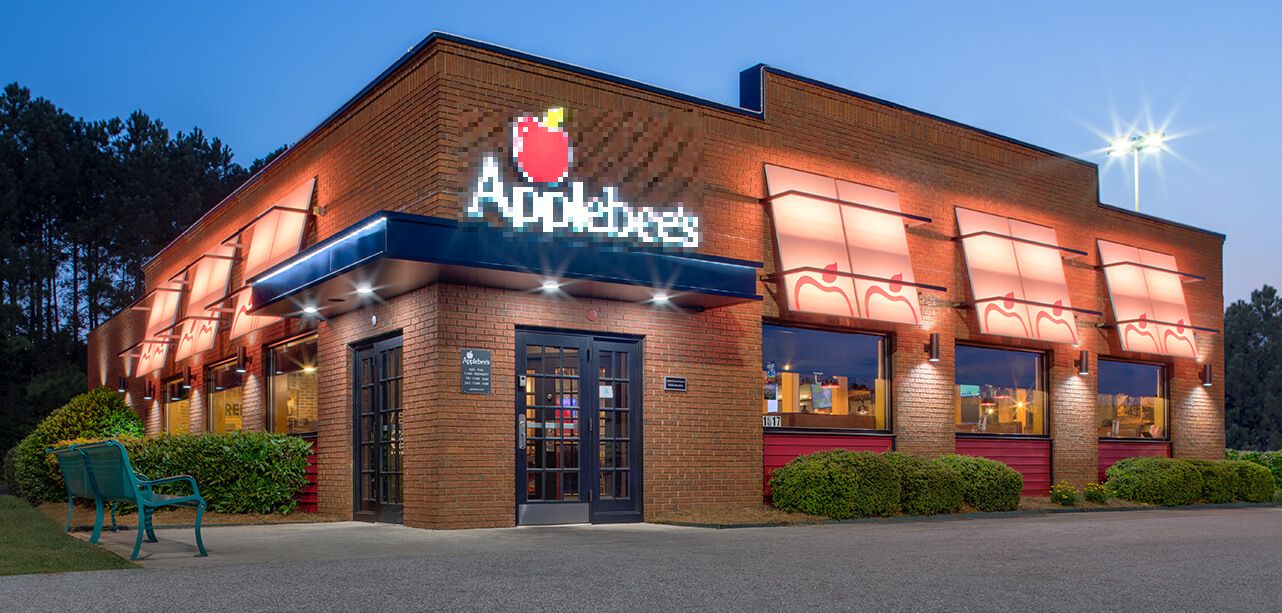
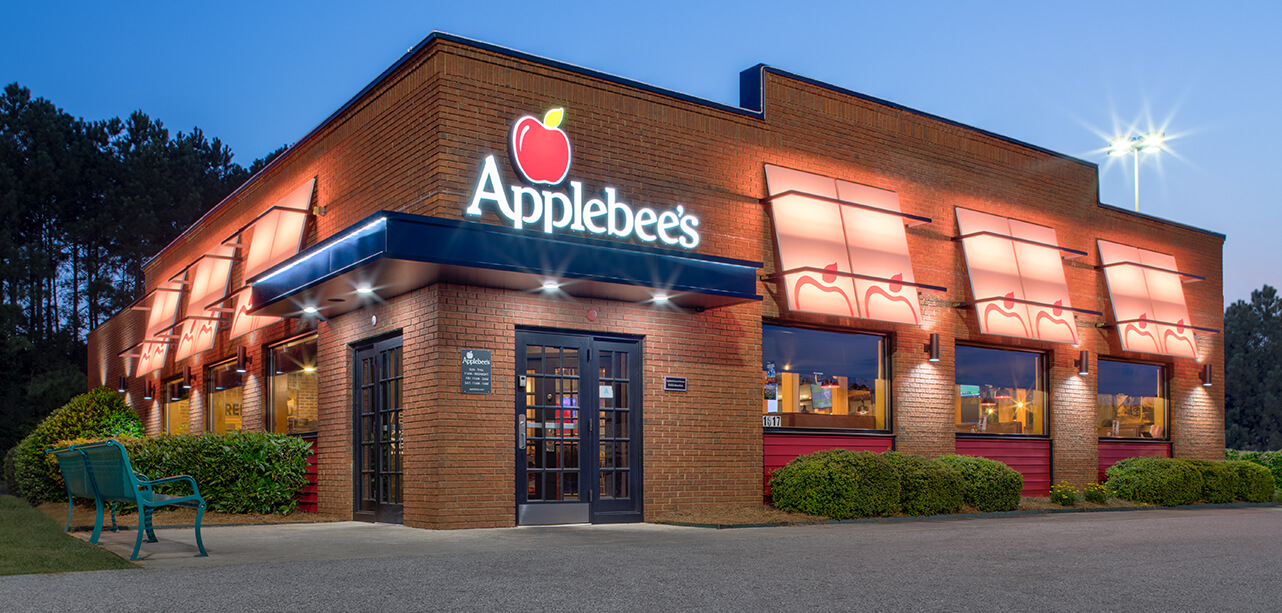
Applebee's Grill & Bar casual dining restaurant

If you’re curious as to whether “lean and mean” menus are here to stay as a result of the pandemic, look no further than one international chain.

Moving forward, Applebee’s Grill + Bar menus will be some 60 items lighter.

The chain’s menu will be 38 percent smaller, and the change is permanent.

Significant Overhaul

Of course, it isn’t like the Applebee’s menu is tiny now. At about 100 items, it’s still larger than most independent restaurant menus. For contrast, KRG Hospitality president Doug Radkey, in most cases, recommends 12- to 32-item food menus.

Still, the casual dining chain cutting 60 items permanently is a big move.

The decision is a direct result of the pandemic and the toll it took on Applebee’s and the industry overall. Unfortunately, like many operators big and small, chain and independent, the chain had to furlough staff. Lightening the menu made it easier for the chain to adapt and shift toward takeout and delivery.

Weak performers and complex items that affect efficiency are gone. According to John Cywinski, Applebee’s president, the decision means faster ticket times, more consistency, and better efficiency.

Among the 60 or so items that are no longer available: the triple cheeseburger, clam chowder, and BBQ brisket tacos.

Streamline Summer

The decision to eliminate dozens of complex and lagging items puts Applebee’s in a better position for Summer 2021, potentially.

Speaking with CNN Business, Cywinski said, “The team will have to be very thoughtful about every single product or beverage they introduce, and the consequence of it from a complexity standpoint.”

That thoughtful approach is crucial in large part because of Applebee’s new menu policy: When a new item comes onto the menu, an old item must go.

Accordingly, Applebee’s can remain innovative while avoiding once again inflating their menus.

With demand for social interaction, a return to normalcy, and in-person restaurant and bar visits set to explode, Applebee’s finds itself with a menu that’s nearly 40-percent smaller. That should make it simpler for the chain’s restaurant and bar teams to fill orders quickly, efficiently, and consistently.

Menu Refresh

Every operator needs to know their numbers. That doesn’t just mean costs and inventory, by the way.

Do you know the cook times for each food item on your menu? Do you know how many dishes you can make with a given ingredient? Is thoughtful cross-utilization an important element of your F&B operations?

The answers to those questions can help you identify bottlenecks in your operation and become more agile.

Another important question to consider: Do you know which menu items are your slowest sellers? If you do, answer this: Why are they still on your menu?

When you eliminate an item, yes, some guests will express their disappointment. You’ll have to weigh the costs of keeping a poor performer against freeing up resources by losing an item that rarely sells. You may even identify an item that you personally love but just doesn’t move. Again, you have to do what’s best for your bottom line.

You may not have 160 items on your menu. You may not have 100. That doesn’t mean you don’t have at least a handful of items that you can eliminate to reduce costs and increase revenue.

Image: Applebee’s Grill + Bar

by David Klemt David Klemt No Comments

Can You Fire Staff for Refusing Vaccine?

Can You Fire Staff for Refusing Vaccine?

by David Klemt

Covid-19 vaccine vials

Can an employer terminate a staff member’s employment for refusing the Covid-19 vaccine? Current court cases seek an answer to that question.

Conversely, there are bills up for consideration in some states that aim to ban vaccine mandates.

Therefore, the current answer to the question of whether employer vaccine mandates are legal isn’t clear, yet.

It’s also important to note that this question is up for legal examination in Canada and America.

Are Employers Really Mandating Vaccines?

Of course. Well, some are. And it’s bound to continue until the question has been tested in court.

Looking at Canada, Ontario’s Ministry of Labour says employers can, in fact, make vaccines mandatory. They can also (for now, at least) demand proof of vaccination from their employees. Failing to answer the question or lying about can result in an employee losing their job.

However, the ministry acknowledges that legal and ethical issues come hand in hand with blanket vaccination mandates.

In America, the issue is no less thorny, to put it mildly.

Per a survey by Arizona State University and the Rockefeller Foundation, almost 90 percent of employers in the USA (and UK) have plans to “encourage or require vaccination for employees.”

Encouraging, of course, stands in stark contrast to requiring in a legal, ethical and moral sense.

That same survey suggests that most US employers—two-thirds—plan to use vaccination incentives rather than mandates. However, 44 percent say they’ll implement mandates if incentives don’t work. Just one-third of survey respondents say they don’t intend to require vaccinations as a term of employment.

Legal Challenges

Vaccine requirements and credentials (“vaccine passports”) have been banned in Arizona, Florida, Idaho, Montana, Texas and South Dakota.

Bills have been introduced in at least half of American states that seek to “limit mandatory COVID-19 vaccines,” per the National Conference of State Legislatures.

Lawsuits have been filed by workers in various industries in several states, including New Mexico and California.

It’s likely just a matter of time until the Supreme Court of the United States is at least asked to settle the matter of vaccine mandates.

Currently, attorneys and agencies say that employers need to inform employees of the consequences for refusing Covid-19 vaccination, including loss of employment; put a vaccination policy in place and communicate it with all employees; and include religious and medical exemptions.

That said, this matter is a long way from settled.

Could vs. Should

One thing is clear: It’s not clear yet whether employers can terminate employees for refusing vaccination. We can expect a flurry of lawsuits either way.

However, it’s important that operators realize this isn’t solely a legal question. This is in no small part a leadership question, and it’s a tough one.

As the saying goes, just because you can, doesn’t mean you should.

Operators must consider the ramifications of vaccine mandates. Moving forward, some guests may only support businesses that require vaccination for staff. Conversely, some guests may find such a requirement discriminatory and offensive, and they may boycott businesses with vaccine mandates.

It’s a difficult position for operators and staff. Our industry puts employees and the public in direct, close contact with each other. Team members are likewise in very close quarters. Close interactions for prolonged periods can spread any number of viruses, not just Covid-19.

The instinct to protect staff, their family and friends, and the public is common among operators. The past twelve-plus months have strengthened that resolve.

Incentivizing Instead

Requiring vaccination may exacerbate the current labor shortage.

Yes, there are some employees and potential new hires who will feel more comfortable knowing their coworkers have been vaccinated. However, there are also people who will refuse to work for an employer who requires vaccination. A mandate could damage recruiting severely as word gets around.

It’s reasonable to suggest that operators are best off implementing a vaccination incentive program rather than a mandate. Most people would likely agree that encouragement rather than requirement, at least regarding this topic, shows greater emotional intelligence, a cornerstone of leadership.

The CEO of the Cosmopolitan of Las Vegas reportedly hit their minimum goal of an 80-percent vaccination rate among staff last week. The resort’s incentive program offered bonus payments (among other incentives) for vaccinated employees set up in tiers:

  • 60 Percent Vaccination Rate: $50
  • 70 Percent Vaccination Rate: $100
  • 80 Percent Vaccination Rate: $250
  • 90 Percent Vaccination Rate: $350
  • 100 Percent Vaccination Rate: $500

That program helped the company hit their goal in just a few weeks. Operators can certainly use the Cosmo as a model for encouraging vaccinations instead of requiring them. Ultimately, the choice is up to the individual operator. It isn’t an easy one.

Disclaimer

This content is for informational purposes only, and should not be used as legal or other advice. This article does not constitute legal advice, nor does any information constitute a comprehensive or complete statement of the matters discussed or the law. This information is of a general nature and does not address the circumstances of a specific individual or entity. The reader of this information alone assumes the sole responsibility of evaluating the merits and risks associated with the use of any information before making any decisions based on such information.

Image: Braňo on Unsplash

by David Klemt David Klemt No Comments

Which States are Reopening this Summer?

Which States are Reopening this Summer?

by David Klemt

Grand re-opening sign

Around one-third of America’s population is vaccinated fully and some states are easing restrictions.

Per the CDC, not exactly America’s favorite agency, more than 40 percent of Americans have received one Covid-19 vaccine shot. Just over 30 percent have completed the vaccine process.

So, which states are planning to reopen fully for Summer 2021? We have a list of some of the states that have made their plans to reopen 100 percent known so far.

California

The Golden State plans to reopen fully on June 15. According to doctors at the University of California San Francisco, the state is nearing herd immunity. However, Governor Gavin Newsom’s target date relies on two criteria:

  • Vaccine supply must be sufficient enough “for Californians 16 years and older who wish to” receive inoculation.
  • Hospitalization rates must remain low and stable.

Illinois

Per Mayor Lori Lightfoot, the plan is for the city of Chicago to be open 100 percent by July 4. Of course, that means reopening fully right in time for one of the biggest celebratory holidays of the year. However, Governor J.B. Pritzker says Illinois could reopen in as early as the start or middle of June.

Nevada

Governor Steve Sisolak plans for Nevada to reopen fully on June 1. That said, casinos in the Silver State have a slightly different timeline. With the exception of nightclubs, dayclubs and live performances, casinos will open 100 percent June 4 if all requirements are met.

New York

According to Mayor Bill de Blasio, the plan is to reopen New York City on July 1. Governor Andrew Cuomo hopes to reopen New York State fully before that date.

Texas

Governor Greg Abbott opened the state 100 percent back in March. However, judges in the state’s 22 counties still have the authority to impose Covid-19 mitigation strategies. Hospitalization rates in a particular county rising above 15-percent hospital bed capacity for seven days would be a triggering event.

As the vaccine rollout continues, it’s likely we’ll see more states announce Summer 2021 reopening plans. Still, operators should proceed with caution and remain in compliance with state, county and local Covid-19 rules. This is, after all, a fluid situation.

There’s light at the end of the tunnel but now’s not the time to be complacent.

Image: Tim Mossholder on Unsplash

by David Klemt David Klemt No Comments

Canadian Hospitality Needs Real Help

Canadian Hospitality Needs Real Help

by David Klemt

Man in empty restaurant and bar in Ottawa, Ontario, Canada

Restaurants, bars and other foodservice establishments throughout Canada need specific relief to survive, replace lost jobs, and return to profitability.

The seemingly endless and severe provincial restrictions is putting far too much strain on a struggling industry.

Yes, there are some federal provisions in place. No, they’re not enough.

Relief Efforts

Currently, the federal budget promises extensions for wage and rent subsidies. Those subsidies would extend to September 25, 2021.

However, most Canadians, per a Restaurants Canada survey, agree that the industry needs more help.

If additional industry-specific relief faces significant delays or doesn’t come at all, operators, employees, and their families will suffer.

No wonder, then, that 90 percent of Canadians (according to the Restaurants Canada survey) feel restaurants and bars need federal support to remain in business and continue paying staff.

Support Proposals

Of the approximately 98,000 foodservice establishments throughout Canada, about 10,000 are out of business. As of last month, 319,000 lost foodservice jobs had yet to be filled.

No other industry in Canada is facing such startling numbers. Add to that the fact that the industry contributes to four percent of Canada’s GDP, restaurants are the first employers for most Canadians, women comprise nearly 60 percent of the restaurant workforce, and visible minorities comprise over 30 percent of ownership and labor, and the situation grows even starker.

Clearly, industry-specific relief is necessary.

Restaurants Canada is campaigning for the following measures:

  • Extend the wage and rent subsidies through April 2022.
  • Develop subsidy requirements that more closely match the dire reality the industry continues to face.
  • Implement an employee retention and retraining credit to defray Covid-19 protocol costs.
  • Partial forgiveness for all government-backed loans.
  • Removal of merchant fees from the tax portion of restaurant bills.
  • Restore the meals and expenses to 100 percent on a temporary basis.
  • Develop and implement a culinary tourism incentive for the 2020 and 2021 tax years, using New Brunswick as a model.
  • Implement a rebate program that provides government reimbursement of $15 per person, per meal.
  • Freeze the Excise Act, including Excise Act 2021.

Act Now

It took more than a year but the industry and its supporters in America helped bring about meaningful change for restaurants, bars, and other hospitality venues.

The same can be done in Canada, and time is of the essence.

For example, the Restaurant Revival Working Group is a good start for effecting change. The group consists of government and industry representatives.

Click here to review the list of Restaurant Revival Working Group members, particularly those in government, so you can contact them.

Image: Tyler Farmer on Unsplash

by David Klemt David Klemt No Comments

The Reality of Hiring Right Now

The Reality of Hiring Right Now

by David Klemt

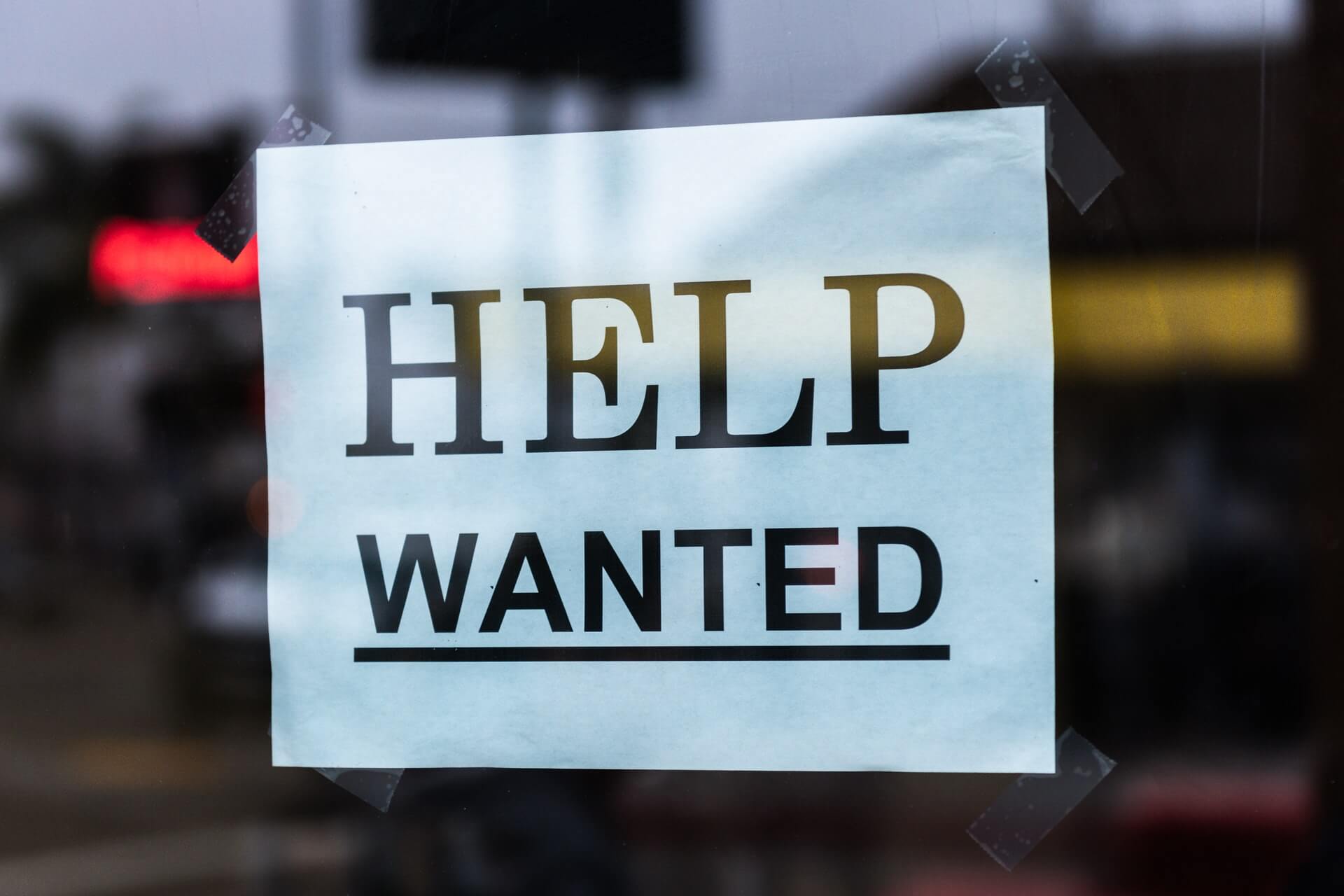
Help Wanted sign taped in window

Operators can add recruitment, hiring and retention among to the growing list of challenges they’re facing due to the pandemic.

Labor struggles aren’t exactly a shock to the hospitality industry.

However, the speed with which the many stark predictions of labor shortages and challenges across North America has caught some by surprise.

Outlook: Brutal

Fast-casual to fine dining. Independent to chain. Regional hospitality group to multi-national powerhouse.

No operator, no concept, no market appears immune to today’s recruitment, hiring or retention challenges.

It’s not the only reason but the federal boost to unemployment is exacerbating the situation. Restaurant operators across America have been reporting that their workers are making more on unemployment than they would make returning to their jobs.

It’s likely the hiring situation won’t improve until the end of August or start of September; the federal boost to unemployment is set to expire on September 6.

Of course, that points to another glaring industry issue: livable wages and benefits.

The pandemic didn’t cause the labor shortage and hiring problem on its own, but it certainly hasn’t helped anything. Some operators throughout North America say they’ve been hunting for workers for all positions for months.

Incentives & Bonuses

Operators are fighting for workers. To many reading this, that’s not a surprise. However, many operators report fighting to even get candidates to show up for interviews.

Famously, one McDonald’s franchisee in Tampa, Florida, is using a $50 incentive for interviews. If a candidate manages to follow through and show up for their interview, they walk away with $50.

During a recent conversation with Chef Brian Duffy (which we’ll be releasing as episode 33 of the Bar Hacks podcast), interview incentives came up. While it’s no $50 bonus just for showing, Chef Duffy has offered candidates free lunch for appearing for their interviews. And yes, he still struggles.

Interestingly, appearance incentives don’t appear to be working. What does appear to be working? Increasing starting wages, referral programs, apply-via-text functionality, and all manner of signing and performance-based bonuses.

The bonuses run the gamut. Show up for all your shifts for three or four months and earn a $500 bonus. Paying down student loans. Fronting the bill for culinary school. One restaurant in Alabama is offering an SUV to their top-performing worker later this year.

In addition to bonuses, wages are seeing a boost. Jobs that would normally start at $12 to $15 per hour are now offering starting wages of $16 to $18 dollars per hour.

No matter how one slices it, the situation leads to cost hikes across the board for operators. When costs increase for operators, prices increase for consumers. Margins shrink, the old cycle continues, the industry struggles.

Reality Check

Now, it’s simple to blame the pandemic for the current situation. To say it’s not a major factor would be incredibly disingenuous.

That said, the struggle to find and keep workers is also a culmination of decades-long, industry-wide problems.

Lack of diversity, inclusion, equality, living wages, opportunities, and transparency; failure to address social issues; inexcusable, threatening, and outright illegal behavior… All of this and much more contributes to the industry’s hiring and retention challenges.

That’s a criminally shallow summary of the situation—I’m well aware. Doug Radkey, president of KRG Hospitality, addresses the need to review and reset the industry in his book Hacking the New Normal. He takes a deep dive into rejecting the status quo in this industry.

My point is that operators can’t blame their woes solely on the pandemic, absolving themselves of responsibility.

Operators must take a hard look at themselves and their operations, and ask difficult questions. Doing so can be uncomfortable. But neither positive change nor growth come from resting in the comfort zone.

Image: Tim Mossholder on Unsplash 

by David Klemt David Klemt No Comments

Celebrate National Takeout Day!

Celebrate National Takeout Day!

by David Klemt

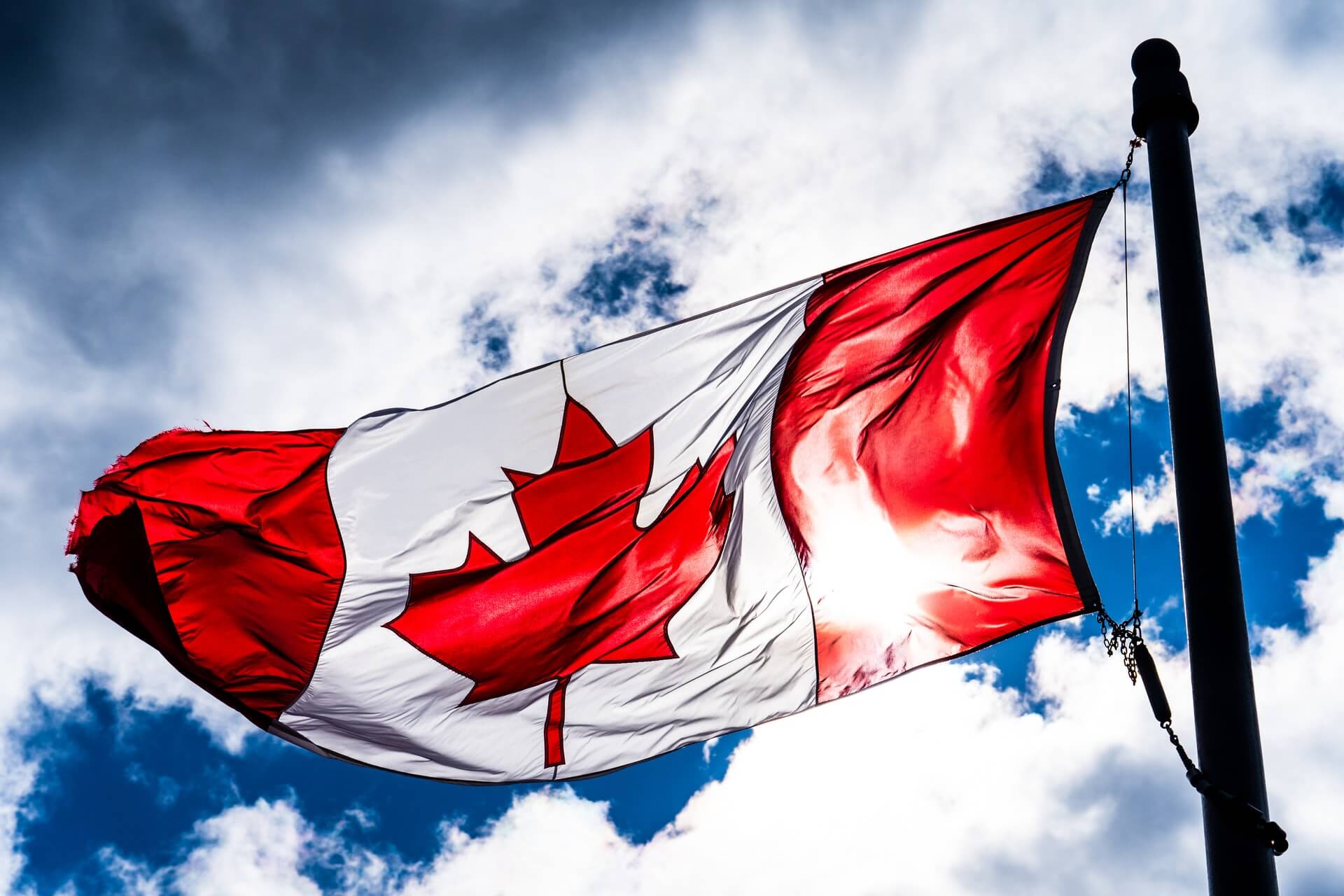
Canadian flag against blue sky and white clouds

Today is the big day: National Takeout Day in Canada!

Canada Takeout is challenging Canadians to place takeout orders and set a national record.

Obviously, this national challenge is very straightforward—if you’re in Canada, order takeout!

Take Part

As an operator, make sure your loyal customers know to participate today. You know what that means—flood social media.

If there was ever a right time to leverage your social media channels, it’s today.

Post about your takeout menu. Post about any specials you’re offering to entice your customers to place takeout orders. Show off your food. Use the hashtags #takeoutday and #Canadatakeoutrecord. Encourage your customers to post their orders and use the same hashtags.

Also, ensure your receipt printing system is set to label takeout orders as “Takeout” on receipts. That makes it possible for your customers to upload their receipts to the Takeout Tracker; make sure you tell your customers to do that so they can be counted.

Go All In

Canada Takeout’s mission is “reminding Canadians to order takeout.” The organization is helping Canada set the all-time record for takeout orders today in several ways.

We’ve been over their hashtags and that you should absolutely use them. However, Canada Takeout has also created social media assets anyone can download and use. One of these assets features a fantastic slogan: “Eat well. Support local. Set a record.”

Click here, scroll down, and download. While you’re at it, make sure you’re following Canada Takeout on Instagram and Facebook.

Keep it Going

This isn’t Canada Takeout’s first initiative. The organization launched the inaugural National Takeout Day last year, April 15, 2020.

Per a press release, the hashtag #takeoutday has earned more than 160 million impressions, reaching nearly 53 million people.

Canada Takeout also celebrates other food-related holidays. Visit the site and you’ll see that they’re looking forward to Thai Food Day (April 21), Tomato Day (April 28), and Mexican Food Day (May 5).

Get your takeout menu ready, promote it on social, and help set a record today!

Image: chris robert on Unsplash

by David Klemt David Klemt No Comments

Dial In Your Brunch Before Mother’s Day

Dial In Your Brunch Before Mother’s Day

by David Klemt

Warming weather, pent-up demand, and less-restrictive Covid rules—at least in the United States—make brunch viable in many markets.

Plus, we’re just a month away from Mother’s Day. If everything goes right, dining restrictions won’t keep operators from capitalizing on this big brunch holiday.

Considering your brunch menu now—including your Champagne and sparkling drinks—will help you dial it in before Mother’s Day.

To help you perfect your brunch operations, let’s look at a casual chain, a taco shack, a fine-dining restaurant, and a casual independent restaurant that focuses on comfort foods.

Las Vegas

Things are looking up for Las Vegas. Nevada’s current Covid-19 status is Mitigation.

Restaurants, bars, pubs, breweries, distilleries and wineries may operate at 50-percent indoor capacity. There’s no occupancy limit for outdoor dining, but operators must follow social distancing guidelines.

The city is known for its buffets, of course. Some are open again, thanks to the easing of restrictions. However, Las Vegas buffets are known globally—let’s focus on a more traditional restaurant for this list. I also want to venture off the Strip—but not too far.

Lazy Dog is a casual dining chain with a focus on craft beer and dog-friendly operations. Canine buddies are welcome on their patios.

You may be wondering why, given all the incredible restaurants in Las Vegas, I’m looking at a casual chain. The answer, quite simply, is that I want to offer an array of suggestions to get you thinking about your own brunch offerings.

First, there’s the $20 DIY Mimosa. For $20, guests get a 750mL of Freixenet Cava with either orange juice of Kern’s Peach Nectar.

Then there are the brunch menu food items. There’s a generous portion of avocado toast that comes with cheesy scrambled eggs; a Breakfast Burger; a Breakfast Club Sandwich; a couple of breakfast quiches; and Bacon Candy, which is bacon with brown sugar, crushed red pepper chili flakes and black pepper.

Lazy Dog’s brunch is a good example of how to make bottle service fun and accessible, and elevating brunch menus in a way that’s familiar and appealing to guests.

Nashville

It’s still standard operating procedure for guests in restaurants and bars to wear face coverings unless eating or drinking. Capacity is 175 people maximum per floor. There’s a limit of 10 guests per table inside, 25 outside.

However, restaurants and bars are open in Nashville for indoor dining. Venues that serve alcohol must cease service at 1:00 AM and close at 2:00 AM. If there is no alcohol service, a restaurant may remain open for 24 hours.

Redheaded Stranger takes brunch in a deceptively simple direction: breakfast tacos. Brunch doesn’t have to be standard breakfast foods, after all.

Flour tortillas are made in house and pair well with mouthwatering brunch fillings. There are tacos with bacon, tater tots, egg and cheddar cheese; chorizo, egg, sour cream and cheddar; and tater tots, jalapeño crema, red hatch chiles, and American cheese. Oh, and don’t forget their inventive sauces, like Dr. Pepper Hot Sauce.

Of course, no brunch is complete without cool, refreshing drinks. The taco hot spot offers Bloody Marys, Mimosas, Margaritas, and frozen cocktails.

Orlando

Florida is in Phase 3 of their reopening plan. That means restaurants, bars and nightlife venues are open for business.

There’s an executive order in place in Orange County, Florida, mandating face masks in public settings. Orlando is in Orange County.

Otherwise, it’s business as usual.

Chef’s Table at the Edgewater is an award-winning fine dining restaurant. People travel from all over the world for the food and experience.

The Chef’s Table brunch menu features upscale but accessible fare. There are Duck Fat Fries to share (or keep to yourself); Lobster Mac & Cheese; a trio of Mini Beef Wellingtons; Chicken and Waffles made with sweet-tea-brined chicken and bourbon maple syrup; Vegan Chilaquiles Verdes to which one can add a sunny-side-up egg.

Philadelphia

As of April 4, restaurants and bars are able to enjoy relaxed Covid restrictions. One of the biggest reasons for restaurants and bars to rejoice is the return of bar services. Barriers are required promote social distancing.

As far as indoor capacity restrictions, restaurants and bars that self-certify may operate at 75 percent. Venues that don’t self-certify may open at 50 percent indoor capacity.

Establishments can serve alcohol without the purchase of food, and there’s no longer a curfew for removing alcohol from tables.

One Philly restaurant that got our attention with their brunch menu is the Twisted Tail. The Headhouse Square eatery offered a $39/person prix fixe menu for Easter, taking full advantage of Pennsylvania’s new Covid regulations.

Their “standard” brunch menu features creative items such as Crawfish Mac & Cheese, Beer-Battered Cheese Curds, and Buttermilk Chicken Sandwich.

Image: Natasha Kapur on Unsplash 

by David Klemt David Klemt No Comments

Restaurant or Bar Dream? Make Your Move

Restaurant or Bar Dream? Make Your Move

by David Klemt

Chess pieces on a chessboard

If your dream is to open a restaurant, bar or nightclub, you’re not doing yourself any favors by waiting to make it a reality.

The same goes for starting up any other type of hospitality business.

We’re in uncharted territory and things seem unstable. But waiting to move forward with your concept is setting you back.

Industry Challenges

We can all agree that the destruction wrought upon the hospitality industry in 2020 continues to be felt today.

Tens of thousands of business closures. Millions of jobs and hundreds of billions of dollars in revenue lost.

Some experts say the veteran operators and workers won’t be back. The financial damage and psychological trauma will drive them out of the industry. Others disagree, myself included, saying those operators won’t stay down for long. This industry works its way into people’s blood.

The pandemic is responsible for the permanent or long-term closure of nearly 20 percent of restaurants in America. Most of the restaurants lost were well-established operations. The industry is down 2.5 million jobs that it will take years to recover.

Since March of last year, Canada has seen the closure of 10,000 restaurants. The country is facing the loss of 800,000 industry jobs.

Waiting to open a restaurant or bar, therefore, seems to make sense. Only no, it doesn’t.

Don’t Wait

Time is rarely on anyone’s side. And I’m not the first to say that perfection is an illusion. Our industry would be a fraction of what it is if people chose to wait for the “perfect time” to open.

That doesn’t mean it’s great to throw caution—and hundreds of thousands of dollars—to the wind.

Rather, those with a vision for a business in this industry owe it to themselves to move forward.

Let me put it this way: If you have an idea but you’re waiting for “the right time,” you’re already behind.

Forward Progress

The key is being strategic, making calculated decisions.

There are operators who successfully opened new concepts in the midst of the pandemic. We’re going to see new entrants in this industry this year as well. Will you be among them?

Maybe you’re not ready to break ground or sign a lease. Perhaps you’re not ready to send in a crew to renovate a space.

However, there are crucial moves you can make so that when you’re ready ready, you can move quickly. Think agility.

Will you be applying for a grant to fund part of your business? Complete the paperwork and submit it now.

Do you need a consultant? Do your research now and schedule those conversations.

You need demographic, feasibility and other studies done. Will you do them? Will you retain the services of an industry researcher?

If you’re not yet ready, take meaningful steps today because your future competitors are making their moves. It takes longer than you think for each crucial step to be completed, and there are dozens.

Your concept won’t become a reality if it only lives in your head. Don’t watch your opportunity to thrive in this industry pass you by.

Image: Kei Scampa from Pexels

Top