Foodservice

by David Klemt David Klemt No Comments

The Numbers on Food Delivery in Canada

The Numbers on Food Delivery in Canada

by David Klemt
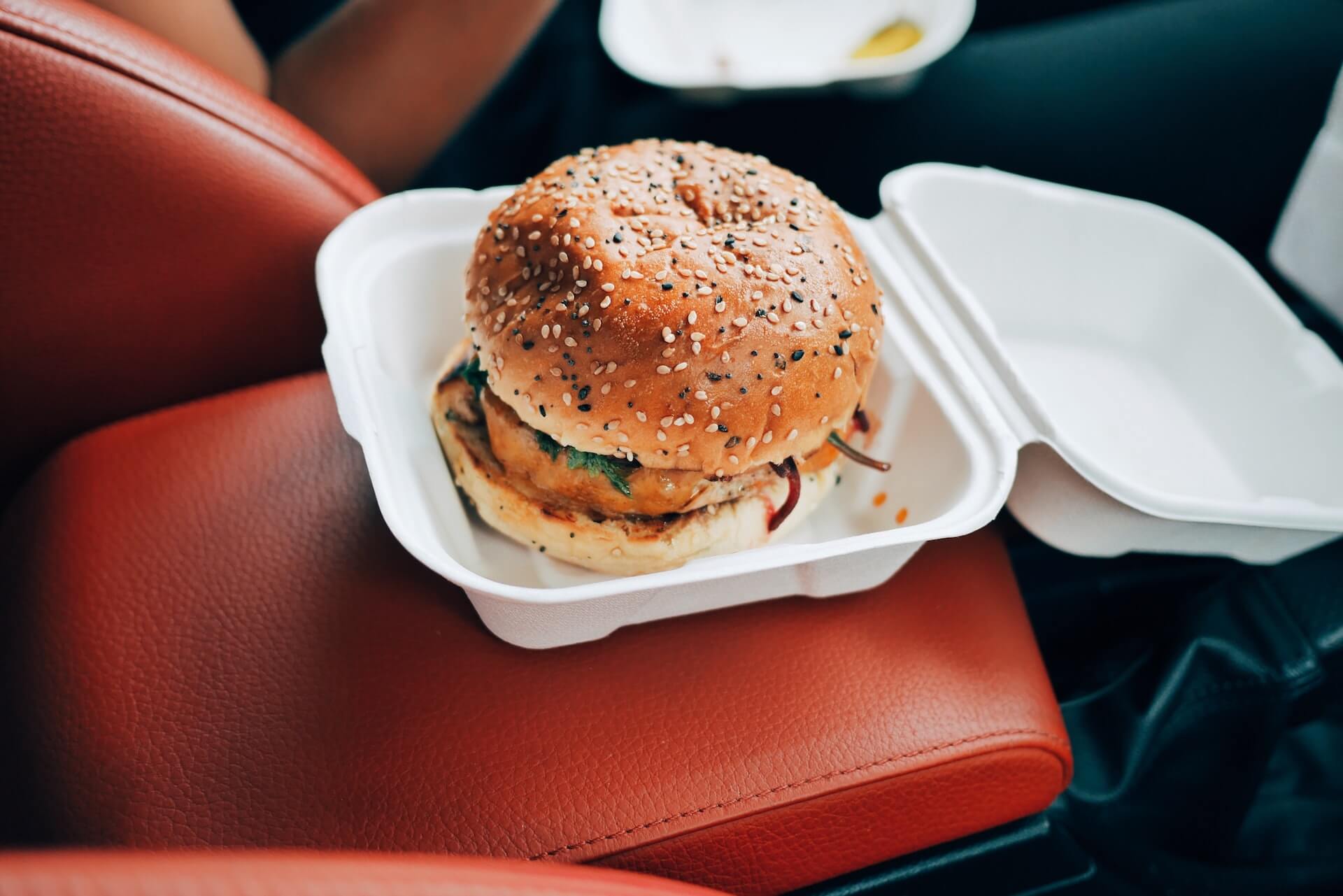
Burger in container inside car

For most restaurants, delivery is now a crucial service element rather than a “nice-to-have” option a small percentage of guests expect.

This is true whether your restaurant is in the US or Canada. But who’s placing orders? How are they ordering? And will they continue to order for the foreseeable future?

Well, Restaurants Canada has answers to all those questions and more. So, we let’s take a look at what their 2022 Foodservice Facts report says about delivery.

To download your own copy of this informative report, click here.

Who’s Placing Orders?

In their 2022 Foodservice Facts report, Restaurants Canada looks at three age groups:

  • 18 to 34
  • 35 to 54
  • 55-plus

Perhaps unsurprisingly, the 18- to 34-year-old cohort leads the charge when it comes to ordering delivery. It’s also not surprising that 35 to 54 comes in second, and 55 and older is third.

However, the first two groups are closer than some may assume. Eighty-three percent of the the 18 to 34 cohort placed orders at quick-service or full-service restaurants between December 2021 and May 2022.

That number does drop for the same time period among the 35 to 54 group, but not by a significant amount. Of that cohort, 77 percent ordered delivery. Just over half of the 55-plus group placed delivery orders: 52 percent.

Now, those numbers are down a bit from 2021, which makes sense. Things were much more restrictive in 2021 and people were just getting back to a sense of normalcy at the start of this year.

In 2021, the delivery order percentages were:

  • 18 to 34: 89 percent
  • 35 to 54: 81 percent
  • 55-plus: 67 percent

Looking at these numbers, it appears the 55-plus cohort is more comfortable dining out in person. Conversely, the 18 to 34 age group is clearly comfortable making delivery a part of their everyday lives.

How do People Want to Order?

Believe it or not, your website still matters. I’ve been saying this for years but the pervasiveness of delivery and takeout ordering is really driving this point home.

The fact is, a notable percentage of your guests want to support your restaurant and staff directly. Over the past couple of years, consumers have become well aware that third-party delivery services are incredibly costly for operators.

Consumers are also aware of third-party delivery debacles, such as the abysmal Grubhub “Free Lunch” mess from May of this year.

So, direct delivery is something that operators need to at least consider. Implementation is often less difficult than most business owners believe. And many platforms, SevenRooms, for example, make implementing direct delivery simple and affordable.

Interestingly, Restaurants Canada data supports the need for direct delivery. Back in May, the industry advocacy organization asked survey respondents how they prefer to place delivery orders from restaurants.

Preferences for QSR customers:

  • No preference: 10 percent
  • Over the phone: 19 percent
  • Third party: 35 percent
  • Restaurant website or app: 36 percent

Full-service customer preferences:

  • No preference: 8 percent
  • Over the phone: 28 percent
  • Third party: 29 percent
  • Restaurant website or app: 35 percent

Honestly, I find it surprising anyone calls a QSR to place an order. However, I suppose that makes sense for an office or catering.

At any rate, make sure your website is up-to-date, you offer direct or “last-mile” delivery, and make it easy to navigate your menu and the ordering process.

Is Ordering Here to Stay?

Now, we all know why restaurant delivery has been supercharged the past two years. However, consumer trend data show that delivery was on the rise before the Covid-19 pandemic.

But now that people are eager to return to normal and the industry is on its way to returning to pre-pandemic levels, is delivery really here to stay?

According to another question asked of survey respondents by Restaurants Canada, more than half of QSR and full-service restaurant customers plan to stick with delivery.

For their 2022 Foodservice Facts report, Restaurants Canada asked back in May how often consumers planned to place delivery orders in the next six months.

Order frequency for QSR customers:

  • Never placed a delivery order and don’t plan to now: 29 percent
  • Order less often: 20 percent
  • Will order with the same frequency: 45 percent
  • Will order more often: 7 percent

Frequency of orders for full-service customers:

  • Never placed a delivery order: 24 percent
  • Order less often: 23 percent
  • Will order with the same frequency: 44 percent
  • Will order more often: 9 percent

Here to Stay?

Of course, there are multiple factors feeding the numbers above. Some people simply don’t like ordering and waiting for delivery. For these consumers, the practice doesn’t just seem convenient.

There’s also the consumer demand to return to in-person dining, socializing with family and friends. And, of course, meeting new people while dining out.

We must also consider inflation and rising costs. Often, restaurant spending is among the first to be reduced when consumers need to be more frugal. Rising menu costs are sure to curtail some delivery spending.

That said, it’s clear delivery is here to stay and must be considered a crucial element for most restaurant operations. QSR and full-service operators need to bear in mind is placing orders; how often they’re placing orders; and get them in the habit of placing orders directly.

Image: Oliur on Unsplash

by David Klemt David Klemt No Comments

Operators & Guests Respond to Rising Costs

Operators & Guests Respond to Rising Costs

by David Klemt

Canadian dollar bills

Everything is more expensive these days and both operators and consumers have their own ideas for addressing rising costs.

To gather and share insight into people’s mindsets, Restaurants Canada conducted and commissioned two surveys.

For one, the industry research and advocacy organization surveyed operators. The focus was on how much operators anticipated increasing their prices.

On the other side, Restaurants Canada commissioned Angus Reid for a survey focusing on consumers. This survey revealed potential traffic slowdowns and perceived value for money.

For your own copy of Restaurant Canada’s 2022 Foodservice Facts report, click here.

QSR vs. FSR: Consumers

As an operator, converting first-time visitors into repeat guests is paramount. Equally as important: increasing visit frequency per guest.

Of course, an immediate byproduct of rising costs is consumers pulling back and reevaluating their spending. Oftentimes, dining out is one of the first costs consumers slash in order to save money.

Therefore, operators always face the risk of reduced traffic and even losing some guests permanently when they raise prices. However, this is often a necessary risk to take to combat rising costs.

So, how dire is the situation among Canadian consumers currently? Or at least, how did they feel in Q2 of this year? Angus Reid conducted a survey of consumers to find out, and the results can be found within the 2022 Foodservice Facts report.

First, let’s look at visit frequency for QSRs and FSRs. Before we begin, 12 percent of survey respondents answer that they “don’t know for sure” if rising prices will affect their visit frequency for either QSRs or FSRs. Not helpful.

For QSRs, 19 percent of respondents say an increase in prices won’t impact their visit frequency. Thirty-six percent anticipate visiting “a little less often,” while 32 percent will visit much frequently.

As for FSRs, 16 percent of survey respondents won’t change their visit frequency. However, 37 percent anticipate visiting FSRs much less often. Nearly as many, 36 percent, will visit a bit less frequently.

Interestingly, however, is perceived value. More FSR guests believe they receive excellent or good value for their money than they do from QSRs. More QSR guests believe they receive fair, poor, or very poor value for their money.

Overall, though, 90 percent of Canadian consumers feel positive toward the value they receive from QSRs and FSRs.

QSR vs. FSR: Operators

Clearly, it’s good news that the vast majority of Canadians believe they receive good value for their money when dining out.

Nobody enjoys paying more but it appears that both QSRs and FSRs in Canada can increase their prices. At least, they can do so for now while consumers are mostly understanding about inflation.

Restaurants Canada asked QSR and FSR operators a simple but revealing question for their 2022 Foodservice Facts report. The question? How much higher do operators expect to increase their prices by the end of Q4 of this year in comparison to last year?

The majority of operators in both categories anticipate they’ll increase menu prices by more than seven percent. Twenty-seven percent of QSR operators have that expectation. That number rises to 35 percent for FSR operators.

Twenty-two percent of QSR operators anticipate raising prices five to seven percent before the end of 2022. In comparison, 32 percent of FSR operators expect to raise prices in the same range.

At the moment, Canadian consumers appear to be willing to endure these increases. However, it’s likely they expect prices to drop back to “normal” (pre-pandemic prices) or close to it sometime in 2023. That is, unless Canada slides into recession.

Image: PiggyBank on Unsplash

by David Klemt David Klemt No Comments

Canada’s Restaurant Labor by the Numbers

Canada’s Restaurant Labor by the Numbers

by David Klemt

Chef inside commercial kitchen

While there are positive signs for Canada’s foodservice industry, recruiting and retaining labor continues to be a challenge.

Unfortunately, this isn’t a challenge unique to Canada. Operators throughout North America and indeed across the globe are facing labor shortages.

Restaurants Canada addresses this topic in their 2022 Foodservice Facts report. The non-profit research and advocacy group predicts sales will reach pre-pandemic levels by Q4 of this year.

However, restaurants, bars, and nightclubs may have to achieve traffic and revenue growth despite a significant labor deficit.

Please click here to access the 2022 Foodservice Facts report yourself.

Labor Shortage by Category

In their latest report, Restaurants Canada crunches the numbers for three distinct venue categories. These are quick-serve restaurants, full-service restaurants, and bars and nightclubs.

The organization finds that QSRs and FSRs are facing the greatest shortages. In fact, in response to a survey from May of this year, at least half of QSRs and FSRs aren’t operating with fulls staffs.

For QSRs, 52 percent of respondents say they perceive restaurants and bars they’ve visited to be understaffed. A bit over a third (36 percent) think staffing is “about right.” Unhelpfully, 12 percent “don’t know” if restaurants and bars have enough staff.

So, let’s switch gears to FSRs. Precisely half of survey respondends say restaurants and bars don’t have enough staff. Just like their QSR counterparts, 36 percent say that staffing seems to be at the ideal level. Fourteen percent respond that they “don’t know,” which doesn’t tell us much.

Per Canadians who responded to Restaurants Canada’s survey, bars and nightclubs are fairing better…at first. Frustratingly, a staggering 37 percent of respondents “don’t know” if bars or nightclubs have appropriate levels of staffing. Thirty-two percent think they’re understaffed, 31 percent think staffing levels are “about right.”

Industry professionals are probably already putting two and two together here. As long as guests receive the level of service they expect, from greeting to speed of service, to closing out their check, they think things are fine. If they’re made to wait longer than they want, they’ll likely say a restaurant, bar or nightclub doesn’t have enough people on shift.

Labor Shortage by Role

Okay, so the May 2022 Restaurants Canada wasn’t entirely helpful. It still provides interesting insight. That is, we know how guests perceive staffing in at least most instances.

So, let’s get down to hard numbers: shortages in specific roles throughout the industry.

Here, Restaurants Canada provides compelling information, even if it’s not what we want to see. In comparison to 2019, every role is down by thousands of people. In some cases, tens of thousands.

Below you’ll find the deficits by role:

  • Foodservice supervisors: -3,100
  • Chefs: -10,900
  • Bartenders: -17,600
  • Maîtres d’hôtel and hosts/hostesses: -21,100
  • Restaurant and foodservice managers: -22,400
  • Food counter attendants, kitchen helpers, and related support occupations: -43,200
  • Cooks: -44,400
  • F&B servers: -89,500
  • Other: -18,800

Add that up and that’s a shortage of 271,000 people throughout Canada’s foodservice industry. For further context, the industry boasted 1,265,700 workers. In 2021, the industry was down to 994,700.

Unfortunately, from 2020 to 2021, just 4,100 jobs were recovered, according to Restaurants Canada. This situation clearly shows that operators need to change their approach to staffing.

Now, more than ever, operators must focus on effective recruitment, onboarding, and retention. For tips on making improvements, click here. To learn how to implement employee surveys to boost retention and avoid costly turnover, click here.

Image: Brian Tromp on Unsplash

by David Klemt David Klemt No Comments

Will Virtual Kitchens Persist?

Will Virtual Kitchens Persist or Go Brick-and-Mortar?

by David Klemt

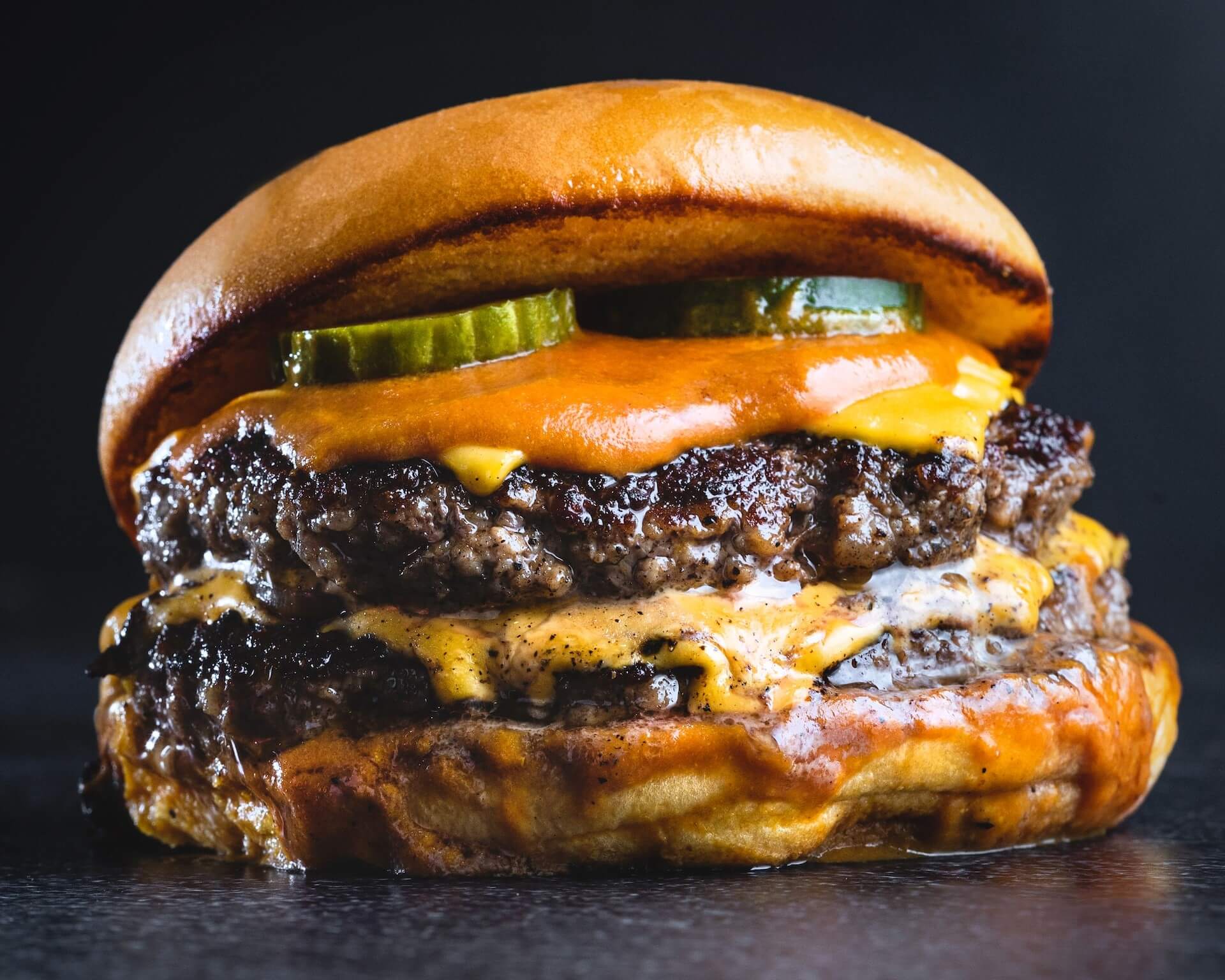
Closeup shot of double cheeseburger

Virtual kitchens and virtual brands are back in the headlines after a record-setting grand opening in Rutherford, New Jersey.

Well, I should clarify: A restaurant may now hold a specific record.

The restaurant in question is the first brick-and-mortar MrBeast Burger location. And the record it may hold claim to is most burgers sold in a single day by a single restaurant.


View this post on Instagram


A post shared by MrBeast Burger (@mrbeastburger)

Now, if you don’t spend much time on YouTube, you may not know MrBeast. So, here’s a quick rundown: He’s Jimmy Donaldson, a YouTube personality known for “expensive stunts.” In fact, he may be the pioneer of that type of content.

Right about now you may be wondering what this all has to do with virtual kitchens and brands. It’s quite simple, really. MrBeast was among the highest-profile virtual brands to launch during the pandemic.

Incredibly, MrBeast Burger boasts more than 1,700 virtual kitchen locations. And now, one brick-and-mortar MrBeast restaurant.

Leveraging Demand and Popularity

So, you’re an influential YouTube content creator with tens of millions of subscribers. Obviously, your channel is monetized. What else can you do to leverage your popularity?

Well, if there’s a pandemic crippling the globe and people are stuck at home, maybe you notice the demand for takeout and delivery. And perhaps you learn about something known as a “virtual kitchen.”

If you’re a foodie or maybe just a savvy businessperson, maybe you’d jump into the virtual space. It is, it goes without saying, much less expensive than opening your own restaurant. And if you perform well, that’s an excellent way to collect data and guest feedback.

Also, an efficient way to hone your brand without a lease, buildout or the overhead of a physical restaurant. In a way, a virtual brand is akin to a pop-up restaurant, only you can test hundreds of markets simultaneously.

Okay, so now let’s say you reach a rare milestone in the creator space: 100 million subscribers. MrBeast did just that in July of this year. Do you think you’d want to leverage the support of millions of fans willing to support you and your brand?

The first physical MrBeast Burger opened last week at the American Dream mall in New Jersey. Reports claim that over 10,000 people waited in line for the grand opening.

Oh, and that’s when the location may have claimed the aforementioned record: 5,500 burgers sold in one day. After just one day of operation, MrBeast wondered if the brand should franchise:

Virtual to Physical

This (potential) record-setting event brings virtual kitchens and brands back into the spotlight.

Of course, most virtual brands don’t have the same origin story as MrBeast. One hundred million supporters? That’s rarified air.

At any rate, virtual kitchens do offer potential physical restaurant operators a less expensive method of testing their concepts. Couple data collection and feedback with an accurate feasibility study and taking the next step may make sense. And it may make a tidy profit.

It’s possible we’ll see MrBeast franchise off the success of two years of operating virtually and opening a physical location. And it’s possible we’ll see other virtual brands expand beyond the virtual kitchen.

However, it’s important that virtual brand owners keep a few things in mind. One, online success doesn’t always translate to brick-and-mortar success. Two, the restaurant space doesn’t care about your subscriber count—the KPIs are entirely different here. Three, potential operators need to perform the proper studies—or retain an agency with experience performing them—rather than rushing into the restaurant space.

It’s highly likely we’ll see more virtual brands enter the physical restaurant world. How many will do so successfully remains to be seen.

Image: Eiliv-Sonas Aceron on Unsplash

by David Klemt David Klemt No Comments

2022 World Beer Cup Winners

2022 World Beer Cup Winners

by David Klemt

Person pouring draught beer

The Brewers Association‘s 2022 World Beer Cup identifies the top three beers across a staggering 103 separate categories.

If you enjoy multiplication, that’s 309 medals in a single competition. And that’s just the winners; there can be more than 200 entries in a single category.

So, yes—I envy the World Beer Cup judges. I mean, what beer fan wouldn’t want to taste all the entries into the Olympics of Beer?

This competition, developed by the Brewers Association, has been going strong since 1996. Next year’s competition, if you happen to brew beer and want to enter it, will take place in Nashville in May.

Okay, you may be wondering why I’m talking about this beer competition. The reason is simple: To get your ready for September.

There are three beer holidays to program for and celebrate next month:

  • National Beer Lover’s Day (September 7)
  • National Crush a Can Day (September 27)
  • Drink Beer Day (September 28)

Oh, and there’s this little event—Oktoberfest—that takes place from September 17 to October 3.

Below you’ll find 48 medal winners from 16 categories to give you a taste of the 2022 World Beer Cup results. For the full list, click here, then click the “2022 Winners” button.

Cheers!

Category 1: American Wheat Beer (68 entries)

  • Gold: For-scythe, Cherry Street Brewpub at Halcyon (Alpharetta, GA)
  • Silver: Hefe, Widmer Brothers Brewing (Portland, OR)
  • Bronze: American Wheat, Cerveceria Principia (Monterrey, Nuevo León, Mexico)

Category 2: Fruit Beer (134 entries)

  • Gold: Yuzu KSA, Fort Point Beer Co. (San Francisco, CA)
  • Silver: Berry, Berry, Quite Contrary, Territorial Brewing Co. (Springfield, MI)
  • Bronze: Grape Fruit Session IPA, Mahanine Brewing (Hohhot, People’s Republic of China)

Category 5: Pumpkin Beer (40 entries)

  • Gold: 5 Phantoms, Philipsburg Brewing Co. (Philipsburg, MT)
  • Silver: Ryes of the Pumpkin King, Sound2Summit Brewery (Snohomish, WA)
  • Bronze: Pumpkin Paddy, Launch Pad Brewery (Aurora, CO)

Category 9: Coffee Beer (79 entries)

  • Gold: Gusto Crema Coffee Ale, Georgetown Brewing Co. (Seattle, WA)
  • Silver: Daybreak, Wolf’s Ridge Brewing – Production Operations (Columbus, OH)
  • Bronze: Double Cream Coffee Dream, Dangerous Man Brewing Co. (Minneapolis, MN)

Category 10: Coffee Stout or Porter (112 entries)

  • Gold: Dusk til Dawn, Pizza Port San Clemente (San Clemente, CA)
  • Silver: Mocha Porter, Bend Brewing Co. (Bend, OR)
  • Bronze: Mocha Machine, Beachwood Brewing (Huntington Beach, CA)

Category 11: Specialty Beer (56 entries)

  • Gold: KURI KURO – Dark Chestnuts Ale, Miyazaki Hideji-Beer Co. (Nobeoka, Japan)
  • Silver: Agavemente, SouthNorte Beer Co. (Chula Vista, CA)
  • Bronze: Graham Cracker Porter, Denver Beer Co. (Denver, CO)

Category 14: Non-Alcohol Beer (123 entries)

  • Gold: Golden Lager, Grüvi (Denver, CO)
  • Silver: Non-Alcoholic Black Butte, Deschutes Brewery (Bend, OR)
  • Bronze: Parallel, Southern Grist Brewing Co. (Nashville, TN)

Category 15: Session Beer (43 entries)

  • Gold: Swift Half, Station 26 Brewing Co. (Denver, CO)
  • Silver: Peacekeeper, Launch Pad Brewery (Aurora, CO)
  • Bronze: Bucketty’s Pale Ale No. 2, Bucketty’s Brewing Co. (Brookvale, New South Wales, Australia)

Category 16: Session India Pale Ale (107 entries)

  • Gold: Trump Hands, Cannonball Creek Brewing Co. (Golden, CO)
  • Silver: Moon Rocks, Mickey Finn’s Brewery (Libertyville, IL)
  • Bronze: Tiny Juicy IPA, Five Boroughs Brewing Co. (Brooklyn, NY)

Category 22: Gluten-Free Beer (66 entries)

  • Gold: La Gosa Rita, Lakefront Brewery (Milwaukee, WI)
  • Silver: Little Brown Job, Lucky Pigeon Brewing Co. (Biddeford, ME)
  • Bronze: Glutenberg Session IPA, Glutenberg (Montréal, Québec, Canada)

Category 91: American-Style Pale Ale (160 entries)

  • Gold: Figueroa Mountain Mosaic, Figueroa Mountain Brewing Co. (Santa Barbara, Santa Barbara, CA)
  • Silver: Cruisin’, Pizza Port Bressi Ranch (Carlsbad, CA)
  • Bronze: Somewhere Golden, Institution Ale Co. (Camarillo, CA)

Category 92: Juicy or Hazy Pale Ale (141 entries)

  • Gold: Hazealicious, Reuben’s Brews – The Taproom (Seattle, WA)
  • Silver: Baby Azacca, 33 Brewing Experiment (Vancouver, British Columbia, Canada)
  • Bronze: Haze in the Park, Kings & Convicts Brewing Co. (San Diego, CA)

Category 95: Imperial India Pale Ale (174 entries)

  • Gold: Space Lettuce, Monday Night Brewing (Atlanta, GA)
  • Silver: Cali Boy, No Label Brewing Co. (Katy, TX)
  • Bronze: Devil’s Pool, Wissahickon Brewing Co. (Philadelphia, PA)

Category 96: Juicy or Hazy Imperial India Pale Ale (171 entries)

  • Gold: Pantless Thunder Goose, Mast Landing Brewing Co. (Westbrook, ME)
  • Silver: Houblon Deluxe, Pure Project (Vista, CA)
  • Bronze: Citra Powered Jetpack, Barebottle Brewing Co. (San Francisco, CA)

Category 102: American-Style India Pale Ale (384 entries)

  • Gold: Hop-Fu!, North Park Beer Co. (San Diego, CA)
  • Silver: Super Slap, Brewery X (Anaheim, CA)
  • Bronze: Aurora Hoppyalis IPA, Karl Strauss Brewing Co. (San Diego, CA)

Category 103: Juicy or Hazy India Pale Ale (343 entries)

  • Gold: Rhymes Like Dimes, Xül Beer Co. (Knoxville, TN)
  • Silver: Blue Comet, Widowmaker Brewing (Braintree, MA)
  • Bronze: Tasty Jams, Brix City Brewing (Little Ferry, NJ)

Image: Josh Olalde on Unsplash

by David Klemt David Klemt No Comments

Datassential’s State of the Operator 2022

Datassential’s State of the Operator 2022

by David Klemt

Guests sitting at the bar inside a restaurant

The latest addition to the Datassential FoodBytes research series shares insights into the top three challenges most—if not all—operators are facing.

Now, some of what the report reveals paints a bleak picture. Inflation, the labor shortage, and supply chain issues persist even past the midway point of 2022.

However, operators are a tenacious and innovative group of business owners. Of course, that tenacity seems to manifest in people thinking this industry can weather any storm. That perception can come at operators’ detriment. Exhibit A: The Inflation Reduction Act of 2022 not including replenishing of the RRF. But, I digress.

“The State of the Operator & the Road Ahead,” which you can download here, is helpful and informative. As you may be aware, we’re fans of Datassential and their FoodBytes reports. In fact, you can find our synopses of FoodBytes reports here and here.

Below are some key points that operators should be aware for consideration. I strongly urge you to download this free report today.

Operator Outlook

First, let’s take a look at traffic. As Datassential points out, some hospitality business segments are performing better than others currently.

In large part, this is due to two factors: People working from home, and people returning to travel. So, operators who rely heavily on commuters and in-person workers are struggling. On the other hand, operators inside or around hotels are, per Datassential, performing the strongest at the moment.

Interestingly, though, nearly half of operators (47 percent) are seeing an increase in traffic in comparison to pre-Covid levels. Fourteen percent of operators are reporting no change in traffic. Unfortunately, traffic is lower for 39 percent of operators.

Next, sales. In comparison to pre-Covid times, more than half (51 percent) of operators report an increase. Again, 14 percent of operators are experiencing no change. But 35 percent of operators are experiencing a decrease in sales.

Finally, profit margins. Half of operators may be seeing increases in traffic in sales, but profit margins are taking a hit. On average, the industry’s profit margin is now hovering at 13 percent. That’s an eight-percent drop in comparison to pre-Covid levels.

Segment Performance

The findings regarding profit margins are likely to be the most alarming to operators. Historically, our industry has operated on razor-thin margins for decades. Dropping from an average of 21 percent to 13 is concerning.

However, context is important. The segments seeing the lowest profit margins in 2022 are: Business & Industry (B&I), Healthcare, and Colleges & Universities (C&U). Again, remote work (and learning) are largely responsible for those particular segments watching their profit margins tumble.

The strongest performers are: Quick-Service Restaurants (QSR) at 17 percent; Fast Casual at 15 percent); and Midscale, Casual Dining, and Fine Dining, each at 13 percent. Lodging is just below the current average at 12 percent.

Operator Adaptation

Inflation, rising food costs, supply chain issues, labor shortages… Operators are finding ways to cope, and in some situation, thrive.

Unsurprisingly, the vast majority of operators are increasing menu prices. In the past 12 months, 77 percent of operators have raised menu prices at least once.

These increases range from one percent a staggering 30 percent. However, the majority have kept these increases to one to ten percent. Most (31 percent) have implemented increases of no more than five percent. Just one percent of operators boosted prices between 25 to 30 percent.

Of course, raising prices isn’t the only strategy operators have at their disposal. Forty percent of operators are streamlining their menu, reducing the sizes of their menus. However, it’s wise for operators to review their menus at least every three months to eliminate poor performers.

Other strategies include focusing on value for guests (27 percent); utilizing LTOs and launching new menu items (26 percent); eliminating a specific daypart or portion of the menu (25 percent); and making portion sizes small, or “shrinkflation” (18 percent).

There’s much more revealed in Datassential’s latest FoodBytes report. Download your copy today.

Image: Luca Bravo on Unsplash

by David Klemt David Klemt No Comments

2022 World’s 50 Best Restaurants: 1-50

2022 World’s 50 Best Restaurants: 1-50

by David Klemt

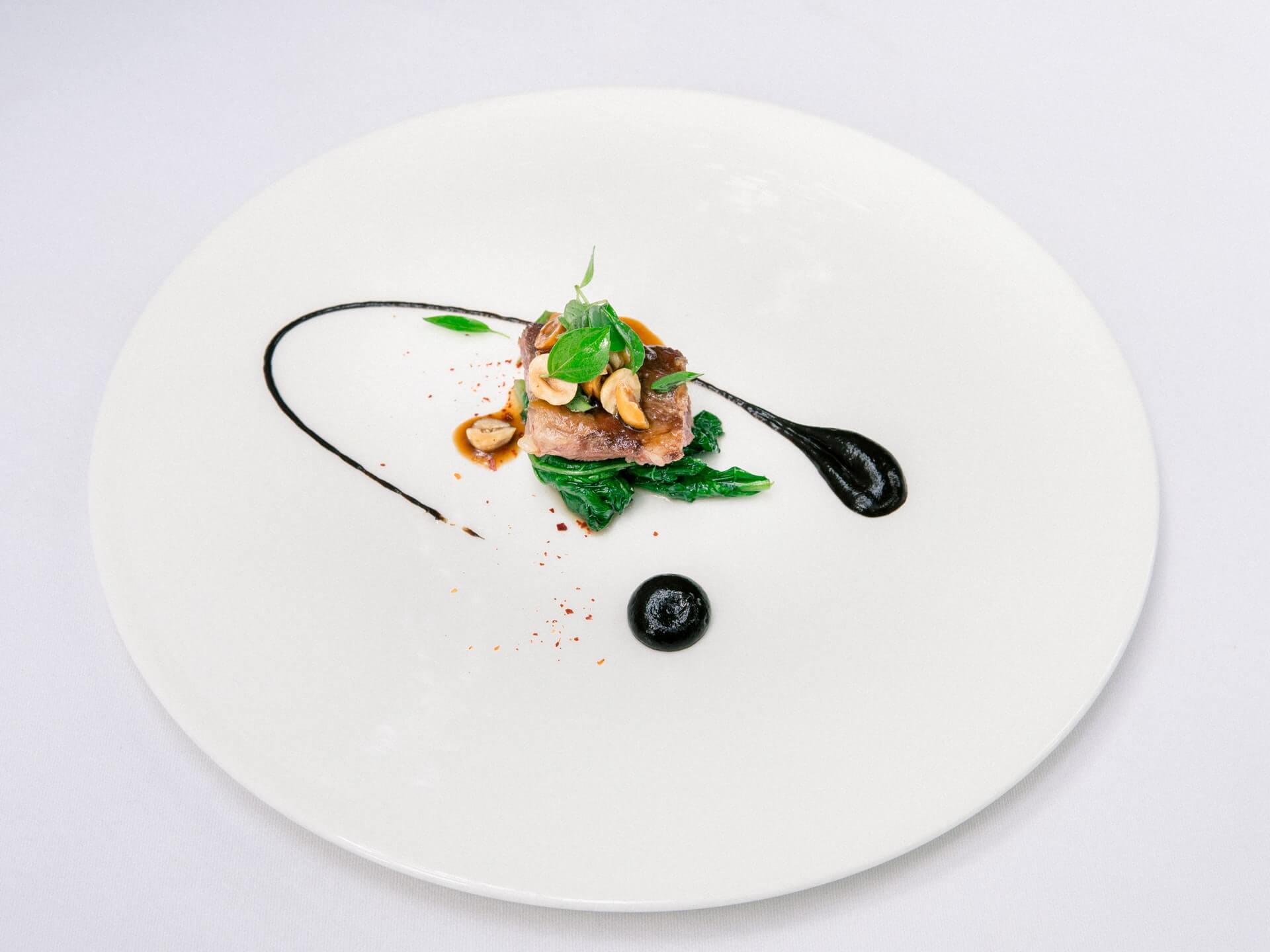
Gourmet dish on white background

Finally, the World’s 50 Best announces the World’s 50 Best Restaurants, an impressive list of the finest places to dine across the globe.

Of course, this highly anticipated news comes on the heels of the World’s 50 Best Restaurants, 51 to 100. Last night, host Stanley Tucci and special guest co-hosts announced the winners in London.

Perhaps not too surprisingly, only three American restaurants are among this year’s top fifty. Of those three, one is in Healdsburg, California, which is the wine-producing region of Sonoma County. The other two American restaurants are in New York City, which isn’t exactly a surprise. And of those two restaurants, one, number 33 on this year’s list, is the winner of the Gin Mre Art of Hospitality Award.

Unfortunately, there are no Canadian restaurants on the World’s 50 Best Restaurants 2022 list. That applies to the back half of the list, numbers 51 to 100, as well.

Interestingly, the restaurant taking home the title of World’s Best Restaurant 2022 took the number two spot in 2021. Another hint: This year’s number one, by clinching the top slot, is also the Best Restaurant in Europe 2022.

So, do you think you know what restaurant is the best in the world? Scroll down to see if you’re right.

The World’s 50 Best Restaurants 2022: 50 to 1

  1. Single Thread (Healdsburg, California, USA)
  2. Ikoyi (London, England)
  3. Leo (Bogotá, Colombia)
  4. Oteque (Rio de Janeiro, Brazil)
  5. Belcanto (Lisbon, Portugal)
  6. Narisawa (Tokyo, Japan)
  7. Le Bernardin (New York, New York, USA)
  8. Boragó (Santiago, Chile)
  9. Quique Dacosta (Dénia, Spain)
  10. La Cime (Osaka, Japan)
  11. Schloss Schauenstein (Fürstenau, Switzerland)
  12. Sorn (Bangkok, Thailand)
  13. Jordnær (Copenhagen, Denmark)
  14. Fyn (Cape Town, South Africa)
  15. Odette (Singapore)
  16. The Clove Club (London, England)
  17. Hiša Franko (Kobarid, Slovenia)
  18. Atomix (New York, New York, USA)(Gin Mare Art of Hospitality Award 2022)
  19. Mayta (Lima, Peru)
  20. Arpège (Paris, France)
  21. Florilège (Tokyo, Japan)
  22. St. Hubertus (San Cassiano, Italy)
  23. Le Clarence (Paris, France)
  24. Hof Van Cleve (Kruishoutem, Belgium)
  25. Restaurant Tim Raue (Berlin, Germany)
  26. Frantzén (Stockholm, Sweden)
  27. The Chairman (Hong Kong)
  28. The Jane (Antwerp, Belgium)
  29. Septime (Paris, France)
  30. Mugaritz (San Sebastian, Spain)
  31. Den (Tokyo, Japan)
  32. Piazza Duomo (Alba, Italy)
  33. The Alchemist (Copenhagen, Denmark)
  34. Nobelhart & Schmutzig (Berlin, Germany)(Villa Massa Highest Climber Award 2022)
  35. Elkano (Getaria, Spain)
  36. Reale (Castel di Sangro, Italy)
  37. Don Julio (Buenos Aires, Argentina)
  38. Steirereck (Vienna, Austria)
  39. Uliassi (Senigallia, Italy)(Highest New Entry Award 2022)
  40. Maido (Lima, Peru)
  41. Le Calandre (Rubano, Italy)
  42. Quintonil (Ciudad de México, México)(Estrella Damm Chef’s Choice Award: Chef Jorge Vallejo)
  43. Lido 84 (Gardone Riviera, Italy)
  44.  A Casa do Porco (São Paulo, Brazil)
  45. Asador Etxebarri (Atxondo, Spain)
  46. Pujol (Ciudad de México, México)
  47. Diverxo (Madrid, Spain)
  48. Disfrutar (Barcelona, Spain)
  49. Central (Lima, Peru)
  50. Geranium (Copenhagen, Denmark)

Image: Delightin Dee on Unsplash

by David Klemt David Klemt No Comments

Is Your Business in a Top Time Out City?

Is Your Business in a Top Time Out City?

by David Klemt

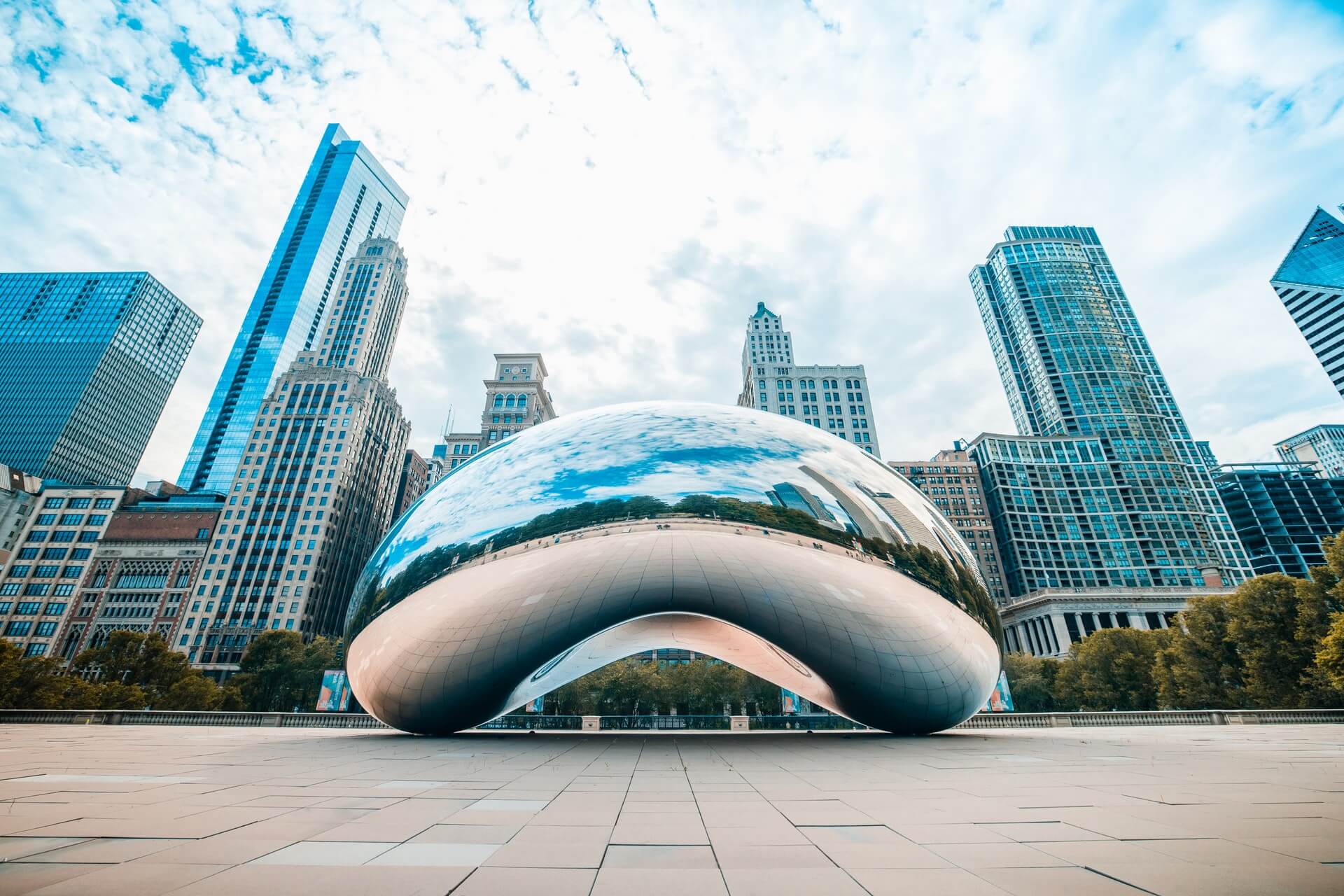
The Bean aka Cloud Gate in Chicago

Hot off the presses, Time Out is now revealing the results of their Time Out Index 2022, an annual list identifying the world’s top cities.

The global publication, founded in the late 1960s, surveyed 20,000 “city dwellers.” Time Out focuses on cities’ restaurant, bar, nightlife, entertainment, and art scenes.

For 2020 and 2021, Time Out put emphasis on the pandemic and how cities maintained resiliency and kept communities together. In 2022, priority is given to flourishing nightlife, dining, and drinking, along with culture.

Additionally, Time Out gives weight to a city’s sustainability, safety, walkability, and affordability. To learn more about how Time Out analyzes data, click here.

Compelling Rankings

Below, you’ll find Time Out’s ranking of the best 53 cities in the world for 2022. I’ve broken the list into sections: 53 to 11, and ten to number one.

Interestingly, the 20,000 survey respondents note the dining, drinking, and nightlife of the top five cities. In fact, the nightlife scene of number three is “the world’s best.”

And city number two? Survey takers think it’s the most fun—”funnest,” according to Time Out—in the world.

Now, I know our audience is largely American and Canadian, so I’ll get to how both rank. Six cities—the usual suspects, basically—in the US are on the list. Only one American city is in the top ten, and it’s likely not the one you think. As for Canada, one city claims the 27 spot, another is number nine.

You’ll find the Canadian and American cities in bold below. Champing at the bit to see the results? Scroll down!

Time Out Cities 53 to 11

  1. Doha, Qatar
  2. Hong Kong
  3. Bangkok, Thailand
  4. Istanbul, Turkey
  5. Johannesburg, South Africa
  6. Rio de Janeiro, Brazil
  7. Auckland, New Zealand
  8. Sydney, Australia
  9. Abu Dhabi, United Arab Emirates
  10. Singapore
  11. Accra, Ghana
  12. Los Angeles, California, USA
  13. Rome, Italy
  14. Dubai, United Arab Emirates
  15. Barcelona, Spain
  16. Miami, Florida, USA
  17. São Paulo, Brazil
  18. Dublin, Ireland
  19. Athens, Greece
  20. Manila, Philippines
  21. Kuala Lumpur, Malaysia
  22. Paris, France
  23. Tel Aviv, Israel
  24. Mexico City, Mexico
  25. Boston, Massachusetts, USA
  26. Lisbon, Portugal
  27. Toronto, Ontario, Canada
  28. Delhi, India
  29. San Francisco, California, USA
  30. Tokyo, Japan
  31. Stockholm, Sweden
  32. Birmingham, England
  33. Buenos Aires, Argentina
  34. New York, New York, USA
  35. Lyon, France
  36. Porto, Portugal
  37. London, England
  38. Taipei, Taiwan
  39. Melbourne, Victoria, Australia
  40. Mumbai, India
  41. Manchester, England
  42. Madrid, Spain
  43. Cape Town, South Africa

The Top Ten Time Out Cities

  1. Copenhagen, Denmark
  2. Montréal, Québec, Canada
  3. Berlin, Germany
  4. Marrakech, Morocco
  5. Prague, Czech Republic
  6. Amsterdam, Netherlands
  7. Glasgow, Scotland
  8. Medellín, Colombia
  9. Chicago, Illinois, USA
  10. Edinburgh, Scotland

Congratulations to the top 53 cities in the world! We expect big things from their dining, drinking, and nightlife moving forward.

Image: Christopher Alvarenga on Unsplash

by David Klemt David Klemt No Comments

What’s Up with Meat, Poultry and Seafood?

What’s Up with Meat, Poultry and Seafood?

by David Klemt

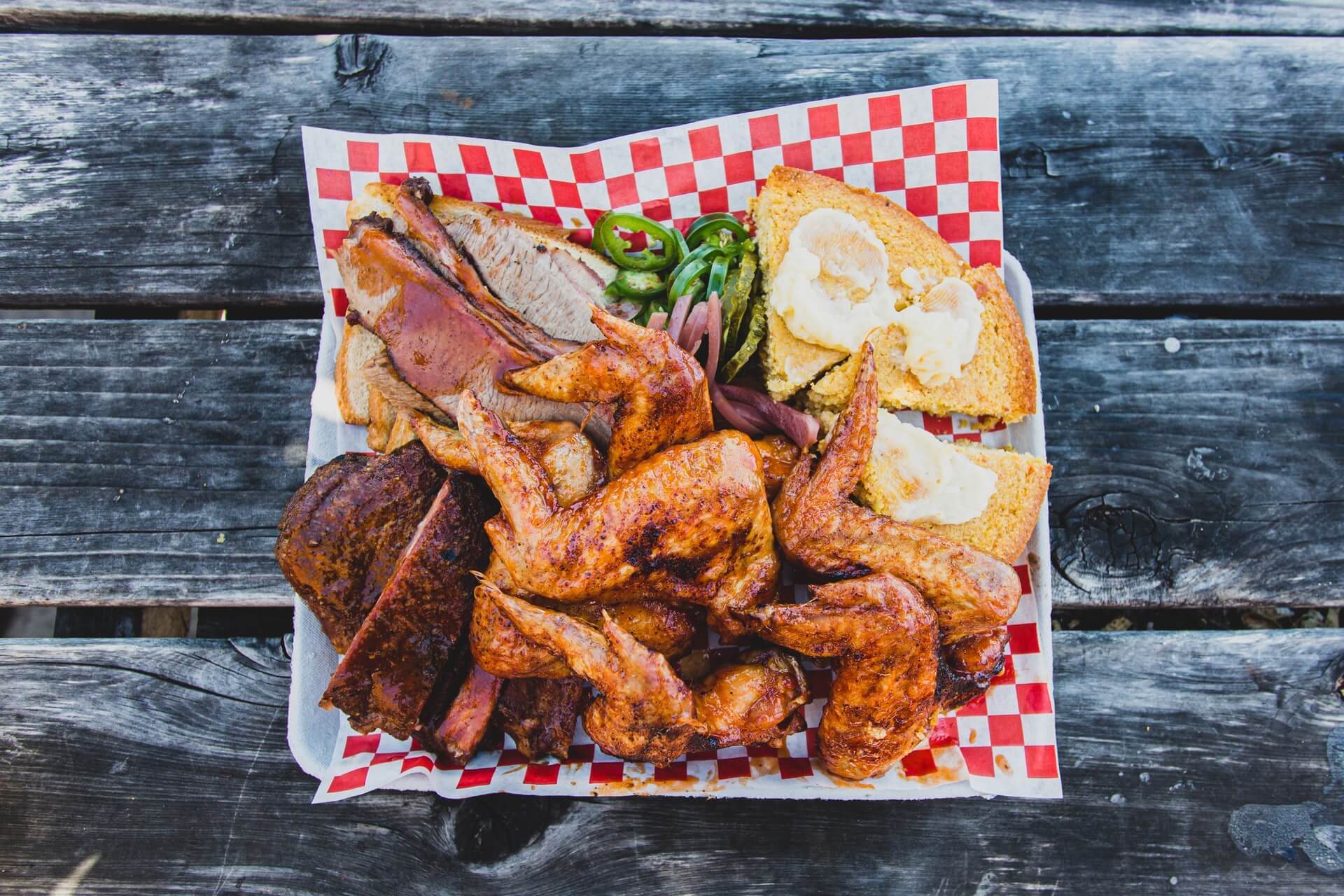
Barbecue food plate on wooden table

We know how plant proteins are performing with consumers but what do we know about how meat, poultry, and seafood are doing?

Well, because of a recent report from Datassential, we know many consumers are “meat-limiters.” And research from the World Resources Institute shows that plant-based performance is nuanced.

Interestingly, the performance of animal proteins on-premise appears to be following a beverage trend: Moderation. According to Datassential, more consumers are reducing their consumption of meat and poultry than increasing it in comparison with 2021.

So, meat-limiters may be indicative of the future of meat consumption.

Consumer Shifts

As the name implies, meat-limiters are limiting or otherwise reducing their consumption of animal proteins. Importantly, it doesn’t appear that a significant percentage of consumers are eliminating animal proteins from their diets.

Rather, many people are simply increasing the amount of plant-based items they’re eating. However, that increase is more aspirational than real in some cases.

Per Datassential’s survey of 1,500 consumers in the US, just over 70 percent of people are meat eaters. In contrast, nearly 25 percent are “flexitarian.” Just two percent are vegan or pescatarian, and only three percent are vegetarian.

So, the vast majority of Americans are still consuming meat, poultry, and seafood. We just now have reason to believe that more consumers may be leaning toward a flexitarian diet.

A bit over a quarter of consumers consume meat every day. Still, many people aspire to eat more vegetables, fruits, and whole grains, per Datassential.

However, there are more pescatarians, vegans, and vegetarians among Gen Z than the overall population. According to Datassential, this could indicate a shift away from animal proteins in the future.

Meat Performance is Nuanced

Just like plant-based performance, meat performance is nuanced. There are many factors at play.

Shifts in what consumers value are driving changes to the performance of proteins. Health, sustainability, the climate, taste, and affordability have an effect on all proteins, animal and plant.

Undeniably, inflation and shaken consumer confidence are impacting protein performance. Everything, it seems, is more expensive at the moment. Generally speaking, animal proteins are pricier than plant-based items.

It makes sense, then, that some consumers are reducing their intake of animal proteins and filling that void with fruits, veggies, and legumes.

Of particular note are shifts in daily and weekly consumption of animal proteins in 2022. Meat consumption once or more per week—beef, lamb, pork, veal—is up three percent. However, there’s a ten-percent increase in consumers eating poultry once or more per week.

Interestingly, daily poultry consumption is down seven percent in comparison with 2021. Likewise, daily consumption of seafood is also down seven percent, and fewer people are consuming it less than once per week.

Plant-based is Down

Despite what some would think, meat-limiters don’t appear to be driving up plant proteins significantly.

In fact, according to Datassential, the daily consumption of plant-based proteins is down. Per the research firm, seitan, tempeh, and tofu are the experiencing the greatest drop in daily consumption.

The fact is that across generations, more consumers eat animal proteins on a daily basis than their plant-based counterparts. Gen Z, per Datassential, consumes more animal proteins on a daily basis than other generations.

So, how does it make sense that people are reducing their meat intake but plant-based isn’t seeing a sizable jump in consumption?

In part, the answer is the growing popularity of plant-forward dishes. These are items, like bowls, that offer a small amount of meat, poultry, seafood or dairy. The majority of these menu items consists of plants but are not free of animal proteins completely.

The path forward may indeed be a plant-forward menu. Of course, this is heavily reliant on a specific concept or brand. Still, it’s likely many restaurants can do well offering mixed dishes, those heavier on plant proteins than animal proteins.

Image: Peter Pham on Unsplash

Note: This article is based on information from Datassential’s “2022 Plant-Forward Opportunity” report. To access a number of free reports, sign up with Datassential today.

by David Klemt David Klemt No Comments

2022 World’s 50 Best Restaurants: 51-100

’22 World’s 50 Best Restaurants: 51-100

by David Klemt

High-end plate of food

Just a week away from their big 2022 reveal, numbers 51 through 100 of the World’s 50 Best Restaurants is now available.

As one expects, these restaurants represent the pinnacle of dining. The 2022 list also represents a number of changes in comparison to 2021.

For example, a number of restaurants in the Middle East are among this year’s 51 to 100 rankings. Notably, these restaurants were not included on last year’s list. In fact, nearly half of the restaurants are new entries on the 51 to 100 list.

Additionally, the 2022 list represents six continents. This year, four “new” countries and a sovereign island city-state make the 51 to 100 rankings:

  • Argentina
  • China
  • Germany
  • Singapore
  • UAE

The regional breakdown is as follows:

  • Asia: 14 restaurants
  • Europe: 13 venues
  • North America: 11 concepts
  • Middle East: 2 restaurants
  • Africa: 2 concepts
  • Oceania: 1 venue
  • South America: 7 restaurants

Just six American restaurants are on the list. Three are in New York, two in San Francisco, and one is in Chicago. Disappointingly, zero Canadian restaurants are among the 51 to 100 rankings.

Restaurants one through 50 will be revealed on Monday, July 18. Numbers 51 to 100 of the World’s 50 Best Bars will be revealed Tuesday, September 27.

The World’s 50 Best Restaurants 2022: 51 to 100

  1. Alcalde (Guadalajara, Jalisco, México)
  2. Sud 777 (Ciudad de México, México)
  3. D.O.M. (São Paulo, SP, Brazil)
  4. Lyle’s (London, England)
  5. Azurmendi (Larrabetzu, Biscay, Spain)
  6. La Colombe (Cape Town, Western Cape, South Africa)
  7. Trèsind Studio (Dubai, UAE)
  8. Alléno Paris au Pavillon Ledoyen (Paris, France)
  9. Sazenka (Tokyo, Japan)
  10. Rosetta (Ciudad de México, México)
  11. La Grenouillère (La Madelaine-sous-Montreuil, France)
  12. Ernst (Berlin, Germany)
  13. Chef’s Table at Brooklyn Fare (New York, NY, USA)
  14. Fu He Hui (Shanghai, People’s Republic of China)
  15. Le Du (Bangkok, Thailand)
  16. Sühring (Bangkok, Thailand)
  17. Evvai (São Paulo, SP, Brazil)
  18. Kjolle (Barranco, Lima, Perú)
  19. Cosme (New York, NY, USA)
  20. Zén (Singapore)
  21. Mingles (Seoul, South Korea)
  22. Atelier Crenn (San Francisco, CA, USA)
  23. Kol (London, England)
  24. Blue Hill at Stone Barns (Pocantico Hills, Mount Pleasant, NY, USA)
  25. Samrub Samrub (Bangkok, Thailand)
  26. Neighborhood (Hong Kong)
  27. Table by Bruno Verjus (Paris, France)
  28. Lasai (Rio de Janeiro, RJ, Brazil)
  29. Estela (New York, NY, USA)
  30. AM par Alexandre Mazzia (Marseille, France)
  31. Brat (London, England)
  32. Sézanne (Tokyo, Japan)
  33. El Chato (Bogotá, DC, Colombia)
  34. Gimlet at Cavendish House (Melbourne, Victoria, Australia)
  35. Raan Jay Fai (Bangkok, Thailand)
  36. Mikla (Beyoğlu/İstanbul, Turkey)
  37. Orfali Bros Bistro (Dubai, UAE)
  38. Mishiguene (Buenos Aires, Argentina)
  39. Máximo Bistrot (Ciudad de México, México)
  40. Wolfgat (Paternoster, Western Cape, South Africa)
  41. Oriole (Chicago, IL, USA)
  42. Indian Accent (New Delhi, Delhi, India)
  43. Hertog Jan at Botanic Sanctuary (Antwerp, Belgium)
  44. Burnt Ends (Singapore)
  45. Meta (Singapore)
  46. Maní (São Paulo, SP, Brazil)
  47. Benu, San Francisco, CA, USA)
  48. Tantris (München, Germany)
  49. Flocons de Sel (Megève, France)
  50. Wing (Hong Kong)

*Bold denotes new entry

Image: Delightin Dee on Unsplash

by David Klemt David Klemt No Comments

Meat-limiters Driving Change

Meat-limiters Driving Change

by David Klemt

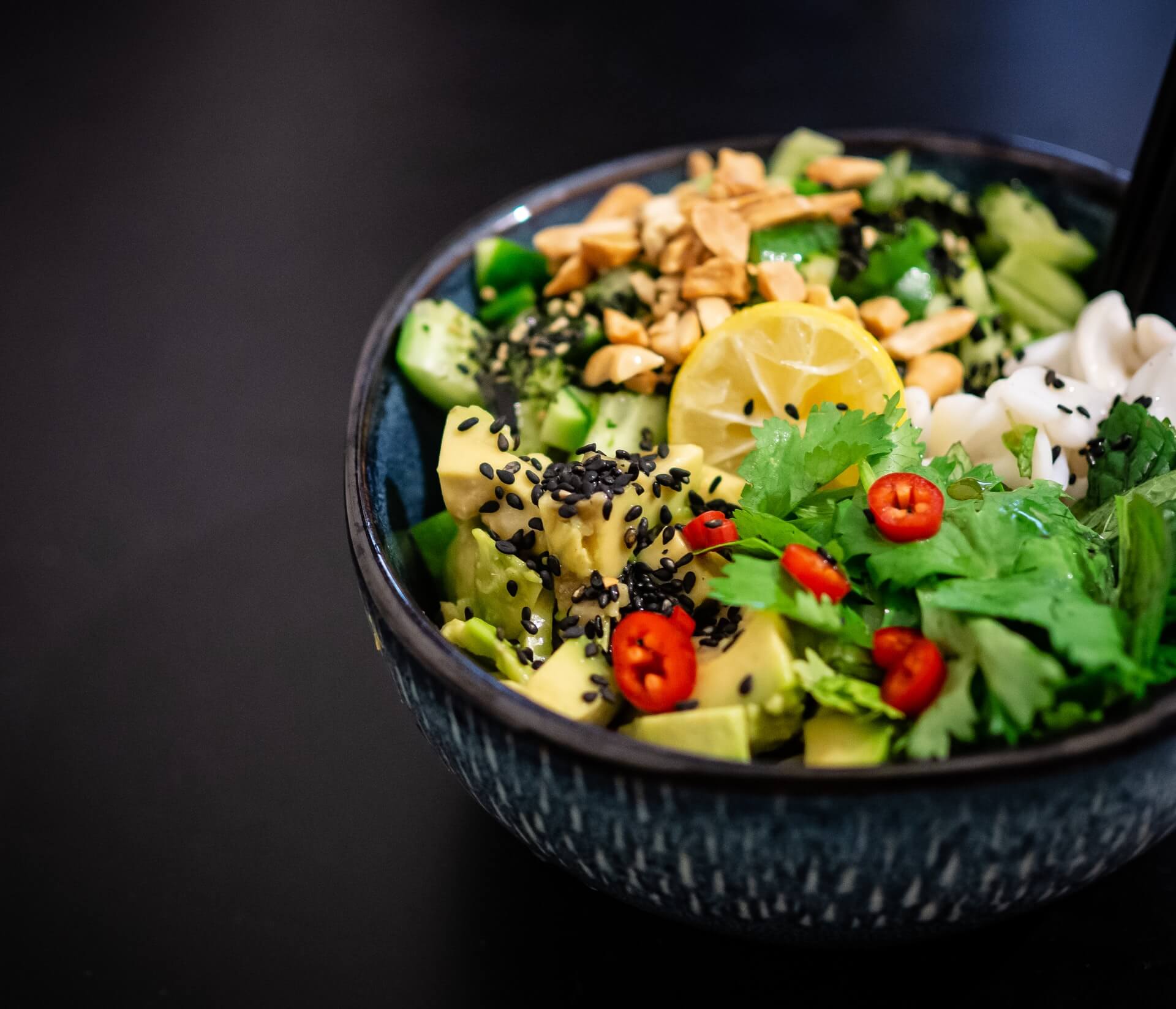
Plant-based food bowl

You’re likely familiar with dietary terms like vegetarian, vegan, pescatarian, and even flexitarian, but what about meat-limiter?

As the name implies, a meat-limiter is a person actively choosing to reduce their meat intake. It’s also an umbrella term that includes vegan, vegetarian, pescatarian, or flexitarian diets.

Earlier this year, Datassential took a look at plant-based opportunities. Over the course of a week, 1,500 Americans ages 18 to 88 were surveyed online.

Datassential conducted their research with three partners:

  • The Culinary Institute of America
  • Food for Climate League
  • Menus of Change University Research Collaborative

The results are revealed within Datassential’s “2022 Plant-Forward Opportunity” report. To access a number of free reports, sign up with Datassential today.

Meat-limiter Guests

Just over a quarter of Americans—29 percent—are meat-limiters in some way. That number climbs to 36 percent for Gen Z, per this Datassential survey.

Of four major diets (vegetarian, vegan, pescatarian, flexitarian), vegetarian and vegan are the least common. The overall US population consists overwhelmingly of meat eaters (71 percent). Nearly a quarter, 22 percent, are flexitarian.

For Gen Z, those same numbers are 65 percent and 19 percent, respectively. Interestingly, Gen Z has more vegetarians and vegans than other generations.

But then there’s this: When it comes to the daily consumption of animal proteins, Gen Z is at the top. It’s Millennials who consume the most plant-based proteins on a daily basis.

Animal proteins are still at the top across generations. However, people are consciously reducing their meat intake and seeking plant-based alternatives.

What’s Driving Meat-limiters?

In comparison to 2021, Datassential hit on a compelling finding. A mere six percent of the US population was actively reducing meat intake last year.

That number has skyrocketed in 2022. This year, per Datassential, 21 percent of consumers can be considered meat-limiters.

Given the pandemic, it makes sense to assume this dietary change is due to personal health. However, climate change is a major driver.

Overall, 55 percent of consumers feel climate change is important. That number climbs to 71 percent for meat-limiters, 69 percent of students.

Half of consumers also feel that plant-based foods, in general, are better for the planet. Nearly half (47 percent) feel these foods are also more sustainable. Again, the number increases for meat-limiters and students (and Millennials, as well).

Interestingly, two-thirds of consumers feel traditional plant-based food items are healthier than new plant-based meat alternatives. However, a little over 60 percent of consumers find both plant-based food categories healthy.

Takeaway

Before proceeding, it’s important to recognize that a survey of just 1,500 people comes with a margin of error.

Still, the results are compelling and provide insight into today’s consumer. Among the top insights:

  • Consumers are trying more plant-based menu items.
  • Climate change and sustainability are driving consumer decisions.
  • More consumers are concerned with their health.

Per Datassential, one way to appeal to a wide range of guests is offering “mixed dishes.” These are menu items that combine animal and plant proteins. Another way forward is menuing plant-forward dishes that include a small amount of meat, poultry, fish, or dairy.

If we accept that only a tiny fraction of the US population is vegetarian or vegan, targeting flexitarians and daily meat eaters in this way makes sense.

Image: Yoav Aziz on Unsplash

by David Klemt David Klemt No Comments

Stand Out with Weird Holidays: November

Stand Out with Weird Holidays: November

by David Klemt

Stay Weird neon sign with purple background

Want to stand out from from other restaurants and bars in your area? Then commit to keeping it weird.

Several “holidays” are set against every date on the calendar, and November is no exception. These holidays range from mainstream—Thanksgiving Eve and Thanksgiving, anyone?—to food-centric to weird.

Pay attention to the latter to raise eyebrows, carve out a niche for your restaurant or bar, and attract more guests. Why do what everyone else is already doing?

Of course, you shouldn’t try to celebrate every holiday, weird or otherwise. And this month’s list in no way includes every odd holiday.

Focus on the days that are authentic to your brand; resonate with your guests; and help you grab attention on social media.

For October’s list, click here.

November 1: World Vegan Day

Obviously, this holiday isn’t weird for vegans or vegetarians. There are, however, those who still find this particular diet odd. Well, this is the perfect holiday to learn more about vegan cooking and eating. Pass on that knowledge by adding delicious vegan dishes to your menu.

November 4: National Candy Day

Do you have a surplus of candy now that Halloween is over? Trying to fight the temptation to eat it all yourself? Various candies perform well as garnishes for cocktails. There’s also another way to approach this holiday, like featuring starters such as candied bacon.

November 6: National Nacho Day

So, this holiday is more fun than weird, really. However, you can probably see the potential to deviate from the standard nacho builds. Instead, ask your kitchen staff to get creative and come up with intriguing takes on nachos that will grab the attention of your guests.

November 9: National Scrapple Day

One of the best ways to cut back on food waste in restaurants, bars, and hotels is to utilize as much of a given ingredient as possible. Scrapple, of which our Philadelphia audience will no doubt be very well aware, consists of pork scraps. Guests outside of Pennsylvania may have never tried scrapple before, so this holiday is the perfect time to tempt them with a new taste sensation.

November 12: National Pizza with the Works Except Anchovies Day

It’s not this pizza that’s weird, of course. It’s the very specific pizza this holiday is celebrating. I’m guessing that you know exactly what to do to celebrate this holiday with your guests.

November 14: Pickle Day

The (in)famous Pickleback. Bloody Mary made with pickle juice. A Dill Pickle Martini. Pickle appetizers and starters. If you’ve got pickles and some degree of creativity, it’s pretty clear what needs to be done on November 14.

National 15: National Spicy Hermit Cookie Day

This is another very specific holiday. This cookie, the Spicy Hermit, features flavors that couldn’t be any more perfect for fall: cinnamon, clove, allspice, and nutmeg. You can Google a recipe, of course, but we found this one and it seems delicious.

November 17: National Take a Hike Day

We’re big fans of encouraging guests and staff to get outside. There are thousands of trails throughout the United States and Canada, ranging from the easy-peasy to the truly treacherous, so the sky’s the limit. Encourage guests to take a hike and grab a bite and drink at your establishment to rest and recover. Have them tag your spot and their meal, of course.

November 28: Red Planet Day

It seems like billionaires and millionaires can’t get enough of Mars. Over the past few years, space travel has focused almost exclusively on the idea of reaching the Red Planet and figuring out how to live on it. So, if you’ve got dishes and drinks that are predominantly red in color, put them at the forefront on November 28.

Image: Dan Parlante on Unsplash

by David Klemt David Klemt No Comments

Months Pass, RRF Still not Replenished

Months Pass, RRF Replenishment Remains Uncertain

by David Klemt

Time has run out hourglass, black and white

If you’re wondering if the RRF Replenishment Act of 2021 or ENTREE Acts are making progress, you’re not alone.

Unfortunately, it appears far too many politicians on all sides are focusing on anything but our industry.

Indeed, it’s apparently more important that they score political “points” for sniping at each other on social media; engage in hyperbole and histrionics; and overall engage in brinksmanship instead of doing anything meaningful for their constituents.

Meanwhile, the industry has lost more than $300 billion in revenue over 19 months. Additionally, we’re short at least one million jobs.

So, it’s not hyperbolic to state this: It’s no longer time for Congress to act, time has very much run out.

It’s up for owners and operators, their teams, and their teams’ families.

Replenish RRF Act

As people familiar with the Restaurant Revitalization Fund will recall, the fund launched with $28.6 billion. Obviously, that was nowhere near enough funding to meet the demand for grants.

The National Restaurant Association estimates that 177,000 grant applicants are still waiting for assistance. Those applications total more than $43 billion.

Essentially, $60 billion would be printed to replenish the RRF. That’s according to the language in the RRF Replenishment Act bill.

In June, Sens. Kyrsten Sinema (D-AZ) and Roger Wicker (R-MS), and Reps. Earl Blumenauer (D-PA) and Brian Fitzpatrick (R-PA) introduced the bill.

It’s now the middle of October.

ENTREE Act

Toward the end of July, Rep. Blaine Luetkemeyer (R-MO) introduced an alternative bill.

A ranking member of the House Committee on Small Business, Rep. Luetkemeyer proposed the Entrepreneurs Need Timely Replenishment for Eating Establishments Act on July 20.

Again, that was in July and it’s now October 25.

Known as the ENTREE Act (acronyms are fun, eh?), this bill wouldn’t just create $60 billion out of thin air.

Instead, per the text of the bill, the ENTREE Act would use unspent funds from the American Rescue Plan and Economic Injury Disaster Loans.

Now What?

In early August, there was an attempt made to replenish the RRF with $48 billion of emergency funding.

Sen. Ben Cardin (D-MD), along with a bipartisan group of senators, sought unanimous consent to authorize the funds.

Unfortunately, Sen. Rand Paul (R-KY) objected to the unanimous consent motion. The measure was blocked due to Sen. Paul’s objection and the RRF didn’t receive any emergency funds.

So, now what? In August, political insiders expressed their opinion that the ENTREE Act wasn’t likely to be passed.

Meanwhile, the RRF Replenishment Act hasn’t made significant progress since it was first introduced in June.

Most recently, members of the Independent Restaurant Coalition held a press conference with Rep. Blumenauer and Rep. Dean Phillips (D-MN). During the press conference, it was pointed out that Congress was voting on infrastructure bills that didn’t contain the RRF Replenishment or ENTREE Acts.

The most that can be said currently about any “progress” is that House Speaker Nancy Pelosi has made a promise that relief for the industry is coming, somehow, during some unknown timeframe.

Great. In the meantime, you, your family members, your friends, and your guests can contact their reps to put more pressure on them to replenish the RRF. You can also click here for more ideas from the IRC on how to get the message across that our representatives need to act now.

Perhaps reminders that every House seat and 34 Senate seats are up for re-election next year will help spur some action.

Image: Eduin Escobar from Pixabay

by David Klemt David Klemt No Comments

Stand Out with Weird Holidays: October

Stand Out with Weird Holidays: October

by David Klemt

Stay Weird neon sign with purple background

Want to stand out from from other restaurants and bars in your area? Then commit to keeping it weird.

Several “holidays” are set against every date on the calendar, and October is no exception. These holidays range from mainstream—Halloween, anyone?—to food-centric to weird.

Pay attention to the latter to raise eyebrows, carve out a niche for your restaurant or bar, and attract more guests. Why do what everyone else is already doing?

Of course, you shouldn’t try to celebrate every holiday, weird or otherwise. And this month’s list in no way includes every odd holiday.

Focus on the days that are authentic to your brand; resonate with your guests; and help you grab attention on social media.

For September’s list, click here.

October 3: National Boyfriend Day

I’m pretty sure you understand exactly what this holiday honors and how to encourage guests to celebrate it. Invite people into your restaurant or bar to treat their boyfriend to a bite, drink, and good time.

October 6: National Noodle Day

Do you have noodles? Like to sell them to guests? Enjoy creating LTOs and specialty noodle dishes? This is the holiday to celebrate all of your favorite things with your guests.

October 8: National Fluffernutter Day

Ah, Fluffernutter. Marshmallow fluff resonates with a lot of people, particularly ’80s and ’90s kids. National Fluffernutter Day is the perfect holiday to leverage nostalgia, creative cocktails and desserts, cooling temperatures, and candy.

October 9: National Motorcycle Ride Day

One of the best parts about cruising in a group on motorcycles is stopping to refuel at a restaurant or bar. Encourage your bike-riding guests to begin, take a break during, or end their group ride at your venue.

October 11: National Kick Butt Day

No, this isn’t a day about literally kicking any butts. Instead, this holiday is about motivating people to take the necessary steps to realize their dreams and achieve their goals. Encourage your guests to take steps to reach their goals and celebrate doing so at your business.

October 13: National Emergency Nurse’s Day

Nurses always deserve our thanks. However, I think we can all agree that the past 18 months have been particularly difficult and overwhelming for nurses. Offer the emergency room nurses (all nurses, really) an amazing food or drink promotion to thank them for all they do.

October 15: National Grouch Day

While this holiday focuses on letting people let their grouch flag fly, operators can take a different direction. Why not offer people a place and promotion to get out of their funk through great food, amazing drinks, and a fantastic time?

October 17: Wear Something Gaudy Day

I mean, this holiday is two weeks out from Halloween—people are willing to make any excuse to dress up.

October 21: Get to Know Your Customers Day

Do you really want to boost your bottom line? Get to know your customers. Really, this holiday is for you. Use this day to implement guest data-collecting practices and train your team to obtain this valuable information. Learn more about why and how to build a guest database on episode 51 of Bar Hacks with Matt Plapp.

October 25: Sourest Day

There are multiple ways to approach Sourest Day. Some say it’s about eliminating the “sour” people in our lives. Others use it to enjoy sour candies which, admittedly, is perfect for Halloween month. For operators, promoting sour beers and cocktails is likely a winning strategy.

October 29: National Breadstick Day

Unless someone is counting their carbs strictly, everyone enjoys a breadstick. In reality, not many people have the discipline to enjoy just one. If you’ve got breadsticks on your menu, you know what to do on this holiday.

Image: Dan Parlante on Unsplash

by David Klemt David Klemt No Comments

Stand Out with Weird Holidays: September

Stand Out with Weird Holidays: September

by David Klemt

Stay Weird neon sign with purple background

Want to stand out from from other restaurants and bars in your area? Then commit to keeping it weird.

Several “holidays” are set against every date on the calendar, and September is no exception. These holidays range from mainstream to food-centric to weird.

Focus on the latter to raise eyebrows, carve out a niche for your restaurant or bar, and attract more guests. Why do what everyone else is already doing?

Of course, you shouldn’t try to celebrate every holiday, weird or otherwise. And this month’s list in no way includes every odd holiday.

Focus on the days that are authentic to your brand; resonate with your guests; and help you grab attention on social media.

For last month’s list, click here.

September 3: National College Colors Day

There are a few ways you can go about celebrating this holiday. If your bar or restaurant supports a particular college team, create a promotion that encourages guests to wear that team’s colors. You can also ask guests to wear their favorite college team’s colors…if there’s no risk of rivalries getting out of hand, of course.

September 4: World Beard Day

An entire day dedicated to celebrating facial hair? Sign us up! There’s a lot you can do with this holiday, even if that means going the other way and rewarding the clean shaven among us.

September 6: National Read a Book Day

It’s not exactly a secret that we love a good book, whether it’s about leadership, business, history, cocktails, food or fiction. Create a new promotion focused on inspiring people to read books or bring back last month’s Book Lover’s Day promo.

September 10: National TV Dinner Day

Delivery and takeout aren’t going anywhere. Even before the pandemic, these two lifelines helped many operators generate revenue. Several restaurants have come up with signature TV dinners and you can do the same.

September 12: National Hug Your Hound Day

People love dogs. People love other people’s dogs. If your business is dog-friendly, this is the day to encourage guests to bring their pooches to your restaurant, bar or hotel.

September 19: National Talk Like a Pirate Day

I doubt I have to tell you what to do this day. Brush up on your pirate and nautical lingo, feature themed cocktails like the Dark & Stormy, and if you have the capability, show a pirate movie or two.

September 22: Car Free Day

If it’s authentic to your brand and will resonate with your guests, create a promotion that encourages people to walk, ride their bikes, or otherwise get to your place by means other than traditional petrol-powered vehicles.

September 25: National Comic Book Day

Break out the comic book character-inspired cocktails and your favorite comic book movies on this day.

September 27: World Tourism Day

This is a great day to seek out partnerships with hotels and local tourism boards to drive out-of-town guests through your doors.

September 28: National Good Neighbor Day

We’ll always suggest that operators show their communities that they support them and are members in good standing. This is the perfect day to pay back the support you receive from the community.

Image: Dan Parlante on Unsplash

by David Klemt David Klemt No Comments

Supporting Local Charities

Supporting Local Charities

by David Klemt

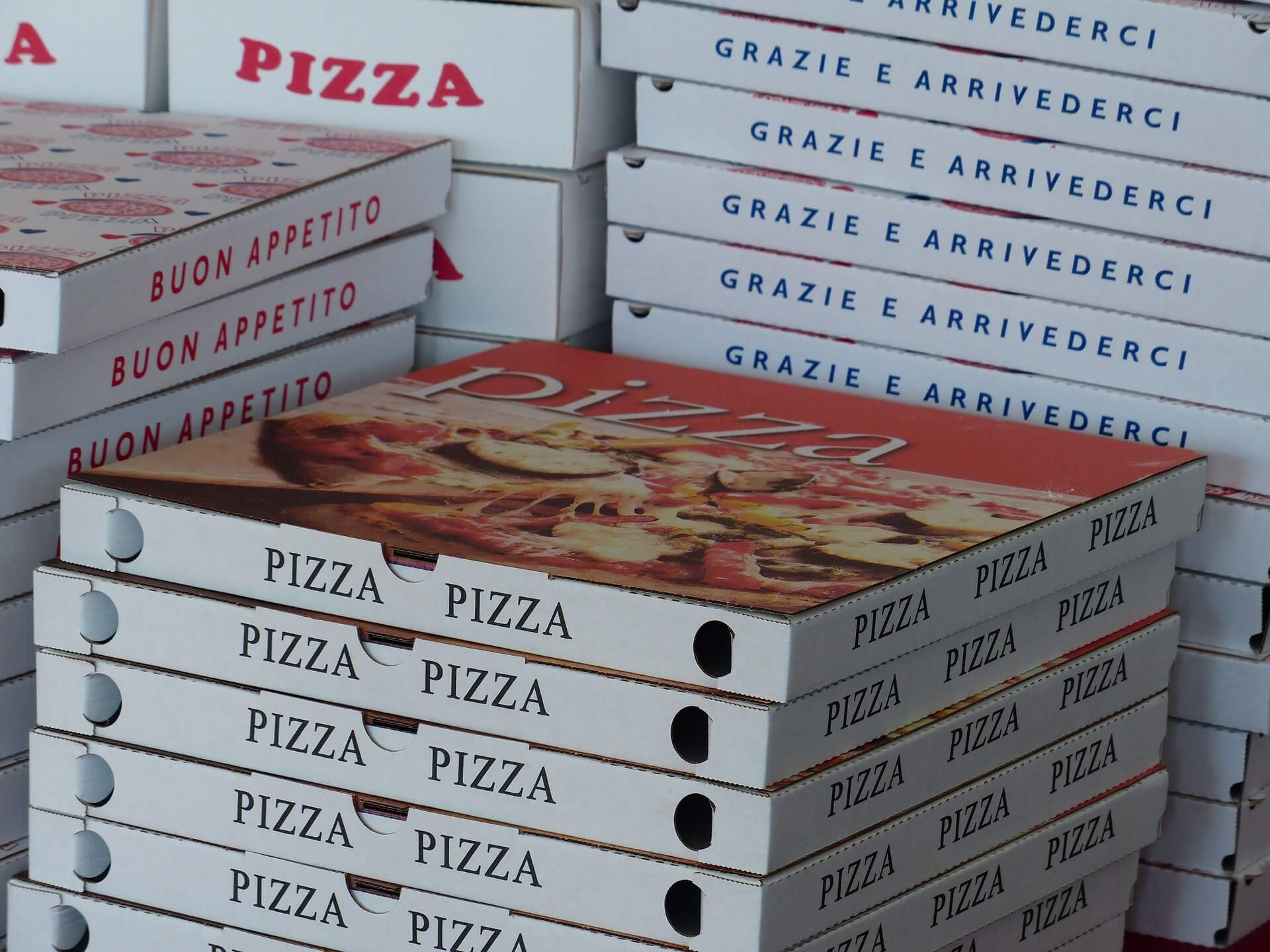
Stacks of pizza boxes

When it comes to showing the community you serve that you care about the people in it, supporting local charities is a wise decision.

Indeed, it’s a choice that restauranteur, restaurant industry leader, author, speaker, and World Pizza Champion Mike Bausch endorses.

Last week, Bausch shared his tips for supporting local charities at the 2021 International Pizza Expo in Las Vegas, Nevada.

The owner of Andolini’s Pizzeria in Oklahoma is also a Bar Hacks podcast guest. Click here to listen to episode 18.

The Wrong Way

First, Bausch encourages operators to always donate food, not money.

“Don’t be a gold Sponsor,” he says of the higher tiers of charitable donations. “Don’t be a silver sponsor.”

Of course, one reason to provide only food to a charity’s event comes down to costs. Let’s say an operator plans to donate five 20-inch pizzas (I know, not a huge donation—it’s just an example). On the high end, the food cost is $7 per pizza. That’s a donation of just $35 while still showing community support.

Second, promoting charitable donations. Simply put, don’t do it.

Bausch says to just provide the donations but not brag about it on social media or other avenues. In most cases, doing so wipes out good will from the community.

However, there is one exception: national charity events.

Third, some donations come in the form of silent auctions. In these instances, Bausch believes it’s perfectly acceptable to be over the top.

For example, silent auction items are often just an 8.5 x 11 sheet describing what a bidder can win. To stand out, Bausch says to go big with a branded basket loaded with several items. People will leave the event remembering the brand with the big basket.

The Right Way

Here, Bausch explains that he normally says yes to all charities. There are, of course, some exceptions. More on that below.

First, let’s take a look at a simple way to field donation requests. Bausch recommends adding a donation request page to a restaurant’s website. Doing so makes it easy for an operator to stay on schedule for donations and events.

The form also helps weed out the aforementioned exceptions. If someone seeking donations can’t even take the time to fill out the form, says Bausch, that identifies a red flag immediately.

Also, Bausch includes the following at the end of the request form: “A customer of Andolini’s?” (yes or no), and “Describe an experience (positive or negative) you’ve had at Andolini’s.”

Additionally, not every donation Bausch and Andolini’s make is necessarily for a charity. There are smaller groups of people with whom Bausch will seek good will.

Example: Pokémon and Magic: The Gathering groups. Bausch sees value in supporting so-called “fringe” groups, providing a place to host tournaments or food for their tournaments.

Bausch will also call the local police, ask when shift changes take place, and drop off pizzas.

When asked, inevitably, why he would just drop off free pizzas, his answer is simple: “Because we want to.”

Image: Hans Braxmeier from Pixabay

by David Klemt David Klemt No Comments

Leadership: The Other 10-second Rule

Leadership: The Other 10-second Rule

by David Klemt

Watch face showing seconds and minutes

Those who remember last week’s Friday post will recall that there’s more than one 10-second rule.

Interestingly, this “other” rule also relates to communication.

As we all know, communication is paramount to leading teams and building relationships with others.

Last Week’s Rule

Deceptively simple, last week’s 10-second rule focuses on easing tensions.

If a situation is about to boil over or is already out of control, going silent for 10 seconds can cool things off.

First, shutting up for ten seconds stops the argument cold. Second, it provides time for the person leveraging this tactic to respond rationally.

Third, it humanizes the other person. Rather than seeing an opponent, the person going quiet for ten seconds remembers that this is a team member they’re engaging.

Finally, people who use this rule say going silent tends to snap the other party out of their hostility.

Treating others with respect and dignity, along with encouraging open communication and a free flow of ideas, are hallmarks of a healthy workplace culture.

This Week’s Rule

There are, of course, similarities between this week’s rule and last week’s. Obviously, they both call for a ten-second “timeout” to talking.

Also, they both focus on humanizing the other person in the conversation.

I came across the other 10-second rule on the Accounting Today website. Accountant and author Kyle Walters writes that his rule is also simple: If Walters talks for ten consecutive seconds during a client meeting, he stops to ask an open-ended question. Crucial to the process is that Walters then gives the person answering time to talk.

Now, while Walters applies this to client meetings, it’s useful for conversation in general. As he points out, it breaks the bad habits of dominating conversations; giving off the impression that you’re selfish and don’t care about the others in conversations; and not listening to others.

Anyone who leads a team; needs to develop relationships with suppliers, distributors, contractors, investors, banks, inspectors, etc.; and wants to build relationships with guests knows that listening is crucial.

Sure, ten seconds doesn’t seem like a lot of time. However, take the time to actually see how many thoughts you can fire off in ten seconds. You’ll see how much talking for that “small” amount of time can quickly seem domineering if you don’t stop to include others in the conversation.

There’s also the “small” detail that you’re not having a conversation if you’re not listening—you’re just delivering a speech…and it’s probably not a good one.

It takes work to break bad habits. However, the benefit to your personal growth, leadership abilities, and business are worth the effort.

Image: Agê Barros on Unsplash

by David Klemt David Klemt No Comments

Wendy’s Looks to Ghosts for Growth

Wendy’s Looks to Ghosts for Growth

by David Klemt

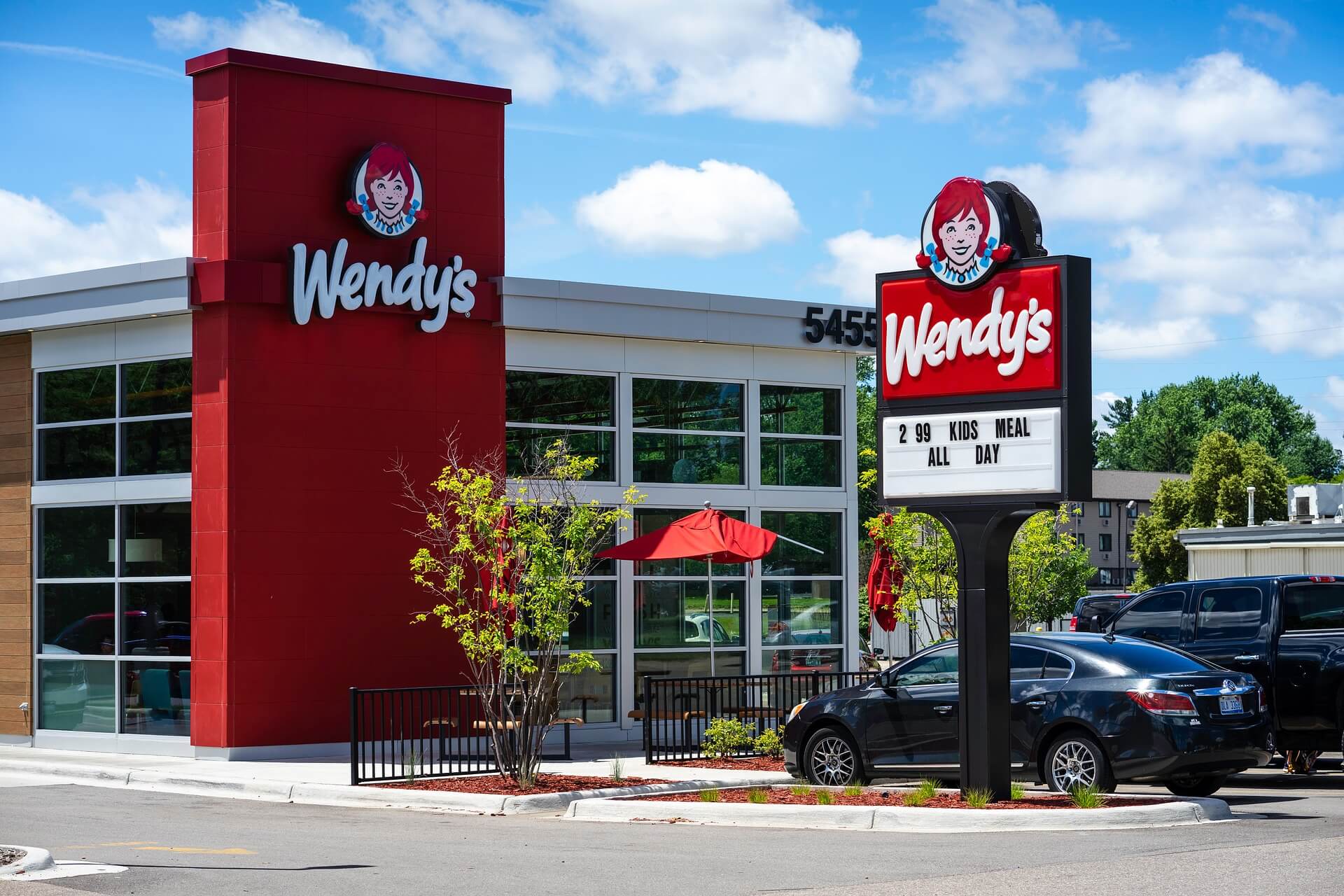
Wendy's fast food restaurant exterior and sign

Wendy’s is the latest foodservice company to announce plans to open ghost kitchens in Canada, the US and the UK.

The fast-food giant’s scheme is large-scale and part of an expansive growth strategy.

Per the company, Wendy’s plans to open 700 ghost kitchens.

Embracing the Trend

Here’s a question for you: Do you hear and read the word “pivot” or the phrase “ghost kitchen” more often these days?

Ghost kitchens seem to be the pivot of choice for restaurant groups and enterprising tech companies looking to leverage the next big thing. (There, a sentence with both “pivot” and “ghost kitchen” in it,)

The trend also appears more often than not to be the domain of Big Business.

Former Uber executive Travis Kalanick is the founder of CloudKitchens. DoorDash is also entering the ghost kitchen space, running a trial in California to see if pursuing the idea is viable.

Now, enter Wendy’s, not exactly a mom-and-pop shop in the restaurant space.

Ghost vs. Virtual Kitchen

We don’t revel in the semantics game, necessarily. But we know people are going to refer to Wendy’s ghost locations as “virtual” kitchens as well.

However, ghost kitchens and virtual kitchens have unique definitions and characteristics.

Wendy’s isn’t creating a new brand with new items they’re preparing in their existing brick-and-mortar locations. Nor do they plan to do so with their new locations under constructions currently.

Were that the case, their strategy would be a virtual kitchen plan.

Instead, the 700 locations will be separate facilities without storefronts. Also, the units will focus solely on delivery, leveraging on-demand consumer behavior.

So, the lack of storefront is arguably the greatest defining characteristic of a ghost kitchen.

Conversely, a virtual kitchen operates in a location with a storefront. However, the brand on offer exists online and not in the brick-and-mortar world of an established brand. In essence, an existing brand is offering a brand that they don’t want to dilute what they’ve already built.

That’s a Lot of Ghosts

Per reporting, Wendy’s is joining forces with Reef Technology to open and operate their ghost kitchens.

At least 50 such locations are in the works to open this year. The other several hundred locations will open between 2022 and 2025.

That means we should see more than 150 Wendy’s ghost kitchens going live per year across Canada, the US and the UK.

Partnering with Reef Technology is an interesting and telling maneuver. Reef, per their website, focuses on “urbanization” and reshaping “our urban infrastructure.”

And as CEO Todd Penelow stated last week, Wendy’s doesn’t isn’t strong in urban areas. The vision for Wendy’s new strategy is to penetrate urban markets, adding new stores and new franchisees as the brand moves forward.

Should things go according to plan, Wendy’s expects to expand from 6,500 units worldwide to somewhere between 8,500 and 9,000 in 2025.

Image: Michael Form from Pixabay

by David Klemt David Klemt No Comments

Connect with Us at Pizza Expo 2021

Connect with Us at Pizza Expo 2021

by David Klemt

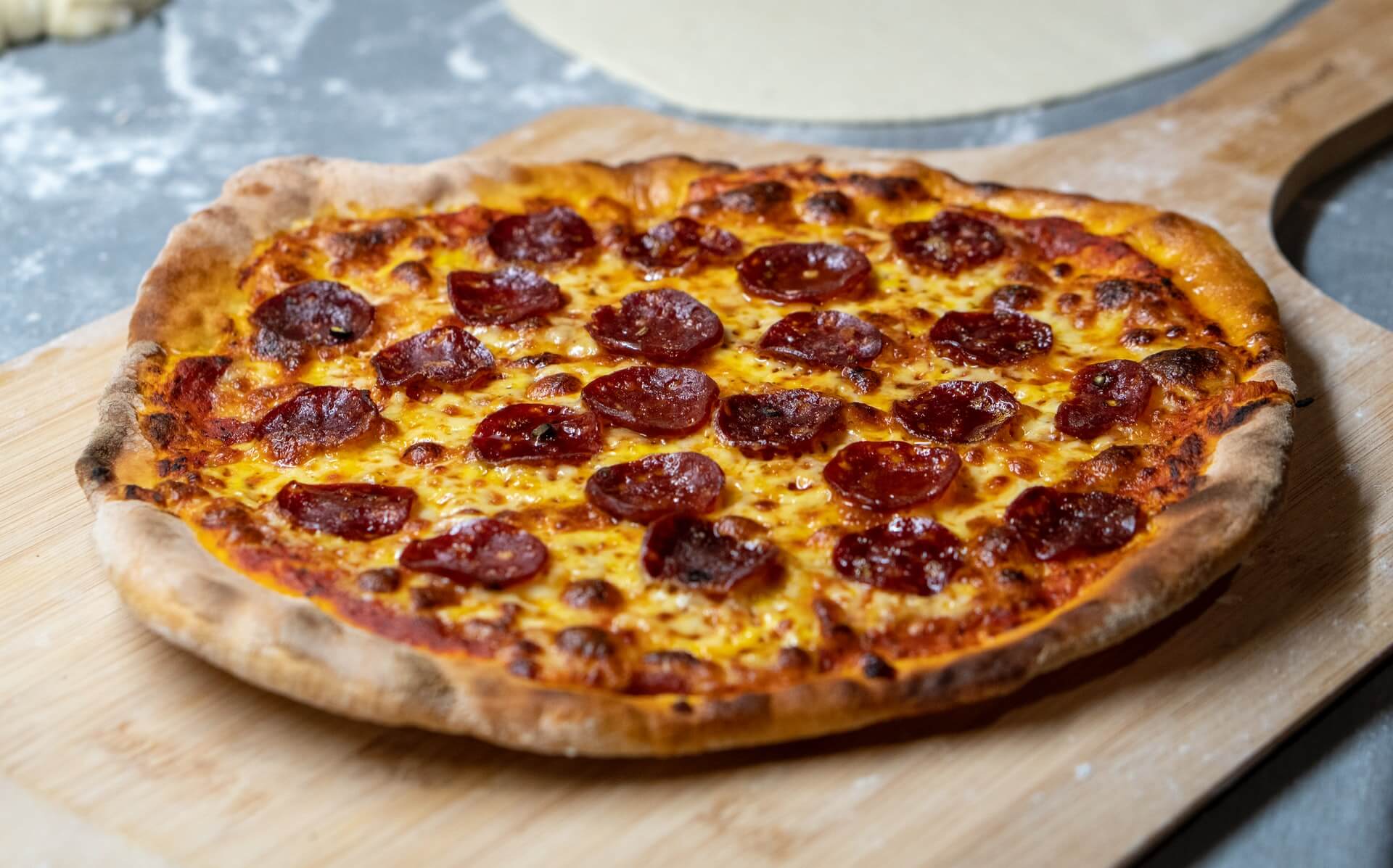
Freshly baked pepperoni pizza on board

We’re currently attending the International Pizza Expo in Las Vegas this week.

If you’d like to meet up, don’t hesitate to reach out to me via email or LinkedIn.

There are a lot of attendees to meet, education sessions to check out, and exhibitors to explore. However, we’ll be around so don’t be shy.

Where to Find Us

First, it’s awesome that trade shows and conferences are back in Las Vegas.

Linking online is convenient but nothing can really replace connecting in person.

That said, we’ll be at the International Pizza Expo all three days. Please, if you want to learn more about KRG Hospitality or the Bar Hacks podcast, feel free to connect.

Today, you’ll be able to find us at industry leader, pizza pro, restaurateur, and Bar Hacks guest Mike Bausch‘s “Community Marketing” seminar. Of course, we’ll also be attending his keynote on Wednesday.

But, back to today. You’ll certainly be able to find us at Scott Anthony’s “Old-school Marketing that Still Works,” and Nicole Russell and Anthony Falco’s “Today’s Top Pizza Trends” seminars.

If you’re looking for us on Tuesday, we know we’ll be attending Bausch’s “Menu Development Amidst COVID”; Nicole Bean’s “Logistics of Offering Multiple Pizza Styles”; and Sammy Mandell’s “Using Video to Grow” sessions.

Wednesday, the final day of this year’s International Pizza Expo, offers an array of can’t-miss education sessions.

We’re interested in the “Women in Pizza” panel featuring Nicole Bean, Rachel Cope, Denise Greer and Nicole Russell; Bausch’s “Third-party Delivery”; and the “Not Letting Covid Win” panel with Domenico Di Diana, Pasquale Di Diana, and Eric Rickman.

Of course, we’ll be walking the expo floor as well.

Las Vegas is Home

One of the major KRG Hospitality markets is Las Vegas. It’s where I’ve lived for nearly two decades.

So, if you want to grab a bite and a drink or even just want some tips for places to check out, reach out to me.

As home to one of Tony Gemignani’s Pizza Rock locations, it’s more than a little likely that you’ll spot us at this off-Strip pizza standout.

Image: amirali mirhashemian on Unsplash

by David Klemt David Klemt No Comments

How and Why to Edit Your Menu

How and Why to Edit Your Menu

by Nathen Dube

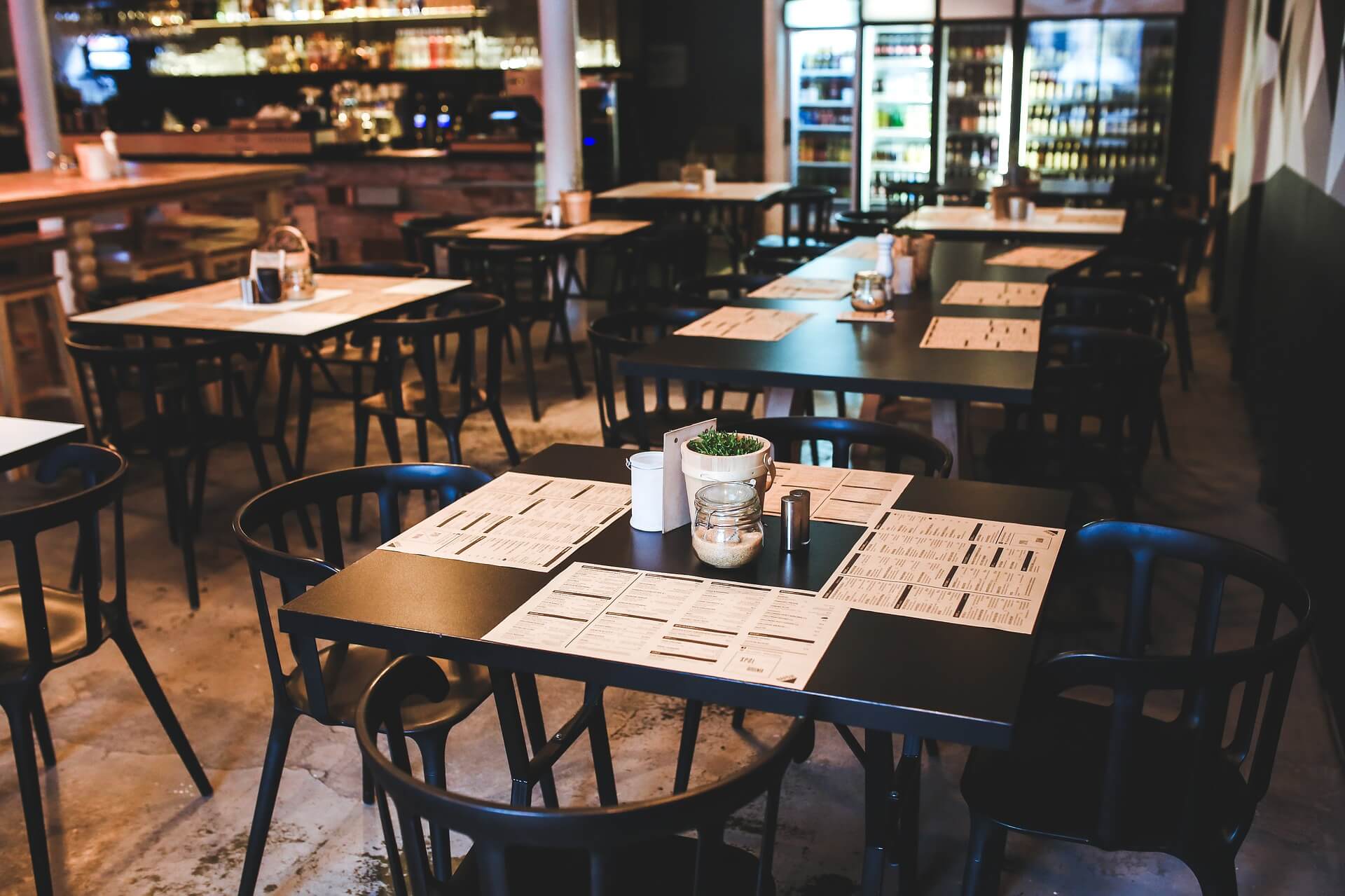
Restaurant tables with place settings and menus

When thinking about opening a restaurant an important question to answer is, “What am I going to serve?”

There is one answer that tempts too many restauranteurs: “I’ll offer something for everyone!” The thinking is that doing so translates into everyone coming to their restaurant or bar.

The truth is, everyone isn’t coming. Sadly, many of these places don’t survive long, and 60 percent of restaurants don’t make it past their first year. Having an overwhelming menu is one of the key contributors to that statistic.

Massive menus are stressful for guests, making it difficult for them to decide. At a certain point, too many items create what’s called the Paradox of Choice. Overwhelm guests with possibilities and they’ll just choose something simple and familiar rather than exploring the entire menu, impacting the guest experience negatively.

Too many options also lend to the perception of low-quality food. How can a kitchen staff possibly excel at so many dishes? How can the ingredients be fresh and not frozen? What is the quality of dishes if people only order them once or twice a week?

Those reasons and more are why it’s important to have a laser-focused menu from the onset.

Inventory Challenges

If a large portion of your menu isn’t moving out of the kitchen to hungry diners, guess where that food is going. A large menu creates tracking issues, a high percentage of ingredient spoilage, and opens the door to theft from staff. The best establishments do just a handful of things well, with a select few complementary items to round out the menu.

Having a kitchen full of product for dishes on the menu that might get ordered can quickly turn into dead stock. If there are boxes sitting in dry storage shelves collecting dust, it’s a good time to consider removing any dishes that require them from the menu.

Setting a scheduled review of inventory and menu sales breakdowns can be a great way to avoid dead stock eating into your food budget for any significant length of time. Not all dishes end up being winners—ignoring the losers will limit profitability significantly. A massive, unchecked menu just compounds the issue.

Another profit-eater is food waste. Ordering usually means receiving product in bulk and breaking it down. It’s near impossible, as an example, to order just two or four of something like cabbage for a dish that doesn’t move. The cabbage sits, and half a case gets thrown out for every dish sold. Having a focused menu will help quickly highlight items that need to be removed from a menu.

Tracking Issues

Then there’s the issue of theft. Unfortunately, theft happens. Having some deterrents in place can help mitigate opportunities for those who seek to steal in this industry.

If there aren’t robust tracking systems in place along with an honest team who uses them correctly, things can (and will) disappear. A much harder time will be had spotting losses and what’s causing them when it takes a long time to track inventory. Again, this leads to compounded profit losses on dead stock and product spoilage. We haven’t even begun to prepare any food yet and already our food cost is trending in a bad direction.

A restaurant budget needs to be established before opening and needs to be adhered to strictly. That can quickly go out the window when it comes to ordering food to stock your kitchen. A massive addition to your operating costs can set you back a few months, particularly when you’re not seeing a return on purchases for the reasons stated above.

With the current climate of the restaurant industry and a post-Covid dining scene, avoiding these pitfalls is crucial to success. Rising food and labour costs, recovering from months of closures, and a shortened patio season (if you’re lucky enough to have one), have made strict cost controls more important than ever going forward.

Keep in mind, if your seating capacity matches or is less than the amount of menu items you’re serving, that equates to minimal product turnover, which translates to minimal profits. That number is multiplied by product loss of any kind.

Training & Retention

When an owner can’t match their concept to food and drink offerings, it leads to poorly trained staff and frustration during service. There will be plenty of room for error (more loss!) and, unsurprisingly, low staff retention. That all keeps this never-ending cycle in motion.

If you can’t clarify your vision, how can you expect staff to showcase it to guests with any confidence?

At every “big menu” restaurant I’ve worked in, the owners were always in the building or kitchen. This wasn’t because they were driven to be hands on. It was because they couldn’t train staff properly to run the whole menu reliably, things would go “missing,” or staff simply couldn’t accomplish daily tasks consistently.

Interestingly, the opposite was true at establishments with small, focused menus. Staff were confident and knowledgeable, problems with food and service didn’t spiral out of control, and food moved out the door to some degree of consistency. The owners were freed up to run their business rather than micromanage everyone.

With all the issues currently hampering the food industry, the last thing you want right now is another level of frustration among your staff. Retention rates are at an all-time low. The struggle to fill job openings industry-wide are at all-time high, as are reported cases of staff walking out mid-service. A properly structured menu can keep your business on track and make the lives of your employees much more simplified.

Editing Your Menu

Focusing on cohesion between menu and concept doesn’t require offering all the dishes under the sun. Avoiding the “something for everyone” approach leads to improved guest experiences and employee confidence. Streamlining your menu simplifies inventory and sales tracking; differentiates high-profitability items from the rest; and makes identifying items that don’t sell easier.

Paring down your menu into a tight, focused version allows you to quickly retool it every few months. Just try tracking and editing a large four-page menu as frequently. It’s costly to reprint and you have better things to do with your time.

Keeping things tight also creates space to take advantage of seasonal offerings, local specialties, or customer favorites. You can also offer specials throughout the week that can drive traffic and give your talented cooks a chance to show off!

I would suggest looking over your sales data to identify your highest-selling dishes and the slow movers every one to two months. If you have a seasonal menu, this can be done at the midpoint of a seasonal change.

Think about what items are being purchased and only used in one dish. They can start to pile up in your stockroom and lead to dead stock. Consider the versatility of ingredients when planning a menu change—cross-utilize everything you can.

Fluctuating Costs

Another important point that can get forgotten is that the prices of food items fluctuate constantly. Maintaining a large menu, therefore, can become a nightmare cost scenario quickly. Limes, beef, avocados—even celery—are experiencing tremendous jumps in price. A small menu allows for damage control when prices jump, giving your room to make quick, lower-cost moves.

Of course, the alternative is to have your staff rattle off everything the kitchen is out of to your guests. Not cool.

The underlying theme here is to avoid tying up your finances in product that is sitting, turning to waste instead of profit, or not moving at all. Your mission is to have product moving out of the kitchen constantly and consistently.

It might seem like a wise decision to offer a large menu that’s all over the place. Maybe you’re making that choice for fear of alienating guests or reducing your traffic. However, the points made in this article should illustrate why a cohesive link between concept and menu is crucial, and how a smaller, more focused menu can deliver more for you than a large, out-of-touch menu.

Image: Karolina Grabowska from Pixabay

by David Klemt David Klemt No Comments

What is the ENTREE Act?

What is the ENTREE Act?

by David Klemt

United States Capitol Building on fifty dollar bill

Foodservice and hospitality operators are waiting for Congress to act and replenish the Restaurant Revitalization Fund.

Well, that replenishment may come in the form of a bill from Rep. Blaine Luetkemeyer (R-MO).

Congressman Luetkemeyer is a ranking member of the House Committee on Small Business.

Restaurant Revitalization Fund Empty

As operators know, it didn’t take long for the RRF to be depleted entirely.

The Small Business Administration opened the RRF application portal on May 3. Just 21 days later, the portal was closed to new applicants.

More than 60 percent of eligible applicants in need were not awarded grants from the $28.6 billion fund.

Clearly, that amount was nowhere near enough to meet the needs of our industry.

People have been calling for Congress to #replenishRRF ever since the RRF portal was closed on May 24.

Entrepreneurs Need Timely Replenishment for Eating Establishments Act

To be fair, Congress acted quickly to at least address the SBA’s shortcomings in handling the RRF.

Early in June, a bipartisan group introduced Restaurant Revitalization Fund Replenishment Act of 2021. Sens. Kyrsten Sinema (D-AZ) and Roger Wicker (R-MS), and Reps. Earl Blumenauer (D-PA) and Brian Fitzpatrick (R-PA) introduced the bill on June 3.

The bill seeks $60 billion to replenish the RRF and the funds would essentially come from “printing more money.”

However, Rep. Luetkemeyer introduced the Entrepreneurs Need Timely Replenishment for Eating Establishments Act on July 20.

The aptly (if unwieldy) named bill is also proposing $60 billion. However, the funds would come from a combination of sources.

ENTREE Act Funding

Both sources would pour unspent, previously allocated funds into the ENTREE Act.

Rep. Luetkemeyer’s bill proposes using state and local funds from the $1.9 trillion American Rescue Plan.

The ENTREE Act would also secure funds from Economic Injury Disaster Loans that have yet to be spent.

Currently, there’s no indication if Congress intends for these bills to somehow work together. Also, no date has been put forth regarding voting on either the Restaurant Revitalization Fund Replenishment Act or ENTREE Act.

However, we can put pressure on Congress by asking them to act quickly on these bills. So, let’s come together and contact our representatives—it can take just 30 seconds.

Image: Karolina Grabowska from Pexels

by David Klemt David Klemt No Comments

New York City Mandates Escalate

New York City Mandates Escalate

by David Klemt

Times Square empty in New York City during Covid-19 pandemic

Mandates requiring people to wear masks and maintain social distance indoors aren’t new.

However, a mandate requiring proof of vaccination status to dine and drink inside a restaurant or bar is a new development.

This week, Mayor Bill de Blasio is escalating Covid-19 mandates in New York City.

Restaurants and Gyms

To date, New York City is nearing a 70-percent full vaccination rate.

The latest pandemic mandate is likely intended to boost the city’s vaccination rate. Per reporting, the Delta variant of Covid-19 accounts for more than 70 percent of new cases in New York City.

Interestingly, the new mandate requires workers, not just customers, to prove their vaccination status. It also makes New York the first major city to implement such a requirement.

So far, the requirement pertains to indoor restaurants, bars, nightclubs, performances, and gyms.

Per Mayor de Blasio’s announcement, the vaccine mandate, referred to as “the Key to NYC Pass,” will begin with a transition period that starts August 16. Beginning September 13, full enforcement of the mandate via New York State’s Excelsior Pass app; the NYC COVID SAFE app; or paper vaccination card is expected.

Union Square

Predictably, the response to this mandate comes in three flavors: supportive, hostility, and apathetic.

So, those who support the requirement are applauding it, saying they’ll feel safer when dining out. Conversely, those who oppose the new mandate believe this is glaring government overreach and an infringement on their freedoms.

In a way, however, this mandate isn’t completely new. Some operators throughout the United States already require proof of vaccination to enter their venues.

Currently, several media outlets are focusing on Danny Meyer and his Union Square Hospitality Group.

Several days before Mayor de Blasio’s announcement, Meyer said guests who want to dine and drink in his NYC restaurants will need to prove vaccination status starting September 7.

Additionally, Meyer announced current and new employees would have to prove they’ve been vaccinated.

At the moment, it doesn’t appear Shake Shack, of which Meyer is founder and chairman, will follow suit.

Not the First

However, Meyer is not the first operator to implement and enforce strict Covid-19 protocols to protect their teams, guests and communities.

Perhaps some of the focus on Meyer is intended to draw eyes and ears, and ultimately encourage more people to get vaccinated fully. After all, celebrity chefs and operators have nationwide and global influence.

Cynically, however, it’s to not dismiss the focus on Meyer as a ploy for ratings, clicks, and engagement.

At any rate, many operators across the country require proof of vaccination to work and dine at their restaurants, bars, nightclubs, and hotels. And many were doing so before Meyer made his announcement.

One such chef-operator is Eric Rivera, who operates ADDO in Seattle. He has required proof of vaccination for employees and guests since May of this year.

In fact, Chef Rivera has been strict in his handling of Covid-19 health and safety measures since last year.

A visit to Chef Rivera’s website finds the following disclaimer, attributed to him:

“All of our experiences are for vaccinated guests only. That will remain permanent. If that’s a problem for you then there are plenty of restaurants that will reward you for doing nothing, this isn’t one of them.”

During an NPR interview, Chef Rivera explained his stance succinctly: “I don’t want to be somebody’s last meal. Whatever I’m doing food-wise and restaurant-wise isn’t worth that.”

He’s active on Twitter, where he makes his position and policies clear.

Takeaway

If you think I’m going to point out that New York City’s new mandate increases the likelihood of hostile confrontations with guests, you’re correct. I’ve said it before and I’ll say it again.

Also, if you’re guessing that I’m going to point out that guest-facing team members must receive support from leadership when policing guest behavior, you’re two for two.

However, policies like those put in place by Chef Rivera and others throughout the industry highlight something else: They’re showing the fallacy of the maxim “the customer is always right.”

Why should operators tolerate aggression toward their employees from disrespectful, angry customers—for any reason—if the employee is remaining professional and respectful?

It certainly seems that a growing number of operators are tired of capitulating to everyone who walks through their doors. The days of bowing to customers and failing to support and defend employees look to be ending.

Personally, I’m in favor of putting that outdated adage to rest. Continuing to reward guest behaviors we find objectionable—which has been the industry’s stance for decades—ultimately motivates good employees to quit. Again, this isn’t a pandemic-driven phenomenon—it has been going on for generations.

Of course, each operator must do what they think is best for their business. Just about every decision made in this industry is risky, but risk is something all operators understand inherently. Watching dollars walk out the doors never to return can be a frightening proposition. So is the prospect of losing good workers and incurring the associated costs.

The need to balance the comfort and safety of their team members and guests is paramount—an absence of either will shut a business down. Today, however, choosing guest dollars over employee dignity, safety and mental health is inexcusable and evidence of a problematic company culture.

If we’re truly in the midst of a Great Resignation, I can’t fault operators for deciding to keep their employees safe. Even if we weren’t facing a labor shortage, I’d support operators who support their workers.

Image: Paulo Silva on Unsplash

by David Klemt David Klemt No Comments

Stand Out with Weird Holidays: August

Stand Out with Weird Holidays: August

by David Klemt

Stay Weird neon sign with purple background

Want to stand out from from other restaurants and bars in your area? Then commit to keeping it weird.

Several “holidays” are set against every date on the calendar, and July is no exception. These holidays range from mainstream to food-centric to weird.

Focus on the latter to raise eyebrows, carve out a niche for your restaurant or bar, and attract more guests. Why do what everyone else is already doing?

Of course, you shouldn’t try to celebrate every holiday, weird or otherwise. And this month’s list in no way includes every odd holiday.

Focus on the days that are authentic to your brand; resonate with your guests; and help you grab attention on social media.

For last month’s list, click here.

August 3: National Night Out Day

It may sound like this holiday is just an excuse for restaurant and bar crawls. However, this day is actually about bringing communities together and making them safer. This is an excellent time to strengthen your ties to the community and support local organizations.

August 5: National Underwear Day

We’re not entirely sure what to suggest you do for this holiday but there’s definitely something here. Get creative but be tasteful, is all we recommend.

August 6: National Fresh Breath Day

Certain herbs help freshen breath: Mint, basil, rosemary, cardamom, and tarragon, for example. These same herbs also make great cocktails, so tie them into a drink promotion.

August 7: National Disc Golf Day

With mask mandates being re-issued, some people will likely be looking at outdoor sports as an escape. Encourage and reward people for getting out and playing disc golf on this day.

August 8: National Dollar Day

Have a menu item or two you can offer for $1? Perhaps a “buy one, get another for one dollar”? You know what to do on National Dollar Day.

August 9: National Book Lover’s Day

There are several ways you can celebrate this holiday with your guests. For example, you can host a book drive, encourage guests to trade books, or even create a free community library space inside your business. Tap into your creative side.

August 10: Lazy Day

I mean, come on… This day was practically invented to encourage people to spend all day eating and drinking in your bar or restaurant. People can be responsible another day.

August 14: National Bowling Day

Remember National Disc Golf Day from way up higher on this page? Of course you do. Well, it shouldn’t be difficult to come up with promotions focused on bowling, like offering promotions for bowling teams who pop into your bar or restaurant.

August 21: National Honey Bee Day

If we lose our bees, we lose our agriculture. And if we lose that, we lose our food supply. Highlight the importance of honey bees with menu items that feature honey (local sources are ideal), and promote the need to protect these valuable insects.

August 27: National Just Because Day

A promotion focused on doing whatever you want just because you feel like doing it? The sky’s truly the limit with this one.

Image: Dan Parlante on Unsplash

by David Klemt David Klemt No Comments

4 Tips for Recruiting and Retention

4 Tips for Recruiting and Retention

by David Klemt

Server walking through restaurant carrying tray

Operators seeking to survive and thrive despite the Great Resignation can give themselves an edge with these four concepts.

Attract New Talent

KRG Hospitality president Doug Radkey doesn’t find the struggle to fill restaurant, bar and hotel positions all that shocking.

Why? Because too many operators post generic, cookie-cutter job listings. Doing what everyone else is doing has never been advisable for those looking to stand out.

Instead, Doug suggests a more unique approach to job ads, an approach that helps operators stand above the competition.

Step one is avoiding banal listing language:

  • “Are you friendly, energetic, and highly motivated?”
  • “Are you an experienced and enthusiastic [insert position]?”
  • “The ideal candidate must work well in a fast-paced environment and be a team player.”
  • List of basic job tasks.

Instead, Doug suggests the following:

  • Hire for values rather than experience. Training addresses systems and standards, not personality and drive.
  • Operators should be transparent about their core values, company culture, and potential for growth.
  • Showcase the approach to inclusivity, diversity, acceptance, and flexibility. That is, if that’s authentic. If not, that’s a flashing, neon red flag that requires addressing.
  • Offer a living wage, benefits, potential for personal growth, and education.
  • Produce a video of team members sharing why they work at the company. This must be genuine and honest.

Demand creates competition. Innovation beats the competition.

Actually Onboard New Hires

So, an operator adjusts their approach to filling open positions. They recruit and hire promising employees.

Sadly, it’s common for new hires in hospitality and foodservice to leave in just a few months. Rather than accept this as the norm, operators have a tool at their disposal for improving employee retention: Onboarding.

Too many operators think the next step after hiring someone is providing a start date, showing them the front- and back-of-house, and hoping things will work out.

Well, hope isn’t a strategy.

The next step after hiring someone is onboarding and should include the following:

  • Complete all pertinent paperwork and setting up access to systems. If applicable, set up direct deposit.
  • Provide new hire with detailed employee handbook. If there isn’t one yet, that must be addressed.
  • Share the story of the business (history, area, etc.) and workplace culture.
  • Outline expectations: Policies, rules and responsibilities.
  • Explain benefits, such as health insurance and mentorship opportunities.
  • Provide training and assign shadowing.
  • Deliver feedback on trained tasks.

The above list obviously has room for more onboarding tasks. Operators should create a physical onboarding checklist. Also, they should require the person or people tasked with onboarding to complete and sign off the checklist (even if that person is the operator).

Nail recruiting, hiring and onboarding and word will get out. The result? Hiring gets easier and turnover decreases.

Focus on Workplace Culture

Doug addressed workplace culture and the labor shortage on Bar Hacks bonus episode number 16.

Simply put, operators need to take an honest look at their culture.

Is it inclusive and accepting? Transparent and nurturing? Do employees feel comfortable bringing up workplace issues? (More on that last one below.)

Hospitality is fast-paced and demanding—owners and managers shouldn’t add to the stress.

Why would anyone want to work in for someone who isn’t going to treat them and their coworkers with respect, mentor them and nurture their career, and value their input?

It’s every operator’s responsibility to be good stewards of hospitality professionals’ passion for this industry. We do them a disservice when we turn a blind eye to an unhealthy workplace culture that has taken hold, crushing their love of his business and driving them away.

Value Employee Feedback

Yes, guest feedback is valuable. However, so is feedback from employees.

It’s important for operators to remember not to focus solely on guests.

True, a business isn’t a business without customers. Equally true: It’s not a business without employees.

So, operators should foster a work environment in which employees feel comfortable sharing honest feedback. This is, of course, where culture comes into play.

If employees don’t feel safe sharing their opinions and suggestions, operators won’t truly know what it’s like to work for them. Without that feedback, employee turnover will skyrocket, recruiting and hiring will be an endless struggle, and the guest experience will suffer.

We all know what happens if guests pick up on an uncomfortable restaurant, bar or hotel environment: They don’t return.

Operators can’t expect their businesses to thrive (or just survive) if they focus solely on guests.

Putting these concepts to work can help operators succeed despite the Great Resignation of 2021.

Image: Shangyou Shi on Unsplash

Top