Hotel Operations

by David Klemt David Klemt No Comments

Operators & Guests Respond to Rising Costs

Operators & Guests Respond to Rising Costs

by David Klemt

Canadian dollar bills

Everything is more expensive these days and both operators and consumers have their own ideas for addressing rising costs.

To gather and share insight into people’s mindsets, Restaurants Canada conducted and commissioned two surveys.

For one, the industry research and advocacy organization surveyed operators. The focus was on how much operators anticipated increasing their prices.

On the other side, Restaurants Canada commissioned Angus Reid for a survey focusing on consumers. This survey revealed potential traffic slowdowns and perceived value for money.

For your own copy of Restaurant Canada’s 2022 Foodservice Facts report, click here.

QSR vs. FSR: Consumers

As an operator, converting first-time visitors into repeat guests is paramount. Equally as important: increasing visit frequency per guest.

Of course, an immediate byproduct of rising costs is consumers pulling back and reevaluating their spending. Oftentimes, dining out is one of the first costs consumers slash in order to save money.

Therefore, operators always face the risk of reduced traffic and even losing some guests permanently when they raise prices. However, this is often a necessary risk to take to combat rising costs.

So, how dire is the situation among Canadian consumers currently? Or at least, how did they feel in Q2 of this year? Angus Reid conducted a survey of consumers to find out, and the results can be found within the 2022 Foodservice Facts report.

First, let’s look at visit frequency for QSRs and FSRs. Before we begin, 12 percent of survey respondents answer that they “don’t know for sure” if rising prices will affect their visit frequency for either QSRs or FSRs. Not helpful.

For QSRs, 19 percent of respondents say an increase in prices won’t impact their visit frequency. Thirty-six percent anticipate visiting “a little less often,” while 32 percent will visit much frequently.

As for FSRs, 16 percent of survey respondents won’t change their visit frequency. However, 37 percent anticipate visiting FSRs much less often. Nearly as many, 36 percent, will visit a bit less frequently.

Interestingly, however, is perceived value. More FSR guests believe they receive excellent or good value for their money than they do from QSRs. More QSR guests believe they receive fair, poor, or very poor value for their money.

Overall, though, 90 percent of Canadian consumers feel positive toward the value they receive from QSRs and FSRs.

QSR vs. FSR: Operators

Clearly, it’s good news that the vast majority of Canadians believe they receive good value for their money when dining out.

Nobody enjoys paying more but it appears that both QSRs and FSRs in Canada can increase their prices. At least, they can do so for now while consumers are mostly understanding about inflation.

Restaurants Canada asked QSR and FSR operators a simple but revealing question for their 2022 Foodservice Facts report. The question? How much higher do operators expect to increase their prices by the end of Q4 of this year in comparison to last year?

The majority of operators in both categories anticipate they’ll increase menu prices by more than seven percent. Twenty-seven percent of QSR operators have that expectation. That number rises to 35 percent for FSR operators.

Twenty-two percent of QSR operators anticipate raising prices five to seven percent before the end of 2022. In comparison, 32 percent of FSR operators expect to raise prices in the same range.

At the moment, Canadian consumers appear to be willing to endure these increases. However, it’s likely they expect prices to drop back to “normal” (pre-pandemic prices) or close to it sometime in 2023. That is, unless Canada slides into recession.

Image: PiggyBank on Unsplash

by David Klemt David Klemt No Comments

Restaurants in Canada: Daypart Performance

Restaurants in Canada: Daypart Performance

by David Klemt

White clock on red background

For both in-person dining and off-premise consumption, more Canadian consumers are ordering from restaurants across all dayparts.

As Restaurants Canada points out in their latest report, traffic and sales remain lower than pre-pandemic levels. However, there are reasons to be positive.

For one example, Restaurants Canada predicts 2022 sales to return to pre-pandemic levels by the end of the year. The foodservice research and advocacy organization’s 2022 Foodservice Facts report provides another positive outlook.

Just looking at Q1 of this year versus Q3, all dayparts are seeing increases in traffic.

To read more about the report and grab your own copy, follow this link.

Numbers Tell the Tale

Per Restaurants Canada, the breakfast daypart slid significantly in 2020. During that time, it fell 20 percent that year.

For the first half of this year, however, Restaurants Canada reports that breakfast traffic is just four percent lower in comparison to 2019.

On a positive note, the breakfast daypart has risen steadily from March of this year to July, or Q1 versus Q3. In fact, all dayparts have grown.

According to Restaurants Canada, 43 percent of Canadians ordered breakfast from restaurants in March 2022. That number grew to 50 percent by July of this year.

In terms of snack purchases, 55 percent of Canadian consumers made purchases from restaurants. By July, that percentage rose to 62 percent.

Continuing along, 64 percent of Canadians placed lunch orders in March. Four months later, that number had increased to 73 percent.

Per the 2022 Foodservice Facts report, a significant percentage of Canadians are placing lunch and snack orders. In fact, Restaurants Canada says that Canadians are making purchases from restaurants during those dayparts two to three times per month.

Of course, there’s one more daypart we need to discuss…

Dinner is King

By the numbers, the dinner daypart is outperforming all others in Canada.

In March of 2022, 85 percent of Canadians had placed dinner orders at restaurants. That number rose to 87 percent in April but dipped to 86 percent in May.

However, dinner saw growth again in June and July, rising to 88 and then 89 percent, respectively.

As the numbers show, dinner orders are outpacing lunch orders 14 percent. Snacks are being outpaced by dinner by nearly 30 percent. Of all dayparts, breakfast is the weakest.

In fact, dinner outperforms breakfast by nearly 40 points. This makes sense when we consider the work-from-home effect.

More people working from home means, in theory, many less people commuting to work. Restaurants that once saw great breakfast daypart traffic are seeing a significant dropoff. Less people commuting means less people popping into a restaurant for breakfast.

It appears that instead, people are clocking in, working until break time, and then going to get a snack. And when lunch rolls around, why not place an order for lunch?

Naturally, after working all day, people are tired or eager to meet up with friends and family to socialize and decompress. So, dinner ruling the daypart roost makes complete sense.

In other words, operators looking to streamline should consider this Restaurants Canada data. The dayparts that require the most labor currently are lunch and dinner, so operators should plan accordingly if that’s viable for their business.

Image: CHUTTERSNAP on Unsplash

by David Klemt David Klemt No Comments

Canada’s Restaurant Labor by the Numbers

Canada’s Restaurant Labor by the Numbers

by David Klemt

Chef inside commercial kitchen

While there are positive signs for Canada’s foodservice industry, recruiting and retaining labor continues to be a challenge.

Unfortunately, this isn’t a challenge unique to Canada. Operators throughout North America and indeed across the globe are facing labor shortages.

Restaurants Canada addresses this topic in their 2022 Foodservice Facts report. The non-profit research and advocacy group predicts sales will reach pre-pandemic levels by Q4 of this year.

However, restaurants, bars, and nightclubs may have to achieve traffic and revenue growth despite a significant labor deficit.

Please click here to access the 2022 Foodservice Facts report yourself.

Labor Shortage by Category

In their latest report, Restaurants Canada crunches the numbers for three distinct venue categories. These are quick-serve restaurants, full-service restaurants, and bars and nightclubs.

The organization finds that QSRs and FSRs are facing the greatest shortages. In fact, in response to a survey from May of this year, at least half of QSRs and FSRs aren’t operating with fulls staffs.

For QSRs, 52 percent of respondents say they perceive restaurants and bars they’ve visited to be understaffed. A bit over a third (36 percent) think staffing is “about right.” Unhelpfully, 12 percent “don’t know” if restaurants and bars have enough staff.

So, let’s switch gears to FSRs. Precisely half of survey respondends say restaurants and bars don’t have enough staff. Just like their QSR counterparts, 36 percent say that staffing seems to be at the ideal level. Fourteen percent respond that they “don’t know,” which doesn’t tell us much.

Per Canadians who responded to Restaurants Canada’s survey, bars and nightclubs are fairing better…at first. Frustratingly, a staggering 37 percent of respondents “don’t know” if bars or nightclubs have appropriate levels of staffing. Thirty-two percent think they’re understaffed, 31 percent think staffing levels are “about right.”

Industry professionals are probably already putting two and two together here. As long as guests receive the level of service they expect, from greeting to speed of service, to closing out their check, they think things are fine. If they’re made to wait longer than they want, they’ll likely say a restaurant, bar or nightclub doesn’t have enough people on shift.

Labor Shortage by Role

Okay, so the May 2022 Restaurants Canada wasn’t entirely helpful. It still provides interesting insight. That is, we know how guests perceive staffing in at least most instances.

So, let’s get down to hard numbers: shortages in specific roles throughout the industry.

Here, Restaurants Canada provides compelling information, even if it’s not what we want to see. In comparison to 2019, every role is down by thousands of people. In some cases, tens of thousands.

Below you’ll find the deficits by role:

  • Foodservice supervisors: -3,100
  • Chefs: -10,900
  • Bartenders: -17,600
  • Maîtres d’hôtel and hosts/hostesses: -21,100
  • Restaurant and foodservice managers: -22,400
  • Food counter attendants, kitchen helpers, and related support occupations: -43,200
  • Cooks: -44,400
  • F&B servers: -89,500
  • Other: -18,800

Add that up and that’s a shortage of 271,000 people throughout Canada’s foodservice industry. For further context, the industry boasted 1,265,700 workers. In 2021, the industry was down to 994,700.

Unfortunately, from 2020 to 2021, just 4,100 jobs were recovered, according to Restaurants Canada. This situation clearly shows that operators need to change their approach to staffing.

Now, more than ever, operators must focus on effective recruitment, onboarding, and retention. For tips on making improvements, click here. To learn how to implement employee surveys to boost retention and avoid costly turnover, click here.

Image: Brian Tromp on Unsplash

by David Klemt David Klemt No Comments

Restaurants Canada Reveals Pandemic Impact

Two Years On, Restaurants Canada Reveals Pandemic Impact

by David Klemt

Canon accounting calculator

Restaurants Canada looks at the impact of the pandemic on the foodservice industry in their latest Foodservice Facts report.

Canada’s foodservice industry research and advocacy non-profit sees a return to pre-pandemic operations. However, the path forward toward pre-pandemic traffic and sales levels won’t be without its challenges.

“While nominal sales are expected to return to pre-pandemic levels before the end of the year, traffic still remains below what it was before,” says Restaurants Canada president and CEO Christian Buhagiar.

To access your own copy of 2022 Foodservice Facts, click here.

Industry Still Struggling

As an owner, operator, or foodservice professional, you probably have the answer to a specific question in mind.

When will we be “back to normal?” And, of course, the natural followup to that question. Will the industry surpass 2019 traffic and sales?

Restaurants and bars throughout Canada have survived six waves of Covid-19 over the course of two-plus years. There have been an inordinate amount of lockdowns that inarguably forced the permanent closure of far too many businesses.

As Restaurants Canada states (and the rest of us know all too well), there’s no telling if another Covid-19 variant will rear its ugly head. It’s conceivable (but with any luck unlikely) that Canada could face future lockdowns.

At the moment, according to Restaurants Canada, foodservice sales are currently 11 percent below 2019 levels. And yes, that’s after adjustment for inflation. Speaking of which, one reason traffic and sales remain below those of 2019 is consumer confidence. Many Canadians are concerned about a possible recession.

In addition, operators in Canada continue to face a labor shortage.

News Not All Bad

Now, anyone who read the previous section would be justified in lacking confidence in the industry. However, there is good news.

First, let’s compare Q1 of 2022 to Q2. Per Restaurants Canada, just 15 percent of restaurants were able to seat guests with zero restrictions. By April, though, approximately 90 percent of restaurants in Canada could serve in-person guests restriction-free.

Second, Q2 had more positivity in store for operators. According to Restaurants Canada, the FSR segment endured an 18-month decline in traffic when Covid-19 took hold. When restrictions were lifted, the floodgates of consumer demand burst. By Q2, traffic was a mere one percent lower in comparison to 2019.

Going a bit granular, QSR performance also improved in Q2. Per Restaurants Canada, QSR traffic lagged eight percent behind pre-pandemic levels. However, that number improved to just two percent under pre-pandemic levels by Q2.

Compellingly, Q2 still wasn’t done with foodservice industry positivity. While QSRs outpaced FSRs three-fold in terms of traffic, their numbers combined bring the industry back to 2019 Q2 levels.

Restaurant Canada’s positive outlook predicts that the industry will return to pre-pandemic levels by Q4.

Image: StellrWeb on Unsplash

by David Klemt David Klemt No Comments

Top 10 States Attracting High Earners

Top 10 States Attracting High Earners

by David Klemt

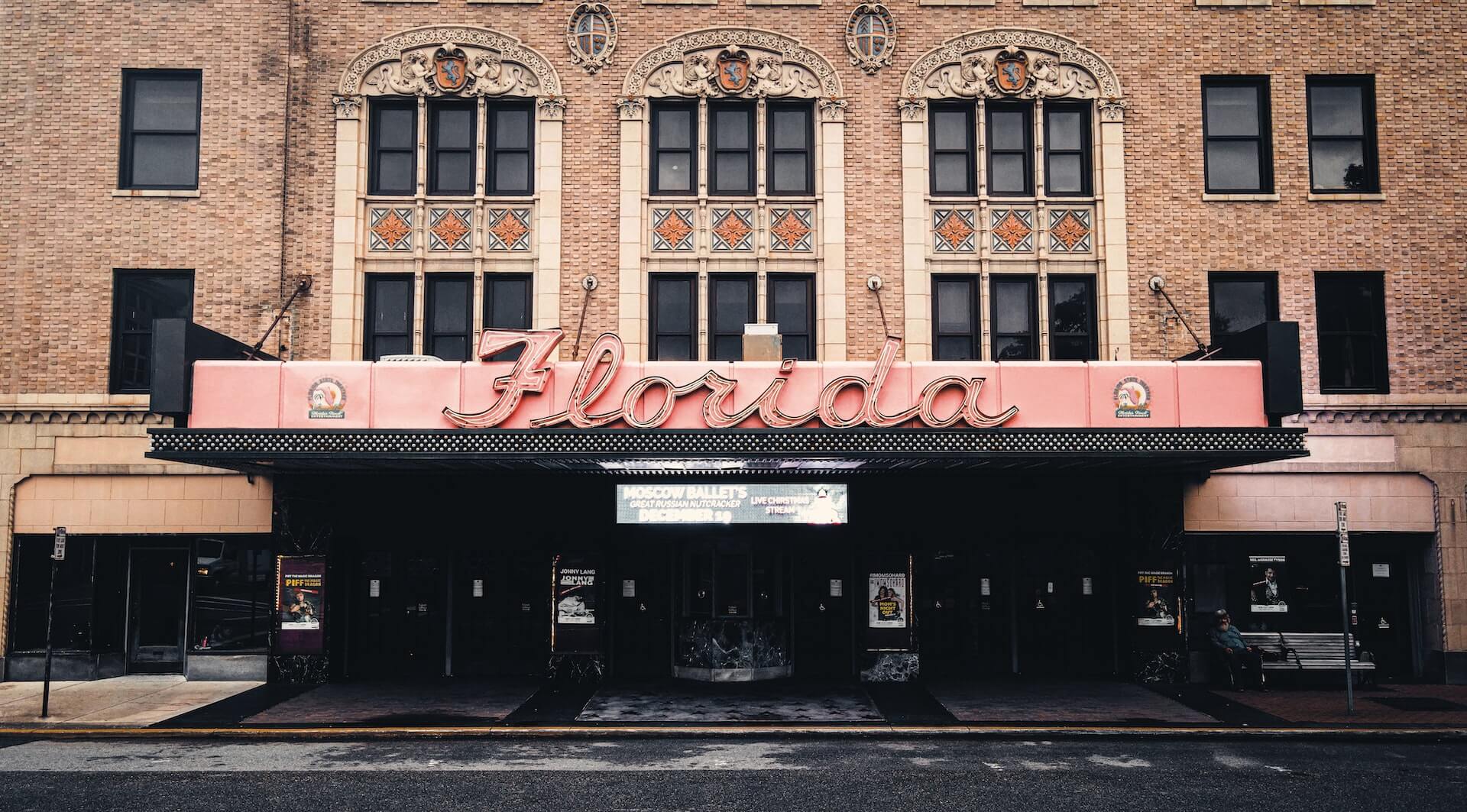
The Florida Theater in Jacksonville, Florida

Using the inflow and outflow data of tax filers earning $200,000 or more, SmartAsset identifies the top ten states attracting high earners.

When it comes to the number-one state, “it’s not even close,” says SmartAsset Advisors. Not surprisingly, several top inflow cities (according to Redfin data) line up with SmartAsset’s top inflow state list.

So, why should this information matter to operators? Plainly, it’s important market information. Population, household income, and age information are crucial considerations when opening any business.

In fact, KRG Hospitality includes such data (and much, much more) when conducting research for our proprietary feasibility, business, and concept plans. Among many elements of opening a restaurant, bar, hotel, or entertainment venue, the income of one’s target audience is crucial.

Knowing where high-income households are leaving and moving to can inform many operator decisions. Where should one open their first concept? Which markets should one consider for expansion? What type of concept will work in a market? What are the threshold price points for menu items? How will this information help inform design choices?

Operators need to recoup their outlay. The income of a concept’s ideal guest should be as important to an operator as knowing their costs.

Top Ten Inflow States

Interestingly, the top state on this list did experience significant outflow in 2020. In fact, the state lost 11,756 high-earning households in 2020.

However, the state also added 32,019 such households, netting 20,263 high earners.

  1. Utah
  2. Idaho
  3. Nevada
  4. Colorado
  5. Tennessee
  6. South Carolina
  7. North Carolina
  8. Arizona
  9. Texas
  10. Florida

Another compelling detail of the states on this list pertains to income tax. In short, three of the states don’t levy personal income tax.

Above, they’re the states in bold: Florida, Nevada, and Texas.

Top 10 Outflow States

So, above are the ten states are seeing the greatest an inflow of high-earning households. Which means, of course, there’s an inverse.

Below, the ten states experiencing the greatest outflow of high earners. Unsurprisingly, SmartAsset deems several entries on the list high-tax states. Also, Washington, DC, is a high-tax area.

Moreover, the list below includes five of the top ten high personal income tax jurisdictions (in bold).

  1. Ohio
  2. Minnesota
  3. Washington, DC
  4. Maryland
  5. New Jersey
  6. Virigina
  7. Massachusetts
  8. Illinois
  9. California
  10. New York

However, it’s not as though these states are seeing a massive exodus of high-earning households. In fact, per SmartAsset, these states have more high-income households than the national average.

Nationally, high-earning households account for less than seven percent of all tax filers. According to SmartAsset, nearly nine percent of tax filers are high-income households in the top ten outflow states.

Image: Trevor Neely on Unsplash

by David Klemt David Klemt No Comments

Stand Out with Weird Holidays: August 2022

Stand Out with Weird Holidays: August 2022

by David Klemt

Stay Weird neon sign with purple background

Want to stand out from from other restaurants and bars in your area? Then commit to keeping it weird.

Several “holidays” are set against every date on the calendar, and August is no exception. These holidays range from mainstream to “weird.”

Pay attention to the latter to raise eyebrows, carve out a niche for your restaurant or bar, and attract more guests. Why do what everyone else is already doing?

Of course, you shouldn’t try to celebrate every holiday, weird or otherwise. And this month’s list in no way includes every odd holiday.

Focus on the days that are authentic to your brand; resonate with your guests; and help you grab attention on social media.

For July’s list, click here.

August 5: National Work Like A Dog Day

It probably sounds like this day is all about being as productive as possible at work. However, National Work Like a Dog Day is a celebration of service animals (mainly dogs). So, this is the day to invite your guests with service animals to grab a bite and drink and make new friends—four-legged and otherwise—at your bar or restaurant.

August 8: National Happiness Happens Day

This is a day that focuses on finding happiness wherever we can. And as we know, there’s plenty of happiness to be found in local restaurants and bars. National Happiness Happens Day is a blank canvas on which to create a fun, engaging promotion.

August 8: National Dollar Day

For the history nerds out there—and I say that with reverence, not ridicule—the first US dollar was minted in 1794. Leveraging this holiday is as simple as offering a food or drink item for $1. Of course, that’s if such a discount is legal where you’re operating. And I recommend requiring the purchase of a full-price item to receive the discount.

August 11: National Rasberry Bombe Day

If you’re not familiar with the raspberry bombe, you’re probably not alone. This tasty treat isn’t a commonly known dessert item. A raspberry bombe is a pastry that consists of heavy cream, sugar, candied fruit (raspberries, in this case), and nuts placed in a spherical design. The bombe is then frozen before being served. Bonus points for adding rum before freezing.

August 12: National Vinyl Record Day

There are a couple ways to celebrate this holiday. One, you can require your house DJ or hired gun to spin actual records. Two, you can team up with your local vinyl store to create a mutually beneficial promotion. Get a little creative and celebrate that warmest of sonic mediums, the vinyl record.

August 15: Discovery Day

This day likely isn’t very weird to Canadians. In particular, it’s well-known among those familiar with the Yukon. But for the rest of us, this is a celebration of the discovery of gold in this famed area. Celebrate with gold-flaked F&B items, caramel-drizzled desserts and cocktails, and whatever else you can think of where gold makes sense.

August 20: World Honey Bee Day

Where would we be without the honey bee? Not in a good place at all, that’s where. Perfect your Bee’s Knees and other cocktails that feature honey. And, of course, feature honey in some creative places on your food menu as well.

August 27: National Just Because Day

Obviously, this is another awesome blank-slate cocktail. You can essentially create any promotion you want to celebrate this day. Why? Because whatever you choose to do, it’s just because.

August 29: According to Hoyle Day

Here’s an odd one for you. On According to Hoyle Day, you live life according to one of the 300 (!) games for which Edmond Hoyle wrote the rules. This day certainly requires getting creative but card games and cocktails do go hand in hand.

August 31: National Eat Outside Day

Hey, guess how this day is celebrated…

Image: Dan Parlante on Unsplash

by David Klemt David Klemt No Comments

Brutal: These Drinks are Heavy

Brutal: These Drinks are Heavy

by David Klemt

Marshall amplifier closeup

Several legendary and iconic heavy metal bands are stepping into the arena of the drinks industry, from beer to whiskey, and more.

You won’t find a celebrity rosé wine or mezcal on this list. Instead, you’ll find bourbon and rye blends, unique processes, full beer lineups, and small-batch releases.

Most importantly, these are products that deserve a place on your menus. These aren’t spirits and beers that rely on band names and their global recognition. Each of these can stand on their own.

In fact, one whiskey from Slipknot and an Iowa distillery won an award from Fred Minnick in 2019.

Metallica

You may familiar with Blackened, a rye and bourbon blend that finishes in brandy casks. This limited-edition, super-premium whiskey is also subjected to the proprietary Black Noise process.

In short, each batch of Blackened is enhanced by the frequencies of curated Metallica playlists. This whiskey is a true collaboration. Legendary Master Distiller Dave Pickerell partnered with Metallica and Meyer Sound for the recipe and process.

However, Master Distiller and Blender Rob Dietrich has crafted a rye expression. Rye the Lightning is, as you can likely tell from the name, a rye whiskey. This expression also undergoes a very specific Black Noise process.

To craft Rye the Lightning, the live recording of Ride the Lightning in its entirety from Metallica’s Orion Music + More set is played to enhance the liquid. Taking things a step further, Rye the Lightning is finished in Madeira and rum casks.

Not content with just two expressions, there are also the Master of Whiskey Series and limited edition whiskeys available.

Iron Maiden

Iconic English heavy metal band Iron Maiden has steered heavily into the beer business. You won’t find a limited-release Lager here and a Pilsner there. No, Iron Maiden has a full lineup of beers in several styles.

Trooper, named for their song “The Trooper,” is the name under which the band crafts their beers in partnership with brewers like Bodebrown and Robinsons. You’ll find many beer styles under the Trooper label: Strong Bitter, English Extra Special, Porter, Golden, IPA, and more.


View this post on Instagram


A post shared by Trooper (@ironmaidenbeer)

Of course, there are limited editions. And why shouldn’t there be? Iron Maiden and there brewer partners want to have rock out, like they did with the Number of the Beast, a Bitter.

Motörhead

Since there’s a bourbon and a beer carrying the Motörhead name, you can create a Boilermaker honoring the heavy band. And as you may imagine, one-half of the Boilermaker is named after the song “Ace of Spades.”

In this case, Ace of Spades is a bourbon crafted in Fargo, North Dakota, by Proof Artisan Distillers. This distillery produced North Dakota’s first-ever bourbon, Crooked Furrow. Ace of Spades is a full-bodied, 90-proof high-rye bourbon with warm, sweet notes and a cinnamon finish.

For the beer, Motörhead tapped Madison, Wisconsin, brewers Ale Asylum. Röad Crew is a crisp, hoppy American Pale Ale with citrus notes.

Cannibal Corpse

This whiskey, Golden Blood, is actually the inspiration for this article and product roundup. Golden Blood by Cannibal Corpse, one of the heaviest bands on this list, is crafted in collaboration with Three Floyds Distilling.

Since opening their doors in 2017, Three Floyds has been known for doing things differently. In fact, the distillery itself says their approach is “not normal.” So, this collaboration with Cannibal Corpse makes a lot of sense.

According to Three Floyds, the band itself selected the liquid. A single barrel straight malt whiskey, Golden Blood was aged four years in new, charred oak. And the label is sure to draw attention on your back bar.

GWAR

As the story goes, GWAR is not of this planet. Rather, GWAR is an intergalactic rock band that arrived on Earth via comet.

Well, when you have an origin mythology that incredible, you can’t phone in products tied to your name. I promise that you’ve never encountered a whiskey-crafting process like the one that produces Catoctin Creek Ragnarök Rye:

“The mad scientists at Catoctin Creek conducted experiments on aging the blood of GWAR in barrels made from the different types of wood scorched by the comet’s blast. They used the rarest of grains and watered their mash bill with the melted Antarctic ice to create a 92 strength rye whisky, pot stilled and then aged in charred new white oak. Members of GWAR then hurled the whiskey barrels into the orbit of the moon, causing contraction to take place as the barrels spun under the influence of the deathly coldness of space and the life-giving heat of the sun.”

Well, that’s different.

Slipknot

Cedar Creek Distillery in Iowa crafts two whiskey expressions for Slipknot. The first expression is Slipknot No.9, a four-year-old blend of straight bourbon and straight rye whiskeys.

Then there’s Slipknot No. 9 Reserve. For this special release, award-winning Cedar Creek bottles the same bourbon and rye blend at 99 proof. Fred Minnick named Slipknot No. 9 Reserve the Best Celebrity Whiskey in 2019. That’s no small feat.


View this post on Instagram


A post shared by Slipknot Whiskey (@slipknotwhiskey)

An equally daunting feat? Getting your hands on Slipknot co-founder and percussionist Clown’s Iowa Shine. If you can find it, this bottle is Clown’s very own moonshine.

Honorable Mentions

The Deftones have partnered with Belching Beaver to craft an IPA called Deftones Phantom Bride. This IPA, a collaboration between head brewer Thomas Peters and the Deftones’ Chino Moreno, is made using Amarillo, Citra, Simcoe and Mosaic hops.

And then there’s Bay Shore, New York’s Great South Bay Brewery. The brewery has honored Pantera with a limited edition beer called Vulgar Display of Lager. Obviously, this is intended to honor the 30th anniversary of the thrash metal band’s brutal 1992 Vulgar Display of Power album.

Image: Alexander Kampmann from Pixabay

by David Klemt David Klemt No Comments

What’s Up with Meat, Poultry and Seafood?

What’s Up with Meat, Poultry and Seafood?

by David Klemt

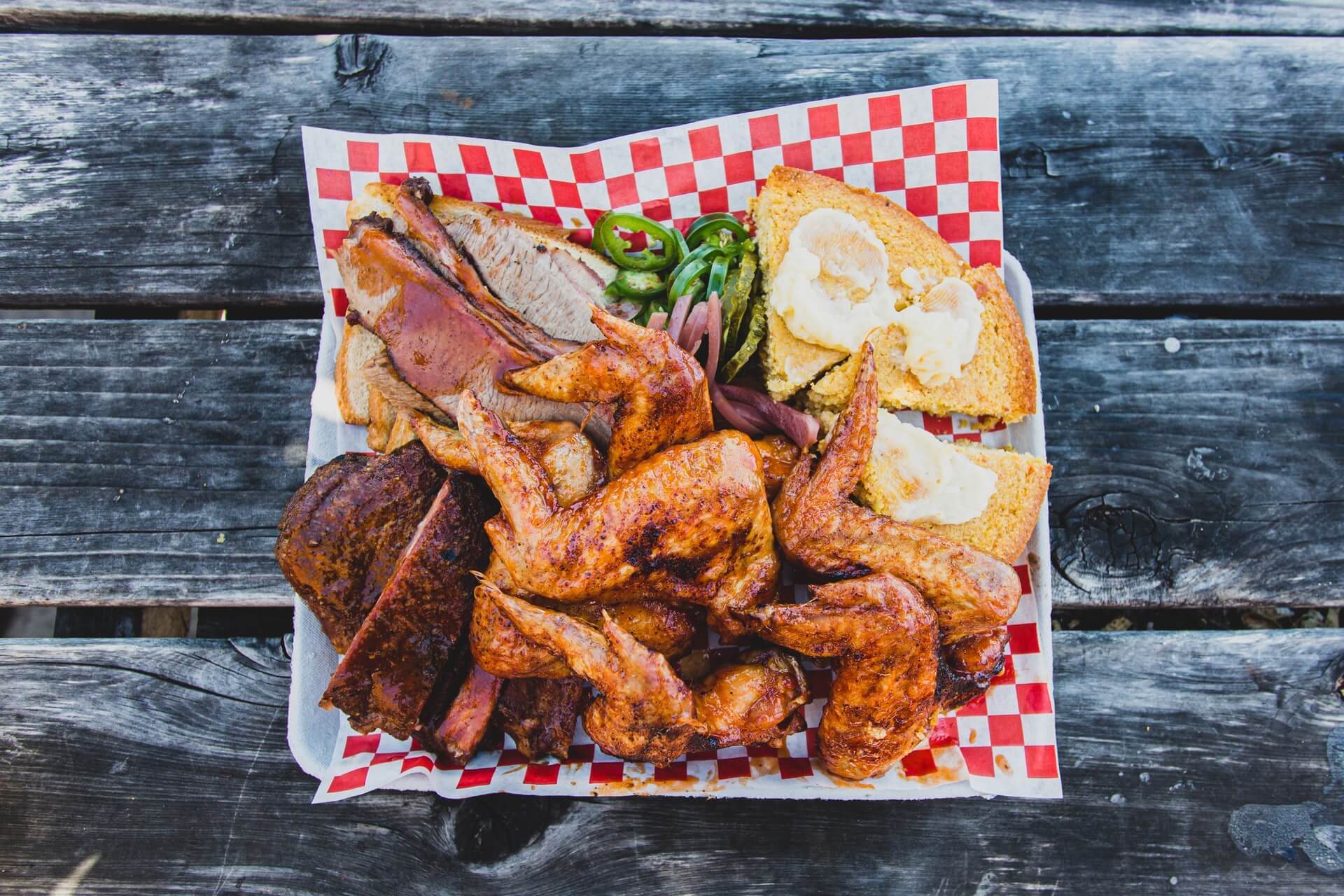
Barbecue food plate on wooden table

We know how plant proteins are performing with consumers but what do we know about how meat, poultry, and seafood are doing?

Well, because of a recent report from Datassential, we know many consumers are “meat-limiters.” And research from the World Resources Institute shows that plant-based performance is nuanced.

Interestingly, the performance of animal proteins on-premise appears to be following a beverage trend: Moderation. According to Datassential, more consumers are reducing their consumption of meat and poultry than increasing it in comparison with 2021.

So, meat-limiters may be indicative of the future of meat consumption.

Consumer Shifts

As the name implies, meat-limiters are limiting or otherwise reducing their consumption of animal proteins. Importantly, it doesn’t appear that a significant percentage of consumers are eliminating animal proteins from their diets.

Rather, many people are simply increasing the amount of plant-based items they’re eating. However, that increase is more aspirational than real in some cases.

Per Datassential’s survey of 1,500 consumers in the US, just over 70 percent of people are meat eaters. In contrast, nearly 25 percent are “flexitarian.” Just two percent are vegan or pescatarian, and only three percent are vegetarian.

So, the vast majority of Americans are still consuming meat, poultry, and seafood. We just now have reason to believe that more consumers may be leaning toward a flexitarian diet.

A bit over a quarter of consumers consume meat every day. Still, many people aspire to eat more vegetables, fruits, and whole grains, per Datassential.

However, there are more pescatarians, vegans, and vegetarians among Gen Z than the overall population. According to Datassential, this could indicate a shift away from animal proteins in the future.

Meat Performance is Nuanced

Just like plant-based performance, meat performance is nuanced. There are many factors at play.

Shifts in what consumers value are driving changes to the performance of proteins. Health, sustainability, the climate, taste, and affordability have an effect on all proteins, animal and plant.

Undeniably, inflation and shaken consumer confidence are impacting protein performance. Everything, it seems, is more expensive at the moment. Generally speaking, animal proteins are pricier than plant-based items.

It makes sense, then, that some consumers are reducing their intake of animal proteins and filling that void with fruits, veggies, and legumes.

Of particular note are shifts in daily and weekly consumption of animal proteins in 2022. Meat consumption once or more per week—beef, lamb, pork, veal—is up three percent. However, there’s a ten-percent increase in consumers eating poultry once or more per week.

Interestingly, daily poultry consumption is down seven percent in comparison with 2021. Likewise, daily consumption of seafood is also down seven percent, and fewer people are consuming it less than once per week.

Plant-based is Down

Despite what some would think, meat-limiters don’t appear to be driving up plant proteins significantly.

In fact, according to Datassential, the daily consumption of plant-based proteins is down. Per the research firm, seitan, tempeh, and tofu are the experiencing the greatest drop in daily consumption.

The fact is that across generations, more consumers eat animal proteins on a daily basis than their plant-based counterparts. Gen Z, per Datassential, consumes more animal proteins on a daily basis than other generations.

So, how does it make sense that people are reducing their meat intake but plant-based isn’t seeing a sizable jump in consumption?

In part, the answer is the growing popularity of plant-forward dishes. These are items, like bowls, that offer a small amount of meat, poultry, seafood or dairy. The majority of these menu items consists of plants but are not free of animal proteins completely.

The path forward may indeed be a plant-forward menu. Of course, this is heavily reliant on a specific concept or brand. Still, it’s likely many restaurants can do well offering mixed dishes, those heavier on plant proteins than animal proteins.

Image: Peter Pham on Unsplash

Note: This article is based on information from Datassential’s “2022 Plant-Forward Opportunity” report. To access a number of free reports, sign up with Datassential today.

by David Klemt David Klemt No Comments

Hotels, Guest Data and Guest Expectations

Hotels, Guest Data and Guest Expectations: A Chat with SevenRooms

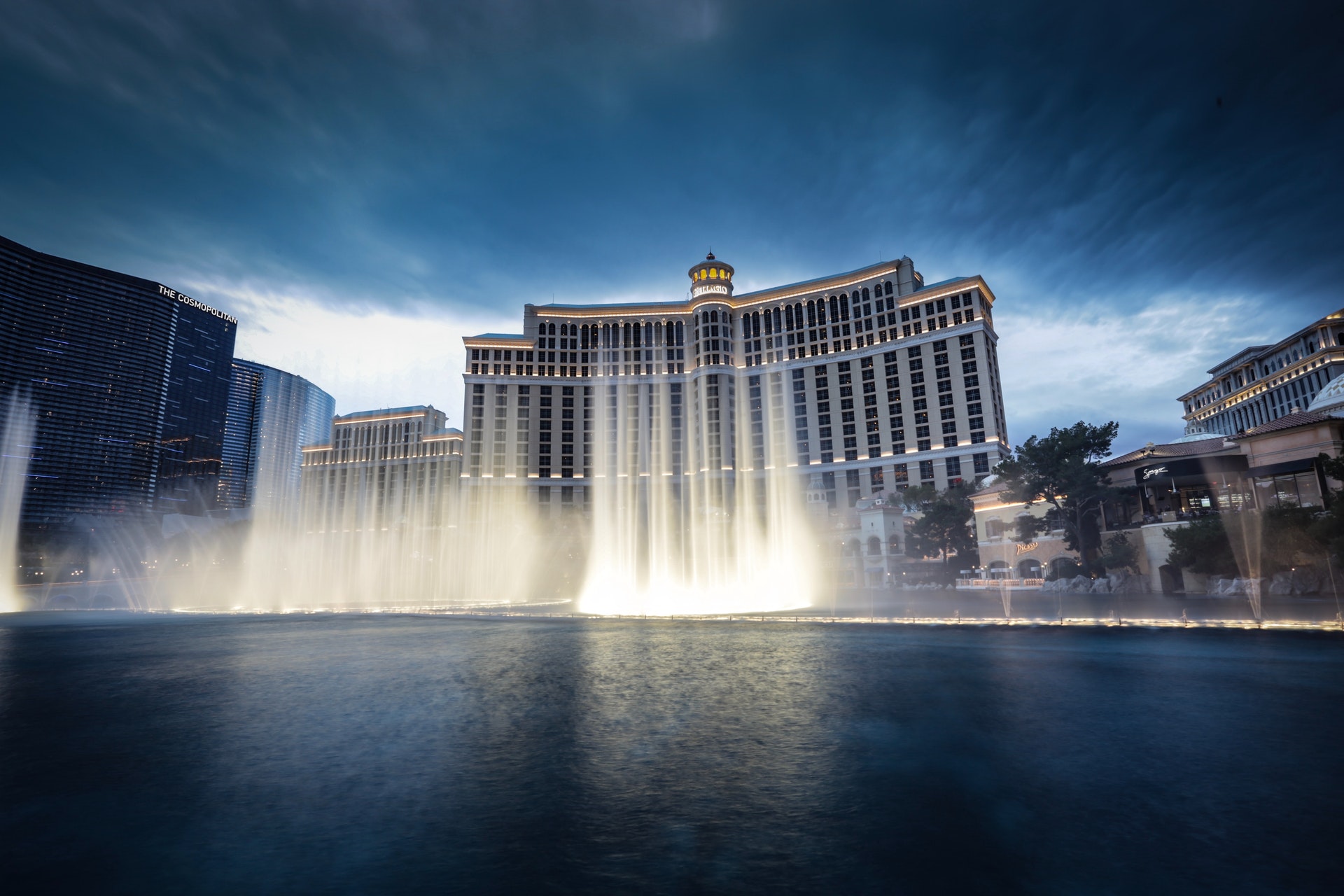
Fountains outside Bellagio Las Vegas

We sit down with Austen Asadorian, vice president of sales at SevenRooms, to chat about pent-up demand for travel.

People are eager to get back out there and hotels, of course, play a crucial role in their travel plans. However, we’re not engaging with the same guests we were pre-pandemic.

No, today’s guest demands more from the hotels and resorts they select. And a key to delivering on guest demands is collecting guest data.

But while operators know they’re supposed to be collecting guest data, there’s some uncertainty about what to actually do with it. Enter: SevenRooms.

More accurately, meet Austen Asadorian of SevenRooms. Not only can he address meeting guest demands through tech, he can address how to use guest data responsibly and effectively.

Hi Austen, thank you for taking the time to speak with us. Can you tell us a little about yourself and your role at SevenRooms?

Thanks, David! My name is Austen Asadorian and I’m the Vice President of Sales at SevenRooms. I first started my career in hospitality early in high school, getting a job at a local restaurant in New Jersey, learning everything from protein fabrication to catering and dealing with daily customers, even managing events. I continued working in hospitality through college, while going to the Culinary Institute of America for a degree in hospitality management, and ultimately, landed at Hillstone Restaurant Group where I ran back of house operations as well as the company’s Manager Training Program. Before joining SevenRooms, I worked as Peloton’s Director of Sales, leading their go-to-market strategy for retail growth and expansion from 2014-2017.

Today, I support SevenRooms’ global expansion efforts to accelerate our goal of being the best-in-class solution for hospitality operators around the world. Having previous experience in the hospitality industry, I joined SevenRooms because I was hyper aware of the pain points in the industry surrounding technology and the need for better guest management after having lived it day-to-day for several years. More importantly, I believe in SevenRooms’ vision and have a true passion for helping hospitality businesses, big and small, drive revenue, and create loyal guests for life.

Let’s talk hotels. What does the hotel industry look like two years after (or into) the Coronavirus pandemic?

When the pandemic struck, travel came to a complete halt and hotel occupancy in the US fell from 70% in March 2019 to less than 25% in March 2020—rooms were empty. Now, as the world is back to what we can consider a new “normal,” we’re seeing an extreme surge in travel and hotels are busier than ever.

However, what guests expect from hotels experience-wise has changed and they demand more. They’re making up for lost time and they want to make it count. Coming out of the pandemic, hotel operators are taking a harder look at their entire tech stack. It’s no longer optional to have a tech stack that is fully integrated from top to bottom across their operations—it’s a must-have—and technology providers are adapting to meet those needs. Additionally, operators have put a strong emphasis on the importance of ownership over their guest data. Both trends have positioned SevenRooms incredibly well within the hotel sector, as this has been our business philosophy from day one.

How can hotel operators and managers live up to these high expectations?

The simple answer is by taking advantage of technology solutions into their everyday practices and processes. These tech solutions can be anything from a QR code for mobile order and pay, allowing guests to order food and drink from anywhere on the property without ever needing a server to approach them, to an integrated customer relationship management (CRM) platform that speaks to and pulls data from their F&B CRM, easily sharing that information across teams at the hotel. For example, passing information along to a guest services team to ensure that in-room amenities don’t include nuts if a guest has a peanut allergy.

Operators and managers should also make sure they’re utilizing loyalty programs. According to a recent SevenRooms survey of American consumers, 44% say that loyalty programs play a part in their hotel choice and there are certain incentives that will bring them back.

For example, some want loyalty points to enjoy on property restaurants and bars, whereas others want a personal greeting when they check in, or a complimentary glass of champagne waiting for them when they get to their room.

Technology and loyalty programs both play into an exceptional experience and it’s important for operators to use both to create the total package.

You mentioned collecting guest data. Can you tell us a little bit more about why that is so important?

When we talk about data and hotels, we’re talking about using it to power a one-of-a-kind unique experience. We don’t mean taking or selling personal information, and that’s an important distinction.

The data we’re collecting for operators centers around a guest’s profile—who they are and what they like. This can be anything from their dietary preferences to their favorite table in the hotel restaurant’s dining room, to what dessert they order most often when they visit.

By having this data, operators can build a direct relationship with these guests and, in turn, build an incredible experience that keeps them coming back. For example, if a guest stays at a specific hotel on their vacation and takes full advantage of the pool cabanas, the data collected on those visits can then be used to retarget them with a special marketing promotion or offer to visit their local hotel property for a staycation, complete with a discount on a cabana day rental.

Creating these unique, personalized experiences not only increases revenue for operators, but also drives loyalty, as a loyal guest is more important than a one-time guest.

About Austen

Austen Asadorian is the Vice President of Sales at SevenRooms, where he is tasked with supporting SevenRooms’ global expansion efforts and accelerating the company’s goal of being the best-in-class solution for hospitality operators globally. Prior to joining SevenRooms, Austen was Peloton’s Director of Sales, leading the company’s go-to-market strategy for retail growth and expansion. He started his career at Hillstone Restaurant Group where he cut his teeth learning how to run efficient and profitable restaurants at scale. Austen was ultimately promoted into an executive role where he oversaw the company’s Manager in Training Program and Back of House Operations. Austen graduated from the Culinary Institute of America (CIA).

Image: Antonio Janeski

by David Klemt David Klemt No Comments

Tales Announces Top Four Awards Finalists

Tales Announces Top Four Spirited Awards Finalists

by David Klemt

The number four inside a circle

It’s official: The Tales of the Cocktail Foundation announces the top four finalists in each of the 2022 Spirited Awards categories.

I don’t envy the judges who have to narrow down the top ten nominees to the top four finalists. Equally as daunting: deciding on the winner of each award in each category.

We’ll know who’s taking home each Spirited Award in just over a month. The ceremony will take place on Thursday, July 28 at the Ritz-Carlton, New Orleans. For those attending the 20th anniversary Tales of the Cocktail, the Ritz-Carlton is this year’s headquarters hotel.

Purchase Spirited Awards tickets here, and check out the digital playbill here.

See you at Tales, y’all! Cheers.

US Categories

US Bartender of the Year presented by Del Maguey

  • Josh Davis (16th Street Bar, Chicago, IL)
  • Chris Hannah (Jewel of the South, New Orleans, LA)
  • Masahiro “Masa” Urushido (Katana Kitten, New York, NY)
  • Christine Wiseman (BarLab Hospitality Group, Miami, FL)

Best US Bar Mentor presented by BarSmarts

  • Meaghan Dorman
  • Sean Kenyon
  • Nectaly Mendoza
  • Jeffrey Morgenthaler

Best US Brand Ambassador presented by Libbey Glass

  • Chris Cabrera (Bacardí USA)
  • Tad Carducci (Gruppo Montenegro)
  • Vance Henderson (Hendrick’s Gin)
  • Lynn House (Heaven Hill)

Best US Bar Team presented by William Grant & Sons

  • Half Step (Austin, TX)
  • Jewel of the South (New Orleans, LA)
  • Katana Kitten (New York, NY)
  • The Roosevelt Room (Austin, TX)

Best US Cocktail Bar presented by Absolut Vodka

  • Bar Goto (New York, NY)
  • Katana Kitten (New York, NY)
  • The Roosevelt Room (Austin, TX)
  • Thunderbolt (Los Angeles, CA)

Best US Hotel Bar presented by Grey Goose

  • Dear Irving on Hudson at the Aliz Hotel (New York, NY)
  • Hey Love at The Jupiter (Portland, OR)
  • Little Rituals at the Residence Inn/Courtyard by Marriott (Phoenix, AZ)
  • Silver Lyan at the Riggs Washington DC (Washington, DC)

Best US Restaurant Bar presented by Maison Ferrand

  • Café La Trova (Miami, FL)
  • Cleaver: Butchered Meats, Seafood & Classic Cocktails (Las Vegas, NV)
  • Jewel of the South (New Orleans, LA)
  • Kumiko (Chicago, IL)

Best New US Cocktail Bar presented by Aviation Gin

  • Double Chicken Please (New York, NY)
  • Happy Accidents (Albuquerque, NM)
  • Temple Bar (New York, NY)
  • Yacht Club (Denver, CO)

International Categories

International Bartender of the Year presented by Patrón

  • Lorenzo Antinori (ARGO / Four Seasons Hotel & Resorts, Hong Kong, China)
  • Keith Motsi (Charles H. Seoul at the Four Seasons Hotel, Seoul, South Korea)
  • Rémy Savage (🔶🟥🔵 A Bar with Shapes for a Name, London, UK)
  • Matt Whiley (RE, Sydney, Australia)

Best International Bar Mentor presented by Lyre’s Non-Alcoholic

  • Monica Berg
  • Renato “Tato” Giovannoni
  • Lauren Mote
  • Agostino Perrone

Best International Brand Ambassador presented by Lyre’s Non-Alcoholic

  • Martin Hudák (Mr. Black Spirits)
  • Daniyel Jones (House of Angostura)
  • Ricardo Nava (Bacardí Latin America)
  • Nicola Riske (The Macallan)

Best International Bar Team presented by House of Angostura

  • ALQUÍMICO (Cartagena, Colombia)
  • MAYBE SAMMY (Sydney, Australia)
  • The Clumsies (Athens, Greece)
  • Two Schmucks (Barcelona, Spain)

Best International Cocktail Bar presented by Tequila Fortaleza

  • MAYBE SAMMY (Sydney, Australia)
  • Satan’s Whiskers (London, UK)
  • Tayēr + Elementary (London, UK)
  • Two Schmucks (Barcelona, Spain)

Best International Hotel Bar presented by Perrier

  • Charles H. Seoul at the Four Seasons Hotel (Seoul, South Korea)
  • Fifty Mils at the Four Seasons Hotel (Mexico City, Mexico)
  • Lyaness at Sea Containers London (London, UK)
  • The American Bar at The Stafford London (London, UK)

Best International Restaurant Bar presented by Tales of the Cocktail Foundation

  • Danico (Paris, France)
  • Le Mary Celeste (Paris, France)
  • Pujol (Mexico City, Mexico)
  • Sexy Fish (London, UK)

Best New International Cocktail Bar presented by Stranger & Sons

  • 🔶🟥🔵 A Bar with Shapes for a Name (London, UK)
  • ARGO (Hong Kong, China)
  • Schofield’s Bar (Manchester, UK)
  • SIPS (Barcelona, Spain)

Global Categories

Best New Spirit or Cocktail Ingredient presented by Tales of the Cocktail Foundation

  • Abasolo Ancestral Corn Whisky
  • Citadelle Gin Jardin d’été
  • Lyre’s Non-Alcoholic – Italian Orange
  • Nixta Licor de Elote

World’s Best Cocktail Menu presented by Diageo Bar Academy

  • Little Red Door (Paris, France)
  • Lyaness at Sea Containers London (London, UK)
  • Swift Soho (London, UK)
  • Tayēr + Elementary (London, UK)

World’s Best Spirits Selection presented by Beam Suntory

  • In-Situ Mezcaleria (Oaxaca City, Mexico)
  • Jack Rose Dining Saloon (Washington, DC)
  • Sexy Fish (London, UK)
  • Swift Soho (London, UK)

Writing and Media Categories

Best Cocktail & Spirits Publication presented by Diageo Bar Academy

  • CLASS magazine
  • Discard the Zine
  • VinePair
  • Whisky Magazine

Best Broadcast, Podcast, or Online Video Series presented by Diageo Bar Academy

  • Radio Imbibe
  • Shōshin Art Club
  • The Cocktail Lovers Podcast
  • The Speakeasy Podcast

Best Cocktail & Spirits Writing presented by Diageo Bar Academy

  • “Get Real: The bar world looks beyond feel-good measures on sustainability and climate change” by Max Falkowitz, for Imbibe Magazine
  • “Has the Coronavirus Pandemic Destroyed American Bar Culture?” by Jeffrey Morgenthaler, for Daily Beast
  • “Meet the Eco-Packaging Innovations Transforming the Drinks Industry” by Betsy Andrews, for SevenFifty Daily
  • “The Greatest Drinking Contest in History” by David Wondrich, for Daily Beast

Best New Cocktail or Bartending Book presented by Lyre’s Non-Alcoholic

  • Death & Co: Welcome Home by Alex Day, Nick Fauchald, and David Kaplan
  • The Cocktail Seminars by Brian D. Hoefling
  • The Japanese Art of the Cocktail by Masahiro Urushido and Michael Anstendig
  • The Way of the Cocktail: Japanese Traditions, Techniques, and Recipes by Julia Momosé with Emma Janzen

Best New Book on Drinks Culture, History, or Spirits presented by Diageo Bar Academy

  • Bourbon: The Story of Kentucky Whiskey by Clay Risen
  • Drunk: How We Sipped, Danced, and Stumbled Our Way to Civilization by Edward Slingerland
  • Girly Drinks: A World History of Women and Alcohol by Mallory O’Meara
  • The Oxford Companion to Spirits and Cocktails edited by David Wondrich with Noah Rothbaum

Image: Tim Hüfner on Unsplash

by David Klemt David Klemt No Comments

Eatertainment Poised to Come Roaring Back

Eatertainment Poised to Come Roaring Back

by David Klemt

Two women playing cornhole

People are eager to return bars and restaurants, and that focus is beneficial to the growth of one hospitality category in particular: Eatertainment.

As the name suggests, an “eatertainment” venue operates as both an entertainment space and restaurant.

Those who have been to such a concept know the key elements that define eatertainment. A robust F&B program; an array of bar games and other entertainment; room enough to play games and attract groups, but so large it draws massive crowds; and an interest in extending guest stays rather than constantly turning and burning.

Pre-pandemic, the eatertainment category was heating up, steadily growing in popularity. As recently as 2019, SevenRooms and YouGov partnered to study these concepts. When your category draws the attention of data-focused platforms and research firms, you know it’s a winner.

So, what did SevenRooms and their research partner conclude? That eatertainment venues are the new nightclub.

Eatertainment Muscles in on Nightlife

Per the SevenRooms report from 2019, nightlife preferences in the United States were shifting away from traditional nightclubs. This switch was, according to SevenRooms, partially driven by three factors:

  • Nightclubs draw large crowds;
  • they play very loud music; and
  • such venues embrace exclusivity.

Now, that isn’t to say that the nightclub is dead. Particularly in destination cities like Las Vegas and Miami, nightclubs are a major draw.

However, as people reach their thirties or seek out more casual spaces, eatertainment becomes increasingly attractive. For the most part, people can leave work and go straight to an eatertainment concept to meet up with friends. They’ll be able to carve out a space, grab a bite and a drink, and socialize while engaging with an array of entertainment options.

Such venues also tend to be open seven days per week, from noon or early afternoon into late night. Their F&B programs, focus on entertainment, and hours of operation position them to play an important role: the third place.

Home Away from Home

As any dive or neighborhood bar operator knows, becoming a person’s third place is crucial. The third place, for those unfamiliar with the term, is the spot you go to in between the workplace and home.

So, becoming someone’s home away from home is a big deal. It’s the ultimate in consumer loyalty. Become someone’s third place and you’ll be on your way to building an army of brand advocates.

The third place is where we unwind after work. We’re friendly with the staff: they know us, know our usual orders, and know what recommendations to make.

Now, what if a regular’s third place offered not just quality F&B but also entertainment and an atmosphere that shifted with dayparts? You’d have a supercharged third place, a.k.a. an eatertainment concept.

Eatertainment will Continue to Grow

Where should people go when they decide they’re beyond their nightclub years? Feeling uncomfortable in a nightclub doesn’t mean the interest in nightlife simply disappears.

Well, they turn to eatertainment. And why do they find these concepts appealing? For several important reasons driven by shifts in consumer behavior.

One, I think we’re all tired of endless text and DM exchanges attempting to organize an outing. An eatertainment venue is a restaurant, bar, entertainment space, and nightclub in one place. No more planning to travel to a restaurant, then a bar for drinks afterward, and then a nightclub, concert, or lounge.

Two, today’s consumer is seeking out restaurants and bars that offer more inclusive, more welcoming, more personalized experiences. Again, eatertainment hits all those marks.

According to SevenRooms, there are key datapoints that indicate eatertainment will continue to grow. And while their report was published in 2019, their findings are still relevant given the past two years:

  • Around a quarter of Americans want more eatertainment venues close to them.
  • A quarter of Americans prefer a venue that combines quality food and drinks with fun activities in one space.
  • Nearly 30 percent of Americans consider food quality when deciding where to spend their time and money.
  • Close to 20 percent want a venue to offer something to do beyond drinking.

More recently, May of this year, in fact, Datassential also found that eatertainment is on the rise again. Per their data, half of consumers “are very interested in revisiting an eatertainment experience.

Takeaway

Eatertainment concepts are positioned to perform well moving forward.

Think about it: people are eager to socialize without being packed together; guests are showing interest in innovative, high-quality F&B items; people want entertainment that spans live music and DJs to cornhole (or bags, if you want to have that argument), axe throwing, and arcade games; and having access to an incredible, personalized experience in one venue is an attractive prospect.

Punch Bowl Social, Topgolf, Pinstripes, and Flight Club are among the best representatives of the category. Do you have the idea for the next big eatertainment brand? Let us know!

Image: Elevate on Unsplash

by David Klemt David Klemt No Comments

Raise a 7&7 to National Dive Bar Day

Raise a 7&7 to National Dive Bar Day

by David Klemt

Dive bar or neighborhood bar

We celebrate one of the most hallowed of drinking establishments on July 7, also known as National Dive Bar Day.

Look, we love a visit to a high-end, luxurious cocktail bar. But there’s nothing quite like discovering a casual, comfortable, unpretentious bar that feels like home.

Often times, the local watering hole is a cornerstone of a given community. So, we’re looking forward to the fifth annual National Dive Bar Day in just over two weeks.

You should have plenty of time if you’re a dive or neighborhood bar owner to create your National Dive Bar Day promotion.

A Little History

It’s hard to believe that National Dive Bar Day is a mere five years old. In fact, Seagram’s 7 Crown launched the first annual celebration in 2018.

Not only does this holiday honor a true institution, Seagram’s donated $25,000 to the National Trust for Historic Preservation on its inception. (This year, Seagram’s 7 Crown is supporting Main Street Alliance.)

This makes a lot sense when you think about it. After all, dive bars are often located in a historic building or are landmarks themselves.

Some people may not like it, but drinking culture is an integral part of many a community across not just America, not just North America, but the world.

Not so long ago a bartender could set beers and shots in front of two people with opposing views and they’d find common ground to bond over. The optimist in me hopes we can return to those days, visiting our local neighborhood bars and focusing on what we all have in common rather than letting ourselves grow further divided.

Where some people see a “just” a dive bar, those of us in the know see social and cultural centers that support neighborhoods and communities.

Given their commitment to unpretentious and welcoming service, we need to support and protect our local dives.

What Makes a Dive Bar?

There are some key elements that set dive bars apart from other drinking establishments.

Characters on both sides of the bar, inexpensive drinks, familiar bar food, and an approachable feel are, I would say, the hallmarks.

Now, there are those who think a dive bar also includes an “earthy” smell, to be generous. They may also feel that they call dirty buildings with questionable structural integrity home.

However, “dive” doesn’t have to mean filthy. First and foremost, a dive bar needs to be comfortable and welcoming. Filth tends to give off an unwelcoming, dangerous vibe. That’s not exactly the spirit of hospitality.

Just as a great dive bar should be clean, it should also have a solid F&B program. Inexpensive doesn’t have to mean cheap. Oh, and no, the staff doesn’t have to be surly and untrained.

Dives are Neighborhood Bars

When I first learned about Nickel City, as an example, I saw what a dive bar should be. Both locations, Austin and Fort Worth, are described by co-owner Travis Tober as “anytime bars.”

Nickel City commits to serving the community, and they’re open when people need them. In fact, as you’ll learn during episode 50 of the Bar Hacks podcast, Tober made sure they were open to serve people during the infamous winter storm of 2021 that shut down much of Texas.

In speaking with Tober and reading other interviews with him, I learned that he prefers the term “neighborhood” to “dive.” Due in part to the negative perception some have of dive bars, I can understand his preference.

In my opinion, the difference lies in subtle but important nuances. However, I’ll probably still refer to neighborhood bars as dive bars.

Either way, Nickel City is a dive bar done right and a concept that other operators should certainly study. Nickel City is exemplary, a standard that dive/neighborhood bars should aspire to reach.

The 7&7

As far as Seagram’s is concerned, the 7&7 is “the quintessential Dive Bar drink.” It’s difficult to argue: it’s a highball, it’s fast and simple to make, it’s refreshing, and it shouldn’t be pricey.

But, hey, if you’ve never made or ordered one, here’s the recipe:

Simply prepare a highball glass with ice, add Seagram’s 7 Crown and 7UP, and stir. Then just stir, garnish, and serve.

Cheers!

Image: Florencia Viadana on Unsplash

by David Klemt David Klemt No Comments

Viral Post Highlights Real Leadership

What a Viral Reddit Post Reveals About Leadership in Hospitality

by David Klemt

Reddit app icon on smartphone

A text exchange between a restaurant manager and delivery driver posted to Reddit went viral last month.

Refreshingly, it didn’t make the rounds on news sites for the wrong reasons. Rather, the text conversation is a succinct example of emotional intelligence, empathy, and leadership.

Those interested in reading the text exchange in its entirety can follow this link. However, I’ll sum it up here.

Posted to the subreddit Kitchen Confidential, the conversation begins with the manager checking in on the driver, asking, “You doing OK?”

The driver says they’re “doing better but” is still dealing with a lot. After the manager asks if they should cover their shift that night, the driver reveals they may need to quit the job.

Instead of blowing up at the driver, trying to talk them out of their decision, or cutting the exchange short, they say, “It’s alright [sic].”

Going further, the manager says, “You’re [sic] happiness is more important.” They add that the business hopes the driver will return to the job when they’re ready.

Shall I Cover You Tonight?

Now, I tend to believe that most members of restaurant, bar, and hotel leadership teams are empathetic. I also lean toward believing that most are competent problem solvers.

However, we’ve all come across people who don’t belong in a leadership role. In some cases, a person’s lack of leadership qualifications doesn’t manifest until they’ve been in the role for some time.

My business partner Doug Radkey and I have had conversations about leaders who don’t seem to lead. At best, they’re examples of what not to do. At worst, they’re chasing away a business owner’s staff and guests.

Most recently, these conversations have centered around managers insisting that staff solve scheduling problems themselves.

Before I proceed, I acknowledge fully that we’re facing an unprecedented labor shortage. That’s no excuse for poor leadership.

What, exactly, is the leadership team doing that they can’t manage the schedule? Further, with today’s modern scheduling platforms, why is filling available roles difficult for leaders? Several scheduling apps make it a painless, automated process.

The manager in this Reddit text exchange doesn’t demand the driver find someone to cover their shift. Instead, they behave like a manager and handle it themselves.

Don’t Ever Discount Yourself

If you’re active on LinkedIn and have a sizeable hospitality-centric network, you’ve likely seen posts about how the industry needs to be more people-focused. Not in terms of guests—that’s obvious.

Rather, the consensus is that we’re not going to solve the labor problem if we don’t treat staff as well as we treat guests. Some of these posts may be a bit saccharine, but they’re not incorrect.

Let’s review the texts from this manager:

  • “You doing OK?”
  • Your “happiness is more important.”
  • “We love having you here.”
  • “You’re an awesome person.”
  • “Don’t ever discount yourself.”

When’s the last time you and other members of the leadership team asked a staff member if they’re okay? And if you’ve asked recently, did you get an honest answer? Did you want an honest answer?

A restaurant or bar team that doesn’t trust leadership isn’t going to bother providing an honest answer to that question—they feel like the leaders don’t care about them.

Looking at the rest of the texts above, do you and your leaders take the time to recognize and thank staff? Even the shyest team member wants recognition for a job well done.

Those in leadership roles need to develop their skills constantly. Contrary to some in those positions, leaders aren’t there simply to lord their authority over others and dish out punishments.

So, before your next team meeting, gather the leaders. Find out if every member of the team is checking on staff, valuing their health and wellness, and tackling the mundane tasks that are inherent to their roles.

The maxim is true: People don’t quit jobs, they quit people. If your leadership team isn’t leading with empathy, you can expect your labor issues to compound. No amount of excuses will turn that around.

This article by KRG Hospitality director of business development David Klemt was first published by Bar Business and can be read in its entirety by following this link.

Image: Brett Jordan on Unsplash

by David Klemt David Klemt No Comments

After RRF Failure, What’s Next for Us?

After RRF Failure, What’s Next for Us?

by David Klemt

Super Mario Bros. game booth

After the US Senate failed to even debate the Restaurant Revitalization Fund, instead opting to let it die, what’s next?

Obviously, trusting our elected officials to do the right thing isn’t a viable option. After all, the Senate slow-walked the RRF’s death march. It took six weeks after the House voted “yes” on RRF for senators to filibuster the bill to death.

Last Thursday, the National Restaurant Association addressed moving forward. Sean Kennedy, executive vice president of public affairs, released a 90-second video in which he spoke about the RRF and where we are now.

Reconciliation?

One of the first options Kennedy proposes in his video is a reconciliation bill. That, however, is highly unlikely to come to fruition.

So, what’s a reconciliation bill? Simply put, it has to do with the Senate’s supermajority requirement.

In order for a bill to advance to a vote, 60 percent of the Senate must support ending a filibuster. On that topic, a filibuster is a procedural tool that prolongs a debate. The filibuster is used to delay or prevent a vote on a bill, resolution, etc.

Now, a budget reconciliation bill circumvents the supermajority requirement. A simple majority—51 senators for the US Senate—is all it takes to override a filibuster in this instance.

Technically, from what I’ve come to understand, the Senate can pass a maximum of three budget reconciliation bills in a year. Most often, it passes a single such bill per year.

Obviously, Kennedy feels that this would be a longshot to cross our fingers and hope the RRF is funded via these means.

Staying Ready

As they say—yes, “they”—if you stay ready, you don’t have to get ready. According to Kennedy, the NRA is prepared to act in any way they can should replenishing the RRF or similar aide once again become an option.

“We’re gonna continue to closely monitor the situation and we certainly can activate if there any signs of movement,” he says. “We’re not seeing them yet.”

The “yet” there is perhaps a bit hopeful. And as we like to say, hope isn’t a strategy. However, optimism is far healthier than pessimism and hopelessness.

Additionally, Kennedy and the NRA are grateful to the bipartisan group of representatives and senators who have shown their support for our industry and replenishing the RRF.

“We’re incredibly appreciative of the works of our champions in Congress,” says Kennedy.

In particular, he acknowledges Senate Majority Leader Chuck Schumer (D-NY), and senators Ben Carden (D-MD), Roger Wicker (R-MS), Kyrsten Sinema (D-AZ). In the House, Kennedy thanks Speaker of the House Nancy Pelosi (D-CA), and representatives Earl Blumenauer (D-OR), Dean Phillips (D-MN), Brian Fitzpatrick (R-PA).

What’s Next?

As Kennedy says, much of what he discussed with people at the 2022 NRA Show centered around this very topic. Just what are we supposed to do moving forward?

Unfortunately, there’s no clear answer, no simple solution we can point to and implement.

Instead, we have several issues we must navigate to keep restaurant and bar doors open:

  • What can we do to more effectively recruit and retain staff?
  • How can we best address increases in food costs and problems with availability?
  • Is there a way to address rising credit card transaction fees?

Of course, that’s but a handful of what we must address and solve. And at least when it comes to the first question, we know some of the elements for the solution:

  • Treat staff with respect.
  • Value diversity, equity, and inclusion.
  • Improve pay and offer benefits.
  • Develop a healthy company culture and workplace.

On the topic of state and local policymakers, expecting help is a dicey proposition.

Unless they engage with the owners, operators, and industry professionals in their states, counties, cites, and towns, they’ll hurt these businesses. The only effective and helpful way forward is for them to engage with us and not simply introduce and pass legislation that hurts. Possible, of course, but a big ask as we’ve seen proven time and time again.

Image: Minator Yang on Unsplash

by David Klemt David Klemt No Comments

5 Books to Read this Month: June 2022

5 Books to Read this Month: June 2022

by David Klemt


Flipping through an open book

These engaging and informative book selections will help you develop next-level food and beverage skills, and motivate you throughout June, 2022.

To review May’s book recommendations, click here.

Let’s jump in!

Doctors and Distillers

As the historians in our industry have known for a while, cocktails were once considered medicinal. Of course, in some ways that’s still the case.

Industry author, speaker, and educator Camper English shows us how medicine and alcohol have long been connected throughout human history in Doctors and Distillers. Have you head of using wine as a dewormer? How about treating wounds with beer? Would you ever consider using spirits to heal a snakebite? Well, humans have done those things and more with booze. Pre-order this book today!

A Bartender’s Guide to the World

I’m just going to be blunt here: Lauren Mote probably knows more about spirits, liqueurs, and cocktails than you. That’s not a slam—she loves sharing her knowledge and helping people improve their craft and business.

Available for pre-order now for an October launch, A Bartender’s Guide to the World shares not only Mote’s journeys around the world but also more than 75 cocktail recipes. The book’s recipes are organized by their base ingredient. Additionally, there’s an entire chapter just addressing alcohol-free drinks.

The Portugal Cookbook

Chef Leandro Carreira shares well over 500 recipes in The Portugal Cookbook. These dishes range from traditional Portuguese cuisine to modern recipes.

Every region throughout Portugal is represented in this informative and mouth-watering book, including the Duoro Valley and Algarve coast. Portugal is known as a global destination for foodies and this book will definitely help you add some delicious, on-trend recipes to your menu.

Hacking the New Normal: Hitting the Reset Button on the Hospitality Industry

The world around us has changed. The food & beverage industry has changed. The hospitality industry has changed. But will some ways of life change for the better? In Doug Radkey’s second book, Hacking the New Normal, he asks the following: “Do you think you can hit the reset button on your approach to business? Do you think you can help hit the reset button on this industry? I have made the decision to do so. The question remains, have you?”

Trust and Inspire: How Truly Great Leaders Unleash Greatness in Others

Stephen M.R. Covey, author of The Speed of Trust, addresses the leadership crisis we face today. As the author of Trust and Inspire points out, the world is changing but leadership styles remain the same. That simply won’t work moving forward. It’s crucial we change how we view leadership, and develop new leadership styles and strategies if we’re going to succeed from now on.

Image: Mikołaj on Unsplash

by David Klemt David Klemt No Comments

Stand Out with Weird Holidays: June 2022

Stand Out with Weird Holidays: June 2022

by David Klemt

Stay Weird neon sign with purple background

Want to stand out from from other restaurants and bars in your area? Then commit to keeping it weird.

Several “holidays” are set against every date on the calendar, and June is no exception. These holidays range from mainstream to “weird.”

Pay attention to the latter to raise eyebrows, carve out a niche for your restaurant or bar, and attract more guests. Why do what everyone else is already doing?

Of course, you shouldn’t try to celebrate every holiday, weird or otherwise. And this month’s list in no way includes every odd holiday.

Focus on the days that are authentic to your brand; resonate with your guests; and help you grab attention on social media.

For last month’s list, click here.

June 4: National Bubbly Day

Fine, so maybe sparkling wines aren’t weird. Sometimes I just add holidays that have the potential to be fun while driving traffic and revenue to these lists.

As I’m sure you’re already guessing, National Bubbly Day is the perfect time to make your guests aware of your sparkling wines. Bubbly is even more attractive to guests as temperatures rise.

June 5: National Veggie Burger Day

There’s no question that plant-based food items are only growing more popular with consumers. This is the day to showcase your veggie burgers and other meat and dairy alternatives.

June 10: National Herbs and Spices Day

Without herbs and spices, where would F&B be? Task your kitchen and bar teams with creating dishes and drinks that are made better with herbs and spices. Tell your bartenders to break out the torches and light the rosemary!

June 13: International Axe Throwing Day

If you’re an eatertainment venue, bar, or restaurant with an axe-throwing setup, this is one-hundred-percent your day to shine.

June 14: International Bath Day

There are a few different ways to design a promotion around this holiday. One, you can feature distillers who specifically produce gin expressions labeled “Bathtub Gin.” Ableforth’s, for example, is one such producer. Two, you can purchase bathtub-shaped drinkware. Three, you can combine the first two for an LTO pour.

June 16: National Dump The Pump Day

It’s not exactly a secret that gas prices are rising across the nation. With that in mind, it shouldn’t be too difficult to encourage your guests to arrive at your business by bicycle, scooter, skateboard, foot, electric car, or other means of conveyance that doesn’t use gasoline or diesel for fuel.

June 20: American Eagle Day

Interested in a holiday that requires very specific planning? Try American Eagle Day.

One way to celebrate is to design a promotion around award-winning Eagle Rare bourbon. And no, they didn’t pay us to mention them. They just make really good whiskey that works great for this holiday.

June 25: National Leon Day

There’s an entire contingent of people who simply can’t wait for Christmas to come around each year. In fact, they don’t think it’s fair that they only get to celebrate it once a year.

National Leon Day is celebrated every June 25th because it’s the midway point to Christmas. So, forget Christmas in July—celebrate Christmas in June with your guests and specialty LTO menus.

June 29: National Waffle Iron Day

Your guests may be surprised to learn the number of foods that can be waffled. Create an LTO menu that showcases how creative your kitchen team can get with waffle irons. For bonus points, include your bar team with waffled garnishes.

June 30: National Social Media Day

I suppose it was only a matter of time from social media reaching ubiquity to this form of media having its own holiday. Mashable launched the first National Social Media Day in 2010.

Create post-worthy F&B items, come up with your own hashtags, and ask your guests to post pics using those tags to promote your business.

Image: Dan Parlante on Unsplash

by David Klemt David Klemt No Comments

2022 Cocktail Apprentice Program Class

TOTC Announces 2022 Cocktail Apprentice Program Class

by David Klemt


Tales of the Cocktail Red Coat apprentices

The Tales of the Cocktail Foundation has announced the 32 members of this year’s Cocktail Apprentice Program, also known as CAP.

For 2022, the CAP apprentices come from seven countries, Washington, D.C., fourteen American states, and Puerto Rico. First launched in 2008, CAP has played host to over 400 apprentices.

These bar professionals are thrown into the organized chaos that is Tales of the Cocktail each year. Well, to be fair, the event likely only feels like chaos to Tales attendees. This gathering of hospitality pros is a precision machine behind the scenes.

Of course, CAP apprentices and veterans are one of the keys to Tales’ success. These bar pros work together to prepare cocktails for for Tales seminars. They also make the many tastings possible. CAP Red and Grey Coats also batch the Dame Hall of Fame and Spirited Awards drinks.

As you’ll see while reviewing the lists below, CAP Red Coats work at some of the world’s premier bars, restaurants, hotels, distilleries, portfolios and brands, and hospitality groups. Moreover, they gain an incredible amount of experience and mentorship from industry veteran Grey, Black, and White Coats.

Valuable Experience

This is, of course, great news for attendees. Many will recognize the names and venues below. And, hey, these apprentices keep the good times flowing at Tales.

But there’s another reason this news is important.

Operators should encourage their bar team stars to apply to be TOTC CAP apprentices each year. The program is open to bartenders, barbacks, and bar managers.

Considering who they’ll meet, work with, and learn from, operators can think of CAP as an investment in their bar team.

In addition to returning to work with a wealth of knowledge and new industry contacts, they’ll be eligible to apply for the Cocktail Apprentice Scholarship Program. Since 2022 CAP Red Coats can apply when applications open next year, it’s reasonable to assume that 2023 Red Coats will be eligible to apply in 2024 for the TOTCF Cocktail Apprentice Scholarship Program.

So, operators who are serious about furthering their bar team’s careers and helping to mentor them should help them apply for the 2023 Cocktail Apprentice Program.

2022 Red Coats

Below are this year’s 32 CAP Red Coat apprentices. You’ll also find their place of work.

  • Patience AdjeiTwist Night Club and Level Up Lounge (Accra, Ghana, West Africa)
  • Gerald AkinsHamlet and Ghost (Saratoga Springs, NY)
  • Israel Baròn, Casa Prunes (Mexico City, Mexico)
  • Tammy Bouma, Bluebird Cocktail Room (Baltimore, MD)
  • Dylan BrentwoodBar Kismet (Halifax, Nova Scotia, Canada)
  • Napier Bulanan, Viridian (Oakland, CA)
  • Yosue Cordero BadilloFairmont El San Juan Hotel (Carolina, Puerto Rico)
  • Chelsea DeMarkThompson Hotel Savannah (Savannah, GA)
  • Milton DeyaMelinda’s Alley (Phoenix, AZ)
  • Linda DouglasCurly Bartender (Los Angeles, CA)
  • Kai DuartePacifico on the Beach and Down The Hatch (Wailuku, HI)
  • Cody DunavanBreakthru Beverage Virginia (Richmond, VA)
  • Glenn EldridgeROKA (Dubai, United Arab Emirates)
  • Tim FrandsenJane Jane (Washington, D.C.)
  • John FryRumba / Inside Passage (Seattle, WA)
  • Delena Humble-FischerGolden Pineapple Craft Lounge (Tempe, AZ)
  • Princess JohnsonAllegory (Washington, D.C.)
  • Maria KimSouthside Parlor (Seoul, South Korea)
  • Sungjoo KooMidnight Rambler (Dallas, TX)
  • Rylen KomeijiHere Kitty Kitty / Zouk Group (Las Vegas, NV)
  • Lars LunstrumThe Black Cypress (Pullman, WA)
  • Jacob MentelPolite Provisions (San Diego, CA)
  • Brian “Vito” MoralesSaso Bistro (Pasadena, CA)
  • Julian Bella RobinsPursuing MS in Hospitality Management at FIU (Tel Aviv, Israel)
  • Jomar SantosThe Peacock Lounge Savannah (Savannah, GA)
  • Jeremiah SimmonsSeven Three Distillery (New Orleans, LA)
  • Colin SimpsonThe Aviary (Chicago, IL)
  • Taylor SweeneyBar Shiru (Oakland, CA)
  • Vivi SzalavariUptown Cafe (Bloomington, IN)
  • Irlanda VargasBacal (Mexico City, Mexico)
  • Noor WafaiThe Eddy & Durk’s Bar-B-Q (Providence, RI)
  • Tim WeigelVegas Vickie’s (Las Vegas, NV)

2022 Grey Coats

Identifiable by their grey chef coats, Grey Coats are CAP leaders.

  • Hagay I. AbramovitzImperial Craft Cocktail Bar (Tel Aviv, Israel)
  • Justine BockGin & Juice (Bristol, UK)
  • Patrick BragaHappy Accidents (Albuquerque, NM)
  • Fifi BruceBarrel Brothers (Berlin, Germany)
  • Richie DelahoydeLyre’s Non Alcoholic Spirits (Dublin, Ireland) 
  • Amy DunkiBarr Hill and Caledonia Spirits (Los Angeles, CA)
  • Arianna Hone, High West Saloon, Post Office Place (Park City, UT)
  • Renson Malesi, House of Sage Cocktails (Nairobi, Kenya) 
  • Nicholas McCaslin, The Ritz-Carlton Nomad (New York City, NY)
  • Allie Phifer, Cayo Coco Rum Bar and Restaurante (Birmingham, AL)
  • Jessi Pollak, Spoon and Stable (Minneapolis, MN)
  • Eric Scott, Thyme X Table (Bay Village, OH) 
  • Britt Simons, The Eddy (Providence, RI)
  • Joey Smith, Chez Zou (New York City, NY)
  • Sarah Syman, The Dandy Crown (Chicago, IL)
  • Nigal Vann, The Berkshire Room (Chicago, IL)

2022 Black Coats

CAP assistant managers can be identified by their black chef coats.

  • Cam BrownSelf-employed (Vancouver, British Columbia, Canada)
  • Kaleena Goldsworthy-WarnockThe Bitter Bottle and Proof Bar and Incubator (Chattanooga, TN)
  • Alex LermanPearl Street Hospitality (Denver, CO)
  • Samm McCullochRed Wall Distillery (Sedona, AZ)

2022 White Coats

The industry veterans are CAP managers and wear white chef coats.
  • Alexis Belton-TinocoJohnnie Walker/Proof Media Mix (Chicago, IL)
  • Cris DehlaviDiageo Hospitality Partnership (Columbus, OH)
  • John DeragonResy (Brooklyn, NY)
  • Trevor KalliesFreehouse Collective (Vancouver, British Columbia, Canada)
  • Juyoung KangZouk Group at Resorts World Las Vegas (Las Vegas, NV)

Whenever you come across a Red, Grey, Black or White Coat at Tales, be sure to thank them for all their work. Well, if they don’t have their hands incredibly full. In that case, please get out of their way—they’ve got our drinks!

Image: M.S. Meeuwesen on Unsplash

by David Klemt David Klemt No Comments

Is Your Brand Engaging the Community?

Is Your Brand Engaging the Community?

by David Klemt

Sign on wall that reads, "We like you too"

Many speakers at HD Expo 2022 are focusing on an important element of design and the hospitality industry: the people we serve.

In other words, designers, their collaborative partners, and their clients want to engage communities.

Now, it’s true that HD Expo 2022 speakers were mainly talking about the hotel side of hospitality design. However, much of what they have to say on the subject of community relates to restaurant and bar projects as well.

Below are helpful insights into engaging the community your business operates in and serves.

Valuing the Community

Crystal Vinisse Thomas, vide president and global brand leader of lifestyle and luxury brands for Hyatt Hotels is bringing Caption by Hyatt to life.

A core element of Caption is community engagement. Yes, travelers are crucial to the success of a hotel brand. However, so are the locals.

After all, hotels, restaurants, and bars employ people from the community. Engaging the community leads to the creation of a loyal guests. During slower times, those loyal locals keep those registers ringing.

As Vinisse Thomas says, operators need to focus on locals as much as travelers. Further, she defines her approach to community as creating a space that’s open to everyone.

One way that Caption is staying true to Vinisse Thomas and Hyatt’s vision for the brand is the Talk Shop. As the name suggests, this is a hangout space. Talk Shop is a communal workspace, a a restaurant, a coffee shop… It’s a hangout for everyone, hotel guest or community guest.

However, Vinisse Thomas does admit that there are challenges when designing and operating for community engagement. One of those challenges is scalability.

Then there’s another big challenge. Designing and operating with the community in mind looks great on paper. But there’s no guarantee that this approach will give an operator an edge of the competition.

To that point, Vinisse Thomas suggests it may be best to speak with one’s competitors to partner on community engagement efforts.

Honoring the Community

An additional challenge when attempting to engage a community is authenticity. It’s a great buzzword, as Vinisse Thomas says, but it needs to be more than that.

Dyonne Fashina, principal of Denizens of Design, has some thoughts on community engagement and authenticity.

Putting it bluntly, Fashina says that honoring a community requires more than a Google search. Rather, designers and operators need to spend time in a given community. They need to get to know the people, the culture, and the vibe.

At KRG Hospitality, we agree. One of our services is site selection. We conduct intensive research to identify the best site for a concept.

However, operator clients need to ensure they know the location. Not just the ZIP code, not just the address, not just the cross streets—the community.

After KRG identifies ideal sites, the client should spend time in those communities, speaking with the people who live and work in them.

Fashina also has another excellent piece of advice for operators. The project, as we often say at KRG, isn’t over after the grand opening. Fashina’s advice speaks to that point.

If an element of an operator’s business isn’t working for the community, she says, they need to be flexible enough to fix it. For owners who perhaps don’t spend every day inside their business or businesses, Fashina recommends visiting to analyze community engagement.

Hospitality is about service, and service requires commitment to being a responsible host and steward. To that end, operators should ensure their concepts improve communities rather than exploit them.

Image: Adam Jang on Unsplash

by David Klemt David Klemt No Comments

Hiring Struggles? Engage These Age Groups

Hiring Struggles? Engage These Age Groups

by David Klemt

Chef plating greens on plates

Staff turnover rates are still above pre-pandemic levels and there’s no silver bullet solution. However, two companies have some helpful advice.

Both Service Management Group and Technomic shared their tips during Restaurant Leadership Conference. Interestingly, each company has a different approach to the current hospitality industry labor problem.

In short, both SMG and Technomic advise operators to engage with vastly different age groups. However, they each have information that supports their recommendations.

Service Management Group

Jennifer Grimes, senior vice president of client services for Service Management Group, co-presented a session with Jim Thompson, COO of Chicken Salad Chick.

SMG is a software-with-a-service platform that seeks to the employee, customer, and brand experience. One crucial element of the company’s mission is the reduction of staff turnover.

During the RLC session, Grimes shared several years of hospitality turnover rates:

  • 2017: 72%
  • 2018: 75%
  • 2019: 79%
  • 2020: 130%
  • 2021: 86%

First, some context. The general consensus is that the industry’s average turnover rate has been between 70 and 80 percent for close to a decade. However, in comparison to other industries—10 to 15 percent—that’s stratospherically high.

Secondly, the turnover rate has been on rise since before the pandemic. Per some sources, the rate jumped from 66 percent in 2014 to 72 percent in 2015, a trend that continues to this day.

For SMG, the age group operators should seek to engage—generally speaking, of course—is 25 to 34 years old. Per the SWaS platform, this group was the most engaged pre-pandemic.

One reason for SMG’s suggestion is that Boomers appear to opting out of the workforce.

During the presentation by Grimes and Thompson, the latter shared that Chicken Salad Chick predicts the 2022 turnover rate to be just slightly above the 2019 rate.

Technomic

Unsurprisingly, Technomic had some numbers to share during RLC 2022 in Scottsdale, Arizona.

Per data provided by Joe Pawlak and Richard Shank, 70 percent of operators are still struggling with labor. Recruiting, hiring, and retaining staff doesn’t appear to be getting any easier four months into 2022.

Technomic also pointed out that the US saw the lowest population growth in its history last year: 0.1 percent.

Additionally, almost 17 percent of the country’s population is now at least 65 years old. In 2019, 48 percent of people 55 or older retired. That number is now just over 50 percent for the same age group.

Nearly seven million American consumers turn 60 each year, while four million turn 70 or older.

Logically, one may assume that Technomic is saying a significant portion of the US population is leaving the workforce. So, it’s best to focus on the same age group as SMG recommends.

However, Technomic is recommending a different strategy. Per Pawlak and Shank, retirees (mostly ages 55 and up) tend to have valuable managerial skills and experience.

Obviously, those skills and all that experience can be of great benefit to operators and our industry.

Certainly, all groups should be engaged by operators seeking to recruit, hire, and develop their teams. So, as KRG Hospitality sees recruitment, operators should craft targeted, authentic messaging that appeals to each age group.

Image: Sebastian Coman Photography from Pexels

by David Klemt David Klemt No Comments

Chain Restaurants: Present & Future

Chain Restaurants: Present & Future

Woman dining with friends in restaurant

Technomic presented the state of chain restaurants, now and next, during Restaurant Leadership Conference 2022 in Scottsdale, Arizona.

Obviously, the entire hospitality industry is facing significant struggles. Rising costs, supply chain chaos, labor shortages and challenges, inflation… The past two-years-plus haven’t been easy.

However, there’s reason for operators and their leadership teams and staff to be optimistic. Additionally, independent and small-chain operators can learn from Technomic’s findings.

Challenges & Threats

Well, let’s take our medicine first, starting with the supply chain. In short, it’s bedlam.

Joe Pawlak (standing in for David Henkes) and Richard Shank of Technomic said as much during RLC 2022. Per their data, 35 percent of operators dropped at least one manufacturer between 2020 and 2021.

Whether because of rising costs, an inability to consistently deliver product, or other factors, operators had to adapt. Clearly, there’s a nasty trickle-down effect when an operator drops a supplier.

And then there’s inflation. Interestingly, Shank calls what we’re seeing currently as “existential inflation.” Relating to consumers, this means their confidence is shaken in terms of spending.

Of course, this type of consumer perception manifests in several ways. For example, some guests cut down on visits. Others will cut down on ordering, skipping appetizers and desserts. Perhaps they have one less beer, glass of wine, or cocktail.

Also, some guests “trade down.” Meaning, there are consumers who opt for casual restaurants rather than fine dining. Or, they’ll move from fast-casual to QSR.

Looking at the numbers, however, nearly 40 percent respondents to a Technomic survey say they’re visiting restaurants less. This makes sense, as 81 percent are concerned about how inflation will impact them personally.

On the operator side of inflation comes pricing. During Pawlak and Shank’s presentation, they used QSR dinner pricing as a real-world example.

According to Technomic, the tipping point for guest perception of good value is just $7. At only $10, consumers feel things are getting expensive.

As Pawlak and Shank pointed out, this is a problem. After all, the average price for dinner at a QSR is $10.08. That number may already be higher today.

Opportunities

Medicine taken, we can move to the good news.

First, Technomic predicts a strong Q3 this year. Additionally, they don’t expect double-digit year-over-year inflation.

In terms of labor, Technomic doesn’t expect costs to go down. However, they do anticipate that they’ll level off rather than rise.

Then there are the numbers. For the top 500 chains in the US in particular, 2021 was a “banner year,” according to Pawlak. On an aggregate basis, sales for the top 500 (McDonald’s is number one, for those wondering) are up 17.9 percent.

Also, every category of restaurant is performing better. The top 500 chains, for instance, are up 18 percent year-over-year. Midscale restaurants are up 38.5 percent. Casual is up 30.2 percent while fast is up 22.2 percent, QSRs are up 13.2 percent. As far as the biggest bump, fine dining is up 56.9 percent.

Looking at 2019 for obvious reasons, the industry was down 49.1 percent in sales in April 2020. However, the industry was down just about a single percentage point in February of this year compared to the same time in 2019.

So, how do we keep sales trending upward when facing inflation and other threats? Pawlak, Shank, and Technomic have some advice.

Operators, for instance, can implement the “balanced barbell” pricing strategy. In this model, high-value items drive business alongside premium offerings. In other words, don’t discount the entire menu just to entice guests to keep visiting.

Once guests get a taste for falling prices, they’ll consider the lower prices the standard. After that, any increase can be perceived as “too expensive.” Of course, discounting the whole menu also impacts guest perception of the brand negatively.

In addition, Technomic suggests offering higher net profit discount bundles, and implementing off-premise, large-party strategies.

Should Technomic’s predictions prove true, the industry may see an even stronger Q4 and start to 2023.

Image: Alex Haney on Unsplash

by David Klemt David Klemt No Comments

Leadership Facepalm, Part Two

Leadership Facepalm, Part Two

by David Klemt

Airplane email icon set against white brick wall

In a stunning example of tone-deafness and callousness, a franchisee executive sent an email that led to severe consequences.

And no, I’m not talking about the termination of the offending exec. That, in my opinion, was well deserved.

In this instance, the email has led to mass resignations and damage to a global restaurant chain’s reputation. What’s more, the negative impact to the brand’s reputation comes from consumers and employees.

Of course, I’m talking about the now-infamous Applebee’s “gas prices” email.

The Email: Labor

Let’s just jump right into the email, because…wow.

“Most of our employee base and potential employee base lives paycheck to paycheck,” writes the executive. “Any increase gas prices cuts into their disposable income.”

This could have been an excellent example of awareness and perhaps even empathy. In the context of this email, it’s appalling.

Why? Mainly because this executive appears to be celebrating the fact that Applebee’s employees, at least those who work for this franchisee, are barely earning a living wage.

“As inflation continues to climb and gas prices continue to go up, that means more hours employees will need to work to maintain their current level of living,” continues the author.

In this exec’s view, this franchisee is “no longer competing with the government when it comes to hiring.” He cites stimulus payments and boosted unemployment support have run out. Therefore, he reasons that people will be forced to return to the workforce.

The author further points to competitors increasing wages to recruit and retain employees. This, he figures, is untenable and some will have to close their doors. So, the labor pool will fill up and this franchisee will benefit.

The Email: Wages

Some of what I’ve laid out above is accurate. According to some estimates, about two-thirds of Americans live paycheck to paycheck.

Additionally, it’s accurate to state that some employees will seek more hours to combat the effects of rising costs. Further, yes, the labor market is turbulent and challenging.

And, unfortunately, some independent operators are facing incredibly difficult decisions. To recruit and retain, they’ll need to be competitive and raise their wages. To pay for that, they’ll need to raise prices, passing on rising costs to customers. In some instances, for some operators, that will prove unsustainable.

However, an executive in this industry shouldn’t be delighted about any of this. And they certainly shouldn’t see it as an opportunity to potentially pay employees even less.

You see, the author of this email suggests that the franchisee can bring in new workers “at a lower wage to decrease our labor (when able).”

He then recommends monitoring employee morale to ensure that the Applebee’s operated by this franchisee is their “employer of choice.”

For me, however, the most eyeroll-inducing line is this: “Most importantly, have the culture and environment that will attract people.”

Images of printouts of the email reveal that at least a handful of recipients agreed. “Great message Sir! [sic]” reads one response. Another paints the email as “Words of wisdom.”

Clearly, the culture and environment are unhealthy.

The Consequences

Before I proceed, know this: I’m not going to name the author. It’s not remotely difficult to find the author’s name if you feel the need.

However, I will name the franchisee that finally fired him. American Franchise Capital reportedly owns more than 120 Applebee’s and Taco Bell locations in nine states.

So, to be clear, this executive didn’t work for Applebee’s directly. In fact, Applebee’s has disavowed the former executive and the email.

In the interest of clarity, it’s possible the author worked for Apple Central LLC, owned by American Franchise Capital.

As far as fallout, it was swift. According to reports, consequences were realized immediately. A Kansas franchise manager was shown the emails, printed them out for staff to discover, and comped the meals of everyone at the location. Then, he quit and the staff walked out.

Per reporting, four other Applebee’s managers quit, as did several employees. The location remained closed for at least the following day.

If reports are accurate, Applebee’s lost five managers, nearly a dozen employees, and sales from a location for at least two days. That’s just the localized fallout.

Applebee’s, of course, is distancing the company from the former executive. However, that’s not going to stanch the reputational bleeding and turnover.

As we know, a significant percentage of consumers want to know their dollars and support are going to companies that align with their values. The same is true of employees; they want to work for companies with values they can get behind.

A Final Thought

This now-infamous email was sent March 9. Just two weeks later, it was circulated and went viral. The author, gleeful about being able to hire employees “at a lower wage,” was fired before the end of March.

I’ve seen several takes on this situation, and I’ve read some accompanying leadership advice. One in particular caught my attention.

Unfortunately, it’s not because I thought it was great advice: Be cautious about what you send via blast emails.

I’m not saying one shouldn’t be careful about what they send out in emails—that’s good advice. However, that’s not the lesson I’ve learned from this situation.

Personally, I see this as a lesson in emotional intelligence, relationship intelligence, brand culture, and work environment.

At least two companies, one with annual sales in the billions of dollars, another in the hundreds of millions, have had their reputations tarnished. The fault may not lie with Applebee’s but they’ll be dealing with the consequences regardless.

If an operator is going to learn anything about being cautious, it’s this: Be cautious when hiring those in leadership positions. Be cautious about those with whom you enter into partnerships. And be careful about how you view those who work for you.

If you aren’t seeing those who choose to work for you as people worthy of your respect, as human beings, your brand’s culture is poisoned.

Image: Daria Nepriakhina on Unsplash

by David Klemt David Klemt No Comments

Leadership Facepalm: Don’t Do This

Leadership Facepalm: Don’t Do This

by David Klemt

Close-up shot of person texting on phone in a restaurant

Here’s a hot take on the employer-employee dynamic: Don’t text staff at 3:00 in the morning demanding they come in on their day off.

In fact, let’s compress this piece of advice. Don’t text staff at 3:00 in the morning.

Really, I shouldn’t have to explain the myriad reasons that doing so isn’t acceptable. However, a post on Reddit shows that this topic needs addressing.

Are You Serious?

Yes, I’m using a Reddit post as an example of what not to do. And yes, I’m going to assume the post is legitimate for the purposes of education.

Owners, operators, and members of leadership teams need to lead. Micromanaging, assuming staff is at their beck and call, and domineering behavior only lead to high turnover.

A high staff churn rate is costly, and not just financially. Yes, it costs thousands of dollars to replace a single member of staff. However, immediate financial costs shouldn’t be the only concern.

Churning through staff also damages a restaurant, bar, hotel, or owner’s reputation. Should they become known as a bad employer—word gets around quickly in this industry—and eventually an operator won’t be able to hire rock star talent.

Over time, they’ll only draw in workers that chase away their guests. After that, the operator will be closing the doors.

“You Need to Be a Team Player”

Interestingly, the Reddit post that’s inspiring this article isn’t brand new. The post in question is about six months old.

But these days, with the shift in the employee-employer dynamic that’s taking place, stories of “epic” or “savage” quitting garner attention.

Again, there are myriad reasons people are drawn to these stories. Rather than read through those, let’s take a look at this quitting story.

A bartender took to Reddit (again, I’m assuming this is a fact) to share texts from his (former) manager. The timestamp on the first text? 2:59 in the morning.

“I need you to come in from 11a-10p today,” starts the text. The reason? Only one bartender is on the schedule for an event that day.

In response, the bartender says, “No thank you,” stating it’s their day off. And then the manager makes a demand using a term that gets thrown around far too much when some people in a position of authority don’t get the response they want (in my opinion).

The bartender is told they need to be a “team player,” and that “it isn’t all about you.” On a positive note, the manager does then say “please” and asks the bartender to come in.

Putting their cards on the table, the bartender says they’ve had a few drinks and don’t want to work an eleven-hour shift with a hangover. Personally, I don’t think the manager was due that explanation but okay.

This doesn’t sit well with the manager, who now attempts to police the bartender’s personal time. According to the texts, the bartender needs “to stay ready for work.” This is apparently because “getting too drunk is not a good look if you can’t stay prepared.”

“Fed Up with You”

After a few more texts back and forth, the manager fast-tracks this situation’s escalation. The bartender is told that they’re going to talk about the bartender’s “attitude” when they “come in Sunday.”

Well, it’s highly unlikely that conversation ever took place. According to screengrabs of the texts, the bartender replies, “No we’re not.” They then proceed to remind the manager that “dozens” of places are hiring bartenders. They’re happy to go work for one of those businesses.

Unsurprisingly, the manager attempts to backpedal. They say that the bartender is making a rash decision “because you’re drunk” and will regret it the next day. That approach doesn’t work.

Now, there’s one sentence that suggests to me, if this situation is real, that the owner needs to address this manager. Or, if this manager is the owner of the business, that they need to work on developing leadership skills.

That line? “I’m fed up with you.”

Sure, they could mean they’re fed up with them in this instance. However, the line follows the bartender saying that their are several other places they can find work instead.

My interpretation is that at a minimum, these two have a problem with one another. Worst case, this manager isn’t doing the owner (or themselves) any favors with their “leadership” style.

Just…Don’t Do This

Please, please, please, don’t text or call staff at 3:00 in the morning. There are perhaps a tiny handful of reasons to ignore this advice. As I see it, those reasons all involve emergencies.

And no, being short-staffed for an event the following morning is not an emergency worthy of texting or calling an employee to cover a shift so late at night/early in the morning.

There are several leadership and scheduling solutions that can prevent this type of situation. In this particular instance, since the bartender was “fed up with” this manager, they were going to quit sooner or later.

Which brings me to my first point: Operators need to know what their leaders are doing. How are they treating staff? How does the staff perceive the leadership teams?

Secondly, how do the operator and other leaders perceive one another? Is everything running smoothly or is one “leader” not really leading?

And finally, scheduling technology. These days, there’s really no excuse for many kinds of scheduling problems. Several scheduling apps integrate well with popular restaurant, bar, and hotel POS systems.

For example, HotSchedules gives staff the ability to give away, swap, and pick up shifts. Another example is OpenSimSim, which provides an open shift invite feature. Staff can also set their profiles to auto-accept shifts as they become available.

7shifts and Schedulefly can also help fill shifts. And like HotSchedules and OpenSimSim, leaders can message groups and individuals, and vice versa.

Perhaps the biggest takeaway here is this: The maxim, “People don’t leave jobs, they leave managers,” is accurate. Leaders need to respect their team members and their personal time.

Image: Alex Ware on Unsplash

by David Klemt David Klemt No Comments

Stand Out with Weird Holidays: April 2022

Stand Out with Weird Holidays: April 2022

by David Klemt

Stay Weird neon sign with purple background

Want to stand out from from other restaurants and bars in your area? Then commit to keeping it weird.

Several “holidays” are set against every date on the calendar, and April is no exception. These holidays range from mainstream to “weird.”

Pay attention to the latter to raise eyebrows, carve out a niche for your restaurant or bar, and attract more guests. Why do what everyone else is already doing?

Of course, you shouldn’t try to celebrate every holiday, weird or otherwise. And this month’s list in no way includes every odd holiday.

Focus on the days that are authentic to your brand; resonate with your guests; and help you grab attention on social media.

For last month’s list, click here.

April 1: National One Cent Day

Please, please, please tell me you’re not going to indulge in an April Fool’s Day “prank” today. Instead, consider—if your jurisdiction will allow it—getting rid of dead stock for a penny with a purchase of a food and/or beverage item. You won’t get rich doing it but you also won’t be sitting on stock that’s just taking up space.

April 2: National Handmade Day

An easy riff on “handmade” is “housemade.” So, on this crafty holiday you can easily promote the housemade items on your menu. Make your own bitters? Promote it. Craft your own sauces? Let the world know.

April 6: National Tartan Day

No, it’s not “weird” to wear tartan. And no, it isn’t weird to celebrate anything and everything Scottish. However, this isn’t exactly the best-known holiday, so we’re including it on this list.

This is an easy one: Encourage your guests to wear tartan, take photos, and post it on social media (tagging your business, of course). Create a promo highlighting a Scottish whisky and/or gin and you’ve got a winner.

April 13: National Make Lunch Count Day

It’s fairly easy to celebrate and program on this holiday. The entire point of this day is to make lunch the best meal. Operators, you should know exactly what to do to execute a promo for this holiday.

April 15: National Take A Wild Guess Day

Who among us hasn’t taken a wild guess for a prize? We all know how this works: A jar or a convertible (why not, right?) is filled with jelly beans, gumballs, etc. People guess how many of said item are in said container. The person who guesses the closest wins a prize.

April 19: National Hanging Out Day

Talk about the perfect day to encourage your guests to spend a morning, afternoon, evening or night at your business with their friends. This holiday can be as simple as coming up with a few F&B promotions that will keep butts in seats for a while.

April 23: National German Beer

Hey, can you guess how you should celebrate this day? Hint: The clue is in the name.

April 24: National Pet Parents Day

If you allow dogs and other pets inside your venue or on the patio, this is the time to celebrate pet parents. Just remember when creating your promo that you need to include pet-safe F&B items.

April 27: National Tell a Story Day

As an operator, you know the importance of telling a story. Whether that story is that of your brand’s, a brand you feature, or a food or beverage item, it’s a powerful engagement technique. So, you can use this holiday to tell your brand’s story or encourage your guests to engage by telling their own stories. In fact, this is a great day to help facilitate connections between guests.

April 30: National Sense of Smell Day

Experts estimate that anywhere from 70 to 90 percent of taste is smell. Creating a promotion focusing on our sense of smell can be complicated but the payoff can be huge. So, activate your reps and see how they can help you show your guests the power of their sense of smell.

Image: Dan Parlante on Unsplash

by David Klemt David Klemt No Comments

Prepare for the New Rules of Hospitality

Prepare for the New Rules of Hospitality

by David Klemt

People toasting with a variety of cocktails

Guests are returning to bars, restaurants, and hotels, so you need to prepare now for the new rules of hospitality.

If you’re wondering what those rules are, wonder no more. We have a number of articles addressing them, some of which are here, here, and here.

Phil Wills, owner and partner of the Spirits in Motion and Bar Rescue alum, also has some thoughts. In fact, Wills shared his approach to what he identifies as the new rules of hospitality last week.


View this post on Instagram


A post shared by Phil Wills (@phil_i_am11)

During Bar & Restaurant Expo 2022, Wills presented “The New Rules of Hospitality: What a Post-pandemic Consumer Wants.”

Below, you’ll find what Wills has to say about hospitality in 2022 and beyond in three categories.

Hospitality

Wills kicked off his session with a simple question: How do you define “hospitality”? And yes, he put attendees on the spot, asking them for their answers.

It’s always at least a bit amusing that even the most outgoing operator gets shy in a conference setting. I’ve never seen so many people suddenly need to check their phones, shoes, or the ceiling tiles as when they’re asked to participate in a class or education session.

For Wills, the definition is “making a guest feel welcome, as though they’re in your home.”

Obviously, the answer is different for everyone. As Wills says, the key is considering how you and your brand define hospitality. If that seems easier said than done, Wills has some tips, presented in the context of a guest visit.

First, guests take in the sights, sounds, and smells of your space. They also consume your menu items, and converse with your staff, their party, and other guests.

Look at your business through the eyes of your guests. Now, this can be a difficult exercise, particularly if you spend a lot of time in your restaurant, bar or hotel.

So, ask team members to do the same and provide feedback. We take for granted what our spaces, food, and drinks look like.

To improve the guest experience, pay attention to ticket times and F&B consistency. This will reduce recovery incidents and phrases.

Finally, Wills recommends engaging with guests (if that’s what they want). However, he also suggests facilitating connections between guests.

Interestingly, Wills also says, “Regulars are old money. You want to get that new money.” Then, you want to convert that new money into old money. Rinse, repeat.

Training

As relates to training, Wills categorizes new hires in two ways: toll takers and moneymakers.

Toll takers take a toll on your business. They cost you money, and if they don’t receive the proper training they can chase guests away.

So, you’ll need to spend time and money to convert toll takers into moneymakers.

Speaking strictly in a technical sense, training needs to provide team members with the knowledge and tools to become moneymakers. To accomplish this, Wills has three keys to making training stick:

  1. Don’t make training too easy. If training is easy, team members won’t retain what they’re taught. Challenge your staff.
  2. Vary your training. There are a number of training methods at your disposal. Use multiple methods to engage your staff. Wills suggests combining shift work, book work, and tests, at a minimum.
  3. Turn training into a competition. At this point, we’re gamifying just about anything. So, Wills recommends the platform 1Huddle to gamify your training.

Labor

Simply put, Wills says we need to find new ways to make this industry exciting to new hires.

According to the National Restaurant Association, we’re still seeing significant job losses in hospitality, foodservice, and lodging and accommodation.

In fact, we’re down 14 percent when it comes to full-service restaurant jobs. For bars and taverns, the number is 25 percent.

For Wills, offering incentives, mental health breaks, and even cash bonuses for staying in role for a number of months can draw the attention of new workers.

However, he also has another interesting idea: making people smile. On average, according to Will’s research, people smile 20 times each day. He wants to find ways to make people smile 20 times during a single visit to a restaurant or bar.

Now, Wills admits he’s still working on how to accomplish this lofty goal. I believe a key component is creating a working environment that inspires team members to smile 20 times per shift.

Image: Kelly Sikkema on Unsplash

Top