Hotel Operations

by David Klemt David Klemt No Comments

Infographic Shows Massive Tech Growth

Infographic Shows Massive Hospitality Industry Tech Growth

by David Klemt

White robot hand

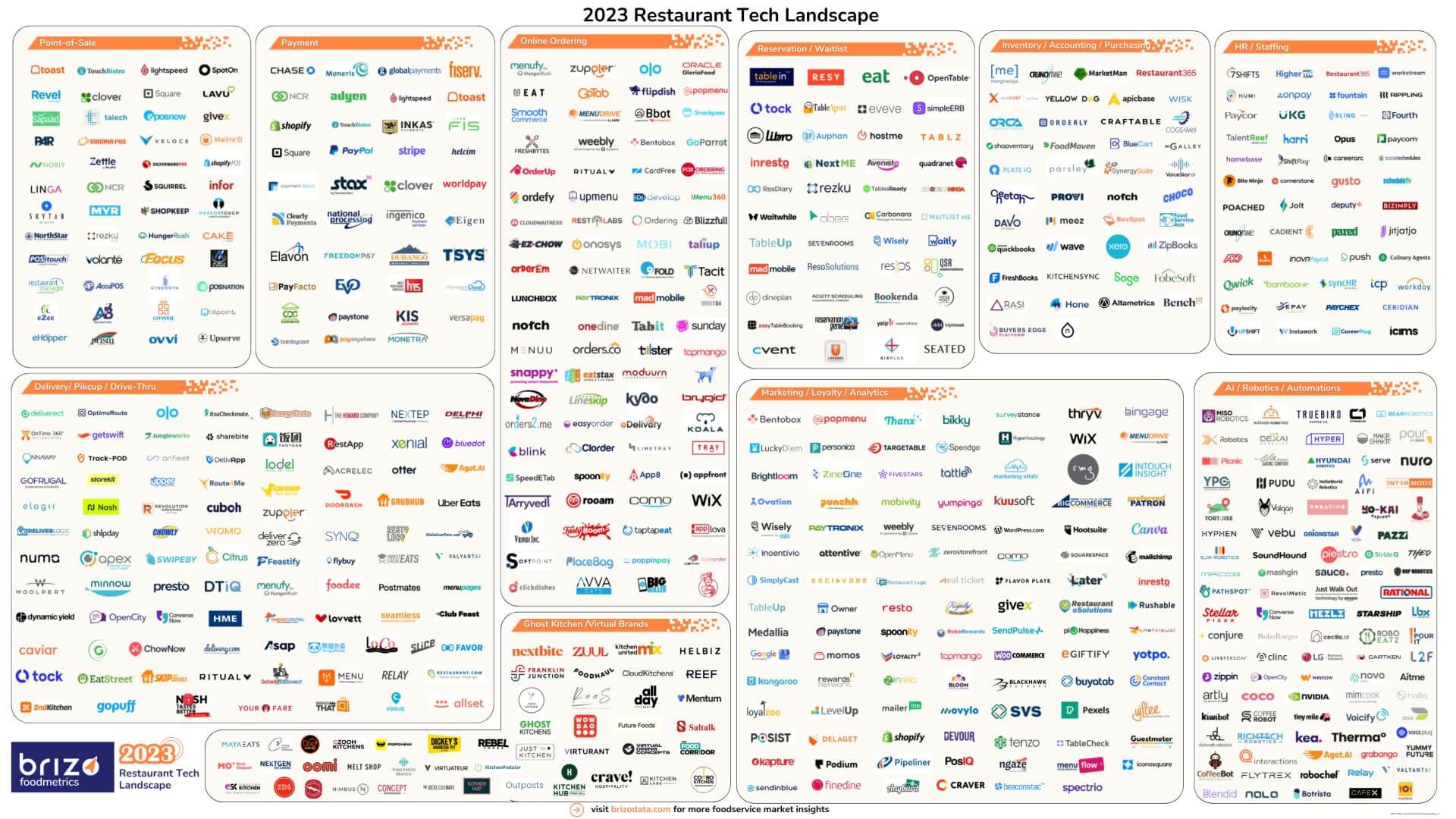
An infographic from Brizo FoodMetrics puts the explosive growth of the hospitality industry technology landscape on display.

It appears that operators, once largely hesitant to embrace new technology, are seeking it out. So, too, it seems, are guests. Intriguingly, many guests expect restaurants, bars, and hotels to innovate technologically.

In a sign of this change, SpotOn is predicting 2023 to be the year when independent operators upgrade their POS systems.

And that’s just one area where tech companies are innovating for our industry. As their infographic shows, Brizo FoodMetrics identifies ten areas of innovation:

  • POS systems
  • Payment platforms
  • Online ordering solutions
  • Reservation and waitlist platforms
  • Inventory, accounting, and purchasing solutions
  • Human resources and staffing
  • Delivery, pickup, and drive-thru tech
  • Marketing, loyalty, and analytics platforms
  • Artificial intelligence, robotics, and automation
  • Ghost kitchen and virtual brand tech

Looking just at Brizo’s POS section, they list 48 platforms as part of their “2023 Restaurant Tech Landscape.” That’s four dozen POS systems, and that’s not even every platform available to operators.

Some will be familiar to operators—Toast, TouchBistro, Clover—as they’re basically synonymous with POS systems. Others, like Tillpoint and OVVI, may be less known. However, that doesn’t mean they’re not worthy of research and consideration.

Explosive Growth and Innovation

Again, the Brizo infographic doesn’t list every single available platform. For instance, I don’t see OpenSimSim under the HR/Staffing section. But the fact that there are still dozens of other platforms—more than in the POS section—shows that tech companies finally want their share of the hospitality pie.

This is, of course, beneficial for operators and their teams for several reasons. One such reason is innovation.

On one hand, the established platforms must innovate to fend off competitors. And on the other hand, upstarts must prove themselves to operators. In other words, new platforms must show they’re not vaporware; they have longevity and won’t abandon their own platform any time soon; they’ll update constantly; they’re simple to learn and use; they integrate with other systems; and that they’re worth an operator’s money and time.

We’re just two months into 2023. Imagine what the 2024 tech landscape is going to look like. And bear in mind, this is a restaurant-focused map—there are categories like property management systems for hotels that aren’t included.

If you’re in the market for a new POS system, want to upgrade scheduling, or are just curious about where the industry is heading, check out the infographic below. Select a few brands that are unfamiliar and look them up.

Brizo FoodMetrics 2023 Restaurant Tech Landscape

To view this infographic on the Brizo FoodMetrics website, click here.

KRG Hospitality Planning Phase, 2023 icon

Image: Possessed Photography on Unsplash
by David Klemt David Klemt No Comments

Girl Scout Cookies take Cocktail Form

Girl Scout Cookies take Cocktail Form at Ocean Casino Resort

by David Klemt

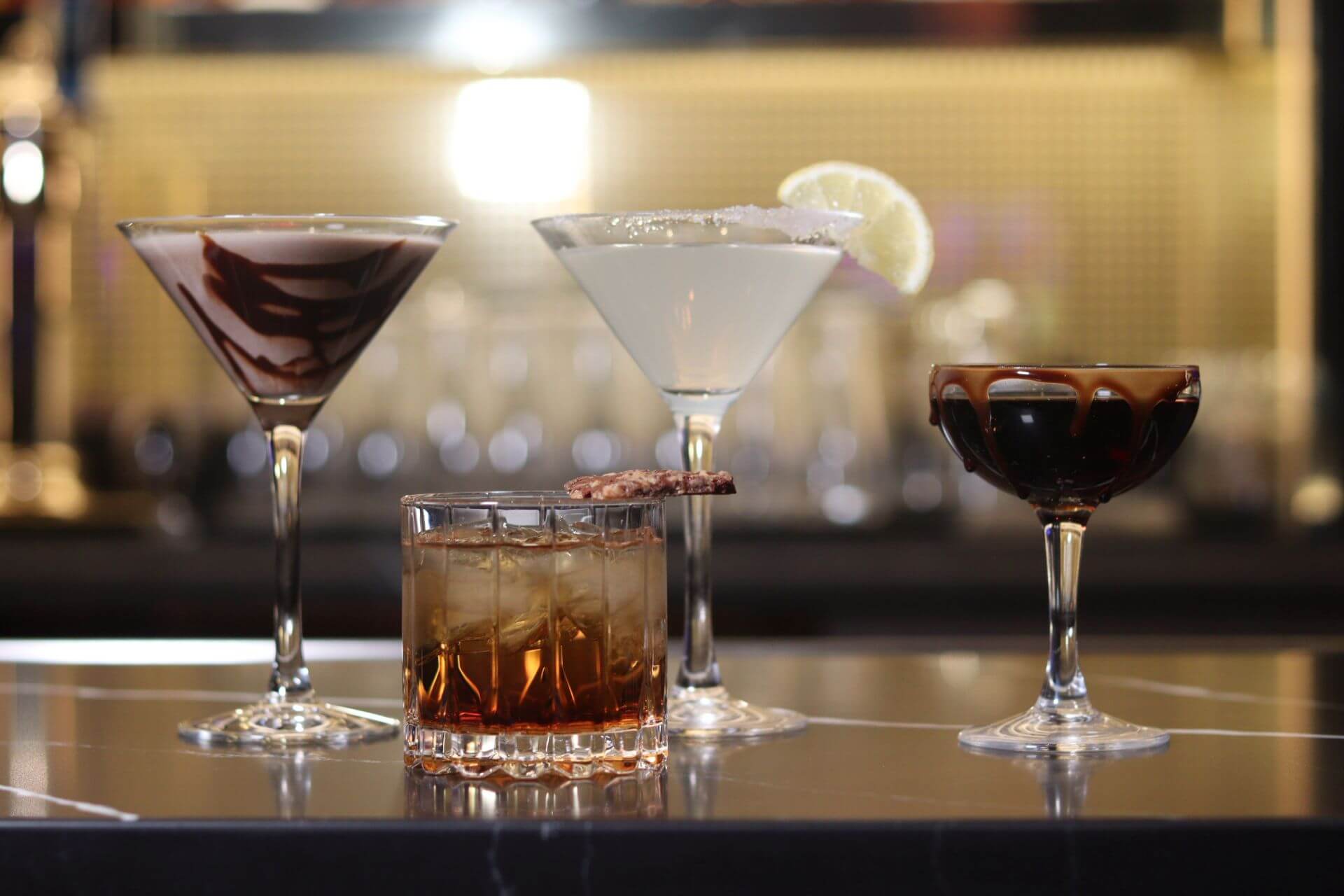
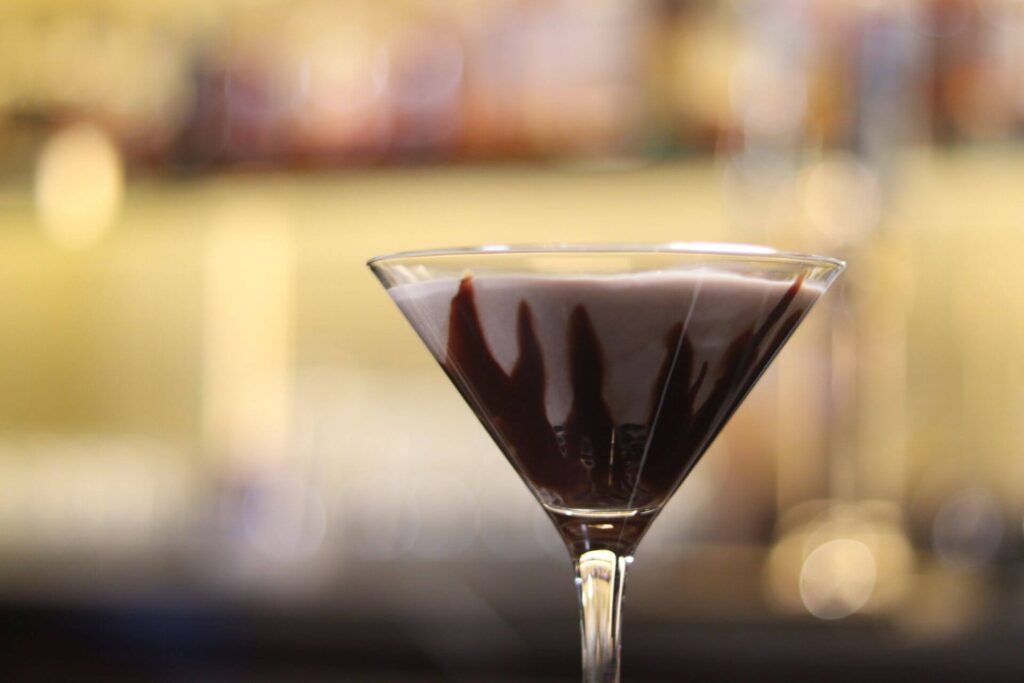
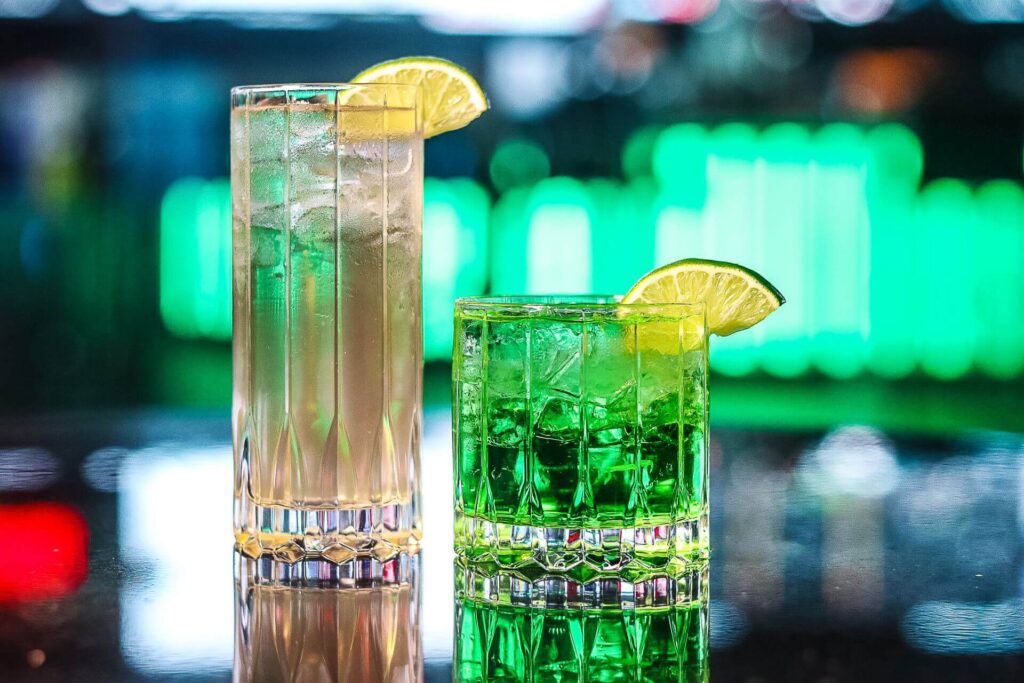
Ocean Casino Resort Girl Scout Cookie cocktails

Beginning today, Girl Scout Cookies are undergoing an irresistible liquid transformation at Ocean Casino Resort in Atlantic City.

Guests of the casino and resort will have the opportunity to enjoy these decadent cocktails through March 15.

In addition to driving traffic and engagement, these LTO drinks are a charitable effort. One dollar from each sale of these cocktails will go to the Girl Scout Troops of Southern and Central New Jersey.

So, not only is this a promotion that leverages nostalgia, these drinks enhance the guest experience of both visitors and locals. Ocean guests from out of town get to try enticing LTO drinks. And locals can try a series of limited-run cocktails while supporting their own community.

At KRG Hospitality, we like this promotion for several reasons. First, Girl Scout Cookies. For adults, these are nostalgic treats. For children, Girl Scout Cookies are a special treat. And, of course, Girl Scout Cookie sales help Girl Scouts raise funds for their organization.

Second, this promotion runs for four full weeks. That’s 28 days of sales, which is 28 days of fundraising.

Third, the Ocean Casino Resort F&B and marketing teams continues to show off their marketing skills. Last year, Ocean celebrated the Choco Taco with a tempting cocktail after it’s demise was announced. And just days ago we took a look at their Big Game drinks.

Each of their cocktail promotions serve as an exemplary LTO. Operators across the country can look to these for inspiration in terms of boosting traffic and sales, enhancing the guest experience, and engaging with their local communities while enticing visitors.

Check out Ocean Casino Resort’s National Girl Scout Day cocktail recipes. Cheers!

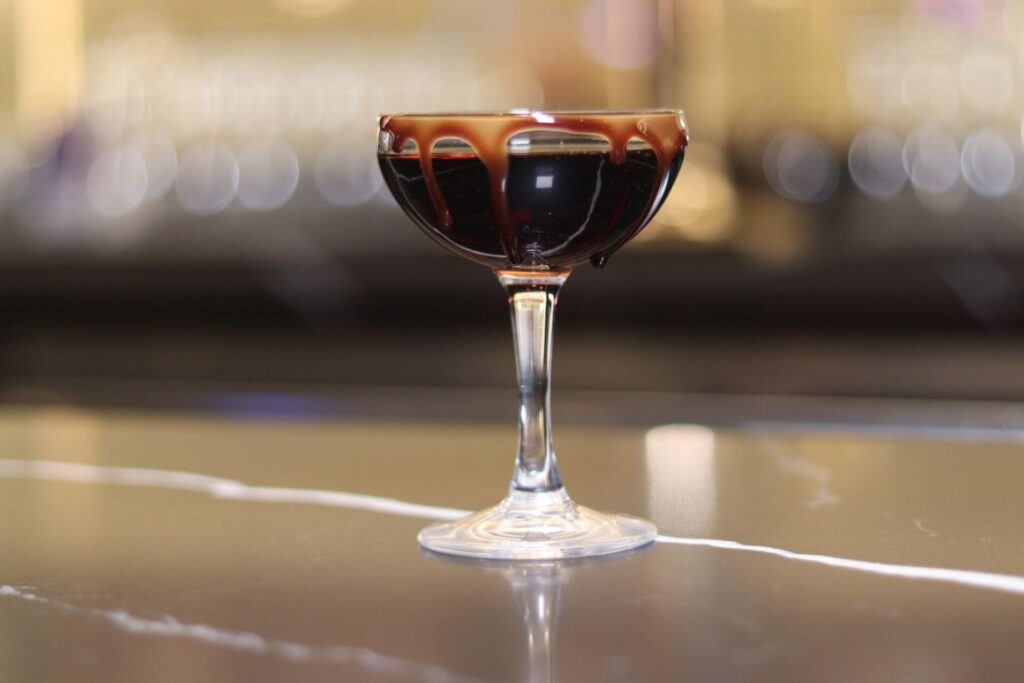
Ocean Casino Resort Berry Chocolatey Girl Scout Cookie cocktail

Berry Chocolatey

  • 2 oz. Three Olives Vodka
  • 2 oz. Chambord
  • 2 oz. Chocolate liqueur (examples: Dorda, Godiva, Mozart)
  • Half chocolate rim to garnish

Prepare a coupe by rimming with chocolate syrup. Add all ingredients to a shaker with ice. Shake and strain into prepared glass.

Ocean Casino Resort Caramel Surprise Girl Scout Cookie cocktail

Caramel Surprise

  • 1.5 oz. Three Olives Vodka
  • 1 oz. Chocolate Liqueur (examples: Dorda, Godiva, Mozart)
  • 1.5 oz. Malibu
  • 1 oz. Half and Half
  • 1 bar spoon of Caramel syrup
  • Chocolate and caramel drizzle to garnish
  • Toasted coconut flakes to garnish

Prepare a Martini or cocktail glass by adding chocolate and caramel syrups to inside. Add first four ingredients to a shaker with ice. Shake and strain into prepared glass. Garnish with toasted coconut flakes.

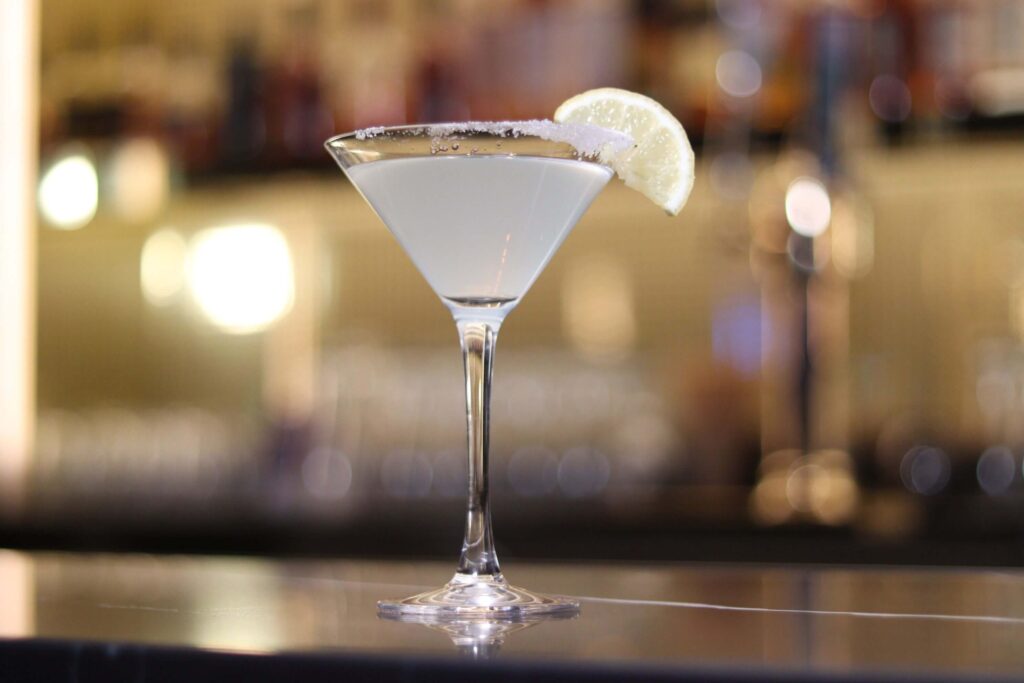
Ocean Casino Resort Lemon Kiss Girl Scout Cookie cocktail

Lemon Kiss

  • 2 oz. Three Olives Vodka
  • 0.5 oz. Triple Sec
  • 1 oz. Fresh lemon juice
  • 1 oz. Simple syrup
  • Half sugar rim to garnish
  • Lemon wedge to garnish

Prepare a Martini or cocktail glass with half-rim of sugar. Add all ingredients to a shaker with ice. Shake and strain into prepared glass. Garnish with lemon wedge.

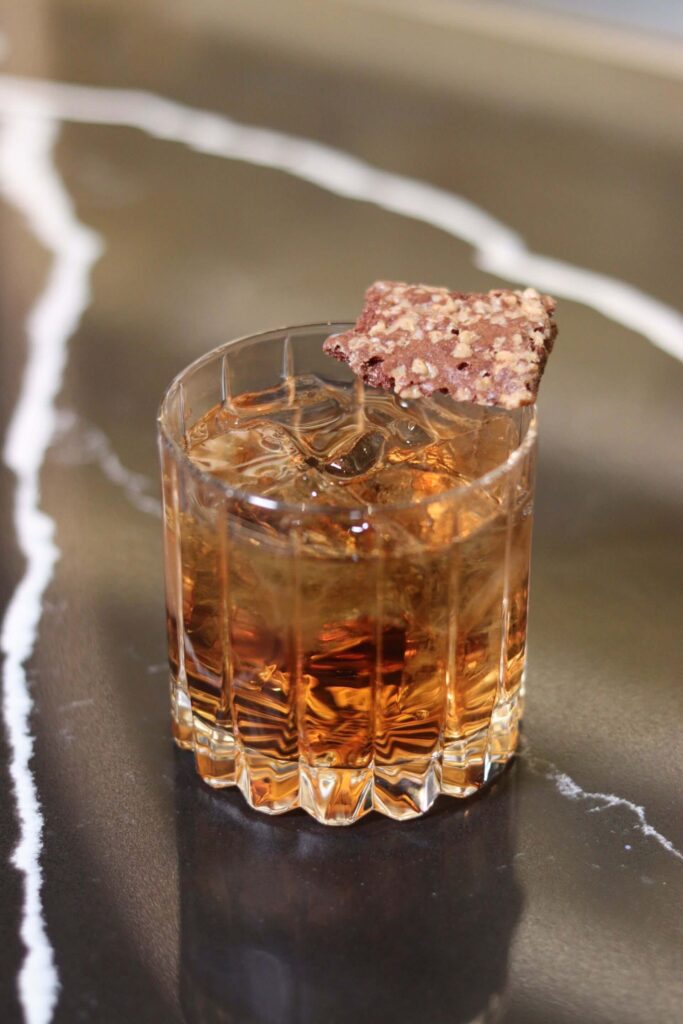
Ocean Casino Resort PB&B Girl Scout Cookie cocktail

PB&B

  • 2.5 oz. Skrewball Peanut Butter Whiskey
  • 0.5 oz. Crème de Cacao
  • 2 dashes Chocolate bitters
  • 1 dash Angostura bitters
  • Peanut Brittle laid across rim to garnish

Place a large ice cube inside a rocks glass. Add all liquid ingredients to prepared glass and stir. Garnish by laying a bite-size piece of peanut brittle across rim.

Images courtesy of Ocean Casino Resort

KRG Hospitality Mixology Training with Jared Boller

by David Klemt David Klemt No Comments

Can ChatGPT Write Food and Drink Menus?

Can ChatGPT Write Food and Drink Menus?

by David Klemt

Closeup of keyboard

After my “conversation” last month with ChatGPT about AI, I had another conversation during which I asked it to write me four menus.

Of course, I did this to prove a point. And upon reviewing the ChatGPT menus, you’ll likely reach the same conclusion.

Curious about how creative the AI-powered chatbot could be, I asked for four specific menus. As you’ll see, two are cocktail specific, one focuses on food, and one is a 20-item F&B menu for a specific event.

So, yes, ChatGPT can write food and drink menus. But there’s a caveat. I could leave you in suspense but that’s not very nice. Let’s jump in.

Write me a cocktail menu using the most popular cocktails from 2022.

Cocktail Menu

  1. Aperol Spritz – Aperol, Prosecco, and soda water, garnished with an orange slice
  2. Old Fashioned – Bourbon, sugar, bitters, and a citrus peel
  3. Margarita – Tequila, triple sec, lime juice, and salt rim
  4. Daiquiri – Rum, lime juice, and simple syrup
  5. Moscow Mule – Vodka, ginger beer, and lime juice
  6. Paloma – Tequila, grapefruit juice, lime juice, and soda water
  7. Pina Colada – Rum, pineapple juice, coconut cream, and a cherry garnish
  8. Whiskey Sour – Bourbon, lemon juice, and simple syrup
  9. French 75 – Gin, Champagne, lemon juice, and simple syrup
  10. Mai Tai – Rum, orange liqueur, lime juice, and orgeat syrup

*All cocktails are served over ice, unless otherwise requested.

Write me a cocktail menu using the most popular spirits and alcohol types of 2022.

Cocktail Menu

  1. Gin and Tonic – Gin, tonic water, and a lime wedge
  2. Vodka Martini – Vodka, dry vermouth, and an olive garnish
  3. Bourbon Manhattan – Bourbon, sweet vermouth, and bitters
  4. Tequila Sunrise – Tequila, orange juice, and grenadine syrup
  5. Rum Runner – Rum, blackberry liqueur, orange juice, pineapple juice, and grenadine
  6. Whiskey Sour – Bourbon, lemon juice, and simple syrup
  7. Margarita – Tequila, triple sec, lime juice, and salt rim
  8. Daiquiri – Rum, lime juice, and simple syrup
  9. Long Island Iced Tea – Vodka, gin, rum, tequila, triple sec, lemon juice, and cola
  10. Pina Colada – Rum, pineapple juice, coconut cream, and a cherry garnish

*All cocktails are served over ice, unless otherwise requested.

Write me an appetizer and tapas menu that includes food items from an array of cuisines.

Appetizer and Tapas Menu

  1. Bruschetta – Grilled bread topped with fresh tomatoes, basil, and balsamic glaze
  2. Hummus Platter – Chickpea dip served with pita bread and fresh veggies
  3. Spring Rolls – Fried wonton wrappers filled with veggies and served with sweet chili sauce
  4. Spinach and Artichoke Dip – Creamy dip made with spinach, artichokes, and melted cheese, served with tortilla chips
  5. Stuffed Jalapeños – Jalapeño peppers stuffed with cream cheese and bacon
  6. Fried Calamari – Lightly battered and fried squid rings served with marinara sauce
  7. Baked Brie – Warm, gooey brie cheese topped with fruit preserves and served with crackers
  8. Fried Rice Balls – Rice mixed with veggies and spices, rolled into balls and fried, served with sweet and sour sauce
  9. Chorizo Sliders – Mini sliders made with spicy chorizo sausage and topped with avocado crema
  10. Samosas – Triangular-shaped pastries filled with spiced potatoes and peas, served with mint chutney.

*Please let us know of any dietary restrictions, and we will do our best to accommodate your needs.

Write me a food and beverage menu for the 2023 [Big Game] with ten food items and ten drinks.

[Big Game] 2023 Food and Beverage Menu

Food:

  1. Buffalo Wings – Crispy wings tossed in spicy Buffalo sauce
  2. Sliders – Mini burgers with various toppings, such as bacon and cheddar, mushroom and Swiss, and BBQ pulled pork
  3. Nachos – Tortilla chips topped with melted cheese, jalapeños, salsa, and sour cream
  4. Chili – Hearty beef chili served with shredded cheddar cheese, onions, and crackers
  5. Ribs – Slow-cooked BBQ ribs with a tangy sauce
  6. Mac & Cheese Bites – Fried balls of creamy mac & cheese
  7. Deviled Eggs – Hard-boiled eggs filled with a mixture of mayo, mustard, and spices
  8. Pizzas – Slices of delicious pizza in various toppings such as pepperoni, mushroom, and sausage
  9. Chips & Dip – Assorted chips served with guacamole, salsa, and queso dip
  10. Soft Pretzels – Warm, soft pretzels served with cheese dipping sauce

Drinks:

  1. Beer – A selection of domestic and imported beers
  2. Margaritas – Classic margaritas made with tequila, triple sec, and lime juice
  3. Bloody Mary – A spicy tomato and vodka-based drink with celery, olives, and other garnishes
  4. Hard Cider – A crisp, apple-based beverage
  5. Sodas – A variety of soft drinks, such as cola, lemon-lime, and root beer
  6. Whiskey Sours – A mixture of whiskey, lemon juice, and simple syrup
  7. Spiked Hot Cider – Warm apple cider with a splash of rum
  8. Red and White Wines – A selection of red and white wines to accompany any meal
  9. Iced Tea – Sweetened or unsweetened iced tea
  10. Coffee – Freshly brewed coffee, hot and ready to enjoy.

*Please drink responsibly and always have a designated driver.

Where Do You Stand on AI?

In my opinion, there are essentially four primary camps forming around the subject of artificial intelligence.

There are the Alarmists, the Enthusiasts, the Cautious, and the Shoulder Shruggers.

As my label implies, the Alarmists are fearful of AI. This group doesn’t like the genie being let out of its bottle. On the polar opposite, there are the Enthusiasts. This group can’t wait to see how far AI can go and what it’s fully capable of.

The Shoulder Shruggers basically have no opinion. They may even throw in an eye roll when the topic of AI comes around.

Then there’s the camp I most closely identify with: the Cautious. I don’t know enough about AI to be an Alarmist or an Enthusiast. Instead, I agree with points made by both of those camps.

Conclusion

Before I had my latest conversation with ChatGPT, I happened across a few interesting articles about the chatbot specifically and AI in general. A point each article shared was this: (for now), ChatGPT isn’t creative.

And that’s the caveat I mentioned at the top of this article.

Sure, it can scour the Internet for information in the blink of an eye, contextualize it (to a degree), and present it in a manner that seems intelligent. But really, neither ChatGPT nor other AI tools are capable of creative endeavors.

Now, consider the “menus” you just read. Unless your goal is to become a boring, regional chain bereft of personality and identity, not a single one is creative. In fact, they both consist of F&B items that any bartender, bar manager, chef, cook, or kitchen manager should know how to make, off-menu or on.

Simply put, these ChatGPT menus don’t provide much, if anything, in the way of brand identity.

That’s not to say that menus with the items above are “bad.” It’s just that they’re not enticing, not inspiring, not creative. They’re the definition of derivative. Why would today’s guest be drawn to a venue with those menus?

For now, I don’t think we need to be afraid of AI. Humans still rule the creativity roost. Oh, and please don’t use those AI-generated menus.

KRG Hospitality Restaurants & Cafes, 2023 icon  KRG Hospitality Beverage Programming

Image: Christian Wiediger on Unsplash
by David Klemt David Klemt No Comments

Ocean Casino Resort’s Big Game Cocktails

Ocean Casino Resort Offers Big Game Cocktails

by David Klemt

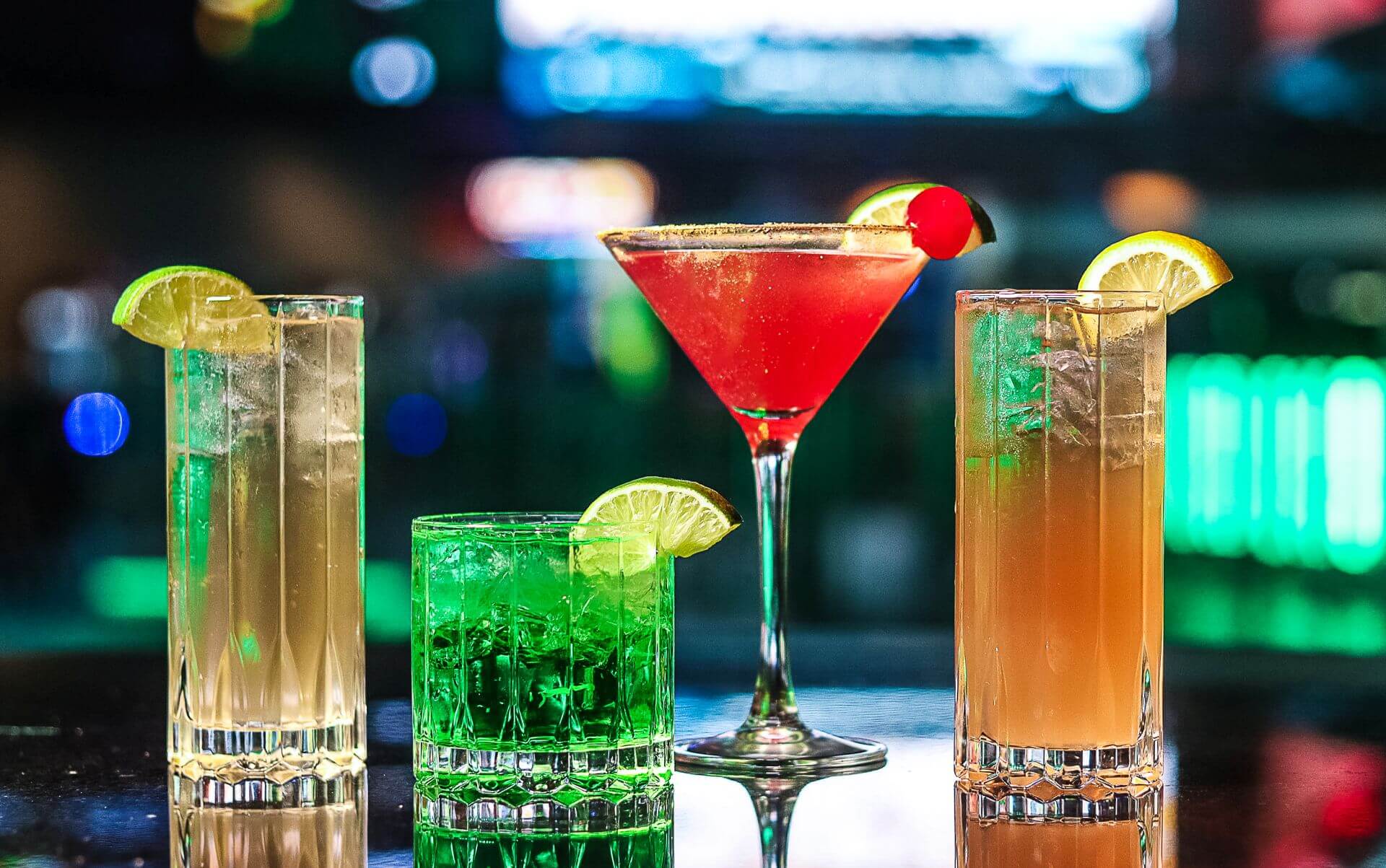
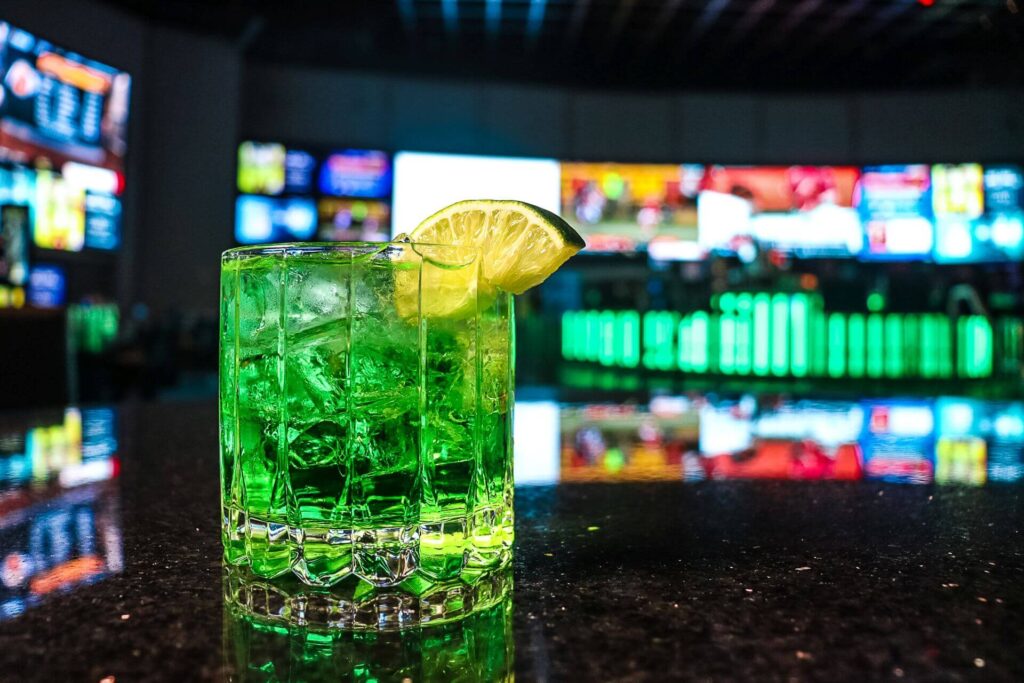
Group of Big Game cocktails at Ocean Casino Resort

Ocean Casino Resort, Atlantic City’s award-winning oceanfront casino and resort, is ready for the Big Game with four cocktails that team with the theme.

Now, by “Big Game,” we all know what I’m talking about. We know the sport, we the know the league, and we know precisely which game is under discussion.

However, due to very “enthusiastic” attorneys, we also have to talk like we’re spies or actors in a mob movie. We wouldn’t want to tempt anyone to file a lawsuit now, would we?

And I’m going to encourage you to continue following this childish way of speaking about the Big Game. When you’re promoting your Sunday, February 12 event, don’t use any trademarked terms, logos, images, etc.

Alright, the Big Game legalese is out of the way. Let’s talk themed cocktails!

Big Game Cocktail Inspiration

Midway through last year, Ocean Casino Resort showed us all their marketing prowess. When news of the Choco Taco’s demise made headlines, Ocean created a cocktail homage: the Chocotini.

To ensure the LTO could be enjoyed by most guests, the cocktail was available at four venues on the property.

Now, Ocean Casino Resort is tackling the Big Game. (Note: I’m legally required to include sports puns when writing about any major game.)

Guests have four specialty LTO cocktails from which to choose. Two representing the team from Philadelphia, two for the team in Kansas City. Each drink is available at venues throughout the casino resort, including their Topgolf Swing Suite (largest in America), Nola’s Bar & Lounge, and the Gallery Bar Book & Games.

In news that should appeal to you and your bar team, these drinks are quick to make. That’s a relief when you plan to be slammed on a particular day.

Of course, you don’t have to attempt to replicate these cocktails. They serve as excellent inspiration to motivate you and your team to come up with your own liquid homages and LTOs.

In case you’re wondering what to charge, Ocean is charging $14 each for the Brotherly Love, Hurts So Good, and Big Red cocktails. The Arrowhead carries a price tag of $15.

Ocean Casino Resort Philadelphia cocktails

Philadelphia

Ocean Casino Resort Brotherly Love cocktail

Brotherly Love

  • 1 oz. Vodka
  • 1 oz. Midori
  • 0.5 oz. Lemon juice
  • 0.5 oz. Lime juice
  • Club soda to top
  • Lime wedge or wheel to garnish

You and your bar team can build this cocktail in a rocks glass. Add ice, then add the first four ingredients. Top with club soda and garnish with a lime wedge or lime wheel.

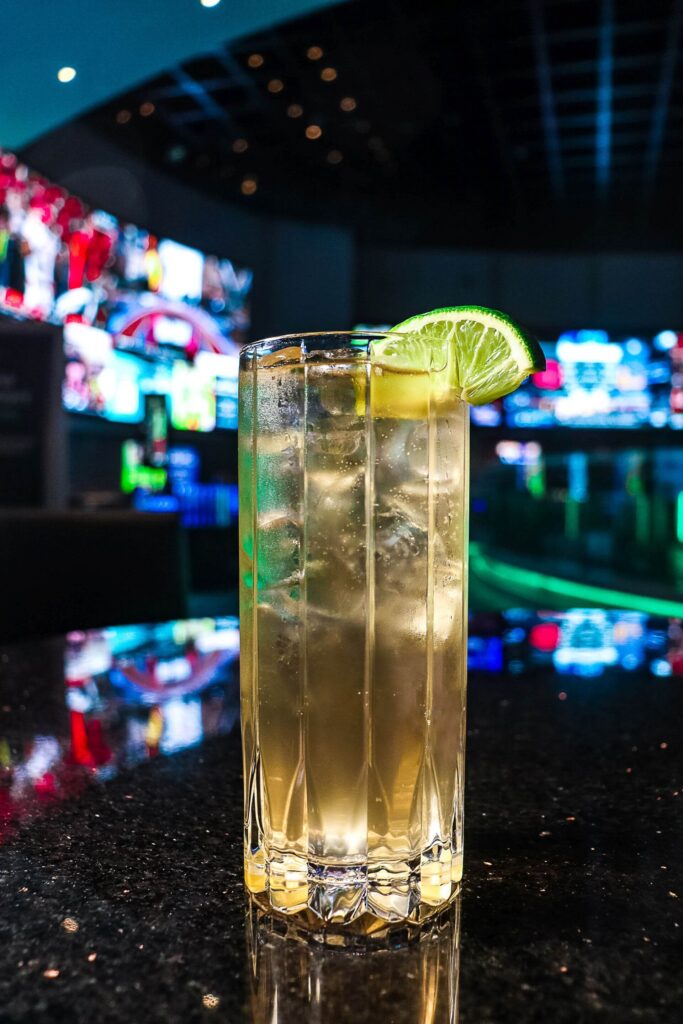
Ocean Casino Resort Hurts So Good cocktail

Hurts So Good

  • 2 oz. Dark rum
  • 4 oz. Ginger beer
  • Lime to garnish

Another simple cocktail that you can make in the glass. Grab a Collins glass and add ice. Add the dark rum, then add and top with ginger beer. Garnish with a lime wedge and lime wheel, then serve. If this sounds like a Dark ‘n’ Stormy, that’s because it is one. And like the Big Game’s actual trademark name, be careful using that drink name for legal reasons.

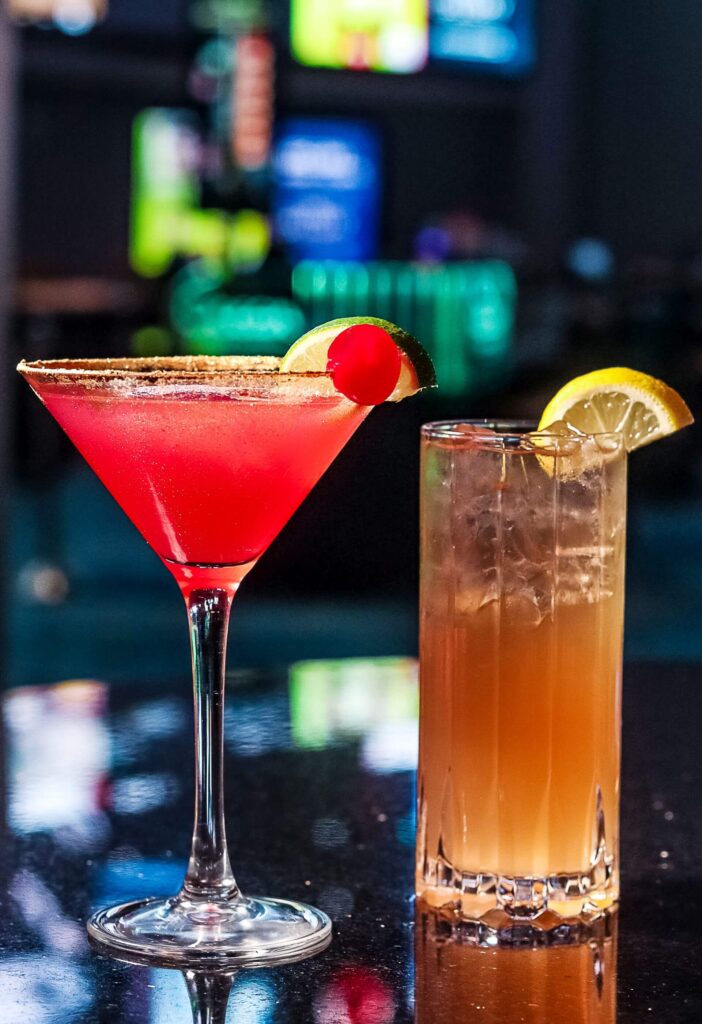
Ocean Casino Resort Kansas City cocktails

Kansas City

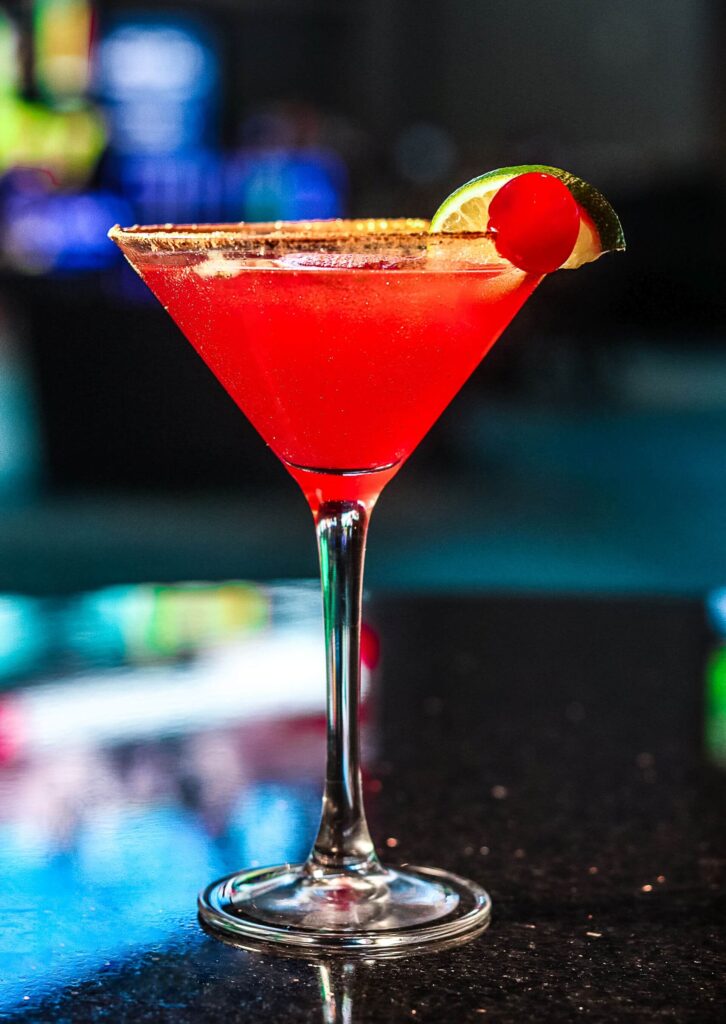
Ocean Casino Resort Big Red cocktail

Big Red

  • 1 oz. Fresh lime juice
  • 2 oz. Silver tequila
  • 2 oz. Pomegranate juice
  • 0.75 oz. Triple sec
  • 0.75 oz. Simple syrup
  • Lime to garnish
  • Cherry to garnish
  • Salt, cinnamon blend, or spicy salt blend to rim (get creative!)

Prepare a Martini or cocktail glass by adding a rim. This can be a simple salt rim, a cinnamon blend rim, a spicy salt mixture, or even a barbecue seasoning-style rim. Opt for chilling these glasses ahead of time if you prefer. Add ice and then the first five ingredients to a shaker. Shake until well chilled, then strain into the prepared glass. Garnish with a lime wedge or lime wheel, plus a cherry.

Ocean Casino Resort The Arrowhead cocktail

The Arrowhead

  • 1.5 oz. Rye whiskey
  • 4 oz. Ginger beer
  • 4 dashes Angostura bitters
  • 1 squeeze of Lemon juice
  • Lemon wedge or wheel to garnish

Prepare a Collins glass by adding ice. Add each ingredient, garnish with lemon wedge or wheel, and serve.

KRG Hospitality Beverage Programming

Images courtesy of Oceans Casino Resort

by David Klemt David Klemt No Comments

5 Books to Read this Month: February 2023

5 Books to Read this Month: February 2023

by David Klemt

Flipping through an open book

This month’s engaging and informative book selections will help you hone your culinary, beverage, and operational skills to dial in your business.

To review the book recommendations from January 2023, click here.

Let’s jump in!

Cheers!: Cocktails & Toasts to Celebrate Every Day of the Year

As long-time KRG Hospitality readers know, we enjoy helping operators and their teams program around unique holidays. This book takes a similar approach to restaurant and bar promotions.

Philip Greene’s Cheers! suggests a specific drink and toast for each day on the calendar. There are, of course, the mainstream holidays each month. But like us, Greene also focuses on lesser-known holidays. With consumer behavior shifting toward occasion-based drinking, this book can certainly come in handy.

In the Weeds: Around the World and Behind the Scenes with Anthony Bourdain

Last year, In the Weeds was nominated for the 2022 BookTube Prize in Nonfiction. It’s understandable why this book was given such a nod: it takes the reader behind the scenes with Chef Anthony Bourdain.

“From the outside, the job looked like an all-expenses-paid adventure to places like Borneo, Vietnam, Iran, the Democratic Republic of Congo, and Libya. What happened off-camera was far more interesting than what made it to air. The more things went wrong, the better it was for the show. Fortunately, everything fell apart constantly.” Grab this book now on Amazon.

Meehan’s Bartender Manual

There are certain books that people in this industry simply need to read. Meehan’s Bartender Manual—written by bartender, educator and author Jim Meehan—is one such tome.

This award-winning book is a must-read for all bar professionals, whether you own a bar, work behind a bar, or are a server. Not only will you find 100 recipes in Meehan’s Bartender Manual, you’ll learn about bartender techniques, service, hospitality, and bar design. Pick it up today!

Setting the Table: The Transforming Power of Hospitality in Business

Much like Meehan’s Bartender Manual is a must-read for bar owners and bar teams, Setting the Table is required reading for restaurant owners and teams.

Restaurateur and chef Danny Meyer shares the lessons he has learned that helped him survive and thrive in a challenging industry. Certainly, our industry is changing. But there are still lessons to be learned when we look into our recent past.

Dare to Lead: Brave Work. Tough Conversations. Whole Hearts.

To say Brené Brown is an expert in leadership is an understatement. The professor, researcher, educator, and author has been teaching about leadership for years.

Brown’s 2018 book Dare to Lead focuses, in part, on two crucial keys of true leadership. One is taking personal responsibility. The second is how to recognize potential in others. Without these two elements, becoming an effective leader is essentially impossible. Pick up Dare to Lead on Amazon today.

KRG Hospitality Bars & Lounges, 2023 icon

Image: Mikołaj on Unsplash
by David Klemt David Klemt No Comments

Program for Unique Holidays: February 2023

Program for Unique Holidays: February 2023

by David Klemt

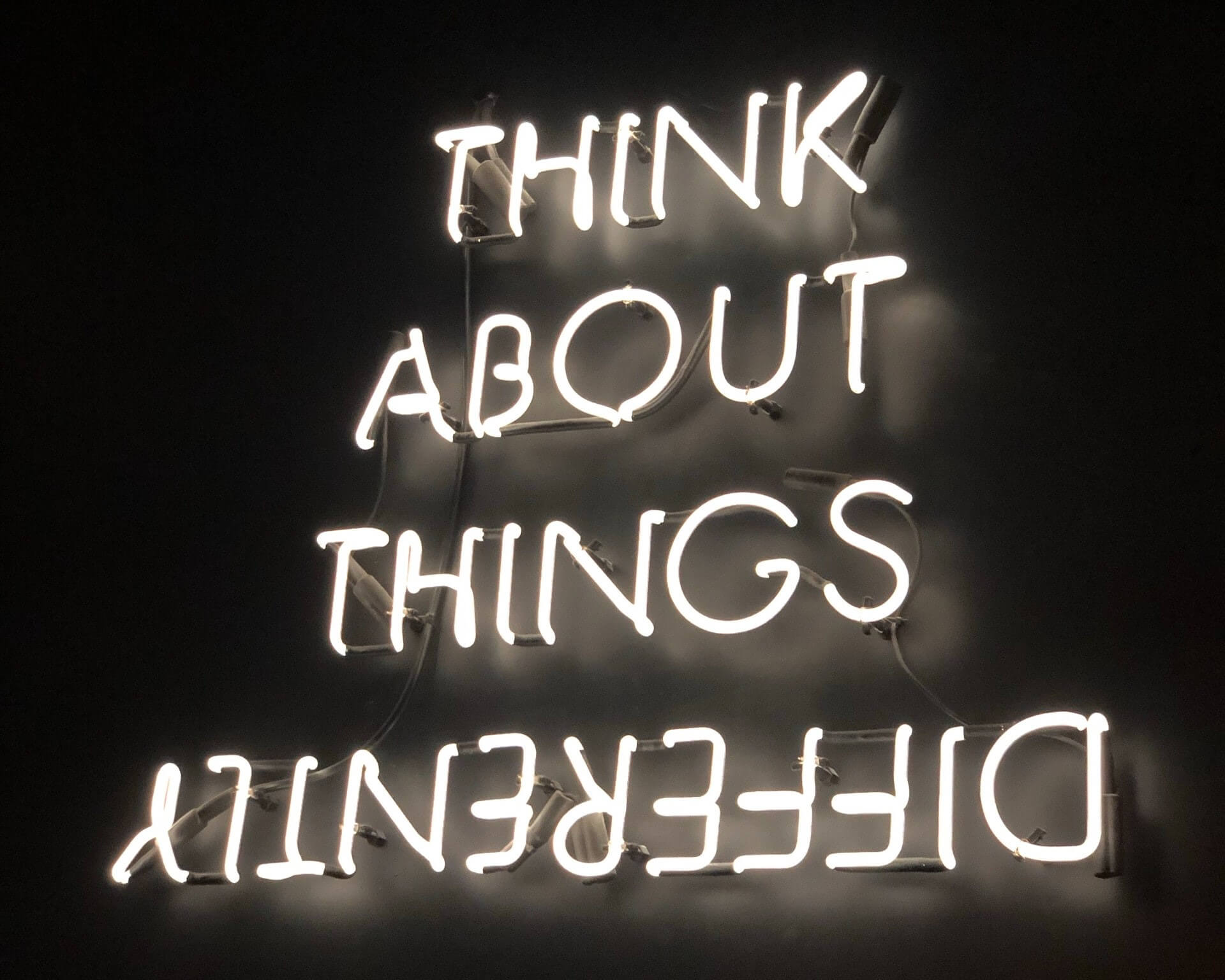
"Think about things differently" neon sign

Do you want to stand out from from other restaurants and bars in your area? Change how you think about holiday promotions.

Several holidays are set against every date on the calendar, and February is no exception. These holidays range from mainstream to esoteric.

Pay attention to the “weird” or unique holidays to raise eyebrows, carve out a niche for your restaurant or bar, and attract more guests. Why do what everyone else is already doing? Why program only around the same holidays as everyone else?

Of course, you shouldn’t try to celebrate every holiday, strange or otherwise. Focus on the days that are authentic to your brand; resonate with your guests; and help you grab attention on social media.

You’ll find suggestions for promotions below. However, the idea behind our monthly holiday promotions roundup is to inspire you and your team to get creative and come up with unique programming ideas.

For our January 2023 holidays list, click here.

February 6: Pride In Foodservice Week

I’m not gonna lie: This is the first I’ve heard of this week-long celebration of foodservice. That’s fairly embarrassing given that this holiday dates back to 1991.

As you’re probably assuming, Pride in Foodservice Week celebrates foodservice professionals. So, highlight your team on social media (with their approval, of course); do something special to show your team you appreciate them; and find a way to celebrate the foodservice pros that visit your restaurant, bar, or hotel this week.

February 7: National Fettuccine Alfredo Day

Is this holiday unusual? No. Is Fettuccine Alfredo in any way bizarre? Of course not.

But you can certainly tap your kitchen team to do something unexpected with this classic dish. Stuff bao buns or dumplings with Fettuccine Alfredo. Create deep-fried Fettuccine Alfredo bites. Find a way to serve it on a stick. Just get creative and own this food holiday.

February 8: Kite Flying Day

Now, I’m not expecting you to somehow create a promotion around actually flying kites. Although, if you have the space and resources, go for it.

Instead, consider focusing on a particular cocktail, like the Plastic Kite or Paper Plane. Is a paper plane a kite? It can be if it’s designed as one, so the cocktail should be fair game on this holiday.

February 10: National Umbrella Day

North America has been slammed by freezing weather and brutal storms. Your guests can probably use an escape from the cold temperatures.

One excellent way for them to transport themselves elsewhere (at least in their minds) is tropical drinks. And tropical drinks tend to be served with the iconic cocktail umbrella. You know what to do: Perfect your tiki or nautical cocktail recipes, create an LTO menu, and draw in your guests.

February 15: National Flag of Canada Day

There’s nothing weird about the Canadian Flag. In fact, it’s one of the most iconic and instantly recognizable flags on the planet.

So, this is your day to celebrate Canadian spirits, beer, and food whether you operate in Canada or anywhere else. Tap your reps, get your hands on Canadian spirits and beer, focus on a few Canadian delicacies, and put together a mouth-watering LTO F&B menu.

February 18: National Crab Stuffed Flounder Day

To be clear, I’m including this holiday because it’s so specific. Obviously, this calls for an LTO or special based on one dish. I’ll give you one guess which dish it is.

February 20: Hoodie Hoo Day

If you’re somewhere it won’t bother too many people, I want you to do me a favor. I want you to yell, “Hoodie hoo!” Did you do it? Did it put a smile on your face?

It’s basically impossible to yell those two little words and not be happy afterward. Well, that’s the whole point of this holiday: happiness. We could all use a dose of happy these days, and this holiday can certainly provide it.

February 25: World Sword Swallowers Day

There are a couple ways to celebrate World Sword Swallowers Day. But for the love of your bottom line, don’t let any of your guests attempt to swallow any swords, cocktail or otherwise!

Instead, dig into the recipe books and find some classics just look right with garnishes skewered by cocktail swords. Or, serve up the Swinging Sword cocktail by Buchanan’s:

  • 1.5 oz. Buchanan’s 18-Year-Old Special Reserve Blended Scotch
  • 0.75 oz. Fresh squeezed orange juice
  • 0.5 oz. Fresh squeezed lemon juice
  • 0.5 oz. Grenadine
  • Fresh mint sprig for garnish

Add ice and all liquid ingredients to a shaker. Shake well, strain into a coupe, garnish, and serve.

February 27: Telecommuter Appreciation Week

This is another week-long holiday I didn’t know existed. And again, it’s not new—this holiday was first celebrated in 1993.

However, I think it’s more relevant than ever. Rather than encouraging people to work from home on this holiday, celebrate your WFH guests. If your WiFi can handle it, encourage your guests to work from your restaurant, bar, or hotel. And make sure to create LTO food and drink menus to incentivize to do so.

KRG Hospitality Project Add-ons, 2023 icon

Image: Ivan Bertolazzi on Pexels

by David Klemt David Klemt No Comments

4 Takeaways from Resy’s State of Dining

4 Takeaways from Resy’s State of Dining Report

by David Klemt

Guests enjoying an array of dishes at a restaurant

The State of Dining and What’s To Come in 2023 from Resy is an informative report that highlights several key developments to watch this year.

In fact, Resy’s report shines a light on ten trends and predictions for operators to consider. However, I’m going to address the four that stand out the most (to me).

For those who may be unfamiliar with Resy, the company is an online reservation platform. While Resy mostly serves major American cities, it does have a presence in Toronto, Canada, and London, UK.

Most importantly, the platform has a unique view of the industry. Resy looks at the industry through the lens of reservations, meaning they collect data concerning consumer behavior in real time.

So, let’s start with some compelling revelations based on reservation data. To view this report in its entirety, visit Resy via this link.

1. 5:00 PM

According to Resy, one reservation time is standing out from the rest. In comparison to 2019 and 2021, 5:00 PM reservations grew by two percent in 2022.

Now, two percent may seem like insignificant growth. However, given Resy’s reach and the platform’s number of active users, the opposite is true.

A two percent increase equates to hundreds of thousands of reservations.

Now, think about your restaurant or bar and consider your reservation distribution. Do you know which hour sees the most reservations? Not an assumption—do you have the data and therefore know the time?

If not, that’s information you need. Not only is this important for scheduling and controlling costs, it’s the benchmark you need to know if you have any chance of tracking change.

2. The Return of In-person Dining

This is one prediction that multiple industry (and even non-industry) publications are making for 2023. It’s the same for hospitality industry platforms: Companies see 2023 as the year restaurants and bars really come roaring back.

But when Resy makes this prediction, they’re using their reservation data to back it up.

First, last summer represents the single busiest season in the platform’s nine-year history. Second, a specific event, a dinner with chef-operator Massimo Bottura, sold out via Resy in a minute.

Third, October 2022. Why is this month worth pointing out in particular? By October, more Resy users had visited restaurants in 2022 than they had during the entirety of 2021.

Clearly, Resy expects this trend to continue and strengthen in 2023. Given their access to reservation data, this seems like a well-informed prediction.

3. Miami

In December of last year we checked out the best states in America for starting a business. Pennsylvania stood out to us for obvious reasons: our Northeastern office is in Philadelphia, with Kim Richardson at the helm.

Overall, Pennsylvania holds the number four spot on the Forbes list. For comparison, Florida slots in at number 45.

However, Miami appears to be an outlier for restaurant and bar entrepreneurs when it comes to Florida.

Per Resy, the restaurant footprint in Miami grew fourfold from 2017 to 2022. Moreover, Resy is seeing continuous growth in Miami. Going even further, this growth is coming from local and outside operators.

In fact, Resy describes South Florida as “white hot for high-profile sequels.” An operator has a top-tier concept? They’re likely to expand into Miami.

4. TikTok

Last week I addressed Datassential weighing in on photos versus videos. According to the F&B research firm, video is now dominating social media engagement.

And also last week, I explained the importance of discovery functionality. Operators who are considering adding a platform to their tech stack should consider whether it will help people discover their restaurant, bar, or hotel.

Resy is a platform that doesn’t just offer discoverability, it’s a core feature. So, when they say that TikTok appears to be a powerful discovery tool for restaurants and bars, that’s likely true.

Now, a poll Resy cites in their report reveals that traditional word of mouth is the top method of discovery. However, the same poll cites that TikTok is the top discovery platform for 43 percent of Gen Zers. Or, in other words, video, or digital word of mouth.

Should operators jump on TikTok? That’s something only individuals can determine is good for their business.

But if they’re courting Gen Z, well…they may need to add TikTok to their social media toolbox.

KRG Hospitality Success Session, 2023 icon

Image: Meredith Jenks for Resy

by David Klemt David Klemt No Comments

Focus: See Your Business for the Trees

Focus: See Your Business for the Trees

by Jennifer Radkey

Trees along forest path

It happens to us all: Sometimes we get so caught up in the small details of our day-to-day lives that we fail to see the bigger picture.

So common is this element of the human experience there’s a popular saying about it: “Sometimes it’s hard to see the forest through the trees.”

Today, however, I’m going to suggest that the opposite can also be true: “Sometimes it’s hard to see the trees when immersed in the forest.” In other words, when walking along the same path in a forest every day, we often stop seeing the individual trees.

Okay, forests and trees, nature and walks along paths—what does any of this have to do with operating a successful restaurant, bar, or hotel? Stick with me.

The forest is your venue. Your path is your daily routine from the minute you step into your venue until the minute you walk out the door at the end of your day.

The trees? They’re all the little details that make up your establishment: your team, the signage, tables and chairs, music playing, lighting, decor, food, drinks, website, online reviews, social media posts… These, plus many more, are the little things that add up to create your “forest.”

You walk through your venue daily and have become, for the most part, so used to your surroundings that you’re almost blind to them. This can sometimes lead to a false sense of everything being “fine.” You miss small details you need to improve, and also things that you and your team need to celebrate.

What I would like to challenge you to do is to take a step back, clear your mind, pretend you’re experiencing your venue for the very first time, and really notice the details. Walk a new path through your forest and see the trees.

How do you do that? Pretend you’re a guest visiting your establishment and follow the guest journey.

Here’s a list of five places you should stop along your path to gain a fresh perspective.

Your Online Presence

Start with your website.

When did you last update it? Are pictures fresh and eye-catching? Is the website easy to navigate on mobile devices? Is the menu easy to access? Can you make a reservation easily? What story is your website telling?

Next, scroll through your social media (if it exists).

When did you post last? What content are you sharing? Does it tell a story? Does it make you want to visit your venue? Are people engaging with your content? Are you engaging with others?

How about online reviews? See what people are saying about you.

Have you responded to reviews, good and bad? How are you responding? If you were a potential new guest would these reviews and your responses keep you away or entice you to visit?

More often than not, the first impression a guest has of your business happens long before they actually step foot inside your venue for the first time. What impression are you giving them?

Curb Appeal

The next place you want to stop on your path is right in front of your venue.

As you drive up, what do you notice? What’s the condition of your signage? Is it welcoming and attention-grabbing?

When walking up to the entrance, look for things that you may overlook but a first-time guest may not. Cleanliness of the front entrance area, proper lighting, current signage, these should all be checkpoints on your list.

Also, how does it feel to enter your venue? Is it welcoming? Exciting? Does it feel safe?

If you have stellar curb appeal with awesome signage are you celebrating and promoting it through great photos for your website and social media?

These are all things to consider when viewing your venue from the curb.

Interior

Next up on your path is the interior of your venue.

Is it clean? Are there any minor repairs that need to be done? Is the lighting just right?

Have a seat in a few different places in your venue. What’s your customer’s visual experience when they come to visit you?

You want the interior of your venue to represent your brand and its values, and you want it to appeal to your target market. Is it doing those things?

Again, if you have an amazing interior design element, are you showcasing it to its fullest in person and online? Make any notes of things you would like to change or improve upon.

One more note on the interior: Do not forget the washrooms. Nothing turns a visit into an unpleasant experience faster than an unclean washroom.

Service

As you’re viewing your venue with clarity, take a few minutes to step back and watch how your staff engages with your guests.

Whatever your brand’s values are for the guest experience, are they being conveyed through your staff’s engagement?

If you’re promoting a fun, energetic vibe, is your staff upbeat, positive, and energized when communicating with guests? Are the pillars of excellent customer service in place? When your guest leaves are they going to say, “Wow, our server was so friendly/nice/funny/knowledgeable,” etc.

Or are they going to leave saying nothing at all?

If staff appear unmotivated, what can you do to help inspire your team? If they’re stellar employees are you recognizing their incredible work?

Food and Drink

When was the last time you sat and really enjoyed a meal at your own establishment? Before you answer: As if you were a guest and not the owner.

Is food coming out in a timely manner? How does it look, smell, and, of course, taste?

Would you grab for your phone before taking the first sip or bite to snap a photo for Instagram? If you would, have you done exactly that for your own social media feeds?

As an owner you can become very attached to your menu, but pay attention to see if your guests and staff are raving about your food and drink.

Final Steps

The final steps of your path will be the same as your guest’s final steps.

Is your bill brought to the table when you’re ready to leave? Is payment easy to make? What are the final last impressions you’re left with? How is your team bidding farewell to guests? What will entice them to return?

You want your guests to feel satisfied and to tell their friends and family about what an amazing experience they had.

It can feel strange to step back from the forest and to notice the trees, but it will lead to improved clarity and perhaps even a roadmap for change and improvements to take your hospitality venue to the next level. Stepping back will also improve your overall mindset as you experience your business through the eyes of another.

So step back, clear your mind, and see what you may have been missing all this time.

Cheers to professional and personal growth!

Image: Lucas Parker on Unsplash
KRG Hospitality Mindset Coaching, 2023 Icon

by David Klemt David Klemt No Comments

This is How Guests are Using Resy

This is How Guests are Using Resy

by David Klemt

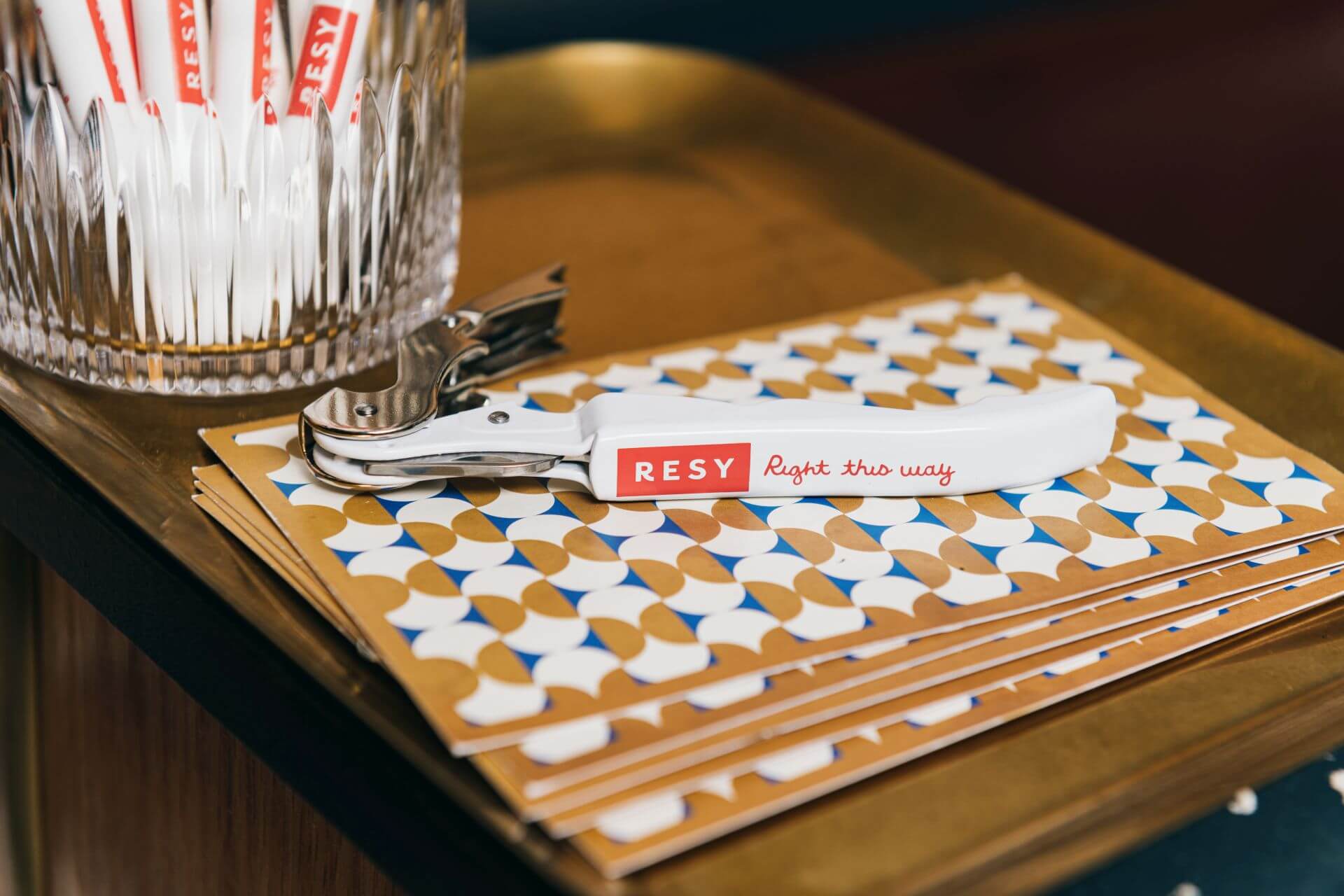
Resy "Right this way" printed on wine key

Demand for in-person visits seems to be the big prediction of 2023, which means reservation platforms like Resy are crucial.

Of course, the value isn’t just the automation of reservations. Nor are these platforms just about simplifying waitlists.

Indeed, those are essentially the two functions such platforms must execute, and execute flawlessly. However, there’s more to modern reservation and waitlist platforms.

Today, guest-facing platforms should offer another feature to operators: discoverability.

This should go without saying but I’m going to address it anyway. With few exceptions, being discoverable is crucial for restaurants, bars, and hotels.

That means social media presence is crucial. Websites are still crucial. Operators ensuring they own their online review and travel site profiles is crucial.

In other words, if it’s online, has a search function, and makes recommendations to users, it’s crucial. It should also go without saying that operators need to meet potential guests where they are. And, again with few exceptions, they’re online.

As you may assume by now, Resy is a reservation platform that helps users discovers restaurants and bars. And if it’s helping guests discover these venues, it’s helping operators increase their reach and get discovered.

Reservation List Curation

The first feature I’m going to share is Climbing, which is what it sounds like.

When a tourist visits or someone moves to a new city, they tend to want to find their places. Which restaurants and bars will be their third spots, or the place they spend time between work and home?

Word of mouth is great, of course. But these days, reviews and comments are digital word of mouth. So, a curated list of “what’s hot” amongst restaurants in a given city is powerful for discoverability.

“Climbing on Resy is the only data-driven list powered by your reservations,” reads the Resy site. “Consider it a curated guide by locals, for locals.”

For ease of use, which is crucial for any platform, users can edit dates and party size within the Climbing tab.

The Hit List

Climbing isn’t the only list Resy curates on the platform. There’s also the Hit List.

This is a list Resy publishes each month for each major market in which they operate. It consists of ten venues that “should be on your radar.”

Using Philadelphia as an example, the city’s January Hit List per Resy is comprised of:

  • CO-OP Restaurant & Bar
  • Sor Ynez
  • City Winery
  • Condesa
  • Ocean Harbor
  • Fiore
  • Rittenhouse Grill
  • Forsythia
  • Second District Brewing
  • Vernick

The Hit List also includes the neighborhood or town where each recommendation is located. Again, not just discoverability but also ease of use.

Notify and More

Resy does more than just help people make reservations. There’s also the platform’s approach to waitlist management, Notify.

As the company describes it themselves, Notify is “a future waitlist.” Users can specify their date and time reference, and add themselves to a restaurant’s list.

On the operator side, they add the guest and an email or push notification is sent out. When a table that matches the waitlist user’s preferences opens up, they get an alert.

Users can also take advantage of Top Rated, New on Resy, and Book Tonight lists. Getting more granular, there are also other curated lists, such as:

  • Great Tasting Menus Under $125
  • Essential Cozy Locales
  • Splurge-worthy Dining
  • Where to Dine with a Crew
  • Date Night, Covered
  • Best Outdoor Dining

Additionally, Resy is in a partnership with American Express. So, eligible cardholders can use Global Dining Access by Resy for incredible experiences.

When considering their tech stack, platforms, and partnerships, operators need to consider an array of functions. More and more each day, discoverability is a function that needs to be top of mind.

Image: Resy

KRG Hospitality Sports & Entertainment, 2023 icon

by David Klemt David Klemt No Comments

This Year’s Big Trend: Personalization

This Year’s Big Trend: Personalization

by David Klemt

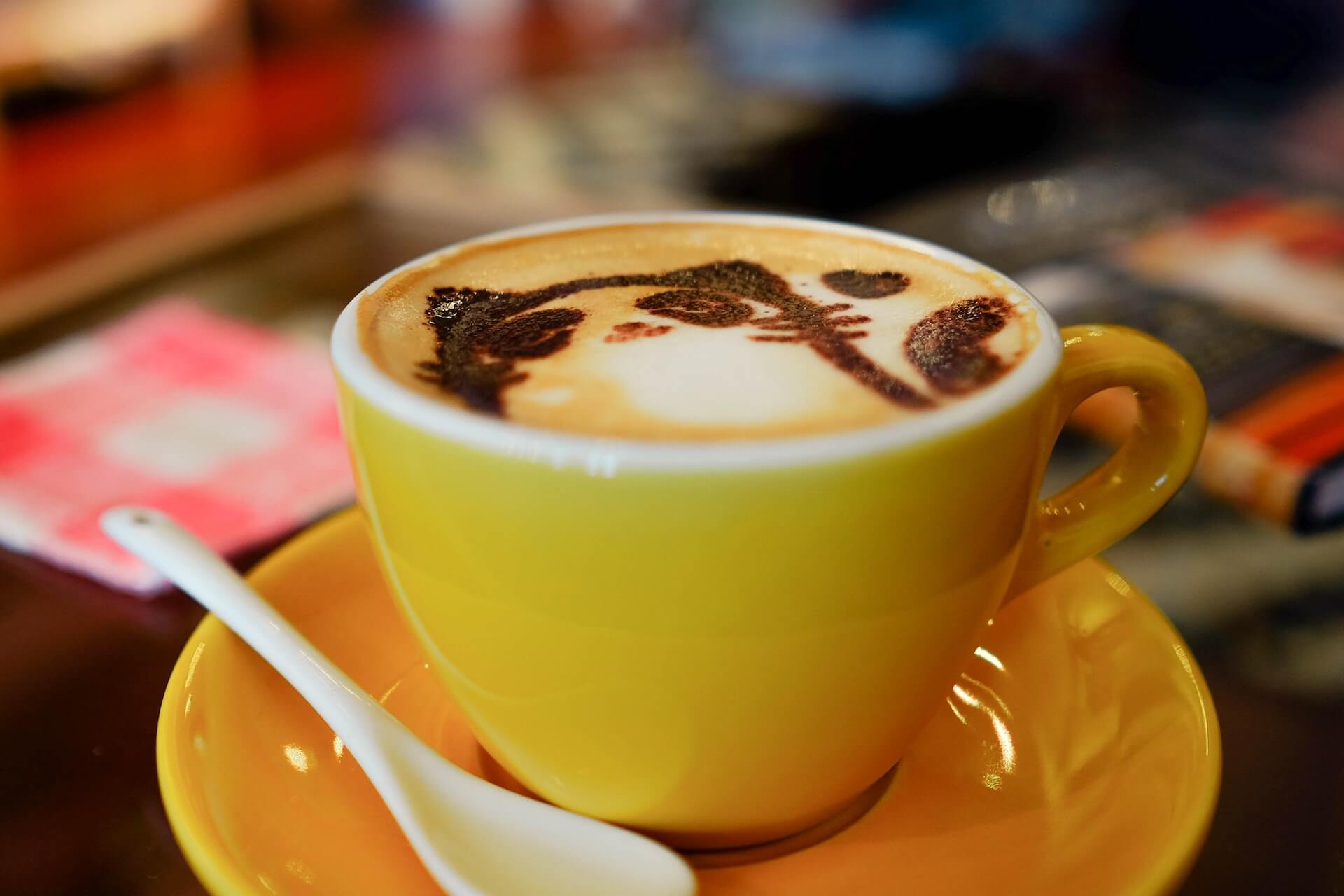
Foam art cap on top of coffee

Ripples, the beverage-top media brand, is predicting that 2023 will be the Year of Personalization with a focus on in-person interactions.

Last year, the bev-top brand behind the Ripple Maker II Pro, named moderation as one of the top trends. When we look at the ubiquity of low-ABV drinks, we see that Ripples was right. And when we consider the proliferation of non-alcohol brands, Ripples appears downright prescient.

In other words, Ripples continues to be proven right about moderation.

Three revelatory datapoints and one generation are partly responsible for the brand’s accurate 2022 prediction. First, in comparison to 2019, zero-alcohol products were up 166 percent. Second, the non-alcohol category grew four times faster than its low-ABV counterpart. Third, non-alcohol spirits have grown by over 113 percent since 2020.

The generation Ripples believes is responsible for non-alc’s growth? Gen Z. In part, this is due to social media and the generation’s aversion, speaking generally, to being embarrassed by drunken behavior in front of the world.

So, proven right about last year’s prediction, it’s wise to take Ripples’ 2023 prediction seriously.

Year of Personalization

As Ripples explains, personalization has long been the strength of digital platforms. Be it an online retail platform or music streaming service, personalization is king.

And it’s easy to see why. Using online shopping as an example, think of the typical customer journey.

A shopper signs up, they click around or search for specific items, and they make their purchases. Soon, the platform is emailing the user about sales. Then, emailing the user items they think they’ll like, based on the individual’s data.

The more the user shops, the more targeted the platform’s suggestions and interactions become. Before the user knows it, they’re signing up for a loyalty program, earning rewards, and giving the platform more of their money.

Well, personalization is no longer only shining in the digital space. Now, businesses are engaging with their customers in the “phygital” space. That is, the physical space as well as the digital one.

As Ripples states, “Nothing beats real human interaction for building connection and loyalty between brands and consumers.” One way to leverage this new relationship between consumers and brands? Experiential activations.

Ripples knows a thing or two about this type of engagement. The bev-top media company partnered with Guinness Korea for a campaign involving 100 bars. Consumers scanned a QR code, selected a design via the Ripples app, and the design was printed atop a pint of Guinness.

You Need Data

Personalization is a long-standing element of the hospitality industry. It’s one of our keys to success: we cater to guest preferences.

However, we can’t do that effectively without collecting guest data. And interestingly, Ripples’ prediction falls in line quite neatly with another 2023 prediction.

As you may be aware, 2023 is also likely to be the Year of the POS System. That is, a tech stack “revolution” is expected to take place this year. One crucial element of a powerful, worthwhile POS system is customer relationship management, or CRM.

Of course, if a POS doesn’t offer a CRM module, the best systems make it easy to integrate with the best CRM platforms.

Either way, CRM is the key to personalization in the digital, physical, and phygital spaces. It’s difficult to effectively personalize the guest experience pre-, during, and post-visit without guest data.

Regardless of whether Ripples’ prediction is accurate—and it’s likely they are—savvy operators need to make sure they’re responsibly collecting and utilizing guest data. If this is the Year of Personalization and the Year of the POS System, the reality is that 2023 is really the Year of CRM.

Image: Hannah Wei on Unsplash
KRG Hospitality Planning Phase, 2023 icon

by David Klemt David Klemt No Comments

Global Trends 2023: Technomic

Global Trends 2023: Technomic

by David Klemt

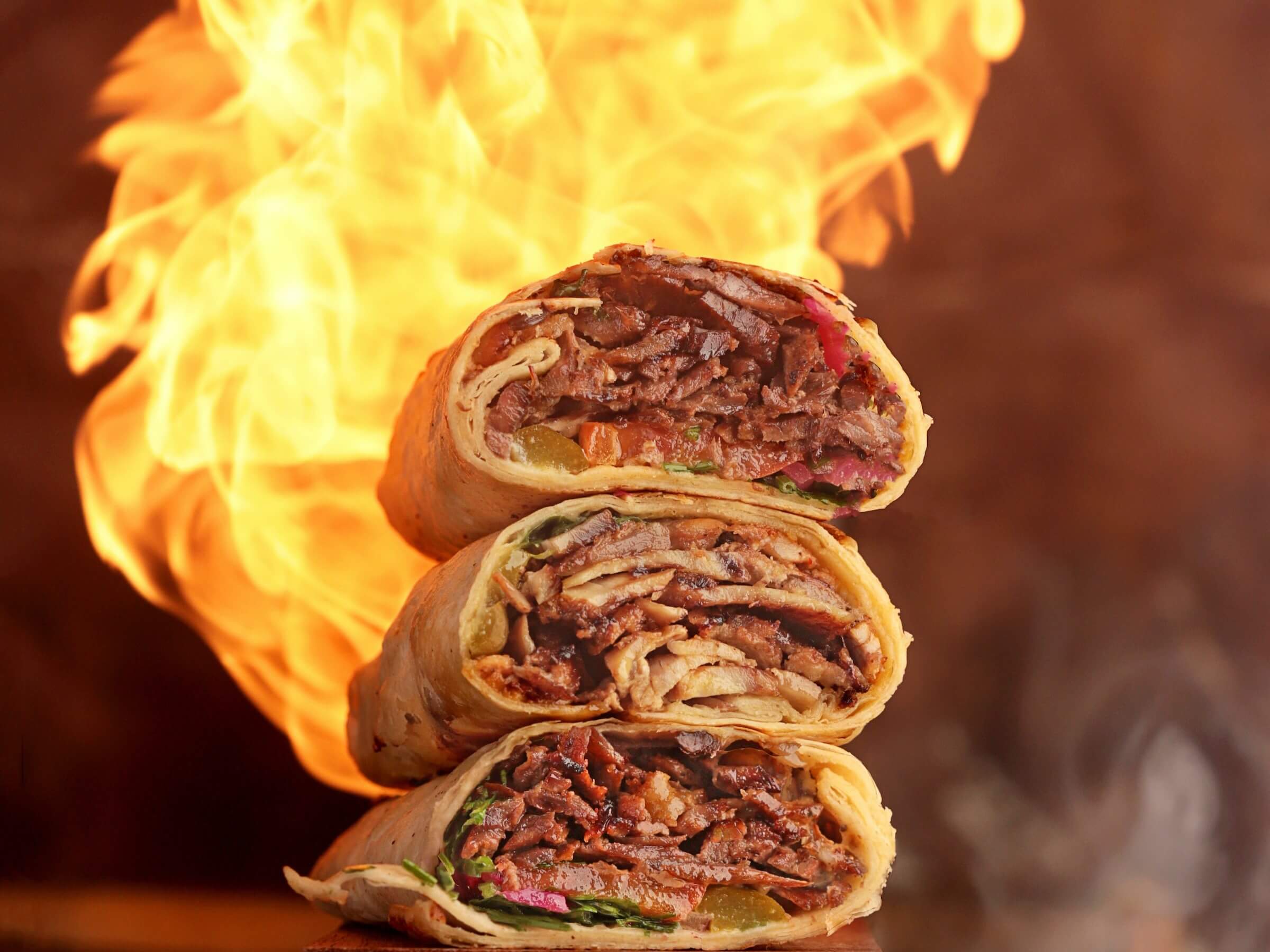
Shawarma stacked with fire in the background

Not content to focus solely on North America, foodservice research firm Technomic is predicting foodservice trends that will span the globe in 2023.

As the firm points out themselves, making predictions is a best-guess proposition. Many of Technomic’s 2022 predictions for Canada, the USA, and the globe have proven true. However, a handful of their trend predictions have yet to manifest.

Further, not all trends will work for all operators and their concepts. Chasing every passing fad or trend is great if you like to watch your costs spiral. Doing so is also an excellent way to confuse guests and stress staff.

So, when considering any trend, make sure it works with your concept, has some staying power, and will resonate with your guests. Speaking to that last point, this is one reason it’s crucial to collect guest data. Making important menu and guest-impacting operational decisions without data just doesn’t make sense.

When you’re done with this article, take a look at our examination of Technomic’s other predictions. The firm’s Canadian predictions are here. And you can read the American trends by clicking this link.

For your own copy of Technomic’s international trends report, click here.

Operations

For 2023, Technomic is making predictions that certainly appear plausible. A number of them pertain to operations.

Kicking things off, sustainability. Driven in part by the global impact of the pandemic, the health of our planet is top of mind for many people.

For example, Canada’s single-use plastics ban is now in effect. England plans to move forward with a similar ban by October of this year.

Alongside such bans, Technomic believes operators—small independents and global chains alike—will implement entire sustainability strategies. These will range “from packaging and restaurant operations to marketing and menu development.”

Does your concept have a dedicated pickup window? Perhaps a takeaway counter? Maybe even a drive-thru? If not, 2023 may be the year you make that change. Not only that, you’ll likely want to position them front and center.

Per Technomic, many consumers are done with delivery. From rising costs outweighing convenience to delivery failures, pickup may become more appealing. Pickup is still convenient, it’s less expensive, and the consumer is in control.

Additionally, many people are well aware of how costly third-party platforms are to operators. In fact, Technomic identifies these platforms and their fees as “the biggest industry villain” of 2023.

Menu

One of Technomic’s predictions is particularly enticing: Lebanese street foods. To clarify, the firm believes all manner of street foods from around the globe will perform well in 2023.

However, they feel Lebanon’s street foods will stand out from the rest. So, think shawarma, labneh, kibbe, and pickled vegetables. That last item, by the way, follows Technomic’s prediction that pickling and fermenting will be hot trends in the US and Canada.

Of course, there are other items that Technomic thinks will shine in 2023. If the firm is correct, there’s a new “holy trinity” to keep an eye on and consider for your menu: sushi, poke, and ceviche. According to Technomic, each performs very well when it comes to takeout.

Interestingly, the research firm suggests that this particular holy trinity will spawn new virtual brands. If Technomic’s predictions prove accurate, some of these brands will focus on fried chicken or plant-based versions.

Speaking to that last point, Technomic is predicting that plant-based will “evolve” in 2023. This evolution will focus on more traditional meat counterparts. Providing examples, Technomic suggests that avocado, modern takes on black bean patties, cauliflower, tofu, tempeh, and seitan will be this year’s plant-based rock stars.

Are this year’s 2023 Technomic predictions going to prove accurate? It’s far too early to tell. However, one thing I can say with confidence is this: their predictions are rooted deeply in data. When Technomic makes a “guess,” it’s always an informed one.

Click here to read Technomic’s report in its entirety.

Image: Slashio Photography on Unsplash
KRG Hospitality Restaurants & Cafes, 2023 icon

by David Klemt David Klemt No Comments

American Trends 2023: Technomic

American Trends 2023: Technomic

by David Klemt

Pink pineapple against pink background

Foodservice research firm Technomic has some interesting predictions for the hospitality industry in the United States of America this year.

On the topic of operations, Technomic foresees more negotiating power among workers. Additionally, the firm looks at both the economy and pent-up guest demand.

When it comes to food, the US and Canada have a trend prediction in common. And as the image atop this article signifies, a particular color may be a hit on menus in 2023.

Before we jump in, Technomic’s 2023 Canadian trend predictions are here. Last year’s Technomic predictions for America are here. Curious readers can review the firm’s 2023 predictions in their entirety here.

Okay, let’s go!

Think Pink

I want to address this prediction first. According to Technomic, pink is going to be the F&B color of 2023.

As they explain, the color is fun, nostalgic, and photogenic. Yes, operators must still consider the Instagram-worthiness of their menu items. That may change one day, but it’s not today.

Per Technomic, pink also signals that a food or drink may have antioxidants.

Some of the items the research firm names specifically: pink pineapple, pink salt, pink celery, cara cara oranges, and schisandra berries.

Pickle It

This is the culinary trend that, per Technomic, Canada and America will share in 2023.

Along with fermenting, pickling gives the kitchen and bar teams a unique experimentation method to explore. So, encourage these teams to get creative and add pickling and fermentation to your next menu update.

Of course, that’s not the only reason to consider putting pickling front and center. For many, these preparations indicate a healthy F&B choice. Think kombucha, as an example.

As we know, healthy choices continue to be top of mind for many guests.

One more note: Technomic suggests being transparent and identifying the pickling and fermenting processes your team leverages to produce each menu item.

Economics

For those looking for a bit of optimism in these trying times, Technomic may have what you’re looking for. This year’s report, What We Foresee for 2023, says the following about the possibility of a recession:

“There is reason for optimism in the coming year, however, as any recession is expected to be relatively mild.”

Yes, that’s just one source’s opinion. However, Technomic is known for their voraciousness when it comes to data. So, if this firm is optimistic it could be a solid sign that things are looking up in 2023.

“Pent-up consumer demand” and variations thereof have been making the rounds since 2o21. However, it’s still a relevant phrase.

As it pertains to 2023, Technomic believes on-premise dining may “bounce back” this year. In fact, the firm suggests that people want to socialize and dine in person now more than ever.

Also, delivery and pickup times appear to be growing. So, plenty of people will see in-person dining as the more appealing option in 2023.

Operations

In part due to legislation addressing minimum wage and workplace conditions, employees may have the upper hand this year.

Add the fact that many people seeking work know many operators are dealing with a labor shortage and their negotiating position looks even stronger.

So, we could finally be in for a significant change when it comes to how the industry looks at compensation. More and more workers—and the guests they serve—are taking issue with tipping. Instead, many people outside and inside of the industry want to see operators pay staff a competitive, living wage.

Of course, there are also the hospitality professionals who prefer tips to minimum wage. In 2023, the industry could experience the start of a sea change. Time will tell.

For more predictions and this Technomic report in its entirety, please click here.

Image: Alex Gruber on Unsplash
by David Klemt David Klemt No Comments

We Ask ChatGPT About Robots and AI

We Ask ChatGPT About Robots and AI in Restaurants

by David Klemt

Vintage toy robot face and torso

Earlier this week we had “a conversation” with ChatGPT, the now (in)famous chatbot from artificial intelligence research and development company OpenAI.

For my first time interacting with this type of tool, I keep things simple. I attempt to phrase my questions correctly, focusing on the topic of AI and robots in hospitality.

Initially, I receive a response that probably isn’t much of a surprise. But as you’ll see, the chatbot highlights an item or two that aren’t always top of mind with this topic.

Below you’ll find ChatGPT’s responses to one request and two questions.

Please write 400 to 500 words about robots and artificial intelligence working in restaurants, from the perspective of robots and AI.

“Robots and artificial intelligence (AI) are becoming increasingly prevalent in the restaurant industry. This is in part due to the many benefits that these technologies can offer, such as increased efficiency, improved safety, and reduced labor costs. However, it is also important to consider the perspective of the robots and AI systems themselves, and how they are integrated into the restaurant workforce.

One of the main ways that robots and AI are used in restaurants is through automation of tasks that would otherwise be performed by human workers. For example, robots can be programmed to cook food, mix drinks, and serve customers. This can help to improve the efficiency of the restaurant, as robots are able to work faster and more accurately than humans. Additionally, robots can be designed to perform tasks that are dangerous or difficult for humans, such as handling hot oil or sharp knives. This can help to improve safety in the kitchen and other areas of the restaurant.

However, the use of robots and AI in restaurants also raises some important ethical and social issues. Some people may worry that robots will take jobs away from human workers, especially in an industry that already has high turnover rates. Additionally, there may be concerns about the social and emotional impact of having robots as a major presence in the workplace. For example, some people may find it uncomfortable or strange to interact with robots in a social setting, such as a restaurant.

The robots and AI perspective, they are programed to perform their task efficiently without any error. They don’t have any emotions or preferences hence they are not impacted by the same issues that human employees may face like fatigue, stress or burnout. They can work in any environment without needing breaks or vacation days, this can help reduce labor costs, as restaurants can operate with fewer employees. However, it also means that human workers may need to be trained in new skills that allow them to work alongside robots and AI systems.

In conclusion, the integration of robots and AI in the restaurant industry can provide many benefits, including increased efficiency and improved safety. However, it is important to consider the ethical and social implications of these technologies, and to ensure that they are implemented in a way that benefits both the restaurant and its employees. With proper planning and training, robots and AI can be an [sic] valuable asset to restaurant workforce.”

Can you explain to me, in 300 to 400 words, what the ethical implications are for restaurant, bar, and hotel operators using artificial intelligence and robots to complete tasks?

For the most part, ChatGPT repeats talking points from our first interaction. This is likely due to the phrasing of my question. Also, this chatbot is still in its “infancy.”

However, ChatGPT brings up a few new points, and expands on others.

“The use of artificial intelligence (AI) and robots in restaurants, bars, and hotels raises a number of ethical implications that should be considered by operators. One of the main concerns is the potential for these technologies to displace human workers. In an industry that already has high turnover rates and relatively low wages, the use of robots and AI could make it even more difficult for human workers to find and keep jobs. This could lead to increased unemployment, reduced income and work-life imbalance among the impacted employees.

Another ethical concern is the impact that these technologies may have on the customer experience. For example, some customers may find it unsettling or uncomfortable to interact with robots in a social setting, such as a restaurant or hotel. Additionally, customers may feel that the use of robots and AI detracts from the human element of the service experience, and could harm the overall reputation of the business. There may also be concerns about how the data collected by these systems is used and protected, raising question about data privacy and security.

Additionally, some concerns about the way these AI and robots are designed and how they make their decisions, there could be potential for bias, especially when the systems are provided with data that is not representative of the whole population. This could lead to unfair treatment of customers, employees and other stakeholders.

There are also concerns about how the maintenance and repair of these technologies are managed and who is responsible for any accidents or malfunctions that may occur. This is particularly important for safety critical tasks, such as cooking or cleaning. Operators need to ensure that the AI and robots are designed and maintained to the highest standards to prevent any harm to employees or customers.”

Are there risks that human designers and engineers will introduce bias to customer-facing artificial intelligence and robots?

Since ChatGPT mentions bias in response to my first question, I run with that train of thought.

Below is what the chatbot has to say about that topic as it relates to AI and robots.

“Yes, there is a risk that human designers and engineers may introduce bias into customer-facing artificial intelligence (AI) and robots. This can happen in a number of ways, including:

  1. Data bias: If the AI system is trained on a dataset that is not representative of the population it will be serving, it may make decisions or predictions that are biased towards certain groups of people. For example, if an AI system used in a hotel is trained on data from primarily white and wealthy guests, it may have difficulty understanding and serving guests from other backgrounds.
  2. Algorithm bias: The way an AI system is designed and the algorithms it uses can also introduce bias. For example, if an algorithm is designed to prioritize certain inputs over others, it may make decisions that are biased towards certain groups of people.
  3. Human bias: Human bias can be introduced into AI systems through the decisions made by designers and engineers about what the system should do, how it should work and how it should interact with people. For example, if a designer and engineers decide that the robot should be more polite to older customers, it may be less polite to younger customers, or if the system is designed to recognize only certain languages, it may not be able to understand and serve customers who speak other languages.

It is important for human designers and engineers to be aware of the potential for bias in AI systems, and to take steps to minimize it. This can be done by using diverse and representative data when training the AI system, being mindful of the potential for bias in the algorithms used, and involving stakeholders from diverse backgrounds in the design and testing process. Additionally, monitoring and audit the system performance regularly, and providing ways for users to provide feedback on the performance and make adjustments accordingly.

It is important to remember that this is an ongoing process and it requires continuous monitoring and adjustment as the data and environment changes. There is also a need for more research in the field of explainable AI, which would allow human designers and engineers to understand why the AI system is making certain decisions, which can help to identify and mitigate any biases that may have been introduced.”

Takeaways

Obviously, I don’t think ChatGPT “speaks” for the machines. And I don’t think the chatbot was attempting to convince me of anything. There’s nothing overtly nefarious afoot here—this was mainly an entertaining exercise with a newsworthy tool.

That said, I’m not entirely certain how I feel about my interaction with ChatGPT. On one hand, the answers in favor of AI and robots are what one expects: efficiency, speed, consistency, cost reductions, improvements to safety.

But what about what ChatGPT says about biases, programming, representation, and human interactions with tech? To alter a phrase, “Who watches the programmers?”

Hospitality is about the human element. It’s about service and the guest experience. Personally, I don’t think the world will be in a better place if we reduce human interaction.

Dropping baskets into hot oil? Slicing and dicing? Sure, send in the robots…maybe. Reducing the human element in the name of efficiency and profits? I don’t see a benefit worth the risks.

Image: Rock’n Roll Monkey on Unsplash
by David Klemt David Klemt No Comments

5 Books to Read this Month: January 2023

5 Books to Read this Month: January 2023

by David Klemt

Flipping through an open book

This month’s engaging and informative book selections will help you hone your culinary, beverage, and operational skills to dial in your business.

To review the book recommendations from December 2022, click here.

Let’s jump in!

The Vegan Chinese Kitchen

Today, people have certain ideas that flash before them when they hear or read “plant based.” For many, it’s a phrase that indicates a food item is an impossible meat alternative that attempts to go beyond it’s animal counterpart, hint hint.
However, plant-based also means…plants. Just plants, that’s all. The Vegan Chinese Kitchen, Chef Hannah Che’s plant-based cookbook, dives into traditional and modern Chinese vegan cuisine. Remember, plant-based doesn’t only mean “meat alternative made with plants.” Buy here.

Tea: Wine’s Sober Sibling

Have you ever considered drinking tea as an alternative to consuming wine? I know I hadn’t until I came across this book.

There are more than 70 recipes in Tea: Wine’s Sober Sibling, several of which are Dry January-friendly. Along with best practices for restaurant operators, there are also pairings, like tea and cheese, and tea and chocolate. Grab this book and consider using tea in different ways at your restaurant or bar.

Conversations Behind the Kitchen Door: 50 American Chefs Chart Today’s Food Culture

Where is the culinary world headed in 2023? Chef Emmanuel Laroche and his colleagues have some thoughts.

From Amazon: “Emmanuel’s podcast Flavors Unknown, as well as his worldwide search for new foods and flavors, are at the core of Conversations Behind the Kitchen Door. Scores of chefs offer essential insights and entertaining observations about the food scene today—information that will be of interest to new and aspiring chefs, as well as foodies and home cooks who follow trends in restaurants and recipes. Readers will walk away from Conversations Behind the Kitchen Door with a deeper understanding ofthe minds and creative practices of famous chefs, as well as a map to begin to create sensational dishes of their own.”

Pick up Conversations Behind the Kitchen Door from Amazon.

Build: An Unorthodox Guide to Making Things Worth Making

I’m willing to bet that you’ve heard of the following products: the iPod, the iPhone, and Nest thermostat. And I’m certain you realize an entire team of people was the behind the creation of those devices. Tony Fadell, the person who ran those teams is the author of Build.

You don’t have to be in tech to benefit from this book. Really, Build is about leadership, decision making, mentorship, bouncing back from failure, and more. Essentially, this helpful and informative book is “a mentor in a box.” One of the key takeaways of this book should motivate you to read it: “You don’t have to reinvent how you lead and manage.”

Your Table Is Ready: Tales of a New York City Maître D

Author Michael Cecchi-Azzolina was the maître d’ at several of New York’s hottest restaurants for decades. Scoring reservations for some of these destinations was viewed as more important than landing a table at one of NYC’s top-tier nightclubs.

Cecchi-Azzolina tells stories of a (mostly) bygone era while also providing his take on the restaurant industry. For some, this book will be amusing and relatable. Others will find this representative of an era best left behind as we move the industry forward. Order Your Table is Ready today.

Image: Mikołaj on Unsplash
by David Klemt David Klemt No Comments

Is Restaurant Revitalization Back?

Restaurant Revitalization Back on the Table?

by David Klemt

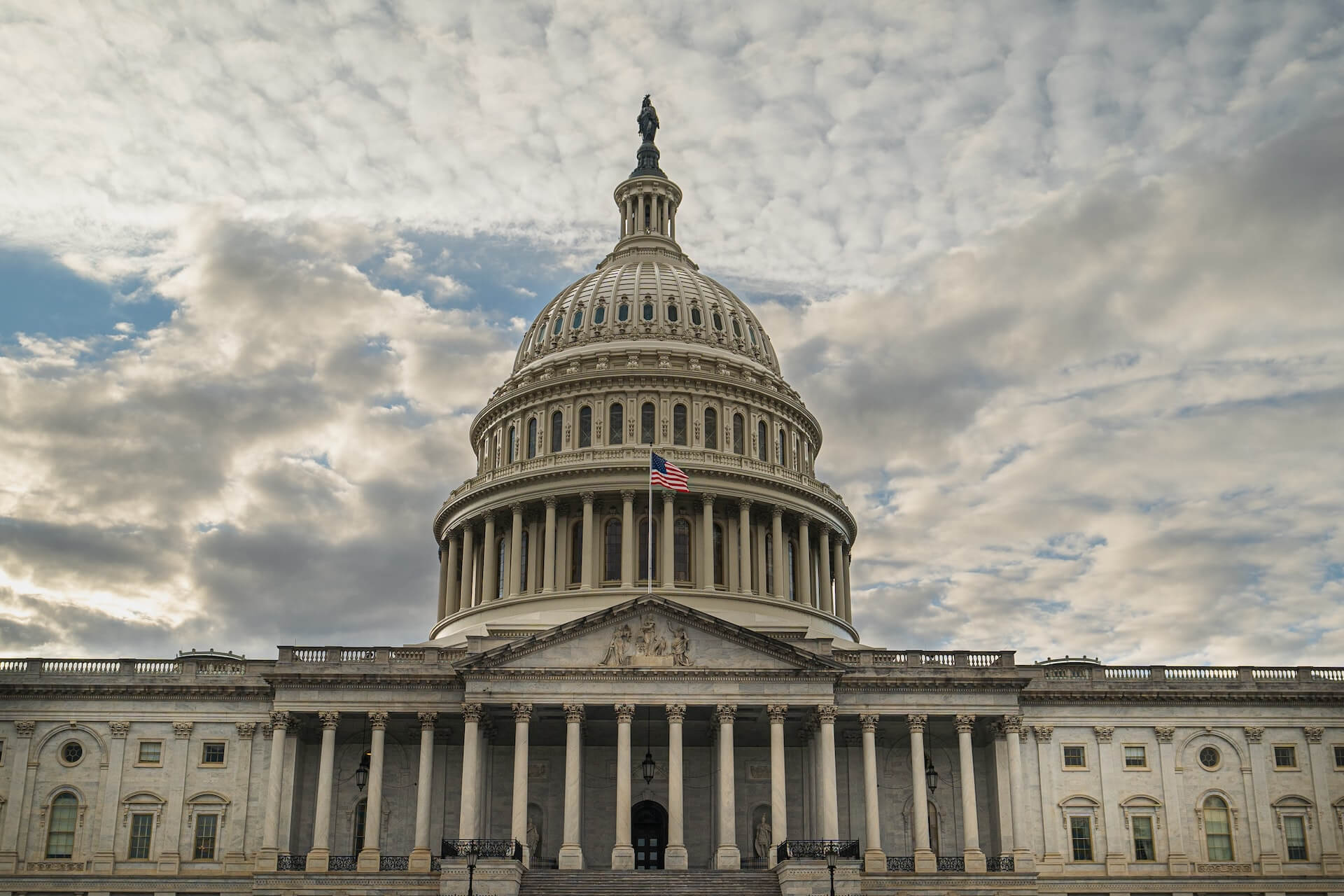
US Capitol Building and cloudy sky

After watching the Restaurant Revitalization Fund die a slow, painful death earlier this year, three senators are trying to help the industry again.

Three Democratic senators seem to think that the RRF battle isn’t over. Senators Ben Cardin (D-MD), Sherrod Brown (D-OH), and Patty Murray (D-WA) are trying once again to help RRF applicants. As a refresher, Sen. Cardin is among the original RRF legislation authors.

Last Thursday, the senators introduced the Restaurant Revitalization Tax Credit Act. Now, before we get into the details, it appears this bill is a stop-gap of sorts. A statement from Sen. Murray suggests as much.

Per a statement from Sen. Muray, the “Restaurant Revitalization Fund left too many behind. I believe we need to replenish the Fund and will keep pressing to do so. Until that happens, bills like the Restaurant Revitalization Tax Credit Act will help keep restaurants afloat.”
It’s safe to say a significant number of operators prefer replenishment of the RRF to a tax credit. However, this could represent a step in the right direction.

The Restaurant Revitalization Tax Credit Act

For those with an interest in dissecting the bill, the text in its entirety is here.

In summary, here’s what Sens. Cardin, Brown, and Murray want to see become law: a payroll offset of $25,000. Of course, it’s not that simple—there are requirements and nuances.

First, the only eligible restaurants are RRF applicants who didn’t receive a grant. Second, the restaurant must prove:

  • operating losses of at least 30 percent in 2020 and 2021 in comparison to 2019; or
  • losses of at least 50 percent in either 2020 or 2021 in comparison to 2019.

Additionally, applicants must have been operating at least as far back as March 14, 2020. There’s also a payroll tax requirement: the applicant restaurant must have paid the taxes in at least two quarters in 2021. But wait—it doesn’t end there.

Restaurants with ten or fewer employees could offset a maximum of $25,000 in payroll taxes for the entirety of 2023. However, for every employee over ten, the refund cap drops by $2,500.

So, this bill appears to target very small operations for assistance. Assistance, we can only hope, that’s meant to help until the Senate and House replenish the RRF.

After all, Sen. Murray did say this bill—”bills like,” to be precise—is meant to “help keep restaurants afloat.”

It’s difficult to view this effort through anything but a skeptical lens given what happened earlier this year. And hope, as the saying goes, isn’t a strategy. But I suppose this bill represents a glimmer of hope that the estimated 175,000-plus RRF applicants who never received a grant may still get the help they deserve.

Image: J. Amill Santiago on Unsplash

by David Klemt David Klemt No Comments

Merchants Support Credit Card Act

100s of Merchants Support Credit Card Competition Act

by David Klemt

Customer paying via Square terminal

Perhaps at least somewhat unsurprisingly, support for the Credit Card Competition Act is growing rapidly among merchants.

In fact, 1,802 merchants are making their position on the bill clear. Those hundreds of merchants drafted, signed, and sent a letter to the House and Senate.

The crux of that letter? To tell our lawmakers to support and pass the Credit Card Competition Act.

To view the letter, sent by the Merchants Payments Coalition (MPC), please click here. For the bill and its status, follow this link.

The Credit Card Competition Act: A Quick Summary

According to the MPC, credit and debit card transactions just in the US reached $3.49 trillion in 2021. Along with those transactions came $77.48 billion in merchant fees—just for Visa and MasterCard.

Why call those out those two processors in particular? Well, it’s because they’re behind about 576 million credit cards. Oh, and they also control 87 percent of the processing market.

In the span of just one decade, Visa and MasterCard swipe fees have risen 137 percent. So, it’s not surprising that merchants are supportive of the Credit Card Competition Act.

There are, indeed, restaurant and hospitality groups attached to the MPC’s letter to Congress. Taking a quick glance, Denny’s franchisees, Dutchman Hospitality Group, and Mandalay Hospitality Group are among the signees.

Obviously, this makes sense—swipe fees are among the highest costs operators face every day.

Where’s this Bill Currently?

It shouldn’t be too shocking to find that this has yet to make much progress. The bill’s sponsors, Sens. Richard Durbin (D-IL) and Richard Marshall (R-KS), introduced it in the senate at the end of July.

Three months later, October 28, an attempt was made to include the bill in the National Defense Authorization Act (NDAA). For those who are unfamiliar, the NDAA is known as a “must-pass” bill. After all, it specifies the US Department of Defense’s (DoD) budget and expenditures each year.

Along with a reported 900 other “riders,” Sens. Durbin and Marshall tried to get their bill passed within the NDAA. Unfortunately for the senators and supporters of the bill, the NDAA vote was pushed until the middle of November…which we’re now past.

Of course, the US did just undergo a mid-term election cycle. So, I suppose it’s reasonable to be a bit more patient with the Senate and the progress of this bill.

Those who work in or support our industry can make their opinion of this bill known. Just follow this link to the National Restaurant Association Credit Card Competition Act portal.

Image: Clay Banks on Unsplash

by David Klemt David Klemt No Comments

5 Books to Read this Month: November 2022

5 Books to Read this Month: November 2022

by David Klemt

Flipping through an open book

This month’s engaging and informative book selections will help you hone your culinary, cocktail, and leadership skills to dial in your menus and operations.

To review October’s book recommendations, click here.

Let’s jump in!

Shaya: An Odyssey of Food, My Journey Back to Israel: A Cookbook

The next time you visit New Orleans, plan to dine at least once at the James Beard Award-winning Shaya. I’ve had the opportunity to do so and the experience was stunning. Of course, you’ll also want to check out Domenica and Pizza Domenica while in NOLA. To give you an idea of what to expect, pick up the Shaya cookbook.

Chef Alon Shaya’s personal journey through cooking is truly unique, embracing Israeli, Italian, and American Southern cuisines. Shaya tells Chef-operator Shaya’s moving story and more than 100 incredible recipes. Pick it up at Amazon.

Turkey and the Wolf: Flavor Trippin’ in New Orleans

After moving to New Orleans and working in fine dining, Chef Mason Hereford opened his own restaurant and put his stamp on the scene: Turkey and the Wolf. Both the restaurant and this cookbook focus on creative and enticing takes on Southern cooking.

Fancy deviled-egg tostadas? Fried bologna sandwiches absolutely heaving with potato chips? How about purposely burnt tomato casserole? Well, you’ll find these recipes and 92 others in this book, along with photographs and illustrations. This is sure to get you salivating and get your creative wheels turning. Grab Turkey and the Wolf here on Amazon.

Last Call at Coogan’s: The Life and Death of a Neighborhood Bar

As those of us in the industry know, restaurants and bars are the cornerstones of the communities they serve. Last Call at Coogan’s is the true tale of a neighborhood bar that, unfortunately, closed its doors for good during the pandemic after more than 30 years in operation.

From Amazon: “This book touches on many serious issues facing the country today: race relations, policing, gentrification, and the COVID-19 pandemic. Along the way, readers will meet the bar’s owners and an array of its most colorful regulars.” Purchase here via Amazon.

Spiritual Coffee

Bar co-founder, bartender, brand ambassador, and author Martin Hudak’s informative and exciting cocktail book is available now for purchase. Hudak is one of the brilliant minds behind Sydney destinations Maybe Sammy and Sammy Junior. Also, he’s a brand ambassador for Mr. Black, the ridiculously tasty coffee liqueur.

Spiritual Coffee focuses on coffee cocktails, a passion of Hudak’s. However, you’ll get more than recipes when you purchase this entertaining book. In these pages you’ll also find a wealth of coffee history, knowledge, and stories. Buy here!

The Future Is Analog: How to Create a More Human World

This book, from award-winning author David Sax, asks poignant culture questions about our rush toward a digital world, an undertaking that was supercharged during the pandemic.

“Is our future inevitably digital? Can we reject the downsides of digital technology without rejecting change?” Sax asks. “Can we innovate not for the sake of productivity but for the good of our social and cultural lives? Can we build a future that serves us as humans, first and foremost?” Purchase here via Amazon.

Image: Mikołaj on Unsplash

by David Klemt David Klemt No Comments

Credit Card Competition Act, Take Two

Credit Card Competition Act, Take Two

by David Klemt

American Express charge cards

As we approach Election Day on November 8, it’s important to keep in mind that the Credit Card Competition Act of 2022 is still in play.

In fact, reports predict that another attempt to pass the bipartisan bill will take place in November. If reports are accurate, Senators Dick Durbin (D-IL) and Roger Marshall (R-KS) will try to include the bill in the National Defense Authorization Act (NDAA).

Now, that sentence and strategy may have you scratching your head. What, you may be asking yourself, do credit card fees have to do with defense spending?

Well, not much, truthfully. But you’re probably well aware that politicians will try to amend bills in bids to pass legislation they want. The common term for such a provision is “rider.”

It’s not difficult to understand why the Credit Card Competition Act has gone nowhere when we view Sens. Durbin and Marshall’s rider tactic.

Earlier this month, the senators attempted to include their bill within the NDAA. The reason is simple: the bill specifies the US Department of Defense’s (DoD) budget and expenditures each year. In other words, this is a “must-pass” bill.

However, Sens. Durbin and Marshall aren’t the only senators sponsoring bills. And they’re certainly not the only senators attempting to attach riders to the NDAA.

“It’s a bold strategy, Cotton.”

I will say, at least Sen. Durbin’s effort to attach the Credit Card Competition Act rider to the NDAA is somewhat related to the DoD.

You see, he and Sen. Marshall tried to tack on two amendments to push their bill through. The first amendment theorizes that veterans are being hurt by credit card fees. According to the senators, when military veterans make purchases at a military commissary, they are sometimes subjected to surcharges related to merchant interchange fees.

The second amendment brings the US Treasury Department and US Defense Department into the mix. This effort directs the departments to research just how much veterans are paying (annually, one would assume) in surcharges, and which companies these fees benefit. Then, the departments are to issue this report to Congress.

So, hey, points for attempting to make including the Credit Card Competition Act of 2022 relate to the NDAA for FY 2022. Of course, other senators are attempting to include their own riders. Should reporting prove accurate, some 900 amendments have been proposed. Supposedly, a few dozen might just make it.

This strategy didn’t work this month because the NDAA vote isn’t taking place in October. Instead, the plan is for the vote to take place sometime mid-November, when the US Senate reconvenes.

To learn more about the Credit Card Act of 2022, click here. If it’s a bill you support, let your elected officials know. Should you oppose the bill, let that be known to lawmakers as well.

Image: CardMapr.nl on Unsplash

by David Klemt David Klemt No Comments

F&B in Canada: Top Menu Items

F&B in Canada: Top Menu Items

by David Klemt

Closeup of hands holding burger

Those wondering what food and beverage menu items are performing best among consumers throughout Canada need wonder no more.

And why is that? Well, Restaurants Canada has the answers, revealing the top ten food and top ten beverage items.

Further, the organization compares each item’s performance. In this instance, Restaurants Canada analyses the percentage of orders that contained each food or beverage item from January to April 2022 in comparison to 2019.

These insights (and many more) are available in Restaurants Canada’s 2022 Foodservice Facts report. In fact, you can find our reviews of several of the restaurant advocacy group’s report topics via the links below:

For your own copy of this year’s Foodservice Facts report, click here.

Top 10 Canadian Drink Menu Trends

As you’ll see below, coffee is outperforming nearly every other beverage category. Specifically, Hot coffee is at the top, while Iced or frozen coffee is ranked third.

Unsurprisingly, Carbonated soft drinks / Pop / Soda split the two coffee categories. According to Restaurants Canada, the Carbonated soft drink category can credit its performance in large part to QSRs.

  1. Milk: 1.8% (2019) to 1.8% (2022)
  2. Iced tea: 2.9% (2019) to 1.6% (2022)
  3. Milkshakes / Smoothies: 2.1% (2019) to 2.0% (2022)
  4. Fruit juice: 3.8% (2019) to 3.0% (2022)
  5. Hot tea: 5.5% (2019) to 4.5% (2022)
  6. Alcohol beverages: 5.1% (2019) to 5.7% (2022)
  7. Water: 6.6% (2019) to 5.0% (2022)
  8. Iced or frozen coffee: 5.3% (2019) to 7.5% (2022)
  9. Carbonated soft drinks / Pop / Soda: 19.7% (2019) to 20.2% (2022)
  10. Hot coffee: 40.9% (2019) to 41.9% (2022)

Compellingly, Alcohol beverage performance in restaurants fluctuated by age group between 2021 and 2022. Alcohol order shares in restaurants, per Restaurants Canada:

  • Legal drinking Age (LDA) to 34: 46% (2021) to 43% (2022)
  • 35 to 49: 17% (2021) to 21% (2022)
  • 50-plus: 37% (2021) to 36% (2022)

Alcohol order shares in bars, according to Restaurants Canada:

  • LDA to 34: 35% (2021) to 35% (2022)
  • 35 to 49: 17% (2021) to 19% (2022)
  • 50-plus: 49% (2021) to 47% (2022)

Overall, the 35 to 49 age group appears to be consuming less alcohol in bars and restaurants in comparison to the LDA to 34 and 50-plus cohorts.

Top 10 Canadian Food Menu Trends

As Restaurants Canada notes, the Sandwich / Sub category has grown in 2022. Interestingly, the category just below it in growth, Chicken, is partially responsible for boosting Sandwich / Sub performance.

As far as entrees or “main attractions,” the Burger category remains at the top, beating out Breakfast, Sandwich / Sub, Chicken, and Pizza menu items.

  1. Cake / Squares / Muffins: 3.7% (2019) to 3.3% (2022)
  2. Salad: 4.3% (2019) to 3.8% (2022)
  3. Donuts / Beignets: 3.0% (2019) to 3.8% (2022)
  4. Breads: 4.3% (2019) to 3.4% (2022)
  5. Pizza / Panzerotti / Calzone: 4.1% (2019) to 4.3% (2022)
  6. Chicken: 7.6% (2019) to 8.5% (2022)
  7. Sandwich / Sub: 8.0% (2019) to 8.5% (2022)
  8. Breakfast: 10.8% (2019) to 11.4% (2022)
  9. Burger: 9.0% (2019) to 10.9% (2022)
  10. French fries / Potato / Sweet potato / Onion rings: 15.0% (2019) to 16.1% (2022)

Image: Nathan Dumlao on Unsplash

by David Klemt David Klemt No Comments

Go Clean this International G&T Day

Go Clean this International G&T Day

by David Klemt

CleanCo Clean G bottle

Today we raise a glass to a centuries-old spirit and a classic cocktail that historians can trace back to at least the mid-1800s.

In other words, happy International Gin & Tonic Day!

Now, I’m willing to go out on a limb and say that you and your bar team probably have your G&T builds down. It’s one of—if not the—most well-known highballs in existence.

So, no, I’m not going to write an article about how to make a G&T. It’s elegant, it’s simple, and bar professionals shouldn’t be behind the stick if they can’t make at least a decent one.

Instead, I want to introduce you to a non-alcohol spirits brand you should know: CleanCo. As an alcohol-free brand, CleanCo is ideal for Sober October and beyond.

If you already know CleanCo, cheers! But if this is you’re first time getting to know the brand, here’s what you need to know.

About CleanCo

Spencer Matthews founded CleanCo in 2018. At just a few years old, this isn’t a brand-new company.

However, anyone who knows the beverage industry knows it takes time for young brands to fight through the noise and be heard. Suffice to say, CleanCo is making themselves known in 2022.

Before starting the alcohol alternative brand, Matthews “lived in a cycle of drinking excessively for most” of his twenties. In fact, under the About section on the CleanCo website, Matthews states he sought out jobs that encouraged his hard-drinking lifestyle. That changed before the arrival of his first child. Matthews decided to “go clean” and says it changed his life.

However, Matthews doesn’t expect others to abstain from alcohol consumption completely. That is, of course, a personal choice. Rather, Matthews seeks to provide an alternative that people will actually want to drink.

Whether a guest is choosing to not consume alcohol for a round, an evening, a week, a month, or for the foreseeable future, CleanCo’s mission is to help deliver a seamless drinking experience without the alcohol.

Along with Clean G, CleanCo’s gin alternative, the brand offers rum, vodka, and tequila expressions that are 0.5-percent ABV or lower.

Clean G&T

Just like the original classic this non-alcohol-cocktail mimics, the Clean G&T is simple to make.

In fact, the ratio of Clean G gin alternative to tonic is same as its full-alcohol counterpart.

  • 2 oz. Clean G
  • 4 oz. Tonic
  • Two lime slices or wheels to garnish

To build, add Clean G and tonic to a tall glass. Next, add ice along with one lime slice or wheel to layer the garnish throughout the length of the drink. Finally, place the other lime slice or wheel on top, and serve.

Image: CleanCo

by David Klemt David Klemt No Comments

Restaurant Rewards Making Headlines

Restaurant Rewards Making Headlines

by David Klemt

People toasting with Dunkin' Donuts cups

Loyalty programs are making waves and grabbing headlines but not all of the news is good, according to consumers.

Dunkin’, Chipotle, Taco Bell, and Starbucks are among the restaurants whose programs are receiving attention.

Now, there are still those who cling to the idea that all publicity is good. Personally, I’ve found that idiom to be outdated. In fact, I’ve believed that phrase to be false for several years.

Instead, when it comes to publicity, I find this quote from Warren Buffet to be far more accurate: “It takes 20 years to build a reputation and five minutes to ruin it.”

It’s important for operators—for all entrepreneurs, really—to protect their brand’s reputation. At the end of the day, long-term success depends on the reputation one builds. And make no mistake, that reputation is made—or broken—every day, with every interaction.

So, what does all of that have to do with loyalty or rewards programs? It’s simple—such programs aren’t just about revenue. A loyalty program, when executed well, is a branding tool that boosts engagement, recognition, and perception.

When a loyalty or rewards program is executed poorly it doesn’t just mean low membership numbers. A brand’s reputation can take a severe hit if loyal consumers cry foul.

Let’s take a look at some brands that have made headlines the past couple of weeks.

Taco Bell

This rewards program, the Taco Lover’s Pass, is a bit of an anomaly in the loyalty space.

It was first launched in Arizona in September 2021. Depending on the location, the pass cost either $5 or $10. In exchange, people could get a free taco a day for 30 consecutive days, and they could choose from seven tacos.

Back in January of this year, Taco Bell brought back the Taco Lover’s Pass. This time, the program was available throughout the US, and it cost $10. Again, those who snagged a pass through the chain’s app could get a free taco each day for 30 consecutive days.

And just two weeks ago, Taco Bell made the Taco Lover’s Pass available again. This time, people had one day to download the app (if they didn’t have it already) and grab the pass.

Time will tell if Taco Bell will eventually make this wildly popular program permanent. For now, this occasional reward program seems to be serving the chain just fine, and their loyal guests don’t seem to be angry that the Taco Lover’s Pass, thus far, appears fleetingly.

Starbucks

Another interesting approach to loyalty sees Starbucks partnering with Delta Airlines.

As of yesterday, members of Starbucks Rewards and Delta SkyMiles can link the programs together. Members of the former can receive double stars on days on which they’re flying Delta (at participating locations). For the latter, members will earn one mile for every dollar they spend at Starbucks.

Essentially, linking the two accounts ensures that members earn points across both programs for a single purchase. Not a bad move—it should be an effective way to boost loyalty for both companies.

Chipotle

Ah, Chipotle. It’s safe to say this brand has experienced plenty of ups and downs over the past several years.

But credit where credit is due: It seems that the chain manages to come back from each scandal or mistake. And that’s what’s so frustrating—they wouldn’t have to correct missteps if they took care to avoid making them in the first place.

So, why are people upset with Chipotle now? The backlash concerns the restaurant chain’s Chipotle Rewards program.

When someone signs up the program, they can redeem a nice perk immediately: free chips and guacamole. On their birthday, they have access to another perk. In general, the biggest benefit is earning up to 10 points for every dollar spent at Chipotle.

The points a member earns are redeemable in multiple ways: free menu items, a charitable donation, or merchandise. Seems very straightforward, right?

Well, Chipotle updated their rewards program, and it’s not an upgrade. In response to inflation, Chipotle has increased prices, just as innumerable restaurants have also done.

However, the chain updated Chipotle Rewards so that members must spend more to get their free entree reward. Members must now spend an additional $20-plus to get their reward, and they’re understandably unhappy.

It should go without saying but a rewards program is for increasing visits or orders per member. With people declaring they’re “done” with Chipotle, the brand’s update is driving down visits and potentially harming their reputation.

Dunkin’

Things in the reward and reputation space may be worse for Dunkin’ than any other restaurant brand at the moment.

The chain first launched its DD Perks loyalty program eight years ago. Last week, Dunkin’ “reworked” loyalty, launching Dunkin’ Rewards.

Unfortunately, according to several reports, social media, and Reddit, the new program deflated the value of members’ points. From what I’ve seen members must now earn more than double the points they needed to prior to the Dunkin’ Rewards rollout for a gratis beverage.

Oh, and free drinks on a member’s birthday? The new program eliminates that perk. As is often the case on social media, some people are seething.

However, a statement from Scott Murphy, the president of Dunkin’, suggests that people are perhaps misunderstanding or misrepresenting the new program.

“Dunkin’ loyalists told us they wanted the ability to redeem for more than just beverages and we listened,” Murphy said to The Washington Post. “They also wanted to bundle points for larger orders, which we accomplished. And they told us they wanted to be recognized for their loyalty, which they can now achieve through Boosted Status and earn points even faster when they come to Dunkin’ more often.”

In short, Dunkin’ Rewards is built to allow members to redeem points for a wider array of menu items, including meals. For now, however, it seems the knee-jerk reaction is that many members feel the points they earned prior to the new program’s launch are devalued. And they’re furious, with some calling for a boycott.

Obviously, a boycott is the opposite effect one wants from their loyalty program.

Loyalty is a Tightrope Act

If there’s one takeaway here, it’s that rewarding guests for their loyalty isn’t as simple as offering points for dollars.

Perhaps it should be simple, and maybe it was was that simple a while back. But now, operators must be far more cautious when designing a loyalty program.

I’ll continue to dislike offering discounts for most brands. In my opinion, once a guest becomes accustomed to receiving a discount regularly, that discount becomes the standard price. That’s not good for most operators.

It may seem counterintuitive, but I’d rather see loyalty program members receive a free item than discounts. At least they’ve paid full price to earn that perk.

Another issue, however, is making changes to loyalty programs. Operators are facing incredible strain when it comes to costs, and this industry’s margins are already razor thin. It appears that some brands aren’t just increasing costs, they’re also increasing the points it takes to earn loyalty perks.

That may make sense on paper but program members are showing that they don’t take kindly to this type of change.

Slow Down

Look at loyalty programs through the eyes of consumers, not just the eyes of an accountant.

When the costs of living rise and a person’s dollars don’t go as far as they did before, they tend to cut back or eliminate expenditures. Commonly, restaurant visits are among the first things suffer. Loyalty programs can offer guests a way to stretch their dollars—there’s an attractive perk around the bend that allows them to justify continual visits.

If a brand devalues a loyalty program member’s points or requires them to spend more to earn the same benefits, why would they be happy? Why would they remain loyalty? As far as they’re concerned, their incentive to do so no longer exists. The perceived value is no longer there.

Before an operator launches or “revisits” a loyalty program, they need to slow down and analyze it from every angle. These programs are a delicate balancing act, demanding they make sense for both the bottom line and the guests.

If an operator hasn’t yet implemented a loyalty program, perhaps they should hold off until costs become more reasonable. With inflation affecting costs and therefore prices, the wisest move may be to take the time to really dial in the program, prepare the necessary assets, and implement when it won’t impact revenue negatively.

On the flip side, operators considering making significant changes to their loyalty programs need to take the time to strategize before implementation. A misstep, even if it’s a misunderstanding from the member side, can do irreparable harm.

Image: Isabella and Zsa Fischer on Unsplash

by David Klemt David Klemt No Comments

The Crucial Role Systems Play

The Crucial Role Systems Play

by David Klemt

Pink neon

Having efficient systems in place does more than just streamline day-to-day restaurant, bar, and hotel operations and increase productivity.

Of course, that’s an excellent reason for operators to ensure they implement multiple systems. Front-of-house, back-of-house, and leadership team members need systems to perform at their best.

Six Sigma, kaizen, the technology stack, checklists, manuals, marketing strategies, the guest journey… Each of those systems and more are key to the long-term success of restaurant, bar, and hotel operations.

In fact, these systems should be developed and ready for implementation before the doors ever open for the first time.

Further, effective systems communicate the expectations for roles and tasks. Onboarding and training systems improve recruitment and retention. Also, they provide the transparency that today’s professionals expect from their employers. On top of that, systems help develop consistency, which keeps guests coming back.

A strong leadership team is effective at implementing and following systems. Overall, a strong team is one that understands, embraces, and adheres to a systematic approach to operations to achieve shared goals.

Simply put, the only way achieve success is to be strategic. One can’t be strategic without the implementation of systems.

But there’s another crucial role that systems play in restaurants, bars, and hotels.

Get Out

This topic is the byproduct of a recent KRG Hospitality client call. While explaining our approach to projects, our team touched on the importance of systems.

However, the topic wasn’t brought up simply to detail what systems the client would need to have in place.

A crucial role systems play in a successful operation is getting an owner away from their four walls. More importantly, allowing them to confidently and comfortably leave their business.

If an owner—be they a sole proprietor or business partner—can’t step away from their restaurant, bar, or hotel without worrying, something is wrong. Either the systems in place are ineffective, they don’t address every element of the business, they aren’t being adhered to, or they don’t exist.

Effective systems allow an owner to take time away from their business without micromanaging staff. Systems should also be in place so the owner or owners don’t feel anxious when they’re not working on the business.

Breathe

Stepping away to pursue a hobby, engage in self care, spend time with family and friends, or just because one wants to take a “lazy day” is necessary.

The strategic implementation of systems makes it possible for someone to take time away from their business. They can take that vacation, pursue that goal that doesn’t relate to their business directly, recharge, etc.

Of course, having systems in place also mean an owner and members of their team can travel. They can comfortably attend industry shows, make a guest appearance at a peer’s bar, or host a pop-up without worrying about the business. Having systems in place also makes it possible to travel to discover new F&B items, learn new techniques, and forge relationships with industry peers.

In other words, systems help owners and operators do something they likely haven’t done in months, if not years: breathe.

Image: Fabian Møller on Unsplash

by David Klemt David Klemt No Comments

5 Books to Read this Month: October 2022

5 Books to Read this Month: October 2022

by David Klemt

Flipping through an open book

This month’s engaging and informative book selections will help you develop next-level leadership skills and dial in your F&B menus.

To review September’s book recommendations, click here.

Let’s jump in!

Down and Out in Paradise: The Life of Anthony Bourdain

First things first: This biography by author Charles Leerhsen about chef and modern philosopher Anthony Bourdain isn’t authorized. However, this book purports to offer a deep dive into the late, revered chef’s life, from childhood to his final days.

Just be forewarned that this book is already and for good reason considered controversial.

Down and Out in Paradise will be available on October 11. Click here to pre-order this book today.

The Ethical Leader: Why Doing the Right Thing Can Be the Key to Competitive Advantage

Written by Morgen Witzel, The Ethical Leader addressed ethical behavior in business. Far too often, for far too many business owners and leadership team members, behaving ethically isn’t a non-negotiable. Rather, doing the right thing in business is “nice,” not “necessary.”

For this leadership book, Witzel explains why gaining and maintaining the trust and respect of team members and customers is crucial to the success of any business. “Trust engenders loyalty and good reputation, which in turn builds brand value… Ethical behavior is the key to trust-building, but it needs to go deeper than something managers do out of a sense of moral duty.”

Pour Me Another: 250 Ways to Find Your Favorite Drink

It may not happen every shift but bar team members and servers do encounter the restless guest from time to time. Their go-to drink, for whatever reason, just isn’t cutting it during a particular visit. Of course, this is an excellent time to improve their visit and the guest experience. And it’s the perfect time to introduce a guest to their new favorite drink.

JM Hirsch’s Pour Me Another helps people find that new favorite. Bar professionals and servers will find it useful for guiding guests through a cocktail discovery process. Click here to pre-order this book for its October 4 release.

Twist: Your Guide to Creating Inspired Craft Cocktails

The classics are a litmus test for any bar professional. It’s all well and good to invent and craft signature drinks, but if you can’t nail the classics there’s something wrong. Author Jordan Hughes, over the course of 75 recipes, combines the classics with creation in Twist.

This new book, set for release on December 13, teaches the classics. However, Hughes also helps the reader develop the skills to riff on these timeless recipes to put their stamp on the industry. Pre-order today!

Boards and Spreads: Shareable, Simple Arrangements for Every Meal

So, you’re familiar with how much people on Instagram love a good cheese and charcuterie board. In fact, you have some artisanal, eye-catching boards just waiting to be photographed and posted to social media by your guests. But do they really just sit around until someone orders either cheese, charcuterie, or a combination thereof?

It doesn’t have to be that way. Yasmin Fahr’s book Boards and Spreads provides plenty of other uses for your fancy Instagrammable boards. Oh, and there just happen to be several dip and spread recipes to refresh your menu.

Image: Mikołaj on Unsplash

by krghospitality krghospitality No Comments

These are the World’s 50 Best Bars in 2022

These are the World’s 50 Best Bars in 2022

by David Klemt

Map of France and Spain

The long wait is over and we finally know which venues across the world are numbers one through 50 on the 2022 World’s 50 Best Bars list.

Congratulations to the World’s 50 Best Bars, class of 2022!

Regardless of people’s opinions of industry awards, these bars deserve recognition. Moreover, they’re successful examples from which other operators can learn. Iron, as they say, sharpens iron.

To review the World’s Best Bars, numbers 51 through 100, click here. As you’ll see, Singapore dominates that particular list.

If you want to learn more about the World’s 50 Best Bars, listen to episode 82 of the Bar Hacks podcast.

The 50 Best

As you’ll see when you scroll down, history was made today. For the first time since the inception of the World’s 50 Best Bars, neither a bar from London nor New York takes the number one spot.

However, New York did just fine this year. The city claims six of eight American bars on this year’s top 50 list. In fact, two bars in New York are among the top ten.

Bars in Chicago and Miami claim two spots as well. Las Vegas, sadly, doesn’t find itself with a bar in the top 50 or the expanded 51 to 100 list.

Unfortunately, the same holds true for the entirety of Canada.

However, Mexico City crushes it for North America with not only four winners but one bar representing the Best Bar in North America and taking the Rémy Martin Legend of the List award.

Athens, Dubai, Buenos Aires, and Barcelona each claim three spots, with the latter city’s winners all in the top ten. London boasts five bars on the top 50 list.

And as I predicted, two bars in Singapore earned placement this year. The Southeast Asian city-state didn’t crack this year’s top ten. However, when combined with bars 51 through 100, ten percent of the bars are in Singapore.

Individual Awards

Of course, the World’s 50 Best Bars does more than simply judge and rank bars.

Now in his fourteenth year at the helm of the Connaught Bar in London, England, Agostino Perrone scores the Roku Industry Icon Award. Jean Trinh of Alquímico in Cartagena, Colombia, is the 2022 Altos Bartender’s Bartender.

Röda Huset, number 78 on the World’s 50 Best Bars, numbers 51 to 100, is the Campari One to Watch. This particular award means this bar has been judged as the one most likely to find itself ranked somewhere among the top fifty. Further, Hanky Panky in Mexico City takes the Michter’s Art of Hospitality Award this year.

Regional and other individual awards are listed next to the bars below.

Congratulations to the bars and their dedicated teams!

The World’s 50 Best Bars 2022: 50 to 1

  1. Bulgari Bar (Dubai)
  2. Lucy’s Flower Shop (Stockholm)
  3. Bar Benfiddich (Tokyo)
  4. Employees Only (New York)
  5. L’Antiquario (Naples)
  6. Galaxy Bar (Dubai)
  7. Carnaval (Lima)
  8. Himkok (Oslo)
  9. CoChinChina (Buenos Aires)
  10. Cantina OK! (Sydney)
  11. Red Frog (Lisbon)
  12. Locale Firenze (Florence)
  13. Zuma (Dubai)(The Best Bar in the Middle East and Africa sponsored by Paragon Cordials)
  14. 🔶🟥🔵 A Bar with Shapes for a Name (London)
  15. Dante (New York)
  16. 1930 (Milan)
  17. Overstory (New York)
  18. Manhattan (Singapore)
  19. Baltra Bar (Mexico City)
  20. Line (Athens)
  21. Swift (London)
  22. Maybe Sammy (Sydney)(The Best Bar in Australia sponsored by Torres Brandy)
  23. Argo (Hong Kong)
  24. Tres Monos (Buenos Aires)
  25. Sidecar (New Delhi)
  26. Kumiko (Chicago)
  27. Tropic City (Bangkok)
  28. Satan’s Whiskers (London)
  29. Attaboy (New York)
  30. Café La Trova (Miami)
  31. Baba au Rum (Athens)
  32. The Clumsies (Athens)
  33. Florería Atlántico (Buenos Aires)
  34. Coa (Hong Kong)
  35. Drink Kong (Rome)
  36. Salmon Guru (Madrid)
  37. BKK Social Club (Bangkok)(London Essence Best New Opening Award)
  38. Hanky Panky (Mexico City)(Michter’s Art of Hospitality Award)
  39. Jigger & Pony (Singapore)(The Best Bar in Asia sponsored by Naked Pony)
  40. Handshake Speakeasy (Mexico City)
  41. Alquímico (Cartagena)(The Best Bar in South America sponsored by Tia Maria)
  42. Katana Kitten (New York)
  43. Connaught Bar (London)
  44. Two Schmucks (Barcelona)
  45. Double Chicken Please (New York)(Disaronno Highest New Entry Award)
  46. Little Red Door (Paris)(Ketel One Sustainable Bar Award)
  47. Licorería Limantour (Mexico City)(The Best Bar in North America sponsored by Rémy Martin)(Rémy Martin Legend of the List)
  48. Sips (Barcelona)(Nikka Highest Climber sponsored by Nikka Whisky)
  49. Tayēr + Elementary (London)
  50. Paradiso (Barcelona)(The Best Bar in Europe sponsored by Perrier)

Image: Ian on Unsplash

Top