Hotel Operations

by David Klemt David Klemt No Comments

Use this Powerful Communication Style

The Powerful Communication Style You Should Be Using

by Jennifer Radkey
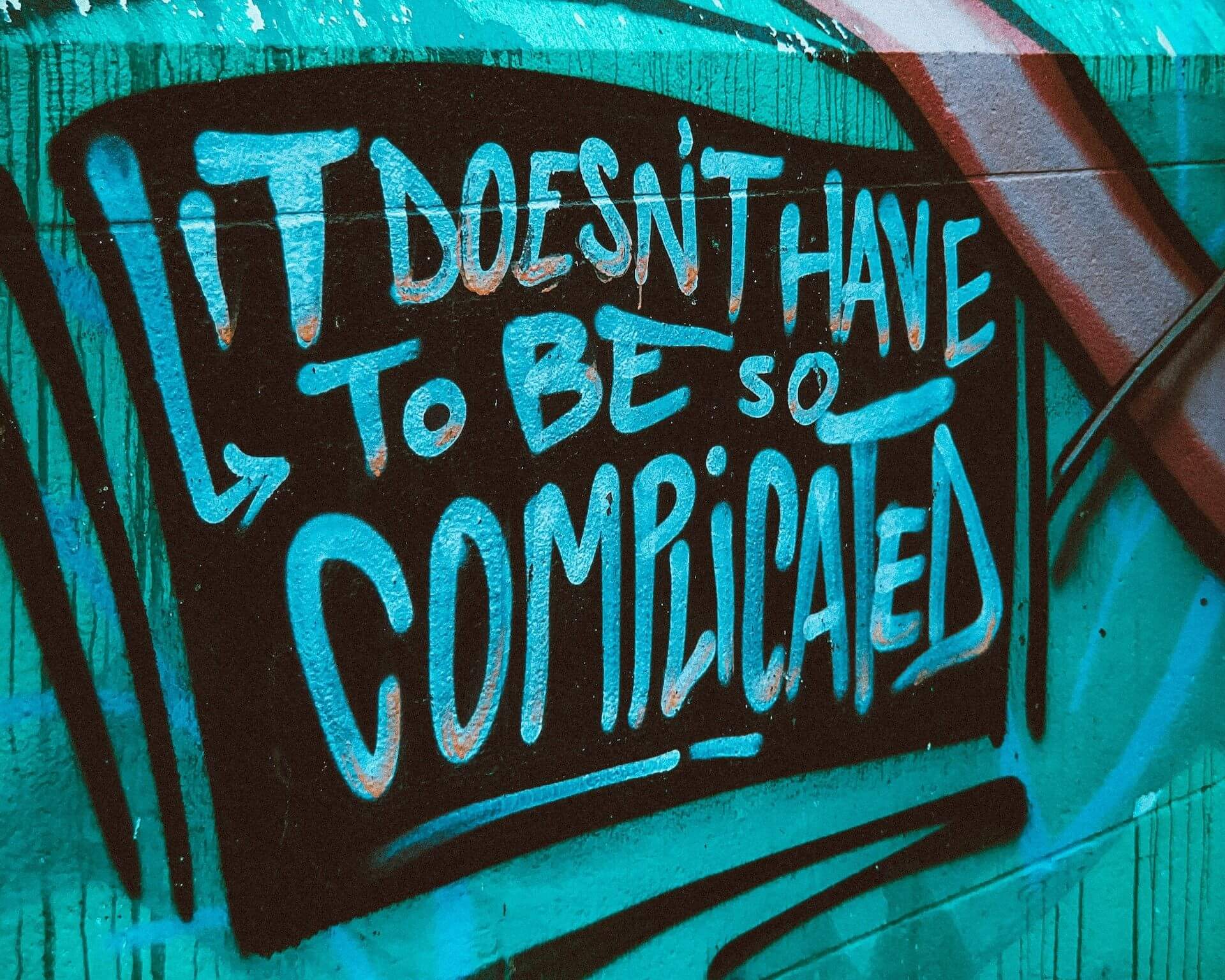
Graffiti that reads, "It doesn't have to be so complicated"

There’s a powerful method of communication operators can learn to use that promotes workplace collaboration and solves problems.

How to communicate with team members is a topic that comes up regularly in my coaching sessions with restaurant, bar, and hotel owners. Most of the concerns center around how to speak to employees when they are not following company policy; their level of service is not meeting company standards; or the quality of their work has decreased.

These are legitimate concerns when you are attempting to not only run a successful business but foster a positive work culture in your establishment.

After coaching my clients through understanding what their current style of communication looks like and how it is or is not working for them, I introduce them to a style of communication that I feel leads to the most effective overall results: the use of declarative language.

The declarative language approach was first introduced to me through a positive parenting online conference I attended. Author Linda Murphy wrote the Declarative Language Handbook, which teaches parents, caregivers, educators, and others how to communicate with children (particularly those with social learning challenges) to feel competent, connected, and understood.

As I dove into learning about this style of communication, I realized just how powerful it would be in the workplace. It is a method that can promote respect, collaboration, and empowerment. It can also, in turn, remove judgment, assumptions, hostility, and blame.

What is Declarative Language?

To answer this question, I’ll need to take you back for a quick grammar lesson.

Sentences can be categorized under four main types: declarative, interrogative, imperative, and exclamatory.

Declarative sentences are statements. These can be a statement of a fact, an observation, or a feeling. For example: “It is raining out.” “I’m going to open a new bar next month.” “Pineapple should never be on pizza.”

Interrogative sentences ask a question: “Why are you late for your shift?” “How can I make a million dollars this quarter?” “Who ever thought it was a good idea to put pineapple on pizza?”

Imperative sentences give a command. “Go clean those tables.” “Follow me.” “Pick off the pineapple from that pizza.”

Exclamatory sentences show something that we would shout or emphasize with an exclamation mark: “I made a million dollars this quarter!” “Yikes!” “Pineapple on pizza is the best ever!”

Powerful Communication

So, now that you’ve had a grammar refresher, let’s take a look at how declarative language can be a powerful method for communicating, and why the other styles may not be creating the results you want to see.

As an owner or manager, you may often find yourself falling into the use of interrogative and imperative statements. The problem with this is that both styles can stir up negative emotions in the person on the receiving end.

Interrogative statements (questions) tend to incite the fight, flight, or freeze mode. People feel put on the spot and may become defensive or anxious.

Imperative statements (commands) tend to be authoritarian in nature and have the potential to create fear and/or resentment. Employees are looking for team leaders who they can respect and turn to for guidance, not someone who is constantly telling them what to do.

Declarative language, when used to state observations, can be a way to open up discussions without defensiveness or fear. It also leaves room for facts instead of assumptions. The declarative language approach that I suggest my clients use looks something like this:

  • Make an observation statement.
  • Be silent.
  • Actively listen.
  • Collaborate.
  • Actively listen.
  • Proactively decide on solutions.
  • Gratitude/Positivity.

The easiest way to demonstrate this practice is through an example or two. First, we’ll look at an example with “Sam.”

Example #1

Sam just showed up for his shift at the quick-service restaurant he works at out of uniform. His manager notices and approaches him. The declarative language approach would look something like the example below.

Manager: Hey Sam, I notice that you aren’t wearing your uniform. (Declarative observation that quietly gives time for Sam to respond.)

Sam: Yeah, sorry, I spilled coffee all down the front of my shirt on the way here and didn’t have time to go home to change.

Manager: Okay, I understand, life happens. Any ideas on how we can resolve this? (Puts power to solve the problem in Sam’s hands.)

Sam: Do you have an extra shirt I can borrow for today’s shift?

Manager: Yeah, I actually do. Great plan. Let me go grab it for you and you can use the staff washroom to get changed.

Sam: Thanks.

Manager: No problem. Have a great shift! See you out there.

As you can see from this exchange, the manager did not make any assumptions as to why Sam wasn’t in uniform. Instead, they demonstrated empathy and respect. By asking if Sam had any ideas for resolving the issue, the manager provided room for collaboration as a team. Further, this approach empowered Sam to take responsibility and come up with the solution.

Example #2

Now, let’s look at “Lisa.”

Lisa is typically very punctual for her shift working concierge at a hotel. However, the past two weeks she has been regularly showing up 10 to 15 minutes late. Below, how the owner of the hotel would use the declarative language approach to discuss this issue with Lisa.

Owner: Hi Lisa, I’ve noticed that you have been starting your shift 10 to 15 mins late the past couple of weeks. You aren’t typically late for work. I’m curious about what’s changed. (Declarative observation; the owner then waits quietly for Lisa to respond.)

Lisa: I’m so sorry, I had to switch my child’s daycare and it’s on the other side of town. I’m struggling making it here on time with traffic.

Owner: That sounds stressful. What do you think we can do to work with this change to ensure that you can still arrive on time for your shifts?

Lisa: Would it be possible to switch my shift to a later time?

Owner: Let me look into that option for you. You are an asset to our team and I’m sure we will find a solution to this. I’ll get back to you later with some options, and you can let me know what would work best.

Lisa: Thank you so much for understanding.

In this exchange, the owner does not make assumptions as to why Lisa has been late. Rather, they show genuine curiosity as to what’s going on. Again, the owner empathizes with Lisa’s situation and then places power back into Lisa’s hands to think of a solution. The conversation ends on a positive note with gained clarity, respect, and appreciation.

Lead by Example

If you are looking to build a team of empowered individuals who can solve problems and collaborate, you need to lead by example. The use of declarative language can help you accomplish exactly that.

However, it is crucial to note that if you decide to try this method of communication, your intention needs to be positive. Declarative statements will not be as successful if your tone is sarcastic or accusing. Your approach must be casual, caring, respectful, and matter of fact.

Additionally, not every conversation will go smoothly using this method. You may receive “I don’t know” or “I’m not sure” as an answer. But for the most part, this method of communication allows for respectful discussion that acknowledges facts, promotes responsibility for one’s own actions, and decreases assumptions.

If you would like more information on how to use the declarative language approach, or would like to set up a coaching session to be coached on how to use this communication style with your team, please reach out to me!

Cheers to professional and personal well-being!

Image: Jon Tyson on Unsplash
KRG Hospitality Mindset Coaching, 2023 Icon

by David Klemt David Klemt No Comments

SevenRooms and Marriott Partnership

SevenRooms and Marriott Reveal Global Partnership

by David Klemt

Restaurant staff member using SevenRooms on a tablet

Fresh from launching the innovative Pre-Shift pre-service tool, SevenRooms today announces the platform’s latest partnership.

The announcement, which you can read in its entirety below, shows the confidence that some of the most recognizable hospitality brands in the world have in SevenRooms capabilities.

Specifically, the platform is now a preferred restaurant technology provider throughout Marriott International‘s portfolio. In fact, Marriott is leveraging the SevenRooms suite of tech solutions at several of their brands in more than a dozen countries. This translates to over 8,500 properties using the platform’s powerful booking, relationship management, and marketing tools.

Among the brands utilizing SevenRooms tools are The Ritz-Carlton, JW Marriott, EDITION Hotels, The Luxury Collection, and W Hotels.

The latest news to come from SevenRooms again underscores the platform’s commitment to growth and longevity. After more than a decade in operation and service to hospitality operators, it’s safe to say the company has reached ubiquity.

You may not operate a hotel or operate within a hotel. You may not oversee a multi-unit or multi-concept business. This news should be no less important to you.

When developing your tech stack (a service KRG Hospitality provides) it’s important to choose platforms that are here to stay. Otherwise, your investments of time and money go up in smoke. Likewise, the disruption to operations and service as you seek a new platform are harmful to you, your team, and guests.

So, it can be wise to not just dig into the platforms you’re considering, it can be smart to see what companies trust them as partners.

SevenRooms is a platform that we’re comfortable recommending to many of our clients. And no, we’re not paid or otherwise compensated to do so.

To learn more about SevenRooms partnering with Marriott International, see below.

SEVENROOMS SELECTED AS A MARRIOTT INTERNATIONAL PREFERRED RESTAURANT TECHNOLOGY PROVIDER

The global technology platform will power personalized guest experiences to increase revenue while providing deeper guest insights for the global hospitality company 

NEW YORK (May 18, 2023) – SevenRooms, a guest experience and retention platform for the hospitality industry, today announced its agreement with Marriott International to become a preferred restaurant technology provider. SevenRooms is currently live across 25 countries at Marriott brands including W Hotels, The Ritz-Carlton, St. Regis, Sheraton, JW Marriott, Le Méridien, Westin, Marriott Hotels, Renaissance Hotels, EDITION Hotels, The Luxury Collection and Gaylord Hotels. This will unlock additional opportunities at the more than 8,500 Marriott International properties worldwide.

SevenRooms is a data-driven guest experience and retention platform focused 100% on building operator-focused tools. The platform offers solutions to global brands that not only increase revenue generation, but help them build long-term relationships with guests. 

For restaurants, bars, and other F&B outlets in Marriott-branded hotels, the SevenRooms platform offers a suite of tools to help drive incremental revenue, increase operational efficiencies, and offer exceptional guest experiences. Through SevenRooms’ Customer Relationship Management (CRM) and Marketing Automation capabilities, Marriott’s hotels are not only able to cultivate meaningful, direct relationships with guests, but access a 360-degree view into the guest journey to foster deeper guest loyalty.

“We’re thrilled to collaborate with Marriott International as a preferred restaurant technology provider, helping them deliver more personalized experiences for their guests around the world,” said Joel Montaniel, CEO & Co-Founder of SevenRooms. “Today, consumers expect more out of their F&B experiences whether they’re staying local or traveling abroad. They want to engage with hotels, restaurants and bars on their own terms, and are increasingly discovering and booking where to eat and drink across an array of channels. With SevenRooms, operators have access to tools that help them reach these guests while driving operational efficiencies by connecting F&B into their overall hotel strategy to generate revenue and increase profitability. Our suite of products not only helps operators of Marriott-branded hotels provide guests with exceptional experiences that enhance positive sentiment and drive increased loyalty, but enables them to do so at scale, automatically. We look forward to working with Marriott as we enable them with technology to build longer-lasting, more profitable relationships with their guests.”

Marriott International properties can now incorporate much of SevenRooms’ suite of tools and solutions, including Customer Relationship Management (CRM), on-premise table management, waitlist management, marketing automation, email marketing, order management and review aggregation. 

“Marriott’s hospitality roots began in restaurants, and we want to provide exceptional, unforgettable restaurant experiences for our guests,” said Matthew Von Ertfelda, Senior Vice President, Food & Beverage at Marriott International. “With SevenRooms, we’re not only able to provide guests with the experiences they crave, but we can leverage a robust suite of tools to help turn one-time guests into lifelong guests.”

To learn more about SevenRooms, please visit www.sevenrooms.com.

About SevenRooms

SevenRooms is a guest experience and retention platform that helps hospitality operators create exceptional experiences that drive revenue and repeat business. Trusted by thousands of hospitality operators around the world, SevenRooms powers tens of millions of guest experiences each month across both on- and off-premises. From neighborhood restaurants and bars to international, multi-concept hospitality groups, SevenRooms is transforming the industry by empowering operators to take back control of their businesses to build direct guest relationships, deliver exceptional experiences and drive more visits and orders, more often. The full suite of products includes reservation, waitlist and table management, online ordering, mobile order & pay, review aggregation, email marketing and marketing automation. Founded in 2011 and venture-backed by Amazon, Comcast Ventures, PSG and Highgate Ventures, SevenRooms has dining, hotel F&B, nightlife and entertainment clients globally, including: Marriott International, MGM Resorts International, Mandarin Oriental Hotel Group, The Cosmopolitan of Las Vegas, Wynn Resorts, Jumeirah Group, Hard Rock Hotels & Resorts, Wolfgang Puck, Michael Mina, Bloomin’ Brands, Giordano’s, Australian Venue Company, Altamarea Group, AELTC, The Wolseley Hospitality Group, Dishoom, Live Nation and Topgolf.  www.sevenrooms.com 

Image: SevenRooms

KRG Hospitality tech stack consulting. Tech. Technology. CRM. POS. Restaurant. Bar. Cafe. Lounge. Hotel. Resort.

by David Klemt David Klemt No Comments

Leverage These 3 Sports for Growth

Leverage These 3 Sports for Growth

by David Klemt

Daniel Ricciardo in McLaren F1 race car

Sports receive more than three million mentions daily on social media and in online communities, and three sports are driving conversations.

Media-monitoring and SaaS platform Meltwater‘s recent report shows growth in media mentions and community engagement. The report, “2023 Industry Snapshot: Sports,” also identifies three sports that are growing globally.

Most restaurant and bar concepts, at least throughout North America, can benefit from sports. They have televisions, at least decent audio, and the proper licenses to air sports and other programs.

At the risk of oversimplifying, that means that any bar or restaurant can be a sports bar. Before anyone begins furiously hammering out an email to send me, I’m not saying any bar or restaurant can automatically become a great sports bar because they have TVs. I’m simply saying that operators who want to leverage sports and specific sporting events are at a good starting point to do so.

With that caveat out of the way, let’s check out what Meltwater has uncovered regarding sports.

Sports Conversations

According to Meltwater, sports is a hot topic every day of the year. On average, there are 3.16 millions mentions of sports each day.

And that’s just on a “normal” day. Last year, that number jumped to well over 12 million mentions during the FIFA World Cup.

Meltwater identifies 2022 as a particularly strong year in terms of growth for sports conversations. That boost is expected to carry into 2023, providing savvy operators with opportunities to leverage sports.

Per Meltwater, sports social media handles, hashtags, and keywords have grown by more than 20 percent. That’s significant growth.

Now, let’s look at the sports driving much of that growth.

Football

When I say “football” in this context, I mean the sport some people call “soccer.” So, not American football, which Dave Grohl and Crown Royal pointed out is a Canadian invention during Super Bowl LVII.

For the past few decades (at least), much has been made of Americans maligning football (soccer). Well, all the tropes of that mockery may be wearing very thin.

Last year, mentions of football keywords were up 56 percent—in the US. The second-place country was Nigeria with an increase of 33 percent.

Globally, the sport’s online conversations went up by 32 percent. The day of the FIFA World Cup final? That number exploded to 630 percent. Could be smart for operators to begin planning their World Cup promotions soon.

Baseball

There are some interesting stats surrounding baseball and online conversations.

Last year, conversations of this sport grew by just three percent. And for a country that claims the sport as their national pastime, American baseball convos saw a notable dropoff: a decrease of 11 percent.

However, baseball grew by nine percent in Canada in 2022. Japan saw an increase of 36 percent, and Venezuela was up 22 percent.

Unsurprisingly, the sport’s two largest organizations dominate baseball conversations.

Leading the charge, Major League Baseball mentions grew by 16 percent in 2022 globally, and by 54 percent in Japan. Right on MLB’s heels, Nippon Professional Baseball 23 percent globally and 28 percent in the US.

For those who are curious, three teams stood out in the baseball conversation: the Los Angeles Dodgers (+59 percent), New York Yankees (+55 percent), and NY Mets (+46 percent). However, LA Angels pitcher Shohei Ohtani saw truly incredible growth with an increase of 74 percent.

An important takeaway: Baseball fans in America appear quite interested in watching (or listening to) NPB. That gives operators another organization—and all their scheduled games—to leverage.

Formula 1

Ah, my favorite sport. I’m happy (for the most part) to see this motorsport growing around the world. In fact, Formula 1 keyword mentions grew 13 percent globally, and #F1 was among the hashtags used most in 2022.

On July 3, 2022, Ferrari driver Carlos Sainz, Jr. (driver #55) won the British Grand Prix at Silverstone. Red Bull’s Sergio Perez (#11) took second and Mercedes’ Lewis Hamilton (#44) took third. And on this day the F1 conversation skyrocketed, growing by 338 percent.

The country leading the way for F1-related keyword mentions in 2022 was Japan, growing by a staggering 91 percent.

Much of the increase in interest in F1 can be traced back to Netflix and its Drive to Survive docu-series (some call it a reality-TV drama).

Looking at American interest in the sport, it helps that there are now three races on the calendar that take place in the US: the Miami Grand Prix, the US Grand Prix at Circuit of the Americas in Austin, TX, and the Las Vegas Grand Prix. That’s three opportunities (Miami has already happened) for American operators to take advantage of this sport’s growing popularity.

Last year, former Aston Martin driver Sebastian Vettel (#5), Red Bull driver Max Verstappen (current champion and #1), and Ferrari driver Charles Leclerc (#16) saw the most growth in terms of individual drivers.

I can only hope that my other favorite motorsport, MotoGP, starts to become more popular throughout North America.

Takeaways

Some operators may find that sports don’t work for their concept, such as a high-end cocktail bar or fine-dining restaurant. Those are two venue types that tend to eschew televisions as they don’t work with their vibe and aesthetic.

That said, each operator must choose how to best implement sports and related promotions. This includes understanding which sports, teams, and players their guests like. Then, of course, it’s also a matter of gauging interest.

With that determined, operators must also decide how to make sports work with their concept. Some things to consider are themed F&B menus, sports-related LTOs, FoH uniforms, and how far to go with promotions. That latter consideration will depend on how rabid a fan base each operator is targeting. A truly dedicated fan base encourages some bars to “officially” support a certain team.

Another important consideration? Will leveraging a particular sport or team alienate other guests due to rivalries or a lack of interest or comfort? Sometimes the cost of implementing promotions includes pushing away a percentage of guests on particular days.

Because I live in Las Vegas, I have an array of venues available to me around the clock. It’s conceivable that I could find a home bar or restaurant to watch F1 and MotoGP. Personally, the capability of comfortably watching my two favorite sports would boost my loyalty and visits. However, there may not be a large pool of people like me in this market. Would a bartender want to turn on an F1 race just for me?

There’s a lot to consider when choosing how to best leverage sports. The upsides include converting customers to loyal, repeat guests; a realistic idea of what to consider in terms of labor and inventory for specific days, weeks, months, and seasons; and boosts in traffic, revenue, and online engagement (which in turn can translate to more traffic and revenue).

Image: Photo by PRAT clement via Pexels

KRG Hospitality Sports & Entertainment, 2023 icon

by David Klemt David Klemt No Comments

Raise the Bar: Service vs. Hospitality

Raise the Bar: Service vs. Hospitality

by David Klemt

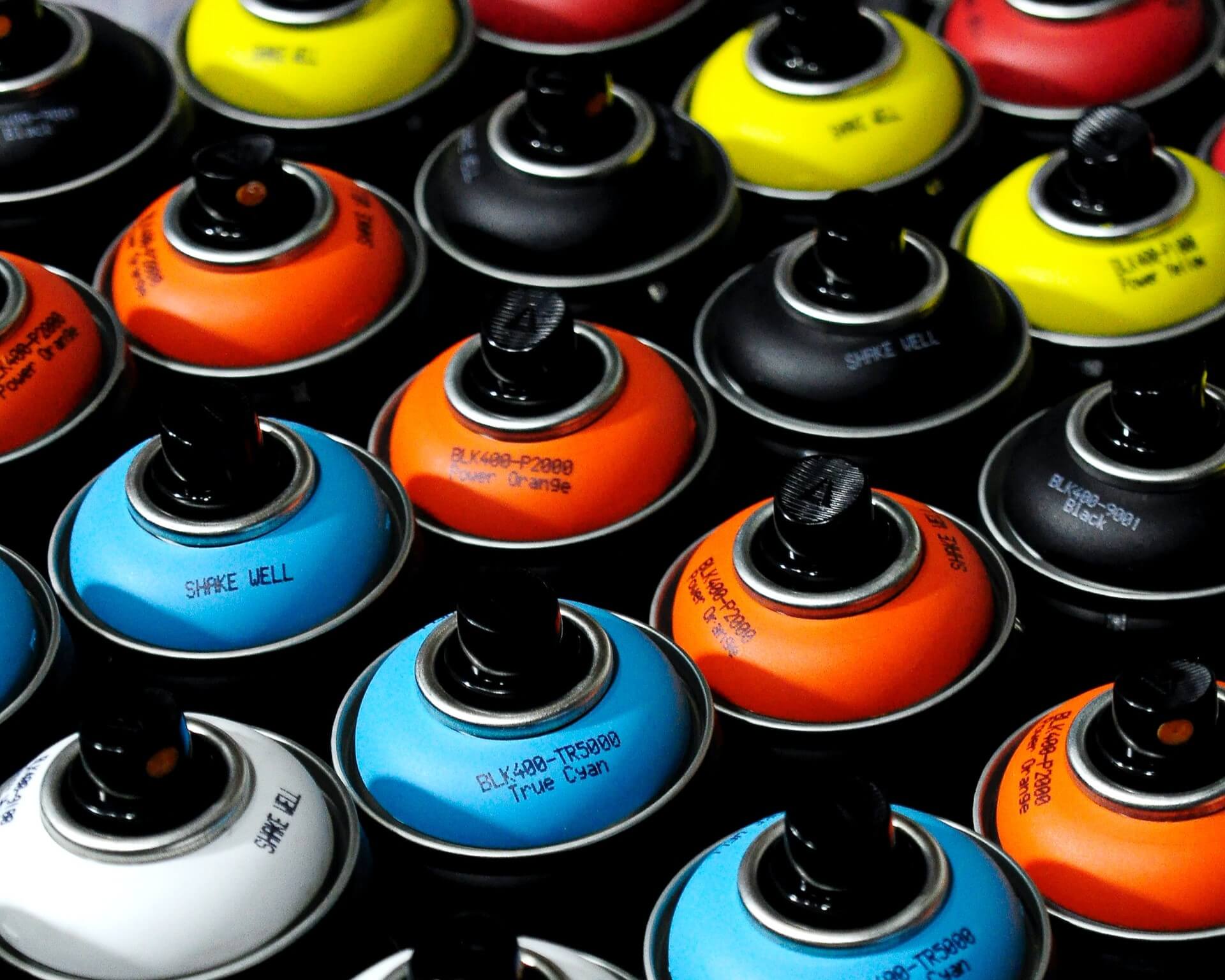
Several spray paint cans next to one another

During the 2023 Bar & Restaurant Expo in Las Vegas, Mia Mastroianni, Art Sutley, and Phil Wills addressed what separates service from hospitality.

For the sake of those who are unfamiliar, a brief summary of each member of this informative panel. Art Sutley is a nightlife and hospitality expert recognized by Forbes, the Wall Street Journal, and Thrillist (among other publications).

Phil Wills and Mia Mastroianni should be recognizable to anyone who has watched Bar Rescue. Wills co-founded Spirits in Motion, a beverage consulting agency. He’s also a bartender’s bartender who’s passionate about hospitality. Mastroianni, equally as passionate about the art of hospitality, is a seriously talented bar professional and hospitality expert who doesn’t take herself too seriously.

It’s difficult to imagine a more qualified trio when it comes to discussing the differences between service and hospitality.

What is Service?

Before they all dove in, Sutley shared a simple but impactful take on the guest experience.

“It’s checking boxes,” said Sutley. “We want each guest to check every box, and a few extra.”

That description helps draw a line between service and hospitality. Per Sutley, Mastroianni, and Wills, service is a transaction and meeting expectations. Reinforcing this idea, Wills said, “Service is black and white; it’s simple.”

Operators and their leadership teams, after developing their steps of service, can literally or figuratively track the service transaction. Training staff—from onboarding to pre-shifts—on the steps of service and an operator’s non-negotiable standards ensures the guest experience transaction is delivered as expected.

Worryingly, Mastroianni expressed her concern that the quality of service appears to be dropping. If that’s true, however, that provides an opportunity.

Per Sutley, the industry is getting more difficult. There are more competitors out there, and guest expectations are becoming increasingly stringent. So, if Mastroianni is correct and more concepts are failing to deliver on the expected service transaction, operators who commit to building and training teams that deliver high-level service will stand out.

What is Hospitality?

If service is black and white, guess what hospitality is?

“Hospitality is color,” said Wills. “And we go above and beyond to relate to guests.”

Going further, Wills said that how an operator and their team chooses to “paint the picture” defines the level of hospitality they deliver.

For Mastroianni, if service is transactional, hospitality is emotional. Hospitality is how a restaurant, bar, nightclub or hotel team makes a guest feel. Drilling deeper, hospitality is how we in this industry connect with guests on a deeper level than simply transactional service.

To throw in my two cents, I like to think that even brand-new operators understand the transactional part of hospitality. It’s the people part, the guest experience element, that catches many operators and their teams out. Service without hospitality is mediocrity in motion.

Regardless of where one stands on the topic of service vs. hospitality, it’s crucial that operators become acutely aware of the experiencing they’re giving their guests. What do they see when they look at the picture they and their team paint each shift?

Image: Emiliano Vittoriosi on Unsplash

KRG Hospitality Success Session, 2023 icon

by David Klemt David Klemt No Comments

Ocean’s Summertime Celebrations

Ocean Casino Resort Summertime Celebrations

by David Klemt

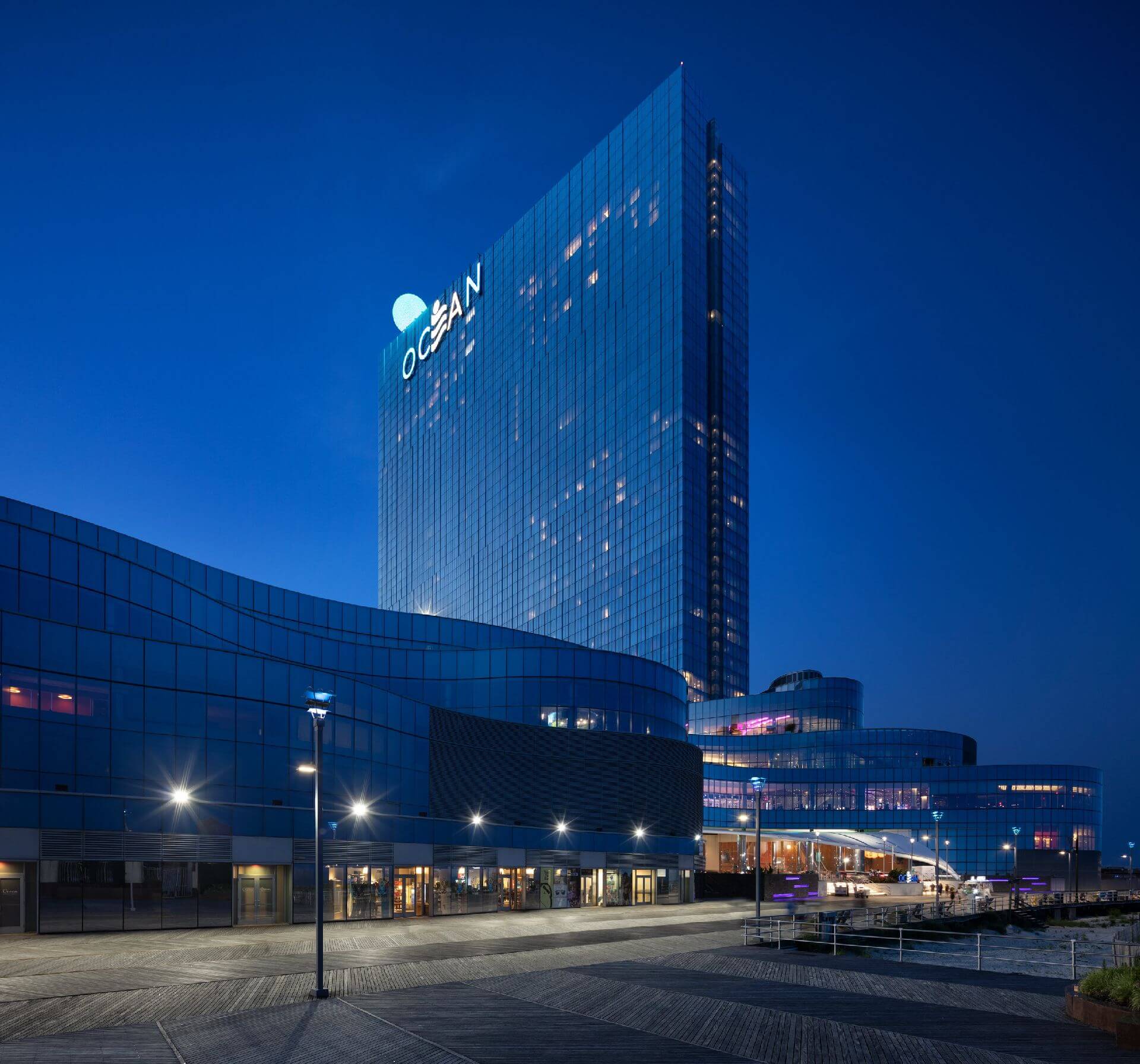
Exterior of Ocean Casino Resort at sunset

Ocean Casino Resort is celebrating an impressive milestone all summer long through creative local business partnerships.

This summer, the resort will reach its fifth anniversary. The festivities will begin May 26, a month before Ocean’s “birthday.”

However, rather than focus solely on the resort and casino, Ocean is choosing to celebrate the community it serves as well. These fifth birthday activations and initiatives are an excellent lesson for operators across all hospitality business categories.

I’m sure operators—all hospitality professionals, really—will agree that restaurants and bars are integral elements of any community’s bedrock. Increasingly, the same can be said of hotels. In fact, large hotel groups are investing in the development of smaller imprints that are tasked with the mission of serving locals and local businesses.

When a restaurant, bar, hotel, or nightclub reaches annual milestones, it’s largely due to community support. Sure, businesses in destination cities benefit greatly from tourist visits. However, for most markets, longevity is anything but assured without local backing and buy-in.

It’s clear that the importance of local support isn’t lost on Ocean. This summer’s celebrations include several local partnerships and community initiatives to pay that support back.

Local Partnerships

Last year, the Ocean leveraged the demise of the Choco Taco. So far in 2023, Ocean has supported Philly and KC during the Big Game, and gotten creative with cocktails that raised funds for the Girl Scout Troops of Southern and Central New Jersey.

Local partnerships are key to Ocean’s five-year celebration:

  • The Seed: Created Seeds of the Ocean for Ocean’s five-year anniversary.
  • Tennessee Avenue Beer Hall: Seeds of the Ocean lager will also be available at this local beer hall.
  • Rhythm & Spirits: Joining forces with Little Water Distillery to feature their gin in the Oceans 5 cocktail.
  • Little Water Distillery: Their Rusted Revolver Indigenous Gin is the star of the Oceans 5 cocktail, mentioned above. The distillery has also created the Chocolate Cake Martini, featuring Bar 32 chocolate shavings.
  • Hank Sauce: For those who prefer their celebrations spicy, Ocean and Hank Sauce have collaborated on Across the Boards. This hot sauce will accompany food items at restaurants inside Ocean.
  • Tony Boloney’s: They’ve created the High 5 pizza to celebrate Ocean’s birthday. This is another collaboration within a collaboration, as it features Seed of the Ocean lager and Across the Boards hot sauce.
  • Bar 32: What celebration is complete without something sweet? Bar 32 (a bean-to-bar chocolatier) and Ocean will be offering three commemorative chocolate bars: the Berry Pretzel Bar, Party Pretzel Bar, and Salty Peanut Butter Bar.
  • Mudgirl Studios: Ocean has commissioned several handmade, one-of-one pieces from this non-profit that will be featured not just in common areas on the property but also in some of the guest rooms.
  • Atlantic City Arts Foundation: To help celebrate its fifth birthday, Ocean has collaborated with the ACAF for a three-panel mural that will have a home at Tennessee Avenue Beer Hall.

Creative & Compelling

What I find most notable about these local partnerships is how several of them intertwine.

Not only did Ocean commission an exclusive beer, a local restaurant chain is using it for a pizza. That same restaurant chain is also using a hot sauce Ocean had created to celebrate their milestone. There are other collaborations that bring Rhythm & Spirits, Little Water Distillery, and Bar 32 together.

However, Ocean is doing more than just supporting a select group of local businesses. Mudgirl Studios employs and empowers at-risk, homeless and formerly incarcerated women. The ACAF, as one would imagine, inspires and empowers people to pursue the arts. Both support and strengthen communities throughout Atlantic City, and Ocean is giving back by supporting them.

In addition to all of that, the celebrations kick off on Memorial Day Weekend with a $300,000 sweepstakes. All in, there will be more than $5 million in promotions and giveaways in play over the course of this summer. From June 24 to July 4, Ocean is putting up one million dollars for a second sweepstakes.

Then there are Tesla giveaways, birthday fireworks, the Birthday Bar Pop-up Experience at 1927 Lounge inside Ocean Resort Casino, and Ocean’s sponsorship of the Atlantic City Beer and Music Festival.

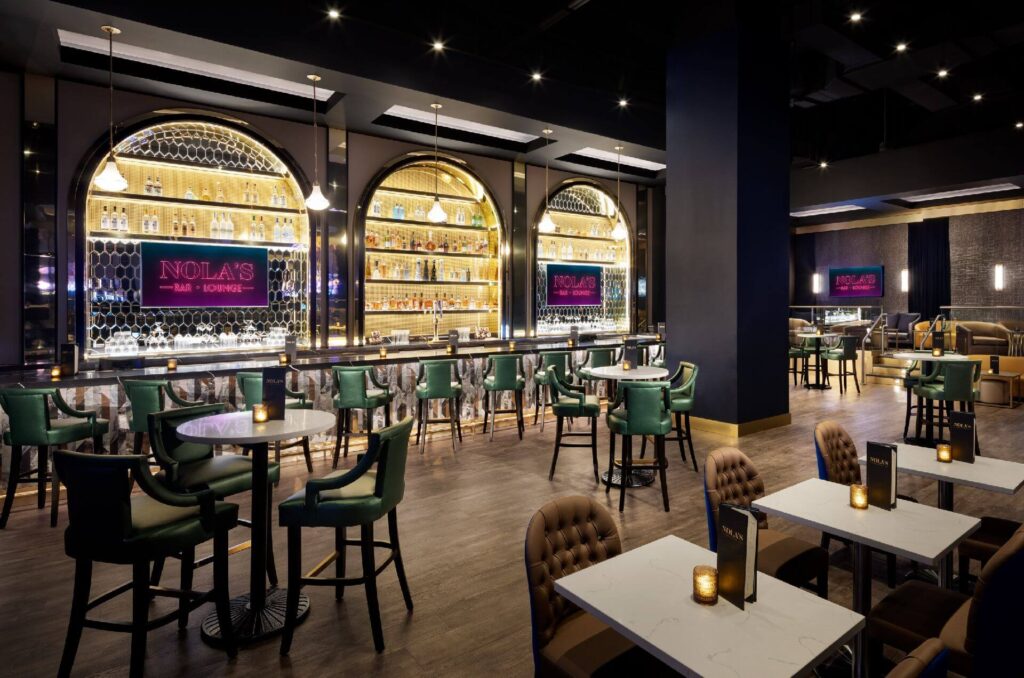
Nola's Bar & Lounge inside Ocean Casino Resort

Look for Ocean’s birthday drinks at property bars like Nola’s Bar & Lounge

Again, it would be easy for Ocean to have simply planned a celebratory weekend, week, or month, focusing solely on themselves. Instead, they’re involving several small businesses and community organizations.

Takeaways

Do I expect restaurant and bar operators to somehow offer $5 million in giveaways to celebrate a milestone? Or even $300,000? Perhaps a Tesla?

No, of course not.

However, I do think operators should really put thought into celebrating their annual milestones. Surviving the first 12 months is a huge achievement. Making it through the first 18 months and hitting the two-year anniversary is just as challenging.

So, operators should take four to six months to plan their celebrations. Additionally, they should view these events as a way to thank the community for supporting them. And, of course, that includes being grateful for beneficial business relationships.

When considering marking these achievements, it’s wise to include local businesses. Craft brewers and distillers, local farmers and vintners, non-profit organizations… All the better if the selected partners can collaborate with one another to make the celebration and partnerships that much more impactful.

Operators should take a page out of Ocean’s celebration handbook and look for creative, thoughtful collaborations. Doing so lifts up others and pays local support forward, in turn making the entire community stronger.

It’s perfectly acceptable for an operator to be proud and celebrate milestones. But it’s even better for operators to celebrate those who help them thrive.

Images courtesy of Ocean Casino Resort

KRG Hospitality. Boutique Hotels. Resorts. Properties. Consultant. Feasibility Study. Business Plan

by David Klemt David Klemt No Comments

Be a Student of the Game

Be a Student of the Game

by David Klemt

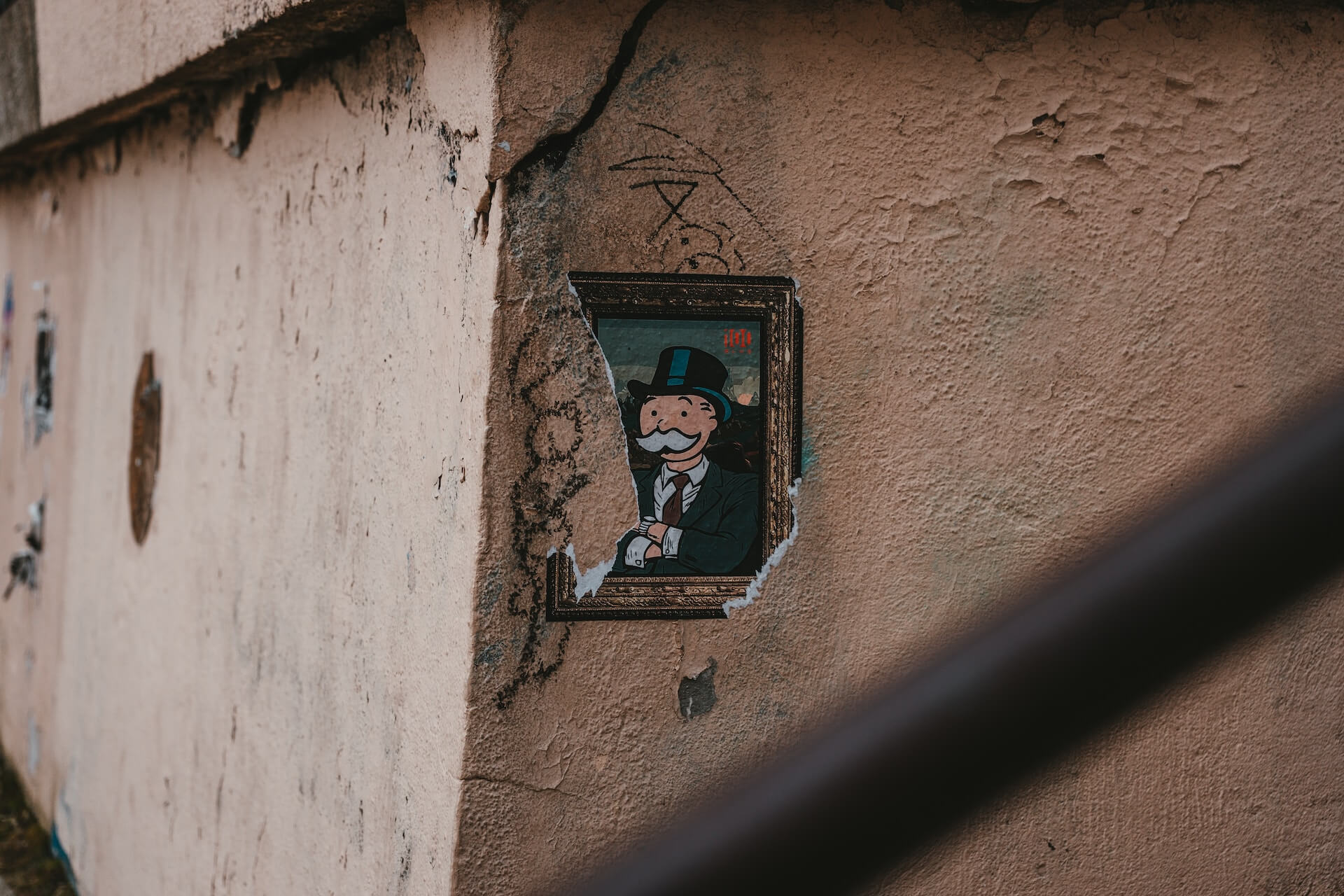
Street art portrait of Rich Uncle Pennybags

The key to success as a restaurant, bar, nightclub or hotel operator is a change in mindset and a commitment to being a student of the game.

That game, of course, is hospitality. To succeed, one must truly love this industry and their own business. Love digging into the minutiae and learning about every element of operations; love their team members and guests; love mentoring and finding mentors; love embodying the spirit of hospitality;  and love their own brand.

This is the exact message Michael Tipps drove home during the first Invictus Hospitality-led education session of the 2023 Bar & Restaurant Expo.

“The doing and the how is important, not the what,” says Tipps. “Be a student of the game.”

But what does Tipps mean when he says that?

The Successful Student Mindset

Before we begin, a note about reporting on other consultants and agencies. At KRG Hospitality we don’t pretend to know it all. When a peer says something and has an approach to this industry we find insightful, we want to share it. Keeping it to ourselves because they’re a “competitor” doesn’t help anyone or our industry.

We consider Invictus cofounders Michael Tipps and Homan Taghdiri friends and colleagues. Their values and mission align with ours.

So, when Tipps says successful operators are students of the game, we agree. Our team is passionate about learning so we can better serve our clients. I’m comfortable saying the Invictus team embraces a similar approach.

In addition to a hunger for knowledge, there’s another key element of this successful student mindset: positivity. For Tipps, that means two things:

  • “Know what works first. Notice what doesn’t work second.”
  • “Other venues aren’t your competition.”

Intention

I won’t speak for Invictus and their approach to understanding a client’s vision. We have our approach and tools, they have theirs.

One of the exercises that we find works to help us see how a client envisions their concept is to learn about what they like. What restaurants, bars, nightclubs or hotels do they admire? Are their operators they aspire to emulate? What venues in their target market do they think are doing a great job?

Another part of the process is to visit similar concepts. These visits reveal a lot, including what a client knows about the business.

Look, we’ve all been there. As consultants, operators, leadership team members, front- or back-of-house members… We know when something doesn’t work when we visit any restaurant, bar or hotel.

However, a simple change to the lens through which we view an operation can make a big difference. First, we should notice what’s working. Going further, Tipps suggests trying to understand what an operator was trying to accomplish with their concept: “What was the intention?”

To Tipps, people who can walk into a restaurant or bar and identify what’s working before focusing on mistakes shows they actually know the business. A true student of the game recognizes any concept’s positives and intention.

“It doesn’t take skill to know what sucked about a bar or restaurant,” says Tipps. “It takes skill to point out and understand what works.”

Dentist’s Office, Anyone?

There’s another point Tipps makes about the game and what drives people to jump into this incredibly challenging business.

Consider what owning a cool restaurant, bar or nightclub looks like from the outside. People get into this business, posits Tipps, because they’ve been to a bar or restaurant and think it would be fun to own it. They think being the owner of a hot restaurant is sexy. Likewise, being the owner of a cool bar or club.

It certainly can be cool, fun, and sexy to own a restaurant or bar. But think about visiting a business and finding it so cool that you decide to open one yourself.

“We’ve also all been to the dentist but we don’t open a dentist office,” says Tipps.

In other words, there are operators lured to this business because it looks fun and cool from the outside. And it is, but it’s also very hard work. Truly, only students of the game will find a measure of success.

Without a love for hospitality, for what can be accomplished and experienced in this industry, it’s just a difficult job.

The Real Competition

Ask different consultants about whether they view similar businesses as competitors and peers and you’ll get a variety of answers.

Some feel that concepts in the same category in the same market are in direct competition. Others will say that one operator isn’t competing with another, they’re potential peers who can elevate one another. Still others say there’s nuance; there’s competition for traffic, engagement, and dollars, but competitors are also peers who can elevate entire markets.

To Tipps, and I assume Taghdiri and the rest of the Invictus team, operators are competing against the clock.

“Time is your adversary, not the venue next door,” says Tipps. That means operators are up against ticket times. They’re subject to their dishwasher’s timing. Payroll, paying invoices on time, dealing with how long food can last to plan for days of the week and individual dayparts…

Each of those items and more impact a concept’s every element of operation. And unlike another operator, there’s no stopping this adversary. The most an operator can do is implement strategies to keep up with this opponent because there’s no way to beat it.

Again, the only way to succeed in that contest is to be a student of the game. An operator (and their leadership team) needs to not only know every tiny detail about their business, they must be passionate about gaining that knowledge. They need to love learning and applying the information they glean to overcome obstacles and keep up in their battle with time.

“Be as fascinated with your business as a five year old is with an ant farm,” says Tipps. “Look at the ant farm with wonder.”

Image: Julian Hochgesang on Unsplash

KRG Hospitality Start-Up Restaurant Bar Hotel Consulting Consultant Solutions Plans Services

by David Klemt David Klemt No Comments

Ovation Reveals 5 Secrets for Growth

Ovation Reveals 5 Secrets for Growth

by David Klemt

Sign that reads "We hear you."

Restaurant guest feedback platform Ovation CEO Zack Oates reveals five secrets to what he calls the “digital table touch.”

The company touts itself as the number-one guest feedback platform. Ease of use is one reason the Ovation is viewed so favorably. Guests receive a two-question survey via SMS. Operators receive honest feedback they can use to improve guest retention and loyalty.

Those curious in learning more about the platform can check out several case studies on the Ovation website. Odds are, one of these studies matches closely with an operator’s own business.

For the purposes of this article, I’m going to focus on Oates’ 2023 Bar & Restaurant Expo education session. Getting even more granular, I’m going to drill down to Oates’ digital table touch approach to guest feedback and retention.

If Oates’ startling claim about first-time guests is true, guest retention is even more difficult than many operators would think. According to Oates, 70 percent of first-time guests don’t return to a restaurant. That number is, simply put, too damn high. Fifty percent is too high.

Feedback Reality

Let’s be honest about in-person feedback. While there are some honest guests out there, for some reason people tend to leave without being honest during their visits. In the moment, most of us will say “great” or “very good” when asked by a server or manager about our restaurant experience.

This is a compelling phenomenon. Per Oates, 15 percent of dine-in orders have issues. And yet most guests won’t say about an issue during their visit. That rate doubles to 30 percent for delivery orders, by the way.

Being totally transparent, Oates says he behaves the same in restaurants. He’s the CEO of a restaurant feedback platform and he’ll still say everything is fine during a visit even when it isn’t. So, while physical table touches are important, they’re likely not giving an operator an accurate picture of what’s going on in their dining room.

In fact, Oates says rather bluntly that “table touches are out of touch.” Further, they’re not scalable, off-premises, honest, or capable of fixing root issues, in his opinion.

Likewise, long-form surveys. According to Oates, long feedback surveys have an abysmal take rate: 0.01 percent. At that point, the rate may as well be zero. Online reviews, as may operators likely know, don’t really represent most guests.

The best solution to secure honest, actionable feedback appears to be Ovation’s SMS-based process.

Secret #1: Make Measurement Frictionless

Hot take: The easier a thing is to do, the more people will participate.

So, operators who want collect valuable guest feedback need to make it simple. If a guest orders delivery, operators should stuff carryout bags and top boxes with a call to action. For in-person dining, they should add a feedback CTA to table toppers. QR codes can make the process very easy. CTAs need to be visible and simple to complete.

The winning formula seems to be a two-question survey and collecting guest data. So, operators should consider enrolling guests who participate and leave feedback in a $100 gift card draw (or something similar).

Secret #2: Drive 5-star Reviews

Oates says that operators should push guests to rate their experiences on review sites. Doing so not only results in collecting valuable feedback, it can boost reviews and increase a restaurant’s visibility. The more discoverable a restaurant is, the more traffic it can potentially see.

Also, a note on actual five-star reviews: that’s not the best score. People tend to distrust perfect scores and one-star reviews. Per Oates, the best score is 4.7 stars, and operators should aim for at least a 4.0.

Secret #3: Respond to Feedback

This means good and bad feedback, and in a timely manner. Per Oates, one bad review reaches 30 potential guests. So, it’s best to address the situation as quickly as possible—if an operator can do so without losing their cool.

To ensure that emotions don’t prevail over rational responses, follow the Three Cs of Bad Review Recovery:

  1. Collected.
  2. Compassionate.
  3. Call to action.

Remember, people want to feel important. When they leave a bad review the underlying feeling driving the review is likely a sense that they’ve been disrespected. Operators attempting to recover from a bad review need to make the reviewer feel acknowledged and important.

Secret #4: Discover and Act on Trends

A business term that has been making the rounds for years now is “kaizen.” This is the concept of everyone in an organization working toward making incremental improvements to the business.

Savvy operators will set aside their egos, find trends within the feedback they receive, and work to improve on any shortcomings.

Secret #5: Text Guests to Bring Them Back

As I’ve said before, if you really want to meet guests where they are, reach them on the phones in their pockets. However, Oates has more advice than simply, “Text them surveys.”

To boost participation, tempt guests with an offer. Oates says to make the offer a good one. So, operators should consider the following:

  • Come up with an offer and put it first.
  • Make it a good offer: “The first X amount of people to complete this survey will receive 15 percent off their next visit.”
  • Track participation via a link.

While operators can leverage each of the above secrets on their own, Ovation’s digital table touch process is seamless and easy to implement. Either way, collecting honest guest feedback and acting on it is one of the most effective methods for improving guest retention.

Image: Jon Tyson on Unsplash
KRG Hospitality tech stack consulting. Tech. Technology. CRM. POS. Restaurant. Bar. Cafe. Lounge. Hotel. Resort.

by David Klemt David Klemt No Comments

3 Ways to Build Revenue on Mother’s Day

3 Ways Restaurants Can Build Revenue This Mother’s Day

by Austen Asadorian

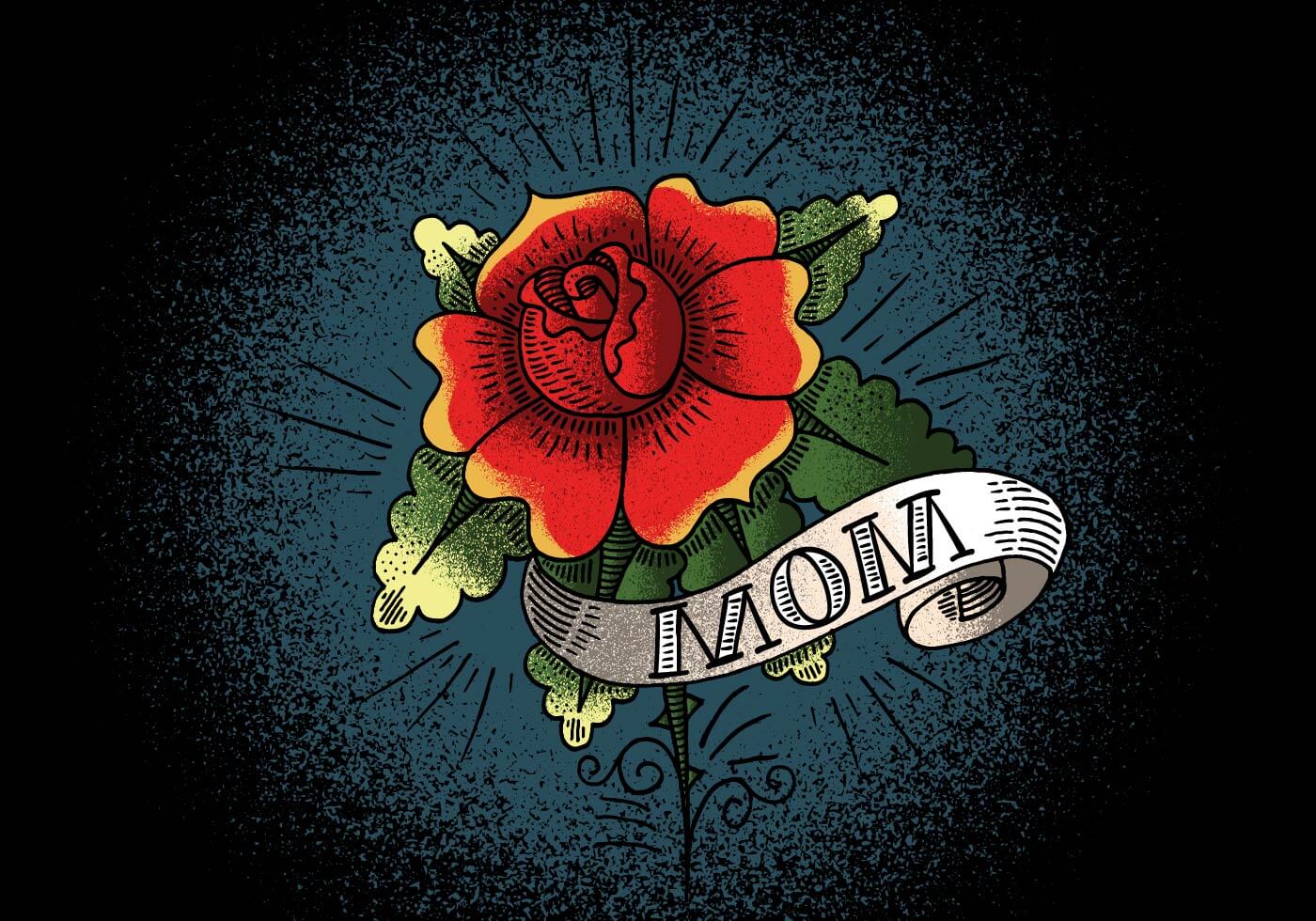
Tattoo-style rose with "Mom" ribbon

With Mother’s Day quickly approaching, there’s no doubt that operators across the country are preparing for the celebratory—yet extremely busy—day.

During their preparations, it’s important that operators find and incorporate new tools and innovative marketing tactics. Doing so will not only fill seats, it will ensure they capitalize on a key opportunity to drive incredible revenue.

Below are three simple but powerful ways operators can generate revenue and loyalty on—and beyond—this Mother’s Day.

Encourage Reservations & Offer Upgrades

An easy way to make this busy day seamless for guests—and, ultimately, staff—is to encourage and allow guests to make a reservation before they arrive. Reservations give operators insight into who will be dining with them, help optimize seatings and covers, and provide a idea of how much to order to eliminate food waste if a special menu is being offered.

Using a reservation system also provides operators with the opportunity to offer diners upgrades during the booking process, even including prepayment should they want to go that route. This not only allows operators to earn additional revenue before a guest even visits, but also a convenient way to offer guests peace of mind knowing they’ve handled that “something special” for Mom way before the big day.

These upgrades don’t have to be anything crazy or extreme (although that’s always an option). In fact, according to the National Restaurant Association, consumers want special touches and discounts over everything else. So, an upgrade can be something as simple as a beautiful flower arrangement waiting on the table to a special off-menu dessert brought out at the end of the meal.

Use Email & Social Media to Your Advantage

Properly promoting Mother’s Day offerings to guests is extremely important because if no one knows about it, who will come?

Operators should utilize tools like email marketing to send personalized communications to their guest database promoting the venue’s Mother’s Day reservation availability or special offerings. Better yet, these tools can be used to offer loyal guests reservations before they open to the general public, further creating a special experience for those faithful diners.

In the same vein, operators should harness the power of social media, too. Operators can target paid marketing efforts on social channels like Facebook and Instagram to drive even more awareness and revenue for their restaurant by creating an event, including the details of the activities, specials, or Mother’s Day promotions, and exporting the names of top guests and email data.

Surprise Them with a Second Visit

While Mother’s Day is the focus right now, it doesn’t stop there for operators. To drive the revenue they need, it’s important to turn these celebratory diners into repeat guests.

To do so, operators should consider offering Mother’s Day diners complimentary gift cards or discounts (even via email post-visit) to bring them back. This could be for an upcoming graduation, Father’s Day (so Dad can also get the love), or even for a future birthday.

This “surprise and delight” factor is one of the easiest strategies to capitalize on holiday traffic and get diners to return to a restaurant once again as a loyal guests.

Here’s to You, Mom

Moms should be celebrated every day, but especially on Mother’s Day, and it’s important to make sure they have the best experience when dining out.

By incorporating simple tactics like offering reservations and custom upgrades or even a special surprise at the end of the meal, operators not only succeed in making the day memorable, but create a guest who will return over and over again.

About Austen Asadorian

Austen Asadorian is the Vice President of Sales at SevenRooms, where he is tasked with supporting SevenRooms’ global expansion efforts and accelerating the company’s goal of being the best-in-class solution for hospitality operators globally. Prior to joining SevenRooms, Austen was Peloton’s Director of Sales, leading the company’s go-to-market strategy for retail growth and expansion. He started his career at Hillstone Restaurant Group where he cut his teeth learning how to run efficient and profitable restaurants at scale. Austen was ultimately promoted into an executive role where he oversaw the company’s Manager in Training Program and Back of House Operations. Austen graduated from the Culinary Institute of America (CIA).

Image: grumpymonstergroup via Vecteezy.com

KRG Hospitality marketing plan. Restaurant. Bar. Cafe. Lounge. Hotel. Resort.

by David Klemt David Klemt No Comments

Consultant Versus Coach

Consultant vs. Coach: Similarities and Differences

by Jennifer Radkey

Double arrow, street ends sign

At some point in your journey as a business owner it’s inevitable that you’ll come up against a challenge that you struggle to overcome on your own; you may need to reach out for advice or guidance.

There are countless reasons why you may seek an expert’s help. Perhaps you’ve come up against a roadblock trying to reach a goal. Maybe you’re unexpectedly forced into a major transition. You may decide you’re ready to take your business to the next level but are unsure how to proceed.

The situation you find yourself in could be as big as the opening of a new restaurant or bar, or as vague as a general sense of something not being “right.”

Whatever the reason may be, you’ve exhausted your own pool of resources and are ready to seek outside help. So, who do you turn to?

Most likely you’ll be looking to hire either a consultant or a coach. Of course, this begs the question: Which do you choose?

I’m both the vice president of KRG Hospitality and a certified life coach. My husband Doug Radkey is the president of KRG Hospitality and our agency’s lead consultant. “Do I need a consultant or coach” is a question people ask of us quite often.

The answer is simple once you understand the similarities and differences between the two.

Similarities

Coaches and consultants are both third parties who provide an outsider’s clarity while maintaining an unbiased point of view.

They’re both knowledgeable and have their own unique approaches and expertise. Coaches and consultants come with the intention of helping you achieve your goals. While the majority of coaching and consulting is done one-on-one, team consulting and coaching are also options.

The differences between coaching and consulting can be found in the approaches used to help you achieve your goals.

Differences

The easiest way to learn the differences between a coach and a consultant is to take a closer look at how each one approaches how they help you. It’s an understanding of these differences that provide the clarity needed for you to choose the best solution.

Consultants

Consultants are industry-specific experts. When presented with a challenge you want to overcome or a goal you want to achieve, a consultant finds the solution using their knowledge and experience. They also diagnose any problems that are evident in your business and then make recommendations to correct them.

A consultant is someone you can turn to for technical and professional advice.

Once the consultant has determined the root of the problem or determined the best path forward to achieve your goal, the answers will be provided to you. And along with the answers come the steps necessary to solve the problem or reach the goal. You’ll be given a clear, detailed plan.

Consultants listen carefully to what’s going on. They ask specific questions, watch how your team interacts with your guests, and study your steps of service. Additionally, consultants analyze data and conduct research, and then communicate their findings clearly with you. Again, consultants give you the tools you need to execute a plan—including processes and proven methods—to achieve success.

If you’re in need of specific industry advice and expertise, a consultant is who you need to hire.

Coaches

Coaches are experts in placing the power in your hands to discover your own solutions and answers. You hire a coach to discover yourself, inspire confidence, explore possibilities, and find your own clarity. Entrepreneurs turn to coaches to help them transform into great leaders.

Through sincere and thoughtful inquiry, coaches will pull answers out of you that you didn’t know that you already had. They’ll also help you become aware of self-imposed limitations so you can overcome them. Rather than just giving you a plan, coaches help you develop your own strategies for uncovering your truth, and then help you understand how to move forward.

Coaches are sounding boards for discussing both personal and professional issues, providing a safe, judgment-free place for you to be heard. They’re interested in long-term results and the overall well-being of their client.

If you’re looking for overall growth and a better understanding of how you can reach your own goals and potential, a coach is who you need to hire.

Hiring a consultant or a coach is a positive step towards achieving both short-term and long-term goals. Knowing the difference between the two now empowers you to choose the best person to help you where you want to go.

Cheers to personal and professional growth!

Image: Robert Linder on Unsplash

KRG Hospitality Mindset Coaching, 2023 Icon

by David Klemt David Klemt No Comments

SevenRooms Introduces New Tool: Pre-Shift

SevenRooms Introduces New Tool: Pre-Shift

Front of house staff member using SevenRooms

A new tool from SevenRooms will help operators and their teams make the most of pre-shift meetings to deliver exceptional service.

Aptly named, Pre-Shift provides a real-time, data-driven picture of a given shift’s reservations. Operators and their leadership team members will no longer need to hit the office, navigate to the day’s reservations, and print out guest data—assuming they have such valuable information.

Further, this new feature is accessible via the venue’s devices (tablets, phones, etc.). Pre-Shift, then, offers a real-time view of reservations and robust guest data. Well ahead of arrivals, staff will know a guest’s seating preference, relationship with the venue, reviews they’ve left, allergies, and much more.

Intriguingly, Spago has been testing Pre-Shift ahead of SevenRooms’ announcement and launch. Per Steve Scott Springer, the GM of Spago of Beverly Hills, this new tool is a game-changer for restaurants.

Less than two months ago, SevenRooms launched Email Marketing. It’s likely we can expect more new features to roll out throughout 2023.

To learn more, please review the Pre-Shift press release below.

SEVENROOMS’ PRE-SHIFT FEATURE EMPOWERS TEAMS TO STREAMLINE PRE-SERVICE OPERATIONS

New data-driven tool serves as a one-stop-shop for restaurant teams to enhance the guest experience and build guest loyalty

NEW YORK (May 3, 2023) – SevenRooms, a global guest experience and retention platform for the hospitality industry, today announced a new product feature, Pre-Shift, which provides operators with key shift details they can leverage to inform and lead pre-service meetings. Pre-Shift is built to power and simplify pre-service meetings for restaurant operators and their staff around the world.

The new feature provides operators a real-time, unified view of everything they need ahead of each shift and saves employees’ time with an out-of-the-box informational report. Instead of paper print-outs and laborious briefing forms, Pre-Shift allows teams to harness rich customer data with up-to-the-minute information on every guest joining during that shift.

With ongoing labor shortages, Pre-Shift is a crucial tool in helping operators save time on administrative tasks like pulling guest and reservation data to optimize a team’s pre-shift meeting ahead of service with all stakeholders. This allows operators and staff to instead focus on delivering exceptional, personalized experiences the moment that guest walks through the door. Operators have the ability to embrace new consumer expectations to provide an incredible guest journey from start to finish.

By incorporating this tool, staff can utilize SevenRooms’ rich guest data and Auto-Tags to educate themselves on incoming guests. The tool highlights valuable insights such as allergy information, dining preferences, previous experiences with the restaurant, and positive/negative reviews. It also provides a quick snapshot of that day’s notes on menu specials, private events or special requests, making it easy for staff to reference back to quickly throughout the course of service. Whether it’s the maître d, host, server or back of house employees, Pre-Shift enables all staff with the information they need to deliver exceptional service, build guest loyalty, and keep up with diner expectations as they continue to evolve.

Pre-Shift helps restaurants deliver personalized hospitality at scale with invisible technology. Guest and reservation data can be accessed on the fly without double clicks or additional navigation via iPhone and iPads for the utmost convenience. No other reservation management product on the market today offers such a robust overview with automated guest data incorporated into its dashboard, saving operators time as they set up for service.

“The magic of SevenRooms is in the way that we’re able to serve up relevant guest information to restaurants at key points of service. Our new Pre-shift view takes that magic one step further by strategically aggregating the most important guest insights before service even begins,” said Allison Page, Co-Founder & Chief Product Officer at SevenRooms. “We seamlessly take the data available for a shift and serve up key insights that the front of house should be aware of heading into service – for instance, guests with a high propensity to spend, guests who have previously left negative reviews, guests with allergies and more. Pre-Shift provides operators a real-time, unified view that takes pre-service preparation to a whole new level, ultimately providing guests with exceptional, frictionless experiences.”

“Pre-Shift is a great addition to Spago’s pre-service meeting,” said Steve Scott Springer, General Manager at Spago Beverly Hills. “When we began using the group-by server feature, it really was an ‘a-ha’ moment. This is exactly the way every restaurant wants to prep their employees ahead of a shift. We put the entire view up on a screen so our team can see and follow along. This is so much easier than what we used to do – it’s a no-brainer.”

For more information about SevenRooms and its services, please visit www.sevenrooms.com.

About SevenRooms

SevenRooms is a guest experience and retention platform that helps hospitality operators create exceptional experiences that drive revenue and repeat business. Trusted by thousands of hospitality operators around the world, SevenRooms powers tens of millions of guest experiences each month across both on- and off-premises. From neighborhood restaurants and bars to international, multi-concept hospitality groups, SevenRooms is transforming the industry by empowering operators to take back control of their businesses to build direct guest relationships, deliver exceptional experiences and drive more visits and orders, more often. The full suite of products includes reservation, waitlist and table management, online ordering, mobile order & pay, review aggregation, email marketing and marketing automation. Founded in 2011 and venture-backed by Amazon, Comcast Ventures, PSG and Highgate Ventures, SevenRooms has dining, hotel F&B, nightlife and entertainment clients globally, including: MGM Resorts International, Mandarin Oriental Hotel Group, The Cosmopolitan of Las Vegas, Wynn Resorts, Jumeirah Group, Wolfgang Puck, Michael Mina, Bloomin’ Brands, Giordano’s, LDV Hospitality, Zuma, Australian Venue Company, Altamarea Group, AELTC, The Wolseley Hospitality Group, Dishoom, Live Nation and Topgolf.  www.sevenrooms.com

Image: SevenRooms

by David Klemt David Klemt No Comments

5 Books to Read this Month: May 2023

5 Books to Read this Month: May 2023

by David Klemt

Flipping through an open book

Our engaging and informative May book selections will take your front and back of house to the next level, and help develop your leadership skills.

To review the book recommendations from April 2023, click here.

Let’s jump in!

Contagious You: Unlock Your Power to Influence, Lead, and Create the Impact You Want

This is one of three books KRG Hospitality’s Jennifer Radkey read in February. It’s the sequel to a book titled Contagious Culture, which we featured last month.

From Amazon: “For anyone who’s sought to create change, or felt sucked into the drama and chaos of a toxic work environment, this book will advance the notion that everyone at an organization is a leader—for good or for bad—and that leaders have tremendous power to influence those who follow their example. The quality of our leadership is based upon our intentions, energy, and presence. By emphasizing authorship, self-care, and response-ability (not responsibility) as leadership skills and therefore cultural amplifiers, Contagious You shows you how to walk the path of more effective leadership while navigating the road blocks in your way. Whether these road blocks are working with negative co-workers with secret agendas and unrealistic expectations, or just the general ‘busyness’ of life and its excessive demands, this book will take you on a journey to create more space, more courageous leadership, and stronger collaboration to influence others and create the impact you desire.”

Grab this book today: click here.

Chef’s PSA: Culinary Leadership Fundamentals

If Chef’s PSA sounds familiar, that’s probably because it’s a series of four books. We included another book in the series, How Not to be the Biggest Idiot in the Kitchen, last December in our last book roundup of 2022.

Culinary Leadership Fundamentals is intended to prepare chefs to lead a brigade. It’s one thing to know how to prepare food; it’s another to know how to be the leader in the kitchen. Of course, this book is also full of valuable information for owners and operators. After all, they should know how their chef is approaching their role.

From Amazon: “When you become a Chef for the first time you may be put in a position where you know how to cook but not how to lead and manage. This book will teach you everything you need to know to become a Chef Leader in the kitchen. From how to manage costs, build a team, market yourself and overcome adversity. This is the book every Chef needs if they want a competitive edge in running a successful kitchen.”

Pick it up today!

Southern Cooking, Global Flavors

Chef Kenny Gilbert’s journey through the culinary world is epic. By the age of seven he had shown such an interest in the art of BBQ that his father bought him his first grill, a small Weber. After high school he moved from his hometown to Cleveland to attend the Pennsylvania Culinary Institute. After graduation, Chef Gilbert entered into an apprenticeship at the Ritz-Carlton, Amelia Island, in Florida. By age 23, Chef Gilbert earned the role of Chef de Cuisine. He has also opened restaurants and led the culinary programs at restaurants and hotel properties not only throughout Florida but also Colorado, Georgia, throughout the Caribbean, France, Japan, and Spain. Oh, and there was Chef Gilbert’s Top Chef season seven appearance, plus the development of his own line of spices and rubs.

His newly released book features 100 recipes that put international spins on southern classics. Pick up Southern Cooking, Global Flavors today!

The Ice Book: Cool Cubes, Clear Spheres, and Other Chill Cocktail Crafts

We’ve addressed the need to compliment your cocktail menu with a dedicated ice program. This book, available now for pre-order, is from world-renowned cocktail and spirits writer Camper English. Not only does it include easy-to-follow instructions for you and your bar team to elevate your cocktail program, from full-proof to zero-ABV drinks. The Ice Book, then, is aptly titled—it’s everything you need to introduce a memorable drinking experience.

From Amazon: “In The Ice Book, internationally renowned cocktail icepert Camper English details how to use directional freezing to make perfectly pure ice in a home freezer, carve it up into giant diamonds and other shapes, and embed it with garnishes, including edible orchids and olives. You’ll learn how to create a frozen bowl for Negroni punch, serve a Manhattan inside an ice sphere, and infuse cubes with colors and flavors to create cranberry cobblers, a color-changing Gin and Tonic, and other awesome drinks.”

The Book of Cocktail Ratios: The Surprising Simplicity of Classic Cocktails

Long-time subscribers to KRG Hospitality’s newsletters and readers of our articles know that I love a controversial take on cocktails. Take, for instance, the origin of the Margarita. Well, the opening sentence from the description for The Book of Cocktail Ratios certainly got my attention.

From Amazon: “Did you know that a Gimlet, a Daiquiri, and a Bee’s Knees are the same cocktail? As are a Cosmopolitan, a Margarita, and a Sidecar. When hosting a party wouldn’t you enjoy saying to your guests, ‘Would you care for a Boulevardier, perhaps, or a Negroni?’ These, too, are the same cocktail, substituting one ingredient for another. Or if you’d like to be able to shake up a batch of whiskey sours for a party of eight in fewer than two minutes, then read on.

“As Michael Ruhlman explains, our most popular cocktails are really ratios—proportions of one ingredient relative to the others. Organized around five of our best-known, beloved, classic families of cocktails, each category follows a simple ratio from which myriad variations can be built: The Manhattan, The Gimlet, The Margarita, The Negroni, and the most debated cocktail ever, The Martini.”

This book should provide you and your bar team with a totally different perspective when it comes to drink ratios. Pre-order your copy today!

Image: Mikołaj on Unsplash
KRG Hospitality advanced bar education

by David Klemt David Klemt No Comments

Program for Unique Holidays: May 2023

Program for Unique Holidays: May 2023

by David Klemt

"Think about things differently" neon sign

Do you want to stand out from from other restaurants and bars in your area? Change how you think about your May holiday promotions.

Several holidays are set against every date on the calendar, and May is no exception. These holidays range from mainstream to esoteric.

Pay attention to the “weird” or unique holidays to raise eyebrows, carve out a niche for your restaurant or bar, and attract more guests. Why do what everyone else is already doing? Why program only around the same holidays as everyone else?

Of course, you shouldn’t try to celebrate every holiday, strange or otherwise. Focus on the days that are authentic to your brand; resonate with your guests; and help you grab attention on social media.

You’ll find suggestions for promotions below. However, the idea behind our monthly holiday promotions roundup is to inspire you and your team to get creative and come up with unique programming ideas.

For our April 2023 holidays list, click here.

May 5: National Silence The Shame Day

Much progress has been made when it comes to reducing the stigma around mental health issues. However, there’s still much more work to do.

The focus of this holiday is just that: removing that stigma. You can use this holiday to encourage the conversation, raise awareness for issues close to you and your team, or to raise funds for a charitable mental health organization.

May 6: World Naked Gardening Day

Okay, so, unless you own a very niche restaurant, bar, or resort, please don’t celebrate this holiday naked while at work. Instead, celebrate the spirit of this holiday: reconnecting with and honoring nature.

One easy way to do this is to feature cocktails made and garnished with fresh ingredients: rosemary, citrus, juices, etc. And again, you can raise money for any number of conservation organizations dedicated to safeguarding natural resources.

May 8: National Have a Coke Day

Rum and Coke. Bourbon and Coke. Jack and Coke. Whiskey and Coke. If you’re a Coke restaurant or bar, you know what to do on this holiday. If you’re not, well… I guess you can program against it and launch National Don’t Have a Coke Day.

May 10: National Third Shift Workers Day

Depending on your hours of operation, this is an easy holiday to program around. To offer up just a few ideas: healthy meal options; restorative beverages; third-shift-specific LTOs.

May 16: National Do Something Good For Your Neighbor Day

Restaurants, bars, and hotels are the heart and soul of communities around the world. Use this day to give back to those who support you.

May 17: National Pack Rat Day

I’m sure if we all look around our homes we’ll see that maybe we have too much stuff. This is another excellent holiday to give back to our communities.

One way to do this is to host a clothing, canned food, or other resource drive. Donations can be rewarded with LTO items to encourage participation.

May 20: National be a Millionaire Day

Well, you probably can’t turn your guests into millionaires. However, you can certainly help your guests drink like one. While you can shine a spotlight on your super- and ultra-premium spirits, there’s another way: the Millionaire cocktail.

  • 2 oz. Bourbon
  • 0.75 oz. Grand Marnier
  • 0.25 oz. Absinthe or pastis
  • 0.5 oz. Grenadine
  • 0.5 oz. Egg white
  • 0.5 oz. Lemon juice, freshly squeezed
  • Freshly grated nutmeg to garnish

Prepare a coupe by adding ice to chill it. Dry shake all the ingredients, minus the nutmeg. Add ice and shake again until well chilled, then double-strain the prepared coupe. Garnish by grating nutmeg over the top of the glass.

Want to kick things up a notch? Offer the Billionaire cocktail:

  • 2 oz. Baker’s 107-proof bourbon
  • 1 oz. Lemon juice, freshly squeezed
  • 0.5 oz. Grenadine
  • 0.5 oz. Simple syrup
  • 0.25 oz. Absinthe bitters
  • Lemon wheel to garnish

Prepare a cocktail glass by adding ice to chill it. Add all ingredients except lemon wheel to a shaker with ice. Shake until well chilled, then strain into the cocktail glass. Garnish with a lemon wheel.

May 25: Sing Out Day

I mean, if there was ever a day to promote karaoke, this is the one. Even better if you can design a competition around it to maximize engagement.

May 26: World Lindy Hop Day

Alright, I’m going to do it—I’m going to suggest you leverage TikTok and Instagram. The Lindy Hop is a dance, I can tell you right now that there’s at least a fair chance that people will be featuring this dance (or variations of it) on social media. So, time for you, your team, and guests who want to participate to learn the Lindy Hop.

May 30: National Mint Julep Day

There are a few easy ways to celebrate National Mint Julep Day. The first, of course, is to perfect your venue’s Mint Julep. The second? Offer a variety of Mint Julep riffs: chocolate, peach, tequila, mezcal, sage, basil… Come up with three or four and your LTO is all set.

A third way is to feature this year’s Kentucky Derby $1,000 Mint Julep Experience recipe, Secretariat’s Mint Julep:

Pack a Julep cup with crushed ice, making sure to make a dome over the lip of the cup. Add the whiskey and liqueur to a mixing glass and stir. Pour over the prepared cup. Garnish with one sprig of mint and one stalk of Virginia bluebells. ($1,000 price tag optional.)

Image: Ivan Bertolazzi on Pexels

Restaurant Cafe Strategy Plans Consultant Agency Starting a New

by David Klemt David Klemt No Comments

Chip Klose and the ABCDEs of Marketing

Chip Klose and the ABCDEs of Marketing

by David Klemt

Letters A through E on switches

Marketing strategist and restaurant coach Chip Klose knows that if a process is too complex, people will abandon it. Hence, his ABCDEs of Marketing.

At this year’s Bar & Restaurant Expo, Klose broke down his marketing process. Additionally, he explained his overall approach to his marketing strategy.

First, Klose makes clear that there definitely is a right way to market. Put simply, the correct way involves taking a results-oriented approach. Ask yourself what what result you want from your marketing. Then, measure the results.

Second, people need to differentiate marketing from marketing tools. SEO, social media, table toppers, digital presence—these are tools. Marketing is how people answer a number of key questions:

  • What’s the product?
  • Who’s the product for?
  • How can marketing reach the target (audience)?

When people come to the understanding that marketing is maximizing the use of marketing tools, they’ll implement far more effective campaigns.

A: Audience

According to Klose, most people create a product—in the context of this article, a restaurant, bar, hotel, etc.—and then look for an audience.

That approach makes it difficult to implement an effective marketing strategy. Why? Because it makes it more difficult to understand a concept’s category. Without that understanding, it’s challenging to segment the population to identify targets.

Instead, Klose recommends looking at a market and asking the following question: Who has a problem? The standard advice entrepreneurs receive is to identify a problem, create a solution, scale, and retire on an island.

Well, owners and operators in the hospitality space are entrepreneurs. So, Klose suggests looking at what a given market is missing in terms of a restaurant, bar or hotel. So, find an audience’s pain point. This will not only help narrow down a concept, it will reveal if a solution already exists.

The next step, of course, is conducting a feasibility study, one of KRG Hospitality’s core specialties.

B: Brand

Assuming a restaurant or bar concept is the solution to an audience’s problem (proven by a feasibility study, of course), the next step is communication.

The restaurant idea isn’t “just” a restaurant, the bar not “just” a bar, the hotel concept not “just” a concept. No, the concept coming to their market is a solution to the audience’s problem.

When crafting a marketing plan, the messaging should articulate what problem the concept solves, and how.

C: Competition

There are essentially a few ways to view other businesses in this industry. They’re competition to stay ahead of; not competitors at all; or operations that serve to validate an operator’s solution to an audience’s problem.

Klose falls into the validation camp. Is another concept trying to solve the same problem? That means an operator bringing their own solution to the same market is onto something.

“Competition validates your idea and gives you a category,” says Klose.

Identifying a concept’s category provides an operator with the opportunity to stay top of mind, to dominate that category.

Once again, however, this also points to the need for a feasibility study. One or two solutions to the same problem is one thing. Entering a market saturated with the same solution is quite another. A feasibility study exposes saturation.

D: Differentiation

So, an operator has their solution to an audience’s problem. They’re confident in the completion of their due diligence. They have a brand identity and it communicates how it solves a problem. The competition is identified and the operator is moving forward with their solution confidently.

What’s next?

Whether an operator subscribes to the idea that they have no competitors, want to crush the competition, or use competitors as a yardstick, they need to differentiate themselves.

Klose says answering the questions below can help:

  • How does the concept stand out in a given market?
  • Once that concept is firmly in a category, how does it separate itself from the competition?
  • What are the stories only this operator and brand can tell?

That last question should be circled, underlined, italicized, and bolded. In fact, Klose asks his clients to write down 20 stories only they can tell. The results give them plenty of marketing material and helps them differentiate their concept from others.

E: Everything

Yes, “E” is for “everything.” As in, everything that makes a brand, a brand.

The brand’s logos and colors. The steps of service, food, drinks, even the pricing… These and more are the elements—the everything—that give a brand an identity.

Understanding and applying Klose’s ABCDEs will help operators maximize the use of marketing tools for their marketing strategies. There are a lot of solutions to problems out there, and even more noise. An effective marketing strategy cuts through that noise to put an operator’s specific solution directly in front of their target audience.

Be sure to follow Klose on Instagram and check out his Restaurant Strategy podcast. And make sure to check out KRG’s Bar Hacks podcast if you aren’t a regular listener already.

Image: Diomari Madulara on Unsplash
KRG Hospitality marketing support. Restaurant. Bar. Cafe. Lounge. Hotel. Resort.

by David Klemt David Klemt No Comments

Real-world Menu Tips from Chef Brian Duffy

Real-world Menu Tips from Chef Brian Duffy

by David Klemt

Two restaurant food menus

I wonder what Chef Duffy would say about these menus.

Call it an education session, call it a workshop, one of the best features of the Bar & Restaurant Expo is live menu feedback from Chef Brian Duffy.

This is certainly true of the 2023 Bar & Restaurant Expo. During this year’s BRE (formerly Nightclub & Bar Show, or NCB), Chef Duffy delivered well over two hours of real-world menu feedback.

To be sure, BRE educational programming is always beneficial. Attendees who take the time to plan their schedules to include education sessions will take invaluable tips back to their businesses.

However, watching in real time as Chef Duffy critiques real menus submitted by BRE attendees provides insight that will impact the guest experience and success of a restaurant or bar immediately.

When delivering his feedback, Chef Duffy is unacquainted with the menus. He’s also unfiltered. So, attendees of these sessions are provided a window to Chef Duffy’s professional opinions, on the fly, in real time.

Take, for example, this blunt statement: “If you serve tilapia in your restaurant, you suck.” Before anyone has a conniption, Chef Duffy is referring to unethically farm-raised tilapia that’s often exposed to waste.

Technical Difficulties

Due to unforeseen AV issues, Chef Duffy was unable to use the large screens in the room to review menus for 30 to 40 minutes.

Now, some speakers may be shaken when encountering such a technical difficulty. This isn’t the case for Chef Duffy. In fact, all in attendance from the start of his session were lucky enough to gain insights beyond menu design because of the AV issues.

First, we all gained some insight into Chef Duffy’s consulting process. When engaged for restaurant consultation, he watches an evening service. Next day, he’s in your kitchen at 10:00 AM. What he sees in your kitchen tells him what’s happening throughout your restaurant. By the way, if he encounters just two spelling errors on your menu, he’s done reviewing it—you need a fresh start.

Second, inventory. Chef Duffy assumes you keep eleven percent of your overall revenue on your shelves. So, if you’re generating $100,000 each month, your shelves hold $11,000 of product. When reviewing your financial situation, take a look at that number for your own restaurant or bar.

Third, executive chefs versus head chefs. Chef Duffy has been on the ground for more than 100 restaurant openings. He has interviewed countless chefs. Have you ever wondered about the difference between an executive chef and a head chef? Knowledge of the financial aspects of running a kitchen. Without it, someone’s not an executive chef—they’re a head chef. Executive chefs know (and in theory can be trusted with) finances; head chefs make sure the brigade comes to work on time.

Finally, a cost-reduction tip. When you speak with your food reps, ask about DWO items: “Discontinued When Out.” You may be able to get your hands on some great items for a fraction of the cost.

Pricing Tips

Since we’ve looked at costs, let’s take a look at pricing.

Determining pricing effectively involves more than just gathering intel about your competitors. Chef Duffy suggests looking over your entire menu and committing to a pricing hard deck.

For example, “I’ll never sell a starter for less than X dollars.” You commit to never selling a entree for lower than a certain dollar amount. If you breach that promise, you may damage your brand.

Staying on the topic of pricing, don’t take advantage of your guests. Chef Duffy absolutely believes you can charge premium prices—but only for innovation. How do you know if a menu item is innovative? If it has made its way to major chain restaurants and you’re not doing anything unique to your version, it’s not innovative.

In terms of layout and design, don’t “lead” guests to prices with dots, dashes, or solid lines. Just place the price next to the item and move on.

Menu Tips

Another crucial tip that really should go without saying but, well, here we are, is proofreading. Want to make sure your menu is correct in a fun way? Throw a proofreading party. Invite ten of your VIP guests, gather your staff, invite some friends and family if you won’t be distracted, and ask for honest feedback.

Of course, you can elevate this event by serving new menu items tapas or family style to your VIPs. Brand-new restaurant yet to open? I suggest having the proofreading party with staff, friends, and family.

Keep in mind that menu real estate is valuable. Does a section of your menu come with identical accompaniments? Explain that at the top of section rather than including them in every. single. item. separately. Yes, this happened during the live 2023 BRE reads.

Chef Duffy would like you to stop putting specials on your menu. Again, menu real estate is valuable. If you can spare the room for specials, are they really special? Instead, your servers should know the day’s specials and share them with your guests from memory. And speaking of memory, upselling really only works if your staff knows the menu backward and forward.

Oh, and Chef Duffy would love it if you’d stop doing truffle fries if you’re not going to use premium products.

Your Menu Isn’t “Just” a Menu

Obviously, I haven’t shared every one of Chef Duffy’s menu tips. However, the above should serve as more than enough to motivate you to review your own menu with a critical eye.

In fact, you should be inspired to have your leadership, BoH, and FoH teams review the menu as well.

Yes, spelling matters. Yes, grammar matters. And yes, every detail and bit of menu real estate matters. This is because, simply put, your menu is more than a list of items for sale.

As Chef Duffy says, “Your menu is your calling card, it’s just that simple.” He would also tell you that the first place people encounter your business is online after a search. So, your website is your showcase. But your menu? That’s your billboard on the freeway, as he says.

QR codes may have been the standard from 2020 to 2022. We all know why. But for the most part, with the exception of QSRs and LSRs, people want to hold your menu. It’s a tactile experience and true engagement.

Menu design, like your website’s design, matters. Don’t believe me? I have two framed menus on my office wall, and they’re not from client concepts.

To learn more about Chef Brian Duffy, visit his website here. And, of course, make sure to follow him on Instagram. To listen to his Bar Hacks podcast episodes, click here for episode 33 and here for episode 53.

Image: Catherine Heath on Unsplash

KRG Hospitality Complete Bar Menu Audit

by krghospitality krghospitality No Comments

Loneliness and the Entrepreneur

5 Steps Entrepreneurs can take to Combat Loneliness

by Jennifer Radkey

Empty road leading off to the horizon

Author John Donne may have penned the quote, “No man is an island,” in the 17th century but, like many truths of human nature, it’s still relevant today.

We’re all attached to each other in some way; our humanity is intertwined. It’s when we lose sight of this that we may start to feel lonely. We may also feel as though we’re in isolation from the world around us.

Entrepreneurs often walk a lonely road. The success of your business relies on the effort you put into it daily. With a drive to succeed and a passion for what you are doing, it can often be hard to separate life as an entrepreneur from anything else.

There can be a level of pride in the entrepreneur’s journey that makes it challenging to acknowledge that there’s genuine struggle. When society paints a rosy picture of the life of the entrepreneur—setting your own schedule, doing what you love, earning your own riches, etc.—it can feel as if you aren’t doing something “right” when you’re running a successful business yet feel stress, loneliness, and gloom.

Being an entrepreneur has its perks and many would tell you they can’t imagine doing anything other than running their own business. However, this doesn’t mean that the path is easy or without its risks of social isolation, anxiety, burnout, and depression.

It’s time that we acknowledge all aspects of being an entrepreneur—the good, the bad, and the ugly—to peel back the façade of perfection. We need to allow space for honesty, connection, and self-care.

Below are five steps entrepreneurs can take to combat loneliness as an entrepreneur.

1. Find like-minded individuals who can relate.

Often, entrepreneurs may feel as if no one else understands them, no matter how well-meaning or supportive friends and family may be.

Connect with people who you can be honest with and who will listen with little judgement. This can be through a social group that connects entrepreneurs not for the purpose of business growth and networking, but to build friendships and share stories.

If a group like this does not exist, consider starting one yourself.

2. Practice mindfulness with your external relationships.

 Share with loved ones when you’re feeling particularly disconnected or stressed. They may not understand life as an entrepreneur, but they have your best interest at heart and can help you find balance between your work life and personal life.

Finding time to spend with the people who care for you as a whole person is important. Doing so can remind you to acknowledge and respect all the different sides of who you are, not just the entrepreneur side.

3. Learn how to be in a healthy relationship with yourself.

Acknowledge when you need social time. Recognize when you’re not getting enough sleep. Take time to enjoy hobbies or participate in physical activity. Take time to appreciate your accomplishments and feel proud of what you achieve.

Try journaling or participating in the things you loved doing before you became an entrepreneur to create connections and feel less alone.

4. Share the burden.

As an entrepreneur you often quietly place a tremendous amount of responsibility onto your shoulders. This can lead to feeling entirely on your own—even if you have a team surrounding you.

Learn to place trust in your team and to release some of those responsibilities to others. If you are a solopreneur, perhaps look to other professionals to whom you can outsource some of your tasks ( virtual assistant, social marketer, etc.).

5. Seek professional help if needed.

If you feel alone in the process and don’t have anyone you feel you can speak to, consider seeking a professional to help.

Consider hiring a professional life coach If you’re looking to create stronger social connections; need help with work/life balance or stress management; or wish to manage external relationships better.

If you suspect a mental illness, such as an anxiety disorder or depression, reach out to a registered therapist. There’s no shame in asking for help if it means living a well-rounded life that’s successful not only professionally but personally.

Entrepreneurs are masters of paving the way for their visions to come to life. However, the road they pave doesn’t need to be a lonely one. Applying the same drive to your personal well-being as to the success of your business will only have positive outcomes!

Cheers to your personal and professional growth!

Image: Gustavo Zambelli on Unsplash
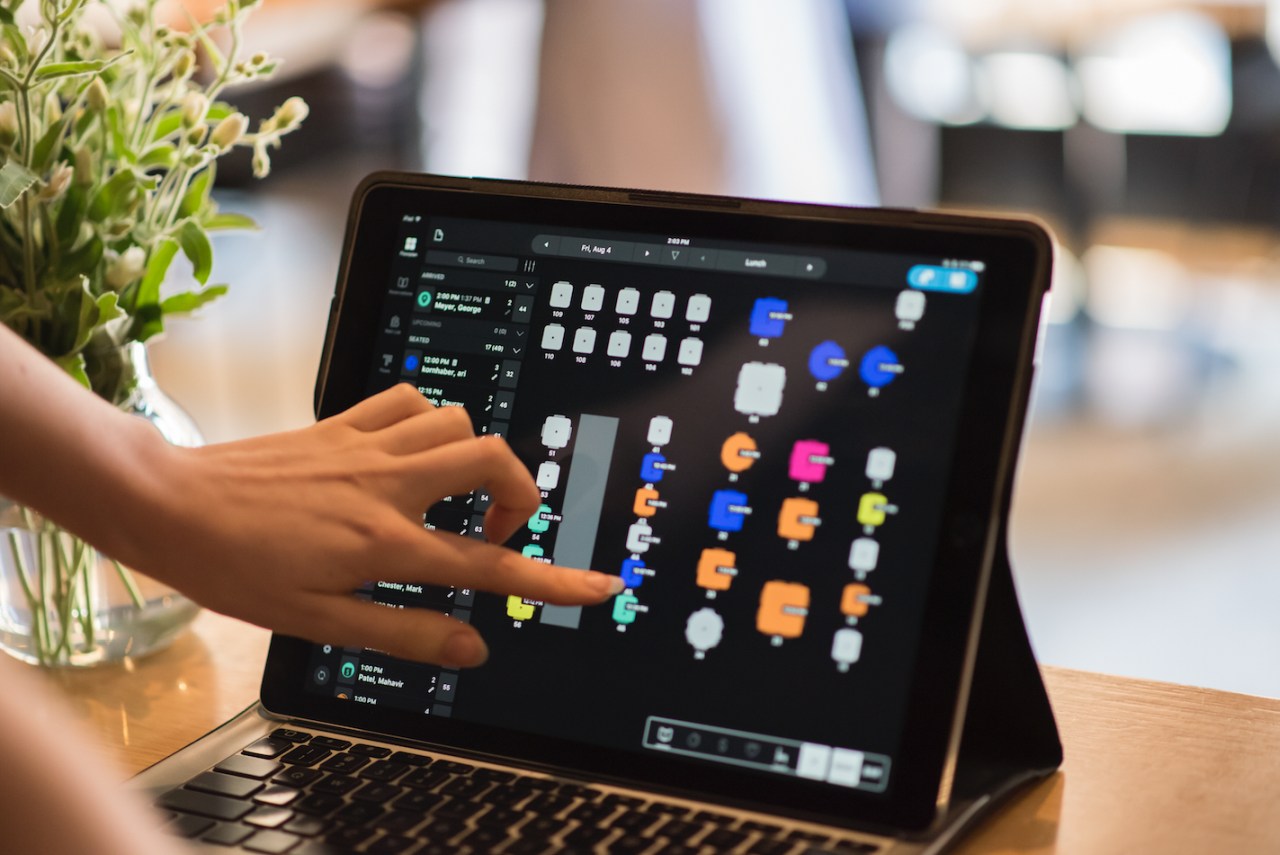
by David Klemt David Klemt No Comments

Meet Customers Where They Are, Part 3

Meet Customers Where They Are, Part 3

by David Klemt

Person using Google search on their phone

If you truly want to meet your potential guests where they are, you need to be as discoverable as possible via mobile and desktop search.

The first part of this series discusses meeting guests in secondary and tertiary markets. Also, part one recommends looking into suburbs and watching moving data.

Part two looks into the importance of being top of mind for delivery, takeout, and pickup guests. Even with the current demand for socializing and in-person dining, off-premise dining guests are an important focus.

Now, I’m talking about being discoverable. Why? Because of where your guests are: their phones and desktops.

So, there are few crucial elements of your business to consider. Your website still matters. You need to ensure you own your venue listings. It’s crucial that your location information is up to date across platforms.

And now, meeting guests where they are will mean improving the odds that AI chatbots recommend your business.

Another ongoing KRG Hospitality series is our conversations with ChatGPT, Bing AI, and now Google Bard. It’s our chat with the latter that shows the importance of improving online discoverability.

Below, interactions with Bard and ChatGPT about using AI chatbots to discover restaurants, bars, and hotels.

Google Bard

Can people use Bard to discover new restaurants and bars, and book reservations?

Yes, people can use Bard to discover new restaurants and bars, and book reservations. Bard can access and process information from the real world through Google Search and keep its response consistent with search results. For example, if you ask Bard to find a restaurant with good Italian food in San Francisco, it will look for restaurants that have been rated highly by other users and that serve Italian food. Bard can also book reservations for you through OpenTable.

What criteria do you use to determine the best restaurant, bar or hotel for someone asking you to conduct a search of such businesses?

I use a variety of criteria to determine the best restaurant, bar, or hotel for someone asking me to conduct a search of such businesses. Some of the most important criteria include:

  • Customer reviews. I look at customer reviews to see what other people have said about the restaurant, bar, or hotel. This helps me get a sense of the quality of the food, service, and atmosphere.
  • Location. I also consider the location of the restaurant, bar, or hotel. I want to make sure that it is in a convenient location for the person I am recommending it to.
  • Price. I consider the price of the restaurant, bar, or hotel. I want to make sure that it is within the person’s budget.
  • Type of food. If the person is looking for a specific type of food, I will try to find a restaurant that serves that type of food.
  • Atmosphere. I also consider the atmosphere of the restaurant, bar, or hotel. If the person is looking for a casual or formal atmosphere, I will try to find a restaurant that fits their needs.
  • Other criteria. I may also consider other criteria, such as the hours of operation, the availability of parking, and the presence of accessibility features.

By taking all of these factors into account, I can help the person I am recommending it to find the best restaurant, bar, or hotel for their needs.

How can a restaurant, bar or hotel improve the odds that Bard would recommend them to someone?

There are a few things that a restaurant, bar, or hotel can do to improve the odds that I would recommend them to someone:

  • Provide excellent customer service. This means being friendly, helpful, and responsive to customer needs. It also means going above and beyond to make sure that customers have a positive experience.
  • Offer a unique or memorable experience. This could be anything from a special menu item to a unique atmosphere. Something that makes the restaurant, bar, or hotel stand out from the competition.
  • Be consistent. This means providing the same level of service and quality every time a customer visits. It also means being reliable and keeping promises.
  • Be responsive to feedback. This means listening to what customers have to say and taking their feedback into account. It also means being willing to make changes based on feedback.

By following these tips, restaurants, bars, and hotels can increase the odds that I would recommend them to someone.

If I asked you to find me the best cocktail bar in Las Vegas for early evening drinks and the best upscale restaurant for a late dinner in Las Vegas, what would you recommend?

Sure, I can help you with that. Here are my recommendations for the best cocktail bar and upscale restaurant in Las Vegas for early evening drinks and late dinner, respectively:

  • Cocktail bar: The Vesper Bar at The Cosmopolitan of Las Vegas. This award-winning bar offers a wide variety of cocktails, as well as a beautiful atmosphere. It is perfect for a romantic evening or a night out with friends.
  • Upscale restaurant: The Dorsey at The Venetian Las Vegas. This Michelin-starred restaurant offers a tasting menu of modern American cuisine. The atmosphere is elegant and the service is top-notch. It is perfect for a special occasion or a romantic dinner.

I hope this helps!

ChatGPT

Can people use ChatGPT to discover new restaurants and bars, and book reservations?

As an AI language model, I can provide recommendations and information about restaurants and bars, but I cannot directly book reservations for you. However, I can suggest several online platforms that allow you to book reservations at restaurants and bars, such as OpenTable, Resy, and Yelp Reservations. These platforms allow you to search for restaurants and bars based on various criteria such as location, cuisine, price range, and availability, and make reservations online.

If you’re looking for restaurant recommendations, I can provide suggestions based on your preferences such as cuisine, location, price range, and other factors. Additionally, I can provide you with information such as hours of operation, contact information, and customer reviews. Please let me know if there’s anything specific you’re looking for and I’ll do my best to assist you!

How do you help ChatGPT users find the best restaurants, bars, and hotels?

As an AI language model, I can help ChatGPT users find the best restaurants, bars, and hotels by using natural language processing and machine learning algorithms to understand the user’s preferences and provide personalized recommendations.

To find the best restaurants and bars, I can consider various factors such as cuisine, location, price range, ambiance, and customer reviews. I can also take into account any dietary restrictions or preferences the user may have, such as vegan or gluten-free options.

To find the best hotels, I can consider factors such as location, price range, amenities, and customer reviews. I can also help users find hotels based on their preferred style of accommodation, such as luxury, boutique, or budget.

In addition to recommendations, I can also provide users with useful information such as hours of operation, contact information, and directions. I can also assist with booking reservations or finding deals and discounts if available.

How can a restaurant, bar or hotel improve the odds that ChatGPT would recommend them to someone?

There are several ways a restaurant, bar, or hotel can improve the odds of being recommended by ChatGPT to someone:

  1. Positive Customer Reviews: Positive customer reviews are one of the most critical factors in ChatGPT’s recommendation algorithm. Encourage your customers to leave positive reviews on platforms such as Google, Yelp, or Tripadvisor, as these can greatly improve your chances of being recommended.
  2. High-Quality Photos: High-quality photos of your establishment, food, and drinks can make a big difference in attracting potential customers. Ensure that your website and social media pages have high-quality images that showcase the ambiance, menu, and overall experience of your establishment.
  3. Accurate and Up-to-Date Information: Ensure that your establishment’s information is accurate and up-to-date on various platforms. This includes your address, phone number, hours of operation, and menu.
  4. Responding to Customer Queries: Respond promptly to customer queries or complaints on various platforms, including social media. This shows that you value customer feedback and are willing to make improvements to provide an excellent experience.

Offering Unique Experiences: Offering unique experiences or features, such as signature cocktails or locally sourced ingredients, can help your establishment stand out and increase the likelihood of being recommended by ChatGPT.

If I asked you to find me the best cocktail bar in Las Vegas for early evening drinks and the best upscale restaurant for a late dinner in Las Vegas, what would you recommend?

For the best cocktail bar in Las Vegas for early evening drinks, I would recommend The Chandelier at The Cosmopolitan of Las Vegas. It is a three-story bar with a stunning chandelier centerpiece, offering a wide range of signature cocktails and a luxurious ambiance. It’s perfect for early evening drinks with friends or colleagues.

For the best upscale restaurant for a late dinner in Las Vegas, I would recommend Joel Robuchon at MGM Grand. It is a Michelin-starred restaurant with an elegant dining room and exceptional French cuisine. They offer a variety of tasting menus, including a vegetarian option, and a vast wine selection. The service is impeccable, and the atmosphere is perfect for a romantic dinner or a special occasion.

Takeaways

First, the bar and restaurant recommendations. As a Las Vegas local for creeping up on two decades, they’re solid. I think a first-timer would find them helpful and be happy with those selections.

More importantly, however, is what each bot reveals about discoverability. Operators need to make sure they’re responding to reviews quickly and properly; that they’re listings are under their control and the information is accurate; and that they’re courting reviews in the 4.0- to 4.7- star range. (More on that rating range in the near future.)

Then there are the other important considerations, such as pricing, cuisine, and atmosphere. When taking control of listings, operators must categorize their venues accurately.

Technology innovations often present a paradox. Ostensibly, technology makes lives easier. However, many operators likely find that much of tech makes things more difficult.

Leveraging tech often requires more work on the operator side—innovations often make things simpler for our guests. Of course, tech can make things easier for operators, it just takes a lot of work initially.

As people rush to develop AI—some say too quickly—it’s going to be top of mind for people searching for restaurants, bars, nightclubs, eatertainment venues, hotels, etc. Operators are going to have to meet their guests where they are: search engines and chatbots.

KRG Hospitality. Restaurant. Bar. Hotel. Feasibility Study. Business Plan.

Image: Solen Feyissa on Unsplash

by David Klemt David Klemt No Comments

Yes, We Finally Spoke with Google Bard

Yes, We Finally Spoke with Google Bard

by David Klemt

Person using Google Bard AI on their phone

Come on, now—you must know that after speaking with ChatGPT and Bing AI and sharing those chats our conversation with Google Bard is next.

Perhaps because its launch is more recent, Bard is slower to answer than ChatGPT. I can’t know for certain but it’s reasonable to assume eager users are overwhelming Bard.

As far as the user experience, I like that Google includes a disclaimer about interacting with Bard. Unsurprisingly, Google warns that Bard can provide inaccurate, misleading, or false information. Interestingly, the company also recommends people “Google it” if they’re unsure about the answers Bard offers.

Below you’ll find the same questions I asked of ChatGPT in January and Bing AI in March. Not surprisingly, Bard “believes” robots and AI are more beneficial than detrimental for our industry.

Please write 400 to 500 words about robots and artificial intelligence working in restaurants, from the perspective of robots and AI.

As a robot working in a restaurant, I have a unique perspective on the challenges and opportunities that automation presents. On the one hand, it can be difficult to compete with humans who are more flexible and creative. On the other hand, automation can help restaurants to reduce costs and improve efficiency.

One of the biggest challenges for robots in restaurants is the need to be able to adapt to changing circumstances. For example, if a customer makes a special request, a robot needs to be able to adjust its plans accordingly. This can be difficult, as robots are often programmed to follow a set of instructions.

Another challenge is the need to be able to interact with customers in a natural and engaging way. Customers expect robots to be polite and helpful, and they should be able to answer questions and provide assistance. This can be difficult, as robots are often not as good at understanding human language as humans are.

Despite these challenges, there are also many opportunities for robots in restaurants. Automation can help restaurants to reduce costs by eliminating the need for human employees. This can be especially beneficial in areas with high labor costs. Automation can also help restaurants to improve efficiency by reducing the time it takes to prepare and serve food. This can lead to shorter wait times for customers and higher profits for restaurants.

In addition, automation can help restaurants to provide a more consistent and reliable experience for customers. Robots are not subject to the same fatigue and errors as humans, and they can work 24 hours a day without a break. This can lead to better food quality and faster service.

Overall, I believe that the opportunities for robots in restaurants outweigh the challenges. Automation can help restaurants to reduce costs, improve efficiency, and provide a better experience for customers. As the technology continues to develop, I believe that robots will play an increasingly important role in the restaurant industry.

From the perspective of artificial intelligence, the use of robots in restaurants is a fascinating development. AI has the potential to revolutionize the restaurant industry, and it is already being used to automate tasks such as food preparation, order taking, and delivery.

AI can also be used to personalize the restaurant experience for customers. For example, AI can be used to recommend dishes that customers are likely to enjoy based on their past orders. AI can also be used to create virtual assistants that can answer customer questions and provide support.

The use of AI in restaurants is still in its early stages, but it has the potential to revolutionize the industry. AI can help restaurants to improve efficiency, reduce costs, and provide a better experience for customers.

Can you explain to me, in 300 to 400 words, what the ethical implications are for restaurant, bar, and hotel operators using artificial intelligence and robots to complete tasks?

Sure. Here are some of the ethical implications for restaurant, bar, and hotel operators using artificial intelligence and robots to complete tasks:

  • Job displacement: The use of artificial intelligence and robots could lead to job displacement, as some tasks that are currently done by humans could be done by machines. This could lead to increased unemployment and reduced income for workers.
  • Bias: Artificial intelligence and robots could be biased, as they are often trained on data that is collected from human sources. This could lead to unfair treatment of customers, employees, and other stakeholders.
  • Privacy and security: The use of artificial intelligence and robots could raise concerns about privacy and security, as these systems could collect and store data about customers and employees. This data could be used to track customers’ movements or to monitor employees’ activities.
  • Safety: The use of artificial intelligence and robots could raise concerns about safety, as these systems could malfunction or make mistakes. This could lead to injuries or even death.
  • Customer experience: The use of artificial intelligence and robots could have a negative impact on the customer experience, as some customers may find it unsettling or uncomfortable to interact with machines. Additionally, customers may feel that the use of robots and artificial intelligence detracts from the human element of the service experience.

It is important for restaurant, bar, and hotel operators to consider these ethical implications before implementing artificial intelligence and robots in their businesses. By carefully considering these issues, operators can help to ensure that the use of these technologies is done in a responsible and ethical manner.

Are there risks that human designers and engineers will introduce bias to customer-facing artificial intelligence and robots?

Yes, there are risks that human designers and engineers will introduce bias to customer-facing artificial intelligence and robots. This is because humans are inherently biased, and this bias can be reflected in the way that we design and engineer systems.

One way that bias can be introduced is through the data that is used to train artificial intelligence systems. If the data is not representative of the population that the system will be interacting with, then the system may be biased. For example, if an artificial intelligence system is trained on data from primarily white and wealthy customers, it may have difficulty understanding and serving customers from other backgrounds.

Another way that bias can be introduced is through the algorithms that are used to control artificial intelligence systems. If the algorithms are not designed to be fair, then the system may be biased. For example, if an algorithm is designed to favor customers who spend more money, then customers who spend less money may be treated unfairly.

It is important for human designers and engineers to be aware of the risks of bias and to take steps to mitigate these risks. This can be done by using a variety of methods, such as using diverse data sets, designing fair algorithms, and testing systems for bias. By taking these steps, we can help to ensure that artificial intelligence and robots are used in a fair and ethical manner.

KRG Hospitality Start-Up Restaurant Bar Hotel Consulting Consultant Solutions Plans Services

Image: Mojahid Mottakin on Pexels

by David Klemt David Klemt No Comments

5 Books to Read this Month: April 2023

5 Books to Read this Month: April 2023

by David Klemt

Flipping through an open book

Our engaging and informative April book selections will help you take your bar, restaurant or hotel to higher levels, and develop your leadership skills.

To review the book recommendations from March 2023, click here.

Let’s jump in!

Unreasonable Hospitality: The Remarkable Power of Giving People More Than They Expect

When Will Guidara took over the famous Eleven Madison Park, the restaurant had just two stars and he was only in his mid-twenties. Before his 40th birthday, the changes and strategies he implemented helped the restaurant earn the title of the Best Restaurant in the World.

One of cornerstone’s of Guidara’s was “bespoke hospitality.” He and his team truly went above and beyond. Examples of the Eleven Madison Park team’s approach to hospitality illustrate just how over the top they went to deliver memorable guest experiences. If you’re looking for inspiration to step up your hospitality, pick up or download Unreasonable Hospitality today.

Blue Ocean Strategy, Expanded Edition: How to Create Uncontested Market Space and Make the Competition Irrelevant

I’m going to address the viability of the blue ocean strategy before getting into the book. Creating a hospitality concept without competition isn’t really feasible. Go too far into “blue waters” and there won’t be any “fish” (traffic). And where, exactly, would one put their restaurant, bar, or hotel where there’s no competition but still enough traffic to generate a profit?

Those issues addressed, this book is still valuable to owners and operators. One need not eliminate competition completely to take lessons from the blue ocean strategy. Businesses must still differentiate themselves from competitors, and they must look for unique opportunities to help them stand out. Blue Ocean Strategy may not work perfectly but much is still very helpful.

Contagious Culture: Show Up, Set the Tone, and Intentionally Create an Organization that Thrives

Anese Cavanaugh’s Contagious Culture addresses a topic that we often discuss with clients, in our articles, and during speaking engagements: workplace culture. From large corporations and regional or national restaurant chains, to independent restaurants, bars, and hotels, culture will make or break an organization. Cavanaugh’s techniques will improve your workplace culture and energize your team, an undeniable key to success.

From Amazon: “This is Contagious Culture, a game-changing guide to transforming corporate culture from within, developed by the award-winning creator of The IEP Method to strengthen your ‘Intentional Energetic Presence.’ This is more than a leadership book―this is your future calling.”

Bar Hacks: Developing The Fundamentals for an Epic Bar

Doug Radkey is the founder, president, and lead strategist of KRG Hospitality. He’s also a hospitality industry speaker, educator, and author. This is his first book, Bar Hacks, which is also the name of the podcast we produce through KRG Hospitality.

Now, while the title states this book is a guide for developing and running an epic bar, the strategies carry over to restaurants, hotels, and other hospitality concepts. It’s difficult—if not impossible—to elevate one’s skills and service without first mastering the fundamentals. Whether you’re new to the industry or are a veteran who feels the need to reset and revisit the fundamentals, Bar Hacks is your guide.

Hacking the New Normal: Hitting the Reset Button on the Hospitality Industry

There’s a first book, which means there must be at least one other one, right? Right! Hacking the New Normal is Doug’s second book.

This book is a direct response to the pandemic, what it did to the industry, and the issues many operators would prefer to ignore. However, the devastation is so great that ignoring the changes that should have been made decades ago isn’t a viable option. With a spotlight on hybrid business models, real estate, profit margins, technology, guest experiences, culture, diversity, and mindset, Hacking the New Normal will position you for success in our new hospitality landscape.

Image: Mikołaj on Unsplash

KRG Hospitality. Consultant. Consulting. Culinary. Bar. Hotel. Mixology. Technology.

by David Klemt David Klemt No Comments

Empower Your Team to Make Decisions

Do You Empower Your Team to Make Decisions?

by Kim Richardson

Chess pieces on chess board in grayscale

Empowerment is about so much more than trusting someone to follow clearly defined rules; you must learn to trust your team’s judgement.

Yes, even when things don’t go according to plan. If you’re only training your team on the “rules,” you’re doing a disservice to them and yourself. So, let’s have a little chat about empowerment. What does it mean to you? What are your expectations of your team when you tell them they are empowered?

Looking back throughout your own work history, have you ever had a job where your boss told you that you were empowered to make decisions, but you didn’t actually know what to do or how to make decisions? Did anyone ever explain “the how” of decision making to you?

Now, look at yourself as a leader. Have you ever had employees that you’ve told are empowered to make decisions, yet they get a manager every time someone needs something out of the ordinary? Are you explaining to your staff “the how” of decision making, along with your expectations?

It’s frustrating to feel like the house might fall down when you’re not in it. That’s no way to operate a business. We all want our staff to be able to make educated decisions when we’re not around. We shouldn’t have to hold their hands and be part of every single decision.

Still, there are times when, left to their own devices, a team member doesn’t make the decision you’d want them to make. This makes owners and leadership team members feel as though they must be at work every second.

So, how do you move away from micromanagement and learn to trust your team’s decision making?

Leverage Teachable Moments

You’ll never be able to give an example of every possible situation that may arise. Therefore, you’ll never be able to train your team on everything that they’ll encounter on any shift.

How do you tell someone how to handle situations when you’re not around? You don’t, and I don’t suggest you even try. Instead, you need to instill a sense of empowerment in your team.

However, “empowerment” is just a word if you’re not educating your team. You need to teach staff how to make good decisions. And how do you even start to do that? Cash in on all the teachable moments that happen throughout the day!

Once upon a time we were all new to this industry. I’m sure you have a few stories of some mistakes you’ve made along the way. I know I certainly do.

Think back to those situations. Did someone explain to you why you made a mistake? More importantly, did they then help you understand what to do next time? Or did they just get mad and make you feel like a failure?

I’ve had the privilege of working with some amazing people over the years. There are several people that really put effort into teaching me. The different things they taught me helped me to understand the ins and outs of decision making, even in situations I know very little about.

Example 1: The Restaurant

For my first job ever, I was a hostess at an Italian restaurant and pizzeria. During the training process I was told to rotate sections when seating tables. That’s easy enough, right? Well…maybe not.

Sometimes I’d see exceptions to this rule. The same section would get sat twice in a row, for example. I watched exceptions to “the rule” get made with no clue as to why.

One day, I sat the same section twice in a row. I don’t remember why, but I do remember the server’s reaction.

Right after seating the second party in the server’s section she let me know how annoyed she was by my decision. Now, I knew I messed up immediately—she let me know. But I didn’t know why it wasn’t okay that I had double-sat her this time.

All I knew is there was a rule I was expected to follow…unless I wasn’t supposed to follow it. Sometimes it was okay to disregard the rule, sometimes not. The rule wasn’t clarified before I began my role as a hostess, it wasn’t explained during training, and it wasn’t explained in the moment I “broke” the rule.

At some point it was explained to me that there were several factors that influenced the “double-seating rule.” For instance, you might skip a section in the rotation if they were just sat a big party. You might double-seat someone if they were regulars, family or friends and the server was able to accommodate an additional table. Of course, there were several other factors that could come into play.

The biggest issue is that none of that was explained to me during training. Moreover, I was left to figure out the nuances of seating on my own.

Example 2: The Hotel Sales Office

I worked at a hotel in the sales office for my first job out of college handling group room blocks.

The contracts I sent out to clients had cutoff dates 30 days prior to the event. Again, sounds pretty simple, doesn’t it?

One day a bride emailed me asking if she could extend the cutoff date. The cutoff date fell on a holiday weekend and she was concerned that people might not have time to book their rooms. I wrote her back and very politely told her no. So she reached out to my boss, Jill, who told her yes.

And then I got called into Jill’s office.

I remember that conversation like it was yesterday. Jill was very nice about the situation and explained that it was okay to make exceptions for people sometimes. Sometime later, I extended a cutoff date for another group. Should be an acceptable exception, right?

Nope. I got my hand slapped on that one. There was a citywide event going on over those dates. The hotel was fully sold out and turning away business. In this circumstance, it was actually a huge problem to extend the cutoff date.

Great—here we go again with a rule that exists in a gray area, and no one explained its nuances. As it turns out, there are factors that go into extending a cutoff date, such as how many rooms the group has already picked up; how busy the hotel is over the dates of their room block; and the relationship you have with the client.

I don’t know if anyone ever flat out explained these gray areas to me. Instead, I was left to figure out the nuances through trial and error.

Example 3: The Dish Tub Incident

At that same hotel several years later I started handling banquet events. One day, a client told me their registration desk needed dish tubs lined with cloth napkins. I threw it on the banquet event order.

Well, I happened to work at a Five Diamond hotel. Dish tubs with napkins sitting out in view of the public? That’s not how we did things. Enter: Bruce the Banquet Manager.

No detail, however small, escaped Bruce. Referring to the dish tubs and napkins, Bruce asked me why they were necessary. I actually had no idea what the client wanted with the tubs and napkins. So, I reached out to the client.

Turns out all she needed was a way to store welcome packets for event attendees. These days, we just put up a QR code and call it good. Once I let Bruce know what the containers were actually for, he understood. However, we weren’t about to load unsightly dish tubs with welcome packets. Instead, we found something more aesthetically pleasing and in line with our level of service.

I spoke about the Dish Tub Incident with Jill. To her credit, she helped me understand that people who are planning meetings so frequently are sending standard specs. Sometimes there would be a request on a BEO that wouldn’t make sense for the venue. Crucially, she taught me that if I ever saw something that didn’t make sense I needed to ask questions.

Truthfully, I don’t remember if it was that conversation or another but Jill taught me one of the best lessons: Ask the client what goal they’re trying to achieve. By understanding their goals we could provide solutions that made sense for us and honored their wishes. Additionally, we’d deliver the excellent service they had come to expect.

Example 4: The Hotel Cafeteria

Let’s take a little break from talking about my mistakes and talk about somebody else’s.

Many years later, I was working at another hotel. One day, I went to the cafeteria and the fruit bowls had Asian pears in them. I love Asian pears, so I was really excited about those bowls.

Now, those particular pears were probably a day away from being spoiled. I went to the cafeteria the next week and there were the Asian pears again! This time, they were perfectly fresh, crisp pears.

Well, I certainly enjoyed that. You want to know who didn’t enjoy that? The executive chef!

As it turns out, Chef sent the pears that were about to go bad to the cafeteria because they were leftovers from something else. He didn’t want them to go to waste. But the fresh, crisp pears that were out the following week? Those were a different story.

There was a kitchen team member who saw the Asian pears go down the week before. When he was setting up the cafeteria the following week he threw some in the fruit bowl. No one had told him that Asian pears are expensive. Also, no one had told him the pears were just going down to the cafeteria because they were close to spoiling. They’re not typically the type of thing set out in the employee cafeteria.

While I would never expect Chef to stop and explain every single decision he’s making, it’s the perfect example of seeing one of your superiors doing something and thinking you’re supposed to do the same.

Leaders Teach

When I look back on some of the mistakes I made, they seem pretty obvious with many years of hindsight.

The solutions to unexpected situations are common knowledge to me now. If you also have some years in this industry, they’re likely common knowledge to you.

And that’s my point.

I was young. I was inexperienced. People didn’t always tell me the things they had learned that were common knowledge to them. So, they also didn’t share their expectations with me.

I can only assume that you have people on your team that are young and inexperienced. As seasoned hospitality professionals, we all make decisions every day that can be teaching moments. These moments are part of the learning experience. Using them to shape your team will help your business run better.

Have you implemented an onboarding process? Do you have a detailed employee manual? Do you have actual systems in place? If so, great—you’re ahead of the curve.

But do you think that you’re training new and existing employees on every situation that will ever pop up during their shifts? Really, that’s impossible. Instead, be on the lookout for teachable moments. Put people on your leadership and empower them to do the same.

In turn, they’ll help empower your staff to make the “right” decisions for your business. And importantly, they’ll feel empowered to learn from mistakes so they don’t repeat them. Over time, and it won’t take long, you and your leadership team will be able to step away and work on other parts of the business. In fact, you’ll find that you can step away from the business from time to time.

People are going to make mistakes. That includes you. Don’t let these teachable opportunities go to waste.

Image: Hassan Pasha on Unsplash

KRG Hospitality. Boutique Hotels. Resorts. Properties. Consultant. Feasibility Study. Business Plan

by David Klemt David Klemt No Comments

Why Pickleball Should Have Your Attention

Why Pickleball Should Have Your Attention

by David Klemt

A pickleball racket and pickleballs

The explosive popularity of pickleball and its legions of rabid players should have the attention of restaurant, bar, and hotel operators.

In fact, the sport may just result in the next Topgolf-esque eatertainment concept.

According to an October 2022 Fortune article, pickleball is the fastest-growing sport in America for three years running. That article follows previous coverage from an array of publications that come to the same conclusion.

In Canada, the popular sport is also growing fast. It’s up against soccer, lacrosse, and cricket, but the numbers are impressive. In 2020, estimates showed 350,000 Canadian households playing pickleball. As of last year, that number was growing past 900,000.

Another sign that the sport is gaining incredible traction throughout North America? Doctors are encountering growing numbers of pickleball injuries. The Journal of Emergency Medicine says that about 19,000 people suffer pickleball injuries per year.

That may not seem like a lot when considering how many Americans play. According to the Association of Pickleball Professionals, there are 36.5 million Americans playing, from beginners to professionals.

Speaking of professional pickleball, there are professional leagues and teams. And those teams have the attention—and backing—of big-name sports celebrities. Major League Pickleball (MLP) boasts investments by Lebron James, Draymond Green, and Kevin Love. Tom Brady and Kim Clijsters are investing in an MLP expansion team.

Attention-grabbing Statistics

There’s a website—Pickleheads—that helps people locate pickleball courts. When I visit the site it shows me three casino resorts with courts immediately.

And the site just happens to have a page of useful statistics. I choose to accept that these stats are accurate.

Those who want to take a look themselves can do so by following this link. However, I’m going to share a few below:

  • Pickleball growth: 158.6 percent over the last three years
  • Top age bracket: 18 to 34 years old
  • Compound annual growth rate through 2028: 7.7 percent

Also per Pickleheads, the only popular sports with higher participation rates than pickleball are running and hiking.

The Next Topgolf?

The stats above should get operators’ creative juices flowing. The current growth of the sport along with the largest age group, growth projections, and support in the form of leagues, teams, and celebrities, is highly appealing.

Will a pickleball-forward eatertainment concept be the next Topgolf? It’s possible, and that’s why people considering their first or next concept need to look into pickleball.

The sport is perfect for our industry. It’s easy to learn, simple to play, and popular with most operators’ ideal age bracket—ages 21 to 34. However, pickleball is also very popular amongst the 50 to 70 set, a group with disposable income and time to indulge their interests.

Then there’s the undeniable fact that the sport is often described as fun and social. There are even articles lauding pickleball for encouraging networking.

Finally, there are organizations with which pickleball-centric eatertainment concepts can partner. An illuminating example comes from Shake Shack.

Toss and Spin, a racket sports organization, is partnering with Shake Shack this year. Their 2023 campaign is called the Shake Shack Pickleball Club. This nationwide activation centers around a nationwide tour across America featuring one-day pickleball clinics for all skill levels and tournaments.

One can only assume that this tour, backed by such a visible restaurant brand, will introduce even more people to pickleball. In turn, that creates an even larger pool of potential customers for the right concept.

Opportunity

We speak with a hospitality group pursuing an F&B-driven pickleball concept on the Bar Hacks podcast.

Brian Harper, a partner in Competitive Social Ventures and the company’s senior vice president of sales and marketing speaks about Pickle and Social on episode 94. Not only do his partners on the leadership team see potential for the sport, they love to play it themselves.

Should you think you have a solid idea for a successful pickleball concept, let us know.

Our industry standard feasibility studies will help you select the right market and site. Our fully customized concept development plans will help you and others visualize your big idea. And our in-depth business plan will provide a realistic roadmap for you to throw open your doors and march toward success.

Someone out there has the next big eatertainment concept inside their head. Is it you?

Image: Brendan Sapp on Unsplash

KRG Hospitality. Gaming. Entertainment. Consultant. Food Service. Bowling Alley. Golf. Simulator. Arcades. Eatertainment.

by David Klemt David Klemt No Comments

Addressing Employee Theft

Addressing Employee Theft

by David Klemt

Security camera stencil graffiti design

Recent posts about employee theft in the hospitality industry throughout Canada and the US have the KRG Hospitality team talking.

Indeed, the statistics are startling. For instance, there’s the claim that a staggering 75 percent of employees admit to stealing from their employers “at least once.”

A few years back, the Retail Council of Canada reported that while “customers” stole $175 on average, employees stole $2,500 before being caught.

Then there’s the incredible economic impact. Multiple sources claim employee theft in the US costs businesses $50 billion annually. In Canada, theft costs businesses more than $1 billion per year. Both numbers are shocking.

Looking at US restaurants specifically, the number ranges from $3 billion to $6 billion in losses due to employee theft. According to Business.com, employee theft affects four percent of a restaurant’s sales and accounts for 75 percent of shortages in inventory.

At this point, you’re probably Googling security cameras. But hold on for a moment.

Disclaimer

Before proceeding, know this: I’m going to make a few points that will seem like victim blaming. In part, this perception will be the result of my addressing recruiting, hiring, onboarding, training, the leadership team, and workplace culture.

Let me be clear: I’m not excusing employee theft. I don’t think there’s any justification for it.

Despite what a (hopefully) small number of loud voices claim on various social media platforms and forums, I don’t think it’s acceptable to steal from a corporation or business owner. No, theft isn’t a justifiable response to feeling slighted by ownership or leadership. And no, it’s not “okay” because a company generates “so much” revenue, has insurance, and can “write it off.”

With that out of the way, let’s proceed.

People are Going to Steal

Here’s one immutable fact: You’re going to hire someone who’s going to steal from your business.

Is your business up and running and serving guests? You employ someone right now who has either stolen from you already or is going to steal.

So, you can run your business under a cloud of suspicion and distrust. Or, you can improve your odds of reducing theft and ferreting out thieves before they do too much damage.

Again, you can install security cameras and place them above each POS terminal and every cash drawer. You can ensure you have clear, cutting-edge CCTV coverage of the entire bar and dining areas. Walk-ins and storage areas can have clear, high-resolution camera coverage.

Honestly, you should have that type of coverage. That type of security can improve employee and guest safety, and your insurance carrier will likely be happy about it.

But you don’t need to impose an atmosphere of suspicion, fear, and intimidation along with the cameras. If you were an employee, would you want to work somewhere that makes it clear you’re always under suspicion? Would you want to work alongside a leadership team whose default setting is that all employees are thieves unworthy of trust?

Workplace Culture

You’re never going to have a theft-free business, period. That’s another reason to not “lead” with fear, anger, and suspicion.

Truly, all that style of leadership will do is drive good, honest employees out. So, the approach should be attracting honest workers. You build a strong, trustworthy team through respect and empowerment.

Yes, there will be employees who take advantage of that respect. They were going to behave that way and steal or otherwise disrespect you, your business, and the team regardless.

Putting in the work to reflect on your leadership style and that of your leadership team pays dividends. It aids in recruitment and fosters an atmosphere of respect and honesty.

Become known for a healthy, positive workplace and you’ll attract the best workers. Nurture that culture and the team will police itself; they won’t tolerate anyone harming the business.

Am I suggesting you view your business through rose-colored lenses? Absolutely not. Install security cameras. Maintain the right insurance coverage. Conduct regular inventory checks. Review comps and voids for irregularities. Limit access to cash. Outline what constitutes theft—including time theft—and make consequences clear.

And here’s a crucial item: Prove you respect and care about your workers. Not say it, prove it.

You don’t need to know their life stories and everything going on in their lives. But you can let it be known that if they’re struggling with something, you and your leadership team are there to listen and help how they’re able.

Nothing you do will eradicate employee theft completely. You can, however, reduce it and learn to quickly stamp it out. And you can do that while maintaining a happy, healthy workplace.

Image: Tobias Tullius on Unsplash
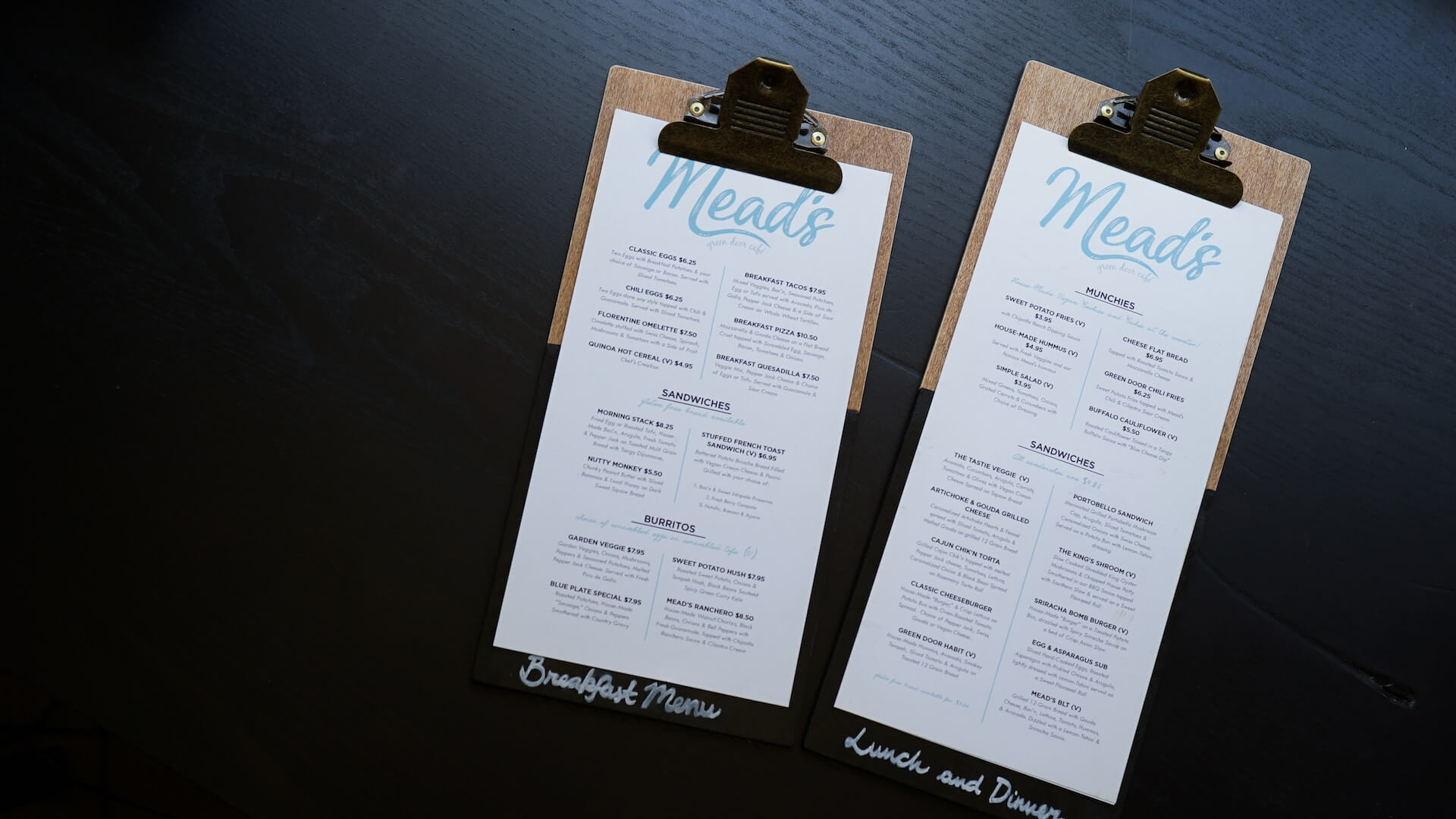
KRG Hospitality. Business Coach. Restaurant Coach. Hotel Coach. Hospitality Coach. Mindset Coach.

by David Klemt David Klemt No Comments

Spring Clean Your Business!

7 Ways to Give Your Business a Spring Cleaning!

by Kim Richardson & David Klemt

White mops against red and white wall

In case you’re so busy you didn’t catch it, we’re officially—finally—in spring, and that means it’s time to spring clean your business.
Below you’ll find a spring cleaning slideshow with helpful advice from KRG Hospitality consultant Kim Richardson.

Each slide contains her best advice for reviewing, refreshing, and improving your business. For your convenience, Kim organizes her spring cleaning advice in just seven slides.

It’s time to look at your business through fresh, energized eyes! Your team, guests, and bottom line will thank you.

[metaslider id=78443]

Note: Unable to view the slides above? Each slide is transcribed below.

1 Re-plant Your Core Values

  • Review your core values with your team.
  • Post them where everyone can see them daily.
  • Foster core values through consistent training.
  • What kind of experiences are you offering your team?
  • Hire a coach to help you discover your core values.

2 Tidy up Your Guest Journey Map

  • Walk through your business from the guest perspective.
  • Review your website for content, ease of use, current info.
  • Review your technology and potential pain-points.
  • Touch up items that may have become run down: paint, signage, furniture, equipment, etc.
  • Review your flow of service and communication.

3 Spruce up Your SOP & Training Programs

  • Evaluate how well current SOPs are being followed.
  • Evaluate how well you continuously train your team.
  • Make updates as needed and add any new procedures.
  • Ensure SOPs are easily accessible by your team.
  • Discuss your standards during pre-shift meetings.

4 Deep Clean Your Financial Books

  • Review your budgets and projections for the year ahead.
  • Review and organize the financials tracking processes; receipts, invoices, files, etc. and digitize what you can.
  • Consider updating your financial tracking technology or bringing in a third party to assist.

5 Dust off Your Business Plan

  • Evaluate the progress of your business plan.
  • Acknowledge what you have accomplished.
  • Are you on track to achieve your goals this year?
  • Do all of your goals still make sense?
  • Make any necessary updates and create a game plan to stay on track; review every 30 days.

6 Freshen up Your Marketing Plan

  • Budget time and money to dedicate towards marketing for the next 90 days.
  • Create strategic campaigns that will create awareness, build a database, and retain your targeted customers.
  • Consider working with a third party or having someone dedicated to this role internally.

7 Declutter Your Mind

  • Perform a calendar audit.
  • Review goals and formulate action plans.
  • Practice mindfulness through journaling or meditation.
  • Consider hiring a mindset coach to help you organize your life and your business.

Image: PAN XIAOZHEN on Unsplash / Slideshow Images: Kim Richardson / KRG Hospitality

KRG Hospitality. Business Coach. Restaurant Coach. Hotel Coach. Hospitality Coach. Mindset Coach.

by krghospitality krghospitality No Comments

Do Goals Have an Expiration Date?

Do Goals Expire?

by Jennifer Radkey

Hourglass against red background

A compelling question came up in a recent coaching call with a client: When is the last time you took inventory of your goals?

Like many other people, my client is a goal-setter, and not just small goals but big life goals. These goals follow all of the “rules” of goal setting: they are clearly written, attainable, and measurable.

Some of the goals are achieved and checked off the list and new goals have been made. And yet there is still a feeling of dissatisfaction.

So where is this feeling coming from?

We are always changing and adapting to the world around us. We are changed by life circumstances. We’re influenced by the places we visit and the people we meet. We grow, and over time we come to deeper understandings of what we value and want from life.

As we grow and change our goals do as well…but what do we do with our old goals? What do we do with goals that are no longer applicable to our life?

Do goals expire?

The answer is yes. Goals can expire. What you wanted for your life when you were 16 is most likely not what you want for your life now. The career goals you set in your early 20s probably do not apply to you in your 30s. The goals geared towards interests you had in your 30s may not apply in your 40s, etc.

This doesn’t just apply to personal goals, either.

If you own a business, the goals you have for your business can expire as well. It’s why business plans need to be revisited yearly.

The goals you had when you first opened may have changed in the year(s) since. A business can be likened to a living, breathing entity. It grows and adapts and interacts with the environment surrounding it.

Targets will be hit, new objectives will be identified. So, what do we do with our old goals?

If old, unmet goals are not recognized and processed, they will sit as unfinished business in the back of your mind. You may be acquiring all kinds of levels of success and achieving new goals, but if you are allowing old goals to remain without acknowledging them, it will show up in your mindset.

This can manifest as dissatisfaction, disappointment, confusion, anxiousness, a general feeling that something is “off,” or a never-ending quest for perfection.

So, what do we do with expired goals?

It’s time to sit down and take inventory of all of the goals you have for your life or business. The new and the old. The unmet and those in progress.

If you are like many of us on the path to success and self-improvement, this may be a lengthy list. Try categorizing goals to make them more approachable.

Once you have listed all of your goals it’s time to get real with them and ask yourself some questions:

  • Why was this goal unmet?
  • Why was it important, at the time, to have this goal?
  • What feelings are associated with this goal?
  • Most importantly: Does this goal serve me now?

If the goal no longer fits in your life, if it no longer serves a purpose, it is time for that goal to expire.

It’s okay to let go and move on.

Make peace with the fact that a goal can belong in a previous part of your life but does not need to be a part of your life now.

Accept that it was not completed, give yourself compassion, and move on. That goal does not need to take up space in your thoughts anymore.

If a goal still serves a purpose now and you would like to keep it, ask yourself why it is so important to you to keep that goal. Then ask yourself why it hasn’t been achieved yet.

Is this goal important enough to keep it and strategize new ways to break it down and make it achievable? If the answer is yes, great! Sit down with that goal, rewrite it, and come up with a new action plan to achieve it.

If the answer is no, let that goal expire, and let it go.

This process will take time and introspection but will provide you with overwhelming relief and a new sense of clarity.

Life is too short to hold onto expired dreams and goals! Give yourself freedom to be present and future focused, without unfinished business holding you down.

Cheers to personal and professional growth!

Image: Daniele Franchi on Unsplash

KRG Hospitality Mindset Coaching, 2023 Icon

by David Klemt David Klemt No Comments

Alternatives to ServSafe

Just.Safe.Food. and More Alternatives to ServSafe

by David Klemt

Server carrying two plates with one hand

ServSafe, the National Restaurant Association‘s food safety training program, isn’t the only food handler training game in town.

Certainly, the program is the most well known in our industry. However, it’s fair to say that ServSafe is closer to infamous than just ubiquitous due to a New York Times article from January.

While it’s the most recognizable of the food safety programs, it’s not the only one. Although, ServSafe’s omnipresence likely gives many the impression that it’s ServSafe or nothing.

There are, however, alternatives to ServSafe. In fact, one challenger was announced a day after the explosive New York Times article that thrust ServSafe into a spotlight the NRA probably isn’t enjoying. (After all, one result of that article was a letter from six US senators demanding answers from the NRA about ServSafe by March 3.)

At any rate, the newest alternative to ServSafe comes from One Fair Wage. The program is Just.Safe.Food. and costs just $10. (As a reminder, ServSafe costs $15.)

For that $10, Just.Safe.Food. gives an individual three attempts to pass their exam and unlimited access to training materials. Additionally, One Fair Wage (OFW) says profits they raise from the program will go toward advocating for restaurant workers.

OFW, as many in the industry know, is owned and operated by restaurant workers. Two cornerstones of the organization’s mission are increasing the minimum wage, and ending the tip credit. OFW is also attempting to convince lawmakers to stop accepting donations from the NRA.

Basically, OFW and the NRA are—and it appears always have been—at odds with with one another.

Other ServSafe Alternatives

Before I list a few other alternatives, let me be clear: KRG Hospitality isn’t advocating for any food safety training program in particular. Operators and their team members will need to decide which program is best for them.

Whether that decision is based on employer requirements, state or local requirements, cost, ideology, or another reason makes no difference to us.

However, I will say that the more competent and comprehensive options there are, the better. Nobody should have a monopoly on food safety.

The key factor to consider is whether the particular state or county regulations are met by the program. If anyone is uncertain, they should reach out to their local health department before proceeding with any program. It’s likely the department only accepts food safety programs that are ANSI-certified.

That said, some alternatives to ServSafe are:

Operators and food-handler restaurant workers can also search for local programs that are accepted by their state/county.

Food Handler Requirements

Food safety isn’t, it turns out, universal throughout the US. Workers can be subject to state or county requirements. In some states, food handler certification is voluntary.

And then there are food safety manager regulations to consider, and those can also be state- or county-specific.

I can’t reiterate enough how important it is to know your state/county/local food handler requirements. As with many regulations, there are nuances and hospitality professionals need to know them.

Below, how different *states regulate food handler training.

State Requirements

  • Alabama
  • Alaska
  • California
  • Florida
  • Georgia
  • Hawaii
  • Illinois
  • North Carolina
  • Ohio
  • Oregon
  • South Carolina
  • Texas
  • Utah
  • Washington

County Requirements

  • Alabama
  • Arizona
  • Kansas
  • Kentucky
  • Missouri
  • Montana
  • Nebraska
  • Nevada
  • New Jersey
  • New Mexico
  • New York
  • North Dakota
  • Oklahoma
  • Virginia
  • West Virginia

Voluntary

  • Arkansas
  • Colorado
  • Connecticut
  • Delaware
  • Idaho
  • Indiana
  • Iowa
  • Louisiana
  • Maine
  • Maryland
  • Massachusetts
  • Michigan
  • Minnesota
  • Mississippi
  • New Hampshire
  • North Carolina
  • Pennsylvania
  • Rhode Island
  • South Dakota
  • Tennessee
  • Wyoming

*This information is believed accurate at the time of publication. No warranty of accuracy is given.

Image: Pixabay on Pexels

Top