Inn

by David Klemt David Klemt No Comments

8 Glendalough Cocktail Recipes for St. Patrick’s Day and Beyond

Offer your guests something different for your St. Patrick’s Day promotion with Glendalough Distillery cocktail recipes.

Without a doubt, you should have plenty of the expected Irish whiskeys on hand. However, Glendalough Distillery Double Barrel, Pot Still, Wild Gin, and Rose Gin are extraordinary Irish whiskeys and gins.

Each spirit the distillery crafts honors the art of Irish distillation, a craft that stretches back centuries. What’s more, each whiskey Glendalough crafts is single malt—there are no light-bodied blends in their lineup.

To learn more, check out episode 71 of the Bar Hacks podcast with Glendalough Distillery co-founder and national brand ambassador Donal O’Gallachoir.

by David Klemt

Glendalough Distillery Wild Gin Irish gin

8 Amazing Irish Whiskey and Gin Cocktails

Below, eight refreshing and sophisticated drink recipes made with Glendalough whiskeys and gins. Sláinte!

Glendalough Distillery Double Barrel Single Malt Irish Whiskey

The Lough Inn

This highball is made with Glendalough Double Barrel, a single-grain Irish whiskey aged in ex-bourbon barrels before being finished in Oloroso sherry casks.

  • 2 oz. Glendalough Double Barrel Single Grain Irish Whiskey
  • 1 oz. Spiced honey syrup (see note)
  • 1 oz. Fresh lemon juice
  • Soda to top
  • Lemon wheel or slice to garnish
  • Mint leaf to garnish
  • 1 cup Honey for spiced honey syrup
  • 0.5 cup Water for spiced honey syrup
  • 4 Cinnamon sticks for spiced honey syrup
  • 1 pod Star anise for spiced honey syrup

Add ice to a highball glass, then add first three ingredients. Top with soda water. Garnish with lemon wheel or slice and freshly torn mint leaf.

For spiced honey syrup: Add honey, water, cinnamon sticks, and star anise to pot. Bring to a boil, then stir. Strain into container.

Glendalough Distillery Pot Still single malt Irish whiskey

Pot Still Highball

Deceptively simple to build, this cocktail highlights the terroir of the land surrounding Glendalough Distillery.

  • 1.5 oz. Glendalough Pot Still
  • Soda to top
  • Grapefruit peel to garnish
  • Mint leaf to garnish (freshly torn and slapped, of course)

Prepare a highball glass with an ice shard, spear or cylinder. Pour in Glendalough Pot Still whiskey, then top with soda. Glendalough Distillery recommends a 1:2 ratio, Pot Still to soda. Garnish with mint leaf.

Glendalough Distillery Wild Gin Negroni cocktail

Glendalough Negroni

The foraged botanicals in Glendalough Wild Gin add even more complexity and depth to the classic Negroni. In fact, the flavors work so well this recipe maintains the Negroni’s crucial 1:1:1 ratio.

Prepare an Old Fashioned with ice. Add first three ingredients to glass in the above order. Add more ice if necessary. Stir, express orange peel, and place as garnish.

Glendalough Distillery Wild Gin Irish gin

Glendalough Wicklow 75

Bubbles make everything better and everyone happier.

Add all ingredients to shaker. Add ice and shake until well chilled. Strain into Champagne flute, top with Prosecco, and garnish with lemon twist.

Glendalough Distillery Rose Gin Irish gin and cocktails

Glendalough Rose G&T

This simple classic receives a huge visual and aromatic boost from Glendalough Rose Gin.

  • 2 oz. Glendalough Rose Gin
  • Tonic to top (the higher the quality, the better)
  • Lime slice
  • Mint leaves

Add ice to glass, then add Rose Gin. Top with tonic, and garnish with lime slice and mint leaves.

Glendalough Distillery Rose Gin Fizz

Glendalough Rose Gin Fizz

One way to elevate the highball is to use a striking pink-hued Irish gin.

  • 1.5 oz. Glendalough Rose Gin
  • 0.5 oz. Elderflower liqueur
  • Raspberry & Lime sparkling water to top
  • Lime wheel to garnish

Add ice (spear, shard or cylinder for impact), Rose Gin, and liqueur to highball glass. Stir, then add sparkling water to top. Garnish with lime wheel.


View this post on Instagram


A post shared by Glendalough US (@glendaloughus)

Glendalough Rose Collins

Boost the classic Collins with Glendalough’s striking rose-petal gin.

  • 1.5 oz. of Glendalough Rose Gin
  • 1 oz. of Lemon juice (freshly squeezed)
  • 0.5 oz. of Sugar syrup (1:1 ratio, hot water to sugar)
  • Soda to top
  • Lemon peel to garnish
  • Cherry to garnish

Combine first three ingredients in a shaker with a cup of ice. Place an ice shard, spear or cylinder to a highball glass. Shake until well chilled, then strain into glass. Top with soda, and garnish with lemon peel and cherry.

Glendalough Distillery Rose Gin Hibiscus Rose

Glendalough Hibiscus Rose

Refreshing and flavorful, the hibiscus tea syrup plays incredibly well with Glendalough Rose Gin.

  • 1.5 oz. Glendalough Rose Gin
  • 0.5 oz. Hibiscus tea syrup (see note)
  • 0.5 oz. Lemon juice (fresh squeezed)
  • Prosecco to top
  • Dehydrated lemon wheel to garnish
  • Rose petals to garnish
  • 33 oz. Water for hibiscus tea syrup
  • 16 oz. Sugar for hibiscus tea syrup

Add first three ingredients and ice to a shaker. Shake until well chilled and double strain into a coupe.  Top with Prosecco, and garnish with dehydrated lemon wheel and rose petals.

For the hibiscus tea syrup: Steep seven hibiscus tea bags in 33 ounces of water for 15 minutes. Add 16 ounces of sugar.

Images & Recipes: Glendalough Distillery

Related Reading

Work with Us

Click the image below to partner with us on your project.

Client Intake Form - KRG Hospitality

by David Klemt David Klemt No Comments

Congress is Abandoning Us

Congress is Abandoning Us

by David Klemt

United States Capitol Building at night, black and white

The Biden Administration and Congress have elected to turn their backs on tens of thousands of restaurants and bars.

No funds will be included in the proposed spending bill to replenish the Restaurant Revitalization Fund.

Congress is expected to vote on the massive spending bill this Friday. As has been reported, the RRF Replenishment Act will not be part of this bill.

“Today’s news that Congress is walking away from the RRF is a gut punch to the 177,000 restaurants who now have some incredibly difficult decisions ahead of them,” said Sean Kennedy, executive vice president of the National Restaurant Association.

This abandoning of the industry by Congress doesn’t just affect 177,000 venues.

Generally speaking, the average restaurant in America has less than 50 employees. Cut that number in half to be conservative and 177,000 restaurants employ nearly 4.5 million people.

Essentially, Congress and the current administration have said that well over four million lives simply do. not. matter.

This is to say nothing of the other jobs in other industries lost when restaurants, bars, and other hospitality industry businesses struggle or close.

Currently, Democrats are laying this failure at the feet of GOP leadership. It’s convenient, I suppose, to claim one party objected to the inclusion of the RRF in this omnibus bill.

However, I view this as a failure of every member of Congress. We were promised a vote on the RRF Replenishment Act. That “promise” has proven to be as empty as the supposed support our politicians have been expressing for the industry.

To say I’m unhappy is painfully inadequate.

Should We Be Surprised?

The $1.7 trillion Build Back Better Act was passed by the House last November. Of course, the bill didn’t include the RRF Replenishment Act, either.

It’s clear now that that failure was a harbinger of this latest one. Therefore, it’s clear we’re on our own and must respond at the polls.

Congress has had ten months to replenish the RRF. The closest they came was a unanimous consent motion shot down last August by Sen. Rand Paul (R-KY).

Politicians are already backpedaling, attempting to mitigate fallout, and once again offering meaningless words. Sen. Benjamin Cardin (D-MD) reportedly said the following in response to this news:

“I’ve talked to Senator Schumer already. If we can bring it to the floor as a separate bill, we might do that. We’re not giving up.”

Please. They gave up on us and our industry months ago. As one Twitter user put it succinctly, “Will not happen if it doesn’t go into the omnibus.”

Personally, I don’t see how I can possibly vote for any of Nevada’s current members of Congress. They’ll likely never read this, and if they do they likely won’t care, but these are the people who lost my votes yesterday:

  • Rep. Mark Amodei (R)
  • Rep. Steven Horsford (D)
  • Rep. Susie Lee (D)
  • Rep. Dina Titus (D)
  • Sen. Catherine Cortez Masto (D)
  • Sen. Jacky Rosen (D)

We Go it Alone

As usual, we’re left to look out for ourselves and each other. The problem with constant praise for being resilient, resourceful, and scrappy is that people assume this industry never needs help. Worse, many believe we don’t deserve the help other industries receive.

Well, I think I speak for a lot of the industry when I say we’re tired of being resilient. In fact, I believe Eileen Wayner, CEO of Tales of the Cocktail, said that to me last year before we recorded an episode of Bar Hacks.

Yes, we’re resilient. We’re tough, scrappy, resourceful, adaptable… All of that is true. It’s also true that this industry has endured—and continues to endure and feel the ramifications of—an unprecedented two years. We’re tired and we need help.

It’s clear that help, at best, “might” come. After ten months of waiting, I see that “might” translates from political speak to plain English as, “You’re all on your own.”

Image: MIKE STOLL on Unsplash

by David Klemt David Klemt No Comments

How Operators Can Support Ukraine

How Operators Can Support Ukraine

by David Klemt

Ukraine flag flying against blue sky, perspective shot

It’s normal to feel like there’s not much we can do as we watch in horror as Russia invades Ukraine, but there are ways to show support.

NATO alliance countries are struggling in their responses to Russia. A country with thousands of nuclear arms invaded a sovereign nation without such weapons. The response from NATO nations must be measured and de-escalate, not provoke. Consider that Russia seemingly threatened Sweden and Finland, and put its nuclear deterrence forces on “high alert.”

So, it’s understandable that the rest of us aren’t sure how much of a difference we can make.

However, restaurants, bars, hotels, and other hospitality businesses do have the power to help.

Zirkova Vodka

John and Katherine Vellinga founded Zirkova Vodka around 2016. Initially, the brand was named Slava Vodka.

The Vellingas are Canadians. However, they consider Ukraine their home country. In fact, the two worked in Ukraine for about five years.

During their time in Ukraine, the two worked with brewers and winemakers. Over the course of those five years, John and Katherine decided to create an ultra-premium Ukrainian vodka.

It’s important to note, however, that Zirkova’s mission isn’t simply to create world-class vodka. You can read their full mission statement here.

In part, the brand’s mission statement reads: “Built in the DNA of the brand is a deep-rooted belief in the goodness of humanity, an abiding commitment to freedom and human rights for all.”

Zirkova’s foundation One+Together has raised money for human rights and humanitarian throughout Canada, Ukraine, and New York City.

Now, the brand is donating 100 percent of profits generated from sales of Zirkova at the LCBO to Ukrainian humanitarian funds.


View this post on Instagram


A post shared by ZIRKOVA VODKA (@zirkovavodka)

It should also be noted that the province of British Columbia has banned the sale and import of Russian liquor products.

Donations

On the topic of donations, operators can support a number of charities that focus on helping the people of Ukraine.

For example, World Central Kitchen. WCK has already mobilized, setting up in Poland to help Ukrainians who have had to flea their homes.

The non-profit organization also has a relief team on the way to Romania as well. Donations to WCK can be made via this link.

If you have a question about the legitimacy of a charity, look it up on a site like Charity Navigator. Unfortunately, bad actors (scumbags) latch onto crises to scam people out of their money.

Rejecting Russian Vodka

Some restaurants and bars are making more assertive statements via the products they’re now willing to sell…or no longer sell.

There are restaurants and bars emptying their inventories of Russian vodkas by dumping them out.


View this post on Instagram


A post shared by Eric Gladstone (@ecgladstone)

The above post is just one example of operators, restaurant workers, and bar teams taking a stand.

In addition, there are operators seeking to add Ukrainian products to their menus. Will these businesses ever carry Russian products again? It’s far too early to tell, of course.

Individual operators will have to decide if refusing to sell Russian products is the right decision for them. If they choose that path, they’ll need to decide if doing so quietly or publicly is the best approach.

In simplistic terms, too many politicians and leaders are beholden to corporate money and influence. Realistically, as regards Putin, the opposite seems true.

Still, impacting the bottom lines of Russian companies, millionaires and billionaires may have some impact on Putin, though that’s unlikely to lead to peace any time soon.

Interestingly, reports indicate that at least two Russian billionaires have called for peace in Ukraine.

Safe Communities

It’s alarmingly easy for strong emotions to drive just about anyone to make harmful decisions. Fear, sorrow, frustration, and anger are powerful.

We must all remember something incredibly important: The Russian people are not to blame for Russia’s invasion of Ukraine.

One person—along with his inner circle of sycophants and enablers—is to blame: Russian president Vladimir Putin.

Feeling powerless to help the Ukrainian people can lead to feelings of anger. It’s crucial that we not allow violence or harassment of Russian people in our communities.

We can support Ukraine without harming Russian people. Restaurants and bars are pillars of their communities, and keeping people safe is non-negotiable.

Some of us may react to feelings of anger, fear, and frustration by lashing out. We can’t let that lead to violence in our streets.

Do not tolerate harassment or violence in or around your business, and make it clear your business is safe for all guests. The last thing we need now is more divisiveness, harm or fear.

Image: Daria Volkova on Unsplash

by David Klemt David Klemt No Comments

Independent Operators are Making Changes

Despite Challenges, Independent Operators are Making Changes for the Better

by David Klemt

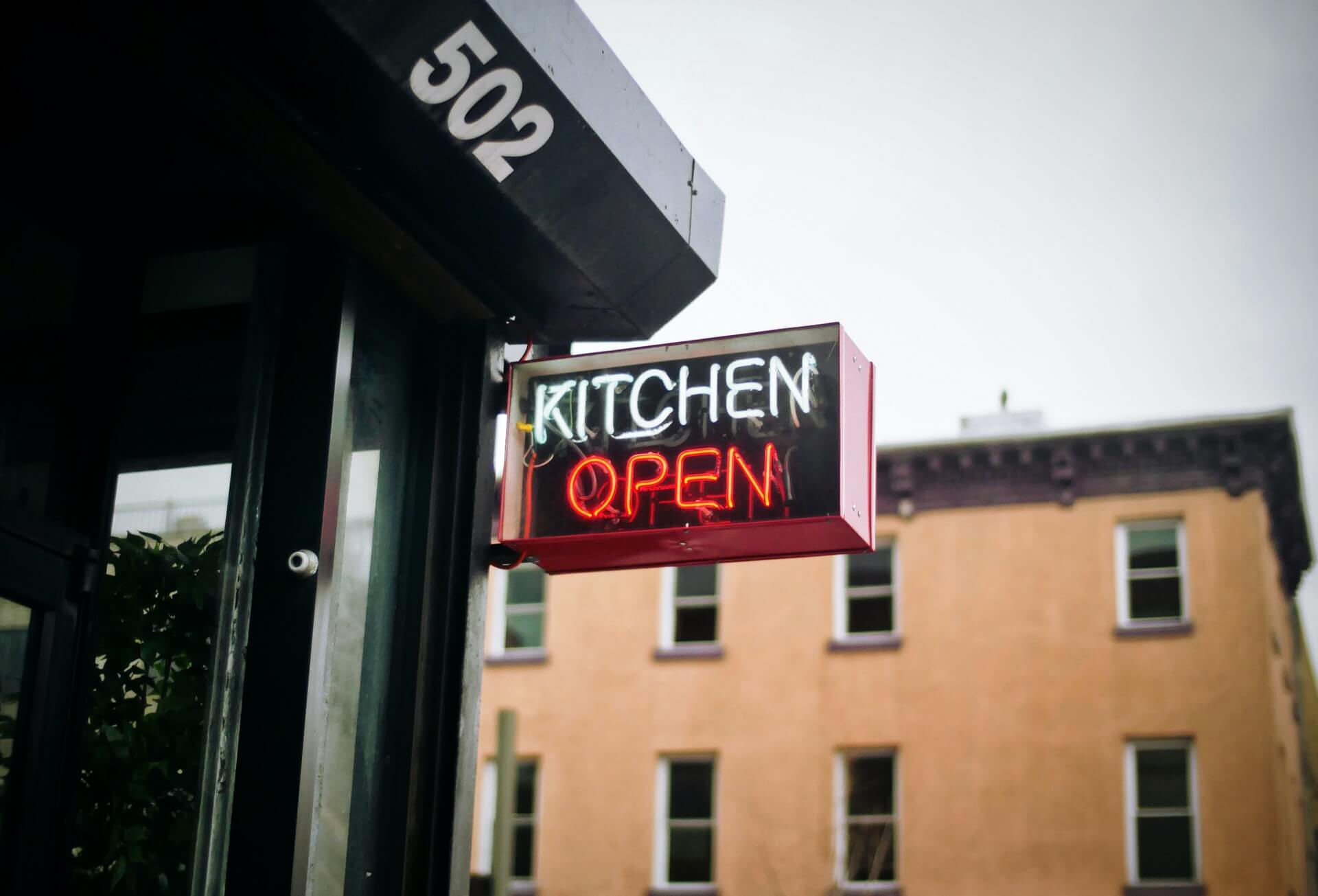
White and red neon restaurant sign that reads "Kitchen Open"

Independent Restaurant Coalition survey results show our industry is still struggling but some operators are making positive changes.

The hospitality industry absolutely needs and deserves help. The Restaurant Revitalization Fund absolutely needs replenishing.

However, hospitality continues to prove its resiliency, adaptability, and innovation.

It must be said, though, that it’s exhausting for owners, operators, and workers to have to constantly be resilient. Sometimes, the industry needs help. It’s past time for help to come.

But, I digress. Back to the IRC and their recently released survey results.

Still Overwhelmed

The IRC surveyed close to 1,200 respondents who are part of the restaurant and bar community. Survey participants represented all 50 states in the US.

Some respondents received RRF grants, some did not. Of course, receiving a grant wasn’t a silver bullet for surviving the pandemic.

However, the grants certainly helped:

  • Nineteen percent of grant recipients took out personal loans since February 2020. In comparison, that number more than doubles to 41 percent for those who didn’t receive grants.
  • Since the beginning of the pandemic, five percent of grant recipients took on additional investors. Again, that number more than doubles for operators who received no RRF grants. Eleven percent took on more investors to survive.
  • Due to the omicron variant of Covid-19, grant recipients had to reduce staff by 21 percent on average. Their counterparts had to decrease staff, on average, by 30 percent.
  • When it comes to selling off a personal asset to help their business survive the pandemic, ten percent of grant recipients did so. For those who didn’t receive an RRF grant, that number increases more than two-and-a-half times to 26 percent.

The challenges—an inadequate word, truly—have led to industry-wide changes. Per the IRC’s survey:

  • Hiring challenges have impacted 91 percent of independent restaurants and bars.
  • Menu prices were hiked up by 89 percent of independent businesses.
  • Nearly half—42 percent—reported to the IRC that they had pivoted to alternate business models after ceasing indoor and outdoor service.
  • Six percent of independent restaurants and bars pivoted to offering outdoor dining only.

Progress Being Made

Operators have been facing hiring challenges for several months now. In response, some operators offer various incentives.

As examples: meals for honoring scheduled interviews; cash for showing up to interviews; large cash bonuses for remaining in position for 90 or more days.

However, none of the above really address longstanding, widespread issues hospitality workers have given as reasons for quitting jobs (and the industry entirely).

To name just two, livable wages and benefits. Despite the challenges operators are facing, they have made positive changes. We’re not talking a small percentage, either.

Per the IRC, independent businesses reported the following changes:

  • 84 percent of restaurants increased wages.
  • 37 percent of restaurants, bars and other independent hospitality businesses added paid sick leave to the benefits they provide.
  • 21 percent of employers have added paid vacation to their benefits.

These changes (and others) are a promising start, showing that operators are listening to workers. Bringing traffic and revenue back to pre-pandemic levels—and beyond—is a great goal. But how will the industry get there?

One answer is for operators to listen to the hospitality professionals they rely on for their businesses to thrive. Listening, and then acting in meaningful ways.

Image: Patrick Tomasso on Unsplash

by David Klemt David Klemt No Comments

NRA Sends Survey Results to Congress

NRA Sends Economic Survey Results to Congress

by David Klemt

United States Capitol Building beneath cloudy skies

On the heels of the IRC’s National Day of Action to Save Restaurants, the National Restaurant Association has sent a letter to Congress.

Sent by Sean Kennedy, executive vice president of the NRA, the letter urges Congress to finally replenish the RRF.

“After two years of closures, COVID-19 variants, worker shortages, and inflationary pressure,” reads the letter, in part, “a dangerous number of restaurants are at the end of the line.”

A Critical Moment

As I’ve written several times (exhaustively, some would say), the bill meant to replenish the Restaurant Revitalization Fund was first introduced in June 2021. We’re now a week away from February 2022.

In August of last year, a unanimous consent vote to provide $43 billion in emergency funding to the industry was shot down by Senator Rand Paul (R-KY). Build Back Better passed the House in November 2021. However, it didn’t include the Restaurant Revitalization Fund Replenishment Act.

As expressed by Sean Kennedy in an email sent yesterday, we’re at a critical juncture. Kennedy points to two dates when making his point: February 18 and March 1.

All government spending expires on the former date, and President Joe Biden delivers his State of the Union Address on the latter date. Kennedy suggests that the only large-scale spending bill of 2022 will be passed between those dates.

So, it’s probable that we have mere weeks to pressure Congress into replenishing the RRF.

The Numbers

Kennedy’s letter to Congress is addressed to Nancy Pelosi (D-CA), Chuck Schumer (D-NY), Kevin McCarthy (R-CA), and Mitch McConnell (R-KY).

Citing the results of the NRA’s largest-ever economic survey, Kennedy urges action on the RRF from Congress. The NRA’s executive vice president estimates that replenishing the RRF will save over 1.6 million restaurant jobs.

Below are the survey results included in Kennedy’s letter to Congress:

  • 88 percent of restaurants saw decline in customer demand for indoor on-premises dining due to the omicron variant.
  • 76 percent of operators report that business conditions are worse now than they were just three months prior.
  • 74 percent of operators say their restaurant is less profitable now than it was prior to the pandemic.
  • Almost 50 percent of restaurant operators who didn’t receive RRF grants feel it’s unlikely that they’ll stay in business beyond the pandemic without a grant.
  • 94 percent of restaurant operators who applied for an RRF grant but did not receive funding said a future grant would enable them to retain or hire back employees.
  • 96 percent of recipients said the RRF grant made it more likely that they would be able to remain in business.
  • 92 percent of recipients said the RRF grant they received helped them pay expenses or debt that had accumulated since the beginning of the pandemic.
  • The initial round of grants, per the NRA, likely saved more than 900,000 restaurant jobs.

Now is not the time to relent—we need to keep up the pressure. If Kennedy and the NRA are correct, we have only weeks to receive the help our industry needs and deserves.

Image: Harold Mendoza on Unsplash

by David Klemt David Klemt No Comments

US Operators, Take Action Today

US Operators, Take Action Today

by David Klemt

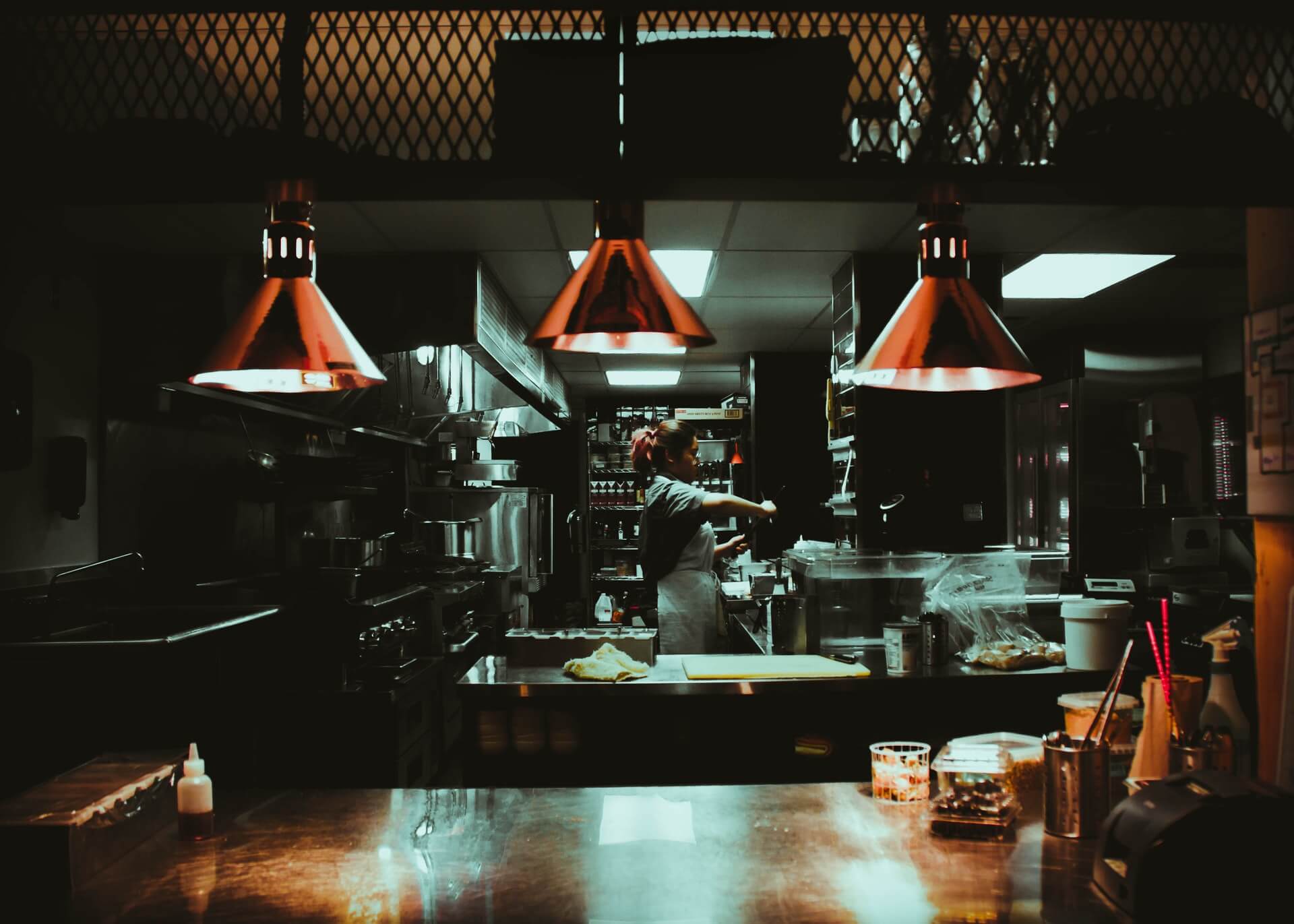
Chef doing prep alone in kitchen

Today is the day to let Congress know the clock has run out on our patience for them act on replenishing the RRF.

In all honesty, the industry’s tolerance for governmental inaction on the RRF ran out last year. Right around the time, I’d say, the RRF application portal closed, leaving almost 200,000 applicants without crucial grants. As a reminder, the portal closed after just 21 days of launching.

Today is the National Day of Action to Save Restaurants. The Independent Restaurant Coalition is leading the charge for this campaign.

To participate, follow the IRC on Instagram, Facebook, and Twitter. Additionally, click here to sign up for their emails. Spread the word and encourage staff, guests, your family members, and friends to take part as well.

Below you’ll find more details for taking action to #SaveRestaurants and #SaveBars today and moving forward.

Industry Advocacy

The IRC has been fighting and advocating for the industry since the start of the pandemic. Today, they’re asking owners, operators, workers in all segments of the industry, communities, and guests to throw their support behind this crucial fight.

So, today is the day to inundate your representatives with phone calls. Dial this number to reach the Capitol switchboard: 202-224-3121. The IRC provides state-specific fact sheets, which can be found here.

For an example of what you’ll find on a state’s fact sheet, here are some details for Nevada:

  • The leisure and hospitality industry accounts for 87.6 percent of all jobs lost in the state.
  • In Nevada, the industry is worth $9.9 billion, with 5,980 restaurants and bars throughout the state.

Those are just two pertinent facts about the industry in Nevada.

Along with phone calls, people should contact their representatives via email. Follow this link to email Congress and tell them to replenish the RRF.

Send a Message

Of course, social media will also play an important part in today’s campaign. Flooding Instagram, Facebook, Twitter, and other channels with #SaveRestaurants, #SaveBars, and #ReplenishRRF should get Congress’ attention in a very public, very newsworthy way.

Click here to access the IRC’s social media and website toolkit.

It’s time to let Congress know we’re doing waiting for action. We’re done with the lip service, platitudes, and empty words of support. And we’re done with the broken promises, disarray, and inaction.

Personally, I plan on once again letting my state representatives know that I’m watching. Those who don’t do their jobs and help replenish the RRF won’t be receiving my vote. I can’t support those who won’t support us. Whether you want to send that message is up to you.

Today, however, make your voice heard and send at least this message: We demand Congress acts now.

Image: Rohan G on Unsplash

by David Klemt David Klemt No Comments

Hotel Trends to Watch in 2022

Hotel Trends to Watch in 2022

by David Klemt

Unlit hotel sign against blue sky background

Partially driven by the pandemic, in part driven by the march of innovation, these are the hotel (and motel) trends to watch in 2022.

As is the case with restaurant and bar trends from the last two years, these trends are likely to quickly evolve into industry standards.

Once slower on the uptake in comparison to other industries, hospitality is now embracing tech innovations rapidly.

Of course, not every 2022 and beyond trend relies on tech. However, most of the big changes involve tech in some way.

Below are the trends (soon to be standards) to watch and adopt next year.

Digital Room Keys

We do everything on our phones. So, why shouldn’t we access hotel and motel room keys via the devices always in our hands or pockets?

Many tech-forward hotel properties have made it possible to unlock hotel rooms via phone apps. As consumers feel more comfortable that it’s safe, secure and reliable, we can expect physical room keys to become obsolete.

One can also make the argument that doing away with millions of plastic keycards is a more sustainable practice.

Your Face is Your Passport

Points* to anyone who gets the movie I just referenced. (*Points have no value and are not redeemable for anything. But we think you’re cool for racking them up regardless.)

Some properties will make it possible to access a hotel room via biometrics. CLEAR travelers will already be familiar with this tech process.

In short, a guest will be able to unlock their room with their face. In terms of personalization—a guest expectation that’s only growing—facial recognition tech can instantly deliver on a guest’s temp, lighting, and other preferences.

I can also see this technology permitting guests to access clubs; club levels; health centers; pool areas; and order and pay for everything from food and beverage to their entire visit.

Of course, this form of tech relies heavily on people’s comfort levels concerning privacy. So, operators will need to prove themselves responsible with guest data.

Touchless Everything

Convenience works both ways. Guests want frustration-free visits. Operators and managers want to eliminate pain points wherever possible.

Guests are becoming familiar and comfortable with checking in via their phones or kiosks. In some hotels, guests navigate the lobby without ever engaging with an employee.

With the proliferation of digital assistants in homes, guests are already comfortable with voice-based functionality. Ordering room service, turning on the TV and streaming, playing music, drawing automated shades, adjust room temperatures and lights… Digital assistants eliminate several more touchpoints.

AI tech also means hotels can operate with smaller teams effectively. So, hotel design is likely to keep evolving: lobbies will look different, as will rooms, restaurants, bars, and other amenities.

Virtual Room Selection

Speaking of AI, what about VR?

Tech-savvy guests will appreciate being able to “tour” different room options in the virtual space. Such a feature can start a guest’s visit off on the right foot before they ever step onto property.

They’ll know they’re getting the features and views they want, setting up a positive experience. It’s likely VR room tours and selection will also help hotels upsell guests on rooms and features.

Cryptocurrency

There are already hotels and resorts out there accepting crypto. There’s no reason to believe this will fall out of favor any time soon.

In fact, it’s likely guests who prefer to pay via digital currency will be able to pay for every element of their visit with crypto. For these guests, a tech-heavy experience will be appealing:

  • Check out room options via virtual reality before booking;
  • Book their room in the VR space.
  • Utilize digital check-in, then unlocking their room via phone or facial scan.
  • Paying for premium amenities and F&B via crypto ties to biometrics.
  • Contactless check-out.

Guest Who

Unsurprisingly, business travelers were the first to return to hotels during the pandemic. A percentage of these guests sought out hotels that could offer them a work-from-anywhere option.

For the most part, these guests simply needed a fast, reliable WiFI connection. Of course, many of them chose properties for more leisure-focused amenities. This led to the coining of a new industry term: bleisure, a portmanteau of “business” and “leisure” travelers.

It’s likely hotels, motels and resorts will see more traffic from bleisure, solo, and staycation guests in 2022 and beyond.

Many guests will also make property selections based on a brand or group’s sustainability efforts. So, operators will need to ensure they’re being provably sustainable and not just green-washing to attract these guests.

As we can see, technology will feature heavily in the changing hospitality landscape. Initial outlay may be pricy, but as innovations become more commonplace, costs will be driven down. But offering the features that will increase traffic and guest spend? A healthy bottom line is worth it.

Image: NeONBRAND on Unsplash

by David Klemt David Klemt No Comments

Build Back Better…Without Restaurants?

Build Back Better…Without Restaurants or Bars?

by David Klemt

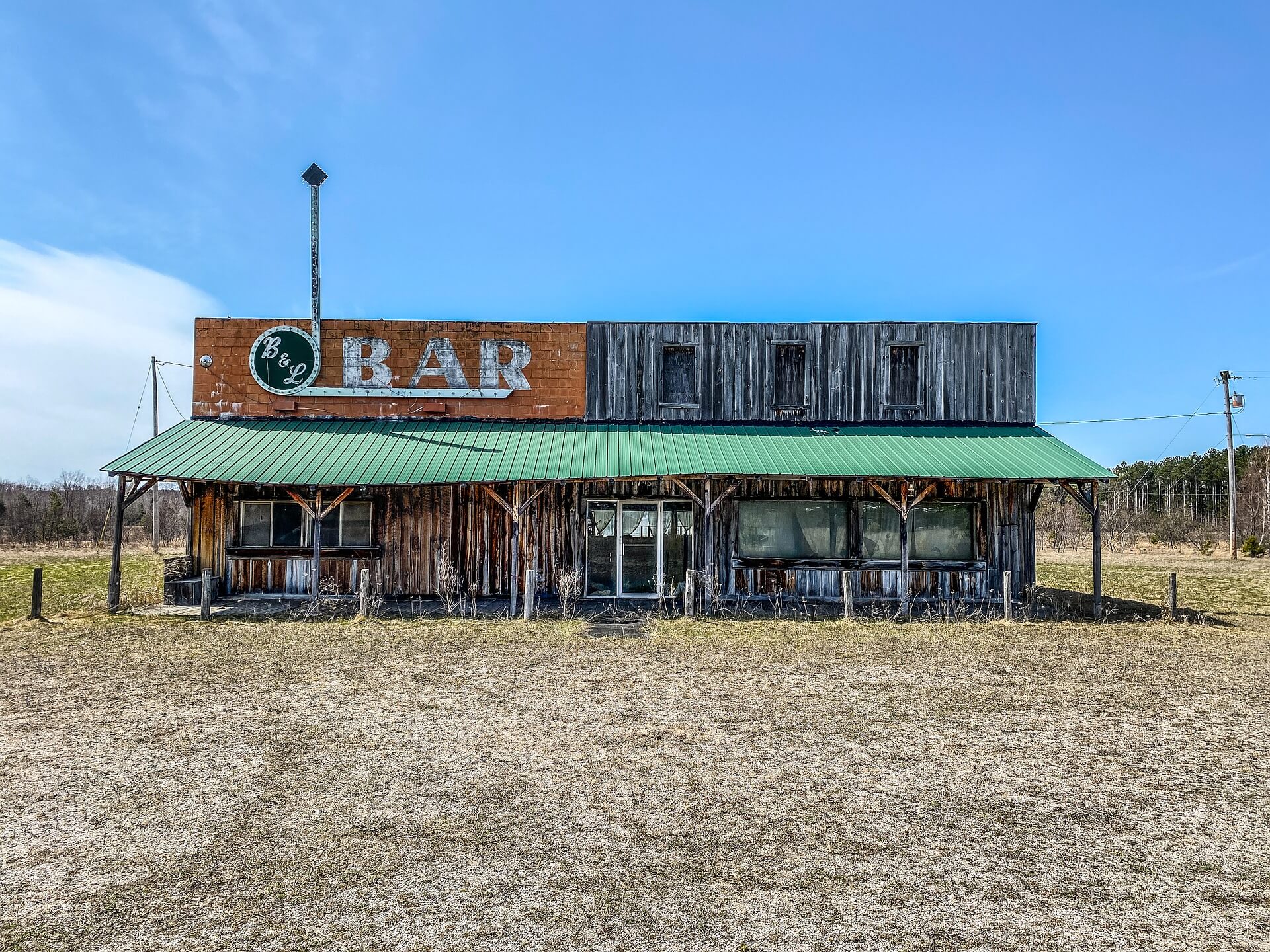
Abandoned bar or restaurant

The Build Back Better Act was passed by the House last Friday without the inclusion of the Restaurant Revitalization Fund Replenishment Act.

For those keeping count—me, for instance—the RRF Replenishment Act has seen zero movement since June.

We’re now six months without RRF Replenishment progress. The RRF application portal closed on May, 24.

To put it bluntly, the House once again failed our industry.

Of the $1.7 trillion dollars in the Build Back Better Act, zero are earmarked to replenish the RRF.

Applicants in Limbo

According to the National Restaurant Association, there are at least 177,000 RRF applicants awaiting grants.

Unless the RRF is replenished, those applicants will receive nothing.

For six months now, two bills seeking $60 billion to replenish the RRF have languished. Those bills are the aforementioned RRF Replenishment Act and the ENTREE Act.

The former was introduced by a bipartisan group of representatives and senators. Rep. Blaine Luetkemeyer (R-MO) introduced the latter.

Unfortunately, the chance to replenish the RRF via a unanimous consent motion was shot down in August. Sen. Rand Paul (R-KY) objected to $43 billion in emergency funding, killing the RRF.

At this point, it’s difficult to take any statement of support for our industry from members of Congress seriously.

NRA Speaks Out

The same day that the Build Back Better Act passed, NRA vice president Sean Kennedy released a statement.

“We are disappointed that the House passed the Build Back Better Act without including the Restaurant Revitalization Fund Replenishment Act… Passing this bill without including RRF replenishment leaves thousands of small business restaurants teetering on the brink of closure,” reads Kennedy’s statement.

Kennedy also points to specific elements of the Build Back Better Act that can cause further harm to operators and our industry.

In particular, Kennedy states that the NRA “specifically asked Congress to not pass any legislation that would harm restaurants as they rebuild.” Instead, the Build Back Better Act imposes new taxes on small businesses, including restaurants and bars.

Per Kennedy, “this bill newly applies the net investment income tax (NIIT) to active business income for pass-through businesses.”

Read Kennedy’s statement in full here.

It’s possible that the Senate will make changes to the bill. And it’s possible that replenishing the RRF will be among those changes. If that happens, the bill will be sent back to the House, further delaying the crucial assistance our industry needs.

Oh, and the deadline to avoid a government shutdown is December 3.

To tell your lawmakers to replenish the RRF, click here. I know I’ve asked you to do this several times. As frustrating as it’s getting, we need to stick together and keep up the pressure.

Image: Wokandapix from Pixabay

by David Klemt David Klemt No Comments

What’s the RRF Replenishment Act?

What’s the RRF Replenishment Act?

by David Klemt

The United States Capitol Building with cloudy sky in background

The ENTREE Act isn’t the only bill seeking to replenish the Restaurant Revitalization Fund. In fact, a bipartisan bill predates the ENTREE Act by a month.

So, what’s the difference between that bill and the Restaurant Revitalization Fund Replenishment Act of 2021?

Let’s take a look.

Additional Funding

Clearly, the biggest similarity between the two bills is the amount of money both are after.

Both the RRF Replenishment Act and ENTREE Act seek $60 billion.

As people familiar with the RRF will recall, the fund launched with $28.6 billion. Obviously, that was nowhere near enough funding to meet the demand for grants.

The RRF Replenishment Act was introduced in June by the same bipartisan group that first introduced the RRF. Sens. Kyrsten Sinema (D-AZ) and Roger Wicker (R-MS), and Reps. Earl Blumenauer (D-PA) and Brian Fitzpatrick (R-PA) introduced the bill on June 3.

Per a press release, nearly $50 billion in grant applications were left outstanding. The RRF application portal was closed just 21 days after launching.

$60 Billion

The biggest difference between the RRF Replenishment and ENTREE acts? Sourcing the $60 billion to replenish the RRF.

Per the text of the bill, the ENTREE Act would use unspent funds from the American Rescue Plan and Economic Injury Disaster Loans.

As for the RRF Replenishment Act, the funding would essentially come from “printing” an additional $60 billion.

Clearly, Americans will have differing opinions when it comes how the RRF is funded. However, using unspent, previously allocated funds does seem like a more logical approach.

So far, there’s no word on how these two bills may impact one another. There’s no news about the bills working in conjunction, just as there’s no news yet about a preference for one over the other.

With all eyes on the Senate and the progress of the infrastructure bill, we’re still awaiting answers on the RRF Replenishment and ENTREE acts.

Image: oljamu from Pixabay

by David Klemt David Klemt No Comments

Today’s the Day: Canada Opens Border

Today’s the Day: Canada Opens Border

by David Klemt

Canadian Border Services Agency sign on chainlink fence

The big day is here and Canada is opening their border to the USA.

Today, Americans and permanent residents can enter the country for “discretionary,” a.k.a. non-essential, travel.

Of course, the border is only open to travelers who can prove their vaccination status (full series).

Quarantine Lifted

As many Canadians are well aware, quarantining was mandatory for people traveling into Canada up until today.

Asymptomatic travelers, with very specific exemptions, were required to quarantine for 14 days upon arrival. The mandatory quarantine included a three-night stay at a hotel authorized by the Canadian government.

Oh, and the traveler had to cover the cost of the mandatory hotel stay.

However, that wasn’t all that was required. Travelers had to create and submit a quarantine plan. Foreign national who failed to submit a plan deemed suitable faced the risk of border agents turning them away.

Of course, the mandatory quarantine dissuaded Canadians from traveling across the border for essential travel. After all, Canadians weren’t exempt from hotel quarantine.

Requirements

Now, Americans or permanent residents residing in America aren’t receiving unfettered access to the border. Indeed, there are requirements that must be met for anyone hoping to cross into Canada from the US.

Per the Government of Canada website, in its entirety for clarity:

“Beginning on August 9th, 2021 at 12:01 a.m. EDTfully vaccinated United States (U.S.) citizens and permanent residents will be eligible to enter Canada for discretionary (non-essential) reasons, such as tourism, however these individuals must:

  1. be fully vaccinated: to be considered fully vaccinated, a traveller must have received the full series of a vaccine—or combination of vaccines—accepted by the Government of Canada at least 14 days prior to entering Canada. Currently, those vaccines are manufactured by Pfizer-BioNTech, Moderna, AstraZeneca/COVISHIELD, and Janssen (Johnson & Johnson).
  2. be residing in and travelling from the U.S.;
  3. have a valid pre-arrival COVID-19 molecular test result taken in the U.S. (antigen tests are not accepted);
  4. be asymptomatic;
  5. submit their mandatory information via ArriveCAN, including proof of vaccination in English or French;
  6. be admissible under the Immigration and Refugee Protection Act; and,
  7. take a test on arrival, if required.”

So, if you or someone you know is planning to travel to Canada from America, make sure you follow the requirements precisely.

Operators, Be Ready

So far, news of increasing infection and hospitalization rates aren’t impacting Canada’s decision; the border is open as of today. Neither New York City’s vaccine mandate nor an increasing amount of counties and corporations implementing mask and vaccine mandates are deterring Canada.

Additionally, it doesn’t appear as though the Canadian government plans to implement other travel requirements (so far).

Canadian restaurant, bar, hotel, and entertainment venue operators need to be ready for an influx of guests. This is particularly true for operators in large metropolitan areas and well-known tourist destinations.

Pent-up demand for travel, experiences, reunions, weddings, and just escape should skyrocket with the Canada-US border reopening.

Also, should things go well, operators need to prepare for even more travels next month. While not written in stone, Canada plans to open the country’s borders to other countries on September 7.

Interestingly, this is also excellent news for those waiting to open a restaurant or bar. Plans to reopen borders should prove to be a boon for the Canadian economy. So, now’s the time to move forward.

Canadian operators must be vigilant about monitoring the border situation. Fresh opportunities arrive on your doorstep starting today.

Image: Hermes Rivera on Unsplash

by David Klemt David Klemt No Comments

What is the ENTREE Act?

What is the ENTREE Act?

by David Klemt

United States Capitol Building on fifty dollar bill

Foodservice and hospitality operators are waiting for Congress to act and replenish the Restaurant Revitalization Fund.

Well, that replenishment may come in the form of a bill from Rep. Blaine Luetkemeyer (R-MO).

Congressman Luetkemeyer is a ranking member of the House Committee on Small Business.

Restaurant Revitalization Fund Empty

As operators know, it didn’t take long for the RRF to be depleted entirely.

The Small Business Administration opened the RRF application portal on May 3. Just 21 days later, the portal was closed to new applicants.

More than 60 percent of eligible applicants in need were not awarded grants from the $28.6 billion fund.

Clearly, that amount was nowhere near enough to meet the needs of our industry.

People have been calling for Congress to #replenishRRF ever since the RRF portal was closed on May 24.

Entrepreneurs Need Timely Replenishment for Eating Establishments Act

To be fair, Congress acted quickly to at least address the SBA’s shortcomings in handling the RRF.

Early in June, a bipartisan group introduced Restaurant Revitalization Fund Replenishment Act of 2021. Sens. Kyrsten Sinema (D-AZ) and Roger Wicker (R-MS), and Reps. Earl Blumenauer (D-PA) and Brian Fitzpatrick (R-PA) introduced the bill on June 3.

The bill seeks $60 billion to replenish the RRF and the funds would essentially come from “printing more money.”

However, Rep. Luetkemeyer introduced the Entrepreneurs Need Timely Replenishment for Eating Establishments Act on July 20.

The aptly (if unwieldy) named bill is also proposing $60 billion. However, the funds would come from a combination of sources.

ENTREE Act Funding

Both sources would pour unspent, previously allocated funds into the ENTREE Act.

Rep. Luetkemeyer’s bill proposes using state and local funds from the $1.9 trillion American Rescue Plan.

The ENTREE Act would also secure funds from Economic Injury Disaster Loans that have yet to be spent.

Currently, there’s no indication if Congress intends for these bills to somehow work together. Also, no date has been put forth regarding voting on either the Restaurant Revitalization Fund Replenishment Act or ENTREE Act.

However, we can put pressure on Congress by asking them to act quickly on these bills. So, let’s come together and contact our representatives—it can take just 30 seconds.

Image: Karolina Grabowska from Pexels

by David Klemt David Klemt No Comments

We Need to Join Forces on the RRF

We Need to Join Forces on the RRF

by David Klemt

The United States Capitol Building with blue sky and white clouds in the background

It’s time for all hospitality professionals to come together and tell Congress to replenish the Restaurant Revitalization Fund.

Honestly, it’s well beyond time for us to all join forces and send our message to Congress.

Owners, operators, managers, and team members need to contact their representatives. Additionally, they need to encourage their friends and family members to do the same.

If we’re going to stop the damage to our industry, this needs to be done.

State of the RRF

Per this download from the National Restaurant Association, 455,304 eligible restaurants applied for RRF grants.

In total, 278,304 restaurants were awarded grants.

To be fair, that’s excellent news. And the Small Business Administration should be applauded for providing lifelines to nearly 280,000 restaurants.

However, the $28.6 billion the fund was seeded with was never going to be enough. Also, the SBA’s RRF portal was open nowhere near long enough.

Toward the end of May, Republican members of Congress sent a letter to the SBA. In it, they criticize the SBA for closing the portal so quickly.

To provide context, the RRF application portal was open a mere 21 days. Further context: the SBA made it clear before the RRF portal was opened that only priority applications would be processed for the first 21 days.

Replenish the RRF

According to the NRA, 177,000 eligible RRF applicants were not awarded grants.

That number represents a total of $43.6 billion in grants that haven’t been awarded.

So, not only does the SBA need to reopen the RRF, they need to replenish it with at least $43.6 billion. The NRA is asking that Congress refill the RRF with $50 billion.

We all know that the situation is dire. Per the NRA, 1.3 million jobs have been lost. Since the first 14 months of the Covid-19 pandemic, restaurants have lost $290 billion in sales. Obviously, that number has grown. At least 90,000 restaurants have either closed their doors long-term or forever.

However, this isn’t only about our industry. As the NRA shows, every dollar spent on this industry generates $2 for farming, baking, fishing, and other industries.

Looking at the numbers makes it clear: We all need to carve out the few minutes it will take to tell our representatives what we want.

What do we want? For the RRF to be replenished. Click here to tell Congress to replenish the RRF with at least $50 billion, and make sure to spread this message on social by using #ReplishRRF.

There are millions and millions of us in this industry. Now more than ever, we need to join forces and pull in the same direction.

Image: Louis Velazquez on Unsplash

by David Klemt David Klemt No Comments

State of the RRF: By the Numbers

State of the RRF: By the Numbers

by David Klemt

Wad of dollar bills with red rubber band

The “tale of the tape” of the Restaurant Revitalization Fund tells a clear story: the RRF needs an injection of tens of billions of dollars.

Clearly, $28.6 was nowhere near enough to award every eligible restaurant and bar with a grant.

In fact, the RRF would need at least another $50 billion to serve all eligible applicants.

The Numbers

First, the Small Business Administration is to be commended for setting up the RRF portal, making the application process clear, and handling applications well.

However, there’s one glaring issue with the RRF and the review and awards process. I’ll get to that in the next section.

Per the National Restaurant Association, more than 362,000 applications were submitted via the RRF portal.

In total, the applications add up to $75 billion in grant requests. Again, the RRF was funded by the government with $28.6 billion. It doesn’t take a mathematician to see that the fund was severely underfunded.

Controversy

Last week, a number of Republican members of Congress sent a letter to the SBA. The gist of their message was that the RRF’s closure was premature. Therefore, the group concluded, non-priority applicants wouldn’t receive grants or even have the opportunity to apply for grants.

In the letter, which can be reviewed here, the authors also took shots at Democrats, the Biden Administration, and undocumented immigrants.

Setting politics aside, the announcement of the RRF’s portal closure was inarguably premature. The application process was first opened on Monday, May 3. For the first 21 days, the SBA announced that while all eligible entities could apply, only priority applicants would be processed and awarded grants.

However, the RRF portal closed to applications on Monday, May 24…21 days after it first opened. The members of Congress who penned the letter to the SBA have a point: the SBA closed the RRF portal after only operating within the priority window.

Now What?

There’s no other way to put this: The RRF needs more funding.

Essentially, it needs twice the funding it had when it was first seeded. There’s zero guarantee that Congress will address this matter, but at least a handful of lawmakers are aware of the dire situation.

Two weeks ago, the NRA launched a petition urging the government to replenish the RRF. Of course, the RRF also needs to be reopened for applications, and the application process needs to be open to all eligible applicants.

There’s no promise the petition will achieve the desired result but we must do something. Click here to sign the petition and tell Congress the RRF needs to be replenished and reopened.

Image: Karolina Grabowska from Pexels

by David Klemt David Klemt No Comments

Tell the Government to Refill the RRF

Tell the Government to Refill the RRF

by David Klemt

Piggy bank wearing a face mask

The National Restaurant Association is urging restaurant, bar and other hospitality operators to sign a Restaurant Revitalization Fund petition.

Put concisely, the NRA’s petition asks the federal government to replenish the RRF.

Grants are going out and there’s no guarantee the $28.6 billion fund is enough for every eligible business. Therefore, the NRA is calling for more funds.

The Petition

Now, there is good news regarding the RRF. Per the Small Business Administration, 21,000 applicants have received $2.7 billion in grants.

However, when one considers that well over 180,000 grant applications were submitted within the first 48 hours, the $28.6 billion will more than likely run out before every eligible business receives a grant. The first 16,000 grants alone total $2 billion.

According to one source, priority applications carry a value of approximately $29 billion. Obviously, that’s more money than is in the fund.

And that’s only the value of applications receiving priority for the first 21 days. Clearly, more funding is necessary.

As the NRA’s petition states, “We are urging policymakers in Washington—from the White House to Capitol Hill—to replenish the RRF to maximize relief for small independent and franchise restaurant operators. Americans can’t wait to get back into their favorite restaurant with their family and friends, and the federal government can play a key role in making that a reality.”

Click here to sign the NRA’s petition. Our industry is the hardest hit by the pandemic and every eligible business deserves funding.

It’s not that this industry isn’t grateful—it’s that hundreds of thousands of businesses are fighting to stay alive. They’ve been doing so for more than a year.

The RRF

The SBA’s RRF portal link is https://restaurants.sba.gov. Alternatively, operations can use a POS that’s an SBA partner to apply. Partner systems include Clover, NCR, Square, and Toast.

According to the SBA website, certain eligible entities will be given priority.

For the first 21 days the application process is open, priority will go to small businesses with a minimum of 51 percent ownership by women, veterans or socially disadvantaged people.

The application process should open to every applicant on Monday, May 24. For more in-depth information, operators can follow the appropriate links to review the Small Business Administration’s RRF program guide and sample application.

Applicants do not need to register with SAM.gov (System for Award Management) or provide DUNS or CAGE identifiers.

To calculate a grant amount, an applicant subtracts 2020 gross receipts from 2019 gross receipts. Applicants must deduct first-draw PPP and second-draw PPP loans. Any economic disaster loans—Economic Injury Disaster Loans, for example—are not RRF deductions.

Again, please click here to sign the NRA’s petition today.

Image: Konstantin Evdokimov on Unsplash

by krghospitality krghospitality No Comments

SBA Releases RRF Guide and Forms

SBA Releases RRF Guide and Forms

by David Klemt

"This is the sign you've been looking for" white neon sign on brick wall

Operators in the United States are nearing the opening of the Restaurant Revitalization Fund application process.

The Small Business Administration’s RRF program guide and sample application are now available.

Let’s jump in!

RRF at a Glance

In simple terms, the RRF is the most targeted relief the industry in America has received since the pandemic took hold.

Eligible entities apply for a tax-free grant equal to the amount of a their pandemic-related revenue losses.

To calculate a grant amount, an applicant subtracts 2020 gross receipts from 2019 gross receipts. Applicants must deduct first-draw PPP and second-draw PPP loans, even if they’re paid back or forgiven. Any economic disaster loans—Economic Injury Disaster Loans, for example—are not RRF deductions.

Per the SBA, operators do not need to register for a System for Award Management (SAM.gov) account, meaning they no longer need to acquire a DUNS number.

RRF Eligibility

As the SBA’s RRF program guide states, eligible businesses A) must not be closed permanently, and B) are places where customers gather primarily to consume food or drink. Such entities include:

  • restaurants;
  • bars;
  • saloons;
  • lounges;
  • taverns;
  • food trucks, carts and stands;
  • snack and non-alcoholic beverage bars;
  • licensed facilities or premises of a beverage alcohol producer where the public may taste, sample, or purchase product; and
  • other similar places of business in which the public or patrons assemble for the primary purpose of being served food or drink.

However, that’s in no way the entire list of eligible businesses. Bakeries, breweries, microbreweries, brewpubs, taprooms, distilleries, wineries, and tasting rooms are eligible if they can provide documentation (which must accompany their application) that:

  • on-site sales to the public comprised at least 33% of gross receipts in 2019; or
  • original business model should have contemplated at least 33% of gross receipts in on-site sales to the public if they’ve yet to open or opened in 2020.

Interestingly, it’s possible for an inn to be eligible for the RRF. Such a business is subject to the same eligibility requirements as bakeries, breweries, etc.

Eligible Expenses

Businesses that receive an RRF grant may use the funds for eligible expenses during their covered period. That timeframe is the “period beginning on February 15, 2020 and ending on March 11, 2023.” Should the business close permanently, that period will end when the business permanently closes or on March 11, 2023, whichever occurs sooner.”

A grant recipient must return any funds to the Treasury if they’re unable to use for eligible expenses by the end of the covered period.

So, which expenses are eligible per the SBA for the RRF program? Below is a short list of eligible expenses:

  • Payroll costs (sick leave, costs for group health care, life, disability, vision, or dental benefits during periods of paid sick, medical, or family leave, and group health care, life, disability, vision, or dental insurance premiums).
  • Payments on any business mortgage obligation, both principal and interest (Note: Excludes any prepayment of principal on a mortgage obligation).
  • Business rent payments, including rent under a lease agreement (Note: Excludes any prepayment of rent).
  • Construction of outdoor seating.
  • Business supplies (including protective equipment and cleaning materials).

For the full list of eligible expenses and many more RRF details, please click here to download and view the entire SBA RRF program guide. To view the sample application and prepare for the process to begin, click here.

Disclaimer

This content is for informational purposes only, and should not be used as legal, tax, investment, financial, or other advice. This article does not constitute professional and/or financial advice, nor does any information constitute a comprehensive or complete statement of the matters discussed or the law. This information is of a general nature and does not address the circumstances of a specific individual or entity. The reader of this information alone assumes the sole responsibility of evaluating the merits and risks associated with the use of any information before making any decisions based on such information.

Image: Austin Chan on Unsplash 

Top