Inn

by David Klemt David Klemt No Comments

US Senate Fails to Replenish the RRF

US Senate Fails to Replenish the RRF

by David Klemt

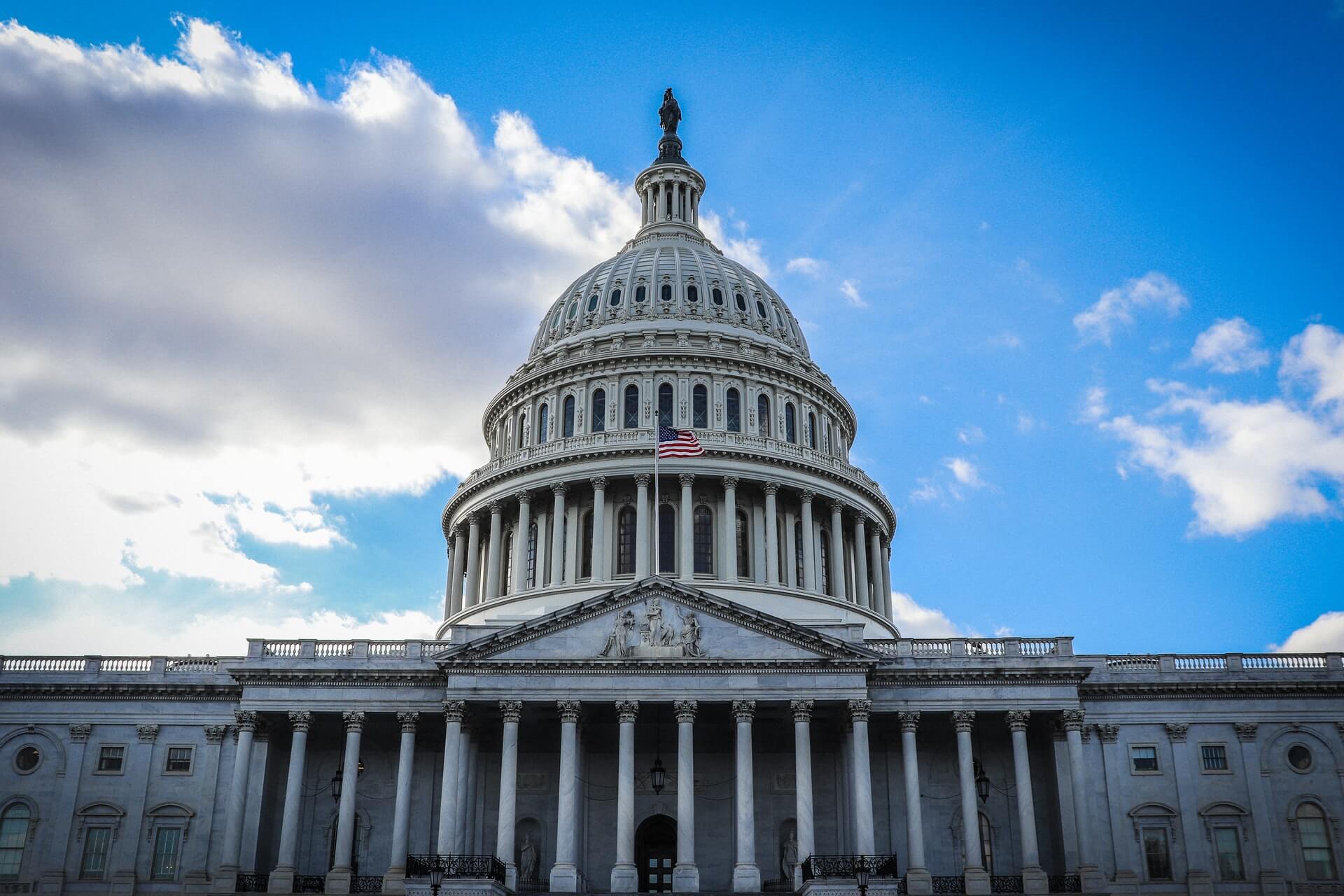
United States Capitol Building exterior and blue sky

After conflicting reports and speculation, the US Senate has finally voted this week on replenishing the Restaurant Revitalization Fund.

Last week, multiple sources reported that the Senate would hold their RRF vote this week. Just days ago, several outlets sounded the alarm, reporting that the vote would be pushed to next week. The reason, these sources provided, was the Senate’s scramble to repackage and hold another vote on aid for Ukraine.

Senator Rand Paul (R-KY) blocked the bill that would provide $40 billion in defense and humanitarian aid. Unsurprisingly, it was also Sen. Paul who objected to $43 billion in emergency funding last August, killing that RRF replenishment effort.

Today, on the Senate floor, Sen. Paul repeatedly derided the replenishment of the RRF as a “bailout.” Additionally, he asked, “Where’s the emergency?”

So, one can infer that the impending closure of an estimated 50 percent of RRF applicants—88,500—isn’t an emergency to the Kentucky senator. Simple math shows that if each of those applicants has just ten employees, that’s a loss of 885,000 jobs.

Rightfully so, people throughout the industry have been more than a little concerned that the bill would receive at least 60 “yea” votes today.

At issue is where the funds would come from. While Democrats view replenishing the RRF as emergency funding, Republicans prefer to reallocate existing funds.

Senate Fails to Replenish RRF

Today’s vote was a long time coming. In fact, it’s just days shy of one year since the RRF application portal closed.

Now, after a 223 to 203 vote in the House to replenish RRF, our senators have failed us. The resulting vote was 52 to 43, falling short of the 60 “yeas” necessary

I’m not despondent over this news. Honestly, I think I’ve made it rather clear that our politicians failing us wouldn’t at all surprise me. Yet I still find myself incredibly disappointed.

Disappointed in how the RRF was handled, disappointed in the grant approval process, disappointed in how emergency funding was blocked, and disappointed in how we were left out of the Biden administration’s Build Back Better and March omnibus bills.

And gravely disillusioned now that I’ve finally learned how little many of our senators care about us. Hospitality is an industry that employed nearly 17 million people in 2019. In terms of revenue, we’re projected by the National Restaurant Association to generate almost $900 billion in sales.

Not enough, it’s clear, for a majority of senators to vote to replenish the RRF.

However, I’m mostly dismayed for the owners and operators who have waited a year just to have this lifeline yanked from their fingertips. Today’s failure in the Senate puts millions of jobs at risk.

Underfunded from the Start

For those who found themselves in RRF limbo, the wait for this vote has been agonizing.

The RRF application portal opened May 3, 2021. Initially, the process looked promising. For the first 21 days, the Small Business Administration announced, priority would be granted to small businesses with a minimum of 51 percent ownership by women, veterans or socially disadvantaged people.

However, the SBA closed the portal immediately after processing only about 101,000 priority applications, or one-third of applicants. So, ever since May 24 of last year, “non-priority” applicants have been left wondering if they’d ever receive an RRF grant.

In addition to the premature closure of the application process, the RRF was woefully underfunded. Clearly, that point was driven home when $75 billion in applications were submitted to a fund with just $28.6 billion.

So, the quick closure and unrealistic funding meant that out of the over 362,000 initial applicants, around 177,000 have been watching and waiting.

A Year-long Wait

Shortly after the RRF portal was closed, a number of Republican members of Congress sent a letter to the SBA. Per the contents of the letter, non-priority applicants wouldn’t receive grants or have the opportunity to apply for grants.

Indeed, those applicants stuck in RRF limbo have been waiting for relief for just days shy of a year. And that’s only counting the days since the portal closed. Operators across the industry, not just those who applied for RRF grants, have been scratching and clawing to stave off insolvency and closures.

Advocates such as the Independent Restaurant Coalition have been sounding the alarm. RRF applicants could be just days away from bankruptcy and needed the government to act. To be brutally honest, relief may still come too late for many applicants.

Congress has certainly had the time to vote on and replenish the RRF. In June 2021, Sens. Kyrsten Sinema (D-AZ) and Roger Wicker (R-MS), and Reps. Earl Blumenauer (D-PA) and Brian Fitzpatrick (R-PA) introduced the RRF Replenishment Act bill. In July, Rep. Blaine Luetkemeyer (R-MO) introduced an alternative bill, the ENTREE Act.

Of course, as we well know, an attempt in August to replenish the RRF with $43 billion in emergency funding was blocked by Sen. Paul. In November, Build Back Better was passed. Obviously, the RRF and our industry were left out the $1.7 trillion dollar bill. Likewise, we weren’t included in March’s $1.5 trillion omnibus spending bill.

Left Out In the Cold

So, of $3.2 trillion dollars in massive bills passed, zero were earmarked for us.

Today, our senators voted 86 to 11 for $40 billion in aid for Ukraine. However, they voted 52 to 43 to provide $40 billion in aid to American restaurants and bars.

Last month, eleven months after the portal closed, the House voted to replenish the RRF. That left the final push to the Senate.

And today, at least 43 senators made their low opinion of us known.

Image: Alejandro Barba on Unsplash

by David Klemt David Klemt No Comments

Drinks for Your World Whisky Day Menu

Drinks for Your World Whisky Day Menu

by David Klemt

Whiskey in Fine & Rare NYC glass

This Saturday is the eleventh annual celebration of World Whisky Day, the perfect day to highlight your whisky and cocktail menus.

One revenue-generating method of drawing in guests is a promotion showcasing popular, lesser-known, or rare whiskies. Operators can also create a whisky and beer combo promotion.

Of course, there’s also the specialty cocktail menu. There are a few different approaches to this promotion.

An operator and their bar team can focus on one specific cocktail, offering three or four “takes” on it. Another way to make this work is to take the same cocktail and feature a different whisky in each one.

A different approach is to create a World Whisky Day menu consisting of three or more of the most popular whisky cocktails. To help you identify which drinks to feature we looked into the top whisky drinks. Check them out below.

Old Fashioned

C’mon—you knew this was going to be on the list before you read past the title of this article. Drinks Digest ranked the Old Fashioned the number-one cocktail of 2021.

VinePair‘s list didn’t rank their most-popular cocktails overtly but this classic got its expected mention.

Manhattan

Just like the Old Fashioned, you expected this drink to make this list. While it can certainly be made with bourbon or an array of single malt American whiskies, the Manhattan shines when made with rye.

Whisky Sour

As Drinks International points out, the Whisky Sour may not be the top drink in most bars. In fact, it may not make it into their top three.

However, the simple but refreshing Whisky Sour is at least in the top ten of several bars, making it a solid choice for your specialty menu.

Boulevardier

Want to get some of the cocktail aficionados among your guests to flip out? Tell them loudly and confidently that the Boulevardier is better than the Negroni. That’ll certainly get them talking.

Or, hey, don’t do that. Just perfect this bourbon cocktail, a cousin of the Negroni, and highlight your build for World Whisky Day.

Mint Julep

The Kentucky Derby may be over but summer is just around the corner. People are still craving this centuries-old cocktail and VinePair called it “essential” last year.

Sazerac

Like many classics, the Sazerac was “medicinal” when it was first created in the 1830s. In 2008, this drink was made the official cocktail of New Orleans by the Louisiana state legislature.

The Sazerac is another cocktail recipe that VinePair said was an essential one for bars in 2021.

Vieux Carré

It’s difficult to overstate the important role New Orleans has played and continues to play in American cocktail culture.

The recipe, created about 100 years after the Sazerac, combines American whisky (rye, traditionally), Cognac, Bénédictine, sweet vermouth, and Peychaud’s bitters.

Penicillin

Created by Sam Ross when he was behind the stick at Milk & Honey, this is my favorite whisky cocktail. The recipe was one of Punch’s most popular last year, and it was on Drinks International’s top 50 list for 2021.

On a personal note, this is one of my all-time favorite whisky cocktails. In fact, the Penicillin is one of my favorite cocktails in general.

Honorable Mentions

These may not be top sellers for most bars (if any) but they’re worth consideration for World Whisky Day.

The Chauncey is a 1:1:1:1 combination of rye whisky, Cognac, gin, and sweet vermouth plus two dashes of orange bitters, served up.

Of course, there’s also the Mule, which lends itself to an incredible number of riffs. Select a whisky or two to come up with specialty Mules of your own.

Irish whisky stands out in an Irish coffee, which can be served iced/frozen when it’s hot outside.

And then we have the Rob Roy. If you want to be glib about it, this is a Manhattan made with Scotch rather than rye whisky.

Your Own Data

There’s an excellent resource for determining what drinks to feature at your restaurant or bar. It’s quite literally at your fingertips: your POS.

If you want to know what your guests are drinking and what they want, run a report.

How deep you get into the data is up to you, of course. Monthly, quarterly, seasonally, annually… There are myriad methods to determine your World Whisky Day’s best options.

Sure, you can probably safely assume that your top whisky cocktails are the same as those above. But why not be absolutely certain with your own data? You invest money and time into your POS—wring everything you can out of it.

Also, your bar team and servers. Ask them what whiskies guests have been asking for that you don’t have.

Use your POS to identify the whiskies gathering dust in your stockroom, then find a way to move them quickly (a well-priced LTO should work) and replace them with what guests want.

Image: YesMore Content on Unsplash

by David Klemt David Klemt No Comments

Top Whisky-centric Bar Hacks Episodes

Top Whisky-centric Bar Hacks Episodes

by David Klemt

Golden podcast microphone

We’ve had the privilege of speaking with dozens of industry experts on the Bar Hacks podcast, including whisky distillers, brand reps, and bartenders.

So, to inspire you to pull out all the stops for your World Whisky Day promotion, we’ve rounded up twelve whisky-centric Bar Hacks episodes for your listening delight.

Cheers!

Episode 12

Co-host David Klemt (that’s me) of the Bar Hacks podcast chats with Jared Boller, Canadian National Whiskey Ambassador at Proximo Spirits. Tending bar gave him the opportunity to live, work and travel around the world.

At the time of this podcast, Boller represented brands like Bushmills and Proper No. Twelve at Proximo Spirits in Canada. On episode 12, Jared discusses his journey through the world of hospitality and how operators can benefit more from working with brand ambassadors.

Episode 25

One of our favorite people in the industry—and in life in general—popped by to speak with Bar Hacks. Megan Breier is one of the most engaging, entertaining and knowledgeable educators in the hospitality and spirits industries.

In this episode, Megan explains what sets Maker’s Mark apart from other bourbons, some of the amazing activations she’s executed, Private Selection, Maker’s 101, Margie Samuels’ contributions to the brand and industry, and more. Listen now!

Episode 28

Lyre’s Spirits crafts alcohol-free spirits that masterfully mimic their full-proof counterparts. Bar Hacks co-host David Klemt sits down with Lyre’s brand ambassador, bartender and buddy Tim Rita to chat about the brand.

On episode 28 you’ll learn about one of the fastest-growing brands in one of the fastest-growing beverage categories. How is an alcohol-free brand relevant on World Whisky Day? Lyre’s makes American Malt, a zero-proof take on bourbon.

Episode 31

Ted Fleming, entrepreneur and CEO and founder of Partake Brewing, stops by to discuss the founding of the alcohol-free beer brand, the importance and growth of the non-alcohol beer category, how operators can succeed with non-alc, advice for entrepreneurs, and more.

Given the importance of low- and no-proof drink options to bar operations, Partake Brewing pairs well with brands like Lyre’s to make sober-friendly Boilermakers. Listen to this episode here.

Episode 32

Woodford Reserve brand ambassador Michael Toscano stops by to talk about the Kentucky Derby, crafting the perfect Mint Julep, maximizing the operator-brand-rep relationship, and more. Check it out now!

Episode 39

Anthony “Terry” Bohlinger, national brand ambassador for new William Grant & Sons whiskey brand Fistful of Bourbon, drops by Bar Hacks. Terry talks about launching a brand during a pandemic, representing an irreverent brand that doesn’t take itself too seriously, the hilarious videos Fistful of Bourbon created to introduce the brand, lessons learned during his journey in hospitality, and more. Listen here!

Episode 50

In our 50th episode, Travis explains the difference between a dive bar and a neighborhood bar, and notes that both Nickel City locations are “anytime bars” that welcome everyone. He also shares his hospitality journey, which saw him go from Buffalo, NY, to Florida, Las Vegas, and ultimately Texas; tips for staying on brand; hiring and retaining team members; how the hospitality industry is the entertainment industry; supporting the community during a crazy winter storm; location scouting; how there’s no better time to open a bar or restaurant than right now; and much more.

Nickel City is known for an incredible range of whiskeys, monthly whiskey specials, and specialty Boilermaker combinations. Listen to episode 50 now.

Episode 52

Lynn House, national spirits specialist and portfolio mixologist for Heaven Hill, drops by Bar Hacks to speak with host David Klemt about the second annual Old Fashioned Week.

Lynn and David also discuss bourbon, rye, hospitality, building balanced cocktails, and how trust plays a role in educating guests so you and your team can introduce them to new drinks and experiences. Listen now!

Episode 59

Whiskey expert, spirits judge, and sommelier Theo Rutherford stops by the Bar Hacks podcast to talk about Bib & Tucker Small Batch Bourbon, a prominent addition to the Deutsch Family of wine and spirits. Rutherford shares the Bib & Tucker brand story, what sets the brand apart from other bourbons, and why the 6 Year expression appeals to all categories of whiskey drinkers. He also shares tips for tasting bourbon, including how easily Bib & Tucker wins over non-whiskey drinkers.

Listen now to learn why Theo wants you to smell everything and stop swirling your whiskey at tastings.

Episode 63

David Vitale, founder of Starward Whisky, shares his journey into whisky distillation and how craft beer brewing plays a significant role. The two also discuss Australian whisky, making inroads throughout North America, and why Starward expressions work so well with food and food programs.

In this episode you’ll also find out which Starward whisky David Vitale calls the “Swiss Army knife of whiskies,” which makes the perfect Manhattan, Starward Solera, and more.

Episode 71

Glendalough Distillery co-founder, national brand ambassador, and bottlewasher Donal O’Gallachoir comes on the podcast to explain what makes the distillery’s whiskey and gin “remarkably different.” Ever since they opened their doors, Glendalough has been on a mission to honor Irish distilling heritage and returning Irish whiskey and gin to the top of their respective spirits categories.

Donal also shares the details of Glendalough’s newest release: batch number one of 7 Years Mizunara Finish. Listen now!

Episode 74

David Vitale, founder of Starward Whisky, returns from Australia and returns to the Bar Hacks podcast! The Australian whisky producer took home an incredible amount of medals from the 2022 San Francisco World Spirits Competition. David tells host David Klemt what it was like to see the final award tally, how the Starward team reacted, and dove into the mission and vision of Starward Whisky.

The two also discuss the award-winning expressions that are either already available in the US or on their way to American shores. David shares the details of the Fortis, Octave Barrels, Unexpeated, and Dolce expressions. And for the single-barrel lovers out there, David also dives into the magic behind single barrel bottlings Nos. 684, 3278, and 4539. It’s exciting to learn about the expressions joining Two-Fold, Nova, Solera, and Ginger Beer Cask #6. Listen to episode 74 here!

Image: Amr Taha™ on Unsplash

by David Klemt David Klemt No Comments

How Big Brands Can Help Small Brands

How Big Hotel Brands Can Help Small Hospitality Brands

by David Klemt

Upward perspective shot of skyscrapers

The intriguing topic of big hotel brands helping smaller hospitality businesses grow came up during HD Expo 2022.

Several speakers spoke about serving and improving local communities. However, established brands can also help local business communities.

Job creation can take place outside of a big brand’s four walls, for example. But going even further, smaller independent brands can also receive a lift from big brands.

As we all grapple with what business can be moving forward, some in hospitality are proposing operating with a purpose.

Conversations Help

Everyone with several years of experience in this industry has seen some things. That’s putting it lightly, most likely.

That is to say, hospitality professionals gain metric tons of useful experience working in this industry. As we know, experience and knowledge are incredibly valuable in business.

Great mentors help others by sharing their knowledge with others. They gain that knowledge—at least in part—through experience. That means that time is truly invaluable.

So, when’s the last time you shared your knowledge with someone outside your business’ four walls?

Damon Lawrence is the co-founder of Homage Hospitality, the first Black-owned hotel brand. As he said during HD Expo 2022, honoring and engaging a given community requires time and effort. This includes engaging with the community’s business owners.

According to Lawrence, just mentoring people and providing what you’ve learned in this industry for free can help small businesses.

Now, it may sound too simple to say that sharing information is enough to help a small operator. However, what seems like a small nudge in the right direction can be powerful.

It may seem inconsequential to an established, large brand operator or executive. But you may be holding the piece of the puzzle that will show a smaller operator their next step.

Giving someone a few moments of valuable time can lead to a flourishing local business community, which in turn helps the community at large thrive.

Active Development

The managing director of Horwath HTL, Todd Wynne-Parry, pointed out the old hotel and resort model during HD Expo 2022. For decades, the approach was to keep each guest on property for as much of their stay as possible.

Now, as Wynne-Parry says, the aim is to encourage guests to explore the areas surrounding hotels and resorts.

With that in mind, hotel groups and designers are seeking to create destination properties. Almost by default, that requires the community to become a destination as well.

As far as Crystal Vinisse Thomas, a VP at Hyatt Hotels, is concerned, that means global hospitality brands need learn to work with small businesses.

If a hotel brand really wants to engage the community, featuring local brands is a powerful strategy. Doing so not only resonates with locals, it provides a more authentic experience for travelers.

However, meeting the demands of a hotel can prove daunting for a small business. So, while it may seem like a great idea to design a space for a local coffee shop to operate out of, they may not be able to afford the initial outlay.

Vinisse Thomas recommends big hotel brands lower the cost of entry for small businesses to work with them.

Larger brands can also actively help accelerate the growth of small businesses. If a big hotel brand isn’t interested or capable of acting as an incubator, they can still help entrepreneurs.

Again, removing barriers to entry or lowering the costs of entry is a great start. Hotel brands can also create grant programs to develop smaller hospitality businesses.

There was a lot of talk about community during HD Expo 2022. Global brands need to take the next steps to ensure it wasn’t all talk.

Image: Samson on Unsplash

by David Klemt David Klemt No Comments

Is Your Brand Engaging the Community?

Is Your Brand Engaging the Community?

by David Klemt

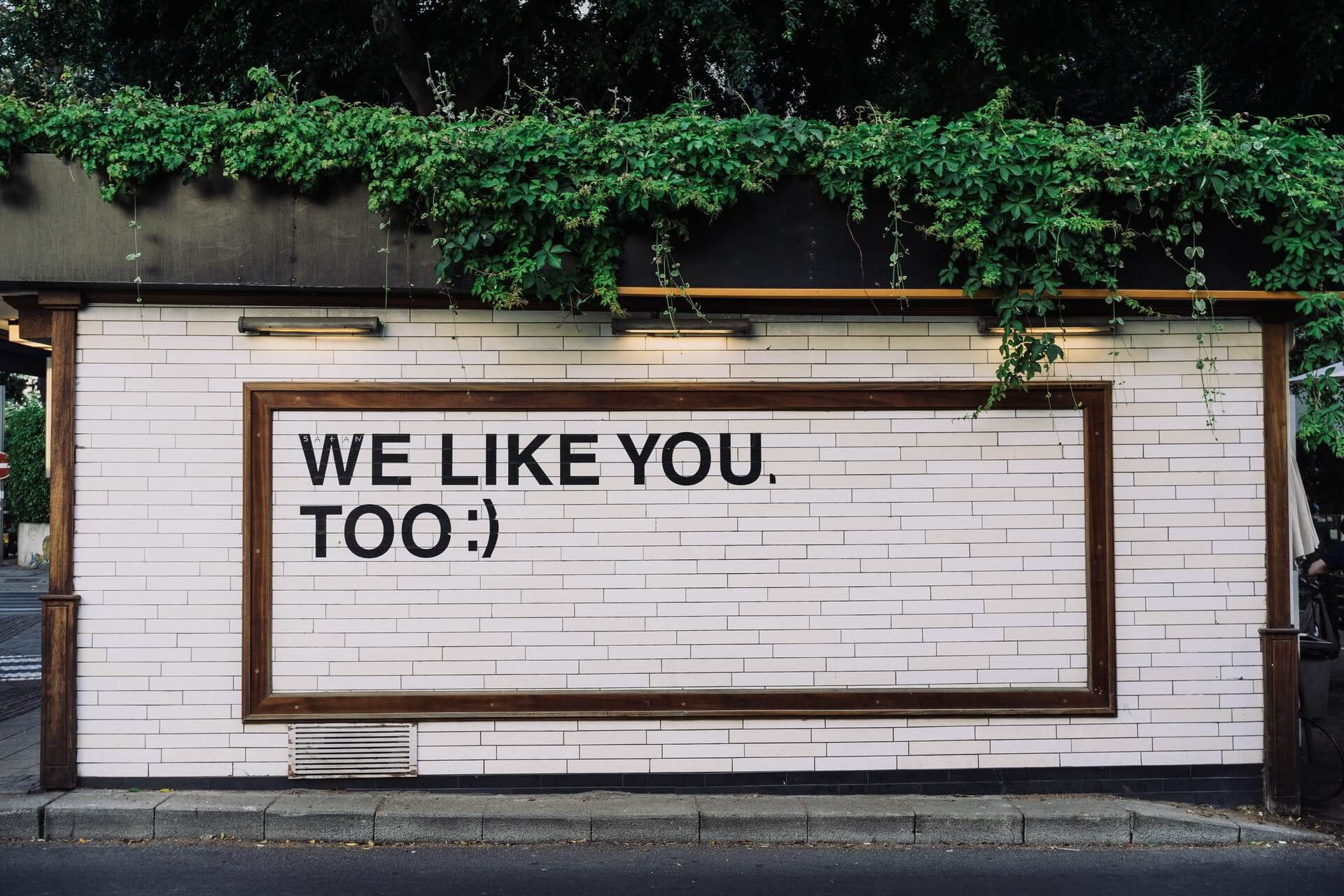
Sign on wall that reads, "We like you too"

Many speakers at HD Expo 2022 are focusing on an important element of design and the hospitality industry: the people we serve.

In other words, designers, their collaborative partners, and their clients want to engage communities.

Now, it’s true that HD Expo 2022 speakers were mainly talking about the hotel side of hospitality design. However, much of what they have to say on the subject of community relates to restaurant and bar projects as well.

Below are helpful insights into engaging the community your business operates in and serves.

Valuing the Community

Crystal Vinisse Thomas, vide president and global brand leader of lifestyle and luxury brands for Hyatt Hotels is bringing Caption by Hyatt to life.

A core element of Caption is community engagement. Yes, travelers are crucial to the success of a hotel brand. However, so are the locals.

After all, hotels, restaurants, and bars employ people from the community. Engaging the community leads to the creation of a loyal guests. During slower times, those loyal locals keep those registers ringing.

As Vinisse Thomas says, operators need to focus on locals as much as travelers. Further, she defines her approach to community as creating a space that’s open to everyone.

One way that Caption is staying true to Vinisse Thomas and Hyatt’s vision for the brand is the Talk Shop. As the name suggests, this is a hangout space. Talk Shop is a communal workspace, a a restaurant, a coffee shop… It’s a hangout for everyone, hotel guest or community guest.

However, Vinisse Thomas does admit that there are challenges when designing and operating for community engagement. One of those challenges is scalability.

Then there’s another big challenge. Designing and operating with the community in mind looks great on paper. But there’s no guarantee that this approach will give an operator an edge of the competition.

To that point, Vinisse Thomas suggests it may be best to speak with one’s competitors to partner on community engagement efforts.

Honoring the Community

An additional challenge when attempting to engage a community is authenticity. It’s a great buzzword, as Vinisse Thomas says, but it needs to be more than that.

Dyonne Fashina, principal of Denizens of Design, has some thoughts on community engagement and authenticity.

Putting it bluntly, Fashina says that honoring a community requires more than a Google search. Rather, designers and operators need to spend time in a given community. They need to get to know the people, the culture, and the vibe.

At KRG Hospitality, we agree. One of our services is site selection. We conduct intensive research to identify the best site for a concept.

However, operator clients need to ensure they know the location. Not just the ZIP code, not just the address, not just the cross streets—the community.

After KRG identifies ideal sites, the client should spend time in those communities, speaking with the people who live and work in them.

Fashina also has another excellent piece of advice for operators. The project, as we often say at KRG, isn’t over after the grand opening. Fashina’s advice speaks to that point.

If an element of an operator’s business isn’t working for the community, she says, they need to be flexible enough to fix it. For owners who perhaps don’t spend every day inside their business or businesses, Fashina recommends visiting to analyze community engagement.

Hospitality is about service, and service requires commitment to being a responsible host and steward. To that end, operators should ensure their concepts improve communities rather than exploit them.

Image: Adam Jang on Unsplash

by David Klemt David Klemt No Comments

What’s Next in the F&B Design Space?

What’s Next in the F&B Design Space?

by David Klemt

Interior of world's first crypto bar

Design driven by a story and narrative, technological innovation, and people’s desire to socialize are what’s next in hospitality design.

The influences above are factoring into the current approach to design in the F&B space. Be it a hotel or restaurant, the F&B landscape is going to look different for several reasons.

Five leading industry experts addressed this topic during HD Expo 2022‘s “F&B Trends: What’s Next?” panel.

Technology

Well, let’s start with arguably the biggest “trend” in F&B. Our industry is finally making major advancements in the area of technology.

It may not seem like it to some, but speaking generally, hospitality hasn’t always found itself on tech’s bleeding edge. That’s changing.

In fact, some industry experts feel we may be moving too quickly. For example, an interesting prediction from Restaurant Leadership Conference 2022 is a more deliberate approach to developing and implementing hospitality-specific tech.

Now, that doesn’t mean we’ll see a significant slowdown in tech innovation. Rather, innovators may take a more calculated approach to truly relieve hospitality pain points.

For example, Adam Crocini, senior vice president and global head of food and beverage brands for Hilton, points to a few innovations now common throughout the industry. Digital order, digital pay, and the ability to deliver food essentially anywhere within a hotel, resort or casino property are tech solutions driving efficiency.

However, Crocini sees one segment in need of a specific solution. In the luxury segment, guests prefer in-person engagement with staff and tactile engagement with physical menus.

Ari Kastrati, chief hospitality officer for MGM Resorts International, seems to agree. Tech, says Kastrati, shouldn’t replace human connections. Rather, technology needs to enable and enhance.

The Experience

When it comes to design, much of the focus is on the impact it will have on the guest or consumer. However, the end user is hardly the starting point.

For Kastrati, a successful project begins with the development of a relationship. That relationship is between the designer, the operator, and the concept. If care isn’t taken to nurture that relationship, it will likely show in the final product.

In Crocini’s eyes, that relationship informs the development of the operator’s concept. How? Through the development of a story and narrative.

If the designer and operator can develop a story, the design can be grounded in said story. Further, every element of a design can be held up against that story to see if it “fits.” If it does, the design will deliver a holistic experience and engage the guest or consumer.

In terms of F&B, Kastrati and Crocini make similar points. Both feel knowing the guest and anticipating their needs is crucial.

Addressing design elements that impact the experience, Crocini believes design should start with lighting. A design without proper lighting, Crocini says, is like a Scorsese film without the score.

Alexis Readinger, founder of Preen, is focusing in part on unique floorplan design. In particular, Readinger likes features that encourage interaction between guests, such as communal loveseats. However, “protecting the introverts” is also important for some guests’ comfort levels.

It’s safe to say that Caroline Landry Farouki, partner at Farouki Farouki, agrees with Readinger and Crocini. Seating, says Landry Farouki, can create different levels of intimacy to engage extroverts and introverts, and lighting designers are crucial and can really tell the story.

F&B Trends

In terms of consumer trends, Kastrati points to something specific he’s seeing in Las Vegas. People are seeking out specialty restaurants and luxury retail. At least anecdotally, this confirms what many reports and experts have been saying for the past few years: Consumers are showing increased interest in luxury.

However, Kastrati’s focus in the F&B space isn’t solely on guests and consumers. Rather, he suggests that the next step is bringing people back to the workforce. As Kastrati says, there’s no hospitality without people. Kastrati believes all of us in the industry need to encourage people to pursue hospitality careers.

Switching gears, Jessica Gidari, director of design and concept development for Union Square Hospitality Group, points to an effective pivot as a possible industry trend.

At least one concept in the Union Square portfolio has pivoted from a restaurant to a cocktail bar. A menu with shareable plates leverages guest desire to socialize and share. Gidari also says doing away with some traditional two- and four-top tables and replacing them with communal seating can “rebrand” a space as a “convivial” lounge.

Landry Farouki thinks operators can count on two compelling trends in the F&B space. One is the return of the restaurant as “the bar.” As someone who lives and works in Las Vegas, I can attest to treating restaurants more as bars myself.

Another possible trend Landry Farouki predicts is “mature dining” replacing fine dining. Explaining mature dining, Landry Farouki says such a concept is chef-driven but doesn’t focus solely on the chef.

Trend predictions must be taken with a grain of salt. However, I only see upside for design that helps operators engage guests more from the start.

Image: LYCS Architecture on Unsplash

by David Klemt David Klemt No Comments

TOTC 2022 Agenda and Tickets Now Live

Tales of the Cocktail 2022 Conference Agenda and Tickets Now Available

by David Klemt

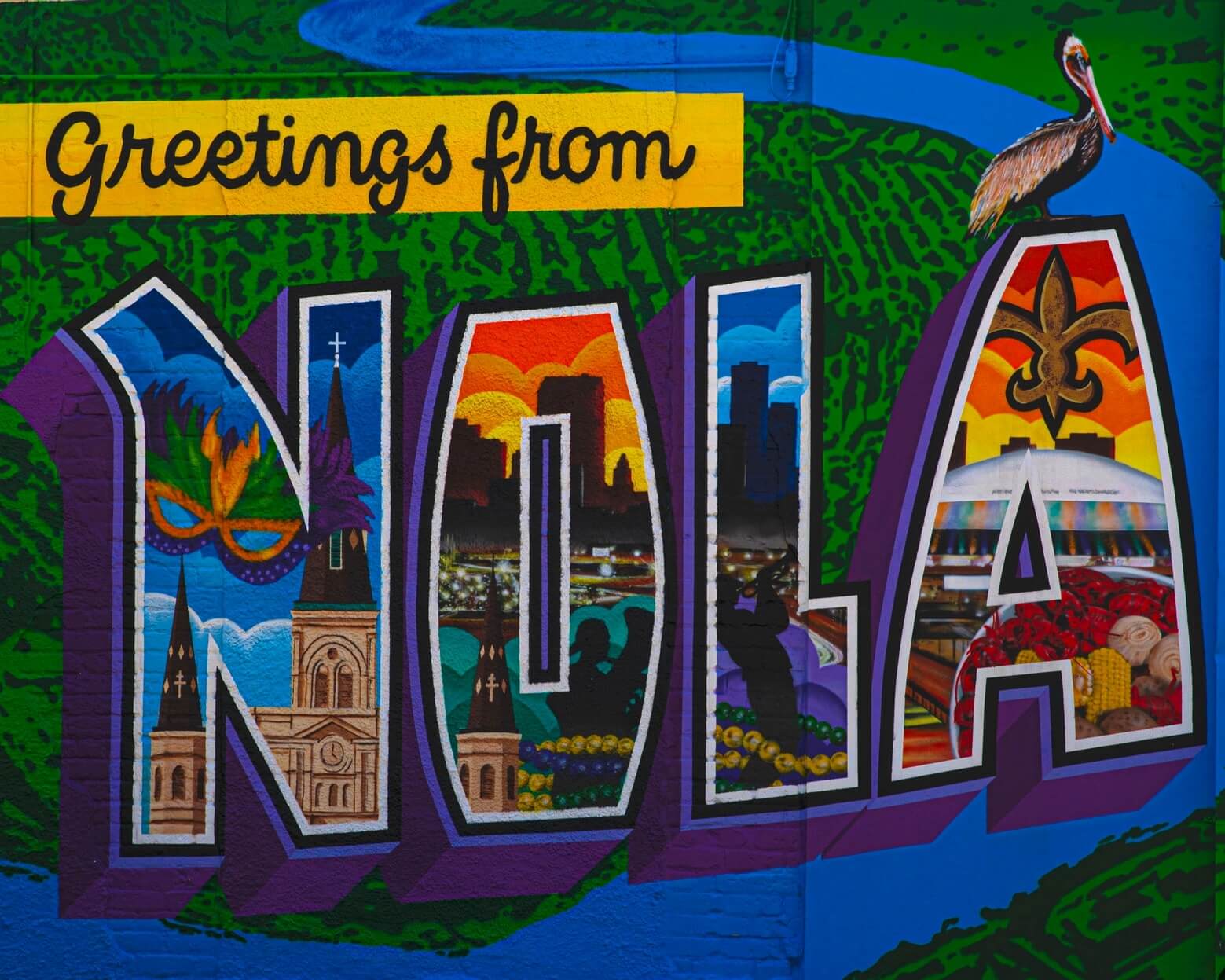
Greetings from NOLA artwork

The time is now to grab your Tales of the Cocktail tickets and plan your trip to New Orleans for the last week of July.

Not only are tickets available for purchase via this link right now, you can also check out the schedule here.

Of particular note is the amount of complimentary programming available to 20th anniversary TOTC attendees.

Free to Attend

Attendees will have access to several activations and workshops that are free to attend.

Beginning Sunday, complimentary programming is available throughout the week. For example, the Day of Service on Sunday, July 24 is free attend and a way to give back.

Also on Sunday, the 11th annual Pig & Punch Volunteer Day of Service. This is another opportunity for those in the industry to do some good in the NOLA community.

The return of Pig & Punch was mentioned by an excited Lola Thomas on episode 72 of the Bar Hacks podcast.

On Monday, all attendees can attend the keynote address; Diversity Distilled Career Fair; the Welcome to Wellness! therapeutic stretch and self-massage session; and “#FromTheBarToTheFarm” sustainability workshop.

There are several more workshops—such as “Safe Bars: Crafting a New Culture of Safety and Respect” and the immersive “Mind Full” experience—that are free to attend on Tuesday and Wednesday.

Incredible Activations

More reasons to plan your trip around an action-packed Sunday? Speed Rack Redemption, the National Tequila Day Pool Party at the Royal Sonesta, and Ode to the Bowl.

The rest of the week is absolutely packed. From workshops to seminars, cocktail tours to tasting rooms, and all manner of activations, parties, and events in between, the 20th anniversary celebration of Tales of the Cocktail will be an experience to remember.

On the subject of cocktail tours, there are eight such experiences available during this year’s Tales. For example, attendees can register and secure tickets for Hunting Down the Sazerac, Downriver: Bars Beyond the French Quarter, the Big Gay Bar Tour, and Bourbon Street and How it Got that Way.

Learn More

To be honest, there’s simply too much going on at this year’s TOTC to list here. The sheer number of workshops, seminars, and activations must be checked out online.

And that’s to say nothing of the industry icons that will be presenting seminars and workshops, and hosting activations and special events.

Simply put, there’s programming for everyone. Health and wellness? Yes. Furthering your career? Absolutely. Perfecting technique and tasting new products? Of course. Business, culture, advocacy, diversity, inclusion, equity… Check, check, check, check, check, check!

We hope to see you at Tales of the Cocktail 2022! Be sure to check out the agenda and grab your tickets today.

Image: mana5280 on Unsplash

by David Klemt David Klemt No Comments

Designing with Anxiety in Mind

Designing with Anxiety in Mind

by David Klemt

Blurry image of people in a nightclub or bar

Interior design has the power to remove a person’s anxiety, improving the guest experience by making them feel more comfortable.

Lionel Ohayon, founder and CEO of ICRAVE, addressed design and anxiety at HD Expo 2022 in Las Vegas. While anxiety wasn’t the entire focus of this intimate discussion, what Ohayon had to say was powerful.

When some operators consider their space, they probably aren’t thinking about guest anxiety. Ohayon, who designs with compassion and empathy in mind, believes designers can address anxiety through the design process.

Why the respected designer think designers can accomplish this feat? He does it himself.

Innovative Design

For the benefit of those unfamiliar with Ohayon and ICRAVE, some background.

Specializing in interiors and lighting, ICRAVE is an award-winning design firm. Founded by Ohayon, the firm’s approach to design includes a focus on the experiential and the client’s brand strategy.

One may assume that ICRAVE works solely in the hospitality space. To that point, the firm’s portfolio includes some of the world’s most impressive restaurants, bars, lounges, nightclubs, hotels, and spas.

However, the company is well known for work in the healthcare, wellness, entertainment, residential, workplace, mixed-use, and airport spaces.

After two decades, ICRAVE has honed their vision, approach, and strategy. A key pillar is “experience design.” In fact, the firm believes that “the experience is the brand.”

It would be impossible to live and deliver on that core tenet without understanding a client’s business. For ICRAVE, the final product must engage all those who use the space they’ve designed and their client is operating.

Reducing Anxiety

Consider this scenario. It’s not one that we’ve all found ourselves in. However, it is a situation that those who experience anxiety live with every day.

Let’s say someone has agreed to meet friends at a nightclub. They’re not meeting somewhere outside of the club so they can enter as a group.

This person arrives, enters, and is seeking out their friends. Unfortunately for them and their anxiety, they’re the first to get there. Anxiety (and even panic) sets in. Now, the last place this guest wants to be is in this nightclub.

Obviously, this is a terrible guest experience. And now this guest may associate the venue, fairly or not, with feelings of anxiety. They may never want to return.

Throughout Ohayon’s career, he has designed for this exact situation. During his HD Expo session—which was much more an intimate conversation inside the DesignWell Pavilion—Ohayon explained that he has incorporated “perches” in a number of his designs.

A perch, in this context, is a space a person can access that makes them feel comfortable while they wait for others in their party to arrive. The way I understand it, a perch is like a “hideaway,” a space someone feeling anxiety in public can use so they don’t feel like everyone’s eyes—and judgment—are upon them.

Designing and planning for longevity requires designers and their clients to think differently. Health and wellness must be more than buzzwords—they must be authentic to a brand.

Anything less is disingenuous. Today’s consumer is perceptive when it comes to sensing the inauthentic, and they don’t like it.

Takeaway

Now, some operators may feel as though addressing a guest’s anxiety isn’t their problem. And we’re not always sensitive to the fact that someone is feeling anxious.

Some people may even feel defensive about their venue right now. Their space, they may be thinking, isn’t causing anyone anxiety.

At risk of putting too fine a point on it or stating the obvious, a key element of hospitality is guest comfort. If a guest’s comfort and sense of safety isn’t important to someone, they really shouldn’t be in hospitality.

To clarify, Ohayon’s comments on anxiety are first and foremost for designers. He wants designers to consider how they can incorporate elements that may help reduce a person’s anxiety.

On the client side, though, an operator can and should ask about such elements during the design process of their space. There’s no reason to be defensive—this is about mindfulness, wellness, and compassion.

Removing anxiety through design pays off during day-to-day operations. If a space can reduce a guest’s anxiety, that guest can be present and engaged. That engagement leads to a positive, memorable experience. And that type of experience evolves into repeat visits from loyal guests.

Image: Maurício Mascaro

by David Klemt David Klemt No Comments

SevenRooms Reveals Hotel Guest Study

SevenRooms Reveals Hotel Guest Study Results

by David Klemt

Male passenger with suitcase at airport

Americans eager to get back to normal and make up for lost time are traveling in droves, and hotels will have to adapt in order to earn their business.

To give hotel and resort operators an edge, SevenRooms today reveals the results of their latest study.

“Booking Behaviors: Exploring Hotel Guest Loyalty,” contains datapoints all hotel operators should know.

The report, a collaboration with YouGov, focuses on two types of travelers.

Competitive Incentives

Before I address the who, let’s take a look at data that highlights the what.

According to the SevenRooms and YouGov report, nearly half of consumers say that loyalty programs are important. Per SevenRooms, loyalty programs influence hotel choice for 44 percent of guests.

Regarding American hotel guests specifically, 34 percent of guests will consider rebooking if their loyalty status receives recognition upon check-in.

However, loyalty status recognition isn’t enough for guests to book a hotel again. To understand what will influence that decision we need to take a look at SevenRooms’ traveler types.

Leisure

SevenRooms and YouGov look at two travelers for their report. There’s the Personal Patron and the Business Traveler.

Let’s focus on the former first. Per SevenRooms, to say the Personal Patron is eager to return to travel is an understatement.

The Personal Patron is a leisure traveler who has been climbing their walls for more than two years. They’re planning to travel “with a vengeance” this summer.

Diving deeper, the Personal Patron is most probably a female over the age of 35.

While recognizing this traveler for their loyalty program membership is smart, it’s not enough to influence a rebook. Rather, the Personal Patron places greater value on:

  • receiving more loyalty program points in exchange for dining and drinking at property-operated restaurants and bars;
  • enhanced credit card rewards; and
  • earning dining credits upon reaching a new loyalty program tier.

However, there’s a problem inherent to the Personal Patron and loyalty programs. Just 45 percent—so nearly half—of this traveler type are loyalty program members.

The reason for that low program buy-in? Almost 60 percent don’t think they travel enough to benefit from hotel loyalty programs.

Per SevenRooms, there’s a rather simple solution: local benefits. Tempt Personal Patrons with staycations and access to amenities at hotels in their home markets. Another idea is to offer points exclusively for dining that this traveler can use where they live.

Business

Obviously, the business traveler is now different. In fact, SevenRooms considers two versions of the Business Traveler.

On the one hand, there’s the extended-stay version traveling all over the country. And on the second hand, there’s the long-distance Business Traveler who’s seeking a midweek “home base” hotel.

Either way, the Business Traveler is most likely a male aged 18 to 34.

Per SevenRooms—and as most hotel operators likely know—this traveler probably doesn’t have time (or interest) in exploring off property. Therefore, the Business Traveler can be influenced to rebook through incentives that make their stays better.

These include:

  • receiving more loyalty program points in exchange for dining and drinking at property-operated restaurants and bars (like the Personal Patron);
  • receiving recognition for being a loyalty program member; and
  • getting a complimentary drink on check-in; or
  • being given a choice of an F&B amenity on arrival.

Unsurprisingly, the Business Traveler is more likely than the Personal Patron to join a hotel loyalty program. Per SevenRooms, 55 percent of Business Travelers say that the ability to participate in such a program influences their hotel choice.

Focusing on perks that “reward” the Business Traveler for their hard work can convert a Business Traveler to become a loyal guest for a particular hotel or hotel group.

SevenRooms suggests priority reservations for the lunch daypart at restaurants on property. Also, providing their favorite drink (wine, cocktail, beer, etc.) with their room service orders can be influential.

Takeaway

Travel is gaining steam, restaurants and bars are seeing an influx of reservations, and hotel operators need to prepare for summer travelers.

As a reservation, guest experience, and guest retention platform, SevenRooms can ensure operators can easily collect guest data. Guest data, for example, like F&B and room preferences.

More importantly, the platform makes it simple to use that data responsibly, effectively, and simply.

To learn more about SevenRooms, click here.

Image: JESHOOTS.COM on Unsplash

by David Klemt David Klemt No Comments

5 Books to Read this Month: May 2022

5 Books to Read this Month: May 2022

by David Klemt

Flipping through an open book

These engaging and informative book selections will help you develop next-level beverage skills and motivate you throughout May, 2022.

To review April’s book recommendations, click here.

Let’s jump in!

Rum Rebels: A Celebration of Women Revolutionizing the Spirits Industry

Written by authors Martyna Halas and René van Hoven, Rum Rebels raises a glass to women in the rum world. Readers will learn the inspiring stories of Lorena Vasquez from Zacapa, Joy Spence of Appleton, and more women driving rum forward and shaping this iconic spirit’s flavors, aromas, and textures.

In addition, this book serves as a masterclass in rum production, from tasting to aging. And since that’s enough for these incredible and ambitious authors, Rum Rebels also contains rum cocktail recipes.

Drink Lightly: A Lighter Take on Serious Cocktails

Operators, bar managers, and bartenders should see value in the driving ethos behind this cocktail book. Drink Lightly, authored by Nitecap bartender Natasha David, pairs precision drink-building techniques with a relaxed drinking experience.

Drinking lightly doesn’t mean sipping drinks bereft of complexity and depth. Along with 100 recipes, readers will enjoy a foreword by Alex Day of Proprietors LLC, whose concepts include Death & Co. and Nitecap.

Call Me Chef, Dammit!: A Veteran’s Journey from the Rural South to the White House

Hospitality is rooted in sacrifice and a commitment to serving others. Chef Andre Rush and his story embody service. Call Me Chef, Dammit! is the inspiring story of Chef Rush.

The storied chef has led an incredible life which includes a career in the US Army that spanned 24 years, advocating for military personnel and veterans, and winning multiple awards as a chef. Oh, and Chef Rush and his 24-inch biceps have also worked in the White House for four US presidents.

While there are no recipes in this book, there is one hell of an inspiring story in these pages.

The New Kindred Spirits: Over 2,000 All-New Reviews of Whiskeys, Brandies, Liqueurs, Gins, Vodkas, Tequilas, Mezcal & Rums from F. Paul Pacult’s Spirit Journal

Anyone looking for a spirits bible need search no further. F. Paul Pacult’s The New Kindred Spirits includes over 2,400 in-depth reviews spanning a wide range of spirits. This tome evaluates a massive number of brandies, gins, liqueurs, rums, tequilas, vodkas, and whiskeys.

This all-encompassing compilation of spirit evaluations doesn’t just cover the usual suspects. The New Kindred Spirits also takes a deep dive into the craft side of the beverage industry.

Drinking & Knowing Things

Author and certified sommelier Michael Amon would like to know a couple things from those considering picking up Drinking & Knowing Things. “Do you want to uncork a bottle of whoop-ass on every winedouche and uppity sommelier?” And, “are you too lazy to spend any time whatsoever learning things?”

Anyone who answered “yes” to either or both questions needs this book. Amon says that readers who commit to spending five minutes reading the weekly wine recommendations found in Drinking & Knowing Things will give sommeliers a run for their wine-knowledge money. Wine intimidation? Not after reading this book.

Image: Mikołaj on Unsplash

by David Klemt David Klemt No Comments

Stand Out with Weird Holidays: May 2022

Stand Out with Weird Holidays: May 2022

by David Klemt

Stay Weird neon sign with purple background

Want to stand out from from other restaurants and bars in your area? Then commit to keeping it weird.

Several “holidays” are set against every date on the calendar, and May is no exception. These holidays range from mainstream to “weird.”

Pay attention to the latter to raise eyebrows, carve out a niche for your restaurant or bar, and attract more guests. Why do what everyone else is already doing?

Of course, you shouldn’t try to celebrate every holiday, weird or otherwise. And this month’s list in no way includes every odd holiday.

Focus on the days that are authentic to your brand; resonate with your guests; and help you grab attention on social media.

For last month’s list, click here.

May 3: National Two Different-colored Shoes Day

Promotions don’t need to be complicated to generate traffic, revenue, and social media engagement. Encourage guests and staff to wear mismatched shoes and program around that call to action.

May 6: International No Diet Day

The fact that this holiday comes at the start of the weekend is awesome. It’s Friday, this holiday is all about indulging food and drink cravings, and people want to get back out there after being unable to gather for more than two years. Put your most decadent F&B items front and center!

May 8: National Have a Coke Day

Are you a Coca-Cola account? If so, great—create specialty menu items using Coke and promote them.

Not a Coke account? Well…you can always take a play out of some of the cheeky QSR brands’ playbooks and counter-program on this holiday.

May 13: National Crouton Day

Ah, the mighty-but-mini crunchy treat that is the crouton. Not only are they great in soups and salads, they can be an appetizer or shareable on their own. Better yet, they’re easy to make in-house, such as the revered grilled cheese crouton.

May 16: National Sea-Monkey Day

As we pointed out last week, Datassential has identified drinks that evoke nostalgia are a trend to watch this year. The infamous Sea-Monkeys have been around since the 1960s and also resonate with ’70s, ’80s, and even ’90s kids.

May 17: National Graduation Tassel Day

Most colleges hold their graduations in May. So, if you operate a restaurant or bar in a college town, this is your time to shine. A simple food and/or drink promotion aimed at new graduates is an excellent way to drive traffic and generate much-needed dollars.

May 22: National Craft Distillery Day

You most likely have at least a few products from craft distilleries on your menu. This is the day to highlight them, particularly if they’re local to your business.

May 24: National Scavenger Hunt Day

There are a few ways to program for this holiday. One way, of course, is to focus on your own operation(s) and come up with a scavenger hunt that keeps guests on property.

However, you can also team up with surrounding businesses to create a multi-venue scavenger hunt that engages the entire community and drives business to small operators.

May 25: National Sing Out Day

Do you host karaoke? Are you operating a piano bar? What about a raucous supper club? If your restaurant or bar is set up for singalongs, this is the holiday for you.

May 30: National Creativity Day

Hey, guess what you should do on this holiday? Tap into you and your team members’ creativity and come up with a promotion that’s truly unique.

Image: Dan Parlante on Unsplash

by David Klemt David Klemt No Comments

Key Themes from HD Expo 2022

Key Themes from HD Expo 2022

by David Klemt

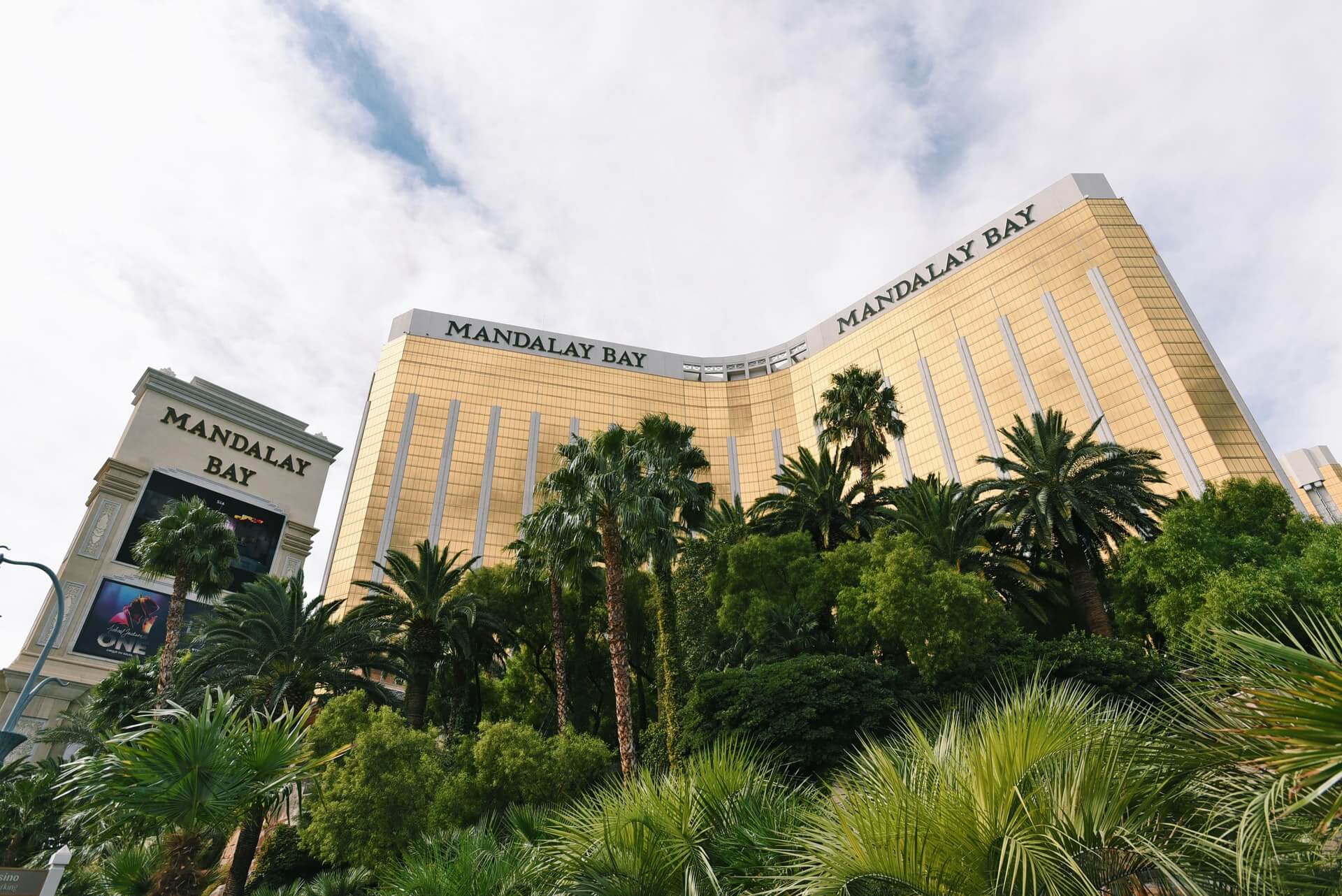
Mandalay Bay Resort & Casino Las Vegas

The educational conference sessions at Hospitality Design Expo 2022 in Las Vegas were connected by a number of key, overarching themes.

Hosted by the Mandalay Bay Convention Center, HD Expo packed each day with invaluable education. Founders, designers, highly placed executives, and other influential industry professionals addressed a wide range of crucial topics.

Below are five key topics and themes from HD Expo 2022.

Sustainability

Unsurprisingly, sustainability was one of the most-discussed topics.

Of course, conversations about sustainable design, construction, and operational practices have been at the forefront of hospitality for several years now. However, the topic seemed supercharged this year at HD Expo.

Drilling down, speakers at the 2022 show are focusing on “building performance,” light-touch construction, and waste recovery, to name but a few session topics.

When some think about sustainability, they think of low- and no-waste practices, energy efficiency, and upcycling. For others, being sustainable means building in an eco-friendly or green way.

However, several HD Expo 2022 speakers, their teams and agencies, and their partners and clients are thinking more locally. The impact of building and operating on local communities is now a greater focus.

For example, Victor Body-Lawson, founder and principal of Body Lawson Associates Architects & Planners. During a panel he co-presented, Body-Lawson addressed the importance of designing, building, and operating for the local community.

In short, he explained how not using local materials and labor has a significant negative impact on the environment. Additionally, Body-Lawson feels that the objective of design is that whomever engages with end product—commercial or residential—comes out better.

Wellness

Refreshingly, it appears the stigma surrounding wellness is dissipating. More people seem to be more comfortable discussing their mental and emotional health openly.

Designers and their clients, particularly in the hotel and resort space, are taking note.

Long a staple amenity, the health center is undergoing reinvention. In fact, many resorts and hotels are focusing on wellness centers and programming.

In fact, a number of concepts are more wellness and healing getaway than hotel or resort. One such project coming to market is the Jenesis House.

The creation of Jenesis Laforcarde, this concept’s focus is explicitly mental health, physical well-being, and self-care. Additional core values are community, hiring local, and engaging with local small businesses.

Diversity, Equity, Inclusion

Like the topic of wellness, DEI has received more earnest attention during the pandemic. And why not? Diversity, inclusion, and equity are inextricably connected to wellness.

Of course, DEI is also connected to community. Moving forward, designers, their partners, and their clients must focus on DEI within their companies and local communities.

One hotel brand that seeks to embody this mission is Caption, part of the Hyatt portfolio. Crystal Vinisse Thomas, VP and global brand leader of lifestyle and luxury brands for Hyatt, is bringing Caption to market.

At this brand’s core is community. Locals are as important as the travelers staying at a Caption property. And, again, why shouldn’t that be the case?

Locals will work at the hotel. Locals will use the hotel. And locals will feel the impact—positive or negative—of the hotel.

A visit to the website provides all the proof anyone needs that Caption is committed to locals:

  • “The people make the place here. We hire local, buy local, and vibe local.”
  • “We strive to be a good neighbor.”

Interestingly, Thomas tied DEI and the community together. While it may be a difficult conversation to start, if a designer, executive, partner, or client sees that a project isn’t representing the community, they need to address it.

Staying silent isn’t how things move forward. In fact, it’s a sure-fire way to take steps backward.

Discovery

What keeps guests coming back? Is it the amenities of a hotel? The food and beverage? Do guests return because of the service they receive?

Of course. However, a shift in guest behavior and expectations shows that F&B, amenities, and service may no longer be enough to motivate repeat visits.

When it comes to hotel and resort design, the future is discovery. Another way to think about discovery is the “hotel within the hotel,” or “resort inside the resort.” A concept that embraces this approach reveals layers that guests can discover.

Perhaps their first stay is in the main or more traditional space. Then, the guest discovers that there are different areas they can book for a stay. These could be villas, luxury tents, a pre-fab luxury Moliving unit (as an example)…

The point is that the guest knows they can engage with the property differently during each stay. While there are core elements that define a particular brand, they can deliver different experiences on the same property.

Of course, such a concept also ties into the themes of community and wellness. Many brands are eschewing the traditional operational ethos of attempting to keep a guest on property for as long as possible. Instead, the local community is a key experiential element of a hotel or resort.

The future of hospitality design—indeed, of hospitality as a whole—encompasses each of these themes. Perhaps most importantly, each theme serves a greater concept: Community.

Image: tommao wang on Unsplash

by David Klemt David Klemt No Comments

Forward Progress: Trends by Venue Type

Forward Progress: Trends by Venue Type

by David Klemt

High contrast image of blue cocktail with lemon zest

One notable difficulty with considering new trends is that they’re not all necessarily a universal fit for all venue types.

For example, what may work well in an upscale restaurant perhaps won’t perform as well in a sports bar. Pursuing a trend that isn’t a good fit, obviously.

As any operator with experience knows, chasing fads and trends just to chase them can be costly. Doing so costs money (inventory, training, labor hours) and time deserving of better allocation.

However, failing to embrace any trends can also be costly. Watching a lucrative trend pass by can cost an operator guest engagement, perception, and traffic.

Take, for instance, the success of White Claw. Plenty of operators and consumers scoffed at the hard seltzer category as a whole at first.

Then, some people decided it was a drink category “for women.” As it exploded in popularity, hard seltzers proved immensely popular with men.

Basically, it’s an incredibly strong beverage alcohol category that resonates with a wide range of consumers. On some menus, hard seltzers are listed alongside beers.

So, hard seltzer, led largely by White Claw, showed itself to be a worthwhile trend to adopt.

Clearly, however, hard seltzer doesn’t resonate with all guests on all occasions in all types of hospitality venue types. For instance, generally speaking, a bucket of White Claws likely to be a top seller in a high-end restaurant specializing in seven- to nine-course meals.

Drink Trends by Venue

During Bar & Restaurant Expo in March of this year, Amanda Torgerson of Datassential presented 2022 drink trends operators should know.

One trend has essentially proliferated the industry. Really, it’s likely wise for us to all view this trend—hard seltzer—as mainstream now.

In the context of Torgerson’s presentation, Datassential is saying that hard seltzers are here to stay.

Among other trends, Torgerson shared Datassential’s data-backed view of drink trends segmented by venue category.

While every venue is unique and not every trend will work for every bar or restaurant in a given category, the results are no less intriguing.

Pubs: Dry-hopped beers, pastry stouts, and hard or spiked coffee.

Sports Bars: Mini-beers, hard seltzer, and reusable growlers.

Casual Bars: Seltzers with unique flavors, hard tea, hard lemonade, and drinks featuring local ingredients.

Upscale Bars: Negroni, wine-barrel-aged spirits, and flaming cocktails.

Nightclubs: Hard seltzers served with spirits, cocktails and punch bowls served with dry ice, and flaming cocktails.

Casual Restaurants: Wine cocktails, elevated brunch cocktails, and tea-based alcohol beverages.

Upscale Restaurants: Flaming cocktails (smoked may be better), all-natural wines, and made-to-order cocktail cart presentations.

Hotels, Resorts and Casinos: Made-to-order cocktail carts, alcohol vending machines, and drinks made with cold-pressed juices.

Interestingly, a few of the above trends identified by Datassential appear in multiple venue types.

The main things for an operator to keep in mind is what will resonate with their guests and what’s authentic to their brand. When it comes to trends, one size doesn’t fit all and an individual venue’s mileage will vary.

However, the above list should at least show operators what Datassential sees resonating with guests in an array of venues.

Image: Ozge Karabal on Pexels

by David Klemt David Klemt No Comments

Forward Progress: 2022 Drink Trends

Forward Progress: 2022 Drink Trends

by David Klemt

Cocktail on bar mat behind bar

Curious about what drink trends to leverage throughout 2022 to fulfill guest desires and expectations? Datassential has answers.

Of course, nobody has a crystal ball. However, as their name suggests, Datassential has something similar: data.

A trove of their valuable data was shared during Bar & Restaurant Expo 2022. Amanda Torgerson, senior account manager at Datassential, revealed the trends operators should be aware of this year.

Datassential MegaTrends

During this informative session, Torgerson shared what Datassential has identified as three “megatrends.” In other words, two trends that are particularly noteworthy.

First up, self-service. Whether beer, wine, or cocktails, Datassential thinks today’s guest wants more control.

Self-service beverage alcohol taps offer control in multiple ways, pour size and customization among them.

In addition, guests don’t have to wait for servers or bartenders when serving themselves. And, of course, self-service cuts down on front-of-house labor costs.

Second, experiential imbibing. In this context, this doesn’t simply relate to occasion, service, location, and ambiance.

Rather, the drink itself is an experience. Experiential cocktails engage multiple senses and include:

  • color-changing cocktails (those using butterfly pea powder, for example);
  • cocktail carts (similar to tableside guacamole preparations, tableside cocktail prep and service);
  • fire and smoke: smoked, charred, and burnt cocktails;
  • drinks that invoke nostalgia and guests’ childhoods;
  • frozen drinks; and
  • beer, wine, spirit, and cocktail flights.

Finally, botanicals. As we know, scent is a crucial component of taste. Botanicals, obviously, activate one’s olfactory sense.

Additionally, botanicals can affect a drink’s appearance and taste. So, break out the Chartreuse, Lillet, and elderflower liqueurs.

And while your team is at it, consider how else scent can be used to entice guests and enhance the drinking experience.

Best of the Rest

Treating this as more of a speed round, let’s review Datassential’s trend predictions in four major categories.

Seltzer/Beer

When it comes to hard seltzer, Datassential has (re)confirmed what we all know: This category has staying power. And as many operators found out during the pandemic, seltzers can boost to-go and delivery sales.

Beer cocktails are also trending up, per Datassential. Mini-bottles of beer also having a moment, and can easily tie into the beer cocktail trend.

Finally, heirloom beers—those made with heirloom grains—are proving popular with consumers.

Wine

According to Torgerson, wine seltzer is poised for a moment. Relating it to the hard seltzer trend, consider this Wine Cooler 2.0, as Torgerson said.

Other key wine trends are frizzante and red sparkling wines, orange wines, and canned sake.

Then there’s fruit wines, which means any wine not made from grapes. During her session, Torgerson suggested using these in cocktails.

Cocktail

In addition to cocktails on tap, Datassential sees the following as cocktail trends to watch:

  • Drinks made with genever.
  • Hybrid rums, blends of light and dark rums.
  • Ranch Water (typically a highball made with tequila and lime juice, topped with Topo Chico).
  • Single-serve, premade cocktails such as RTDs. These are great for off-premise sales.
  • Boozy frozen desserts.

Global

Focusing first on increasingly popular spirits, Datassential’s data shows that pisco, mezcal, and Japanese whisky are trending up.

In terms of wine, operators should look into regions that are perhaps “lesser known” in North America. Some examples from Torgerson’s presentation are Georgian and Hungarian wines.

And finally, what Datassential identifies as “drinking for a cause.” Such causes and beverage activations can be local or global as the world is so much more connected.

Image: ABHISHEK HAJARE on Unsplash


by David Klemt David Klemt No Comments

Hiring Struggles? Engage These Age Groups

Hiring Struggles? Engage These Age Groups

by David Klemt

Chef plating greens on plates

Staff turnover rates are still above pre-pandemic levels and there’s no silver bullet solution. However, two companies have some helpful advice.

Both Service Management Group and Technomic shared their tips during Restaurant Leadership Conference. Interestingly, each company has a different approach to the current hospitality industry labor problem.

In short, both SMG and Technomic advise operators to engage with vastly different age groups. However, they each have information that supports their recommendations.

Service Management Group

Jennifer Grimes, senior vice president of client services for Service Management Group, co-presented a session with Jim Thompson, COO of Chicken Salad Chick.

SMG is a software-with-a-service platform that seeks to the employee, customer, and brand experience. One crucial element of the company’s mission is the reduction of staff turnover.

During the RLC session, Grimes shared several years of hospitality turnover rates:

  • 2017: 72%
  • 2018: 75%
  • 2019: 79%
  • 2020: 130%
  • 2021: 86%

First, some context. The general consensus is that the industry’s average turnover rate has been between 70 and 80 percent for close to a decade. However, in comparison to other industries—10 to 15 percent—that’s stratospherically high.

Secondly, the turnover rate has been on rise since before the pandemic. Per some sources, the rate jumped from 66 percent in 2014 to 72 percent in 2015, a trend that continues to this day.

For SMG, the age group operators should seek to engage—generally speaking, of course—is 25 to 34 years old. Per the SWaS platform, this group was the most engaged pre-pandemic.

One reason for SMG’s suggestion is that Boomers appear to opting out of the workforce.

During the presentation by Grimes and Thompson, the latter shared that Chicken Salad Chick predicts the 2022 turnover rate to be just slightly above the 2019 rate.

Technomic

Unsurprisingly, Technomic had some numbers to share during RLC 2022 in Scottsdale, Arizona.

Per data provided by Joe Pawlak and Richard Shank, 70 percent of operators are still struggling with labor. Recruiting, hiring, and retaining staff doesn’t appear to be getting any easier four months into 2022.

Technomic also pointed out that the US saw the lowest population growth in its history last year: 0.1 percent.

Additionally, almost 17 percent of the country’s population is now at least 65 years old. In 2019, 48 percent of people 55 or older retired. That number is now just over 50 percent for the same age group.

Nearly seven million American consumers turn 60 each year, while four million turn 70 or older.

Logically, one may assume that Technomic is saying a significant portion of the US population is leaving the workforce. So, it’s best to focus on the same age group as SMG recommends.

However, Technomic is recommending a different strategy. Per Pawlak and Shank, retirees (mostly ages 55 and up) tend to have valuable managerial skills and experience.

Obviously, those skills and all that experience can be of great benefit to operators and our industry.

Certainly, all groups should be engaged by operators seeking to recruit, hire, and develop their teams. So, as KRG Hospitality sees recruitment, operators should craft targeted, authentic messaging that appeals to each age group.

Image: Sebastian Coman Photography from Pexels

by David Klemt David Klemt No Comments

Código 1530 Pursuing Low-waste Initiatives

Código 1530 Pursuing Low-waste Initiatives

by David Klemt

Blue Weber agave plant in Tequila, Mexico

Tequila Código 1530 is making the upcycling of the agave they use a cornerstone of the brand’s sustainability efforts.

Some agave growers and tequila producers the plant as mulch, fertilizer, and biofuel. Bagasse, the fibrous material distillers separate from agave piñas, along with the leaves, is composted and used to fertilize agave fields.

While not common, some distillers will even take other producers’ agave bagasse and leaves to compost it.

However, Código 1530 is now doing even more with their agave.

Agave Sustainability

According to some in the spirits and hospitality industries, tequila may end vodka’s dominance in the US this year. Obviously, this would be the result of an increase in consumer demand.

Well, that necessitates an increase in production. So, it follows that agave growers have motivation to grow and harvest as much mature agave as possible.

However, it takes about eight years for some agave plants to mature. Others take more than ten years. For some rarer species, maturation takes twelve years or more.

Of course, production leads to waste. In simple terms, that’s the problem producers must solve.

One definition of “sustainability” is striking an ecological balance that preserves natural resources. For tequila production in particular, this means finding ways to meet consumer demand while harvesting agave reponsibly.

While composting and mulching is a great idea, Código 1530 sees the need to take things further.

More than Mulch

We’ve probably all been given at least one drink served with a paper straw. Unfortunately, that means most of us know how quickly that experience can become less than enjoyable.

Even some of the best-made paper straws can turn soggy long before a drink is finished. On the operator side, that’s not great for the guest experience, to say nothing of the costs associated with stocking paper straws.

However, some operators and their guests are willing to stick with paper straws to be sustainable. That’s admirable but there may be a better way, and it involves agave.

“We quickly realized that after harvesting agave to distill Código 1530 Tequila, the remaining agave was only being used as mulch to top our soil for future plants or burned as a fuel source,” explains George Strait. “We are still using some of the excess agave fiber as mulch, and now have begun producing straws and cups in a sustainable and eco-friendly manner.”

Strait, as some may know, is an investor in Código 1530. A lesser-known fact is that Strait graduated Texas State University (formerly known as Southwest Texas State University) with a degree in agriculture.

“This is a lifesaving program for sea life affected by plastic pollution,” says Strait of Código 1530’s new agave sustainability efforts.

Unlike paper straws, agave straws don’t get soggy or deform. Additionally, they can be thrown out in normal trash after use as they’re biodegradable.

However, this agave initiative doesn’t end with straws. Código 1530 is also making agave fiber cups, coffee cups, cocktail shakers, and shot glasses.

Tea-quila

To celebrate Earth Day and their sustainability efforts, Código 1530 has created the drink below.

Codigo 1530 low waste tequila cocktail

Image: Amir Shafii, Código 1530

  • 1.5 oz. Código 1530 Blanco
  • 3 oz. Bergamot tea
  • 0.75 oz. Lemon juice
  • 0.5 oz. Lavender simple syrup
  • Lavender sprig to garnish

Housemade simple cuts down on the waste associated with producing and shipping bottles of syrup. To make the lavender simple syrup, bring one cup of water and one cup of sugar to a boil. Add ten sprigs of lavender while water and sugar are boiling, let cool, then strain. For this low-waste cocktail build, add all ingredients and ice to a shaker. Shake, then strain into a Collins glass with ice. Garnish with a sprig of lavender.

Image: BRUNO EMMANUELLE on Unsplash

by David Klemt David Klemt No Comments

Chain Restaurants: Present & Future

Chain Restaurants: Present & Future

Woman dining with friends in restaurant

Technomic presented the state of chain restaurants, now and next, during Restaurant Leadership Conference 2022 in Scottsdale, Arizona.

Obviously, the entire hospitality industry is facing significant struggles. Rising costs, supply chain chaos, labor shortages and challenges, inflation… The past two-years-plus haven’t been easy.

However, there’s reason for operators and their leadership teams and staff to be optimistic. Additionally, independent and small-chain operators can learn from Technomic’s findings.

Challenges & Threats

Well, let’s take our medicine first, starting with the supply chain. In short, it’s bedlam.

Joe Pawlak (standing in for David Henkes) and Richard Shank of Technomic said as much during RLC 2022. Per their data, 35 percent of operators dropped at least one manufacturer between 2020 and 2021.

Whether because of rising costs, an inability to consistently deliver product, or other factors, operators had to adapt. Clearly, there’s a nasty trickle-down effect when an operator drops a supplier.

And then there’s inflation. Interestingly, Shank calls what we’re seeing currently as “existential inflation.” Relating to consumers, this means their confidence is shaken in terms of spending.

Of course, this type of consumer perception manifests in several ways. For example, some guests cut down on visits. Others will cut down on ordering, skipping appetizers and desserts. Perhaps they have one less beer, glass of wine, or cocktail.

Also, some guests “trade down.” Meaning, there are consumers who opt for casual restaurants rather than fine dining. Or, they’ll move from fast-casual to QSR.

Looking at the numbers, however, nearly 40 percent respondents to a Technomic survey say they’re visiting restaurants less. This makes sense, as 81 percent are concerned about how inflation will impact them personally.

On the operator side of inflation comes pricing. During Pawlak and Shank’s presentation, they used QSR dinner pricing as a real-world example.

According to Technomic, the tipping point for guest perception of good value is just $7. At only $10, consumers feel things are getting expensive.

As Pawlak and Shank pointed out, this is a problem. After all, the average price for dinner at a QSR is $10.08. That number may already be higher today.

Opportunities

Medicine taken, we can move to the good news.

First, Technomic predicts a strong Q3 this year. Additionally, they don’t expect double-digit year-over-year inflation.

In terms of labor, Technomic doesn’t expect costs to go down. However, they do anticipate that they’ll level off rather than rise.

Then there are the numbers. For the top 500 chains in the US in particular, 2021 was a “banner year,” according to Pawlak. On an aggregate basis, sales for the top 500 (McDonald’s is number one, for those wondering) are up 17.9 percent.

Also, every category of restaurant is performing better. The top 500 chains, for instance, are up 18 percent year-over-year. Midscale restaurants are up 38.5 percent. Casual is up 30.2 percent while fast is up 22.2 percent, QSRs are up 13.2 percent. As far as the biggest bump, fine dining is up 56.9 percent.

Looking at 2019 for obvious reasons, the industry was down 49.1 percent in sales in April 2020. However, the industry was down just about a single percentage point in February of this year compared to the same time in 2019.

So, how do we keep sales trending upward when facing inflation and other threats? Pawlak, Shank, and Technomic have some advice.

Operators, for instance, can implement the “balanced barbell” pricing strategy. In this model, high-value items drive business alongside premium offerings. In other words, don’t discount the entire menu just to entice guests to keep visiting.

Once guests get a taste for falling prices, they’ll consider the lower prices the standard. After that, any increase can be perceived as “too expensive.” Of course, discounting the whole menu also impacts guest perception of the brand negatively.

In addition, Technomic suggests offering higher net profit discount bundles, and implementing off-premise, large-party strategies.

Should Technomic’s predictions prove true, the industry may see an even stronger Q4 and start to 2023.

Image: Alex Haney on Unsplash

by David Klemt David Klemt No Comments

Dining Room Tech on the Rise

Dining Room Tech on the Rise

by David Klemt

Printed circuit board with gold details

After years of restaurant technology adoption moving at a glacial pace, the industry now appears to be embracing innovations at light speed.

In fact, in just two short years some in the industry think it may be time to slow down. New tech can be exciting but jumping on every “innovation” is expensive, time consuming, and inefficient.

However, slowing down doesn’t equate to hitting the pause button.

Dining room tech was a topic of discussion at the 2022 Restaurant Leadership Conference in Scottsdale, Arizona. The two speakers agree that our industry needs to ease off the tech throttle a bit.

However, they also feel that tech innovations in the restaurant space will continue at a faster rate than they did pre-pandemic.

Session host Raymond Howard, a co-founder of Ziosk, interviewed Chris DeFrain and Hernan Mujica about dining room tech. DeFrain is a CPA at Lehigh Valley Restaurant Group, which operators 21 Red Robin franchises throughout Pennsylvania. Mujica is CIO for Texas Roadhouse.

Red Robin

Industry professionals and consumers alike should be familiar with Ziosk. After all, Red Robin has been a client with tech company since August, 2012.

Anyone who has visited a Red Robin has certainly interacted with a Ziosk terminal.

According to DeFrain, there are some interesting consumer behaviors taking place in Red Robin dining rooms. When it comes to tech, guests appear satisfied to place orders for appetizers and desserts via Ziosk terminals.

As DeFrain sees it, the guest would rather not wait for a server for ordering those types of food items. However, guests do seem to prefer ordering entrees from a server.

That’s a positive in DeFrain’s opinion, as he believes that ordering must remain the domain of servers. While he contends that the tech-based ordering process needs streamlining, DeFrain doesn’t appear interested in taking it out of servers’ hands completely.

This makes sense; the server as an integral element of the guest experience. How can a casual dining restaurant build guest loyalty and deliver a memorable guest experience without an engaging front-of-house team?

Of course, dining room tech should do more than accept orders, summon a server, and offer tableside payments. Today, data is king. Powerful platforms collect as much useful data as possible.

To that end, DeFrain appreciates that Ziosk provides data Red Robin leadership teams can share with staff. For example, a server can be shown how much they’re making in tips during their shift.

Finally, DeFrain says that guest usage of Ziosk terminals is improving feedback and comments.

Texas Roadhouse

In comparison to Red Robin, Texas Roadhouse took longer to sign on with Ziosk. In part, interestingly, this was due to the redesign of the terminal itself.

Turns out, Texas Roadhouse waited for a Ziosk terminal that took up less space and looked better on the chain’s tables.

Per Mujica (and any Texas Roadhouse guest), the in-person experience is core to the brand. Therefore, dining room tech must be an enhancement, not a detriment.

Like Red Robin, the chain has no interest in adopting tech that replaces FoH staff.

Another consideration regarding dining room tech should be important to all operators: The tech must be user friendly. According to Mujica, restaurant guests are happy to embrace tech innovations—if it’s easy to use.

So, operators must be careful and deliberate when choosing their tech stack. Generally speaking, native tech users (Gen Z) will likely be much quicker to learn how to use a particular technology than a Baby Boomer or even Gen X counterpart.

As such, operators must know their guests in order to adopt tech that enhances rather than alienates.

Another reason Texas Roadhouse chose Ziosk, per Mujica, comes down to mobile pay. In short, the chain didn’t like the mobile pay guest experience.

In terms of the future, Mujica predicts that handheld, tableside ordering is the future of dining room tech.

Takeaway

Like Mujica says, operators have now seen what tech innovations can do for them. In short, there’s no turning back.

And I agree with Mujica and DeFrain: it’s likely (and necessary) that tech development will slow a bit moving forward. Honestly, we all need room to breathe, consider the innovations available currently, and decide what works best for a particular business.

Likewise, I agree that tech can’t be allowed to alter the service model. Technology shouldn’t be seen as a replacement for staff.

Interestingly, restaurateur David Chang addressed this very subject during a 2022 RLC conversation. In his opinion, tech won’t replace restaurant roles, it will streamline them. At most, said Chang, tech will replace small, repetitive tasks, such as the physical flipping of a burger.

In closing, when deciding on the tech stack, operators should consider the following: ease of use for guests, ease of use for staff, streamlining of operations, and cost.

In this space, tech should never be embraced simply because it’s shiny and new. Not only is that costly in terms of investment, it can cost guest loyalty and visit frequency.

Image: Vishnu Mohanan on Unsplash

by David Klemt David Klemt No Comments

This Simple Test Reveals Process Problems

This Simple Test Reveals Process Problems

by David Klemt

Server helping guest in restaurant

There’s an easy way to identify whether there are changes that need to be made to processes and practices that only requires observation and time.

Luckily, it doesn’t take much time, either. In less than a week, an operator can determine if there are issues relating to onboarding new hires.

This simple test was shared during the 2022 Restaurant Leadership Conference in Scottsdale.

Interviews are Just the Start

It should go without saying but here we go: The hiring process doesn’t end with the interview.

An operator or their leadership team found an amazing job candidate? Awesome! That’s no small feat these days.

However, that’s just the first step in hiring and building a rock star restaurant, bar or hotel team.

Step two is onboarding, step three is training, and step four is advancement.

For KRG Hospitality, onboarding goes far beyond filling out federal and state paperwork. There’s more to it than setting up direct deposit and getting a new hire on the schedule.

Rather, operators need to implement a fully developed onboarding process. The key word there is “process.”

True onboarding includes the review of an employee handbook and an introduction to the business. During this process new hires should become familiar with the brand’s history, vision, culture, mission, and core values.

By the end of this process, a new team member should understand what’s expected of them, both in their individual role and behaviorally. Additionally, they should be introduced to the entire team.

In reality, the onboarding process is the development of a professional relationship.

The Test

Technically, the actual test for operators is for them to have in-depth hiring, onboarding and training processes in place.

So, operators should take a moment to review whether they have those processes.

However, the test I’m talking about here relates to onboarding directly. It’s simple and it was shared during RLC 2022 by Jim Thompson, COO of Chicken Salad Chick.

The only requirement is a few days’ time and an observant operator and/or leadership team.

Let’s say a candidate nails the interview. In particular, their personality is perfect for the available role. As the the hospitality industry maxim goes, hire for personality, train for skills.

The new hire works their first shift but their personality doesn’t shine through. However, that could be first-day jitters. Unfortunately, that personality the leadership team hired for is nowhere to be seen during their next few shifts.

According to Thompson, if a new hire’s personality doesn’t shine through within four shifts, there’s likely a process and practices issue. The lack of personality is an indicator that the new team member doesn’t feel confident in their role.

The onboarding process—either too shallow or nonexistent—is a likely culprit. Operators can use this test, a simple four-shift observation of a new hire, to determine if there’s a problem.

Once identified, the operator and their leaders can put their heads together, review the issue, and implement effective, positive change.

Image: Caroline Attwood on Unsplash

by David Klemt David Klemt No Comments

The Uber Effect: Recruit and Retain

The Uber Effect: Recruit and Retain

by David Klemt

Person using Uber app on phone

To better understand how to recruit and retain top talent these days we can simply look at what’s known as the Uber Effect.

We just got back from the Restaurant Leadership Conference in Scottsdale, Arizona. The education was top-notch, featuring a wide range of restaurant industry experts.

One outstanding session illustrates the need for operators—chain and independent—to change their approach to recruiting and retaining staff.

Flexibility in the Workplace

According to Jennifer Grimes, senior vice president of client services for Service Management Group, people in the labor pool are after three things when seeking employment.

Generally speaking, they want better pay, better benefits, and better scheduling. Gone are the days of people focusing only on their paychecks.

And per Jim Thompson, chief operating officer of Chicken Salad Chick, the Uber Effect is largely responsible for this shift in focus. The Uber Effect refers to people realizing they can be much more in control of their careers.

In simplest terms, Uber drivers are in control of their workdays. They can work as often as they want, whatever hours they want, and wear what they want while working.

Of course, it’s not complete anarchy. There are rules, there are expectations, there are standards. However, there’s also flexibility.

Along with more flexibility in scheduling, people want the following:

  • workload balance;
  • ability to trade shifts;
  • better communication; and
  • paid vacations.

Today’s modern scheduling platforms make it simple for operators and their leadership teams to meet these expectations. With these apps, operators and leadership can:

  • assign specific roles to individual team members;
  • communicate clearly with staff;
  • allow staff to trade, drop, and pick up shifts; and
  • fill available shifts.

One Size Doesn’t Fit All

Thompson has an interesting anecdote about availability.

A Chicken Salad Chick manager conducting interviews didn’t proceed with a candidate. Asked by Thompson why they wouldn’t be moving forward, the manager pointed to the candidate’s availability.

During the interview, the candidate provided only a single day and the manager felt that wasn’t enough. However, Thompson disagreed with the manager’s assessment.

What if, Thompson posited Thompson, their availability filled a currently open shift? At least there would be one less shift for leadership to worry about.

But it went deeper than just that point. Good operators and leaders know that job interviews aren’t one-way streets. Candidates are also interviewing their potential employer.

What if this candidate provided limited availability because they’re unsure about a particular employer? They may not know the brand all that well, they likely don’t know the leadership team, and they don’t yet understand the workplace’s culture.

As Thompson says, “One size fits all is over.” Operators and their leadership teams need to be flexible.

It’s highly possible that just a few shifts in, if the narrow-availability team member is a good fit and finds the job engaging, they’ll broaden they’re availability.

Developing the Culture

Of course, the above scenario comes down to culture. And Thompson has an interesting thought on that operational element.

If an operator isn’t constantly developing their culture, it will grow stagnant. Maintaining the current culture isn’t good enough.

Failing to do so will ultimately lead to a decline in guest satisfaction. When that happens, a decline in traffic comes along with it.

It’s really rather simple: How an operator and the leadership team treats employees trickles down to guests. Unhappy and unsatisfied staff provide poor service. How long are guests going to tolerate negative guest experiences?

And no, simply offering competitive compensation doesn’t automatically equate to treating staff well.

“Competitive pay, to me, is the cost of entry,” says Thompson.

To this point, the COO, also the self-appointed chief smile officer, addresses how the restaurant chain respects personal time.

Chicken Salad Chick, founded in 2008, is closed on Sundays. This isn’t due to any religious influence. Rather, the founders, per Thompson, were influenced by what they perceived as a high divorce rate in the restaurant space.

So, the brand wants employees to have family time. That’s also why there stores are also closed by 8:00 PM. In some cases, they close at 5:00 or 7:00 PM. Again, personal and family time.

Could they generate more revenue if they opened earlier and closed later? Probably. However, their culture is crucial to their success.

Takeaway

If operators want to begin the process of truly developing a positive workplace culture, there are several questions Thompson suggests operators and their leaders should ask.

Is the brand purpose driven? Does focus on fun, family, and culture?

How can the business offer incremental value to staff? Are the pay and benefits competitive? Is the workplace safe and are their opportunities for staff to advance?

What’s the community like within the four walls? How’s the energy within those walls?

Are the processes and practices in place helping or hindering recruitment and retention? How can the processes be simplified so employees learn what they need to know quickly?

How flexible is the business, honestly? What’s being done to truly help leadership create better relationships with the team?

Finally, I’ll end on something interesting from Grimes. Analyzing employee engagement, SMG has found that isn’t just about compensation.

In fact, when it comes to what makes most people perceive their job as fulfilling, the top influencer is working with people they like. Second is salary and benefits. Third, rewarding work.

Operators need to adapt to employee expectations, just as they need to focus on those of guests. Sitting down with their leadership teams to discuss Thompson’s questions is a great first step toward developing a culture that works and rewards.

Image: Priscilla Du Preez on Unsplash

by David Klemt David Klemt No Comments

Metallica Supports World Central Kitchen

Metallica Supports World Central Kitchen

by David Klemt

Metallica band member portraits

Metallica is supporting World Central Kitchen to #StandWithUkraine via donations made through their non-profit organization, All Within My Hands.

To start off AWMH’s annual Month of Giving, the band and their philanthropic organization awarded WCK a $100,000 grant. They then donated $500,000 to the humanitarian non-profit founded by Chef José Andrés and his wife Patricia.

However, Metallica and AWMH aren’t done there. The iconic metal band and their non-profit have committed to the goal of donating another $400,000 to WCK.

Additionally, Metallica and AWMH have unveiled the Month of Giving 2022 T-shirt.


View this post on Instagram


A post shared by Metallica (@metallica)

The shirt can be pre-ordered here (I placed my order last Monday). Proceeds will go to the WCK #ChefsForUkraine campaign. Artist Andrew Cremeans created the brand-new design and donated it to AWMH.

People interested in making a donation to AWMH that will benefit WCK but who don’t want the T-shirt can click here.

All Within My Hands

The All Within My Hands Foundation was founded in 2017. Metallica and the band’s management are the founding members.

James Hetfield, Lars Ulrich, Kirk Hammett, and Robert Trujillo are members of AWMH’s board of directors. In addition, the organization’s advisory board has eight members:

  • Chris Anthony (Salesforce)
  • Howard Ellin (Skadden, Arps)
  • Brenda Goodman (BGood Marketing)
  • Bill Moore (WRVI Capital)
  • Doug Palladini (Vans)
  • Gregg Perloff (Another Planet Entertainment)
  • Michael Rapino (Live Nation)
  • Paula Wagner (Chestnut Ridge Productions)

AWMH’s mission focuses on three crucial pillars:

  • Workforce education with partner American Association of Community Colleges. The Metallica Scholars Initiative is now supported by 23 schools across the US. To date, $4.1 in grants have been awarded.
  • Fighting hunger in collaboration with partner Feeding America. Food banks are a heavy focus of Metallica and AWMH, with proceeds from tour ticket sales going to the fight against hunger.
  • Critical local services with their partner Direct Relief, which is active in all 50 states of America and more than 80 other countries.

#ChefsForUkraine

World Central Kitchen mobilized incredibly quickly in response to Russia’s attack on Ukraine. Initially, WCK set up in Poland.

However, the the hunger-fighting organization has expanded operations to an additional six countries.

Further, WCK is now operating in over 30 cities located in Ukraine. As of this week, the non-profit is providing nearly 300,000 meals daily to those in need.

In staggering news, WCK has provided six million meals to the region in just over a month.

To donate to WCK directly, please click here.

Image: MasterClass

by David Klemt David Klemt No Comments

House Votes to Replenish RRF

House Votes to Replenish RRF

by David Klemt

United States Capitol Building dome in greyscale

Eleven months after the closure of the Restaurant Revitalization Fund application portal, Congress has voted on RRF replenishment.

Earlier today, the House voted “yes” on $42 billion for the RRF via the Relief for Restaurants and Other Hard Hit Small Businesses Act of 2022 (HR 3807).

To clarify, the intent is that funds go to original applicants who were left out when the portal closed.

Neither the $1.7 trillion Build Back Better Act nor the $1.5 trillion omnibus spending bill passed in March included the RRF Replenishment Act.

So, this news is obviously fantastic. However, it’s also long overdue.

We’ve waited nearly 11 months for movement on relief for our ravaged industry. In comparison to the hospitality industry, the legislative process often moves at a glacial pace.

For obvious reasons, the long delay in replenishing the RRF has been devastating.

Nearly a month ago, I wrote and published “Congress is Abandoning Us.” Some considered the article harsh, others agreed with what I wrote.

To be clear, I stand by what I said after ten months of inaction. However, I’m relieved—cautiously—that the House proved their support for our industry today.

$55 Billion Lifeline

In its current form, the House bill would provide $42 billion. This is the amount believed to be enough to award grants to the original applicants from May of 2021.

Additionally, there’s another $13 billion for businesses in other hard-hit industries. So, the House bill provides a total of $55 billion in relief.

Per bill co-author Rep. Earl Blumenauer (D-OR), those who applied last year for the first (and only) round of RRF relief won’t have to re-apply.

Rep. Blumenauer reportedly told Nation’s Restaurant News that “[t]he independent restaurant is the foundation of a livable community.”

Continuing, Rep. Blumenauer told NRN, “We need to have these institutions to provide a foundation for our neighborhoods.”

As far as the source of the $55 billion, the money is supposed to come from funds recovered from 2020 and 2021 pandemic relief programs. This includes billions of dollars stolen through fraudulent relief program claims.

In an effort to combat further fraud and show the public that the funds are indeed going to the correct recipients, the SBA will be required to be transparent about its process.

As it stands, grant recipients will need to spend the funds on eligible uses by March 11, 2023.

Bittersweet

While this is huge news for our industry, it’s somewhat difficult to let go of my frustration fully. The RRF portal opened May 3, 2021. It closed just 21 days later, shutting out an estimated 177,000 grant applicants.

In June of last year, Sens. Kyrsten Sinema (D-AZ) and Roger Wicker (R-MS), and Reps. Earl Blumenauer (D-PA) and Brian Fitzpatrick (R-PA) introduced a bill to replenish the RRF.

That was followed in July by the ENTREE Act, introduced by Rep. Blaine Luetkemeyer (R-MO).

Then, in August, Sen. Rand Paul (R-KY) objected to a unanimous consent motion to fund the RRF. Essentially, after that occurred, it was crickets.

As stated above, when the Build Back Better Act was passed in November, relief for our industry was nowhere to be found.

Given all of this, and the fact that the bill must now go before senators for debate and a vote, I find myself still uneasy about the fate of the RRF.

We often say hope isn’t a strategy. However, I hope our senators do the right thing and pass the relief our industry so desperately needs and deserves.

Image: Joshua Sukoff on Unsplash

by David Klemt David Klemt No Comments

XDar Vodka Resumes Ukraine Production

XDar Vodka Resumes Production in Ukraine

by David Klemt

XDar Vodka distillery in Ukraine

Over the past several weeks, the people of Ukraine have shown the world their resilience, tenacity, and refusal to submit to Russia.

The sovereign European nation has endured attacks and atrocities that began on February 24 of this year. Nearly six weeks since the invasion, Ukraine has resisted and repelled the vaunted Russian military.

There’s no end in sight. The world is learning daily about the atrocities and possible war crimes being perpetrated in Ukraine.

Because of this, any good news coming from Ukraine is welcome.

“Gift of Grain”

Incredibly, Ukrainian distiller XDar Vodka is resuming production. The brand, whose name translates to “gift of grain,” is reopening their distillery.

Now, this is all no small feat: XDar Vodka’s distillery is in the Cherkassy region of Ukraine. So, when I say XDar Vodka is a Ukrainian product, I mean they distill their spirits in Ukraine.

This wheat vodka is made using the region’s artesian water. Impressively, the result is a clean vodka that scored 92 points in the 2016 Ultimate Spirits Challenge.

Further, XDar Vodka flies in the face of the “definition” of vodka. Supposedly, vodka is meant to be odorless, colorless, and flavorless. Not XDar.

Instead, tasting notes include wet sand, floral notes, vanilla, cotton candy, burnt sugar, and a touch of sweetness.

And yes, XDar does have distribution in North America via Liquorum Imports, Inc. In addition, XDar can be purchased through Royal Wine Merchants.

Those who want to try XDar Vodka as well as support this tenacious Ukrainian brand can also place orders through Drizly.

Bittersweet Anniversary

2022 marks XDar’s 20th anniversary. Obviously, this is bittersweet for the brand and its 4,400 employees.

To that point, XDar stopped production when Russia attacked Ukraine. However, the distillery continued to pay its workers.

“The people at XDar are committed to their employees,” says Natalya Kolosok of Liquorum Imports, Inc. “They are some of the strongest people in the world.”

XDar Vodka production line

Now, the brand is resuming production. According to the distillery, XDar is doing so safely. According to a statement from Kolosok, this is in part due to the desires of the distillery’s team.

“The employees, while grateful for the assistance, don’t just want a check, they want purpose,” says Kolosok. “They want to work, which is why, as safely as possible, XDar opened up their facility to resume production.”

That’s resilience. That’s tenacity. And those characteristics exemplify the people of Ukraine.

Images provided by KLG Public Relations

by David Klemt David Klemt No Comments

TOTC Launches New Philanthropic Committee

TOTC Launches New Philanthropic Committee

by David Klemt

New Orleans, Louisiana, architecture in the French Quarter

Continuing their growth and commitment to supporting the spirits and hospitality industries, Tales of the Cocktail announces a new committee.

Formerly known as the Grants Committee, this committee will act as an advisory board to TOTC Foundation. In this capacity, the new Philanthropy & Development Committee will guide decisions regarding the TOTCF’s portfolio of philanthropic endeavors.

In launching the Philanthropy & Development Committee, the TOTCF is responding directly to the needs of the spirits community.

Commitment to Philanthropy

Supporting the industry is a TOTCF cornerstone. This commitment was supercharged when the Solomon Group and Neal Bodenheimer, Jr. took over in 2018.

Upon purchasing the rights, the Solomon family and Bodenheimer, Jr. transformed TOTC into a non-profit. Since then, the organization has developed ways to benefit New Orleans and the spirits and hospitality industries.

One major avenue of support came by way of the TOTCF Grants Committee. Their mission was straightforward and lofty: “to support nascent or existing programs, non-profit organizations, and individuals developing a specific project that will impact the global hospitality community present day and beyond.”

In selecting recipients, the Grants Committee reviewed submissions. Recipients needed to support the TOTCF’s core pillars with a focus on diversity, representation, and inclusivity: Advancement, education, and support.

One such recipient that exemplifies the Grant Committee’s work is Turning Tables. From their website:

“Turning Tables advocates for equity in the hospitality industry by providing mentorship, educational tools, and platforms for exposure in a system of support for the black and brown communities of New Orleans.”

New Name, Bigger Mission

To be clear, the Philanthropy & Development Committee is still offering grants. However, the past two years saw the expansion of the Grants Committee’s mission.

In addition to grants, the committee:

  • provided direct relief to industry professionals;
  • entered into more non-profit partnerships;
  • boosted the number of Beyond the Bar activations;
  • engaged in advocacy and policy efforts;
  • and expanded mental health and wellness capabilities.

Given the evolution of the committee’s work, transforming to the Philanthropy & Development Committee better communicates the mission.

“I’m really excited about this new era of the committee,” says Philanthropy & Development Committee co-chair Kellie Thorn. “While grant-giving will still be a focus, we will now have the opportunity to diversify the way that we serve the drinks community as well as continue to provide thoughtful insight to the Foundation about our industry.”

Continental Drift and Drift Kitchen owner Eric Bennett co-chairs the committee alongside consultant and educator Thorn. The eleven current committee members are:

  • Tiffanie Barriere
  • Chris Cabrera
  • Claudia Cabrera
  • Samuel Jimenez
  • Nandini Khaund
  • Yisell Muxo
  • Lisa Nguyen
  • Chris Patino
  • Vivian Pei
  • Kelsey Ramage
  • Morgan Schick

To learn more about the Philanthropy & Development Committee, click here.

Image: Aya Salman on Unsplash

Top