Your One-Page Business Plan is Trash
by Doug Radkey

Subtle, no?
If you’re planning to open a bar, restaurant, or hotel using a one-page business plan or an AI-generated template, you’re setting yourself up for failure.
Let me be clear: using an AI-generated template is the absolute worst option.
I’ve seen it too many times. A passionate operator walks in with a dream and a slick one-pager (or even a 20-page document) in hand.
There are a few bullet points. A vision statement. Some rough numbers. A bit of basic demographics. Maybe a “mission.”
They think they’re ready right then and there to pitch to investors, lease a location, and operate a successful business.
Here’s the truth: a one-page plan isn’t a plan.
What it is, is a wishlist. And wishlists don’t build profitable, scalable, legacy-driven hospitality businesses.
It might feel good in the moment to have something down on paper. But when the real work starts—the budget controls, construction delays, staffing issues, supplier negotiations, licensing hiccups, margin pressures—that one-page business plan doesn’t do one damn thing to help you.
So, let’s call it what it is: lazy, outdated, and dangerous.
The Seduction of Simplicity
One-page business plans are everywhere. They’re easy. They’re free.
Maybe they’ve become trendy because some business guru got lucky and built a unicorn business with one.
One-pagers are sold as “quick-start” tools for entrepreneurs who want clarity and speed.
Well, clarity without depth is misleading. Speed without structure is reckless.
If you’re building a side hustle e-commerce business to run out of your basement or garage, fine. Maybe a one-pager can help you validate an idea.
But if you’re investing $250,000 to $2,500,000 or more into a physical property? If you want to build a business that hires teams, serves guests, signs leases, and burns through cash every day? You need more. Way more.
This is particularly true of an industry where the margin for error is razor thin. Where failure rates still hover around 60 to 80 percent. And where the smallest mistake can cost tens of thousands of dollars in a matter of weeks.
Let’s Talk About What’s Actually Missing
A one-pager or basic template from the bank or an AI program might give you a north star, but it doesn’t show you the terrain, the weather conditions, or the pitfalls along the way.
Here’s what it doesn’t give you:
1. Financial Reality Checks
You won’t see line-by-line startup budgets. You won’t understand contribution margins. And you won’t forecast labor productivity or revenue per available guest during different dayparts or seasons.
Most one-page plans have a single line called “Projected Revenue,” and maybe a “Cost of Goods Sold” and “Profit” box, if you’re lucky.
That’s not a financial strategy. That’s napkin math.
2. Market Nuance
“Target Market: Millennials.” Oh really? Which Millennials? Urban 30-somethings with disposable income? Foodies influenced by TikTok? Business travelers who value speed and convenience?
One-pagers flatten your market. What is the projected TAM/SAM/SOM?
These one-pagers don’t unpack demographics, psychographics, or behavioral segments. They definitely don’t account for neighborhood trends, transit flow, or tourism cycles.
3. Operational Strategy
Where’s your tech stack? Your vendor procurement plan? Your SOPs?
What about your training systems, performance metrics, shift structure, and flow-of-service blueprints?
A one-pager won’t even mention these, let alone show you how they connect to your financial model.
4. Brand Experience
“Cool vibes” is not a brand strategy. “Elevated, yet accessible” is not brand positioning.
Real brand work takes introspection, data, story, and soul.
A one-pager gives you slogans. A proper strategy playbook gives you meaning, and that in-depth meaning is what drives guest loyalty and differentiation.
5. Risk Mitigation
Let me ask you something: How do you know the size of property you need? How do you know what space is available to you?
If you don’t know either of those details, how do you plan to maximize your available budget, and the opportunity?
What happens if your chef walks out before you open? If your liquor license gets delayed?
Your one-pager doesn’t know. Because one-page business plans assume success.
Real strategic playbooks prepare you for failure and build contingency into every strategy.
So, Why Do So Many People Still Use Them?
Because they’re fast. Because they’re cheap. They look nice.
Because someone on YouTube said you could launch your restaurant in 60 days with ChatGPT.
And, let’s be honest, because they’re easy to hide behind.
You don’t have to face your gaps. You don’t have to confront what you don’t know. Your free to keep pretending your dream is “almost ready,” when really, you’re coasting on delusion.
One-pagers, templates, and auto-generated AI business plans might feel efficient. Most of the time, they’re simply a distraction from doing the real work.
You Need Playbooks, Not Just a Plan
At KRG Hospitality, we don’t do templated PDFs. We don’t sell cookie-cutter plans.
What we build with our clients are playbooks. These are dynamic, connected, tactical documents that actually help you start, stabilize, and scale your business.
Here’s what that looks like with our KRG Method program:
Feasibility Study
Validate your market. Understand your guests. Assess the viability of your business. Build confidence for your investors, and for yourself.
Concept Development
Design the business experience: programming, service, space, and an introduction to design. Create the DNA of your operation with clarity and cohesion.
Prototype Playbook
Layout. Flow. Fixtures. Furniture. Equipment. Zones. Build the engine that powers your day-to-day without friction.
Brand Strategy
Voice. Story. Purpose. Positioning. No more “vibe” businesses. Instead, you’ll build a brand that matters.
Tech-Stack Playbook
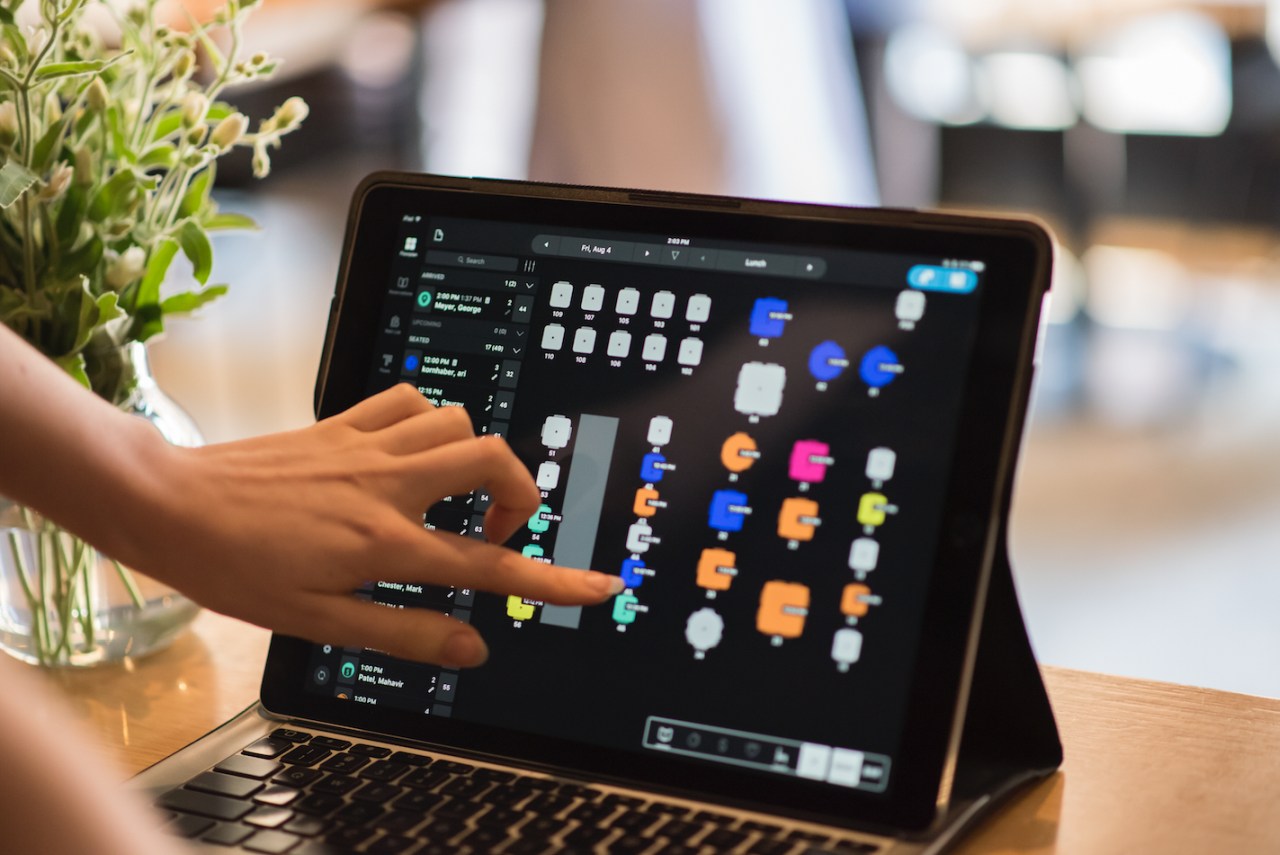
POS. PMS. CRM. Ordering. Inventory. We plug you into the right systems from day one.
Marketing Playbook
We map the entire journey from awareness to loyalty. Not just what platforms to use, but how to use them effectively for ROI.
Financial Playbook
Revenue models. Labor strategies. Cost controls. Funding schedules. Pre-opening cash flow. Profitability targets. Real math. Real insight.
Business Plan
This is the final product, the operation-facing doc. It’s not the starting point, it’s the summary of all your previous thinking tied into one strategic playbook.
And guess what? It works.
We’ve maintained a 98% startup success rate since 2009. And our clients average 18-plus-percet profit margins (over 24 percent for hotels). That doesn’t happen with a one-pager.
Real Story, Real Risk
We recently had a potential client come to us after trying to launch their venue with a one-page plan, hence the inspiration for this article.
They claimed they were 60 days from opening. Lease signed. Equipment was ordered.
Well, here’s the thing: There was no brand. There was no menu strategy, no staffing plan, no leadership. The financial model? Non-existent. The only semblance of a tech stack was a basic POS built for retail.
Their one-page plan had a paragraph about “innovative food,” and how they “will use social media and build great local partnerships.”
What it didn’t have was reality.
They were behind in their schedule, already $100K over budget, and couldn’t secure any investor confidence to help with their needed cash injection.
Had we been involved earlier, they could have saved thousands of dollars and months of stress.
The Bottom Line
I bet you’ve heard this one before: If it’s worth doing, it’s worth doing right.
If your business is worth doing, it’s worth doing right from the very start.
You don’t need a shortcut, you need a system. You don’t need a one-pager, you need a proven method.
And you don’t need a “pretty” template, you need to think deeply about your business, because that’s what leads to results.
At KRG Hospitality, we don’t sell plans. We build brands, systems, strategy, and profit.
What we sell is strategic clarity.
So, if you’re serious about this business, ditch the one-pager. Because success isn’t something you manifest, it’s something you plan for. And planning requires both depth and critical thinking.
Image: Kevin Butz on Unsplash