Operations

by David Klemt David Klemt No Comments

SevenRooms Announces New Partnership

SevenRooms Announces Huge New Partnership

by David Klemt

Handshake emoji neon sign signifying partnership

SevenRooms announces today a major partnership that will change the game for operators in the UK, Australia, and across Europe.

The online reservation platform is entering a multi-year partnership with TheFork.

Fortunately, the hospitality industry, once slow to embrace new technology, is now adopting tech at a rapid pace.

This collaboration between SevenRooms and TheFork represents both a giant leap in tech innovation and support for our industry.

SevenRooms

By now, there should be no question that SevenRooms is among the most powerful tools an operator can wield.

On the surface, SevenRooms is “just” a reservation platform. In reality, the platform offers a full suite of guest engagement and retention tools; automated marketing tools; front- and back-of-house management; direct and third-party delivery management; and much more.

Additionally, the company has long been supportive of the hospitality industry. The founders didn’t just assume their reservation and engagement solutions were effective.

Rather, they spent time in the trenches. They took reservations, checked coats, and hung out with hospitality teams when their shifts were over.

During the pandemic, the platform studied the impact of third-party delivery on operators. To that end, they developed a launched a direct delivery module to help operators protect their bottom lines.

TheFork

Operating in more than 20 countries, TheFork is a TripAdvisor company.

Per TheFork, the company boasts more than 80,000 partner restaurants across the globe. Additionally, TheFork’s app has 28 million downloads and counting, and their site features over 22 million restaurant reviews.

In other words, TheFork enjoys a unique position in terms of connecting guests with restaurants.

The platform features a loyalty program; exclusive deals for guests who make reservations via TheFork; an “insider” feature that connects with guests with trendy and gourmet restaurants and entices them with a special offer; and more.

The Partnership

When one reviews how both platforms work, this partnership is a no-brainer. Going deeper, it appears the companies share similar values and commitment to the industry.

For example, SevenRooms subsidized more than $10 million in licensing fees to help operators during the pandemic. TheFork dedicated nearly $30 million to the industry within the 22 countries in which they operate.

This partnership is culminating in a two-way integration. Customers of SevenRooms will gain access to millions of diners who use TheFork to make reservations. In turn, TheFork now has access to SevenRooms’ marketing and venue management tools.

The result? Operators will be able to more easily and consistently fill their seats and attract new guests. The powerful tools that are at the disposal of SevenRooms customers will help to engage and retain those new guests, converting them to loyal regulars.

Hospitality seems to be steadily entering its Collaboration Era. Operators and platforms are seeking beneficial partnerships, all the while embracing more and more tech that enhances the guest experience and boosts the bottom line.

It will be exciting to see where we go from here.

Image: Charles Deluvio on Unsplash

by David Klemt David Klemt No Comments

Why Operators Need to Set Goals

Why Operators Need to Set Goals

by David Klemt

Darts in a dartboard and in bullseye

Something restauranteur Mike Bausch said during the 2021 International Pizza Expo caught my attention.

It stuck with me for a few days. Eventually, I had no choice but to write it down and share it with others.

“If you don’t have a goal,” Bausch said, “you just have a dream. And dreams are just fluff.”

Goals are Measurable

An operator’s goals don’t stop with realizing the vision of opening their business. Rather, that’s when setting goals starts.

Starting up a restaurant, bar, brewery, entertainment venue, hotel… Just getting to the point of opening the doors for the first time requires accomplishing multiple goals.

In fact, our Roadmap to Success identifies several steps—or goals—to achieve to open a startup.

But, hey, let’s say a person’s goal is to open a business. What’s next? Just running that business? That’s not much of a goal. It isn’t defined, it isn’t really measurable, and it won’t accomplish much.

There’s a reason KRG Hospitality offers coaching for operators after they’ve opened for business. Our work doesn’t end with the grand opening.

Similarly, “I want to make a bunch of money” also isn’t really a goal. That’s a result; goals are what help you achieve desired outcomes.

So, instead of writing down making money as a goal, come up with goals that will:

Of course, those represent just a tiny handful of possible goals.

Goals Drive Forward Progress

Because goals are measurable, they help an operator and their business continue growing. So, when operators make goals, they’re working to ensure long-term viability.

Yes, building a bank account and setting one’s self up for retirement can be goals. But how does an operator achieve either of those goals?

They set and achieve the goals that will drive them toward those two personal accomplishments.

Also, in achieving a number of other, equally important goals, the business moves forward constantly. In essence, a restaurant or bar without goals is a listless ship floating in the doldrums.

An effective captain keeps wind in the sails.

Goals Strengthen Teams

Sticking with the ship metaphor because it’s incredibly original and has never before been done, it needs a crew.

So, too, does a restaurant, bar, entertainment venue, or hotel.

Sure, the basic goal of an employee is making money. Generally speaking, that’s not enough of a goal to keep a team member engaged and loyal.

However, an operator being transparent about financial goals (for a particular shift, the week, the month, etc.) engages the team.

Likewise, an operator can (and should) inquire about employees’ individual goals. Then, they should come up with mutually beneficial ways to help accomplish those goals.

Clearly, those are just two examples of how operators can include their teams in the goal-setting process.

The keys to setting goals are:

  • make sure they’re clear;
  • ensure they’re achievable;
  • be certain they’re measurable;
  • when relevant, be transparent about the results with the team;
  • learn from failures or sub-optimum results; and
  • celebrate wins.

And then, of course, set new goals.

So, are you a dreamer or are you a visionary: a dreamer and a doer?

Image: Afif Kusuma on Unsplash

by David Klemt David Klemt No Comments

Establishing a Gratitude Culture

Establishing a Gratitude Culture

by Jennifer Radkey

Thank you neon sign

In a busy world, and what sometimes seems to be an even busier industry, when do we stop to allow time for gratitude? And why should we?

The hospitality industry is built on the premise of providing a welcoming, friendly environment to guests. There have been countless articles written upon how to provide our guests with a positive and memorable experience.

Most of us are very aware of the need to thank our guests for their loyalty through customer appreciation programs, etc. We train our staff on the importance of thanking guests, ensuring that they will choose to visit our establishment again in the future.

To have a successful hospitality establishment our gratitude needs to go deeper than that. We don’t need to just thank our guests, we need to establish a culture of gratitude within our team; and it starts at the top.

Why Gratitude

Gratitude has been found to build stronger relationships, increase helping behaviours, improve quality of sleep, and just improve our overall well-being.

Martin P. Seligman, a psychologist at Penn State University, is one of the leading and founding psychologists in the field of Positive Psychology. His PERMA model dictates what well-being consists of: Positive Emotion, Engagement, Good Relationships, Meaning and Purpose, and Achievement/Accomplishment.

There are obviously many ways in which to achieve the five different components of PERMA, but one of the key character strengths that contributes to all of them is gratitude.

Why should we take on the responsibility of establishing gratitude within our team culture? Well, when you feel good about yourself you are more likely to share skills with others. You can be motivated to work harder and in turn inspire those around you to do so as well.

A team that feels appreciated and learns to be grateful for each other and for the opportunities and experiences the job affords them, is a team that will more likely stick together; support each other; work through problems more effectively; show compassion; embrace differences and creativity; and generally be stronger.

It Starts with You

So, how do we go about establishing a gratitude practice in our workplace? To do that you need to start with yourself.

People are smart—they can sense “fake” gratitude. It needs to be genuine. For some people, gratitude comes naturally; it is one of their character strengths. For others, expressing thanks may feel awkward, so gratitude needs to be practiced daily to build this skill.

Start by taking five minutes at the end of the day before you fall asleep and write down three good things that happened to you that day, and why they happened. Seligman calls this the Three Blessings activity.

Try this for a few weeks. Once you start taking just a few minutes each day to think about what went well, you will naturally find yourself seeking out and recognizing the good things in the moment.

The How

Once you feel comfortable expressing gratitude, it’s time to share with your team and watch the magic happen!

There are countless ways of establishing a gratitude practice in your team culture. One simple way to start is to call team members out on the great stuff they do and genuinely thank them for it.

Example: There is a particularly challenging guest who is upset and taking out their frustrations on one of your servers. Your server remains poised and offers various solutions to ease the guest’s frustration, in turn diminishing what could have been an ugly scene. You then approach your server afterwards and express thanks for the way the situation was handled.

Be specific in your praise and be genuine in your gratitude. Your server will go from feeling potentially upset or stressed about the situation to feeling good about themselves for how they handled it. And you will feel grateful for having such a responsible and stellar employee. Win-win situation.

A Grateful Team

Besides taking the time to notice and be outwardly grateful for the small things your team members do daily to contribute to the success of your vision and business, there are team-building gratitude activities you can initiate.

Try setting up a “Thanks for Being Awesome” board, either a physical one in a back room/staff room or an online one where team members can write quick thank-you notes to each other and post them.

“Thanks for taking my shift so I could take care of my sick mom.”

“Thank you for making me laugh with that ridiculous joke the other night!”

“Thanks for teaching me that new bartending flair trick!”

A team who is thankful for each other is a team who will build each other up, and in turn build up your business and revenue.

Silver Linings

Team meetings are an easy place to insert a gratitude practice. During the team meeting insert a “silver linings” activity.

Have team members discuss things that did not go well that week and then brainstorm together the “silver lining” from the situation. Maybe a new menu item was introduced and did not receive positive feedback. Perhaps there was a blow out between two team members when they didn’t agree on something, Maybe the new hire came for the first few scheduled shifts and then quit.

Whatever the bad situation was, what good thing came from it and what was learned from it that could make the team and business stronger? By looking for the good things in bad situations it enables us to be grateful for growth opportunities.

Building a culture of gratitude within your team can be as creative as you like, and there is no “one size fits all.” If one practice doesn’t work, try another. From team events and outings, to weekly gratitude emails, to shout-outs on your social media page, the possibilities are endless.

It is a small and simple change with little to no cost, and when it comes down to it…it just feels good. Here’s to personal and professional well-being! Cheers!

Image: Gratisography on Pexels

by David Klemt David Klemt No Comments

Leadership: The Other 10-second Rule

Leadership: The Other 10-second Rule

by David Klemt

Watch face showing seconds and minutes

Those who remember last week’s Friday post will recall that there’s more than one 10-second rule.

Interestingly, this “other” rule also relates to communication.

As we all know, communication is paramount to leading teams and building relationships with others.

Last Week’s Rule

Deceptively simple, last week’s 10-second rule focuses on easing tensions.

If a situation is about to boil over or is already out of control, going silent for 10 seconds can cool things off.

First, shutting up for ten seconds stops the argument cold. Second, it provides time for the person leveraging this tactic to respond rationally.

Third, it humanizes the other person. Rather than seeing an opponent, the person going quiet for ten seconds remembers that this is a team member they’re engaging.

Finally, people who use this rule say going silent tends to snap the other party out of their hostility.

Treating others with respect and dignity, along with encouraging open communication and a free flow of ideas, are hallmarks of a healthy workplace culture.

This Week’s Rule

There are, of course, similarities between this week’s rule and last week’s. Obviously, they both call for a ten-second “timeout” to talking.

Also, they both focus on humanizing the other person in the conversation.

I came across the other 10-second rule on the Accounting Today website. Accountant and author Kyle Walters writes that his rule is also simple: If Walters talks for ten consecutive seconds during a client meeting, he stops to ask an open-ended question. Crucial to the process is that Walters then gives the person answering time to talk.

Now, while Walters applies this to client meetings, it’s useful for conversation in general. As he points out, it breaks the bad habits of dominating conversations; giving off the impression that you’re selfish and don’t care about the others in conversations; and not listening to others.

Anyone who leads a team; needs to develop relationships with suppliers, distributors, contractors, investors, banks, inspectors, etc.; and wants to build relationships with guests knows that listening is crucial.

Sure, ten seconds doesn’t seem like a lot of time. However, take the time to actually see how many thoughts you can fire off in ten seconds. You’ll see how much talking for that “small” amount of time can quickly seem domineering if you don’t stop to include others in the conversation.

There’s also the “small” detail that you’re not having a conversation if you’re not listening—you’re just delivering a speech…and it’s probably not a good one.

It takes work to break bad habits. However, the benefit to your personal growth, leadership abilities, and business are worth the effort.

Image: Agê Barros on Unsplash

by David Klemt David Klemt No Comments

Wendy’s Looks to Ghosts for Growth

Wendy’s Looks to Ghosts for Growth

by David Klemt

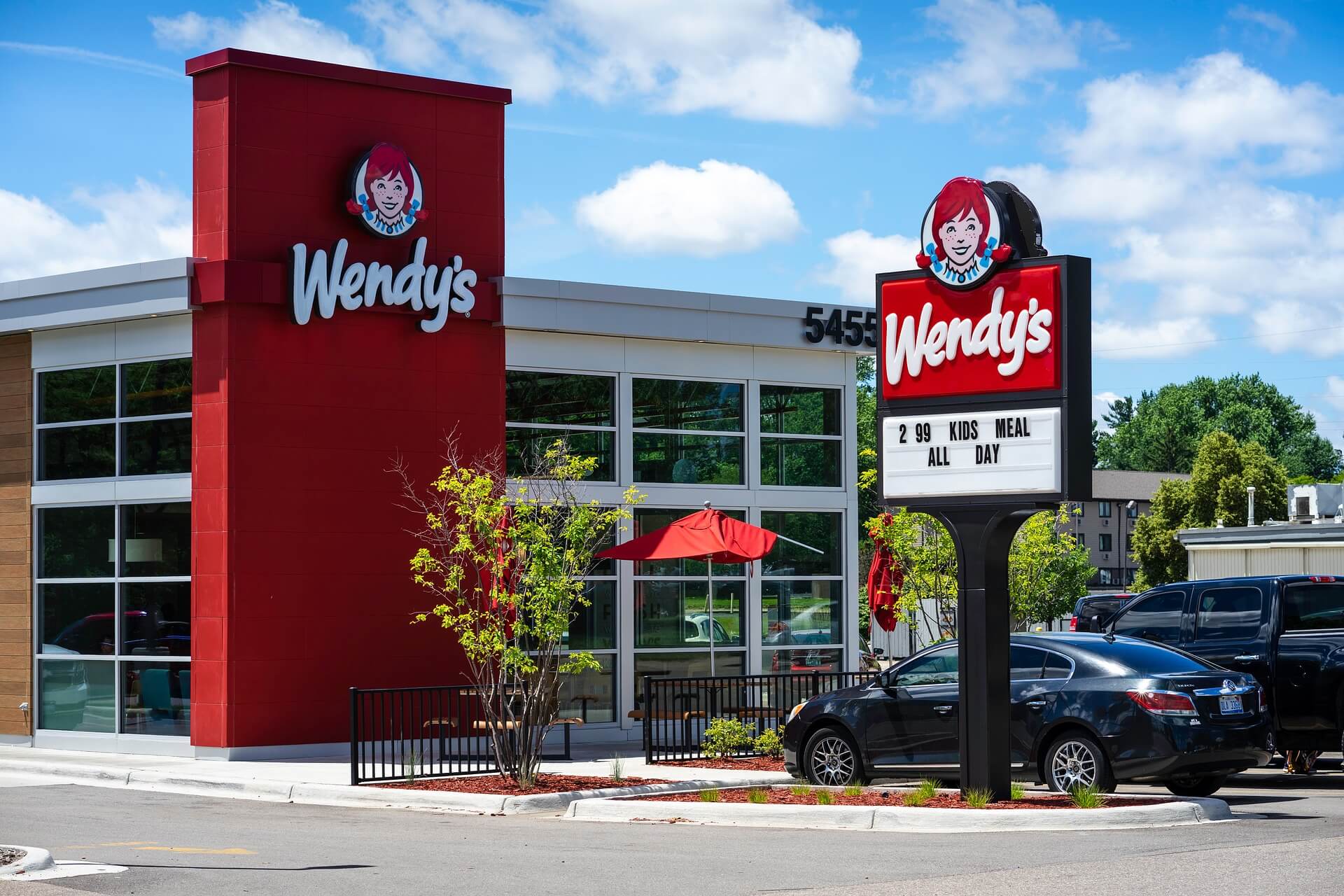
Wendy's fast food restaurant exterior and sign

Wendy’s is the latest foodservice company to announce plans to open ghost kitchens in Canada, the US and the UK.

The fast-food giant’s scheme is large-scale and part of an expansive growth strategy.

Per the company, Wendy’s plans to open 700 ghost kitchens.

Embracing the Trend

Here’s a question for you: Do you hear and read the word “pivot” or the phrase “ghost kitchen” more often these days?

Ghost kitchens seem to be the pivot of choice for restaurant groups and enterprising tech companies looking to leverage the next big thing. (There, a sentence with both “pivot” and “ghost kitchen” in it,)

The trend also appears more often than not to be the domain of Big Business.

Former Uber executive Travis Kalanick is the founder of CloudKitchens. DoorDash is also entering the ghost kitchen space, running a trial in California to see if pursuing the idea is viable.

Now, enter Wendy’s, not exactly a mom-and-pop shop in the restaurant space.

Ghost vs. Virtual Kitchen

We don’t revel in the semantics game, necessarily. But we know people are going to refer to Wendy’s ghost locations as “virtual” kitchens as well.

However, ghost kitchens and virtual kitchens have unique definitions and characteristics.

Wendy’s isn’t creating a new brand with new items they’re preparing in their existing brick-and-mortar locations. Nor do they plan to do so with their new locations under constructions currently.

Were that the case, their strategy would be a virtual kitchen plan.

Instead, the 700 locations will be separate facilities without storefronts. Also, the units will focus solely on delivery, leveraging on-demand consumer behavior.

So, the lack of storefront is arguably the greatest defining characteristic of a ghost kitchen.

Conversely, a virtual kitchen operates in a location with a storefront. However, the brand on offer exists online and not in the brick-and-mortar world of an established brand. In essence, an existing brand is offering a brand that they don’t want to dilute what they’ve already built.

That’s a Lot of Ghosts

Per reporting, Wendy’s is joining forces with Reef Technology to open and operate their ghost kitchens.

At least 50 such locations are in the works to open this year. The other several hundred locations will open between 2022 and 2025.

That means we should see more than 150 Wendy’s ghost kitchens going live per year across Canada, the US and the UK.

Partnering with Reef Technology is an interesting and telling maneuver. Reef, per their website, focuses on “urbanization” and reshaping “our urban infrastructure.”

And as CEO Todd Penelow stated last week, Wendy’s doesn’t isn’t strong in urban areas. The vision for Wendy’s new strategy is to penetrate urban markets, adding new stores and new franchisees as the brand moves forward.

Should things go according to plan, Wendy’s expects to expand from 6,500 units worldwide to somewhere between 8,500 and 9,000 in 2025.

Image: Michael Form from Pixabay

by David Klemt David Klemt No Comments

More States Issue Mask Mandates

More States Issue Mask Mandates

by David Klemt

United States of America atlas roadmap with push pins

Unsurprisingly, more states, counties and cities across the US and the country’s territories are issuing mask mandates.

In some cases, the mandates and guidance are coming down regardless of vaccination status.

Unfortunately, these actions are a response to reports of Covid-19 infection and hospitalization increases. The rise in cases and hospitalizations is due in large part to the highly transmissible Delta variant.

In fact, the Centers for Disease Control and Prevention (CDC) is once again changing course. Now, the CDC recommends that people in areas where Covid-19 infection rates are “substantial” or “high” wear masks inside indoor public places.

A map of these areas can be found on the CDC’s COVID Data Tracker page.

Local Defiance

Illustrating the divisive times in which Americans find themselves, some mandates are pitting local officials against their state counterparts.

For example, Florida. Per several outlets, Palm Beach County officials are ordering masks to be worn indoors by everyone irrespective of vaccination status. Of course, the mandate stands in direct defiance of Governor Ron DeSantis’ statewide ban of such an order.

No word yet on Gov. DeSantis suing the county over the order.

However, Missouri Attorney General Eric Schmitt is suing St. Louis County and city officials to stop their mask mandate. Currently, St. Louis requires masks be worn indoors and on public transportation.

Also, no word on whether these mandates will impact Canada’s plan to reopen the border for non-essential travel to vaccinated Americans.

Mandates: Vaccinated, Unvaccinated

Below, a list of the states and territories with mask mandates in some form (public transit, public places, state buildings, for example) in place.

The following orders pertain to everyone, vaccination or no vaccination.

  • California
  • New Hampshire
  • Hawaii
  • Illinois
  • Indiana
  • New Jersey
  • Kansas
  • Maryland
  • Massachusetts
  • New Mexico
  • Mississippi
  • Montana
  • Nevada
  • New York
  • North Carolina
  • North Dakota
  • Ohio
  • Oregon
  • Puerto Rico
  • Virginia
  • New York

As always, check with your local, county and state authorities for full details.

Mandates: Unvaccinated

Here, a list of the states and territories with requirements in place only for those who are unvaccinated.

  • Colorado
  • Connecticut
  • Delaware
  • Kentucky
  • Michigan
  • Pennsylvania
  • Rhode Island
  • Vermont
  • Washington
  • Washington, DC

Again, residents should check with state, county and local authorities for requirements and guidance.

Operator Concerns

Once more, owners and operators find themselves having to police guest behavior and compliance regarding Covid-19 mandates and recommendations.

And once again, it’s the guest-facing team members who will be thrust into any confrontations with hostile customers.

While not a silver bullet by any means, operators should communicate their intent to comply with mandates. Social media posts, emails and phone conversations should make requirements and expectations clear.

Additionally, operators and managers need to stay on top of employee concerns and comfort levels. Leadership must also make it clear, with actions and not just words, that their teams will be supported when engaging with guests.

The industry is in a very tenuous place and has been for many months. Workers are leaving and not coming back. Perhaps it’s time—respectfully and professionally—to set aside the maxim that “the customer is always right” and err on the side of employees.

Image: Morgan Lane on Unsplash

by David Klemt David Klemt No Comments

Mask Mandates, Recommendations Return

Mask Mandates, Recommendations Return

by David Klemt

Downtown Los Angeles, California

Pointing to vaccination hesitation, vaccination refusal, and rises in Covid-19 cases, some cities are mandating masks indoors.

Importantly, mandates and recommendations are coming down irrespective of vaccination status.

Of course, many people are unhappy about this news. Much of the backlash includes the claim that a return to masks proves vaccines don’t work.

However, others point to variants—in particular, Delta—spreading via the unvaccinated and unmasked.

Unfortunately, continuing divisiveness means hospitality and other frontline workers are again at risk for hostile confrontations.

Los Angeles County, California

If you’re an operator in Los Angeles County, masks indoors aren’t just a recommendation. An indoor mask mandate went into effect on Saturday, July 17.

Just a month prior, embattled Governor Gavin Newsom proudly announced California’s unrestricted reopening.

Now, the more cynical among us see Gov. Newsom’s June reopening as a bid to stave off recall efforts. However, recall ballots will go out to Californians next month.

Per reporting, California’s Covid-19 infection rate is close to tripling. Los Angeles County health officials say the indoor mask mandate comes out of an overabundance of caution.

On a different note, health officials expect the state’s vaccination rate to effectively combat a spike in infection rates. The current rate isn’t expected to match or surpass those of prior peaks in the state.

As far as mandate details, it’s quite simple: Masks are required for everyone indoors, regardless of their vaccination status.

According to reports, an additional ten California counties are recommending masks indoors. No word yet on if other counties—or the state as a whole—will announce mask mandates. Nor is there an end date for LA County’s current mandate.

Southern Nevada

While not a mandate, the Southern Nevada Health District is recommending people, regardless of vaccination status, wear masks indoors.

Unsurprisingly, Las Vegas is experiencing an influx of visitors. With vaccination rates on the decline and infection rates on the rise, health officials are concerned.

More than 2.9 million visitors flocked to Las Vegas in May. Clark County, Nevada, which includes Las Vegas, has a population of over two million.

Of course, it’s important to remember that, for now, wearing masks indoors is a recommendation. However, some resorts and casinos—Westgate and the Venetian among them—now require their employees to wear face masks.

So far, neither Las Vegas, Clark County or Nevada have implemented a mandate. Of course, that could change and a mandate may be in the wings.

Orange County, Florida

Much of the news of returning mask mandates and recommendations focuses on Los Angeles and Las Vegas.

In fact, some critics are attacking Nevada Governor Steve Sisolak, accusing him of blindly following Gov. Newsom.

Interestingly, though, is that a mayor in Florida is also recommending face masks.

Mayor Jerry Demings of Orange County recommends wearing masks indoors, vaccination status notwithstanding. The phrasing of the mayor’s announcement refers to the suggestion as an “official recommendation.” However, no mandate is in place currently.

Frontline Risks

Clearly, mask mandates and even recommendations are going to anger some of the population.

Unfortunately, hospitality workers (and those in other public-facing industries) are once again at risk of confrontations. Even without mandates, some businesses that choose to require masks experience hostility.

The last thing America needs is more divisiveness, anger, and potential for confrontations.

Millions of hospitality professionals have left the industry for good. One factor leading to those losses has been concern for safety due to people angry over mask and vaccine requirements.

Obviously, operators must do whatever’s in their power to ensure the safety of their team members and guests. Leadership must not only convey their support for their employees, they must stand behind that messaging with their actions.

In cities where masks mandates and recommendations return, operators need to focus on safety as much as employee retention. Indeed, the former aids the latter, which aids recruiting and hiring.

Image: Daniel Lee on Unsplash

by David Klemt David Klemt No Comments

Restaurant Tech Map Illustrates Innovation

Restaurant Tech Map Illustrates Innovation

by David Klemt

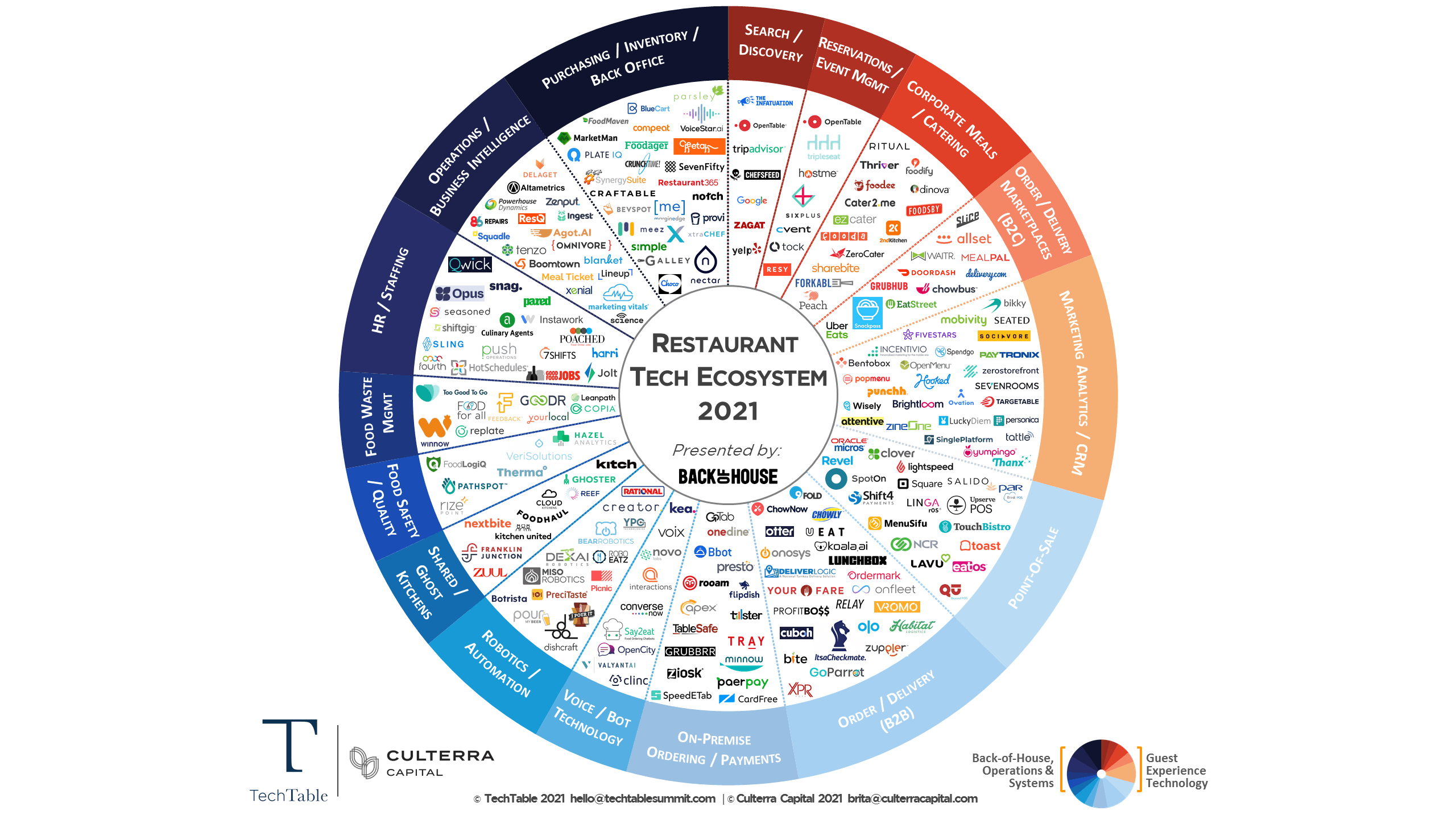
TechTable - Culterra Capital Restaurant Tech Map sponsored by Back-of-House

The hospitality industry’s embracing of new technologies is experiencing rapid and welcome acceleration in less than two years.

In comparison to the restaurant technology map by TechTable and Better Food Ventures from 2019, there are two entirely new categories: Shared / Ghost Kitchens, and Food Safety / Quality.

More than a dozen platforms on the 2021 map from TechTable and Culterra Capital (sponsored by Back-of-House) now fall into those two categories.

Changing Landscape

It’s a sign of current industry trends and what will matter to guests moving forward that ghost kitchens and food safety are emerging as separate tech segments.

Obviously, the pandemic didn’t create the ghost kitchen category. However, it did fuel a meteoric rise in delivery and takeout. In turn, ghost kitchens are more prevalent than ever.

After all, a former Uber executive Travis Kalanick owns CloudKitchens and Applebee’s is testing a ghost kitchen pilot program.

What was once the domain of murky, unpermitted virtual brands is now its own successful business model.

However, today’s guest isn’t concerned solely with convenience. In general, guests now take their health and safety more seriously since the pandemic

Tech platforms that can ensure the food guests are consuming is safe will ease some concerns.

Increase in Platforms

Again, in comparison to just two years ago, the acceleration in new tech for the industry is astounding. It’s also long overdue.

As a whole, the hospitality industry has been surprisingly slow to take on new tech. Although, it’s fair to say that there wasn’t much new to adopt until somewhat recently.

Now that there’s more to try out, operators seem keen to embrace tech that can help them streamline operations; improve inventory monitoring and ordering; hire employees and manage teams; engage with and market to customers intelligently; and much more.

Even better, the above map doesn’t include all of the available platforms. That’s excellent news as it means operators have an increasing number of choices to help improve their business in every category of operation.

For example, Barventory isn’t listed within the Purchasing / Inventory / Ordering segment. The platform makes taking inventory, gaining a real-time inventory snapshot, and efficient ordering a breeze. Barventory also features the world’s first live keg scale.

It’s challenging to find positives from the past 14 to 15 months. However, one good thing may be the leaps in technology our industry is experiencing.

If they continue, these innovations may make it easier for operators and their employees to recover.

A concept’s tech stack is crucial to operations and will only grow more important moving forward. Whether opting for a full KRG Hospitality package or the Mindset program, we can help operators make informed tech selections.

Map by TechTable and Culterra Capital, sponsored by Back-of-House

Featured image: Pepper by SoftBank Robotics (photo by Alex Knight on Unsplash)

by David Klemt David Klemt No Comments

New Sparklers for Summer Celebrations

New Sparklers for Summer Celebrations

by David Klemt

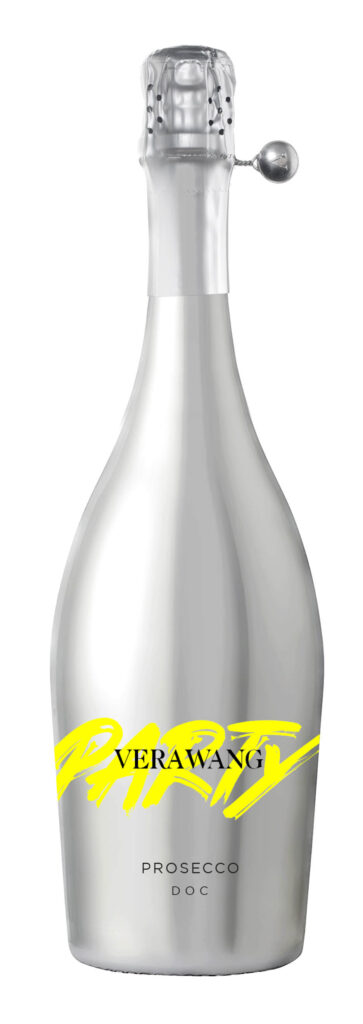
Vera Wang launches Vera Wang PARTY Prosecco

Operators can expect a massive amount of weddings to take place this summer and should angle to land rehearsal dinners and receptions.

After all, one driving element of pent-up consumer demand in Summer 2021 comes from 2020 weddings.

For many, weddings and other big celebrations call for bubbles. Well, just in time for summer celebrations come the releases of three challengers to Champagne’s throne.

Time for a PARTY

There is, perhaps, no designer or brand name more closely associated with weddings than Vera Wang.

The designer behind the eponymous label is largely credited with revolutionizing the bridal industry in the ’90s. Her bespoke wedding dresses remain the top choice for brides around the world. Of course, she also makes couture bridesmaid dresses.

Expanding ever since first dominating the bridal space, a bride can rock a Vera Wang ring and fragrance while wearing her Vera Wang wedding dress, standing across from a groom in a Vera Wang tuxedo and next to her bridal party in Vera Wang bridesmaid dresses.

And now, they can sip a Vera Wang sparkler at their rehearsal dinner and wedding reception.


View this post on Instagram


A post shared by VERA WANG (@verawanggang)

Earlier this year, the designer announced a limited release collaboration with Chopin Vodka. Now, she’s launching Vera Wang PARTY, a premium Prosecco.

So, you may be done with this phrase at this point, but we tend to drink with our eyes first. PARTY’s matte silver bottle and bright neon yellow lettering are a chic and modern take on sparkling wine presentation. I can already imagine plenty of fashionable brides wanting PARTY bottles on their rehearsal dinner and reception tables.

Vera Wang PARTY Prosecco matte silver and neon yellow bottle

And while the designer could likely justify pricing her Prosecco in the same range as the best-known Champagne houses, she has instead chosen restraint: the SRP for a 750ml of PARTY is just $25.

The label’s press release sums PARTY up thusly: “It’s what we could all use right now—a little bit of fun, a little bit of joy, and a new way to commemorate life’s meaningful moments.”

Half-size Heavy Hitter

To some, the only thing better than drinking bubbles is drinking rosé bubbles. For them, the pink hue screams, “We’re celebrating!”

Whether that means celebrating nuptials or a return to gathering and socializing this summer, Avaline is ready.


View this post on Instagram


A post shared by AVALINE (@avaline)

The clean, vegan-friendly wine brand is offering Avaline Sparkling Rosé, sold in 375ml bottles. This brand-new, small-run sparkler is just $25 per bottle.

Sparkling Rosé joins original Avaline labelmates Red and White, along with more recent releases Rosé and Sparkling.

Interestingly, it isn’t just Avaline’s focus on transparency building their deeply loyal fanbase. The Cameron Diaz and Katherine Power brand listens to their consumers to learn what to release next. After the release of Avaline Sparkling, the label’s community requested a sparkling rosé expression.

Avaline says people can expect rose petals, stone fruit and a hint of pomegranate on the nose and berry lemonade, tart peaches, and floral flavors.

Along with the rest of the Avaline lineup, Sparkling Rosé is sure to be popular during Summer 2021 weddings and other celebrations.

Vintage Vino

For vintage-loving sparkler fans, the latest Sonoma-Cutrer special release is the sip of this summer.

Sonoma Cutrer Grand Cuvée Late Disgorge 2014 Sparkling Chardonnay is a 60-40 blend of Chardonnay and Pinot Noir.

Per Sonoma-Cutrer, drinkers Grand Cuvée Late Disgorge features red apple and pear most prominently on the nose. However, that aroma is complimented by notes of hazelnut, brioche bread, mineral, and Meyer lemon.

On the palate, expect apple fruit, nut, and light strawberry flavors balanced by Sonoma-Cutrer’s hallmark high acidity. Rich and complex without overwhelming the palate, Grand Cuvée Late Disgorge pairs well with light summer fare such as oysters, salmon caviar, and fruit tarts.

This stunning bottle of California sparkling carries an SRP of $43 per bottle ($34.40 for Club Cutrer members).

Big Event Business

In America, the wedding industry generates around $60 billion annually. That number doesn’t even include honeymoons, an industry in and of itself that can be worth up to $8 billion per year.

Obviously, restaurant, bar, hotel and event space operators should find those values compelling.

Operators capable of delivering on special events should be angling to land rehearsal dinners, wedding receptions, and even engagement celebrations, bachelor, and bachelorette parties.

However, doing so means running a tight ship that pays attention to the details and delivers top-level service; developing relationships with wedding and event planners, and concierges; and keeping on top of current wedding and wedding-related trends.

Generating revenue after the horror show of 2020 and the first half of 2021 requires adapting operations. Moving into the event space—weddings, for example—can prove very lucrative.

Image: Vera Wang

by David Klemt David Klemt No Comments

Third-party Vaccine Passports on the Way

Third-party Vaccine Passports on the Way

by David Klemt

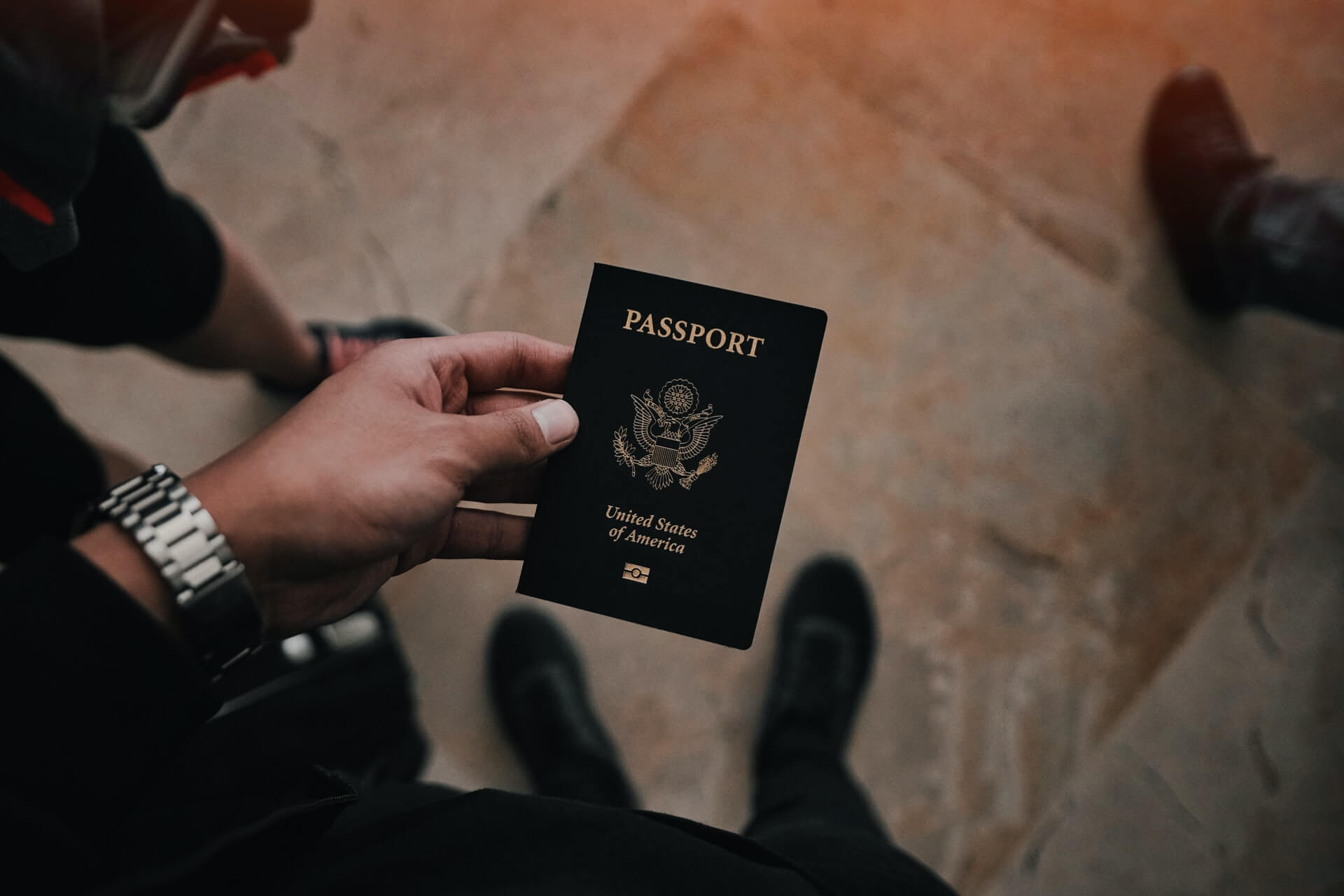
Hand holding United States of America passport

Operators will likely have to further wade into politics if so-called “vaccine passports” become standard.

If recent reporting is accurate, several platforms will bring vaccine passports to market.

The hospitality, lodging and travel industries have been thrust into politics since for several years now. Unfortunately, the pandemic has only made the situation more precarious.

Dangerous Waters

For many operators, navigating today’s politically-charged atmosphere is an unwelcome development.

It’s bad enough that hospitality, lodging and travel have been thrown into utter chaos for well over a year. America and Canada have lost tens of thousands of restaurants and bars. Operators able to survive have lost millions of workers.

Too many people have lost jobs, savings, homes, and any sense of stability in their lives. Mental health, as a result, is on the decline for many people.

Unfortunately, all of those awful things are being exacerbated by politics. In America in particular (if reports are accurate), politics have severely divided the country.

Covid-19 safety protocols were politicized immediately. Restaurant, bar, hotel and travel workers found themselves playing pandemic police, putting them in dangerous situations.

If vaccine passports become standard, operators will find themselves deeper in the political quagmire. Workers will likely face a greater risk for confrontations with hostile guests.

What’s a Vaccine Passport?

In short, a vaccine passport is a way for someone to prove they’ve received a Covid-19 vaccine.

Per recent reports, the Biden administration has said they have no plan to implement federal vaccine passports.

However, several states have already banned this form of proof of vaccination. These include: Alabama, Arizona, Arkansas, Florida, Georgia, Idaho, Indiana, Iowa, Montana, North Dakota, South Carolina, South Dakota, Texas, Utah (but private companies can require workers to get vaccinated), and Wyoming.

So far, two states—Hawaii and New York—have implemented vaccine passports. As far as the other states, vaccine passports are not a requirement or haven’t been banned yet.

New York’s vaccine passport, Excelsior Pass, was developed by IBM. A vaccinated New York resident downloads the app, a business owner downloads the scanner app, and vaccination status can be confirmed. Similar apps are believed to be in the works.

Again, however, many states have banned these apps.

What Does this Mean for Businesses?

If vaccine passports are banned fully where an operator does business, the decision has been made for them.

However, some bans relate only to government entities—businesses can require proof of vaccination.

And if a state doesn’t prohibit vaccine passports at all? The situation can be even more challenging for operators.

Operators eager to protect their workers and guests from infection may welcome vaccine passports. Some operators may feel these passports are an invasion of privacy and reject them. Still others may view them as a potential source for harassment and discrimination.

Should an operator require vaccine passports, they should expect backlash that could directly impact business. Operators who prohibit the use the vaccine passports may be viewed as “irresponsible” and also face backlash

Once again, the pandemic has put operators in several industries in no-win situations. Operators should consider their vaccine passport plan and the messaging around it now.

Image: Levi Ventura on Unsplash

by David Klemt David Klemt No Comments

Update Your Business Info Now!

Update Your Business Info Now!

by David Klemt

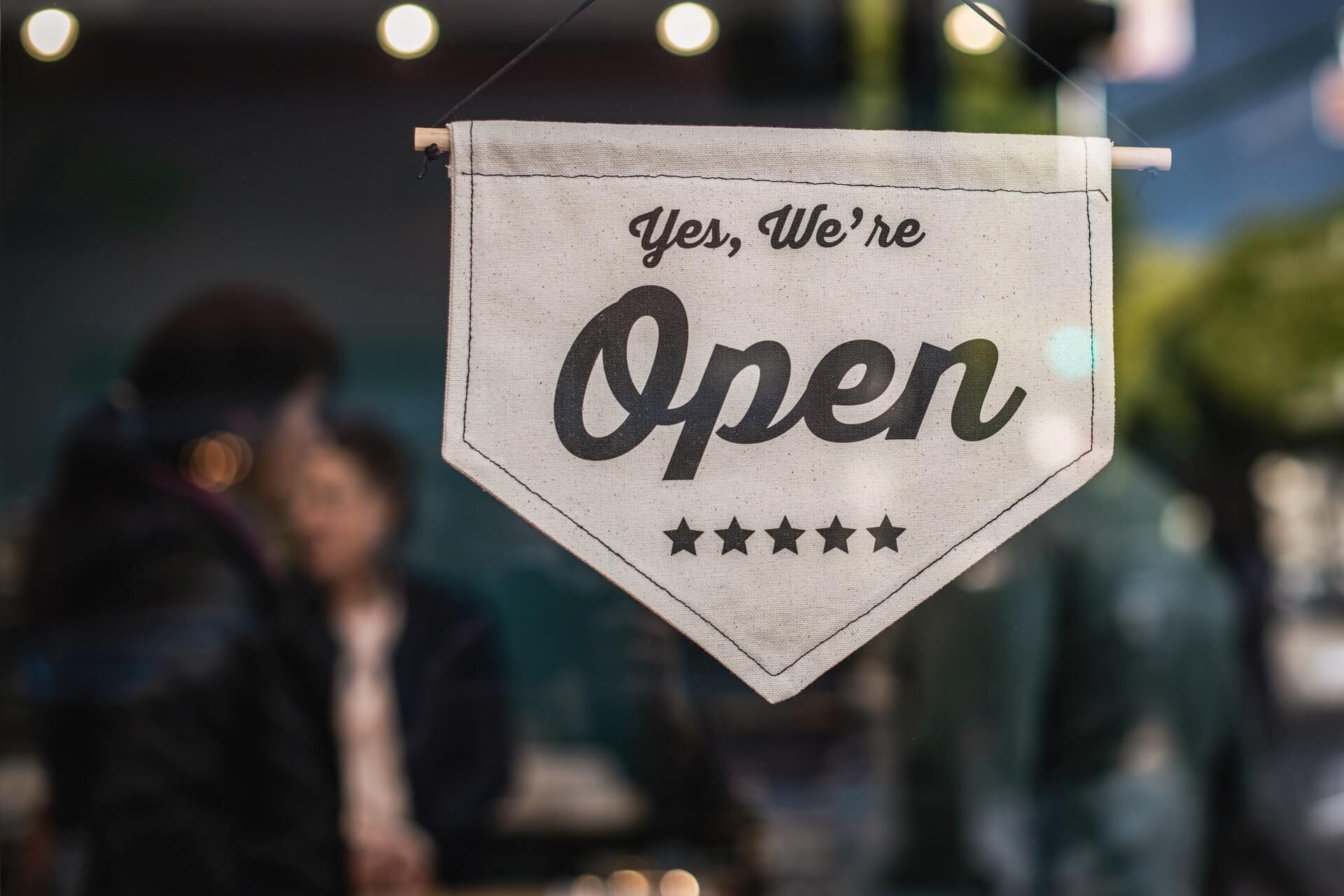
"Yes, we're open" sign in restaurant or bar window

Restrictions are relaxing and people are returning to at least a form of their pre-pandemic lives. Operators need to review and update their information.

People face a flood of confusing or vague information every day—restaurants and bars don’t need to add to it.

In other words, operators need to make sure guests are getting accurate information when they search for their businesses.

This is particularly relevant right now with summer upon us and Father’s Day in two days.

Are You Open?

Cities, states and provinces are opening things up throughout North America.

In Canada, British Columbia, Ontario, and other provinces are in the midst of reopening plans and. Some provinces are also reopening their borders to their Canadian neighboris. Some restrictions remain and provinces aren’t fully open, but they’re on their way.

And in America, more than half of states are considered open fully: Alabama, Alaska, Arizona, Arkansas, Florida, Georgia, Idaho, Illinois, Indiana, Iowa, Kentucky, Louisiana, Minnesota, Mississippi, Missouri, Montana, Nebraska, New Hampshire, New Jersey, North Carolina, North Dakota, Ohio, Oklahoma, South Carolina, South Dakota, Tennessee, Texas, Utah, Virginia, Wisconsin.

Restrictions that remain in place in some provinces and states relate to dining. For example, outdoor dining returned to Ontario, Canada, a few days ahead of schedule. Unsurprisingly, people flocked to restaurants and bars with outdoor dining areas.

Of course, that’s a long-overdue and welcome development. However, such relaxing of restrictions exposes an issue: People aren’t sure if businesses are open, what hours they’re open, and what menu items are available.

Update Your Information

It should go without saying but I’ll say it anyway: The past 15 months have been a horror show for operators.

So, it’s understandable that some operational discipline has slipped. Now’s the time to fix that and focus on the details.

Guests want to know what restaurants and bars are open. They want to know when they’re open. And they don’t want any surprises about menu item availability.

Of course, operators can manually review and update or edit their online listings. An operator can also task a manager or worker with that responsibility.

There are also platforms out there that make updating pertinent business information a much less overwhelming job.

Marqii, a paid service with three pricing tiers, manages several important details quickly and easily. Operators can use Marqii to update their menus across more than 75 sites; manage their location data, including hours of operation; and review and respond to reviews across several platforms, depending on the tier chosen.

Packages are priced per location and a business is charged monthly. There are similar solutions out there but Marqii is a great place to start.

We live and operate in the Convenience Era. Make it easy for your guests to visit and spend their money with you.

Image: Tim Mossholder on Unsplash

by David Klemt David Klemt No Comments

Guest Journey: Acquire, Engage, Retain

Guest Journey: Acquire, Engage, Retain

by David Klemt

Black "Hustle" coffee cup on desk

What if you could change your operational mindset for the better in the time it takes to enjoy a cup of coffee?

SevenRooms is confident they can help you do exactly that.

The SevenRooms Coffee Break series tackles one important operational element per 20-minute webinar.

Time for a Coffee Break?

It’s no secret that we’re fans of SevenRooms here at KRG Hospitality. In addition to supporting the actual platform, we’re always eager to share their data-driven reports and insights.

CEO Joel Montaniel is the guest on episode 24 of our Bar Hacks podcast. (You can—and should—listen to the episode on Spotify, Apple Podcasts, or wherever you listen to podcasts.)

Given how much SevenRooms values collecting and sharing data that can improve operations industry-wide, it’s not a surprise that they also offer informative webinars.

So far, there are three webinars in the Coffee Break series. And, of course, each shares a way that operators can improve their business.

That’s certainly welcome as we emerge from stay-at-home orders, ease restrictions, and welcome more guests.

The current entries focus on what SevenRooms is dubbing the Restaurant Renaissance. As Doug Radkey, president of KRG Hospitality says, we can take two paths leading to the post-pandemic world.

One, we can recognize that the industry needs an overhaul, making improvements for operators, workers and guests.

Two, we can learn nothing, do nothing, and watch the industry collapse.

Restaurant Renaissance

Call it what you prefer: the Restaurant Renaissance. The New Roaring Twenties. Re-emergence. The New Normal. The Post-pandemic World.

Sure, it’s cool to have a catchy label to slap onto unique eras. It’s better to have a clear plan and path for moving forward.

To that end, SevenRooms identifies four key factors driving what they’re calling the Restaurant Renaissance:

  • Vaccines
  • Warmer weather
  • Pent-up consumer demand
  • Restrictions lifting

Alexa Detzi, director of Enterprise Success at SevenRooms, addresses these elements in the first Coffee Break webinar, “Acquire.”

We’ve said many times that operators need to prepare for an explosion in consumer demand and guest traffic. In addition, we’ve made it clear that we’ll most likely experience a severe drop-off in traffic after the initial demand wanes.

Of course, there are several ways things might play out in the New Normal. However, huge traffic in many markets followed by a drop makes the most sense.

Get Ready

The first three SevenRooms Coffee Break webinars focus on the guest journey:

I highly recommend signing up and watching each webinar, sooner rather than later. Guests are already being subjected to a cacophony of marketing overtures—you need to cut through the noise.

We Want to Help You

Like SevenRooms, KRG Hospitality is dedicated to helping operators.

If you’re seeking to open a new business, whether your first venue or an expansion, should also download our 2021 Restaurant Start-up Cost Guide & Checklist.

And for operators looking more direct and guided assistance for improving your business, we also offer KRG Mindset.

Next time you have 15 or 20 minutes to yourself, check out our Solutions and Resources pages, reach out, and let’s set up your Roadmap to Success.

Image: Garrhet Sampson on Unsplash

by David Klemt David Klemt No Comments

Stand Out with Weird Holidays: June

Stand Out with Weird Holidays: June

by David Klemt

Stay Weird neon sign with purple background

Want to stand out from from other restaurants and bars in your area? Then commit to keeping it weird.

Several “holidays” are set against every date on the calendar, and June is no exception. These holidays range from mainstream to food-centric to weird.

Focus on the latter to raise eyebrows, carve out a niche for your restaurant or bar, and attract more guests. Why do what everyone else is already doing?

Of course, you shouldn’t try to celebrate every holiday, weird or otherwise. And this month’s list in no way includes every odd holiday.

Focus on the days that are authentic to your brand; resonate with your guests; and help you grab attention on social media.

For last month’s list, click here.

June 3: National Egg Day

How are your sour cocktails? Celebrate the egg on this day by featuring your egg white-powered drinks.

June 7: National VCR Day

Leverage nostalgia by showcasing an outdated way to enjoy movies and TV shows. If you really want to immerse yourself and your guests in this holiday, find a VCR and some movies on VHS, come up with some themed cocktails, and lure in nostalgia-thirsty guests. (Make sure you have the proper licenses in place to play music, movies, TV shows, etc.)

June 8: National Name Your Poison Day

Talk about a perfect holiday for a bar! This is an excellent day to design a call promotion around or to highlight your bar team’s ability to create delicious cocktails on the fly based on guests’ spirits preferences.

June 13: International Axe Throwing Day

Are you one of the operators who has introduced axe throwing to your restaurant, bar or eatertainment venue? Then do we have the holiday for you and your guests…

June 16: Bloomsday

This holiday honors revered Irish writer James Joyce. The story goes that Joyce’s favorite dram was Jameson, so get those bottles and specials ready.

June 18: National Splurge Day

Have some high-dollar spirits, beers, wines and dishes? Promote them loudly on this day and encourage your guests to truly treat themselves.

June 24: National Bomb Pop Day

There’s more than one way to celebrate this fun, refreshing and nostalgic holiday. For instance, there are various versions of the Bomb Pop cocktail. Another example is offering housemade boozy Bomb Pops. And then you can always simply garnish drinks with Bomb Pops.

June 25: National Take Your Dog to Work Day

If you have a dog-friendly restaurant, bar or lounge, encourage people who have brought their dogs to work to pop in for a well-deserved bite and drink.

June 30: Social Media Day

Feel like your social media savvy could use some work? Want your guests to plaster your business all over social? Use this holiday to improve your social media skills, add followers, and increase engagement with the help of the people who support your business.

Image: Dan Parlante on Unsplash

by David Klemt David Klemt No Comments

EEOC Clarifies Vaccine Stance

EEOC Clarifies Vaccine Stance

by David Klemt

Covid-19 vaccine vial on blue background

American employers have the right to require Covid-19 vaccination as a condition of employment.

This is according to recent clarifications from the Equal Employment Opportunity Commission (EEOC).

Perhaps learning from yet more missteps from the Centers for Disease Control and Prevention, the EEOC is making their position clearer.

Requirements

Per the EEOC, requiring workers to get a Covid-19 vaccine doesn’t violate federal law.

However, an employer failing to provide “reasonable accommodation” in accordance with the Americans with Disabilities Act would be illegal.

According to the EEOC’s guidance update:

“Federal EEO laws do not prevent an employer from requiring all employees physically entering the workplace to be vaccinated for COVID-19, so long as employers comply with the reasonable accommodation provisions of the ADA and Title VII of the Civil Rights Act of 1964 and other EEO considerations. Other laws, not in EEOC’s jurisdiction, may place additional restrictions on employers.”

Additionally, employers who offer on-site vaccinations take on an additional responsibility. They must keep confidential any personal medical information gleaned during employee pre-vaccination screenings.

Of course, the agency’s guidance isn’t only for employers. Employees can access a fact sheet explaining pandemic-specific protections that are in place.

Incentives

The EEOC’s update also addresses the right for employers to offer employees vaccine incentives.

In short, the agency says incentives are legal as long as they’re not coercive. Of course, legal experts will argue that one person’s perception of coercion will differ from another’s.

Really, the only example the EEOC provides for what may constitute a coercive incentive is “a very large incentive” that may make an employee “feel pressured to disclose protected medical information.”

Per a survey by Arizona State University and the Rockefeller Foundation, two-thirds of employers plan to offer vaccination incentives rather than mandates. However, nearly half say they’ll implement mandates if incentives don’t work. Only one-third of survey respondents don’t plan to impose vaccination requirements on employees.

Challenges

Look, we all know America is a litigious society. Given that, it shouldn’t come as a surprise that some states have already banned vaccine requirements and passports.

Nor should it be a shock that lawsuits have been filed by employees challenging the legality of vaccine requirements. At least half of US states have introduced bills seeking to seek to limit COVID-19 vaccine mandates.

Operators have a lot to consider when it comes to vaccine requirements and incentives. For example, offering the incentive that fully vaccinated employees can go maskless at work while non-vaccinated workers must wear masks can be a form of discrimination.

Beyond legal challenges, operators must also contend with public perception and backlash. With the divisions plaguing America currently, operators have a lot to think about before requiring Covid-19 vaccines for employees. While some guests will view such requirements as a responsible move that protects employees, guests and the public, others will see it as a massive violation of personal freedoms and a form of tyranny.

Truly, this is a time when operators must seriously draw on their leadership abilities, empathy, and emotional intelligence.

Clearly, the topics of vaccine requirements and vaccine incentives necessitate careful consideration. This is an important leadership moment that hinges on an operator’s understanding of their team, their guests, and the market in which they operate.

Do not make vaccine decisions lightly.

Disclaimer

This content is for informational purposes only, and should not be used as legal or other advice. This article does not constitute legal advice, nor does any information constitute a comprehensive or complete statement of the matters discussed or the law. This information is of a general nature and does not address the circumstances of a specific individual or entity. The reader of this information alone assumes the sole responsibility of evaluating the merits and risks associated with the use of any information before making any decisions based on such information.

Image: Daniel Schludi on Unsplash

by David Klemt David Klemt No Comments

State of the RRF: By the Numbers

State of the RRF: By the Numbers

by David Klemt

Wad of dollar bills with red rubber band

The “tale of the tape” of the Restaurant Revitalization Fund tells a clear story: the RRF needs an injection of tens of billions of dollars.

Clearly, $28.6 was nowhere near enough to award every eligible restaurant and bar with a grant.

In fact, the RRF would need at least another $50 billion to serve all eligible applicants.

The Numbers

First, the Small Business Administration is to be commended for setting up the RRF portal, making the application process clear, and handling applications well.

However, there’s one glaring issue with the RRF and the review and awards process. I’ll get to that in the next section.

Per the National Restaurant Association, more than 362,000 applications were submitted via the RRF portal.

In total, the applications add up to $75 billion in grant requests. Again, the RRF was funded by the government with $28.6 billion. It doesn’t take a mathematician to see that the fund was severely underfunded.

Controversy

Last week, a number of Republican members of Congress sent a letter to the SBA. The gist of their message was that the RRF’s closure was premature. Therefore, the group concluded, non-priority applicants wouldn’t receive grants or even have the opportunity to apply for grants.

In the letter, which can be reviewed here, the authors also took shots at Democrats, the Biden Administration, and undocumented immigrants.

Setting politics aside, the announcement of the RRF’s portal closure was inarguably premature. The application process was first opened on Monday, May 3. For the first 21 days, the SBA announced that while all eligible entities could apply, only priority applicants would be processed and awarded grants.

However, the RRF portal closed to applications on Monday, May 24…21 days after it first opened. The members of Congress who penned the letter to the SBA have a point: the SBA closed the RRF portal after only operating within the priority window.

Now What?

There’s no other way to put this: The RRF needs more funding.

Essentially, it needs twice the funding it had when it was first seeded. There’s zero guarantee that Congress will address this matter, but at least a handful of lawmakers are aware of the dire situation.

Two weeks ago, the NRA launched a petition urging the government to replenish the RRF. Of course, the RRF also needs to be reopened for applications, and the application process needs to be open to all eligible applicants.

There’s no promise the petition will achieve the desired result but we must do something. Click here to sign the petition and tell Congress the RRF needs to be replenished and reopened.

Image: Karolina Grabowska from Pexels

by krghospitality krghospitality No Comments

What in the CDC Guidance…?

What in the CDC Guidance…?

by David Klemt

Red neon sign question mark

The Centers for Disease Control and Prevention is once again offering Covid-19 guidance and this time it’s taking a sharp turn.

One big takeaway is that nobody was really expecting the agency’s abrupt and surprising advice.

Also, the CDC’s updates are confusing a lot of people. So much so, in fact, that the agency is “shaking up” communications personnel.

Changing Guidelines

Clearly, the CDC’s statements toward the end of last week are shocking. The agency caught states and businesses completely off guard.

Business owners, workers and the public are unsure how to interpret the CDC’s new advice. Unfortunately, that seems to indicate that perhaps the agency didn’t take the time to really dial in their message before addressing the nation.

We’ve dealt with constant shifts in guidance for more than a year now. There’s little wonder that so many Americans are experiencing Covid-19 fatigue and skepticism.

It’s fair to say that when the CDC announced updated guidelines last week, people threw their hands up in frustration.

Obviously, the messaging was haphazard since so many attempts at clarification have taken place over the course of just a few days.

So, what’s the agency saying now?

Vague at Best

Last Thursday, Dr. Rochelle Walensky, the current CDC director, said this:

“Anyone who is fully vaccinated can participate in indoor and outdoor activities, large or small, without wearing a mask or physical distancing. If you are fully vaccinated, you can start doing the things that you had stopped doing because of the pandemic.”

Which, okay—great. Seems like a simple bit of direction, right?

Obviously, no—not that simple. Yesterday, Dr. Walensky had to clarify the CDC’s newest guidance:

“This is not permission for widespread removal of masks. We were going to get to the point in the pandemic where the vaccinated could take off their masks.”

The Details, Kinda

In short, the new advice is aimed toward those who are fully vaccinated. To review, a person is considered to be fully vaccinated:

  • two weeks after receiving the second dose of a two-dose regimen (Pfizer, Moderna); or
  • two weeks after receiving a dose of a one-dose vaccine (Johnson & Johnson).

Last week, Dr. Walensky said that fully vaccinated people no longer needed to wear masks or practice social distancing outdoors or indoors. Of course, caveats followed immediately, leading many people to criticize the guidance as vague and, to put it bluntly, unhelpful.

The caveats? The fully vaccinated should still wear masks in crowded settings like airports, airplanes, buses and other public transportation, hospitals, homeless shelters. Also, they should continue following the guidance of their employers and local businesses.

Sifting Through the Confusion

In a nutshell, what the CDC is saying is that fully vaccinated people can return to a semblance of their normal pre-pandemic lives.

This is likely an attempt, however slap-dash or ham-fisted, to incentivize the unvaccinated to get their shots. It’s also probably another attempt at rebooting the economy.

One problem with this new guidance is that it’s vague. People still have questions, and the CDC appears to be fine with deferring to business owners. That means, once again, front-line workers have to police mask wearing and social distancing.

Our industry has been forced to shove staff into awkward and hostile situations and confrontations for over a year now. Shifting guidance and recommendations routinely give short shrift to this facet of working during the pandemic.

Another problem with the CDC’s latest guidance? We have no way of knowing who’s actually vaccinated. Because of this, many business owners are keeping mask and social distancing rules in place to protect their staff and guests. This is no doubt already leading to uncomfortable confrontations.

Staff who can’t get vaccinated for medical or religious reasons are also now being put at risk. Since we’re relying on the “honor system” regarding mask wearing and distancing, unvaccinated workers face greater risk of exposure from unvaccinated guests.

Lack of Industry-specific Guidance

We’re still learning about Covid-19. We’re still attempting to figure out best practices. And we’re still balancing the need to keep businesses open while protecting workers and the public.

But the CDC’s latest guidance isn’t helpful. Essentially, the agency is putting the onus of their recommendations on business owners and state and local policymakers. And, of course, the CDC hasn’t put forth specific guidance for restaurants, bars and other hospitality industry businesses.

The National Restaurant Association responded to the CDC’s update by saying that “restaurant operators have the option of determining how best to enforce the new guidance,” and that they wouldn’t be updating their own Covid-19 Operating Guidance just yet. Also, the NRA stated that operators would be wise to continue to work with state and local regulatory bodies to avoid falling afoul of any mandates.

Next Steps

Operators will now have to review their Covid-19 protocols, the guidance and rules in place in their local jurisdictions, and determine what’s required and what’s best for their staff. They should also consider doing the following:

  • Inform staff about mask, social distancing, and other Covid-19 protocols, whether they’re being kept in place, adjusted or rescinded.
  • Ask staff about their comfort levels in terms of serving guests who aren’t required to wear masks at all during their visits. It’s not just guest comfort that’s important.
  • Owners and managers need to let staff know they have their backs if they’ll be enforcing protocols.
  • Ownership and management must provethey’re backing up their teams. If operators think they’re facing labor challenges now, they’ll struggle even harder if they fail to back up workers who are tasked with informing guests that Covid protocols are in place.
  • Operators should make their protocols known—if they’re still in place—on social, their websites, via email, and in-person so there are no surprises when guests arrive.

Once again, business owners are left to deal with the aftermath of the CDC’s “recommendations.” Now more than ever, guest-facing staff need to be supported.

Image: Simone Secci on Unsplash

by krghospitality krghospitality No Comments

International Chain Slashes Menu

International Chain Slashes Menu

by David Klemt

Applebee's Grill & Bar casual dining restaurant

If you’re curious as to whether “lean and mean” menus are here to stay as a result of the pandemic, look no further than one international chain.

Moving forward, Applebee’s Grill + Bar menus will be some 60 items lighter.

The chain’s menu will be 38 percent smaller, and the change is permanent.

Significant Overhaul

Of course, it isn’t like the Applebee’s menu is tiny now. At about 100 items, it’s still larger than most independent restaurant menus. For contrast, KRG Hospitality president Doug Radkey, in most cases, recommends 12- to 32-item food menus.

Still, the casual dining chain cutting 60 items permanently is a big move.

The decision is a direct result of the pandemic and the toll it took on Applebee’s and the industry overall. Unfortunately, like many operators big and small, chain and independent, the chain had to furlough staff. Lightening the menu made it easier for the chain to adapt and shift toward takeout and delivery.

Weak performers and complex items that affect efficiency are gone. According to John Cywinski, Applebee’s president, the decision means faster ticket times, more consistency, and better efficiency.

Among the 60 or so items that are no longer available: the triple cheeseburger, clam chowder, and BBQ brisket tacos.

Streamline Summer

The decision to eliminate dozens of complex and lagging items puts Applebee’s in a better position for Summer 2021, potentially.

Speaking with CNN Business, Cywinski said, “The team will have to be very thoughtful about every single product or beverage they introduce, and the consequence of it from a complexity standpoint.”

That thoughtful approach is crucial in large part because of Applebee’s new menu policy: When a new item comes onto the menu, an old item must go.

Accordingly, Applebee’s can remain innovative while avoiding once again inflating their menus.

With demand for social interaction, a return to normalcy, and in-person restaurant and bar visits set to explode, Applebee’s finds itself with a menu that’s nearly 40-percent smaller. That should make it simpler for the chain’s restaurant and bar teams to fill orders quickly, efficiently, and consistently.

Menu Refresh

Every operator needs to know their numbers. That doesn’t just mean costs and inventory, by the way.

Do you know the cook times for each food item on your menu? Do you know how many dishes you can make with a given ingredient? Is thoughtful cross-utilization an important element of your F&B operations?

The answers to those questions can help you identify bottlenecks in your operation and become more agile.

Another important question to consider: Do you know which menu items are your slowest sellers? If you do, answer this: Why are they still on your menu?

When you eliminate an item, yes, some guests will express their disappointment. You’ll have to weigh the costs of keeping a poor performer against freeing up resources by losing an item that rarely sells. You may even identify an item that you personally love but just doesn’t move. Again, you have to do what’s best for your bottom line.

You may not have 160 items on your menu. You may not have 100. That doesn’t mean you don’t have at least a handful of items that you can eliminate to reduce costs and increase revenue.

Image: Applebee’s Grill + Bar

by David Klemt David Klemt No Comments

Can You Fire Staff for Refusing Vaccine?

Can You Fire Staff for Refusing Vaccine?

by David Klemt

Covid-19 vaccine vials

Can an employer terminate a staff member’s employment for refusing the Covid-19 vaccine? Current court cases seek an answer to that question.

Conversely, there are bills up for consideration in some states that aim to ban vaccine mandates.

Therefore, the current answer to the question of whether employer vaccine mandates are legal isn’t clear, yet.

It’s also important to note that this question is up for legal examination in Canada and America.

Are Employers Really Mandating Vaccines?

Of course. Well, some are. And it’s bound to continue until the question has been tested in court.

Looking at Canada, Ontario’s Ministry of Labour says employers can, in fact, make vaccines mandatory. They can also (for now, at least) demand proof of vaccination from their employees. Failing to answer the question or lying about can result in an employee losing their job.

However, the ministry acknowledges that legal and ethical issues come hand in hand with blanket vaccination mandates.

In America, the issue is no less thorny, to put it mildly.

Per a survey by Arizona State University and the Rockefeller Foundation, almost 90 percent of employers in the USA (and UK) have plans to “encourage or require vaccination for employees.”

Encouraging, of course, stands in stark contrast to requiring in a legal, ethical and moral sense.

That same survey suggests that most US employers—two-thirds—plan to use vaccination incentives rather than mandates. However, 44 percent say they’ll implement mandates if incentives don’t work. Just one-third of survey respondents say they don’t intend to require vaccinations as a term of employment.

Legal Challenges

Vaccine requirements and credentials (“vaccine passports”) have been banned in Arizona, Florida, Idaho, Montana, Texas and South Dakota.

Bills have been introduced in at least half of American states that seek to “limit mandatory COVID-19 vaccines,” per the National Conference of State Legislatures.

Lawsuits have been filed by workers in various industries in several states, including New Mexico and California.

It’s likely just a matter of time until the Supreme Court of the United States is at least asked to settle the matter of vaccine mandates.

Currently, attorneys and agencies say that employers need to inform employees of the consequences for refusing Covid-19 vaccination, including loss of employment; put a vaccination policy in place and communicate it with all employees; and include religious and medical exemptions.

That said, this matter is a long way from settled.

Could vs. Should

One thing is clear: It’s not clear yet whether employers can terminate employees for refusing vaccination. We can expect a flurry of lawsuits either way.

However, it’s important that operators realize this isn’t solely a legal question. This is in no small part a leadership question, and it’s a tough one.

As the saying goes, just because you can, doesn’t mean you should.

Operators must consider the ramifications of vaccine mandates. Moving forward, some guests may only support businesses that require vaccination for staff. Conversely, some guests may find such a requirement discriminatory and offensive, and they may boycott businesses with vaccine mandates.

It’s a difficult position for operators and staff. Our industry puts employees and the public in direct, close contact with each other. Team members are likewise in very close quarters. Close interactions for prolonged periods can spread any number of viruses, not just Covid-19.

The instinct to protect staff, their family and friends, and the public is common among operators. The past twelve-plus months have strengthened that resolve.

Incentivizing Instead

Requiring vaccination may exacerbate the current labor shortage.

Yes, there are some employees and potential new hires who will feel more comfortable knowing their coworkers have been vaccinated. However, there are also people who will refuse to work for an employer who requires vaccination. A mandate could damage recruiting severely as word gets around.

It’s reasonable to suggest that operators are best off implementing a vaccination incentive program rather than a mandate. Most people would likely agree that encouragement rather than requirement, at least regarding this topic, shows greater emotional intelligence, a cornerstone of leadership.

The CEO of the Cosmopolitan of Las Vegas reportedly hit their minimum goal of an 80-percent vaccination rate among staff last week. The resort’s incentive program offered bonus payments (among other incentives) for vaccinated employees set up in tiers:

  • 60 Percent Vaccination Rate: $50
  • 70 Percent Vaccination Rate: $100
  • 80 Percent Vaccination Rate: $250
  • 90 Percent Vaccination Rate: $350
  • 100 Percent Vaccination Rate: $500

That program helped the company hit their goal in just a few weeks. Operators can certainly use the Cosmo as a model for encouraging vaccinations instead of requiring them. Ultimately, the choice is up to the individual operator. It isn’t an easy one.

Disclaimer

This content is for informational purposes only, and should not be used as legal or other advice. This article does not constitute legal advice, nor does any information constitute a comprehensive or complete statement of the matters discussed or the law. This information is of a general nature and does not address the circumstances of a specific individual or entity. The reader of this information alone assumes the sole responsibility of evaluating the merits and risks associated with the use of any information before making any decisions based on such information.

Image: Braňo on Unsplash

by David Klemt David Klemt No Comments

Take Steps to Become a More Sustainable Operation this Green Monday

Take Steps to Become a More Sustainable Operation this Green Monday

by David Klemt

You’re probably being inundated with emails about Green Monday today.

Given how the meaning of the word “green” has evolved over the past couple of years, many people may think Green Monday is similar to Earth Day. In reality, it’s about the color of money.

Green Monday, a term coined by eBay, is sometimes called Cyber Monday 2. It’s the busiest online shopping day of December and second only to Cyber Monday in terms of online sales.

eBay and other retailers often promote the idea that shopping online is greener than shopping in person since people aren’t driving to and from stores. The reality is likely closer to the meaning of Black Friday—businesses are trying to boost revenue.

We’ve decided to take a different approach to Green Monday. Sustainability and responsible business practices are important to today’s consumer, including restaurant and bar guests. Significant swaths of people want to know they’re supporting businesses that share their values.

This Green Monday, take a look at the sustainability of your business. Evaluate what can be changed to make operations greener and implement those initiatives for 2021.

  1. Go local. Source produce and other ingredients from local farmers and suppliers to reduce carbon emissions.
  2. Go hyper-local. Grow produce using a restaurant garden or containers. Garnishes, items for salads, veggies for entrees… Get creative.
  3. Reduce and reuse. Inventory software can help reduce food waste by sending alerts when items are nearing their expiration dates. Reconsidering portion sizes can also help avoid food waste, as can cross-utilization: use as much of an item in as many ways as possible, such as tying food and beverage together with the same ingredients. If you can do so safely and legally in your area, donate excess food items before they expire.
  4. Recycle and compost. Getting in the habit of recycling can be as easy as placing dedicated bins in strategic locations throughout the back of house and bar. Composting can be more complicated, particularly for venues with limited space, but there are local organizations and farms that will pick up compostable items.
  5. Be efficient. The more energy-efficient pieces of equipment you can use, the better. Flow restrictors and low-flow toilets can save millions of gallons of water. Eco-friendly cleaners and sanitizers are safer for people and the environment.
  6. Audit your packaging. Are you using recyclable or compostable packaging?
  7. Audit your suppliers’ packaging. Many brands have committed to reducing packaging or opting for more sustainable materials. Speak with your suppliers and request reduced packaging.

Image: Bon Vivant on Unsplash

Top