Winery

by David Klemt David Klemt No Comments

Creating a Strengths Profile

Creating a Strengths Profile

by Jennifer Radkey

Unsolved Rubik's Cube against black background

When looking to improve the performance of your hospitality business it is natural to seek out weaknesses and attempt to “fix” them.

What if you were to take an entirely different approach?

Instead of focusing on weaknesses to improve upon, we should seek to identify and build upon our strengths.

Why Strengths?

Using our strengths is like writing with a dominant hand. It comes naturally and easily.

Strengths can be cultivated and used to assist in overcoming challenges and in improving upon weaknesses. If we were to focus only on improving our weaknesses it would be tiring, and the probability of giving up could increase.

However, if we focus on building upon our strengths, it would be motivating and energizing, therefore making us stronger and then more likely to overcome our weaknesses.

Lost and Found

Do you ever visit a restaurant, bar, or hotel and get no clear sense of their identity?

Maybe their menu is confusing, their social media presence is either nonexistent or only shares their daily specials, there is no consistency in service. They just seem…lost.

Now seriously take a minute and walk through your establishment with fresh eyes as if it were your first time there. Is your brand’s identity clear or lost? As we get wrapped up in the day-to-day operations and stressors, becoming lost can easily happen.

Identifying your brand’s strength profile can help you find your distinct identity again. Even if you aren’t lost there is always room to strengthen your brand.

The Background

In the field of positive psychology, psychologists Chris Peterson and Marty Seligman headed a project to seek out what characteristics describe humans at their very best.

After scouring literature, media, music, etc., spanning countries and history, they compiled a list of 24 character strengths that appear to be valued over time and culture.

This list was referred to as the Values in Action Classification of Character Strengths and Virtues (VIA). The VIA is meant to classify individual strengths but can also be applied to organizations and businesses.

The 24 Character Strengths

The list of strengths is as follows:

  • Creativity
  • Curiosity
  • Open-mindedness
  • Love of Learning
  • Perspective and Wisdom
  • Bravery
  • Persistence
  • Integrity
  • Vitality
  • Capacity to Love and be Loved
  • Kindness
  • Social Intelligence
  • Citizenship
  • Fairness
  • Leadership
  • Forgiveness
  • Humility/Modesty
  • Self-Regulation
  • Appreciation of Beauty and Excellence
  • Gratitude
  • Hope/Optimism
  • Humour
  • Spirituality

If you want to dive deeper into the VIA character strengths or would like to take the free survey yourself to find out what your top character strengths are, please visit www.authentichappiness.org through Penn State University and take the VIA Survey.

Creating a Strengths Profile for Your Hospitality Business

Now that you have the list of 24 character strengths, think about the top three strengths that you believe capture your brand at its very best. Think both about your venue’s operations and its messaging when deciding upon the top three.

Then ask your team to do the same. Hold a team meeting in which everyone shares which three character strengths they chose and why.

I recently did this with our team here at KRG Hospitality and found the process enlightening. It was fascinating to see which character strengths were repeated, providing clarity into our brand’s strengths profile.

Establishing Your Top Three

As you review everyone’s answers as to the character strengths they feel best capture your brand at its very best, take note of strengths that repeat themselves.

For us at KRG Hospitality, creativity, perspective and wisdom, and love of learning were the most common replies. We then had our strengths profile.

Discuss what you feel the strengths profile for your brand is with your team and solidify a top three.

What Next?

Once you have a strengths profile built, it’s time to dissect it.

How are you already using these strengths in both your day-to-day operations and in how you are representing yourself to the outside world? How can you use them in new and unique ways?

For example: If one of your strengths is creativity, are you using it to your advantage in many aspects of your business? Maybe your menu is super creative, but your social media posts are dull. Maybe your interior design is creative and fresh, but your training lacks creativity.

Is one of your top strengths kindness? What are you doing to emphasize that strength and is your community aware and benefiting from it?

Think about your strengths in new and exciting ways to energize your team and build an overall stronger business.

Shout it Out!

Take pride in your brand’s strengths. Make it known to your team, potential new hires, guests and potential guests what your strengths are by living them and growing them each and every day.

The stronger your team and your brand is, the more confidence you will have. With strong confidence you can approach weaknesses and obstacles with a healthy mindset and higher chance of success.

Take the time to really know your brand and understand how you are representing yourself and you won’t be disappointed. Cheers to personal and professional well-being!

Image: Pixabay on Pexels

by David Klemt David Klemt No Comments

Resources for Keeping Guests Safe

Resources for Keeping Guests and Staff Safe

by David Klemt

Everyone is Welcome sign painted on wall

One of the non-negotiable responsibilities of operators and their team members is ensuring the safety of every guest they serve.

Respecting others, instilling trust in guests and the community, and awareness are core tenets of hospitality.

Further, those three tenets are also crucial for the safety of guests, team members, and the community.

We in the hospitality industry like to think we deliver selfless service, putting guest needs above our own. The phrase “all are welcome” is supposedly a hospitality mantra.

But if operators aren’t providing the tools and empowerment staff need to ensure every guest is safe, is everyone really welcome?

Safety as a Core Value

Look, I know it can be uncomfortable to address the uglier elements of this industry. However, we can’t effect change to severely reduce the impact or outright eliminate those elements if we don’t face them.

On today’s Bar Hacks podcast, episode 54 with Ivy Mix and Lynnette Marrero, our guests address keeping women safe in bars and restaurants. That goes for guests and staff.

When we’re honest with ourselves, we know that our industry, operating at its best, is welcoming, accepting, supportive of the communities they serve, and a pillar of society. But we also know we have widespread issues concerning the harassment, violence, and inequality affecting women and other minorities.

Two things can be true at the same time. However, we can work toward wiping out that second truth.

During today’s podcast, Ivy Mix shares two key resources for building safer hospitality venues and work environments: Safe Bars and Green Dot.

Safe Bars

This organization seeks to improve the safety and culture of any venue that serves alcohol. Restaurant, bar, nightclub, brewery, hotel… If alcohol is a major component of service, Safe Bars wants to help.

Through three Safe Bars programs, operators can make their businesses safer:

  • Active Bystander Skills. Teachers operators, leadership team, and staff how to recognize unwanted sexual aggression and opting for the best intervention solution. (Learn more here.)
  • Self-defense and Empowerment. Strategies an owner, operator, member of the leadership team, or a staff member can implement should they be the one targeted for aggression or other unwanted attention. (Click here to learn more.)
  • De-escalation for Hospitality Professionals. The tactics necessary to keep one’s self and others safe should they encounter an aggressive, angry or threatening guest. (More information here.)

Unfortunately, most hospitality professionals have at least one story involving unwanted aggressive or threatening behavior from a guest. Programs like those on offer by Safe Bars can help bystanders intervene to protect others and themselves.

Green Dot

I’ve written about Green Dot Bystander Intervention education before.

Specifically, I shared Green Dot’s Five Ds of Bystander Intervention:

  • Distract
  • Delegate
  • Document
  • Delay
  • Direct

Programs like those from Green Dot and Safe Bars can help operators and leadership assess their bystander intervention capabilities.

The time is now to have an open and frank discussion to assess each team member’s comfort level regarding intervention. That can provide a baseline and guide operators towards which programs they should pursue. From there, operators and leadership can create policies and procedures for intervening, and keep guests and staff safe.

Addressing safety rather than hoping nothing will happen and these issues will somehow solve themselves pays immense dividends. Here are just a few examples:

  • Greater staff confidence.
  • A better relationship with the community, along with increased traffic.
  • A reduction in staff turnover.

Service is about more than food, beverage, and entertainment—it’s also about safety.

Image: Katie Moum on Unsplash

by David Klemt David Klemt No Comments

US Opening Border to Vaccinated Travelers

US Opening Border to Vaccinated Travelers

by David Klemt

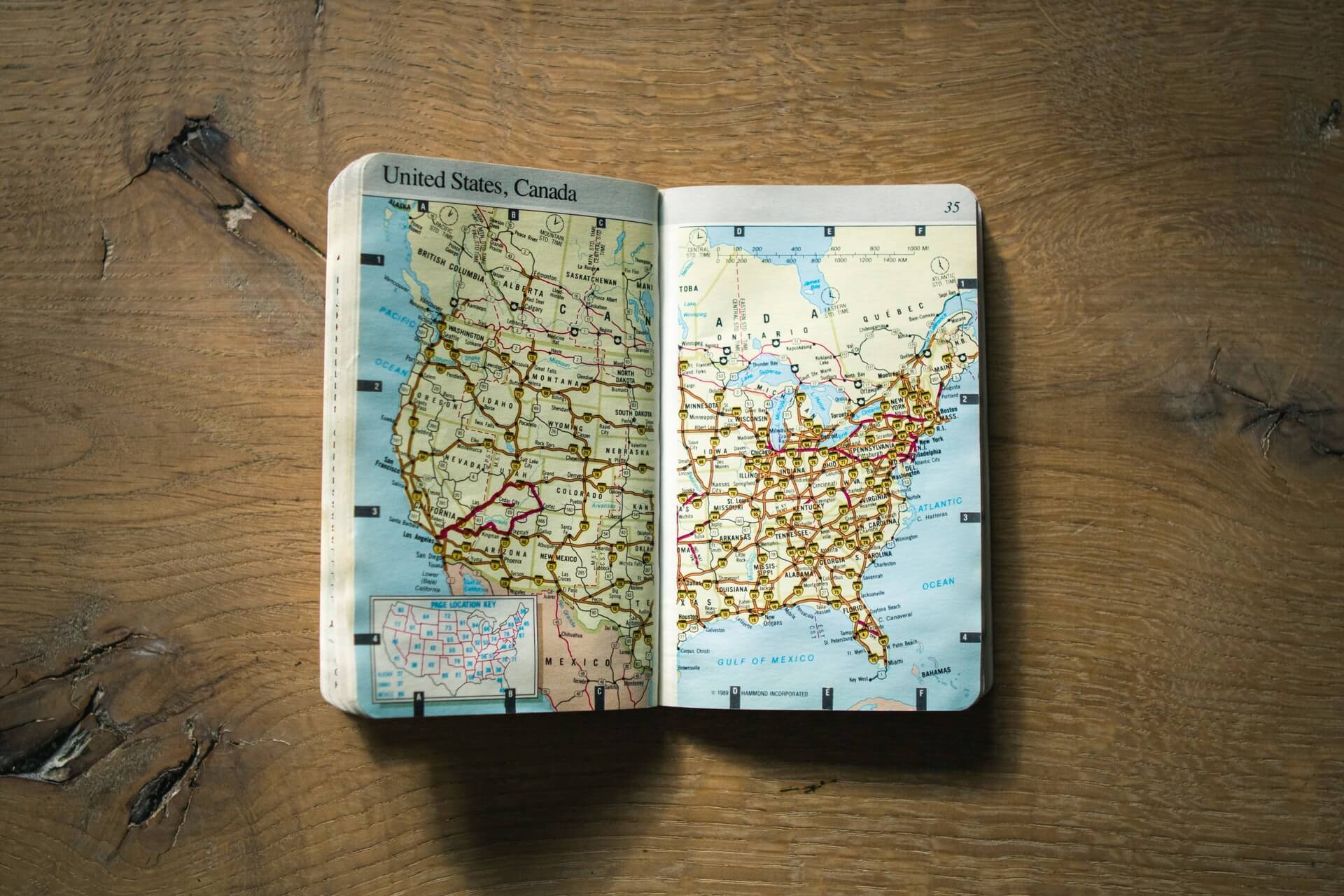
Roadmap showing United States of America, Canada, and Mexico borders

There will be more good news for the hospitality, travel, lodging, and tourism industries on Monday, November 8.

That’s the day that the US will open its borders to international travelers.

Guidance to enter the country applies to travelers arriving by land and air.

Neighbors to the North and South

This welcome news comes nearly three months after Canada opened its border to the US.

And like that border reopening, international travelers will have to prove their vaccination status. In fact, while not all the details are yet known, only fully vaccinated travelers will be permitted to cross American borders. The borders will remain closed to unvaccinated travelers.

The details for non-US travelers seeking to enter the country are as follows:

  • Non-essential travel is permitted.
  • Those entering via air travel will have to show proof of full vaccination before boarding their flight. They will also need to show proof of a “recent” negative Covid-19 test.
  • Travelers entering via Canadian or Mexican land borders will need to show proof of full vaccination. The negative test requirement is not, as of yet, required.
  • For now, Americans and non-US travelers will not have to quarantine after crossing a border.

Initial reporting stated that travel restrictions would be implemented via a phased approach. Land borders would be opened on November. However, air travel would remain restricted until the start of January 2022.

That doesn’t, at this moment, appear to be accurate.

Dozens of Countries Gain Access to US

Foreign travelers from the following countries who meet US requirements for entry will be able to enter:

  • Austria
  • Belgium
  • Brazil
  • Canada
  • China
  • Czech Republic
  • Denmark
  • England
  • Estonia
  • Finland
  • France
  • Germany
  • Greece
  • Hungary
  • Iceland
  • India
  • Iran
  • Italy
  • Latvia
  • Liechtenstein
  • Lithuania
  • Luxembourg
  • Malta
  • Mexico
  • Netherlands
  • Northern Ireland
  • Norway
  • Poland
  • Portugal
  • Scotland
  • Slovakia
  • Slovenia
  • South Africa
  • Spain
  • Sweden
  • Switzerland
  • Wales

Of course, this list is subject to updating, additions, and other changes.

Great News

Obviously, the US opening its borders to dozens of countries is great news for operators in several industries. Additionally, opening borders to economic partner countries should have a positive impact.

If it’s great for tourism, it’s great for hospitality, travel, and lodging and accommodation businesses. In turn, it should be a boon for the US economy.

Airlines should see a spike in travel, much of which will be tourism-based. That means hotels, restaurants, bars, lounges, nightclubs, breweries, distilleries, wineries, entertainment venues, stadiums, and more will benefit.

Operators will need to plan and execute to attract international travelers to leverage demand and increase revenue. Moving forward, forming partnerships with supportive partners (local restaurant with boutique hotel, for example) and working with domestic marketing organizations (DMOs) could pay dividends for savvy operators.

Image: REVOLT on Unsplash

by David Klemt David Klemt No Comments

Months Pass, RRF Still not Replenished

Months Pass, RRF Replenishment Remains Uncertain

by David Klemt

Time has run out hourglass, black and white

If you’re wondering if the RRF Replenishment Act of 2021 or ENTREE Acts are making progress, you’re not alone.

Unfortunately, it appears far too many politicians on all sides are focusing on anything but our industry.

Indeed, it’s apparently more important that they score political “points” for sniping at each other on social media; engage in hyperbole and histrionics; and overall engage in brinksmanship instead of doing anything meaningful for their constituents.

Meanwhile, the industry has lost more than $300 billion in revenue over 19 months. Additionally, we’re short at least one million jobs.

So, it’s not hyperbolic to state this: It’s no longer time for Congress to act, time has very much run out.

It’s up for owners and operators, their teams, and their teams’ families.

Replenish RRF Act

As people familiar with the Restaurant Revitalization Fund will recall, the fund launched with $28.6 billion. Obviously, that was nowhere near enough funding to meet the demand for grants.

The National Restaurant Association estimates that 177,000 grant applicants are still waiting for assistance. Those applications total more than $43 billion.

Essentially, $60 billion would be printed to replenish the RRF. That’s according to the language in the RRF Replenishment Act bill.

In June, Sens. Kyrsten Sinema (D-AZ) and Roger Wicker (R-MS), and Reps. Earl Blumenauer (D-PA) and Brian Fitzpatrick (R-PA) introduced the bill.

It’s now the middle of October.

ENTREE Act

Toward the end of July, Rep. Blaine Luetkemeyer (R-MO) introduced an alternative bill.

A ranking member of the House Committee on Small Business, Rep. Luetkemeyer proposed the Entrepreneurs Need Timely Replenishment for Eating Establishments Act on July 20.

Again, that was in July and it’s now October 25.

Known as the ENTREE Act (acronyms are fun, eh?), this bill wouldn’t just create $60 billion out of thin air.

Instead, per the text of the bill, the ENTREE Act would use unspent funds from the American Rescue Plan and Economic Injury Disaster Loans.

Now What?

In early August, there was an attempt made to replenish the RRF with $48 billion of emergency funding.

Sen. Ben Cardin (D-MD), along with a bipartisan group of senators, sought unanimous consent to authorize the funds.

Unfortunately, Sen. Rand Paul (R-KY) objected to the unanimous consent motion. The measure was blocked due to Sen. Paul’s objection and the RRF didn’t receive any emergency funds.

So, now what? In August, political insiders expressed their opinion that the ENTREE Act wasn’t likely to be passed.

Meanwhile, the RRF Replenishment Act hasn’t made significant progress since it was first introduced in June.

Most recently, members of the Independent Restaurant Coalition held a press conference with Rep. Blumenauer and Rep. Dean Phillips (D-MN). During the press conference, it was pointed out that Congress was voting on infrastructure bills that didn’t contain the RRF Replenishment or ENTREE Acts.

The most that can be said currently about any “progress” is that House Speaker Nancy Pelosi has made a promise that relief for the industry is coming, somehow, during some unknown timeframe.

Great. In the meantime, you, your family members, your friends, and your guests can contact their reps to put more pressure on them to replenish the RRF. You can also click here for more ideas from the IRC on how to get the message across that our representatives need to act now.

Perhaps reminders that every House seat and 34 Senate seats are up for re-election next year will help spur some action.

Image: Eduin Escobar from Pixabay

by David Klemt David Klemt No Comments

Stand Out with Weird Holidays: October

Stand Out with Weird Holidays: October

by David Klemt

Stay Weird neon sign with purple background

Want to stand out from from other restaurants and bars in your area? Then commit to keeping it weird.

Several “holidays” are set against every date on the calendar, and October is no exception. These holidays range from mainstream—Halloween, anyone?—to food-centric to weird.

Pay attention to the latter to raise eyebrows, carve out a niche for your restaurant or bar, and attract more guests. Why do what everyone else is already doing?

Of course, you shouldn’t try to celebrate every holiday, weird or otherwise. And this month’s list in no way includes every odd holiday.

Focus on the days that are authentic to your brand; resonate with your guests; and help you grab attention on social media.

For September’s list, click here.

October 3: National Boyfriend Day

I’m pretty sure you understand exactly what this holiday honors and how to encourage guests to celebrate it. Invite people into your restaurant or bar to treat their boyfriend to a bite, drink, and good time.

October 6: National Noodle Day

Do you have noodles? Like to sell them to guests? Enjoy creating LTOs and specialty noodle dishes? This is the holiday to celebrate all of your favorite things with your guests.

October 8: National Fluffernutter Day

Ah, Fluffernutter. Marshmallow fluff resonates with a lot of people, particularly ’80s and ’90s kids. National Fluffernutter Day is the perfect holiday to leverage nostalgia, creative cocktails and desserts, cooling temperatures, and candy.

October 9: National Motorcycle Ride Day

One of the best parts about cruising in a group on motorcycles is stopping to refuel at a restaurant or bar. Encourage your bike-riding guests to begin, take a break during, or end their group ride at your venue.

October 11: National Kick Butt Day

No, this isn’t a day about literally kicking any butts. Instead, this holiday is about motivating people to take the necessary steps to realize their dreams and achieve their goals. Encourage your guests to take steps to reach their goals and celebrate doing so at your business.

October 13: National Emergency Nurse’s Day

Nurses always deserve our thanks. However, I think we can all agree that the past 18 months have been particularly difficult and overwhelming for nurses. Offer the emergency room nurses (all nurses, really) an amazing food or drink promotion to thank them for all they do.

October 15: National Grouch Day

While this holiday focuses on letting people let their grouch flag fly, operators can take a different direction. Why not offer people a place and promotion to get out of their funk through great food, amazing drinks, and a fantastic time?

October 17: Wear Something Gaudy Day

I mean, this holiday is two weeks out from Halloween—people are willing to make any excuse to dress up.

October 21: Get to Know Your Customers Day

Do you really want to boost your bottom line? Get to know your customers. Really, this holiday is for you. Use this day to implement guest data-collecting practices and train your team to obtain this valuable information. Learn more about why and how to build a guest database on episode 51 of Bar Hacks with Matt Plapp.

October 25: Sourest Day

There are multiple ways to approach Sourest Day. Some say it’s about eliminating the “sour” people in our lives. Others use it to enjoy sour candies which, admittedly, is perfect for Halloween month. For operators, promoting sour beers and cocktails is likely a winning strategy.

October 29: National Breadstick Day

Unless someone is counting their carbs strictly, everyone enjoys a breadstick. In reality, not many people have the discipline to enjoy just one. If you’ve got breadsticks on your menu, you know what to do on this holiday.

Image: Dan Parlante on Unsplash

by krghospitality krghospitality No Comments

Hiring and Training Staff for Consistency

Hiring and Training Staff for Consistency

by Nathen Dube
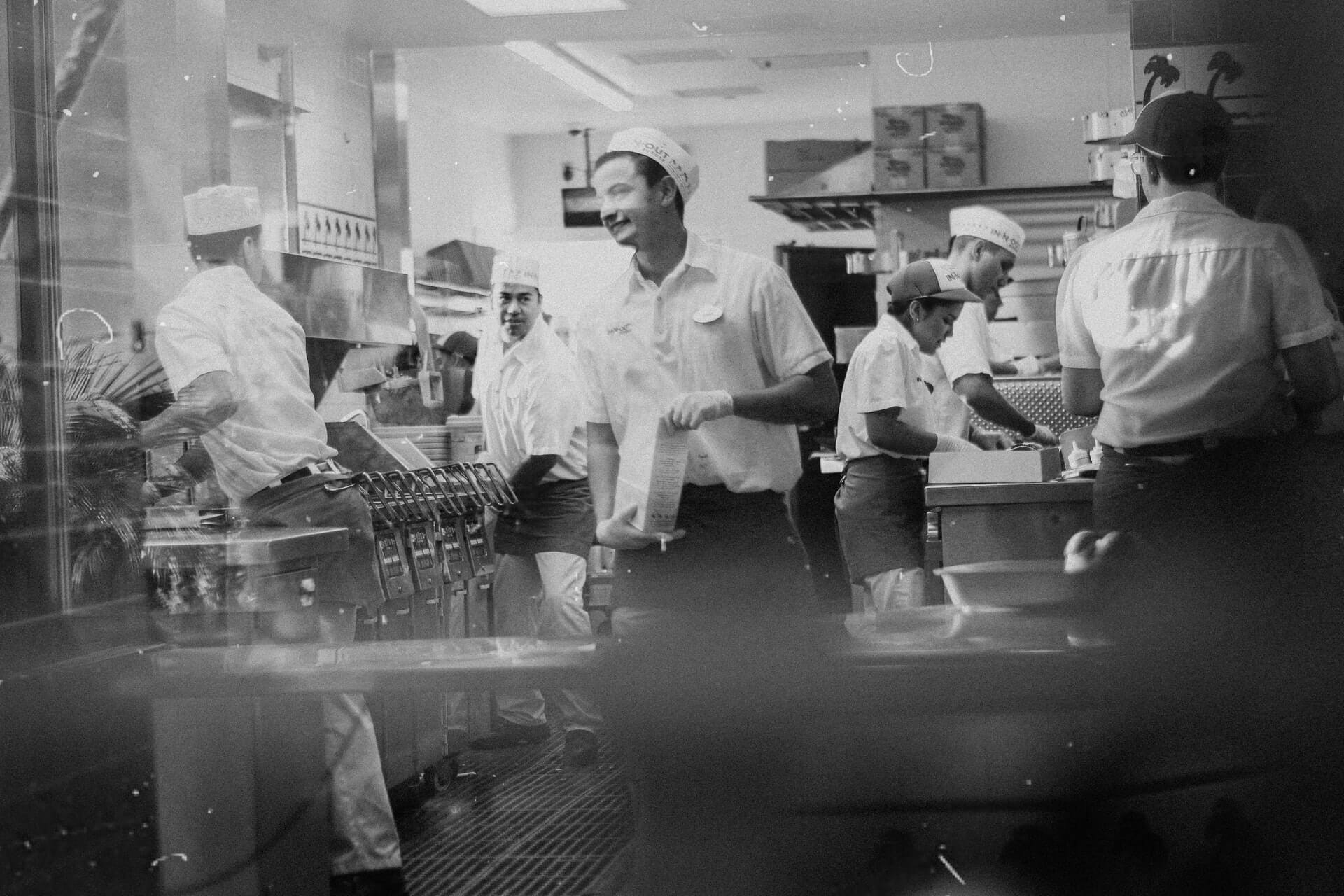
Happy and well-trained In N Out kitchen staff

Every restaurant needs to hire staff. This is probably the second most important pre-opening task after deciding on a concept.

Hiring can be an arduous process and hiring the wrong person is often detrimental to success. It costs time, money, and effort to replace and repair the damages.

Putting a fully developed onboarding plan in place—compelling job ads, effective interview and selection processes, in-depth training manuals, and training schedules—can help streamline hiring and retention, and make new hires feel welcome and confident in their roles.

Hiring and Onboarding

Creating a strategy to onboard all staff, adjusting for differing positions (cooks, servers, managers, etc.), will help to identify potential employees that fit your needs skill- and attitude-wise.

A strategic plan will streamline the entire process, start to finish. Think of it as your recruiting and hiring “recipe.”

Answering phone calls, scribbling notes, writing emails, losing phone numbers… Operating without a plan can be very frustrating and time consuming for everyone. After all, running your restaurant is far more important than being your own HR department.

The problem is that many organizations see training as an expense and not as an investment. Untrained employees will, inevitably, lack the motivation and knowledge to use company resources properly.

A lack of training in the hospitality industry leads to:

  • costly waste;
  • employees who feel unappreciated in their job;
  • employees with a general sense that their job doesn’t matter; and
  • unsatisfactory guest interactions that impact guest retention negatively.

At this point, employees either leave or get fired for poor performance.

While it may seem simple just to replace one worker with another, consider this: Hiring someone can cost up to 30 percent of the job’s salary. For an employee that makes $40,000 a year, that could equal around $12,000 to hire someone new.

However, training an existing employee correctly might only cost a few hundred dollars, reducing invested time. Even if replacing one employee doesn’t sound that bad, consider that for every three employees who need to be replaced, that will equal an entire salary with no real gains.

Clearly Define Roles and Responsibilities

From the outset, outlining job roles and daily responsibilities properly is extremely important to ensure that all staff are on the same page.

Building and maintaining a well-oiled machine takes time and planning. However, identifying and distributing responsibilities as equitably as possible will help things flow smoothly.

Differing service times can lead to staff friction when tasks are not being completed effectively for the next shift. The lack of a clear plan regarding responsibilities such as prep, stocking fridges, putting away orders, cleaning, and maintenance will inevitably cause confusion.

Yes, writing out a daily walkthrough and task list from shift start shift end time for each role in your organization will take some time and effort. No, it isn’t the most fun job you’ll do.

But doing so will make onboarding and training a seamless and less time-consuming transition overall.

How to Train New Restaurant Employees

When you’ve completed the interviews, made your hire, and are now bringing in your new staff, where do you start? Who is responsible for training? (Yes, this should be delegated in your plan!) What station do they start on and what is the timeline for moving them along?

Having a plan for onboarding that is mapped out in an employee manual will help to clearly explain your company’s policies and expectations; training modules; and all other helpful information to a new hire.

Expecting a line cook, who may even be green themselves, to convey this to a new employee is like playing the telephone game in grade one: it doesn’t work and is irresponsible.

Setting up detailed, specific workstation plans is the first step. The second step is to plan training shifts and specify who is going to be training new hires.

Batch training can make this process easier. Have your head chef or front-of-house manager spend time to train all the new hires, not just the one or two who happen to be working that day. Be sure to include other positions like sous chefs and floor staff.

This last step, along with a solid training manual, helps eliminate starting the whole process over again every time a position turns over. It also completely mitigates the disaster of staff members being trained differently. Consistency will be solid across the board.

Different Strategies for Part-time Staff

A great part-time employee program can elevate your full-time staff.

With the peaks and valleys of busy restaurant periods fluctuating around lunch and dinner, for example, full-time staff can be overworked and then swiftly underutilized. Part-time employees on the other hand, when scheduled correctly don’t experience the swing in workload.

Although part-time staff offer flexibility in scheduling, it can be difficult to find time to train them. However, part-time workers should not be excluded from training just because their hours are limited.

Organizing training specifically for your part-time employees is crucial to the success of your team. Scheduling a part-timer to come in on a busy Saturday lunch shift and flounder around strains and stresses out the rest of the staff. That’s the last thing you want or need.

Part-time staff benefit from shorter periods of training engagement than your full-time staff. You do want to include them in your large training sessions but will certainly have some who can’t make it.

Since their schedules are limited, you can train part-time staff via 15-minute lessons during pre-shift meetings. These talks can cover can anything from kitchen hygiene reminders, menu walkthroughs, customer service, and proper table setting.

Using your best staff for on-the-job training can also be beneficial to your part-timers. Shadowing during shifts provides a visual, real-world representation of everything written out in your employee manual. Following in the footsteps of someone in the role a part-timer has been hired for is an excellent way for them to understand their responsibilities and tasks in real-time.

Not only is it an opportunity to understand how the whole team functions, it’s a chance to meet colleagues and bond with the team.

Streamline Your Menu

As mentioned in a previous post, the streamlining of your menu benefits everyone from the top down.

Trying to train a new employee on how to cook (or serve) every single item on a large menu can be daunting. Keeping your menu narrow and focused will make an employee’s transition into their new position.

This is where your employee manual will come into play again. Recipes and pictures, along with training and tastings, will give new staff the confidence to cook and serve the dishes skillfully. Shadow shifts will complete the picture for them with hands-on training.

Conversely, having a large menu creates unnecessary confusion and takes a longer time for staff to feel comfortable.

Everything on your menu needs to be something that your kitchen and serving staff can handle efficiently without putting undue burden on your staff. Choose recipes that include ingredients that you know fit within your budget and concentrate on making them the best they can be. Good food is more about taste than presentation.

Seasonal menu changes should be addressed via staff meetings, updated recipe cards, tastings, and even testing for all staff. Consider using these events to train and onboard your new staff to start them on the right foot and avoid them having to play catch-up.

Don’t Discount Human Communication

Everyone wants to implement the latest technology to save money, resources, labour costs, and to deliver superior product.

One thing that needs to be remembered when training staff is this: even with all these new processes, human interaction is still necessary for a functioning business.

That is, human skill is still required to cook and plate delicious, Instagram-worthy food, and to deliver that food to the guests at the table. For the time being, human interaction is what creates memorable dining experiences and keeps guests coming back!

The opposite end of that spectrum happens when technology fails or crashes. Troubleshooting and problem-solving skills are required by your staff every day.

Train staff how to utilize your technology stack but also understand the “old-fashioned” ways.

Effective Troubleshooting Ability: Importance of Teamwork, Repetition, Consistency

 A solid training strategy produces a staff that values teamwork, a team with effective troubleshooting skills, and consistent results.

When you identify the roles you are looking and the responsibilities that come along with them, plus delegate and train properly, you are essentially giving your staff the ability to individually and collectively trouble shoot any issues that arise.

These problems can relate to customer service, broken equipment, inventory problems, and other issues that might come up when you or your leadership team aren’t there to fix things.

Everything talked about here is the foundation you should be building on to create an environment that thrives on teamwork. From the minute you onboard new staff they are comfortable in what is being asked of them and are given plenty of opportunity to work alongside colleagues.

Excellent teamwork leads to consistency and repetition of food, drinks, and service regardless of who is working the front or back of house. There is nothing more disappointing than returning to a restaurant only to have a substandard experience.

Implementing these programs even before opening day will help to keep you and, more importantly, your staff happy, thriving, and creating an amazing experience for your guests time and again!

Image: nick jenkins on Unsplash
by David Klemt David Klemt No Comments

5 Books to Read this Month: September

5 Books to Read this Month: September

by David Klemt

Flipping through an open book

This month’s fun and informative book selections will help you develop next-level culinary, beverage and leadership skills.

To review last month’s book recommendations, click here.

Let’s dive in!

Holy Smoke! It’s Mezcal! (revised second edition)

The world is steadily becoming more and more enthralled with all agave spirits. Mezcal, of course, helped spearhead this interest and the category’s growth. If you want a deeper understanding of mezcal, John P. McEvoy’s Holy Smoke! It’s Mezcal! is the book you’re looking for. Click here for the black-and-white version, and here for the full-color version.

Cocktails of the Movies: An Illustrated Guide to Cinematic Mixology New Expanded Edition

There’s no doubt that pop culture has an impact on food and beverage trends. In Cocktails of the Movies, authors Will Francis and Stacey Marsh take a look at cocktails featured in film. Not only are there recipes, you’ll find a history of each cocktail, the scene it was in, and artwork.

The Infused Cocktail Handbook: The Essential Guide to Homemade Blends and Infusions

One excellent way to set your bar program apart from the competition’s is with house infusions. Kurt Maitland’s The Infused Cocktail Handbook dives into what spirits pair best with specific ingredients, including bacon and gummy bears.

The Cocktail Seminars

As the story goes, author Brian D. Hoefling taught his fellow Yale students about cocktails and build techniques during his senior year. The Cocktail Seminars is a collection of five of Hoefling’s education seminars and spans 30 cocktail recipes. Along with technique, readers will learn about the history of cocktails, which they and their bar teams can leverage to engage with guests.

5 Levels of Leadership: Proven Steps to Maximize Your Potential

John C. Maxwell’s book 5 Levels of Leadership helps people become true leaders. Remember, becoming a leader is a journey in and of itself, not just a position you find yourself in.

Image: Mikołaj on Unsplash

by David Klemt David Klemt No Comments

Stand Out with Weird Holidays: September

Stand Out with Weird Holidays: September

by David Klemt

Stay Weird neon sign with purple background

Want to stand out from from other restaurants and bars in your area? Then commit to keeping it weird.

Several “holidays” are set against every date on the calendar, and September is no exception. These holidays range from mainstream to food-centric to weird.

Focus on the latter to raise eyebrows, carve out a niche for your restaurant or bar, and attract more guests. Why do what everyone else is already doing?

Of course, you shouldn’t try to celebrate every holiday, weird or otherwise. And this month’s list in no way includes every odd holiday.

Focus on the days that are authentic to your brand; resonate with your guests; and help you grab attention on social media.

For last month’s list, click here.

September 3: National College Colors Day

There are a few ways you can go about celebrating this holiday. If your bar or restaurant supports a particular college team, create a promotion that encourages guests to wear that team’s colors. You can also ask guests to wear their favorite college team’s colors…if there’s no risk of rivalries getting out of hand, of course.

September 4: World Beard Day

An entire day dedicated to celebrating facial hair? Sign us up! There’s a lot you can do with this holiday, even if that means going the other way and rewarding the clean shaven among us.

September 6: National Read a Book Day

It’s not exactly a secret that we love a good book, whether it’s about leadership, business, history, cocktails, food or fiction. Create a new promotion focused on inspiring people to read books or bring back last month’s Book Lover’s Day promo.

September 10: National TV Dinner Day

Delivery and takeout aren’t going anywhere. Even before the pandemic, these two lifelines helped many operators generate revenue. Several restaurants have come up with signature TV dinners and you can do the same.

September 12: National Hug Your Hound Day

People love dogs. People love other people’s dogs. If your business is dog-friendly, this is the day to encourage guests to bring their pooches to your restaurant, bar or hotel.

September 19: National Talk Like a Pirate Day

I doubt I have to tell you what to do this day. Brush up on your pirate and nautical lingo, feature themed cocktails like the Dark & Stormy, and if you have the capability, show a pirate movie or two.

September 22: Car Free Day

If it’s authentic to your brand and will resonate with your guests, create a promotion that encourages people to walk, ride their bikes, or otherwise get to your place by means other than traditional petrol-powered vehicles.

September 25: National Comic Book Day

Break out the comic book character-inspired cocktails and your favorite comic book movies on this day.

September 27: World Tourism Day

This is a great day to seek out partnerships with hotels and local tourism boards to drive out-of-town guests through your doors.

September 28: National Good Neighbor Day

We’ll always suggest that operators show their communities that they support them and are members in good standing. This is the perfect day to pay back the support you receive from the community.

Image: Dan Parlante on Unsplash

by David Klemt David Klemt No Comments

Why Operators Need to Set Goals

Why Operators Need to Set Goals

by David Klemt

Darts in a dartboard and in bullseye

Something restauranteur Mike Bausch said during the 2021 International Pizza Expo caught my attention.

It stuck with me for a few days. Eventually, I had no choice but to write it down and share it with others.

“If you don’t have a goal,” Bausch said, “you just have a dream. And dreams are just fluff.”

Goals are Measurable

An operator’s goals don’t stop with realizing the vision of opening their business. Rather, that’s when setting goals starts.

Starting up a restaurant, bar, brewery, entertainment venue, hotel… Just getting to the point of opening the doors for the first time requires accomplishing multiple goals.

In fact, our Roadmap to Success identifies several steps—or goals—to achieve to open a startup.

But, hey, let’s say a person’s goal is to open a business. What’s next? Just running that business? That’s not much of a goal. It isn’t defined, it isn’t really measurable, and it won’t accomplish much.

There’s a reason KRG Hospitality offers coaching for operators after they’ve opened for business. Our work doesn’t end with the grand opening.

Similarly, “I want to make a bunch of money” also isn’t really a goal. That’s a result; goals are what help you achieve desired outcomes.

So, instead of writing down making money as a goal, come up with goals that will:

Of course, those represent just a tiny handful of possible goals.

Goals Drive Forward Progress

Because goals are measurable, they help an operator and their business continue growing. So, when operators make goals, they’re working to ensure long-term viability.

Yes, building a bank account and setting one’s self up for retirement can be goals. But how does an operator achieve either of those goals?

They set and achieve the goals that will drive them toward those two personal accomplishments.

Also, in achieving a number of other, equally important goals, the business moves forward constantly. In essence, a restaurant or bar without goals is a listless ship floating in the doldrums.

An effective captain keeps wind in the sails.

Goals Strengthen Teams

Sticking with the ship metaphor because it’s incredibly original and has never before been done, it needs a crew.

So, too, does a restaurant, bar, entertainment venue, or hotel.

Sure, the basic goal of an employee is making money. Generally speaking, that’s not enough of a goal to keep a team member engaged and loyal.

However, an operator being transparent about financial goals (for a particular shift, the week, the month, etc.) engages the team.

Likewise, an operator can (and should) inquire about employees’ individual goals. Then, they should come up with mutually beneficial ways to help accomplish those goals.

Clearly, those are just two examples of how operators can include their teams in the goal-setting process.

The keys to setting goals are:

  • make sure they’re clear;
  • ensure they’re achievable;
  • be certain they’re measurable;
  • when relevant, be transparent about the results with the team;
  • learn from failures or sub-optimum results; and
  • celebrate wins.

And then, of course, set new goals.

So, are you a dreamer or are you a visionary: a dreamer and a doer?

Image: Afif Kusuma on Unsplash

by David Klemt David Klemt No Comments

What’s the RRF Replenishment Act?

What’s the RRF Replenishment Act?

by David Klemt

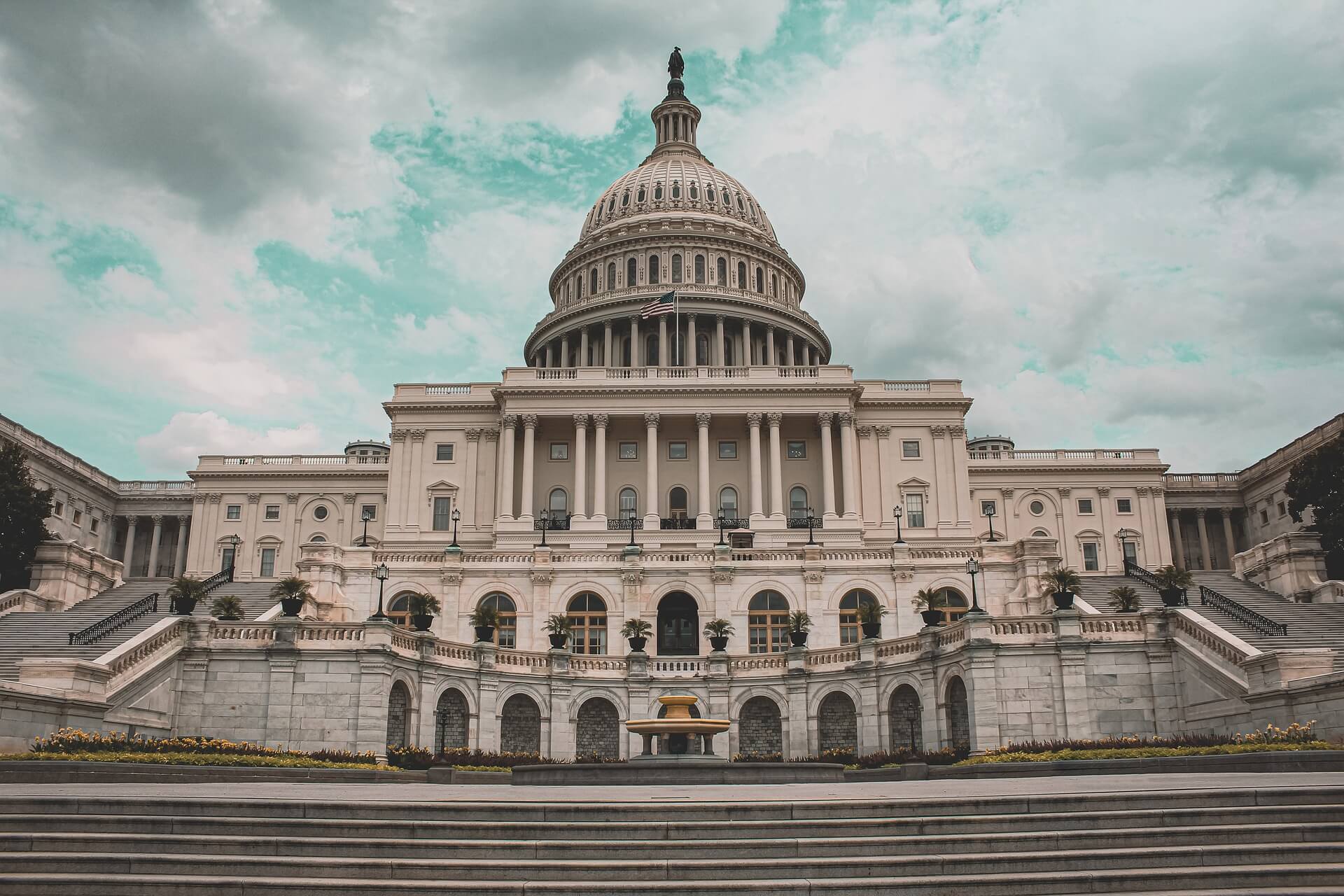
The United States Capitol Building with cloudy sky in background

The ENTREE Act isn’t the only bill seeking to replenish the Restaurant Revitalization Fund. In fact, a bipartisan bill predates the ENTREE Act by a month.

So, what’s the difference between that bill and the Restaurant Revitalization Fund Replenishment Act of 2021?

Let’s take a look.

Additional Funding

Clearly, the biggest similarity between the two bills is the amount of money both are after.

Both the RRF Replenishment Act and ENTREE Act seek $60 billion.

As people familiar with the RRF will recall, the fund launched with $28.6 billion. Obviously, that was nowhere near enough funding to meet the demand for grants.

The RRF Replenishment Act was introduced in June by the same bipartisan group that first introduced the RRF. Sens. Kyrsten Sinema (D-AZ) and Roger Wicker (R-MS), and Reps. Earl Blumenauer (D-PA) and Brian Fitzpatrick (R-PA) introduced the bill on June 3.

Per a press release, nearly $50 billion in grant applications were left outstanding. The RRF application portal was closed just 21 days after launching.

$60 Billion

The biggest difference between the RRF Replenishment and ENTREE acts? Sourcing the $60 billion to replenish the RRF.

Per the text of the bill, the ENTREE Act would use unspent funds from the American Rescue Plan and Economic Injury Disaster Loans.

As for the RRF Replenishment Act, the funding would essentially come from “printing” an additional $60 billion.

Clearly, Americans will have differing opinions when it comes how the RRF is funded. However, using unspent, previously allocated funds does seem like a more logical approach.

So far, there’s no word on how these two bills may impact one another. There’s no news about the bills working in conjunction, just as there’s no news yet about a preference for one over the other.

With all eyes on the Senate and the progress of the infrastructure bill, we’re still awaiting answers on the RRF Replenishment and ENTREE acts.

Image: oljamu from Pixabay

by David Klemt David Klemt No Comments

Today’s the Day: Canada Opens Border

Today’s the Day: Canada Opens Border

by David Klemt

Canadian Border Services Agency sign on chainlink fence

The big day is here and Canada is opening their border to the USA.

Today, Americans and permanent residents can enter the country for “discretionary,” a.k.a. non-essential, travel.

Of course, the border is only open to travelers who can prove their vaccination status (full series).

Quarantine Lifted

As many Canadians are well aware, quarantining was mandatory for people traveling into Canada up until today.

Asymptomatic travelers, with very specific exemptions, were required to quarantine for 14 days upon arrival. The mandatory quarantine included a three-night stay at a hotel authorized by the Canadian government.

Oh, and the traveler had to cover the cost of the mandatory hotel stay.

However, that wasn’t all that was required. Travelers had to create and submit a quarantine plan. Foreign national who failed to submit a plan deemed suitable faced the risk of border agents turning them away.

Of course, the mandatory quarantine dissuaded Canadians from traveling across the border for essential travel. After all, Canadians weren’t exempt from hotel quarantine.

Requirements

Now, Americans or permanent residents residing in America aren’t receiving unfettered access to the border. Indeed, there are requirements that must be met for anyone hoping to cross into Canada from the US.

Per the Government of Canada website, in its entirety for clarity:

“Beginning on August 9th, 2021 at 12:01 a.m. EDTfully vaccinated United States (U.S.) citizens and permanent residents will be eligible to enter Canada for discretionary (non-essential) reasons, such as tourism, however these individuals must:

  1. be fully vaccinated: to be considered fully vaccinated, a traveller must have received the full series of a vaccine—or combination of vaccines—accepted by the Government of Canada at least 14 days prior to entering Canada. Currently, those vaccines are manufactured by Pfizer-BioNTech, Moderna, AstraZeneca/COVISHIELD, and Janssen (Johnson & Johnson).
  2. be residing in and travelling from the U.S.;
  3. have a valid pre-arrival COVID-19 molecular test result taken in the U.S. (antigen tests are not accepted);
  4. be asymptomatic;
  5. submit their mandatory information via ArriveCAN, including proof of vaccination in English or French;
  6. be admissible under the Immigration and Refugee Protection Act; and,
  7. take a test on arrival, if required.”

So, if you or someone you know is planning to travel to Canada from America, make sure you follow the requirements precisely.

Operators, Be Ready

So far, news of increasing infection and hospitalization rates aren’t impacting Canada’s decision; the border is open as of today. Neither New York City’s vaccine mandate nor an increasing amount of counties and corporations implementing mask and vaccine mandates are deterring Canada.

Additionally, it doesn’t appear as though the Canadian government plans to implement other travel requirements (so far).

Canadian restaurant, bar, hotel, and entertainment venue operators need to be ready for an influx of guests. This is particularly true for operators in large metropolitan areas and well-known tourist destinations.

Pent-up demand for travel, experiences, reunions, weddings, and just escape should skyrocket with the Canada-US border reopening.

Also, should things go well, operators need to prepare for even more travels next month. While not written in stone, Canada plans to open the country’s borders to other countries on September 7.

Interestingly, this is also excellent news for those waiting to open a restaurant or bar. Plans to reopen borders should prove to be a boon for the Canadian economy. So, now’s the time to move forward.

Canadian operators must be vigilant about monitoring the border situation. Fresh opportunities arrive on your doorstep starting today.

Image: Hermes Rivera on Unsplash

by David Klemt David Klemt No Comments

What is the ENTREE Act?

What is the ENTREE Act?

by David Klemt

United States Capitol Building on fifty dollar bill

Foodservice and hospitality operators are waiting for Congress to act and replenish the Restaurant Revitalization Fund.

Well, that replenishment may come in the form of a bill from Rep. Blaine Luetkemeyer (R-MO).

Congressman Luetkemeyer is a ranking member of the House Committee on Small Business.

Restaurant Revitalization Fund Empty

As operators know, it didn’t take long for the RRF to be depleted entirely.

The Small Business Administration opened the RRF application portal on May 3. Just 21 days later, the portal was closed to new applicants.

More than 60 percent of eligible applicants in need were not awarded grants from the $28.6 billion fund.

Clearly, that amount was nowhere near enough to meet the needs of our industry.

People have been calling for Congress to #replenishRRF ever since the RRF portal was closed on May 24.

Entrepreneurs Need Timely Replenishment for Eating Establishments Act

To be fair, Congress acted quickly to at least address the SBA’s shortcomings in handling the RRF.

Early in June, a bipartisan group introduced Restaurant Revitalization Fund Replenishment Act of 2021. Sens. Kyrsten Sinema (D-AZ) and Roger Wicker (R-MS), and Reps. Earl Blumenauer (D-PA) and Brian Fitzpatrick (R-PA) introduced the bill on June 3.

The bill seeks $60 billion to replenish the RRF and the funds would essentially come from “printing more money.”

However, Rep. Luetkemeyer introduced the Entrepreneurs Need Timely Replenishment for Eating Establishments Act on July 20.

The aptly (if unwieldy) named bill is also proposing $60 billion. However, the funds would come from a combination of sources.

ENTREE Act Funding

Both sources would pour unspent, previously allocated funds into the ENTREE Act.

Rep. Luetkemeyer’s bill proposes using state and local funds from the $1.9 trillion American Rescue Plan.

The ENTREE Act would also secure funds from Economic Injury Disaster Loans that have yet to be spent.

Currently, there’s no indication if Congress intends for these bills to somehow work together. Also, no date has been put forth regarding voting on either the Restaurant Revitalization Fund Replenishment Act or ENTREE Act.

However, we can put pressure on Congress by asking them to act quickly on these bills. So, let’s come together and contact our representatives—it can take just 30 seconds.

Image: Karolina Grabowska from Pexels

by David Klemt David Klemt No Comments

5 Books to Read this Month: August

5 Books to Read this Month: August

by David Klemt

Flipping through an open book

This month’s fun and informative book selections will help you develop next-level culinary, beverage and leadership skills.

To review last month’s book recommendations, click here.

Let’s dive in!

Something & Tonic: A History of the World’s Most Iconic Mixer

Author and bartender Nick Kokonas takes readers on a historical, global journey that focuses on the history of tonic. This informative book also contains tips, tricks, and 60 original cocktail recipes. Click here to purchase Something & Tonic now.

America Walks into a Bar

Do you have a passion for this business? Do you actually love bars and the rich history of our industry? Then you need to read Christine Sismondo’s America Walks into a Bar, equal parts adventure, entertainment and history.

Burn the Ice: The American Culinary Revolution and Its End

I could try to sum up Burn the Ice for you, but Danny Meyer seems to have captured the essence of this Kevin Alexander’s book in one word: “Inspiring.”

The Power of Strangers: The Benefits of Connecting in a Suspicious World

When we come across a great bar, restaurant or hotel, we never encounter strangers. Instead, we meet friends we never knew we had. In The Power of Strangers, author Joe Keohane addresses the importance of getting over the fear of engaging with strangers and why, particularly in these divisive times, we need “strangers” more than ever in our lives.

Hacking the New Normal: Hitting the Reset Button on the Hospitality Industry

The world around us has changed, as has the food & beverage industry and the hospitality industry as a whole. But will some ways of life change for the better? Will restaurants, bars, and hotels come out of the pandemic even stronger? In Hacking the New Normal, author and president of KRG Hospitality Doug Radkey addresses the need to hit the reset button on the hospitality industry for its long-term survival.

Image: Mikołaj on Unsplash

by David Klemt David Klemt No Comments

Stand Out with Weird Holidays: August

Stand Out with Weird Holidays: August

by David Klemt

Stay Weird neon sign with purple background

Want to stand out from from other restaurants and bars in your area? Then commit to keeping it weird.

Several “holidays” are set against every date on the calendar, and July is no exception. These holidays range from mainstream to food-centric to weird.

Focus on the latter to raise eyebrows, carve out a niche for your restaurant or bar, and attract more guests. Why do what everyone else is already doing?

Of course, you shouldn’t try to celebrate every holiday, weird or otherwise. And this month’s list in no way includes every odd holiday.

Focus on the days that are authentic to your brand; resonate with your guests; and help you grab attention on social media.

For last month’s list, click here.

August 3: National Night Out Day

It may sound like this holiday is just an excuse for restaurant and bar crawls. However, this day is actually about bringing communities together and making them safer. This is an excellent time to strengthen your ties to the community and support local organizations.

August 5: National Underwear Day

We’re not entirely sure what to suggest you do for this holiday but there’s definitely something here. Get creative but be tasteful, is all we recommend.

August 6: National Fresh Breath Day

Certain herbs help freshen breath: Mint, basil, rosemary, cardamom, and tarragon, for example. These same herbs also make great cocktails, so tie them into a drink promotion.

August 7: National Disc Golf Day

With mask mandates being re-issued, some people will likely be looking at outdoor sports as an escape. Encourage and reward people for getting out and playing disc golf on this day.

August 8: National Dollar Day

Have a menu item or two you can offer for $1? Perhaps a “buy one, get another for one dollar”? You know what to do on National Dollar Day.

August 9: National Book Lover’s Day

There are several ways you can celebrate this holiday with your guests. For example, you can host a book drive, encourage guests to trade books, or even create a free community library space inside your business. Tap into your creative side.

August 10: Lazy Day

I mean, come on… This day was practically invented to encourage people to spend all day eating and drinking in your bar or restaurant. People can be responsible another day.

August 14: National Bowling Day

Remember National Disc Golf Day from way up higher on this page? Of course you do. Well, it shouldn’t be difficult to come up with promotions focused on bowling, like offering promotions for bowling teams who pop into your bar or restaurant.

August 21: National Honey Bee Day

If we lose our bees, we lose our agriculture. And if we lose that, we lose our food supply. Highlight the importance of honey bees with menu items that feature honey (local sources are ideal), and promote the need to protect these valuable insects.

August 27: National Just Because Day

A promotion focused on doing whatever you want just because you feel like doing it? The sky’s truly the limit with this one.

Image: Dan Parlante on Unsplash

by David Klemt David Klemt No Comments

We Need to Join Forces on the RRF

We Need to Join Forces on the RRF

by David Klemt

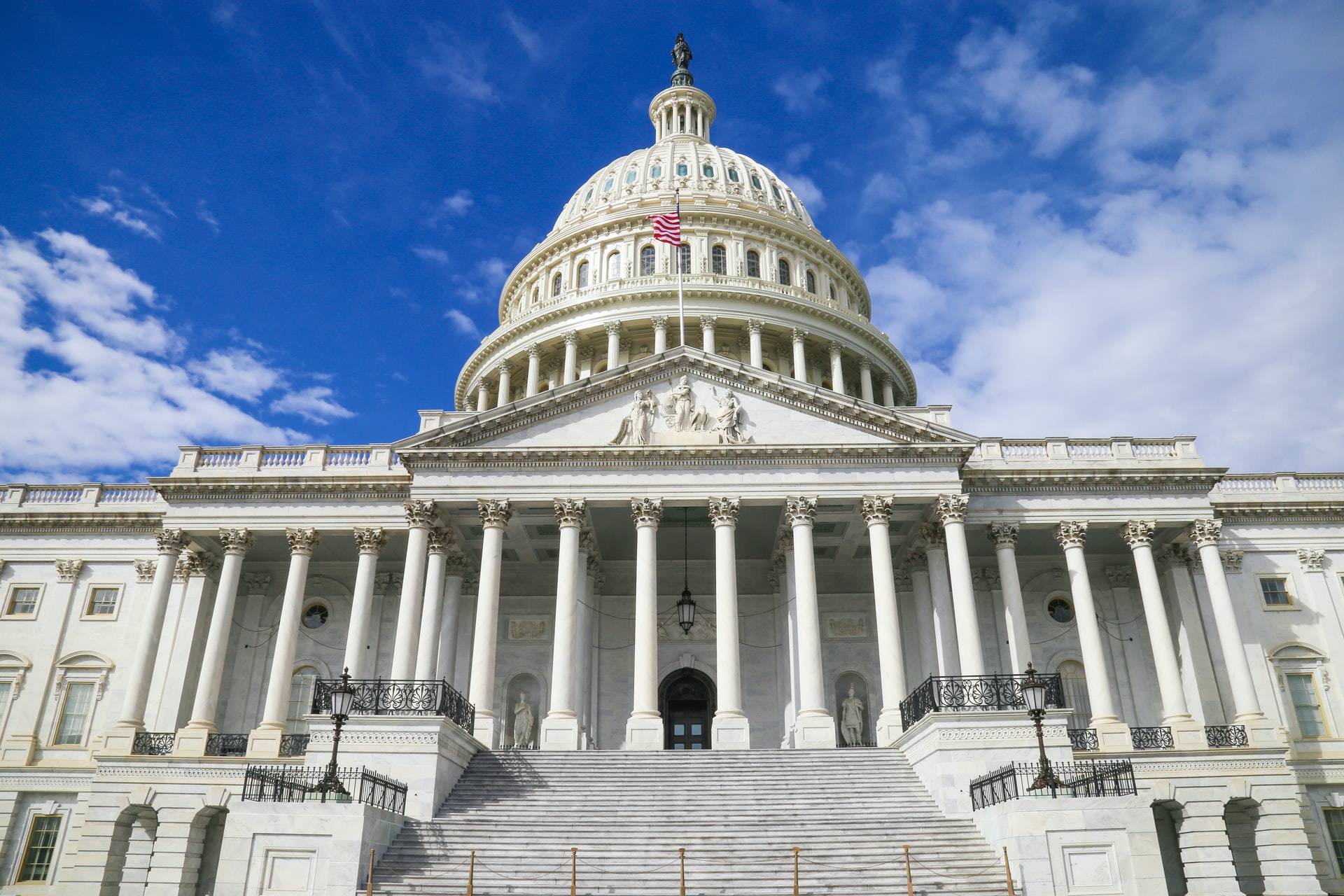
The United States Capitol Building with blue sky and white clouds in the background

It’s time for all hospitality professionals to come together and tell Congress to replenish the Restaurant Revitalization Fund.

Honestly, it’s well beyond time for us to all join forces and send our message to Congress.

Owners, operators, managers, and team members need to contact their representatives. Additionally, they need to encourage their friends and family members to do the same.

If we’re going to stop the damage to our industry, this needs to be done.

State of the RRF

Per this download from the National Restaurant Association, 455,304 eligible restaurants applied for RRF grants.

In total, 278,304 restaurants were awarded grants.

To be fair, that’s excellent news. And the Small Business Administration should be applauded for providing lifelines to nearly 280,000 restaurants.

However, the $28.6 billion the fund was seeded with was never going to be enough. Also, the SBA’s RRF portal was open nowhere near long enough.

Toward the end of May, Republican members of Congress sent a letter to the SBA. In it, they criticize the SBA for closing the portal so quickly.

To provide context, the RRF application portal was open a mere 21 days. Further context: the SBA made it clear before the RRF portal was opened that only priority applications would be processed for the first 21 days.

Replenish the RRF

According to the NRA, 177,000 eligible RRF applicants were not awarded grants.

That number represents a total of $43.6 billion in grants that haven’t been awarded.

So, not only does the SBA need to reopen the RRF, they need to replenish it with at least $43.6 billion. The NRA is asking that Congress refill the RRF with $50 billion.

We all know that the situation is dire. Per the NRA, 1.3 million jobs have been lost. Since the first 14 months of the Covid-19 pandemic, restaurants have lost $290 billion in sales. Obviously, that number has grown. At least 90,000 restaurants have either closed their doors long-term or forever.

However, this isn’t only about our industry. As the NRA shows, every dollar spent on this industry generates $2 for farming, baking, fishing, and other industries.

Looking at the numbers makes it clear: We all need to carve out the few minutes it will take to tell our representatives what we want.

What do we want? For the RRF to be replenished. Click here to tell Congress to replenish the RRF with at least $50 billion, and make sure to spread this message on social by using #ReplishRRF.

There are millions and millions of us in this industry. Now more than ever, we need to join forces and pull in the same direction.

Image: Louis Velazquez on Unsplash

by David Klemt David Klemt No Comments

More States Issue Mask Mandates

More States Issue Mask Mandates

by David Klemt

United States of America atlas roadmap with push pins

Unsurprisingly, more states, counties and cities across the US and the country’s territories are issuing mask mandates.

In some cases, the mandates and guidance are coming down regardless of vaccination status.

Unfortunately, these actions are a response to reports of Covid-19 infection and hospitalization increases. The rise in cases and hospitalizations is due in large part to the highly transmissible Delta variant.

In fact, the Centers for Disease Control and Prevention (CDC) is once again changing course. Now, the CDC recommends that people in areas where Covid-19 infection rates are “substantial” or “high” wear masks inside indoor public places.

A map of these areas can be found on the CDC’s COVID Data Tracker page.

Local Defiance

Illustrating the divisive times in which Americans find themselves, some mandates are pitting local officials against their state counterparts.

For example, Florida. Per several outlets, Palm Beach County officials are ordering masks to be worn indoors by everyone irrespective of vaccination status. Of course, the mandate stands in direct defiance of Governor Ron DeSantis’ statewide ban of such an order.

No word yet on Gov. DeSantis suing the county over the order.

However, Missouri Attorney General Eric Schmitt is suing St. Louis County and city officials to stop their mask mandate. Currently, St. Louis requires masks be worn indoors and on public transportation.

Also, no word on whether these mandates will impact Canada’s plan to reopen the border for non-essential travel to vaccinated Americans.

Mandates: Vaccinated, Unvaccinated

Below, a list of the states and territories with mask mandates in some form (public transit, public places, state buildings, for example) in place.

The following orders pertain to everyone, vaccination or no vaccination.

  • California
  • New Hampshire
  • Hawaii
  • Illinois
  • Indiana
  • New Jersey
  • Kansas
  • Maryland
  • Massachusetts
  • New Mexico
  • Mississippi
  • Montana
  • Nevada
  • New York
  • North Carolina
  • North Dakota
  • Ohio
  • Oregon
  • Puerto Rico
  • Virginia
  • New York

As always, check with your local, county and state authorities for full details.

Mandates: Unvaccinated

Here, a list of the states and territories with requirements in place only for those who are unvaccinated.

  • Colorado
  • Connecticut
  • Delaware
  • Kentucky
  • Michigan
  • Pennsylvania
  • Rhode Island
  • Vermont
  • Washington
  • Washington, DC

Again, residents should check with state, county and local authorities for requirements and guidance.

Operator Concerns

Once more, owners and operators find themselves having to police guest behavior and compliance regarding Covid-19 mandates and recommendations.

And once again, it’s the guest-facing team members who will be thrust into any confrontations with hostile customers.

While not a silver bullet by any means, operators should communicate their intent to comply with mandates. Social media posts, emails and phone conversations should make requirements and expectations clear.

Additionally, operators and managers need to stay on top of employee concerns and comfort levels. Leadership must also make it clear, with actions and not just words, that their teams will be supported when engaging with guests.

The industry is in a very tenuous place and has been for many months. Workers are leaving and not coming back. Perhaps it’s time—respectfully and professionally—to set aside the maxim that “the customer is always right” and err on the side of employees.

Image: Morgan Lane on Unsplash

by David Klemt David Klemt No Comments

4 Tips for Recruiting and Retention

4 Tips for Recruiting and Retention

by David Klemt

Server walking through restaurant carrying tray

Operators seeking to survive and thrive despite the Great Resignation can give themselves an edge with these four concepts.

Attract New Talent

KRG Hospitality president Doug Radkey doesn’t find the struggle to fill restaurant, bar and hotel positions all that shocking.

Why? Because too many operators post generic, cookie-cutter job listings. Doing what everyone else is doing has never been advisable for those looking to stand out.

Instead, Doug suggests a more unique approach to job ads, an approach that helps operators stand above the competition.

Step one is avoiding banal listing language:

  • “Are you friendly, energetic, and highly motivated?”
  • “Are you an experienced and enthusiastic [insert position]?”
  • “The ideal candidate must work well in a fast-paced environment and be a team player.”
  • List of basic job tasks.

Instead, Doug suggests the following:

  • Hire for values rather than experience. Training addresses systems and standards, not personality and drive.
  • Operators should be transparent about their core values, company culture, and potential for growth.
  • Showcase the approach to inclusivity, diversity, acceptance, and flexibility. That is, if that’s authentic. If not, that’s a flashing, neon red flag that requires addressing.
  • Offer a living wage, benefits, potential for personal growth, and education.
  • Produce a video of team members sharing why they work at the company. This must be genuine and honest.

Demand creates competition. Innovation beats the competition.

Actually Onboard New Hires

So, an operator adjusts their approach to filling open positions. They recruit and hire promising employees.

Sadly, it’s common for new hires in hospitality and foodservice to leave in just a few months. Rather than accept this as the norm, operators have a tool at their disposal for improving employee retention: Onboarding.

Too many operators think the next step after hiring someone is providing a start date, showing them the front- and back-of-house, and hoping things will work out.

Well, hope isn’t a strategy.

The next step after hiring someone is onboarding and should include the following:

  • Complete all pertinent paperwork and setting up access to systems. If applicable, set up direct deposit.
  • Provide new hire with detailed employee handbook. If there isn’t one yet, that must be addressed.
  • Share the story of the business (history, area, etc.) and workplace culture.
  • Outline expectations: Policies, rules and responsibilities.
  • Explain benefits, such as health insurance and mentorship opportunities.
  • Provide training and assign shadowing.
  • Deliver feedback on trained tasks.

The above list obviously has room for more onboarding tasks. Operators should create a physical onboarding checklist. Also, they should require the person or people tasked with onboarding to complete and sign off the checklist (even if that person is the operator).

Nail recruiting, hiring and onboarding and word will get out. The result? Hiring gets easier and turnover decreases.

Focus on Workplace Culture

Doug addressed workplace culture and the labor shortage on Bar Hacks bonus episode number 16.

Simply put, operators need to take an honest look at their culture.

Is it inclusive and accepting? Transparent and nurturing? Do employees feel comfortable bringing up workplace issues? (More on that last one below.)

Hospitality is fast-paced and demanding—owners and managers shouldn’t add to the stress.

Why would anyone want to work in for someone who isn’t going to treat them and their coworkers with respect, mentor them and nurture their career, and value their input?

It’s every operator’s responsibility to be good stewards of hospitality professionals’ passion for this industry. We do them a disservice when we turn a blind eye to an unhealthy workplace culture that has taken hold, crushing their love of his business and driving them away.

Value Employee Feedback

Yes, guest feedback is valuable. However, so is feedback from employees.

It’s important for operators to remember not to focus solely on guests.

True, a business isn’t a business without customers. Equally true: It’s not a business without employees.

So, operators should foster a work environment in which employees feel comfortable sharing honest feedback. This is, of course, where culture comes into play.

If employees don’t feel safe sharing their opinions and suggestions, operators won’t truly know what it’s like to work for them. Without that feedback, employee turnover will skyrocket, recruiting and hiring will be an endless struggle, and the guest experience will suffer.

We all know what happens if guests pick up on an uncomfortable restaurant, bar or hotel environment: They don’t return.

Operators can’t expect their businesses to thrive (or just survive) if they focus solely on guests.

Putting these concepts to work can help operators succeed despite the Great Resignation of 2021.

Image: Shangyou Shi on Unsplash

by David Klemt David Klemt No Comments

Two States Rescinding To-Go Cocktails

Two States Rescinding To-Go Cocktails

by David Klemt

Philadelphia, Pennsylvania, time-lapse at night

Two states are putting an end to a lifeline that many restaurants and bars still rely upon as the industry attempts recovery.

Unfortunately, New York and Pennsylvania are rescinding to-go cocktail laws. Sadly, we can only hope this doesn’t lead to a state legislature domino effect.

The decision stands in stark contrast to states that chose to legalize to-go cocktails this year.

Pandemic Lifeline

Call it cynicism if you like, but it seems that our industry is constantly left to fend for itself.

For example, look at how long it took for the the American Rescue Plan to be voted into law. The bill, which included the Restaurant Revitalization Fund, didn’t pass the House until March of 2021.

Also, the awarding of Paycheck Protection Program stimulus loans was a farce and disaster.

Then, remember that the RRF application portal didn’t launch until the end of April. Of course, the fund has been depleted already and the portal closes July 14.

Obviously, restaurants and bars adapted and leaned into delivery, takeout, and pickup in an attempt to survive. In addition, several states made to-go cocktails legal temporarily.

Ultimately, some states made those “loose” laws permanent. Iowa was the first state to do so.

Now, operators in New York and Pennsylvania are having that lifeline yanked out of their hands.

Disappointing Development

Less than a month ago I reported on how several states (and Canadian provinces) are choosing to handle to-go cocktails.

So far, eleven states made them legal permanently: Arkansas, Florida, Georgia, Iowa, Kentucky, Montana, Ohio, Oklahoma, Texas, West Virginia, and Wisconsin.

Other states chose to keep their to-go cocktail rules loosened until 2022 or 2023: Delaware, Illinois, Maine, Virginia, and Washington.

Still others—New York and Pennsylvania among them—introduced bills this year that sought to make to-go cocktails legal permanently: Arizona, California, Kansas, Minnesota, Missouri, Nebraska, New Hampshire, New Jersey, and Oregon.

So, rather than keep their rules loose and continue to help their operators generate much-needed revenue as they try to recover from the economic devastation of the pandemic, New York and Pennsylvania voted to take to-go cocktails away from them.

Rather than help the industry, too many politicians and officials have used them during the pandemic as scapegoats, punching bags, and public relations stunts.

It’s clear that operators in New York and Pennsylvania (and many other states, to be fair) need to send a unified message when elected officials need venues for campaigning and fundraising.

Image: Heidi Kaden on Unsplash

by David Klemt David Klemt No Comments

5 Books to Read this Month: July

5 Books to Read this Month: July

by David Klemt

Flipping through an open book

This month’s fun and informative book selections will help you develop next-level culinary, beverage and leadership skills.

To review last month’s book recommendations, click here.

Let’s dive in!

Tequila & Tacos: A Guide to Spirited Pairings

This pairing is iconic. However, this book proves the legendary pair can go well beyond just munching on a street taco and slamming a tequila shot. Moreover, Tequila & Tacos includes recipes for both classic tacos and modern versions like spicy cauliflower tacos. The perfect book to help you celebrate National Tequila Day on July 24.

A Long Stride

Just days after National Tequila Day comes National Scotch Day, which takes place July 27. A Long Stride tells the in-depth story of one Scotch in particular: Johnnie Walker. Published toward the end of last year, this book represents the most up-to-date history of arguably the most famous Scotch brand in the world.

Zero Proof: 90 Non-Alcoholic Recipes for Mindful Drinking

Temporary and permanent abstinence from alcohol is becoming more and more commonplace. That doesn’t mean, however, that people who aren’t drinking alcohol are staying out of bars. So, it’s important that operators update their drink programs with creative and memorable zero-proof cocktails. Zero Proof contains 90 alcohol-free recipes to inspire you to develop your non-alcohol menu section.

Playing with Fire

Summer is here and that means barbecue! Interestingly, though, many of today’s chefs have felt the siren song of cooking on open fire for a while now. Playing with Fire features 72 of Chef Michael Symon’s favorite recipes inspired by St. Louis, Memphis, Nashville, Kansas City, and other famous barbecue styles.

How to Grill Vegetables: The New Bible for Barbecuing Vegetables over Live Fire

Steven Raichlen has been dubbed “America’s master griller, and for good reason: there’s likely nothing he doesn’t know about barbecuing. In How to Grill Vegetables, Raichlen shows how to grill basically every vegetable over fire. This book features more than 100 recipes and explains how to grill eggplant on cedar planks, smoke lettuce with hay, cook whole onions directly on embers, and much more.

Image: Mikołaj on Unsplash

by David Klemt David Klemt No Comments

Stand Out with Weird Holidays: July

Stand Out with Weird Holidays: July

by David Klemt

Stay Weird neon sign with purple background

Want to stand out from from other restaurants and bars in your area? Then commit to keeping it weird.

Several “holidays” are set against every date on the calendar, and July is no exception. These holidays range from mainstream to food-centric to weird.

Focus on the latter to raise eyebrows, carve out a niche for your restaurant or bar, and attract more guests. Why do what everyone else is already doing?

Of course, you shouldn’t try to celebrate every holiday, weird or otherwise. And this month’s list in no way includes every odd holiday.

Focus on the days that are authentic to your brand; resonate with your guests; and help you grab attention on social media.

For last month’s list, click here.

July 1: International Joke Day

Kicking things off this month is a fun one: International Joke Day.

July 7: National Dive Bar Day

This category of bar is one of our favorites. Whether you operate a dive bar, neighborhood bar or corner bar, this is your day.

July 8: Video Games Day

This is not to be confused with National Video Game Day, which takes place September 12. This bar holiday is perfect for all the barcades and eatertainment venues out there. Or, for cool restaurants and bars that have a video game system or arcade game or two inside.

July 11: National Cheer Up the Lonely Day

Nearly the entirety of 2020 and the first half of 2021 have been challenging, to say the absolute least. It’s safe to say that we’re all quite a bit lonely. On this holiday, provide a fun and safe environment for people to get back out there, socialize, and meet new friends.

July 12: National Simplicity Day

There’s nothing wrong with complex cocktail builds. However, today is the perfect holiday to highlight the simpler two- and three-ingredient cocktails on your menu. Simple, speedy, and delicious.

July 13: National Delaware Day

Of course, this isn’t a weird holiday to people who live in Delaware. For those outside the Diamond State, this is the time to showcase Delaware brands like Dog Fish Head.

July 15: National Give Something Away Day

We’re not huge fans of outright giveaways unless said giveaway items come from a partner or sponsor. However, operators can certainly come up with a creative food or beverage giveaway that requires a purchase.

July 17: National Tattoo Day

Operators can prepare for this holiday by partnering with a local tattoo shop and creating a traffic-driving promo with them.

July 20: National Pennsylvania Day

Again, this isn’t weird to Pennsylvanians. Operators outside the Keystone State should feature brands like Philadelphia Distilling and Victory Brewing Co.

July 22: National Refreshment Day

If it’s cold and refreshing, shout it from your rooftop. It’s July, it’s hot out, and people need to know you’ve got ice cold beer, cocktails, and soft drinks.

Image: Dan Parlante on Unsplash

by David Klemt David Klemt No Comments

Third-party Vaccine Passports on the Way

Third-party Vaccine Passports on the Way

by David Klemt

Hand holding United States of America passport

Operators will likely have to further wade into politics if so-called “vaccine passports” become standard.

If recent reporting is accurate, several platforms will bring vaccine passports to market.

The hospitality, lodging and travel industries have been thrust into politics since for several years now. Unfortunately, the pandemic has only made the situation more precarious.

Dangerous Waters

For many operators, navigating today’s politically-charged atmosphere is an unwelcome development.

It’s bad enough that hospitality, lodging and travel have been thrown into utter chaos for well over a year. America and Canada have lost tens of thousands of restaurants and bars. Operators able to survive have lost millions of workers.

Too many people have lost jobs, savings, homes, and any sense of stability in their lives. Mental health, as a result, is on the decline for many people.

Unfortunately, all of those awful things are being exacerbated by politics. In America in particular (if reports are accurate), politics have severely divided the country.

Covid-19 safety protocols were politicized immediately. Restaurant, bar, hotel and travel workers found themselves playing pandemic police, putting them in dangerous situations.

If vaccine passports become standard, operators will find themselves deeper in the political quagmire. Workers will likely face a greater risk for confrontations with hostile guests.

What’s a Vaccine Passport?

In short, a vaccine passport is a way for someone to prove they’ve received a Covid-19 vaccine.

Per recent reports, the Biden administration has said they have no plan to implement federal vaccine passports.

However, several states have already banned this form of proof of vaccination. These include: Alabama, Arizona, Arkansas, Florida, Georgia, Idaho, Indiana, Iowa, Montana, North Dakota, South Carolina, South Dakota, Texas, Utah (but private companies can require workers to get vaccinated), and Wyoming.

So far, two states—Hawaii and New York—have implemented vaccine passports. As far as the other states, vaccine passports are not a requirement or haven’t been banned yet.

New York’s vaccine passport, Excelsior Pass, was developed by IBM. A vaccinated New York resident downloads the app, a business owner downloads the scanner app, and vaccination status can be confirmed. Similar apps are believed to be in the works.

Again, however, many states have banned these apps.

What Does this Mean for Businesses?

If vaccine passports are banned fully where an operator does business, the decision has been made for them.

However, some bans relate only to government entities—businesses can require proof of vaccination.

And if a state doesn’t prohibit vaccine passports at all? The situation can be even more challenging for operators.

Operators eager to protect their workers and guests from infection may welcome vaccine passports. Some operators may feel these passports are an invasion of privacy and reject them. Still others may view them as a potential source for harassment and discrimination.

Should an operator require vaccine passports, they should expect backlash that could directly impact business. Operators who prohibit the use the vaccine passports may be viewed as “irresponsible” and also face backlash

Once again, the pandemic has put operators in several industries in no-win situations. Operators should consider their vaccine passport plan and the messaging around it now.

Image: Levi Ventura on Unsplash

by David Klemt David Klemt No Comments

Update Your Business Info Now!

Update Your Business Info Now!

by David Klemt

"Yes, we're open" sign in restaurant or bar window

Restrictions are relaxing and people are returning to at least a form of their pre-pandemic lives. Operators need to review and update their information.

People face a flood of confusing or vague information every day—restaurants and bars don’t need to add to it.

In other words, operators need to make sure guests are getting accurate information when they search for their businesses.

This is particularly relevant right now with summer upon us and Father’s Day in two days.

Are You Open?

Cities, states and provinces are opening things up throughout North America.

In Canada, British Columbia, Ontario, and other provinces are in the midst of reopening plans and. Some provinces are also reopening their borders to their Canadian neighboris. Some restrictions remain and provinces aren’t fully open, but they’re on their way.

And in America, more than half of states are considered open fully: Alabama, Alaska, Arizona, Arkansas, Florida, Georgia, Idaho, Illinois, Indiana, Iowa, Kentucky, Louisiana, Minnesota, Mississippi, Missouri, Montana, Nebraska, New Hampshire, New Jersey, North Carolina, North Dakota, Ohio, Oklahoma, South Carolina, South Dakota, Tennessee, Texas, Utah, Virginia, Wisconsin.

Restrictions that remain in place in some provinces and states relate to dining. For example, outdoor dining returned to Ontario, Canada, a few days ahead of schedule. Unsurprisingly, people flocked to restaurants and bars with outdoor dining areas.

Of course, that’s a long-overdue and welcome development. However, such relaxing of restrictions exposes an issue: People aren’t sure if businesses are open, what hours they’re open, and what menu items are available.

Update Your Information

It should go without saying but I’ll say it anyway: The past 15 months have been a horror show for operators.

So, it’s understandable that some operational discipline has slipped. Now’s the time to fix that and focus on the details.

Guests want to know what restaurants and bars are open. They want to know when they’re open. And they don’t want any surprises about menu item availability.

Of course, operators can manually review and update or edit their online listings. An operator can also task a manager or worker with that responsibility.

There are also platforms out there that make updating pertinent business information a much less overwhelming job.

Marqii, a paid service with three pricing tiers, manages several important details quickly and easily. Operators can use Marqii to update their menus across more than 75 sites; manage their location data, including hours of operation; and review and respond to reviews across several platforms, depending on the tier chosen.

Packages are priced per location and a business is charged monthly. There are similar solutions out there but Marqii is a great place to start.

We live and operate in the Convenience Era. Make it easy for your guests to visit and spend their money with you.

Image: Tim Mossholder on Unsplash

by David Klemt David Klemt No Comments

Guest Journey: Acquire, Engage, Retain

Guest Journey: Acquire, Engage, Retain

by David Klemt

Black "Hustle" coffee cup on desk

What if you could change your operational mindset for the better in the time it takes to enjoy a cup of coffee?

SevenRooms is confident they can help you do exactly that.

The SevenRooms Coffee Break series tackles one important operational element per 20-minute webinar.

Time for a Coffee Break?

It’s no secret that we’re fans of SevenRooms here at KRG Hospitality. In addition to supporting the actual platform, we’re always eager to share their data-driven reports and insights.

CEO Joel Montaniel is the guest on episode 24 of our Bar Hacks podcast. (You can—and should—listen to the episode on Spotify, Apple Podcasts, or wherever you listen to podcasts.)

Given how much SevenRooms values collecting and sharing data that can improve operations industry-wide, it’s not a surprise that they also offer informative webinars.

So far, there are three webinars in the Coffee Break series. And, of course, each shares a way that operators can improve their business.

That’s certainly welcome as we emerge from stay-at-home orders, ease restrictions, and welcome more guests.

The current entries focus on what SevenRooms is dubbing the Restaurant Renaissance. As Doug Radkey, president of KRG Hospitality says, we can take two paths leading to the post-pandemic world.

One, we can recognize that the industry needs an overhaul, making improvements for operators, workers and guests.

Two, we can learn nothing, do nothing, and watch the industry collapse.

Restaurant Renaissance

Call it what you prefer: the Restaurant Renaissance. The New Roaring Twenties. Re-emergence. The New Normal. The Post-pandemic World.

Sure, it’s cool to have a catchy label to slap onto unique eras. It’s better to have a clear plan and path for moving forward.

To that end, SevenRooms identifies four key factors driving what they’re calling the Restaurant Renaissance:

  • Vaccines
  • Warmer weather
  • Pent-up consumer demand
  • Restrictions lifting

Alexa Detzi, director of Enterprise Success at SevenRooms, addresses these elements in the first Coffee Break webinar, “Acquire.”

We’ve said many times that operators need to prepare for an explosion in consumer demand and guest traffic. In addition, we’ve made it clear that we’ll most likely experience a severe drop-off in traffic after the initial demand wanes.

Of course, there are several ways things might play out in the New Normal. However, huge traffic in many markets followed by a drop makes the most sense.

Get Ready

The first three SevenRooms Coffee Break webinars focus on the guest journey:

I highly recommend signing up and watching each webinar, sooner rather than later. Guests are already being subjected to a cacophony of marketing overtures—you need to cut through the noise.

We Want to Help You

Like SevenRooms, KRG Hospitality is dedicated to helping operators.

If you’re seeking to open a new business, whether your first venue or an expansion, should also download our 2021 Restaurant Start-up Cost Guide & Checklist.

And for operators looking more direct and guided assistance for improving your business, we also offer KRG Mindset.

Next time you have 15 or 20 minutes to yourself, check out our Solutions and Resources pages, reach out, and let’s set up your Roadmap to Success.

Image: Garrhet Sampson on Unsplash

by David Klemt David Klemt No Comments

5 Bottles for June 21, World Lambrusco Day

5 Bottles for June 21, World Lambrusco Day

by David Klemt

Sparkling red wine in wine glass with condensation

On June 21, the world celebrates one of Italy’s most-famous wines, the oft-misunderstood and maligned Lambrusco.

Now, some people of a certain age chuckle and roll their eyes when someone mentions Lambrusco. After all, the most (in)famous example throughout North America was Riunite.

Of course, I mean no disrespect to that particular producer. It’s just that the world is aware of other Lambrusco labels.

People also now know much more about wine in general and Lambrusco specifically. And they know it’s not always a sweet, sparkling wine.

Lambrusco 101

Much like many, many other wines, Lambrusco is a protected designation. Think Champagne, Prosecco or Châteauneuf-du-Pape.

Lambrusco comes from five regions in Northern Italy: four in Emilia-Romagna and one in Lombardy. Cheese fans may know Emilia-Romagna for its Parmigiano Reggiano cheese production.

The five denominazione di origine controllata (DOC) regions each produce distinct styles of Lambrusco with their own unique characteristics.

For example, Lambrusco Grasparossa di Castelvetro from Modena are the most-tannic of these wines. They also tend to be dark purple in color.

In contrast, some Lambrusco Reggiano wines are lighter in color. These Lambruscos also tend to be sweeter on the palate and more floral on the nose.

Lambrusco di Sorbara produces perhaps the most unique Lambrusco, such as rosè.

Most Lambrusco is semi-sparkling, or frizzante, owing to winemakers using the ancestral, traditional or Charmat methods of production.

Modern Outlook

For decades, most North Americans were only aware of Lambrusco from Riunite. Therefore, North Americans only knew Lambrusco as a cloyingly sweet, fizzy Italian wine.

Of course, many people love sweet. So many, in fact, that the term “sweet sells” is well-known among beverage managers.

However, today’s consumer doesn’t necessarily want to drink what their parents or grandparents drink. And while they may not dislike sweet outright, they want to experience different flavor profiles.

For these consumers, bartenders, bar managers, servers, and floor managers should be aware of a few important Lambrusco label terms:

  • Dolce: This is the sweetest Lambrusco.
  • Amabile: Medium-sweet wines not quite as sweet as dolce.
  • Semisecco: The most common Lambrusco, off-dry wines that aren’t as sweet as amabile or dolce.
  • Secco: Dry Lambrusco with balance and savory notes in addition to fruit on the palate.

Lambrusco is a great alternative to Champagne, Prosecco and other sparkling wines in the summer. In particular, those with patios should push their guests to try it.

Where to Start

Like I said, I’m not bashing Riunite—the label has been around for quite some time.

But for those who want to fill out their wine menus, these bottles are worth a look. I’ve chosen one bottle from each of Italy’s five Lambrusco DOCs.

Fondo Bozzole ‘Incantabiss’ Lambrusco Mantovano

From the Lombardy region. A soft wine with mineral notes balance the fruit (strawberry in particular).

Vigneto SaettiRosso Viola 2019

From the Lambrusco Salamino di Santa Croce region. This bottle would definitely draw some eyes as it’s brought to a table. Dry with smoothness balanced by assertive tannins. Black cherry, red berries, and violet.

Lini 910 Lambrusco Rosso Labrusca Reggiano (non-vintage)

91 points from Vinous. Blueberry and strawberry on the nose and palate. I have to say, the label is pretty cool.

Cleto Chiarli Lambrusco Grasparossa di Castelvetro Amabile Centenario (non-vintage)

Speaking of labels, I can see where this bottle would be mistaken for Champagne. Semi-sweet and smooth with lots of fruit on the nose and palate.

Paltrinieri “Radice” Lambrusco di Sorbara (non-vintage)

High acid lends itself to this wine’s significant brightness. Along with strawberry, expect grapefruit and watermelon notes.

Image: Dirk Wohlrabe from Pixabay

Top