Bar Operations

by David Klemt David Klemt No Comments

Canada to Reopen Border

Canada to Reopen Border

by David Klemt

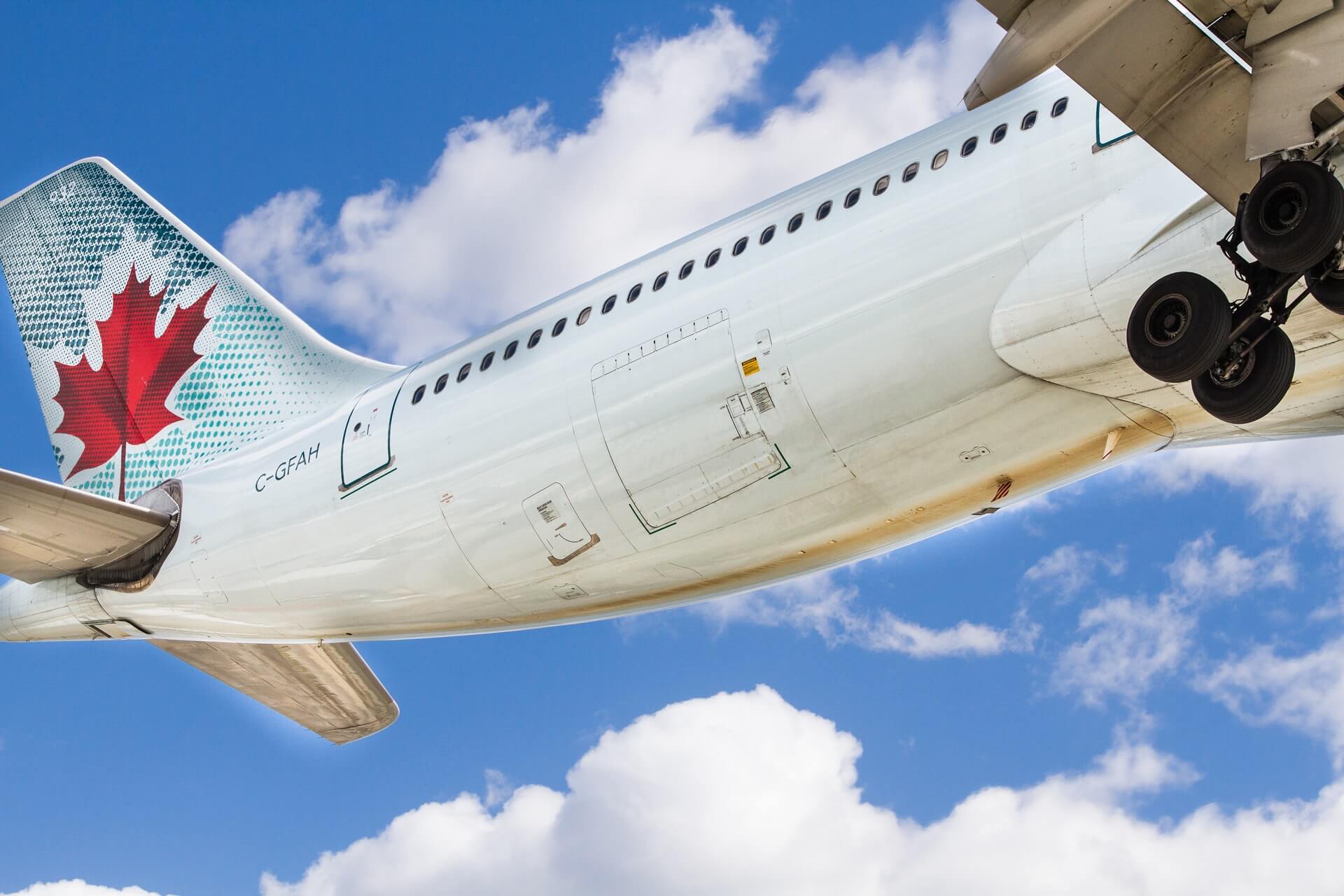
Canadian airplane with maple leaf on tail

In a move months in the making, Canadian Prime Minister Justin Trudeau is opening the border to Americans.

Remarkably, this loosening of Canada-America border restrictions doesn’t pertain solely to essential travel.

Rather, the border will open on August 9 for non-essential travel to American travelers (and permanent residents) who can prove their vaccine status.

Great News

Obviously, this is fantastic news for Canadian hospitality operators (and other business owners, of course).

Really, it’s great news for all Canadians and Americans: people can finally visit family and friends, and the economy should see a boost.

This news comes on the heels of other positive developments for Canada, such as the country’s vaccination rate now surpassing that of America’s. There’s also the province of Ontario bringing back indoor dining.

According to media reports, Canadian officials are in communication with American President Joe Biden’s administration about opening the border the other way.

However, there is no information yet about when that will happen. When asked about Canada’s announcement regarding the border, White House press secretary Jen Paski said the following:

“Any decisions about reopening travel will be guided by our public health and medical experts. We take this incredibly seriously. We look and are guided by our own medical experts. I wouldn’t look at it through a reciprocal intention.”

Should all to plan, Canada will open the border to travelers from other countries on September 7.

The Details

Of course, Americans can’t just flash their passport and cross the border. People eager to enter to Canada need to plan ahead a few days.

This is due to the requirement that Americans—with few exceptions—need to submit travel information 72 hours before arriving at the border. For example, if an American would like to cross the border the day it reopens to them, August 9, they’ll need to begin the process no later than August 6.

So, those travelers will need to use the ArriveCAN website, iOS app, or Android app.

ArriveCAN users using the website will show Canadian border agents a printout. App users will show them their screen.

Also, travelers will need to complete a Covid-19 test within the same 72 hours and be asymptomatic upon arriving at the border.

To review eligibility requirements—including lists of eligible and ineligible vaccines—click here. Full details are here.

The Opportunity

Clearly, the plan to open the border to American travelers and Canadians who found themselves stuck in America due to the pandemic presents a terrific opportunity for business owners.

In particular, in terms of our industry, bar, restaurant and hotel operators must see this development as excellent news.

Family members and friends will be eager for long-overdue reunions. That means hotel stays and restaurant and bar visits. There are also opportunities that relate to weddings, such as rehearsal dinners.

Obviously, operators must prepare for an influx of guests. So, they need to schedule accordingly, prepare staff for possibly overwhelming amounts of traffic, and ensure precautions are in place that reassure team members their health and safety are being considered.

In terms of those who waiting for the “right time” to open their restaurant or bar, this news could be a signal that the hospitality industry is on its way toward recovery in Canada.

It’s crucial that operators and management balance guest and employee comfort levels. Doing so will aid in boosting traffic, increasing revenue, and recruiting, hiring, and employee retention efforts.

Image: John McArthur on Unsplash

by David Klemt David Klemt No Comments

10 Bottles for National Tequila Day

10 Bottles for National Tequila Day

by David Klemt

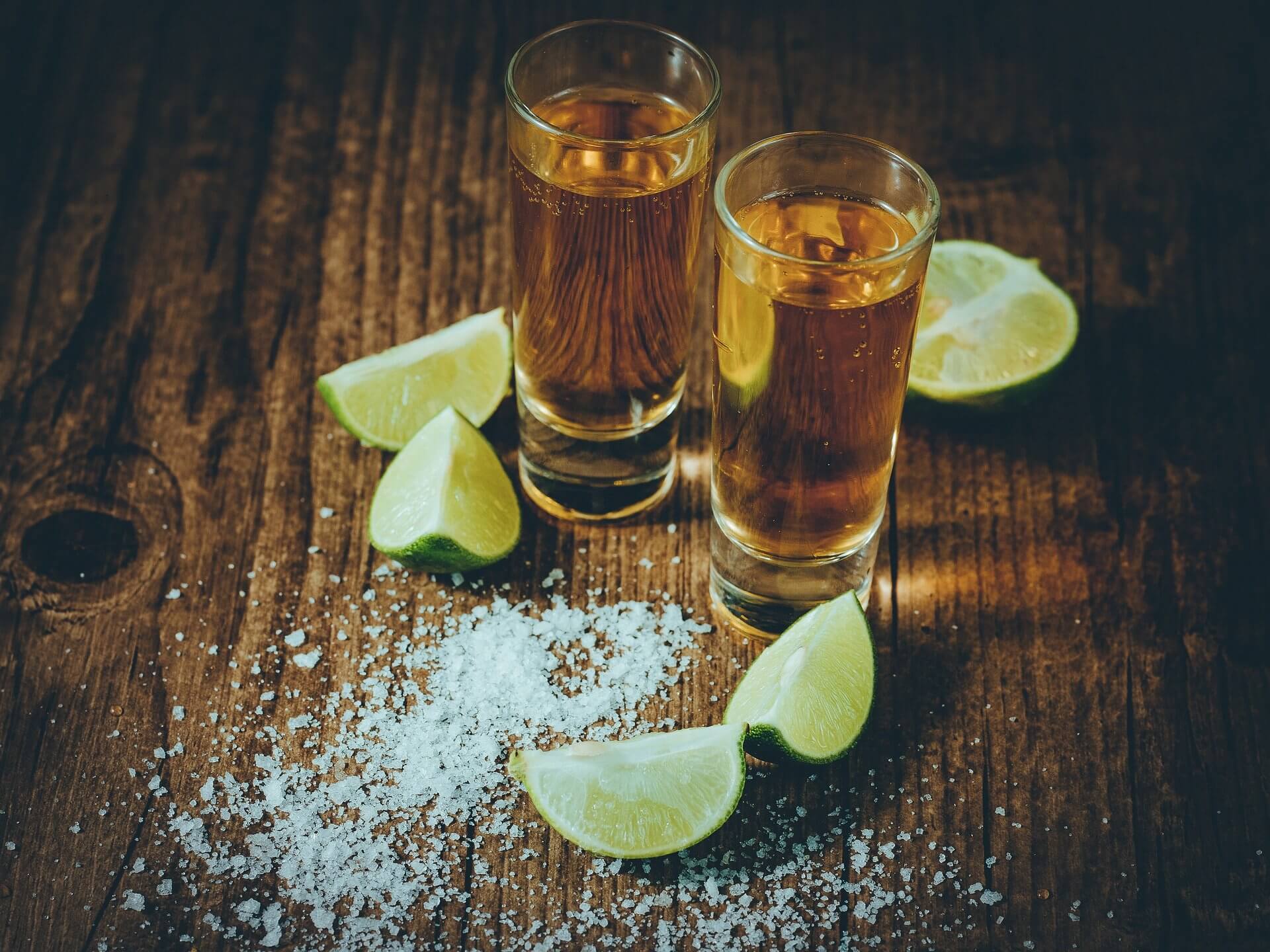
Shots of tequila surrounded by lime wedges and salt

This Saturday we celebrate the world’s most famous agave spirit: the one and only tequila.

National Tequila Day takes place this weekend on July 24.

Of course, there are still those out there who view tequila as a low-quality, high-proof spirit that leads to bad decisions.

Luckily, years of education are turning that around. People across the world are now aware of high-quality sipping tequilas.

Those in the know are drinking better, although that doesn’t preclude them from making bad choices afterward. Indeed, we can no longer blame the tequila, only ignorance of higher quality expressions.

Just like we did for bourbon and Lambrusco, we’ve rounded up bottles operators should consider for National Tequila Day and beyond.

Cheers!

Blanco

Arguably the tequila most people associate with cheap shots and cocktails. Distillers don’t age blanco and they bottle the liquid soon after distillation. However, the explosion in the growth of tequila brings with it new brands and higher standards. Many blancos taste excellent and make great cocktails.

Mijenta Blanco

This blanco represents the antithesis of the mainstream stereotype of blanco tequilas. Tequilera Maestro (Tequila Master) Ana Maria Romero approaches the process of making Mijenta Blanco with the same care and attention to detail as she does reposado.

Teremana Blanco

Yes, this is a “celebrity tequila.” Yes, Dwayne “The Rock” Johnson owns Teremana. Being a celebrity spirit doesn’t discredit the quality of this brand. Teremana Blanco is a silver tequila that aims to drink like a luxury expression.

Joven

An interesting and rare (currently) category, joven is unaged tequila blended with one or more aged expressions.

Viva XXXII Joven

Described as a “modern sipping” expression by the distillery, Viva XXXII Joven is made with estate-grown blanco and the brand’s extra añejo. Expect crisp flavors of lemon peel, yerba buena (an aromatic mint), and white pepper.

Casa Dragones Joven

When Casa Dragones first entered the market in 2009, this was their debut expression. Five years later, they released their first blanco. In the case of Casa Dragones Joven, blanco was blended with extra añejo. Not only is it proper to include one of the first joven tequilas on the market on this list, this expression has earned its place.

Reposado

Combine the bold flavors of younger blanco tequila with the smooth, refined characteristics of aged añejo. That will give you an idea of what to expect with a reposado, which is aged between two and twelve months. Equal capable in shots and cocktails or for sitting and sipping.

Volcán De Mi Tierra Reposado

Made from agaves that take well over 3,000 days to ripen, Volcán Reposado captures the terroir of the state of Jalisco. The liquid is aged in American and European oak barrels, which helps to make this a smooth expression.

Clase Azul Reposado

Arguably the most recognized bottle on the back of any bar. Clase Azul Reposado draws the eyes of guests with its unique appearance and keeps them coming back with its unique flavor profile and incredible smoothness.

Añejo

This category must be aged for one to three years in oak. Of course, añejo can be enjoyed as a shot or in a cocktail, just like any spirit can be. However, these tequilas are often best when sipped slowly to appreciate every flavor, aroma, and mouthfeel characteristic.

El Tesoro Añejo

This añejo is aged between two and three years in ex-bourbon barrels. The result is intriguing, to the say the least: Master Distiller Carlos Camarena says El Tesoro Añejo, due to vanilla and maple notes, would pair well with pancakes.

Casa Dragones Barrel Blend

Known as a small-batch producer of luxury blanco and joven tequilas, Casa Dragones is finally producing an añejo. Casa Dragones Barrel Blend is aged in Quercus Sessile French oak and new American oak barrels, both of which undergo custom toasting. The result is a smooth, luxurious sipper with spice, oak, berry, and agave notes.

Extra Añejo

Once a distiller passes the three-year mark aging tequila, they have free reign to experiment. The extra añejo category is where people find truly unique and rare (and expensive, of course) expressions.

Herradura Selección Suprema

It may interest people to know that Herradura gets the credit for creating both the reposado and extra añejo categories. So, it’s only fitting that they be on this list in one of those categories. Herradura Selección Suprema rests for 49 months—four years and one month—in American white oak barrels.

Tears of Llorona No. 3 Extra Añejo

Master Distiller Germán González initially created Tears of Llorona to for his friends and family. However, the five-year-old extra añejo Maestro Gonzalez produces are sometimes made available to the public. The current private stock offering, Tears of Llorona No. 3, is aged in Scotch, brandy, and sherry oak barrels.

Image: Xavier Espinosa from Pixabay

by David Klemt David Klemt No Comments

Mask Mandates, Recommendations Return

Mask Mandates, Recommendations Return

by David Klemt

Downtown Los Angeles, California

Pointing to vaccination hesitation, vaccination refusal, and rises in Covid-19 cases, some cities are mandating masks indoors.

Importantly, mandates and recommendations are coming down irrespective of vaccination status.

Of course, many people are unhappy about this news. Much of the backlash includes the claim that a return to masks proves vaccines don’t work.

However, others point to variants—in particular, Delta—spreading via the unvaccinated and unmasked.

Unfortunately, continuing divisiveness means hospitality and other frontline workers are again at risk for hostile confrontations.

Los Angeles County, California

If you’re an operator in Los Angeles County, masks indoors aren’t just a recommendation. An indoor mask mandate went into effect on Saturday, July 17.

Just a month prior, embattled Governor Gavin Newsom proudly announced California’s unrestricted reopening.

Now, the more cynical among us see Gov. Newsom’s June reopening as a bid to stave off recall efforts. However, recall ballots will go out to Californians next month.

Per reporting, California’s Covid-19 infection rate is close to tripling. Los Angeles County health officials say the indoor mask mandate comes out of an overabundance of caution.

On a different note, health officials expect the state’s vaccination rate to effectively combat a spike in infection rates. The current rate isn’t expected to match or surpass those of prior peaks in the state.

As far as mandate details, it’s quite simple: Masks are required for everyone indoors, regardless of their vaccination status.

According to reports, an additional ten California counties are recommending masks indoors. No word yet on if other counties—or the state as a whole—will announce mask mandates. Nor is there an end date for LA County’s current mandate.

Southern Nevada

While not a mandate, the Southern Nevada Health District is recommending people, regardless of vaccination status, wear masks indoors.

Unsurprisingly, Las Vegas is experiencing an influx of visitors. With vaccination rates on the decline and infection rates on the rise, health officials are concerned.

More than 2.9 million visitors flocked to Las Vegas in May. Clark County, Nevada, which includes Las Vegas, has a population of over two million.

Of course, it’s important to remember that, for now, wearing masks indoors is a recommendation. However, some resorts and casinos—Westgate and the Venetian among them—now require their employees to wear face masks.

So far, neither Las Vegas, Clark County or Nevada have implemented a mandate. Of course, that could change and a mandate may be in the wings.

Orange County, Florida

Much of the news of returning mask mandates and recommendations focuses on Los Angeles and Las Vegas.

In fact, some critics are attacking Nevada Governor Steve Sisolak, accusing him of blindly following Gov. Newsom.

Interestingly, though, is that a mayor in Florida is also recommending face masks.

Mayor Jerry Demings of Orange County recommends wearing masks indoors, vaccination status notwithstanding. The phrasing of the mayor’s announcement refers to the suggestion as an “official recommendation.” However, no mandate is in place currently.

Frontline Risks

Clearly, mask mandates and even recommendations are going to anger some of the population.

Unfortunately, hospitality workers (and those in other public-facing industries) are once again at risk of confrontations. Even without mandates, some businesses that choose to require masks experience hostility.

The last thing America needs is more divisiveness, anger, and potential for confrontations.

Millions of hospitality professionals have left the industry for good. One factor leading to those losses has been concern for safety due to people angry over mask and vaccine requirements.

Obviously, operators must do whatever’s in their power to ensure the safety of their team members and guests. Leadership must not only convey their support for their employees, they must stand behind that messaging with their actions.

In cities where masks mandates and recommendations return, operators need to focus on safety as much as employee retention. Indeed, the former aids the latter, which aids recruiting and hiring.

Image: Daniel Lee on Unsplash

by David Klemt David Klemt No Comments

People are Returning to Cities

People are Returning to Cities

by David Klemt


Aston Martin DB5 on freeway in Phoenix, Arizona

It seems the people fleeing big cities in a “mass exodus” are throwing their moving trucks and vans into reverse.

Millennials and Gen Z are apparently leaving the suburbs and rural areas.

Analysts are looking at significant increases in rent as proof of the shift.

Climbing Rent

Anyone following along with real estate is aware that the housing market is off-the-charts hot right now.

Bidding wars for houses and condos are driving prices up by tens of thousands of dollars in many cases.

Well, those bidding wars aren’t only affecting housing sales.

In some markets, rates for rental properties are climbing by more than 40 percent. Per reports, rent is up 7.5 percent across the nation.

Now, bidding wars are taking place for rental properties. As is the case with homes and condos, there’s less inventory than demand.

Obviously, that drives up prices.

Who and Where?

Millennials and Gen Z are driving the journey back to the cities.

Many in those generations moved out of cities to live with friends or family. During the pandemic, doing so was a sound in terms of physical, mental, and financial health.

According to data from ApartmentGuide.com, the following markets are seeing year-over-year increases in one- and two-bedroom apartment rent:

  • Tucson, AZ
  • Santa Ana, CA
  • Henderson, NV
  • Las Vegas, NV

For the full report, click here.

Another market is, per several outlets, seeing an influx in younger, wealthy renters and buyers: Phoenix, AZ.

In fact, the wealthy have been investing in property throughout Phoenix, Las Vegas, Denver and Dallas.

Of course, the nation’s biggest cities are also drawing more people. For example, New York City is experiencing an influx of residents.

This is largely due to the relaxing of Covid-19 restrictions and an increase—in some cities and states—in vaccination rates.

It’s important to meet guests where they are. Those looking to expand or open new venues should give serious consideration to booming secondary markets.

Image: iStrfry , Marcus on Unsplash

by David Klemt David Klemt No Comments

Hospitality Labor Shortage not Improving

Hospitality Labor Shortage not Improving

by David Klemt

Wait station to side of busy bar

Surveys and data focusing on the restaurant and hotel employment situation paint a stark picture.

The sobering reality is that operators can’t simply point to the pandemic as the reason they’re failing to fill available positions.

Instead, we need to focus on the problems hospitality workers continue to face.

It’s not going to be easy. However, it can lead to positive change. That change can help the hospitality industry recover and thrive long into the future.

Culture is Crucial

Per several sources, millions of hospitality professionals are washing their hands of the industry.

Unfortunately, foodservice and lodging workers are citing several reasons for the exodus:

  • Lack of livable wages.
  • Inconsistent wages.
  • Stress levels not worth level of monetary compensation.
  • Lack of benefits.
  • Lack of mentoring and/or career progress.
  • Industry volatility, particularly devastating as a result of the pandemic.
  • Unhealthy lifestyle: Long shifts, late nights, and alcohol and drug abuse.
  • Cultures of harassment and discrimination.

Obviously, it’s easier to blame labor shortages on the workers. Well, being easier doesn’t make it true.

Industry and workplace culture matters. Employee turnover rates were high long before the pandemic ravaged the planet.

Rather than make excuses, operators need to look at their restaurant, bar or hotel’s culture.

Barking orders and feeling infallible isn’t leadership. Admitting failures and shortcomings—and learning from them and implementing positive changes—is how successful operators lead.

Generic Job Listings

Last week, KRG Hospitality president Doug Radkey asked a simple but poignant question on LinkedIn: Are your job listings just like everybody else’s?

He suggests knocking it off with the old standards:

  • “Are you friendly, energetic, and highly motivated?”
  • “Are you an experienced and enthusiastic [insert position]?”
  • “The ideal candidate must work well in a fast-paced environment and be a team player.”
  • List of basic job tasks.

What’s appealing about such basic, generic ads? Why would rock star talent be moved to work for operators who post these types of ads?

Instead, Doug suggests the following:

  • Hire for values, not experience. Training can address systems and standards, not personality and drive.
  • Operators should be transparent about their core values, company culture, and potential for growth.
  • Showcase the approach to inclusivity, diversity, acceptance, and flexibility. That is, if that’s authentic. If not, that’s a flashing, neon red flag that requires addressing.
  • Offer a living wage, benefits, potential for personal growth, and education.
  • Produce a video of team members sharing why they work at the company. This must be genuine and honest.

A unique approach to ads, hiring and onboarding can lead to an increase in employee retention.

Yes, it’s more comfortable to avoid looking internally for the roots of problems. It’s more comfortable to avoid blame. And it’s more comfortable to point fingers anywhere but at ourselves.

That’s not leadership. And it certainly won’t improve any operator’s situation, nor will it improve the hospitality industry and its opportunity to thrive.

Image: One Shot from Pexels

by David Klemt David Klemt No Comments

Bar Hacks: Dueling Axes Las Vegas

Bar Hacks: Dueling Axes Las Vegas

by David Klemt

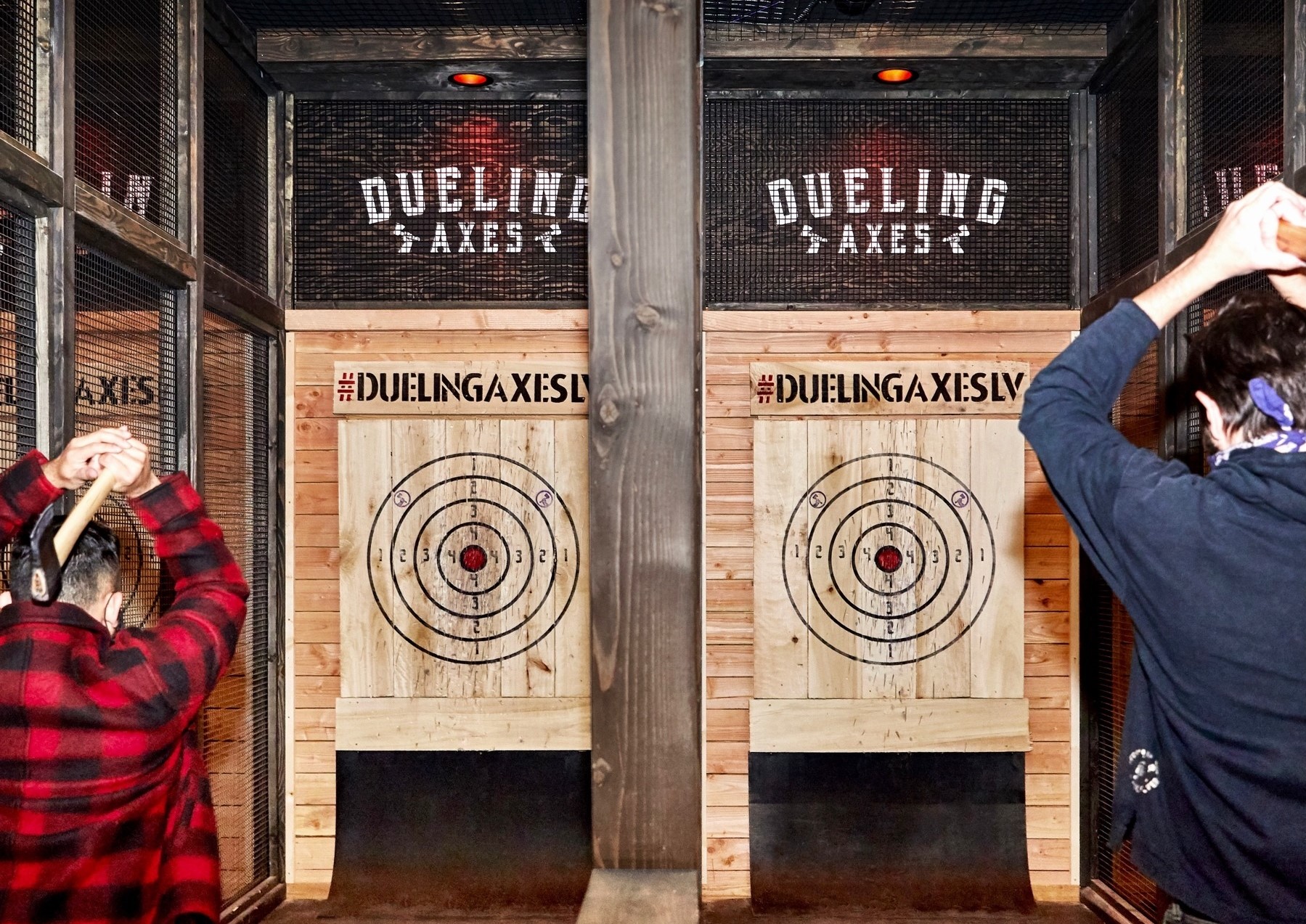
Two people throwing axes at Dueling Axes Las Vegas inside Area15

Dueling Axes Las Vegas general manager David Peterson drops by the Bar Hacks podcast to chat about this unique venue.

Interestingly, Dueling Axes Las Vegas is located inside of another unique venue, Area15.

Peterson describes the axe-throwing business he manages as upscale, approachable, and one of a kind. He describes Area15 as “an adult playground.”

So, what we have here is a one-of-a-kind venue inside a unique adult playground in America’s Playground.

Additionally, this business is leveraging one of the fastest-growing and most-popular forms of entertainment sweeping the US.

A Disclaimer

Before we get into the important details Peterson shares in episode 41 of Bar Hacks, a bit of housekeeping.

To be totally transparent, the audio is a bit muffled. It’s one of the occasional byproducts of recording via the Internet. We feel it’s worth being patient to take in all the information Peterson shares. And, of course, we thank all of you who have been patient and listened to episode 41.

However, try as we did to clean up the audio (running filters, using tools, adjusting frequencies, etc.), we understand muffled audio can be frustrating. In other words, we can’t blame anyone deciding to read about this episode instead. So, we’ve chosen to share Peterson’s insights here, on the KRG Hospitality website.

The Experience

Dueling Axes Las Vegas is one of three locations. The other two are in New Albany and Columbus, Ohio.

Per Peterson, the Las Vegas venue is 6,700 square feet. That’s huge for an axe-throwing operation.

There are 18 lanes, four of which are VIP. Guests wishing for a more intimate experience will appreciate the VIP lanes. These lanes come with their own server and axe-throwing coach.

However, VIPs aren’t the only guests who will find the venue special.

Dueling Axes Las Vegas offers everyone an upscale experience that’s comfortable and approachable: The cocktail bar inside the venue is high end, the seating in the lounge area is plush, and the lanes themselves are a notch above what most axe-throwing businesses offer.

Much like a firing range has range safety officers (RSOs), Dueling Axes employs coaches. These team members ensure everyone is being safe and, equally as importantly, having fun.

Not sticking the target can be incredibly frustrating for a guest. So, Peterson’s coaches are the lookout—and also listen—for people missing their throws. They can usually help guests correct their technique in short order, thereby ensuring they have a great experience.

That’s a crucial component of this operation. If the guests are feeling frustration rather than fun, the team has failed. According to Peterson, team training is key to Dueling Axes.

By the Numbers

If you’re reading this, you’re likely interested in starting up an axe-throwing venue. Or, perhaps you’re wondering about adding it to an existing business.

Before you run out to grab lumber and axes, there are some things you need to know.

First, this an organized sport. Therefore, Dueling Axes uses World Axe Throwing League (WATL) axes. At the Vegas location, these are 1.25 pounds.

Second, the distance to target (or boards) is the same as WATL participants throw. However, the league has made their bullseyes smaller. Peterson says there are no plans to shrink the bullseye for their everyday guests.

Third, prepare to go through a lot of boards. According to Peterson, Dueling Axes Las Vegas goes through about 20 boards a day. Replacements can be needed every three to five hours. He says his team can get boards replaced in about four minutes using drills or, in the case of bent screws, pliers.

Which brings us to the fourth point: another cost for axe-throwing venues is the axes. Sometimes, axes break. This is down to several factors, such as the grain from the manufacturing process of a particular batch; the temperatures of the market; and guests hitting the screws in the boards.

Fifth, and Peterson finds this fascinating, women “drive and dominate axe throwing.” At least, he says at the Las Vegas outpost of Dueling Axes. He estimates 60 percent of their guests are women.

Also, he says women tend to be more precise. Perhaps, as he theorizes during episode 41 of Bar Hacks, this is because he’s noticed that they listen more during the 10- to 15-minute safety and technique training portion of the experience. (The training takes place before guests begin their hour of throwing and isn’t counted against it.)

Connect with Dueling Axes Las Vegas

To learn more, be sure to check out the Dueling Axes Las Vegas website and the site for their Ohio locations.

You can also connect with them on Instagram, Twitter, and Facebook.

Of course, you should definitely connect with Dueling Axes on YouTube and watch their vides for a more immersive look into what they offer.

Image: Dueling Axes Las Vegas (Facebook)

by David Klemt David Klemt No Comments

Indoor Dining Returning to Ontario

Indoor Dining Returning to Ontario

by David Klemt

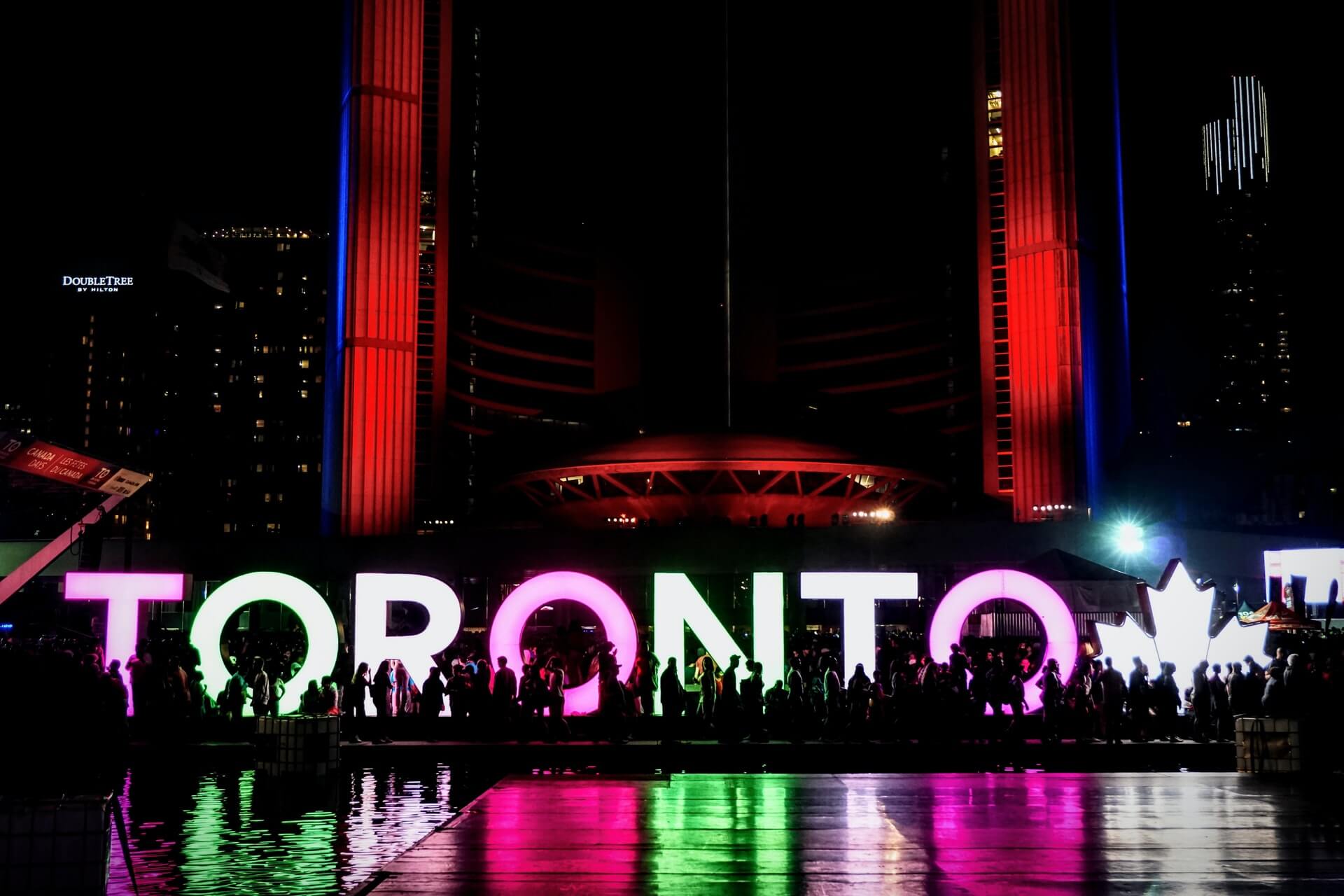
3D Toronto Sign at night

Operators and their employees and guests in Ontario, Canada, have a real reason to celebrate this week.

On Friday, July 16, at 12:01 AM, the province will launch into Step 3 of the Reopening Ontario plan.

Why is this fantastic news for Ontario operators? Stage 3 includes the return of indoor dining.

Ahead of Schedule, Again

As with Step 1 and Step 2, the province is entering Step 3 of the Reopening Ontario plan earlier than expected.

Ontario launched Step 1 three days ahead of schedule. Step 2 also came a few days early.

The province is entering Step 3 a whole five days early. These early launches are a testament to Ontario’s vaccination efforts.

Premier Doug Ford said during a press release that the targets triggering Step 3 were not just met but surpassed.

However, he did mention that the campaign to vaccinate Ontarians was in no way complete.

“While this is welcome news for everyone who wants a return to normal, we will not slow down our efforts to fully vaccinate everyone who wants to be and put this pandemic behind us once and for all,” Premier Ford said.

Step 3 Details

This phase of the plan is the least-restrictive of Reopening Ontario.

In Step 3, restaurants and bars can welcome indoor guests. The only capacity restriction is that people must be able to maintain distance of two metres between one another.

Restaurants and bars with dance floors are restricted to 25-percent capacity and a maximum occupancy of 250.

Outdoor dining capacity will focus on social distancing: there must be two metres between tables.

Face masks are a requirement for indoor gatherings and in situations where it’s not possible to socially distance properly.

Should the vaccine rate and other indicators continue to improve, it’s possible that Ontario will reopen fully as soon as 21 days after Step 3 begins. So far, Reopening Ontario steps have launched ahead of schedule, a great sign for reopening fully.

However, operators must take care to remain in compliance with federal, provincial and local regulations. Click here to review the Reopening Ontario details.

Of course, we’ll monitor the situation and see what Ontario officials say next.

Image: Maarten van den Heuvel on Unsplash

by David Klemt David Klemt No Comments

First-ever Carbon-neutral Distilled Spirit

Novo Fogo Releases First-ever Carbon-neutral Distilled Spirit

by David Klemt

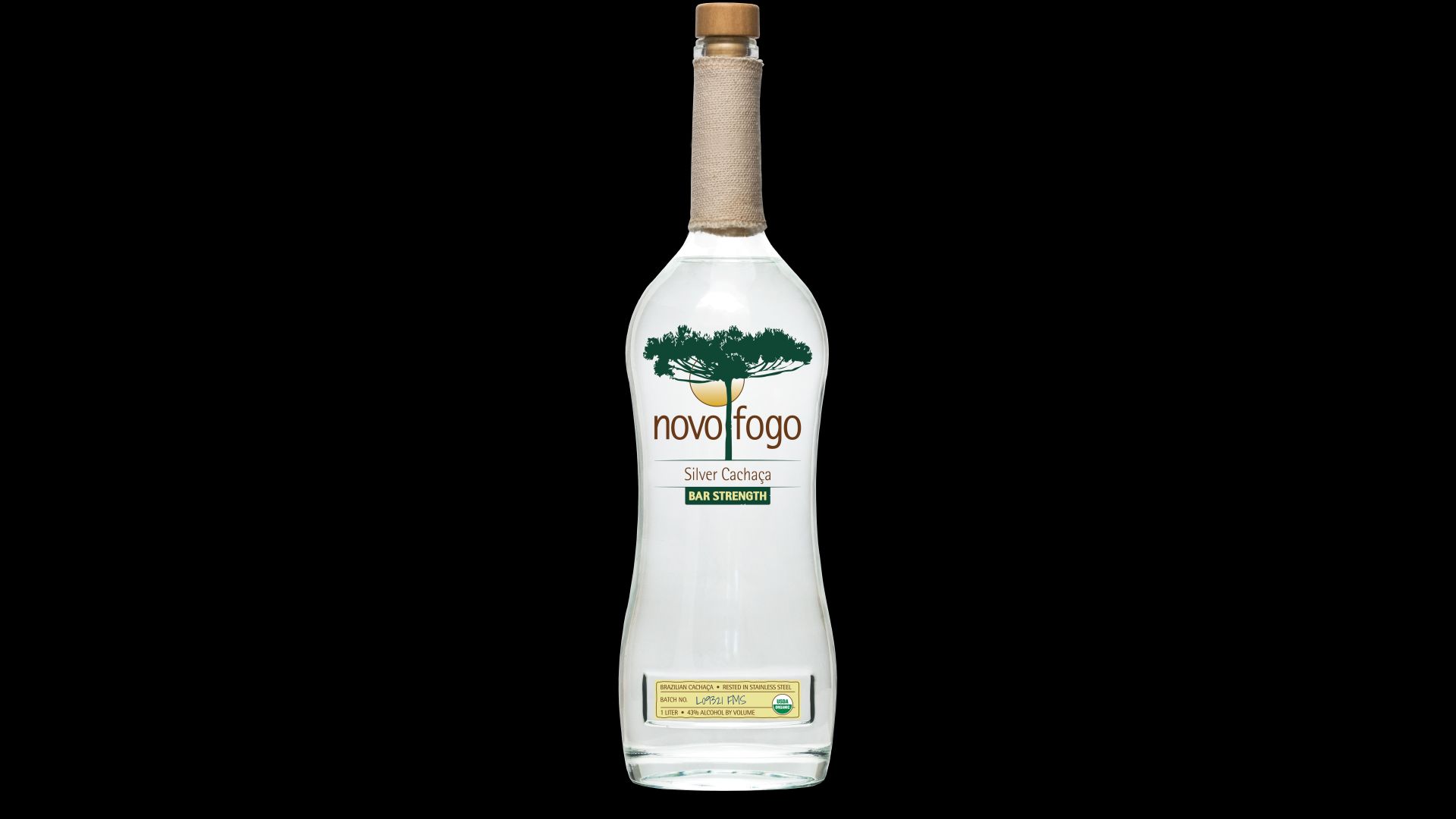
Novo Fogo Bar Strength Silver Cachaça bottle

Novo Fogo is releasing their Silver Cachaça in a one-liter bottle with a fresh new design, strength and trade industry focus.

Clearly, the Brazilian distiller is concentrating on bar owners and bartenders for 2021.

Of course, Novo Fogo is also focusing on their relationship with the planet.

Reducing Environmental Impact

The Novo Fogo distillery calls the Floresta Atlântica home. And the brand is fiercely protective of this location.

Also known as the Atlantic Rainforest, the distillery operates within the second-largest UNESCO Biosphere Reserve.

Novo Fogo’s home is pristine, surrounded by untouched nature—there’s no pollution. Operating in harmony, Novo Fogo goes to great lengths to impact their surroundings—and the planet—as little as possible.

Fans of the distillery’s handcrafted, small-batch cachaça will attest to the liquid’s terroir. Tasting Novo Fogo is like standing in Floresta Atlântica and breathing in its pristine nature.

The company is carbon negative (absorb more carbon dioxide than they emit); uses minimal water; utilizes organic production methods; and manages reforestation efforts.

World First Spirit

Novo Fogo’s mission includes a relentless, meticulous approach to saving the Amazon rainforest. The reasoning is obvious—sixty percent of Brazil is rainforest.

Also, rainforests absorb carbon dioxide; release oxygen and water into the atmosphere; are home to indigenous people; and are habitats full of animal and plant life.

So, it’s with great pride that Novo Fogo Bar Strength Silver Cachaça is the world’s first carbon-neutral distilled spirit.

This accomplishment is no small feat. To achieve this goal, Novo Fogo had to take into account the impact of their partners.

That means the brand calculated:

  • production of their glass bottles (recycled glass, neck wraps made from plastics found on the streets of São Paulo), corks, labels, and cases;
  • utilities and fuel used by their distributor’s warehouses;
  • the resources used by land and sea freight partners; and
  • the impact of sales and delivery efforts.

After calculating the entirety of Bar Strength Silver Cachaça’s impact on the Earth, Novo Fogo purchased carbon offsets through Native. The offsets will save trees by providing 2,000 families in Honduras that produce coffee with water filters. Ultimately, this will save trees as the families won’t need to cut any down to boil water.

Bar Owner and Bartender Friendly

While things are improving, it can still be cost-prohibitive for people to choose products that are good for our planet.

To that end, Novo Fogo also aims to reduce the financial impact for bar owners who purchase Bar Strength Silver Cachaça.

Per the brand, the average wholesale cost of the new one-liter expression is $24. That translates to 22 1.5-ounce pours, a cost per ounce of $0.71, and a cost per cocktail of $1.06.

However, this new expression also takes the practical into mind.

Bartenders will appreciate Novo Fogo’s new bottle design:

  • The neck is taller while the midsection is has been slimmed down.
  • Regarding the footprint, the bottom of the bottle is now circular.
  • Novo Fogo shrunk the bottle’s footprint.

Ultimately, the redesign results in a one-liter bottle that’s easier to handle and fits better in a well.

Of course, boosting the ABV from 40 percent to 43 percent means this cachaça’s flavors are more intense. Obviously, that makes for a bolder drinking and guest experience.

Consumers are growing increasingly concerned about the health of our planet. Many seek out brewers, vintners and distillers who operate responsibly. The same goes for the restaurants, bars and hotels they’ll support.

Novo Fogo just made it that much easier to make cocktails that are better for the planet.

Image: Novo Fogo

by David Klemt David Klemt No Comments

Two States Rescinding To-Go Cocktails

Two States Rescinding To-Go Cocktails

by David Klemt

Philadelphia, Pennsylvania, time-lapse at night

Two states are putting an end to a lifeline that many restaurants and bars still rely upon as the industry attempts recovery.

Unfortunately, New York and Pennsylvania are rescinding to-go cocktail laws. Sadly, we can only hope this doesn’t lead to a state legislature domino effect.

The decision stands in stark contrast to states that chose to legalize to-go cocktails this year.

Pandemic Lifeline

Call it cynicism if you like, but it seems that our industry is constantly left to fend for itself.

For example, look at how long it took for the the American Rescue Plan to be voted into law. The bill, which included the Restaurant Revitalization Fund, didn’t pass the House until March of 2021.

Also, the awarding of Paycheck Protection Program stimulus loans was a farce and disaster.

Then, remember that the RRF application portal didn’t launch until the end of April. Of course, the fund has been depleted already and the portal closes July 14.

Obviously, restaurants and bars adapted and leaned into delivery, takeout, and pickup in an attempt to survive. In addition, several states made to-go cocktails legal temporarily.

Ultimately, some states made those “loose” laws permanent. Iowa was the first state to do so.

Now, operators in New York and Pennsylvania are having that lifeline yanked out of their hands.

Disappointing Development

Less than a month ago I reported on how several states (and Canadian provinces) are choosing to handle to-go cocktails.

So far, eleven states made them legal permanently: Arkansas, Florida, Georgia, Iowa, Kentucky, Montana, Ohio, Oklahoma, Texas, West Virginia, and Wisconsin.

Other states chose to keep their to-go cocktail rules loosened until 2022 or 2023: Delaware, Illinois, Maine, Virginia, and Washington.

Still others—New York and Pennsylvania among them—introduced bills this year that sought to make to-go cocktails legal permanently: Arizona, California, Kansas, Minnesota, Missouri, Nebraska, New Hampshire, New Jersey, and Oregon.

So, rather than keep their rules loose and continue to help their operators generate much-needed revenue as they try to recover from the economic devastation of the pandemic, New York and Pennsylvania voted to take to-go cocktails away from them.

Rather than help the industry, too many politicians and officials have used them during the pandemic as scapegoats, punching bags, and public relations stunts.

It’s clear that operators in New York and Pennsylvania (and many other states, to be fair) need to send a unified message when elected officials need venues for campaigning and fundraising.

Image: Heidi Kaden on Unsplash

by David Klemt David Klemt No Comments

Want Champagne Onion Rings with That?

Want Champagne Onion Rings with That $6,000 Burger?

by David Klemt

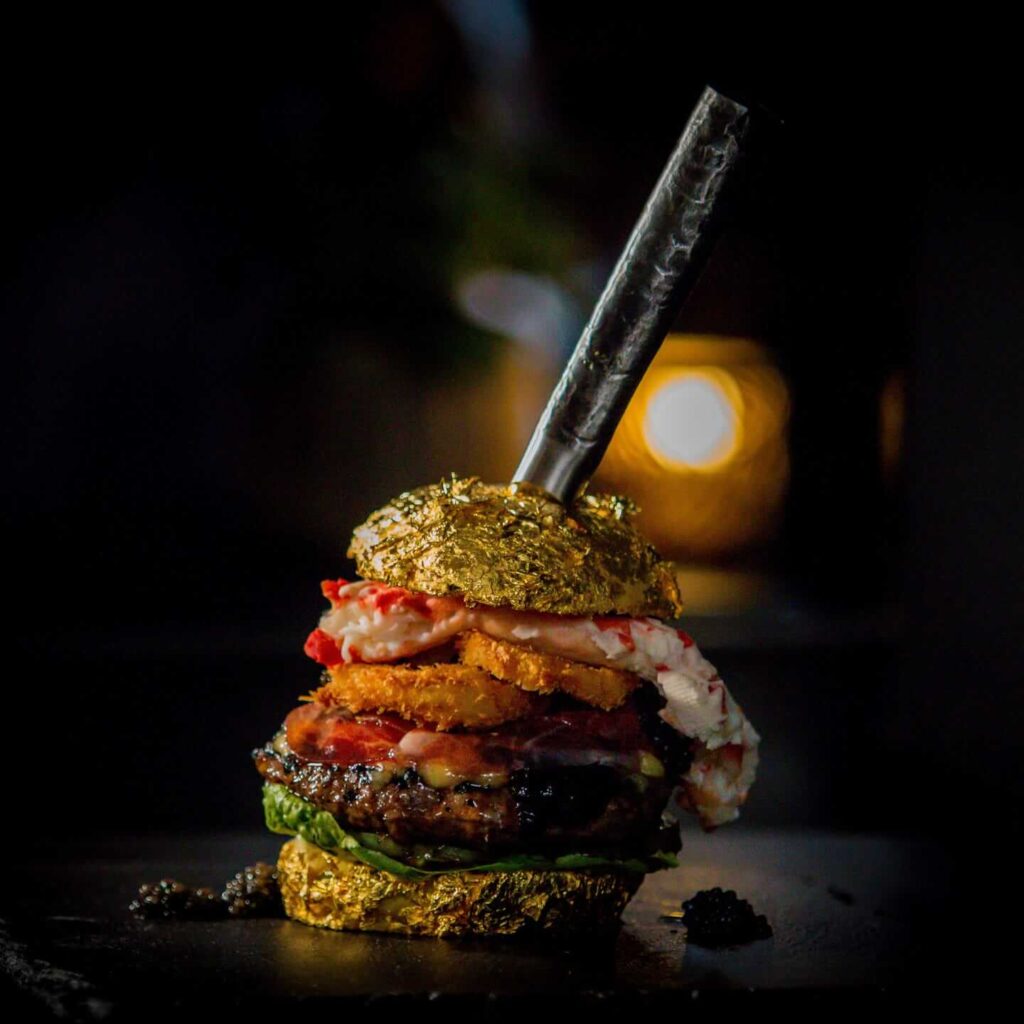
De Daltons gourmet Golden Boy hamburger, cropped image

Matthew McConaughey once said that the inventor of the hamburger was smart but creator of the cheeseburger was a genius.

So, what title should we bestow upon the person who created the first-ever gourmet burger?

Super-genius? Superhuman? Superhero?

Perhaps legend is high-enough praise for whomever made it acceptable to charge more than $10 for a simple menu item.

A Brief History of Haute Hamburgers

The United States is widely credited with the invention of the hamburger. However, the exact origin is unknown. Therefore, it remains heavily disputed.

Of course, we wouldn’t have today’s gourmet burgers without two decidedly standard burger powerhouses: White Castle and McDonald’s.

The former was founded 100 years ago this past March in 1921, while the latter really came into its own in 1955. However, thanks to films like The Founder, McDonald’s tends to get the lion’s share of modern burger and fast-food credit.

Regardless, the first haute cuisine burgers wouldn’t hit the market until the turn of this century. Chefs Daniel Boulud and Richard Blais are among the names that receive credit for creating the gourmet burger category.

Over the past several years, several high-dollar burgers have made headlines. For example, Corvallis, Oregon-located restaurant Juicys Outlaw Grill created a $5,000 burger ten years ago. Anyone interested in having one was required to provide 48-hours’ notice.

In 2017, Dutch chef Chef Diego Buik offered a $2,300-plus burger at South of Houston in the Hague. Just two years ago, Chef Hubert Keller featured a $5,000 burger on the menu at his Las Vegas restaurant Fleur.

Another Las Vegas restaurant, Burger Brasserie, has offered a $777 burger for nearly a decade.

Chef Gordon Ramsay’s latest restaurant, the cleverly named Gordon Ramsay Burger outpost in London (the original is in Las Vegas), features a burger that costs between $106 and $144. Oh, and it doesn’t come with fries—those come with an upcharge of ten bucks.

New King of Burgers

Now, there’s a new most-expensive burger making the scene. Interestingly, it’s not from an American restaurant.

De Daltons, a Dutch diner located about 40 minutes southeast of Amsterdam, is the home of a gourmet burger known as the Golden Boy.

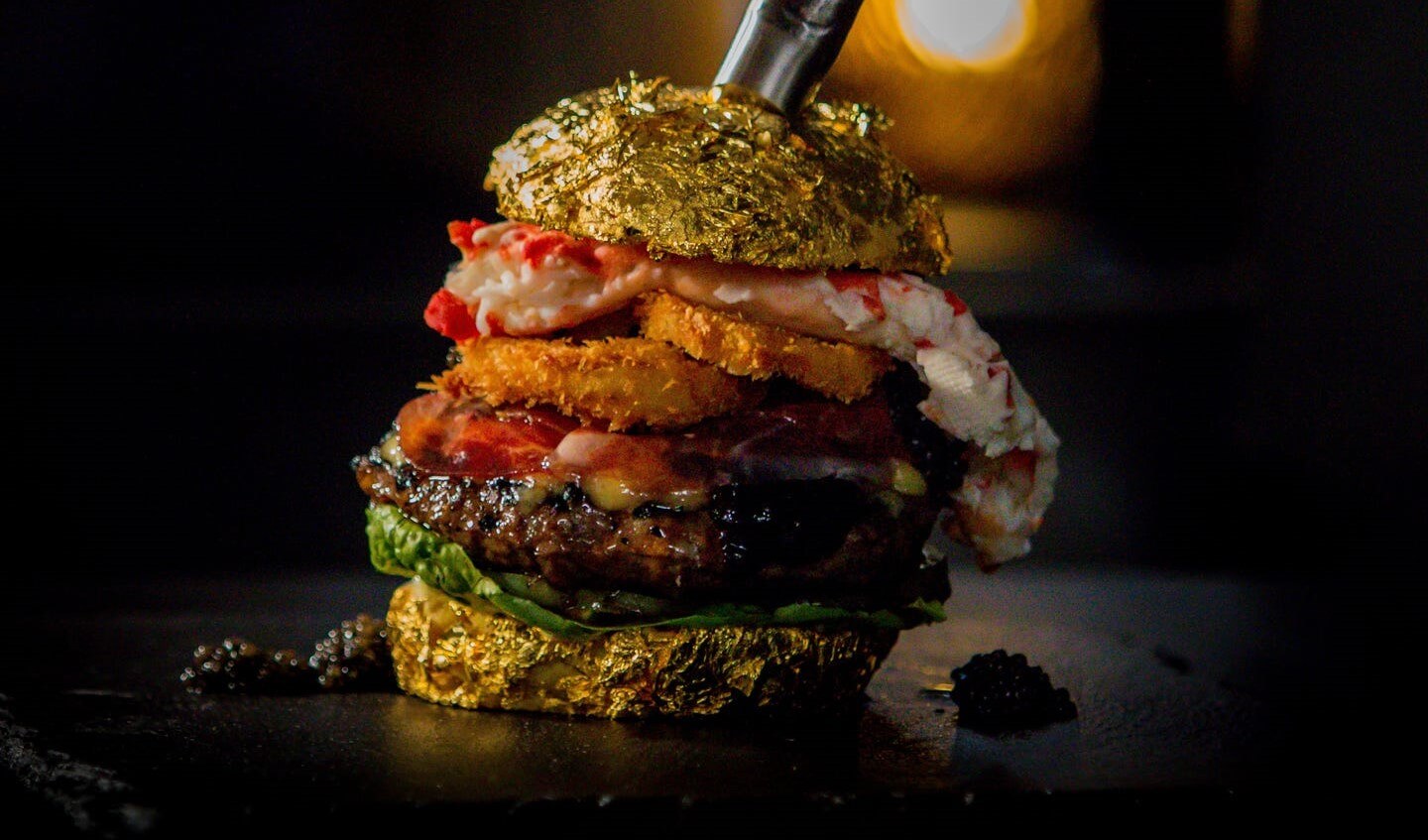
De Daltons gourmet Golden Boy hamburger

Of course, this isn’t just any gourmet burger—at €5000, De Daltons is attempting to make it the gourmet burger.

So, what does one get for their nearly $6,000 investment in haute cuisine?

To start, there’s the burger. It’s made of ground A5 Wagyu brisket and chuck short rib. It’s topped with The Macallan- and Kopi Luwak coffee-infused barbecue sauce; truffled Cheddar cheese; Joselito vintage jamon (the best ham in the world); Dom Pérignon-battered onion rings; Beluga caviar; white truffle; Tiger tomato and cucumber that was pickled in matcha; smoked mayonnaise made saffron, chive and duck eggs; and king crab cooked in white wine.

Oh, and the burger is given a whiskey-smoked treatment before it’s served.

Speaking of service, what kind of bun is luxurious enough to hold the Golden Boy? A saffron- and Dom Pérignon-infused gold leaf one, of course.

Gourmet Gimmick?

The latest headline-grabbing burger is truly a hedonistic indulgence. Unlike some haute hamburgers from the past, however, it’s made with truly impressive ingredients.

Before the Golden Boy made its appearance, one simply had to make a BOUS (Burger of Unusual Size) to get attention. One could also go the “gourmet” route by pairing their signature burger with a pricey bottle of Champagne.

After those two routes turned a bit stale, chefs with impressive credentials could make news by making gourmet burgers from “fancy” meats, slapping foie gras and an aged cheese on top, and dusting the bun with gold.

De Daltons’ burger is clearly taking the gourmet burger in an ultra-luxe direction. All challengers to the King of Burger throne will have to follow suit.

Yes, the Golden Boy is a gimmick. Yes, it has helped De Daltons pull focus and grab the global restaurant spotlight. However, as ludicrous as many will find the price tag, the burger does deliver on luxe ingredients and pageantry.

So, am I suggesting that restaurateurs review their menus, local suppliers, and market to come up with their own headline-generating luxury menu item? Well, yeah.

If an operator’s kitchen team has the skills to execute on a specialty high-priced item while remaining authentic and without alienating loyal guests, go for it. If there’s only PR, marketing and revenue upside, creating one incredible “off-menu”item is worth the effort.

Again, this comes down to operators knowing their guests, their markets, and what they’re great at doing. The word “gimmick” doesn’t have to be a dirty word—it can be a positive if done correctly.

Image: De Daltons

by David Klemt David Klemt No Comments

5 Books to Read this Month: July

5 Books to Read this Month: July

by David Klemt

Flipping through an open book

This month’s fun and informative book selections will help you develop next-level culinary, beverage and leadership skills.

To review last month’s book recommendations, click here.

Let’s dive in!

Tequila & Tacos: A Guide to Spirited Pairings

This pairing is iconic. However, this book proves the legendary pair can go well beyond just munching on a street taco and slamming a tequila shot. Moreover, Tequila & Tacos includes recipes for both classic tacos and modern versions like spicy cauliflower tacos. The perfect book to help you celebrate National Tequila Day on July 24.

A Long Stride

Just days after National Tequila Day comes National Scotch Day, which takes place July 27. A Long Stride tells the in-depth story of one Scotch in particular: Johnnie Walker. Published toward the end of last year, this book represents the most up-to-date history of arguably the most famous Scotch brand in the world.

Zero Proof: 90 Non-Alcoholic Recipes for Mindful Drinking

Temporary and permanent abstinence from alcohol is becoming more and more commonplace. That doesn’t mean, however, that people who aren’t drinking alcohol are staying out of bars. So, it’s important that operators update their drink programs with creative and memorable zero-proof cocktails. Zero Proof contains 90 alcohol-free recipes to inspire you to develop your non-alcohol menu section.

Playing with Fire

Summer is here and that means barbecue! Interestingly, though, many of today’s chefs have felt the siren song of cooking on open fire for a while now. Playing with Fire features 72 of Chef Michael Symon’s favorite recipes inspired by St. Louis, Memphis, Nashville, Kansas City, and other famous barbecue styles.

How to Grill Vegetables: The New Bible for Barbecuing Vegetables over Live Fire

Steven Raichlen has been dubbed “America’s master griller, and for good reason: there’s likely nothing he doesn’t know about barbecuing. In How to Grill Vegetables, Raichlen shows how to grill basically every vegetable over fire. This book features more than 100 recipes and explains how to grill eggplant on cedar planks, smoke lettuce with hay, cook whole onions directly on embers, and much more.

Image: Mikołaj on Unsplash

by David Klemt David Klemt No Comments

Restaurant Tech Map Illustrates Innovation

Restaurant Tech Map Illustrates Innovation

by David Klemt

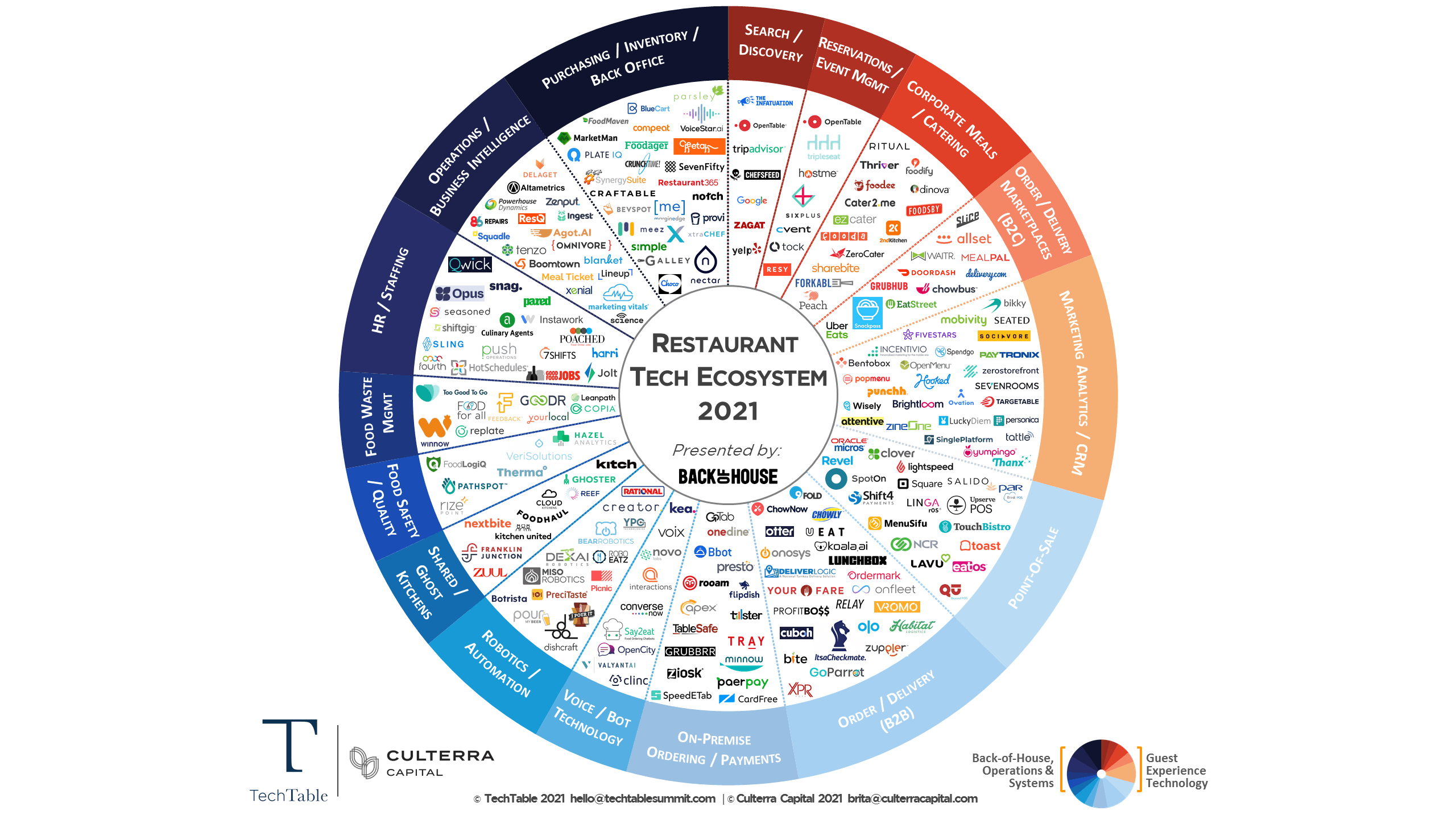
TechTable - Culterra Capital Restaurant Tech Map sponsored by Back-of-House

The hospitality industry’s embracing of new technologies is experiencing rapid and welcome acceleration in less than two years.

In comparison to the restaurant technology map by TechTable and Better Food Ventures from 2019, there are two entirely new categories: Shared / Ghost Kitchens, and Food Safety / Quality.

More than a dozen platforms on the 2021 map from TechTable and Culterra Capital (sponsored by Back-of-House) now fall into those two categories.

Changing Landscape

It’s a sign of current industry trends and what will matter to guests moving forward that ghost kitchens and food safety are emerging as separate tech segments.

Obviously, the pandemic didn’t create the ghost kitchen category. However, it did fuel a meteoric rise in delivery and takeout. In turn, ghost kitchens are more prevalent than ever.

After all, a former Uber executive Travis Kalanick owns CloudKitchens and Applebee’s is testing a ghost kitchen pilot program.

What was once the domain of murky, unpermitted virtual brands is now its own successful business model.

However, today’s guest isn’t concerned solely with convenience. In general, guests now take their health and safety more seriously since the pandemic

Tech platforms that can ensure the food guests are consuming is safe will ease some concerns.

Increase in Platforms

Again, in comparison to just two years ago, the acceleration in new tech for the industry is astounding. It’s also long overdue.

As a whole, the hospitality industry has been surprisingly slow to take on new tech. Although, it’s fair to say that there wasn’t much new to adopt until somewhat recently.

Now that there’s more to try out, operators seem keen to embrace tech that can help them streamline operations; improve inventory monitoring and ordering; hire employees and manage teams; engage with and market to customers intelligently; and much more.

Even better, the above map doesn’t include all of the available platforms. That’s excellent news as it means operators have an increasing number of choices to help improve their business in every category of operation.

For example, Barventory isn’t listed within the Purchasing / Inventory / Ordering segment. The platform makes taking inventory, gaining a real-time inventory snapshot, and efficient ordering a breeze. Barventory also features the world’s first live keg scale.

It’s challenging to find positives from the past 14 to 15 months. However, one good thing may be the leaps in technology our industry is experiencing.

If they continue, these innovations may make it easier for operators and their employees to recover.

A concept’s tech stack is crucial to operations and will only grow more important moving forward. Whether opting for a full KRG Hospitality package or the Mindset program, we can help operators make informed tech selections.

Map by TechTable and Culterra Capital, sponsored by Back-of-House

Featured image: Pepper by SoftBank Robotics (photo by Alex Knight on Unsplash)

by David Klemt David Klemt No Comments

Stand Out with Weird Holidays: July

Stand Out with Weird Holidays: July

by David Klemt

Stay Weird neon sign with purple background

Want to stand out from from other restaurants and bars in your area? Then commit to keeping it weird.

Several “holidays” are set against every date on the calendar, and July is no exception. These holidays range from mainstream to food-centric to weird.

Focus on the latter to raise eyebrows, carve out a niche for your restaurant or bar, and attract more guests. Why do what everyone else is already doing?

Of course, you shouldn’t try to celebrate every holiday, weird or otherwise. And this month’s list in no way includes every odd holiday.

Focus on the days that are authentic to your brand; resonate with your guests; and help you grab attention on social media.

For last month’s list, click here.

July 1: International Joke Day

Kicking things off this month is a fun one: International Joke Day.

July 7: National Dive Bar Day

This category of bar is one of our favorites. Whether you operate a dive bar, neighborhood bar or corner bar, this is your day.

July 8: Video Games Day

This is not to be confused with National Video Game Day, which takes place September 12. This bar holiday is perfect for all the barcades and eatertainment venues out there. Or, for cool restaurants and bars that have a video game system or arcade game or two inside.

July 11: National Cheer Up the Lonely Day

Nearly the entirety of 2020 and the first half of 2021 have been challenging, to say the absolute least. It’s safe to say that we’re all quite a bit lonely. On this holiday, provide a fun and safe environment for people to get back out there, socialize, and meet new friends.

July 12: National Simplicity Day

There’s nothing wrong with complex cocktail builds. However, today is the perfect holiday to highlight the simpler two- and three-ingredient cocktails on your menu. Simple, speedy, and delicious.

July 13: National Delaware Day

Of course, this isn’t a weird holiday to people who live in Delaware. For those outside the Diamond State, this is the time to showcase Delaware brands like Dog Fish Head.

July 15: National Give Something Away Day

We’re not huge fans of outright giveaways unless said giveaway items come from a partner or sponsor. However, operators can certainly come up with a creative food or beverage giveaway that requires a purchase.

July 17: National Tattoo Day

Operators can prepare for this holiday by partnering with a local tattoo shop and creating a traffic-driving promo with them.

July 20: National Pennsylvania Day

Again, this isn’t weird to Pennsylvanians. Operators outside the Keystone State should feature brands like Philadelphia Distilling and Victory Brewing Co.

July 22: National Refreshment Day

If it’s cold and refreshing, shout it from your rooftop. It’s July, it’s hot out, and people need to know you’ve got ice cold beer, cocktails, and soft drinks.

Image: Dan Parlante on Unsplash

by David Klemt David Klemt No Comments

Consumers May Keep Eating at Home

Consumers May Keep Eating at Home

by David Klemt

Friends and family around a dinner table at home

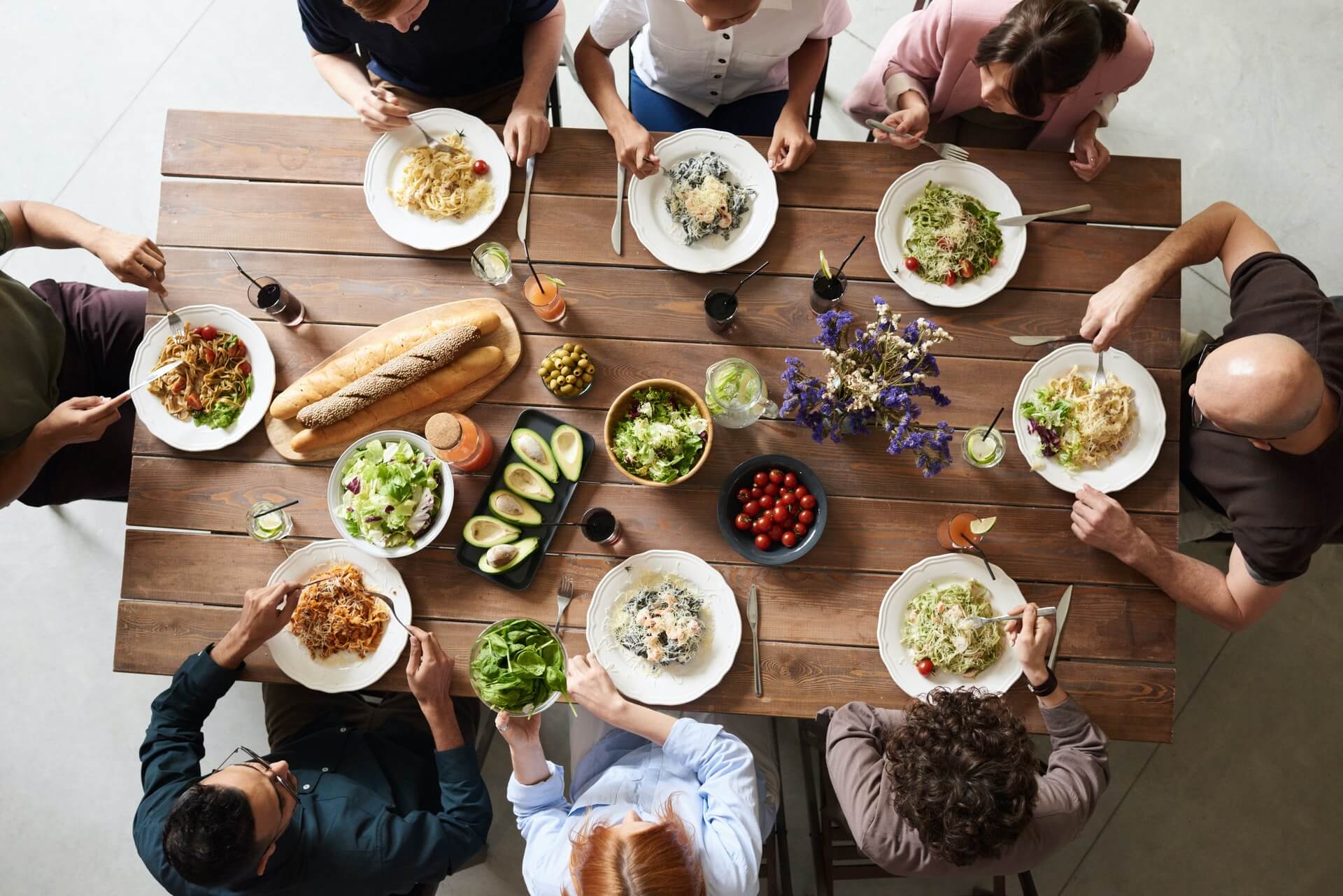
A recent report suggests that consumer interest in eating at home more will continue even after we return to “normal.”

This is the finding from a survey conducted by the Food Industry Association (FMI)l, formerly known as the Food Marketing Institute.

The FMI surveyed grocery shoppers to determine habits influenced by the pandemic.

Emphasis on Nutrition

I look to a wide variety of sources to analyze consumer behavior. Even their grocery habits can be valuable for operators to know.

In this case, knowing about the dining habits of today’s consumer provides important insights. For instance, knowing what types of food items shoppers are purchasing can be very telling.

Per the FMI, nearly half of survey respondents (49 percent) indicate they’re choosing healthier foods when grocery shopping. Clearly, living through a public health crisis is influencing this decision.

Today’s consumer, with more information at their fingertips and the purchasing power to demand more transparency from company’s, has become increasingly focused on their health. That interest grew stronger during the pandemic as a healthier lifestyle can lead to a reduced risk for illness.

This particular finding should tell operators a few things. First, they may want to consider updating their menus with healthier items. Second, that’s not limited to food—many guests are interested in no- and low-ABV drinks. Third, operators who use healthier ingredients should make that clear via their menu item descriptions.

At-home Dining

The FMI also found that 41 percent of survey respondents plan to prepare and enjoy more meals at home moving forward than they did before the pandemic.

That ties directly to 44 percent saying they “like” or ‘love” cooking at home more now.

While this survey was intended to provide consumer behavior insights for grocers, there’s clearly value for operators.

As many learned during the pandemic, guests are interested in supporting restaurants and bars buy ordering meal and cocktail kits.

Since it’s important to meet guests where they are, operators may want to keep such kits on offer. People have shown they’re eager to engage with restaurants and bars via virtual tastings and cooking classes. Clearly, many are also happy to order meal kits from restaurants to make in the comfort of their own homes.

Yes, there’s pent-up demand set to be unleashed. And yes, people are eager to get back out there and socialize. But there are also financial, health, and safety concerns that will keep some people from dining out as often as they did pre-pandemic.

That doesn’t mean they’re out of reach of restaurants and bars entirely. However, it does mean operators will need to adapt and get creative to earn their business.

Image: fauxels from Pexels

by David Klemt David Klemt No Comments

Resorts World Partners with Grubhub

Resorts World Las Vegas Partners with Grubhub

by David Klemt

Resorts World Las Vegas partners with Grubhub for world-first in-room dining experience

Resorts World Las Vegas is foregoing traditional room service in favor of a unique, property-wide partnership with Grubhub.

The freshest, shiniest new resort and casino to open on the world-famous Strip is taking a different approach to in-room dining.

Impressively, guests can order from any of the property’s 40 food and beverage concepts. Yes, there are 40 restaurants and bars at Resorts World Las Vegas.

This resort-delivery platform partnership is a world first.

Las Vegas Emerges

The opening of Resorts World, which took place last Thursday, is significant for several reasons.

First, surviving a pandemic to open a $4-plus-billion resort and casino in Las Vegas in 2021 is no small feat.

Second, the gaming industry in Nevada was shut down for 15 months. To emerge from that and return to 100-percent capacity is a staggering achievement.

Third, this is the first new resort to open on the Strip in over a decade. For context, The Cosmopolitan opened at the end of 2010.

Fourth, Resorts World Las Vegas is being billed as the most technologically-advanced resort and casino in Las Vegas. Indeed, they make a great case for that claim: RFID-embedded chips at the gaming tables; cashless wagering; plans to accept cryptocurrency for wagers, rooms, and amenities; and the ability for guests to use mobile pay for just about everything on property.

World-first Partnership

So, that brings us to the Resorts World Las Vegas and Grubhub partnership.

Up until relatively recently, technological innovation was somewhat stagnant in the hospitality industry. Outside of POS, CRM, reservation, inventory, audio and visual advancements, other industries routinely surpassed ours in terms for tech.

Now, we’ve seen that tide begin to turn; tech companies are turning their attention more and more to foodservice, nightlife, and accommodation businesses.

Of course, one of the most-visible and most well-known applications of tech in our industry has been delivery platforms.

As stated previously, Resorts World Las Vegas features 40 F&B concepts. Via app or QR codes, guests can order from any of the concepts on property and opt for pickup or delivery. Further, they can choose to charge their orders to their rooms.

Additionally, guests at the resort pool can have orders delivered to touchless, QR-code-enabled lockers. Impressively, some Resorts World Las Vegas retail shops are available for orders via this Grubhub partnership.

Moving Forward

Clearly, news of this partnership isn’t relevant to all operators (not directly, anyway).

However, some operators will see a real-world benefit to this delivery/pick-up development. Doubtless, their wheels be turning as they consider what tech-driven partnerships they can develop.

For others, this will be a lesson in guest expectations.

Consumers are becoming more and more accustomed to convenience and selection. At this point, a consumer’s whims—particularly in the F&B and retail spaces—can be indulged with just a few taps on their phone.

Operators will need to identify where and how they can fulfill guest expectations for convenience, selection and personalization in their own businesses. For the most part, those who innovate will be those who thrive long-term.

Image: Resorts World Las Vegas

by David Klemt David Klemt No Comments

New Sparklers for Summer Celebrations

New Sparklers for Summer Celebrations

by David Klemt

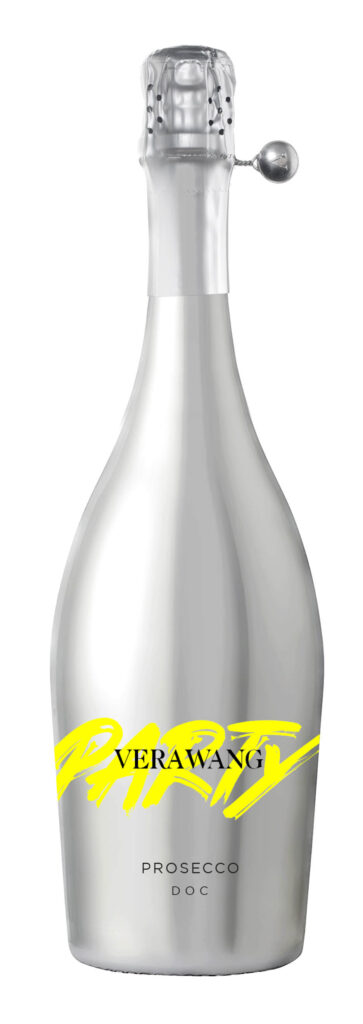
Vera Wang launches Vera Wang PARTY Prosecco

Operators can expect a massive amount of weddings to take place this summer and should angle to land rehearsal dinners and receptions.

After all, one driving element of pent-up consumer demand in Summer 2021 comes from 2020 weddings.

For many, weddings and other big celebrations call for bubbles. Well, just in time for summer celebrations come the releases of three challengers to Champagne’s throne.

Time for a PARTY

There is, perhaps, no designer or brand name more closely associated with weddings than Vera Wang.

The designer behind the eponymous label is largely credited with revolutionizing the bridal industry in the ’90s. Her bespoke wedding dresses remain the top choice for brides around the world. Of course, she also makes couture bridesmaid dresses.

Expanding ever since first dominating the bridal space, a bride can rock a Vera Wang ring and fragrance while wearing her Vera Wang wedding dress, standing across from a groom in a Vera Wang tuxedo and next to her bridal party in Vera Wang bridesmaid dresses.

And now, they can sip a Vera Wang sparkler at their rehearsal dinner and wedding reception.


View this post on Instagram


A post shared by VERA WANG (@verawanggang)

Earlier this year, the designer announced a limited release collaboration with Chopin Vodka. Now, she’s launching Vera Wang PARTY, a premium Prosecco.

So, you may be done with this phrase at this point, but we tend to drink with our eyes first. PARTY’s matte silver bottle and bright neon yellow lettering are a chic and modern take on sparkling wine presentation. I can already imagine plenty of fashionable brides wanting PARTY bottles on their rehearsal dinner and reception tables.

Vera Wang PARTY Prosecco matte silver and neon yellow bottle

And while the designer could likely justify pricing her Prosecco in the same range as the best-known Champagne houses, she has instead chosen restraint: the SRP for a 750ml of PARTY is just $25.

The label’s press release sums PARTY up thusly: “It’s what we could all use right now—a little bit of fun, a little bit of joy, and a new way to commemorate life’s meaningful moments.”

Half-size Heavy Hitter

To some, the only thing better than drinking bubbles is drinking rosé bubbles. For them, the pink hue screams, “We’re celebrating!”

Whether that means celebrating nuptials or a return to gathering and socializing this summer, Avaline is ready.


View this post on Instagram


A post shared by AVALINE (@avaline)

The clean, vegan-friendly wine brand is offering Avaline Sparkling Rosé, sold in 375ml bottles. This brand-new, small-run sparkler is just $25 per bottle.

Sparkling Rosé joins original Avaline labelmates Red and White, along with more recent releases Rosé and Sparkling.

Interestingly, it isn’t just Avaline’s focus on transparency building their deeply loyal fanbase. The Cameron Diaz and Katherine Power brand listens to their consumers to learn what to release next. After the release of Avaline Sparkling, the label’s community requested a sparkling rosé expression.

Avaline says people can expect rose petals, stone fruit and a hint of pomegranate on the nose and berry lemonade, tart peaches, and floral flavors.

Along with the rest of the Avaline lineup, Sparkling Rosé is sure to be popular during Summer 2021 weddings and other celebrations.

Vintage Vino

For vintage-loving sparkler fans, the latest Sonoma-Cutrer special release is the sip of this summer.

Sonoma Cutrer Grand Cuvée Late Disgorge 2014 Sparkling Chardonnay is a 60-40 blend of Chardonnay and Pinot Noir.

Per Sonoma-Cutrer, drinkers Grand Cuvée Late Disgorge features red apple and pear most prominently on the nose. However, that aroma is complimented by notes of hazelnut, brioche bread, mineral, and Meyer lemon.

On the palate, expect apple fruit, nut, and light strawberry flavors balanced by Sonoma-Cutrer’s hallmark high acidity. Rich and complex without overwhelming the palate, Grand Cuvée Late Disgorge pairs well with light summer fare such as oysters, salmon caviar, and fruit tarts.

This stunning bottle of California sparkling carries an SRP of $43 per bottle ($34.40 for Club Cutrer members).

Big Event Business

In America, the wedding industry generates around $60 billion annually. That number doesn’t even include honeymoons, an industry in and of itself that can be worth up to $8 billion per year.

Obviously, restaurant, bar, hotel and event space operators should find those values compelling.

Operators capable of delivering on special events should be angling to land rehearsal dinners, wedding receptions, and even engagement celebrations, bachelor, and bachelorette parties.

However, doing so means running a tight ship that pays attention to the details and delivers top-level service; developing relationships with wedding and event planners, and concierges; and keeping on top of current wedding and wedding-related trends.

Generating revenue after the horror show of 2020 and the first half of 2021 requires adapting operations. Moving into the event space—weddings, for example—can prove very lucrative.

Image: Vera Wang

by David Klemt David Klemt No Comments

Fever-Tree Cola: Set Aside Your Soda Gun

Fever-Tree Cola: Set Aside Your Soda Gun

by David Klemt

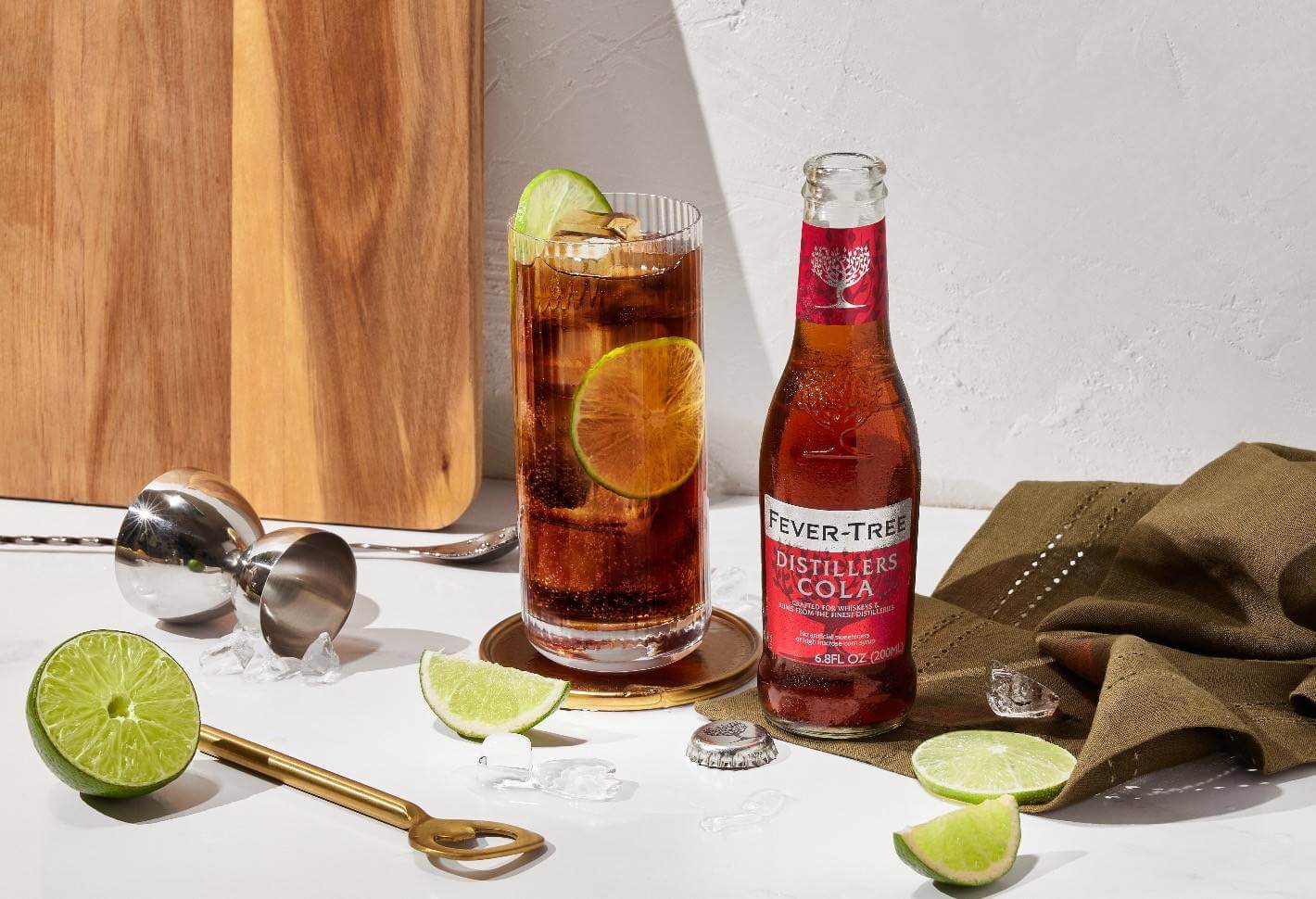
Fever-Tree Distillers Cola bottle and cocktail

Fever-Tree, the company elevating mixers since 2005, is now focusing on producing the finest cola.

Like the entirety of the Fever-Tree portfolio, Distillers Cola honors spirits and enhances cocktails.

And, like its mates in the lineup, the newest Fever-Tree product is made only with premium ingredients.

Commitment to Quality

Fever-Tree’s founding principle has always been producing high-quality mixers with high-quality and exotic ingredients. Co-founder Tim Warrillow and CEO of Fever-Tree North America Charles Gibb search the globe to find and partner with the best producers possible.

Much of that drive is down to the brand’s focus on honoring distillers and their spirits along with cocktail programs and bars.

In the mid-2000s, Warrillow and Gibb made a stark realization about spirits and cocktail. Distillers were crafting incredible spirits but most mixers were either standard or substandard.

Obviously, that changed with the launch of Fever-Tree, undeniable leaders and innovators in the mixer category.

Exotic Cola

For years now, today’s consumer has been drinking better. With unfettered access to information, social media and brands, they’ve been learning more about spirits and cocktails.

Intriguingly, the pandemic didn’t change that, and all signs point to a continued dedication to quality drinking.

Also, great bartenders want to tell, as Gibbs says, the best stories through the best cocktails. In doing so, they’ve taught their guests how to drink better.

Of course, part of improving one’s drinking is seeking out products produced with quality ingredients.

According to Warrillow, Fever-Tree is excited to finally take on “the biggest mixer of them all, cola,” the most-popular soft drink flavor in the world. He says people have been asking for Fever-Tree to craft their own cola for quite some time now.

It should come as no surprise to any Fever-Tree fan that Distillers Cola is produced with a commitment to craft.

The kola nuts are grown wild in the Caribbean sweet, earthy, and a natural source of caffeine. Large Tahitian limes from Mexico—the Yucatán province specifically—are bold but not overwhelming. Jamaican pimento berries (allspice) imbue Distillers Cola with flavors of cinnamon, clove, nutmeg and pepper. Madagascan vanilla—the “most prized” vanilla, per Warrillow—is intense, sweet, and lends to a creamy mouthfeel.

Distillers Cola, being a mixer and not a soft drink, is high in carbonation but reins in its sweetness.

A Mixer with Intent

Now, Fever-Tree Distillers Cola is meant to elevate bourbons and dark rums. Of course, that doesn’t mean its use is limited.

In fact, Speed Rack co-founder Lynnette Marrero suggests mixing up a Gin & Distillers Cola. Certainly, that’s a much different direction than Rum or Whiskey & Colas.

And Marrero’s Going Back to Kalimoxto, which she describes as “the spritz meets sangria,” calls for 0.5 oz. Cognac, 0.5 oz. Fernet, 3 oz. red wine (nothing too tannic: think Pinot Noir or Beaujolais), and 3 oz. Fever-Tree Cola. Simply stir and serve with a lemon wheel.

Indeed, this brand-new Fever-Tree product is practically begging for cocktail experimentation.

Reposado, añejo, and extra añejo tequilas, some mezcals, amaros, Scotch and rye whiskeys… A new mixer opens up a world of menu possibilities.

However, the best place to start is likely two of Fever-Trees intended cocktails: an elevated Rum & Cola or Whiskey & Cola. In fact, Warrillow and Gibbs say it was developed with Bacardí Cuatro in mind.

Interestingly, Allen Katz of New York Distilling Co. tasted “about 15 barrels” of their Ragtime Rye with Distillers Cola. According to Katz, the cola pairs very well with a whiskey with more fruit, less cedar and spice. In fact, he likes it so much he has committed a single barrel to a special Distillers Cola release—be on the lookout, whiskey hunters.

Also, since Governor Andrew Cuomo has lifted Covid-19 restrictions, people can visit New York Distilling’s Shanty to try a specialty cocktail made with Distiller’s Cola.

Holster Your Soda Guns

Yes, soda guns have been de rigueur for decades. They’re convenient in terms of service, particularly in a high-volume setting.

They’re also often perceived as being perpetually dirty. And, in many cases, that perception is reality.

Of course, in other cases it’s simply what guests have been taught from myriad articles and blog posts.

When I asked Gibbs how he expects to convince operators to hang up their soda guns and choose Distillers Cola instead, his answer was compelling. On the bar side, he points to the fact that bartenders want to craft and serve the best possible cocktails. To do that, they need high-quality ingredients. Along with that, many guests know Fever-Tree and seek it out.

That’s all well and good, but what about the operator side? Gibbs notes that bars across the country are ripping out their soda guns. Clearly, this is a response to health-conscious guests who perceive what comes out of the gun to be unhealthy or subpar in quality.

Those same operators, therefore, aren’t buying and storying bags of syrup. Instead, they can purchase higher-quality ingredients that deliver on consistency. Consistency and quality are key elements of the guest experience. Gibbs also says that operators can charge more for a drink made with premium ingredients like Fever-Tree.

Of course, the next step is for operators and their front-of-house teams to try Fever-Tree Distillers Cola for themselves. Not only will it elevate their bar programs, it certainly enhances to-go cocktail kit options.

Image: Fever-Tree

by David Klemt David Klemt No Comments

Third-party Vaccine Passports on the Way

Third-party Vaccine Passports on the Way

by David Klemt

Hand holding United States of America passport

Operators will likely have to further wade into politics if so-called “vaccine passports” become standard.

If recent reporting is accurate, several platforms will bring vaccine passports to market.

The hospitality, lodging and travel industries have been thrust into politics since for several years now. Unfortunately, the pandemic has only made the situation more precarious.

Dangerous Waters

For many operators, navigating today’s politically-charged atmosphere is an unwelcome development.

It’s bad enough that hospitality, lodging and travel have been thrown into utter chaos for well over a year. America and Canada have lost tens of thousands of restaurants and bars. Operators able to survive have lost millions of workers.

Too many people have lost jobs, savings, homes, and any sense of stability in their lives. Mental health, as a result, is on the decline for many people.

Unfortunately, all of those awful things are being exacerbated by politics. In America in particular (if reports are accurate), politics have severely divided the country.

Covid-19 safety protocols were politicized immediately. Restaurant, bar, hotel and travel workers found themselves playing pandemic police, putting them in dangerous situations.

If vaccine passports become standard, operators will find themselves deeper in the political quagmire. Workers will likely face a greater risk for confrontations with hostile guests.

What’s a Vaccine Passport?

In short, a vaccine passport is a way for someone to prove they’ve received a Covid-19 vaccine.

Per recent reports, the Biden administration has said they have no plan to implement federal vaccine passports.

However, several states have already banned this form of proof of vaccination. These include: Alabama, Arizona, Arkansas, Florida, Georgia, Idaho, Indiana, Iowa, Montana, North Dakota, South Carolina, South Dakota, Texas, Utah (but private companies can require workers to get vaccinated), and Wyoming.

So far, two states—Hawaii and New York—have implemented vaccine passports. As far as the other states, vaccine passports are not a requirement or haven’t been banned yet.

New York’s vaccine passport, Excelsior Pass, was developed by IBM. A vaccinated New York resident downloads the app, a business owner downloads the scanner app, and vaccination status can be confirmed. Similar apps are believed to be in the works.

Again, however, many states have banned these apps.

What Does this Mean for Businesses?

If vaccine passports are banned fully where an operator does business, the decision has been made for them.

However, some bans relate only to government entities—businesses can require proof of vaccination.

And if a state doesn’t prohibit vaccine passports at all? The situation can be even more challenging for operators.

Operators eager to protect their workers and guests from infection may welcome vaccine passports. Some operators may feel these passports are an invasion of privacy and reject them. Still others may view them as a potential source for harassment and discrimination.

Should an operator require vaccine passports, they should expect backlash that could directly impact business. Operators who prohibit the use the vaccine passports may be viewed as “irresponsible” and also face backlash

Once again, the pandemic has put operators in several industries in no-win situations. Operators should consider their vaccine passport plan and the messaging around it now.

Image: Levi Ventura on Unsplash

by David Klemt David Klemt No Comments

Update Your Business Info Now!

Update Your Business Info Now!

by David Klemt

"Yes, we're open" sign in restaurant or bar window

Restrictions are relaxing and people are returning to at least a form of their pre-pandemic lives. Operators need to review and update their information.

People face a flood of confusing or vague information every day—restaurants and bars don’t need to add to it.

In other words, operators need to make sure guests are getting accurate information when they search for their businesses.

This is particularly relevant right now with summer upon us and Father’s Day in two days.

Are You Open?

Cities, states and provinces are opening things up throughout North America.

In Canada, British Columbia, Ontario, and other provinces are in the midst of reopening plans and. Some provinces are also reopening their borders to their Canadian neighboris. Some restrictions remain and provinces aren’t fully open, but they’re on their way.

And in America, more than half of states are considered open fully: Alabama, Alaska, Arizona, Arkansas, Florida, Georgia, Idaho, Illinois, Indiana, Iowa, Kentucky, Louisiana, Minnesota, Mississippi, Missouri, Montana, Nebraska, New Hampshire, New Jersey, North Carolina, North Dakota, Ohio, Oklahoma, South Carolina, South Dakota, Tennessee, Texas, Utah, Virginia, Wisconsin.

Restrictions that remain in place in some provinces and states relate to dining. For example, outdoor dining returned to Ontario, Canada, a few days ahead of schedule. Unsurprisingly, people flocked to restaurants and bars with outdoor dining areas.

Of course, that’s a long-overdue and welcome development. However, such relaxing of restrictions exposes an issue: People aren’t sure if businesses are open, what hours they’re open, and what menu items are available.

Update Your Information

It should go without saying but I’ll say it anyway: The past 15 months have been a horror show for operators.

So, it’s understandable that some operational discipline has slipped. Now’s the time to fix that and focus on the details.

Guests want to know what restaurants and bars are open. They want to know when they’re open. And they don’t want any surprises about menu item availability.

Of course, operators can manually review and update or edit their online listings. An operator can also task a manager or worker with that responsibility.

There are also platforms out there that make updating pertinent business information a much less overwhelming job.

Marqii, a paid service with three pricing tiers, manages several important details quickly and easily. Operators can use Marqii to update their menus across more than 75 sites; manage their location data, including hours of operation; and review and respond to reviews across several platforms, depending on the tier chosen.

Packages are priced per location and a business is charged monthly. There are similar solutions out there but Marqii is a great place to start.

We live and operate in the Convenience Era. Make it easy for your guests to visit and spend their money with you.

Image: Tim Mossholder on Unsplash

by David Klemt David Klemt No Comments

Guest Journey: Acquire, Engage, Retain

Guest Journey: Acquire, Engage, Retain

by David Klemt

Black "Hustle" coffee cup on desk

What if you could change your operational mindset for the better in the time it takes to enjoy a cup of coffee?

SevenRooms is confident they can help you do exactly that.

The SevenRooms Coffee Break series tackles one important operational element per 20-minute webinar.

Time for a Coffee Break?

It’s no secret that we’re fans of SevenRooms here at KRG Hospitality. In addition to supporting the actual platform, we’re always eager to share their data-driven reports and insights.

CEO Joel Montaniel is the guest on episode 24 of our Bar Hacks podcast. (You can—and should—listen to the episode on Spotify, Apple Podcasts, or wherever you listen to podcasts.)

Given how much SevenRooms values collecting and sharing data that can improve operations industry-wide, it’s not a surprise that they also offer informative webinars.

So far, there are three webinars in the Coffee Break series. And, of course, each shares a way that operators can improve their business.

That’s certainly welcome as we emerge from stay-at-home orders, ease restrictions, and welcome more guests.

The current entries focus on what SevenRooms is dubbing the Restaurant Renaissance. As Doug Radkey, president of KRG Hospitality says, we can take two paths leading to the post-pandemic world.

One, we can recognize that the industry needs an overhaul, making improvements for operators, workers and guests.

Two, we can learn nothing, do nothing, and watch the industry collapse.

Restaurant Renaissance

Call it what you prefer: the Restaurant Renaissance. The New Roaring Twenties. Re-emergence. The New Normal. The Post-pandemic World.

Sure, it’s cool to have a catchy label to slap onto unique eras. It’s better to have a clear plan and path for moving forward.

To that end, SevenRooms identifies four key factors driving what they’re calling the Restaurant Renaissance:

  • Vaccines
  • Warmer weather
  • Pent-up consumer demand
  • Restrictions lifting

Alexa Detzi, director of Enterprise Success at SevenRooms, addresses these elements in the first Coffee Break webinar, “Acquire.”

We’ve said many times that operators need to prepare for an explosion in consumer demand and guest traffic. In addition, we’ve made it clear that we’ll most likely experience a severe drop-off in traffic after the initial demand wanes.

Of course, there are several ways things might play out in the New Normal. However, huge traffic in many markets followed by a drop makes the most sense.

Get Ready

The first three SevenRooms Coffee Break webinars focus on the guest journey:

I highly recommend signing up and watching each webinar, sooner rather than later. Guests are already being subjected to a cacophony of marketing overtures—you need to cut through the noise.

We Want to Help You

Like SevenRooms, KRG Hospitality is dedicated to helping operators.

If you’re seeking to open a new business, whether your first venue or an expansion, should also download our 2021 Restaurant Start-up Cost Guide & Checklist.

And for operators looking more direct and guided assistance for improving your business, we also offer KRG Mindset.

Next time you have 15 or 20 minutes to yourself, check out our Solutions and Resources pages, reach out, and let’s set up your Roadmap to Success.

Image: Garrhet Sampson on Unsplash

by David Klemt David Klemt No Comments

5 Bottles for June 21, World Lambrusco Day

5 Bottles for June 21, World Lambrusco Day

by David Klemt

Sparkling red wine in wine glass with condensation

On June 21, the world celebrates one of Italy’s most-famous wines, the oft-misunderstood and maligned Lambrusco.

Now, some people of a certain age chuckle and roll their eyes when someone mentions Lambrusco. After all, the most (in)famous example throughout North America was Riunite.

Of course, I mean no disrespect to that particular producer. It’s just that the world is aware of other Lambrusco labels.

People also now know much more about wine in general and Lambrusco specifically. And they know it’s not always a sweet, sparkling wine.

Lambrusco 101

Much like many, many other wines, Lambrusco is a protected designation. Think Champagne, Prosecco or Châteauneuf-du-Pape.

Lambrusco comes from five regions in Northern Italy: four in Emilia-Romagna and one in Lombardy. Cheese fans may know Emilia-Romagna for its Parmigiano Reggiano cheese production.

The five denominazione di origine controllata (DOC) regions each produce distinct styles of Lambrusco with their own unique characteristics.

For example, Lambrusco Grasparossa di Castelvetro from Modena are the most-tannic of these wines. They also tend to be dark purple in color.

In contrast, some Lambrusco Reggiano wines are lighter in color. These Lambruscos also tend to be sweeter on the palate and more floral on the nose.

Lambrusco di Sorbara produces perhaps the most unique Lambrusco, such as rosè.

Most Lambrusco is semi-sparkling, or frizzante, owing to winemakers using the ancestral, traditional or Charmat methods of production.

Modern Outlook

For decades, most North Americans were only aware of Lambrusco from Riunite. Therefore, North Americans only knew Lambrusco as a cloyingly sweet, fizzy Italian wine.

Of course, many people love sweet. So many, in fact, that the term “sweet sells” is well-known among beverage managers.

However, today’s consumer doesn’t necessarily want to drink what their parents or grandparents drink. And while they may not dislike sweet outright, they want to experience different flavor profiles.

For these consumers, bartenders, bar managers, servers, and floor managers should be aware of a few important Lambrusco label terms:

  • Dolce: This is the sweetest Lambrusco.
  • Amabile: Medium-sweet wines not quite as sweet as dolce.
  • Semisecco: The most common Lambrusco, off-dry wines that aren’t as sweet as amabile or dolce.
  • Secco: Dry Lambrusco with balance and savory notes in addition to fruit on the palate.

Lambrusco is a great alternative to Champagne, Prosecco and other sparkling wines in the summer. In particular, those with patios should push their guests to try it.

Where to Start

Like I said, I’m not bashing Riunite—the label has been around for quite some time.

But for those who want to fill out their wine menus, these bottles are worth a look. I’ve chosen one bottle from each of Italy’s five Lambrusco DOCs.

Fondo Bozzole ‘Incantabiss’ Lambrusco Mantovano

From the Lombardy region. A soft wine with mineral notes balance the fruit (strawberry in particular).

Vigneto SaettiRosso Viola 2019

From the Lambrusco Salamino di Santa Croce region. This bottle would definitely draw some eyes as it’s brought to a table. Dry with smoothness balanced by assertive tannins. Black cherry, red berries, and violet.

Lini 910 Lambrusco Rosso Labrusca Reggiano (non-vintage)

91 points from Vinous. Blueberry and strawberry on the nose and palate. I have to say, the label is pretty cool.

Cleto Chiarli Lambrusco Grasparossa di Castelvetro Amabile Centenario (non-vintage)

Speaking of labels, I can see where this bottle would be mistaken for Champagne. Semi-sweet and smooth with lots of fruit on the nose and palate.

Paltrinieri “Radice” Lambrusco di Sorbara (non-vintage)

High acid lends itself to this wine’s significant brightness. Along with strawberry, expect grapefruit and watermelon notes.

Image: Dirk Wohlrabe from Pixabay

by David Klemt David Klemt No Comments

Tip Elimination is Back on the Table

Tip Elimination is Back on the Table

by David Klemt

Person holding up cash

Several operators across the country feel that as we emerge from pandemic life, now is the time to once again try eliminating tips.

Back in 2015, Danny Meyer made a decision about tips in his restaurants that sent shockwaves through the industry. Over the course of five years, Union Square Hospitality Group (Meyer’s group) implemented a hospitality included policy to eliminate tipping.

To be sure, it wasn’t only Meyer’s restaurants that examined and put no-tipping policies in place. However, Union Square was certainly among the highest-profile operators to try it out.

Good Intentions

Per the CEO of Union Square and founder of Shake Shack, attempting to do away with tipping was about promoting equity in the hospitality.

Tipping has been linked to the propagation of sexism, racism, harassment, and exploitation.

Meyer has also said that he believes it leads to wage instability, and studies have shown it contributes to outright wage theft. And, as anyone who has worked in a restaurant knows, tipping can create a gap—and therefore tension, among other issues—between the front of house and back.

However, it has proven difficult to for no-tipping policies to take hold. This is in part because tipping is so ingrained in American society. And, of course, there’s also the issue of increasing menu prices; some people are fine with tipping but not with paying more for menu items.

Guests aren’t the only individuals who have pushed back against eliminating tips. Unsurprisingly, the very people Meyers and other operators are trying to help have rejected no-tipping policies.

Many servers and other FoH staff have made it clear that they’re not interested in working for an operator who eliminates tips.

Reinstatement of Tipping

Around eleven months ago, Meyer announced he would reverse course on his hospitality included policy. According to reporting, Meyer had done so not because of pushback against increased menu prices (about 15 to 20 percent to cover increased labor costs).

Rather, the five-year experiment never worked exactly as Meyer and Union Square had hoped. As he told Pulitzer Prize-winning journalist Jonathan Capehart during a Washington Post Live conversation back in March of this year, the policy wasn’t sustainable.

“It worked to a degree, but it was not sustainable, and the biggest reason it wasn’t sustainable was we could never quite do all the things we wanted to do for our team members like make sure that a formerly tipped employee could make as much as she made when she was tipped, make sure that we had a 401(k) plan, make sure we had a really, really generous family leave policy,” Meyer told Capehart.

And then there was the impact of the pandemic. Meyer finally pulled the plug on his no-tipping policy after New York allowed restaurants to reopen for outdoor dining a year ago. Reportedly, Meyer didn’t see how he could stand in the way of his staff making additional money.

2021 Experiment

Interestingly, several news outlets are reporting that operators around the country are at least considering doing away with tips this summer.

Again, this is at least in part due to the pandemic. Restaurateurs who have wanted to implement policies similar to Meyers’ Hospitality Included see this year as the time to try.

We still don’t know exactly what post-pandemic life will be. However, a hospitality industry reset is certainly coming—and it’s absolutely overdue.

So, it does make sense that as operators can change guest and staff perception of tipping and living wages as we all emerge from pandemic life and face a new world.

For example, the Chicago Tribune has reported that Big Jones, owned and operated by Paul Fehribach, has implemented service fees so he can cover offer servers between $18 and $25 per hour. A 20-percent fee for in-person dining or placing an order with a live person, and a 10-percent fee attached to online orders go to Big Jones payroll.

While there has been some pushback, the Chicago Tribune reports that Fehriback says Big Jones reactions are trending toward the positive.

It’s possible that tip elimination simply doesn’t work for some restaurant categories. As an example, those policies may work out in the casual dining space but not fine dining. Time will tell if it works at all.

Image: Sharon McCutcheon on Unsplash

by David Klemt David Klemt No Comments

Reopening Ontario: Patios Return Friday

Reopening Ontario: Patios Return Friday

by David Klemt

Outdoor seating on restaurant patio

There’s great news for Ontario and the province’s new reopening plan: outdoor dining is returning three days ahead of schedule.

From June 11 on—barring any governmental changes—the province of Ontario will enter Step 1, which focuses on outdoor activities.

Due to favorable indicators such as the province’s vaccination rate, Reopening Ontario will kick off early.

A Welcome Surprise

Ontario has been in under heavy restrictions for nearly two months. So, this news represents a refreshing glimpse of light at the end of a ridiculously long tunnel.

Initially, Reopening Ontario was slated to begin Step 1 on June 14.

The earlier date and announcement should help restaurant and bar operators take advantage of the coming weekend. After weeks upon weeks of living under a stay-at-home order, the decent-at-best forecast should be clear enough for Ontarians to get outside.

Step 1

Reopening Ontario is focusing on the following to progress through the three steps:

  • the provincewide vaccination rate; and
  • improvements to key public health and health care indicators.

Per the plan, the province will remain in each phase of the plan for a minimum of 21 days.

The first step allows for outdoor gatherings of ten or more people. And, for restaurants and bars, outdoor dining with a limit of four people per table.

RestoBiz is reporting that there will be an exception allowing for households with more than four people. The publication also reports that nightclubs may offer delivery, drive-through and takeout as long as they only operate as food or drink establishments.

To move to Step 2, 70 percent of adults must receive at least a single dose of Covid-19 vaccine. Additionally, 20 percent of adults need to receive a second dose (of a two-dose regiment).

Two weeks after Ontario reaches that target, the province will move forward.

Step 2

In this phase of Reopening Ontario, restaurants and bars can seat six people per table outdoors.

Per Ontario’s official government website, restaurants and bars will also be able to offer karaoke. Of course, in this phase it must take place outside.

The single-dose target vaccination rate to move on from Stage 2 is 70 to 80 percent of adults. Also, 25 percent of adults must receive two doses (of a two-dose regimen).

If those targets are hit and key public health and health care indicators are favorable, the province will progress further.

Step 3

Obviously, this the least-restrictive phase of Reopening Ontario.

In Step 3, restaurants and bars can once again return to indoor dining. There will be capacity and other restrictions in place.

Also, buffets can return.

Outdoor dining capacity will focus on social distancing: there must be two metres between tables.

Should the vaccine rate and other indicators continue to improve, it’s possible that Ontario will reopen fully as soon as 21 days after Step 3 begins. Of course, we’ll monitor the situation and see what Ontario officials say about a return to “normal.”

For now, things are looking up. To review the Reopening Ontario plan, click here.

Image: Taylor Vick on Unsplash

by David Klemt David Klemt No Comments

7 Whiskeys for National Bourbon Day

7 Whiskeys for National Bourbon Day

by David Klemt

Lux Row Distillers Blood Oath Pact No. 7 bourbon whiskey

We celebrate America’s native spirit on June 14, National Bourbon Day.

Certainly, this is a mainstream holiday more than worthy of celebrating. We definitely don’t need an excuse to enjoy a dram and a cocktail, but it’s great to have one at the ready anyway.

Of course, there are far too many labels out there for us to list and honor them all. So, we’ve chosen seven bottlings that span a decent range of prices.

Cheers!

$50 and Under

Evan Williams 1783 Small Batch (Kentucky), $20 SRP

Perhaps owing to their affordable prices, a lot of people tend to sleep on Evan Williams. However, their bottles routinely end up on bartender go-to lists. Their 1783 Small Batch pays homage to the year Williams founded Kentucky’s first distillery,

Wyoming Whiskey National Parks Limited Edition American Whiskey (Wyoming), $50 SRP

Are you and your guests big fans of our beautiful national parks? If so, Wyoming Whiskey National Parks Limited Edition is the perfect whiskey! This straight bourbon, which features Wyoming’s Grand Teton National Park on its label, is a five-year-old, 92-proof homage to our natural resources. For every bottle sold, Wyoming Whiskey is donating $50 to the National Park Foundation.

$51 to $99

Woodford Reserve Double Oaked (Kentucky), $57 SRP

If you and your guests are looking for one of the smoothest expressions of Woodford, Double Oaked is the one. This whiskey starts its life as Distiller’s Select but receives a second barreling in virgin, charred-oak barrels. And Double isn’t smooth enough for you, there’s always Double Double

Russell’s Reserve 13 Year Bourbon (Kentucky), $69.99 SRP

The Russell’s Reserve label is part of the Wild Turkey portfolio and honors Master Distiller Jimmy Russell’s legacy. Master Distiller Eddie Russell is Jimmy’s son, has been producing whiskey for Wild Turkey for 40 years, and, like his father, is Kentucky Bourbon Hall of Fame inductee. The Russell’s Reserve 13 Year bottling is, of course, 13 years old, and it rings in at 114.8 proof.

Blood Oath Pact No. 7 (Kentucky), $99 SRP

The Blood Oath series is part of the Lux Row Distillers portfolio. Like Orphan Barrel releases, each Blood Oath release, known as a Pact, is highly sought after. In fact, if you don’t get your hands on one right away, the prices can double or more on the secondary market. Blood Oath Pact No. 7 is a blend of three Kentucky bourbons: one 14 year and two eight years.

$100 and Over

Heaven’s Door & Redbreast 10-Year Master Blenders’ Edition (Tennessee), $99.99 SRP

Alright, so this one is only a penny under $100—we’re rounding up for this one. As the name of this straight bourbon suggests, this is a collaboration between Bob Dylan’s Heaven’s Door and Redbreast Irish Whiskey. Master Blender’s Edition features 10-year-old Heaven’s Door bourbon given a 15-month finishing treatment in 12-year-old Redbreast casks.

Copper Tongue Orphan Barrel (Tennessee), $100 SRP

As with Lux Row Distillers releases, Orphan Barrel is highly sought after and highly collectible. Aficionados and fans in the know will go out of their way to score a dram if they can find it. Coppper Tongue will be no different, a 16-year-old, cask-strength straight bourbon weighing in at 89.8 proof. The distillery recommends enjoying it neat or, interestingly, with a slice of pear.

Image: Lux Row Distillers

Top