Bar Operations

by David Klemt David Klemt No Comments

Prepare for a Luxe Life Summer

Prepare for a Luxe Life Summer

by David Klemt

BMW M cars parked next to private airplane

When we think of restaurant and bar tech and platforms, we tend to think of POS and inventory solutions. But what about guest-facing services?

We’re all familiar with online ordering, reservation, and review platforms. What I’m talking about is guest-facing tech that focuses on the luxury lifestyle.

For those living the high-roller life, every convenience is at the tap of an icon, including private jets, helicopters, yachts, and luxury and exotic vehicles.

What does any of this have to do with hospitality? Anyone who serves or courts high-net-worth guests needs to understand how they live and what they expect. This is even more important as summer approaches, vaccine rates improve, and pandemic guidelines relax.

Additionally, there are partnerships and marketing opportunities for operators and luxury lifestyle platforms.

Flight

Flying private isn’t solely the domain of those who can afford to shell out several million dollars for the plane of their dreams.

The proliferation of the sharing economy means people can hop on a charter flight for a fraction of the cost.

Blade

Do you hate waiting in traffic, even if you’re not the one doing the driving? Wish you could just jump into the air and leapfrog a sea of cars keeping you from, say, an airport? With Blade, you can summon a helicopter and make your flight in minutes.

JSX

Formerly known as JetSuite X, JSX serves the western region of America and Texas. If the thought of flying commercial is unbearable at the moment, JSX makes it easy to jump onto a 30-seat set via private terminals for non-stop flights.

NetJets

We’ve all been there: We want our own private jet but it’s just slightly out of reach at the moment (by many millions of dollars). NetJet gives people fractional ownership of private jets and provides top-notch, personal service. The company’s fleet includes everything from six-passenger Embraer Phenom 300 jets to the high-speed, long-range 14-passenger Bombardier Global 7500.

Wheels Up

This company offers three levels of membership: Connect, Core and Business. Wheels Up is more than a transportation app—they’re a lifestyle brand. The company offers membership perks such as exclusive events and concierge services, which should be of particular interest to hospitality operators.

Float

There are a couple of tropes that come along with boat ownership. One is that the two happiest days for a boat owner are the day they take possession and the day they get rid of it.

And then there’s the classic “definition” of a boat: “A hole in the water into which one throws money.”

However, much like one can dial up a helicopter or grab a seat on a Gulfstream, people can now charter a yacht for a fraction of boat ownership. Choose the yacht that meets your yachtin’ needs, board it, and crank the yacht rock.

Float

Any boat that someone uses for cruising, leisure, pleasure or racing is a yacht. So, the yacht life isn’t exclusively for ocean-going vessels. Float lets customers “rent the lake life,” connecting boat owners with people who want to rent boats on lakes. One of the best parts of Float is that it doesn’t, as far as we can tell, cost thousands of dollars per day to rent a boat via the platform.

GetMyBoat

This is a huge platform. We found more than 12,100 boats available in America, more than 4,400 in Australia, and well over 28,000 in Europe on GetMyBoat. Given the size of the platform, there’s a large swing when it comes to rental costs, which makes sense. For instance, there was a 21-inch Sea Hunt Ultra 210 for $44/hour (four-hour minimum) in Virginia and a 40-foot VanDutch Ultra Luxury Yacht for $4,000 for eight hours.

YachtLife

Serving an array of locations with a rather impressive portfolio of boats, YachtLife offers three membership levels catering to various needs. Beyond living the yacht life, the company provides perks and specials from their partners. This platform should be of particular interest to our Florida and Eastern Caribbean clients.

Four Wheels

So, someone grabs a helicopter to a private hangar, looking forward to lounging on the their rental yacht.

Sure, they could take a limo to the marina, or they could use the car service their plane or boat membership offers.

But they could also decide to drive themselves. Obviously, not just any car rental will do.

Turo

There are various Porsches and Mercedes listings on Turo that cost well under $200 a day. But for those looking for something exotic, a Lamborghini Huracan is around $1,000 per day, and an Aventador is around $1,400. You can’t show up to the marina behind the wheel of just anything, right?

Image: Jakob Rosen on Unsplash

by David Klemt David Klemt No Comments

Stand Out with Weird Holidays: June

Stand Out with Weird Holidays: June

by David Klemt

Stay Weird neon sign with purple background

Want to stand out from from other restaurants and bars in your area? Then commit to keeping it weird.

Several “holidays” are set against every date on the calendar, and June is no exception. These holidays range from mainstream to food-centric to weird.

Focus on the latter to raise eyebrows, carve out a niche for your restaurant or bar, and attract more guests. Why do what everyone else is already doing?

Of course, you shouldn’t try to celebrate every holiday, weird or otherwise. And this month’s list in no way includes every odd holiday.

Focus on the days that are authentic to your brand; resonate with your guests; and help you grab attention on social media.

For last month’s list, click here.

June 3: National Egg Day

How are your sour cocktails? Celebrate the egg on this day by featuring your egg white-powered drinks.

June 7: National VCR Day

Leverage nostalgia by showcasing an outdated way to enjoy movies and TV shows. If you really want to immerse yourself and your guests in this holiday, find a VCR and some movies on VHS, come up with some themed cocktails, and lure in nostalgia-thirsty guests. (Make sure you have the proper licenses in place to play music, movies, TV shows, etc.)

June 8: National Name Your Poison Day

Talk about a perfect holiday for a bar! This is an excellent day to design a call promotion around or to highlight your bar team’s ability to create delicious cocktails on the fly based on guests’ spirits preferences.

June 13: International Axe Throwing Day

Are you one of the operators who has introduced axe throwing to your restaurant, bar or eatertainment venue? Then do we have the holiday for you and your guests…

June 16: Bloomsday

This holiday honors revered Irish writer James Joyce. The story goes that Joyce’s favorite dram was Jameson, so get those bottles and specials ready.

June 18: National Splurge Day

Have some high-dollar spirits, beers, wines and dishes? Promote them loudly on this day and encourage your guests to truly treat themselves.

June 24: National Bomb Pop Day

There’s more than one way to celebrate this fun, refreshing and nostalgic holiday. For instance, there are various versions of the Bomb Pop cocktail. Another example is offering housemade boozy Bomb Pops. And then you can always simply garnish drinks with Bomb Pops.

June 25: National Take Your Dog to Work Day

If you have a dog-friendly restaurant, bar or lounge, encourage people who have brought their dogs to work to pop in for a well-deserved bite and drink.

June 30: Social Media Day

Feel like your social media savvy could use some work? Want your guests to plaster your business all over social? Use this holiday to improve your social media skills, add followers, and increase engagement with the help of the people who support your business.

Image: Dan Parlante on Unsplash

by David Klemt David Klemt No Comments

5 Books to Read this Month: June

5 Books to Read this Month: June

by David Klemt

Flipping through an open book

This month’s fun and informative book selections will help you develop next-level culinary, beverage and leadership skills.

To review last month’s book recommendations, click here.

Let’s dive in!

The Japanese Art of the Cocktail

Available as of today, this is the first cocktail book written by Masahiro Urushido, the award-winning bartender from NYC’s Katana Kitten. After just one year with Urushido at the helm, Katana Kitten took home a 2019 Spirited Award. The Japanese Art of the Cocktail features 80 recipes and serves as a deep dive into a unique approach to cocktails and technique.

Hennessy: A Toast to the World’s Preeminent Spirit

In a nod to today’s episode of the Bar Hacks podcast, we’re happy to share this amazing book that has something between its covers for everyone. Hennessy is equal parts history, humor, lifestyle, recipes, and illustrative and photographic work of art. Shepard Fairey, Nas, Fab 5 Freddy, and others contribute stories and insights in this amazing bar book.

Cocktail Dive Bar

The subtitle of this recently published book is “Real Drinks, Fake History, and Questionable Advice,” which should tell you this is going to be a fun read. In Cocktail Dive Bar, T. Cole Newton, the operator behind NOLA’s Twelve Mile Limit, mixes classic and original cocktail recipes with essays, advice and coloring book elements. Bars are supposed to be fun, and this book is a welcome reminder of that fact.

Mezcal and Tequila Cocktails: Mixed Drinks for the Golden Age of Agave

Robert Simonson is a New York Times writer and James Beard Award-nominated author who has written an impressive amount of cocktail and spirits books. His latest, Mezcal and Tequila Cocktails, shares more than 60 recipes that feature—you guessed it—mezcal and tequila. Most of the recipes aren’t at all complicated but they’re still full of agave flavor and an array of profiles. Whether you’re a neophyte or an aficionado, this book is for you.

Bar Hacks: Developing The Fundamentals for an Epic Bar

Yep, I’m 0nce again promoting a book from KRG Hospitality president Doug Radkey. Hey, I didn’t mention one last month, so cut me some slack. Bar Hacks is Doug’s first book and the title of the eponymous, KRG-produced podcast. Looking to hone the fundamentals? Want to develop effective strategies? Eager to open or grow a profitable, scalable, sustainable, consistent and memorable venue in one of the most cut-throat industries in the world? Grab this book today!

Image: Mikołaj on Unsplash

by David Klemt David Klemt No Comments

EEOC Clarifies Vaccine Stance

EEOC Clarifies Vaccine Stance

by David Klemt

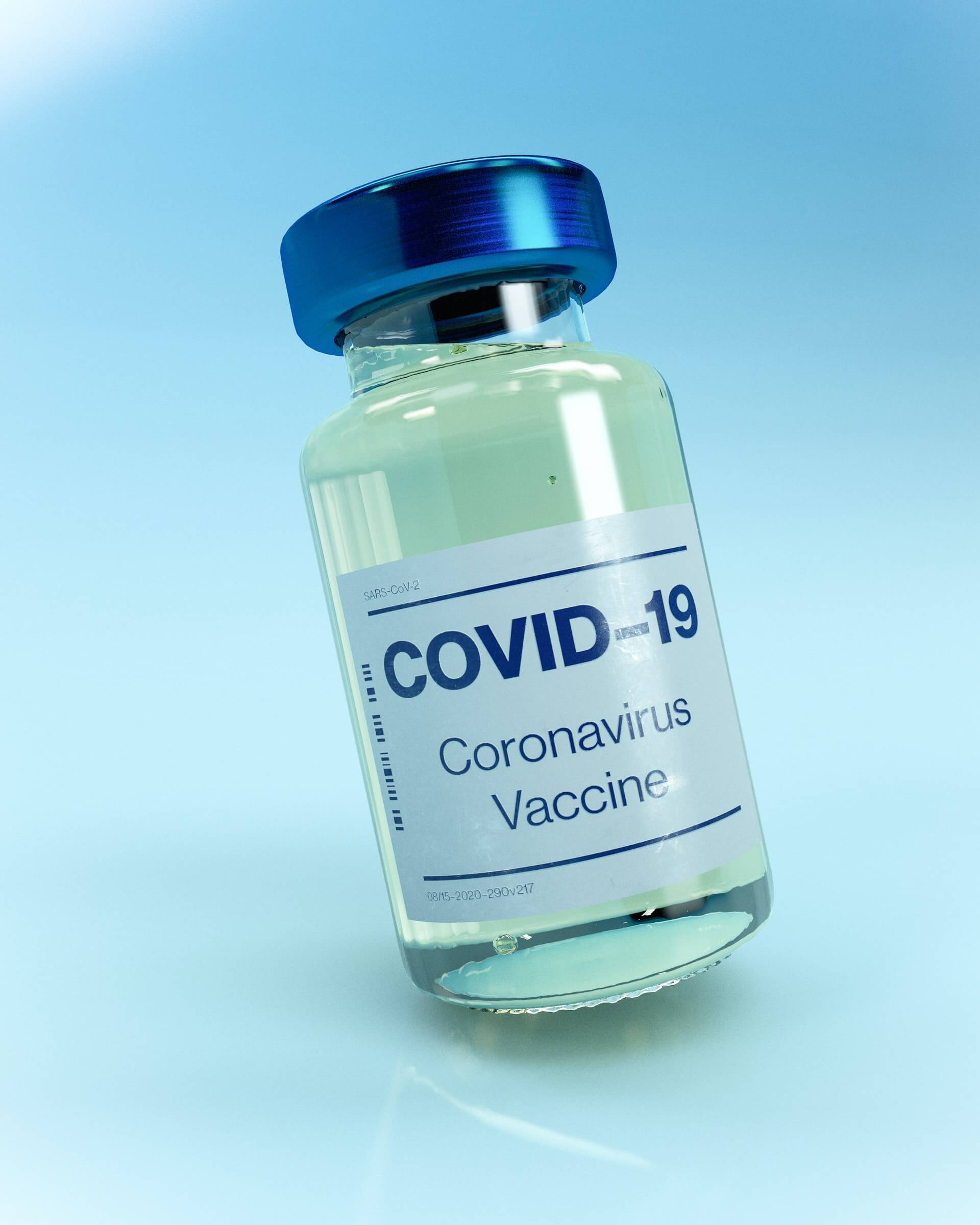
Covid-19 vaccine vial on blue background

American employers have the right to require Covid-19 vaccination as a condition of employment.

This is according to recent clarifications from the Equal Employment Opportunity Commission (EEOC).

Perhaps learning from yet more missteps from the Centers for Disease Control and Prevention, the EEOC is making their position clearer.

Requirements

Per the EEOC, requiring workers to get a Covid-19 vaccine doesn’t violate federal law.

However, an employer failing to provide “reasonable accommodation” in accordance with the Americans with Disabilities Act would be illegal.

According to the EEOC’s guidance update:

“Federal EEO laws do not prevent an employer from requiring all employees physically entering the workplace to be vaccinated for COVID-19, so long as employers comply with the reasonable accommodation provisions of the ADA and Title VII of the Civil Rights Act of 1964 and other EEO considerations. Other laws, not in EEOC’s jurisdiction, may place additional restrictions on employers.”

Additionally, employers who offer on-site vaccinations take on an additional responsibility. They must keep confidential any personal medical information gleaned during employee pre-vaccination screenings.

Of course, the agency’s guidance isn’t only for employers. Employees can access a fact sheet explaining pandemic-specific protections that are in place.

Incentives

The EEOC’s update also addresses the right for employers to offer employees vaccine incentives.

In short, the agency says incentives are legal as long as they’re not coercive. Of course, legal experts will argue that one person’s perception of coercion will differ from another’s.

Really, the only example the EEOC provides for what may constitute a coercive incentive is “a very large incentive” that may make an employee “feel pressured to disclose protected medical information.”

Per a survey by Arizona State University and the Rockefeller Foundation, two-thirds of employers plan to offer vaccination incentives rather than mandates. However, nearly half say they’ll implement mandates if incentives don’t work. Only one-third of survey respondents don’t plan to impose vaccination requirements on employees.

Challenges

Look, we all know America is a litigious society. Given that, it shouldn’t come as a surprise that some states have already banned vaccine requirements and passports.

Nor should it be a shock that lawsuits have been filed by employees challenging the legality of vaccine requirements. At least half of US states have introduced bills seeking to seek to limit COVID-19 vaccine mandates.

Operators have a lot to consider when it comes to vaccine requirements and incentives. For example, offering the incentive that fully vaccinated employees can go maskless at work while non-vaccinated workers must wear masks can be a form of discrimination.

Beyond legal challenges, operators must also contend with public perception and backlash. With the divisions plaguing America currently, operators have a lot to think about before requiring Covid-19 vaccines for employees. While some guests will view such requirements as a responsible move that protects employees, guests and the public, others will see it as a massive violation of personal freedoms and a form of tyranny.

Truly, this is a time when operators must seriously draw on their leadership abilities, empathy, and emotional intelligence.

Clearly, the topics of vaccine requirements and vaccine incentives necessitate careful consideration. This is an important leadership moment that hinges on an operator’s understanding of their team, their guests, and the market in which they operate.

Do not make vaccine decisions lightly.

Disclaimer

This content is for informational purposes only, and should not be used as legal or other advice. This article does not constitute legal advice, nor does any information constitute a comprehensive or complete statement of the matters discussed or the law. This information is of a general nature and does not address the circumstances of a specific individual or entity. The reader of this information alone assumes the sole responsibility of evaluating the merits and risks associated with the use of any information before making any decisions based on such information.

Image: Daniel Schludi on Unsplash

by David Klemt David Klemt No Comments

State of the RRF: By the Numbers

State of the RRF: By the Numbers

by David Klemt

Wad of dollar bills with red rubber band

The “tale of the tape” of the Restaurant Revitalization Fund tells a clear story: the RRF needs an injection of tens of billions of dollars.

Clearly, $28.6 was nowhere near enough to award every eligible restaurant and bar with a grant.

In fact, the RRF would need at least another $50 billion to serve all eligible applicants.

The Numbers

First, the Small Business Administration is to be commended for setting up the RRF portal, making the application process clear, and handling applications well.

However, there’s one glaring issue with the RRF and the review and awards process. I’ll get to that in the next section.

Per the National Restaurant Association, more than 362,000 applications were submitted via the RRF portal.

In total, the applications add up to $75 billion in grant requests. Again, the RRF was funded by the government with $28.6 billion. It doesn’t take a mathematician to see that the fund was severely underfunded.

Controversy

Last week, a number of Republican members of Congress sent a letter to the SBA. The gist of their message was that the RRF’s closure was premature. Therefore, the group concluded, non-priority applicants wouldn’t receive grants or even have the opportunity to apply for grants.

In the letter, which can be reviewed here, the authors also took shots at Democrats, the Biden Administration, and undocumented immigrants.

Setting politics aside, the announcement of the RRF’s portal closure was inarguably premature. The application process was first opened on Monday, May 3. For the first 21 days, the SBA announced that while all eligible entities could apply, only priority applicants would be processed and awarded grants.

However, the RRF portal closed to applications on Monday, May 24…21 days after it first opened. The members of Congress who penned the letter to the SBA have a point: the SBA closed the RRF portal after only operating within the priority window.

Now What?

There’s no other way to put this: The RRF needs more funding.

Essentially, it needs twice the funding it had when it was first seeded. There’s zero guarantee that Congress will address this matter, but at least a handful of lawmakers are aware of the dire situation.

Two weeks ago, the NRA launched a petition urging the government to replenish the RRF. Of course, the RRF also needs to be reopened for applications, and the application process needs to be open to all eligible applicants.

There’s no promise the petition will achieve the desired result but we must do something. Click here to sign the petition and tell Congress the RRF needs to be replenished and reopened.

Image: Karolina Grabowska from Pexels

by David Klemt David Klemt No Comments

What the B.C. Restart Means for Operators

What the B.C. Restart Means for Operators

by David Klemt

The Next Step chalk concept with footprints

In news that’s not exactly surprising, the British Columbia “circuit breaker” expiration didn’t lead to a full reopening.

Instead, the province is launching the B.C. Restart plan.

Obviously, not returning to restriction-free restaurant and bar service is disappointing. However, the plan does give operators dates against which they can plan for staffing, inventory, and other aspects of running their businesses.

Of course, that’s only if officials execute the plan as-is.

Not Surprising

As B.C. operators are well aware, the expiration of the province’s “circuit breaker” doesn’t mean they can return to pre-pandemic operations. Clearly, it would’ve been helpful to the province’s hospitality operators for officials like Premier John Horgan to have made that clear last week.

Resources are razor thin and have been since the start of the pandemic and pandemic-driven shutdowns and restrictions. The more lead time officials can provide hospitality operators to prepare for changes to Covid-19 operational protocols, the better.

Let me say that again for any officials who may read this: Restaurant, bar and other hospitality businesses need more than a few days’ notice to prepare for rule changes.

As long as B.C. Restart targets are hit and numbers don’t head in the wrong direction, at least the new plan is clearer than last week’s expiration announcement.

Four-step Plan

B.C. Restart targets four dates that should remain in place as long as Covid-19 case, hospitalization and death rates remain low. Conversely, the province is seeking increases in adult vaccination rates (for dose one).

Unsurprisingly, the province is now in step one of the four-step B.C. Restart plan. The goal is to achieve a 60-percent dose-one vaccination rate among the province’s adult population. A mask mandate is in place provincewide, as are safety protocols like social distancing. Indoor and outdoor dining is restricted to a maximum of six people, with safety protocols.

The earliest date for step two to begin is June 15 and targets a 65-percent adult vaccination rate. B.C.’s mask mandate remains, as do business safety protocols and physical distancing measures. Interestingly, the province’s travel restrictions are removed.

Step three starts on June 1 at the earliest, targeting a 70-percent adult inoculation rate, low Covid-19 case rate, and decline in hospitalizations. Officials will announce new PPE and social distancing guidelines, organized indoor and outdoor gathering capacity will increase, and nightclubs and casinos will reopen (with capacity limits and safety protocols).

If all goes to plan, September 7 is the earliest start to step four, which targets a dose-one adult vaccination rate of more than 70 percent. B.C. will permit a return to “normal” social contact.

For Operators

Restaurant and bar operators—at the moment—should focus on steps one and two of B.C. Restart.

The reason is simple: During steps one and two, restaurants and bars must operate under the pre-circuit-breaker health and safety protocols.

So, operators must follow these rules for step one:

  • Indoor and outdoor dining capacity: 6 people
  • Liquor service curfew: 10:00 PM

And the following for step two:

  • Indoor and outdoor dining capacity: 6 people
  • Liquor service curfew: Midnight

Should things stay on track, step three will rescind the liquor service curfew, and there will be no group limit for indoor and outdoor dining.

Obviously, B.C. Restart isn’t what operators wanted when officials announced the expiration of the circuit breaker. However, the new plan does allow operators to plan ahead and gives us a glimpse of a light at the end of a very long, very erratic, very dark tunnel.

To review the plan in more detail, click here.

Image: Gerd Altmann from Pixabay

by David Klemt David Klemt No Comments

Remote Restaurant Workers are Here

Remote Restaurant Workers are Here

by David Klemt

Remote, work-from-home setup

When people think of working from home, rarely do they picture restaurant professionals working remotely.

Normally, people associate working from home with desk and cubicle jobs across an array of industries.

A newer technology company is trying to change that perception.

New Restaurant Tech

Bite Ninja seeks to match restaurants with remote workers to online ordering and drive-thru operations more efficient.

Let’s say your business has a drive-thru window. Obviously, someone has to work that window, meaning there are labor costs that accompany it.

As operators know, it’s difficult to recruit, hire and train right now. Some states point to the $300 federal boost to unemployment as a main culprit for the labor shortage restaurants are facing currently, announcing exits to the program.

According to Bite Ninja, remote workers are a feasible solution to labor and cost challenges (at least for some operations).

The tech company trains “Virtual Cashiers” and provides on-demand access to these remote workers.

Benefits

Per Bite Ninja, the company provides operators with several benefits. First and foremost, it would seem, is an answer to staffing challenges.

Obviously, if utilizing virtual cashiers costs less than recruiting, hiring, training and employing their counterpart, that’s a benefit. Another benefit? More staff is available to engage with and serve dining room and patio guests.

On the subject of no-call no-shows, the platform claims that simply doesn’t happen with their remote workers.

While not a solution for every operation, Bite Ninja also claims upsell averages of between $40 and $60 per shift. More importantly, the company says order accuracy through their virtual cashiers is nearly 100 percent. According to Bite Ninja, the average upsell per shift pays for a venue’s hired ninja. If that’s the case and virtual cashiers pay for themselves while making an operator more money, perhaps employees can see a pay bump.

Additionally, the company tracks some key metrics for their clients, including customer volume, order accuracy, and upsells.

KRG Hospitality Takeaway

We appreciate restaurant and bar tech that helps operators lower costs, increase profits, solve problems, improve the guest experience, and increase guest visit frequency.

However, we’re not fans of tech that eliminates a position from the industry and takes someone out of the workforce.

Bite Ninja isn’t a labor solution for every hospitality operation. For those who see the value in remote restaurant workers, at least the company isn’t building robots that eliminate one or more human jobs outright.

Image: Jonathan Kemper on Unsplash

by David Klemt David Klemt No Comments

Return of the Indoor Diners: B.C.

Return of the Indoor Diners: B.C.

by David Klemt

Vancouver, British Columbia, Canada skyline

Good news for operators, foodservice professionals and the public as British Columbia prepares for a return to indoor dining.

The ban on indoor dining is set to expire tomorrow, along with the rest of B.C.’s so-called “circuit breaker” restrictions.

However, it remains unclear still whether restaurants can throw their doors open and welcome guests first-thing Tuesday morning.

Confusion

Some operators and restaurant advocacy groups believe the restriction on indoor dining expires at 11:59 PM tonight.

It follows, in their opinion, that the expiration means operators can offer indoor service the following morning, Tuesday, May 25.

Of course, it’s never that cut and dry, is it?

Much like the CDC’s recent update to mask and social distancing recommendations in America, B.C.’s restaurant restrictions are only causing confusion.

While the “circuit breaker” restrictions put in place back in March are set to expire, Premier John Horgan and other officials haven’t made it clear if more restrictions will be put in place.

Additionally, restaurant and other hospitality operators haven’t been given much notice. They’re simply aware that current restrictions expire before midnight tonight.

Consistently Inconsistent

It’s never great to feel like you’re on the back foot. Unfortunately, operators still don’t receive much in the way of a heads up when rules and recommendations change.

Once again, officials and the public make it clear that they think restaurants and bars can simply flip a switch and return to regular service. Once again, the industry and its challenges are ignored.

When those with the power to impose restrictions are vague about what operators should expect after their rules expire, it makes it nearly impossible for operators to prepare properly for what comes next.

Should operators plan on an increase in traffic because they can once again fill their dining rooms? Will they need to prepare for 25-, 50- or 75-percent capacity restrictions? Are their going to be limits to outdoor dining, delivery, carryout and curbside pickup?

How much F&B and other products should they order, planning for a return to indoor dining or more restrictions? In terms of staffing, should operators plan to run with a skeleton or full crew?

Every one of those questions—and several more—have an impact on resources, revenue and survivability. When officials fail to provide all the necessary information when making important announcements, they only cause confusion and create more questions than answers. Too often, they foist their responsibilities onto business owners and the public.

There’s no excuse.

Preparation

Unfortunately, there’s no silver bullet to offer operators in this situation. They’ll need to monitor the situation in B.C. and await clear guidance from government officials pertaining to any upcoming restrictions.

Yet again given no meaningful notice, it’s going to be difficult for operators to plan to get the most out of this week and the near future.

Still, operators will want to give staff notice that they should plan to work. It’s less than ideal but operators should plan to schedule against a few possibilities: a new indoor dining ban, indoor dining with capacity restrictions, and a full return indoor dining.

One of these days, perhaps politicians will listen to our massive industry’s requests and serve us better.

Image: Aditya Chinchure on Unsplash

by krghospitality krghospitality No Comments

Where are To-Go Cocktails Legal?

Where are To-Go Cocktails Legal?

by David Klemt

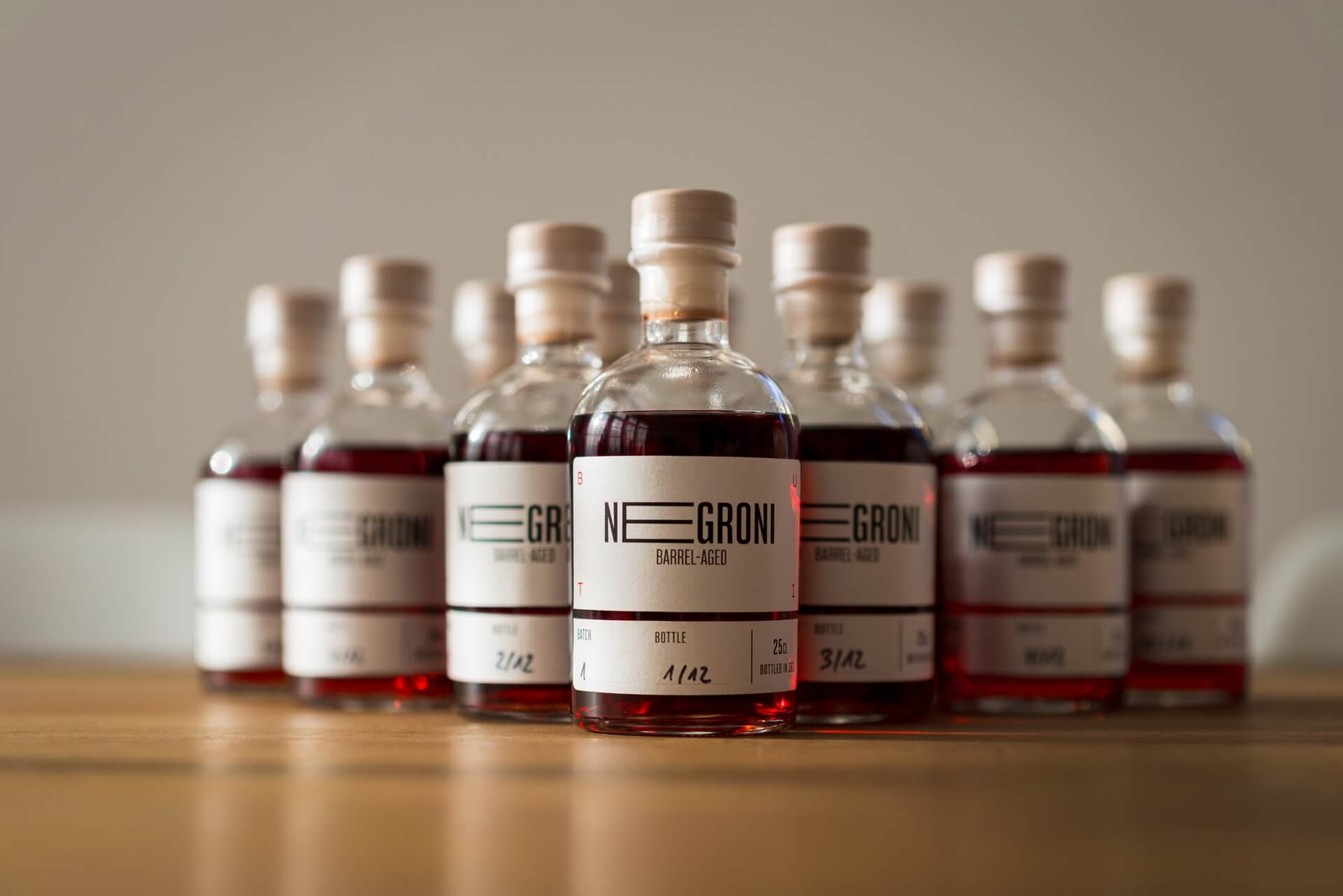
Bottled Negroni mixed drinks and to-go cocktails

We’re still coming to grips with what the industry will look like post-pandemic. One pandemic-driven adaptation is to-go cocktails.

For this article, “cocktails” means mixed drinks specifically, as that is how most jurisdictions are defining such to-go drinks.

In some markets, operators can now offer to-go mixed drinks permanently. Some jurisdictions are offering extensions to temporary sales, while others are considering bills.

The To-Go Pivot

Clearly, our industry responds to guest demands and expectations. And what does today’s guest expect? For their every customized whim to be fulfilled—conveniently.

Therefore, it only makes sense that operators constantly adapt to encourage guest loyalty (as far as that’s possible).

People are itching to get out more, impatient to return to their pre-pandemic lives. Even so, the convenience of drinking and dining at home appeals to large swaths of the public.

Of course, it’s not just convenient.

Providing guests the choice to enjoy a restaurant or bar’s F&B offerings and semblance of their unique experience at home—including cocktails—is also about safety and comfort levels.

Obviously, we want guests to be able to comfortably and safely gather in restaurants, bars, hotels, and every other type of hospitality venue. That’s a given.

However, if some people are more comfortable at home for now, operators in a position to meet guests where they are to generate revenue should do so.

Lawmakers Respond

Carryout and delivery beer and wine sales have been legal for some time in many states. Mixed drinks, not so much.

The rules addressing “to-go” cocktails (carryout and delivery are more accurate) were relaxed in several markets in response to indoor dining bans and shutdowns.

However, “loose” laws aren’t permanent changes. Some jurisdictions will eventually rescind their relaxed approach and ban to-go cocktails unless specific legislation passes.

Iowa is the first American state to legalize to-go cocktails permanently. The vote was unanimous in the Iowa House and nearly so in the Iowa Senate.

Operators in Canada or America who intend to sell to-go cocktails must be aware of their jurisdiction’s specific rules, including but not limited to packaging requirements, volume restrictions, food sale components, and transportation laws.

Canada: Delivery and Carryout Rules

Currently, KRG Hospitality operates in Alberta, British Columbia, and Ontario for the Canadian market. Therefore, we’re focusing on those provinces for this article.

Alberta

While packaged, unopened liquor may be sold for off-site consumption, pre-made cocktails may not. Food sales must accompany liquor sales.

British Columbia

The province’s approach to liquor sales for delivery and carryout are the same as Alberta’s. Operators can’t sell to-go mixed drinks.

Ontario

Restaurants and bars can sell pre-made cocktails sealed in bottles, cans, and bags. Like the other two provinces, food sales must accompany to-go liquor sales.

America: Permanent, Extended, Up for Consideration

In total, 11 states have made the move to legalize to-go mixed drinks permanently:

  • Arkansas
  • Florida
  • Georgia
  • Iowa
  • Kentucky
  • Montana
  • Ohio
  • Oklahoma
  • Texas
  • West Virginia
  • Wisconsin

Others have introduced bills to make to-go cocktails legal permanently:

  • Arizona
  • California
  • Kansas
  • Minnesota
  • Missouri
  • Nebraska
  • New Hampshire
  • New Jersey
  • New York
  • Oregon
  • Pennsylvania

A handful have extended to-go cocktails until at least 2022:

  • Delaware (March 2022)
  • Illinois (2024)
  • Maine (September 2022)
  • Virginia (July 2022)
  • Washington (July 2023)

Image: Jonas Tebbe on Unsplash

by krghospitality krghospitality No Comments

What in the CDC Guidance…?

What in the CDC Guidance…?

by David Klemt

Red neon sign question mark

The Centers for Disease Control and Prevention is once again offering Covid-19 guidance and this time it’s taking a sharp turn.

One big takeaway is that nobody was really expecting the agency’s abrupt and surprising advice.

Also, the CDC’s updates are confusing a lot of people. So much so, in fact, that the agency is “shaking up” communications personnel.

Changing Guidelines

Clearly, the CDC’s statements toward the end of last week are shocking. The agency caught states and businesses completely off guard.

Business owners, workers and the public are unsure how to interpret the CDC’s new advice. Unfortunately, that seems to indicate that perhaps the agency didn’t take the time to really dial in their message before addressing the nation.

We’ve dealt with constant shifts in guidance for more than a year now. There’s little wonder that so many Americans are experiencing Covid-19 fatigue and skepticism.

It’s fair to say that when the CDC announced updated guidelines last week, people threw their hands up in frustration.

Obviously, the messaging was haphazard since so many attempts at clarification have taken place over the course of just a few days.

So, what’s the agency saying now?

Vague at Best

Last Thursday, Dr. Rochelle Walensky, the current CDC director, said this:

“Anyone who is fully vaccinated can participate in indoor and outdoor activities, large or small, without wearing a mask or physical distancing. If you are fully vaccinated, you can start doing the things that you had stopped doing because of the pandemic.”

Which, okay—great. Seems like a simple bit of direction, right?

Obviously, no—not that simple. Yesterday, Dr. Walensky had to clarify the CDC’s newest guidance:

“This is not permission for widespread removal of masks. We were going to get to the point in the pandemic where the vaccinated could take off their masks.”

The Details, Kinda

In short, the new advice is aimed toward those who are fully vaccinated. To review, a person is considered to be fully vaccinated:

  • two weeks after receiving the second dose of a two-dose regimen (Pfizer, Moderna); or
  • two weeks after receiving a dose of a one-dose vaccine (Johnson & Johnson).

Last week, Dr. Walensky said that fully vaccinated people no longer needed to wear masks or practice social distancing outdoors or indoors. Of course, caveats followed immediately, leading many people to criticize the guidance as vague and, to put it bluntly, unhelpful.

The caveats? The fully vaccinated should still wear masks in crowded settings like airports, airplanes, buses and other public transportation, hospitals, homeless shelters. Also, they should continue following the guidance of their employers and local businesses.

Sifting Through the Confusion

In a nutshell, what the CDC is saying is that fully vaccinated people can return to a semblance of their normal pre-pandemic lives.

This is likely an attempt, however slap-dash or ham-fisted, to incentivize the unvaccinated to get their shots. It’s also probably another attempt at rebooting the economy.

One problem with this new guidance is that it’s vague. People still have questions, and the CDC appears to be fine with deferring to business owners. That means, once again, front-line workers have to police mask wearing and social distancing.

Our industry has been forced to shove staff into awkward and hostile situations and confrontations for over a year now. Shifting guidance and recommendations routinely give short shrift to this facet of working during the pandemic.

Another problem with the CDC’s latest guidance? We have no way of knowing who’s actually vaccinated. Because of this, many business owners are keeping mask and social distancing rules in place to protect their staff and guests. This is no doubt already leading to uncomfortable confrontations.

Staff who can’t get vaccinated for medical or religious reasons are also now being put at risk. Since we’re relying on the “honor system” regarding mask wearing and distancing, unvaccinated workers face greater risk of exposure from unvaccinated guests.

Lack of Industry-specific Guidance

We’re still learning about Covid-19. We’re still attempting to figure out best practices. And we’re still balancing the need to keep businesses open while protecting workers and the public.

But the CDC’s latest guidance isn’t helpful. Essentially, the agency is putting the onus of their recommendations on business owners and state and local policymakers. And, of course, the CDC hasn’t put forth specific guidance for restaurants, bars and other hospitality industry businesses.

The National Restaurant Association responded to the CDC’s update by saying that “restaurant operators have the option of determining how best to enforce the new guidance,” and that they wouldn’t be updating their own Covid-19 Operating Guidance just yet. Also, the NRA stated that operators would be wise to continue to work with state and local regulatory bodies to avoid falling afoul of any mandates.

Next Steps

Operators will now have to review their Covid-19 protocols, the guidance and rules in place in their local jurisdictions, and determine what’s required and what’s best for their staff. They should also consider doing the following:

  • Inform staff about mask, social distancing, and other Covid-19 protocols, whether they’re being kept in place, adjusted or rescinded.
  • Ask staff about their comfort levels in terms of serving guests who aren’t required to wear masks at all during their visits. It’s not just guest comfort that’s important.
  • Owners and managers need to let staff know they have their backs if they’ll be enforcing protocols.
  • Ownership and management must provethey’re backing up their teams. If operators think they’re facing labor challenges now, they’ll struggle even harder if they fail to back up workers who are tasked with informing guests that Covid protocols are in place.
  • Operators should make their protocols known—if they’re still in place—on social, their websites, via email, and in-person so there are no surprises when guests arrive.

Once again, business owners are left to deal with the aftermath of the CDC’s “recommendations.” Now more than ever, guest-facing staff need to be supported.

Image: Simone Secci on Unsplash
by David Klemt David Klemt No Comments

Tell the Government to Refill the RRF

Tell the Government to Refill the RRF

by David Klemt

Piggy bank wearing a face mask

The National Restaurant Association is urging restaurant, bar and other hospitality operators to sign a Restaurant Revitalization Fund petition.

Put concisely, the NRA’s petition asks the federal government to replenish the RRF.

Grants are going out and there’s no guarantee the $28.6 billion fund is enough for every eligible business. Therefore, the NRA is calling for more funds.

The Petition

Now, there is good news regarding the RRF. Per the Small Business Administration, 21,000 applicants have received $2.7 billion in grants.

However, when one considers that well over 180,000 grant applications were submitted within the first 48 hours, the $28.6 billion will more than likely run out before every eligible business receives a grant. The first 16,000 grants alone total $2 billion.

According to one source, priority applications carry a value of approximately $29 billion. Obviously, that’s more money than is in the fund.

And that’s only the value of applications receiving priority for the first 21 days. Clearly, more funding is necessary.

As the NRA’s petition states, “We are urging policymakers in Washington—from the White House to Capitol Hill—to replenish the RRF to maximize relief for small independent and franchise restaurant operators. Americans can’t wait to get back into their favorite restaurant with their family and friends, and the federal government can play a key role in making that a reality.”

Click here to sign the NRA’s petition. Our industry is the hardest hit by the pandemic and every eligible business deserves funding.

It’s not that this industry isn’t grateful—it’s that hundreds of thousands of businesses are fighting to stay alive. They’ve been doing so for more than a year.

The RRF

The SBA’s RRF portal link is https://restaurants.sba.gov. Alternatively, operations can use a POS that’s an SBA partner to apply. Partner systems include Clover, NCR, Square, and Toast.

According to the SBA website, certain eligible entities will be given priority.

For the first 21 days the application process is open, priority will go to small businesses with a minimum of 51 percent ownership by women, veterans or socially disadvantaged people.

The application process should open to every applicant on Monday, May 24. For more in-depth information, operators can follow the appropriate links to review the Small Business Administration’s RRF program guide and sample application.

Applicants do not need to register with SAM.gov (System for Award Management) or provide DUNS or CAGE identifiers.

To calculate a grant amount, an applicant subtracts 2020 gross receipts from 2019 gross receipts. Applicants must deduct first-draw PPP and second-draw PPP loans. Any economic disaster loans—Economic Injury Disaster Loans, for example—are not RRF deductions.

Again, please click here to sign the NRA’s petition today.

Image: Konstantin Evdokimov on Unsplash

by krghospitality krghospitality No Comments

International Chain Slashes Menu

International Chain Slashes Menu

by David Klemt

Applebee's Grill & Bar casual dining restaurant

If you’re curious as to whether “lean and mean” menus are here to stay as a result of the pandemic, look no further than one international chain.

Moving forward, Applebee’s Grill + Bar menus will be some 60 items lighter.

The chain’s menu will be 38 percent smaller, and the change is permanent.

Significant Overhaul

Of course, it isn’t like the Applebee’s menu is tiny now. At about 100 items, it’s still larger than most independent restaurant menus. For contrast, KRG Hospitality president Doug Radkey, in most cases, recommends 12- to 32-item food menus.

Still, the casual dining chain cutting 60 items permanently is a big move.

The decision is a direct result of the pandemic and the toll it took on Applebee’s and the industry overall. Unfortunately, like many operators big and small, chain and independent, the chain had to furlough staff. Lightening the menu made it easier for the chain to adapt and shift toward takeout and delivery.

Weak performers and complex items that affect efficiency are gone. According to John Cywinski, Applebee’s president, the decision means faster ticket times, more consistency, and better efficiency.

Among the 60 or so items that are no longer available: the triple cheeseburger, clam chowder, and BBQ brisket tacos.

Streamline Summer

The decision to eliminate dozens of complex and lagging items puts Applebee’s in a better position for Summer 2021, potentially.

Speaking with CNN Business, Cywinski said, “The team will have to be very thoughtful about every single product or beverage they introduce, and the consequence of it from a complexity standpoint.”

That thoughtful approach is crucial in large part because of Applebee’s new menu policy: When a new item comes onto the menu, an old item must go.

Accordingly, Applebee’s can remain innovative while avoiding once again inflating their menus.

With demand for social interaction, a return to normalcy, and in-person restaurant and bar visits set to explode, Applebee’s finds itself with a menu that’s nearly 40-percent smaller. That should make it simpler for the chain’s restaurant and bar teams to fill orders quickly, efficiently, and consistently.

Menu Refresh

Every operator needs to know their numbers. That doesn’t just mean costs and inventory, by the way.

Do you know the cook times for each food item on your menu? Do you know how many dishes you can make with a given ingredient? Is thoughtful cross-utilization an important element of your F&B operations?

The answers to those questions can help you identify bottlenecks in your operation and become more agile.

Another important question to consider: Do you know which menu items are your slowest sellers? If you do, answer this: Why are they still on your menu?

When you eliminate an item, yes, some guests will express their disappointment. You’ll have to weigh the costs of keeping a poor performer against freeing up resources by losing an item that rarely sells. You may even identify an item that you personally love but just doesn’t move. Again, you have to do what’s best for your bottom line.

You may not have 160 items on your menu. You may not have 100. That doesn’t mean you don’t have at least a handful of items that you can eliminate to reduce costs and increase revenue.

Image: Applebee’s Grill + Bar

by David Klemt David Klemt No Comments

Can You Fire Staff for Refusing Vaccine?

Can You Fire Staff for Refusing Vaccine?

by David Klemt

Covid-19 vaccine vials

Can an employer terminate a staff member’s employment for refusing the Covid-19 vaccine? Current court cases seek an answer to that question.

Conversely, there are bills up for consideration in some states that aim to ban vaccine mandates.

Therefore, the current answer to the question of whether employer vaccine mandates are legal isn’t clear, yet.

It’s also important to note that this question is up for legal examination in Canada and America.

Are Employers Really Mandating Vaccines?

Of course. Well, some are. And it’s bound to continue until the question has been tested in court.

Looking at Canada, Ontario’s Ministry of Labour says employers can, in fact, make vaccines mandatory. They can also (for now, at least) demand proof of vaccination from their employees. Failing to answer the question or lying about can result in an employee losing their job.

However, the ministry acknowledges that legal and ethical issues come hand in hand with blanket vaccination mandates.

In America, the issue is no less thorny, to put it mildly.

Per a survey by Arizona State University and the Rockefeller Foundation, almost 90 percent of employers in the USA (and UK) have plans to “encourage or require vaccination for employees.”

Encouraging, of course, stands in stark contrast to requiring in a legal, ethical and moral sense.

That same survey suggests that most US employers—two-thirds—plan to use vaccination incentives rather than mandates. However, 44 percent say they’ll implement mandates if incentives don’t work. Just one-third of survey respondents say they don’t intend to require vaccinations as a term of employment.

Legal Challenges

Vaccine requirements and credentials (“vaccine passports”) have been banned in Arizona, Florida, Idaho, Montana, Texas and South Dakota.

Bills have been introduced in at least half of American states that seek to “limit mandatory COVID-19 vaccines,” per the National Conference of State Legislatures.

Lawsuits have been filed by workers in various industries in several states, including New Mexico and California.

It’s likely just a matter of time until the Supreme Court of the United States is at least asked to settle the matter of vaccine mandates.

Currently, attorneys and agencies say that employers need to inform employees of the consequences for refusing Covid-19 vaccination, including loss of employment; put a vaccination policy in place and communicate it with all employees; and include religious and medical exemptions.

That said, this matter is a long way from settled.

Could vs. Should

One thing is clear: It’s not clear yet whether employers can terminate employees for refusing vaccination. We can expect a flurry of lawsuits either way.

However, it’s important that operators realize this isn’t solely a legal question. This is in no small part a leadership question, and it’s a tough one.

As the saying goes, just because you can, doesn’t mean you should.

Operators must consider the ramifications of vaccine mandates. Moving forward, some guests may only support businesses that require vaccination for staff. Conversely, some guests may find such a requirement discriminatory and offensive, and they may boycott businesses with vaccine mandates.

It’s a difficult position for operators and staff. Our industry puts employees and the public in direct, close contact with each other. Team members are likewise in very close quarters. Close interactions for prolonged periods can spread any number of viruses, not just Covid-19.

The instinct to protect staff, their family and friends, and the public is common among operators. The past twelve-plus months have strengthened that resolve.

Incentivizing Instead

Requiring vaccination may exacerbate the current labor shortage.

Yes, there are some employees and potential new hires who will feel more comfortable knowing their coworkers have been vaccinated. However, there are also people who will refuse to work for an employer who requires vaccination. A mandate could damage recruiting severely as word gets around.

It’s reasonable to suggest that operators are best off implementing a vaccination incentive program rather than a mandate. Most people would likely agree that encouragement rather than requirement, at least regarding this topic, shows greater emotional intelligence, a cornerstone of leadership.

The CEO of the Cosmopolitan of Las Vegas reportedly hit their minimum goal of an 80-percent vaccination rate among staff last week. The resort’s incentive program offered bonus payments (among other incentives) for vaccinated employees set up in tiers:

  • 60 Percent Vaccination Rate: $50
  • 70 Percent Vaccination Rate: $100
  • 80 Percent Vaccination Rate: $250
  • 90 Percent Vaccination Rate: $350
  • 100 Percent Vaccination Rate: $500

That program helped the company hit their goal in just a few weeks. Operators can certainly use the Cosmo as a model for encouraging vaccinations instead of requiring them. Ultimately, the choice is up to the individual operator. It isn’t an easy one.

Disclaimer

This content is for informational purposes only, and should not be used as legal or other advice. This article does not constitute legal advice, nor does any information constitute a comprehensive or complete statement of the matters discussed or the law. This information is of a general nature and does not address the circumstances of a specific individual or entity. The reader of this information alone assumes the sole responsibility of evaluating the merits and risks associated with the use of any information before making any decisions based on such information.

Image: Braňo on Unsplash

by David Klemt David Klemt No Comments

Which States are Reopening this Summer?

Which States are Reopening this Summer?

by David Klemt

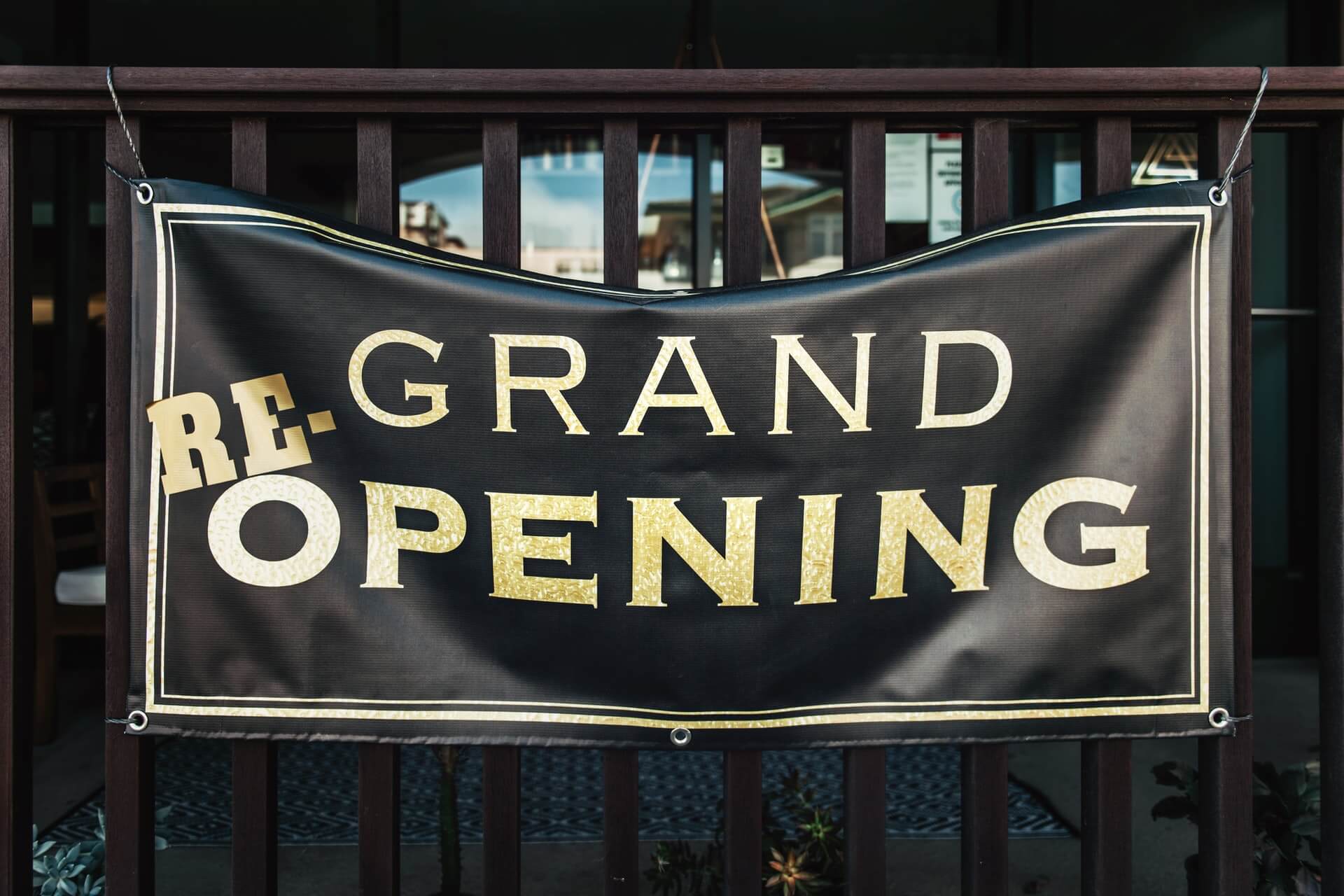
Grand re-opening sign

Around one-third of America’s population is vaccinated fully and some states are easing restrictions.

Per the CDC, not exactly America’s favorite agency, more than 40 percent of Americans have received one Covid-19 vaccine shot. Just over 30 percent have completed the vaccine process.

So, which states are planning to reopen fully for Summer 2021? We have a list of some of the states that have made their plans to reopen 100 percent known so far.

California

The Golden State plans to reopen fully on June 15. According to doctors at the University of California San Francisco, the state is nearing herd immunity. However, Governor Gavin Newsom’s target date relies on two criteria:

  • Vaccine supply must be sufficient enough “for Californians 16 years and older who wish to” receive inoculation.
  • Hospitalization rates must remain low and stable.

Illinois

Per Mayor Lori Lightfoot, the plan is for the city of Chicago to be open 100 percent by July 4. Of course, that means reopening fully right in time for one of the biggest celebratory holidays of the year. However, Governor J.B. Pritzker says Illinois could reopen in as early as the start or middle of June.

Nevada

Governor Steve Sisolak plans for Nevada to reopen fully on June 1. That said, casinos in the Silver State have a slightly different timeline. With the exception of nightclubs, dayclubs and live performances, casinos will open 100 percent June 4 if all requirements are met.

New York

According to Mayor Bill de Blasio, the plan is to reopen New York City on July 1. Governor Andrew Cuomo hopes to reopen New York State fully before that date.

Texas

Governor Greg Abbott opened the state 100 percent back in March. However, judges in the state’s 22 counties still have the authority to impose Covid-19 mitigation strategies. Hospitalization rates in a particular county rising above 15-percent hospital bed capacity for seven days would be a triggering event.

As the vaccine rollout continues, it’s likely we’ll see more states announce Summer 2021 reopening plans. Still, operators should proceed with caution and remain in compliance with state, county and local Covid-19 rules. This is, after all, a fluid situation.

There’s light at the end of the tunnel but now’s not the time to be complacent.

Image: Tim Mossholder on Unsplash

by David Klemt David Klemt No Comments

5 Books to Read this Month: May

5 Books to Read this Month: May

by David Klemt

Flipping through an open book

This month’s fun and informative book selections will help you develop next-level culinary, beverage and leadership skills.

To review last month’s book recommendations, click here.

Let’s dive in!

Trejo’s Tacos: Recipes and Stories from L.A.

Who doesn’t love Danny Trejo? His story is inspiring, his IMDB page is full of memorable characters, and he’s got fast-casual restaurants and a coffee shop. Trejo’s cookbook features 75 recipes and tons of insight into the man himself.

Which Fork Do I Use with My Bourbon?

Learn how to organize and execute an awesome tasting from Peggy Noe Stevens, the first female master bourbon taster in the world and founder of the Bourbon Women Association, and Susan Reigler, a prolific bourbon correspondent and author. Which Fork Do I Use with My Bourbon? includes tips, recipes and more for pulling off a great bourbon-centric event.

Zero: A New Approach to Non-Alcoholic Drinks

From the unique minds behind the ultra-creative Aviary cocktail bar comes Zero. If you’re looking to elevate your non-alcohol menu and approach to creating zero-proof drinks, this is the book for you. In addition to about 100 recipes, this book shares insights into Chef Grant Achatz’s culinary approach to cocktails, whether low-, zero- or full-proof.

Finding Fire: Cooking at its Most Elemental

Like Bar Hacks podcast guest Chef Brian Duffy said on episode 33, we’re fully in a comfort food zone. We’re also back to the fundamentals and simple techniques. When it comes to cooking, nothing is more fundamental than using fire. Chef Lennox Hastie dives deep into cooking with fire and provides 80 recipes in Finding Fire.

How to Listen with Intention

There’s a misconception among many business owners and managers that leadership is just delegating and issuing orders. Too many people forget that listening is a key element of leadership. Patrick King’s book How to Listen with Intention aims to change our mindset so we view listening as a superpower.

Image: Mikołaj on Unsplash 

by David Klemt David Klemt No Comments

Stand Out with Weird Holidays: May

Stand Out with Weird Holidays: May

by David Klemt

Stay Weird neon sign with purple background

Want to stand out from from other restaurants and bars in your area? Then commit to keeping it weird.

Several “holidays” are set against every date on the calendar, and May is no exception. These holidays range from mainstream to food-centric to weird.

Focus on the latter to raise eyebrows, carve out a niche for your restaurant or bar, and attract more guests. Why do what everyone else is already doing?

Of course, you shouldn’t try to celebrate every holiday, weird or otherwise. And this month’s list in no way includes every odd holiday.

Focus on the days that are authentic to your brand; resonate with your guests; and help you grab attention on social media.

For last month’s list, click here.

May 5: National Totally Chipotle Day

It’s not just Cinco de Mayo today, it’s National Totally Chipotle Day! Two guesses as to what pepper this holiday celebrates…

May 6: World Password Day

This holiday exists to encourage people to consider their privacy and make sure their passwords are secure. Of course, operators can make this holiday more fun than mundane. One simple way is to come up with and share a password guests can use for food or drink specials. Speakeasy operators, today’s your day!

May 9: National Sleepover Day

What pairs well with sleepovers? Food, drinks, pajamas and movies. And what pairs well with warming weather and the comfort levels of today’s guests? Patios and other outdoor areas. Show a movie outside, encourage pajamas, create fun and comforting F&B offerings… This is a fun one.

May 20: National Pick Strawberries Day

The perfect day to feature cocktails that call for strawberry garnishes. And if there was ever a holiday practically built for featuring Snoop Dogg‘s new strawberry-flavored Indoggo Gin, this is it.

May 21: National Bike to Work Day

As the story goes, the radler was invented in the 1920s by a Bavarian tavern owner. A group of cyclists stopped by looking to quench their thirsts with beer. The tavern owner didn’t have enough, so he added sparkling lemonade to his kegs. Eurkea, the radler was born.

This is the perfect day to pay homage to the radler and reward people for biking to work.

May 22: National Craft Distillery Day

One of the best days to program promotions around local and hyper-local spirits.

May 25: National Brown-Bag It Day

Looking for a simple and fun way to celebrate this weird holiday? Offer a special featuring tall boys served in brown paper bags along with hangover-curing comfort foods.

May 30: National Creativity Day

I mean…what a blank canvas! This is the day to execute your most creative promotions. Ask your team members for their most creative ideas to boost staff engagement.

Image: Dan Parlante on Unsplash

by David Klemt David Klemt No Comments

Summer Stimmy, Hot Vax Summer

Summer Stimmy, Hot Vax Summer

by David Klemt

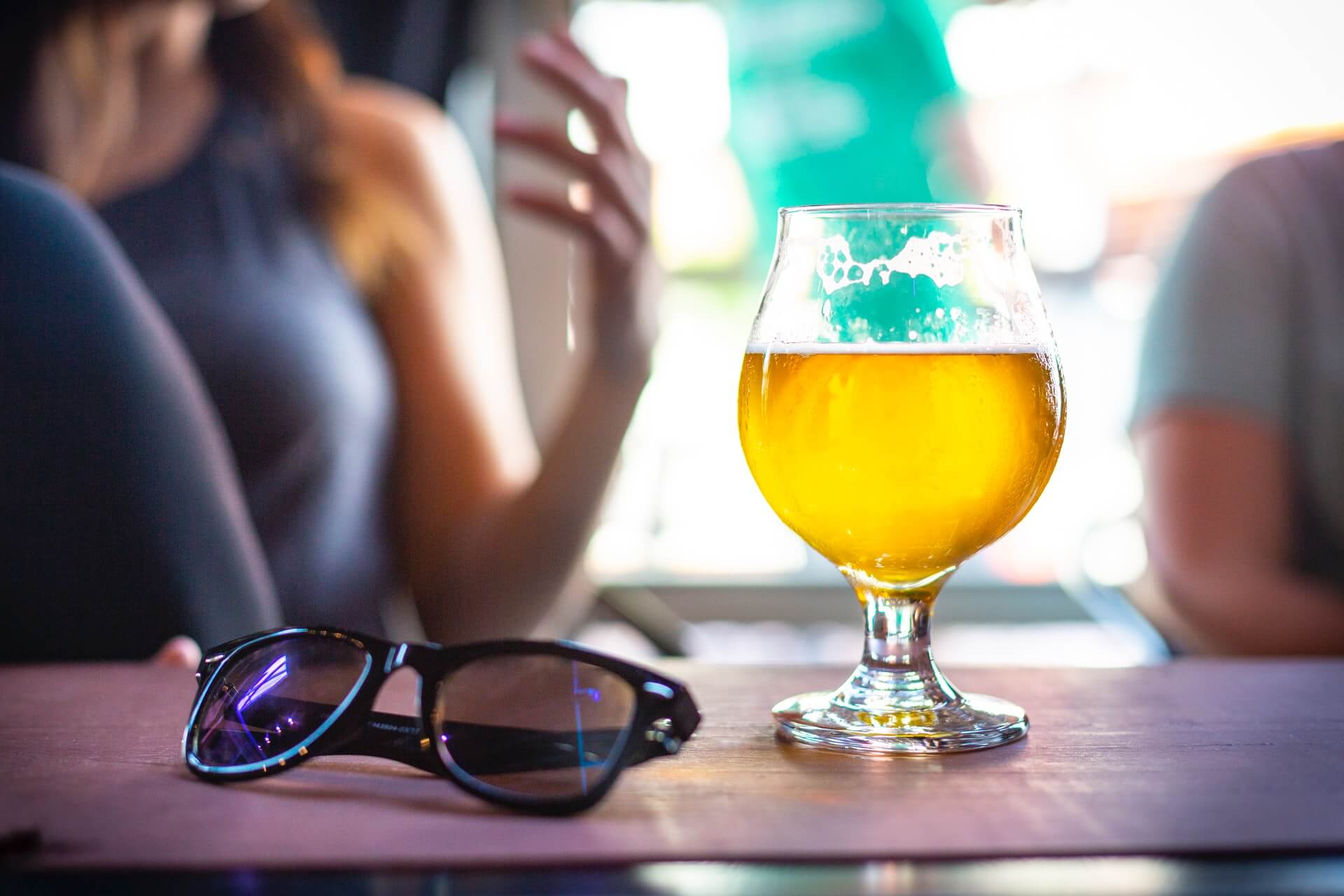
Sunglasses and beer on table at a bar

When considering event programming, operators should consider the zeitgeist of the current era in which we find ourselves.

Big brands monitor and leverage the cultural climate of a given time.

Operators can do the same, as long as they embrace authenticity, show a sense of humor, and avoid disrespect and appropriation.

Here are a couple examples operators can use for Summer 2021.

Summer Stimmy

Bud Light is tapping into America’s federal response to the pandemic—stimulus checks, to be exact—with creativity and a sense of humor.

Is it too soon? It doesn’t seem so—the levity is a welcome respite.

For all intents and purposes, it appears Bud Light is leaning heavier into the creative and promotional aspect than just humor.

Bud Light’s Summer Stimmy is a proposal to “make Summer 2021 even awesomer for people across America.”

The brand explains each “proposal” item as though they’re components of a bill up for consideration. For example, Part I, Section 1 of the Bud Light Summer Stimmy proposal carries the subtitle “Tons of Tix.” Bud Light proposes to give away 100,000 tickets for MLB, NBA, NFL, NHL, NWSL and WNBA events.

Part I, Section 2, More Awesomeness, proposes the nomination of Rob “Gronk” Gronkowski as Secretary of Summer. Additionally, the section proposes May 14 as National Gronk Day, his birthday.

Of course, Bud Light owns the term Summer Stimmy now. However, clever operators can get in on the fun (and profits) through their Bud Light rep. Or, they can get creative and come up with their own Summer 2021 promotions that leverage pent-up demand.

Hot Vax Summer

Even though it seems like forever ago, who can forget 2019 and Hot Girl Summer?

Megan Thee Stallion, one half of the infamous “WAP” duo, gets the credit for coining the phrase and creating the movement.

The “rules” for Hot Summer were simple: Women and men just needed to be “unapologetically them,” make having a good time a priority, and be free.

We all know what happened in 2020. There certainly wasn’t a Hot Girl Summer, Part Two.

Meeting new people, dating, hooking up… For the most part, none of that happened without Covid-19 tests and quarantining. That is, if those activities occurred at all.

But now we have multiple vaccines: Pfizer, Moderna, and Johnson & Johnson. AstraZeneca and Novavax have yet to be authorized by the FDA.

So, what are the Hot Vax Summer rules? Pretty simple: Get vaccinated (fully), get back out there to meet, interact and hook up.

And where do people tend to go to meet others? Restaurants, bars, nightclubs and dayclubs.

Whether to confidently and comfortably meet friends they haven’t seen for several months, make new friends, or kickstart dating, our businesses are where people want to be.

Operators need to ensure their venues are ready for the initial crush of guests clamoring to finally reclaim their social and romantic lives. So, prepare your outdoor areas; make sure indoor areas meet guest expectations for comfort so they can interact freely; and ensure your staff is ready for the welcome onslaught of eager guests.

Image: Photo by Drew Beamer on Unsplash

by David Klemt David Klemt No Comments

Reverse Cocktails for Lower ABV Sips

Reverse Cocktails for Lower ABV Sips

by David Klemt

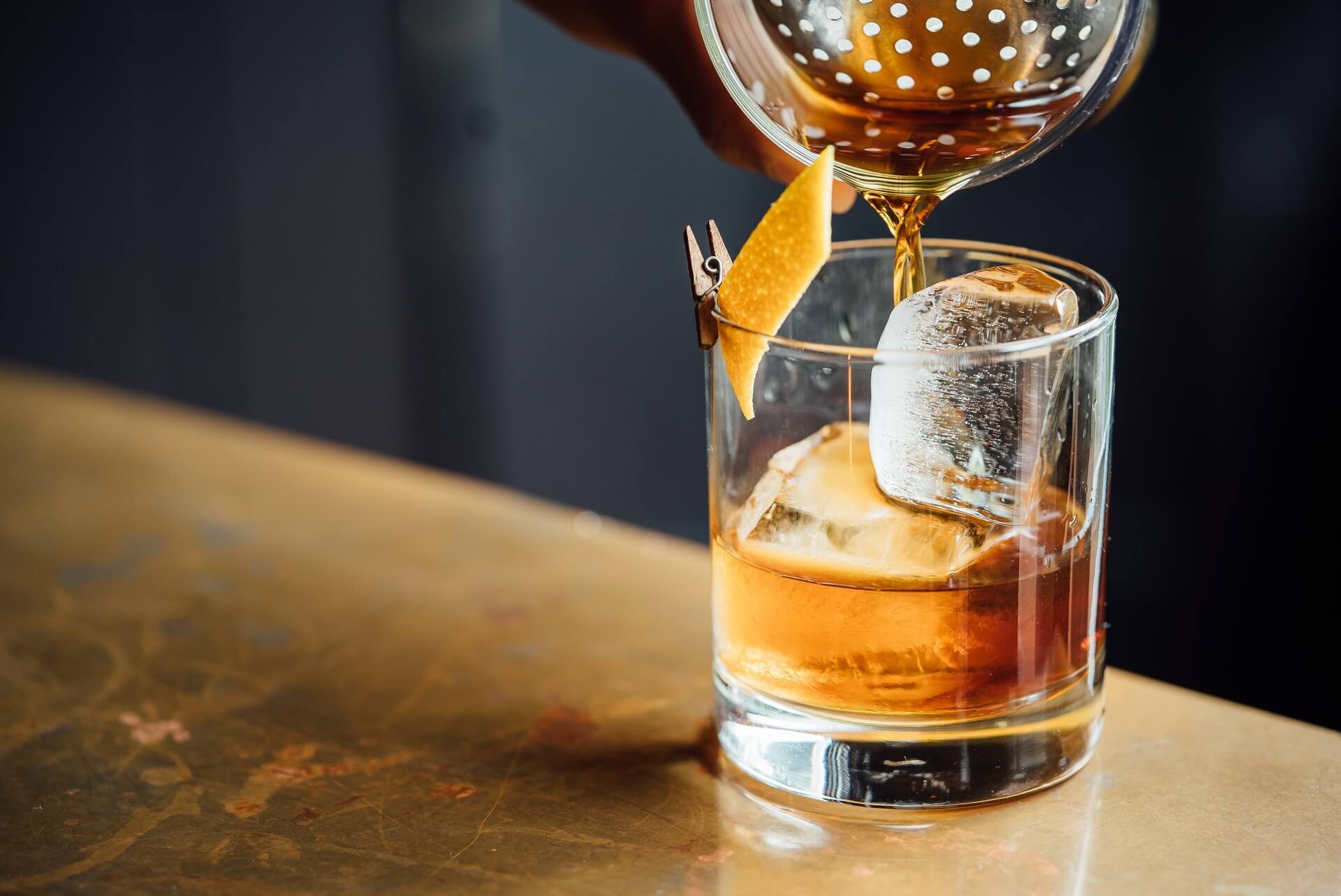
Straining a cocktail into a rocks glass over ice cubes

A simple and creative way to add low-proof drinks to a menu is to offer reverse cocktails.

As a concept, reverse cocktails are simple to understand. However, they’re also a great way to engage the bar team.

Better still, they offer guests looking to enjoy less-spirited drinks a real cocktail experience.

What’s a Reverse Cocktail?

Essentially, a reverse cocktail is exactly what it sounds like. Let’s use the classic Martini as an example.

Say your classic recipe calls for two ounces of gin, a half-ounce of sweet vermouth, and a dash of orange bitters. To build the Reverse Martini, half the gin, quadruple the sweet vermouth, and keep the bitters the same.

That’s a quick and dirty example. You and your bar team will want to play with your recipes—different vermouths and gins will deliver differing results.

Vermouths, amaros, and low-proof aperitifs are ideal for building reverse cocktails and expanding your cocktail program.

What’s the Point?

Reverse cocktails lower the ABV in comparison to their standard, boozier counterparts.

Michael Toscano, Woodford Reserve brand ambassador and Bar Hacks podcast guest, thinks many people are looking to slow down their alcohol intake. Home bartenders, if reports are accurate, have been pouring spirits generously during the pandemic. When they get out, they may be after lower-proof sips.

A reverse cocktail is a creative solution to enjoying cocktails in a new way with less alcohol.

Of course, they also offer operators a new guest experience. A menu section with the title “Reverse Cocktails” is likely to spark some guest interest and questions. Also, such drinks are a great way to refresh drink menus and move some inventory.

There’s also the fact that reverse cocktails give guests seeking low-ABV sips the full cocktail experience—there’s no risk of alienating them.

Image: Adam Jaime on Unsplash

by David Klemt David Klemt No Comments

Canadian Hospitality Needs Real Help

Canadian Hospitality Needs Real Help

by David Klemt

Man in empty restaurant and bar in Ottawa, Ontario, Canada

Restaurants, bars and other foodservice establishments throughout Canada need specific relief to survive, replace lost jobs, and return to profitability.

The seemingly endless and severe provincial restrictions is putting far too much strain on a struggling industry.

Yes, there are some federal provisions in place. No, they’re not enough.

Relief Efforts

Currently, the federal budget promises extensions for wage and rent subsidies. Those subsidies would extend to September 25, 2021.

However, most Canadians, per a Restaurants Canada survey, agree that the industry needs more help.

If additional industry-specific relief faces significant delays or doesn’t come at all, operators, employees, and their families will suffer.

No wonder, then, that 90 percent of Canadians (according to the Restaurants Canada survey) feel restaurants and bars need federal support to remain in business and continue paying staff.

Support Proposals

Of the approximately 98,000 foodservice establishments throughout Canada, about 10,000 are out of business. As of last month, 319,000 lost foodservice jobs had yet to be filled.

No other industry in Canada is facing such startling numbers. Add to that the fact that the industry contributes to four percent of Canada’s GDP, restaurants are the first employers for most Canadians, women comprise nearly 60 percent of the restaurant workforce, and visible minorities comprise over 30 percent of ownership and labor, and the situation grows even starker.

Clearly, industry-specific relief is necessary.

Restaurants Canada is campaigning for the following measures:

  • Extend the wage and rent subsidies through April 2022.
  • Develop subsidy requirements that more closely match the dire reality the industry continues to face.
  • Implement an employee retention and retraining credit to defray Covid-19 protocol costs.
  • Partial forgiveness for all government-backed loans.
  • Removal of merchant fees from the tax portion of restaurant bills.
  • Restore the meals and expenses to 100 percent on a temporary basis.
  • Develop and implement a culinary tourism incentive for the 2020 and 2021 tax years, using New Brunswick as a model.
  • Implement a rebate program that provides government reimbursement of $15 per person, per meal.
  • Freeze the Excise Act, including Excise Act 2021.

Act Now

It took more than a year but the industry and its supporters in America helped bring about meaningful change for restaurants, bars, and other hospitality venues.

The same can be done in Canada, and time is of the essence.

For example, the Restaurant Revival Working Group is a good start for effecting change. The group consists of government and industry representatives.

Click here to review the list of Restaurant Revival Working Group members, particularly those in government, so you can contact them.

Image: Tyler Farmer on Unsplash

by David Klemt David Klemt No Comments

RRF Applications Open Monday

RRF Applications Open Monday

by David Klemt

Modern neon sign hanging in window

In long overdue but very welcome news, the Small Business Administration’s RRF portal opens to accept applications on Monday.

Operators and business owners will be able to register this Friday, April 30.

We definitely recommend doing so to make the application process simpler and (hopefully) less frustrating on Monday, May 3.

What You Need to Know

Mainly, the following: The SBA’s RRF portal link is https://restaurants.sba.gov. It would probably be a good idea to go ahead and bookmark that site now.

Alternately, operators using an SBA POS partner to apply. Partner systems include Clover, NCR, Square, and Toast.

Per the SBA, operators will be able to register via the website beginning at 9:00 AM EST on Friday. Again, it would be wise to plan on doing exactly that.

Anything that can be done to speed up the application process opening Monday should be done.

According to the SBA website, certain eligible entities will be given priority. For the first 21 days the application process is open, priority will be granted to small businesses with a minimum of 51 percent ownership by women, veterans or socially disadvantaged people.

However, all eligible owners and operators should register on Friday and apply on Monday. Doing should, in theory, help applicants secure their grants in a more timely manner.

RRF Preparation

The SBA’s Restaurant Revitalization Fund portal opens at noon ET on Monday. It’s best to prepare as much as possible as it’s likely applicants may find themselves in a queue depending upon traffic.

Operators can calculate their grant amounts with the following equations for applicants:

  • in operation prior to or on January 1, 2019: 2019 gross receipts minus 2020 gross receipts minus PPP loan amounts.
  • that began operations partially through 2019: (Average 2019 monthly gross receipts x 12) minus 2020 gross receipts minus PPP loan amounts.
  • who began operations on or between January 1, 2020 and March 10, 2021: Amount spent on eligible expenses between February 15, 2020 and March 11, 2021 minus 2020 gross receipts minus 2021 gross receipts (through March 11, 2021) minus PPP loan amounts
  • not yet opened but have incurred eligible expenses: Amount spent on eligible expenses between February 15, 2020 and March 11, 2021 minus 2020 gross receipts minus 2021 gross receipts (through March 11, 2021) minus PPP loan amounts

Note: Entities who began operations partially through 2019 may elect, at their own discretion, to use either calculation two, three or four above.

For further guidance and to prepare as much as possible, please click here for the SBA’s RRF guide, and click here to review the sample application.

The Independent Restaurant Coalition also has a handy checklist posted to Instagram:

Good luck!

Image: Prateek Katyal on Unsplash

by David Klemt David Klemt No Comments

2021 Kentucky Derby Drink Recipes

2021 Kentucky Derby Drink Recipes

by David Klemt

Woodford Spire Kentucky Derby cocktail

The 2021 Kentucky Derby takes place this Saturday, May 1. These cool drinks are perfect for the hottest two minutes in sports.

This year, the unbeaten Essential Quality is the favorite to win the 147th Run for the Roses. Hot Rod Charlie, Rock Your World, and Medina Spirit are also in consideration.

Personally, given the subject of this article—bourbon cocktails—we’d like to see Bourbonic take the first race in the Triple Crown.

Since Woodford Reserve is the official Presenting Sponsor of the Kentucky Derby, you can’t go wrong with the Woodford cocktails below.

Of course, the 2021 Woodford Reserve Derby Bottle makes these Derby drinks taste that much better.

Cheers!

Woodford Mint Julep

Recipe courtesy of Woodford Reserve

This is the traditional Derby Day cocktail. Churchill Downs will be pouring gallons of this classic.

Express the essential oils in the mint and rub them inside the glass (or a Julep cup, ideally). Add simple syrup, bourbon, and crushed ice. Stir, then garnish with more ice, fresh mint, and powdered sugar.

Mint Julep made with Woodford Reserve by Michael Toscano

NYC Mint Julep

Recipe by Michael Toscano, Woodford Reserve Brand Ambassador

As loyal Bar Hacks podcast listeners may already know, Michael Toscano knows his way around an irresistible Mint Julep. When you’re done with this article, click here to listen to Episode 32 of Bar Hacks with Toscano.

Muddle six blackberries with simple syrup and a healthy bunch of mint leaves (eight to ten). Add two ounces of Woodford Reserve Bourbon and fill the Julep cup with crushed ice. Stir and lift ice until the Julep cup is frosted. Garnish with two blackberries and a fresh sprig of mint.

Note: To build this cocktail precisely as Michael recommends on our podcast, add 1.5 ounces of Woodford to the Julep cup over crushed ice. Add more ice to create a mound on top of the cup, then float the remaining half-ounce of bourbon. Finish with a healthy dusting of powdered sugar and either nutmeg of powdered chocolate.

Woodford Spire Kentucky Derby cocktail

Woodford Spire

Recipe courtesy of Woodford Reserve

Some people may not know that this is the Official Cocktail of the Kentucky Derby. Most assume that title goes to the Mint Julep.

In a mixing glass, mix Woodford Reserve, lemonade and cranberry juice with a bar spoon. Pour into a copper cup, add crushed ice to the top of the glass, and serve with a lemon twist.

Zero-proof Woodford Spire

Recipe courtesy of Woodford Reserve

Those choosing to enjoy Kentucky Derby festivities without alcohol will appreciate this refreshing drink.

  • 2 parts Lemonade
  • 2 parts Unsweetened iced tea
  • 1 part Cranberry juice
  • Lemon twist to garnish
  • Crushed ice

Prepare and serve the same as the full-proof Spire.

Images: Woodford Reserve / Brown-Forman

by David Klemt David Klemt No Comments

The Reality of Hiring Right Now

The Reality of Hiring Right Now

by David Klemt

Help Wanted sign taped in window

Operators can add recruitment, hiring and retention among to the growing list of challenges they’re facing due to the pandemic.

Labor struggles aren’t exactly a shock to the hospitality industry.

However, the speed with which the many stark predictions of labor shortages and challenges across North America has caught some by surprise.

Outlook: Brutal

Fast-casual to fine dining. Independent to chain. Regional hospitality group to multi-national powerhouse.

No operator, no concept, no market appears immune to today’s recruitment, hiring or retention challenges.

It’s not the only reason but the federal boost to unemployment is exacerbating the situation. Restaurant operators across America have been reporting that their workers are making more on unemployment than they would make returning to their jobs.

It’s likely the hiring situation won’t improve until the end of August or start of September; the federal boost to unemployment is set to expire on September 6.

Of course, that points to another glaring industry issue: livable wages and benefits.

The pandemic didn’t cause the labor shortage and hiring problem on its own, but it certainly hasn’t helped anything. Some operators throughout North America say they’ve been hunting for workers for all positions for months.

Incentives & Bonuses

Operators are fighting for workers. To many reading this, that’s not a surprise. However, many operators report fighting to even get candidates to show up for interviews.

Famously, one McDonald’s franchisee in Tampa, Florida, is using a $50 incentive for interviews. If a candidate manages to follow through and show up for their interview, they walk away with $50.

During a recent conversation with Chef Brian Duffy (which we’ll be releasing as episode 33 of the Bar Hacks podcast), interview incentives came up. While it’s no $50 bonus just for showing, Chef Duffy has offered candidates free lunch for appearing for their interviews. And yes, he still struggles.

Interestingly, appearance incentives don’t appear to be working. What does appear to be working? Increasing starting wages, referral programs, apply-via-text functionality, and all manner of signing and performance-based bonuses.

The bonuses run the gamut. Show up for all your shifts for three or four months and earn a $500 bonus. Paying down student loans. Fronting the bill for culinary school. One restaurant in Alabama is offering an SUV to their top-performing worker later this year.

In addition to bonuses, wages are seeing a boost. Jobs that would normally start at $12 to $15 per hour are now offering starting wages of $16 to $18 dollars per hour.

No matter how one slices it, the situation leads to cost hikes across the board for operators. When costs increase for operators, prices increase for consumers. Margins shrink, the old cycle continues, the industry struggles.

Reality Check

Now, it’s simple to blame the pandemic for the current situation. To say it’s not a major factor would be incredibly disingenuous.

That said, the struggle to find and keep workers is also a culmination of decades-long, industry-wide problems.

Lack of diversity, inclusion, equality, living wages, opportunities, and transparency; failure to address social issues; inexcusable, threatening, and outright illegal behavior… All of this and much more contributes to the industry’s hiring and retention challenges.

That’s a criminally shallow summary of the situation—I’m well aware. Doug Radkey, president of KRG Hospitality, addresses the need to review and reset the industry in his book Hacking the New Normal. He takes a deep dive into rejecting the status quo in this industry.

My point is that operators can’t blame their woes solely on the pandemic, absolving themselves of responsibility.

Operators must take a hard look at themselves and their operations, and ask difficult questions. Doing so can be uncomfortable. But neither positive change nor growth come from resting in the comfort zone.

Image: Tim Mossholder on Unsplash 

by krghospitality krghospitality No Comments

SBA Releases RRF Guide and Forms

SBA Releases RRF Guide and Forms

by David Klemt

"This is the sign you've been looking for" white neon sign on brick wall

Operators in the United States are nearing the opening of the Restaurant Revitalization Fund application process.

The Small Business Administration’s RRF program guide and sample application are now available.

Let’s jump in!

RRF at a Glance

In simple terms, the RRF is the most targeted relief the industry in America has received since the pandemic took hold.

Eligible entities apply for a tax-free grant equal to the amount of a their pandemic-related revenue losses.

To calculate a grant amount, an applicant subtracts 2020 gross receipts from 2019 gross receipts. Applicants must deduct first-draw PPP and second-draw PPP loans, even if they’re paid back or forgiven. Any economic disaster loans—Economic Injury Disaster Loans, for example—are not RRF deductions.

Per the SBA, operators do not need to register for a System for Award Management (SAM.gov) account, meaning they no longer need to acquire a DUNS number.

RRF Eligibility

As the SBA’s RRF program guide states, eligible businesses A) must not be closed permanently, and B) are places where customers gather primarily to consume food or drink. Such entities include:

  • restaurants;
  • bars;
  • saloons;
  • lounges;
  • taverns;
  • food trucks, carts and stands;
  • snack and non-alcoholic beverage bars;
  • licensed facilities or premises of a beverage alcohol producer where the public may taste, sample, or purchase product; and
  • other similar places of business in which the public or patrons assemble for the primary purpose of being served food or drink.

However, that’s in no way the entire list of eligible businesses. Bakeries, breweries, microbreweries, brewpubs, taprooms, distilleries, wineries, and tasting rooms are eligible if they can provide documentation (which must accompany their application) that:

  • on-site sales to the public comprised at least 33% of gross receipts in 2019; or
  • original business model should have contemplated at least 33% of gross receipts in on-site sales to the public if they’ve yet to open or opened in 2020.

Interestingly, it’s possible for an inn to be eligible for the RRF. Such a business is subject to the same eligibility requirements as bakeries, breweries, etc.

Eligible Expenses

Businesses that receive an RRF grant may use the funds for eligible expenses during their covered period. That timeframe is the “period beginning on February 15, 2020 and ending on March 11, 2023.” Should the business close permanently, that period will end when the business permanently closes or on March 11, 2023, whichever occurs sooner.”

A grant recipient must return any funds to the Treasury if they’re unable to use for eligible expenses by the end of the covered period.

So, which expenses are eligible per the SBA for the RRF program? Below is a short list of eligible expenses:

  • Payroll costs (sick leave, costs for group health care, life, disability, vision, or dental benefits during periods of paid sick, medical, or family leave, and group health care, life, disability, vision, or dental insurance premiums).
  • Payments on any business mortgage obligation, both principal and interest (Note: Excludes any prepayment of principal on a mortgage obligation).
  • Business rent payments, including rent under a lease agreement (Note: Excludes any prepayment of rent).
  • Construction of outdoor seating.
  • Business supplies (including protective equipment and cleaning materials).

For the full list of eligible expenses and many more RRF details, please click here to download and view the entire SBA RRF program guide. To view the sample application and prepare for the process to begin, click here.

Disclaimer

This content is for informational purposes only, and should not be used as legal, tax, investment, financial, or other advice. This article does not constitute professional and/or financial advice, nor does any information constitute a comprehensive or complete statement of the matters discussed or the law. This information is of a general nature and does not address the circumstances of a specific individual or entity. The reader of this information alone assumes the sole responsibility of evaluating the merits and risks associated with the use of any information before making any decisions based on such information.

Image: Austin Chan on Unsplash 

by David Klemt David Klemt No Comments

Celebrate National Takeout Day!

Celebrate National Takeout Day!

by David Klemt

Canadian flag against blue sky and white clouds

Today is the big day: National Takeout Day in Canada!

Canada Takeout is challenging Canadians to place takeout orders and set a national record.

Obviously, this national challenge is very straightforward—if you’re in Canada, order takeout!

Take Part

As an operator, make sure your loyal customers know to participate today. You know what that means—flood social media.

If there was ever a right time to leverage your social media channels, it’s today.

Post about your takeout menu. Post about any specials you’re offering to entice your customers to place takeout orders. Show off your food. Use the hashtags #takeoutday and #Canadatakeoutrecord. Encourage your customers to post their orders and use the same hashtags.

Also, ensure your receipt printing system is set to label takeout orders as “Takeout” on receipts. That makes it possible for your customers to upload their receipts to the Takeout Tracker; make sure you tell your customers to do that so they can be counted.

Go All In

Canada Takeout’s mission is “reminding Canadians to order takeout.” The organization is helping Canada set the all-time record for takeout orders today in several ways.

We’ve been over their hashtags and that you should absolutely use them. However, Canada Takeout has also created social media assets anyone can download and use. One of these assets features a fantastic slogan: “Eat well. Support local. Set a record.”

Click here, scroll down, and download. While you’re at it, make sure you’re following Canada Takeout on Instagram and Facebook.

Keep it Going

This isn’t Canada Takeout’s first initiative. The organization launched the inaugural National Takeout Day last year, April 15, 2020.

Per a press release, the hashtag #takeoutday has earned more than 160 million impressions, reaching nearly 53 million people.

Canada Takeout also celebrates other food-related holidays. Visit the site and you’ll see that they’re looking forward to Thai Food Day (April 21), Tomato Day (April 28), and Mexican Food Day (May 5).

Get your takeout menu ready, promote it on social, and help set a record today!

Image: chris robert on Unsplash

Top