Consulting

by David Klemt David Klemt No Comments

Real-world Menu Tips from Chef Brian Duffy

Real-world Menu Tips from Chef Brian Duffy

by David Klemt

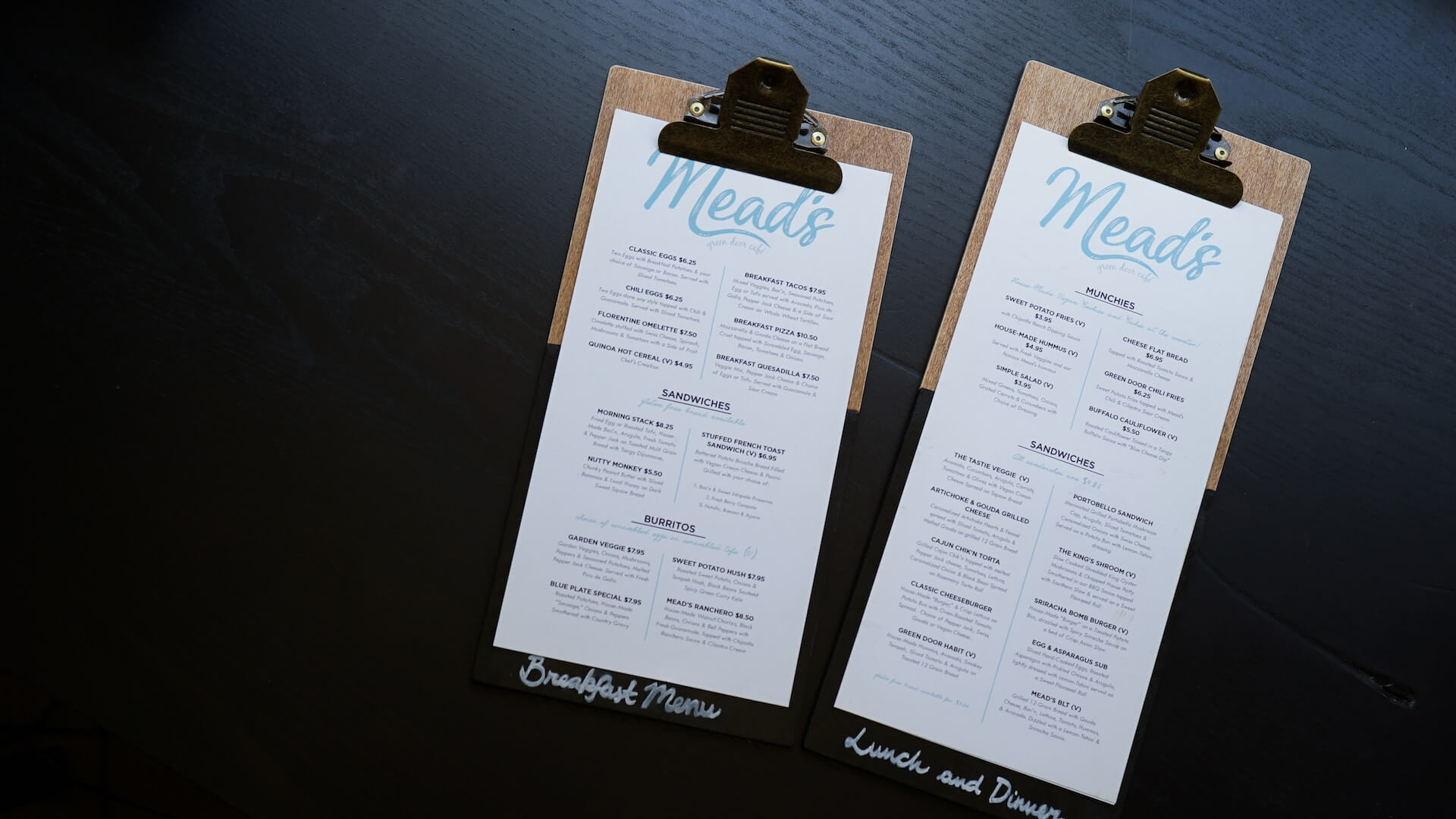
Two restaurant food menus

I wonder what Chef Duffy would say about these menus.

Call it an education session, call it a workshop, one of the best features of the Bar & Restaurant Expo is live menu feedback from Chef Brian Duffy.

This is certainly true of the 2023 Bar & Restaurant Expo. During this year’s BRE (formerly Nightclub & Bar Show, or NCB), Chef Duffy delivered well over two hours of real-world menu feedback.

To be sure, BRE educational programming is always beneficial. Attendees who take the time to plan their schedules to include education sessions will take invaluable tips back to their businesses.

However, watching in real time as Chef Duffy critiques real menus submitted by BRE attendees provides insight that will impact the guest experience and success of a restaurant or bar immediately.

When delivering his feedback, Chef Duffy is unacquainted with the menus. He’s also unfiltered. So, attendees of these sessions are provided a window to Chef Duffy’s professional opinions, on the fly, in real time.

Take, for example, this blunt statement: “If you serve tilapia in your restaurant, you suck.” Before anyone has a conniption, Chef Duffy is referring to unethically farm-raised tilapia that’s often exposed to waste.

Technical Difficulties

Due to unforeseen AV issues, Chef Duffy was unable to use the large screens in the room to review menus for 30 to 40 minutes.

Now, some speakers may be shaken when encountering such a technical difficulty. This isn’t the case for Chef Duffy. In fact, all in attendance from the start of his session were lucky enough to gain insights beyond menu design because of the AV issues.

First, we all gained some insight into Chef Duffy’s consulting process. When engaged for restaurant consultation, he watches an evening service. Next day, he’s in your kitchen at 10:00 AM. What he sees in your kitchen tells him what’s happening throughout your restaurant. By the way, if he encounters just two spelling errors on your menu, he’s done reviewing it—you need a fresh start.

Second, inventory. Chef Duffy assumes you keep eleven percent of your overall revenue on your shelves. So, if you’re generating $100,000 each month, your shelves hold $11,000 of product. When reviewing your financial situation, take a look at that number for your own restaurant or bar.

Third, executive chefs versus head chefs. Chef Duffy has been on the ground for more than 100 restaurant openings. He has interviewed countless chefs. Have you ever wondered about the difference between an executive chef and a head chef? Knowledge of the financial aspects of running a kitchen. Without it, someone’s not an executive chef—they’re a head chef. Executive chefs know (and in theory can be trusted with) finances; head chefs make sure the brigade comes to work on time.

Finally, a cost-reduction tip. When you speak with your food reps, ask about DWO items: “Discontinued When Out.” You may be able to get your hands on some great items for a fraction of the cost.

Pricing Tips

Since we’ve looked at costs, let’s take a look at pricing.

Determining pricing effectively involves more than just gathering intel about your competitors. Chef Duffy suggests looking over your entire menu and committing to a pricing hard deck.

For example, “I’ll never sell a starter for less than X dollars.” You commit to never selling a entree for lower than a certain dollar amount. If you breach that promise, you may damage your brand.

Staying on the topic of pricing, don’t take advantage of your guests. Chef Duffy absolutely believes you can charge premium prices—but only for innovation. How do you know if a menu item is innovative? If it has made its way to major chain restaurants and you’re not doing anything unique to your version, it’s not innovative.

In terms of layout and design, don’t “lead” guests to prices with dots, dashes, or solid lines. Just place the price next to the item and move on.

Menu Tips

Another crucial tip that really should go without saying but, well, here we are, is proofreading. Want to make sure your menu is correct in a fun way? Throw a proofreading party. Invite ten of your VIP guests, gather your staff, invite some friends and family if you won’t be distracted, and ask for honest feedback.

Of course, you can elevate this event by serving new menu items tapas or family style to your VIPs. Brand-new restaurant yet to open? I suggest having the proofreading party with staff, friends, and family.

Keep in mind that menu real estate is valuable. Does a section of your menu come with identical accompaniments? Explain that at the top of section rather than including them in every. single. item. separately. Yes, this happened during the live 2023 BRE reads.

Chef Duffy would like you to stop putting specials on your menu. Again, menu real estate is valuable. If you can spare the room for specials, are they really special? Instead, your servers should know the day’s specials and share them with your guests from memory. And speaking of memory, upselling really only works if your staff knows the menu backward and forward.

Oh, and Chef Duffy would love it if you’d stop doing truffle fries if you’re not going to use premium products.

Your Menu Isn’t “Just” a Menu

Obviously, I haven’t shared every one of Chef Duffy’s menu tips. However, the above should serve as more than enough to motivate you to review your own menu with a critical eye.

In fact, you should be inspired to have your leadership, BoH, and FoH teams review the menu as well.

Yes, spelling matters. Yes, grammar matters. And yes, every detail and bit of menu real estate matters. This is because, simply put, your menu is more than a list of items for sale.

As Chef Duffy says, “Your menu is your calling card, it’s just that simple.” He would also tell you that the first place people encounter your business is online after a search. So, your website is your showcase. But your menu? That’s your billboard on the freeway, as he says.

QR codes may have been the standard from 2020 to 2022. We all know why. But for the most part, with the exception of QSRs and LSRs, people want to hold your menu. It’s a tactile experience and true engagement.

Menu design, like your website’s design, matters. Don’t believe me? I have two framed menus on my office wall, and they’re not from client concepts.

To learn more about Chef Brian Duffy, visit his website here. And, of course, make sure to follow him on Instagram. To listen to his Bar Hacks podcast episodes, click here for episode 33 and here for episode 53.

Image: Catherine Heath on Unsplash

KRG Hospitality Complete Bar Menu Audit

by David Klemt David Klemt No Comments

5 Books to Read this Month: April 2023

5 Books to Read this Month: April 2023

by David Klemt

Flipping through an open book

Our engaging and informative April book selections will help you take your bar, restaurant or hotel to higher levels, and develop your leadership skills.

To review the book recommendations from March 2023, click here.

Let’s jump in!

Unreasonable Hospitality: The Remarkable Power of Giving People More Than They Expect

When Will Guidara took over the famous Eleven Madison Park, the restaurant had just two stars and he was only in his mid-twenties. Before his 40th birthday, the changes and strategies he implemented helped the restaurant earn the title of the Best Restaurant in the World.

One of cornerstone’s of Guidara’s was “bespoke hospitality.” He and his team truly went above and beyond. Examples of the Eleven Madison Park team’s approach to hospitality illustrate just how over the top they went to deliver memorable guest experiences. If you’re looking for inspiration to step up your hospitality, pick up or download Unreasonable Hospitality today.

Blue Ocean Strategy, Expanded Edition: How to Create Uncontested Market Space and Make the Competition Irrelevant

I’m going to address the viability of the blue ocean strategy before getting into the book. Creating a hospitality concept without competition isn’t really feasible. Go too far into “blue waters” and there won’t be any “fish” (traffic). And where, exactly, would one put their restaurant, bar, or hotel where there’s no competition but still enough traffic to generate a profit?

Those issues addressed, this book is still valuable to owners and operators. One need not eliminate competition completely to take lessons from the blue ocean strategy. Businesses must still differentiate themselves from competitors, and they must look for unique opportunities to help them stand out. Blue Ocean Strategy may not work perfectly but much is still very helpful.

Contagious Culture: Show Up, Set the Tone, and Intentionally Create an Organization that Thrives

Anese Cavanaugh’s Contagious Culture addresses a topic that we often discuss with clients, in our articles, and during speaking engagements: workplace culture. From large corporations and regional or national restaurant chains, to independent restaurants, bars, and hotels, culture will make or break an organization. Cavanaugh’s techniques will improve your workplace culture and energize your team, an undeniable key to success.

From Amazon: “This is Contagious Culture, a game-changing guide to transforming corporate culture from within, developed by the award-winning creator of The IEP Method to strengthen your ‘Intentional Energetic Presence.’ This is more than a leadership book―this is your future calling.”

Bar Hacks: Developing The Fundamentals for an Epic Bar

Doug Radkey is the founder, president, and lead strategist of KRG Hospitality. He’s also a hospitality industry speaker, educator, and author. This is his first book, Bar Hacks, which is also the name of the podcast we produce through KRG Hospitality.

Now, while the title states this book is a guide for developing and running an epic bar, the strategies carry over to restaurants, hotels, and other hospitality concepts. It’s difficult—if not impossible—to elevate one’s skills and service without first mastering the fundamentals. Whether you’re new to the industry or are a veteran who feels the need to reset and revisit the fundamentals, Bar Hacks is your guide.

Hacking the New Normal: Hitting the Reset Button on the Hospitality Industry

There’s a first book, which means there must be at least one other one, right? Right! Hacking the New Normal is Doug’s second book.

This book is a direct response to the pandemic, what it did to the industry, and the issues many operators would prefer to ignore. However, the devastation is so great that ignoring the changes that should have been made decades ago isn’t a viable option. With a spotlight on hybrid business models, real estate, profit margins, technology, guest experiences, culture, diversity, and mindset, Hacking the New Normal will position you for success in our new hospitality landscape.

Image: Mikołaj on Unsplash
KRG Hospitality. Consultant. Consulting. Culinary. Bar. Hotel. Mixology. Technology.

by David Klemt David Klemt No Comments

Empower Your Team to Make Decisions

Do You Empower Your Team to Make Decisions?

by Kim Richardson

Chess pieces on chess board in grayscale

Empowerment is about so much more than trusting someone to follow clearly defined rules; you must learn to trust your team’s judgement.

Yes, even when things don’t go according to plan. If you’re only training your team on the “rules,” you’re doing a disservice to them and yourself. So, let’s have a little chat about empowerment. What does it mean to you? What are your expectations of your team when you tell them they are empowered?

Looking back throughout your own work history, have you ever had a job where your boss told you that you were empowered to make decisions, but you didn’t actually know what to do or how to make decisions? Did anyone ever explain “the how” of decision making to you?

Now, look at yourself as a leader. Have you ever had employees that you’ve told are empowered to make decisions, yet they get a manager every time someone needs something out of the ordinary? Are you explaining to your staff “the how” of decision making, along with your expectations?

It’s frustrating to feel like the house might fall down when you’re not in it. That’s no way to operate a business. We all want our staff to be able to make educated decisions when we’re not around. We shouldn’t have to hold their hands and be part of every single decision.

Still, there are times when, left to their own devices, a team member doesn’t make the decision you’d want them to make. This makes owners and leadership team members feel as though they must be at work every second.

So, how do you move away from micromanagement and learn to trust your team’s decision making?

Leverage Teachable Moments

You’ll never be able to give an example of every possible situation that may arise. Therefore, you’ll never be able to train your team on everything that they’ll encounter on any shift.

How do you tell someone how to handle situations when you’re not around? You don’t, and I don’t suggest you even try. Instead, you need to instill a sense of empowerment in your team.

However, “empowerment” is just a word if you’re not educating your team. You need to teach staff how to make good decisions. And how do you even start to do that? Cash in on all the teachable moments that happen throughout the day!

Once upon a time we were all new to this industry. I’m sure you have a few stories of some mistakes you’ve made along the way. I know I certainly do.

Think back to those situations. Did someone explain to you why you made a mistake? More importantly, did they then help you understand what to do next time? Or did they just get mad and make you feel like a failure?

I’ve had the privilege of working with some amazing people over the years. There are several people that really put effort into teaching me. The different things they taught me helped me to understand the ins and outs of decision making, even in situations I know very little about.

Example 1: The Restaurant

For my first job ever, I was a hostess at an Italian restaurant and pizzeria. During the training process I was told to rotate sections when seating tables. That’s easy enough, right? Well…maybe not.

Sometimes I’d see exceptions to this rule. The same section would get sat twice in a row, for example. I watched exceptions to “the rule” get made with no clue as to why.

One day, I sat the same section twice in a row. I don’t remember why, but I do remember the server’s reaction.

Right after seating the second party in the server’s section she let me know how annoyed she was by my decision. Now, I knew I messed up immediately—she let me know. But I didn’t know why it wasn’t okay that I had double-sat her this time.

All I knew is there was a rule I was expected to follow…unless I wasn’t supposed to follow it. Sometimes it was okay to disregard the rule, sometimes not. The rule wasn’t clarified before I began my role as a hostess, it wasn’t explained during training, and it wasn’t explained in the moment I “broke” the rule.

At some point it was explained to me that there were several factors that influenced the “double-seating rule.” For instance, you might skip a section in the rotation if they were just sat a big party. You might double-seat someone if they were regulars, family or friends and the server was able to accommodate an additional table. Of course, there were several other factors that could come into play.

The biggest issue is that none of that was explained to me during training. Moreover, I was left to figure out the nuances of seating on my own.

Example 2: The Hotel Sales Office

I worked at a hotel in the sales office for my first job out of college handling group room blocks.

The contracts I sent out to clients had cutoff dates 30 days prior to the event. Again, sounds pretty simple, doesn’t it?

One day a bride emailed me asking if she could extend the cutoff date. The cutoff date fell on a holiday weekend and she was concerned that people might not have time to book their rooms. I wrote her back and very politely told her no. So she reached out to my boss, Jill, who told her yes.

And then I got called into Jill’s office.

I remember that conversation like it was yesterday. Jill was very nice about the situation and explained that it was okay to make exceptions for people sometimes. Sometime later, I extended a cutoff date for another group. Should be an acceptable exception, right?

Nope. I got my hand slapped on that one. There was a citywide event going on over those dates. The hotel was fully sold out and turning away business. In this circumstance, it was actually a huge problem to extend the cutoff date.

Great—here we go again with a rule that exists in a gray area, and no one explained its nuances. As it turns out, there are factors that go into extending a cutoff date, such as how many rooms the group has already picked up; how busy the hotel is over the dates of their room block; and the relationship you have with the client.

I don’t know if anyone ever flat out explained these gray areas to me. Instead, I was left to figure out the nuances through trial and error.

Example 3: The Dish Tub Incident

At that same hotel several years later I started handling banquet events. One day, a client told me their registration desk needed dish tubs lined with cloth napkins. I threw it on the banquet event order.

Well, I happened to work at a Five Diamond hotel. Dish tubs with napkins sitting out in view of the public? That’s not how we did things. Enter: Bruce the Banquet Manager.

No detail, however small, escaped Bruce. Referring to the dish tubs and napkins, Bruce asked me why they were necessary. I actually had no idea what the client wanted with the tubs and napkins. So, I reached out to the client.

Turns out all she needed was a way to store welcome packets for event attendees. These days, we just put up a QR code and call it good. Once I let Bruce know what the containers were actually for, he understood. However, we weren’t about to load unsightly dish tubs with welcome packets. Instead, we found something more aesthetically pleasing and in line with our level of service.

I spoke about the Dish Tub Incident with Jill. To her credit, she helped me understand that people who are planning meetings so frequently are sending standard specs. Sometimes there would be a request on a BEO that wouldn’t make sense for the venue. Crucially, she taught me that if I ever saw something that didn’t make sense I needed to ask questions.

Truthfully, I don’t remember if it was that conversation or another but Jill taught me one of the best lessons: Ask the client what goal they’re trying to achieve. By understanding their goals we could provide solutions that made sense for us and honored their wishes. Additionally, we’d deliver the excellent service they had come to expect.

Example 4: The Hotel Cafeteria

Let’s take a little break from talking about my mistakes and talk about somebody else’s.

Many years later, I was working at another hotel. One day, I went to the cafeteria and the fruit bowls had Asian pears in them. I love Asian pears, so I was really excited about those bowls.

Now, those particular pears were probably a day away from being spoiled. I went to the cafeteria the next week and there were the Asian pears again! This time, they were perfectly fresh, crisp pears.

Well, I certainly enjoyed that. You want to know who didn’t enjoy that? The executive chef!

As it turns out, Chef sent the pears that were about to go bad to the cafeteria because they were leftovers from something else. He didn’t want them to go to waste. But the fresh, crisp pears that were out the following week? Those were a different story.

There was a kitchen team member who saw the Asian pears go down the week before. When he was setting up the cafeteria the following week he threw some in the fruit bowl. No one had told him that Asian pears are expensive. Also, no one had told him the pears were just going down to the cafeteria because they were close to spoiling. They’re not typically the type of thing set out in the employee cafeteria.

While I would never expect Chef to stop and explain every single decision he’s making, it’s the perfect example of seeing one of your superiors doing something and thinking you’re supposed to do the same.

Leaders Teach

When I look back on some of the mistakes I made, they seem pretty obvious with many years of hindsight.

The solutions to unexpected situations are common knowledge to me now. If you also have some years in this industry, they’re likely common knowledge to you.

And that’s my point.

I was young. I was inexperienced. People didn’t always tell me the things they had learned that were common knowledge to them. So, they also didn’t share their expectations with me.

I can only assume that you have people on your team that are young and inexperienced. As seasoned hospitality professionals, we all make decisions every day that can be teaching moments. These moments are part of the learning experience. Using them to shape your team will help your business run better.

Have you implemented an onboarding process? Do you have a detailed employee manual? Do you have actual systems in place? If so, great—you’re ahead of the curve.

But do you think that you’re training new and existing employees on every situation that will ever pop up during their shifts? Really, that’s impossible. Instead, be on the lookout for teachable moments. Put people on your leadership and empower them to do the same.

In turn, they’ll help empower your staff to make the “right” decisions for your business. And importantly, they’ll feel empowered to learn from mistakes so they don’t repeat them. Over time, and it won’t take long, you and your leadership team will be able to step away and work on other parts of the business. In fact, you’ll find that you can step away from the business from time to time.

People are going to make mistakes. That includes you. Don’t let these teachable opportunities go to waste.

Image: Hassan Pasha on Unsplash
KRG Hospitality. Boutique Hotels. Resorts. Properties. Consultant. Feasibility Study. Business Plan

by David Klemt David Klemt No Comments

Addressing Employee Theft

Addressing Employee Theft

by David Klemt

Security camera stencil graffiti design

Recent posts about employee theft in the hospitality industry throughout Canada and the US have the KRG Hospitality team talking.

Indeed, the statistics are startling. For instance, there’s the claim that a staggering 75 percent of employees admit to stealing from their employers “at least once.”

A few years back, the Retail Council of Canada reported that while “customers” stole $175 on average, employees stole $2,500 before being caught.

Then there’s the incredible economic impact. Multiple sources claim employee theft in the US costs businesses $50 billion annually. In Canada, theft costs businesses more than $1 billion per year. Both numbers are shocking.

Looking at US restaurants specifically, the number ranges from $3 billion to $6 billion in losses due to employee theft. According to Business.com, employee theft affects four percent of a restaurant’s sales and accounts for 75 percent of shortages in inventory.

At this point, you’re probably Googling security cameras. But hold on for a moment.

Disclaimer

Before proceeding, know this: I’m going to make a few points that will seem like victim blaming. In part, this perception will be the result of my addressing recruiting, hiring, onboarding, training, the leadership team, and workplace culture.

Let me be clear: I’m not excusing employee theft. I don’t think there’s any justification for it.

Despite what a (hopefully) small number of loud voices claim on various social media platforms and forums, I don’t think it’s acceptable to steal from a corporation or business owner. No, theft isn’t a justifiable response to feeling slighted by ownership or leadership. And no, it’s not “okay” because a company generates “so much” revenue, has insurance, and can “write it off.”

With that out of the way, let’s proceed.

People are Going to Steal

Here’s one immutable fact: You’re going to hire someone who’s going to steal from your business.

Is your business up and running and serving guests? You employ someone right now who has either stolen from you already or is going to steal.

So, you can run your business under a cloud of suspicion and distrust. Or, you can improve your odds of reducing theft and ferreting out thieves before they do too much damage.

Again, you can install security cameras and place them above each POS terminal and every cash drawer. You can ensure you have clear, cutting-edge CCTV coverage of the entire bar and dining areas. Walk-ins and storage areas can have clear, high-resolution camera coverage.

Honestly, you should have that type of coverage. That type of security can improve employee and guest safety, and your insurance carrier will likely be happy about it.

But you don’t need to impose an atmosphere of suspicion, fear, and intimidation along with the cameras. If you were an employee, would you want to work somewhere that makes it clear you’re always under suspicion? Would you want to work alongside a leadership team whose default setting is that all employees are thieves unworthy of trust?

Workplace Culture

You’re never going to have a theft-free business, period. That’s another reason to not “lead” with fear, anger, and suspicion.

Truly, all that style of leadership will do is drive good, honest employees out. So, the approach should be attracting honest workers. You build a strong, trustworthy team through respect and empowerment.

Yes, there will be employees who take advantage of that respect. They were going to behave that way and steal or otherwise disrespect you, your business, and the team regardless.

Putting in the work to reflect on your leadership style and that of your leadership team pays dividends. It aids in recruitment and fosters an atmosphere of respect and honesty.

Become known for a healthy, positive workplace and you’ll attract the best workers. Nurture that culture and the team will police itself; they won’t tolerate anyone harming the business.

Am I suggesting you view your business through rose-colored lenses? Absolutely not. Install security cameras. Maintain the right insurance coverage. Conduct regular inventory checks. Review comps and voids for irregularities. Limit access to cash. Outline what constitutes theft—including time theft—and make consequences clear.

And here’s a crucial item: Prove you respect and care about your workers. Not say it, prove it.

You don’t need to know their life stories and everything going on in their lives. But you can let it be known that if they’re struggling with something, you and your leadership team are there to listen and help how they’re able.

Nothing you do will eradicate employee theft completely. You can, however, reduce it and learn to quickly stamp it out. And you can do that while maintaining a happy, healthy workplace.

Image: Tobias Tullius on Unsplash
KRG Hospitality. Business Coach. Restaurant Coach. Hotel Coach. Hospitality Coach. Mindset Coach.

by krghospitality krghospitality No Comments

KRG Hospitality now Serving Midwest Region

KRG Hospitality adds Midwest Region

Marina City Towers in Chicago, Illinois

KRG HOSPITALITY NOW SERVING MIDWEST REGION

Toronto-based hospitality industry consulting firm with offices throughout Canada and the USA now serving the Midwest through Chicago office.

CHICAGO, IL (March 17, 2023)—Today, KRG Hospitality announces the addition of the Midwest region of the US to their North American service area. The team will operate out of an office in Chicago, Illinois. However, the agency will serve Midwest markets outside of Chicago as well.

KRG is excited to announce their presence in the region and their ability to serve clients effectively. The agency will offer the full suite of their proven hospitality solutions, including: hourly consulting and coaching; complete feasibility studies, fully customized concept plans; in-depth, focused business plans; project support and management; food and/or drink menu development and consulting; and personalized F&B education.

“I was born in Chicago and first entered the hospitality industry in the Northwest Suburbs. I got my first taste of nightlife in Chicago’s incredible bar and nightclub scene,” says David Klemt, partner and director of business development of KRG Hospitality. “Those experiences shaped my entire hospitality career trajectory. It will be an honor to serve the great people of the Midwest and bring their hospitality visions to life.”

“2023 is turning into quite the growth year for KRG, with the addition of team members Kim Richardson and Jared Boller, and now an exciting new market,” says Doug Radkey, KRG Hospitality founder, president, and project manager. “We see great opportunity in the Midwest, not only in Chicago, but many of the surrounding regions. The food, beverage, and hotel scene is incredibly strong, and we’re open to the challenge of not only helping launch new hospitality brands but helping transform existing brands scale and be successful in the new era ahead.”

KRG is ready to work with clients of all experience levels in the Midwest. The consulting agency’s suite of solutions serve new operators looking to open their first concept and veterans seeking a rebrand or expansion. From independent pizzerias and QSRs to multi-unit regional chains and boutique hotels, and everything in between, the KRG team is eager to take client visions and transform them into brick-and-mortar realities.

To schedule an introductory call to learn how the KRG Hospitality team serves clients, please follow this link.

About KRG Hospitality

KRG Hospitality is a storied and respected agency with proven success over the past decade, delivering exceptional and award-winning concepts throughout a variety of markets found within Canada, the United States, and abroad since 2009. Specializing in startups, KRG is known for originality and innovation, rejecting cookie-cutter approaches to client projects. The agency provides clients with a clear framework tailored to their specific projects, helping to realize their vision for a scalable, sustainable, profitable, memorable, and consistent business. Learn more at KRGHospitality.com. Connect with KRG Hospitality and the Bar Hacks podcast on social: KRG Twitter, Bar Hacks Twitter, KRG Media Twitter, KRG LinkedIn.

Image: Tobias Brunner from Pixabay

KRG Hospitality Start-Up Restaurant Bar Hotel Consulting Consultant Solutions Plans Services

by David Klemt David Klemt No Comments

Focus: See Your Business for the Trees

Focus: See Your Business for the Trees

by Jennifer Radkey

Trees along forest path

It happens to us all: Sometimes we get so caught up in the small details of our day-to-day lives that we fail to see the bigger picture.

So common is this element of the human experience there’s a popular saying about it: “Sometimes it’s hard to see the forest through the trees.”

Today, however, I’m going to suggest that the opposite can also be true: “Sometimes it’s hard to see the trees when immersed in the forest.” In other words, when walking along the same path in a forest every day, we often stop seeing the individual trees.

Okay, forests and trees, nature and walks along paths—what does any of this have to do with operating a successful restaurant, bar, or hotel? Stick with me.

The forest is your venue. Your path is your daily routine from the minute you step into your venue until the minute you walk out the door at the end of your day.

The trees? They’re all the little details that make up your establishment: your team, the signage, tables and chairs, music playing, lighting, decor, food, drinks, website, online reviews, social media posts… These, plus many more, are the little things that add up to create your “forest.”

You walk through your venue daily and have become, for the most part, so used to your surroundings that you’re almost blind to them. This can sometimes lead to a false sense of everything being “fine.” You miss small details you need to improve, and also things that you and your team need to celebrate.

What I would like to challenge you to do is to take a step back, clear your mind, pretend you’re experiencing your venue for the very first time, and really notice the details. Walk a new path through your forest and see the trees.

How do you do that? Pretend you’re a guest visiting your establishment and follow the guest journey.

Here’s a list of five places you should stop along your path to gain a fresh perspective.

Your Online Presence

Start with your website.

When did you last update it? Are pictures fresh and eye-catching? Is the website easy to navigate on mobile devices? Is the menu easy to access? Can you make a reservation easily? What story is your website telling?

Next, scroll through your social media (if it exists).

When did you post last? What content are you sharing? Does it tell a story? Does it make you want to visit your venue? Are people engaging with your content? Are you engaging with others?

How about online reviews? See what people are saying about you.

Have you responded to reviews, good and bad? How are you responding? If you were a potential new guest would these reviews and your responses keep you away or entice you to visit?

More often than not, the first impression a guest has of your business happens long before they actually step foot inside your venue for the first time. What impression are you giving them?

Curb Appeal

The next place you want to stop on your path is right in front of your venue.

As you drive up, what do you notice? What’s the condition of your signage? Is it welcoming and attention-grabbing?

When walking up to the entrance, look for things that you may overlook but a first-time guest may not. Cleanliness of the front entrance area, proper lighting, current signage, these should all be checkpoints on your list.

Also, how does it feel to enter your venue? Is it welcoming? Exciting? Does it feel safe?

If you have stellar curb appeal with awesome signage are you celebrating and promoting it through great photos for your website and social media?

These are all things to consider when viewing your venue from the curb.

Interior

Next up on your path is the interior of your venue.

Is it clean? Are there any minor repairs that need to be done? Is the lighting just right?

Have a seat in a few different places in your venue. What’s your customer’s visual experience when they come to visit you?

You want the interior of your venue to represent your brand and its values, and you want it to appeal to your target market. Is it doing those things?

Again, if you have an amazing interior design element, are you showcasing it to its fullest in person and online? Make any notes of things you would like to change or improve upon.

One more note on the interior: Do not forget the washrooms. Nothing turns a visit into an unpleasant experience faster than an unclean washroom.

Service

As you’re viewing your venue with clarity, take a few minutes to step back and watch how your staff engages with your guests.

Whatever your brand’s values are for the guest experience, are they being conveyed through your staff’s engagement?

If you’re promoting a fun, energetic vibe, is your staff upbeat, positive, and energized when communicating with guests? Are the pillars of excellent customer service in place? When your guest leaves are they going to say, “Wow, our server was so friendly/nice/funny/knowledgeable,” etc.

Or are they going to leave saying nothing at all?

If staff appear unmotivated, what can you do to help inspire your team? If they’re stellar employees are you recognizing their incredible work?

Food and Drink

When was the last time you sat and really enjoyed a meal at your own establishment? Before you answer: As if you were a guest and not the owner.

Is food coming out in a timely manner? How does it look, smell, and, of course, taste?

Would you grab for your phone before taking the first sip or bite to snap a photo for Instagram? If you would, have you done exactly that for your own social media feeds?

As an owner you can become very attached to your menu, but pay attention to see if your guests and staff are raving about your food and drink.

Final Steps

The final steps of your path will be the same as your guest’s final steps.

Is your bill brought to the table when you’re ready to leave? Is payment easy to make? What are the final last impressions you’re left with? How is your team bidding farewell to guests? What will entice them to return?

You want your guests to feel satisfied and to tell their friends and family about what an amazing experience they had.

It can feel strange to step back from the forest and to notice the trees, but it will lead to improved clarity and perhaps even a roadmap for change and improvements to take your hospitality venue to the next level. Stepping back will also improve your overall mindset as you experience your business through the eyes of another.

So step back, clear your mind, and see what you may have been missing all this time.

Cheers to professional and personal growth!

Image: Lucas Parker on Unsplash

KRG Hospitality Mindset Coaching, 2023 Icon

by David Klemt David Klemt No Comments

5 Toxic Mindsets that Hinder Success

5 Toxic Mindsets that Hinder the Success of Your Business

by Jennifer Radkey

Your frame of mind matters, and if you want a team and business that’s thriving and growing, it’s time to examine your own mindset.

How you show up day to day in your business and in your life will either hinder or promote your success. Like the popular phrase goes, “It starts from the top.”

You can set the tone for the day with the energy you bring. As Anese Cavanaugh, author of the book Contagious You, states, “Whatever we put out there and whatever we take on affects our ability to influence, lead, and create the impact we want.”

A positive mindset is contagious: it can inspire, motivate, and make others feel good. A toxic mindset is equally as contagious: it can halt growth, increase unhappiness, and lower productivity.

Here’s a list of five toxic thoughts that lead to a negative mindset and can hinder success.

Blame Game

Always looking for someone else to lay the blame on when things go wrong is a surefire way to a toxic team environment. If you’re quick to blame others when things go wrong, perhaps it’s time to take a step back and examine why something went wrong in the first place.

Was there inadequate training provided? Are there no clear systems to follow? Do you have an environment that’s hostile to asking for help? Fault rarely lies in one person only; there are typically several factors in play.

A positive mindset will examine facts, look at all potential causes, and then come up with solutions. Blame never enters the picture.

Second Guessing

Not being confident in the choices you make hinders growth. Uncertainty in your decision making leads others to question or doubt your role as leader.

If you don’t have the utmost confidence in making decisions, and it’s your business, how can you expect your team to have confidence in you or the work that they do?

This doesn’t mean that you have to make snap decisions without thinking them over. Planning and deliberating over the right move to make is critical to success. But once the decision is made…it’s made. If it doesn’t work out you can then problem solve to get back on the right path.

Second guessing your decisions along the entire way is only going to slow you and your business down.

Absolutism

“It’s my way or the highway.” Absolutism is the inability or refusal to consider others’ ideas. This toxic thought process destroys team culture and growth.

As an owner, you’re heavily invested in your business. Therefore, it can be challenging to let go of how you think things should be done and consider different approaches. However, failing to listen to the ideas of others on your team will build walls and possibly create resentment. That’s definitely not a positive atmosphere to work in.

Be open-minded to doing things differently and show interest in the recommendations of others to promote instead of hinder success.

Hyper-negativity

Sometimes when you want to succeed it’s easy to zone in on the negatives: “This isn’t good enough.” “We aren’t making enough money.” “We don’t have enough followers online,” etc.

The desire to do well can make you hyper-focused on what isn’t right in order to fix it, instead of noticing what’s really great and celebrating that instead. Yes, you need to be aware of areas that need improvement, but you also need to be equally aware of the positive and promote it.

Think of a conversation with two random people you meet at a party. The first person grumbles about the weather, complains about the food, music, etc., and scowls. The second person is smiling, laughing at jokes, and genuinely interested in getting to know you.

Who would you rather be around?

Settling for Average

Nothing will kill growth and success faster than settling for the way things are because “that’s the way it’s always been,” or because “it’s working.” You want more than just “it’s working.”

You want to thrive, to make more money, to gain more followers, to hire more team members, to open more locations. If you aren’t living your absolute best life, if your business isn’t performing at its absolute highest level, then there should be no settling.

Settling for average teaches your team to settle for average, and that means your customer is settling for average. Avoid this toxic mindset by continuously setting goals (even small ones) and looking for ways to do better, feel better, and be better.

While it’s completely normal to fall into these toxic thoughts from time to time, it’s refusing to allow them to become you daily mindset that’s important.

The amazing thing about the human mind is that it can be changed—you can work on improving your mindset. Trust me when I say that you will not regret it.

Cheers to professional and personal growth!

Image: Nathan Dumlao on Unsplash
by David Klemt David Klemt No Comments

Will Virtual Kitchens Persist?

Will Virtual Kitchens Persist or Go Brick-and-Mortar?

by David Klemt

Closeup shot of double cheeseburger

Virtual kitchens and virtual brands are back in the headlines after a record-setting grand opening in Rutherford, New Jersey.

Well, I should clarify: A restaurant may now hold a specific record.

The restaurant in question is the first brick-and-mortar MrBeast Burger location. And the record it may hold claim to is most burgers sold in a single day by a single restaurant.


View this post on Instagram


A post shared by MrBeast Burger (@mrbeastburger)

Now, if you don’t spend much time on YouTube, you may not know MrBeast. So, here’s a quick rundown: He’s Jimmy Donaldson, a YouTube personality known for “expensive stunts.” In fact, he may be the pioneer of that type of content.

Right about now you may be wondering what this all has to do with virtual kitchens and brands. It’s quite simple, really. MrBeast was among the highest-profile virtual brands to launch during the pandemic.

Incredibly, MrBeast Burger boasts more than 1,700 virtual kitchen locations. And now, one brick-and-mortar MrBeast restaurant.

Leveraging Demand and Popularity

So, you’re an influential YouTube content creator with tens of millions of subscribers. Obviously, your channel is monetized. What else can you do to leverage your popularity?

Well, if there’s a pandemic crippling the globe and people are stuck at home, maybe you notice the demand for takeout and delivery. And perhaps you learn about something known as a “virtual kitchen.”

If you’re a foodie or maybe just a savvy businessperson, maybe you’d jump into the virtual space. It is, it goes without saying, much less expensive than opening your own restaurant. And if you perform well, that’s an excellent way to collect data and guest feedback.

Also, an efficient way to hone your brand without a lease, buildout or the overhead of a physical restaurant. In a way, a virtual brand is akin to a pop-up restaurant, only you can test hundreds of markets simultaneously.

Okay, so now let’s say you reach a rare milestone in the creator space: 100 million subscribers. MrBeast did just that in July of this year. Do you think you’d want to leverage the support of millions of fans willing to support you and your brand?

The first physical MrBeast Burger opened last week at the American Dream mall in New Jersey. Reports claim that over 10,000 people waited in line for the grand opening.

Oh, and that’s when the location may have claimed the aforementioned record: 5,500 burgers sold in one day. After just one day of operation, MrBeast wondered if the brand should franchise:

Virtual to Physical

This (potential) record-setting event brings virtual kitchens and brands back into the spotlight.

Of course, most virtual brands don’t have the same origin story as MrBeast. One hundred million supporters? That’s rarified air.

At any rate, virtual kitchens do offer potential physical restaurant operators a less expensive method of testing their concepts. Couple data collection and feedback with an accurate feasibility study and taking the next step may make sense. And it may make a tidy profit.

It’s possible we’ll see MrBeast franchise off the success of two years of operating virtually and opening a physical location. And it’s possible we’ll see other virtual brands expand beyond the virtual kitchen.

However, it’s important that virtual brand owners keep a few things in mind. One, online success doesn’t always translate to brick-and-mortar success. Two, the restaurant space doesn’t care about your subscriber count—the KPIs are entirely different here. Three, potential operators need to perform the proper studies—or retain an agency with experience performing them—rather than rushing into the restaurant space.

It’s highly likely we’ll see more virtual brands enter the physical restaurant world. How many will do so successfully remains to be seen.

Image: Eiliv-Sonas Aceron on Unsplash

by David Klemt David Klemt No Comments

The Leasing Game: Terms & Conditions

The Leasing Game: Terms & Conditions

by David Klemt

Rich Uncle Pennybags graffiti

Understanding the ins and outs of the leasing game means knowing the meaning of several legal and industry terms.

Winning at this game also requires a deep understanding of everything that’s in your lease agreement.

I addressed the importance of negotiating your lease (and more) yesterday. Today, let’s go over the terms you need to know.

A Warning

Before I run down a list of terms (as in phrases), let’s go over other terms you need to understand.

Namely, the terms for which you negotiated before you signed your lease. Let me reiterate: You know all of this before you sign your lease.

Do not sign anything unless you understand every word of every sentence in every paragraph on every page. If that seems overwhelming, pay a lease agreement attorney to analyze and advise you on a lease. It’s worth the spend, and please do this before you sign anything.

Why a lease agreement or real estate attorney? Because a lease agreement is a legal document. You don’t sign legal documents without knowing what’s in them.

Some Context

Based on the number of hospitality professionals that descended on Las Vegas last week, trade shows and conferences are back in full force.

KRG Hospitality attended the 2022 Bar & Restaurant Expo, formerly the Nightclub & Bar Show.

Friends of KRG, Invictus Hospitality (IH), presented a handful of sessions during the show. One of these was “Understanding the Leasing Game & How to Get Ahead.”

As I wrote yesterday, IH principal Homan Taghdiri hosted the informative session. He shared a wealth of knowledge every operator, new or veteran, should know.

The first bit of information was this: Know that you have the right to negotiate your lease. If someone tells you otherwise, they’re lying or they don’t know what they’re talking about.

As for the second piece of advice, see the section above this one.

Know These Terms

In this context, “terms” means words and phrases. Below is a list of terms that Taghdiri addressed during his session.

Note that I’m not sharing definitions, I’m sharing recommendations from Taghdiri’s session.

  • Tenant. This is you—individually—if you don’t have a business or other properties for a landlord to go after (sue).
  • Guarantor. You can negotiate the removal of your personal guarantee. As an example, Taghdiri suggested a clause stipulating if you pay on time for ten years, your personal guarantee is removed. After all, you’ve proven yourself for a decade.
  • Security deposit. Again, you should be rewarded for proving yourself and your concept. Negotiate a security deposit burn-off, like a month of security deposit removed from every year of the agreement.
  • Use of space. You need to know the following: current and future use(s) of the space; exclusive and competitive uses; obtaining conditional use permits and licenses. Bake in the ability to pivot, adjust, or modify your agreement. The pandemic exposed how important it is to understand use of space in several markets.
  • Force majeure. Another element exposed by the pandemic. Including a pandemic specifically as a valid force majeure trigger is a smart move on the tenant’s part.

Moving into the Space

Are you building the space out or is the landlord? Is it a combination of both?

Who’s responsible for delays? Is the landlord responsible for upgrades or refreshes over time?

You need to negotiate for and understand the following:

  • Premises delivery. When do you get the space? What’s the scope of work that the landlord must complete for delivery of the space? Is there a tenant already in the space? If so, when are they leaving? What if they don’t leave on time?
  • Landlord’s obligations. Is the landlord responsible for the HVAC, mechanical, electrical, and/or plumbing systems? Are they responsible for the roof on the building, the windows, and maintaining ADA compliance? Who’s responsible for the common areas, such as the parking lot and the lot’s lighting? As an example, how often are they required to repair, refresh, or resurface the parking lot?
  • Insurance requirements. You need to know what coverage, deductibles, and exclusions you’re agreeing to before you sign your lease. Taghdiri recommends asking for the proposed insurance clause and sending it to your insurance provider. If you can’t afford their insurance requirements, you can’t afford the space and need to walk away.
  • Miscellaneous. What are the security requirements for the space you’re occupying? For example, if you’re a nightclub, the landlord may stipulate how many security personnel must be working on certain days during specific hours of operation. Speaking of which, what days are you required to be open? What’s the minimum number of hours you must operate each day of the week? Should you find yourself in a shopping center with anchors, what happens if an anchor leaves? Are you required to address sound abatement?

Avoid Pitfalls

Understand the following before you sign anything:

  • Nobody can force you to sign a lease. Since there’s no such thing as a standard lease, you don’t have to accept whatever the landlord offers. If you don’t like the terms, don’t sign the lease.
  • Remember, a lease agreement is a legal document. Fully review and understand the terms. Never sign anything blindly.
  • Brokers aren’t “bad” but they’re not necessarily putting your needs before their own interests. If you’re going to work with a broker, find the right one for you.
  • Just like you need to find the right broker if you go that route, you need the right legal representation. Legal fees are worth it to understand your lease agreement. Just make sure you’re going to the right person to review it and give you advice.*

Combined with a willingness to negotiate (and walk away if you can’t get the terms you want), an understanding of the terms on this page will put you ahead of the competition. Happy space hunting.

*The information contained in this article does not represent legal or financial advice from any representative of KRG Hospitality, Invictus Hospitality, Bar & Restaurant Expo, or Questex.

Image: BP Miller on Unsplash

by David Klemt David Klemt No Comments

This is How You Win When Leasing

This is How You Win When Leasing

by David Klemt

Vintage sale or lease sign in Minnesota

At this year’s Bar & Restaurant Expo, the Invictus Hospitality team tackled a crucial step of any project: The lease.

Invictus (IH), friends of KRG Hospitality, know a thing or two when it comes to leasing a space. Principal Homan Taghdiri is a tenacious negotiator.

Case in point, an Invictus project in Orlando that opened during the pandemic. The space was owned by the city, which can certainly complicate matters. Taghdiri sunk his teeth in and refused to let go—for seven months. That’s crocodile or Komodo dragon patience.

The result? Favorable terms and massive cost savings.

Taghdiri presented “Understanding the Leasing Game & How to Get Ahead” at Bar & Restaurant Expo 2022. You know this show by its former name, Nightclub & Bar.

Knowing that when Taghdiri smells blood in the leasing water he’ll clamp down and death roll until he gets his way, I attended his session.

Before we dive in, know this: If we disagreed with the IH approach to leases, we wouldn’t share their tips. The information below would cost, as Taghdiri points out, about $2,000 coming from an attorney.

Of course, neither KRG Hospitality nor Invictus Hospitality is providing legal or financial advice in this article. I’m just passing along information, as IH was doing during their session.

Leasing Dos and Don’ts

If you take nothing else from this article and Taghdiri’s session, make it this tip: Do negotiate your lease.

“You have to negotiate your lease,” says Taghdiri. “It is a must.”

Not you should. Not you can. You must negotiate your lease. Neither of us can emphasize this enough.

In fact, it’s your right to do so. Which brings us to our first leasing don’t. Do not believe anyone who says you can’t negotiate a lease.

“Anyone who tells you that you can’t negotiate your lease is lying to you,” says Taghdiri.

And if they’re not lying, they just don’t know what they’re talking about. Either way, don’t listen to them. Walk or run away.

Also, do your due diligence. Knowing what you’re getting into before signing is on you. Taghdiri recommends you ask the following before signing anything:

  • What generation is the space? Is it brand-new? It’s first generation. Did the first tenant leave? It’s second-generation, and so on.
  • Is the space totally empty?
  • Does it have space allocated for gas, electric, etc.?

Ideally, you’ll find a second-, third- of fourth-generation bar or restaurant space. Why? They can provide massive cost savings to you.

Do fight for the terms that are important to you. These include amount of the lease, the length of the lease, and any incentives.

However, don’t over-negotiate your lease. Do put yourself in the landlord’s position. They’ve invested significant capital developing the space and they need an ROI. Pick your most important terms and negotiate them. You risk a landlord walking away from a deal if you negotiate every single item and make things difficult.

Lease Types

So, you’ve found your perfect space. Do you know which type of lease you want? Not certain which is right for you?

No problem, because Taghdiri broke them down during his session.

  • Standard. This is the easiest to explain because it doesn’t exist. A particular landlord may have “standard” lease, but their isn’t one that spans the industry.
  • Full service gross is the easiest of the actual leases. Everything is negotiated and clear in the lease, and you simply pay the agreed-upon amount.
  • Triple net is the opposite of the FSG lease. You pay your base rent. Then, your landlord passes on operational costs to you, which you also pay.
  • Percentage Rent. Basically, this is a hybrid lease. You pay base rent plus a percentage of sales. For example, you may pay natural breakpoint on top of base rent. This type of lease can be beneficial to newer businesses. However, some landlords do not like percentage rent leases.
  • Modified gross is, basically, any lease that isn’t an FSG. This is the most common lease, and it’s most easily explained as a modified FSG.

First-time operators or owners entering an unproven market will likely want to first focus on modified gross or percentage rent leases. However, FSGs are certainly attractive.

Length of Lease

Landing on a lease amount that you can live with is only part of the battle. Far too many people overlook the length of their lease, focusing too hard on the amount.

So, let’s take a look at some crucial factors you need to consider before signing anything.

  • Base Term. Let’s say you’ve invested several million dollars into your project. It’s sort of hard to imagine paying that investment off in two years, isn’t it? So, a two-year lease probably isn’t ideal. Give yourself the time you most reasonably need to open your doors and make money. Again, don’t focus solely on the amount of the lease.
  • Option Periods. Taghdiri explains term options thusly: “Jump into the pool safely before knowing what’s in it.” The real-world example is easy enough to understand. Agree to a three-year lease but bake one or two (or more, if you want or can) five-year renewal options into the agreement. Doing so means that you can trigger the renewal prior to the term’s conclusion. In other words, the landlord won’t be able to (easily) kick you out if you want to keep leasing the space. Just be aware that your landlord will likely also want to bake new terms into the agreement along with the renewal options.
  • Early Termination Rights. When it comes to this element, Taghdiri explains that this may be limited to longer-term (ten years or more) leases. Essentially, it’s what it sounds like. You should be confident in your concept before you even get to the lease stage. However, it’s not a bad idea to have an early exit plan in mind. So, you may be able to sign up for a long-term lease but bake in an 18- or a 24-month termination clause. Just remember that if you don’t exercise this agreed-upon right within the timeframe, you’ll be responsible for the original term of the agreement.

The Million-Dollar Question

You likely have a burning question searing itself into your brain right now. It’s a common question: “How much rent should I pay?”

There are a few ways to approach a satisfactory answer. The bullshit answer is, “Whatever you can afford for the space you really want.”

That’s the first step toward blowing a budget, blowing out already razor-thin margins, and skyrocketing costs.

One way to approach the how-much question is due diligence and comparables. What are the comps in your selected area? What are people paying in the neighborhood? What’s best for your business, and is that identified in your pro forma?

That said, Taghdiri did present a general lease amount rule. Try to keep your rent at 11 percent of gross sales, or less. Ten percent is even better, obviously. Anything less than that and you’re a master negotiator.

Image: Randy Laybourne on Unsplash

by David Klemt David Klemt No Comments

The 2022 KRG Hospitality Start-Up Guide

The 2022 KRG Hospitality Start-Up Guide

by David Klemt

2022 KRG Hospitality Start-Up Cost Guide & Checklist download

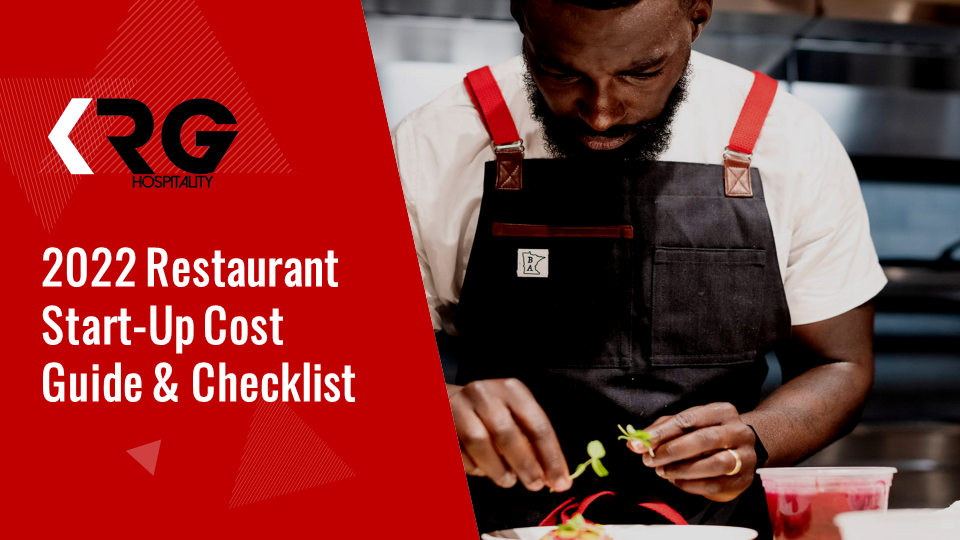
The 2022 KRG Hospitality Restaurant Start-Up Cost Guide & Checklist is here!

If you’ve been putting off opening your restaurant concept, wait no longer. With our guide and checklist, you can make the best, informed decisions to open in 2022.

Yes, opening a restaurant seems daunting in 2022. However, industry intelligence firms such as Technomic have predicted measurable recovery this year in comparison to 2021.

Waiting for the time to be “just right” to open a restaurant just isn’t realistic. The longer one waits to make their move, the further ahead established and new operators can get ahead. Your desired location can be snapped up, competitors can build loyal customer bases, and things get more difficult overall.

That said, that doesn’t mean you should throw caution to the wind. We certainly don’t believe rushing into anything is a good idea. If anything, rushing rather than making informed, deliberate decisions is the antithesis of strategic.

So, what’s the desired middle ground between haphazard and hesitancy? Nimble and informed.

Our 2022 Restaurant Start-Up Cost Guide & Checklist provides useful financial information based on real-world scenarios. This will give you a realistic idea of how much start-up capital you’ll need to realize your entrepreneurial dreams this year.

What can you expect in our latest download? Take a look below.

Subsections

This is no three- or four-page quick-hit guide. Rather, the 2022 KRG Hospitality Restaurant Start-Up Cost Guide is 33 pages of real-world tips and data:

  • Start-up costs
  • Renovation costs
  • Scaled costs (four concept scenarios)
  • Restaurant operating guide

Checklist

Due to the tremendous job scope—in addition to the planning, organization, and communication requirements to start a successful restaurant—we highly recommend working with a team of professionals to save time and financial resources.

Below you’ll find a handful of the 500 unique tasks crucial to opening a restaurant.

Planning and Admin

You must:

  • complete feasibility study;
  • develop concept and brand; and
  • complete strategic business plan.

Supporting Cast

You’ll need to secure:

  • an accountant;
  • a real estate agent/broker; and
  • a project manager.

Site Development

The first steps are all crucial to the timeline:

  • Secure property of choice;
  • Sign commercial lease; and
  • Submit drawings.

Operations Development

Examples of the hundreds of tasks you must complete include:

  • a kitchen workflow plan;
  • bar and takeout workflow; and
  • developing a recipe books for the kitchen and bar.

Again, these are just a handful of the 500 unique tasks you’ll complete to start your restaurant.

Download our 2022 Restaurant Start-Up Cost Guide & Checklist to start your journey today.

Image: KRG Hospitality

by David Klemt David Klemt No Comments

Keep Up Your Momentum in 2022

Keep Up Your Momentum in 2022

by David Klemt

Start of 2022 track or path concept

In 2022, our focus needs to be on recovery, which means starting strong, gaining steam, and keeping momentum going throughout the year.

The past two years have been a nonstop flurry of starts, stops, and false starts for American and Canadian operators.

Every challenge operators face during a “normal” day has been compounded. Recruiting, hiring, training, marketing, increasing traffic and revenue, managing inventory…it’s all more challenging.

However, “challenging” doesn’t mean “impossible.” Under the best of conditions, restaurant, bar, and hotel operations are a challenge. Overcoming adversity, in other words, is a consistent element of daily operations.

Now, whether we should view constantly overcoming challenges as a badge of honor… Well, that’s a different conversation, one about industry-wide changes that are long overdue.

For this post, my focus is on starting 2022 off right, building momentum, and keeping it.

KRG Momentum

Last year, we launched a coaching program called KRG Mindset.

KRG is known for our Roadmaps to Success, which include of our in-depth feasibility studies and detailed business plans, both of which help operators secure funding. However, some of our clients aren’t ready for our full suite of startup and expansion solutions.

For these clients, we have the KRG Mindset program. This valuable program’s keystone is a dedicated, certified life coach: Jennifer Radkey.

Both starting and operating a hospitality business can be stressful, exhausting, and time consuming, and it’s easy for your vision, clarity, self-care, and relationships to become lost along the way.

That’s where Jennifer comes in. With a dedicated, certified life coach by your side to ask powerful questions and hold you accountable, the pathway towards achieving your goals will become smoother.

A clear and focused mind and a regular routine of self-care will help you survive both the start-up and day-to-day operating phases, not to mention leading you towards personal and professional success.

Let’s Go!

All hospitality professionals—from business owners to staff—are members of a tight-knit family. Unless you’ve lived hospitality, you just don’t know the challenges, risks and rewards.

That means that startup operators and established operators don’t have to try to navigate the industry alone. Whether you aren’t sure where to even begin your ownership journey or aren’t sure how to overcome the hurdles you’re facing, the team at KRG Hospitality is here for you.

If you’re ready for us to help, click here to learn more about KRG Momentum. And click here to schedule an introductory call.

Image: Tumisu from Pixabay

by David Klemt David Klemt No Comments

Restaurant or Bar Dream? Make Your Move

Restaurant or Bar Dream? Make Your Move

by David Klemt

Chess pieces on a chessboard

If your dream is to open a restaurant, bar or nightclub, you’re not doing yourself any favors by waiting to make it a reality.

The same goes for starting up any other type of hospitality business.

We’re in uncharted territory and things seem unstable. But waiting to move forward with your concept is setting you back.

Industry Challenges

We can all agree that the destruction wrought upon the hospitality industry in 2020 continues to be felt today.

Tens of thousands of business closures. Millions of jobs and hundreds of billions of dollars in revenue lost.

Some experts say the veteran operators and workers won’t be back. The financial damage and psychological trauma will drive them out of the industry. Others disagree, myself included, saying those operators won’t stay down for long. This industry works its way into people’s blood.

The pandemic is responsible for the permanent or long-term closure of nearly 20 percent of restaurants in America. Most of the restaurants lost were well-established operations. The industry is down 2.5 million jobs that it will take years to recover.

Since March of last year, Canada has seen the closure of 10,000 restaurants. The country is facing the loss of 800,000 industry jobs.

Waiting to open a restaurant or bar, therefore, seems to make sense. Only no, it doesn’t.

Don’t Wait

Time is rarely on anyone’s side. And I’m not the first to say that perfection is an illusion. Our industry would be a fraction of what it is if people chose to wait for the “perfect time” to open.

That doesn’t mean it’s great to throw caution—and hundreds of thousands of dollars—to the wind.

Rather, those with a vision for a business in this industry owe it to themselves to move forward.

Let me put it this way: If you have an idea but you’re waiting for “the right time,” you’re already behind.

Forward Progress

The key is being strategic, making calculated decisions.

There are operators who successfully opened new concepts in the midst of the pandemic. We’re going to see new entrants in this industry this year as well. Will you be among them?

Maybe you’re not ready to break ground or sign a lease. Perhaps you’re not ready to send in a crew to renovate a space.

However, there are crucial moves you can make so that when you’re ready ready, you can move quickly. Think agility.

Will you be applying for a grant to fund part of your business? Complete the paperwork and submit it now.

Do you need a consultant? Do your research now and schedule those conversations.

You need demographic, feasibility and other studies done. Will you do them? Will you retain the services of an industry researcher?

If you’re not yet ready, take meaningful steps today because your future competitors are making their moves. It takes longer than you think for each crucial step to be completed, and there are dozens.

Your concept won’t become a reality if it only lives in your head. Don’t watch your opportunity to thrive in this industry pass you by.

Image: Kei Scampa from Pexels

by David Klemt David Klemt No Comments

Introducing KRG Mindset Coaching

Introducing KRG Mindset Coaching

by David Klemt

KRG Hospitality Mindset Coaching

Seeking an alternative to complete start-up planning and project management? The solution you’re looking for is KRG Mindset Coaching.

Just like every operator is unique, each project brings with it distinct challenges that require individual approaches and plans.

Some projects are already under way but need help moving forward. KRG Mindset gives these projects the help needed to cross the finish line and achieve long-term success.

What is Mindset Coaching?

Owning a hospitality business may look great on paper, but starting a hospitality business can be really quite stressful:

  • There are what seem to be endless hours of planning.
  • There are numerous third-parties involved.
  • There are often hundreds of thousands of dollars at stake.
  • There are over 500 unique tasks to complete.

It doesn’t matter if this is your first, fifth, or twentieth project—it’s crucial that you be both prepared and organized when opening a new concept or expanding operations.

However, not every project requires our full suite of targeted solutions, which includes feasibility studies, conceptual planning, business planning, brand development, guest experience strategies, food & beverage programs, and operational assessments.

If you’re beyond the idea stage but find your project is struggling to reach the finish line, we’re here to help. And just like a project in its earliest days, you’ll receive the unique, fully customized KRG treatment.

Is Mindset the Solution for You?

KRG Mindset provides a unique, coaching-style program that helps your start-up make continual forward progress:

  • Receive a dedicated consultant who will be an approachable advisor for you and your project. They’ll review and navigate your start-up questions and challenges, and be your compass to provide you with a clear path towards a successful opening.
  • Weekly 1-on-1 video/phone sessions with access to a private calendar: a weekly session in which we evaluate the past week and define required actions for the next week with a focus on budgets, timelines, and industry-specific consulting.
  • Your dedicated consultant is also available for second opinions and the review of: key documents, location, concept, branding, layouts, equipment, menu, service, technology, labor and financial optimization, system development, operations, marketing, and overall strategic clarity.
  • Your consultant will help you see the blind spots throughout your project, positioning you to maintain your budget and desired opening date.
  • Your consultant will help you make strong, educated decisions throughout your start-up project that will have a positive impact on the successful start of your restaurant, bar or hospitality brand.
  • And finally, your advisor will coach you so you become more confident, energized, and motivated about your opening while holding you accountable and helping you become a better leader through the creation of new habits, communication methods, and decision-making processes.

Click here to schedule a call.

Or, if you’re looking for a more hands-on approach where we develop the winning plans and property for and with you, we invite you to learn more by choosing your preferred option: Restaurants & Cafes, Bars & Lounges, Boutique Hotel & Resorts, or Golf, Gaming & Entertainment.

Images: KRG Hospitality

by krghospitality krghospitality No Comments

Turning Crisis into Confidence

Articles Submitted To Media Partners During Covid-19 Pandemic

By Doug Radkey (March 2020-July 2020)

Take Time to Recharge: Self-Care During a Crisis

During times of crisis, everyone feels something: sadness, confusion, fear, anxiety, or anger.

It can be easy for many within the industry to become overwhelmed with the amount of decisions that need to be made not only for their business, but for their family, staff, and community.

One area that often gets overlooked, particularly among business and community leaders, is their own self care.

From watching the news every hour to making tough decisions, to hours of volunteering, to scrolling through your social media a little too much, it’s easy to get lost in the noise of what’s going on around us in the time of crisis.

And you’re not alone in this……Continue Reading Here on Nightclub & Bar

Every Red Light Eventually Turns Green

When faced with a lengthy business shutdown, it can be a roller coaster of emotions when you learn it’s time to re-open. While it is understandable that you want to open your doors as quickly as possible, you also want to ensure you’re doing it correctly and in a way that will not cause further damage to your brand, bottom line, staff, or guests.

The truth is, as a variety of government bodies have indicated; you’re likely going to have to open your venue in a series of phases. Are you financially & mindfully prepared for that?

You are also going to have to pivot (are you tired of that word yet?) if you haven’t already in addition to diversifying your menu and offerings.

You are going to have to build a high level of trust with guests like never before….Continue Reading on Nightclub & Bar

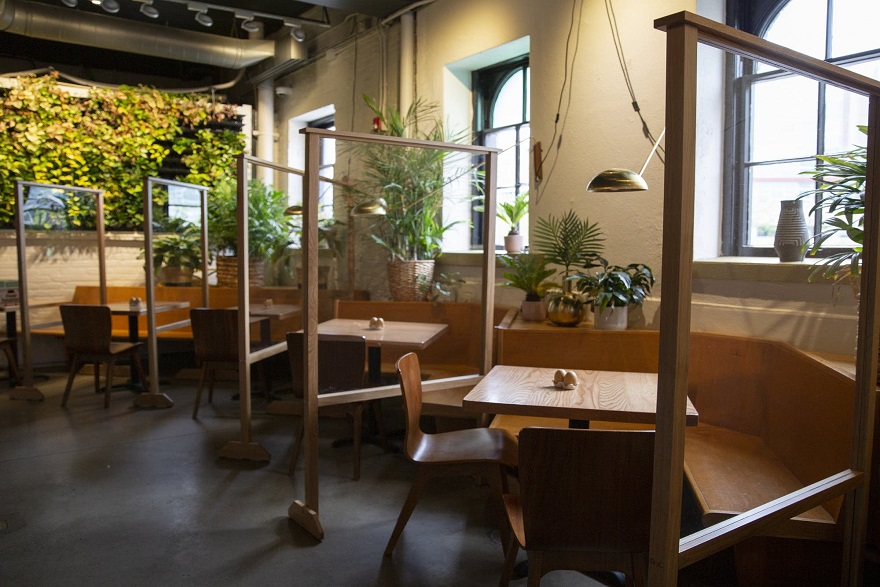
Adapting to Change; Seating (Part 1)

Understanding flexibility and a willingness to embrace change will make you a valuable leader — one who can reliably deal with many different opportunities and scenarios. You will then find change is not something to fear, but something to welcome and turn into an advantage. For restaurants with a large on-premise business model, change is happening and you need to prepare – now!

The biggest fear factors for many with a significant dining room are the new seating recommendations and capacity levels for dine-in restaurants. Everyone reading this will be in a slightly different scenario, pending the size of venue, location, and style of concept, so it is hard to create a cookie-cutter solution.

However, there are some new strategies and standards to consider that will help you adapt, pivot, and embrace these changes. Continue Reading on Resto Biz

Adapting to Change; Seating (Part 2)

To maximize your seating, encourage guests to make reservations, preferably online. Your guests will want to pick their spots, their proximity to others, and their proximity to high-traffic areas. Your new seating arrangement should ideally be online to review and should also be flexible.

Having a reservation system will also allow your staff the appropriate time to fully sanitize and prepare each area for the next number of guests in a reserved party.

With reservations, it may be wise to also consider time restrictions; guests who are used to travelling to tourism hot spots will be accustomed to these types of rules. Don’t be scared to put a 60- or 90-minute timestamp on reservations to encourage more table flips, which you’ll want to do as many times as possible within safety guidelines. Continue Reading on Resto Biz

Maintaining Financial Health During Pandemic

You already know the majority of restaurants run their business on extremely thin margins, and in the the time of COVID-19, the financial health of the industry has become all the more precarious. In fact, a recent (U.S.) National Bureau of Economic Research paper gave restaurants a 30 per cent chance of reopening if the pandemic lasts four months; this estimate drops to 15 per cent if it lasts six months.

The average restaurant, it found, had enough cash on hand to last approximately two weeks. Why such little time? Because the 3- to 5-per cent profit margin of the average restaurant or bar simply can’t cut it in this environment.

Here’s the thing – we can’t continue down this doom and gloom route. The industry will prevail, and some will come out even stronger – if they push forward now. Restaurants must operate with the mindset of achieving 12- to 15-per cent profit margins – and the secret is, it is possible. Continue Reading on Resto Biz

Hotel F&B in a Post-Pandemic Landscape

early all of our favorite and most popular travel destinations around the world have been impacted by the Covid-19 pandemic, resulting in a horrendous financial loss for hotels, resorts, and the entire hospitality industry alike.

Research by the American Hotel & Lodging Institution suggests that hotel recovery to pre-COVID-19 levels could take until the year 2023—or perhaps even later with the expected ‘long-term’ loss of business travel and international leisure travellers.

There are numerous strategies and alterations to consider moving forward for the operation of a hotel property post-pandemic; but one area that can help properties regain their guests’ trust plus revenue and profits is that of the food & beverage program. Continue Reading on KRG Hospitality

Top