Restaurant Start-Up

by David Klemt David Klemt No Comments

The Top 10 Restaurant Chains in 2023

Check Out the Top 10 Restaurant Chains by Sales in 2023

by David Klemt

Pop art image of a giant money bag wrapped in golden chains looming over a city skyline

Well, I asked for an image of a giant money bag wrapped in golden chains, looming over a city skyline. Nailed it, AI.

Technomic data reveal the top-performing restaurant chains in the United States of America by sales volume in 2023, and number one won’t be a surprise.

For a bit of context and history, Technomic has been ranking the top chain restaurants in the US since 1978. And, according to reporting, the same chain has held the number-one spot every year.

Feel free to take a moment and make your guess as to which chain continues to lead all others each year.

Alright, if you guessed McDonald’s, congratulations.

Not only is McDonald’s the largest chain in the US by sales, the company outperformed the rest of the list by a significant margin. In 2023, McDonald’s generated more than $53 billion in sales via more than 13,450 units.

That’s nearly $20 billion more in sales than the chain that clinches the number-two spot. Going deeper, that’s more than double the sales of the number-three restaurant chain. In fact, McDonald’s generated just a $100 million dollars less than the sales of the second- and third-biggest chains combined.

Coming in at number two is Starbucks, achieving sales of $31.6 billion in the US from 16,466 units. Number three is Chik-fil-A, seeing $21.6 billion in sales through 2,964 stores.

The Top 10 Chain Restaurants in the US

Below, the full list of the ten top-performing restaurant chains in the US.

Perhaps unsurprisingly, quick- and limited-service restaurants account for the entirety of the top-ten list.

Notably, each of the ten chains saw sales growth last year, though that growth fluctuates from chain to chain. Some, like Chipotle, increased sales by more than 15 percent. For others, like Subway, growth was just over two percent.

Further, just two of the top-ten chains shuttered locations in 2023. Last year, Burger King reduced its US footprint by almost four percent. Likewise, Subway shrunk by two percent.

Judging by the sales numbers, closing stores last year may have proven to be a smart business decision for Burger King and Subway.

  1. Domino’s: $9 billion (up 3.1 percent)
  2. Chipotle: $9.9 billion (up 15.3 percent)
  3. Subway: $10 billion (up 2.1 percent)
  4. Burger King: $11 billion (up 6.6 percent)
  5. Dunkin’: $11.9 billion (up 5.7 percent)
  6. Wendy’s: $12.3 billion (up 5.1 percent)
  7. Taco Bell: $15 billion (up 8.2 percent)
  8. Chik-fil-A: $21.6 billion (up 14.7 percent)
  9. Starbucks: $31.6 billion (up 12.5 percent)
  10. McDonald’s: $53.1 billion (up nine percent)

Ending on one more interesting revelation, one chain moved up the list. Bear in mind, this is no small feat.

Domino’s, once number nine on the list, was passed by Chipotle in sales last year. We’ll see if anything changes when Technomic reveals next year’s rankings.

Image: Shutterstock. Disclaimer: This image was generated by an Artificial Intelligence (AI) system.

KRG Hospitality Start-Up Restaurant Bar Hotel Consulting Consultant Solutions Plans Services

by David Klemt David Klemt No Comments

TOTCF Reveals Regional Top 10 Honorees

TOTCF Reveals Regional Top 10 Honorees

by David Klemt

AI-generated image of the Tales of the Cocktail Spirited Award on top of a bar, next to a cocktail

This is what Shutterstock’s AI think a Spirited Award looks like. At least the spelling is accurate.

Please join us in raising a glass of your favorite beveragefull-, low-, or no-ABVto the 18th annual Spirited Awards Regional Top 10 Honorees.

Overall, New York City lays claim to the most honorees with a staggering 27. In second place among the American cities is Chicago, with 17 honorees. New Orleans comes in at third with 13 honorees dotted throughout the city.

That brings us to Canada. There’s a tie between Montréal, Québec, and Toronto, Ontario, for first place. Each city boasts 15 Regional Top 10 Honorees. Vancouver follows with 11 honorees. Appearing in two categories is Dartmouth, Nova Scotia’s Dear Friend Bar. There are also two honorees in Québec City, Québec.

As you can see, a handful of cities throughout North America are doing very well in terms of the bar scene. Internationally, London is home to 17 honorees, Singapore claims 15, and Mexico City boasts 12 honorees.

You’ll find the entire list of honorees below, starting with America. What can I say? I just have to be different. Cheers!

American Honorees

Best US Bar Team presented by William Grant & Sons

Best US Bar Team: US Central

  • Anna’s (New Orleans, Louisiana)
  • Beachbum Berry’s Latitude 29 (New Orleans, Louisiana)
  • Best Intentions (Chicago, Illinois)
  • DrinkWell (Austin, Texas)
  • Grey Ghost (Detroit, Michigan)
  • Jewel of the South (New Orleans, Louisiana)
  • Meteor (Minneapolis, Minnesota)
  • Nickel City (Austin, Texas)
  • Sportsman’s Club (Chicago, Illinois)
  • Three Dots and a Dash (Chicago, Illinois)

Best US Bar Team: US East

  • Allegory DC (Washington, DC)
  • Bar Belly (New York, New York)
  • Bar Goto (New York, New York)
  • Martiny’s (New York, New York)
  • Milady’s (New York, New York)
  • Mister Paradise (New York, New York)
  • Old Glory (Nashville, Tennessee)
  • Overstory (New York, New York)
  • Proof (Charleston, South Carolina)
  • Service Bar (Washington, DC)

Best US Bar Team: US West

  • Accomplice Bar (Los Angeles, California)
  • Century Grand (Phoenix, Arizona)
  • Employees Only Los Angeles (Los Angeles, California)
  • Highball Cocktail Bar (Phoenix, Arizona)
  • Navy Strength (Seattle, Washington)
  • Pacific Cocktail Haven (San Francisco, California)
  • Strong Water Anaheim (Anaheim, California)
  • Thunderbolt (Los Angeles, California)
  • True Laurel (San Francisco, California)
  • Yacht Club (Denver, Colorado)

Best US Cocktail Bar presented by Del Maguey Mezcal

Best US Cocktail Bar: US Central*

  • Adiõs Bar (Birmingham, Alabama)
  • Bar Tonique (New Orleans, Louisiana)
  • Beachbum Berry’s Latitude 29 (New Orleans, Louisiana)
  • Best Intentions (Chicago, Illinois)
  • DrinkWell (Austin, Texas)
  • Here Nor There (Austin, Texas)
  • Julep (Houston, Texas)
  • Kiesling (Detroit, Michigan)
  • Meadowlark (Chicago, Illinois)
  • MONEYGUN (Chicago, Illinois)
  • Sparrow (Chicago, Illinois)
  • Standby (Detroit, Michigan)

Best US Cocktail Bar: US East

  • Bar Belly (New York, New York)
  • Bar Goto (New York, New York)
  • barmini by José Andrés (Washington, DC)
  • Dear Irving Gramercy (New York, New York)
  • Double Chicken Please (New York, New York)
  • Martiny’s (New York, New York)
  • Milady’s (New York, New York)
  • Mister Paradise (New York, New York)
  • Overstory (New York, New York)
  • Service Bar (Washington, DC)

Best US Cocktail Bar: US West

  • Baby Gee (Long Beach, California)
  • Capri Club (Los Angeles, California)
  • Foreign National (Seattle, Washington)
  • Happy Accidents (Albuquerque, New Mexico)
  • Highball Cocktail Bar (Phoenix, Arizona)
  • The Doctor’s Office (Seattle, Washington)
  • Thunderbolt (Los Angeles, California)
  • Trick Dog (San Francisco, California)
  • True Laurel (San Francisco, California)
  • Yacht Club (Denver, Colorado)

Best US Hotel Bar presented by Grey Goose

Best US Hotel Bar: US Central

  • Catbird at Thompson Dallas Hotel (Dallas, Texas)
  • Chandelier Bar at Four Seasons Hotel New Orleans (New Orleans, Louisiana)
  • Dovetail Bar at The Schaeffer Hotel (New Orleans, Louisiana)
  • Lazy Bird at The Hoxton (Chicago, Illinois)
  • Midnight Rambler at The Joule (Dallas, Texas)
  • Milk Room at the Chicago Athletic Association Hotel (Chicago, Illinois)
  • Otoko x Watertrade at South Congress Hotel (Austin, Texas)
  • The Elysian Bar at Hotel Peter and Paul (New Orleans, Louisiana)
  • The Sazerac Bar at The Roosevelt New Orleans (New Orleans, Louisiana)
  • Vol. 39 at The Kimpton Gray Hotel (Chicago, Illinois)

Best US Hotel Bar: US East

  • 27 Restaurant at Freehand Miami (Miami Beach, Florida)
  • Allegory DC (Washington, DC)
  • Champagne Bar at Four Seasons at The Surf Club (Miami, Florida)
  • Dear Irving on Hudson at Aliz Hotel (New York, New York)
  • Frannie & The Fox at Emeline (Charleston, South Carolina)
  • Lobby Bar at The Hotel Chelsea (New York, New York)
  • MATADOR BAR at The Miami Beach EDITION (Miami Beach, Florida)
  • Nubeluz at The Ritz-Carlton New York, NoMad (New York, New York)
  • Raines Law Room at The William (New York, New York)
  • White Limozeen at The Graduate Nashville (Nashville, Tennessee)

Best US Hotel Bar: US West

  • Ardor at The West Hollywood EDITION (West Hollywood, California)
  • Little Rituals at the Residence Inn/Courtyard by Marriott (Phoenix, Arizona)
  • Mountaineering Club at Graduate Seattle Hotel (Seattle, Washington)
  • Pacific Standard at KEX Portland (Portland, Oregon)
  • Pint + Jigger at the Ala Moana Hotel (Honolulu, Hawaii)
  • Rise Over Run at the LINE Hotel (San Francisco, California)
  • Rudolph’s Bar & Tea at Freehand LA (Los Angeles, California)
  • The Manor Bar at  Rosewood Miramar Beach (Montecito, California)
  • The Maybourne Bar at The Maybourne Hotel Beverly Hills (Beverly Hills, California)
  • The Ski Lodge at Superfrico at The Cosmopolitan (Las Vegas, Nevada)

Best US Restaurant Bar presented by Tales of the Cocktail Foundation

Best US Restaurant Bar: US Central*

  • Bar Pigalle (Detroit, Michigan)
  • Brennan’s Restaurant (New Orleans, Louisiana)
  • Coquette (New Orleans, Louisiana)
  • Daisies (Chicago, Illinois)
  • Espiritu Mezcaleria (New Orleans, Louisiana)
  • Grey Ghost (Detroit, Michigan)
  • Kumiko (Chicago, Illinois)
  • Maple & Ash (Chicago, Illinois)
  • Rose Mary (Chicago, Illinois)
  • Spoon and Stable (Minneapolis, Minnesota)
  • The Loyalist (Chicago, Illinois)

Best US Restaurant Bar: US East

  • Amazonia (Washington DC)
  • Blossom Bar (Brookline, Massachusetts)
  • Bresca (Washington, DC)
  • Cosme (New York, New York)
  • COTE Korean Steakhouse (New York, New York)
  • Crown Shy (New York, New York)
  • Gramercy Tavern (New York, New York)
  • Jaguar Sun (Miami, Florida)
  • Macchialina (Miami, Florida)
  • The Grey (Savannah, Georgia)

Best US Restaurant Bar: US West

  • Accomplice Bar (Los Angeles, California)
  • Bar Cecil (Palm Springs, California)
  • Cleaver — Butchered Meats, Seafood & Classic Cocktails (Las Vegas, Nevada)
  • L’Oursin (Seattle, Washington)
  • Lolo (San Francisco, California
  • Palomar (Portland, Oregon)
  • République (Los Angeles, California)
  • Strong Water Anaheim (Anaheim, California)
  • Valentine (Phoenix, Arizona)
  • Viridian (Oakland, California)

Best New US Cocktail Bar presented by Diageo Bar Academy

Best New US Cocktail Bar: US Central

  • Cobra (Columbus, Ohio)
  • daydreamer (Austin, Texas)
  • Equipment Room (Austin, Texas)
  • Good Night John Boy (Chicago, Illinois)
  • Jolie (New Orleans, Louisiana)
  • Lemon (Chicago, Illinois)
  • Murray’s Tavern (Austin, Texas)
  • Saint Valentine (Dallas, Texas)
  • The Eastman (Rochester, Michigan)
  • Wild Child (Kansas City, Missouri)

Best New US Cocktail Bar: US East

  • Bartley Dunne’s (New York, New York)
  • Curean (Greenville, South Carolina)
  • Equal Measure (Boston, Massachusetts)
  • Jac’s On Bond (New York, New York)
  • Medium Cool (Miami Beach, Florida)
  • Papi Portland (Portland, Maine)
  • Paradise Lost (New York, New York)
  • Pretty Decent (Louisville, Kentucky)
  • Superbueno (New York, New York)
  • The Portrait Bar at The Fifth Avenue Hotel (New York, New York)

Best New US Cocktail Bar: US West

  • Aphotic (San Francisco, California)
  • Bar Next Door (Los Angeles, California)
  • Cavaña at LUMA Hotel (San Francisco, California)
  • Dark Room (Seattle, Washington)
  • Dirty Pretty (Portland, Oregon)
  • Donna’s (Los Angeles, California)
  • FYPM (Phoenix, Arizona)
  • Hey Kiddo (Denver, Colorado)
  • Ok Yeah (Denver, Colorado)
  • STOA (San Francisco, California)

International Honorees

Best International Bar Team presented by Tales of the Cocktail Foundation

Best International Bar Team: Asia Pacific (APAC)

  • ARGO at Four Seasons Hotel Hong Kong (Hong Kong, China)
  • ATLAS (Singapore)
  • Caretaker’s Cottage (Melbourne, Victoria, Australia)
  • Dean & Nancy on 22 at the A by Adina Hotel (Sydney, New South Wales, Australia)
  • Double Deuce Lounge (Sydney, New South Wales, Australia)
  • Hope & Sesame Guangzhou (Guangzhou, Guangdong Province, China)
  • Jigger & Pony at the Amara Hotel (Singapore)
  • Native (Singapore)
  • Night Hawk (Singapore)
  • Nutmeg & Clove (Singapore)

Best International Bar Team: Canada*

  • Atwater Cocktail Club (Montréal, Québec, Canada)
  • Botanist at Fairmont Pacific Rim Hotel (Vancouver, British Columbia, Canada)
  • Civil Liberties (Toronto, Ontario, Canada)
  • Cry Baby Gallery (Toronto, Ontario, Canada)
  • Dear Friend Bar (Dartmouth, Nova Scotia, Canada)
  • Laowai (Vancouver, British Columbia, Canada)
  • Library Bar at Fairmont Royal York (Toronto, Ontario, Canada)
  • Published on Main (Vancouver, British Columbia, Canada)
  • The Cloakroom Bar (Montréal, Québec, Canada)
  • The Coldroom (Montréal, Québec, Canada)
  • The Keefer Bar (Vancouver, British Columbia, Canada)

Best International Bar Team: Europe

  • 1930 Cocktail Bar (Milan, Italy)
  • Bar 1661 (Dublin, Ireland)
  • Cinquanta Spirito Italiano (Pagani, Italy)
  • Mirror Cocktail Bar at Radisson Blu Carlton Hotel (Bratislava, Slovakia)
  • Panda & Sons (Edinburgh, Scotland, UK)
  • Paradiso (Barcelona, Spain)
  • Satan’s Whiskers (London, England, UK)
  • Tayēr + Elementary (London, England, UK)
  • The Cambridge Public House (Paris, Île-de-France, France)
  • The Clumsies (Athens, Greece)

Best International Bar Team: Latin America & Caribbean (LATAM&C)

  • Café de Nadie (Mexico City, Mexico)
  • CoChinChina (Buenos Aires, Argentina)
  • El Gallo Altanero (Guadalajara, Jalisco, Mexico)
  • Handshake Speakeasy (Mexico City, Mexico)
  • Hanky Panky (Mexico City, Mexico)
  • La Factoría (San Juan, Puerto Rico)
  • La Uat (Buenos Aires, Argentina)
  • Rayo Cocktail Bar (Mexico City, Mexico)
  • Tres Monos (Buenos Aires, Argentina)
  • Zapote Bar at Rosewood Mayakoba (Playa del Carmen, Quintana Roo, Mexico)

Best International Bar Team: Middle East & Africa (MEA)

  • COYA Dubai (Dubai, UAE)
  • fable (Cape Town, Western Cape, South Africa)
  • Front/Back Accra (Accra, Ghana)
  • Lost + Found Drinkery (Nicosia, Cyprus)
  • LPM Restaurant & Bar Dubai (Dubai, UAE)
  • Mimi Kakushi (Dubai, UAE)
  • Salmon Guru Dubai (Dubai, UAE)
  • Sin + Tax (Johannesburg, Gauteng, South Africa)
  • The Drinkery (Cape Town, Western Cape, South Africa)
  • Zuma Dubai (Dubai, UAE)

Best International Cocktail Bar presented by Patrón Tequila

Best International Cocktail Bar: Asia Pacific (APAC)

  • Above Board (Melbourne, Victoria, Australia)
  • BYRDI (Melbourne, Victoria, Australia)
  • Caretaker’s Cottage (Melbourne, Victoria, Australia)
  • COA (Hong Kong, China)
  • Hope & Sesame Guangzhou (Guangzhou, Guangdong Province, China)
  • Maybe Sammy (Sydney, New South Wales, Australia)
  • Nutmeg & Clove (Singapore)
  • The Bellwood (Tokyo, Honshu, Japan)
  • The Cocktail Club (Jakarta, Javo, Indonesia)
  • ZEST (Seoul, South Korea)

Best International Cocktail Bar: Canada*

  • Atwater Cocktail Club (Montréal, Québec, Canada)
  • Bar Mordecai (Toronto, Ontario, Canada)
  • Bar Pompette (Toronto, Ontario, Canada)
  • Civil Liberties (Toronto, Ontario, Canada)
  • Cocktail Bar (Toronto, Ontario, Canada)
  • Dear Friend Bar (Dartmouth, Nova Scotia, Canada)
  • Laowai (Vancouver, British Columbia, Canada)
  • Milky Way Cocktail Bar (Montréal, Québec, Canada)
  • The Cloakroom Bar (Montréal, Québec, Canada)
  • The Keefer Bar (Vancouver, British Columbia, Canada)
  • The Raven Room (Whistler, British Columbia, Canada)

Best International Cocktail Bar: Europe

  • 🔶🟥🔵 A Bar with Shapes for a Name (London, UK)
  • Drink Kong (Rome, Lazio, Italy)
  • HIMKOK (Oslo, Østlandet, Norway)
  • Kwãnt (London, UK)
  • Line Athens (Athens, Greece)
  • Panda & Sons (Edinburgh, Scotland, UK)
  • Paradiso (Barcelona, Spain)
  • Röda Huset (Stockholm, Södermanland and Uppland, Sweden)
  • Satan’s Whiskers (London, England, UK)
  • Three Sheets Bar (London, England, UK)

Best International Cocktail Bar: Latin America & Caribbean (LATAM&C)*

  • ALQUÍMICO (Cartagena des Indias, Bolívar, Colombia)
  • Bon Vivants (Nassau, New Providence, Bahamas)
  • Carnaval Bar (Lima, Peru)
  • El Barón Cafe & Cocktail Bar (Cartagena des Indias, Bolívar, Colombia)
  • Handshake Speakeasy (Mexico City, Mexico)
  • La Factoría (San Juan, Puerto Rico)
  • La Uat (Buenos Aires, Argentina)
  • Oh No! Lulu (Buenos Aires, Argentina)
  • Rayo Cocktail Bar (Mexico City, Mexico)
  • The Liquor Store (São Paulo, Brazil)
  • Tres Monos (Buenos Aires, Argentina)

Best International Cocktail Bar: Middle East & Africa (MEA)

  • CAUSE | EFFECT Cocktail Kitchen (Cape Town, Western Cape, South Africa)
  • Dead End Paradise (Beirut, Lebanon)
  • Front/Back Accra (Accra, Ghana)
  • Galaxy Bar (Dubai, UAE)
  • Honeycomb Hi-Fi (Dubai, UAE)
  • Salmon Guru Dubai (Dubai, UAE)
  • Shinkō (Cairo, Egypt)
  • Sin + Tax (Johannesburg, Gauteng, South Africa)
  • The Drinkery (Cape Town, Western Cape, South Africa)
  • The House of Machines (Cape Town, Western Cape, South Africa)

Best International Hotel Bar presented by Ford’s Gin

Best International Hotel Bar: Asia Pacific (APAC)

  • ARGO at Four Seasons Hotel Hong Kong (Hong Kong, China)
  • Bar Trigona at Four Seasons Hotel Kuala Lumpur (Kuala Lumpur, Malaysia)
  • BKK Social Club at Four Seasons Hotel Bangkok (Bangkok, Thailand)
  • Charles H. at Four Seasons Hotel Seoul (Seoul, South Korea)
  • DarkSide at Rosewood Hong Kong (Hong Kong, China)
  • Dean & Nancy on 22 at the A by Adina Hotel (Sydney, New South Wales, Australia)
  • Origin Bar at the Shangri-La Hotel (Singapore)
  • The Bamboo Bar at the Mandarin Oriental (Bangkok, Thailand)
  • VIRTÙ at Four Seasons Hotel Tokyo Otemachi (Tokyo, Honshu, Japan)
  • Writers Bar at Raffles Singapore Hotel (Singapore)

Best International Hotel Bar: Canada

  • Bar 1608 at Fairmont Le Château Frontenac (Québec City, Québec, Canada)
  • Bar George at Le Mount Stephen Hotel (Montréal, Québec, Canada)
  • Botanist at Fairmont Pacific Rim Hotel (Vancouver, British Columbia, Canada)
  • Clive’s Classic Lounge at Chateau Victoria Hotel & Suites (Victoria, British Columbia, Canada)
  • Clockwork Champagne & Cocktails at Fairmont Royal York Hotel (Toronto, Ontario, Canada)
  • Library Bar at Fairmont Royal York (Toronto, Ontario, Canada)
  • Marcus Lounge and Bar at Four Seasons Hotel Montréal (Montréal, Québec, Canada)
  • Nacarat at Fairmont Queen Elizabeth (Montréal, Québec, Canada)
  • The Lobby Lounge and RawBar at Fairmont Pacific Rim (Vancouver, British Columbia, Canada)
  • Writers Room Bar at Park Hyatt (Toronto, Ontario, Canada)

Best International Hotel Bar: Europe*

  • Atrium Bar at Four Seasons Hotel Firenze (Florence, Tuscany, Italy)
  • Avra Bar at Four Seasons Astir Palace Hotel Athens (Athens, Greece)
  • Bar Les Ambassadeurs at Hôtel de Crillon (Paris, Île-de-France, France)
  • Mirror Cocktail Bar at Radisson Blu Carlton Hotel (Bratislava, Slovakia)
  • Punch Room at The Madrid EDITION (Madrid, Spain)
  • Seed Library at One Hundred Shoreditch Hotel (London, England, UK)
  • Side Hustle at The NoMad Hotel London (London, England, UK)
  • Super Lyan at Kimpton De Witt (Amsterdam, North Holland, Netherlands)
  • The Court at Palazzo Manfredi (Rome, Lazio, Italy)
  • The Donovan Bar at Brown’s Hotel (London, England, UK)
  • Velvet by Salvatore Calabrese at Corinthia London (London, England, UK)

Best International Hotel Bar: Latin America & Caribbean (LATAM&C)

  • BEKEB at Hotel Casa Hoyos (San Miguel de Allende, Guanajuato, Mexico)
  • Carlotta Reforma at The Ritz-Carlton, Mexico City (Mexico City, Mexico)
  • Fifty Mils at  Four Seasons Hotel Mexico City (Mexico City, Mexico)
  • Hotel B at Relais & Châteaux (Lima, Peru)
  • King Cole Bar at The St. Regis Mexico City (Mexico City, Mexico)
  • La Botica at Las Ventanas al Paraiso (Los Cabos, Baja California Sur, Mexico)
  • Library by the Sea at Kimpton Seafire Resort (Seven Mile Beach, Grand Cayman, Cayman Islands)
  • NKIRU Bar at 45 by Director Hotel (Santiago, Chile)
  • Rabo di Galo at Rosewood São Paulo (São Paulo, Brazil)
  • Zapote Bar at Rosewood Mayakoba (Playa del Carmen, Quintana Roo, Mexico)

Best International Hotel Bar: Middle East & Africa (MEA)*

  • Blind Tiger at Jumeirah Al Naseem (Dubai, UAE)
  • Electric Pawn Shop at the Dubai Hotel (Dubai, UAE)
  • Flashback Speakeasy Bar & Lounge at Paramount Hotel Dubai (Dubai, UAE)
  • Gigi Rooftop Restaurant & Bar at the Gorgeous George Hotel (Cape Town, Western Cape, South Africa)
  • HERO at Trademark Hotel (Nairobi, Kenya)
  • Jiko Restaurant at Tribe Hotel (Nairobi, Kenya)
  • Library Bar at The Abu Dhabi EDITION (Abu Dhabi, UAE)
  • Monkey Bar at 25hours Hotel (Dubai, UAE)
  • Smoke & Mirrors at SLS Dubai (Dubai, UAE)
  • The Bulgari Bar at the The Bulgari Resort Dubai (Dubai, UAE)
  • The Leopard Bar at the Twelve Apostles Hotel (Cape Town, Western Cape, South Africa)

Best International Restaurant Bar presented by Gin Mare

Best International Restaurant Bar: Asia Pacific (APAC)

  • Alba Bar & Deli (Brisbane, Queensland, Australia)
  • Burnt Ends (Singapore)
  • Caffe Fernet (Singapore)
  • Gimlet at Cavendish House (Melbourne, Victoria, Australia)
  • Neon Pigeon (Singapore)
  • PANTJA (Jakarta, Javo, Indonesia)
  • Ralph’s Bar (Chengdu, Sichuan, China)
  • SG Low (Tokyo, Honshu, Japan)
  • Sugarhall (Singapore)
  • Vender Bar (Taichung City, Taiwan)

Best International Restaurant Bar: Canada

  • Bar Kismet (Halifax, Nova Scotia, Canada)
  • Honō Izakaya (Québec City, Québec, Canada)
  • Le Majestique (Montréal, Québec, Canada)
  • Major Tom (Calgary, Alberta, Canada)
  • Mount Pleasant Vintage & Provision (Vancouver, British Columbia, Canada)
  • Published on Main (Vancouver, British Columbia, Canada)
  • Quetzal (Toronto, Ontario, Canada)
  • Restaurant Pompette (Toronto, Ontario, Canada)
  • Rouge Gorge (Montréal, Québec, Canada)
  • SUYO (Vancouver, British Columbia, Canada)

Best International Restaurant Bar: Europe

  • Angelita (Madrid, Spain)
  • Bar Lupo (Zürich, Switzerland)
  • Carico Milano (Milan, Lombardy, Italy)
  • Danico (Paris, Île-de-France, France)
  • Galileo (Barcelona, Spain)
  • Gucci Giardino 25 (Florence, Tuscany, Italy)
  • Hakkasan (London, England, UK)
  • Le Mary Celeste (Paris, Île-de-France, France)
  • Locale Firenze (Florence, Tuscany, Italy)
  • Sins of Sal (Amsterdam, North Holland, Netherlands)

Best International Restaurant Bar: Latin America & Caribbean (LATAM&C)

  • ARCA Tulum (Tulum, Quintana Roo, Mexico)
  • Aruba Day Drink Bar (Tijuana, Baja California, Mexico)
  • Bar Carmen Medellín (Medellín, Aburrá Valley, Colombia)
  • Casa Prunes (Mexico City, Mexico)
  • CoChinChina (Buenos Aires, Argentina)
  • Jardín Tragos y Pasteles (Bogotá, Colombia)
  • Lady Bee (Lima, Peru)
  • Mamba Negra (Medellín, Aburrá Valley, Colombia)
  • Niño Gordo (Buenos Aires, Argentina)
  • Tan Tan (São Paulo, Brazil)

Best International Restaurant Bar: Middle East & Africa (MEA)

  • Amelia Restaurant & Lounge (Dubai, UAE)
  • Asoka (Cape Town, Western Cape, South Africa)
  • Bôndai Restaurant & Bar (Accra, Ghana)
  • COYA Dubai (Dubai, UAE)
  • Funky Monkey (Diani Beach, Kwale County, Kenya)
  • LPM Restaurant & Bar Dubai (Dubai, UAE)
  • Mimi Kakushi (Dubai, UAE)
  • Roka Dubai (Dubai, UAE)
  • Upper Union (Cape Town, Western Cape, South Africa)
  • Zuma Dubai (Dubai, UAE)

Best New International Cocktail Bar presented by Diageo Bar Academy

Best New International Cocktail Bar: Asia Pacific (APAC)

  • Apollo Inn (Melbourne, Victoria, Australia)
  • Bar Leone (Hong Kong, China)
  • Bar Us (Bangkok, Thailand)
  • Cat Bite Club (Singapore)
  • El Primo Sanchez (Sydney, New South Wales, Australia)
  • Fura (Singapore)
  • Puffy Bois Pizza (Singapore)
  • The Savory Project (Hong Kong, China)
  • The Waratah (Sydney, New South Wales, Australia)
  • Tokyo Confidential (Tokyo, Honshu, Japan)

Best New International Cocktail Bar: Canada

  • Bar Bello (Montréal, Québec, Canada)
  • Bar Bisou Bisou (Montréal, Québec, Canada)
  • Bar Dominion (Montréal, Québec, Canada)
  • Bon Délire (Montréal, Québec, Canada)
  • Charlie’s Watch Repair (Calgary, Alberta, Canada)
  • Electric Bill Bar (Toronto, Ontario, Canada)
  • Humboldt Bar at DoubleTree by Hilton Hotel & Suites (Victoria, British Columbia, Canada)
  • LE TIGRE (Toronto, Ontario, Canada)
  • Must be the Place (Winnipeg, Manitoba, Canada)
  • Overpressure Club (Toronto, Ontario, Canada)

Best New International Cocktail Bar: Europe*

  • Abstract Bistrot (Lyon, Auvergne-Rhône-Alpes, France)
  • Bar Llama (Madrid, Spain)
  • Bar Nouveau (Paris, Île-de-France, France)
  • Dram Bar (London, England, UK)
  • Equal Parts (London, England, UK)
  • Groovy Fluids (Amsterdam, North Holland, Netherlands)
  • Rumore (Milan, Lombardy, Italy)
  • Savoy Brasserie & Bar at Mandarin Oriental Savoy (Zürich, Switzerland)
  • The Honey Moon (Paris, Île-de-France, France)
  • Twice Shy (London, England, UK)
  • Vesper Bar at The Dorchester (London, England, UK)
  • Viajante87 (London, England, UK)
  • Wacky Wombat (London, England, UK)

Best New International Cocktail Bar: Latin America & Caribbean (LATAM&C)

  • 1929 Cocktail Bar (Juana Díaz, Puerto Rico)
  • Alofah Tiki Bar (Mexico City, Mexico)
  • Bijou Drinkery Room (Mexico City, Mexico)
  • Booze The Bar Room (Lima, Peru)
  • Cielo Bar (La Paz, Pedro Domingo Murillo, Bolivia)
  • Cocktail & Bites (Bayamón, Puerto Rico)
  • Hoja Santa (Aguascalientes, Mexico)
  • SOFÁ – un bar (Buenos Aires, Argentina)
  • The Dilly Club (Nassau, New Providence, Bahamas)
  • The M Bar at Nobu Hotel Los Cabos (Cabo San Lucas, Baja California Sur, Mexico)

Best New International Cocktail Bar: Middle East & Africa (MEA)

  • 7 Tales at Grosvenor House (Dubai, UAE)
  • Kōzo Kigali (Kigali, Rwanda)
  • Ling Ling at Atlantis The Royal (Dubai, UAE)
  • Mii-Yao (Beirut, Lebanon)
  • Moonshine (Dubai, UAE)
  • No.19 Accra (Accra, Ghana)
  • SOON Izakaya (Dubai, UAE)
  • Soul Kitchen Dubai (Dubai, UAE)
  • The Smiths (Lagos, Nigeria)
  • Uchi DIFC (Dubai, UAE)

Note: An asterisk denotes a category with more than 10 honorees due to a tie.

Image: Shutterstock. Disclaimer: This image was generated by an Artificial Intelligence (AI) platform.

KRG Hospitality. Bar Consultant. Nightclub. Lounge. Mixology. Cocktails.

by David Klemt David Klemt No Comments

2 Eco-friendly F&B Items for Earth Day

2 Eco-friendly F&B Items for Earth Day

by David Klemt

An AI-generated image of a bee flying over seaweed, headed toward the horizon

This bee is having the time of its AI-generated life, frolicking over the sea.

It’s April 22, also known as Earth Day, and with that in mind I would like to introduce you to two products that focus on sustainability.

One is replacement for the standard cooking oils we know and love. The other is a practical stand-in for traditional honey.

The topics of sustainability, environmental friendliness, and responsible business practices are multifaceted. There’s combating food waste, upgrading to energy-efficient equipment and items that use less water… And there’s sourcing ingredients.

In the case of the two products below, both aim to be made with responsible production methods. The first seeks to use just a fraction of the resources needed to produce its traditional analogs. The other focuses on habitat restoration and protecting our planet’s all-important pollinators.

Algae Cooking Club

Seaweed isn’t just for scaring the hell out of people swimming in lakes or oceans. Instead, it’s now a viable substitute for vegetable, olive, canola, and other cooking oils.

Since it’s Earth Day (and Earth Month, of course), I want operators to be aware of this environmentally friendly alternative to traditional cooking oils.

According to the Algae Cooking Club website, “Many cooking oils are still sourced from industrial farming methods, while climate change is radically reducing crop yields. An estimated 1.4 billion acres of new farmland will be needed to feed a growing world. Algae offers an exciting alternative. Instead of waiting entire seasons to harvest, algae has the potential to produce high-quality fats, proteins, and nutrients in a matter of days with a fraction of the land, water, and carbon needed, without sacrificing flavor and quality.”

Per Elisabeth Sherman, writing for Food & Wine, Algae Cooking Club can credibly claim that production of their algae oil produces just half the carbon emissions in comparison to avocado, canola, and olive oil. Oh, it’s also packaged in a recyclable aluminum bottle.

There are several seaweed- or algae-based cooking oils available. I’m focusing on Algae Cooking Club’s oil because one of the world’s best restaurants is reportedly using it moving forward.

That restaurant is Eleven Madison Park, helmed by owner and chef, Chef Daniel Humm. Not only is the restaurant one of the best, it was named the World’s Best Restaurant by the World’s 50 Best Restaurants in 2017. Chef Humm claims that Algae Cooking Club’s oil doesn’t overpower delicate flavors, nor does it taste off or burnt.

So, if it’s good enough for one of the best restaurants and one of the best chefs in the world, it’s going to have my attention.

Mellody

I don’t want to start a debate here, but it’s important to note that there’s a dispute over whether honey is vegetarian or vegan.

On the vegetarian side of the discussion, it’s not meat or fish. Also, most people would say that bees aren’t harmed during the production of honey.

However, on the vegan side, honey is an animal product. Further, it’s a product produced by exploiting an animal. Therefore, honey can’t be vegan. And, yes, that means vegans will try to avoid consuming it.

Well, what if there existed a product that looked, tasted, cooked, and overall behaved like honey that didn’t exploit any bees? There is.

From Mellody Foods comes Mellody Plant-based Honey. Currently, there are two expressions: Golden Clover, and Spicy Habanero. Both, according to Mellody, are 1:1 matches to honey produced by bees.

The company claims that Golden Clover and Spicy Habanero tastes, drips, drizzles, and sticks like traditional honey. Each flavor is vegan, gluten- and glyphosate-free, and pollinator-friendly.

Crucially, both plant-based honeys are made using sugars, acids, and botanical extracts. Of course, Spicy Habanero includes its namesake pepper as well.

You and your culinary and bar teams can learn about Mellody here.

Takeaway

Eco-friendliness and sustainability are important values to a not-insignificant portion of the world.

It follows that a percentage of consumers seek out and want to support restaurants and bars that share their values. So, if the above products make sense for your concept, give them careful consideration.

If they’re not a fit, that’s fine. However, it’s a good idea to look into what products and practices you can embrace to become a more sustainable operator.

It’s possible you’re already greener than you think. Keep going.

Disclaimer: Neither the author nor KRG Hospitality received compensation, monetary or otherwise, in exchange for this post.

Image: Shutterstock. Disclaimer: This image was generated by an Artificial Intelligence (AI) system.

KRG Hospitality Start-Up Restaurant Bar Hotel Consulting Consultant Solutions Plans Services

by krghospitality krghospitality No Comments

Rocky Start to Cali’s Fast-food Wage Hike

Rocky Start to California’s Fast-food Wage Hike

by David Klemt

AI-generated image of a $20 bill with a cheeseburger covering the president's face, in street art style

I instructed AI to draw a cheeseburger on a $20 bill, in street art style. Enjoy.

We’re barely two weeks into the $20-per-hour wage hike for fast-food workers in California and not everyone is happy with the results thus far.

That is, of course, if reports are accurate. However, the stories coming out of the Golden State are raising eyebrows.

On April 1, the minimum wage for fast-food workers in California jumped to $20 per hour. On the surface, AB 1228 appears to be a victory for hourly hospitality professionals employed by fast-food concepts.

Unfortunately, once we go beyond the surface, things aren’t that cut and dry.

Operators in California are implementing all manner of adaptations in response to the state’s minimum wage boost:

  • Increasing menu prices.
  • Cutting staff hours.
  • Reducing staff.
  • Decreasing operating hours.
  • Closing one or more days of the week.
  • Postponing updates and upgrades.
  • Focusing on delivery.
  • Introducing automation.
  • Putting items that require less labor on the menu.
  • Closing locations permanently.

It should go without saying but a wage increase doesn’t do much good if one’s hours are reduced significantly. Further, it does zero good if one’s employer shutters the workplace.

Per reporting, that’s precisely the situation team at one Fosters Freeze location is in currently. On April 1, workers at a Lemoore, California, location received a group text explaining that their restaurant was closing permanently. Understandably, some staff thought the text was an April Fool’s Day prank.

Certainly, the Lemoore Fosters Freeze isn’t the only restaurant closure related directly to the minimum-wage hike. Nor, it seems, will it be the last.

More Pain Points

When people hear about fast-food menu price increases, the assumption is that guests will reduce visits. Or, perhaps they’ll adjust their usual order. Alternately, some people anticipate guests will give their business to a different fast-food brand.

However, there’s another result that some fast-food operators in California are anticipating or experiencing already.

At a certain point, perception of value is affected negatively. Eventually, a consumer will perceive more value in visiting a full-service restaurant than a QSR or LSR. So, it’s likely that fast-food operators in California will lose guests to traditional “sit-down” concepts.

Should that possibility become a reality, traffic will drop. When the traffic drops, workers’ hours are reduced. Some operators, therefore, will lose staff to FSRs; people need to go where the work and money are, after all.

So, beyond the need to adapt to comply with the new minimum-wage law, fast-food operators must compete with FSRs to keep staff and guests.

What’s a Fast Food Restaurant?

Curious about how California defines “fast food restaurant” in AB 1228, I looked up the text of the bill.

The relevant parts are found under section 1474:

“(a) ‘National fast food chain’ means a set of limited-service restaurants consisting of more than 60 establishments nationally that share a common brand, or that are characterized by standardized options for decor, marketing, packaging, products, and services, and which are primarily engaged in providing food and beverages for immediate consumption on or off premises where patrons generally order or select items and pay before consuming, with limited or no table service. For purposes of the definitions in this part, ‘limited-service restaurant’ includes, but is not limited to, an establishment with the North American Industry Classification System Code 722513.”

1474 also includes the following:

“(c) (1) Except as provided in paragraph (2), ‘fast food restaurant’ means a limited-service restaurant in the state that is part of a national fast food chain.”

Interestingly, there’s also this exemption:

“(2) ‘Fast food restaurant’ shall not include an establishment that on September 15, 2023, operates a bakery that produces for sale on the establishment’s premises bread, as defined under Part 136 of Subchapter B of Chapter I of Title 21 of the Code of Federal Regulations, so long as it continues to operate such a bakery. This exemption applies only where the establishment produces for sale bread as a stand-alone menu item, and does not apply if the bread is available for sale solely as part of another menu item.”

Further, AB 610 carves out more exemptions.

Accusations of Corruption

The bakery exemption is fueling accusations of corruption.

Per reports, the exemption is quite favorable for Panera Bread. Why is that particular chain being held up as an example of special treatment and corruption?

As it turns out, should reporting prove accurate, a Panera Bread franchisee and billionaire named Greg Flynn is a Governor Gavin Newsom campaign donor. It’s claimed that Flynn has donated more than $200,000 to Gov. Newsom.

Last month, Flynn, in response to what has been dubbed “PaneraGate,” stated that the minimum wage at his franchise locations would rise to $20 per hour. This announcement was, Flynn claimed, to remain competitive, and in no way a reaction to the controversy surrounding what many perceived to be a favorable exemption for a donor, high school friend, and past business partner.

Again, California is barely two weeks in to this mandated pay rise. To say it’s early days is an understatement. There will be further consequences and adaptations for months and years to come.

So far, however, while many workers and even business owners are happy with the new law, some are already sounding alarms and pushing back.

Image: Shutterstock. Disclaimer: This image was generated by an Artificial Intelligence (AI) system.

KRG Hospitality. Restaurant Business Plan. Feasibility Study. Concept. Branding. Consultant. Start-Up.

by David Klemt David Klemt No Comments

AI: Coming to a Loyalty Program Near You

AI: Coming to a Loyalty Program Near You

by David Klemt

In a logical step forward, artificial intelligence is now coming to restaurant loyalty programs to enhance personalization and encourage engagement.

Proponents say that AI is in a position to learn about program members and make recommendations. Most importantly, they claim that such technology learns to present offers that will motivate guests to make a purchase.

At the end of the day, that is the reason loyalty programs exist.

One international chain embracing AI tech to enhance their program is Wendy’s. As one would expect, they’re using AI to study an individual’s preferences, visit frequency, purchase history, and more.

Should this investment in AI prove successful, the Wendy’s loyalty program will further establish itself as one of the best in the industry. In addition to enhancing the gamification aspect of the app, offer uptake should increase.

It’s no secret that consumers want personalized offers. However, that doesn’t mean a marketing email with their first name in the greeting. A truly personalized offer is one that shows the company extending it understands the recipient.

For a surface-level example, let’s say a loyalty program user’s purchase history makes it clear they’re exclusively vegetarian or vegan. It’s incredibly likely that offering this person a deal on a double cheeseburger will fail. Over time, after receiving enough offers that don’t resonate, that user may decrease visits and even exit the loyalty program.

Toward the end of last year, Wendy’s said they expected sales driven by digital opportunities to reach nearly $2 billion. A key driver is, of course, their loyalty program.

It makes sense, therefore, for the QSR giant to invest in AI to enhance loyalty.

Punchh It

Wendy’s is partnering with PAR Tech to enhance their loyalty program via artificial intelligence.

In 2021, PAR Tech acquired a loyalty and guest engagement solutions provider called Punchh for $500 million. Now called PAR Punchh, the aim is to make it simpler for restaurants to leverage loyalty.

“With the Punchh acquisition, we are building a platform that enables restaurants to scale quickly, own their path to innovation, and take back their guest relationship. This eliminates the need for juggling disjointed vendors, developing cumbersome point-to-point integrations, and relying on 3rd party dependencies. At the same time, Punchh advances our ability to provide customers with an end-to-end solution, from guest-to-kitchen, through one unified data source,” said PAR Tech CEO and president Savneet Singh back in 2021.

Per PAR Tech, there are more than 200 enterprise-level restaurant chains using Punchh currently. It stands to reason that number will grow if partnering with the platform proves lucrative for brands like Wendy’s.

Further, as AI tech reaches ubiquity and delivers more desirable results, it should become more affordable for regional chains and independents to leverage it as well.

Operators of all sizes who offer loyalty programs should keep an eye on AI-enhanced programs and the opportunities they present.

Image: Alexander Sinn on Unsplash

Bar Pub Brewery Nightclub Club Nightlife Technology Plan Tech Stack

by David Klemt David Klemt No Comments

What’s Going on with Chili Crisp?

What’s Going on with Chili Crisp?

by David Klemt

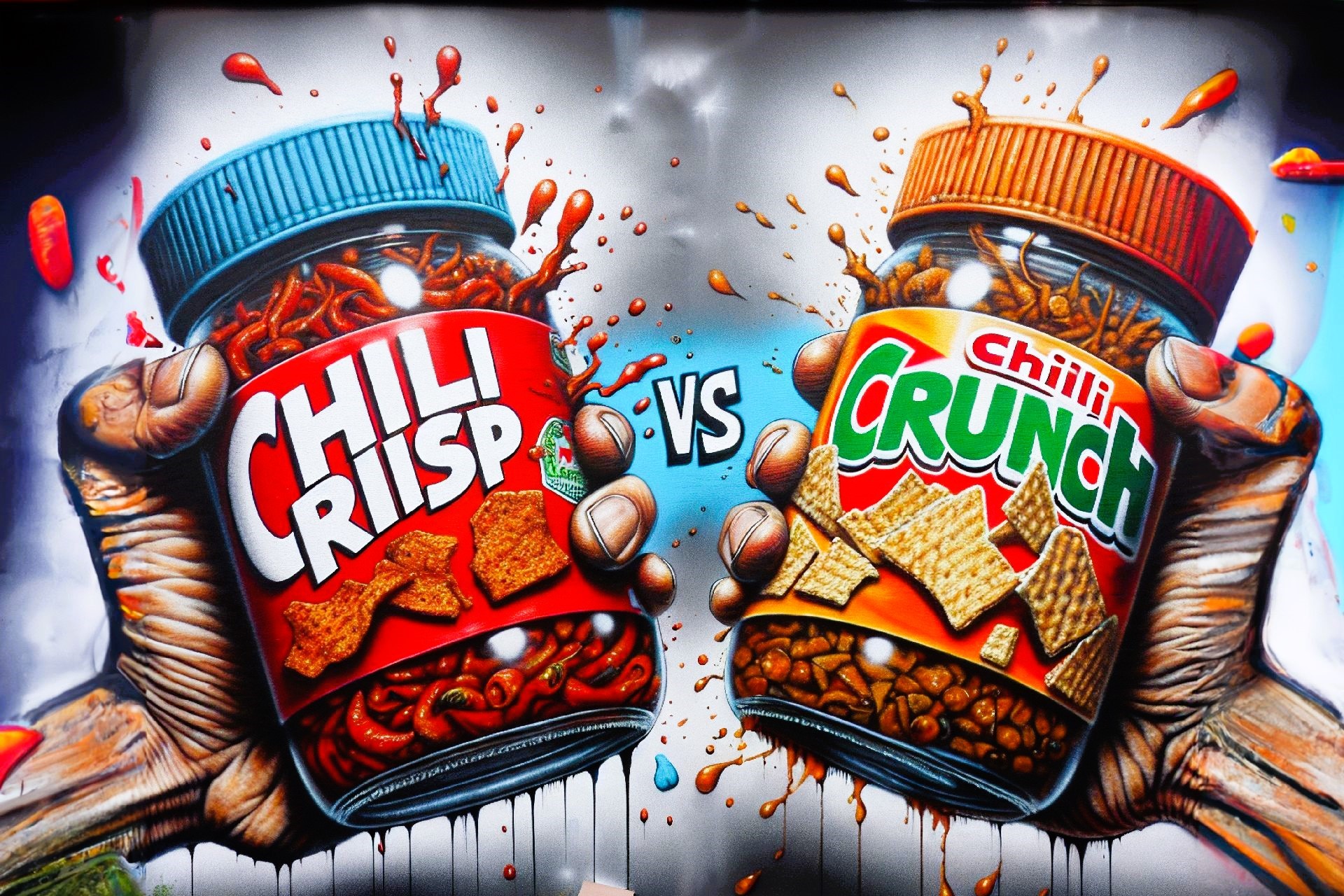
A street-art-style image of a jar of chili crisp versus a jar of chili crunch

I’m not convinced that AI platforms know much about chili crisp or human hands.

UPDATE (April 15, 2024): David Chang has reportedly stated that Momofuku will no longer enforce the “Chile Crunch” trademark. He made the statement on his The Dave Chang Show podcast.

A legal battle over a chili crisp trademark is spilling into the public arena, and people are taking sides and making their feelings known on social media.

More specifically, Momofuku appears to be defending its “Chile Crunch” and “Chili Crunch” trademarks vigorously. To say some people aren’t exactly fans of this legal news is an understatement.

To provide context for the unfamiliar, Momofuku is a restaurant group first established in 2004 by David Chang. By 2019, the group had expanded, opening 20 venues. In 2020, Momofuku Goods began selling some of its culinary products in the retail space.

Among the products carrying the Momofuku name and peach logo is Chili Crunch. This is the brand’s version of chili crisp, a condiment consisting of oil, fried chili pepper, and other elements, such as garlic and onion (and other peppers).

From what I can find, it’s widely accepted that chili crisp originated in China, and has been around for centuries. How many centuries? I have no idea.

However, I can say with certainty that Momofuku has owned the “chile crunch” trademark since 2023. And I know that Momofuku acquired the rights to that trademark from Chile Colonial, LLC. That acquisition was part of a settlement.

Interestingly, Chile Colonial took action against Momofuku last year for trademark infringement for using the product name Chile Crunch. The former had been selling its Chile Crunch since 2008, and registered the trademark in 2015.

Now, it’s Momofuku, who apparently licenses the trademark to others, taking action to defend the trademark. Toward the end of last month, the company applied to trademark “chili crunch.”

Cease and Desist

As several outlets have reported, a number of chili crisp producers have received cease-and-desist letters.

Eater has reported that one producer, Homiah, received such a letter after they renamed their Crispy Sambal product to Sambal Chili Crunch.

The letter reads, in part, “Momofuku trusts that Homiah did not adopt the CHILI CRUNCH mark in bad faith or with an intent to create confusion. But because trademark law requires brand owners to police use of their trademarks—and because Momofuku is concerned that consumers may actually be confused here—we write to request Homiah’s cooperation.”

One element of the requested cooperation is that Homiah stop using the name Sambal Chili Crunch within 90 days.

It seems that it hasn’t taken long for these legal requests to find their way to the public at large. And, yes, sides have been taken.

Sifting through the comments on Eater’s Instagram post about this situation paints a vivid, albeit not entirely unexpected, picture.


View this post on Instagram


A post shared by Eater (@eater)

This is a great way to ensure that I’ll never buy Chang’s version,” reads one comment.

If no one owns RANCH, no one should own this,” says another Instagram user.

No, this is absurd. Heinz didn’t trademark ketchup, they trademarked Heinz, this is so ridiculous. He can trademark momofuko and the peach logo. But this is so stupid,” is a comment with nearly 400 likes.

Finally, there’s this simple statement: “You can’t trademark culture.”

Los Angeles Times columnist Jenn Harris would agree with that last comment. Addressing Momofuku’s legal actions, she writes, “I reject the notion that someone could exclusively own something so ingrained in my culture, a food I consider an intrinsic part of my identity.” You can, and should, read her column here.

Must Defend

There’s more at play here when it comes to trademarks.

Speaking in incredibly general termsand without providing any legal adviceonce a trademark has been granted, the owner must defend it. Failing to do so, which includes filing variations and taking action against others, can result in the loss of the rights associated with the trademark.

So, on one finger on one hand, Momofuku must defend “chile crunch” and, if granted, “chili crunch,” if the company wants to retain their trademark rights. On another, does the blame lie with the United States Patent and Trademark Office (USPTO) for granting the trademark in the first place?

Going deeper, should Momofuku have negotiated different settlement terms that wouldn’t preclude others from calling their chili crisp products Chile Crunch? I’m not remotely qualified to speak on the legal dispute between Chile Colonial, LLC, and Momofuku, so I can’t even begin to form an opinion. If the settlement was “pricey,” I understand Momofuku being sensitive about other products potentially cutting into their sales.

Per reporting, Susan Hojel, the owner of Chile Colonial, has said she was “going broke” defending the Chile Crunch trademark. Many of the cease-and-desist letters were going to large companies. In that sense, Hojel saw herself in the role of David, going after corporate Goliaths.

Now, however, the public views David Chang and Momofuku as Goliath, attempting to crush noble Davids. Therefore, I have to wonder if the real issue is public perception, not legality. After all, I’ve seen the label “trademark bully” affixed not to just Momofuku but Chang as well.

Worth It?

I don’t know what the answer is for the questions swirling around this legal fight. All I can do is wonder if defending this trademark is worth the backlash.

At the moment, we’re seeing comments expressing disappointment and disdain. What happens if those comments manifest in damaged brand perception?

Put another way, there’s defending your brand…and there’s defending your brand.

Image: Shutterstock. Disclaimer: This image was generated by an Artificial Intelligence (AI) system.

Bar Pub Brewery Nightclub Club Nightlife Brand Identity

by David Klemt David Klemt No Comments

Triple Threat: A Bar Owner Master Class

Triple Threat: A Bar Owner Master Class

by David Klemt
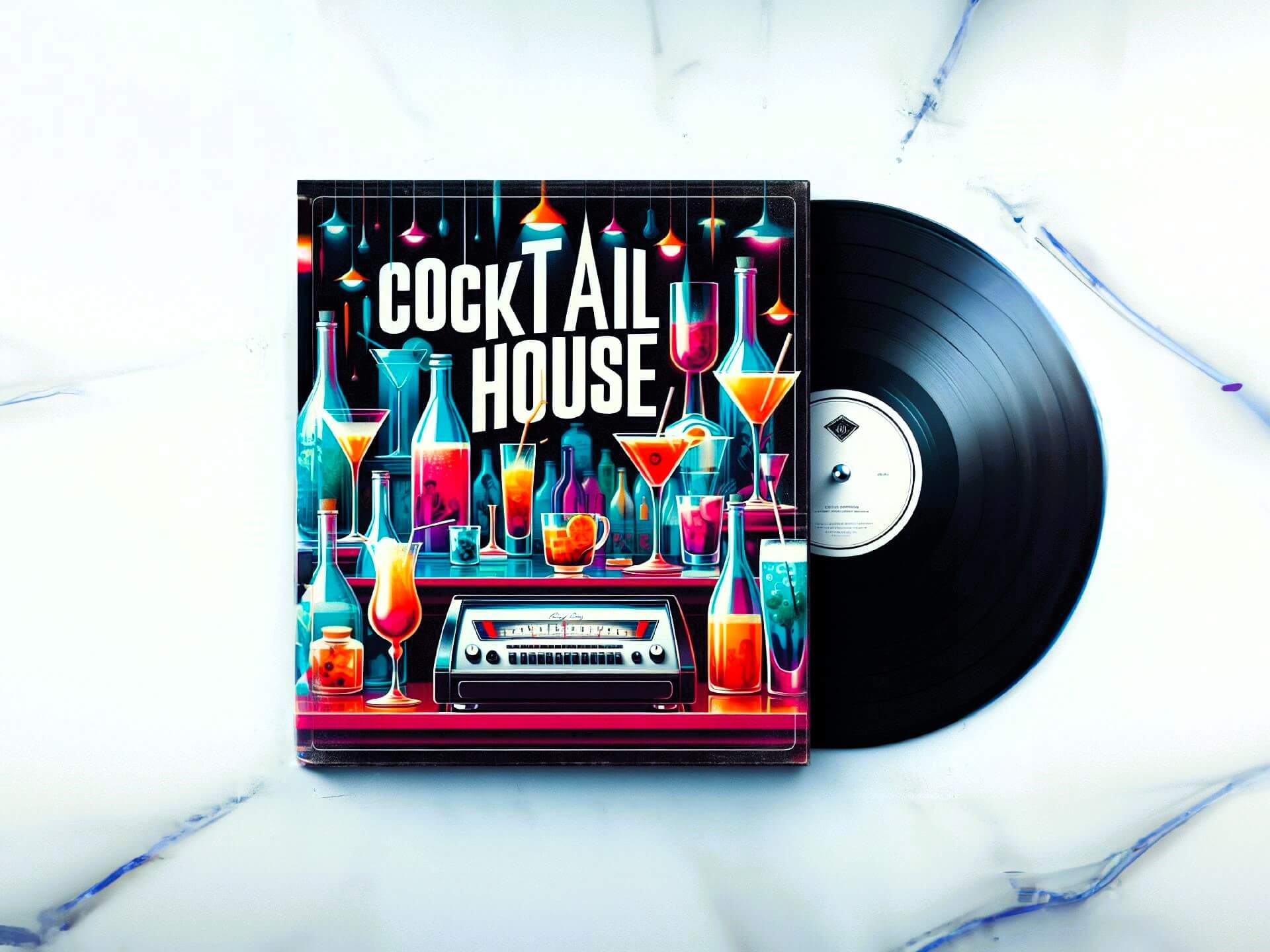
AI-generated image of a record album cover that reads "Cocktail House"

Three of the most respected bartender-operators formed like Voltron in Las Vegas during the 2024 Bar & Restaurant Expo to impart invaluable wisdom.

In an attempt to prevent the trio from roasting one another, I’ll organize them alphabetically, by surname: Erick Castro, Nectaly Mendoza, and Travis Tober. And yes, I’m aware they’re still going to roast each other.

This triumvirate came together to co-present “Bartender Masterclass: Building Bars that Change the Game Yet Make Money.” An aptly named education session as it was certainly a masterclass.

Importantly, this wasn’t a how-to class on tracking costs. The trio didn’t pop P&Ls up on a screen and explain how to read them. Rather, they delivered the naked truth about becoming a bar owner and chasing success.

Bluntly, the reality is that Castro, Mendoza, and Tober are noticing disturbing trends in bar ownership. People going against their instincts. Hopeful owners accepting terrible deals in a bid to live their dreams. Setting the stage for failure with excuses. No talent as the new talent. A lack of understanding of the fundamentals.

Speaking of fundamentals…

With the jokes out of the way—these three won’t hesitate to spit a bit of good-natured venom at one another—this panel got right to delivering the truth.

Almost immediately, Castro addressed a grim reality. A lot of the panel’s friends and peers own and operate bars that are busy and winning awards. And they’re not not making any money.

When he asks to see their costs, he often hears that the owner doesn’t know that information. That doesn’t work for anyone among this trio.

“You need to follow the fundamentals to make money,” explained Castro.

Adding to that, Mendoza explained the situation succinctly. A lot of the flashy markers of success some bartenders and bar owners flaunt on social media and in their real lives are bullshit.

I can tell you with certainty that Castro, Mendoza, and Tober know their numbers. It’s obvious they have the fundamentals down, and they don’t take them for granted. The same can be said for the teams they build. Nobody’s career is long for any of their businesses if they don’t learn to respect and embrace the fundamentals.

At KRG Hospitality, we also drive home that the fundamentals are keys to success. There’s a reason KRG president Doug Radkey’s first book is subtitled Developing the Fundamentals for an Epic Bar.

There’s no room for excuses.

There’s more than enough on any owner or operator’s plate; there’s no room on it for excuses.

Yet, these three are noticing that many new bar owners seem to be piling their plates high with justifications for impending failure.

“For some reason, no talent is the new talent,” said Mendoza.

Justifications for refusing to learn the business like, “I don’t know accounting,” or, “I don’t know restaurants,” are excuses that lead to two things: more excuses, and the closing of bars.

If you’ve never had the opportunity to hear Mendoza speak, I’ll tell you this: He doesn’t sugarcoat anything. He’s a fun person, he’ll make you laugh, and he wants to see people succeed. Mendoza loves hospitality. However, when it comes to business, the jokes stop.

Let’s not forget that owning and operating a bar is a business. Bars need to make money to stay open. Bar ownership isn’t a reality show, sitcom or movieit’s stressful. Operating at a high level doesn’t remove stress completely, but it certainly mitigates much of it.

Crucially, embracing the fundamentals and rejecting the impulse to excuse mistakes large and small allows a bar owner to step away from their business eventually. Imagine being able to take actual week-long vacationspluralas the owner of a bar, without worry. That should be among every bar owner’s goals.

So, when Mendoza says bar owners need to have the guts to learn everything about the business, that’s not hyperbole. And when Castro, who now co-owns the recently opened Gilly’s House of Cocktails, states that someone needs to be genuinely curious about the business to succeed, you can take that to the bank.

Bet on yourself.

“I bet on myself,” said Tober during this panel. He meant that in both the past and present tense, by the way.

When Tober opened the first Nickel City in 2017, it cost nearly a half-million dollars. The goal was to make $800,000 with the bar in its first year. To say that Nickel City surpassed projections is a bit of an understatement.

It did $2.4 million. The bar now generates $3 million per year on average. The latest Nickel City outpost in Houston cost $1.3 million. On average, Tober and his tight-knit group pay back investors in 18 months.

On episode 50 of our Bar Hacks podcast, Tober “jokes” that he wants a Nickel City in every major city throughout the US. If you want to listen this conversation, here’s the Spotify link, and here’s the Apple Podcasts link.

Given how quickly he and his team lead bars to success, I won’t be surprised if a fourth Nickel City location opens by the start or middle of 2026. Further, I won’t be shocked at all if it’s the first Nickel City outside of Texas.

Again, his success is the direct byproduct of his belief in himself, and an understanding of bar operations that few can match.

It’s not the drinks.

Successful bar operators, embodied by the three who hosted this panel, know that they’re not in the business of selling drinks.

“We’re all in a relationship business,” said Tober. “It’s not about the cocktails.”

This is coming from an operator whose team puts more than 20,000 Frozen Irish Coffees across their bars each year. They’re the second-highest seller of Tullamore DEW.

And you know what else? Tober will give you that recipe. In fact, he’ll tell you that all you have to do is visit the Erin Rose in New Orleans and modify their recipe.

Tober will give you that recipeall of his recipes, if I had to guessbecause you could open a bar across from one of his and having his drinks won’t make your venue a threat.

That’s betting on yourself.

Someone may be a better bartender than Tober, if one were able to put stats on the role. But Tober won’t be bothered, confident in the knowledge that they won’t tend bars better.

Setting ego aside, Tober told the room at Bar & Restaurant Expo that about once every three months, he reminds his team that he’s a C student and a college dropout. People could easily write him off as just some loud bar guy.

However, he knows the bar business in general and his bars in particular at the highest level. And he knows that he’s the guy people would like to sit down with to have a beer and a shot. As he told that room in Las Vegas, he gets by on his personality. That personality bleeds into the heart and soul of his concepts and informs the level of service and hospitality that makes everyone feel welcome.

As important, Tober also feels that bar owners are in the entertainment business. He ensures that he and his team give guests a reason to want to visit and hand over their money.

Trust your instincts.

Let’s trek back all the way to the point about some of the world’s most-awarded bars not making any money.

In some instances, it’s more accurate to say that the well-known bartender-operator isn’t getting paid. Yet another way to frame such a situation is to refer to the bartender-operator as the face of the bar.

I say they’re the face because their ownership stake is likely under 25 percent. In fact, it’s probably 20 percent or lower. The controlling stake is owned by one or more investors.

So, the bartender-operator’s vision has turned to brick-and-mortar. Their hard work turning their dream to reality is resulting in traffic, media coverage, and awards. But they’re also taking on all the stress of everyday operation while most likely struggling to pay their own bills.

They haven’t attained their dreamthey’ve gotten a job. Worse, it’s an incredibly stressful job, and they’re not being compensated properly.

Driving home this point was an interaction between an audience member and Mendoza.

Would you take this deal?

This future bar owner (assumedly, and hopefully) was asking about seeking funding through investors. It was revealed that the project would likely cost around $600,000.

So, illustrating how easily a person may be tempted to leap into a bad deal to have what they think is their dream, Mendoza said he could fund that project (hypothetically). However, he would want 87-percent ownership in exchange (again, this was hypothetical). Mendoza went on to guess that the audience member and his partners would take that dealand that they absolutely shouldn’t, because it’s a terrible offer.

Rationally, most of us would know that’s a bad deal and that we should walk away. That includes the audience member who interacted with Mendoza.

But we can all be susceptible to the “lizard brain” inside us. This is the portion of our brain that causes us to act on emotions rather than logic. There’s your dream! Your heart is pumping so hard you can hear it thumping in your ears. All you have to do is sign and it’s “yours,” at the cost of 80 percent or more of its ownership.

If a deal seems off, trust your instincts, walk away, and seek the right partners.

When you do land the right deal…

“…take the fucking shot,” says Mendoza.

In this instance, “the right deal” means a bar within your budget, cautioned Castro. Buy what you can afford.

Mendoza owns and operates award-winning concepts Herbs & Rye and Cleaver — Butchered Meats, Seafood & Classic Cocktails in Las Vegas. He shared that Cleaver is the concept he envisioned first. At the time, however, he had the budget to build Herbs & Rye.

So, he built Herbs & Rye in 2009. He trusted his instincts and, like Tober and Castro, bet on himself. In 2018, he opened the doors to Cleaver.

Could he have blown his budget and built Cleaver first? Sure. And we probably wouldn’t have either bar and restaurant now had he not been pragmatic. The industry more than likely wouldn’t have Mendoza to share his wisdom and mentor future operators.

“Your first bar is your best work. It’s like your first album—raw and uncut,” Mendoza says.

When it’s time for a second location, create something different. Get a bit uncomfortable.

“I think there’s a big disconnect about what being a bar owner is,” says Mendoza. “Success will create the fastest path the farthest away from what brought you success in the first place.”

How many sophomore albums from artists receive critiques that they’re good, just not as good as the freshman release?

When you’ve got the fundamentals down, when you understand your business at a high level, you keep that experience and wisdom. Getting uncomfortable and taking on a new challenge isn’t as risky as it was with your first bar.

So, take the fucking shot.

Seriously, trust your instincts.

There’s an episode of Castro’s award-winning Bartender at Large podcast that every bartender and hopeful bar owner should give a listen.

On episode 320, released in October of 2022, Castro gave Moe Aljaff the opportunity to tell the story of Two Schmucks. Mere days after earning the number seven spot on the 2022 World’s 50 Best Bars list, Moe and most of the team left the bar.

The situation that affected the Two Schmucks team is more common than some would like to admit, unfortunately. It inspired the cautionary phrase, “Don’t get Schmucked.”

To listen to Aljaff’s story, follow this link to the podcast episode on Spotify. After you’ve listened to that eye-opening episode, consider giving number 236 of Bartender at Large a play. It’s a conversation between Castro and Daniel Eun, a bartender and practicing attorney. This link will take you to the podcast’s website, where this episode has been embedded.

Image: Shutterstock. Disclaimer: This image was generated by an Artificial Intelligence (AI) system.
KRG Hospitality. Bar Consultant. Nightclub. Lounge. Mixology. Cocktails.

by David Klemt David Klemt No Comments

Salt & Straw Celebrates Earth Month

Salt & Straw’s Upcycled Foods Series Returns

by David Klemt

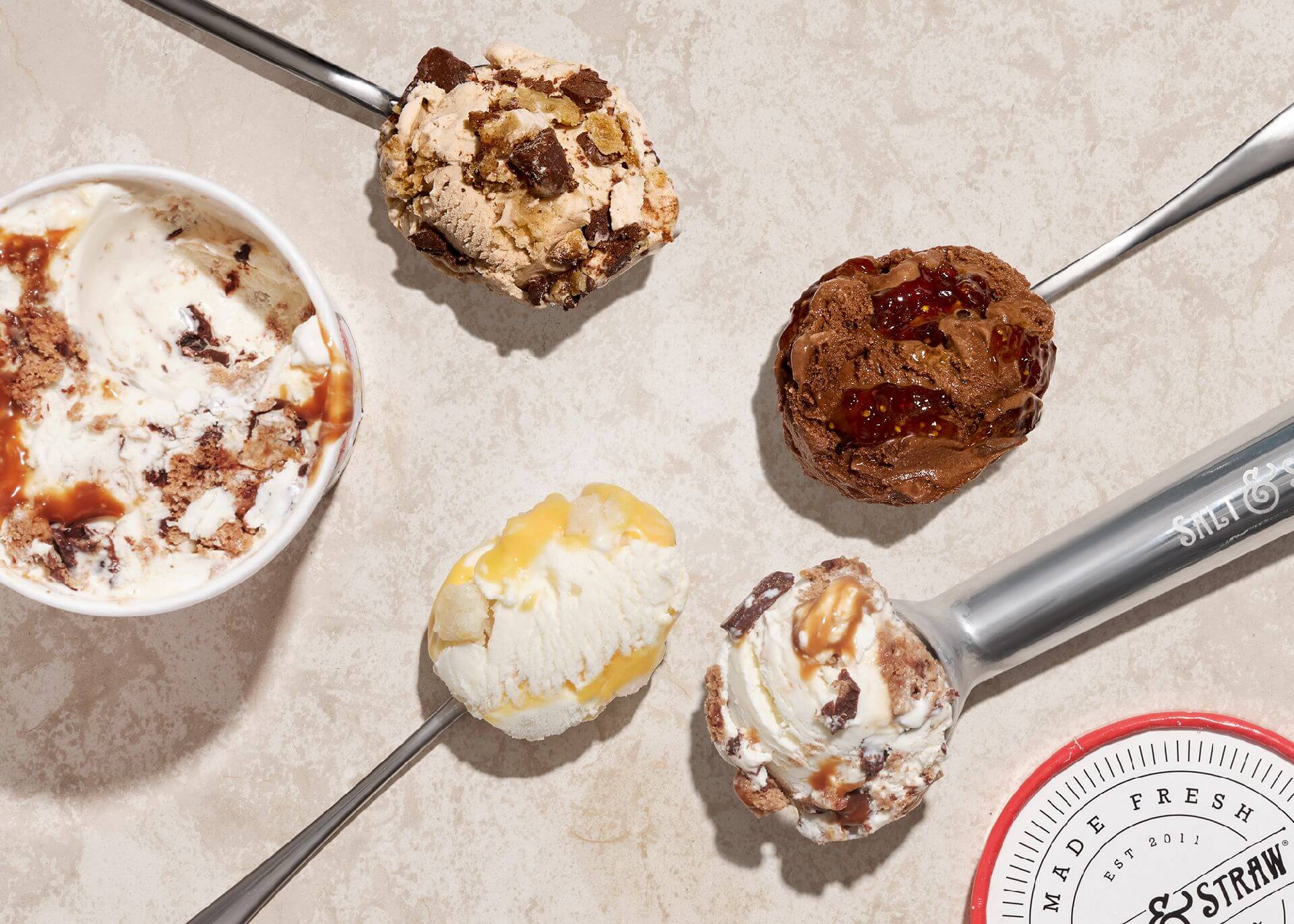
Scoops of Salt & Straw's 2024 Upcycled Food Series ice cream flavors

To celebrate this year’s Earth Month, innovative small-batch ice cream shop concept Salt & Straw is bringing back their Upcycled Food Series.

Last Friday, three returning flavors and two new creations hit Salt & Straw locations in five US states. Currently, the artisanal ice cream shop chain operates in California, Florida, Oregon (the brand’s home state), Nevada, and Washington.

Among other important operational elements, Salt & Straw is known for innovative, chef-driven flavors. This is, in part, due to the concept’s commitment to ensuring at least 20 percent of the menu is dairy-free and vegan-friendly.

However, the brand also shines a spotlight on sustainability and combating restaurant food waste. In 2023, Salt & Straw launched their first Upcycled Food Series. A key element of the LTO menu’s execution is collaboration. Specifically, collaborating with partners that focus on upcycling ingredients.

For example, the bananas Salt & Straw uses to craft one of this year’s brand-new flavors come from Urban Gleaners. That non-profit rescued bananas from grocery stores and restaurants before they were tossed out.

After doing some digging, I found that it’s believed about 40 percent of the entire food supply in the US goes to waste per year. That’s 60 to 80 million tons of food, wasted. Supposedly, 60 percent of the food supply goes to waste in Canada.

So, I think it’s admirable that Salt & Straw leverages Earth Month to expose the alarming issue of food waste. More importantly, the brand shows that a little creativity can go a long way to fight this serious problem.

2024 Upcycled Food Series Flavors

Returning Creations

Three flavors are back for the 2024 Upcycled Food Series.

  • Day-Old Bread Pudding & Chocolate Ganache: Urban Gleaners partners with Salt & Straw on this flavor, collecting bread throughout Portland, Oregon, before it’s thrown out or otherwise goes to waste. The result is an enticing layering of custard bread pudding ice cream and chocolate ganache, as the name implies.
  • Malted Chocolate Barley Milk: In collaboration with Evergrain, a business focusing on sustainable ingredients, this vegan option is produced in part using the spent grains from the beer-brewing process. Malted Chocolate Barley milk is a “malty, fudgy, ooey-gooey vegan dream. This flavor takes us behind the curtain into beer brewing and answers the question: What happens to the spent grains after they brew beer? The brilliant food scientists at EverGrain are revolutionizing ways to extract the immense nutrients left in the grain and using it in our everyday foods, like protein-packed barley milk. We churned this barley milk with cocoa, making for a dense and creamy textured chocolate base before drizzling in a homemade fig fudge that make those rich, jammy flavors pop.”
  • Salted Caramel & Chocolate Brownies: This returning flavor is also vegan and a collaboration with an upcycled food company called Renewal Mill. As described by Salt & Straw on their website: “Behold the ultimate trifecta of salty, sweet, and bitter thanks to our friends at Renewal Mill. Their chef-crafted baking mixes are made with okara—a delicate soy flour upcycled from plant-based milk production. We fell in love with their unbelievably moist and chewy chocolate brownies, baking them in our kitchen before generously frosting them with a rich caramel. These delectable treats are folded into a sweet bed of oat milk for a vegan flavor you have to taste to believe.”

New Creations

There are two brand-new flavors on the Upcyled Food Series menu for this year’s Earth Month.

  • Chocolate Caramel Potato Chip Banana Bread: Of all the flavors, this is the one I’m most eager to try. Salt & Straw expands their partnership with Urban Gleaners for this creation, this time tasking them with saving bananas. However, a second partner helps out to make this flavor possible. Uglies provides the potato chips, which are produced using “imperfect” potatoes. To craft this one, Salt & Straw roasts “bunches and bunches of bananas in honey and spices to make a jammy banana bread ice cream you simply can’t resist. Next, we coat “Uglies” potato chips made from potatoes with slight imperfections in the most beautiful chocolate possible and drizzle in a perfect ribbon of handmade caramel.”
  • Passionfruit Yuzu Mochi Donuts & Whey Curd: To create this flavor, Salt & Straw takes frozen yogurt and enhances it with The Spare Food Co.’s upcycled whey base. I expect powerful but pleasant tanginess on the palate from this flavor based on the website description: “Bright, acidic flavors with a decidedly delicious twist. Our friends at The Spare Food Co. are concocting drinks of liquid gold by working with Greek yogurt makers around the country and turning their whey, a typically overlooked by-product of yogurt making, into a super-drink. We lean into the yogurt whey’s natural pop of acidity and the unique flavor of their sparkling tonic by making a whey-infused frozen yogurt with a passionfruit-spiked lemon curd, and then fold in homemade butter mochi donuts glazed in yuzu frosting. This flavor sings on your tastebuds and makes you think of new wheys to use traditionally wasted products.”

Images: Salt & Straw

KRG Hospitality Start-Up Restaurant Bar Hotel Consulting Consultant Solutions Plans Services

by David Klemt David Klemt No Comments

5 Books to Read this Month: April 2024

5 Books to Read this Month: April 2024

by David Klemt

Flipping through an open book

Our inspiring and informative April book selections will help you improve operations, refresh and streamline F&B programming, and learn more about coffee.

This month, we look at books covering an array of topics: overcoming dysfunctions within teams; stepping outside of comfort zones; cocktail and Irish dish recipes; and repurposing existing buildings.

To review the book recommendations from March 2024, click here.

Let’s jump in!

Roundbuilding

Perhaps unsurprisingly, it seems like most cocktail books target home bartenders. In a refreshing change of pace, Roundbuilding is specifically for working bartenders. In case the name doesn’t give it away, this book is about crafting and serving consistent rounds of cocktails and ensuring a high standard of service.

From Amazon:Roundbuiding is a practical guide to mixing cocktails, aimed at the working bartender. This is a book about ensuring that, for every round you serve, every drink is made to a consistently high standard, and that first sip always makes an impression. It’s the nuts and bolts of mixing drinks.”

Buy it today!

The World Atlas of Coffee (2nd Edition)

This bestseller enjoys a 4.8-star rating on Amazon with nearly 4,000 reviews on the platform. The World Atlas of Coffee also boasts a score of 4.4 on Goodreads.

Written by World Barista Champion James Hoffman (who’s also the co-founder of a successful coffee roaster operating out of London), this book will provide the reader with just about everything they need to know about coffee. The rise in popularity of cocktails like the Carajillo and the near-constant chatter about the Espresso Martini got me thinking: I should probably include a coffee book in one of these roundups.

From Amazon: “Coffee has never been better, or more interesting, than it is today. Coffee producers have access to more varieties and techniques than ever before and we, as consumers, can share in that expertise to make sure the coffee we drink is the best we can find. Where coffee comes from, how it was harvested, the roasting process and the water used to make the brew are just a few of the factors that influence the taste of what we drink. Champion barista and coffee expert James Hoffmann examines these key factors, looking at varieties of coffee, the influence of terroir, how it is harvested and processed, the roasting methods used, through to the way in which the beans are brewed.”

Pick your copy up now.

The Complete Recipe Writing Guide: Mastering Recipe Development, Writing, Testing, Nutrition Analysis, and Food Styling

This book isn’t even a year old but has already made waves. In fact, it was listed as one of Chef Eric Ripert‘s (Le Bernardin in New York City) books of the month just a couple of months after publication.

From Amazon:The Complete Recipe Writing Guide shows you how to create professional recipe content from development to publication. Raeanne Sarazen, a registered dietitian and chef, shares her expertise from over 20 years of working with recipes as a test kitchen professional, recipe developer, food writer, and editor, along with insider tips from top industry professionals. Like a master class on recipes, this comprehensive resource guides you through the variety of skills needed to create and share successful recipes.”

Get your copy here.

Bar Hacks: Developing The Fundamentals for an Epic Bar

This informative and conversational book written by KRG Hospitality president Doug Radkey is the perfect read for aspiring or seasoned bar, pub, lounge, or even restaurant owners, operators, and managers looking for that competitive edge in operations! If you’re looking for both fundamental and in-depth planning methods, strategies, and industry focused insight to either start or grow a scalable, sustainable, memorable, profitable, and consistent venue in today’s cut-throat industry, Bar Hacks is written just for you.

Pick up the paperback from Amazon today!

Hacking the New Normal: Hitting the Reset Button on the Hospitality Industry

Doug’s followup book to Bar Hacks! The world around us has changed. The food and beverage industry has changed. The hospitality industry has changed. But will some ways of life change for the better? Will perhaps the restaurant, bar, and hospitality industry come out even stronger? With the right changes to the previous status quo, it is possible. There’s no question, resets are major undertakings, but a major reset will provide us with a clean start and that’s what this industry needs.

Pick up KRG Hospitality president Doug Radkey’s second book today! Click here.

Image: Mikołaj on Unsplash

KRG Hospitality Start-Up Restaurant Bar Hotel Consulting Consultant Solutions Plans Services

by David Klemt David Klemt No Comments

Program for Unique Holidays: April 2024

Program for Unique Holidays: April 2024

by David Klemt

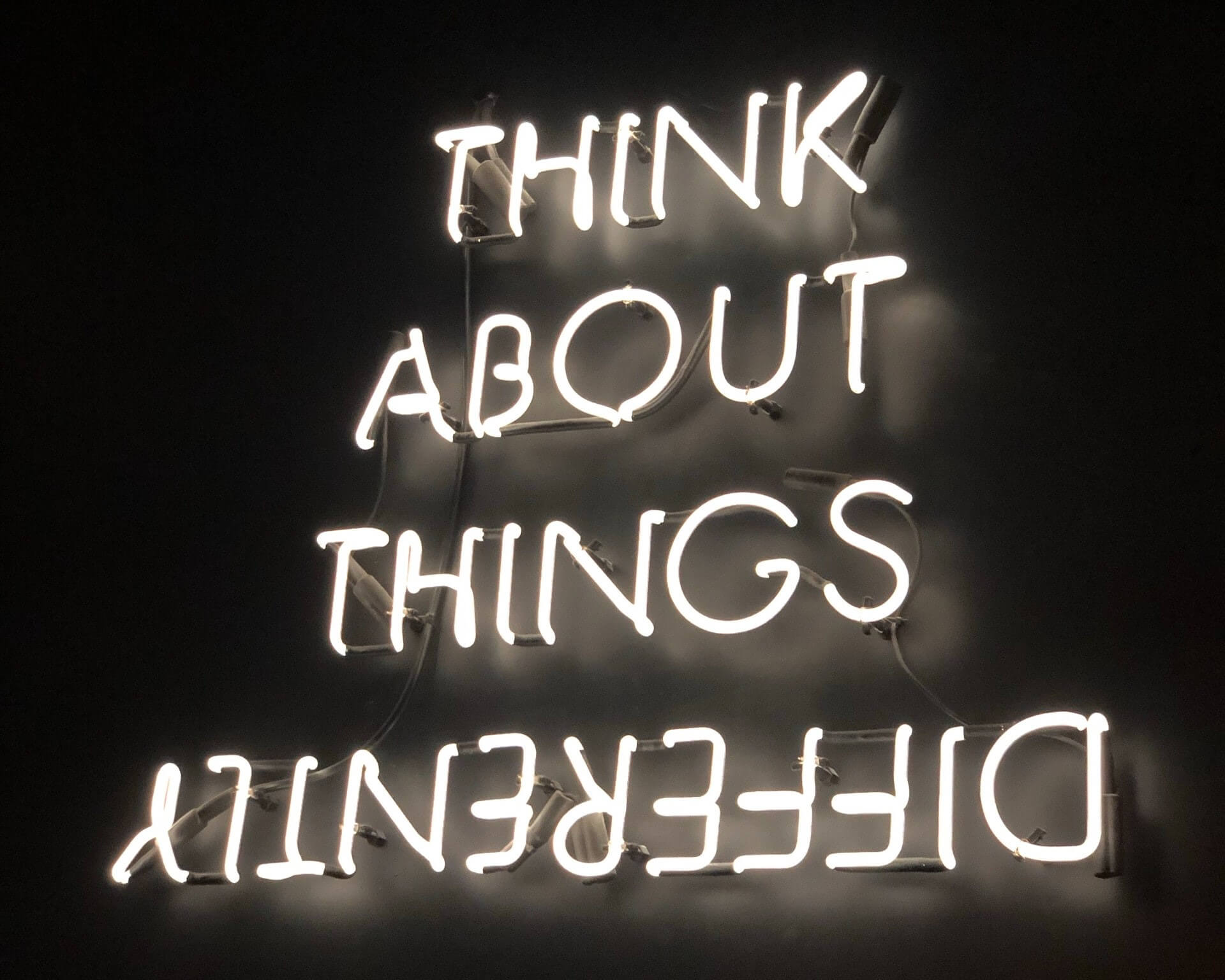
"Think about things differently" neon sign

Do you want to stand out from from other restaurants and bars in your area? Change how you think about your April holiday programming.

Several holidays are set against every date on the calendar, and this month is no exception. These holidays range from mainstream to esoteric.

Pay attention to the “weird” or unique holidays to raise eyebrows, carve out a niche for your restaurant or bar, and attract more guests. Why do what everyone else is already doing? Why program only around the same holidays as everyone else?

Of course, you shouldn’t try to celebrate every holiday, strange or otherwise. Focus on the days that are authentic to your brand; resonate with your guests; and help you grab attention on social media.

You’ll find suggestions for promotions below. However, the idea behind our monthly holiday promotions roundup is to inspire you and your team to get creative and come up with unique programming ideas.

For our March 2024 holidays list, click here.

April 5: Walk to Work Day

Operators who with bars and restaurants in walkable areas should leverage this holiday. People who walk to work should reward themselves by walking to a bar or restaurant for dinner and a drink after work. Of course, operators open for breakfast and dinner should encourage guests to walk in for a treat to start their day, and another treat (or two) to end it.

April 6: New Beer’s Eve

As the name implies, we celebrate this holiday the day before another holiday in the US: National Beer Day.

Operators who really want to help New Beer’s Eve gain a loyal following among their guests can bring in new beers for their guests to try on this holiday.

April 8: National Empanada Day

How would you rate your empanadas? How would your guests rate your empanadas? If you and your team are proud of your emapanadas, this is their time to shine.

April 10: Golfer’s Day

If you have Golden Tee in your bar, or you operate an eatertainment concept that revolves around golf, this is the perfect holiday to celebrate golfers. Of course, this also holds true if you operate a bar or restaurant within a community that loves golf.

You’re already (hopefully) your guests’ third spot; become their 19th hole on Golfer’s Day as well.

April 12: World Licorice Day

Sambuca, ouzo, xtabentún, absinthe… World Licorice Day is a great holiday for showcasing the licorice-flavored spirits in your inventory on your menu.

April 17: Blah Blah Blah Day

So, this day encourages people to try or start something that friends and family have been telling them do repeatedly. I would interpret this holiday as one during which to encourage your guests to try a new dish or drink rather than just ordering their usual again.

April 21: National Tea Day

Not only does tea make an excellent mixer for an array of cocktails, it really shines as the base for non-alcohol drinks. The depth of flavors that tea delivers really makes on impact on the palate and the guest experience.

National Tea Day is the perfect time to dial in your tea-based cocktails, be they low-, full-, or zero-ABV.

April 23: German Beer Day

Do you have German beers on your menu? I’m going to give you one guess as to what you should do with those beers on German Beer Day.

However, I have another thought, as well. There’s nothing that says you can’t come up with a creative LTO menu that introduces American or Canadian craft beers that taste similar to a German counterpart…

April 26: National Pretzel Day

Sure, you could just offer bowls of pretzels to guests on this holiday, providing a snack that goes with their beer.

Or, you could activate your kitchen team, make large pretzels in-house, and put pretzel charcuterie boards on an LTO menu. They may just prove to be a hit among you guests worthy of repeat appearances.

April 30: National Bubble Tea Day

Gee, if only there were a holiday that celebrates bubble tea, one that operators with bubble tea on their menu could build an LTO around. Oh, look! There is one!

Operators and their bar teams can also interpret this holiday a little differently. Tea cocktails and zero-proof drinks given the Flavour Blaster treatment? That could be rad…

Image: Ivan Bertolazzi on Pexels

Bar Nightclub Pub Brewery Marketing Agency Team

by David Klemt David Klemt No Comments

Put Your Finger on the Culinary TrendPulse

Put Your Finger on the Culinary TrendPulse

by David Klemt

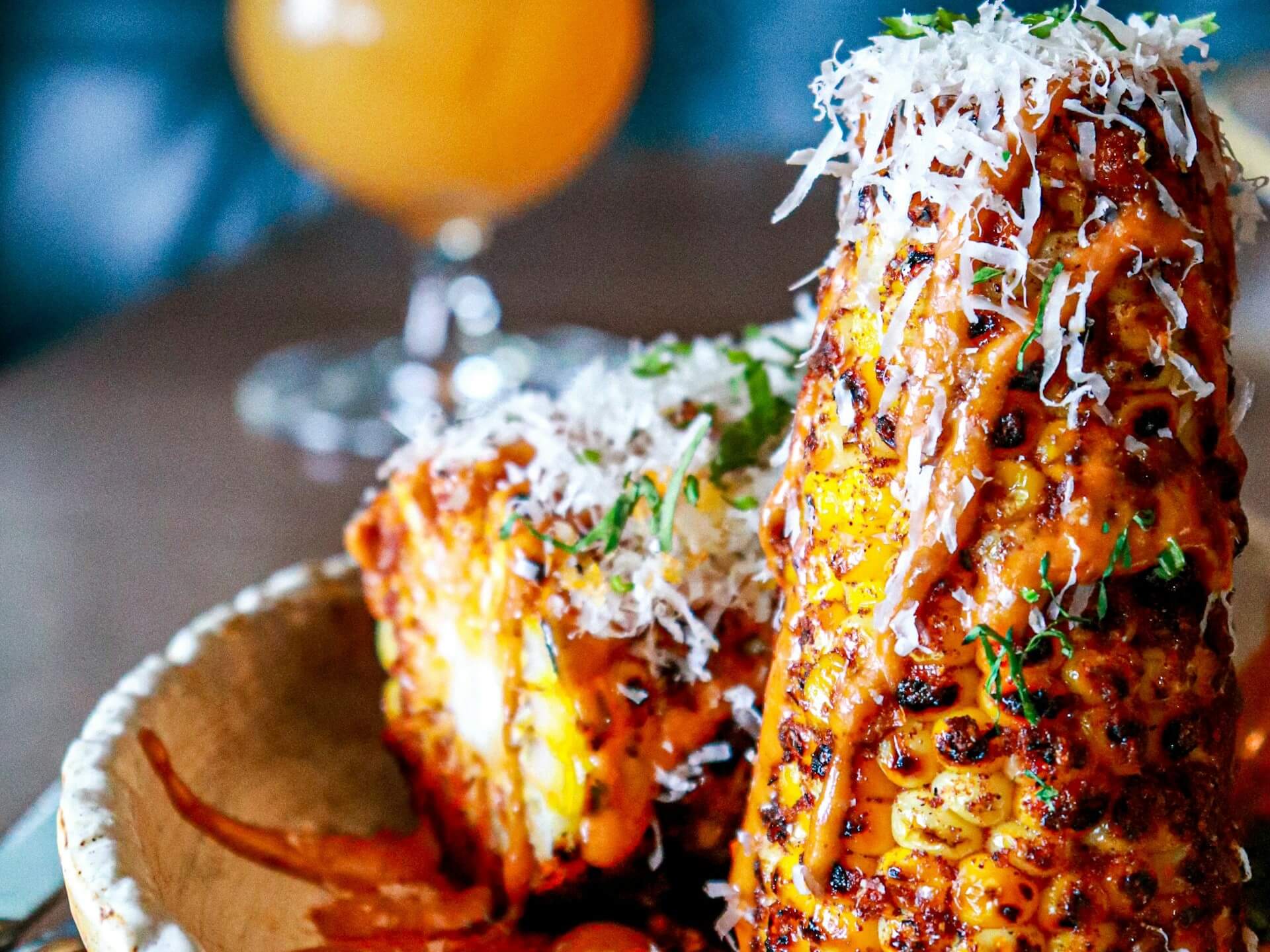
Elote or street corn-style dish on a table

An informative and engaging culinary trend report from Campbell’s Foodservice provides compelling insight that will help operators refresh their menus.

Recently, Campbell’s dropped their Culinary TrendPulse 2024 report. To download your own copy, click here.

Executive chef Gerald Drummond and senior chef Greg Boggs have identified four culinary trends for 2024. The chefs analyzed data provided by Campbell’s Foodservice and the company’s partners.

As has become commonplace, Campbell’s also took note of food and flavor social media mentions and conversations. This makes sense; if people are talking about it on social media, it’s probably growing in demand.

Now, I’m going to share each of the trends below. However, I’m going to laser in on one in particular. My reasoning is simple: It’s a compelling take on segment that has been experiencing growth, along with the accompanying growing pains.

To start, though, a brief look at three of the 2024 culinary trends identified by Chefs Drummond and Boggs.

TrendPulse 2024: Trends 1, 3 and 4

To put it bluntly, I think the first trend in this report is here to stay. It’s safe to say it has reached the proliferation stage.

So, when I see “global cuisine” in reports, I don’t really consider it a trend. What I want to see is specific cuisines, dishes or flavors identified as trending.

Fortunately, Chefs Drummond and Boggs have identified three global cuisines on the rise. Per the chefs and Campbell’s, Mexican, Asian, and North African cuisines are on an upward trend in the US.

In particular, operators should be aware of the following:

  • Asian cuisine: Korean, Souteast Asian, and Thai food are on the rise.
  • Mexican cuisine: birria, quesabirria, birriamen, chamoy, and street corn mentions have grown in menu mentions and social discussions.
  • North African cuisine is projected to grow by more than 12 percent on menus, year over year. Currently, operators should look at harissa, tagine, and peri-peri (a.k.a. piri-piri, or peli-peli).

Another trend from this report is “new nostalgia.” As the term suggests, consumers are showing interest in creative spins on well-known comfort foods.

Likely driven at least in part by global cuisines, heat is also on the rise. I mean that figuratively and literally.

Per a Tastewise data point cited in the Campbell’s report, sweet and spicy mentionsknown as “swicy”—have grown nearly 50 percent over the past year.

TrendPulse 2024: Trend 2

Alright, so here’s the trend that stands out to me.

According to Chefs Drummond and Boggs, consumers are still very much interested in plant-based cuisine. However, they want actual plants to be the stars.

Or, as Campbell’s puts it in their report, one of their top trends is “putting plants back in plant-based.” Interestingly, this trend fits with the first one in the Campbell’s report: global cuisine.

Per a Technomic report cited by Campbell’s, 41 percent of consumers eat a vegetarian or vegan dish at least once per week. However, it seems that these same consumers are showing a preference for actual plants.

Most plant-based meat alternatives are processed foods. In fact, some sources designate them “ultra-processed foods.” Today’s consumer is more educated on processed foods and seeks to avoid them.

So, operators should menu more dishes that feature plants. There’s a place for plant-based meat alternatives but their highly processed nature may be putting off a not-insignificant number of consumers.

In their report, Campbell’s suggests offering dishes featuring the following proteins: beans, legumes, and pulses.

Look, trend predictions are guesses. In this case, they’re data-driven and educated, but they’re still guesses. When considering menu changes, operators need to make choices that make sense for their business, guests, and market.

If you’re like me, you’ve noticed that all four of these trends pair well with one another. Operators should encourage their kitchen teams to get creative and craft new dishes that leverage two or more of the above trends.

Image: Aleisha Kalina on Unsplash

by David Klemt David Klemt No Comments

Which Chains are America’s Favorites?

NRN & Technomic Identify America’s Favorite Chains

by David Klemt

A cheeseburger with chicken patties, pizza, and steak on it

Alright, which one of you maniacs out there is going to make this AI-generated chicken-patty-pizza-steak burger a reality and put it on your menu?

Toward the beginning of 2024, Nation’s Restaurant News collaborated with Technomic to identify America’s favorite restaurant chains.

To my understanding, this is the first such partnership between the independent foodservice publication and the foodservice intelligence platform.

Providing more than just a glimpse into America’s favorite chains, the rankings span several categories. For instance, the partnership between NRN and Technomic reveals the top QSRs, along with the country’s favorite fast-casual, family-style, and miscale restaurants.

However, the top three chains across more granular categories are also identified. Examples include America’s favorite chicken, pizza, burger, and Mexican restaurants.

In fact, I’m going to kick things off with the more specific, specialized categories. Then, I’ll move into the broader segments.

That said, I encourage you to review NRN‘s article revealing America’s favorite midscale, casual, QSR, etc. restaurants for yourself. Written by Joanna Fantozzi, the piece is full of valuable insights beyond simple rankings.

Further, you may find it interesting to compare these rankings to the results of BrandVue’s Most Loved Eating Out Brands 2023 report, which we reviewed here.

Cheers to NRN and Technomic! Here’s to hoping that this becomes an annual release.

Beverage or Snack

  1. Tropical Smoothie Cafe
  2. Smoothie King
  3. Jamba

Burger

  1. Culver’s
  2. In-N-Out
  3. Freddy’s Frozen Custard & Steakburger

Chicken

  1. Chick-fil-A
  2. Jollibee
  3. Raising Cane’s

Italian (FSR)

  1. Carrabba’s Italian Grill
  2. Maggiano’s Little Italy
  3. Mellow Mushroom

Mexican

  1. Chuy’s Tex-Mex
  2. Torchy’s Tacos
  3. Moe’s Southwest Grill

Pizza

  1. Papa Murphy’s
  2. Marco’s Pizza
  3. Cici’s Pizza

Sandwich

  1. Jersey Mike’s Subs
  2. Newk’s Eatery
  3. Jason’s Deli

Steak

  1. Ruth’s Chris Steak House
  2. Fleming’s Prime Steakhouse
  3. Longhorn Steakhouse

Varied Menu

  1. Seasons 52
  2. Bahama Breeze Island Grille
  3. Cooper’s Hawk

QSR

  1. Dutch Bros Coffee
  2. Topical Smoothie Cafe
  3. Smoothie King
  4. Cold Stone Creamery
  5. Chik-fil-A

Fast Casual

  1. Jersey Mike’s Subs
  2. Newk’s Eatery
  3. Jason’s Deli
  4. McAlister’s Deli
  5. Sweetgreen

Family Style

  1. First Watch
  2. Cracker Barrel
  3. Golden Corral

Casual

  1. Seasons 52
  2. Bahama Breeze Island Grille
  3. Bonefish Grill
  4. Longhorn Steakhouse
  5. Cooper’s Hawk

Midscale

  1. First Watch
  2. Cracker Barrel
  3. Golden Corral
  4. Shoney’s
  5. Black Bear Diner

Favorite Chains: Overall

  1. Ruth’s Chris Steak House
  2. Season 52
  3. Dutch Bros Coffee
  4. Fleming’s Prime Steakhouse
  5. Bahama Breeze Island Grille
  6. Longhorn Steakhouse
  7. Cooper’s Hawk
  8. Tropical Smoothie Cafe
  9. The Capital Grille
  10. Smoothie King

When it comes to this list of the top-ten favorite chain restaurants, Technomic data scores a number of crucial insights.

Click here to see how each of these industry leaders ranked in:

  • Service and hospitality
  • Unit appearance and ambience
  • F&B
  • Convenience and takeout
  • Value

Image: Shutterstock. Disclaimer: This image was generated by an Artificial Intelligence (AI) system.
KRG Hospitality. Restaurant Business Plan. Feasibility Study. Concept. Branding. Consultant. Start-Up.

by David Klemt David Klemt No Comments

Slice Releases 2024 Report

Indie Pizzeria App Slice Releases 2024 Report

by David Klemt

Slice of pepperoni pizza on a plate, on top of a table

Still the most popular pizza topping.

It’s finally here, one of our favorite food-forward hospitality industry reports providing operators with valuable insider insights.

In keeping with tradition, Slice released their 2024 Slice of the Union report the day before National Pizza Day. Truly, this is one of the reports I most look forward to each year.

As one would expect, the fifth-annual Slice of the Union is stuffed with helpful information.

Before we dig in, a quick rundown of Slice. The platform serves all 50 states and works with more than 20,000 independent pizzerias. To put that in context, that’s a network of pizzerias in the US larger than Domino’s, Little Caesars, and Pizza Hut combined.

If you’re an independent pizzeria owner and you have yet to partner with Slice, I encourage you to look into doing so. Should a partnership with Slice be feasible, it should increase brand awareness, engagement, traffic, and revenue to a notable degree.

Seasoning

Kicking things off, Slice sprinkles a bit of trivia onto this year’s report.

Last year, consumers apparently gorged themselves on pizza. How much was eaten? Just over 29,000 tons.

Providing context, Slice says to imagine 11,572,064,136 pennies. That’s a Scrooge McDuck dive-worthy pile of coins.

However, one category of pizza experienced a drop in popularity last year. According to Slice, pizzerias saw a 5.21-percent dip in vegan pizza orders.

Now, on to toppings.

Toppings

There’s a reason I chose a photo of a single slice of pepperoni pizza for this article.

Operators who track their data probably already know what I’m about to say: According to Slice, pepperoni is the most popular pizza topping in the US.

This is followed by, in descending order of popularity, mushrooms, sausage, extra cheese, onions, bacon, and black olives. For those wondering, kale was one of the “least-loved” toppings last year.

If you read through the 2023 Slice of the Union report or read our article reviewing it, you know they made a couple of trend predictions. Last year, Slice guessed that pickle pizzas would be in demand. Well, they were right. Orders for pickle pizzas jumped by 32 percent in 2023.

So, when Slice makes a pizza-based prediction, it’s probably in your best interest to take it to heart. Oh, waitSlice has a prediction for 2024. According to the platform, tinned fish will be a standout pizza topping this year.

Sauce

In case you’re wondering about how much data Slice has at their fingertips, here’s an interesting bit of trivia. Last year, 4,744 people ordered pizzas with anchovies, garlic, or onions on Valentine’s Day. Alrighty, then.

They also know that orders for pizza with pineapple as a topping saw an increase of nearly six percent in 2023.

Further, the 2024 Slice of the Union reveals the most and least “pizzaful” days of 2023. The former? December 1. And the latter? Thanksgiving.

Last year, Fridays accounted for the most orders, at 23.5 percent. However, only 8.7 percent of pizza orders were placed on Mondays.

For data that’s a bit more esoteric, what if Slice could reveal which Zodiac signs order the most and least pizza? Would this be useful to operators? Honestly, it could be, I suppose. Particularly for those who have loyalty programs and engage with their guests via email and text marketing.

Apparently, a Taurus (April 20 to May 20) is the most likely to order pizza. Conversely, Capricorns (December 22 to January 19) either don’t like placing food orders in general or don’t like eating pizza specifically, because they ordered the least amount last year.

By the way, if you happen to operate a pizzeria in New Jersey, you may want to search for a guest named Dominic. According to Slice, someone named Dominic in NJ placed 348 pizza orders in 2023. Sounds like Dom has earned a special perk from his favorite pizza joint.

Extra Cheese

Pizzeria owners and their teams in Hawaii, Alabama, Oregon, South Carolina, and Montana may have the happiest wallets. That’s because people who ordered pizza for delivery in those five states tipped their drivers the most.

However, people who order pizza in Washington may have slightly lighter wallets than their fellow Americans. That’s because while the average price for a large cheese pizza in the US is $18.33, that number jumps to $25.75 in the Evergreen State.

If you’d like to see the average price for a large cheese pizza in each of the 50 states, click here. As an example, the average price in Nevada (KRG Hospitality’s American HQ is in Las Vegas) is $21.09.

Speaking of price, while Dom in NJ placed the most pizza orders, Frances in New York placed the most expensive order last year: $2,867.07. Frances, I want to attend one of your pizza parties (I think).

Finally, let’s end on data that can help operators when reviewing their labor costs. On average, pizza delivery distance was 9.14 miles in 2023. And, on average, pizzerias completed the process of producing an order and delivering it in 42.5 minutes.

For more insights from the 2024 Slice of the Union, click here.

Image: Sydney Troxell on Pexels

KRG Hospitality. Restaurant Business Plan. Feasibility Study. Concept. Branding. Consultant. Start-Up.

by David Klemt David Klemt No Comments

6 Sips for National Cocktail Day

6 Sophisticated Sips for National Cocktail Day

by David Klemt

The Rémy Sidecar cocktail in landscape orientation

Our friends at Cointreau, Mount Gay, Rémy Martin, St-Rémy Signature, Belle de Brillet, and METAXA want us to share some recipes with you.

And why do these purveyors of fine spirits want you to have these drink recipes? To inspire you and your team to craft a sophisticated National Cocktail Day menu, of course.

Now, you and your team are likely very familiar with Cointreau, Mount Gay, and Rémy Martin. After all, each are among the most well-known liqueurs, rums, and Cognacs on the planet.

However, you may be less familiar with some of the other spirits below. So, I’m going to provide a brief overview. Naturally, I’ll also encourage you to contact your reps so they can taste you and your team on each.

Let’s kick things of with METAXA. If your guests like brandy, they’re probably going to love METAXA. In particular, METAXA 7 Star is a Greek spirit that consists of Muscat wine, wine distillates, and Mediterranean aromatics and botanicals, aged in oak barrels. This is a truly unique spirit; your guests have likely never tasted anything quite like it.

Now, let’s look at Belle de Brillet. This is a French liqueur made with fine Brillet Cognac eau-de-vie and Poire Williams (Williams pears). Really, this is an elegant way to enjoy terroir via two fruits: pears and grapes. From what I can find, it takes 20 Williams pears to produce each bottle of Belle de Brillet.

That brings us to St-Rémy Signature. Also from France, St-Rémy Signature is the marriage of tradition and modern production techniques. For example, Signature undergoes a double-maturation process, unlike many fine brandies. When it comes to terroir, Signature takes people on a tour, as it’s made with dozens of grapes from all over France.

Whether you decide to create an LTO menu with the recipes below or put your spins on these drinks, your guests will thank you for helping them celebrate National Cocktail Day.

Cheers!

The Rémy Sidecar cocktail

The Rémy Sidecar

Fill a shaker with ice, then add first three ingredients. Shake well. Strain into a coupette, and garnish with a lemon peel.

The Original Margarita by Cointreau

The Original Margarita by Cointreau

  • 1 oz. Cointreau
  • 2 oz. Blanco tequila
  • 1 oz. Fresh lime juice
  • Lime wheel to garnish

Prepare a glass by rimming it with salt. Add all ingredients except for garnish to a shaker filled with ice. Shake well, then strain into the prepared glass. Garnish with lime wheel.

Mount Gay Orange Eclipse cocktail

Mount Gay Orange Eclipse

  • 2 oz. Mount Gay Eclipse
  • 1 oz. Fresh blood orange juice
  • 0.6 oz. Sweet vermouth
  • 4 dashes of Angostura Bitters
  • Orange peel to garnish

Prepare a coupe by filling it with ice and setting it aside. Alternatively, keep some coupes in a fridge to have chilled glassware on hand. Fill a shaker with ice, then add first four ingredients. Shake until well chilled, then strain into prepared coupe. Garnish with orange peel.

METAXA Greek Spritz cocktail

METAXA Greek Spritz

  • 1.4 oz METAXA 7 Stars
  • 1.4 oz Prosecco (or other sparkling wine)
  • 0.7 oz Splash of tonic
  • 3 Dashes of peach bitters or fresh peach juice
  • Peach wedge to garnish

Pour METAXA 7 Stars into a wine glass. Add ice, tonic, and bitters or juice to glass, then stir. Top with Prosecco or other sparkling wine. Garnish with peach wedge.

Belle de Brillet Belle Pamplemousse cocktail

Belle de Brillet Belle Pamplemousse

  • 1.75 oz. Belle de Brillet
  • 0.5 oz. Fresh lemon juice (optional)
  • 3.5 oz. Grapefruit soda
  • 1 oz. Prosecco
  • Slice of grapefruit to garnish

Add ice to a glass, then add all liquid ingredients. Stir, then garnish with grapefruit slice.

St-Rémy Signature Rose cocktail

St-Rémy Signature Rose

  • 1 oz. St-Rémy Signature
  • 0.7 oz. Fresh lemon juice
  • 0.3 oz. Grenadine syrup
  • 0.3 oz. Hibiscus syrup
  • 1 Egg white
  • Edible flower to garnish

Add ice and first five ingredients to a shaker. Shake well, then strain into a stemmed or footed glass. Garnish with an edible flower.

Disclaimer: Neither the author nor KRG Hospitality received compensation, monetary or otherwise, in exchange for this post.

Images provided by LaFORCE

Bar Nightclub Pub Brewery Menu Development Drinks Food

by David Klemt David Klemt No Comments

What are You Changing in 2024?

What are You Changing in Your Restaurant or Bar in 2024?

by David Klemt

Restaurant owner reviewing their menu

More fun with AI-generated images. That’s quite the busy bar setup.

Toward the end of last year, Nation’s Restaurant News identified what changes operators chose to make after analyzing their operational data.

The publication surveyed hundreds of operators about how data drove their decisions. This survey was an element of their year-end report, Market Leader Report: The Data-driven Restaurant.

As one would imagine, this report focuses on data collection, analysis, and usage. However, NRN‘s report doesn’t just address the importance of data collection in the F&B space. Rather, they seek to understand if operators are collecting the “right” data; whether they can optimize the data they collect; what metrics they’re tracking; and how they’re acting on all that data.

Simply put, it’s an important report addressing a topic crucial to today’s restaurant and bar operations. Those who want their own copy of The Data-driven Restaurant can download it free here.

While entire report is valuable, the focus of this article is one question and the answers provided. Below, to provide context, is a breakdown of the survey respondents.

The Who

Most of the respondents identified as independent restaurant operators.

  • Indie: 37 percent
  • Chain (franchisee): 21 percent
  • Chain (company owned): 18 percent
  • Multi-concept: 15 percent
  • Single-site operator: 6 percent
  • HQ or brand level of foodservice company: 3 percent

By a slim margin, most survey respondents categorized their restaurants as full service or casual dining.

Perhaps unsurprisingly, the fewest respondents operate in the upscale or fine dining category.

  • Full service / casual dining: 30 percent
  • Fast casual: 28 percent
  • Quick service: 20 percent
  • Midscale / family dining: 15 percent
  • Upscale / fine dining: 7 percent

The What

So, what question caught our attention at KRG Hospitality?

“In the past 12 months, which initiatives did your organization undertake after analyzing data?”

NRN conducted this survey in November 2023. Not surprisingly, respondents mostly made changes to their menus after reviewing their data. Streamlining menus and adjusting prices were two of the biggest operational trends last year, as many operators are no doubt well aware.

That theory is supported by the survey results. Below, the top four answers to the question above.

  • Changed menu prices (48 percent)
  • Removed items from or added items to our menu (47 percent)
  • Improved the way we trained our staff (26 percent)
  • Adjusted our loyalty program’s rewards and/or incentives (24 percent)

Honestly, it’s heartening to see that training is among the top-three data-driven actions operators took last year. And, of course, it’s not shocking that the menu was the focus of the most attention. Streamlining is an effective way to reduce food and labor costs. Further, pricing is always (please excuse the pun) on the menu.

Our question is: What changes, if any, do you plan to implement this year now that we’re headed into Q3?

The What: The Sequel

If the menu received the most attention after operators reviewed their data, what received the least?

Well, it appears marketing fell to the wayside, along with the kitchen. The following are the bottom four answers to the question in the section above:

  • A/B tested marketing campaigns and increased ROI (6 percent)
  • Changed specs on our kitchen equipment or technology (10 percent)
  • Identified lapsed customers and marketed to them (11 percent)
  • Increased throughput in our kitchen during peak periods (13 percent)

Now, I’ll concede that one marketing action found itself in the middle of the pack when it came to this survey question. Upon analyzing their data, 18 percent of respondents identified new potential guests and marketed to those people.

Still, in comparison to making changes to menus, the fewest respondents took marketing action or made changes to the kitchen directly.

Does this mean that menu changes have the greatest impact on guests and ROI? Well, that’s possible. However, I think something else is at play.

Personally, I think collecting data is the easy part. At this point, most platforms serving our industry are collecting data for operators.

But tracking the correct metrics, analyzing the associated data, and knowing what to do after analyzing said data? That’s difficult. It can be overwhelming, which is why it’s so important to build and implement the proper tech stack for a specific concept. This is why one of the services we offer our clients is tech-stack development.

Further, the tech stack needs to be built around an operator and their leadership team. If nobody knows how to use it or what to do with the data they’re collecting, it’s useless.

Image: Shutterstock. Disclaimer: This image was generated by an Artificial Intelligence (AI) system.
Bar Pub Brewery Nightclub Club Nightlife Technology Plan Tech Stack

by David Klemt David Klemt No Comments

5 Books to Read this Month: March 2024

5 Books to Read this Month: March 2024

by David Klemt

Flipping through an open book

Our inspiring and informative March book selections will help you improve operations, refresh F&B programming, and consider a design update.

This month, we look at books covering an array of topics: overcoming dysfunctions within teams; stepping outside of comfort zones; cocktail and Irish dish recipes; and repurposing existing buildings.

To review the book recommendations from February 2024, click here.

Let’s jump in!

The Five Dysfunctions of a Team: A Leadership Fable

In a departure from most business books, the author of The Five Dysfunctions of a Team presents useful lessons in the style of a fictional tale. This approach makes this bookwhich has more than 13,000 reviews on Amazona compelling read.

From Amazon: “Equal parts leadership fable and business handbook, this definitive source on teamwork by Patrick Lencioni reveals the five behavioral tendencies that go to the heart of why even the best teams struggle. He offers a powerful model and step-by-step guide for overcoming those dysfunctions and getting every one rowing in the same direction.”

Pick up your copy today.

The Complete Irish Pub Cookbook

I doubt you need a reminder but just in case, St. Patrick’s is just two weeks away. So, what better time to pick up this best-selling cookbook featuring Irish classic and modern fare? Flip through this book, check out some interesting recipes, and put your own spin on them so they fit with your concept.

From Amazon: “Pubs in Ireland are the cornerstone of their communities, relaxed places where locals and visitors can experience the best of traditional Irish hospitality. Many pubs have also become the place to go for a great meal, with a choice of both traditional and contemporary dishes. In recent years Irish cooking has been transformed, with skillful cooks making the most of wonderful fresh local produce to create delicious new dishes and giving a twist to many classics. This tasty cookbook includes the best of both worlds – with best-loved favorites s Irish Stew, Corned Beef and Split Pea and Ham Soup and newer recipes, like Scallop Chowder or Oatmeal and Raspberry Cream to set your taste buds tingling.”

Order The Complete Irish Pub Cookbook now!

Drink: Featuring Over 1,100 Cocktail, Wine, and Spirits Recipes

This is a seriously big book. After all, it really does contain more than 1,100 recipes. KRG Hospitality president Doug Radkey recently picked up this book and flipped through its many, many pages.

Along with well over a thousand recipes organized by spirit, Drink looks at bar tools, housemade ingredients, and ice. Further, it includes interviews with bartenders. If you’re looking for a recipe book that will inspire a drink menu refresh, this is the one you want.

Grab this tome today.

Cool is Everywhere: New and Adaptive Design Across America

Last month, we dove into the biophilic design methodology. This book, Cool is Everywhere, is a photo-driven look into the adaptive reuse design movement. Very briefly summarized, this is a design movement that focuses on repurposing existing architecture rather than knocking down buildings and putting up new construction. This approach tends to be eco-friendly, and as you’ll see from the photos in this book, it also creates cool buildings.

From Amazon: “Cool Is Everywhere highlights remarkable designs that have transformed ordinary buildings into works of art. From North Adams, Massachusetts, to Oakland, California, join Michel as he explores the skyscrapers and quaint neighborhoods that led him to believe that cool is, in fact, everywhere.”

Pick up this book now.

The Comfort Crisis: Embrace Discomfort To Reclaim Your Wild, Happy, Healthy Self

This book from author Michael Easter asks a fairly simple question: What if the modern world’s conveniences are making our lives more difficult? When we look deeper into our lives, we may find that our health is being impacted negatively by building and remaining in our comfort zones. Certainly, entrepreneurs can find that refusing to step outside of their comfort is hurting the business side of their lives.

From Amazon: “In many ways, we’re more comfortable than ever before. But could our sheltered, temperature-controlled, overfed, underchallenged lives actually be the leading cause of many our most urgent physical and mental health issues? In this gripping investigation, award-winning journalist Michael Easter seeks out off-the-grid visionaries, disruptive genius researchers, and mind-body conditioning trailblazers who are unlocking the life-enhancing secrets of a counterintuitive solution: discomfort.”

Order it today!

Image: Mikołaj on Unsplash

KRG Hospitality Start-Up Restaurant Bar Hotel Consulting Consultant Solutions Plans Services

by David Klemt David Klemt No Comments

Program for Unique Holidays: March 2024

Program for Unique Holidays: March 2024

by David Klemt

"Think about things differently" neon sign

Do you want to stand out from from other restaurants and bars in your area? Change how you think about your March holiday promotions.

Several holidays are set against every date on the calendar, and this month is no exception. These holidays range from mainstream to esoteric.

Pay attention to the “weird” or unique holidays to raise eyebrows, carve out a niche for your restaurant or bar, and attract more guests. Why do what everyone else is already doing? Why program only around the same holidays as everyone else?

Of course, you shouldn’t try to celebrate every holiday, strange or otherwise. Focus on the days that are authentic to your brand; resonate with your guests; and help you grab attention on social media.

You’ll find suggestions for promotions below. However, the idea behind our monthly holiday promotions roundup is to inspire you and your team to get creative and come up with unique programming ideas.

For our February 2024 holidays list, click here.

March 5: Cinco de Marcho

Supposedly, this holiday is meant to “train the livers” of people planning on getting slightly wild on March 17. They have 12 days to get ready to party.

Well, we at KRG Hospitality think this sounds a bit irresponsible. We don’t want any operators or their teams to run into any legal trouble. So, I recommend offering a spin on the Coronarita as a nearly two-week-long LTO.

Build a Margarita with Irish whiskey, Cointreau, fresh lime juice, and agave syrup. Serve it in a salt-rimmed pint glass, schooner, or mason jar. Invert a Harp Lager, Smithwick’s Pale Ale, or Guinness Blonde Lager in the glass.

March 7: National Crown Roast of Pork Day

Here’s a fun one based on a culinary classic. Put simply, a crown roast is anywhere from a dozen to nearly two dozen pork rib chops. When arranged in a circle, they look like a crown.

It’s old school, and it’s certainly a shareable dish. Dress this LTO up with a wine pairing, or dress it down with a bucket of beers.

March 8: National Proofreading Day

Your menu is a billboard. It’s a crucial marketing and branding tool. So, it can be embarrassing when there are typos and other issues on your menu.

If you don’t want to proofread it yourself, or you just want to engage your guests, put a “bounty” on misspellings and grammatical errors on your menu. Watch how quickly any mistakes are found, if any exist.

March 14: National Potato Chip Day

Housemade potato chips are among the best appetizers and sides. If your kitchen team is up for it, consider housemade chips as an LTO side. Think about making them a permanent (or semi-permanent) addition to your menu if all goes well.

March 18: National Sloppy Joe Day

So, it’s March 18. Some people may have gotten after it pretty hard for St. Patrick’s Day. They need comfort food.

If your kitchen team can make delicious Sloppy Joe’s from scratch (maybe served with housemade potato chips), they may be just what the doctor ordered.

March 19: National Poultry Day

Does your restaurant or bar serve dishes featuring poultry? Guess what you should do on this day…

March 21: World Vermouth Day

The days of low-quality vermouth are gone. For a few years not at least, people have discovered that premium vermouth makes a great cocktail base. This holds particularly true for low-ABV drinks, like reverse cocktails.

March 22: National Goof Off Day

This year, National Goof Off Day falls on a Friday. Really, that timing couldn’t be much better.

Encourage your guests to set aside their responsibilitiesas long as it won’t get them firedand goof off at your bar.

March 29: Smoke and Mirrors Day

When a cocktail is served with smoke, people take notice. Often times, when one is served, people watching the show want one of their own.

This is the perfect holiday to show off your smoking cocktails. To really embrace the holiday, smoke and serve them in a glass and chrome smoker box. By the way, these boxes work well when it comes to smoking food items, too.

March 31: National Tater Day

Much like poultry day, I bet you can figure out what to do on National Tater Day. Celebrate the potato! Tater tot nachos? Done. Sriracha French fries? Awesome. Fully loaded potato skins and baked potatoes? Classics.

Get creative. The humble potato is a fantastic canvas for enticing dishes.

Image: Ivan Bertolazzi on Pexels

Bar Pub Brewery Nightclub Club Nightlife Marketing Plan

by David Klemt David Klemt No Comments

Questions Future Operators Need to Ask

Questions Future Operators Need to Ask Before Opening

by Jennifer Radkey

Black and orange question marks

Taking your dream bar or restaurant from vision to reality can be an exciting journey but too many people get ahead of themselves during the process.

What are some of the first actions a future operator takes when deciding to open a new restaurant or bar? Well, many will dive right into deciding on a concept, looking at locations, or figuring out costs. Some may take the time to wisely invest in feasibility, concept, and business plans.

Very few will ask themselves the crucial questions that will help them figure out if they are truly ready to take on this huge endeavorand be successful at it.

Before designing menus, hiring a real estate agent, or looking for investments, you need to sit down and gain a clear understanding of the state of your mindset. Successfully opening a restaurant or bar can be mentally and physically exhausting. Well before you open your doors you need to have acquired a mindset that is built on resilience, growth, leadership, and positivity.

Below are several questions to considerand answer truthfullybefore diving in.

Mindset Questions

  1. What is the purpose behind wanting to open a restaurant or bar? Why is this goal significant to you?
  2. How do you currently stay motivated and do you have a system in place to turn to when you lose motivation?
  3. Do you feel capable of handling the day to day pressures of starting and operating a business? Why or why not?
  4. Have you been in a leadership position before? On a scale of one to 10 (one being not successful at all and 10 being very successful), how successful of a leader were you?
  5. What kind of leader do you want to be and Is there someone in a leadership position you admire and can learn from?
  6. If you feel that you can not be the leader your business needs to succeed is there a partner you can rely on for this?
  7. Are you currently in a good position to be able to devote the time, energy, resources, and focus needed to undertake this endeavor?
  8. What non-negotiables do you have in your life? What are you willing to sacrifice for this dream and what are you not?
  9. How comfortable are you with meeting people and being open to others’ ideas?
  10. What are three key strengths you possess? How will they help you succeed?
  11. What are three weaknesses you possess? How might they hinder your success?
  12. Are you comfortable with delegating to others when you are not the best person for a task?
  13. Do you have a strong support system in place of people you can turn to when needed?
  14. Why are you choosing to open a business in the hospitality industry? How do you plan to leave your mark in it?
  15. Do you possess the knowledge to run the day to day operations of a restaurant or bar? If not, how do you plan to gain that knowledge?
  16. How open are you to continuous education and learning for yourself and your future team?
  17. How will you balance opening a new restaurant/bar with your personal life?
  18. Are you willing to adapt and pivot when needed, even if it means an entirely new concept?
  19. How do you currently deal with failure?
  20. How will opening a restaurant/bar impact other areas of your life?

Once you have answered these questions you will have a better understanding of where your mindset stands right now, what areas you may need to improve upon, and if you are truly ready to open your own restaurant or bar. There is a saying that knowledge is power, and self-knowledge is the most powerful kind!

Cheers to professional and personal well-being!

Image: Laurin Steffens on Unsplash

KRG Hospitality. Business Coach. Restaurant Coach. Hotel Coach. Hospitality Coach. Mindset Coach.

by David Klemt David Klemt No Comments

The Fourth Member of Your Team

The Fourth Member of Your Team

by David Klemt

Black puzzle piece slotting into illuminated puzzle

When looking at your organization, it’s crucial to realize ownership, leadership, and staff aren’t the only members of the team.

There’s another key member, and their input is among the most valuable. And you rely on them for the success of your business. They’re your guests.

It may seem painfully obvious that your guests are integral to the success of your business. After all, your registers won’t ring without guests coming through your doors, placing orders online or via phone, and spending their money at your venue.

When they become regularsparticularly vocal regulars who tell others about your great businessthey transform into unofficial brand ambassadors. That’s fantastic marketing that tends to cost you nothing.

However, their importance goes beyond the monetary. Further, it’s more than just free marketing.

Menu Streamlining

Do your guests provide you with feedback? Actually, scratch that; let’s start again.

Do you provide your guests with a simple, convenient way to give you feedback? And do you seek more than a thumbs up or thumbs down for their experience at your restaurant or bar?

It can be difficult to streamline your menu, particularly if you’re unable to look at every item objectively. There are operators and chefs out there who get attached to their personal favorite menu items. That’s fine, until it’s not.

Perhaps a dish took a long time and a lot of work to get just right. Maybe it was a family thing and you’re proud of it.

But if you’re too proud of it and it’s not selling, it’s just costing you money. Keeping it on the menu hoping it will become a hit is bad for business.

A while back, when Bar & Restaurant Expo was Nightclub & Bar, Chef Brian Duffy shared a simple method for streamlining a menu. You run a product mix report, then separate them into three categories: rock stars, solid performers, and dogs.

The former are your top-selling items, and the middle category perform consistently. But the latter…they don’t sell. Worse, if they require ingredients that you don’t cross-utilize to make other dishes or drinks, they aren’t just stagnant, they’re costing you money.

If an item isn’t selling, that’s your gueststhe fourth member of your team—letting you know they don’t want it. Removing such items is an easy way to begin the streamlining process. Some of the best bars and restaurants in the world audit their highly anticipated menu launches a few months after their release. Items that aren’t selling are refreshed or removed.

So, when you encourage your guests to give your feedback, ask them what they think about your menu. Also, ask your staff what guests are telling them about your food and drink.

Your Vision

If you’re anything like our clients (or you are one of our clients), you’ve spent a ton of time envisioning your perfect restaurant, bar, cafe, eatertainment concept, nightclub, or hotel.

With that comes a hypothetical but informed vision of the guest journey. You’ll have an idea of how your guests will use your space.

Well, what if your guests turn that idea on its head? How will you react if guests see your vision in a different way?

On today’s episode of the Bar Hacks podcast, guest James Grant says something that I have also been saying for quite some time: like me, he sees guests as an integral member of the team. They do, to a degree, have influence over your concept.

To paraphrase, Grant says guests are half of the reason people open and operate restaurants, bars, cafes, nightclubs, hotels, etc.

As an example, we have a client who saw their space a certain way. We helped develop their bar concept with their vision in mind. However, not long after opening, our client’s guests showed that they had a different perception of the bar. Our client adapted, and the bar team and guests are happy.

The brand didn’t change. Neither did the space, physically. Nor did the cocktail program. However, one key element did change, as far as the type of bar it was intended to be.

As another example, friends of mine opened a bar years back. The space was meant to be an upscale cocktail bar with a relaxed and sophisticated vibe. That vision was achieved, but influential guests added an element: the bar became a high-energy after-hours spot.

At first, my friends weren’t sure about this change or if they should encourage it. But when they saw that revenue and profits were up, well…sometimes change is a good thing.

Adaptation

You may be very proud of items you have on your menu. Along those lines, you may have a very specific vision for your F&B programs that tell the story of your brand and space.

If an item here or there doesn’t catch on, it doesn’t make you a failure. It can be disappointing if your personal favorite turns out to be a dud with guests; don’t take it personally. It’s just business. The items on your menu should earn money, not lose it.

And if a guest reads through your highly curated cocktail, beer, or wine menu and then orders something “basic,” that shouldn’t be seen as a personal affront.

Now, guests deciding your concept is something you never intended it to be is something else. If this happens, it requires looking at the experience, service, brand storytelling, and even the design with a critical eye.

That said, if none of that is “off,” and if your team is happy and profits go up because your guests see your business in a different way, it may be smart to adapt. This is particularly true if your team is making more money and the unexpected new direction is safe.

Operators have usually been creating their concepts in their minds for years. It can be a shock for guests to transform the business into something else.

But if the business is successful because of how guests decide to use it, is that a bad thing?

Only you can answer that question. It may be best for you to identify the “why” behind the possible concept disconnect and stamp it out. However, it may be best to lean into the unexpected new direction.

Image: Edge2Edge Media on Unsplash

KRG Hospitality Start-Up Restaurant Bar Hotel Consulting Consultant Solutions Plans Services

by David Klemt David Klemt No Comments

Bar Hacks Celebrates World Bartender Day

35 Bar Hacks Podcast Episodes for World Bartender Day

by David Klemt

Black microphone and pop filter with purple light

This Saturday, February 24, we celebrate World Bartender Day, so here are 35 Bar Hacks episodes featuring some of our favorite people in the bar business.

We’ve had the honor of speaking with incredibly talented, humble, and generous bartenders. Below you’ll find the Spotify and Apple Podcasts links to nearly three-dozen of these informative and entertainment conversations.

Please join us in thanking your bartenders on Saturday. And if you’re an operator, we encourage you to come up with a way to celebrate your bar team to show them your appreciation.

Cheers!

Episode 109 with Colin Asare-Appiah

Host David Klemt had the opportunity to chat with Colin Asare-Appiah, an industry icon he’s wanted to talk to for many years. Colin is Bacardí’s trade director of multiculture and lifestyle, and the brand’s LGBTQIA+ advocate. Not only does he spread the message of diversity, equity, and inclusion, he believes (as does KRG Hospitality and Bar Hacks) that diversity is necessary for our industry to thrive.

In this episode you’ll learn about Colin Asare-Appiah’s journey through hospitality, which includes saying he’d never be a bartender to becoming a bartender and creating a bartending school; his thoughts on what makes a successful operator and team; cocktail and spirits trends for 2024; the AJABU cocktail festival coming to South Africa in March of this year, spearheaded by Colin and his partner Mark Talbot Holmes; and more.

Spotify link

Apple Podcasts link

Episode 107 with Anne Becerra

Anne Becerra is the first female Certified Cicerone in New York City and has been working in beer for more than a decade. More importantly, however, she’s as passionate as she is educated about beer. Anne’s also passionate about hospitality, which comes across in this conversation. Truly, she loves hospitality, the beverage world, and how the two pair to make people feel amazing.

On this episode Anne talks introducing guests to beer; serving beer aficionados, beer neophytes, and the beer wary; how to make guests feel comfortable in a beer-centric concept; what she’s excited about in the beer world; tips for operators who want to succeed with a beer-forward venue; and much, much more. Cheers!

Spotify link

Apple Podcasts link

Episode 106 with Matthias Ingelmann

Since opening their doors, KOL Restaurant has found its way onto the World’s 50 Best Restaurants list, and Kol Mezcaleria can be found on the World’s 50 Best Disovery tool. The upscale Mexican restaurant and bar, co-owned by Chef Santiago Lastra, celebrates Mexican culture and traditions hand in hand with British ingredients. They’re also currently participating in the 14th annual London Cocktail Week.

KOL bar manager Matthias Ingelmann dropped by the Bar Hacks podcast while he and the team prepared for service. On this episode, Matthias talks agave spirits; introducing guests to artisanal and ancestral agave spirits along with Mexican rum, gin, and whiskey; planning for seasonality and menu changes; maintaining the familiar while offering new menu items; honoring Mexican culture with this fusion concept; what he looks for in team members; and more.

Spotify link

Apple Podcasts link

Episode 104 with Simone Caporale

Simone Caporale, an internationally renowned bartender and operator, swings by the Bar Hacks podcast to talk spirits, branding, the guest experience, and operations.

Noticing a gap in the industry and seeing a way to lend his expertise to help grow spirits brands, Simone and Luca Missagli founded Cocktail Concierge, a brand-building agency focusing on craft spirits brands. One of the most recent brands Cocktail Concierge has helped introduce to the world is Amaro Santoni.

Of course, Simone is also one of forces behind SIPS Drinkery House, number three on the World’s 50 Best Bars list, and the World’s Best Bar according to Tales of the Cocktail. Simone shares his thoughts on what he thinks makes SIPS so successful, why he views service as a privilege, three tips operators can implement today to plant the seeds for long-term success, and more!

Spotify link

Apple Podcasts link

Episode 103 with Ryan Chetiyawardana, aka Mr. Lyan, part 2

Ryan Chetiyawardana, also known as Mr. Lyan, returns to the Bar Hacks podcast! Ten years ago, Ryan opened the first bar in what would become the Mr. Lyan empire, White Lyan. This innovative venue set the tone for Ryan and the team’s approach to creating bars.

On this episode of the Bar Hacks podcast, Ryan shares details of the ten-year celebrations; what it means to him to have reached the ten-year operator milestone; lessons learned over the course of more than ten years running bars; what people can expect from the re-release of his book Good Things to Drink with Mr Lyan and Friends, now with brand-new content and a new title, Mr Lyan’s Cocktails at Home: Good Things to Drink with Friends; and more!

Spotify link

Apple Podcasts link

Episode 102 with Jordan Bushell

Global Hennessy brand ambassador Jordan Bushell returns to the Bar Hacks podcast. While Jordan may know people with more Cognac knowledge, we don’t know anyone who knows more about this spirit category. More importantly, he’s as generous with his time as he is knowledgeable about Cognac. If you have a question about the spirit of Hennessy you can reach out to him and he’ll answer you.

On this episode of Bar Hacks, Jordan talks about special Hennessy releases, initiatives, collaborations, and what sets the maison apart from others in the Cognac region of France. He also talks about how operators can introduce guests to Cognac and Hennessy, including paying attention how they price their menus. Cheers!

Spotify link

Apple Podcasts link

Episode 101 with Ryan Chetiyawardana, aka Mr. Lyan

Ryan Chetiyawardana, also known as Mr. Lyan, is one of the bar world’s true visionaries. He opened his first bar, White Lyan, in 2013 and the venue immediately achieved its intended purpose. Beyond being an award-winning bar and one of London’s best places to grab a drink, White Lyan started a much-needed conversation about sustainability in the industry.

Dandelyan, Lyaness, Super Lyan, Cub, and Silver Lyan would follow shortly after, making an even bigger splash not only in London but also Amsterdam and Washington, DC. All Mr. Lyan venues, while showcasing incredible innovation, accomplish something just as important: each bar is a place people to want to spend their time and money, and where professionals want to work.

During this fantastic conversation, Ryan shares insights into the menu programming processes at each venue; discusses seasonality; provides a look into hiring and engaging each team; the reissue of his book and his foray into the RTD cocktail space; and much more.

Spotify link

Apple Podcasts link

Episode 99 with Michele Mariotti

Bartender Michele Mariotti leads an illustrious career. He has worked behind the bars at some of the best hotels around the world, including the Savoy in London and Mandarin Oriental in Singapore.

As of 2020, Michele has held the title head of bars at the Gleneagles Hotel in Perthshire, Scotland. In this role, he heads the programs at 11 F&B venues on the property, overseeing dozens of bar professionals.

On this episode, Michele and Bar Hacks podcast host David Klemt talk about mentorship, interviewing potential bartenders, menu development, using a flavor map when assigning new cocktail builds to bar team members, finding inspiration, interesting hotel guests, bespoke glassware, investing in platforms and programs that boost staff retention, and more.

Spotify link

Apple Podcasts link

Episode 96 with Lynnette Marrero

You know about RTDs, but what about RTEs? Lynnette Marrero returns to the Bar Hacks podcast, dialing in from a very cool hybrid restaurant-work concept in Cincinnati to talk about Delola, the recently launched premium ready-to-enjoy cocktail brand.

The House of Delola was founded by Jennifer Lopez with the mission of launching premium, sophisticated RTE cocktails. The core lineup consists of three spritzes crafted in collaboration with bartending, mixology, and hospitality icon Lynnette Marrero. A truly collaborative effort, Lynnette created bold yet refreshing spritzes that resonate with JLo’s party personality, Lola.

Spotify link

Apple Podcasts link

Episode 95 with Bob Peters

Bob Peters has big news to share, and you can hear in his voice how excited he is to share it with everyone. He’s taking on the perfect role. In fact, he calls it his dream job during this episode. Cocktails and cuisine are about to get even better in North Carolina and South Carolina…

But it doesn’t stop there! Bob also shares his approach to bar training to make sure everyone is engaged; his assessment of the Charlotte dining and drinking scene; a simple step all restaurants and bars can take today to improve operations, team engagement, and the guest experience; a very cool project he’s taking on; and more.

Spotify link

Apple Podcasts link

Episode 93 with Adrián Michalčík

Adrián Michalčík is the director of mixology at the award-winning Pier 42 inside the Amerikalinjen hotel in Oslo, Norway. The bar has been recognized by the World’s 50 Best and has won Best Bar of Norway twice. In addition to taking home the title of 2022 Diageo World Class Global Bartender of the Year, Adrián has won several bartending competitions throughout the years.

He popped by the Bar Hacks podcast to chat with host David Klemt about his bartender journey. Adrián has worked in several types of bars and each helped him develop the skills that allowed him to elevate his skills behind the bar. Mentors, his endless quest for knowledge, his passion for hosting others, and his focus on empathy have informed his approach to team building, delivering top-level hospitality, and tapping into his creativity to develop Pier 42’s cocktail menus.

Adrián shares the three pillars he believes great bars are built upon, what he looks for in bar team members, transforming people from guests to friends, the importance of storytelling, and much more.

Spotify link

Apple Podcasts link

Episode 91 with Charles Joly

Industry icon, bar educator, entrepreneur, and bartender Charles Joly drops by the Bar Hacks podcast to chat with host David Klemt. The two discuss Charles’ start and his journey from the trenches to opening Chicago’s Drawing Room, and also his role at the city’s legendary Aviary. Charles also talks about Crafthouse Cocktails, the premium ready-to-serve brand, and his barware label Crafthouse by Fortessa. Interestingly, his love of bar history and vintage barware design not only informs his own designs, it manifests in Telltail Vintage, his Instagram shop. Not one to sit still for long, Charles is also involved in craft ice startup Abstract Ice.

The conversation also touches on spirits categories that appear to be dominating or otherwise seeing a big lift; advice for aspiring career bartenders; and advice for operators who want to succeed in today’s restaurant and bar world.

Spotify link

Apple Podcasts link

Episode 84 with Roberta Mariani

Bar Hacks host David Klemt sits down with Roberta Mariani, Global Brand Ambassador for MARTINI. The two discuss a range of topics, including Roberta’s journey through hospitality, lessons learned working at some of the best hotels in London and opening Bar Tremini in Soho, the guest experience, aperitivo culture, and more. Roberta and David also discuss why now might be the best time to introduce guests to Aperitivo Hour as an alternative to Happy Hour, the Negroni Sbagliato “controversy,” MARTINI’s Non-Alcoholic range, and the cocktails need to put on their menus to bring aperitivo culture into their restaurants, bars, and hotels.

Spotify link

Apple Podcasts link

Episode 81 with Paul Mathew

Paul Mathew, bartender, bar owner, and founder of Everleaf, sits down with Bar Hacks podcast co-host David Klemt. In this fun and informative episode, Paul shares his journey through bartending and bar ownership, and his entry into the drinks business. Non-alcoholic aperitif brand Everleaf is the culmination of Paul’s many years as a conservationist botanist, knowledge of plants, and nearly 30 years in the bar business.

Spotify link

Apple Podcasts link

Episode 59 with Theo Rutherford

Whiskey expert, spirits judge, and sommelier Theo Rutherford stops by the Bar Hacks podcast to talk about Bib & Tucker Small Batch Bourbon, a prominent addition to the Deutsch Family of wine and spirits. Theo shares the Bib & Tucker brand story, what sets the brand apart from other bourbons, and why the 6 Year expression appeals to all categories of whiskey drinkers. He also shares tips for tasting bourbon, including how easily Bib & Tucker wins over non-whiskey drinkers. Listen now to learn why Theo wants you to smell everything and stop swirling your whiskey at tastings.

Spotify link

Apple Podcasts link

Episode 58 with Ivy Mix and Conor McKee

Ivy Mix returns to the Bar Hacks podcast with Conor McKee, a partner in her off-premise endeavor FIASCO Wine and Spirits. Mix, McKee and third partner Piper Kristensen signed FIASCO’s lease a month before the pandemic halted life as we knew it in its tracks. So, they spent the next several months doing demolition and renovation. This conversation highlights the importance of partnering with the right people, even if that means having different partners for different projects; setting aside ego to ask partners who may know more about your new business than you; and leveraging your shared experience to deliver the best service possible to your clientele. If you’ve wondered about taking your on-premise experience to the off-premise space, this is a can’t-miss episode!

Spotify link

Apple Podcasts link

Episode 57 with Collin De Laval

Código 1530 not only has an intriguing story, the brand values authenticity and heritage. Company mixologist Collin De Laval stops by the Bar Hacks podcast to share the Código 1530 story with co-host David Klemt. The two discuss Código’s notable past, handmade approach to their entire production process, innovative products, unique foray into mezcal, shooting high-end spirits, and more.

Spotify link

Apple Podcasts link

Episode 54 with Ivy Mix and Lynnette Marrero

Speed Rack co-founders Ivy Mix and Lynnette Marrero come on the podcast to talk about breast cancer awareness and the role the all-female high-speed bartending competition plays in raising money for breast cancer research. Mix and Marrero also share their thoughts on nurturing work cultures that promote women, creating venues that are safe for female guests and staff, how to approach mentorship, their favorite spirits, and more.

Spotify link

Apple Podcasts link

Episode 52 with Lynn House

Lynn House, national spirits specialist and portfolio mixologist for Heaven Hill, drops by Bar Hacks to speak with host David Klemt about the second annual Old Fashioned Week. Elijah Craig is seeking to raise at least $100,000 for the Restaurant Workers’ Community Foundation, an advocacy and action nonprofit created by and for restaurant workers.

Lynn and David also discuss bourbon, rye, hospitality, building balanced cocktails, and how trust plays a role in educating guests so you and your team can introduce them to new drinks and experiences.

Spotify link

Apple Podcasts link

Episode 50 with Travis Tober

Episode 50! The only way to celebrate such a big milestone is with an incredible guest. We’re excited to bring you Travis Tober of Nickel City and Old Pal. Travis and his partners opened the first Nickel City in Austin in 2017. The Forth Worth location opened its doors during the pandemic in October 2020. Travis then opened Old Pal in Lockhart, TX, just a few months ago.

In our 50th episode, Travis explains the difference between a dive bar and a neighborhood bar, and notes that both Nickel City locations are “anytime bars” that welcome everyone. He also shares his hospitality journey, which saw him go from Buffalo, NY, to Florida, Las Vegas, and ultimately Texas; tips for staying on brand; hiring and retaining team members; how the hospitality industry is the entertainment industry; supporting the community during a crazy winter storm; location scouting; how there’s no better time to open a bar or restaurant than right now; and much more.

Spotify link

Apple Podcasts link

Episode 47 with Tony Abou-Ganim

The legend, the icon, the one and only Tony Abou-Ganim stops by Bar Hacks to chat with co-host David Klemt. The two discuss this year’s Helen David Relief Fund at the USBG Foundation fundraising events, Helen David and the Brass Rail’s legacy, current drink trends, and more.

Spotify link

Apple Podcasts link

Episode 45 with Bob Peters

Revered bar pro Bob Peters swings by the Bar Hacks podcast to chat with co-host David Klemt about a wide array of topics: his love-hate relationship with the words “pivot” and “layered”; lessons learned over more than two decades behind the bar; hiring and training bar staff; how he always seems to have the coolest new bar equipment, including the new Ripples 2.0 and Stündenglass gravity smoker; Bob’s current go-to cocktail, spirit, beer and wine; and so much more. You’ll also learn about Bob’s exciting new endeavor, CocktailClass.com. You don’t want to miss this episode. Strap in—this is a fun one!

Spotify link

Apple Podcasts link

Episode 40 with Trevor Schneider

We’re excited to present episode 40! For the big four-oh we speak with Trevor Schneider, the United States Reyka Vodka brand ambassador. Trevor shares what sets Reyka apart from other vodkas and brands, lessons learned during a career in which he worked at several types of bars throughout New York City, surviving the weeds with the Bartender Ballet, his preferred Espresso Martini recipe, vodka infusions, and more!

Spotify link

Apple Podcasts link

Episode 39 with Anthony “Terry” Bohlinger

Anthony “Terry” Bohlinger, national brand ambassador for new William Grant & Sons whiskey brand Fistful of Bourbon, drops by Bar Hacks. Terry talks with podcast co-host David Klemt about launching a brand during a pandemic, representing an irreverent brand that doesn’t take itself too seriously, the hilarious videos Fistful of Bourbon created to introduce the brand, lessons learned during his journey in hospitality, and more.

Spotify link

Apple Podcasts link

Episode 36 with Jordan Bushell

Global Ambassador and engaging educator for storied brand Hennessy, Jordan Bushell, swings by Bar Hacks to chat with host David Klemt. When he attended a bartending class with a buddy he had no idea it would lead to celebrating three major Hennessy milestones over the course of a decade. The two talk about Master Blender’s Selection No. 4, how to share Cognac knowledge with bar teams and consumers, menu tricks, and much, much more.

Spotify link

Apple Podcasts link

Episode 32 with Michael Toscano

Woodford Reserve brand ambassador Michael Toscano stops by to talk about the Kentucky Derby, crafting the perfect Mint Julep, maximizing the operator-brand-rep relationship, and more.

Spotify link

Apple Podcasts link

Episode 28 with Tim Rita

Lyre’s Spirits crafts alcohol-free spirits that masterfully mimic their full-proof counterparts. Host David Klemt sits down with Lyre’s brand ambassador, bartender and buddy Tim Rita to chat about the brand. In this episode you’ll learn about one of the fastest-growing brands in one of the fastest-growing beverage categories.

Spotify link

Apple Podcasts link

Episode 27 with Armon Noori

It’s tax season and hospitality industry professionals have unique needs. Luckily, we have unique industry friends! Host David Klemt speaks with Armon Noori, an incredible Las Vegas bartender who also has a finance degree and an entrepreneurial spirit. Armon opened a tax preparation and financial services company called Industry Financial Services this with the mission of helping his fellow industry peers.

Spotify link

Apple Podcasts link

Episode 26 with Katie Stryjewski a.k.a. Garnish Girl

The Garnish Girl herself, Katie Stryjewski, dropped by the Bar Hacks podcast to talk with host David Klemt. Katie talks about her new book Cocktails, Mocktails, and Garnishes from the Garden, available today! This book is loaded with delicious recipes along with helpful information to elevate your drinks and grow your own ingredients and garnishes. Katie shares some of her favorite drinks, photography and social media tips, edible flowers, and more!

Spotify link

Apple Podcasts link

Episode 25 with Megan Breier

Happy International Women’s Day! One of our favorite people in the industry—and in life in general—popped by to speak with Bar Hacks host David Klemt. Megan Breier is one of the most engaging, entertaining and knowledgeable educators in the hospitality and spirits industries. In this episode, Megan explains what sets Maker’s Mark apart from other bourbons, some of the amazing activations she’s executed, Private Selection, Maker’s 101, Margie Samuels’ contributions to the brand and industry, and more.

Spotify link

Apple Podcasts link

Episode 20 with Vance Henderson

Host David Klemt kicks back and talks with Vance Henderson, national brand ambassador for Hendrick’s Gin. Before joining William Grant & Sons, Vance tended, managed and operated bars for several years. He proved himself at WG&S with Drambuie and then moved to Monkey Shoulder before taking on his role at Hendrick’s. He shares details of the brand-new Hendrick’s Lunar, his thoughts on branding, his best tips for hiring, and much more.

Spotify link

Apple Podcasts link

Episode 17 with 86 Politicians, part 2

Part two of host David Klemt’s talk with bar operator Yan Agaev and bartender Holly Tripp, founders of 86 Politicians.

Spotify link

Apple Podcasts link

Episode 16 with 86 Politicians, part 1

Part one of host David Klemt’s conversation with bar operator Yan Agaev and bartender Holly Tripp. Yan, fed up with how elected officials have continually damaged the hospitality industry throughout the Covid-19 pandemic, posted a video shot and edited by Holly that spread across social media like wildfire. The duo founded 86 Politicians, a peaceful grassroots movement intended to hold politicians accountable for the harm they’ve caused the industry and their inaction on targeted financial relief.

Spotify link

Apple Podcasts link

Episode 14 with Joann Spiegel

In this episode, host David Klemt speaks with Joann Spiegel to dive deep into the global phenomenon that is Miracle, the annual Christmas-themed cocktail pop-up event. Back in 2014, nobody predicted how successful or expansive this event would become. Miracle has transformed into a juggernaut that involves months of careful planning, cocktail creation, logistics, partner liaisons, and much more behind-the-scenes preparation. The end result is a profitable and memorable pop-up that runs for 35 to 40 days.

Spotify link

Apple Podcasts link

Episode 12 with Jared Boller

The new host of the Bar Hacks podcast chats with Jared Boller, Canadian National Whiskey Ambassador at Proximo Spirits. Tending bar gave him the opportunity to live, work and travel around the world. Currently, he represents brands like Bushmills and Proper No. Twelve at Proximo Spirits in Canada. Jared discusses his journey through the world of hospitality and how operators can benefit more from working with brand ambassadors.

Spotify link

Apple Podcasts link

Cheers to the bartenders across the world!

Image: Los Muertos Crew on Pexels

Bar Nightclub Pub Brewery Winery Staff Talent Consulting

by David Klemt David Klemt No Comments

TOTCF Unveils National Policy Initiative

TOTCF Unveils National Policy Initiative

by David Klemt

Tales of the Cocktail 2023 Singapore x Tales Residency

Yesterday, the Tales of the Cocktail Foundation announced the launch of their Policy Initiative, intended to update outdated labor standards and pay.

Along with advocating for both bartenders and servers, the initiative seeks to raise the subminimum wage to $2.13.

This news comes on the heels of the completion of an in-depth survey. The TOTCF surveyed more than 510 bartenders and other hospitality industry professionals about pay and other compensation.

In particular, more than half of bar workers want employers to provide health insurance. On the restaurant side, servers want to say increases in pay.

There’s much more, of course. Please visit this link to discover the finer details of the TOTCF Policy Initiative. Additionally, you’ll find TOTCF’s press release in its entirety below.

INTRODUCING THE TALES OF THE COCKTAIL FOUNDATION® POLICY INITIATIVE

TOTCF introduces a national initiative aimed at policy change in support of the hospitality community with first priority centered on improving labor standards for bar professionals

NEW ORLEANS, LA (February 13, 2024) — Tales of the Cocktail Foundation® (TOTCF) is pleased to announce the launch of the Tales of the Cocktail Foundation Policy Initiative, a multi-faceted effort designed to amplify and advocate for improved benefits and resources for hospitality professionals in the United States. The TOTCF Policy Initiative – which includes a robust nationwide survey and research project, coupled with support from the initiative’s advocacy committee members and partners – will catalyze an extensive campaign to create policy reform and positive change within the food and beverage community.

“Supporting an industry that has been historically underserved – from lack of industry research, common resources to educate and inform, and funding for coalitions – is crucial in breaking the cycles that have made it difficult to build a lifelong career in hospitality,” said Tales of the Cocktail Foundation CEO Eileen Wayner.

Intended to shift antiquated and subpar labor standards through industry support of positive policy action, the TOTCF Policy Initiative’s objectives include providing resources for employees and employers on labor standards and protections, conducting research and supporting efforts toward effective policy changes, information on healthcare access and benefits, sexual harassment training, and youth worker engagement – all with an emphasis on diversity and inclusion. The TOTCF Policy Initiative, along with its Bar Professional Policy Network Hub, will assist with the organization of grassroots development and advocacy efforts in industry professionals’ local communities, providing opportunities for advocates to be directly involved in policy and reform in their own communities.

“Given our unique position within the industry, we want to offer platforms and resources for productive conversations between policymakers, industry executives, bar owners and operators, and bar professionals, to ensure existing and future policy changes are reflective and inclusive,” said Tammera Catchings, Government Affairs Manager for Tales of the Cocktail Foundation. “For TOTCF, the process begins with supportive research data and intricate data analysis of bar industry professionals and their work.”

The Policy Initiative is centered around improving labor standards for hospitality professionals around the country and supporting increased protections that will help ensure bartending and serving are viable, long-term careers. One of the first priorities of the TOTCF Policy Initiative is to support efforts to increase the subminimum wage of $2.13 for bartenders and servers. Since 1990, employment in the hospitality industry has grown over 85%, while overall private-sector employment grew by only 24%. With more than one in ten U.S. workers employed in the hospitality industry, increasing the wage floor and improving labor standards would significantly improve the well-being of millions of Americans and their families and help reduce long-standing race and gender-based wage inequities.

Launched in spring 2022, Phase One of the Policy Initiative consisted of a robust research project, which culminated with an industry-specific data collection completed by more than 500 bartenders and servers nationwide, targeting topics such as job quality, compensation, tip culture, health benefits, and more. This research, which was analyzed by Dynata, the nation’s largest first-party data company, resulted in a compilation of data that highlights key trends in the hospitality community. By effectively utilizing the survey data to start a progressive dialog amongst hospitality executives, politicians, and advocates, the TOTCF Policy Initiative will encourage significant changes in the economic and labor standards for all bartenders and servers in the country. Research results will be published as analyzed on the Tales of the Cocktail Foundation Policy website in April 2024. In Phase Two of the initiative to support positive policy reform, TOTCF is partnering with Florida International University Chaplin School of Hospitality and Tourism Management to conduct further research and analysis into industry labor standards, culminating in research publication at the end of 2024.

TOTCF Policy Initiative Committee Members

TOTCF is pleased to share the collective of industry professionals who are dedicated to advancing and overseeing the Policy Initiative: 
  • Zen Castro: New Orleans, LA – Espiritu Mezcaleria Restaurant, Bartender; BeachBum Berry’s Latitude 29, Bar Back
  • Jayanthi Daniel: Los Angeles, CA – Restaurant Workers Community Foundation, Executive Director 
  • Lauren Darnell: New Orleans, LA – Made IN New Orleans, Executive Director
  • Amanda Gunderson: Los Angeles, CA – Another Round Another Rally, Co-Founder
  • Kaiden Hope: New York, NY – Beam Suntory, Multicultural Portfolio Associate
  • Alex Jump: Denver, CO – Focus on Health, Co-Founder and Director of Operations
  • Jesse Maguire: New York, NY – Beam Suntory, U.S. Trade Engagement Manager 
  • Lynnette Marrero: New York, NY – American Bartender, Mixologist, and Philanthropist 
  • Robin Nance: Albany, IN – Strategic Branding Expert
  • John Reyna: Dallas, TX – Texas Hospitality and Non-profit Law Center, Managing Attorney

Government Affairs Manager

  • Tammera Catchings, J.D., M.S.: Ridgeland, MS – Tales of the Cocktail Foundation
To learn more about the Tales of the Cocktail Foundation Policy Initiative and get involved, join the Bar Professional Policy Network. You can learn more about The Foundation via the Tales of the Cocktail Foundation website, Instagram, Twitter, and Facebook.

About Tales of the Cocktail Foundation

Tales of the Cocktail Foundation is a non-profit organization that educates, advances, and supports the global hospitality industry and creates lasting impact in our host communities. Tales of the Cocktail Foundation is the global leader in spirits education and a platform to tackle issues facing the industry. The pillars of the Foundation are to Educate, Advance, and Support the hospitality industry through programs that benefit individuals and organizations in the community and to make a lasting impact in communities that host our events. This year, TOTCF hosts its 22nd Tales of the Cocktail® (TOTC) conference in New Orleans from July 21-26, 2024, and celebrates the theme Inspire.

Image: Cory Fontenot

Bar Pub Brewery Nightclub Club Nightlife Business Plan

by David Klemt David Klemt No Comments

Working with Local Influencers

Community Collaboration: Working with Local Influencers

by David Klemt

Photographer's hand holding DSLR camera by neon sign

One of the standout educational sessions from WSWA Access Live 2024 focused on finding and working with local influencers.

Natalie Migliarini, a.k.a. Beautiful Booze, and James Stevenson, a.k.a. Little Lane Media, presented “Successfully Engaging with Influential Content Creators in Your Community” in Las Vegas, Nevada, last week. The duo made the case for seeking to collaborate with influencers in your community.

“Local influencer” may give the impression of less popularity and less reach. After all, another designation for these people is “micro-influencer.”

However, there are several reasons why working with local or micro-influencers is a smart move for your bar, restaurant, nightclub, cafe, or hotel.

It helps to understand that some marketing experts categorize influencers by follower count:

  • Nano: 1,000 to 10,000 followers
  • Micro: 10,000 to 100,000 followers
  • Macro: 100,000 to 1,000,000 followers
  • Mega: 1,000,000-plus followers

I don’t know about you, but I think reaching a potential 10,000 followers local to my area of operation is an excellent value proposition. If you’re curious, Migliarini’s Beautiful Booze Instagram account falls into the macro category.

Of course, there are other appealing benefits as well.

Effective Marketing

What do You Want?

What are your goals when marketing your business? I’m willing to wager there are at least three:

  • To be discovered by new people.
  • Boosting traffic.
  • Increasing revenue.

And what’s one of your greatest concerns when it comes to your marketing efforts? I’ll bet that it’s budget.

Well, Migliarini and Stevenson believe local or micro-influencers (and I’d say nano-influencers, as well) can tick all of those boxes.

What do You Want to Spend?

Local influencers will likely be much more affordable than their macro or mega counterparts. There are celebrities—part of the mega-influencer category—that can make millions of dollars for a single promotional post. Macro-influencers can command five figures for just one post.

Now, think about social media. Depending on the platform (Migliarini and Stevenson favor Instagram), these pricey posts can have a lifespan as short as 15 minutes. That’s a lot of money to spend on marketing for just minutes or hours of relevancy.

Then consider engagement. According to Migliarini and Stevenson, engagement is more important than reach.

Who do You Want to Reach?

I’m sure the thought of people across the globe knowing your restaurant or bar is appealing. But would that really translate to more traffic and greater revenue?

Eventually, sure. But in the here and now, when building your brand and getting discovered, your local community is more important.

If you’re operating in the Chicago suburbs, will your revenue and margins improve because some social media users in Vancouver found your venue online? Or, would your business be better served by locals and people in the surrounding area visiting your spot on a regular basis?

I think you know the answer.

Well, this is where nano- and micro-influencers come into play. You want support from locals. Garnering that support via social media means you want influencers who are engaged with your community.

The partners you’re after are local influencers, not global (or national, until you’ve become a must-visit destination for tourists).

As Migliarini and Stevenson say, an influencer may be “micro” by follower count but “macro” in terms for their effectiveness in a particular market.

Effective Partnerships

How to Find Collaborators

The great news is that it’s not difficult to find local influencers. Let’s use Instagram as an example for finding collaborators.

When you pop open the app, you’ll see the search icon at the bottom of the screen. To make this very simple, it’s the magnifying glass to the right of the house icon.

Once you tap the magnifying glass icon, you’ll be able to search for basically anything in the search field. From this point, you’ll see several tabs to scroll through: For you, Accounts, Audio, Tags, Places, and Reels.

Of those fields, Tags will likely deliver some of the best results. Migliarini and Stevenson suggest following hashtags relevant to you and your business. From there, you’ll come across influencers local to your area of operation.

How to Select Collaborators

All engagement is not the same.

It’s going to be tempting to look for huge follower counts and tons of likes on posts. Well, Migliarini and Stevenson find a different metric far more effective in gauging an account’s engagement.

Instead of likes, look at comments. An influencer may have hundreds or thousands of posts. And those posts may have hundreds or thousands of likes.

Does that really mean much? If you use Instagram, think about your behavior on the app.

It’s likely that you scroll dozens of posts whenever you open Instagram. You probably hit the heart icon, liking a number of posts as you scroll.

Do you remember every post that you like? After liking posts, do you think about the account that posted it? Probably not.

Now, let’s say you liked a post so much that you felt compelled to take the extra steps of commenting on it. If that was a post about a dish or drink from a bar or restaurant, that comment may convert into a visit or delivery order.

When you’re looking for a local influencer and going through posts, look at the number of comments. Hundreds or thousands of likes with just a handful of comments may indicate there’s not much engagement. But dozens or hundreds of comments? That’s a great sign.

Of course, you should also sift through the comments. Doing so can show you if the posts are mostly attracting bots. Further, you want to make sure the comments are positive.

How to Engage Collaborators

It’s important to remember that this is going to be a professional relationship.

Stevenson says there’s nothing wrong with sliding into a potential marketing partner’s DMs. However, it’s wise to share your business email address when reaching out. This way, the conversation moves to a more professional platform, and important messages likely won’t get lost.

Once the conversation has turned to the business at hand, both sides need to be crystal clear regarding expectations. How many posts are expected? When will the influencer post them? What’s the budget? What will working on site look like?

Be as detailed as possible to avoid confusion, frustration, and disappointment; both sides will benefit when every expectation is understood.

There’s another key to these collaborations that Stevenson wants operators to understand. Social media influencers aren’t salespeople, they’re marketers. This is a marketing exercise; you’re paying them to communicate and help people discover your business.

Going deeper, there’s another difference. There are influencers, and there are content creators. An influencer is paid to influence, and a content creator is paid to create content for others.

Another way to look at it: Influencers are in front of the camera, content creators are behind the camera. The distinction is very important.

In their partnership, Migliarini is in front of the camera, operating Beautiful Booze. Stevenson is behind the camera, running Little Lane Media. Both partner with restaurants, bars, hotels, resorts, and brands. However, they do so in different ways.

Now that you know what to consider, go forth and find your local influencers.

Image: Max Bender on Unsplash

KRG Hospitality marketing support. Restaurant. Bar. Cafe. Lounge. Hotel. Resort.

by David Klemt David Klemt No Comments

Best and Worst Cities for Servers

Service Wins and Woes: Best and Worst Cities for Servers

by David Klemt

Aerial photograph of Pittsburgh, Pennsylvania, at night

A recent survey from gaming industry site Casinos.US identifies the 25 best and two-dozen worst cities for servers in America.

I can share two details about the methodology that Casinos.US employed.

One, they surveyed 2,000 current and former hospitality professionals. And two, they were asked to rate the overall rudeness of their guests on a scale of one to ten. One is the kindest, ten is the rudest.

Further, I can share that the average rudeness of guests being served in the US is 4.9 out of ten. Unfortunately, the three worst cities on the Casinos.US list rank between 7.0 and 7.6 on the rudeness scale. In fact, 22 of the 24 worst cities come in at 5.0 or above.

No city is perfect. The best of the best earns a score of 2.0, with the next best hitting a 3.0. Still, not bad at all.

Sadly, 45 percent of respondents reported finding themselves interacting with rude guests at least twice per day. As far as the worst of the worst, respondents identified “older adults” as the rudest, and Sunday as the day of the week with the most incidents. Do with that information as you will.

There are two sides to the coin, of course. Impressively, 24 percent of respondents “rarely” encounter rudeness from guests. Even better, 28 percent don’t expect to come across rude guests on a daily basis at work. So, there’s some hope out there.

To review the results of this survey for yourself, click here.

The Worst

Alright, let’s get it out of the way. Below, the worst cities in America for servers, according to Casinos.us.

To the right, their rudeness score. Again, the score is out of ten, with ten being the absolute worst.

  1. Washington, DC (4.9)
  2. Orlando, Florida (4.9)
  3. San Antonio, Texas (5.0)
  4. Sacramento, California (5.0)
  5. Columbus, Ohio (5.0)
  6. Buffalo, New York (5.0)
  7. Houston, Texas (5.1)
  8. St. Louis, Missouri (5.1)
  9. Atlanta, Georgia (5.1)
  10. Louisville, Kentucky (5.3)
  11. Miami, Florida (5.3)
  12. Nashville, Tennessee (5.4)
  13. New York, New York (5.4)
  14. Phoenix, Arizona (5.6)
  15. Detroit, Michigan (5.7)
  16. San Diego, California (5.8)
  17. Las Vegas, Nevada (5.8)
  18. New Orleans, Louisiana (5.8)
  19. Milwaukee, Wisconsin (6.0)
  20. Providence, Rhode Island (6.3)
  21. Oklahoma City, Oklahoma (6.3)
  22. Jacksonville, Florida (7.0)
  23. Cincinnati, Ohio (7.0)
  24. Virginia Beach, Virginia (7.6)

This list, if accurate, leaves me with one question: What’s going on, Virginia Beach? Sheesh. Calm down—your side of ranch isn’t that important, I promise.

It’s tempting to label this a tourist issue. Well over 10 million people—nearly 20 million in 2019—visit Virginia Beach annually.

And, hey, look at the rest of the list; it’s loaded with destination cities that draw millions upon millions of tourists each year.

However, when you look at the list of the best cities for servers below you’ll find more destination cities.

The Best

Now that we know the worst, let’s check out the best.

The cities below rank the lowest as far as rude behavior from guests.

  1. Dallas, Texas (4.8)
  2. Minneapolis, Minnesota (4.8)
  3. Boston, Massachusetts (4.8)
  4. Birmingham, Alabama (4.8)
  5. Salt Lake City, Utah (4.8)
  6. Los Angeles, California (4.7)
  7. San Francisco, California (4.7)
  8. Philadelphia, Pennsylvania (4.7)
  9. Raleigh, North Carolina (4.6)
  10. Riverside, California (4.5)
  11. Kansas City, Missouri (4.5)
  12. Seattle, Washington (4.5)
  13. Charlotte, North Carolina (4.4)
  14. Richmond, Virginia (4.3)
  15. Cleveland, Ohio (4.3)
  16. Indianapolis, Indiana (4.2)
  17. Chicago, Illinois (4.1)
  18. Denver, Colorado (4.1)
  19. Portland, Oregon (4.0)
  20. Tampa, Florida (3.8)
  21. Hartford, Connecticut (3.8)
  22. Austin, Texas (3.8)
  23. Baltimore, Maryland (3.7)
  24. Memphis, Tennessee (3.0)
  25. Pittsburgh, Pennsylvania (2.0)

Philly may be the City of Brotherly Love but the Steel City, Pittsburgh, is the best for servers in terms of guest behavior. At least, according to Casinos.US.

If you live in one of the cities above, go out to bars and restaurants, and aren’t a jerk to your servers, congratulations on being a decent person.

Takeaway

Let’s say you’re an owner, operator, or leadership team member. And let’s say you operate or work in one of the cities above, whether the best or worst.

If your service team routinely on edge, regularly upset, find out why. Leaders look out for their teams and strive to provide a healthy work environment.

I’m not saying you need to get into the details of their personal lives. What I am saying is that if there are issues in the workplace, you need to get to the bottom of them. More importantly, you then need to engage the team and get their feedback.

How do they want guest issues handled by the leadership team? Are their problematic regulars who need to be “fired” to protect the team? Some guests simply aren’t worth the revenue and tips in exchange for the emotional and mental distress they’re inflicting on the team.

That is, however, something that must be discussed. Most importantly, when the feedback is taken into account and a procedure is put in place, leadership must adhere to it and act accordingly. Any deviation will result in a loss of trust, and that will decimate team morale even more quickly than an encounter with a rude guest.

Lose trust from your team, lose the business.

Image: Venti Views on Unsplash

KRG Hospitality Start-Up Restaurant Bar Hotel Consulting Consultant Solutions Plans Services

by David Klemt David Klemt No Comments

Pizza Today’s 2024 Report Reveals Most Popular Cheeses

Pizza Today‘s informative 2024 Pizza Industry Trends Report is full of useful information, from top styles and toppings to new cheeses guests can choose.

Two weeks ago we did a deep dive into the top eleven pizza styles going into 2024, per Pizza Today. Click here to read that article.

Last week we checked out what the pizza publication had to say about top pizza styles by region. Additionally, we looked at the top toppings nationally and regionally. You can read that article here.

Now, we’re going to talk about what Pizza Today has learned about the top cheeses operators are putting on their menus.

by David Klemt

Cheese pull from cheese pizza

Top Pizza Styles, Nationally and Regionally

Before we jump into the cheeses, a quick recap of the top pizza styles in America.

  1. New York
  2. Traditional American
  3. Sicilian
  4. Deep Dish
  5. Neapolitan / Napoletana
  6. Chicago Thin / Tavern-style
  7. Detroit
  8. Grandma
  9. California / American Artisan
  10. NEOpolitan / Neo-Neapolitan and Chicago Thick (tie)

And now, the top trending pizza styles.

  1. Detroit
  2. Deep Dish and Grandma (tie)
  3. Sicilian
  4. New York
  5. Chicago Thin

Finally, the top pizza styles by region. For a more detailed explanation of each region, click here.

The West

  1. New York Style
  2. Traditional America
  3. California/American Artisan
  4. Sicilian
  5. Neapolitan

The South

  1. New York Style
  2. Traditional America
  3. Sicilian
  4. Deep Dish
  5. Neapolitan

The Midwest

  1. Traditional America
  2. Chicago Thin
  3. New York Style
  4. Deep Dish
  5. Detroit

The Northeast

  1. New York Style
  2. Sicilian
  3. Traditional America
  4. Neapolitan
  5. Grandma

Top Pizza Toppings, Nationally and Regionally

We’re almost to the cheeses. First, a recap of the most popular items to put on top of cheese.

Well, unless we’re talking a stuffed pizza. Click here and scroll to Deep Dish to see what I mean.

Now, the top toppings across the US.

  1. Pepperoni
  2. Sausage
  3. Mushroom
  4. Extra Cheese
  5. Bacon
  6. Chicken
  7. Onion
  8. Red/Green Bell Pepper
  9. Ham
  10. Black Olives
  11. Meatballs
  12. Canadian Bacon
  13. Jalapenos
  14. Pineapple
  15. Beef
  16. Basil
  17. Banana Peppers
  18. Fresh garlic
  19. Tomatoes
  20. Spinach

Below, how toppings break down regionally.

The West

  1. Pepperoni
  2. Sausage
  3. Mushroom
  4. Chicken
  5. Bacon

The South

  1. Pepperoni
  2. Sausage
  3. Mushroom
  4. Extra cheese
  5. Bacon

The Midwest

  1. Pepperoni
  2. Sausage
  3. Mushroom
  4. Bacon
  5. Onion

The Northeast

  • Pepperoni
  • Sausage
  • Mushroom
  • Extra cheese
  • Bacon

Top “New” Cheeses

Okay, so we’ve reviewed top pizza styles. We’ve done a recap for toppings.

So, what are some of the top “new” cheeses going onto those pizza styles and being covered in all those toppings?

It may seem odd the refer to the cheeses below as “new.” In this context, “new” means, “not mozzarella” or “not provolone,” for the most part. Or, if you’re in St. Louis, “not Provel.”

  • Ricotta
  • Cheddar
  • Fresh Mozzarella
  • Goat Cheese
  • Parmigiano Crema
  • Cotija Cheese
  • Scamorza
  • Vegan Cheese
  • Blue Cheese
  • Feta

Guests love personalization, and they love the opportunity to try new foods and new takes on foods they know.

Scamorza

For the most part, you’re likely familiar with all the cheeses above. However, if you’re like me, you may be unfamiliar with scamorza. If that’s the case, I looked into it for both of us.

Like mozzarella, scamorza is made from either stretched cow or water buffalo milk cheese curds. This cheese originates from Italy and comes in two styles: scamorza bianca or and scamorza affumicata. The former is white or natural, while the latter is smoked and brownish in appearance.

Further, bianca is a mild, somewhat sweet cheese. Affumicata, being smoked, delivers a more savory and, as one would expect, smoky flavor.

Vegan Cheese

If you aren’t offering vegan or plant-based cheese for your pizzas, you may not know what brands to use.

Well, don’t worry. I’ve also done some legwork into this topic.

Brands to check out are Violife, Diya, Chao, and Miyoko’s. As plant-based alternatives become more commonplace and expected by guests, I expect more commercial vegan-friendly cheeses to become available. Perhaps we’ll see some at this year’s National Restaurant Association Show.

Image: Pablo Pacheco on Unsplash

Related Reading

Work with Us

To work with us on your restaurant, bar, cafe, nightclub or other hospitality project, click the image below. Cheers!

Client Intake Form - KRG Hospitality

Top