Bars

by David Klemt David Klemt No Comments

Cheers to the 2024 Spirited Award Winners!

Cheers to the 2024 Spirited Award Winners!

by David Klemt
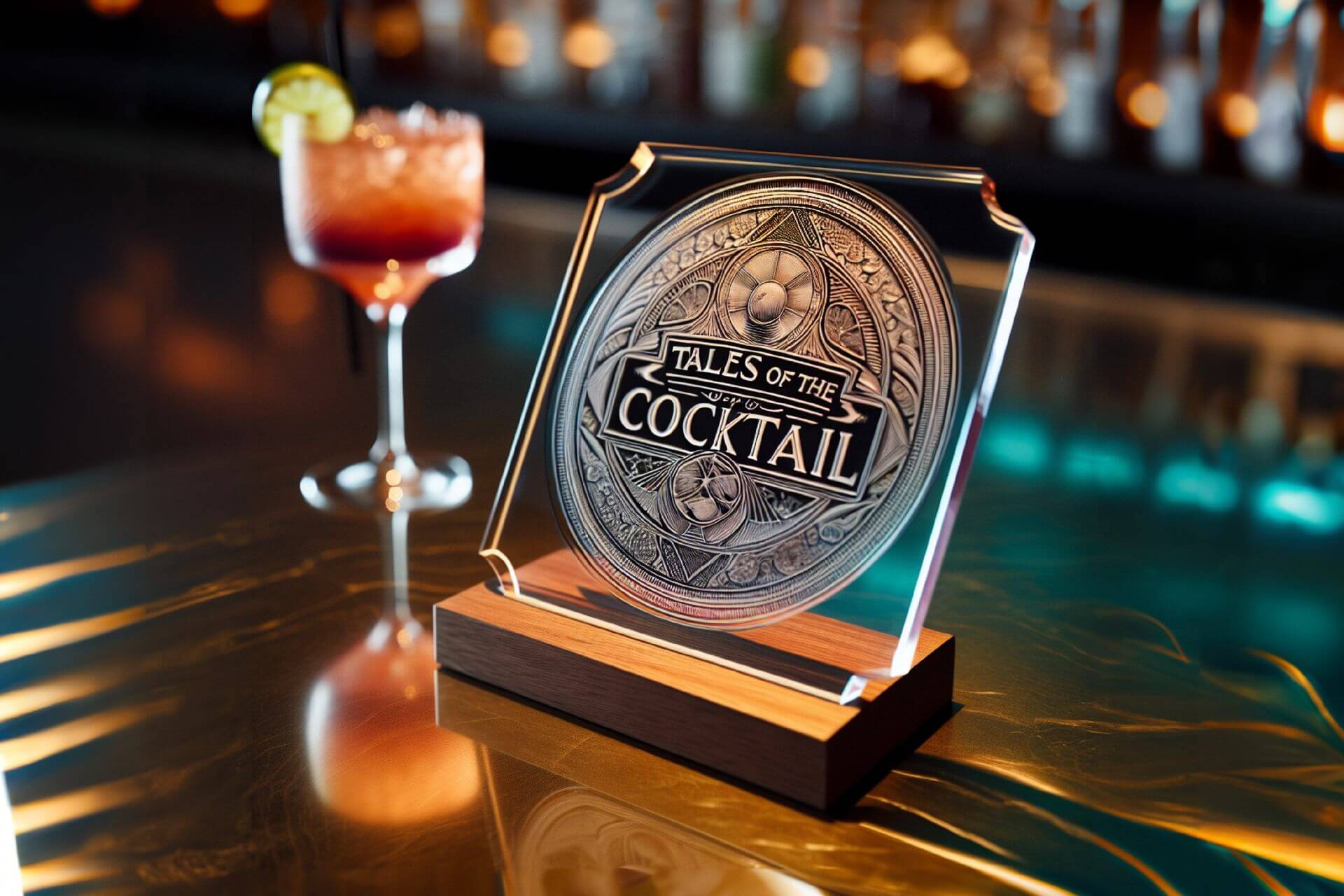
AI-generated image of the Tales of the Cocktail Spirited Award on top of a bar, next to a cocktail

This image depicting what an AI system “thinks” a Spirited Award looks like will always amuse me.

We didn’t attend Tales of the Cocktail this year but we did watch the Spirited Award livestream to celebrate our peers receiving the recognition they deserve.

Let’s dive right into it!

A massive congratulations to the team at ALQUÍMICO in Cartagena des Indias, Colombia, for grabbing the World’s Best Bar crown.

Two incredible and generous bar pros, Alex Jump and Danil Nevsky, are this year’s Best US Bar Mentor and Best International Bar Mentor, respectively. I want to thank Jump for using her time on stage to call out the mental and physical health threats our industry continues to face.

This year’s Timeless US Award goes to The Buena Vista in San Francisco, California, while the Timeless International Award winner is Café Pacifico in London, UK. Hidetsugu Ueno’s commitment to the craft of bartending, hospitality, mentorship, and community earned him the 2024 Helen David Lifetime Achievement Award. Colin Asare-Appiah (“Get involved, bruv!”) is the more-than-deserving winner of this year’s Tales Visionary Award.

A special congratulations to Nectaly Mendoza, Joy Figueroa, and the team at Cleaver in Las Vegas for earning the Best US Restaurant Bar award. Yes, my civic pride is showing.

Another tip of the cap goes to Handshake Speakeasy in Mexico City, Mexico, for picking up three Spirited Awards: World’s Best Cocktail Menu, Best International Bar Team, and International Bartender of the Year. Congratulations to Eric van Beek!

Allegory at the Eaton Hotel takes two Spirited Awards back to DC: Best US Hotel Bar, and US Bartender of the Year. Cheers to Kapri Robinson!

Should you want a refresher regarding the four finalists from each award category, click here. The top-ten nominees are listed here, and the top-ten regional honorees can be found via this link.

Below, the award winners in the order they were revealed during the 2024 ceremony. Cheers!

Best New International Cocktail Bar

Bar Leone (Hong Kong)

New New US Cocktail Bar

Superbueno (New York, New York)

Best Cocktail & Spirits Publication

The Cocktail Lovers

Best Cocktail & Spirits Writing

“A New Spirit Confronts the Consequences of Colonialism,” by Adaorah Oduah, for Punch

Best International Brand Ambassador

Dave Mitton, Lot 40 / J.P. Wiser’s

Best US Brand Ambassador

Anna Mains, Monkey Shoulder

Best Broadcast, Podcast, or Online Video Series

Bartender At Large, hosted by Erick Castro

World’s Best Cocktail Menu

Handshake Speakeasy (Mexico City, Mexico)

Best International Restaurant Bar

Danico (Paris, France)

Best US Restaurant Bar

Cleaver – Butchered Meats, Seafood & Classic Cocktails (Las Vegas, Nevada)

Best International Bar Team

Handshake Speakeasy (Mexico City, Mexico)

Best US Bar Team

Jewel of the South (New Orleans, Louisiana)

Best International Hotel Bar

BKK Social Club at Four Seasons Bangkok (Bangkok, Thailand)

Best US Hotel Bar

Allegory at the Eaton Hotel (Washington, DC)

Best New Book on Drinks Culture, History, or Spirits

Juke Joints, Jazz Clubs, and Juice: A Cocktail Recipe Book Cocktails from Two Centuries of African American Cookbooks by Toni Tipton-Martin

Best New Cocktail or Bartending Book

The Ice Book: Cool Cubes, Clear Spheres, and Other Chill Cocktail Crafts by Camper English

Best International Cocktail Bar

ALQUÍMICO (Cartagena des Indias, Colombia)

Best US Cocktail Bar

Yacht Club (Denver, Colorado)

World’s Best Spirits Selection

Baba Au Rum (Athens, Greece)

Best New Spirit or Cocktail Ingredient

YUZUCO Yuzu Super Juice

International Bartender of the Year

Eric van Beek, Handshake Speakeasy (Mexico City, Mexico)

US Bartender of the Year

Kapri Robinson, Allegory at the Eaton Hotel (Washington, DC)

Best International Bar Mentor

Danil Nevsky

Best US Bar Mentor

Alex Jump

Image: Shutterstock. Disclaimer: This image was generated by an Artificial Intelligence (AI) platform.
KRG Hospitality. Bar Consultant. Nightclub. Lounge. Mixology. Cocktails.

by David Klemt David Klemt No Comments

New Cocktail Festival Coming to Africa

New Cocktail & Spirits Festival Coming to Africa

by David Klemt

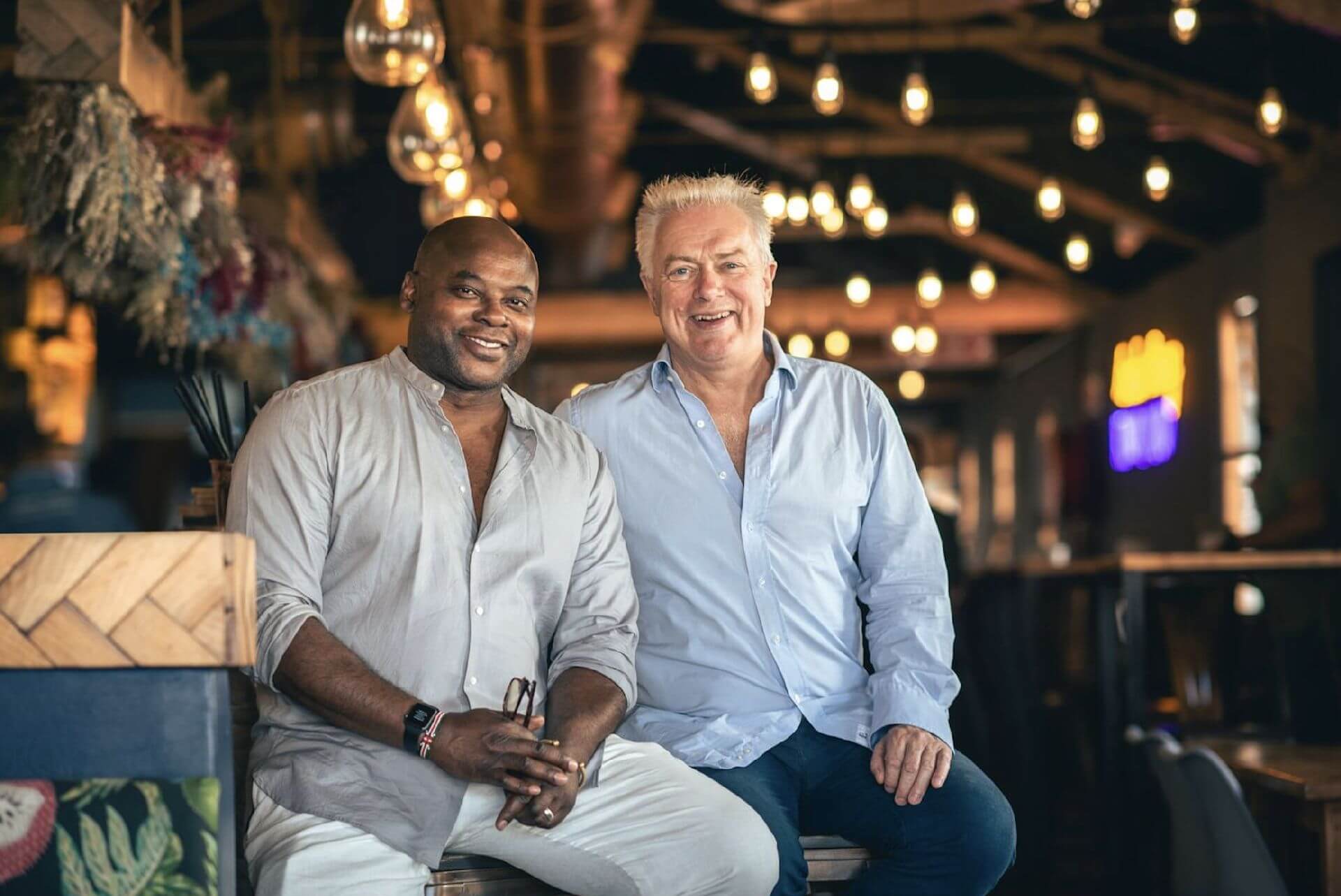
Colin Asare-Appiah and Mark Talbot Holmes

One of the most influential people in the hospitality industry, Colin Asare-Appiah, is bringing a new cocktail and spirits festival to South Africa in 2024.

Asare-Appiah is, of course, a bartender and spirits aficionado. However, he’s also an industry educator, author, a mentor, and historian. And he’s driven to shine a spotlight on the cocktail scenes throughout Africa.

AJABU, which means “wondrous” in Swahili, is the creation of Asare-Appiah and Mark Talbot Holmes, the founder of U’Luvka Vodka. From March 12 to 13, Johannesburg will be the first city to host AJABU. Cape Town will follow closely, with the festival taking place from March 15 to 16.

To put it plainly, the cocktail community doesn’t seem to pay much attention to African countries. At KRG Hospitality, we focus primarily on North America. So, I have to admit that when it comes to industry coverage, I’m guilty of overlooking African countries as well.

Looking back at industry awards from the past couple of years drives this point home. Bars, restaurants, hotels… If they’re not in Johannesburg or Cape Town, they’re not earning nominations, honorable mentions, or rankings, with very few exceptions.

Asare-Appiah and Talbot Holmes are aiming to change this situation. They duo and their collaborators intend to build international connections between trade, brands, and media through this bi-annual cocktail festival.

To learn more about this new industry gathering, please review the press release below. Cheers!

AJABU Cocktail and Spirits Festival Set to Debut in South Africa

New International Festival will Celebrate the Incredible Growth in the African Hospitality Community in 2024 and Beyond

JOHANNESBURG, SOUTH AFRICA – AJABU, Africa’s first bi-annual international Cocktail and Spirits festival, is set to debut in Johannesburg and Cape Town next year, with the first of two week-long events taking place from March 10-18, 2024.

Curated by Colin Asare-Appiah (Bar World 100 Most Influential Figures 2023, Co-Author Black Mixcellence, Tales of the Cocktail Foundation’s 2023 Spirited Awards® Finalist: Best Bar Mentor) and Mark Talbot Holmes (founder of U’Luvka Vodka). AJABU aims to become Africa’s leading spirits and cocktail festival. It will not only connect the hospitality industry and their community across Africa and beyond, it will also inspire innovation, collaboration, and creativity, while celebrating the continent’s incredible diversity of people, ingredients, and beverages.

The word AJABU means ‘wondrous’ or ‘amazing.’ As the name suggests, the festival will embrace the wondrous diversity of the hospitality industry across Africa, connecting brands, bar trade, media and cocktail enthusiasts, while supporting a new generation of African bartenders and hospitality professionals.

Taking place in both Johannesburg (March 10-13) and Cape Town (March 13-18), AJABU will host each city’s most renowned venues for a line-up of exciting mashups. Participating award-winning international bars include Library by the Sea, Milady’s, Rayo and Trailer Happiness. These teams will partner with bars across Africa such as Front Back and Hero for a week of education sessions, spirited forums, wine tours, and hosted dinners at local Johannesburg and Cape Town venues. In Johannesburg, festival-goers can look forward to experiencing the unique offerings of bars such as Sin + Tax, Saint, Smoking Kills, Cin Cin Zioux, Mesh Club, and Marabi Club. Meanwhile, Cape Town will host festivities at Cause/Effect, Art of Duplicity, Chef’s Warehouse, Hacienda, The Drinkery, House of Machines, Asoka, and Talking to Strangers.

“AJABU is a platform to celebrate Africa’s vibrant spirit and bartending culture,” exclaims Asare-Appiah. “We’re committed to fostering the growth of the hospitality industry across the continent by inspiring and empowering the bartending community to push the boundaries of their craft while providing a unique platform to showcase the diverse and rich culture of African drinks and ingredients.”

AJABU is thrilled to announce its partnership with local industry legends Kurt and Etienne Schlechter as well as award-winning writer & educator Leah Van Deventer as the team on the ground.

The festival will soon announce a lineup of the world’s best bars who will bring their creativity and knowledge to Johannesburg and Cape Town venues. Attendees can anticipate an unforgettable gathering of industry-leading professionals who will surprise and delight attendees with their creativity and innovation.

The March edition of AJABU will be followed by another week-long event across both cities in November, in partnership with Cape Town Beverage Show.

For more information, please visit ajabufestival.com

About AJABU

AJABU is Africa’s first annual international spirits and cocktail festival, created by Colin Asare-Appiah (Bar World’s 100 Most Influential Figures 2023, Co-Author Black Mixcellence of the Cocktail Foundation’s 2023 Spirited Awards® Finalist: Best Bar Mentor) and Mark Talbot Holmes (founder of U’Luvka Vodka). With a mission to become the continent’s leading hospitality community gathering, AJABU connects the industry across Africa and beyond to inspire innovation, collaboration, and creativity.

Image: AJABU

Bar Pub Brewery Nightclub Club Nightlife Business Plan

by David Klemt David Klemt No Comments

The Pinnacle Guide Launches

New Global Bar Recognition System, the Pinnacle Guide, Launches

by David Klemt

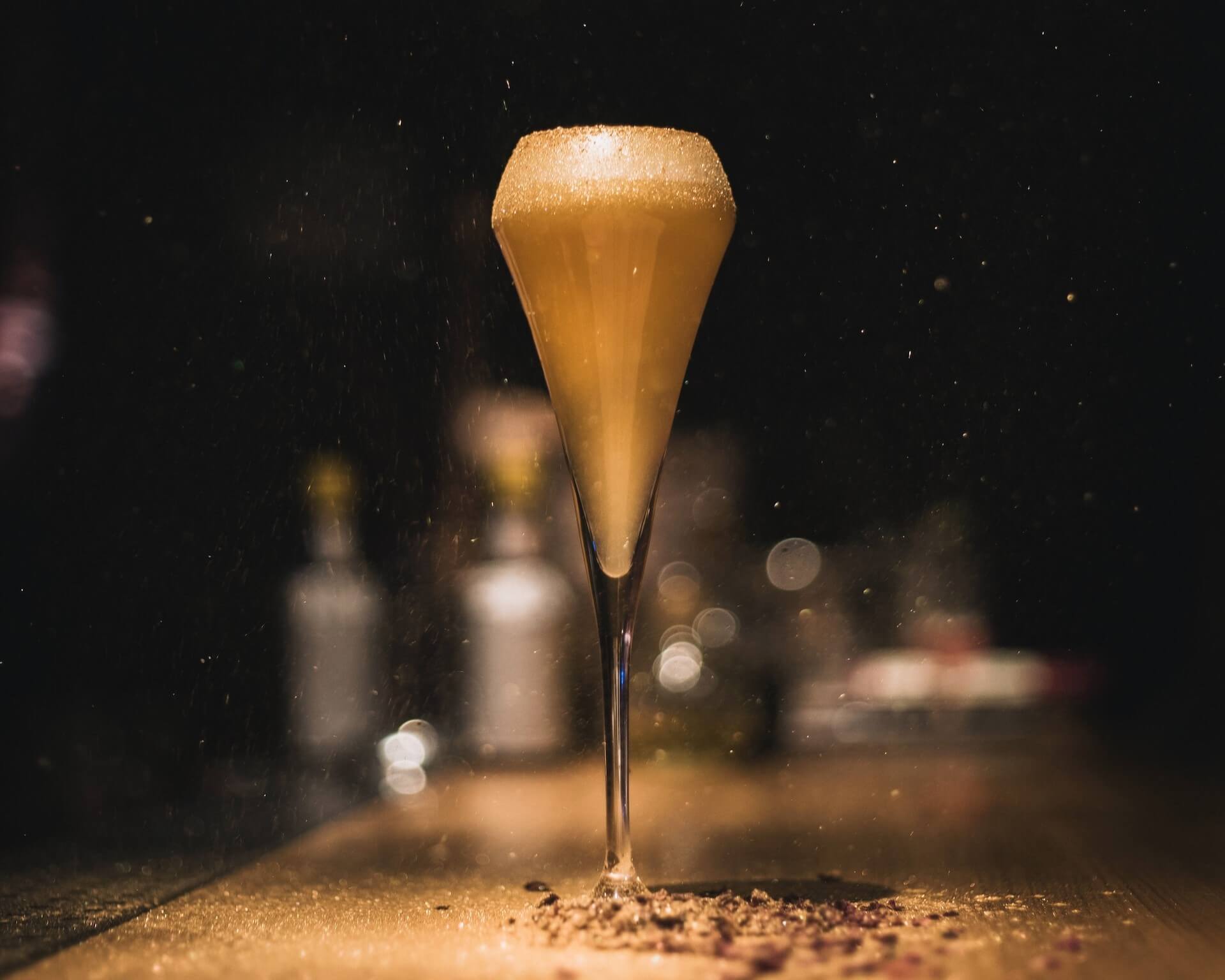
Golden cocktail in Champagne flute on bar top

Today’s the day that the passionate minds behind London Cocktail Week launch “the Michelin Guide” for bars, open to venues across the globe.

Open to submissions as of today, the Pinnacle Guide is open to any bar in the world. Compellingly and refreshingly, the Guide’s system intends to maximize transparency and minimize subjectivity.

Further, the process begins with the self-nomination of a venue. Truly, this is open to any bar, anywhere.

Two of the team’s founders are recent Bar Hacks podcast guests. On episode 105, Hannah Sharman-Cox and Siobhan Payne explain the Pinnacle Guide ahead of its launch today. You can listen to their episode below.

Dan Dove, owner and operator of Global Bartending, completes the Pinnacle Guide’s founder trio. Speaking of trios, Global Bartending’s areas of expertise are strategy, talent, and events.

I’m likely not the only person who has wondered why the Michelin Guide has yet to recognize bars. Now, I’m grateful they haven’t done so.

That’s not a dig at the Michelin Guide. However, the organization’s expertise is restaurants, not bars. It’s far more appropriateand more crediblethat passionate people dedicated to and enamored with bars are launching this recognition system and platform.
The Process

So, what are you in for when you nominate your bar? The process is quite straightforward.

Simply speaking, the

  • Front of house
  • Drinks program(me)
  • Look and feel
  • Staff
  • Operations
  • Community

Once someone who self-nominates their bar completes and submits their application, the anonymous review part of the process begins.

As this step’s phrasing suggests, anonymous reviewers will visit the venue. These reviewers could be industry professionals. They may be passionate, educated consumers whose opinions are valued and trusted.

Either way, they’ll have been vetted, tested, and completed the Pinnacle Guide Reviewer Training Programme.

For even more information, click this link. You’ll find a series of the Pinnacle Guide Round Table Discussions recordings that dive deep into the system as well.

Interestingly, the founders of the Pinnacle Guide believe undergoing the self-nomination process may also help operators enhance or refine their operation:

“Beyond being a measure of excellence, this transparent and detailed approach is also designed to give venues pause for thought on where they may have room for improvement, with the ambition of elevating the industry by encouraging higher standards across the globe.”

Moreover, the Pinnacle Guide doesn’t pit operator against operator, team against team. Should a bar be recognized by the Guide, they’ll be awarded at least one PIN. A single PIN identifies a bar as Excellent. Two carries the Outstanding designation, and three means a venue is Exceptional.

Receiving a PIN doesn’t mean a bar has beaten out another venue to be recognized; that operation stands on its own as one of the best in the world.

Are You Ready?

Thousands of owners and operatorsand the teams that bring their visions to life every daydeserve acknowledgement for meeting the demands this industry makes of them.

From empowering their teams and serving as the backbone of their communities to delivering world-class service and pairing unforgettable experiences with incredible, welcoming atmospheres, hospitality is chock-full of people whose daily contributions should be recognized.

So, to any operator anywhere in the world, if you believe your team has earned at least one Pinnacle Guide PIN, this is your day. However, carve out some time to truly sit with the application and consider your team and venue.

The Pinnacle Guide is a long time coming. Let’s give it the respect it deserves.

Image: Jakub Dziubak on Unsplash

by David Klemt David Klemt No Comments

These are the 50 Best Bars of 2023

These are the 50 Best Bars of 2023

by David Klemt

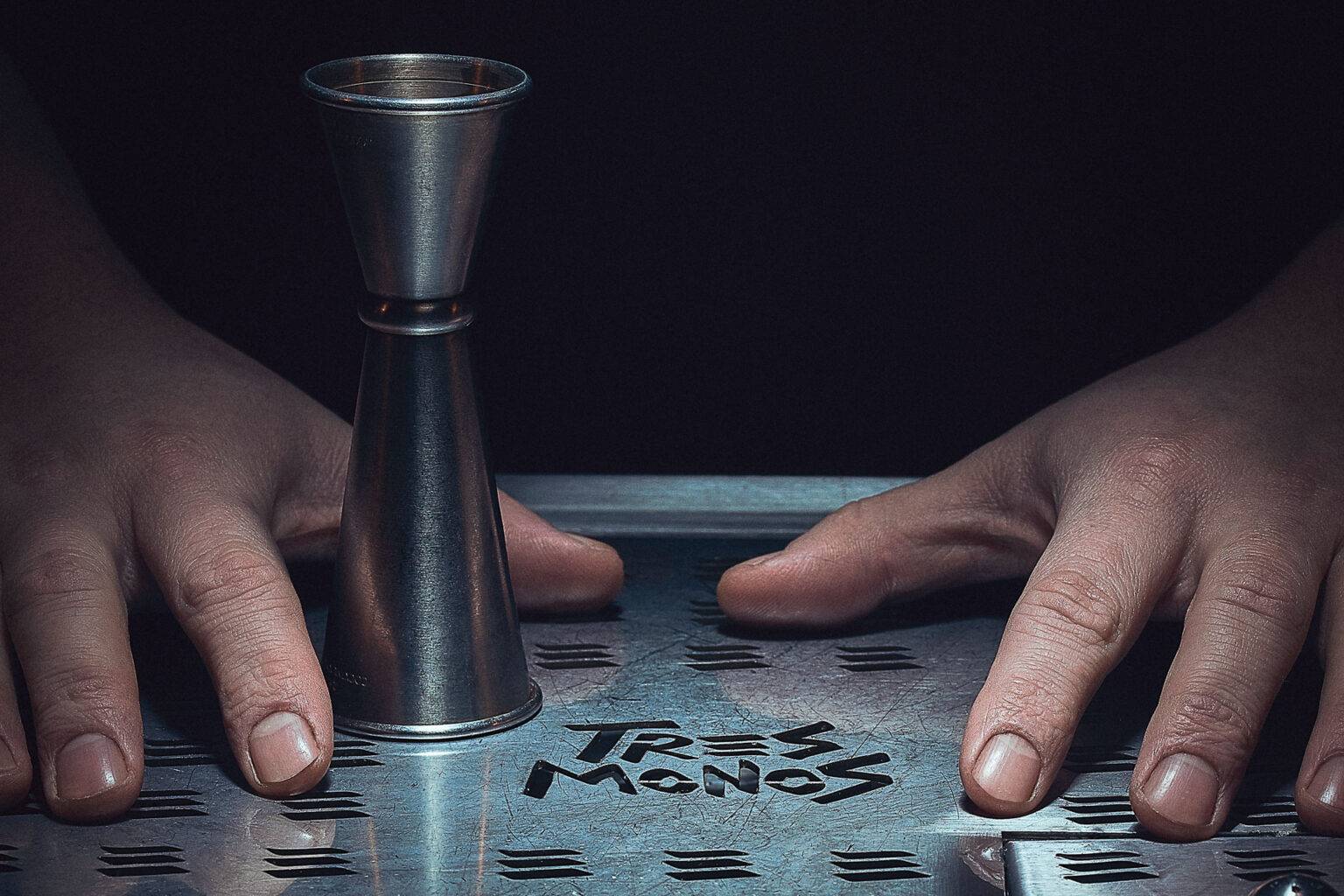
Tres Monos bar in Buenos Aires, Argentina

Tres Monos in Buenos Aires is number 11 and the winner of the Michter’s Art of Hospitality Award.

According to the World’s 50 Best, these stunning examples of operations, service, and atmosphere from around the globe are the best bars of 2023.

For the first time, the incredible collection of bars was revealed during a ceremony in Singapore. I watched this year’s ceremony via the World’s 50 Best Bars live stream and the energy was palpable just through the screen. We’ll have to consider attending the 2024 ceremony in person.

The 50 bars that have earned placement on this list should serve as inspiration for operators and hospitality professionals throughout the world. Whether considering operations, service, building a top-performing team, menu, design, or atmosphere, these bars are reaping the rewards of hard work and a commitment to hospitality.

As we’ve had the incredible honor of speaking with a number of the bars on this year’s list for our Bar Hacks podcast, we’ve linked a few of the bars below to their episodes.

The Numbers

The 15th edition of World’s 50 Best Bars ranks bars in 28 cities from around the globe.

Among individual cities, London claims the most bars on this year’s list with five. Further, two of those bars are in the top ten.

Mexico City is home to four bars on the list, while New York boasts three, plus the winner of the Altos Bartenders’ Bartender Award. These two cocktail bar titans will go head to head for some time from what I can see, and we’re all the better for this friendly rivalry.

Overall, the UK is home to six venues on the 2023 list. Also performing well are the US and Italy, with each claiming five bars on the 2023 list. With four bars, each in Mexico City, Mexico also does very well for 2023.

This year’s host city, Singapore, boasts three bars, along with the Bar Design Award recipient. Greece also earns three spots, with one bar taking home the Legend of the List Award. There are three bars on the list in Argentina as well, all in Buenos Aires. One of these bars offers such outstanding service that it’s this year’s Michter’s Art of Hospitality Award recipient.

Another country with three bars on the list is Spain. Not only can the country now boast about being home to the bar holding the number one spot, it’s also where number four is located. Oh, and the number four bar just happens to be last year’s top bar in the world. Clearly, Barcelona is staking a claim to the Cocktail Capital of the World.

Sadly, Canada isn’t represented on this year’s list. However, Civil Liberties in Toronto does hold the number 73 spot.

Congratulations to the bars and their teams on the 2023 list, and the individual award winners! Cheers!

The World’s 50 Best Bars 2023

  1. Galaxy Bar (Dubai, United Arab Emirates)
  2. Jewel of the South (New Orleans, Louisiana, United States of America)
  3. Atlas (Singapore)
  4. The Clumsies (Athens, Greece)
  5. Locale Firenze (Florence, Italy)
  6. Baltra Bar (Mexico City, Mexico)
  7. L’Antiquario (Naples, Italy)
  8. Carnaval (Lima, Perú)
  9. 1930 (Milan, Italy)
  10. Scarfes Bar (London, England, United Kingdom)
  11. Mimi Kakushi (Dubai, United Arab Emirates)
  12. Panda & Sons (Edinburgh, Scotland, United Kingdom)
  13. The Cambridge Public House (Paris, France)
  14. Bar Benfiddich (Tokyo, Japan)
  15. The SG Club (Tokyo, Japan)
  16. 🔶🟥🔵 A Bar with Shapes for a Name (London, England, United Kingdom)
  17. Argo (Hong Kong, China)
  18. Freni e Frizioni (Rome, Italy)
  19. Sago House (Singapore)
  20. Röda Huset (Stockholm, Sweden)
  21. Florería Atlántico (Buenos Aires, Argentina)
  22. Wax On (Berlin, Germany)
  23. Satan’s Whiskers (London, England, United Kingdom)
  24. Katana Kitten (New York, New York, United States of America)
  25. CoChinChina (Buenos Aires, Argentina)
  26. Baba Au Rum (Athens, Greece)
  27. Café La Trova (Miami, Florida, United States of America)
  28. Caretaker’s Cottage (Melbourne, Victoria, Australia)
  29. Hanky Panky (Mexico City, Mexico)
  30. Drink Kong (Rome, Italy)
  31. Coa (Hong Kong)
  32. Mahaniyom Cocktail Bar (Bangkok, Thailand)
  33. Zest (Seoul, South Korea)
  34. Overstory (New York, New York, United States of America)
  35. Salmon Guru (Madrid, Spain)
  36. Maybe Sammy (Sydney, New South Wales, Australia)
  37. Jigger & Pony (Singapore)
  38. BKK Social Club (Bangkok, Thailand)
  39. Line (Athens, Greece)
  40. Tres Monos (Buenos Aires, Argentina)
  41. Himkok (Oslo, Norway)
  42. Alquímico (Cartagena, Colombia)
  43. Tayēr + Elementary (London, England, United Kingdom)
  44. Licorería Limantour (Mexico City, Mexico)
  45. Little Red Door (Paris, France)
  46. Connaught Bar (London, England, United Kingdom)
  47. Paradiso (Barcelona, Spain)
  48. Handshake Speakeasy (Mexico City, Mexico)
  49. Double Chicken Please (New York, New York, United States of America)
  50. Sips (Barcelona, Spain)

2023 Awards

  • Roku Industry Icon Award: Renato “Tato” Giovannoni
  • Rémy Martin Legend of the List: The Clumsies; Number 47 (Athens, Greece)
  • Best Bar in Australasia (sponsored by Naked Malt): Maybe Sammy; Number 15 (Sydney, New South Wales, Australia)
  • Best Bar in Asia (sponsored by Torres Brandy): BKK Social Club, Number 13 (Bangkok, Thailand)
  • Best Bar in Europe (sponsored by Perrier): Sips; Number 1 (Barcelona, Spain)
  • Best Bar in the Middle East and Africa (sponsored by Amaro Lucano): Mimi Kakushi; Number 40 (Dubai, United Arab Emirates)
  • Best Bar in North America (sponsored by Tia Maria): Double Chicken Please; Number 2 (New York, New York, United States of America)
  • Best Bar in South America (sponsored by Scrappy’s Bitters): Alquímico; Number 9 (Cartagena, Columbia)
  • Michter’s Art of Hospitality Award: Tres Monos; Number 11 (Buenos Aires, Argentina)
  • Best New Opening (sponsored by the London Essence Co.): Line; Number 12 (Athens, Greece)
  • Disaronno Highest New Entry: Zest; Number 18 (Seoul, South Korea)
  • Nikka Highest Climber: Himkok; Number 10, climbed 33 positions (Oslo, Norway)
  • Ketel One Sustainable Bar: Röda Huset; Number 31 (Stockholm, Sweden)
  • Altos Bartenders’ Bartender: GN Chan; Double Chicken, Please (New York, New York, United States of America)
  • Siete Misterios Best Cocktail Menu: The American Bar at Gleneagles; Book of Berries menu (Auchterarder, Scotland, United Kingdom)
  • Campari One to Watch: Lady Bee; Number 52 (Lima, Perú)
  • Bareksten Best Bar Design: Night Hawk (Singapore)
  • The Blend Scholarship: Apoorva Kohli (New Delhi, India) will intern at Sips (Number 1) in Barcelona and Alquímico (Number 9) in Cartagena in 2024.

Image: Tres Monos

KRG Hospitality. Bar Consultant. Nightclub. Lounge. Mixology. Cocktails.

by David Klemt David Klemt No Comments

2023 World’s 50 Best Bars: 51 to 100

2023 World’s 50 Best Bars: 51 to 100

by David Klemt

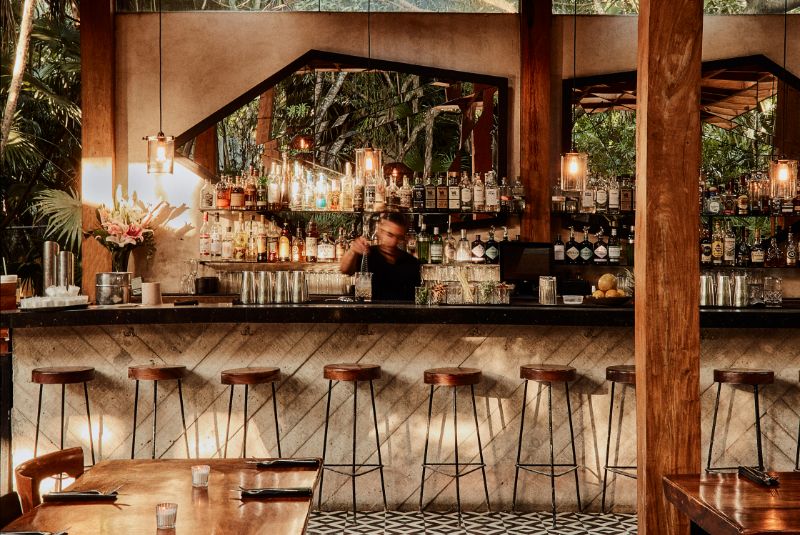
ARCA bar in Tulum, Mexico

ARCA in Tulum, Mexico

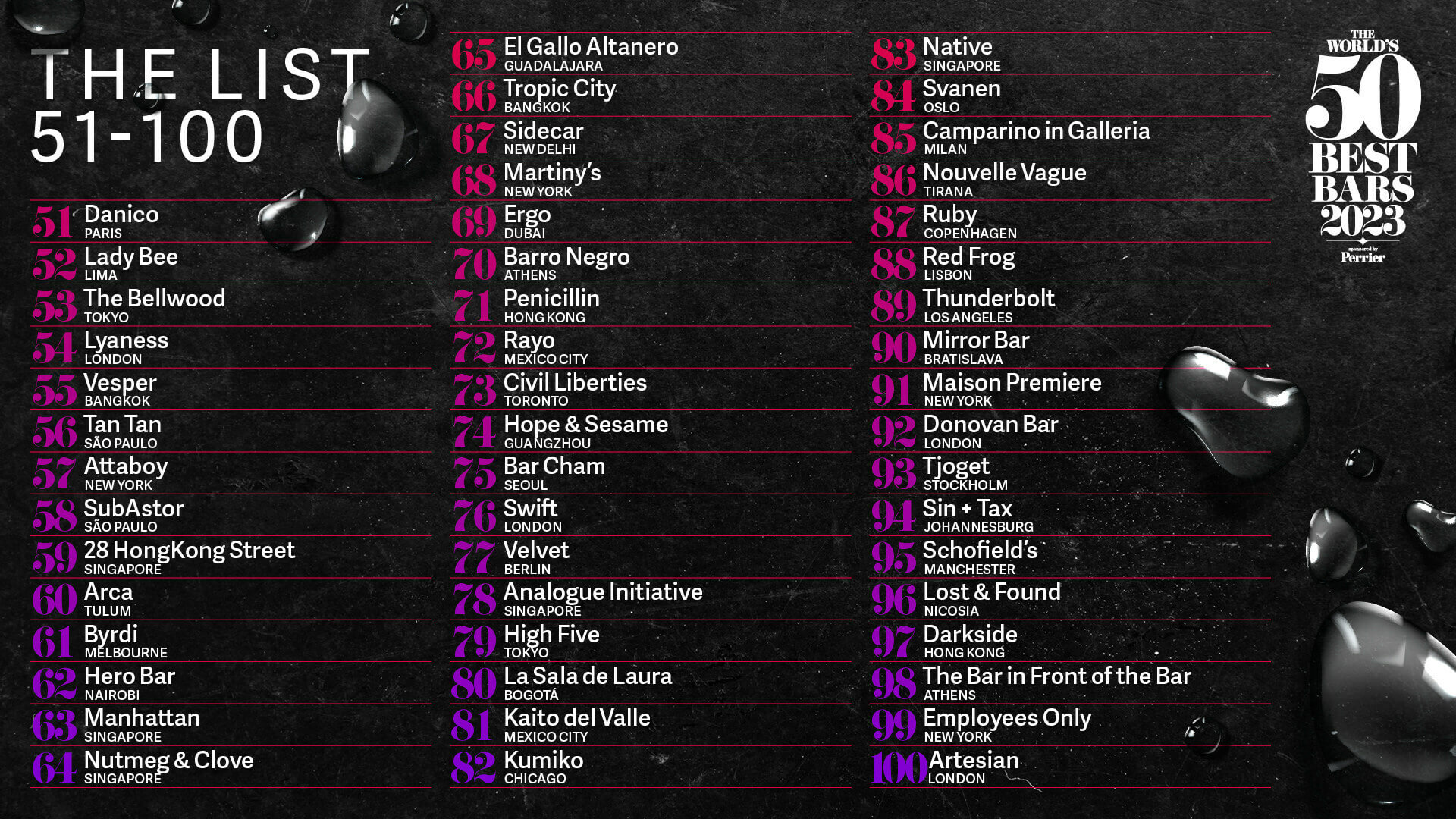
Check out the back half of the 2023 World’s 50 Best Bars list ahead of the one through 50 reveal taking place in Singapore on October 17.

In terms of single-country performance, the United States of America claims the most spots on this list with six. Unsurprisingly, four of these bars in New York. Rounding out the six American venues are one in Chicago and one in California.

However, in combination with Mexico and Canada, North America earns 11 places. Unfortunately, Canada earns just one spot with a bar in Toronto. Mexico City, however, is home to two of the best bars in North America (and the world).

It’s Europe as a whole, though, that boasts the most positions, with 17 bars on the list. Five of the 17 are in England.

Asia comes in second as a continent with 14 venues on the back half of the 2023 World’s 50 Best Bars. It should come as no surprise that Singapore claims five spots.

Congratulations to the bar teams below!

To review the 2022 51 to 100 list, click here.

The World’s 50 Best Bars 2023: 100 to 51

It’s only a matter of time until a number of these incredible venues break through to the top half of this list.

  1. Artesian (London, England, UK)
  2. Employees Only (New York, New York, USA)
  3. The Bar in Front of the Bar (Athens, Greece)
  4. Dark Side (Hong Kong)
  5. Lost & Found (Nicosia, Cyprus)
  6. Schofield’s (Manchester, England, UK)
  7. Sin + Tax (Johannesburg, South Africa)
  8. Tjoget (Stockholm, Sweden)
  9. Donovan Bar (London, England, UK)
  10. Maison Premiere (New York, New York, USA)
  11. Mirror Bar (Bratislava, Slovakia)
  12. Thunderbolt (Los Angeles, California, USA)
  13. Red Frog (Lisbon, Portugal)
  14. Ruby (Copenhagen, Denmark)
  15. Nouvelle Vague (Tirana, Albania)
  16. Camparino in Galleria (Milan, Italy)
  17. Svanen (Oslo, Norway)
  18. Native (Singapore)
  19. Kumiko (Chicago, Illinois, USA)
  20. Kaito del Valle (Mexico City, Mexico)
  21. La Sala de Laura (Bogotá, Colombia)
  22. High Five (Tokyo, Japan)
  23. Analogue Initiative (Singapore)
  24. Velvet (Berlin, Germany)
  25. Swift (London, England, UK)
  26. Bar Cham (Seoul, South Korea)
  27. Hope & Sesame (Guangzhou, Guangdong, China)
  28. Civil Liberties (Toronto, Ontario, Canada)
  29. Rayo (Mexico City, Mexico)
  30. Penicillin (Hong Kong)
  31. Barro Negro (Athens, Greece)
  32. Ergo (Dubai, UAE)
  33. Martiny’s (New York, New York, USA)
  34. Side Car (New Delhi, Delhi, India)
  35. Tropic City (Bangkok, Thailand)
  36. El Gallo Altanero (Guadalajara, Jalisco, Mexico)
  37. Nutmeg & Clove (Singapore)
  38. Manhattan (Singapore)
  39. Hero Bar (Nairobi, Kenya)
  40. Byrdi (Melbourne, Victoria, Australia)
  41. ARCA (Tulum, Quintana Roo, Mexico)
  42. 28 HongKong Street (Singapore)
  43. SubAstor (São Paulo, Brazil)
  44. Attaboy (New York, New York, USA)
  45. Tan Tan (São Paulo, Brazil)
  46. Vesper (Bangkok, Thailand)
  47. Lyaness (London, England, UK)
  48. The Bellwood (Tokyo, Japan)
  49. Lady Bee (Lima, Perú)
  50. Danico (Paris, France)

The World's 50 Best Bars 2023, numbers 51 to 100

2023 New Entries

Among these 50 bars are 14 new entries:

  • Lady Bee (No. 52)
  • Arca (No. 60)
  • El Gallo Altanero (No. 65)
  • Martiny’s (No. 68)
  • Ergo (No. 69)
  • Rayo (No. 72)
  • Civil Liberties (No. 73)
  • Bar Cham (No. 75)
  • Velvet (No. 77)
  • Kaito del Valle (No. 81)
  • Svanen (No. 84)
  • Nouvelle Vague (No. 86)
  • Mirror Bar (No. 90)
  • The Bar in Front of the Bar (No. 98)

Remember, the World’s 50 Best will reveal bars one through 50 in Singapore on October 17 at 8:25 PM UTC. Cheers!

Image: The World’s 50 Best Bars / ARCA

KRG Hospitality. Bar Consultant. Nightclub. Lounge. Mixology. Cocktails.

by David Klemt David Klemt No Comments

Tales Reveals Top 4 Awards Finalists

Tales Reveals Top 4 2023 Spirited Awards Finalists

by David Klemt

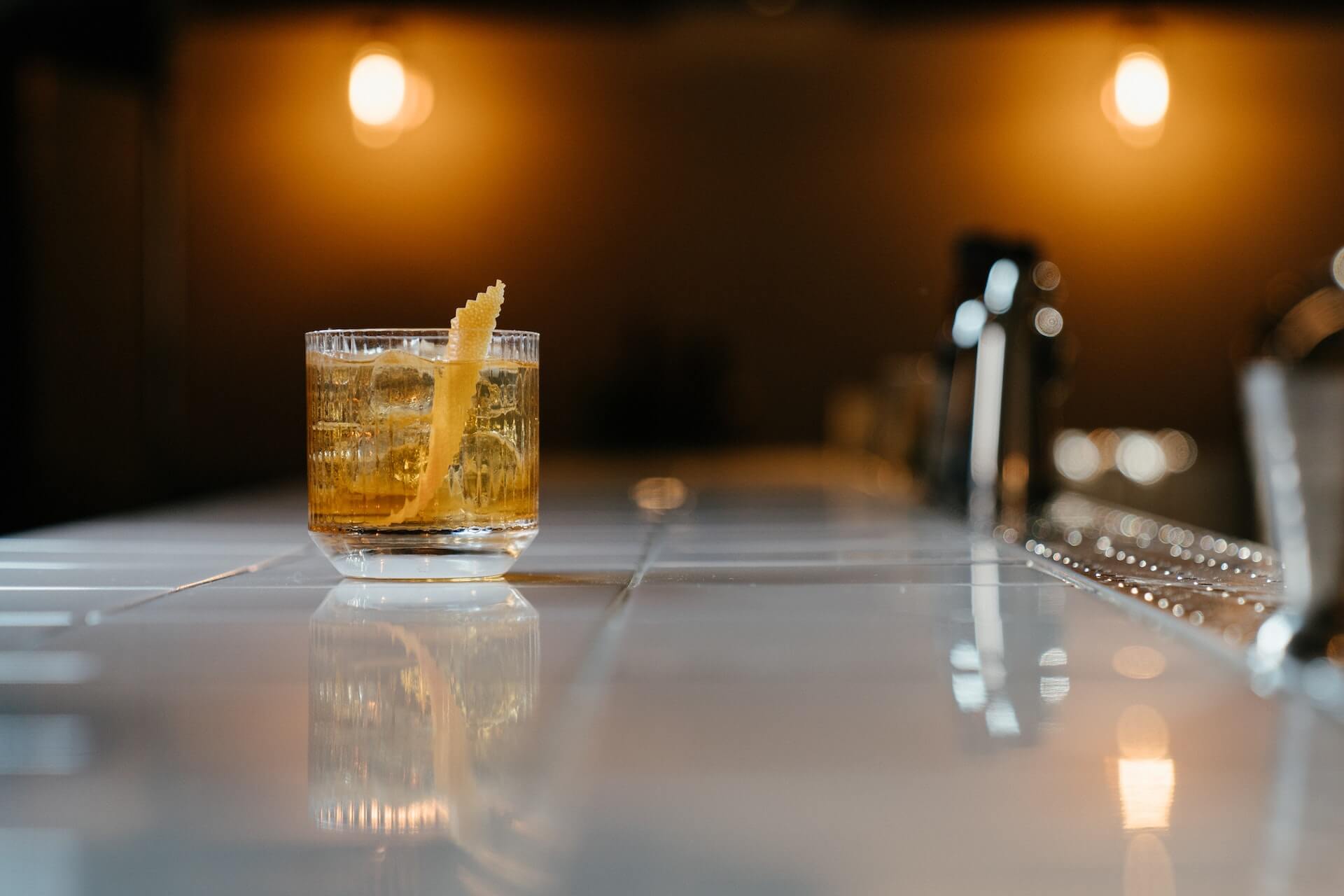
Cocktail with orange peel garnish resting on glossy white bar top

We’re one month away from the 17th annual Spirited Awards ceremony and the top four nominees in each category have been revealed.

Over the course of the past few months, the Tales of the Cocktail Foundation have been hard at work to narrow the field. They first announced this year’s honorees. Not long ago, they announced the top ten nominees.

Now, we know the top four nominees in the running for each of the Spirited Awards. You can check them out below, with each award organized into one of four main categories: US, International, Global, and Writing & Media.

Congrats to the finalists! We’ll know the winners in just a month.

Cheers!

US Categories

US Bartender of the Year presented by Pernod Ricard USA

  • Caer Maiko Ferguson, DrinkWell / Daijoubu (Austin, Texas)
  • Kapri Robinson, Allegory at the Eaton Hotel (Washington, DC)
  • Masahiro Urushido, Katana Kitten (New York, New York)
  • Christine Wiseman, Marygold’s Brasserie / Broken Shaker (Miami, Florida)

Best US Bar Mentor presented BarSmarts

  • Anu Apte
  • Colin Asare-Appiah
  • Nectaly Mendoza
  • Chris Patino

Best US Brand Ambassador presented Libbey

  • Kiowa Bryan (Spiribam)
  • Chris Cabrera (Bacardi USA)
  • Cameron George (Ardbeg Single Malts)
  • Vance Henderson (Hendrick’s Gin)

Best US Bar Team presented by William Grant & Sons

  • Happy Accidents (Albuquerque, New Mexico)
  • Nickel City (Austin, Texas)
  • Pacific Cocktail Haven (San Francisco, California)
  • Yacht Club (Denver, Colorado)

Best US Cocktail Bar presented by Absolut Vodka

  • Century Grand (Phoenix, Arizona)
  • Double Chicken Please (New York, New York)
  • Overstory (New York, New York)
  • Service Bar (Washington, DC)

Best US Hotel Bar presented by Grey Goose

  • Allegory at the Eaton Hotel (Washington, DC)
  • Dear Irving on Hudson at the Aliz Hotel (New York, New York)
  • Hey Love at The Jupiter (Portland, Oregon)
  • Little Rituals at the Residence Inn/Courtyard by Marriott (Phoenix, Arizona)

Best US Restaurant Bar presented by Amaro Montenegro and Select Aperitivo

  • Café La Trova (Miami, Florida)
  • Cleaver Butchered Meats & Seafood (Las Vegas, Nevada)
  • Kumiko (Chicago, Illinois)
  • Palomar (Portland, Oregon)

Best New US Cocktail Bar presented by Diageo Bar Academy

  • Chez Zou (New York, New York)
  • Martiny’s (New York, New York)
  • Milady’s (New York, New York)
  • Pacific Standard at the KEX Portland (Portland, Oregon)

International Categories

International Bartender of the Year presented by The Busker

  • Gina Barbachano, Hanky Panky (Mexico City, Mexico)
  • Giorgio Bargiani, Connaught Bar (London, England, United Kingdom)
  • Daniel Schofield, SCHOFIELD’S BAR (Manchester, England, United Kingdom)
  • Luke Whearty, BYRDI (Melbourne, Victoria, Australia)

Best International Bar Mentor presented by Tales of the Cocktail Foundation

  • Simone Caporale
  • Danil Nevsky
  • Agostino Perrone
  • Christina Veira

Best International Brand Ambassador presented by Tales of the Cocktail Foundation

  • Caitlin Hill (Rémy Cointreau)
  • Daniyel Jones (House of Angostura)
  • Dave Mitton (Lot 40 / J.P. Wiser’s)
  • Nicola Riske (The Macallan)

Best International Bar Team presented by Angostura Caribbean Rum

  • ALQUÍMICO (Cartagena, Colombia)
  • Atwater Cocktail Club (Montréal, Québec, Canada)
  • Jigger & Pony at the Amara Hotel (Singapore)
  • Paradiso (Barcelona, Spain)

Best International Cocktail Bar presented by Patr​​ón Tequila

  • 🔶🟥🔵 (London, UK)
  • ALQUÍMICO (Cartagena, Colombia)
  • Atwater Cocktail Club (Montréal, Québec, Canada)
  • SIPS (Barcelona, Spain)

Best International Hotel Bar presented by Perrier

  • ARGO at the Four Seasons (Hong Kong)
  • BKK Social Club at Four Seasons Bangkok (Bangkok, Thailand)
  • Botanist at the Fairmont Pacific Rim Hotel (Vancouver, British Columbia, Canada)
  • Jigger & Pony at the Amara Hotel (Singapore)

Best International Restaurant Bar presented by Tales of the Cocktail Foundation

  • Analogue Initiative (Singapore)
  • ARCA Restaurant & Bar (Tulum, Quintana Roo, Mexico)
  • Bar Kismet (Halifax, Nova Scotia, Canada)
  • Danico (Paris, France)

Best New International Cocktail Bar presented by Diageo Bar Academy

  • Last Word (Singapore)
  • Line Athens (Athens, Greece)
  • Mahaniyom Cocktail Bar (Bangkok, Thailand)
  • Night Hawk (Singapore)

Global Categories

Best New Spirit or Cocktail Ingredient presented by Lyre’s Non-Alcoholic

  • Martini & Rossi Floreale Non Alcoholic Aperitivo
  • PATRÓN El Alto Tequila
  • Saint Benevolence Aged Rum Clairin
  • The Fords Gin Co. Sloe Gin

World’s Best Cocktail Menu presented by Diageo Bar Academy

  • ALQUÍMICO (Cartagena, Colombia)
  • Double Chicken Please (New York, New York)
  • Handshake Speakeasy (Mexico City, Mexico)
  • Panda & Sons (Edinburgh, Scotland)

World’s Best Spirits Selection presented by Tales of the Cocktail Foundation

  • Baba Au Rum (Athens, Greece)
  • In Situ Mezcalería (Oaxaca, Mexico)
  • Raised by Wolves (San Diego, California)
  • Swift Soho (London, England, United Kingdom)

Writing & Media Categories

Best Cocktail & Spirits Publication presented by Tales of the Cocktail Foundation

  • CLASS Magazine
  • Difford’s Guide
  • Punch
  • The Cocktail Lovers Magazine

Best Broadcast, Podcast, or Online Video Series presented by Tales of the Cocktail Foundation

  • Black and Brown Podcast
  • Radio Imbibe
  • Shōshin Art Club
  • The Speakeasy Podcast

Best Cocktail & Spirits Writing presented by Tales of the Cocktail Foundation

  • “The Drinks Industry Has an Ageism Problem” by Betsy Andrews, for SevenFifty Daily
  • “The Great Mezcal Heist” by Emma Janzen, for Eater
  • “The Secrets to the Best Dry Martini You’ll Ever Have” by David Wondrich, for The Daily Beast
  • “This Is What Decolonizing a Spirit Looks Like” by Adaorah Oduah, for Punch

Best New Cocktail or Bartending Book presented by Tales of the Cocktail Foundation

  • Mindful Mixology: A Comprehensive Guide to No- and Low-Alcohol Cocktails with 60 Recipes by Derek Brown
  • Modern Classic Cocktails by Robert Simonson
  • The Bartender’s Manifesto by Toby Maloney with Emma Janzen
  • The New York Times Essential Book of Cocktails – Elevated and Expanded, edited by Steven Reddicliffe

Best New Book on Drinks Culture, History, or Spirits presented by Tales of the Cocktail Foundation

  • A SENSE OF PLACE: A Journey Around Scotland’s Whisky by Dave Broom
  • Doctors and Distillers: The Remarkable Medicinal History of Beer, Wine, Spirits, and Cocktails by Camper English
  • Modern Caribbean Rum: A Contemporary Reference to the Region’s Essential Spirit by Matt Pietrek and Carrie Smith
  • Unreasonable Hospitality by Will Guidara

Image: cottonbro studio on Pexels

KRG Hospitality. Bar Consultant. Nightclub. Lounge. Mixology. Cocktails.

by David Klemt David Klemt No Comments

Discover the World’s 50 Best

Discover the World’s 50 Best with this Helpful Tool

by David Klemt

Red neon hand sign over a cocktail

You may be familiar with the World’s 50 Best Bars and the World’s 50 Best Restaurants rankings, but do you know about their Discovery tool?

On episode 82 of the Bar Hacks podcast, Mark Sansom mentions this powerful and helpful tool. Sansom, for those who have yet to listen to the episode, is the content director for the World’s 50 Best Bars.

Put plainly, the World’s 50 Best rankings are powerful and influential. As Sansom says, when the organization shouts, people listen. Making the 100 to 51 or 50 to one list can change a restaurant or bar’s business. Exposure, traffic, revenue, status, longevity… The restaurant and bar lists are game changers for those who work hard enough to earn a spot.

However, the World’s 50 Best, as the name suggests, ranks just a few hundred restaurants and bars:

So, the organization put their heads together. What if they could increase the chances that thousands of venues could find themselves on the radar of millions of people across the world? What could that do for a much larger swathe of deserving restaurants and bars?

50 Best Discovery

Enter, the 50 Best Discovery database.

“That’s the more egalitarian face of 50 Best, and that’s where we’re really excited about moving in the future,” says Sansom.

According to Sansom, there are more than 2,500 restaurants and bars just waiting for, well, discovery. It is, as he says, “the world’s most authoritative database on restaurants and bars anywhere.”

Compellingly, this is more than just a lonely input field chilling out on a webpage. Rather, there’s also a slideshow of 50 Best editor’s picks to scroll through. In using the tool for this article I discovered the following venues without even scrolling:

  • Franklin Barbecue in Austin, Texas
  • Cal Pep in Barcelona, Spain
  • Amass in Copenhagen, Denmark
  • Fyn Restaurant in Cape Town, South Africa

In other words, this tool is aptly named: The mission is discovery, and I’d say that mission is well on its way to achievement.

North America Results

Given the potential of the 50 Best Discovery database, I of course took it for a spin. You can do the same by clicking here.

Below, my results. In the interest of full transparency, it appears some cities in North America could use some work.

However, I feel confident that the 50 Best Discovery database will improve over time. After all, this is a new tool. Remember, the North America 50 Best Bars list is also brand new. As the organization recognizes more regions and venues, they’ll develop their database further.

Calgary, Alberta, Canada

  • Proof

Toronto, Ontario, Canada

  • Bar Raval
  • BarChef
  • The Shameful Tiki Room

Vancouver, British Columbia, Canada

  • Botanist
  • Boulevard Kitchen & Oyster Bar
  • The Keefer Bar

Las Vegas, Nevada, USA

  • Greene St. Kitchen
  • Herbs & Rye
  • Wing Lei

Nashville, Tennessee, USA

  • Bastion
  • The Catbird Seat
  • Pearl Diver

Philadelphia, Pennsylvania, USA

  • Vedge
  • Zahav

Image: Marcus Loke on Unsplash

by David Klemt David Klemt No Comments

Restrictions: What’s Different in BC?

Restrictions: What’s Different in British Columbia?

by David Klemt

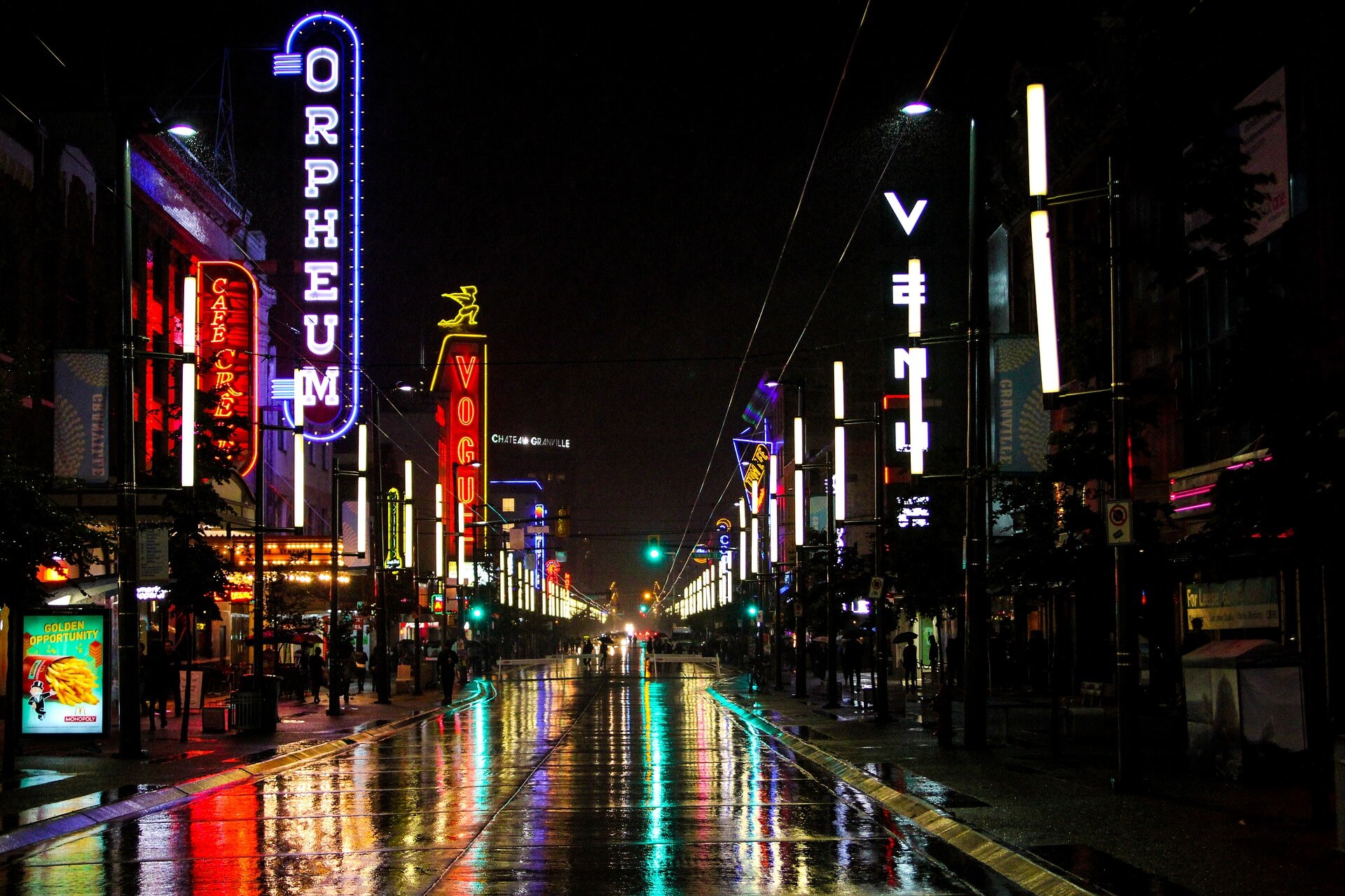
Granville Street in Vancouver, British Columbia, Canada, at night

While face mask and proof-of-vaccine requirements remain in place throughout British Columbia, some Covid-19 restrictions are no more.

“By following the science and looking out for each other, we are now in a position to carefully ease many COVID-19 restrictions,” said BC premier John Horgan last week.

Per reports, the second-dose vaccine rate of eligible residents in BC is over 90 percent. That, along with a dip in hospitalizations, are likely contributing to this easing of restrictions.

Premier Horgan denies that the “Freedom Convoy” protests influenced BC’s decisions.

What’s Different Now?

The most relevant news pertaining to hospitality operators impacts capacity and guest behavior.

Restaurant, bar, lounge, and nightclub operators have reason to feel a sense of relief. This is due to several favorable changes to Covid-19 restrictions.

First, capacity restrictions for the venues above have been lifted. This return to 100-percent capacity is likely the most welcome change for BC operators.

Second, table limits. In short, those are also no more. No longer are parties limited to six guests or less.

The third restriction (at least the order I’m addressing them) is the return of mingling. That’s right—guests can socialize amongst other tables once again.

Fourth, there’s no longer a Covid-19-specific limit dictating liquor service hours.

Fifth, down goes the plexiglass. Operators can remove their plexi barriers. However, given the past two years of restriction whiplash, it could be smart to store and not toss our or destroy them.

Finally, and this is perhaps the greatest return to a semblance of normalcy, dancing is back. For nearly two years, the province of BC has been the town in Footloose. But as of now, guests are free to dance once again.

It’s important to note that workers will follow their employers’ Covid-19 safety plans.

What Else is Changing?

Unfortunately, what’s in the pipeline for further easing of restrictions is unknown.

Currently, masks are required in a restaurant, bar, lounge, or nightclub when a guest isn’t in their seat. Also, guests must still present the BC Vaccine Card for scanning to gain entry. Two doses of an approved vaccine are required.

BC’s Provincial Health Officer, Dr. Bonnie Henry, will “revisit” current restrictions on March 15. Dr. Henry will do so again in mid-April.

So, while there is cause for some optimism that life could return to normal in BC by April or May, we simply do not know for sure. Indeed, should another Covid-19 variant lead to a rise in infections and hospitalizations, now-lifted restrictions could conceivably return.

However, while Dr. Henry believes as we do that “hope is not a strategy,” there is room for optimism. With capacity, mingling, and dancing restrictions lifted, operators can once again offer guests a sense of normal life.

Image: Jerry Coli from Pixabay

by David Klemt David Klemt No Comments

Restrictions: What’s Different in Ontario?

Restrictions: What’s Different in Ontario?

by David Klemt

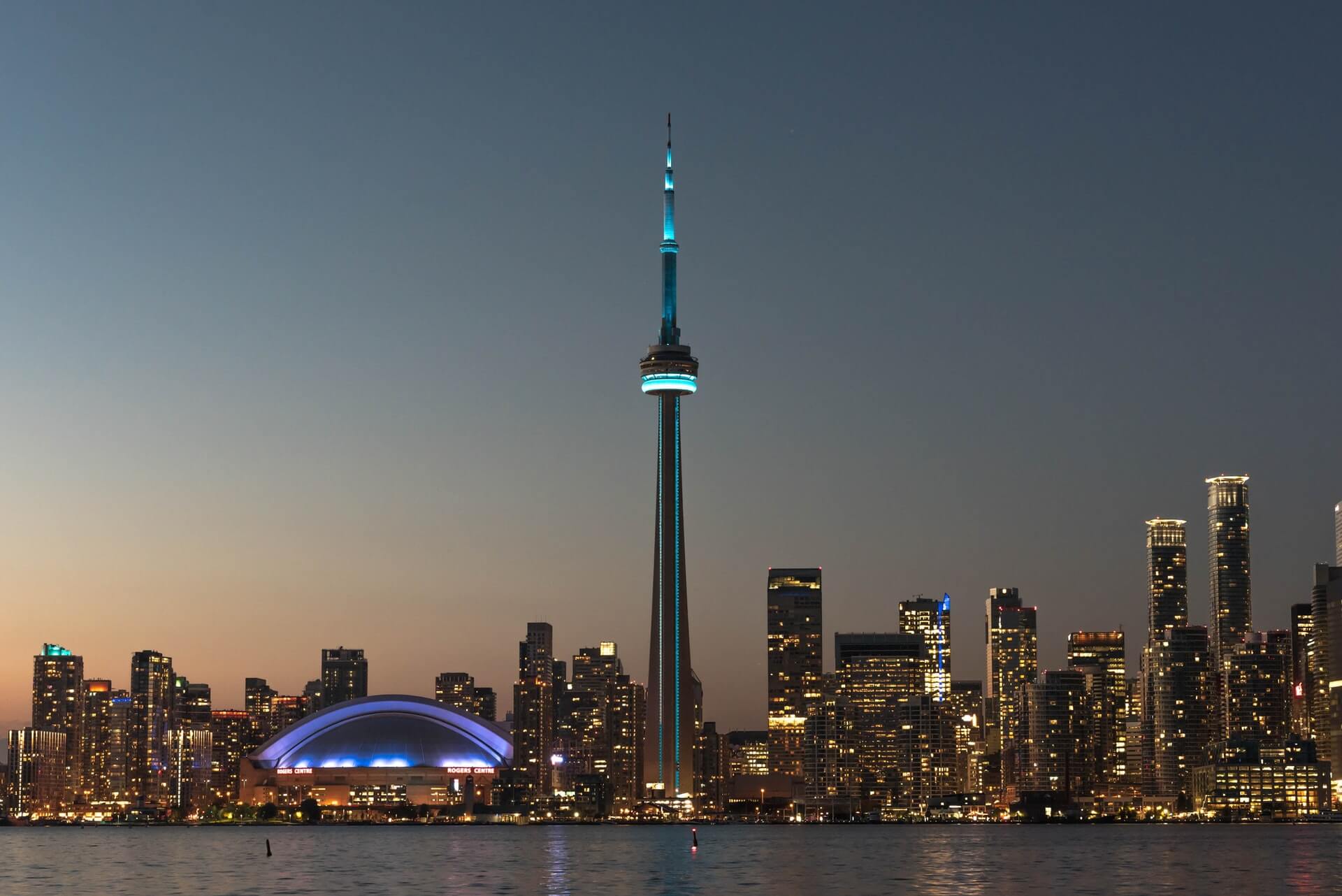
Toronto, Ontario, Canada skyline viewed from harbor at dusk

Changes involving Covid-19 restrictions have come to the province of Ontario, Canada, the location of the global KRG Hospitality headquarters.

Las Vegas is home to KRG’s American headquarters. The state of Nevada eliminated its indoor mask mandate nearly three weeks ago.

Ontario’s restriction-easing plans should be welcome news for current and future operators throughout the province.

Per Ontario premiers, these changes are due to a reduction in Covid-19 hospitalizations. Reportedly, further pandemic-related changes are due today, with more coming down March 14.

What’s Different Now?

Most notably, indoor capacity restrictions for restaurants and bars are no longer in place. However, this is somewhat nuanced at the moment.

Per the current reading of Ontario’s public health measures, only venues that require proof of vaccination may return to 100-percent indoor capacity.

As the order reads, the following businesses are subject to “no capacity limits [indoors]…where proof of vaccination is required:

  • restaurants, bars and other food or drink establishments without dance facilities;
  • casinos, bingo halls and other gaming establishments;
  • cinemas; and
  • indoor areas of other settings that choose to “opt-in” to proof of vaccination requirements.

Operators of stadiums, arenas, and concert venues may now operate at 50-percent capacity

Nightclubs and other establishments that serve food and/or drink and have “dance facilities” and also require proof of vaccination are restricted to an indoor capacity of 25 percent.

Again, these changes are reportedly temporary. The province’s premiers and several outlets report that Covid-19 restrictions will be lifted further in March.

What Else is Changing?

Clearly, the biggest planned change involves proof of vaccination.

The province of Ontario appears to be embracing optimism. Additionally, one can argue that premiers are choosing to reward Ontarians for helping drive down hospitalization rates.

Should the plan be followed, should hospitalizations not increase, proof-of-vaccination requirements will be lifted March 1. In fact, Ontario’s mandatory vaccine passport system will also be lifted on March 1 if everything goes to plan.

Additionally, indoor capacity limits will return to 100 percent “in all indoor public settings.”

However, on March 1, face coverings and the “active/passive” screening of guests will remain in place. Also, operators can choose to require proof of vaccination voluntarily.

Reporting on what to expect by March 14 is murky. Analyzing Ontario premier Doug Ford’s words regarding these developments may offer a clue.

“We will need to keep masking in place for just a little bit longer,” said Ford. Perhaps Ontario can expect mask requirements to be lifted by or on March 14.

Of course, a certain level of skepticism regarding Ontario’s restriction-lifting plan is justified. Optimism is healthy but it’s not a business strategy.

That said, allowing for cautious optimism, the province’s plans is still welcome news. If Ontarians remain patient and vigilant, life and operations may return to normal in just three to four weeks.

Image: Alex on Unsplash

by David Klemt David Klemt No Comments

Hakkasan Group Announces Reopenings

Hakkasan Group Announces Reopenings

by David Klemt

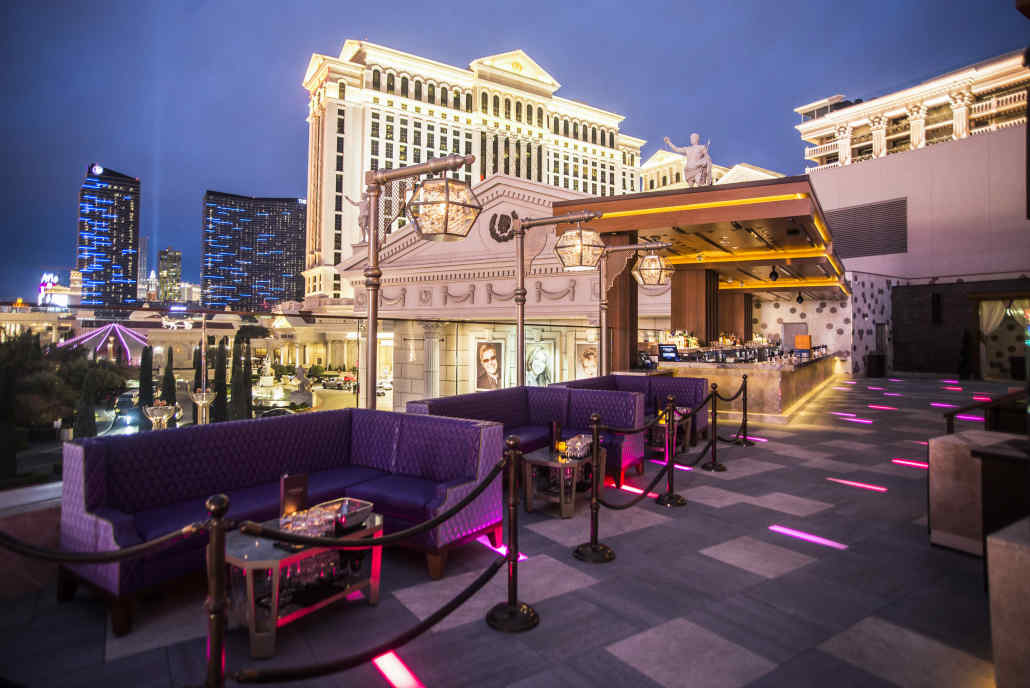
OMNIA Nightclub Las Vegas Terrace

In a positive sign for Las Vegas nightlife, daylife and tourism, Hakkasan Group has set dates against the reopening of three major venues in its portfolio.

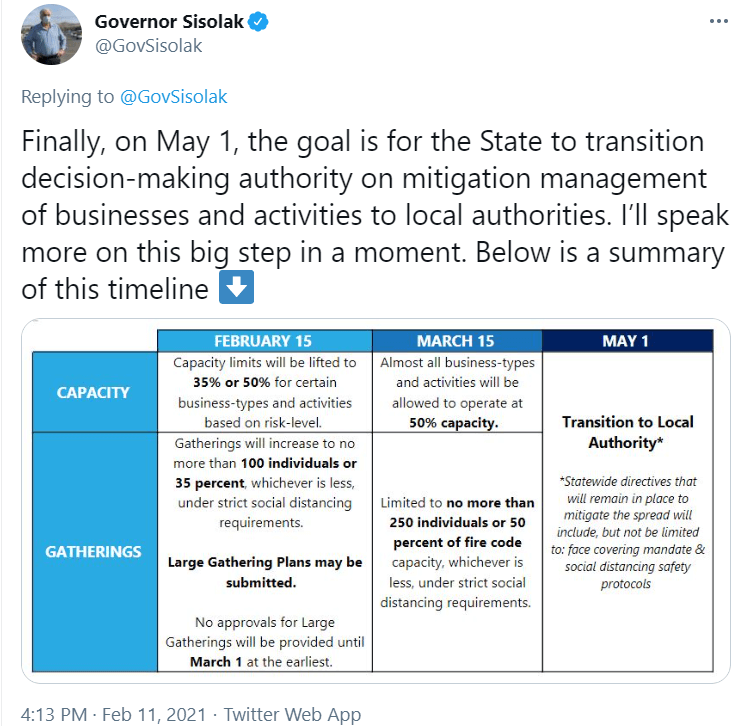
The announcement came less than a week after Governor Steve Sisolak unveiled Nevada’s Roadmap to Recovery Safe Reopening Plan.

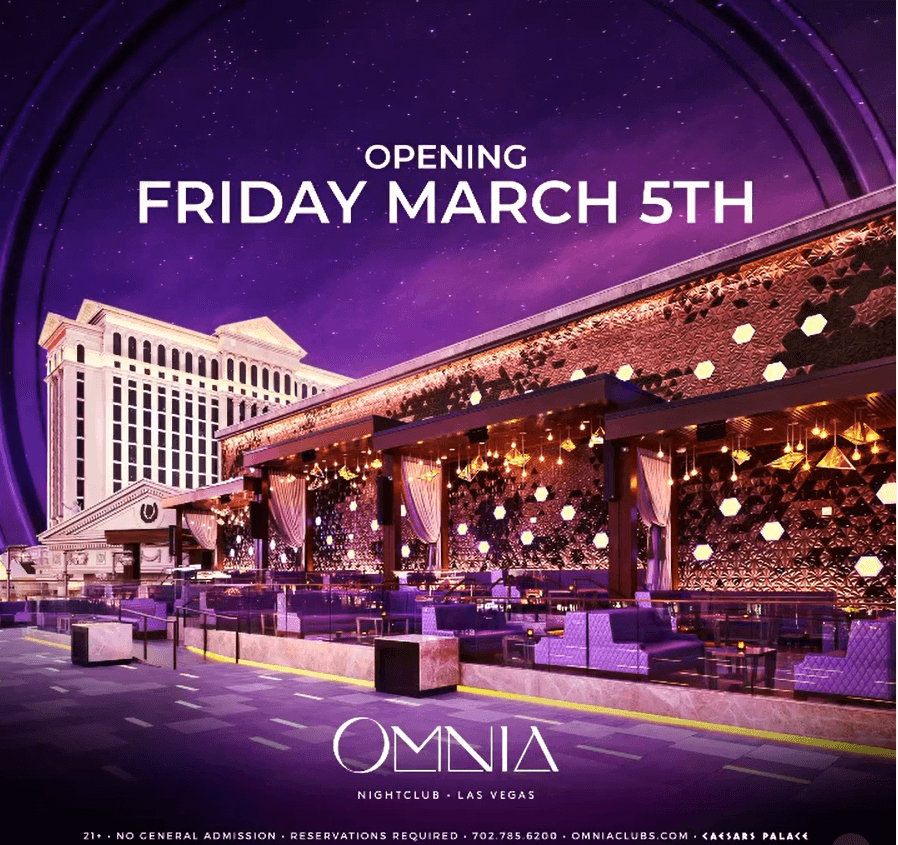
Two Hakkasan Group properties will reopen on March 5. A third will resume business a week later on March 12.

OMNIA

Two years after Hakkasan ushered in a new era of nightlife in 2013, OMNIA opened its doors inside Caesars Palace. Known for its “dancing” chandelier (click here for images) and opulence, OMNIA quickly established itself as a nightlife bucket list destination, attracting guests from all over the globe. The nightclub gives Hakkasan’s namesake venue a run for the title of portfolio flagship.

OMNIA is scheduled to reopen the property’s terrace area as a lounge on Friday, March 5. Restrictions mandated by the State of Nevada include reservations for nightclubs and dayclubs. In terms of health and safety protocols, a statement on the OMNIA website reads: “With health and safety protocols at the forefront: the venue has moved to touchless menu system via a scannable QR code from cell phones; VIP sections will be separated to allow for physical distancing; and rigorous cleaning plans will also be implemented.

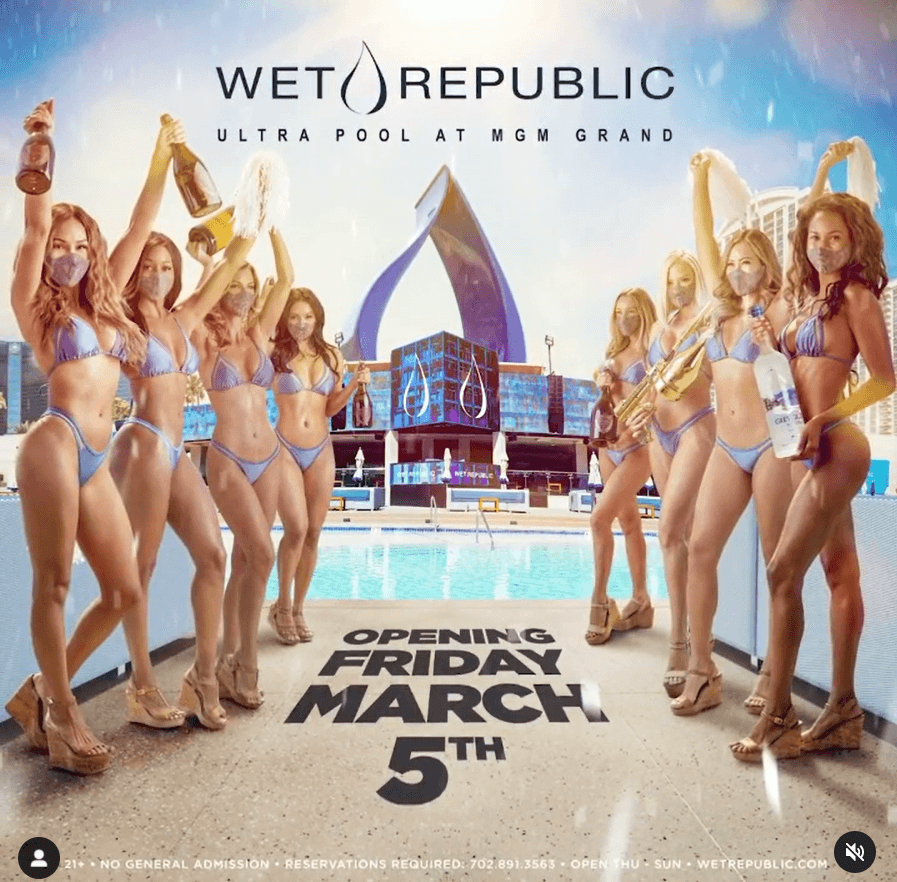
Wet Republic

The dayclub that redefined the category, Wet Republic opened in 2008. If Rehab at the Hard Rock was the pioneer in the dayclub space, ultra-pool Wet Republic is the undisputed heir to the throne. There are no plans to relinquish that crown any time soon, either.

Just before the pandemic forced Las Vegas nightclubs to close, Wet Republic unveiled renovations made to the 54,000-square-foot property. The venue was able to operate in a limited capacity midway through 2020 but it wasn’t quite the same.

On Friday, March 5, more guests will finally be able to see the refreshed dayclub, located at MGM Grand. General admission is prohibited; reservations are required and the venue is following the same health and safety protocols as OMNIA.

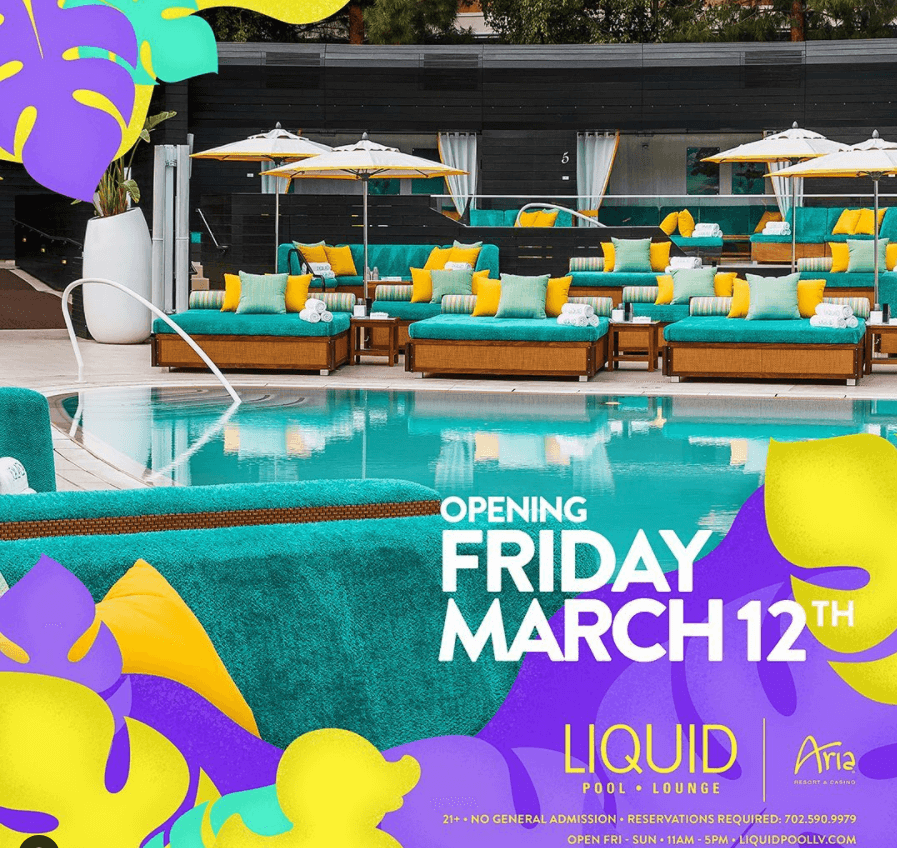
Liquid Pool

Located at Aria Las Vegas, Liquid Pool is an upscale adults-only venue designed to pamper guests and provide a luxe pool experience. At 16,000 square feet, Liquid is less than a third the size of Wet Republic, delivering a more relaxed and intimate vibe than its larger sibling.

There are eight cabanas, several daybeds, multiple dipping pools, and upscale F&B programming at Liquid Pool. On Friday, March 12, Liquid Pool will welcome the start of Las Vegas pool season in reserved-but-elevated style. Like OMNIA and Wet Republic, Liquid Pool requires reservations.

Image: Hakkasan Group

by David Klemt David Klemt No Comments

Current Restaurant, Bar and Travel Restrictions: Eastern Caribbean

Current Restaurant, Bar and Travel Restrictions: Eastern Caribbean

by David Klemt

KRG Hospitality has turned hospitality industry visions into reality throughout the Eastern Caribbean for several years.

We’ve reviewed and gathered the current Covid-19-based travel and operator restrictions for Puerto Rico, the US Virgin Islands, the British Virgin Islands, St. Martin and Sint Maarten to help current operators and those considering taking the next steps in their journey toward opening their own businesses.

To book a 15-minute introductory call to discuss your project and how we can help you realize your vision, click here.

Puerto Rico

Earlier this month, Governor Pedro Pierluisi revised Puerto Rico’s Covid-19 protocols.

Travel Requirements

  • Complete travel declaration and:
  • arrive with proof of a negative (molecule-based) Covid-19 test; or
  • self-quarantine (at traveler’s expense) either 14 days or the duration of your trip, whichever is shorter.
  • While in Puerto Rico, travelers must:
    • wear a mask at all times when in public;
    • wash hands frequently;
    • wipe down high-touch surfaces;
    • practice social distancing; and
    • keep track of and minimize places visited and interactions with people.

Requirements

  • Island-wide curfew from 11:00 PM to 5:00 AM.
  • Hotels: Common areas closed from 11:00 PM to 5:00 AM.
  • Restaurants: Limited to 30-percent capacity.
  • Bars and Discos: Closed.
  • Movie theaters and casinos: Limited to 30-percent capacity.
  • All businesses must close by 10:00 PM.

Recommendations

  • Reservations for restaurants visits.

US Virgin Islands

The Virgin Islands Department of Health has provided incredibly detailed guidance for restaurants, bars and nightclubs. Click here for the full details. The USVI include the main islands of Saint Croix, Saint John, and Saint Thomas, and several so-called “minor” islands.

Travel Requirements

  • All air and sea travelers to the US Virgin Islands five years of age or older are required to use the USVI Travel Portal and submit a Covid-19 test before travel. This includes anyone in-transit to another destination.
    • Acceptable tests: COVID-19 molecular from a nasal or throat or saliva swab, COVID-19 antigen (rapid) test from a nasal or throat swab, Covid-19 antibody finger stick or blood draw.
  • Travelers who originate in the USVI and return to the territory, including those who return within a five-day period, are required to take a Covid-19 test before returning or have proof of a positive antibody test result within the previous four months.

Requirements

  • All restaurant, bar and nightclub employees reporting for work must be screened for Covid-19 using this questionnaire.
  • Employers can either conduct temperature checks onsite with a no-touch thermometer or employees may check their temperatures before arriving at the workplace and have the results verified by management onsite. Temperatures should not exceed 100.3 degrees Fahrenheit.
  • Employees and guests must wear masks at all times unless eating or drinking.
  • At the minimum, ask guests the following questions before allowing entry:
    • Have you been in close contact with a confirmed case of COVID-19?
    • Are you experiencing a cough, shortness of breath or sore throat?
    • Have you had a fever in the last 48 hours?
  • Capacity is limited to 50 percent (as defined by Business License or the Fire Marshall) or 100 guests, whichever is fewer.
  • Space tables and barstools six feet apart.
  • No more than six guests may be seated at the same table.
  • Serving alcohol at bar counters is prohibited.
  • Guests picking up takeout orders must wait outside until their order is ready.
  • The sale of alcohol between 11:00 PM and 8:00 AM by all restaurants and establishments with a Tavern Keeper A or Tavern Keeper B license is prohibited.
  • Restaurants must remain closed between the hours of midnight and 6:00 AM.
  • All bars and nightclubs are permitted to operate only for seated service.
  • Cabarets remain closed.
  • Last call for bars and nightclubs—without exception—is at 11:00 PM.
  • Guests of bars and nightclubs are required to wear masks unless seated at their designated table.
  • Live music and DJs must cease performances at closing time: Midnight.

Recommendations

  • Whenever possible, require reservations for visits and deliveries.
  • If possible, prioritize curbside pickup and takeout over in-person dining.

British Virgin Islands

The BVI, which consist of Tortola, Virgin Gorda, Anegada, and Jost Van Dyke and more than 50 smaller islands and cays, were closed for nine months before reopening to travelers on December 1, 2020. The Government of the Virgin Islands, however, imposed a travel ban on anyone travelling from the United Kingdom and the Dominican Republic to the BVI effective January 11.

Travel Requirements

  • Travelers must start their application no later than 48 hours before travel.
  • Applications on the BVI Gateway portal must be completed a minimum of 24 hours before travel date and time.
  • All applicants who are in “pending” status and haven’t completed their necessary requirements 24 hours prior to travelling will be denied entry.
  • Travelers must have proof of negative Covid-19 PCR test taken within 5 days prior to day of travel and proof of medical insurance that includes coverage for Covid-19.
  • Visitors are required to quarantine for four days on the property of their approved accommodations or at their own home. Arrival day is considered day zero.
  • Air travelers: Visitors can arrive at the Terrance B. Lettsome Airport (EIS) on Tortola.
  • Sea travelers: Visitors can arrive at Road Town Ferry Terminal.

Requirements

  • As of January 28, a curfew is in place from 2:01 AM to 4:59 AM daily until February 11. Businesses are permitted to operate between the hours of 5:00 AM to 2:00 AM daily if they’ve been inspected and approved by the Social Distancing Monitoring Task Force and certified by the Environmental Health Division.
  • Gold Seal Professional Level Certification: A nine-hour training course (three hours over three days) that incorporates COVID-19 training and professional-level hospitality service training required for front-line personnel across all hospitality industry sectors, specifically front desk representatives, guest room attendants, restaurant servers and kitchen cooks.

St. Martin and Sint Maarten

This 37-square-mile island has two sides, the St. Martin (the French) and Sint Maarten (the Dutch).

Travel Requirements

  • All travelers arriving by air must complete Electronic Health Authorization System (EHAS) application.
  • As of January 27, 2021, all travelers embarking in Aruba are required to submit a negative rt-PCR test within 72 hours before departure to Sint Maarten (until further notice)
  • As of February 12, 2021, the rt-PCR test time frame will be reduced from 120 to 72 hours, before departure to St. Maarten for all travelers originating from a high-risk country (last leg in case of connecting flights).
  • Travelers arriving via sea from a low-risk country are exempt from Covid-19 testing.
  • Travelers arriving via sea from a moderate- to high-risk country must complete an rt-PCR test 120 hours prior to departure from last port (must be the immediate last departure point).

Requirements

  • Restaurants, bars and nightclubs must close by midnight. This applies to the Dutch side of St. Maarten as well.
  • Casinos on the Dutch side must close by 2:00 AM.
  • No more than 6 people may be seated at any given table.
  • Tables and contact surfaces must be thoroughly disinfected with an antiviral product.
  • It is mandatory for staff and customers to wear a mask when moving around.

Last updated: January 28, 2021. Please note that Covid-19 guidance, restrictions and protocols are subject to swift change. One should monitor their jurisdictions for the latest updates.

Image: Colin Chong on Unsplash

by David Klemt David Klemt No Comments

Current Restaurant and Bar Restrictions: Las Vegas, Nashville, Philadelphia, Orlando

Current Restaurant and Bar Restrictions: Las Vegas, Nashville, Philadelphia, Orlando

by David Klemt

KRG Hospitality has turned hospitality industry visions into reality throughout the United States for several years.

Currently, we operate in Las Vegas, Nashville, Philadelphia and Orlando, along with the surrounding areas. Of course, we’re available to take projects from the idea phase to opening doors and beyond in other markets.

We’ve reviewed and gathered the current Covid-19-based restrictions for each of the four main US markets in which KRG operates to help current operators and those considering taking the next steps in their journey toward opening their own businesses.

To book a 15-minute introductory call to discuss your project and how we can help you realize your vision, click here.

Las Vegas

Set to expire on January 15, Nevada’s statewide “pause,” first implemented on November 24, was extended January 11 for a further 30 days. Guidance can be found here.

Requirements

  • Restaurants and bars must reduce capacity from 50 percent to 25 percent for both indoor and outdoor dining.
  • Bar seating must be social distanced.
  • Walk-ins are prohibited. Guests must make reservations.
  • Masks must be worn when a guest isn’t eating or drinking.
  • No more than four people may share the same table.
  • Nightclubs and dayclubs aren’t permitted to open.

Recommendations

  • Curbside, delivery, and/or takeout are encouraged.
  • Restaurants and bars should continue to make hand sanitizer available and conduct health screenings and/or temperature checks.
  • Limit personal gatherings to ten people from a maximum of two families.
  • Wear masks at indoor and outdoor gatherings.

Nashville

Among Nashville’s restaurant and bar guidance is the “No Seat, No Service” mantra. Additional requirements and recommendations are below, and detailed information can be found here.

Requirements

  • All residents and all visitors must wear face coverings when in public.
  • Restaurants and bars limited to 5o-percent capacity, with social distancing.
  • Tables must be socially distanced. Limited to eight people per table.
  • Surfaces must be cleaned after they’ve been used by patrons.
  • Standing at the bar is prohibited–bars are seated-service only.
  • Remember “No Shirt, No Service”? The new rule is “No Seat, No Service.”
  • Customers must wear a mask when standing up and walking through the restaurant or bar.
  • Entertainment is permitted but barriers must be in place between performers and customers. However, dance floors are prohibited.
  • Bar games and activities like darts, arcade games, etc., must be sanitized in between uses.
  • Last call for service is 10:00 PM, which is also the cutoff for entry.
  • No self-service food or condiments are permitted.

Recommendations

  • Governor Bill Lee urges Tennesseans to wear a mask, gather only with immediate household members.
  • Display this sign to show commitment to mandated and recommended health and safety rules and practices.
  • Use contactless, virtual or disposable menus.

Philadelphia

The current restrictions went into effect November 20. Click here for the full list of requirements and recommendations. You’ll find the city’s complete hotel guidance here.

Requirements

  • Required protections: Masks, Barriers, Staff education, Employee symptom screening and isolation of infected employees, Ensure employees can remain six feet away from one another; Handwashing on employee arrival and in accordance to established food safety precautions, Follow Department of Public Health Food Safety regulations.
  • 25-percent capacity of stated fire code occupancy.
  • Guests may not stand in the restaurant or sit at the bar.
  • Alcohol may only be served on-premises if it’s part of the same transaction as a meal.
  • Table capacity of four people of the same household or less.
  • Outdoor dining capacity limited to fewer than 50 people.
  • Operators must plan for inclement weather in regards to outdoor dining.
  • No entertainment permitted.
  • Indoor catered events prohibited.
  • Last call for orders must take place at 11:00. Business must be closed for service by midnight.

Recommendations

  • Servers should wear face shields and/or goggles along with a mask.
  • Temperature checks for employees and customers aren’t required but no-touch thermometer should be used by establishments that choose to conduct them. Anyone with a temperature of 100.4 degrees or higher should be turned away.
  • Consider using physical barriers in between tables.
  • Use contactless payment methods.
  • Promote online ordering, delivery, and curbside pickup options.

Hotel Requirements

  • Required protections: Provide masks to employees, Staff education, Employee symptom screening and isolation of infected employees, Ensure employees can remain six feet away from one another; Provide employees hourly handwashing breaks.
  • Separate staff from customers at ticket and information desks with plastic barriers.
  • Utilize contactless room service delivery.
  • Outdoor events and gatherings are prohibited from exceeding 10 percent of maximum occupancy (maximum of 2,000 persons), even with masks and social distancing. If no maximum occupancy is known, occupancy may not exceed more than 10 persons per 1,000 square feet.
  • Remove self-serve F&B stations from public areas.
  • Remove magazines, menus, and other reusable items that can’t be cleaned from guest rooms.
  • Indoor gatherings and events are prohibited.

Hotel Recommendations

  • Use contactless payment methods.
  • Increase building ventilation.

Orlando

Unlike Las Vegas, Nashville and Philadelphia, Orlando, because it’s located in Florida, has lifted restrictions on restaurants. Section 3: Restaurants of Executive Order 20-244 states:

“Pursuant to Chapter 252, including sections 252.36(5)(b ), (g) and (h), Florida Statutes, and in order to safeguard the economic vitality of this state, any restaurant may operate as set forth below.

“A. Restaurants, including any establishment with a food service license, may not be limited by a COVID-19 emergency order by any local government to less than fifty
percent (50%) of their indoor capacity. If a restaurant is limited to less than one hundred percent (100%) of its indoor capacity, such COVID-19 emergency order
must on its face satisfy the following:

“1. quantify the economic impact of each limitation or requirement on those restaurants; and 2. explain why each limitation or requirement is necessary for public health.

“B. Nothing in this order preempts or supersedes a non-COVID-19 municipal or county order.

“Section 4. Suspension of COVID-19-related Individual Fines and Penalties This order, consistent with Executive Order 20-92, suspends the collection of fines and
penalties associated with COVID-19 enforced upon individuals.”

The order that closed bars has also been rescinded: “Bars and other alcoholic beverage vendors may operate for consumption on premise effective Monday, Sept. 14th
under Phase 2… Adhere to social distancing rules, table seating [six feet] between tables. Alcohol allowed for take-out and delivery.”

However, Executive Order 20-192 is still in place and states:

“WHEREAS, on March 17, 2020, I issued Executive Order 20-68, as extended by Executive Order 20-112, which authorized the Department of Business and Professional
Regulation to ensure all restaurants implement employee screening and to prohibit any restaurant employee from entering the restaurant premises if he or she meets certain criteria indicative of concerns related to COVID-19.”

More details can be found here.

Last updated: January 27, 2021. Please note that Covid-19 guidance, restrictions and protocols are subject to swift change. One should monitor their state, county and city for the latest updates.

Image: Katy Anne on Unsplash

by David Klemt David Klemt No Comments

Current Restaurant and Bar Restrictions: Toronto, Calgary, Vancouver

Current Restaurant and Bar Restrictions: Toronto, Calgary, Vancouver

by David Klemt

For more than a decade, KRG Hospitality has turned hospitality industry visions into reality throughout Canada.

Currently, we operate in Toronto, Calgary and Vancouver and the surrounding areas.

We’ve reviewed and gathered the current Covid-19-based restrictions in Ontario, Alberta and British Columbia to help current operators and those considering taking the next steps in their journey toward opening their own businesses.

To book a 15-minute introductory call to discuss your project and how we can help you realize your vision, click here.

Toronto

On January 25, the province of Ontario officially extended the current state of emergency (which includes a stay-at-home order) by 14 days by Premier Doug Ford. Had Premier Ford not extended the emergency order, it would’ve expired Tuesday of this week. Unless extended again, it will expire February 11.

What this means for restaurants, bars and other types of F&B establishments is that indoor and outdoor dining are banned currently. Delivery, takeout and drive-through service are permitted.

Individuals face $750 fines (up to a maximum of $100,000) and corporations could be hit with $1,000 fines (up to a maximum of $500,000 for a director or officer) for a violation of emergency orders.

When the state of emergency expires or is otherwise rescinded, Ontario is expected to revert to the regulations found within the Reopening Ontario Act (currently suspended). Should Ontario find itself immediately colour-coded Grey, the current restrictions on restaurants and bars will remain identical: only delivery, takeout and drive-through service will be allowed.

Among other restrictions, a Red control level means restaurants are restricted to indoor dining capacity of ten people, outdoor dining is permitted, customers must be seated and two metres apart from one another, liquor may only be sold within a 9:00 AM to 9:00 PM window, face coverings must be worn except when eating or drinking, and nightclubs may only operate as a restaurant or bar.

Orange level restrictions include a 50-person capacity limit, a maximum of four people per table, customers must be screened before entry, liquor may only be sold between the hours of 9:00 AM and 9:00 PM, establishments must close by 10:00 PM, and gentlemen’s clubs must remain closed.

The Yellow control level is marked by the following restrictions: no more than six people may be seated at the same table, liquor may only be sold between 9:00 AM and 11:00 PM, establishments must close by midnight, music levels may not exceed that of a “normal conversation,” and all seated patrons must provide contact information.

Green control doesn’t mean everything is back to pre-pandemic “normalcy.” Tables must still be at least two metres apart, customers must be seated, face coverings must be worn except when eating or drinking, no buffet-style service is permitted, nightclubs may only operate as restaurants or bars, and contact information for at least one person per party must be collected. Restricted dancing, singing, performing and karaoke (no private rooms) are permitted.

Calgary

On December 13, 2020, indoor and outdoor dining was banned throughout Alberta. Current Covid-19-related public health measures and restrictions have been extended until further notice. The province’s restrictions affect restaurants, bars, cafes, pubs, and lounges (and other businesses, of course).

Only delivery, takeout and curbside pickup are permitted in Alberta. However, this is expected to change on February 8, 2021.

Hotels, motels and lodges are open but may not offer access to gyms, pools or spas. Indoor dining is banned but room service permitted. Casinos must remain closed.

Movie theatres, bowling alleys, pool halls and other entertainment businesses may not open for business.

If Alberta returns to the previous relaunch strategy, the province will be subject to a three-stage reopening. However, the document hasn’t been updated since June 2020.

Update: Alberta allowed restaurants and bars to reopen for in-person services yesterday, February 8. Indoor alcohol service must end by 10:00 PM, and indoor dining service must cease by 11:00 PM. Contact information from one person of the dining party must be collected, there’s a limit of six people maximum per table and each individual must be from the same household. Alternatively, the maximum per table for an individual living alone is there two close contacts. Tables must be spaced two metres apart and no entertainment is permitted.

Vancouver

British Columbia is far less restrictive than Ontario and Alberta, at least at the moment. The restrictions in place currently affect restaurants, bars, cafes, cafeterias, coffee shops, lounges, and tasting rooms. Nightclubs, however, must remain closed.

Requirements

  • Unless a physical barrier is in place, customers not in the same party must be at least two metres away from one another.
  • No more than six people may be seated at the same table or booth, even if they’re members of the same party.
  • If seated at a counter, customers must be two metres apart unless they’re in the same party or physical barriers are in place.
  • No more than six customers of the same party may be seated at a counter less than two metres from one another.
  • Businesses that offer self-serve food or non-alcohol drink stations must: ensure alcohol-based hand sanitizer or handwashing facilities are “within easy reach”; signage reminding customers to wash or sanitize their hands before touching anything on the stations and to maintain two metres from other customers must be present; utensils and high-touch surfaces at the stations must be cleaned and sanitized “frequently.”
  • Dance floors must be closed, and karaoke, singing, jam sessions, open mic sessions, and dancing are prohibited.
  • Background music or sounds may not be amplified or exceed the volume of a “normal” conversation.

Further details can be found here.

Last updated: February 9, 2021. Please note that Covid-19 guidance, restrictions and protocols are subject to swift change. One should monitor the country, provinces and cities for the latest updates.

Image: James Wheeler from Pexels

by David Klemt David Klemt No Comments

Tobin Ellis and Barmagic’s Relief Dashboard Contains Hundreds of Restaurant and Bar Resources

Tobin Ellis and Barmagic’s Relief Dashboard Contains Hundreds of Restaurant and Bar Resources

by David Klemt

In keeping with this week’s focus on good news, KRG Hospitality would like to shine a light on Barmagic’s Bar & Restaurant Revival Guide.

First, some background.

Tobin Ellis founded Barmagic of Las Vegas in 1997. He’s done so much for the hospitality industry that it feels almost criminal to just attach a few labels to describe him, but here we are.

Ellis is a hospitality industry innovator, advocate, designer, marketer and consultant. Anyone who has ever attended an hospitality trade show and sat in on a presentation, panel or Q&A session featuring him knows he’s passionate, quick-witted, real-world solution-oriented, and doesn’t suffer pretenders lightly.

He’s also more than put in the work to for the recognition he deserves as an industry icon. Ellis has been in the trenches for decades, beginning his hospitality journey washing dishes in upstate New York. He has worked around the world in essentially every type of venue, from sleepy dives to hyperkinetic high-volume cocktail bars, and everything in between.

A few years back, Perlick partnered with Ellis to create the Tobin Ellis Signature Cocktail Station. This innovative hardware was designed with ergonomics in mind, focusing on improving bar team member’s physical comfort and safety.

Since restaurants and bars found themselves fully in the devastating and nearly inescapable grip of the pandemic, Ellis has focused on the health and longevity of the industry as a whole.

To help operators navigate the pandemic and the myriad challenges (again, a criminal label for what operators and workers have been facing for almost 12 months) it continues to present, Ellis added a Hospitality Relief dashboard to the Barmagic website.

Visitors will find hundreds of links for US- and Canada-based resources, including a relief map for those who need aid or who want to donate to relief efforts. There’s also a link to the Barmagic Bar & Restaurant Revival Guide, a 96-page download loaded with information and ideas that Ellis hopes “might just spark a thought or two” in the minds of restaurant and bar owners, operators, leaders and workers.

We’re not going to get through this if we don’t come together, save as many businesses as possible, and help new venues open and flourish. We applaud the Barmagic relief resources—more like this, please.

Image:

by David Klemt David Klemt No Comments

Dave Portnoy, Other Celebrities Provide Financial Support for Restaurants and Other Small Businesses

Dave Portnoy, Other Celebrities Provide Financial Support for Restaurants and Other Small Businesses

by David Klemt

Famous chefs and restaurateurs aren’t the only people lending their celebrity to raise money for struggling businesses and the workers they employ.

Well, notoriety may be a better descriptor for Dave Portnoy‘s influence than celebrity. He may not be an operator but he is one of the most prolific pizza reviewers and influencers on the planet. And there’s no denying he’s been in the corner of restaurants, criticizing how officials and their responses have dealt lethal blows to the industry.

The Barstool Sports founder was challenged to put his money where his mouth is by Marcus Lemonis after “ranting” about the plight of Covid-19-ravaged restaurants and bars. Rising to the challenge, Portnoy seeded the Barstool Fund with a personal donation of $500,000, which Lemonis matched.

That half-million dollars isn’t the only donation Lemonis has made to help small businesses. The entrepreneur, philanthropist and television show host launched the Nashville 30 Day Fund by putting in $500,000 of his own money just days after December 25, 2020. This particular fund provides small businesses and individuals that operate or reside within a half-mile radius of the Christmas Day bombing site in Nashville with forgivable loans up to $100,000

Back to the Barstool Fund. Bolstered by celebrity backing and support from more than 175,000 donors and counting, the fund has raised more than $22 million in less than a month and helped more than 100 businesses.

Guy Fieri, who helped grow the Restaurant Employee Relief Fund to well over $20 million, has donated money to the Barstool Fund. So have Aaron Rodgers (who reportedly pitched in $500,000), Tom Brady, Dana White, and Kid Rock.

One crucial element for small businesses applying to the Barstool Fund is that they must still be paying their employees. There are no regional restrictions, but applicants do need to explain the intended use for whatever funds they may receive. According to a Newsweek article, checks will be given to businesses selected for Barstool Fund support on a month-t0-month basis.

Below you’ll find the restaurants, bars, pubs, taverns and even a soda shop that have received Barstool Fund grants as of yesterday afternoon, January 11. To apply for funds, please click here. If you can afford to contribute, please follow this link and click “Contribute to the Fund.”

Northeast

Gaetano’s Tavern on Main (Wallingford, CT), Laskara (Wallingford, CT),  Piggy’s Cafe (Hartford, CT), Red Rock Tavern (Hartford, CT), Abbey Burger Bistro (Baltimore, MD), Claddagh Pub (Baltimore, MD), Don’t Know Tavern (Baltimore, MD), Dough Boy Fresh Pretzel Company (Dundalk, MD), Atlas Pub & Kitchen (Chicopee, MA), Casa Mia (Marblehead, MA), Jalapeno’s Mexican Grill (Walpole, MA), Jimmy’s Pub & Restaurant (Mansfield, MA), The Park Lunch (Newburyport, MA), The Village Trestle (Goffstown, NH), Hoboken Beer & Soda Outlet (Hoboken, NJ), Jack’s Cafe (Verona, NJ), Marandola’s (Bradley Beach, NJ), Mia Restaurant (Oceanport, NJ), Nanni Ristorante (Rochelle Park, NJ), Tim Kerwin’s Tavern (Middlesex, NJ), The Underdog Bar & Grill (Haledon, NJ), Acquista Trattoria (Fresh Meadows, NY), Bayview Tavern (Seaford, NY), Borrelli’s (East Meadow, NY), The Café (Long Beach, NY), Chadwick’s Restaurant (Brooklyn, NY), Durf’s Family Restaurant (Fairport, NY), The Eagle House (Williamsville, NY), Holbrooks Backporch (Holbrook, NY), Johny’s Luncheonette (New York, NY), Kabooz’s Bar and Grill (New York, NY), Kirvens (Bronx, NY),La Conca D’Oro (Catskill, NY), Mama Mia 44 SW (New York, NY), Mary Ann’s Mexican Restaurant (Port Chester, NY), Mulligan’s Fireside Pub (Bronx, NY), Portobello Restaurant (Staten Island, NY), Roomers Bar (Lake Placid, NY), San Martino Ristorante (Yonkers, NY), Squire’s Tap Room (Tonawanda, NY), Trattoria L’incontro (Queens, NY), Flanigan’s Boathouse (Conshohocken, PA), Jack’s Spot Tavern (Pitman, PA), Kelly’s Seafood (Philadelphia, PA), La Collina (Bala Cynwyd, PA)

Midwest

Manny’s Cafeteria & Delicatessen (Chicago, IL), Ken’s Diner (Skokie, IL), Que Rico (Chicago, IL), The Rathskeller (Indianapolis, IN), Special Dogs & More (Columbus, IN), The Bomber Restaurant (Ypsilanti, MI), Champ’s Pub (Brighton, MI), Kennedy’s Irish Pub (Waterford, MI), Mac’s Acadian Seafood Shack (Saline, MI), Water Street Tavern (Kent, OH), Dairy Land Family Restaurant (Madison, WI), Gray Brewing Company (Janesville, WI), J&B’s Bar & Blue Ribbon Tap Room (Milwaukee, WI)

Rocky Mountains

Durango Diner (Durango, CO)

Southeast

Play Louisville (Louisville, KY), Steak Street (High Point, NC), Freddie’s Beach Bar (Arlington, VA), Wonju Korean Restaurant (Roanoke, VA)

Southwest

Al J’s Tavern (Tucson, AZ), Coney Island Hot Weiners (Tulsa, OK), Mack’s Tenders (Houston, TX)

Pacific

Anaheim White House (Anaheim, CA), Cactus Cantina (Riverside, CA), Dessert’D Organic Bake Shop (Mammoth Lakes, CA), Locale Farm to Table Eatery (Bakersfield, CA), Mexican Riviera (Torrance, CA), Mitla Cafe (San Bernardino, CA), Rubi’s Frosty Freeze (Whittier, CA), Tadich Grill (San Francisco, CA), Vincenzo’s Terrazza (West Covina, CA), Banks Billiards (Banks, OR), Mayan Mexican Family Restaurants (Lacey, WA)

For the full list of Barstool Fund recipients, click here.

Image: Vladimir Solomyani on Unsplash

by David Klemt David Klemt No Comments

Defiance of Sweeping Restaurant and Bar Restrictions is Growing

Defiance of Sweeping Restaurant and Bar Restrictions is Growing

by David Klemt

Defiance of Covid-19-related bar and restaurant restrictions is growing.

Operators across the United States are showing their willingness to refuse to comply with orders they feel are unjust. From being restricted to delivery and takeout only to crippling capacity limits, restaurant and bar owners are making it clear they have no intention to quietly let their employees and businesses suffer.

The pushback has taken various forms so far, from civil disobedience to organized, peaceful protests.

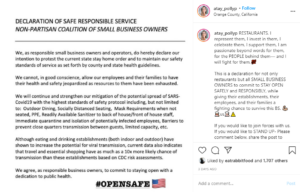
There’s the #OPENSAFE movement in Orange County, California, to which several dozen operators have committed. These business owners have pledged to operate safely and responsibly but have refused to comply with Governor Gavin Newsom’s orders that banned in-person dining.

86 Politicians, a grassroots movement coming out of Los Angeles County in California, was created as a response to the sweeping orders kneecapping the hospitality industry. If politicians are going to hurt rather than help operators and their employees, 86 Politicians supports recalling and removing them from office.

In New York City, the Latino Restaurant Bar and Lounge Association of New York State and New York City Hospitality Alliance organized a peaceful protest just over two weeks ago. Several hundred restaurant and bar owners, operators and workers gathered and marched against Governor Andrew Cuomo’s ban on indoor dining. Gov. Cuomo’s order was itself defiant: it defied logic and went against the state’s own contact-tracing data.

Now, an operator in Minnesota is facing a five-year suspension of her bar and bistro’s liquor license for defying orders. Lisa Hanson, owner of the Interchange Wine and Coffee Bistro in Albert Lea, roughly 90 minutes south of Minneapolis-Saint Paul, refuses to comply with Governor Tim Walz’s executive order banning indoor service. Hanson has been engaged in this fight since at least December of last year.

Hanson organized a protest—a reportedly peaceful one—of around 200 people yesterday. Protestors marched and chanted from city hall to the courthouse, walking past the Interchange at one point.

The bar and bistro, which has been hit with a temporary restraining order and had its license revoked by the Minnesota Department of Health, has a sign up declaring it a “Constitutionally Compliant Business.” That sign, which appeared in a WCCO 4 News clip and bears the logo, phone number and weblink for the Constitutional Law Group, states that the Interchange doesn’t follow any government official or agency’s “orders or suggestions” for face masks or social distancing.

According to a news report, the Minnesota Department of Public Safety is moving forward with a 60-day suspension of the Interchange’s liquor license. Hanson told reporter David Schuman that she had two choices: “Either I closed permanently or I opened fully.”

Hanson chose the latter. The Interchange’s owner is entitled to a court hearing before her suspension goes into effect. A tip jar at the bar and bistro has been transformed into a legal fund collection.

Whether one agrees with Hanson’s decision to make a stand and risk her liquor license and therefore business is somewhat beside the point. The #OPENSAFE and 86 Politicians movements, the protests in New York City, the story of the Interchange (which has yet to reach its conclusion), all point to increasing tensions.

Many restaurant and bar owners and operators don’t feel as though their voices are being heard. They feel like politicians at all levels of government are targeting them, using the businesses as scapegoats. More and more, the words “arbitrary” and “unfair” are coming up in conversations about rules that are crippling—if not outright killing—the hospitality industry.

Well over 100,000 restaurants and bars in the US have closed permanently since the start of the pandemic in March of last year. Unless officials listen to operators and at least gain a cursory understanding of their needs and challenges, more closures and job losses are imminent.

To be clear, we at KRG Hospitality aren’t against logical, common sense health and safety protocols aimed halting the spread of Covid-19. One of the cornerstones of hospitality is ensuring the safety of guests and employees. However, government officials and agencies are implementing and executing orders that are, quite clearly, uninformed and severely harmful. What works for retail and other industries doesn’t work for our industry.

It’s crucial that pressure be kept on Congress and Senate to vote on the RESTAURANTS Act and ensure it’s signed into law. The 117th Congress was sworn in yesterday and we must continue to demand they do their jobs and save our industry. We’ve been targeted as scapegoats—it’s beyond time we receive targeted relief.

Politicians can expect more protests and less faith in their abilities to govern if restaurant and bar owners and professionals continue to be harmed by their orders. Perhaps the only way to persuade them to help the industry and, in turn, keep their constituents employed, is to imperil their political influence and careers. Eighty-six ignorant and harmful politicians, indeed.

Image of Minnesota State Capitol: Bao Chau on Unsplash

by David Klemt David Klemt No Comments

You Need to Watch “Restaurant Hustle 2020: All on the Line” Now

You Need to Watch Restaurant Hustle 2020: All on the Line Now

by David Klemt

Whether you own, operate, manage, are employed by or have ever spent time at a restaurant as a guest, you need to watch Food Network’s Restaurant Hustle 2020: All on the Line.

Guy Fieri, who has helped raise $24 million (and counting) for restaurant industry workers, executive produced and co-directed the documentary, which aired last night. He tasked skeleton production crews (one would assume given the pandemic) with following four incredible chefs—Marcus Samuelsson, Maneet Chauhan (and her husband Vivek), Christian Petroni, and Antonia Lofaso—and said he wanted them to keep the cameras rolling to capture “the good, the bad and the ugly.”

When the scope of Covid-19 became clearer and the industry began to see how much devastating its impact would be on restaurants, bars and other hospitality venues, Fieri says in the documentary that he had two thoughts: “’No way can this happen,’ and, ‘Oh my god, this is gonna be worse than we ever imagined.’”

He’s angry about what’s happening to the industry and millions of people it employs and feeds.

“I was mad. I’m still mad,” says Fieri in Restaurant Hustle 2020. “Wrecked lives, wrecked families… Changed the history of the industry.”

Per the documentary, Fieri felt compelled to help his “millions of brothers and sisters” in whatever ways possible: “There was no words. It’s coming. Prepare. Stick together. What can we do?”

The documentary begins with three indisputable facts that speak volumes to the importance of the industry: The restaurant industry employs over 15 million people. That equals up to 20 percent of America’s workforce. The industry generates over $850 billion in sales.

From there, Restaurant Hustle 2020 introduces the four chefs, their restaurants, their challenges, and their collective hustle. Like so many in this industry, there’s no giving up in these people—there’s only fight.

Chef Marcus Samuelsson

Seeking community after 9/11, Chef Samuelsson opened the Harlem location of Red Rooster in 2010. That location employed 180 people—Chef Samuelsson had 30 venues located in eight countries when Covid-19 hit. Pre-pandemic, Red Rooster in Harlem would see around 1,100 guests on a Saturday night, and Chef Samuelson was just a week out from opening the doors of Red Rooster in Miami.

“It’s taken me 25 years to build this moment, but it took ten days to tear it all down. I don’t wish it on my worst enemy,” says Chef Samuelsson.

Chef Maneet Chauhan

Chef Chauhan and her husband Vivek operate four restaurants and three breweries within the Morph Hospitality Group portfolio in Nashville, Tennessee. At their peak, they served 2,500 guests over the course of a weekend. Morph employed nearly 300 people but by March they made the heart-wrenching decision to close their doors. Recalling the difficult choice, Chef Chauhan is brought to tears talking about how gracious her employees were about it.

However, Chef Chauhan and husband Vivek are willing to fight for their dreams and their employees: “The thing is, we are scrappy. We are immigrants,” she says.

Vivek focused on developing and strategizing reopening plans, and the duo fully embody the meaning of the Hindi word “jugaad,” or “a flexible approach to a problem.” While it only represented maybe a tenth of their regular sales, Morph implemented curbside pickup at three of their venues. They rotated availability offering curbside at a different location on Friday, Saturday and Sunday. This allowed them to bring back a handful of employees.

Chef Christian Petroni

There are five locations of Chef Petroni‘s Italian restaurant concept Fortina throughout New York’s tri-state area: Armonk, Brooklyn, Rye Brook, Stamford, and Yonkers. Heading into 2020, they were set to have another amazing year after doing very well in 2019.

“We were just gearing up to take over the world,” says Chef Petroni.

The first Covid-19 death in the United States was reported on February 28 in King County in Washington State. As we know, on March 16, 2020, NYC shut down around 27,000 restaurants, resulting in the loss of 225,000 jobs. Chef Petroni employed nearly 300 people but had to reduce his workforce to less than twenty. To help the communities they serve and generate some revenue, Chef Lofaso created Pies for the People so customers were able to buy pies for those in need or who needed a morale boost (such as hospital workers and EMTs).

Chef Antonia Lofaso

Over the course of a decade, Chef Lofaso has built and operated three restaurant concepts in Los Angeles, California. Her restaurants employed almost 500 people and back in February, serving 1,200 guests over the course of just two weekend evenings was common. Chef Lofaso’s biggest passion is the hospitality aspect of restaurant operation and being “the facilitator of the good time.” That good time came crashing down in March.

“It’s taken me ten years to build these three restaurants and it took a matter of a week for it all to be torn down,” says Chef Lofaso.

She admits to feeling sadness and anger, in large part because she had to lay off nearly 500 employees. Chef Lofaso says that she feels responsible to her team members because they help her build her dream. By March she was able to bring back roughly 20 workers, convert her locations into markets, and sell liquor, which allowed her to bring back 90 percent of her back-of-house employees for at least two days per week and double sales.

For the rest of the story, people will have to watch Restaurant Hustle 2020. The importance of Food Network, Guy Fieri and these chefs capturing this crucial moment in history cannot be overstated.

As Fieri says in the documentary, it’s “a historical moment in time in an industry that is so important to all of us in so many ways, shapes and forms, and these four very brave chef-restaurant owners captured it. Something you’ve never seen. Something you’ll probably never see again.”

As we move forward into 2021, it’s crucial we remember that this story is still unfolding—we don’t know what the new year holds for this or any industry. We know that without targeted aid, the lives of millions of Americans are in jeopardy. We know that even with vaccines available, we’re not out of harm’s way yet.

We don’t know what the industry will look like when the world returns to “normal,” whatever that may be. But we know this industry is made up of fighters and we look out for our own. We’ll get through this together.

Food Network is available via several streaming platforms, including Amazon Fire TV, Roku and Apple TV.

Photo by Shangyou Shi on Unsplash

by David Klemt David Klemt No Comments

75% of American Restaurant Operators Expect Decreased Sales Through Start of 2021

75% of American Restaurant Operators Expect Decreased Sales Through January

by David Klemt

The fifth National Restaurant Association COVID-19 Restaurant Impact Survey results have been released.

Unsurprisingly and unfortunately, the news is not good.

For their fifth installment, the NRA surveyed 6,000 restaurant operators and 250 supply chain businesses between November 17 and 30. Full-service and limited-service restaurant operators, independent and chain, reported their sales had slipped in October.

Only 12 percent of restaurant operators reported seeing sales growth. In comparison, 79 percent said sales were down.

Per the NRA survey, one reason for the decline in sales is outdoor dining season coming to a close. In New York City, per Governor Andrew Cuomo’s order banning indoor dining, outdoor dining is the only option beyond delivery and takeout. However, the weather is less than attractive for outdoor diners.

Costs are disproportionate to sales for most operators. Nearly 60 percent of survey participants reported increased labor costs when compared to the start of the Covid-19 pandemic in the United States.

Profit margins, historically thin even at the best of times, were reported by 86 percent of operators who partook in the survey to also be lower than the they were prior to the pandemic.

The NRA’s predicted outcome for the industry is that without targeted and significant federal relief specifically for restaurants and bars, more temporary and permanent closures are coming, as are further losses of jobs.

According to an estimate from the NRA, more than 110,000 restaurants and bars had closed by December 1. On average, these establishments employed 32 people, and 17 percent of the closed businesses employed a minimum of 50 people.

Close to 40 percent of survey participants indicated they were considering closing their restaurants or bars temporarily and waiting out the pandemic. That means layoffs that could affect dozens of employees per establishment. Almost 60 percent of survey participants expect a reduction in their workforces over the coming three months.

Sales are expected to lag through the start of next year. The majority of operators surveyed, 75 percent, expect sales to fall even further from their already lower levels through the start of next year.

If that logical assumption becomes reality, slowed sales may trigger a domino effect: reduced traffic, plummeting sales, and increased operational costs leading to layoffs, temporary closures, and ultimately permanent closures.

Restaurants and bars require targeted relief for the industry to survive. If that help doesn’t come soon, if the RESTAURANTS Act or similar legislation isn’t signed into law, the country will lose millions of jobs permanently. The economy will be dealt a lethal blow, losing out on tens of billions of dollars.

Now is not the time to back off the pressure being put on Congress and Senate to pass the RESTAURANTS Act. Click here to tell them time is up—they must return to Washington in January to save our restaurants and bars.

Image: Enrico Hänel from Pexels

by David Klemt David Klemt No Comments

“More help is on the way.” But not for restaurants and bars.

“More help is on the way.” But not for restaurants and bars.

by David Klemt

Speaking about the economic relief package, Senate Majority Leader Mitch McConnell (R-KY) struck what can be generously described as tainted altruism.

“More help is on the way,” said McConnell on the Senate floor on Sunday. He also took the time to attempt to absolve Republican leadership of any blame for the glacier-paced movement forward on relief, laying the fault at Democrats’ feet.

To be blunt, both parties have failed the American people and small businesses in terms of providing federal assistance during the pandemic.

After months of inaction on relief—with the exception of a Congressional vote in September that failed to pass in the Senate—and weeks of discussions and partisan sniping, negotiators finally managed to zero in on a bill with a strong likelihood of becoming law.

Yet sifting through remarks made by some politicians regarding pandemic relief over the course of the past several months, variants of the word “prompt” were bandied about.

If the package passes—which is expected to happen later today—members of Congress and Senate will no doubt perform self-congratulatory victory laps for finally doing their jobs after months of failing to do much of anything in the way of relief. Meanwhile, millions of Americans will continue to face life-altering challenges, reaching out for lifelines that are simply not there.

Included in the package are a number of details identified as “key” to both political parties:

  • The ability for businesses that had received Paycheck Protection Program loans which had been forgiven to deduct the costs said loans covered on their federal tax returns.
  • Speaking of the PPP, it will be reopened with over $284 billion intended for small businesses.
  • $12 billion in available PPP funds for minority-owned and “very small” businesses.
  • $15 billion made available in PPP funds specifically for independent movie theaters, live music venues, and cultural institutions like museums.
  • $600 stimulus checks for qualifying adults (and each child in a household) who earned $75,000 or less in 2019. The amount would be reduced for people who earned more. Those who made $99,000 or more last year are not expected to receive a stimulus check.
  • A $300 boost to unemployment benefits for 11 months, with a possible implementation date of December 27.
  • Gig and contract workers enrolled in the PUA or PEUC programs can expect the same $300 boost to their benefits for 11 to 13 weeks.
  • The deadline to spend billions of dollars made available to cities and states via the CARES Act is expected to be extended from the end of this year to be an entire year.
  • $25 billion in emergency assistance for renters.
  • A moratorium on evictions expected to be extended through the end of January.

What’s not in the package expected to be rushed through Congress? Hundreds of billions of dollars in state and local aid Democrats wanted, liability shields for corporations Republicans wanted, the $120 billion RESTAURANTS Act, or the $240 billion Restaurant and Foodservice Industry Recovery Fund.

Despite McConnell’s declaration that federal assistance is on the way, the economic relief plan leaves an industry that employs millions of American workers and contributes hundreds of billions of dollars to the nation’s GDP (four percent before the pandemic) to fend for itself.

Guy Fieri, in all seriousness, has done more for more unemployed restaurant workers than the government, raising more than $21 million in relief funds in under two months.

The hospitality jobs lost due to Covid-19 aren’t expected to return. With more than 110,000 restaurants closed—and counting—the economic impact will be felt nationwide and, in all probability, have global ramifications.

The PPP turned out to be an absolute farce: billions of dollars went to businesses that are anything but small by definition. There’s little reason to believe the process will improve much (if at all) this time around.

And while restaurants and bars have been crucial to nurturing community, connections and culture since inception, they’re clearly not considered culturally relevant institutions by politicians.

With Congress facing an uphill battle in terms of drafting the language for the relief bill and then voting on it, expecting our elected officials to propose, negotiate, draft and vote on a bill for the hospitality industry seems foolish. That means the earliest the industry can expect help—which seems exceedingly unlikely to ever materialize—is in late February of 2021.

Apparently restaurants, bars, and the foodservice professionals they employ aren’t key to politicians on any side of the aisle. Well, not until they need venues to host their campaign fundraisers, that is.

Image: Andrew Seaman on Unsplash

by David Klemt David Klemt No Comments

Orange County’s #OPENSAFE Restaurant Collective Defies Governor Newsom

Orange County’s #OPENSAFE Restaurant Collective Defies Governor Newsom

by David Klemt

A group of California restaurant operators is pushing back against current restrictions in defiance of orders they feel go too far.

Gov. Gavin Newsom’s stay-at-home order mandates that restaurants remain open only for delivery and takeout. The order affects five California regions: Northern California, the Bay Area, Greater Sacramento, the San Joaquin Valley, and Southern California.

Throughout 2020, similar orders have been issued throughout the United States. They’ve included an array of restrictions, from banning indoor and outdoor dining to choking traffic by imposing significant capacity restrictions.

Allowing only delivery and takeout is not the health and safety solution lawmakers believe it to be. Third-party delivery platforms and their policies can be detrimental to operators, worsening an already bad situation.

Several operators in Orange County, located in the Southern California region, are, per an Instagram post, refusing to comply with Gov. Newsom’s order.

The statement on publicist Alexandra Taylor’s Instagram account is posted in its entirety below:

“We, as responsible small business owners and operators, do hereby declare our intention to protest the current state stay home order and to maintain our safety standards of service as set forth by country and state health guidelines.

“We cannot, in good conscience, allow our employees and their families to have their health and safety jeopardized as resources to them have been exhausted.

“We will continue and strengthen our mitigation of the potential spread of SARS-Covid19 with the highest standards of safety protocol including, but not limited to: Outdoor Dining, Socially Distanced Seating, Mask Requirements when not seated, PPE, Readily Available Sanitizer to back of house/front of house staff, immediate quarantine and isolation of potentially infected employees, Barriers to prevent close quarters transmission between guests, limited capacity, etc.

“Although eating and drinking establishments (both indoor and outdoor) have shown to increase the potential for viral transmission, current data also indicates that travel and essential shopping have as much as a 10x more likely chance of transmission than these establishments based on CDC risk assessments.

“We agree, as responsible business owners, to commit to staying open with a dedication to public health.”

The image of the statement is accompanied by the hashtag #OPENSAFE and American flag emoji. More than 80 Orange County establishments that support the #OPENSAFE movement were listed in the caption of the post at the time of publication. The original post states that the list of venues is growing daily.

Taylor, the founder and president of The ATEAM, included a caption that read, in part:

“RESTAURANTS. I represent them, I invest in them, I celebrate them, I support them, I am passionate beyond words for them, for the PEOPLE behind them— and I will fight for them.

“This is a declaration for not only restaurants but all SMALL BUSINESS OWNERS to commit to STAY OPEN SAFELY and RESPONSIBLY, while giving their establishments, their employees, and their families a fighting chance to survive this BS.”

State and county officials across the nation can impose a number of penalties on businesses that defy orders. Fines and temporary suspensions of business licenses appear to be the most common. In Chicago, for example, operators can face fines in excess of $10,000. One restaurant, Ann Sather, owned by Chicago Alderman Tom Tunney, violated a ban on indoor dining and ignoring Covid-19 safety rules and faces a maximum fine of $10,500.

Earlier this year, a restaurant in Monterey County, located in California’s Bar Area region, faced fines of up to $35,000 violating shelter-in-place orders.

It’s unclear at the moment if the collective of defiant Orange County operators will face consequences for their civil disobedience. Orange County Sheriff Don Barnes has stated that the department has no intention of enforcing Gov. Newsom’s order closing restaurants.

“Orange County Sheriff’s deputies will not be dispatched to, or respond to, calls for service to enforce compliance with face coverings, social gatherings, or stay-at-home orders only,” said Sheriff Barnes. “Deputies will respond to calls for potential criminal behavior and for the protection of life and property. Our actions remain consistent with the protections of constitutional rights.”

Whether operators in other counties across America coalesce around their own #OPENSAFE movements remains to be seen. The consequences must be fully understood and weighed, and law enforcement’s stance on enforcing stay-at-home and shelter-in-place orders regarding bars and restaurants must also be considered.

Two things are, however, clear. One, operators have had enough. Two, government officials need to listen to restaurant and bar operators and workers about the impact of restrictions before issuing orders.

by David Klemt David Klemt No Comments

One Fair Wage Survey Results: Foodservice Professionals on Front Lines of Infection Risk and Hostility

One Fair Wage Survey Results: Foodservice Professionals on Front Lines of Infection Risk and Hostility

by David Klemt

Over a three-week period, One Fair Wage (OFW) surveyed 1,675 foodservice workers in five states and Washington, D.C.

The survey was initially sent to more than 61,000 applicants to the One Fair Wage Emergency Fund in Illinois, Massachusetts, New Jersey, New York, Pennsylvania and D.C. By November 9, 2,621 respondents had completed the OFW survey online. A total of 1,575 indicated they were currently employed and an additional 100 surveys were completed by phone.

One of the key takeaways of the survey is at once disturbing and unacceptable but not, infuriatingly, shocking. Not only did significant percentages of respondents report lax Covid-19 protocol training and enforcement along with increasingly hostile guests, close to half revealed “a dramatic increase in sexual harassment” since the pandemic struck.

Increased Sexual Harassment

Forty-one percent of survey respondents noted a marked shift in the frequency that guests are subjecting foodservice workers to unwanted sexualized comments. A quarter said they had personally experienced or witnessed “a significant” change in this manifestation of sexual harassment.

An analysis by OFW of the comments shared by respondents reveals the impact that this increase in sexual harassment has on the recipients. The comments have a negative effect on workers’ sense of safety in the workplace, financial security, physical health, and emotional and psychological health.

Of the 25 percent of the female respondents who had personally experienced or witnessed sexual harassment, 43 percent reported that comments were directly tied to social distancing and wearing masks, two pillars of Covid-19 health and safety protocols.

Identified by OFW as a “mild example” of the unwanted comments being made, “Take your mask off I want to see what’s underneath,” provides insight into the overall “theme” of the harassment being made. Many guests engaging in harassment appear to be sexualizing covered noses and mouths. Indeed, other comments support this analysis:

  • “Come on, sweetie. Lemme see that pretty face under there. Take it off for me, will you? Just a quick flash.”
  • “Please take the mask off, I want to see your lips.”
  • “Take off your mask so I know how much to tip you.”

When foodservice pros rebuff these unwanted advances, the responses tend toward hostility and smaller—or no—tips. In short order, these types of aggressors have found a way to weaponize the guest-server power dynamic and seemingly fetishize required Covid-19 protocols.

Increased Hostility

Whereas close to half of OFW survey respondents reported increased sexual harassment, more than three-quarters reported increased hostility from guests.

A staggering 78 percent of respondents said they had experienced or witnessed increased hostility as a response to following and enforcing Covid-19 protocols. Almost 60 percent said these incidents were occurring on a weekly basis.

Again, the power dynamic comes into play. Nearly 60 percent of respondents reported hesitation in enforcing Covid-19 protocols for fear doing so would affect their tips negatively. That concern is rooted in reality: 65 percent of respondents said they were tipped less on a weekly basis after enforcing health and safety protocols.

More than 80 percent said tips have decreased since the pandemic took hold, with 65 percent reporting that decrease to be 50 percent or more.

Impact of Subminimum Wage

One Fair Wage, as their name suggests and their mission clearly states, advocates and campaigns for all employers in America to pay full minimum wage. The organization also calls for tipped workers to receive full minimum wage plus their tips.

Per OFW, service workers—including people who work in salons and airports—are twice as likely to require food stamps to get by when compared to the rest of the workforce in the United States. Foodservice workers, however, are subjected to more sexual harassment than those workers in any other industry. The U.S. Equal Employment Opportunity Commission (EEOC), a federal agency, has identified the restaurant industry as the sector with the most sexual harassment charges filed by women.

This isn’t a digression. The OFW’s mission for a full minimum plus tips for tipped workers would have a direct impact on community health and safety. Infectious disease experts have warned that Covid-19 will not be the last pandemic with which we’ll have to contend. According to a report released by the CDC in September, the risk of contracting Covid-19 doubles for adults after dining inside a restaurant.

Were all service workers working for a full, living minimum wage, they’d likely be less concerned with incurring a guest’s wrath in the form of a reduced tip or no tip at all. The OFW survey findings that foodservice pros are being harassed to remove their masks or not socially distance—risking the health and safety of themselves and guests, then of family and friends, and therefore the community—and that 58 percent are reluctant to enforce Covid-19 protocols out of concern for their tips illustrates, in part, how subminimum wage for tipped workers can impact the health and safety of communities overall.

The pandemic has made foodservice workers and others who work with the public, by default, Covid-19 protocol enforcers. Clearly, significant swaths of the public feel zero compunction when it comes to responding with hostility, threats, harassment, and refusal to comply.

It’s also clear that guests who react with hostility and intimidation when employees are enforcing officially mandated health and safety requirements lest their employer face fines, the suspension of their business and/or liquor license, or any other form of punishment that puts their employment at risk won’t hesitate to wield the guest-server power dynamic as a weapon. That weapon can ultimately endanger an entire community.

The Good News

A mere ten percent of survey respondents reported their employers instruct employees to follow all Covid-19 health and safety protocols on a consistent basis, and just 31 percent of respondents said their employer follows all such protocols.

Those are startling numbers since ten percent of respondents said they had contracted Covid-19, 88 percent said they knew someone had contracted the infection, 44 percent reported that at least one coworker had contracted Covid-19, and a depressing 42 percent of those who reported knowing someone who had contracted the illness had died from it.

However, there were some positive pieces of data shared by survey respondents:

  • 92 percent reported their employers require all workers to wear masks.
  • 86 percent reported their employers require all workers to wash hands frequently.
  • 86 percent reported their employers require tables and chairs be wiped down and sanitized between uses.
  • 78 percent reported their employers provide employees with personal protective equipment (PPE).
  • 75 percent reported that a supervisor has told them they will have their back if they tell a guest or coworker to put on their mask whenever they’re within six feet of them.

In a perfect world, those percentages would all be one hundred. This isn’t a perfect world and there’s obviously major room for improvement. Management must step up in this time of crisis and uncertainty and embrace true leadership:

  • Respect the fact that employees are putting themselves at risk every shift. Put people first.
  • Avoid putting the bottom line ahead of health and safety.
  • Create and enforce a zero-tolerance sexual harassment policy—for employees and guests. Support employees when they report sexual harassment.
  • Communicate clearly and consistently. Transparency and targeted training must be priorities.
  • Display integrity when making decisions and enforcing rules.

Foodservice and hospitality industry professionals are on the front lines, sacrificing their own health and safety—and that of the people inside their bubble—to keep the industry afloat. Ownership and management need to protect them.

Read the entire OFW report here.

Image: engin akyurt on Unsplash

by David Klemt David Klemt No Comments

LCBO and SkipTheDishes Hit Pause on Partnership After Public Lashing

LCBO and SkipTheDishes Hit Pause on Partnership After Public Lashing

by David Klemt

The Liquor Control Board of Ontario (LCBO) faced outrage over the weekend, ultimately deciding to “pause” a controversial partnership after receiving a public lashing.

In case you missed it, the LCBO and SkipTheDishes announced on December 4 that they had partnered to offer home deliveries of beer, wine and spirits in Toronto. For those who are unfamiliar, SkipTheDishes is a food delivery service similiar to Grubhub that serves Canada. In fact, SkipTheDishes pulled out of the United States in 2020 and their services were handed over to Grubhub.

Just two days after the partnership was made public, it was announced by the LCBO that, due to “direction from the Ontario Government,” the deal had been suspended.

Restaurants and bars in Ontario have been allowed to offer alcohol for delivery and takeout since March via an emergency order due to the Covid-19 pandemic, shutdowns, and utter carnage that has befallen the industry. Many would like for the emergency order to be made permanent.

To understand the outrage, one must realize that restaurants and bars in Ontario have been operating under forced lockdowns. Premier Doug Ford announced the lockdown—which affected Toronto and Peel Region—on November 20. It went into effect a minute past midnight on November 23. No end date accompanied the mandate.

When the LCBO—which is able to make purchases and sales of beverage alcohol at lower wholesale prices than restaurant and bar owners and operators—arranged the deal with SkipTheDishes, those who operate in Toronto and Peel interpreted the move as undercutting their struggling businesses. Alcohol delivery and takeout is one of the only ways operators in those areas can generate any revenue and give themselves a fighting chance to keep from closing their doors permanently.

In terms of optics, the situation did anything but paint the LCBO and SkipTheDishes in a positive light. The LCBO, for those outside Canada, is what’s known as a Crown Corporation. That is, it’s entirely owned by the Sovereign of Canada—a state-owned enterprise. One could argue that it appeared the government in Ontario hobbled the LCBO’s competition—restaurants and bars—in an effort to boost their revenue and profits.

A tweet by operator and author Jen Agg regarding the timing of the partnership read, in part, “It is timed to UNDERCUT restaurants that are already bleeding out. It is timed to benefit companies that DONT NEED ANY HELP! It is timed to devastate restaurants and they damn well knew all of this.” (Emphasis Jen Agg’s.)

While the “pause” of the LCBO-SkipTheDishes partnership is a victory of sorts, countless operators—and likely customers and other small business supporters—would like to see this arrangement permanently dissolved. Several tweets have mentioned that the LCBO has increased profits during the pandemic, while others have pointed out that the Crown Corporation could help restaurants and bars by offering them wholesale pricing to reduce costs.

For now, operators in Ontario will need to keep their eyes and ears open, remaining vigilant should the LCBO and SkipTheDishes press play on their deal again.

Photo by Talha Atif on Unsplash

by David Klemt David Klemt No Comments

Competing Stimulus Plans Fail to Include RESTAURANTS Act

Competing Stimulus Plans Fail to Include RESTAURANTS Act

by David Klemt – 12/3/2020

Talk out of Washington, D.C., about yet more stimulus relief package negotiations is making one thing starkly clear: We’re on our own.

There’s no help coming, not from the federal government.

Unfortunately—but perhaps unsurprisingly—it appears the bipartisan support the RESTAURANTS Act received in Congress was an exercise in optics. The result? Fleeting hope.

Without a signature from the president, it doesn’t matter that Congress voted to pass a revised HEROES Act two months ago. Lest anyone forget, the last time a meaningful Covid-19 relief package was signed by the current president on March 27 of this year.

Another way to put that is that our elected officials haven’t managed to pass a stimulus package signed into law for 251 days. They did, however, find the time for a week-long recess for Thanksgiving.

It was announced just two days ago that a bipartisan group of congresspeople and senators had negotiated a $908 billion stimulus package. The intention was to strike a middle ground between Majority Leader Mitch McConnell’s (R-KY) desire for a $500 billion package and House Speaker Nancy Pelosi’s (D-CA) proposed $2 trillion-plus bill.

Yesterday, multiple sources reported that the $908 billion—which apparently didn’t include the RESTAURANTS Act—was dead on arrival.

Of note, at least to me, is that Senator Mark Warner (D-VA) is reported to have mentioned that this week’s touted bipartisan package had been negotiated “over pizza or pasta at people’s houses.” I have to wonder if the pizza or pasta was prepared, provided and delivered by restaurants that are among the hundreds of thousands facing permanent closure if the government doesn’t actually act in a meaningful way.

Treasury Secretary Steven Mnuchin, on his way to a House committee meeting, reportedly said, “The president will sign the McConnell proposal that he put forward yesterday, and we look forward to making progress on that.”

From what I was able to glean, the RESTAURANTS Act isn’t included in McConnell’s bill either. Neither are stimulus checks nor a federal boost to unemployment insurance payments. Supposedly it does include an extension of the problematic Paycheck Protection Program (PPP); liability protection for schools and businesses; and a $332 million grant for theaters and live venues.

If the tone of this article comes across as angry, I freely admit that’s an accurate assessment. The RESTAURANTS Act was first introduced to Congress on June 15. Elected officials have had 171 days to help the hospitality industry.

The industry that employs more than 16 million people—11 million of which are employed by independent restaurants. The industry that generates well over $760 billion in annual sales. The industry that accounts for 3.5 percent of America’s GDP. The industry that has for years provided venues, food and drinks for elected officials’ countless re-election campaign fundraisers.

The industry that, should tens or hundreds of thousands of restaurants close their doors permanently, will shed millions of jobs that will not return.

And that’s just what’s happening to the industry in the United States. The industry is similarly at extremely high risk for irreversible devastation in Canada and throughout the world.

So, yes—I’m angry. I’m angry that the millions of jobs and hundreds of billions of dollars this industry contributes just to America apparently don’t mean much to government officials.

I suppose I can only blame myself for holding out hope that the RESTAURANTS Act would be signed into law. After all, the president, speaking about restaurants back in March, said, “they’ll all come back in one form or another,” adding, “It may not be the same restaurant, it may not be the same ownership, but they’ll be back.”

They won’t be back. We’ve already suffered permanent closures. There was no prescience—or empathy—in the president’s statement. Let me make this clear: I’m not laying all of this solely at his feet. America’s politicians on all sides have failed the hospitality industry and therefore millions of Americans.

Restaurants, bars, lounges, nightclubs, hotels… This is an industry that consists of incredibly resilient people. There comes a point, however, that even the most resilient need help.

As hospitality professionals fight to return to their feet, bloodied and battered from countless blows, it doesn’t seem that the government is in their corner. Nothing would make me happier than to be proven wrong, but we’ve been at this crossroads for months now.

Image: Caleb Perez on Unsplash

Top