Beverage

by David Klemt David Klemt No Comments

Campbell’s Shares Tips for LTOs

Campbell’s Shares Tips for LTOs that Generate ROI

by David Klemt

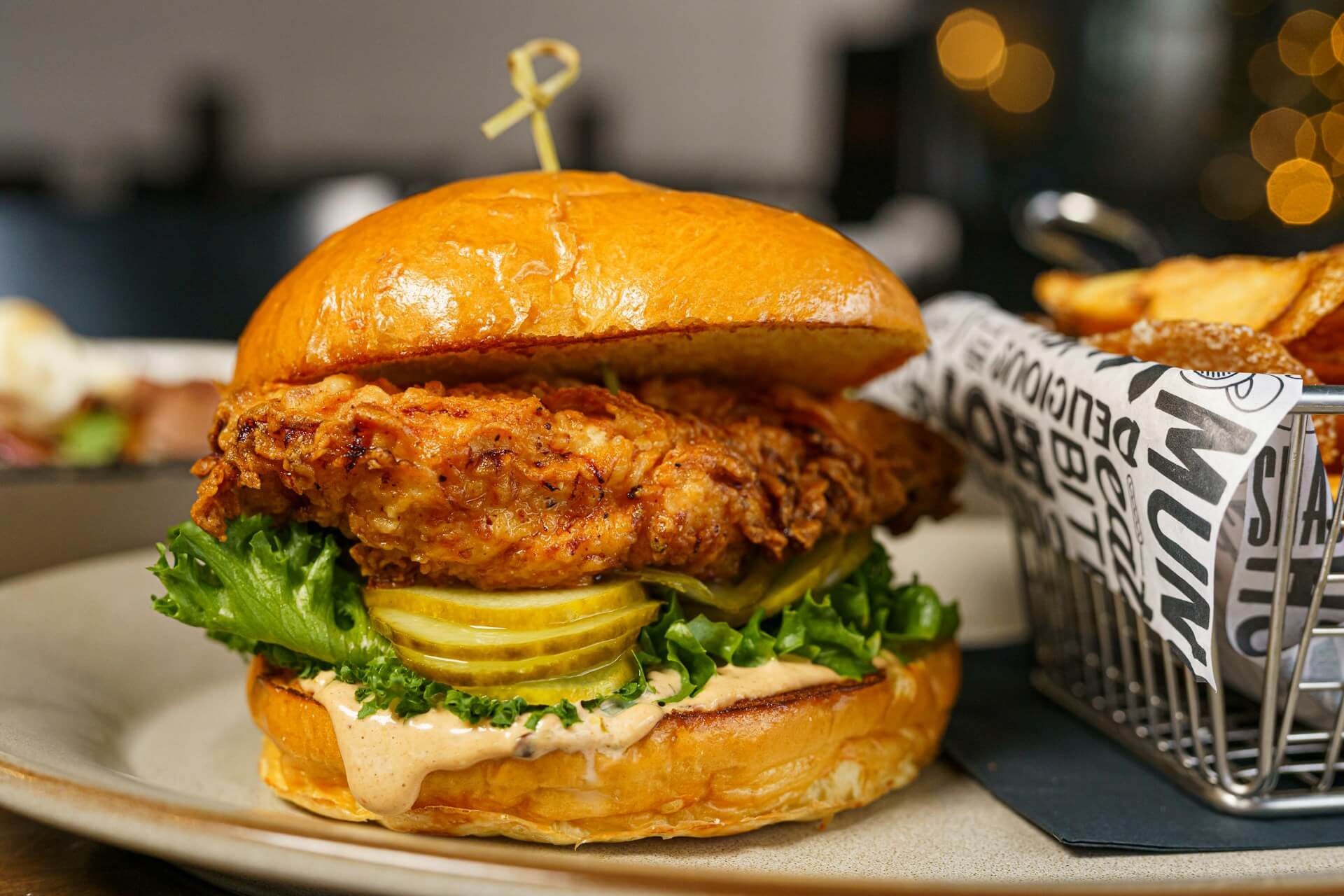
A well-crafted chicken sandwich with pickles, lettuce, and sauce, served next to a basket of French fries

Yes, the Chicken Sandwich Wars are still going strong in 2024.

We appreciate Campbell’s Foodservice’s reports and posts, and their most recent insights address how operators can succeed with LTOs.

For example, our look into their tips for leveraging nostalgia is here. And our thoughts on Campbell’s Culinary TrendPulse 2024 report are here for your review.

This time out, Campbell’s Foodservice, utilizing data from Technomic, Datassential, and other sources, is tackling LTOs.

If you’re a regular reader of KRG Hospitality’s industry insights, you know we love an LTOif an operator executes it effectively. Along those lines, you probably also know that we view Taco Bell as a leader in the industry when it comes to leveraging the power of LTOs.

Not only does the QSR giant know what their guests want, they know how to generate demand. In fact, Taco Bell understands the power not just of LTOs but of tying them to their subscriptions. Take, for example, their Taco Lover’s Pass and the Toasted Breakfast Taco menu drop.

When approached with thoughtful consideration, well-executed LTOs are a crucial element of an operator’s marketing and branding strategy. They drive traffic and sales, boost guest engagement and loyalty, and attract attention from first-time guests.

Of course, crafting a gainful LTO—gaining profits, loyalty, and positive public perception—can be easier said than done. However, there are a number of steps you can take to get the ball rolling and come up with one that reflects your brand, and resonates with guests.

Four Steps

Kicking off their tips, Campbell’s Foodservice recommends keeping LTOs simple. As they say in their report, which you can read here, operators need not “reinvent the wheel” when developing these promotions.

You can differentiate an LTO menu item from its standard counterpart in a number of simple ways. A few examples are using a unique cooking process, crafting a limited-edition sauce, and featuring a distinctive and specific topping or two.

Another tip is to do your best to offer LTOs that embrace current trends. While sharing these tips, Campbell’s cites Datassential and the revelation that just 20 percent of all LTOs are recurring. That means that the vast majority of LTOs are new creations, not stalwarts like the McRib. To draw the attention of a wider swath of guests, feature regional and local items and flavors. Per Datassential, 70 percent of guests are interested in such LTOs.

Speaking of attention, operators should learn how to take and edit attractive F&B images. Or, as Campbell’s says, “make LTOs pretty.” Per Datassential, roughly a third of consumers will try an LTO if it looks appealing in an advertisement or in-store imagery.

Finally, and this one is crucial as it embodies the previous three tips, leverage seasonality. It’s currently summer, so what can you add in the way of flavor to an existing item? Is that item regional and locally sourced? Will photographing it and crafting a sharp post communicate the season and inspire a bit of FOMO? These questions can help guide your approach to crafting profitable LTOs.

Oh, and to help you get started, I’ve shared Campbell’s season flavor suggestions below. Cheers!

Campbell’s Foodservice Seasonal Flavors

Not only did Campbell’s share tips for succeeding with LTOs, they also provided several examples of seasonal flavors to inspire you and your team.

Since it’s July, I’ll start with their summer suggestions.

Summer: basil, blackberries, corn, cucumbers, peaches, tomatoes, watermelon, zucchini

Fall: artichokes, cranberries, edamame, parsnips, pears, pumpkin, sweet peppers, tomatillos, turnips,

Winter: butternut squash, persimmons, radishes, salsify (a root vegetable), sunchokes, sweet potatoes, tangerines

Spring: asparagus, fava beans, pea greens, rhubarb, snap peas, spring onions, strawberries

Campbell’s Foodservice sources:

  1. Foodservice and Hospitality: A strong LTO strategy helps operators retain and grow their customer base (March 2024)
  2. Datassential: Limited Time Offers Keynote Report
  3. Technomic: 162 Best-in-Class LTOs for 2023
  4. Food & Drink Resources: A Limited Time Offer Strategy For Restaurants
  5. Your Guide to Seasonal Fruits and Vegetables, The Spruce Eats
  6. Datassential: State of the LTO 2024

Image: Hybrid Storytellers on Unsplash

Bar Nightclub Pub Brewery Menu Development Drinks Food

by David Klemt David Klemt No Comments

French Cocktail Culture: More than Champs

French Cocktail Culture: More than Champagne

by David Klemt
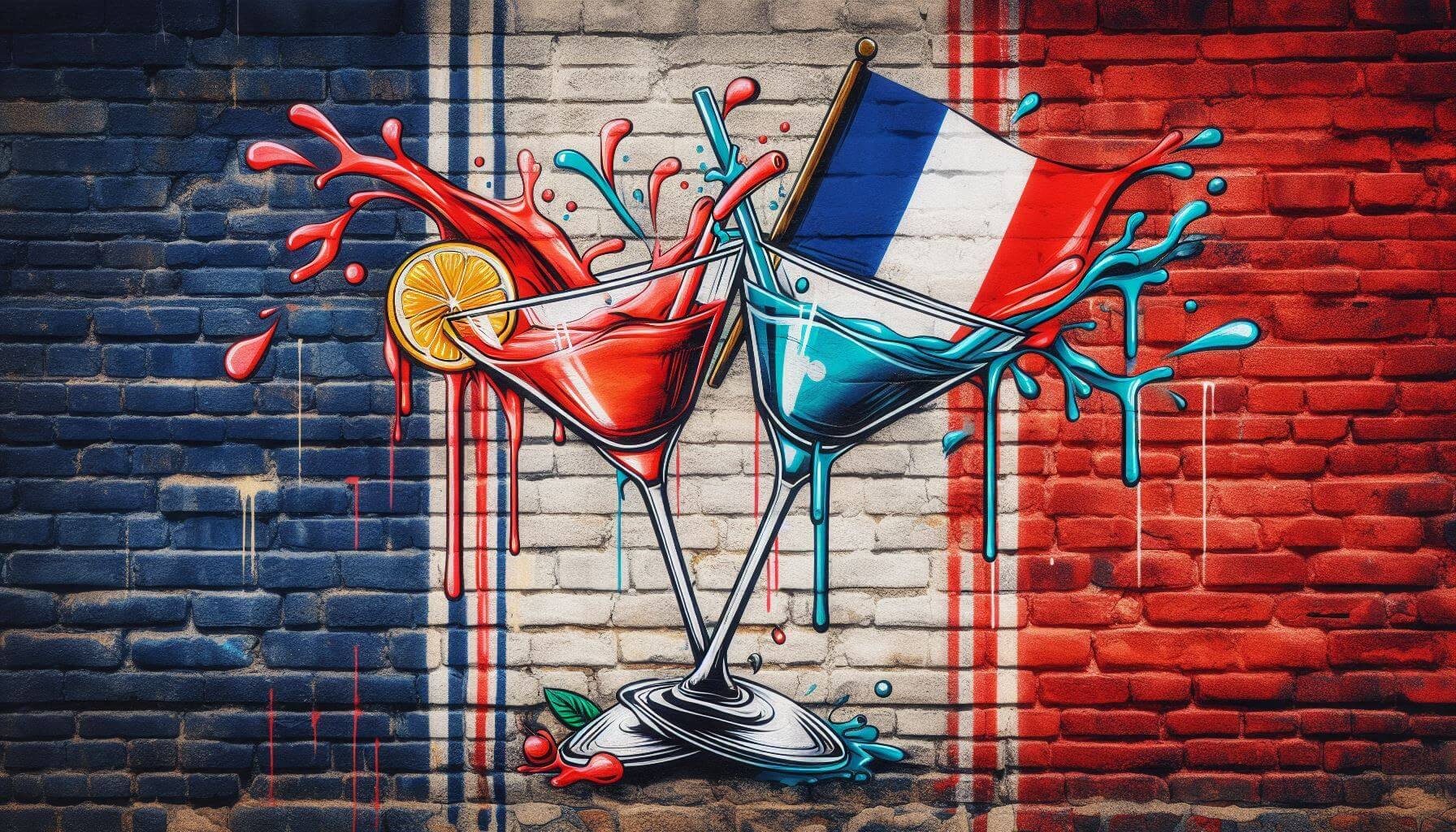
An AI-generated, street-style image of a red and a blue cocktail crossed at the glass stems, against a blue, white, and red graffiti background

That’s some interesting stemware…and the cocktail on the right is an interesting color.

The French have contributed more than Champagne, Cognac, Armagnac, Grand Marnier, and Cointreau to global cocktail culture.

There at least a dozen cocktails that originate from France. And, of course, there are even more from one of the most French-influenced cities in the US, New Orleans.

Since Bastille Day is almost upon us I want to share ten cocktail recipes with origin stories we can trace back to France. Now, if celebrating Bastille Day isn’t your thing, you can celebrate National Grand Marnier Day instead.

Basically, if a cocktail below calls for orange liqueur, you and your bar team can use Grand Marnier. But…allow me to nerd out for a moment about orange liqueur and France.

Orange Liqueur vs. Triple Sec vs. Orange Curaçao

As we’re taught early on, all squares are rectangles (and rhombuses). However, not all rectangles (or rhombuses) are squares. Why am I bringing up geometric shapes in an article about cocktails?

Think of orange liqueur as a rectangle or rhombus. All orange curaçaos and triple secs can be considered orange liqueurs, but not all orange liqueurs are triple secs or orange curaçaos, if we want to be pedantic.

Generally speaking, triple sec is French orange liqueur. Cointreau, as an example, is a triple sec. It’s also an orange liqueur, and one can argue it’s an orange curaçao, although it isn’t made with Lahara orange. Grand Marnier is French but is not a triple sec. Why not? Because Grand Marnier is triple sec blended with Cognac. Pedantry strikes again!

Why does this matter? When choosing your orange liqueur, keep in mind that they don’t all taste the same. Their unique flavors will have an impact on a given cocktail. So, if you were to build a Sidecar with Grand Marnier rather than Cointreau, they’d taste noticeably different. This is, in part, due to the fact that the Sidecar is a Cognac recipe, and Grand Marnier is made with Cognac.

Thank you for indulging me there. Feel free to share that knowledge with your guests, but stop if their eyes start glazing over.

Consider featuring any of the cocktail recipes below this weekend. Sunday, July 14, is Bastille Day, or National Grand Marnier Day, if you prefer. Cheers!

French 75

This classic’s original form can be tracked to the 1910s and the famous New York Bar, located in Paris. Eventually, the venue would become Harry’s New York Bar, named for proprietor, bartender, and writer Harry MacElhone.

By the 1920s, the “final form” of the French 75 we all know and love would come into existence. However, people are still tweaking this classic’s build.

For the traditionalists out there, the French 75 is easy to make: one part gin, and a half-part each of lemon juice and simple syrup, topped with three parts sparkling wine. Don’t forget the lemon twist to garnish!

Boulevardier

As was the case with so many others during the modern Cocktail Revivaland the subsequent Negroni crazethe Boulevardier was my go-to cocktail for quite some time. Interestingly, this cocktail supposedly never “took” until the 2000s.

Like the French 75, the Boulevardier can be traced to Harry’s New York Bar and 1920s Paris. However, the credit for this one goes to a magazine publisher, according to Harry himself.

For this recipe, pretend you’re making a Negroni…but swap out the gin for bourbon or rye. Oh, and forget the 1:1:1 Negroni ratio; this isn’t an equal parts situation. Instead, combine one part Campari with one part sweet vermouth, but bump up the whiskey to one-and-one-quarter parts.

Old Pal

The Old Pal is thought to be a spin on the Boulevardier by that cocktail’s creator, Harry MacElhone, at his bar in Paris.

Whereas the Boulevardier is considered by someone a whiskey-based riff on the Negroni, that’s not an equal-parts build. This, however, is.

Stir equal parts rye whiskey, Campari, and dry vermouth in a mixing glass with ice. Then, strain it into a chilled coupe. Some modern recipes call for doubling the rye, so experimentation is in order.

Sidecar

Okay, let’s start a fight: the Sidecar was created at the Ritz Paris, in Paris, in the 1920s. Why should that cause a kerfuffle? Well, the drink could also be a Pat MacGarry creation, invented in London.

Making this even more contentious is that Harry (yes, of Harry’s New York Bar) went from crediting MacGarry to claiming credit himself. Oh, and sources in both Paris and London claim the same story to be true: a guest arrived at their bar on a motorcycle, and the bartender at the time came up with this drink for said guest.

But wait, il y a plus! Living legend Dale DeGroff has stated that he believes the name references a bonus shot. This is the amount of cocktail left over after shaking and straining the drink, and served on the side in a shot glass.

Regardless of the true story, add three-quarters of an ounce each orange liqueur and lemon juice, then double that amount of Cognac. Prep a coupe with a sugar rim, shake the mixture, strain it into the glass, and garnish with an orange twist.

Between the Sheets

Are you getting the impression that we should just credit with Harry MacElhone with the creation of every drink originating from Paris? I won’t blame you if you are, since he’s credited with Between the Sheets as well. Is he actually the creator? Maybe I’ll address that in a future Drink Donnybrook.

To build this cocktail, pretend you’re making a Sidecar. Then, pick up a bottle of rum. This is an equal parts cocktail, calling for three-quarters of a part of Cognac, rum, and orange liqueur, and a quarter-part of lemon juice.

White Lady

This MacElhone creation has an interesting history. As the story goes, he created the original version in London in the late 1910s. He served it in its precursor form, then overhauled the recipe in Paris. At his bar. In the 1920s. Déjà vu, anyone?

And what an overhaul the recipe underwent. The original White Lady was a blend of crème de menthe, triple sec, and lemon juice. However, MacElhone eschewed crème de menthe in Paris, replacing it with gin. Additionally, he added an egg white and a dry shake.

Mimosa

Surely, the simple two-ingredient Mimosa must have a clear origin, right? Well…maybe.

Some say the Mimosa was created at the Ritz Hotel in Paris in the mid-1920s. Others believe it was invented in the 1930s. Honestly, I wouldn’t be surprised if the drink was first crafted in the 1910s or earlier by someone who simply wanted to toss some sparkling wine into their orange juice.

Ritz bartender Frank Meier may be the drink’s creator. However, people who dispute this point to his 1936 book The Artistry of Mixing Drinks. Recipes with Meier’s initials inside of a diamond next to recipes marked this as his creations. No such symbol appears next to the Mimosa.

If you need this complex recipe, it’s two ounces of chilled orange juice, topped with sparkling wine. I prefer Crémant to Champagne, but do whatever works best. In fact, operators can upsell the bubbles for their signature Mimosas.

Death in the Afternoon

I’m hesitant to include this cocktail, for a couple of reasons. One, I’m not sure it was created in France. There’s reason to believe it was invented as an homage to France, but outside of the country.

Second, Ernest Hemingway is given the credit as its creator. However, Hemingway historians have been dubious of claims involving the author and his relationship to certain drinks and bars.

That said, Hemingway purportedly came up with this drink while spending time in France in the 1920s. Add one-and-a-half parts absinthe to a coupe, then add three times that amount of chilled Champagne until the mixture is “milky” in appearance. Next, I assume, comes a nap.

Yellow

How about a modern classic? Yellow is a signature cocktail at Cravan, owned by restaurateur, bartender, and historian Franck Audoux.

If you’re visiting Paris, the original Cravan location is in the 16th arrondissement of the capital city. However, a second location, the result of a partnership between Audoux and Moët Hennessy, is in the 6th arrondissement. If you’re curious, there are 20 arrondissements in Paris.

Audoux, again, a historian, created the Yellow as an homage to a cocktail said to have been popular in the Côte d’Azur, or French Riviera: gin, Suze and Yellow Chartreuse. To make Audoux’s Yellow, add ice to a shaker, along with equal parts London Dry gin, Suze, Yellow Chartreuse, and lemon juice. Shake, then double strain into a chilled cocktail glass or coupe.

L’Expérience 1

Hey, speaking of modern classics… Back in 2007, Experimental Group opened its first venue in Paris, Experimental Cocktail Club. Seventeen years later, the group has built an empire spanning eleven cities all over the world.

Moreover, Experimental Group operates not just bars but restaurants, clubs, and hotels. That said, while the group has grown, they haven’t forgotten their roots. L’Experience 1 appeared on the menu at their first-ever venue, and it remains their signature cocktail.

To make this modern drink, chill a Martini glass. Add three-quarters of a part each of fresh-squeezed lemon juice and elderflower liqueur, plus one-and-three-quarter parts of premium or super-premium vodka to a cocktail shaker. Before adding ice, add a basil leaf and one hand-crushed blade of lemongrass to the shaker as well. Shake, strain into the prepared glass, and garnish with a lemongrass leaf.

Santé!

AI image generator: Microsoft Designer
Bar, Pub, Nightclub, Nightlife, Feasibility Study

by David Klemt David Klemt No Comments

3 Spins on Classics for July 4th

3 Refreshing Spins on Classics for July 4th

by David Klemt

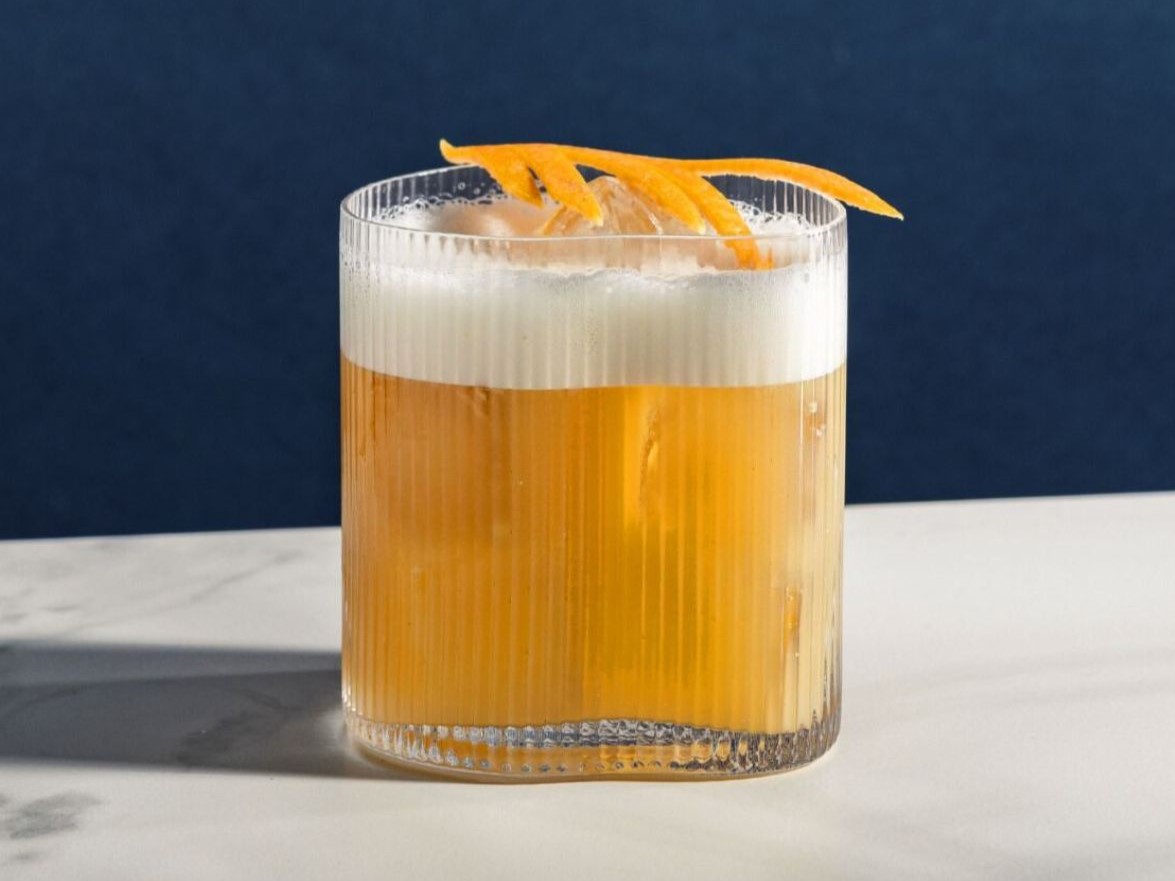
The METAXA Sour cocktail made with METAXA 12 Stars, in landscape orientation

Our friends over at Rémy Cointreau want to help you celebrate the 4th of July with your guests, so they sent over these three enticing cocktail recipes.

Back in January of this year they sent us cocktails dedicated to the 2024 Pantone Color of the Year, Peach Fuzz. And about four months ago, Rémy Cointreau shared National Cocktail Day recipes with us. In turn, we shared them with you.

More importantly, two of these builds are reinterpretations and refreshes of well-known classics. Below, you’ll find a reinvention of a Whiskey Sour and a Mojito.

There’s also a frozen Margarita, a perfect refresher for hot summer days and nights. Although, one can argue that this is a spin on the original, figuratively and literally since it’s going into a blender.

Of these three drinks, the METAXA Sour is the one I’m most eager to try. Most people are likely familiar with Cointreau and Rémy Martin Cognac.

However, they’re probably less acquainted with METAXA. Guests who appreciate a fine Cognac or complex whiskey or rum will likely enjoy METAXA 12 Stars. This brandy is the marriage of sweet Muscat wine from the Greek island Samos, fine wine distillates aged for up to 12 years, and Mediterranean botanicals.

Before being bottled, METAXA 12 Stars is aged in heavily toasted oak barrels for at least 12 months. Along with spice, expect dried citrus fruit, toffee, coffee, and chocolate on the nose and palate.

Personally, I recommend experimenting with METAXA 12 Stars (and its peer 7 Stars) in your brandy, bourbon, rye, and rum cocktails.

Cheers!

METAXA Sour cocktail, made with METAXA 12 Stars spirit from Greece

METAXA Sour

  • 1.7 oz. METAXA 12 Stars
  • 0.7 oz. Fresh lemon juice
  • 0.3 oz. Sugar syrup
  • 0.7 oz. Egg white, or 1 Tbsp. Meringue
  • Orange zest to garnish

The METAXA Sour is a spicy, citrusy, and bright take on the traditional sour. First, prepare a rocks by adding a large sphere or cube of ice. Next, simply add all of the ingredients (minus the garnish, of course) to a shaker filled with ice. Shake well, then strain, and dry shake to emulsify. Note: Some bartenders prefer dry shaking first, then adding ice, and then shaking again. Finally, pour into the prepared rocks glass, garnish, and serve.

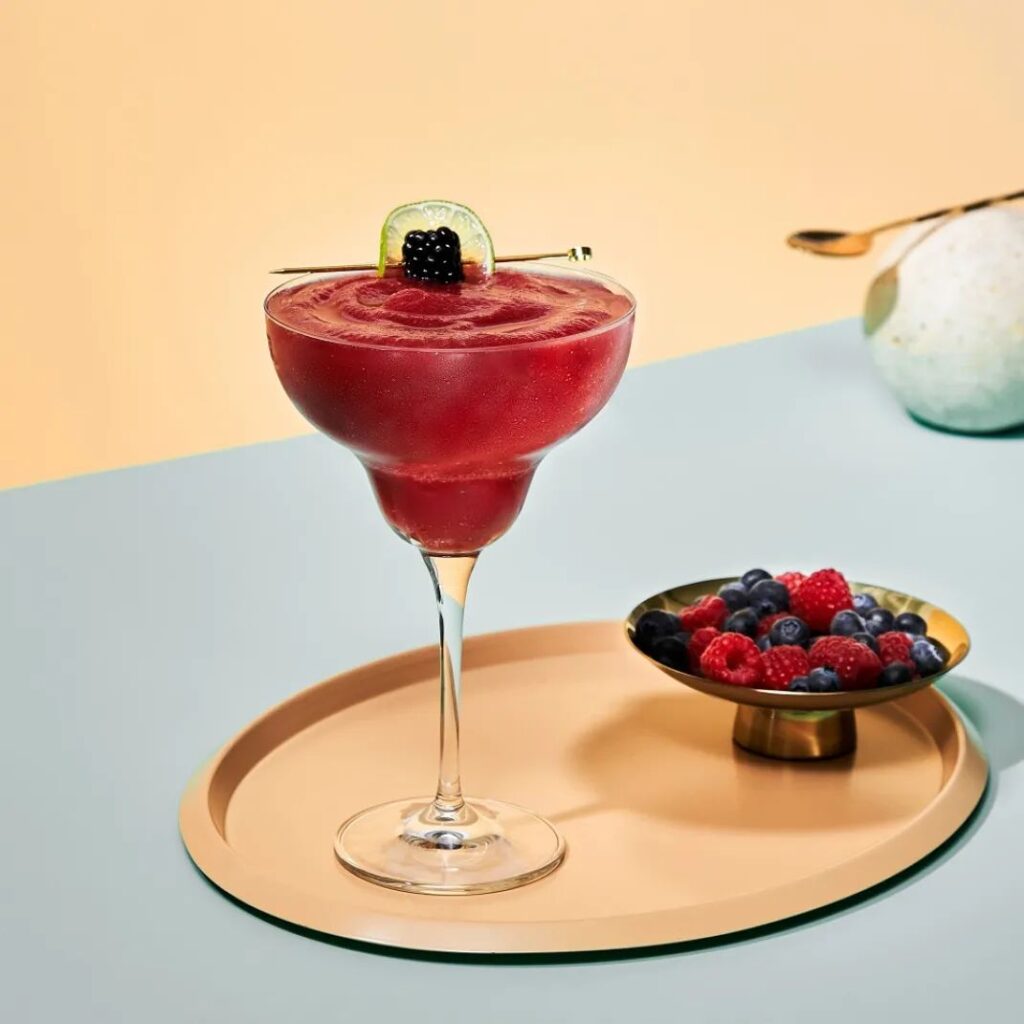
Frozen Berry Margarita cocktail made with Cointreau

Frozen Berry Margarita

  • 1 oz. Cointreau
  • 2 oz. Blanco tequila
  • 0.75 oz. Fresh lime juice
  • 0.5 cup Frozen berries
  • 0.25 oz. Simple syrup
  • 5 Ice cubes
  • Speared lime wheel and berries to garnish

Break out the blender. Oh, and try to sell more than one at a time to be more efficient.

This recipe is easy: add all of the ingredients except the garnish to a blender. I bet you know what’s nextblend everything together. Pour into a Margarita glass, garnish, and serve.

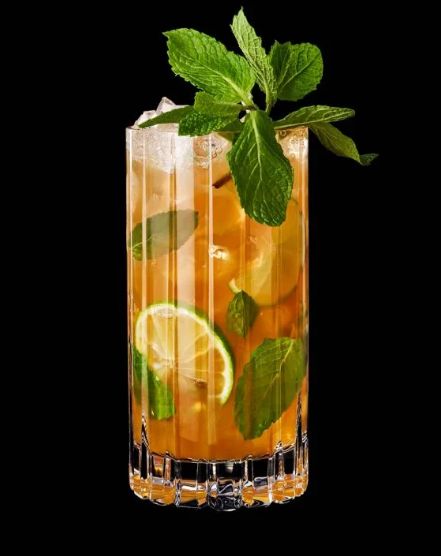
The Rémy Mojito cocktail, made with Rémy Martin 1738 Accord Royal

The Rémy Mojito

  • 1.5 oz. Rémy Martin 1738 Accord Royal
  • 1 oz. Fresh lime juice
  • 0.5 oz. Simple syrup
  • 1 0z. Sparkling water
  • Handful of mint leaves to muddle
  • Mint sprig to garnish

This recipe is a bit of a departure from the traditional Mojito your guests know and love. Therefore, it’s a new way to re-engage with a classic and have a new experience.

Start by adding pebble ice, Rémy Martin 1738 Accord Royal, lime juice, simple syrup, and a handful of mint leaves to a shaker. Per the recipe, using pebble ice should prevent the mint leaves from being broken and torn apart. Shake well, pour into a Collins glass, and top with the sparkling water. Garnish with mint sprig, and serve.

Disclaimer: Neither the author nor KRG Hospitality received compensation, monetary or otherwise, in exchange for this post.

Images courtesy of LaFORCE on behalf of Rémy Cointreau

Bar Nightclub Pub Brewery Menu Development Drinks Food

by David Klemt David Klemt No Comments

Drink Donnybrook: Mojito

Drink Donnybrook: Mojito

by David Klemt

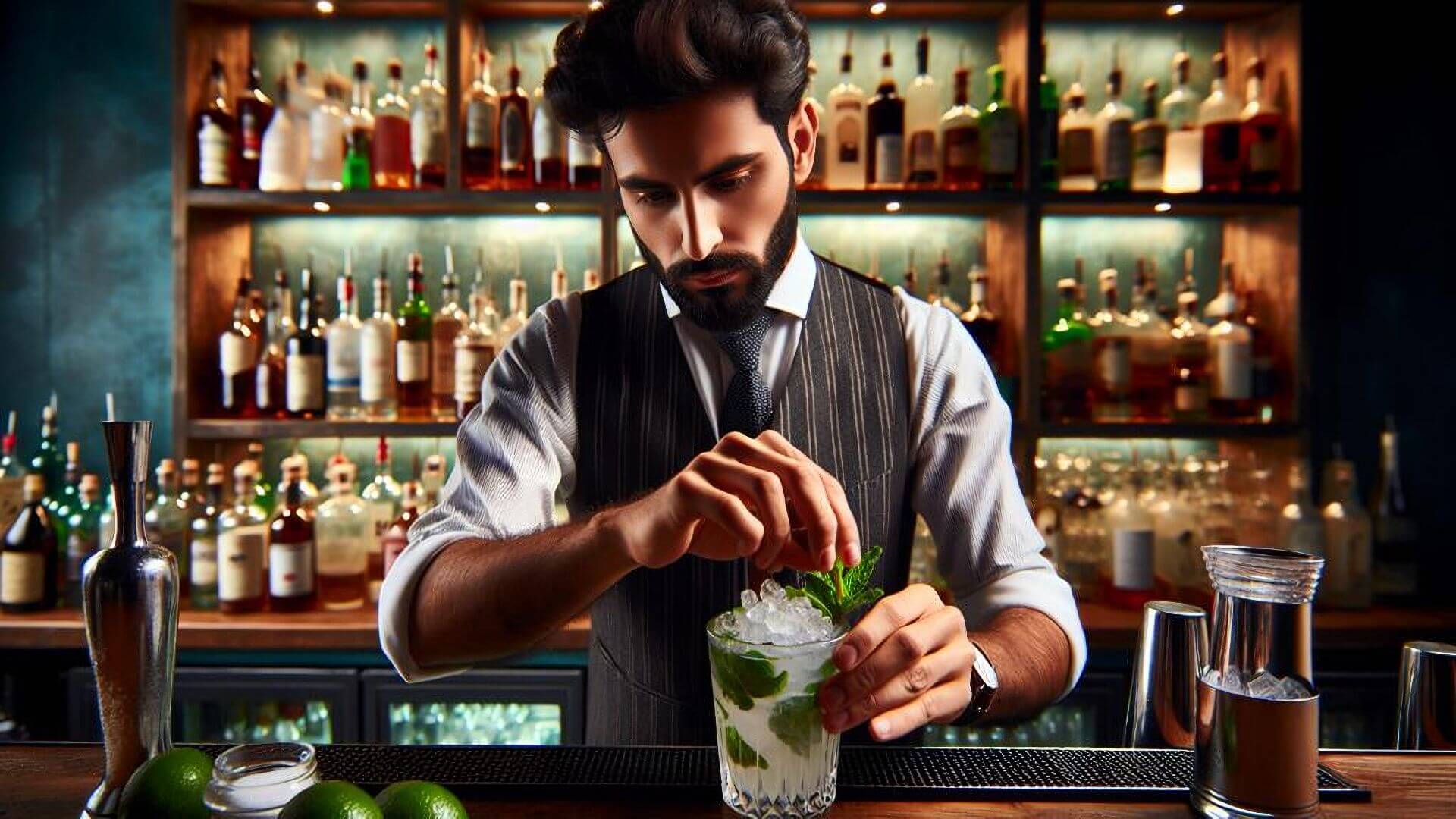
An AI-generated image of a male bartender preparing a Mojito cocktail

Hey, AI may be getting better at drawing hands. Also, I’m not sure about some of these bar tools…

Happy 440th-ish birthday to a rum-powered classic cocktail with a mashed-up, medicinal, mysterious, and complicated history: the Mojito.

Given that we can trace the Mojito to the 16th century, this drink more than justifies its classic cocktail status. Perhaps it’s deserving of placement on another tier of classic cocktail. Prototypical tipple, perhaps?

At any rate, some cocktail historians believe the Mojito’s origins reach as far back as 1586. However, we don’t know if we have to reach even further back in history for its creation. And nobody seems 100-percent certain who to credit for the creation of the Mojito.

Currently, most historians appear to think Sir Francis Drake is the inventor.

Now, before I proceed, let’s address Drake’s history.

A History of Significant Violence

Don’t let his title fool you into thinking he was a well-mannered gentleman; Drake was a pirate. Worse, he was a slave trader.

In fact, some label him one of the pioneers of the British slave trade.

He and his crews sacked and pillaged villages. They attacked ships for the sole purpose of plundering them. Drake was present for the Rathlin Island massacre, where in excess of 600 Scots and Irish were killed.

We’ll never know the overall death toll attributable to Drake and those under his command. Given that he was heavily involved in the slave trade, piracy, and raids, it’s at least in the hundreds.

“Firewater of Sugar Cane”

Personally, I don’t believe that we should give credit to Drake for inventing the Mojito. That honor should go to whoever gave him and his crew the ingredients for the drink.

If we accept that Drake and a small contingent landed on Cuban soil in search of medicine for scurvy and dysentery, an inhabitant of the island country created what would become the Mojito.

As a prevailing story goes, the Mojito was a tonic for a number of ailments, including the aforementioned scurvy and dysentery. In 1586, one of Drake’s crews was suffering from both (and probably other illnesses).

Upon their return from the shores of Cuba, the crew mixed the lime juice (which provided the vitamin C needed to combat scurvy), sugar cane juice, mint leaves, and aguardiente de caña they had been given by locals.

That last ingredient, the base for the tonic, translates to “firewater of sugar cane.”

Of course, we can argue over whether Drake or someone among his crew decided to create the tonic, or if they were told to so by the locals. I feel the answer is the latter, but I can’t prove my theory.

That said, aguardiente de caña can be considered the progenitor to rum. Dependent on a country’s rules regarding production and aging, aguardiente is the stage before the liquid can be labeled “rum” legally.

There was a time that a cocktail called “El Draque,” supposedly named for Drake, was popular in Cuba. So, where does the name “Mojito” come into the story?

No Concrete Answer

Prepare for a surprise: We don’t know with absolute certainty who named this cocktail, or when it attained its current moniker. This is in stark contrast to our previous Drink Donnybrook, which looks into the history of the Sazerac.

It’s possible, per historians, that African slaves named this drink. It could be tied to the Spanish word mojadito, which translates to “a little wet.” Or, perhaps, the cocktail is named for mojo, a Cuban seasoning with a lime base.

So, we don’t know exactly when the Mojito was invented. We don’t know exactly who invented it. And we don’t know who named it. We don’t even know when rum replaced aguardiente de caña in the recipe.

Even more frustrating is a bit of trivia related to one of the Mojito’s supposed greatest fans.

Supposedly, Earnest Hemingway loved Daiquiris and Mojitos. The following quote is attributed to the legendary writer:

“My Mojito in La Bodeguita and my Daiquiri in El Floridita.”

Allegedly (or allegedlies for my Letterkenny fans), Hemingway wrote that quote on the wall of La Bodeguita del Medio, where he supposedly crushed quite a few Mojitos.

Unfortunately, Hemingway biographers are dubious. They’re not not convinced Hemingway was a regular at La Bodeguita. Nor are they certain that the Mojito was in Hemingway’s cocktail repertoire.

What We Know

Well, I know this: We celebrate this iconic cocktail on July 11, National Mojito Day.

Oh, and we know that this drink holiday falls on a Thursday in 2024.

Of course, we also know that the Mojito is made with rum (now). Further, if you’d like to start an argument, I know that you can either declare the Mojito a member of the Sour, Fizz, or Punch family.

Finally, people around the world know the recipe, which you’ll find below. Cheers!

Mojito

  • 2 oz. White rum
  • 0.75 oz. Fresh-squeezed lime juice
  • 0.5 oz. Cane syrup or simple syrup
  • 10 Fresh mint leaves
  • Soda water to top
  • Mint leaves to garnish
  • Lime wheel or wedges to garnish

In a shaker or mixing glass, muddle the fresh mint leaves and syrup. Add the rum, fresh-squeezed lime juice, and ice. Either shake well or stir until well chilled. Strain into Collins glass over ice, then top with soda water, and garnish. Note: To serve as a swizzle, fill glass with pebble ice, strain the cocktail, gently swizzle, garnish, and serve.

Image: Shutterstock. Disclaimer: This image was generated by an Artificial Intelligence (AI) system.

Bar Pub Brewery Nightclub Club Nightlife Concept Development

by David Klemt David Klemt No Comments

Drink Donnybrook: The Sazerac

Drink Donnybrook: The Sazerac

by David Klemt

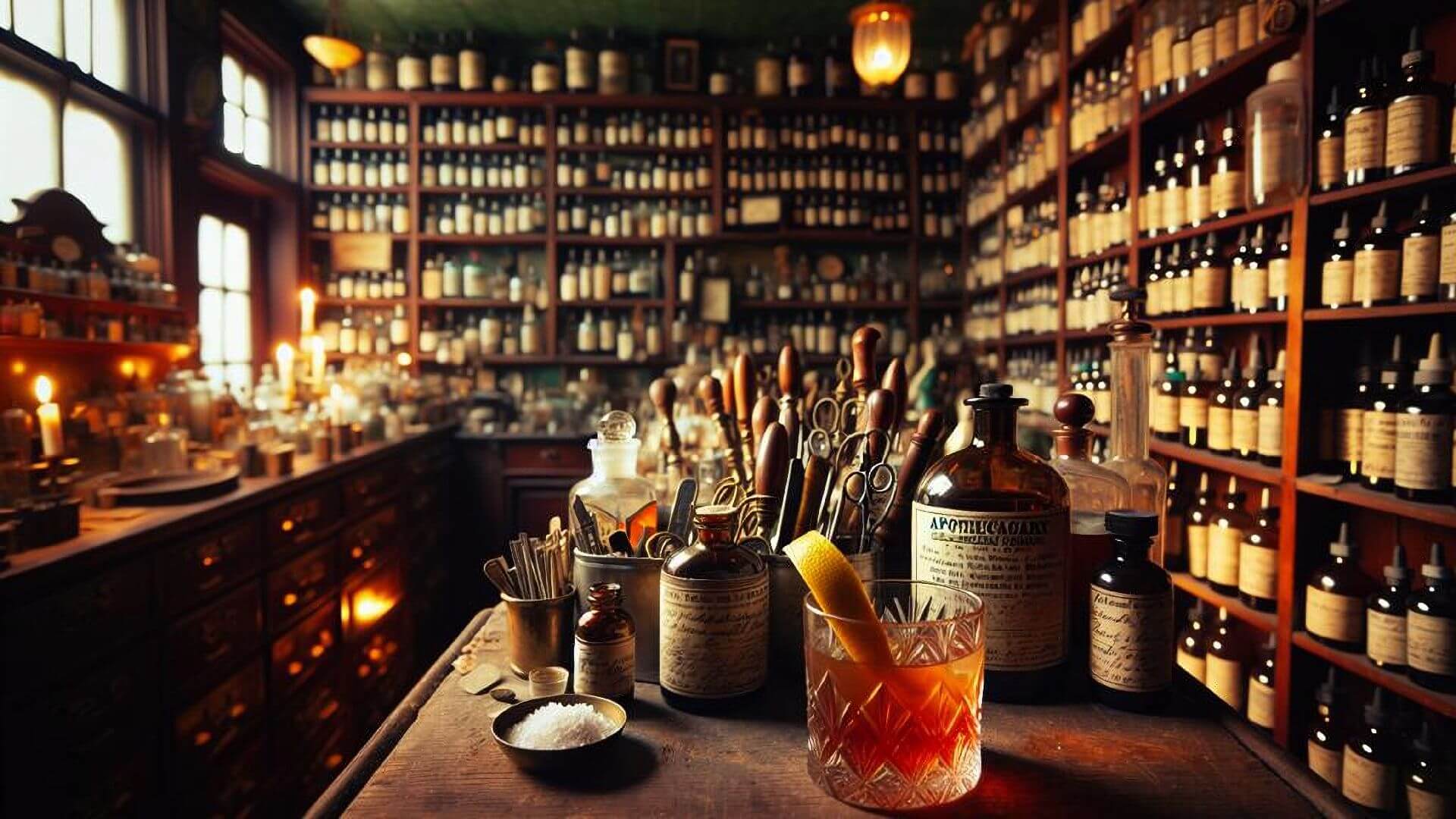
A Sazerac cocktail on a counter inside a rustic apothecary shop

That’s quite a full Sazerac, but I’m more interested in what this particular AI platform thinks that powder next to the cocktail is…

We celebrate the Sazerac, nearly 200 years old and known to many as America’s first cocktail, on Sazerac Cocktail Day, which falls on a Sunday this year.

Refreshingly, we know who should credit for its creation. Further, we can trace it back to a year, and even a location.

In that regard, this won’t be like other Drink Donnybrook articles. The only bold, debate-inducing claims I can really make relate to the base spirit, year of creation, and that my first-ever Sazerac was awful. Oddly, this less-than-stellar Sazerac was made for me at an incredibly popular bar in New Orleans.

Well, sometimes bartenders have off days. I’ve been back to that bar, and had a great time with a great Sazerac. It’s absinthe under the bridge.

Speaking of absinthe, that anise-flavored spirit is a core element of this classic cocktail. Much like some people say “No Negroni without Campari,” there’s no Sazerac without an absinthe rinse.

Now, onto the base of this legendary drink. While bartenders have been making it with rye whiskey for decades, the original recipe calls for Cognac. More specifically, it was made with Sazerac de Forge & Fils. Voilathe drink bears the name of the brandy used at its creation. (Hey, speaking of brandy, check out my Donnybrook article about the Brandy Alexander.)

Cold water, an ice cube, and Peychaud’s bitters round out the ingredients list for a Sazerac. And it’s that last item that reveals the drink’s creator.

The Official Cocktail of New Orleans

Roughly a decade into the 1800s, Antoine Peychaud arrived in New Orleans, Louisiana. Reliable records are a bit difficult to come by, so we don’t know his precise arrival date.

However, historians seem confident that Peychaud did open an apothecary in New Orleans in 1832. (According to one source I came across, Pharmacie Peychaud was opened in 1841.) The next time you’re in NOLA, you can visit the location of said apothecary: 437 Royal Street. Originally, the address was 123 Royal Street. Today, it’s the home of James H. Cohen Antique Weapons & Rare Coins. It’s a fun spot to pop into, by the way.

As you’re likely well aware, apothecaries were precursors to pharmacists and chemists. They served their communities from ye olde apothecary shoppes, and their medicine often consisted of alcohol.

Peychaud crafted his namesake bitters and used them to create an elixir that treated his customers’ illnesses. That medicinal elixir would become the Sazerac. Again, this potion was made with Sazerac de Forge & Fils Cognac, absinthe, and Peychaud’s bitters.

Intriguingly (to me), the Sazerac Housea must-see attraction in NOLAclaims the Sazerac became famous in the 1850s at the Sazerac Coffee House. So, it could’ve taken the Sazerac 20 years to evolve from medicine to cocktail.

On the topic of cocktails, some people attribute Peychaud with inventing the word “cocktail.” Many historians have labeled this claim as false.

Over time, it became difficult to source the cocktail’s eponymous brandy, so the recipe changed to rye whiskey. Some bartenders craft their Sazeracs with other spirits, and will even split their bases. For example, you should try a Sazerac made with a split base of Cognac and rye.

Original Sazerac

Behold, the original Sazerac cocktail recipe.

  • 2 oz. Sazerac de Forge & Fils Cognac
  • 3 to 4 dashes Peychaud’s Bitters
  • 0.5 teaspoon Cold water
  • 1 Sugar cube
  • Absinthe, to rinse
  • Lemon peel, to garnish

You’ll want to have chilled rocks glasses on hand for this cocktail. To start, rinse the glass with absinthe. In a mixing glass, muddle the bitters, water, and sugar cube. Add ice and the Cognac to the mixing glass, and stir until well chilled. Strain, garnish, and serve.

As stated earlier, most modern-day recipes call for rye whiskey rather than Cognac. Experiment with basesincluding splitsto craft your signature Sazerac.

In 2008, lawmakers in Louisiana passed legislation that made the Sazerac the Official Cocktail of New Orleans. Sazerac Cocktail Day is on June 23, which falls on a Sunday in 2024. Cheers!

Image: Shutterstock. Disclaimer: This image was generated by an Artificial Intelligence (AI) system.

Beverage Cocktail Program Coaching Consulting Bars Restaurants Hotels

by David Klemt David Klemt No Comments

5 Books to Read this Month: June 2024

5 Books to Read this Month: June 2024

by David Klemt

Flipping through an open book

Our inspiring June book selections will give you a new perspective on goal-setting and teamwork, develop leadership skills, and improve your F&B program.

To review the book recommendations from May 2024, click here.

Let’s jump in!

Love & Whiskey: The Remarkable True Story of Jack Daniel, His Master Distiller Nearest Green, and the Improbable Rise of Uncle Nearest

I first had the opportunity to hear Fawn Weaver tell her story, the story of Uncle Nearest, and boldly proclaim the superiority of Tennessee whiskey to Kentucky bourbon six or seven years ago at Tales of the Cocktail. Her presentation, literally kneeling on a bar for nearly an hour so everyone in the room could see and hear her, blew me away. I’ve been a huge fan every since. If you ever get the chance to hear Weaver speak, don’t think about it, just do it. And make sure to pre-order this book today because this story is incredible.

From Amazon: “Embark on a captivating journey with Love & Whiskey. New York Times bestselling author Fawn Weaver unveils the hidden narrative behind one of America’s most iconic whiskey brands. This book is a vibrant exploration set in the present day, delving into the life and legacy of Nearest Green, the African American distilling genius who played a pivotal role in the creation of the whiskey that bears Jack Daniel’s name.”

Pre-order this book here!

A Quick Drink: The Speed Rack Guide to Winning Cocktails for Any Mood

I can’t imagine that Lynnette Marrero and Ivy Mix need introductions at this point in their careers. Both are icons of the industry, and both have dedicated themselves to not only the crafts of bartending and hospitality but also giving back. Not only will you find more than 100 cocktail recipes in A Quick Drink, a portion of the proceeds are going to breast cancer charities.

From Amazon: “Award-winning mixologists Ivy Mix and Lynnette Marrero co-founded Speed Rack, a global all-women bartending competition where competitors show off their talents making both classic and original drinks as quickly as their arms can shake and stir—all in the name of raising money for breast cancer charities… Shining a spotlight on the most influential women behind the bar today and their inventive drinks, this hot pink celebration of the incredible Speed Rack community is an unconventional, inspiring resource for home bartenders and professionals alike.”

Order your copy today!

Open Wide: A Cookbook for Friends

Benny Blanco wears a lot of hatsartist, actor, music producer, and now author—and now he’s adding an apron to the mix. This cookbook is irreverent and informative, and I learned about it from a mention on Matty Matheson’s Instagram. If Matheson digs it, that’s all the endorsement I need to pick up a copy.

From Amazon: “I’ve been told some of the finest stories over meals. I’ve laughed so hard I thought I was going to actually die. I’ve fallen in love—sometimes with the food, sometimes with the person across the table. I’ve cried in good ways, and I’ve cried in bad ways. I hope you’ve been lucky enough to have all these same memories and then some. But if you haven’t, I can make you a promise. If you follow these three simple steps, it will all become a reality: Open this book. Open your heart. And open wide, baby.”

Pick it up now.

How to Lead with Purpose: Lessons in Life and Work from the Gloves-off Mentor

Look, you’re going to make mistakes as a leader. We all do, and we’ll continue to make them as life goes on. However, we can avoid some mistakes by learning from others’ experiences. Similarly, we can mitigate the damage when we make those same mistakes by, again, learning from others. Moreover, great leaders can make the world a better place by making a positive impact on the people they lead.

From Amazon: “Liam Black has been supporting social entrepreneurs and purpose-driven leaders for decades, and he understands what it takes to do work that goes beyond the bottom line – and what it can take out of you, too.

“In this no-bullshit, woo-woo-free book, he reveals how to align purpose and leadership, how to deal with uncertainty, imposter syndrome, anxiety and loneliness along the way, how to exercise authority (even in the face of endemic sexism), and when it’s right to walk away.”

Place your order or download it here.

Start Less, Finish More: Building Strategic Agility with Objectives and Key Results

As an entrepreneur or member of a leadership team, you’re likely familiar with the abbreviation “KPI.” However, the abbreviation “OKR” may be new to you. Whereas the former means, “key performance indicators,” the latter stands for, “objectives and key results.” To provide a quick explanation, the OKR approach usually consists of stating a huge goal, then creating a strategy around the measurable metrics that will help an organization know if they’re on track to achieving said goal. There are some people who prefer KPI to OKR. I think both can be implemented by different members within the leadership team.

From Amazon: “Written with senior leaders in mind, Start Less Finish More is an accessible and to-the-point manual that will give you practical, step-by-step tools for implementing OKRs in your organization. OKR leadership begins with the development of a lean, engaging, adaptive strategy that is translated into short term—typically 90-120 day—stretch goals. Leading OKRs is a transparent, engaging process that aligns the whole organization to your strategy, building collaboration, commitment and accountability at all levels.”

Get yours today!

Image: Mikołaj on Unsplash

KRG Hospitality Start-Up Restaurant Bar Hotel Consulting Consultant Solutions Plans Services

by David Klemt David Klemt No Comments

The Sbagliato Enters the RTD Space

The Negroni Sbagliato Enters the RTD Space

by David Klemt

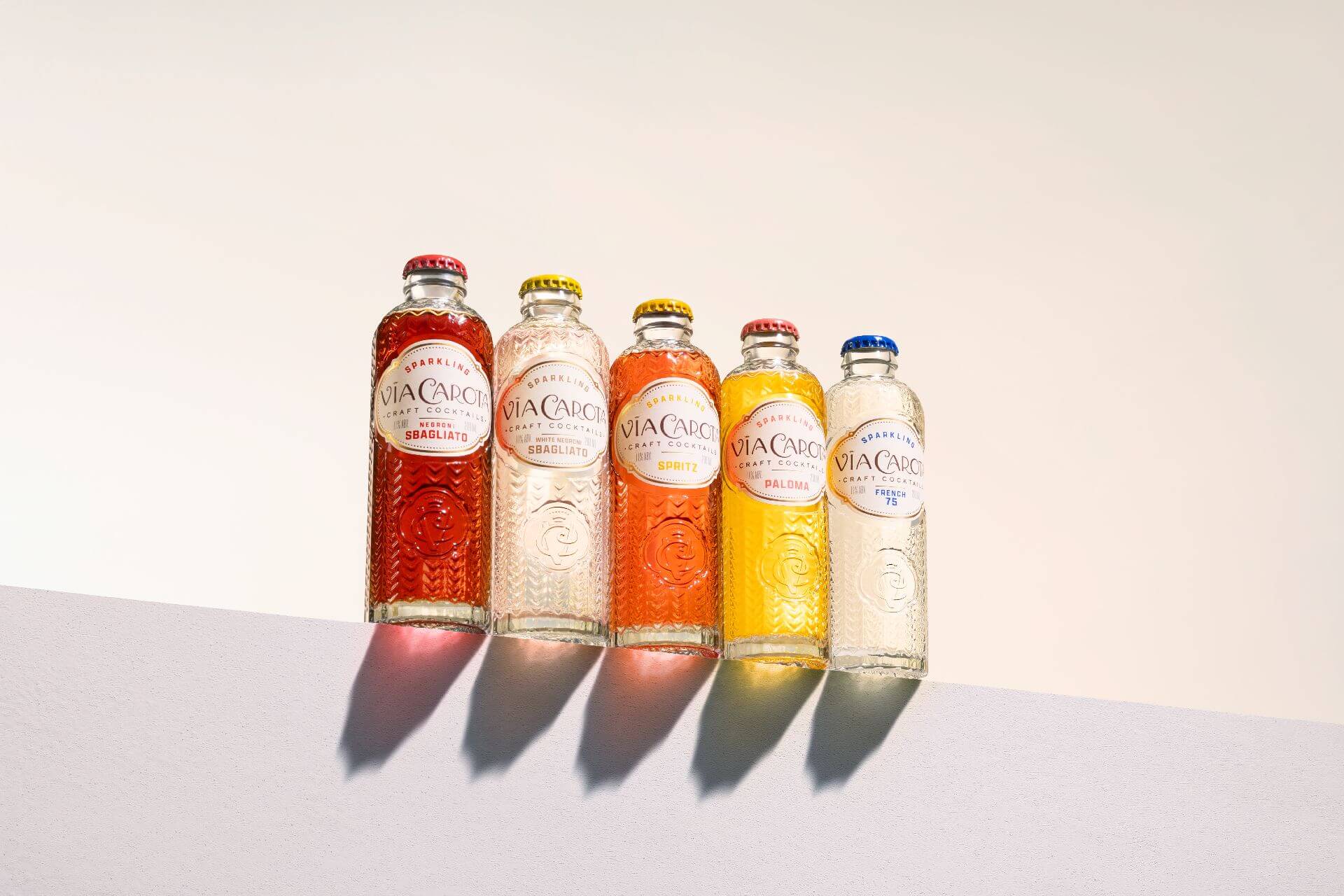
Via Carota Craft Cocktail sparkling ready-to-pour cocktail lineup

Ideal for high-volume bars that serve guests with discerning tastes in ready-to-drink cocktails, Via Carota Craft Cocktails is launching a new line.

You may be familiar with Via Carota’s elegant bottle design and classic ready-to-pour drinks. However, if you’re new to this brand, they have a spectacular line of classic, premium RTDs (or RTPs, if you prefer):

  • Old Fashioned
  • Signature Manhattan
  • Signature Martini
  • Espresso Martini
  • Classic Negroni
  • White Negroni

Further, if the name seems familiar to you, there’s good reason. This line of cocktails is inspired by the West Village restaurant of the same name.

Featuring a new but no-less-elegant bottle design, Via Carota is introducing a sparkling range to their portfolio. Within this range are a Spritz, French 75, and Paloma. However, it’s the other two expressions in the line that have caught my eye.

You may recall that toward the end of 2022, a variant of a classic cocktail grabbed headlines at a furious pace. It seemed as though the Negroni Sbagliato was inescapable.

Well, that drink may not be spilling ink quite as much, but guests are still ordering it. So, Via Carota is serving up not just one but two Sbagliato variants. Alongside the aforementioned Spritz, French 75, and Paloma are the Negroni Sbagliato and White Negroni Sbagliato.

To learn more, review the official press release below. Salute!

Via Carota Craft Cocktails Announces New Sparkling Range

Ready-to-serve classics with fizz include Negroni Sbagliato, White Negroni Sbagliato, Spritz, Paloma and French 75

(May 14, 2024 – New York, NY)Via Carota Craft Cocktails, the craft cocktail brand inspired by the eponymous West Village establishment, announces today a new range of single-serve, ready-to-pour sparkling cocktails.

Designed to be perfectly balanced and made for wherever life finds you, the new Sparkling Range features five refreshing, classic cocktails with lively fizz. The bubbly, bar-quality offerings are housed in stunning bespoke bottles and crafted to be enjoyed straight or served over ice – ideal for warm weather occasions, always with friends. The range includes:

  • Negroni Sbagliato: A bubbly riff on the classic Negroni, combining citrus and orange peel with herbaceous wine notes, for a long and fresh, effervescent finish.

  • White Negroni Sbagliato: A charming twist on the modern classic, this refreshing cocktail substitutes a white aperitivo in place of the traditional red, harmoniously marrying bitter and sweet for a complex cocktail.

  • Spritz: Vibrant in color, this bright, bittersweet, and zesty cocktail is approachable and full-flavored with complex herbal notes.

  • Paloma: Citrus notes and bespoke Blanco tequila combine sweet, sour and a touch of bitter for a bold cocktail with a crisp and bright finish.

  • French 75: A bright and complex classic with delectable notes of citrus and elderflower for a crisp and vibrant finish.

“We couldn’t be happier to share these sparkling expressions with consumers, just in time for summer,” said Chief Executive Officer, Bart Silvestro. “Via Carota Craft Cocktails was designed to elevate the at-home cocktail experience, and after the tremendous growth seen with the core range over the last year, this carefully crafted lineup pays homage to classic sparkling cocktails, with the bar-quality liquid that has become synonymous with our unique chef-to-shelf brand.”

The Via Carota Craft Cocktails Sparkling Range can be purchased as a 10-pack on DrinkViaCarota.com for $69, or as a 4-pack at select retailers for $24.99. Each 200ml bottle contains one sparkling cocktail at 11% ABV. The new Via Carota Craft Cocktails Sparkling Range joins the existing line of still, ready-to-serve cocktails launched in 2023, which includes Classic Negroni, White Negroni, Old Fashioned, Signature Manhattan, Espresso Martini and Signature Martini. For affiliate, visit ShareASale for 20% when joining in-network and/or via Skimlinks.

ABOUT VIA CAROTA CRAFT COCKTAILS

Elevated, classic recipes meet bar cart-worthy packaging to offer a cocktail experience like no other. Via Carota Craft Cocktails (VCCC) was created to bottle the warmth and relaxed elegance of the beloved West Village restaurant, allowing you to enjoy a perfectly balanced craft cocktail, wherever life finds you.  VCCC’s core range of craft cocktails currently includes the following: Classic Negroni, White Negroni, Old Fashioned, Signature Manhattan, Espresso Martini and Signature Martini. The Sparkling line includes the following: Negroni Sbagliato, White Negroni Sbagliato, Spritz, Paloma and French 75, with additional cocktails and formats to come.

Image: Via Carota Craft Cocktails

Bar Nightclub Pub Brewery Menu Development Drinks Food

by David Klemt David Klemt No Comments

Meet Your Next Love: Amante 1530

Meet Your Next Love: Amante 1530

by David Klemt

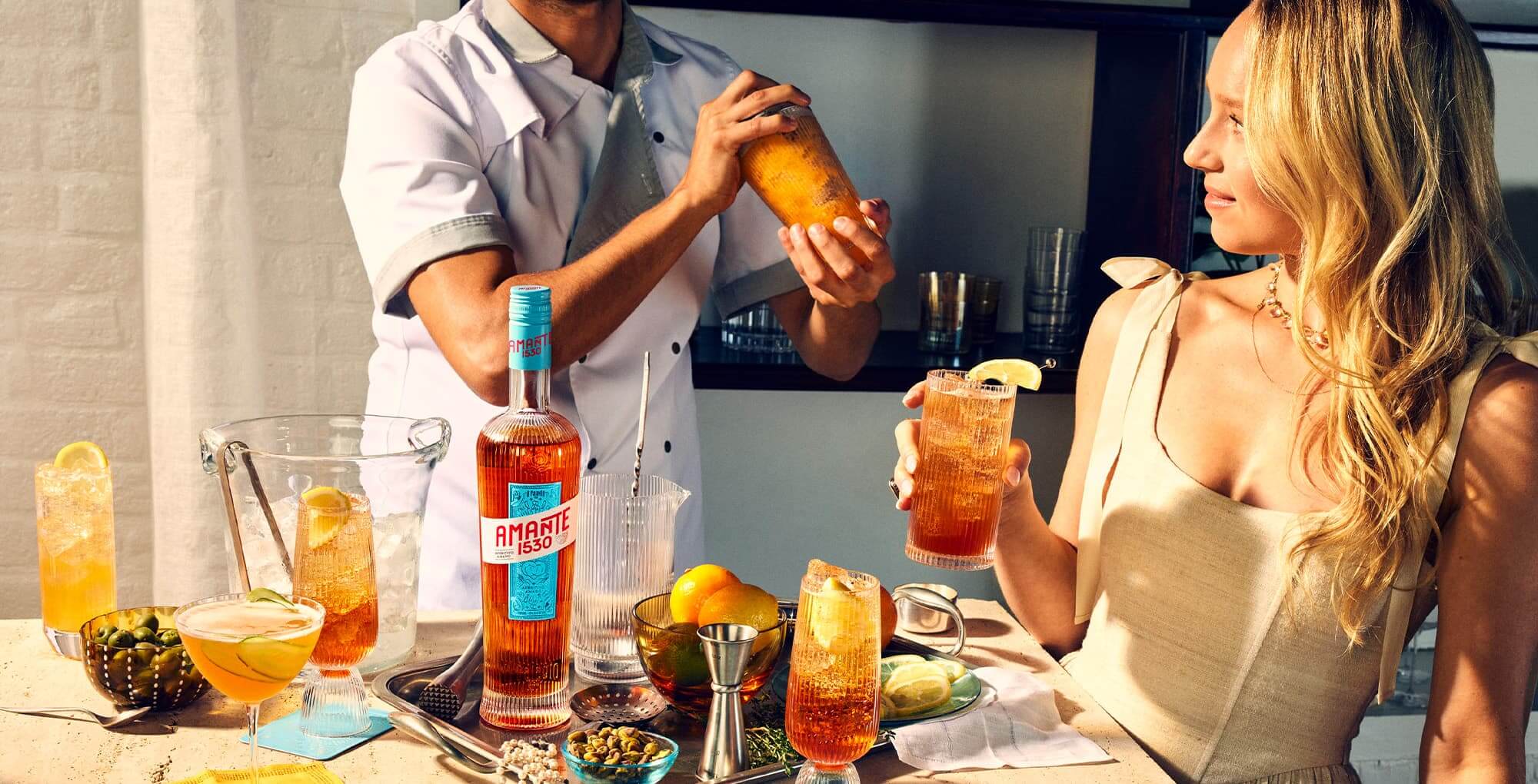
Ana Rosenstein at a table watching a bartender shake up an Amante 1530 cocktail

A beautiful new luxury amaro from Italy is committing to becoming your nextand bestlover, whether you enjoy it straight up or in a fabulous cocktail.

Produced in Tuscany, Italy, at the Il Palagio 1530 estate, Amante 1530 hits a multitude of sweet spots.

Whereas Aperol comes in at 11-percent ABV and Campari hits between 24- and 29-percent ABV, Amante 1530 rings in at 15 percent. Further, this amaro has less sweetness than the former and less bitterness than the latter.

I sat down with Ana Rosenstein, the brand’s CEO, for an episode of the Bar Hacks podcast. Declaring herself a nerd, she explains that Amante 1530 falls in between Aperol and Campari, and can serve as an aperitivo or a digestivo.

Notably, the team behind Amante 1530 isn’t out to replace Aperol, Campari, or other well-established amari on the market. During our conversation, Rosenstein shares that she believes the brand speaks to an amaro consumer that hasn’t, until now, found the product that truly speaks to them. (You’ll also gain some invaluable insight into succeeding with investors during this episode.)

Below, four recipes that highlight Amante 1530’s key flavor notes of citrus, ginger, and honeysuckle. That said, I think you’ll find that Rosenstein’s recommendation of enjoying it neat or on the rocks with a slice of Amalfi lemon delivers an elegant and refreshing experience. Cheers!


View this post on Instagram


A post shared by Amante 1530 (@amante_1530)

The Last Lover

  • 1.5 oz. Amante 1530
  • 1 oz. Blanco tequila
  • 0.5 oz. Fresh lime juice
  • 2 oz. Quality soda water
  • 4 cucumber rounds
  • 1 barspoon Agave nectar (optional)

Muddle the cucumber rounds in a shaker, then add ice and the first three ingredients. As an option, you can add a barspoon of agave nectar. Shake, then strain into a Collins or highball glass. Top with soda water.

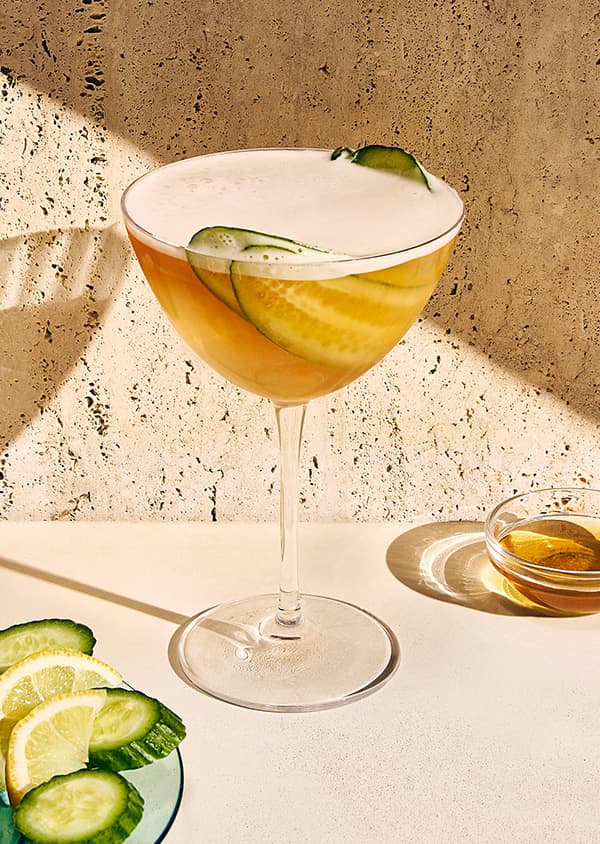
Moonraker

  • 1.5 oz. Gin
  • 0.75 oz. Amante 1530
  • 0.75 oz. Fresh lemon juice
  • 0.5 oz. Green tea simple syrup
  • 3 Cucumber rounds
  • 2 Cucumber ribbons to garnish

Muddle the cucumber rounds in a shaker. Fill shaker with ice. Add gin, Amante 1530, lemon juice, and green tea simple syrup. Shake well, then double-strain into cocktail coupe. Garnish with ribbons/lengthwise slices of cucumber, and serve.

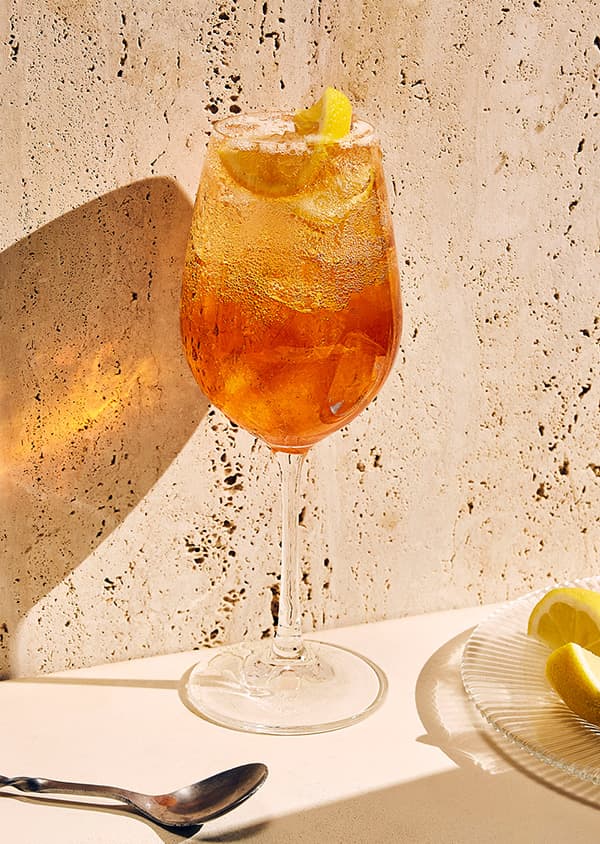
Amante 1530 Amante Spritz cocktail

Amante Spritz

  • 2 parts Amante 1530
  • 3 parts Prosecco
  • 1 part High-quality soda water
  • 1 Amalfi lemon wedge to garnish

Prepare a stemmed balloon glass or goblet by adding ice. Next, add the Prosecco to the glass, followed by Amante 1530. Top with soda water, then squeeze the juice from the Amalfi lemon and drop in the wedge to garnish.

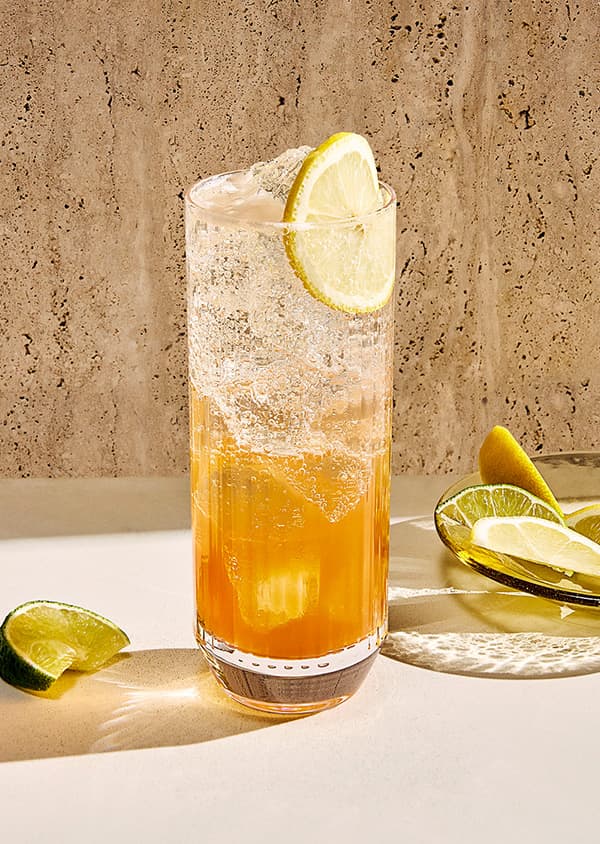
Amante 1530 Palombo tequila cocktail

Palombo

  • 1.5 oz. Reposado tequila
  • 0.75 oz. Amante 1530
  • 0.25 oz. Fresh lemon juice
  • 0.25 oz. Fresh lime juice
  • 0.5 oz. Simple syrup
  • 3 oz. Soda water
  • Lemon wheel to garnish

Prepare a Collins or highball glass by adding quality ice. To a shaker filled with ice add all the liquid ingredients except the soda water. Shake, then strain into the prepared glass. Top with the soda water, then garnish with the lemon wheel and serve.

Disclaimer: Neither the author nor KRG Hospitality received compensation, monetary or otherwise, in exchange for this post or podcast appearance.

Images: Amante 1530

KRG Hospitality Start-Up Restaurant Bar Hotel Consulting Consultant Solutions Plans Services

by David Klemt David Klemt No Comments

New RTD Sprinter Kicks off Coachella

New Vodka Soda RTD Sprinter Kicks off Coachella

by David Klemt

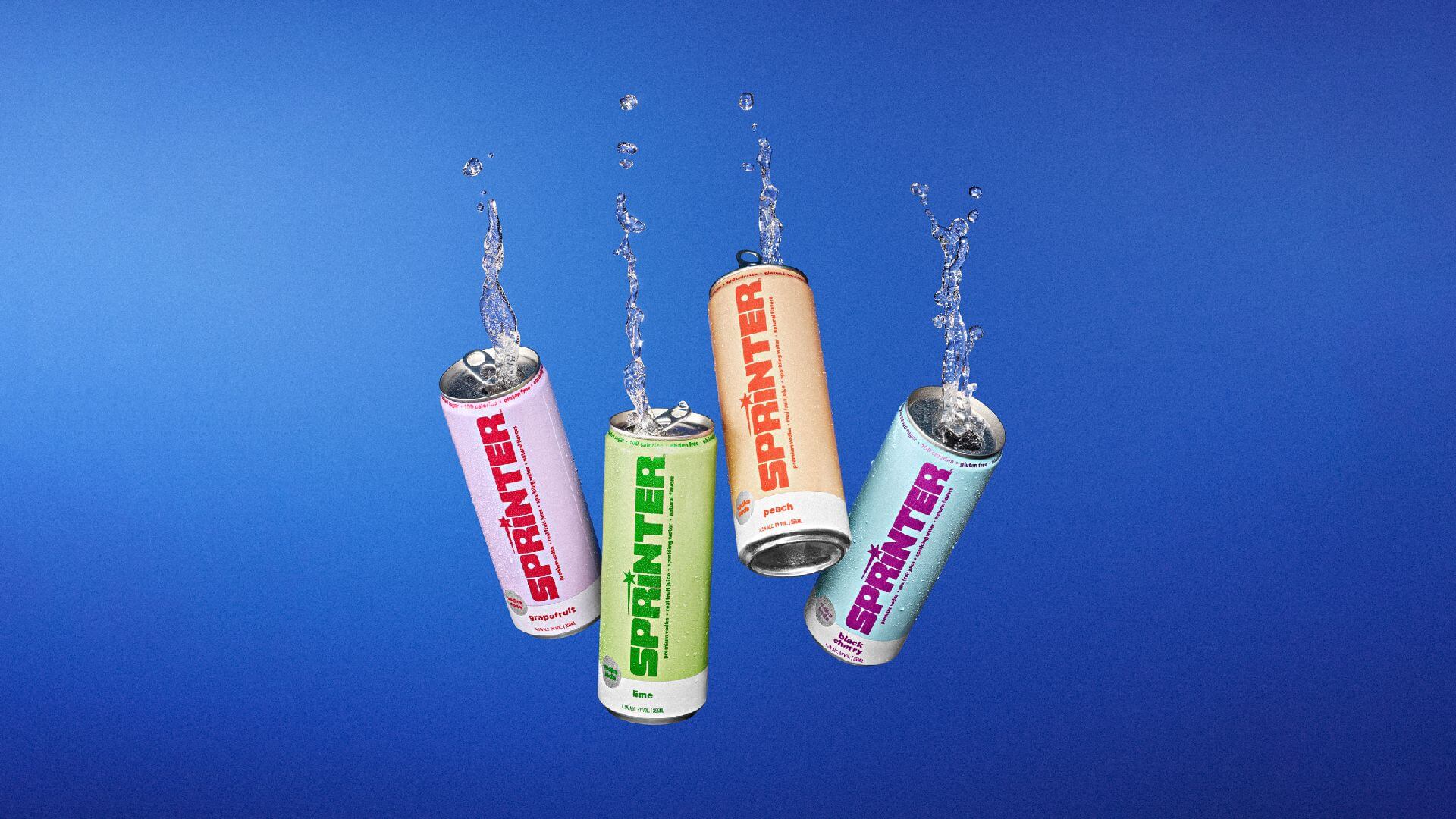
In partnership with GoPuff, Sprinter, the new vodka soda RTD founded by Kylie Jenner, is kicking off Coachella with a surprise delivery activation.

Available in four flavorsGrapefruit, Lime, Peach, and Black Chery—Sprinter is one of the newest RTDs to hit the market.

These ready-to-drink Vodka Sodas are made with just three core ingredients: premium vodka, real fruit juice, and sparkling water. Weighing in at just 4.5-percent ABV, Sprinters are intended to delivery bold fruit flavor in a sessionable format.

Sprinter aims to make a splash during Coachella, headlined this year by No Doubt, Lana Del Rey, Tyler the Creator, and Doja Cat. Anyone of legal drinking age in Palm Springs, Coachella, and Indio who places an order for Sprinter could be in for a surprise.

That surprise? A delivery of Sprinter swag in decked-out Sprinter vans, along with GoPuff swag. The delivery platform, which leverages “micro-fulfillment centers” to deliver orders quickly, is Sprinter’s chosen partner for this activation.
Now, if you’re an operator, bar or restaurant leadership team member, or bartender, you may wonder what this Sprinter promotion has to do with you. It’s simple: fulfilling guest expectations.
There’s little question that guests will be on the lookout to try Sprinter this summer. The RTD is owned by Kylie Jenner and will garner plenty of attention during Coachella. This will translate to nationwide (if not international) interest. Adding Sprinter to your menu may prove lucrative.

Check out the press release below for more information. Cheers!

Kylie Jenner Introduces Sprinter, A Premium Canned Vodka Soda

Launching nationwide March 21, Sprinter Vodka Soda features four fruit flavors, no added sugar and only 100 calories

Los Angeles, CA—Today, entrepreneur Kylie Jenner announces Sprinter, the ultimate vodka soda in a can. Made with simple, high-quality ingredients—premium vodka, sparkling water and real fruit juice—and created in four true-to-fruit flavors, Sprinter is a bold and refreshing new entry into the RTD space.

“Sprinter is my answer to the growing consumer demand for quality canned cocktails—we’re adding to a market dominated by only a few players with an incredibly delicious vodka soda in a can,” says founder Kylie Jenner. “Not only does Sprinter have a unique bold branding that captures the feeling of fun with your friends, it is also the best tasting vodka soda I’ve ever tried—and I’ve tried a lot. I can’t wait for people to taste it for themselves.”

Jenner tapped Chandra Richter, a female beverage development expert with over 20 years of beverage alcohol industry experience and a PhD in molecular biology, to serve as Head of Product Development and Operations at Sprinter. After over a year of taste testing, the duo achieved the perfect balance of flavors and Sprinter was born—a 100-calorie, 4.5% ABV canned vodka soda made with real fruit juice and with no added sugar, available in four fruit-forward flavors: Black Cherry, Peach, Grapefruit and Lime.

“It’s been such a pleasure developing Sprinter with Kylie,” says Chandra Richter. “We held numerous tastings over the past year to ensure each of our four flavors are as natural and true-to-fruit as possible. Sprinter is a mouthwatering vodka soda in a can that makes every moment an occasion.”

Bold, vibrant and eye-catching on the shelf, Sprinter will be available in an 8-can variety pack for an SRP of $19.99. Sprinter launches nationwide on March 21. To sign up for more information and to find Sprinter near you, visit @drinksprinter and drinksprinter.com.

Disclaimer: Neither the author nor KRG Hospitality received compensation, monetary or otherwise, in exchange for this post.

Can image: Travis Rathbone

Bar Nightclub Pub Brewery Menu Development Drinks Food

by krghospitality krghospitality No Comments

XO Night: A New Nightlife Tradition?

Rémy Martin XO Night: A New Nightlife Tradition

by David Klemt

A brand-new release from Rémy Martin seeks to not only solidify itself as a new way to start a night out but also prove Cognac isn’t an old-fashioned drink.

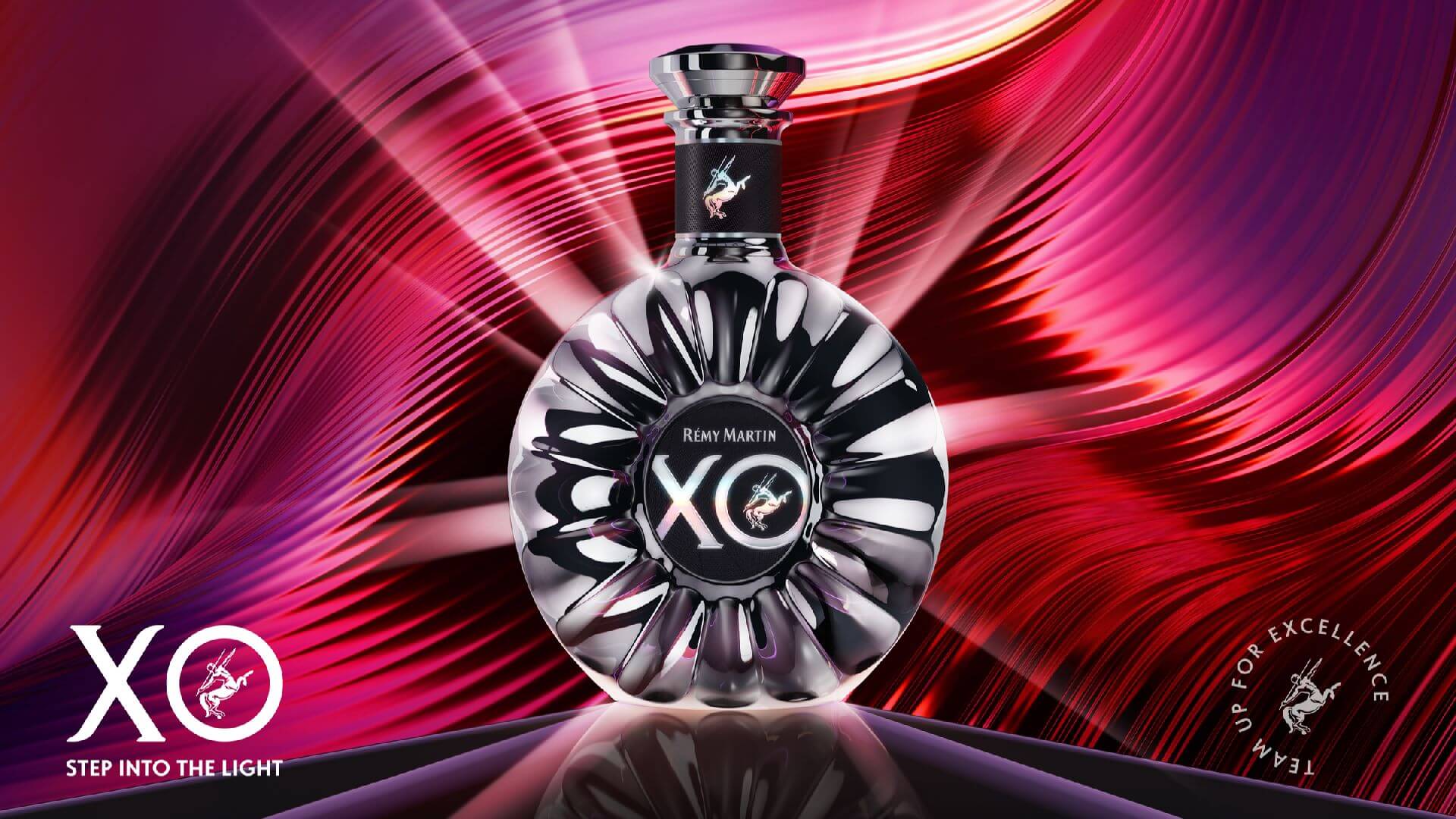
XO Night, the newest member of the Rémy Martin family, is dressed for a night out at the club. Just take a look at the decanter: black, mirrored, and adorned with holographic enhancements.

This is a bottle of Cognac meant to grab attention. There’s no denying that XO Night will stand out on a nightclub back bar. And as far as bottle service…it’s perfect for an over-the-top Las Vegas nightclub-style delivery.

In other words, this isn’t your great-grandfather’s Cognac.

Obviously, the House of Rémy Martin is aiming to alter the perception of Cognac with XO Night. Aesthetically, the bottle is clearly a departure from tradition. Further, by targeting nightlife specifically, Rémy Martin is signaling their interest in courting younger, legal-drinking-age consumers.

Cheekily, Rémy Martin seems willing to set aside tradition to appeal to the nightclub crowd. In fact, the storied Cognac house is taking a shot at changing the way people view Cognac and nightcaps. Rather than a sip intended to signal the end of the evening, Rémy Martin hopes people will choose to begin their night out with XO Night.

In terms of tasting notes, XO Night is XO, but dressed to show out at the club. Expect fruity and floral notes on the nose, and candied orange, spices, ripe plum, and roasted cocoa beans on the palate. The finish is classic XO: smooth, full-bodied, and long.

Personally, I think it’s great to see a Cognac house with nearly three centuries of history thinking about their portfolio differently. Keep an eye out for XO Night activations throughout 2024.

RÉMY MARTIN UNVEILS XO NIGHT, A NEW MEMBER OF THE XO FAMILY

Rémy Martin Reinvents Night-time Celebrations with XO Night Uncapped

NEW YORK, April 9, 2024The House of Rémy Martin, announces the launch of XO Night, a new addition to the Rémy Martin portfolio that lives at the epicenter of night-time celebrations. Radiant, luxurious, and full of life, XO Night is the ultimate cognac of choice for those seeking a new opulent attitude to nightlife.

With Rémy Martin XO Night, the notion of a night uncapped takes on a whole new meaning. Unlike the traditional nightcap which signals the end of the evening, a night uncapped with XO Night signifies the night is just beginning. It’s an invitation to embrace the vibrant energy of the night, to savor every moment, and to revel in the possibilities that lie ahead. Whether enjoying XO Night at a high-end club, a lively rooftop bar, or a chic lounge, each sip of XO Night ignites the senses and sets the stage for unforgettable experiences.

“At Rémy Martin, we’re thrilled to unveil our latest venture into the dynamic world of nightlife. With XO Night, we aim to redefine the traditional nightcap and show how a night uncapped with Rémy Martin has endless possibilities,” says Nicolas Beckers, Chief Executive Officer, Rémy Cointreau Americas. “Through innovative rituals and immersive experiences, we’re engaging our consumers in unforgettable ways, inviting them to unlock new ways to enjoy the night.”

THE LOOK

Rémy Martin XO Night dials up the party in a mirrored black decanter. Its signature solarised shape radiates light from every angle. Holographic flashes and UV details ignite it further, with a minimalistic design that pumps up the XO stamp and catches the Rémy Martin Centaur in action.

THE EXPERIENCE

Rémy Martin will bring XO Night to life with activations throughout the year in key markets across the United States, including New York, Los Angeles, Las Vegas, Atlanta, and Miami. These cities are renowned for their dynamic nightlife scenes, making them the perfect backdrop to unveil XO Night and introduce consumers to a night uncapped.

THE RÉMY MARTIN XO FAMILY

New Rémy Martin XO Night joins Rémy Martin XO classic as a choreographer of celebration. Rémy Martin XO Cognac Fine Champagne is now dressed in two styles, giving you different ways to illuminate every occasion, day or night.

  • Rémy Martin XO Night. The new icon of night-time celebrations. Opulent, edgy and vibrant, XO Night is the go-to cognac for high end clubbing, friends and fun. This is XO dressed for the party.
  • Rémy Martin XO. Rémy Martin XO was launched in 1981 by our Cellar Master André Giraud. It was the first XO composed of eaux-de-vie coming exclusively from Grande Champagne and Petite Champagne, thus the first Cognac Fine Champagne XO.

THE CRAFT

Rémy Martin XO Night captures the creativity of generations. This Cognac Fine Champagne* is a testimony to the magic of assemblage. A rich and unique fusion of eaux-de-vie, the cognac reflects the Maison’s mastery of blending from Cellar Master to Cellar Master. The eaux-de-vie originates from the two prized central crus of the Cognac region, with at least 50% coming from Grande Champagne and the remainder from Petite Champagne. These are extra old, aged for at least 10 years.

TASTING NOTES

Rémy Martin XO boasts a fiery mahogany hue with opal tones, offering a smooth, full-bodied experience. It entices with a powerful yet subtle aroma, featuring fruity notes like plums and dried figs, complemented by hints of honey and floral fragrances. The taste is an astonishing generosity of flavors, from fresh passion fruit enhanced by deeper notes of ripe autumn fruits (mature fig and candied orange) to spicy notes with a hint of nutmeg and freshly ground hazelnuts. The aromas of XO unfurl gradually throughout the tasting, finishing with gourmet notes of roasted cocoa beans, honey, and gingerbread.

For more information, please see HERE and follow along on social media at:

Instagram @RemyMartinUS | Twitter @RemyMartinUS | Facebook RemyMartinUSA

#RemyXONight #XONightUncapped

ABOUT RÉMY MARTIN XO NIGHT

Vibrant, opulent and radiant, this exceptionally abundant, aromatic cognac is expertly blended from a multitude of eaux-de-vie from Grande Champagne and Petite Champagne, aged for at least 10 years. Rémy Martin XO Night is dressed for the evening, at the center of night-time celebrations, lighting up the party, the club and the fun.

ABOUT RÉMY MARTIN

Since 1724, the House of Rémy Martin has produced premium spirits that consistently appeal to the world’s most discerning connoisseurs. A profound love of the land, a continuity of family ownership and a passionate commitment to excellence has sustained Rémy Martin for nearly three centuries. As a result of its masterful production and generations of tradition in Cognac, Rémy Martin today produces Cognacs Fine Champagne, including Rémy Martin® XO Night, Rémy Martin® XO, Rémy Martin Tercet®, Rémy Martin 1738 Accord Royal® Rémy Martin CLUB® and Rémy Martin® V.S.O.P. For more information visit www.RemyMartin.com

*The appellation “Cognac Fine Champagne” is an AOC (“Appellation d’Origine Controlée” / Controlled Designation of Origin) and defines a blend of eaux-de-vie sourced in Grande Champagne and Petite Champagne, with at least 50% Grande Champagne.

Disclaimer: Neither the author nor KRG Hospitality received compensation, monetary or otherwise, in exchange for this post.

Image: Rémy Martin

KRG Hospitality. Bar Consultant. Nightclub. Lounge. Mixology. Cocktails.

by David Klemt David Klemt No Comments

Program for Unique Holidays: April 2024

Program for Unique Holidays: April 2024

by David Klemt

"Think about things differently" neon sign

Do you want to stand out from from other restaurants and bars in your area? Change how you think about your April holiday programming.

Several holidays are set against every date on the calendar, and this month is no exception. These holidays range from mainstream to esoteric.

Pay attention to the “weird” or unique holidays to raise eyebrows, carve out a niche for your restaurant or bar, and attract more guests. Why do what everyone else is already doing? Why program only around the same holidays as everyone else?

Of course, you shouldn’t try to celebrate every holiday, strange or otherwise. Focus on the days that are authentic to your brand; resonate with your guests; and help you grab attention on social media.

You’ll find suggestions for promotions below. However, the idea behind our monthly holiday promotions roundup is to inspire you and your team to get creative and come up with unique programming ideas.

For our March 2024 holidays list, click here.

April 5: Walk to Work Day

Operators who with bars and restaurants in walkable areas should leverage this holiday. People who walk to work should reward themselves by walking to a bar or restaurant for dinner and a drink after work. Of course, operators open for breakfast and dinner should encourage guests to walk in for a treat to start their day, and another treat (or two) to end it.

April 6: New Beer’s Eve

As the name implies, we celebrate this holiday the day before another holiday in the US: National Beer Day.

Operators who really want to help New Beer’s Eve gain a loyal following among their guests can bring in new beers for their guests to try on this holiday.

April 8: National Empanada Day

How would you rate your empanadas? How would your guests rate your empanadas? If you and your team are proud of your emapanadas, this is their time to shine.

April 10: Golfer’s Day

If you have Golden Tee in your bar, or you operate an eatertainment concept that revolves around golf, this is the perfect holiday to celebrate golfers. Of course, this also holds true if you operate a bar or restaurant within a community that loves golf.

You’re already (hopefully) your guests’ third spot; become their 19th hole on Golfer’s Day as well.

April 12: World Licorice Day

Sambuca, ouzo, xtabentún, absinthe… World Licorice Day is a great holiday for showcasing the licorice-flavored spirits in your inventory on your menu.

April 17: Blah Blah Blah Day

So, this day encourages people to try or start something that friends and family have been telling them do repeatedly. I would interpret this holiday as one during which to encourage your guests to try a new dish or drink rather than just ordering their usual again.

April 21: National Tea Day

Not only does tea make an excellent mixer for an array of cocktails, it really shines as the base for non-alcohol drinks. The depth of flavors that tea delivers really makes on impact on the palate and the guest experience.

National Tea Day is the perfect time to dial in your tea-based cocktails, be they low-, full-, or zero-ABV.

April 23: German Beer Day

Do you have German beers on your menu? I’m going to give you one guess as to what you should do with those beers on German Beer Day.

However, I have another thought, as well. There’s nothing that says you can’t come up with a creative LTO menu that introduces American or Canadian craft beers that taste similar to a German counterpart…

April 26: National Pretzel Day

Sure, you could just offer bowls of pretzels to guests on this holiday, providing a snack that goes with their beer.

Or, you could activate your kitchen team, make large pretzels in-house, and put pretzel charcuterie boards on an LTO menu. They may just prove to be a hit among you guests worthy of repeat appearances.

April 30: National Bubble Tea Day

Gee, if only there were a holiday that celebrates bubble tea, one that operators with bubble tea on their menu could build an LTO around. Oh, look! There is one!

Operators and their bar teams can also interpret this holiday a little differently. Tea cocktails and zero-proof drinks given the Flavour Blaster treatment? That could be rad…

Image: Ivan Bertolazzi on Pexels

Bar Nightclub Pub Brewery Marketing Agency Team

by David Klemt David Klemt No Comments

Loud Luxuries: Martinis and Caviar

Loud Luxuries: Opulent Martinis & Caviar Bumps

by David Klemt

Taking a look at what’s going down in the bar and restaurant world, it appears that luxury sips and bites are the latest darlings in the F&B space.

In particular, I’m talking about the stories going around about $40 Martinis. Oh, and the interest consumers are showing in caviar. Specifically, caviar bumps, though people seem to be craving this luxury bite any way they can get it.

At the risk of coming across as snobby or hipster-ish, Las Vegas has been offering guests caviar bumps at parties and restaurants for several years now. A close friend of mine has hired a caviar bump service for private business events and personal parties on more than one occasion.

To explain, a caviar bump is a much less formal way of consuming salt-cured roe. One takes a small spoon, dabs a bit of caviar in the area of their hand between their thumb and index finger, and licks it off. Contrary to what some people think (probably only once), the caviar isn’t snorted. Although, I’m not here to police how people choose to consume their food.

Interestingly, there are plant-based “caviar” brands on the market. So, vegetarian and vegan guests can get in on the caviar bump fun.

Now, back to the $40 Martinis. If that makes some operators and bartenders raise an eyebrow, their jaws will likely drop when they read what’s next. It’s not difficult to find Martinis that cost well in excess of $100.

This trend is belongs to the “loud luxury” movement. As one can infer reasonably, the phrase describes spending a lot of money on an item or experience because it’s expensive. Engaging in ostentatious spending is the point.

Given the state of many people’s finances these days, such flashy displays are justifiably viewed as vulgar by some. However, if recent stories are to be believed, 2024 is the year of loud luxury.

Get Loud

Or, more accurately, operators should encourage their guests to get loud.

That is, of course, if loud luxury matches the concept and market. Although, having a $40 Martini on a dive bar menu is only silly if it costs an operator money. There’s nothing wrong with putting such a drink on a menu if it doesn’t offend a venue’s base of loyal guests and run them off.

So, what’s in a $40-plus Martini? Pricey booze, put simply. These luxe libations aren’t made with $20 or $30 gins or vodkas. Rather, these spendy sips feature spirits that cost $100 or more.

Further, these trendy, tony tipples pair quite well with caviar bumps. There’s no reason an operator can’t leverage both of these extravagant trends simultaneously. Depending on which caviar is on offer, bumps can command upsell costs of $10 to $20 (or more).

That can mean that an operator’s $40 Martini can become a $50 or $60 Martini-and-caviar pairing experience.

Again, offering guests such an extravagant experience requires careful consideration and execution. Operators need to make an informed decision that includes understanding how their guests will respond to these loudly luxurious menu items.

That said, if a concept and brand can deliver such an over-the-top experience without alienating their guests, it can be fun, memorable, and profitable.

Something to consider as we approach Espresso Martini Day, which takes place on March 15. Who wants to take a shot at making one that costs more than $40?

Image: Ambitious Studio* – Rick Barrett on Unsplash

KRG Hospitality Start-Up Restaurant Bar Hotel Consulting Consultant Solutions Plans Services

by David Klemt David Klemt No Comments

Clash of the Coffee Cocktails

Clash of the Coffee Cocktail Titans: Espresso Martini vs. Carajillo

by David Klemt

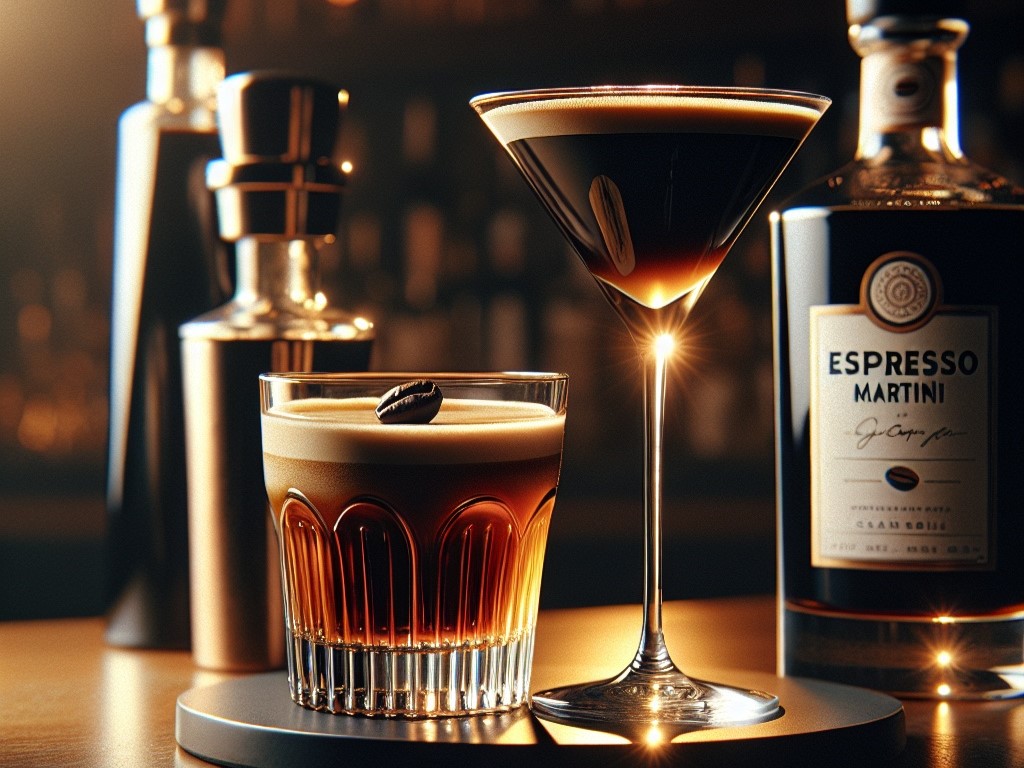
AI-generated image of a Carajillo cocktail next to an Espresso Martini

It took quite a few attempts for AI to generate a Carajillo without a lemon wedge or wheel garnish, with oddly placed ice on top of the foam.

It’s National Espresso Martini Day on Friday, March 15, the day we celebrate a cocktail that has been having “a moment” for decades.

I doubt the man behind the Bramble thought the Espresso Martini (originally the Vodka Espresso) would take on the life it has. The late, legendary Dick Bradsell created this modern classic in London in the 1980s. Oh, and he was also leading the charge for London’s cocktail scene revival at the time.

For whatever reason, the Espresso Martini (also known as the Pharmaceutical Stimulant when served on the rocks) enjoys immense popularity but also suffers widespread mockery. Hey, I’m also guilty of cracking jokes at this stalwart’s expense. Although, my issue is the annual articles saying, “Espresso Martini, so hot right now. Espresso Martini.”

The drink itself? I’ve enjoyed my fair share. And, damn it, I’ll do it again.

Now, I’m mainly writing about National Espresso Martini Day to put it on your radar. This Bradsell creation is wildly popular, and this year’s holiday falls on a Friday. So, there’s ample opportunity to engage with guests, increase traffic, boost revenue, and get creative.

However, I did use the words “clash” and “versus” in the title of this article for a reason…

Clash of the Coffee Cocktail Titans

I submit that National Espresso Day is the perfect time to make guests not in the know aware of the Carajillo.

Look, I know it’s not cool to steal someone’s thunder on their big day. We know we shouldn’t propose to our significant other at someone’s wedding reception. And it’s poor form to pull focus on someone’s birthday with big life event news.

Still, I’m going to propose that operators use National Espresso Martini Day to introduce guests to its rival.

A great rivalry tends to be beneficial for both participants, so why not stoke a friendly feud between these two coffee cocktail heavyweights? To get people’s promotional wheels turning, allow me to suggest an approach.

One way to get guests acquainted with both cocktails is to have them order them back to back. Encourage the ordering of a traditional (or signature) Espresso Martini. Then, have the guest order a Carajillo, traditional specs or otherwise. Right there, operators have gotten a guest to order the important second drink.

If an operator really wants to lean into this approach, they can even create a prix fixe cocktail menu featuring the Espresso Martini and Carajillo. A third drink could be a signature or personalized riff on whichever cocktail the guest enjoyed most.

Espresso Martini

  • 2 oz. Vodka
  • 1 oz. Fresh-brewed espresso
  • 0.5 oz. Coffee liqueur
  • 0.25 oz. Simple syrup
  • 3 Coffee beans to garnish

Add ice to a cocktail glass to chill it. Alternatively, keep some chilled cocktail glasses on hand. Add all liquid ingredients to a cocktail shaker with ice. Shake well, then strain into prepared cocktail glass. Garnish with three coffee beans.

Carajillo

  • One part Licor 43
  • One part coffee
  • 3 Coffee beans to garnish (optional)

Add equal parts Licor 43 and coffee to a cocktail shaker with ice. Shake very well to create a foamy texture, then pour into a cocktail glass.

It’s important to note that a Carajillo can be poured over ice or served up. Also, one can use any type of coffee they prefer, including cold brew. Further, some people make a Carajillo with horchata, while others serve it with a small bowl of sugar. There are also people who use cinnamon sticks and chocolate shavings for garnish.

Going even deeper, some bars serve the Carajillo as a layered, stacked, or pousse-café drink, also known as puesto style.

Image: Shutterstock. Disclaimer: This image was generated by an Artificial Intelligence (AI) system.

KRG Hospitality Start-Up Restaurant Bar Hotel Consulting Consultant Solutions Plans Services

by David Klemt David Klemt No Comments

Woodford Reserve 2024 Derby Bottle

Woodford Reserve Unveils 2024 Kentucky Derby Bottle

by David Klemt

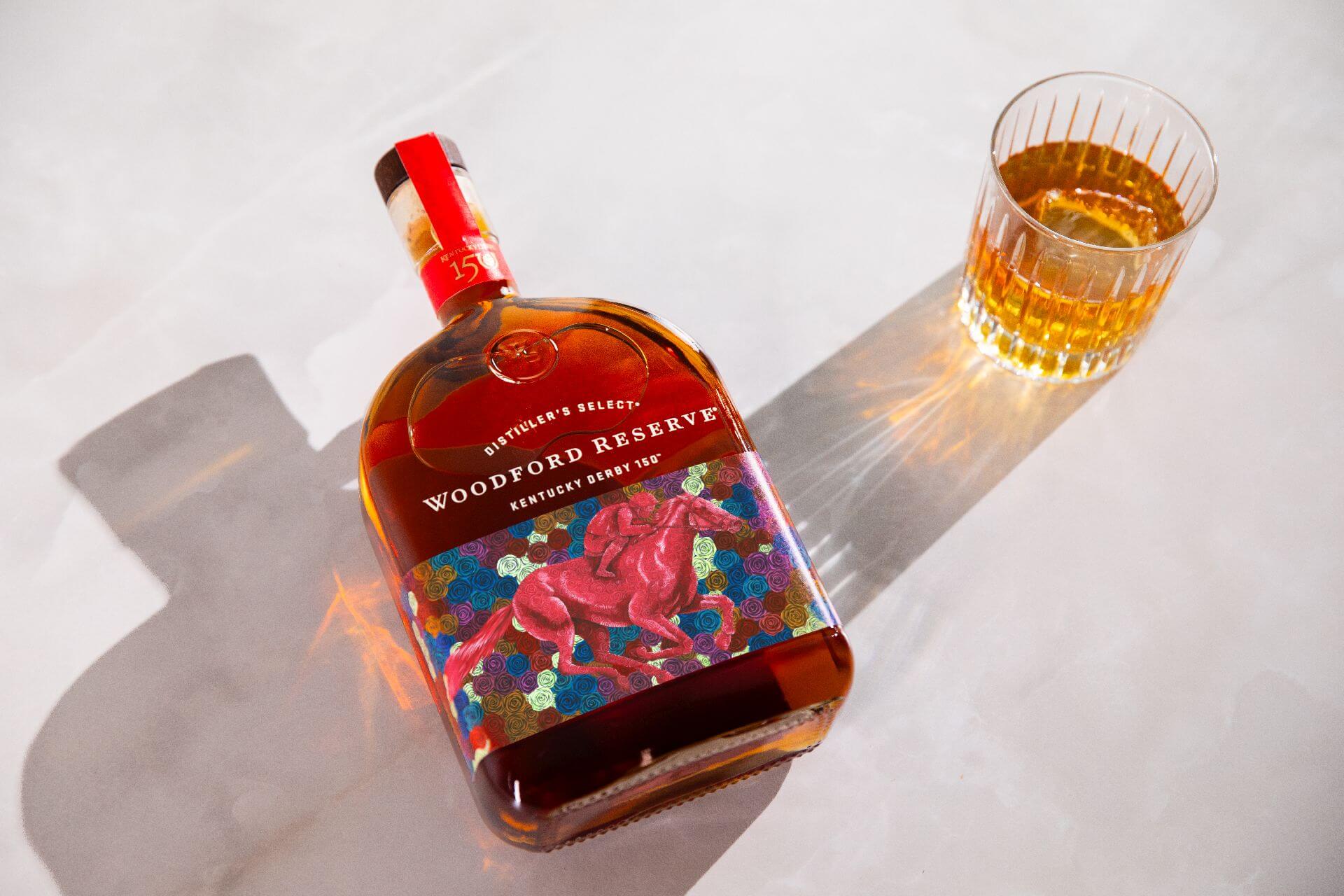
Woodford Reserve 2024 "Adorned with Flowers" bottle

Commemorating the 150th running of the iconic Kentucky Derby, Woodford Reserve’s 2024 Derby bottle is now available for purchase.

In keeping with tradition, the bottle’s label features a Kentucky artist’s work.

For 2024, Woodford Reserve collaborated with artist Wylie Caudill, who crafted the painting “Adorned with Roses.” The art is a clear nod to another tradition: adorning the winning horse with a garland consisting of hundreds of roses, the Derby’s official flower.

This should grab an operator’s attention for a few reasons. To start, some operators enjoy collecting bottles. So, they can now get their hands on this annual release.

Further, it’s time to start thinking about this year’s Derby, which takes place on May 4. Millions of people watch the Kentucky Derby every year. Operators need to ensure their Mint Juleps and riffs are dialed in, including the appropriate drinkware.

Impressively, while it has been postponed twice, it has never been cancelled.

Traditionally, the Derby is run on the first Saturday in May. The race was run in June in 1945 due to World War II. And in 2020, Covid-19 restrictions pushed the race to September. Incredibly, a world war and a pandemic couldn’t thwart the Derby.

2024’s race is the 150th running of the Kentucky Derby. It stands to reason that even more people will show an interest in watching and celebrating this year’s race. Woodford’s commemorative bottle at least be on the back bar of any venue running a Derby promotion. It would also make for a great raffle item on race day.

Finally, we celebrate International Whiskey Day this month. The more special edition whiskeys available on March 27, the better.

Learn more about this year’s Woodford Reserve Derby bottle below. Cheers!

Woodford Reserve Releases 2024 Bottle Celebrating 150th Anniversary of the Kentucky Derby

Bottle features the art of Kentuckian Wylie Caudill 

Versailles, KY (March 5, 2024) — Woodford Reserve®, the Presenting Sponsor of the Kentucky Derby®, is honoring “The Most Exciting Two Minutes in Sports®” with the release of its 2024 commemorative Derby bottle.

This year’s special release celebrates the 150th running of the Kentucky Derby® and features the artwork of Kentucky native Wylie Caudill, known for his bold, repetitive patterns, and his signature roses. His painting, “Adorned in Roses,” depicts a racing thoroughbred covered with red roses, with a background of multi-colored roses.

The one-liter bottle retails for $55 and is available for purchase globally. A special presale on ReserveBar begins March 5. It also is for sale at Woodford Reserve Distillery and in the Woodford Reserve online store starting March 5.

“Wylie’s artwork embodies the spirit of Woodford Reserve, the liveliness of Churchill Downs during race day, and the heart of Kentucky,” Woodford Reserve Master Distiller Elizabeth McCall said. “We’re thrilled to have a Kentuckian’s artwork on our bottle during this monumental year.”

Caudill grew up drawing and painting in Cynthiana, Kentucky. During college, he spent his free time creating chalk drawings, leaving his mark around campus and leading to his title ‘chalk guy’ among locals. He expanded his public street art to painting murals in Lexington after college, and many of his murals can be seen across Kentucky today. Caudill also created the Official Art of the Kentucky Derby for Churchill Downs for the 150th Derby, marking the first year that Woodford Reserve and Churchill Downs used the same artist.

“As a Kentucky native, I am honored to be a part of this milestone celebration,” Caudill said. “I have painted my signature roses many times over the years, but this one is truly special. The colorful roses symbolize the diverse Derby fans from around the world, connecting people beyond the track.”

Woodford Reserve’s Derby bottle has been an annual collector’s item anticipated by bourbon and racing fans since 1999.

About Woodford Reserve

Woodford Reserve, “Presenting Sponsor of the Kentucky Derby,” is crafted at the historic Woodford Reserve Distillery, tucked in the heart of thoroughbred country in Versailles, Kentucky. A National Historic Landmark, the Woodford Reserve Distillery represents craftsmanship with a balance of historic heritage and modern practices. Woodford Reserve is a product of the Brown-Forman Corporation, a premier producer and marketer of fine quality beverage alcohol brands including Jack Daniel’s, Finlandia, Korbel, Tequila Herradura, Old Forester, Sonoma-Cutrer and Chambord. Please enjoy your bourbon responsibly. To learn more about Woodford Reserve, visit us www.woodfordreserve.com  or check us out on Facebook at www.facebook.com/woodfordreserve.

Kentucky Straight Bourbon Whiskey, 45.2% Alc. by Vol., produced and bottled by the Woodford Reserve Distillery, Versailles, KY ©2024

Disclaimer: Neither the author nor KRG Hospitality received compensation, monetary or otherwise, in exchange for this post.

Image provided by Woodford Reserve

Bar Nightclub Pub Brewery Menu Development Drinks Food

by David Klemt David Klemt No Comments

Program for Unique Holidays: March 2024

Program for Unique Holidays: March 2024

by David Klemt

"Think about things differently" neon sign

Do you want to stand out from from other restaurants and bars in your area? Change how you think about your March holiday promotions.

Several holidays are set against every date on the calendar, and this month is no exception. These holidays range from mainstream to esoteric.

Pay attention to the “weird” or unique holidays to raise eyebrows, carve out a niche for your restaurant or bar, and attract more guests. Why do what everyone else is already doing? Why program only around the same holidays as everyone else?

Of course, you shouldn’t try to celebrate every holiday, strange or otherwise. Focus on the days that are authentic to your brand; resonate with your guests; and help you grab attention on social media.

You’ll find suggestions for promotions below. However, the idea behind our monthly holiday promotions roundup is to inspire you and your team to get creative and come up with unique programming ideas.

For our February 2024 holidays list, click here.

March 5: Cinco de Marcho

Supposedly, this holiday is meant to “train the livers” of people planning on getting slightly wild on March 17. They have 12 days to get ready to party.

Well, we at KRG Hospitality think this sounds a bit irresponsible. We don’t want any operators or their teams to run into any legal trouble. So, I recommend offering a spin on the Coronarita as a nearly two-week-long LTO.

Build a Margarita with Irish whiskey, Cointreau, fresh lime juice, and agave syrup. Serve it in a salt-rimmed pint glass, schooner, or mason jar. Invert a Harp Lager, Smithwick’s Pale Ale, or Guinness Blonde Lager in the glass.

March 7: National Crown Roast of Pork Day

Here’s a fun one based on a culinary classic. Put simply, a crown roast is anywhere from a dozen to nearly two dozen pork rib chops. When arranged in a circle, they look like a crown.

It’s old school, and it’s certainly a shareable dish. Dress this LTO up with a wine pairing, or dress it down with a bucket of beers.

March 8: National Proofreading Day

Your menu is a billboard. It’s a crucial marketing and branding tool. So, it can be embarrassing when there are typos and other issues on your menu.

If you don’t want to proofread it yourself, or you just want to engage your guests, put a “bounty” on misspellings and grammatical errors on your menu. Watch how quickly any mistakes are found, if any exist.

March 14: National Potato Chip Day

Housemade potato chips are among the best appetizers and sides. If your kitchen team is up for it, consider housemade chips as an LTO side. Think about making them a permanent (or semi-permanent) addition to your menu if all goes well.

March 18: National Sloppy Joe Day

So, it’s March 18. Some people may have gotten after it pretty hard for St. Patrick’s Day. They need comfort food.

If your kitchen team can make delicious Sloppy Joe’s from scratch (maybe served with housemade potato chips), they may be just what the doctor ordered.

March 19: National Poultry Day

Does your restaurant or bar serve dishes featuring poultry? Guess what you should do on this day…

March 21: World Vermouth Day

The days of low-quality vermouth are gone. For a few years not at least, people have discovered that premium vermouth makes a great cocktail base. This holds particularly true for low-ABV drinks, like reverse cocktails.

March 22: National Goof Off Day

This year, National Goof Off Day falls on a Friday. Really, that timing couldn’t be much better.

Encourage your guests to set aside their responsibilitiesas long as it won’t get them firedand goof off at your bar.

March 29: Smoke and Mirrors Day

When a cocktail is served with smoke, people take notice. Often times, when one is served, people watching the show want one of their own.

This is the perfect holiday to show off your smoking cocktails. To really embrace the holiday, smoke and serve them in a glass and chrome smoker box. By the way, these boxes work well when it comes to smoking food items, too.

March 31: National Tater Day

Much like poultry day, I bet you can figure out what to do on National Tater Day. Celebrate the potato! Tater tot nachos? Done. Sriracha French fries? Awesome. Fully loaded potato skins and baked potatoes? Classics.

Get creative. The humble potato is a fantastic canvas for enticing dishes.

Image: Ivan Bertolazzi on Pexels

Bar Pub Brewery Nightclub Club Nightlife Marketing Plan

by David Klemt David Klemt No Comments

Update Your Margs with Mezcal and Sotol

Update Your Margaritas with Mezcal, Sotol, and More!

by David Klemt

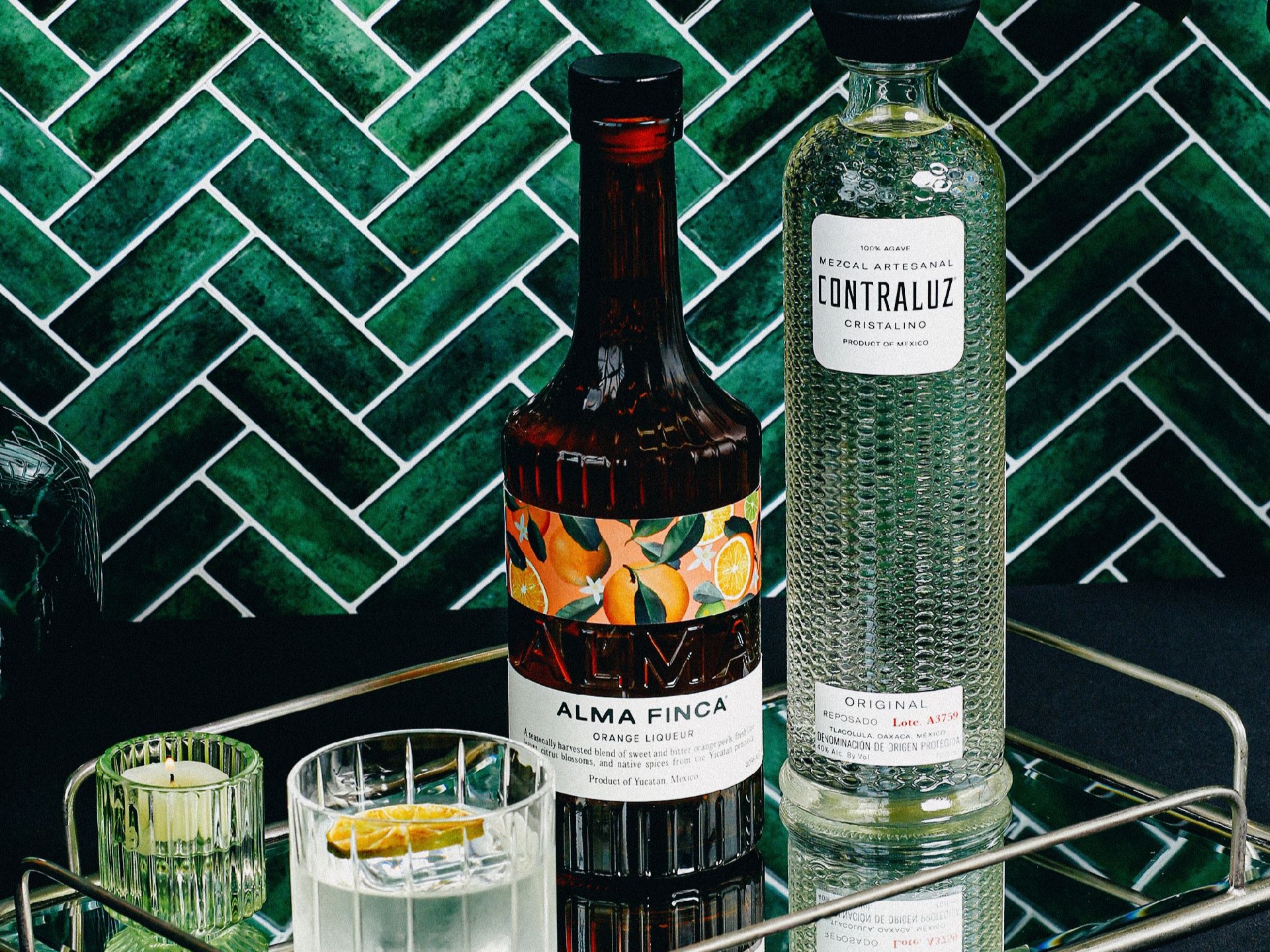
Contraluz Cristalino Mezcal bottle on a drinks tray

We all know how to make a classic Margarita, so for this National Margarita Day we want to put some new recipes and ingredients on your radar.

The cocktail recipes below swap out the tequila for mezcal and sotol.

For a quick refresher, all tequila is mezcal in a technical sense. Mezcal is made with agave plants. Tequila producers use a specific agave plant, Blue Weber. Further, tequila must be produced in one of five Mexican states: Guanajuato, Jalisco, Michoacan, Nayarit, or Tamaulipas.

Then we have sotol. You may have seen sotol thrown in with agave spirits on cocktail or spirits roundups. To clarify, however, sotol is a typo of shrub known as the desert spoon, and it’s not an agave plant.

So, all tequila is mezcal, mezcal is agave, and sotol is…sotol.

Swap Out the Tequila

Being National Margarita Day, you certainly need to have a classic Margarita on your menu. It’s all the better if your bar team makes them so well and so consistently that really, your top-selling Marg is one of your signature cocktails.

That said, it’s also a good idea to play with classics to give your guests new drinks to discover. The two recipes below are two great examples of riffs on the classic Margarita that should get your and your bar team’s creative wheels turning.

Allow me to introduce you to Contraluz Cristalino Mezcal and Nocheluna Sotol, if you’re not already acquainted.

Contraluz lays claim to the title of “world’s first cristalino mezcal.” Made from 100 percent espadín agave, this is a crystal-clear, small-batch reposado mezcal. On the nose, expect aromas of agave, along with citrus and floral notes. You may also detect smoke, cedar, and honey. In terms of flavor, Contraluz delivers notes of vanilla, clove, cacao, and cooked agave, with a sweet, long finish.

The second cocktail below is made with Nocheluna Sotol, which is crafted using 100-percent wild sotol from Chihuahuan desert. This particular sotol is the result of a collaboration between a fourth-generation master vintner, and a master distiller.

A unique spirit, Nocheluna delivers a delicate balance of sweet, herbal, dried fruit, and mineral notes. These notes come through via both the aroma and taste, although you may detect oak and smoke as well. Interestingly, Nocheluna says the finish may include a taste of pecan wood, along with wet earth.


View this post on Instagram


A post shared by Nocheluna Sotol (@nochelunasotol)

But Wait, There’s More!

Along with Contraluz and Nocheluna, you’ll see three bottles that may be new to you below. The Light and Soul cocktail calls for Alma Finca Orange Liqueur, Nixta Licor de Elote, and HAGAVE Spiced Nectar.

The first is an orange liqueur produced by the same company that makes Montelobos Mezcal. The second liqueur, Nixta Elote, is essentially liquid elote seasoning, and it comes in a fantastic corn-shaped bottle. Finally, HAGAVE is exactly what it says on the label: a premium, spiced agave mixer.

I don’t know about you, but I definitely plan to get my hands on each of these bottles. Just imagine what you can do to engage with your guests by introducing them to a crystal-clear, artisanal mezcal, an expertly crafted sotol, and liquid elote in a corn bottle.

Cheers!

Contraluz Cristalino Mezcal, Light and Soul cocktail

Light and Soul

  • 2.0 oz. Contraluz Cristalino Mezcal
  • 0.5 oz. Alma Finca Orange Liqueur (or a triple sec or different orange liqueur if unavailable)
  • 0.5 oz. Nixta Licor de Elote
  • 1 oz. Lime cordial
  • 0.5 oz. HAGAVE Spiced Nectar

Place a large ice cube or sphere in a rocks glass. Add all liquid ingredients to a shaker filled with ice. Shake well, and strain into the prepared rocks glass. Garnish with a dehydrated lime wheel.

Nocheluna Sotol cocktail, the Sotolita

Sotolita

  • 1.5 oz. Nocheluna Sotol
  • 1.0 oz. Triple sec
  • 1.0 oz. Fresh lime juice
  • 1.5 oz. Apple juice
  • Apple slices to garnish
  • Chiltepin salt for rim (sea salt blend with chiltepin peppers)

Prepare a rocks glass by adding quality ice and rimming it with chiltepin salt. Add ice to a shaker, then add all liquid ingredients. Shake well, then strain into the prepared glass. Garnish with an apple-slice fan.

Images provided by LaFORCE

KRG Hospitality Start-Up Restaurant Bar Hotel Consulting Consultant Solutions Plans Services

by David Klemt David Klemt No Comments

The Batching Superpower of Sūpāsawā

The Batching Superpower of Sūpāsawā

by David Klemt

A bunch of limes and lemons

One of our favorite products from WSWA’s Access LIVE 2024 event in Las Vegas can save operators and bar teams time and money.

Access LIVE, the annual Wine & Spirit Wholesalers of America (WSWA) event is always chock full of notable items. However, this one in particular stood out to me and my colleagues.

Coming out of Deluxe Distillery in Belgium, Sūpāsawā Seriously Sour Cocktail Mixer is here to make lives easier.

Of course, it’s not surprising that this mixer is so impressive. Sūpāsawā is produced alongside high-quality stablemates, after all: Blind Tiger Handcrafted Gin, Mary White Premium Vodka, and Yusibi Honey Based Aperitif.


View this post on Instagram


A post shared by Supasawa (@supasawaco)

In short, this innovative mixer can replace citrus. Importantly, it’s also widely available around the world. Speaking to the core of our audience and clients, it’s available in Canada and the US. When I asked about availability in the US, I was told it’s in 30 states currently.

Operators in the UK, Europe, Australia, and many more regions should also be able to get their hands on Sūpāsawā.

So, what is this magical mixer, exactly? It’s a simple and clean stand-in for expensive and time-consuming citrus.

Deluxe’s super sour mixer is distilled water, citric acid, malic acid, tartaric acid, phosphoric acid, and succinic acid. The liquid is crystal clear, aroma-free, and an incredibly convenient substitute for lemons and limes.

Real-life Scenario

Consider the following real-life hypothetical that shines a light on Sūpāsawā’s real-life benefits.

Let’s say someone hires an operator for a catered event. Included in this event is bar service, and involves more than pouring wine and beer.

Along with a handful of calls, the client and their guests expect a signature cocktail. Well, batching a cocktail or two ahead of the event would be a smart move.

However, we all know what that means: purchasing and juicing citrus. And we also all know what else that means: labor costs for all that prep.

What if one bartender or bar back could batch a cocktail in less than five minutes? Yes, I’m talking under five minutes for the entire batching process.

That scenario is nearly identical to Deluxe Distillery’s Access LIVE 2024 situation.

Deluxe showed the convenience and superpower of Sūpāsawā at their booth via batching. According to the bartender and ambassador who prepared the standout cocktail, he added all the ingredients—including the super sour mixer—to a jug, shook it, and it was ready to go in less than five minutes.

Real-life Benefits

Does this mean you’ll never have to buy lemons and/or limes again? For the vast majority of bars, no. However, the more drinks you can make with Sūpāsawā, the more you can plan for and control the cost of citrus.

Per Deluxe, operators can expect to save 15 minutes per liter of citrus juiced. The distillery also says each bottle of Sūpāsawā represents 35 pieces of fruit an operator won’t have to purchase. On average, a single cocktail requires just 20 ml of Sūpāsawā, or 2/3 of an ounce. With each bottle coming in at 700 ml, that’s 35 individual cocktails per.

When I asked about unit cost at their Access Live 2024 booth, Deluxe said operators can expect a price of $9 per unit. People who do the math can see the benefit of getting their hands on Sūpāsawā for individual, kegged, and batched cocktails.

In terms of storage, the slim bottle can last for about two years unopened. After it’s opened, Sūpāsawā should last for up to a year. Compare that to the two- to three-day shelf life of lemon or lime juice.

Notably, using Sūpāsawā leads to consistency. Because it always tastes the same, drink consistency is improved. And, of course, using this super sour mixer leads to producing less food waste.

Click here to learn more about Sūpāsawā and what it can do for an operator’s bar program, catering, and bottom line. Oh, and click here for recipes. Cheers!

Disclaimer: Neither the author nor KRG Hospitality received compensation, monetary or otherwise, from Deluxe Distillery, WSWA, or any other entity in exchange for this post.

Image: Irina on Unsplash

KRG Hospitality Start-Up Restaurant Bar Hotel Consulting Consultant Solutions Plans Services

by David Klemt David Klemt No Comments

WSWA Access LIVE 2024: Product Roundup

A Few of Our Favorite WSWA Access LIVE Things

by David Klemt

Sepulto Mezcal bottle

We attended WSWA’s Access LIVE 2024 event in Las Vegas, Nevada, and found quite a few products we think will pique the interest of restaurant and bar operators.

Agave spirits, perhaps unsurprisingly, seemed to dominate the floor. In particular, tequila was very well represented.

However, we also found notable vodkas, gins, whiskeys, sake, liqueurs, zero-proof beverages, and more. Below, several portfolios and items that really stood out to us.

Cheers!

Portfolio

Deluxe Distillery

This distillery, operating out of Belgium, has some of the most striking packaging I’ve seen in a while. I’m confident in saying that guests scanning a back bar would find Deluxe Distillery‘s bottles intriguing.

More importantly, of course, the liquid is just as outstanding. Deluxe produces three gins under the Blind Tiger label: Piper Cubeba, Imperial Secrets, and barrel-aged Liquid Gold. Their vodka, Mary White, pays homage to a famous bootlegger. And then there’s Yusibi, a honey-based aperitif in a unique bottle.

However, it’s Deluxe’s Sūpāsawā that really grabbed my attention at Access LIVE. This product, available in 30 states in the US already, makes batching not just a breeze but a more budget-friendly proposition. Cost per bottle should run around $9. The prebatched cocktail Deluxe Distillery was serving at their booth took less than five minutes to make.

As far as entire portfolios, Deluxe stood out the most to me.

Agave

Inspiro Tequila

This is clean tequila brand needs to be on your radar. There are currently two Inspiro Tequila expressions, Luna Blanco and Rosa Reposado. Both premium tequilas can be enjoyed neat, and Rosa is rested in rosé wine barrels sourced from France.

Inspiro is woman-owned, confirmed additive-free, certified Kosher, gluten-free, sugar-free, and zero carb. Oh, and the bottles are eye-catching.

Sepulto Mezcal Artesanal

This artisanal mezcal launched at this year’s Access Live event. And yes, this is another case of the bottle catching my eye and drawing me in.

Sepulto is aged for one year in glass, underground. As a result of the distiller’s cooking process, the complex notes of espadín, sahuayo, and papalote agaves come through with each sip. This is definitely a mezcal you’ll want to add to your super-premium agave spirits. In fact, it will be right at home on your back bar and menu next to your Don Julio 1942.

Vodka

Tenjaku Japanese Vodka

Don’t let the clean label fool you: Tenjaku is as fun a brand as it is a premium vodka. Click here to check out their packaging, which drives home my point.

Speaking of premium quality, Tenjaku Vodka is made from Yamada Nishiki rice, which is also used to make some of the best sake in the world. Further, the liquid is filtered not just through birch charcoal but also bamboo charcoal. The result is a vodka that tastes fresh and is delicate on the palate.

Herbesco Pepper Vodka

Looking for a great vodka that can serve as a spicy base for Bloody Marys and other hot cocktails straight from the bottle?

Herbesco Pepper Vodka is made with jalapeño, japones, chile de árbol, and bell pepper. Along with heat, expect herbal, fruity, and even chocolatey notes.

Gin

The Illusionist Dry Gin

Those familiar with Empress are familiar with what gives the gin its hue and color-shifting capability: butterfly pea flower. That botanical is also present in The Illusionist, which comes in a stylish, black Art Nouveau bottle.

Certified organic, The Illusionist delivers more than just visual impact. On the nose, licorice and citrus. Those notes are also present on the palate, along with fruity and floral flavors.

Whiskey

Yame Whisky

This Japanese whisky was introduced to me by Wine of Japan, an incredible portfolio of ultra-premium sake, beer, and spirits. Anyone who wants to add the highest quality sake from Japan need look no further. (In fact, I’ve been looking for a specific sake for over a decade. The VP or Wine of Japan knew exactly what I was talking about and had a sample at the booth. Amazing.)

Two expressions were available to try at Access LIVE, the 10 Year and 15 Year. The 10 Year features a 100-percent barley mashbill and is very easy to drink, delivering notes of vanilla and citrus. Think an easy-sipping bourbon. I found the 15 Year to a bit more complex, delivering dried fruit and grain on the palate. However, I had also sampled quite a few sake before trying this whisky.

In other words, you’re going to have to reach out to Wine of Japan and get tasted on both Yame expressions.

Tenjaku Whisky

There are two Tenjaku Whisky expressions currently: Blended and Pure Malt.

The former is sweet on the nose, with a touch of smoke. On the palate, Tenjaku Blended delivers grain, dried fruit, and a bit of spice.

The latter, Pure Malt, has nutty aroma with herbal notes. Expect wood and vanilla on the palate.

Niche

Wheyward Spirit

I could include woman-owned, operated, and distilled Wheyward in the whiskey category, but it’s too unique for that. The two available expressions are produced by upcycling whey.

Wheyward Spirit, the original expression, can stand in for vodka, gin, rum, sake, and even blanco tequila. The brand itself explains this innovative spirit quite succinctly: “Wheyward Spirit is one of a kind and was designed to take the best elements of vodka, sake, gin, and rum to be both a versatile and sippable clear spirit.”

There’s also Wheyward Spirit Wheyskey. Now that you’re familiar with the original, you can probably guess that this is a whey-based alternative to whiskey. This expression is barrel-aged Wheyward Spirit, and, like the original, is additive-, grain-, gluten-, and lactose-free. When I tasted Wheyskey, it most closely resembled a rye whiskey to me.

Alcohol-free

De Soi

“Savor the flavor, lose the booze, put the ‘fun’ in ‘functionality,’ and embrace the pleasure of restraint,” says non-alcohol brand De Soi.

This range of zero-proof apéritifs is loaded with interesting flavors, such as sparkling Très Rosé, citrusy and herbaceous Golden Hour, and jammy and bitter Champignon Dreams.

Operators looking to add sophisticated and unique non-alcohol beverage options should definitely look into De Soi.

Sparkling Wine

Rozoy Picot

If the production of this French sparkling wine didn’t involve a unique twist, I’m told Rozoy Picot would legally be Champagne.

However, these sparkling wines are blended with terpenes, the aromatic elements of cannabis. (Remember, terpenes don’t contain psychoactive elements, so this product doesn’t get you high.)

There’s a white varietal, Rozoy Picot OG Kush, and a red, Punch Rosé. I can only say that these must be smelled and tasted to be understood fully. Additionally, I can see these performing well at nightclubs as a unique bottle service option.

Image provided by author.

Bar Nightclub Pub Brewery Menu Development Drinks Food

by David Klemt David Klemt No Comments

Taco Bell Reveals 2024 Marketing Calendar

“Thank You for Coming to My Taco Bell Talk”

by David Klemt

2024 Taco Bell menu item lineup

The showdown between the Kansas City Chiefs and San Francisco 49ers isn’t the only big news coming out of Las Vegas from Super Bowl LVIII weekend.

Of course, the game’s result is also big news. Congratulations to the Chiefs on their back-to-back world champion wins!

However, Super Bowl weekend kicked off with a unique event. On Friday, February 9, Taco Bell hosted their first-ever Live Más LIVE event.

As the event’s title suggests, Live Más LIVE was a livestream. And during that livestream, the undisputed Kings of the LTO did something they and their competitors simply don’t do. At Live Más LIVE, Taco Bell revealed their 2024 menu lineup.

Another way of putting this to illustrate the event’s significance is that Taco Bell just gave away their marketing calendar for the year.

Apparently, the inspiration for Live Más LIVE comes from Apple. The tech colossus has been hosting their annual Worldwide Developers Conference in earnest for more than 20 years. For the unfamiliar, Apple uses WDC to announce product news.

“I watch Apple’s Worldwide Developer’s Conference, and I just had this moment,” said Taylor Montgomery, Taco Bell’s chief marketing officer. So, I have to wonder if Live Más LIVE will become an annual or semi-annual event.

I’ll get to the items and opportunities Taco Bell unveiled in a moment. There’s a bigger point I believe operators should take away from Live Más LIVE.

A restaurant or bar’s menu is not just a list of items for sale. A menu is a powerful marketing tool. It’s a billboard. Arguably, the menu is the most powerful tool in an operator’s marketing toolbox.

QSR Innovation

Collaborations

While Taco Bell’s 2024 menu items are huge news, they’re not the only important revelation.

During Live Más LIVE, Taco Bell announced three emerging chefs who will launch the QSR giant’s TBX culinary program. Chefs Reuben Asaram, Jennifer Hwa Dobbertin, and Lawrence Smith will first be tasked with reinvigorating the Crunchwrap Supreme.

The announcement that these three chefs will bring their unique styles to Taco Bell speaks to the overall theme of the Super Bowl weekend event: Innovation.

This year, Taco Bell is going hard with new menu items, and they’re entering into compelling new collaborations to do so. These partnerships include:

  • Beekeeper Coffee for Horchata Cold Brew Latte;
  • Cheez-It for the Cheez-It Crunchwrap, which features a Cheez-It cracker that’s 16 times (!) the size of a standard one;
  • Disha Hot for an exclusive sauce packet;
  • Salt & Straw for Ice Cream Chocolate Taco (think upscale Choco Taco), featuring cinnamon ancho ice cream;
  • Secret Aardvark for their Serrabanero sauce, which will accompany Nacho Fries; and
  • Tajín for an exclusive Taco Bell menu that will reportedly consist of a Tajín Crunchy Taco, Tajín Twists, and a Tajín Strawberry Freeze.

Having attended the Salt & Straw opening in Las Vegas (well, Spring Valley, but I won’t get into that further) I can say that I’m eager to sink my teeth into an Ice Cream Chocolate Taco.

On its own, these collaborations and menu testings are big news. However, Taco Bell’s event went bigger.

Menu Expansion

We all remember the Great Chicken Wars of the past several years. Well, Taco Bell has put their competitors on notice: They’re finally leaping into the fray.

According to Liz Matthews, Taco Bell’s chief food innovation officer, the company is lacking when it comes to having their “fair share of chicken.” The planned Cantina Chicken menu aims to fix this oversight.

2024 Live Mas Live Taco Bell event

Along with oven-roasted and shredded chicken seasoned with pasilla, other chilies, and spices, come a number of ingredients appearing at Taco Bell restaurants for the first time. Among them are purple cabbage, an Avocado Verde Salsa sauce packet, and white corn taco shells.

Debuting soon (hopefully) are are the Cantina Chicken Burrito, Cantina Chicken Taco (available in soft or crispy varieties), Cantina Chicken Quesadilla, and Cantina Chicken Bowl.

Those aren’t the only new chicken-centric items coming to the Taco Bell menu. There’s also the Cheesy Chicken Crispanada, featuring marinated and slow-cooked chicken.

Oh, and chicken nugget lovers, rejoice! Crispy Chicken Nuggets, made by marinating all-white chicken in spiced jalapeño buttermilk and frying them in a tortilla coating, are on their way.

This year, Taco Bell will also offer the Cheesy Enchilada Dipping Taco (slow-roasted chicken), and Cheesy Street Chalupa, which is available with slow-roasted chicken or grilled steak.

On the sweet side, Taco Bell is launching MTN DEW BAJA BLAST Gelato, and Dulce de Leche Cinnabon Delights.

As one might suspect, some of these items will be permanent, some will come in the form of LTOs. And if my suspicions prove correct, I think we’ll see a secret, unannounced menu item at least once in 2024.

Image: Taco Bell

KRG Hospitality. Restaurant Business Plan. Feasibility Study. Concept. Branding. Consultant. Start-Up.

by David Klemt David Klemt No Comments

5 Books to Read this Month: February 2024

5 Books to Read this Month: February 2024

by David Klemt

Flipping through an open book

Our inspiring and informative February book selections will help you and your team transform your operations, business acumen, and F&B programming.

This month, we look at books covering an array of topics: design; learning to negotiate better; learning cocktail balance and build techniques; and finding your inner chef.

To review the book recommendations from January 2024, click here.

Let’s jump in!

Biophilic Design: The Theory, Science and Practice of Bringing Buildings to Life

This book was co-authored by the late Stephen R. Kellert, one of the developers of the biophilic design methodology. To learn more about biophilic design, click here. Then, pick up this book.

From Amazon: “This book offers a paradigm shift in how we design and build our buildings and our communities, one that recognizes that the positive experience of natural systems and processes in our buildings and constructed landscapes is critical to human health, performance, and well-being. Biophilic design is about humanity’s place in nature and the natural world’s place in human society, where mutuality, respect, and enriching relationships can and should exist at all levels and should emerge as the norm rather than the exception.”

The Cocktail Balance

Written by Stanislav Harcinik, The Cocktail Balance is about more than building cocktails. Readers will learn about the role senses play in cocktails and balance, along with presentation and service.

From thecocktailbalance.com: “My work isn’t focused solely on experienced bartenders, students are part of the target group. By including potential new bartenders, this book wishes to push the upcoming students into a broader, more creative mindset. The book itself is divided into 3 main sections – theory, practical part and legacy from the best bartenders in Slovakia. Theory, contains the basics and building blocks that allow the development of a professional approach, it also focuses on how to present yourself and how to take care of guests. Whereas in the practical section, readers will be able to learn to price a cocktail and to effectively go through a structured creative process. Other chapters also include gastrophysics and neurogastronomy. In other words how an aroma, a physical characteristics, a sound as well as visual stimulation affect the final flavour of a cocktail, and create a comprehensive and unforgettable experience for guests.”

Pick up your copy today.

Craft Cocktails at Home: Offbeat Techniques, Contemporary Crowd-Pleasers, and Classics Hacked with Science

Some bar professionals and guests like to understand the “why” behind what they consume. Why does this taste good? Why and how do certain processes affect spirits? Kevin Liu’s book answers these questions, and more. On top of that, there are 65 recipes to try.

From Amazon: “In Craft Cocktails at Home, you’ll embark upon a one-of-a-kind journey as you learn how to make some of the world’s most innovative, unique, and delicious cocktails. Taste scientists, engineers, and talented bartenders with decades of experience all contributed their expertise to create this must-have guide for novices and professionals alike. Ever wondered what makes water taste good? Curious about what really happens during the barrel-aging process? Interested in which “molecular” ingredients have the best texture? These questions and more, answered inside.”

Order the paperback here.

The Forgotten Chef

Simply put, this book is intended to inspire younger generations to pursue cooking as a career. If you know someone who has an interest in cooking but hasn’t taken steps to become a chef, this is the book you should gift them.

From Amazon: “The book moves quickly through food stories, tips and techniques to inspire and ignite the passion of its targeted reader. Through anecdotal food related stories, the book covers important topics such as the right mindset for cooking success, quality over quantity, kitchen organization (mise en place), kitchen tools (the Dirty Thirty), the celebrity chef conundrum (why people get discouraged in their cooking journey), introduction to knife skills/care, cookbook basics, food preservation and safety and other fun chapters such as saving Grandma’s recipes from extinction, the lost art of sharing (food), and the new-old method of cooking, sous vide.”

Click here to order the paperback.

Getting to Yes: Negotiating Agreement Without Giving In

Everyone needs to know how to negotiate. It’s a valuable skill not just for business but for life in general. Getting to Yes is a how-to manual that teaches you the art of negotiation, a skill you’ll need to develop if you’re an entrepreneur, aspiring business owner, or professional looking to progress in their career. And, as I’ve already said, it will help you in situations you’ll find yourself in outside of business.

From Amazon: “Getting to Yes offers a proven, step-by-step strategy for coming to mutually acceptable agreements in every sort of conflict. Thoroughly updated and revised, it offers readers a straight- forward, universally applicable method for negotiating personal and professional disputes without getting angry-or getting taken.”

Get it today.

Image: Mikołaj on Unsplash

Bar Nightclub Pub Brewery Operations Standard Operating Procedures SOP

by David Klemt David Klemt No Comments

The Drink to Dethrone the Espresso Martini

Will this Drink Dethrone the Espresso Martini?

by David Klemt

A coffee cocktail sitting on top of a bar

If we’re to take what industry pundits and cocktail aficionados are saying, 2024 may be the year that the Espresso Martini falls from grace.

Alright, that may be a bit dramatic. However, maybe we won’t read about how the Espresso Martini is having yet another “moment” this year.

Instead, it’s possible that 2024 will be the Year of the Carajillo.

This incredibly simple cocktail is receiving as muchif not morehype than the Negroni Sbagliato did in 2022. Only this time, bartenders may not roll their eyes whenever they hear someone mention it.

Before I dive into the Carajillo, a bit of clarification. I’m not anti-Espresso Martini. It isn’t like I think I’m above enjoying one of these not-Martinis from time to time. And I’m sure it makes registers ring plenty at bars around the world.

However, it seems like we’re told we’re in the midst of the Espresso Martini’s latest moment every time fall or winter comes around. Look, this is a modern classic that has been around for decades. It’s not “having a moment,” it has simply reached ubiquity.

So, the idea that a perhaps lesser-known coffee cocktail can have its moment this year is exciting. (And a bit of a relief.)

Let’s cannonball into the Carajillo!

Not So Simple

When you do a cursory search for the Carajillo you’ll encounter quite a few absolutes.

For example, there are people who say the drink only and always consists of hot espresso and Licor 43. You may read that the ratio is always one to one.

However, there’s more nuance surrounding the Carajillo.

This deceptively simple cocktail comes to us from Spain. From what I can find, it’s often a cold drink that varies from country to country, region to region. In Spain, it’s commonly coffee and brandy in a two-to-one ratio. Order one in Cuba and it will likely be a rum cocktail rather than brandy. In Mexico, while Licor 43 is said to be the standard, it’s not uncommon for mezcal or a coffee liqueur to accompany the coffee.

Now, as I’ve said, you’ll come across sources that say a Mexican Carajillo is espresso and Licor 43. So, let’s go with that recipe for now.

It’s a simple build: Fill a cocktail shaker with ice. Add two ounces of hot espresso or other hot coffee and two ounces of Licor 43. Shake until well chilled, then strain into a rocks glass. The shake should form a foamy head. Some people garnish with three coffee beans.

Make it Yours

Of course, there’s room to play with this recipe. You and bar team can change the ratio, change the garnish, experiment with glassware, replace the Licor 43 with another liqueur, add an ingredient…

As an example of the latter suggestion, Cazadores produces a coffee liqueur, Cazadores Café. This can replace Licor 43 or work alongside it.

Just know that if you replace the original liqueur, you’re missing out on a blend of 43 botanicals. That means your Carajillo will taste much different than the standard Mexican build. In that case, is it still a Carajillo?

Well, that’s up to your guests to decide, I suppose.

There are bars that make their Carajillo with cream, brandy, and Licor 43. Some serve theirs with a small bowl of sugar so guests can sweeten them to their liking.

At some bars, the build calls for heating the liqueur or base spirit with lemon and sugar. Others make Carajillos with mint and amaro.

So, you and your bartenders can do what has been done with the Espresso Martini: Alter the Carajillo to create your signature version. You can also simply serve the traditional build.

Or, and this is my recommendation, you can serve traditional Carajillos and offer one or more signature variations.

Cheers!

Image: Jeppe Mønster on Unsplash

KRG Hospitality Start-Up Restaurant Bar Hotel Consulting Consultant Solutions Plans Services

by David Klemt David Klemt No Comments

Drink Donnybrook: Brandy Alexander

Drink Donnybrook: Brandy Alexander

by David Klemt

Bartender straining cocktail into glass

The classic Brandy Alexander cocktail, which we celebrate at the end of this month, is slowly approaching a century since its first appearance.

That is, of course, if we go solely by the first time this creamy cocktail’s recipe was printed in a book. For the curious, the book is Cafe Royal Cocktail Book by William J. Tarling. And that book was first published in 1937. Notably, Tarling’s book was published by the United Kingdom Bartenders Guild.

Now, since you’re reading this you know this is a new entry in the Drink Donnybrook series. So, you know that the Brandy Alexander’s history is unclear. You also know, if this isn’t you’re first time reading one of these articles, that I love a cocktail with a shadowy origin.

We do know, however, that the Brandy Alexander belongs to the Duos and Trios cocktail family. Per Gaz Regan, a Duo is a base spirit plus a liqueur. Add a cream or cream liqueur to the Duo and you get a Trio, which describes the Brandy Alexander.

Let’s dive into this creamy cocktail’s creation.

Firsts

The Brandy Alexander is itself a riff on a cocktail that predates its appearance in Cafe Royal Cocktail Book by twenty years.

First, there was the Alexander. This predecessor is made with gin. According to my deep dive, the gin-based recipe first appeared in Recipes For Mixed Drinks by Hugo Ensslin in 1917.

As time went on and more cocktail recipe books were published, something interesting happened. The gin-based recipe would commonly be referred to as Alexander #1, or the first recipe. As you may have already guessed, the brandy version would be listed as Alexander #2.

Per Tomas Curras, cocktail books seem to have changed the naming convention to Alexander and Brandy Alexander some time in the 1970s.

Of the two recipes, it appears that the Brandy Alexander is the more popular. So, while it didn’t show up first, it has taken first place (allegedly) among the Alexander cocktails.

But there’s another first within the Alexander lore, as you’ll see below.

Who Done It?

Prepare to have your mind blown: We don’t know.

At best, we think we know the creator of the gin Alexander, a.k.a. Alexander #1. I say “think” because better cocktail historians than I can’t say for certain that we know the Alexander’s creator.

However, the assumption does make a great deal of sense. It’s believed that Troy Alexander—check out that surname—invented what could be the eponymous cocktail in New York City at a restaurant called Rector’s.

This would place the first Alexander’s creation some time between 1899 and 1918, the years Rector’s was in operation. Rector’s, by the way, was the first restaurant in NYC to feature a revolving door.

Alexander created the cocktail for a party celebrating a successful ad campaign featuring the fictitious character Phoebe Snow. Snow, white…white cocktail.

But who was the first person to swap out the gin for brandy in the Alexander? It’s feasible that it was Troy Alexander, of course. If it wasn’t him, well…we don’t know who decided to substitute brandy for gin.

There’s more mystery surrounding the drink’s name, as well. Some say the Brandy Alexander is a nod to Russian tsar Alexander II. Or perhaps it honors Princess Victoria Alexandra Alice Mary. The classic could also pay homage to critic Alexander Woollcott (a claim he made himself) or Grover Cleveland Alexander, pitcher for the Philadelphia Phillies from 1911 to 1917.

So, there you have it: a mystery to share with your guests when they come to your bar or restaurant for your Brandy Alexander Day promotion on January 31. Cheers!

The Recipe

Interestingly, there’s some room to play with this classic. Some people follow the equal parts rule, some add a bit more brandy than creme de cacao or cocoa. Others double the amount of brandy.

You and your bar team should play with the measurements to create your signature take on the Brandy Alexander.

At any rate, fill a shaker with ice then add one, one-and-a-half, or two ounces of brandy, one ounce of the creme de cacao of your choice, and one ounce of cream. Shake until well chilled, then strain into cocktail glass or coupe. Garnish with freshly grated nutmeg.

Image: cottonbro studio on Pexels

Bar Nightclub Pub Brewery Menu Development Drinks Food

by David Klemt David Klemt No Comments

The Sixth: Art of ITALICUS Returns

The Sixth: Art of ITALICUS Returns for 2024

by David Klemt

ITALICUS bottle surrounded by citrus fruits

Your bar team members have the opportunity to participate in the sixth-annual Art of ITALICUS Aperitivo Challenge and win an invaluable prize.

There are multiple prizes, really. For example, national finals winners take the title of ITALICUS Bar Artist for their country, for 2024. They also walk away with a ticket to the global finals, which take place in Rome.

After the global finals, one winner will earn the title ITALICUS Bar Artist of the Year 2024. However, taking nothing away from this title, there’s another prize that I feel should drive every competitor to truly outshine their competition.

The ITALICUS Bar Artist of the Year will head to the incredible Cafe La Trova in Miami to participate in a mentorship program. Given that Julio Cabrera is such an influential member of the hospitality world, this prize represents a once-in-a-lifetime opportunity.

Now, as an operator or leadership team member, you may wonder what this news has to do with you. It’s simple: Encouraging your bartenders to participate in this competition and others like it shows you care about their career progression.

Bar team members who want to take part in competitions get to show off their creativity to a wider audience, become known to brands, and network with peers outside of their local communities. They can also discover and bring back tips, techniques, and lessons to your bar, restaurant, nightclub, or hotel.

In this case, one bartender will return to their bar or restaurant with lessons from the Cafe La Trova team. That’s priceless insight that will benefit their entire team.

For crucial competition details, please read the Art of the ITALICUS Aperitivo Challenge press release below.

Good luck to all of the participants!

ART OF ITALICUS APERITIVO CHALLENGE RETURNS FOR 2024 IN PURSUIT OF THE BEST ART-INSPIRED APERITIVO COCKTAIL

New York, NY (January 9, 2024) – Today, The Art of ITALICUS Aperitivo Challenge returns for its sixth edition, inviting bartenders from around the world to create an original and unique aperitivo cocktail inspired by any form of art and crafted using ITALICUS Rosolio di Bergamotto.

The Winner of the renowned industry challenge will be crowned ITALICUS Bar Artist of the Year 2024 and win a trip to Miami for a once in a lifetime mentorship program with Cafe La Trova by Julio Cabrera. Nominated in 2023 as one of the World’s 50 Best Bars, Cafe La Trova is the true embodiment of hospitality, welcoming guests with impeccable warmth, attention to detail and service, crafting a truly memorable experience for anyone who visits. The “cantinero culture,” which is synonymous with the venue, embraces the most important values of the cocktail industry, making it the perfect inspiration for the new Art of Italicus participants. As part of the prize, the 2024 ITALICUS Bar Artist will have the opportunity to experience what makes this bar truly special and discover one of the most vibrant art cultures in Miami’s iconic surroundings.

Reflecting the brand’s passion for Italian art and design, The Art of ITALICUS Aperitivo Challenge is built on the belief that bartenders are artists and offers them the opportunity to expand their creativity whilst experimenting with new ingredients, techniques and glassware to showcase the versatility of ITALICUS. Each recipe must be in an aperitivo style and can be inspired by any form of art such as sculpture, painting, fashion, music, architecture and much more.

The competition will welcome entrants from 13 countries including Croatia/Slovenia, France, Greece, Hong Kong, Hungary, Italy, Norway, Portugal, Spain, Sweden, Swiss, United Kingdom and the United States. Bartenders from other countries will be able to apply through a Wild Card entry, offering them the opportunity to win a spot at the global final in May in Rome.

Giuseppe Gallo, founder and CEO of ITALICUS, comments:

“Now in its sixth year, The Art of ITALICUS Aperitivo Challenge celebrates aperitivo culture while encouraging bartenders to express their creativity, looking to art in its various forms as way of inspiration. Meeting with the industry’s emerging talent through this program gives me a great deal of pride and is something I hope continues for many years as a way of keeping our community connected, working together and empowering one another.”

The 2024 Competition

Competitors are tasked with creating an original aperitivo cocktail using a minimum of 40ml (1.5oz in US) of ITALICUS Rosolio di Bergamotto and a maximum of five ingredients. Participating bartenders must upload their unique recipe alongside an image of their creation including measurements, garnishes and glassware recommendations to the competition website before February 20, 2024 in order to be in with a chance of winning. Competitors are also required to share their inspiration and the story behind their aperitivo cocktail and encouraged to suggest food pairings for their recipe.

Applications for The Art of ITALICUS Aperitivo Challenge 2024 will be open from January 9 through February 20. Recipes can be submitted via the website: https://imbibemagazine.com/art-of-italicus/.

Entrants are also encouraged to share their creations on social media ahead of the competition, using the following hashtags: #ITALICUS #ROSOLIODIBERGAMOTTO #ARTOFITALICUS #AOI24

National Finals

The national finals will take place throughout March and April (March 4 – April 12) where the eight shortlisted bartenders will present their cocktail creation to the judging panel across eight minutes and including at least three serves. The winner of the national final will receive the title of ITALICUS Bar Artist of their country 2024 along with a ticket to participate in the global final which will be held in Rome.

Global Finals

On May 12, the national finalists will compete against one another in Rome in a bid to earn the coveted title of ITALICUS Bar Artist of the Year 2024 as well as a once in a lifetime opportunity and mentorship with one of the world’s most influential bars, Cafe La Trova by Julio Cabrera. During the trip to Miami, the winning bartender will be accompanied by a film crew who will document their experience and create a documentary video which will later be released on social media.

For further information on The Art of ITALICUS Aperitivo Challenge, please visit www.artofitalicus.com.

Image: ITALICUS

Bar Nightclub Pub Brewery Menu Development Drinks Food

by David Klemt David Klemt No Comments

WhistlePig Launches Dank January

WhistlePig Launches Dank January

by David Klemt

WhistlePig Dank Dank & Dry Old Fashioned Cocktail

You’ve heard of Dry January but WhistlePig Whiskey wants to usher in Dank January, and they’re giving back to bartenders to make it happen.

The craft whiskey producer, a finalist in the second annual Liquor Awards for Sustainable Producer of the Year, has released a head-turning new alcohol-free expression.

Already sold out at the time of publication, the limited edition Dank & Dry Old Fashioned promises a unique drinking experience. Luckily, we secured our Hot Box Bundle (information below) prior to this terpene-supercharged bottle selling out.

This eccentric bottle features reverse-distilled WhistlePig Piggyback Rye, which becomes Rye Non-Whiskey. WhistlePig blended the alcohol-free non-whiskey with barrel-aged maple syrup. Of course, that in and of itself would make for a fantastic bottled craft cocktail. However, its another ingredient that really stands out.

WhistlePig added what they’re calling Old Fashioned Terpenes to the non-whiskey and syrup. These terpenes were cultivated from cannabis that had been grown in whiskey barrels. To create the Old Fashioned Terpenes, the terpenes from the barrel-grown cannabis were isolated by Satori Premium Cannabis, a producer located in Vermont.

Before anyone rushes to any conclusions, no, Dank & Dry won’t get you high. Terpenes are aromatic compounds, not psychoactive. So, this limited edition bottled cocktail won’t get you drunk, high, or otherwise buzzed.

What it will do, I suspect, is deliver a truly unique flavor experience. I’ll report back with my thoughts after it arrives and I get to sit with it for a bit.

This bottle is also helping bartenders as 100-percent of Dank & Dry proceeds are set to go to Turning Tables. With any luck, WhistlePig will be inspired to bring this bottle back for every Dry (or Dank) January going forward.

Dank January is the New Dry January with WhistlePig’s Non-Alc, Terpene Maple Old Fashioned

World’s First Dank & Dry Cocktail Puff-Puff-Passes 100% of Proceeds to Bartenders

SHOREHAM, Vt.–WhistlePig Whiskey, the leader in independent craft whiskey, is highjacking Dry January with a Limited Edition Dank & Dry Old Fashioned Cocktail. Known for pushing the boundaries of whiskey making to craft the world’s best and most interesting whiskeys, WhistlePig is elevating the non-alcoholic cocktail experience with the addition of non-psychoactive cannabis terpenes to its signature Barrel Aged Maple Old Fashioned recipe. 100% of the proceeds of this Dank January Limited Edition will benefit the bartending community.

Crafted with 100% Rye Non-Whiskey, Barrel-Aged Maple Syrup and Vermont Cannabis Terpenes, the new terps non-alc is a salad bowl of superior ingredients never-before-seen in a non-alcoholic Old Fashioned. WhistlePig’s reverse distilled PiggyBack Rye ‘Non-Whiskey’ is balanced with Barrel-Aged Maple and locally sourced Old Fashioned Terpenes for a chronic non-alc cocktail experience. The non-psychoactive terpenes were cultivated from cannabis grown in whiskey barrels, and isolated by Satori Premium Cannabis in the Green Mountain State.

“At the intersection of non-alc and cannabis trends, terpenes offer a new frontier for flavor that we couldn’t resist experimenting with,” said Meghan Ireland, WhistlePig Head Blender. “The results are fire, with terpenes adding aromas and mouthfeel that are often missing from non-alc innovation. Whether you’re still walking the hog, enjoying the electric lettuce, or abstaining altogether, WhistlePig fans do not have to miss out on a great tasting Old Fashioned this January.”

WhistlePig’s Dank & Dry Old Fashioned Cocktail is available as both a ‘One Hitter’ (single 750ml bottle) for $49.99 MSRP or in the ‘Hot Box Bundle’ with the addition of a pig-shaped cocktail smoker and ‘dime baggie’ of cocktail smoking chips for $64.20 MSRP. Each bottle is presented in a Reefer Madness inspired gift box emblazoned with WhistlePig’s original logo (since retired) with the pig wielding a left-hoof-cigarette.

As a toke-n of thanks for bartenders who work their tails off during the holiday season only to be left high and dry in January, WhistlePig is puff-puff-passing 100% of Dank & Dry Old Fashioned proceeds to bartenders through Turning Tables, a New Orleans based non-profit whose vision is to cultivate leadership, create real opportunity and change the face of hospitality by establishing a model and standard for equitable access for the Black & Brown hospitality community of New Orleans.

WhistlePig Dank & Dry Old Fashioned is available online while supplies last.

To learn more about WhistlePig Whiskey, visit whistlepigwhiskey.com. You can also check out WhistlePig Whiskey on Facebook, X and Instagram.

About WhistlePig Whiskey

Located off the grid on a 500-acre Vermont farm, WhistlePig Whiskey is crafted by a new generation of whiskey distillers and blenders driven to reinvent and unlock the flavor of Rye whiskey. Through their rebellious pursuit of experimenting and pushing boundaries in the industry, WhistlePig has become the leading independent craft whiskey brand for innovation. WhistlePig is committed to becoming the best whiskey on and for the planet, starting with its locally sourced ingredients and sustainable supply chain and distilling process. For more information, head to whistlepigwhiskey.com.

About Turning Tables

Turning Tables was launched in 2019 by industry leaders and mentors who found a thirst for community and opportunity among Black and Brown hospitality professionals looking to take their careers to the next level. The Turning Tables 12-week intensive program connects each cohort of individuals with a foundation in spirits, cocktail and wine knowledge with access to career pathways within the three tier system, restaurant and bar management, trade advocacy, marketing, and hospitality leadership. Their process is both experiential and classroom-oriented. They partner with employers, brands and like-minded individuals who recognize pervasive racism and inequity in the industry and want to join them in challenging it.

Image: WhistlePig Whiskey

KRG Hospitality Start-Up Restaurant Bar Hotel Consulting Consultant Solutions Plans Services

Top