Beverage

by David Klemt David Klemt No Comments

Celebrate the Negroni, Support Slow Food

Celebrate the Negroni and Support Slow Food

by David Klemt

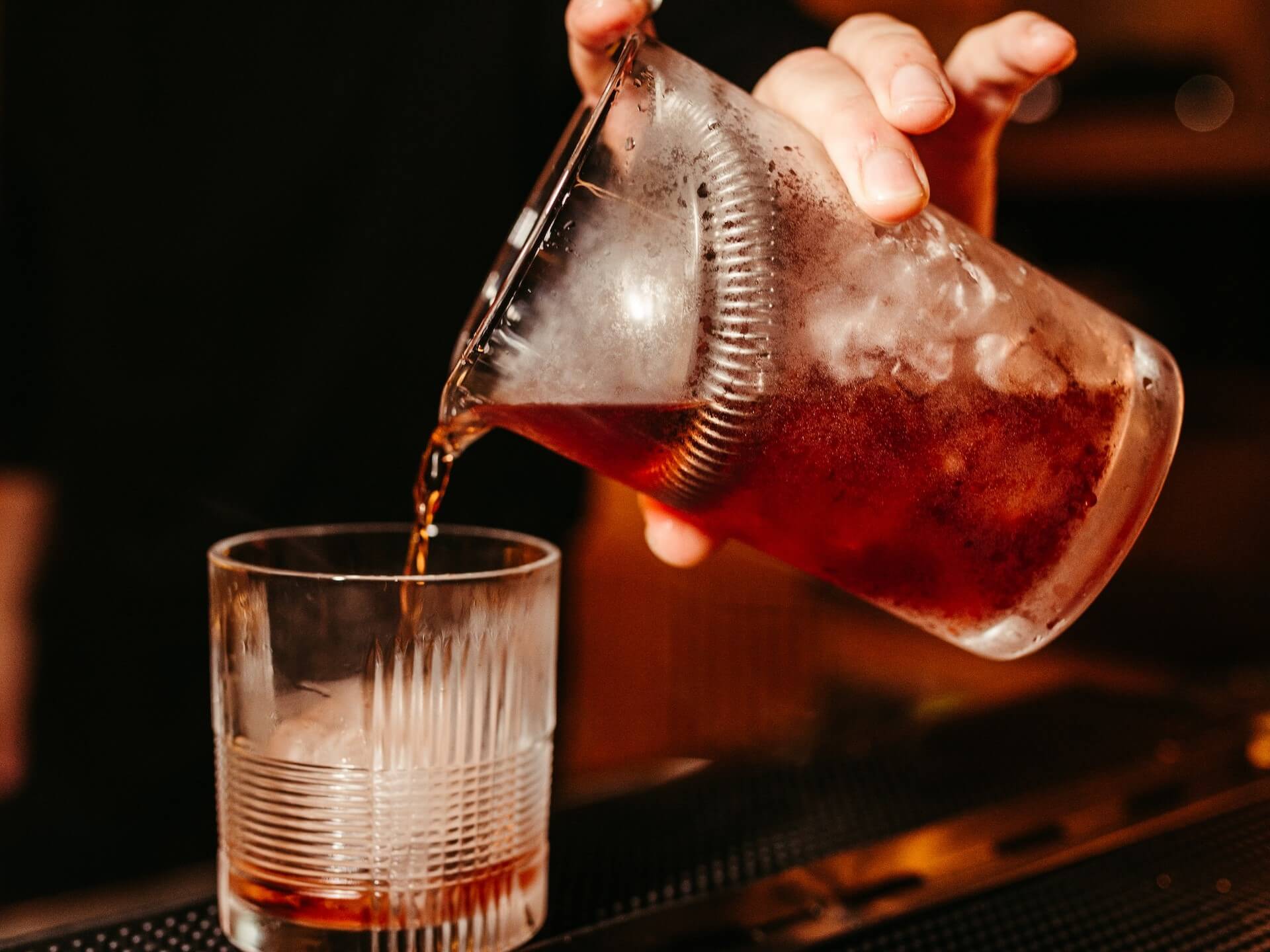
Bartender pouring Negroni into glass

This month, operators will have the opportunity to sign their bars up to take part in the tenth-anniversary celebration of Negroni Week.

For 2023, Negroni Week hosts Imbibe Magazine and Campari are raising funds for Slow Food. Sponsors also include Cinzano, Bulldog Gin, Bols Genever, and Coopers’ Craft Bourbon.


View this post on Instagram


A post shared by Campari USA (@campariusa)

Negroni Week will take place from September 18 through September 24. Registration is now live and operators can sign up their bars via this link.

So, we’re helping spread the word early and giving operators and their teams plenty of time to prepare to participate this year.

Negroni Week 2023

After first launching in 2013, Negroni Week is celebrating their decennial year.

Over the course of ten years, Imbibe and Campari have seen tremendous growth and results. In its inaugural year (or perhaps inaugural week is more accurate), a little over 100 venues participated. In its second year, 1,300 venues registered for Negroni Week.

Now, thousands of venues sign up every year, helping to raise money for worthy causes. To date, Negroni Week boasts more than $4 million in funds for charitable organizations.

Participation really couldn’t be any simpler: register, make a donation of at least $25, serve Negronis and/or variations of Negronis, and donate proceeds from your Negroni Week LTO menu.

After completing registration and making at least the minimum donation, an operator’s venue will gain placement on the Negroni Week website. The listings are searchable by state and city. Venues that donate $250 or more will carry a Premium Donor designation.

Those looking for inspiration for their charity LTO menus can click here to sift through Negroni Week’s recipe database.

Slow Food

Simply put, Slow Food’s mission is to help everyone access food that’s good for them, good the people who grow it, and good the planet as a whole.

An even more succinct description comes from the Slow Food website: access to food that’s “good, clean, and fair for all.”

Further, Slow Food seeks to prevent the loss local food cultures, along with food traditions. The organization was founded in 1989 and is now active in more than 160 countries.

In the US, Slow Food operates as a 501(c)(3) organization and has been active in Canada for several years. The charitable organization has had a strong presence in the provinces of British Columbia, Calgary, Montréal, and Ontario.

Get Ready

With just three ingredients in a 1:1:1 ratio, any bar team should be able to handle putting delicious Negronis across the bar.

So, operators should ensure their team can craft a traditional Negroni while encouraging them to work on some creative variations.

We’ll see in a little over a month to celebrate Negroni Week!

Image: Jonathan Borba on Unsplash

KRG Hospitality Complete Bar Menu Audit

by David Klemt David Klemt No Comments

Drink Donnybrook: Let’s Talk Piña Colada

Drink Donnybrook: Let’s Talk Piña Colada

by David Klemt

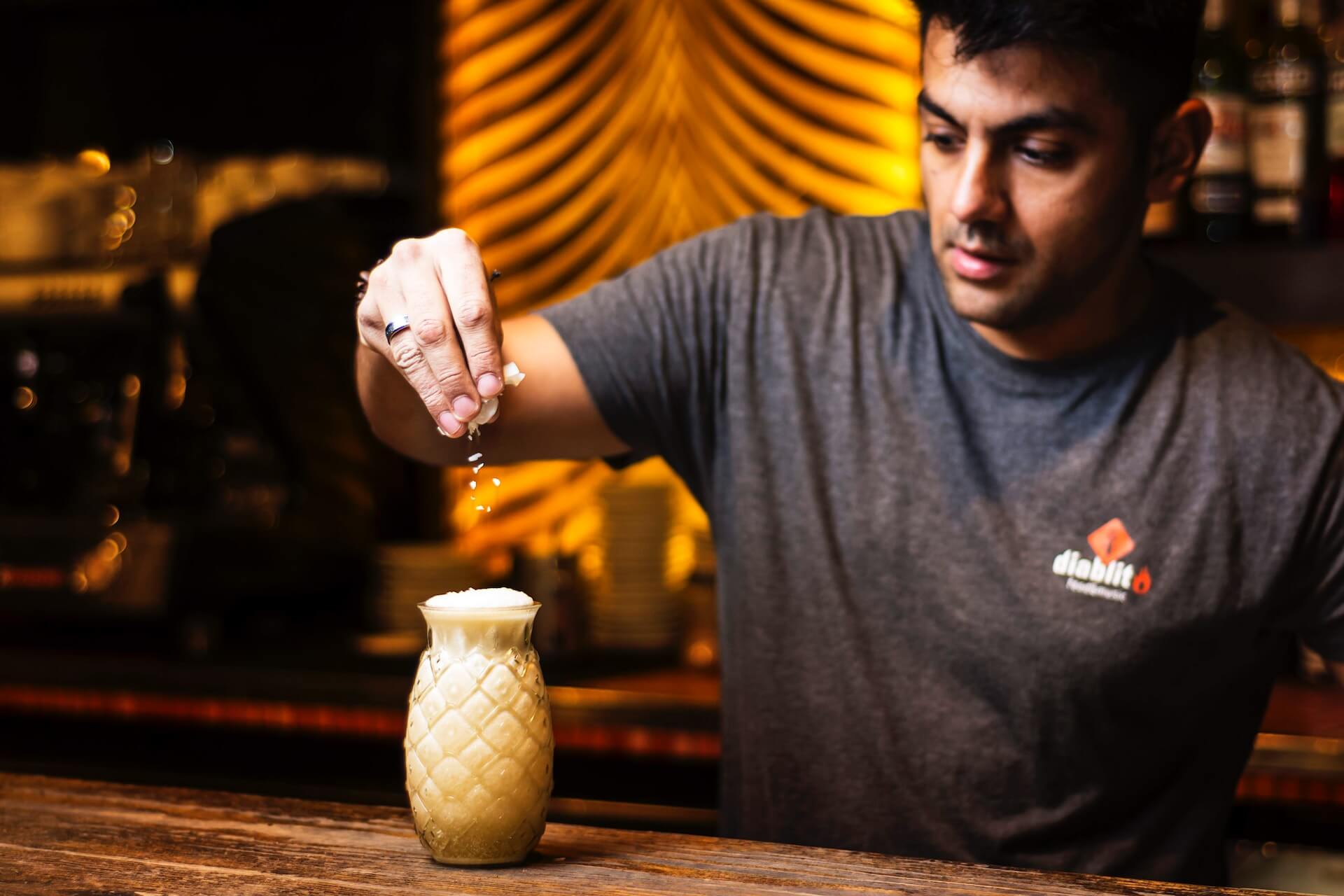
A bartender serving a cocktail in a pineapple-shaped glass

Temperatures are rising and there are still about six weeks of summer left, so let’s take a look at a refreshing warm-weather hero: the Piña Colada.

So far we’ve looked at the Martini and Whiskey Sour. Now, it’s another classic’s turn in the Drink Donnybrook spotlight.

One could claim that the Piña Colada is one of the original “lost cocktails.” Of course, that depends on which origin story turns out to be true.

If the Piña Colada dates back to the first quarter of the 19th century, then it’s a pirate cocktail once lost to the winds of time. Puerto Rican pirate Roberto Cofresí, also known as El Pirata Cofresí, supposedly served his crews a drink consisting of rum, coconut, and pineapple. Sounds like a Piña Colada to me.

The reason I said it could be considered an original lost cocktail is that Cofresí died in 1825. Disputed history says his drink recipe disappeared with his death.

However, the Piña Colada may have far less metal roots than being invented by a famous pirate. Puerto Rico’s official drink may have simply been created by a bartender.

One Drink, Three Bartenders

Ramón “Monchito” Marrero may have created the Piña Colada while at the helm of the Beachcomber Bar at the Caribe Hilton in Old San Juan, Puerto Rico, in 1952. Or maybe it was 1954.

It’s almost like bartenders should be able to more easily protect their intellectual properties so we can identify their cocktails’ true origins.

Forgive the digression. You’ll be shocked—shocked, I say—to learn that another bartender may have created the Piña Colada. During the same year. At the same hotel.

That bartender is Ricardo García, and the claim is that he invented the drink during a coconut shortage.

Would it surprise you to learn that a third bartender working in Old San Juan also claimed credit for the Piña Colada? Ramón Portas Mignot said he came up with this tropical classic in 1963 at Barrachina. The restaurant and bar’s ownership apparently agreed, because they installed a plaque at the front door backing Mignot’s claim.

Hey, if it has a plaque, it must be true; they don’t just give those to anyone. Oh, and you can check out that plaque for yourself: Barrachina still exists and enjoys a 4.5 rating from over 4,100 Google reviews.

A Rough Patch

Unfortunately, once anointed “the world’s most famous drink,” the Piña Colada had a rough, well, several decades.

In the 1970s, the drink’s quality plunged and fell out of favor with cocktailians. Any technique for building the nautical libation went down the bar sink. It was easier and cheaper to just make Piña Coladas with premade mixes and cheap rum.

Add to that the trend toward serving bastardized versions in oversized glassware at mediocre hotel pools, tourist trap hotel bars, weird supper clubs nowhere near a beach, and on cruise ships and you can see why cocktail connoisseurs snubbed this classic.

The Cocktail Revolution of the 2000s helped restore the Piña Colada’s dignity and popularity. It may not find itself in as much demand as the Margarita or Daiquiri, but it’s no longer missing from serious cocktail programs.

So raise a Hurricane—or a cocktail glass or coupe—to the Piña Colada today. ¡Salud!

Recipe

  • 2 ounces Light rum
  • 1 ½ ounces Cream of coconut
  • 1 ½ ounces Pineapple juice
  • ½ ounce Freshly squeezed lime juice
  • Pineapple leaf and pineapple wedge for garnish

For a more traditional preparation, fill a Hurricane glass with ice and set to the side. Add the liquid ingredients to a shaker with ice. Shake for at least 30 seconds. Toss the ice from the Hurricane glass and replace with pebble ice. Strain cocktail into glass and garnish.

Now, you don’t need to serve a Piña Colada in a Hurricane. Plenty of bars and restaurants send them across the bar in coupes or other cocktails glasses, sans garnish. Speaking of garnishing this classic, some people expect whipped cream, a lime wedge or wheel, a cherry, or even all three. You’ll see bartenders serve them with sugar rims and umbrellas. Like me, you’ve probably also seen them served with an orange wheel.

Then there are the frozen Piña Coladas and fruit Piña Coladas, versions made with various styles of rum… People just can’t seem to resist putting their stamp on this classic.

Dealer’s choice, I suppose, or you can ask guests what preparation and garnish they prefer. Or, and this is the approach I recommend, nail down your bar’s signature Piña Colada, including garnish (or none).

Image: Kike Salazar N on Unsplash

KRG Hospitality Start-Up Restaurant Bar Hotel Consulting Consultant Solutions Plans Services

by David Klemt David Klemt No Comments

iPourIt Releases Their 2023 Pour Report

iPourIt Releases Their 2023 Pour Report

by David Klemt

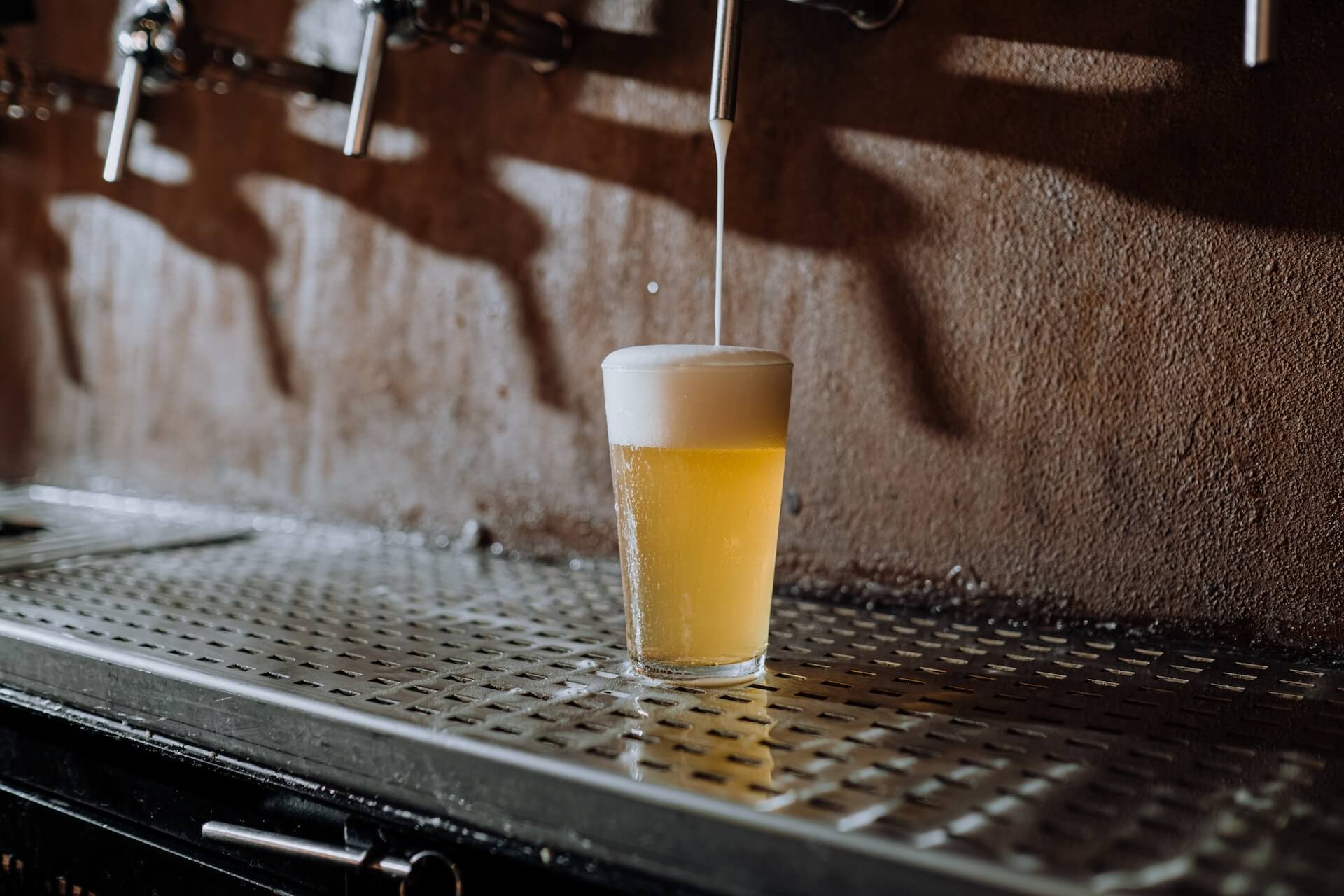
Beer pouring into glass from tap

Interactive self-serve beer experience platform iPourIt‘s latest report, the 2023 Pour Report, is now available for download and review.

iPourIt is a pioneer in the self-serve beverage space. While it may seem counter-intuitive to some, many guests have shown time and again that they enjoy using self-serve walls. For these guests, a not in any way insignificant number, iPourIt installations enhance the guest experience, increase loyalty, and boost revenue.

And while many people associate iPourIt and self-serve programs with beer, these systems can also pour wine, cocktails on tap, spirits, non-alcohol beverages, and soft drinks.


View this post on Instagram


A post shared by Matt Plapp (@mattplapp)

Another benefit from iPourIt? Transparency and sharing of data. The company doesn’t limit providing valuable guest behavior insight to their clients. Rather, they make the data they collect available to anyone. Simply head to their website, fill out a few fields, and gain important beverage insights.

Anyone curious can choose between a standard report and a “pro” version. Both are free to download and peruse. People can also read our article that dives into their fourth-annual report via this link.

Below you’ll find key takeaways from their 2023 report. I strongly urge operators to download and review either report.

The Who

We agree that demographics are a metric that people and businesses often misuse. Valuegraphics can be far more effective for businesses looking to build loyalty and boost revenue.

Still, demographics can provide beneficial insights.

First, let’s look at how men and women used iPourIt systems in 2022. Men poured 20,477,288 ounces last year, whereas women poured 10,848,435 ounces. The average per pour for men was 6.4 ounces in comparison to 5.3 ounces per pour from women. On average, men spent $14.72 per visit to an iPourIt-equipped location; women spent $12.24.

Next, the generational breakdown. IPA was the number-one style poured for Baby Boomers, Generation X, and Millennials. For legal-drinking-age Generation Z drinkers, IPA came in second; their top pour style was cider. Likewise, Lager claimed second place for Boomers, Gen X, and Millennials. Second was IPA for Gen Z, and Lager was third. Wheat beer was third place for Boomers, fourth for Gen X and Millennials, and fifth for Gen Z. Sour came in fifth for Gen X and Millennials fourth for Gen Z; for Boomers, the style didn’t rank among the top five. Stout clinched the fifth spot for Boomers.

Finally, in terms of traffic, men of every age group poured more ounces than their female counterparts.

The What

Below, the top 10 styles of beer poured by men:

  1. Fruit beer
  2. Pale Ale
  3. Blonde
  4. Pilsner
  5. Stout
  6. Sour
  7. Wheat beer
  8. Cider
  9. Lager
  10. IPA

In descending order, the top five (download the report for the top ten) products poured by men were Michelob Ultra, Bud Light, Golden Road Brewing Mango Cart, Coors Light, and Modelo Especial.

And now the top styles of beer or category of beverage poured by women:

  1. Stout
  2. Fruit beer
  3. Blonde
  4. White wine
  5. Hard seltzer
  6. Wheat beer
  7. Sour
  8. Lager
  9. IPA
  10. Cider

Also in descending order, the top products poured by women were Michelob Ultra, Mango Cart by Golden Road Brewing, Bud Light, Ace Pineapple Cider, and Coors Light.

The Where

The 2023 Pour Report by iPourIt breaks the US down into five regions: West, Southwest, Midwest, Southeast, and Northeast.

Because our American head office is in Las Vegas and our hotel consultant is in Pennsylvania, we’ll look at the West and Northeast.

The top-five pours for the West in 2022 were:

  1. Bud Light
  2. Firestone Walker Brewing Co. 805
  3. Golden Road Brewing Mango Cart
  4. Coors Light
  5. Modelo Especial

While the top-five pours in the Northeast were:

  1. Blue Moon Brewing Co. Belgian White
  2. Allagash Brewing Co. White
  3. Lord Hobo Brewing Co. Boom Sauce
  4. Sloop Brewing Co. Juice Bomb
  5. Stella Artois

For the curious, Bud Light and Coors Light are categorized as American-style Light Lagers, 805 is a Blonde Ale, Mango Cart is a Wheat Ale, and Modelo Especial is a Mexican-style Pilsner. Blue Moon and Allagash White are both Belgian-style wheat beers (or Witbiers), Boom Sauce is a Double IPA, Juice Bomb is a Northeastern IPA, and Stella Artois is a Lager.

For further insights, please download this year’s iPourIt report here.

Image: cottonbro studio on Pexels

KRG Hospitality Beverage Programming

by David Klemt David Klemt No Comments

5 Books to Read this Month: August 2023

5 Books to Read this Month: August 2023

by David Klemt

Flipping through an open book

Our inspiring and informative August book selections will help you and your bar team take your front of house and bar program to the next level.

For this month’s list we’re showcasing the 17th annual Spirited Awards finalists in the Best New Cocktail or Bartending Book category. So, below you’ll find the top-four nominees in that particular category, plus an additional self-improvement book.

To review the book recommendations from July 2023, click here.

Let’s jump in!

The Bartender’s Manifesto: How to Think, Drink, and Create Cocktails Like a Pro

First up, this book from June 2022 by Toby Maloney with Emma Janzen. Not only has this book won a James Beard Award, it took home this year’s Spirited Award for Best New Cocktail or Bartending Book.

From Amazon: “Take a raucous romp through the essential stages of fashioning cocktails and learn the hows and whys of bartending with acclaimed mixologist Toby Maloney and the team from The Violet Hour. When the pioneering cocktail bar opened in Chicago in 2007, it set a high standard with an innovative training program that teaches not just how to replicate classic cocktail recipes flawlessly, but how to embrace ingenuity, make smart decisions, and create original, inspired recipes from rote.”

Pick up the hardcover here.

Mindful Mixology: A Comprehensive Guide to No- and Low-Alcohol Cocktails with 60 Recipes

Next, Mindful Mixology by Derek Brown, with a foreword by Julia Bainbridge. As all operators should know by now, low- and no-ABV cocktails are here to stay. From aperitivo hour and zero-alcohol to simply drinking less but better, consumers are changing their relationships with cocktails. This book will help operators and their teams navigate the moderation movement.

From Amazon: “Creating these drinks isn’t as simple as removing the alcohol. No- and low-proof cocktails still have to be balanced and still have to be delicious, but they don’t operate exactly like cocktails with alcohol. The drinks Brown presents in this book are meticulously choreographed around taste, texture, body, and piquancy to result in surprisingly complex ‘adult beverages’ minus the booze.”

Grab the hardcover today.

Modern Classic Cocktails: 60+ Stories and Recipes from the New Golden Age in Drinks

Robert Simonson is also a James Beard Award-winning author up for a 2023 Spirited Award. Not only are there more than 60 cocktail recipes in Simonson’s book, he explores what it means for someone to create a modern classic cocktail. No, your bar team can’t simply “invent” a new drink and declare it a modern classicthere are actual considerations, like public opinion, that make it so.

From Amazon: “What elevates a modern cocktail into the echelon of a modern classic? A host of reasons, all delineated by Simonson in these pages. But, above all, a modern classic cocktail must be popular. People have to order it, not just during its initial heyday, but for years afterward. Tommy’s Margarita, invented in the 1990s, is still beloved, and the Porn Star Martini is the most popular cocktail in the United Kingdom, twenty years after its creation.”

Make sure to get your hardcover copy today.

The New York Times Essential Book of Cocktails (Second Edition): Over 400 Classic Drink Recipes With Great Writing from The New York Times

If you want hundreds of cocktail recipes and amazing writing, this is the book for you. There are more than 400 recipes in this book, from classics to modern craft drinks. Oh, and there are essays from an array of fantastic writers, including Rebekah Peppler, David Wondrich, Robert Simonson, and Jim Meehan. There are also interviews with icons like Ivy Mix and Sother Teague.

Truly, this is one of the most comprehensive cocktail books every printed.

Pick up this book in hardcover format now.

Atomic Habits: An Easy & Proven Way to Build Good Habits & Break Bad Ones

A couple of weeks back, we had a KRG Hospitality team meeting about habits. Habits we’re proud to have developed, habits we’d like to focus on developing, and habits we’d like to work on losing. This book, from James Clear, is one of the resources we talked about.

From Amazon: “Clear is known for his ability to distill complex topics into simple behaviors that can be easily applied to daily life and work. Here, he draws on the most proven ideas from biology, psychology, and neuroscience to create an easy-to-understand guide for making good habits inevitable and bad habits impossible. Along the way, listeners will be inspired and entertained with true stories from Olympic gold medalists, award-winning artists, business leaders, life-saving physicians, and star comedians who have used the science of small habits to master their craft and vault to the top of their field.”

Order the paperback today.

Image: Mikołaj on Unsplash

KRG Hospitality Mindset Coaching

by David Klemt David Klemt No Comments

Drink Donnybrook: Let’s Talk Whiskey Sour

Drink Donnybrook: Let’s Talk Whiskey Sour

by David Klemt

Whiskey Sour cocktail on table

If I were to say that the Whiskey Sour is a cocktail with an uncertain and disputable origin, would you find that statement surprising?

Regular readers of KRG Hospitality articles probably won’t think that’s shocking. After all, it’s well known at this point that I enjoy diving into cocktails with “hazy” histories.

For example, there’s the Martini, the Mint Julep, and the Margarita. I guess if you want to ensure it causes endless debate, you should make certain your cocktail’s name begins with the letter “M.”

Dial “M” for “moot,” as it were.

One thing we can state with certainty is that the Whiskey Sour is a true classic cocktail. We can also state with conviction that it will always boast decades of popularity amongst drinkers, particularly in America.

This particular sour cocktail may not be among the top ten or 20 most-popular drinks, but it was at one point. One can make the argument that the Whiskey Sour was among the most popular for a century.

So popular, in fact, that we dedicate an entire day to it. We celebrate the Whiskey Sour on National Whiskey Sour Day, August 25. This year, we honor this classic on a Friday.

“M” is for “Mystery”

A ubiquitous tipple for a century? Looking into what we know of the Whiskey Sour’s history, yes.

That may seem like a bold claim. However, it’s possible its time in the spotlight boasts more than 100 years.

This comes down to the Whiskey Sour’s creation and when it became so popular. Interestingly, it appears historians can’t agree on when it was first mentioned.

For example, some say the recipe for the Whiskey Sour first showed up in print in Jerry Thomas’ The Bar-Tenders Guide. This legendary tome was first published in 1862. Then there are those who say the cocktail first appeared in 1870 in the Waukesha Plaindealer, a Wisconsin newspaper.

Of course, there’s a technicality. In The Bar-Tenders Guide, the 1862 print specifically mentions the Brandy Sour, the Gin Sour, and a rum sour called the Santa Cruz.

Either way, we can assume with confidence that the cocktail was known to at least a handful of bartenders and bar guests before the recipe was published in 1862. Then we can add this quote from David Wondrich about just how important the Whiskey Sour has been to American bargoers:

From roughly the 1860s to the 1960s, the Sour, and particularly its whiskey incarnation, was one of the cardinal points of American drinking, and one of the few drinks that could come near to slugging it out with the vast tribe of cocktails in terms of day-in, day-out popularity.”

If we trust Wondrich’s understanding of cocktail, spirits, and bar historyand I think it’s safe to say we absolutely canthere’s at least a century’s worth of human history where at least Americans couldn’t seem to enjoy enough Whiskey Sours.

Prepare Your LTOs

As a member of the Sour Family of cocktails, the Whiskey Sour makes it easy to build an LTO menu for National Whiskey Sour Day.

First, of course, there’s the standard Whiskey Sour recipe: two ounces whiskey, 3/4-ounce fresh lemon juice, 3/4-ounce simple syrup, and a small egg white (optional).

Then there’s one of my favorite cocktails, the Penicillin: two ounces blended Scotch, 3/4-ounce fresh lemon juice, 3/4-ounce honey-ginger syrup, and 1/4-ounce Laphroaig 10 or other Islay Scotch (fl0at).

Finally, to add a third LTO because people like things in threes, there’s the New York or Continental or Southern Whiskey Sour: two ounces rye or bourbon, one ounce fresh lemon juice, 3/4-ounce simple syrup, one small egg white (optional), and 1/2-ounce red wine (float).

Of course, there are other riffs on the Whiskey Sour (the Gold Rush, for example) you can include on your LTO menu.

There you have it: another cocktail whose creator will likely never get full credit for their influential invention. Cheers to this mystery person!

Image: Ambitious Studio* – Rick Barrett on Unsplash

KRG Hospitality Beverage Programming

by David Klemt David Klemt No Comments

Novo Fogo Reformulates Brazilian RTDs

Novo Fogo Reformulates and Redesigns Brazilian RTDs

by David Klemt

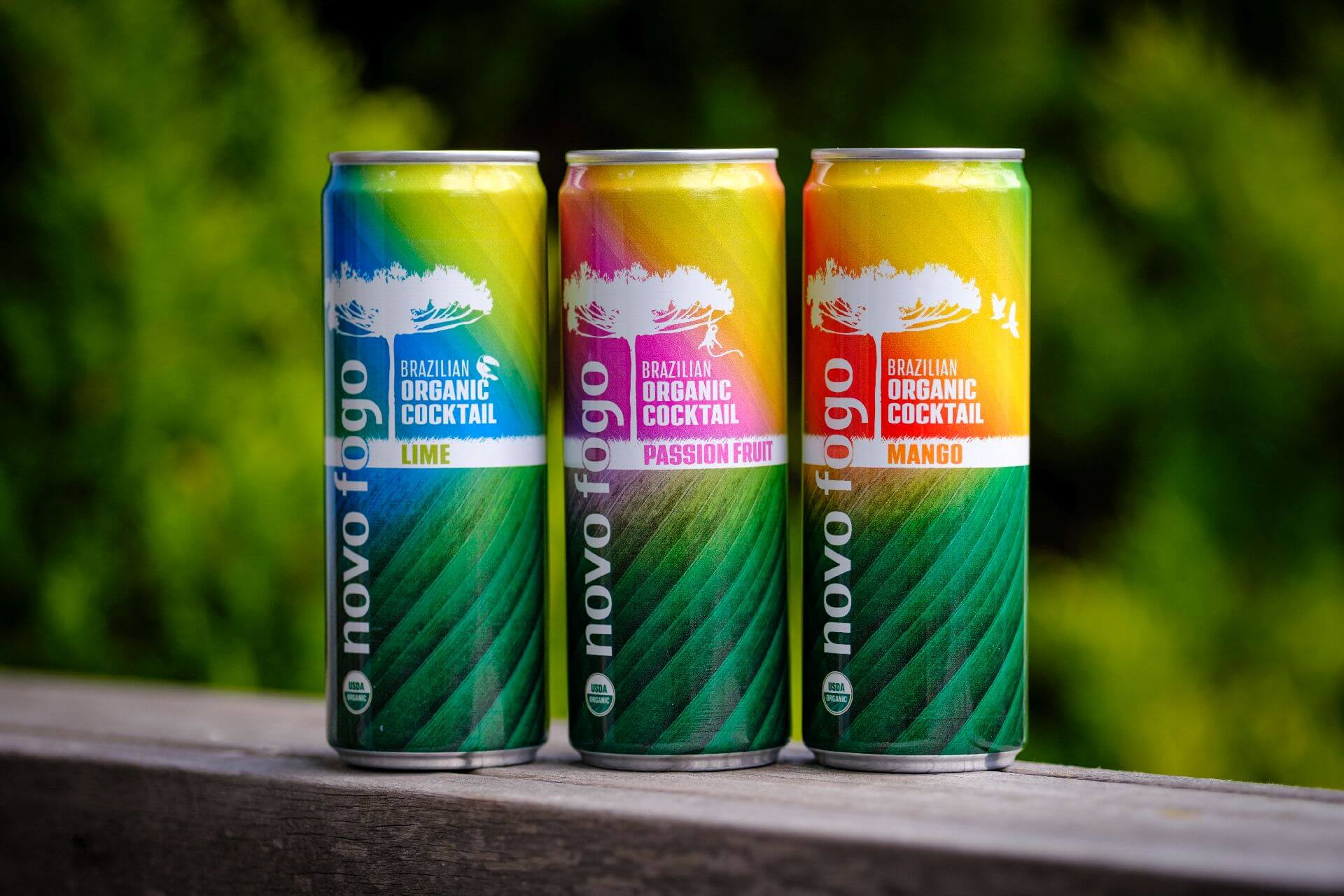
Redesigned and reformulated Novo Fogo ready-to-drink canned cocktails

Just before Tales of the Cocktail kicks off, Novo Fogo Organic Cachaça announces the reformulation of their award-winning ready-to-drink cocktail line.

As founder and CEO Dragos Axinte reveals on episode 97 of the Bar Hacks podcast, the RTD series now features key changes.

For example, the RTDs now come in 12-ounce slim cans rather than their original eight-ounce cans. As you can see, the design is also much more colorful and eye-catching.

Of course, the changes aren’t simply cosmetic. Inside the can, each expression represents a new recipe. The last iteration of Novo Fogo RTDs was delicious and showcased their Silver Cachaça brilliantly. However, the new formulation offers even more robust flavor and drops the sweetness a bit.


View this post on Instagram


A post shared by Dragoș Axinte (@treerestrial)

Most importantly, the new RTDs are truly a pioneering beverage. Novo Fogo’s new canned cocktails are the first RTDs made with Brazilian cachaça ever to achieve USDA Organic certification.

This means that Novo Fogo’s entire lineup, from core expressions to special releases, is USDA-certified 100-percent organic. That’s a huge win for the company, for operators who feature their products, and for operators’ guests.

Operators will be able to introduce these new 12-ounce, nine-percent ABV RTDs to their guests shortly. They’re perfect as a refreshing summer cocktail, served on ice in buckets with limes for garnish.

NOVO FOGO ANNOUNCES NEW BRAZILIAN ORGANIC COCKTAIL

RTD Line Sets Industry Standard as the First-Ever USDA-Certified Organic Canned Cocktail Made with Brazilian Cachaça

SEATTLE, WANovo Fogo Organic Cachaça today announces that they have completely redesigned and reformulated their popular line of award-winning Brazilian canned cocktails, offering consumers a fresh way to experience their carbonated twist on Brazil’s national cocktail, the Caipirinha. Novo Fogo Brazilian Organic Cocktails come in three tropical flavors and are USDA-certified organic.

The award-winning, sustainability-oriented cachaça producer makes handcrafted cachaça from estate-grown sugarcane in Brazil’s Atlantic Rainforest and is a pioneer in spirit-based ready-to-drink (RTD) beverages. For over six years, Novo Fogo’s canned cocktails have introduced North American drinkers to Brazilian cachaça in an approachable, convenient, and delicious format. The current product evolution represents a giant leap forward in organic ingredient certification, packaging design, and flavor.

Novo Fogo’s Brazilian Organic Cocktails highlight three traditional Brazilian flavors—Lime, Passion Fruit, and Mango—that complement the base spirit of Novo Fogo Silver Cachaça, beloved by bartenders across the globe. The 100% natural ingredients have been reformulated to create a cocktail that is now certified organic by the USDA, a first for any cachaça-based RTD and a big win for Mother Earth. This breakthrough now makes Novo Fogo’s entire product line USDA-certified organic.

The colorful design of the 12 oz sleek cans evokes Novo Fogo’s origins in the Brazilian rainforest and emerged in collaboration with multi-Grammy-nominated dance music duo, SOFI TUKKER, who became co-owners and global ambassadors of Novo Fogo in October 2022. SOFI TUKKER’s vibrant, inclusive, and global perspective on electronic music has attracted legions of adoring fans worldwide, and Novo Fogo’s Brazilian Organic Cocktails are poised to accompany SOFI TUKKER’s music as the perfect concert cocktail.

Novo Fogo Brazilian Organic Cocktails feature new recipes that are full-flavored and not too sweet, each at 9% ABV with 150 calories and 12 grams of carbohydrates per serving. The aluminum cans have grown to 12 oz in volume, with 1.8 proper cocktail servings per can. Although they are new in every way, these updated cocktails continue to combine freshness, deliciousness, and shelf stability by virtue of their organic-certified ingredients that harmonize as balanced, carbonated drinks. Drink ‘em how you like ‘em, as long as they’re cold: straight from the chilled can, over ice in a glass, and with or without an extra squeeze of lime.

Novo Fogo is an award-winning Brazilian cachaça producer that handcrafts their spirits at their zero-waste distillery at the edge of the Atlantic Forest in Brazil’s southern state of Paraná. The purest representation of USDA-certified 100% organic sugarcane, Novo Fogo’s Silver Cachaça is the result of single pot distillation in small batches to maximize the flavors of local terroir in the finished spirit. Silver Cachaça is the base spirit for all three Brazilian Organic Cocktails.

“We have always been committed to genuinely reflect Brazilian culture in our brand persona, while also observing and respecting North American consumer trends. These new organic cocktails are a natural evolution of our understanding of the world and incorporate the positive, colorful, and vivid inspiration that SOFI TUKKER brought to the brand. As with everything we do these days, our new Brazilian Organic Cocktails represent the intersection of integrity and joy,” says Novo Fogo’s founder and CEO, Dragos Axinte.

Novo Fogo Brazilian canned cocktails are sold to distributors nationwide by 375 Park Avenue Spirits and online with a suggested retail price of $3.75 per can and $14.99 for a four-pack. To learn more about Novo Fogo products, please visit www.novofogo.com.

About Novo Fogo

A passionate advocate for sustainable practices in the spirits industry, Novo Fogo is a carbon-negative company that produces USDA-certified 100% organic cachaças at its zero-waste distillery in the heart of Brazil’s Atlantic Rainforest. Its production methods prioritize human and environmental sustainability; the company is proud of its all-female distiller team and its legacy reforestation project, The Un-Endangered Forest, which seeks to restore 44 species of threatened native trees. Extending this ethos to its cocktail audience, Novo Fogo has been a trailblazer for sponsoring health and wellness initiatives for spirit industry members. The company’s product line intersects traditional Brazilian culture with modern cocktail trends of healthier drinking, such as low carbs, low ABV, and low calories. Seeking to build a business that can last 100 years, Novo Fogo has partnered with multi-Grammy-nominated global dance music duo SOFI TUKKER to foster increased awareness towards its brand of conscientious capitalism. Find Your Own Brazilian Zen™ by visiting https://www.novofogo.com.

About 375 Park Avenue Spirits

375 Park Avenue Spirits specializes in the premium- to luxury-spirit categories and their portfolio includes numerous expressions from leading international producers.  Founded as Luctor International, LLC in 1981, 375 Park Avenue Spirits joined the Sazerac Company in early 2015 to act as an independent, yet fully integrated sales and marketing affiliate. The company is known today for creating an environment of growth for supplier partners in the domestic market for renown brands like Van Gogh Vodka from Holland, Sobieski Vodka from Poland, Cutty Sark Blended Scotch, J.P. Wiser’s Canadian Whisky, Paul John Single Malt Whisky from India, Scapegrace Gin from New Zealand, Novo Fogo Cachaça and many others. For more information on 375 Park Avenue Spirits, please visit www.375park.com.

Images courtesy of Novo Fogo Organic Cachaça

KRG Hospitality Start-Up Restaurant Bar Hotel Consulting Consultant Solutions Plans Services

by David Klemt David Klemt No Comments

Program for Unique Holidays: July 2023

Program for Unique Holidays: July 2023

by David Klemt

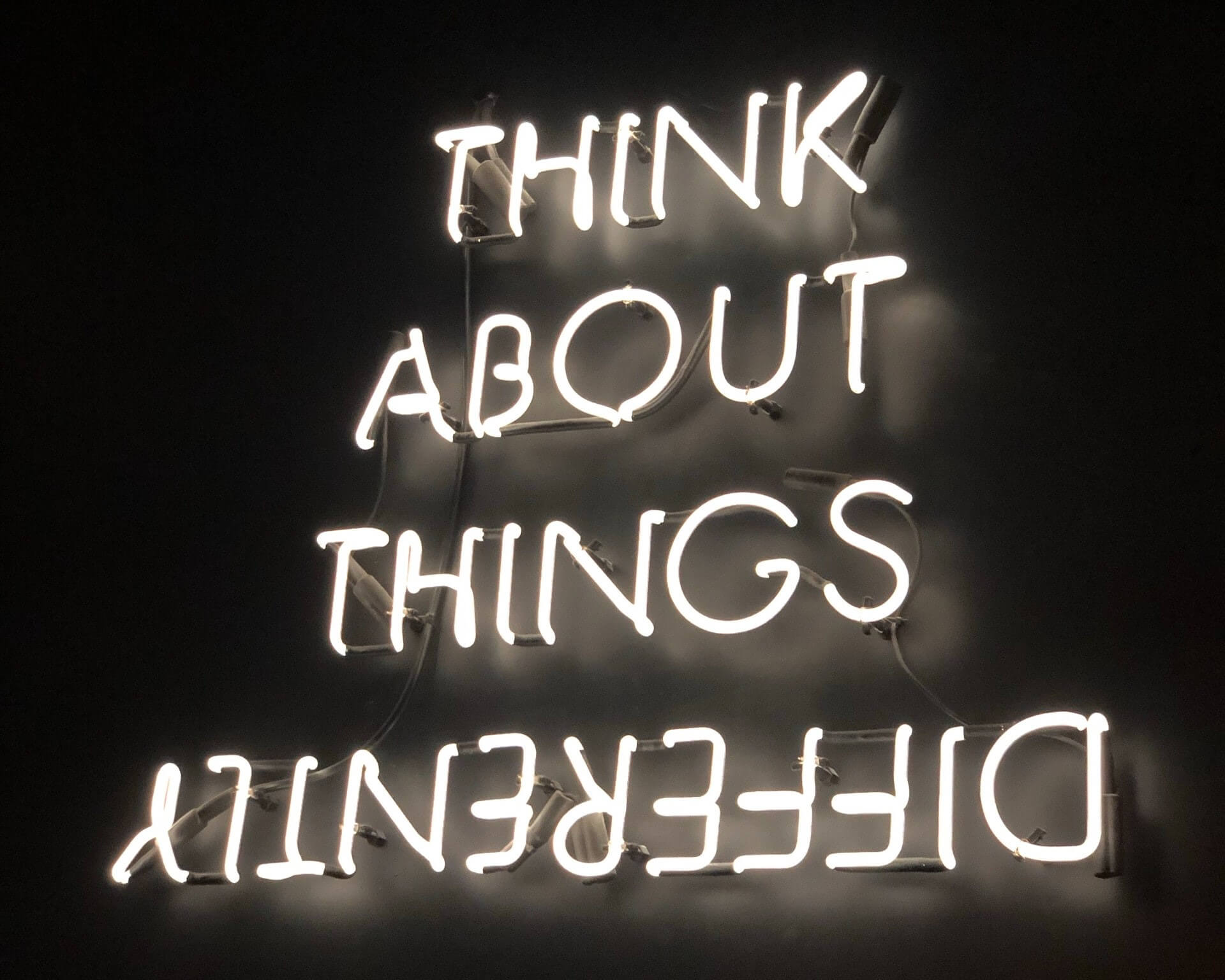
"Think about things differently" neon sign

Do you want to stand out from from other restaurants and bars in your area? Change how you think about your July holiday promotions.

Several holidays are set against every date on the calendar, and this month is no exception. These holidays range from mainstream to esoteric.

Pay attention to the “weird” or unique holidays to raise eyebrows, carve out a niche for your restaurant or bar, and attract more guests. Why do what everyone else is already doing? Why program only around the same holidays as everyone else?

Of course, you shouldn’t try to celebrate every holiday, strange or otherwise. Focus on the days that are authentic to your brand; resonate with your guests; and help you grab attention on social media.

You’ll find suggestions for promotions below. However, the idea behind our monthly holiday promotions roundup is to inspire you and your team to get creative and come up with unique programming ideas.

For our June 2023 holidays list, click here.

July 5: Workaholics Day

Great bars and restaurants offer escapes from the drudgery and negativity of the rest of the world. On this day, encourage those who can step away from work to actually do so.

Barring getting workaholics to play hooky, come up with an LTO menu that’ll inspire them to at least pop by to unwind after a hard day’s work.

July 6: World Kissing Day

There are quite a few cocktails with “kiss” in the title, and these are the drinks you should use to program for this holiday.

The Kiss cocktail, for example, is a gin cocktail with Dubonnet, sweet vermouth, and Luxardo maraschino liqueur. The Widow’s Kiss consists of apple brandy, Yellow Chartreuse, Bénédictine, and Angostura bitters. In other words, it’s not difficult to celebrate this holiday through your drink menu.

July 7: Dive Bar Day

It’s difficult to beat a dive or neighborhood bar when you’re looking for a great time with friends. If you’re a dive or neighborhood bar operator, this is your day.

July 11: National Cheer Up the Lonely Day

Look, the past few years have isolated far too many of us. People are lonely, and this isolation isn’t doing anyone’s mental health any favors.

Bars and restaurants are cornerstones of their communities, so this is an excellent day to encourage people to come in, grab a bite and a drink, and try to make some new friends.

July 13: National French Fry Day

When a French fry is done right, when it’s hot with a crunchy exterior and creamy interior, it’s a perfect food. If you think your team makes amazing French fries, brag about it on social and prove it to your guests.

Better yet, this is a great day to show off your French fry skills with signature loaded versions.

July 14: National Nude Day

Unless you’re running an incredibly niche concept with excellent community and guest support, please don’t celebrate National Nude Day with nudity.

Instead, draw guests in through an enticing LTO menu. You can, for example, highlight your bar team’s prowess for creating the Naked & Famous cocktail, a mezcal cocktail made with Aperol and Yellow Chartreuse. Of course, there’s also the Porn Star Martini, along with other cocktails with names that imply nudity.

July 20: National Moon Day

It may seem like this holiday is related to the previous one, but please behave. You and your guests can celebrate Earth’s sole natural satellite via cocktails.

Not only are there drinks like the Moon cocktail (made with gin and sherry), you can also offer blue, purple, and black cocktails served with large ice cubes.

July 25: Culinarians Day

Are you proud of your kitchen team? Proud of the culinarians that are working hard to make your restaurant a success? This is the day to highlight the mastery of their craft and your signature menu items.

Alternatively, if you can afford to do so, you can also go dark on this day to give your culinary team a break.

July 28: National Get Gnarly Day

If you have some “out there” menu items, this is the day to highlight them. Do you have a food challenge? Promote it! Have some “interesting” bottles in your inventory? Promote them!

Image: Ivan Bertolazzi on Pexels

KRG Hospitality menu development. Restaurant. Bar. Cafe. Lounge. Hotel. Resort. Food. Drinks.

by David Klemt David Klemt No Comments

People Aren’t Done ‘Improving’ the Negroni

People Aren’t Done ‘Improving’ the Negroni

by David Klemt

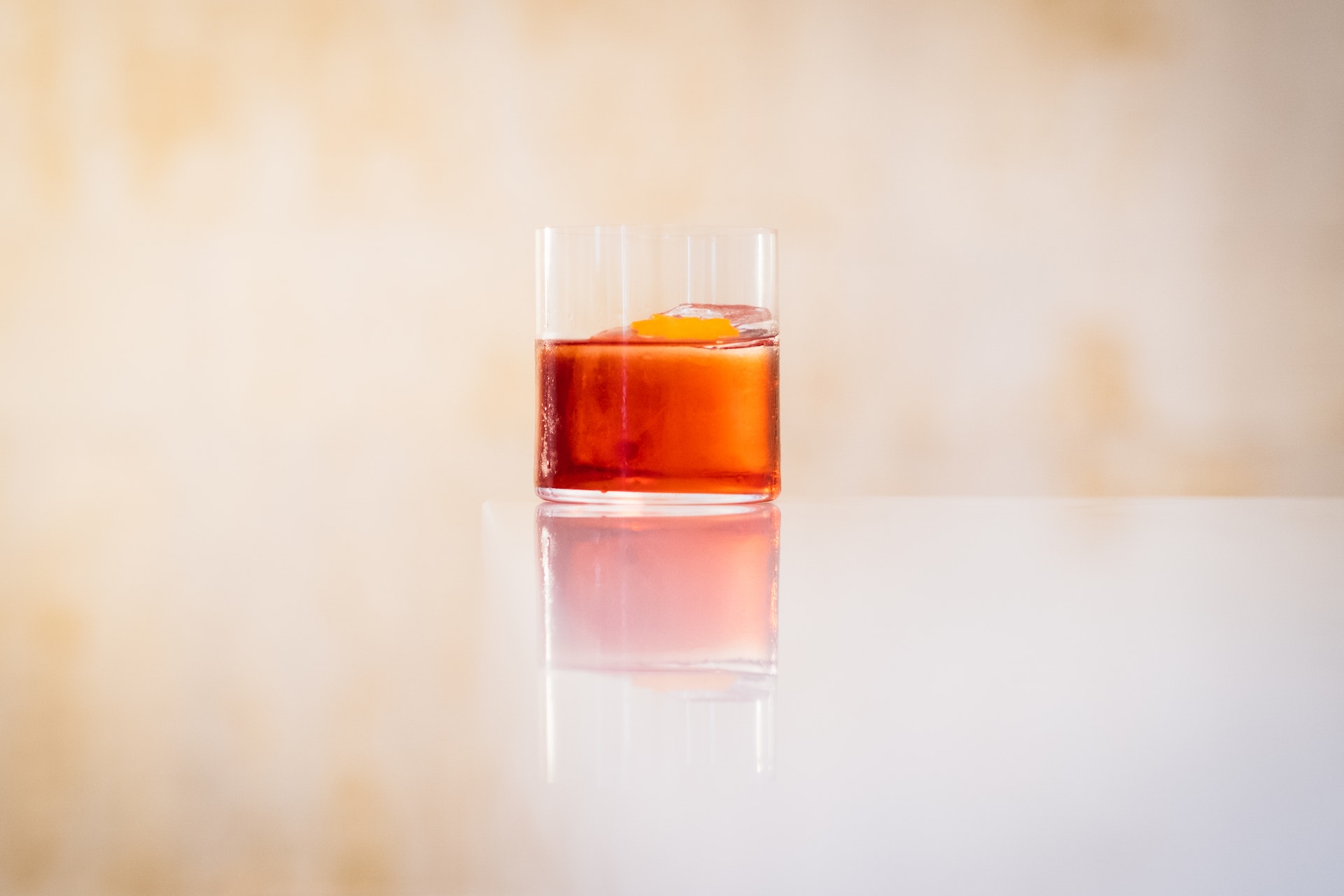
Negroni on edge of white countertop with reflection

It’s possible the infamous Sbagliato Negroni is just the opening salvo from bartenders hell-bent on taking on the traditional specs and build techniques.

Two “new” versions appear to be getting attention now. One is essentially a reverse cocktail. Additionally, it’s likely only really a “new” drink to North Americans.

The other, well, it’s something else entirely. Let’s take a look.

The Mariano, a.k.a the Marianito

This is the Negroni cocktail that’s probably new only in the sense that many North American drinkers are just now hearing about it. In Northern Spain, this is a go-to summer cocktail.

It’s also, like many reverse cocktails, low-ABV and therefore rather sessionable. Further, the Marianito is an excellent ambassador for aperitivo culture.

To be fair, we probably shouldn’t be so reductive and refer to this cocktail as a Negroni riff. So far, I’m unable to uncover the story of its genesis, so I don’t know if the Negroni even inspired the Marianito.

After doing some digging, though, the Marianito apparently first appears in print in 1989. However, some people believe the drink likely traces its origins back to the 1950s. There are also two prevailing origin stories that focus on the name because…of course. This is how so much of cocktail history goes, and I love it.

One story is that “Mariano” is a portmanteau that combines the names of the most popular vermouths in Spain: Martini and Cinzano.

The other story? A waiter who drank little glasses of vermouth (often with a splash of gin or Campari) fell in love with the daughter of someone named Mariano. She didn’t feel the same way, locals in the area found, and they referred to his little drinks as “Marianitos,” after his father-in-law who never was. Not very nice, but alright.

At any rate, the Marianito is a popular summer cocktail. It’s also a year-round drink for many in Northern Spain. Particularly, apparently, in the port city of Bilbao. It’s also a cocktail that is often riffed on, so it lends itself to experimentation.

A Marianito Recipe

Notice this says “a” recipe, not “the” recipe. I’ve come across a few different builds claiming to be the “right” specs.

Some people add 50ml of sweet vermouth, some add 75ml. There are builds that call for vermouth rosso, and those that call for sweet vermouth.

That tells me one thing: bars in Northern Spain like to try and make the Marianito their own. So, experimentation is encouraged.

However, try the specs below before playing around with your Marianito:

  • 75ml Sweet vermouth
  • 15ml Campari
  • 15ml Gin
  • 2-3 dashes Angostura bitters
  • (Optional) 15ml Pomelo juice
  • Orange twist and an olive to garnish

The Sushi Rice Negroni

This…is exactly what it sounds like. When building a classic Negroni, you add sushi rice when mixing it.

The theory is simple enough to understand: sushi rice “softens” the flavors of other ingredients. So, adding sushi rice to your build should soften or “round out” the flavors of your Negroni.

Before we get too far, no—the rice doesn’t end up in the glass.

For this technique the bartender adds anywhere from a few grains to two tablespoons of cooked sushi rice to a mixing glass. After that, the build is the same as the standard cocktail, including the final step: straining into a glass over large ice cube.

Interestingly, bartenders can play with using uncooked or cooked sushi rice. Theoretically, this would adjust how much “softer” the drink turns out. And, of course, proponents of this technique say it can be beneficial to cocktails beyond the Negroni.

However, at the moment, it appears that the Negroni once again finds itself as the subject of experimentation. I can only imagine what else bartenders will subject it to before the year’s end.

So, will you and your bar team try the sushi rice technique?

Image: Tim Durand on Pexels

KRG Hospitality Mixology Training with Jared Boller

by David Klemt David Klemt No Comments

Are You Making MargaRights or MargaWrongs?

Cointreau Wants to Know: Are You Making MargaRights?

by David Klemt

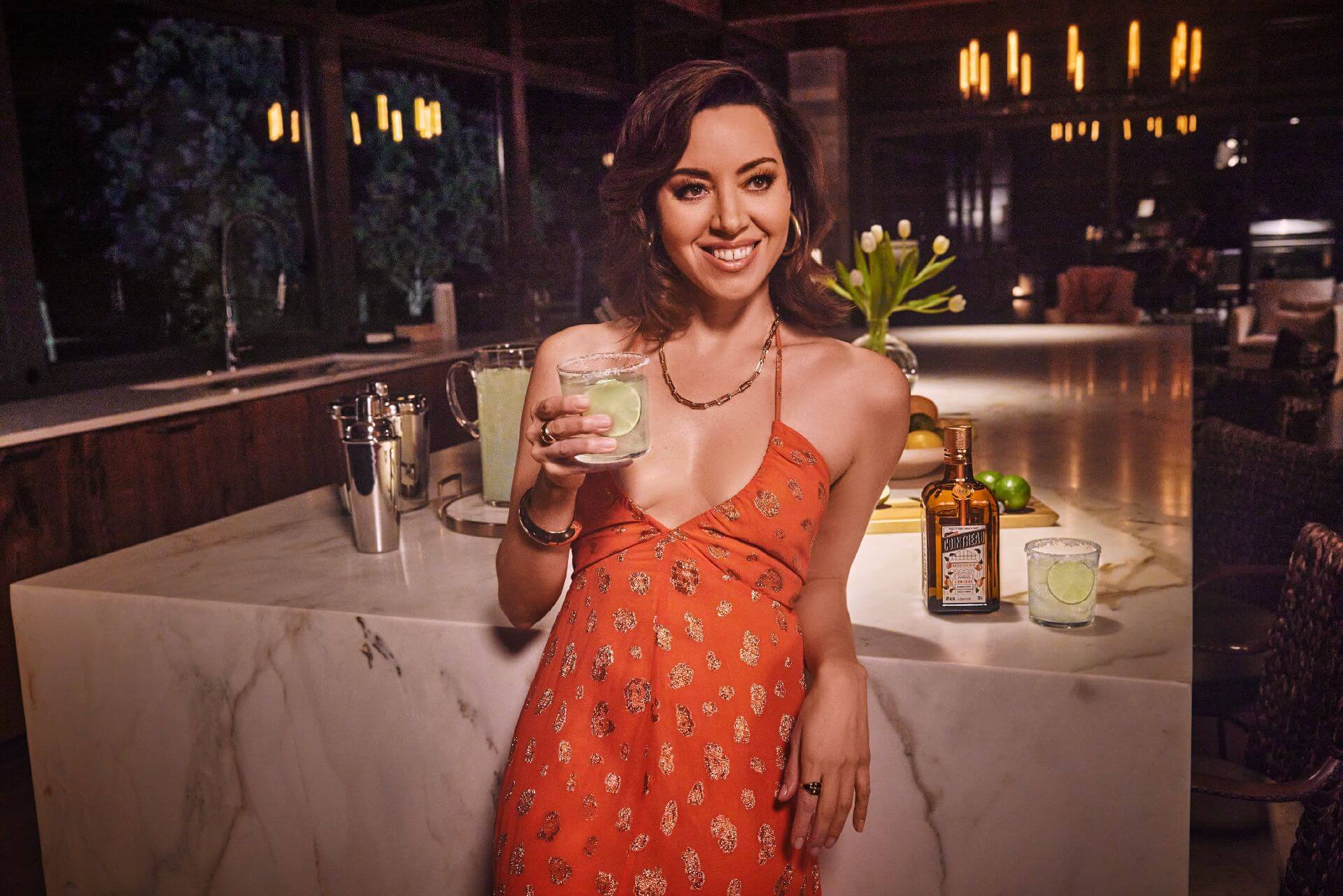
Aubrey Plaza holding a Margarita made with Cointreau

Temperatures are rising and people are socializing, so Cointreau wants to make sure you and your team make Margaritas right.

In fact, they’re so serious about Margarita specs that they’re partnering with Aubrey Plaza educate the public. To celebrate the 75th anniversary of the Margarita, the iconic brand is launching the MargaRight campaign.

Challengers come and go but so far, the Margarita is the top cocktail in the US. This has been the case for many, many years. Of course, it’s also a popular cocktail around the world and has been number one in other countries as well.

Now that we’re a week away from the “official” start of summer, it’s paramount to make sure your Margaritas are MargaRight. For one thing, it’s the perfect summer sipper. For another, people are eager to socialize in restaurants and bars, and the Margarita is sure to join groups of friends as they hang out together.

But there’s another reason to ensure your Margs are on point: The wrath of Aubrey Plaza. More accurately, avoiding incurring Plaza’s wrath for putting MargaWrongs across your bar.

Margarita mix? Anger. No Cointreau? Fury.

To borrow a refrain from fanatics of another classic cocktail, it’s safe to say that Plaza would agree with, “No Margarita without Cointreau.”

The Original Margarita

Some, including Cointreau, support the belief that the Margarita’s creation traces back to 1948. For this origin story, Dallas socialite Margarita Sames is either the inventor of the Margarita or asked for a signature cocktail for a party she was hosting at her Acapulco home. Going further, another claim is that Tommy Hilton was a party guest and brought the recipe to Hilton properties, helping to make it famous.

Another claim is that the Margarita is simply a logical evolution of the Daisy. The mid-1800s tipple has a cocktail family named after it, and the Margarita, Sidecar, Cosmopolitan, and Daiquiri sprang forth from it.

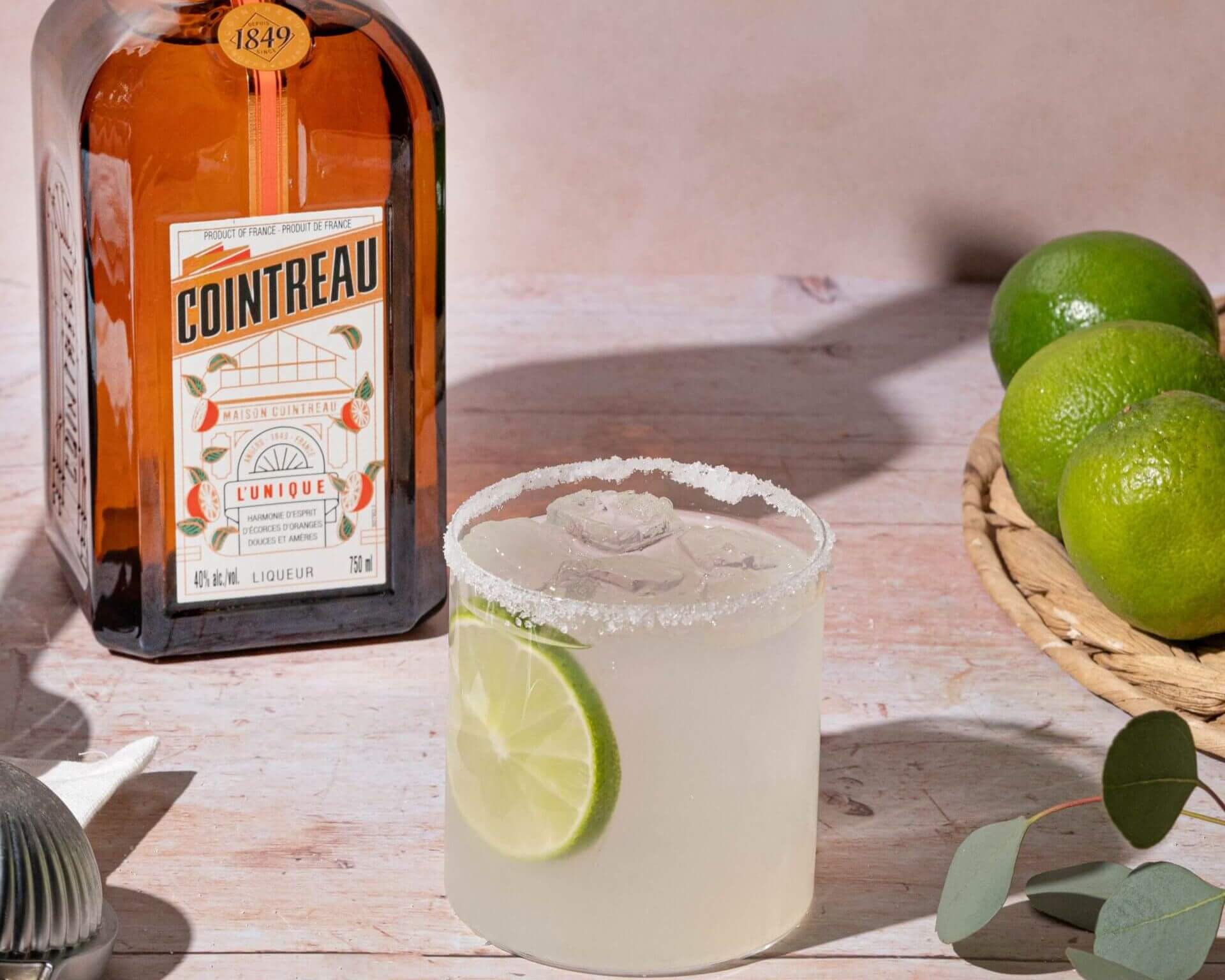
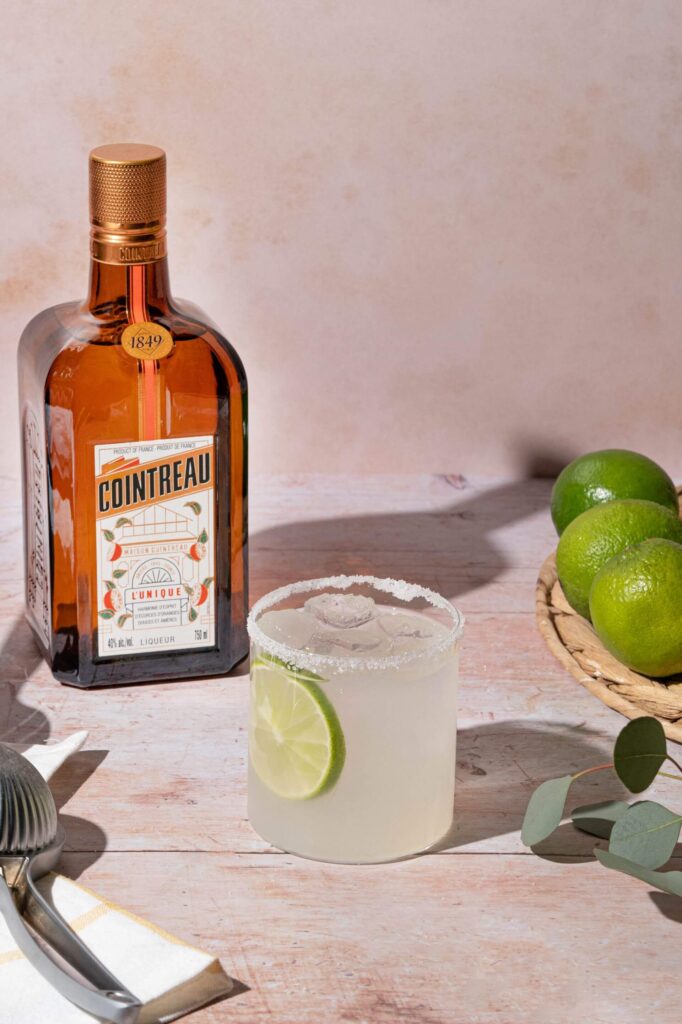
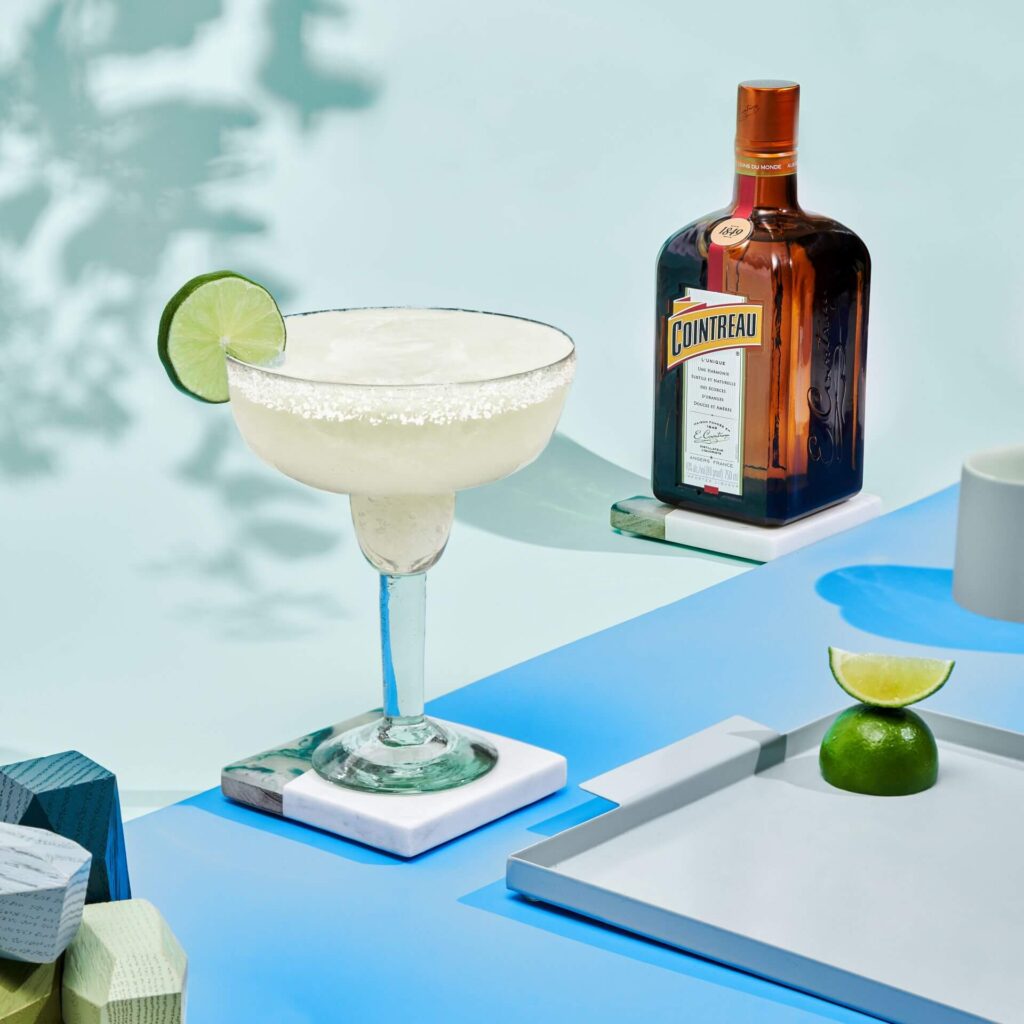
Regardless of what origin story you choose to believe, Cointreau champions the original recipe: Cointreau, blanco tequila, fresh lime juice, and a lime wheel to garnish. It’s this classic recipe that Cointreau and Plaza are adamant about for the MargaRight campaign.

To learn more about the MargaRight campaign and Cointreau’s celebration of the Margarita, please read the press release below. Cheers!

Cointreau and Aubrey Plaza Make Your Margarita MargaRight This Summer

Plaza celebrates summer and 75 Years of The Original Margarita

NEW YORK – June 14, 2023 – Cointreau, the iconic orange liqueur, is teaming up with Aubrey Plaza to launch a new creative campaign where the actor insists that the only way to enjoy a Margarita is the MargaRight way, and that is with Cointreau, of course.

Who better to show you MargaRight from MargaWrong than the famously irreverent Aubrey Plaza, who is known for her fearless honesty and unparalleled wit. “I love Margaritas – and the only way to make them MargaRight starts with three ingredients: Cointreau, tequila and fresh lime juice,” said Plaza. “Otherwise, it’s just MargaWrong.” Plaza continued, “This summer, you’ll only catch me ordering Margaritas MargaRight, and Cointreau will always be at any party of mine.”

Cointreau is an essential ingredient in The Original Margarita, and has been for 75 years, since Dallas socialite Margarita Sames created the recipe in 1948. In celebration of its 75th anniversary, Cointreau debuts today its largest creative campaign to-date across connected TV, digital, and social platforms. Captured in both home entertaining and bar and restaurant settings, Cointreau’s summer campaign creatively captures a comedic tone alongside its elevated style. The campaign has a range of video spots and photo stills showcasing how Margaritas should be enjoyed all summer long, always with Cointreau. To check out the NEW campaign, head to https://www.cointreau.com/us/en/whats-new/margaright.

“Cointreau has a history of cinematic storytelling with continued investment in marketing and partnering with top-tier celebrity talent, now including Aubrey Plaza,” said Nicolas Beckers, President and CEO at Rémy Cointreau America. “We want to continue to invite consumers to enjoy our brand wherever they are, and Aubrey is the perfect partner to showcase how three simple ingredients – Cointreau, tequila and fresh lime juice – are all you need to make your summer and Margarita MargaRight.”

As Margarita Sames once said, “a Margarita without Cointreau is not worth its salt.” Whether you’re ordering one at a bar or shaking it up at home, make your Margarita MargaRight and head to Cointreau.com to learn more.

The Original Margarita:

Ingredients:

  • 1 oz. Cointreau
  • 2 oz. Blanco tequila
  • 1 oz. Fresh lime juice

Directions:

  1. Rim your rocks glass with salt
  2. Combine all ingredients in a shaker with ice
  3. Shake vigorously until well chilled
  4. Strain into a rocks glass filled with fresh ice
  5. Garnish with a lime wheel

About Cointreau:

Iconic orange liqueur creator and cocktail pioneer, Maison Cointreau was founded in 1849 in Angers, France. The brand’s heritage as a liquorist-distiller lives on today at the heart of more than 500 cocktails, including the original Margarita and Cosmopolitan. Cointreau liqueur’s distinctive character is the result of the meticulous selection, harmony, and distillation of sweet and bitter orange peel essences, a task entrusted to Maison Cointreau’s Master Distiller. Unique and boasting exceptional organoleptic qualities, it’s a staple for bartenders and at-home cocktail enthusiasts around the world. Visit www.cointreau.com and follow us on Instagram for more.

To learn more about Cointreau, visit www.cointreau.com or follow Cointreau on Instagram via @Cointreau_US or Facebook via @cointreauUS.

About Rémy Cointreau:

All around the world, there are clients seeking exceptional experiences; clients for whom a wide range of terroirs means a variety of flavors. Their exacting standards are proportional to our expertise – the finely-honed skills that we pass down from generation to generation. The time these clients devote to drinking our products is a tribute to all those who have worked to develop them. It is for these men and women that Rémy Cointreau, a family-owned French Group, protects its terroirs, cultivates exceptional multi-centenary spirits and undertakes to preserve their eternal modernity. The Group’s portfolio includes high-end and singular brands, such as the Rémy Martin and Louis XIII cognacs, and Cointreau liqueur. Rémy Cointreau has a single ambition: becoming the world leader in exceptional spirits. To this end, it relies on the commitment and creativity of its 1,850 employees and on its distribution subsidiaries established in the Group’s strategic markets. Rémy Cointreau is listed on Euronext Paris.

Disclaimer: Neither the author nor KRG Hospitality received compensation, monetary or otherwise, from Rémy Cointreau, Cointreau, or any other entity in exchange for this post.

Image and videos courtesy of Cointreau

KRG Hospitality Beverage Programming

by David Klemt David Klemt No Comments

Drink Donnybrook: Let’s Talk Martini

Drink Donnybrook: Let’s Talk Martini

by David Klemt

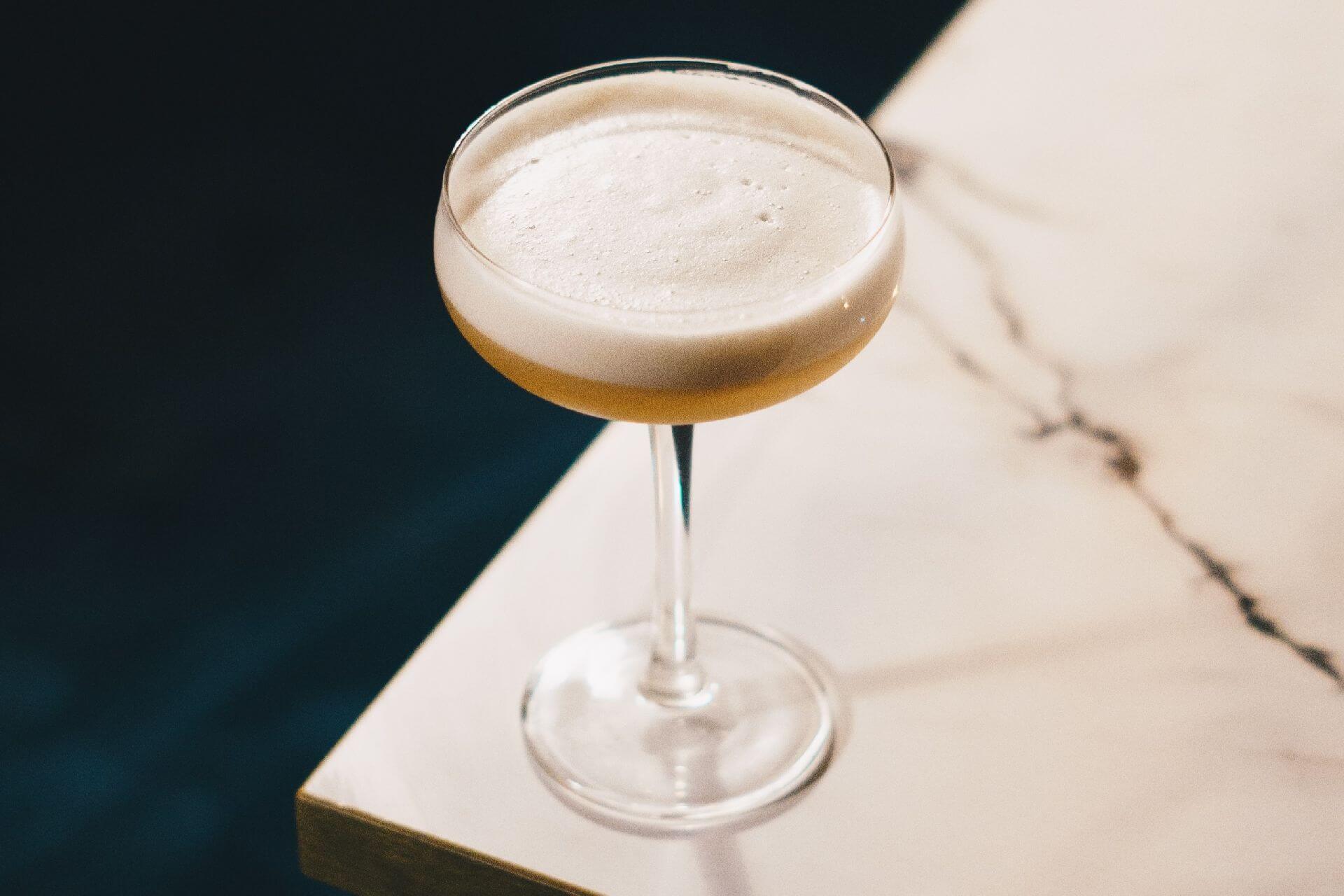
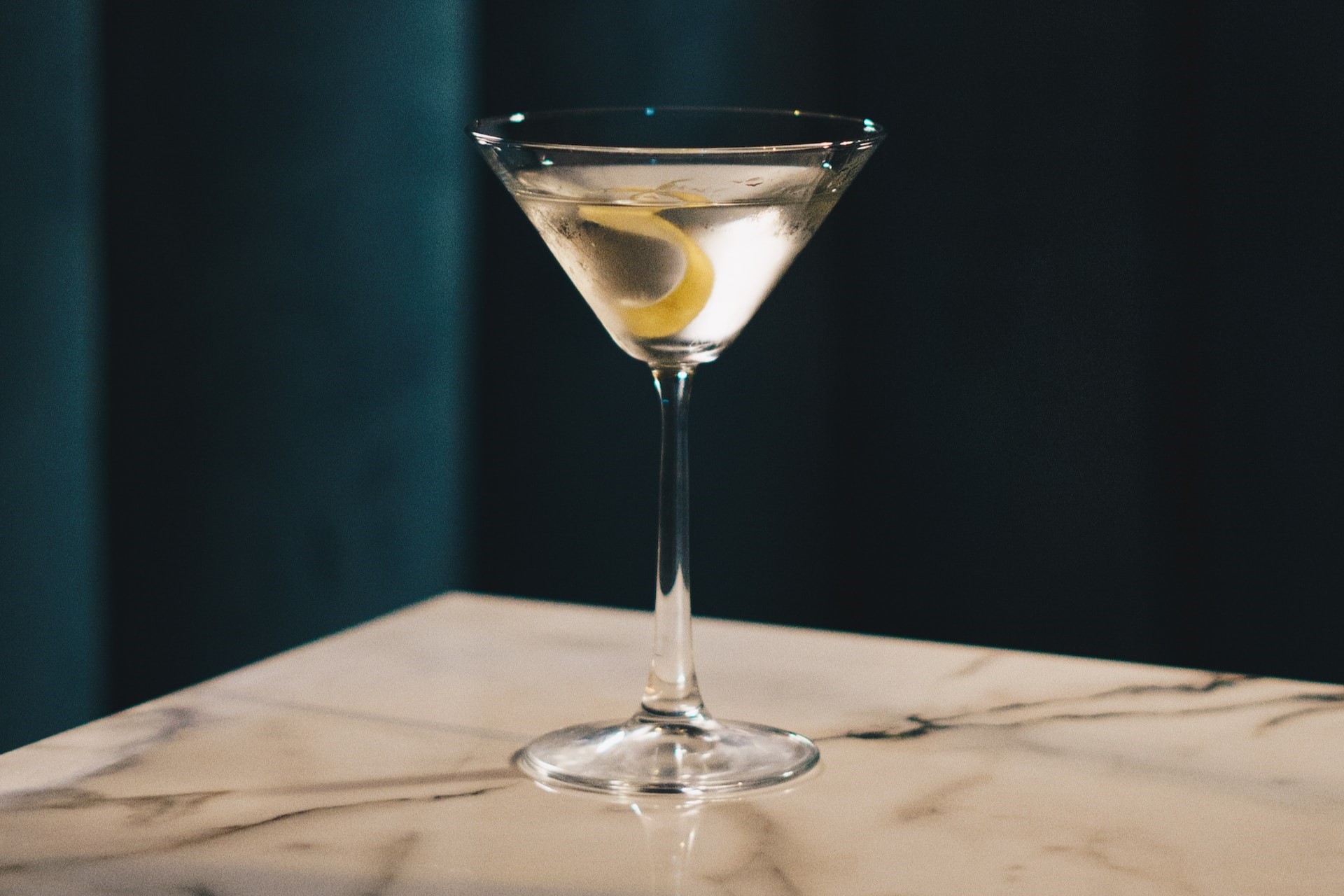
Martini with lemon twist on marble tabletop

We celebrate the Martini twice in June, once on 17th for World Martini Day, and one more opportunity on the 19th for National Martini Day.

That means you and your bar team have some time to dial in your builds and presentations.

In addition to its potential to boost revenue over the course of a few days, the Martini is also surging in popularity. As things stand in the US, the Martini is currently the top challenger to the Margarita’s crown.

There’s also the staggering number of Martinis going out each night at Bemelmans Bar in NYC: 1,000 per night. With younger legal-age drinkers driving this surge in popularity, it’s important for operators to make sure their Martinis are crowd pleasers.

Technically, this means making stirring London Dry gin and dry vermouth—perhaps a dash or two of orange bitters—for at least 20 seconds. Next, pour a crystal-clear Martini—without any shards of ice—into a Martini glass. Finally, add a lemon twist and serve gracefully.

There you have it: a perfect, classic Martini.

Now, if the instructions above make you bristle, good. Much like the Margarita, the Martini can cause fierce debate amongst bar professionals.

So, let’s have some fun now that one build is out of the way.

The Family

It’s true that really, we don’t know the exact origin of the Martini. We aren’t even certain who should get credit for its creation.

So, what if I tell you that the Manhattan and Martini are family?

A prevailing theory posits that the former is the latter’s great-grandfather. From the Manhattan we get the Martinez, from the Martinez we get the Marguerite, and from the Marguerite we get the Martini. However, some people believe the Martinez is perhaps only a distant relative and the family tree goes Manhattan – Marguerite – Martini.

At any rate, this may seem ridiculous at first. A whiskey cocktail is the great-grandfather or grandfather of a gin cocktail. Well, when we look at the common threads, yeah.

This family of cocktails shares the following traits:

  • a base spirit
  • vermouth
  • bitters

The Manhattan and Martinez also use maraschino or brandied cherries. The latter swaps out whiskey for Old Tom gin, and the Marguerite calls for Plymouth gin and eschews the maraschino.

As you know, the Martini swaps Plymouth gin for London Dry. Interestingly, “modern” versions of the Martini are often made without bitters, which has been happening for many decades.

Dry Vermouth?

According to some cocktail historians, the accuracy of the build above is debatable.

Technically technically, the original form of the Martini is sweet. The OG recipe calls for sweet vermouth, not dry.

That is, of course, if you choose to believe that sweet vermouth recipes you find in books from the 19th century represent the prototypical Martini.

If you’re not familiar with the Perfect Martini variant, it’s an interesting compromise, in a way. For this particular version we use equal parts sweet and dry vermouth. Someone kicking off a quarrel over original Martini specs? Put a Perfect Martini in front of them and see if their head explodes or they abandon their argument.

Vodka?

Again, technically, a Vodka Martini is a riff on the original recipe.

Whereas we can (reasonably) trace the original Martini back to the late 1800s, the vodka version shows up in the 1950s.

So, if that’s an accurate timeline, the Gin Martini’s vodka-based sibling doesn’t appear for 60 to 70 years after its genesis.

To build a classic Vodka Martini, we simply swap out the gin for vodka. The rest of the specs can remain the same, save for some guests preferring an olive or cocktail onion as a garnish.

Of course, now that we’re on the topic of swaps and specs, ratios play an important role when making a Martini. Bars and bartenders often play around with the ratio of gin or vodka to vermouth.

In fact, there’s can be a fairly large swing depending on the bar or bartender. Some bartenders may build their Martinis with a 4:1 ration, and others may go 8:1 or greater.

Still others leave the vermouth out altogether. That can really start a knock-down, drag-out Martini feud.

Check this Out

With the Martini crash course over, here are a few “fun facts” for you to savor.

Neither the Espresso Martini nor the (in)famous Cosmopolitan are true Martinis. While we serve them in the Martini glass and one has “Martini” in its name, that’s where their relation to the original ends.

Once again using the qualifier “technically,” the Espresso Martini is an alias. It’s real identity is Vodka Espresso.

If we really want to throw a debate haymaker, the Espresso Martini and Cosmopolitan aren’t even kin to the Gin or Vodka Martini. Neither uses vermouth, meaning they’re don’t claim the same family tree. In reality, the Cosmo belongs to the sour family.

Finally, one more fun tidbit to toss into this debate, should you find yourself arguing Martinis. The Reverse Martini is more of a sibling to the original than the Espresso Martini. After all, it’s still a combination of spirit and vermouth. It’s just that the vermouth is the star of the show, often utilizing a 2:1 ratio, vermouth to gin.

So, there you have it. Enough information to cause a friendly “fight” over Martini history, specs, and family members. Cheers!

Image: Rick Barrett on Unsplash

KRG Hospitality Beverage Programming

by David Klemt David Klemt No Comments

Own Your Team’s Excellence

Own Your Team’s Excellence

by David Klemt


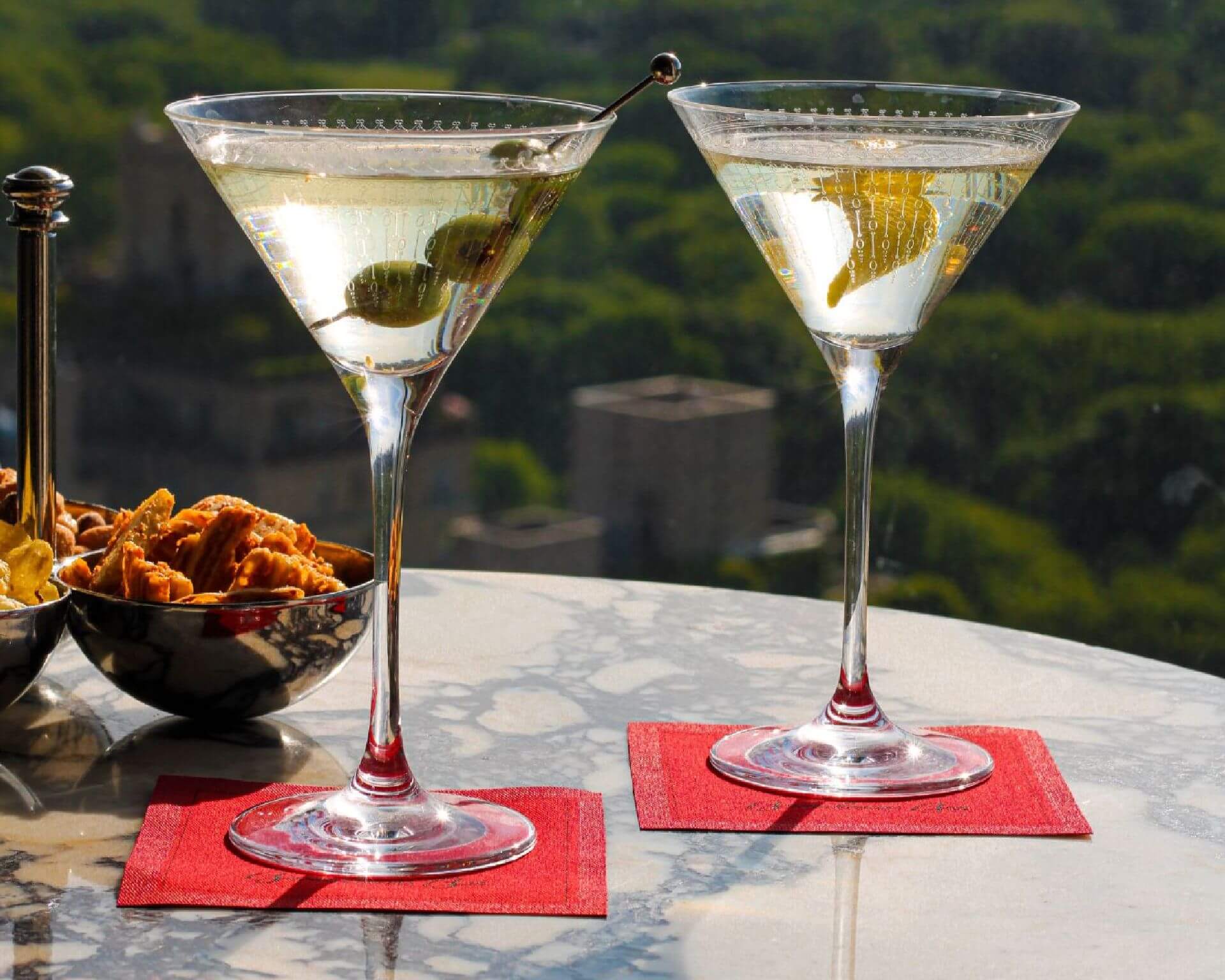
Martinis at Bemelmans Bar inside the Carlyle hotel in New York City

If you and your team are producing an incredible food or drink item, don’t just be proud—make it your signature and own it.

As Chef Brian Duffy says during his demos and speaking engagements, people can eat and drink anywhere. Further, with just a handful of major food suppliers operating throughout North America, operators are using much of the same ingredients.

With that in mind, then, it’s crucial that operators and their teams innovate. Doing so ensures that hospitality professionals are staying current on consumer demands and trends; constantly seeking be educated and share information; and making sure their business stands out from others.

A commitment to standing out can also motivate a team to elevate their techniques. In turn, they can truly “own” an item. Creating something incredible—and replicating it order after order consistently—can become a brand and team’s calling card.

Does your kitchen team turn out a fantastic signature burger? Has your business become known as the place for chicken wings because of your kitchen team?

Has your bar team perfected the Margarita? Are they so good at crafting Frozen Irish Coffees that your bar is on Glendalough Distillery‘s radar?

When you identify what your team is producing at an extraordinary level, you need to make certain you loudly own it.

A Real-world Example

For a high-level example of what I’m talking about, we can look at the Carlyle in New York City.

This landmark Rosewood Hotel is known for delivering peerless service. However, a venue inside this sophisticated resort is known for a specific item.

Bemelmans Bar, an escape from the hectic streets of New York, is known for the Martinis the bar team produces. (They’re also known for their red jackets, but those aren’t for sale.)

It may be a bold statement considering the level of bars and cocktails in the city, but Bemelmans Bar (and therefore the Carlyle) owns the Martini in NYC. In fact, the bar serves a staggering 1,000 Martinis a night. More often than not, the Martinis that cross the bar or leave the service well are dirty or extra dirty. This has been the case since at least 2021.

So famous are the Bemelmans’ Martinis that the Carlyle sells an at-home kit, yours for just $395. It’s their latest promotion, though, that makes it evident Bemelmans and the Carlyle are taking ownership of the Martini.

Guests of the Carlyle can now book their Martini Retreat, a two-day experience that centers around their signature cocktail. If, perhaps, you think that $400 is a bit steep for their Martini Box, prepare for true sticker shock. The Martini Retreat experience starts at $4,895 for two guests.

However, the package is rather impressive and encapsulates the Carlyle’s ownership of the Martini. The Carlyle Martini Retreat includes:

  • a two-night stay in a Madison Room or Premier Suite;
  • a Bemelmans Bar Martini Box;
  • enrollment in the Bemelmans Master Martini Class (valued at $495), a 45-minute experience during which guests learn how the bar team crafts multiple variations of vodka and gin Martinis, and their new Madeline’s Vesper cocktail;
  • a two-course Martini lunch at Dowling’s at The Carlyle; and
  • a curated list of where to go to try other great Martinis throughout NYC, put together by Dimitrios Michalopoulos, bar manager at Bemelmans.

Takeaway

So, am I suggesting that operators create an experience that costs thousands of dollars? Well…I mean, if your concept can succeed with such a promotion, absolutely. If doing so would resonate with enough guests to make it feasible and become a steady (and impressive) revenue stream, go for it.

However, what I’m really attempting to drive home here is the power of becoming known for even a single signature item. And, hey—your item, in your market, may be the Martini.

Owning an item means screaming from the rooftops and hills that it’s yours. That your team’s version is the one to have; the one people in the know have to have. Taking ownership of your team’s excellence translates to becoming a destination for it, to driving repeat visits once people have experienced it.

Of course, with that ownership comes the responsibility to elevate all other elements of your business. Every other item on the menu must be produced and served at the highest level. This ensures the entire guest experience wows the guests, and the signature item is essentially a driver and the cherry on top.

It’s time to review what your team produces so well that your brand owns it. Should this introspection yield no results, it’s then time to see what other operators are known for and discover what item or items you and your team can improve upon. What’s something that works with your brand that you feel confident you and your team can own?

There’s power, money, and long-term success in something on your menu. It’s time to uncover it and take ownership.

Image: The Carlyle

KRG Hospitality. Boutique Hotels. Resorts. Properties. Consultant. Feasibility Study. Business Plan

by David Klemt David Klemt No Comments

2 Big Bourbons: High Proof, Heavy Flavor

2 Big Bourbons: High Proof, Heavy Flavor

by David Klemt

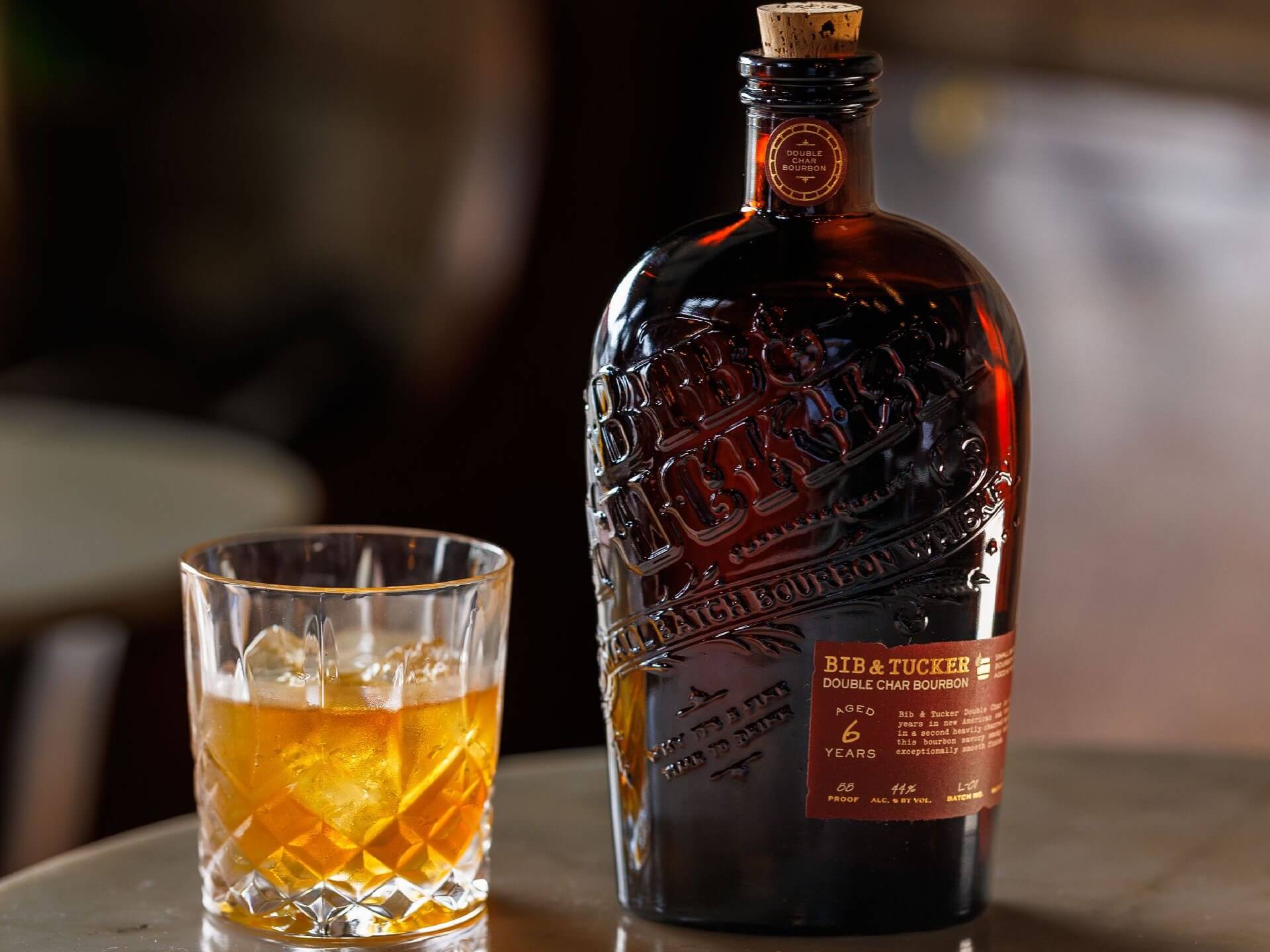
Bib & Tucker Double Char Bourbon bottle and cocktail

Be on the lookout for two innovative, big bourbons that are heavy on flavor and boldly offer striking drinking experiences.

One of these whiskeys, luckily, is available now. That means if you can get your hands on it, this particular bourbon has arrived in time for National Bourbon Day and National Old Fashioned Day.

And, of course, it’s also here in time to help celebrate Father’s Day.

Agonizing as it is, the other bourbon will make its appearance in August. However, it’s big, bold flavors will be an excellent way to end summer and start fall.

Let’s take a look at these two dramatic drams.

Woodford Reserve Master’s Collection Batch Proof 124.7

Let’s start with the bourbon available today.

The latest release in the Master’s Collection is Batch Proof 124.7. This limited-edition Woodford Reserve release is, as the name suggests, a high-proof heavy hitter.

Master Distiller Elizabeth McCall and Master Distiller Emeritus Chris Morris worked on this release to showcase their incredible proficiency in coaxing a complex array of flavors from blending whiskeys from different barrels.

However, they didn’t stop there. McCall and Morris bottled this year’s limited edition Master’s Collection expression at 124.7 proof. For comparison, standard Woodford Reserve expressions—Straight Bourbon, Double Oaked, and Rye—are bottled at 90.4 proof.


View this post on Instagram


A post shared by Woodford Reserve (@woodfordreserve)

According to tasting notes provided by Woodford Reserve, guests can expect Batch Proof 124.7 to pour a burnt orange color. On the nose, nutty toasted almond, cherry, and overripe banana, plus hints of oak, citrus zest, and, unsurprisingly, pepper.

“The trademark flavors of Woodford Reserve are even more pronounced—and more bold—in this celebrated annual release,” says McCall. “It’s a high-proof bourbon with complex flavors.”

Those lucky enough to locate a bottle will be treated to peppery baking spice, cardamom, and pine on the palate, finishing with leather, dry vanilla, and cedar.

No word on how hot this bourbon sips, but I expect Woodford’s trademark smoothness. Suffice to say, however, this isn’t a beginner’s bourbon.

Batch Proof 124.7 retails for $129.99 and is available now at the Woodford Reserve distillery, so it’s time to hit up your reps, call in favors, or take a trip to Versailles, Kentucky.

Bib & Tucker Double Char Bourbon

Above, the high-proof heavy hitter. Now, the innovative heavy flavor release.

They’re making us wait for it but this Bib & Tucker Small Batch Bourbon release certainly appears to worth our collective patience. Something savory, smoky, and smooth this way comes.

The inspiration for this unique bourbon comes from the rustic corners of the culinary world. Double Char is meant to evoke the sensory experience of enjoying food cooked on open fire.

“I can’t wait for consumers to try this delicious expression,” says Tom Steffanci, president of Deutsch Family Wine & Spirits. “Double Char spends just the right amount of time in the second heavily charred barrel, creating a savory, smoky character that adds a whole new dimension to the bourbon.”

This innovative Tennessee bourbon is rested for six years in new white American oak barrels. Double Char is then aged for at least five months in a new barrel that was heavily charred and smoked.

Notes provided by Bib & Tucker reveal, as expected, smoke and toasted oak on the nose. However, those notes are balanced by cinnamon, clove, and dulce de leche.

On the palate, Double Char delivers white smoke, vanilla, sugar maple, sweet corn, and toasted cinnamon. Oak, white smoke, and vanilla stand out on the medium to long finish.

Personally, I can’t wait to get my hands on a bottle.

Click here to listen to episodes 32 and 59 of the Bar Hacks podcast. The former features Woodford Reserve, while the latter features Bib & Tucker.

Images courtesy of Bib & Tucker and Woodford Reserve

KRG Hospitality Mixology Training with Jared Boller

by David Klemt David Klemt No Comments

Program for Unique Holidays: June 2023

Program for Unique Holidays: June 2023

by David Klemt

"Think about things differently" neon sign

Do you want to stand out from from other restaurants and bars in your area? Change how you think about your June holiday promotions.

Several holidays are set against every date on the calendar, and this month is no exception. These holidays range from mainstream to esoteric.

Pay attention to the “weird” or unique holidays to raise eyebrows, carve out a niche for your restaurant or bar, and attract more guests. Why do what everyone else is already doing? Why program only around the same holidays as everyone else?

Of course, you shouldn’t try to celebrate every holiday, strange or otherwise. Focus on the days that are authentic to your brand; resonate with your guests; and help you grab attention on social media.

You’ll find suggestions for promotions below. However, the idea behind our monthly holiday promotions roundup is to inspire you and your team to get creative and come up with unique programming ideas.

For our May 2023 holidays list, click here.

June 3: National Repeat Day

This holiday is the perfect time to encourage guests to buy the ever-important second drink. Likewise, it’s the right day for encouraging people to order a dish or two to take home.

June 8: World Oceans Day

Leaders around the world are committed to the 30×30 initiative: protecting 30 percent of our oceans, waterways, and land by 2030. World Oceans Day is about focusing on this initiative, which people can do, in part, by filling out this short survey.

You and your guests can also support the oceans and conservation efforts by supporting brands like Gray Whale Gin. This award-winning gin is produced with sustainable, ethically, and locally-procured ingredients. Additionally, Gray Whale supports Oceana and 1% for the Planet by donating a portion of their proceeds.

June 10: National Black Cow Day

For those who may not know, a Black Cow is a float. It’s incredibly simple to make: drop a scoop of vanilla ice cream into a mug, add root beer.

Of course, you can also get creative with the Black Cow. One way is to make an adult version, perhaps with a vodka like Vodkow, or a cream liqueur like Vodkow Cream. Another option is to feature craft root beer and local vanilla ice cream.

June 13: National Kitchen Klutzes of America Day

Look, some people just aren’t great cooks. Some aren’t good in the kitchen. In fact, some aren’t even mediocre when it comes to cooking—they’re complete disasters.

Luckily, you probably have a kitchen inside your venue. So, give the not-so-great cooks in your area a reprieve from cooking with excellent lunch and dinner LTOs.

June 14: National Bourbon Day

Hey, do you have bourbon? At the risk of being too assumptive, I bet you do. Guess what you should do on this holiday.

June 16: National Take Back the Lunch Break Day

What a perfect day to motivate people to have lunch in your venue. It’s also a great day to motivate people to order delivery, carryout or pickup from you.

June 21: National Daylight Appreciation Day

This holiday does exactly what it says on the tin, as they say: it celebrates daylight. Venues that take advantage of sunlight—great windows, garage-style roll-up doors, amazing patios—should do what they can to entice guests to visit in the morning and afternoon. So, small-bite and lunch LTOs and promotions; sessionable beer, wine, and cocktails; and healthy, refreshing zero-proof beverages are the order of the day.

June 26: National Coconut Day

Summer and coconut go hand in hand. An LTO menu that shines a light on summery drinks and bites is the perfect way to celebrate the coconut.

Feel free to rile up guests by asking them a “simple” question: Is a coconut a fruit, a nut, a seed, or a drupe?

June 27: National Onion Day

Onion rings. Onion dip. Bacon-onion bites. Onion pinwheels… And those are just appetizers. The humble onion is, as we all know, a powerhouse in the kitchen. For some, onions are also cocktail garnishes.

I think you know what to do on National Onion Day.

June 28: Tau Day

For the most part, we’re taught in school that Pi—a circle’s circumference divided by its diameter—is rounded to 3.14. Pi Day is March 14 each year and the holiday (and mathematical constant) tends to get the meme treatment.

Well, some believe Pi is incorrect. Instead, these people use the constant Tau, which is a circle’s circumference divided by its radius. Tau, with a value of 6.28, is celebrated on June 28. One of the simplest ways to celebrate this holiday is to enjoy twice the amount of pie as one would normally. So, a smart promotion that celebrates Tau Day could be one that encourages couples to come in to enjoy two slices of pie for dessert.

Image: Ivan Bertolazzi on Pexels

KRG Hospitality marketing plan. Restaurant. Bar. Cafe. Lounge. Hotel. Resort.

by David Klemt David Klemt No Comments

Raise the Bar: The 3 Ps of Hospitality

Raise the Bar: The 3 Ps of Hospitality

by David Klemt

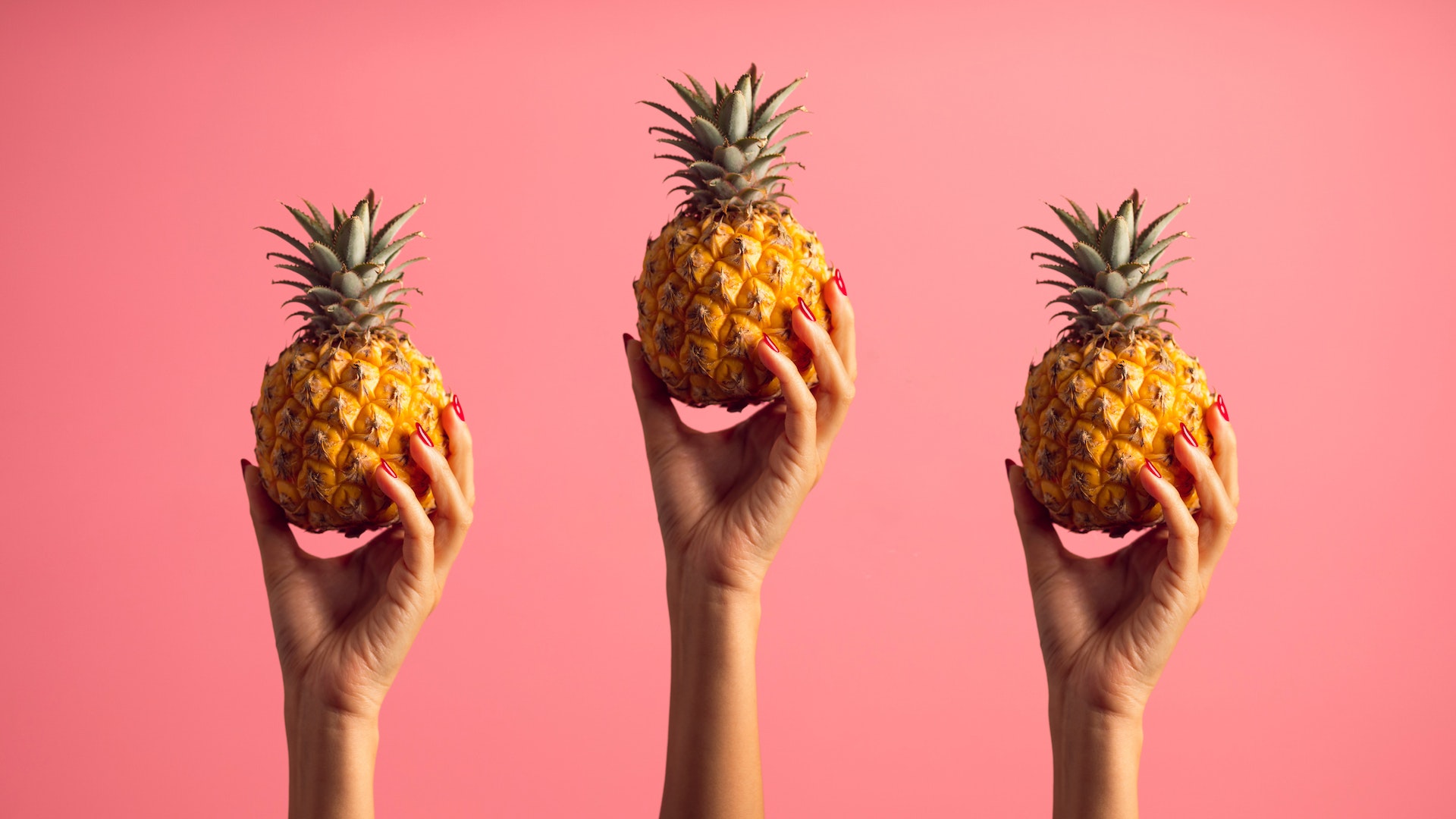
Three hands holding up three pineapples

No, one isn’t “pineapples.”

Nightlife, bar, and cocktail experts Mia Mastroianni, Phil Wills, and Art Sutley want operators to focus on what they call “the Three Ps.”

The engaging trio shared their trio of Ps recently in Las Vegas at the 2023 Bar & Restaurant Expo.

So, what are the Three Ps of hospitality? People, Place, and Product. Operators who pull the threads tighter on each of these crucial elements will be well on their way to improving operations and the guest experience.

People

Remember all the way back to a week ago when I shared Mastroianni, Wills, and Sutley’s thoughts on service versus hospitality? Consider the first P a deeper dive into that topic.

Operators need to focus on two categories of people who help their businesses succeed: their teams and their guests.

Addressing the former, the trio feels that operators are centering a disproportionate amount of their attention on guests in comparison to staff.

“We’re not lacking for people who want to work in the business and are outperforming other industries, but we’re not focusing on staff like we focus on guests,” says Wills. “Treat everyone with respect, including through the hiring process. If you don’t engage your staff, you won’t retain them. You need to show them they can grow in your business.”

According to Sutley, 89 percent of operators say that labor costs present a “significant challenge.” It follows, then, that committing to treating staff with respect and nurturing their careers isn’t just the right thing to do, it’s smart business.

Look for people with passion, those you can motivate to go above and beyond so you’re not stuck with a team full of space-fillers who are just after a paycheck, suggests Mastroianni.

Of course, operators and their teams must also focus on providing exceptional service and experiences to guests.

“Treat ever guest like a pearl in an oyster,” advises Wills. “They’re the pearl, we’re the oyster. We need to ‘protect’ them.” Anything less, cautions Sutley, and guests won’t return.

Place

Interestingly, the trio touched on design, aesthetic, and vibe. However, that isn’t the crux of the second P.

Rather, Place is really goes back to the guest experience. The design, aesthetic, and vibe need to meet guest expectations.

“Make sure your space is what it’s supposed to be,” says Wills.

For example, if a concept presents itself as a high-end cocktail bar, the four walls need to deliver on that expectation. With the exception of a handful of high-level examples, an upscale bar won’t survive if they deliver a dive bar—not neighborhood bar, dive bar—vibe and service. (For the record, I love a dive bar. But I don’t expect to encounter TV trope-style dive bar service if I walk through the doors of a high-end cocktail bar.)

One way operators can ensure their space is what it should be is standardization. Once a concept goes from idea to brick and mortar, when the owner’s vision is realized, the team needs to deliver a matching experience. Steps of service, systems, procedures…standardization is the name of the service game.

“Standardize your opening, shift, and closing procedures and systems to maintain your place,” says Mastroianni.

Every team member—front of house, back of house, leadership—needs to know and buy into an operator’s standards.

Product

Standardization breeds consistency. And consistency is a key element of the third P, Product.

Per Sutley, 76 percent of operators have noticed that guests are opting for more premium drinks. That’s great news, but it’s not the whole story.

It’s great that guests are opting for more expensive drink options. After all, that can certainly help the bottom line.

“However,” cautions Mastroianni, “they won’t come back without consistency in production.”

To drive this point home, consider this story from Mastroianni. A bartender made her a drink, and it was pretty good. She ordered another one from the same bartender and watched him make it differently the second time around. Not only was this second version different, it was better. While one could view this story through a positive lens—the drink was even better the next time!—that’s not the correct takeaway.

If the bartender was committed to building cocktails consistently, the second version of that cocktail would’ve been the first one served to Mastroianni. It would be the best version, and it would always be that impressive version.

When we’re fighting the possibility that up to 70 percent of first-time guests never return, the importance of product consistency can’t be overstated.

“Really focus on the small details to affect big change and get guests through the doors and keep coming back,” says Wills.

Image: Aleksandar Pasaric on Pexels

KRG Hospitality Start-Up Restaurant Bar Hotel Consulting Consultant Solutions Plans Services

by David Klemt David Klemt No Comments

Sugar. Water. Whiskey. Mint.

Sugar. Water. Whiskey. Mint.

by David Klemt

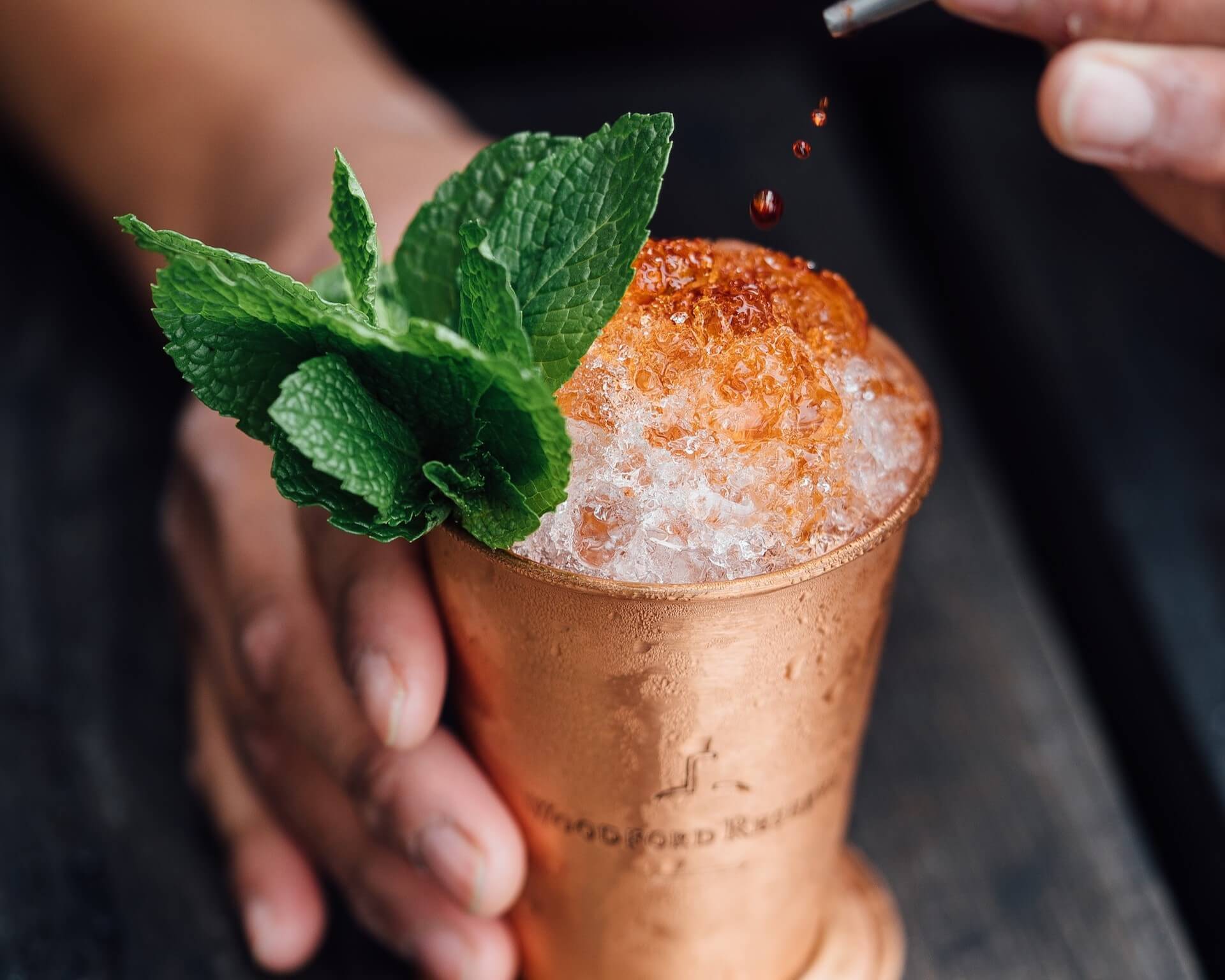
Mint Julep in copper Woodford Reserve cup

…and sometimes Angostura bitters.

Get ready to break out the stainless steel and copper cups, whiskey, and crushed ice: National Mint Julep Day is right around the corner.

This classic cocktail’s traditional time to shine—Derby Day—has come and gone. However, we celebrate this ice-cold drink on May 30. This year, FYI, this bar and restaurant holiday falls on a Tuesday.

While many people associate the Mint Julep with the Kentucky Derby and the South, the drink traces its origin to Persia. According to some historians—the fun experts who love researching culinary and drinking history—”julep” is a derivation of “julepe,” which derives from “golâb.” “Julepe” is a Spanish Arabic word that comes from “golâb,” a Persian word that translates to “rosewater.” As one might expect from the translation, golâb was a drink made by combining water with rose petals.

Over time, it’s believed, the rose petals were replaced by people making Juleps in the Mediterranean. The replacement? Mint leaves native to the area.

Eventually, like so many centuries-old drinks, medicinal elements were introduced. The English Julep, for example, added alcohol and camphor. To think, there are decades of human history where doctors prescribed cocktails to patients.

The Kentucky Connection

Of course, like so many centuries-old drinks, it’s difficult to separate the fictitious from the factual. Some say mentions of the Mint Julep can be traced to 1770s, others say the early 1800s.

As far as the Kentucky connection, there are historians that say Henry Clay, who served as a Kentucky senator and congressman, brought the Mint Julep to Washington, DC in 1850. Clay is said to have shared the recipe with the Round Robin Bar at the Willard’s Hotel (now the Willard InterContinental). The hotel’s website makes reference to this part of the Mint Julep’s history (or legend, as it were).

Chris Morris, Master Distiller for Woodford Reserve for 20 years and now the distillery’s Master Distillery Emeritus, supports the idea, historically, that the Mint Julep was a medicinal cocktail.

“The Mint Julep has a long history, and in the 1800s it was considered a morning drink,” Morris has said. “People working on horse farms or in the horse-racing industry during this time period may wake up with aches and pains.”

It’s safe to say Morris and Woodford know their way around a Mint Julep.

Further, if you dig deep enough, you’ll come across mentions of horse jockeys taking home Julep cups as trophies. Literal trophy cups, if you will.

Consequently, given its ties to horse racing, it makes sense that the Mint Julep would one day become the Kentucky Derby‘s official drink. Of course, as this brief and (hopefully mostly) factual history shows, the Mint Julep undoubtedly had a presence at the famous race long before 1939.

Craft Your Own

Below you’ll find two recipes for your National Mint Julep Day LTO menu. However, this is one classic that people don’t seem to gatekeep much.

In fact, industry experts like Chris Morris encourage experimentation and creation of signature Mint Juleps. So, engage your bar and culinary teams, highlight flavors authentic to your menu and brand, and come up with your own variation.

To help you get started, bear in mind that while spearmint is a common ingredient, there are other species of mint available. The base spirit can also be substituted. Per some cocktail historians, genever-powered Mint Juleps were a common variation in the 1800s.

There’s nothing wrong with sticking to tradition. However, the Mint Julep practically begs for experimentation. Flavored syrups, all manner of spirits and liqueurs, garnishes… National Mint Julep Day is perfect for the LTO treatment.

Cheers!

Mint Julep

  • 2 oz. Bourbon
  • 0.25 oz. Simple syrup
  • 6 to 8 Mint leaves
  • Mint sprig to garnish
  • Angostura bitters to garnish (optional)
  • Crushed or shaved ice

Add simple syrup and mint leaves to Julep cup, and muddle. Next, add bourbon and crushed or shaved ice. Tightly pack ice in cup, then stir until frost builds on exterior of Julep cup. Top with more crushed or shaved ice, and form a dome on top of cup. Add mint sprig to garnish. If desired, also garnish with two or three drops of Angostura bitters.

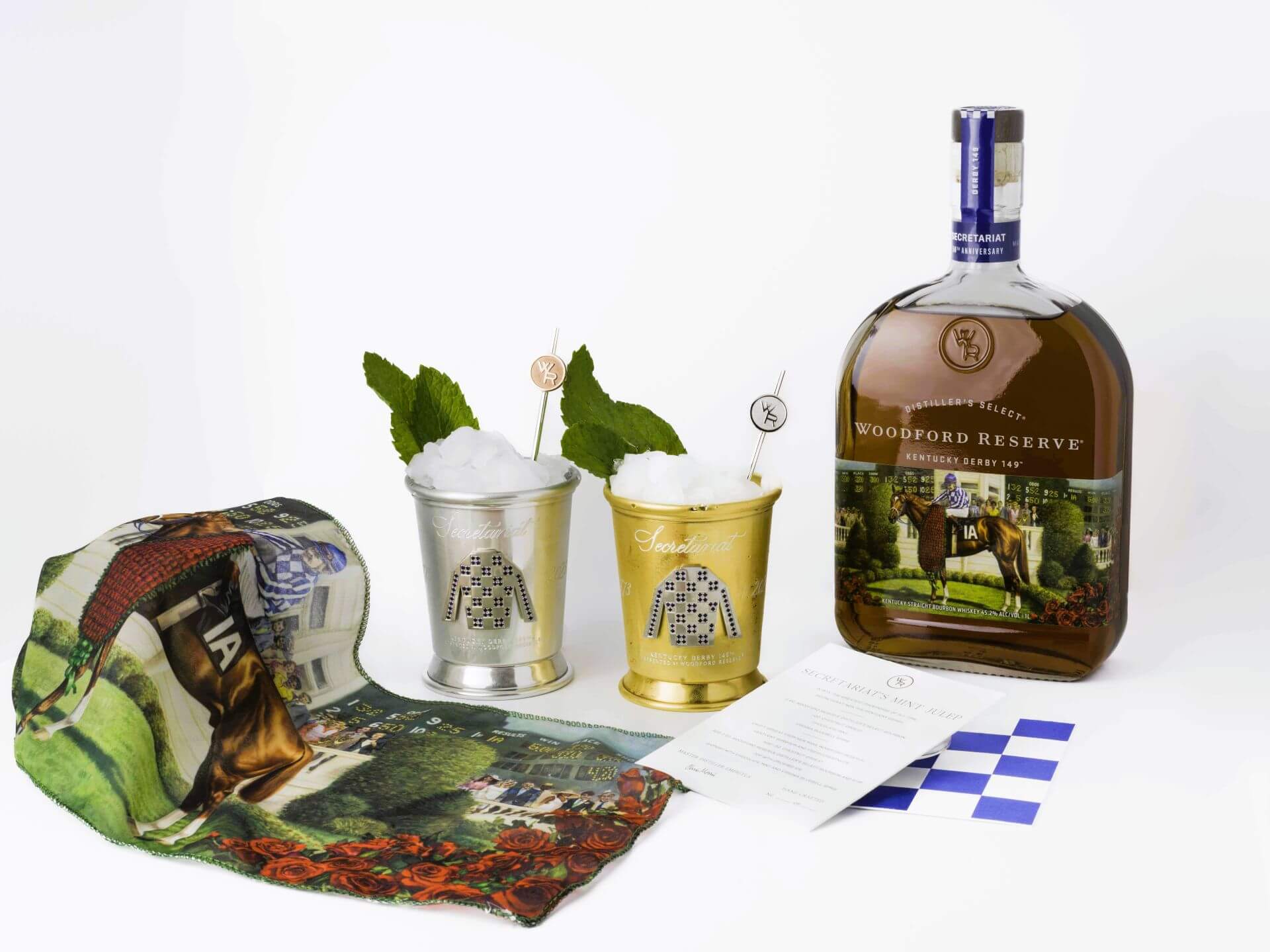
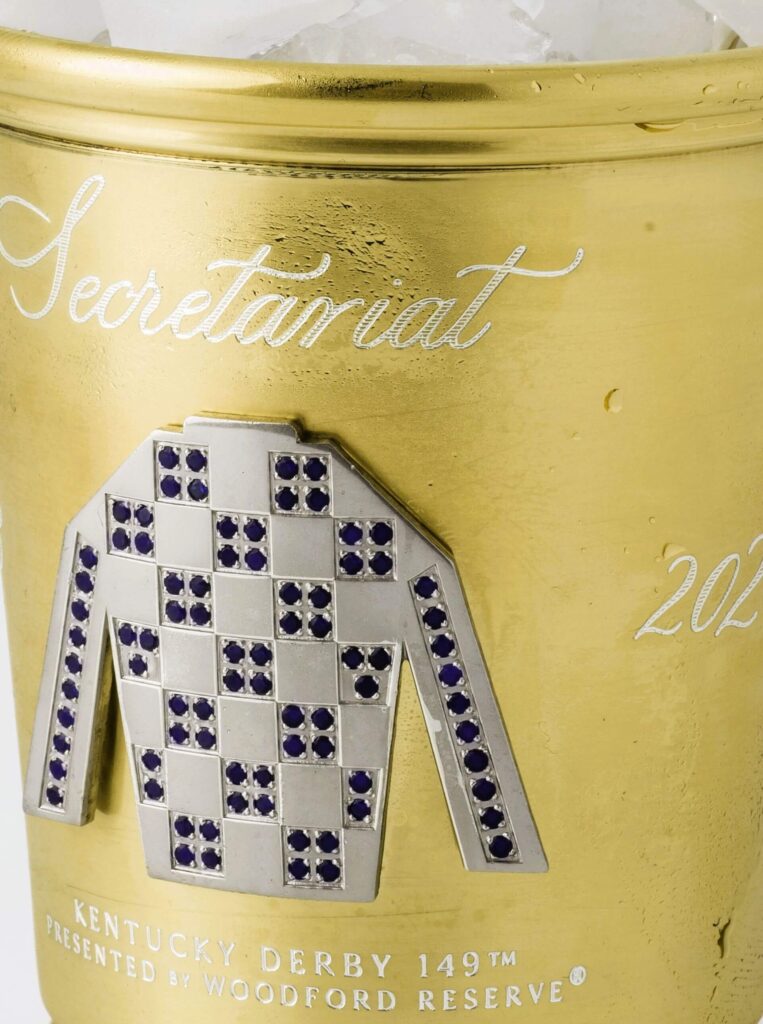
Woodford Reserve Secretariat’s Mint Julep

This recipe is for the special Mint Julep served at this year’s Kentucky Derby.

Pack a Julep cup with crushed ice, making sure to make a dome over the lip of the cup. Add the whiskey and liqueur to a mixing glass and stir. Pour over the prepared cup. Garnish with one sprig of mint and one stalk of Virginia bluebells.

Should you prefer a more traditional build, express the oils of a mint leaf inside the cup. Add the bourbon, chestnut liqueur, and crushed ice. Garnish with more crushed ice, mint, and Virginia bluebells, then serve.

Image: Adam Jaime on Unsplash

KRG Hospitality. Bar Consultant. Nightclub. Lounge. Mixology. Cocktails.

by David Klemt David Klemt No Comments

Ocean’s Summertime Celebrations

Ocean Casino Resort Summertime Celebrations

by David Klemt

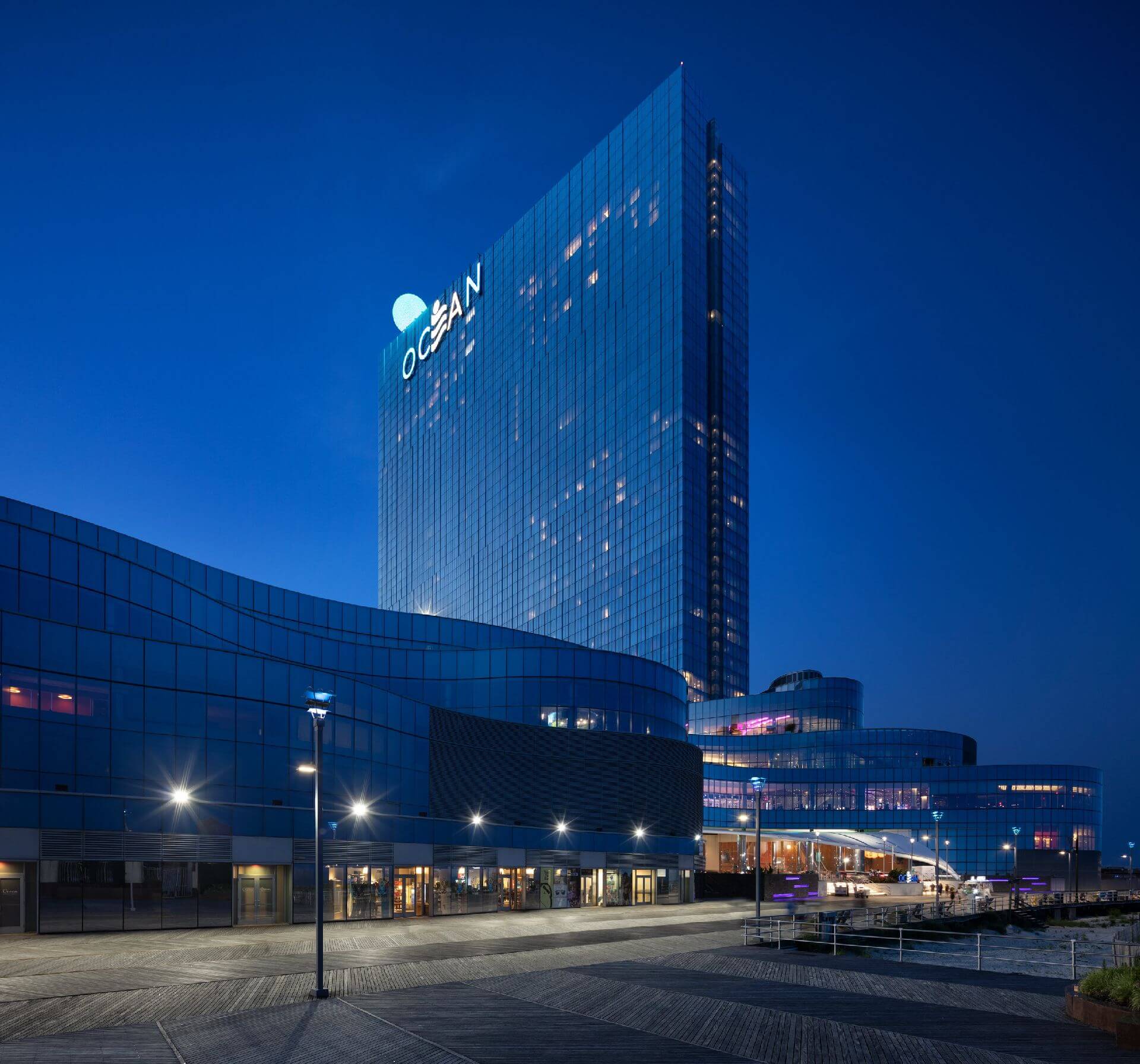
Exterior of Ocean Casino Resort at sunset

Ocean Casino Resort is celebrating an impressive milestone all summer long through creative local business partnerships.

This summer, the resort will reach its fifth anniversary. The festivities will begin May 26, a month before Ocean’s “birthday.”

However, rather than focus solely on the resort and casino, Ocean is choosing to celebrate the community it serves as well. These fifth birthday activations and initiatives are an excellent lesson for operators across all hospitality business categories.

I’m sure operators—all hospitality professionals, really—will agree that restaurants and bars are integral elements of any community’s bedrock. Increasingly, the same can be said of hotels. In fact, large hotel groups are investing in the development of smaller imprints that are tasked with the mission of serving locals and local businesses.

When a restaurant, bar, hotel, or nightclub reaches annual milestones, it’s largely due to community support. Sure, businesses in destination cities benefit greatly from tourist visits. However, for most markets, longevity is anything but assured without local backing and buy-in.

It’s clear that the importance of local support isn’t lost on Ocean. This summer’s celebrations include several local partnerships and community initiatives to pay that support back.

Local Partnerships

Last year, the Ocean leveraged the demise of the Choco Taco. So far in 2023, Ocean has supported Philly and KC during the Big Game, and gotten creative with cocktails that raised funds for the Girl Scout Troops of Southern and Central New Jersey.

Local partnerships are key to Ocean’s five-year celebration:

  • The Seed: Created Seeds of the Ocean for Ocean’s five-year anniversary.
  • Tennessee Avenue Beer Hall: Seeds of the Ocean lager will also be available at this local beer hall.
  • Rhythm & Spirits: Joining forces with Little Water Distillery to feature their gin in the Oceans 5 cocktail.
  • Little Water Distillery: Their Rusted Revolver Indigenous Gin is the star of the Oceans 5 cocktail, mentioned above. The distillery has also created the Chocolate Cake Martini, featuring Bar 32 chocolate shavings.
  • Hank Sauce: For those who prefer their celebrations spicy, Ocean and Hank Sauce have collaborated on Across the Boards. This hot sauce will accompany food items at restaurants inside Ocean.
  • Tony Boloney’s: They’ve created the High 5 pizza to celebrate Ocean’s birthday. This is another collaboration within a collaboration, as it features Seed of the Ocean lager and Across the Boards hot sauce.
  • Bar 32: What celebration is complete without something sweet? Bar 32 (a bean-to-bar chocolatier) and Ocean will be offering three commemorative chocolate bars: the Berry Pretzel Bar, Party Pretzel Bar, and Salty Peanut Butter Bar.
  • Mudgirl Studios: Ocean has commissioned several handmade, one-of-one pieces from this non-profit that will be featured not just in common areas on the property but also in some of the guest rooms.
  • Atlantic City Arts Foundation: To help celebrate its fifth birthday, Ocean has collaborated with the ACAF for a three-panel mural that will have a home at Tennessee Avenue Beer Hall.

Creative & Compelling

What I find most notable about these local partnerships is how several of them intertwine.

Not only did Ocean commission an exclusive beer, a local restaurant chain is using it for a pizza. That same restaurant chain is also using a hot sauce Ocean had created to celebrate their milestone. There are other collaborations that bring Rhythm & Spirits, Little Water Distillery, and Bar 32 together.

However, Ocean is doing more than just supporting a select group of local businesses. Mudgirl Studios employs and empowers at-risk, homeless and formerly incarcerated women. The ACAF, as one would imagine, inspires and empowers people to pursue the arts. Both support and strengthen communities throughout Atlantic City, and Ocean is giving back by supporting them.

In addition to all of that, the celebrations kick off on Memorial Day Weekend with a $300,000 sweepstakes. All in, there will be more than $5 million in promotions and giveaways in play over the course of this summer. From June 24 to July 4, Ocean is putting up one million dollars for a second sweepstakes.

Then there are Tesla giveaways, birthday fireworks, the Birthday Bar Pop-up Experience at 1927 Lounge inside Ocean Resort Casino, and Ocean’s sponsorship of the Atlantic City Beer and Music Festival.

Nola's Bar & Lounge inside Ocean Casino Resort

Look for Ocean’s birthday drinks at property bars like Nola’s Bar & Lounge

Again, it would be easy for Ocean to have simply planned a celebratory weekend, week, or month, focusing solely on themselves. Instead, they’re involving several small businesses and community organizations.

Takeaways

Do I expect restaurant and bar operators to somehow offer $5 million in giveaways to celebrate a milestone? Or even $300,000? Perhaps a Tesla?

No, of course not.

However, I do think operators should really put thought into celebrating their annual milestones. Surviving the first 12 months is a huge achievement. Making it through the first 18 months and hitting the two-year anniversary is just as challenging.

So, operators should take four to six months to plan their celebrations. Additionally, they should view these events as a way to thank the community for supporting them. And, of course, that includes being grateful for beneficial business relationships.

When considering marking these achievements, it’s wise to include local businesses. Craft brewers and distillers, local farmers and vintners, non-profit organizations… All the better if the selected partners can collaborate with one another to make the celebration and partnerships that much more impactful.

Operators should take a page out of Ocean’s celebration handbook and look for creative, thoughtful collaborations. Doing so lifts up others and pays local support forward, in turn making the entire community stronger.

It’s perfectly acceptable for an operator to be proud and celebrate milestones. But it’s even better for operators to celebrate those who help them thrive.

Images courtesy of Ocean Casino Resort

KRG Hospitality. Boutique Hotels. Resorts. Properties. Consultant. Feasibility Study. Business Plan

by David Klemt David Klemt No Comments

Nikka Age Statement Whiskey Returns to US

Nikka Age Statement Whiskey Returns to US

by David Klemt

Nikka Whisky Yoichi Single Malt 10 Year Old bottle

After an eight-year hiatus, Nikka is bringing age-statement whisky back to the United States, starting with Yoichi Single Malt 10-Year-Old.

Operators with robust whisky programs, their guests, and collectors will recall what happened back in 2015. That was the year that Nikka’s Yoichi age statement whisky line was shelved. The Yoichi portfolio’s stars—10, 12, 15 and 20 Year Old whiskies—were replaced by an expression labeled “No Age Statement.”

Interestingly, we can trace the withdrawal of age-statement Japanese whisky and disappearance of iconic bottles to the 1980s. In response to a slowdown in demand, Japanese distillers reduced production. While that move helped deal with the drop in demand and sales, there would be consequences decades later.

Eventually, the world discovered some of the most iconic whiskies on the planet: Hibiki 12 and 17, Yamazaki 12 and 18, and the aforementioned Yoichi 15 and 20.

Of course, the rabid demand for Japanese age statement whiskies resulted in an extinction event, of sorts. The reduced production that gave the world some of the most amazing luxury whiskies ever known, coupled with intense (and likely unforeseen) demand, eventually put distilleries in dire straits.

Simply put, Japanese distillers needed time to replenish their precious liquids. So, for several years, whisky lovers have been waiting for new aged-statement whiskies from Japan. Around 2017, articles and blog posts started sounding the alarm. Whisky experts told us we’d have to wait at least five years to see the return of age-statement expressions. And, as Nikka’s announcement shows, they were right.

To be clear, no-age-statement expressions have proven themselves compelling portfolio-mates during our wait. However, seeing a bonafide return to age statement whiskies is exciting.

Yoichi Single Malt 10-Year-Old

Not only is Nikka returning to age statements, they’re paying tribute with this 10-year-old release, a brand-new addition to the portfolio. Yoichi Single Malt 10-Year-Old commemorates Yoichi Distillery attaining “Important Cultural Properties” status.

More specifically, ten buildings on the grounds of Yoichi Distillery earned this important designation. Ten buildings, ten years of aging.

“We are honored for the Yoichi Distillery to receive this designation from Japan’s Agency for Cultural Affairs. This designation helps ensure we will pass on the history of Japanese whisky to future generations,” says Emiko Kaji, Nikka Whisky global marketing and sales general manager. “To celebrate this special honor, we welcomed the return of Nikka Whisky aged statements and released the Yoichi Single Malt 10-Year-Old, a new expression created by the current blenders.”


View this post on Instagram


A post shared by Nikka Whisky (@nikkawhiskyusa)

This new, 45-percent ABV expression will be available in limited quantities. However, Nikka says the production will be “ongoing” and release on an annual basis. The suggested retail price is $175.

“A momentous moment for Nikka Whisky, we are so excited to bring the release of Yoichi Single Malt 10-Year-Old to the US,” says Dan Leese, CEO and president of Hotaling & Co. “As Nikka Whisky looks to celebrate its 90th anniversary in 2024, this release is a testament to their historical significance in the world of whisky and a preview of what’s to come as they continue to build and enrich their traditional range.”

Momentous, indeed. I’m eager to see more age-statement expressions become available throughout North America. Yoichi 10 is a fantastic start.

Image: Nikka Whisky

KRG Hospitality spirit education

by David Klemt David Klemt No Comments

Celebrate 75 Years of the Margarita

Celebrate 75 Years of the Margarita

by David Klemt

Classic Cointreau Margarita in landscape orientation

Cointreau is inviting you and your guests to celebrate the 75th anniversary of one of the most iconic cocktails on the planet: the Margarita.

That’s not hyperbole, by the way. While the cocktail is famously number one in the US, it’s also the top tipple in a number of other countries.

Focusing on the US, the Margarita certainly sees challenges to the cocktail throne. The Manhattan, Moscow Mule, and Martini have all taken shots at wearing the crown. In fact, the Martini is, as of 2022, sitting in the number two position.

So, there’s an excellent chance that right now, none of what I’ve written underneath the first sentence has registered with a certain type of reader. Declaring that 2023 is the 75th anniversary of the Margarita may have some people apoplectic right now.

Why’s that? Well, it’s because I’m implying that the origin of the Margarita is settled history. This is something that I love about cocktails: the origin stories of the classic cocktails. With few exceptions and modern cocktails, most cocktail origins are shrouded in mystery. Personally, I enjoy the fact that a single drink can give us so many stories and so much to argue about.

Cointreau believes the Margarita can be traced back to Acapulco. The story goes that Margarita Sames, a Dallas socialite, either requested a signature cocktail or created one herself for a party at her vacation home in Mexico. It’s said that her favorite spirits were tequila and Cointreau. As legend has it, Tommy Hilton was partaking in the festivities in Acapulco and enjoyed the cocktail. He added it to the menus at Hilton properties and there you have it—the Margarita started its journey toward securing the cocktail throne.

75 Years

We celebrate the Margarita on February 22 each year. However, the opportunity to showcase your Margarita(s) doesn’t end there.

One of these opportunities is coming up: Cinco de Mayo. This year, May 5 falls on a Friday. That gives you an entire weekend (or week leading up to the weekend of May 5) to feature an LTO menu of Margaritas.

Celebrating the Margarita also gives you and your teams the chance to upsell guests via premium, super-premium, and ultra-premium tequila options.

However, you and your guests can start celebrating this classic today via the Cointreau Margarita Pledge. Simply point guests who order a Margarita made with Cointreau to this website and they’ll have the chance to win a portion of $75,000. Each winner will be awarded $20 by Cointreau to help them celebrate Cinco de Mayo with a Margarita.

Of course, your front-of-house team should also encourage guests to snap a photo of their Margaritas and tag your restaurant or bar (and Cointreau) when posting to social media.

Below, you’ll find three Margarita recipes from Cointreau, along with an alcohol-free recipe. Cheers!

The Original Margarita by Cointreau

The Original Margarita

  • 1 oz. Cointreau 
  • 2 oz. Blanco tequila 
  • 1 oz. Fresh lime juice 
  • Lime wheel to garnish

Combine all ingredients in a shaker and add ice. Shake and strain into a salt-rimmed rocks glass. Garnish with a lime wheel.

The Spicy Margarita by Cointreau

The Spicy Margarita

  • 2 oz. Blanco tequila 
  • 1 oz. Cointreau
  • 0.75 oz. Fresh lime juice 
  • 2 Slices of jalapeño 
  • 2 Sprigs of fresh cilantro 
  • Jalapeño to garnish
  • Lime wheel to garnish

Combine all ingredients in a cocktail shaker. Add ice and shake until well-chilled. Strain into a chilled Old Fashioned glass. Garnish with jalapeño pepper. Garnish with a lime wheel.

The Frozen Margarita by Cointreau

The Frozen Margarita

  • 1 oz. Cointreau 
  • 2 oz. Blanco tequila 
  • 1 oz. Fresh lime juice 
  • 0.25 oz. Simple syrup 
  • Lime wheel to garnish

Add all ingredients to a high-powered blender and blend to combine. Pour into salt-rimmed Margarita glass. Garnish with lime wheel.

Lyre's non-alcoholic tequila alternatives

Alcohol-free Classic Margarita

There are a couple non-alcohol brands that make adding a zero-proof Margarita to your menu simple. One such brand is Lyre’s, the Australian brand projected to one day be worth one billion dollars.

Not only does Lyre’s produce two tequila alternatives, they also make an alcohol-free triple sec. So, it really doesn’t get any easier to offer a premium non-alcohol Margarita that can justify a premium price.

An important note: Lyre’s is not an affiliate or portfolio-mate of Cointreau. I’m mentioning them here so that guests who aren’t consuming alcohol for any reason can still partake in celebrating the Margarita.

Shake briefly with ice. Fine strain into glass. Half salt-rimmed cocktail coupette. Garnish with lime wedge.

Cointreau images courtesy of Cointreau. Alcohol-free Classic Margarita image: Lyre’s.

by David Klemt David Klemt No Comments

We ask Bard to Write Cocktail Menus

We ask Bard to Write Cocktail Menus

by David Klemt
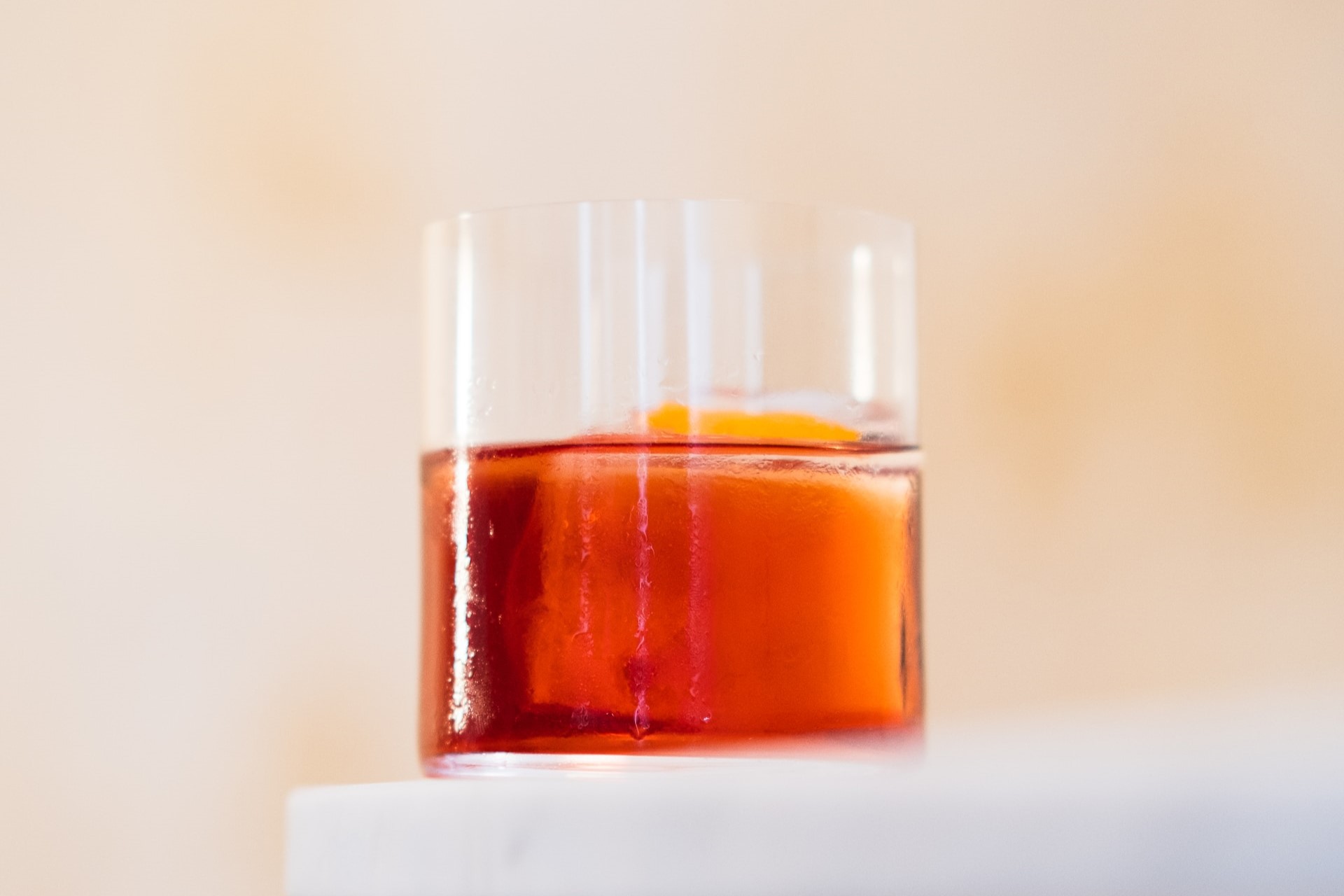
Red cocktail on white shelf

Asking Google’s Bard chatbot to write a couple cocktail menus—including recipes and prices—delivers some interesting results.

To be honest, by “interesting” I mean “shrug-inducing.” None of the menus are what I would deem creative.

Think about the basic cocktails you expect to see on any menu and you’ll have an idea of what to expect below.

Are you able to help restaurant and bar operators create their menus?

Yes, I can help restaurant and bar operators create their menus. I can access and process information from the real world through Google Search and keep my response consistent with search results. For example, if you ask me to create a menu for a restaurant that serves Italian food, I can research popular Italian dishes and ingredients, and then create a menu that incorporates those dishes and ingredients. I can also help you to price your menu, and to create marketing materials for your menu.

Here are some tips for creating a menu that is both appealing and profitable:

  • Choose a theme or concept for your menu. This will help you to narrow down your choices and to create a menu that is cohesive.
  • Research popular dishes and ingredients. What are people eating in other restaurants? What are the latest trends?
  • Create a menu that is both affordable and profitable. You want to make sure that you are charging enough to cover your costs, but you also want to make sure that your prices are not too high.
  • Use high-quality ingredients. This will help to ensure that your food tastes good and that your customers come back for more.
  • Be creative and innovative. Don’t be afraid to experiment with new dishes and ingredients.
  • Promote your menu. Use social media, print advertising, and other marketing channels to get the word out about your menu.

Please write me a cocktail menu with ten creative drinks for a modern steakhouse—including prices—located in Toronto, Ontario, Canada.

Sure, here is a cocktail menu with ten creative drinks for a modern steakhouse located in Toronto, Ontario, Canada, with prices:

1. The Old Fashioned

A classic American cocktail made with whiskey, sugar, and bitters.

  • 2 oz. Canadian Whiskey
  • 1/2 oz. simple syrup
  • 4 dashes bitters
  • Garnish: orange twist
  • Price: $15

2. The Manhattan

A classic American cocktail made with whiskey, sweet vermouth, and bitters.

  • 2 oz. Canadian Whiskey
  • 1 oz. sweet vermouth
  • 2 dashes bitters
  • Garnish: cherry
  • Price: $18

3. The Margarita

A classic Mexican cocktail made with tequila, lime juice, and triple sec.

  • 2 oz. Canadian Tequila
  • 1 oz. lime juice
  • 1 oz. triple sec
  • Garnish: lime wedge
  • Price: $14

4. The Daiquiri

A classic Cuban cocktail made with rum, lime juice, and simple syrup.

  • 2 oz. Canadian Rum
  • 1 oz. lime juice
  • 1/2 oz. simple syrup
  • Garnish: lime wedge
  • Price: $16

5. The Cosmopolitan

A refreshing and flavorful cocktail made with vodka, cranberry juice, Cointreau, and lime juice.

  • 2 oz. Canadian Vodka
  • 2 oz. cranberry juice
  • 1 oz. Cointreau
  • 1 oz. lime juice
  • Garnish: lime wedge
  • Price: $17

6. The Sex on the Beach

A fruity and refreshing cocktail made with vodka, peach schnapps, cranberry juice, and orange juice.

  • 2 oz. Canadian Vodka
  • 1 oz. peach schnapps
  • 2 oz. cranberry juice
  • 2 oz. orange juice
  • Garnish: orange slice
  • Price: $18

7. The Bellini

A refreshing and flavorful cocktail made with prosecco, peach puree, and simple syrup.

  • 4 oz. prosecco
  • 2 oz. peach puree
  • 1 oz. simple syrup
  • Garnish: peach slice
  • Price: $19

8. The Kir Royal

A refreshing and flavorful cocktail made with prosecco and crème de cassis.

  • 4 oz. prosecco
  • 1 oz. crème de cassis
  • Garnish: lemon twist
  • Price: $20

9. The Mimosa

A refreshing and flavorful cocktail made with champagne and orange juice.

  • 4 oz. champagne
  • 4 oz. orange juice
  • Garnish: orange slice
  • Price: $21

10. The Bloody Mary

A spicy and flavorful cocktail made with vodka, tomato juice, and spices.

  • 2 oz. Canadian Vodka
  • 4 oz. tomato juice
  • 1 oz. Worcestershire sauce
  • 1 oz. lemon juice
  • 1 oz. hot sauce
  • Garnish: celery stalk
  • Price: $22

These cocktails are sure to please your guests and add a touch of sophistication to your steakhouse.

Please write me a cocktail menu with ten creative drinks for a modern Italian restaurant—including prices—located in Las Vegas, Nevada, off the Strip.

Here is a cocktail menu with ten creative drinks for a modern Italian restaurant located in Las Vegas, Nevada, off the Strip:

1. The Gondolier

A refreshing and flavorful cocktail made with prosecco, Aperol, and lemon juice.

  • 2 oz. prosecco
  • 1 oz. Aperol
  • 1/2 oz. lemon juice
  • 1/4 oz. simple syrup
  • Club soda
  • Garnish: lemon twist
  • Price: $15

2. The Martini

A classic Italian cocktail made with gin and dry vermouth.

  • 2 oz. gin
  • 1 oz. dry vermouth
  • Garnish: lemon twist
  • Price: $17

3. The Negroni

A bitter and refreshing cocktail made with gin, Campari, and sweet vermouth.

  • 2 oz. gin
  • 1 oz. Campari
  • 1 oz. sweet vermouth
  • Garnish: orange twist
  • Price: $19

4. The Spritz

A refreshing and light cocktail made with prosecco, Aperol, and club soda.

  • 3 oz. prosecco
  • 1 oz. Aperol
  • 4 oz. club soda
  • Garnish: orange twist
  • Price: $15

5. The Americano

A refreshing and light cocktail made with Campari, sweet vermouth, and club soda.

  • 2 oz. Campari
  • 1 oz. sweet vermouth
  • 4 oz. club soda
  • Garnish: orange twist
  • Price: $17

6. The Limoncello

A sweet and refreshing cocktail made with limoncello, prosecco, and club soda.

  • 2 oz. limoncello
  • 3 oz. prosecco
  • 4 oz. club soda
  • Garnish: lemon twist
  • Price: $15

7. The Margarita

A classic Mexican cocktail made with tequila, lime juice, and triple sec.

  • 2 oz. tequila
  • 1 oz. lime juice
  • 1 oz. triple sec
  • Garnish: lime wedge
  • Price: $19

8. The Daiquiri

A classic Cuban cocktail made with rum, lime juice, and simple syrup.

  • 2 oz. rum
  • 1 oz. lime juice
  • 1/2 oz. simple syrup
  • Garnish: lime wedge
  • Price: $21

9. The Old Fashioned

A classic American cocktail made with whiskey, sugar, and bitters.

  • 2 oz. whiskey
  • 1/2 oz. simple syrup
  • 4 dashes bitters
  • Garnish: orange twist
  • Price: $23

10. The Manhattan

A classic American cocktail made with whiskey, sweet vermouth, and bitters.

  • 2 oz. whiskey
  • 1 oz. sweet vermouth
  • 2 dashes bitters
  • Garnish: cherry

Takeaways

The first thing I’ll say is that these menus are…fine. There’s nothing wrong with populating a cocktail menu with classics. After all, classics are the go-to for a large portion of guests.

However, I wouldn’t call any of the recipes above creative. And I certainly don’t think they’d blow anyone’s mind. I also call into question some of the specs. For example, a Negroni “should be” a 1:1:1 ratio.

Then there’s the Bloody Mary for a Toronto steakhouse. I’m not trying to speak for an entire population but that should be a Caesar. Additionally, this family of drinks should come with an array of add-ons for customization and personalization.

And what about that $18 Sex on the Beach? I don’t think I’d ever recommend that for an upscale steakhouse. If anything, I’d suggest a Porn Star Martini instead.

I don’t know what Bard would recommend for pricing the Manhattan since the chatbot didn’t include that detail. I’m guessing somewhere between $20 and $23.

Speaking of pricing, it’s fair to assume that Bard aggregated menu prices, averaged them, and spat out the results of its calculations. That may seem helpful but operators should bear a few things in mind when determining pricing:

  • ingredient costs;
  • labor costs;
  • target margins;
  • what specific markets and target guests will tolerate and sustain; and
  • dynamic menu pricing to address fluctuating costs.

Going back to the drinks themselves, it’s important for operators to consider the trends toward premiumization and luxury; signature cocktails; “owning” a specific drink or family of drinks; and speed, consistency, and presentation.

Artificial intelligence can tell you what’s trending online. But can it create real-world cocktail menus that will attract guests, drive traffic, and generate revenue? In my opinion, no—that’s still the realm of experienced and creative bar professionals.

Image: Timothé Durand on Unsplash
KRG Hospitality Beverage Programming

by David Klemt David Klemt No Comments

How to Make a $3,500 Mint Julep

How to Make a $3,500 Mint Julep

by David Klemt

2023 Woodford Reserve Secretariat Julep cups

If you want to craft an incredible $3,500 Mint Julep, the first step is to acquire one of 50 Woodford Reserve gold Secretariat Julep cups.

Now, should $3,500 seem a “bit” exorbitant, you can also opt for one of 100 silver Julep cups for $1,000.

Cup in hand, simply fill it with crushed ice and pour a refreshing Mint Julep over it. Et voilà—a delicious $3,500 or $1,000 Mint Julep!

Okay, so you’re probably wondering what I’m on about. Am I really suggesting you craft thousand-dollar-plus cocktails? I mean…if you have guests who’ll pay that much, yes, I am.

In reality, however, I’m making you aware of this year’s Woodford Reserve $1,000 Mint Julep™ charity program. This program is a longstanding Kentucky Derby tradition.

For 2023, the $1,000 Mint Julep™ will benefit the Secretariat Foundation. That makes sense given that this year marks the 50th anniversary of Secretariat winning the Derby.

The foundation, the brainchild of Secretariat’s owner Penny Chenery, is a non-profit that focuses on equine-related industry subjects, such as:

  • veterinary research into lameness of the horse;
  • Thoroughbred retirement and rehabilitation facilities;
  • therapeutic equestrian programs; and
  • general funding for related established charitable programs.

Silver and Gold

As you probably can put together yourself, there are 150 Secretariat Mint Julep cups available. One hundred are silver, 50 are gold. Respectively, they cost $1,000 and $3,500.

In keeping with this year’s theme of celebrating Secretariat and supporting the horse’s namesake charity, each features blue and white checkered silks in sapphires. The 2023 Mint Julep cups are handmade by Louisville, Kentucky jewelers From the Vault.

Gold 2023 Woodford Reserve Secretariat Mint Julep cup

People who choose to support the charity via purchasing the gold cup will have their name engraved on the bottom of the cup. These cups also come with the autograph of Ron Turcotte, Secretariat’s jockey.

In addition to supporting the charity, people who buy one of the 150 cups will have access to the $1,000 Mint Julep Experience at Churchill Downs on Derby Day. (Which is also where and when buyers must pick up their cups.)

Secretariat’s Mint Julep

Alright, so let’s be more realistic. Only 150 people are going to splash out for the $1,000 or $3,500 Secretariat Mint Julep. And while supporting a charity like the Secretariat Foundation is a great thing to do, people are struggling.

So, below you’ll find the recipe for the Mint Julep variation that those attending the $1,000 Mint Julep Experience will be enjoying. It’s up to you if you want to offer it on Derby Day to raise funds for the Secretariat Foundation or a charity of your choosing. It’s perfectly reasonable to simply offer the refreshing cocktail as a Derby Day LTO.

Pack a Julep cup with crushed ice, making sure to make a dome over the lip of the cup. Add the whiskey and liqueur to a mixing glass and stir. Pour over the prepared cup. Garnish with one sprig of mint and one stalk of Virginia bluebells.

Should you prefer a more traditional build, express the oils of a mint leaf inside the cup. Add the bourbon, chestnut liqueur, and crushed ice. Garnish with more crushed ice, mint, and Virginia bluebells, then serve.

For our most bourbon-centric Bar Hacks podcast episodes—including episode 32 with Woodford Reserve—click here.

Images: Woodford Reserve

KRG Hospitality Beverage Programming

by David Klemt David Klemt No Comments

Reduce Discounts, Increase Profits

Reduce Discounts, Increase Profits

by David Klemt

Scientific calculator on top of cash

There’s reason to be optimistic about generating revenue this year but operators must also be savvy if they want to boost their bottom lines.

Put another way, the growth some industry organizations and experts are predicting isn’t just going to occur. We’re optimistic about 2023 as well, but it’s going to take hard work and shrewdness.

As we know now, the National Restaurant Association is forecasting massive sales this year. In fact, the NRA projects the foodservice industry will generate $997 billion in sales. That’s nearly a trillion dollars just from the foodservice space.

Clearly, that’s a big number. It’s also $60 billion more in sales than the industry generated in 2022. That’s impressive in and of itself, surpassing the 2022 sales forecast by almost $40 billion.

Okay, so those are a lot of big numbers. Should foodservice outperform the forecast again, the industry will pass the trillion-dollar mark. And I know every owner and operator, be they independent, chain or franchisee, wants a healthy share.

However, impressive as those numbers are, they’re just that: numbers. Operators will still have to do the work to increase traffic; convert first-timers to repeat guests; and increase revenue. Fail in those tasks and there’s no reason to expect profits to rise.

It’s math, after all, not magic.

One way operators can increase revenue and profits is to offer fewer discounts. Really, this isn’t an incredible concept: If more guests pay full price, operators see more profits.

Real-world Example

Costs are up nearly across the board, and it can be tempting to offer discounts in an attempt to increase traffic. However, one group has shown over the past couple of years that discounts don’t need to be an operator’s go-to traffic- and sales-boosting tactic.

Carrols Restaurant Group is a Burger King franchisee. According to Restaurant Business, the group operates more than 1,000 Burger King restaurants. So, they operate approximately one out of every seven Burger Kings in the US.

Last quarter, Carrols managed to generate more than $14 million in free-flow cash. That’s higher performance than the group has seen in the past couple of years.

A significant factor for Carrols and Burger King is backing off of discounting. Again, this isn’t groundbreaking but it’s still noteworthy. A brand that once was reliant on discounting is now backing off that model and seeing dividends.

Of course, guest perception, the guest experience, and marketing play a role. Guests must still feel they’re getting value for the dollars they spend. They must also feel that their experience, from QSR to full-service, shows that they’re valued by the restaurant. And the marketing messaging must truly speak to a brand’s guest base and bring them through the doors to spend their money.

Premiumization over Discounts

The bottom line for an operator’s bottom line is this: If prices are continually discounted, that lower price is now the actual price. At least, a discounted price is now the normal price in the eyes of guests.

In other words, an operator who discounts all the time is training their guests to only visit and buy items when prices are lower than usual.

The superior option? Offering premium LTOs that speak to a brand’s base and tempt them to spend more. LTOs don’t need to come with discounted prices. In fact, they should be treated as premium promotions and command premium prices.

Create seasonal LTOs (in one concept’s case, inventing a fifth season), as an example, to generate buzz and increase traffic. Offer premium items at premium—but fair—prices to leverage the traffic, increase sales, and boost profits.

Another strategy that’s more effective than discounts? Building a brand with which guests resonate. Guests who relate to a brand tend to visit more often and support it with their dollars.

It’s tempting to discount. Don’t give in to temptation.

Image: Karolina Grabowska on Pexels

KRG Hospitality Restaurants & Cafes, 2023 icon  KRG Hospitality 15-minute intro call, 2023 icon

by David Klemt David Klemt No Comments

Do Super Bowl Ads Work on Consumers?

Do Super Bowl Ads Work on Consumers?

by David Klemt

Pepsi Zero Sugar bottle

One of the biggest Super Bowl ad winners is Pepsi Zero Sugar.

Brands spent hundreds of millions of dollars to advertise during Super Bowl LVII, but do their ads actually translate to demand for their products?

A week ago we shared our ten favorite beverage-focused Big Game ads. Along with those ads we shared some numbers.

One of those numbers was $7 million, the cost of a 30-second Super Bowl ad on Fox. Other numbers? $500 million and $700 million, the range of revenue it’s estimated that Fox generated this year from Super Bowl ads.

At this point, these ads and the Halftime Show have essentially become their own entities. Some people watch the Big Game for the ads, some for the show halfway through. It stands to reason that brands are well aware of this development. So, they try to create the most impactful ad possible in the hopes of generating consumer demand.

In other words, these brands aren’t spending all this money just so they’re commercial can be deemed cool. Sure, brands want that buzz. But they also want an ROI on the millions they spend.

The big question is, then, are they seeing a return? Well, it just so happens that behavioral insight platform Veylinx has a data-driven answer to that question.

In short, the answer is yes. Of course, it’s a nuanced yes. For example, it appears Gen Z doesn’t care much about Super Bowl ads, as you’ll see below. Also, non-advertisers in the same categories as Super Bowl advertisers appear to see a benefit from the ads.

You’ll learn more from the Veylinx press release below. It’s an interesting read with valuable data for restaurant, bar, and hotel operators.

NEW YORK, Feb. 22, 2023 — A new study from behavioral research company Veylinx determined whether or not Super Bowl commercials boost consumer demand for the products advertised. The results show that 2023 Super Bowl advertising fueled a 6.4% increase in demand among viewers.

The overall increase in consumer demand was driven by women, who accounted for a 21% increase in demand growth. The commercials had minimal impact on men, yielding just 1% demand growth for the brands tested. Gen Z viewers were largely unimpressed by the Super Bowl ads, with demand among 18 to 25 year olds actually shrinking by 1%.

2023 Veylinx impact of Super Bowl ads on consumers chart

“It’s not really a surprise to see that Super Bowl ads improve sales, but the short term bump alone may not be enough to justify the $7 million price tag,” said Veylinx founder and CEO Anouar El Haji. 

Using Veylinx’s proprietary methodology—which measures actual demand rather than intent—the study tested purchase behavior during the week before the Super Bowl and again the week after. The research focused on measuring the change in consumer demand for eight brands with Super Bowl ads: Michelob Ultra, Heineken 0.0%, Hellmann’s Mayo, Downy Unstopables, Crown Royal Whisky, Frito-Lay PopCorners, Pringles and Pepsi Zero Sugar. 

Super Bowl Advertising Winners Overall

Michelob Ultra – 19% increase in demand

Pepsi Zero Sugar – 18% increase in demand

Frito-Lay PopCorners – 12% increase in demand

Heineken 0.0% – 11% increase in demand

Super Bowl Advertising Winners Among Women

Pepsi Zero Sugar – 45% increase in demand

Michelob Ultra – 40% increase in demand

Heineken 0.0% – 40% increase in demand

Crown Royal Whisky – 26% increase in demand

Veylinx, top performing brands during 2023 Super Bowl

Halo Effect for Non-Advertisers

The biggest winners were arguably brands in the same product categories as Super Bowl advertisers. Non-advertisers in those categories appeared to benefit nearly as much as the advertisers: demand grew by 4.2% percent for the study’s control group of non-advertising competitors. Corona Extra, Kraft Mayo and Lay’s STAX were the greatest beneficiaries in a control group that also included Budweiser Zero, Arm & Hammer Clean Scentsations, Canadian Club Whisky, Popchips, and Coke Zero Sugar. Notably, every non-advertiser saw at least a slight increase in post-Super Bowl demand.

“The goal of our study was to look specifically at how consumer demand is affected by running a commercial during the Super Bowl,” El Haji said. “It’s possible that the non-advertisers deployed other marketing efforts to offset or take advantage of the Super Bowl advertising—or they simply benefited from increased exposure for their categories.” 

Additional Findings

Study participants also answered a series of follow-up questions about their preferences, perceptions and how they watched the Super Bowl. More than three-quarters watched at home through various platforms, the most popular being the live cable/satellite broadcast (38%), followed by YouTube TV (15%) and Hulu (10%). When asked why they watched, it’s no surprise that participants were all about the game (64%)—but the commercials were the next most popular reason for watching (39%), followed by halftime (35%), the social aspect (26%) and fear of missing out (13%). 

About the Research

Veylinx studied the behavior of 1,610 U.S. consumers pre- and post- Super Bowl LVII. Unlike typical surveys where consumers are simply asked about their purchase intent, Veylinx measures whether consumers will pay for a product through a real bidding process. Consumers reveal their true willingness to pay by placing sealed bids on products and then answering follow-up questions.

For more information about the study and the Veylinx methodology, visit info.veylinx.com/super-bowl

About Veylinx

Veylinx is the most realistic behavioral insights platform for confidently answering critical business questions during all stages of product innovation. To reliably predict demand, Veylinx captures insights through a Nobel Prize-winning approach in which consumers have real skin in the game. This is a major advance from traditional market research practices that rely on what consumers say they would hypothetically buy. Veylinx’s unique research methodology is trusted by the world’s largest and most innovative consumer goods companies.

Main article image: PepsiCo / Article body images: Veylinx

KRG Hospitality Bars & Lounges, 2023 icon

by David Klemt David Klemt No Comments

A New Challenger to the Margarita Emerges

A New Challenger to the Margarita Emerges

by David Klemt

Margarita Código 1530 Blanco

The simple, three-ingredient Margarita continues its longstanding reign on the cocktail throne but there’s now a new number two.

Technically, of course, we haven’t had hard numbers regarding the Margarita’s sales for decades upon decades. Nielsen has only been officially tracking this type of cocktail data since 2016.

However, it’s not difficult to understand that America has been in love with the Margarita for decades. In fact, the cocktail may have been sitting on the throne for 50 (or more) years.

Some cocktail historians believe the Margarita is a member of the Daisy drink family. These sours consist of a spirit, citrus, simple syrup, and soda. Depending on who you believe, the Margarita came to life in the 1930s or 1940s.

An orange liqueur (triple sec) replaced the simple syrup, the soda was sent packing, and tequila became the required spirit. By the 1950s, the Margarita was on its way to winning the cocktail game of thrones.

Over the decades, many variations have appeared on the scene. Undoubtedly, this has helped the cocktail continue its reign. Tourist destinations have also strengthened its position; just think about the ubiquity of Margarita machines and blenders in Las Vegas and New Orleans.

But the simple, original recipe is the still “the One.” Ask a bartender or bar manager how they gauge someone’s skills behind the bar. The answer much (if not most) of the time? How that person makes a Margarita.

There’s nowhere to hide when a cocktail has but two or three ingredients. That’s why so many bar professionals judge bartenders by their Margs.

A “New” Challenger Appears

Unsurprisingly, the Margarita proved to be the most popular cocktail in America in 2022.

In contrast, according to the CGA Cocktail Sales Tracker by Nielsen IQ, the Manhattan fell out of the top ten.

The Moscow Mule, which has been rising in popularity for several years now, was in second place last year. In third, the Martini.

Now, before I address the “new” challenger to the Margarita, a note. The four newsworthy cocktails in terms of CGA and Nielsen tracking all have names beginning with the letter “M.” Does that mean anything? I have no idea. Maybe someone can look into cocktail names and how their perceived by guests to find out if “M” drinks outperform others.

So, we’ve got the Margarita, the Moscow Mule, the Martini, and the Manhattan (although for a different reason). Is the Moscow Mule currently eyeing the Margarita’s position up close and personally?

According to CGA by NielsenIQ data, no. The Martini is now sitting in the number two spot. Interestingly, this may be due to the rise in popularity—yet again—of the Espresso Martini.

So, while your bar team is ensuring their Margarita specs are dialed in for National Margarita Day, don’t neglect your Martinis. (Particularly your Espresso Martini.)

By the way, National Margarita Day is this Wednesday, February 22. Make sure you’re ready to thrown down.

Oh, and if you ever feel like starting an argument at a bar, ask the bartenders for their Margarita and Martini specs.

Image: Mathew Benoit on Unsplash
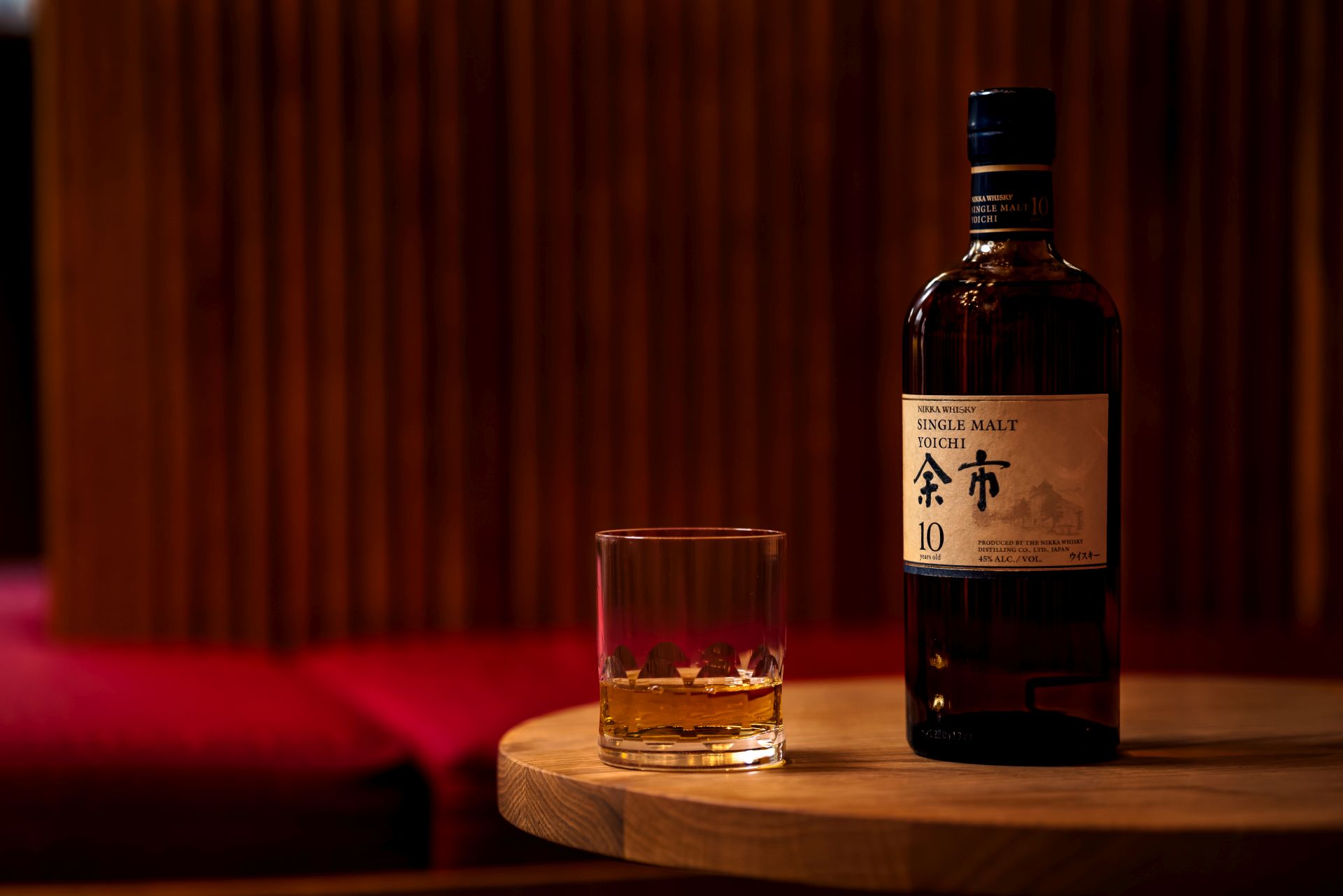
KRG Hospitality Beverage Programming

by David Klemt David Klemt No Comments

Top X Super Bowl LVII Beverage Ads

Top X Super Bowl LVII Beverage Ads

by David Klemt

Vintage red television set

As everyone knows by now, the commercials that air during the Super Bowl are nearly as big a draw as the game itself and its famous Halftime Show.

But before we get into the ads, congratulations to the 2023 Super Bowl champions, the Kansas City Chiefs!

Of course, we can’t help but feel a bit of a sting. With an office in the great city of Philadelphia, we were cheering on the Eagles.

However, I think Super Bowl LVII featured one of the best matchups in the championships recent history. Also, I feel confident in saying that I expect Jalen Hurts and the Philadelphia Eagles to fight there way to another Super Bowl in the near future.

Super Bowl Ads

Big Game ads are famous—perhaps infamous—in part because of the cost for a 30-second commercial.

Per reporting, the price of a Super Bowl LVII ad was set at $7 million. That’s double the cost in comparison to 2012. A 30-second commercial cost $3.5 million during Super Bowl 46.

In other words, brands spend huge dollars on Big Game commercials, with the price increasing each year. After doing some digging, I found that anywhere from 70 to 100 ads will run during the Super Bowl. Assuming $7 million per ad, that’s just shy of $500 million to $700 million in ad revenue.

Companies wouldn’t spend that kind of money if they didn’t expect a healthy ROI. In fact, if you sell any of the items below you may see a sales bump.

And if you don’t sell some of the products below, you may want to consider doing so. That’s why knowing your guests, collecting data, and listening to what guests would like to see on your menu are so important.

Sure, some guests are brand loyal and don’t want to try new products. But there are plenty who are easily influenced by ads and seek out the products they see on their screens.

Bud Light: “Hold: Easy to Drink, Easy to Enjoy”

This would be my favorite Super Bowl ad if Crown Royal’s “Thank You, Canada” commercial didn’t exist.

The ad below is a worthy runner up.

Busch Light: “Cold + Smooth Survival Skills”

Crown Royal: “Thank You, Canada”

Personally, this is my favorite of the Super Bowl LVII beverage ads. Given that KRG Hospitality’s global headquarters is located in Toronto, Ontario, this shouldn’t come as a surprise.

I have to wonder how many people’s heads exploded when Dave Grohl thanked Canada for basketball and football as North Americans know it.

Heineken 0.0: “Ant-Man and the Wasp: Quantumania”

Michelob Ultra: “New Members Day”

Michelob Ultra: “Full Swing Gossip”

Miller Lite vs. Coors Lite vs. Blue Moon: “The High Stakes Beer Ad (Extended Version)”

If John Wick weren’t a loyal bourbon drinker, he’d probably appreciate this commercial the most. Of course, that would require John Wick to be a real person…

Still, excellent fight choreography, and you have to love Blue Moon’s strategy.

Pepsi Zero Sugar: “Great Acting or Great Taste feat. Ben Stiller”

Pepsi Zero Sugar: “Great Acting or Great Taste feat. Steve Martin”

There you have ’em! Which ad is your favorite?

Image: Dave Weatherall on Unsplash
KRG Hospitality Beverage Programming

Top