Beverage

by David Klemt David Klemt No Comments

2022 World Beer Cup Winners

2022 World Beer Cup Winners

by David Klemt
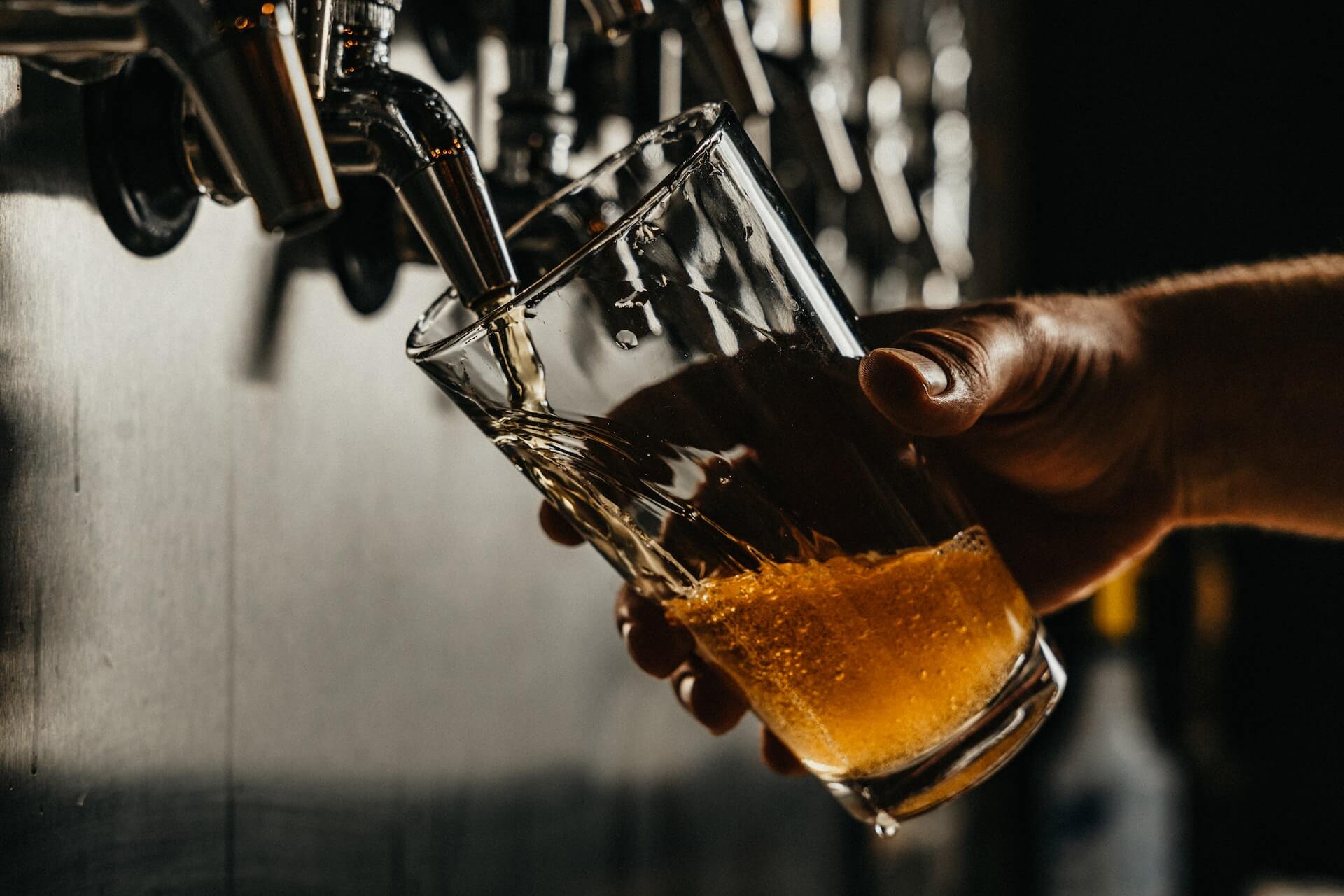
Person pouring draught beer

The Brewers Association‘s 2022 World Beer Cup identifies the top three beers across a staggering 103 separate categories.

If you enjoy multiplication, that’s 309 medals in a single competition. And that’s just the winners; there can be more than 200 entries in a single category.

So, yes—I envy the World Beer Cup judges. I mean, what beer fan wouldn’t want to taste all the entries into the Olympics of Beer?

This competition, developed by the Brewers Association, has been going strong since 1996. Next year’s competition, if you happen to brew beer and want to enter it, will take place in Nashville in May.

Okay, you may be wondering why I’m talking about this beer competition. The reason is simple: To get your ready for September.

There are three beer holidays to program for and celebrate next month:

  • National Beer Lover’s Day (September 7)
  • National Crush a Can Day (September 27)
  • Drink Beer Day (September 28)

Oh, and there’s this little event—Oktoberfest—that takes place from September 17 to October 3.

Below you’ll find 48 medal winners from 16 categories to give you a taste of the 2022 World Beer Cup results. For the full list, click here, then click the “2022 Winners” button.

Cheers!

Category 1: American Wheat Beer (68 entries)

  • Gold: For-scythe, Cherry Street Brewpub at Halcyon (Alpharetta, GA)
  • Silver: Hefe, Widmer Brothers Brewing (Portland, OR)
  • Bronze: American Wheat, Cerveceria Principia (Monterrey, Nuevo León, Mexico)

Category 2: Fruit Beer (134 entries)

  • Gold: Yuzu KSA, Fort Point Beer Co. (San Francisco, CA)
  • Silver: Berry, Berry, Quite Contrary, Territorial Brewing Co. (Springfield, MI)
  • Bronze: Grape Fruit Session IPA, Mahanine Brewing (Hohhot, People’s Republic of China)

Category 5: Pumpkin Beer (40 entries)

  • Gold: 5 Phantoms, Philipsburg Brewing Co. (Philipsburg, MT)
  • Silver: Ryes of the Pumpkin King, Sound2Summit Brewery (Snohomish, WA)
  • Bronze: Pumpkin Paddy, Launch Pad Brewery (Aurora, CO)

Category 9: Coffee Beer (79 entries)

  • Gold: Gusto Crema Coffee Ale, Georgetown Brewing Co. (Seattle, WA)
  • Silver: Daybreak, Wolf’s Ridge Brewing – Production Operations (Columbus, OH)
  • Bronze: Double Cream Coffee Dream, Dangerous Man Brewing Co. (Minneapolis, MN)

Category 10: Coffee Stout or Porter (112 entries)

  • Gold: Dusk til Dawn, Pizza Port San Clemente (San Clemente, CA)
  • Silver: Mocha Porter, Bend Brewing Co. (Bend, OR)
  • Bronze: Mocha Machine, Beachwood Brewing (Huntington Beach, CA)

Category 11: Specialty Beer (56 entries)

  • Gold: KURI KURO – Dark Chestnuts Ale, Miyazaki Hideji-Beer Co. (Nobeoka, Japan)
  • Silver: Agavemente, SouthNorte Beer Co. (Chula Vista, CA)
  • Bronze: Graham Cracker Porter, Denver Beer Co. (Denver, CO)

Category 14: Non-Alcohol Beer (123 entries)

  • Gold: Golden Lager, Grüvi (Denver, CO)
  • Silver: Non-Alcoholic Black Butte, Deschutes Brewery (Bend, OR)
  • Bronze: Parallel, Southern Grist Brewing Co. (Nashville, TN)

Category 15: Session Beer (43 entries)

  • Gold: Swift Half, Station 26 Brewing Co. (Denver, CO)
  • Silver: Peacekeeper, Launch Pad Brewery (Aurora, CO)
  • Bronze: Bucketty’s Pale Ale No. 2, Bucketty’s Brewing Co. (Brookvale, New South Wales, Australia)

Category 16: Session India Pale Ale (107 entries)

  • Gold: Trump Hands, Cannonball Creek Brewing Co. (Golden, CO)
  • Silver: Moon Rocks, Mickey Finn’s Brewery (Libertyville, IL)
  • Bronze: Tiny Juicy IPA, Five Boroughs Brewing Co. (Brooklyn, NY)

Category 22: Gluten-Free Beer (66 entries)

  • Gold: La Gosa Rita, Lakefront Brewery (Milwaukee, WI)
  • Silver: Little Brown Job, Lucky Pigeon Brewing Co. (Biddeford, ME)
  • Bronze: Glutenberg Session IPA, Glutenberg (Montréal, Québec, Canada)

Category 91: American-Style Pale Ale (160 entries)

  • Gold: Figueroa Mountain Mosaic, Figueroa Mountain Brewing Co. (Santa Barbara, Santa Barbara, CA)
  • Silver: Cruisin’, Pizza Port Bressi Ranch (Carlsbad, CA)
  • Bronze: Somewhere Golden, Institution Ale Co. (Camarillo, CA)

Category 92: Juicy or Hazy Pale Ale (141 entries)

  • Gold: Hazealicious, Reuben’s Brews – The Taproom (Seattle, WA)
  • Silver: Baby Azacca, 33 Brewing Experiment (Vancouver, British Columbia, Canada)
  • Bronze: Haze in the Park, Kings & Convicts Brewing Co. (San Diego, CA)

Category 95: Imperial India Pale Ale (174 entries)

  • Gold: Space Lettuce, Monday Night Brewing (Atlanta, GA)
  • Silver: Cali Boy, No Label Brewing Co. (Katy, TX)
  • Bronze: Devil’s Pool, Wissahickon Brewing Co. (Philadelphia, PA)

Category 96: Juicy or Hazy Imperial India Pale Ale (171 entries)

  • Gold: Pantless Thunder Goose, Mast Landing Brewing Co. (Westbrook, ME)
  • Silver: Houblon Deluxe, Pure Project (Vista, CA)
  • Bronze: Citra Powered Jetpack, Barebottle Brewing Co. (San Francisco, CA)

Category 102: American-Style India Pale Ale (384 entries)

  • Gold: Hop-Fu!, North Park Beer Co. (San Diego, CA)
  • Silver: Super Slap, Brewery X (Anaheim, CA)
  • Bronze: Aurora Hoppyalis IPA, Karl Strauss Brewing Co. (San Diego, CA)

Category 103: Juicy or Hazy India Pale Ale (343 entries)

  • Gold: Rhymes Like Dimes, Xül Beer Co. (Knoxville, TN)
  • Silver: Blue Comet, Widowmaker Brewing (Braintree, MA)
  • Bronze: Tasty Jams, Brix City Brewing (Little Ferry, NJ)

Image: Josh Olalde on Unsplash
by David Klemt David Klemt No Comments

iPourIt Releases Fourth Annual Pour Report

iPourIt Releases Fourth Annual Pour Report

by David Klemt

Black and white beer taps

Self-serve beverage platform iPourIt’s informative fourth annual Pour Report identifies their top beer and wine pours from 2021.

iPourIt is a pioneer in the self-serve space, enhancing the guest experience and boosting revenue. However, their annual reports are another key reason operators should consider this platform.

Unlike other industry platforms, iPourIt doesn’t limit their resources to clients. Nor do they place resources like their annual Pour Report behind a pay wall. So, this is a transparent company that clearly views their relationships with clients as partnerships.

You can check out their resources for yourself by following this link. To download a copy of the 2021 Annual Pour Report, click here.

Below you’ll find key datapoints from the latest iPourIt report. I encourage you to download and review the report in its entirety.

Key Demographic Information

When it comes to men and women using iPourIt self-serve systems, men are respsonsible for 64 percent of total ounces poured.

On average, men served themselves 6.4 ounces per pour and spent $14.21 on iPourIt per visit. For men, the top pours were IPA, Lager, Cider, Hefeweizen, and Sour.

Conversely, women served themselves nearly 11 million ounces via iPourIt systems. That’s 36 percent of total ounces poured.

On average, women served themselves 5.3 ounces per pour and spent $11.95 per visit. For women, the top pours were Cider, IPA, Sour, Lager, and Hefeweizen.

Interestingly, the top pour for both men and women was Michelob Ultra.

Key Beer Takeaways

The 2021 Pour Report analyzes data from more than 300 iPourIt systems, over 8,800 taps, and 49 million total ounces of beer and wine poured.

In total, patrons consumed nearly 14,600 total products. Further, the data above represents 1.9 million guests served 3.1 million pints. Compellingly, that’s $26.2 million in revenue generated by iPourIt systems.

In terms of iPourIt systems and patrons, cider claimed the number two slot for the top 15 poured beer styles. Perhaps unsurprisingly, IPA claims the top spot. In fact, iPourIt systems served more than 10 million ounces of IPA.

As far as beer styles that are growing in popularity, three styles are on the rise. These climbers are Belgian, Cream Ale, and fruit beer. Conversely, Lager, Red Ale, and Witbier slipped down the list. Interestingly, Witbier slid four slots on iPourIt’s top 15 beer styles list. For the first time since iPourIt has been releasing reports, Seltzer made it onto the list, claiming the 11 spot.

Another interesting bit of data concerns consumer preferences. IPA may be the beer style seeing the most pours but domestic Lagers and light Ales are the top-selling products across iPourIt systems. The platforms interprets this as consumers trying small samples of IPA but going with Lagers and Ales for full serves.

Top Beer Pours by Category

Helpfully, iPourIt breaks down their Pour Report into several categories. So, let’s take a look at the top five from several of their lists.

As for the top products poured overall, Michelob Ultra claims the top spot. In descending order, it’s followed by Bud Light, Golden Road Mango Cart, Ace Pineapple Cider, and Modelo Especial.

For domestic pours, numbers one and two are the same as above. However, Coors Light, Miller Lite, and Pabst Blue Ribbon. The top five import products are Modelo Especial, Delirium Tremens, Rekorderlig Strawberry-Lime, Stella Artois, and Dos Equis Lager Especial.

Switching gears to craft and microbrew, Mango Cart claims the number one spot. Numbers two through five are Space Dust, 805, Kona Big Wave, and Big Storm Oak & Stone Snowbird Pilsner.

Of course, the report goes much deeper than just those four categories. There’s also the top 25 IPAs, and the top 15 Lagers, Ciders, Hefeweizens, Sours, Stouts, Blonde Ales, Pilsners, and Pale Ales.

New for the annual Pour Report are the top 15 fruit beers and Seltzers.

Key Wine Takeaways

Before we proceed, iPourIt systems aren’t limited to beer and wine. If it’s a beverage without pulp or sediment intended to be poured cold, iPourIt can handle it.

So, cold brew coffee, kombucha, sodas…these are all revenue-generating serves to pour alongside beer and wine.

Now, onto the 2021 report. The key wine takeaway focuses on sparkling wine. In short, sparking wines have proven popular with iPourIt patrons. So, the platform suggests using their systems to offer guests build-your-own Mimosas, as well as promoting self-serve as an enhancement to brunch.

Addressing the top-performing wines for iPourIt systems, the top five overall in descending order are:

  1. Boca Barrel Boca Frizzante
  2. Starborough Sauvignon Blanc
  3. Carletto Prosecco (up two spots)
  4. Stemmari Pinot Grigio
  5. Archer Roose Bubbly

Boca Frizzante is a “Prosecco-style” white wine sparkler. Archer Roose Bubbly is also a Prosecco-style white. An actual Prosecco climbed the top 10 to reach spot number three. Essentially, three Proseccos are among the top five most-poured wine products for iPourIt patrons.

Interestingly, the top five are all white wines. In fact, there are only two reds among the top ten, both of them Cabernet Sauvignons.

Image: Josh Olalde on Unsplash

by David Klemt David Klemt No Comments

Top 10 States Attracting High Earners

Top 10 States Attracting High Earners

by David Klemt

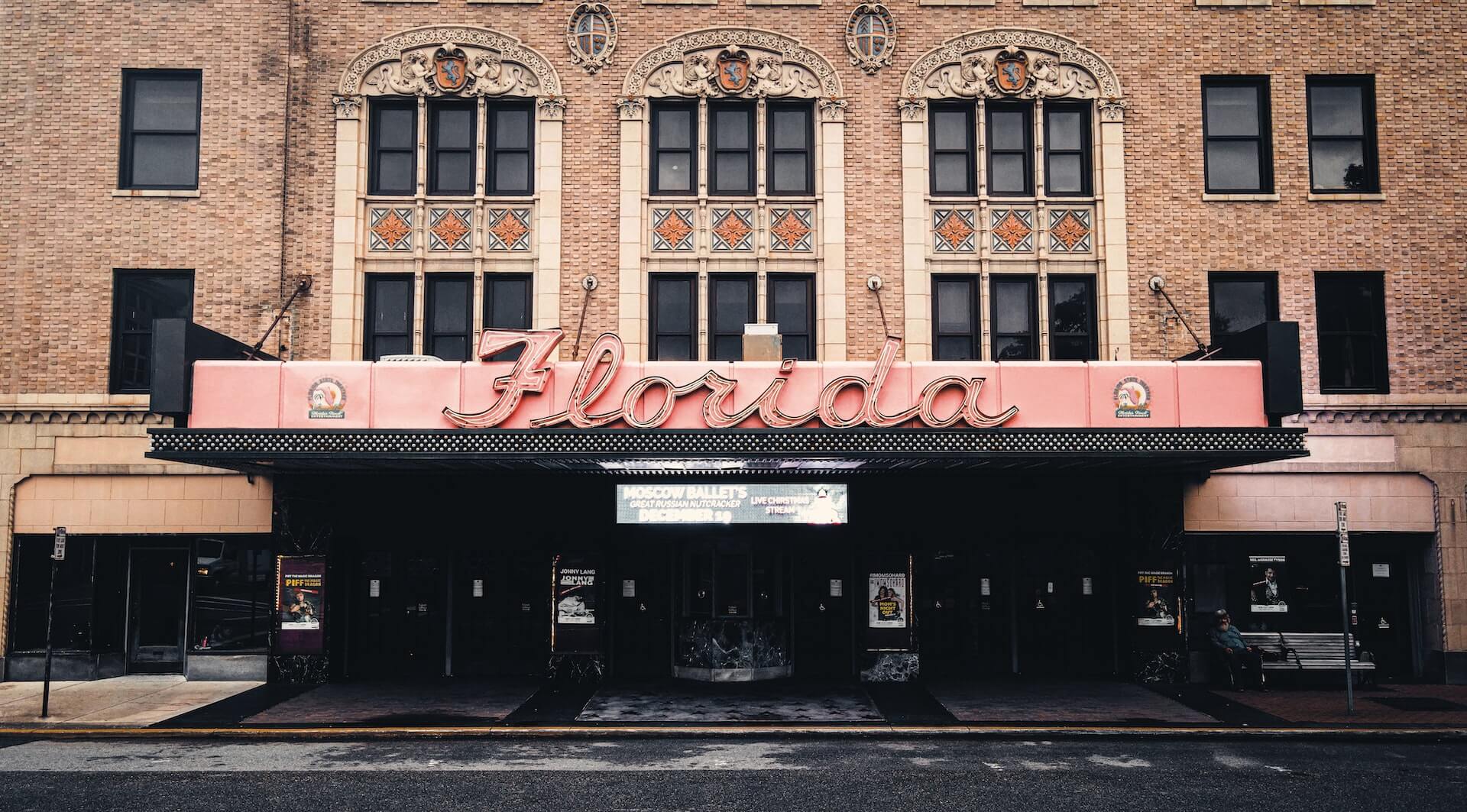
The Florida Theater in Jacksonville, Florida

Using the inflow and outflow data of tax filers earning $200,000 or more, SmartAsset identifies the top ten states attracting high earners.

When it comes to the number-one state, “it’s not even close,” says SmartAsset Advisors. Not surprisingly, several top inflow cities (according to Redfin data) line up with SmartAsset’s top inflow state list.

So, why should this information matter to operators? Plainly, it’s important market information. Population, household income, and age information are crucial considerations when opening any business.

In fact, KRG Hospitality includes such data (and much, much more) when conducting research for our proprietary feasibility, business, and concept plans. Among many elements of opening a restaurant, bar, hotel, or entertainment venue, the income of one’s target audience is crucial.

Knowing where high-income households are leaving and moving to can inform many operator decisions. Where should one open their first concept? Which markets should one consider for expansion? What type of concept will work in a market? What are the threshold price points for menu items? How will this information help inform design choices?

Operators need to recoup their outlay. The income of a concept’s ideal guest should be as important to an operator as knowing their costs.

Top Ten Inflow States

Interestingly, the top state on this list did experience significant outflow in 2020. In fact, the state lost 11,756 high-earning households in 2020.

However, the state also added 32,019 such households, netting 20,263 high earners.

  1. Utah
  2. Idaho
  3. Nevada
  4. Colorado
  5. Tennessee
  6. South Carolina
  7. North Carolina
  8. Arizona
  9. Texas
  10. Florida

Another compelling detail of the states on this list pertains to income tax. In short, three of the states don’t levy personal income tax.

Above, they’re the states in bold: Florida, Nevada, and Texas.

Top 10 Outflow States

So, above are the ten states are seeing the greatest an inflow of high-earning households. Which means, of course, there’s an inverse.

Below, the ten states experiencing the greatest outflow of high earners. Unsurprisingly, SmartAsset deems several entries on the list high-tax states. Also, Washington, DC, is a high-tax area.

Moreover, the list below includes five of the top ten high personal income tax jurisdictions (in bold).

  1. Ohio
  2. Minnesota
  3. Washington, DC
  4. Maryland
  5. New Jersey
  6. Virigina
  7. Massachusetts
  8. Illinois
  9. California
  10. New York

However, it’s not as though these states are seeing a massive exodus of high-earning households. In fact, per SmartAsset, these states have more high-income households than the national average.

Nationally, high-earning households account for less than seven percent of all tax filers. According to SmartAsset, nearly nine percent of tax filers are high-income households in the top ten outflow states.

Image: Trevor Neely on Unsplash

by David Klemt David Klemt No Comments

Celebrate Two August Bar Holidays with Rum

Celebrate Two August Bar Holidays with Rum

by David Klemt

Rum and Coke cocktail

If you and your team have a commitment to programming and promotions, you have to love all the bar holidays available to you in August.

Not only are there six wine holidays in August, there are two holidays that call for rum. In fact, August is National Rum Month.

On August 16 you have the opportunity to program for National Rum Day. Obviously, rum is a legendary spirit with loads of history. So, you’ll want to honor it correctly—get creative and pull out all the stops.

Of course, one excellent way to celebrate rum is with famous perfect builds of classic rum cocktails. One of these classics is the iconic Mai Tai. Oh, yeah—that’s the other rum holiday in August!

After you program for Tuesday, August 16, prepare for Mai Tai Day on Tuesday, August 30.

June 30 is NOT Mai Tai Day

Now, if you Google “National Mai Tai Day” or “Mai Tai Day,” you’ll get an interesting result. You’ll see that some say National Mai Tai Day is June 30.

Well, Trader Vic’s says that’s absolutely not the case. In fact, a proclamation from the City of Oakland declares August 30 is Mai Tai Day.

On August 30, 2009, at-large councilmember Rebecca Kaplan made it official.

But why, I hear you asking (maybe, possibly), should we take Kaplan’s word for it? For me, it’s because Trader Vic’s themselves confirm that August 30 is “the real” Mai Tai Day.

Okay, but why should we take Trader Vic’s word for it? Because Trader Vic himself is the inventor of the Mai Tai.

Fact not Fiction

As I often point out when diving into cocktail history, much of what we “know” about certain drinks is lore. Either we simply can’t be 100-percent certain about a cocktail’s origins or multiple people are given the credit.

I mean, in some cases multiple people take the credit (and the glory) for themselves.

However, that’s not the case with the legendary Mai Tai. We know that Victor J. “Trader Vic” Bergeron is the classic cocktail’s creator.

Getting inspiration from traveling and operator peer Donn “Don the Beachcomber” Beach, Bergeron transformed his bar Hinky Dink into Trader Vic’s.

So, what do many (most, if we’re honest) operators like to do when they open or rebrand their business? Come up with a signature drink or dish.

In the case of Trader Vic’s, the Mai Tai was born.

The Real Mai Tai

Interestingly—perhaps sadly—the Mai Tai is often the subject of “mistreatment.” In part, we can blame Trader Vic for this.

Now, before you break out your pitchfork, I’m not vilifying Trader Vic. However, he did refuse to share his Mai Tai recipe with others. Author Wayne Curtis explains that this secrecy is “why we have so many bad Mai Tais with pineapple juice and other hideous additions.”

Those hideous additions? Juices, an array of rum styles, floats, garnishes beyond a lime shell and mint sprig… It’s likely you’ve never seen consistency in Mai Tai builds.

As Trader Vic himself tells it: “I took down a bottle of 17-year old rum. It was J. Wray & Nephew rum from Jamaica—surprisingly golden in color, medium bodied but with the rich pungent flavor particular to the Jamaican blends.”

So, that dispels the notion that you use a light rum and a dark rum to build a Mai Tai. He also only added orgeat, orange curaçao, rock candy syrup (the recipe calls for demerara simple), and fresh lime juice.

To be fair, it’s said that the popularity of the Mai Tai forced the J. Wray & Nephew rum (almost) to “extinction.” Rumor has it that original bottles can command auction prices of $50,000 or more.

Trader Vic’s Original Mai Tai Recipe

A lot of us like to put our spin on things. However, there’s an official recipe from the official creator of the Mai Tai.

So, let’s honor Trader Vic and his iconic creation. Below is the recipe that most closely follows the Trader Vic’s spec. Obviously, nobody expects you to track down a $50,000 bottle of rum to follow the original with ruthless precision.

  • 1 oz. Light rum
  • 1 oz. Dark rum
  • Fresh lime juice (keep half of the squeezed lime’s shell)
  • 0.5 oz. Orange curaçao
  • 0.25 oz. Orgeat
  • 0.25 oz. Simple syrup
  • Fresh Mint Sprig
  • 1 cup Crushed ice

Add crushed ice to a shaker. Some bartenders also add some ice cubes. Next, add the liquid ingredients, and shake. Pour—without straining—into a double Old Fashioned glass. Garnish with the lime shell and mint spring. That’s right—the original recipe doesn’t call for a pineapple wedge or cherry.

Image: Blake Wisz on Unsplash

by David Klemt David Klemt No Comments

August: Attack of the Wine Holidays

August: Attack of the Wine Holidays

by David Klemt

"Life's too short to drink bad wine" cork

August doesn’t claim just one or two or even three wine holidays, there are actually six such holidays during this month.

Kicking off August are International Albariño Day and National White Wine Day. Obviously, those days have come and gone.

However, there are still four more wine holidays you can leverage:

  • National Prosecco Day on Saturday, August 13;
  • Thursday, August 18 is National Pinot Noir Day;
  • National Red Wine Day takes place on Sunday, August 28; and
  • Monday, August 29 is International Cabernet Sauvignon Day.

So, that’s just over two weeks to draw in guests, move some inventory, and generate revenue. Below you’ll find crash courses in three varietals so you and your team can speak with guests in a way that reduces or outright eliminates wine intimidation.

As a cool bit of trivia, two of the varietals we celebrate this month are among the six “original” Noble Grapes: Pinot Noir and Cabernet Sauvignon. The other four, for the curious, are Merlot, Chardonnay, Riesling, and Sauvignon Blanc.

Prosecco 101

First, yes, like Champagne, Prosecco is a sparkling wine. However, despite all the comparisons made between Prosecco and Champagne, the bubbles and production methods are just about the only similiarities between the two.

Champagne, of course, is French. Prosecco hails from Italy and is the country’s top sparkling wine. Like Champagne, Prosecco is protected and must be produced in a specific region.

To be Prosecco, the wine must consist of 85 percent Glera. There are two other grapes producers may use: Chardonnay and Pinot Noir.

Until recently, Prosecco (a.k.a. as you now know, Glera) has been treated as “lesser than” Champagne, commanding much lower prices. However, producers are now making bottles that range from inexpensive to higher end. In fact, you’ll find Prosecco holding its own against its French counterpart on many fine-dining menus.

To impress with Prosecco food pairings, go with cheese, cured meats, and pizza. Pizza and Prosecco? You can’t go wrong there!

Pinot Noir 101

Given that Pinot Noir finds itself in blends, Champagne, Prosecco, and other sparkling wine, you can get creative when celebrating National Pinot Noir Day.

For American operators, two of the top Pinot Noir-producing states are California and Oregon.

In Oregon, Willamette (rhymes with “damn it”) Valley produces incredible Pinot Noir. When it comes to California, look for bottles from Russian Rivery Valley, Sonoma, and the Saint Lucia Highlands.

For Canada, the top production regions are Ontario, British Columbia, Québec, and Nova Scotia. In particular, look for bottles from Prince Edward County, the Niagara Peninsula, and Okanagan County.

Generally speaking, Pinot Noir tends to be light or medium in body. So, if conducting a tasting, you may want to taste people on Pinot Noir before bolder red wines.

When it comes to food pairings, remember that this is a more “delicate” varietal. So, you’ll want to avoid dishes and food items with big, bold, rich flavors. This is a wine that pairs wonderfully with a variety of cheeses.

Cabernet Sauvignon 101

Ah, Cab Sauv. For both America and Canada, Cabernet Sauvignon is among the most popular varietals. It’s so popular in the US that it’s called the King of Grapes.

As you likely can guess, California is the top Cab Sauv-producing state in America. In particular, Napa Valley is known for world-class Cabs.

While most people think of California, Bordeaux, and Tuscany, Canada also produces fantastic Cabernet Sauvignon. Interestingly, the grape grows well (as do many varietals we associate with Bordeaux) throughout Canada.

However, Prince Edward County and the Niagara Peninsula are two of the best regions for Canadian Cab Sauv.

A bigger and bolder wine than Pinot Noir, Cabernet Sauvignon pairs well with rich, bold foods. If it’s grilled, smoky, peppery or otherwise assertive, Cab Sauv will likely play well with it.

So, there you have it. Two weeks of wine holidays for you to showcase your wine inventory and pairing skills. Cheers!

Image: D A V I D S O N L U N A on Unsplash

by David Klemt David Klemt No Comments

How One Resort Fills the Choco Taco Void

How One Resort is Filling the Choco Taco Void

by David Klemt

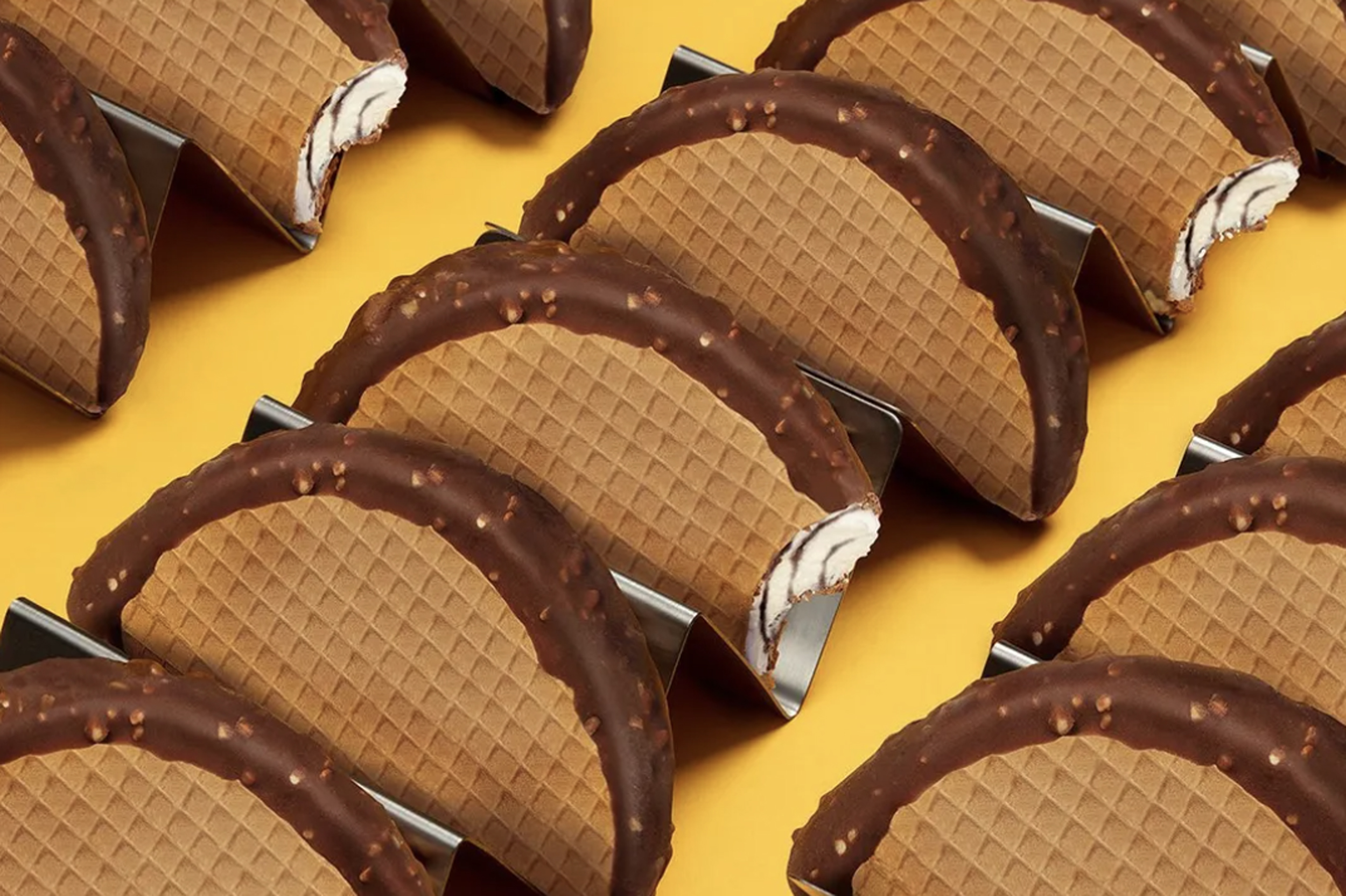
Klondike Original Choco Taco

We hate to be the bearers of bad news but after 40 years Klondike is officially retiring the Choco Taco, now a casualty in the supply chain battle.

According to the Klondike website, the decision to discontinue the Choco Taco comes down to demand. After four decades, the Choco Taco is falling to the wayside so that Klondike can focus on the rest of their legendary portfolio.

Unfortunately, sometimes intense consumer demand can lead to hard choices. Per Klondike, a spike in demand for their product lineup means narrowing their focus. So, we must all bid a fond but bitter farewell to the Choco Taco.

Now, lest we raise an eyebrow and cast a cynical eye toward this news, Klondike provides an assurance this isn’t a PR stunt. Cruise on over to their Instagram account and you’ll see a post denying any stunt Choco Taco retirement. Observe:


View this post on Instagram


A post shared by Klondike (@klondikebar)

It’s a bummer and a fake or quasi-discontinuation would be welcome. However, this appears to really be happening.

Filling the Void

Now, the great news is that restaurant and bar owners can recreate the flavors of the Choco Taco. Below, you’ll find a recipe from a casino resort offering their guests a taste of their favorite ice cream treat.

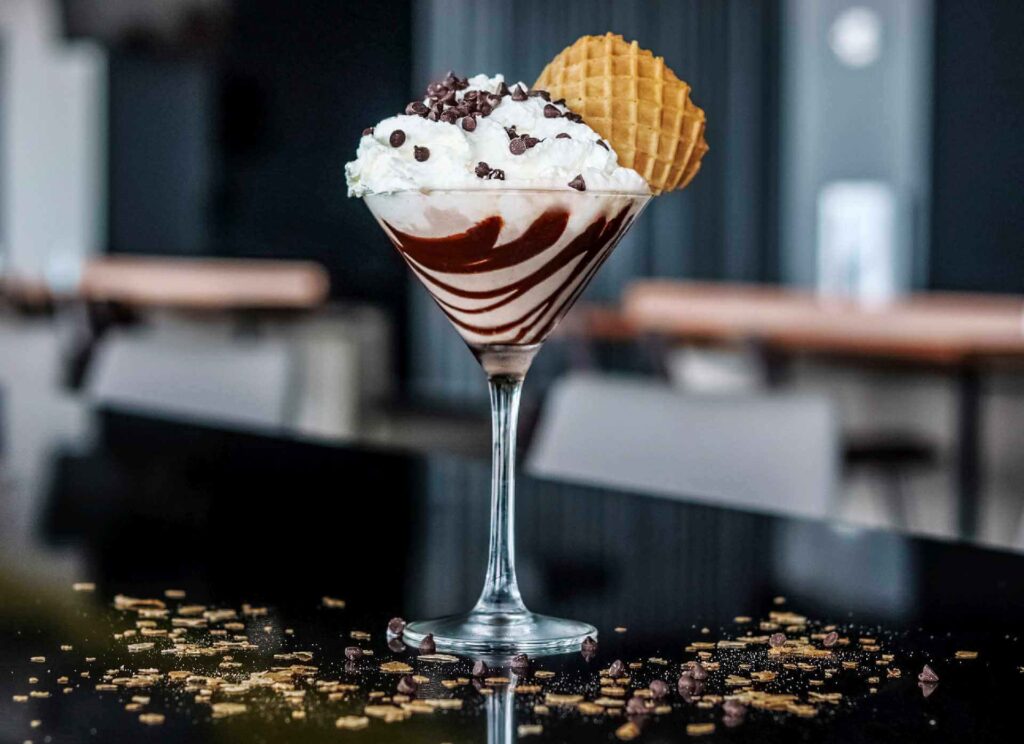
Calling Atlantic City home, Oceans Casino Resort and their F&B team are the masterminds behind the Chocotini. This $11 cocktail is available at Oceans now through the end of August.

Wisely, Oceans is making the Chocotini available to guests via four locations on property. Guests can order one at the Lobby Bar, restaurants Distrito and Makai, and the property’s Topgolf Swing Suite. Notably, Ocean Casino Resort boasts the largest Topgolf Swing Suite in America.


View this post on Instagram


A post shared by Ocean Casino Resort (@theoceanac)

In fact, Oceans recently completed a $15 million property improvement—and has committed to investing a further $85 million into the resort. With amenities like HQBeachclub, this casino resort rivals Las Vegas night- and daylife. Sets by Tiësto, DJ Snake, and Steve Aoki near the Atlantic City Boardwalk? Yes, please, and hand me a Chocotini.

Of course, you and your bar team can also create a creamy, chocolatey Martini to provide guests with a Choco Taco-like treat. I recommend also testing out a non-alcohol version for a tasty and booze-free sip.

Chocotini

Oceans Casino Resort Chocotini

Recipe and image courtesy of Ocean Casino Resort

First, prepare a Martini glass by striping the interior with chocolate syrup. If preferred, place in refrigerator to chill glass and harden syrup striping. Add vodka, liqueurs, and cream to a shaker with ice. Next, shake until well chilled and strain into prepared Martini glass. Top with whipped cream, and garnish with chocolate chips and waffle cone piece.

Image: Klondike

by David Klemt David Klemt No Comments

One White Wine, Two Wine Holidays

One White Wine, Two Wine Holidays

by David Klemt

World of Wine Porto grape wall relief

In August, operators and their front- and back-of house teams can celebrate two restaurant and bar holidays with one white wine.

Obviously, that means two bites at the apple—or grape (my apologies, I’ll see myself out)—in the same week. In turn, that generates revenue and move wine inventory.

Okay, so what wine does double duty in August? Albariño, a popular white wine with origins in Portugal. In fact, there are two countries that dominate Albariño production, Portugal and Spain.

On Monday, August 1, your guests have the opportunity to celebrate International Albariño Day. Just three days later, August 4, we have National White Wine Day. How convenient!

As we know, while many of today’s guests have their favorites and stick to them, they like to try new things. This August, add Albariño to your Chardonnay, Moscato, Pinot Grigio, and Sauvignon Blanc lineup.

So, what do you need to know about Albariño? Let’s take a look at this refreshing white wine below.

The Wine Nerd Stuff

As I say above, Albariño traces its origins to Portugal. In its home country, this varietal’s name is Alvarinho.

Most people who are familiar with Albariño are familiar with bottles from Spain. So, Albariño is the same grape as Alvarinho.

Call it by either name, this white wine is an Old World wine. In fact, some of these vines are a few hundred years old. For those wondering, Old World wines come from Europe, speaking generally. And New World wines? Well, they come from anywhere not in Europe.

However, there is indeed New World Albariño. Also, if you happen to operate a restaurant or bar in North America, these New World versions can be easy to acquire.

Unsurprisingly yet conveniently, there are wineries producing Albariño in California. Of course, these California Albariños are different than their Portuguese and Spanish counterparts. California’s Central Coast wine region is warmer than Spain’s cool Galicia region.

The Flavors and Aromas

Alright, so what’s Albariño like on the nose and palate, and how does it finish? To answer these questions, let’s look at the Old World wine first.

Again, I’m speaking about this white wine in broad strokes. You and your staff will need to taste a few bottles to understand their nuances.

So, Portuguese and Spanish Albariño tends to be light-bodied and dry, with high acidity. On the nose, expect peach and citrus like grapefruit, lemon, and lime. You may also detect a hint of wet stone, owing to its minerality.

On the palate, there’s usually a touch of salinity, plenty of acid, and notes of grapefruit, honeysuckle, nectarine, honeydew, and granite. Expect a long, dry finish.

Now, since Old World versions tend to be grown in cool climates, they tend to be light-bodied. Since Californian Albariño grows in a warmer climate, its characteristics are different.

Generally speaking, California Albariño is medium-bodied in comparison to its Old World counterparts. The Californian wines tend to have both floral and tropical notes on the nose. Along with the notes one would expect from Spanish and Portuguese wines, California Albariño can also feature orange and elderberry flavors.

Don’t Forget the Food

Obviously, wine pairs well with food—that should go without saying. And it would have too, but I said it.

Anyway, maximize guest spend by including your back-of-house team for your International Albariño Day and National White Wine Day promotions.

For this varietal, think lighter foods. Seafood, freshwater fishes, chicken, tofu, salads, grilled vegetables, and fruits pair well with Albariño.

Of course, you’ll also want to consider cheese pairings. So, try your Albariños with Chèvre, Manchego, Burrata, Feta, Gruyère, and Brie.

You have time to add some crisp, delicious Albariños from multiple regions to your menu. Create two promotions that showcase these wines and lure in your guests with irresistible pairings.

Cheers!

Image: World of Wine Porto, Portugal (Hayffield L on Unsplash)

by David Klemt David Klemt No Comments

Blasphemy! National Scotch Day Cocktails

Blasphemy! National Scotch Day Cocktails

by David Klemt

Craft cocktail in upscale bar

Psst! Don’t tell the purists but this article encourages the adulteration of Scotch by combining it with other ingredients to make *gasp!* cocktails.

Now, I jest…mostly. To be fair, I don’t often encounter purists who scoff or outright lost their minds if someone doesn’t enjoy their favorite spirit neat. However, it does happen every now and again. Seriously, it shouldn’t really matter how someone decides to order and enjoy their drinks. Want to order Johnnie Walker Blue Label with soda? Go for it.

So, below you’ll find cocktails rather than bottles for National Scotch Day. Sure, you can contact your reps, incur costs, and bring in some boast-worthy bottles. However, you can also spotlight what you already have on hand with revenue-generating Scotch cocktails.

No, you won’t find Scoch & Soda or the Rusty Nail among the recipes below. I would hope you and your bar team already have those down since they’re essentially two-ingredient drinks.

Also, I’ll award bonus points to anyone who locks eyes with a Scotch snob as they gulp down a Glenmorangie Signet Penicillin. Sure, that’s petty of me; it’s also fun. What are the bonus points good for? Hey, why are you asking so many questions?

A quick note: If you’d rather go with food on this holiday, check out our Scotch and cheese pairing article.

Penicillin

So, I’m going to start with my personal favorite Scotch cocktail. If you’re a KRG Hospitality regular, you already know this is one of my favorite drinks in general.

This is a modern-day classic—the Penicillin dates all the way back to the early 2000s. Operator, bartender, and cocktail creator calls for two types of Scotch to make this delectable drink.

  • 2 oz. Blended Scotch
  • 0.75 oz. Lemon juice, freshly squeezed
  • 0.75 oz. Honey-ginger syrup (1 cup honey, 1 cup water, 1 6-inch bit of peeled and thin-sliced ginger)
  • 0.25 oz. Peaty Islay Scotch to float
  • Candied ginger to garnish

Prepare a rocks glass with ice. Add first three ingredients to a shaker with ice, and shake until well chilled. Strain into the rocks glass and float Islay Scotch on top. Then, garnish and present.

For the syrup: Combine syrup ingredients in a saucepan and bring to boil. Reduce, simmer for five minutes, and set aside overnight in refrigerator. The next day, strain through cheesecloth.

Rob Roy

If you want to be flippant about it, the Rob Roy is a Scotch Manhattan. Of course, it’s easy to make that argument as cocktail historians believe the Rob Roy is an homage. At any rate, both are true classics, dating back to the late 1800s.

One of the fun elements of the Rob Roy is creating a signature version. Obviously, the Scotch and vermouth selection will impact the flavors of this drink. So, come up with a combination all your own to make this one of your bar’s specialties.

  • 2 oz. Scotch
  • 0.75 oz. Vermouth (equal parts sweet and dry vermouths to make a Perfect Rob Roy)
  • 0.75 oz. Angostura Bitters
  • Brandied cherries to garnish

You’ll want to ensure you have chilled cocktail or Nick & Nora glasses on hand before starting this build. Combine the first three ingredients in a mixing glass with ice. Stir unti well chilled and strain into chilled glass. Spear cherries, garnish, and serve.

Bobby Burns

Interestingly, some believe this cocktail is a riff on the Rob Roy. So, why not have Rob and Bobby on your National Scotch Day drink menu?

Now, the drinks are similar, but the flavor profiles are vastly different. After all, the ratio of Scotch to vermouth is 1:1, and the recipe uses Bénédictine rather than bitters.

  • 1 oz. Blended Scotch (supposedly, this should be at least 12 years old)
  • 1 oz. Sweet vermouth
  • 0.5 oz. Bénédictine
  • Lemon peel to garnish

Of course, this is where the argument that the Bobby Burns is a version of the Rob Roy gets stronger. See the build instructions for the Rob Roy above? Do the same, but garnish with a lemon peel.

Blood & Sand

Oddly enough, we don’t know the creator of this drink. We do know it appears in Harry Craddock’s The Savoy Cocktail Book, published in 1930. However, we don’t know for certain that he’s the inventor.

At any rate, we do know this 1:1:1:1 cocktail is delicious and a hit with whiskey fans.

  • 0.75 oz. Scotch
  • 0.75 oz. Cherry Heering
  • 0.75 oz. Orange juice, freshly squeezed
  • 0.75 oz. Sweet vermouth
  • Orange peel to garnish

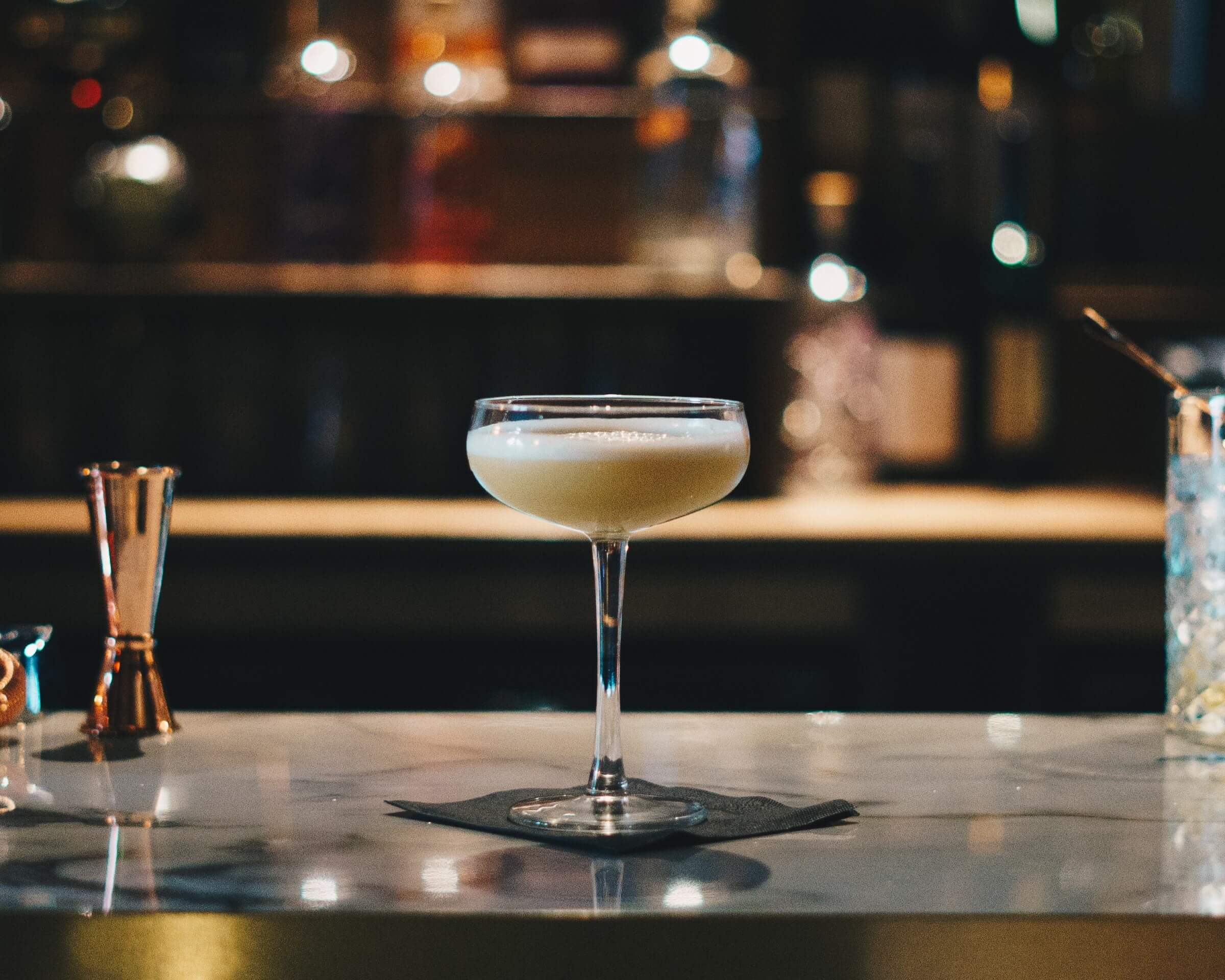
Again, make sure you have chilled glassware to build this cocktail. In this case, coupes and cocktails. Combine all ingredients but the garnish in a cocktail shaker with ice and shake well. Next, strain into the glass, then garnish and present.

Rusty Compass

So, this build is a bit different from the others in that it calls for a particular Scotch and two specific liqueurs. Also, this one is bold as the Scotch you’ll use is rather powerful.

Obviously, this is a bit like a Rusty Nail, so you shouldn’t have any trouble with the recipe.

  • 2 oz. Compass Box The Peat Monster
  • 01.75 oz. Drambuie (for making Rusty Nails, too)
  • 0.5 oz. Cherry Heering (which you have on hand for making Blood & Sands)
  • Orange twist to garnish

As you’re probably already guessing, you combine all the ingredients but the garnish in a shaker with ice for this build. Shake it, strain it, and garnish it. Oh, and you’ll want to present this in a coupe.

Image: Ambitious Creative Co. – Rick Barrett on Unsplash

by David Klemt David Klemt No Comments

Rabbit Hole Resources: Bourbon 101

Rabbit Hole Resources: Bourbon 101

by David Klemt


Bunny painting or graffiti

Those who want to learn about bourbon can access free resources from a credible and knowledgeable source: Rabbit Hole Distillery.

When it comes to learning about a particular spirit, those producing them tend to know the most. So, seeking education straight from the source is a smart move.

Now, hospitality professionals have a reliable, informative resource to add to their toolbox. Learn About Bourbon is Rabbit Hole’s ever-growing bourbon resource.

Bourbon Basics

If your restaurant or bar has bourbon on the menu, you’re likely at least familiar with the basics:

  • To carry the “bourbon” designation, one must produce the liquid in America.
  • The mashbill must consist of at least 51 percent corn.
  • It’s not permissible to use any additive except water.

Similarly, you are likely aware of some bourbon myths:

  • Only distilleries in the state of Kentucky can produce bourbon.
  • The name “bourbon” comes from Bourbon County.
  • The whiskey must be at least two years old to be bourbon.

As you can see from the first bullet point at the start of this segment, bourbon can come from any state in America. As far as the second myth, the origin of the name “bourbon” is a bit murky.

Interestingly, the third myth is somewhat true. To include “straight bourbon” on the label, the bourbon must be a minimum of two years old. Otherwise, once new-make whiskey comes into contact with the oak barrel in which it’s going age, it’s bourbon.

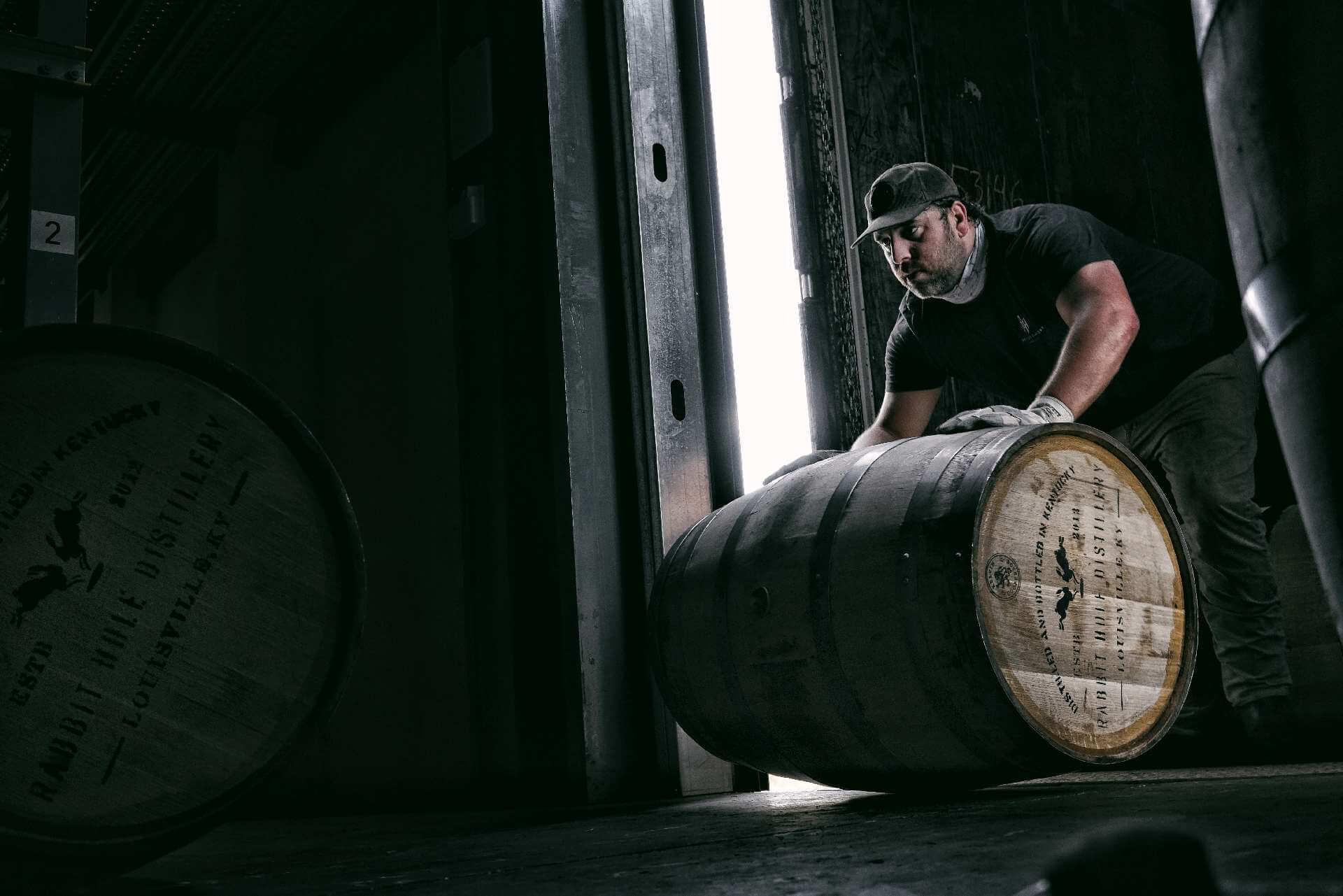
Rabbit Hole bourbon barrel rolling into rickhouse

Learn About Bourbon

Rabbit Hole goes far beyond simple definitions on their Learn About Bourbon page.

Instead, the distillery dives deep into every element of bourbon production. As important, this page receives regular updates. In other words, much like bourbon itself, this resource gets better with age.

To give you an idea of how in-depth Rabbit Hole gets, let’s look at the Bourbon Barrel Char / Charring section. It’s essentially an article in and of itself at nearly 400 words. Additionally, there’s a link within this section that leads to an even deeper dive into toasting and charring barrels.

Elsewhere on the Learn About Bourbon page you can learn about esters. In fact, there’s a list of over a dozen esters for you to—yep, I’m gonna make the pun—go down the rabbit hole.

Rabbit Hole Blog

Now, it turns out that the distillery isn’t content with offering one bourbon education resource. There’s also the Rabbit Hole Blog.

Looking for bourbon cocktail recipes? Check out the brand’s blog. Currently, the top recipe posts feature the Golden Ponzu and Strawberry Bourbon Lemonade.

Curious about cooking with bourbon? How about a recipe for nasi goreng with a Rabbit Hole bourbon ginger sauce? As a bonus, this recipe should perform well with guests looking for plant-forward dishes with small amounts of animal protein.

Of course, there are also Bourbon 101 articles. For example, this link will take you to an article about wheated bourbons.

If you want to boost your bourbon knowledge and update your food and cocktail menus, check out Rabbit Hole’s blog and Learn About Bourbon page today.

Image: Vincent Pelletier

by David Klemt David Klemt No Comments

Brutal: These Drinks are Heavy

Brutal: These Drinks are Heavy

by David Klemt

Marshall amplifier closeup

Several legendary and iconic heavy metal bands are stepping into the arena of the drinks industry, from beer to whiskey, and more.

You won’t find a celebrity rosé wine or mezcal on this list. Instead, you’ll find bourbon and rye blends, unique processes, full beer lineups, and small-batch releases.

Most importantly, these are products that deserve a place on your menus. These aren’t spirits and beers that rely on band names and their global recognition. Each of these can stand on their own.

In fact, one whiskey from Slipknot and an Iowa distillery won an award from Fred Minnick in 2019.

Metallica

You may familiar with Blackened, a rye and bourbon blend that finishes in brandy casks. This limited-edition, super-premium whiskey is also subjected to the proprietary Black Noise process.

In short, each batch of Blackened is enhanced by the frequencies of curated Metallica playlists. This whiskey is a true collaboration. Legendary Master Distiller Dave Pickerell partnered with Metallica and Meyer Sound for the recipe and process.

However, Master Distiller and Blender Rob Dietrich has crafted a rye expression. Rye the Lightning is, as you can likely tell from the name, a rye whiskey. This expression also undergoes a very specific Black Noise process.

To craft Rye the Lightning, the live recording of Ride the Lightning in its entirety from Metallica’s Orion Music + More set is played to enhance the liquid. Taking things a step further, Rye the Lightning is finished in Madeira and rum casks.

Not content with just two expressions, there are also the Master of Whiskey Series and limited edition whiskeys available.

Iron Maiden

Iconic English heavy metal band Iron Maiden has steered heavily into the beer business. You won’t find a limited-release Lager here and a Pilsner there. No, Iron Maiden has a full lineup of beers in several styles.

Trooper, named for their song “The Trooper,” is the name under which the band crafts their beers in partnership with brewers like Bodebrown and Robinsons. You’ll find many beer styles under the Trooper label: Strong Bitter, English Extra Special, Porter, Golden, IPA, and more.


View this post on Instagram


A post shared by Trooper (@ironmaidenbeer)

Of course, there are limited editions. And why shouldn’t there be? Iron Maiden and there brewer partners want to have rock out, like they did with the Number of the Beast, a Bitter.

Motörhead

Since there’s a bourbon and a beer carrying the Motörhead name, you can create a Boilermaker honoring the heavy band. And as you may imagine, one-half of the Boilermaker is named after the song “Ace of Spades.”

In this case, Ace of Spades is a bourbon crafted in Fargo, North Dakota, by Proof Artisan Distillers. This distillery produced North Dakota’s first-ever bourbon, Crooked Furrow. Ace of Spades is a full-bodied, 90-proof high-rye bourbon with warm, sweet notes and a cinnamon finish.

For the beer, Motörhead tapped Madison, Wisconsin, brewers Ale Asylum. Röad Crew is a crisp, hoppy American Pale Ale with citrus notes.

Cannibal Corpse

This whiskey, Golden Blood, is actually the inspiration for this article and product roundup. Golden Blood by Cannibal Corpse, one of the heaviest bands on this list, is crafted in collaboration with Three Floyds Distilling.

Since opening their doors in 2017, Three Floyds has been known for doing things differently. In fact, the distillery itself says their approach is “not normal.” So, this collaboration with Cannibal Corpse makes a lot of sense.

According to Three Floyds, the band itself selected the liquid. A single barrel straight malt whiskey, Golden Blood was aged four years in new, charred oak. And the label is sure to draw attention on your back bar.

GWAR

As the story goes, GWAR is not of this planet. Rather, GWAR is an intergalactic rock band that arrived on Earth via comet.

Well, when you have an origin mythology that incredible, you can’t phone in products tied to your name. I promise that you’ve never encountered a whiskey-crafting process like the one that produces Catoctin Creek Ragnarök Rye:

“The mad scientists at Catoctin Creek conducted experiments on aging the blood of GWAR in barrels made from the different types of wood scorched by the comet’s blast. They used the rarest of grains and watered their mash bill with the melted Antarctic ice to create a 92 strength rye whisky, pot stilled and then aged in charred new white oak. Members of GWAR then hurled the whiskey barrels into the orbit of the moon, causing contraction to take place as the barrels spun under the influence of the deathly coldness of space and the life-giving heat of the sun.”

Well, that’s different.

Slipknot

Cedar Creek Distillery in Iowa crafts two whiskey expressions for Slipknot. The first expression is Slipknot No.9, a four-year-old blend of straight bourbon and straight rye whiskeys.

Then there’s Slipknot No. 9 Reserve. For this special release, award-winning Cedar Creek bottles the same bourbon and rye blend at 99 proof. Fred Minnick named Slipknot No. 9 Reserve the Best Celebrity Whiskey in 2019. That’s no small feat.


View this post on Instagram


A post shared by Slipknot Whiskey (@slipknotwhiskey)

An equally daunting feat? Getting your hands on Slipknot co-founder and percussionist Clown’s Iowa Shine. If you can find it, this bottle is Clown’s very own moonshine.

Honorable Mentions

The Deftones have partnered with Belching Beaver to craft an IPA called Deftones Phantom Bride. This IPA, a collaboration between head brewer Thomas Peters and the Deftones’ Chino Moreno, is made using Amarillo, Citra, Simcoe and Mosaic hops.

And then there’s Bay Shore, New York’s Great South Bay Brewery. The brewery has honored Pantera with a limited edition beer called Vulgar Display of Lager. Obviously, this is intended to honor the 30th anniversary of the thrash metal band’s brutal 1992 Vulgar Display of Power album.

Image: Alexander Kampmann from Pixabay

by David Klemt David Klemt No Comments

Datassential IDs LTO Keys

Datassential Identifies Limited-time-offer Keys

by David Klemt

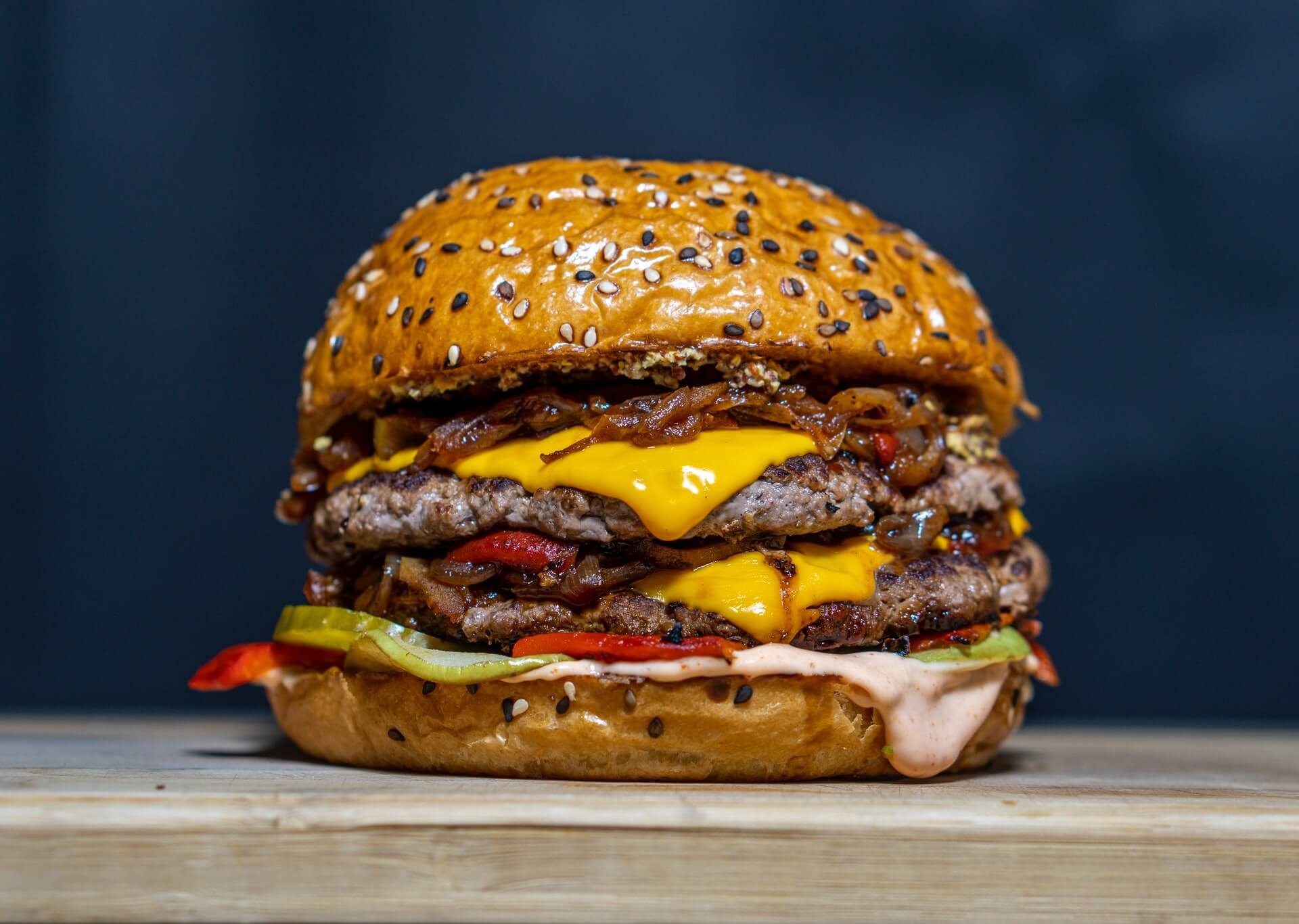
Double cheeseburger on sesame bun

Food and beverage market research firm Datassential turns their attention to limited-time offers in one of their latest reports.

Part of the FoodBytes series of resources, “A Look at Limited-time Offers” is a free Datassential trend report. If you have yet to do so, sign up for Datassential FoodBytes reports.

There are several ways for savvy operators to drive traffic. Loyalty programs and subscriptions are two popular modern-day solutions.

However, the LTO is tried, true, and can boost traffic, engagement, loyalty, sales, and revenue.

Of course, there are different ways to execute LTOs. There’s the recurring, anticipation-driving item: McDonald’s McRib. Then there’s the seasonal offering: Starbucks Peppermint Mocha. And the return of a popular item eliminated years prior: Taco Bell Mexican Pizza and Wendy’s Spicy Chicken Nuggets.

Some LTOs have been going strong for years, others are leveraging a sense of nostalgia. In fact, some appear to be a direct response to Internet chatter.

Which LTO?

Per Datassential, 63 percent of LTOs most recently purchased by consumers were impulse decisions. And when the firm dives into LTOs in general, they find that one product stands above the others.

The top-performing LTO food item in terms of order frequency is the burger.

Now, does that mean you have to menu an LTO burger to succeed with this type of promotion? Of course not.

A successful LTO is one that’s authentic to your brand. And, clearly, it needs to be one that interests your guests. If you’ve been reading KRG Hospitality articles for a while, you know what I’m going to say next.

But for those who are new around here, I’m going to tell you to review your consumer data. What items are performing best? What flavors are resonating with your guests?

Now, look at the industry. What flavors and items are trending? How can you leverage them—in an authentic way—into an LTO?

If a burger may not work, will a different type of sandwich do the job? How about nuggets, breakfast items, a dessert, or a beverage?

Know your brand, know your guest, know what’s bringing the heat.

How Long?

Once you know what you’re offering, the next question should be obvious. How long are you going to make it available?

Every concept is different. What works for one may not work for another. However, analyzing what others do in terms of LTO duration and frequency can help inform you.

And as it turns out, Datassential’s latest FoodBytes report addresses “LTO cadence.”

The majority of operators—43 percent—run an LTO once every one to three months. Considering the popularity of seasonal LTOs, this frequency makes sense.

Interestingly, a quarter of operators offer an LTO more than once per month. Just about as many execute one every three to six months.

Far, far less common is running an LTO once every six to 12 months. In fact, this is the approach of just seven percent of operators. A mere two percent of operators run an LTO less than once every 12 months.

Again, there’s no “right” answer here. Some operations can succeed with multiple LTOs each month, some find success rarely offering one at all.

Takeaway

Operators know their brands best. They should know their guests equally as well, or at least strive to do so. As such, an operator should have an idea of what to offer in terms of LTO food or beverage items.

And, of course, operators should data-obsessive. That’s the only real way to have an idea of what LTOs will work, how often they should run, and how frequently one should be available.

But there’s more to know. Datassential also reveals challenges that deserve serious consideration before executing any LTO:

  • Do you have time to train staff on the new item?
  • Is your staff strong when it comes to upselling?
  • Will your guests complain when the new product is no longer available?
  • Do you have to source one or more ingredients for this item?
  • Is/Are the ingredient(s) necessary readily available?

The LTO is a proven marketing and promotion tool when done well. Challenging, yes, but worth the effort.

Image: amirali mirhashemian on Unsplash

by David Klemt David Klemt No Comments

Summer 2022 is the Summer of Mezcal

Summer 2022 is the Summer of Mezcal

by David Klemt

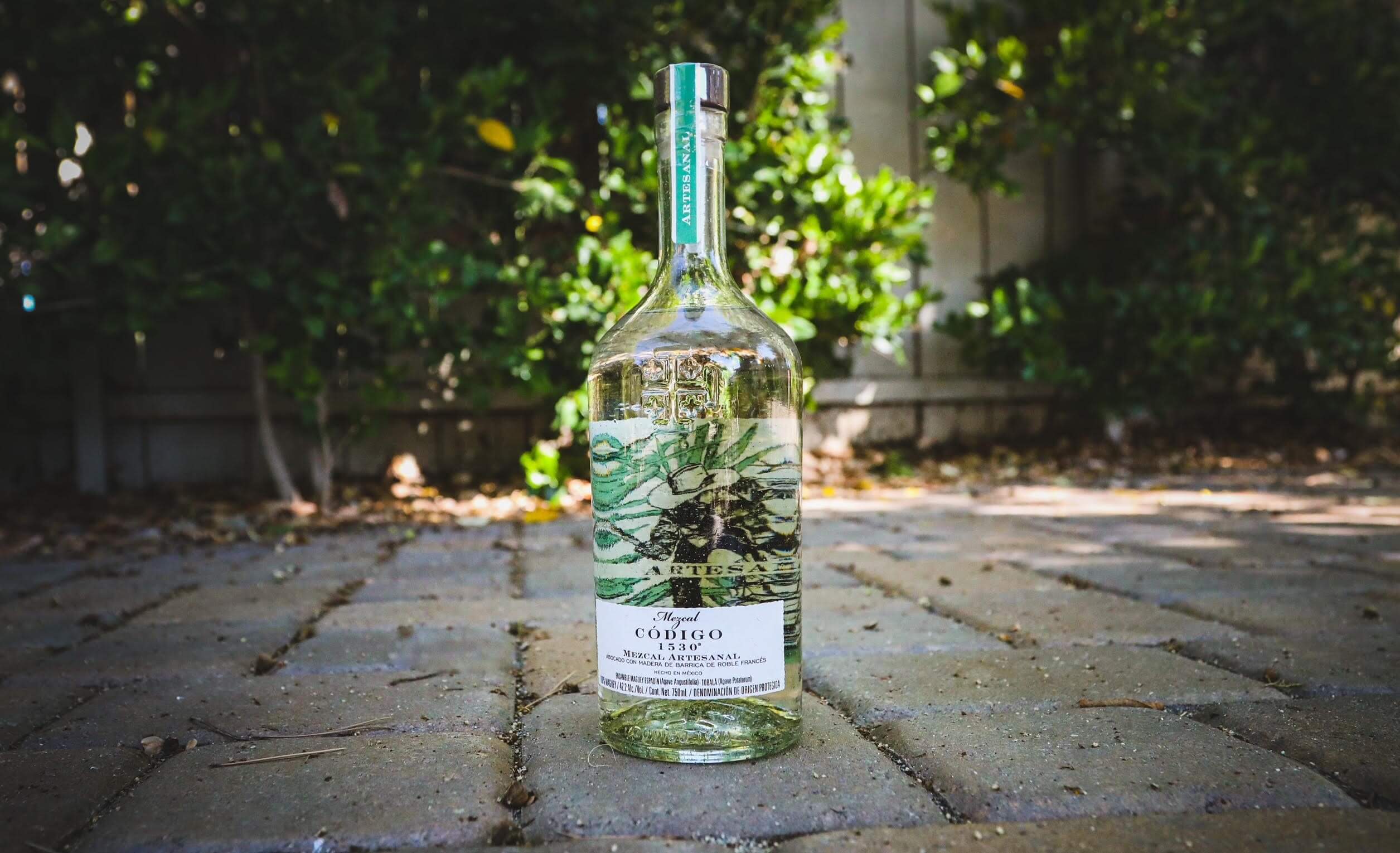
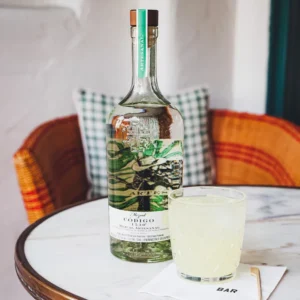
Código 1530 Mezcal bottle

Move over tequila, rum and gin, because this year the drink of the summer is something different.

Summer 2022 is the Summer of Mezcal.

Traditionally, sure, we’re led to believe that lighter spirits (white rum, gin) are best for the hotter months. Of course, dark rum is another route people often take during the summer.

However, mezcal is on fire at the moment. In fact, it has been for the past few years now. So, why not feature it on your summer drink menu?

Mezcal adds depth and complexity to classic cocktails, engaging guests by offering new flavors. And, of course, mezcal is also a fantastic starting point for modern drinks.

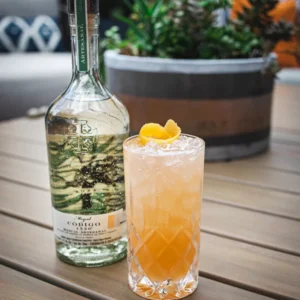
Below you’ll find six summer mezcal recipes from Collin De Laval, company mixologist for Código 1530. He turned his attention to Código 1530 Mezcal Artesanal for the Summer of Mezcal.

To learn more about Código 1530 and De Laval, check out Bar Hacks episode 57. Cheers!

Código 1530 La Palomita

La Palomita

  • 1.5 oz Código 1530 Mezcal Artesanal
  • 0.75 oz Lime juice (fresh, of course)
  • 0.25 oz Aperol
  • 4 oz Yuzu-lime soda
  • 0.25 oz Simple syrup
  • Lime wheel or wedge to garnish

Prepare a cocktail glass with fresh ice. In a shaker, combine Código 1530 Mezcal, lime, Aperol and simple syrup. Shake well, pour into cocktail glass, top with yuzu-lime soda, and garnish with lime wheel or wedge.

Código 1530 Tropicana

Tropicana

Combine all ingredients in a shaker and prepare a cocktail glass with fresh ice. Shake vigorously, pour, and garnish with a pineapple wedge.

Código 1530 Mezcal Margarita

Mezcal Margarita

Prepare a cocktail or Margarita glass with fresh ice, then combine all ingredients in a shaker (also with ice). Shake, pour, and garnish with a lime.

Código 1530 Mezcal Ranch Water

Mezcal Ranch Water

Combine Código 1530 Mezcal, lime juice, and agave nectar in a cocktail or highball glass with ice, top with soda water, and stir.

Código 1530 Mango Mezcal Paloma

Mango Mezcal Paloma

In a shaker with ice, combine Código 1530 Mezcal and all three juices. Shake vigorously, strain into a highball glass with fresh ice, top with soda water, and garnish with grapefruit peel.

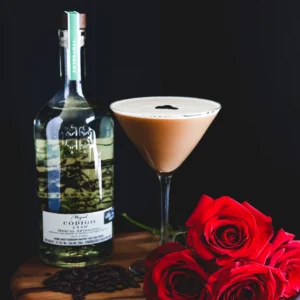
Código 1530 Mezcal Espresso Martini

Mezcal Espresso Martini

If you own, operate or are on the leadership team at a bar—or if you’re a bartender or server—you know the Espresso Martini has once again found itself having a moment. So, while you’re building out your summer mezcal menu, don’t forget this trendy drink.

Add all the liquid ingredients to a shaker with ice. Shake vigorously until well chilled. Pour into a Martini glass (consider preparing by chilling if you don’t already) and garnish with coffee beans.

Images courtesy of Código 1530

by David Klemt David Klemt No Comments

Raise a 7&7 to National Dive Bar Day

Raise a 7&7 to National Dive Bar Day

by David Klemt

Dive bar or neighborhood bar

We celebrate one of the most hallowed of drinking establishments on July 7, also known as National Dive Bar Day.

Look, we love a visit to a high-end, luxurious cocktail bar. But there’s nothing quite like discovering a casual, comfortable, unpretentious bar that feels like home.

Often times, the local watering hole is a cornerstone of a given community. So, we’re looking forward to the fifth annual National Dive Bar Day in just over two weeks.

You should have plenty of time if you’re a dive or neighborhood bar owner to create your National Dive Bar Day promotion.

A Little History

It’s hard to believe that National Dive Bar Day is a mere five years old. In fact, Seagram’s 7 Crown launched the first annual celebration in 2018.

Not only does this holiday honor a true institution, Seagram’s donated $25,000 to the National Trust for Historic Preservation on its inception. (This year, Seagram’s 7 Crown is supporting Main Street Alliance.)

This makes a lot sense when you think about it. After all, dive bars are often located in a historic building or are landmarks themselves.

Some people may not like it, but drinking culture is an integral part of many a community across not just America, not just North America, but the world.

Not so long ago a bartender could set beers and shots in front of two people with opposing views and they’d find common ground to bond over. The optimist in me hopes we can return to those days, visiting our local neighborhood bars and focusing on what we all have in common rather than letting ourselves grow further divided.

Where some people see a “just” a dive bar, those of us in the know see social and cultural centers that support neighborhoods and communities.

Given their commitment to unpretentious and welcoming service, we need to support and protect our local dives.

What Makes a Dive Bar?

There are some key elements that set dive bars apart from other drinking establishments.

Characters on both sides of the bar, inexpensive drinks, familiar bar food, and an approachable feel are, I would say, the hallmarks.

Now, there are those who think a dive bar also includes an “earthy” smell, to be generous. They may also feel that they call dirty buildings with questionable structural integrity home.

However, “dive” doesn’t have to mean filthy. First and foremost, a dive bar needs to be comfortable and welcoming. Filth tends to give off an unwelcoming, dangerous vibe. That’s not exactly the spirit of hospitality.

Just as a great dive bar should be clean, it should also have a solid F&B program. Inexpensive doesn’t have to mean cheap. Oh, and no, the staff doesn’t have to be surly and untrained.

Dives are Neighborhood Bars

When I first learned about Nickel City, as an example, I saw what a dive bar should be. Both locations, Austin and Fort Worth, are described by co-owner Travis Tober as “anytime bars.”

Nickel City commits to serving the community, and they’re open when people need them. In fact, as you’ll learn during episode 50 of the Bar Hacks podcast, Tober made sure they were open to serve people during the infamous winter storm of 2021 that shut down much of Texas.

In speaking with Tober and reading other interviews with him, I learned that he prefers the term “neighborhood” to “dive.” Due in part to the negative perception some have of dive bars, I can understand his preference.

In my opinion, the difference lies in subtle but important nuances. However, I’ll probably still refer to neighborhood bars as dive bars.

Either way, Nickel City is a dive bar done right and a concept that other operators should certainly study. Nickel City is exemplary, a standard that dive/neighborhood bars should aspire to reach.

The 7&7

As far as Seagram’s is concerned, the 7&7 is “the quintessential Dive Bar drink.” It’s difficult to argue: it’s a highball, it’s fast and simple to make, it’s refreshing, and it shouldn’t be pricey.

But, hey, if you’ve never made or ordered one, here’s the recipe:

Simply prepare a highball glass with ice, add Seagram’s 7 Crown and 7UP, and stir. Then just stir, garnish, and serve.

Cheers!

Image: Florencia Viadana on Unsplash

by David Klemt David Klemt No Comments

8 Bottles for National Bourbon Day

8 Bottles for Bourbon Day

by David Klemt

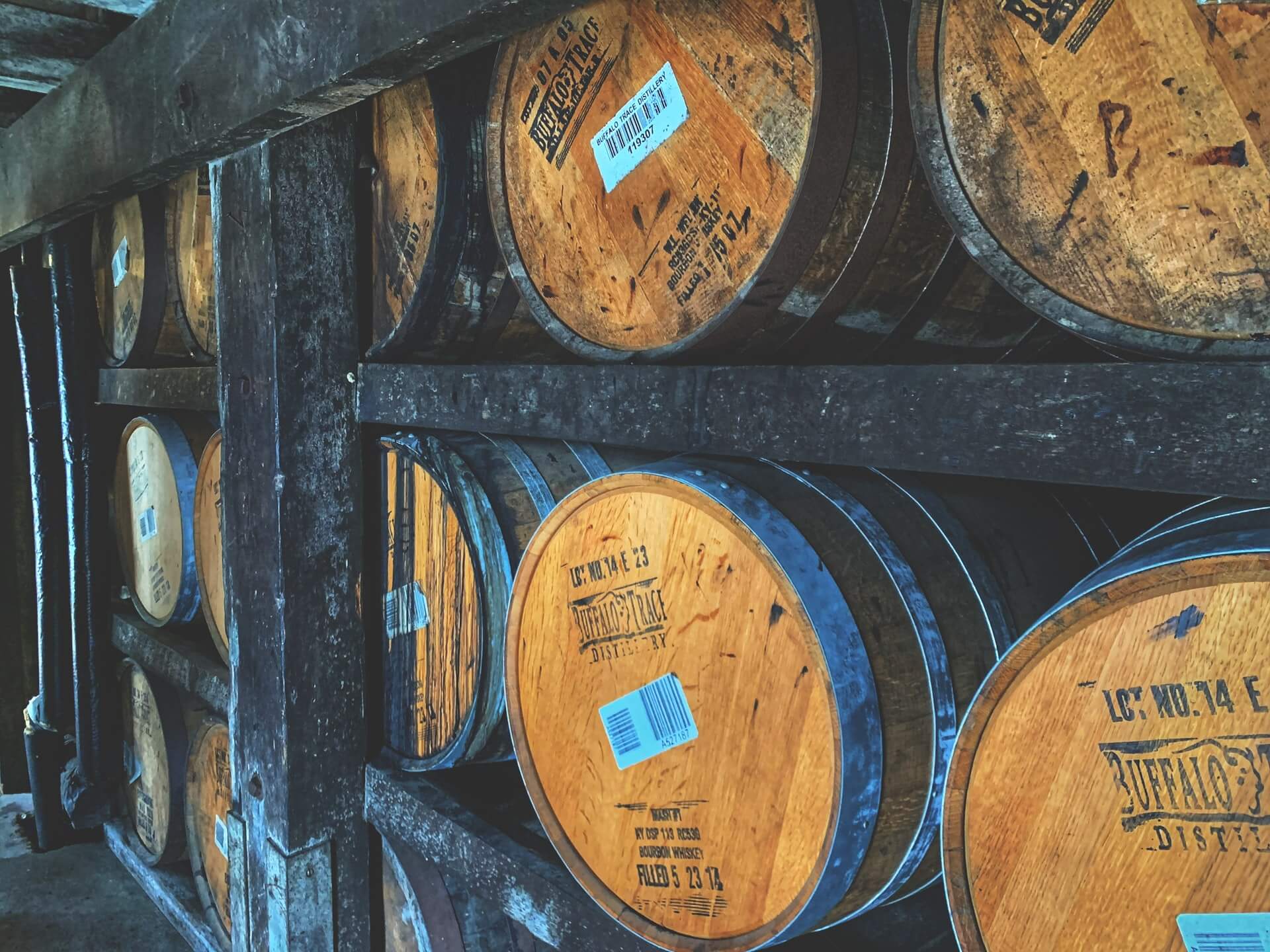
Buffalo Trace Distillery bourbon barrels

Next week, June 14, is National Bourbon Day, the day America celebrates the country’s “native” spirit.

Clearly, that means one thing: Make sure your promotion catches the eye of the whiskey aficionados, bourbon lovers, and bourbon curious among your guests.

One of the most effective ways to boost traffic on National Bourbon Day is deceptively simple. Simply put, add new bourbon releases to your inventory.

Of course, you should also ensure you have enough of what your regulars normally drink on hand. And let’s not neglect your bourbon cocktails.

First Things First

When deciding what to feature on your promotional or LTO menus, there’s a smart and simple first step to take.

You probably already know what I’m going to suggest: Run reports.

What are your top-selling bourbons? Which are more burden than bourbon, collecting dust in your inventory?

Introduce new bourbons recently? How are they selling?

Then there’s the cocktail menu. Do you know which cocktails are your guest favorites and which they’re not ordering? Are any of these bourbon cocktails?

So, don’t just jump into National Bourbon Day by guessing or assuming what bottles and cocktails to promote. Instead, leverage the power of your POS and run reports. Put hard data behind your promotions, always.

Of course, that’s not your only resource. Curious about what your guests would like to see on the menu and back bar? Ask your bar team.

New Releases

Now, this may come as a shocker: People want to try what’s new. Yeah, I know—hot take.

So, if people want the new thing, give ’em what they want. Below you’ll find some bottles worth asking your reps about for National Bourbon Day.

Obviously, you should ensure you have plenty of the standards on hand. And be cautious about just how much new bourbon you bring in. After all, you don’t have data on how they’ll perform yet.

That said, here are some bottles worth considering.

Basil Hayden Subtle Smoke

Far too often, “smoky” on a label means “tastes like you’re drinking a campfire.” Of course, some of us are into that, depending on our mood or personal tastes.

However, some guests aren’t into smoke bombs. Basil Hayden Subtle Smoke delivers what’s on the label: their high-rye Kentucky bourbon with smoke notes that aren’t overwhelming.

Ben Holladay

Don’t freak out after you read the following sentence. Not all bourbon comes from Kentucky.

Of course, you and your team probably know that. And I’m sure we all think that by now, people know a whiskey doesn’t need to come from Kentucky to be bourbon. However, there are still people who think otherwise.

Educate them with bottled-in-bond Ben Holladay, crafted in Missouri. It’s an interesting bottle labeled Real Missouri Bourbon. According to laws enacted in 2019 and 2020, for a whiskey to earn that designation the producer must:

  • mash, ferment, distill, age, and bottle in Missouri;
  • age in oak barrels made in Missouri; and
  • be made with corn grown in Missouri.

Bottled-in-bond and Real Missouri Bourbon. This bottle should get your guests’ attention.

Blood Oath Pact No. 8

When it comes to bourbon releases, Blood Oath Pacts are always big news. Blood Oath Pact No. 8 should be a welcome addition by the bourbon lovers among your guests.

For this release, Lux Row Distillers combined a a 14-year ryed bourbon, an 11-year ryed bourbon, and an 8-year ryed bourbon finished in Calvados casks.

OKI Reserve

The OKI story goes that two entrepreneurs in Ohio, Chad Brizendine and Jake Warm, bought the brand from New Riff Distilling two years ago.

For those wondering, OKI stands for “Ohio, Kentucky, Indiana,” the tri-state area responsible for most of the world’s bourbon. According to OKI, 99 percent of OKI Reserve is more than eight years old.

Thomas S. Moore

Alright, I’ll admit it—I count this section as four bourbons. But I have a good reason for doing so.

Thomas S. Moore is crafted by Barton 1792 and consists of four expressions: Cognac, Madeira, sherry and Merlot. Any one of these alone is worth the time and effort for a bourbon or whiskey lover to track down. However, think of the potential having two or more expressions available to taste against one another offers you and your guests.

Each Thomas S. Moore expression starts with five- or six-year-old Barton 1792 high-rye bourbon. Depending on the cask used for finishing, the bourbon is aged for another one to four years.

Image: Josh Collesano on Unsplash

by David Klemt David Klemt No Comments

5 Books to Read this Month: June 2022

5 Books to Read this Month: June 2022

by David Klemt


Flipping through an open book

These engaging and informative book selections will help you develop next-level food and beverage skills, and motivate you throughout June, 2022.

To review May’s book recommendations, click here.

Let’s jump in!

Doctors and Distillers

As the historians in our industry have known for a while, cocktails were once considered medicinal. Of course, in some ways that’s still the case.

Industry author, speaker, and educator Camper English shows us how medicine and alcohol have long been connected throughout human history in Doctors and Distillers. Have you head of using wine as a dewormer? How about treating wounds with beer? Would you ever consider using spirits to heal a snakebite? Well, humans have done those things and more with booze. Pre-order this book today!

A Bartender’s Guide to the World

I’m just going to be blunt here: Lauren Mote probably knows more about spirits, liqueurs, and cocktails than you. That’s not a slam—she loves sharing her knowledge and helping people improve their craft and business.

Available for pre-order now for an October launch, A Bartender’s Guide to the World shares not only Mote’s journeys around the world but also more than 75 cocktail recipes. The book’s recipes are organized by their base ingredient. Additionally, there’s an entire chapter just addressing alcohol-free drinks.

The Portugal Cookbook

Chef Leandro Carreira shares well over 500 recipes in The Portugal Cookbook. These dishes range from traditional Portuguese cuisine to modern recipes.

Every region throughout Portugal is represented in this informative and mouth-watering book, including the Duoro Valley and Algarve coast. Portugal is known as a global destination for foodies and this book will definitely help you add some delicious, on-trend recipes to your menu.

Hacking the New Normal: Hitting the Reset Button on the Hospitality Industry

The world around us has changed. The food & beverage industry has changed. The hospitality industry has changed. But will some ways of life change for the better? In Doug Radkey’s second book, Hacking the New Normal, he asks the following: “Do you think you can hit the reset button on your approach to business? Do you think you can help hit the reset button on this industry? I have made the decision to do so. The question remains, have you?”

Trust and Inspire: How Truly Great Leaders Unleash Greatness in Others

Stephen M.R. Covey, author of The Speed of Trust, addresses the leadership crisis we face today. As the author of Trust and Inspire points out, the world is changing but leadership styles remain the same. That simply won’t work moving forward. It’s crucial we change how we view leadership, and develop new leadership styles and strategies if we’re going to succeed from now on.

Image: Mikołaj on Unsplash

by David Klemt David Klemt No Comments

Alright, Seriously—WTF, Grubhub?

Alright, Seriously—WTF, Grubhub?

by David Klemt

Or, more to the point, stop working with “partners” who exploit our industry rather than support it.

In spectacular and entirely predictable fashion, Grubhub’s “free lunch” further reveals that third-party delivery platforms don’t care about restaurants.

Of course, they all say they support restaurant owners and operators. And, of course, they’re quick to pat themselves on their backs for being a pandemic lifeline.

But…no. Time and time again, mainly through their exorbitant and exploitative fees, they prove the opposite is true.

Restaurants and bars aren’t third-party delivery partners. Rather, these relationships are adversarial and detrimental. So much so, in fact, that some states passed laws to limit third-party delivery fees.

In Nevada, for example, Clark County Commissioners passed an emergency ordinance in August 2020 capping those fees at 15 percent. Clearly, we need to stop enriching companies that prove they don’t support the hospitality industry but cause it significant harm.

Free Lunch?

They say there’s no such thing as a free lunch. Apparently, Grubhub really wants to prove that maxim true.

That’s one of the takeaways from their disastrous promotion. Last Tuesday, in what’s being reported as an attempt to claim the delivery throne in New York City, Grubhub offered “free” lunch to anyone who placed an order for delivery.

The requirements for this promotion? Place an order for delivery through Grubhub on May 17 between 11:00 AM and 2:00 PM and use the code “freelunch.”

Of course, customer orders weren’t entirely free. Rather, the code was good for a $15 discount. Still, a wildly attractive offer as the ensuing debacle reveals.

Unsurprisingly, the promotion made for some eye-grabbing and eye-rolling headlines. Buzzfeed News published the most attention-grabbing one: “GrubHub Was Getting 6000 Orders A Minute During Its Promo Today That Left Restaurant Workers Stressed And Customers Hangry.”

Six thousand orders per minute during a promotion with a three-hour window in a single market.

In addition, the outlet reported that one unsatisfied customer was number 3,630 in the Grubhub customer service queue. Apparently—and who can blame him—he hung up before he could speak with a Grubhub rep about his missing order.

Duh

Who could’ve seen this coming? Any of the restaurant owners, operators, or team members Grubhub “serves,” that’s who.

In fact, anyone who works in this industry with on-premise experience knew this was going to happen. So, too, any journalist who specializes in hospitality.

The fact that whoever came up with this promotion didn’t see this coming is revealing. Unless the creators of these apps and services have real-world restaurant experience, they don’t understand the business.

How can one effectively and properly serve an industry without an understanding of how it operates? Hospitality is about service. Shouldn’t the companies attempting to work within our industry work hard to serve alongside us?

Let’s be clear—this promotion was in no way designed to help struggling restaurants. It wasn’t intended to boost their traffic and revenue. Rather, it was solely created to serve Grubhub’s desire to be number one.

As we all know, we’re experiencing major staff shortages. There are also supply shortages making it difficult for operators to obtain product reliably. Grubhub made those problems exponentially worse.

Some restaurants stopped taking delivery orders. Others canceled orders. There were operators who closed in an effort to catch up with orders and prevent the situation from worsening.

According to news stories, some social media users posted that they planned to stop ordering through third-party platforms.

Negative Impact

If you’re new to KRG Hospitality, welcome. You’re likely realizing that we’re not fans of third-party delivery.

Those of you who are familiar with us have known for quite some time that we support direct delivery. That is, delivery controlled and executed by the restaurant itself.

It’s not that we’re against innovation. Rather, our dislike of these platforms, generally speaking, comes from our perception of their behavior.

In our opinion, they take control away from operators and cost them money. Again, speaking generally, they collect customer data that operators should control. Their fees are ridiculous in most cases. And when it comes to the customer experience, their inconsistencies and shortcomings reflect poorly on the operators far too often.

Studies show that customers who have issues with third-party deliveries often place the blame on the restaurant. Food the wrong temperature? Order arrive late? Packages in less-than-ideal condition? While those issues and others can be the fault of the driver, the restaurant often takes the brunt of a customer’s dissatisfaction.

Of course, there’s also the financial impact of third-party delivery on restaurants. A SevenRooms report from last year reveals how these platforms harm operators and their bottom lines.

The Solution

Look, we know operators have a ton on their plates. But protecting and boosting the bottom line is a non-negotiable element of this business.

Yes, it’ll take some time, effort, and money to set up direct delivery. However, it’s the best solution.

Direct delivery means the operator collects and control valuable data. Likewise, the operator can ensure consistency. Through direct delivery, the operator shapes and controls the experience.

Control. Inherently, third-party delivery takes some control away from operators. That’s not a good thing, and neither is their financial impact.

Look into setting up direct delivery, take control, and protect your revenue ASAP. Friend of KRG “Rev” Ciancio and SevenRooms CEO Joel Montaniel each address delivery on the Bar Hacks podcast. Listen to episode 13 with Rev and episode 24 with Joel to learn more about delivery.

We need to stop rewarding companies that exploit our industry and take advantage of our owners, operators, and hard-working staff members.

Direct delivery is the answer. Take steps to implement it today.

Image: Rosie Kerr on Unsplash

by David Klemt David Klemt No Comments

Drinks for Your World Whisky Day Menu

Drinks for Your World Whisky Day Menu

by David Klemt

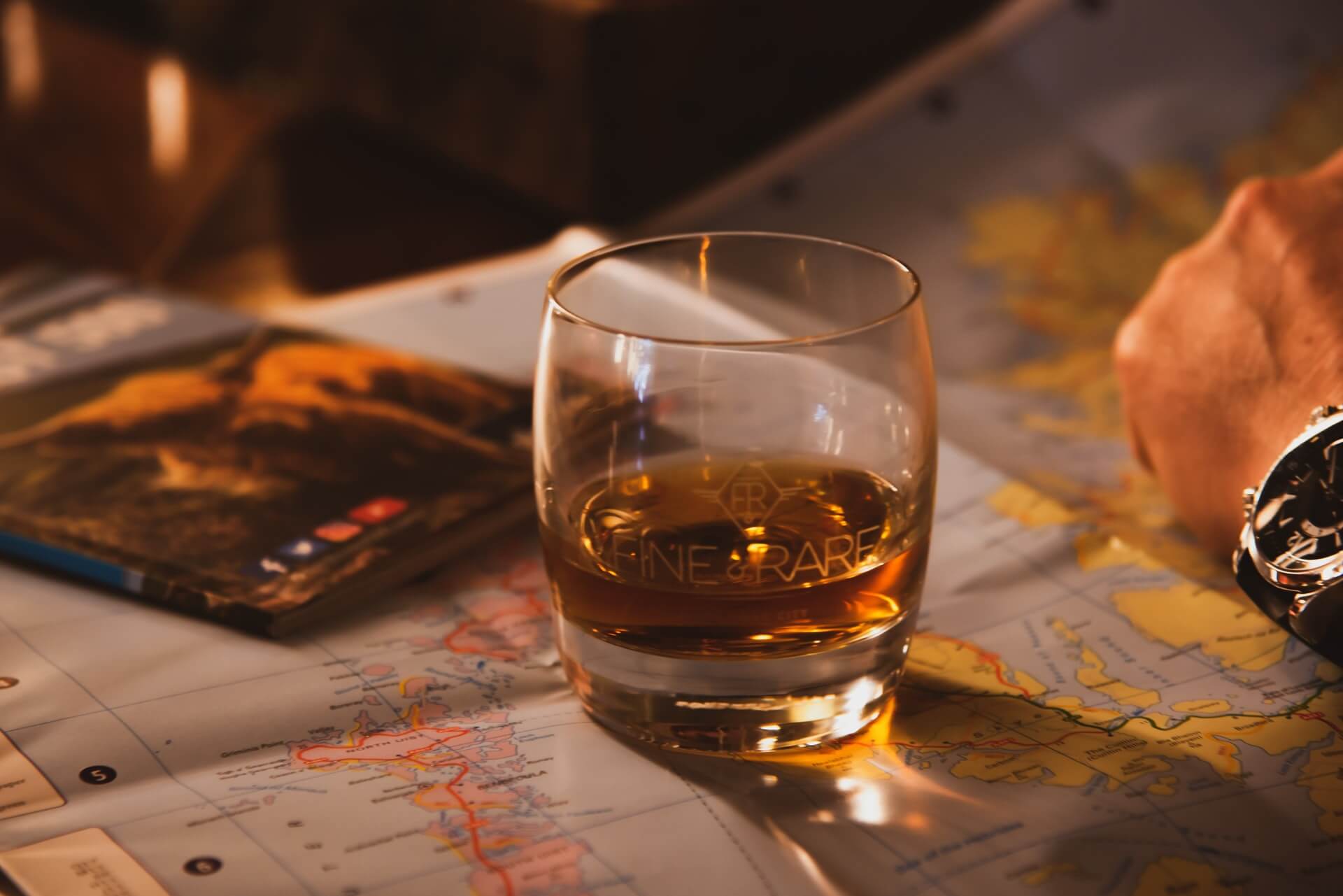
Whiskey in Fine & Rare NYC glass

This Saturday is the eleventh annual celebration of World Whisky Day, the perfect day to highlight your whisky and cocktail menus.

One revenue-generating method of drawing in guests is a promotion showcasing popular, lesser-known, or rare whiskies. Operators can also create a whisky and beer combo promotion.

Of course, there’s also the specialty cocktail menu. There are a few different approaches to this promotion.

An operator and their bar team can focus on one specific cocktail, offering three or four “takes” on it. Another way to make this work is to take the same cocktail and feature a different whisky in each one.

A different approach is to create a World Whisky Day menu consisting of three or more of the most popular whisky cocktails. To help you identify which drinks to feature we looked into the top whisky drinks. Check them out below.

Old Fashioned

C’mon—you knew this was going to be on the list before you read past the title of this article. Drinks Digest ranked the Old Fashioned the number-one cocktail of 2021.

VinePair‘s list didn’t rank their most-popular cocktails overtly but this classic got its expected mention.

Manhattan

Just like the Old Fashioned, you expected this drink to make this list. While it can certainly be made with bourbon or an array of single malt American whiskies, the Manhattan shines when made with rye.

Whisky Sour

As Drinks International points out, the Whisky Sour may not be the top drink in most bars. In fact, it may not make it into their top three.

However, the simple but refreshing Whisky Sour is at least in the top ten of several bars, making it a solid choice for your specialty menu.

Boulevardier

Want to get some of the cocktail aficionados among your guests to flip out? Tell them loudly and confidently that the Boulevardier is better than the Negroni. That’ll certainly get them talking.

Or, hey, don’t do that. Just perfect this bourbon cocktail, a cousin of the Negroni, and highlight your build for World Whisky Day.

Mint Julep

The Kentucky Derby may be over but summer is just around the corner. People are still craving this centuries-old cocktail and VinePair called it “essential” last year.

Sazerac

Like many classics, the Sazerac was “medicinal” when it was first created in the 1830s. In 2008, this drink was made the official cocktail of New Orleans by the Louisiana state legislature.

The Sazerac is another cocktail recipe that VinePair said was an essential one for bars in 2021.

Vieux Carré

It’s difficult to overstate the important role New Orleans has played and continues to play in American cocktail culture.

The recipe, created about 100 years after the Sazerac, combines American whisky (rye, traditionally), Cognac, Bénédictine, sweet vermouth, and Peychaud’s bitters.

Penicillin

Created by Sam Ross when he was behind the stick at Milk & Honey, this is my favorite whisky cocktail. The recipe was one of Punch’s most popular last year, and it was on Drinks International’s top 50 list for 2021.

On a personal note, this is one of my all-time favorite whisky cocktails. In fact, the Penicillin is one of my favorite cocktails in general.

Honorable Mentions

These may not be top sellers for most bars (if any) but they’re worth consideration for World Whisky Day.

The Chauncey is a 1:1:1:1 combination of rye whisky, Cognac, gin, and sweet vermouth plus two dashes of orange bitters, served up.

Of course, there’s also the Mule, which lends itself to an incredible number of riffs. Select a whisky or two to come up with specialty Mules of your own.

Irish whisky stands out in an Irish coffee, which can be served iced/frozen when it’s hot outside.

And then we have the Rob Roy. If you want to be glib about it, this is a Manhattan made with Scotch rather than rye whisky.

Your Own Data

There’s an excellent resource for determining what drinks to feature at your restaurant or bar. It’s quite literally at your fingertips: your POS.

If you want to know what your guests are drinking and what they want, run a report.

How deep you get into the data is up to you, of course. Monthly, quarterly, seasonally, annually… There are myriad methods to determine your World Whisky Day’s best options.

Sure, you can probably safely assume that your top whisky cocktails are the same as those above. But why not be absolutely certain with your own data? You invest money and time into your POS—wring everything you can out of it.

Also, your bar team and servers. Ask them what whiskies guests have been asking for that you don’t have.

Use your POS to identify the whiskies gathering dust in your stockroom, then find a way to move them quickly (a well-priced LTO should work) and replace them with what guests want.

Image: YesMore Content on Unsplash

by David Klemt David Klemt No Comments

What’s Next in the F&B Design Space?

What’s Next in the F&B Design Space?

by David Klemt

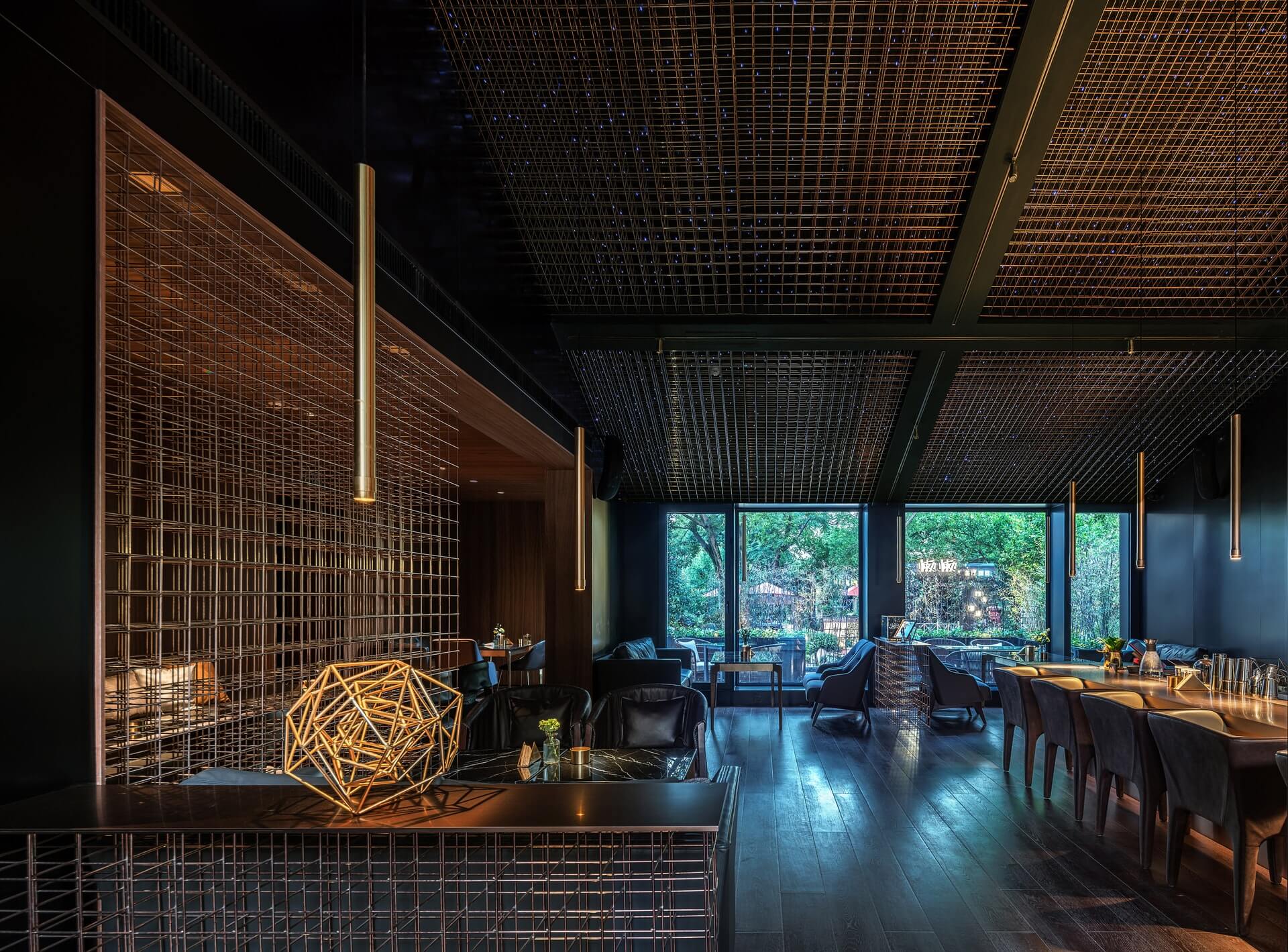
Interior of world's first crypto bar

Design driven by a story and narrative, technological innovation, and people’s desire to socialize are what’s next in hospitality design.

The influences above are factoring into the current approach to design in the F&B space. Be it a hotel or restaurant, the F&B landscape is going to look different for several reasons.

Five leading industry experts addressed this topic during HD Expo 2022‘s “F&B Trends: What’s Next?” panel.

Technology

Well, let’s start with arguably the biggest “trend” in F&B. Our industry is finally making major advancements in the area of technology.

It may not seem like it to some, but speaking generally, hospitality hasn’t always found itself on tech’s bleeding edge. That’s changing.

In fact, some industry experts feel we may be moving too quickly. For example, an interesting prediction from Restaurant Leadership Conference 2022 is a more deliberate approach to developing and implementing hospitality-specific tech.

Now, that doesn’t mean we’ll see a significant slowdown in tech innovation. Rather, innovators may take a more calculated approach to truly relieve hospitality pain points.

For example, Adam Crocini, senior vice president and global head of food and beverage brands for Hilton, points to a few innovations now common throughout the industry. Digital order, digital pay, and the ability to deliver food essentially anywhere within a hotel, resort or casino property are tech solutions driving efficiency.

However, Crocini sees one segment in need of a specific solution. In the luxury segment, guests prefer in-person engagement with staff and tactile engagement with physical menus.

Ari Kastrati, chief hospitality officer for MGM Resorts International, seems to agree. Tech, says Kastrati, shouldn’t replace human connections. Rather, technology needs to enable and enhance.

The Experience

When it comes to design, much of the focus is on the impact it will have on the guest or consumer. However, the end user is hardly the starting point.

For Kastrati, a successful project begins with the development of a relationship. That relationship is between the designer, the operator, and the concept. If care isn’t taken to nurture that relationship, it will likely show in the final product.

In Crocini’s eyes, that relationship informs the development of the operator’s concept. How? Through the development of a story and narrative.

If the designer and operator can develop a story, the design can be grounded in said story. Further, every element of a design can be held up against that story to see if it “fits.” If it does, the design will deliver a holistic experience and engage the guest or consumer.

In terms of F&B, Kastrati and Crocini make similar points. Both feel knowing the guest and anticipating their needs is crucial.

Addressing design elements that impact the experience, Crocini believes design should start with lighting. A design without proper lighting, Crocini says, is like a Scorsese film without the score.

Alexis Readinger, founder of Preen, is focusing in part on unique floorplan design. In particular, Readinger likes features that encourage interaction between guests, such as communal loveseats. However, “protecting the introverts” is also important for some guests’ comfort levels.

It’s safe to say that Caroline Landry Farouki, partner at Farouki Farouki, agrees with Readinger and Crocini. Seating, says Landry Farouki, can create different levels of intimacy to engage extroverts and introverts, and lighting designers are crucial and can really tell the story.

F&B Trends

In terms of consumer trends, Kastrati points to something specific he’s seeing in Las Vegas. People are seeking out specialty restaurants and luxury retail. At least anecdotally, this confirms what many reports and experts have been saying for the past few years: Consumers are showing increased interest in luxury.

However, Kastrati’s focus in the F&B space isn’t solely on guests and consumers. Rather, he suggests that the next step is bringing people back to the workforce. As Kastrati says, there’s no hospitality without people. Kastrati believes all of us in the industry need to encourage people to pursue hospitality careers.

Switching gears, Jessica Gidari, director of design and concept development for Union Square Hospitality Group, points to an effective pivot as a possible industry trend.

At least one concept in the Union Square portfolio has pivoted from a restaurant to a cocktail bar. A menu with shareable plates leverages guest desire to socialize and share. Gidari also says doing away with some traditional two- and four-top tables and replacing them with communal seating can “rebrand” a space as a “convivial” lounge.

Landry Farouki thinks operators can count on two compelling trends in the F&B space. One is the return of the restaurant as “the bar.” As someone who lives and works in Las Vegas, I can attest to treating restaurants more as bars myself.

Another possible trend Landry Farouki predicts is “mature dining” replacing fine dining. Explaining mature dining, Landry Farouki says such a concept is chef-driven but doesn’t focus solely on the chef.

Trend predictions must be taken with a grain of salt. However, I only see upside for design that helps operators engage guests more from the start.

Image: LYCS Architecture on Unsplash
by David Klemt David Klemt No Comments

SevenRooms Reveals Hotel Guest Study

SevenRooms Reveals Hotel Guest Study Results

by David Klemt

Male passenger with suitcase at airport

Americans eager to get back to normal and make up for lost time are traveling in droves, and hotels will have to adapt in order to earn their business.

To give hotel and resort operators an edge, SevenRooms today reveals the results of their latest study.

“Booking Behaviors: Exploring Hotel Guest Loyalty,” contains datapoints all hotel operators should know.

The report, a collaboration with YouGov, focuses on two types of travelers.

Competitive Incentives

Before I address the who, let’s take a look at data that highlights the what.

According to the SevenRooms and YouGov report, nearly half of consumers say that loyalty programs are important. Per SevenRooms, loyalty programs influence hotel choice for 44 percent of guests.

Regarding American hotel guests specifically, 34 percent of guests will consider rebooking if their loyalty status receives recognition upon check-in.

However, loyalty status recognition isn’t enough for guests to book a hotel again. To understand what will influence that decision we need to take a look at SevenRooms’ traveler types.

Leisure

SevenRooms and YouGov look at two travelers for their report. There’s the Personal Patron and the Business Traveler.

Let’s focus on the former first. Per SevenRooms, to say the Personal Patron is eager to return to travel is an understatement.

The Personal Patron is a leisure traveler who has been climbing their walls for more than two years. They’re planning to travel “with a vengeance” this summer.

Diving deeper, the Personal Patron is most probably a female over the age of 35.

While recognizing this traveler for their loyalty program membership is smart, it’s not enough to influence a rebook. Rather, the Personal Patron places greater value on:

  • receiving more loyalty program points in exchange for dining and drinking at property-operated restaurants and bars;
  • enhanced credit card rewards; and
  • earning dining credits upon reaching a new loyalty program tier.

However, there’s a problem inherent to the Personal Patron and loyalty programs. Just 45 percent—so nearly half—of this traveler type are loyalty program members.

The reason for that low program buy-in? Almost 60 percent don’t think they travel enough to benefit from hotel loyalty programs.

Per SevenRooms, there’s a rather simple solution: local benefits. Tempt Personal Patrons with staycations and access to amenities at hotels in their home markets. Another idea is to offer points exclusively for dining that this traveler can use where they live.

Business

Obviously, the business traveler is now different. In fact, SevenRooms considers two versions of the Business Traveler.

On the one hand, there’s the extended-stay version traveling all over the country. And on the second hand, there’s the long-distance Business Traveler who’s seeking a midweek “home base” hotel.

Either way, the Business Traveler is most likely a male aged 18 to 34.

Per SevenRooms—and as most hotel operators likely know—this traveler probably doesn’t have time (or interest) in exploring off property. Therefore, the Business Traveler can be influenced to rebook through incentives that make their stays better.

These include:

  • receiving more loyalty program points in exchange for dining and drinking at property-operated restaurants and bars (like the Personal Patron);
  • receiving recognition for being a loyalty program member; and
  • getting a complimentary drink on check-in; or
  • being given a choice of an F&B amenity on arrival.

Unsurprisingly, the Business Traveler is more likely than the Personal Patron to join a hotel loyalty program. Per SevenRooms, 55 percent of Business Travelers say that the ability to participate in such a program influences their hotel choice.

Focusing on perks that “reward” the Business Traveler for their hard work can convert a Business Traveler to become a loyal guest for a particular hotel or hotel group.

SevenRooms suggests priority reservations for the lunch daypart at restaurants on property. Also, providing their favorite drink (wine, cocktail, beer, etc.) with their room service orders can be influential.

Takeaway

Travel is gaining steam, restaurants and bars are seeing an influx of reservations, and hotel operators need to prepare for summer travelers.

As a reservation, guest experience, and guest retention platform, SevenRooms can ensure operators can easily collect guest data. Guest data, for example, like F&B and room preferences.

More importantly, the platform makes it simple to use that data responsibly, effectively, and simply.

To learn more about SevenRooms, click here.

Image: JESHOOTS.COM on Unsplash

by David Klemt David Klemt No Comments

5 Books to Read this Month: May 2022

5 Books to Read this Month: May 2022

by David Klemt

Flipping through an open book

These engaging and informative book selections will help you develop next-level beverage skills and motivate you throughout May, 2022.

To review April’s book recommendations, click here.

Let’s jump in!

Rum Rebels: A Celebration of Women Revolutionizing the Spirits Industry

Written by authors Martyna Halas and René van Hoven, Rum Rebels raises a glass to women in the rum world. Readers will learn the inspiring stories of Lorena Vasquez from Zacapa, Joy Spence of Appleton, and more women driving rum forward and shaping this iconic spirit’s flavors, aromas, and textures.

In addition, this book serves as a masterclass in rum production, from tasting to aging. And since that’s enough for these incredible and ambitious authors, Rum Rebels also contains rum cocktail recipes.

Drink Lightly: A Lighter Take on Serious Cocktails

Operators, bar managers, and bartenders should see value in the driving ethos behind this cocktail book. Drink Lightly, authored by Nitecap bartender Natasha David, pairs precision drink-building techniques with a relaxed drinking experience.

Drinking lightly doesn’t mean sipping drinks bereft of complexity and depth. Along with 100 recipes, readers will enjoy a foreword by Alex Day of Proprietors LLC, whose concepts include Death & Co. and Nitecap.

Call Me Chef, Dammit!: A Veteran’s Journey from the Rural South to the White House

Hospitality is rooted in sacrifice and a commitment to serving others. Chef Andre Rush and his story embody service. Call Me Chef, Dammit! is the inspiring story of Chef Rush.

The storied chef has led an incredible life which includes a career in the US Army that spanned 24 years, advocating for military personnel and veterans, and winning multiple awards as a chef. Oh, and Chef Rush and his 24-inch biceps have also worked in the White House for four US presidents.

While there are no recipes in this book, there is one hell of an inspiring story in these pages.

The New Kindred Spirits: Over 2,000 All-New Reviews of Whiskeys, Brandies, Liqueurs, Gins, Vodkas, Tequilas, Mezcal & Rums from F. Paul Pacult’s Spirit Journal

Anyone looking for a spirits bible need search no further. F. Paul Pacult’s The New Kindred Spirits includes over 2,400 in-depth reviews spanning a wide range of spirits. This tome evaluates a massive number of brandies, gins, liqueurs, rums, tequilas, vodkas, and whiskeys.

This all-encompassing compilation of spirit evaluations doesn’t just cover the usual suspects. The New Kindred Spirits also takes a deep dive into the craft side of the beverage industry.

Drinking & Knowing Things

Author and certified sommelier Michael Amon would like to know a couple things from those considering picking up Drinking & Knowing Things. “Do you want to uncork a bottle of whoop-ass on every winedouche and uppity sommelier?” And, “are you too lazy to spend any time whatsoever learning things?”

Anyone who answered “yes” to either or both questions needs this book. Amon says that readers who commit to spending five minutes reading the weekly wine recommendations found in Drinking & Knowing Things will give sommeliers a run for their wine-knowledge money. Wine intimidation? Not after reading this book.

Image: Mikołaj on Unsplash
by David Klemt David Klemt No Comments

Forward Progress: Trends by Venue Type

Forward Progress: Trends by Venue Type

by David Klemt

High contrast image of blue cocktail with lemon zest

One notable difficulty with considering new trends is that they’re not all necessarily a universal fit for all venue types.

For example, what may work well in an upscale restaurant perhaps won’t perform as well in a sports bar. Pursuing a trend that isn’t a good fit, obviously.

As any operator with experience knows, chasing fads and trends just to chase them can be costly. Doing so costs money (inventory, training, labor hours) and time deserving of better allocation.

However, failing to embrace any trends can also be costly. Watching a lucrative trend pass by can cost an operator guest engagement, perception, and traffic.

Take, for instance, the success of White Claw. Plenty of operators and consumers scoffed at the hard seltzer category as a whole at first.

Then, some people decided it was a drink category “for women.” As it exploded in popularity, hard seltzers proved immensely popular with men.

Basically, it’s an incredibly strong beverage alcohol category that resonates with a wide range of consumers. On some menus, hard seltzers are listed alongside beers.

So, hard seltzer, led largely by White Claw, showed itself to be a worthwhile trend to adopt.

Clearly, however, hard seltzer doesn’t resonate with all guests on all occasions in all types of hospitality venue types. For instance, generally speaking, a bucket of White Claws likely to be a top seller in a high-end restaurant specializing in seven- to nine-course meals.

Drink Trends by Venue

During Bar & Restaurant Expo in March of this year, Amanda Torgerson of Datassential presented 2022 drink trends operators should know.

One trend has essentially proliferated the industry. Really, it’s likely wise for us to all view this trend—hard seltzer—as mainstream now.

In the context of Torgerson’s presentation, Datassential is saying that hard seltzers are here to stay.

Among other trends, Torgerson shared Datassential’s data-backed view of drink trends segmented by venue category.

While every venue is unique and not every trend will work for every bar or restaurant in a given category, the results are no less intriguing.

Pubs: Dry-hopped beers, pastry stouts, and hard or spiked coffee.

Sports Bars: Mini-beers, hard seltzer, and reusable growlers.

Casual Bars: Seltzers with unique flavors, hard tea, hard lemonade, and drinks featuring local ingredients.

Upscale Bars: Negroni, wine-barrel-aged spirits, and flaming cocktails.

Nightclubs: Hard seltzers served with spirits, cocktails and punch bowls served with dry ice, and flaming cocktails.

Casual Restaurants: Wine cocktails, elevated brunch cocktails, and tea-based alcohol beverages.

Upscale Restaurants: Flaming cocktails (smoked may be better), all-natural wines, and made-to-order cocktail cart presentations.

Hotels, Resorts and Casinos: Made-to-order cocktail carts, alcohol vending machines, and drinks made with cold-pressed juices.

Interestingly, a few of the above trends identified by Datassential appear in multiple venue types.

The main things for an operator to keep in mind is what will resonate with their guests and what’s authentic to their brand. When it comes to trends, one size doesn’t fit all and an individual venue’s mileage will vary.

However, the above list should at least show operators what Datassential sees resonating with guests in an array of venues.

Image: Ozge Karabal on Pexels

by David Klemt David Klemt No Comments

Stand Out with Weird Holidays: April 2022

Stand Out with Weird Holidays: April 2022

by David Klemt

Stay Weird neon sign with purple background

Want to stand out from from other restaurants and bars in your area? Then commit to keeping it weird.

Several “holidays” are set against every date on the calendar, and April is no exception. These holidays range from mainstream to “weird.”

Pay attention to the latter to raise eyebrows, carve out a niche for your restaurant or bar, and attract more guests. Why do what everyone else is already doing?

Of course, you shouldn’t try to celebrate every holiday, weird or otherwise. And this month’s list in no way includes every odd holiday.

Focus on the days that are authentic to your brand; resonate with your guests; and help you grab attention on social media.

For last month’s list, click here.

April 1: National One Cent Day

Please, please, please tell me you’re not going to indulge in an April Fool’s Day “prank” today. Instead, consider—if your jurisdiction will allow it—getting rid of dead stock for a penny with a purchase of a food and/or beverage item. You won’t get rich doing it but you also won’t be sitting on stock that’s just taking up space.

April 2: National Handmade Day

An easy riff on “handmade” is “housemade.” So, on this crafty holiday you can easily promote the housemade items on your menu. Make your own bitters? Promote it. Craft your own sauces? Let the world know.

April 6: National Tartan Day

No, it’s not “weird” to wear tartan. And no, it isn’t weird to celebrate anything and everything Scottish. However, this isn’t exactly the best-known holiday, so we’re including it on this list.

This is an easy one: Encourage your guests to wear tartan, take photos, and post it on social media (tagging your business, of course). Create a promo highlighting a Scottish whisky and/or gin and you’ve got a winner.

April 13: National Make Lunch Count Day

It’s fairly easy to celebrate and program on this holiday. The entire point of this day is to make lunch the best meal. Operators, you should know exactly what to do to execute a promo for this holiday.

April 15: National Take A Wild Guess Day

Who among us hasn’t taken a wild guess for a prize? We all know how this works: A jar or a convertible (why not, right?) is filled with jelly beans, gumballs, etc. People guess how many of said item are in said container. The person who guesses the closest wins a prize.

April 19: National Hanging Out Day

Talk about the perfect day to encourage your guests to spend a morning, afternoon, evening or night at your business with their friends. This holiday can be as simple as coming up with a few F&B promotions that will keep butts in seats for a while.

April 23: National German Beer

Hey, can you guess how you should celebrate this day? Hint: The clue is in the name.

April 24: National Pet Parents Day

If you allow dogs and other pets inside your venue or on the patio, this is the time to celebrate pet parents. Just remember when creating your promo that you need to include pet-safe F&B items.

April 27: National Tell a Story Day

As an operator, you know the importance of telling a story. Whether that story is that of your brand’s, a brand you feature, or a food or beverage item, it’s a powerful engagement technique. So, you can use this holiday to tell your brand’s story or encourage your guests to engage by telling their own stories. In fact, this is a great day to help facilitate connections between guests.

April 30: National Sense of Smell Day

Experts estimate that anywhere from 70 to 90 percent of taste is smell. Creating a promotion focusing on our sense of smell can be complicated but the payoff can be huge. So, activate your reps and see how they can help you show your guests the power of their sense of smell.

Image: Dan Parlante on Unsplash
by David Klemt David Klemt No Comments

Who Was the Legendary King Gambrinus?

Who Was the Legendary King Gambrinus?

by David Klemt

Beer mug overflowing with foam and beer

Just who is Gambrinus, the cultural icon beer lovers honor and celebrate on April 11, King Gambrinus Day?

Most simply, he’s an excellent excuse to enjoy a pint. More importantly, he’s a fantastic reason for operators to execute a beer promotion to drive traffic and revenue.

But who was Gambrinus? And was he actually a king?

Let’s dive in!

A King?

Gambrinus may want a word with Budweiser. After all, they’ve claimed the title “King of Beers” since around the 1950s.

If one runs a search for Gambrinus and scans the results quickly, he was a king. Although, other sources identify him as a duke. Or maybe he was a count.

Intriguingly, he’s often referred to as the inventor of beer. Sometimes, he’s lauded as the patron saint of beer.

Gambrinus is also known as the embodiment of joviality, conviviality, and incredible feats of drinking. Legend has it, he could put away 144 beers in a single sitting.

And how did he become credited with this most magnificent of creations? In a completely natural way, of course.

As the totally reasonable story goes, Gambrinus was taught the secret to brewing beer over 500 years ago by the Egyptian gods Osiris and Isis.

However, a German historian has said this character was based on another mythical character: Gambrivius. This German king, who may also have been named Gampar, also learned beer brewing by Isis and Osiris.

In other words…Gambrinus very likely never existed.

Gambrinus, Cultural Icon

Real or (most likely) not, Gambrinus is deeply embedded in beer and brewing culture.

There are breweries, restaurants, and bars that feature Gambrinus—as a king, of course—around the world.

In fact, if one takes a look at a can of Victoria beer, they may find the fabled king in the logo. He’s wearing regal finery and holding a beer aloft, admiring it.

And should anyone find themselves in Porte Alegre, Brazil, they’ll find Restaurante Gambrinus. Guess who the restaurant’s name pays homage to.

Of course, the king has made it America. Reportedly, Pabst Brewing has commissioned at least three Gambrinus statues. The first iteration was crafted in 1967 and is named King Gambrinus, Legendary Patron of Brewing.

So, fine—King Gambrinus Day doesn’t honor a “real” king. Is that such a bad thing? What we’re really celebrating on April 11 is beer itself.

We’re paying homage to brewers, breweries, and beer lovers across the globe. There’s nothing wrong with celebrating what some call the nectar of the gods, and others call the drink of kings.

Before April 11, take a look at your beer menu and program. Review how your bar team pulls and serves a pint. Make certain you know what beer-loving guests want to drink, and have plenty on hand.

Let’s all raise a pint to Gambrinus, king, duke, count, or mythical figure. Cheers!

Image: engin akyurt on Unsplash

by David Klemt David Klemt No Comments

National Cocktails: Canada & America

National Cocktails: Canada & America

by David Klemt

Sazerac cocktail and mixing glass on bar

We’re taking a look at two cocktails that can trace their roots to America and Canada for this year’s National Cocktail Day.

Further, KRG Hospitality has a headquarters in each country. So, we’ll be focusing on the cocktails for which Canada and America are known.

Celebrate National Cocktail Day, March 24, with the recipes below. Cheers!

Canada’s Official Cocktail

Let’s kick things off with Canada. There’s no cocktail with as close an association to the Great White North as the Caesar.

In fact, it’s Canada’s national cocktail. So ubiquitous, it’s woven into the fabric of Canadian pop culture.

Consider this Letterkenny exchange as exhibit A:

Darryl: “I’d have a Bloody Caesar.”

Wayne: “Do you wanna know what? I’d have a Caesar, too.”

Squirrely Dan: “I could have a Caesar if you guys are havin’ Caesars.”

Darryl: “Hard to see a Caesar and not want a Caesar.”

Wayne: “That’s actually how they market Caesars.”

According to cocktail lore, the city of Calgary and province of Alberta get to call themselves the home of the Caesar.

Disputed Origins

As the story goes, Walter Chell invented the cocktail in 1969. Chell was a restaurant manager at the Calgary Inn, now a Westin property.

Oh, wait. There’s also Walter Winchell and the Smirnoff Smiler cocktail. Tracing mentions back to 1953, this drink is made with vodka, tomato juice, clam juice, and Worcestershire sauce.

Hang on… In 1959, Charles Addams—y’know, the creator of the Addams Family—said he created the Gravel Gertie in Manhattan, New York. This cocktail calls for vodka to be mixed with tomato juice, clam juice, and Tabasco sauce.

Well, Chell was onto something when he combined every ingredient in the Smiler and Gertie. To me, this an original that stands far above any perceived predecessors.

Chell also crafted the recipe using a “rule of four”:

  • one shot of vodka;
  • two dashes of hot sauce;
  • three dashes of salt and pepper; and
  • four dashes of Worcestershire sauce

Prepare a glass with a celery salt or salt and pepper rim. Add ice, then add the above ingredients. Top with Caesar mix (Clamato juice, these days), and garnish with a celery stock and lime.

America’s Unofficial Cocktail

Now, onward to America. So, we don’t have an official national cocktail here. Clearly, our neighbors to the north know how to have more fun.

We have a native spirit—bourbon—but that’s where it ends.

However, we do have New Orleans. And in New Orleans we have the birthplace of American hospitality.

We have something else in New Orleans. In 2008, the Louisiana state senate passed a bill that named an official cocktail for the city.

That cocktail? The Sazerac.

Two Bases, One Drink

Cocktail historians will tell you that there are essentially two recipes for the Sazerac. They’ll also tell you that the origins of this cocktail are under dispute.

Are you beginning to see a pattern with cocktail history? It’s never clear, is it?

First, let’s address the original, assuming it’s America’s first (or at least oldest known) cocktail. From the 1850s to 1870s, it was made with Cognac. And not just any Cognac, Sazerac de Forge et Fils.

Depending on who you ask, either bar owner Aaron Bird or Antoine Amedie Peychaud invented the Sazerac. The cocktail recipe includes two dashes of Peychaud’s Bitters, so it’s easy to understand why some credit Peychaud with creating this drink.

Then, there’s the version that took off in the 1870s. Again, depending on the source, either American tastes changed or a phylloxera outbreak affected Cognac production. Perhaps both are true, converging to alter the Sazerac recipe.

Either way, rye whiskey replaced absinthe, and Herbsaint replaced the absinthe. Some bartenders also substitute bourbon for the rye.

The Recipe

It’s not difficult to make a Sazerac, just like it isn’t difficult to find one in New Orleans.

You’ll need two Old Fashioned (aka rocks) glasses, or one Old Fashioned and a mixing glass.

Rinse a chilled glass with absinthe or Herbsaint, and add ice. In the mixing glass or second glass, add ice, two ounces of Cognac, rye whiskey or bourbon, a half-ounce of simply syrup, and three dashes of Peychaud’s Bitters. Stir until well chilled.

Before straining, discard the ice and any excess absinthe or Hersaint from the prepared glass. Now, strain into prepared glass, express a lemon peel, and use that peel as garnish.

Alternatively, you can split the base and do Cognac and rye or bourbon, paying homage to each version of the Sazerac.

Image: Johann Trasch on Unsplash

Top