Casino

by David Klemt David Klemt No Comments

This Simple Test Reveals Process Problems

This Simple Test Reveals Process Problems

by David Klemt

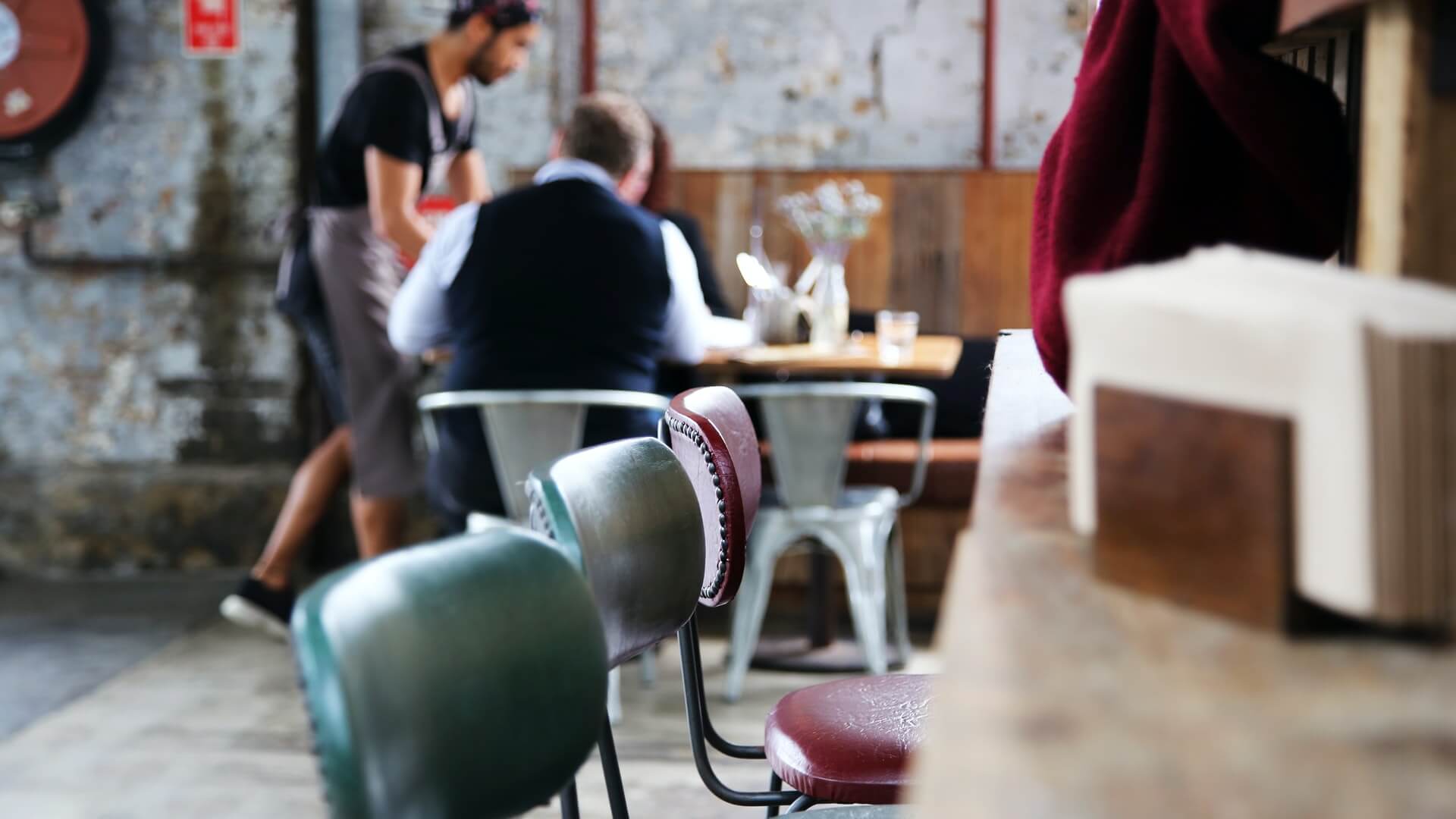
Server helping guest in restaurant

There’s an easy way to identify whether there are changes that need to be made to processes and practices that only requires observation and time.

Luckily, it doesn’t take much time, either. In less than a week, an operator can determine if there are issues relating to onboarding new hires.

This simple test was shared during the 2022 Restaurant Leadership Conference in Scottsdale.

Interviews are Just the Start

It should go without saying but here we go: The hiring process doesn’t end with the interview.

An operator or their leadership team found an amazing job candidate? Awesome! That’s no small feat these days.

However, that’s just the first step in hiring and building a rock star restaurant, bar or hotel team.

Step two is onboarding, step three is training, and step four is advancement.

For KRG Hospitality, onboarding goes far beyond filling out federal and state paperwork. There’s more to it than setting up direct deposit and getting a new hire on the schedule.

Rather, operators need to implement a fully developed onboarding process. The key word there is “process.”

True onboarding includes the review of an employee handbook and an introduction to the business. During this process new hires should become familiar with the brand’s history, vision, culture, mission, and core values.

By the end of this process, a new team member should understand what’s expected of them, both in their individual role and behaviorally. Additionally, they should be introduced to the entire team.

In reality, the onboarding process is the development of a professional relationship.

The Test

Technically, the actual test for operators is for them to have in-depth hiring, onboarding and training processes in place.

So, operators should take a moment to review whether they have those processes.

However, the test I’m talking about here relates to onboarding directly. It’s simple and it was shared during RLC 2022 by Jim Thompson, COO of Chicken Salad Chick.

The only requirement is a few days’ time and an observant operator and/or leadership team.

Let’s say a candidate nails the interview. In particular, their personality is perfect for the available role. As the the hospitality industry maxim goes, hire for personality, train for skills.

The new hire works their first shift but their personality doesn’t shine through. However, that could be first-day jitters. Unfortunately, that personality the leadership team hired for is nowhere to be seen during their next few shifts.

According to Thompson, if a new hire’s personality doesn’t shine through within four shifts, there’s likely a process and practices issue. The lack of personality is an indicator that the new team member doesn’t feel confident in their role.

The onboarding process—either too shallow or nonexistent—is a likely culprit. Operators can use this test, a simple four-shift observation of a new hire, to determine if there’s a problem.

Once identified, the operator and their leaders can put their heads together, review the issue, and implement effective, positive change.

Image: Caroline Attwood on Unsplash

by David Klemt David Klemt No Comments

The Uber Effect: Recruit and Retain

The Uber Effect: Recruit and Retain

by David Klemt

Person using Uber app on phone

To better understand how to recruit and retain top talent these days we can simply look at what’s known as the Uber Effect.

We just got back from the Restaurant Leadership Conference in Scottsdale, Arizona. The education was top-notch, featuring a wide range of restaurant industry experts.

One outstanding session illustrates the need for operators—chain and independent—to change their approach to recruiting and retaining staff.

Flexibility in the Workplace

According to Jennifer Grimes, senior vice president of client services for Service Management Group, people in the labor pool are after three things when seeking employment.

Generally speaking, they want better pay, better benefits, and better scheduling. Gone are the days of people focusing only on their paychecks.

And per Jim Thompson, chief operating officer of Chicken Salad Chick, the Uber Effect is largely responsible for this shift in focus. The Uber Effect refers to people realizing they can be much more in control of their careers.

In simplest terms, Uber drivers are in control of their workdays. They can work as often as they want, whatever hours they want, and wear what they want while working.

Of course, it’s not complete anarchy. There are rules, there are expectations, there are standards. However, there’s also flexibility.

Along with more flexibility in scheduling, people want the following:

  • workload balance;
  • ability to trade shifts;
  • better communication; and
  • paid vacations.

Today’s modern scheduling platforms make it simple for operators and their leadership teams to meet these expectations. With these apps, operators and leadership can:

  • assign specific roles to individual team members;
  • communicate clearly with staff;
  • allow staff to trade, drop, and pick up shifts; and
  • fill available shifts.

One Size Doesn’t Fit All

Thompson has an interesting anecdote about availability.

A Chicken Salad Chick manager conducting interviews didn’t proceed with a candidate. Asked by Thompson why they wouldn’t be moving forward, the manager pointed to the candidate’s availability.

During the interview, the candidate provided only a single day and the manager felt that wasn’t enough. However, Thompson disagreed with the manager’s assessment.

What if, Thompson posited Thompson, their availability filled a currently open shift? At least there would be one less shift for leadership to worry about.

But it went deeper than just that point. Good operators and leaders know that job interviews aren’t one-way streets. Candidates are also interviewing their potential employer.

What if this candidate provided limited availability because they’re unsure about a particular employer? They may not know the brand all that well, they likely don’t know the leadership team, and they don’t yet understand the workplace’s culture.

As Thompson says, “One size fits all is over.” Operators and their leadership teams need to be flexible.

It’s highly possible that just a few shifts in, if the narrow-availability team member is a good fit and finds the job engaging, they’ll broaden they’re availability.

Developing the Culture

Of course, the above scenario comes down to culture. And Thompson has an interesting thought on that operational element.

If an operator isn’t constantly developing their culture, it will grow stagnant. Maintaining the current culture isn’t good enough.

Failing to do so will ultimately lead to a decline in guest satisfaction. When that happens, a decline in traffic comes along with it.

It’s really rather simple: How an operator and the leadership team treats employees trickles down to guests. Unhappy and unsatisfied staff provide poor service. How long are guests going to tolerate negative guest experiences?

And no, simply offering competitive compensation doesn’t automatically equate to treating staff well.

“Competitive pay, to me, is the cost of entry,” says Thompson.

To this point, the COO, also the self-appointed chief smile officer, addresses how the restaurant chain respects personal time.

Chicken Salad Chick, founded in 2008, is closed on Sundays. This isn’t due to any religious influence. Rather, the founders, per Thompson, were influenced by what they perceived as a high divorce rate in the restaurant space.

So, the brand wants employees to have family time. That’s also why there stores are also closed by 8:00 PM. In some cases, they close at 5:00 or 7:00 PM. Again, personal and family time.

Could they generate more revenue if they opened earlier and closed later? Probably. However, their culture is crucial to their success.

Takeaway

If operators want to begin the process of truly developing a positive workplace culture, there are several questions Thompson suggests operators and their leaders should ask.

Is the brand purpose driven? Does focus on fun, family, and culture?

How can the business offer incremental value to staff? Are the pay and benefits competitive? Is the workplace safe and are their opportunities for staff to advance?

What’s the community like within the four walls? How’s the energy within those walls?

Are the processes and practices in place helping or hindering recruitment and retention? How can the processes be simplified so employees learn what they need to know quickly?

How flexible is the business, honestly? What’s being done to truly help leadership create better relationships with the team?

Finally, I’ll end on something interesting from Grimes. Analyzing employee engagement, SMG has found that isn’t just about compensation.

In fact, when it comes to what makes most people perceive their job as fulfilling, the top influencer is working with people they like. Second is salary and benefits. Third, rewarding work.

Operators need to adapt to employee expectations, just as they need to focus on those of guests. Sitting down with their leadership teams to discuss Thompson’s questions is a great first step toward developing a culture that works and rewards.

Image: Priscilla Du Preez on Unsplash

by David Klemt David Klemt No Comments

Leadership Facepalm, Part Two

Leadership Facepalm, Part Two

by David Klemt

Airplane email icon set against white brick wall

In a stunning example of tone-deafness and callousness, a franchisee executive sent an email that led to severe consequences.

And no, I’m not talking about the termination of the offending exec. That, in my opinion, was well deserved.

In this instance, the email has led to mass resignations and damage to a global restaurant chain’s reputation. What’s more, the negative impact to the brand’s reputation comes from consumers and employees.

Of course, I’m talking about the now-infamous Applebee’s “gas prices” email.

The Email: Labor

Let’s just jump right into the email, because…wow.

“Most of our employee base and potential employee base lives paycheck to paycheck,” writes the executive. “Any increase gas prices cuts into their disposable income.”

This could have been an excellent example of awareness and perhaps even empathy. In the context of this email, it’s appalling.

Why? Mainly because this executive appears to be celebrating the fact that Applebee’s employees, at least those who work for this franchisee, are barely earning a living wage.

“As inflation continues to climb and gas prices continue to go up, that means more hours employees will need to work to maintain their current level of living,” continues the author.

In this exec’s view, this franchisee is “no longer competing with the government when it comes to hiring.” He cites stimulus payments and boosted unemployment support have run out. Therefore, he reasons that people will be forced to return to the workforce.

The author further points to competitors increasing wages to recruit and retain employees. This, he figures, is untenable and some will have to close their doors. So, the labor pool will fill up and this franchisee will benefit.

The Email: Wages

Some of what I’ve laid out above is accurate. According to some estimates, about two-thirds of Americans live paycheck to paycheck.

Additionally, it’s accurate to state that some employees will seek more hours to combat the effects of rising costs. Further, yes, the labor market is turbulent and challenging.

And, unfortunately, some independent operators are facing incredibly difficult decisions. To recruit and retain, they’ll need to be competitive and raise their wages. To pay for that, they’ll need to raise prices, passing on rising costs to customers. In some instances, for some operators, that will prove unsustainable.

However, an executive in this industry shouldn’t be delighted about any of this. And they certainly shouldn’t see it as an opportunity to potentially pay employees even less.

You see, the author of this email suggests that the franchisee can bring in new workers “at a lower wage to decrease our labor (when able).”

He then recommends monitoring employee morale to ensure that the Applebee’s operated by this franchisee is their “employer of choice.”

For me, however, the most eyeroll-inducing line is this: “Most importantly, have the culture and environment that will attract people.”

Images of printouts of the email reveal that at least a handful of recipients agreed. “Great message Sir! [sic]” reads one response. Another paints the email as “Words of wisdom.”

Clearly, the culture and environment are unhealthy.

The Consequences

Before I proceed, know this: I’m not going to name the author. It’s not remotely difficult to find the author’s name if you feel the need.

However, I will name the franchisee that finally fired him. American Franchise Capital reportedly owns more than 120 Applebee’s and Taco Bell locations in nine states.

So, to be clear, this executive didn’t work for Applebee’s directly. In fact, Applebee’s has disavowed the former executive and the email.

In the interest of clarity, it’s possible the author worked for Apple Central LLC, owned by American Franchise Capital.

As far as fallout, it was swift. According to reports, consequences were realized immediately. A Kansas franchise manager was shown the emails, printed them out for staff to discover, and comped the meals of everyone at the location. Then, he quit and the staff walked out.

Per reporting, four other Applebee’s managers quit, as did several employees. The location remained closed for at least the following day.

If reports are accurate, Applebee’s lost five managers, nearly a dozen employees, and sales from a location for at least two days. That’s just the localized fallout.

Applebee’s, of course, is distancing the company from the former executive. However, that’s not going to stanch the reputational bleeding and turnover.

As we know, a significant percentage of consumers want to know their dollars and support are going to companies that align with their values. The same is true of employees; they want to work for companies with values they can get behind.

A Final Thought

This now-infamous email was sent March 9. Just two weeks later, it was circulated and went viral. The author, gleeful about being able to hire employees “at a lower wage,” was fired before the end of March.

I’ve seen several takes on this situation, and I’ve read some accompanying leadership advice. One in particular caught my attention.

Unfortunately, it’s not because I thought it was great advice: Be cautious about what you send via blast emails.

I’m not saying one shouldn’t be careful about what they send out in emails—that’s good advice. However, that’s not the lesson I’ve learned from this situation.

Personally, I see this as a lesson in emotional intelligence, relationship intelligence, brand culture, and work environment.

At least two companies, one with annual sales in the billions of dollars, another in the hundreds of millions, have had their reputations tarnished. The fault may not lie with Applebee’s but they’ll be dealing with the consequences regardless.

If an operator is going to learn anything about being cautious, it’s this: Be cautious when hiring those in leadership positions. Be cautious about those with whom you enter into partnerships. And be careful about how you view those who work for you.

If you aren’t seeing those who choose to work for you as people worthy of your respect, as human beings, your brand’s culture is poisoned.

Image: Daria Nepriakhina on Unsplash

by David Klemt David Klemt No Comments

Metallica Supports World Central Kitchen

Metallica Supports World Central Kitchen

by David Klemt

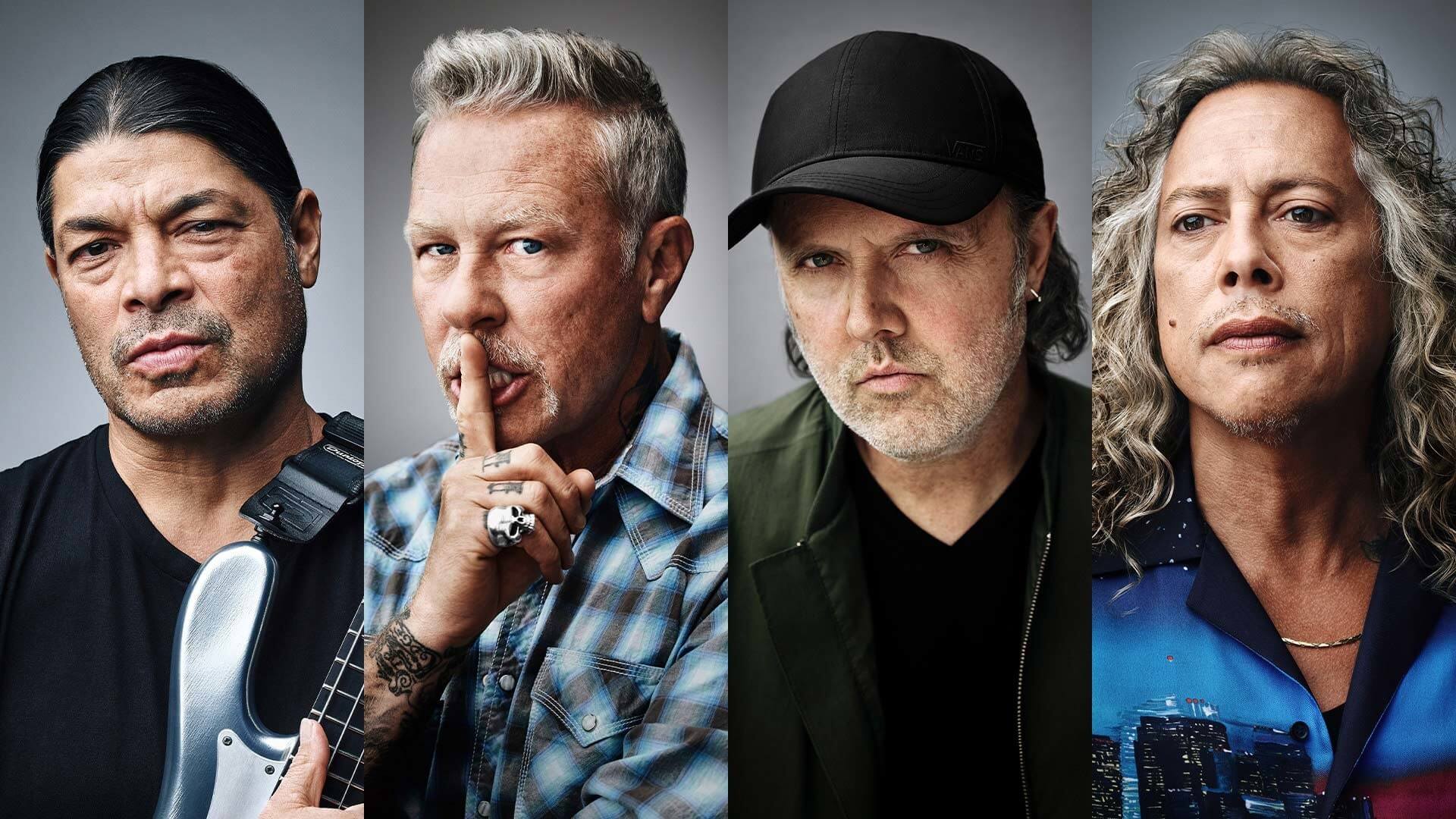
Metallica band member portraits

Metallica is supporting World Central Kitchen to #StandWithUkraine via donations made through their non-profit organization, All Within My Hands.

To start off AWMH’s annual Month of Giving, the band and their philanthropic organization awarded WCK a $100,000 grant. They then donated $500,000 to the humanitarian non-profit founded by Chef José Andrés and his wife Patricia.

However, Metallica and AWMH aren’t done there. The iconic metal band and their non-profit have committed to the goal of donating another $400,000 to WCK.

Additionally, Metallica and AWMH have unveiled the Month of Giving 2022 T-shirt.


View this post on Instagram


A post shared by Metallica (@metallica)

The shirt can be pre-ordered here (I placed my order last Monday). Proceeds will go to the WCK #ChefsForUkraine campaign. Artist Andrew Cremeans created the brand-new design and donated it to AWMH.

People interested in making a donation to AWMH that will benefit WCK but who don’t want the T-shirt can click here.

All Within My Hands

The All Within My Hands Foundation was founded in 2017. Metallica and the band’s management are the founding members.

James Hetfield, Lars Ulrich, Kirk Hammett, and Robert Trujillo are members of AWMH’s board of directors. In addition, the organization’s advisory board has eight members:

  • Chris Anthony (Salesforce)
  • Howard Ellin (Skadden, Arps)
  • Brenda Goodman (BGood Marketing)
  • Bill Moore (WRVI Capital)
  • Doug Palladini (Vans)
  • Gregg Perloff (Another Planet Entertainment)
  • Michael Rapino (Live Nation)
  • Paula Wagner (Chestnut Ridge Productions)

AWMH’s mission focuses on three crucial pillars:

  • Workforce education with partner American Association of Community Colleges. The Metallica Scholars Initiative is now supported by 23 schools across the US. To date, $4.1 in grants have been awarded.
  • Fighting hunger in collaboration with partner Feeding America. Food banks are a heavy focus of Metallica and AWMH, with proceeds from tour ticket sales going to the fight against hunger.
  • Critical local services with their partner Direct Relief, which is active in all 50 states of America and more than 80 other countries.

#ChefsForUkraine

World Central Kitchen mobilized incredibly quickly in response to Russia’s attack on Ukraine. Initially, WCK set up in Poland.

However, the the hunger-fighting organization has expanded operations to an additional six countries.

Further, WCK is now operating in over 30 cities located in Ukraine. As of this week, the non-profit is providing nearly 300,000 meals daily to those in need.

In staggering news, WCK has provided six million meals to the region in just over a month.

To donate to WCK directly, please click here.

Image: MasterClass

by David Klemt David Klemt No Comments

House Votes to Replenish RRF

House Votes to Replenish RRF

by David Klemt

United States Capitol Building dome in greyscale

Eleven months after the closure of the Restaurant Revitalization Fund application portal, Congress has voted on RRF replenishment.

Earlier today, the House voted “yes” on $42 billion for the RRF via the Relief for Restaurants and Other Hard Hit Small Businesses Act of 2022 (HR 3807).

To clarify, the intent is that funds go to original applicants who were left out when the portal closed.

Neither the $1.7 trillion Build Back Better Act nor the $1.5 trillion omnibus spending bill passed in March included the RRF Replenishment Act.

So, this news is obviously fantastic. However, it’s also long overdue.

We’ve waited nearly 11 months for movement on relief for our ravaged industry. In comparison to the hospitality industry, the legislative process often moves at a glacial pace.

For obvious reasons, the long delay in replenishing the RRF has been devastating.

Nearly a month ago, I wrote and published “Congress is Abandoning Us.” Some considered the article harsh, others agreed with what I wrote.

To be clear, I stand by what I said after ten months of inaction. However, I’m relieved—cautiously—that the House proved their support for our industry today.

$55 Billion Lifeline

In its current form, the House bill would provide $42 billion. This is the amount believed to be enough to award grants to the original applicants from May of 2021.

Additionally, there’s another $13 billion for businesses in other hard-hit industries. So, the House bill provides a total of $55 billion in relief.

Per bill co-author Rep. Earl Blumenauer (D-OR), those who applied last year for the first (and only) round of RRF relief won’t have to re-apply.

Rep. Blumenauer reportedly told Nation’s Restaurant News that “[t]he independent restaurant is the foundation of a livable community.”

Continuing, Rep. Blumenauer told NRN, “We need to have these institutions to provide a foundation for our neighborhoods.”

As far as the source of the $55 billion, the money is supposed to come from funds recovered from 2020 and 2021 pandemic relief programs. This includes billions of dollars stolen through fraudulent relief program claims.

In an effort to combat further fraud and show the public that the funds are indeed going to the correct recipients, the SBA will be required to be transparent about its process.

As it stands, grant recipients will need to spend the funds on eligible uses by March 11, 2023.

Bittersweet

While this is huge news for our industry, it’s somewhat difficult to let go of my frustration fully. The RRF portal opened May 3, 2021. It closed just 21 days later, shutting out an estimated 177,000 grant applicants.

In June of last year, Sens. Kyrsten Sinema (D-AZ) and Roger Wicker (R-MS), and Reps. Earl Blumenauer (D-PA) and Brian Fitzpatrick (R-PA) introduced a bill to replenish the RRF.

That was followed in July by the ENTREE Act, introduced by Rep. Blaine Luetkemeyer (R-MO).

Then, in August, Sen. Rand Paul (R-KY) objected to a unanimous consent motion to fund the RRF. Essentially, after that occurred, it was crickets.

As stated above, when the Build Back Better Act was passed in November, relief for our industry was nowhere to be found.

Given all of this, and the fact that the bill must now go before senators for debate and a vote, I find myself still uneasy about the fate of the RRF.

We often say hope isn’t a strategy. However, I hope our senators do the right thing and pass the relief our industry so desperately needs and deserves.

Image: Joshua Sukoff on Unsplash

by David Klemt David Klemt No Comments

XDar Vodka Resumes Ukraine Production

XDar Vodka Resumes Production in Ukraine

by David Klemt

XDar Vodka distillery in Ukraine

Over the past several weeks, the people of Ukraine have shown the world their resilience, tenacity, and refusal to submit to Russia.

The sovereign European nation has endured attacks and atrocities that began on February 24 of this year. Nearly six weeks since the invasion, Ukraine has resisted and repelled the vaunted Russian military.

There’s no end in sight. The world is learning daily about the atrocities and possible war crimes being perpetrated in Ukraine.

Because of this, any good news coming from Ukraine is welcome.

“Gift of Grain”

Incredibly, Ukrainian distiller XDar Vodka is resuming production. The brand, whose name translates to “gift of grain,” is reopening their distillery.

Now, this is all no small feat: XDar Vodka’s distillery is in the Cherkassy region of Ukraine. So, when I say XDar Vodka is a Ukrainian product, I mean they distill their spirits in Ukraine.

This wheat vodka is made using the region’s artesian water. Impressively, the result is a clean vodka that scored 92 points in the 2016 Ultimate Spirits Challenge.

Further, XDar Vodka flies in the face of the “definition” of vodka. Supposedly, vodka is meant to be odorless, colorless, and flavorless. Not XDar.

Instead, tasting notes include wet sand, floral notes, vanilla, cotton candy, burnt sugar, and a touch of sweetness.

And yes, XDar does have distribution in North America via Liquorum Imports, Inc. In addition, XDar can be purchased through Royal Wine Merchants.

Those who want to try XDar Vodka as well as support this tenacious Ukrainian brand can also place orders through Drizly.

Bittersweet Anniversary

2022 marks XDar’s 20th anniversary. Obviously, this is bittersweet for the brand and its 4,400 employees.

To that point, XDar stopped production when Russia attacked Ukraine. However, the distillery continued to pay its workers.

“The people at XDar are committed to their employees,” says Natalya Kolosok of Liquorum Imports, Inc. “They are some of the strongest people in the world.”

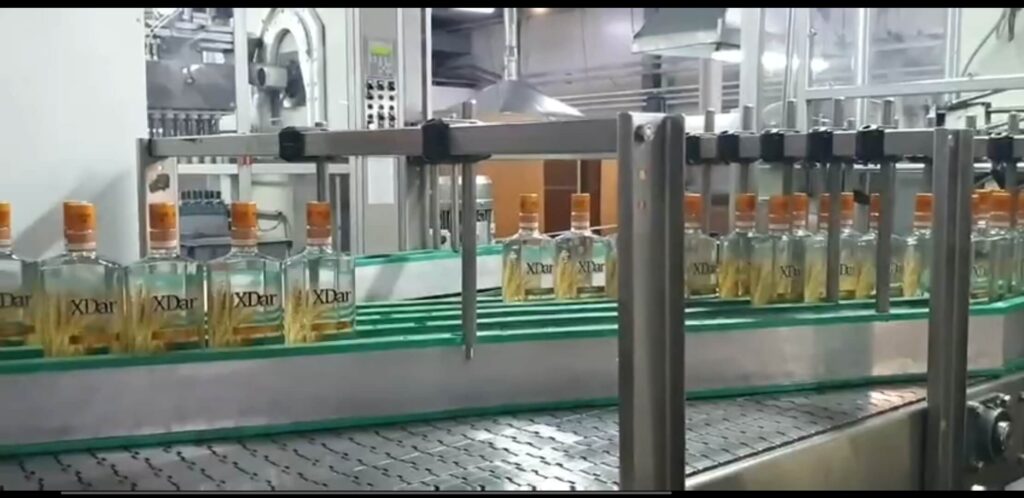
XDar Vodka production line

Now, the brand is resuming production. According to the distillery, XDar is doing so safely. According to a statement from Kolosok, this is in part due to the desires of the distillery’s team.

“The employees, while grateful for the assistance, don’t just want a check, they want purpose,” says Kolosok. “They want to work, which is why, as safely as possible, XDar opened up their facility to resume production.”

That’s resilience. That’s tenacity. And those characteristics exemplify the people of Ukraine.

Images provided by KLG Public Relations

by David Klemt David Klemt No Comments

8 Glendalough Cocktail Recipes for St. Patrick’s Day and Beyond

Offer your guests something different for your St. Patrick’s Day promotion with Glendalough Distillery cocktail recipes.

Without a doubt, you should have plenty of the expected Irish whiskeys on hand. However, Glendalough Distillery Double Barrel, Pot Still, Wild Gin, and Rose Gin are extraordinary Irish whiskeys and gins.

Each spirit the distillery crafts honors the art of Irish distillation, a craft that stretches back centuries. What’s more, each whiskey Glendalough crafts is single malt—there are no light-bodied blends in their lineup.

To learn more, check out episode 71 of the Bar Hacks podcast with Glendalough Distillery co-founder and national brand ambassador Donal O’Gallachoir.

by David Klemt

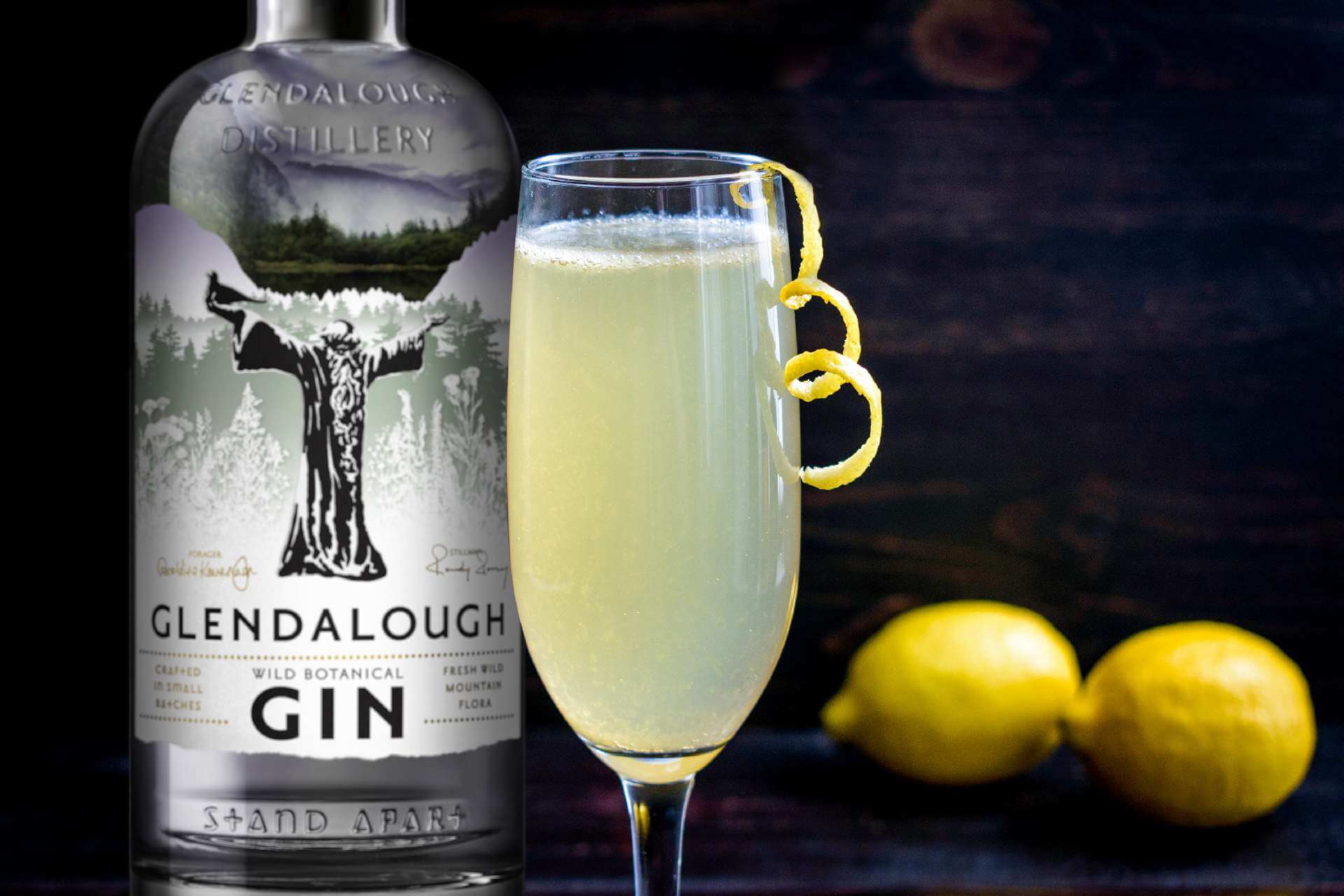
Glendalough Distillery Wild Gin Irish gin

8 Amazing Irish Whiskey and Gin Cocktails

Below, eight refreshing and sophisticated drink recipes made with Glendalough whiskeys and gins. Sláinte!

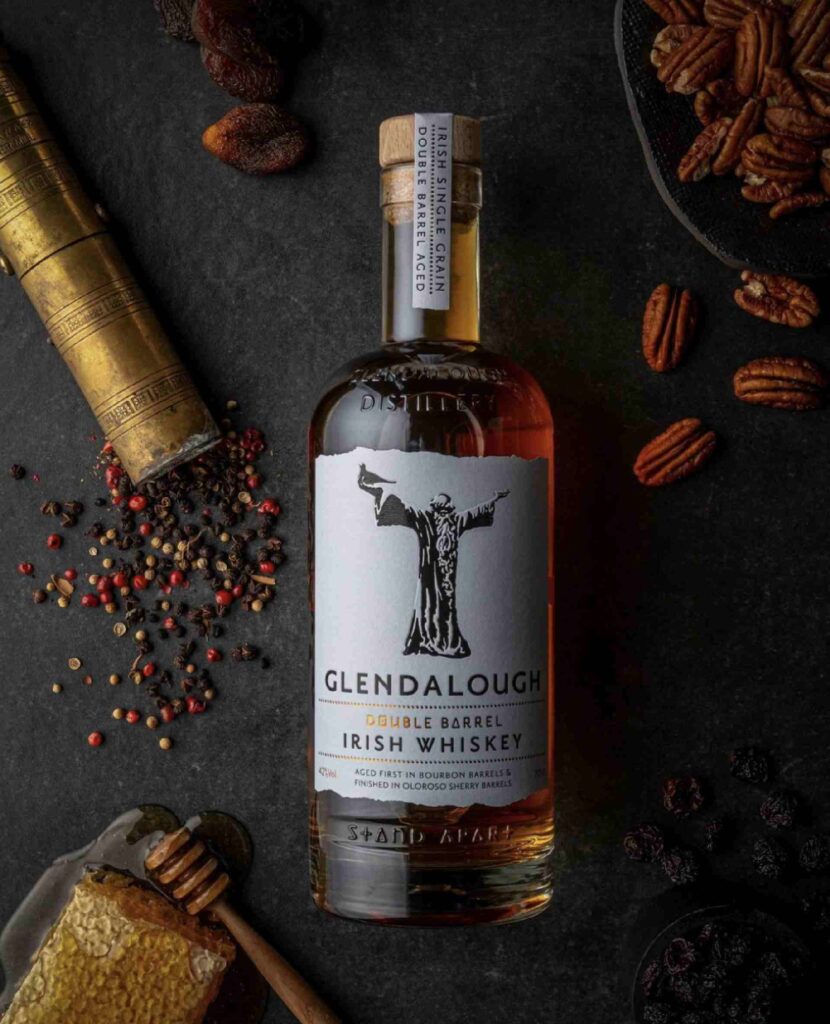
Glendalough Distillery Double Barrel Single Malt Irish Whiskey

The Lough Inn

This highball is made with Glendalough Double Barrel, a single-grain Irish whiskey aged in ex-bourbon barrels before being finished in Oloroso sherry casks.

  • 2 oz. Glendalough Double Barrel Single Grain Irish Whiskey
  • 1 oz. Spiced honey syrup (see note)
  • 1 oz. Fresh lemon juice
  • Soda to top
  • Lemon wheel or slice to garnish
  • Mint leaf to garnish
  • 1 cup Honey for spiced honey syrup
  • 0.5 cup Water for spiced honey syrup
  • 4 Cinnamon sticks for spiced honey syrup
  • 1 pod Star anise for spiced honey syrup

Add ice to a highball glass, then add first three ingredients. Top with soda water. Garnish with lemon wheel or slice and freshly torn mint leaf.

For spiced honey syrup: Add honey, water, cinnamon sticks, and star anise to pot. Bring to a boil, then stir. Strain into container.

Glendalough Distillery Pot Still single malt Irish whiskey

Pot Still Highball

Deceptively simple to build, this cocktail highlights the terroir of the land surrounding Glendalough Distillery.

  • 1.5 oz. Glendalough Pot Still
  • Soda to top
  • Grapefruit peel to garnish
  • Mint leaf to garnish (freshly torn and slapped, of course)

Prepare a highball glass with an ice shard, spear or cylinder. Pour in Glendalough Pot Still whiskey, then top with soda. Glendalough Distillery recommends a 1:2 ratio, Pot Still to soda. Garnish with mint leaf.

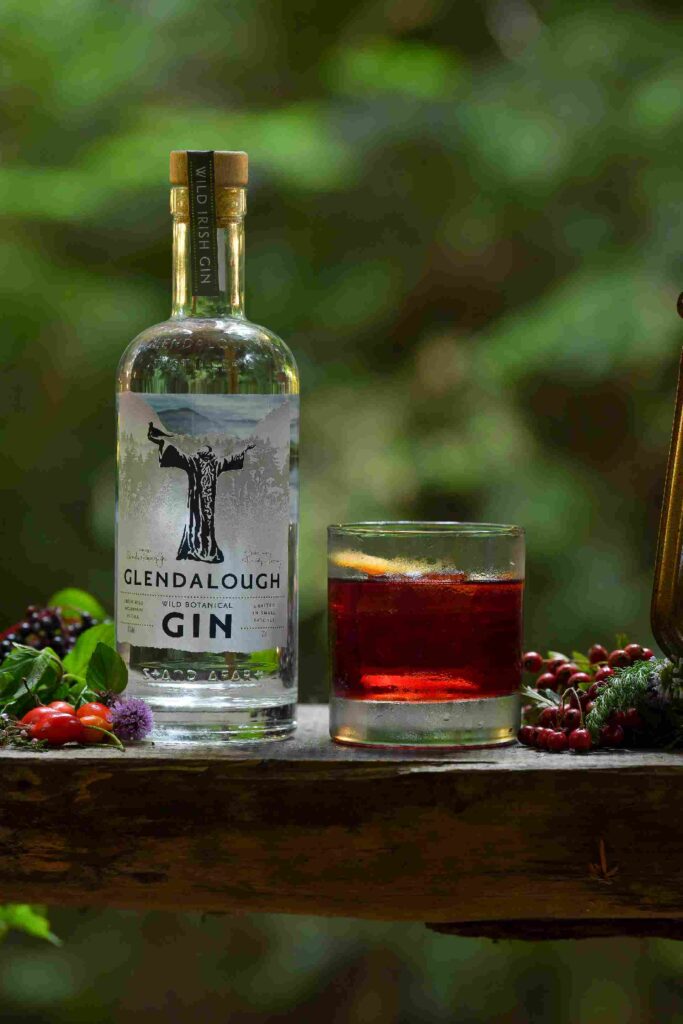
Glendalough Distillery Wild Gin Negroni cocktail

Glendalough Negroni

The foraged botanicals in Glendalough Wild Gin add even more complexity and depth to the classic Negroni. In fact, the flavors work so well this recipe maintains the Negroni’s crucial 1:1:1 ratio.

Prepare an Old Fashioned with ice. Add first three ingredients to glass in the above order. Add more ice if necessary. Stir, express orange peel, and place as garnish.

Glendalough Distillery Wild Gin Irish gin

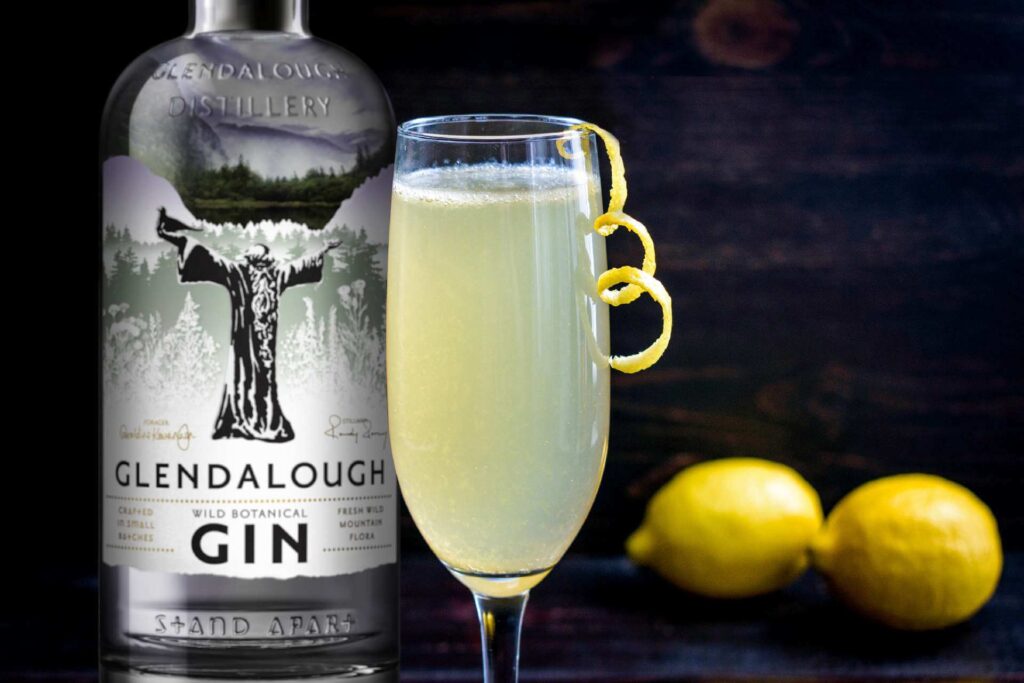
Glendalough Wicklow 75

Bubbles make everything better and everyone happier.

Add all ingredients to shaker. Add ice and shake until well chilled. Strain into Champagne flute, top with Prosecco, and garnish with lemon twist.

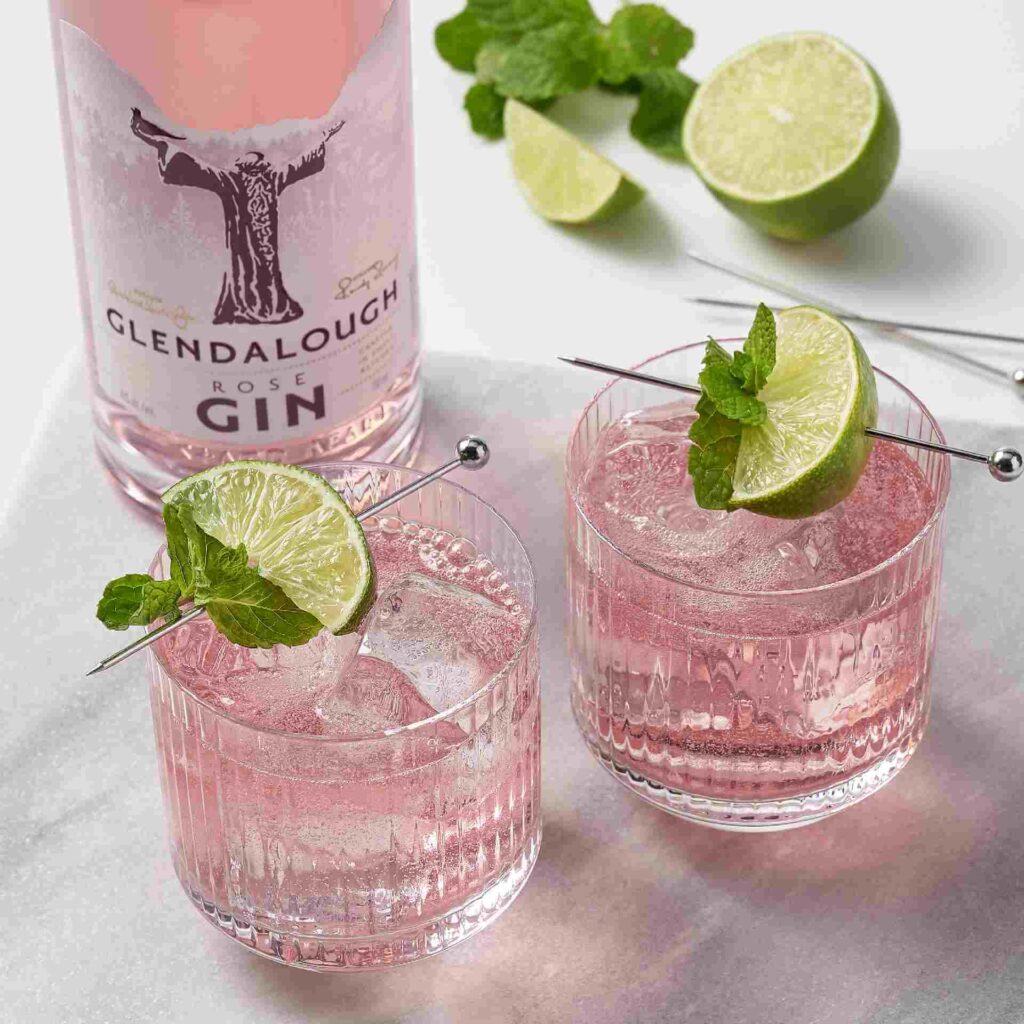
Glendalough Distillery Rose Gin Irish gin and cocktails

Glendalough Rose G&T

This simple classic receives a huge visual and aromatic boost from Glendalough Rose Gin.

  • 2 oz. Glendalough Rose Gin
  • Tonic to top (the higher the quality, the better)
  • Lime slice
  • Mint leaves

Add ice to glass, then add Rose Gin. Top with tonic, and garnish with lime slice and mint leaves.

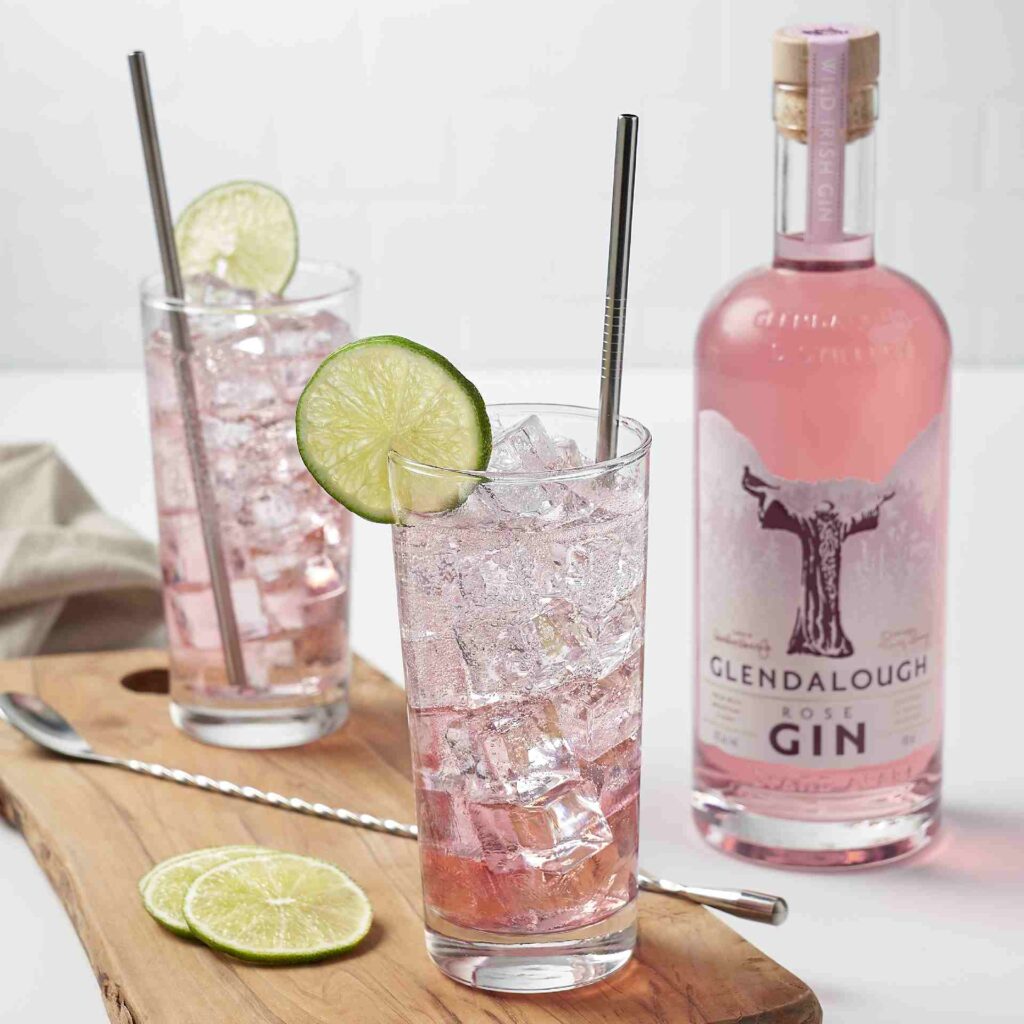
Glendalough Distillery Rose Gin Fizz

Glendalough Rose Gin Fizz

One way to elevate the highball is to use a striking pink-hued Irish gin.

  • 1.5 oz. Glendalough Rose Gin
  • 0.5 oz. Elderflower liqueur
  • Raspberry & Lime sparkling water to top
  • Lime wheel to garnish

Add ice (spear, shard or cylinder for impact), Rose Gin, and liqueur to highball glass. Stir, then add sparkling water to top. Garnish with lime wheel.


View this post on Instagram


A post shared by Glendalough US (@glendaloughus)

Glendalough Rose Collins

Boost the classic Collins with Glendalough’s striking rose-petal gin.

  • 1.5 oz. of Glendalough Rose Gin
  • 1 oz. of Lemon juice (freshly squeezed)
  • 0.5 oz. of Sugar syrup (1:1 ratio, hot water to sugar)
  • Soda to top
  • Lemon peel to garnish
  • Cherry to garnish

Combine first three ingredients in a shaker with a cup of ice. Place an ice shard, spear or cylinder to a highball glass. Shake until well chilled, then strain into glass. Top with soda, and garnish with lemon peel and cherry.

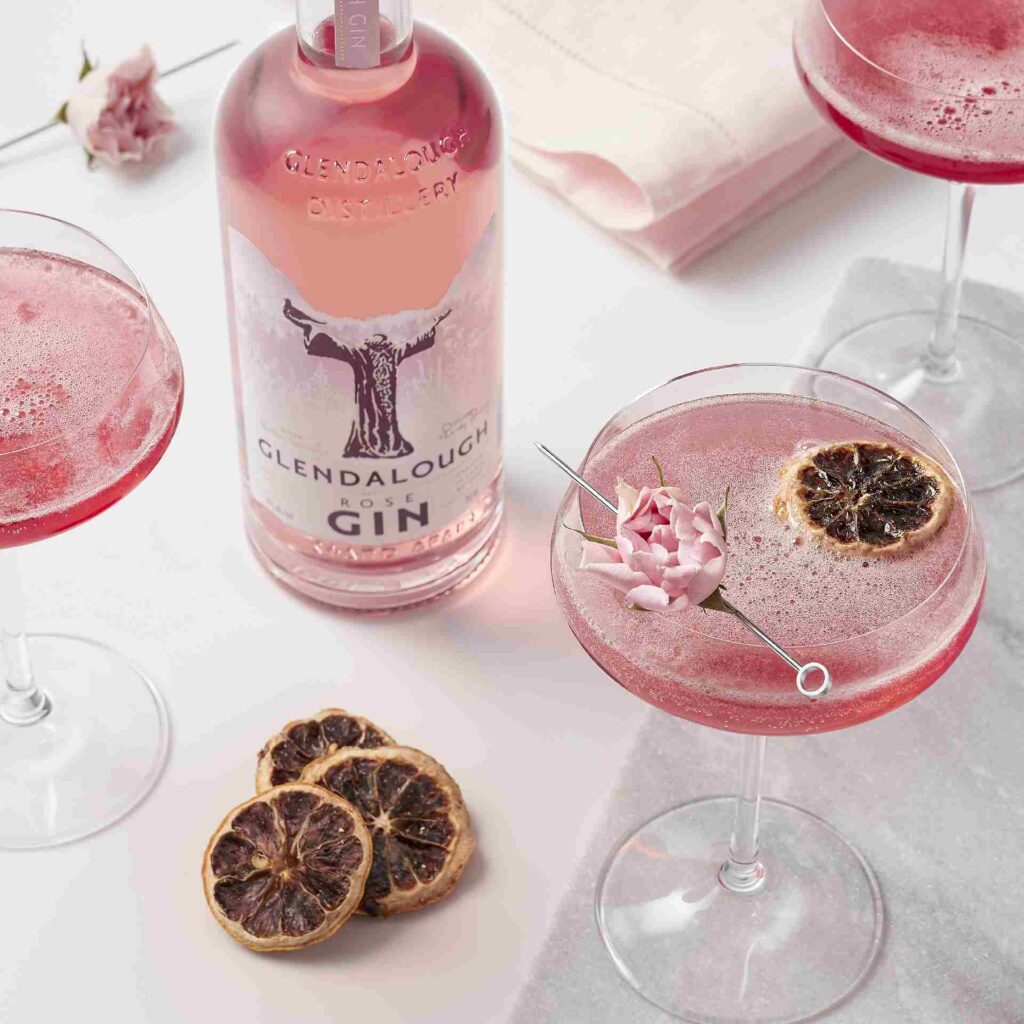
Glendalough Distillery Rose Gin Hibiscus Rose

Glendalough Hibiscus Rose

Refreshing and flavorful, the hibiscus tea syrup plays incredibly well with Glendalough Rose Gin.

  • 1.5 oz. Glendalough Rose Gin
  • 0.5 oz. Hibiscus tea syrup (see note)
  • 0.5 oz. Lemon juice (fresh squeezed)
  • Prosecco to top
  • Dehydrated lemon wheel to garnish
  • Rose petals to garnish
  • 33 oz. Water for hibiscus tea syrup
  • 16 oz. Sugar for hibiscus tea syrup

Add first three ingredients and ice to a shaker. Shake until well chilled and double strain into a coupe.  Top with Prosecco, and garnish with dehydrated lemon wheel and rose petals.

For the hibiscus tea syrup: Steep seven hibiscus tea bags in 33 ounces of water for 15 minutes. Add 16 ounces of sugar.

Images & Recipes: Glendalough Distillery

Related Reading

Work with Us

Click the image below to partner with us on your project.

Client Intake Form - KRG Hospitality

by David Klemt David Klemt No Comments

Resorts World Partners with Grubhub

Resorts World Las Vegas Partners with Grubhub

by David Klemt

Resorts World Las Vegas partners with Grubhub for world-first in-room dining experience

Resorts World Las Vegas is foregoing traditional room service in favor of a unique, property-wide partnership with Grubhub.

The freshest, shiniest new resort and casino to open on the world-famous Strip is taking a different approach to in-room dining.

Impressively, guests can order from any of the property’s 40 food and beverage concepts. Yes, there are 40 restaurants and bars at Resorts World Las Vegas.

This resort-delivery platform partnership is a world first.

Las Vegas Emerges

The opening of Resorts World, which took place last Thursday, is significant for several reasons.

First, surviving a pandemic to open a $4-plus-billion resort and casino in Las Vegas in 2021 is no small feat.

Second, the gaming industry in Nevada was shut down for 15 months. To emerge from that and return to 100-percent capacity is a staggering achievement.

Third, this is the first new resort to open on the Strip in over a decade. For context, The Cosmopolitan opened at the end of 2010.

Fourth, Resorts World Las Vegas is being billed as the most technologically-advanced resort and casino in Las Vegas. Indeed, they make a great case for that claim: RFID-embedded chips at the gaming tables; cashless wagering; plans to accept cryptocurrency for wagers, rooms, and amenities; and the ability for guests to use mobile pay for just about everything on property.

World-first Partnership

So, that brings us to the Resorts World Las Vegas and Grubhub partnership.

Up until relatively recently, technological innovation was somewhat stagnant in the hospitality industry. Outside of POS, CRM, reservation, inventory, audio and visual advancements, other industries routinely surpassed ours in terms for tech.

Now, we’ve seen that tide begin to turn; tech companies are turning their attention more and more to foodservice, nightlife, and accommodation businesses.

Of course, one of the most-visible and most well-known applications of tech in our industry has been delivery platforms.

As stated previously, Resorts World Las Vegas features 40 F&B concepts. Via app or QR codes, guests can order from any of the concepts on property and opt for pickup or delivery. Further, they can choose to charge their orders to their rooms.

Additionally, guests at the resort pool can have orders delivered to touchless, QR-code-enabled lockers. Impressively, some Resorts World Las Vegas retail shops are available for orders via this Grubhub partnership.

Moving Forward

Clearly, news of this partnership isn’t relevant to all operators (not directly, anyway).

However, some operators will see a real-world benefit to this delivery/pick-up development. Doubtless, their wheels be turning as they consider what tech-driven partnerships they can develop.

For others, this will be a lesson in guest expectations.

Consumers are becoming more and more accustomed to convenience and selection. At this point, a consumer’s whims—particularly in the F&B and retail spaces—can be indulged with just a few taps on their phone.

Operators will need to identify where and how they can fulfill guest expectations for convenience, selection and personalization in their own businesses. For the most part, those who innovate will be those who thrive long-term.

Image: Resorts World Las Vegas

by David Klemt David Klemt No Comments

Senate Boosts RRF to $28.6 Billion

Senate Boosts RRF to $28.6 Billion

by David Klemt

Lower-case neon open sign

On Saturday, the Senate approved their version of the $1.9 trillion Covid-19 relief bill along party lines.

Next, the bill will go back to the House and could receive a vote as early as tomorrow.

Boost to RRF?

According to several sources, the Senate’s version of the American Restaurant Plan Act (ARPA) includes a $3.6 billion boost to the $25 billionRestaurant Revitalization Fund (RRF).

If that’s accurate and the House passes this version of the ARPA, the RRF has $28.6 billion to disburse.

Five billion dollars will be set aside specifically for businesses that grossed less than $500,000 in receipts in 2019.

Mostly a Good Start?

The RRF is modeled on the RESTAURANTS Act.

Unfortunately, it isn’t funded like the RESTAURANTS Act. The industry has been campaigning for nearly a year for a $120 billion fund.

More than 110,000 restaurants and bars have been lost throughout the United States permanently. In addition, the industry has lost around $220 billion in sales.

The RRF isn’t even a quarter of what the industry was asking for in terms of help from elected officials.

Still, if managed properly, the RRF is much-appreciated and much-needed relief for small and mid-sized operators.

The Details (So Far)

The Small Business Association (SBA) will manage the RRF. For the first 21 days, businesses owned or controlled by women or veterans—or that are economically and socially disadvantaged—will be prioritized for grants.

Maximum amounts for grants are $5 million per individual restaurant or $10 million per restaurant group.

Established restaurants can calculate their grants thusly: 2019 revenue minus 2020 revenue minus PPP loans. For restaurants that were opened in 2019, the calculation is the average of 2019 monthly revenues times 12 minus 2020 revenues. Restaurants opened in 2020 are eligible to receive funding equal to eligible expenses incurred.

Grants can be spent on eligible expenses from February 15, 2020 through December 31, 2021. However, the SBA may extend that period through two years from enactment.

Eligible expenses include but are not limited to:

  • payroll and benefits;
  • mortgage (no prepayment);
  • rent (no prepayment);
  • utilities, maintenance;
  • supplies (including PPE and cleaning materials);
  • food;
  • operational expenses;
  • covered supplier costs (as defined by the SBA under the PPP program); and
  • sick leave.

The fight for relief isn’t over. Please click here to tell your representatives to pass ARPA and the RRF immediately.

Image: Finn Hackshaw on Unsplash

by David Klemt David Klemt No Comments

What’s in the Senate Relief Package?

What’s in the Senate Relief Package?

by David Klemt

United States Capitol Building rotunda ceiling painting

As expected, the Senate version of the latest Covid-19 relief bill is different from the one passed by the House.

The changes will require the bill to be kicked back to the House, adding to the pressure to get relief to Americans before March 14.

Things may change but below are some of the differences between the two versions.

$15/hour Minimum Wage

This provision is dead in both houses of Congress.

That should come as no surprise as the boost to federal minimum wage was declared dead in the water by Senate Parliamentarian Elizabeth MacDonough even before the House voted on the American Rescue Plan Act.

According to reports, removing any and all language that raises federal minimum wage to $15 an hour is the biggest change between the House and Senate versions of ARPA.

Direct Payments to Americans

Chatter online indicates that Senate Democrats are in favor of a drastically lower threshold for $1,400 direct stimulus payments.

The House version of the American Rescue Plan Act of 2021 calls for $1,400 economic impact payments with the following parameters:

  • Individuals earning an adjusted gross income (AGI) up to $75,000.
  • Married couples earning an AGI up to $150,000.
  • Payments phase out, reaching $0 for individuals earning AGI over $100,000 and married couples earning AGI over $200,000.

The Senate version calls for $1,400 payments to phase out entirely for individuals earning an AGI of $80,000 and married couples with an AGI of $160,000.

Restaurant Revitalization Fund

Let’s be honest, this is why you’re here. Is the RRF safe?

There’s nothing that shows the $25 billion fund is in danger from the Senate. That said, there’s one threat to ARPA in general, “minor” as it may be: game-playing politicians.

Unsurprisingly, Republicans view ARPA as too expensive, too favorable of Democrat’s priorities, and insufficient for addressing the reopening of businesses, schools, and fighting Covid-19.

Those concerns in and of themselves aren’t akin to playing games, nor are they invalid. Vote-a-rama, however, is a time-wasting stalling tactic that allows senators to propose literally hundreds of amendments to a bill. The time limit for vote-a-rama? There isn’t one—it lasts until senators get tired or bored.

Speaking about a coordinated plan to engage in vote-a-rama, Senator Rand Paul (R-KY), said he’s “hoping for infinity. There are people talking about trying to set up a schedule and having it go on and on.”

Take Action

Americans simply do not have time for politicians on any side of the aisle to play games. Good-faith negotiations are one thing, delay tactics that last for “infinity” are another.

We’re still in the midst of a pandemic, people are unable to pay their bills, they’re going hungry, and business owners and their employees are suffering.

It seems some politicians have made up their minds and are committed to dragging out the process of passing ARPA and the RRF contained within but we still have our voices. Follow this link to tell your representatives to pass ARPA and RRF now.

Enough games, enough delays, more action.

Image: GO Educational Tours from Pixabay 

by David Klemt David Klemt No Comments

Your Drink Menu Deserves an Ice Program

Your Drink Menu Deserves an Ice Program

by David Klemt

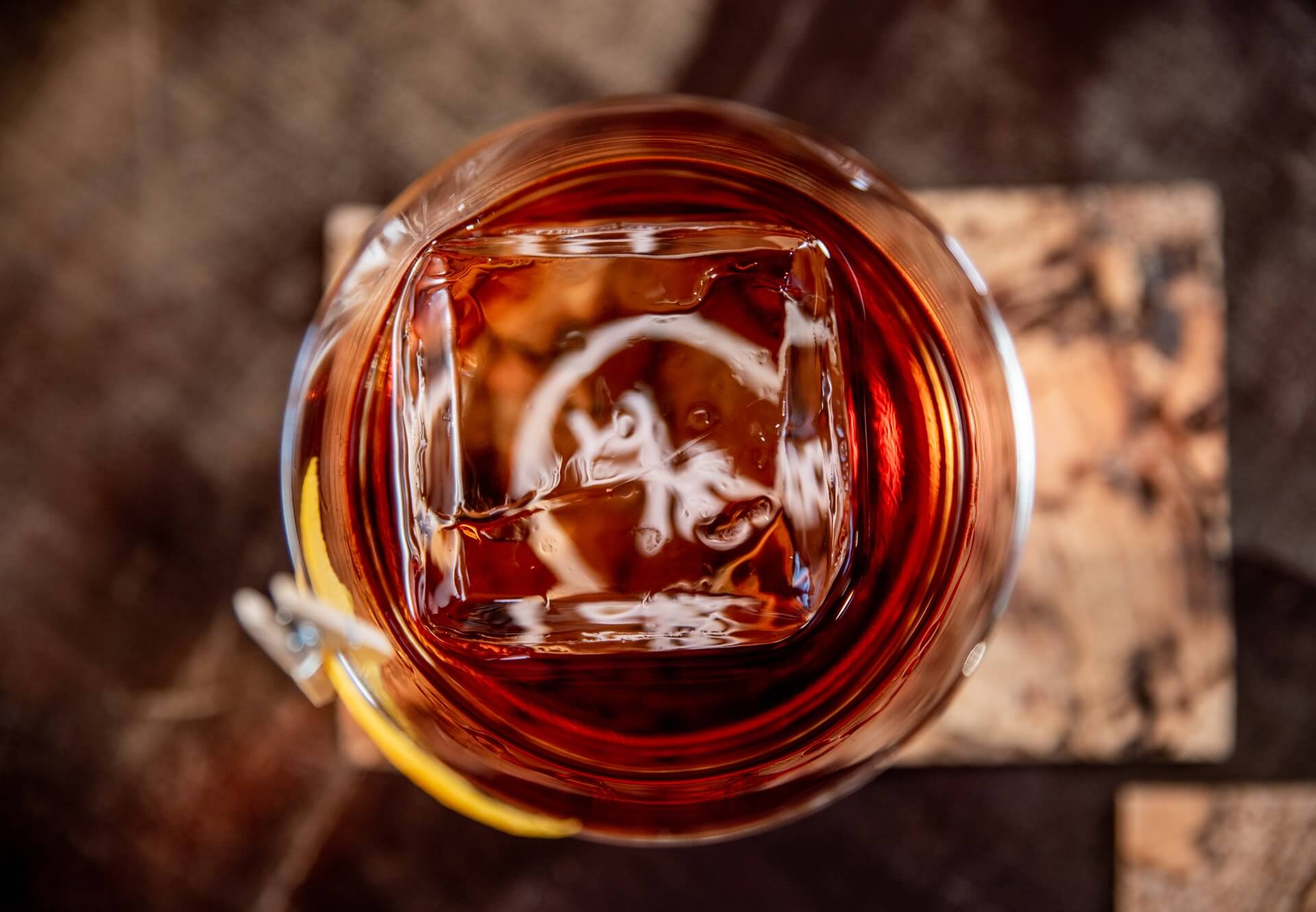
Cocktail with large king ice cube, overhead view

All ice is not created equal—there’s a reason behind their shapes and sizes.

Taking the time to consider your ice and build a dedicated program that includes it is crucial for your beverage program and the guest experience.

Remember that just like there are rules for building cocktails, there are rules for using ice:

  • Dilution is your friend. Water is a crucial component for cocktails.
  • Is your ice floating? Your build balance is off.
  • Store ice in plastic bags if it’s not being used right away.
  • Don’t use ice that’s two weeks old or older.

Types of Ice

Standard Cube (1 inch x 1 inch): These absolutely have a place in the cocktail glass. Just adhere to this standard when using standard ice cubes: Never use a water source you wouldn’t drink.

King Cubes (2 inches x 2 inches): Use these for spirit-forward drinks for consistent temperature and dilution. Examples: Manhattan, Negroni, Old Fashioned, Vieux Carré.

Collins Spear/Shard/Cylinder: For highballs. These make a Tom Collins or G&T look elegant and cool.

Ice Block: Use blocks in punches to keep large-format cocktails cold and control dilution over time.

Ice Slab: These are impressive blocks of ice bars and restaurants use to cut and shape their own cubes and spheres, often providing guests with entertainment (see below). Operators either form slabs in-house or retain the services of producers who drop them off. (In fact, there are services out there that will provide perfect and bespoke cubes, spheres and spheres.)

Sphere: Ice spheres are ideal for stirred cocktails and enjoying spirits straight. They melt very slowly in comparison to other shapes and deliver an impressive visual impact, so they often wind up in cocktails that call for king cubes.

Pebble/Crushed: Use in drinks that are heavy on syrup and/or juice, tiki drinks, and drinks served in hot climates. Examples: Frozen Daiquiri, Margarita, Mint Julep, Moscow Mule, Swizzle.

Hands-on Approach

According to many well-known bartenders, mixologists and operators, the best method for perfectly clear ice is “directional freezing.” Camper English outlined the process on the Alcademics site in 2009. But what do you do to turn a single slab into several cubes?

You’ll need an ice saw to get through the slab, a traditional single-prong ice pick to break off smaller cubes, a three-prong ice pick to break off smaller cubes and shape them into spheres if you prefer (be careful!), and an ice mallet to help the ice picks do their jobs.

Treat this process as a show for the guests. For a real-world example, the bars inside Zuma restaurants have ice stations dedicated to turning an ice slab into ice cubes. These stations are an experiential feature of the cocktail program.

Semi-hands-on Approach

An aluminum ice sphere mold is a type of “set it and forget it” device.

It may seem like these would be time-consuming to use and low-yield, but most take just a minute to form a ready-to-use sphere. Most manufacturers claim their molds can produce 30 to 40 spheres per hour.

While the mold is creating a perfect sphere of ice, the bartender grabs a glass and builds the cocktail. The guest, meanwhile, enjoys the “drama” of drink production versus ice sphere production: Will the drink and ice be ready at the same time?

Ice sphere molds range in price from under $200 to $800 (and beyond). The molds themselves are appealing to the eye, simple to use, and justify higher cocktail prices. Yes, there are bars that successfully charge more for large ice spheres, often offering different types of ice for at additional charge.

Molds make spheres in a range of diameters, normally from 1.2 inches to 2.8 inches. Higher-end models also offer shapes, such as perfect spheres, diamonds or snowflakes. Several bars that use these molds utilize custom versions that “brand” the ice with their logo.

Ice Machines

There are multiple manufacturers of commercial-grade icemakers. However, there are two that are considered top of the food chain.

Hoshizaki America’s headquarters is in Georgia and the company makes dozens of icemakers. People can choose from ice shape and the pounds of ice a machine produces in a day. We’re fans of Hoshizaki for their quality and the pandemic information they added to their FAQs last year.

Manitowoc operates out of Wisconsin and manufactures several models. There are cubers, flakers, nugget producers, and there are several solutions that work for an array of venue types, layouts and service volumes.

To learn even more about creating an epic beverage program, click here for our latest download.

Image: Moritz Mentges on Unsplash

by krghospitality krghospitality No Comments

Bacardi Predicts How We’ll Drink in 2021

Bacardi Predicts How We’ll Drink in 2021

by David Klemt

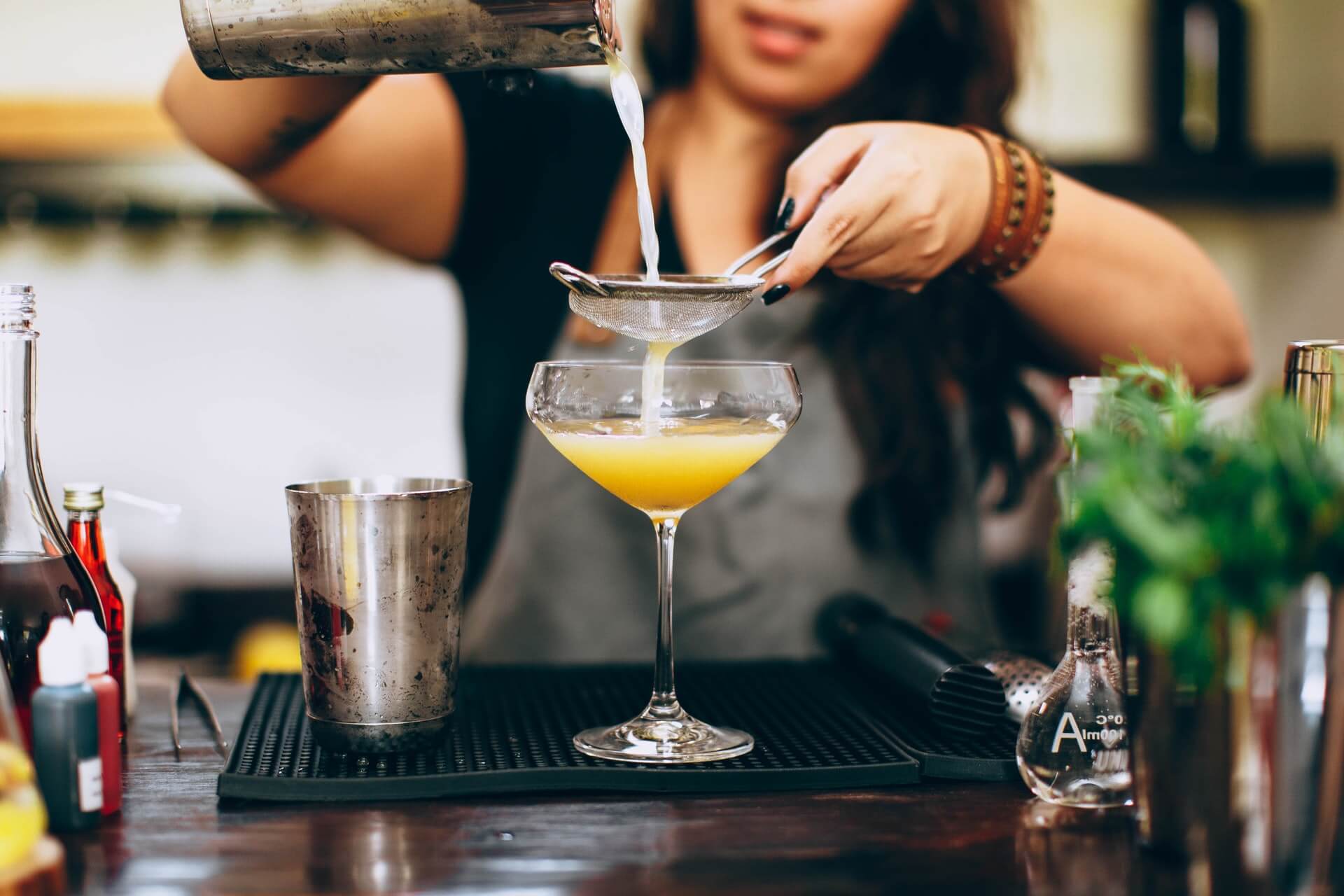
Bartender making a cocktail

What will alcohol consumption look like this year? Bacardi has answers.

In association with the Future Laboratory, Bacardi’s second-annual cocktail trends report—a well-sourced 25-page document—is available.

As is the case when we begin a new year, we’re being deluged with trend predictions and reports. I’d say the Bacardi 2021 Cocktail Trends Report goes deeper than most.

The report is organized into five macro trends identified by Bacardi Limited. Let’s get to it!

Reinventing the Bar

I’m not presenting Bacardi’s macro trends in order. Instead, I’m starting with the trend arguably most relevant to operators: bar reinvention.

Industry experts have been pointing to the ease of access to knowledge along with consumer interest in learning more about spirits and cocktails as an important trends for years now. It’s no longer a trend—it’s standard that guests are better informed.

Like other sources, Bacardi predicts guests will seek out more personalized experiences. They also predict guests will want to connect more with bartenders. However, the brand goes deeper in their report.

Bacardi thinks to-go cocktails, cocktail and meal kits, and e-commerce will become standard. Going a step further, the report posits that some venues will create cocktail menus that will change according to weekly inventory; sommeliers will add spirits knowledge to their skillset; and that guests will be eager to try drinks they’ve never had before.

Perhaps most importantly, Bacardi predicts bar culture will become more positive and inclusive, resulting in gender stereotypes—including those inherent to bottle design—will fall to the wayside.

Purpose and Transparency

According to a study conducted by IBM and the National Retail Federation and cited in Bacardi’s report, a massive 70 percent of American and Canadian consumers think it’s important that brands are eco-friend or sustainable.

Bacardi predicts sustainability, transparency, and the authentic embrace of social causes will be crucial this year and beyond.

In response to climate change, sustainability, eco-friendliness, and the zero-waste movement, Bacardi plans to wipe out 80 million plastic bottles with their new biodegradable bottle design, rolling out in 2023.

Pointing to a statistic from ZypMedia—that 36 percent of consumers plan to keep buying from local businesses post-pandemic—Bacardi predicts hyperlocality will grow stronger in 2021. Operators who source more local items, including beverage alcohol, will likely find more support from consumers.

Mindful Drinking

Per a Bacardi survey, 22 percent of consumers across the globe are drinking alcohol less. More than half (55 percent) of “mindful drinkers” are drinking low-ABV options.

Bacardi predicts low- and no-ABV drinks to perform well this year. Spritzes, for example, is on the rise as a bar culture in its own right.

Per Bacardi, zero-proof spirits are getting the most attention of any other category, worldwide.

Mindful drinking is also affecting how spirits are made. Consumers, more conscious of their health because of the pandemic, are showing a preference for beverages free of artificial ingredients. Furthermore, Bacardi expects consumers to seek out drinks that have health-boosting benefits.

The report, as an example, cites a Global Wellness Institute finding that in 2019 alone, “U.S. sales of ginger rose by 94%, while turmeric and garlic sales were up by 68% and 62%.” Today’s consumer is seeking out functional cocktail ingredients.

Drinking by the Numbers

Bacardi’s report puts all the brand’s cards on the table. Operators looking to program or reprogram their menus will find this information helpful.

Consider the info below for delivery and to-go drinks since Nielsen finds that 40 percent of US consumers are interested in make-at-home cocktail kits, 37 percent are interested in pre-made bottled cocktails, and 37 percent are interested in grab-and-go cocktails.

Flavor and Experience: Extreme heat (chilies), Super-sweet, Sour, Bitter, Smoked

Experiences: Pleasure, Nostalgia, Escapism, Quality over quantity, Light-hearted drinks, Flavor-filled indulgences

Most Popular Cocktails, Globally (Descending Order): Low-ABV, Other spritzes, Negroni, Classic cocktails with a twist, G&T (including riffs), Non-alcohol, Whiskey Highball, Espresso Martini, Old Fashioned, Vermouth cocktails

Premiumization Opportunities: Gin, Rum, Tequila

Top 5 Spirits (by Interest): Gin, Mezcal, Tequila, Vermouth, Bitter/Amaro Liqueurs

Top 5 RTDs in North America: Vodka Soda and flavors, Margarita, Moscow Mule, Low-ABV, G&T

Click here to read the report in its entirety.

Image: Helena Lopes on Unsplash

by David Klemt David Klemt No Comments

Datassential Finds Operators Optimistic

Datassential Finds Operators Optimistic

by David Klemt

Restaurant open sign hanging in window

The latest report from Datassential finds that the vast majority of operators are optimistic or at least confident their businesses will survive the pandemic.

Per Datassential, operator outlook appears to be more positive than it was in December.

That’s largely due to the distribution of the Covid-19 vaccine.

Datassential Covid-19 Resources & Reports

Datassential has been releasing informative Covid-19 reports throughout the pandemic to provide helpful industry, consumer and operator data.

Trending Upward” is Datassential’s 46th installment, and the research firm provides their Covid-19 resources at no charge.

For this report, Datassential surveyed 400 “decision makers for restaurants and on-site foodservice locations.”

Operator Outlook

Most of the operators surveyed, 220 or 55 percent, are still concerned about the challenges facing them and the industry. However, they’re “fairly confident” that their businesses will make it through.

That 55 percent represents no change from December of last year, when Datassential last gauged operator outlook.

The next two survey respondent segments tell the tale of optimism.

Of the 400 operators surveyed, 148 or 37 percent are “cautiously optimistic.” In fact, they expect to be even stronger post-pandemic.

Compared to December, that’s a seven-percent increase in operators who feel optimistic. That seven percent shifted from the “very nervous” segment,

Just 32 of survey respondents (eight percent) reported that they don’t think they’ll survive the pandemic. Losing any businesses to the pandemic and its terrible impact on the industry is beyond horrific, and the results of this Datassential report in no way minimize that awful truth. However, the percentage of operators who feel “very nervous” or otherwise pessimistic reducing by nearly half provides at least a semblance of hope for the future of the industry.

Staff Cuts

According to Datassential, more than 80 percent of operators who were forced to cut staff at some point during the pandemic have been able to bring back some of their workers.

Of the 400 respondents surveyed by Datassential, 21 percent of operators reported they hadn’t laid off any of their employees

Another 20 percent had to cut staff but were able to rehire all of them.

Nearly half (48 percent) have only been able to hire some of the staff they laid off back. Twelve percent have been unable to rehire any of the staff they had to let go.

Takeaway

Optimism is great for emotional and mental health. So is targeted relief. Operators and employees will likely feel far more confident and relieved if the industry receives actual targeted relief. This Datassential report’s findings are positive but we need Congress to act.

Click here to tell your representatives to pass the RESTAURANTS Act now.

Image: Artem Beliaikin from Pexels

by krghospitality krghospitality No Comments

I Tried the Mask Made for & by Hospitality

I Tried the Mask Made for & by Hospitality

by David Klemt


DCBL X-1 Mask, made by hospitality professionals for the hospitality industry

Wearing a mask is part of everyday life, particularly for hospitality industry professionals.

DCBL Masks was designed by hospitality professionals for the hospitality industry, born out of their reverence for the workers putting themselves at risk so the communities they serve can retain a semblance of their normal lives.

Their first mask, the X-1, is intended to provide solutions to the problems presented by other face coverings.

Thoughtful Design

One problem with the standard masks and face coverings we’ve grown accustomed to is their tendency to muffle voices. One of the driving design elements behind the DCBL X-1 is the projection of the wearer’s voice.

The X-1 is a three-piece mask and its second layer is what sets it apart from others. The middle layer is sound-enhancing, sculpted foam that allows the wearer’s voice to carry. No more going hoarse from yelling, no more (or less, at least) repeating oneself, no more guests leaning in or stepping closer to hear what’s being said (hopefully).

That second layer is also intended to improve breathability. The inside layer’s design provides an air pocket for similar breathing functionality. It’s also made of natural bamboo so it’s soft, moisture-wicking and cooling, and it receives an antimicrobial treatment.

The X-1’s outer layer is polyester and resists dust and moisture while also protecting against UV rays. There are two flexible “suspension” systems, one for the nose and one to seal the bottom of the mask. Straps are Spandex, ear loops are adjustable, and there’s a clasp system so the wearer can choose how to secure the mask to their head.

Designed by Industry Pros

DCBL is the brainchild of industry veterans Michael Tipps and Homan Taghdiri. Tipps and Taghdiri are the co-founders of both DCBL Masks and Invictus Hospitality, a consulting agency headquartered in Los Angeles.

Tipps boasts over two decades’ experience in hospitality. He got his start in South Florida and has worked every front-of-house position. His journey through hospitality helped him gain perspective regarding the challenges inherent to the industry, and he eventually co-founded Invictus.

Taghdiri worked in hospitaity for 13 years before becoming a licensed attorney in California. He has worked every position in the industry. While he no longer studies law, when he did, he specialized in real estate, business and the hospitality industry.

DCBL’s Mission

There are three main goals DCBL seeks to achieve: Protection, projection, and connection. I’ve explained how they achieve the first two goals.

If the first goal isn’t realized, goals two and three don’t matter. If DCBL whiffs on the second goal, the third is unachievable. The X-1 seeks to make conversation easier when wearing masks so people can feel more connected. Being separated by masks, distance, barriers, and staying at home is detrimental to us all. The DCBL X-1 addresses that issue.

As the DCBL website says, “Staying safe and making a living shouldn’t be as challenging as it has been.” I feel the brand accomplishes their deceptively simple goals.

Impressions

First things first, I didn’t receive my X-1 in exchange for this post or any monetary compensation. I was genuinely curious about the mask and placed an order for two.

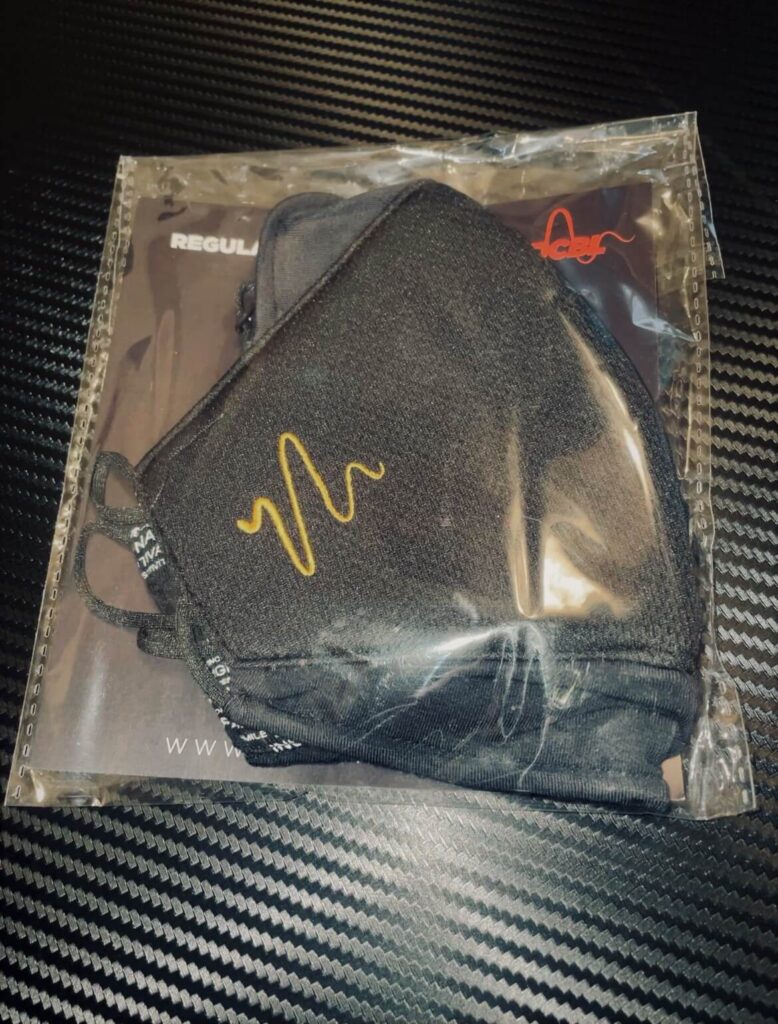
My masks arrived in a black bubble mailer, making them seem a little cooler from the start. They were each sealed in their own packet with an insert that explained the three layers, different methods for securing the X-1, machine washing instructions, and more.

DCBL X-1 mask packaging

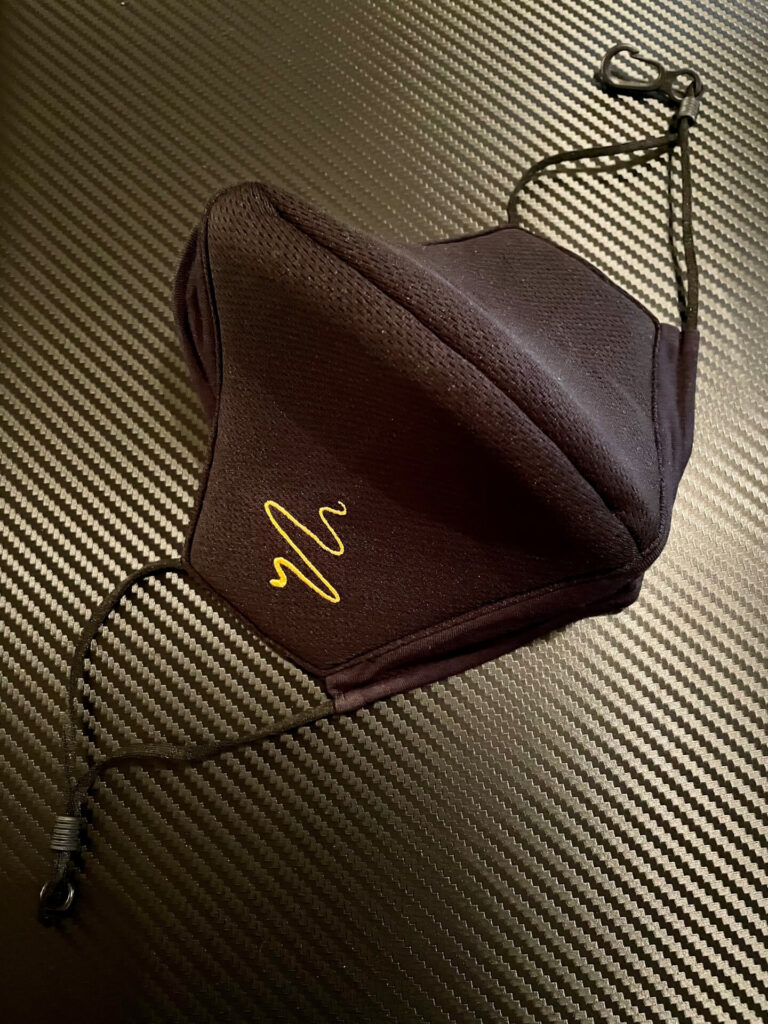
In my experience, the mask felt soft and comfortable before even putting it on. The X-1 feels like a well-constructed, high-quality mask.

DCBL X-1 Mask

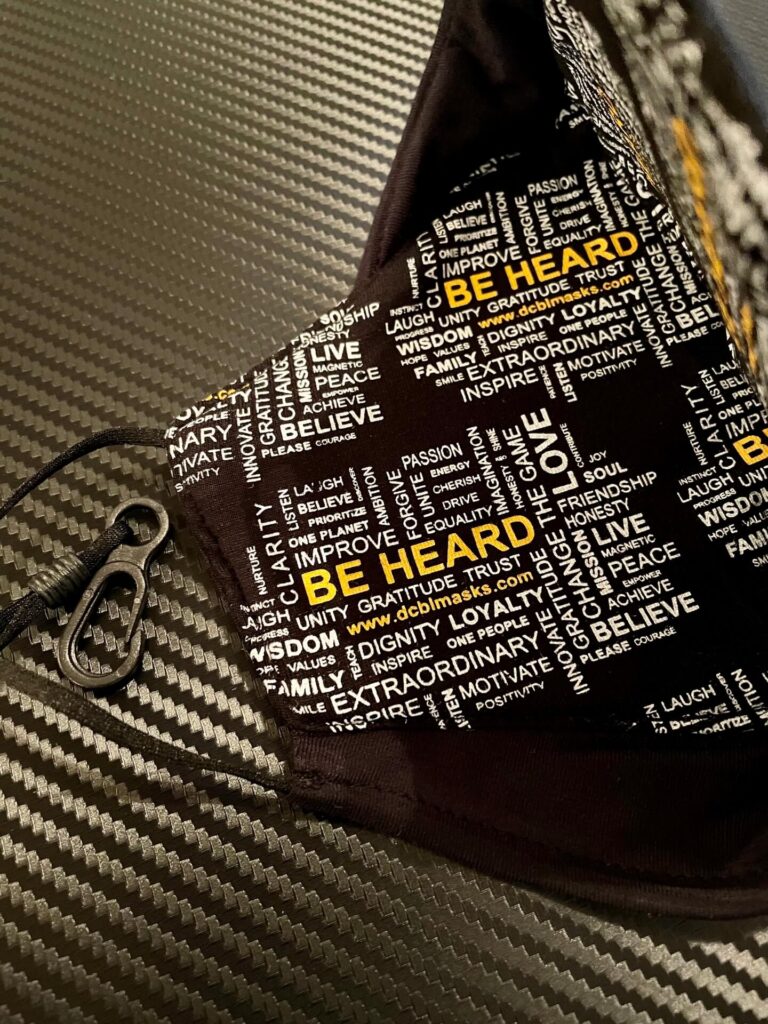
I have to say, I dig the interior layer. Not only is it soft and comfortable, the design detail is a nice departure from the white, black or pale blue to which we’ve all become accustomed:

Inside layer of DCBL X-1 face mask

It’s comfortable on my face and it allows me to speak comfortably, clearly and loudly no extra effort. I wore mine around my place and while writing this article. The ear loops are comfortable for me but the X-1 can be worn easily with an ear loop extension or toward the top of the head with the clasp system.

My glasses did fog slightly at first, but that became a non-issue after I adjusted the nose bridge suspension area.

Other people’s mileage may very, of course, but I feel that the mask delivers on DCBL’s mission statement: Be Heard.

To learn more and order the X-1, click here. connect with DCBL on Instagram and Facebook. Contact hello@dcblmasks.com for wholesale orders.
Disclaimer: The DCBL X-1 is not a medical-grade mask and is not intended as a replacement for medical-grade equipment or other recommended measures to stop the community spread of any viruses.

Images taken by author.

by David Klemt David Klemt No Comments

Uncorked: 2021 Wine Trends to Watch

Uncorked: 2021 Wine Trends to Watch

by David Klemt

Glass of red wine

What’s up with wine in 2021? We reviewed multiple sources to find out.

One great thing about hunting for wine trends is that it’s easy—there’s no shortage of sources willing to make predictions.

Common Wine Trends

The IWSR, without a doubt a reputable source for information about all things beverage, expects wine consumption to “bounce back” this year.

Along with Forbes, Wine Intelligence, just-drinks, and bar inventory platform Backbar, the IWSR expects e-commerce to be crucial for wine sales. Continuing with tech influence, the IWSR and Wine Intelligence expect wine producers and sellers to engage more with consumers online. Forbes pointed to orange wine benefiting from Instagram posts as a specific example of digital engagement.

Forbes, the IWSR, and Wine Intelligence predict alternative packaging to really take off in 2021. Canned wines are well positioned but other options—wine-in-box and “letterbox” bottles, for example—will perform well this year.

Forbes, the IWSR, and WineMemoir expect sustainability to be even more important in 2021. The IWSR mentioned organic and low-intervention wine, and they pointed to biodynamic wine, as did WineMemoir. Zero-waste winemaking was mentioned by Forbes.

The IWSR and Forbes expect sparkling wine—Prosecco specifically—to have a moment this year. Drinking occasions, per the IWSR, have come to include Prosecco more often; sparkling is no longer just for celebrating.

Breakout Wine Trends

Speaking of moments, rosé Champagne will have on in 2021, according to Forbes. The publication also expects the wealthy to continue “drinking richly,” so operators with rare, exclusive and high-dollar bottles should consider promoting them.

With the explosive growth of hard seltzer that has taken place over the past few years, Wine Intelligence predicts 2021 to be the year the wine seltzer market is established.

People will choose “safe” wine options, meaning they’ll be less likely to experiment and move out of their comfort zones, according to just-drinks. The magazine is also more cautious about the category’s growth this year, pointing to slowed economies and rises in alcohol duty rates.

Backbar, explaining that wine dollar value slipped but sales volume rose in 2020, predicts restaurants will offer more affordable wines. Along with that trend, they predict restaurants will hold less inventory to reduce costs, meaning wine lists will shrink.

Specific varietals Backbar predicts will perform well due to a turn toward affordable wines: South American Cabernet Sauvignon, Chardonnay and Malbec; South African Chenin Blanc; Portuguese reds; red blends; and American wines in general.

2021 will be the Year of Cabernet Franc, according to WineMemoir. Bordeaux will see a resurgence in popularity, and wines from Abruzzo and Jura will see a lift.

Image: Carson Masterson on Unsplash

by David Klemt David Klemt No Comments

Infographic: NRA Raise the Wage Survey

Infographic: NRA Raise the Wage Survey

by David Klemt

The results of a survey conducted by the National Restaurant Association to gauge operator reaction to the Raise the Wage Act are in.

Per the NRA’s infographic detailing the participant responses, there’s not much support for increasing the federal minimum wage and eliminating the tip credit.

What’s in the Raise the Wage Act?

If signed into law, the Raise the Wage Act will represent significant change for employers and employees.

The federal minimum wage will be raised incrementally to $15 by 2025. Two years later, in 2027, the tipped wage will be eliminated.

Survey Results

The NRA surveyed 2,000 restaurant operators between February 2 and 9. Respondents are clearly opposed to the Raise the Wage Act.

National Restaurant Association Raise the Wage infographic

What Does This Mean?

A vast majority of survey respondents—along with the NRA—definitely view the bill as a threat to the industry. An email sent by the NRA’s executive vice president of public affairs, Sean Kennedy, includes this succinct statement:

“These results make one point crystal clear—after seeing over 110,000 restaurants close and over 2.5 million jobs lost, increasing labor costs is going to make it more likely that more operators close their doors and lay off their staff. Tipped servers will lose with the end of a system that allows them to make $19-$25 an hour in tips under the current tip credit system.”

To the best of my knowledge, the NRA has not yet conducted a targeted survey of restaurant workers for their opinions of a $15 federal minimum wage and the elimination of the tax credit.

However, fast-food workers from McDonald’s and other chains have gone on strike in at least 15 cities in the United States to demand a raise to $15 per hour. That speaks volumes for how foodservice workers who aren’t typically tipped feel about the Raise the Wage Act.

What’s Next?

According to the NRA, the bill is slated to be fast-tracked and voted on in just a few weeks.

Agree that the Raise the Wage Act is going to hurt operators, workers and the industry? Click here to let Congress know.

Want Congress to pass the bill? Click here to find your representatives and let them know.

Infographic: National Restaurant Association

Image: lucas Favre on Unsplash

by David Klemt David Klemt No Comments

Introducing KRG Mindset Coaching

Introducing KRG Mindset Coaching

by David Klemt

KRG Hospitality Mindset Coaching

Seeking an alternative to complete start-up planning and project management? The solution you’re looking for is KRG Mindset Coaching.

Just like every operator is unique, each project brings with it distinct challenges that require individual approaches and plans.

Some projects are already under way but need help moving forward. KRG Mindset gives these projects the help needed to cross the finish line and achieve long-term success.

What is Mindset Coaching?

Owning a hospitality business may look great on paper, but starting a hospitality business can be really quite stressful:

  • There are what seem to be endless hours of planning.
  • There are numerous third-parties involved.
  • There are often hundreds of thousands of dollars at stake.
  • There are over 500 unique tasks to complete.

It doesn’t matter if this is your first, fifth, or twentieth project—it’s crucial that you be both prepared and organized when opening a new concept or expanding operations.

However, not every project requires our full suite of targeted solutions, which includes feasibility studies, conceptual planning, business planning, brand development, guest experience strategies, food & beverage programs, and operational assessments.

If you’re beyond the idea stage but find your project is struggling to reach the finish line, we’re here to help. And just like a project in its earliest days, you’ll receive the unique, fully customized KRG treatment.

Is Mindset the Solution for You?

KRG Mindset provides a unique, coaching-style program that helps your start-up make continual forward progress:

  • Receive a dedicated consultant who will be an approachable advisor for you and your project. They’ll review and navigate your start-up questions and challenges, and be your compass to provide you with a clear path towards a successful opening.
  • Weekly 1-on-1 video/phone sessions with access to a private calendar: a weekly session in which we evaluate the past week and define required actions for the next week with a focus on budgets, timelines, and industry-specific consulting.
  • Your dedicated consultant is also available for second opinions and the review of: key documents, location, concept, branding, layouts, equipment, menu, service, technology, labor and financial optimization, system development, operations, marketing, and overall strategic clarity.
  • Your consultant will help you see the blind spots throughout your project, positioning you to maintain your budget and desired opening date.
  • Your consultant will help you make strong, educated decisions throughout your start-up project that will have a positive impact on the successful start of your restaurant, bar or hospitality brand.
  • And finally, your advisor will coach you so you become more confident, energized, and motivated about your opening while holding you accountable and helping you become a better leader through the creation of new habits, communication methods, and decision-making processes.

Click here to schedule a call.

Or, if you’re looking for a more hands-on approach where we develop the winning plans and property for and with you, we invite you to learn more by choosing your preferred option: Restaurants & Cafes, Bars & Lounges, Boutique Hotel & Resorts, or Golf, Gaming & Entertainment.

Images: KRG Hospitality

by krghospitality krghospitality No Comments

National Restaurant Association Opposes Elimination of Tip Credit

National Restaurant Association Opposes Elimination of Tip Credit

by David Klemt

Citing a 600-percent increase in labor costs, the National Restaurant Association opposes the elimination of the tip credit.

An email sent out yesterday by NRA executive vice president of public affairs, Sean Kennedy, stated that doing away with the credit would present “an impossible challenge to restaurant owners” to remain open.

The email also opposes boosting the national minimum wage to $15 per hour.

Not every operation would see labor costs potentially skyrocket to untenable levels but wage changes could see restaurants, bars and other businesses in some states hit the cited 600-percent increase. If the majority of restaurant operators saw sales decline last month, as a previous NRA report said operators predicted, and that trend continues, the association’s standpoint could be proven right.

While the NRA continues its support for making the RESTAURANTS Act part of any new stimulus relief bill, the association has made their positions on the matter of a minimum wage hike and elimination of the tip credit clear:

“But now is not the time to insert wage changes–a hike in the minimum wage and elimination of the tip credit–to a stimulus bill. Tipped servers generally earn between $19-$25 dollars per hour, and this plan would punish these workers who use restaurant jobs to make a better life for themselves.”

The NRA appears concerned that the Biden administration’s efforts to quickly get Congress to pass a Covid-19 relief bill are short-sighted and will end up hurting tipped workers and the hospitality industry overall.

According to the message sent out yesterday, the majority of tipped workers across the country have, historically, opposed efforts to eliminate the tip credit. Per the NRA, tipped workers earn between $19 to $25 per hour when the tip credit remains intact.

Instead, the NRA prefers the next stimulus relief bill–there are currently two competing bills, one for $1.9 trillion plan and a GOP counterplan with a price tag of around $600 billion–to go with the Senate version of the RESTAURANTS Act.

If you agree with the NRA’s concerns, click here to take action.

Image: Mathieu Turle on Unsplash

by David Klemt David Klemt No Comments

The 2021 Restaurant Start-Up Cost Guide & Checklist is Here! Download Today

The 2021 Restaurant Start-Up Cost Guide & Checklist is Here! Download Today

by David Klemt

This guide gives anyone starting a restaurant, bar, brewpub or other F&B venue the best chance for success in 2021.

Hospitality has endured a nearly endless thrashing for almost an entire year. The calendar has ticked over to 2021 but still, the pummeling doesn’t have an end date.

However, the industry has endured and continues to do so. We don’t know when Covid-19 will cease presenting a threat but we know this: there’s no end to the fight in those in the hospitality community.

Veteran and neophyte owners and operators are still going to open new venues in 2021, pandemic be damned. That fact means it’s more crucial than ever before that owners are positioned for success.

The KRG Hospitality 2021 Restaurant Start-Up Cost Guide & Checklist aims to structure the process of opening a restaurant or bar to maximize an owner’s opportunity. The guide contains 2021 start-up costs, renovation costs, scaled costs, an in-depth milestone checklist, and more that will help readers understand the process and keep them on track to go from concept to opening doors as smoothly as possible.

Click here to download the guide and start down the path of restaurant or bar success today.

Top