Hotel

by David Klemt David Klemt No Comments

Fever-Tree Cola: Set Aside Your Soda Gun

Fever-Tree Cola: Set Aside Your Soda Gun

by David Klemt
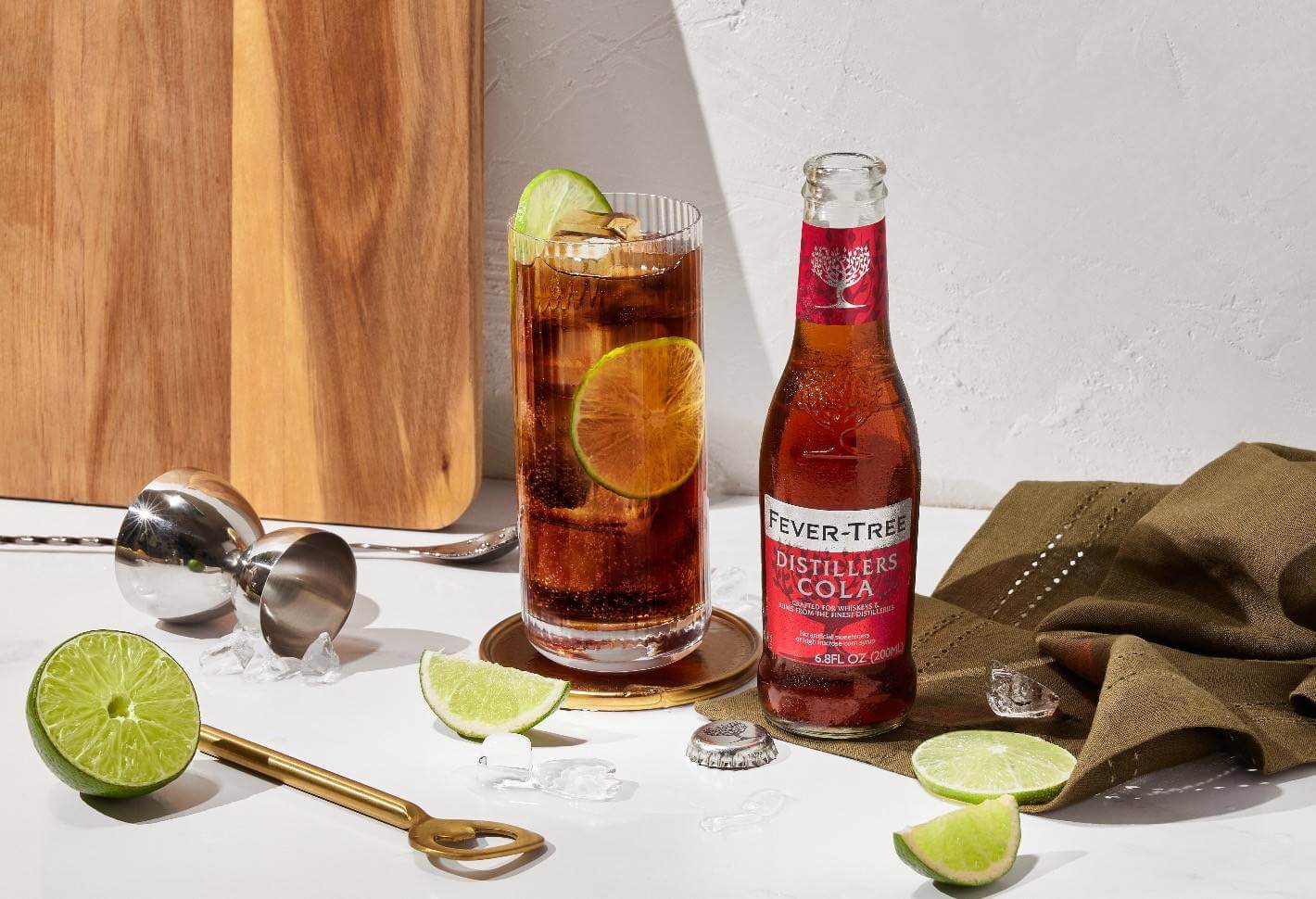
Fever-Tree Distillers Cola bottle and cocktail

Fever-Tree, the company elevating mixers since 2005, is now focusing on producing the finest cola.

Like the entirety of the Fever-Tree portfolio, Distillers Cola honors spirits and enhances cocktails.

And, like its mates in the lineup, the newest Fever-Tree product is made only with premium ingredients.

Commitment to Quality

Fever-Tree’s founding principle has always been producing high-quality mixers with high-quality and exotic ingredients. Co-founder Tim Warrillow and CEO of Fever-Tree North America Charles Gibb search the globe to find and partner with the best producers possible.

Much of that drive is down to the brand’s focus on honoring distillers and their spirits along with cocktail programs and bars.

In the mid-2000s, Warrillow and Gibb made a stark realization about spirits and cocktail. Distillers were crafting incredible spirits but most mixers were either standard or substandard.

Obviously, that changed with the launch of Fever-Tree, undeniable leaders and innovators in the mixer category.

Exotic Cola

For years now, today’s consumer has been drinking better. With unfettered access to information, social media and brands, they’ve been learning more about spirits and cocktails.

Intriguingly, the pandemic didn’t change that, and all signs point to a continued dedication to quality drinking.

Also, great bartenders want to tell, as Gibbs says, the best stories through the best cocktails. In doing so, they’ve taught their guests how to drink better.

Of course, part of improving one’s drinking is seeking out products produced with quality ingredients.

According to Warrillow, Fever-Tree is excited to finally take on “the biggest mixer of them all, cola,” the most-popular soft drink flavor in the world. He says people have been asking for Fever-Tree to craft their own cola for quite some time now.

It should come as no surprise to any Fever-Tree fan that Distillers Cola is produced with a commitment to craft.

The kola nuts are grown wild in the Caribbean sweet, earthy, and a natural source of caffeine. Large Tahitian limes from Mexico—the Yucatán province specifically—are bold but not overwhelming. Jamaican pimento berries (allspice) imbue Distillers Cola with flavors of cinnamon, clove, nutmeg and pepper. Madagascan vanilla—the “most prized” vanilla, per Warrillow—is intense, sweet, and lends to a creamy mouthfeel.

Distillers Cola, being a mixer and not a soft drink, is high in carbonation but reins in its sweetness.

A Mixer with Intent

Now, Fever-Tree Distillers Cola is meant to elevate bourbons and dark rums. Of course, that doesn’t mean its use is limited.

In fact, Speed Rack co-founder Lynnette Marrero suggests mixing up a Gin & Distillers Cola. Certainly, that’s a much different direction than Rum or Whiskey & Colas.

And Marrero’s Going Back to Kalimoxto, which she describes as “the spritz meets sangria,” calls for 0.5 oz. Cognac, 0.5 oz. Fernet, 3 oz. red wine (nothing too tannic: think Pinot Noir or Beaujolais), and 3 oz. Fever-Tree Cola. Simply stir and serve with a lemon wheel.

Indeed, this brand-new Fever-Tree product is practically begging for cocktail experimentation.

Reposado, añejo, and extra añejo tequilas, some mezcals, amaros, Scotch and rye whiskeys… A new mixer opens up a world of menu possibilities.

However, the best place to start is likely two of Fever-Trees intended cocktails: an elevated Rum & Cola or Whiskey & Cola. In fact, Warrillow and Gibbs say it was developed with Bacardí Cuatro in mind.

Interestingly, Allen Katz of New York Distilling Co. tasted “about 15 barrels” of their Ragtime Rye with Distillers Cola. According to Katz, the cola pairs very well with a whiskey with more fruit, less cedar and spice. In fact, he likes it so much he has committed a single barrel to a special Distillers Cola release—be on the lookout, whiskey hunters.

Also, since Governor Andrew Cuomo has lifted Covid-19 restrictions, people can visit New York Distilling’s Shanty to try a specialty cocktail made with Distiller’s Cola.

Holster Your Soda Guns

Yes, soda guns have been de rigueur for decades. They’re convenient in terms of service, particularly in a high-volume setting.

They’re also often perceived as being perpetually dirty. And, in many cases, that perception is reality.

Of course, in other cases it’s simply what guests have been taught from myriad articles and blog posts.

When I asked Gibbs how he expects to convince operators to hang up their soda guns and choose Distillers Cola instead, his answer was compelling. On the bar side, he points to the fact that bartenders want to craft and serve the best possible cocktails. To do that, they need high-quality ingredients. Along with that, many guests know Fever-Tree and seek it out.

That’s all well and good, but what about the operator side? Gibbs notes that bars across the country are ripping out their soda guns. Clearly, this is a response to health-conscious guests who perceive what comes out of the gun to be unhealthy or subpar in quality.

Those same operators, therefore, aren’t buying and storying bags of syrup. Instead, they can purchase higher-quality ingredients that deliver on consistency. Consistency and quality are key elements of the guest experience. Gibbs also says that operators can charge more for a drink made with premium ingredients like Fever-Tree.

Of course, the next step is for operators and their front-of-house teams to try Fever-Tree Distillers Cola for themselves. Not only will it elevate their bar programs, it certainly enhances to-go cocktail kit options.

Image: Fever-Tree

by David Klemt David Klemt No Comments

Third-party Vaccine Passports on the Way

Third-party Vaccine Passports on the Way

by David Klemt

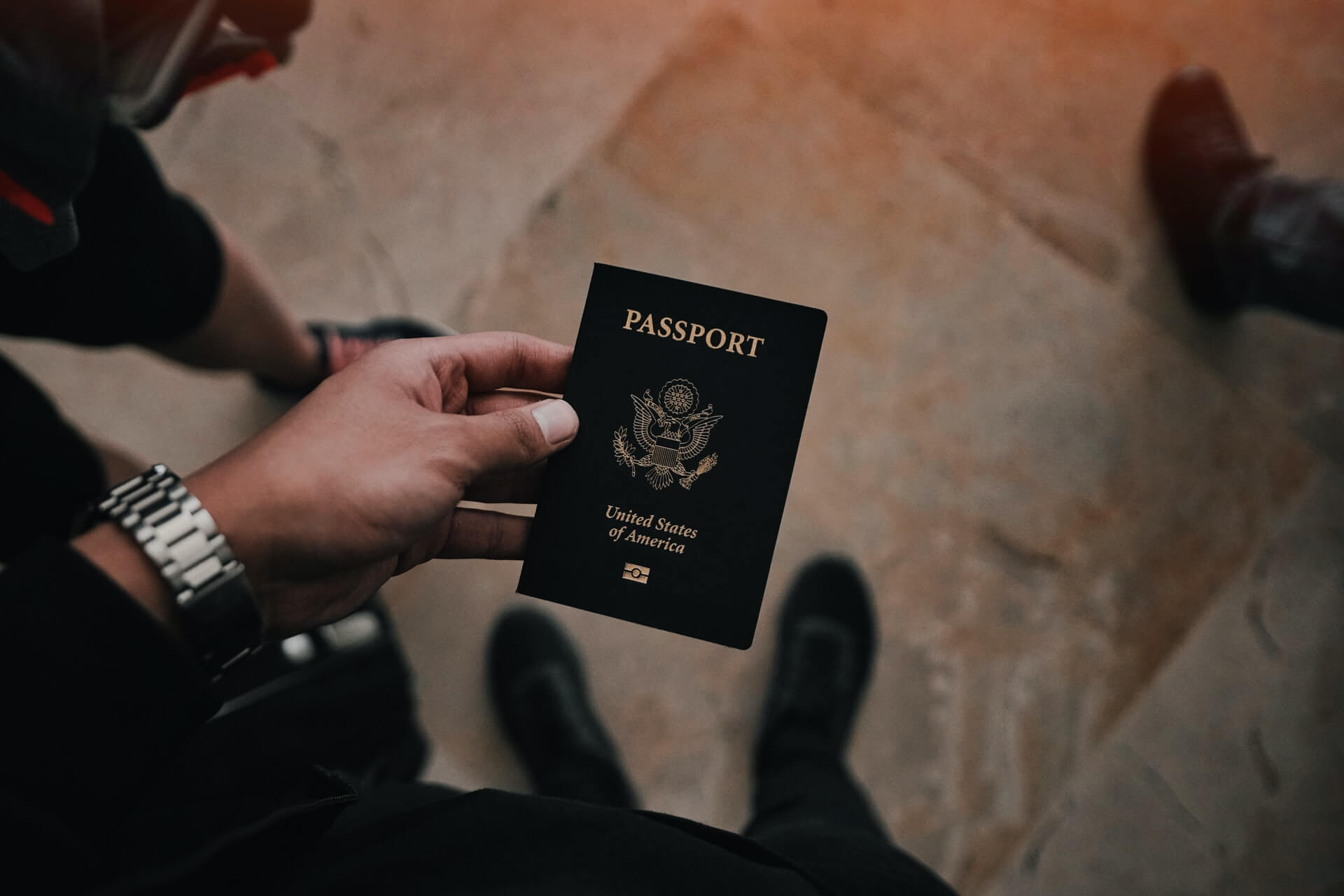
Hand holding United States of America passport

Operators will likely have to further wade into politics if so-called “vaccine passports” become standard.

If recent reporting is accurate, several platforms will bring vaccine passports to market.

The hospitality, lodging and travel industries have been thrust into politics since for several years now. Unfortunately, the pandemic has only made the situation more precarious.

Dangerous Waters

For many operators, navigating today’s politically-charged atmosphere is an unwelcome development.

It’s bad enough that hospitality, lodging and travel have been thrown into utter chaos for well over a year. America and Canada have lost tens of thousands of restaurants and bars. Operators able to survive have lost millions of workers.

Too many people have lost jobs, savings, homes, and any sense of stability in their lives. Mental health, as a result, is on the decline for many people.

Unfortunately, all of those awful things are being exacerbated by politics. In America in particular (if reports are accurate), politics have severely divided the country.

Covid-19 safety protocols were politicized immediately. Restaurant, bar, hotel and travel workers found themselves playing pandemic police, putting them in dangerous situations.

If vaccine passports become standard, operators will find themselves deeper in the political quagmire. Workers will likely face a greater risk for confrontations with hostile guests.

What’s a Vaccine Passport?

In short, a vaccine passport is a way for someone to prove they’ve received a Covid-19 vaccine.

Per recent reports, the Biden administration has said they have no plan to implement federal vaccine passports.

However, several states have already banned this form of proof of vaccination. These include: Alabama, Arizona, Arkansas, Florida, Georgia, Idaho, Indiana, Iowa, Montana, North Dakota, South Carolina, South Dakota, Texas, Utah (but private companies can require workers to get vaccinated), and Wyoming.

So far, two states—Hawaii and New York—have implemented vaccine passports. As far as the other states, vaccine passports are not a requirement or haven’t been banned yet.

New York’s vaccine passport, Excelsior Pass, was developed by IBM. A vaccinated New York resident downloads the app, a business owner downloads the scanner app, and vaccination status can be confirmed. Similar apps are believed to be in the works.

Again, however, many states have banned these apps.

What Does this Mean for Businesses?

If vaccine passports are banned fully where an operator does business, the decision has been made for them.

However, some bans relate only to government entities—businesses can require proof of vaccination.

And if a state doesn’t prohibit vaccine passports at all? The situation can be even more challenging for operators.

Operators eager to protect their workers and guests from infection may welcome vaccine passports. Some operators may feel these passports are an invasion of privacy and reject them. Still others may view them as a potential source for harassment and discrimination.

Should an operator require vaccine passports, they should expect backlash that could directly impact business. Operators who prohibit the use the vaccine passports may be viewed as “irresponsible” and also face backlash

Once again, the pandemic has put operators in several industries in no-win situations. Operators should consider their vaccine passport plan and the messaging around it now.

Image: Levi Ventura on Unsplash

by David Klemt David Klemt No Comments

Update Your Business Info Now!

Update Your Business Info Now!

by David Klemt

"Yes, we're open" sign in restaurant or bar window

Restrictions are relaxing and people are returning to at least a form of their pre-pandemic lives. Operators need to review and update their information.

People face a flood of confusing or vague information every day—restaurants and bars don’t need to add to it.

In other words, operators need to make sure guests are getting accurate information when they search for their businesses.

This is particularly relevant right now with summer upon us and Father’s Day in two days.

Are You Open?

Cities, states and provinces are opening things up throughout North America.

In Canada, British Columbia, Ontario, and other provinces are in the midst of reopening plans and. Some provinces are also reopening their borders to their Canadian neighboris. Some restrictions remain and provinces aren’t fully open, but they’re on their way.

And in America, more than half of states are considered open fully: Alabama, Alaska, Arizona, Arkansas, Florida, Georgia, Idaho, Illinois, Indiana, Iowa, Kentucky, Louisiana, Minnesota, Mississippi, Missouri, Montana, Nebraska, New Hampshire, New Jersey, North Carolina, North Dakota, Ohio, Oklahoma, South Carolina, South Dakota, Tennessee, Texas, Utah, Virginia, Wisconsin.

Restrictions that remain in place in some provinces and states relate to dining. For example, outdoor dining returned to Ontario, Canada, a few days ahead of schedule. Unsurprisingly, people flocked to restaurants and bars with outdoor dining areas.

Of course, that’s a long-overdue and welcome development. However, such relaxing of restrictions exposes an issue: People aren’t sure if businesses are open, what hours they’re open, and what menu items are available.

Update Your Information

It should go without saying but I’ll say it anyway: The past 15 months have been a horror show for operators.

So, it’s understandable that some operational discipline has slipped. Now’s the time to fix that and focus on the details.

Guests want to know what restaurants and bars are open. They want to know when they’re open. And they don’t want any surprises about menu item availability.

Of course, operators can manually review and update or edit their online listings. An operator can also task a manager or worker with that responsibility.

There are also platforms out there that make updating pertinent business information a much less overwhelming job.

Marqii, a paid service with three pricing tiers, manages several important details quickly and easily. Operators can use Marqii to update their menus across more than 75 sites; manage their location data, including hours of operation; and review and respond to reviews across several platforms, depending on the tier chosen.

Packages are priced per location and a business is charged monthly. There are similar solutions out there but Marqii is a great place to start.

We live and operate in the Convenience Era. Make it easy for your guests to visit and spend their money with you.

Image: Tim Mossholder on Unsplash

by David Klemt David Klemt No Comments

Father’s Day Food & Beer Pairings

Father’s Day Food & Beer Pairings

by David Klemt

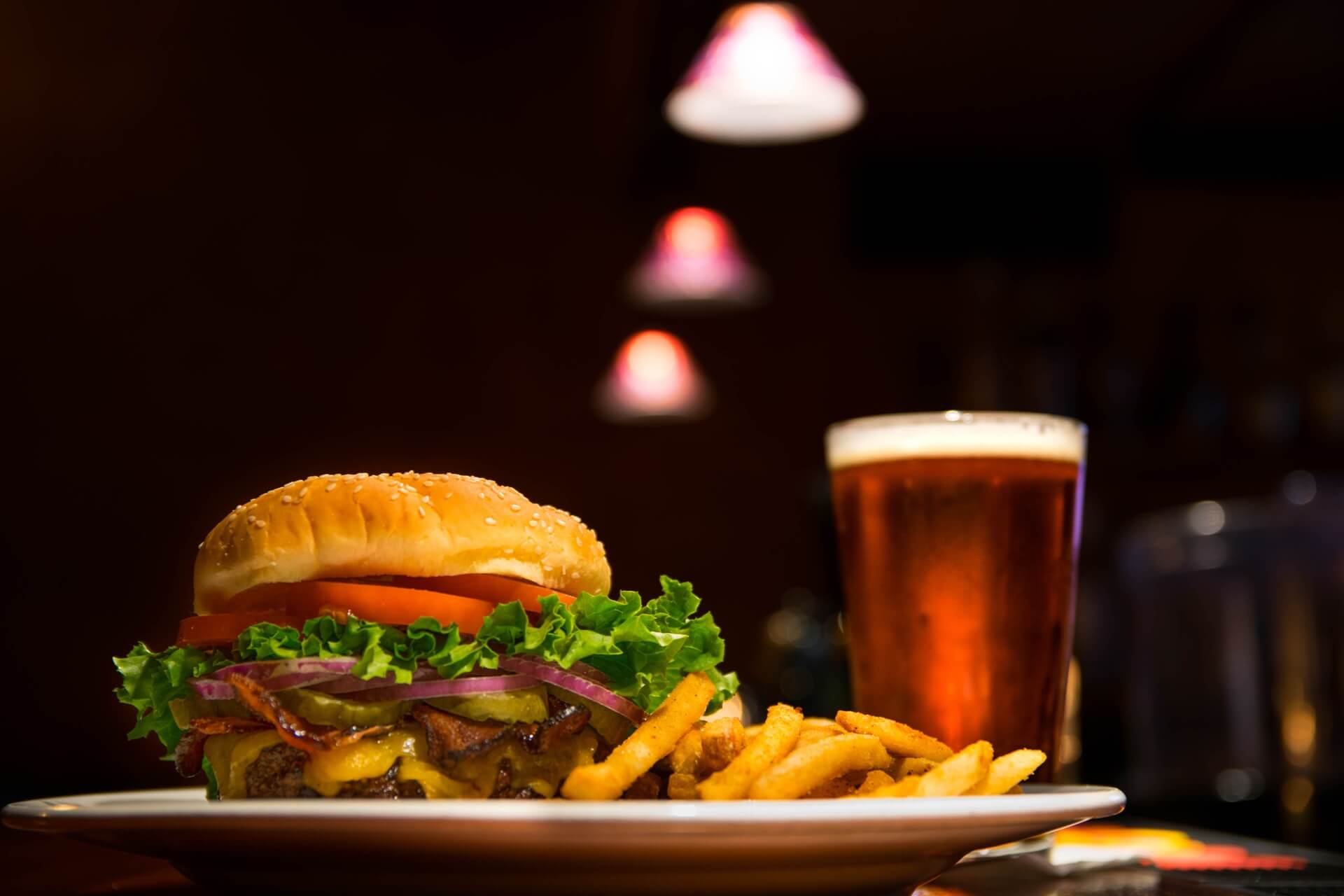
Burger with onion rings and beer

Father’s Day is right around the corner and while it isn’t usually quite as busy as Mother’s Day, this year could be different.

After all, states and provinces are reopening, and the weather is getting warmer. In fact, Governor Andrew Cuomo announced yesterday that restaurants and bars are no longer subject to social distancing restrictions.

And hey, who isn’t looking for an excuse to get out and return to restaurants and bars?

Now, I’m going to assume that most operators who plan to celebrate Father’s Day this weekend have their promotions in place. However, to help give those promos a boost, I want to share beer pairings for classic Father’s Day menu items.

Of course, these pairings work well on any day of the week, and they’re in no way limited to dads. Anyone who enjoys beer will appreciate operators putting an emphasis on food and beer pairings.

Burgers

One of the most popular foods, particularly for those seeking out comfort, burgers and an array of beers go together. For a classic hamburger, suggest an IPA, APA or Lager. Known for your mushroom and Swiss cheese burger? Brown ales, amber ales and porters work well. Pale ales go well with bacon burgers, and wheat ales and Witbier pair with veggie burgers.

Chicken

Fried chicken is certainly right up there with burgers in terms of comfort foods. And it’s certainly great for Father’s Day. Suggest pairing fried chicken with a Kölsch, Märzen, Helles, and Hefeweizen. For barbecue chicken, recommend a light lager, Pilsner, Saison, Hefeweizen and Witbier. Honey glazed chicken (baked or as wings) work very well with a Kölsch.

Pork

If you have ribs on the menu, there are a few ways to go with beer pairings. Porters, stouts and German lagers are medium- to full-bodied and can stand up to bold, rich flavors and compliment smoke. On the other hand, pale ales and IPAs (lighter versions tend to work better) are lighter but can compliment barbecue flavors as well. Porters and American pale ales sip well with pulled pork sandwiches. A Märzen, Hefeweizen or Porter pairs nicely with pork chops.

Steak

Just like there are several cuts of beef for steaks, there are several beer types that pair well with steak. Brown ales, stouts, porters, IPAs, lagers and IPAs work well for different reasons. Cuts that are more flavorful (ribeye, top sirloin, porterhouse, T-bone) pair well with darker beers (generally speaking). But cuts like filet mignon, known to be lighter in flavor, work well with lighter beers (some lagers and IPAs).

Seafood

Much like steak, seafood presents plenty of variety for beer drinkers. You’ll find that Pilsners compliment many different types of seafood. Generally speaking, lobster dishes pair well with a Pilsner or an IPA (that isn’t too assertive). Pilsners work great with an array of fish, so suggest one with your fish and chips or tilapia. When it comes to many crab dishes, lagers and—yep—Pilsners are excellent recommendations. Wheat beers pair well with mussels, and sours and Goses drink well with oysters.

Grilled Vegetables

When it comes to grilled and charred vegetables, dark beers with roast coffee, malty and chocolate flavors pair very well. Imperial stouts can certainly hold their own with grilled, roasted and charred veggies. However, black lagers and porters are lighter than imperial stouts with similar flavor characteristics, meaning they won’t overpower the vegetables.

Of course, the best way to make winning pairing suggestions is to try them yourself. Even better, include kitchen staff, servers and bartenders and get their feedback. There’s no substitute for being able to make pairing recommendations based on personal experience.

Image: Edward Franklin on Unsplash

by David Klemt David Klemt No Comments

Guest Journey: Acquire, Engage, Retain

Guest Journey: Acquire, Engage, Retain

by David Klemt

Black "Hustle" coffee cup on desk

What if you could change your operational mindset for the better in the time it takes to enjoy a cup of coffee?

SevenRooms is confident they can help you do exactly that.

The SevenRooms Coffee Break series tackles one important operational element per 20-minute webinar.

Time for a Coffee Break?

It’s no secret that we’re fans of SevenRooms here at KRG Hospitality. In addition to supporting the actual platform, we’re always eager to share their data-driven reports and insights.

CEO Joel Montaniel is the guest on episode 24 of our Bar Hacks podcast. (You can—and should—listen to the episode on Spotify, Apple Podcasts, or wherever you listen to podcasts.)

Given how much SevenRooms values collecting and sharing data that can improve operations industry-wide, it’s not a surprise that they also offer informative webinars.

So far, there are three webinars in the Coffee Break series. And, of course, each shares a way that operators can improve their business.

That’s certainly welcome as we emerge from stay-at-home orders, ease restrictions, and welcome more guests.

The current entries focus on what SevenRooms is dubbing the Restaurant Renaissance. As Doug Radkey, president of KRG Hospitality says, we can take two paths leading to the post-pandemic world.

One, we can recognize that the industry needs an overhaul, making improvements for operators, workers and guests.

Two, we can learn nothing, do nothing, and watch the industry collapse.

Restaurant Renaissance

Call it what you prefer: the Restaurant Renaissance. The New Roaring Twenties. Re-emergence. The New Normal. The Post-pandemic World.

Sure, it’s cool to have a catchy label to slap onto unique eras. It’s better to have a clear plan and path for moving forward.

To that end, SevenRooms identifies four key factors driving what they’re calling the Restaurant Renaissance:

  • Vaccines
  • Warmer weather
  • Pent-up consumer demand
  • Restrictions lifting

Alexa Detzi, director of Enterprise Success at SevenRooms, addresses these elements in the first Coffee Break webinar, “Acquire.”

We’ve said many times that operators need to prepare for an explosion in consumer demand and guest traffic. In addition, we’ve made it clear that we’ll most likely experience a severe drop-off in traffic after the initial demand wanes.

Of course, there are several ways things might play out in the New Normal. However, huge traffic in many markets followed by a drop makes the most sense.

Get Ready

The first three SevenRooms Coffee Break webinars focus on the guest journey:

I highly recommend signing up and watching each webinar, sooner rather than later. Guests are already being subjected to a cacophony of marketing overtures—you need to cut through the noise.

We Want to Help You

Like SevenRooms, KRG Hospitality is dedicated to helping operators.

If you’re seeking to open a new business, whether your first venue or an expansion, should also download our 2021 Restaurant Start-up Cost Guide & Checklist.

And for operators looking more direct and guided assistance for improving your business, we also offer KRG Mindset.

Next time you have 15 or 20 minutes to yourself, check out our Solutions and Resources pages, reach out, and let’s set up your Roadmap to Success.

Image: Garrhet Sampson on Unsplash

by David Klemt David Klemt No Comments

5 Bottles for June 21, World Lambrusco Day

5 Bottles for June 21, World Lambrusco Day

by David Klemt

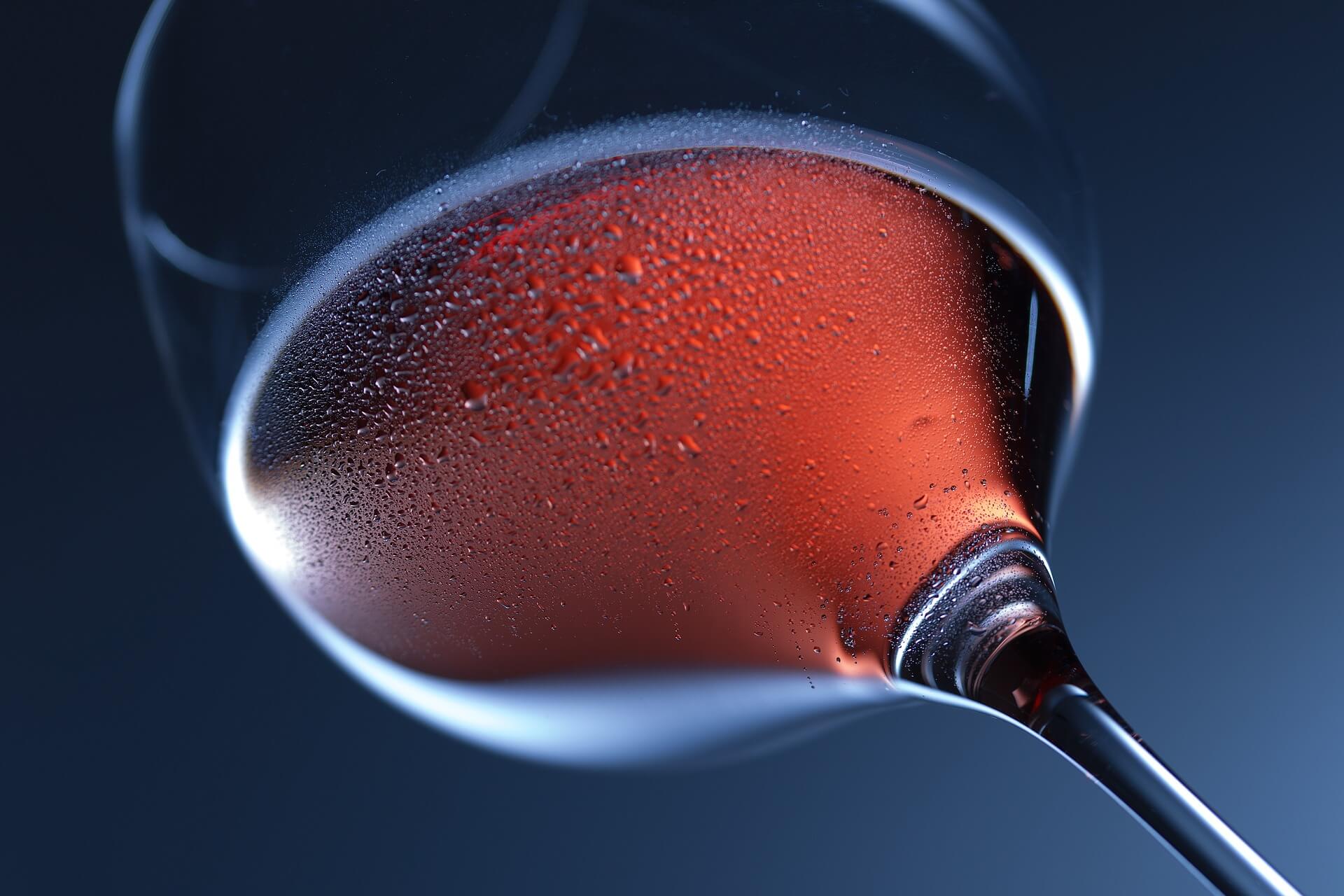
Sparkling red wine in wine glass with condensation

On June 21, the world celebrates one of Italy’s most-famous wines, the oft-misunderstood and maligned Lambrusco.

Now, some people of a certain age chuckle and roll their eyes when someone mentions Lambrusco. After all, the most (in)famous example throughout North America was Riunite.

Of course, I mean no disrespect to that particular producer. It’s just that the world is aware of other Lambrusco labels.

People also now know much more about wine in general and Lambrusco specifically. And they know it’s not always a sweet, sparkling wine.

Lambrusco 101

Much like many, many other wines, Lambrusco is a protected designation. Think Champagne, Prosecco or Châteauneuf-du-Pape.

Lambrusco comes from five regions in Northern Italy: four in Emilia-Romagna and one in Lombardy. Cheese fans may know Emilia-Romagna for its Parmigiano Reggiano cheese production.

The five denominazione di origine controllata (DOC) regions each produce distinct styles of Lambrusco with their own unique characteristics.

For example, Lambrusco Grasparossa di Castelvetro from Modena are the most-tannic of these wines. They also tend to be dark purple in color.

In contrast, some Lambrusco Reggiano wines are lighter in color. These Lambruscos also tend to be sweeter on the palate and more floral on the nose.

Lambrusco di Sorbara produces perhaps the most unique Lambrusco, such as rosè.

Most Lambrusco is semi-sparkling, or frizzante, owing to winemakers using the ancestral, traditional or Charmat methods of production.

Modern Outlook

For decades, most North Americans were only aware of Lambrusco from Riunite. Therefore, North Americans only knew Lambrusco as a cloyingly sweet, fizzy Italian wine.

Of course, many people love sweet. So many, in fact, that the term “sweet sells” is well-known among beverage managers.

However, today’s consumer doesn’t necessarily want to drink what their parents or grandparents drink. And while they may not dislike sweet outright, they want to experience different flavor profiles.

For these consumers, bartenders, bar managers, servers, and floor managers should be aware of a few important Lambrusco label terms:

  • Dolce: This is the sweetest Lambrusco.
  • Amabile: Medium-sweet wines not quite as sweet as dolce.
  • Semisecco: The most common Lambrusco, off-dry wines that aren’t as sweet as amabile or dolce.
  • Secco: Dry Lambrusco with balance and savory notes in addition to fruit on the palate.

Lambrusco is a great alternative to Champagne, Prosecco and other sparkling wines in the summer. In particular, those with patios should push their guests to try it.

Where to Start

Like I said, I’m not bashing Riunite—the label has been around for quite some time.

But for those who want to fill out their wine menus, these bottles are worth a look. I’ve chosen one bottle from each of Italy’s five Lambrusco DOCs.

Fondo Bozzole ‘Incantabiss’ Lambrusco Mantovano

From the Lombardy region. A soft wine with mineral notes balance the fruit (strawberry in particular).

Vigneto SaettiRosso Viola 2019

From the Lambrusco Salamino di Santa Croce region. This bottle would definitely draw some eyes as it’s brought to a table. Dry with smoothness balanced by assertive tannins. Black cherry, red berries, and violet.

Lini 910 Lambrusco Rosso Labrusca Reggiano (non-vintage)

91 points from Vinous. Blueberry and strawberry on the nose and palate. I have to say, the label is pretty cool.

Cleto Chiarli Lambrusco Grasparossa di Castelvetro Amabile Centenario (non-vintage)

Speaking of labels, I can see where this bottle would be mistaken for Champagne. Semi-sweet and smooth with lots of fruit on the nose and palate.

Paltrinieri “Radice” Lambrusco di Sorbara (non-vintage)

High acid lends itself to this wine’s significant brightness. Along with strawberry, expect grapefruit and watermelon notes.

Image: Dirk Wohlrabe from Pixabay

by David Klemt David Klemt No Comments

Reopening Ontario: Patios Return Friday

Reopening Ontario: Patios Return Friday

by David Klemt

Outdoor seating on restaurant patio

There’s great news for Ontario and the province’s new reopening plan: outdoor dining is returning three days ahead of schedule.

From June 11 on—barring any governmental changes—the province of Ontario will enter Step 1, which focuses on outdoor activities.

Due to favorable indicators such as the province’s vaccination rate, Reopening Ontario will kick off early.

A Welcome Surprise

Ontario has been in under heavy restrictions for nearly two months. So, this news represents a refreshing glimpse of light at the end of a ridiculously long tunnel.

Initially, Reopening Ontario was slated to begin Step 1 on June 14.

The earlier date and announcement should help restaurant and bar operators take advantage of the coming weekend. After weeks upon weeks of living under a stay-at-home order, the decent-at-best forecast should be clear enough for Ontarians to get outside.

Step 1

Reopening Ontario is focusing on the following to progress through the three steps:

  • the provincewide vaccination rate; and
  • improvements to key public health and health care indicators.

Per the plan, the province will remain in each phase of the plan for a minimum of 21 days.

The first step allows for outdoor gatherings of ten or more people. And, for restaurants and bars, outdoor dining with a limit of four people per table.

RestoBiz is reporting that there will be an exception allowing for households with more than four people. The publication also reports that nightclubs may offer delivery, drive-through and takeout as long as they only operate as food or drink establishments.

To move to Step 2, 70 percent of adults must receive at least a single dose of Covid-19 vaccine. Additionally, 20 percent of adults need to receive a second dose (of a two-dose regiment).

Two weeks after Ontario reaches that target, the province will move forward.

Step 2

In this phase of Reopening Ontario, restaurants and bars can seat six people per table outdoors.

Per Ontario’s official government website, restaurants and bars will also be able to offer karaoke. Of course, in this phase it must take place outside.

The single-dose target vaccination rate to move on from Stage 2 is 70 to 80 percent of adults. Also, 25 percent of adults must receive two doses (of a two-dose regimen).

If those targets are hit and key public health and health care indicators are favorable, the province will progress further.

Step 3

Obviously, this the least-restrictive phase of Reopening Ontario.

In Step 3, restaurants and bars can once again return to indoor dining. There will be capacity and other restrictions in place.

Also, buffets can return.

Outdoor dining capacity will focus on social distancing: there must be two metres between tables.

Should the vaccine rate and other indicators continue to improve, it’s possible that Ontario will reopen fully as soon as 21 days after Step 3 begins. Of course, we’ll monitor the situation and see what Ontario officials say about a return to “normal.”

For now, things are looking up. To review the Reopening Ontario plan, click here.

Image: Taylor Vick on Unsplash

by David Klemt David Klemt No Comments

5 Books to Read this Month: June

5 Books to Read this Month: June

by David Klemt

Flipping through an open book

This month’s fun and informative book selections will help you develop next-level culinary, beverage and leadership skills.

To review last month’s book recommendations, click here.

Let’s dive in!

The Japanese Art of the Cocktail

Available as of today, this is the first cocktail book written by Masahiro Urushido, the award-winning bartender from NYC’s Katana Kitten. After just one year with Urushido at the helm, Katana Kitten took home a 2019 Spirited Award. The Japanese Art of the Cocktail features 80 recipes and serves as a deep dive into a unique approach to cocktails and technique.

Hennessy: A Toast to the World’s Preeminent Spirit

In a nod to today’s episode of the Bar Hacks podcast, we’re happy to share this amazing book that has something between its covers for everyone. Hennessy is equal parts history, humor, lifestyle, recipes, and illustrative and photographic work of art. Shepard Fairey, Nas, Fab 5 Freddy, and others contribute stories and insights in this amazing bar book.

Cocktail Dive Bar

The subtitle of this recently published book is “Real Drinks, Fake History, and Questionable Advice,” which should tell you this is going to be a fun read. In Cocktail Dive Bar, T. Cole Newton, the operator behind NOLA’s Twelve Mile Limit, mixes classic and original cocktail recipes with essays, advice and coloring book elements. Bars are supposed to be fun, and this book is a welcome reminder of that fact.

Mezcal and Tequila Cocktails: Mixed Drinks for the Golden Age of Agave

Robert Simonson is a New York Times writer and James Beard Award-nominated author who has written an impressive amount of cocktail and spirits books. His latest, Mezcal and Tequila Cocktails, shares more than 60 recipes that feature—you guessed it—mezcal and tequila. Most of the recipes aren’t at all complicated but they’re still full of agave flavor and an array of profiles. Whether you’re a neophyte or an aficionado, this book is for you.

Bar Hacks: Developing The Fundamentals for an Epic Bar

Yep, I’m 0nce again promoting a book from KRG Hospitality president Doug Radkey. Hey, I didn’t mention one last month, so cut me some slack. Bar Hacks is Doug’s first book and the title of the eponymous, KRG-produced podcast. Looking to hone the fundamentals? Want to develop effective strategies? Eager to open or grow a profitable, scalable, sustainable, consistent and memorable venue in one of the most cut-throat industries in the world? Grab this book today!

Image: Mikołaj on Unsplash

by David Klemt David Klemt No Comments

What the B.C. Restart Means for Operators

What the B.C. Restart Means for Operators

by David Klemt

The Next Step chalk concept with footprints

In news that’s not exactly surprising, the British Columbia “circuit breaker” expiration didn’t lead to a full reopening.

Instead, the province is launching the B.C. Restart plan.

Obviously, not returning to restriction-free restaurant and bar service is disappointing. However, the plan does give operators dates against which they can plan for staffing, inventory, and other aspects of running their businesses.

Of course, that’s only if officials execute the plan as-is.

Not Surprising

As B.C. operators are well aware, the expiration of the province’s “circuit breaker” doesn’t mean they can return to pre-pandemic operations. Clearly, it would’ve been helpful to the province’s hospitality operators for officials like Premier John Horgan to have made that clear last week.

Resources are razor thin and have been since the start of the pandemic and pandemic-driven shutdowns and restrictions. The more lead time officials can provide hospitality operators to prepare for changes to Covid-19 operational protocols, the better.

Let me say that again for any officials who may read this: Restaurant, bar and other hospitality businesses need more than a few days’ notice to prepare for rule changes.

As long as B.C. Restart targets are hit and numbers don’t head in the wrong direction, at least the new plan is clearer than last week’s expiration announcement.

Four-step Plan

B.C. Restart targets four dates that should remain in place as long as Covid-19 case, hospitalization and death rates remain low. Conversely, the province is seeking increases in adult vaccination rates (for dose one).

Unsurprisingly, the province is now in step one of the four-step B.C. Restart plan. The goal is to achieve a 60-percent dose-one vaccination rate among the province’s adult population. A mask mandate is in place provincewide, as are safety protocols like social distancing. Indoor and outdoor dining is restricted to a maximum of six people, with safety protocols.

The earliest date for step two to begin is June 15 and targets a 65-percent adult vaccination rate. B.C.’s mask mandate remains, as do business safety protocols and physical distancing measures. Interestingly, the province’s travel restrictions are removed.

Step three starts on June 1 at the earliest, targeting a 70-percent adult inoculation rate, low Covid-19 case rate, and decline in hospitalizations. Officials will announce new PPE and social distancing guidelines, organized indoor and outdoor gathering capacity will increase, and nightclubs and casinos will reopen (with capacity limits and safety protocols).

If all goes to plan, September 7 is the earliest start to step four, which targets a dose-one adult vaccination rate of more than 70 percent. B.C. will permit a return to “normal” social contact.

For Operators

Restaurant and bar operators—at the moment—should focus on steps one and two of B.C. Restart.

The reason is simple: During steps one and two, restaurants and bars must operate under the pre-circuit-breaker health and safety protocols.

So, operators must follow these rules for step one:

  • Indoor and outdoor dining capacity: 6 people
  • Liquor service curfew: 10:00 PM

And the following for step two:

  • Indoor and outdoor dining capacity: 6 people
  • Liquor service curfew: Midnight

Should things stay on track, step three will rescind the liquor service curfew, and there will be no group limit for indoor and outdoor dining.

Obviously, B.C. Restart isn’t what operators wanted when officials announced the expiration of the circuit breaker. However, the new plan does allow operators to plan ahead and gives us a glimpse of a light at the end of a very long, very erratic, very dark tunnel.

To review the plan in more detail, click here.

Image: Gerd Altmann from Pixabay

by David Klemt David Klemt No Comments

Return of the Indoor Diners: B.C.

Return of the Indoor Diners: B.C.

by David Klemt

Vancouver, British Columbia, Canada skyline

Good news for operators, foodservice professionals and the public as British Columbia prepares for a return to indoor dining.

The ban on indoor dining is set to expire tomorrow, along with the rest of B.C.’s so-called “circuit breaker” restrictions.

However, it remains unclear still whether restaurants can throw their doors open and welcome guests first-thing Tuesday morning.

Confusion

Some operators and restaurant advocacy groups believe the restriction on indoor dining expires at 11:59 PM tonight.

It follows, in their opinion, that the expiration means operators can offer indoor service the following morning, Tuesday, May 25.

Of course, it’s never that cut and dry, is it?

Much like the CDC’s recent update to mask and social distancing recommendations in America, B.C.’s restaurant restrictions are only causing confusion.

While the “circuit breaker” restrictions put in place back in March are set to expire, Premier John Horgan and other officials haven’t made it clear if more restrictions will be put in place.

Additionally, restaurant and other hospitality operators haven’t been given much notice. They’re simply aware that current restrictions expire before midnight tonight.

Consistently Inconsistent

It’s never great to feel like you’re on the back foot. Unfortunately, operators still don’t receive much in the way of a heads up when rules and recommendations change.

Once again, officials and the public make it clear that they think restaurants and bars can simply flip a switch and return to regular service. Once again, the industry and its challenges are ignored.

When those with the power to impose restrictions are vague about what operators should expect after their rules expire, it makes it nearly impossible for operators to prepare properly for what comes next.

Should operators plan on an increase in traffic because they can once again fill their dining rooms? Will they need to prepare for 25-, 50- or 75-percent capacity restrictions? Are their going to be limits to outdoor dining, delivery, carryout and curbside pickup?

How much F&B and other products should they order, planning for a return to indoor dining or more restrictions? In terms of staffing, should operators plan to run with a skeleton or full crew?

Every one of those questions—and several more—have an impact on resources, revenue and survivability. When officials fail to provide all the necessary information when making important announcements, they only cause confusion and create more questions than answers. Too often, they foist their responsibilities onto business owners and the public.

There’s no excuse.

Preparation

Unfortunately, there’s no silver bullet to offer operators in this situation. They’ll need to monitor the situation in B.C. and await clear guidance from government officials pertaining to any upcoming restrictions.

Yet again given no meaningful notice, it’s going to be difficult for operators to plan to get the most out of this week and the near future.

Still, operators will want to give staff notice that they should plan to work. It’s less than ideal but operators should plan to schedule against a few possibilities: a new indoor dining ban, indoor dining with capacity restrictions, and a full return indoor dining.

One of these days, perhaps politicians will listen to our massive industry’s requests and serve us better.

Image: Aditya Chinchure on Unsplash

by David Klemt David Klemt No Comments

Can You Fire Staff for Refusing Vaccine?

Can You Fire Staff for Refusing Vaccine?

by David Klemt

Covid-19 vaccine vials

Can an employer terminate a staff member’s employment for refusing the Covid-19 vaccine? Current court cases seek an answer to that question.

Conversely, there are bills up for consideration in some states that aim to ban vaccine mandates.

Therefore, the current answer to the question of whether employer vaccine mandates are legal isn’t clear, yet.

It’s also important to note that this question is up for legal examination in Canada and America.

Are Employers Really Mandating Vaccines?

Of course. Well, some are. And it’s bound to continue until the question has been tested in court.

Looking at Canada, Ontario’s Ministry of Labour says employers can, in fact, make vaccines mandatory. They can also (for now, at least) demand proof of vaccination from their employees. Failing to answer the question or lying about can result in an employee losing their job.

However, the ministry acknowledges that legal and ethical issues come hand in hand with blanket vaccination mandates.

In America, the issue is no less thorny, to put it mildly.

Per a survey by Arizona State University and the Rockefeller Foundation, almost 90 percent of employers in the USA (and UK) have plans to “encourage or require vaccination for employees.”

Encouraging, of course, stands in stark contrast to requiring in a legal, ethical and moral sense.

That same survey suggests that most US employers—two-thirds—plan to use vaccination incentives rather than mandates. However, 44 percent say they’ll implement mandates if incentives don’t work. Just one-third of survey respondents say they don’t intend to require vaccinations as a term of employment.

Legal Challenges

Vaccine requirements and credentials (“vaccine passports”) have been banned in Arizona, Florida, Idaho, Montana, Texas and South Dakota.

Bills have been introduced in at least half of American states that seek to “limit mandatory COVID-19 vaccines,” per the National Conference of State Legislatures.

Lawsuits have been filed by workers in various industries in several states, including New Mexico and California.

It’s likely just a matter of time until the Supreme Court of the United States is at least asked to settle the matter of vaccine mandates.

Currently, attorneys and agencies say that employers need to inform employees of the consequences for refusing Covid-19 vaccination, including loss of employment; put a vaccination policy in place and communicate it with all employees; and include religious and medical exemptions.

That said, this matter is a long way from settled.

Could vs. Should

One thing is clear: It’s not clear yet whether employers can terminate employees for refusing vaccination. We can expect a flurry of lawsuits either way.

However, it’s important that operators realize this isn’t solely a legal question. This is in no small part a leadership question, and it’s a tough one.

As the saying goes, just because you can, doesn’t mean you should.

Operators must consider the ramifications of vaccine mandates. Moving forward, some guests may only support businesses that require vaccination for staff. Conversely, some guests may find such a requirement discriminatory and offensive, and they may boycott businesses with vaccine mandates.

It’s a difficult position for operators and staff. Our industry puts employees and the public in direct, close contact with each other. Team members are likewise in very close quarters. Close interactions for prolonged periods can spread any number of viruses, not just Covid-19.

The instinct to protect staff, their family and friends, and the public is common among operators. The past twelve-plus months have strengthened that resolve.

Incentivizing Instead

Requiring vaccination may exacerbate the current labor shortage.

Yes, there are some employees and potential new hires who will feel more comfortable knowing their coworkers have been vaccinated. However, there are also people who will refuse to work for an employer who requires vaccination. A mandate could damage recruiting severely as word gets around.

It’s reasonable to suggest that operators are best off implementing a vaccination incentive program rather than a mandate. Most people would likely agree that encouragement rather than requirement, at least regarding this topic, shows greater emotional intelligence, a cornerstone of leadership.

The CEO of the Cosmopolitan of Las Vegas reportedly hit their minimum goal of an 80-percent vaccination rate among staff last week. The resort’s incentive program offered bonus payments (among other incentives) for vaccinated employees set up in tiers:

  • 60 Percent Vaccination Rate: $50
  • 70 Percent Vaccination Rate: $100
  • 80 Percent Vaccination Rate: $250
  • 90 Percent Vaccination Rate: $350
  • 100 Percent Vaccination Rate: $500

That program helped the company hit their goal in just a few weeks. Operators can certainly use the Cosmo as a model for encouraging vaccinations instead of requiring them. Ultimately, the choice is up to the individual operator. It isn’t an easy one.

Disclaimer

This content is for informational purposes only, and should not be used as legal or other advice. This article does not constitute legal advice, nor does any information constitute a comprehensive or complete statement of the matters discussed or the law. This information is of a general nature and does not address the circumstances of a specific individual or entity. The reader of this information alone assumes the sole responsibility of evaluating the merits and risks associated with the use of any information before making any decisions based on such information.

Image: Braňo on Unsplash

by David Klemt David Klemt No Comments

5 Books to Read this Month: May

5 Books to Read this Month: May

by David Klemt

Flipping through an open book

This month’s fun and informative book selections will help you develop next-level culinary, beverage and leadership skills.

To review last month’s book recommendations, click here.

Let’s dive in!

Trejo’s Tacos: Recipes and Stories from L.A.

Who doesn’t love Danny Trejo? His story is inspiring, his IMDB page is full of memorable characters, and he’s got fast-casual restaurants and a coffee shop. Trejo’s cookbook features 75 recipes and tons of insight into the man himself.

Which Fork Do I Use with My Bourbon?

Learn how to organize and execute an awesome tasting from Peggy Noe Stevens, the first female master bourbon taster in the world and founder of the Bourbon Women Association, and Susan Reigler, a prolific bourbon correspondent and author. Which Fork Do I Use with My Bourbon? includes tips, recipes and more for pulling off a great bourbon-centric event.

Zero: A New Approach to Non-Alcoholic Drinks

From the unique minds behind the ultra-creative Aviary cocktail bar comes Zero. If you’re looking to elevate your non-alcohol menu and approach to creating zero-proof drinks, this is the book for you. In addition to about 100 recipes, this book shares insights into Chef Grant Achatz’s culinary approach to cocktails, whether low-, zero- or full-proof.

Finding Fire: Cooking at its Most Elemental

Like Bar Hacks podcast guest Chef Brian Duffy said on episode 33, we’re fully in a comfort food zone. We’re also back to the fundamentals and simple techniques. When it comes to cooking, nothing is more fundamental than using fire. Chef Lennox Hastie dives deep into cooking with fire and provides 80 recipes in Finding Fire.

How to Listen with Intention

There’s a misconception among many business owners and managers that leadership is just delegating and issuing orders. Too many people forget that listening is a key element of leadership. Patrick King’s book How to Listen with Intention aims to change our mindset so we view listening as a superpower.

Image: Mikołaj on Unsplash 

by David Klemt David Klemt No Comments

Stand Out with Weird Holidays: May

Stand Out with Weird Holidays: May

by David Klemt

Stay Weird neon sign with purple background

Want to stand out from from other restaurants and bars in your area? Then commit to keeping it weird.

Several “holidays” are set against every date on the calendar, and May is no exception. These holidays range from mainstream to food-centric to weird.

Focus on the latter to raise eyebrows, carve out a niche for your restaurant or bar, and attract more guests. Why do what everyone else is already doing?

Of course, you shouldn’t try to celebrate every holiday, weird or otherwise. And this month’s list in no way includes every odd holiday.

Focus on the days that are authentic to your brand; resonate with your guests; and help you grab attention on social media.

For last month’s list, click here.

May 5: National Totally Chipotle Day

It’s not just Cinco de Mayo today, it’s National Totally Chipotle Day! Two guesses as to what pepper this holiday celebrates…

May 6: World Password Day

This holiday exists to encourage people to consider their privacy and make sure their passwords are secure. Of course, operators can make this holiday more fun than mundane. One simple way is to come up with and share a password guests can use for food or drink specials. Speakeasy operators, today’s your day!

May 9: National Sleepover Day

What pairs well with sleepovers? Food, drinks, pajamas and movies. And what pairs well with warming weather and the comfort levels of today’s guests? Patios and other outdoor areas. Show a movie outside, encourage pajamas, create fun and comforting F&B offerings… This is a fun one.

May 20: National Pick Strawberries Day

The perfect day to feature cocktails that call for strawberry garnishes. And if there was ever a holiday practically built for featuring Snoop Dogg‘s new strawberry-flavored Indoggo Gin, this is it.

May 21: National Bike to Work Day

As the story goes, the radler was invented in the 1920s by a Bavarian tavern owner. A group of cyclists stopped by looking to quench their thirsts with beer. The tavern owner didn’t have enough, so he added sparkling lemonade to his kegs. Eurkea, the radler was born.

This is the perfect day to pay homage to the radler and reward people for biking to work.

May 22: National Craft Distillery Day

One of the best days to program promotions around local and hyper-local spirits.

May 25: National Brown-Bag It Day

Looking for a simple and fun way to celebrate this weird holiday? Offer a special featuring tall boys served in brown paper bags along with hangover-curing comfort foods.

May 30: National Creativity Day

I mean…what a blank canvas! This is the day to execute your most creative promotions. Ask your team members for their most creative ideas to boost staff engagement.

Image: Dan Parlante on Unsplash

by David Klemt David Klemt No Comments

Reverse Cocktails for Lower ABV Sips

Reverse Cocktails for Lower ABV Sips

by David Klemt

Straining a cocktail into a rocks glass over ice cubes

A simple and creative way to add low-proof drinks to a menu is to offer reverse cocktails.

As a concept, reverse cocktails are simple to understand. However, they’re also a great way to engage the bar team.

Better still, they offer guests looking to enjoy less-spirited drinks a real cocktail experience.

What’s a Reverse Cocktail?

Essentially, a reverse cocktail is exactly what it sounds like. Let’s use the classic Martini as an example.

Say your classic recipe calls for two ounces of gin, a half-ounce of sweet vermouth, and a dash of orange bitters. To build the Reverse Martini, half the gin, quadruple the sweet vermouth, and keep the bitters the same.

That’s a quick and dirty example. You and your bar team will want to play with your recipes—different vermouths and gins will deliver differing results.

Vermouths, amaros, and low-proof aperitifs are ideal for building reverse cocktails and expanding your cocktail program.

What’s the Point?

Reverse cocktails lower the ABV in comparison to their standard, boozier counterparts.

Michael Toscano, Woodford Reserve brand ambassador and Bar Hacks podcast guest, thinks many people are looking to slow down their alcohol intake. Home bartenders, if reports are accurate, have been pouring spirits generously during the pandemic. When they get out, they may be after lower-proof sips.

A reverse cocktail is a creative solution to enjoying cocktails in a new way with less alcohol.

Of course, they also offer operators a new guest experience. A menu section with the title “Reverse Cocktails” is likely to spark some guest interest and questions. Also, such drinks are a great way to refresh drink menus and move some inventory.

There’s also the fact that reverse cocktails give guests seeking low-ABV sips the full cocktail experience—there’s no risk of alienating them.

Image: Adam Jaime on Unsplash

by David Klemt David Klemt No Comments

2021 Kentucky Derby Drink Recipes

2021 Kentucky Derby Drink Recipes

by David Klemt

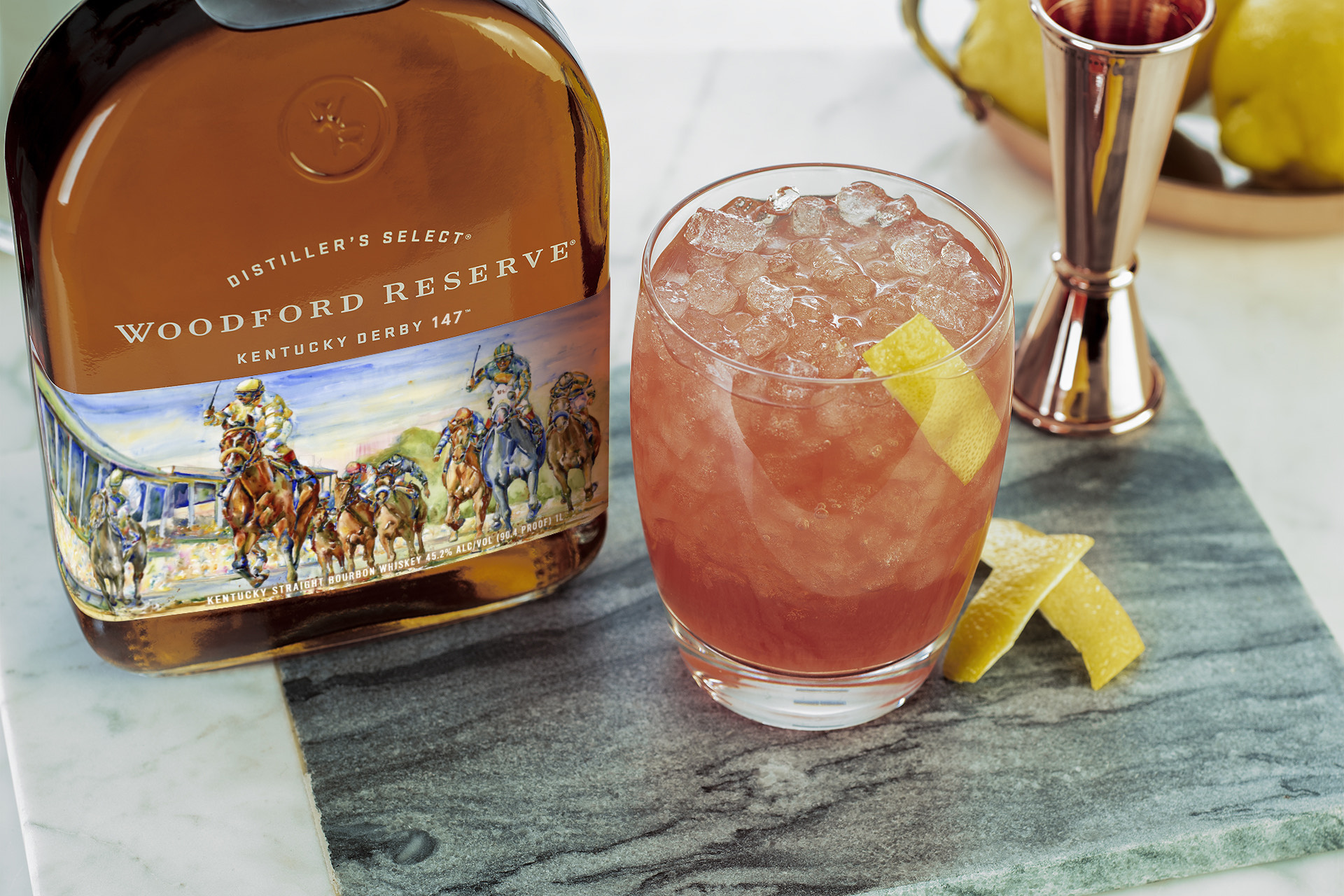
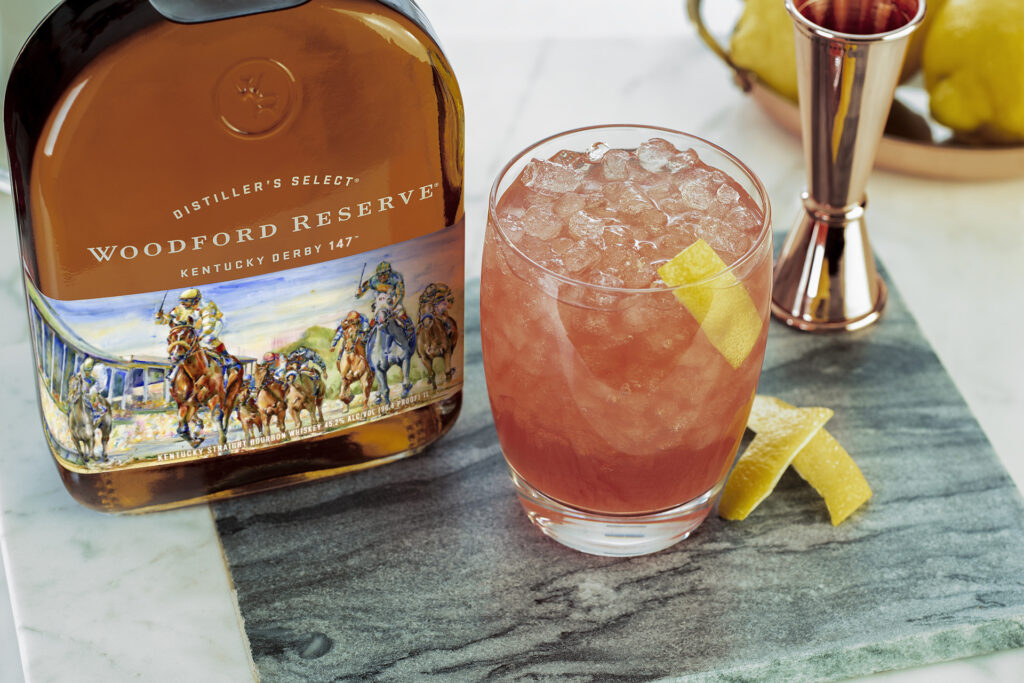
Woodford Spire Kentucky Derby cocktail

The 2021 Kentucky Derby takes place this Saturday, May 1. These cool drinks are perfect for the hottest two minutes in sports.

This year, the unbeaten Essential Quality is the favorite to win the 147th Run for the Roses. Hot Rod Charlie, Rock Your World, and Medina Spirit are also in consideration.

Personally, given the subject of this article—bourbon cocktails—we’d like to see Bourbonic take the first race in the Triple Crown.

Since Woodford Reserve is the official Presenting Sponsor of the Kentucky Derby, you can’t go wrong with the Woodford cocktails below.

Of course, the 2021 Woodford Reserve Derby Bottle makes these Derby drinks taste that much better.

Cheers!

Woodford Mint Julep

Recipe courtesy of Woodford Reserve

This is the traditional Derby Day cocktail. Churchill Downs will be pouring gallons of this classic.

Express the essential oils in the mint and rub them inside the glass (or a Julep cup, ideally). Add simple syrup, bourbon, and crushed ice. Stir, then garnish with more ice, fresh mint, and powdered sugar.

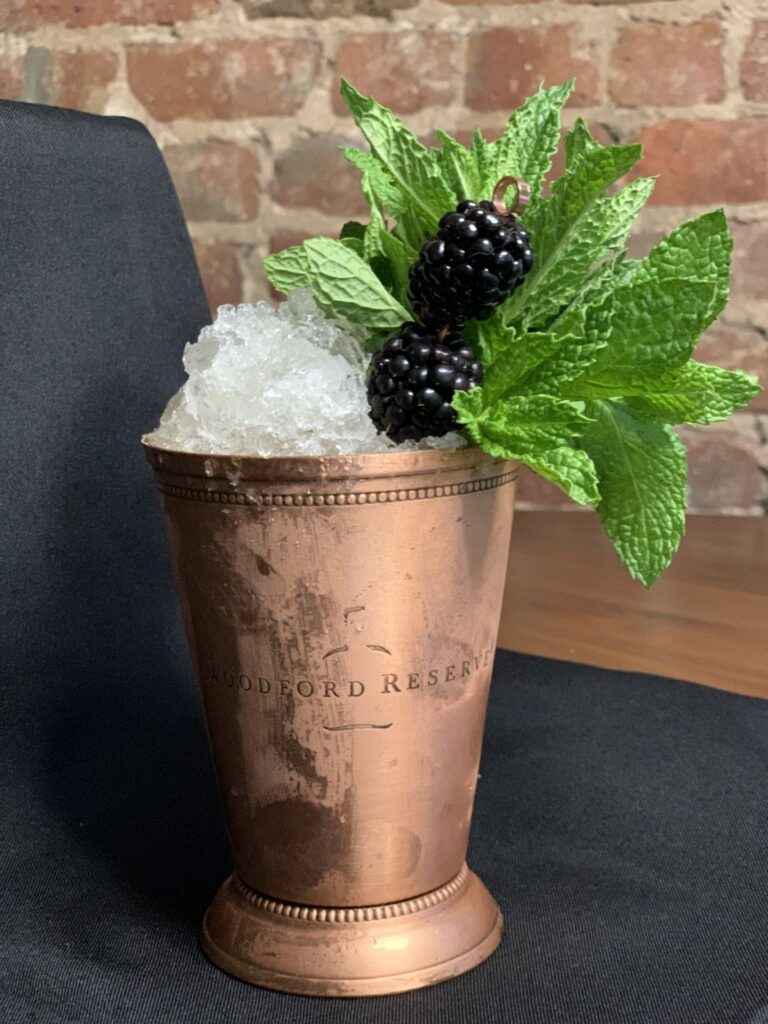
Mint Julep made with Woodford Reserve by Michael Toscano

NYC Mint Julep

Recipe by Michael Toscano, Woodford Reserve Brand Ambassador

As loyal Bar Hacks podcast listeners may already know, Michael Toscano knows his way around an irresistible Mint Julep. When you’re done with this article, click here to listen to Episode 32 of Bar Hacks with Toscano.

Muddle six blackberries with simple syrup and a healthy bunch of mint leaves (eight to ten). Add two ounces of Woodford Reserve Bourbon and fill the Julep cup with crushed ice. Stir and lift ice until the Julep cup is frosted. Garnish with two blackberries and a fresh sprig of mint.

Note: To build this cocktail precisely as Michael recommends on our podcast, add 1.5 ounces of Woodford to the Julep cup over crushed ice. Add more ice to create a mound on top of the cup, then float the remaining half-ounce of bourbon. Finish with a healthy dusting of powdered sugar and either nutmeg of powdered chocolate.

Woodford Spire Kentucky Derby cocktail

Woodford Spire

Recipe courtesy of Woodford Reserve

Some people may not know that this is the Official Cocktail of the Kentucky Derby. Most assume that title goes to the Mint Julep.

In a mixing glass, mix Woodford Reserve, lemonade and cranberry juice with a bar spoon. Pour into a copper cup, add crushed ice to the top of the glass, and serve with a lemon twist.

Zero-proof Woodford Spire

Recipe courtesy of Woodford Reserve

Those choosing to enjoy Kentucky Derby festivities without alcohol will appreciate this refreshing drink.

  • 2 parts Lemonade
  • 2 parts Unsweetened iced tea
  • 1 part Cranberry juice
  • Lemon twist to garnish
  • Crushed ice

Prepare and serve the same as the full-proof Spire.

Images: Woodford Reserve / Brown-Forman

by David Klemt David Klemt No Comments

Multi-gen Recipe Becomes RTD

Multi-gen Recipe Becomes RTD

by David Klemt

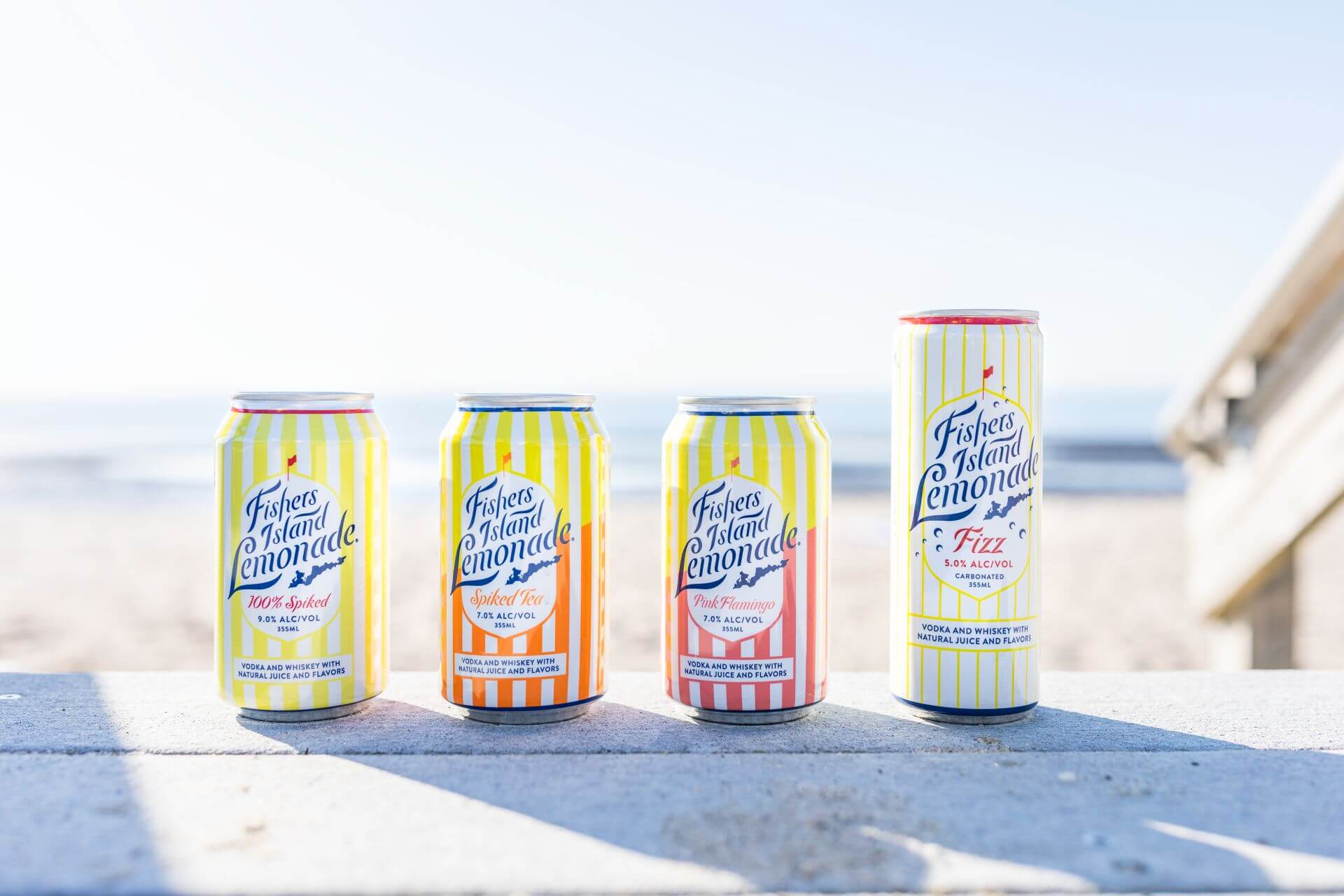
Fishers Island Lemonade cans and flavors

Not just another RTD, Fishers Island Lemonade is a premium brand that transforms a multi-generational recipe into a can cocktail.

Now, the brand is launching four new expressions, right in time for summer.

Let’s take a look at these craft RTD cocktails.

A Recipe with History

There’s only one place to drink on Fishers Island in New York, the Pequot Inn. The restaurant and bar is known for its signature cocktails.

One intrepid member of the Shillo family, who owned the Pequot for more than two decades, is putting her spin on one of the signature cocktails into cans.

Bronya Shillo tended bar at the Pequot when it was under her family’s ownership. She launched Fishers Island Lemonade (FIL) in 2014.

FIL’s original expression is a 9.0-percent blend of premium vodka, barrel-aged whiskey, lemon and honey. Now, the Original spiked lemonade has four new friends: Spiked Tea, Pink Flamingo, Fizz, and Frozen Spirits Pops.

Brand Expansion

Like Original FIL, the brand’s new lineup consists of signature cocktail recipes. In fact, you’ll find several FIL recipes on the brand’s website.

FIL Spiked Tea and Pink Flamingo both ring in at 7.0 percent ABV. The former is the original recipe with black tea, while the latter is made with cranberry.

Fishers Island Fizz is the lower-ABV version of Original FIL, coming in at a more sessionable 5.0 percent ABV.

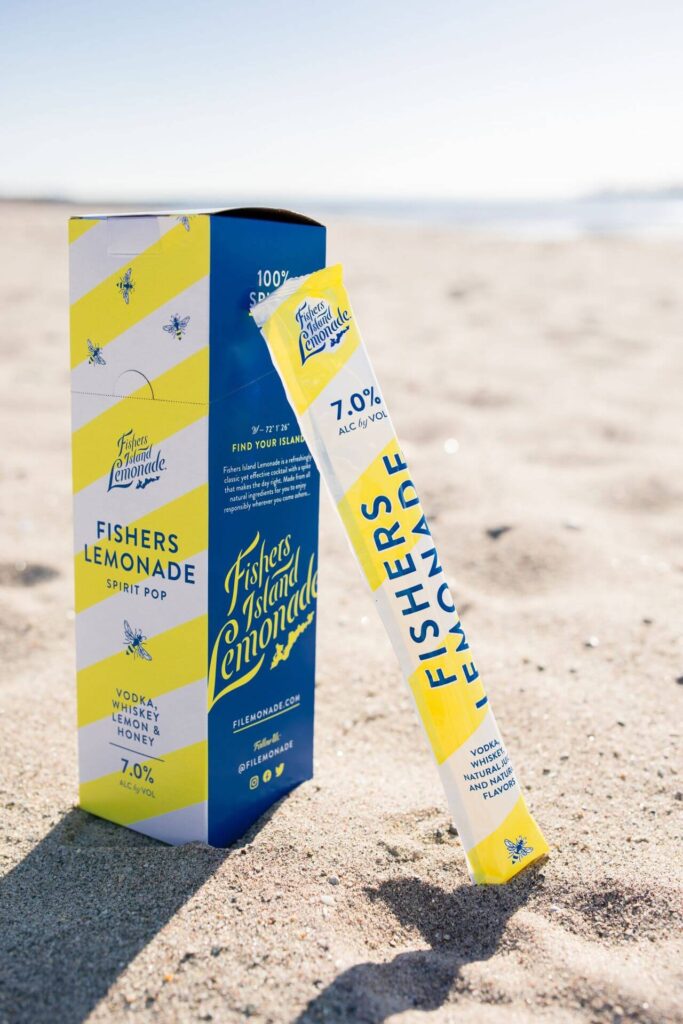
Fishers Island Lemonade Frozen Spirits Pops

Perfect for summer, FIL Frozen Spirits Pops are exactly what they sound like: popsicles made with Original FIL.

Finding FIL

Currently, FIL is available in Colorado, Connecticut, Georgia, Maine, Massachusetts, New Hampshire, New Jersey, New York, and Rhode Island.

However, the brand is utilizing direct-to-consumer sales to reach consumers across America. FIL is also available on Drizly.

A four-pack of FIL RTDs have an SRP of $15.99. The Frozen Spirits Pops come in ten-packs with an SRP of $27.99.

Images provided by Fishers Island Lemonade

by David Klemt David Klemt No Comments

Summer of White Claw 2.0?

Summer of White Claw 2.0?

by David Klemt

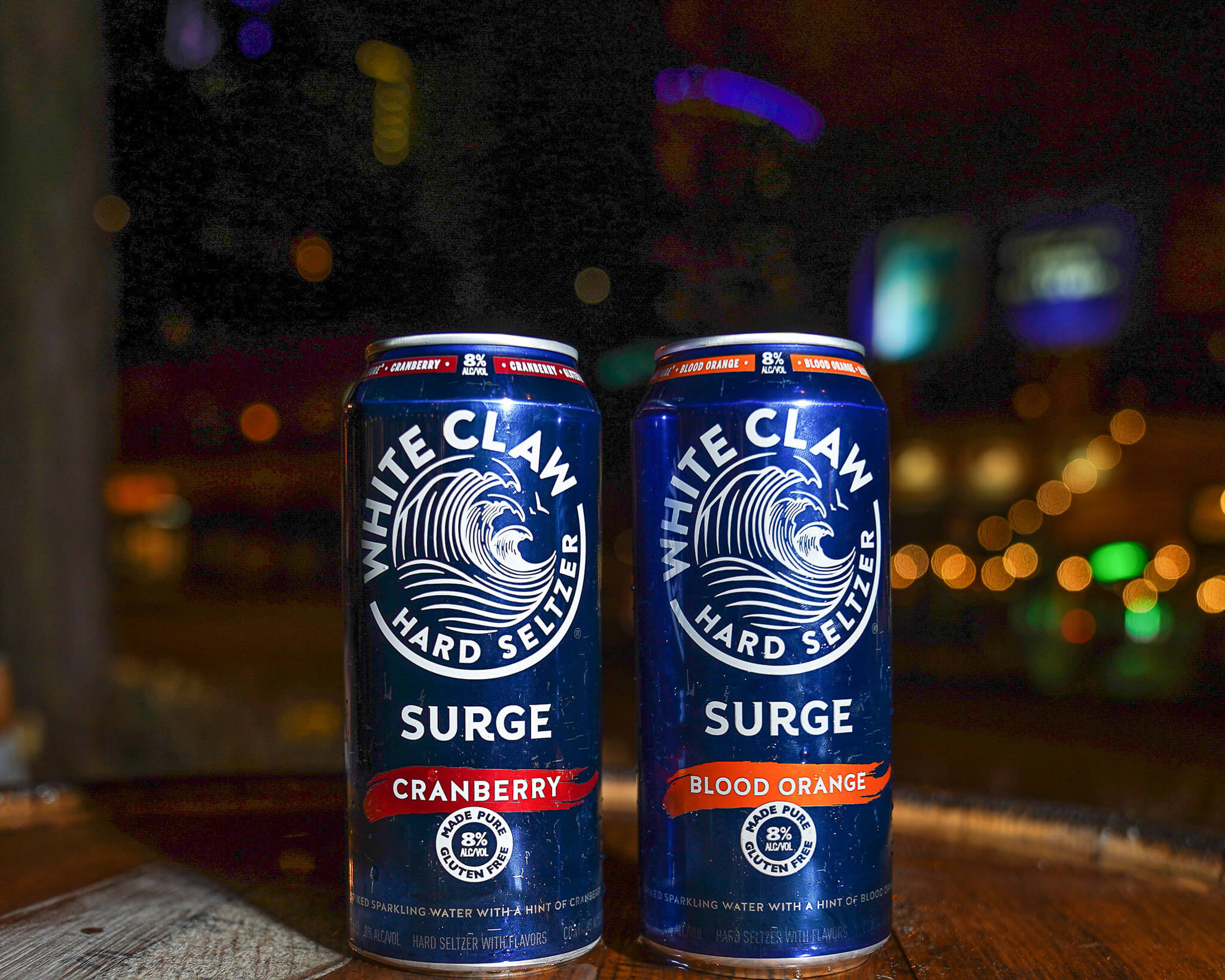
White Claw Surge Blood Orange and White Claw Surge Cranberry hard seltzer cans

White Claw is ready to leverage the surge in pent-up consumer demand to get out and party this summer with their latest innovation, Surge.

The new expressions are notable for several reasons. The most obvious, of course, is that they ring in at 8.0% ABV.

Odds are strong that we may be on the verge of a Summer of Surge.

Summer of White Claw 2.0

Let’s look back at the brief but bold history of White Claw.

Imagine it’s 2016. Hard seltzer isn’t quite the powerhouse beverage category that it is today. There’s no snappy, “Ain’t no laws when you’re drinking Claws,” tagline. Neither is there a “ClawLife” hashtag…yet. However, White Claw launches.

Fast-forward to 2018. Fanatics are sharing their devotion to White Claw all over social media. They’re tagging posts #ClawLife. The memes are everywhere, as are the white cans of hard seltzer.

That leads us to 2019. It almost seems simpler to ask what Big Brands aren’t trying to copy White Claw’s success. Try as they might, nobody dethrones King Claw.

Summer 2019 is the Summer of White Claw. The brand essentially singlehandedly grows hard seltzer into the powerhouse beverage category it is today.

In 2021, the hard seltzer kingpin certainly seems set to take over summer once again with White Claw Surge Cranberry and White Claw Surge Blood Orange.

Surging Forward

White Claw Surge’s higher ABV—a boost from 5.0% to 8.0%—isn’t the only departure from the “standard” Claws.

Surge is available only in 16-ounce cans, whereas standard White Claw comes in 12-ounce cans and tall boy versions are 19.2 ounces.

Another big difference? Standard White Claw flavors in 12-ounce cans contain 100 calories. Surge, with 220 calories, has more than twice that amount.


View this post on Instagram


A post shared by White Claw Hard Seltzer (@whiteclaw)

Should White Claw Surge perform as expected, it will represent an interesting evolution in hard seltzer. For many, hard seltzer is a stand-in for beer and other beverage alcohol options because of its low calorie count. If higher-proof, high-calorie hard seltzer becomes popular, it’s a notable shift in consumer behavior.

#ClawLife 2.0

Surge isn’t the only innovation coming from White Claw in time for Summer 2021.

The new White Claw Iced Tea flavors will likely prove to be a popular refresher as the weather gets warmer. These expressions—Lemon, Raspberry, Mango, and Peach—are 100 calories and 5.0% ABV (in 12-ounce cans) like standard Claws.

There are also three new expressions of White Claw available in Variety Pack Flavor Collection No. 3: Strawberry, Pineapple, and Blackberry.

With all of these new hard seltzers on the market and pent-up consumer demand, it’s difficult to see how we’re not headed toward Summer of White Claw 2.0.

Image: White Claw

by David Klemt David Klemt No Comments

Las Vegas CEO Offers Vaccination Bonus

Las Vegas CEO Offers Vaccination Bonus

by David Klemt

The Cosmopolitan on the Las Vegas Strip

One CEO in the hospitality and lodging industries is offering employees a bonus for getting the Covid-19 vaccine.

William McBeath, president and CEO of The Cosmopolitan of Las Vegas, is incentivizing the resort’s staff with cash bonuses.

Conversely, workers who decline inoculation must take weekly Covid-19 tests.

Cash Incentive

Per the Review-Journal, the largest daily newspaper in Nevada, McBeath is using a tiered approach to the bonuses.

If the resort meets the vaccination goal, the property could pay $1 million to staff.

According to reporting, The Cosmo is pushing for at least 80 percent of staff to receive first doses of a Covid-19 vaccine by the first of May.

The tiered system works as follows:

  • 60 Percent Vaccination Rate: $50
  • 70 Percent Vaccination Rate: $100
  • 80 Percent Vaccination Rate: $250
  • 90 Percent Vaccination Rate: $350
  • 100 Percent Vaccination Rate: $500

The most an employee stands to make is a one-time bonus of $500. Clearly, the 80 percent vaccination rate bonus is an amount the resort finds motivational and a reasonable cost.

Weekly Tests

There are a number of reasons someone may decide against a vaccine. Operators must understand that vaccination is a personal choice.

Requiring staff receive vaccinations is a slippery slope. Setting aside legal ramifications, doing so will likely result in staff attrition, awful PR, and long-term damage to a business.

That’s to say nothing of the failure in emotional intelligence that forcing vaccinations on employees would highlight.

Instead, McBeath’s approach respects an individual worker’s autonomy. The president and CEO isn’t forcing The Cosmo’s staff to receive vaccines. Rather, he’s incentivizing workers to reach the goal set for the resort.

There are no credible reports of Cosmopolitan employees facing termination for refusing vaccination. I was also unable to find any reports of retaliation.

According to Review-Journal reporting, unvaccinated workers will undergo Covid-19 testing. Starting May 1, Cosmo employees who work a maximum of three days per week will be given a test once per week. Those who work four or more days per week will be tested twice per week.

Nevada Seeks to Increase Occupancy Limits, Reopen State

McBeath’s May 1 deadline makes even more sense when one considers current occupancy limits and reopening plans.

Currently, casinos in the Silver State are operating at 50-percent capacity. On May 1, the Nevada Gaming Control Board will be responsible for deciding gaming floor occupancy. In preparation, the NGC wants more of Nevada’s hospitality workers to receive vaccinations.

Additionally, Governor Steve Sisolak has set a June 1 date against reaching 100-percent occupancy statewide. So, The Cosmo’s goal of 80-percent staff inoculation by May 1 makes a lot of sense.

Operators in hospitality and lodging can use McBeath’s incentive program in their own businesses. If it’s crucial to them and their businesses, operators should set a staff vaccination rate goal and implement a bonus schedule that appeals to workers while remaining realistic.

Image: Zachary DeBottis from Pexels

by David Klemt David Klemt No Comments

5 Books to Read this Month

5 Books to Read this Month

by David Klemt

Flipping through an open book

Spring is traditionally the time when we’re meant to reinvent or otherwise better ourselves. These books can help you do just that.

Some will help you expand or enter this business, others will boost your marketing and social media, and a couple will help you refresh your drink menu.

With restrictions easing and vaccination rates in the United States growing, now’s the time to improve yourself and your business.

Prepare now for pent-up demand for in-person dining and drinking.

Food Truck Business Guide for Beginners

Looking to enter this industry with a food truck or expand your existing business with one? This book is a great place to start.

Food Truck Business Guide for Beginners is a comprehensive guide that covers:

  • common mistakes that lead to food truck failure, and exactly how to avoid them;
  • the most successful ways to secure funding;
  • how to master marketing;
  • best practices for passing health inspections;
  • tackling and mastering marketing for your business;
  • and many more topics.

The Terroir of Whiskey: A Distiller’s Journey Into the Flavor of Place

Dr. Rob Arnold is a plant biochemist and the master distiller at TX Distillery. To say he understands the science of whiskey and terroir is obvious.

What’s less obvious is the direction Dr. Arnold’s book heads into. He takes readers to distilleries in Kentucky, Ireland, Scotland and elsewhere, but he takes things further.

In The Terroir of Whiskey, Dr. Arnold shines a light on plant breeders, local farmers, and distillers bringing back “lost” grains. These same innovators are also attempting to create new grains to further develop terroir.

This book will definitely enhance your whiskey knowledge and engagement with guests.

Rad Cocktails

Yes, this book’s description states that it focuses on the home bartender.

No, that doesn’t mean bartenders, operators, and other hospitality pros can’t learn from it.

Rad Cocktails, in addition to including awesome illustrations, also embodies a growing cocktail trend: simplification. Innovative cocktails don’t have to be complicated or take ten minutes to build.

Beautiful Booze: Stylish Cocktails to Make at Home

Natalie Migliarini, also known as Beautiful Booze, has more than 95,000 followers on Instagram. Her cocktail recipes, photographs and mastery of social media help her stand out in a roiling sea of influencers.

Her first book, Beautiful Booze: Stylish Cocktails to Make at Home, also targets home bartenders…on the surface. This book, creative cocktail recipes, can help elevate anyone’s bartending skills. The beautiful photography will also help inspire anyone to take their social media shooting to the next level.

Hacking the New Normal: Hitting the Reset Button on the Hospitality Industry

Alright, this may seem self-serving. However, I wouldn’t have written the foreword for a book I didn’t believe this book would truly help people.

Millions of hospitality industry professionals’ lives were imperiled at the start of last year. We continue to innovate and adapt to overcome unprecedented challenges.

Hacking the New Normal addresses the need for an industry-wide reset and seeks to guide operators through rebuilding for the long term, and to strengthen the industry moving forward.

Image: Mikołaj on Unsplash 

by David Klemt David Klemt No Comments

Stand Out with Weird Holidays: April

Stand Out with Weird Holidays: April

by David Klemt

Stay Weird neon sign with purple background

Want to stand out from from other restaurants and bars in your area? Then commit to keeping it weird.

Several “holidays” are set against every date on the calendar. They range from mainstream to food focused to weird.

Focus on the latter to raise eyebrows, carve out a niche for your restaurant or bar, and attract more guests.

Of course, you shouldn’t try to celebrate every holiday, weird or otherwise. Focus on the days that are authentic to your brand; resonate with your guests; and help you grab attention on social media.

April 14: National Reach as High as You Can Day

This is a holiday that will likely work best on social media. Just like there’s always a holiday and people like to say “there’s always a tweet,” there’s always a hashtag.

Use this day (and its accompanying hashtag) to highlight staff who want to participate, along with your venue.

Of course, if you want to involve your guests in person, go for it. Put your head together with your staff and get creative.

April 15: National Take a Wild Guess Day

You can take promotions centered around this day in several directions. The simplest way is to use the holiday to engage with followers on your social channels.

Consider borrowing from the “wrong answers only” posts on Instagram. Post a blurred, pixelated or “censored” item, like a bottle. In the caption, ask followers to “guess” what it is—wild guesses only.

This holiday also works well with blind tasting events.

April 16: Wear Pajamas to Work Day

I’d say this holiday is fairly self-explanatory. Let your front-of-house staff participate by wearing pajamas, with full team buy-in. Or, encourage your guests to wear their pajamas to your restaurant or bar.

If this holiday fell on a Saturday or Sunday, this would be a great day for a brunch promo. Of course, there’s nothing to say you can’t execute a Friday brunch.

April 16: National Bean Counter Day

In the United States, this holiday is taking place a month before the Tax Day deadline. If you’re so inclined, you could offer a deal to all the tax preparers and accountants in your area.

Although, you can also go a completely different direction. You can fill a large jar with beans—coffee would be great—and have guests guess how many there are. You can even post the jar full of beans to social, encouraging follower engagement. Closest guess wins a prize.

April 22: National Jelly Bean Day

Oh, hey… Remember that bean-counting holiday from way up there? I wonder if that bean-guessing idea would work for this holiday…

April 23: National Talk Like Shakespeare Day

If you think you or your social media manager can handle it, encourage your followers to describe your restaurant or bar as though they’re the Bard himself.

Or, as a Shakespearean translator would explain it, “Encourageth thy followeth’rs to describeth thy restaurant ‘r bar as though those gents’re the Bard himself.”

April 25: National DNA Day

Yesterday, I shared how our DNA plays a significant role in how we perceive bitter flavors. National DNA Day would be a great time to plan and execute a PTC strip and cocktail event.

April 27: National Tell a Story Day

How well do your loyal guests know you and your brand? How well do they know your staff?

National Tell a Story Day is an excellent time to leverage the story features on your social channels. Show off the venue and tell your brand’s story. If you have team members who want to participate and tell share a story, that’s a great way to engage with followers and guests.

April 28: National Superhero Day

If there was a ever a day to encourage your staff and/or guests to dress up for a fun time… National Superhero Day also leverages Shudder’s “Halfway to Halloween” event.

To take this holiday in another direction, you can also celebrate members of your community who give back to others by giving back to them.

“Weird” holidays aren’t just a dynamic way to engage with guests. Asking your team for ideas for holiday promotions is an excellent way to keep them engaged, which is a smart way to retain staff.

Image: Dan Parlante on Unsplash 

by David Klemt David Klemt No Comments

Let’s Talk About Bitcoin

Let’s Talk About Bitcoin

by David Klemt

A Bitcoin on top of a $100 bill

Bitcoin and cryptocurrency in general are no strangers to media attention, but it seems like the coverage is increasing.

Of course, it helps when people who are excellent at garnering attention talk about it. Consider the explosion in news stories and online conversations about cryptocurrencies when Elon Musk tweeted about Dogecoin.

Then there’s the mystery factor. Many people don’t understand Bitcoin, Ethereum or other forms of cryptocurrency. The word itself—”crypto”—lends to the enigmatic air of this form of currency.

As a business owner, you should at least have a cursory understanding of cryptocurrency. After all, some people may try to pay you with it and you should at least consider meeting these guests where they are.

Before we proceed: I’m not a cryptocurrency or financial expert. I’m sharing information I’ve come across in my research over the years. Don’t make any financial or business decisions solely based upon what you read here—learn more for yourself and consult with experts before making investment decisions.

Crypto is Relevant to Our Industry

I’ve written about cryptocurrency—Bitcoin in particular—in the past. In one article, I wrote about a “nightclub” within a nightclub in Las Vegas devoted to cryptocurrency.

The club, MORE, had its own “coin” (MORE Coin), accepted other cryptocurrencies, and tailored its experience to crypto fanatics. It has become more of a members’ club, offering access to and preferential treatment at an array of venues, along with other perks. The club’s coin is purchased via Bittrex, a popular exchange platform

There are also hotels in Las Vegas (and other cities, of course) that accept cryptocurrencies like Bitcoin for rooms. Bitcoin ATMs scattered throughout Vegas allow people to access their wallets and convert crypto to cash.

Paying with crypto may become more commonplace than we think, sooner than we think.

Crypto Basics

Let’s address the term “cryptocurrency.” In this case, “crypto” is a reference to the encryption technology that protects a cryptocurrency network.

Bitcoin and other digital tokens, such as Ethereum and Dogecoin, are decentralized currencies. That is, there’s no main server, no government, no bank that controls or owns the network.

A digital token is incredibly difficult—if not impossible—to counterfeit or “double-spend.” This is due to sophisticated encryption technology and the blockchain.

The blockchain is a peer-to-peer distributed ledger technology that makes it incredibly difficult (again, if not impossible) to take over a crypto network. Every transaction is public knowledge; open to inspection; duplicated and distributed throughout an entire network; and  unalterable.

It’s that last point that made Bitcoin viable. Unlike attempts in the past to create digital currencies, the blockchain makes crypto trustworthy in that someone can’t just make up a new currency, wait for people to buy in, and then take it all for themselves.

Bitcoin has become synonymous with cryptocurrency. It’s the first viable digital token as we know it, the most popular, and at the moment, the most valuable.

Interestingly, it’s widely accepted that Ethereum is the second-most popular digital token but the most-utilized blockchain.

Finally, Bitcoin is finite. There are exactly 21 million Bitcoins—that’s it. Once they’re all mined, no more will be made.

Beyond the Basics

Fewer than 2.4 million Bitcoins remain to be mined. Currently, one Bitcoin is worth about $58,000.

A person uses a digital “wallet” to send and receive Bitcoin. Some people store their unique wallet on their computer; a separate and dedicated hard drive; a thumb drive; or a “cold” wallet, a device that’s not connected to the Internet to protect it from hackers.

If a person loses their wallet or password, they lose their Bitcoin(s).  There’s no way yet to know how many of the 21 million Bitcoins have been lost.

Bitcoin is a software system. Therefore, it can be copied. That’s the reason crypto beyond Bitcoin—such as the aforementioned Ethereum and Elon Musk-promoted Dogecoin—exists.

One of the biggest questions people have about bitcoin is, “Is this a scam?” Search online and you’ll get a mix of results.

There are high-profile people like Jack Dorsey and Elon Musk who are apparently heavily invested in crypto. There are critics calling the whole thing a scam and fraud. Then there are some former critics, like Jordan “The Wolf of Wall Street” Belfort, who were highly critical and suspicious of crypto but have changed their tunes.

Support from hotels, restaurant chains, financial institutions and other legitimate businesses seems to answer the scam question. However, operators must proceed with caution, as they would for any change in their business or investment.

Accepting Bitcoin Payments

Businesses that decide to accept Bitcoin and/or other digital tokens will need a POS app or platform to do so.

Starbucks is reportedly using Bakkt to accept Bitcoin.

Other options include BitPay Checkout, Bitcoin Cash Register, Anypay, and Paytomat.

Some solutions create a QR code the guest scans with their phone to complete a transaction. Others convert digital tokens to cash to accept payment.

It’s important to note that the IRS treats cryptos differently than US dollars. Before choosing to accept cryptocurrencies as payment, consult with your tax professional and accountant to ensure you don’t run afoul of any laws.

Canadian operators should note that while crypto is legal in the country. However, only the Canadian considered official legal tender in Canada. Again, this is why it’s so important to consult relevant experts before proceeding with crypto in your business.

Disclaimer

The information provided in this post does not constitute investment advice, financial advice, trading advice, or any other sort of advice. Neither the author nor KRG Hospitality recommend that any cryptocurrency should be bought, sold, or held by you. Conduct your own due diligence and consult your financial advisor before making any investment decisions.

Image: Bermix Studio on Unsplash 

by David Klemt David Klemt No Comments

CDC Updates Mask, Gathering Guidance

CDC Updates Mask, Gathering Guidance

by David Klemt

Vials of Covid-19 vaccine

On the heels of some states rescinding mask mandates, the Centers for Disease Control updates safety guidelines.

The CDC’s guidance focuses on vaccinated people.

Key Changes

Per the CDC, people who are vaccinated can meet indoors with one another. These indoor meetings can take place without masks.

Of particular note, the CDC says these people can meet up indoors with one unvaccinated household as long as they’re at “low risk” of serious illness.

Equally interesting, the latest guidance claims that if a fully vaccinated person is exposed to someone with Covid-19, they don’t need to quarantine if they’re not showing symptoms.

Importantly, these guidelines address fully vaccinated people, not those awaiting their second shot.

Masks & Public Gatherings

The CDC still recommends masks, social distancing, avoiding crowds, and staying away from spaces with poor ventilation.

Those who are fully vaccinated should exercise those recommendations whenever they’re in public; gathering with people are unvaccinated from more than a single household; meeting with anyone with increased risk of severe illness or death should they be infected with Covid-19.

Vaccinated or not, the CDC recommends people avoid medium- or large-sized gatherings and domestic and international travel.

Workplaces should still follow CDC guidance for employees not working exclusively from home.

Important Details

The CDC says a person is “fully vaccinated” if they meet one of two criteria:

  • It has been two weeks since they’ve received their second dose of a two-dose Covid-19 vaccination (Moderna, Pfizer, for example).
  • It has been two weeks since they’ve received a single-dose vaccine (example: Johnson & Johnson).

Anyone who needs to receive a second shot isn’t fully vaccinated. The same holds true if it has been less than two weeks since being vaccinated.

Per the CDC webpage: Everyone, “even people who’ve had their vaccines—should continue taking basic prevention steps when recommended.”

Click here to review the CDC’s new guidance. Remember that health and safety  protect yourself, your staff, your guests and your community.

Image: torstensimon from Pixabay

by David Klemt David Klemt No Comments

Senate Boosts RRF to $28.6 Billion

Senate Boosts RRF to $28.6 Billion

by David Klemt

Lower-case neon open sign

On Saturday, the Senate approved their version of the $1.9 trillion Covid-19 relief bill along party lines.

Next, the bill will go back to the House and could receive a vote as early as tomorrow.

Boost to RRF?

According to several sources, the Senate’s version of the American Restaurant Plan Act (ARPA) includes a $3.6 billion boost to the $25 billionRestaurant Revitalization Fund (RRF).

If that’s accurate and the House passes this version of the ARPA, the RRF has $28.6 billion to disburse.

Five billion dollars will be set aside specifically for businesses that grossed less than $500,000 in receipts in 2019.

Mostly a Good Start?

The RRF is modeled on the RESTAURANTS Act.

Unfortunately, it isn’t funded like the RESTAURANTS Act. The industry has been campaigning for nearly a year for a $120 billion fund.

More than 110,000 restaurants and bars have been lost throughout the United States permanently. In addition, the industry has lost around $220 billion in sales.

The RRF isn’t even a quarter of what the industry was asking for in terms of help from elected officials.

Still, if managed properly, the RRF is much-appreciated and much-needed relief for small and mid-sized operators.

The Details (So Far)

The Small Business Association (SBA) will manage the RRF. For the first 21 days, businesses owned or controlled by women or veterans—or that are economically and socially disadvantaged—will be prioritized for grants.

Maximum amounts for grants are $5 million per individual restaurant or $10 million per restaurant group.

Established restaurants can calculate their grants thusly: 2019 revenue minus 2020 revenue minus PPP loans. For restaurants that were opened in 2019, the calculation is the average of 2019 monthly revenues times 12 minus 2020 revenues. Restaurants opened in 2020 are eligible to receive funding equal to eligible expenses incurred.

Grants can be spent on eligible expenses from February 15, 2020 through December 31, 2021. However, the SBA may extend that period through two years from enactment.

Eligible expenses include but are not limited to:

  • payroll and benefits;
  • mortgage (no prepayment);
  • rent (no prepayment);
  • utilities, maintenance;
  • supplies (including PPE and cleaning materials);
  • food;
  • operational expenses;
  • covered supplier costs (as defined by the SBA under the PPP program); and
  • sick leave.

The fight for relief isn’t over. Please click here to tell your representatives to pass ARPA and the RRF immediately.

Image: Finn Hackshaw on Unsplash

by David Klemt David Klemt No Comments

What’s in the Senate Relief Package?

What’s in the Senate Relief Package?

by David Klemt

United States Capitol Building rotunda ceiling painting

As expected, the Senate version of the latest Covid-19 relief bill is different from the one passed by the House.

The changes will require the bill to be kicked back to the House, adding to the pressure to get relief to Americans before March 14.

Things may change but below are some of the differences between the two versions.

$15/hour Minimum Wage

This provision is dead in both houses of Congress.

That should come as no surprise as the boost to federal minimum wage was declared dead in the water by Senate Parliamentarian Elizabeth MacDonough even before the House voted on the American Rescue Plan Act.

According to reports, removing any and all language that raises federal minimum wage to $15 an hour is the biggest change between the House and Senate versions of ARPA.

Direct Payments to Americans

Chatter online indicates that Senate Democrats are in favor of a drastically lower threshold for $1,400 direct stimulus payments.

The House version of the American Rescue Plan Act of 2021 calls for $1,400 economic impact payments with the following parameters:

  • Individuals earning an adjusted gross income (AGI) up to $75,000.
  • Married couples earning an AGI up to $150,000.
  • Payments phase out, reaching $0 for individuals earning AGI over $100,000 and married couples earning AGI over $200,000.

The Senate version calls for $1,400 payments to phase out entirely for individuals earning an AGI of $80,000 and married couples with an AGI of $160,000.

Restaurant Revitalization Fund

Let’s be honest, this is why you’re here. Is the RRF safe?

There’s nothing that shows the $25 billion fund is in danger from the Senate. That said, there’s one threat to ARPA in general, “minor” as it may be: game-playing politicians.

Unsurprisingly, Republicans view ARPA as too expensive, too favorable of Democrat’s priorities, and insufficient for addressing the reopening of businesses, schools, and fighting Covid-19.

Those concerns in and of themselves aren’t akin to playing games, nor are they invalid. Vote-a-rama, however, is a time-wasting stalling tactic that allows senators to propose literally hundreds of amendments to a bill. The time limit for vote-a-rama? There isn’t one—it lasts until senators get tired or bored.

Speaking about a coordinated plan to engage in vote-a-rama, Senator Rand Paul (R-KY), said he’s “hoping for infinity. There are people talking about trying to set up a schedule and having it go on and on.”

Take Action

Americans simply do not have time for politicians on any side of the aisle to play games. Good-faith negotiations are one thing, delay tactics that last for “infinity” are another.

We’re still in the midst of a pandemic, people are unable to pay their bills, they’re going hungry, and business owners and their employees are suffering.

It seems some politicians have made up their minds and are committed to dragging out the process of passing ARPA and the RRF contained within but we still have our voices. Follow this link to tell your representatives to pass ARPA and RRF now.

Enough games, enough delays, more action.

Image: GO Educational Tours from Pixabay 

Top