Hotel

by David Klemt David Klemt No Comments

5 Books to Read this Month: October

5 Books to Read this Month: October

by David Klemt

Flipping through an open book

This month’s fun and informative book selections will help you develop next-level culinary, beverage and leadership skills this October.

To review September’s book recommendations, click here.

Let’s dive in!

Restaurant Marketing That Works: Back to the Basics: Before, During & After the Pandemic

Bar Hacks podcast guest and expert restaurant marketer Matt Plapp’s most recent book provides everything you need to supercharge your marketing and engagement efforts. Matt makes understanding the basics, collecting guest data and building an effective database, and boosting engagement easy. This is the best $7 (for the paperback) you’ll ever spend.

Spirits of Latin America

Revered James Beard Award-nominated bartender and operator Ivy Mix takes readers on a cultural and historical journey through Latin America’s spirits and cocktails. Spirits of Latin America is the 2021 Spirited Award for Best New Book on Drinks Culture, History or Spirits and features more than 100 recipes.

Drinking French

This book is the winner of the 2021 Spirited Award for Best New Cocktail or Bartending Book. Author David Lebovitz dives deep into French drinking culture through 160 recipes and beautiful photography. Readers will learn how to drink like the French do through classic and modern drinks, snack pairings, and stories.

Grit: The Power of Passion and Perseverance

Author Angela Duckworth explains why grit, not talent, is the best indicator of perseverance. Grit is the book Jennifer Radkey references in her most recent article for KRG Hospitality. If you want to change the way you hire and build teams, this is the book for you.

Death & Co Welcome Home

The third book from Alex Day, Nick Fauchald, and David Kaplan, the team behind Death & Co., features more than 400 recipes. Now, while this book targets home bartenders, it’s also beneficial to bar professionals as it delves into the Death & Co. cocktail development program. Is that worth a $35 investment? Absolutely.  Death & Co. Welcome Home is available now for pre-order.

Image: Mikołaj on Unsplash

by David Klemt David Klemt No Comments

Stand Out with Weird Holidays: October

Stand Out with Weird Holidays: October

by David Klemt

Stay Weird neon sign with purple background

Want to stand out from from other restaurants and bars in your area? Then commit to keeping it weird.

Several “holidays” are set against every date on the calendar, and October is no exception. These holidays range from mainstream—Halloween, anyone?—to food-centric to weird.

Pay attention to the latter to raise eyebrows, carve out a niche for your restaurant or bar, and attract more guests. Why do what everyone else is already doing?

Of course, you shouldn’t try to celebrate every holiday, weird or otherwise. And this month’s list in no way includes every odd holiday.

Focus on the days that are authentic to your brand; resonate with your guests; and help you grab attention on social media.

For September’s list, click here.

October 3: National Boyfriend Day

I’m pretty sure you understand exactly what this holiday honors and how to encourage guests to celebrate it. Invite people into your restaurant or bar to treat their boyfriend to a bite, drink, and good time.

October 6: National Noodle Day

Do you have noodles? Like to sell them to guests? Enjoy creating LTOs and specialty noodle dishes? This is the holiday to celebrate all of your favorite things with your guests.

October 8: National Fluffernutter Day

Ah, Fluffernutter. Marshmallow fluff resonates with a lot of people, particularly ’80s and ’90s kids. National Fluffernutter Day is the perfect holiday to leverage nostalgia, creative cocktails and desserts, cooling temperatures, and candy.

October 9: National Motorcycle Ride Day

One of the best parts about cruising in a group on motorcycles is stopping to refuel at a restaurant or bar. Encourage your bike-riding guests to begin, take a break during, or end their group ride at your venue.

October 11: National Kick Butt Day

No, this isn’t a day about literally kicking any butts. Instead, this holiday is about motivating people to take the necessary steps to realize their dreams and achieve their goals. Encourage your guests to take steps to reach their goals and celebrate doing so at your business.

October 13: National Emergency Nurse’s Day

Nurses always deserve our thanks. However, I think we can all agree that the past 18 months have been particularly difficult and overwhelming for nurses. Offer the emergency room nurses (all nurses, really) an amazing food or drink promotion to thank them for all they do.

October 15: National Grouch Day

While this holiday focuses on letting people let their grouch flag fly, operators can take a different direction. Why not offer people a place and promotion to get out of their funk through great food, amazing drinks, and a fantastic time?

October 17: Wear Something Gaudy Day

I mean, this holiday is two weeks out from Halloween—people are willing to make any excuse to dress up.

October 21: Get to Know Your Customers Day

Do you really want to boost your bottom line? Get to know your customers. Really, this holiday is for you. Use this day to implement guest data-collecting practices and train your team to obtain this valuable information. Learn more about why and how to build a guest database on episode 51 of Bar Hacks with Matt Plapp.

October 25: Sourest Day

There are multiple ways to approach Sourest Day. Some say it’s about eliminating the “sour” people in our lives. Others use it to enjoy sour candies which, admittedly, is perfect for Halloween month. For operators, promoting sour beers and cocktails is likely a winning strategy.

October 29: National Breadstick Day

Unless someone is counting their carbs strictly, everyone enjoys a breadstick. In reality, not many people have the discipline to enjoy just one. If you’ve got breadsticks on your menu, you know what to do on this holiday.

Image: Dan Parlante on Unsplash

by David Klemt David Klemt No Comments

2021 Spirited Awards Winners

Congratulations to the 2021 Spirited Awards Winners

by David Klemt

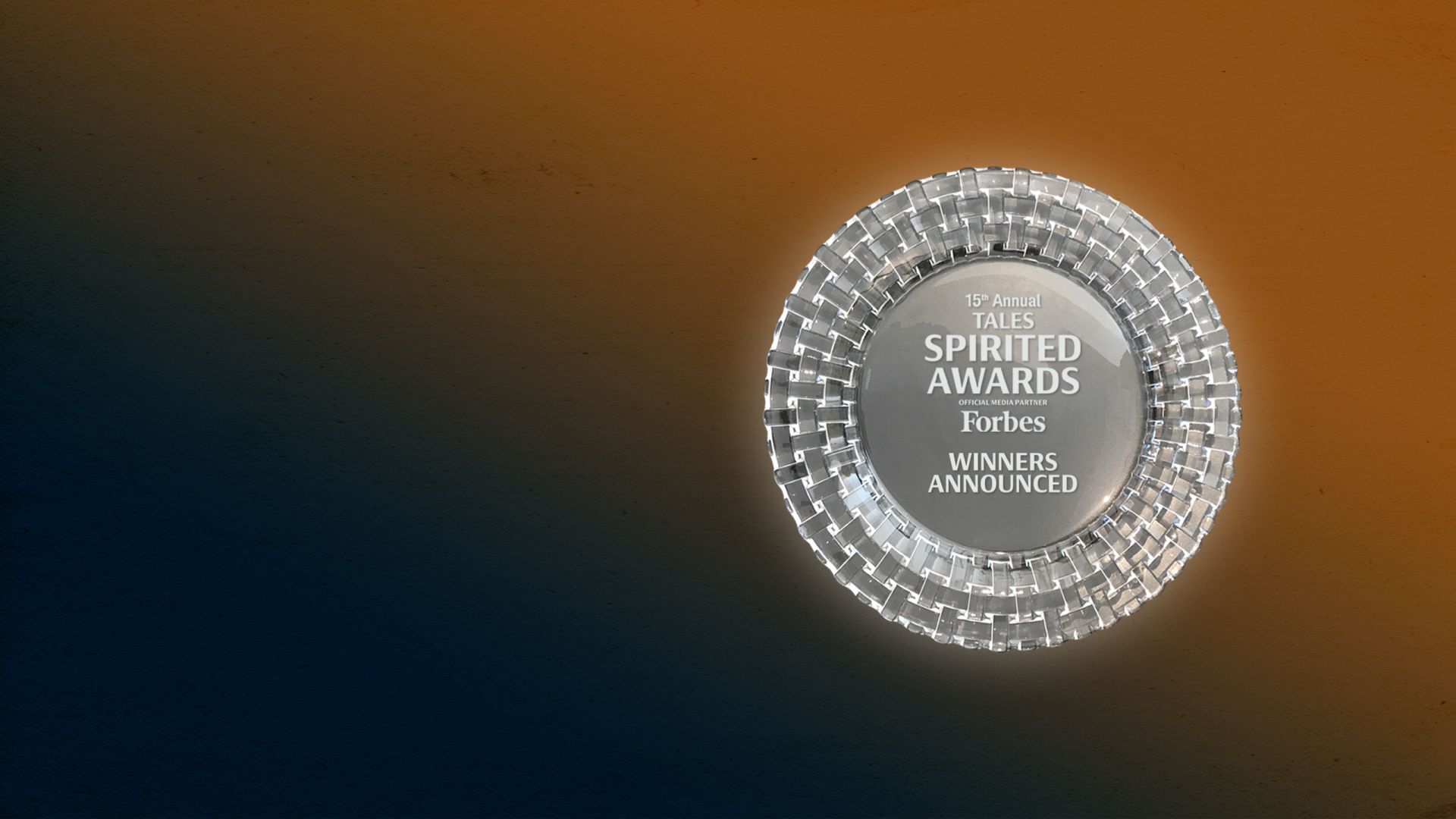
15th annual Tales of the Cocktail Spirited Awards winners 2021

The Tales of the Cocktail Foundation and Forbes, this year’s Spirited Awards official media partner, have announced the 2021 winners.

Due to the incredible difficulty of the past 18 months, Tales felt it was necessary to acknowledge the hospitality industry’s innovation, determination, and drive to survive.

To that end, this year’s Spirited Awards are different than years’ prior, honoring select categories the foundation felt could be judged fairly.

“We always knew we were a truly determined, tenacious community, but the way in which we’ve seen our peers navigate this year with such grace and grit has been nothing short of incredible,” says Eileen Wayner, CEO of the  Tales of the Cocktail Foundation. “Tales of the Cocktail Foundation is proud to recognize the winners of the 15th Annual Spirited Awards, and we thank them for their outstanding contributions that are advancing the beverage industry.”

2021 Spirited Awards®  Winners

Helen David Lifetime Achievement Award presented by William Grant & Sons

Pioneer Award presented by The Blend

Timeless International Award presented by Perrier

Timeless U.S. Award presented by Q Mixers

2021 Writing and Media Spirited Awards® Winners

Best Cocktail & Spirits Publication presented by Diageo Bar Academy

Best Broadcast, Podcast, or Online Video Series presented by Diageo Bar Academy

Best Cocktail & Spirits Writing presented by Tales of the Cocktail Foundation

Best New Cocktail or Bartending Book presented by Diageo Bar Academy

Best New Book on Drinks Culture, History, or Spirits presented by Diageo Bar Academy

Image: Tales of the Cocktail Foundation

by krghospitality krghospitality No Comments

Hiring and Training Staff for Consistency

Hiring and Training Staff for Consistency

by Nathen Dube
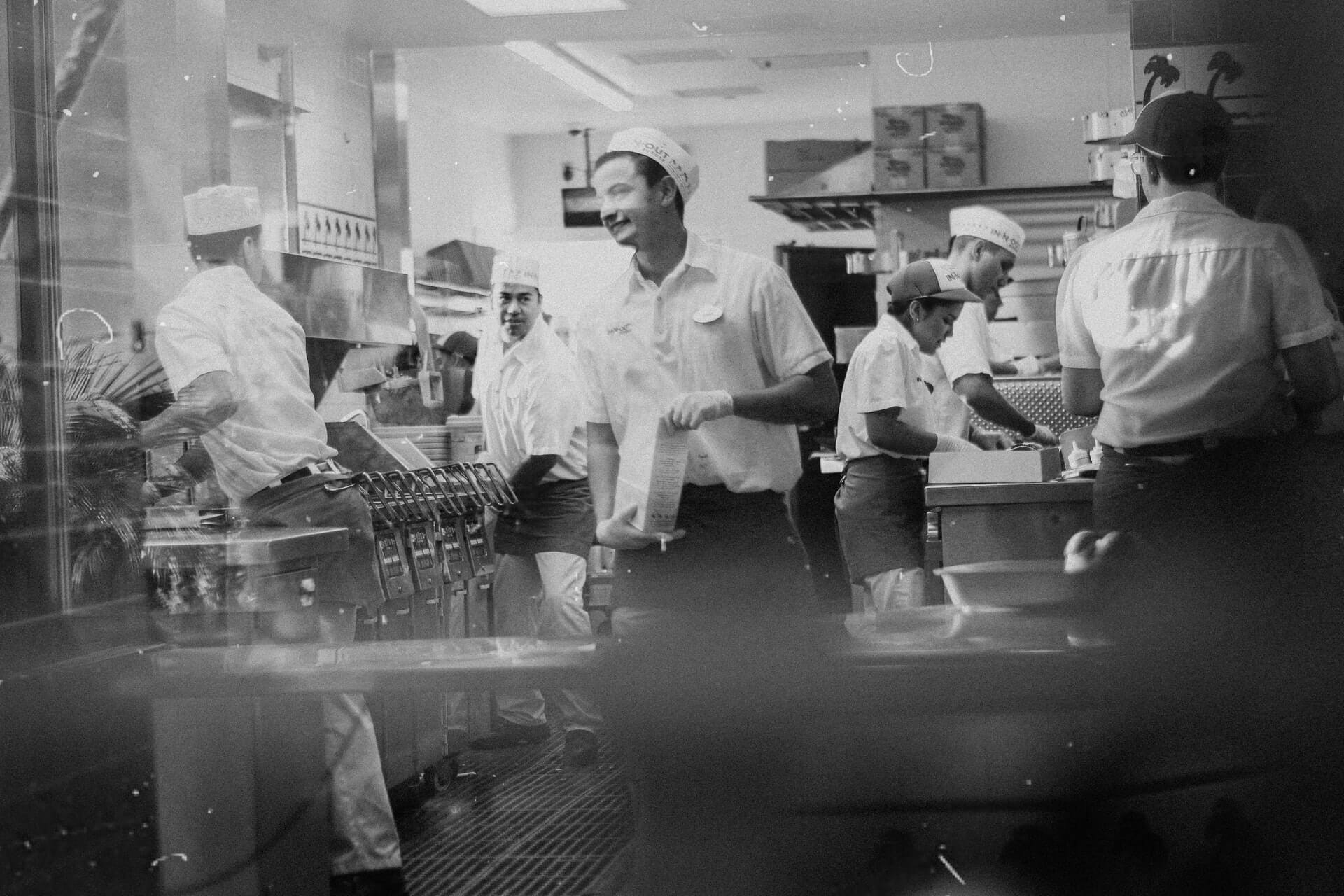
Happy and well-trained In N Out kitchen staff

Every restaurant needs to hire staff. This is probably the second most important pre-opening task after deciding on a concept.

Hiring can be an arduous process and hiring the wrong person is often detrimental to success. It costs time, money, and effort to replace and repair the damages.

Putting a fully developed onboarding plan in place—compelling job ads, effective interview and selection processes, in-depth training manuals, and training schedules—can help streamline hiring and retention, and make new hires feel welcome and confident in their roles.

Hiring and Onboarding

Creating a strategy to onboard all staff, adjusting for differing positions (cooks, servers, managers, etc.), will help to identify potential employees that fit your needs skill- and attitude-wise.

A strategic plan will streamline the entire process, start to finish. Think of it as your recruiting and hiring “recipe.”

Answering phone calls, scribbling notes, writing emails, losing phone numbers… Operating without a plan can be very frustrating and time consuming for everyone. After all, running your restaurant is far more important than being your own HR department.

The problem is that many organizations see training as an expense and not as an investment. Untrained employees will, inevitably, lack the motivation and knowledge to use company resources properly.

A lack of training in the hospitality industry leads to:

  • costly waste;
  • employees who feel unappreciated in their job;
  • employees with a general sense that their job doesn’t matter; and
  • unsatisfactory guest interactions that impact guest retention negatively.

At this point, employees either leave or get fired for poor performance.

While it may seem simple just to replace one worker with another, consider this: Hiring someone can cost up to 30 percent of the job’s salary. For an employee that makes $40,000 a year, that could equal around $12,000 to hire someone new.

However, training an existing employee correctly might only cost a few hundred dollars, reducing invested time. Even if replacing one employee doesn’t sound that bad, consider that for every three employees who need to be replaced, that will equal an entire salary with no real gains.

Clearly Define Roles and Responsibilities

From the outset, outlining job roles and daily responsibilities properly is extremely important to ensure that all staff are on the same page.

Building and maintaining a well-oiled machine takes time and planning. However, identifying and distributing responsibilities as equitably as possible will help things flow smoothly.

Differing service times can lead to staff friction when tasks are not being completed effectively for the next shift. The lack of a clear plan regarding responsibilities such as prep, stocking fridges, putting away orders, cleaning, and maintenance will inevitably cause confusion.

Yes, writing out a daily walkthrough and task list from shift start shift end time for each role in your organization will take some time and effort. No, it isn’t the most fun job you’ll do.

But doing so will make onboarding and training a seamless and less time-consuming transition overall.

How to Train New Restaurant Employees

When you’ve completed the interviews, made your hire, and are now bringing in your new staff, where do you start? Who is responsible for training? (Yes, this should be delegated in your plan!) What station do they start on and what is the timeline for moving them along?

Having a plan for onboarding that is mapped out in an employee manual will help to clearly explain your company’s policies and expectations; training modules; and all other helpful information to a new hire.

Expecting a line cook, who may even be green themselves, to convey this to a new employee is like playing the telephone game in grade one: it doesn’t work and is irresponsible.

Setting up detailed, specific workstation plans is the first step. The second step is to plan training shifts and specify who is going to be training new hires.

Batch training can make this process easier. Have your head chef or front-of-house manager spend time to train all the new hires, not just the one or two who happen to be working that day. Be sure to include other positions like sous chefs and floor staff.

This last step, along with a solid training manual, helps eliminate starting the whole process over again every time a position turns over. It also completely mitigates the disaster of staff members being trained differently. Consistency will be solid across the board.

Different Strategies for Part-time Staff

A great part-time employee program can elevate your full-time staff.

With the peaks and valleys of busy restaurant periods fluctuating around lunch and dinner, for example, full-time staff can be overworked and then swiftly underutilized. Part-time employees on the other hand, when scheduled correctly don’t experience the swing in workload.

Although part-time staff offer flexibility in scheduling, it can be difficult to find time to train them. However, part-time workers should not be excluded from training just because their hours are limited.

Organizing training specifically for your part-time employees is crucial to the success of your team. Scheduling a part-timer to come in on a busy Saturday lunch shift and flounder around strains and stresses out the rest of the staff. That’s the last thing you want or need.

Part-time staff benefit from shorter periods of training engagement than your full-time staff. You do want to include them in your large training sessions but will certainly have some who can’t make it.

Since their schedules are limited, you can train part-time staff via 15-minute lessons during pre-shift meetings. These talks can cover can anything from kitchen hygiene reminders, menu walkthroughs, customer service, and proper table setting.

Using your best staff for on-the-job training can also be beneficial to your part-timers. Shadowing during shifts provides a visual, real-world representation of everything written out in your employee manual. Following in the footsteps of someone in the role a part-timer has been hired for is an excellent way for them to understand their responsibilities and tasks in real-time.

Not only is it an opportunity to understand how the whole team functions, it’s a chance to meet colleagues and bond with the team.

Streamline Your Menu

As mentioned in a previous post, the streamlining of your menu benefits everyone from the top down.

Trying to train a new employee on how to cook (or serve) every single item on a large menu can be daunting. Keeping your menu narrow and focused will make an employee’s transition into their new position.

This is where your employee manual will come into play again. Recipes and pictures, along with training and tastings, will give new staff the confidence to cook and serve the dishes skillfully. Shadow shifts will complete the picture for them with hands-on training.

Conversely, having a large menu creates unnecessary confusion and takes a longer time for staff to feel comfortable.

Everything on your menu needs to be something that your kitchen and serving staff can handle efficiently without putting undue burden on your staff. Choose recipes that include ingredients that you know fit within your budget and concentrate on making them the best they can be. Good food is more about taste than presentation.

Seasonal menu changes should be addressed via staff meetings, updated recipe cards, tastings, and even testing for all staff. Consider using these events to train and onboard your new staff to start them on the right foot and avoid them having to play catch-up.

Don’t Discount Human Communication

Everyone wants to implement the latest technology to save money, resources, labour costs, and to deliver superior product.

One thing that needs to be remembered when training staff is this: even with all these new processes, human interaction is still necessary for a functioning business.

That is, human skill is still required to cook and plate delicious, Instagram-worthy food, and to deliver that food to the guests at the table. For the time being, human interaction is what creates memorable dining experiences and keeps guests coming back!

The opposite end of that spectrum happens when technology fails or crashes. Troubleshooting and problem-solving skills are required by your staff every day.

Train staff how to utilize your technology stack but also understand the “old-fashioned” ways.

Effective Troubleshooting Ability: Importance of Teamwork, Repetition, Consistency

 A solid training strategy produces a staff that values teamwork, a team with effective troubleshooting skills, and consistent results.

When you identify the roles you are looking and the responsibilities that come along with them, plus delegate and train properly, you are essentially giving your staff the ability to individually and collectively trouble shoot any issues that arise.

These problems can relate to customer service, broken equipment, inventory problems, and other issues that might come up when you or your leadership team aren’t there to fix things.

Everything talked about here is the foundation you should be building on to create an environment that thrives on teamwork. From the minute you onboard new staff they are comfortable in what is being asked of them and are given plenty of opportunity to work alongside colleagues.

Excellent teamwork leads to consistency and repetition of food, drinks, and service regardless of who is working the front or back of house. There is nothing more disappointing than returning to a restaurant only to have a substandard experience.

Implementing these programs even before opening day will help to keep you and, more importantly, your staff happy, thriving, and creating an amazing experience for your guests time and again!

Image: nick jenkins on Unsplash
by krghospitality krghospitality No Comments

Why You Should Hire for Grit

Why You Should Hire for Grit

by Jennifer Radkey

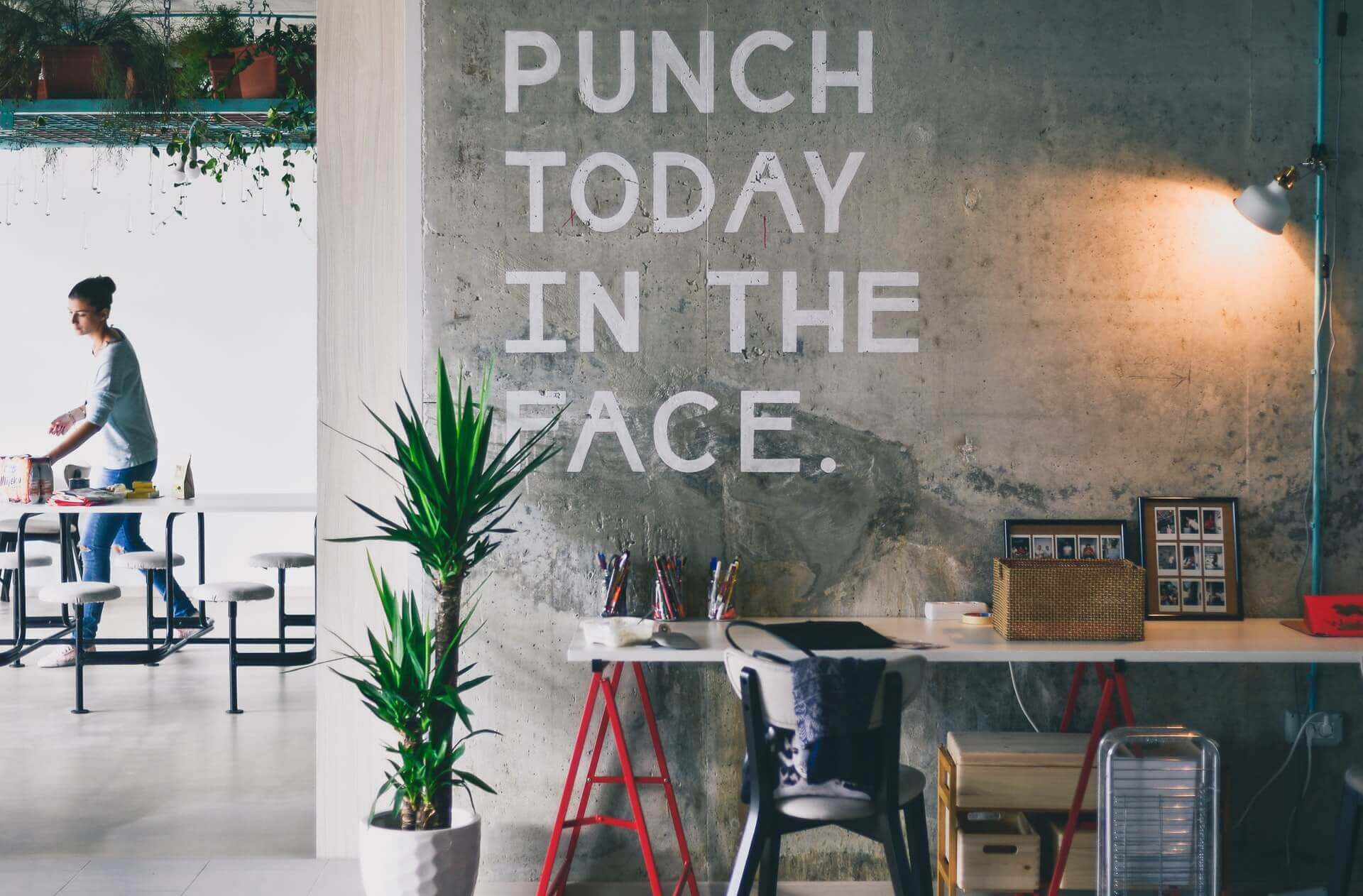
Punch today in the face motivation print

It’s no secret that the hospitality industry is currently struggling to fill empty positions.

In an industry that suffered immensely throughout the pandemic with closures and restrictions, the desire for workers to return is low. Add in underlying issues such as low wages, unappealing hours, and sometimes undesirable work culture, and it makes the hunt for great employees seem even more daunting.

But what do you do when the resumes do come in? How do you select team members who will make your business stronger and help you strive towards success?

I’m going to suggest that you start by looking for one key characteristic: Grit.

What is Grit?

Psychologist and grit specialist Angela Duckworth states that, “Grit is sustained passion and perseverance for long term goals.” Grit is showing stamina in order to achieve success. It is often a better predictor of success than talent or skill alone.

If you want to do a deep dive into the benefits of grit to learn how and why grit is a better predictor of success than talent or intelligence, I highly suggest reading Duckworth’s book Grit: The Power of Passion and Perseverance. You can also check out her Ted Talks.

Why Grit?

Gritty individuals are more likely to deal with adversity better. These are the people you want on your team, especially in leadership roles. They are individuals who see success as a marathon and do not quit.

In an industry known for high turnover, the number one quality you should be scouting for is perseverance. Who is going to stick with you when times are stressful? Who is going to push for personal and professional growth? These are the individuals you need to look for.

Hiring for Skill

Many restaurant and bar owners will look at skill first when hiring new staff. I get it. If someone has previous experience and has demonstrated job specific skills, then it means less training on your part. If they “know what they’re doing,” that individual should be a good hire, right?

While finding someone with skill may prove that they can do the day-to-day tasks, it says nothing about how dedicated they will be to your business, what their growth potential is, or what their values may be. Skill can be easily taught; values, grit, and a growth mindset, however, can not.

Hiring for Grit

It starts with your job ad. An individual with grit is on the search for growth opportunities and for challenges.

What are you offering your team members? Are you offering learning opportunities, tuition assistance, training experiences? Are you making this clear from the very start that these opportunities are available?

If you want dedicated employees who are of a growth mindset you need to attract them to you with what they are searching for.

The Resume

Resumes may not be plentiful, and you may need to fill a position ASAP, but you still need to take the time to carefully analyze a resume if you want to hire for long-term success.

When reading a resume there are clues to indicate if the candidate has grit. Firstly, check to see how long they have stuck with previous jobs, teams, hobbies, volunteer positions, etc. Do they have a lot of experience but have switched jobs every one to two years? Have they done a lot of volunteer work but only for very brief stints?

Secondly, what level of achievement did they receive in these? For example, an individual who was on a varsity basketball team for four years, was made captain, and won a championship shows more grit than someone who played recreational basketball for a year and didn’t win any major awards.

One more example: An individual who started off as host, stayed with the restaurant for several years, and during that time made his way to the management team shows more grit than an individual who has more years of experience but it is spread over various establishments and each stint is less than a year in length.

The Hiring Process

A person with grit will not make you hunt them down. If anything, they will hunt you down!

The individuals who go out of their way to research your establishment before an interview, who follow up in a timely way for setting up interviews, and who follow up after their resume is sent and after they have an interview are the type of people you want on your team.

Do not overlook these individuals (even if they don’t have a ton of experience) because they are demonstrating respect, a keen interest in working for you, and dedication. Remember, skill can easily be taught but key qualities such as grit and growth mindset can not.

The Interview

There are some key questions you can ask during the interview process to determine if a candidate has grit:

  • “Tell me about a big goal you had and how you went about achieving that goal.” Look for specific details about how they reached their goal.
  • “Tell me about a time when you gave up on a goal, and why.” People give up on goals all the time. Perhaps it turned out to just not be feasible. Maybe a major life-changing event happened. A person with grit will typically only give up on a goal for a significant reason.
  • “Tell me about a major obstacle or challenge that you recently had to overcome, and how you did so.” The hospitality industry is full of obstacles and daily challenges both big and small. You need an idea of if and how your team members can overcome these obstacles.
  • “Who is a successful person that you admire, and why?” Does the candidate admire someone successful because of work ethic, grit, perseverance, bravery, etc.? Or do they admire the person for talent, success, material wealth, and popularity? What we admire in others is often what we try to achieve for ourselves.

These are all questions that will give you an idea of someone’s level of grit.

The Bottom Line

Turnover hurts everyone, and it hurts our bottom line. In our industry it is inevitable, but it doesn’t need to be a continuous revolving door of employees.

Start by attracting the right people, look for signs of grit during the hiring process, and then do your part by creating a rewarding and positive work environment to create longevity.

Is hiring stressful? You bet. But if you do it right, hopefully you won’t have to do it often! Here’s to personal and professional well-being. Cheers!

Image: Johnson Wang on Unsplash

by David Klemt David Klemt No Comments

Bee’s Knees Week: Save the Bees!

Bee’s Knees Week: Save the Bees!

by David Klemt

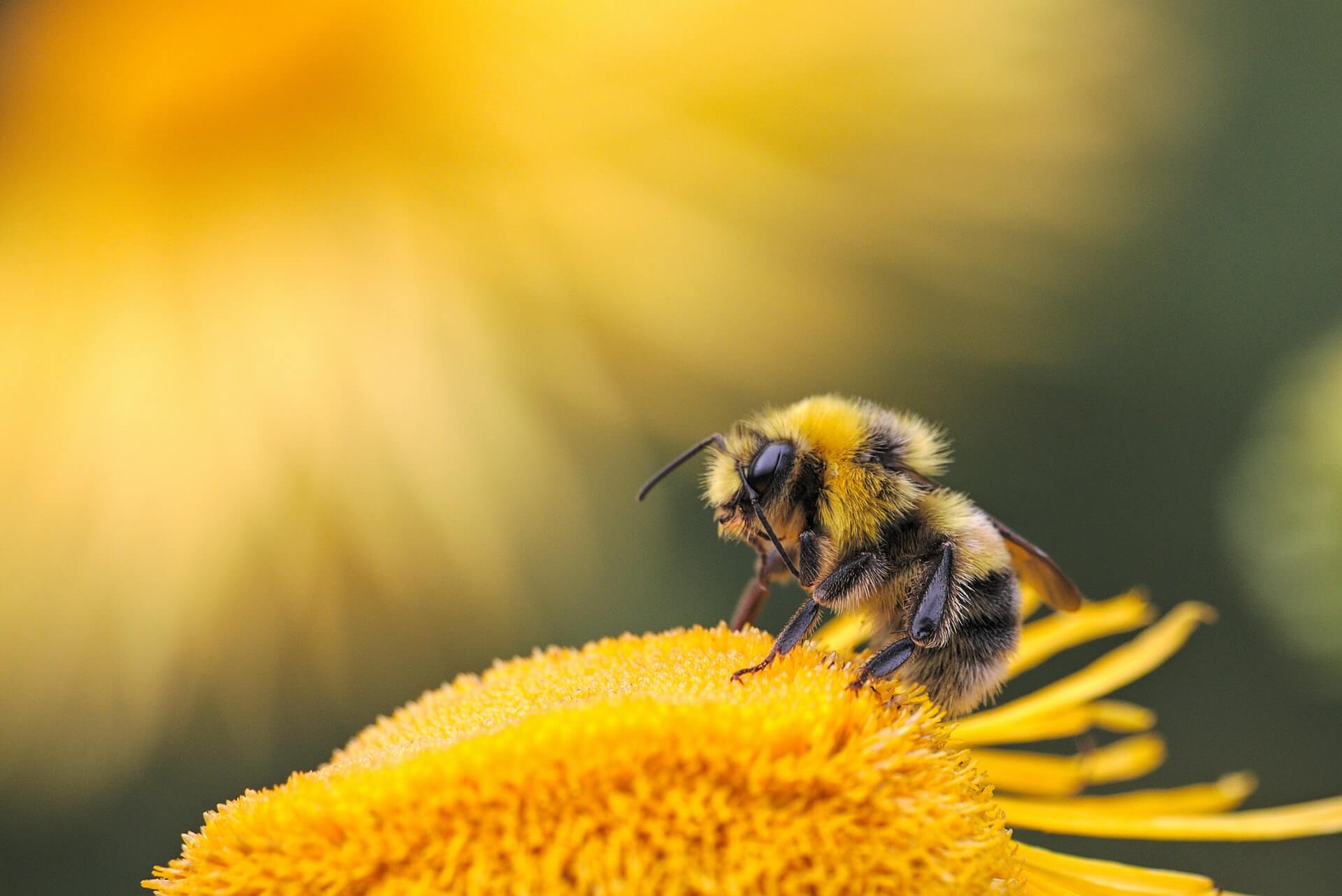
Honey bee on a yellow flower

What if you could help the planet with a simple but refreshing three-ingredient cocktail, a photo, and a hashtag?

Would you do it? We think you and your guests would.

Today marks the start of Bee’s Knees Week, which runs through October 3.

Learn more about how you, your business, and your guests can participate below!

Bee’s Knees Week

We all know Negroni Week. In fact, the ninth annual Negroni Week concluded this past Sunday.

Lesser known but making a name for itself is Bee’s Knees Week. First launched in 2017, this is the campaign’s fifth year.

Nearly 1,000 bars participated in Bee’s Knees Week last year. Since 2017, participants have raised more than $70,000.

We’d love to see more than 1,000 bars take part this year, so click here to register your business to participate.

Save the Bees

So, why save the bees? They’re an integral part of our planet’s ecosystem.

As we know, bees pollinate flora and crops. That means these keystone insects help develop and maintain habitats, and also ensure sufficient food supplies.

Unfortunately, bee populations are on the decline. Simply put, if the bees die, most of life on Earth dies next.

So, when you participate in Bee’s Knees Week and encourage your guests to do so as well, what’s the result?

For every photo posted to social media of a Bee’s Knees cocktail that includes #beeskneesweek and @barrhillgin, Barr Hill Gin will plant ten square feet of bee habitat.

Simply put, it can’t be any easier to participate in this eco-friendly campaign. Once you register your restaurant, bar, entertainment venue, or hotel, build a Bee’s Knees, snap a photo, tag and post it, and use it to promote your participation to guests and followers.

Build the Cocktail

The Bee’s Knees cocktail is a straightforward, three-ingredient drink with a simple garnish:

  • 2 oz. Gin
  • 0.75 oz. Honey syrup (make your own: 2 parts honey, 1 part hot water, let cool)
  • 0.75 oz. Fresh lemon juice
  • Lemon twist to garnish


View this post on Instagram


A post shared by BARR HILL (@barrhillgin)

First, chill a cocktail glass. In a mixing tin, combine the three ingredients with ice. Second, shake and double strain into the prepared glass. Third, garnish with a lemon twist.

Next, serve and ask your guests to post a photo of their refreshing cocktail that includes the tags #beeskneesweek and @barrhillgin.

And that’s it—you’re helping save the bees and the planet.

Image: Dmitry Grigoriev on Unsplash

by David Klemt David Klemt No Comments

Can Luxury be Accessible?

Can Luxury be Accessible?

by David Klemt

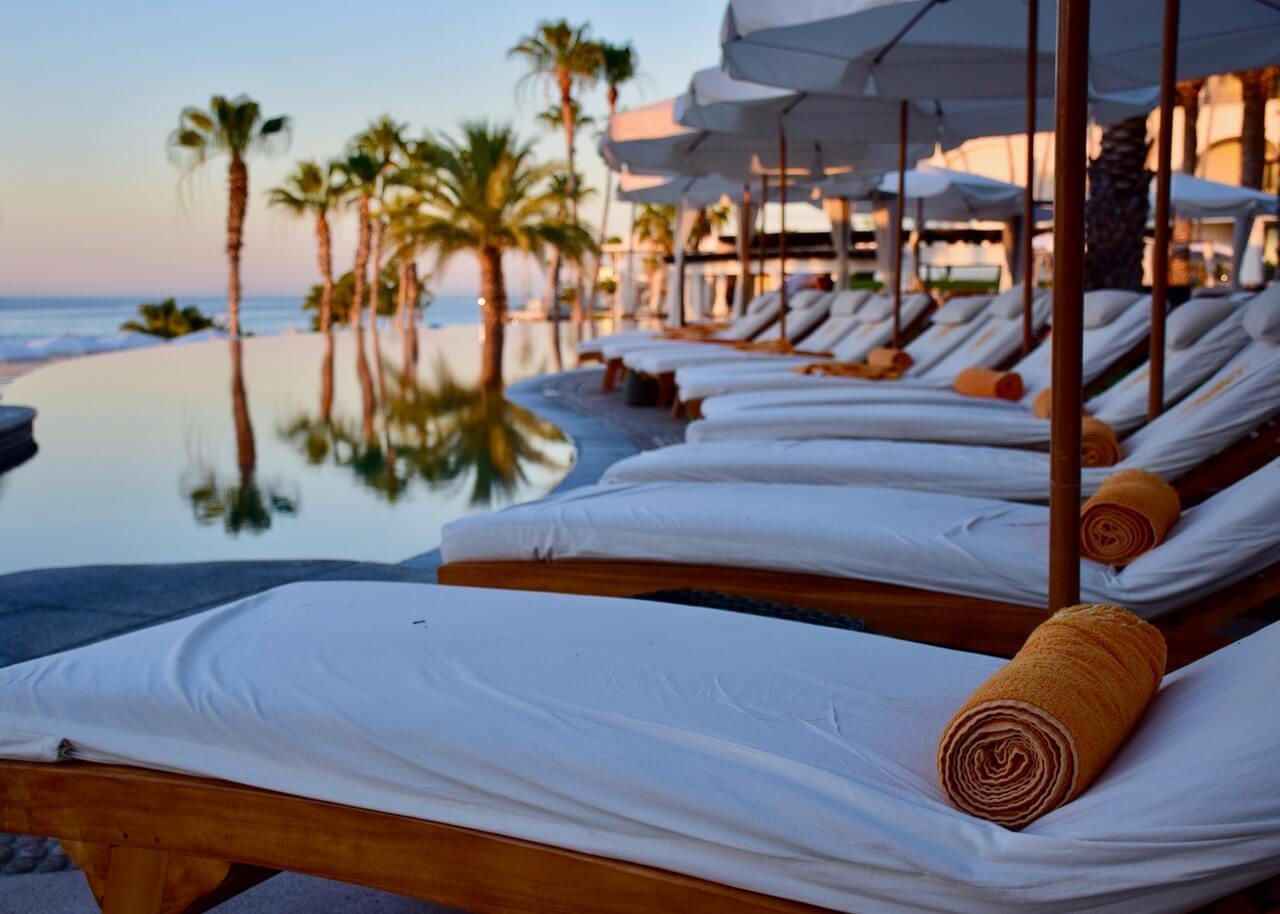
Poolside seating at luxury resort hotel in Cabo San Lucas

Can everyone experience luxury or is this category of hospitality inherently exclusive, serving only a small percentage of consumers?

During a panel discussion titled “Brand Identity: The Evolution of Luxury in Lifestyle Hotels” at Hospitality Design Expo 2021, one speaker answered this question.

Moreover, this speaker’s answer was simple and definitive.

What is Luxury?

Blame luxury brand marketing but it seems many people define luxury through the Three Es: exclusive, extravagant, and expensive.

However, as people reflect and rethink their priorities, a new view of luxury appears to be emerging.

Lee Shuman, director of project management at Peachtree Hotel Group, defines luxury through the Three Cs: comfort, convenience and contemplation.

Interestingly, comfort is included in the dictionary definition of luxury as well. (And yes, I know it’s cliché to point to dictionary definitions in articles.)

We’ve been hearing for a few years now that more people, particularly younger Millennials and Gen Zers, favor experiences over material items. Time is more valuable to these consumers than possessions.

Shuman’s Three Cs, then, speak to these consumers:

  • Obviously, people seek out comfort, particularly when it comes to hotels, resorts, restaurants, and travel.
  • Convenience reduces friction and removes pain points, allowing guests to spend their valuable time seeking out memorable experiences seamlessly.
  • When it comes to contemplation, Shuman says this is a design component that provides guests with several opportunities to notice and experience design “moments.” Contemplation also relates directly to experiences.

Operators who embrace and embody the Three Cs will meet guest expectations of luxury.

Can Luxury be Accessible?

Shuman answered this question succinctly: “Luxury has to be accessible.” Not can be accessible, not should be accessible, but luxury must be accessible.

Going further, Shuman said that “everyone in every strata should experience luxury.” There are a couple of ways to interpret this view of luxury.

Looking at this subject through the lens of convenience, one can take Shuman’s opinion on luxury literally. Everyone, regardless of the category or price point of hotel or resort (or restaurant, for that matter), should have access to luxury.

An alternate view that still relates to convenience is that if luxury is too exclusive, too few consumers will have access and the venue won’t be profitable.

Another viewpoint is that luxury needs to be accessible physically. In other words, if it can’t be touched, it’s not luxurious.

Per Shuman, guests don’t want luxury they can see but not touch.

Make it Happen

Shuman likes to see how guests are using a given property. Observing guests in situ provides him with insights that can be used enhance their experiences and improve design.

Hotel and resort guests are, from what Shuman observes, trending younger. Although, he said that could be because operators are aging.

As we’ve been learning, many younger guests are after experiences, comfort and convenience regardless of where they’re staying. Ticking those three boxes will help operators attract these younger guests.

Of course, older guests, due in part to a reshuffling of priorities during the pandemic, also have an interest in the Three Cs.

Shuman is also seeing that hotels and resorts must be enjoyable to use. Interestingly, he’s observing pools falling out of favor while the demand for well-designed health centers. His commitment to observing and learning about guests constantly provides these insights.

To make luxury accessible moving forward, operators should embrace the Three Cs, observe their guests continuously, and realize that luxury doesn’t necessitate excluding guests.

As consumer desires and expectations change, operators must adapt more and more rapidly. Increasingly, change is impacting the perception of luxury.

Yes, the Three Es still exist and likely always will. However, the Three Cs are informing a more modern view of luxury.

Image: GaPeppy1 from Pexels

by David Klemt David Klemt No Comments

The Outdoor Experiential Movement

The Outdoor Experiential Movement

by David Klemt

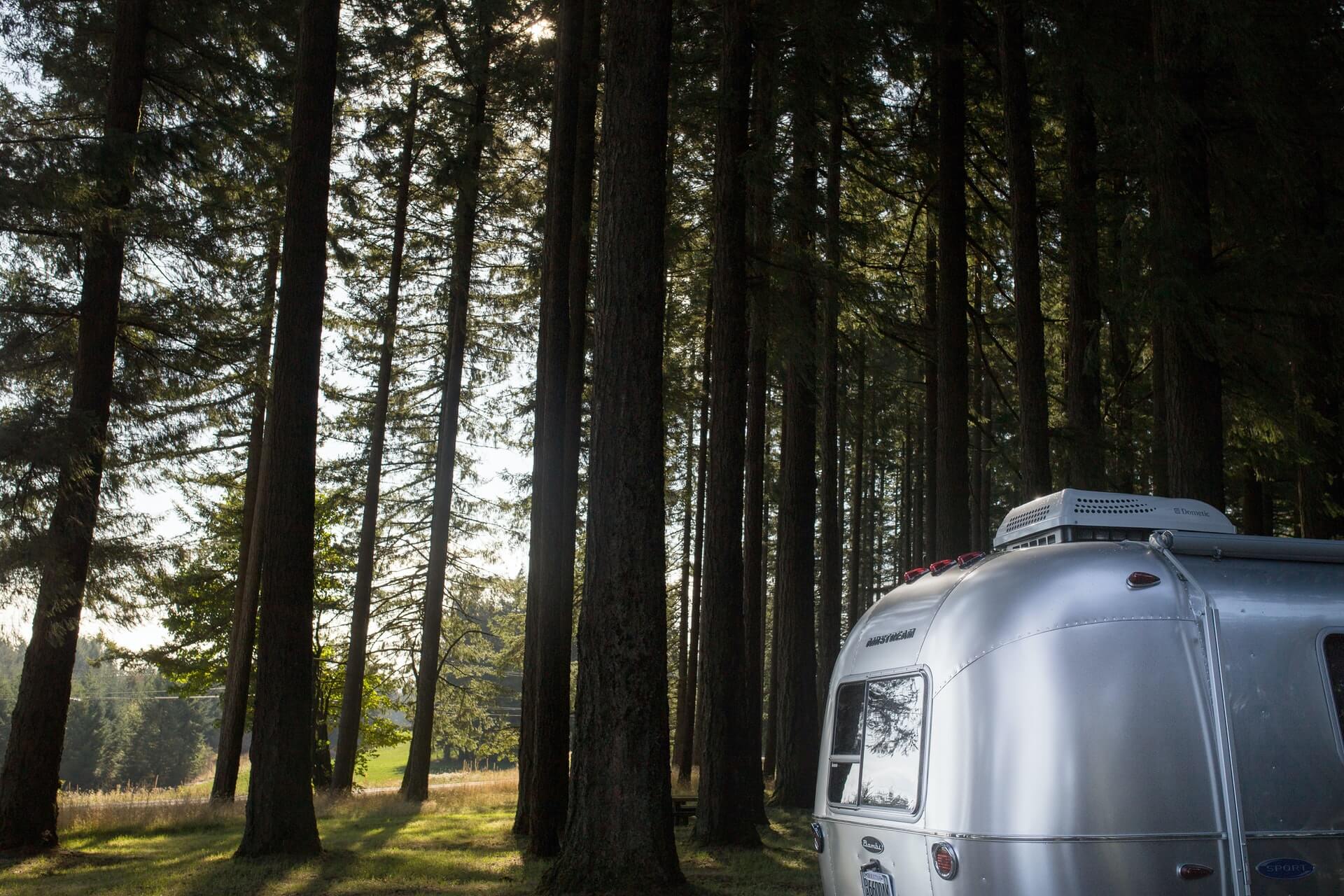
Airstream Sport trailer in the woods

When we think of a hotel or resort, we tend to picture a traditional property with hundreds of rooms and suites.

However, the consumer craving for unique experiences is changing our collective perception of resorts as we know them.

While not an entirely new take on resorts, concepts that embrace the great outdoors and nature are gaining in popularity.

The Great Outdoors

Of course, we can attribute the development of new outdoor resort concepts to the pandemic. After all, the demand for outdoor experiences has exploded since Covid-19 brought the hospitality industry to its knees.

But the desire by humans to be one with nature isn’t new. Perhaps , though, health and wellness, #vanlife, festivals, and Instagram pages devoted to stunning outdoor photography have simply amplified many people’s drive to worry less about their chosen resort’s rooms and more about the surrounding landscape.

This interest in and demand for new takes on resorts and hotels speaks to several trends investigated during Hospitality Design Expo 2021. As we touched on last week, these key trends influencing hospitality design are sustainability, an interest in maximizing outdoor areas and experiences, and immersion in local culture.

Working with the Landscape

There are several ways to approach this type of concept.

For example, Ryan Miller, chief brand officer for AutoCamp, offered two big tips for designing for what he dubs the “outdoor experiential hospitality movement.” During HD Expo 2021 in Las Vegas, Miller said views should always receive priority. That tips ties directly into another big takeaway: designers can create memorable moments by working with grades.

Founded in 2013, AutoCamp boasts an exclusive contract with Airstream to design “suite trailers.” The brand’s approach focuses on immersion coupled with convenience and comfort. A clubhouse features luxury amenities, there’s an F&B program, meeting rooms are available, and guests have access to a general store.

The approach, says Miller, ensures the brand is able to capture guests who normally would eschew camping and outdoor experiences.

Kona Gray, principal at EDSA and a landscape architect with nearly three decades’ experience, says that “designing with nature matters.” Designers need to understand the value in the land on which a resort or hotel will sit. And no, Gray doesn’t mean the monetary real estate value.

That understanding will help designers to work with the land, not around it, and become stewards of the land. There’s an ROI, says Gray, from the outdoors that shouldn’t be taken for granted.

Different Approaches

Hannah Collins, founder and principal designer at ROY Hospitality Design Studio, and Carlos Becil, chief experience officer at Getaway, represent two concepts with very different takes on the outdoor resort concept.

Collins and ROY designed Yonder Escalante, and other Yonder escapes are planned for the future. Like AutoCamp, Yonder utilizes Airstream trailers. However, the property also features modern cabins that stand out against their Airstream counterparts while complementing the landscape.

Additionally, Yonder also features a modern clubhouse. Guests are encouraged to socialize rather than isolate to enjoy the outdoors. There’s also a decidedly sexy vibe to Yonder, which features private bathhouses, outdoor (private) showers, and a massive hot tub in the pool area.

Getaway also features cabins. And, of course, the focus is on an immersive outdoor experience. However, that’s where the similarities between Getaway and Yonder end.

As the name implies—well, outright expresses, really—Getaway provides its guests with an escape. In fact, when exploring the website to reserve a cabin, there’s no “locations” tab. Instead, locations are found under the heading “Escape From.”

Properties are located about two hours from the nearest major city. There are no check-in desks at Getaway properties. Guests won’t interact with Getaway staff in person. Cabins are 50 to 150 feet away from one another. There really isn’t WiFi or high-speed cellular service at a Getaway location.

In other words, Getaway doesn’t encourage socializing. Instead, the brand values unplugging, immersing one’s self in nature, and recharging.

Give ‘Em What They Want

If guests want to experience more of the outdoors, meet that desire. Truly, it’s soon going to be an expectation.

That doesn’t hold true only for hotels and resorts—restaurants, bars, entertainment venues should take heed as well.

As sustainability, health and wellness, and a desire to convene with nature grow stronger among consumers, operators who provide unique outdoor experiences will thrive.

Don’t get stuck inside and left behind.

Image: Airstream Inc. on Unsplash

by David Klemt David Klemt No Comments

Meeting Expectations Through Hotel Design

Meeting Expectations Through Hotel Design

by David Klemt

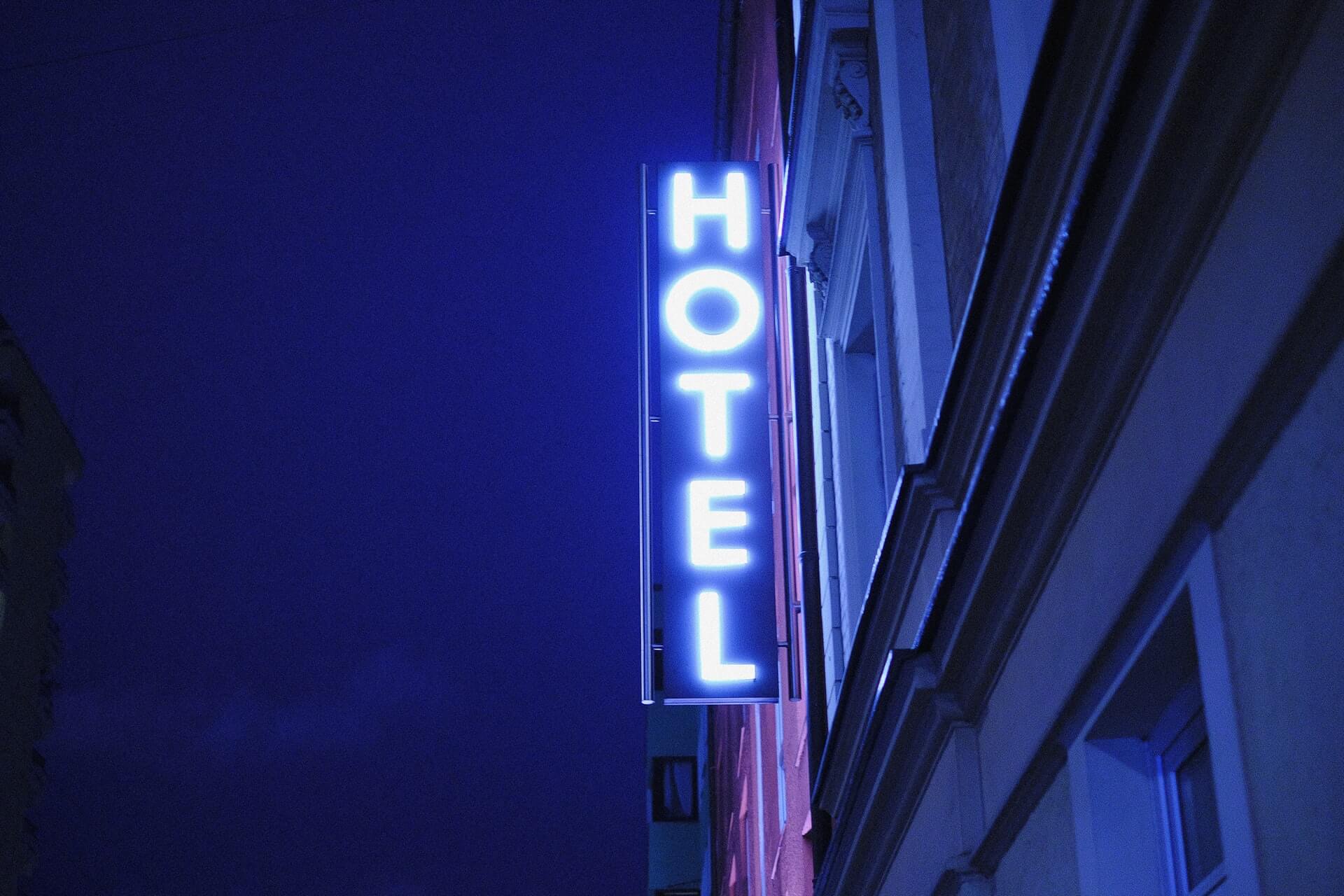
Lit neon hotel sign with blue and purple background

During Hospitality Design Expo 2021, the show’s version of a live “Ask Me Anything” addressed meeting and exceeding new guest expectations.

On the design side, firms must meet the needs and visions of clients and brands. In turn, design clients are attempting to best meet their guests’ expectations in the short and long term.

Additionally, agencies are designing for the pandemic-driven new normal. The way guests use hotels and resorts has changed. Hotel and resort operators must adapt, and so must the designers with whom they work.

Gonzalo Bustamante, Executive Vice President, Design and Development, MGM Resorts International

Quick to point out that he comes from the design world rather than the hotel world, Bustamante is proud of how fast MGM embraced the pivot.

The company adapted to meet the needs of guests while also doing what’s necessary for the bottom line.

Bustamante feels we’re all living and working “in the new version of reality.” Therefore, moving forward, MGM properties will feature design based on the new normal.

When collaborating with designers, Bustamante looks for storytellers who can listen and stay on budget.

Kristen Conry, Senior Vice President, Global Design, US & Canada, Marriott International

What was once a guest desire, says Conry, is now an expectation.

For instance, guests expect hotels and resorts to build and operate sustainably; offer health and wellness features; and provide access to outdoor spaces.

Conry is curious about two specific elements of hotel and resort design.

One, she has an interest in how all-inclusive stays and properties will perform and progress.

Two, Conry wonders if hotel groups shrinking their carbon footprints will encourage guests to make more repeat visits. If a guest is motivated to support a particular brand because of their commitment to “green” operations, the hope is that they won’t cut back on hotel stays to shrink their own footprint.

Conry is encouraged by the increase in conversations designers and their clients are having about utilizing indoor-outdoor and outdoor spaces.

Gary Dollens, Global Head, Design / Product and Brand Development, Hyatt

Leisure travelers are returning to hotels, meaning they’re more important now to the bottom line, per Dollens.

However, there are two other developments that seem to have really caught Dollens’ attention.

One is hotel and resort properties operating with smaller teams. The second is that margins are “better than they’ve ever been.”

If groups can operate with smaller teams without impacting the guest experience negatively, why would they return to working with larger teams? Operators, encouraged by improved margins, are now used to new changes and are unlikely to go back to pre-pandemic operations.

For example, Dollens stated that Hyatt’s current RevPAR (revenue per available room) is up 19 percent compared to 2019. The company also acquired all-inclusive luxury brand Apple Leisure Group for $2.7 billion this year.

Helen Jorgensen, Vice President, Design and Procurement, Host Hotels & Resorts

Jorgensen and Host, like so many companies, adapted to working remotely.

Of course, teams used to gather to discuss design projects. Now, they gather digitally to review virtual room models.

However, it seems she’s eager to return to working in person. After all, while we’ve definitely made leaps and bounds in terms of technology, nothing beats experiencing a hotel room physically. There’s no better way—at the moment—to gauge the guest experience than actually touching and seeing everything in person.

Host and Jorgensen, like MGM and Bustamante, have been moving quickly. She expects Host to complete 16 major property renovations by 2023.

Part of those renovations has to do with room size and amenities. For instance, Jorgensen says suites will account for 19 percent of property rooms. That’s more than double current Host inventory, which is eight percent.

In terms of other design trends, Jorgensen expects sustainability to become more important to more guests. Certainly, that’s related to another trend Jorgensen identifies as crucial moving forward: wellness.

Larry Traxler, Senior Vice President, Global Design, Hilton

All-inclusive experiences are the future for hotels and resorts, per Traxler. Given the increased stress guests are experiencing on a daily basis due in large part to the pandemic, this makes sense.

Guests want to show up and know that everything is handled—eliminating friction is a luxury.

Speaking of which, luxury and lifestyle categories are performing very well for Hilton. However, extended stay is the current category leader for the brand.

When it comes to design challenges, Traxler and Hilton are focusing on a few crucial elements: F&B, outdoor experiences, and air quality.

During this session, Traxler said that F&B must evolve. Destination restaurants on property are performing well for Hilton.

That speaks to another crucial element Traxler mentioned: avoiding cookie-cutter design and experiences. Guests want unique experiences, and that extends to all markets. In fact, many guests want access to more outdoor areas, from balconies and pool areas to lawns and restaurants.

And while it may seem counterintuitive, Traxler says that hotels and resorts can improve property air quality without a “massive outlay” of money. In fact, Traxler says there’s no better time than now to build hotels, with Hilton projecting five-percent growth but achieving seven percent.

Summary

When it comes to hotels, resorts, and design, there are a few key factors operators should focus on now and for the future:

  • Luxury, extended stay, and all-inclusive categories are performing well.
  • The leisure traveler is returning.
  • Food & Beverage offerings must evolve.
  • The use of outdoor spaces is now integral to design.
  • Sustainability, health, and wellness are important to a growing percentage of guests. This includes air quality.
  • Smaller teams may shift from trend to standard operating procedure.
  • The time to build is now.

Image: Ph B on Unsplash

by David Klemt David Klemt No Comments

Canadian On-premise Sales Stabilizing

Canadian On-premise Sales Stabilizing

by David Klemt

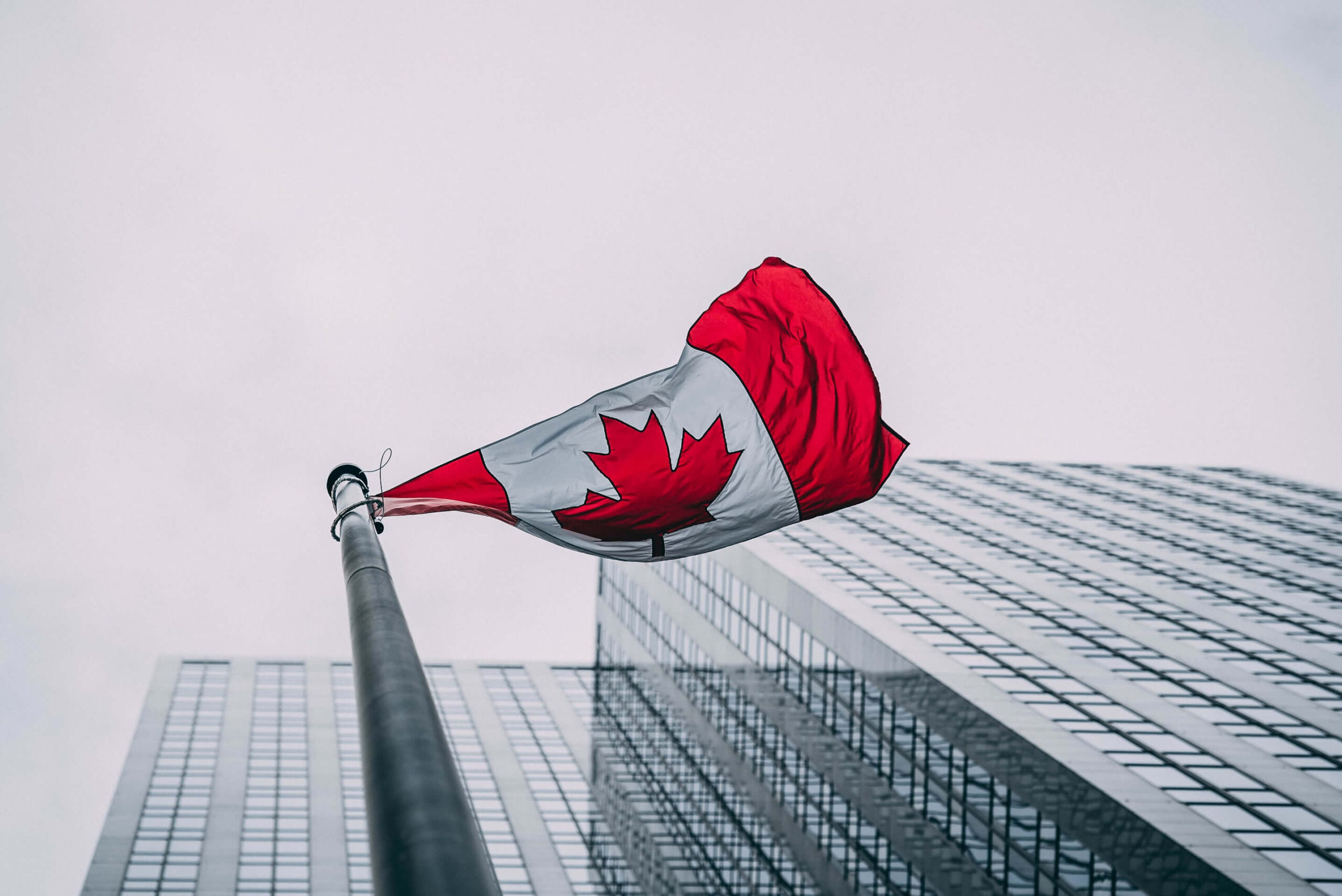
Canadian flag in downtown Toronto, Ontario, Canada

A report from Restaurants Canada and Nielsen CGA shows that on-premise sales are steadying and, in some provinces, growing.

In fact, with the exception of Alberta being slightly down, Canada’s nationwide sales velocity looks promising in comparison to 2019.

Overall, Canada’s on-premise velocity is on the rise. Let’s take a look at how the three main provinces KRG Hospitality services are performing.

Alberta

To say that Alberta is down is a tad misleading. The province’s performance is nearly on par with 2019.

In comparison to 2019, Alberta is just -1 percent below in velocity levels.

Now, in comparison to 2020, the province is +46 percent. However, 2019 is a far more accurate gauge of performance.

While being down one percent is on the surface negative, growth in Calgary and Edmonton is highly encouraging.

In the week to August 21, Calgary’s velocity rose +4 percent, while Edmonton grew +10 percent. Those two cities are responsible for overall growth in velocity in Alberta of +4 percent.

Should the upward trend continue, Alberta will match and surpass 2019 quickly.

British Columbia

Of the three key provinces in which KRG Hospitality operates, BC is the second-best performing in comparison to 2019. Against 2020, BC is the third top performer.

Per Restaurants Canada and CGA, BC velocity is up +12 percent in comparison with 2019’s sales. The province is up +33 percent when compared to 2020.

In Vancouver, velocity is flat rather than experiencing negative growth. Any negative trends, according to the Restaurants Canada and CGA report, is coming from Victoria. That city is down -6 percent.

Ontario

Of our key Canadian markets, Ontario is performing the best overall.

Compare velocity to 2020 and the province is up +48 percent. In comparison to 2019, Ontario’s velocity is up +13 percent.

One can attribute current growth to Toronto. The Ontario city’s performance in the week to August 21 is +4 percent.

Canada

According to the report, sales velocity in Canada is up +2 percent overall.

Compare the country’s overall performance against 2020 and 2019, and Canada is trending upward. The nation’s on-premise velocity is up +41 percent in comparison to 2020 and +11 percent against 2019.

Clearly, the expectation is for the country’s on-premise performance to experience further growth as consumers return to in-person dining and restrictions loosen.

However, it’s important for operators to not simply return to pre-pandemic operations. Consumer behaviors have changed and many pandemic-driven habits—delivery, for example—are now permanent.

Further, now’s the time for those considering proceeding with plans to open restaurants, bars and hotels to move forward. In fact, Travis Tober, the guest from our milestone 50th episode of Bar Hacks, believes there’s no better time than now to open a hospitality venue.

Image: Lewis Parsons on Unsplash

by David Klemt David Klemt No Comments

SevenRooms Announces New Partnership

SevenRooms Announces Huge New Partnership

by David Klemt

Handshake emoji neon sign signifying partnership

SevenRooms announces today a major partnership that will change the game for operators in the UK, Australia, and across Europe.

The online reservation platform is entering a multi-year partnership with TheFork.

Fortunately, the hospitality industry, once slow to embrace new technology, is now adopting tech at a rapid pace.

This collaboration between SevenRooms and TheFork represents both a giant leap in tech innovation and support for our industry.

SevenRooms

By now, there should be no question that SevenRooms is among the most powerful tools an operator can wield.

On the surface, SevenRooms is “just” a reservation platform. In reality, the platform offers a full suite of guest engagement and retention tools; automated marketing tools; front- and back-of-house management; direct and third-party delivery management; and much more.

Additionally, the company has long been supportive of the hospitality industry. The founders didn’t just assume their reservation and engagement solutions were effective.

Rather, they spent time in the trenches. They took reservations, checked coats, and hung out with hospitality teams when their shifts were over.

During the pandemic, the platform studied the impact of third-party delivery on operators. To that end, they developed a launched a direct delivery module to help operators protect their bottom lines.

TheFork

Operating in more than 20 countries, TheFork is a TripAdvisor company.

Per TheFork, the company boasts more than 80,000 partner restaurants across the globe. Additionally, TheFork’s app has 28 million downloads and counting, and their site features over 22 million restaurant reviews.

In other words, TheFork enjoys a unique position in terms of connecting guests with restaurants.

The platform features a loyalty program; exclusive deals for guests who make reservations via TheFork; an “insider” feature that connects with guests with trendy and gourmet restaurants and entices them with a special offer; and more.

The Partnership

When one reviews how both platforms work, this partnership is a no-brainer. Going deeper, it appears the companies share similar values and commitment to the industry.

For example, SevenRooms subsidized more than $10 million in licensing fees to help operators during the pandemic. TheFork dedicated nearly $30 million to the industry within the 22 countries in which they operate.

This partnership is culminating in a two-way integration. Customers of SevenRooms will gain access to millions of diners who use TheFork to make reservations. In turn, TheFork now has access to SevenRooms’ marketing and venue management tools.

The result? Operators will be able to more easily and consistently fill their seats and attract new guests. The powerful tools that are at the disposal of SevenRooms customers will help to engage and retain those new guests, converting them to loyal regulars.

Hospitality seems to be steadily entering its Collaboration Era. Operators and platforms are seeking beneficial partnerships, all the while embracing more and more tech that enhances the guest experience and boosts the bottom line.

It will be exciting to see where we go from here.

Image: Charles Deluvio on Unsplash

by David Klemt David Klemt No Comments

8 Bourbon Cocktails You Need to Know

8 Bourbon Cocktails You Need to Know

David Klemt

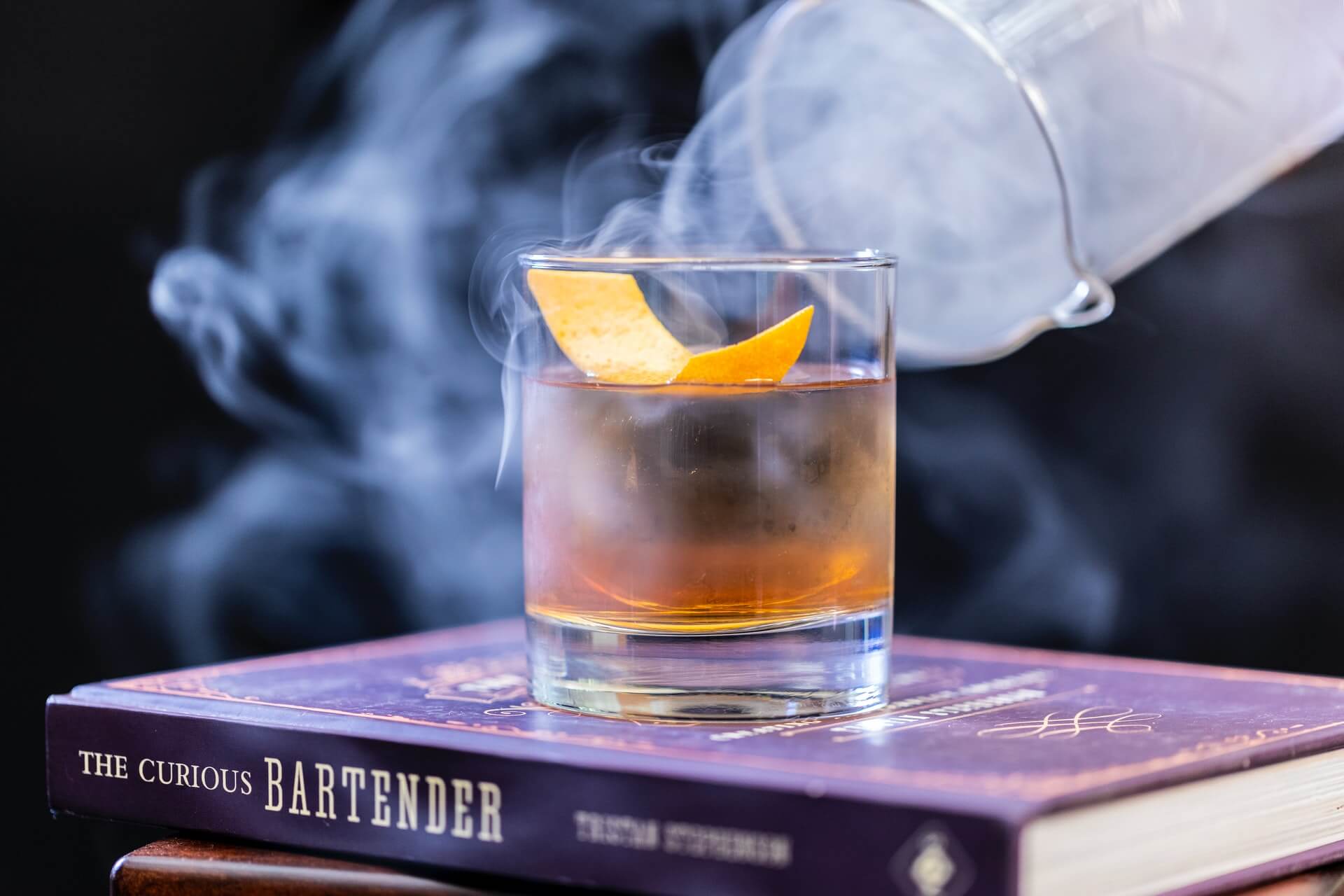
Cocktail and smoke on top stack of books

This is the culmination of all our Bourbon Heritage Month coverage, our final word on the subject: the bourbon cocktails you must know.

Yes, there are those out there who bristle at the thought of enjoying their favorite spirit being adulterated.

Combining bourbon with mixers, modifiers, even ice?! “Blasphemy,” they hiss.

Personally, we believe in enjoying spirits however you want. That’s doubly true for paying guests.

So, this is for those who appreciate their bourbon with ingredients beyond a drop of the world’s most pure water or an impossibly clear ice cube.

Here are the bourbon cocktails you and your bar team need to know.

Old Fashioned

At this point, the Old Fashioned is ubiquitous to the point that it’s doubtful there’s even a neophyte bartender who can’t make at least a mediocre one. However, this drink doesn’t carry its “classic” designation for no reason. In fact, the simpler the drink, the more legendarily classic, the more crucial it is that your bar team can absolutely nail it.

Add a half-teaspoon of sugar, three dashes of Angostura Bitters, and one teaspoon of water to a rocks glass. Stir until the sugar is dissolved. Add a large ice cube or ice sphere, or a fill the glass with big ice cubes, and add two ounces of bourbon. Stir, express an orange peel around the rim of the glass, and drop it into the drink.

Bourbon Smash

Here’s an interesting bit of trivia: All Smash cocktails are Juleps but not all Juleps are Smashes, according to Imbibe Magazine. While difficult to define, Imbibe says crucial characteristics of a Smash are ice, fruit that’s in season, and a spirit base.

Prepare a rocks glass by chilling it with ice. Grab a cocktail shaker and toss in three lemon wedges. Muddle those, then add two ounces of bourbon, three-quarters of an ounce of simple syrup, three or four fresh mint leaves, and ice. Dump the ice from the rocks glass and add a large ice cube or sphere, or big ice cubes. Shake the shaker hard until chilled, double strain into the prepped rocks glass, and garnish with a mint sprig, a popular ingredient and garnish for Smashes.

Hey, speaking of that Mint Julep trivia we mentioned…

Mint Julep

The Mint Julep is the traditional drink of the Kentucky Derby, of course. In fact, it’s said that more than 10,000 bottles of Old Forester Mint Julep are poured during Kentucky Derby weekend. While those ready-to-serve bottles are convenient, we’re going to focus on a traditional cocktail build.

Now, you can build this drink in a rocks glass. But who wants to drink this in anything but a frosty, ice-cold Julep cup? So, you’re going to start by muddling three fresh mint leaves inside the Julep cup. Then, pack the cup with crushed ice. Add two ounces of bourbon, a half-ounce of simple syrup, and stir gently. Add more crushed ice and round it off above the rim. Dust with powdered sugar and garnish with a fresh mint leaf or two.

Kentucky Mule

While we’re building cocktails that call for specialty drinkware… After the Moscow Mule exploded in popularity across North America, variants began popping up all over the place. Agave-focused bars made tequila- and mezcal-based Mules. And, of course, whiskey-centric programs latched onto their own versions of the Mule.

Enter: The Kentucky Mule. The star of this cocktail is, obviously, bourbon. Pour two ounces of bourbon into a Moscow Mule mug or highball glass—honestly, this is a toss-up given the recent surge in popularity of highballs—along with a half-ounce of fresh-squeezed lime juice. Fill the mug or glass with ice, top with ginger beer, and garnish with a mint sprig.

Bourbon Sour

In the interest of transparency, this can also be called the Whiskey Sour. I just want to make it clear that this particular recipe calls for bourbon.

With that out of the way, add two ounces of bourbon, three-quarters of an ounce of fresh-squeezed lemon juice, and a half-ounce of simple syrup to a shaker. If egg white will be used to build your Bourbon Sour, add a half-ounce to the shaker. For the egg-white version, dry shake for 30 seconds, add ice, and shake again until chilled. Skip the dry shake if no egg whites are used—just add ice and shake until well chilled. Strain into a coupe and garnish with three to four drops of Angostura bitters.

Boulevardier

Some people malign the Boulevardier is just a Negroni that swaps out the gin for bourbon (or other types of whiskey). I personally disagree with that derisive assessment as bourbon imparts entirely different characteristics.

Regardless of where you stand, part of the magic of the Negroni is that it calls for equal parts—it’s a 1:1:1 cocktail. So, I encourage you to try making your Boulevardier the same way. (Note: Some people add a quarter-ounce more of bourbon to stand up to the Campari.) Prepare a rocks glass with ice and set aside. To a mixing glass, add ice and equal parts bourbon, Campari, and sweet vermouth. Again, toss the ice inside that’s inside the prepared rocks glass and add fresh ice. Stir the liquid in the mixing glass until well chilled, strain into the prepared rocks glass, and garnish with an orange peel or twist.

Billionaire

If you’ve been to Employees Only, you’ve likely tried the Billionaire or at least know about it. Per Liquor.com, the Billionaire is a “sophisticated” riff on the Millionaire cocktail. The EO variant eschews the Millionaire’s Grand Marnier, absinthe, egg white, and freshly grated nutmeg garnish.

Instead, the Billionaire is a simpler build that calls for a specific bourbon and absinthe bitters. First, prepare a stemmed cocktail glass with ice to chill it (or task bar team members with placing them in in the freezer or refrigerator as part of their duties) and set aside. Add two ounces of Baker’s Single Barrel bourbon (107 proof), an ounce of fresh-squeezed lemon juice, a half-ounce of grenadine, a half-ounce of simple syrup, a quarter-ounce of absinthe bitters, and ice to a cocktail shaker. Shake hard until well chilled and strain into the chilled cocktail glass. Float a lemon on wheel on top to garnish.

(Updated) Amaretto Sour

This recipe is Jeffrey Morgenthaler’s modern take on the classic Amaretto Sour. To make it, you’ll need to have at least one cask-strength bourbon in your inventory. Unlike the other cocktails on this list, bourbon isn’t the star of the show. That honor goes to amaretto liqueur, but the bourbon is one hell of a supporting actor.

Prepare a rocks glass by chilling it with ice. Start by adding one-and-a-half ounces of amaretto, three-quarters of an ounce of cask-strength bourbon (remember, cask strength!), an ounce of fresh-squeezed lemon juice, one teaspoon of rich simple syrup, and a half-ounce of egg white to a shaker. Dry shake for 15 seconds, then add ice to the shaker and shake again. Dump the ice from the prepared rocks glass, add fresh ice (large cube or sphere, big ice cubes, etc.), strain the liquid, and garnish with a lemon twist and two brandied cherries on a skewer.

Image: Bon Vivant on Unsplash

by David Klemt David Klemt No Comments

7 Great Books About Bourbon

7 Great Books About Bourbon

by David Klemt

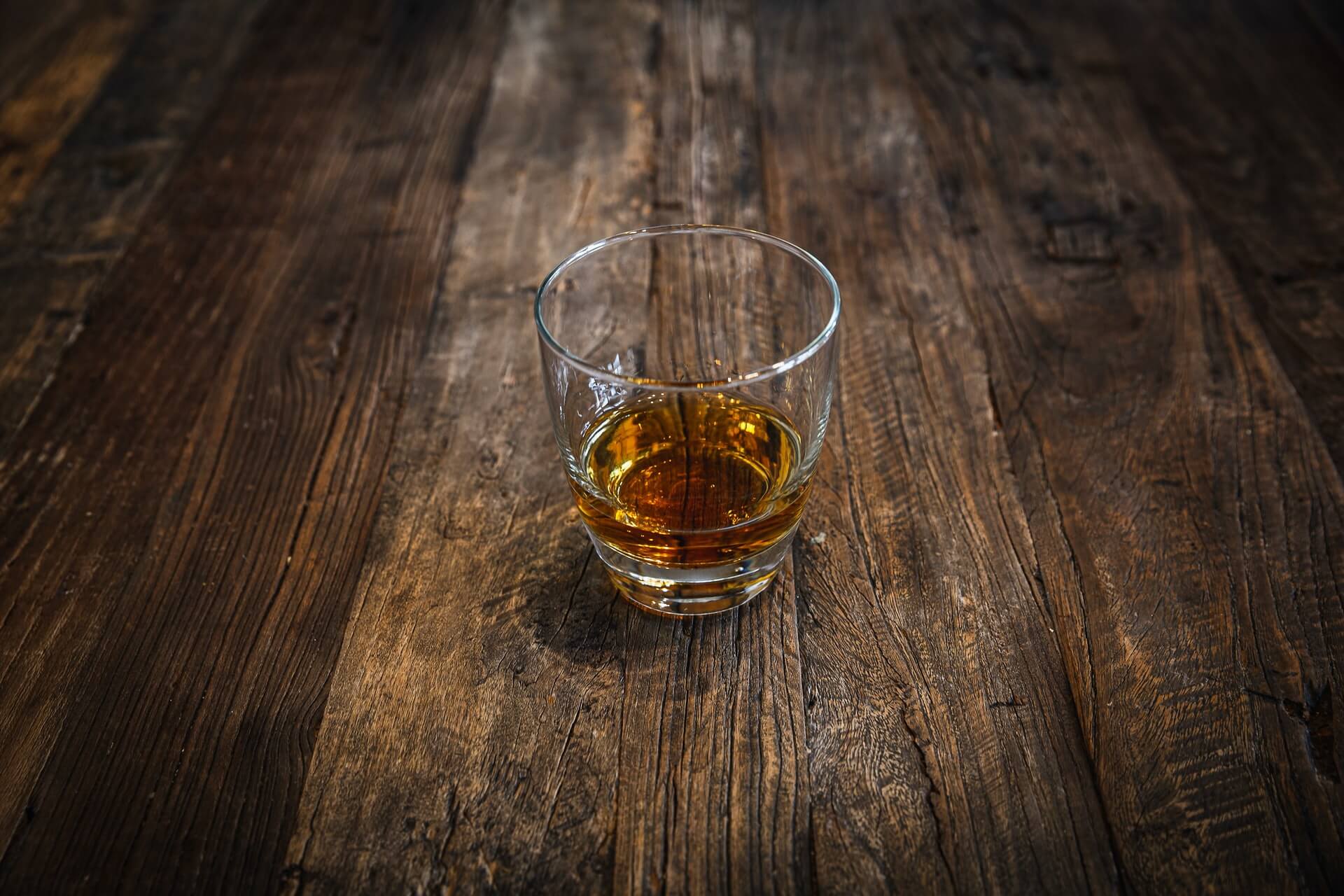
Shot of bourbon on wood background

Our onslaught of Bourbon Heritage Month content continues with a roundup of great reads that tell the story of bourbon.

Sure, it’s awesome to enjoy a bourbon with friends. But what about pouring a dram of your favorite bourbon while reading about bourbon?

Come on—you know that sounds fantastic.

So, grab one or more of these books, pair them with a beautiful bourbon, and expand your whiskey knowledge.

Buffalo, Barrels, & Bourbon

This brand-new bourbon book releases today on Amazon. In Buffalo, Barrels, & Bourbon, author F. Paul Pacult tells the story of the Buffalo Trace Distillery. The history of the most-awarded distillery in the world includes the American Revolutionary War, Prohibition, the Great Depression, and it’s still going strong.

The Bourbon Bible

Author Eric Zandona writes for Distiller Magazine and is the director of spirits information at American Distilling Institute. Zandona dives deep into bourbon in The Bourbon Bible, sharing notes on 100 of the world’s best expressions along with 20 classic bourbon cocktail recipes.

Kentucky Bourbon Country

We all know that while a luxury, traveling is the best way to understand our world. Wine lovers have an array of bucket-list destinations, such as Piedmont, Tuscany, Bordeaux, and the Napa Valley. Scotch devotees have Scotland. And bourbon fans have Kentucky. Author Susan Reigler reveals everything bourbon lovers need to know about traveling to Kentucky to learn about their favorite spirit. All that will be left after reading the third edition of Kentucky Bourbon Country is planning your own trip and booking your flights.

Pappyland

It’s hard to come up with any bourbon label more well known, sought after, argued about, and in some cases reviled, than Pappy Van Winkle. Wright Thompson tells the story not only of the (in)famous label and multi-thousand-dollar bottles but also of the family behind it all. Love it or hate it, you need to read Pappyland for the full story.

Bourbon Empire

Reid Mitenbuler tells the real story of the business of bourbon in Bourbon Empire. And let me tell you, it’s no boring essay on the ins and outs of supply and demand, P&L statements, distribution, and on- and off-premise consumerism. Rather, Mitenbuler reveals a history rife with underhanded political dealings, organized crime, “questionable” business practices, bootlegging, and much more intrigue.

Bourbon: The Rise, Fall, and Rebirth of an American Whiskey

Even people with only a passing familiarity with bourbon probably know the name Fred Minnick. The award-winning author sets out to learn just who should be given the credit for creating bourbon in Bourbon: The Rise, Fall, and Rebirth of an American Whiskey, winner of the 2017 Spirited Award for Best New Spirits Book.

Bourbon Curious

Fred Minnick returns with Bourbon Curious to convert his Kentucky Derby Museum classes into book form. Interestingly, this tasting guide is segmented into what Minnick identifies as the four main bourbon flavor profiles: grain, nutmeg, caramel, and cinnamon. Want to know how those profiles dominate bourbon? Get the book.

Image: phil cruz on Unsplash

by David Klemt David Klemt No Comments

9 Bottles for Bourbon Heritage Month

9 Bottles for Bourbon Heritage Month

by David Klemt

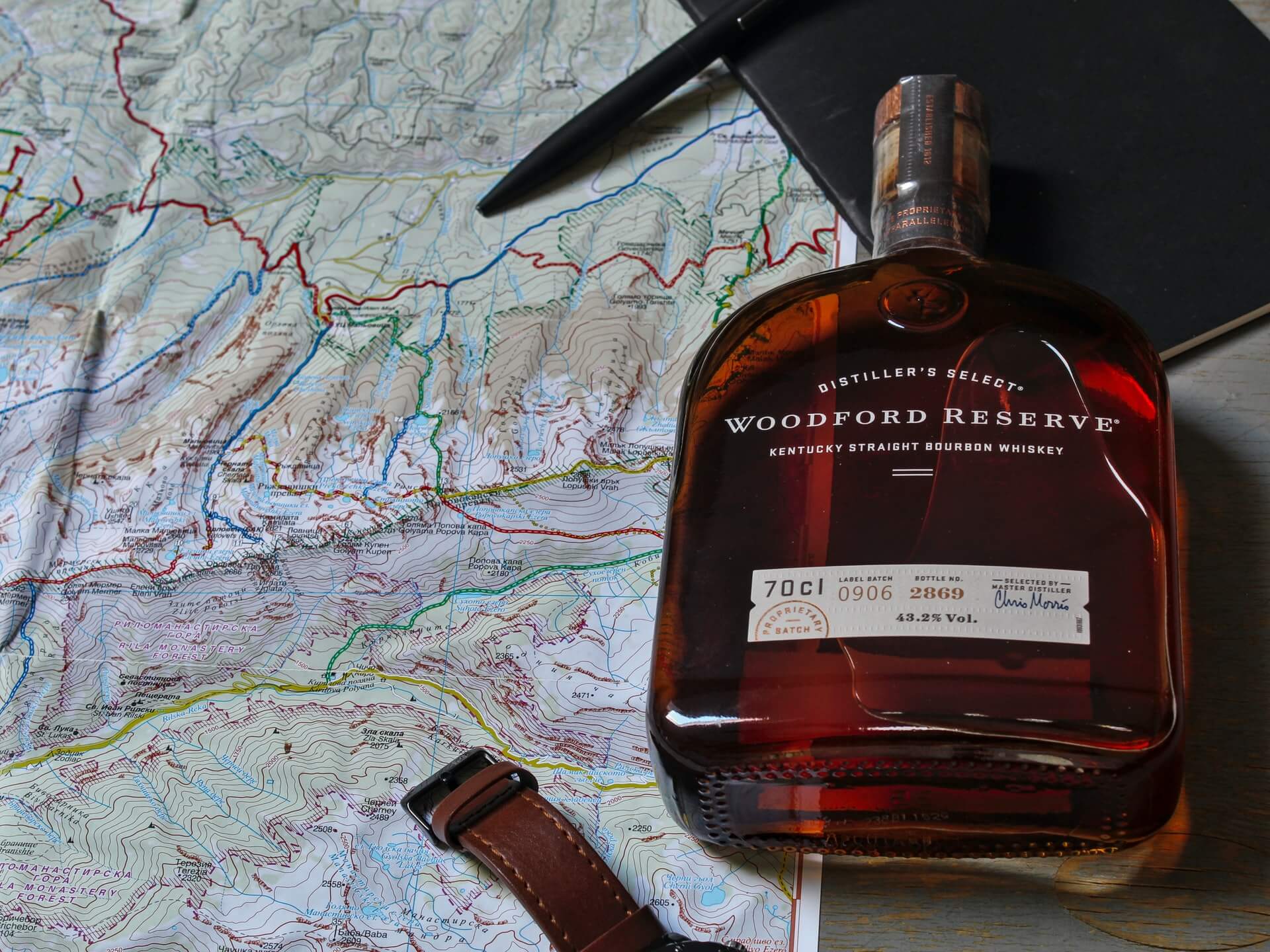
Bottle of Woodford Reserve Distiller's Select Kentucky Straight Bourbon on top of a map

One of the best elements of Bourbon Heritage Month is, undoubtedly, the opportunity to find and taste new expressions.

Given our love for finding new bottles, we’re sharing nine bottles to try this month.

Like our June 14 National Bourbon Day roundup, our suggestions for September run the pricing gamut. You’ll find a bottle under $20 and one with a $150 price tag.

The bottles below will also help your complete nine days of the 30 Days of Bourbon challenge. Who doesn’t love win-win situations?

$50 and Under

Evan Williams Bottled-in-Bond, $15

You don’t have to empty your wallet to enjoy a bonded bourbon. Also, doing so connects you with decades upon decades of bourbon distilling history and heritage. Evan Williams Bottled-in-Bond won’t break the bank and doesn’t skimp on quality, flavor or body.

Jim Beam Old Tub, $23

Speaking of bonded bourbons that won’t drain bank accounts, Jim Beam Old Tub is a limited edition, 100-proof expression that barely cracks $20 per 740ml bottle. This direct competitor to the bourbon above is neither carbon- nor chill-filtered. In fact, the distillery says the only filtering this liquid receives is of bits of wood from the barrels.

$51 to $99

Basil Hayden Toast, $50

Not only does Basil Hayden Toast receive its toasty profile from a second barreling, this bourbon features a new mash bill that includes brown rice. This is a smooth, subtle, 80-proof bourbon that practically begs you to relax and reflect to fully appreciate its nuances.

Henry McKenna Bottled in Bond, $65

There’s some controversy surrounding this 100-proof expression. That makes the bottle all the more compelling.

First, pricing can be as low as $35 per bottle SRP…if people hunting these bottles down get lucky. Some people report finding Henry McKenna Bottled in Bond for around $40, but most will say it’s between $65 and $80. Then there’s the fact that this small run bourbon isn’t exactly consistent between batches. That makes finding a bottling that really speaks to the consumer special.

Regardless of “controversy,” this bonded bourbon is aged for ten years, much longer than many other bottled-in-bond expressions out there.

Jack Daniel’s 10-Years-Old Tennessee Whiskey, $70

Here we go… On a technical level, Tennessee whiskey is bourbon. The process, up to a certain point, is identical: both must be at least 51 percent corn, and both must be aged in new, charred oak barrels. The big difference is the step that takes place just before the liquid is aged: it’s treated to a charcoal filtering.

So, please don’t come at us for including Jack Daniel’s 10-Years-Old Tennessee Whiskey on this list. Instead, seek out and try this new 97-proof offering from Jack Daniel’s.

Wild Turkey Kentucky Spirit, $65

This bourbon is for those looking for a single-barrel expression from one of the most recognizable names in bourbon production. Wild Turkey Kentucky Spirit rings in at 101 proof and is aged for eight years. Enjoyed neat, Kentucky Spirit delivers notes of almond, honey, leather, oak, pepper and vanilla, a full body, and a long finish.

$100 and Over

Old Forester Birthday Bourbon (2021 Edition), $130

September is a special month for bourbon lovers. Bourbon Heritage Month is the perfect time to splash out for high-dollar bottles. One of those is the industry’s first-ever vintage-dated bourbons.

For the unfamiliar, Birthday Bourbon has marked George Garvin Brown’s birthday, September 2, since 2002. As you may have suspected, George was the co-founder of Brown-Forman. This year’s Old Forester Birthday Bourbon is the product of 119 barrels that were filled on April 16, 2009, and aged for 12 years.

Woodford Reserve Master’s Collection Series No. 16 (Very Fine Rare Bourbon), $130

Whereas several bottles on this list pay homage to the rich history of bourbon production, Woodford Reserve Master’s Collection showcases the future. Now, Very Find Rare Bourbon is a nod to the past. However, the mission driving Master’s Collection is innovation. Special releases like Series No. 16 is produced with liquid from barrels that date back to 2003, which is the year that Chris Morris became Master Distiller.

Four Roses 2021 Limited Edition Small Batch, $150

Looking for a barrel-strength bourbon? Four Roses 2021 Limited Edition Small Batch is bottled at 114.2 proof. This bottling consists of four bourbons produced following four separate Four Roses recipes: a 12-year-old OESK, a 14-year-old OBSQ, a 16-year-old OESV, and a 16-year-old OBSV. To learn more about the Four Roses recipes, click here.

Image: Zhivko Minkov on Unsplash

by David Klemt David Klemt No Comments

6 Takeaways from HD Expo 2021

6 Takeaways from HD Expo 2021

by David Klemt

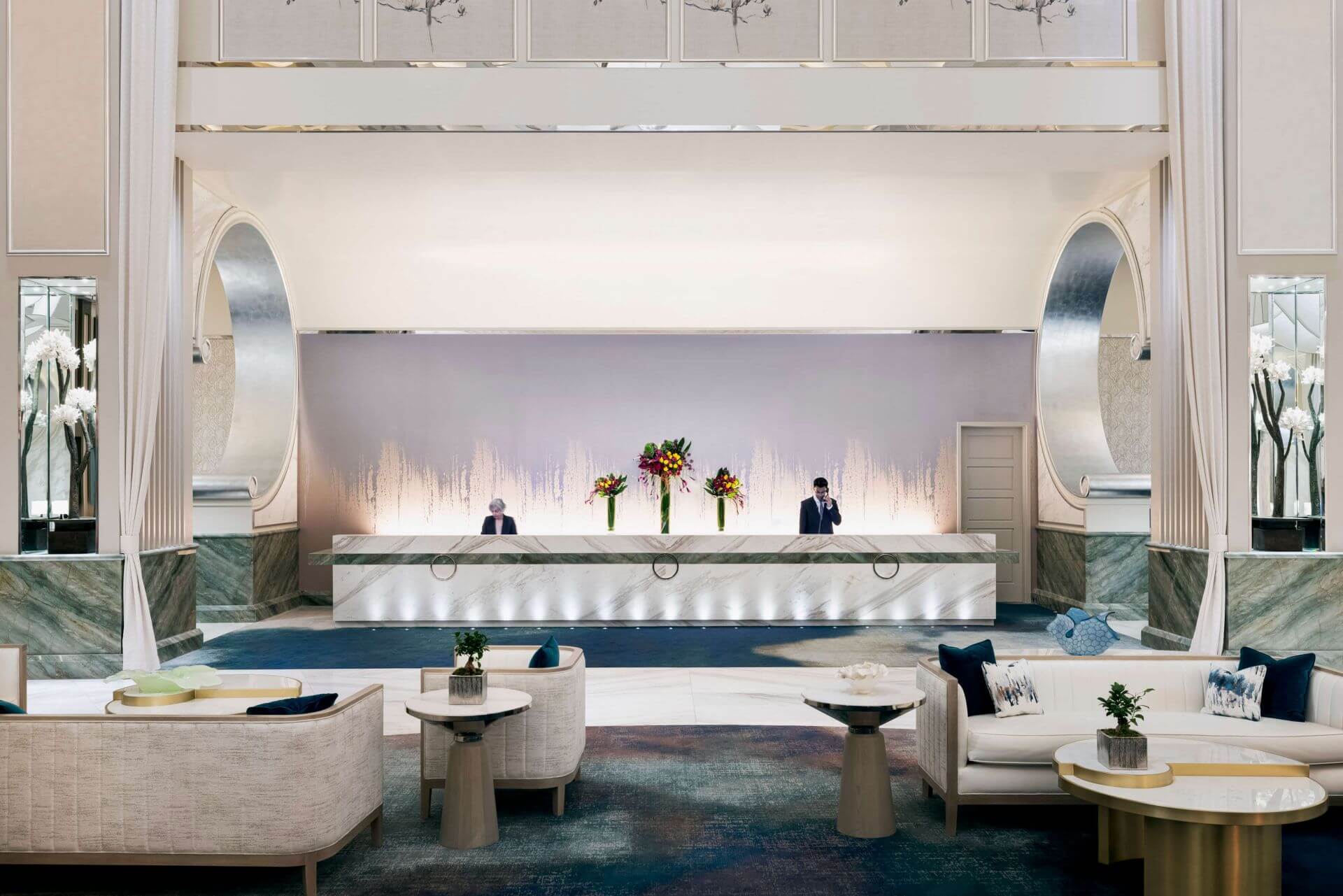
Lobby of Crockfords inside Resorts World Las Vegas

Crockfords lobby inside Resorts World Las Vegas

This year’s Hospitality Design Expo in Las Vegas reveals an industry set to undergo seismic shifts that will reverberate for years to come.

While the pandemic certainly plays a role in transforming the industry, it’s not the only factor.

Here are six major takeaways from HD Expo 2021.

Diversity, Equity and Inclusion

Hospitality—indeed, the world—is in the midst of reckoning with inequality. This is both long overdue and nowhere near complete.

Truthfully, we’re just at the start of the process. There’s much more work to be done.

However, many global hospitality brands and their partners are taking steps to be more equitable. The focus on diversity, equity and inclusion is holistic, spanning C-suites to fronts and backs of house.

Refreshingly, this commitment to diversity, equity and inclusion isn’t limited to hotel and restaurant chains. Smaller, independent operators are also up to the challenge of eschewing long-standing inequalities and toxic norms.

We have a lot more work to do but change is in the air.

Sustainability

Another widespread hospitality industry focus is sustainability. Again, global brands and equipment manufacturers to independent operators and small design firms are seeking to operate more sustainably.

Hotels, resorts, and restaurants are committing to design and operations that lessen their impact on local areas and the globe. Equipment manufacturers are doing the same.

While a smaller show this year, the HD Expo floor featured several exhibitors proudly pursuing LEED and other environmentally-friendly certifications.

Certainly, the hospitality industry has been focusing on sustainability, “going green,” and responsible operations for a few years. From what we saw at HD Expo 2021, the desire for sustainability and environmental design is only going to grow stronger.

Return to Nature

Intriguingly, many designers and boutique operators are changing how we think about resorts. Airstreams and intimate cabins that encourage guests to recharge and reconnect with nature are on the rise.

For example, Getaway intends their guests to disconnect and immerse themselves in nature. Ideally, a guest won’t even consider bringing electronic devices and trying to work or spend any time on their phone.

A quick exploration of the Getaway website makes the brand’s mission clear. Slides have titles such as “Getaway from Nashville” and “Getaway from Chicago.” The navigation bar lists Getaway locations under the heading “Escape From.”

Conversely, there’s Yonder. This resort in Escalante (more locations are on the way) also wants guests to disconnect. However, they do offer WiFi and aren’t about escaping from the world.

Rather, Yonder encourages guests to engage with one another. The Escalante property features a communal clubhouse and robust food and beverage program. A massive hot tub spans the length of the pool. There are no showers in the Airstreams or cabins—guests commune with nature when they bathe.

Of course, more traditional hotels and resorts, along with restaurants and bars, are also embracing the outdoors.

In terms of this design change, one can certainly draw a straight, well-defined line from the pandemic to outdoor spaces. Leveraging outdoor areas continues to be one of the most common solutions for navigating and surviving mandates and public health recommendations.

Nearly every panel discussion at HD Expo 2021 at least made a passing mention of maximizing the usage of outdoor spaces. Clearly, this isn’t a design trend—this change is here to stay.

Guest Tech

Increasingly, hotels and some restaurant brands are going out of their way to allow guests to control their stays through technology.

Want to order room service? A few clicks of your phone make that possible. Not completely comfortable? Adjust temperatures, lights, drapes and shades digitally.

From check-in to check-out, a guest can essentially control every aspect of their visit via the little device in their pocket.

This is, in part, a response to the pandemic. It’s also about adapting quickly to shifting guest needs and desires.

Hotel, resort, restaurant and bar, and entertainment venue guests are skewing ever younger. And each successive generation is ever-more technologically savvy.

If something can be handled via phone or tablet quickly and conveniently, a significant percentage of guests feel it should be handled that way.

Additionally, smart increases in tech implementation speak to another guest expectation: If they’re accustomed to having something from home, they want it at hotels and resorts as well.

In fact, Lee Shuman, vice president of construction and design for Peachtree Hotel Group, says guest expectation is impacting hotel pools. According to Shuman, pools “seem to be falling to the wayside” in favor of larger, better-equipped health centers.

Of course, this another change partly fueled by the pandemic. More and more people are focusing on their health. People are working out more and expect hotels and resorts to provide them with convenient ways to work out when away from home.

After all, a hotel is intended to be a home away from home.

Local Culture

As trends, locality and hyper-locality are growing stronger and stronger. Interestingly, a focus on local culture is impacting all areas of hospitality, not just F&B.

Several hotel, resort and design groups spoke to the importance of embracing locals in as many ways as possible.

Hotel and resort owners and groups are retaining the services of local designers. In turn, those designers influence exterior architecture, interior design, artwork, and a specific project’s color theory.

Who better, after all, to ensure a property fits within the landscape and speaks to locals? It’s only logical to work with local designers and artists—they’re immersed fully in a location and and its culture.

Local artists and artisans also imbue a property with its personality. They also help to attract local support.

We expect more hotel and resort groups to focus on differentiating one property in their portfolio from the next. Indeed, there are groups with portfolios wherein every property is unique.

F&B Focus

It’s fair to say that, traditionally speaking, many hotel groups treated their F&B programming almost as an afterthought. In fact, some groups made it clear F&B was unimportant to them.

That’s changing.

Locality and hyper-locality are permeating F&B programs, and hotels, guests and locals are better for it.

It’s no longer uncommon to find local food items, beer, spirits, wine, and soft drinks on hotel restaurant and room service menus.

The pursuit of the local is very real and very effective. Locals are encouraged by some hotel operators to work, relax, play, dine and eat at their properties. In fact, many groups seek to make their hotels and resorts a part of everyday life for locals.

Interestingly, hyper-locality isn’t new to today’s restaurant operator. We expect this “trend” to gain a stronger foothold throughout the hospitality industry.

Image: Crockfords / Resorts World Las Vegas

by David Klemt David Klemt No Comments

5 Books to Read this Month: September

5 Books to Read this Month: September

by David Klemt

Flipping through an open book

This month’s fun and informative book selections will help you develop next-level culinary, beverage and leadership skills.

To review last month’s book recommendations, click here.

Let’s dive in!

Holy Smoke! It’s Mezcal! (revised second edition)

The world is steadily becoming more and more enthralled with all agave spirits. Mezcal, of course, helped spearhead this interest and the category’s growth. If you want a deeper understanding of mezcal, John P. McEvoy’s Holy Smoke! It’s Mezcal! is the book you’re looking for. Click here for the black-and-white version, and here for the full-color version.

Cocktails of the Movies: An Illustrated Guide to Cinematic Mixology New Expanded Edition

There’s no doubt that pop culture has an impact on food and beverage trends. In Cocktails of the Movies, authors Will Francis and Stacey Marsh take a look at cocktails featured in film. Not only are there recipes, you’ll find a history of each cocktail, the scene it was in, and artwork.

The Infused Cocktail Handbook: The Essential Guide to Homemade Blends and Infusions

One excellent way to set your bar program apart from the competition’s is with house infusions. Kurt Maitland’s The Infused Cocktail Handbook dives into what spirits pair best with specific ingredients, including bacon and gummy bears.

The Cocktail Seminars

As the story goes, author Brian D. Hoefling taught his fellow Yale students about cocktails and build techniques during his senior year. The Cocktail Seminars is a collection of five of Hoefling’s education seminars and spans 30 cocktail recipes. Along with technique, readers will learn about the history of cocktails, which they and their bar teams can leverage to engage with guests.

5 Levels of Leadership: Proven Steps to Maximize Your Potential

John C. Maxwell’s book 5 Levels of Leadership helps people become true leaders. Remember, becoming a leader is a journey in and of itself, not just a position you find yourself in.

Image: Mikołaj on Unsplash

by David Klemt David Klemt No Comments

How to Help NOLA’s Hospitality Workers

How to Help NOLA’s Hospitality Workers

by David Klemt

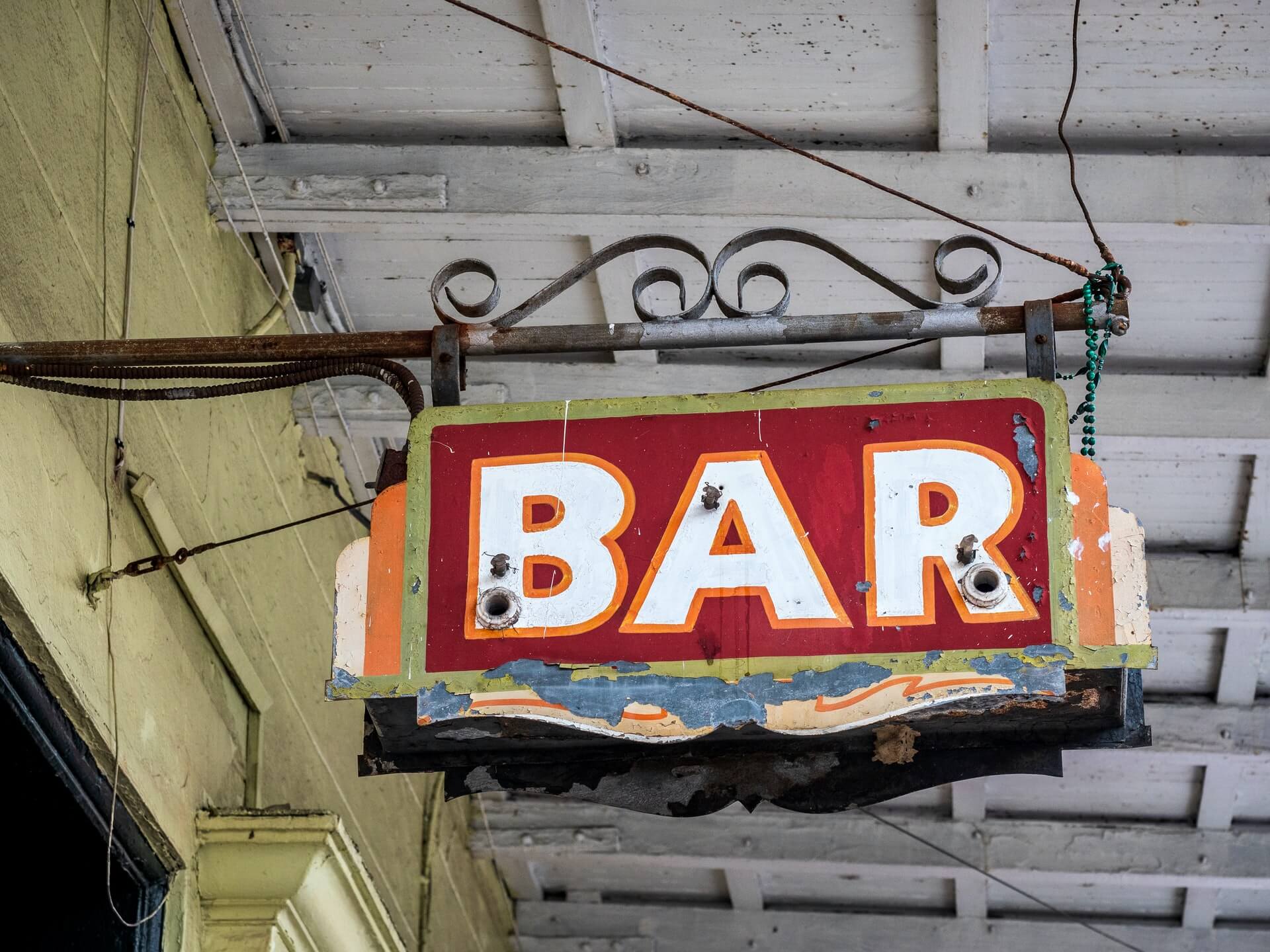
Old bar sign hanging in the French Quarter of New Orleans, Louisiana

Hurricane Ida has left hospitality workers in New Orleans displaced and without work, stability or a sense of normalcy.

When Ida first made landfall, the storm was designated Category 4, meaning winds were between 130 and 156 miles per hour. The storm “weakened” to Category 2 with windspeeds up to 105 MPH.

When Ida hit Louisiana Sunday, August 29, it did so 16 years to the day that Hurricane Katrina struck New Orleans.

Multiple sources have reported New Orleans residents as saying Ida’s battering of the city felt as though it lasted longer and was stronger than Katrina.

Sadly, the damage and horrific memories of Katrina continue to reverberate throughout New Orleans to this day. Social media posts and news stories reveal residents of the city are already afraid they’ll be abandoned by the rest of the country.

We can’t allow that to happen.

Devastation

We won’t know the true toll Hurricane Ida has taken on New Orleans for some time. In fact, we won’t know just how severely ravaged the country is—from the South to the Northeast—for weeks, if not months.

Currently, the loss of life seems to be much, much lower in comparison to the casualties from Katrina.

However, the entirety of New Orleans lost power after Ida struck. The private company that provides power to New Orleans, Entergy, reported one million power outages.

Some outages have been fixed. But tens of thousands of residents remain without power—and therefore without air conditioning.

Per the Entergy website, it may take until September 8 for power to be restored in most neighborhoods. And that’s just in New Orleans. Cities and towns in parishes throughout the state of Louisiana may be without power for weeks.

Of course, power outages are just one issue. As Tales of the Cocktail CEO Eileen Wayner explained on an emergency episode of the Bar Hacks podcast, we won’t know about the breadth of Ida’s destruction for weeks, at the earliest.

We have no way yet of knowing about the true extent of: evacuees being relocated safely; access to clean water and food; property damage and loss; infrastructure damage; hospitalizations; and the toll on the city’s economy.

Disaster Relief

Tens of thousands of New Orleans residents have been displaced. The same goes for cities throughout Louisiana.

That means tens of thousands of hospitality industry workers are unable to return to their jobs. These workers, part of our hospitality family, must now navigate evacuation and survival without their steady sources of income.

In fact, they don’t even know if they’ll have a place of business to return to when they’re able to get back into their homes.

Responding immediately, Tales of the Cocktail has partnered with several organizations to provide relief to New Orleans hospitality workers.

These partners include:

For now, Wayner says the best way to support New Orleans hospitality workers is to donate to the above organizations.

Additionally, Wayner and Tales of the Cocktail board member Neal Bodenheimer plan to provide more information via Instagram Live on Wednesday, September 8 at 9:00 AM CST. Click here to make sure you’re following Tales on IG.

One of the keys to helping New Orleans and the city’s hospitality workers recover is to, as Wayner says, “keep the volume up.” So, please share their posts and the posts of their relief partners.

Image: Mary Hammel on Unsplash

by David Klemt David Klemt No Comments

Stand Out with Weird Holidays: September

Stand Out with Weird Holidays: September

by David Klemt

Stay Weird neon sign with purple background

Want to stand out from from other restaurants and bars in your area? Then commit to keeping it weird.

Several “holidays” are set against every date on the calendar, and September is no exception. These holidays range from mainstream to food-centric to weird.

Focus on the latter to raise eyebrows, carve out a niche for your restaurant or bar, and attract more guests. Why do what everyone else is already doing?

Of course, you shouldn’t try to celebrate every holiday, weird or otherwise. And this month’s list in no way includes every odd holiday.

Focus on the days that are authentic to your brand; resonate with your guests; and help you grab attention on social media.

For last month’s list, click here.

September 3: National College Colors Day

There are a few ways you can go about celebrating this holiday. If your bar or restaurant supports a particular college team, create a promotion that encourages guests to wear that team’s colors. You can also ask guests to wear their favorite college team’s colors…if there’s no risk of rivalries getting out of hand, of course.

September 4: World Beard Day

An entire day dedicated to celebrating facial hair? Sign us up! There’s a lot you can do with this holiday, even if that means going the other way and rewarding the clean shaven among us.

September 6: National Read a Book Day

It’s not exactly a secret that we love a good book, whether it’s about leadership, business, history, cocktails, food or fiction. Create a new promotion focused on inspiring people to read books or bring back last month’s Book Lover’s Day promo.

September 10: National TV Dinner Day

Delivery and takeout aren’t going anywhere. Even before the pandemic, these two lifelines helped many operators generate revenue. Several restaurants have come up with signature TV dinners and you can do the same.

September 12: National Hug Your Hound Day

People love dogs. People love other people’s dogs. If your business is dog-friendly, this is the day to encourage guests to bring their pooches to your restaurant, bar or hotel.

September 19: National Talk Like a Pirate Day

I doubt I have to tell you what to do this day. Brush up on your pirate and nautical lingo, feature themed cocktails like the Dark & Stormy, and if you have the capability, show a pirate movie or two.

September 22: Car Free Day

If it’s authentic to your brand and will resonate with your guests, create a promotion that encourages people to walk, ride their bikes, or otherwise get to your place by means other than traditional petrol-powered vehicles.

September 25: National Comic Book Day

Break out the comic book character-inspired cocktails and your favorite comic book movies on this day.

September 27: World Tourism Day

This is a great day to seek out partnerships with hotels and local tourism boards to drive out-of-town guests through your doors.

September 28: National Good Neighbor Day

We’ll always suggest that operators show their communities that they support them and are members in good standing. This is the perfect day to pay back the support you receive from the community.

Image: Dan Parlante on Unsplash

by David Klemt David Klemt No Comments

The 30 Days of Bourbon Challenge

The 30 Days of Bourbon Challenge

by David Klemt

Bourbon barrels resting in Buffalo Trace rack house

Today marks the start of Bourbon Heritage Month, the celebration of America’s native spirit.

Unlike National Bourbon Day, which takes place in the US on June 14, September provides us with a monthlong bourbon celebration.

I, for one, couldn’t be more excited to revisit some of the bottles in my home bar.

But there’s another way to celebrate Bourbon Heritage Month. And operators can participate.

Bourbon & Banter

In 2011, bourbon devotee and advocate Patrick Garrett founded Bourbon & Banter.

A team of devoted contributors soon followed and developed.

Bourbon & Banter’s initial mission was simple but powerful: “to spread the Bourbon Gospel.”

However, over the course of ten years, that mission has evolved. A robust community has formed around Bourbon & Banter. Today’s mission is to continue building that community while helping others “drink curious.”

Bourbon & Banter reviews bottles, keeps readers and followers current with relevant news and events, sells merchandise, and more.

But there’s something else this dedicated bourbon bunch does. Something that celebrates Bourbon Heritage Month.

30 Days of Bourbon

Normally, the first of the month is reserved by KRG Hospitality for a roundup of weird holidays. However, we’re disrupting our regular programming in the name of bourbon.

Bourbon & Banter is challenging bourbon aficionados, casual bourbon drinkers, and the bourbon-curious to participate in a monthlong challenge.

The premise of 30 Days of Bourbon is simple: drink a new bourbon every day for the entirety of September.

Equally as simple are the rules:

  • Only bourbons count. Sure, drink whatever you want. But only bourbon counts toward the challenge.
  • Tennessee whisky counts, as technically it’s bourbon. We don’t make the rules for whiskey or this challenge, so don’t @ us.

Speaking of technicalities, Bourbon & Banter provides the following in terms of what differentiates one bourbon from another:

  • Mash bills within a single brand: Each of Four Roses ten mash bills are unique and therefore count as individual bourbons. The same holds true for their limited editions and Small Batch blend.
  • Single barrel bourbons: Using Blanton’s as the example, the stoppers don’t indicate separate bourbons—the barrels do. So, look for different barrels or they don’t count as different bourbons.
  • Proof: Bourbon & Banter says Evan Williams Black and Green Labels are the same but that White Label is different due to the rules for bonded bourbons.
  • Non-distiller producer (NDP) bourbons such as those from MGP count as the final products differ from one another so greatly.

Accept the Challenge

Bourbon & Banter have created a convenient 30 Days of Bourbon calendar. beyond that, they’ve also made logo overlays for participants to use as they post about their progress.

Operators can participate by offering a special or otherwise highlighting a different bourbon each day in September. Encourage guests to return and track their progress using Bourbon & Banter’s calendar.

Use social media to announce the day’s bourbon or mark personal progress. Operators and participants should use the hashtags #30DaysOfBourbon and #BourbonHeritageMonth.

Obviously, operators should give credit to Bourbon & Banter for this challenge and their calendar, so make sure to tag their accounts: Instagram, Twitter and, Facebook. Also, visit them on YouTube and check out their Patreon.

Additionally, Bourbon & Banter has been asking participants to donate $30 to the charity of their choice during the 30 Days of Bourbon challenge for the last five years. Founder Garrett has also been rewarding participants with bourbon-related prizes randomly.

Of course, operators can also come up with their own rewards for completing the challenge at their venue.

Cheers!

Image: Josh Collesano on Unsplash

by David Klemt David Klemt No Comments

Bar Hacks: Tales of the Cocktail

Bar Hacks: Tales of the Cocktail

by David Klemt

Bartender pouring cocktails on bar

Tales of the Cocktail returns next month not only in a new format but with all-new features for 2021 and beyond.

Running from September 20 through 23, Tales of the Cocktail 2021 will be a hybrid event. The digital/in-person industry show is free for attendees this year.

Eileen Wayner, CEO of Tales of the Cocktail, and Neal Bodenheimer (a board member and operator) drop by the Bar Hacks podcast for this week’s episode to talk about the 2021 event.

Learn more below.

Hybrid Format

The 19th annual Tales of the Cocktail will offer something for everyone in the industry.

So, those who wish to visit New Orleans for Tales can do so. Also, the show will be accessible to attendees more comfortable with a digital experience this time around.

Anyone attending in person needs to know two things: First, Tales will adhere to New Orleans mask and vaccine mandates and policies.

Second, Hurricane Ida made landfall this past Sunday, knocking out power to more than a million people. In-person attendees should monitor the situation and be sensitive to what people in New Orleans are experiencing.

Intriguingly, Tales 2021 will feature brand activations not just in New Orleans but in other cities as well. Pop-ups are on the schedule for New York City and London. Tales will announce more as details emerge.

Tales Evolves

For obvious reasons, Tales will be different this year. However, that isn’t a negative—the event is evolving.

For instance, the Spirited Awards will take place this month. Acknowledging that it’s simply not fair or possible “to honor every award category for 2021,” this years awards will be different.

At this year’s event, the following categories will be awarded:

  • Helen David Lifetime Achievement Award
  • Pioneer Award
  • Timeless U.S. Award
  • Timeless International Award
  • Best: Cocktail & Spirits Publication; Cocktail & Spirits Writing; New Cocktail or Bartending Book; New Book on Drinks Culture, History or Spirits; and Broadcast, Podcast or Online Video Series

Of course, there are other new event features. On Sunday, September 19, Tales will host the Diversity Distilled Career Fair. A direct response to so many in the industry losing jobs and the current labor shortage, employers will post job listings; review resumes; and more.

Listen Today

Wayner and Bodenheimer share more details in this week’s Bar Hacks episode.

So, to find out what to expect about this year’s Tales of the Cocktail (and a bit about the future of the event), listen to episode 48 today.

Listen on Spotify, Apple Podcasts, Anchor.fm, or wherever you listen to podcasts. Cheers!

Image: Adam Jaime on Unsplash

by David Klemt David Klemt No Comments

How to Use RTDs for LTOs

How to Use RTDs for LTOs

by David Klemt

White Claw Ruby Grapefruit and pizza poolside

The RTD, aka ready-to-drink, category continues to grow and gain greater market share, particularly in the US.

However, the common association with RTDs is that consumers mostly drink them at home.

That begs a simple question: How can operators generate revenue with this popular, in-demand beverage category?

Massive Growth

Unsurprisingly, the RTD cocktail category is still one the rise.

These drinks are convenient. New brands come to market regularly. They tend to fall in line with rising consumer desire for lower-ABV options. And many brands speak to consumer desires—sustainability and outdoor interests, for example—via their visions and missions.

Per the IWSR, the US leads the charge when it comes to demand for RTDs. North America as a whole is driving growth.

However, the category grew 43 percent globally in 2020 alone. According to multiple sources, RTDs are worth USD $782.8 million. Projections have the category more than doubling by 2028: $1.7 billion.

Tequila and gin RTDs appear to be the most popular within the category, but rum, whiskey, and vodka are also growing.

So, what’s the point of all these numbers? Operators need to know what consumers are drinking and leverage that demand for the benefit of their businesses.

Simple LTOs

One of the most obvious ways to deliver on RTDs is to treat it like beer. Add a “Canned Cocktails” section and list your options. Or, hey, do what some venues do and add White Claw and other RTDs to the beer list.

After all, millions of people order canned beers every day in restaurants, bars, hotels, and entertainment and sports venues.

However, there are guests who perceive ordering an RTD instead of a traditional cocktail at a bar as a sub-par experience.

The bartender, after all, is just popping a top and handing over a can.

One way to elevate the experience is via limited-time offers. A great example comes from Nickel City, which has two locations in Texas: Austin and Fort Worth.

The award-winning neighborhood bar offers a monthly Boilermaker, and this month’s was the Rise & Shine:


View this post on Instagram


A post shared by Nickel City (@nickelcityatx)

As you can see, a High Noon Grapefruit Vodka Soda comes with a 50/50 pour of Aperol and Altos Tequila for just $8.

Other restaurants and bars—with vessels large enough—are offering riffs on the Corona-rita with RTDs. The bar team builds the cocktail as usual, then inverts and inserts the RTD.

Such a drink can certainly be leveraged via monthly LTOs.

There are a few keys to succeeding with RTDs: understanding your guests, knowing your market, and getting creative. Guests willing to spend on the RTDs they enjoy at home while at your restaurant or bar? Great. Guests unwilling unless there’s added value? Convene your bar team and tap their creativity.

Image: Maria Oswalt on Unsplash

by David Klemt David Klemt No Comments

Let’s Talk About Rum Styles

Let’s Talk About Rum Styles

by David Klemt

Havana Club Mojito rum cocktail

Last Monday, August 16, was National Rum Day. Of course, millions of people drink rum every day. So, there’s really not a bad day to learn more about the many styles of this versatile spirit.

Obviously, we love restaurant and bar holidays. Just review Exhibits A and B, National Tequila Day and National Scotch Day.

But, we also love learning and teaching others about spirits and cocktails any day of the week. Today, let’s dive into rum!

Cheers!

Molasses vs. Juice vs. Syrup

There are three main types of rum in terms of the main ingredient distillers ferment to make this classic spirit.

First, the more common source: molasses from sugarcane. Then, there’s fresh sugarcane juice. Finally, rum can be made with sugarcane syrup.

However, there are also spirits like aguardiente made from the distillation and fermentation of fruit. Additionally, beet sugar can be an ingredient. However, many countries—including the US—require rum to be made from cane sugar.

Light Rums

Generally speaking, rums can be broken down into two characteristics beyond molasses, juice or syrup: light rum and dark rum.

White / Clear

It doesn’t get much lighter than clear, does it? Simply put, the production method for making a white or clear rum includes filtering out the color. Contrary to what some assume, these rums aren’t necessarily unaged: many rest for one or two years.

Again, speaking generally, these light rums are often less flavorful than other styles. Daiquiris, Mojitos and Piña Coladas tend to be made mostly using white or clear rums. Of course, it can be profitable to upsell those classics with golden, pale, dark, and premium aged rums.

Gold / Pale

One way to think about gold or pale rums is that they’re a step up in flavor profile. They also tend to receive longer aging times than their white and clear counterparts.

However, since they’re not normally the rums that are rested for particularly long times, they’re usually affordable.

Dark Rums

Dark

So, let’s kick this section off with the creatively named dark rum category called…dark.

To be clear, this category can include gold and pale rums, technically. When people refer to dark rums, that’s an awfully broad description. So-called “dark rums” can run the gamut from aged a couple of years to aged for incredibly long times. Not only do these rums not undergo a filtering process to remove their color, distillers may actually add color.

Black

Now, this is a more specific categorization among the catch-all “dark rum” descriptor.

When one encounters a black rum, they can expect several elements: dark in color, rich and bold flavor, a full body, and a rum made from molasses. Often, the barrels used to age black rums are given a heavy char.

Navy

This is another full-body rum. Arguably, this is the most traditional form of rum that harkens back to the 1600s.

It bears the name “navy” because it’s the style of rum that British Royal Navy sailors made famous. As many people are aware, rum was a staple ration on the Royal Navy’s ships.

Specialty

Drilling deeper, there are several categories of rum that are too specific to simply bear the label “light” or “dark.”

Flavored / Spiced

Prepare for amazement: This category of rums receives enhancements from spices and/or flavorings. Shocking, I know.

Coconut is among the most common rum flavorings. However, you’ll also find apple, pineapple, and even gingerbread.

In terms of spiced rum—hello, Captain Morgan—common spices are cinnamon, clove, and nutmeg.

Overproof

I’m willing to bet this label isn’t difficult for most people to figure out.

Speaking generally once again, most rum in the US and Canada weighs in between 40- and 50-percent ABV. Overproof rum, then, is a high-proof spirit.

Cask strength for rum can reach as high as 84.5-percent ABV, or 169 proof. Interestingly, the US prohibits rum over 155 proof from entering the country (in most cases).

In Canada, up to 190-proof spirits are legal.

Funky

This is an incredibly fun and unique style of rum hailing from Jamaica.

Jamaican funky rums offer the drinker the opportunity to try something different, bold, and that embodies the island country’s terroir. To make these unique rums, distillers often add what’s called “dunder” during the fermentation process. Dunder it leftover material from previous distillations, and when added in large quantities, it can be referred to as “muck.”

Get heavy in the muck and the rum gets truly, unforgettably funky.

Rhum Agricole

At the top of this article are the three main sources for rum: sugarcane molasses and sugarcane juice. Distillers produce rhum agricole by distilling pressed sugarcane sugar directly.

Also, rhum agricole was created in the island nation of Martinique. Now, many people have likely read that only Martinique distillers can make rhum agricole. The reality is more nuanced.

For a rhum agricole to be labled “Rhum Agricole AOC Martinique,” the product must meet specific requirements.

Cachaça

There’s a saying well-known by bar professionals across the globe: “No Negroni without Campari.” Well, there’s no Caipirinha without cachaça.

Also known as the National Spirit of Brazil, cachaça must be made from fermented sugarcane juice. The use of many species of trees throughout Brazil give distillers the opportunity to produce cachaça with terroir and distinctive flavor profiles.

Image: Christo Anestev from Pixabay

by David Klemt David Klemt No Comments

Why Operators Need to Set Goals

Why Operators Need to Set Goals

by David Klemt

Darts in a dartboard and in bullseye

Something restauranteur Mike Bausch said during the 2021 International Pizza Expo caught my attention.

It stuck with me for a few days. Eventually, I had no choice but to write it down and share it with others.

“If you don’t have a goal,” Bausch said, “you just have a dream. And dreams are just fluff.”

Goals are Measurable

An operator’s goals don’t stop with realizing the vision of opening their business. Rather, that’s when setting goals starts.

Starting up a restaurant, bar, brewery, entertainment venue, hotel… Just getting to the point of opening the doors for the first time requires accomplishing multiple goals.

In fact, our Roadmap to Success identifies several steps—or goals—to achieve to open a startup.

But, hey, let’s say a person’s goal is to open a business. What’s next? Just running that business? That’s not much of a goal. It isn’t defined, it isn’t really measurable, and it won’t accomplish much.

There’s a reason KRG Hospitality offers coaching for operators after they’ve opened for business. Our work doesn’t end with the grand opening.

Similarly, “I want to make a bunch of money” also isn’t really a goal. That’s a result; goals are what help you achieve desired outcomes.

So, instead of writing down making money as a goal, come up with goals that will:

Of course, those represent just a tiny handful of possible goals.

Goals Drive Forward Progress

Because goals are measurable, they help an operator and their business continue growing. So, when operators make goals, they’re working to ensure long-term viability.

Yes, building a bank account and setting one’s self up for retirement can be goals. But how does an operator achieve either of those goals?

They set and achieve the goals that will drive them toward those two personal accomplishments.

Also, in achieving a number of other, equally important goals, the business moves forward constantly. In essence, a restaurant or bar without goals is a listless ship floating in the doldrums.

An effective captain keeps wind in the sails.

Goals Strengthen Teams

Sticking with the ship metaphor because it’s incredibly original and has never before been done, it needs a crew.

So, too, does a restaurant, bar, entertainment venue, or hotel.

Sure, the basic goal of an employee is making money. Generally speaking, that’s not enough of a goal to keep a team member engaged and loyal.

However, an operator being transparent about financial goals (for a particular shift, the week, the month, etc.) engages the team.

Likewise, an operator can (and should) inquire about employees’ individual goals. Then, they should come up with mutually beneficial ways to help accomplish those goals.

Clearly, those are just two examples of how operators can include their teams in the goal-setting process.

The keys to setting goals are:

  • make sure they’re clear;
  • ensure they’re achievable;
  • be certain they’re measurable;
  • when relevant, be transparent about the results with the team;
  • learn from failures or sub-optimum results; and
  • celebrate wins.

And then, of course, set new goals.

So, are you a dreamer or are you a visionary: a dreamer and a doer?

Image: Afif Kusuma on Unsplash

by David Klemt David Klemt No Comments

Leadership: The Other 10-second Rule

Leadership: The Other 10-second Rule

by David Klemt

Watch face showing seconds and minutes

Those who remember last week’s Friday post will recall that there’s more than one 10-second rule.

Interestingly, this “other” rule also relates to communication.

As we all know, communication is paramount to leading teams and building relationships with others.

Last Week’s Rule

Deceptively simple, last week’s 10-second rule focuses on easing tensions.

If a situation is about to boil over or is already out of control, going silent for 10 seconds can cool things off.

First, shutting up for ten seconds stops the argument cold. Second, it provides time for the person leveraging this tactic to respond rationally.

Third, it humanizes the other person. Rather than seeing an opponent, the person going quiet for ten seconds remembers that this is a team member they’re engaging.

Finally, people who use this rule say going silent tends to snap the other party out of their hostility.

Treating others with respect and dignity, along with encouraging open communication and a free flow of ideas, are hallmarks of a healthy workplace culture.

This Week’s Rule

There are, of course, similarities between this week’s rule and last week’s. Obviously, they both call for a ten-second “timeout” to talking.

Also, they both focus on humanizing the other person in the conversation.

I came across the other 10-second rule on the Accounting Today website. Accountant and author Kyle Walters writes that his rule is also simple: If Walters talks for ten consecutive seconds during a client meeting, he stops to ask an open-ended question. Crucial to the process is that Walters then gives the person answering time to talk.

Now, while Walters applies this to client meetings, it’s useful for conversation in general. As he points out, it breaks the bad habits of dominating conversations; giving off the impression that you’re selfish and don’t care about the others in conversations; and not listening to others.

Anyone who leads a team; needs to develop relationships with suppliers, distributors, contractors, investors, banks, inspectors, etc.; and wants to build relationships with guests knows that listening is crucial.

Sure, ten seconds doesn’t seem like a lot of time. However, take the time to actually see how many thoughts you can fire off in ten seconds. You’ll see how much talking for that “small” amount of time can quickly seem domineering if you don’t stop to include others in the conversation.

There’s also the “small” detail that you’re not having a conversation if you’re not listening—you’re just delivering a speech…and it’s probably not a good one.

It takes work to break bad habits. However, the benefit to your personal growth, leadership abilities, and business are worth the effort.

Image: Agê Barros on Unsplash

Top