Hotel

by David Klemt David Klemt No Comments

5 Books to Read this Month

5 Books to Read this Month

by David Klemt

Flipping through an open book

Spring is traditionally the time when we’re meant to reinvent or otherwise better ourselves. These books can help you do just that.

Some will help you expand or enter this business, others will boost your marketing and social media, and a couple will help you refresh your drink menu.

With restrictions easing and vaccination rates in the United States growing, now’s the time to improve yourself and your business.

Prepare now for pent-up demand for in-person dining and drinking.

Food Truck Business Guide for Beginners

Looking to enter this industry with a food truck or expand your existing business with one? This book is a great place to start.

Food Truck Business Guide for Beginners is a comprehensive guide that covers:

  • common mistakes that lead to food truck failure, and exactly how to avoid them;
  • the most successful ways to secure funding;
  • how to master marketing;
  • best practices for passing health inspections;
  • tackling and mastering marketing for your business;
  • and many more topics.

The Terroir of Whiskey: A Distiller’s Journey Into the Flavor of Place

Dr. Rob Arnold is a plant biochemist and the master distiller at TX Distillery. To say he understands the science of whiskey and terroir is obvious.

What’s less obvious is the direction Dr. Arnold’s book heads into. He takes readers to distilleries in Kentucky, Ireland, Scotland and elsewhere, but he takes things further.

In The Terroir of Whiskey, Dr. Arnold shines a light on plant breeders, local farmers, and distillers bringing back “lost” grains. These same innovators are also attempting to create new grains to further develop terroir.

This book will definitely enhance your whiskey knowledge and engagement with guests.

Rad Cocktails

Yes, this book’s description states that it focuses on the home bartender.

No, that doesn’t mean bartenders, operators, and other hospitality pros can’t learn from it.

Rad Cocktails, in addition to including awesome illustrations, also embodies a growing cocktail trend: simplification. Innovative cocktails don’t have to be complicated or take ten minutes to build.

Beautiful Booze: Stylish Cocktails to Make at Home

Natalie Migliarini, also known as Beautiful Booze, has more than 95,000 followers on Instagram. Her cocktail recipes, photographs and mastery of social media help her stand out in a roiling sea of influencers.

Her first book, Beautiful Booze: Stylish Cocktails to Make at Home, also targets home bartenders…on the surface. This book, creative cocktail recipes, can help elevate anyone’s bartending skills. The beautiful photography will also help inspire anyone to take their social media shooting to the next level.

Hacking the New Normal: Hitting the Reset Button on the Hospitality Industry

Alright, this may seem self-serving. However, I wouldn’t have written the foreword for a book I didn’t believe this book would truly help people.

Millions of hospitality industry professionals’ lives were imperiled at the start of last year. We continue to innovate and adapt to overcome unprecedented challenges.

Hacking the New Normal addresses the need for an industry-wide reset and seeks to guide operators through rebuilding for the long term, and to strengthen the industry moving forward.


Image: Mikołaj on Unsplash 

by David Klemt David Klemt No Comments

Stand Out with Weird Holidays: April

Stand Out with Weird Holidays: April

by David Klemt

Stay Weird neon sign with purple background

Want to stand out from from other restaurants and bars in your area? Then commit to keeping it weird.

Several “holidays” are set against every date on the calendar. They range from mainstream to food focused to weird.

Focus on the latter to raise eyebrows, carve out a niche for your restaurant or bar, and attract more guests.

Of course, you shouldn’t try to celebrate every holiday, weird or otherwise. Focus on the days that are authentic to your brand; resonate with your guests; and help you grab attention on social media.

April 14: National Reach as High as You Can Day

This is a holiday that will likely work best on social media. Just like there’s always a holiday and people like to say “there’s always a tweet,” there’s always a hashtag.

Use this day (and its accompanying hashtag) to highlight staff who want to participate, along with your venue.

Of course, if you want to involve your guests in person, go for it. Put your head together with your staff and get creative.

April 15: National Take a Wild Guess Day

You can take promotions centered around this day in several directions. The simplest way is to use the holiday to engage with followers on your social channels.

Consider borrowing from the “wrong answers only” posts on Instagram. Post a blurred, pixelated or “censored” item, like a bottle. In the caption, ask followers to “guess” what it is—wild guesses only.

This holiday also works well with blind tasting events.

April 16: Wear Pajamas to Work Day

I’d say this holiday is fairly self-explanatory. Let your front-of-house staff participate by wearing pajamas, with full team buy-in. Or, encourage your guests to wear their pajamas to your restaurant or bar.

If this holiday fell on a Saturday or Sunday, this would be a great day for a brunch promo. Of course, there’s nothing to say you can’t execute a Friday brunch.

April 16: National Bean Counter Day

In the United States, this holiday is taking place a month before the Tax Day deadline. If you’re so inclined, you could offer a deal to all the tax preparers and accountants in your area.

Although, you can also go a completely different direction. You can fill a large jar with beans—coffee would be great—and have guests guess how many there are. You can even post the jar full of beans to social, encouraging follower engagement. Closest guess wins a prize.

April 22: National Jelly Bean Day

Oh, hey… Remember that bean-counting holiday from way up there? I wonder if that bean-guessing idea would work for this holiday…

April 23: National Talk Like Shakespeare Day

If you think you or your social media manager can handle it, encourage your followers to describe your restaurant or bar as though they’re the Bard himself.

Or, as a Shakespearean translator would explain it, “Encourageth thy followeth’rs to describeth thy restaurant ‘r bar as though those gents’re the Bard himself.”

April 25: National DNA Day

Yesterday, I shared how our DNA plays a significant role in how we perceive bitter flavors. National DNA Day would be a great time to plan and execute a PTC strip and cocktail event.

April 27: National Tell a Story Day

How well do your loyal guests know you and your brand? How well do they know your staff?

National Tell a Story Day is an excellent time to leverage the story features on your social channels. Show off the venue and tell your brand’s story. If you have team members who want to participate and tell share a story, that’s a great way to engage with followers and guests.

April 28: National Superhero Day

If there was a ever a day to encourage your staff and/or guests to dress up for a fun time… National Superhero Day also leverages Shudder’s “Halfway to Halloween” event.

To take this holiday in another direction, you can also celebrate members of your community who give back to others by giving back to them.

“Weird” holidays aren’t just a dynamic way to engage with guests. Asking your team for ideas for holiday promotions is an excellent way to keep them engaged, which is a smart way to retain staff.

Image: Dan Parlante on Unsplash 

by David Klemt David Klemt No Comments

Let’s Talk About Bitcoin

Let’s Talk About Bitcoin

by David Klemt

A Bitcoin on top of a $100 bill

Bitcoin and cryptocurrency in general are no strangers to media attention, but it seems like the coverage is increasing.

Of course, it helps when people who are excellent at garnering attention talk about it. Consider the explosion in news stories and online conversations about cryptocurrencies when Elon Musk tweeted about Dogecoin.

Then there’s the mystery factor. Many people don’t understand Bitcoin, Ethereum or other forms of cryptocurrency. The word itself—”crypto”—lends to the enigmatic air of this form of currency.

As a business owner, you should at least have a cursory understanding of cryptocurrency. After all, some people may try to pay you with it and you should at least consider meeting these guests where they are.

Before we proceed: I’m not a cryptocurrency or financial expert. I’m sharing information I’ve come across in my research over the years. Don’t make any financial or business decisions solely based upon what you read here—learn more for yourself and consult with experts before making investment decisions.

Crypto is Relevant to Our Industry

I’ve written about cryptocurrency—Bitcoin in particular—in the past. In one article, I wrote about a “nightclub” within a nightclub in Las Vegas devoted to cryptocurrency.

The club, MORE, had its own “coin” (MORE Coin), accepted other cryptocurrencies, and tailored its experience to crypto fanatics. It has become more of a members’ club, offering access to and preferential treatment at an array of venues, along with other perks. The club’s coin is purchased via Bittrex, a popular exchange platform

There are also hotels in Las Vegas (and other cities, of course) that accept cryptocurrencies like Bitcoin for rooms. Bitcoin ATMs scattered throughout Vegas allow people to access their wallets and convert crypto to cash.

Paying with crypto may become more commonplace than we think, sooner than we think.

Crypto Basics

Let’s address the term “cryptocurrency.” In this case, “crypto” is a reference to the encryption technology that protects a cryptocurrency network.

Bitcoin and other digital tokens, such as Ethereum and Dogecoin, are decentralized currencies. That is, there’s no main server, no government, no bank that controls or owns the network.

A digital token is incredibly difficult—if not impossible—to counterfeit or “double-spend.” This is due to sophisticated encryption technology and the blockchain.

The blockchain is a peer-to-peer distributed ledger technology that makes it incredibly difficult (again, if not impossible) to take over a crypto network. Every transaction is public knowledge; open to inspection; duplicated and distributed throughout an entire network; and  unalterable.

It’s that last point that made Bitcoin viable. Unlike attempts in the past to create digital currencies, the blockchain makes crypto trustworthy in that someone can’t just make up a new currency, wait for people to buy in, and then take it all for themselves.

Bitcoin has become synonymous with cryptocurrency. It’s the first viable digital token as we know it, the most popular, and at the moment, the most valuable.

Interestingly, it’s widely accepted that Ethereum is the second-most popular digital token but the most-utilized blockchain.

Finally, Bitcoin is finite. There are exactly 21 million Bitcoins—that’s it. Once they’re all mined, no more will be made.

Beyond the Basics

Fewer than 2.4 million Bitcoins remain to be mined. Currently, one Bitcoin is worth about $58,000.

A person uses a digital “wallet” to send and receive Bitcoin. Some people store their unique wallet on their computer; a separate and dedicated hard drive; a thumb drive; or a “cold” wallet, a device that’s not connected to the Internet to protect it from hackers.

If a person loses their wallet or password, they lose their Bitcoin(s).  There’s no way yet to know how many of the 21 million Bitcoins have been lost.

Bitcoin is a software system. Therefore, it can be copied. That’s the reason crypto beyond Bitcoin—such as the aforementioned Ethereum and Elon Musk-promoted Dogecoin—exists.

One of the biggest questions people have about bitcoin is, “Is this a scam?” Search online and you’ll get a mix of results.

There are high-profile people like Jack Dorsey and Elon Musk who are apparently heavily invested in crypto. There are critics calling the whole thing a scam and fraud. Then there are some former critics, like Jordan “The Wolf of Wall Street” Belfort, who were highly critical and suspicious of crypto but have changed their tunes.

Support from hotels, restaurant chains, financial institutions and other legitimate businesses seems to answer the scam question. However, operators must proceed with caution, as they would for any change in their business or investment.

Accepting Bitcoin Payments

Businesses that decide to accept Bitcoin and/or other digital tokens will need a POS app or platform to do so.

Starbucks is reportedly using Bakkt to accept Bitcoin.

Other options include BitPay Checkout, Bitcoin Cash Register, Anypay, and Paytomat.

Some solutions create a QR code the guest scans with their phone to complete a transaction. Others convert digital tokens to cash to accept payment.

It’s important to note that the IRS treats cryptos differently than US dollars. Before choosing to accept cryptocurrencies as payment, consult with your tax professional and accountant to ensure you don’t run afoul of any laws.

Canadian operators should note that while crypto is legal in the country. However, only the Canadian considered official legal tender in Canada. Again, this is why it’s so important to consult relevant experts before proceeding with crypto in your business.

Disclaimer

The information provided in this post does not constitute investment advice, financial advice, trading advice, or any other sort of advice. Neither the author nor KRG Hospitality recommend that any cryptocurrency should be bought, sold, or held by you. Conduct your own due diligence and consult your financial advisor before making any investment decisions.

Image: Bermix Studio on Unsplash 

by David Klemt David Klemt No Comments

CDC Updates Mask, Gathering Guidance

CDC Updates Mask, Gathering Guidance

by David Klemt

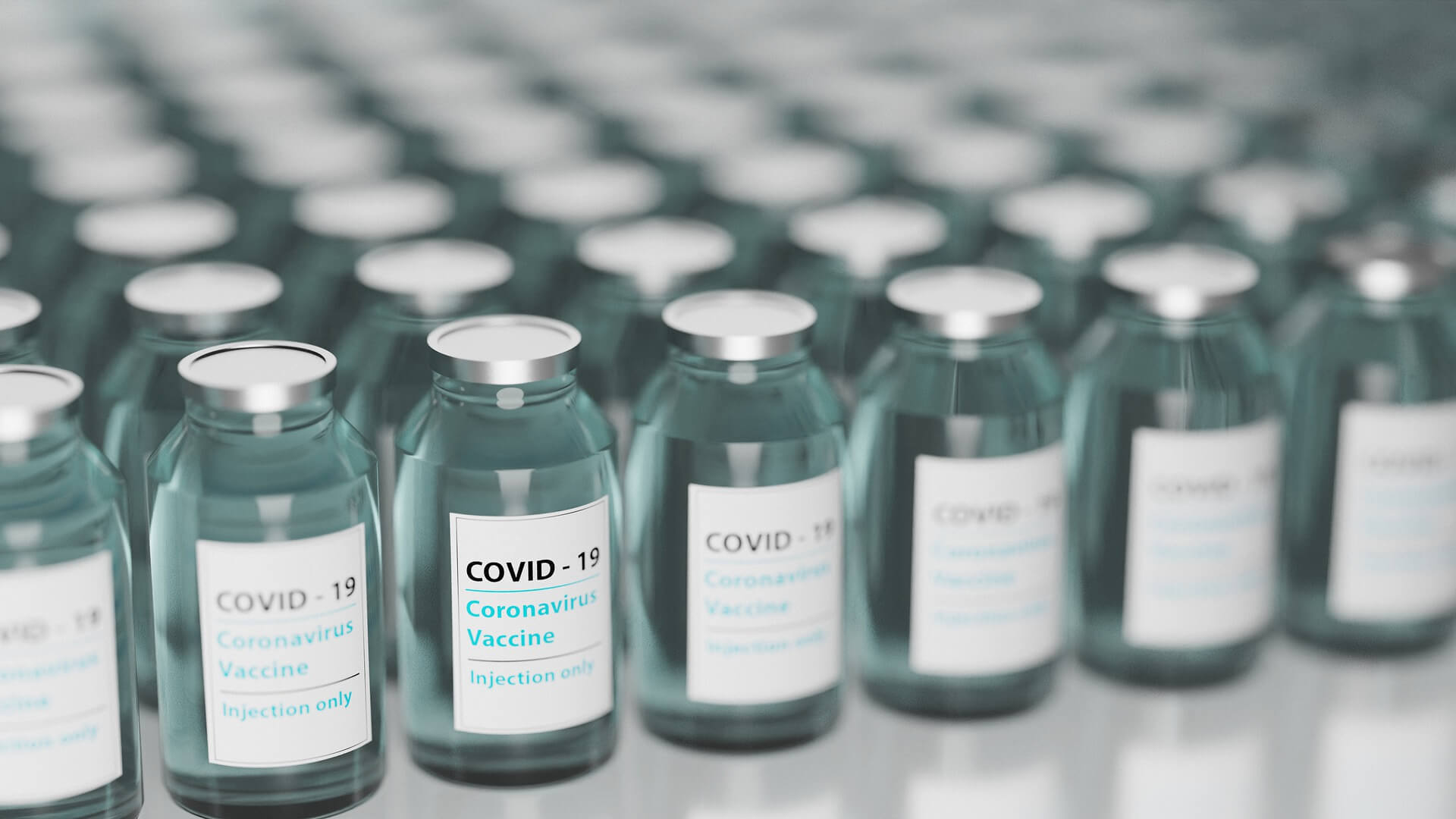
Vials of Covid-19 vaccine

On the heels of some states rescinding mask mandates, the Centers for Disease Control updates safety guidelines.

The CDC’s guidance focuses on vaccinated people.

Key Changes

Per the CDC, people who are vaccinated can meet indoors with one another. These indoor meetings can take place without masks.

Of particular note, the CDC says these people can meet up indoors with one unvaccinated household as long as they’re at “low risk” of serious illness.

Equally interesting, the latest guidance claims that if a fully vaccinated person is exposed to someone with Covid-19, they don’t need to quarantine if they’re not showing symptoms.

Importantly, these guidelines address fully vaccinated people, not those awaiting their second shot.

Masks & Public Gatherings

The CDC still recommends masks, social distancing, avoiding crowds, and staying away from spaces with poor ventilation.

Those who are fully vaccinated should exercise those recommendations whenever they’re in public; gathering with people are unvaccinated from more than a single household; meeting with anyone with increased risk of severe illness or death should they be infected with Covid-19.

Vaccinated or not, the CDC recommends people avoid medium- or large-sized gatherings and domestic and international travel.

Workplaces should still follow CDC guidance for employees not working exclusively from home.

Important Details

The CDC says a person is “fully vaccinated” if they meet one of two criteria:

  • It has been two weeks since they’ve received their second dose of a two-dose Covid-19 vaccination (Moderna, Pfizer, for example).
  • It has been two weeks since they’ve received a single-dose vaccine (example: Johnson & Johnson).

Anyone who needs to receive a second shot isn’t fully vaccinated. The same holds true if it has been less than two weeks since being vaccinated.

Per the CDC webpage: Everyone, “even people who’ve had their vaccines—should continue taking basic prevention steps when recommended.”

Click here to review the CDC’s new guidance. Remember that health and safety  protect yourself, your staff, your guests and your community.

Image: torstensimon from Pixabay

by David Klemt David Klemt No Comments

Senate Boosts RRF to $28.6 Billion

Senate Boosts RRF to $28.6 Billion

by David Klemt

Lower-case neon open sign

On Saturday, the Senate approved their version of the $1.9 trillion Covid-19 relief bill along party lines.

Next, the bill will go back to the House and could receive a vote as early as tomorrow.

Boost to RRF?

According to several sources, the Senate’s version of the American Restaurant Plan Act (ARPA) includes a $3.6 billion boost to the $25 billionRestaurant Revitalization Fund (RRF).

If that’s accurate and the House passes this version of the ARPA, the RRF has $28.6 billion to disburse.

Five billion dollars will be set aside specifically for businesses that grossed less than $500,000 in receipts in 2019.

Mostly a Good Start?

The RRF is modeled on the RESTAURANTS Act.

Unfortunately, it isn’t funded like the RESTAURANTS Act. The industry has been campaigning for nearly a year for a $120 billion fund.

More than 110,000 restaurants and bars have been lost throughout the United States permanently. In addition, the industry has lost around $220 billion in sales.

The RRF isn’t even a quarter of what the industry was asking for in terms of help from elected officials.

Still, if managed properly, the RRF is much-appreciated and much-needed relief for small and mid-sized operators.

The Details (So Far)

The Small Business Association (SBA) will manage the RRF. For the first 21 days, businesses owned or controlled by women or veterans—or that are economically and socially disadvantaged—will be prioritized for grants.

Maximum amounts for grants are $5 million per individual restaurant or $10 million per restaurant group.

Established restaurants can calculate their grants thusly: 2019 revenue minus 2020 revenue minus PPP loans. For restaurants that were opened in 2019, the calculation is the average of 2019 monthly revenues times 12 minus 2020 revenues. Restaurants opened in 2020 are eligible to receive funding equal to eligible expenses incurred.

Grants can be spent on eligible expenses from February 15, 2020 through December 31, 2021. However, the SBA may extend that period through two years from enactment.

Eligible expenses include but are not limited to:

  • payroll and benefits;
  • mortgage (no prepayment);
  • rent (no prepayment);
  • utilities, maintenance;
  • supplies (including PPE and cleaning materials);
  • food;
  • operational expenses;
  • covered supplier costs (as defined by the SBA under the PPP program); and
  • sick leave.

The fight for relief isn’t over. Please click here to tell your representatives to pass ARPA and the RRF immediately.

Image: Finn Hackshaw on Unsplash

by David Klemt David Klemt No Comments

What’s in the Senate Relief Package?

What’s in the Senate Relief Package?

by David Klemt

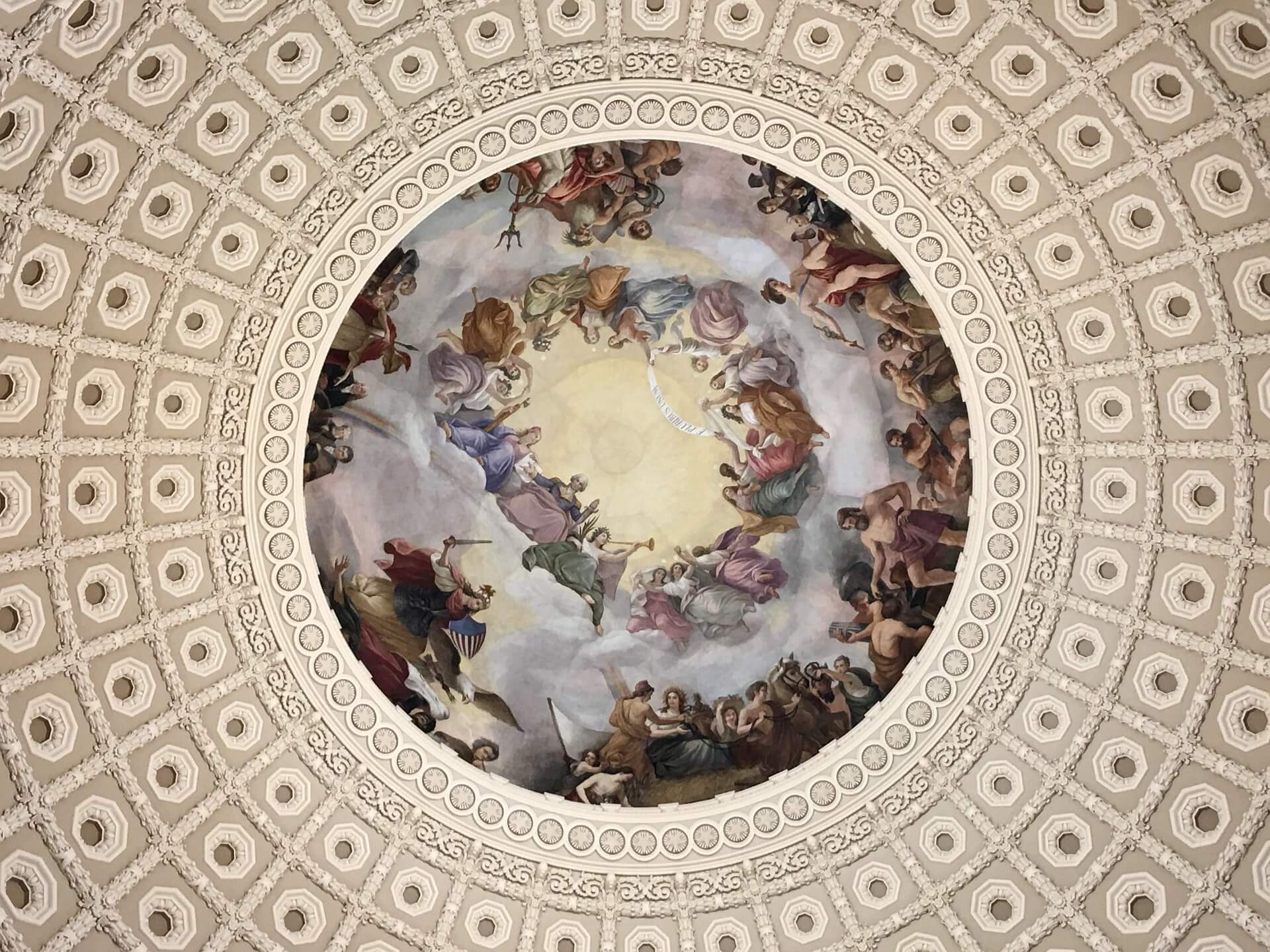
United States Capitol Building rotunda ceiling painting

As expected, the Senate version of the latest Covid-19 relief bill is different from the one passed by the House.

The changes will require the bill to be kicked back to the House, adding to the pressure to get relief to Americans before March 14.

Things may change but below are some of the differences between the two versions.

$15/hour Minimum Wage

This provision is dead in both houses of Congress.

That should come as no surprise as the boost to federal minimum wage was declared dead in the water by Senate Parliamentarian Elizabeth MacDonough even before the House voted on the American Rescue Plan Act.

According to reports, removing any and all language that raises federal minimum wage to $15 an hour is the biggest change between the House and Senate versions of ARPA.

Direct Payments to Americans

Chatter online indicates that Senate Democrats are in favor of a drastically lower threshold for $1,400 direct stimulus payments.

The House version of the American Rescue Plan Act of 2021 calls for $1,400 economic impact payments with the following parameters:

  • Individuals earning an adjusted gross income (AGI) up to $75,000.
  • Married couples earning an AGI up to $150,000.
  • Payments phase out, reaching $0 for individuals earning AGI over $100,000 and married couples earning AGI over $200,000.

The Senate version calls for $1,400 payments to phase out entirely for individuals earning an AGI of $80,000 and married couples with an AGI of $160,000.

Restaurant Revitalization Fund

Let’s be honest, this is why you’re here. Is the RRF safe?

There’s nothing that shows the $25 billion fund is in danger from the Senate. That said, there’s one threat to ARPA in general, “minor” as it may be: game-playing politicians.

Unsurprisingly, Republicans view ARPA as too expensive, too favorable of Democrat’s priorities, and insufficient for addressing the reopening of businesses, schools, and fighting Covid-19.

Those concerns in and of themselves aren’t akin to playing games, nor are they invalid. Vote-a-rama, however, is a time-wasting stalling tactic that allows senators to propose literally hundreds of amendments to a bill. The time limit for vote-a-rama? There isn’t one—it lasts until senators get tired or bored.

Speaking about a coordinated plan to engage in vote-a-rama, Senator Rand Paul (R-KY), said he’s “hoping for infinity. There are people talking about trying to set up a schedule and having it go on and on.”

Take Action

Americans simply do not have time for politicians on any side of the aisle to play games. Good-faith negotiations are one thing, delay tactics that last for “infinity” are another.

We’re still in the midst of a pandemic, people are unable to pay their bills, they’re going hungry, and business owners and their employees are suffering.

It seems some politicians have made up their minds and are committed to dragging out the process of passing ARPA and the RRF contained within but we still have our voices. Follow this link to tell your representatives to pass ARPA and RRF now.

Enough games, enough delays, more action.

Image: GO Educational Tours from Pixabay 

by David Klemt David Klemt No Comments

Your Drink Menu Deserves an Ice Program

Your Drink Menu Deserves an Ice Program

by David Klemt

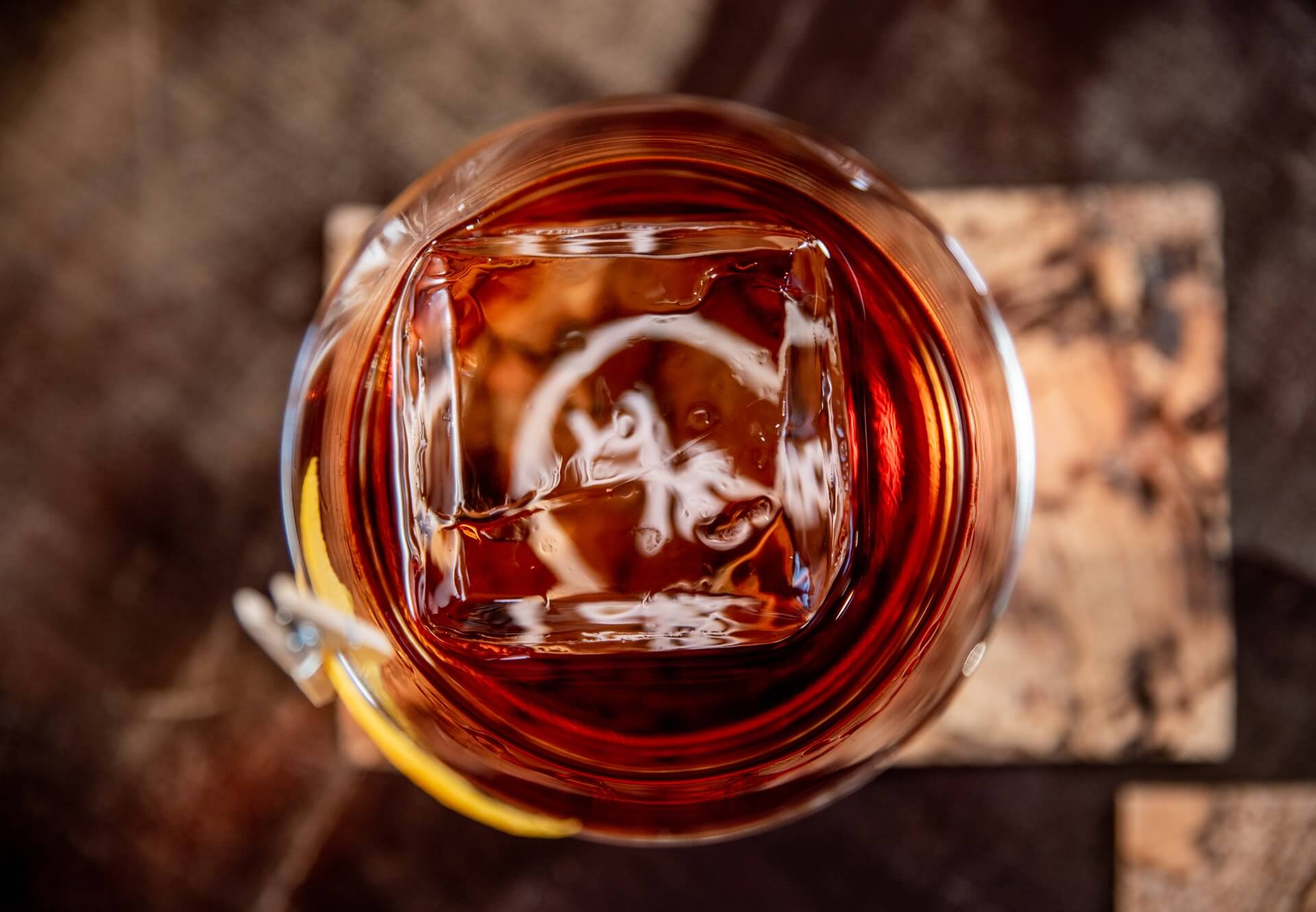
Cocktail with large king ice cube, overhead view

All ice is not created equal—there’s a reason behind their shapes and sizes.

Taking the time to consider your ice and build a dedicated program that includes it is crucial for your beverage program and the guest experience.

Remember that just like there are rules for building cocktails, there are rules for using ice:

  • Dilution is your friend. Water is a crucial component for cocktails.
  • Is your ice floating? Your build balance is off.
  • Store ice in plastic bags if it’s not being used right away.
  • Don’t use ice that’s two weeks old or older.

Types of Ice

Standard Cube (1 inch x 1 inch): These absolutely have a place in the cocktail glass. Just adhere to this standard when using standard ice cubes: Never use a water source you wouldn’t drink.

King Cubes (2 inches x 2 inches): Use these for spirit-forward drinks for consistent temperature and dilution. Examples: Manhattan, Negroni, Old Fashioned, Vieux Carré.

Collins Spear/Shard/Cylinder: For highballs. These make a Tom Collins or G&T look elegant and cool.

Ice Block: Use blocks in punches to keep large-format cocktails cold and control dilution over time.

Ice Slab: These are impressive blocks of ice bars and restaurants use to cut and shape their own cubes and spheres, often providing guests with entertainment (see below). Operators either form slabs in-house or retain the services of producers who drop them off. (In fact, there are services out there that will provide perfect and bespoke cubes, spheres and spheres.)

Sphere: Ice spheres are ideal for stirred cocktails and enjoying spirits straight. They melt very slowly in comparison to other shapes and deliver an impressive visual impact, so they often wind up in cocktails that call for king cubes.

Pebble/Crushed: Use in drinks that are heavy on syrup and/or juice, tiki drinks, and drinks served in hot climates. Examples: Frozen Daiquiri, Margarita, Mint Julep, Moscow Mule, Swizzle.

Hands-on Approach

According to many well-known bartenders, mixologists and operators, the best method for perfectly clear ice is “directional freezing.” Camper English outlined the process on the Alcademics site in 2009. But what do you do to turn a single slab into several cubes?

You’ll need an ice saw to get through the slab, a traditional single-prong ice pick to break off smaller cubes, a three-prong ice pick to break off smaller cubes and shape them into spheres if you prefer (be careful!), and an ice mallet to help the ice picks do their jobs.

Treat this process as a show for the guests. For a real-world example, the bars inside Zuma restaurants have ice stations dedicated to turning an ice slab into ice cubes. These stations are an experiential feature of the cocktail program.

Semi-hands-on Approach

An aluminum ice sphere mold is a type of “set it and forget it” device.

It may seem like these would be time-consuming to use and low-yield, but most take just a minute to form a ready-to-use sphere. Most manufacturers claim their molds can produce 30 to 40 spheres per hour.

While the mold is creating a perfect sphere of ice, the bartender grabs a glass and builds the cocktail. The guest, meanwhile, enjoys the “drama” of drink production versus ice sphere production: Will the drink and ice be ready at the same time?

Ice sphere molds range in price from under $200 to $800 (and beyond). The molds themselves are appealing to the eye, simple to use, and justify higher cocktail prices. Yes, there are bars that successfully charge more for large ice spheres, often offering different types of ice for at additional charge.

Molds make spheres in a range of diameters, normally from 1.2 inches to 2.8 inches. Higher-end models also offer shapes, such as perfect spheres, diamonds or snowflakes. Several bars that use these molds utilize custom versions that “brand” the ice with their logo.

Ice Machines

There are multiple manufacturers of commercial-grade icemakers. However, there are two that are considered top of the food chain.

Hoshizaki America’s headquarters is in Georgia and the company makes dozens of icemakers. People can choose from ice shape and the pounds of ice a machine produces in a day. We’re fans of Hoshizaki for their quality and the pandemic information they added to their FAQs last year.

Manitowoc operates out of Wisconsin and manufactures several models. There are cubers, flakers, nugget producers, and there are several solutions that work for an array of venue types, layouts and service volumes.

To learn even more about creating an epic beverage program, click here for our latest download.

Image: Moritz Mentges on Unsplash

by krghospitality krghospitality No Comments

Bacardi Predicts How We’ll Drink in 2021

Bacardi Predicts How We’ll Drink in 2021

by David Klemt

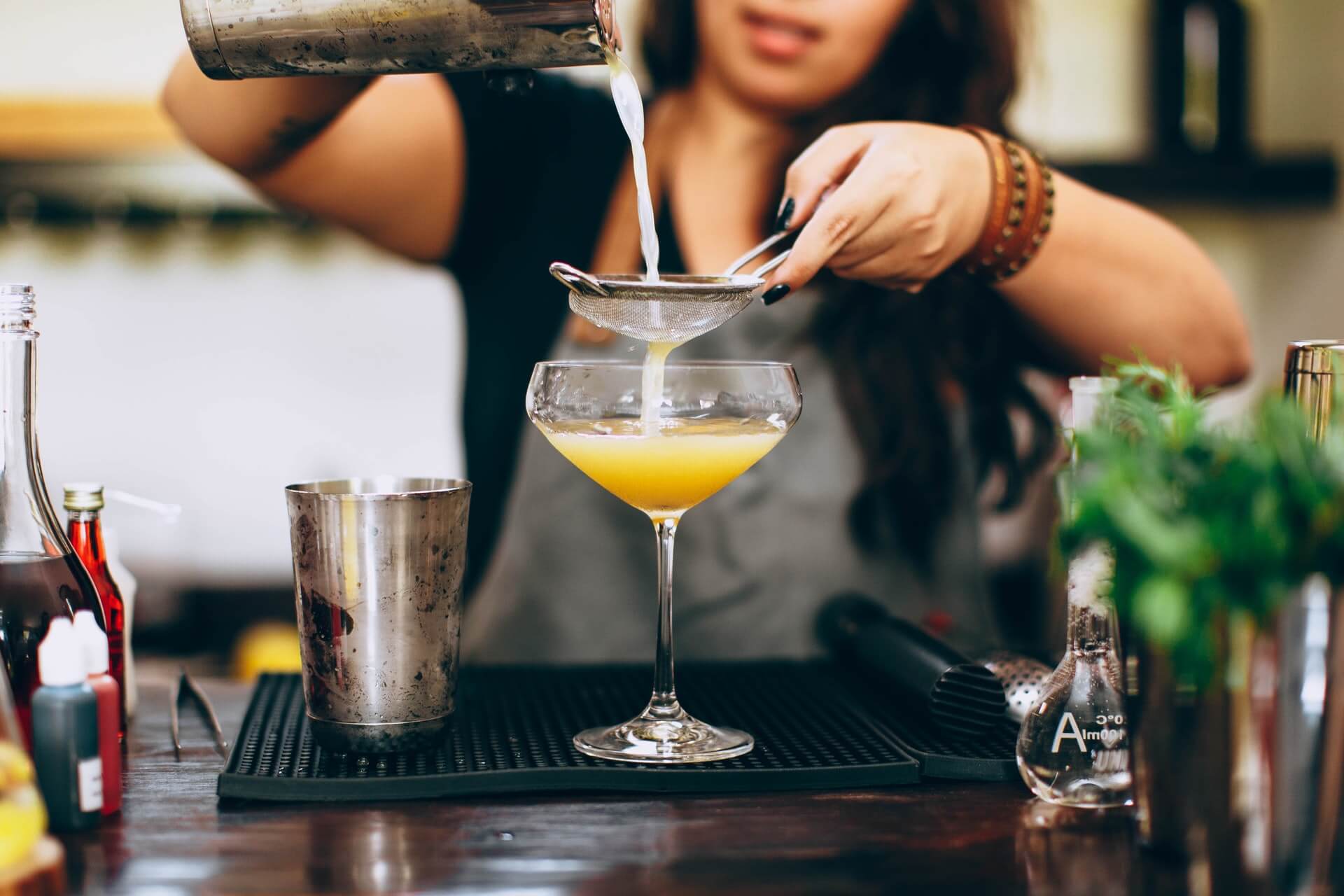
Bartender making a cocktail

What will alcohol consumption look like this year? Bacardi has answers.

In association with the Future Laboratory, Bacardi’s second-annual cocktail trends report—a well-sourced 25-page document—is available.

As is the case when we begin a new year, we’re being deluged with trend predictions and reports. I’d say the Bacardi 2021 Cocktail Trends Report goes deeper than most.

The report is organized into five macro trends identified by Bacardi Limited. Let’s get to it!

Reinventing the Bar

I’m not presenting Bacardi’s macro trends in order. Instead, I’m starting with the trend arguably most relevant to operators: bar reinvention.

Industry experts have been pointing to the ease of access to knowledge along with consumer interest in learning more about spirits and cocktails as an important trends for years now. It’s no longer a trend—it’s standard that guests are better informed.

Like other sources, Bacardi predicts guests will seek out more personalized experiences. They also predict guests will want to connect more with bartenders. However, the brand goes deeper in their report.

Bacardi thinks to-go cocktails, cocktail and meal kits, and e-commerce will become standard. Going a step further, the report posits that some venues will create cocktail menus that will change according to weekly inventory; sommeliers will add spirits knowledge to their skillset; and that guests will be eager to try drinks they’ve never had before.

Perhaps most importantly, Bacardi predicts bar culture will become more positive and inclusive, resulting in gender stereotypes—including those inherent to bottle design—will fall to the wayside.

Purpose and Transparency

According to a study conducted by IBM and the National Retail Federation and cited in Bacardi’s report, a massive 70 percent of American and Canadian consumers think it’s important that brands are eco-friend or sustainable.

Bacardi predicts sustainability, transparency, and the authentic embrace of social causes will be crucial this year and beyond.

In response to climate change, sustainability, eco-friendliness, and the zero-waste movement, Bacardi plans to wipe out 80 million plastic bottles with their new biodegradable bottle design, rolling out in 2023.

Pointing to a statistic from ZypMedia—that 36 percent of consumers plan to keep buying from local businesses post-pandemic—Bacardi predicts hyperlocality will grow stronger in 2021. Operators who source more local items, including beverage alcohol, will likely find more support from consumers.

Mindful Drinking

Per a Bacardi survey, 22 percent of consumers across the globe are drinking alcohol less. More than half (55 percent) of “mindful drinkers” are drinking low-ABV options.

Bacardi predicts low- and no-ABV drinks to perform well this year. Spritzes, for example, is on the rise as a bar culture in its own right.

Per Bacardi, zero-proof spirits are getting the most attention of any other category, worldwide.

Mindful drinking is also affecting how spirits are made. Consumers, more conscious of their health because of the pandemic, are showing a preference for beverages free of artificial ingredients. Furthermore, Bacardi expects consumers to seek out drinks that have health-boosting benefits.

The report, as an example, cites a Global Wellness Institute finding that in 2019 alone, “U.S. sales of ginger rose by 94%, while turmeric and garlic sales were up by 68% and 62%.” Today’s consumer is seeking out functional cocktail ingredients.

Drinking by the Numbers

Bacardi’s report puts all the brand’s cards on the table. Operators looking to program or reprogram their menus will find this information helpful.

Consider the info below for delivery and to-go drinks since Nielsen finds that 40 percent of US consumers are interested in make-at-home cocktail kits, 37 percent are interested in pre-made bottled cocktails, and 37 percent are interested in grab-and-go cocktails.

Flavor and Experience: Extreme heat (chilies), Super-sweet, Sour, Bitter, Smoked

Experiences: Pleasure, Nostalgia, Escapism, Quality over quantity, Light-hearted drinks, Flavor-filled indulgences

Most Popular Cocktails, Globally (Descending Order): Low-ABV, Other spritzes, Negroni, Classic cocktails with a twist, G&T (including riffs), Non-alcohol, Whiskey Highball, Espresso Martini, Old Fashioned, Vermouth cocktails

Premiumization Opportunities: Gin, Rum, Tequila

Top 5 Spirits (by Interest): Gin, Mezcal, Tequila, Vermouth, Bitter/Amaro Liqueurs

Top 5 RTDs in North America: Vodka Soda and flavors, Margarita, Moscow Mule, Low-ABV, G&T

Click here to read the report in its entirety.

Image: Helena Lopes on Unsplash

by David Klemt David Klemt No Comments

Datassential Finds Operators Optimistic

Datassential Finds Operators Optimistic

by David Klemt

Restaurant open sign hanging in window

The latest report from Datassential finds that the vast majority of operators are optimistic or at least confident their businesses will survive the pandemic.

Per Datassential, operator outlook appears to be more positive than it was in December.

That’s largely due to the distribution of the Covid-19 vaccine.

Datassential Covid-19 Resources & Reports

Datassential has been releasing informative Covid-19 reports throughout the pandemic to provide helpful industry, consumer and operator data.

Trending Upward” is Datassential’s 46th installment, and the research firm provides their Covid-19 resources at no charge.

For this report, Datassential surveyed 400 “decision makers for restaurants and on-site foodservice locations.”

Operator Outlook

Most of the operators surveyed, 220 or 55 percent, are still concerned about the challenges facing them and the industry. However, they’re “fairly confident” that their businesses will make it through.

That 55 percent represents no change from December of last year, when Datassential last gauged operator outlook.

The next two survey respondent segments tell the tale of optimism.

Of the 400 operators surveyed, 148 or 37 percent are “cautiously optimistic.” In fact, they expect to be even stronger post-pandemic.

Compared to December, that’s a seven-percent increase in operators who feel optimistic. That seven percent shifted from the “very nervous” segment,

Just 32 of survey respondents (eight percent) reported that they don’t think they’ll survive the pandemic. Losing any businesses to the pandemic and its terrible impact on the industry is beyond horrific, and the results of this Datassential report in no way minimize that awful truth. However, the percentage of operators who feel “very nervous” or otherwise pessimistic reducing by nearly half provides at least a semblance of hope for the future of the industry.

Staff Cuts

According to Datassential, more than 80 percent of operators who were forced to cut staff at some point during the pandemic have been able to bring back some of their workers.

Of the 400 respondents surveyed by Datassential, 21 percent of operators reported they hadn’t laid off any of their employees

Another 20 percent had to cut staff but were able to rehire all of them.

Nearly half (48 percent) have only been able to hire some of the staff they laid off back. Twelve percent have been unable to rehire any of the staff they had to let go.

Takeaway

Optimism is great for emotional and mental health. So is targeted relief. Operators and employees will likely feel far more confident and relieved if the industry receives actual targeted relief. This Datassential report’s findings are positive but we need Congress to act.

Click here to tell your representatives to pass the RESTAURANTS Act now.

Image: Artem Beliaikin from Pexels

by David Klemt David Klemt No Comments

Does the Margarita Still Reign Supreme?

Does the Margarita Still Reign Supreme?

by David Klemt

Whatever’s happening here, I’m in…

The Margarita has maintained the title of Most Popular Cocktail in the United States year after year.

But is the classic cocktail still wearing the crown and clutching the scepter?

Most Popular 2020 Cocktails

Midway through last year, Google revealed the top cocktail searches in each state:

  • Alabama: Hurricane
  • Alaska: Whiskey Sour
  • Arizona: Paloma
  • Arkansas: Frozen Daiquiri
  • California: Paloma
  • Colorado: Hurricane
  • Connecticut: Margarita
  • Delaware: Screwdriver
  • Washington, DC: Old Fashioned
  • Florida: Cuba Libre
  • Georgia: Sazerac
  • Hawaii: Lemon Drop Martini
  • Idaho: Kamikaze
  • Illinois: Manhattan
  • Indiana: French 75
  • Iowa: Kamikaze
  • Kansas: Screwdriver
  • Kentucky: Lily
  • Louisiana: Bushwacker
  • Maine: Margarita
  • Maryland: Kamikaze
  • Massachusetts: Old Fashioned
  • Michigan: Cosmo
  • Minnesota: Oliveto
  • Mississippi: Painkiller
  • Missouri: Gin and Tonic
  • Montana: Blue Hawaiian
  • Nebraska: Old Fashioned
  • Nevada: Grasshopper
  • New Hampshire: Old Fashioned
  • New Jersey: Manhattan
  • New Mexico: Old Fashioned
  • New York: Manhattan
  • North Carolina: Bushwacker
  • North Dakota: Kamikaze
  • Ohio: Boulevardier
  • Oklahoma: Black Russian
  • Oregon: Old Fashioned
  • Pennsylvania: Whiskey Sour
  • Rhode Island: Cosmo
  • South Carolina: Tequila Sunrise
  • South Dakota: Screwdriver
  • Tennessee: Buschwacker
  • Texas: Paloma
  • Utah: Cape Cod
  • Vermont: Cosmopolitan
  • Virginia: Old Fashioned
  • Washington: Old Fashioned
  • West Virginia: Kamikaze
  • Wisconsin: Grasshopper
  • Wyoming: White Russian

Margarita Slipping?

As you can see, the Margarita was only the top search in two states, Connecticut and Maine. Perhaps their access to the Atlantic Ocean coastline motivated residents of those states to enjoy the refreshing classic that invokes summer and escapism.

Regardless, the Margarita didn’t even make it into the top three. Third place went to the Cosmo, Manhattan and Screwdriver in a three-way tie, with each the most popular in three states.

Second place went to Kamikaze, the top cocktail search in Idaho, Iowa, Maryland, North Dakota and West Virginia.

Before I get to the first-place cocktail—according to a snapshot of time by Google—I have to address the clear winner of the Most Unique Search title. Minnesota’s top search was for the Oliveto cocktail, shaken and strained into a rocks glass:

  • 2 oz. Dry gin
  • 1 oz. fresh Lemon juice
  • 1/4 oz. Simple syrup
  • 1/4 oz. Licor 43
  • 1/2 oz. full-bodied Extra virgin olive oil
  • 1 fresh Egg white
  • Ice cubes

New Number One?

The Old Fashioned, clinching seven states, was the number-one cocktail…for about 30 days in 2020.

Much has also been made about a supposed surge in interest for the Gin & Tonic.

However, scouring the Internet for data and articles, the Margarita is still sitting comfortably on the throne. According to multiple sources, the Margarita is a to-go cocktail mainstay, it’s succeeding in the RTD space (meaning it’s performing well on- and 0ff-premise), and home bartenders are driving up sales of tequila and cordials.

Trends are fun but classics are classics for a reason. So, make sure your Margs, G&Ts, Old Fashioneds, Manhattans and other staples are dialed in this year.

Image: Menú Acapulco on Unsplash

by krghospitality krghospitality No Comments

I Tried the Mask Made for & by Hospitality

I Tried the Mask Made for & by Hospitality

by David Klemt


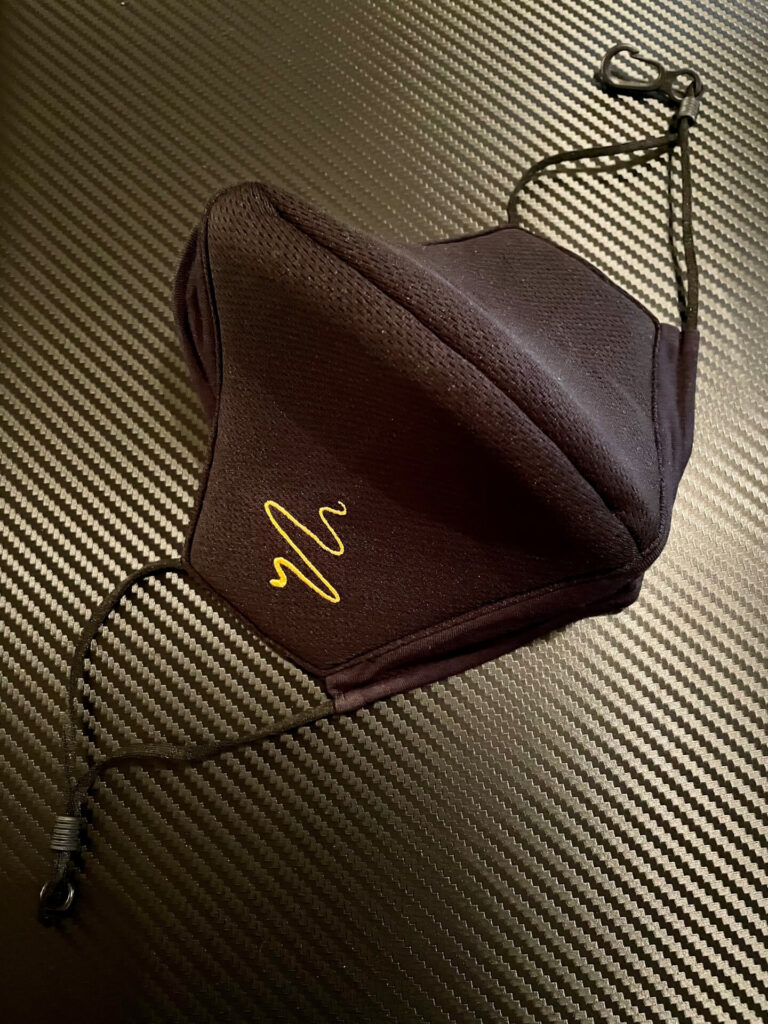
DCBL X-1 Mask, made by hospitality professionals for the hospitality industry

Wearing a mask is part of everyday life, particularly for hospitality industry professionals.

DCBL Masks was designed by hospitality professionals for the hospitality industry, born out of their reverence for the workers putting themselves at risk so the communities they serve can retain a semblance of their normal lives.

Their first mask, the X-1, is intended to provide solutions to the problems presented by other face coverings.

Thoughtful Design

One problem with the standard masks and face coverings we’ve grown accustomed to is their tendency to muffle voices. One of the driving design elements behind the DCBL X-1 is the projection of the wearer’s voice.

The X-1 is a three-piece mask and its second layer is what sets it apart from others. The middle layer is sound-enhancing, sculpted foam that allows the wearer’s voice to carry. No more going hoarse from yelling, no more (or less, at least) repeating oneself, no more guests leaning in or stepping closer to hear what’s being said (hopefully).

That second layer is also intended to improve breathability. The inside layer’s design provides an air pocket for similar breathing functionality. It’s also made of natural bamboo so it’s soft, moisture-wicking and cooling, and it receives an antimicrobial treatment.

The X-1’s outer layer is polyester and resists dust and moisture while also protecting against UV rays. There are two flexible “suspension” systems, one for the nose and one to seal the bottom of the mask. Straps are Spandex, ear loops are adjustable, and there’s a clasp system so the wearer can choose how to secure the mask to their head.

Designed by Industry Pros

DCBL is the brainchild of industry veterans Michael Tipps and Homan Taghdiri. Tipps and Taghdiri are the co-founders of both DCBL Masks and Invictus Hospitality, a consulting agency headquartered in Los Angeles.

Tipps boasts over two decades’ experience in hospitality. He got his start in South Florida and has worked every front-of-house position. His journey through hospitality helped him gain perspective regarding the challenges inherent to the industry, and he eventually co-founded Invictus.

Taghdiri worked in hospitaity for 13 years before becoming a licensed attorney in California. He has worked every position in the industry. While he no longer studies law, when he did, he specialized in real estate, business and the hospitality industry.

DCBL’s Mission

There are three main goals DCBL seeks to achieve: Protection, projection, and connection. I’ve explained how they achieve the first two goals.

If the first goal isn’t realized, goals two and three don’t matter. If DCBL whiffs on the second goal, the third is unachievable. The X-1 seeks to make conversation easier when wearing masks so people can feel more connected. Being separated by masks, distance, barriers, and staying at home is detrimental to us all. The DCBL X-1 addresses that issue.

As the DCBL website says, “Staying safe and making a living shouldn’t be as challenging as it has been.” I feel the brand accomplishes their deceptively simple goals.

Impressions

First things first, I didn’t receive my X-1 in exchange for this post or any monetary compensation. I was genuinely curious about the mask and placed an order for two.

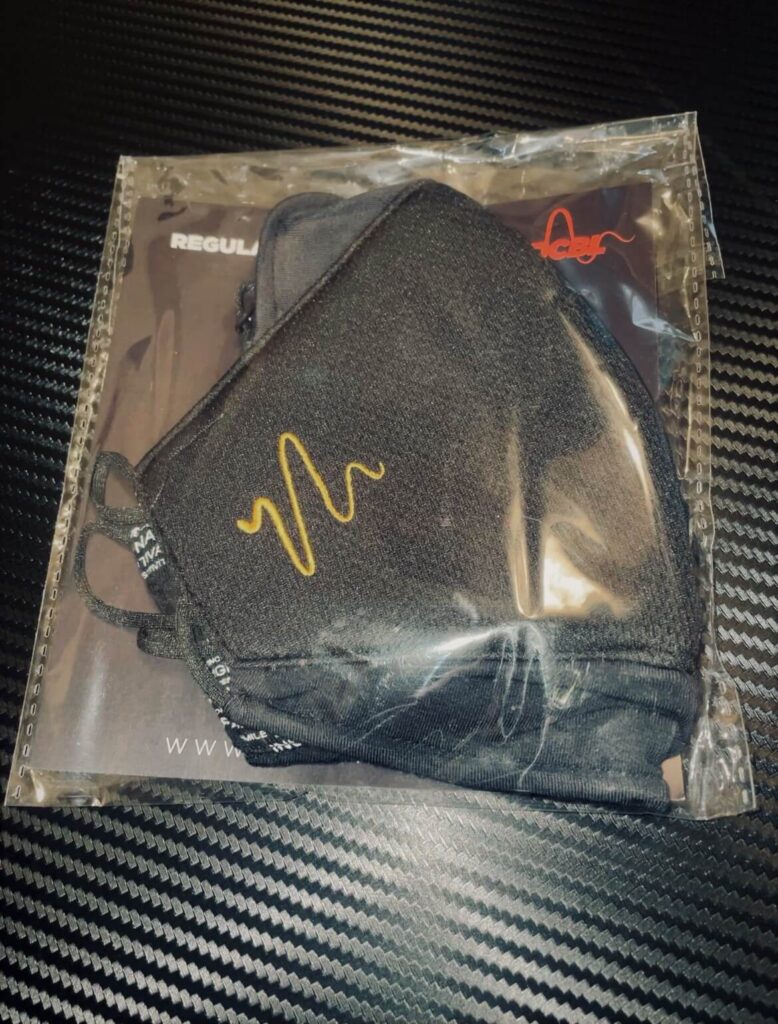
My masks arrived in a black bubble mailer, making them seem a little cooler from the start. They were each sealed in their own packet with an insert that explained the three layers, different methods for securing the X-1, machine washing instructions, and more.

DCBL X-1 mask packaging

In my experience, the mask felt soft and comfortable before even putting it on. The X-1 feels like a well-constructed, high-quality mask.

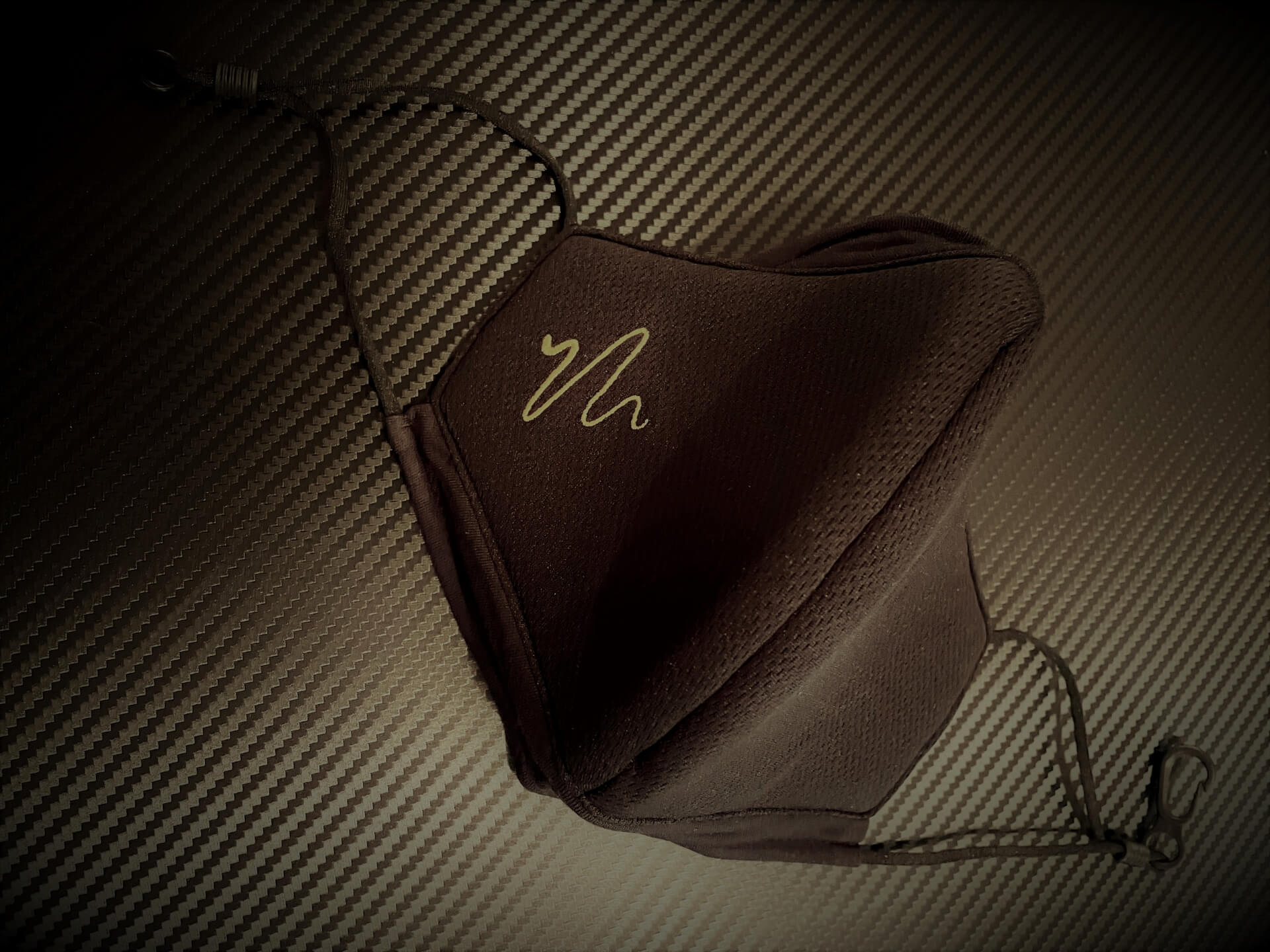
DCBL X-1 Mask

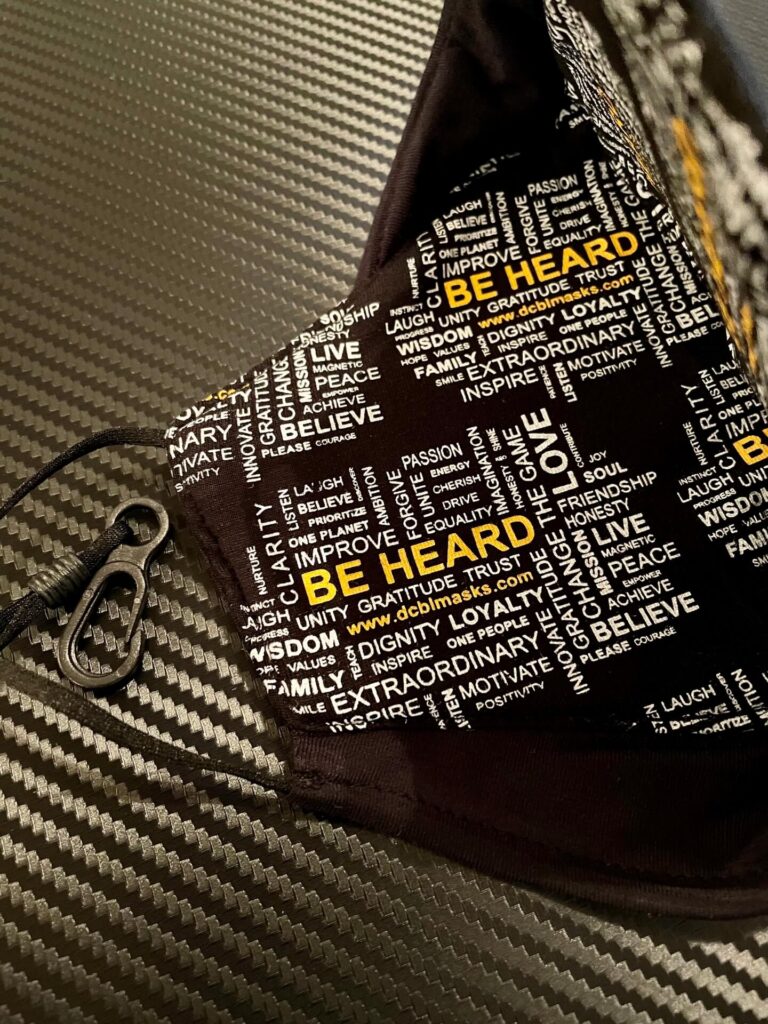
I have to say, I dig the interior layer. Not only is it soft and comfortable, the design detail is a nice departure from the white, black or pale blue to which we’ve all become accustomed:

Inside layer of DCBL X-1 face mask

It’s comfortable on my face and it allows me to speak comfortably, clearly and loudly no extra effort. I wore mine around my place and while writing this article. The ear loops are comfortable for me but the X-1 can be worn easily with an ear loop extension or toward the top of the head with the clasp system.

My glasses did fog slightly at first, but that became a non-issue after I adjusted the nose bridge suspension area.

Other people’s mileage may very, of course, but I feel that the mask delivers on DCBL’s mission statement: Be Heard.

To learn more and order the X-1, click here. connect with DCBL on Instagram and Facebook. Contact hello@dcblmasks.com for wholesale orders.

Disclaimer: The DCBL X-1 is not a medical-grade mask and is not intended as a replacement for medical-grade equipment or other recommended measures to stop the community spread of any viruses.

Images taken by author.

by David Klemt David Klemt No Comments

Uncorked: 2021 Wine Trends to Watch

Uncorked: 2021 Wine Trends to Watch

by David Klemt

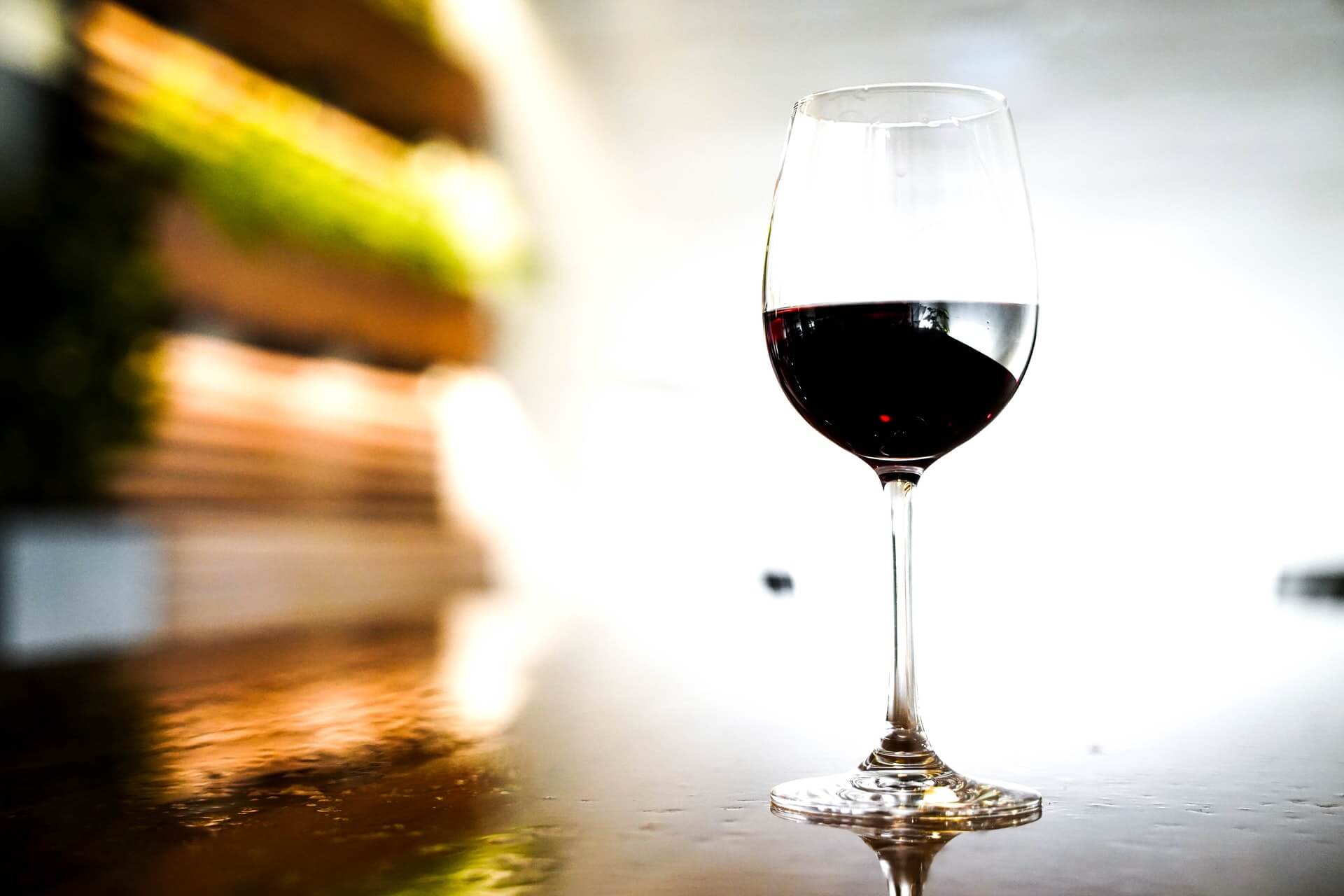
Glass of red wine

What’s up with wine in 2021? We reviewed multiple sources to find out.

One great thing about hunting for wine trends is that it’s easy—there’s no shortage of sources willing to make predictions.

Common Wine Trends

The IWSR, without a doubt a reputable source for information about all things beverage, expects wine consumption to “bounce back” this year.

Along with Forbes, Wine Intelligence, just-drinks, and bar inventory platform Backbar, the IWSR expects e-commerce to be crucial for wine sales. Continuing with tech influence, the IWSR and Wine Intelligence expect wine producers and sellers to engage more with consumers online. Forbes pointed to orange wine benefiting from Instagram posts as a specific example of digital engagement.

Forbes, the IWSR, and Wine Intelligence predict alternative packaging to really take off in 2021. Canned wines are well positioned but other options—wine-in-box and “letterbox” bottles, for example—will perform well this year.

Forbes, the IWSR, and WineMemoir expect sustainability to be even more important in 2021. The IWSR mentioned organic and low-intervention wine, and they pointed to biodynamic wine, as did WineMemoir. Zero-waste winemaking was mentioned by Forbes.

The IWSR and Forbes expect sparkling wine—Prosecco specifically—to have a moment this year. Drinking occasions, per the IWSR, have come to include Prosecco more often; sparkling is no longer just for celebrating.

Breakout Wine Trends

Speaking of moments, rosé Champagne will have on in 2021, according to Forbes. The publication also expects the wealthy to continue “drinking richly,” so operators with rare, exclusive and high-dollar bottles should consider promoting them.

With the explosive growth of hard seltzer that has taken place over the past few years, Wine Intelligence predicts 2021 to be the year the wine seltzer market is established.

People will choose “safe” wine options, meaning they’ll be less likely to experiment and move out of their comfort zones, according to just-drinks. The magazine is also more cautious about the category’s growth this year, pointing to slowed economies and rises in alcohol duty rates.

Backbar, explaining that wine dollar value slipped but sales volume rose in 2020, predicts restaurants will offer more affordable wines. Along with that trend, they predict restaurants will hold less inventory to reduce costs, meaning wine lists will shrink.

Specific varietals Backbar predicts will perform well due to a turn toward affordable wines: South American Cabernet Sauvignon, Chardonnay and Malbec; South African Chenin Blanc; Portuguese reds; red blends; and American wines in general.

2021 will be the Year of Cabernet Franc, according to WineMemoir. Bordeaux will see a resurgence in popularity, and wines from Abruzzo and Jura will see a lift.

Image: Carson Masterson on Unsplash

by David Klemt David Klemt No Comments

Infographic: NRA Raise the Wage Survey

Infographic: NRA Raise the Wage Survey

by David Klemt

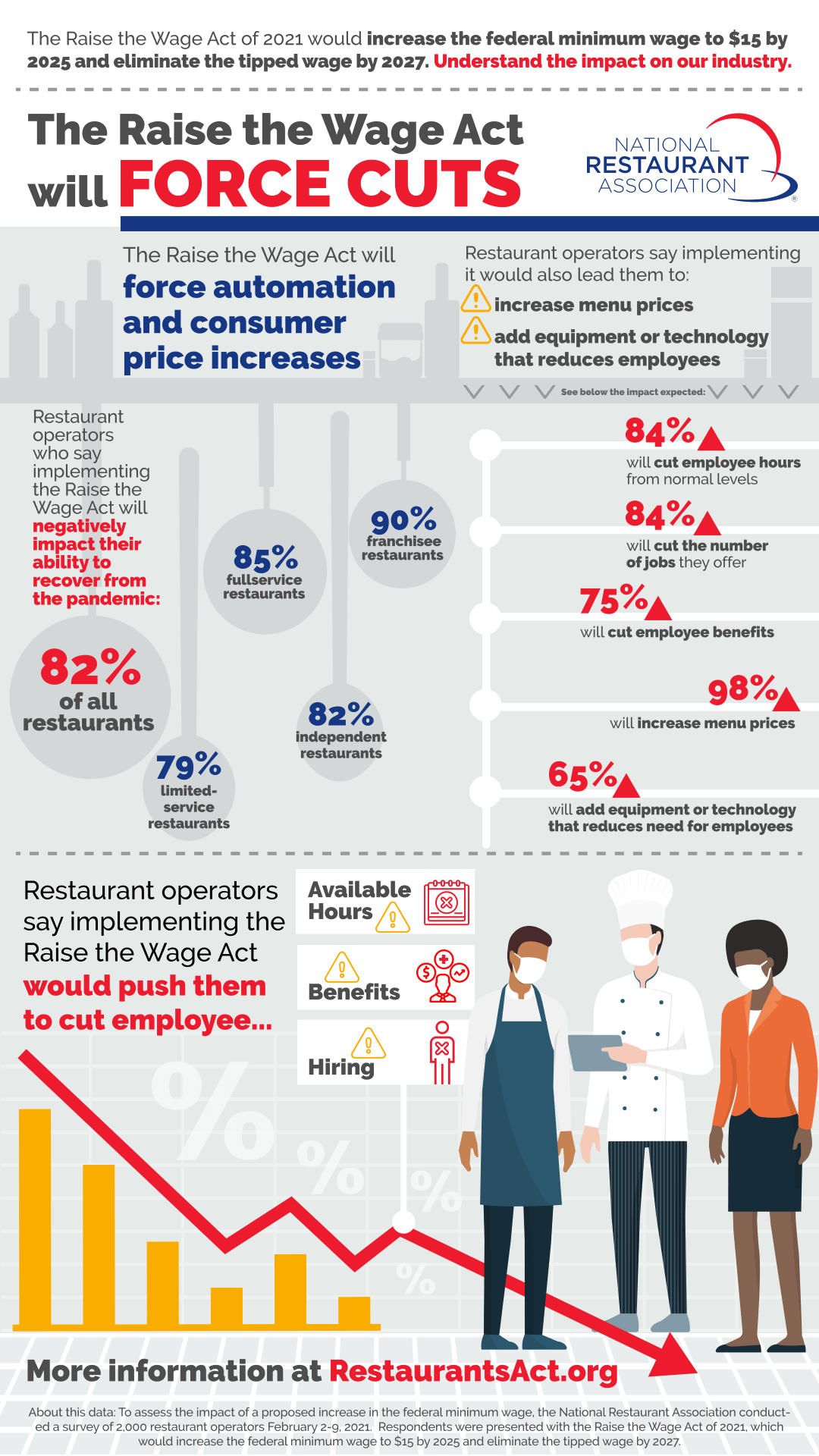
The results of a survey conducted by the National Restaurant Association to gauge operator reaction to the Raise the Wage Act are in.

Per the NRA’s infographic detailing the participant responses, there’s not much support for increasing the federal minimum wage and eliminating the tip credit.

What’s in the Raise the Wage Act?

If signed into law, the Raise the Wage Act will represent significant change for employers and employees.

The federal minimum wage will be raised incrementally to $15 by 2025. Two years later, in 2027, the tipped wage will be eliminated.

Survey Results

The NRA surveyed 2,000 restaurant operators between February 2 and 9. Respondents are clearly opposed to the Raise the Wage Act.

National Restaurant Association Raise the Wage infographic

What Does This Mean?

A vast majority of survey respondents—along with the NRA—definitely view the bill as a threat to the industry. An email sent by the NRA’s executive vice president of public affairs, Sean Kennedy, includes this succinct statement:

“These results make one point crystal clear—after seeing over 110,000 restaurants close and over 2.5 million jobs lost, increasing labor costs is going to make it more likely that more operators close their doors and lay off their staff. Tipped servers will lose with the end of a system that allows them to make $19-$25 an hour in tips under the current tip credit system.”

To the best of my knowledge, the NRA has not yet conducted a targeted survey of restaurant workers for their opinions of a $15 federal minimum wage and the elimination of the tax credit.

However, fast-food workers from McDonald’s and other chains have gone on strike in at least 15 cities in the United States to demand a raise to $15 per hour. That speaks volumes for how foodservice workers who aren’t typically tipped feel about the Raise the Wage Act.

What’s Next?

According to the NRA, the bill is slated to be fast-tracked and voted on in just a few weeks.

Agree that the Raise the Wage Act is going to hurt operators, workers and the industry? Click here to let Congress know.

Want Congress to pass the bill? Click here to find your representatives and let them know.

Infographic: National Restaurant Association

Image: lucas Favre on Unsplash

by David Klemt David Klemt No Comments

Introducing KRG Mindset Coaching

Introducing KRG Mindset Coaching

by David Klemt

KRG Hospitality Mindset Coaching

Seeking an alternative to complete start-up planning and project management? The solution you’re looking for is KRG Mindset Coaching.

Just like every operator is unique, each project brings with it distinct challenges that require individual approaches and plans.

Some projects are already under way but need help moving forward. KRG Mindset gives these projects the help needed to cross the finish line and achieve long-term success.

What is Mindset Coaching?

Owning a hospitality business may look great on paper, but starting a hospitality business can be really quite stressful:

  • There are what seem to be endless hours of planning.
  • There are numerous third-parties involved.
  • There are often hundreds of thousands of dollars at stake.
  • There are over 500 unique tasks to complete.

It doesn’t matter if this is your first, fifth, or twentieth project—it’s crucial that you be both prepared and organized when opening a new concept or expanding operations.

However, not every project requires our full suite of targeted solutions, which includes feasibility studies, conceptual planning, business planning, brand development, guest experience strategies, food & beverage programs, and operational assessments.

If you’re beyond the idea stage but find your project is struggling to reach the finish line, we’re here to help. And just like a project in its earliest days, you’ll receive the unique, fully customized KRG treatment.

Is Mindset the Solution for You?

KRG Mindset provides a unique, coaching-style program that helps your start-up make continual forward progress:

  • Receive a dedicated consultant who will be an approachable advisor for you and your project. They’ll review and navigate your start-up questions and challenges, and be your compass to provide you with a clear path towards a successful opening.
  • Weekly 1-on-1 video/phone sessions with access to a private calendar: a weekly session in which we evaluate the past week and define required actions for the next week with a focus on budgets, timelines, and industry-specific consulting.
  • Your dedicated consultant is also available for second opinions and the review of: key documents, location, concept, branding, layouts, equipment, menu, service, technology, labor and financial optimization, system development, operations, marketing, and overall strategic clarity.
  • Your consultant will help you see the blind spots throughout your project, positioning you to maintain your budget and desired opening date.
  • Your consultant will help you make strong, educated decisions throughout your start-up project that will have a positive impact on the successful start of your restaurant, bar or hospitality brand.
  • And finally, your advisor will coach you so you become more confident, energized, and motivated about your opening while holding you accountable and helping you become a better leader through the creation of new habits, communication methods, and decision-making processes.

Click here to schedule a call.

Or, if you’re looking for a more hands-on approach where we develop the winning plans and property for and with you, we invite you to learn more by choosing your preferred option: Restaurants & Cafes, Bars & Lounges, Boutique Hotel & Resorts, or Golf, Gaming & Entertainment.

Images: KRG Hospitality

by krghospitality krghospitality No Comments

National Restaurant Association Opposes Elimination of Tip Credit

National Restaurant Association Opposes Elimination of Tip Credit

by David Klemt

Citing a 600-percent increase in labor costs, the National Restaurant Association opposes the elimination of the tip credit.

An email sent out yesterday by NRA executive vice president of public affairs, Sean Kennedy, stated that doing away with the credit would present “an impossible challenge to restaurant owners” to remain open.

The email also opposes boosting the national minimum wage to $15 per hour.

Not every operation would see labor costs potentially skyrocket to untenable levels but wage changes could see restaurants, bars and other businesses in some states hit the cited 600-percent increase. If the majority of restaurant operators saw sales decline last month, as a previous NRA report said operators predicted, and that trend continues, the association’s standpoint could be proven right.

While the NRA continues its support for making the RESTAURANTS Act part of any new stimulus relief bill, the association has made their positions on the matter of a minimum wage hike and elimination of the tip credit clear:

“But now is not the time to insert wage changes–a hike in the minimum wage and elimination of the tip credit–to a stimulus bill. Tipped servers generally earn between $19-$25 dollars per hour, and this plan would punish these workers who use restaurant jobs to make a better life for themselves.”

The NRA appears concerned that the Biden administration’s efforts to quickly get Congress to pass a Covid-19 relief bill are short-sighted and will end up hurting tipped workers and the hospitality industry overall.

According to the message sent out yesterday, the majority of tipped workers across the country have, historically, opposed efforts to eliminate the tip credit. Per the NRA, tipped workers earn between $19 to $25 per hour when the tip credit remains intact.

Instead, the NRA prefers the next stimulus relief bill–there are currently two competing bills, one for $1.9 trillion plan and a GOP counterplan with a price tag of around $600 billion–to go with the Senate version of the RESTAURANTS Act.

If you agree with the NRA’s concerns, click here to take action.

Image: Mathieu Turle on Unsplash

by David Klemt David Klemt No Comments

The 2021 Restaurant Start-Up Cost Guide & Checklist is Here! Download Today

The 2021 Restaurant Start-Up Cost Guide & Checklist is Here! Download Today

by David Klemt

This guide gives anyone starting a restaurant, bar, brewpub or other F&B venue the best chance for success in 2021.

Hospitality has endured a nearly endless thrashing for almost an entire year. The calendar has ticked over to 2021 but still, the pummeling doesn’t have an end date.

However, the industry has endured and continues to do so. We don’t know when Covid-19 will cease presenting a threat but we know this: there’s no end to the fight in those in the hospitality community.

Veteran and neophyte owners and operators are still going to open new venues in 2021, pandemic be damned. That fact means it’s more crucial than ever before that owners are positioned for success.

The KRG Hospitality 2021 Restaurant Start-Up Cost Guide & Checklist aims to structure the process of opening a restaurant or bar to maximize an owner’s opportunity. The guide contains 2021 start-up costs, renovation costs, scaled costs, an in-depth milestone checklist, and more that will help readers understand the process and keep them on track to go from concept to opening doors as smoothly as possible.

Click here to download the guide and start down the path of restaurant or bar success today.

Top