Leadership

by David Klemt David Klemt No Comments

5 Reasons Why You Need a Calendar Audit

5 Reasons You Need to Conduct a Calendar Audit

by Jennifer Radkey

Apple iPad and Apple Pencil with calendar on screen

Keeping a hospitality business running smoothly takes an immense amount of organization, and at times you may feel pulled in a million directions at once.

As an operator of a restaurant or bar, your daily calendar may seem like an endless stream of tasks.

You are most likely already using some sort of organizational tool: an agenda, calendar, your phone, or Post-Its all over your office walls. But when was the last time you actually analyzed your calendar?

I’m going to challenge you to sit with your calendar and take a deep-dive audit of just how you are spending your time.

Here are the five reasons you need to do a calendar audit today.

You Aren’t Making Money or Reaching Goals

As the operator of your hospitality establishment, you are responsible for your business’ success. So, dissect your calendar.

What actions are you taking on a daily or weekly basis that directly lead to making money? What percentage of your time is spent on growing your business, rather than running your business? There is a difference.

You are Burnt Out

When you are not at your best, your business will not be at its best. It’s as simple as that.

How many daily operational tasks are you taking on that could be delegated to someone else? You don’t need to be involved in every aspect of the daily operations of your business.

Take a look at your calendar and highlight any tasks you have been doing that could easily be done by someone else on your team. Then, give those tasks away.

Team Morale is Low

Go back and audit your calendar.

When was the last time you scheduled a team meeting? How about individual meetings with employees to go over their successes, growth opportunities, etc.? Is there regular time delegated to improving your workplace culture?

Carve some time out for the people who choose to spend their days working for you, and watch team morale improve.

You Feel Stuck in a Rut

Maybe your business is doing well but has plateaued. Maybe you aren’t excited to go to work anymore. Take a close look at your calendar.

What have you done in the past week or month to create excitement? For example, did you attend any industry related shows or events?

As operators, it is easy to get stuck in a daily routine that doesn’t allow time for creativity. However, it is imperative to schedule time to be inspired.

Your Work/Life Balance is Off

The hours can be long, and with so much to do, you can often feel as if your entire life is your work. Take a close look at your calendar.

Are you scheduling in family time? Time for friends? Time for physical health? Hobbies? Fun?

This can be as simple as scheduling time for something you enjoy that changes up your week:

  • A 15-minute call with your mom every Monday morning.
  • Walking/biking to work twice a week.
  • Meeting up with a friend once a week for a coffee.

We often say that we will do these things. However, unless they are prioritized and written down they aren’t going to happen as much as we need them to.

Performing a calendar audit can be eye-opening and give us an entirely new perspective on how we are using our time. Doing so can help us improve time management, productivity, happiness, and goal achievement.

So, go ahead and mark some time for a calendar audit into your calendar. You will thank yourself later that you did.

Cheers to professional and personal well-being!

Image: Omar Al-Ghosson on Unsplash

by David Klemt David Klemt No Comments

5 Books to Read this Month: March 2022

5 Books to Read this Month: March 2022

by David Klemt

Flipping through an open book

This month’s engaging and informative book selections will help you develop next-level culinary, beverage and marketing skills throughout 2022.

To review February’s book recommendations, click here.

Let’s jump in!

We Are All the Same Age Now: Valuegraphics, The End of Demographic Stereotypes

David Allison, founder of the Valuegraphics Project and author of this book, has been a guest on the Bar Hacks podcast twice. First, on episode 46, and again on episode 67. During both appearances, David explained the power of understanding people based on their values. What people have in common is far more powerful and effective than focusing on what divides us. Rather than continuing to point to harmful demographic stereotypes, the Valuegraphics Project focuses on values, psychographics, and standard demographics.

Pick up We Are All the Same Age Now to learn more and change your mindset.

Rodney Scott’s World of BBQ

When I visited South Carolina last year, I had a short list of restaurants I wanted to visit. Bar Hacks guest Brooks Quinn recommended pitmaster Rodney Scott’s Whole Hog BBQ in Charleston so I could try South Carolina barbecue. I’m glad I asked Brooks because the food was incredible. So incredible, in fact, that I overate and had to to do my best to walk off my resulting food coma.

Those who want to learn the art of South Carolina barbecue—or just great barbecue in general—need Rodney Scott’s World of BBQ book in their lives.

Smoked Cocktails

Beyond imparting wonderful flavor, we all know one of the greatest benefits of smoking a cocktail: Everyone who sees and smells the process is going to want to order one. While Smoked Cocktails is aimed at the home bartender, there’s plenty of useful information for operators, managers, and bar staff. Author Frank Marino shares the steps for smoking cocktails; identifies “cocktail families”; details more than 100 recipes; and more.

Everyone’s Table: Global Recipes for Modern Health

Chef Gregory Gourdet is the chef/owner behind Kann, a restaurant in Portland, OR, set to open its doors this year. The live-fire concept marries Haitian cuisine, ingredients sourced in Oregon, seasonality, and sustainability. When the Top Chef finalist went sober, he sought a healthier lifestyle. As a chef, he pursued that lifestyle in part through cooking. Everyone’s Table focuses on global cuisine that feature superfoods and high nutrient density while delivering delicious, decadent flavors. The 200 recipes in this book may not contain gluten, dairy, soy, legumes or grains but they’re still mouthwatering.

Rum Curious: The Indispensable Tasting Guide to the World’s Spirit

For the past several years now, several spirits experts and rum aficionados have made the same hopeful claim: This will be rum’s year. Finally, they say, rum will get the respect its due and topple vodka, tequila, and whiskey to grab the top spot. However, that has yet to happen. Well, yet to happen in North America, anyway.

Rum was once the world’s spirit, and maybe this year will be its year. In Rum Curious, revered spirits author Fred Minnick shares not only the story of rum but also his tips for conducting an effective rum tasting. With guests more curious than ever, engaging rum tastings may help springboard rum to the top of the spirits list.

Image: Mikołaj on Unsplash

by David Klemt David Klemt No Comments

5 Books to Read this Month: February ’22

5 Books to Read this Month: February ’22

by David Klemt

Flipping through an open book

This month’s fun and informative book selections will help you develop next-level culinary, beverage and leadership skills throughout 2022.

To review January’s book recommendations, click here.

Let’s jump in!

Greenlights

Published originally in 2020, Matthew McConaughey’s Greenlights is already experiencing a resurgence. McConaughey has been writing in diaries for decades and sat down with them to write this memoir that shares lessons he’s learned, stories about what he has experienced over the course of more than 40 years, and more. In his own words, Greenlights addresses how to be fair, have less stress, have fun, hurt people less, get hurt less, be a good person, have meaning in life, and how to be more yourself.

“It’s also a guide to catching more greenlights—and to realizing that the yellows and reds eventually turn green too.”

Setting the Table

Danny Meyer’s modern classic Setting the Table was published nearly 15 years ago. It’s an award-winning masterpiece and considered by some to be the best restaurant business book ever written. On episode 64 of the Bar Hacks podcast, CEO and Master Blender Neil grosscup of Tanteo Tequila mentions this book. So, I decided it was time to revisit Setting the Table and encourage those who haven’t yet to read it.

The New Craft of the Cocktail: Everything You Need to Know to Think Like a Master Mixologist

Dale DeGroff, for those who don’t know, is credited with kicking off the modern cocktail craze. He’s a legend, an icon, and an ambassador for bartenders and the hospitality industry. Released toward the end of last year, The New Craft of the Cocktail is an update of DeGroff’s 2002 book The Craft of the Cocktail. Inside are new photographs, updates to the history of the cocktail, and 100 new drink recipes.

The Unofficial Disney Parks Drink Recipe Book

Look, it has been an overwhelming two years. And we’re still in that overwhelming situation. That is to say, we can all use a smile wherever we can get it. That goes for drink menus, too. Enter, The Unofficial Disney Parks Drink Recipe Book. It may be unofficial but the recipes are fantastic, offering whimsy, nostalgia, and wow factor. There are over 100 recipes in this best-selling book, including cocktails and zero-proof drinks.

The Velocity Mindset

If you want to become a better leader, you need to change your mindset. That may sound drastic but developing simple habits like visualizing a specific outcome can improve your leadership skills. The Velocity Mindset shares Ron Karr’s “innovative and practical strategies to differentiate yourself from the competition, increase your profits, and get to the next level of success, faster.”

Image: Mikołaj on Unsplash

by David Klemt David Klemt No Comments

How to Achieve Your Goals in 2022

How to Achieve Your Goals in 2022

by Jennifer Radkey

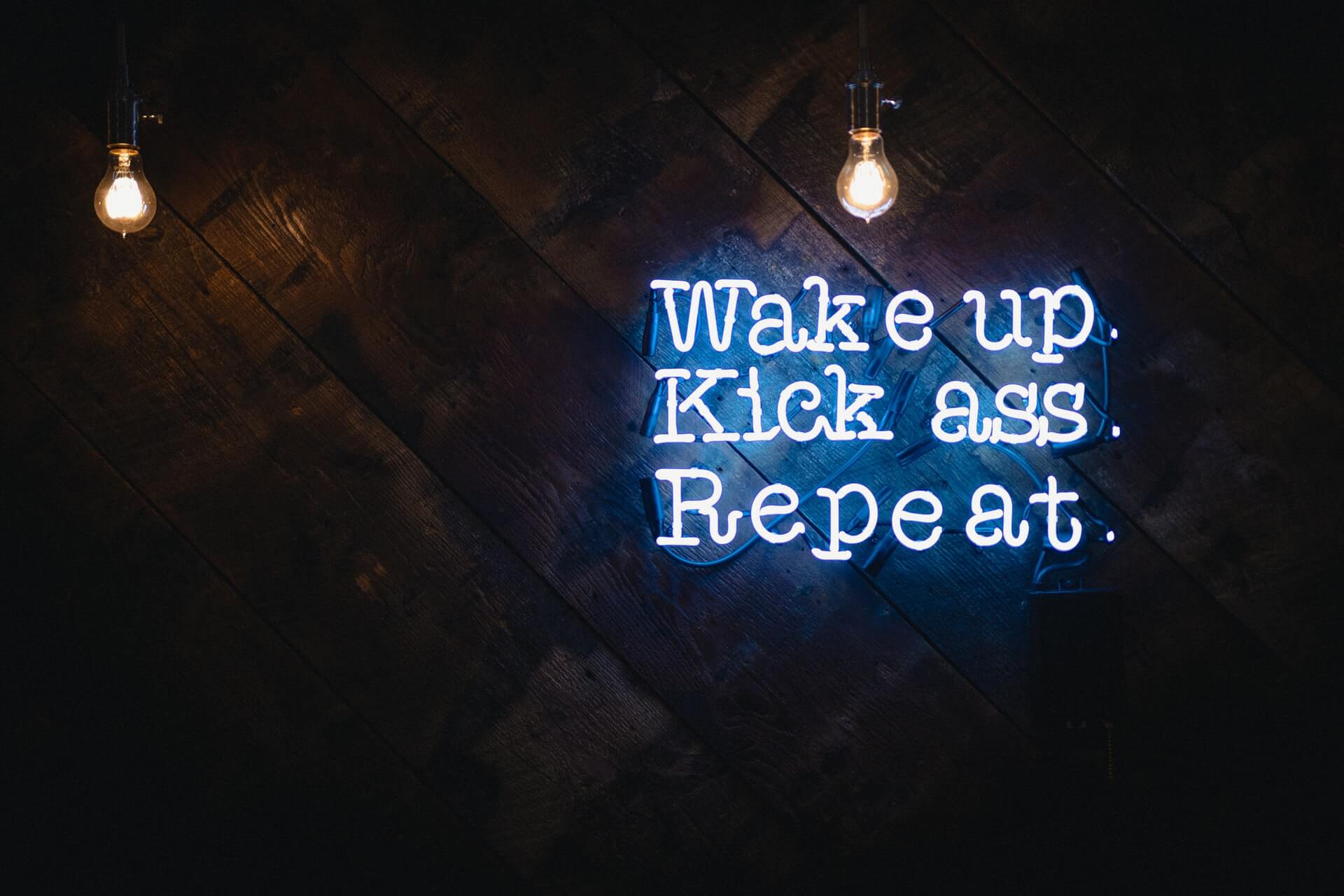
"Wake up, kick ass, repeat" neon sign on wall

The start of a new year for many is symbolic: Fresh year, fresh start.

With the best of intentions, millions of people worldwide create resolutions and set goals for both personal and professional growth and achievement. These goals are created with full enthusiasm and determination and then….the majority of them never come to fruition.

Studies have shown that approximately 80 percent of New Year’s resolutions fail. So what happens? And how can we push forward to achieve our goals instead of letting them slip away?

The majority of us know how to set clearly defined goals. It is something we learned in school, or have read countless articles about. It seems as if it is human nature to want to improve, to do better and be better.

In the hospitality industry, we ask our team members to set goals weekly, if not daily. Goals typically include improving guest retention, increasing sales, improving guest experience, etc.

But once these goals are set, what systems are in place to help your team achieve them? And are you leading by example?

Goal Setting

There are many techniques to goal setting. George Doran, Arthur Miller, and James Cunningham developed the very popular SMART goal tool to assist in developing clearly defined, task-oriented goals. They state that goals should be Specific, Measurable, Assignable, Realistic, and Time-specific (SMART).

Rhonda Byrne’s book, The Secret, discusses envisioning your goals and life desires to attract them to you. But goal achievement is more than just setting a clear goal, or dreaming about what it would be like to achieve that goal. Those are the starting points.

Goal achievement is a process. It can be nitty and gritty and tough. There is typically no easy way. However, there are strategies we can use to help us achieve them, and the result will almost always be worth the extra effort.

Why We Fail

There are countless reasons why goals or resolutions fail, but the reasons mostly fall under two categories: You either lose your willpower or your waypower.

The concepts of willpower and waypower in relation to goal achievement is introduced in Rick Snyder’s Hope Theory, explained is his book The Psychology of Hope: You Can Get There From Here.

Willpower is the desire to achieve your goal; it’s the fire that pushes us to keep going after what we want. Waypower is the map for how we will get to our end goal; it’s the careful plan we have in place to ensure we overcome any obstacles that get in our way.

When we lack willpower our goal seems unachievable, and therefore we give up. When we lack waypower, as badly as we may want to achieve our goal, we are lost with no clear idea of how to get there.

How to Succeed

Finding Your Willpower

If you have lost your willpower, there are several ways to reignite your desire to achieve your goal.

The first is to have constant reminders of your goal. Have it written somewhere where you will have access to it several times a day. Set reminders on your phone, put sticky notes around your office or house, create a vision board representing your goal as your screensaver or on a wall in your home or office.

Remind yourself of why you set the goal in the first place and how it will make your life better.

Many of us lose our willpower when faced with obstacles. Instead of being deflated by obstacles, look at them as challenges to be defeated. Use obstacles as fuel for your fire rather than water to dampen it.

When faced with obstacles it is also helpful to remind yourself of goals that you have achieved in the past and the obstacles you had to overcome to get there. Remembering this time will allow you to acknowledge that you ARE capable and therefore will keep your willpower intact.

Finding your Waypower

Life is busy, and when you are being pulled in many directions at the same time it can be easy to lose your way towards achieving your goals. To ensure that you stay on the path towards goal completion, there are several actions you can take.

Try breaking long-range goals into smaller steps. Start with the first step, and move on to the next, checking off and celebrating each step as you go.

Before you even begin your journey towards goal completion, map out different routes you may need to get there. Knowing these routes beforehand will make it easier to stay focused along the way.

Lastly, know when to ask for helpand be willing to accept it. If you get lost on your way to your goal, perhaps you need some advice from someone who has already achieved that goal.

WOOP

One of my favorite goal achievement strategies is WOOP, created by Gabriele Oettingen. This acronym stands for Wish, Outcome, Obstacle, Plan.

WOOP is a straightforward and effective tool to use when setting goals, and has been practiced by everyone from elementary school students to CEOs of major corporations. Once practiced, WOOP can take less than five minutes of your time while providing great clarity.

The first step is to state your wish or goal clearly. Next, envision the outcome of achieving your goal. Take a couple minutes to really picture what it will look and feel like to achieve your goal.

You are then going to contrast that by thinking of what obstacles might block you from achieving your goal. It is important to note that these obstacles are internal not external.

We rarely have control over external obstacles but do have control over internal ones. What is it about you that will stop you from reaching your goal? Is it low self-esteem, laziness, doubt? Are you distracted easily?

Lastly, you are going to plan what to do when met with an obstacle by using “if/then” phrasing. For example, “If I am feeling lazy and want to have a Netflix marathon instead of working on my goal, then I will get off the couch, do ten jumping jacks, grab a drink of water, and start working on my goal.”

If you are interested in trying out the WOOP tool for goal setting/achievement you can visit www.woopmylife.org.

Own It

Goal setting and resolutions should not be a forced activity you do every new year, or birthday, or every Monday morning to start your week. Goal setting and achievement should be a constant, flowing activity that reaches into all parts of your life.

Through the use of strategies and consistent review, reassessment, and awareness, goals don’t need to be lost or given up on, unless that particular goal no longer serves a purpose to you.

Own your goals and take pride in your achievements. In the end, you will always be your number one advocate for your own growth.

So go get it! Cheers to professional and personal well-being!

Image: Justin Veenema on Unsplash

by David Klemt David Klemt No Comments

5 Books to Read this Month: December

5 Books to Read this Month: December

by David Klemt

Flipping through an open book

This month’s fun and informative book selections will help you develop next-level culinary, beverage and leadership skills this December.

To review November’s book recommendations, click here.

Let’s dive in!

Can I Mix You a Drink?

Superstar T-Pain partners with mixologist Maxwell Britten, formerly the bar director for James Beard Award winner Maison Premier. The fifty recipes in Can I Mix You a Drink? match up with a lyric or sentiment from T-Pain songs. There are amusing and insightful anecdotes from T-Pain, and the high-end, glossy photography in the book match the high-end recipes. Overall, this book is a vibe, much like a great cocktail bar.

The Oxford Companion to Spirits & Cocktails

David Wondrich and Noah Rothbaum team up for likely the deepest dive into the role alcohol plays in human history. The Oxford Companion to Spirits and Cocktails is everything you ever wanted to know about fermentation, distillation, aging, cocktails, cocktail bars, and more. In addition to global techniques and processes, readers will be treated to illustrations, a guide to making drinks, and even a timeline of distillation and spirits.

The Alchemist Cocktail Book: Master the Dark Arts of Mixology

When one thinks of chains, they tend to think of global fast-food and fast-casual brands. However, The Alchemist stands in stark contrast to that thinking. The Alchemist is a chain of stunning, experimental cocktail “theaters.” These cocktail bar and restaurant venues elevate the cocktail to new heights, paying just as much attention to experiential and atmosphere details as drink build details. The Alchemist Cocktail Book shares 100 original Alchemist recipes, including low- and no-alcohol drinks.

Market Fresh Mixology Presents Life, Love, Happiness & Cocktails

If you’ve ever wondered what inspired someone when they were creating a now-famous cocktail, this is the book you want. Not only does mixologist Bridget Albert, senior national director of education for Beam Suntory and founder of the Academy of Spirits and Fine Service, tell the stories behind 40 cocktail recipes, she invites others to join her. Life, Love, Happiness & Cocktails features Tony Abou-Ganim, Julie Reiner, and more telling the personal stories behind their recipes.

Hacking the New Normal

Are you ready to take your restaurant, bar, lounge, hotel or resort from concept to reality in 2022? Treat yourself this holiday season to a gift that will help you achieve your goal and dream of operating a successful hospitality venue. Do you know someone who has been talking about opening a restaurant, bar or hotel but hasn’t made their move yet? Hacking the New Normal is the perfect gift for them this holiday season.

Image: Mikołaj on Unsplash

by David Klemt David Klemt No Comments

You’re Competing Against Chains for Labor

You’re Competing Against Chains for Labor

by David Klemt

Help sign outside business

Independent operators and local chains aren’t just competing with one another for staff, they’re up against global brands.

Unfortunately, that means competing against massive corporations that can offer higher wages and all manner of benefits.

However, smaller operations can still take steps to lure workers and fill open positions.

The Threat

In response to the labor shortage, many national and global chains are increasing hourly wages.

For example, Chipotle boosted wages for hourly workers to $15 per hour a few months back. Along with this boost in wages came a hike in menu prices: four percent across the board.

Earlier this year, McDonald’s also announced they would boost hourly pay. Hourly workers saw a boost of about ten percent. Of course, this chain also found itself dealing with increased supply costs. To offset a rise in costs of at least four percent, McDonald’s also boosted menu prices.

The latest to enter the labor fray is Starbucks. And like other chains, the corporation addressed the issue of hourly wages publicly.

Indeed, Starbucks’ announcement shares several details. First, staff who have worked for the company for a minimum of five years could see a pay raise of ten percent. Those who have been with the company for at least two years (but less than ten) could get a raise of five percent.

However, it doesn’t end there. Starbucks workers in the United States can take advantage of $200 referral bonuses. On average, Starbucks says hourly wages will range from $15 to $23 per hour, with an average of $17 per hour. The company expects these wage changes to be in place by Summer 2022.

Solutions

Of course, one doesn’t have to need revenue in the tens of millions or billions of dollars to compete for staff.

We’ve addressed this topic several times on the KRG Hospitality site. In particular, we’ve brought up increasing menu prices to support wage hikes. Specifically, we recommend borrowing from Chipotle and McDonald’s: Be transparent and explain why menu prices are going up.

Additionally, Bar Hacks guests like Chef Brian Duffy and Lynnette Marrero have spoken about this topic.

As Chef Duffy says during his second appearance, treating staff better is a big step toward reducing turnover. Word spreads among hospitality workers, and improved employer-employee relations is an excellent recruitment tool.

Another effective benefit? Flexible and improved scheduling which, of course, can be implemented easily via scheduling apps.

Mentorship is a powerful recruiting and retention tool. Both Chef Duffy and Marrero believe in the power of this benefit. They have decades of experience to pass on to staff that can help their careers.

Marrero also suggests implementing labor structures that corporations don’t offer. For instance, she suggests new operators are well positioned to offer earned equity, profit sharing, and co-op ownership structures.

Existing operators can also leverage Marrero’s ideas. However, they’ll need agreement from their investors if they have any.

Now that you know where labor threats are coming from, you can strategize and fight back. You may not have billions of dollars in the bank, but you’re nimble and can implement changes much more quickly. Listen to your staff and be open to making meaningful but reasonable concessions.

Image: Fernando Venzano on Unsplash

by David Klemt David Klemt No Comments

5 Books to Read this Month: November

5 Books to Read this Month: November

by David Klemt

Flipping through an open book

This month’s fun and informative book selections will help you develop next-level culinary, beverage and leadership skills this November.

To review October’s book recommendations, click here.

Let’s dive in!

Cook as You Are

The Great British Baking Show contestant Ruby Tandoh is a food writer with a half-dozen books to her name. Her latest will likely change how you look at food and its preparation. In particular, the “mini” version of Cook as You Are aims to be as inclusive as possible. The free download makes it easier for people who learn differently or require assistance in the kitchen to enjoy cooking. Cook as You Are features 100 original recipes created by Tandoh that don’t require hours of preparation or professional-grade kitchen equipment to execute.

The Bullhearted Brand

Expert Joseph Szala explains why operators should view branding as a strategic endeavor. Branding is more than a clever name, eye-catching logo, and slick tagline. Szala, as he explains, “lay(s) out the foundational elements and details about creating and scaling restaurant brands” in The Bullhearted Brand, drawing from years of real-world experiences.

Bourbon’s Backroads

Bourbon is one of the few spirits that America can truly claim as its own. Myths and legend abound, such as the claim that whiskey can only be called bourbon if it’s produced in Bourbon County. Karl Raitz conducted extensive research to uncover the full history of bourbon in the United States for Bourbon’s Backroads.

Gilded Age Cocktails

Author Cecilia Tichi takes readers on a cocktail journey spanning three decades. The Gilded Age, which took place between 1870 and the early 1900s, is known as the Golden Age for cocktails. Readers will be able to learn the stories of not only classic Golden Age cocktails to pass on to others, but also the stories of their creators. Gilded Age Cocktails transports us back to the pre-Prohibition Era, a time when bartenders first became famous and helped us all drink better.

Hacking the New Normal

Doug Radkey, president of KRG Hospitality, author of Bar Hacks and Hacking the New Normal, makes the case for making meaningful, impactful change in order for the hospitality industry to survive and thrive moving forward. As he explains during bonus episodes of the Bar Hacks podcast, as have multiple podcast guests like Chef Brian Duffy, the industry won’t truly recover unless we change our mindsets and the way restaurants, bars, hotels, resorts, entertainment venues, and arenas operate and treat staff.

Image: Mikołaj on Unsplash

by David Klemt David Klemt No Comments

Creating a Strengths Profile

Creating a Strengths Profile

by Jennifer Radkey

Unsolved Rubik's Cube against black background

When looking to improve the performance of your hospitality business it is natural to seek out weaknesses and attempt to “fix” them.

What if you were to take an entirely different approach?

Instead of focusing on weaknesses to improve upon, we should seek to identify and build upon our strengths.

Why Strengths?

Using our strengths is like writing with a dominant hand. It comes naturally and easily.

Strengths can be cultivated and used to assist in overcoming challenges and in improving upon weaknesses. If we were to focus only on improving our weaknesses it would be tiring, and the probability of giving up could increase.

However, if we focus on building upon our strengths, it would be motivating and energizing, therefore making us stronger and then more likely to overcome our weaknesses.

Lost and Found

Do you ever visit a restaurant, bar, or hotel and get no clear sense of their identity?

Maybe their menu is confusing, their social media presence is either nonexistent or only shares their daily specials, there is no consistency in service. They just seem…lost.

Now seriously take a minute and walk through your establishment with fresh eyes as if it were your first time there. Is your brand’s identity clear or lost? As we get wrapped up in the day-to-day operations and stressors, becoming lost can easily happen.

Identifying your brand’s strength profile can help you find your distinct identity again. Even if you aren’t lost there is always room to strengthen your brand.

The Background

In the field of positive psychology, psychologists Chris Peterson and Marty Seligman headed a project to seek out what characteristics describe humans at their very best.

After scouring literature, media, music, etc., spanning countries and history, they compiled a list of 24 character strengths that appear to be valued over time and culture.

This list was referred to as the Values in Action Classification of Character Strengths and Virtues (VIA). The VIA is meant to classify individual strengths but can also be applied to organizations and businesses.

The 24 Character Strengths

The list of strengths is as follows:

  • Creativity
  • Curiosity
  • Open-mindedness
  • Love of Learning
  • Perspective and Wisdom
  • Bravery
  • Persistence
  • Integrity
  • Vitality
  • Capacity to Love and be Loved
  • Kindness
  • Social Intelligence
  • Citizenship
  • Fairness
  • Leadership
  • Forgiveness
  • Humility/Modesty
  • Self-Regulation
  • Appreciation of Beauty and Excellence
  • Gratitude
  • Hope/Optimism
  • Humour
  • Spirituality

If you want to dive deeper into the VIA character strengths or would like to take the free survey yourself to find out what your top character strengths are, please visit www.authentichappiness.org through Penn State University and take the VIA Survey.

Creating a Strengths Profile for Your Hospitality Business

Now that you have the list of 24 character strengths, think about the top three strengths that you believe capture your brand at its very best. Think both about your venue’s operations and its messaging when deciding upon the top three.

Then ask your team to do the same. Hold a team meeting in which everyone shares which three character strengths they chose and why.

I recently did this with our team here at KRG Hospitality and found the process enlightening. It was fascinating to see which character strengths were repeated, providing clarity into our brand’s strengths profile.

Establishing Your Top Three

As you review everyone’s answers as to the character strengths they feel best capture your brand at its very best, take note of strengths that repeat themselves.

For us at KRG Hospitality, creativity, perspective and wisdom, and love of learning were the most common replies. We then had our strengths profile.

Discuss what you feel the strengths profile for your brand is with your team and solidify a top three.

What Next?

Once you have a strengths profile built, it’s time to dissect it.

How are you already using these strengths in both your day-to-day operations and in how you are representing yourself to the outside world? How can you use them in new and unique ways?

For example: If one of your strengths is creativity, are you using it to your advantage in many aspects of your business? Maybe your menu is super creative, but your social media posts are dull. Maybe your interior design is creative and fresh, but your training lacks creativity.

Is one of your top strengths kindness? What are you doing to emphasize that strength and is your community aware and benefiting from it?

Think about your strengths in new and exciting ways to energize your team and build an overall stronger business.

Shout it Out!

Take pride in your brand’s strengths. Make it known to your team, potential new hires, guests and potential guests what your strengths are by living them and growing them each and every day.

The stronger your team and your brand is, the more confidence you will have. With strong confidence you can approach weaknesses and obstacles with a healthy mindset and higher chance of success.

Take the time to really know your brand and understand how you are representing yourself and you won’t be disappointed. Cheers to personal and professional well-being!

Image: Pixabay on Pexels

by David Klemt David Klemt No Comments

Incentive Economy: What are You Offering?

The Incentive Economy: What are You Offering?

by David Klemt

Chef's knife and honing rod crossed on cutting board

You know about the gig economy but are you familiar with the incentive economy?

It’s quite simple, and there are myriad ways for operators to engage with it. In fact, you likely already participate in the incentive economy in some way.

To put it succinctly, the incentive economy is all about the perks of a job beyond a paycheck.

The Old Ways are Out

On episode 53 of our Bar Hacks podcast, Chef Brian Duffy addresses the need for changes in our industry directly.

First, he tackles the lack of transparency in leadership by some operators. As Chef Duffy says, “That’s an old school way of doing it. That was an old school way, that was the Eighties.”

According to the chef, and we wholeheartedly agree, we now find ourselves in a “different phase” in the industry.

Then, Chef Duffy takes on how leadership in the industry treats staff.

One effective recruiting and hiring incentive Chef Duffy offers on the podcast deals with scheduling. None of his cooks close both nights of a weekend. He also posts schedules two weeks in advance so there are, A) no surprises, and B) if staff need to swap or drop, they have time to do so without impacting the business.

This simple scheduling incentive is attractive to new hires and existing staff. Why? Because working unpredictable, erratic hours is stressful.

“That ruins your life,” explains Chef Duffy.

If operators want to attract new hires, keep their team together, and reduce turnover, listening to staff about scheduling is crucial.

Things Need to Change

Chef Duffy shares a story on the podcast about his daughter and her experience working at a restaurant operated by a hospitality group.

No, he doesn’t name the group or the concept. The who isn’t the point here, it’s the what.

That what is how leadership bungled not only a scheduling issue but also how they botched Chef Duffy’s daughter’s two-week notice, her final shifts, and her final pay.

For more context, his daughter wasn’t a new hire who bailed after perceiving she had been treated poorly. She had worked at that restaurant for a year, there were ongoing issues, and she finally left.

As we all know, we’re down about a million jobs in this industry. That loss isn’t simply because of the pandemic. Our industry is undergoing a seismic cultural shift and we’re losing people who won’t return to hospitality.

Things need to change if we’re going to reverse this trend and strengthen the industry. KRG Hospitality president Doug Radkey addresses the change we need in his latest book, Hacking the New Normal. Chef Duffy addresses some of the necessary changes on our podcast as well.

“We can complain as much as we want, but we created it,” Chef Duffy says. “We as owners and operators and managers, we created what’s happening right now.”

Get Creative

The only limits to incentivizing your staff are your imagination, staying consistent with policies and procedures, being respectful of your staff and guests, and the law. Remain in those confines and get creative.

An incentive doesn’t need to be a grand gesture or prize. In many instances, something that makes a shift more fun and breaks up the monotony is enough to energize the staff.

“I want my staff, I want my front-of-house staff, to know what my sales goal is for the day,” says Chef Duffy. “And then I want to run a contest with that.”

One of the chef’s favorite contests is simple and highly motivating: Follow the Twenty.

Chef Duffy puts a twenty-dollar bill into play against a particular item or menu category. For example, either a specific dessert or any dessert.

Whenever a team member sells a dessert, they get the $20 that’s in play. If a different person sells another dessert, they get the twenty. Follow the Twenty incentivizes the first person to sell more of an item to hang onto the money, and the game motivates the rest of the staff to outperform their coworker to get the prize.

The last member of staff to sell a dessert that shift or day keeps the money.

Offering another creative incentive he’s seen, Chef Duffy shares that there’s a restaurant out there offering a free tattoo to kitchen staff that stays for at least 30 days. Will some staff leave after they get their tattoo? Possibly. Hiring wisely, implementing training policies and procedures, treating staff with respect, making scheduling easier and more flexible, ensuring clear communication is embedded in the fabric of your brand’s culture, and offering further incentives can prevent that turnover.

Offer Ongoing Education

“We live in an incentive world now,” says Chef Duffy. Explaining that he doesn’t operate large kitchens, large bars, or employ large teams, he admits he can only do so much in terms of incentives.

However, his approach to incentivizing staff to stay starts with this example of true leadership: “The one thing I can do is treat my employees well.”

With decades of experience in the industry, Chef Duffy’s knowledge is something he can offer his staff. A big believer in education, passing down information that can enrich team members’ careers and lives is an incredibly valuable incentive.

During a recent training session with a very young kitchen staff, the chef started with the very basics of education.

“Hey, guys, here’s a knife. This is a knife,” he said to the kitchen staff. “There’s seven different parts to a knife. Here’s the most powerful part, here’s the most precise part. This is how you hold it, this is what we do…”

Just reading that, it may seem like Chef Duffy was being condescending. That’s not the case. He wants to share as much of what he’s learned over the years to pass on his collected knowledge.

“I want people to feel as if they’re gaining something from me and the knowledge that I have rather than, ‘Go cut those onions and I’m gonna yell at you if you do it the wrong way,'” says Chef Duff.

Make Meaningful Change Today

Making impactful change can feel overwhelming. Let’s face it, it’s easier to just stay the course. But these days, staying the course can cost you your staff, then your guests, and then your business.

One way to start making change is to look inward at yourself, and at your leadership team.

Are your staff gaining anything from you beyond a job and paycheck? Is your leadership team mentoring and incentivizing staff? Are you, your leaders, and your team happy at work?

If the answer to those questions is “no,” do what’s reasonable to improve your brand’s work culture.

As Chef Duffy says, “The whole dynamic of it has to change and we have to take better care of our employees.”

Image: Steve Raubenstine from Pixabay

by David Klemt David Klemt No Comments

10 Words that Exemplify Leadership

10 Words that Exemplify Leadership

by David Klemt

Level Up neon sign in white and yellow

During episode 50 of the Bar Hacks podcast, Travis Tober sums up restaurant and bar leadership in just ten words.

In fact, this seemingly “small” sentence explains leadership and buy-in for essentially every type of business.

Let’s take a look at what Tober, co-owner of Nickel City and owner Old Pal, says that resonates with me.

10 Important Words

So, what does Tober say during his first appearance on Bar Hacks that embodies leadership?

The following, about his general manager:

“He knows the brand just as good as I do.”

How do those words exemplify leadership and buy-in? For several reasons:

  • They illustrate transparency from the owners.
  • Those words show trust.
  • The ten words put buy-in and mentorship on display.
  • They show that the GM possesses a sense of ownership of the brand.
  • The brand is obviously defined clearly.

Buy-in is Crucial

As an entrepreneur, consider what you’re asking of the people who work for you. You’re expecting others to help you achieve your dream.

So, why would they take their role in your business seriously rather than only seeing it as a paycheck? The answer is simple: buy-in.

Staff want to feel as though they’re a part of something—they don’t want to work just to pay bills.

As difficult as it may be, an operator needs to trust the people they hire.

Why would you want them on your team—and you need to build a team, not just have employees—if you don’t trust them? Filling roles just to have bodies in the building is a losing strategy, labor shortage or not.

In addition to trust, there needs to be brand indoctrination. Every employee should be a brand evangelist for you and your business.

One of the most powerful recruiting and marketing resources at your disposal is your team. People they encounter should want to spend time and money at your business because of your team. They should want to work for you after observing your team at work and out and about.

If that’s not happening, something is wrong. Your team doesn’t trust you; doesn’t feel as though you trust them; doesn’t feel empowered; or doesn’t believe they’re really a part of your brand and business.

So, ask yourself a simple question: Can my GM, management team, and staff say they know my brand as well as I do?

Listen to episode 50 of Bar Hacks with Travis Tober on Spotify, Apple Podcasts, or wherever you listen to podcasts.

Image: Damir Kopezhanov on Unsplash

by krghospitality krghospitality No Comments

Why You Should Hire for Grit

Why You Should Hire for Grit

by Jennifer Radkey

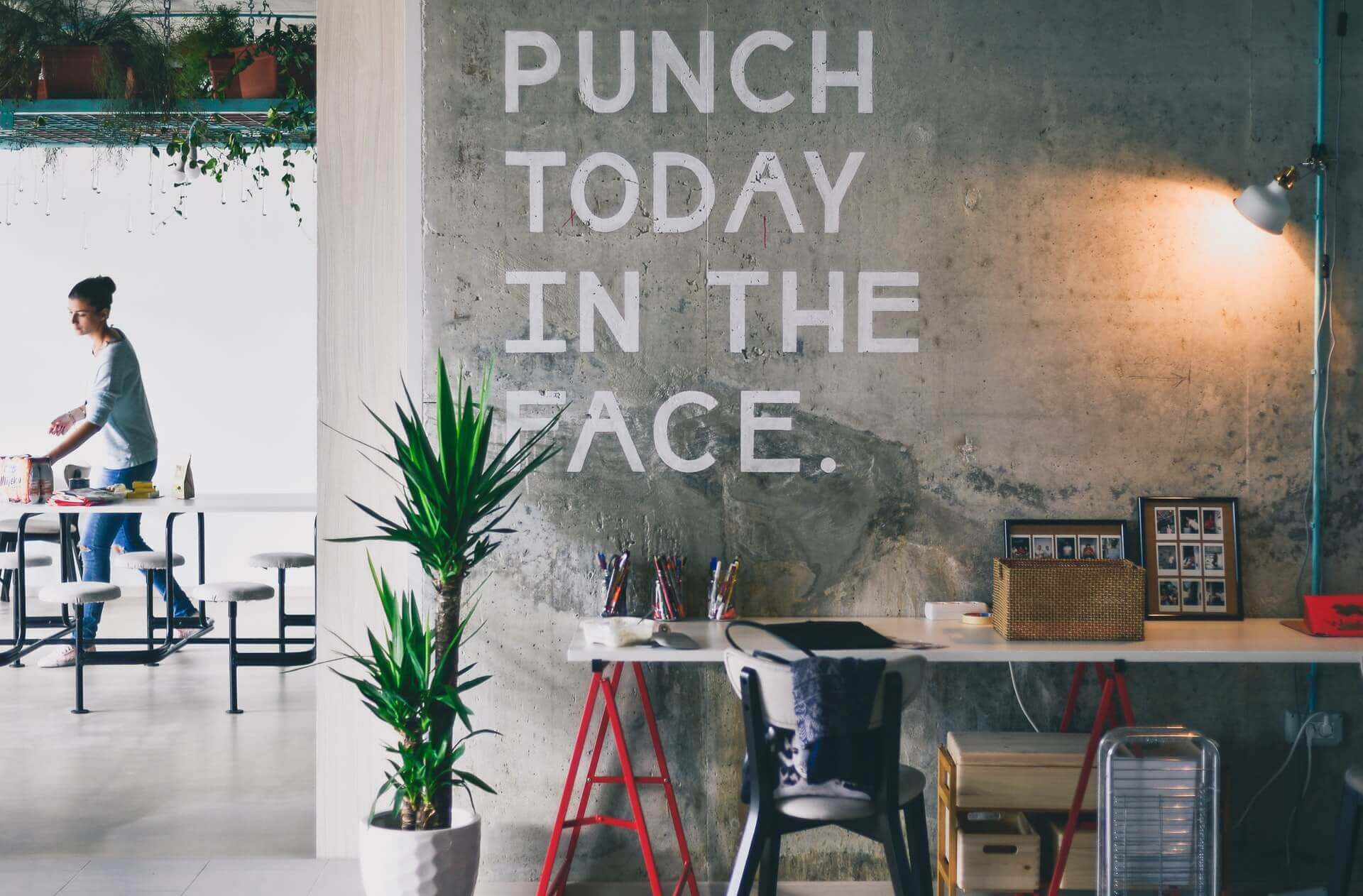
Punch today in the face motivation print

It’s no secret that the hospitality industry is currently struggling to fill empty positions.

In an industry that suffered immensely throughout the pandemic with closures and restrictions, the desire for workers to return is low. Add in underlying issues such as low wages, unappealing hours, and sometimes undesirable work culture, and it makes the hunt for great employees seem even more daunting.

But what do you do when the resumes do come in? How do you select team members who will make your business stronger and help you strive towards success?

I’m going to suggest that you start by looking for one key characteristic: Grit.

What is Grit?

Psychologist and grit specialist Angela Duckworth states that, “Grit is sustained passion and perseverance for long term goals.” Grit is showing stamina in order to achieve success. It is often a better predictor of success than talent or skill alone.

If you want to do a deep dive into the benefits of grit to learn how and why grit is a better predictor of success than talent or intelligence, I highly suggest reading Duckworth’s book Grit: The Power of Passion and Perseverance. You can also check out her Ted Talks.

Why Grit?

Gritty individuals are more likely to deal with adversity better. These are the people you want on your team, especially in leadership roles. They are individuals who see success as a marathon and do not quit.

In an industry known for high turnover, the number one quality you should be scouting for is perseverance. Who is going to stick with you when times are stressful? Who is going to push for personal and professional growth? These are the individuals you need to look for.

Hiring for Skill

Many restaurant and bar owners will look at skill first when hiring new staff. I get it. If someone has previous experience and has demonstrated job specific skills, then it means less training on your part. If they “know what they’re doing,” that individual should be a good hire, right?

While finding someone with skill may prove that they can do the day-to-day tasks, it says nothing about how dedicated they will be to your business, what their growth potential is, or what their values may be. Skill can be easily taught; values, grit, and a growth mindset, however, can not.

Hiring for Grit

It starts with your job ad. An individual with grit is on the search for growth opportunities and for challenges.

What are you offering your team members? Are you offering learning opportunities, tuition assistance, training experiences? Are you making this clear from the very start that these opportunities are available?

If you want dedicated employees who are of a growth mindset you need to attract them to you with what they are searching for.

The Resume

Resumes may not be plentiful, and you may need to fill a position ASAP, but you still need to take the time to carefully analyze a resume if you want to hire for long-term success.

When reading a resume there are clues to indicate if the candidate has grit. Firstly, check to see how long they have stuck with previous jobs, teams, hobbies, volunteer positions, etc. Do they have a lot of experience but have switched jobs every one to two years? Have they done a lot of volunteer work but only for very brief stints?

Secondly, what level of achievement did they receive in these? For example, an individual who was on a varsity basketball team for four years, was made captain, and won a championship shows more grit than someone who played recreational basketball for a year and didn’t win any major awards.

One more example: An individual who started off as host, stayed with the restaurant for several years, and during that time made his way to the management team shows more grit than an individual who has more years of experience but it is spread over various establishments and each stint is less than a year in length.

The Hiring Process

A person with grit will not make you hunt them down. If anything, they will hunt you down!

The individuals who go out of their way to research your establishment before an interview, who follow up in a timely way for setting up interviews, and who follow up after their resume is sent and after they have an interview are the type of people you want on your team.

Do not overlook these individuals (even if they don’t have a ton of experience) because they are demonstrating respect, a keen interest in working for you, and dedication. Remember, skill can easily be taught but key qualities such as grit and growth mindset can not.

The Interview

There are some key questions you can ask during the interview process to determine if a candidate has grit:

  • “Tell me about a big goal you had and how you went about achieving that goal.” Look for specific details about how they reached their goal.
  • “Tell me about a time when you gave up on a goal, and why.” People give up on goals all the time. Perhaps it turned out to just not be feasible. Maybe a major life-changing event happened. A person with grit will typically only give up on a goal for a significant reason.
  • “Tell me about a major obstacle or challenge that you recently had to overcome, and how you did so.” The hospitality industry is full of obstacles and daily challenges both big and small. You need an idea of if and how your team members can overcome these obstacles.
  • “Who is a successful person that you admire, and why?” Does the candidate admire someone successful because of work ethic, grit, perseverance, bravery, etc.? Or do they admire the person for talent, success, material wealth, and popularity? What we admire in others is often what we try to achieve for ourselves.

These are all questions that will give you an idea of someone’s level of grit.

The Bottom Line

Turnover hurts everyone, and it hurts our bottom line. In our industry it is inevitable, but it doesn’t need to be a continuous revolving door of employees.

Start by attracting the right people, look for signs of grit during the hiring process, and then do your part by creating a rewarding and positive work environment to create longevity.

Is hiring stressful? You bet. But if you do it right, hopefully you won’t have to do it often! Here’s to personal and professional well-being. Cheers!

Image: Johnson Wang on Unsplash

by David Klemt David Klemt No Comments

Why Operators Need to Set Goals

Why Operators Need to Set Goals

by David Klemt

Darts in a dartboard and in bullseye

Something restauranteur Mike Bausch said during the 2021 International Pizza Expo caught my attention.

It stuck with me for a few days. Eventually, I had no choice but to write it down and share it with others.

“If you don’t have a goal,” Bausch said, “you just have a dream. And dreams are just fluff.”

Goals are Measurable

An operator’s goals don’t stop with realizing the vision of opening their business. Rather, that’s when setting goals starts.

Starting up a restaurant, bar, brewery, entertainment venue, hotel… Just getting to the point of opening the doors for the first time requires accomplishing multiple goals.

In fact, our Roadmap to Success identifies several steps—or goals—to achieve to open a startup.

But, hey, let’s say a person’s goal is to open a business. What’s next? Just running that business? That’s not much of a goal. It isn’t defined, it isn’t really measurable, and it won’t accomplish much.

There’s a reason KRG Hospitality offers coaching for operators after they’ve opened for business. Our work doesn’t end with the grand opening.

Similarly, “I want to make a bunch of money” also isn’t really a goal. That’s a result; goals are what help you achieve desired outcomes.

So, instead of writing down making money as a goal, come up with goals that will:

Of course, those represent just a tiny handful of possible goals.

Goals Drive Forward Progress

Because goals are measurable, they help an operator and their business continue growing. So, when operators make goals, they’re working to ensure long-term viability.

Yes, building a bank account and setting one’s self up for retirement can be goals. But how does an operator achieve either of those goals?

They set and achieve the goals that will drive them toward those two personal accomplishments.

Also, in achieving a number of other, equally important goals, the business moves forward constantly. In essence, a restaurant or bar without goals is a listless ship floating in the doldrums.

An effective captain keeps wind in the sails.

Goals Strengthen Teams

Sticking with the ship metaphor because it’s incredibly original and has never before been done, it needs a crew.

So, too, does a restaurant, bar, entertainment venue, or hotel.

Sure, the basic goal of an employee is making money. Generally speaking, that’s not enough of a goal to keep a team member engaged and loyal.

However, an operator being transparent about financial goals (for a particular shift, the week, the month, etc.) engages the team.

Likewise, an operator can (and should) inquire about employees’ individual goals. Then, they should come up with mutually beneficial ways to help accomplish those goals.

Clearly, those are just two examples of how operators can include their teams in the goal-setting process.

The keys to setting goals are:

  • make sure they’re clear;
  • ensure they’re achievable;
  • be certain they’re measurable;
  • when relevant, be transparent about the results with the team;
  • learn from failures or sub-optimum results; and
  • celebrate wins.

And then, of course, set new goals.

So, are you a dreamer or are you a visionary: a dreamer and a doer?

Image: Afif Kusuma on Unsplash

by David Klemt David Klemt No Comments

Establishing a Gratitude Culture

Establishing a Gratitude Culture

by Jennifer Radkey

Thank you neon sign

In a busy world, and what sometimes seems to be an even busier industry, when do we stop to allow time for gratitude? And why should we?

The hospitality industry is built on the premise of providing a welcoming, friendly environment to guests. There have been countless articles written upon how to provide our guests with a positive and memorable experience.

Most of us are very aware of the need to thank our guests for their loyalty through customer appreciation programs, etc. We train our staff on the importance of thanking guests, ensuring that they will choose to visit our establishment again in the future.

To have a successful hospitality establishment our gratitude needs to go deeper than that. We don’t need to just thank our guests, we need to establish a culture of gratitude within our team; and it starts at the top.

Why Gratitude

Gratitude has been found to build stronger relationships, increase helping behaviours, improve quality of sleep, and just improve our overall well-being.

Martin P. Seligman, a psychologist at Penn State University, is one of the leading and founding psychologists in the field of Positive Psychology. His PERMA model dictates what well-being consists of: Positive Emotion, Engagement, Good Relationships, Meaning and Purpose, and Achievement/Accomplishment.

There are obviously many ways in which to achieve the five different components of PERMA, but one of the key character strengths that contributes to all of them is gratitude.

Why should we take on the responsibility of establishing gratitude within our team culture? Well, when you feel good about yourself you are more likely to share skills with others. You can be motivated to work harder and in turn inspire those around you to do so as well.

A team that feels appreciated and learns to be grateful for each other and for the opportunities and experiences the job affords them, is a team that will more likely stick together; support each other; work through problems more effectively; show compassion; embrace differences and creativity; and generally be stronger.

It Starts with You

So, how do we go about establishing a gratitude practice in our workplace? To do that you need to start with yourself.

People are smart—they can sense “fake” gratitude. It needs to be genuine. For some people, gratitude comes naturally; it is one of their character strengths. For others, expressing thanks may feel awkward, so gratitude needs to be practiced daily to build this skill.

Start by taking five minutes at the end of the day before you fall asleep and write down three good things that happened to you that day, and why they happened. Seligman calls this the Three Blessings activity.

Try this for a few weeks. Once you start taking just a few minutes each day to think about what went well, you will naturally find yourself seeking out and recognizing the good things in the moment.

The How

Once you feel comfortable expressing gratitude, it’s time to share with your team and watch the magic happen!

There are countless ways of establishing a gratitude practice in your team culture. One simple way to start is to call team members out on the great stuff they do and genuinely thank them for it.

Example: There is a particularly challenging guest who is upset and taking out their frustrations on one of your servers. Your server remains poised and offers various solutions to ease the guest’s frustration, in turn diminishing what could have been an ugly scene. You then approach your server afterwards and express thanks for the way the situation was handled.

Be specific in your praise and be genuine in your gratitude. Your server will go from feeling potentially upset or stressed about the situation to feeling good about themselves for how they handled it. And you will feel grateful for having such a responsible and stellar employee. Win-win situation.

A Grateful Team

Besides taking the time to notice and be outwardly grateful for the small things your team members do daily to contribute to the success of your vision and business, there are team-building gratitude activities you can initiate.

Try setting up a “Thanks for Being Awesome” board, either a physical one in a back room/staff room or an online one where team members can write quick thank-you notes to each other and post them.

“Thanks for taking my shift so I could take care of my sick mom.”

“Thank you for making me laugh with that ridiculous joke the other night!”

“Thanks for teaching me that new bartending flair trick!”

A team who is thankful for each other is a team who will build each other up, and in turn build up your business and revenue.

Silver Linings

Team meetings are an easy place to insert a gratitude practice. During the team meeting insert a “silver linings” activity.

Have team members discuss things that did not go well that week and then brainstorm together the “silver lining” from the situation. Maybe a new menu item was introduced and did not receive positive feedback. Perhaps there was a blow out between two team members when they didn’t agree on something, Maybe the new hire came for the first few scheduled shifts and then quit.

Whatever the bad situation was, what good thing came from it and what was learned from it that could make the team and business stronger? By looking for the good things in bad situations it enables us to be grateful for growth opportunities.

Building a culture of gratitude within your team can be as creative as you like, and there is no “one size fits all.” If one practice doesn’t work, try another. From team events and outings, to weekly gratitude emails, to shout-outs on your social media page, the possibilities are endless.

It is a small and simple change with little to no cost, and when it comes down to it…it just feels good. Here’s to personal and professional well-being! Cheers!

Image: Gratisography on Pexels

by David Klemt David Klemt No Comments

Leadership: The Other 10-second Rule

Leadership: The Other 10-second Rule

by David Klemt

Watch face showing seconds and minutes

Those who remember last week’s Friday post will recall that there’s more than one 10-second rule.

Interestingly, this “other” rule also relates to communication.

As we all know, communication is paramount to leading teams and building relationships with others.

Last Week’s Rule

Deceptively simple, last week’s 10-second rule focuses on easing tensions.

If a situation is about to boil over or is already out of control, going silent for 10 seconds can cool things off.

First, shutting up for ten seconds stops the argument cold. Second, it provides time for the person leveraging this tactic to respond rationally.

Third, it humanizes the other person. Rather than seeing an opponent, the person going quiet for ten seconds remembers that this is a team member they’re engaging.

Finally, people who use this rule say going silent tends to snap the other party out of their hostility.

Treating others with respect and dignity, along with encouraging open communication and a free flow of ideas, are hallmarks of a healthy workplace culture.

This Week’s Rule

There are, of course, similarities between this week’s rule and last week’s. Obviously, they both call for a ten-second “timeout” to talking.

Also, they both focus on humanizing the other person in the conversation.

I came across the other 10-second rule on the Accounting Today website. Accountant and author Kyle Walters writes that his rule is also simple: If Walters talks for ten consecutive seconds during a client meeting, he stops to ask an open-ended question. Crucial to the process is that Walters then gives the person answering time to talk.

Now, while Walters applies this to client meetings, it’s useful for conversation in general. As he points out, it breaks the bad habits of dominating conversations; giving off the impression that you’re selfish and don’t care about the others in conversations; and not listening to others.

Anyone who leads a team; needs to develop relationships with suppliers, distributors, contractors, investors, banks, inspectors, etc.; and wants to build relationships with guests knows that listening is crucial.

Sure, ten seconds doesn’t seem like a lot of time. However, take the time to actually see how many thoughts you can fire off in ten seconds. You’ll see how much talking for that “small” amount of time can quickly seem domineering if you don’t stop to include others in the conversation.

There’s also the “small” detail that you’re not having a conversation if you’re not listening—you’re just delivering a speech…and it’s probably not a good one.

It takes work to break bad habits. However, the benefit to your personal growth, leadership abilities, and business are worth the effort.

Image: Agê Barros on Unsplash

by David Klemt David Klemt No Comments

Leadership: What is the 10 Second Rule?

Leadership: What is the 10 Second Rule?

by David Klemt

Message icon and emoji in form of white neon sign

Anyone who spends any time reading publications that focus on business will come across the “10 Second Rule.”

So, what is this rule? And why should you care?

After all, many entrepreneurs who enter hospitality do so partially to reject “corporate life.”

Adapt Rather than Reject

First, let me say that we understand the allure of eschewing the traditional business world. KRG Hospitality is itself a rebellion against corporate life.

However, we believe that some proven business strategies absolutely have a place in independent restaurant and bar operations.

Indeed, there are lessons independent and boutique operators can learn from their chain and corporate counterparts.

Conversely, independent and boutique entrepreneurs can teach chains quite a few things.

In fact, there are chain operations out there that go to great lengths to appear independent. They strive to leverage the perception that they’re local and small.

So, rather than outright reject corporate strategies and tactics, operators should adapt them to streamline operations, reduce costs, maximize profits, and thrive long-term.

Ten Seconds

Hospitality and foodservice are fast-paced—that’s not news. When front and back of house find themselves in the weeds, passions rise quickly. Often, a blow-up is on the menu.

The same can be true during shift and staff meetings. Perhaps one or two employees aren’t engaging, or maybe there’s a long-simmering issue that’s close to boiling over.

Or, perhaps a change to operations and expectations—the reason for the meeting—immediately ruffles feathers. This rule also applies to one-on-one discussions between ownership, management, and staff.

Engaging in a dust-up can be tempting. Not many people appreciate having their authority questioned or perceived slight left unaddressed.

The 10 Second Rule I’m addressing pertains to communication. Of course, we all know communication is often two things: crucial and difficult.

Simply put, the 10 Second Rule tells us to be quiet for ten seconds. If tensions are rising (often accompanied by volume), put an end to the situation by shutting up and counting to ten.

According to people who champion this rule, a few things happen: the person who implements stops feeding the tension; that same person can now respond without emotion; it provides time to remember that the other party isn’t just an opponent; and the other party tends to also cool off.

It’s a simple rule that can have a huge impact on workplace culture. A healthier, more positive culture leads to happier staff, which improves recruiting and retention. That’s a huge payoff for just ten seconds.

Image: Jason Leung on Unsplash

by David Klemt David Klemt No Comments

Mask Mandates, Recommendations Return

Mask Mandates, Recommendations Return

by David Klemt

Downtown Los Angeles, California

Pointing to vaccination hesitation, vaccination refusal, and rises in Covid-19 cases, some cities are mandating masks indoors.

Importantly, mandates and recommendations are coming down irrespective of vaccination status.

Of course, many people are unhappy about this news. Much of the backlash includes the claim that a return to masks proves vaccines don’t work.

However, others point to variants—in particular, Delta—spreading via the unvaccinated and unmasked.

Unfortunately, continuing divisiveness means hospitality and other frontline workers are again at risk for hostile confrontations.

Los Angeles County, California

If you’re an operator in Los Angeles County, masks indoors aren’t just a recommendation. An indoor mask mandate went into effect on Saturday, July 17.

Just a month prior, embattled Governor Gavin Newsom proudly announced California’s unrestricted reopening.

Now, the more cynical among us see Gov. Newsom’s June reopening as a bid to stave off recall efforts. However, recall ballots will go out to Californians next month.

Per reporting, California’s Covid-19 infection rate is close to tripling. Los Angeles County health officials say the indoor mask mandate comes out of an overabundance of caution.

On a different note, health officials expect the state’s vaccination rate to effectively combat a spike in infection rates. The current rate isn’t expected to match or surpass those of prior peaks in the state.

As far as mandate details, it’s quite simple: Masks are required for everyone indoors, regardless of their vaccination status.

According to reports, an additional ten California counties are recommending masks indoors. No word yet on if other counties—or the state as a whole—will announce mask mandates. Nor is there an end date for LA County’s current mandate.

Southern Nevada

While not a mandate, the Southern Nevada Health District is recommending people, regardless of vaccination status, wear masks indoors.

Unsurprisingly, Las Vegas is experiencing an influx of visitors. With vaccination rates on the decline and infection rates on the rise, health officials are concerned.

More than 2.9 million visitors flocked to Las Vegas in May. Clark County, Nevada, which includes Las Vegas, has a population of over two million.

Of course, it’s important to remember that, for now, wearing masks indoors is a recommendation. However, some resorts and casinos—Westgate and the Venetian among them—now require their employees to wear face masks.

So far, neither Las Vegas, Clark County or Nevada have implemented a mandate. Of course, that could change and a mandate may be in the wings.

Orange County, Florida

Much of the news of returning mask mandates and recommendations focuses on Los Angeles and Las Vegas.

In fact, some critics are attacking Nevada Governor Steve Sisolak, accusing him of blindly following Gov. Newsom.

Interestingly, though, is that a mayor in Florida is also recommending face masks.

Mayor Jerry Demings of Orange County recommends wearing masks indoors, vaccination status notwithstanding. The phrasing of the mayor’s announcement refers to the suggestion as an “official recommendation.” However, no mandate is in place currently.

Frontline Risks

Clearly, mask mandates and even recommendations are going to anger some of the population.

Unfortunately, hospitality workers (and those in other public-facing industries) are once again at risk of confrontations. Even without mandates, some businesses that choose to require masks experience hostility.

The last thing America needs is more divisiveness, anger, and potential for confrontations.

Millions of hospitality professionals have left the industry for good. One factor leading to those losses has been concern for safety due to people angry over mask and vaccine requirements.

Obviously, operators must do whatever’s in their power to ensure the safety of their team members and guests. Leadership must not only convey their support for their employees, they must stand behind that messaging with their actions.

In cities where masks mandates and recommendations return, operators need to focus on safety as much as employee retention. Indeed, the former aids the latter, which aids recruiting and hiring.

Image: Daniel Lee on Unsplash

by David Klemt David Klemt No Comments

EEOC Clarifies Vaccine Stance

EEOC Clarifies Vaccine Stance

by David Klemt

Covid-19 vaccine vial on blue background

American employers have the right to require Covid-19 vaccination as a condition of employment.

This is according to recent clarifications from the Equal Employment Opportunity Commission (EEOC).

Perhaps learning from yet more missteps from the Centers for Disease Control and Prevention, the EEOC is making their position clearer.

Requirements

Per the EEOC, requiring workers to get a Covid-19 vaccine doesn’t violate federal law.

However, an employer failing to provide “reasonable accommodation” in accordance with the Americans with Disabilities Act would be illegal.

According to the EEOC’s guidance update:

“Federal EEO laws do not prevent an employer from requiring all employees physically entering the workplace to be vaccinated for COVID-19, so long as employers comply with the reasonable accommodation provisions of the ADA and Title VII of the Civil Rights Act of 1964 and other EEO considerations. Other laws, not in EEOC’s jurisdiction, may place additional restrictions on employers.”

Additionally, employers who offer on-site vaccinations take on an additional responsibility. They must keep confidential any personal medical information gleaned during employee pre-vaccination screenings.

Of course, the agency’s guidance isn’t only for employers. Employees can access a fact sheet explaining pandemic-specific protections that are in place.

Incentives

The EEOC’s update also addresses the right for employers to offer employees vaccine incentives.

In short, the agency says incentives are legal as long as they’re not coercive. Of course, legal experts will argue that one person’s perception of coercion will differ from another’s.

Really, the only example the EEOC provides for what may constitute a coercive incentive is “a very large incentive” that may make an employee “feel pressured to disclose protected medical information.”

Per a survey by Arizona State University and the Rockefeller Foundation, two-thirds of employers plan to offer vaccination incentives rather than mandates. However, nearly half say they’ll implement mandates if incentives don’t work. Only one-third of survey respondents don’t plan to impose vaccination requirements on employees.

Challenges

Look, we all know America is a litigious society. Given that, it shouldn’t come as a surprise that some states have already banned vaccine requirements and passports.

Nor should it be a shock that lawsuits have been filed by employees challenging the legality of vaccine requirements. At least half of US states have introduced bills seeking to seek to limit COVID-19 vaccine mandates.

Operators have a lot to consider when it comes to vaccine requirements and incentives. For example, offering the incentive that fully vaccinated employees can go maskless at work while non-vaccinated workers must wear masks can be a form of discrimination.

Beyond legal challenges, operators must also contend with public perception and backlash. With the divisions plaguing America currently, operators have a lot to think about before requiring Covid-19 vaccines for employees. While some guests will view such requirements as a responsible move that protects employees, guests and the public, others will see it as a massive violation of personal freedoms and a form of tyranny.

Truly, this is a time when operators must seriously draw on their leadership abilities, empathy, and emotional intelligence.

Clearly, the topics of vaccine requirements and vaccine incentives necessitate careful consideration. This is an important leadership moment that hinges on an operator’s understanding of their team, their guests, and the market in which they operate.

Do not make vaccine decisions lightly.

Disclaimer

This content is for informational purposes only, and should not be used as legal or other advice. This article does not constitute legal advice, nor does any information constitute a comprehensive or complete statement of the matters discussed or the law. This information is of a general nature and does not address the circumstances of a specific individual or entity. The reader of this information alone assumes the sole responsibility of evaluating the merits and risks associated with the use of any information before making any decisions based on such information.

Image: Daniel Schludi on Unsplash

by krghospitality krghospitality No Comments

What in the CDC Guidance…?

What in the CDC Guidance…?

by David Klemt

Red neon sign question mark

The Centers for Disease Control and Prevention is once again offering Covid-19 guidance and this time it’s taking a sharp turn.

One big takeaway is that nobody was really expecting the agency’s abrupt and surprising advice.

Also, the CDC’s updates are confusing a lot of people. So much so, in fact, that the agency is “shaking up” communications personnel.

Changing Guidelines

Clearly, the CDC’s statements toward the end of last week are shocking. The agency caught states and businesses completely off guard.

Business owners, workers and the public are unsure how to interpret the CDC’s new advice. Unfortunately, that seems to indicate that perhaps the agency didn’t take the time to really dial in their message before addressing the nation.

We’ve dealt with constant shifts in guidance for more than a year now. There’s little wonder that so many Americans are experiencing Covid-19 fatigue and skepticism.

It’s fair to say that when the CDC announced updated guidelines last week, people threw their hands up in frustration.

Obviously, the messaging was haphazard since so many attempts at clarification have taken place over the course of just a few days.

So, what’s the agency saying now?

Vague at Best

Last Thursday, Dr. Rochelle Walensky, the current CDC director, said this:

“Anyone who is fully vaccinated can participate in indoor and outdoor activities, large or small, without wearing a mask or physical distancing. If you are fully vaccinated, you can start doing the things that you had stopped doing because of the pandemic.”

Which, okay—great. Seems like a simple bit of direction, right?

Obviously, no—not that simple. Yesterday, Dr. Walensky had to clarify the CDC’s newest guidance:

“This is not permission for widespread removal of masks. We were going to get to the point in the pandemic where the vaccinated could take off their masks.”

The Details, Kinda

In short, the new advice is aimed toward those who are fully vaccinated. To review, a person is considered to be fully vaccinated:

  • two weeks after receiving the second dose of a two-dose regimen (Pfizer, Moderna); or
  • two weeks after receiving a dose of a one-dose vaccine (Johnson & Johnson).

Last week, Dr. Walensky said that fully vaccinated people no longer needed to wear masks or practice social distancing outdoors or indoors. Of course, caveats followed immediately, leading many people to criticize the guidance as vague and, to put it bluntly, unhelpful.

The caveats? The fully vaccinated should still wear masks in crowded settings like airports, airplanes, buses and other public transportation, hospitals, homeless shelters. Also, they should continue following the guidance of their employers and local businesses.

Sifting Through the Confusion

In a nutshell, what the CDC is saying is that fully vaccinated people can return to a semblance of their normal pre-pandemic lives.

This is likely an attempt, however slap-dash or ham-fisted, to incentivize the unvaccinated to get their shots. It’s also probably another attempt at rebooting the economy.

One problem with this new guidance is that it’s vague. People still have questions, and the CDC appears to be fine with deferring to business owners. That means, once again, front-line workers have to police mask wearing and social distancing.

Our industry has been forced to shove staff into awkward and hostile situations and confrontations for over a year now. Shifting guidance and recommendations routinely give short shrift to this facet of working during the pandemic.

Another problem with the CDC’s latest guidance? We have no way of knowing who’s actually vaccinated. Because of this, many business owners are keeping mask and social distancing rules in place to protect their staff and guests. This is no doubt already leading to uncomfortable confrontations.

Staff who can’t get vaccinated for medical or religious reasons are also now being put at risk. Since we’re relying on the “honor system” regarding mask wearing and distancing, unvaccinated workers face greater risk of exposure from unvaccinated guests.

Lack of Industry-specific Guidance

We’re still learning about Covid-19. We’re still attempting to figure out best practices. And we’re still balancing the need to keep businesses open while protecting workers and the public.

But the CDC’s latest guidance isn’t helpful. Essentially, the agency is putting the onus of their recommendations on business owners and state and local policymakers. And, of course, the CDC hasn’t put forth specific guidance for restaurants, bars and other hospitality industry businesses.

The National Restaurant Association responded to the CDC’s update by saying that “restaurant operators have the option of determining how best to enforce the new guidance,” and that they wouldn’t be updating their own Covid-19 Operating Guidance just yet. Also, the NRA stated that operators would be wise to continue to work with state and local regulatory bodies to avoid falling afoul of any mandates.

Next Steps

Operators will now have to review their Covid-19 protocols, the guidance and rules in place in their local jurisdictions, and determine what’s required and what’s best for their staff. They should also consider doing the following:

  • Inform staff about mask, social distancing, and other Covid-19 protocols, whether they’re being kept in place, adjusted or rescinded.
  • Ask staff about their comfort levels in terms of serving guests who aren’t required to wear masks at all during their visits. It’s not just guest comfort that’s important.
  • Owners and managers need to let staff know they have their backs if they’ll be enforcing protocols.
  • Ownership and management must provethey’re backing up their teams. If operators think they’re facing labor challenges now, they’ll struggle even harder if they fail to back up workers who are tasked with informing guests that Covid protocols are in place.
  • Operators should make their protocols known—if they’re still in place—on social, their websites, via email, and in-person so there are no surprises when guests arrive.

Once again, business owners are left to deal with the aftermath of the CDC’s “recommendations.” Now more than ever, guest-facing staff need to be supported.

Image: Simone Secci on Unsplash

by David Klemt David Klemt No Comments

Can You Fire Staff for Refusing Vaccine?

Can You Fire Staff for Refusing Vaccine?

by David Klemt

Covid-19 vaccine vials

Can an employer terminate a staff member’s employment for refusing the Covid-19 vaccine? Current court cases seek an answer to that question.

Conversely, there are bills up for consideration in some states that aim to ban vaccine mandates.

Therefore, the current answer to the question of whether employer vaccine mandates are legal isn’t clear, yet.

It’s also important to note that this question is up for legal examination in Canada and America.

Are Employers Really Mandating Vaccines?

Of course. Well, some are. And it’s bound to continue until the question has been tested in court.

Looking at Canada, Ontario’s Ministry of Labour says employers can, in fact, make vaccines mandatory. They can also (for now, at least) demand proof of vaccination from their employees. Failing to answer the question or lying about can result in an employee losing their job.

However, the ministry acknowledges that legal and ethical issues come hand in hand with blanket vaccination mandates.

In America, the issue is no less thorny, to put it mildly.

Per a survey by Arizona State University and the Rockefeller Foundation, almost 90 percent of employers in the USA (and UK) have plans to “encourage or require vaccination for employees.”

Encouraging, of course, stands in stark contrast to requiring in a legal, ethical and moral sense.

That same survey suggests that most US employers—two-thirds—plan to use vaccination incentives rather than mandates. However, 44 percent say they’ll implement mandates if incentives don’t work. Just one-third of survey respondents say they don’t intend to require vaccinations as a term of employment.

Legal Challenges

Vaccine requirements and credentials (“vaccine passports”) have been banned in Arizona, Florida, Idaho, Montana, Texas and South Dakota.

Bills have been introduced in at least half of American states that seek to “limit mandatory COVID-19 vaccines,” per the National Conference of State Legislatures.

Lawsuits have been filed by workers in various industries in several states, including New Mexico and California.

It’s likely just a matter of time until the Supreme Court of the United States is at least asked to settle the matter of vaccine mandates.

Currently, attorneys and agencies say that employers need to inform employees of the consequences for refusing Covid-19 vaccination, including loss of employment; put a vaccination policy in place and communicate it with all employees; and include religious and medical exemptions.

That said, this matter is a long way from settled.

Could vs. Should

One thing is clear: It’s not clear yet whether employers can terminate employees for refusing vaccination. We can expect a flurry of lawsuits either way.

However, it’s important that operators realize this isn’t solely a legal question. This is in no small part a leadership question, and it’s a tough one.

As the saying goes, just because you can, doesn’t mean you should.

Operators must consider the ramifications of vaccine mandates. Moving forward, some guests may only support businesses that require vaccination for staff. Conversely, some guests may find such a requirement discriminatory and offensive, and they may boycott businesses with vaccine mandates.

It’s a difficult position for operators and staff. Our industry puts employees and the public in direct, close contact with each other. Team members are likewise in very close quarters. Close interactions for prolonged periods can spread any number of viruses, not just Covid-19.

The instinct to protect staff, their family and friends, and the public is common among operators. The past twelve-plus months have strengthened that resolve.

Incentivizing Instead

Requiring vaccination may exacerbate the current labor shortage.

Yes, there are some employees and potential new hires who will feel more comfortable knowing their coworkers have been vaccinated. However, there are also people who will refuse to work for an employer who requires vaccination. A mandate could damage recruiting severely as word gets around.

It’s reasonable to suggest that operators are best off implementing a vaccination incentive program rather than a mandate. Most people would likely agree that encouragement rather than requirement, at least regarding this topic, shows greater emotional intelligence, a cornerstone of leadership.

The CEO of the Cosmopolitan of Las Vegas reportedly hit their minimum goal of an 80-percent vaccination rate among staff last week. The resort’s incentive program offered bonus payments (among other incentives) for vaccinated employees set up in tiers:

  • 60 Percent Vaccination Rate: $50
  • 70 Percent Vaccination Rate: $100
  • 80 Percent Vaccination Rate: $250
  • 90 Percent Vaccination Rate: $350
  • 100 Percent Vaccination Rate: $500

That program helped the company hit their goal in just a few weeks. Operators can certainly use the Cosmo as a model for encouraging vaccinations instead of requiring them. Ultimately, the choice is up to the individual operator. It isn’t an easy one.

Disclaimer

This content is for informational purposes only, and should not be used as legal or other advice. This article does not constitute legal advice, nor does any information constitute a comprehensive or complete statement of the matters discussed or the law. This information is of a general nature and does not address the circumstances of a specific individual or entity. The reader of this information alone assumes the sole responsibility of evaluating the merits and risks associated with the use of any information before making any decisions based on such information.

Image: Braňo on Unsplash

by David Klemt David Klemt No Comments

5 Books to Read this Month: May

5 Books to Read this Month: May

by David Klemt

Flipping through an open book

This month’s fun and informative book selections will help you develop next-level culinary, beverage and leadership skills.

To review last month’s book recommendations, click here.

Let’s dive in!

Trejo’s Tacos: Recipes and Stories from L.A.

Who doesn’t love Danny Trejo? His story is inspiring, his IMDB page is full of memorable characters, and he’s got fast-casual restaurants and a coffee shop. Trejo’s cookbook features 75 recipes and tons of insight into the man himself.

Which Fork Do I Use with My Bourbon?

Learn how to organize and execute an awesome tasting from Peggy Noe Stevens, the first female master bourbon taster in the world and founder of the Bourbon Women Association, and Susan Reigler, a prolific bourbon correspondent and author. Which Fork Do I Use with My Bourbon? includes tips, recipes and more for pulling off a great bourbon-centric event.

Zero: A New Approach to Non-Alcoholic Drinks

From the unique minds behind the ultra-creative Aviary cocktail bar comes Zero. If you’re looking to elevate your non-alcohol menu and approach to creating zero-proof drinks, this is the book for you. In addition to about 100 recipes, this book shares insights into Chef Grant Achatz’s culinary approach to cocktails, whether low-, zero- or full-proof.

Finding Fire: Cooking at its Most Elemental

Like Bar Hacks podcast guest Chef Brian Duffy said on episode 33, we’re fully in a comfort food zone. We’re also back to the fundamentals and simple techniques. When it comes to cooking, nothing is more fundamental than using fire. Chef Lennox Hastie dives deep into cooking with fire and provides 80 recipes in Finding Fire.

How to Listen with Intention

There’s a misconception among many business owners and managers that leadership is just delegating and issuing orders. Too many people forget that listening is a key element of leadership. Patrick King’s book How to Listen with Intention aims to change our mindset so we view listening as a superpower.

Image: Mikołaj on Unsplash 

by David Klemt David Klemt No Comments

5 Books to Read this Month

5 Books to Read this Month

by David Klemt

Flipping through an open book

Spring is traditionally the time when we’re meant to reinvent or otherwise better ourselves. These books can help you do just that.

Some will help you expand or enter this business, others will boost your marketing and social media, and a couple will help you refresh your drink menu.

With restrictions easing and vaccination rates in the United States growing, now’s the time to improve yourself and your business.

Prepare now for pent-up demand for in-person dining and drinking.

Food Truck Business Guide for Beginners

Looking to enter this industry with a food truck or expand your existing business with one? This book is a great place to start.

Food Truck Business Guide for Beginners is a comprehensive guide that covers:

  • common mistakes that lead to food truck failure, and exactly how to avoid them;
  • the most successful ways to secure funding;
  • how to master marketing;
  • best practices for passing health inspections;
  • tackling and mastering marketing for your business;
  • and many more topics.

The Terroir of Whiskey: A Distiller’s Journey Into the Flavor of Place

Dr. Rob Arnold is a plant biochemist and the master distiller at TX Distillery. To say he understands the science of whiskey and terroir is obvious.

What’s less obvious is the direction Dr. Arnold’s book heads into. He takes readers to distilleries in Kentucky, Ireland, Scotland and elsewhere, but he takes things further.

In The Terroir of Whiskey, Dr. Arnold shines a light on plant breeders, local farmers, and distillers bringing back “lost” grains. These same innovators are also attempting to create new grains to further develop terroir.

This book will definitely enhance your whiskey knowledge and engagement with guests.

Rad Cocktails

Yes, this book’s description states that it focuses on the home bartender.

No, that doesn’t mean bartenders, operators, and other hospitality pros can’t learn from it.

Rad Cocktails, in addition to including awesome illustrations, also embodies a growing cocktail trend: simplification. Innovative cocktails don’t have to be complicated or take ten minutes to build.

Beautiful Booze: Stylish Cocktails to Make at Home

Natalie Migliarini, also known as Beautiful Booze, has more than 95,000 followers on Instagram. Her cocktail recipes, photographs and mastery of social media help her stand out in a roiling sea of influencers.

Her first book, Beautiful Booze: Stylish Cocktails to Make at Home, also targets home bartenders…on the surface. This book, creative cocktail recipes, can help elevate anyone’s bartending skills. The beautiful photography will also help inspire anyone to take their social media shooting to the next level.

Hacking the New Normal: Hitting the Reset Button on the Hospitality Industry

Alright, this may seem self-serving. However, I wouldn’t have written the foreword for a book I didn’t believe this book would truly help people.

Millions of hospitality industry professionals’ lives were imperiled at the start of last year. We continue to innovate and adapt to overcome unprecedented challenges.

Hacking the New Normal addresses the need for an industry-wide reset and seeks to guide operators through rebuilding for the long term, and to strengthen the industry moving forward.

Image: Mikołaj on Unsplash 

by krghospitality krghospitality No Comments

NRN Shares Inclusion Insights Report

NRN Shares Inclusion Insights Report

by David Klemt

Light bulb idea concept on wood background

Featuring insights from their 2021 Power List, an inclusion report from American trade publication Nation’s Restaurant News is now available.

Overall, NRN’s 2021 Power List consists of C-suite and executive heavy hitters from some of the most influential restaurant groups.

For example, Domino’s, Yum Brands, &pizza, and Momofuku Restaurant Group, are on this year’s list.

To compile their 2021 Power List: Leadership & Inclusion Insights report, NRN asked their power players to identify a team member who embody inclusivity.

Lessons Learned from 2020

NRN’s report is broken down into five sections; this is the first.

Reading through the insights in this section, you’ll find that agility and adaptability are crucial to navigating crises. That will come as no surprise to many.

However, what really strikes me are the words of Donnie Upshaw, SVP for people at Wingstop. Upshaw cites the importance of culture and core values:

“Our core values, known as ‘The Wingstop Way’—service-minded, authentic, entrepreneurial and fun—have been and will continue to be our guiding light through all seasons of our business.”

Those core values, along with Wingstop culture and a focus on retaining top talent, are keys to their successful navigating of the pandemic.

Accomplishments During a Pandemic

The pandemic has torn apart the hospitality industry and continues to do so. In America, we’re just now seeing specific relief targeting foodservice businesses.

Given the situation, just surviving the pandemic is an accomplishment.

Still, chain and independent operators are forging paths forward and inspiring others inside and outside of the industry.

Erika Palomar, COO of the Independent Restaurant Coalition, says the group “faced the darkest hours, together.”

Palomar continues: “They held fast to their commitment to change the most lives possible. This group has the remarkable ability to look beyond their door and inspire others to take action and make bold changes that will serve this industry and our society for the better.”

Importance of Leadership & Impact

The job of owners, operators, managers, and mentors is to lead. Doing so is one of the most effective tools for growing a business and retaining talent.

Adversity, of course, is one of the—if not the—greatest challenges to leadership.

Beth Scott, president of Fleming’s, says building trust is the first step in realizing the core of what it means to be a leader: inspiring and influencing, not commanding.

Jason Crain, CRO of Slutty Vegan, says, “Leading is dynamic and solution oriented.” Crain points to knowing when to implement different forms of leadership as a crucial element.

Further Insights

NRN’s report has two more categories, “Fostering Diversity & Inclusion” and “The Future of Foodservice.” There are insights from several more power players who drive the missions of inclusivity, diversity and equity.

We encourage you to follow this link and review the report for invaluable motivation and inspiration for your own business.

Image: Free-Photos from Pixabay

by David Klemt David Klemt No Comments

Is Gen Z the Workforce Solution?

Is Gen Z the Workforce Solution?

by David Klemt

Momofuku Las Vegas interior

Is Gen Z the solution to the industry’s workforce problem?

That’s one big question posed during the 2021 Restaurants Canada Show.

A panel consisting of Philip Mondor, president and CEO of Tourism HR Canada; Adam Morrison, president and CEO of Ontario Tourism Education Corporation; Jody Palubiski, CEO of the Charcoal Group; and Lori Wilson, manager of people and change at BDO Consulting have answers.

The Problem

Canada’s hospitality industry is facing a labour shortage. In fact, that has been the case since before the pandemic.

According to several sources, the hospitality industry is Canada’s fourth-largest private-sector employer. And yet, there’s a labour crisis.

This is partially due to Baby Boomers retiring. As they leave the workforce, there’s a disparity in the number of people in Canada working or seeking work.

According to a January 2020 report from The Globe and Mail, there were at least 60,000 empty positions in foodservice before Covid-19 lockdowns.

Mondor concurs with that article’s sentiment. He expects “a very large shortfall” over the next year that could force the industry into a four-year recovery.

The Solution?

Neither Wilson, Mondor, Morrison or Palubiski see Gen Z as the solution to Canada’s labour shortage problem.

Now, that isn’t to suggest that operators and managers should dismiss Gen Z. Rather, Mondor suggests including this generation as they enter the workforce without viewing them as the only solution.

“Relying on youth alone is not going to meet the demand,” says Mondor.

Instead, Mondor posits that new Canadians—immigrants—will play a significant role in the hospitality industry moving forward. In fact, Mondor expects immigrants to make up 50 percent of Canada’s workforce.

Recruitment and Training

Palubiski says that what separates Gen Z from other generations is how connected and informed they are. Screen time provides Gen Zers plenty of information about social, regional and global issues.

To recruit Gen Z, Palubiski suggests brands and businesses be transparent about their stances on issues such as sustainability and the climate.

However, that approach to recruiting isn’t just effective when it comes to Gen Z—employees and guests alike want to know where a brand stands.

Morrison says that it’s important to be cognizant of the employment market. Knowing what people are being paid, even if an operator can’t match or beat that rate, is helpful. It’s also part of an effective strategy, says Morrison, to understand the ambitions of candidates to see if available roles will match their motivations.

Retention

Once an operator has built a team, the next step—training—is key to staff retention. And not just training for the specifics of one particular role in a restaurant or bar.

Rather, the panel agrees that this industry does a poor job of documenting transferrable skills. For example, operators can help develop employees’ leadership and conflict resolution skills (among many others) that they can take into other careers. Operators must explain that benefit to employees and help nurture it.

Additionally, the panel suggests looking at training and retention in the following ways to adapt and make businesses in this industry stronger:

  • Invest in people, don’t just hire them. That means training and developing their skills and careers.
  • View hiring and training as investments, not costs.
  • Everyone makes mistakes. True leaders admit their mistakes, fix them, and move forward.
  • Ask this question: Do your employees feel a greater affinity for this industry and your business after they’ve started working with you?

In parting, operators and managers should consider this: Palubiski had to furlough 950 employees due to the pandemic. A staggering 95 percent returned when they were called back. That is effective hiring, training, development and retention to emulate.

Image: Jason Leung on Unsplash

Top