LTO menu

by David Klemt David Klemt No Comments

Program for Unique Holidays: March 2025

Program for Unique Holidays: March 2025

by David Klemt

Restaurant or bar owner sitting at the bar, working on a schedule or calendar

AI-generated image.

Do you want to stand out from from other restaurants and bars in your area? Change how you think about your March 2025 holiday programming.

Several holidays are set against every date on the calendar, and this month is no exception. These holidays range from mainstream to esoteric.

Pay attention to the “weird” or unique holidays to raise eyebrows, carve out a niche for your restaurant or bar, and attract more guests. Why do what everyone else is already doing? Why program only around the same holidays as everyone else?

To provide a handful of examples, March boasts National Cold Cuts Day, Mario Day, and Make Up Your Own Holiday Day. Those are all things you can get creative and program around, and celebrate with your guests.

Of course, you shouldn’t try to celebrate every holiday, strange or otherwise. Focus on the days that are authentic to your brand; resonate with your guests; and help you grab attention on social media.

You’ll find suggestions for promotions below. However, the idea behind our monthly holiday promotions roundup is to inspire you and your team to get creative and come up with unique programming ideas.

For our February 2025 holidays list, click here.

March 3: National Cold Cuts Day

If you’re a deli, are partners with a deli, or otherwise serve menu items featuring cold cuts, this holiday should certainly be on your radar.

Whether you choose to feature all the cold cuts available, focus on one specifically, or offer LTO sandwiches or other items, this is a holiday worth building a promotion around.

March 5: National Absinthe Day

Some people choose to celebrate “Cinco de Marcho” on this day, “training” their kidneys for St. Patrick’s Day. Well, allow me to propose an alternative: National Absinthe Day.

While there are also clear versions, absinthe is usually green. It’s interesting, and loaded with lore. And this holiday doesn’t necessarily encourage dangerous levels of alcohol consumption.

March 7: National Cereal Day

From breakfast shots to breakfast cereal-flavored shots and cocktails, this is a simple holiday for programming beverage promotions.

And on the food side, think about how much fun your culinary team can have reimagining famous cereals as new menu items.

March 10: Mario Day

People tend to associate Mario with a few powerups: Super Mushrooms, Fire Flowers, Super Leaves, and Starman stars. So, if we extrapolate and apply these powerups to F&B, operators and their teams can craft food and drinks that feature mushrooms, edible flowers, leaves, and star shapes.

And that’s to say nothing of the suits Mario can don, enemies he bests, and other associations with Mario.

March 13: World Kidney Day

I mention kidneys toward the top of this holiday roundup. Well, operators can celebrate World Kidney Day by offering healthy, zero-alcohol beverages. Going further, they can highlight food items that are free of ultra-processed ingredients, and low in sodium, potassium, and phosphorous. Instead, promote dishes that feature lean proteins and healthy fats.

March 15: National Corn Dog Day

On its own, a standard corn dog, one can argue, isn’t that unique. So…let’s change that. If you have corn dogs on your menu, or you have the capability of adding them as an LTO, think about how far you and your culinary team can go with it.

Elote treatment to the exterior? Awesome. Panko or cornflake crust? Yes, please. Going sweet and savory with a dusting of sugar, and accompanied with ketchup and mustard? I’ll try it.

March 21: National Countdown Day

For several reasons, a lot of people seem to like a countdown. Operators can leverage this by creating a countdown that ends later on National Countdown Day.

A special food item, unique drink, or LTO menu revealed when the countdown reaches zero are just a few ideas.

March 22: National Goof Off Day

I’m always a fan of giving guests an “excuse” to blow off work, errands, and other responsibilities. Not every day, of course, but once in a while.

This year, National Goof Off Day falls on a Saturday, so it shouldn’t be too difficult to encourage guests to goof off at your restaurant or bar.

March 26: Make Up Your Own Holiday Day

Hey, have you ever thought about a holiday celebrating your business? National [insert your bar, restaurant, cafe, nightclub, hotel] Day? Well, this is the perfect time to launch just such a holiday, or anything else you can dream up.

March 30: National Virtual Vacation Day

If National Goof Off Day doesn’t work with you, your brand, and your guests, perhaps this holiday does. While one way to celebrate this day is to use VR for a “vacation,” another is to simply embrace a holiday mindset. With nearly a month to plan, I’m sure you can come up with a promotion that helps transport guests to a vacation destination via your business.

Image: Microsoft Designer

Client Intake Form - KRG Hospitality

by David Klemt David Klemt No Comments

Go Orange this Valentine’s Day

Go Orange this Valentine’s Day (and Beyond)

by David Klemt

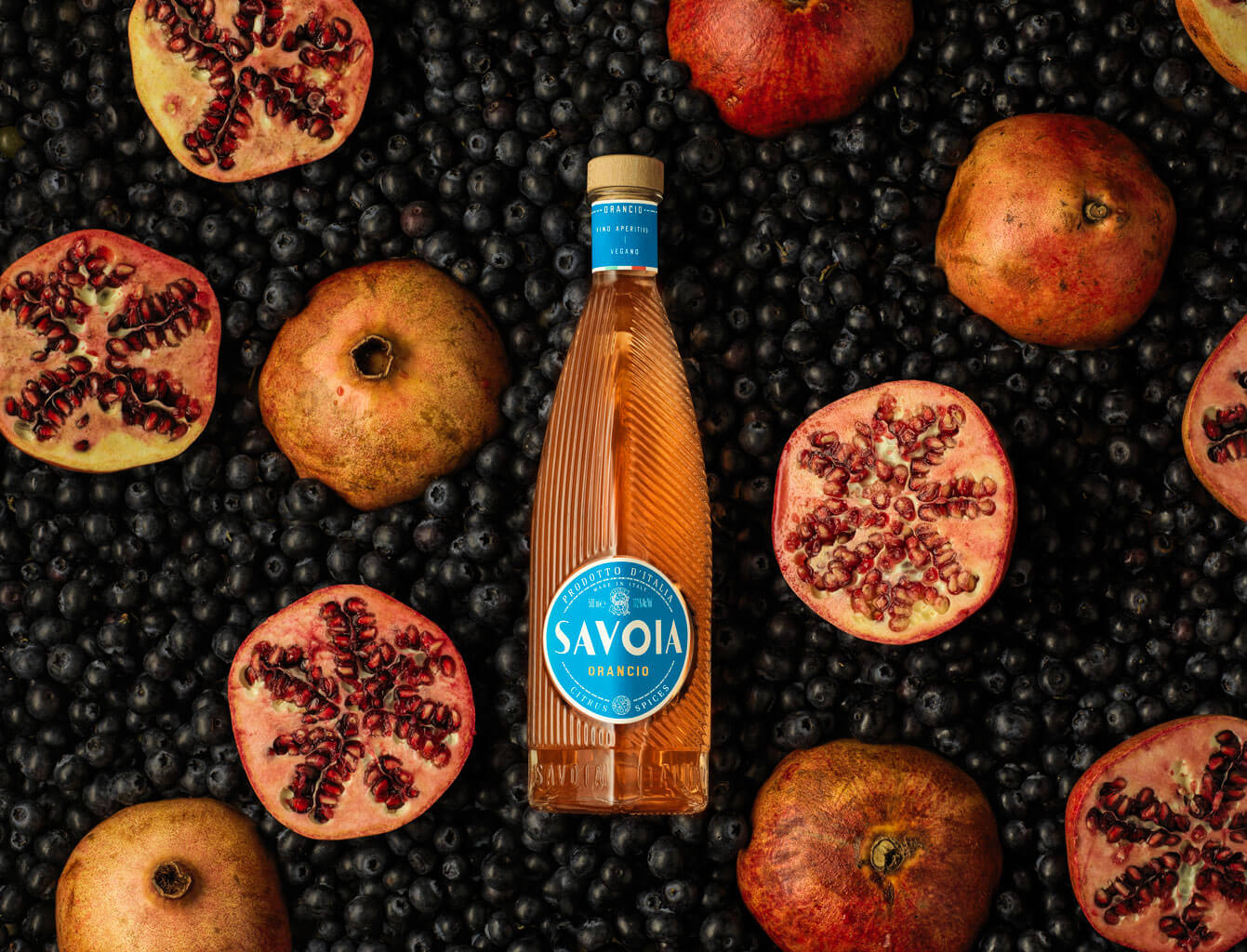
A bottle of SAVOIA Orancio resting on a bed of grapes and pomegranates

There’s a new, exciting aperitivo from the House of SAVOIA, and it’s flavor profile and color are perfect for celebrating Valentine’s Day.

In fact, SAVOIA Orancio is ideal for celebrating life on any day. Slowing down to appreciate and enjoy is the purpose, after all, of aperitivos and aperitivo culture.

I had the opportunity to chat with Giuseppe Gallo, founder of CASA-SAVOIA (and ITALICUS), about the new Orancio expression, and more on the Bar Hacks podcast.

The orange hue comes from this aperitivo’s base: natural orange wine. This wine is combined with Italian white wine, and spices that pay tribute to the famed Silk Road. These include cinnamon, ginger, and saffron.

Regular readers of KRG Hospitality articles, and listeners of our Bar Hacks podcast, are aware that I’m a strong proponent of bar programs executing an aperitivo hour in place of a traditional happy hour (if it meshes with the concept, of course).

Aperitivos aren’t simply a drink; they’re an integral element of socializing, and Italian drinking culture. Whereas a happy hour is often perceived by some guests as a window in which to visit a bar for discounted drinks and dishes, an aperitivo hour centers largely around bringing people together.

Whether friends or strangers, the key difference is that rather than focusing on downing many “cheaper” drinks before time runs out, the focus is on slowing down, letting go of the stress of the workday, gathering, and preparing for dinner.

To learn more about SAVOIA Orancio and aperitivo culture, listen to Bar Hacks episode 130 on Spotify, Apple Podcasts, or wherever you listen to podcasts. Cheers!

Orancio Spritz

We can trace the origins of the Spritz to 1800s Veneto, one of the 20 regions that comprises Italy. The Spritz evolved in the 1920s, adding bitters, soda, and ice. In the 1970s, as the story goes, the cocktail evolved again, calling for Prosecco rather than still wine.

  • 2 parts SAVOIA Orancio
  • 2 parts Prosecco
  • 3 Green and red grapes to garnish

Add ice to a wine or balloon glass, then add equal parts SAVOIA Orancio and Prosecco. Garnish with the grapes, and serve.

Orancio & Soda a.k.a. L’Americano

Proof that some of the best, most-refreshing cocktails are the simplest. The Americano is described as the link between Italian aperitivo drinking culture and American cocktail culture.

Fun fact: We’ve all come to understand that James Bond has an affinity for Vodka Martinis (as well as other Martinis). However, the first drink 007 ever orders in the first-ever James Bond novel is an Americano.

  • 2 parts SAVOIA Orancio
  • 2 parts Soda water
  • 3 Green and red grapes to garnish

Fill a highball glass with ice, and then add SAVOIA Orancio and soda water. Garnish with grapes, then serve.

Orancio Negroni

Yes, I’m aware that a traditional Negroni is an equal parts combination of Campari, London dry gin, and sweet vermouth. Trust meand more importantly, trust Giuseppe Gallothat this Negroni version is worthy of the name.

  • 2 parts SAVOIA Orancio
  • 1 part London dry gin
  • 3 Green and red grapes to garnish
  • Garnish alternative: Orange wedge or peel

Add ice cubes (or one large cube or sphere) to an Old Fashioned glass. Then, add SAVOIA Orancio and gin, and stir. Alternatively, add the two liquid ingredients and ice to a mixing glass for a more traditional preparation. Stir, and strain into a prepped Old Fashioned glass. Garnish with grapes, or with an orange peel to more closely resemble a Negroni. Alternatively, set an orange wedge on top for more of a Sbagliato presentation.

Orancio Margarita

Looking to offer your guests something a bit different? The Orancio Margarita is an Italian twist on one of the most-iconic cocktails ever created.

  • 1 part SAVOIA Orancio
  • 1 part Tequila blanco
  • Half-part fresh-squeezed lime juice
  • 1 barspoon Agave nectar
  • Lime wheel to garnish

Prepare a rocks glass by adding ice. (I also suggest experimenting with a salt rim.) Add ice and all liquid ingredients to a shaker, and shake well. Strain into the prepped rocks glass, and garnish with a lime wheel.

Image provided by SAVOIA

Note: Neither the author nor any representative of KRG Hospitality received compensation, monetary or otherwise, in exchange for this article.

Client Intake Form - KRG Hospitality

by David Klemt David Klemt No Comments

Program for Unique Holidays: October 2024

Program for Unique Holidays: October 2024

by David Klemt

"Think about things differently" neon sign

Do you want to stand out from from other restaurants and bars in your area? Change how you think about your October holiday programming.

Several holidays are set against every date on the calendar, and this month is no exception. These holidays range from mainstream to esoteric.

Pay attention to the “weird” or unique holidays to raise eyebrows, carve out a niche for your restaurant or bar, and attract more guests. Why do what everyone else is already doing? Why program only around the same holidays as everyone else?

To provide a handful of examples, October boasts celebrations of the cheeseburger, the double cheeseburger, cheese pizza, pepperoni pizza, beer, and guacamole. Those are fantastic F&B holidays sure to appeal to your guests. However, you can still celebrate some “out there” holidays to get people’s attention and draw them to your business.

Of course, you shouldn’t try to celebrate every holiday, strange or otherwise. Focus on the days that are authentic to your brand; resonate with your guests; and help you grab attention on social media.

You’ll find suggestions for promotions below. However, the idea behind our monthly holiday promotions roundup is to inspire you and your team to get creative and come up with unique programming ideas.

For our September 2024 holidays list, click here.

October 1: The New National Taco Day

That’s right; National Taco Day has changed! You can read my article addressing this change here for more details, but what you need to know is that from today onward, National Taco Day will always fall on a Taco Tuesday.

October 2: Walk Your Dog Week

If your venue is dog friendly, and you operate in at least a decently walkable city or town, this is a great week to invite your guests to pop in for a dog treat, a bite, and a drink with their best friends.

October 4: Plaidurday

This day is dedicated to plaid. Plaid shirts, plaid pants, plaid shoes, plaid hats, plaid coats, plaid scarves, kilts featuring a tartan… If it’s plaid, encourage your guests to come by your place while they’re wearing it.

October 11: It’s My Party Day

Okay, this is an odd one. Really, it’s all about nostalgia. Technically, it’s about people revisiting their sweet sixteen parties, which is incredibly specific. Personally, I’d tap into your understanding of your guests and come up with a nostalgic theme that will appeal to them. After all, October is all about dressing up and themed parties.

October 12: National Motorcycle Ride Day

If your venue is motorcycle friendly, encourage your guests who ride to organize a ride, with a stop at your business to relax and refuel.

October 15: National Chicken Cacciatore Day

Recently, we addressed the importance of putting your spin on classic comfort foods. Chicken cacciatore, a recipe that’s about 600 years old, certainly falls into this category; it’s a classic comfort food, and your kitchen team can certainly put their own take on it.

October 21: Apple Day

We also addressed applejack, America’s first native spirit, just yesterday. Sure, you can do caramel apples or apple pie to celebrate this day, but I think you should bring your bar team into the mix, and create an LTO menu featuring applejack cocktails.

October 24: National Food Day

It sounds like this holiday is incredibly open ended, doesn’t it? A blank slate for any cuisine or food item you want to program a holiday promotion to leverage.

However, it’s specifically focused on featuring natural foods. For tips on how to build a natural, farm-to-table menu, check out KRG Hospitality chef consultant Nathen Dubé’s article here.

October 25: Chucky, the Notorious Killer Doll Day

I’ve included this because, wow, is it specific. It’s also a great day to play the Child’s Play movies and Chucky television show, within the confines of the proper licenses, of course.

October 30: National Candy Corn Day

Candy corn sucks, and if you agree (which means you’re correct), you’ll use this day to campaign against this food crime against nature.

Image: Ivan Bertolazzi on Pexels

KRG Hospitality Contact 60-Minute Impact Session

Looking to Start, Stabilize, or Scale? Book Below to Setup a 60-Minute Result-Driven Impact Session.


by David Klemt David Klemt No Comments

National Taco Day Makes its Move

National Taco Day Makes its Move

by David Klemt

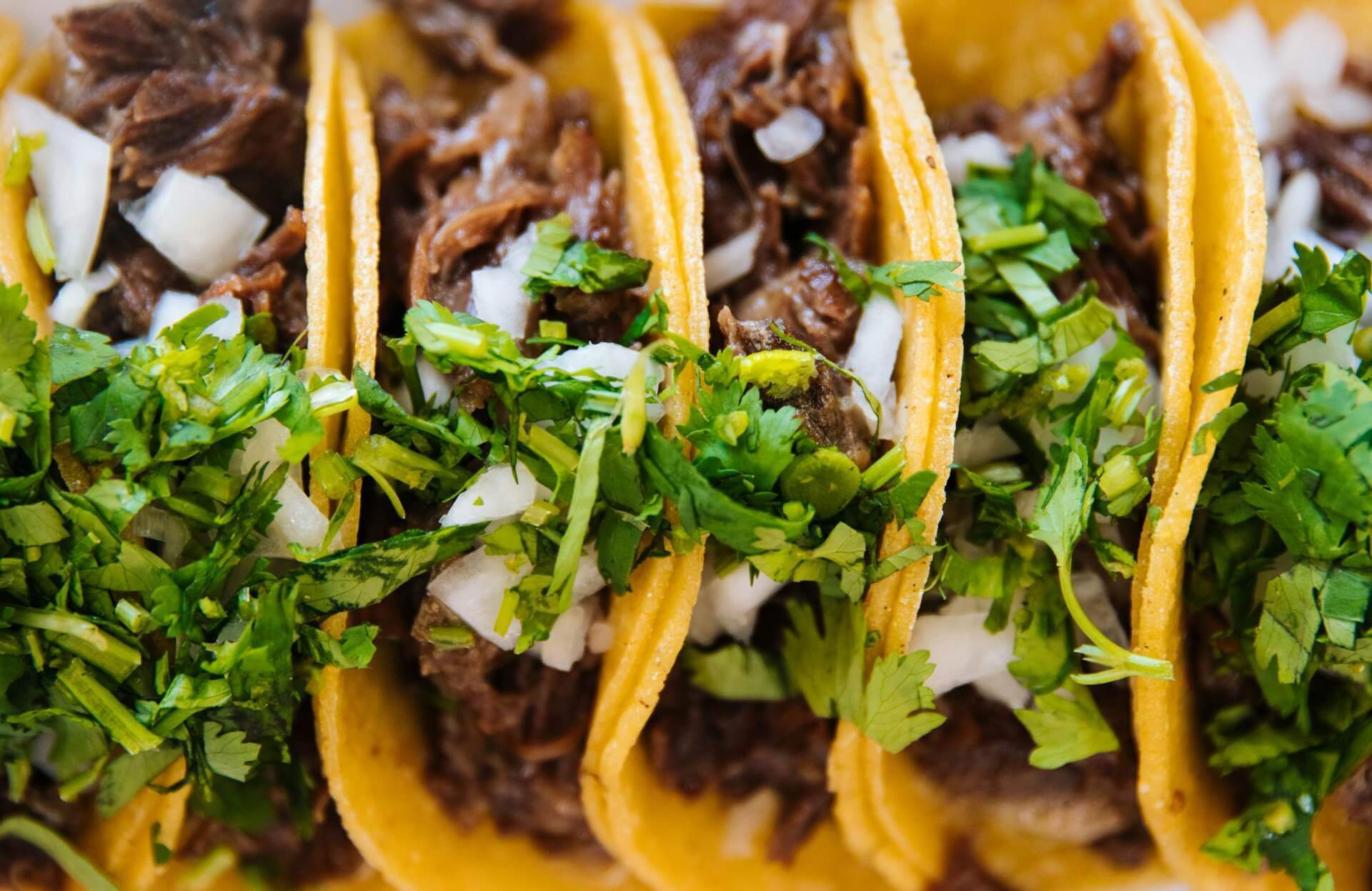
A closeup photograph of four street tacos with meat, onions, and cilantro in soft corn tortillas

I call this a good start.

I don’t know how to break this to you, so I’m just going to say it: National Taco Day, one of the world’s most important holidays, has made a big move.

For the past 15 years, National Taco Day has been celebrated on October 4. That means that since its inception, the annual holiday that celebrates the taco has only fallen on a Taco Tuesday three times.

In fact, it didn’t even fall on Taco Tuesday until its third year, in 2011. National Taco Day didn’t repeat the feat again until 2016, and then 2022. Had the date remained the same in perpetuity, we wouldn’t get another National Taco Day on a Taco Tuesday until 2028 at the earliest.

Starting this year—in a week and a half, in fact—National Taco Day will fall on the first Tuesday in October.

I’m going to share my thought process after I first found out about this news.

How did I learn about this massive change? Via a post by Smirnoff. You see, National Taco Day and National Vodka Day have been linked since they each first launched in 2009.


View this post on Instagram


A post shared by Smirnoff (@smirnoff)

It seems that Smirnoff is none too pleased with this news, though they’ll reunite with National Taco Day in 2028.

My first reaction was “I can’t believe this is news,” for a few seconds. That evolved into “I can’t believe this took so long to resolve” rather quickly.

And then I told the KRG Hospitality team about this news.

Finally!

I’ve always thought “Why isn’t National Taco Day always on a Taco Tuesday?” when the holiday has come around.

Finally, someone has acted to rectify this oversight; Taco Bell appealed to National Day Calendar to change the date. It may seem to trivial for a fast-food giant (or anyone else, for that matter) to petition to have a holiday’s date changed when it isn’t a legal holiday.

However, according to a Taco Bell press release addressing this National Taco Day news, it’s rare that National Day Calendar makes such a change. The release goes on to quote Marlo Anderson, the founder of National Day Calendar, which launched in 2013.

“For years, we’ve celebrated National Taco Day on October 4th, but it’s always felt like there was a bigger opportunity to align it with something even more special—Taco Tuesday,” said Anderson.

Interestingly, another fast food chain is credited with creating National Taco Day: Del Taco. Keeping the trivia going, “National” reportedly doesn’t actually pertain to any one country; it’s just what the holiday is called.

While this news is certainly another win for Taco Bell and their, well, obsession with Taco Tuesday (understandable, of course), it’s a win for everyone who loves tacos.

Operators need to pull out all the stops for October 1, the first of the newly revised National Taco Day celebrations. Task your kitchen team with creating LTO tacos, crafting a super-premium version of your signature taco if you have one, and ensuring there are vegetarian- and vegan-friendly options to appeal to every single taco-loving guest.

Let’s go all out!

Image: Jeswin Thomas on Unsplash

KRG Hospitality Contact Request for Proposal 30 Minute Discovery Session

Book Below to Setup a 30-Minute Complimentary Discovery Call and Request for Proposal.


by David Klemt David Klemt No Comments

Program for Unique Holidays: Sept. 2024

Program for Unique Holidays: September 2024

by David Klemt

"Think about things differently" neon sign

Do you want to stand out from from other restaurants and bars in your area? Change how you think about your September holiday programming.

Several holidays are set against every date on the calendar, and this month is no exception. These holidays range from mainstream to esoteric.

Pay attention to the “weird” or unique holidays to raise eyebrows, carve out a niche for your restaurant or bar, and attract more guests. Why do what everyone else is already doing? Why program only around the same holidays as everyone else?

To provide a handful of examples, September boasts celebrations of the cheeseburger, the double cheeseburger, cheese pizza, pepperoni pizza, beer, and guacamole. Those are fantastic F&B holidays sure to appeal to your guests. However, you can still celebrate some “out there” holidays to get people’s attention and draw them to your business.

Of course, you shouldn’t try to celebrate every holiday, strange or otherwise. Focus on the days that are authentic to your brand; resonate with your guests; and help you grab attention on social media.

You’ll find suggestions for promotions below. However, the idea behind our monthly holiday promotions roundup is to inspire you and your team to get creative and come up with unique programming ideas.

For our August 2024 holidays list, click here.

September 4: Eat an Extra Dessert Day

You know what’s better than selling one dessert? Selling multiple desserts.

One approach that may perform well for you, depending on your concept and menu, is to create new, smaller versions of desserts so people won’t be too stuffed to enjoy more than one treat.

September 8: National Ampersand Day

Ah, the ampersand. This is perhaps my favorite logogram, since it means “and,” and it looks cool when stylized. Since this symbol represents “and,” this is the perfect day to feature a menu of food-and-drink pairings or shot-and-beer pairings. I recommend a tiered LTO menu, with a few options for each level: Beam & Bud Light, Woodford & Guinness, etc.

September 9: National Wiener Schnitzel Day

This dish comes to us from Vienna. It’s so good and comforting that it’s one of Austria’s national dishes. Germans, of course, love wiener schnitzel as well.

To leverage this holiday, consider making a traditional version made with veal cutlets, served with French fries, mashed potatoes, or Hasselback potatoes. If you want to build an LTO menu, though, look to other versions of this dish. For example, there’s a non-breaded wiener schnitzel variant served with a cream sauce called rahmschnitzel. One can also argue that Japanese tonkatsu (pork, not veal), Danish skinkeschnitzel (made with pork rather than veal), and American chicken-fried steak will work for this holiday.

September 14: National Eat a Hoagie Day

The humble hoagie is an institution. Depending on where you operate, these iconic sandwiches may be known as heroes, grinders, submarines, subs, po’boys, bombers, or torpedoes. However, if your guests know them as hoagies, you better come correct. Hell hath no fury like a Philadelphian presented with a hoagie with mustard on it, for example.

September 15: National Crème de Menthe Day

Crème de menthe enjoys a deep history, which you can read about here. The main takeaways are the two most-famous cocktails that feature this legend among liqueurs: the Grasshopper, and the Stinger. Both classics are great for an LTO menu celebrating the final days of summer.

September 17: National Table Shuffleboard Day

Does your bar, restaurant, or eatertainment concept feature table shuffleboard? If it does, you’re poised to leverage this holiday.

One of the most effective approaches is to organize a tournament. Of course, you can also feature other contests, like Closest to the Edge.

September 21: Escapology Day

Okay, this one is a bit specific. If your restaurant or bar is located in the same market as an escape room (or several, as is the case for a city like Las Vegas), consider partnering with them if it makes sense to do so. You and your team can recommend your guests check out a particular escape room. Conversely, the escape room can recommend your restaurant or bar for post-escape food and drinks. To solidify the partnership, both businesses can offer a discount or other benefit to each other’s guests.

Really, we want you to think about local businesses that can serve as strong partners.

September 23: National Great American Pot Pie Day

Two weeks ago we tackled comfort foods. In particular, transforming traditional comfort foods into soups. This holiday is the perfect time to make an LTO soup (or, if it performs well, a permanent menu item, or recurring LTO from fall through winter) out of one of the best-known comfort classics, the pot pie.

September 24: Innergize Day

Summer is coming to a close. Traditionally, this means vacation and relaxation time is over as people return to offices, and children return to school.

Innergize Day is about relaxing and disconnecting. It’s quite likely your concept can facilitate relaxation, escaping devices, and slowing down.

September 25: Better Breakfast Day

Is your concept open for the early morning daypart? Do you serve brunch? More importantly, is your concept committed to serving healthy food and drinks, or are you interested in updating your menu to feature healthier items?

If you answered yes to any of those questions, this could be the day for you. Use social media and other marketing channels to promote your healthy menu. Create items like healthy breakfast bowls and smoothies if it’s time for an update, and promote your new, healthier menu.

Image: Ivan Bertolazzi on Pexels

Bar Nightclub Pub Brewery Marketing Agency Team

by David Klemt David Klemt No Comments

A Brand-New Day: Celebrating ITALICUS

A Brand-New Day: Celebrating ITALICUS

by David Klemt

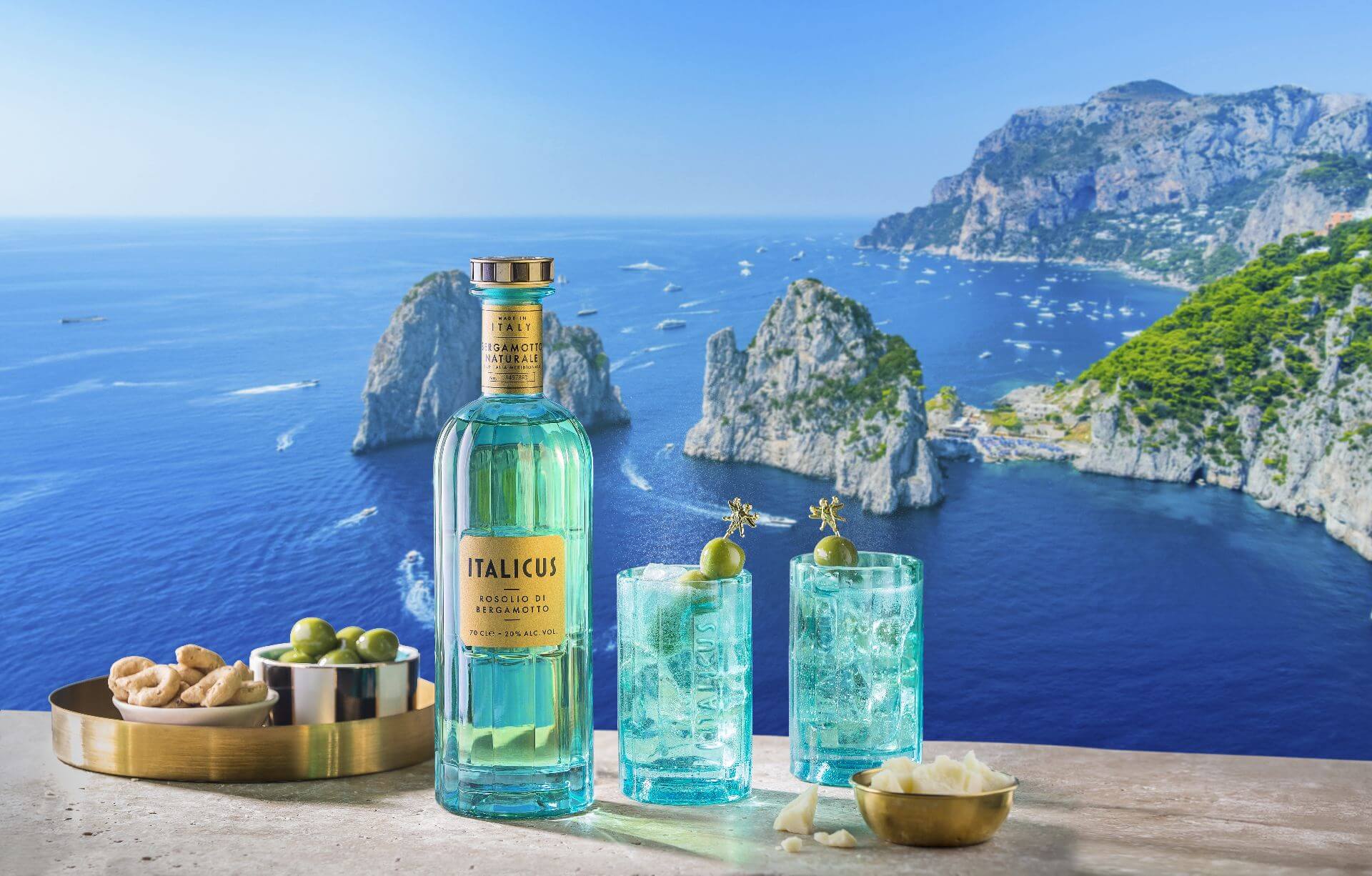
A bottle of ITALICUS Rosolio di Bergamotto and two cocktails, resting on a ledge overlooking the ocean.

I want to go to there, and drink that.

Operators, bar teams, and guests have the opportunity to partake in the first-ever National Rosolio Day, launched by ITALICUS Rosolio di Bergamotto.

The brand, known in part for its elegant and instantly recognizable bottle, is celebrating its eighth anniversary. To acknowledge their growth and mark this milestone, ITALICUS is launching the inaugural National Rosolio Day this coming Sunday, September 1.

I have to give the brand an approving nod here. They could be launching National ITALICUS Day. Instead, they’re celebrating the liqueur category that Giuseppe Gallo and the ITALICUS team have (re)introduced to modern cocktail lovers: rosolio.

I’ll get into the category in a moment. For now, there’s an interesting detail about the brand, the bottle, and the bar holiday launching on September 1.

Traditionally, eighth anniversaries are marked with gifts of bronze and pottery. Looking at the alluring, turquoise bottle, the label and stopper, one can argue, look bronze. Focusing on the stopper, there’s a relief of Bacchus, which looks like it could be porcelain, a form of pottery.

It’s almost like the team and bottle designer were prescient, and set the stage for this new bar holiday before the first case was ever shipped.

Global Celebration

Bars in France, Hong Kong, Hungary, Italy, New Zealand, the UK, the US, and Switzerland are participating via an exclusive cocktail menu.

One bartender recognizable the world over is LP O’Brien. Fans of the Netflix show Drink Masters know that O’Brien won the first season.

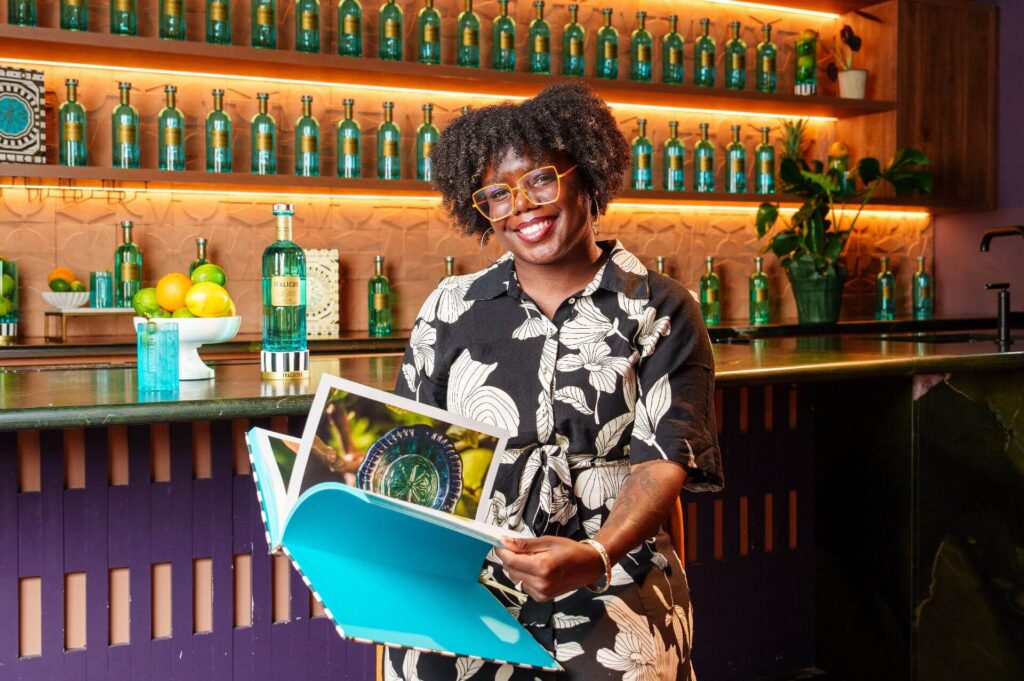
LP O'Brien, the winner of the Netflix show Drink Masters, holding an ITALICUS book, surrounded by ITALICUS bottles.

I need that book, and that back bar.

Her part in the National Rosolio Day celebration includes a series that will educate people on ITALICUS and aperitivo culture. I’m certainly looking forward to learning more about the brand, rosoli, and apertivos from one of the best bartenders and mixologists in the business.

Of course, there’s no reason operators reading this can’t show their support for National Rosolio Day by introducing their guests to ITALICUS and aperitivo culture.

As this will become an annual celebration, bars can plan to participate officially in 2025 and beyond.

Cheers!

Roso-what-now?

So, you likely know what a liqueur is. And I’m willing to go out on a limb and assume you’re familiar with aperitivos.

But what, you may be wondering, is a rosolio?

This drinks category is a low-ABV Italian liqueur that, according to multiple sources, predates amaro, bitters, and vermouth. This ancient liqueur was, of course, homemade, so the botanicals varied wildly depending on region and who was creating a particular batch.

ITALICUS, for example, is crafted using Bergamot oranges from Calabria (considered by many to be the finest citrus in the world), citrons from Sicily, chamomile sourced from Lazio, and several Northern Italian herbs, including gentian, lavender, lemon balm, and yellow roses.

Clearly, these flavors are perfect for summer sipping. Of course, with a bit of creativity, creating cocktails that appeal to guests every season is quite an easy feat to accomplish.

Given its name, you may be curious about the use of rose petals in the production of rosolio. Well, while there are rosoli made with rose petals as an ingredient, rosolio translates to “morning dew,” or “dew of the sun.”

Operators and bar teams interested in implementing an Aperitivo Hour rather than (or in addition to) a standard happy hour have the perfect opportunity this coming Sunday. National Rosolio Day is ideal for leveraging the growing popularity of low-ABV drinks. This new holiday is also one of the best times to introduce guests to relaxing, socializing, and starting their evening with an aperitivo.

So, this weekend (and throughout the month of September), raise a glass to ITALICUS and the brand’s eighth anniversary.

For more details, check out the press release below.

ITALICUS CELEBRATES 8 YEARS WITH THE INAUGURAL NATIONAL ROSOLIO DAY ON SEPTEMBER 1st AND A MONTH DEDICATED TO THE APERITIVO

ITALICUS and mixologist LP O’Brien partner to celebrate the Italian Aperitivo culture across the world in honor of the brand’s 8th anniversary

NEW YORK, NEW YORK (August 28, 2024)ITALICUS Rosolio di Bergamotto announces the first ever National Rosolio Day on September 1st in honor of the brand’s 8th anniversary. During the month of September, the brand will celebrate the aperitivo around the world with 8 countries taking part to host week-long events featuring special cocktails created with ITALICUS to allow consumers to discover the Rosolio di Bergamotto through its drinks, story and innovation.

Founded in 2016 by Giuseppe Gallo, ITALICUS Rosolio di Bergamotto was created to bring back the forgotten Rosolio category. Made using the finest Italian ingredients, ITALICUS’ bottle design embodies the history and heritage of Italy’s distinctive regions, while telling the story of Rosolio’s traditional drinking occasion of aperitivo and its culture.

September 1st is officially recognized as National Rosolio Day thanks to ITALICUS. For this recurring holiday, ITALICUS has partnered with LP, Lauren O’Brien – renowned mixologist and winner of the Netflix series Drink Masters in 2023 – who will present a mini-series campaign to educate consumers about the brand, aperitivo category and culture. To further explore the best ways to enjoy ITALICUS, LP will be promoting ITALICUS through the art of mixology to demonstrate how you can drink ITALICUS and which easy-ingredient aperitivo cocktails can be replicated at home.

The 8 countries that are a part of the anniversary campaign include: Italy, France, Hong Kong, Hungary, New Zealand, The United Kingdom, The United States and Switzerland. Additionally, the bars that are a part of the initiative will be launching week-long activations whereby consumers can try delicious ITALICUS cocktails from an exclusive menu. The list of bars can be found through the website: https://rosolioitalicus.com/the-art-of-italicus/rosolio-day.

Along with these bars, ITALICUS can also be tasted and explored in some of the world’s 50 best bars including: Connaught Bar in London, Sips in Barcelona, Freni e Frizioni in Rome, Double Chicken Please in New York, Bar Leone in Hong Kong, Maybe Sammy in Sydney, Cafe La Trova in Miami and BKK Social Club in Bangkok.

“The aperitivo is a global trend started in Italy,” comments Giuseppe Gallo, founder of ITALICUS. “Now having a trendy moment around the world, the aperitivo blends tradition and innovation in its story and is served in many cocktails at the best global bars. For this campaign, we are extremely excited to partner with LP O’Brien – one of the most creative minds in the international mixology scene – to inaugurate Rosolio Day on September 1st.”

“Being part of the anniversary and ITALICUS’s launch of Rosolio Day is a tremendous honor,” explains LP. “I’m incredibly grateful to be associated with a brand that demonstrates such thoughtfulness in every aspect – from crafting the liquid to designing the bottle and creating a captivating story. Giuseppe, with his extensive experience in the beverage industry, has created something truly special with ITALICUS.” 

National Rosolio Day is dedicated to celebrating the history of the liqueur. Dating back to the Renaissance period, Rosolio is an Italian liqueur that was originally crafted in convents and monasteries as a medicinal tonic. Rosolio, meaning “dew of the sun,” is traditionally made from a base of alcohol, unrefined sugar, water and infused with botanicals, herbs, and fruits – with the most common flavors using spices or citrus fruits. Its preparation was a family traditional craft which was passed on from generation to generation. This liqueur was often used as a welcome drink (or “Cordiale” in Italian) at home.

Despite a decline in the 19th century, Rosolio has experienced a modern revival, driven by the craft cocktail movement and a renewed appreciation for conventional spirits. Today, Rosolio is enjoyed as an aperitif or digestif and brands like ITALICUS have revitalized the category by combining historic methods with contemporary flavors like the bergamot citrus orange – bringing the liqueur to a new generation of enthusiasts.

ITALICUS Rosolio di Bergamotto is sold in 700ml bottles at 20% ABV and is available at select retailers including Curiada and Total Wine for $39.99.

About ITALICUS® Rosolio Di Bergamotto

ITALICUS was created by the authority in Italian spirits, Giuseppe Gallo, to bring back the forgotten Rosolio category. With key notes of Calabrian bergamot, ITALICUS is made using the finest Italian ingredients to create a sip of Italy. The striking bottle design embodies the history and heritage of Italy’s distinctive regions, whilst telling the story of Rosolio’s time-honored traditional drinking occasion of Aperitivo.

ITALICUS is one of the top awarded aperitivo brands globally. ITALICUS Rosolio di Bergamotto was awarded Best New Spirit 2017 at the prestigious Tales of the Cocktail Spirited Awards, and Top Trending Liqueur Brand by Drinks International in the years from 2019 to 2024.

Additional awards include: DOUBLE GOLD – World Wine Spirits Trophy 2021; Italian Aperitif of the year GOLD MEDAL – NYISC 2021 and 2016; Tasting GOLD medal 2018, 2019 – Women & Wine and spirits awards; Best New European Spirit at the Mixology Awards 2017 in Berlin; Best Product at FIBAR 2017; Packaging awards GOLD MEDAL 2017 and Contemporary Awards TROPHY – International Wine & Spirits Competition 2017; Packaging Trophy – Harpers Design 2017; Gold Medal – San Francisco World Spirits Competition 2017; Platinum Best of Luxury – Pentawards 2017; Best New Product – Bar Awards 2016; EXCEPTIONAL quality certificate – Difford’s Guide 2016.

About Giuseppe Gallo

Giuseppe Gallo is one of the world’s most respected bartenders and drinks-industry innovators, with an unrivaled passion for the drinks business and an inimitable source of knowledge and insight into the world of aperitivo. Hailing from the Amalfi Coast, his passion for mixology stems from his strong Italian heritage. Giuseppe is widely considered a vermouth expert and he has spent over 15 years traveling the world and educating consumers and professionals on the category. This work has culminated in winning ‘International Ambassador of the Year’ at the prestigious awards in the drinks industry, Tales Of The Cocktail’s Spirited Awards in 2014. In September 2016 he created Italicus Rosolio di Bergamotto which reinvigorated a forgotten aperitivo category, which has won countless industry awards since its launch. In 2019, Giuseppe launched the Roma Bar Show, the first-ever international cocktail festival in the country.

About LP

LP O’Brien is an Afro-Boricua trailblazer in the world of mixology, research and development, renowned for her innovative approach and expertise in crafting exceptional beverages. She gained widespread recognition as the inaugural winner of the Netflix competition series Drink Master, where her creativity and skill set her apart from a field of talented competitors. Despite being sober for a little over a year, LP has continued to excel in her craft, demonstrating that a passion for mixology doesn’t require consuming alcohol. Her unique perspective and commitment to understanding the art of drink-making have made her a leading figure in the industry.

LP’s impressive portfolio includes collaborations with major corporations and celebrities. She has worked with Disney, Food & Wine, American Express, and has created bespoke beverage experiences for high-profile clients such as Christy Carlson Romano and Vanessa Hudgens, along with crafting the signature non-alcoholic beverage for the 2023 Primetime Emmy Awards. Her ability to blend flavors and create memorable drink experiences has earned her a reputation as a top-tier celebrity mixologist.

Images: ITALICUS

KRG Hospitality Start-Up Restaurant Bar Hotel Consulting Consultant Solutions Plans Services

by David Klemt David Klemt No Comments

Soup Season: Transforming Comfort Classics

Soup Season: Transforming Comfort Classics

by David Klemt

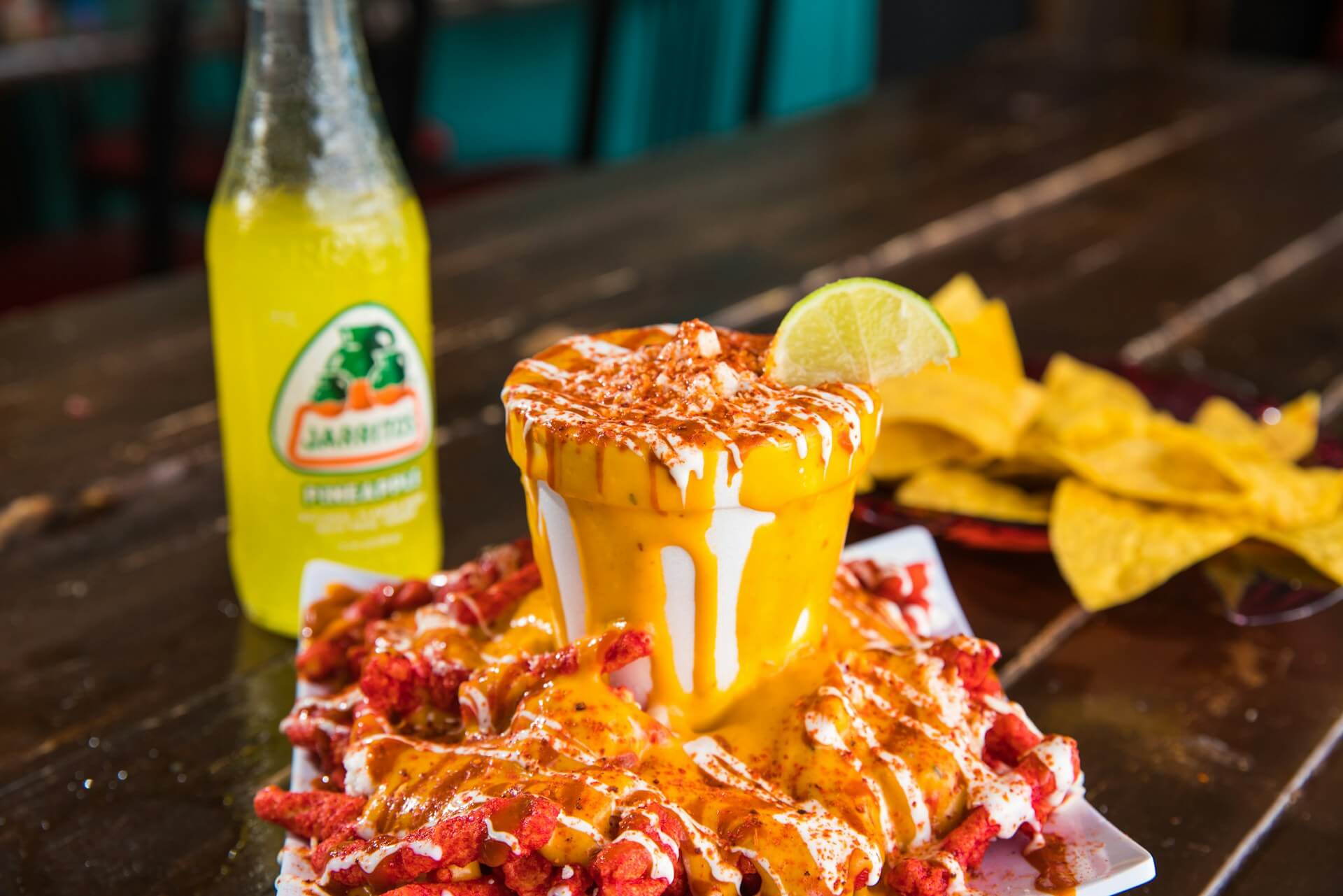
Elote en vaso, or vaso de elote, also known as street corn in a cup, on a bar

Elote en vaso or vaso de elote, also known as “street corn in a cup.”

The latest and greatest from Campbell’s Foodservice is all about operators making the most of cooler weather by maximizing soup season.

If you read KRG Hospitality articles regularly, you’re likely aware that we like the helpful information Campbell’s makes available. For example, I’ve written articles that share their tips for leveraging nostalgia, crushing it with LTOs, and 2024 culinary trends.

Their newest tips aim to help operators succeed with soup. Further, much of Campbell’s Foodservice’s tips are in direct response to Datassential and Technomic data. In fact, Campbell’s references Technomic’s Soup & Salad Consumer Trend Report directly.

To be sure, the first bit of advice that Campbell’s shares is the most obvious: Leverage seasonal flavors. In this case, we’re talking fall and winter flavors.

You may already see stores where you live and operate unleashing Halloween decorations. I know I have; it may be 105 degrees in Las Vegas as I write this, but people are getting into an autumnal mood.

Of course, when you take advantage of seasonality for LTOs or menu updates, it’s important to let your guests know.

“Calling out seasonal items on your menu demonstrates the operator is being relevant and using ingredients that are in season,” says Campbell’s Foodservice Executive Chef Gerald Drummond. “From a consumer standpoint, that’s something that they really look towards.”

We agree wholeheartedly. Going deeper, we recommend working with local suppliers to procure seasonal ingredients, and calling that out as well.

Another tip comes from Datassential and Technomic insights. Three in ten younger consumers would like to see soups that feature plant-based proteins. And around half want at least one vegetarian-friendly soup on a menu.

The Standout Tip

When you’re through reading this article, I encourage you to scroll back to the top, click the “soup season” link, and read this Campbell’s Foodservice report for yourself.

That way, you’ll see all of their latest tips for getting the most out of seasonal soups.

However, I’m going to share the tip that stood out the most to me: transforming comfort food dishes into soups. Hence, the image at the top of this article: vaso de elote, or elote en vaso. That dish translates to “street corn in a cup” from Spanish.

Now, elote or street corn is undeniably a comforting street food. If I see it on a menu, I’m going to order it. Were I to see street corn in a cup, particularly if it came with the presentation at the top of this article, I’m going to order it.

So, if a culinary team were to transform street corn in a cup into street corn in a cup of soup, I’m all in.

Think about your concept, the approach to cuisine, and the community you serve. Then, think about the comfort dishes that work well with your concept and resonate with your guests.

In their report, Campbell’s Foodservice recommends beer cheese soup, of which I’m a fan. They also suggest lasagna soup (I’d try it), and chicken pot pie soup (again, I’m down).

Real-Word, Professional Advice

I asked our chef consultant Nathen Dubé for a couple of quick tips for transforming a comforting food dish into a soup. (By the way, you can book a call with him to discuss your menu or kitchen here.)

“I would look at the overall profile of the dish, and then decide if you’re going to combine everything into a puree or a broth,” says Nathen.

Then, the kitchen team needs to decide “which ingredients would be incorporated, and which could be left whole afterwards for texture, and stronger stand-out flavours.” As he explained to me, some ingredients definitely translate better to slow cooking versus finishing towards the end of the process.

With that advice given, take a look at your menu. Do you have some comfort foods that would be intriguing to guests in soup form? What about some of your signature dishes?

Once you’ve determined which dishes to transform into seasonal, LTO soups, engage your kitchen team. They’ll likely be excited to do something new, and show off their culinary talent.

Some people may harbor the misconception that soup isn’t exciting. I think creative operators and culinary teams can disabuse skeptical guests of this notion. Cheers!

Image: Jarritos Mexican Soda on Unsplash

KRG Hospitality. Restaurant Business Plan. Feasibility Study. Concept. Branding. Consultant. Start-Up.

by David Klemt David Klemt No Comments

Drink Donnybrook: Grasshopper & Stinger

Drink Donnybrook: Grasshopper & Stinger

by David Klemt

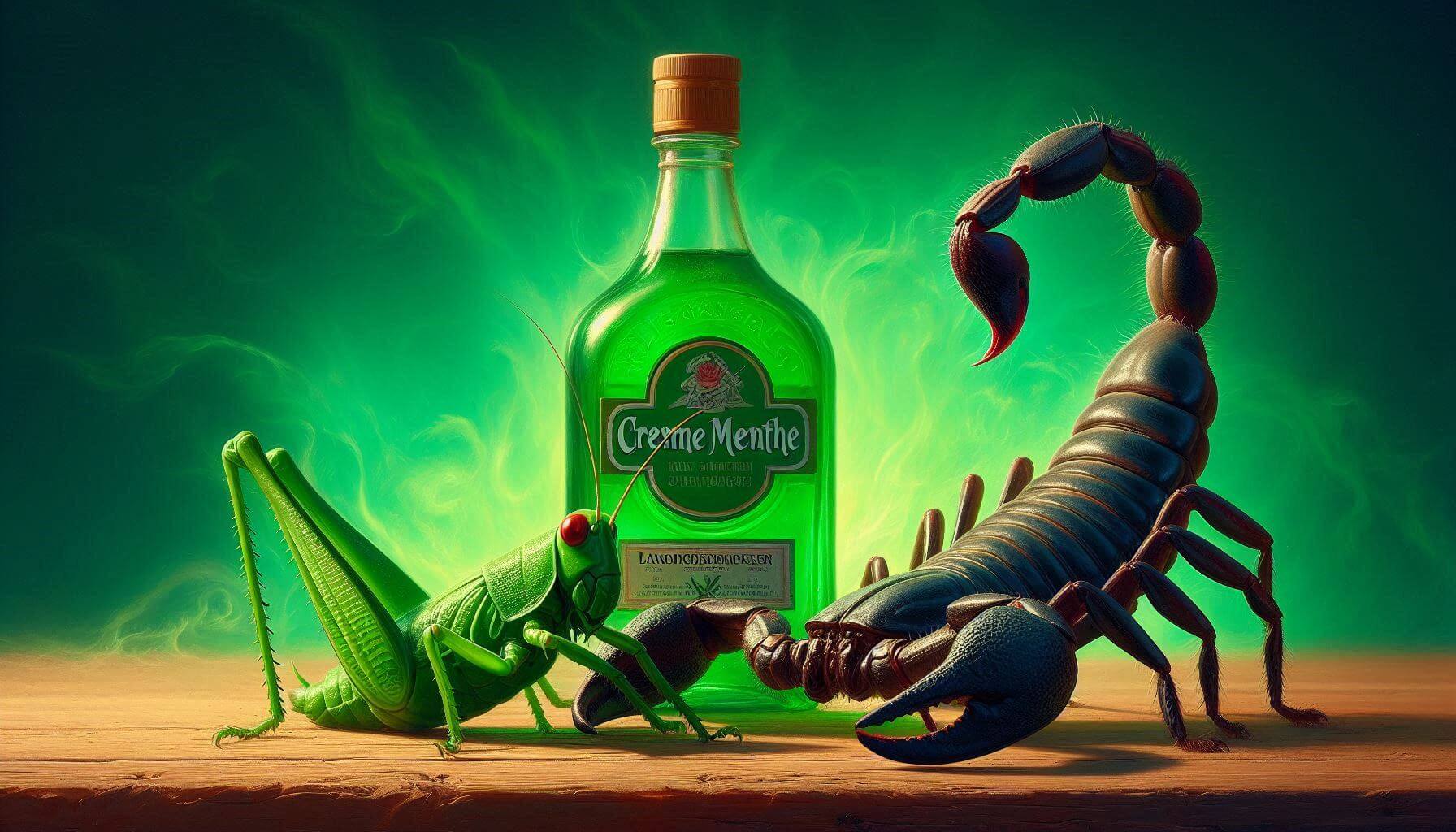
An AI-generated image of a green grasshopper and dark scorpion facing off over a bottle of creme de menthe

You won’t believe this…but this isn’t a photo, it’s an AI image *gasp*

The Grasshopper and Stinger are two classic cocktails that seem worlds apart from one another, but they share a common ingredient.

That ingredient is crème de menthe. Like many of the cocktails I break down in Drink Donnybrook features, this legendary liqueur’s origins are up for debate.

So, this Donnybrook goes beyond the well-known twofer; it’s a threefer. Crème de menthe and it’s two best-known cocktail appearancesthe Grasshopper and Stingereach have nebulous geneses.

Really, though, this Donnybrook is about crème de menthe. And why am I focusing on this liqueur? To give operators and their bar teams time to prepare LTO menus for Sunday, September 15, which is National Crème de Menthe Day.

Cheers!

Mint Cream

Despite the crème in its name, this liqueur doesn’t contain any dairy. In fact, “mint cream” is said to be vegan by some sources: it contains no animal products unless otherwise specified.

The term “crème” on French labels indicates that there’s a lot of sugar in a product.

All you need to make crème de menthe is grain alcohol, mint or peppermint, and sugar. One simply steeps the mint in the alcohol for several days, adds sugar, and can opt to age the liquid (usually about a month).

This sweet, minty liqueur tends to weigh in at 15- to 20-percent ABV. However, there are 30-percent ABV versions on the market. So, this seemingly harmless drink can pack quite a wallop.

Producing crème de menthe may be simple, but nailing down its origin story? Not quite as easy.

It’s possible that one of this liqueur’s ancestors dates as far back as the early 1500s. A book from 1512 about distillation, written by a German botanist and surgeon, touches on a water infused with “red mint.” If one could time travel to Boston in 1712, they’d be able to visit a tavern that sold a drink made of rum and water infused with mint.

That time traveler could then jump ahead 63 years, heading to France in 1775. It’s at this time that a pharmacist created what could possibly be the first known recipe for crème de menthe. However, another recipe, one that we could consider a “commercial” version, became available in France in 1796.

Nearly a century later, Emile Giffard would bring his crème de menthe to market. If that name sounds familiar, there’s good reason: he’s the namesake of La Maison Giffard. The brand has been making liqueurs and syrups for generations.

The Stinger

Alright, now that we’ve basically settled nothing regarding the origins of crème de menthe (other than Emile Giffard getting most of the credit for its creation as we know it today), let’s dive into cocktails.

Two classics are perhaps best-known for the inclusion of crème de menthe in their recipes. One of these is the Stinger.

I’m starting with the Stinger because it predates the other famous crème de menthe cocktail by five years. Or maybe 16 years. Or maybe even longer. We think.

We can choose to believe Stinger was first crafted in 1914. That would require us to accept as evidence that the recipe was first published that year in the book Drinks. Possible, but the recipe could’ve been floating around before that book came out.

Another option is to give Reginald Vanderbiltfather of Gloria Vanderbilt, and grandfather to Anderson Coopercredit as the creator. David Wondrich, cocktail historian extraordinaire, has mentioned that Reginald helped make the Stinger famous. It’s said that he would serve what was apparently his favorite tipple to guests.

Going further, an Ohio newspaper supposedly named Reginald as the drink’s inventor in the 1920s.

What I can say is this: the Stinger may date back to the 1890s, and nobody can tell us definitively who deserves the credit for creating the recipe.

The Grasshopper

It’s possible that the Grasshopper was invented in New Orleans in 1918.

Tujague’s Restaurant, located in the French Quarter, first opened its doors in 1856. Around 1914, the restaurant was sold to Philip Guichet, Sr. To this day, Tujague’s gives credit to Guichet for inventing the Grasshopper.

Anyone who has read previous Drink Donnybrooks probably isn’t surprised to learn that we aren’t sure who actually invented the Grasshopper. By the way, Tujague’s also appears to take credit for creating the Whiskey Punch.

What drink historians do appear to agree on is that it took around four decades for the Grasshopper to become popular. And when it did, the American South appeared to lead the charge.

The original recipepossibly from Philip Guichet, Sr.calls for three ingredients in equal parts: green crème de menthe, white crème de cacao, and heavy cream. (Oh, did I mention that crème de menthe comes in either colorless or green versions? Well, now I have done.)

However, bartenders have been playing around with Grasshopper build specs for many years.

One simple variant comes from Dale DeGroff. Shake one part green crème de menthe, one part white crème de cacao, and two parts heavy cream with ice. Strain into a chilled glass, then dust with grated nutmeg.

Original (maybe?) Stinger

  • 3 parts Brandy
  • 1 part White/Colorless crème de menthe

Add ingredients and ice to a mixing glass, and stir. Strain into a rocks glass, as the original was served neat before Prohibition. After Prohibition, serving Stingers over cracked ice became common practice. Further, modern bartenders tend to use Fine Cognac, premium crème de menthe (like Giffard’s), and serve Stingers over large ice cubes.

Original (could be?) Grasshopper

Add equal parts of green crème de menthe, crème de cacao, and heavy cream to a shaker with ice. Shake well, then strain into a glass.

Image: Microsoft Designer
Bar Nightclub Pub Brewery Menu Development Drinks Food

by David Klemt David Klemt No Comments

Campbell’s Shares Tips for LTOs

Campbell’s Shares Tips for LTOs that Generate ROI

by David Klemt

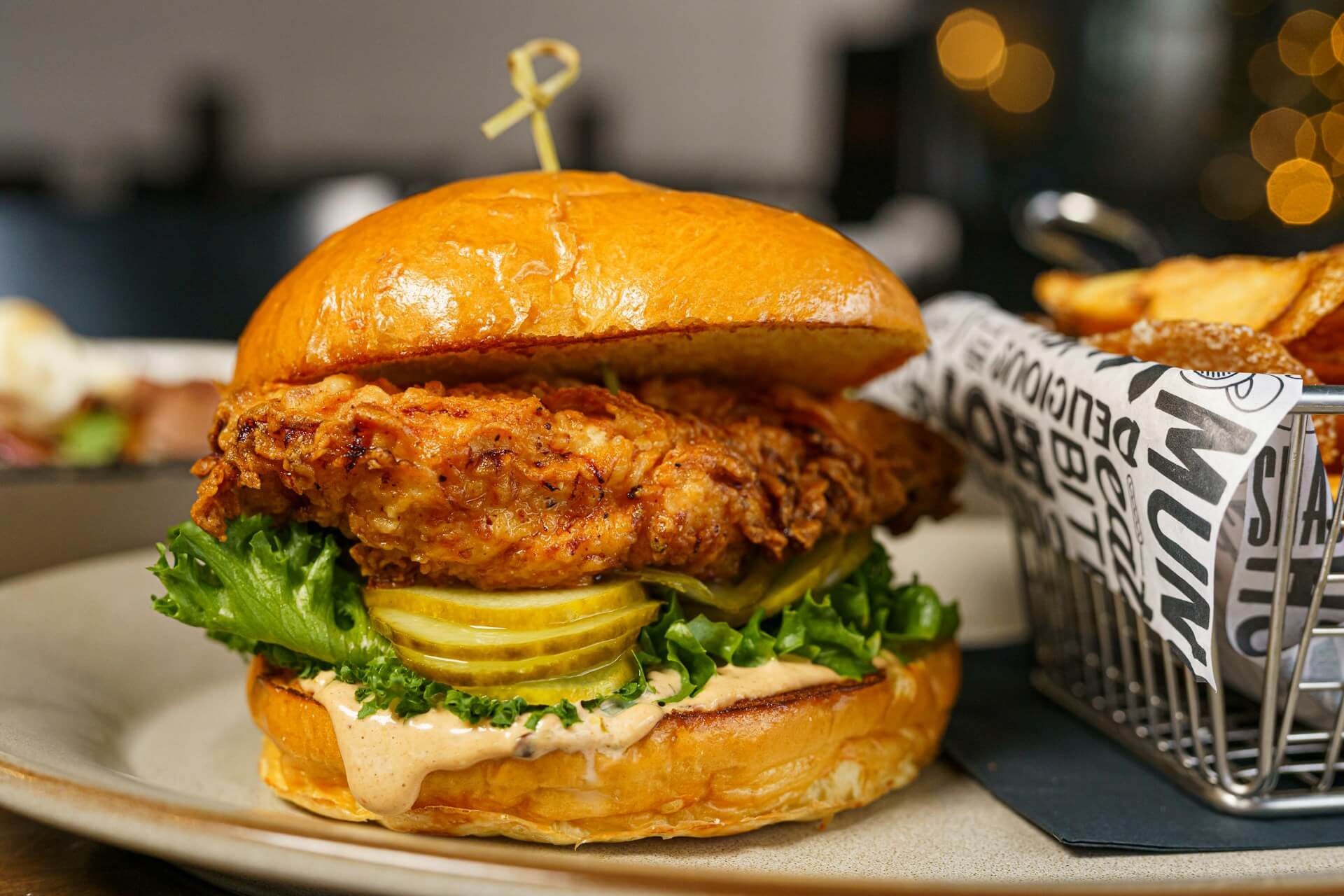
A well-crafted chicken sandwich with pickles, lettuce, and sauce, served next to a basket of French fries

Yes, the Chicken Sandwich Wars are still going strong in 2024.

We appreciate Campbell’s Foodservice’s reports and posts, and their most recent insights address how operators can succeed with LTOs.

For example, our look into their tips for leveraging nostalgia is here. And our thoughts on Campbell’s Culinary TrendPulse 2024 report are here for your review.

This time out, Campbell’s Foodservice, utilizing data from Technomic, Datassential, and other sources, is tackling LTOs.

If you’re a regular reader of KRG Hospitality’s industry insights, you know we love an LTOif an operator executes it effectively. Along those lines, you probably also know that we view Taco Bell as a leader in the industry when it comes to leveraging the power of LTOs.

Not only does the QSR giant know what their guests want, they know how to generate demand. In fact, Taco Bell understands the power not just of LTOs but of tying them to their subscriptions. Take, for example, their Taco Lover’s Pass and the Toasted Breakfast Taco menu drop.

When approached with thoughtful consideration, well-executed LTOs are a crucial element of an operator’s marketing and branding strategy. They drive traffic and sales, boost guest engagement and loyalty, and attract attention from first-time guests.

Of course, crafting a gainful LTO—gaining profits, loyalty, and positive public perception—can be easier said than done. However, there are a number of steps you can take to get the ball rolling and come up with one that reflects your brand, and resonates with guests.

Four Steps

Kicking off their tips, Campbell’s Foodservice recommends keeping LTOs simple. As they say in their report, which you can read here, operators need not “reinvent the wheel” when developing these promotions.

You can differentiate an LTO menu item from its standard counterpart in a number of simple ways. A few examples are using a unique cooking process, crafting a limited-edition sauce, and featuring a distinctive and specific topping or two.

Another tip is to do your best to offer LTOs that embrace current trends. While sharing these tips, Campbell’s cites Datassential and the revelation that just 20 percent of all LTOs are recurring. That means that the vast majority of LTOs are new creations, not stalwarts like the McRib. To draw the attention of a wider swath of guests, feature regional and local items and flavors. Per Datassential, 70 percent of guests are interested in such LTOs.

Speaking of attention, operators should learn how to take and edit attractive F&B images. Or, as Campbell’s says, “make LTOs pretty.” Per Datassential, roughly a third of consumers will try an LTO if it looks appealing in an advertisement or in-store imagery.

Finally, and this one is crucial as it embodies the previous three tips, leverage seasonality. It’s currently summer, so what can you add in the way of flavor to an existing item? Is that item regional and locally sourced? Will photographing it and crafting a sharp post communicate the season and inspire a bit of FOMO? These questions can help guide your approach to crafting profitable LTOs.

Oh, and to help you get started, I’ve shared Campbell’s season flavor suggestions below. Cheers!

Campbell’s Foodservice Seasonal Flavors

Not only did Campbell’s share tips for succeeding with LTOs, they also provided several examples of seasonal flavors to inspire you and your team.

Since it’s July, I’ll start with their summer suggestions.

Summer: basil, blackberries, corn, cucumbers, peaches, tomatoes, watermelon, zucchini

Fall: artichokes, cranberries, edamame, parsnips, pears, pumpkin, sweet peppers, tomatillos, turnips,

Winter: butternut squash, persimmons, radishes, salsify (a root vegetable), sunchokes, sweet potatoes, tangerines

Spring: asparagus, fava beans, pea greens, rhubarb, snap peas, spring onions, strawberries

Campbell’s Foodservice sources:

  1. Foodservice and Hospitality: A strong LTO strategy helps operators retain and grow their customer base (March 2024)
  2. Datassential: Limited Time Offers Keynote Report
  3. Technomic: 162 Best-in-Class LTOs for 2023
  4. Food & Drink Resources: A Limited Time Offer Strategy For Restaurants
  5. Your Guide to Seasonal Fruits and Vegetables, The Spruce Eats
  6. Datassential: State of the LTO 2024

Image: Hybrid Storytellers on Unsplash

Bar Nightclub Pub Brewery Menu Development Drinks Food

by David Klemt David Klemt No Comments

French Cocktail Culture: More than Champs

French Cocktail Culture: More than Champagne

by David Klemt

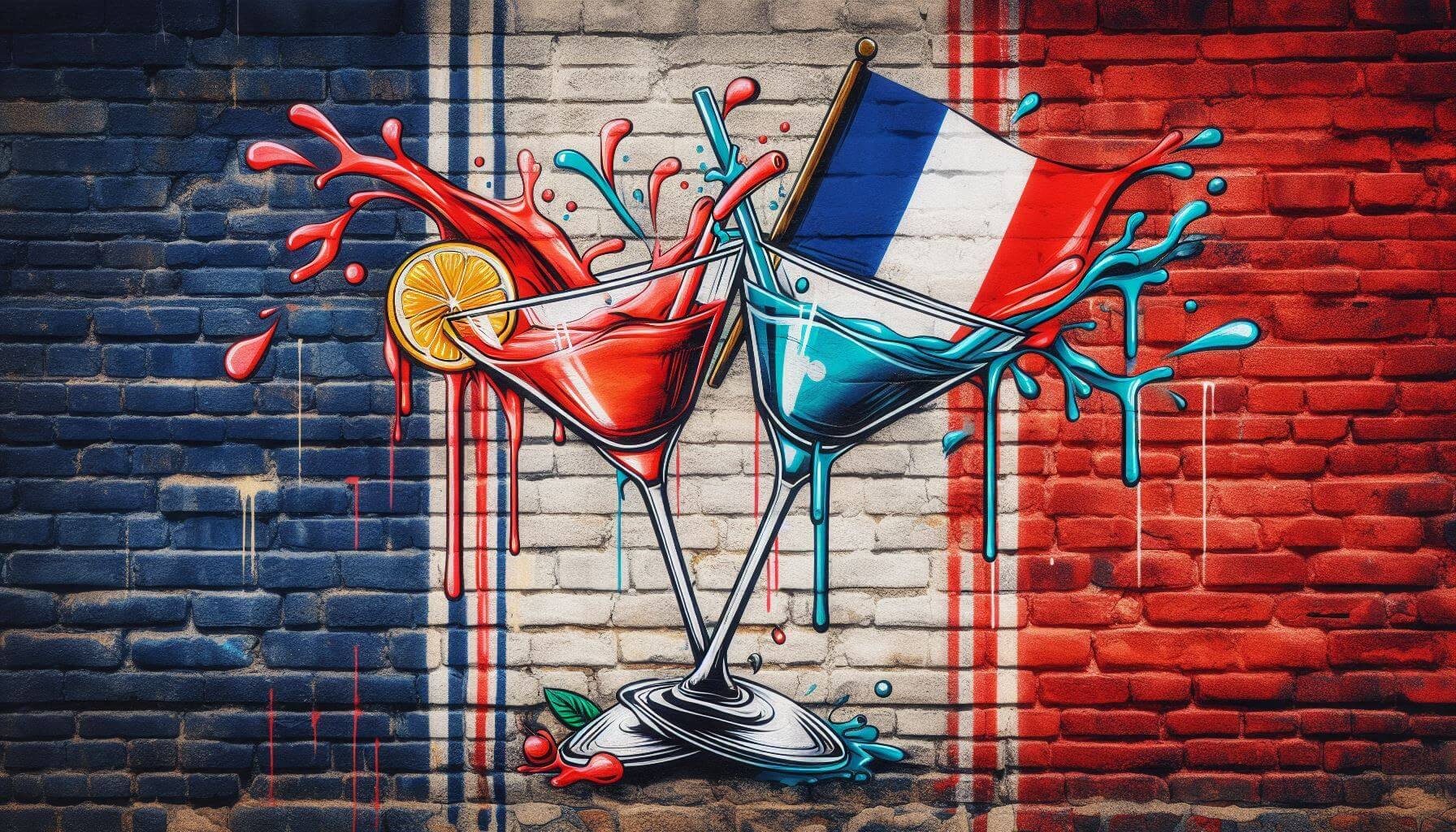
An AI-generated, street-style image of a red and a blue cocktail crossed at the glass stems, against a blue, white, and red graffiti background

That’s some interesting stemware…and the cocktail on the right is an interesting color.

The French have contributed more than Champagne, Cognac, Armagnac, Grand Marnier, and Cointreau to global cocktail culture.

There at least a dozen cocktails that originate from France. And, of course, there are even more from one of the most French-influenced cities in the US, New Orleans.

Since Bastille Day is almost upon us I want to share ten cocktail recipes with origin stories we can trace back to France. Now, if celebrating Bastille Day isn’t your thing, you can celebrate National Grand Marnier Day instead.

Basically, if a cocktail below calls for orange liqueur, you and your bar team can use Grand Marnier. But…allow me to nerd out for a moment about orange liqueur and France.

Orange Liqueur vs. Triple Sec vs. Orange Curaçao

As we’re taught early on, all squares are rectangles (and rhombuses). However, not all rectangles (or rhombuses) are squares. Why am I bringing up geometric shapes in an article about cocktails?

Think of orange liqueur as a rectangle or rhombus. All orange curaçaos and triple secs can be considered orange liqueurs, but not all orange liqueurs are triple secs or orange curaçaos, if we want to be pedantic.

Generally speaking, triple sec is French orange liqueur. Cointreau, as an example, is a triple sec. It’s also an orange liqueur, and one can argue it’s an orange curaçao, although it isn’t made with Lahara orange. Grand Marnier is French but is not a triple sec. Why not? Because Grand Marnier is triple sec blended with Cognac. Pedantry strikes again!

Why does this matter? When choosing your orange liqueur, keep in mind that they don’t all taste the same. Their unique flavors will have an impact on a given cocktail. So, if you were to build a Sidecar with Grand Marnier rather than Cointreau, they’d taste noticeably different. This is, in part, due to the fact that the Sidecar is a Cognac recipe, and Grand Marnier is made with Cognac.

Thank you for indulging me there. Feel free to share that knowledge with your guests, but stop if their eyes start glazing over.

Consider featuring any of the cocktail recipes below this weekend. Sunday, July 14, is Bastille Day, or National Grand Marnier Day, if you prefer. Cheers!

French 75

This classic’s original form can be tracked to the 1910s and the famous New York Bar, located in Paris. Eventually, the venue would become Harry’s New York Bar, named for proprietor, bartender, and writer Harry MacElhone.

By the 1920s, the “final form” of the French 75 we all know and love would come into existence. However, people are still tweaking this classic’s build.

For the traditionalists out there, the French 75 is easy to make: one part gin, and a half-part each of lemon juice and simple syrup, topped with three parts sparkling wine. Don’t forget the lemon twist to garnish!

Boulevardier

As was the case with so many others during the modern Cocktail Revivaland the subsequent Negroni crazethe Boulevardier was my go-to cocktail for quite some time. Interestingly, this cocktail supposedly never “took” until the 2000s.

Like the French 75, the Boulevardier can be traced to Harry’s New York Bar and 1920s Paris. However, the credit for this one goes to a magazine publisher, according to Harry himself.

For this recipe, pretend you’re making a Negroni…but swap out the gin for bourbon or rye. Oh, and forget the 1:1:1 Negroni ratio; this isn’t an equal parts situation. Instead, combine one part Campari with one part sweet vermouth, but bump up the whiskey to one-and-one-quarter parts.

Old Pal

The Old Pal is thought to be a spin on the Boulevardier by that cocktail’s creator, Harry MacElhone, at his bar in Paris.

Whereas the Boulevardier is considered by someone a whiskey-based riff on the Negroni, that’s not an equal-parts build. This, however, is.

Stir equal parts rye whiskey, Campari, and dry vermouth in a mixing glass with ice. Then, strain it into a chilled coupe. Some modern recipes call for doubling the rye, so experimentation is in order.

Sidecar

Okay, let’s start a fight: the Sidecar was created at the Ritz Paris, in Paris, in the 1920s. Why should that cause a kerfuffle? Well, the drink could also be a Pat MacGarry creation, invented in London.

Making this even more contentious is that Harry (yes, of Harry’s New York Bar) went from crediting MacGarry to claiming credit himself. Oh, and sources in both Paris and London claim the same story to be true: a guest arrived at their bar on a motorcycle, and the bartender at the time came up with this drink for said guest.

But wait, il y a plus! Living legend Dale DeGroff has stated that he believes the name references a bonus shot. This is the amount of cocktail left over after shaking and straining the drink, and served on the side in a shot glass.

Regardless of the true story, add three-quarters of an ounce each orange liqueur and lemon juice, then double that amount of Cognac. Prep a coupe with a sugar rim, shake the mixture, strain it into the glass, and garnish with an orange twist.

Between the Sheets

Are you getting the impression that we should just credit with Harry MacElhone with the creation of every drink originating from Paris? I won’t blame you if you are, since he’s credited with Between the Sheets as well. Is he actually the creator? Maybe I’ll address that in a future Drink Donnybrook.

To build this cocktail, pretend you’re making a Sidecar. Then, pick up a bottle of rum. This is an equal parts cocktail, calling for three-quarters of a part of Cognac, rum, and orange liqueur, and a quarter-part of lemon juice.

White Lady

This MacElhone creation has an interesting history. As the story goes, he created the original version in London in the late 1910s. He served it in its precursor form, then overhauled the recipe in Paris. At his bar. In the 1920s. Déjà vu, anyone?

And what an overhaul the recipe underwent. The original White Lady was a blend of crème de menthe, triple sec, and lemon juice. However, MacElhone eschewed crème de menthe in Paris, replacing it with gin. Additionally, he added an egg white and a dry shake.

Mimosa

Surely, the simple two-ingredient Mimosa must have a clear origin, right? Well…maybe.

Some say the Mimosa was created at the Ritz Hotel in Paris in the mid-1920s. Others believe it was invented in the 1930s. Honestly, I wouldn’t be surprised if the drink was first crafted in the 1910s or earlier by someone who simply wanted to toss some sparkling wine into their orange juice.

Ritz bartender Frank Meier may be the drink’s creator. However, people who dispute this point to his 1936 book The Artistry of Mixing Drinks. Recipes with Meier’s initials inside of a diamond next to recipes marked this as his creations. No such symbol appears next to the Mimosa.

If you need this complex recipe, it’s two ounces of chilled orange juice, topped with sparkling wine. I prefer Crémant to Champagne, but do whatever works best. In fact, operators can upsell the bubbles for their signature Mimosas.

Death in the Afternoon

I’m hesitant to include this cocktail, for a couple of reasons. One, I’m not sure it was created in France. There’s reason to believe it was invented as an homage to France, but outside of the country.

Second, Ernest Hemingway is given the credit as its creator. However, Hemingway historians have been dubious of claims involving the author and his relationship to certain drinks and bars.

That said, Hemingway purportedly came up with this drink while spending time in France in the 1920s. Add one-and-a-half parts absinthe to a coupe, then add three times that amount of chilled Champagne until the mixture is “milky” in appearance. Next, I assume, comes a nap.

Yellow

How about a modern classic? Yellow is a signature cocktail at Cravan, owned by restaurateur, bartender, and historian Franck Audoux.

If you’re visiting Paris, the original Cravan location is in the 16th arrondissement of the capital city. However, a second location, the result of a partnership between Audoux and Moët Hennessy, is in the 6th arrondissement. If you’re curious, there are 20 arrondissements in Paris.

Audoux, again, a historian, created the Yellow as an homage to a cocktail said to have been popular in the Côte d’Azur, or French Riviera: gin, Suze and Yellow Chartreuse. To make Audoux’s Yellow, add ice to a shaker, along with equal parts London Dry gin, Suze, Yellow Chartreuse, and lemon juice. Shake, then double strain into a chilled cocktail glass or coupe.

L’Expérience 1

Hey, speaking of modern classics… Back in 2007, Experimental Group opened its first venue in Paris, Experimental Cocktail Club. Seventeen years later, the group has built an empire spanning eleven cities all over the world.

Moreover, Experimental Group operates not just bars but restaurants, clubs, and hotels. That said, while the group has grown, they haven’t forgotten their roots. L’Experience 1 appeared on the menu at their first-ever venue, and it remains their signature cocktail.

To make this modern drink, chill a Martini glass. Add three-quarters of a part each of fresh-squeezed lemon juice and elderflower liqueur, plus one-and-three-quarter parts of premium or super-premium vodka to a cocktail shaker. Before adding ice, add a basil leaf and one hand-crushed blade of lemongrass to the shaker as well. Shake, strain into the prepared glass, and garnish with a lemongrass leaf.

Santé!

AI image generator: Microsoft Designer
Bar, Pub, Nightclub, Nightlife, Feasibility Study

by David Klemt David Klemt No Comments

3 Spins on Classics for July 4th

3 Refreshing Spins on Classics for July 4th

by David Klemt

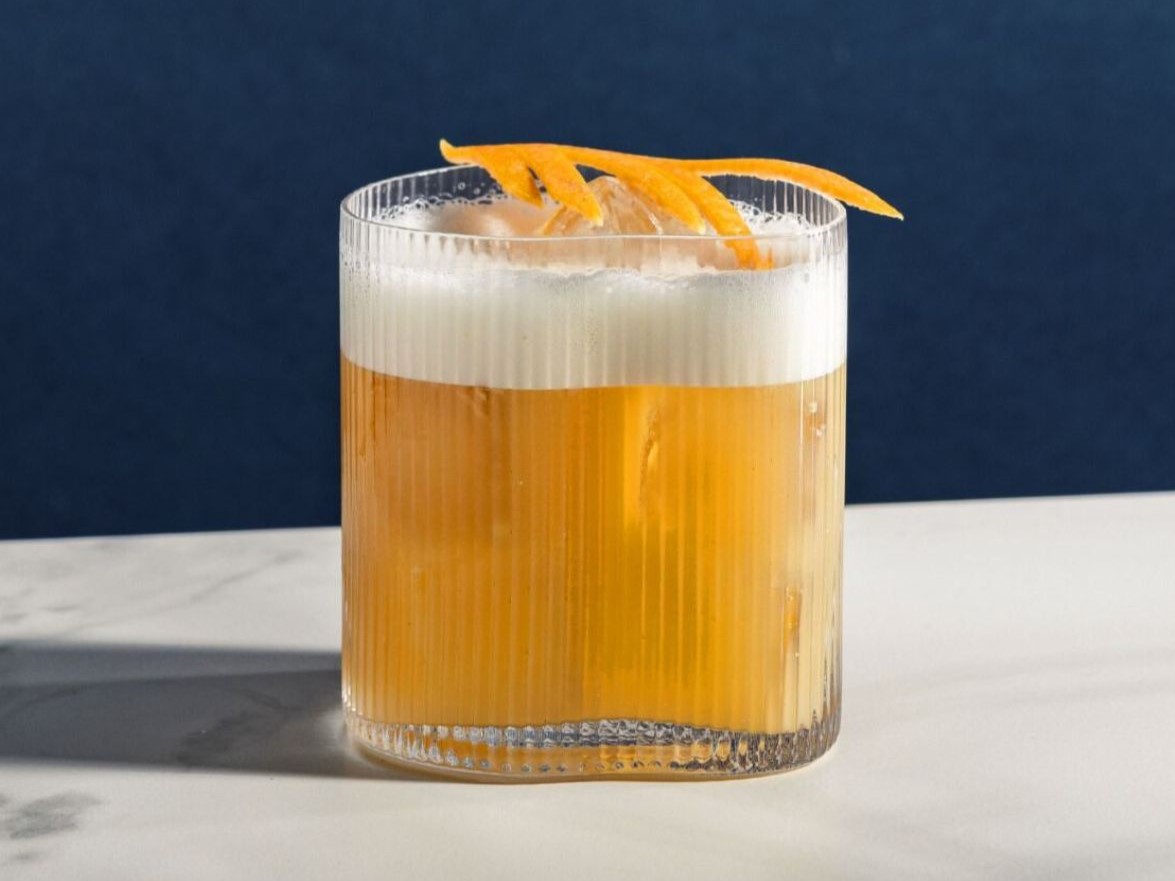
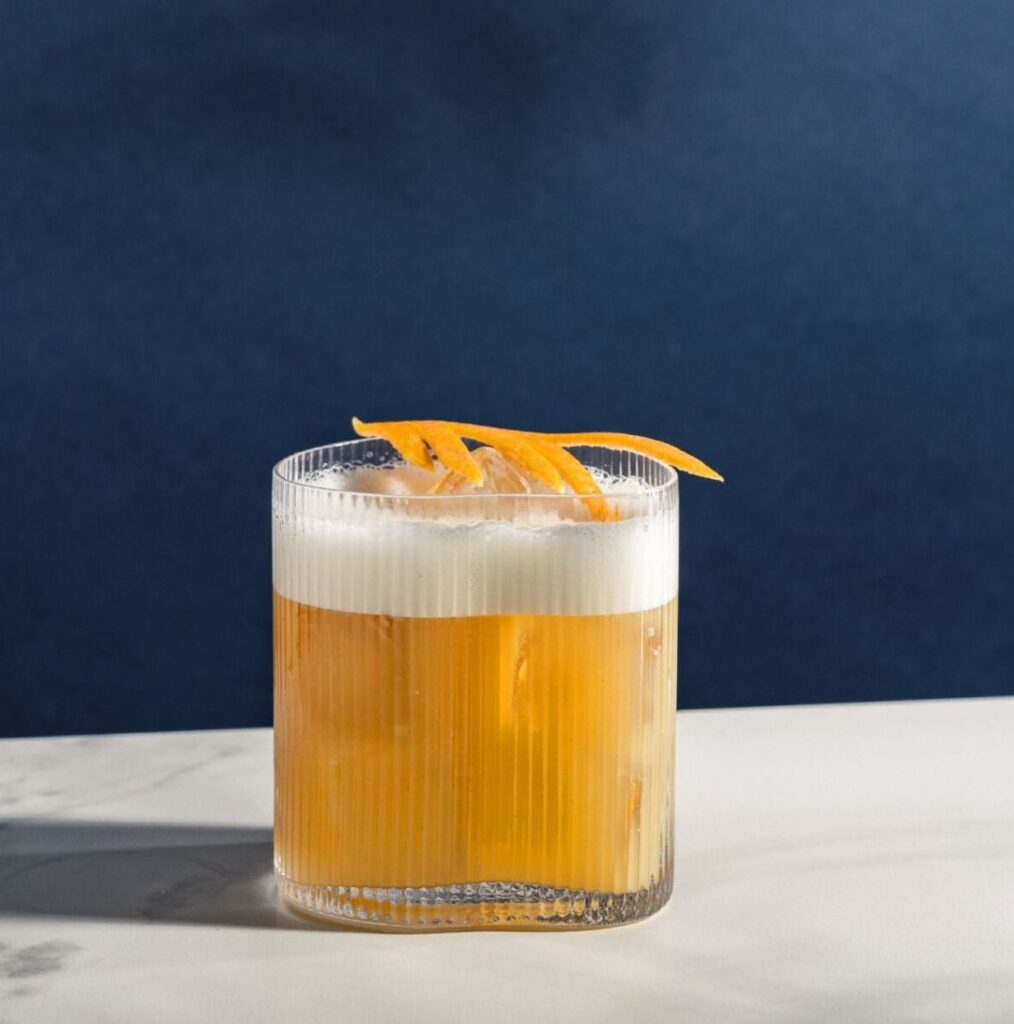
The METAXA Sour cocktail made with METAXA 12 Stars, in landscape orientation

Our friends over at Rémy Cointreau want to help you celebrate the 4th of July with your guests, so they sent over these three enticing cocktail recipes.

Back in January of this year they sent us cocktails dedicated to the 2024 Pantone Color of the Year, Peach Fuzz. And about four months ago, Rémy Cointreau shared National Cocktail Day recipes with us. In turn, we shared them with you.

More importantly, two of these builds are reinterpretations and refreshes of well-known classics. Below, you’ll find a reinvention of a Whiskey Sour and a Mojito.

There’s also a frozen Margarita, a perfect refresher for hot summer days and nights. Although, one can argue that this is a spin on the original, figuratively and literally since it’s going into a blender.

Of these three drinks, the METAXA Sour is the one I’m most eager to try. Most people are likely familiar with Cointreau and Rémy Martin Cognac.

However, they’re probably less acquainted with METAXA. Guests who appreciate a fine Cognac or complex whiskey or rum will likely enjoy METAXA 12 Stars. This brandy is the marriage of sweet Muscat wine from the Greek island Samos, fine wine distillates aged for up to 12 years, and Mediterranean botanicals.

Before being bottled, METAXA 12 Stars is aged in heavily toasted oak barrels for at least 12 months. Along with spice, expect dried citrus fruit, toffee, coffee, and chocolate on the nose and palate.

Personally, I recommend experimenting with METAXA 12 Stars (and its peer 7 Stars) in your brandy, bourbon, rye, and rum cocktails.

Cheers!

METAXA Sour cocktail, made with METAXA 12 Stars spirit from Greece

METAXA Sour

  • 1.7 oz. METAXA 12 Stars
  • 0.7 oz. Fresh lemon juice
  • 0.3 oz. Sugar syrup
  • 0.7 oz. Egg white, or 1 Tbsp. Meringue
  • Orange zest to garnish

The METAXA Sour is a spicy, citrusy, and bright take on the traditional sour. First, prepare a rocks by adding a large sphere or cube of ice. Next, simply add all of the ingredients (minus the garnish, of course) to a shaker filled with ice. Shake well, then strain, and dry shake to emulsify. Note: Some bartenders prefer dry shaking first, then adding ice, and then shaking again. Finally, pour into the prepared rocks glass, garnish, and serve.

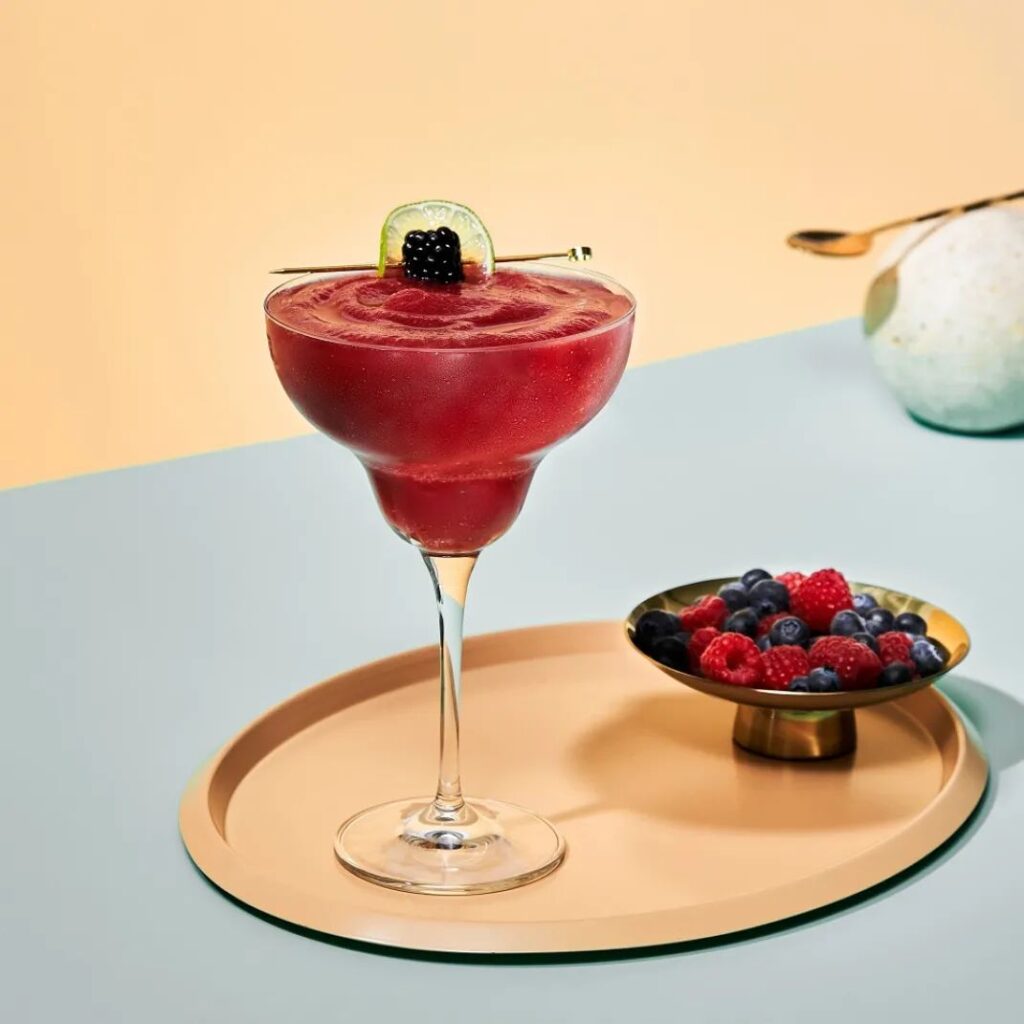
Frozen Berry Margarita cocktail made with Cointreau

Frozen Berry Margarita

  • 1 oz. Cointreau
  • 2 oz. Blanco tequila
  • 0.75 oz. Fresh lime juice
  • 0.5 cup Frozen berries
  • 0.25 oz. Simple syrup
  • 5 Ice cubes
  • Speared lime wheel and berries to garnish

Break out the blender. Oh, and try to sell more than one at a time to be more efficient.

This recipe is easy: add all of the ingredients except the garnish to a blender. I bet you know what’s nextblend everything together. Pour into a Margarita glass, garnish, and serve.

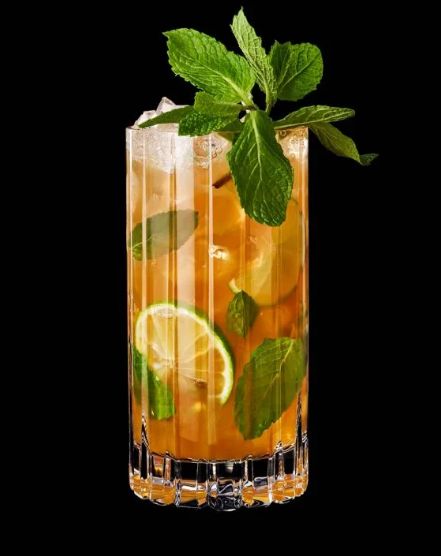
The Rémy Mojito cocktail, made with Rémy Martin 1738 Accord Royal

The Rémy Mojito

  • 1.5 oz. Rémy Martin 1738 Accord Royal
  • 1 oz. Fresh lime juice
  • 0.5 oz. Simple syrup
  • 1 0z. Sparkling water
  • Handful of mint leaves to muddle
  • Mint sprig to garnish

This recipe is a bit of a departure from the traditional Mojito your guests know and love. Therefore, it’s a new way to re-engage with a classic and have a new experience.

Start by adding pebble ice, Rémy Martin 1738 Accord Royal, lime juice, simple syrup, and a handful of mint leaves to a shaker. Per the recipe, using pebble ice should prevent the mint leaves from being broken and torn apart. Shake well, pour into a Collins glass, and top with the sparkling water. Garnish with mint sprig, and serve.

Disclaimer: Neither the author nor KRG Hospitality received compensation, monetary or otherwise, in exchange for this post.

Images courtesy of LaFORCE on behalf of Rémy Cointreau

Bar Nightclub Pub Brewery Menu Development Drinks Food

by David Klemt David Klemt No Comments

Program for Unique Holidays: July 2024

Program for Unique Holidays: July 2024

by David Klemt

"Think about things differently" neon sign

Do you want to stand out from from other restaurants and bars in your area? Change how you think about your July holiday programming.

Several holidays are set against every date on the calendar, and this month is no exception. These holidays range from mainstream to esoteric.

Pay attention to the “weird” or unique holidays to raise eyebrows, carve out a niche for your restaurant or bar, and attract more guests. Why do what everyone else is already doing? Why program only around the same holidays as everyone else?

Of course, you shouldn’t try to celebrate every holiday, strange or otherwise. Focus on the days that are authentic to your brand; resonate with your guests; and help you grab attention on social media.

You’ll find suggestions for promotions below. However, the idea behind our monthly holiday promotions roundup is to inspire you and your team to get creative and come up with unique programming ideas.

For our June 2024 holidays list, click here.

July 7: National Dive Bar Day

Alright, dive and neighborhood bar operatorsthis is the day to really ensure you and your bar team shine. Show the community why your bar is one of the cornerstones of the neighborhood. This is an opportunity to pull out the stops to impress your regulars and reinforce their love of your bar, and to attract new neighbors to hang out at your place on a regular basis.

July 8: National SCUD Day

Let’s clarify this at the start: SCUD stands for “Savor the Comic and Unplug the Drama.” The intent is for people to relax, unplug, and enjoy some humor, or at least take a light-hearted approach to life. Now, if you happen to feature stand-up comedy or operate a comedy club, this holiday should be all the way in your wheelhouse.

July 9: Cow Appreciation Day

The humble cow provides a lot for us. In addition to all manner of food items, cows even help us make some very smooth vodkas. Given how much cows give, operators can make entire prix fixe menus dedicated to them: from appetizer to dessert, the cow can fill out an entire meal, including drinks.

However, you can take another approach to this holiday. Vegan restaurants, for example, can highlight alternatives to cow products by creating dishes, drinks, and prix fixe menus.
July 11: National Mojito Day

Here’s an easy one. After you’ve ensured that your bar team makes an excellent Mojito, create an LTO menu. Feature the traditional build, a high-end version, and a creative variant or two.

July 13: Embrace Your Geekness Day

How the times have changed, for the better in this instance. Not long ago, “geek” was a real insult. Now, we can’t wait as individuals to geek out with others over our hobbies, interests, and other passions.

Does your bar have an overall theme that can be amplified for maximum geekiness? Do you feature board games, card games, or even video games? Is it common for clubs to meet up at your place? Have you noticed something that several of your patrons seem to enjoy talking about and geeking out over? Lean as far into that as you can and create an amazing experience.

July 15: National Be a Dork Day

Maybe you don’t like the word “geek.” Perhaps, to you, being a dork is more about being a bit (or very) silly, and leaning into being “uncool” (which is actually cool).

At any rate, if you’re not into the idea of Embrace Your Geekness Day—or you want to showcase the difference between geeks and dorks—National Be a Dork Day may work well for you.

July 21: National Junk Food Day

We all have differing ideas about junk food. For some, junk food refers to candy and dessert foods, specifically. To others, it’s anything that isn’t considered a healthy food.

The approach I recommend is giving people an excuse to eat and drink whatever they want on this day, or taking a cheat day. Further, you can certainly create a cocktail menu that captures the flavors of people’s favorite candy bars, candies, etc. Or, build over-the-top burgers, come up with a signature food challenge, or create a signature pizza that features compelling and unique toppings.

July 22: National Mango Day

Mango Margaritas, Mango Mezcalritas, mango IPA, mango ale, mango salsa, mango-habanero-glazed short ribs… If you can mango it, put it on an LTO menu.

July 27: National Take Your Pants for a Walk Day

Are you in a walkable city? This is really just a more interesting way of saying, “Walk to our bar/restaurant to earn your treat and time out with friends.”

July 31: National Avocado Day

Don’t be avoca-don’tbe an avoca-do. If your dishes and drinks can feature avocado in some way, have your kitchen and bar teams lean into it. For example, this would be a fantastic day to impress with a signature guacamole, made table-side.

Image: Ivan Bertolazzi on Pexels

KRG Hospitality marketing support. Restaurant. Bar. Cafe. Lounge. Hotel. Resort.

by David Klemt David Klemt No Comments

Drink Donnybrook: The Sazerac

Drink Donnybrook: The Sazerac

by David Klemt

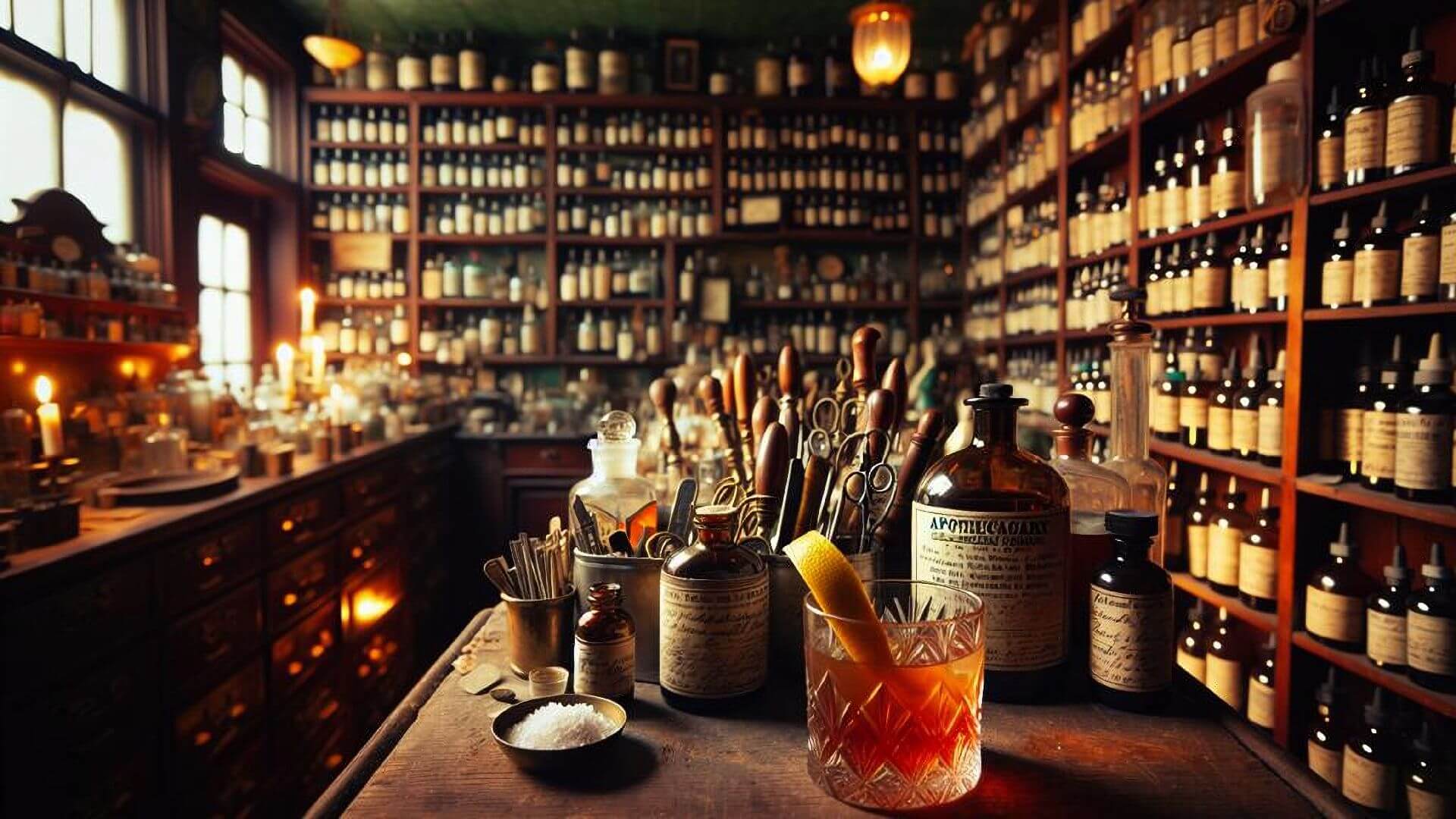
A Sazerac cocktail on a counter inside a rustic apothecary shop

That’s quite a full Sazerac, but I’m more interested in what this particular AI platform thinks that powder next to the cocktail is…

We celebrate the Sazerac, nearly 200 years old and known to many as America’s first cocktail, on Sazerac Cocktail Day, which falls on a Sunday this year.

Refreshingly, we know who should credit for its creation. Further, we can trace it back to a year, and even a location.

In that regard, this won’t be like other Drink Donnybrook articles. The only bold, debate-inducing claims I can really make relate to the base spirit, year of creation, and that my first-ever Sazerac was awful. Oddly, this less-than-stellar Sazerac was made for me at an incredibly popular bar in New Orleans.

Well, sometimes bartenders have off days. I’ve been back to that bar, and had a great time with a great Sazerac. It’s absinthe under the bridge.

Speaking of absinthe, that anise-flavored spirit is a core element of this classic cocktail. Much like some people say “No Negroni without Campari,” there’s no Sazerac without an absinthe rinse.

Now, onto the base of this legendary drink. While bartenders have been making it with rye whiskey for decades, the original recipe calls for Cognac. More specifically, it was made with Sazerac de Forge & Fils. Voilathe drink bears the name of the brandy used at its creation. (Hey, speaking of brandy, check out my Donnybrook article about the Brandy Alexander.)

Cold water, an ice cube, and Peychaud’s bitters round out the ingredients list for a Sazerac. And it’s that last item that reveals the drink’s creator.

The Official Cocktail of New Orleans

Roughly a decade into the 1800s, Antoine Peychaud arrived in New Orleans, Louisiana. Reliable records are a bit difficult to come by, so we don’t know his precise arrival date.

However, historians seem confident that Peychaud did open an apothecary in New Orleans in 1832. (According to one source I came across, Pharmacie Peychaud was opened in 1841.) The next time you’re in NOLA, you can visit the location of said apothecary: 437 Royal Street. Originally, the address was 123 Royal Street. Today, it’s the home of James H. Cohen Antique Weapons & Rare Coins. It’s a fun spot to pop into, by the way.

As you’re likely well aware, apothecaries were precursors to pharmacists and chemists. They served their communities from ye olde apothecary shoppes, and their medicine often consisted of alcohol.

Peychaud crafted his namesake bitters and used them to create an elixir that treated his customers’ illnesses. That medicinal elixir would become the Sazerac. Again, this potion was made with Sazerac de Forge & Fils Cognac, absinthe, and Peychaud’s bitters.

Intriguingly (to me), the Sazerac Housea must-see attraction in NOLAclaims the Sazerac became famous in the 1850s at the Sazerac Coffee House. So, it could’ve taken the Sazerac 20 years to evolve from medicine to cocktail.

On the topic of cocktails, some people attribute Peychaud with inventing the word “cocktail.” Many historians have labeled this claim as false.

Over time, it became difficult to source the cocktail’s eponymous brandy, so the recipe changed to rye whiskey. Some bartenders craft their Sazeracs with other spirits, and will even split their bases. For example, you should try a Sazerac made with a split base of Cognac and rye.

Original Sazerac

Behold, the original Sazerac cocktail recipe.

  • 2 oz. Sazerac de Forge & Fils Cognac
  • 3 to 4 dashes Peychaud’s Bitters
  • 0.5 teaspoon Cold water
  • 1 Sugar cube
  • Absinthe, to rinse
  • Lemon peel, to garnish

You’ll want to have chilled rocks glasses on hand for this cocktail. To start, rinse the glass with absinthe. In a mixing glass, muddle the bitters, water, and sugar cube. Add ice and the Cognac to the mixing glass, and stir until well chilled. Strain, garnish, and serve.

As stated earlier, most modern-day recipes call for rye whiskey rather than Cognac. Experiment with basesincluding splitsto craft your signature Sazerac.

In 2008, lawmakers in Louisiana passed legislation that made the Sazerac the Official Cocktail of New Orleans. Sazerac Cocktail Day is on June 23, which falls on a Sunday in 2024. Cheers!

Image: Shutterstock. Disclaimer: This image was generated by an Artificial Intelligence (AI) system.

Beverage Cocktail Program Coaching Consulting Bars Restaurants Hotels

by David Klemt David Klemt No Comments

Emerging Trend: Cicada Skewer, Anyone?

Emerging Trend: Cicada Skewer, Anyone?

by David Klemt

Cartoon image of an anthropomorphic cicada wearing a toque and holding a pot

Need a cicada tattoo? Here ya go!

Two broods of cicadas, numbering in the trillions of insects, have been emerging throughout the US, and this may present operators with opportunity.

Brood XIII is emerging throughout the Midwest, while Brood XIX is making their presence known in the Midwest and Southeast.

I think it’s clear where I’m going with this: operators can put cicadas on their menus.

This suggestion comes with a few crucial caveats:

  • Harvesting must be done with care, and in safe areas.
  • The preparation must ensure guests can handle and consume the cicadas safely.
  • Operators must do their due diligence to make certain that preparing and serving cicadas is permitted in their venue’s jurisdiction.

With that out of the way, eating cicadas isn’t as unusual as it sounds. According to experts on the subject, people have been eating cicadas for centuries.

It’s likely anyone reading this has heard over the years that some insects are excellent sources of protein. Well, according to people who know more about eating bugs than I, this applies to cicadas. I’ve eaten a scorpion (not a live one) but it wasn’t prepared to make it delicious or even palatable, so…I’m no expert. (For those wondering, it was dry, mostly flavorless, and I didn’t enjoy it.)

Since there are people out there who know about these things, and because the internet exists, I dug into the topic of eating cicadas. I’m not telling anyone they need to put these on their menu, of course. But for those who are curious and enterprising enough to do so, what I’ve learned is below.

Harvesting

If an operator’s going to bring cicadas into theirr business, they need to be smart and careful about it, and do so within the bounds of the law.

The source area should be free from pesticides. Along those lines, the cicadas need to come from an area free of other contaminants.

From what I found online, one of the best approaches is to venture to places that don’t see much traffic. This should reduce the possibility of guests consuming harmful chemicals.

Think about it: If someone’s just grabbing cicadas out of a busy neighborhood or within a commercial or industrial area, the critters may have been subjected to lead, fertilizers, unsafe fluids, gasoline, diesel, etc.

But what about actually catching them? Well, there’s more than one approach. One can either hunt them quite early in the morning, when they’ve emerged and are starting to climb trees or tree stumps. Or, they can try an hour or two after dark, looking around the lower part of tree trunks and stumps. Cicadas with white wings are in their teneral state, which means they’re soft.

Another tip? The exoskeletons aren’t pleasant. So, some experts suggest waiting for them to molt before grabbing them. Most sources I foundI think I’ve read too much about this topicrecommended freezing cicada hauls immediately.

I’ll add this, as well. Operators who know foragers in their area of business can check in with them to see if they’re harvesting cicadas. Again, operators need to find out as much as they can about where the cicadas come from, how they’re being harvested, etc.

Preparation

While researching this topic, cooking cicadas before consuming them was a constant refrain. Eating them raw is viewed as not worth the risk of making one’s self sick.

Anyone still reading this and considering putting cicadas on their menu must keep the guest experience in mind. Sure, this is an adventurous, gimmicky thing to try. It still needs to be memorable and enjoyable.

So, serving cicadas that haven’t been “shelled” should be avoided. Further, the wings and legs should be removed as these can be very hard and unpleasant in terms of mouthfeel.

Along with not eating them raw, experts also want people to wash cicadas thoroughly before cooking them. In fact, I’m going to go ahead and opine that operators and their kitchen teams handle cicadas as though they’re raw chicken. Behave accordingly and responsibly.

A couple sources suggested blanching cicadas in boiling water for at least a minute, then freezing them until it’s time to prepare them.

When it comes to actually cooking them, it seems the sky’s the limit. Boil them, fry them, air fry them, grill them, roast them…

KRG Hospitality’s very own chef-consultant, Nathen Dubé, has a couple of suggestions for operators to consider.

First off, he suggests battering and frying cicadas. Serve them with a lime aioli “to play off the earthy asparagus and green pea flavour of the cicadas.”

Nathen also recommends skewering cicadas and grilling them over charcoal. Brush the cicadas with a soy-ginger-scallion sauce continuously “to play off the natural nutty flavour.” You can read culinary articles from Nathen here, here, and here.

I don’t know if Brood XIII and Brood XIX taste differently, or which is nutty and which is earthy. So, operators are going to have to try them to find out.

Caution

Multiple sources warn that cicadas can be unsafe for people with shellfish allergies.

So, people who are allergic to shrimp, for example, probably shouldn’t eat cicadas. Owners, operators, kitchen team, and servers and bartenders need to know this, and caution guests appropriately.

Another important warning? Cicadas can, it turns out, be high in mercury. This means that women who are pregnant or lactating, and young children, should either limit how many cicadas they consume or avoid them altogether.

Lastly, I did look up the safe minimum internal temperature for cicadas. Supposedly, that temperature is 145 degrees Fahrenheit.

As far as pricing, I’ll put this here: I found an online source selling a tin of five cicada nymphs for $13. Also, a restaurant that creates a buffet-style, bug-eating experience charges about $17 per adult.

Putting cicadas on the menu can be a lucrative opportunity to drive traffic and engage with guests. However, preparation and service must be done legally and responsibly.

Disclaimers: 1. This content is for informational purposes only, and should not be used as legal or other advice. This article does not constitute professional advice, nor does any information constitute a comprehensive or complete statement of the matters discussed, the law, or liability. This information is of a general nature and does not address the circumstances of a specific individual or entity. The reader of this information alone assumes the sole responsibility of evaluating the merits and risks associated with the use of any information before making any decisions based on such information. 2. The image at the top of this article was generated by an Artificial Intelligence (AI) system.

Image: Shutterstock.

Bar Nightclub Pub Brewery Menu Development Drinks Food

by David Klemt David Klemt No Comments

Happy Hundredth to the Caesar Salad!

Happy Hundredth to the Caesar Salad!

by David Klemt

AI-generated image of a Caesar salad in a bowl on a table with a birthday cake on top of it

AI generated some truly unhinged abominations before creating this image.

In about a month you and your kitchen team have the opportunity to pull out all the stops and celebrate an iconic menu item with your guests.

Whereas it’s often difficult to impossible, in contrast, to trace the origins of classic cocktails, we know much of the history of this particular dish. Driven by a restaurant in Tijuana, the Caesar salad will receive recognition on its hundredth “birthday” on July 4.

Or, more accurately, Caesar’s Restaurante Bar is planning a festival to celebrate the salad during the first week of July.

Given the attention this festival is receiving, savvy operators can also plan promotions around the Caesar salad.

Origins: Known

First, let’s get one of the greatest misconceptions surround this salad out of the way. No, it’s not named for Julius Caesar.

Next, let’s dispel another myth. No, the Caesar salad wasn’t around in Rome during Caesar’s reign. Well over two thousand years separate his five-year rule and the creation of this salad.

Rather, the salad carries the name, quite simply, of its creator, Cesare Cardini.

In 1913, Cardini traveled to New York City, and then headed to Montréal. He would return to Italy eventually, then come back to the US in 1919.

Before heading to Tijuana, Cardini ran at least one restaurant in Sacramento. Per reporting, he chose Tijuanawhere he operated several restaurants and a hotelto get around Prohibition.

Cardini’s daughter Rosa shared the salad’s story in 1987 with the Honolulu Star-Bulletin. According to Rosa, an overwhelming number of guests arrived at her father’s hotel a hundred years ago. Of course, these guests also slammed the restaurant.

Cardini didn’t have enough fresh veggies to feed everyone, so he chose to improvise. Part of that improvisation was putting on a performance, preparing the first-ever Caesar salad in the dining room in front of the guests.

So, tableside is the traditional, original preparation, an interesting detail.

More Misconceptions

The Caesar, in its original preparation, consists of a handful of specific ingredients. Cardini used romaine hearts, eggs, lemons, Worcestershire sauce, garlic-infused oil, Parmesan cheese, salt, and croutons.

However, per Rosa, it’s not just the namesake of the salad and its country of origin that people get incorrect. You’ll notice that anchovies aren’t among the ingredients. Neither are mayonnaise or Dijon mustard. And as far as the finer details, Rosa told the Honolulu Star-Bulletin that her father didn’t use raw eggs. Instead, they had been coddled, or boiled for one minute.

Another mistake for which Rosa expressed her disdain is tableside preppers putting all of the ingredients into a bowl at the same time to toss them. There’s a proper order, and you’ll find it at the bottom of this article.

Finally, Rosa noted that the appropriate method of tossing the romaine hearts is to use a gentle, under-over rolling technique. This approach prevents bruising of the leaves when done correctly.

Now, guests visiting bars and restaurants in America will have expectations on the Fourth of July. It’s likely that celebrating the Caesar salad isn’t one of them. So, operators should consider promoting their Caesars in the days before and just after that major holiday.

The Original

Below, the proper order to prepare a traditional Caesar salad, per Rosa Cardini. Following the instructions will yield four servings.

I’m going to skip the steps of making the garlic-infused oil and croutons in house.

  1. The hearts (outer leaves removed) of two medium romaine lettuce heads  should be cold and crisp. These can be kept whole or broken into two-inch lengths.
  2. Pour four ounces of the infused oil over the leaves, and sprinkle them with salt and pepper.
  3. Using the aforementioned proper technique, toss the leaves two or three times.
  4. Break the coddlednot raweggs over the leaves. Add eight to ten drops of Worcestershire sauce along with the juice of two lemons. Again, toss two or three times.
  5. Add six to eight tablespoons of Parmesan cheese and a half-cup of croutons (made with day-old white bread and a touch of the infused oil, traditionally), and toss again.
  6. Serve on chilled salad plates.

There you have it. The original preparation.

According to Rosa, many guests simply picked up the leaves and ate them like slices of toast. Today’s guests will likely prefer a fork, but that’s an interesting note.

Of course, people enjoy putting their spin on this classic dish. In particular, adding all manner of proteins is a popular way to personalize a Caesar salad.

Recently, I tried a Caesar to which Everything But the Bagel seasoning had been added. Not bad.

Given its adaptability, it could be a good idea to create an LTO Caesar menu with the original at the top, along with two or three variations.

And, hey, while you’re at it, consider offering a Caesar cocktail (another very customizable item) alongside the Caesar salad. Why not?

Image: Shutterstock. Disclaimer: This image was generated by an Artificial Intelligence (AI) system.

Bar Nightclub Pub Brewery Menu Development Drinks Food

by krghospitality krghospitality No Comments

Program for Unique Holidays: June 2024

Program for Unique Holidays: June 2024

by David Klemt

"Think about things differently" neon sign

Do you want to stand out from from other restaurants and bars in your area? Change how you think about your June holiday programming.

Several holidays are set against every date on the calendar, and this month is no exception. These holidays range from mainstream to esoteric.

Pay attention to the “weird” or unique holidays to raise eyebrows, carve out a niche for your restaurant or bar, and attract more guests. Why do what everyone else is already doing? Why program only around the same holidays as everyone else?

Of course, you shouldn’t try to celebrate every holiday, strange or otherwise. Focus on the days that are authentic to your brand; resonate with your guests; and help you grab attention on social media.

You’ll find suggestions for promotions below. However, the idea behind our monthly holiday promotions roundup is to inspire you and your team to get creative and come up with unique programming ideas.

For our May 2024 holidays list, click here.

June 6: National Gardening Exercise Day

Does your bar, restaurant, or hotel have an herb garden? If so, this is an excellent day to let your guests know about it, and highlight which drinks and dishes feature ingredients from said garden.

June 8: National Rosé Day

Your first instinct may be to feature your still and sparkling rosé wines on this day. However, there are also rosé spirits out there, like vodka and gin. Use this day to make your guests aware of your rosé program. Oh, and June 8 also happens to be World Gin Day, another reason to offer an LTO menu that features rosé gin.

However, you don’t have to stop the festivities on June 8. The next day is Day of La Rioja, and this Spanish province is world-renowned for its winemaking. In fact, there are more than 600 wineries in La Rioja, and some produce rosado or rosato, a.k.a. rosé.

June 10: National Herbs & Spices Day

If your kitchen makes its own spice blends, shout about them to the rooftop on June 10. And if you don’t yet make your own blends but would like to, here’s a tip from Chef Brian Duffy: make ten pounds of it, not just a quart, and store it in a clearly labeled flat tray. You’ll go through it faster than you anticipate if it’s a hit.

June 15: World Tapas Day

Really, who doesn’t love a small plate and sharing with friends? I know I’ve built a meal out of tapas on more than one occasion. Review your menu, get creative, and build your own brand-authentic and concept-specific tapas menu for June 15.

June 16: Turkey Lovers’ Day

This day lands close to the midway point leading to Thanksgiving. So, create a turkey-heavy LTO menu. Turkey tacos, turkey barbacoa burrito bowls, a full-on turkey dinner, turkey breasts…

June 16: World Sustainable Gastronomy Day

I tend to avoid doubling up on holidays but this one is important, so I’m breaking my own “rule.” Leading up to June 16, review your menu and operations to identify what you’re doing that’s producing sustainable dishes. Taking this a step farther, find out where you can improve to be more sustainable, and implement those initiatives by June 16.

June 21: National Take Back the Lunch Break Day

Do you offer pickup or delivery? And are you open for lunch? How fast are your kitchen times? These are all important operational elements to consider, particularly if you want to attract the lunch crowd. Should you feel that your lunch daypart operations are dialed in, lure in guests with intriguing lunch-time promotions.

June 22: National Onion Ring Day

Not only is this the perfect day to boast about your onion rings, it’s an excellent excuse to review their presentation and come up with something impactful and memorable. Consider an array of accompaniments, size and height, and playing with your batter.

June 27: International Pineapple Day

Ah, the pineapple, the international symbol of hospitality. If there was ever a day to go absolutely bonkers with a pineapple-forward F&B LTO menu, this is it!

June 29: National Waffle Iron Day

Who doesn’t love a waffle, particularly a build-your-own waffle? I think you know what to do on this holiday.

Image: Ivan Bertolazzi on Pexels

KRG Hospitality. Bar Consultant. Nightclub. Lounge. Mixology. Cocktails.

by David Klemt David Klemt No Comments

Program for Unique Holidays: May 2024

Program for Unique Holidays: May 2024

by David Klemt

"Think about things differently" neon sign

Do you want to stand out from from other restaurants and bars in your area? Change how you think about your May holiday programming.

Several holidays are set against every date on the calendar, and this month is no exception. These holidays range from mainstream to esoteric.

Pay attention to the “weird” or unique holidays to raise eyebrows, carve out a niche for your restaurant or bar, and attract more guests. Why do what everyone else is already doing? Why program only around the same holidays as everyone else?

Of course, you shouldn’t try to celebrate every holiday, strange or otherwise. Focus on the days that are authentic to your brand; resonate with your guests; and help you grab attention on social media.

You’ll find suggestions for promotions below. However, the idea behind our monthly holiday promotions roundup is to inspire you and your team to get creative and come up with unique programming ideas.

For our April 2024 holidays list, click here.

May 1: Motorcycle Safety Awareness Month

If your concept is one that attracts motorcyclists already, or one that can handle motorcyclists to show up en masse without alienating other guests, your venue can celebrate Motorcycle Safety Awareness Month any or every day in May.

Encourage your guests to ride safely, look out for motorcycles when they’re driving, and organize group rides that stop by your bar or restaurant. Responsibly, of course.

May 4: Beer Pong Day

Let’s face itbeer pong is a classic bar game. Importantly, it’s a classic bar game that anyone can learn to play (to varying degrees of skill), and it’s simple to organize a tournament.

Should your bar or restaurant have the room and the following to support a beer pong tournament, this holiday could do very well for you and your team.

May 6: National Beverage Day

I mean…look how open-ended this holiday is. Is your bar or restaurant known for a particular drink? More than one particular drink? Perfect! Now’s the time to really brag about that and bring people through your doors.

May 11: National Stamp Out Hunger Food Drive Day

Part of being a great operator is being an excellent neighbor and member of the community. One selfless act you and your team can participate in is to organize a food drive, acting as the central hub for donations and partnering with a food pantry, shelter, or other charitable organization.

May 17: National Pizza Party Day

Sure, the pizza party has become a corporate trope. That doesn’t mean that if you operate a pizzeria your business shouldn’t be the one that companies, families, and groups of friends call when it’s pizza party time.

May 19: World Baking Day

How are your kitchen team’s baking skills? This is the holiday to shine a light on them and create a baked well LTO.

May 20: World Bee Day

Not only are there some interesting cocktails with the word “bee” in their name, there are also plenty that call for honey as an ingredient.

However, as I pointed out on Earth Day, there are also vegan honey alternatives that can be used for F&B items. So, this could be the day to use those and make your guests aware of them.

May 21: International Tea Day

Tea is, obviously, an excellent drink on its own. However, tea can really shine as the base or mixer for an array of cocktails. Try creating an LTO menu of full-, low-, and no-ABV cocktails for your guests to try.

May 22: National Craft Distillery Day

Do you have a craft distillery in your market? In your state? This holiday is the perfect time to work on developing a relationship with them and crafting an LTO menu with their products.

May 30: National Mint Julep Day

Ah, the Mint Julep. It’s not just for the Kentucky Derby. It’s a classic for a reason, and one of those reasons is how refreshing it is on a hot day. Plus, there are several variants you can adjust to create an LTO menu.

Image: Ivan Bertolazzi on Pexels

Bar Nightclub Pub Brewery Marketing Agency Team

by David Klemt David Klemt No Comments

Salt & Straw Celebrates Earth Month

Salt & Straw’s Upcycled Foods Series Returns

by David Klemt

Scoops of Salt & Straw's 2024 Upcycled Food Series ice cream flavors

To celebrate this year’s Earth Month, innovative small-batch ice cream shop concept Salt & Straw is bringing back their Upcycled Food Series.

Last Friday, three returning flavors and two new creations hit Salt & Straw locations in five US states. Currently, the artisanal ice cream shop chain operates in California, Florida, Oregon (the brand’s home state), Nevada, and Washington.

Among other important operational elements, Salt & Straw is known for innovative, chef-driven flavors. This is, in part, due to the concept’s commitment to ensuring at least 20 percent of the menu is dairy-free and vegan-friendly.

However, the brand also shines a spotlight on sustainability and combating restaurant food waste. In 2023, Salt & Straw launched their first Upcycled Food Series. A key element of the LTO menu’s execution is collaboration. Specifically, collaborating with partners that focus on upcycling ingredients.

For example, the bananas Salt & Straw uses to craft one of this year’s brand-new flavors come from Urban Gleaners. That non-profit rescued bananas from grocery stores and restaurants before they were tossed out.

After doing some digging, I found that it’s believed about 40 percent of the entire food supply in the US goes to waste per year. That’s 60 to 80 million tons of food, wasted. Supposedly, 60 percent of the food supply goes to waste in Canada.

So, I think it’s admirable that Salt & Straw leverages Earth Month to expose the alarming issue of food waste. More importantly, the brand shows that a little creativity can go a long way to fight this serious problem.

2024 Upcycled Food Series Flavors

Returning Creations

Three flavors are back for the 2024 Upcycled Food Series.

  • Day-Old Bread Pudding & Chocolate Ganache: Urban Gleaners partners with Salt & Straw on this flavor, collecting bread throughout Portland, Oregon, before it’s thrown out or otherwise goes to waste. The result is an enticing layering of custard bread pudding ice cream and chocolate ganache, as the name implies.
  • Malted Chocolate Barley Milk: In collaboration with Evergrain, a business focusing on sustainable ingredients, this vegan option is produced in part using the spent grains from the beer-brewing process. Malted Chocolate Barley milk is a “malty, fudgy, ooey-gooey vegan dream. This flavor takes us behind the curtain into beer brewing and answers the question: What happens to the spent grains after they brew beer? The brilliant food scientists at EverGrain are revolutionizing ways to extract the immense nutrients left in the grain and using it in our everyday foods, like protein-packed barley milk. We churned this barley milk with cocoa, making for a dense and creamy textured chocolate base before drizzling in a homemade fig fudge that make those rich, jammy flavors pop.”
  • Salted Caramel & Chocolate Brownies: This returning flavor is also vegan and a collaboration with an upcycled food company called Renewal Mill. As described by Salt & Straw on their website: “Behold the ultimate trifecta of salty, sweet, and bitter thanks to our friends at Renewal Mill. Their chef-crafted baking mixes are made with okara—a delicate soy flour upcycled from plant-based milk production. We fell in love with their unbelievably moist and chewy chocolate brownies, baking them in our kitchen before generously frosting them with a rich caramel. These delectable treats are folded into a sweet bed of oat milk for a vegan flavor you have to taste to believe.”

New Creations

There are two brand-new flavors on the Upcyled Food Series menu for this year’s Earth Month.

  • Chocolate Caramel Potato Chip Banana Bread: Of all the flavors, this is the one I’m most eager to try. Salt & Straw expands their partnership with Urban Gleaners for this creation, this time tasking them with saving bananas. However, a second partner helps out to make this flavor possible. Uglies provides the potato chips, which are produced using “imperfect” potatoes. To craft this one, Salt & Straw roasts “bunches and bunches of bananas in honey and spices to make a jammy banana bread ice cream you simply can’t resist. Next, we coat “Uglies” potato chips made from potatoes with slight imperfections in the most beautiful chocolate possible and drizzle in a perfect ribbon of handmade caramel.”
  • Passionfruit Yuzu Mochi Donuts & Whey Curd: To create this flavor, Salt & Straw takes frozen yogurt and enhances it with The Spare Food Co.’s upcycled whey base. I expect powerful but pleasant tanginess on the palate from this flavor based on the website description: “Bright, acidic flavors with a decidedly delicious twist. Our friends at The Spare Food Co. are concocting drinks of liquid gold by working with Greek yogurt makers around the country and turning their whey, a typically overlooked by-product of yogurt making, into a super-drink. We lean into the yogurt whey’s natural pop of acidity and the unique flavor of their sparkling tonic by making a whey-infused frozen yogurt with a passionfruit-spiked lemon curd, and then fold in homemade butter mochi donuts glazed in yuzu frosting. This flavor sings on your tastebuds and makes you think of new wheys to use traditionally wasted products.”

Images: Salt & Straw

KRG Hospitality Start-Up Restaurant Bar Hotel Consulting Consultant Solutions Plans Services

by David Klemt David Klemt No Comments

6 Sips for National Cocktail Day

6 Sophisticated Sips for National Cocktail Day

by David Klemt

The Rémy Sidecar cocktail in landscape orientation

Our friends at Cointreau, Mount Gay, Rémy Martin, St-Rémy Signature, Belle de Brillet, and METAXA want us to share some recipes with you.

And why do these purveyors of fine spirits want you to have these drink recipes? To inspire you and your team to craft a sophisticated National Cocktail Day menu, of course.

Now, you and your team are likely very familiar with Cointreau, Mount Gay, and Rémy Martin. After all, each are among the most well-known liqueurs, rums, and Cognacs on the planet.

However, you may be less familiar with some of the other spirits below. So, I’m going to provide a brief overview. Naturally, I’ll also encourage you to contact your reps so they can taste you and your team on each.

Let’s kick things of with METAXA. If your guests like brandy, they’re probably going to love METAXA. In particular, METAXA 7 Star is a Greek spirit that consists of Muscat wine, wine distillates, and Mediterranean aromatics and botanicals, aged in oak barrels. This is a truly unique spirit; your guests have likely never tasted anything quite like it.

Now, let’s look at Belle de Brillet. This is a French liqueur made with fine Brillet Cognac eau-de-vie and Poire Williams (Williams pears). Really, this is an elegant way to enjoy terroir via two fruits: pears and grapes. From what I can find, it takes 20 Williams pears to produce each bottle of Belle de Brillet.

That brings us to St-Rémy Signature. Also from France, St-Rémy Signature is the marriage of tradition and modern production techniques. For example, Signature undergoes a double-maturation process, unlike many fine brandies. When it comes to terroir, Signature takes people on a tour, as it’s made with dozens of grapes from all over France.

Whether you decide to create an LTO menu with the recipes below or put your spins on these drinks, your guests will thank you for helping them celebrate National Cocktail Day.

Cheers!

The Rémy Sidecar cocktail

The Rémy Sidecar

Fill a shaker with ice, then add first three ingredients. Shake well. Strain into a coupette, and garnish with a lemon peel.

The Original Margarita by Cointreau

The Original Margarita by Cointreau

  • 1 oz. Cointreau
  • 2 oz. Blanco tequila
  • 1 oz. Fresh lime juice
  • Lime wheel to garnish

Prepare a glass by rimming it with salt. Add all ingredients except for garnish to a shaker filled with ice. Shake well, then strain into the prepared glass. Garnish with lime wheel.

Mount Gay Orange Eclipse cocktail

Mount Gay Orange Eclipse

  • 2 oz. Mount Gay Eclipse
  • 1 oz. Fresh blood orange juice
  • 0.6 oz. Sweet vermouth
  • 4 dashes of Angostura Bitters
  • Orange peel to garnish

Prepare a coupe by filling it with ice and setting it aside. Alternatively, keep some coupes in a fridge to have chilled glassware on hand. Fill a shaker with ice, then add first four ingredients. Shake until well chilled, then strain into prepared coupe. Garnish with orange peel.

METAXA Greek Spritz cocktail

METAXA Greek Spritz

  • 1.4 oz METAXA 7 Stars
  • 1.4 oz Prosecco (or other sparkling wine)
  • 0.7 oz Splash of tonic
  • 3 Dashes of peach bitters or fresh peach juice
  • Peach wedge to garnish

Pour METAXA 7 Stars into a wine glass. Add ice, tonic, and bitters or juice to glass, then stir. Top with Prosecco or other sparkling wine. Garnish with peach wedge.

Belle de Brillet Belle Pamplemousse cocktail

Belle de Brillet Belle Pamplemousse

  • 1.75 oz. Belle de Brillet
  • 0.5 oz. Fresh lemon juice (optional)
  • 3.5 oz. Grapefruit soda
  • 1 oz. Prosecco
  • Slice of grapefruit to garnish

Add ice to a glass, then add all liquid ingredients. Stir, then garnish with grapefruit slice.

St-Rémy Signature Rose cocktail

St-Rémy Signature Rose

  • 1 oz. St-Rémy Signature
  • 0.7 oz. Fresh lemon juice
  • 0.3 oz. Grenadine syrup
  • 0.3 oz. Hibiscus syrup
  • 1 Egg white
  • Edible flower to garnish

Add ice and first five ingredients to a shaker. Shake well, then strain into a stemmed or footed glass. Garnish with an edible flower.

Disclaimer: Neither the author nor KRG Hospitality received compensation, monetary or otherwise, in exchange for this post.

Images provided by LaFORCE

Bar Nightclub Pub Brewery Menu Development Drinks Food

by David Klemt David Klemt No Comments

Celebrating the Goat of Beer Styles

Celebrating the Goat of Beer Styles

by David Klemt

An Alpine Ibex, also known as a Steinbock, in the mountains

On Wednesday, March 20, operators and their teams have the opportunity to celebrate the “goat” of beer styles with their guests.

I’m talking about Bock Beer Day, the day we raise a glass to a several-centuries-old beer style. Just like I did with Baltic Porter Day last year, I’m going to do a bit of a deep dive into this diverse brew.

Now, please note that I say Bock is the goat, not the GOAT. I’m not claiming that Bock is the greatest beer of all time. (Although, this style does make a compelling case for the GOAT title.)

Rather, the German word bock translates to “goat” in English. And why would Germans name a beer after the hollow-horned relatives of sheep? Well, it all comes down to accents.

Beer experts and historians agree that we can trace the first brewing of Bock beer to Einbeck, a town in Germany, in the 14th century. As the story goes, people in Germany pronounced the Einbeck as ein bock, which translates to “a goat.” Hence, goat, not GOAT.

However, as I said, this style of beer does have a realistic claim to the beer throne. It’s a wide-ranging style that has many variants. Of course, Bock itself is related to another style: Lager. In particular, brewers tend to view it as a “cousin” of Amber Lager.

Over time, Bocks have evolved a bit. Once considered a “strong” Lager high in alcohol content, the style is much more varied now. A Bock can be low-ABV (I found one that’s just 3.5% ABV) to high test. It can be pale or dark, and every shade in between.

One thing Bocks do have in common, however, is a sweet, malty note on the palate.

Styles of Bock

There are several styles within this style of beer. Savvy operators will realize that positions Bock well for flights, pairings, and tastings.

In fact, Bocks are excellent for multi-course dining events. That can mean three courses (starter, main, dessert) to four or more.

Oh, and for those wondering, Bock pairs well with Asiago, Parmesan, and Cheddar cheeses.

Some styles operators and their bar teams will want to consider are:

  • Doppelbock
  • Dunkels Bock, a.k.a. Traditional Bock
  • Eisbock
  • Helles Bock, a.k.a. Maibock
  • Texas Bock
  • Triple Bock
  • Weizenbock

American Bock Beers

Kicking off the list below is Shiner Bock. When it comes to American Bock beer, this Texas brew is likely the most well known.

Interestingly, there are people deeply entrenched in the beer world that believe Texas is the epicenter of Bock beer in the US.

Of course, there are craft brewers all over the country producing Bock beers. With that in mind, I encourage operators to look into breweries in their state to learn who’s crafting this style of beer.

A word of warning: Many breweries produce Bock seasonally or in limited runs, so they can be difficult to find.

  • Shiner Bock (Shiner, Texas)
  • New Glarus Uff-da Bock (New Glarus, Wisconsin)
  • Rogue Dead Guy Ale (Newport, Oregon)
  • Genesee Spring Bock (Rochester, New York)
  • Community Beer Co. Texas-style Bock (Dallas, Texas)

Candian Bock Beers

Similarly to the US, it takes a fair bit of research to find Bock beers in Canada.

However, I think operators who put in the effort will find it rewarding. It’s smart business to find out who can supply Bocks (and other craft beers) so operators can support local brewers.

Below is a short list of brewers in BC and Ontario who produce Bock beers.

  • Howl Brewing Winterbock (Victoria, British Columbia)
  • Hoyne Brewing Co. Weizenbock (Victoria, British Columbia)
  • Vancouver Island Brewing Hermannator Ice Bock (Victoria, British Columbia)
  • Pacific Western Brewing Co. Schwarzbock (Prince George, British Columbia)
  • Blackburn Brew House General Bock (Niagara Falls, Ontario)

Image: Cédric Streit on Unsplash

Bar Nightclub Pub Brewery Menu Development Drinks Food

by David Klemt David Klemt No Comments

Clash of the Coffee Cocktails

Clash of the Coffee Cocktail Titans: Espresso Martini vs. Carajillo

by David Klemt

AI-generated image of a Carajillo cocktail next to an Espresso Martini

It took quite a few attempts for AI to generate a Carajillo without a lemon wedge or wheel garnish, with oddly placed ice on top of the foam.

It’s National Espresso Martini Day on Friday, March 15, the day we celebrate a cocktail that has been having “a moment” for decades.

I doubt the man behind the Bramble thought the Espresso Martini (originally the Vodka Espresso) would take on the life it has. The late, legendary Dick Bradsell created this modern classic in London in the 1980s. Oh, and he was also leading the charge for London’s cocktail scene revival at the time.

For whatever reason, the Espresso Martini (also known as the Pharmaceutical Stimulant when served on the rocks) enjoys immense popularity but also suffers widespread mockery. Hey, I’m also guilty of cracking jokes at this stalwart’s expense. Although, my issue is the annual articles saying, “Espresso Martini, so hot right now. Espresso Martini.”

The drink itself? I’ve enjoyed my fair share. And, damn it, I’ll do it again.

Now, I’m mainly writing about National Espresso Martini Day to put it on your radar. This Bradsell creation is wildly popular, and this year’s holiday falls on a Friday. So, there’s ample opportunity to engage with guests, increase traffic, boost revenue, and get creative.

However, I did use the words “clash” and “versus” in the title of this article for a reason…

Clash of the Coffee Cocktail Titans

I submit that National Espresso Day is the perfect time to make guests not in the know aware of the Carajillo.

Look, I know it’s not cool to steal someone’s thunder on their big day. We know we shouldn’t propose to our significant other at someone’s wedding reception. And it’s poor form to pull focus on someone’s birthday with big life event news.

Still, I’m going to propose that operators use National Espresso Martini Day to introduce guests to its rival.

A great rivalry tends to be beneficial for both participants, so why not stoke a friendly feud between these two coffee cocktail heavyweights? To get people’s promotional wheels turning, allow me to suggest an approach.

One way to get guests acquainted with both cocktails is to have them order them back to back. Encourage the ordering of a traditional (or signature) Espresso Martini. Then, have the guest order a Carajillo, traditional specs or otherwise. Right there, operators have gotten a guest to order the important second drink.

If an operator really wants to lean into this approach, they can even create a prix fixe cocktail menu featuring the Espresso Martini and Carajillo. A third drink could be a signature or personalized riff on whichever cocktail the guest enjoyed most.

Espresso Martini

  • 2 oz. Vodka
  • 1 oz. Fresh-brewed espresso
  • 0.5 oz. Coffee liqueur
  • 0.25 oz. Simple syrup
  • 3 Coffee beans to garnish

Add ice to a cocktail glass to chill it. Alternatively, keep some chilled cocktail glasses on hand. Add all liquid ingredients to a cocktail shaker with ice. Shake well, then strain into prepared cocktail glass. Garnish with three coffee beans.

Carajillo

  • One part Licor 43
  • One part coffee
  • 3 Coffee beans to garnish (optional)

Add equal parts Licor 43 and coffee to a cocktail shaker with ice. Shake very well to create a foamy texture, then pour into a cocktail glass.

It’s important to note that a Carajillo can be poured over ice or served up. Also, one can use any type of coffee they prefer, including cold brew. Further, some people make a Carajillo with horchata, while others serve it with a small bowl of sugar. There are also people who use cinnamon sticks and chocolate shavings for garnish.

Going even deeper, some bars serve the Carajillo as a layered, stacked, or pousse-café drink, also known as puesto style.

Image: Shutterstock. Disclaimer: This image was generated by an Artificial Intelligence (AI) system.

KRG Hospitality Start-Up Restaurant Bar Hotel Consulting Consultant Solutions Plans Services

by David Klemt David Klemt No Comments

Program for Unique Holidays: March 2024

Program for Unique Holidays: March 2024

by David Klemt

"Think about things differently" neon sign

Do you want to stand out from from other restaurants and bars in your area? Change how you think about your March holiday promotions.

Several holidays are set against every date on the calendar, and this month is no exception. These holidays range from mainstream to esoteric.

Pay attention to the “weird” or unique holidays to raise eyebrows, carve out a niche for your restaurant or bar, and attract more guests. Why do what everyone else is already doing? Why program only around the same holidays as everyone else?

Of course, you shouldn’t try to celebrate every holiday, strange or otherwise. Focus on the days that are authentic to your brand; resonate with your guests; and help you grab attention on social media.

You’ll find suggestions for promotions below. However, the idea behind our monthly holiday promotions roundup is to inspire you and your team to get creative and come up with unique programming ideas.

For our February 2024 holidays list, click here.

March 5: Cinco de Marcho

Supposedly, this holiday is meant to “train the livers” of people planning on getting slightly wild on March 17. They have 12 days to get ready to party.

Well, we at KRG Hospitality think this sounds a bit irresponsible. We don’t want any operators or their teams to run into any legal trouble. So, I recommend offering a spin on the Coronarita as a nearly two-week-long LTO.

Build a Margarita with Irish whiskey, Cointreau, fresh lime juice, and agave syrup. Serve it in a salt-rimmed pint glass, schooner, or mason jar. Invert a Harp Lager, Smithwick’s Pale Ale, or Guinness Blonde Lager in the glass.

March 7: National Crown Roast of Pork Day

Here’s a fun one based on a culinary classic. Put simply, a crown roast is anywhere from a dozen to nearly two dozen pork rib chops. When arranged in a circle, they look like a crown.

It’s old school, and it’s certainly a shareable dish. Dress this LTO up with a wine pairing, or dress it down with a bucket of beers.

March 8: National Proofreading Day

Your menu is a billboard. It’s a crucial marketing and branding tool. So, it can be embarrassing when there are typos and other issues on your menu.

If you don’t want to proofread it yourself, or you just want to engage your guests, put a “bounty” on misspellings and grammatical errors on your menu. Watch how quickly any mistakes are found, if any exist.

March 14: National Potato Chip Day

Housemade potato chips are among the best appetizers and sides. If your kitchen team is up for it, consider housemade chips as an LTO side. Think about making them a permanent (or semi-permanent) addition to your menu if all goes well.

March 18: National Sloppy Joe Day

So, it’s March 18. Some people may have gotten after it pretty hard for St. Patrick’s Day. They need comfort food.

If your kitchen team can make delicious Sloppy Joe’s from scratch (maybe served with housemade potato chips), they may be just what the doctor ordered.

March 19: National Poultry Day

Does your restaurant or bar serve dishes featuring poultry? Guess what you should do on this day…

March 21: World Vermouth Day

The days of low-quality vermouth are gone. For a few years not at least, people have discovered that premium vermouth makes a great cocktail base. This holds particularly true for low-ABV drinks, like reverse cocktails.

March 22: National Goof Off Day

This year, National Goof Off Day falls on a Friday. Really, that timing couldn’t be much better.

Encourage your guests to set aside their responsibilitiesas long as it won’t get them firedand goof off at your bar.

March 29: Smoke and Mirrors Day

When a cocktail is served with smoke, people take notice. Often times, when one is served, people watching the show want one of their own.

This is the perfect holiday to show off your smoking cocktails. To really embrace the holiday, smoke and serve them in a glass and chrome smoker box. By the way, these boxes work well when it comes to smoking food items, too.

March 31: National Tater Day

Much like poultry day, I bet you can figure out what to do on National Tater Day. Celebrate the potato! Tater tot nachos? Done. Sriracha French fries? Awesome. Fully loaded potato skins and baked potatoes? Classics.

Get creative. The humble potato is a fantastic canvas for enticing dishes.

Image: Ivan Bertolazzi on Pexels

Bar Pub Brewery Nightclub Club Nightlife Marketing Plan

by David Klemt David Klemt No Comments

Update Your Margs with Mezcal and Sotol

Update Your Margaritas with Mezcal, Sotol, and More!

by David Klemt

Contraluz Cristalino Mezcal bottle on a drinks tray

We all know how to make a classic Margarita, so for this National Margarita Day we want to put some new recipes and ingredients on your radar.

The cocktail recipes below swap out the tequila for mezcal and sotol.

For a quick refresher, all tequila is mezcal in a technical sense. Mezcal is made with agave plants. Tequila producers use a specific agave plant, Blue Weber. Further, tequila must be produced in one of five Mexican states: Guanajuato, Jalisco, Michoacan, Nayarit, or Tamaulipas.

Then we have sotol. You may have seen sotol thrown in with agave spirits on cocktail or spirits roundups. To clarify, however, sotol is a typo of shrub known as the desert spoon, and it’s not an agave plant.

So, all tequila is mezcal, mezcal is agave, and sotol is…sotol.

Swap Out the Tequila

Being National Margarita Day, you certainly need to have a classic Margarita on your menu. It’s all the better if your bar team makes them so well and so consistently that really, your top-selling Marg is one of your signature cocktails.

That said, it’s also a good idea to play with classics to give your guests new drinks to discover. The two recipes below are two great examples of riffs on the classic Margarita that should get your and your bar team’s creative wheels turning.

Allow me to introduce you to Contraluz Cristalino Mezcal and Nocheluna Sotol, if you’re not already acquainted.

Contraluz lays claim to the title of “world’s first cristalino mezcal.” Made from 100 percent espadín agave, this is a crystal-clear, small-batch reposado mezcal. On the nose, expect aromas of agave, along with citrus and floral notes. You may also detect smoke, cedar, and honey. In terms of flavor, Contraluz delivers notes of vanilla, clove, cacao, and cooked agave, with a sweet, long finish.

The second cocktail below is made with Nocheluna Sotol, which is crafted using 100-percent wild sotol from Chihuahuan desert. This particular sotol is the result of a collaboration between a fourth-generation master vintner, and a master distiller.

A unique spirit, Nocheluna delivers a delicate balance of sweet, herbal, dried fruit, and mineral notes. These notes come through via both the aroma and taste, although you may detect oak and smoke as well. Interestingly, Nocheluna says the finish may include a taste of pecan wood, along with wet earth.


View this post on Instagram


A post shared by Nocheluna Sotol (@nochelunasotol)

But Wait, There’s More!

Along with Contraluz and Nocheluna, you’ll see three bottles that may be new to you below. The Light and Soul cocktail calls for Alma Finca Orange Liqueur, Nixta Licor de Elote, and HAGAVE Spiced Nectar.

The first is an orange liqueur produced by the same company that makes Montelobos Mezcal. The second liqueur, Nixta Elote, is essentially liquid elote seasoning, and it comes in a fantastic corn-shaped bottle. Finally, HAGAVE is exactly what it says on the label: a premium, spiced agave mixer.

I don’t know about you, but I definitely plan to get my hands on each of these bottles. Just imagine what you can do to engage with your guests by introducing them to a crystal-clear, artisanal mezcal, an expertly crafted sotol, and liquid elote in a corn bottle.

Cheers!

Contraluz Cristalino Mezcal, Light and Soul cocktail

Light and Soul

  • 2.0 oz. Contraluz Cristalino Mezcal
  • 0.5 oz. Alma Finca Orange Liqueur (or a triple sec or different orange liqueur if unavailable)
  • 0.5 oz. Nixta Licor de Elote
  • 1 oz. Lime cordial
  • 0.5 oz. HAGAVE Spiced Nectar

Place a large ice cube or sphere in a rocks glass. Add all liquid ingredients to a shaker filled with ice. Shake well, and strain into the prepared rocks glass. Garnish with a dehydrated lime wheel.

Nocheluna Sotol cocktail, the Sotolita

Sotolita

  • 1.5 oz. Nocheluna Sotol
  • 1.0 oz. Triple sec
  • 1.0 oz. Fresh lime juice
  • 1.5 oz. Apple juice
  • Apple slices to garnish
  • Chiltepin salt for rim (sea salt blend with chiltepin peppers)

Prepare a rocks glass by adding quality ice and rimming it with chiltepin salt. Add ice to a shaker, then add all liquid ingredients. Shake well, then strain into the prepared glass. Garnish with an apple-slice fan.

Images provided by LaFORCE

KRG Hospitality Start-Up Restaurant Bar Hotel Consulting Consultant Solutions Plans Services

by David Klemt David Klemt No Comments

Taco Bell Reveals 2024 Marketing Calendar

“Thank You for Coming to My Taco Bell Talk”

by David Klemt

2024 Taco Bell menu item lineup

The showdown between the Kansas City Chiefs and San Francisco 49ers isn’t the only big news coming out of Las Vegas from Super Bowl LVIII weekend.

Of course, the game’s result is also big news. Congratulations to the Chiefs on their back-to-back world champion wins!

However, Super Bowl weekend kicked off with a unique event. On Friday, February 9, Taco Bell hosted their first-ever Live Más LIVE event.

As the event’s title suggests, Live Más LIVE was a livestream. And during that livestream, the undisputed Kings of the LTO did something they and their competitors simply don’t do. At Live Más LIVE, Taco Bell revealed their 2024 menu lineup.

Another way of putting this to illustrate the event’s significance is that Taco Bell just gave away their marketing calendar for the year.

Apparently, the inspiration for Live Más LIVE comes from Apple. The tech colossus has been hosting their annual Worldwide Developers Conference in earnest for more than 20 years. For the unfamiliar, Apple uses WDC to announce product news.

“I watch Apple’s Worldwide Developer’s Conference, and I just had this moment,” said Taylor Montgomery, Taco Bell’s chief marketing officer. So, I have to wonder if Live Más LIVE will become an annual or semi-annual event.

I’ll get to the items and opportunities Taco Bell unveiled in a moment. There’s a bigger point I believe operators should take away from Live Más LIVE.

A restaurant or bar’s menu is not just a list of items for sale. A menu is a powerful marketing tool. It’s a billboard. Arguably, the menu is the most powerful tool in an operator’s marketing toolbox.

QSR Innovation

Collaborations

While Taco Bell’s 2024 menu items are huge news, they’re not the only important revelation.

During Live Más LIVE, Taco Bell announced three emerging chefs who will launch the QSR giant’s TBX culinary program. Chefs Reuben Asaram, Jennifer Hwa Dobbertin, and Lawrence Smith will first be tasked with reinvigorating the Crunchwrap Supreme.

The announcement that these three chefs will bring their unique styles to Taco Bell speaks to the overall theme of the Super Bowl weekend event: Innovation.

This year, Taco Bell is going hard with new menu items, and they’re entering into compelling new collaborations to do so. These partnerships include:

  • Beekeeper Coffee for Horchata Cold Brew Latte;
  • Cheez-It for the Cheez-It Crunchwrap, which features a Cheez-It cracker that’s 16 times (!) the size of a standard one;
  • Disha Hot for an exclusive sauce packet;
  • Salt & Straw for Ice Cream Chocolate Taco (think upscale Choco Taco), featuring cinnamon ancho ice cream;
  • Secret Aardvark for their Serrabanero sauce, which will accompany Nacho Fries; and
  • Tajín for an exclusive Taco Bell menu that will reportedly consist of a Tajín Crunchy Taco, Tajín Twists, and a Tajín Strawberry Freeze.

Having attended the Salt & Straw opening in Las Vegas (well, Spring Valley, but I won’t get into that further) I can say that I’m eager to sink my teeth into an Ice Cream Chocolate Taco.

On its own, these collaborations and menu testings are big news. However, Taco Bell’s event went bigger.

Menu Expansion

We all remember the Great Chicken Wars of the past several years. Well, Taco Bell has put their competitors on notice: They’re finally leaping into the fray.

According to Liz Matthews, Taco Bell’s chief food innovation officer, the company is lacking when it comes to having their “fair share of chicken.” The planned Cantina Chicken menu aims to fix this oversight.

2024 Live Mas Live Taco Bell event

Along with oven-roasted and shredded chicken seasoned with pasilla, other chilies, and spices, come a number of ingredients appearing at Taco Bell restaurants for the first time. Among them are purple cabbage, an Avocado Verde Salsa sauce packet, and white corn taco shells.

Debuting soon (hopefully) are are the Cantina Chicken Burrito, Cantina Chicken Taco (available in soft or crispy varieties), Cantina Chicken Quesadilla, and Cantina Chicken Bowl.

Those aren’t the only new chicken-centric items coming to the Taco Bell menu. There’s also the Cheesy Chicken Crispanada, featuring marinated and slow-cooked chicken.

Oh, and chicken nugget lovers, rejoice! Crispy Chicken Nuggets, made by marinating all-white chicken in spiced jalapeño buttermilk and frying them in a tortilla coating, are on their way.

This year, Taco Bell will also offer the Cheesy Enchilada Dipping Taco (slow-roasted chicken), and Cheesy Street Chalupa, which is available with slow-roasted chicken or grilled steak.

On the sweet side, Taco Bell is launching MTN DEW BAJA BLAST Gelato, and Dulce de Leche Cinnabon Delights.

As one might suspect, some of these items will be permanent, some will come in the form of LTOs. And if my suspicions prove correct, I think we’ll see a secret, unannounced menu item at least once in 2024.

Image: Taco Bell

KRG Hospitality. Restaurant Business Plan. Feasibility Study. Concept. Branding. Consultant. Start-Up.

Top