Food & Beverage

by David Klemt David Klemt No Comments

Are Snacks Right for Your Menu?

Are Snacks Right for Your Menu?

by David Klemt

A trio of protein shake bowls on a wooden plank, resting on a bar top

Wow, AI-generated food that actually looks like food!

The latest “-ification” to take root in food and beverage centers around people favoring consuming several meals throughout the day.

The “snackification” of F&B menus across the industry is joining “gamification” in moving from trend to standard.

So, what is snackification, and is it right for your concept, brand, and menus?

Let’s start by tackling the first part of that question.

What is Snackification?

Looking at this word from the consumer side, snackification is the replacement of full-size meals with multiple snacks.

There are several factors to which one can point to explain how this behavior went from trend to mainstay. One prevailing theory posits that people snacked more often throughout the day during the pandemic. That particular behavior simply hasn’t fallen to the wayside.

Another driver may be cost. A percentage of consumers perceive “traditional” daypart dining as more expensive than opting for smaller items whenever they feel hungry. Whether true, false, or somewhere in between, this perception exists, and it’s strengthening snacks as a viable menu category.

Of course, there’s also the treat factor. Some people simply like to treat themselves, and a snack several times a week helps them fulfill this desire.

On the operator side, snackification is the embracing of snacks as a revenue generator.

Several restaurants have created snack sections on their F&B menus. Indeed, more than a mere handful of quick-service and fast-casual concepts are leaning into snacks.

However, the creation of QSR brands that focus on snacks truly illustrates the strength of snackification.

Should You Snackify Your Menu?

Making changes to your concept and menu requires careful consideration.

Jumping on any trend should also be done with caution; the same goes for changing an element of operations to embrace a new standard.

There are several questions that need answers before deciding to snackify your menu.

  • What items will you offer as snacks? With the rise in usage of GLP-1 drugs, protein-rich snacks are growing in popularity. A focus on wellness is also motivating consumers to seek out snacks that are lower in sugar and calories. However, sweet treats are still sought after. Again, careful consideration is key.
  • How well do you know your guests? Using data, can you say with confidence that you can leverage snacks successfully? Do you know what types of snacks will resonate with guests? Are the snacks you’re considering in alignment with your brand and concept, or will the change confuse guests?
  • Will offering snacks increase your costs? You need to know know with certainty how snack items will affect labor and food costs.
  • Will the change to snacking impact other dayparts? It’s possible the shift can cannibalize dayparts, which will affect your costs, traffic, and revenue.
  • Can you transform items already on your menu into snacks? Doing so could keep your costs under control, and help you make the shift quickly. What on your menu is high in protein, craveable, and able to be produced in smaller portions easily?

It’s quite likely that snacks will resonate with your guests. However, you need to know, not guess. What does your data tell you about traffic, item sales, and guest preferences?

As I’ve said before, success in this business comes down to math, not magic.

Image: Microsoft Designer

Client Intake Form - KRG Hospitality

by David Klemt David Klemt No Comments

Go Orange this Valentine’s Day

Go Orange this Valentine’s Day (and Beyond)

by David Klemt

A bottle of SAVOIA Orancio resting on a bed of grapes and pomegranates

There’s a new, exciting aperitivo from the House of SAVOIA, and it’s flavor profile and color are perfect for celebrating Valentine’s Day.

In fact, SAVOIA Orancio is ideal for celebrating life on any day. Slowing down to appreciate and enjoy is the purpose, after all, of aperitivos and aperitivo culture.

I had the opportunity to chat with Giuseppe Gallo, founder of CASA-SAVOIA (and ITALICUS), about the new Orancio expression, and more on the Bar Hacks podcast.

The orange hue comes from this aperitivo’s base: natural orange wine. This wine is combined with Italian white wine, and spices that pay tribute to the famed Silk Road. These include cinnamon, ginger, and saffron.

Regular readers of KRG Hospitality articles, and listeners of our Bar Hacks podcast, are aware that I’m a strong proponent of bar programs executing an aperitivo hour in place of a traditional happy hour (if it meshes with the concept, of course).

Aperitivos aren’t simply a drink; they’re an integral element of socializing, and Italian drinking culture. Whereas a happy hour is often perceived by some guests as a window in which to visit a bar for discounted drinks and dishes, an aperitivo hour centers largely around bringing people together.

Whether friends or strangers, the key difference is that rather than focusing on downing many “cheaper” drinks before time runs out, the focus is on slowing down, letting go of the stress of the workday, gathering, and preparing for dinner.

To learn more about SAVOIA Orancio and aperitivo culture, listen to Bar Hacks episode 130 on Spotify, Apple Podcasts, or wherever you listen to podcasts. Cheers!

Orancio Spritz

We can trace the origins of the Spritz to 1800s Veneto, one of the 20 regions that comprises Italy. The Spritz evolved in the 1920s, adding bitters, soda, and ice. In the 1970s, as the story goes, the cocktail evolved again, calling for Prosecco rather than still wine.

  • 2 parts SAVOIA Orancio
  • 2 parts Prosecco
  • 3 Green and red grapes to garnish

Add ice to a wine or balloon glass, then add equal parts SAVOIA Orancio and Prosecco. Garnish with the grapes, and serve.

Orancio & Soda a.k.a. L’Americano

Proof that some of the best, most-refreshing cocktails are the simplest. The Americano is described as the link between Italian aperitivo drinking culture and American cocktail culture.

Fun fact: We’ve all come to understand that James Bond has an affinity for Vodka Martinis (as well as other Martinis). However, the first drink 007 ever orders in the first-ever James Bond novel is an Americano.

  • 2 parts SAVOIA Orancio
  • 2 parts Soda water
  • 3 Green and red grapes to garnish

Fill a highball glass with ice, and then add SAVOIA Orancio and soda water. Garnish with grapes, then serve.

Orancio Negroni

Yes, I’m aware that a traditional Negroni is an equal parts combination of Campari, London dry gin, and sweet vermouth. Trust meand more importantly, trust Giuseppe Gallothat this Negroni version is worthy of the name.

  • 2 parts SAVOIA Orancio
  • 1 part London dry gin
  • 3 Green and red grapes to garnish
  • Garnish alternative: Orange wedge or peel

Add ice cubes (or one large cube or sphere) to an Old Fashioned glass. Then, add SAVOIA Orancio and gin, and stir. Alternatively, add the two liquid ingredients and ice to a mixing glass for a more traditional preparation. Stir, and strain into a prepped Old Fashioned glass. Garnish with grapes, or with an orange peel to more closely resemble a Negroni. Alternatively, set an orange wedge on top for more of a Sbagliato presentation.

Orancio Margarita

Looking to offer your guests something a bit different? The Orancio Margarita is an Italian twist on one of the most-iconic cocktails ever created.

  • 1 part SAVOIA Orancio
  • 1 part Tequila blanco
  • Half-part fresh-squeezed lime juice
  • 1 barspoon Agave nectar
  • Lime wheel to garnish

Prepare a rocks glass by adding ice. (I also suggest experimenting with a salt rim.) Add ice and all liquid ingredients to a shaker, and shake well. Strain into the prepped rocks glass, and garnish with a lime wheel.

Image provided by SAVOIA

Note: Neither the author nor any representative of KRG Hospitality received compensation, monetary or otherwise, in exchange for this article.

Client Intake Form - KRG Hospitality

by David Klemt David Klemt No Comments

5 Books to Read this Month: February 2025

5 Books to Read this Month: February 2025

by David Klemt

Flipping through an open book

Our February book selections focus on bartender techniques and cocktail balance, mushrooms, fusion, leadership, and mastering the fundamentals.

To review the book recommendations from January 2025, click here.

Let’s jump in!

Mushroom Gastronomy: The Art of Cooking with Mushrooms

On a recent episode of the Bar Hacks podcast, the topic of mushrooms in cocktails came up briefly. While mushrooms are somewhat divisive in the beverage space, they remain an important culinary staple. To that end, we want to put Mushroom Gastronomy on your radar.

Authored by culinary writer and mushroom specialist (seriously, don’t try foraging without expertise; consuming or serving the wrong mushrooms can severely, permanently harm or kill your, your team, and your guests) Krista Towns, this book shares just about everything you could hope to know about more than a dozen edible mushrooms, and features more than 100 recipes, along with fantastic photos.

From Amazon: “The book explores 25 of the most popular edible and delicious mushrooms. Stunning photographs introduce each variety, including their unique nutritional values, ideal cooking methods, culinary tips, and flavor pairings, making this book a go-to resource for anyone interested in cooking with mushrooms.”

Grab the hardcover today.

The Cocktail Balance 2.0

As the title of this book suggests, this is the followup to The Cocktail Balance, written by Stanislav Harcinik. The Cocktail Balance 2.0 dives even deeper into bartending and mixology, focusing on theory, practice (including infusion and carbonation), inspiration, and, of course, recipes. Nearly 300 pages are packed with knowledge, recipes, and beautiful photography. The first batch of books sold out quickly, but pre-orders are open for April of this year.

From the website: “Divided into three sections—theoretical, practical, and inspirational—the book provides in-depth knowledge on various aspects of bartending. The theoretical section includes detailed Excel sheets covering margins, cocktail costs, inventory management, and profitability, giving insights into the financial aspects of bartending. It also delves into advanced mixology techniques such as carbonation, clarification, and the use of enzymes, which have recently become more popular in bars.”

Pre-order yours here!

Give and Take: Why Helping Others Drives Our Success

We’ve recommended multiple books written by professor and researcher Adam Grant, including Think Again and Originals. Give and Take may be just over ten years old, but it’s lessons and message or no less relevant than they were in 2014.

From Amazon: “For generations, we have focused on the individual drivers of success: passion, hard work, talent, and luck. But in today’s dramatically reconfigured world, success is increasingly dependent on how we interact with others. In Give and Take, Adam Grant, an award-winning researcher and Wharton’s highest-rated professor, examines the surprising forces that shape why some people rise to the top of the success ladder while others sink to the bottom. Praised by social scientists, business theorists, and corporate leaders, Give and Take opens up an approach to work, interactions, and productivity that is nothing short of revolutionary.”

Order the paperback here.

Cutting Up in the Kitchen: Food and Fun from Southern National’s Chef Duane Nutter

I don’t usually include more than one pre-order in a monthly roundup. In fact, I try to avoid including them too often. However, this book came up on my radar, and I want to share it with you.

Cutting Up in the Kitchen is written by Chef Duane Nutter, known for fusing Southern food with other cuisines and flavors, whether regional or international. Further, Chef Nutter isn’t afraid to infuse his writing with humor. Those looking for culinary innovation and inspiration should pre-order this book today.

From Amazon: “This cookbook, full of sophisticated yet approachable recipes, is organized like a comedy act with chapter titles such as The Set Up (Cocktails), Stock Material (Sauces and Condiments), Open-Mikers (Appetizers, Salads, and Soups); Bit Parts (Side Dishes); The Hook (Fish and Seafood Main Courses); Headliners (Main Courses), and Curtain Calls (Desserts). You will find recipes for Spiced Rum Iced Coffee and Coconut Negroni to whet your whistle; Smoked Paprika Compound Butter and Mustard Green Chimichurri to flavor dishes; Arugula Salad with Golden Beets, Pickled Grapes, and Spiced Pecans along with Pimento Cheese Deviled Eggs to start the meal; Sautéed Royal Red Shrimp with Bourbon Maque Choux or Lamb Burger Helper for a main course, and Buttermilk and Honey Ice Cream, Citrus Bread Pudding, or Cheesecake Flan to close the show. A good time will be had by all!”

Pre-order here!

Bar Hacks: Developing The Fundamentals for an Epic Bar

If you haven’t read Bar Hacks yet, this is KRG president and principal consultant Doug Radkey’s first book. In his this book he explains the importance of nailing the fundamentals in order to:

  • start your operator journey in the best possible position;
  • stabilize your business; and
  • scale when the time comes, if that’s what you want.

From Amazon: “This informative and conversational book is the perfect read for aspiring or seasoned bar, pub, lounge, or even restaurant owners, operators, and managers looking for that competitive edge in operations! If you’re looking for both fundamental and in-depth planning methods, strategies, and industry focused insight to either start or grow a scalable, sustainable, memorable, profitable, and consistent venue in today’s cut-throat industry–Bar Hacks is written just for you!”

Click here to get your copy today!

Image: Mikołaj on Unsplash

Client Intake Form - KRG Hospitality

by David Klemt David Klemt No Comments

Program for Unique Holidays: February 2025

Program for Unique Holidays: February 2025

by David Klemt

Restaurant or bar owner sitting at the bar, working on a schedule or calendar

AI-generated image.

Do you want to stand out from from other restaurants and bars in your area? Change how you think about your February 2025 holiday programming.

Several holidays are set against every date on the calendar, and this month is no exception. These holidays range from mainstream to esoteric.

Pay attention to the “weird” or unique holidays to raise eyebrows, carve out a niche for your restaurant or bar, and attract more guests. Why do what everyone else is already doing? Why program only around the same holidays as everyone else?

To provide a handful of examples, February boasts National Pizza Day, National Cheddar Day, and National Retro Day. Those are all things you can get creative and program around, and celebrate with your guests.

Of course, you shouldn’t try to celebrate every holiday, strange or otherwise. Focus on the days that are authentic to your brand; resonate with your guests; and help you grab attention on social media.

You’ll find suggestions for promotions below. However, the idea behind our monthly holiday promotions roundup is to inspire you and your team to get creative and come up with unique programming ideas.

For our January 2025 holidays list, click here.

February 7: Rose Day

Rose presents interesting flavor and scent profiles. It can also be difficult to perfect; too little and it likely won’t register, too much and it will overpower. Notably, it doesn’t take much for rose to go in either direction. However, if your kitchen and bar teams are up to the task, rose dishes and drinks can be quite intriguing for your guests.

Of course, you can also go a different direction and celebrate Rose Day as Rosé Day with all manner of wine, spirits, and beers.

February 8: National Kite Flying Day

As one would expect, there are several drinks with “kite” in the name. Cocktails (including zero-proof versions), beers, and wines. Further, there’s the similar paper airplane, so you can feature the Paper Plane, as well.

February 9: National Pizza Day

Is programming around pizza unusual, unexpected, or unique? On its face, no, of course not.

However, restaurant and bar operators can make National Pizza Day an unusual food holiday by featuring unique ingredients, and interesting pizza styles.

February 10: National Cream Cheese Brownie Day

Much like pizza, most brownies aren’t considered unique. That said, your culinary team’s interpretation can become a signature dessert (or appetizer

February 13: National Cheddar Day

Is everything better (or “beddar”) with cheddar? No, not everything. But there sure are a lot of menu items that are great with this hard cheese.

I’m confident that you and your kitchen team can find plenty of ways to feature cheddar on an LTO menu.

February 14: Start of Alzheimer’s and Dementia Care Education Week

This week is dedicated to Alzheimer’s and dementia awareness and education, along with raising funds for charitable organizations looking for a cure. If you think you can organize a charity drive, be it for one day or the entire week, go for it.

One way to execute is to donate proceeds from an LTO item or menu. If you have signature drink or dish, that item can lead the charge for raising charitable donations. This important week has a hashtag, so be sure to include it to spread the word: #AlzheimersDementiaCareEducationWeek.

February 20: National Comfy Day

Sure, operators can go for comfy dress to celebrate this holiday. It can be “cute” to have staff show up in comfy gear, or encourage guests to do so.

Or, operators can go a different direction: focusing on the comfort foods on their menus. Whether they’re traditional or creative takes on comfort classics, a comfort food LTO menu is perfect for February 20.

February 24: National Tortilla Chip Day

Who doesn’t love a tortilla chip, particularly when it’s carrying an array of delicious toppings? You know what to do: highlight your nachos (if you have them on your menu), and get creative with the presentation (we like to go sky high), proteins, and other ingredients.

February 27: National Retro Day

It seems like the phrase, “Everything old is new again,” is always relevant. National Retro Day is one of the best times to dive into vintage F&B recipe books and select classics that work with your theme and resonate with guests. Grasshoppers, anyone?

February 28: National Floral Design Day

Edible flowers are visually appealing, and can also enhance the dining and drinking experience. You know what to do!

Image: Microsoft Designer

Client Intake Form - KRG Hospitality

by David Klemt David Klemt No Comments

Top 10 Bar Hacks Episodes of 2024

Top 10 Bar Hacks Episodes of 2024

by David Klemt

A classic, vintage microphone on top of a worn-in bar, next to a laptop

AI-generated image.

Bar Hacks has come a long way over the course of nearly five years and 130 episodes, including adding a new format toward the end of last year.

As we move forward, we’re taking a moment to look back at last year’s top ten episodes of Bar Hacks.

As with our other two KRG Hospitality-produced podcasts, Hospitality Reinvented and Turn this Way, the purpose of Bar Hacks has always been helping operators and hospitality professionals.

The original format focuses on sharing the stories of, and advice from, professionals throughout the industry: successful operators, brand founders and owners, chefs, bartenders, designers, brand ambassadors, and more. We encourage people to think differently, innovate in hospitality, and stay up to date about new ideas, new products, trends, and techniques.

ReFire‘s mission is similar in that I, along with my co-host Bradley Knebel of Empowered Hospitality, want listeners to think differently, and innovate while working on the fundamentals. On ReFire episodes, we analyze two to three real-life hospitality situations, and provide our thoughts on each matter.

Episode one kicked off ReFire by looking at second chances, onboarding, and pranking team members. On episode two, we talk about F&B influencers, reservation systems, and “firing” guests.

We’re excited to see where both formats go this year. This year is off to a great start, featuring conversations with designer Nancy Kuemper, and the founder of ITALICUS, SAVOIA, and ItalSpirits, Giuseppe Gallo. And Bradley and I have some awesome conversations coming up on ReFire.

Thank you for listening. Your support is humbling, and means everything to us. And, as always, thank you to our incredible guests for taking the time to chat with us. Cheers!

Bar Hacks Top 10: 2024

Episode 109 with Colin Asare-Appiah

Happy new year, and welcome to 2024! We wanted to kick off season five of the Bar Hacks podcast with an amazing guest.

Host David Klemt had the opportunity to chat with Colin Asare-Appiah, an industry icon he’s wanted to talk to for many years. Colin is Bacardí’s trade director of multiculture and lifestyle, and the brand’s LGBTQIA+ advocate. Not only does he spread the message of diversity, equity, and inclusion, he believes (as does KRG Hospitality and Bar Hacks) that diversity is necessary for our industry to thrive.

In this episode you’ll learn about Colin’s journey through hospitality, which includes saying he’d never be a bartender to becoming a bartender and creating a bartending school; his thoughts on what makes a successful operator and team; cocktail and spirits trends for 2024; the AJABU cocktail festival coming to South Africa in March of this year, spearheaded by Colin and his partner Mark Talbot Holmes; and more. Cheers!

Spotify

Apple Podcasts

Episode 110 with James Grant

James Grant, World Class Global Bartender of the Year 2021 and Canada’s 100 Best Bartender of the Year 2022, stops into the Bar Hacks podcast!

As the director of mixology at the Fairmont Royal York in Toronto, Ontario, Canada, James oversees three distinct concepts: CLOCKWORK, REIGN, and The Library Bar. As he explains, this role is quite a step up from bartending at and managing an 18-seat speakeasy in Edmonton, Alberta.

On this episode, James talks about his journey through hospitality to his current role; his approach to developing the Fairmont Royal York’s cocktail programs; tips for speakeasy operators; advice for new operators; what it means to have The Library Bar recognized by World’s 50 Best Bars; and more. Cheers!

Spotify

Apple Podcasts

Episode 111 with Michael Tipps

It has taken a while but it has finally happened! Michael Tipps, friend of KRG Hospitality and podcast host David Klemt, dropped by Bar Hacks.

The two kick this episode off by discussing the 2024 Bar & Restaurant Expo. Both Tipps and KRG Hospitality president Doug Radkey are speaking at this year’s show. In fact, they’re teaching back to back during a bootcamp on Monday, March 18. After the bootcamp, Tipps is presenting a workshop titled “Elevated Guest Experiences.”

Tipps also gives his thoughts on the state of the industry and consulting; speaks about creating cool concepts; makes a big announcement; and more. Cheers!

Spotify

Apple Podcasts

Episode 113 with Emma Sleight

Sponsored by Perrier, North America’s 50 Best Bars is returning to San Miguel de Allende, Mexico, on April 23. The 2024 ceremony represents the third edition of North America’s 50 Best Bars.

And who better to share details about the upcoming ranking than Emma Sleight, Head of Content: Bars & Hotels for World’s 50 Best? Emma dropped by the Bar Hacks podcast to talk about the 2024 ceremony, the Voting Academy, special awards, and more. In fact, listeners will get to learn a bit about Emma herself, including her being a sommelier and Associate of Cheese.

We’re looking forward to this year’s list! Be sure to stream the ceremony on YouTube or Facebook if you won’t be attending in person. Cheers!

Spotify

Apple Podcasts

Episode 114 with Anne Becerra

The fantastic Anne Becerra returns to the Bar Hacks podcast! Anne is also returning to the Food & Wine Classic in Aspen, Colorado, this year. That incredible event takes place from June 14 to June 16.

In addition to talking about the Food & Wine Classic, Anne and Bar Hacks host David Klemt chat about beer styles to check out and put on your menu now; service and turning non-beer drinkers on to beer; a few brewers you should have on your radar; whether 2024 is (finally) the Year of Lager; and more. Cheers!

Spotify

Apple Podcasts

Episode 117 with Pete Flores

We love a savvy operator here at Bar Hacks and KRG Hospitality. Juan Please Drink Company co-founder Pete Flores certainly falls into that category.

For several years, Flores was sure someone would bring a simple-but-delicious drink to the RTD space: lemonade and tea with a tequila base. Yet, that prediction never did come to pass. So, as Flores says, realizing that door was open, he stepped through it with a small team and brought the TLT (tequila, lemonade, tea) to market under the Juan Please Drink Company portfolio.

During this conversation you’ll learn about Flores’ experience in the hospitality world, how his vision for an RTD became reality, the challenges he and the team have faced and overcome, plans for future expressions, and much more. Cheers!

Spotify

Apple Podcasts

Episode 119 with Matthias Ingelmann

We’re excited to welcome Matthias Ingelmann, bars manager at KOL Mezcaleria in London, back to the Bar Hacks podcast! We first spoke to Matthias on episode 106, mostly about KOL, one of the World’s 50 Best Restaurants, and his role as the bars manager. This time, however, we’re learning about mezcal.

Matthias breaks down styles of mezcal, regions (including the fact that mezcal is made in countries other than Mexico), and producers. He also dispels a number of myths and misconceptions, shares his approach to introducing guests to mezcal (and sotol and raicilla), and suggests food pairings. Of course, there’s so much more, so make sure to give this episode a listen. Cheers!

Spotify

Apple Podcasts

Episode 121 with Marybeth Shaw

Marybeth Shaw is the chief creative officer at Wolf-Gordon, an American design company that provides wallcoverings, wall protection, upholstery, paint, and more. Shaw has achieved an MBA from NYU Stern, an M. Arch. from the Ecole d’Architecture de Paris-Belleville, an MCP from MIT, and, most recently, an MBA. Further, she earned the HiP Award for Creative Direction from Interior Design in 2017, and serves on the Board of the Wallcoverings Association.

For the past couple of years, Shaw has curated intriguing design installations for HD Expo, held in Las Vegas. It was the first installation, HI > AI, that grabbed Bar Hacks host David Klemt’s attention. Since then, he has wanted to have her stop by the podcast. Finally, the two made that happen!

Shaw stops by the discuss wallcoverings, wall protection, sustainability, finding and nurturing the careers of designers, her own journey through the worlds of hospitality and commercial design, design trends (some that she’d like see go away), and much more. Cheers!

Spotify

Apple Podcasts

Episode 123 with Roger Thomas

Real Las Vegas royalty stopped by the Bar Hacks podcast! That’s not hyperbole: Roger Thomas truly changed the face of Las Vegas and how people approaching gaming around the world over his 40-year career.

While Roger has made “cameo” appearances on projects for clients here and there, he really worked for a single client, building the Mirage, the Bellagio, and Wynn and Encore resorts and casinos in multiple markets across the globe.

During this conversation, Roger shares how he got his start in interior design in hospitality, his approach to luxury design, how he has mentored other designers, some of his favorite design features, his new book Resort Style: Spaces of Celebration, tips for hiring and working with interior designers, why designers flock to Las Vegas, and so much more. Cheers!

Spotify

Apple Podcasts

Episode 124 with Laura Louise Green

Psychotherapist, soon-to-be organizational psychologist, and former bartender Laura Louise Green drops by the Bar Hacks podcast to talk about a very important topic: burnout.

The hospitality industry has been taking strides to address many of the challenges that affect hospitality professionals’ physical, mental, and emotional health. Burnout is one of the many dangerous issues we all face, yet we don’t always acknowledge.

Among other important conversations we need to have that are long overdue, Green has been taking on burnout head-on. On this episode, she defines burnout, shares symptoms, explains the truth and myths about burnout, offers some ways to heal from it, and much more.

Spotify

Apple Podcasts

Image: Canva

KRG Hospitality Contact Request for Proposal 30 Minute Discovery Session

Book Below to Setup a 30-Minute Complimentary Discovery Call and Request for Proposal.


by David Klemt David Klemt No Comments

Black Limes, Chili Crunch, and More

Black Limes, Chili Crunch, and More

by David Klemt

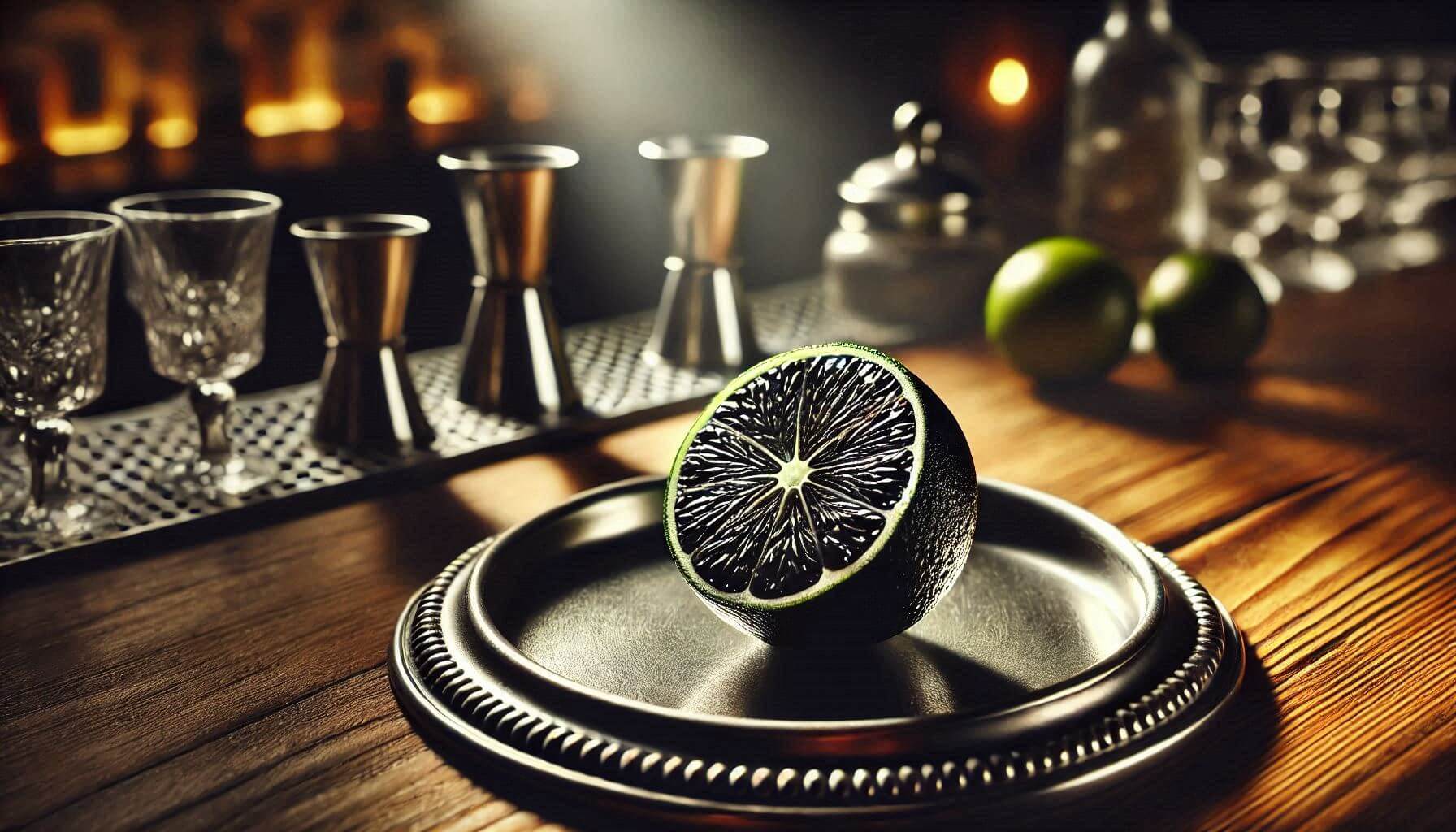
A single, halved black lime on a silver platter, resting on top of a bar in a shaft of light

I like to think the two standard limes in the background are envious of the fancy, blanched lime on the silver platter.

Kimpton Hotels & Restaurants, with their boutique concepts and global presence, are well positioned to study developing F&B trends.

Just about two months ago, Kimpton made their 2025 Culinary + Cocktail Trend Forecast available for free download. They’ve been releasing this forecast annually since 2015.

While I encourage you to download the report for yourself, I want to share the trends that stand out the most to me. For your own copy of the 2025 Culinary + Cocktail Trend Forecast, click here.

To learn which 2025 beverage trend predictions from Datassential have my attention, follow this link.

Here’s to a successful 2025. Cheers!

Black Limes

The What

A black lime is a standard lime that has been blanched in salt water. The peel and flesh hardens, and turns dark brown or black.

The Why

Blanching and cooling limes intensifies the aroma and flavors, boosting sourness, saltiness, and citrus notes.

The How

First, prepare a bowl of ice water. Next, add whole limes to a pot, and add water and a teaspoon of salt (experiment with amounts). Bring water to a boil for one to two minutes, then remove them with a slotted spoon and put them in the ice bath immediately. Let them cool completely, and store in a sealed container.

To use them, add whole black limes to soup stock. Or, use their powder for rubs, as seasoning, or as garnishes. Be cautious at first, as a little can go a long way.

As you may imagine, this food-focused trend can also work well for a bar’s beverage program.

Salted Egg Yolks

The What

A cured egg yolk that has been delivering umami flavor to Chinese cuisine for centuries.

The Why

Culinary teams can add salted egg yolks to all manner of dishes to imbue them with umami and salt flavors. Obviously, these work perfectly in Chinese dishes. However, with their buttery and often crumbly texture, they’re also great for enhancing pastas, salads, and other foods.

The How

It’s important to keep in mind that there’s a risk of bacteria associated with curing foods, like salmonella. So, proceed with caution, and adhere to strict food safety and handling rules.

Use the best-quality eggs you can, and use fine salt rather than coarse to avoid piercing yolks.

There are also two ways to prepare salted egg yolks. One method uses a jar and whole eggs, and one uses an air-tight container with a bed of salt and just the egg yolks. Ask your culinary team which method they prefer, and bear in mind that the process takes days. Also, it’s a good idea to bake the egg yolks in an oven at 160 degrees Fahrenheit (71 degrees Celsius) to ensure food safety.

Vegan Clarified Milk

The What

For a while there, it seemed as though it was a requirement for all cocktail bars to have Clarified Milk Punch on the menu. This led, of course, to more cocktails receiving the clarity treatment.

This trend is exactly what it sounds like on paper: A drink made with clarified vegan milk.

The Why

Some guests don’t consume dairy, so clarifying vegan milk will allow them to partake in this drink trend.

The How

Using coconut milk as an example, add lime juice and other liquid ingredients to an air-tight container. Stir the mixture, then leave in a refrigerator over night. Check the container, looking for separation; when you see it, strain the mixture through a coffee filter or cheesecloth into a bottle. Do this until you’re happy with the result. Serve as you would with any batched cocktail.

There are other methods for separating the solids from a milk, such as heating the milk to a specific temperature to speed up the process, then adding it and lime juice to the other liquid ingredients.

Spiced Fruit Leather Garnishes

The What

Again, this is exactly what it seems to be: fruit leather mixed with a spicy ingredient, like chili or habanero powder.

The Why

Garnishing drinks with spiced fruit leather adds a new dimension to the drinking experience, and allows your bar team to enhance the flavor experience. Plus, spiced fruit leathers are fun to nibble on in between sips.

The How

To have your culinary or bar team craft spiced fruit leather in-house, puree a fruit or fruits with high water content in a device such as a Vitamix. If you don’t have a dehydrator and specific fruit leather trays or dehydrator trays, you can line a baking sheet with parchment paper or silicone mats.

The person preparing the fruit leather can use a fine mesh strainer before they spread the puree onto a tray. Sprinkle the puree with the appropriate spice mixture, then pop the tray or baking sheet into an oven set to 140-150 degrees Fahrenheit (60-66 degrees Celsius) for four to twelve hours. Peel off the fruit leathers, cut into strips, and use as garnish.

Chili Crunch the World

The What

Kimpton expressly mentions chili crunch in their 2025 forecast, not chili crisp. In simple terms, crunch has a crunchier texture than crisp, as its made with larger pieces of ingredients.

In terms of both products, at their core they’re mixtures of peppers, onion, garlic, seasonings, and oil.

However, Kimpton foresees culinary teams crafting their own chili crunches (and likely chili crisps) that are specific to particular cuisines. Imagine, for example, a barbecue-centric chili crunch, or one featuring Italian seasonings.

The Why

Texture, heat (unless specifically made to not be hot), seasoning, an explosion of flavors… Chili crunch is an enhancer of both flavor and the guest experience.

The How

To make this condiment, start with dried chilies, and remove their seeds. Pulse or otherwise chop them. Remember, you want pieces that will create a crunch, so don’t pulverize the chilies. Set the chilies aside in a heat-safe container. Now, add your spices and seasonings to the chilies. Some people like to add peanuts to create more crunch.

In a pan, fry onions or shallots, straining them when they start to get pale, and reserving the oil. Put the oil back in the pan, and fry the garlic, being careful to avoid cooking for too long so they don’t become bitter. Strain the oil, separating it from the fried garlic. Heat the now-infused pour over the chilies, spices, and seasonings, and let the mixture cool. Once cool, add the onions or shallots and garlic to the mixture.

Your culinary team will likely have their own approach to producing chili crunch.

There are many more predictions in Kimpton’s 2025 Culinary + Cocktail Trend Forecast, so make sure to download your copy and check them out today.

Image: Microsoft Designer

KRG Hospitality Contact Request for Proposal 30 Minute Discovery Session

Book Below to Setup a 30-Minute Complimentary Discovery Call and Request for Proposal.


by David Klemt David Klemt No Comments

5 Books to Read this Month: January 2025

5 Books to Read this Month: January 2025

by David Klemt

Flipping through an open book

Our January book selections focus on changing the way we approach hospitality, mastering the fundamentals, America cuisine, bourbon, and more.

To review the book recommendations from December 2024, click here.

Let’s jump in!

Hacking the New Normal

Doug Radkey‘s followup book to Bar Hacks! The world around us has changed. The food and beverage industry has changed. The hospitality industry has changed. But will some ways of life change for the better? Will perhaps the restaurant, bar, and hospitality industry come out even stronger? With the right changes to the previous status quo, it is possible. There’s no question, resets are major undertakings, but a major reset will provide us with a clean start and that’s what this industry needs.

From Amazon: “Whether or not you’re a hotelier, restaurateur, bar owner or a front-line staff memberthis book will position you for success in the new normal. With a spotlight on hybrid business models, real estate, profit margins, technology, guest experiences, culture, diversity, and mindset, Hacking the New Normal is the guidance you need.

Grab your copy here.

Bar Hacks: Developing The Fundamentals for an Epic Bar

It’s the last book roundup of the year and yes, I’m taking the opportunity to recommend KRG president and principal consultant Doug Radkey’s first book. In his this book he explains the importance of nailing the fundamentals in order to:

  • start your operator journey in the best possible position;
  • stabilize your business; and
  • scale when the time comes, if that’s what you want.

From Amazon: “This informative and conversational book is the perfect read for aspiring or seasoned bar, pub, lounge, or even restaurant owners, operators, and managers looking for that competitive edge in operations! If you’re looking for both fundamental and in-depth planning methods, strategies, and industry focused insight to either start or grow a scalable, sustainable, memorable, profitable, and consistent venue in today’s cut-throat industry–Bar Hacks is written just for you!”

Click here to get your copy today!

Let There Be Havens: An Invitation to Gentle Hospitality

We find inspiration everywhere at KRG Hospitality. As important to us is sharing that inspiration to help our clients, partners, and readers hone their vision for hospitality concepts. This book, Let There Be Havens, is a look at “gentle hospitality,” an approach to providing impactful hospitality to those who visit your home. Operators and front- and back-of-house teams welcome guests to their “other” home every shift, and this book can improve every professional’s approach to service and hospitality.

From Amazon: “When one person reaches for another, makes an offering, and believes we all hold such worth. No matter what we have in our pockets or where we’ve been up until now, we take care of each other―whether we’re strangers on a sidewalk or families around a table. Each day, we create trails of beauty and connection. One open door opens the next. And then it happens: our streets fill with lamplight, our lives lift with spirit, and our homes become circles of gold.”

Click here to order the hardcover.

Bourbon Land: A Spirited Love Letter to My Old Kentucky Whiskey

Chef Edward Lee’s favorite spirit is bourbon. While this book, Best New Cookbook of Spring 2024 by Eater, Epicurious, and Food & Wine, dives into bourbon’s history, how to taste it, and famous distilleries, there’s another key element that should motivate you to buy it. Namely, how to cook with bourbon, and 50 accompanying recipes.

From Amazon: “Knowledgeable, entertaining, and more than a little infatuated with his subject, award-winning food writer and chef Edward Lee gives us his insight into bourbon, telling us everything we should know about the mellow honey-brown treasure that’s put Kentucky on the global map: How bourbon is made. Its history. How to read a label. A look inside the famous distilleries. The influence of oak. Tours of Kentucky’s bourbon regions. How to taste bourbon like a professional.”

Get it here.

Buttermilk Graffiti

Oh, Chef Lee is also an award-winning writer. In 2019, his book Buttermilk Graffiti won the James Beard Award for Best Book of the Year in Writing. It was also nominated for other awards. Chef Lee traveled the US, learned the personal and food stories of the people he encountered, and shared more than a dozen of those stories in this book, which also includes 40 recipes.

From Amazon: “American food is the story of mash-ups. Immigrants arrive, cultures collide, and out of the push-pull come exciting new dishes and flavors. But for Edward Lee, who, like Anthony Bourdain or Gabrielle Hamilton, is as much a writer as he is a chef, that first surprising bite is just the beginning. What about the people behind the food? What about the traditions, the innovations, the memories?”

Follow this link to buy your copy.

Image: Mikołaj on Unsplash

KRG Hospitality Contact 60-Minute Impact Session

Looking to Start, Stabilize, or Scale? Book Below to Setup a 60-Minute Result-Driven Impact Session.


by David Klemt David Klemt No Comments

Program for Unique Holidays: January 2025

Program for Unique Holidays: January 2025

by David Klemt

Restaurant or bar owner sitting at the bar, working on a schedule or calendar

AI-generated image.

Do you want to stand out from from other restaurants and bars in your area? Change how you think about your January 2025 holiday programming.

Several holidays are set against every date on the calendar, and this month is no exception. These holidays range from mainstream to esoteric.

Pay attention to the “weird” or unique holidays to raise eyebrows, carve out a niche for your restaurant or bar, and attract more guests. Why do what everyone else is already doing? Why program only around the same holidays as everyone else?

To provide a handful of examples, January boasts celebrations of birds, tempura, a French comfort dish, and gift cards. Those are all things you can get creative and program around, and celebrate with your guests.

It’s also Dry January, which is embraced by a vast array of people: non-drinkers, the “sober curious,” the newish “zebra stripe” consumers, the health conscious… Whatever their motivation, these guests still need an amazing experience at your bar or restaurant. And you may recall that Whistlepig launched Dank January last year, releasing the limited-edition Dank & Dry Old Fashioned Cocktail. This was a non-alcoholic bottled cocktail made with rye “non-whiskey,” and enhanced with non-psychoactive terpenes. If you visit their site, they may have something planned for 2025.

Of course, you shouldn’t try to celebrate every holiday, strange or otherwise. Focus on the days that are authentic to your brand; resonate with your guests; and help you grab attention on social media.

You’ll find suggestions for promotions below. However, the idea behind our monthly holiday promotions roundup is to inspire you and your team to get creative and come up with unique programming ideas.

For our December 2024 holidays list, click here.

January 5: National Bird Day

The Jungle Bird. Grey Goose. Famous Grouse. Redbreast. Eagle Rare. Wild Turkey. Kentucky Owl. Chicken wings. Duck fat. Use this holiday, which falls on a Sunday this year, to feature your bird-themed drinks and foods.

January 7: National Tempura Day

When it comes to comfort foods, battering and frying are winning partnership. If you can batter and fry it, put it on your menu, and promote it.

January 9: National Cassoulet Day

Did you know that less than one percent of restaurants have cassoulet, a warm and comforting French dish, on their menus in the US? Seems like an opportunity for a savvy operator and kitchen team to fill a gap.

January 11: National Milk Day

This is the day to promote your bar team and their skill crafting milk cocktails. The Coquito, Bourbon Milk Punch, the Grasshopper, the Mudslide… National Milk Day is easy and fun to celebrate.

January 12: National Mocktail Week Begins

If it hasn’t yet achieved ubiquity, Dry January has certainly reached proliferation. This week, National Mocktail Week (which runs through January 18), is the time to show that you’ve crafted a carefully considered zero-proof drink menu. Remember, some sober guests find the term “mocktail” disrespectful, so consider using a different term.

January 17: National Bootlegger’s Day

This is the holiday to celebrate brands or cocktails that have survived prohibition, were created during prohibition, or produce or feature moonshine.

January 20: National Use Your Gift Card Day

Are gift cards an element of your marketing and branding strategy? Do you see them as a viable revenue channel? If so, this is the day to encourage people to come in and redeem them. Send a targeted email campaign, and include a link to your restaurant’s reservation system.

January 21: Squirrel Appreciation Day

Did you know that it’s believed squirrels plant three billion oak trees every year? Well, you do now.

I’m sure you’ve gotten ahead of me already regarding what I’m going to recommend you do to celebrate this holiday: put the classic Pink Squirrel on your menu. And why not? This iconic cocktail has been around since the 1940s, and may inspire an upcoming Drink Donnybrook.

January 24: National Beer Can Appreciation Day

Creative beer can design goes hand in hand with craft beer brewing. In fact, the approval of can designs in the US is quite an important process.

A lot of thought goes into beer can design and particularly eye-catching labels deserve more than a passing glance. Feature the most creative and attention-grabbing beers on your menu on National Beer Can Appreciation Day. You should definitely feature them on your social media channels.

January 30: National Croissant Day

The humble but delicious, flaky croissant is a tasty canvas. Sure, you can just offer croissants, but what about going harder and offering an array of croissant sandwiches or desserts? Bacon, egg, and cheese. Plant-based sausage, plant-based egg, and plant-based cheese. Nutella…croissants are light, flaky, butter, and fun.

Image: Microsoft Designer

KRG Hospitality Contact Request for Proposal 30 Minute Discovery Session

Book Below to Setup a 30-Minute Complimentary Discovery Call and Request for Proposal.


by David Klemt David Klemt No Comments

Watch These Drink Trends in 2025

Watch These Drink Trends in 2025

by David Klemt

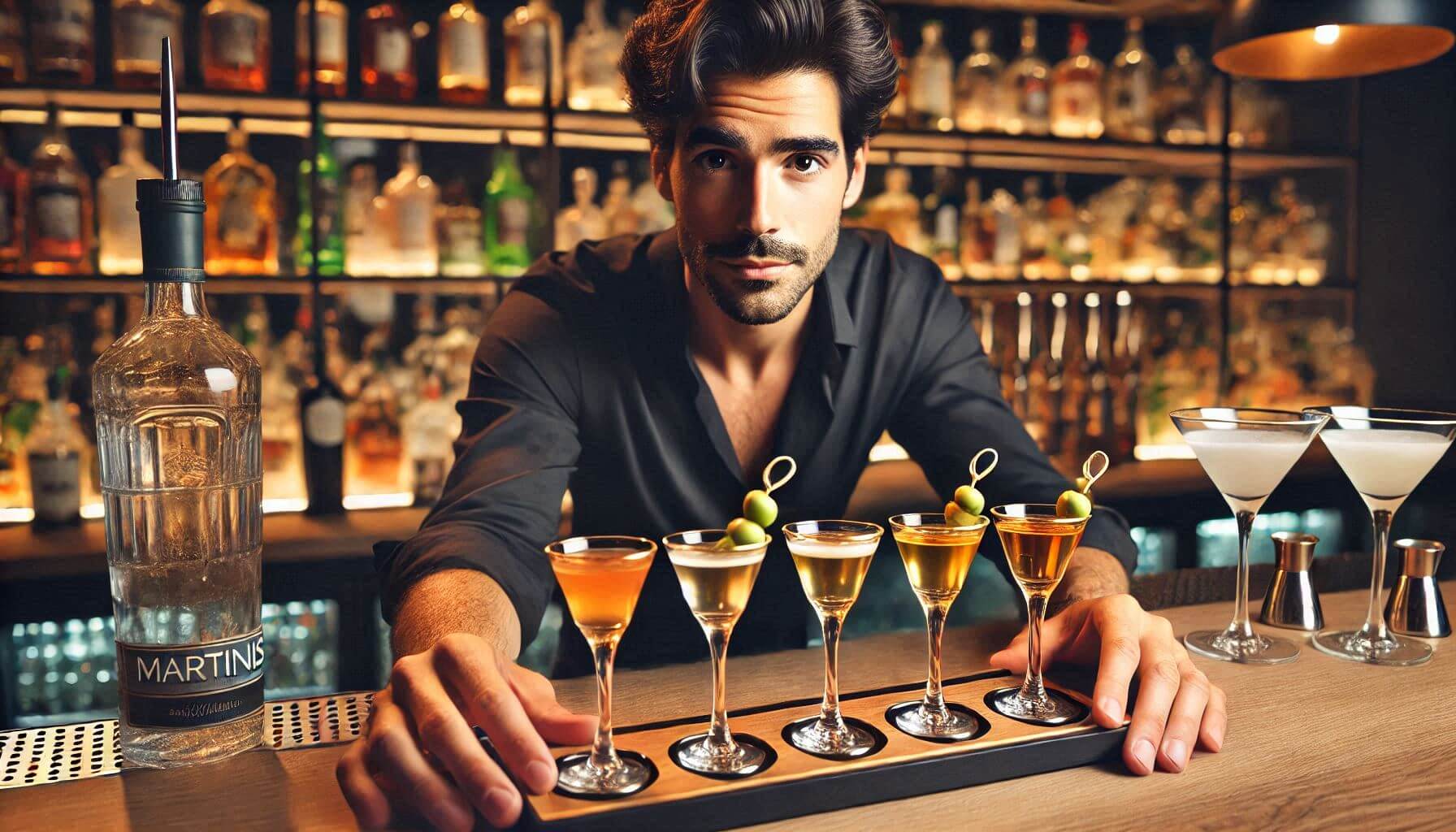
AI-generated image of a bartender serving miniature Martinis

Bottle of Martinis, anyone? In case you were uncertain, this image is AI-generated.

We’re nearing the end of 2024, and that means F&B intelligence platforms are releasing their year-end reports and predictions.

Among these platforms is Datassential. Recently, they released their Future of Drink preview report. You can sign up for your own copy here.

I’ve sifted through Datassential’s latest reports and trend-focused articles, and I’ve pulled a handful I think are among those that may perform the strongest in 2025.

Cheers!

Posh Jello Shots

Or as Datassential calls them in their report summary, “highbrow” jello shots.

This is the 2025 trend prediction that stands out the most to me. Your bar team will know how to produce jello shots (or learn how to make them reliably and consistently), but it’s not a difficult skill to develop.

Jello shots, or gelatin shots if you want to be pedantic, are most often associated with house parties and dive bars. However, gelatin is an interesting cocktail canvas, offering at the very least a different way to experience drinks texturally.

The simplest way to embrace this trend would be to use upmarket alcohol to craft these shots. Premium or super premium vodkas, for example. Another way would be to convert your signature cocktail(s) into jello form. And yet another approach would be layered jello shots, with each layer crafted using premium or super-premium ingredients.

An Alternative

Of course, operators don’t need to produce specialty, higher-end shots in gelatin form. With a bit of thought and experimentation, bar teams can produce shots that are essentially miniature versions of cocktails. Further, these can be offered as flights.

So, do you have a few specialty cocktails on your menu? Offer them as a flight of shots. Want to craft themed flights, such as a Negroni and two variants (Boulevardier and Sbagliato, for example)? That idea may just take off with your guests in 2025.

Creating shootable versions of more sophisticated cocktails elevates your program. Further, doing so can help introduce guests to a range of cocktails during a single visit in what can be a more responsible manner.

Think so-called “Mar-tinies” for inspiration: miniature Martinis served in miniature Martini glasses.

Heirloom Grains

It’s likely that you’re going to see “heirloom” or “heritage” a lot more in 2025 in relation to beer.

As both terms imply, brewers who produce these types of beer use grains they can trace back decades. Often times, heirloom grains are significant historically.

For example, Hanabi Lager Co. produces Haná Pilsner. Per the brewer, Haná is an heirloom grain that was used to produce the first-ever pilsner. In case you’re a beverage history buff or like sharing stories with guests who are interested, the first pilsner was brewed in 1842 by Josef Groll in the city of Pilsen.

Hanabi Lager Co. credits British farmers with “rescuing” Haná, pulling it back from the brink of extinction in 2015. Click here to check out other Hanabi beers made with heirloom barley and other heritage grains.

Operators who are interested in leveraging beers with notable ingredients should look for the words “heirloom,” “heritage,” and “ancient grain.” Further, they should ensure they know these beers would be of interest to their guests, and serve their concept in an authentic manner.

More Beer Trends

Other beer-centric trend predictions include global beers, hazy IPA, beer cocktails, and beer with a hint of lime.

I’m confident you don’t need an explanation of each of these 2025 trend predictions. However, it’s smart to approach each with careful consideration before adding them to your menu.

To provide an example, consider flights that focus on each trend: three to four hazy IPAs, half-sized beer cocktails, or specialty global beers.

Focusing on beer cocktails, or beertails or hoptails as I’ve seen over the years, I’m somewhat skeptical how they’ll rise in popularity. In my experience, they’ve never quite “hit” throughout the years. But, maybe 2025 is the year.

As far as beers with a hint of lime, consider creating snack pairings that pair well with such beers. Snacking as a trend is expected to rise in 2025, so it’s wise to engage your kitchen team to come up with a snack menu for your bar.

Cocktails on Tap

While I don’t recommend cocktails on tap of keg cocktails for every concept, I have certainly crafted beverage programs that leverage this trend.

And, in fact, I don’t consider these drinks to be a trend at all. In my opinion, cocktails on tap may not be ubiquitous, but they’re certainly no fad.

Why do I like cocktails on tap? For several reasons.

One of those is the speed of service, which benefits the team and the guest. While labor is necessary prior to service to prepare these drinks, kegged cocktails make up for all that effort. When the right cocktails are selected for the taps, they make it easy on the bar team to serve, and make it into the hands of guests in mere moments.

Another reason is the “novelty” of cocktails on tap. These drinks aren’t new yet many guests find the idea interesting, which piques their curiosity. Engaging guests is always good for business.

Now, think about bars and restaurants that include self-pour walls as a core feature of the concept. Guests have shown they’re interested in pouring their own beers and wines from pour walls. There are myriad reasons, including trying before they commit to something new to them. This applies to cocktails as well, and kegged cocktails are perfect for self-pour concepts.

Finally, they work for just about every category of bar, from casual neighborhood watering hole to upscale cocktail bar. When an operator focuses on glassware, garnish, and presentation, a cocktail on tap can appeal to even the most discerning cocktailian.

Image: Microsoft Designer

KRG Hospitality Contact Request for Proposal 30 Minute Discovery Session

Book Below to Setup a 30-Minute Complimentary Discovery Call and Request for Proposal.


by David Klemt David Klemt No Comments

5 Books to Read this Month: December 2024

5 Books to Read this Month: December 2024

by David Klemt

Flipping through an open book

Our December book selections focus on nailing the fundamentals, an infamous drink, themed sips and bites, non-conformists, and more.

To review the book recommendations from November 2024, click here.

Let’s jump in!

The Hour of Absinthe: A Cultural History of France’s Most Notorious Drink

It’s undeniable that, until relatively recently, absinthe has been one of the most misunderstood beverages on the market. Who hasn’t heard or read that one of its most infamous effects is hallucinations? Well, it turns out that the people most famous for imbibing this legendary drink were just drinking so much of it, they were hammered out of their minds. There are no psychoactive ingredients in absinthe.

So, what else have we gotten wrong about “the green fairy”? This book answers that question, and so many more.

From Amazon: “At the height of its popularity in the late nineteenth century, absinthe reigned in the bars, cafés, and restaurants of France and its colonial empire. Yet by the time it was banned in 1915, the famous green fairy had become the green peril, feared for its connection with declining birth rates and its apparent capacity to induce degeneration, madness, and murderous rage in its consumers. As one of history’s most notorious drinks, absinthe has been the subject of myth, scandal, and controversy.”

Order your copy now.

The World Central Kitchen Cookbook: Feeding Humanity, Feeding Hope

We at KRG Hospitality support World Central Kitchen with donations, and have done so for years. WCK’s values align with our own, and its a charitable organization that truly supports people, and provides hope.

Their first-ever cookbook, aptly titled The Word Central Kitchen Cookbook, won a James Beard Award this year. Now, you can support the WCK and their campaigns, and recreate or find inspiration from their recipes. This book is well (and creatively) organized, with chapters titled Empathy, Urgency, Adaptation, Hope, Community, Resilience, and Joy.

From Amazon: “In their first cookbook, WCK shares recipes inspired by the many places they’ve cooked following disasters as well as inspiring narratives from the chefs and volunteers on the front lines. Photographs captured throughout the world highlight community and hope while stunning food photography showcases the mouthwatering recipes. ”

Get the spiral-bound version here!

Puncheons and Flagons: The Official Dungeons & Dragons Cocktail Book

There’s no doubt that Dungeons & Dragons has grown in popularity over the years. It appears this interest in the game can be credited at least partially to podcasts and videos of actual game play. In fact, I listen to three D&D-themed podcasts regularly, and try others from time to time…and I’ve never played the game.

If you operate a concept that encourages gamers to gather, play, socialize, drink, and eat, you’ll find value in the pages of Puncheons & Flagons. Alongside shareable snack recipes are cocktail and zero-proof drink builds. Basically, everything your gamer guests need to keep game play going strong.

From Amazon: “Entertain fabulously while you adventure in your next D&D campaign! Puncheons & Flagons is a delightful and fun-filled cocktail and snacks book filled with fare that would be served up at your character’s favorite tavern, inn, or market along the Sword Coast. All seventy-five dishes, created by a professional recipe developer, are easy to prepare and provide everything you need for hosting and entertaining with D&D flair.”

Hardcover available here.

Originals: How Non-Conformists Move the World

While we all need to understand and master the fundamentals, every operator and hospitality professional takes a personal journey to and through this business. We categorize concepts but each is different, and the vast majority are based on a unique vision. It’s a key driver for the team KRG Hospitality; we love learning about our client’s projects, where we can help, and working alongside them to bring their vision to reality.

In other words, this is an industry of non-conformists hellbent on making their own way. This book is a deep dive into the mindset that drives so many hospitality pros.

From Amazon: “Learn from an entrepreneur who pitches his start-ups by highlighting the reasons not to invest, a woman at Apple who challenged Steve Jobs from three levels below, an analyst who overturned the rule of secrecy at the CIA, a billionaire financial wizard who fires employees for failing to criticize him, and a TV executive who didn’t even work in comedy but saved Seinfeld from the cutting-room floor. The payoff is a set of groundbreaking insights about rejecting conformity and improving the status quo.”

Order the paperback here.

Bar Hacks: Developing The Fundamentals for an Epic Bar

It’s the last book roundup of the year and yes, I’m taking the opportunity to recommend KRG president and principal consultant Doug Radkey’s first book. In his this book he explains the importance of nailing the fundamentals in order to:

  • start your operator journey in the best possible position;
  • stabilize your business; and
  • scale when the time comes, if that’s what you want.

From Amazon: “This informative and conversational book is the perfect read for aspiring or seasoned bar, pub, lounge, or even restaurant owners, operators, and managers looking for that competitive edge in operations! If you’re looking for both fundamental and in-depth planning methods, strategies, and industry focused insight to either start or grow a scalable, sustainable, memorable, profitable, and consistent venue in today’s cut-throat industry–Bar Hacks is written just for you!”

Click here to get your copy today!

Image: Mikołaj on Unsplash

KRG Hospitality Contact Request for Proposal 30 Minute Discovery Session

Book Below to Setup a 30-Minute Complimentary Discovery Call and Request for Proposal.


by David Klemt David Klemt No Comments

Program for Unique Holidays: December 2024

Program for Unique Holidays: December 2024

by David Klemt

Restaurant or bar owner sitting at the bar, working on a schedule or calendar

AI-generated image.

Do you want to stand out from from other restaurants and bars in your area? Change how you think about your December holiday programming.

Several holidays are set against every date on the calendar, and this month is no exception. These holidays range from mainstream to esoteric.

Pay attention to the “weird” or unique holidays to raise eyebrows, carve out a niche for your restaurant or bar, and attract more guests. Why do what everyone else is already doing? Why program only around the same holidays as everyone else?

To provide a handful of examples, December boasts celebrations of flavored vodka, mountains, a famous fruit salad, and iced cookies. Those are all things you can get creative and program around, and celebrate with your guests.

Of course, you shouldn’t try to celebrate every holiday, strange or otherwise. Focus on the days that are authentic to your brand; resonate with your guests; and help you grab attention on social media.

You’ll find suggestions for promotions below. However, the idea behind our monthly holiday promotions roundup is to inspire you and your team to get creative and come up with unique programming ideas.

For our November 2024 holidays list, click here.

December 6: National Bartender Day

Short of scheduling bartenders off (should they want the day off, of course), what else can you do for your bar team to celebrate them?

Driving traffic to your bar and encouraging generous tips could be nice. Hit your social channels and suggest your followers come visit their favorite bartenders.

December 7: National Rhubarb Vodka Day

Tart when raw, sweeter when cooked, rhubarb most often delivers a bright flavor profile. Producers of rhubarb vodkas sometimes focus solely on the vegetable, others combine it with lemons and other ingredients to create complex, balanced expressions.

Two products to look into come from Mammoth Distilling and Chase Spirits Co. Of course, if you don’t mind missing the holiday this year, you can produce your own, and it only takes about a month to achieve the maximum effect.

December 9: National Pastry Day

Is your kitchen team skilled in the art of pastries? In fact, do you have a pastry chef on the team? If so, this is the day (and remaining month) to let them flex their creative pastry skills for starters, mains, and desserts.

December 11: International Mountain Day

This holiday is meant to celebrate not just mountains but the role they play in our lives. For example, the bounty of botanical ingredients we can find in mountainous regions. And, of course, the effects mountains can have on distillation and aging.

On this holiday, look to your back bar and kitchen. Whiskeys like Stranahan’s and TINCUP leverage the mountains, as do gins like Rainier Mountain Fresh Gin and the aptly named Mountain Gin. There are also tequilas like Mijenta and Teremana. On the kitchen side, look into local suppliers who forage in mountainous areas for items you can feature in dishes.

December 12: National Ambrosia Day

You know it. You love it…or maybe not. It’s a classic: ambrosia, the fruit salad that either activates your nostalgia or makes you recoil.

There are a few ways to approach this holiday. One, you can reproduce a family recipe for ambrosia, if you have one. Two, you can look up an old

December 16: National Chocolate-Covered Anything Day

I think this is one of those holidays that’s self-explanatory. Look at your menus and ask yourself, “What if I covered that in chocolate?”

December 21: National Coquito Day

Look, I get it: eggnog is a classic. Sure, there are people who like eggnog, and seek it out in December. However, there’s also the coquito, which is, in my opinion, a far better drink.

You can learn more about the coquito in an article I wrote about it a couple of years ago. And after you read that one, read about the carajillo, another cocktail that shines in December (and the rest of the winter months).

December 23: National Pfeffernüsse Day

Cardamom, cinnamon, nutmeg, ginger, black pepper, anise, mace, cloves, and sugar come together in a tidy package called pfeffernüsse. This iced cookie is perfect for the season, and if your kitchen has baking and dessert skills, they should be able to produce these fantastic cookies. Pfeffernüsse, as you may imagine, work well as a dessert and with after-dinner drinks.

December 28: National Card Playing Day

It’s very likely that the card- and board-game playing guests who frequent your restaurant, bar or hotel got some new games this month. If your concept encourages guests to gather and play such games, this is an excellent holiday for them to visit your spot and try out their gifts (while eating and drinking with friends and family).

December 30: National Bacon Day

It’s bacon. Go HAM and feature bacon everything, including drink garnishes.

Image: Microsoft Designer

KRG Hospitality Contact 60-Minute Impact Session

Looking to Start, Stabilize, or Scale? Book Below to Setup a 60-Minute Result-Driven Impact Session.


by David Klemt David Klemt No Comments

Will this Drink Trend Lead Us into 2025?

Will this Drink Trend Lead Us Into 2025?

by David Klemt

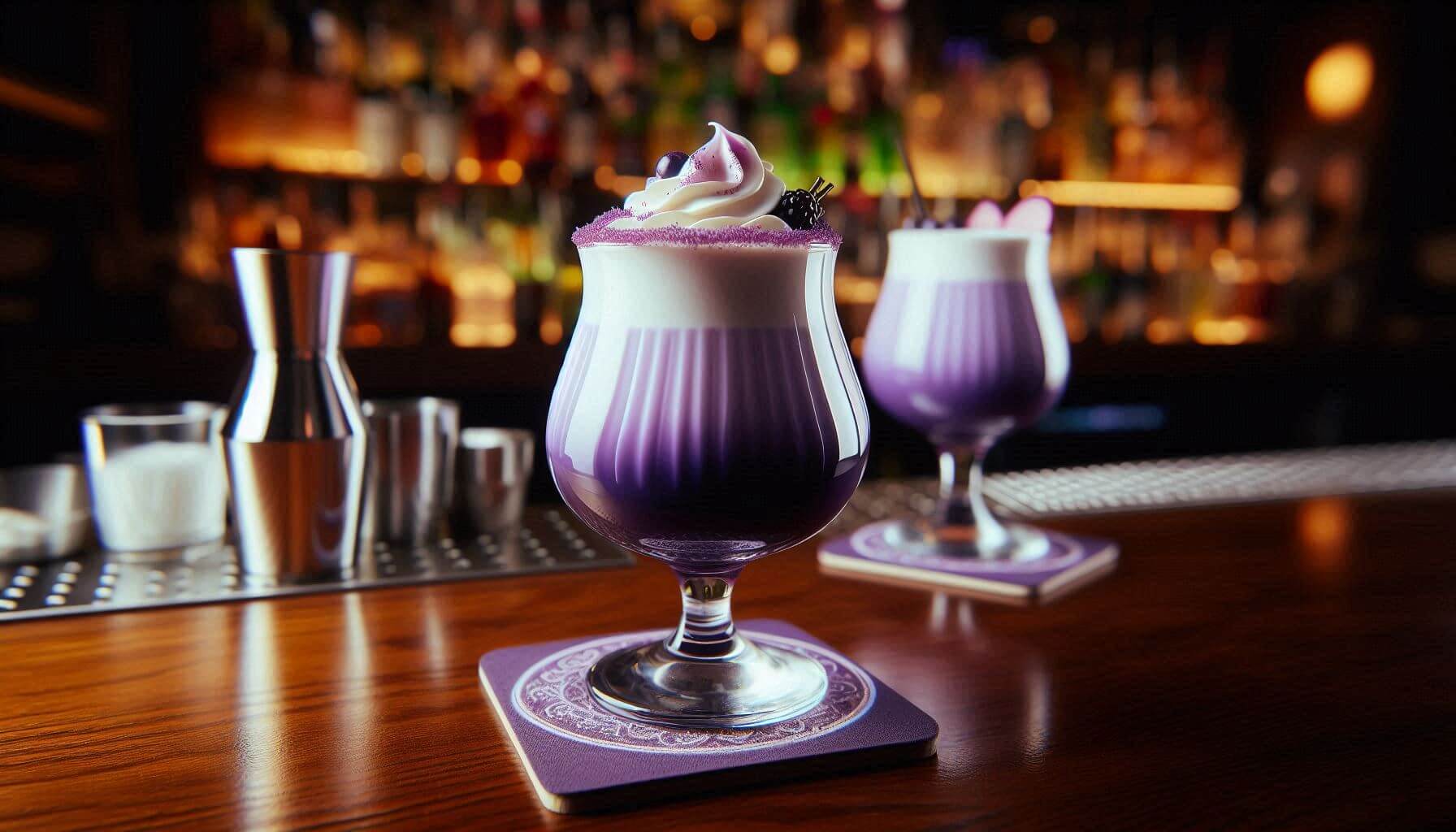
AI-generated image of two purple Ube Cream Liqueur cocktails on a bar

AI-generated image.

One of the latest drink trends, a unique cream liqueur made from purple yam, may have the staying power to heat up through New Year’s Eve.

Now, when I describe it as unique, I’m not indulging in PR-speak, I mean it; there’s only one Ube Cream Liqueur. That includes, up to this point, additional expressions. Again, there’s only one Uber Cream Liqueur.

Making this liqueur even more exclusive is the fact that just one distillery produces it: Destileria Barako. They’ve done so since 2016. The distillery makes some other intriguing products as well. For example, there’s a lychee and lemongrass liqueur called Gayuma that also includes vacuum-distilled smoke distillate. Compelling…

So, what is Ube? Put very simply, it’s a lavender-colored cream liqueur made from ube. That’s a purple yam, and the liqueur itself calls the Philippines home. Interestingly, while the liqueur is lavender in color, ube can be violet, purple, lavender, and even white.

Before I go any further, a purple yam is not the same as a purple sweet potato. A purple yam will be, generally speaking, sweeter than its sweet potato counterpart, while being slightly more subtle in terms of flavor profile. Expect vanilla up front, with a subtle nutty undertone and finish.

And if you’re curious as to the meaning of “ube,” it translates from Tagalog to English as “tuber.” Quite a literal name for this special vegetable.

Okay, great. But what about the liqueur that appears to be popping up on craft-cocktail-focused menus in the US?

What is Ube?

On the surface, it’s an imported cream liqueur in an attractive, fashionable bottle.

Seriously, look at the Instagram post below; that’s going to grab guests’ attention.


View this post on Instagram


A post shared by Ube Cream Liqueur (@ubecreamliqueur)

Going deeper, Ube is made from the eponymous tuber, coconut husks, and sugarcane vodka. The ingredients are sourced from local farms and their communities throughout the islands that make up the Philippines (of which there are more than 7,600).

The liquid itself is rich and creamy, as one would expect. Like its namesake, Ube’s flavor profile includes vanila, and a subtle nuttiness. However, the sugarcane vodka is detectable, and coconut also shines through.

Along with being unique, it’s also versatile. Bar guests can’t really go wrong with ordering it in just about any configuration: neat, chilled, on the rocks, frozen, in a cocktail… Ube is highly adaptable.

And that, if I had to point to a characteristic beyond flavor and mouthfeel, is likely why this cream liqueur is rising in popularity.

Bar teams can get creative with it. Guests can enjoy it in myriad forms. Even the culinary team can get involved, as it’s an intriguing ingredient for dishes (particularly dessert).

Introducing guests to Ube isn’t a hard sell, either. The bottle and liquid itself are appealing to the eye. And while bar and culinary teams can really tap into their imaginations and talents to create quirky sips and dishes, it works in instantly recognizable drinks as well.

For instance, there’s the Ube Mudslide, Purple Russian (a variant of the White Russian, of course), Ube Colada, Ube Coco Old Fashioned, and even the Ubegroni.

Proceed with Caution

Here’s a a viewpoint with which you may be familiar: Once a trend emerges and people jump on it, it’s no longer a trend. Instead, it either experiences widespread adoption, reaches ubiquity, or dies.

Another viewpoint is that due to social media, trends come and go so quickly that even those that stick around for more than a few days tend to fall off quickly.

Search online for Ube and you’ll likely come across posts about finding it in the US that are a year or more old. It seems that the interest in this particular cream liqueur picked up in earnest around August of this year.

All that is to say this: For the most part, unless a person or group of people originates a trend, everyone else will be a step or two behind if they choose to jump on it. Most trends don’t even actually reach that status; they die in their nascent stage: a fad.

So, operators and their teams should be selective when a product, flavor, menu item, preparation, etc. is getting a lot of attention “suddenly.”

Chasing every trend isn’t efficient, and doing so flies in the face of consistency.

Important Considerations

There are several questions an operator should consider and answer before embracing any trend (or fad). Below, the assumption is that the trend involves a specific product.

  • Will this resonate with enough guests to make this profitable?
  • Does this trend work with our brand or are we forcing it to fit artificially?
  • Can it be obtained easily and consistently? If not, can we make our own housemade version? What will that cost, including labor?
  • How much will it cost to add this product to our inventory?
  • What will it cost to train the team to use this product?
  • Who will train the team on this product? What’s the estimated learning curve? What will training cost, in terms of product and labor?
  • In terms of pricing, what’s our projected profit margin per item made with this product? How many do we expect to sell on a daily, weekly, and monthly basis, keeping in mind that this is a consumer trend.
  • How quickly, with the above considerations (and more), can we actually leverage the popularity of this trend? Will it still be popular after we’ve completed our due diligence?

Don’t Abandon Your Standards

This caution isn’t aimed at embracing Ube specifically. Rather, this is advice for considering any trend, product, or menu item.

The standard is for operators to be obsessed with their numbers. Look at the top operators in the businessnot necessarily those earning the most awards, but those leading their bars and restaurants to long-term success, and focused on building generational wealthand you’ll see how much they focus on numbers; they know them inside and out.

All too often it can be tempting to drop standards when something goes sideways. Service goes awry, for example, and we try to take a shortcut to recover.

The same can be said for chasing trends. It can be tempting to just throw a new, trending item on the menu without crunching the numbers, taking a shortcut to leverage the trend as quickly as possible.

A savvy operator will consider the numbers before adding anything to their inventory and menu. It shouldn’t take long, and running the numbers will prove whether the trend is worth pursuing.

Image: Microsoft Designer

KRG Hospitality Contact Request for Proposal 30 Minute Discovery Session

Book Below to Setup a 30-Minute Complimentary Discovery Call and Request for Proposal.


by David Klemt David Klemt No Comments

Program for Unique Holidays: November 2024

Program for Unique Holidays: November 2024

by David Klemt

Restaurant or bar owner sitting at the bar, working on a schedule or calendar

I don’t know why but AI seems to think anyone who owns a restaurant or bar has a beard. AI-generated image.

Do you want to stand out from from other restaurants and bars in your area? Change how you think about your November holiday programming.

Several holidays are set against every date on the calendar, and this month is no exception. These holidays range from mainstream to esoteric.

Pay attention to the “weird” or unique holidays to raise eyebrows, carve out a niche for your restaurant or bar, and attract more guests. Why do what everyone else is already doing? Why program only around the same holidays as everyone else?

To provide a handful of examples, November boasts celebrations of the bold and pungent, Gose beer style, stuffing, and metal. Those are all things you can get creative and program around, and celebrate with your guests.

Of course, you shouldn’t try to celebrate every holiday, strange or otherwise. Focus on the days that are authentic to your brand; resonate with your guests; and help you grab attention on social media.

You’ll find suggestions for promotions below. However, the idea behind our monthly holiday promotions roundup is to inspire you and your team to get creative and come up with unique programming ideas.

For our October 2024 holidays list, click here.

November 8: Cook Something Bold and Pungent Day

This is the day to shine a spotlight on menu items that are heavy on aromatics, intense flavors, and presentations that demand attention.

November 9: Chaos Never Dies Day

If your bar or restaurant has a chill, relaxing vibe, this may be a great holiday for you and your guests. Chaos Never Dies Day is about mindfulness, relaxation, de-stressing, and, if healthy, socializing with friends and family.

Encourage your guests to visit your venue, silence their phones, and escape for a while.

November 10: Area Code Day

Area Code Day is an excellent time to celebrate your community. Showcase the local producers and collaborators with whom you partner, for example.

November 11: National Metal Day

Does your bar play metal? Do you feature live metal bands? Would you say your overall theme and ambiance is metal? Have I got a holiday for you…

November 15: National Philanthropy Day

Organize food, coat, or clothing drives. Highlight a charitable organization that your bar, restaurant, or hotel supports. This is one of the best days of the year for you and your guests to get involved with organizations that improve the community.

November 17: International Happy Gose Day

Several centuries old, Gose comes to us from Germany. Generally speaking, this wheat beer is tart, sour, spicy, and salty. Of course, craft brewers love to make styles their own, so there are Goses out there with other dominant characteristics.

Fans of this style of beer will tell you that it pairs well with everything. However, when developing your Gose promotion, keep grilled meats, seafood, roasted root vegetables, and tangy, powerful cheeses in mind.

November 21: National Stuffing Day

We all know that person whose main food focus on Thanksgiving (American, Canadian, or otherwise) is stuffing (or dressing, depending on preparation and pedantry). Sure, the other dishes are great, but they may just stab someone in the hand with their fork if they get between them and stuffing. In fact, we may be that person.

In the lead-up to Thanksgiving, task your kitchen with creating an irresistible stuffing (or dressing), and preparing it in multiple ways: waffled, sandwich, etc. Who knows? It may just lead to Thanksgiving Eve takeout orders.

November 22: National Farm-City Week

People celebrate this week to honor the farmers who help make American Thanksgiving possible. Of course, farmers deserve recognition for more than just one holiday.

This is a fantastic time of year to call attention to the farms and farmers with whom your restaurant partners.

November 29: Sinkie Day

Okay, so this one could be interesting. With all the prep and formality that can go into some people’s Thanksgiving celebrations, Sinkie Day offers welcome casualness. In simple terms, it’s about grabbing a bite while standing over a sink. Basically, rejecting a dining table, and eating anywhere else.

One spin you and your restaurant team can put on Sinkie Day is to highlight the items on your menu that are transported and eaten just about anywhere easily.

November 30: National Mason Jar Day

Cocktails, their alcohol-free counterparts, soft drinks like teas and sodas, kombucha, desserts, even salads… There’s a lot a creative bar or restaurant team can do with menu items, mason jars, and presentations.

Image: Microsoft Designer

KRG Hospitality Contact 60-Minute Impact Session

Looking to Start, Stabilize, or Scale? Book Below to Setup a 60-Minute Result-Driven Impact Session.


by David Klemt David Klemt No Comments

5 Books to Read this Month: November 2024

5 Books to Read this Month: November 2024

by David Klemt

Flipping through an open book

Our November book selections focus on recognizing your own potential, developing and enhancing culinary and cocktail skills, and leadership.

To review the book recommendations from October 2024, click here.

Let’s jump in!

Soups, Salads, Sandwiches: A Cookbook

Who doesn’t appreciate dining on a soup, salad, and sandwich? It’s one of the most famous food-based trinities in the world. Each of these individual items is a blank canvas for creativity from your kitchen team; they can be as simple or complex and inventive as you and your team desire. A soup, salad, or sandwich can introduce guests to new flavors. When presented as a trio, they can also tell a cohesive, compelling culinary story. In this aptly named cookbook, Matty Matheson tells interesting stories, and shares more than 120 recipes.

From Amazon: “Packed with character, personal stories, 126 scrumptious recipes, and vivid photographs of a day-in-the-life with Matty and his family, Soups, Salads, Sandwiches will have you fearlessly whipping up your own combinations in the kitchen.”

Order your copy today on Amazon, or wherever you get books.

Unsliced: How to Stay Whole in the Pizzeria Industry

Mike Bausch, the author of Unsliced, was one of the first guests on the Bar Hacks podcast. If you’d like to give his episode a listen, it’s number number 18 (Spotify link | Apple Podcasts link). In his book, Bausch lays everything out for pizzeria operators, from leadership and marketing to adjusting your mindset.

These two sentences from the description of Unsliced say it all, and they resonate with me and my partners at KRG Hospitality: “It’s hard not to get discouraged in this business. But with the right perspective, smart systems, and hard work, your restaurant can thrive.”

From Amazon: “If you own a pizzeria, you know something most people don’t: the pizza business is more cutthroat, stressful, and multifaceted than Wall Street. Every day is a constant struggle to manage overhead, attract loyal customers, stand out from the pack, and keep your employees motivated.

“Running a pizzeria is hard. But it doesn’t have to be as hard as you think.”

Pick this book up here.

The Bartender’s Pantry: A Beverage Handbook for the Universal Bar

Published earlier this year, The Bartender’s Pantry by Jim Meehan and Bart Sasso offers a unique departure from the standard cocktail recipe book. As you glean from the word “pantry” in the title of this book, Meehan and Sasso encourage bartenders to take a culinary approach to crafting drinks. However, The Bartender’s Pantry is also aimed at cooks. Really, this is a great book that should help bring the front and back of houses together. There are more than 100 recipes, and this book is available in a flexibound version, which makes it infinitely cool.

From Amazon: “Each chapter features artfully illustrated recipes incorporating the featured ingredients that bring the reader into the kitchens of some of the world’s most revered bartenders, baristas, importers, and chefs. Their innovative takes on traditional recipes including horchata, matcha, Turkish coffee, sorrel, kvass, and ice cream are followed by full-page photos of over 50 cocktails that incorporate them including modern classics like the Gin Basil Smash, Earl Grey MarTEAni and Penicillin.”

Grab the flexibound version from Amazon.

Beyond the Hammer: A Fresh Approach to Leadership, Culture, and Building High Performance Teams

Author Brian Gottlieb identifies three challenges that just about every business faces: leading staff to take ownership of the work they do; friction between departments or separate teams; and producing inconsistent results. He also presents a strategy in Beyond the Hammer to overcome these challenges, in addition to high employee turnover, and burnout.

From Amazon: “These common issues create high turnover and force managers into crisis mode where they’re consumed putting out daily fires. Over time, the very nature of the business changes and a new culture emerges; one shaped by the lowest level of acceptable behavior.”

Hardcover available on Amazon.

Hidden Potential: The Science of Achieving Greater Things

If you’ve listened to episode 100 of the KRG Hospitality-produced Bar Hacks podcast (Spotify link | Apple Podcasts link), you’ve heard Tako Chang talk about discovering the Double Chicken Please team’s hidden talents. Moreover, you’ve heard how impressed she is with the team’s skills, and encouraging each member to develop them further. That’s an example of great leadership.

This book, written by organizational psychologist Adam Grant, addresses finding and exploring your own potential; doing the same for others; and why we should focus more on learning than working ourselves to the bone to achieve success.

From Amazon:Hidden Potential offers a new framework for raising aspirations and exceeding expectations. Adam Grant weaves together groundbreaking evidence, surprising insights, and vivid storytelling that takes us from the classroom to the boardroom, the playground to the Olympics, and underground to outer space. He shows that progress depends less on how hard you work than how well you learn. Growth is not about the genius you possess—it’s about the character you develop. Grant explores how to build the character skills and motivational structures to realize our own potential, and how to design systems that create opportunities for those who have been underrated and overlooked.”

The hardcover costs less than the paperback right now on Amazon.

Image: Mikołaj on Unsplash

KRG Hospitality Contact 60-Minute Impact Session

Looking to Start, Stabilize, or Scale? Book Below to Setup a 60-Minute Result-Driven Impact Session.


by David Klemt David Klemt No Comments

Heavy-Hitter Hardware: Bar Equipment

Heavy-Hitter Hardware: Bar Equipment

by David Klemt
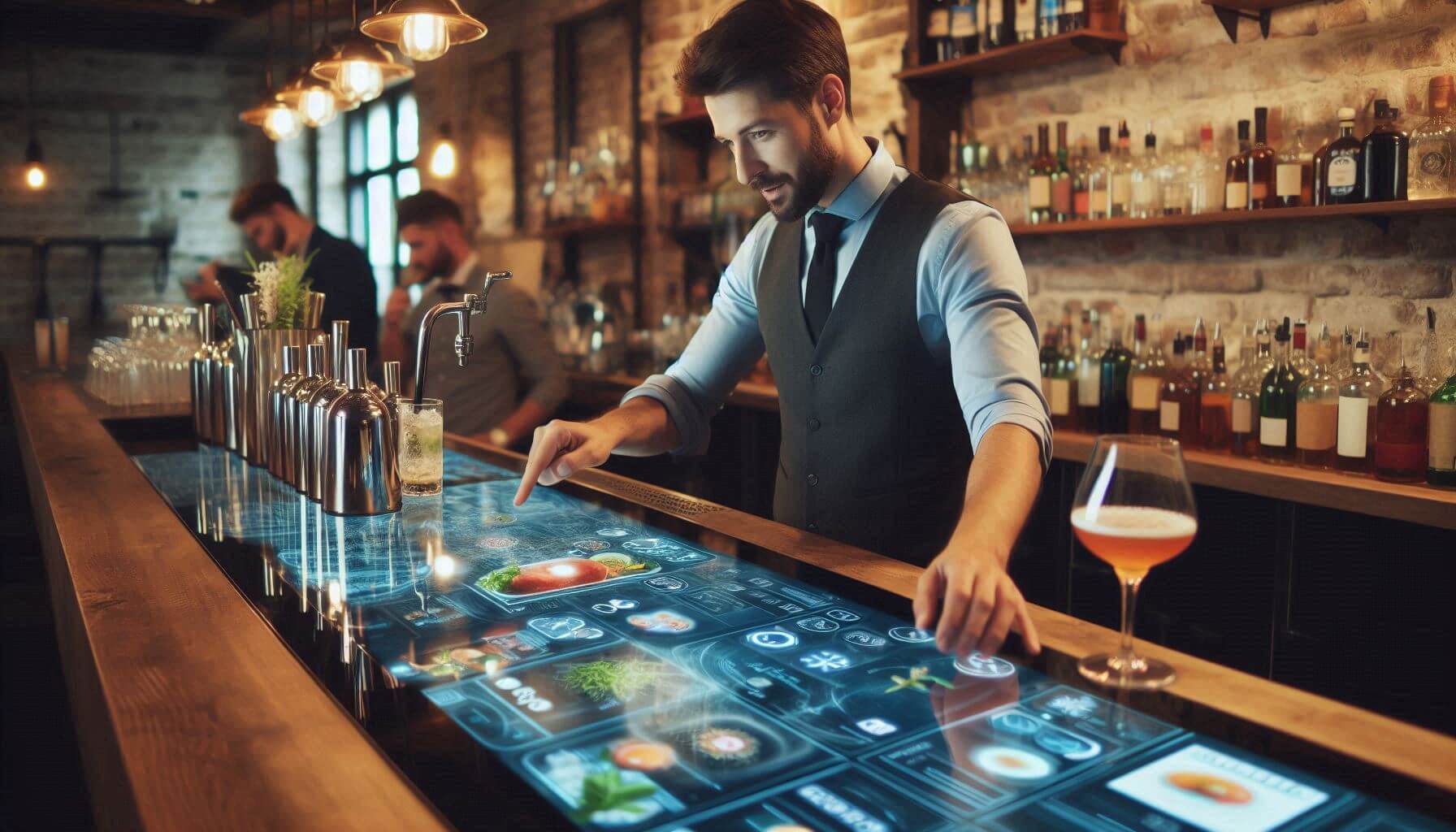
A bartender behind a bar top that's one giant touch screen, reviewing recipes

In how many years do we all think this type of bar top will be more mainstream? Note: AI-generated image.

We have clients planning to open their new concepts in 2025, so we’re sharing bar equipment innovations to inspire you and your bar plans.

There’s a lot to consider when transforming the vision for your space into a brick-and-mortar reality. Some of it is fun and exciting—drink menus and recipes, logo and branding, theme—and some is more technical (read: less exciting).

Of course, if you’re into design, precision, and equipment, selecting hardware and planning layout is probably fairly exciting. It is to us at KRG Hospitality!

To be clear, you won’t find bar tools in this article. I think the Flavour Blaster is rad, and I’ve been to my fair share of bars that use rotovaps, centrifuges, immersion circulators, liquid nitrogen, and sous vide machines.

Instead, I’m talking about the hardware that creates each bartender’s workstation; the cocktail cockpits that help ensure consistency, elevate the guest experience, and generate revenue.

Speaking of which…

Ergonomic Bar Stations

Roughly a decade ago, Perlick’s engineers partnered with one of the world’s most famous bartenders.

The company has been designing and manufacturing commercial bar equipment for decades. In 2015, they took their manufacturing to an entirely new level with the Tobin Ellis Signature Cocktail Station.

If you don’t know Tobin Ellis, definitely Google him after you finish this article. What you need to know now is that he has always been a proponent of proper bar design. I’ve attended many of his speaking appearances over the years, and he has driven one key point home during almost every presentation: Bartenders need to be involved in the bar design process.

Simply put, many interior designers have never worked behind a bar. Often times, they design bars that are inefficient; it’s just a reality of this business.

When Perlick and Ellis unveiled their cocktail station, it changed the game. Putting an emphasis on ergonomics and efficiency wasand still istransformative.

Benefits

Bartenders who aren’t blowing out their backs over the course of every shift are happier and healthier. Ergonomic bar stations are designed to fight strain, pain, hyperextension injuries, and fatigue.

Further, not having to leave their station to find tools, drinkware, bottles, and ingredients makes bartenders more efficient, and faster.

I shouldn’t have to point out that bar owners and operators should want their bartenders to work without risking damage to their bodies. Nor should I have to point out that a happy bartender improves the guest experience.

Of course, this goes for every role in a hospitality business. There are choices and investments owners and operators can (and should) make at the start of their projects to improve the employee experience. There should be no division between the guest and team experience; both are paramount, and both must be valued.

While ergonomic bar stations aren’t cheap, their pricing is fair in contrast to the revenue they can help bartenders generate. A reduction in injuries and fatigue, and related callouts, are just some of the benefits. Increased efficiency and speed are two more key advantages over standard stations.

Perlick, the pioneer, is no longer the only company manufacturing ergonomic bar stations. Behind Bars, EuroBar, and Krowne are a few examples of other brands with similar bar stations, so there are other options out there.

Modular Bar Stations

Ergonomics aren’t the only innovation in bar stations. While planning and laying out your bar, you can take advantage of modular offerings.

Different concepts have different needs, it’s that simple. If this were false, bar station manufacturers wouldn’t offer modular options; it wouldn’t make financial sense.

Operators are now able to select the hardware they want. The days of paying for, and putting up with, features that simply take up space and serve no purpose for a particular concept are over.

Bar sinks, speed rails, drain boards, trash stations, drawers and storage, blender stations, coffee benches… There are even manufacturers who make “voids” available. These are dies that hide lines and cords, and cut installation time significantly.

In addition to customizing your layout from the start, modular components mean your concept your grow. Your needs, and those of your bar team, may change over time. Rather than having to rip out bar stations and start over, a modular design allows hardware to be moved or replaced, saving time and money.

While this approach requires more consideration during the planning process, it’s far more efficient and beneficial than settling for pricey equipment that’s not exactly what you and your team want. Further, many items meant for modular bar design are now off the shelf, reducing lead time.

Interactive Bar Tops

The image at the top of this article alludes to this particular innovation. There are bar tops out there that are essentially giant touch screens.

For the most part, these bar tops appear to be focused on wowing guests. They register touch, so they offer an interactive element that some guests will find engaging.

However, I’ve seen more than one demo suggesting that interactive bar tops are also capable of recognizing drinkware. So, a bartender, when serving a drink to a guest, would be able to do so with an accompanying animation. Think of a Dark n Stormy followed by a wave, or a Cosmo with a cosmic, comet trail.

Another feature is the ability to display promotional videos or advertisements. Personally, I’d only want to see the occasional ad for an inhouse promotion, but I can see where the sponsor for a special event would find ads appealing.

However, I expect, some time in the future, for bartenders to have access to more features. POS integration could be powerful, as could the ability to look up a recipe. (Of course, I’d prefer the bar team have signature cocktail recipes memorized, but I see training program potential here.)

Anyone considering an interactive bar top should look for a few features. For one, strength. If glassware can scratch or damage the bar top, it’s not a good idea. Guests don’t always use coasters or bevnaps when they’re provided.

Another consideration is longevity, and therefore terms of any warranty. Finally, operators should take installation into account; if liquid can get underneath the bar top, that’s no good.

Basically, I don’t think these are past the gimmick stage. But I do think operators should keep tabs on interactive bar tops and their eventual improvement.

Self-Service Kiosks

Self-ordering kiosks have, at this point, become ubiquitous. This is particularly true in the QSR space.

Makes sense, right? A guest can stroll through the doors of their favorite fast-food restaurant, head straight to an ordering kiosk, pay, and wait for their order rather than wait in a line if there’s a rush at the counter.

However, I’m talking about a different type of self-service kiosk: the self-pour variety.

Announced earlier this year, as an example, was the iPourIt Kiosk.

You may be familiar with their flagship product, the iPourIt Tap Wall. These impressive, custom installations empower guests to try a range of products on their own schedule. They don’t have to wait for a server to come by every time they want to sample a different beverage. Further, the beverage options aren’t limited to wine or beer; operators can offer cocktails (with or without alcohol), coffee, tea, kombucha, etc.

The custom tap walls also serve as stunning centerpieces, with some venues opting for more than 100 self-serve panels. Of course, that means planning for the construction of the tap wall.

Or, you can opt for a self-pour kiosk.

These operate similarly to tap wall panels, but they’re a self-contained bit of kit that can be rolled and locked into place. I can certainly see the potential for bars or restaurants to leverage such kiosks for brunch service, or to introduce and test new beverages. And there’s definitely potential for hotels to use these kiosks to offer guests convenience and a memorable experience.

Efficient Washers

I’m sure you’re familiar with energy-efficient equipment. In America, it has become common for people seeking equipment in both commercial and residential settings to look for the Energy Star logo.

However, there’s more to consider than just energy costs related to electricity. For example, operators should search for “temperature recovery” or “heat recovery” when choosing glass washers.

These washers make use of internal heat “boosters” to sanitize glassware; they only need a cold water hookup. That’s just one way in which these washers operate in an energy-efficient way, and reduce operational costs.

The heat recovery system also dries and sanitizes glasses more quickly. Further, they’re designed to reduce how much water vapor escapes from the unit, meaning they’re far better for underbar placement.

In addition to washers that are recovery system equipped, operators should look for other energy-efficient features. There are washers that operate at low temperature, and washers that use less water than their standard counterparts.

Other features to consider are soft start (reduces noise, and prevents damage to glassware); reduced time per cycle (two minutes is a good place to start); unit height (ergonomics for the user); individual internal components that are easily accessed, removed, and serviced; and the material used for construction. To explain the latter, a washer built to retain heat and prevent it from escaping too quickly.

When operators plan ahead, including starting with a feasibility and identifying the ideal site, they can maximize their return on investment. Ergonomics and efficiency come at an initial cost, but the ROI has the potential to pay for these benefits and generate profit quickly.

Image: Microsoft Designer

KRG Hospitality Contact Request for Proposal 30 Minute Discovery Session

Book Below to Setup a 30-Minute Complimentary Discovery Call and Request for Proposal.


by David Klemt David Klemt No Comments

‘Tis the Season to get ‘Jacked

‘Tis the Season to get ‘Jacked

by David Klemt

Red apple covered with water droplets, against a black background

Not an AI-generated image!

We celebrate bourbon, “America’s native spirit,” in September. But did you know that there’s another American spirit we celebrate in October?

Known by some as “America’s first moonshine,” applejack is just as important to US history as bourbon. In fact, it’s believed it predates bourbon by a century.

There’s no doubt that alcohol has played a significant cultural role throughout American history. Of course, having a tipple or two still plays a vital role in US culture. Why else would neighborhood, sports, and cocktail bars be so prevalent?

If alcohol weren’t a cultural cornerstone, there wouldn’t have been a cocktail revival from 2000 to 2017. That’s to say nothing of Prohibition and its impact on not just the US but Canada, Mexico, and the Caribbean.

Whiskey reigns supreme when we’re talking about American spirits. In particular, bourbon grabs the headlines.

But long before bourbon snatched the America’s Spirit title, applejack was being produced in what we now call the state of New Jersey. At one point, applejack was even called Jersey Lightning.

Speaking of lightning, that speaks to the origins of applejack. White lightning, white dog, white whiskey… Each of these is evocative of moonshine. And while that term may conjure up illegal alcohol production, the word originally meant homemade booze.

That’s precisely what applejack was when it was first crafted during the American colonial era. Like I said, alcohol is ingrained in American culture.

Moonshine, and Brandy, and Whiskey, Oh, My!

According to Lisa Laird Dunn, the president and global ambassador of Laird & Company, the oldest producer of applejack, the original native spirit was an American staple.

Dunn represents the ninth generation of the Laird family to lead the eponymous distillery. Alexander Laird, her ancestor, left Scotland in the 1690s, arriving in Jersey. Per the current president of Laird & Company, the belief is that Alexander was involved in some way in Scotch production.

Therefore, Alexander turning to distillation in his new home would make sense. And what would make even more sense is to focus production on an abundant American crop. At that time, that meant apples.

So, what’s applejack? First, let’s get some technicalities out of the way. Applejack is a fruit brandy. In particular, it’s an apple brandy.

As reported by Chilled Magazine, Dunn has explained that the terms “applejack” and “apple brandy” are interchangeable. However, there is a technical difference between applejack and blended applejack.

The former, just like apple brandy, can only be labeled as such if it has been created solely from apples. As in, 100 percent made from apples. In contrast, the latter is a blend between applejack and a neutral grain spirit.

One more technicality: applejack is not, as many believe incorrectly, a whiskey. It’s possible that misconceptions surrounding moonshine and the term “lightning” may lead some people to think “Jersey Lightning, white lightning, moonshine… Applejack is moonshine. Moonshine is whiskey. Applejack is whiskey.”

Jack It

Have you been wondering where the “-jack” in “applejack” comes into play?

Well, wonder no more; it’s a nod to the production method of this centuries-old spirit.

Simply put, jacking is freeze fermentation. In short, fermented cider (a.k.a. hard cider) is frozen, ice is removed, and the alcohol content increases.

An alternate method is to fill a cask with fermented cider, begin the freezing process, tap the cask, and pour off the liquid. Jacking results in low-ABV juice reaching an ABV of 40 percent or more. In that way, applejack is normally much more powerful than hard apple cider. So, plan accordingly if you’re going to enjoy one.

Essentially, “applejack” is a portmanteau of “apple brandy” and “jacking.”

How to Enjoy Applejack

As we head into fall, it makes sense to celebrate Applejack, and get this spirit onto guests’ radar.

A pure applejack like Laird & Company’s is fantastic neat or on the rocks. Just bear in mind that ABV; ensure you and your team are serving it responsibly. Again, this isn’t hard apple ciderit’s much stronger.

If you and your bar team want to make Toddies and cocktails, a blended applejack will do, although I prefer Laird’s for a cocktail.

Likely the most-famous applejack cocktail is the Jack Rose. To make this drink combine one-and-a-half ounces of applejack, three-quarters of an ounce of fresh-squeezed lemon or lime juice, and a half-ounce of grenadine in a shaker with ice. Shake well, then strain into a coupe or Martini glass, and garnish with a lemon twist.

Applejack can also replace other base spirits. Take, for instance, the Applejack Old Fashioned. Start with two ounces of applejack, and either a half-ounce of maple syrup or a quarter-ounce of simple syrup. Add these to a mixing glass, along with two dashes of Angostura bitters, two dashes of orange bitters, and ice. Stir, strain into a rocks glass over fresh ice (a large cube or sphere is a nice touch), then express an orange peel, and use it as garnish.

You and your team have an entire month to celebrate applejack with guests. Get creative with an LTO menu, and create a signature seasonal sip all your own.

Image: Juan C. Palacios on Pexels

KRG Hospitality Contact Request for Proposal 30 Minute Discovery Session

Book Below to Setup a 30-Minute Complimentary Discovery Call and Request for Proposal.
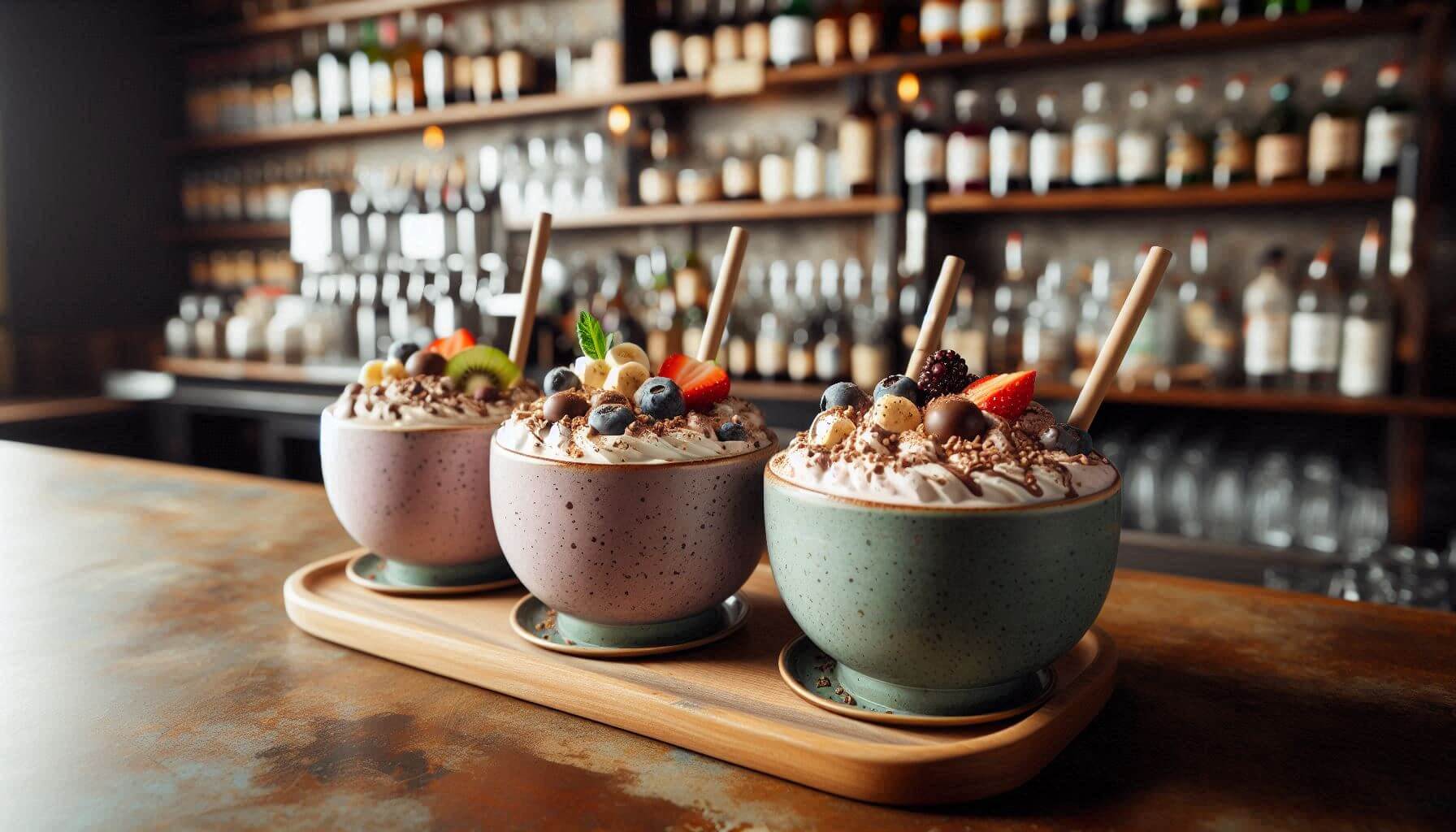

by David Klemt David Klemt No Comments

5 Books to Read this Month: October 2024

5 Books to Read this Month: October 2024

by David Klemt

Flipping through an open book

Our October book selections focus on restaurant and bar interior design, developing leadership skills, an infamous liqueur, and themed cocktails.

To review the book recommendations from September 2024, click here.

Let’s jump in!

Dining Out: The New Restaurant Interior Design

Impactful bar, restaurant, and hotel design is paramount. Your space is how your guests interact with your brand in person and online. It’s much more than just four walls; your venue is the physical manifestation and representation of your concept. Therefore, it’s important that you nail your design details. I think you’ll find Dining Out inspiring.

From Amazon: “The book takes the reader on a journey to some of the most cutting-edge examples in restaurant design and architecture from around the world. With a descriptive text for each project, it focuses on the craftmanship, color schemes, decorative details, lighting and furnishings that form the identity of the space, serving as a source of inspiration and reference for professional designers, foodies and other people involved in the restaurant business. Interior and exterior photographs, as well as blueprints of each design, present the reader with a rich range of styles, from modern minimalist spaces to ones defined by bold contemporary colors, a sleek industrial look or designs that look to the past for inspiration.”

Order your hardcover copy here.

Reset: How to Change What’s Not Working

Part of being an entrepreneur or member of a leadership team is implementing new initiatives. And sometimes, after monitoring these new initiatives for a set amount of time, we find out that they’re just not working. So, what do you do? This book will help you take decisive, timely action.

From Amazon: “Changing how we work can feel overwhelming. Like trying to budge an enormous boulder. We’re stifled by the gravity of the way we’ve always done things. And we spend so much time fighting fires—and fighting colleagues—that we lack the energy to shift direction.

“But with the right strategy, we can move the boulder. In Reset, Heath explores a framework for getting unstuck and making the changes that matter. The secret is to find ‘leverage points’: places where a little bit of effort can yield a disproportionate return. Then, we can thoughtfully rearrange our resources to push on those points.”

Place your pre-order for this book today.

Cocktails and Consoles: 75 Video Game-Inspired Drinks to Level Up Your Game Night

At the end of August, I shared some interesting information from a Datassential report. According to the intel agency, close to 200 million Americans are gamers, and that interest in gaming spans all ages. Further, gamers spent well over $50 billion on this particular hobby in 2023. Datassential also found that 45 percent of gamers have made F&B decisions after consuming video game-related ads or content, so this info is relevant to restaurant and bar operators.

From Amazon: “Created especially for video game fans, this cocktail book features controller-friendly recipes that all offer playful homage to favorite games and characters including The Oregon Trail Buck (The Oregon Trail), Pom of Power (Hades), The Miles Edgeworth MarTeani (Ace Attorney), The Cake Is a Lie (Portal), Stardrop Swizzle (Stardew Valley), Miriel, Pastor of Vows (Elden Ring), Ether (Final Fantasy XIV), Liquid Snake (Metal Gear Solid), Lady Dimitrescu Fizz (Resident Evil Village), Sardegna Simulator Spritz (Gran Turismo), Falcon Punch (Super Smash Bros.), and more. Cocktails and Consoles has the perfect drink for every player and every video game!

Click here to order your copy.

Malört: The Redemption of a Revered and Reviled Spirit

So, perhaps I’m a bit odd, but I like the taste of Malört. Strangely, even though I grew up outside of Chicago and began my journey in bars and nightclubs in the city, I didn’t try Malört until I moved to Las Vegas. If you haven’t tried it, and you have a distributor who can get it for your bar reliably, you, your staff, and your guests are in for an experience.

From Amazon: “Author and beer expert Josh Noel unpacks a uniquely American tale, equal parts culture, business, and personal relationships—involving secret love, federal prison, a David vs. Goliath court battle, and, ultimately, the 2018 sale of Jeppson’s Malört, which made Pat Gabelick, a 75-year-old Chicago woman who spent much of her life as a legal secretary, into an unlikely millionaire.”

Grab yours here!

Bar Hacks: Developing The Fundamentals for an Epic Bar

Yep, I’m taking the opportunity to recommend Doug Radkey’s first book. Radkey is, as you may know, the president of KRG Hospitality. In his this book he explains the importance of nailing the fundamentals in order to:

  • start your operator journey in the best possible position;
  • stabilize your business; and
  • scale when the time comes, if that’s what you want.

From Amazon: “This informative and conversational book is the perfect read for aspiring or seasoned bar, pub, lounge, or even restaurant owners, operators, and managers looking for that competitive edge in operations! If you’re looking for both fundamental and in-depth planning methods, strategies, and industry focused insight to either start or grow a scalable, sustainable, memorable, profitable, and consistent venue in today’s cut-throat industry–Bar Hacks is written just for you!”

Click here to get your copy today!

Image: Mikołaj on Unsplash

KRG Hospitality Contact Request for Proposal 30 Minute Discovery Session

Book Below to Setup a 30-Minute Complimentary Discovery Call and Request for Proposal.


by David Klemt David Klemt No Comments

Program for Unique Holidays: October 2024

Program for Unique Holidays: October 2024

by David Klemt

"Think about things differently" neon sign

Do you want to stand out from from other restaurants and bars in your area? Change how you think about your October holiday programming.

Several holidays are set against every date on the calendar, and this month is no exception. These holidays range from mainstream to esoteric.

Pay attention to the “weird” or unique holidays to raise eyebrows, carve out a niche for your restaurant or bar, and attract more guests. Why do what everyone else is already doing? Why program only around the same holidays as everyone else?

To provide a handful of examples, October boasts celebrations of the cheeseburger, the double cheeseburger, cheese pizza, pepperoni pizza, beer, and guacamole. Those are fantastic F&B holidays sure to appeal to your guests. However, you can still celebrate some “out there” holidays to get people’s attention and draw them to your business.

Of course, you shouldn’t try to celebrate every holiday, strange or otherwise. Focus on the days that are authentic to your brand; resonate with your guests; and help you grab attention on social media.

You’ll find suggestions for promotions below. However, the idea behind our monthly holiday promotions roundup is to inspire you and your team to get creative and come up with unique programming ideas.

For our September 2024 holidays list, click here.

October 1: The New National Taco Day

That’s right; National Taco Day has changed! You can read my article addressing this change here for more details, but what you need to know is that from today onward, National Taco Day will always fall on a Taco Tuesday.

October 2: Walk Your Dog Week

If your venue is dog friendly, and you operate in at least a decently walkable city or town, this is a great week to invite your guests to pop in for a dog treat, a bite, and a drink with their best friends.

October 4: Plaidurday

This day is dedicated to plaid. Plaid shirts, plaid pants, plaid shoes, plaid hats, plaid coats, plaid scarves, kilts featuring a tartan… If it’s plaid, encourage your guests to come by your place while they’re wearing it.

October 11: It’s My Party Day

Okay, this is an odd one. Really, it’s all about nostalgia. Technically, it’s about people revisiting their sweet sixteen parties, which is incredibly specific. Personally, I’d tap into your understanding of your guests and come up with a nostalgic theme that will appeal to them. After all, October is all about dressing up and themed parties.

October 12: National Motorcycle Ride Day

If your venue is motorcycle friendly, encourage your guests who ride to organize a ride, with a stop at your business to relax and refuel.

October 15: National Chicken Cacciatore Day

Recently, we addressed the importance of putting your spin on classic comfort foods. Chicken cacciatore, a recipe that’s about 600 years old, certainly falls into this category; it’s a classic comfort food, and your kitchen team can certainly put their own take on it.

October 21: Apple Day

We also addressed applejack, America’s first native spirit, just yesterday. Sure, you can do caramel apples or apple pie to celebrate this day, but I think you should bring your bar team into the mix, and create an LTO menu featuring applejack cocktails.

October 24: National Food Day

It sounds like this holiday is incredibly open ended, doesn’t it? A blank slate for any cuisine or food item you want to program a holiday promotion to leverage.

However, it’s specifically focused on featuring natural foods. For tips on how to build a natural, farm-to-table menu, check out KRG Hospitality chef consultant Nathen Dubé’s article here.

October 25: Chucky, the Notorious Killer Doll Day

I’ve included this because, wow, is it specific. It’s also a great day to play the Child’s Play movies and Chucky television show, within the confines of the proper licenses, of course.

October 30: National Candy Corn Day

Candy corn sucks, and if you agree (which means you’re correct), you’ll use this day to campaign against this food crime against nature.

Image: Ivan Bertolazzi on Pexels

KRG Hospitality Contact 60-Minute Impact Session

Looking to Start, Stabilize, or Scale? Book Below to Setup a 60-Minute Result-Driven Impact Session.


by David Klemt David Klemt No Comments

Are “Substituters” Leading NA Growth?

Are “Substituters” Leading NA Growth?

by David Klemt

Cocktails with edible flowers and dehydrated fruit for garnishes

No-ABV, low-ABV, or full strength?

Revelations shared by the IWSR recently suggest that the very generation driving non-alcohol growth may also be driving traditional beverage alcohol growth.

At least, according to the IWSR, a particular generation is over-indexing in the non-alc category and “full-strength” categories such as rum, whisky, Champagne, brandy and Cognac, and RTDs.

This is because Millennialsthere it is, the big reveal—appear to be “substituters.” That is, as explained by the IWSR, much of this cohort consumes alcohol on some occasions, and non-alc beverages on others.

Now, before we proceed, let me get this out of the way: No generation is a monolith. While there’s value in understanding a given generation’s behavior, it’s important to understand that we can really only do so in broad terms.

That said, broadly speaking, members of the Millennial generation appear to be driving the growth of non-alc overall. In comparison to other generations, Millennials are consuming more non-alc spirits, more non-alc beer, and more non-alc wine.

Of course, there’s another caveat I must address: Less than half of Gen Z is of legal drinking age. So, when compared to that generation, the numbers are a bit skewed.

Generally speaking, non-alc is growing across the board in the US. What was once relegated to two or three low-alc beers and barely considered “mocktails” for many, many years is now a viable category. The category has gone from an afterthought to inspiring entire alcohol-free bar concepts, and it hasn’t taken long to achieve this growth.

Numbers

When I say Millennials are consuming more non-alc than other generations, what does that mean? Is the difference subtle, or is it eyebrow raising?

Per IWSR data, it’s the latter.

Last year, 45 percent of all non-alc beer drinkers in the US were Millennials. That number has jumped to 61 percent in 2024. Change focus to non-alc spirits and Millennials make up 66 percent of overall US consumers. That number is 59 percent when we look at who’s drinking non-alc wine.

For some context, just 22 percent of non-alc beer drinkers in the US are Gen X. Take a look at legal-drinking-age Gen Z and that number shrinks to seven percent. Again, though, most of Gen Z isn’t yet LDA.

So, back to substituters. Just under half of all Millennials, according to IWSR findings, vacillate between non-alc and full-ABV. It would appear, then, that Millennials are the most interested in exploring and experimenting with non-alc beverages.

For obvious reasons, this makes it clear that operators need to do more than just toss a couple of alcohol-free beers and sugary zero-proof cocktail concoctions on their menus.

Further, and I know I’m repeating myself, operators need to ensure they deliver the same level of service and guest experience for those abstaining from alcohol as those ordering traditional adult beverages. Failing to do so can alienate guests who choose to not consume alcohol but want to visit and socialize at a bar or restaurant. Why would they return if they receive what they perceive to be a lower level of service?

IWSR’s deep dive and data make it clear that operators need to give the non-alc element of their menu due consideration. The category is growing, interesting is increasing, and it’s smart business.

To review this data yourself, follow this link.

Image: Rachel Claire via Pexels

KRG Hospitality Contact 60-Minute Impact Session

Looking to Start, Stabilize, or Scale? Book Below to Setup a 60-Minute Result-Driven Impact Session.


by David Klemt David Klemt No Comments

Raise Your Glass to Canadian Beer Day

Raise Your Glass to Canadian Beer Day

by David Klemt

An AI-generated image of three pint glasses filled with beer sitting on Canadian flag coasters on a picnic table, with a mountain, lake, and Canadian flag in the background

This is an AI-generated image, but I still want to visit and drink those beers.

Operators and their guests will raise their glasses and celebrate Canadian beer on October 9, also known as Canadian Beer Day.

This year represents the sixth-annual Canadian Beer Day. Beer Canada created the holiday, with first event launching in 2019.

Not only does this beer-centric holiday honor one of the world’s most-popular drinks, it’s a day to observe its impact on Canada. According to the Beer Canada website, which is an excellent resource that I recommend everyone visit, brewers in the country employ 21,000 Canadians directly.

Zoom out and that number jumps to nearly 150,000 Canadians overall. There are farmers, bartenders, retailers, truckers, designers, and many other people whose employment relies on beer production. Further, almost 90 percent of beer purchased in Canada is brewed locally.

Each year, Beer Canada crafts a theme to go along with Canadian Beer Day. This year, that theme celebrates the cultural significance of the nation’s beer culture.

As an American, I think I’m qualified to say that people have seemed more divided over the past decade than in recent memory. At least, that’s what we’re often being told in the US, Canada, and other countries.

But think about how powerful gathering in pubs and bars has been for breaking down barriers. Having a beer with a stranger and finding middle ground can lower temperatures, and go a long way toward healing communities.

We should all strive to get back to that simple, comforting practice.

“Local” Impact

I may date myself a bit here but I remember the first Canadian beer I ever tried. Growing up in the Midwest in America, it was common to have friends who visited or had family and friends in Canada.

One day in the Nineties, some friends of mine and I got into a lighthearted debate about beer. One of our friends, who had just come back from a trip to Canada, scoffed at our light American pilsners and lagers, stating that we were essentially drinking water.

Then, he opened a cooler and pulled out bottles of Moose Drool Brown Ale. Not long after that moment, I’d be introduced to Moosehead and Labatt.

I still think about that first sip of Moose Drool, particularly when a beer debate heats up. I’m just one person but Canadian beer has had an impact on little old American me.

Canadian Beer

Head to Montréal, Québec, and you can visit the Talon Vaults, the archaeological remains of Canada’s first commercial brewery.

This important bit of beer-brewing history dates back to the late 1660s, when La Brasseries du Roy was opened by Jean Talon in Québec City. However, beer brewing in Canada dates back to at least the 1620s.

In 1786, the legendary John Molson established the Molson Brewery, also in Québec City. I think we all know how significant the Molson story is to Canadian beer.

Today, there are more than 1,300 breweries operating and employing people across Canada. Most are located in Ontario, Québec, British Columbia, and Alberta. Although, there at least a single brewery in every province. For example, there’s one brewery in the Northwest Territories, and one in Nunavut.

Per Statista data, the Canadian beer industry generated $18.43 billion (US $13.6 billion) in 2023, with $7.8 billion (US $5.8 billion) coming from restaurants and bars.

Those are big numbers being put up by just 1,300 breweries.

Celebrate in Style

Along with having a beer and getting to know someone, a great beer and food pairing can improve your day.

So, I asked Nathen Dubé, our chef consultant at KRG Hospitality, for some of his favorite beer pairings. And, wow, did he deliver.

Check out his recommendations below, and consider using them for a Canadian Beer Day limited-time-offer menu.

Let’s start with his favorite personal pairing.

“One of my favorite beer and food pairings is a robust, malty, Canadian brown ale with a perfectly grilled bison burger topped with aged cheddar, caramelized onions, and a touch of maple bacon,” says Nathen. “The rich malt character of the brown ale complements the hearty, gamey flavor of the bison, while the subtle sweetness from the caramelized onions and bacon plays beautifully with the ale’s caramel notes. The cheddar adds a creamy, sharp contrast, making each bite and sip a delightfully balanced experience.”

Now, let’s jump into Nathen’s LTO suggestions. This Canadian Beer Day, he recommends crafting unique, gourmet poutines.

Traditional Poutine

Beer Pairing: Local Pale Ale

Description: Hand-cut fries topped with squeaky cheese curds and a rich beef gravy. The pale ale’s mild bitterness cuts through the gravy’s richness, while its effervescence balances the cheese’s creaminess.

Butter Chicken Poutine

Beer Pairing: Indian Pale Ale (IPA)

Description: Fries smothered in creamy, spiced butter chicken sauce, topped with fresh cilantro and a dollop of yogurt. The hoppy and citrusy notes of the IPA enhance the spices in the butter chicken, creating a vibrant and aromatic pairing.

Pulled Pork BBQ Poutine

Beer Pairing: Smoked Porter

Description: Crispy fries loaded with slow-cooked pulled pork, tangy BBQ sauce, and cheddar cheese. The smoked porter’s roasted malt flavors complement the smoky pork, while its subtle sweetness balances the BBQ sauce’s tang. This poutine can be—or rather should be—prepared and served individually. As a general, Nathen always thinks the darker the beer, the stronger the cheese. On the other flavor profile side, the lighter/fruitier beer, the lighter the cheese.

Be sure to add these tempting poutines to your LTO menu, and visit the Canadian Beer Day website to download their digital and social media assets. Cheers!

Image: Microsoft Designer

KRG Hospitality Contact Request for Proposal 30 Minute Discovery Session

Book Below to Setup a 30-Minute Complimentary Discovery Call and Request for Proposal.
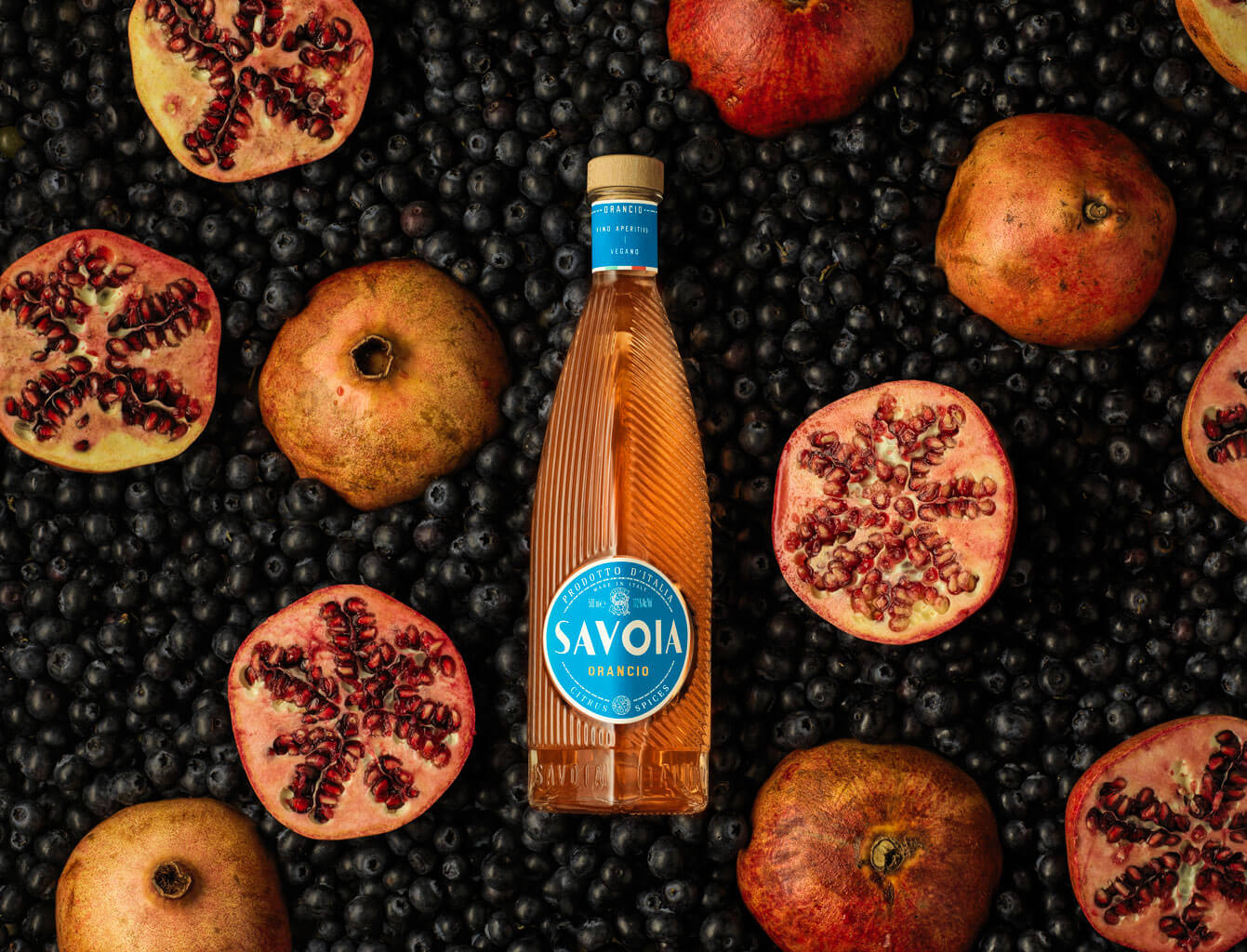

by David Klemt David Klemt No Comments

National Taco Day Makes its Move

National Taco Day Makes its Move

by David Klemt

A closeup photograph of four street tacos with meat, onions, and cilantro in soft corn tortillas

I call this a good start.

I don’t know how to break this to you, so I’m just going to say it: National Taco Day, one of the world’s most important holidays, has made a big move.

For the past 15 years, National Taco Day has been celebrated on October 4. That means that since its inception, the annual holiday that celebrates the taco has only fallen on a Taco Tuesday three times.

In fact, it didn’t even fall on Taco Tuesday until its third year, in 2011. National Taco Day didn’t repeat the feat again until 2016, and then 2022. Had the date remained the same in perpetuity, we wouldn’t get another National Taco Day on a Taco Tuesday until 2028 at the earliest.

Starting this year—in a week and a half, in fact—National Taco Day will fall on the first Tuesday in October.

I’m going to share my thought process after I first found out about this news.

How did I learn about this massive change? Via a post by Smirnoff. You see, National Taco Day and National Vodka Day have been linked since they each first launched in 2009.


View this post on Instagram


A post shared by Smirnoff (@smirnoff)

It seems that Smirnoff is none too pleased with this news, though they’ll reunite with National Taco Day in 2028.

My first reaction was “I can’t believe this is news,” for a few seconds. That evolved into “I can’t believe this took so long to resolve” rather quickly.

And then I told the KRG Hospitality team about this news.

Finally!

I’ve always thought “Why isn’t National Taco Day always on a Taco Tuesday?” when the holiday has come around.

Finally, someone has acted to rectify this oversight; Taco Bell appealed to National Day Calendar to change the date. It may seem to trivial for a fast-food giant (or anyone else, for that matter) to petition to have a holiday’s date changed when it isn’t a legal holiday.

However, according to a Taco Bell press release addressing this National Taco Day news, it’s rare that National Day Calendar makes such a change. The release goes on to quote Marlo Anderson, the founder of National Day Calendar, which launched in 2013.

“For years, we’ve celebrated National Taco Day on October 4th, but it’s always felt like there was a bigger opportunity to align it with something even more special—Taco Tuesday,” said Anderson.

Interestingly, another fast food chain is credited with creating National Taco Day: Del Taco. Keeping the trivia going, “National” reportedly doesn’t actually pertain to any one country; it’s just what the holiday is called.

While this news is certainly another win for Taco Bell and their, well, obsession with Taco Tuesday (understandable, of course), it’s a win for everyone who loves tacos.

Operators need to pull out all the stops for October 1, the first of the newly revised National Taco Day celebrations. Task your kitchen team with creating LTO tacos, crafting a super-premium version of your signature taco if you have one, and ensuring there are vegetarian- and vegan-friendly options to appeal to every single taco-loving guest.

Let’s go all out!

Image: Jeswin Thomas on Unsplash

KRG Hospitality Contact Request for Proposal 30 Minute Discovery Session

Book Below to Setup a 30-Minute Complimentary Discovery Call and Request for Proposal.


by David Klemt David Klemt No Comments

Innovations in Deep Frying: New Tech

Innovations in Deep Frying: New Technologies

by Nathen Dubé

An AI-generated image of a sci-fi deep fryer flying at hyperspeed through space

If you’re deep fryer can do this, you win. At what? Everything.

Deep frying has long been a cornerstone of culinary practices, delivering crispy and flavorful dishes that delight guests, and it’s ready for innovation.

Traditional frying methods can be inefficient, costly, and environmentally unfriendly. The evolution of deep frying technology in modern kitchens has focused on addressing these issues by enhancing efficiency, reducing oil usage, and promoting sustainability.

Let’s explore the latest innovations in deep frying, focusing on oil-conserving fryers and new technologies that are transforming the industry.

Oil-Conserving Fryers and Their Benefits

Oil-conserving fryers represent a significant advancement in kitchen technology. These modern fryers are designed to reduce oil usage and operational costs while maintaining high-quality frying standards.

By optimizing the use of oil, these fryers help restaurant operators lower their expenses and minimize waste, making them an attractive option for eco-conscious businesses, and those looking to improve their bottom line.

How These Fryers Reduce Oil Usage

Oil-conserving fryers achieve their efficiency through several mechanisms.

They often feature advanced filtration systems that keep the oil cleaner for longer periods, reducing the frequency of oil changes. Efficient oil circulation methods ensure that heat is distributed evenly, which not only improves cooking consistency but also extends the oil’s usable life.

Precise temperature controls prevent the oil from overheating and breaking down, further conserving this valuable resource.

Overview of Their Role in Modern Culinary Practices

In modern culinary practices, oil-conserving fryers play a crucial role in enhancing both operational efficiency and sustainability. They allow chefs to produce high-quality fried foods with less oil, reducing costs and environmental impact.

These fryers are particularly valuable in high-volume settings such as fast-food chains, casual dining establishments, and catering operations, where oil usage is typically high.

Key Features of Modern Fryers

Advanced Filtration Systems to Maintain Oil Quality

One of the standout features of modern oil-conserving fryers is their advanced filtration systems. These systems filter out food particles and debris continuously, keeping the oil clean and extending its life.

This not only reduces waste but also ensures that the food maintains a consistent taste and texture.

Efficient Oil Circulation Methods for Consistent Cooking

Efficient oil circulation is essential for consistent cooking. Modern fryers are designed to circulate oil evenly around the food, preventing hot spots and ensuring uniform cooking.

This technology helps achieve perfect results every time, whether frying chicken, French fries, or other popular items.

Temperature Controls for Precise Frying and Energy Efficiency

Precise temperature controls are another critical feature of modern fryers. These controls allow chefs to set and maintain the exact temperature needed for different foods, ensuring optimal cooking conditions.

By preventing overheating, these controls also enhance energy efficiency, and prolong the life of the oil.

New Technologies in Deep Frying

Introduction to Low-Oil Volume Fryers and Their Advantages

Low-oil volume fryers are a recent innovation designed to use significantly less oil than traditional fryers. These fryers maintain high performance while reducing the amount of oil required, leading to lower operational costs and less waste.

They are ideal for small to medium-sized establishments looking to improve their sustainability without compromising on food quality.

The Concept and Benefits of Pressure Frying

Pressure frying is another innovative technology that has gained popularity in commercial kitchens.

This method uses a sealed environment to cook food at higher pressures and temperatures, resulting in faster cooking times, and less oil absorption. Pressure frying not only produces crispier and juicier food but also enhances energy efficiency, and reduces oil consumption.

Smart Automation: Integration of Technology for Ease of Use and Consistency

Smart automation is revolutionizing the way commercial kitchens operate. Modern fryers equipped with smart technology can automate various aspects of the frying process, from maintaining oil quality to adjusting cooking times and temperatures.

These automated systems ensure consistency, reduce the margin for human error, and free up staff to focus on other tasks.

Health and Environmental Benefits

Reduced Oil Absorption in Food for Healthier Outcomes

Innovative frying technologies contribute to healthier food by reducing oil absorption. Low-oil volume and pressure fryers, in particular, produce fried foods that are less greasy, and lower in fat.

This health benefit is increasingly important as consumers become more health-conscious, and demand healthier menu options.

Decreased Waste Generation and Its Positive Environmental Impact

Reducing oil usage and waste generation has significant environmental benefits. By extending the life of frying oil and using less of it overall, oil-conserving fryers help decrease the volume of waste oil that needs disposal.

This reduction in waste contributes to a smaller environmental footprint, and supports more sustainable kitchen practices.

The Role of Innovative Fryers in Promoting Sustainable Cooking Practices

Innovative fryers are at the forefront of promoting sustainable cooking practices. By conserving resources and minimizing waste, these technologies align with the growing trend toward sustainability in the food industry.

Restaurants that adopt these practices can not only reduce their environmental impact but also appeal to environmentally conscious guests.

Insights on the Future of Frying Technologies and Industry Trends

The future of frying technologies looks promising, with ongoing innovations aimed at further improving efficiency and sustainability.

Industry trends indicate a continued focus on reducing environmental impact and enhancing food quality, with smart automation playing an increasingly important role.

Practical Tips for Choosing and Using Fryers

Key Considerations for Selecting the Right Fryer for Your Kitchen

Choosing the right fryer for your kitchen involves several considerations, including the volume of food you need to produce, the type of food you serve, and your budget.

It’s essential to evaluate the features and capabilities of different fryers to find one that meets your specific needs.

Best Practices for Maintaining Fryers to Extend Their Lifespan and Efficiency

Proper maintenance is crucial for extending the lifespan and efficiency of your fryer.

Cleaning and filtering the oil regularly, checking and calibrating temperature controls, and performing routine inspections are all vital practices. Following the manufacturer’s maintenance guidelines will help ensure optimal performance.

Importance of Staff Training to Maximize the Benefits of New Technologies

Staff training is essential to maximize the benefits of new frying technologies.

Ensure that your kitchen staff are well trained in operating and maintaining the equipment. Regular training sessions can keep staff updated on best practices and new features, helping to improve efficiency and food quality.

Conclusion

The advantages of oil-conserving fryers and new frying technologies are clear: these innovations offer significant cost savings, improved food quality, and enhanced sustainability.

Adopting these advanced solutions make it possible for restaurants to reduce their operational costs, minimize their environmental impact, and provide healthier menu options. As the industry continues to evolve, it’s crucial for restaurant owners and chefs to stay informed about the latest technologies, and invest in equipment that supports their business goals and values.

In conclusion, adopting innovative frying technologies is not just a trend but a smart business decision. The benefits of reduced oil usage, improved efficiency, and enhanced sustainability make these technologies a valuable addition to any commercial kitchen.

By prioritizing the integration of these advanced fryers, restaurants can achieve greater success, and contribute to a healthier and more sustainable food industry.

Image: Microsoft Designer

KRG Hospitality Contact Request for Proposal 30 Minute Discovery Session

Book Below to Setup a 30-Minute Complimentary Discovery Call and Request for Proposal.
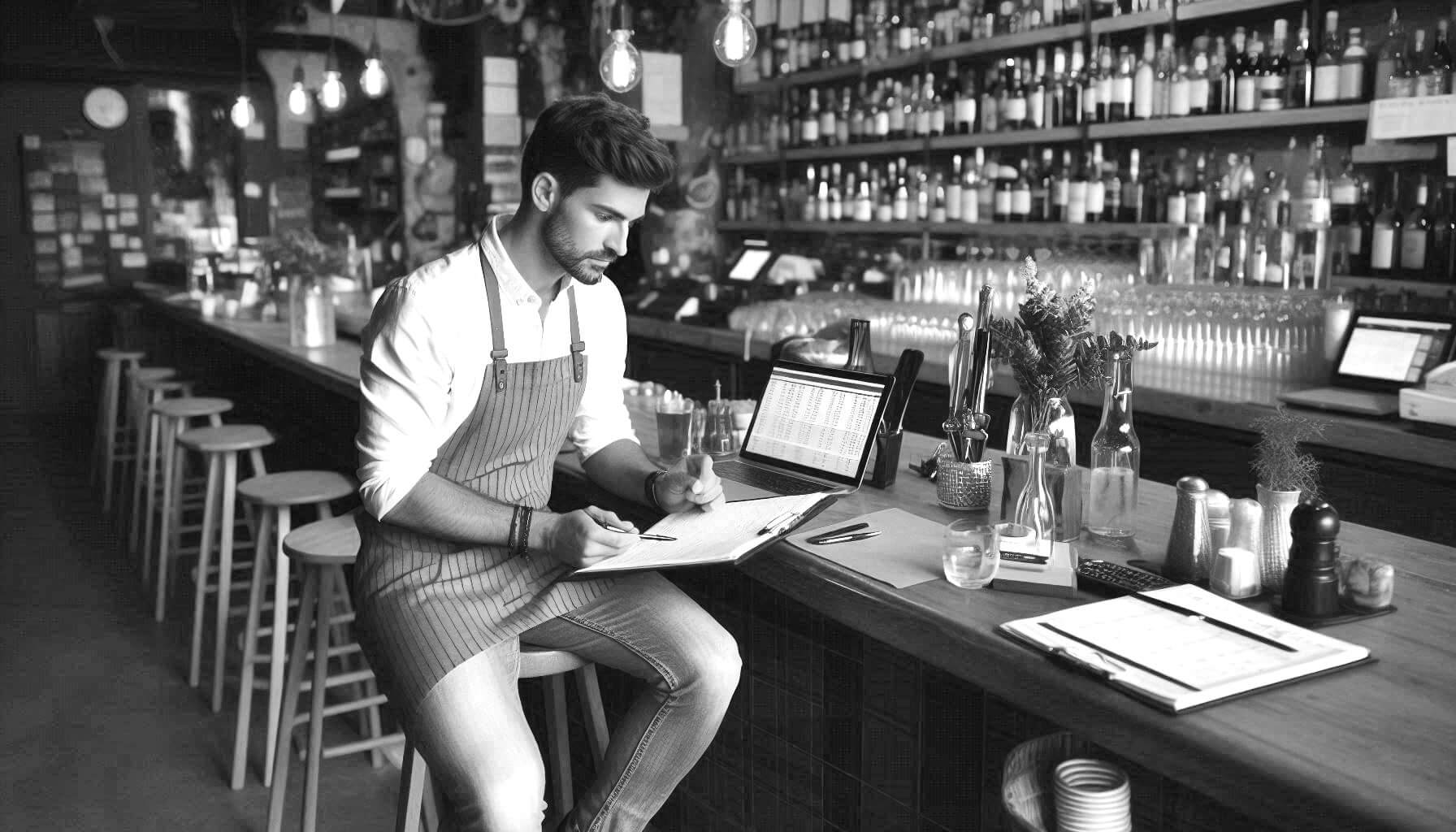

by David Klemt David Klemt No Comments

The 2024 Datassential 500

How Does the 2024 Datassential 500 Shake Out?

by David Klemt

Stainless steel address numbers spelling out the number 500

The annual Datassential 500 ranking is a valuable report that identifies industry leaders, the fastest growers, and segment performance.

Further, this yearly report shows the scale of restaurant business in the US. In a word, it’s gargantuan.

Looking at 2023 data, the top 500 chains in the US operated 238,152 units. And those 238,000-plus restaurants generated $417.13 billion in 2023.

For the former, that’s growth of 2.1 percent in comparison to 2022. And for the latter, the top 500 grew by 7.5 percent compared to last year.

Those numbers are from just 500 chains; the report doesn’t take into account other chains or independent operators. When we add all dining and drinking establishments in the US, the industry generated $1.09 trillion in 2023.

Again, the US restaurant business is a colossus.

Perhaps unsurprisingly, limited-service and quick-service restaurants are the top-performing segments by unit within the Datassential 500. In 2023, the LSR segment consisted of 212,469, and unit growth was up by 2.3 percent. The QSR segment reached 170,241, representing unit growth of 1.9 percent.

In fact, every segment but one saw unit growth in 2023. One may assume the segment that slipped was fine dining. That’s usually a safe bet, but the segment actually saw the most growth. It was midscale restaurants that suffered a bit of a blow, shrinking by 0.1 percent.

That means that LSRs, QSRs, full-service restaurants (FSRs), fast casual, casual dining, and fine dining all grew. Further, that growth ranged from 0.3 percent (FSR) to 4.6 percent (fine dining).

There are many more insights, so I encourage anyone interested to download the report for themselves.

Segment Shakedown

Before we jump into the top US chains, let’s take a look at how the categories break down.

Type of Cuisine

  • American: 88
  • Pizza: 70
  • Desserts & Snacks: 69
  • Sandwich: 47
  • Coffee: 47
  • Burger: 37
  • Mexican: 36
  • Salad & Healthy: 31
  • Southern: 24
  • Asian: 22
  • BBQ: 12
  • Steakhouse: 11
  • Italian: 9
  • Seafood: 9
  • Greek & Mediterranean: 9

Growth by Segment: Unit (LSR)

  • Salad/Healthy: +11.2%
  • Coffee: +5.9%
  • Other: +4.6%
  • Dessert/Snack: +4.3%
  • Mexican: +3.0%
  • Chicken: +2.9%
  • Pizza: +1.6%
  • Bakery-Cafe: +0.8%
  • Sandwich: -0.4%
  • Burger: -0.4%

As we can see, Salad/Healthy LSRs saw almost double the growth by unit than the next-largest segment, Coffee.

Further, Sandwich and Burger shrunk slightly.

Growth by Segment: Unit (FSR)

  • Regional/Ethnic: +7.6%
  • Sports Bar: +3.8%
  • Midscale: +0.3%
  • Seafood/Steak: +0.1%
  • Italian/Pizza: -0.9%
  • American: -2.0%

Regional and ethnic full-size restaurants saw the most growth. In fact, they grew by twice the amount of sports bars, and several times more than midscale FSRs.

Growth by Segment: Sales

  • Limited-Service Restaurant: $338.18 billion (+8.1%)
  • Quick-Service Restaurant: $263.48 billion (+8.0%)
  • Full-Service Restaurant: $78.95 billion (+5.0%)
  • Fast-Casual Restaurant: $74.70 billion (+8.6%)
  • Casual-Dining Restaurant: $55.57 billion (+4.8%)
  • Midscale Restaurant: $20.05 billion (+4.5%)
  • Fine-Dining Restaurant: $3.33 billion (+10.7%)

The good news is that every segment saw sales growth in 2022, with Fine Dining and Fast Casual experiencing the biggest increases.

Of course, that’s relative. Fine Dining generated just $3.33 billion in comparison to LSRs, which generated more than $338 billion.

Still, positive growth is always great to see.

Growth by Segment: Sales (LSR)

  • Salad/Healthy: +17.0%
  • Chicken: +11.9%
  • Dessert/Snack: +10.1%
  • Coffee: +9.8%
  • Other: +9.3%
  • Mexican: +9.1%
  • Burger: +7.5%
  • Sandwich: +7.2%
  • Bakery-Cafe: +1.8%
  • Pizza: +1.6%

Not only did Salad/Healthy lead the way in LSR unit growth in 2023, it’s the top performer in terms of sales.

Again, the good news is that the Datassential 500 saw LSR sales growth across the board.

Growth by Segment: Sales (FSR)

  • Regional/Ethnic: +10.2%
  • Seafood/Steak: +6.7%
  • Midscale: +5.2%
  • Italian/Pizza: +4.2%
  • American: +3.8%
  • Sports Bar: +3.2%

As far as FSR performance, every segment experienced growth, with Regional/Ethnic leading the charge.

The Top 5(00)

So, which US chains are at the top? Well, an accurate answer depends on segment, number of units, and sales.

Oh, and it also depends on whether we’re talking about which chains Datassential have identified as industry leaders, and which are the fastest growers.

Industry Leaders

According to Datassential, the top five US chains by number of stores are Subway (20,133), Starbucks (16,346), McDonald’s (13,449), Dunkin’ (9,580), and Taco Bell (7,405).

However, that ranking changes a bit when we look at through the lens of sales. In that case, the top five are McDonald’s ($52.91 billion), Starbucks ($29.98 billion), Chick-fil-A ($21.58 billion), Taco Bell ($13.95 billion), and Wendy’s ($12.29 billion).

Those are the industry stalwarts. How do the fastest-growing US chains stack up?

Fastest Growers

Looking at unit growth over the span of one year, the top performers in the US are 7 Brew (+373.7 percent), The Peach Cobbler Factory (+358.3 percent), Hangry Joe’s Hot Chicken (+281.8 percent), KPOT Korean BBQ & Hot Pot (+275.0 percent), and Foxtail Coffee Co (+176.2 percent).

Switching gears to sales growth over a single year, Hangry Joe’s Hot Chicken led the way, growing by more than 500 percent. Hangry Joe’s is followed by The Peach Cobbler Factory (+332.5% percent), Nick The Greek (+304.7 percent), 7 Brew (+267.3 percent), and Pizza King Inc (+264.7 percent).

However, Datassential gets more granular in their 2024 report, breaking down the top five across multiple segments.

Top Ranked By Unit (Overall)

Top 5: Quick Service

  1. Subway
  2. McDonald’s
  3. Dunkin’
  4. Taco Bell
  5. Domino’s Pizza

Top 5: Fast Casual

  1. Starbucks
  2. Chipotle
  3. Panera Bread
  4. Wingstop
  5. Tropical Smoothie Cafe

Top 5: Midscale

  1. Waffle House
  2. IHOP
  3. Denny’s
  4. Cracker Barrel
  5. First Watch

Top 5: Casual & Fine Dining

  1. Applebee’s
  2. Buffalo Wild Wings
  3. Chili’s
  4. Olive Garden
  5. Outback

Top Ranked By Unit (Growth)

Top 5: Quick Service

  1. 7 Brew
  2. The Peach Cobbler Factory
  3. Foxtail Coffee Co
  4. Cupbop
  5. Swig

Top 5: Fast Casual

  1. Hangry Joes Hot Chicken
  2. Just Love Coffee Cafe
  3. The Great Greek Mediterranean Grill
  4. Nautical Bowls
  5. Ellianos Coffee Co

Top 5: Midscale

  1. Snooze Restaurant
  2. Eggs Up Grill
  3. Kura Sushi Bar
  4. Another Broken Egg Cafe
  5. Maple Street Biscuit Co.

Top 5: Casual & Fine Dining

  1. KPOT Korean BBQ & Hot Pot
  2. Topgolf
  3. The Juicy Crab
  4. Jinya Ramen Bar
  5. Hopdoddy Burger Bar

There are many more insights to be had, so please consider downloading your own copy of the 2024 Datassential 500 report here.

Image: Thiago Giardini via Pexels

KRG Hospitality Contact 60-Minute Impact Session

Looking to Start, Stabilize, or Scale? Book Below to Setup a 60-Minute Result-Driven Impact Session.


by David Klemt David Klemt No Comments

Balancing Menu Creativity with Preferences

Menu Design: Balancing Creativity and Guest Preferences

by Nathen Dubé

An AI-generated image of a chef-owner and head chef reviewing a restaurant menu

Note: AI-generated image.

A menu is not just a list of dishes; it’s a strategic tool that influences guest choices, enhances the dining experience, and maximizes sales.

Therefore, a well-designed menu is a crucial component of a restaurant’s success.

Come along with me and we’ll explore the principles of effective menu design, balancing creativity with guest preferences, and the role of menu psychology in driving decisions.

Key Principles of Effective Menu Design

Layout and Structure

The foundation of a great menu lies in its layout and structure. Organizing menu items logically—grouping appetizers, mains, desserts, and beverages into distinct sections—guides guests through their dining journey.

This structure helps in creating a seamless experience where guests can find what they are looking for easily. Subsections like “vegetarian,” “seafood,” or “grilled” can further refine the selection process.

Logical organization not only aids in navigation but also enhances the overall dining experience by reducing decision fatigue.

Item Placement

Item placement on the menu can have a significant impact on what guests decide to order.

The “Golden Triangle” concept suggests that guests’ eyes typically first gravitate to the center, then the top right, and finally, the top left of the menu. Placing high-margin items in these areas can drive sales.

Additionally, highlighting signature dishes and specials in these prime spots can make them more appealing. Strategic placement is essential for maximizing the visibility of certain items, encouraging guests to order the dishes that are most profitable or unique.

Readability

A menu should be easy to read and visually appealing. Choosing appropriate fonts and sizes ensures that the text is legible in various lighting conditions.

A key factor to bear in mind is maintaining clear spacing between items to prevent the menu from looking cluttered and overwhelming.

Ensuring the clarity and ease of reading is vital; if a guest struggles to read the menu, it detracts from their dining experience. Effective readability involves the thoughtful selection of fonts, sizes, and spacing to create a harmonious and inviting look.

Balancing Creativity and Guest Preferences

Creative Culinary Expression

A menu is an opportunity to showcase the chef’s creativity and culinary expertise. Innovative dishes that use unique ingredients or cooking techniques can set a restaurant apart from its competitors.

Creativity is crucial for developing a distinctive culinary identity, and offering guests an exciting and memorable dining experience.

However, it’s important to balance creativity with dishes that guests are familiar with and enjoy. Balancing innovation with tradition ensures that while the menu offers new and novel experiences, it also provides comfort and familiarity.

Popular Guest Preferences

To appeal to a broad audience, a menu should include a mix of creative dishes and popular favorites. Including familiar dishes alongside innovative options can cater to a wider audience, making everyone feel welcomed and valued.

Additionally, considering dietary restrictions and preferences is crucial. Offering vegetarian, vegan, gluten-free, and allergen-friendly options ensures that all guests can find something they love. Addressing dietary needs and preferences not only broadens the guest base but also demonstrates the restaurant’s commitment to inclusivity and guest satisfaction.

Market Trends

Staying updated with current culinary trends helps keep the menu fresh and exciting.

For instance, trends such as plant-based diets, sustainability, and ethnic fusion can attract trend-conscious diners. Incorporating these trends into the menu shows that the restaurant is contemporary and aware of its guests’ evolving tastes.

Aligning the menu with market trends can create a buzz and draw attention to the restaurant, enhancing its reputation as a forward-thinking and dynamic establishment.

The Role of Menu Psychology

Influencing Guest Choices

Menu psychology involves using strategic design and phrasing to influence what guests order.

Some effective techniques include strategic pricing methods like decoy pricing. This approach involves placing a high-priced item next to a mid-priced item to make the latter seem more reasonable. Another tactic is charm pricing, an approach that uses prices that end in “.99” to make them appear more attractive.

These subtle cues can guide guest decisions and encourage them to choose certain dishes. Understanding menu psychology allows restaurants to steer guests subtly towards higher-margin items without being overtly pushy.

Maximizing Sales

Highlighting profitable dishes with visual cues, such as boxes, borders, or bold text, can draw attention to these items. Descriptive language that evokes the senses can make dishes sound more appealing, and entice guests to try them.

For example, describing a dish as “succulent, slow-roasted pork with a caramelized apple glaze” creates a vivid image, and stimulates appetite.

Effective use of menu psychology can boost sales significantly, and enhance the dining experience by making the menu more engaging and enticing.

Enhancing Appeal with Descriptive Language and Visuals

Descriptive Language

Using evocative and sensory words to describe dishes can enhance their appeal. Highlighting unique ingredients, preparation methods, and the origin of the dish creates a story that resonates with guests.

Descriptive language adds depth and dimension to the menu, transforming it from a simple list of dishes into a narrative that engages the guest’s imagination. Phrases like “handcrafted,” “locally sourced,” and “artisanal” add a touch of sophistication and quality, making dishes sound more attractive and special.

Visuals

Including high-quality images or illustrations of key dishes can boost their appeal significantly. Visuals help guests imagine the dish, and can trigger an emotional response

A well-designed menu with complementary color schemes and design elements reinforces the restaurant’s theme, and creates a cohesive brand identity.

The use of appealing visuals can stimulate appetite, and make the decision-making process more enjoyable for guests, enhancing their overall dining experience.

Examples of Innovative Menus

Case Studies of Successful Menus

Analyzing menus from renowned restaurants provides valuable insights into successful design choices.

For instance, The French Laundry in California uses a minimalist menu design that emphasizes simplicity and elegance, allowing the focus to remain on the high-quality ingredients and sophisticated dishes.

Similarly, Nobu’s menu balances innovative Japanese-Peruvian fusion dishes with classic favorites, catering to a diverse clientele.

These examples illustrate how thoughtful menu design can enhance the dining experience, and create a distinctive brand identity.

Insights from Industry Experts

Menu design professionals and restaurateurs offer valuable best practices. Experts suggest evaluating and adapting the menu continuously to meet changing guest preferences and market trends.

Updating the menu regularly not only keeps it interesting for repeat guests but also allows for the introduction of seasonal ingredients and new culinary innovations.

Industry insights highlight the importance of flexibility and responsiveness in menu design, ensuring that the restaurant remains relevant and competitive.

Conclusion

A thoughtfully designed menu is a powerful tool in the restaurant industry. It balances creativity with guest preferences, uses psychology to influence choices, and enhances appeal through descriptive language and visuals.

Investing in effective menu design can enhance the dining experience, drive guest satisfaction, and boost sales. For restaurateurs, it’s an essential aspect of creating a successful and memorable dining establishment.

By understanding and implementing these principles, restaurant owners can craft menus that not only reflect their culinary vision but also resonate with their target audience, ensuring a winning formula for success.

A well-designed menu can transform the dining experience, making it more engaging, enjoyable, and, ultimately, profitable for the restaurant.

Image: Microsoft Designer

KRG Hospitality Contact Request for Proposal 30 Minute Discovery Session

Book Below to Setup a 30-Minute Complimentary Discovery Call and Request for Proposal.
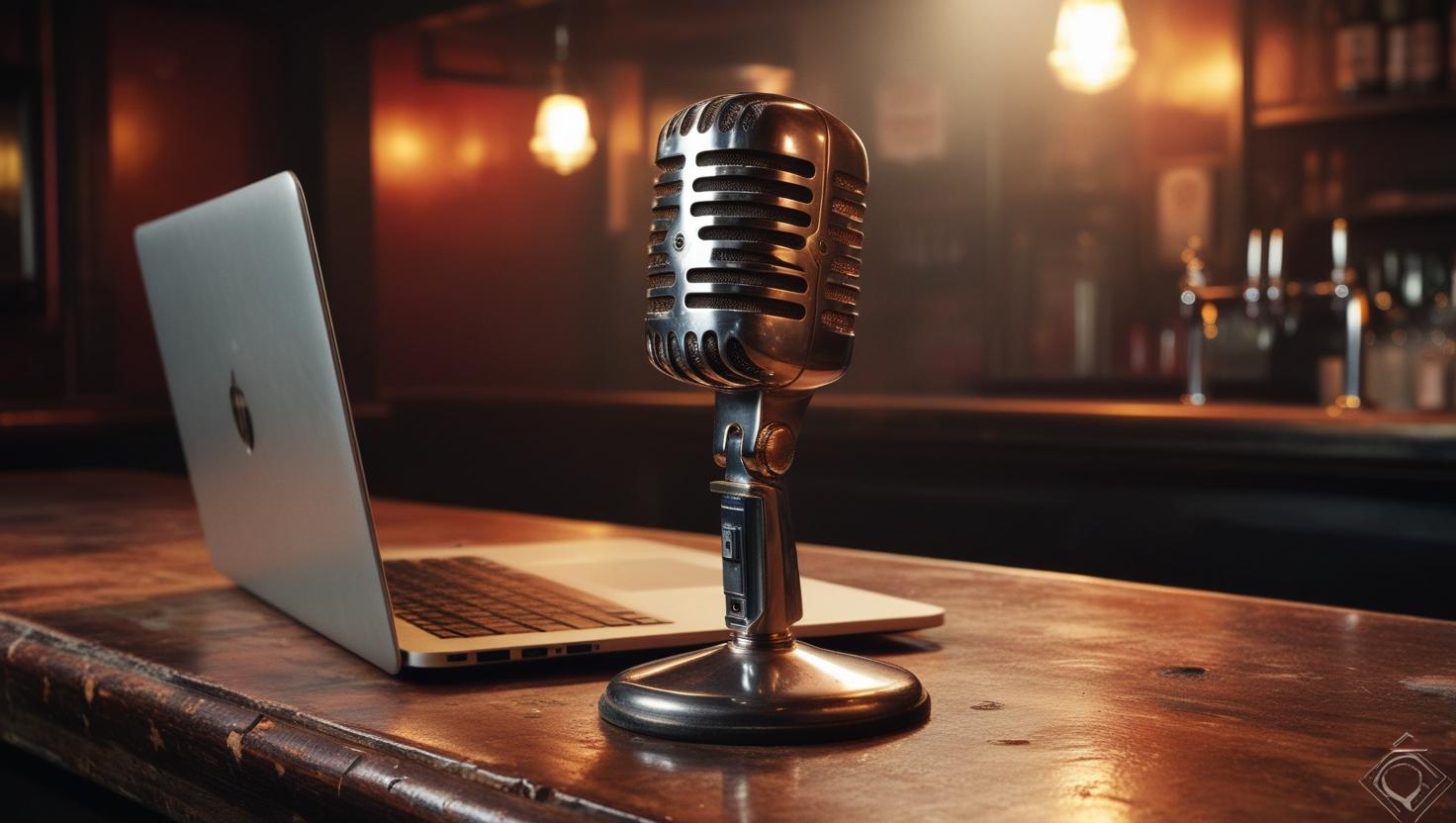

Top