
News

by David Klemt David Klemt No Comments

EEOC Clarifies Vaccine Stance

EEOC Clarifies Vaccine Stance

by David Klemt

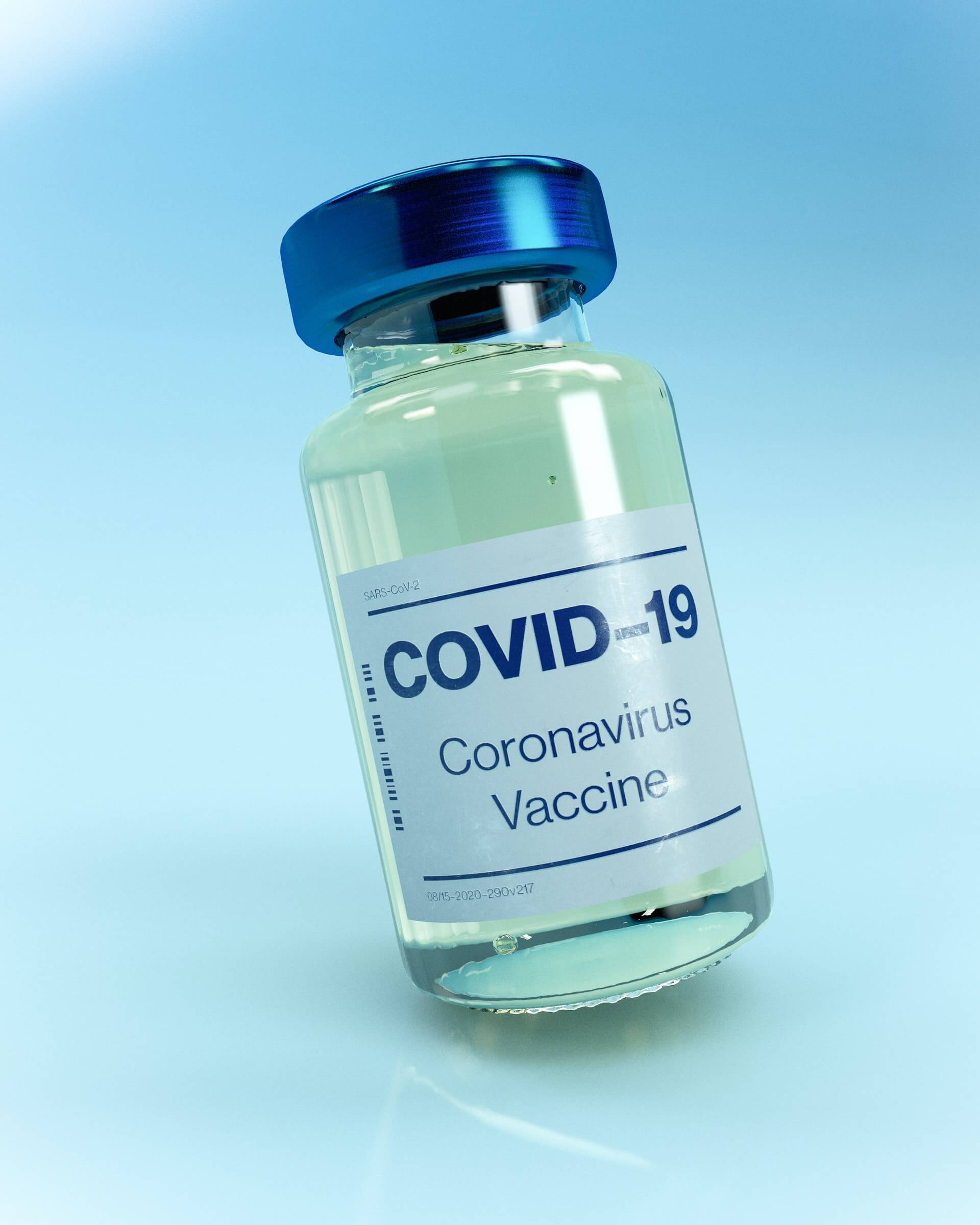
Covid-19 vaccine vial on blue background

American employers have the right to require Covid-19 vaccination as a condition of employment.

This is according to recent clarifications from the Equal Employment Opportunity Commission (EEOC).

Perhaps learning from yet more missteps from the Centers for Disease Control and Prevention, the EEOC is making their position clearer.

Requirements

Per the EEOC, requiring workers to get a Covid-19 vaccine doesn’t violate federal law.

However, an employer failing to provide “reasonable accommodation” in accordance with the Americans with Disabilities Act would be illegal.

According to the EEOC’s guidance update:

“Federal EEO laws do not prevent an employer from requiring all employees physically entering the workplace to be vaccinated for COVID-19, so long as employers comply with the reasonable accommodation provisions of the ADA and Title VII of the Civil Rights Act of 1964 and other EEO considerations. Other laws, not in EEOC’s jurisdiction, may place additional restrictions on employers.”

Additionally, employers who offer on-site vaccinations take on an additional responsibility. They must keep confidential any personal medical information gleaned during employee pre-vaccination screenings.

Of course, the agency’s guidance isn’t only for employers. Employees can access a fact sheet explaining pandemic-specific protections that are in place.

Incentives

The EEOC’s update also addresses the right for employers to offer employees vaccine incentives.

In short, the agency says incentives are legal as long as they’re not coercive. Of course, legal experts will argue that one person’s perception of coercion will differ from another’s.

Really, the only example the EEOC provides for what may constitute a coercive incentive is “a very large incentive” that may make an employee “feel pressured to disclose protected medical information.”

Per a survey by Arizona State University and the Rockefeller Foundation, two-thirds of employers plan to offer vaccination incentives rather than mandates. However, nearly half say they’ll implement mandates if incentives don’t work. Only one-third of survey respondents don’t plan to impose vaccination requirements on employees.

Challenges

Look, we all know America is a litigious society. Given that, it shouldn’t come as a surprise that some states have already banned vaccine requirements and passports.

Nor should it be a shock that lawsuits have been filed by employees challenging the legality of vaccine requirements. At least half of US states have introduced bills seeking to seek to limit COVID-19 vaccine mandates.

Operators have a lot to consider when it comes to vaccine requirements and incentives. For example, offering the incentive that fully vaccinated employees can go maskless at work while non-vaccinated workers must wear masks can be a form of discrimination.

Beyond legal challenges, operators must also contend with public perception and backlash. With the divisions plaguing America currently, operators have a lot to think about before requiring Covid-19 vaccines for employees. While some guests will view such requirements as a responsible move that protects employees, guests and the public, others will see it as a massive violation of personal freedoms and a form of tyranny.

Truly, this is a time when operators must seriously draw on their leadership abilities, empathy, and emotional intelligence.

Clearly, the topics of vaccine requirements and vaccine incentives necessitate careful consideration. This is an important leadership moment that hinges on an operator’s understanding of their team, their guests, and the market in which they operate.

Do not make vaccine decisions lightly.

Disclaimer

This content is for informational purposes only, and should not be used as legal or other advice. This article does not constitute legal advice, nor does any information constitute a comprehensive or complete statement of the matters discussed or the law. This information is of a general nature and does not address the circumstances of a specific individual or entity. The reader of this information alone assumes the sole responsibility of evaluating the merits and risks associated with the use of any information before making any decisions based on such information.

Image: Daniel Schludi on Unsplash

by David Klemt David Klemt No Comments

State of the RRF: By the Numbers

State of the RRF: By the Numbers

by David Klemt

Wad of dollar bills with red rubber band

The “tale of the tape” of the Restaurant Revitalization Fund tells a clear story: the RRF needs an injection of tens of billions of dollars.

Clearly, $28.6 was nowhere near enough to award every eligible restaurant and bar with a grant.

In fact, the RRF would need at least another $50 billion to serve all eligible applicants.

The Numbers

First, the Small Business Administration is to be commended for setting up the RRF portal, making the application process clear, and handling applications well.

However, there’s one glaring issue with the RRF and the review and awards process. I’ll get to that in the next section.

Per the National Restaurant Association, more than 362,000 applications were submitted via the RRF portal.

In total, the applications add up to $75 billion in grant requests. Again, the RRF was funded by the government with $28.6 billion. It doesn’t take a mathematician to see that the fund was severely underfunded.

Controversy

Last week, a number of Republican members of Congress sent a letter to the SBA. The gist of their message was that the RRF’s closure was premature. Therefore, the group concluded, non-priority applicants wouldn’t receive grants or even have the opportunity to apply for grants.

In the letter, which can be reviewed here, the authors also took shots at Democrats, the Biden Administration, and undocumented immigrants.

Setting politics aside, the announcement of the RRF’s portal closure was inarguably premature. The application process was first opened on Monday, May 3. For the first 21 days, the SBA announced that while all eligible entities could apply, only priority applicants would be processed and awarded grants.

However, the RRF portal closed to applications on Monday, May 24…21 days after it first opened. The members of Congress who penned the letter to the SBA have a point: the SBA closed the RRF portal after only operating within the priority window.

Now What?

There’s no other way to put this: The RRF needs more funding.

Essentially, it needs twice the funding it had when it was first seeded. There’s zero guarantee that Congress will address this matter, but at least a handful of lawmakers are aware of the dire situation.

Two weeks ago, the NRA launched a petition urging the government to replenish the RRF. Of course, the RRF also needs to be reopened for applications, and the application process needs to be open to all eligible applicants.

There’s no promise the petition will achieve the desired result but we must do something. Click here to sign the petition and tell Congress the RRF needs to be replenished and reopened.

Image: Karolina Grabowska from Pexels

by David Klemt David Klemt No Comments

What the B.C. Restart Means for Operators

What the B.C. Restart Means for Operators

by David Klemt

The Next Step chalk concept with footprints

In news that’s not exactly surprising, the British Columbia “circuit breaker” expiration didn’t lead to a full reopening.

Instead, the province is launching the B.C. Restart plan.

Obviously, not returning to restriction-free restaurant and bar service is disappointing. However, the plan does give operators dates against which they can plan for staffing, inventory, and other aspects of running their businesses.

Of course, that’s only if officials execute the plan as-is.

Not Surprising

As B.C. operators are well aware, the expiration of the province’s “circuit breaker” doesn’t mean they can return to pre-pandemic operations. Clearly, it would’ve been helpful to the province’s hospitality operators for officials like Premier John Horgan to have made that clear last week.

Resources are razor thin and have been since the start of the pandemic and pandemic-driven shutdowns and restrictions. The more lead time officials can provide hospitality operators to prepare for changes to Covid-19 operational protocols, the better.

Let me say that again for any officials who may read this: Restaurant, bar and other hospitality businesses need more than a few days’ notice to prepare for rule changes.

As long as B.C. Restart targets are hit and numbers don’t head in the wrong direction, at least the new plan is clearer than last week’s expiration announcement.

Four-step Plan

B.C. Restart targets four dates that should remain in place as long as Covid-19 case, hospitalization and death rates remain low. Conversely, the province is seeking increases in adult vaccination rates (for dose one).

Unsurprisingly, the province is now in step one of the four-step B.C. Restart plan. The goal is to achieve a 60-percent dose-one vaccination rate among the province’s adult population. A mask mandate is in place provincewide, as are safety protocols like social distancing. Indoor and outdoor dining is restricted to a maximum of six people, with safety protocols.

The earliest date for step two to begin is June 15 and targets a 65-percent adult vaccination rate. B.C.’s mask mandate remains, as do business safety protocols and physical distancing measures. Interestingly, the province’s travel restrictions are removed.

Step three starts on June 1 at the earliest, targeting a 70-percent adult inoculation rate, low Covid-19 case rate, and decline in hospitalizations. Officials will announce new PPE and social distancing guidelines, organized indoor and outdoor gathering capacity will increase, and nightclubs and casinos will reopen (with capacity limits and safety protocols).

If all goes to plan, September 7 is the earliest start to step four, which targets a dose-one adult vaccination rate of more than 70 percent. B.C. will permit a return to “normal” social contact.

For Operators

Restaurant and bar operators—at the moment—should focus on steps one and two of B.C. Restart.

The reason is simple: During steps one and two, restaurants and bars must operate under the pre-circuit-breaker health and safety protocols.

So, operators must follow these rules for step one:

  • Indoor and outdoor dining capacity: 6 people
  • Liquor service curfew: 10:00 PM

And the following for step two:

  • Indoor and outdoor dining capacity: 6 people
  • Liquor service curfew: Midnight

Should things stay on track, step three will rescind the liquor service curfew, and there will be no group limit for indoor and outdoor dining.

Obviously, B.C. Restart isn’t what operators wanted when officials announced the expiration of the circuit breaker. However, the new plan does allow operators to plan ahead and gives us a glimpse of a light at the end of a very long, very erratic, very dark tunnel.

To review the plan in more detail, click here.

Image: Gerd Altmann from Pixabay

by David Klemt David Klemt No Comments

Remote Restaurant Workers are Here

Remote Restaurant Workers are Here

by David Klemt

Remote, work-from-home setup

When people think of working from home, rarely do they picture restaurant professionals working remotely.

Normally, people associate working from home with desk and cubicle jobs across an array of industries.

A newer technology company is trying to change that perception.

New Restaurant Tech

Bite Ninja seeks to match restaurants with remote workers to online ordering and drive-thru operations more efficient.

Let’s say your business has a drive-thru window. Obviously, someone has to work that window, meaning there are labor costs that accompany it.

As operators know, it’s difficult to recruit, hire and train right now. Some states point to the $300 federal boost to unemployment as a main culprit for the labor shortage restaurants are facing currently, announcing exits to the program.

According to Bite Ninja, remote workers are a feasible solution to labor and cost challenges (at least for some operations).

The tech company trains “Virtual Cashiers” and provides on-demand access to these remote workers.

Benefits

Per Bite Ninja, the company provides operators with several benefits. First and foremost, it would seem, is an answer to staffing challenges.

Obviously, if utilizing virtual cashiers costs less than recruiting, hiring, training and employing their counterpart, that’s a benefit. Another benefit? More staff is available to engage with and serve dining room and patio guests.

On the subject of no-call no-shows, the platform claims that simply doesn’t happen with their remote workers.

While not a solution for every operation, Bite Ninja also claims upsell averages of between $40 and $60 per shift. More importantly, the company says order accuracy through their virtual cashiers is nearly 100 percent. According to Bite Ninja, the average upsell per shift pays for a venue’s hired ninja. If that’s the case and virtual cashiers pay for themselves while making an operator more money, perhaps employees can see a pay bump.

Additionally, the company tracks some key metrics for their clients, including customer volume, order accuracy, and upsells.

KRG Hospitality Takeaway

We appreciate restaurant and bar tech that helps operators lower costs, increase profits, solve problems, improve the guest experience, and increase guest visit frequency.

However, we’re not fans of tech that eliminates a position from the industry and takes someone out of the workforce.

Bite Ninja isn’t a labor solution for every hospitality operation. For those who see the value in remote restaurant workers, at least the company isn’t building robots that eliminate one or more human jobs outright.

Image: Jonathan Kemper on Unsplash

by David Klemt David Klemt No Comments

California Announces Major Shift

California Announces Major Shift

by David Klemt

Face masks forming an X on a red background

California is planning for a major shift in Covid-19 protocols and there’s a date set against the state’s most recent announcement.

In three weeks, restaurants and bars will be able to return to pre-pandemic operations, essentially.

This stands in stark contrast to the Golden State’s initial response to the pandemic: they were the first to implement a shelter-in-place order officially.

California Covid-19 Numbers

Due to vaccination rates and other numbers, California plans to reopen completely on June 15.

As of the end of last week, California’s Covid-19 vaccination, infection and death rates are favorable. The numbers are driving the June 15 reopening.

For example, half of adult residents—those age 18 and up—in California are fully vaccinated. Nearly 70 percent have received at least a single vaccination dose.

The numbers are even higher for those who are at least 65 years of age:

  • Single dose: 90 percent
  • Full vaccination: 70 percent

California is achieving their numbers by vaccinating more than a quarter-million residents per day. Nearly 40 million doses of Covid-19 vaccines have been administered.

Most recently, the most-populous state in America is seeing a weekly Covid-19 infection case rate of approximately 1,200.

California Restaurants and Bars

What Covid-19 restrictions will California foodservice and drinking establishments operate under on June 15?

Not many.

There will be no capacity restrictions for indoor or outdoor service, nor social distancing requirements on-premise for guests. If there are no social distancing requirements, it stands to reason that guests will be able to move freely inside restaurants and bars.

However, California will follow—according to available information—the CDC’s most recent mask guidance. The agency’s recommendations pertain to those with full vaccinations.

Of course, operators still have the right to keep some or all of their own Covid-19 protocols in place. Indeed, some team members and guests may feel safer if masks and social distancing remain past June 15.

Operators who plan to maintain Covid-19 protocols need to provide staff and the public that information. Also, operators must keep in mind that guest-facing employees will be in the crosshairs if mask and distance requirements remain. It would be wise to set and announce vaccination and infection rates against the rescinding of such protocols and share those numbers.

Image: Solen Feyissa on Unsplash

by David Klemt David Klemt No Comments

Return of the Indoor Diners: B.C.

Return of the Indoor Diners: B.C.

by David Klemt

Vancouver, British Columbia, Canada skyline

Good news for operators, foodservice professionals and the public as British Columbia prepares for a return to indoor dining.

The ban on indoor dining is set to expire tomorrow, along with the rest of B.C.’s so-called “circuit breaker” restrictions.

However, it remains unclear still whether restaurants can throw their doors open and welcome guests first-thing Tuesday morning.

Confusion

Some operators and restaurant advocacy groups believe the restriction on indoor dining expires at 11:59 PM tonight.

It follows, in their opinion, that the expiration means operators can offer indoor service the following morning, Tuesday, May 25.

Of course, it’s never that cut and dry, is it?

Much like the CDC’s recent update to mask and social distancing recommendations in America, B.C.’s restaurant restrictions are only causing confusion.

While the “circuit breaker” restrictions put in place back in March are set to expire, Premier John Horgan and other officials haven’t made it clear if more restrictions will be put in place.

Additionally, restaurant and other hospitality operators haven’t been given much notice. They’re simply aware that current restrictions expire before midnight tonight.

Consistently Inconsistent

It’s never great to feel like you’re on the back foot. Unfortunately, operators still don’t receive much in the way of a heads up when rules and recommendations change.

Once again, officials and the public make it clear that they think restaurants and bars can simply flip a switch and return to regular service. Once again, the industry and its challenges are ignored.

When those with the power to impose restrictions are vague about what operators should expect after their rules expire, it makes it nearly impossible for operators to prepare properly for what comes next.

Should operators plan on an increase in traffic because they can once again fill their dining rooms? Will they need to prepare for 25-, 50- or 75-percent capacity restrictions? Are their going to be limits to outdoor dining, delivery, carryout and curbside pickup?

How much F&B and other products should they order, planning for a return to indoor dining or more restrictions? In terms of staffing, should operators plan to run with a skeleton or full crew?

Every one of those questions—and several more—have an impact on resources, revenue and survivability. When officials fail to provide all the necessary information when making important announcements, they only cause confusion and create more questions than answers. Too often, they foist their responsibilities onto business owners and the public.

There’s no excuse.

Preparation

Unfortunately, there’s no silver bullet to offer operators in this situation. They’ll need to monitor the situation in B.C. and await clear guidance from government officials pertaining to any upcoming restrictions.

Yet again given no meaningful notice, it’s going to be difficult for operators to plan to get the most out of this week and the near future.

Still, operators will want to give staff notice that they should plan to work. It’s less than ideal but operators should plan to schedule against a few possibilities: a new indoor dining ban, indoor dining with capacity restrictions, and a full return indoor dining.

One of these days, perhaps politicians will listen to our massive industry’s requests and serve us better.

Image: Aditya Chinchure on Unsplash

by krghospitality krghospitality No Comments

What in the CDC Guidance…?

What in the CDC Guidance…?

by David Klemt

Red neon sign question mark

The Centers for Disease Control and Prevention is once again offering Covid-19 guidance and this time it’s taking a sharp turn.

One big takeaway is that nobody was really expecting the agency’s abrupt and surprising advice.

Also, the CDC’s updates are confusing a lot of people. So much so, in fact, that the agency is “shaking up” communications personnel.

Changing Guidelines

Clearly, the CDC’s statements toward the end of last week are shocking. The agency caught states and businesses completely off guard.

Business owners, workers and the public are unsure how to interpret the CDC’s new advice. Unfortunately, that seems to indicate that perhaps the agency didn’t take the time to really dial in their message before addressing the nation.

We’ve dealt with constant shifts in guidance for more than a year now. There’s little wonder that so many Americans are experiencing Covid-19 fatigue and skepticism.

It’s fair to say that when the CDC announced updated guidelines last week, people threw their hands up in frustration.

Obviously, the messaging was haphazard since so many attempts at clarification have taken place over the course of just a few days.

So, what’s the agency saying now?

Vague at Best

Last Thursday, Dr. Rochelle Walensky, the current CDC director, said this:

“Anyone who is fully vaccinated can participate in indoor and outdoor activities, large or small, without wearing a mask or physical distancing. If you are fully vaccinated, you can start doing the things that you had stopped doing because of the pandemic.”

Which, okay—great. Seems like a simple bit of direction, right?

Obviously, no—not that simple. Yesterday, Dr. Walensky had to clarify the CDC’s newest guidance:

“This is not permission for widespread removal of masks. We were going to get to the point in the pandemic where the vaccinated could take off their masks.”

The Details, Kinda

In short, the new advice is aimed toward those who are fully vaccinated. To review, a person is considered to be fully vaccinated:

  • two weeks after receiving the second dose of a two-dose regimen (Pfizer, Moderna); or
  • two weeks after receiving a dose of a one-dose vaccine (Johnson & Johnson).

Last week, Dr. Walensky said that fully vaccinated people no longer needed to wear masks or practice social distancing outdoors or indoors. Of course, caveats followed immediately, leading many people to criticize the guidance as vague and, to put it bluntly, unhelpful.

The caveats? The fully vaccinated should still wear masks in crowded settings like airports, airplanes, buses and other public transportation, hospitals, homeless shelters. Also, they should continue following the guidance of their employers and local businesses.

Sifting Through the Confusion

In a nutshell, what the CDC is saying is that fully vaccinated people can return to a semblance of their normal pre-pandemic lives.

This is likely an attempt, however slap-dash or ham-fisted, to incentivize the unvaccinated to get their shots. It’s also probably another attempt at rebooting the economy.

One problem with this new guidance is that it’s vague. People still have questions, and the CDC appears to be fine with deferring to business owners. That means, once again, front-line workers have to police mask wearing and social distancing.

Our industry has been forced to shove staff into awkward and hostile situations and confrontations for over a year now. Shifting guidance and recommendations routinely give short shrift to this facet of working during the pandemic.

Another problem with the CDC’s latest guidance? We have no way of knowing who’s actually vaccinated. Because of this, many business owners are keeping mask and social distancing rules in place to protect their staff and guests. This is no doubt already leading to uncomfortable confrontations.

Staff who can’t get vaccinated for medical or religious reasons are also now being put at risk. Since we’re relying on the “honor system” regarding mask wearing and distancing, unvaccinated workers face greater risk of exposure from unvaccinated guests.

Lack of Industry-specific Guidance

We’re still learning about Covid-19. We’re still attempting to figure out best practices. And we’re still balancing the need to keep businesses open while protecting workers and the public.

But the CDC’s latest guidance isn’t helpful. Essentially, the agency is putting the onus of their recommendations on business owners and state and local policymakers. And, of course, the CDC hasn’t put forth specific guidance for restaurants, bars and other hospitality industry businesses.

The National Restaurant Association responded to the CDC’s update by saying that “restaurant operators have the option of determining how best to enforce the new guidance,” and that they wouldn’t be updating their own Covid-19 Operating Guidance just yet. Also, the NRA stated that operators would be wise to continue to work with state and local regulatory bodies to avoid falling afoul of any mandates.

Next Steps

Operators will now have to review their Covid-19 protocols, the guidance and rules in place in their local jurisdictions, and determine what’s required and what’s best for their staff. They should also consider doing the following:

  • Inform staff about mask, social distancing, and other Covid-19 protocols, whether they’re being kept in place, adjusted or rescinded.
  • Ask staff about their comfort levels in terms of serving guests who aren’t required to wear masks at all during their visits. It’s not just guest comfort that’s important.
  • Owners and managers need to let staff know they have their backs if they’ll be enforcing protocols.
  • Ownership and management must provethey’re backing up their teams. If operators think they’re facing labor challenges now, they’ll struggle even harder if they fail to back up workers who are tasked with informing guests that Covid protocols are in place.
  • Operators should make their protocols known—if they’re still in place—on social, their websites, via email, and in-person so there are no surprises when guests arrive.

Once again, business owners are left to deal with the aftermath of the CDC’s “recommendations.” Now more than ever, guest-facing staff need to be supported.

Image: Simone Secci on Unsplash

by David Klemt David Klemt No Comments

These States are Ending Federal Benefits

Which States are Ending Federal Benefits?

by David Klemt

One hundred dollar bills

So far, 22 states across America are planning to end the weekly $300-per-week federal boost to unemployment.

Some reports suggest a few states will opt out of federal unemployment benefits as early as June 12.

Obviously, that’s significantly earlier than the September 6 expiration the American Rescue Plan mandates.

Two Sides

Clearly, the impact opting out of the federal unemployment program is largely academic at this point. We won’t know if the move will lead to a boost in hiring across the country or simply plunge struggling Americans further into peril.

One side, those who support the exit, believe the move will jumpstart the economy and hiring.

In their view, the $300-per-week benefit is a disincentive for claimants to seek employment. That, in turn, is what’s fueling the current labor shortage.

“Incentives matter,” says Montana Governor Greg Gianforte. “And the vast expansion of federal unemployment benefits is now doing more harm than good.”

The opt-out by 15 states will impact 1-1.5 million people.

Now, the other side believes opting out is cruel and will make it even more difficult for drowning Americans to get their heads above water. As they see it, most jobless people are using state and federal unemployment programs correctly.

“Let’s not take our eye off the ball,” says President Joe Biden. “Families who are just trying to put food on the table, keep a roof over their head, they aren’t the problem.”

Hospitality Industry Struggles

Obviously, the $300-per-week benefit is often cited by operators as one of the main reasons they can’t fill available positions.

Unfortunately, the reality of the situation isn’t that simple. Scapegoats may be “convenient” but they’re also dangerous—they distract from real issues.

The pandemic, mass unemployment, and current labor shortage isn’t solely the product of unemployment payment enhancements. A significant portion of hospitality workers aren’t working for other reasons. Many are leaving the industry entirely due to an array of issues.

These include workplace culture, inequity, lack of diversity and inclusion, and earning a livable wage, many among others.

Sure, it’s convenient to point to and vilify one contributor to the hiring struggles operators are facing. However, it’s clear that the industry has long-term problems with which it must reckon. Things can’t continue as they were pre-pandemic if the industry is to reset, recover and thrive in a post-pandemic world.

States Ending Federal Benefits

Montana Gov. Gianforte is the first to announce a state would opt out of the federal unemployment program, causing a domino effect.

So far, the list of states exiting the program are:

  1. Alabama (June 19)
  2. Alaska (June 12)
  3. Arizona (July 10)
  4. Arkansas (June 26)
  5. Georgia (June 26)
  6. Idaho (June 19)
  7. Indiana (June 19)
  8. Iowa (June 12)
  9. Mississippi (June 12)
  10. Missouri (June 12)
  11. Montana (June 27)
  12. New Hampshire (June 19)
  13. North Dakota (June 19)
  14. Ohio (June 26)
  15. Oklahoma (June 26)
  16. South Carolina (June 30)
  17. South Dakota (June 26)
  18. Tennessee (July 3)
  19. Texas (June 26)
  20. Utah (June 26)
  21. West Virginia (June 19)
  22. Wyoming (June 19)

It’s likely that more states will join the exodus.

Update: There are 22 states opting out of the federal unemployment program as of May 20, 2021.

Image: Pepi Stojanovski on Unsplash

by David Klemt David Klemt No Comments

Las Vegas Ushers in Next Nightlife Era

Las Vegas Ushers in Next Nightlife Era

by David Klemt

Wynn Field Club at Allegiant Stadium in Las Vegas

After more than a year of shut downs and severe restrictions, Las Vegas nightlife groups are planning an epic comeback.

Between a recent nightlife group acquisition and a very Vegas approach to sports, the city is preparing to go full send for Summer 2021.

Add to that Governor Steve Sisolak’s plan to reopen Nevada on June 1 and things are finally looking up in America’s Playground.

Only in Vegas

It took more than seven decades for “modern” Las Vegas to get the city’s first major sports team.

No, I’m not counting the AFL, CFL, UFL or XFL teams as “major” in comparison to the NFL or other professional leagues.

First came the Vegas Golden Knights in 2018. The Las Vegas Aces followed a year later, and last year the city became the home of the Las Vegas Raiders.

Because Las Vegas can’t quite bring itself to do things like other cities, two of our arenas feature nightlife elements.

Golden (K)Nights

T-Mobile Arena, home of the Golden Knights, offers the 18,000 square-foot Hyde Lounge.

Run by SBE, the international hospitality and hotel group, Hyde sits atop the general seating area. Not only do guests get an amazing view of sports action, the venue is also open during concerts.

There are private “living rooms” and four bars inside Hyde at T-Mobile Arena. Also, being a Vegas nightlife venue, Hyde offers table service and drives the experience with DJs.

And, of course, there are views of the iconic Las Vegas Strip.

The Death Star

That brings us to Allegiant Stadium, the home of the Las Vegas Raiders, also known as the Death Star among locals.

Wynn Nightlife (two points for anyone who guesses which casino group they represent) is the Official Nightlife Partner and Official Gaming Partner of the Raiders.


View this post on Instagram


A post shared by Wynn Nightlife (@wynnnightlife)

The Vegas nightlife group is bringing Wynn Field Club to Allegiant’s north end zone—the entirety of the length of the north end zone. Wynn Field Club is an 11,000 square-foot nightlife “venue” that features 42 TVs, a 45,000-watt sound system, two DJ booths and—what else?—exclusivity, bottle service, and Wynn Nightlife DJs.

Also, I hear a Raiders game may break out during DJ sets and bottle popping…

TAO vs. Hakkasan?

Not anymore. Moving forward, it will be TAO plus Hakkasan.

One of the biggest nightlife battles is over as one titan, TAO Group, acquires another, Hakkasan Group.

The result isn’t just news for Las Vegas, though the two nightclub, dayclub and restaurant giants are most closely associated with the city.

TAO Group’s acquisition expands their incredible portfolio to an astounding 61 venues located in nearly two-dozen markets in five continents. Nine of the venues call Las Vegas home: TAO (of course), LAVO, OMNIA, JEWEL, Hakkasan, Marquee, Wet Republic, Beauty & Essex, and Casa Calavera.

Hakkasan Group will continue to operate Hakkasan, OMNIA, JEWEL, Wet Republic and Casa Calavera under the supervision of TAO Group.

Interestingly, Madison Square Garden Entertainment, the group constructing the MSG Sphere, acquired controlling interest in TAO Group in 2017. MSGE paid a reported $181 million for a 62.5 percent stake.

Back to Normal?

If anything, these developments seem to indicate that Las Vegas is on track to come back better than ever. Normal? Las Vegas can do better than that.

Las Vegas is set to re-establish its status as the world leader in nightlife in a post-pandemic world. Hyde Lounge and Wynn Field Club are perfect examples of how Vegas nightlife innovations redefine and then become the standards.

The nation—and the world—has a long way to go to recover from the pandemic. All glimmers of light near the end of a dark and twisted tunnel are welcome. It looks like the Strip’s legendary lights are shining brighter already.

Image: Anthony Mair

by krghospitality krghospitality No Comments

International Chain Slashes Menu

International Chain Slashes Menu

by David Klemt

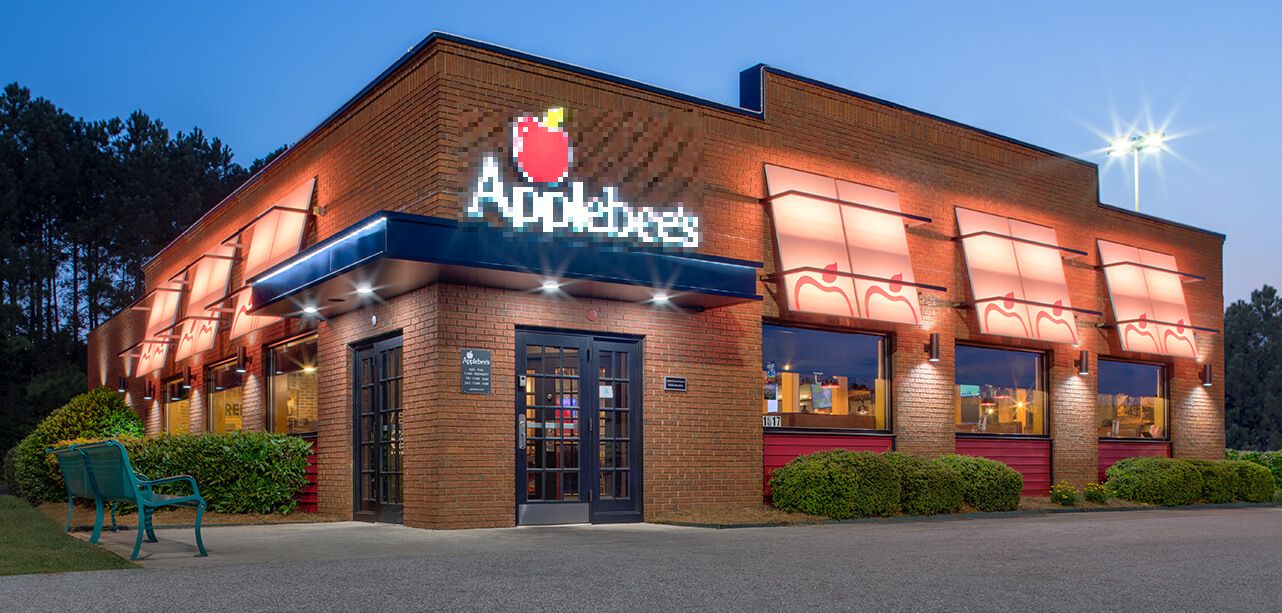
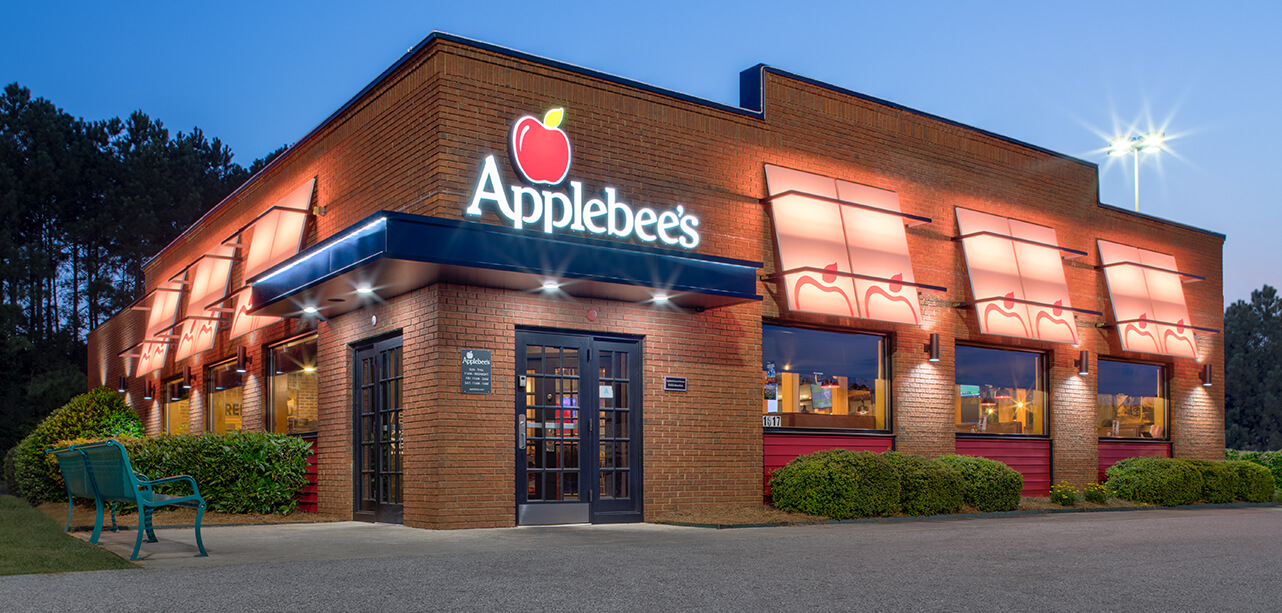
Applebee's Grill & Bar casual dining restaurant

If you’re curious as to whether “lean and mean” menus are here to stay as a result of the pandemic, look no further than one international chain.

Moving forward, Applebee’s Grill + Bar menus will be some 60 items lighter.

The chain’s menu will be 38 percent smaller, and the change is permanent.

Significant Overhaul

Of course, it isn’t like the Applebee’s menu is tiny now. At about 100 items, it’s still larger than most independent restaurant menus. For contrast, KRG Hospitality president Doug Radkey, in most cases, recommends 12- to 32-item food menus.

Still, the casual dining chain cutting 60 items permanently is a big move.

The decision is a direct result of the pandemic and the toll it took on Applebee’s and the industry overall. Unfortunately, like many operators big and small, chain and independent, the chain had to furlough staff. Lightening the menu made it easier for the chain to adapt and shift toward takeout and delivery.

Weak performers and complex items that affect efficiency are gone. According to John Cywinski, Applebee’s president, the decision means faster ticket times, more consistency, and better efficiency.

Among the 60 or so items that are no longer available: the triple cheeseburger, clam chowder, and BBQ brisket tacos.

Streamline Summer

The decision to eliminate dozens of complex and lagging items puts Applebee’s in a better position for Summer 2021, potentially.

Speaking with CNN Business, Cywinski said, “The team will have to be very thoughtful about every single product or beverage they introduce, and the consequence of it from a complexity standpoint.”

That thoughtful approach is crucial in large part because of Applebee’s new menu policy: When a new item comes onto the menu, an old item must go.

Accordingly, Applebee’s can remain innovative while avoiding once again inflating their menus.

With demand for social interaction, a return to normalcy, and in-person restaurant and bar visits set to explode, Applebee’s finds itself with a menu that’s nearly 40-percent smaller. That should make it simpler for the chain’s restaurant and bar teams to fill orders quickly, efficiently, and consistently.

Menu Refresh

Every operator needs to know their numbers. That doesn’t just mean costs and inventory, by the way.

Do you know the cook times for each food item on your menu? Do you know how many dishes you can make with a given ingredient? Is thoughtful cross-utilization an important element of your F&B operations?

The answers to those questions can help you identify bottlenecks in your operation and become more agile.

Another important question to consider: Do you know which menu items are your slowest sellers? If you do, answer this: Why are they still on your menu?

When you eliminate an item, yes, some guests will express their disappointment. You’ll have to weigh the costs of keeping a poor performer against freeing up resources by losing an item that rarely sells. You may even identify an item that you personally love but just doesn’t move. Again, you have to do what’s best for your bottom line.

You may not have 160 items on your menu. You may not have 100. That doesn’t mean you don’t have at least a handful of items that you can eliminate to reduce costs and increase revenue.

Image: Applebee’s Grill + Bar

by David Klemt David Klemt No Comments

Which States are Reopening this Summer?

Which States are Reopening this Summer?

by David Klemt

Grand re-opening sign

Around one-third of America’s population is vaccinated fully and some states are easing restrictions.

Per the CDC, not exactly America’s favorite agency, more than 40 percent of Americans have received one Covid-19 vaccine shot. Just over 30 percent have completed the vaccine process.

So, which states are planning to reopen fully for Summer 2021? We have a list of some of the states that have made their plans to reopen 100 percent known so far.

California

The Golden State plans to reopen fully on June 15. According to doctors at the University of California San Francisco, the state is nearing herd immunity. However, Governor Gavin Newsom’s target date relies on two criteria:

  • Vaccine supply must be sufficient enough “for Californians 16 years and older who wish to” receive inoculation.
  • Hospitalization rates must remain low and stable.

Illinois

Per Mayor Lori Lightfoot, the plan is for the city of Chicago to be open 100 percent by July 4. Of course, that means reopening fully right in time for one of the biggest celebratory holidays of the year. However, Governor J.B. Pritzker says Illinois could reopen in as early as the start or middle of June.

Nevada

Governor Steve Sisolak plans for Nevada to reopen fully on June 1. That said, casinos in the Silver State have a slightly different timeline. With the exception of nightclubs, dayclubs and live performances, casinos will open 100 percent June 4 if all requirements are met.

New York

According to Mayor Bill de Blasio, the plan is to reopen New York City on July 1. Governor Andrew Cuomo hopes to reopen New York State fully before that date.

Texas

Governor Greg Abbott opened the state 100 percent back in March. However, judges in the state’s 22 counties still have the authority to impose Covid-19 mitigation strategies. Hospitalization rates in a particular county rising above 15-percent hospital bed capacity for seven days would be a triggering event.

As the vaccine rollout continues, it’s likely we’ll see more states announce Summer 2021 reopening plans. Still, operators should proceed with caution and remain in compliance with state, county and local Covid-19 rules. This is, after all, a fluid situation.

There’s light at the end of the tunnel but now’s not the time to be complacent.

Image: Tim Mossholder on Unsplash

by David Klemt David Klemt No Comments

The Next Spirits Billionaire?

The Next Spirits Billionaire?

by David Klemt

Close-up of one hundred dollar bill

A recent deal involving a whiskey brand is set to help welcome another member to the exclusive Celebrity Spirits Billionaire’s Club.

Three-division UFC fighter. Two-division champion. Entrepreneur. Billionaire? Conor McGregor may add another comma to his bank account.

Proximo Spirits and Proper No. Twelve Irish Whiskey will continue their relationship long-term after agreeing to a nine-figure deal.

The terms of the Proper-Proximo agreement are confidential. However, the consensus is that Proper No. Twelve is going to make MMA star Conor McGregor a billionaire.

Money McGregor

One detail that isn’t exactly confidential is the overall value of the Proper-Proximo agreement.

McGregor and his business partners sold their majority stake in the popular Irish whiskey brand. It’s believed the deal is worth up to $600 million, or nearly €500 million.

However, how much of that $600 million is going to McGregor is unknown at this time.

To be clear, McGregor has a ways to go before he becomes a billionaire. Of course, he’s closer than most of us

Per reporting from The Irish Post, Proper No. Twelve is going to make McGregor the first billionaire Irish athlete.

“The terms of the agreement are confidential, however, the most important thing is Conor McGregor will remain a stakeholder of Proper No. Twelve, the brand that will make him a billionaire,” says Karen Kessler, a spokesperson for the former MMA champion.

Rapid Growth

It’s important to remember that Proper No. Twelve is just a few years old. That detail highlights the impressiveness of this deal.

Remember, Proper No. Twelve only launched in 2018. Since then, the brand has shipped over six million bottles. Proper No. Twelve is set to enter additional international markets moving forward.

Mike Keyes, president and CEO of Proximo Spirits, certainly seems to believe Proper No. Twelve isn’t “just another” celebrity spirits brand.

“It is rare to see a celebrity impact a brand the way Conor McGregor has Proper No. Twelve Irish Whiskey, and I have not seen many brands in the spirits industry catapult to this level of success in such a short period of time,” says Keyes. “This agreement is a vote of confidence in the incredible potential of this brand and a testament to the incredible work of Conor, Audie, Ken and the Proper No. Twelve team, as well as the efforts of Proximo and its distributors, who have all made this success possible.”

Celebrity Spirits Billionaire’s Club

Before proceeding, it must be mentioned that McGregor doesn’t consider himself a celebrity. According to him, “I’m not a celebrity. I break people’s faces for money and bounce.”

Regardless, the face-breaker money-maker is among an elite group of celebs with stakes in lucrative spirits brands.

We’re all well aware of George Clooney’s success with Casamigos, the brand he and his business partners sold for $700 million. There’s another $300 million in it for them if the brand hits performance goals over the next several years.

Diddy’s collaboration with Diageo, which includes CÎROC Vodka and DeLeón Tequila, is pumping up the artist and entrepreneur’s net worth. It seems quite likely that when he reaches billionaire status, it will be in no small part to the success of the Diageo brands.

Like McGregor, Ryan Reynolds got involved in spirits brand ownership in 2018. Retaining his ownership stake in Aviation Gin may catapult the actor, entrepreneur and social media slayer to billionaire status.

Jay Z is a wildly successful entrepreneur. In 2019, the empire he built made him a billionaire. Ace of Spades (Armand de Brignac) reportedly made Jay over $300 million midway through June 2019. D’USSE scored him an estimated $100 million. Jay Z launched luxury cannabis brand Monogram, sure to add much more to his net worth.

Why Should You Care?

Operators, their employees, and their friends and families continue to struggle in 2021. Our industry has fought endless battles. America’s operators just began the process of receiving specific relief yesterday.

So, it can be difficult to discuss the net worth of celebrities given what people are going through. The topic can come across as insensitive. That is by no means lost on me.

Were any of the brands in this post reliant solely on celebrity endorsement, I wouldn’t bother including them. The fact is, the success of these brands relies on consumer demand.

Celebrity endorsement only goes so far—if the product sucks, the shine will wear off and consumers will move on. And today’s consumer moves on quickly. There’s always something shinier, always a celebrity name with more gravitas.

Proper No. Twelve, Aviation, Casamigos, DeLeón, CÎROC, D’USSE, and Ace of Spades are past the honeymoon phase of brand adoption. Consumers have spoken, and these are among the brands they want and expect to see on menus. Your menus.

You certainly don’t need to stock these or any other celebrity brands. Just don’t be surprised if guests become frustrated if they can’t get them at your restaurant or bar.

That goes for any brand. Listen to your guests and what they’re asking for from you. Charge your front-of-house team with doing the same and encourage them to report back to you what they’re hearing from guests. One of the easiest ways to inspire repeat visits and refresh your menu is to simply listen.

Image: Photo by Giorgio Trovato on Unsplash

by David Klemt David Klemt No Comments

RRF Applications Open Monday

RRF Applications Open Monday

by David Klemt

Modern neon sign hanging in window

In long overdue but very welcome news, the Small Business Administration’s RRF portal opens to accept applications on Monday.

Operators and business owners will be able to register this Friday, April 30.

We definitely recommend doing so to make the application process simpler and (hopefully) less frustrating on Monday, May 3.

What You Need to Know

Mainly, the following: The SBA’s RRF portal link is https://restaurants.sba.gov. It would probably be a good idea to go ahead and bookmark that site now.

Alternately, operators using an SBA POS partner to apply. Partner systems include Clover, NCR, Square, and Toast.

Per the SBA, operators will be able to register via the website beginning at 9:00 AM EST on Friday. Again, it would be wise to plan on doing exactly that.

Anything that can be done to speed up the application process opening Monday should be done.

According to the SBA website, certain eligible entities will be given priority. For the first 21 days the application process is open, priority will be granted to small businesses with a minimum of 51 percent ownership by women, veterans or socially disadvantaged people.

However, all eligible owners and operators should register on Friday and apply on Monday. Doing should, in theory, help applicants secure their grants in a more timely manner.

RRF Preparation

The SBA’s Restaurant Revitalization Fund portal opens at noon ET on Monday. It’s best to prepare as much as possible as it’s likely applicants may find themselves in a queue depending upon traffic.

Operators can calculate their grant amounts with the following equations for applicants:

  • in operation prior to or on January 1, 2019: 2019 gross receipts minus 2020 gross receipts minus PPP loan amounts.
  • that began operations partially through 2019: (Average 2019 monthly gross receipts x 12) minus 2020 gross receipts minus PPP loan amounts.
  • who began operations on or between January 1, 2020 and March 10, 2021: Amount spent on eligible expenses between February 15, 2020 and March 11, 2021 minus 2020 gross receipts minus 2021 gross receipts (through March 11, 2021) minus PPP loan amounts
  • not yet opened but have incurred eligible expenses: Amount spent on eligible expenses between February 15, 2020 and March 11, 2021 minus 2020 gross receipts minus 2021 gross receipts (through March 11, 2021) minus PPP loan amounts

Note: Entities who began operations partially through 2019 may elect, at their own discretion, to use either calculation two, three or four above.

For further guidance and to prepare as much as possible, please click here for the SBA’s RRF guide, and click here to review the sample application.

The Independent Restaurant Coalition also has a handy checklist posted to Instagram:

Good luck!

Image: Prateek Katyal on Unsplash

by David Klemt David Klemt No Comments

Live Event Venues Can Apply for Relief

Live Event Venues Can Apply for Relief

by David Klemt

Bokeh photograph of condenser microphone

Live event venue and movie theater operators can once again apply for relief grants via a Small Business Administration portal today.

This is big and welcome news for businesses that are among the hardest-hit due to the pandemic. However, the portal has yet to open at the time of publication.

It remains to be seen if the issues plaguing the SBA’s portal are no more. It also casts some doubt on a glitch-free process for Restaurant Revitalization Fund applicants.

SVO Grant Portal Problems

Today’s reopening of the Shuttered Venue Operators Grant portal is nearly three weeks in the making. A message on the homepage states that the portal has undergone “rigorous testing” to prevent further issues.

On April 8, the day the website opened for applications, it was shut down due to a “technical glitch.” Applicants are now 18 days behind in terms of applying for and receiving relief.

Unfortunately, the delay is more bad news for live event and movie theater operators. The Economic Aid to Hard-Hit Small Businesses, Nonprofits, and Venues Act became law on December 27, 2020. That means more than 120 days will have passed just to open the application process today.

SVO Grant Details

The Shuttered Venue Operators Grant program contains more than $16 billion. There is a $10-million-dollar cap on single grants.

Importantly, eligible entities in operation on January 1, 2019, will receive grants equal to 45 percent of their 2019 gross earned revenue or $10 million. For eligible entities that began operation after January 1, 2019, grant amounts will be for the average monthly gross earned revenue for each full month of operation during 2019 multiplied by six or $10 million.

Eligible applicants include:

  • Live venue operators or promoters
  • Theatrical producers
  • Live performing arts organization operators
  • Museum operators
  • Motion picture theater operators, including owners
  • Talent representatives

Notable requirements include the following:

  • An eligible entity must have been in operation as of February 29, 2020; and
  • entities that received PPP loans on or after December 27, 2020, will have the SVO grant reduced by the PPP loan amount.

Be Ready

If you’re an operator applying for an SVO grant, be sure you’re ready to apply today.

There is a checklist for applicants on the SBA website. Click here to access and review it. There are several forms operators will need to fill out and include in their application, such as SBA Form 1623 and SBA Form 1711.

Necessary financial documents include 2019 tax returns for businesses in operation in 2019, 2020 tax returns for businesses that have filed 2020 taxes, and 2018 tax returns for non-profit applicants that have yet to end their 2020 fiscal year. Businesses that declared Chapter 11 or Chapter 13 bankruptcy must include pertinent documents.

Additionally, there are also business-specific documents required for live venue operators or promoters; theatrical producers; live performing arts organization operators; movie theater operators; and museum operators.

Image: israel palacio on Unsplash 

by David Klemt David Klemt No Comments

The Reality of Hiring Right Now

The Reality of Hiring Right Now

by David Klemt

Help Wanted sign taped in window

Operators can add recruitment, hiring and retention among to the growing list of challenges they’re facing due to the pandemic.

Labor struggles aren’t exactly a shock to the hospitality industry.

However, the speed with which the many stark predictions of labor shortages and challenges across North America has caught some by surprise.

Outlook: Brutal

Fast-casual to fine dining. Independent to chain. Regional hospitality group to multi-national powerhouse.

No operator, no concept, no market appears immune to today’s recruitment, hiring or retention challenges.

It’s not the only reason but the federal boost to unemployment is exacerbating the situation. Restaurant operators across America have been reporting that their workers are making more on unemployment than they would make returning to their jobs.

It’s likely the hiring situation won’t improve until the end of August or start of September; the federal boost to unemployment is set to expire on September 6.

Of course, that points to another glaring industry issue: livable wages and benefits.

The pandemic didn’t cause the labor shortage and hiring problem on its own, but it certainly hasn’t helped anything. Some operators throughout North America say they’ve been hunting for workers for all positions for months.

Incentives & Bonuses

Operators are fighting for workers. To many reading this, that’s not a surprise. However, many operators report fighting to even get candidates to show up for interviews.

Famously, one McDonald’s franchisee in Tampa, Florida, is using a $50 incentive for interviews. If a candidate manages to follow through and show up for their interview, they walk away with $50.

During a recent conversation with Chef Brian Duffy (which we’ll be releasing as episode 33 of the Bar Hacks podcast), interview incentives came up. While it’s no $50 bonus just for showing, Chef Duffy has offered candidates free lunch for appearing for their interviews. And yes, he still struggles.

Interestingly, appearance incentives don’t appear to be working. What does appear to be working? Increasing starting wages, referral programs, apply-via-text functionality, and all manner of signing and performance-based bonuses.

The bonuses run the gamut. Show up for all your shifts for three or four months and earn a $500 bonus. Paying down student loans. Fronting the bill for culinary school. One restaurant in Alabama is offering an SUV to their top-performing worker later this year.

In addition to bonuses, wages are seeing a boost. Jobs that would normally start at $12 to $15 per hour are now offering starting wages of $16 to $18 dollars per hour.

No matter how one slices it, the situation leads to cost hikes across the board for operators. When costs increase for operators, prices increase for consumers. Margins shrink, the old cycle continues, the industry struggles.

Reality Check

Now, it’s simple to blame the pandemic for the current situation. To say it’s not a major factor would be incredibly disingenuous.

That said, the struggle to find and keep workers is also a culmination of decades-long, industry-wide problems.

Lack of diversity, inclusion, equality, living wages, opportunities, and transparency; failure to address social issues; inexcusable, threatening, and outright illegal behavior… All of this and much more contributes to the industry’s hiring and retention challenges.

That’s a criminally shallow summary of the situation—I’m well aware. Doug Radkey, president of KRG Hospitality, addresses the need to review and reset the industry in his book Hacking the New Normal. He takes a deep dive into rejecting the status quo in this industry.

My point is that operators can’t blame their woes solely on the pandemic, absolving themselves of responsibility.

Operators must take a hard look at themselves and their operations, and ask difficult questions. Doing so can be uncomfortable. But neither positive change nor growth come from resting in the comfort zone.

Image: Tim Mossholder on Unsplash 

by David Klemt David Klemt No Comments

Nevada Mulling Cannabis Lounges

Nevada Mulling Cannabis Lounges

by David Klemt

Pink alarm clock that reads 4:20

Nevada, Las Vegas in particular, has long been at the forefront of hospitality and guest experiences.

This includes cannabis tourism.

Two new bills seek to make public cannabis consumption legal in the Silver State.

Current Cannabis Consumption Laws

Contrary to popular belief, it’s illegal to consume cannabis in public in Nevada. Many tourists, however, seem to believe the opposite is true.

This isn’t new to Las Vegas locals; there are still people who think anything goes in Sin City. There are still people who think brothels and prostitution are legal in Las Vegas, after all. Why would weed not be subject to rumor and innuendo?

The reality of recerational cannabis consumption in Nevada—so this includes Las Vegas—is as follows:

  • A person must consume cannabis on private property. The property owner must grant permission.
  • It’s illegal for the driver or passenger(s) in a moving vehicle to consume cannabis.
  • It’s illegal to operate a moving vehicle under the influence of cannabis.
  • Adults 21 years and older may legally possess up to one ounce (28 grams) of cannabis edibles, flower, or topicals, as well as 3.5 grams of cannabis concentrates.
  • Adults 21 years and older may purchase cannabis from licensed retailers or a Nevada dispensary. Nobody may purchase more than one ounce of cannabis at a time.

Currently, there is one lounge in Nevada in which a person may legally consume cannabis. The NuWu Cannabis Tasting Room sits on Paiute tribal land.

Current Cannabis Bills

Nevada Assemblyman Steve Yeager’s new bill, Assembly Bill 341, seeks to legalize cannabis consumption lounges.

The introduction of this bill makes sense given that Assemblyman Yeager is a member of the Growth and Infrastructure Committee.

Nevada’s recreational cannabis revenue is certainly growing each year:

  • 2017 Tax Revenue: $70 million
  • 2018 Tax Revenue: $74.7 million
  • 2019 Tax Revenue: $99.18 million
  • 2020 Tax Revenue: $105.18 million

If AB341 passes, dispensaries and other license holders would be able to apply for a license to operate as a “social use” venue.

Another bill, AB322, would allow for the sale and consumption of cannabis at “certain events.” In other words, festival operators could apply for such a license, as an example.

Takeaway

Nevada has been seen as the possible “Amsterdam of America” since states began legalizing recreational cannabis in earnest.

Clark County Commissioner Tick Segerblom sees the situation in a grander scale, particularly for Las Vegas.

“I think we’re ready to really blow the doors off this thing,” says Segerblom. “If we do soon, we can be the marijuana capital of the world.”

“The Marijuana Capital of the World.” When Nevada goes in, they go all in.

Image: JOSHUA COLEMAN on Unsplash 

by krghospitality krghospitality No Comments

SBA Releases RRF Guide and Forms

SBA Releases RRF Guide and Forms

by David Klemt

"This is the sign you've been looking for" white neon sign on brick wall

Operators in the United States are nearing the opening of the Restaurant Revitalization Fund application process.

The Small Business Administration’s RRF program guide and sample application are now available.

Let’s jump in!

RRF at a Glance

In simple terms, the RRF is the most targeted relief the industry in America has received since the pandemic took hold.

Eligible entities apply for a tax-free grant equal to the amount of a their pandemic-related revenue losses.

To calculate a grant amount, an applicant subtracts 2020 gross receipts from 2019 gross receipts. Applicants must deduct first-draw PPP and second-draw PPP loans, even if they’re paid back or forgiven. Any economic disaster loans—Economic Injury Disaster Loans, for example—are not RRF deductions.

Per the SBA, operators do not need to register for a System for Award Management (SAM.gov) account, meaning they no longer need to acquire a DUNS number.

RRF Eligibility

As the SBA’s RRF program guide states, eligible businesses A) must not be closed permanently, and B) are places where customers gather primarily to consume food or drink. Such entities include:

  • restaurants;
  • bars;
  • saloons;
  • lounges;
  • taverns;
  • food trucks, carts and stands;
  • snack and non-alcoholic beverage bars;
  • licensed facilities or premises of a beverage alcohol producer where the public may taste, sample, or purchase product; and
  • other similar places of business in which the public or patrons assemble for the primary purpose of being served food or drink.

However, that’s in no way the entire list of eligible businesses. Bakeries, breweries, microbreweries, brewpubs, taprooms, distilleries, wineries, and tasting rooms are eligible if they can provide documentation (which must accompany their application) that:

  • on-site sales to the public comprised at least 33% of gross receipts in 2019; or
  • original business model should have contemplated at least 33% of gross receipts in on-site sales to the public if they’ve yet to open or opened in 2020.

Interestingly, it’s possible for an inn to be eligible for the RRF. Such a business is subject to the same eligibility requirements as bakeries, breweries, etc.

Eligible Expenses

Businesses that receive an RRF grant may use the funds for eligible expenses during their covered period. That timeframe is the “period beginning on February 15, 2020 and ending on March 11, 2023.” Should the business close permanently, that period will end when the business permanently closes or on March 11, 2023, whichever occurs sooner.”

A grant recipient must return any funds to the Treasury if they’re unable to use for eligible expenses by the end of the covered period.

So, which expenses are eligible per the SBA for the RRF program? Below is a short list of eligible expenses:

  • Payroll costs (sick leave, costs for group health care, life, disability, vision, or dental benefits during periods of paid sick, medical, or family leave, and group health care, life, disability, vision, or dental insurance premiums).
  • Payments on any business mortgage obligation, both principal and interest (Note: Excludes any prepayment of principal on a mortgage obligation).
  • Business rent payments, including rent under a lease agreement (Note: Excludes any prepayment of rent).
  • Construction of outdoor seating.
  • Business supplies (including protective equipment and cleaning materials).

For the full list of eligible expenses and many more RRF details, please click here to download and view the entire SBA RRF program guide. To view the sample application and prepare for the process to begin, click here.

Disclaimer

This content is for informational purposes only, and should not be used as legal, tax, investment, financial, or other advice. This article does not constitute professional and/or financial advice, nor does any information constitute a comprehensive or complete statement of the matters discussed or the law. This information is of a general nature and does not address the circumstances of a specific individual or entity. The reader of this information alone assumes the sole responsibility of evaluating the merits and risks associated with the use of any information before making any decisions based on such information.

Image: Austin Chan on Unsplash 

by David Klemt David Klemt No Comments

Las Vegas CEO Offers Vaccination Bonus

Las Vegas CEO Offers Vaccination Bonus

by David Klemt

The Cosmopolitan on the Las Vegas Strip

One CEO in the hospitality and lodging industries is offering employees a bonus for getting the Covid-19 vaccine.

William McBeath, president and CEO of The Cosmopolitan of Las Vegas, is incentivizing the resort’s staff with cash bonuses.

Conversely, workers who decline inoculation must take weekly Covid-19 tests.

Cash Incentive

Per the Review-Journal, the largest daily newspaper in Nevada, McBeath is using a tiered approach to the bonuses.

If the resort meets the vaccination goal, the property could pay $1 million to staff.

According to reporting, The Cosmo is pushing for at least 80 percent of staff to receive first doses of a Covid-19 vaccine by the first of May.

The tiered system works as follows:

  • 60 Percent Vaccination Rate: $50
  • 70 Percent Vaccination Rate: $100
  • 80 Percent Vaccination Rate: $250
  • 90 Percent Vaccination Rate: $350
  • 100 Percent Vaccination Rate: $500

The most an employee stands to make is a one-time bonus of $500. Clearly, the 80 percent vaccination rate bonus is an amount the resort finds motivational and a reasonable cost.

Weekly Tests

There are a number of reasons someone may decide against a vaccine. Operators must understand that vaccination is a personal choice.

Requiring staff receive vaccinations is a slippery slope. Setting aside legal ramifications, doing so will likely result in staff attrition, awful PR, and long-term damage to a business.

That’s to say nothing of the failure in emotional intelligence that forcing vaccinations on employees would highlight.

Instead, McBeath’s approach respects an individual worker’s autonomy. The president and CEO isn’t forcing The Cosmo’s staff to receive vaccines. Rather, he’s incentivizing workers to reach the goal set for the resort.

There are no credible reports of Cosmopolitan employees facing termination for refusing vaccination. I was also unable to find any reports of retaliation.

According to Review-Journal reporting, unvaccinated workers will undergo Covid-19 testing. Starting May 1, Cosmo employees who work a maximum of three days per week will be given a test once per week. Those who work four or more days per week will be tested twice per week.

Nevada Seeks to Increase Occupancy Limits, Reopen State

McBeath’s May 1 deadline makes even more sense when one considers current occupancy limits and reopening plans.

Currently, casinos in the Silver State are operating at 50-percent capacity. On May 1, the Nevada Gaming Control Board will be responsible for deciding gaming floor occupancy. In preparation, the NGC wants more of Nevada’s hospitality workers to receive vaccinations.

Additionally, Governor Steve Sisolak has set a June 1 date against reaching 100-percent occupancy statewide. So, The Cosmo’s goal of 80-percent staff inoculation by May 1 makes a lot of sense.

Operators in hospitality and lodging can use McBeath’s incentive program in their own businesses. If it’s crucial to them and their businesses, operators should set a staff vaccination rate goal and implement a bonus schedule that appeals to workers while remaining realistic.

Image: Zachary DeBottis from Pexels

by David Klemt David Klemt No Comments

2020 Craft Brewing Production Infographic

2020 Craft Brewing Production Infographic

by David Klemt

Stack of beer kegs in black and white

The Brewers Association‘s latest report and infographic reveal 2020 small and independent craft brewery production numbers.

Like their restaurant, bar and brewpub cohorts, brewers are facing enduring struggles due to the Covid-19 pandemic.

However, the Brewers Association did find some good news.

First, the challenges.

Overall Market Drop

The BA’s report reveals that small and independent craft brewer production is down nine percent from 2019. Overall, draught beer sales dropped 40 percent last year.

That equates to an overall market share of 12.3 percent in 2020. Comparing 2020 to 2019, that’s a decline of 1.3 percent.

Unfortunately, 2020 craft brewer numbers also reveal significant job loss for the industry. In comparison to 2019, direct craft beer jobs are down 14 percent.

In terms of small and independent brewery closures, 2020 saw 346 brewers close their doors permanently.

Some Silver Linings

There is some good news for craft beer. Not every closure is attributable to Covid-19.

Reviewing the 2020 numbers, the BA says there are 8,764 craft breweries operating in the United States. That’s an all-time high.

The breakdown is as follows:

  • 220 Regional craft breweries
  • 1,854 Microbreweries
  • 3,219 Brewpubs
  • 3,471 Taproom breweries

Impressively, the number of new craft brewery openings more than double the number of closures at 716.

Per Bart Watson, chief economist at the BA, the total number of craft breweries and openings in 2020 proves the “resilient and entrepreneurial nature” of small and independent brewers.

BA Infographic

You’ll find more information below. The BA’s infographic neatly tells the story of the association’s latest report.

Perhaps the biggest positive takeaway is the steady growth in operational craft breweries. Since 2016, the number of breweries in this category has increased by nearly 3,100.

That’s an average of 785 new brewery openings each year. Given the number of openings in 2020, it’s possible craft brewers will gain ground on the jobs lost over the course of last year.

It’s also likely production and sales numbers will see a boost in 2021 through a culmination of easing restrictions, reopening markets, pent-up demand, vaccination rates, and guest comfort levels.

2020 Small and Independent US Craft Brewer Annual Production Report

Infographic: Brewers Association

Image: Hennie Stander on Unsplash

by David Klemt David Klemt No Comments

SevenRooms Continues Momentum with CFO

SevenRooms Continues Momentum with CFO

by David Klemt

Dollar signs finance concept

In hiring Pamela Martinez as the company’s chief financial officer, SevenRooms continues their drive toward global expansion.

This crucial hire continues years of constant movement forward for SevenRooms.

It’s no secret that we’re fans of this powerful, tech-driven platform, in part due to their support of direct delivery.

A History of Growth

What do you do when your erratic schedule keeps you from scoring restaurant reservations? You create a tech-based, flexible reservation platform.

Okay, maybe that’s not what we’d all do. But that is the solution the co-founders of SevenRooms chose in 2011.

It would take just six years for investors to take notice of the company’s potential for growth.

SevenRooms counts Comcast Ventures, Alexa Fund (Amazon), and Providence Strategic Growth as investors. So confident in the platform’s growth is Providence Strategic Growth that their investment of millions of dollars took place in 2020.

High-profile clients include TAO Group, Bloomin’ Brands, Topgolf, Virgin Hotels, The Cosmopolitan of Las Vegas, Zuma, and LDV Hospitality. SevenRooms has been the system of record for all F&B venues across the Mandarin Oriental Hotel Group’s portfolio.

Of course, SevenRooms serves independents of all sizes as well.

SevenRooms Hires CFO

Pamela Martinez is the first chief financial officer at SevenRooms. Her role is to accelerate the platform’s already impressive momentum and growth.

Martinez certainly has the experience to help further solidify SevenRooms’ status as one of the best guest experience platforms.

When she was at HubSpot, a marketing an CRM platform, the company grew from $75 million in annual recurring revenue to $1 billion in ARR.

“As SevenRooms continues to grow, I am thrilled to welcome Pamela to our team to help take us to the next level. Her proven track record helping to scale businesses and build out new financial structures made her the right choice for our company as we enter our next growth stage,” says Joel Montaniel, CEO and co-founder of SevenRooms.

Further growth will lead to more solutions and resources for SevenRooms clients. We’re eager to see how Martinez will help expand the platform and its capabilities.

“Despite the incredible challenges hospitality operators have faced over the past year, the industry has remained strong and I’ve been inspired by all SevenRooms has done to help its partners stay resilient,” says Martinez.

Read the announcement in its entirety on the SevenRooms website.

Image: Chronis Yan on Unsplash

by krghospitality krghospitality No Comments

NRN Shares Inclusion Insights Report

NRN Shares Inclusion Insights Report

by David Klemt

Light bulb idea concept on wood background

Featuring insights from their 2021 Power List, an inclusion report from American trade publication Nation’s Restaurant News is now available.

Overall, NRN’s 2021 Power List consists of C-suite and executive heavy hitters from some of the most influential restaurant groups.

For example, Domino’s, Yum Brands, &pizza, and Momofuku Restaurant Group, are on this year’s list.

To compile their 2021 Power List: Leadership & Inclusion Insights report, NRN asked their power players to identify a team member who embody inclusivity.

Lessons Learned from 2020

NRN’s report is broken down into five sections; this is the first.

Reading through the insights in this section, you’ll find that agility and adaptability are crucial to navigating crises. That will come as no surprise to many.

However, what really strikes me are the words of Donnie Upshaw, SVP for people at Wingstop. Upshaw cites the importance of culture and core values:

“Our core values, known as ‘The Wingstop Way’—service-minded, authentic, entrepreneurial and fun—have been and will continue to be our guiding light through all seasons of our business.”

Those core values, along with Wingstop culture and a focus on retaining top talent, are keys to their successful navigating of the pandemic.

Accomplishments During a Pandemic

The pandemic has torn apart the hospitality industry and continues to do so. In America, we’re just now seeing specific relief targeting foodservice businesses.

Given the situation, just surviving the pandemic is an accomplishment.

Still, chain and independent operators are forging paths forward and inspiring others inside and outside of the industry.

Erika Palomar, COO of the Independent Restaurant Coalition, says the group “faced the darkest hours, together.”

Palomar continues: “They held fast to their commitment to change the most lives possible. This group has the remarkable ability to look beyond their door and inspire others to take action and make bold changes that will serve this industry and our society for the better.”

Importance of Leadership & Impact

The job of owners, operators, managers, and mentors is to lead. Doing so is one of the most effective tools for growing a business and retaining talent.

Adversity, of course, is one of the—if not the—greatest challenges to leadership.

Beth Scott, president of Fleming’s, says building trust is the first step in realizing the core of what it means to be a leader: inspiring and influencing, not commanding.

Jason Crain, CRO of Slutty Vegan, says, “Leading is dynamic and solution oriented.” Crain points to knowing when to implement different forms of leadership as a crucial element.

Further Insights

NRN’s report has two more categories, “Fostering Diversity & Inclusion” and “The Future of Foodservice.” There are insights from several more power players who drive the missions of inclusivity, diversity and equity.

We encourage you to follow this link and review the report for invaluable motivation and inspiration for your own business.

Image: Free-Photos from Pixabay

by David Klemt David Klemt No Comments

SevenRooms Reveals Third Party Impact

SevenRooms Reveals Third Party Delivery Impact

by David Klemt

Person using Uber Eats on their iPhone

New findings from SevenRooms, the powerful reservation and guest relationship platform, show the impact third-party delivery has on restaurants.

In partnership with YouGov, a respected internet-based market research and data analytics firm, SevenRooms finds that direct delivery saves operators thousands of dollars per month.

The overall finding of the “Data & Dollars: Revealing the Impact of Third-Party Marketplaces” report is startling. Operators are relying on a technology that in reality is harming them and their bottom line.

Cost of Convenience

Foodservice operators and workers, along with being hospitable in their mission to serve others, are adaptable.

The industry proves this time and time again. This is particularly true of the past 12 months.

Nimble operators pivot quickly, so it makes sense that so many restaurants, bars and other foodservice businesses embrace delivery, takeout and curbside pickup. Doing so is a direct and seemingly logical response to a major shift in consumer behavior to lockdowns, restrictions, and health concerns.

Most operators are well aware that state third-party delivery platforms take a 30-percent commission on average. However, the cost goes beyond devastatingly high fees: operators also lose control of the guest journey.

Real-world Example

SevenRooms illustrates the negative financial impact third-party delivery platforms with three examples: a high-end Italian restaurant in New York; a high-end steakhouse in Los Angeles; and a high-volume casual restaurant in California.

Let’s take a look at the last example.

Over a six-month period, the restaurant fulfills 19,000 combined orders. Delivery makes up 75 percent of these orders, takeout/pickup account for 25 percent. The average order is $33, and over the six-month period the total order volume is $617,500. Had the restaurant implemented direct delivery rather than third-party, they would have saved about $154,000.

Break those savings down and the restaurant would save approximately $25,600 per month that could go to:

  • PPE: 853 boxes of face masks or 196 boxes of gloves.
  • Takeout: 101,000 food containers.
  • Guest experience: 522 tanks of propane to keep guests warm on patios.

Using an average rent amount of $6,000-15,000 per month in Los Angeles, that’s also two to four months’ rent.

Guests Support Direct Delivery

The impact of third-party delivery on restaurants isn’t lost on consumers. Many view ordering food as more than just convenient, they see it as a way to support their favorite businesses.

Luckily, consumers are supportive of ordering delivery, takeout and pickup directly from restaurants.

Per SevenRooms:

  • Firstly, 37 percent of Americans are eager to do anything they can to help restaurants.
  • Nearly half, 48 percent, think it’s more economical to order directly from a restaurant.
  • 28 percent who say they prefer ordering directly to third-party delivery feel that way after seeing their favorite restaurants suffer.
  • 23 percent are informed and think third-party delivery platforms charge restaurants too much in fees.
  • 16 percent feel that the harm done to restaurants by third-party delivery outweighs any benefits.

Leverage Direct Delivery Support

SevenRooms identifies several ways in their report that operators can succeed in getting consumers to order directly.

One way is the platforms’ own Direct Delivery solution. We speak to SevenRooms CEO Joel Montaniel about this solution on our Bar Hacks podcast.

Then, of course, there are an array of incentives consumers are willing to accept in exchange for direct delivery and ordering:

  • 41 percent of Americans would order directly over ordering via third-party if a restaurant has its own app with features such as tracking and communication.
  • 37 percent consider a complimentary item such as an appetizer, drink or dessert in addition to their order an appealing incentive.
  • 32 percent like the idea of a personalized promotion applied to a future order or in-person visit.
  • 28 percent indicate interest in a personalized promotion for their meal such as a discount code or comp item.
  • 17 percent are fans of restaurants using ordering history to customize their menu and experience.

Read the entire report here. To learn more about SevenRooms, please click here. Connect with SevenRooms on Twitter, Facebook, LinkedIn and Instagram.

Image: cottonbro from Pexels

by David Klemt David Klemt No Comments

Ontario F&B Workers Petition for Phase 2

Ontario F&B Workers Petition for Phase 2

by David Klemt

Covid-19 vaccine ampoules

A petition on Change.org seeks to include F&B workers in Phase 2 of the Covid-19 vaccine rollout in Ontario, Canada.

The petition, which can be found here, is directed toward Ontario, Canada, Premier Doug Ford.

Currently, Ontario is in the midst of Phase 1 of Covid-19 vaccination.

Phase 1

Per the official Ontario Government website, Phase 1 aims to vaccinate around 1.8 million people.

The phase breakdown is as follows:

  • One: High-risk populations (December through March)
  • Two: Mass deliveries of vaccinations (April through July)
  • Three: Steady state (July onward)

Those eligible for Phase 1 inoculations are:

  • Health care workers
  • Adults in First Nations, Métis and Inuit populations
  • Adult chronic home care recipients
  • Congregate living for seniors
  • Adults over 80 years old

According to the Covid-19 Tracker Canada website, 1,116,496 vaccine doses have been administered throughout Ontario. In total, slightly more than six percent of the Canadian population has received at least one dose.

Phase 2

The second phase seeks to vaccinate approximately nine million people.

Eligible people are:

  • at-risk populations;
  • individuals with high-risk chronic conditions, and their caregivers;
  • high-risk congregate settings (such as shelters, community living, etc.);
  • adults aged 60 to 79, in 5-year increments; and
  • essential frontline workers who cannot work from home.

The requirement in bold should get the attention of all restaurant, bar and foodservice workers. Ontario identifies several “essential frontline workers” eligible for Phase 2. Among them are elementary and secondary school staff, police, firefighters, special constables, and social counselors.

However, high- and low-risk retail workers are on the list while restaurant and foodservice workers are not.

The Petition

Cassie MacKell is the person behind the petition to “Include Restaurant & Food Service Workers on Ontario’s Phase 2 Vaccination List.”

MacKell’s opening statement says, “I write this letter as a cry for help from the entire Food & Beverage industry of Ontario in regard to Ontario’s phase vaccine distribution plan.”

The petition’s creator goes on to say:

“As one of the hardest hit industries from Covid-19 why am I not seeing restaurants workers on this list? From the outset of the Covid-19 pandemic restaurants across Ontario have been heavily regulated and shut down by Premier Ford. Even after adhering to stringent restrictions and safety guidelines set forth by our government the framework continues to keep us closed, or only allows for limited seating capacity making it impossible for many businesses to survive.”

In closing, MacKell lays bare the situation for Ontario (and indeed all of Canada) foodservice professionals. Workers in this industry are exposed to people not wearing masks while they eat or drink; are unable to remain six feet from guests; and certainly can’t work from home.

Put bluntly, all those who work in foodservice are high-risk frontline professionals. If you agree and live in Ontario, Canada, please sign this petition.

Image: Alena Shekhovtcova from Pexels

by krghospitality krghospitality No Comments

House Passes $1.9B Covid Relief Bill, RRF

House Passes $1.9B Covid Relief Bill, RRF

by David Klemt

US Capitol Building Dome

The Senate version of the American Rescue Plan Act of 2021 is through the House, awaiting the signature of President Joe Biden.

Once the bill is signed by the president, it will be the law of the land.

That means our industry is finally receiving at least a portion of the relief it so desperately needs. After nearly a year of campaigning and fighting, the Restaurant Revitalization Fund (RRF) is a reality.

Restaurant Revitalization Fund

Managed by the Small Business Administration properly, the RRF is a critical lifeline for small- and mid-sized operators.

The SBA will prioritize women- and veteran-owned and operated businesses for the first 21 days. Economically and socially disadvantaged businesses will also receive priority.

Maximum grant amounts are $5 million per individual restaurant or $10 million per restaurant group.

Eligible Expenses

Importantly, eligible expenses fall between February 15, 2020 through December 31, 2021.

Eligible expenses include but are not limited to:

  • payroll and benefits;
  • mortgage (no prepayment);
  • rent (no prepayment);
  • utilities, maintenance;
  • supplies (including PPE and cleaning materials);
  • food;
  • operational expenses;
  • covered supplier costs (as defined by the SBA under the PPP program); and
  • sick leave.

American Rescue Plan Provisions

Of course, the RRF is just a small portion of the American Rescue Plan. The bill includes many provisions for national Covid-19 testing and vaccine distribution.

States and local governments receive $20 billion to assist low-income households with rent, utility bills, and back rent. There’s an increase to benefits of 15 percent through September for those on food stamps.

Also, the Emergency Injury Disaster Loan (EIDL) program receives $15 billion, which will help small business owners.

The $300-per-week federal boost to unemployment benefits remains the same rather than climbing to $400 per week.

Crucially, the bill waives the first $10,200 of unemployment benefits from 2020. That amount rises to $20,400 for married couples. To receive the waiver, a household must have an adjusted gross income of $150,000. That AGI is the same for individual and combined households.

Individuals with an AGI of up to $75,000 will receive stimulus payments of $1,400. That amount phases out completely at $80,000 for individuals, $160,000 for couples.

What’s Next

The SBA is responsible creating and implementing the RRF application process.

For now, it’s wise for operators to calculate their grant amounts:

  • Open prior to 2019: 2019 revenue minus 2020 revenue minus PPP loans.
  • 2019 opening: Average of 2019 monthly revenues times 12 minus 2020 revenues.
  • 2020 opening: Eligible to receive funding equal to eligible expenses incurred.

Since the SBA is the agency overseeing the $28.5 billion RRF, it’s a good idea to monitor their site for pertinent dates, details and requirements.

Image: Joshua Sukoff on Unsplash

Top