Accommodation

by David Klemt David Klemt No Comments

Hotel Total + Guest Revenue Management

Hotel Total + Guest Revenue Management: A Comprehensive Approach

by Doug Radkey

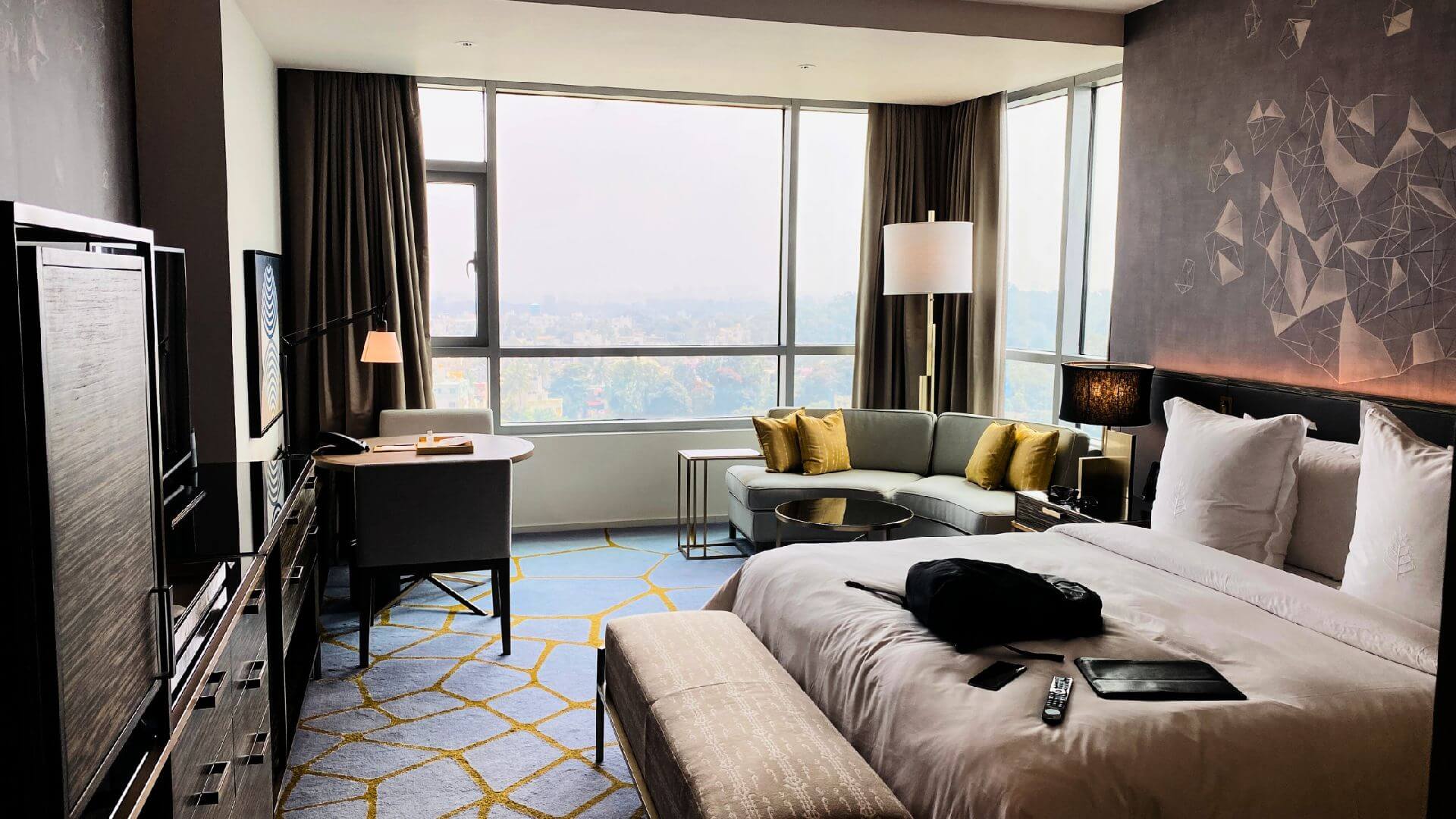
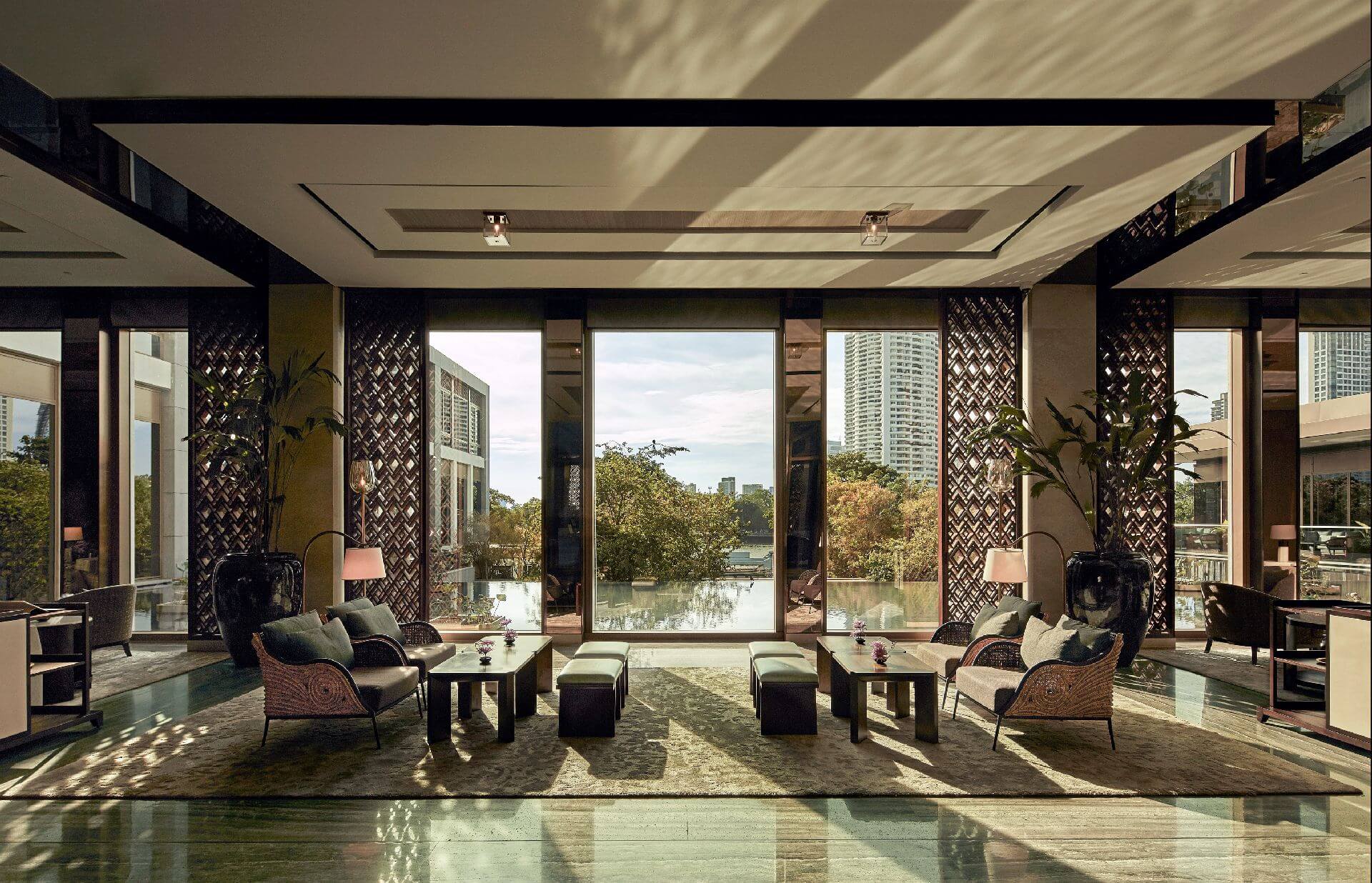
Upscale to luxury hotel room image from Canva

In the evolving landscape of hotel revenue management, the focus on traditional metrics like RevPAR (Revenue Per Available Room) and ADR (Average Daily Rate) is shifting.

While these metrics have been the gold standard for assessing a hotel’s performance, they no longer provide a complete picture.

Why, you ask? Because guest expectations and spending patterns have evolved. Hotels are not just places to stay; they are multi-faceted destinations offering a variety of services, such as dining, spa treatments, recreational activities, events, and more.

RevPAR and ADR measure performance based solely on room occupancy and rates, which overlooks the revenue generated from these additional services. They do not account for on-premise spending by guests on activities, food and beverage, wellness services, or other ancillary revenue streams that can impact a hotel’s overall profitability significantly.

Further, these traditional metrics fail to capture the qualitative aspects of the guest experience, such as personalized services, guest satisfaction, and long-term loyalty, all of which play a crucial role in a hotel’s success.

In essence, relying exclusively on RevPAR and ADR can lead to a narrow, and potentially misleading, view of a hotel’s financial health, missing out on opportunities to build a true legacy within this industry.

Where do we go from here, then? Enter Total Revenue Management (TRM) and Revenue Per Available Guest (RevPAG). These “new” metrics offer a more holistic view of a hotel’s financial health, moving beyond just room revenue to encompass the total guest experience, and the entire property’s revenue potential.

Understanding Total Revenue Management (TRM)

Total Revenue Management is a modernized approach that measures and maximizes revenue across all revenue streams within a hotel.

This includes rooms, food and beverage, spa services, recreational activities, and any other revenue-generating departments. TRM is about synchronizing and optimizing these various revenue streams to elevate the hotel’s total profit margin.

Let’s put this into perspective. Picture yourself as a hotel operator in Las Vegas. Maybe there is an instance where you have a group of high-rolling guests staying at your casino hotel/resort. Instead of charging them for their rooms, you decide to comp their stay entirely.

To some, giving away a free room in a city where occupancy rates are crucial might seem like a risky move. But you know that the cost of the room will be a drop in the bucket compared to the potential revenue they could generate on the casino floor, and on-site bar and restaurant. These guests end up spending hours at the tables and slot machines, contributing far more to the bottom line than a single night’s room rate ever could.

But it’s not just about the high rollers. What about off-peak times, where you have to get creative to keep the revenue flowing?

Perhaps you offer discounted spa treatments to your guests on weekdays when the hotel isn’t as busy. To your surprise, these guests who wouldn’t typically splurge on spa services took advantage of the discounted rates. This not only increases your spa revenue during slow periods but also enhances the overall guest experience, turning casual visitors into loyal guests.

These experiences are just two quick samples showcasing how maximizing revenue isn’t about charging for every service; it’s about understanding the broader picture, and making strategic decisions that drive total revenue for your property, every single day.

The framework of TRM is all about understanding the affiliation of each revenue stream available within your property. By taking a comprehensive view of the property’s revenue potential, you can create packages and services that encourage spending across all departments, not just the rooms.

The 5 Advantages of Total Revenue Management

It’s safe to say that implementing TRM can lead to a more robust and modern operation that benefits your hotel in several key areas:

  • Revenue Growth: TRM goes beyond just room revenue. By focusing on every revenue stream—be it dining, spa services, or recreational activities—TRM maximizes your hotel’s overall revenue potential. This comprehensive approach ensures that every aspect of the guest experience contributes to the bottom line, leading to a more diversified and stable revenue base.
  • Enhanced Asset Utilization: TRM encourages the optimal use of all hotel facilities, from restaurants to event spaces and wellness centers. By identifying underutilized assets and creating strategies to boost their usage, such as offering special packages or promotions, your hotel can increase its profitability significantly. This not only drives revenue but also elevates the guest experience by offering more value-added services.
  • Streamlined Operational Costs: A key benefit of TRM is the ability to streamline operations across various departments. Leveraging data and cross-departmental insights improves your hotel’s resource allocation, waste reduction, and implementation of more cost-effective practices. This leads to lower operational costs and increased profit margins, allowing your hotel to reinvest in areas that perhaps enhance the guest experience.
  • Unified Team Effort: TRM fosters a cohesive workforce by aligning all departments with a common goal of maximizing total revenue. When the front desk, housekeeping, food and beverage, and other teams are all working towards the same objectives, it leads to several improvements. These include enhanced productivity, improved guest satisfaction, and a seamless experience for guests. This unified approach creates a culture where everyone understands how their role impacts your hotel’s success.
  • Boosted Efficiency and Productivity: Implementing TRM encourages different departments to collaborate more effectively, streamlining processes and reducing redundancies. By focusing on total revenue rather than isolated departmental metrics, your hotel can create a more dynamic and responsive operation. This increased efficiency not only enhances the guest experience, it also drives higher employee satisfaction by creating a more organized and purpose-driven work environment.

Implementing Total Revenue Management

The first step to implementing TRM is to invest in integrated Property Management Systems (PMS) such as Mews, and Revenue Management Systems (RMS) such as Atomize. These systems are essential for tracking, reporting, and forecasting revenue across the entire property.

Further, such platforms provide real-time data that helps inform strategic decisions.

One of the biggest challenges in implementing TRM, however, is bridging the gap between technology, staff, and different departments.

Hotels must ensure that data flows across all departments seamlessly, allowing for cohesive decision making. This requires both employees and the property’s infrastructure to adapt to new behaviors and processes. Staff training and a culture that embraces data-driven decision making are crucial for the successful implementation of TRM.

The Transition from RevPAR to Revenue Per Available Guest (RevPAG)

While TRM offers a broad view of the hotel’s revenue potential, RevPAG provides a more guest-centric metric for assessing performance.

  • RevPAR (Revenue Per Available Room): You’re likely familiar with this one. This is the traditional metric that provides a quick snapshot of a hotel’s performance by considering both occupancy (OCC) and the average daily rate (ADR). While useful, it focuses solely on room revenue, ignoring other revenue streams, and the overall guest experience.
  • RevPAG (Revenue Per Available Guest): Unlike RevPAR, RevPAG looks at total revenue generated by each guest during their stay, regardless of how many rooms are sold, or how many guests occupy a room. It captures all spending, including dining, spa services, recreational activities, and more. This metric offers a more advanced understanding of guest behavior, and their total contribution to the hotel’s revenue.

The 4 Advantages of Revenue Per Available Guest

Focusing on RevPAG can drive on-premise spending, and enhance the guest experience. Some advantages for your hotel may include the benefits below.

  • Engaging Loyalty Programs: Loyalty programs are a powerful tool for encouraging repeat visits and on-property spending. Offering rewards, exclusive perks, and personalized incentives helps your operation foster long-term relationships with guests. Such programs prompt guests to return, and continue spending within the hotel. A well-designed loyalty program not only increases revenue per guest but also strengthens brand loyalty, turning one-time visitors into lifelong advocates.
  • Personalized On-Site Experiences: Understanding guest preferences will further allow your hotel to craft tailored packages and experiences that encourage guests to spend more on-property. Whether it’s guided tours, hands-on cooking or mixology classes, or themed live entertainment, these curated activities enhance the guest experience, and drive additional revenue. Personalized offerings create memorable moments that guests are willing to pay a premium for, increasing overall spend per guest.
  • Wellness and Lifestyle Services: Investing in wellness services such as spas, fitness centers, and recreational facilities opens up new revenue streams, and enhances the overall guest experience. By offering wellness packages, relaxation treatments, or fitness classes, your hotel can cater to the growing demand for health and wellness experiences. These services encourage guests to spend more on-premise, turning your hotel into a desired destination that meets various guest needs.
  • Elevated Dining and Beverage Offerings: Exceptional culinary and mixology experiences can enhance on-premise spending significantly. By offering unique dining options like chef’s table events, wine tastings, or mixology masterclasses, your hotel can attract food and beverage enthusiasts, and encourage them to spend more during their stay. These high-quality experiences boost revenue, and elevate your hotel’s reputation as a destination for food and drink.

Implementing Revenue Per Available Guest

To maximize RevPAG, your hotel needs to focus on creating personalized guest experiences, and integrating technology seamlessly across all touchpoints. This involves taking the steps below.

  • Personalized Guest Experiences: Tailoring services and offerings to your targeted, individual guest preferences to not only enhance their stay but also encourage additional spending. This can include personalized room amenities, bespoke on-premise experiences, and exclusive access to hotel facilities.
  • Seamless Technology Integration (Tech-Stack): Integrating Revenue Management Systems (RMS) with other hotel technologies, such as PMS and POS systems, allows your hotel to track guest behavior, spending patterns, and preferences in real-time. This data is invaluable for identifying up-selling opportunities, and creating targeted marketing strategies.
  • Total Revenue Management Mindset: Adopting a TRM mindset involves viewing each guest as an opportunity to generate multiple streams of revenue. Your hotel operations team should train staff to recognize and act on up-sell opportunities, while maintaining a high standard of service.

Benefits of Using Both RevPAG and Total Revenue Management

When used together, RevPAG and TRM provide a powerful framework for maximizing your hotel’s revenue and profitability.

  • Revenue Optimization: TRM ensures that every revenue stream is optimized, while RevPAG provides insight into the guest’s overall value. Together, they allow your hotel to create targeted strategies that maximize revenue from both rooms and ancillary services.
  • Enhanced Guest Experiences: By focusing on RevPAG, your hotel can deliver personalized experiences that encourage guests to spend more on-property, leading to higher satisfaction, and repeat business.
  • Informed Decision Making: With a TRM approach, your hotel can gain access to comprehensive data across all departments. This data-driven approach enables more informed decisions about pricing, packaging, and service offerings.
  • Competitive Edge: Hotels that adopt TRM and RevPAG are better positioned to differentiate themselves from competitors, offering a more value-driven guest experience while maximizing profitability.
  • Sustainable Growth: Implementing TRM and RevPAG strategies leads to sustainable growth by optimizing revenue streams, and reducing reliance on room occupancy alone.

This diversified revenue approach enhances your hotel’s resilience in fluctuating market conditions.

My Final Thoughts

There’s no question, the hotel industry is evolving, and so must its approach to revenue management.

Total Revenue Management and Revenue Per Available Guest offer more comprehensive metrics that go beyond the limitations of traditional measurements like RevPAR and ADR. By adopting a modernized approach that integrates these metrics, your hotel can optimize revenue, enhance guest experiences, and build a more robust, modern operation.

To realize the benefits of TRM and RevPAG fully, your hotel needs to invest in technology, embrace a guest-centric mindset, and foster a culture of data-driven decision-making. In doing so, you’ll unlock new opportunities for your brand that drive profitability, and secure a more competitive edge.

Image: Canva

KRG Hospitality Contact 60-Minute Impact Session

Looking to Start, Stabilize, or Scale? Book Below to Setup a 60-Minute Result-Driven Impact Session.


by David Klemt David Klemt No Comments

‘Tis the Season to get ‘Jacked

‘Tis the Season to get ‘Jacked

by David Klemt

Red apple covered with water droplets, against a black background

Not an AI-generated image!

We celebrate bourbon, “America’s native spirit,” in September. But did you know that there’s another American spirit we celebrate in October?

Known by some as “America’s first moonshine,” applejack is just as important to US history as bourbon. In fact, it’s believed it predates bourbon by a century.

There’s no doubt that alcohol has played a significant cultural role throughout American history. Of course, having a tipple or two still plays a vital role in US culture. Why else would neighborhood, sports, and cocktail bars be so prevalent?

If alcohol weren’t a cultural cornerstone, there wouldn’t have been a cocktail revival from 2000 to 2017. That’s to say nothing of Prohibition and its impact on not just the US but Canada, Mexico, and the Caribbean.

Whiskey reigns supreme when we’re talking about American spirits. In particular, bourbon grabs the headlines.

But long before bourbon snatched the America’s Spirit title, applejack was being produced in what we now call the state of New Jersey. At one point, applejack was even called Jersey Lightning.

Speaking of lightning, that speaks to the origins of applejack. White lightning, white dog, white whiskey… Each of these is evocative of moonshine. And while that term may conjure up illegal alcohol production, the word originally meant homemade booze.

That’s precisely what applejack was when it was first crafted during the American colonial era. Like I said, alcohol is ingrained in American culture.

Moonshine, and Brandy, and Whiskey, Oh, My!

According to Lisa Laird Dunn, the president and global ambassador of Laird & Company, the oldest producer of applejack, the original native spirit was an American staple.

Dunn represents the ninth generation of the Laird family to lead the eponymous distillery. Alexander Laird, her ancestor, left Scotland in the 1690s, arriving in Jersey. Per the current president of Laird & Company, the belief is that Alexander was involved in some way in Scotch production.

Therefore, Alexander turning to distillation in his new home would make sense. And what would make even more sense is to focus production on an abundant American crop. At that time, that meant apples.

So, what’s applejack? First, let’s get some technicalities out of the way. Applejack is a fruit brandy. In particular, it’s an apple brandy.

As reported by Chilled Magazine, Dunn has explained that the terms “applejack” and “apple brandy” are interchangeable. However, there is a technical difference between applejack and blended applejack.

The former, just like apple brandy, can only be labeled as such if it has been created solely from apples. As in, 100 percent made from apples. In contrast, the latter is a blend between applejack and a neutral grain spirit.

One more technicality: applejack is not, as many believe incorrectly, a whiskey. It’s possible that misconceptions surrounding moonshine and the term “lightning” may lead some people to think “Jersey Lightning, white lightning, moonshine… Applejack is moonshine. Moonshine is whiskey. Applejack is whiskey.”

Jack It

Have you been wondering where the “-jack” in “applejack” comes into play?

Well, wonder no more; it’s a nod to the production method of this centuries-old spirit.

Simply put, jacking is freeze fermentation. In short, fermented cider (a.k.a. hard cider) is frozen, ice is removed, and the alcohol content increases.

An alternate method is to fill a cask with fermented cider, begin the freezing process, tap the cask, and pour off the liquid. Jacking results in low-ABV juice reaching an ABV of 40 percent or more. In that way, applejack is normally much more powerful than hard apple cider. So, plan accordingly if you’re going to enjoy one.

Essentially, “applejack” is a portmanteau of “apple brandy” and “jacking.”

How to Enjoy Applejack

As we head into fall, it makes sense to celebrate Applejack, and get this spirit onto guests’ radar.

A pure applejack like Laird & Company’s is fantastic neat or on the rocks. Just bear in mind that ABV; ensure you and your team are serving it responsibly. Again, this isn’t hard apple ciderit’s much stronger.

If you and your bar team want to make Toddies and cocktails, a blended applejack will do, although I prefer Laird’s for a cocktail.

Likely the most-famous applejack cocktail is the Jack Rose. To make this drink combine one-and-a-half ounces of applejack, three-quarters of an ounce of fresh-squeezed lemon or lime juice, and a half-ounce of grenadine in a shaker with ice. Shake well, then strain into a coupe or Martini glass, and garnish with a lemon twist.

Applejack can also replace other base spirits. Take, for instance, the Applejack Old Fashioned. Start with two ounces of applejack, and either a half-ounce of maple syrup or a quarter-ounce of simple syrup. Add these to a mixing glass, along with two dashes of Angostura bitters, two dashes of orange bitters, and ice. Stir, strain into a rocks glass over fresh ice (a large cube or sphere is a nice touch), then express an orange peel, and use it as garnish.

You and your team have an entire month to celebrate applejack with guests. Get creative with an LTO menu, and create a signature seasonal sip all your own.

Image: Juan C. Palacios on Pexels

KRG Hospitality Contact Request for Proposal 30 Minute Discovery Session

Book Below to Setup a 30-Minute Complimentary Discovery Call and Request for Proposal.


by David Klemt David Klemt No Comments

The Banks Have it Wrong

The Banks Have it Wrong

by Doug Radkey

AI-generated image of a closeup of a loan application and pen

It’s widely assumed that a well-written business plan will impress banks and SBA-type programs, and secure the funding required to launch a hospitality concept.

When starting a bar, restaurant, or hotel, most people are told exactly that: “You just need a business plan.”

The problem, however, lies in how these business plans are created. Too often, aspiring entrepreneurs turn to fill-in-the-blank templates provided by banks or online resources. They believe that simply completing the form will open the doors to financing, and start them on the path to building a successful business.

Unfortunately, this approach can do more harm than good. Let’s explore why the traditional reliance on business plan templates, including AI-generated business plans, can set both businesses and lenders up for failure.

In this article I dive into real-world examples, examine the success and failure rates of loans in the hospitality industry, and outline why banks and other programs need to rethink their loan approval processes to reduce risks for not only themselves but the entrepreneurs they serve.

The Problem with Business Plan Templates

Imagine this scenario: You’re excited to open a hospitality business, but you don’t know where to begin. You do some research, and learn quickly that you need a business plan to secure a loan. The bank or Small Business Administration (SBA) offers you a convenient template to complete, or you find one online that seems like it will do the job. You fill in the blanks, submit the plan, and, to your delight, the bank approves all or a portion of your loan.

However, the approval doesn’t mean your business plan is actually sound. Read that again.

It only means it meets the basic requirements of the bank’s loan approval checklist. A template provides a false sense of security, making entrepreneurs think they’ve covered all their bases when, in reality, crucial aspects of the business are left unaddressed.

For example, I recently reviewed a business plan for a client who had used a bank-provided template prior to our engagement. The plan was approved by the bank, but upon closer inspection, I found numerous errors: the start-up financial projections were unrealistic, the cash-flow analysis was incomplete, and crucial aspects of market analysis were missing.

The result? The project is on track to run out of money before it even opens its doors.

This example highlights a troubling issue: Templates don’t provide clarity, and they certainly don’t prompt critical thinking about the true costs to start, and the real challenges that the business will face once it’s operating.

The Risks of Using Templates

Business plan templates may seem like an easy solution, but they come with significant risks.

  1. False Sense of Security: A completed template may look professional, but it doesn’t guarantee that the plan is sound or comprehensive. Key elements can be glossed over, copy and pasted, or simply misunderstood.
  2. Lack of Critical Thinking: A template doesn’t ask tough or industry-specific questions. It doesn’t force you to analyze the competitive landscape, identify potential risks, or develop a clear financial strategy around a unique concept.
  3. Inadequate Financial Analysis: Templates often provide a basic structure for financial projections but fail to help you understand the true costs of starting and running a business. A template won’t be specific to your concept, your revenue and cost channels, or industry benchmarks. The template won’t catch errors in your financials, leaving you and the bank exposed to significant risk.
  4. Inability to Stand Out: In a crowded market such as the US, Canada, or Europe, differentiation is key. A cookie-cutter business plan won’t help you stand out from the competition. Despite handing them out, banks see thousands of these plans, and if you don’t demonstrate why your concept is unique and viable, you’re setting yourself up for denial.

The Dangers of AI-Generated Business Plans

As technology advances, AI-powered business plan generators are becoming more popular. I’ve seen a few ads for them over the past few months.

These tools claim to be able to create a business plan in minutes, promising efficiency and ease. However, relying on AI to write your business plan is just as dangerous as using a template. The same issues apply: lack of clarity, shallow financial analysis, and the absence of critical thinking.

AI-generated business plans may provide a surface-level solution, but they cannot replace the deep analysis required to make a business successful. Business plans need to be customized and thought out thoroughly, with insights drawn from real-world strategic planning.

Hospitality Industry Loans: Success and Failure Rates

The hospitality industry—particularly the accommodation and food service sectors—has one of the highest loan approval rates, but it also has some of the highest operator failure rates.

According to the U.S. Small Business Administration, in 2022 alone, 6,297 loans were approved for the accommodation and foodservice industry. These accounted for 13.2 percent of all small business loans, and 19.2 percent of total loan dollars. The average loan amount was US $784,768.

Despite these impressive loan numbers, the success rate of a business in this industry tells a different story. Only about 20 percent of hospitality businesses make it to their fifth year, and the average time to pay off a business loan ranges from five to ten years. The failure rates are driven by various factors, including cash-flow problems, a lack of market understanding, and poor financial planning.

So, why do banks continue to approve business loans based on inadequate business plans?

The Need for More than a Business Plan

Each reason for a business failing points to one underlying cause: lack of strategic clarity. In many cases, these businesses began with a standard business plan but skipped the other non-negotiable playbooks truly needed to be successful.

A well-rounded approach to strategic planning includes much more than a business plan.

Aspiring or seasoned bar, restaurant, and hotel operators need to develop feasibility studies to determine whether their business models can succeed in their target market. They also need concept development plans, prototype drawings, brand strategy plans, tech-stack plans, marketing plans, and financial playbooks.

Only after these steps are completed should the final business plan be written.

How Banks Can Improve Loan Success Rates

Banks have an opportunity to reduce their risks significantly—and increase the success rates of the businesses they fund—by requiring more than the completion of a business plan template during the loan approval process.

Instead, they should request detailed feasibility studies, along with the other playbooks, that go beyond the basics.

By working with entrepreneurs to ensure they have true clarity about their business model, market conditions, and financial outlook, banks can reduce default rates, and build stronger partnerships with their clients.

In addition, by encouraging the use of customized plans over templates or AI-generated plans, banks can ensure that they are investing in businesses with a clear path to success.

My Final Thoughts

Yes, a business plan is a vital tool for any entrepreneur, but it must be more than just a template, and lenders need to stop relying on these fill-in-the-blank approaches.

To build a successful business, you need more than a plan on paper; you need clarity, strategy, and a deep understanding of your market and financials. It’s time for banks, financing programs, and even angel investors to get it right and demand more than a standard business plan template. Only then will both the business and the lender see the long-term success they’re striving for.

Perhaps they, too, can then achieve success rates in the 90th percentile.

Image: Canva

KRG Hospitality Contact 60-Minute Impact Session

Looking to Start, Stabilize, or Scale? Book Below to Setup a 60-Minute Result-Driven Impact Session.


by David Klemt David Klemt No Comments

The Psychology of Dining Space Design

The Psychology of Dining Space Design

by Nathen Dubé

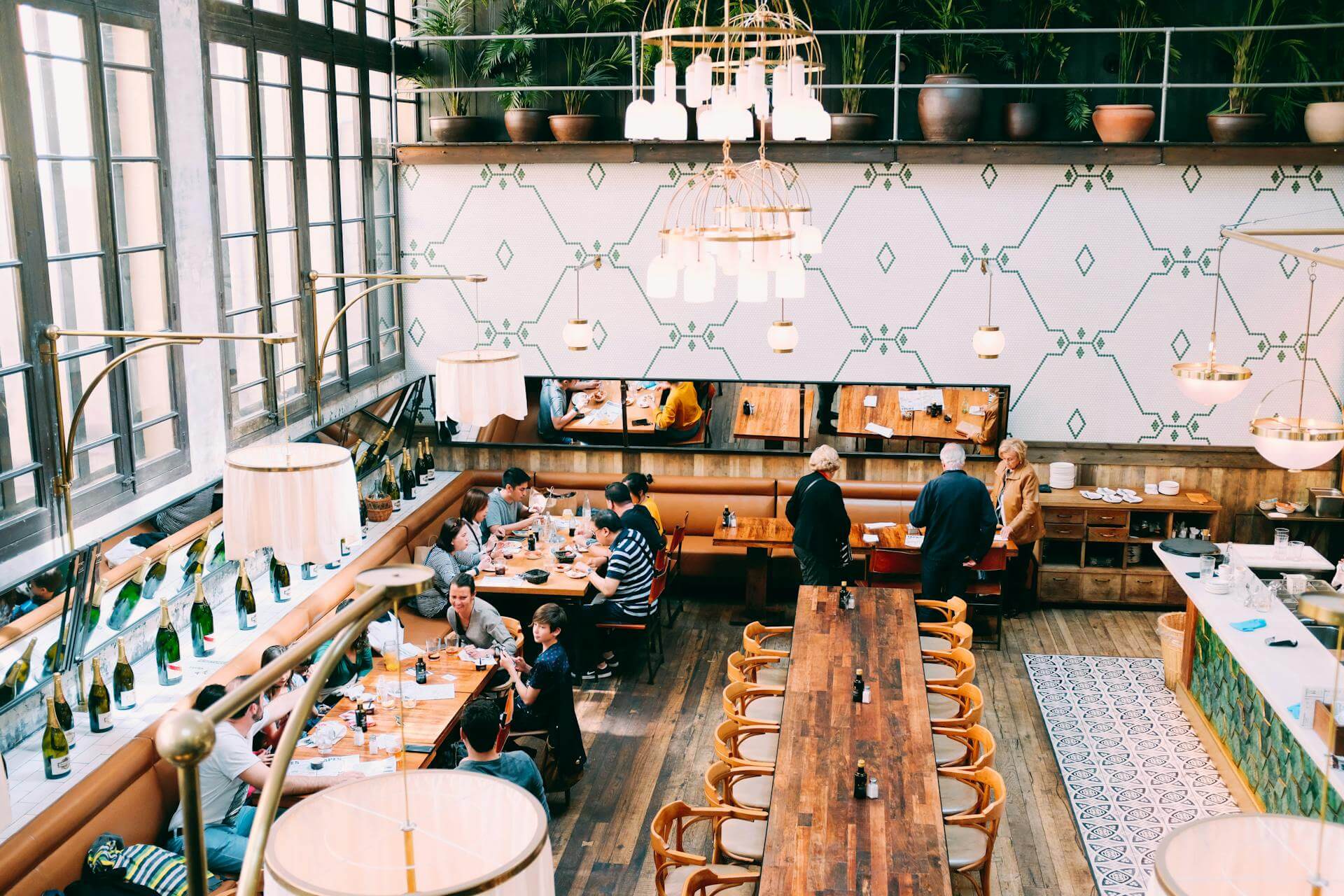
Bright, light and airy restaurant interior with communal seating across from the bar

When someone decides they’re going to dine out, they’re basing their selection on more than just what they want to eat; it’s about the entire experience.

The design and layout of a dining space impact guest behavior, emotions, and overall satisfaction to a significant degree. From the colors on the walls to the lighting overhead, every element plays a role in shaping the dining experience.

This article explores the psychological principles behind effective dining space design, offering insights into how restaurants can use these elements to enhance guest satisfaction, and boost sales.

The Impact of Color Schemes

How Different Colors Evoke Specific Emotions and Moods

Colors are powerful tools in setting the mood and atmosphere of a dining space. Different colors can evoke specific emotions and reactions, influencing how guests feel and behave in a restaurant.

Warm colors like reds, oranges, and yellows are stimulating, and can create a lively, energetic atmosphere, often used in fast-food restaurants to encourage quick eating and high turnover.

On the other hand, cool colors such as blues, greens, and purples have a calming effect, promoting relaxation and longer stays, making them ideal for fine-dining establishments.

Neutral colors like whites, grays, and beiges provide a clean and modern look, allowing other design elements to stand out, and making a space feel larger and more open.

Examples of Color Choices and Their Psychological Effects

Red is known to stimulate appetite and increase heart rate, making it a popular choice for fast-food chains.

However, it should be used sparingly in fine dining as it can be overwhelming.

Blue, on the other hand, suppresses appetite and promotes calmness, suitable for seafood restaurants or venues where a relaxed dining experience is desired. Green, associated with freshness and health, is often used in vegetarian and farm-to-table restaurants to reinforce the concept of natural, wholesome food.

Case Studies of Restaurants Using Color to Influence Dining Choices and Atmosphere

Consider McDonald’s use of red and yellow in its branding and interiors. These colors stimulate hunger, and create a sense of urgency, encouraging quick dining and high guest turnover.

In contrast, Starbucks uses a palette of warm browns and greens to create a cozy, inviting atmosphere that encourages guests to linger, increasing the likelihood of additional purchases.

Lighting and Its Psychological Effects

The Role of Lighting in Creating Ambiance and Influencing Guest Behavior

Lighting is a crucial aspect of dining space design, affecting the ambiance and guest experience significantly. Different types of lighting can evoke various moods, and influence how guests perceive the space and their meals.

Natural lighting enhances mood, and makes spaces feel more open and inviting. Restaurants with ample natural light are often perceived as more comfortable and welcoming. Ambient lighting sets the overall tone of the space. Soft, warm lighting can create an intimate and cozy atmosphere, while bright, cool lighting can energize the space. Task lighting focuses on specific areas, such as tables or bars, enhancing functionality and highlighting key features.

Differences Between Natural, Ambient, and Task Lighting

Natural lighting is best for creating a connection with the outdoors, and making spaces feel airy and fresh, often achieved through large windows and skylights.

Ambient lighting provides overall illumination, setting the mood and ensuring guests feel comfortable. Typically, ambient lighting is provided via ceiling lights, chandeliers, and wall sconces.

Task lighting is used for specific purposes, such as illuminating dining tables or highlighting menu boards, typically achieved with pendant lights and under-cabinet lighting.

How Lighting Affects the Perception of Space, Food, and Time Spent Dining

Bright lighting can make a small space feel larger, while dim lighting can create a more intimate and enclosed atmosphere.

Proper lighting enhances the visual appeal of food, making it look more appetizing. Warm, soft lighting is often used in fine dining to highlight the colors and textures of dishes.

Lighting can also influence how long guests stay. Dim, cozy lighting encourages lingering, while bright lighting can make people eat faster and leave sooner.

Acoustics and Soundscapes

The Impact of Noise Levels and Music on the Dining Experience

Sound is a critical yet often overlooked element of dining space design. Noise levels and the type of music played can impact the dining experience significantly.

High noise levels can create a sense of energy and excitement, but may also lead to discomfort and difficulty in conversation. It’s essential to strike a balance, ensuring the space is lively without being overwhelming.

Low noise levels promote relaxation and intimacy, suitable for fine dining or romantic settings. However, overly quiet spaces can feel uninviting and lack atmosphere.

Balancing Background Noise and Creating an Appropriate Sound Environment

Effective sound management involves balancing background noise, and creating a sound environment that complements the restaurant’s concept and ambiance.

Strategies include acoustic panels to absorb sound and reduce noise levels, creating a more comfortable environment. Soundproofing materials like carpets, curtains, and upholstered furniture can help dampen noise.

Music selection is also crucial, with the type of music and its volume aligning with the restaurant’s theme, and the desired guest experience.

Examples of Restaurants Using Sound to Enhance Guest Comfort and Satisfaction

Many upscale restaurants use a combination of soft background music and sound-absorbing materials to create a tranquil dining environment.

For example, the use of live piano music in high-end restaurants can enhance the ambiance without overwhelming conversation.

Seating Arrangements and Layout

The Psychological Impact of Different Seating Configurations

Seating arrangements and layout play a significant role in influencing guest behavior and satisfaction. The choice between booths, communal tables, and individual seating can impact how guests perceive the space, and interact with others.

Booths provide privacy and comfort, making them ideal for intimate gatherings and longer stays, creating a sense of enclosure and personal space. Communal tables encourage social interaction and a sense of community, suitable for casual dining, and environments that promote socializing. Individual seating offers flexibility and can cater to a variety of group sizes, allowing for easy reconfiguration of the space.

How Layout Affects Flow, Privacy, and Social Interactions

The layout of a dining space affects the flow of movement, privacy levels, and the nature of social interactions. Key considerations include:

  • ensuring there is enough space for guests and staff to move comfortably without congestion;
  • clear pathways; and
  • strategic placement of furniture to enhance flow.

Balancing the need for social interaction with the desire for privacy is essential, using partitions, plants, or varying seating heights to create distinct zones.

Design the space to facilitate the type of interaction you want to encourage, with communal tables and open layouts promoting socializing, while booths and nooks offer more private dining experiences.

Strategies for Optimizing Seating to Enhance Guest Comfort and Turnover Rates

Optimizing seating involves creating a comfortable environment while ensuring efficient use of space to maximize turnover rates.

Strategies include:

  • using a mix of seating types to cater to different guest needs and group sizes;
  • investing in high-quality, comfortable seating, which encourages longer stays and repeat visits; and
  • designing the layout to maximize the number of seats without compromising comfort to ensure tables are spaced adequately, allowing for easy movement and service.

Case Studies and Expert Insights

Interviews with Interior Designers and Behavioral Psychologists

Interviews with interior designers and behavioral psychologists provide valuable insights into the principles of effective dining space design. Experts can share their experiences and recommendations for creating spaces that enhance guest behavior and satisfaction.

Key Insights on Effective Design Strategies

Key insights from expert interviews include adopting a holistic design approach, considering all elements—color, lighting, acoustics, and layout—together to create a cohesive and inviting space.

Focusing on the needs and preferences of your target audience is crucial, designing with the guest experience in mind to create a memorable dining environment.

Continuous improvement is essential. This involves reviewing and updating your design regularly to keep it fresh and relevant, and staying informed about new trends and technologies in dining space design.

Real-World Examples of Restaurants That Have Successfully Utilized Design Psychology

Real-world examples highlight how restaurants have implemented design psychology principles successfully to enhance guest satisfaction and increase sales.

For instance, a fine-dining restaurant may use soft lighting, elegant color schemes, and acoustic panels to create an intimate and luxurious dining experience, resulting in a space where guests feel relaxed and pampered, leading to longer stays and higher spending.

Conversely, a casual eatery might incorporate vibrant colors, upbeat music, and communal seating to foster a lively and social atmosphere, attracting a younger crowd looking for a fun and engaging dining experience, boosting guest turnover and repeat visits.

Highlighting Specific Design Choices and Their Outcomes

Specific design choices, such as using warm lighting to highlight food presentation or arranging seating to encourage social interaction, can impact guest perceptions and behavior significantly.

Highlighting these choices and their outcomes provides practical examples of how design can influence the dining experience.

Practical Tips for Optimizing Dining Space Design

Actionable Advice for Restaurant Owners and Designers

Implementing effective dining space design requires practical and actionable steps.

Here are some tips to help restaurant owners and designers optimize their spaces:

  • Choose Colors Wisely: Select color schemes that align with your restaurant’s concept, and desired guest experience. Use warm colors for energetic spaces, and cool colors for calm, relaxing environments.
  • Optimize Lighting: Ensure a balance of natural, ambient, and task lighting to create the right ambiance, and enhance the dining experience. Use dimmers to adjust lighting levels based on the time of day, and desired mood.
  • Consider Acoustics: Use sound-absorbing materials and strategically placed music to create a comfortable sound environment. Avoid excessive noise that can detract from the dining experience.
  • Plan the Layout: Design the layout to maximize space efficiency while ensuring guest comfort. Use a mix of seating types, and ensure clear pathways for easy movement.
  • Align Design with Brand Identity: Ensure that all design elements, from colors to furniture, reflect your brand identity, and resonate with your target audience.

Tips on Choosing Colors, Lighting, and Furniture

Choosing the right colors, lighting, and furniture can have a significant impact on the dining experience:

  • Colors: Choose colors that evoke the desired emotions, and match your brand’s personality. Test different shades to find the perfect balance.
  • Lighting: Invest in quality lighting fixtures, and consider the color temperature of bulbs. Use lighting to highlight key areas, and create focal points.
  • Furniture: Select comfortable and durable furniture that complements the overall design. Consider ergonomic options to enhance guest comfort.

Conclusion

The design of a dining space is a crucial component of the guest experience. Understanding and applying the psychological principles of color, lighting, acoustics, and layout helps restaurant owners and designers to create environments that influence guest behavior, enhance satisfaction, and boost sales.

Thoughtful design not only improves the dining experience but also reinforces brand identity, and drives business success.

Image: Adrien Olichon via Pexels

KRG Hospitality Contact Request for Proposal 30 Minute Discovery Session

Book Below to Setup a 30-Minute Complimentary Discovery Call and Request for Proposal.


by David Klemt David Klemt No Comments

5 Books to Read this Month: October 2024

5 Books to Read this Month: October 2024

by David Klemt

Flipping through an open book

Our October book selections focus on restaurant and bar interior design, developing leadership skills, an infamous liqueur, and themed cocktails.

To review the book recommendations from September 2024, click here.

Let’s jump in!

Dining Out: The New Restaurant Interior Design

Impactful bar, restaurant, and hotel design is paramount. Your space is how your guests interact with your brand in person and online. It’s much more than just four walls; your venue is the physical manifestation and representation of your concept. Therefore, it’s important that you nail your design details. I think you’ll find Dining Out inspiring.

From Amazon: “The book takes the reader on a journey to some of the most cutting-edge examples in restaurant design and architecture from around the world. With a descriptive text for each project, it focuses on the craftmanship, color schemes, decorative details, lighting and furnishings that form the identity of the space, serving as a source of inspiration and reference for professional designers, foodies and other people involved in the restaurant business. Interior and exterior photographs, as well as blueprints of each design, present the reader with a rich range of styles, from modern minimalist spaces to ones defined by bold contemporary colors, a sleek industrial look or designs that look to the past for inspiration.”

Order your hardcover copy here.

Reset: How to Change What’s Not Working

Part of being an entrepreneur or member of a leadership team is implementing new initiatives. And sometimes, after monitoring these new initiatives for a set amount of time, we find out that they’re just not working. So, what do you do? This book will help you take decisive, timely action.

From Amazon: “Changing how we work can feel overwhelming. Like trying to budge an enormous boulder. We’re stifled by the gravity of the way we’ve always done things. And we spend so much time fighting fires—and fighting colleagues—that we lack the energy to shift direction.

“But with the right strategy, we can move the boulder. In Reset, Heath explores a framework for getting unstuck and making the changes that matter. The secret is to find ‘leverage points’: places where a little bit of effort can yield a disproportionate return. Then, we can thoughtfully rearrange our resources to push on those points.”

Place your pre-order for this book today.

Cocktails and Consoles: 75 Video Game-Inspired Drinks to Level Up Your Game Night

At the end of August, I shared some interesting information from a Datassential report. According to the intel agency, close to 200 million Americans are gamers, and that interest in gaming spans all ages. Further, gamers spent well over $50 billion on this particular hobby in 2023. Datassential also found that 45 percent of gamers have made F&B decisions after consuming video game-related ads or content, so this info is relevant to restaurant and bar operators.

From Amazon: “Created especially for video game fans, this cocktail book features controller-friendly recipes that all offer playful homage to favorite games and characters including The Oregon Trail Buck (The Oregon Trail), Pom of Power (Hades), The Miles Edgeworth MarTeani (Ace Attorney), The Cake Is a Lie (Portal), Stardrop Swizzle (Stardew Valley), Miriel, Pastor of Vows (Elden Ring), Ether (Final Fantasy XIV), Liquid Snake (Metal Gear Solid), Lady Dimitrescu Fizz (Resident Evil Village), Sardegna Simulator Spritz (Gran Turismo), Falcon Punch (Super Smash Bros.), and more. Cocktails and Consoles has the perfect drink for every player and every video game!

Click here to order your copy.

Malört: The Redemption of a Revered and Reviled Spirit

So, perhaps I’m a bit odd, but I like the taste of Malört. Strangely, even though I grew up outside of Chicago and began my journey in bars and nightclubs in the city, I didn’t try Malört until I moved to Las Vegas. If you haven’t tried it, and you have a distributor who can get it for your bar reliably, you, your staff, and your guests are in for an experience.

From Amazon: “Author and beer expert Josh Noel unpacks a uniquely American tale, equal parts culture, business, and personal relationships—involving secret love, federal prison, a David vs. Goliath court battle, and, ultimately, the 2018 sale of Jeppson’s Malört, which made Pat Gabelick, a 75-year-old Chicago woman who spent much of her life as a legal secretary, into an unlikely millionaire.”

Grab yours here!

Bar Hacks: Developing The Fundamentals for an Epic Bar

Yep, I’m taking the opportunity to recommend Doug Radkey’s first book. Radkey is, as you may know, the president of KRG Hospitality. In his this book he explains the importance of nailing the fundamentals in order to:

  • start your operator journey in the best possible position;
  • stabilize your business; and
  • scale when the time comes, if that’s what you want.

From Amazon: “This informative and conversational book is the perfect read for aspiring or seasoned bar, pub, lounge, or even restaurant owners, operators, and managers looking for that competitive edge in operations! If you’re looking for both fundamental and in-depth planning methods, strategies, and industry focused insight to either start or grow a scalable, sustainable, memorable, profitable, and consistent venue in today’s cut-throat industry–Bar Hacks is written just for you!”

Click here to get your copy today!

Image: Mikołaj on Unsplash

KRG Hospitality Contact Request for Proposal 30 Minute Discovery Session

Book Below to Setup a 30-Minute Complimentary Discovery Call and Request for Proposal.


by David Klemt David Klemt No Comments

Program for Unique Holidays: October 2024

Program for Unique Holidays: October 2024

by David Klemt

"Think about things differently" neon sign

Do you want to stand out from from other restaurants and bars in your area? Change how you think about your October holiday programming.

Several holidays are set against every date on the calendar, and this month is no exception. These holidays range from mainstream to esoteric.

Pay attention to the “weird” or unique holidays to raise eyebrows, carve out a niche for your restaurant or bar, and attract more guests. Why do what everyone else is already doing? Why program only around the same holidays as everyone else?

To provide a handful of examples, October boasts celebrations of the cheeseburger, the double cheeseburger, cheese pizza, pepperoni pizza, beer, and guacamole. Those are fantastic F&B holidays sure to appeal to your guests. However, you can still celebrate some “out there” holidays to get people’s attention and draw them to your business.

Of course, you shouldn’t try to celebrate every holiday, strange or otherwise. Focus on the days that are authentic to your brand; resonate with your guests; and help you grab attention on social media.

You’ll find suggestions for promotions below. However, the idea behind our monthly holiday promotions roundup is to inspire you and your team to get creative and come up with unique programming ideas.

For our September 2024 holidays list, click here.

October 1: The New National Taco Day

That’s right; National Taco Day has changed! You can read my article addressing this change here for more details, but what you need to know is that from today onward, National Taco Day will always fall on a Taco Tuesday.

October 2: Walk Your Dog Week

If your venue is dog friendly, and you operate in at least a decently walkable city or town, this is a great week to invite your guests to pop in for a dog treat, a bite, and a drink with their best friends.

October 4: Plaidurday

This day is dedicated to plaid. Plaid shirts, plaid pants, plaid shoes, plaid hats, plaid coats, plaid scarves, kilts featuring a tartan… If it’s plaid, encourage your guests to come by your place while they’re wearing it.

October 11: It’s My Party Day

Okay, this is an odd one. Really, it’s all about nostalgia. Technically, it’s about people revisiting their sweet sixteen parties, which is incredibly specific. Personally, I’d tap into your understanding of your guests and come up with a nostalgic theme that will appeal to them. After all, October is all about dressing up and themed parties.

October 12: National Motorcycle Ride Day

If your venue is motorcycle friendly, encourage your guests who ride to organize a ride, with a stop at your business to relax and refuel.

October 15: National Chicken Cacciatore Day

Recently, we addressed the importance of putting your spin on classic comfort foods. Chicken cacciatore, a recipe that’s about 600 years old, certainly falls into this category; it’s a classic comfort food, and your kitchen team can certainly put their own take on it.

October 21: Apple Day

We also addressed applejack, America’s first native spirit, just yesterday. Sure, you can do caramel apples or apple pie to celebrate this day, but I think you should bring your bar team into the mix, and create an LTO menu featuring applejack cocktails.

October 24: National Food Day

It sounds like this holiday is incredibly open ended, doesn’t it? A blank slate for any cuisine or food item you want to program a holiday promotion to leverage.

However, it’s specifically focused on featuring natural foods. For tips on how to build a natural, farm-to-table menu, check out KRG Hospitality chef consultant Nathen Dubé’s article here.

October 25: Chucky, the Notorious Killer Doll Day

I’ve included this because, wow, is it specific. It’s also a great day to play the Child’s Play movies and Chucky television show, within the confines of the proper licenses, of course.

October 30: National Candy Corn Day

Candy corn sucks, and if you agree (which means you’re correct), you’ll use this day to campaign against this food crime against nature.

Image: Ivan Bertolazzi on Pexels

KRG Hospitality Contact 60-Minute Impact Session

Looking to Start, Stabilize, or Scale? Book Below to Setup a 60-Minute Result-Driven Impact Session.


by David Klemt David Klemt No Comments

Someone to Rely On: Accountability

Someone to Rely On: Accountability Partners

by Jennifer Radkey

Two people sitting outside on a bench, dressed professionally, discussing goals and business

To share or not to share, that is the question. More specifically, should you share your goals with others or should you keep them top secret?

I find there are three different groups of people when it comes to goal setting. There are the people who like to shout their goals from the mountaintop for everyone to hear. Then there are those who share with just a few select people. And, of course, the people who keep their goals entirely to themselves.

Is one approach better than another? The answer to that question depends on who you are telling your goals to, if anyone.

Be Strategic

You need to be strategic with whom you share your goals. Before you tell someone an intended goal you need to consider if sharing with them will affect your chances of reaching it.

There has been quite a lot of research recently on goal setting. One of these studies was done by NYU psychologist Peter Gollwitzer, and it included four tests.

In these tests subjects wrote down their goals, and then worked on them for up to 45 minutes. They were allowed to stop working on their goal at any time. Half of the test subjects kept the goals they had written down to themselves; the other half announced them out loud to the group.

Here’s the interesting thing: Those who had kept their goals to themselves spent the entire 45 minutes working on their goal, and still felt they had a ways to go before reaching it. The study participants who announced their goals to the group averaged only 33 minutes of working on their goal, and felt that they were close to completing it. So, they didn’t feel the need to continue working on it.

Essentially, they gave up on it.

Be Cautious

What does all this suggest? Well, due to how our brains work, sharing our goals gives us the same psychological satisfaction as actually achieving them. Therefore, we don’t do the same amount of hard work to reach them.

Hearing a lot of personal praise from others when we share a goal gives us that hit of satisfaction, making the process of achieving it less necessary. On the opposite end, hearing disapproval of our goals may make us doubt ourselves, and give up before even getting started.

So, should you keep your goals top secret? While research is still being done on this topic, it appears that sharing your goals with carefully selected individuals and reporting on your progress with them can actually aid you in achieving your goals.

You need an accountability partner.

Be Selective

When seeking an accountability partner you want to choose someone who embodies three main traits.  They need to be impartial, honest, and positive.

An impartial accountability partner is not personally invested in whether or not you reach your goal. They come from a neutral space, and while they are rooting for you to succeed, there’s nothing in it for them either way.

They are able to provide unbiased observations, and offer a very helpful outsider perspective that often allows for greater clarity.

Friends can serve in this role if they don’t have a personal stake in whether you reach your goal. They would like you to because they want to see you succeed, but there’s nothing in it for them, no matter the outcome.

If your goal is to open a new restaurant, your spouse, as supportive and amazing as they are, may not be the best accountability partner. This is because the outcome of you achieving or not achieving this goal is going to have implications on their own life as well.

An honest accountability partner can be relied on to tell you the truth, and to ask the questions needed for you to be honest with yourself. They don’t tell you what you want to hear; they tell you what you need to hear.

In order to reach goals you need someone who will spark light on reality, someone who will point out what you are doing well, and what you may not be doing competently. They are honest in a helpful way, never in a degrading way. I don’t believe in being brutally honest; we should all be honest while remaining respectful of others.

Be Mindful

Lastly, the best accountability partners have a positive mindset. They will help you seek ways in which you can improve and grow.

A great accountability partner will cheer on your successes, and help you create action plans when reaching your goals becomes challenging. An accountability partner is there to help you thrive, not bring you down.

Effective accountability partners can be difficult to find. This is one reason why the coaching industry has taken off like it has. A good life coach becomes an accountability partner, a sounding board, and creates space for self-discovery and planning.

Unless you are organized, resilient, and dedicated to taking action, you may want to share your goals with an accountability partner who can help you stay focused and motivated along the way.

As for the social media blasts sharing your newest goals…maybe hold off on those until you have reached the goal. As good as it may feel to share with everyone, you may actually be doing more harm than good.

Cheers to personal and professional growth!

Image: Medienstürmer on Unsplash

KRG Hospitality Contact Request for Proposal 30 Minute Discovery Session

Book Below to Setup a 30-Minute Complimentary Discovery Call and Request for Proposal.


by David Klemt David Klemt No Comments

Are “Substituters” Leading NA Growth?

Are “Substituters” Leading NA Growth?

by David Klemt

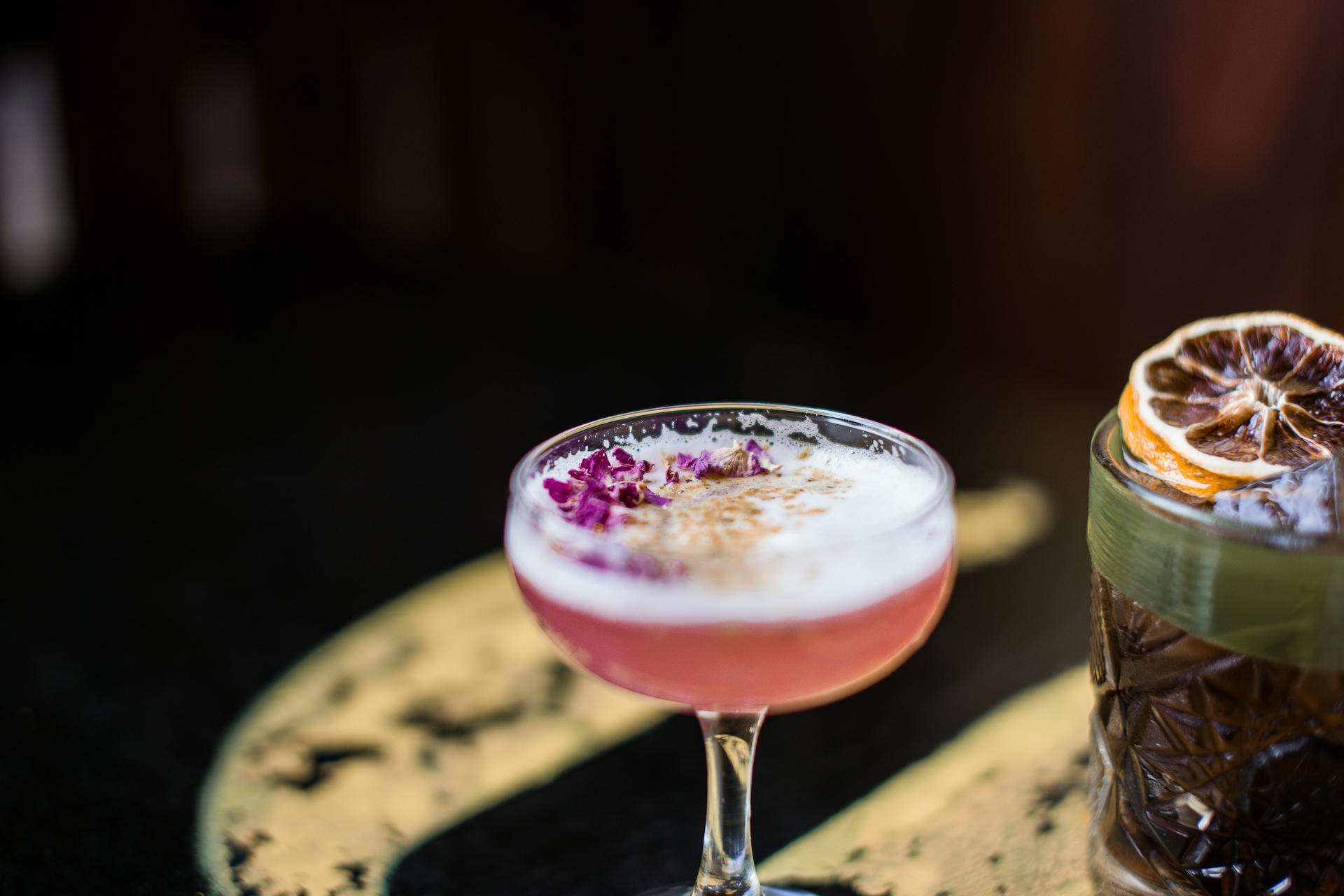
Cocktails with edible flowers and dehydrated fruit for garnishes

No-ABV, low-ABV, or full strength?

Revelations shared by the IWSR recently suggest that the very generation driving non-alcohol growth may also be driving traditional beverage alcohol growth.

At least, according to the IWSR, a particular generation is over-indexing in the non-alc category and “full-strength” categories such as rum, whisky, Champagne, brandy and Cognac, and RTDs.

This is because Millennialsthere it is, the big reveal—appear to be “substituters.” That is, as explained by the IWSR, much of this cohort consumes alcohol on some occasions, and non-alc beverages on others.

Now, before we proceed, let me get this out of the way: No generation is a monolith. While there’s value in understanding a given generation’s behavior, it’s important to understand that we can really only do so in broad terms.

That said, broadly speaking, members of the Millennial generation appear to be driving the growth of non-alc overall. In comparison to other generations, Millennials are consuming more non-alc spirits, more non-alc beer, and more non-alc wine.

Of course, there’s another caveat I must address: Less than half of Gen Z is of legal drinking age. So, when compared to that generation, the numbers are a bit skewed.

Generally speaking, non-alc is growing across the board in the US. What was once relegated to two or three low-alc beers and barely considered “mocktails” for many, many years is now a viable category. The category has gone from an afterthought to inspiring entire alcohol-free bar concepts, and it hasn’t taken long to achieve this growth.

Numbers

When I say Millennials are consuming more non-alc than other generations, what does that mean? Is the difference subtle, or is it eyebrow raising?

Per IWSR data, it’s the latter.

Last year, 45 percent of all non-alc beer drinkers in the US were Millennials. That number has jumped to 61 percent in 2024. Change focus to non-alc spirits and Millennials make up 66 percent of overall US consumers. That number is 59 percent when we look at who’s drinking non-alc wine.

For some context, just 22 percent of non-alc beer drinkers in the US are Gen X. Take a look at legal-drinking-age Gen Z and that number shrinks to seven percent. Again, though, most of Gen Z isn’t yet LDA.

So, back to substituters. Just under half of all Millennials, according to IWSR findings, vacillate between non-alc and full-ABV. It would appear, then, that Millennials are the most interested in exploring and experimenting with non-alc beverages.

For obvious reasons, this makes it clear that operators need to do more than just toss a couple of alcohol-free beers and sugary zero-proof cocktail concoctions on their menus.

Further, and I know I’m repeating myself, operators need to ensure they deliver the same level of service and guest experience for those abstaining from alcohol as those ordering traditional adult beverages. Failing to do so can alienate guests who choose to not consume alcohol but want to visit and socialize at a bar or restaurant. Why would they return if they receive what they perceive to be a lower level of service?

IWSR’s deep dive and data make it clear that operators need to give the non-alc element of their menu due consideration. The category is growing, interesting is increasing, and it’s smart business.

To review this data yourself, follow this link.

Image: Rachel Claire via Pexels

KRG Hospitality Contact 60-Minute Impact Session

Looking to Start, Stabilize, or Scale? Book Below to Setup a 60-Minute Result-Driven Impact Session.


by David Klemt David Klemt No Comments

Designing a Safe and Functional Kitchen

Designing a Safe and Functional Kitchen: Essential Considerations and Innovations

by Nathen Dubé

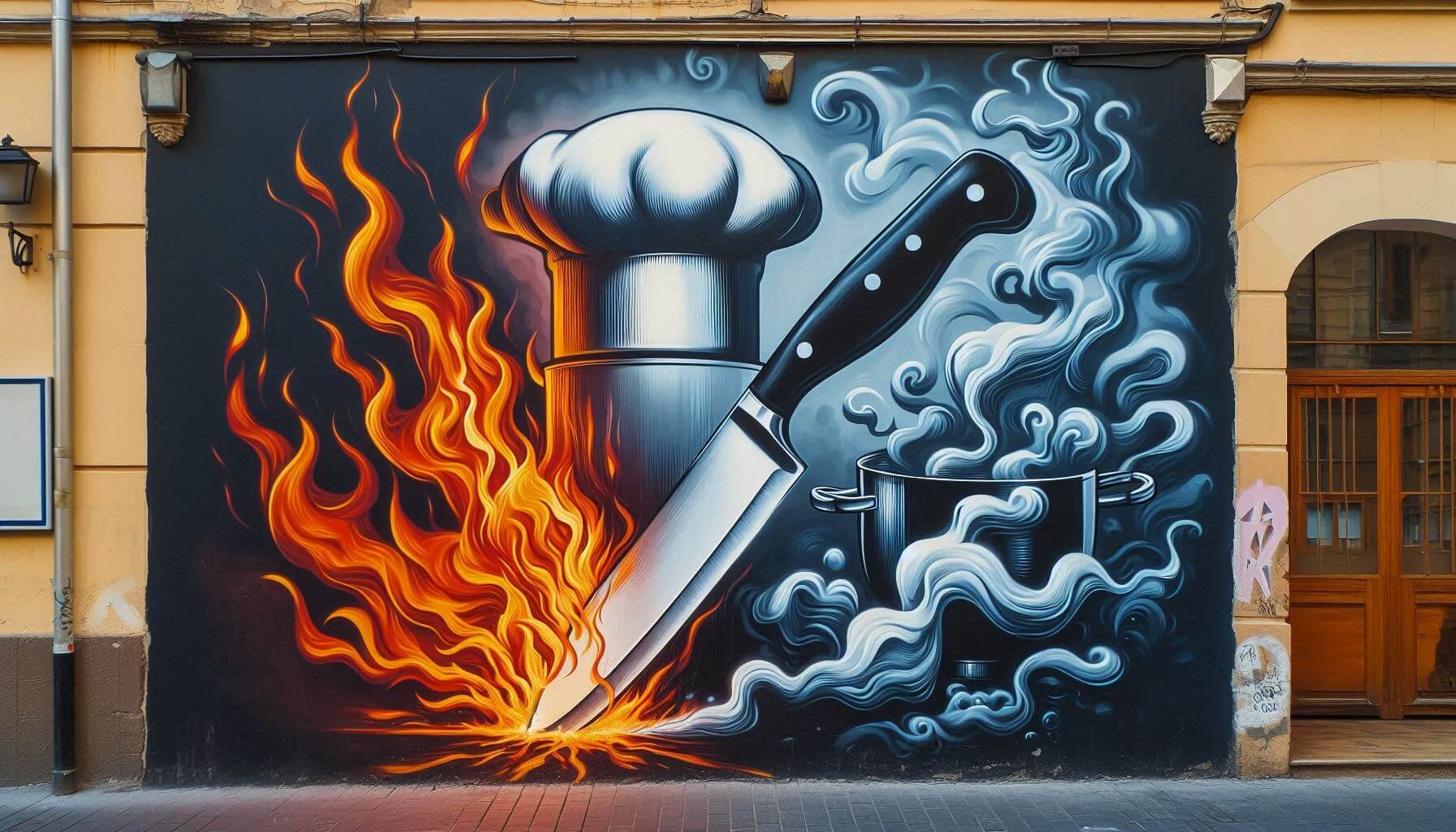
An AI-generated image of street art depicting the dangers of commercial kitchens: knives, fire, boiling water, and steam

Sharp knives, fire, boiling water, and steam are just some of the dangers present inside a commercial kitchen.

The kitchen is the heart of any culinary establishment, but it is also a high-risk environment where safety and functionality are paramount.

Designing a safe and functional kitchen is crucial for protecting staff, ensuring efficient operations, and complying with legal standards.

This comprehensive guide delves into the essential elements of safe kitchen design, explores innovative safety technologies, and provides expert insights and practical checklists to guide your planning process.

Key Elements of a Safe Kitchen Design

Importance of a Well-Planned Layout and Workflow

A well-planned kitchen layout is the foundation of a safe and efficient kitchen. It minimizes hazards, enhances workflow, and reduces the risk of accidents.

Key considerations include:

  • Zoning: The separation of prep, cooking, and cleaning areas to prevent cross-contamination and ensure a logical workflow. Each zone should be clearly defined, and equipped appropriately to handle its specific tasks.
  • Ventilation: Adequate ventilation is essential to remove smoke, steam, and odors, ensuring a comfortable and safe working environment. Proper ventilation reduces the risk of respiratory issues, and maintains air quality.
  • Lighting: Sufficient lighting is crucial for visibility and safety. Well-lit workspaces reduce the risk of accidents, and help staff perform their tasks more effectively.

Effective zoning enhances kitchen safety and efficiency by minimizing the risk of cross-contamination, and streamlining workflow.

Key zones include:

  • Preparation Area: Should be equipped with ample counter space, cutting boards, and sinks for washing and prepping ingredients.
  • Cooking Area: Must include stovetops, ovens, and grills, with proper ventilation and fire safety equipment.
  • Cleaning Area: Should have dishwashers, sinks, and waste disposal units, and be separated from food prep and cooking zones to maintain hygiene.

The Role of Adequate Ventilation and Lighting

Proper ventilation and lighting are critical for maintaining a safe kitchen environment.

Effective ventilation systems remove harmful fumes and excess heat, while strategic lighting ensures that all work areas are well-illuminated to prevent accidents, and improve productivity.

Innovations in Safety Equipment and Technology

Overview of Modern Safety Equipment

Modern safety equipment has advanced significantly, providing better protection and efficiency.

Innovations include slip-resistant flooring, advanced fire suppression systems, and kitchen appliances with built-in safety features.

Slip-Resistant Flooring Options

Slip-resistant flooring is essential for preventing falls and injuries in the kitchen.

Options include:

  • Vinyl Flooring: Durable and easy to clean, with textured surfaces to enhance grip.
  • Rubber Flooring: Provides excellent slip resistance and comfort underfoot, reducing fatigue.
  • Epoxy Coatings: Applied over concrete floors to create a seamless, non-slip surface.

Fire Suppression Systems and Alarms

Fire safety is paramount in commercial kitchens. Modern fire suppression systems and alarms include:

  • Automatic Fire Suppression Systems: Installed above cooking equipment, these systems detect and extinguish fires quickly.
  • Heat and Smoke Detectors: Provide early warning of fire hazards, allowing staff to take immediate action.
  • Fire Extinguishers: Should be readily accessible, and maintained regularly.

Advanced Kitchen Appliances with Built-In Safety Features

Many modern kitchen appliances come with built-in safety features, such as:

  • Automatic Shut-Offs: Appliances that turn off automatically if not in use, preventing overheating and fire risks.
  • Lock Functions: Prevent unauthorized use, and accidental injuries.
  • Temperature Controls: Ensure precise cooking temperatures, reducing the risk of burns and overcooking.

Technology’s Role in Enhancing Kitchen Safety

Technology plays a significant role in enhancing kitchen safety.

Innovations include:

  • Smart Appliances: Connected devices that can be monitored and controlled remotely, providing alerts for potential issues.
  • Sensor-Based Systems: Detect hazards such as gas leaks or equipment malfunctions, and notify staff immediately.
  • Digital Checklists: Help staff follow safety protocols, and perform regular maintenance checks.

Ergonomics and Staff Efficiency

Importance of Ergonomic Design in Reducing Physical Strain

Ergonomic design is crucial for reducing physical strain, and preventing injuries in the kitchen.

Key elements include:

  • Adjustable Workstations: Allow staff to work at comfortable heights, reducing back and neck strain.
  • Anti-Fatigue Mats: Provide cushioning underfoot, reducing fatigue during long shifts.
  • Proper Equipment Placement: Ensure frequently used items are within easy reach to minimize repetitive strain injuries.

Examples of Ergonomic Equipment and Tools

Ergonomic equipment and tools enhance comfort and efficiency, including:

  • Ergonomic Knives: Designed with comfortable handles to reduce hand fatigue, and improve precision.
  • Adjustable Shelving: Allows for easy access to ingredients and equipment without excessive bending or stretching.
  • Height-Adjustable Tables: Enable staff to work at optimal heights, reducing the risk of musculoskeletal injuries.

Layout Considerations to Minimize Unnecessary Movement and Fatigue

A well-designed kitchen layout minimizes unnecessary movement and fatigue by:

  • Streamlining Workflow: Arranging equipment and workstations in a logical sequence to reduce walking and reaching.
  • Clear Pathways: Ensuring aisles are wide enough for safe movement, and free from obstructions.
  • Efficient Storage Solutions: Placing frequently used items within easy reach to minimize bending and stretching.

Legal and Regulatory Compliance

Overview of Legal Requirements for Commercial Kitchen Safety

Compliance with legal and regulatory requirements is essential for kitchen safety.

These regulations are designed to protect staff and guests, and include health and safety codes, fire safety standards, and more.

Key Regulations

  • Health and Safety Codes: Outline requirements for cleanliness, sanitation, and food-handling practices.
  • Fire Safety Standards: Specify the installation and maintenance of fire suppression systems, alarms, and extinguishers.
  • Building Codes: Ensure that kitchen design and construction meet safety standards for ventilation, lighting, and electrical systems.

Importance of Staying Updated with Local and National Regulations

Staying updated with local and national regulations is crucial for maintaining compliance and ensuring safety. Review and update safety practices regularly to align with the latest guidelines and standards.

Key Takeaways and Recommendations

  • Prioritize Safety: Make safety a core value in your kitchen design, and operations.
  • Regular Training: Ensure staff are trained on safety protocols, and the proper use of equipment.
  • Continuous Improvement: Review and update safety practices regularly to incorporate new technologies and regulations.

Examples of Innovative Solutions and Best Practices

Innovative solutions and best practices from case studies include:

  • Smart Technology Integration: Using connected devices to monitor kitchen safety and performance in real-time.
  • Sustainable Design: Incorporating eco-friendly materials and energy-efficient appliances to create a safer and more sustainable kitchen environment.

Checklist for Ensuring Safety in Kitchen Planning

  • Layout and Zoning: Ensure a logical workflow with separate zones for prep, cooking, and cleaning.
  • Ventilation and Lighting: Install adequate ventilation and lighting to maintain air quality and visibility.
  • Safety Equipment: Include slip-resistant flooring, fire suppression systems, and advanced appliances with safety features.
  • Ergonomics: Implement ergonomic design elements to reduce physical strain, and enhance efficiency.
  • Regulatory Compliance: Ensure compliance with health and safety codes, fire safety standards, and building regulations.

Key Considerations and Must-Have Elements

  • Regular Maintenance: Perform regular maintenance on equipment and safety systems to ensure they are functioning properly.
  • Staff Training: Provide ongoing training on safety protocols, and the proper use of equipment.
  • Safety Audits: Conduct regular safety audits to identify and address potential hazards.

Tips for Regular Safety Audits and Assessments

  • Scheduled Inspections: Conduct scheduled inspections to check the condition of equipment, ventilation, and safety systems.
  • Hazard Identification: Identify and address potential hazards, such as slippery floors, obstructed pathways, and faulty equipment.
  • Documentation: Keep detailed records of safety audits, maintenance, and staff training to ensure accountability and compliance.

Conclusion

Designing a safe and functional kitchen requires careful planning, attention to detail, and a commitment to ongoing safety practices.

By prioritizing safety in kitchen design and operations, you can protect your staff, enhance efficiency, and create a better working environment. Remember to stay updated with the latest regulations, invest in modern safety equipment, and train your staff on safety protocols continuously.

With these considerations in mind, you can design a kitchen that not only meets but exceeds safety standards, ensuring a productive and secure culinary space.

Safety should never be an afterthought in kitchen planning. It is an integral part of creating a functional and efficient workspace. Following the guidelines and tips outlined in this article will help you design a kitchen that supports the well-being of your staff, satisfaction of your guests, and the success of your culinary operations.

Image: Microsoft Designer

KRG Hospitality Contact 60-Minute Impact Session

Looking to Start, Stabilize, or Scale? Book Below to Setup a 60-Minute Result-Driven Impact Session.


by David Klemt David Klemt No Comments

The Modern Approach to Systems: Part 2

The Modern Approach to Systems: Part 2

by Doug Radkey
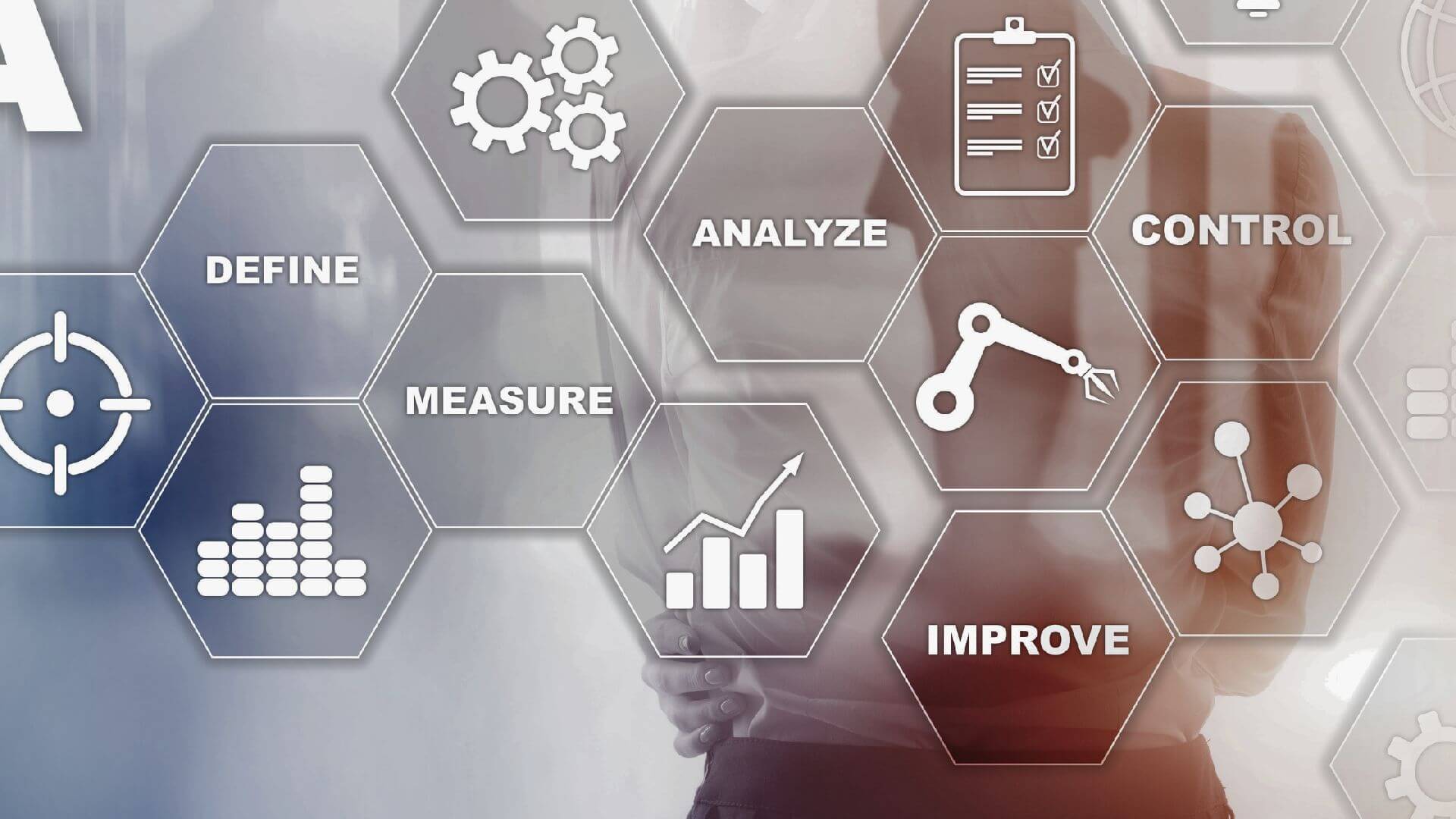
An AI-generated image illustrating the concept of systems, analysis, and improvements

Six Sigma is a data-driven methodology that focuses on reducing variability and defects in processes to improve overall quality and efficiency.

The term “Six Sigma” refers to a statistical measure that indicates a process is nearly perfect, with only 3.4 defects per million opportunities. This is a methodology that aims to streamline operations, reduce waste, and enhance guest satisfaction by eliminating errors and inconsistencies systematically.

If you want to learn more about the Kaizen approach, please refer to part one of this series, in which we outline the definition and case-study use of Kaizen in bars, restaurants, and hotels.

Introduction to Six Sigma

The concept of Six Sigma was developed by Motorola in the 1980s as a means to improve manufacturing processes and product quality.

Its development was driven by the need to meet the increasingly stringent quality standards in the electronics industry. Motorola’s success with Six Sigma prompted other companies to adopt the methodology, most notably General Electric (GE).

Under the leadership of CEO Jack Welch, GE refined and expanded Six Sigma principles, applying them across various business units to achieve significant cost savings, and quality improvements. This broader application demonstrated the versatility of Six Sigma, making it relevant across industries beyond manufacturing.

The core concepts of Six Sigma revolve around a structured problem-solving framework known as DMAIC, and a strong emphasis on data-driven decision-making. These elements are crucial for identifying inefficiencies, implementing improvements, and sustaining high-quality outcomes.

Framework

The DMAIC framework is the backbone of the Six Sigma methodology, providing a systematic approach to process improvement.

It consists of five phases:

  • Define: In this phase, the project team identifies the problem, defines the project scope, and sets specific goals. This includes understanding guest requirements and expectations, which are crucial for ensuring that improvements align with guests needs.
  • Measure: The measure phase involves collecting data on the current process to establish a baseline. Key performance indicators (KPIs) are identified, and data collection methods are standardized to ensure accuracy and consistency. This phase is crucial for quantifying the extent of the problem, and providing a foundation for analysis.
  • Analyze: In the analyze phase, the collected data is examined to identify root causes of defects or inefficiencies. Statistical analysis tools, such as regression analysis and hypothesis testing, are used to uncover correlations and patterns. This phase helps isolate the factors contributing to variability and defects.
  • Improve: Based on the insights gained from the analysis, the project team develops and implements solutions to address the root causes. This phase may involve redesigning processes, implementing new technologies, or training staff. The goal is to reduce variability, eliminate defects, and enhance process efficiency.
  • Control: The final phase focuses on sustaining the improvements made. Control measures are put in place to monitor the process, ensuring that changes are maintained, and that the process does not revert to its previous state. This may include implementing control charts, conducting regular audits, and setting up a response plan for any deviations.

Six Sigma’s emphasis on data-driven decision-making sets it apart from other quality improvement methodologies. By relying on empirical data and statistical analysis, Six Sigma users can make objective decisions based on facts rather than intuition.

Belt System

A unique aspect of Six Sigma is its structured certification system, represented by different belt levels, similar to martial arts.

These belts denote varying levels of expertise and responsibility in Six Sigma methodologies:

  • Yellow Belt: Yellow Belts have a basic understanding of Six Sigma principles, and assist in data collection and process mapping within their work areas.
  • Green Belt: Green Belts work on Six Sigma projects part-time while performing their regular job duties. They lead smaller projects, and support Black Belts in data analysis and project implementation.
  • Black Belt: Black Belts are full-time Six Sigma professionals who lead major projects, mentor Green Belts, and drive process improvement initiatives. They possess advanced statistical analysis skills, and a deep understanding of Six Sigma methodologies.
  • Master Black Belt: Master Black Belts are highly experienced Six Sigma experts who provide strategic direction, mentor Black Belts, and oversee large-scale improvement projects across the organization. They play a crucial role in developing Six Sigma strategies, and ensuring alignment with organizational goals.
  • Champion: Champions are senior executives who sponsor Six Sigma projects, and ensure they align with the organization’s strategic objectives. They provide the necessary resources and support to ensure project success.

In summary, Six Sigma is a robust methodology focused on reducing variability and defects through a structured, data-driven approach.

The DMAIC framework guides project teams through problem identification, solution implementation, and control, ensuring sustainable improvements. The certification system, with its various belt levels, provides a clear path for professional development and project management within the Six Sigma framework.

As a result, Six Sigma has become an essential tool for organizations seeking to enhance quality, efficiency, and guest satisfaction.

Applying Six Sigma to the Industry

Through the use of data-driven techniques and structured problem-solving frameworks, Six Sigma helps hospitality businesses optimize processes, enhance quality, and deliver exceptional guest experiences.

Below, I explore the application of Six Sigma in bars, restaurants, and hotels, highlighting specific areas of improvement.

Six Sigma in Bars

Analyzing Beverage Preparation Times: Six Sigma methodologies can be used to analyze the time taken to prepare various drinks, identify bottlenecks, and streamline processes. By collecting data on preparation times and using tools like time-motion studies, bars can pinpoint inefficiencies in their workflow. For instance, rearranging the bar layout, standardizing drink recipes, or optimizing the order in which ingredients are prepared can reduce preparation times. The reduction in prep time leads to faster service, happier guests, and more profits.

Reducing Waste and Improving Inventory Management: Six Sigma tools such as a root-cause analysis can help identify common sources of waste, such as over-pouring, spoilage, or theft. Bars can maintain accurate stock levels, reduce over-ordering, and minimize losses through the implementation of standardized inventory tracking systems, and the conducting of regular audits. Additionally, Six Sigma’s emphasis on data analysis can guide purchasing decisions, ensuring that inventory is aligned with actual demand.

Enhancing Guest Service: Six Sigma can be used to develop and implement comprehensive training programs that cover all aspects of service, from drink preparation to guest interaction. Bars can ensure that all employees provide a uniform level of service by setting clear performance standards, and evaluating staff regularly against this set of criteria. This consistency not only enhances the experience but also strengthens your brand’s overall equity.

Six Sigma in Restaurants

Improving Order Accuracy and Reducing Wait Times: Six Sigma methodologies can optimize the entire order-to-delivery process, from taking orders to serving food. Process mapping and flowcharts can identify potential errors or delays in the process, such as miscommunication between front-of-house and kitchen team. Implementing technology solutions such as digital ordering systems or kitchen display screens (KDS) can reduce these errors, and streamline communication. Additionally, Six Sigma’s data-driven approach can help restaurants analyze peak times and adjust staffing levels accordingly, reducing wait times and improving service efficiency.

Implementing Quality Control Measures: Six Sigma can establish quality control measures for food preparation and presentation, ensuring that each dish meets established standards. This includes defining portion sizes, cooking temperatures, and plating guidelines. Regular quality checks and guest feedback can help maintain these standards and identify areas for improvement. By reducing variability in food quality, restaurants can enhance guest satisfaction, and build a more loyal base of targeted guests.

Six Sigma in Hotels

Reducing Check-In/Check-Out Times: Six Sigma can optimize these procedures by analyzing data on check-in/check-out times, and identifying factors that cause delays. For instance, complex booking systems, insufficient staffing, or lengthy verification processes can all contribute to longer wait times. Streamlining these procedures, such as implementing mobile check-in options or express check-out services, can reduce wait times, and enhance the overall guest experience.

Enhancing Guest Satisfaction: Six Sigma can help establish and maintain high standards for room cleaning and upkeep. This involves defining cleaning protocols, setting time standards for housekeeping tasks, and inspecting rooms regularly for quality assurance. By using control charts and other Six Sigma tools, hotels can monitor the consistency of their housekeeping services, and address any deviations quickly. This attention to detail ensures that guests receive a high level of service consistently, contributing to positive reviews and repeat business.

Analyzing and Reducing Service Errors and Complaints: Service errors and complaints can impact a hotel’s reputation and guest satisfaction negatively. Six Sigma can help hotel operators analyze service errors systematically, including incorrect billing, room assignment issues, or poor guest services. Hotels can implement targeted improvements to prevent future occurrences by categorizing complaints, and identifying their root causes. This might include additional staff training, process adjustments, or technology upgrades. Addressing service issues proactively allows hotels to enhance the overall guest experience, and reduce the likelihood of negative reviews.

In conclusion, Six Sigma provides a structured and data-driven approach to improving operations in the hospitality industry. Whether in bars, restaurants, or hotels, this methodology helps businesses streamline processes, reduce variability, and deliver high-quality experiences to their customers.

Hospitality businesses can achieve operational excellenceand gain a competitive edge in a dynamic and demanding marketby embracing and implementing Six Sigma.

Benefits of a Systematic Approach

While Six Sigma and Kaizen are distinct methodologies with unique strengths, combining these approaches can provide a comprehensive framework for achieving operational excellence in the hospitality industry.

Together, they offer a balanced focus on both long-term strategic improvements and continuous, incremental changes, addressing various aspects of business operations.

Here, I explore how these methodologies can be integrated, and the benefits of leveraging both to enhance your brand’s performance.

How to Integrate Six Sigma and Kaizen

  • Six Sigma: Focuses primarily on identifying and eliminating defects, reducing variability, and optimizing processes through a structured, data-driven approach. It is particularly effective for tackling complex, high-impact issues that require deep statistical analysis and root-cause identification.
  • Kaizen: Emphasizes continuous improvement through small, incremental changes. It encourages a culture of employee involvement and teamwork, focusing on making everyday processes more efficient and effective.

Sequential Implementation

Start with Six Sigma to address critical issues, and achieve significant breakthroughs in process efficiency and quality. The DMAIC framework can be used to tackle complex problems, ensuring that major defects and inefficiencies are identified, and resolved.

Follow up with Kaizen to maintain the momentum of improvement. Once the significant issues are addressed, Kaizen can help sustain the gains by fostering a culture of continuous improvement.

This approach ensures that even minor inefficiencies are regularly identified and addressed.

Parallel Application

In some cases, Six Sigma and Kaizen can be applied simultaneously to different areas of the business.

For instance, Six Sigma can be used to optimize high-priority processes such as inventory management and order accuracy, while Kaizen initiatives focus on enhancing guest services and staff engagement.

Comprehensive Improvement

By combining Six Sigma’s analytical rigor with Kaizen’s focus on incremental change, your hospitality business can achieve comprehensive improvement(s).

Six Sigma addresses large-scale, systemic issues, while Kaizen ensures that smaller, day-to-day improvements are made consistently. This dual approach covers a wide spectrum of operational challenges, leading to more holistic development.

Enhanced Employee Engagement

Kaizen’s emphasis on involving all employees in the improvement process complements Six Sigma’s structured project management approach at the leadership level. This combination fosters a sense of ownership and accountability among staff at all levels.

Employees are encouraged to contribute ideas and solutions, creating a more inclusive and engaged workforce. The involvement of employees in both large-scale Six Sigma projects and smaller Kaizen initiatives ensures that everyone is invested in the organization’s success.

Flexibility and Adaptability

The integration of Six Sigma and Kaizen allows businesses to be more flexible and adaptable. Six Sigma provides a robust framework for addressing well-defined, complex problems, while Kaizen offers a more flexible, grassroots approach to managing change.

This adaptability is crucial in the hospitality industry, where market conditions and guest expectations can change rapidly. Businesses can respond more effectively to new challenges and opportunities by using both methods.

Balanced Approach to Cost and Efficiency

Six Sigma’s focus on reducing defects and variability often leads to cost savings through improved efficiency, and reduced waste. Kaizen, on the other hand, emphasizes optimizing everyday processes, which can lead to incremental cost reductions and efficiency gains.

Together, they provide a balanced approach to cost management, ensuring that both significant and minor inefficiencies are addressed.

To the Future

As the hospitality industry continues to evolve, the future of systematic approaches like Six Sigma and Kaizen holds promising potential for further innovations and advancements.

With the increasing integration of technology, such as AI-driven analytics and automation, these methodologies are set to become even more powerful tools for optimizing operations, and enhancing guest experiences. The future will likely see more sophisticated data analytics capabilities, enabling real-time decision-making and predictive insights that can address issues preemptively, before they impact guests.

Additionally, the focus on sustainability and ethical business practices will drive the development of new strategies that not only improve efficiency but also reduce environmental impact.

Moreover, the rise of remote work and digital collaboration tools for larger hospitality groups and portfolios will make it easier for global teams to implement and sustain these systematic approaches, regardless of geographical location. This shift will further democratize access to best practices, allowing even smaller hospitality businesses to compete on a larger scale by adopting proven methodologies.

Simplify the Journey

In light of these advancements, we encourage hospitality businesses to embrace Six Sigma and Kaizen as integral parts of their operational strategy.

Adopting these methodologies helps businesses to improve processes, reduce costs, and enhance the quality of service systematically. This not only leads to immediate benefits, such as increased guest satisfaction and loyalty, but also positions businesses for long-term success in a dynamic and competitive market.

The journey toward operational excellence is continuous, and the integration of these systematic approaches can be a game-changer. As the industry moves forward, those who invest in these methodologies will be better equipped to adapt to new challenges, and seize emerging opportunities.

We urge hospitality businesses to take action now, leveraging Six Sigma and Kaizen to build a resilient, efficient, and guest-focused operation that stands the test of time.

Image: DALL-E
KRG Hospitality Contact 60-Minute Impact Session

Looking to Start, Stabilize, or Scale? Book Below to Setup a 60-Minute Result-Driven Impact Session.


by David Klemt David Klemt No Comments

Raise Your Glass to Canadian Beer Day

Raise Your Glass to Canadian Beer Day

by David Klemt

An AI-generated image of three pint glasses filled with beer sitting on Canadian flag coasters on a picnic table, with a mountain, lake, and Canadian flag in the background

This is an AI-generated image, but I still want to visit and drink those beers.

Operators and their guests will raise their glasses and celebrate Canadian beer on October 9, also known as Canadian Beer Day.

This year represents the sixth-annual Canadian Beer Day. Beer Canada created the holiday, with first event launching in 2019.

Not only does this beer-centric holiday honor one of the world’s most-popular drinks, it’s a day to observe its impact on Canada. According to the Beer Canada website, which is an excellent resource that I recommend everyone visit, brewers in the country employ 21,000 Canadians directly.

Zoom out and that number jumps to nearly 150,000 Canadians overall. There are farmers, bartenders, retailers, truckers, designers, and many other people whose employment relies on beer production. Further, almost 90 percent of beer purchased in Canada is brewed locally.

Each year, Beer Canada crafts a theme to go along with Canadian Beer Day. This year, that theme celebrates the cultural significance of the nation’s beer culture.

As an American, I think I’m qualified to say that people have seemed more divided over the past decade than in recent memory. At least, that’s what we’re often being told in the US, Canada, and other countries.

But think about how powerful gathering in pubs and bars has been for breaking down barriers. Having a beer with a stranger and finding middle ground can lower temperatures, and go a long way toward healing communities.

We should all strive to get back to that simple, comforting practice.

“Local” Impact

I may date myself a bit here but I remember the first Canadian beer I ever tried. Growing up in the Midwest in America, it was common to have friends who visited or had family and friends in Canada.

One day in the Nineties, some friends of mine and I got into a lighthearted debate about beer. One of our friends, who had just come back from a trip to Canada, scoffed at our light American pilsners and lagers, stating that we were essentially drinking water.

Then, he opened a cooler and pulled out bottles of Moose Drool Brown Ale. Not long after that moment, I’d be introduced to Moosehead and Labatt.

I still think about that first sip of Moose Drool, particularly when a beer debate heats up. I’m just one person but Canadian beer has had an impact on little old American me.

Canadian Beer

Head to Montréal, Québec, and you can visit the Talon Vaults, the archaeological remains of Canada’s first commercial brewery.

This important bit of beer-brewing history dates back to the late 1660s, when La Brasseries du Roy was opened by Jean Talon in Québec City. However, beer brewing in Canada dates back to at least the 1620s.

In 1786, the legendary John Molson established the Molson Brewery, also in Québec City. I think we all know how significant the Molson story is to Canadian beer.

Today, there are more than 1,300 breweries operating and employing people across Canada. Most are located in Ontario, Québec, British Columbia, and Alberta. Although, there at least a single brewery in every province. For example, there’s one brewery in the Northwest Territories, and one in Nunavut.

Per Statista data, the Canadian beer industry generated $18.43 billion (US $13.6 billion) in 2023, with $7.8 billion (US $5.8 billion) coming from restaurants and bars.

Those are big numbers being put up by just 1,300 breweries.

Celebrate in Style

Along with having a beer and getting to know someone, a great beer and food pairing can improve your day.

So, I asked Nathen Dubé, our chef consultant at KRG Hospitality, for some of his favorite beer pairings. And, wow, did he deliver.

Check out his recommendations below, and consider using them for a Canadian Beer Day limited-time-offer menu.

Let’s start with his favorite personal pairing.

“One of my favorite beer and food pairings is a robust, malty, Canadian brown ale with a perfectly grilled bison burger topped with aged cheddar, caramelized onions, and a touch of maple bacon,” says Nathen. “The rich malt character of the brown ale complements the hearty, gamey flavor of the bison, while the subtle sweetness from the caramelized onions and bacon plays beautifully with the ale’s caramel notes. The cheddar adds a creamy, sharp contrast, making each bite and sip a delightfully balanced experience.”

Now, let’s jump into Nathen’s LTO suggestions. This Canadian Beer Day, he recommends crafting unique, gourmet poutines.

Traditional Poutine

Beer Pairing: Local Pale Ale

Description: Hand-cut fries topped with squeaky cheese curds and a rich beef gravy. The pale ale’s mild bitterness cuts through the gravy’s richness, while its effervescence balances the cheese’s creaminess.

Butter Chicken Poutine

Beer Pairing: Indian Pale Ale (IPA)

Description: Fries smothered in creamy, spiced butter chicken sauce, topped with fresh cilantro and a dollop of yogurt. The hoppy and citrusy notes of the IPA enhance the spices in the butter chicken, creating a vibrant and aromatic pairing.

Pulled Pork BBQ Poutine

Beer Pairing: Smoked Porter

Description: Crispy fries loaded with slow-cooked pulled pork, tangy BBQ sauce, and cheddar cheese. The smoked porter’s roasted malt flavors complement the smoky pork, while its subtle sweetness balances the BBQ sauce’s tang. This poutine can be—or rather should be—prepared and served individually. As a general, Nathen always thinks the darker the beer, the stronger the cheese. On the other flavor profile side, the lighter/fruitier beer, the lighter the cheese.

Be sure to add these tempting poutines to your LTO menu, and visit the Canadian Beer Day website to download their digital and social media assets. Cheers!

Image: Microsoft Designer

KRG Hospitality Contact Request for Proposal 30 Minute Discovery Session

Book Below to Setup a 30-Minute Complimentary Discovery Call and Request for Proposal.


by David Klemt David Klemt No Comments

National Taco Day Makes its Move

National Taco Day Makes its Move

by David Klemt

A closeup photograph of four street tacos with meat, onions, and cilantro in soft corn tortillas

I call this a good start.

I don’t know how to break this to you, so I’m just going to say it: National Taco Day, one of the world’s most important holidays, has made a big move.

For the past 15 years, National Taco Day has been celebrated on October 4. That means that since its inception, the annual holiday that celebrates the taco has only fallen on a Taco Tuesday three times.

In fact, it didn’t even fall on Taco Tuesday until its third year, in 2011. National Taco Day didn’t repeat the feat again until 2016, and then 2022. Had the date remained the same in perpetuity, we wouldn’t get another National Taco Day on a Taco Tuesday until 2028 at the earliest.

Starting this year—in a week and a half, in fact—National Taco Day will fall on the first Tuesday in October.

I’m going to share my thought process after I first found out about this news.

How did I learn about this massive change? Via a post by Smirnoff. You see, National Taco Day and National Vodka Day have been linked since they each first launched in 2009.


View this post on Instagram


A post shared by Smirnoff (@smirnoff)

It seems that Smirnoff is none too pleased with this news, though they’ll reunite with National Taco Day in 2028.

My first reaction was “I can’t believe this is news,” for a few seconds. That evolved into “I can’t believe this took so long to resolve” rather quickly.

And then I told the KRG Hospitality team about this news.

Finally!

I’ve always thought “Why isn’t National Taco Day always on a Taco Tuesday?” when the holiday has come around.

Finally, someone has acted to rectify this oversight; Taco Bell appealed to National Day Calendar to change the date. It may seem to trivial for a fast-food giant (or anyone else, for that matter) to petition to have a holiday’s date changed when it isn’t a legal holiday.

However, according to a Taco Bell press release addressing this National Taco Day news, it’s rare that National Day Calendar makes such a change. The release goes on to quote Marlo Anderson, the founder of National Day Calendar, which launched in 2013.

“For years, we’ve celebrated National Taco Day on October 4th, but it’s always felt like there was a bigger opportunity to align it with something even more special—Taco Tuesday,” said Anderson.

Interestingly, another fast food chain is credited with creating National Taco Day: Del Taco. Keeping the trivia going, “National” reportedly doesn’t actually pertain to any one country; it’s just what the holiday is called.

While this news is certainly another win for Taco Bell and their, well, obsession with Taco Tuesday (understandable, of course), it’s a win for everyone who loves tacos.

Operators need to pull out all the stops for October 1, the first of the newly revised National Taco Day celebrations. Task your kitchen team with creating LTO tacos, crafting a super-premium version of your signature taco if you have one, and ensuring there are vegetarian- and vegan-friendly options to appeal to every single taco-loving guest.

Let’s go all out!

Image: Jeswin Thomas on Unsplash

KRG Hospitality Contact Request for Proposal 30 Minute Discovery Session

Book Below to Setup a 30-Minute Complimentary Discovery Call and Request for Proposal.


by David Klemt David Klemt No Comments

Innovations in Deep Frying: New Tech

Innovations in Deep Frying: New Technologies

by Nathen Dubé

An AI-generated image of a sci-fi deep fryer flying at hyperspeed through space

If you’re deep fryer can do this, you win. At what? Everything.

Deep frying has long been a cornerstone of culinary practices, delivering crispy and flavorful dishes that delight guests, and it’s ready for innovation.

Traditional frying methods can be inefficient, costly, and environmentally unfriendly. The evolution of deep frying technology in modern kitchens has focused on addressing these issues by enhancing efficiency, reducing oil usage, and promoting sustainability.

Let’s explore the latest innovations in deep frying, focusing on oil-conserving fryers and new technologies that are transforming the industry.

Oil-Conserving Fryers and Their Benefits

Oil-conserving fryers represent a significant advancement in kitchen technology. These modern fryers are designed to reduce oil usage and operational costs while maintaining high-quality frying standards.

By optimizing the use of oil, these fryers help restaurant operators lower their expenses and minimize waste, making them an attractive option for eco-conscious businesses, and those looking to improve their bottom line.

How These Fryers Reduce Oil Usage

Oil-conserving fryers achieve their efficiency through several mechanisms.

They often feature advanced filtration systems that keep the oil cleaner for longer periods, reducing the frequency of oil changes. Efficient oil circulation methods ensure that heat is distributed evenly, which not only improves cooking consistency but also extends the oil’s usable life.

Precise temperature controls prevent the oil from overheating and breaking down, further conserving this valuable resource.

Overview of Their Role in Modern Culinary Practices

In modern culinary practices, oil-conserving fryers play a crucial role in enhancing both operational efficiency and sustainability. They allow chefs to produce high-quality fried foods with less oil, reducing costs and environmental impact.

These fryers are particularly valuable in high-volume settings such as fast-food chains, casual dining establishments, and catering operations, where oil usage is typically high.

Key Features of Modern Fryers

Advanced Filtration Systems to Maintain Oil Quality

One of the standout features of modern oil-conserving fryers is their advanced filtration systems. These systems filter out food particles and debris continuously, keeping the oil clean and extending its life.

This not only reduces waste but also ensures that the food maintains a consistent taste and texture.

Efficient Oil Circulation Methods for Consistent Cooking

Efficient oil circulation is essential for consistent cooking. Modern fryers are designed to circulate oil evenly around the food, preventing hot spots and ensuring uniform cooking.

This technology helps achieve perfect results every time, whether frying chicken, French fries, or other popular items.

Temperature Controls for Precise Frying and Energy Efficiency

Precise temperature controls are another critical feature of modern fryers. These controls allow chefs to set and maintain the exact temperature needed for different foods, ensuring optimal cooking conditions.

By preventing overheating, these controls also enhance energy efficiency, and prolong the life of the oil.

New Technologies in Deep Frying

Introduction to Low-Oil Volume Fryers and Their Advantages

Low-oil volume fryers are a recent innovation designed to use significantly less oil than traditional fryers. These fryers maintain high performance while reducing the amount of oil required, leading to lower operational costs and less waste.

They are ideal for small to medium-sized establishments looking to improve their sustainability without compromising on food quality.

The Concept and Benefits of Pressure Frying

Pressure frying is another innovative technology that has gained popularity in commercial kitchens.

This method uses a sealed environment to cook food at higher pressures and temperatures, resulting in faster cooking times, and less oil absorption. Pressure frying not only produces crispier and juicier food but also enhances energy efficiency, and reduces oil consumption.

Smart Automation: Integration of Technology for Ease of Use and Consistency

Smart automation is revolutionizing the way commercial kitchens operate. Modern fryers equipped with smart technology can automate various aspects of the frying process, from maintaining oil quality to adjusting cooking times and temperatures.

These automated systems ensure consistency, reduce the margin for human error, and free up staff to focus on other tasks.

Health and Environmental Benefits

Reduced Oil Absorption in Food for Healthier Outcomes

Innovative frying technologies contribute to healthier food by reducing oil absorption. Low-oil volume and pressure fryers, in particular, produce fried foods that are less greasy, and lower in fat.

This health benefit is increasingly important as consumers become more health-conscious, and demand healthier menu options.

Decreased Waste Generation and Its Positive Environmental Impact

Reducing oil usage and waste generation has significant environmental benefits. By extending the life of frying oil and using less of it overall, oil-conserving fryers help decrease the volume of waste oil that needs disposal.

This reduction in waste contributes to a smaller environmental footprint, and supports more sustainable kitchen practices.

The Role of Innovative Fryers in Promoting Sustainable Cooking Practices

Innovative fryers are at the forefront of promoting sustainable cooking practices. By conserving resources and minimizing waste, these technologies align with the growing trend toward sustainability in the food industry.

Restaurants that adopt these practices can not only reduce their environmental impact but also appeal to environmentally conscious guests.

Insights on the Future of Frying Technologies and Industry Trends

The future of frying technologies looks promising, with ongoing innovations aimed at further improving efficiency and sustainability.

Industry trends indicate a continued focus on reducing environmental impact and enhancing food quality, with smart automation playing an increasingly important role.

Practical Tips for Choosing and Using Fryers

Key Considerations for Selecting the Right Fryer for Your Kitchen

Choosing the right fryer for your kitchen involves several considerations, including the volume of food you need to produce, the type of food you serve, and your budget.

It’s essential to evaluate the features and capabilities of different fryers to find one that meets your specific needs.

Best Practices for Maintaining Fryers to Extend Their Lifespan and Efficiency

Proper maintenance is crucial for extending the lifespan and efficiency of your fryer.

Cleaning and filtering the oil regularly, checking and calibrating temperature controls, and performing routine inspections are all vital practices. Following the manufacturer’s maintenance guidelines will help ensure optimal performance.

Importance of Staff Training to Maximize the Benefits of New Technologies

Staff training is essential to maximize the benefits of new frying technologies.

Ensure that your kitchen staff are well trained in operating and maintaining the equipment. Regular training sessions can keep staff updated on best practices and new features, helping to improve efficiency and food quality.

Conclusion

The advantages of oil-conserving fryers and new frying technologies are clear: these innovations offer significant cost savings, improved food quality, and enhanced sustainability.

Adopting these advanced solutions make it possible for restaurants to reduce their operational costs, minimize their environmental impact, and provide healthier menu options. As the industry continues to evolve, it’s crucial for restaurant owners and chefs to stay informed about the latest technologies, and invest in equipment that supports their business goals and values.

In conclusion, adopting innovative frying technologies is not just a trend but a smart business decision. The benefits of reduced oil usage, improved efficiency, and enhanced sustainability make these technologies a valuable addition to any commercial kitchen.

By prioritizing the integration of these advanced fryers, restaurants can achieve greater success, and contribute to a healthier and more sustainable food industry.

Image: Microsoft Designer

KRG Hospitality Contact Request for Proposal 30 Minute Discovery Session

Book Below to Setup a 30-Minute Complimentary Discovery Call and Request for Proposal.


by David Klemt David Klemt No Comments

The World’s 50 Best Hotels: 2024

World’s 50 Best Unveils the top Hotels of 2024

by David Klemt

The Tea Lounge inside the lobby of Capella Bangkok, number one on the 2024 World's 50 Best Hotels ranking

The Tea Lounge inside the lobby of Capella Bangkok.

Announced yesterday at The World’s 50 Best Hotels ceremony in London, England, the best hotel in the world features 101 rooms, suites and villas.

In direct contrast to the manic, fast-paced city in which it’s located, Capella Bangkok is a serene oasis. Floor-to-ceiling windows provide panoramic, mesmerizing views of the Chao Phraya River, and allow sunlight to flood into their generous rooms.

Speaking of rooms, their smallest is more than 650 square feet; suites range from over 1,000 square feet to well over 2,000 square feet. Accommodations are more like luxury apartments than mere hotel rooms.

And for those discerning guests who demand only the absolute best? There are two stunning villas to choose from, one of which is the Presidential Villa.

I think we’ve all been curious what hotel, if any, would climb past Lake Como’s Passalacqua to claim the number-one spot. Would the property belong to a massive portfolio? Be a heritage property or a new build? How many keys would the hotel that claims the crown boast?

Will Passalacqua repeat their 2023 feat and hold the top spot for a second year?

We now have the answer to those questions. And we know that while Capella Bangkok will now sit upon the World’s 50 Best Hotels throne for at least the next 12 months, Passalacqua still claimed the number-two spot.

Of course, along with the Best Hotel in the World Award, the 2024 World’s 50 Best Hotels also revealed the best hotels in Africa, Asia, Europe, North America, Oceania, and South America. This year’s ceremony also featured three brand-new awards, which you’ll find below.

American Express Travel One to Watch Award

The Peninsula Istanbul (opened February 2023)

Ferrari Trento Most Admired Hotel Group Award

Aman

SevenRooms Icon Award

Sonia Cheng, CEO of Rosewood Hotels & Resorts

The World’s 50 Best Hotels 2024: 50 to 11

  1. Kokomo Private Island (Yaukuve Levu Island, Fiji)
  2. The Tasman (Hobart, Tasmania, Australia)
  3. Hotel Esencia (Tulum, Quintana Roo, Mexico)
  4. The Brando (French Polynesia)
  5. The Connaught (London, England, UK)
  6. Six Senses Zighy Bay (Dibba, Oman)
  7. Singita Lodges – Kruger National Park (Kruger National Park, South Africa)
  8. Suján Jawai (Rajasthan, India)
  9. Hotel Castello di Reschio (Umbria, Italy)
  10. Gleneagles Hotel (Auchterarder, Scotland)
  11. Le Bristol (Paris, France)
  12. Amangalla (Fort Galle, Sri Lanka)
  13. Royal Mansour, Marrakech (Marrakech, Morocco)(No. 3 Gin Art of Hospitality Award)
  14. Aman New York (New York, New York, USA)
  15. Eden Rock – St. Barths (Saint Barthélemy)
  16. Hotel Bel-Air (Los Angeles, California, USA)
  17. Four Seasons at The Surf Club (Miami, Florida, USA)
  18. Capella Singapore (Singapore)
  19. Four Seasons Madrid (Madrid, Spain)
  20. La Mamounia (Marrakech, Morocco)
  21. The Carlyle (New York, New York, USA)
  22. One&Only Mandarina (Puerto Vallarta, Jalisco, Mexico)
  23. Mount Nelson (Cape Town, Western Cape, South Africa)(The Best Hotel in Africa)
  24. Park Hyatt Kyoto (Kyoto, Japan)
  25. The Siam (Bangkok, Thailand)
  26. The Calile (Brisbane, Queensland, Australia)(The Best Hotel in Oceania)
  27. Rosewood São Paulo (São Paulo, Brazil)(The Best Hotel in South America)
  28. The Lana (Dubai, UAE)
  29. Bulgari Tokyo (Tokyo, Japan)(Nikka Whiskey Best New Hotel Award)
  30. Desa Potato Head (Bali, Indonesia)
  31. Borgo Santandrea (Amalfi, Italy)
  32. Four Seasons Firenze (Florence, Tuscany, Italy)
  33. Maroma (Quintana Roo, Mexico)(Flor de Caña Eco Hotel Award)
  34. Hotel du Cap-Eden-Roc (Antibes, France)
  35. Chablé Yucatán (Chocholá, Yucatán, Mexico)(The Best Hotel in North America)
  36. Hotêl de Crillon (Paris, France)
  37. Four Seasons Bangkok at Chao Praya River (Bangkok, Thailand)
  38. Raffles London at the OWO (London, England, UK)(Lavazza Highest New Entry Award)
  39. Mandarin Oriental Bangkok (Bangkok, Thailand)
  40. Claridge’s (London, England, UK)

The World’s 50 Best Hotels 2024: 10 to One

  1. Nihi Sumba (Sumba Island, Indonesia)
  2. Atlantis The Royal (Dubai, UAE)(The Highest Climber Award: Number 44 in 2023)
  3. Soneva Fushi (Eydhafushi, Maldives)(The Lost Explorer Mezcal Best Beach Hotel Award)
  4. Aman Tokyo (Tokyo, Japan)
  5. Raffles Singapore (Singapore)
  6. The Upper House (Hong Kong, People’s Republic of China)
  7. Cheval Blanc (Paris, France)
  8. Rosewood Hong Kong (Hong Kong, People’s Republic of China)
  9. Passalacqua (Moltrasio, Como, Italy)(Carlo Alberto Best Boutique Hotel Award)(The Best Hotel in Europe)(Number 1 in 2023)
  10. Capella Bangkok (Bangkok, Thailand)(The Best Hotel in the World)(The Best Hotel in Asia)

Congratulations to the team behind Capella Bangkok for earning the number-one spot on the second-annual World’s 50 Best Hotels list!

Main Image courtesy of The World’s 50 Best Hotels. Capella Bangkok image: PanoramicStudio

KRG Hospitality Contact 60-Minute Impact Session

Looking to Start, Stabilize, or Scale? Book Below to Setup a 60-Minute Result-Driven Impact Session.


by David Klemt David Klemt No Comments

The Modern Approach to Systems: Part 1

The Modern Approach to Systems: Part 1

by Doug Radkey

An AI-generated image of an open hand "holding" gears that are hovering over the palm, illustrating the concept of systems

Must be a magician.

In the hospitality industry, where guest satisfaction and operational efficiencies are paramount, systematic strategies are essential for maintaining a high-level of excellence.

Whether you’re running a high-end cocktail bar, a fast-casual restaurant, or an elevated boutique hotel, the intricacies of daily operations demand a structured approach to ensure smooth functionality, and exceptional service delivery.

After walking through this approach recently with a client, I thought it would be a great opportunity to introduce you to two powerful methodologies that have transformed businesses worldwide: the Kaizen methodology, and Six Sigma strategies. We use both of these approaches with all our clients at KRG Hospitality because they offer comprehensive frameworks for achieving operational excellence through continuous improvement and efficiency.

Kaizen, with its focus on incremental changes and fostering a culture of constant innovation, and Six Sigma, with its emphasis on reducing variability and enhancing quality, provide invaluable tools for those in this industry.

By exploring their application in bars, restaurants, and hotels, I am going to highlight how these systematic strategies can elevate guest experiences, and create a culture of excellence that will help improve nearly every aspect of your business.

Understanding Kaizen

Kaizen is a Japanese term that translates to “change for the better,” or “continuous improvement.” It represents a philosophy that emphasizes small, incremental changes to processes, products, or services rather than large-scale transformations.

This approach fosters a culture of constant improvement, encouraging everyone in an organization to contribute to enhancing efficiency and quality.

The concept of Kaizen originated in post-war Japan, where it was developed as a response to the need for rapid industrial growth and efficiency. It gained widespread recognition and was popularized by Toyota’s production process, known as the Toyota Production System (TPS).

Toyota implemented Kaizen principles to streamline its manufacturing processes, reduce waste, and improve overall quality. Ultimately, this approach played a crucial role in establishing the company as a global leader in the automotive industry today.

The Core Principles of Kaizen

  • Focus on Incremental Changes and Continuous Improvement: Kaizen emphasizes making small, manageable changes regularly rather than waiting for major breakthroughs. This approach allows for the constant refinement and improvement of processes, leading to significant compounded gains over time. Seeking better ways to do things continuously helps organizations stay agile, and respond to changes in the market or industry quickly.
  • Emphasis on Teamwork and Employee Involvement: A key aspect of Kaizen is the active involvement of all employees, from top management to frontline workers. Everyone is encouraged to identify areas for improvement, and to contribute ideas. This inclusive approach fosters a sense of ownership and accountability, as employees at all levels feel empowered to make meaningful changes. Teamwork is essential in Kaizen, as collaboration and open communication enable the sharing of knowledge and best practices.
  • A Culture of Continuous Learning: Kaizen promotes a learning-oriented culture in which employees are encouraged to develop their skills and knowledge continuously. This focus on education and training helps create a workforce that is adaptable and capable of implementing improvements. By cultivating a mindset of curiosity and openness to new ideas, organizations can foster innovation, and sustain long-term growth.

The Plan-Do-Check-Act Cycle

The PDCA cycle, also known as the Deming Cycle, is a foundational tool in the Kaizen methodology. It provides a structured framework for implementing changes, and ensuring their effectiveness. The cycle consists of four stages:

    • Plan: Identify an area for improvement, set objectives, and develop an action plan.
    • Do: Implement the plan on a small scale, testing the proposed changes.
    • Check: Evaluate the results of the implementation, comparing against objectives.
    • Act: Based on the evaluation, make necessary adjustments, and standardize the successful changes. If the results are not satisfactory, revisit the Plan stage, and repeat the cycle.

The PDCA cycle is a continuous loop that encourages organizations to keep refining their processes, and strive for excellence continuously. It ensures that improvements are data-driven and based on careful analysis, reducing the risk of failure, and increasing the likelihood of sustainable success.

Applying Kaizen to the Industry

By fostering a culture of efficiency, teamwork, and guest-centricity, Kaizen helps bars, restaurants, and hotels enhance their operations, and deliver exceptional guest experiences.

Here, I explore how Kaizen can be applied, using three key areas as examples.

Kaizen in Bars

Streamlining Bar Layout and Workflow: In a bar setting, the layout and workflow are crucial for ensuring quick service, and minimizing wait times. Kaizen encourages a meticulous examination of the bar’s physical layout, from the positioning of glassware and bottles to the arrangement of mixing stations and garnishes. By optimizing these elements, bars can reduce the time taken to prepare and serve drinks, leading to faster service, and increased guest satisfaction. For example, organizing the bar setup to minimize the distance bartenders need to travel can enhance efficiency significantly.

Continuous Menu Optimization: Guest preferences and trends in the beverage industry are evolving constantly. Kaizen’s principle of continuous improvement can be applied to menu optimization, where bars review sales data and guest feedback regularly to refine their offerings. By identifying popular drinks and experimenting with new mixes, bars can keep their menus fresh and appealing. Additionally, removing underperforming items helps streamline inventory and reduce waste, contributing to overall cost efficiency.

Enhancing the Guest Experience: Kaizen emphasizes the importance of guest interaction in creating a memorable experience. Regular staff training is vital to ensure that bartenders and servers are skilled in both mixology and guest services. Training sessions can focus on refining communication skills, upselling techniques, and handling guest questions more effectively. By fostering a welcoming and engaging atmosphere, bars can enhance satisfaction, and encourage repeat business.

Kaizen in Restaurants

Implementing Lean Kitchen Practices: In restaurants, the kitchen is the heart of operations. Kaizen can be applied to implement lean kitchen practices that minimize waste, and improve efficiency. This includes optimizing food preparation processes, standardizing portion sizes, and ensuring proper inventory management. By reducing unnecessary steps and streamlining workflows, restaurants can decrease preparation times, reduce food waste, and, ultimately, lower their food costs.

Refining Service Protocols: Refining service protocols regularly is essential for maintaining high standards of guest service. Kaizen encourages continuous evaluation and improvement of service procedures, from seating arrangements to cleaning protocols to table service. Restaurants can identify bottlenecks in service delivery by analyzing guest flow and feedback, and make necessary adjustments. For instance, optimizing the sequence of service can increase table turnover rates, allowing restaurants to serve more guests during peak hours, and maximize revenue.

Encouraging Staff Participation: A core tenet of Kaizen is the involvement of all employees in the improvement process. In restaurants, this means encouraging staff to identify operational challenges and propose solutions. Restaurants can tap into a wealth of boots-on-the-ground insights by fostering an inclusive environment in which employees feel valued and heard. Regular pre-shift meetings, team meetings, and one-on-ones can be effective platforms for gathering feedback and implementing changes. This participatory approach not only enhances operational efficiency but also boosts employee morale and engagement.

Kaizen in Hotels

Optimizing Housekeeping Processes: Housekeeping is, of course, a crucial component of hotel operations, impacting guest satisfaction directly. Kaizen can be applied to optimize housekeeping processes, ensuring timely room turnovers, and maintaining high cleanliness standards. This involves standardizing cleaning procedures, scheduling, and the use of cleaning supplies. Hotels can reduce the time required to prepare rooms for new guests by implementing efficient practices, improving occupancy rates, check-in times, and guest experiences.

Improving Front Desk Operations: The front desk is still the first point of contact for guests at many hotels, and it plays a crucial role in shaping a guest’s first impressions. Kaizen encourages continuous improvement in front desk operations, focusing on streamlining check-in/check-out processes, managing guest inquiries, and handling reservations. By leveraging technology and training staff, hotels can reduce wait times, enhance service accuracy, and provide personalized experiences. For example, implementing mobile check-in options can expedite the process and cater to tech-savvy travelers while freeing up time for staff to spend with guests who are not so tech-savvy.

Fostering a Culture of Hospitality and Attentiveness: Beyond operational efficiency, Kaizen promotes a culture of hospitality, and attentiveness among hotel staff. This involves training employees to anticipate guest needs, provide courteous service, and handle special requests with care. Hotels can cultivate loyalty and encourage positive reviews by creating a welcoming environment, and exceeding guest expectations consistently. Regular feedback loops, such as guest satisfaction surveys, can help hotels identify areas for improvement, and ensure that staff remain committed to providing exceptional service.

Takeaway

The application of Kaizen in bars, restaurants, and hotels leads to enhanced efficiency, improved service quality, and increased satisfaction.

By focusing on continuous improvement and involving all employees in the process, your business can create a dynamic and responsive environment that adapts to changing guest needs and market conditions. This commitment to excellence not only drives operational success but also strengthens your brand reputation, and guest loyalty.

To keep this from being too long, I’ve broken this article into two parts. Look for part-two on developing Six Sigma, and how combining both Kaizen and Six Sigma can take your business to new heights.

Image: DALL-E

KRG Hospitality Contact Request for Proposal 30 Minute Discovery Session

Book Below to Setup a 30-Minute Complimentary Discovery Call and Request for Proposal.


by David Klemt David Klemt No Comments

2024 Datassential 500: Guest Perception

2024 Datassential 500: Guest Perception

by David Klemt

An optical illusion consisting of black and white stripes that may be curving upward and outward

Last week we took a look at the data-driven findings that identify, organize, and rank chain restaurants in the US, forming the Datassential 500.

This annual report sorts the 500 top-performing chains by segment. Further, Datassential identifies the top chains by both number of units, and sales.

In doing so, the F&B intelligence agency uses hard numbers to determine numbers one through 500.

But what about guest perception? Unit and sales growth may appeal to board members, investors, executives, and other hospitality professionals, but what matters to the people their restaurants serve?

It’s doubtful that even the staunchest fans of a particular restaurant chain are aware of or, frankly, care about how many locations they operate. Nor are they likely all that concerned about their annual revenue, unless they’re an investor as well.

To get to the bottom of how the public perceives chain restaurants in the US, and what brands they rank at the top, Datassential looked at six key metrics.

Those metrics? Food quality, service, experience, affordability, value for dollar, and net promoter score.

While the results aren’t exactly shocking, they’re quite telling. A handful of US chains dominate the consumer-facing metrics. And for the most part, they’re not among the top ten of the 2024 Datassential 500.

Anyone interested in reading this year’s report can do so via this link. Alright, let’s check out how the public ranks US chain restaurants.

Perception Matters

To make the comparisons easier, the top 10 US restaurant chains by unit and by sales are below.

Top 10: Total Units

  1. Subway
  2. Starbucks
  3. McDonald’s
  4. Dunkin’
  5. Taco Bell
  6. Domino’s Pizza
  7. Burger King
  8. Pizza Hut
  9. Wendy’s
  10. Dairy Queen

Top 10: Total Sales

  1. McDonald’s
  2. Starbucks
  3. Chick-fil-A
  4. Taco Bell
  5. Wendy’s
  6. Dunkin’
  7. Burger King
  8. Chipotle
  9. Subway
  10. Domino’s Pizza

Guest Perception

Okay, so those are the top performers in the US, by the numbers. Units were counted, sales were analyzed.

Now, these are the brands that guests feel are at the very top, organized into six categories.

Food Quality

  1. Texas Roadhouse
  2. Chick-fil-A
  3. Longhorn Steakhouse
  4. Cheesecake Factory
  5. Ruth’s Chris Steak House

Service

  1. Chick-fil-A
  2. Texas Roadhouse
  3. Longhorn Steakhouse
  4. Cheesecake Factory
  5. In-N-Out Burger

Experience

  1. Chick-fil-A
  2. Ruth’s Chris Steak House
  3. Texas Roadhouse
  4. Maggiano’s Little Italy
  5. In-N-Out Burger

Affordability

  1. Little Caesars
  2. Freshii
  3. Papa Murphy’s
  4. Cici’s Pizza
  5. Pollo Tropical

Value for Dollar

  1. Papa Murphy’s
  2. Little Caesars
  3. Cici’s Pizza
  4. In-N-Out Burger
  5. Del Taco

Net Promoter Score

To determine this ranking, survey participants were asked “How likely would you be to recommend this chain to friends and family?”

  1. Chick-fil-A
  2. Texas Roadhouse
  3. In-N-Out Burger
  4. Longhorn Steakhouse
  5. Portillo’s Hot Dogs
  6. Cheesecake Factory
  7. The Capital Grille
  8. Ruth’s Chris Steak House
  9. Maggiano’s Little Italy
  10. Topgolf

Subway and McDonald’s may dominate the list in terms of number of units and annual sales, but Chick-fil-A dominates in one key area. Word-of-mouth marketing still matters, undeniably, and, according to Datassential, most consumers perceive Chick-fil-A as the restaurant chain to recommend.

Followed by Texas Roadhouse and In-N-Out Burger, smaller brands are delivering on important operational elements. Consumers at large appear to favor these brands when it comes to stretching their dollars, along with how they perceive the quality of food, the level of service, and the overall dining experience.

Operators interested in scaling their business need to set aside ego and desire, and look at their business objectively. They need to ensure they’re nailing the fundamentals and have the right systems in place first.

Image: BP Miller on Unsplash

KRG Hospitality Contact Request for Proposal 30 Minute Discovery Session

Book Below to Setup a 30-Minute Complimentary Discovery Call and Request for Proposal.


by David Klemt David Klemt No Comments

The 2024 Datassential 500

How Does the 2024 Datassential 500 Shake Out?

by David Klemt

Stainless steel address numbers spelling out the number 500

The annual Datassential 500 ranking is a valuable report that identifies industry leaders, the fastest growers, and segment performance.

Further, this yearly report shows the scale of restaurant business in the US. In a word, it’s gargantuan.

Looking at 2023 data, the top 500 chains in the US operated 238,152 units. And those 238,000-plus restaurants generated $417.13 billion in 2023.

For the former, that’s growth of 2.1 percent in comparison to 2022. And for the latter, the top 500 grew by 7.5 percent compared to last year.

Those numbers are from just 500 chains; the report doesn’t take into account other chains or independent operators. When we add all dining and drinking establishments in the US, the industry generated $1.09 trillion in 2023.

Again, the US restaurant business is a colossus.

Perhaps unsurprisingly, limited-service and quick-service restaurants are the top-performing segments by unit within the Datassential 500. In 2023, the LSR segment consisted of 212,469, and unit growth was up by 2.3 percent. The QSR segment reached 170,241, representing unit growth of 1.9 percent.

In fact, every segment but one saw unit growth in 2023. One may assume the segment that slipped was fine dining. That’s usually a safe bet, but the segment actually saw the most growth. It was midscale restaurants that suffered a bit of a blow, shrinking by 0.1 percent.

That means that LSRs, QSRs, full-service restaurants (FSRs), fast casual, casual dining, and fine dining all grew. Further, that growth ranged from 0.3 percent (FSR) to 4.6 percent (fine dining).

There are many more insights, so I encourage anyone interested to download the report for themselves.

Segment Shakedown

Before we jump into the top US chains, let’s take a look at how the categories break down.

Type of Cuisine

  • American: 88
  • Pizza: 70
  • Desserts & Snacks: 69
  • Sandwich: 47
  • Coffee: 47
  • Burger: 37
  • Mexican: 36
  • Salad & Healthy: 31
  • Southern: 24
  • Asian: 22
  • BBQ: 12
  • Steakhouse: 11
  • Italian: 9
  • Seafood: 9
  • Greek & Mediterranean: 9

Growth by Segment: Unit (LSR)

  • Salad/Healthy: +11.2%
  • Coffee: +5.9%
  • Other: +4.6%
  • Dessert/Snack: +4.3%
  • Mexican: +3.0%
  • Chicken: +2.9%
  • Pizza: +1.6%
  • Bakery-Cafe: +0.8%
  • Sandwich: -0.4%
  • Burger: -0.4%

As we can see, Salad/Healthy LSRs saw almost double the growth by unit than the next-largest segment, Coffee.

Further, Sandwich and Burger shrunk slightly.

Growth by Segment: Unit (FSR)

  • Regional/Ethnic: +7.6%
  • Sports Bar: +3.8%
  • Midscale: +0.3%
  • Seafood/Steak: +0.1%
  • Italian/Pizza: -0.9%
  • American: -2.0%

Regional and ethnic full-size restaurants saw the most growth. In fact, they grew by twice the amount of sports bars, and several times more than midscale FSRs.

Growth by Segment: Sales

  • Limited-Service Restaurant: $338.18 billion (+8.1%)
  • Quick-Service Restaurant: $263.48 billion (+8.0%)
  • Full-Service Restaurant: $78.95 billion (+5.0%)
  • Fast-Casual Restaurant: $74.70 billion (+8.6%)
  • Casual-Dining Restaurant: $55.57 billion (+4.8%)
  • Midscale Restaurant: $20.05 billion (+4.5%)
  • Fine-Dining Restaurant: $3.33 billion (+10.7%)

The good news is that every segment saw sales growth in 2022, with Fine Dining and Fast Casual experiencing the biggest increases.

Of course, that’s relative. Fine Dining generated just $3.33 billion in comparison to LSRs, which generated more than $338 billion.

Still, positive growth is always great to see.

Growth by Segment: Sales (LSR)

  • Salad/Healthy: +17.0%
  • Chicken: +11.9%
  • Dessert/Snack: +10.1%
  • Coffee: +9.8%
  • Other: +9.3%
  • Mexican: +9.1%
  • Burger: +7.5%
  • Sandwich: +7.2%
  • Bakery-Cafe: +1.8%
  • Pizza: +1.6%

Not only did Salad/Healthy lead the way in LSR unit growth in 2023, it’s the top performer in terms of sales.

Again, the good news is that the Datassential 500 saw LSR sales growth across the board.

Growth by Segment: Sales (FSR)

  • Regional/Ethnic: +10.2%
  • Seafood/Steak: +6.7%
  • Midscale: +5.2%
  • Italian/Pizza: +4.2%
  • American: +3.8%
  • Sports Bar: +3.2%

As far as FSR performance, every segment experienced growth, with Regional/Ethnic leading the charge.

The Top 5(00)

So, which US chains are at the top? Well, an accurate answer depends on segment, number of units, and sales.

Oh, and it also depends on whether we’re talking about which chains Datassential have identified as industry leaders, and which are the fastest growers.

Industry Leaders

According to Datassential, the top five US chains by number of stores are Subway (20,133), Starbucks (16,346), McDonald’s (13,449), Dunkin’ (9,580), and Taco Bell (7,405).

However, that ranking changes a bit when we look at through the lens of sales. In that case, the top five are McDonald’s ($52.91 billion), Starbucks ($29.98 billion), Chick-fil-A ($21.58 billion), Taco Bell ($13.95 billion), and Wendy’s ($12.29 billion).

Those are the industry stalwarts. How do the fastest-growing US chains stack up?

Fastest Growers

Looking at unit growth over the span of one year, the top performers in the US are 7 Brew (+373.7 percent), The Peach Cobbler Factory (+358.3 percent), Hangry Joe’s Hot Chicken (+281.8 percent), KPOT Korean BBQ & Hot Pot (+275.0 percent), and Foxtail Coffee Co (+176.2 percent).

Switching gears to sales growth over a single year, Hangry Joe’s Hot Chicken led the way, growing by more than 500 percent. Hangry Joe’s is followed by The Peach Cobbler Factory (+332.5% percent), Nick The Greek (+304.7 percent), 7 Brew (+267.3 percent), and Pizza King Inc (+264.7 percent).

However, Datassential gets more granular in their 2024 report, breaking down the top five across multiple segments.

Top Ranked By Unit (Overall)

Top 5: Quick Service

  1. Subway
  2. McDonald’s
  3. Dunkin’
  4. Taco Bell
  5. Domino’s Pizza

Top 5: Fast Casual

  1. Starbucks
  2. Chipotle
  3. Panera Bread
  4. Wingstop
  5. Tropical Smoothie Cafe

Top 5: Midscale

  1. Waffle House
  2. IHOP
  3. Denny’s
  4. Cracker Barrel
  5. First Watch

Top 5: Casual & Fine Dining

  1. Applebee’s
  2. Buffalo Wild Wings
  3. Chili’s
  4. Olive Garden
  5. Outback

Top Ranked By Unit (Growth)

Top 5: Quick Service

  1. 7 Brew
  2. The Peach Cobbler Factory
  3. Foxtail Coffee Co
  4. Cupbop
  5. Swig

Top 5: Fast Casual

  1. Hangry Joes Hot Chicken
  2. Just Love Coffee Cafe
  3. The Great Greek Mediterranean Grill
  4. Nautical Bowls
  5. Ellianos Coffee Co

Top 5: Midscale

  1. Snooze Restaurant
  2. Eggs Up Grill
  3. Kura Sushi Bar
  4. Another Broken Egg Cafe
  5. Maple Street Biscuit Co.

Top 5: Casual & Fine Dining

  1. KPOT Korean BBQ & Hot Pot
  2. Topgolf
  3. The Juicy Crab
  4. Jinya Ramen Bar
  5. Hopdoddy Burger Bar

There are many more insights to be had, so please consider downloading your own copy of the 2024 Datassential 500 report here.

Image: Thiago Giardini via Pexels

KRG Hospitality Contact 60-Minute Impact Session

Looking to Start, Stabilize, or Scale? Book Below to Setup a 60-Minute Result-Driven Impact Session.

by David Klemt David Klemt No Comments

How do You Measure Success?

How do You Measure Success?

by David Klemt

An AI-generated image of a tattooed female bartender, standing and smiling behind the bar

That’s a lot of pens…and possibly paintbrushes.

When you take a moment to reflect on your business, what does success mean to you, and what steps are you taking to achieve it?

One obvious measure of success, of course, is monetary. Whether you operate a bar, restaurant, cafe, lounge, nightclub, hotel or other hospitality business, this is a stressful business. Why subject yourself and your team to the hardships hospitality throws at us if there are no financial rewards?

To many, a successful business is one that operates a profit. One that provides the entire team with not just enough money to get by but to thrive and experience financial freedom.

I like to think that mostthe vast majority would be niceoperators want the people who believe in their vision enough to work with them to achieve it to make more than just a living wage.

Speaking of buy-in from others, finding people eager to work for them is a measure of success to some operators.

Others find success in achieving accolades. If we were to look at these operators and those who measure success financially, there would surely be an overlap in a Venn diagram.

Operators who find awards, invitations to share their stories, and opportunities to speak and educate others find the validation of their vision to mean they’re successful.

There’s absolutely nothing wrong with measuring success by profits and awards earned. After all, a hospitality business won’t be a business for long if it operates in the red, or people are unaware it exists.

But what about considering how your business makes you feel?

For Your Condsideration

Yes, I’m going to talk about feelings. Our industry is too challenging to pretend money is the only thing that matters. And we simply can’t keep ignoring the topic of mental health and the toll the hospitality industry can take on a person.

So, let’s take a moment to consider some key questions.

Is just the thought of your business accompanied by positive or negative feelings? When it’s time to head into your restaurant, bar or hotel, are you happy and excited? Or does the thought fill you with stress, or worse yet, dread?

I’m speaking on balance, of course. Stress is inescapable. New operator? Stress. A year or two in? Stress. Veteran operator? Stress.

On the whole, however, do you feel satisfied with what you’ve built, and what you’re operating? When you consider your business and brand, are you proud?

Satisfaction, Happiness, and Pride

I was reading a profile on Hotel Management a few days ago that I’m still thinking about.

Speaking of the brand and success, Red Roof Inn president Zack Gharib says, “To me, [ultimately], the measurement is, how are we making the people feel who are invested in us most—our employees, our franchisees, our communities, our guests? If there’s a sense of satisfaction and happiness and pride to be part of [the brand], then we have achieved success.”

Again, there’s nothing wrong with measuring the success of your business in financial terms. When we’re working with a client to bring their vision to life we’re laser focused on long-term financial viability.

However, leading your business toward becoming a brand you’re proud of and happy to operate should also be a consideration.

Picture operating your business so well that your team is proud to work for you. Imagine how you’d feel if the people you serve feel pride having your business in the community.

This business is too challenging to allow it to drain you psychologically, physically, and financially. If you’ve lost control of parts of your business or lost sight of your vision, it’s time to stabilize. Should you feel that you want to build your brand into something bigger, it’s time to consider scaling it. If you’re not proud to tell people about your business, you need a shift in mindset.

Image: Microsoft Designer

KRG Hospitality Contact Request for Proposal 30 Minute Discovery Session

Book Below to Setup a 30-Minute Complimentary Discovery Call and Request for Proposal.


by David Klemt David Klemt No Comments

Balancing Menu Creativity with Preferences

Menu Design: Balancing Creativity and Guest Preferences

by Nathen Dubé

An AI-generated image of a chef-owner and head chef reviewing a restaurant menu

Note: AI-generated image.

A menu is not just a list of dishes; it’s a strategic tool that influences guest choices, enhances the dining experience, and maximizes sales.

Therefore, a well-designed menu is a crucial component of a restaurant’s success.

Come along with me and we’ll explore the principles of effective menu design, balancing creativity with guest preferences, and the role of menu psychology in driving decisions.

Key Principles of Effective Menu Design

Layout and Structure

The foundation of a great menu lies in its layout and structure. Organizing menu items logically—grouping appetizers, mains, desserts, and beverages into distinct sections—guides guests through their dining journey.

This structure helps in creating a seamless experience where guests can find what they are looking for easily. Subsections like “vegetarian,” “seafood,” or “grilled” can further refine the selection process.

Logical organization not only aids in navigation but also enhances the overall dining experience by reducing decision fatigue.

Item Placement

Item placement on the menu can have a significant impact on what guests decide to order.

The “Golden Triangle” concept suggests that guests’ eyes typically first gravitate to the center, then the top right, and finally, the top left of the menu. Placing high-margin items in these areas can drive sales.

Additionally, highlighting signature dishes and specials in these prime spots can make them more appealing. Strategic placement is essential for maximizing the visibility of certain items, encouraging guests to order the dishes that are most profitable or unique.

Readability

A menu should be easy to read and visually appealing. Choosing appropriate fonts and sizes ensures that the text is legible in various lighting conditions.

A key factor to bear in mind is maintaining clear spacing between items to prevent the menu from looking cluttered and overwhelming.

Ensuring the clarity and ease of reading is vital; if a guest struggles to read the menu, it detracts from their dining experience. Effective readability involves the thoughtful selection of fonts, sizes, and spacing to create a harmonious and inviting look.

Balancing Creativity and Guest Preferences

Creative Culinary Expression

A menu is an opportunity to showcase the chef’s creativity and culinary expertise. Innovative dishes that use unique ingredients or cooking techniques can set a restaurant apart from its competitors.

Creativity is crucial for developing a distinctive culinary identity, and offering guests an exciting and memorable dining experience.

However, it’s important to balance creativity with dishes that guests are familiar with and enjoy. Balancing innovation with tradition ensures that while the menu offers new and novel experiences, it also provides comfort and familiarity.

Popular Guest Preferences

To appeal to a broad audience, a menu should include a mix of creative dishes and popular favorites. Including familiar dishes alongside innovative options can cater to a wider audience, making everyone feel welcomed and valued.

Additionally, considering dietary restrictions and preferences is crucial. Offering vegetarian, vegan, gluten-free, and allergen-friendly options ensures that all guests can find something they love. Addressing dietary needs and preferences not only broadens the guest base but also demonstrates the restaurant’s commitment to inclusivity and guest satisfaction.

Market Trends

Staying updated with current culinary trends helps keep the menu fresh and exciting.

For instance, trends such as plant-based diets, sustainability, and ethnic fusion can attract trend-conscious diners. Incorporating these trends into the menu shows that the restaurant is contemporary and aware of its guests’ evolving tastes.

Aligning the menu with market trends can create a buzz and draw attention to the restaurant, enhancing its reputation as a forward-thinking and dynamic establishment.

The Role of Menu Psychology

Influencing Guest Choices

Menu psychology involves using strategic design and phrasing to influence what guests order.

Some effective techniques include strategic pricing methods like decoy pricing. This approach involves placing a high-priced item next to a mid-priced item to make the latter seem more reasonable. Another tactic is charm pricing, an approach that uses prices that end in “.99” to make them appear more attractive.

These subtle cues can guide guest decisions and encourage them to choose certain dishes. Understanding menu psychology allows restaurants to steer guests subtly towards higher-margin items without being overtly pushy.

Maximizing Sales

Highlighting profitable dishes with visual cues, such as boxes, borders, or bold text, can draw attention to these items. Descriptive language that evokes the senses can make dishes sound more appealing, and entice guests to try them.

For example, describing a dish as “succulent, slow-roasted pork with a caramelized apple glaze” creates a vivid image, and stimulates appetite.

Effective use of menu psychology can boost sales significantly, and enhance the dining experience by making the menu more engaging and enticing.

Enhancing Appeal with Descriptive Language and Visuals

Descriptive Language

Using evocative and sensory words to describe dishes can enhance their appeal. Highlighting unique ingredients, preparation methods, and the origin of the dish creates a story that resonates with guests.

Descriptive language adds depth and dimension to the menu, transforming it from a simple list of dishes into a narrative that engages the guest’s imagination. Phrases like “handcrafted,” “locally sourced,” and “artisanal” add a touch of sophistication and quality, making dishes sound more attractive and special.

Visuals

Including high-quality images or illustrations of key dishes can boost their appeal significantly. Visuals help guests imagine the dish, and can trigger an emotional response

A well-designed menu with complementary color schemes and design elements reinforces the restaurant’s theme, and creates a cohesive brand identity.

The use of appealing visuals can stimulate appetite, and make the decision-making process more enjoyable for guests, enhancing their overall dining experience.

Examples of Innovative Menus

Case Studies of Successful Menus

Analyzing menus from renowned restaurants provides valuable insights into successful design choices.

For instance, The French Laundry in California uses a minimalist menu design that emphasizes simplicity and elegance, allowing the focus to remain on the high-quality ingredients and sophisticated dishes.

Similarly, Nobu’s menu balances innovative Japanese-Peruvian fusion dishes with classic favorites, catering to a diverse clientele.

These examples illustrate how thoughtful menu design can enhance the dining experience, and create a distinctive brand identity.

Insights from Industry Experts

Menu design professionals and restaurateurs offer valuable best practices. Experts suggest evaluating and adapting the menu continuously to meet changing guest preferences and market trends.

Updating the menu regularly not only keeps it interesting for repeat guests but also allows for the introduction of seasonal ingredients and new culinary innovations.

Industry insights highlight the importance of flexibility and responsiveness in menu design, ensuring that the restaurant remains relevant and competitive.

Conclusion

A thoughtfully designed menu is a powerful tool in the restaurant industry. It balances creativity with guest preferences, uses psychology to influence choices, and enhances appeal through descriptive language and visuals.

Investing in effective menu design can enhance the dining experience, drive guest satisfaction, and boost sales. For restaurateurs, it’s an essential aspect of creating a successful and memorable dining establishment.

By understanding and implementing these principles, restaurant owners can craft menus that not only reflect their culinary vision but also resonate with their target audience, ensuring a winning formula for success.

A well-designed menu can transform the dining experience, making it more engaging, enjoyable, and, ultimately, profitable for the restaurant.

Image: Microsoft Designer

KRG Hospitality Contact Request for Proposal 30 Minute Discovery Session

Book Below to Setup a 30-Minute Complimentary Discovery Call and Request for Proposal.


by David Klemt David Klemt No Comments

Modern Day Revenue Management for Hotels

Modern Day Revenue Management for Hotels

by Doug Radkey

An AI-generated hotel bar area with seating next to large windows, with numbers superimposed over the image

Note: Image generated by artificial intelligence.

The landscape of hotel revenue management has evolved significantly in recent years, driven by both tech advancements and changing consumer behaviors.

With this in mind, I think now would be a good time to explore these current trends, tools, and strategies in hotel revenue management.

Below, I outline the importance of data analytics, dynamic pricing, and AI in maximizing revenue today, and as we move forward in this industry.

The Evolution of Revenue Management

In the early days of the hotel industry, revenue management was a relatively straightforward affair.

While the overall concept of revenue management originated in the airline industry in the 1980s, it was later adapted by hotels. Traditional practices relied primarily on static pricing models, where room rates were set based on the season, room type, and booking lead time. Rates were adjusted infrequently (often just a few times per year), and they were influenced mainly by historical data documented internally, and the intuition of revenue managers.

Hotels used simple tools such as spreadsheets and reservation logs to track bookings and manage their inventory. The focus was on achieving high occupancy rates rather than maximizing revenue per available room (RevPAR) and the other key metrics that we follow today.

Discounts and promotions were applied sporadically, without a deep understanding of market segments or consumer behavior, to help drive revenue during off-season periods. Group rates and corporate contracts were negotiated based on fixed rates, with little consideration for fluctuating market conditions.

From Static Pricing to Dynamic, Data-Driven Strategies

The transition from those early days to modern revenue management practices began in the late 1990s and early 2000s, driven by tech advancements and increased competition in the accommodation space.

The advent of online travel agencies (OTAs), real-time booking systems, and sophisticated data analytic tools transformed how hotels approached their pricing and inventory management.

So, what’s the modern approach?

  • Data-Driven Decision Making: The incorporation of advanced data analytics revolutionized revenue management. Hotels began leveraging large datasets from various sources, such as reservation systems, customer relationship management (CRM) software, and market intelligence platforms. This data-driven approach enabled more accurate forecasting, segmentation, and pricing strategies. Revenue managers could now analyze booking patterns, guest preferences, and demand fluctuations to make informed decisions.
  • Dynamic Pricing Models: Dynamic pricing involves adjusting room rates continuously based on real-time market demand, competitor pricing, and other external factors. This approach allows hotels to maximize revenue by selling the right room to the right guest at the right time and price. Dynamic pricing models consider various data points, including booking pace, market trends, weather, and special events, to optimize their recommended rates.
  • Automation and Real-Time Adjustments: Modern revenue management systems (RMS) introduced automation, allowing hotels to implement real-time rate adjustments. These systems use algorithms and machine learning to analyze data and update rates across all distribution channels automatically. This automation minimizes manual errors, and ensures consistent pricing across platforms, enhancing the hotel’s ability to respond to market changes quickly.
  • Focus on Total Revenue Management: While traditional revenue management focused primarily on room revenue, modern practices embrace a more holistic view known as total revenue management. This approach considers all revenue streams, including food and beverage, spa services, and other on-property offerings. By optimizing pricing and promotions across all areas, hotels can now maximize total revenue and profitability.

The Importance of Data Analytics

Data analytics involves the systematic analysis of data to uncover patterns, correlations, and trends that inform strategic decisions.

Sounds fairly important, right? In the hospitality industry, data analytics helps you understand market dynamics, predict demand, and tailor your hotel’s offering to meet guest needs. This level of analysis is paramount for developing effective revenue management strategies that maximize profitability.

One of the primary functions of data analytics in hotel revenue management is demand forecasting. By analyzing historical booking data, seasonal trends, and external factors such as local events, weather, or economic conditions, hotels can predict future demand accurately. This forecasting through data analytics enables hotels to adjust room rates more dynamically, optimize inventory allocation more efficiently, and implement targeted marketing campaigns that drive results.

Modern analytics platforms have revolutionized hotel revenue management by providing sophisticated tools for data analysis, strategic planning, and dynamic pricing. Atomize RMS stands out as a prime example of an advanced analytics tool that leverages data-driven decision-making to optimize hotel performance through dynamic pricing. This cloud-based revenue management system (RMS) uses sophisticated algorithms and machine learning to provide real-time pricing recommendations, as well as market insights.

Atomize enables hotels to make informed decisions based on real-time market conditions and predictive analytics by leveraging machine learning and big data. This data-driven approach leads to more precise pricing strategies, optimized inventory management, and improved profitability.

Moreover, the system’s ability to automate and streamline revenue management processes reduces the risk of human error, and frees up time for hotel staff to focus on other critical aspects of operations, such as providing a memorable guest experience, and elevating service quality.

The Role of Artificial Intelligence (AI)

Artificial Intelligence (AI) has further revolutionized the field of revenue management in the hotel industry, offering advanced capabilities that enhance both efficiency and profitability. Another AI-powered RMS provider is Duetto Cloud’s Game Changer, designed to analyze large datasets, identify patterns, and make real-time decisions.

One of the key capabilities of an AI-powered RMS is the automated pricing optimization. The system monitors market conditions continuously and adjusts room rates based on real-time data, with limited rules in the back-end. This dynamic pricing approach allows hotels to capitalize on fluctuations in demand, ensuring that they are charging the optimal rate at any given time.

These accurate forecasts can enable hotels to plan more effectively, manage inventory, and allocate resources more efficiently.

For example, AI can help predict when a hotel is likely to experience high demand and adjust staffing levels accordingly, ensuring optimal service quality. Additionally, accurate forecasting helps in identifying potential periods of low occupancy, allowing hotels to implement targeted marketing campaigns and promotional offers to boost bookings.

Beyond pricing and forecasting, AI-powered RMS can also enhance the guest experience through personalization. By analyzing guest data such as booking history, preferences, and feedback, AI systems can tailor offers and recommendations to individual guests.

For instance, an advanced RMS can identify a guest’s preference for specific room types, amenities, or dining options and use this information to provide personalized packages or upsell relevant services.

As AI technology continues to evolve, its role in revenue management is expected to grow, offering even more sophisticated capabilities and insights for hotels. Embracing AI-powered RMS now is going to be essential for hotel operators who are looking to compete and win in today’s fast-paced and data-driven market.

Integrating Revenue Management with Other Hotel Operations

As mentioned above, modern hotel revenue management is moving away from the siloed approach of focusing solely on room-based revenue. Increasingly, that outdated method is being replaced by a more holistic perspective that encompasses the entire guest experience.

This shift necessitates cross-department collaboration, aligning revenue management with sales, marketing, and operations to create cohesive strategies that optimize total revenue. Integrating efforts across departments means hotels can enhance their revenue streams and also provide a seamless and enriching experience for their guests.

To maximize total revenue, hotels must look beyond room revenue to optimize ancillary revenue streams, such as food and beverage (F&B), spa services, events, and so much more. This approach, known as total revenue management (TRM), involves a comprehensive strategy that considers all aspects of the guest experience.

For example, coordinating F&B with revenue management ensures that the on-property restaurant reservations and event bookings align with the hotel’s overall occupancy and pricing strategies.

The obvious and ultimate goal of cross-department collaboration is to enhance the guest journey and experience. Aligning efforts across revenue management, sales, marketing, and operations ensures hotels can create a seamless and personalized experience for their guests.

This can include personalized room amenities, customized dining options, and exclusive access to hotel facilities. Engaging with guests before, during, and after their stay through targeted communications and personalized offers can further enhance their experience and encourage repeat visits.

Looking Ahead

As you can see, modern hotel revenue management has become an intelligent discipline driven by data analytics, dynamic pricing, and artificial intelligence (AI). These elements are really becoming a non-negotiable for optimizing revenue, enhancing guest experiences, and maintaining a competitive edge.

Data analytics provides deep insights into market trends, guest behaviors, and demand patterns, enabling more accurate forecasting and strategic decision-making. Dynamic pricing, powered by real-time data and AI, allows hotel operators to adjust room rates fluidly, maximizing revenue by responding to market conditions.

AI further enhances revenue management through advanced capabilities such as predictive analytics and personalized guest services, all of which streamline operations and improve efficiency when integrated with other departments within your hotel.

Looking ahead, the future of hotel revenue management promises exciting innovations and trends. As AI and machine learning technologies continue to advance, we can expect even more precise forecasting models, and highly personalized guest experiences. The integration of big data from diverse sources, including social media, online reviews, and IoT devices, will provide richer datasets for analysis, leading to more nuanced insights and strategic opportunities.

Additionally, the increasing importance of TRM and revenue per available guest (RevPAG) will encourage hotels to optimize not just room revenue but also ancillary streams such as dining, spa services, events, and more.

Move Forward Today

For hotel operators like yourself, you must embrace and invest in advanced analytics tools, AI-powered RMS, and dynamic pricing strategies.

Adopting a data-driven approach will position you to better understand your hotel’s market, anticipate demand fluctuations, and tailor your offering to meet guest expectations.

This proactive stance will not only drive revenue growth but also enhance your brand equity.

Stay ahead of the curve and adopt cutting-edge technologies and strategies to navigate the complexities of the modern market and ensure long-term success. Now is the time to invest in the future, leverage the power of data and AI, and lead your hotel to new heights of profitability and excellence.

Image: DALL-E

KRG Hospitality Contact 60-Minute Impact Session

Looking to Start, Stabilize, or Scale? Book Below to Setup a 60-Minute Result-Driven Impact Session.


by David Klemt David Klemt No Comments

How’s Your 30 Days of Bourbon Challenge?

How’s Your 30 Days of Bourbon Challenge Going?

by David Klemt

An AI-generated image of a bottle of bourbon and glass of bourbon on the rocks, on top of a bar, with a back bar full of whiskey bottles.

Drink Raddannd Bourbon, aged for “snake” years.

September is National Bourbon Heritage Month, and Bourbon & Banter have thrown down their 30 Days of Bourbon Challenge again this year.

For those who are unaware, allow me to introduce you to Bourbon & Banter.

Bourbon devotee and advocate Patrick Garrett founded Bourbon & Banter back in 2011. What has followed over the course of 13 years is the coming together of a team of bourbon aficionados, a community of bourbon lovers, a podcast, and a tasting experience team called DrinkCurious, founded in 2022.

Oh, and, of course, the 30 Days of Bourbon Challenge, which I first covered in September 2021.

Now, I’m well aware that it’s September 9. I’m sure many of you had enjoyed separate bourbons in the eight days prior to the publication of this article. For those who haven’t, it isn’t as though a member of the Bourbon & Banter team is going to run into your bar and slap a bourbon out of your hand if you and your guests run the challenge through October 8.

So, make sure to connect with Bourbon & Banter, tag social posts with #30DaysOfBourbon and #BourbonHeritageMonth, and donate $30 to the charity of your choice if you see fit. Hey, that would be an excellent way for you and your guests to raise funds for a deserving, local cause.

To help you and your guests try new, exciting bourbons this month, check out the Breaking Bourbon release calendar. Scroll down to August and September for some of the newest bourbons to hit the market.

Cheers!

Only. Bourbon. Counts.

There are some rules that you and anyone else participating in this challenge need to honor.

First and foremost: only bourbon counts. I mean, it’s in the name of the creators of this challenge, and the challenge itself.

So, one more time: only bourbon counts.

And, in case anyone needs a refresher, bourbon is, according to the Alcohol and Tobacco Tax and Trade Bureau (TTB), a “[w]hisky produced in the U.S. at not exceeding 80% alcohol by volume (160 proof) from a fermented mash of not less than 51 percent corn and stored at not more than 62.5% alcohol by volume (125 proof) in charred new oak containers.”

The good news is that, as Bourbon & Banter point out, Tennessee whiskey counts toward this challenge. For the curious, this is because Tennessee whiskeysgenerally speakingare bourbons that are filtered through charcoal chips before being rested. This step, which doesn’t violate the rules for classifying a whiskey as a bourbon, is known as the Lincoln County Process.

A Few More Rules

Really, I see these more as guidelines. Why? Because Bourbon & Banter, in my opinion, are simply clarifying a few key details in the interest of integrity. However, they’re maintaining the fun factor of their 30 Day Bourbon Challenge.

Another rule is that the mash bill is important, and as long as one recipe is different from another, it counts as a separate bourbon. As an example, many bourbon aficionados are aware that Four Roses boasts ten different mash bills. Well, each of those counts as a different bourbon, so that’s ten bourbons right there.

Per Bourbon & Banter’s rules, finished bourbons also count toward the challenge. As they explain their stance, “As long as the finished bourbon started life as a bourbon we see no reason to exclude it due to alternative barrel finishing.”

Just like mash bill is important, so is expression. To that end, no, different barrels of the same expression do not count as different bourbons for this challenge.

For all of the rules, click here. And for your own copy of the official 30 Days of Bourbon Challenge calendar, click here and scroll down.

Now, check out your bourbon inventory, organize your reps, activate your team, and engage your guests. You’ve all got some bourbon to drink learn about!

Image: Microsoft Designer

KRG Hospitality Contact 60-Minute Impact Session

Looking to Start, Stabilize, or Scale? Book Below to Setup a 60-Minute Result-Driven Impact Session.


by David Klemt David Klemt No Comments

Is Demand for Delivery Down?

Is Demand for Delivery Down?

by David Klemt

AI-generated image of a person carrying takeout bags from restaurant to their motorcycle

I have done this. Cargo straps required.

Not too long ago, it seemed as delivery was going to overtake people’s desire to enjoy a restaurant in person, but that trend may be on a downward swing.

At first, this trend made perfect sense, for obvious reasons. For a while, the best way for consumers to enjoy their favorite restaurants and show support was to order delivery.

Rideshare companies jumped on delivery, as did several platforms. When guests were able to visit restaurants in person freely, delivery had become a habit for many of them. In fact, ordering delivery had become the de facto method of engaging with restaurants for a not-insignificant percentage of people.

However, operators and their teams weren’t shy about exposing their delivery “partners.” I think it’s fair to describe the fees operators were being charged by some of these partners as outrageous.

When the public found out about these fees, they didn’t sit well. Takeout, carryout, takeaway, order for pickup… Whatever your preferred nomenclature, people began seeing it as superior to delivery. This shift in consumer behavior was driven by a desire to support their favorite restaurants.

Of course, there are other factors that affected people’s move away from delivery. I’m confident in saying that most of us who have ordered delivery at some point in the last couple of years has experienced at least one of several downsides.

However, has delivery really fallen out of favor? Have takeout or drive-up pickup actually been passing up delivery?

Datassential’s 2024 Midyear Trends Report has some insights that can answer those questions. You can (and should) check it out for yourself here.

The State of Takeout and Delivery

To obtain a snapshot of the state of the performance of delivery and takeout, Datassential conducted a survey in May of this year. The F&B intelligence platform surveyed 400 US operators and more than 1,500 US consumers.

According to Datassential, nearly half of restaurant operators reported increases in guests dining in person at their restaurants.

Perhaps more telling, however, is that Datassential’s survey reveals that half of restaurants aren’t even offering delivery. I don’t know the breakdown of operators who once offered delivery and stopped doing so versus operators who never offered delivery.

What I do know is that there are, as I alluded to up top, many reasons for people to eschew delivery. Chief among these are cost, and the condition of the order when it arrives to the guest.

On the operator side, cost is once again a consideration, as are negative reviews and complaints. More than one study has shown that operators often get the blame when a third party botches an element of the delivery. These complaints can include food being delivered lukewarm or cold, parts of the delivery missing, or the wrong items being delivered to someone.

But, again, is demand for delivery slipping?

Per Datassential’s report, takeout and catering are outpacing the growth of delivery for US operators. Almost 40 percent of operators who participated in Datassential’s survey reported an increase in frequency for takeout and catering orders. In comparison, just 20 percent of respondents ordered an increase in delivery order.

Just eight percent of operators indicated a decrease in takeout and delivery. In fact, the greatest decrease impacts catering (14 percent), according to Datassential’s report.

Takeaway

Delivery, simply put, doesn’t work for every operator or every concept. Moreover, it looks like consumer desire for takeout is on a greater upswing in contrast to delivery.

For concepts that succeed with delivery, it’s imperative that operators control the process rather than cede to third parties, in my opinion.

The best way forward will vary from business to business. Operators and their teams need to be ruthless the quality, consistency, accuracy, and value of all orders, whether placed in person, for takeout, or for delivery. Further, when it comes to takeout and delivery, the ordering process must be convenient.

What’s clear is that every operator needs to dive into their data, determine how guests prefer to order from their restaurant, and pursue those preferences to enhance the guest experience.

Image: Microsoft Designer

KRG Hospitality Contact Request for Proposal 30 Minute Discovery Session

Book Below to Setup a 30-Minute Complimentary Discovery Call and Request for Proposal.


by David Klemt David Klemt No Comments

15 Years of Consulting: Lessons Learned

15 Years of Consulting: Lessons in Adaptability, Innovation, and Resilience

by Doug Radkey

An AI-generated image of two silver balloons forming the number 15, superimposed over the interior of an upscale restaurant

Note: AI-generated image.

I made a life-altering decision to start consulting in August of 2009, and over the past 15 years I’ve accumulated more than 30,000 hours of experience.

Over the past 15 years and the span of those tens of thousands of hours, I’ve contributed to the creation of more than 270 new concepts. Further, these concepts boast a long-term success rate of over 98 percent.

Reaching these achievements, along with fifteen years in business, hasn’t been easy.

There have been many ups and many downs, just like any other business. There are times of standing high on a mountain, and times of wanting to throw in the towel.

One key element I have learned over the years is that success goes far beyond having a great vision and concept; it requires passion, precision, and execution.

This journey has been filled with pivotal moments, and by what I can boil down to as three fundamental and invaluable lessons in adaptability, innovation, and resilience. Each of those lessons are now rooted in KRG Hospitality’s core values of being creative, cultivated, and connected.

The lessons I’ve learned over the course of 15 years and more than 270 new concepts can help you and your business start, stabilize, and scale.

The Power of Adaptability

Adaptability in business refers to the ability to adjust and respond to changing circumstances, market conditions, and guest expectations. It is the capacity to pivot strategies, embrace new technologies, and innovate to stay both relevant and competitive.

For me, adaptability has meant developing a mindset of openness to change and a willingness to experiment with new approaches.

It is not just about reacting to changes as they happen but anticipating shifts in the market proactively, while preparing to meet new challenges. In business, this means being flexible in your operations, resilient in the face of adversity, and innovative in problem-solving.

An adaptable hospitality business is one that can adjust its offerings quickly, refine its services effectively, and even overhaul its business model if necessary. As importantly, such a business can accomplish all of that without any long-term disruption to its profit channel.

To embrace adaptability, you must foster a culture that values learning and continuous improvement. This involves encouraging your employees to share their ideas and feedback, experimenting with new systems, technologies and processes, and being open to constructive criticism.

It also requires a deep understanding of the market and guest needs, allowing your business to pivot swiftly and efficiently when necessary.

Adaptability is also about having a growth-based mindset. This type of mindset involves seeing challenges as opportunities for growth rather than obstacles. By being adaptable, your business can stay ahead of the competition, meet changing guest expectations, and capitalize on new opportunities.

In a world where change is the only constant, embracing adaptability is not just an option, it’s a necessity for long-term success. As entrepreneurs, cultivating this trait can lead to innovative solutions, greater efficiency, and a more sustainable long-term business model.

Embracing Innovation

Embracing innovation is about thinking creatively, challenging the status quo, and finding novel solutions to existing problems.

In this industry, innovation can manifest in various forms, such as adopting new technologies, offering unique guest experiences, or implementing sustainable practices. As an entrepreneur and leader in this industry, embracing innovation is crucial for staying relevant.

You will begin to see here how each of these lessons truly go hand in hand. For me, however, innovation goes beyond mere invention; it involves applying new concepts and ideas in practical and impactful ways.

In hospitality, innovation can be product-driven, such as developing a new menu item or room service feature. Or it can be process-driven, such as streamlining operations through a new technology integration. Innovation can also be guest-centric, focusing on enhancing the overall guest experience through personalized services or tailored offerings.

For example, the introduction of mobile check-in and digital concierge services in hotels revolutionized the guest experience, offering convenience and personalization.

Similarly, restaurants have innovated by incorporating immersive dining experiences that engage all of our senses. These innovations not only attract new guests but also differentiate a business in a crowded marketplace.

How to Embrace Innovation

To embrace innovation, your business must cultivate a culture that encourages creativity and experimentation. This involves creating an environment where employees feel empowered to suggest new ideas, and are not afraid to take risks.

Leadership plays a critical role in setting the tone for innovation, providing the necessary resources, and fostering an open-minded atmosphere.

One practical way to embrace innovation is to stay up to date about industry trends and technological advancements. Attending industry conferences and participating in webinars and mastermind groups can provide valuable insights and inspiration.

Additionally, businesses in this industry should invest in research and development (R&D) to explore new opportunities and test innovative concepts.

Finally, embracing innovation requires a willingness to adapt and iterate. Not every new idea will be successful, but the process of trying, learning, and refining is critical for continuous growth.

Your business should establish mechanisms for evaluating the effectiveness of new initiatives, and be prepared to pivot when necessary.

Fostering a culture of creativity, staying informed about trends, and actively seeking new opportunities helps your business innovate in ways that enhance the guest experience, and drive long-term financial success.

Driving Resilience

Resilience in business refers to the ability to withstand and recover from challenges, setbacks, and unexpected changes. It involves maintaining stability and continuity while adapting to new circumstances.

In further business context, this includes the ability to manage financial pressures, operational disruptions, shifts in consumer behavior, or even personal setbacks. Resilience also encompasses the mental and emotional strength to stay focused and positive in the face of adversity.

Resilient businesses are not immune to problems; rather, they are equipped to handle them effectively, and learn from the experience.

In my experience, you must be willing to prioritize building strong relationships with guests, community partners, and industry peers in order to embrace innovation. These connections provide a support network that can offer assistance, advice, and resources during tough times. Collaborations with local businesses and partnerships with suppliers can also provide you with a critical support line.

Real-World Resilience

Personal anecdotes often serve as powerful illustrations of resilience, providing real-world examples of overcoming adversity and demonstrating the strength required to persevere. Real-life examples show that resilience is not just an abstract concept but a practical quality that can be developed and applied in everyday life.

These stories often detail the emotional, mental, and physical hurdles faced, and the strategies used to overcome them.

For example, a story about recovering from a business failure can illustrate the importance of maintaining a positive mindset, and seeking new opportunities. Perhaps it is a career setback, a health challenge, or a natural disaster. Regardless, these personal stories often include reflections on the lessons learned from facing adversity.

These reflections can range from practical advice, such as the importance of planning and preparation, to emotional insights, such as the value of gratitude, and the strength found in vulnerability. Stories of resilience serve as a reminder that setbacks and challenges are a natural part of life, and that it is possible to overcome struggles with determination and support.

Lastly, building resilience also involves cultivating a positive and proactive mindset. It’s imperative to view challenges as opportunities to innovate and improve. This can mean reevaluating business models, exploring new revenue streams, or investing in your people for further training and development.

Resilient businesses are not just reactive, they are proactive in anticipating potential issues and preparing for them. By building strong relationships, learning from setbacks, and maintaining a positive outlook, your business can navigate challenges and emerge stronger.

Core Values in Action

Core values are the fundamental beliefs and guiding principles that shape the culture, decision making, and identity of your business. They are the compass that directs the actions and attitudes of everyone within your organization, from leadership to frontline employees.

In the hospitality industry, core values are particularly crucial as they also define the guest experience and set the tone for interactions with guests, employees, partners, and the community.

For entrepreneurs and leaders in this industry, developing and embracing core values is crucial for creating a cohesive and purpose-driven business. Core values not only guide strategic decisions but also inspire and motivate the team, ensuring alignment with the mission and vision.

Over the past 15 years, our journey in the industry has been guided by these three core values: Creative, Connected, and Cultivated. These values have aligned perfectly with the lessons I’ve learned and shared about being resilient, innovative, and adaptable.

Our Core Values

Creativity is at the heart of innovation. It involves thinking outside the box, challenging conventions, and finding unique solutions to problems.

In the hospitality industry, creativity is needed for differentiating a brand and providing memorable experiences. Our creative approach has allowed us to design distinctive concepts, develop engaging strategies, and craft personalized staff and guest experiences.

Embracing creativity means exploring new ideas constantly, and staying open to unconventional approaches.

Being connected refers to fostering strong relationships with guests, community partners, and industry peers. It’s about building a network of support and collaboration that extends beyond the business itself.

In times of adversity, these connections have been invaluable. Whether it’s partnering with local businesses during economic downturns or engaging with guests through personalized communication, staying connected has helped us navigate challenges and seize on potential opportunities.

Lastly, cultivation is the process of continuous growth and improvement. It involves nurturing talent, refining processes, and striving for excellence.

In our experience, being cultivated means committing to lifelong learning, and embracing a growth-based mindset. This value has driven our dedication to professional development, the quality in our deliverables, and operational efficiency.

To embrace core values, your business must integrate them into every aspect of operations. This includes staff onboarding practices, guest interactions, and strategic decision making. You and your leaders should model these values and encourage employees to do the same.

Demonstrating and reinforcing your core values consistently allows you to create a strong, unified culture that resonates with both employees and guests.

And the end of the day, you have to remember that core values provide direction, inspire action, and foster a sense of purpose.

Conclusion

As I sit back and reflect on the lessons learned from 15 years of consulting in the hospitality industry, it’s clear that the journey has been shaped by the powerful forces of adaptability, innovation, and resilience.

These experiences have not only defined our approach but have also laid the foundation for future endeavors. The hospitality landscape evolves continuously, with new challenges and plenty of opportunities on the horizon. From technological advancements to shifting guest preferences, the industry is truly poised for positive transformation.

Looking ahead, however, it’s crucial for businesses to remain flexible and open to change.

For us, continuing to embrace adaptability means staying agile in the face of uncertainty, and being ready to pivot when necessary. Innovation will continue to play a pivotal role, driving new concepts and experiences that set businesses apart.

Resilience, as always, will be the foundation that supports us through trials and tribulations, ensuring that we meet the characteristics needed to win.

I strongly encourage you to internalize these three qualities in your own journey. Whether you’re an entrepreneur, a coach or consultant, or an industry professional, integrating them into your own set of core values—be it creativity, connection, cultivation or any other set of values—will anchor you in your pursuit.

These values are not just guiding principles but also a source of strength and inspiration.

Embracing adaptability, innovation, and resilience, and staying true to our core values, has made us confident in navigating this ever-changing terrain with purpose over the next 15 years.

Who’s with us?

Image: DALL-E


KRG Hospitality Contact Request for Proposal 30 Minute Discovery Session

Book Below to Setup a 30-Minute Complimentary Discovery Call and Request for Proposal.


by David Klemt David Klemt No Comments

5 Books to Read this Month: September 2024

5 Books to Read this Month: September 2024

by David Klemt

Flipping through an open book

Our September book selections focus on the 2024 Spirited Award finalists and winner of the Best New Book on Drinks Culture, History, or Spirits category.

These books cover an array of topics, from mastering ice and drink ratios to foraging for botanical cocktail ingredients.

To review the book recommendations from August 2024, click here.

Let’s jump in!

Juke Joints, Jazz Clubs, and Juice: A Cocktail Recipe Book Cocktails from Two Centuries of African American Cookbooks

Toni Tipton-Martin’s book has earned not only a Spirited Award, it’s a James Beard Award nominee, and has been hailed as one of the best cookbooks of the year by several publications. The story of the impact of Black drinking culture on drinking culture as a whole is told through more than 70 recipes.

From Amazon:Juke Joints, Jazz Clubs, and Juice spotlights the creativity, hospitality, and excellence of Black drinking culture, with classic and modern recipes inspired by formulas found in two centuries’ worth of Black cookbooks. From traditional tipples, such as the Absinthe Frappe or the Clover Leaf Cocktail, to new favorites, like the Jerk-Spiced Bloody Mary and the Gin and Juice 3.0, Toni Tipton-Martin shares a variety of recipes that shine a light on her influences, including underheralded early-twentieth-century icons, like Tom Bullock, Julian Anderson, and Atholene Peyton, and modern superstars, such as Snoop Dogg and T-Pain.”

Get your copy today.

How to Taste: A Guide to Discovering Flavor and Savoring Life

Tasting, whether food or beverage, is a key component of any hospitality professional’s skillset. To help people get the most out of tasting—and to make it a less-intimidating process—Mandy Naglich has written How to Taste. There are under 100 people with the Advanced Cicerone certification, and Naglich is one of them. I’d say, then, that she’s well qualified to teach others how to maximize a tasting.

From Amazon: “Take a seat beside highly-trained cheese analysts, world-class sommeliers, competitive whiskey tasters, internationally recognized chefs, and sensory scientists as experts divulge the secrets to discerning the notes in a range of ingredients, from a dab of honey to a spoonful of olive oil—and even a sip of mineral water.”

Pick up this book here.

ICE: From Mixed Drinks to Skating Rinks–a Cool History of a Hot Commodity

This may seem like a strange thing to say, but ice, as a commodity, has been “a thing” in America for not much more than 200 years. I think it’s safe to say that it’s also something we tend to take for granted. After all, it’s just frozen water, right?

From Amazon: “In Ice, journalist and historian Amy Brady shares the strange and storied two-hundred-year-old history of ice in America: from the introduction of mixed drinks “on the rocks,” to the nation’s first-ever indoor ice rink, to how delicacies like ice creams and iced tea revolutionized our palates, to the ubiquitous ice machine in every motel across the US. But Ice doesn’t end in the past. Brady also explores the surprising present-day uses of ice in sports, medicine, and sustainable energy—including cutting-edge cryotherapy breast-cancer treatments and new refrigerator technologies that may prove to be more energy efficient—underscoring how precious this commodity is, especially in an age of climate change.”

Buy it now!

The Maison Premiere Almanac Cocktails, Oysters, Absinthe, and Other Essential Nutrients for the Sensualist, Aesthete, and Flaneur: A Cocktail Recipe Book

Since opening its doors for the first time in Brooklyn, NY, in 2011, the Maison Premier has established itself as one of the most important and influential drinking and dining establishments in America. One can argue quite easily that it’s considered one of the best bars and restaurants in the world. The Maison Premiere Almanac features 90 cocktail recipes, and it’s a James Beard Award nominee along with being a Spirited Award finalist.

From Amazon: “As captivating as the bar itself, The Maison Premiere Almanac is both a visual delight—drawing on photography, illustration, and graphic design—and a detailed guide to the rarefied subjects that make Maison Premiere unique, including deep explorations into the art of the cocktail and cutting-edge bartending techniques and equipment.”

Grab yours today.

Bar Hacks: Developing The Fundamentals for an Epic Bar

Yep, I’m taking the opportunity to recommend Doug Radkey’s first book. Radkey is, as you may know, the president of KRG Hospitality. In his this book he explains the importance of nailing the fundamentals in order to:

  • start your operator journey in the best possible position;
  • stabilize your business; and
  • scale when the time comes, if that’s what you want.

From Amazon: “This informative and conversational book is the perfect read for aspiring or seasoned bar, pub, lounge, or even restaurant owners, operators, and managers looking for that competitive edge in operations! If you’re looking for both fundamental and in-depth planning methods, strategies, and industry focused insight to either start or grow a scalable, sustainable, memorable, profitable, and consistent venue in today’s cut-throat industry–Bar Hacks is written just for you!”

Click here to get your copy today!

Image: Mikołaj on Unsplash

KRG Hospitality Start-Up Restaurant Bar Hotel Consulting Consultant Solutions Plans Services

Top