AI

by David Klemt David Klemt No Comments

Cultivating a Legacy Mindset

Cultivating a Legacy Mindset

by David Klemt

An AI-generated image of a vintage, spherical restaurant or pub sign emblazoned with a script-style letter "L."

The letter “L” is for building a long-lasting, lucrative legacy. (AI-generated image)

We talk about legacy in restaurant, bar, and hotel brands like it’s something that happens once the awards start rolling in.

But at this year’s Bar & Restaurant Expo, a standout panel turned that idea on its head.

Legacy isn’t something we leave behind; we live our legacy in real time. Every hiring decision. Every shift meeting. Each and every moment we’re engaging with the public, representing our brand. Every awkward moment when a team member calls us out, and we choose whether to get defensive or get better.

And as Gen Z makes up more of our workforce—and, increasingly, our leadership—this mindset isn’t just good culture. A legacy mindset is great business.

Last week, I hypothesized that a growth mindset will help operators set themselves up for success from the outset. This theory is grounded on a few points made by Dave Kaplan about nontraditional capital raises, as well as being prepared to expand even if that never becomes part of the plan.

Part and parcel with a growth mindset is a legacy mindset.

As it happens, a panel of hospitality, operations, beverage, guest experience, artificial intelligence, and space tourism experts assembled during BRE 2025.

This powerhouse blend of operators and innovators included:

Each offered a different perspective on the idea of legacy, coming together to lay out a roadmap for what lasting leadership looks like now.

Legacy is Culture That Lives Beyond You

For Meaghan Dorman, legacy starts with perspective.

Not ego. Not personal mythology. Perspective.

“Legacy is building a shared perspective that can leave your concept and live on its own,” she said.

Take a moment to digest Dorman’s viewpoint.

An operator isn’t just building a concept they control. What they’re creating is a concept others carry forward because they believe in it. The team an operator builds and the guests they work to transform into brand evangelists believe in the brand and the mission.

At least, that’s what operators should do. Ultimately, success depends on whether team members and guests believe in the operator themself.

I take this to be a founder’s versus owner’s mentality. Anyone who can afford to do so can purchase equity in a business, and take a stake in ownership. A founder, however, takes ownership of the brand, mission, innovation…the entire business. That means owning the strategy, successes and failures, and responsibility for driving team members and the business forward.

This is exactly the shift in mindset needed to engage a generation that values transparency, inclusivity, and authenticity.

If the culture can’t thrive without the operator in the room, they’re an owner, not a leader. And if they’re not a leader, they’re not building a legacy.

In fact, what they’ve built is a leash, and they’ve strapped and padlocked it to their leg.

Staff Serves Guests. Management Serves Staff.

Beth Hussey doesn’t pull her punches. She’s refreshingly straightforward with her perspectives on, and passion for, hospitality.

For her, legacy is hospitality at its most fundamental: A value that lives on in others.

Expressing those values and their importance happens through modeling: small, consistent actions that communicate the message, “I’m here for you.”

Hussey takes the radical step of flipping the power dynamic.

“Management serves employees like they serve their guests,” she said.

That one sentence reframes everything. It forces leaders to examine how they show up, particularly when it’s inconvenient.

She also challenged operators to consider whether their training programs are as guest-friendly as they expect their team members to be.

Hussey encouraged the operators and leaders in the room to stop and think about their training processes as if they had just thrown their guests into the same experience. The majority who took the time to consider how they train their staff “probably wouldn’t like it,” she opined.

That’s a gut-check moment for anyone who’s watched new hires get thrown to the wolves. And if many people reading this are being honest with themselves, they’ve done exactly that to new team members at some point in their careers.

The Suggestion Box Question

Hussey doesn’t just talk about feedback. Instead, she builds in real, actionable systems for it

Two weeks before team meetings, Hussey puts out a suggestion box, open to any team member. Before the meeting, she and her leadership team sit down, go through each suggestion, and address them during the meeting.

This doesn’t mean the team always gets their way; not every suggestion gets implemented by leadership. However, the suggestion, good or bad, yay or nay, is addressed. A reason is provided, in front of the team member who suggested it, for the suggestion being embraced or rejected. That’s a powerful message of leadership, teamwork, and valuing the team’s input.

Shifty, interestingly, features a truly anonymous suggestion box. This is a real, anonymous channel that can be reviewed ahead of a team meeting.

However, Hussey has noticed something alarming about this feature.

“Operators have asked us to turn it off, even though it has never once been used for evil,” Hussey noted, to laughter throughout the room. “Why don’t you want honest feedback from employees?”

That question says it all, really. If an operator or member of the leadership team fears their team’s honesty, the problem isn’t the team.

Codifying Culture at Scale Without Killing It

Dave Kaplan knows what it means to build a brand that people believe in—and sometimes, walk away from.

During the panel discussion, he revealed an internal saying about the brand: “Everyone quits Death & Co. at least once.”

That may sound like a negative. However, the key insight is this: Everyone comes back.

That’s legacy in action.

Operating multiple concepts in multiple cities, Kaplan has learned how important it is to codify culture without strangling it. His company’s five core values aren’t just decorative, they’re operational.

These values are applied to hiring, recognition, and even when it’s time to let someone go.

Scaling that culture requires infrastructure. Kaplan shared how they’re developing a company-wide learning management system (LMS), and investing in a tight tech stack to align operations across markets.

That said, tools alone don’t build trust. For that, a leader needs transparency.

When a major operational change is proposed at Death & Co., they open a two-week feedback window. If necessary, they even hold a town hall. This process isn’t just good policy, it’s a direct response to something Kaplan once heard from a long-time team member.

Ronald Fucking McDonald

Kaplan told the story of being a bit surprised—and somewhat frustrated—by the reactions to him visiting a Death & Co. outpost.

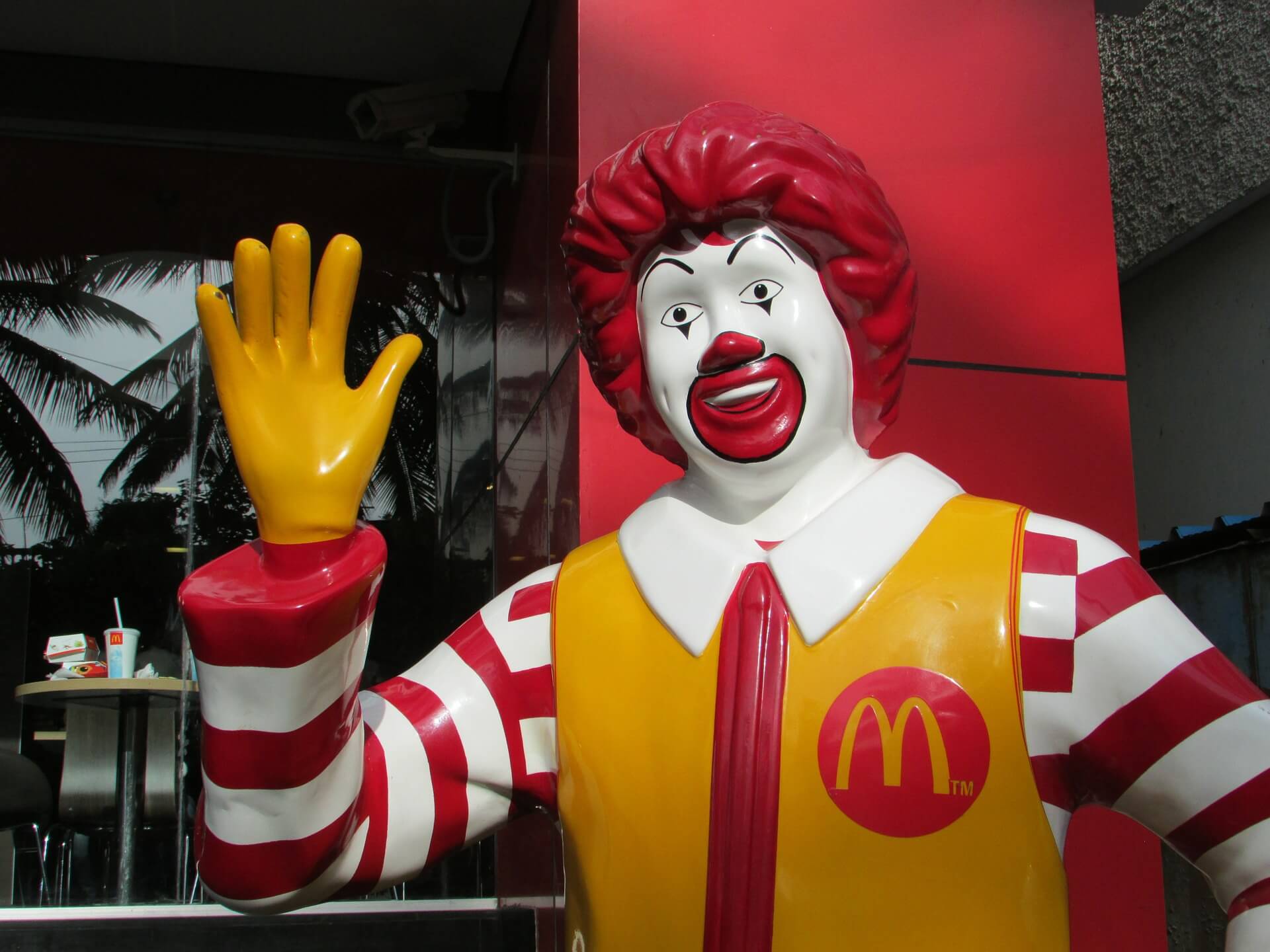
To paraphrase the response from a long-term (I believe original) Death & Co. team member addressing Kaplan’s frustration: “You haven’t been around much. You may as well be Ronald Fucking McDonald.”

Brutal, but honest. And exactly the kind of wake-up call too many owners brush off. To his credit, Kaplan took that blunt feedback on board.

He could’ve flexed his title as Dave Fucking Kaplan, if he were that type of person. And he could’ve taken out his frustration on the team members he felt had slighted or at least ignored him. Instead, Kaplan used that reality check as fuel to double down on being present, accountable, and humble.

There it is again: the founder’s mindset.

Here’s the unspoken truth about legacy: It doesn’t care about your title. Legacy cares about how a leader shows up, and how often.

Reverse Mentoring, AI, and the End of Top-Down Leadership

Anyone still asking whether artificial intelligence has a place in hospitality (and building a legacy), Colleen McLeod Garner has a message for you: “Pandora’s Box is already open.”

In other words, AI is taking its place in hospitality, regardless of who agrees with it doing so. Operators can either determine the best ways to implement and succeed with the AI solutions best suited to their operations, or they can fall behind, ultimately finding themselves passed by.

McLeod Garner doesn’t support replacing people with tech. If she did, we at KRG Hospitality wouldn’t agree with her on AI, and I would say so.

Her approach is to enhance human connection through strategic automation. By streamlining ops and freeing up staff from menial tasks, AI empowers staff to spend more time doing what matters: serving guests, supporting each other, and representing the brand.

But McLeod Garner’s real breakthrough insight about leadership? Reverse mentoring.

Flip it, and Reverse It

“Age does not dictate knowledge or leadership,” she said.

In a world where Gen Z employees bring digital fluency and cultural insight to the table, the smartest thing a senior leader can do is listen. That means inviting younger team members into leadership discussions, not as silent observers, but as active participants.

An operator adding reverse mentorship to their leadership toolbox sends a powerful message: “You matter. What you do here matters. Your ideas matter.”

McLeod Garner challenged leaders to ask questions, then shut up and listen—literally.

Ask open-ended questions. Let people until they’ve exhausted the issue on their own. This isn’t done to prove a point about what a great leader an operator is; this simple action shows team members that an operator respects them enough to listen fully, and give their insights careful consideration.

Respect. Empathy. Trust. Those aren’t soft skills, they’re business survival skills. And for Gen Z, and therefore future-proofed businesses and brands, they’re non-negotiable from this point on.

The New Metrics of Leadership

What makes this conversation urgent isn’t just generational turnover. While our industry is facing that issue, what we’re all facing is cultural transformation.

Gen Z, speaking generally, doesn’t tolerate hypocrisy from employers. These team members, admittedly generalizing again, are quick to hold leadership accountable. They’re not impressed by surface-level perks or “cool culture” branding.

They want authenticity, action, and alignment.

Legacy, then, isn’t about what leaders build for themselves. It’s about what they build with, and leave for, their teams.

This commitment to legacy includes:

  • Transparent hiring and promotion processes.
  • Feedback mechanisms that actually lead to change.
  • Recognition systems rooted in core values.
  • Tech that improves but, crucially, doesn’t remove people from the human experience.
  • Intergenerational learning that flows both ways.

None of this is easy. It takes hard work, humility, and long-term commitment. As Kaplan has put it, practicing relentless pursuit until it’s a key component of your everyday life.

As each panelist explained in their own way, the payoff for all the hard work in developing a legacy mindset is real: improved staff and guest retention, stronger culture, and a business that stands for something more than a bottom line.

Last Call: Build a Brand That Outlives You

Legacy doesn’t just mean being remembered. At least, not to me. Legacy means an operator’s impact, and that of their brand, is being repeated.

If team members carry a former employer’s values into their next job, or share an operator’s leadership principles with someone else, or feel changed for the better because they worked with a given operator, that’s a legacy.

Achieving that type of legacy doesn’t take ten or 20 or 30 years. In fact, there’s no set timeline that determines a legacy has been developed. Building a legacy requires presence and perspective. It demands the courage to be the kind of leader a team actually wants to follow.

And if Gen Z in particular has anything to say about legacy in hospitality—and they do—that’s exactly the kind of leadership that will last.

Image: Canva
Client Intake Form - KRG Hospitality

by David Klemt David Klemt No Comments

Superhuman Hospitality: A New Era

Superhuman Hospitality: Where People and AI Build the Future Together

by Doug Radkey

AI-generated image of an AI-themed superhero on a laptop

AI is here. We can adapt and learn to leverage it, or we can be left behind.

Let’s get one thing straight: artificial intelligence is not here to replace humans in hospitality, it’s here to make us better.

And let’s be honest, that’s not a bad thing.

We’re entering an era I like to call Superhuman Hospitality. This is where the fusion of artificial intelligence and human empathy creates something far more powerful than either could do alone.

The question can no longer be, “Does AI belong in this industry?” The question is, “How do we integrate AI with intention, without losing the heart and soul of hospitality?”

As we tell our clients, the brands that figure out the answer to the latter question? They’re going to be the ones leading the pack.

The Misconception: Humans vs. AI

There’s this myth floating around that AI will take away hospitality jobs (and jobs in many other industries as well). That it’s all about automation, chatbots, and robots replacing real people.

Let’s be clear. Hospitality is, and always will be, a people-first industry. I think we learned that lesson once again during the pandemic when a majority of people (not, however, the team here at KRG Hospitality) were screaming from the hills that ghost kitchens were the future of restaurants.

That didn’t quite pan out, now did it?

You can’t automate warmth, social community, and engagement.

But what you can do is leverage AI to eliminate friction points, streamline your operations, and free your people to focus on what they do best: creating memorable experiences.

This isn’t about choosing sides; this is about building a hybrid model of intelligence, where AI supports the brain, and humans lead with the heart.

What is Superhuman Hospitality?

Superhuman Hospitality is about building systems that are tech-enhanced, not tech-dependent.

There is a major difference between the two. It’s about amplifying human potential through technology.

Think about it like this:

  • AI can analyze thousands of data points to recommend menu pricing adjustments.
  • But your bartender still needs to remember a regular’s name and favorite drink.
  • AI can forecast booking trends based on seasonal data.
  • But your front desk still needs to offer a warm smile and solve problems in real time.
  • AI can power your CRM and tailor marketing messages.
  • But your server still needs to read a table’s mood, and deliver genuine hospitality.

It’s not about doing less human work; it’s about freeing humans up to do the most human work possible.

Where AI Can Shine (and Should Be Used)

We’ve come to learn that there are areas where AI absolutely dominates. Ignoring those opportunities means you’re leaving money and efficiency on the table.

  1. Predictive Analytics & Forecasting: AI can analyze past data to predict sales, foot traffic, and labor needs. This enables smarter scheduling, inventory ordering, and dynamic pricing.
  2. Smart Inventory Management: AI-driven systems can track usage patterns, expiry dates, and cost fluctuations in real time, reducing waste and theft.
  3. CRM & Guest Personalization: AI helps build personalized guest profiles, automating follow-ups, birthday messages, loyalty rewards, and upselling strategies.
  4. Marketing Automation: From email flows to social ad targeting, AI ensures you reach the right audience with the right message at the right time.
  5. Dynamic Menu & Room Pricing: Based on demand, time of day, weather, or major events, AI can help you optimize pricing for profitability.
  6. AI Assistants & Chatbots: Useful for basic inquiries, reservation confirmations, and upsells, particularly during off-hours.

And that’s just scraping the surface of the potential.

Where Humans Must Lead

AI however, can’t replace empathy, intuition, adaptability, or real-time judgment.

Hospitality thrives on emotional intelligence. You still need:

  • People who know how to defuse a tense moment.
  • Leaders who can motivate a struggling team.
  • Servers who sense when a table wants privacy or a little extra attention.
  • Front desk agents who turn a mistake into a positive, memorable moment.

No algorithm will ever replace that. That’s the core of Superhuman Hospitality: AI provides the information, and humans provide the impact.

Use Case: The Superhuman Hotel

Imagine checking into a hotel where:

  • Your room temperature, lighting, and playlist are set to your preferences automatically, and there is a bottle of your favorite red wine sitting on the table with a hand-written note addressed to you personally.
  • You’re greeted by name because AI flagged your repeat visit.
  • You then get a text offering a curated spa or dinner recommendation based on your past behavior.
  • A staff member (not a bot) walks you to your room, answers questions, and builds rapport.

AI enabled that experience but humans delivered it. That’s what we should be building.

What This Means for Leadership

As operators, your role is to create systems that empower people with the tools to exceed expectations. You need to:

  • Train your team on how to use AI tools confidently, not fearfully.
  • Design SOPs that integrate tech without replacing the human touch.
  • Foster a culture that values both efficiency and empathy.

Superhuman Hospitality doesn’t happen accidentally. It requires strategy, clarity, and intentional integration.

My Final Thoughts: The Best of Both Worlds

The future of hospitality isn’t robotic. It’s not emotionless or transactional (at least, it better not be).

The future is powered by data, and then delivered with heart.

Superhuman Hospitality is about recognizing that tech is here to support us, not replace us. The brands that win will be those that embrace AI to work smarter, not colder.

So ask yourself:

  • Are you embracing AI with purpose?
  • Are your people equipped and empowered to use it?
  • Are your systems designed to enhance, not eliminate, the human element?

Because the goal is not to remove people from hospitality; the goal is to make them superhuman.

Image: Canva

Client Intake Form - KRG Hospitality

by David Klemt David Klemt No Comments

Modern Day Revenue Management for Hotels

Modern Day Revenue Management for Hotels

by Doug Radkey

An AI-generated hotel bar area with seating next to large windows, with numbers superimposed over the image

Note: Image generated by artificial intelligence.

The landscape of hotel revenue management has evolved significantly in recent years, driven by both tech advancements and changing consumer behaviors.

With this in mind, I think now would be a good time to explore these current trends, tools, and strategies in hotel revenue management.

Below, I outline the importance of data analytics, dynamic pricing, and AI in maximizing revenue today, and as we move forward in this industry.

The Evolution of Revenue Management

In the early days of the hotel industry, revenue management was a relatively straightforward affair.

While the overall concept of revenue management originated in the airline industry in the 1980s, it was later adapted by hotels. Traditional practices relied primarily on static pricing models, where room rates were set based on the season, room type, and booking lead time. Rates were adjusted infrequently (often just a few times per year), and they were influenced mainly by historical data documented internally, and the intuition of revenue managers.

Hotels used simple tools such as spreadsheets and reservation logs to track bookings and manage their inventory. The focus was on achieving high occupancy rates rather than maximizing revenue per available room (RevPAR) and the other key metrics that we follow today.

Discounts and promotions were applied sporadically, without a deep understanding of market segments or consumer behavior, to help drive revenue during off-season periods. Group rates and corporate contracts were negotiated based on fixed rates, with little consideration for fluctuating market conditions.

From Static Pricing to Dynamic, Data-Driven Strategies

The transition from those early days to modern revenue management practices began in the late 1990s and early 2000s, driven by tech advancements and increased competition in the accommodation space.

The advent of online travel agencies (OTAs), real-time booking systems, and sophisticated data analytic tools transformed how hotels approached their pricing and inventory management.

So, what’s the modern approach?

  • Data-Driven Decision Making: The incorporation of advanced data analytics revolutionized revenue management. Hotels began leveraging large datasets from various sources, such as reservation systems, customer relationship management (CRM) software, and market intelligence platforms. This data-driven approach enabled more accurate forecasting, segmentation, and pricing strategies. Revenue managers could now analyze booking patterns, guest preferences, and demand fluctuations to make informed decisions.
  • Dynamic Pricing Models: Dynamic pricing involves adjusting room rates continuously based on real-time market demand, competitor pricing, and other external factors. This approach allows hotels to maximize revenue by selling the right room to the right guest at the right time and price. Dynamic pricing models consider various data points, including booking pace, market trends, weather, and special events, to optimize their recommended rates.
  • Automation and Real-Time Adjustments: Modern revenue management systems (RMS) introduced automation, allowing hotels to implement real-time rate adjustments. These systems use algorithms and machine learning to analyze data and update rates across all distribution channels automatically. This automation minimizes manual errors, and ensures consistent pricing across platforms, enhancing the hotel’s ability to respond to market changes quickly.
  • Focus on Total Revenue Management: While traditional revenue management focused primarily on room revenue, modern practices embrace a more holistic view known as total revenue management. This approach considers all revenue streams, including food and beverage, spa services, and other on-property offerings. By optimizing pricing and promotions across all areas, hotels can now maximize total revenue and profitability.

The Importance of Data Analytics

Data analytics involves the systematic analysis of data to uncover patterns, correlations, and trends that inform strategic decisions.

Sounds fairly important, right? In the hospitality industry, data analytics helps you understand market dynamics, predict demand, and tailor your hotel’s offering to meet guest needs. This level of analysis is paramount for developing effective revenue management strategies that maximize profitability.

One of the primary functions of data analytics in hotel revenue management is demand forecasting. By analyzing historical booking data, seasonal trends, and external factors such as local events, weather, or economic conditions, hotels can predict future demand accurately. This forecasting through data analytics enables hotels to adjust room rates more dynamically, optimize inventory allocation more efficiently, and implement targeted marketing campaigns that drive results.

Modern analytics platforms have revolutionized hotel revenue management by providing sophisticated tools for data analysis, strategic planning, and dynamic pricing. Atomize RMS stands out as a prime example of an advanced analytics tool that leverages data-driven decision-making to optimize hotel performance through dynamic pricing. This cloud-based revenue management system (RMS) uses sophisticated algorithms and machine learning to provide real-time pricing recommendations, as well as market insights.

Atomize enables hotels to make informed decisions based on real-time market conditions and predictive analytics by leveraging machine learning and big data. This data-driven approach leads to more precise pricing strategies, optimized inventory management, and improved profitability.

Moreover, the system’s ability to automate and streamline revenue management processes reduces the risk of human error, and frees up time for hotel staff to focus on other critical aspects of operations, such as providing a memorable guest experience, and elevating service quality.

The Role of Artificial Intelligence (AI)

Artificial Intelligence (AI) has further revolutionized the field of revenue management in the hotel industry, offering advanced capabilities that enhance both efficiency and profitability. Another AI-powered RMS provider is Duetto Cloud’s Game Changer, designed to analyze large datasets, identify patterns, and make real-time decisions.

One of the key capabilities of an AI-powered RMS is the automated pricing optimization. The system monitors market conditions continuously and adjusts room rates based on real-time data, with limited rules in the back-end. This dynamic pricing approach allows hotels to capitalize on fluctuations in demand, ensuring that they are charging the optimal rate at any given time.

These accurate forecasts can enable hotels to plan more effectively, manage inventory, and allocate resources more efficiently.

For example, AI can help predict when a hotel is likely to experience high demand and adjust staffing levels accordingly, ensuring optimal service quality. Additionally, accurate forecasting helps in identifying potential periods of low occupancy, allowing hotels to implement targeted marketing campaigns and promotional offers to boost bookings.

Beyond pricing and forecasting, AI-powered RMS can also enhance the guest experience through personalization. By analyzing guest data such as booking history, preferences, and feedback, AI systems can tailor offers and recommendations to individual guests.

For instance, an advanced RMS can identify a guest’s preference for specific room types, amenities, or dining options and use this information to provide personalized packages or upsell relevant services.

As AI technology continues to evolve, its role in revenue management is expected to grow, offering even more sophisticated capabilities and insights for hotels. Embracing AI-powered RMS now is going to be essential for hotel operators who are looking to compete and win in today’s fast-paced and data-driven market.

Integrating Revenue Management with Other Hotel Operations

As mentioned above, modern hotel revenue management is moving away from the siloed approach of focusing solely on room-based revenue. Increasingly, that outdated method is being replaced by a more holistic perspective that encompasses the entire guest experience.

This shift necessitates cross-department collaboration, aligning revenue management with sales, marketing, and operations to create cohesive strategies that optimize total revenue. Integrating efforts across departments means hotels can enhance their revenue streams and also provide a seamless and enriching experience for their guests.

To maximize total revenue, hotels must look beyond room revenue to optimize ancillary revenue streams, such as food and beverage (F&B), spa services, events, and so much more. This approach, known as total revenue management (TRM), involves a comprehensive strategy that considers all aspects of the guest experience.

For example, coordinating F&B with revenue management ensures that the on-property restaurant reservations and event bookings align with the hotel’s overall occupancy and pricing strategies.

The obvious and ultimate goal of cross-department collaboration is to enhance the guest journey and experience. Aligning efforts across revenue management, sales, marketing, and operations ensures hotels can create a seamless and personalized experience for their guests.

This can include personalized room amenities, customized dining options, and exclusive access to hotel facilities. Engaging with guests before, during, and after their stay through targeted communications and personalized offers can further enhance their experience and encourage repeat visits.

Looking Ahead

As you can see, modern hotel revenue management has become an intelligent discipline driven by data analytics, dynamic pricing, and artificial intelligence (AI). These elements are really becoming a non-negotiable for optimizing revenue, enhancing guest experiences, and maintaining a competitive edge.

Data analytics provides deep insights into market trends, guest behaviors, and demand patterns, enabling more accurate forecasting and strategic decision-making. Dynamic pricing, powered by real-time data and AI, allows hotel operators to adjust room rates fluidly, maximizing revenue by responding to market conditions.

AI further enhances revenue management through advanced capabilities such as predictive analytics and personalized guest services, all of which streamline operations and improve efficiency when integrated with other departments within your hotel.

Looking ahead, the future of hotel revenue management promises exciting innovations and trends. As AI and machine learning technologies continue to advance, we can expect even more precise forecasting models, and highly personalized guest experiences. The integration of big data from diverse sources, including social media, online reviews, and IoT devices, will provide richer datasets for analysis, leading to more nuanced insights and strategic opportunities.

Additionally, the increasing importance of TRM and revenue per available guest (RevPAG) will encourage hotels to optimize not just room revenue but also ancillary streams such as dining, spa services, events, and more.

Move Forward Today

For hotel operators like yourself, you must embrace and invest in advanced analytics tools, AI-powered RMS, and dynamic pricing strategies.

Adopting a data-driven approach will position you to better understand your hotel’s market, anticipate demand fluctuations, and tailor your offering to meet guest expectations.

This proactive stance will not only drive revenue growth but also enhance your brand equity.

Stay ahead of the curve and adopt cutting-edge technologies and strategies to navigate the complexities of the modern market and ensure long-term success. Now is the time to invest in the future, leverage the power of data and AI, and lead your hotel to new heights of profitability and excellence.

Image: DALL-E

KRG Hospitality Contact 60-Minute Impact Session

Looking to Start, Stabilize, or Scale? Book Below to Setup a 60-Minute Result-Driven Impact Session.


by David Klemt David Klemt No Comments

Fast-food Giant Halts AI Ordering

Fast-food Giant Halts AI Order Taking

by David Klemt

AI-generated image of a caramel sundae surrounded by pats of butter and chicken nuggets

Ironically, this image is AI generated. So, how many pats of butter and nuggies do like with your sundae?

Roughly two years after first experimenting with artificial intelligence-driven ordering technology, McDonald’s is pulling the plug…for now.

The fast-food behemoth made its interest in artificial intelligence abundantly clear in 2019. In Q2 of that year, the company purchased Dynamic Yield for a reported $300 million. Immediately after making the acquisition, McDonald’s implemented Dynamic Yield’s machine-learning tech to an estimated 8,000 drive-thrus.

KRG Hospitality readers may recall that the fast-food company faced a class-action privacy lawsuit in Illinois. The plaintiff alleged that McDonald’s “violated BIPA because it failed to obtain proper consent prior to collecting and disseminating Plaintiff’s and the other class members’ voiceprint biometrics who interacted with its AI voice assistant at its Illinois locations.”

Around six months after making that acquisition, McDonald’s picked up Apprente. Interestingly, the voice-powered ordering tech platform had only been founded in 2017.

Following the purchase, the Apprente team became founding members of McD Tech Labs, a group that fell under the McDonald’s Global Technology Team umbrella. Two years later, McDonald’s would sell McD Tech Labs to IBM.

Put simply, McDonald’s was interested in testing voice-activated “automated order taking” (AOT). In theory, an effective platform could take orders, speeding up drive-thrus and streamlining operations.

Well, it appears that the answer is no. At least, not to the standards of McDonald’s, and satisfaction of the company’s guests.

Speed, Convenience, and Accuracy

A drive-thru needs to be fast. There’s no question about it, that’s the entire point.

The speed, after all, makes a drive-thru convenient. Otherwise, people would just park and place their orders at a counter or kiosk.

However, speed means nothing without accuracy. An LSR, QSR or fast-casual restaurant with a drive-thru could promise a guest will wait in line for no more than ten seconds after ordering. If they don’t get what they ordered, it doesn’t matter.

Poke around social mediaTikTok in particularand you’ll come across some viral AOT moments. There’s the addition of several “butter portions” to an ice cream order. Also, the addition of bacon to an order for ice cream, which I’m not entirely confident I’d correct. At least one guest popping into an AI-powered McDonald’s drive-thru had hundreds of dollars of McNuggets added to their order.

So, by July 26 of this year, as reported by Restaurant Business, the experiment will end. This partnership between McDonald’s and IBM to test AOT will be no more.

However, McDonald’s also said that IBM will remain a partner for other efforts. Further, McDonald’s shutting down AOT (for now) doesn’t seem to have turned other brands off from the idea. Per reporting, IBM says other fast-food chains are inquiring about AOT.

This story makes a few things clear to me. First, McDonald’s is confident that investing in tech is the way forward. They’ve spent hundreds of millions of dollars to test and implement new tech solutions. Second, someone has to go first and test in earnest, and it appears that LSRs and QSRs are leading the charge in hospitality.

And third, AI isn’t ready for prime time just yet. It’s wise to keep up to date with AI-powered innovations, but it’s also smart to be cautious.

Image: Shutterstock. Disclaimer: This image was generated by an Artificial Intelligence (AI) system.

Tech-Stack Consulting for Motels Hotels Resorts

by David Klemt David Klemt No Comments

AI: Coming to a Loyalty Program Near You

AI: Coming to a Loyalty Program Near You

by David Klemt

In a logical step forward, artificial intelligence is now coming to restaurant loyalty programs to enhance personalization and encourage engagement.

Proponents say that AI is in a position to learn about program members and make recommendations. Most importantly, they claim that such technology learns to present offers that will motivate guests to make a purchase.

At the end of the day, that is the reason loyalty programs exist.

One international chain embracing AI tech to enhance their program is Wendy’s. As one would expect, they’re using AI to study an individual’s preferences, visit frequency, purchase history, and more.

Should this investment in AI prove successful, the Wendy’s loyalty program will further establish itself as one of the best in the industry. In addition to enhancing the gamification aspect of the app, offer uptake should increase.

It’s no secret that consumers want personalized offers. However, that doesn’t mean a marketing email with their first name in the greeting. A truly personalized offer is one that shows the company extending it understands the recipient.

For a surface-level example, let’s say a loyalty program user’s purchase history makes it clear they’re exclusively vegetarian or vegan. It’s incredibly likely that offering this person a deal on a double cheeseburger will fail. Over time, after receiving enough offers that don’t resonate, that user may decrease visits and even exit the loyalty program.

Toward the end of last year, Wendy’s said they expected sales driven by digital opportunities to reach nearly $2 billion. A key driver is, of course, their loyalty program.

It makes sense, therefore, for the QSR giant to invest in AI to enhance loyalty.

Punchh It

Wendy’s is partnering with PAR Tech to enhance their loyalty program via artificial intelligence.

In 2021, PAR Tech acquired a loyalty and guest engagement solutions provider called Punchh for $500 million. Now called PAR Punchh, the aim is to make it simpler for restaurants to leverage loyalty.

“With the Punchh acquisition, we are building a platform that enables restaurants to scale quickly, own their path to innovation, and take back their guest relationship. This eliminates the need for juggling disjointed vendors, developing cumbersome point-to-point integrations, and relying on 3rd party dependencies. At the same time, Punchh advances our ability to provide customers with an end-to-end solution, from guest-to-kitchen, through one unified data source,” said PAR Tech CEO and president Savneet Singh back in 2021.

Per PAR Tech, there are more than 200 enterprise-level restaurant chains using Punchh currently. It stands to reason that number will grow if partnering with the platform proves lucrative for brands like Wendy’s.

Further, as AI tech reaches ubiquity and delivers more desirable results, it should become more affordable for regional chains and independents to leverage it as well.

Operators of all sizes who offer loyalty programs should keep an eye on AI-enhanced programs and the opportunities they present.

Image: Alexander Sinn on Unsplash

Bar Pub Brewery Nightclub Club Nightlife Technology Plan Tech Stack

by David Klemt David Klemt No Comments

5 Books to Read this Month: November 2023

5 Books to Read this Month: November 2023

by David Klemt

Flipping through an open book

Our inspiring and informative November book selections will help you and your team transform your operations and F&B programming.

This month, we look at a new branding and marketing book. We also dive into agave spirits and cuisine from the Canadian Prairies.

There’s an eye-opening exploration into the topic of technology, culture, and the “alignment problem,” as well.

To review the book recommendations from October 2023, click here.

Let’s jump in!

The Restaurant Marketing Mindset: A Comprehensive Guide to Establishing Your Restaurant’s Brand, from Concept to Launch and Beyond

If you haven’t had the opportunity to hear Chip Klose speak, look into his books. His latest The Restaurant Marketing Mindset, came out in early October. As the title suggests, this book is for anyone who’s struggling with branding and marketing, or who simply wants a fresh perspective on this crucial element of operations.

From Amazon: “Restaurants boast some of the highest failure rates of any industry, yet even worse is the sheer number of concepts that struggle just to break even. In The Restaurant Marketing Mindset, Chip Klose introduces a series of mindset shifts and actionable frameworks to help owners and operators finally take control of their marketing.

With more than twenty years of operational experience—plus an MBA in food marketing—Klose has the authority, experience, and track record needed to speak confidently on the subject. Each lesson stacks one on top of the other, giving the reader a step-by-step plan to attract more diners, retain those diners, and spark word of mouth with the ones who matter most.

This book is for any chef, owner, or operator who’s ever felt overwhelmed when it comes to marketing their restaurant. Each chapter is filled with powerful insights to help you build a more profitable (and sustainable) business.”

Pick it up today!

Prairie: Seasonal, Farm-Fresh Recipes Celebrating the Canadian Prairies

This engaging cookbook features 1oo traditional and creative recipes highlighting Canadian Prairie cuisine. These seasonal, farm-to-table recipes are sure to impress your guests.

From Amazon: “No matter the season, the Prairies are all about preserving every ounce of food, so of course there’s also tons of helpful tips and tricks on reducing food waste. There’s even a Staples chapter with recipes for stocking your pantry to keep you cooking all year long. Both a love letter to Canada’s grandest provinces and an indispensable collection of recipes, Prairie is as inviting and bountiful as the region it celebrates.”

Agave Spirits: The Past, Present, and Future of Mezcals

The authors of this informative book visited eight Mexican states to learn all they could about mezcal. By extension, they learned not only about traditional production but also where this hugely popular spirits category is headed for the future.

From Amazon: “The result of the authors’ fieldwork and on-the-ground interviews with mezcaleros in eight Mexican states, Agave Spirits shows how traditional methods of mezcal production are inspiring a new generation of individuals, including women, both in and beyond the industry. And as they reach back into a rich, centuries-long history, Nabhan and Suro Pinera make clear that understanding the story behind a bottle of mezcal, more than any other drink, will not only reveal what lies ahead for the tradition―including its ability to adapt in the face of the climate crisis―but will also enrich the drinking experience for readers.”

The Alignment Problem: Machine Learning and Human Values

When we build automated systems, we’re placing a lot of trust in our expertise. And because humans are fallible, the systems we build are far from perfect.

From Amazon: “Today’s ‘machine-learning’ systems, trained by data, are so effective that we’ve invited them to see and hear for us—and to make decisions on our behalf. But alarm bells are ringing. Recent years have seen an eruption of concern as the field of machine learning advances. When the systems we attempt to teach will not, in the end, do what we want or what we expect, ethical and potentially existential risks emerge. Researchers call this the alignment problem.”

Hacking the New Normal: Hitting the Reset Button on the Hospitality Industry

The world around us has changed. The food and beverage industry has changed. The hospitality industry has changed. But will some ways of life change for the better? Will perhaps the restaurant, bar, and hospitality industry come out even stronger? With the right changes to the previous status quo, it is possible. There’s no question, resets are major undertakings, but a major reset will provide us with a clean start and that’s what this industry needs.

Pick up KRG Hospitality president Doug Radkey’s second book today! Click here.

Image: Mikołaj on Unsplash

KRG Hospitality. Business Coach. Restaurant Coach. Hotel Coach. Hospitality Coach. Mindset Coach.

by David Klemt David Klemt No Comments

Do You Need a Restaurant Chatbot?

Do You Need a Restaurant Chatbot?

by David Klemt

Robot hand reaching for human hand

The labor shortage, increasing demand for convenience, and artificial intelligence are converging to make a strong case for restaurant chatbots.

Specifically, bots that can take orders accurately. As consumers increasingly live their lives on demand, any perception of even minor inconvenience can turn someone against a brand or venue.

In addition to convenience, today’s consumer, generally speaking, also expects to find more technology when engaging with a business. Likewise, workers expect employers to implement more tech, whether it’s welcome or not.

When it comes to our industry, that means everything from streamlined POS systems and powerful CRM platforms to predictive ordering software and cobots.

Looking at generative AI and guest-facing tech, it won’t be long before guests expect to place their orders via chatbot.

In fact, some consumers are placing orders with restaurant bots now. There are already text- and voice-based restaurant bots out in the world. So far, it appears that many QSRs are implementing generative AI bots to handle orders.

As some of the companies developing restaurant bots point out, they never tire. The bots never feel overwhelmed. They can field a limitless amount of calls, working around the clock without breaks, every day of the year. Obviously, restaurant bots don’t get sick, ask for time off, or no-call, no-show.

So, for high-volume restaurants, particularly those with drive-thrus, restaurant bots are probably incredibly attractive. Clearly, labor is still an issue. And these restaurant bots promise to take the ordering process out of workers’ hands, allowing them to focus on “more important” tasks.

Now, couple that with guests seeming less patient, less forgiving, and more obsessive about convenience. On-demand solutions certainly appear great on paper.

Text Bots

We know that guests are already interacting with restaurant bots. When they visit a restaurant’s website or download its app if they have one, they’re encountering bots.

Some provide information, some can make reservations, and an increasing number can take orders. There are bots that imitate a text exchange, and those that streamline the ordering process by using canned replies.

One of the better known of these is Dom, Domino’s chatbot. Whether via app or website, Dom walks people through the ordering process easily and, in my experience playing with this tool, quite simply.

Further, Dom can “remember” previous orders (when a customer is logged into their account) and reorder them. The bot can make recommendations, and it will search for and apply coupons or promotions.

These functions are, of course, the pros of restaurant bots. As their ability to handle more complex tasks increases, the promise is that they’ll do more than offer convenience or solve some labor issues.

Rather, they’ll also generate more revenue by making personalized recommendations, upselling customers, and reaching out to customers to prompt them to place an order.

Voice Bots

As operators whose phone lines light up from open to close can attest, there are people who prefer to talk to someone to place an order.

Well, there are now restaurant bots that can field those calls.

One provider of this tech is ConverseNow. The company uses voice AI, which they explain is also known as conversational AI on their website. Their tech handles phone and drive-thru orders, and the experience is close to, if not exactly like, speaking with their human counterparts.

According to ConverseNow, operators no longer have to worry about unanswered calls. Customers won’t call in only to hear a busy signal. Drive-thru times are reduced. Workers can focus solely on service, prep, and fulfilling orders.

Additionally, the company is focusing on accuracy. There’s an agent-assisted solution, for example. If a complex order comes in, an agent can take over before things go sideways. Agents can also help ConverseNow’s AI to learn from new situations, ensuring the customer experience is painless and even more accuracy.

The tech is so good that Domino’s uses it along with Dom. Per the ConverseNow website, the tech integrates with leading POS systems like Toast; is live in more than 1,200 restaurants in over 40 states; and has taken 8.5 million orders and freed up one million labor hours for their clients.

Along with ConverseNow, operators can look into HungerRush, Yellow.ai, and other solutions.

Takeaway

Restaurant bots certainly make sense for high-volume, limited-service, and QSR operators. They can reduce labor costs and capture more (if not every) order with ease.

However, we need to consider the impact of reducing or eliminating human interactions in hospitality. Whether in the front or back of house, we appear to be heading toward an industry putting less emphasis on the human element.

Yes, team members still interact with guests to take in-person orders and for in-person dining. That is, for now.

In the QSR space in particular, ordering kiosks are becoming more common. At some point, AI-powered kiosks, along with other AI tools, will replace the need to interact with humans in fast-casual and casual-dining restaurants.

It seems at odds with the spirit of hospitality for guests to not have to interact with a team member until their food needs to be dropped. And with cobots, that’s also a task an operator can automate.

I’m all for progress and innovation. And I’m all for delivering on the guest expectation of convenience. However, it’s a balancing act. An operator opting to automate tasks so team members can better engage with guests needs to ensure that’s actually happening.

I don’t think we need less human interaction. And I, for one, have a growing concern that some operators are journeying further down the path of barely seeing the people they employ as people. Rather, too many are increasingly seeing team members as liabilities and nothing more.

I point that out to say this: When considering implementing any new tech, consider the impact on more than just P&Ls. This is a people business, and dedicating yourself to slashing costs and boosting revenue ruthlessly runs the risk of making a restaurant less hospitable for guests and staff.

Image: Cash Macanaya on Unsplash

Bar Nightclub Pub Brewery Technology Consulting Project Management

by David Klemt David Klemt No Comments

SEO Tips from AI: Hotels & Camps

SEO Tips from AI: Hotels, Camps & Lodges

by David Klemt

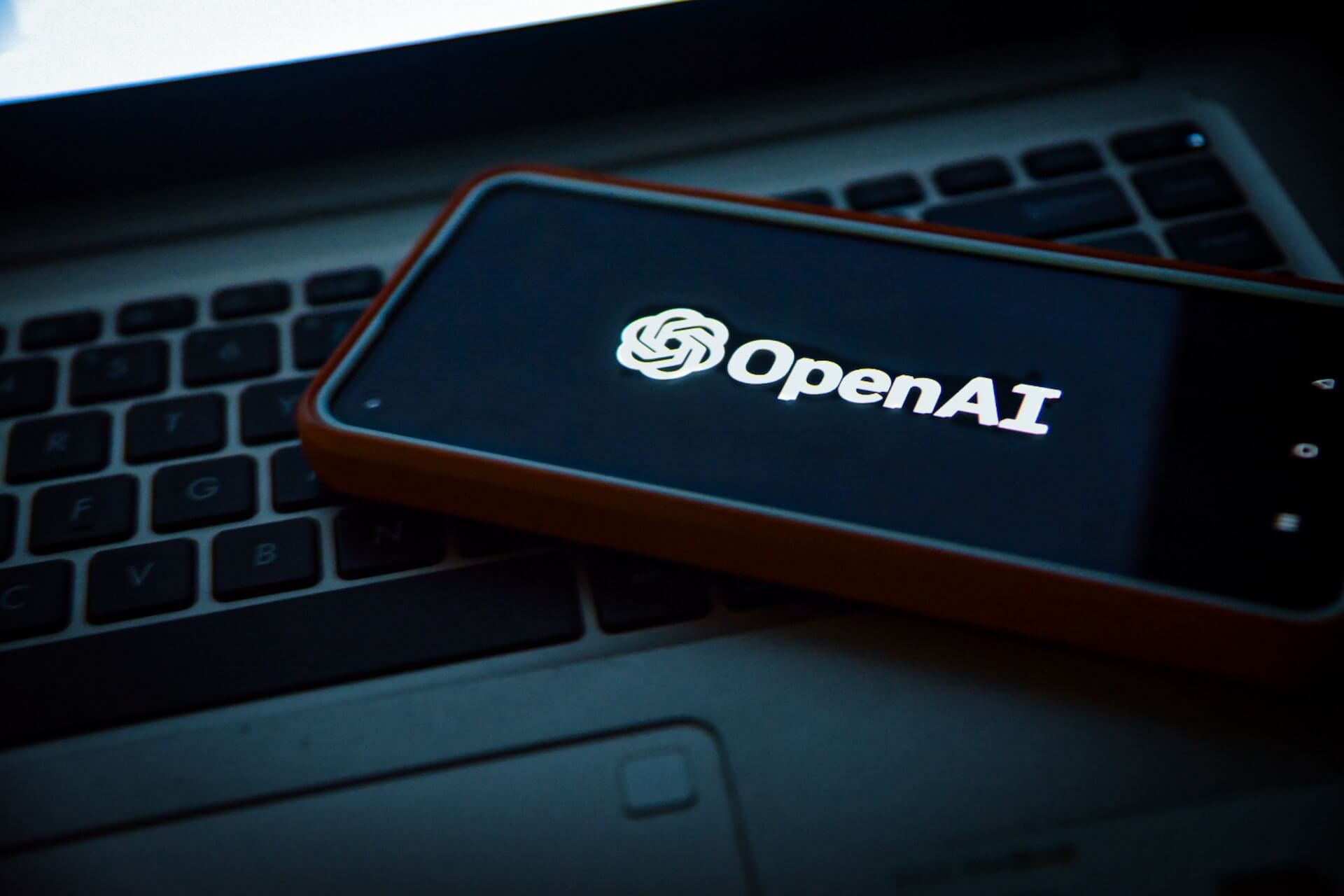
OpenAI logo on smartphone screen, resting on laptop keyboard

After asking ChatGPT to suggest SEO improvements for restaurants, bars, and nightclubs, we’ve done the same for the hotel space.

This is part two of our AI-generated SEO tips series. In part one, we focus on restaurants, bars, nightclubs, and eatertainment venues.

For this part, we ask ChatGPT about improving SEO for boutique hotels, independently owned hotels, boutique and luxury campgrounds, and boutique and luxury lodges.

The boutique and luxury outdoor experiential market is heating up. So, I was curious about what keywords and advice ChatGPT would recommend to help operators in this space stand out and improve their odds for discover.

Personally, I found some of the keyword suggestions helpful. However, these are terms we at KRG Hospitality already know to include in our brand identity and marketing plans.

Simply put, I don’t think AI rivals what humans can create when it comes to brand identity and marketing. But, you should read the following and decide for yourself.

What specific terms are the best for boutique or independently owned hotels to use for SEO ranking?

For boutique or independently owned hotels, it’s important to focus on specific terms that highlight the unique aspects of your property and appeal to your target audience. Here are some specific terms that can be beneficial for SEO ranking:

  1. Hotel Name: Ensure that your hotel’s name is prominently featured in your website’s content, meta tags, and URLs to associate your website with your hotel’s name.
  2. Location-Based Keywords: Include location-specific keywords throughout your website to target customers searching for hotels in your area. For example, use terms like “boutique hotels in [location],” “[location] luxury accommodations,” or “independent hotels near [landmark].”
  3. Unique Selling Points: Highlight the unique features and qualities of your boutique hotel. Optimize your website with keywords that reflect these selling points, such as “boutique hotel with rooftop pool,” “intimate luxury accommodations,” or “designer boutique hotel in [location].”
  4. Style and Theme: If your boutique hotel has a specific style or theme, incorporate relevant keywords. For example, use terms like “vintage-inspired boutique hotel,” “modern boutique accommodations,” or “bohemian chic hotel in [location].”
  5. Amenities and Services: Emphasize the distinctive amenities and services your boutique hotel offers. Optimize your website with keywords related to these offerings, such as “boutique hotel with spa,” “gourmet dining experiences,” or “personalized concierge services.”
  6. Local Attractions and Experiences: If your boutique hotel is close to popular local attractions or offers unique experiences, mention them on your website. Optimize with keywords related to these attractions and experiences to attract visitors searching for accommodations near specific landmarks or seeking specific activities.
  7. Sustainable or Eco-Friendly: If your boutique hotel has a focus on sustainability or eco-friendliness, incorporate related keywords. Use terms like “eco-friendly accommodations,” “green boutique hotel,” or “sustainable practices in [location].”
  8. Reviews and Testimonials: Encourage guests to leave reviews on platforms like Google My Business, Yelp, or TripAdvisor. Positive reviews can boost your hotel’s visibility in search results and attract more bookings.
  9. Local SEO: Implement local SEO strategies by optimizing your website for local search results. This includes creating and optimizing your Google My Business profile, ensuring consistent NAP (Name, Address, Phone) information across directories, and getting listed in local online directories.
  10. Social Media Integration: Integrate social media into your SEO strategy by linking your website to your hotel’s social media profiles. Engage with your audience, share updates about your hotel, and encourage user-generated content through social media channels.

Remember to conduct keyword research specific to your boutique hotel’s offerings, style, and target audience. Regularly monitor your website’s performance, track keyword rankings, and adapt your SEO strategy as needed to improve your hotel’s online visibility and attract more guests.

What specific terms are the best for boutique and luxury campgrounds and lodges to use for SEO ranking?

For boutique and luxury campgrounds and lodges, it’s important to use specific terms that highlight the unique features, amenities, and experiences your property offers. Here are some specific terms that can be beneficial for SEO ranking:

  1. Campground or Lodge Name: Ensure that your property’s name is prominently featured in your website’s content, meta tags, and URLs to associate your website with your campground or lodge’s name.
  2. Location-Based Keywords: Include location-specific keywords throughout your website to target customers searching for campgrounds or lodges in your area. For example, use terms like “luxury campground in [location],” “[location] glamping site,” or “boutique lodge near [landmark].”
  3. Nature and Outdoor Keywords: Emphasize the natural beauty and outdoor experiences available at your campground or lodge. Optimize your website with keywords related to activities like hiking, fishing, wildlife watching, or stargazing. Use terms like “nature retreat,” “wilderness campground,” or “outdoor adventure in [location].”
  4. Unique Accommodations: If your campground or lodge offers unique accommodations like glamping tents, treehouses, or luxury cabins, highlight them on your website. Optimize with keywords like “glamping experience,” “luxury safari tents,” or “secluded treehouse retreat.”
  5. Amenities and Services: Showcase the luxurious amenities and services your campground or lodge provides. Optimize your website with keywords related to these offerings, such as “heated swimming pool,” “private chef services,” “spa and wellness facilities,” or “concierge services.”
  6. Sustainable or Eco-Friendly: If your campground or lodge follows sustainable practices or has an eco-friendly focus, incorporate related keywords. Use terms like “eco-conscious accommodations,” “sustainable camping,” or “green lodge in [location].”
  7. Nearby Attractions and Activities: Highlight popular nearby attractions, landmarks, or outdoor activities that guests can enjoy during their stay. Optimize with keywords related to these attractions and activities to attract visitors searching for accommodations near specific points of interest.
  8. Reviews and Testimonials: Encourage guests to leave reviews on platforms like Google My Business, Yelp, or TripAdvisor. Positive reviews can boost your campground or lodge’s visibility in search results and attract more bookings.
  9. Local SEO: Implement local SEO strategies by optimizing your website for local search results. This includes creating and optimizing your Google My Business profile, ensuring consistent NAP (Name, Address, Phone) information across directories, and getting listed in local online directories.
  10. Social Media Integration: Integrate social media into your SEO strategy by linking your website to your campground or lodge’s social media profiles. Engage with your audience, share updates about your property, and encourage user-generated content through social media channels.

Remember to conduct keyword research specific to your campground or lodge’s offerings, location, and target audience. Regularly monitor your website’s performance, track keyword rankings, and adapt your SEO strategy as needed to improve your property’s online visibility and attract more guests.

Takeaway

Just like AI-generated tips for SEO and discovery for restaurants and bars, there needs to be a human element for hotels, campgrounds, and lodges.

Relying on AI to improve search engine ranking isn’t, at this point, the best strategy. Perhaps one day that will change, but today isn’t that day.

The answers to my questions do provide some good tips regarding specific keywords and SEO practices. However, I wouldn’t suggest that operators trust AI to write their listings or the pages on their websites.

As it stands, in my opinion, AI just can’t match what people can do when it comes to marketing, branding, and discovery.

Image: Levart_Photographer on Unsplash

KRG Hospitality marketing support. Restaurant. Bar. Cafe. Lounge. Hotel. Resort.

by David Klemt David Klemt No Comments

SEO Tips from AI: Restaurants & Bars

SEO Tips from AI: Restaurants, Bars & Nightclubs

by David Klemt

OpenAI ChatGPT logo against matching background

We aren’t fans of artificial intelligence “creating” marketing plans but can chatbots help improve SEO by offering keywords and making other suggestions?

Since AI tools such as ChatGPT can instantly crawl the depths of the Internet, we want to know if they can provide “insider” tips. Perhaps they have a leg up when it comes to parsing what helps and what hurts SEO ranking.

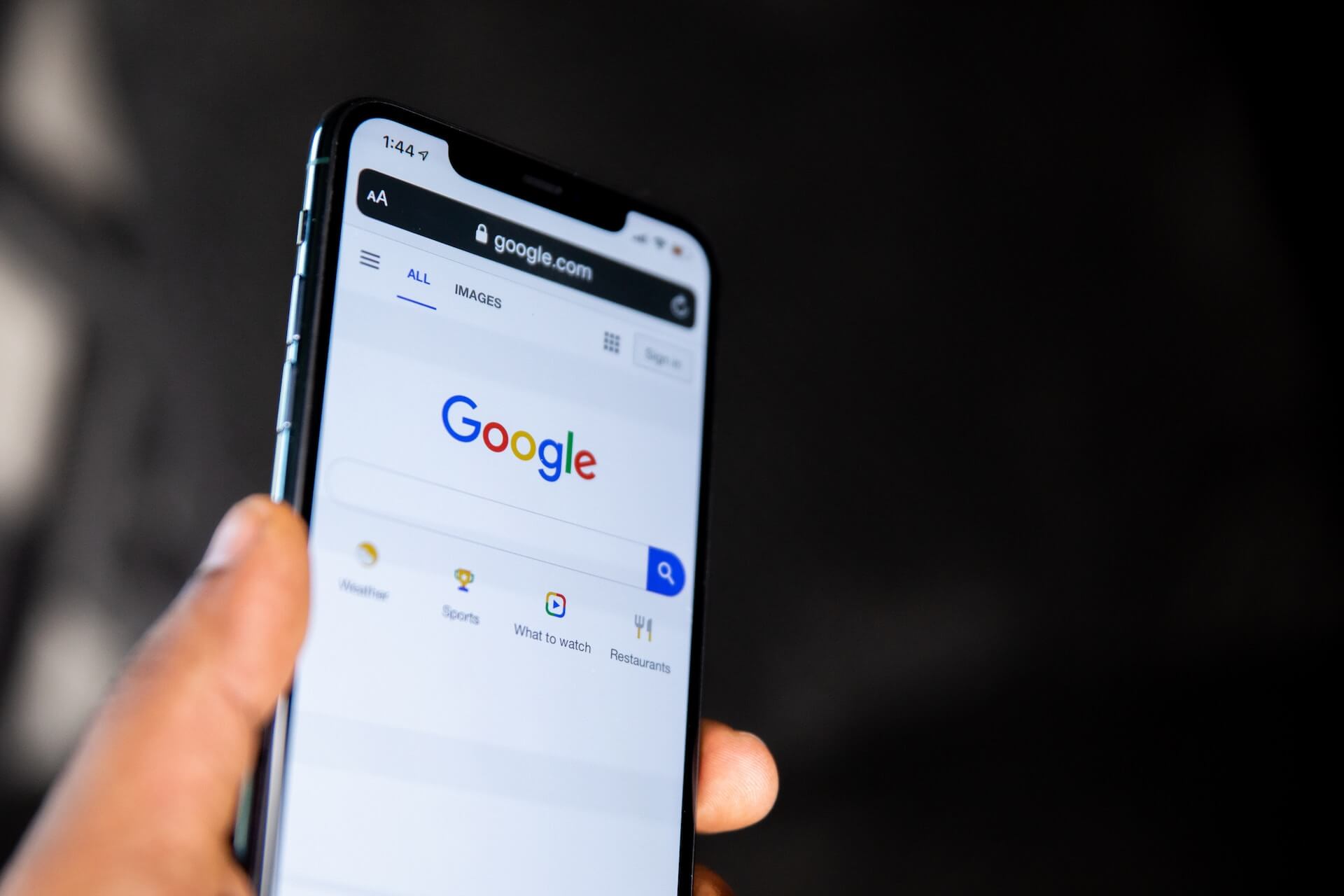
Restaurant, bar, and nightclub websites still matter. Consider the latest SevenRooms data in regards to how people discover new places to dine, drink, and socialize. Two-thirds of consumers rely on word-of-mouth recommendations from family and friends. A third use Google.

So, that should show how important it is to ensure your restaurant, bar, or nightclub is showing up right away when people are using search engines.

For the first part of our AI SEO series, I ask ChatGPT for suggestions for restaurants, bars, nightclubs, and eatertainment venues. In the follow-up article, I ask for assistance for hotels, campgrounds, and lodges.

Note: ChatGPT’s answers are provided below unedited. There’s some repetition, which is to be expected.

What specific terms are the best for restaurants to use for SEO ranking?

When it comes to specific terms for SEO ranking for restaurants, it’s important to consider keywords that are relevant to your restaurant’s niche, location, and target audience. Here are some specific terms that can be beneficial:

  1. Cuisine Keywords: Incorporate specific cuisine-related keywords that reflect the type of food your restaurant serves. For example, if you have an Italian restaurant, use terms like “Italian cuisine,” “authentic Italian dishes,” or “Italian restaurant [location].”
  2. Location-Based Keywords: Include location-specific keywords throughout your website to target customers searching for restaurants in your area. For instance, use terms like “best restaurants in [location],” “[location] dining,” or “[location] food scene.”
  3. Menu Items: Optimize your website for specific menu items that are popular or unique to your restaurant. Include descriptive keywords for these dishes, such as “signature seafood pasta,” “gourmet burger with truffle aioli,” or “vegan-friendly options.”
  4. Dining Experience Keywords: Highlight specific aspects of your restaurant’s dining experience. For example, if you have a rooftop terrace, mention it with keywords like “rooftop dining [location]” or “alfresco dining with city views.”
  5. Special Occasions: If your restaurant caters to special occasions like birthdays, anniversaries, or private events, optimize with related keywords. Use terms like “private event venue,” “birthday dinner reservations,” or “romantic anniversary restaurant.”
  6. Farm-to-Table or Sustainable Keywords: If your restaurant emphasizes locally sourced or sustainable ingredients, incorporate related keywords. Use terms like “farm-to-table dining,” “organic ingredients,” or “sustainable seafood.”
  7. Brunch or Breakfast Keywords: If your restaurant serves brunch or breakfast, optimize your website for keywords related to these meals. Use terms like “weekend brunch spot,” “best breakfast in [location],” or “bottomless mimosa brunch.”
  8. Online Ordering and Delivery: If your restaurant offers online ordering or food delivery services, optimize your website with related keywords. Use terms like “online food ordering,” “food delivery [location],” or “order food online.”
  9. Reviews and Testimonials: Encourage customers to leave reviews on platforms like Google My Business, Yelp, or TripAdvisor. Positive reviews can boost your restaurant’s visibility in search results and attract more customers.
  10. Local SEO: Implement local SEO strategies by optimizing your website for local search results. This includes creating and optimizing your Google My Business profile, ensuring consistent NAP (Name, Address, Phone) information across directories, and getting listed in local online directories.

Remember, it’s crucial to conduct keyword research specific to your restaurant’s offerings and target audience. Regularly monitor your website’s performance, track keyword rankings, and adapt your SEO strategy as needed to improve your restaurant’s online visibility and attract more diners.

What specific terms are the best for bars to use for SEO ranking?

When it comes to specific terms for SEO ranking for bars, it’s important to consider keywords that are relevant to your bar’s theme, location, and target audience. Here are some specific terms that can be beneficial:

  1. Bar Name: Ensure that your bar’s name is prominently featured in your website’s content, meta tags, and URLs to associate your website with your bar’s name.
  2. Location-Based Keywords: Include location-specific keywords throughout your website to target customers searching for bars in your area. For example, use terms like “best bars in [location],” “[location] nightlife,” or “bars near [landmark].”
  3. Bar Type or Theme: Incorporate specific keywords related to your bar’s type or theme. For instance, if you have a sports bar, use terms like “sports bar,” “sports pub,” or “sports viewing in [location].” If your bar has a specific theme like a speakeasy, mention keywords like “speakeasy bar,” “1920s-inspired bar,” or “craft cocktails in a hidden bar.”
  4. Drink Specialties: Highlight popular drinks or signature cocktails on your website and optimize the descriptions with relevant keywords. For example, use terms like “craft cocktails,” “mixology bar,” or “unique drink creations.”
  5. Happy Hour and Specials: If your bar offers happy hour specials or unique promotions, optimize your website with keywords related to these offerings. Use terms like “happy hour deals,” “drink specials,” or “late-night promotions.”
  6. Entertainment and Events: If your bar hosts live music, DJs, trivia nights, or other events, optimize your website with keywords related to these offerings. For instance, use terms like “live music bar,” “DJ nights,” or “weekly trivia at [bar name].”
  7. Reviews and Testimonials: Encourage customers to leave reviews on platforms like Google My Business, Yelp, or TripAdvisor. Positive reviews can boost your bar’s visibility in search results and attract more customers.
  8. Local SEO: Implement local SEO strategies by optimizing your website for local search results. This includes creating and optimizing your Google My Business profile, ensuring consistent NAP (Name, Address, Phone) information across directories, and getting listed in local online directories.
  9. Social Media Integration: Integrate social media into your SEO strategy by linking your website to your bar’s social media profiles. Engage with your audience, share updates about your bar, and encourage user-generated content through social media channels.
  10. Events Calendar: If your bar has a calendar of upcoming events, optimize it with keywords related to the types of events you host. For example, use terms like “live music schedule,” “karaoke nights,” or “themed parties at [bar name].”

Remember, it’s important to conduct keyword research specific to your bar’s offerings and target audience. Regularly monitor your website’s performance, track keyword rankings, and adapt your SEO strategy as needed to improve your bar’s online visibility and attract more customers.

What specific terms are the best for eatertainment venues similar to Topgolf or Punch Bowl Social to use for SEO ranking?

For eatertainment venues similar to Topgolf or Punch Bowl Social, it’s important to use specific terms that highlight the unique features, activities, and experiences your venue offers. Here are some specific terms that can be beneficial for SEO ranking:

  1. Venue Name: Ensure that your venue’s name is prominently featured in your website’s content, meta tags, and URLs to associate your website with your venue’s name.
  2. Location-Based Keywords: Include location-specific keywords throughout your website to target customers searching for similar venues in your area. For example, use terms like “Topgolf-style venue in [location],” “entertainment center in [location],” or “[location] eatertainment complex.”
  3. Interactive Games and Activities: Highlight the various interactive games and activities available at your venue. Optimize your website with keywords related to these offerings, such as “interactive golf games,” “arcade entertainment,” “bowling alley,” “virtual reality experiences,” or “multiplayer experiences.”
  4. Social Atmosphere: Emphasize the social and vibrant atmosphere of your venue. Use keywords that convey a fun and engaging experience, such as “socializing with friends,” “lively entertainment environment,” or “party and event destination.”
  5. Food and Drink: Highlight the dining and beverage options available at your eatertainment venue. Optimize your website with keywords related to your menu, such as “gourmet food and craft cocktails,” “full-service restaurant with a bar,” or “delicious bites and refreshing drinks.”
  6. Entertainment Variety: Showcase the variety of entertainment options available at your venue. Use keywords related to live performances, music, comedy shows, or special events. For example, “live music venue,” “comedy club,” or “special event space.”
  7. Private Events and Group Activities: If your venue caters to private events or offers group activities, optimize your website with keywords related to these offerings. Use terms like “private event venue,” “corporate team-building activities,” or “party room reservations.”
  8. Reviews and Testimonials: Encourage guests to leave reviews on platforms like Google My Business, Yelp, or TripAdvisor. Positive reviews can improve your venue’s visibility in search results and attract more visitors.
  9. Local SEO: Implement local SEO strategies by optimizing your website for local search results. This includes creating and optimizing your Google My Business profile, ensuring consistent NAP (Name, Address, Phone) information across directories, and getting listed in local online directories.
  10. Social Media Integration: Integrate social media into your SEO strategy by linking your website to your venue’s social media profiles. Engage with your audience, share updates about upcoming events or promotions, and encourage user-generated content through social media channels.

Remember to conduct keyword research specific to your eatertainment venue’s offerings, target audience, and location. Regularly monitor your website’s performance, track keyword rankings, and adapt your SEO strategy as needed to improve your venue’s online visibility and attract more visitors.

What specific terms are the best for nightclubs to use for SEO ranking?

When it comes to specific terms for SEO ranking for nightclubs, it’s crucial to consider keywords that are relevant to your nightclub’s niche, location, and target audience. Here are some specific terms that can be beneficial:

  1. Nightclub Name: Ensure that your nightclub’s name is prominently featured in your website’s content, meta tags, and URLs to associate your website with your nightclub’s name.
  2. Location-Based Keywords: Include location-specific keywords throughout your website to target customers searching for nightclubs in your area. For example, use terms like “nightclubs in [location],” “[location] nightlife,” or “dance clubs near [location].”
  3. Music Genre: Incorporate specific music genre-related keywords that reflect the type of music your nightclub specializes in. For instance, if you focus on electronic dance music, use terms like “EDM nightclub,” “electronic dance club,” or “techno parties in [location].” If you cater to hip-hop enthusiasts, include keywords like “hip-hop club,” “urban nightlife,” or “R&B parties in [location].”
  4. DJ Names: If your nightclub regularly hosts renowned DJs or has resident DJs, mention their names on your website. People often search for specific DJs, so including their names can increase your nightclub’s visibility.
  5. Event Themes: Highlight specific event themes or special nights that your nightclub offers. Optimize your website with keywords related to these offerings. For example, use terms like “themed parties,” “ladies’ night,” “Latin night,” or “80s retro dance party.”
  6. VIP Experience: If your nightclub offers VIP experiences, bottle service, or VIP table reservations, optimize your website with keywords related to these offerings. Use terms like “VIP nightclub experience,” “bottle service in [location],” or “VIP table bookings.”
  7. Dress Code: If your nightclub has a specific dress code policy, mention it on your website and optimize with relevant keywords like “nightclub dress code,” “dress to impress,” or “formal attire.”
  8. Reviews and Testimonials: Encourage customers to leave reviews on platforms like Google My Business, Yelp, or TripAdvisor. Positive reviews can improve your nightclub’s visibility in search results and attract more customers.
  9. Local SEO: Implement local SEO strategies by optimizing your website for local search results. This includes creating and optimizing your Google My Business profile, ensuring consistent NAP (Name, Address, Phone) information across directories, and getting listed in local online directories.
  10. Social Media Integration: Integrate social media into your SEO strategy by linking your website to your nightclub’s social media profiles. Engage with your audience, share updates about upcoming events, and encourage user-generated content through social media channels.

Remember to conduct keyword research specific to your nightclub’s offerings and target audience. Regularly monitor your website’s performance, track keyword rankings, and adapt your SEO strategy as needed to improve your nightclub’s online visibility and attract more attendees.

Takeaway

Operators need to pay attention to SEO ranking and discovery. They need to own their listings and make sure the information is accurate.

While AI can help with keywords and search terms, it doesn’t appear to be at the point where it can manage your SEO or marketing strategy. There are platforms like Toast, Restaurant365 and SevenRooms that can make marketing simpler. However, people still do the best job.

At KRG Hospitality, for instance, we create brand strategy plans. We also partner with restaurant marketing experts like Matt Plapp and America’s Best Restaurants.

Can AI streamline tasks? Yes, it can simplify and, in some cases, take over some tasks. Can it create effective, engaging marketing strategies that perform better than those created and executed by humans? In our experience and opinion, no.

I think the answers to my SEO questions above are helpful in terms of making suggestions that operators can use today to improve their odds of being discovered by guests. And I still don’t think operators can offload marketing responsibilities to AI.

Image: Mariia Shalabaieva on Unsplash

KRG Hospitality tech stack plan. Restaurant. Bar. Cafe. Lounge. Nightclub. Hotel. Resort.

by David Klemt David Klemt No Comments

We Ask ChatGPT to Write Marketing Plans

We Ask ChatGPT to Write Marketing Plans

by David Klemt

3D render of ChatGPT logo

The hype surrounding artificial intelligence and chatbots in general, and ChatGPT in particular, is still going strong and likely won’t slow any time soon.

Of course, the hype focuses on the capabilities of various AI platforms. So far, the promise is that chatbots and other forms of AI will make our lives easier. They’ll perform “mundane” tasks that bog down humans so that we can center our attention on higher-level functions.

Unfortunately, many companies enamored already with the current capabilities aren’t giving all their employees more complex or creative tasks. Instead, they’re automating what they can—putting their faith in nascent technology—and firing humans.

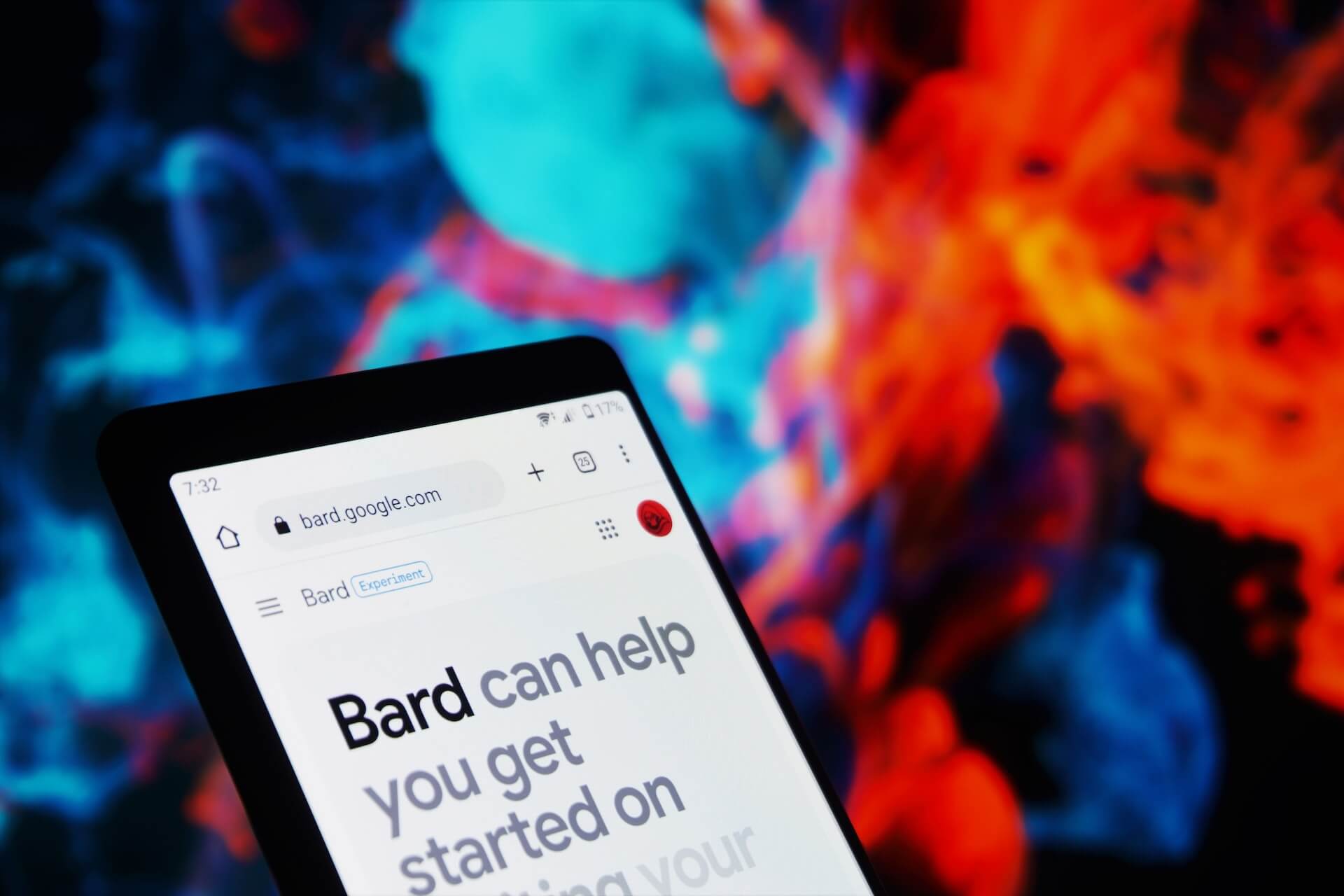
We’ve played around with ChatGPT before. We’ve also spoken with Bing and Bard. And so far the results have always been…less than impressive, shall I say.

What they’ve produced for us as far as food and drink menus is mediocre, at best. Other interactions have resulted in our request being denied.

So, that got me thinking. Maybe these chatbots can’t secure potential guests reservations or waitlist spots (at least not without significant manipulation). And perhaps the menus it writes are far too basic. Are they able to replace the human element and give us not just advice but an entire marketing plan?

Well, you’ll find out below.

Can you create a marketing plan for an upscale restaurant in Toronto, Ontario, Canada?

Marketing Plan for an Upscale Restaurant in Toronto, Ontario, Canada

  1. Define Your Target Market: Identify your target audience for the upscale restaurant. Consider factors such as demographics (age, income level, occupation), psychographics (lifestyle, interests), and dining preferences. For example, your target market could be affluent professionals, food enthusiasts, or tourists seeking a high-end dining experience.
  2. Develop a Unique Selling Proposition (USP): Determine what sets your upscale restaurant apart from the competition. It could be a unique menu concept, exceptional service, a specific cuisine, or a breathtaking ambiance. Your USP should be compelling and communicate the value customers will receive by choosing your restaurant.
  3. Branding and Positioning: Create a strong brand identity that resonates with your target market. Develop a logo, color palette, and visual elements that convey the upscale and sophisticated nature of your restaurant. Craft a positioning statement that highlights your USP and appeals to the desires and aspirations of your target audience.
  4. Online Presence: Build a professional website that showcases your restaurant’s ambiance, menu offerings, and reservation options. Optimize the website for search engines to increase online visibility. Leverage social media platforms such as Instagram and Facebook to share captivating visuals, engage with customers, and promote special offers or events.
  5. Local Search Optimization: Ensure your restaurant appears in local search results by optimizing your Google My Business profile and other online directories. Encourage customers to leave positive reviews to enhance your restaurant’s reputation and credibility.
  6. Content Marketing: Create valuable content related to the restaurant industry, culinary trends, and fine dining experiences. Develop a blog or share articles on your website to establish your restaurant as a thought leader. Utilize email marketing campaigns to stay connected with customers, share updates, and offer exclusive promotions.
  7. Influencer Partnerships: Collaborate with local influencers, food bloggers, and social media personalities who align with your restaurant’s brand. Invite them for exclusive tastings or events to generate buzz and increase exposure. Encourage them to share their experiences and recommendations with their followers.
  8. Strategic Partnerships: Forge partnerships with complementary businesses in the area, such as luxury hotels, theaters, or art galleries. Explore cross-promotion opportunities, joint events, or special packages to attract their clientele and expand your reach.
  9. Event Marketing: Host unique events, such as wine tastings, chef collaborations, or themed evenings, to attract new customers and provide memorable experiences. Promote these events through your website, social media channels, and local event listings to generate excitement and drive reservations.
  10. Customer Loyalty Program: Implement a customer loyalty program to incentivize repeat visits and referrals. Offer exclusive perks, personalized offers, or a points-based system to reward loyal patrons and encourage them to bring friends and family.
  11. Community Involvement: Engage with the local community by participating in charity events, sponsoring local initiatives, or collaborating with neighboring businesses. This involvement fosters goodwill, enhances brand reputation, and builds a loyal customer base.
  12. Monitor and Measure: Continuously monitor the performance of your marketing efforts using key metrics such as website traffic, reservation rates, customer feedback, and social media engagement. Use this data to refine your strategies and optimize your marketing campaigns.

Remember, an effective marketing plan is adaptable and should evolve based on market trends, customer feedback, and business goals. Regularly assess and adjust your strategies to ensure your upscale restaurant maintains a competitive edge and remains top-of-mind among discerning diners in Toronto.

Can you write a social media marketing plan for a neighborhood bar in Vancouver, British Columbia, Canada?

Social Media Marketing Plan for a Neighborhood Bar in Vancouver, British Columbia, Canada

  1. Define Your Social Media Goals: Identify the specific goals you want to achieve through social media, such as increasing brand awareness, driving foot traffic, promoting events or specials, and fostering customer engagement and loyalty.
  2. Identify Target Audience: Determine the demographics and interests of your target audience. For a neighborhood bar, this may include locals, young professionals, college students, and individuals interested in nightlife and community gatherings.
  3. Choose Social Media Platforms: Select social media platforms that align with your target audience and business objectives. Consider platforms like Instagram, Facebook, Twitter, and LinkedIn, based on their popularity and relevance to your target market.
  4. Content Strategy: Develop a content strategy that showcases the unique aspects of your neighborhood bar. Mix promotional content, such as happy hour deals or event announcements, with engaging and shareable content, such as behind-the-scenes glimpses, customer spotlights, or cocktail recipes. Encourage user-generated content by running contests or featuring customer photos and experiences.
  5. Visual Branding: Create a consistent visual identity across your social media profiles. Use high-quality, eye-catching images and videos that reflect the ambiance, drinks, and overall vibe of your bar. Incorporate your logo and brand colors to enhance recognition and reinforce brand identity.
  6. Engage with Followers: Regularly monitor and respond to comments, messages, and reviews on your social media platforms. Engage with followers by asking questions, running polls, and sparking conversations. Show appreciation for positive feedback and address any concerns promptly and professionally.
  7. Local Influencers and Collaborations: Partner with local influencers, bloggers, or popular accounts to promote your bar. Invite them for tastings or to host events at your venue. Their endorsement can help increase visibility, attract new patrons, and create buzz among the local community.
  8. Promote Special Events and Offers: Leverage social media to promote special events, live music performances, themed nights, and limited-time offers. Create event pages, share event details, and encourage followers to RSVP and share with their friends. Consider partnering with local artists, musicians, or charities to enhance community engagement.
  9. User-Generated Content and Reviews: Encourage customers to share their experiences at your bar by creating branded hashtags, running photo contests, or offering incentives for leaving reviews. Repost and share user-generated content to showcase the lively and welcoming atmosphere of your neighborhood bar.
  10. Social Media Advertising: Consider allocating a portion of your marketing budget to targeted social media advertising. Utilize the platforms’ advertising tools to reach a wider audience, promote specific events or offerings, and drive traffic to your bar. Experiment with different ad formats, such as carousel ads or video ads, to maximize engagement.
  11. Social Media Management Tools: Utilize social media management tools, such as Hootsuite or Buffer, to schedule posts, monitor analytics, and streamline your social media efforts. These tools can help you maintain a consistent posting schedule and track the effectiveness of your social media campaigns.
  12. Measure and Adjust: Regularly monitor key performance indicators (KPIs) such as follower growth, engagement rate, reach, and conversions. Analyze the data to assess the effectiveness of your social media efforts and make informed decisions on adjustments to your strategy. Experiment with different content types, posting times, and promotional strategies based on the insights gained.

By implementing this social media marketing plan, you can effectively engage with your local audience, increase brand awareness, and foster a sense of community around your neighborhood bar in Vancouver.

Takeaway

Perhaps programmers and engineers can squeeze more in-depth results out of AI-powered chatbots. That tells me that these platforms aren’t quite ready for the average person.

Speaking plainly, the ChatGPT results above are underwhelming. In part, this is because any operator who attends an industry trade show and sits in on a marketing session will walk away with similar information. More importantly, they’ll take home at least a nugget or two of higher-level advice they can implement immediately.

The same can be said for anyone following a marketing account on Instagram: they’re sharing high-level tips at this point.

When we look at what ChatGPT suggests, it’s surface-level at best. Crucially, it’s too general to really be effective. The what may be there, but not the how to achieve consistent results. Moreover, would you, as a client, want to pay a consulting or marketing agency for an AI-generated marketing plan? Wouldn’t you expect an effective, impactful plan created specifically for your concept?

Artificial intelligence can be impressive. The technology has the capability to wow. But creating at a level equal to or above the human element? It’s just not there, in my opinion.

Automating the scheduling of human-generated social media and email marketing posts? Effective. Asking chatbots to generate those assets? Proceed with caution.

Image: ilgmyzin on Unsplash

KRG Hospitality tech stack consulting. Tech. Technology. CRM. POS. Restaurant. Bar. Cafe. Lounge. Hotel. Resort.

Top