Consumer trends

by David Klemt David Klemt No Comments

2026: Animals vs. Plants?

2026: Animals vs. Plants?

by David Klemt

Fine-dining plating of beef at a gourmet dining experience in Alberta, Canada

Gourmet dining experience featuring Canadian beef.

According to Datassential, plant-based meat and seafood alternatives have reached a plateau, meaning that animal meats should go hard in 2026.

Last September, the F&B intelligence platform surveyed 993 consumers who eat both animal and plant-based meats. Most indicated that they were more interested in the former than the latter.

There are three primary factors driving this sentiment, per Datassential. The top factor is how natural one category is in comparison to the other. Second is versatility. And third, which is perhaps the most important to operators with food programs, is craveability.

More Natural

Of the 993 survey respondents, 65 percent indicated that animal meat is more natural to consume than its plant-based counterparts. This appears to be the top concern or motivating factor, as it represents the greatest sentiment per respondents.

This does make some sense, at least to me. Over the past several years I’ve heard variations of this point of view at restaurants, inside kitchens, in discussions with F&B peers, while speaking with clients, and at trade shows. A common misgiving can be summed up thusly: “We don’t know exactly what they’re putting in these products.”

That doesn’t bode well for overall consumer perception.

More Versatile

Survey respondents also expressed that they feel animal meats are more versatile than plant-based alternatives. In fact, 61 percent shared that opinion.

Again, I’ve heard variations of this statement several times, and I’m sure I’m not the only one. You’ll hear “But what do I do with it?” at trade shows where there are plant-based brands exhibiting at booths and doing demos.

More Craveable

Finally, craveability. This is an interesting one. Nearly 60 percent of respondents (59%) stated that they crave animal meat on a regular basis. On its own, that’s not an incredible stat. However, that majority opinion consists of people who don’t follow through on that craving.

In other words, even people who don’t eat animal meat regularly feel its pull. That doesn’t necessarily include people who adhere to vegetarian or vegan diets, but it’s possible.

More Meat

Along with this comes some insight into consumption habits. Per the Datassential survey, 37 percent of respondents increased their consumption of animal meat more than they boosted their intake of plant-based counterparts.

This is logical when we take the three sentiments above into account as a whole. If something is more natural, more versatile, and more craveable, it stands to reason consumers are going to choose to consume it, and even consume more of it more often.

It’s also possible this increase relates to consumer interest in proteinmaxxing.

More Choices

So, where does this leave operators and their food programs?

Well, it leaves them needing to make programming, menu, and inventory choices.

Datassential suggests that plant-based meats have plateaued in the retail space. It certainly seems that consumer sentiment toward plant-based meats has also plateaued among consumers, based on their survey results.

However, that doesn’t mean operators should abandon plant-based meats and altogether. The better, more intentional approach is to run reports, analyze the data, and make choices with surgical, informed precision.

What do the numbers indicate? Are plant-based meats lagging, and are they taking up valuable inventory space? If orders for plant-based meats are declining, what do sales for “center-of-plate” vegetables look like? What can be leaned into harder, what can be adjusted, and what should be removed?

And, crucially: Are the choices for moving forward being made in a well-considered, intentional manner, or are they just knee-jerk reactions and guesses?

It’s worth noting that Datassential’s consumer sentiment survey focuses on plant-based meats, not just plants. The survey respondents didn’t indicate a decline in interest for items like cauliflower or portobello steaks.

Whatever choices are made, operators need to leverage data and facts, and follow the Three Ps: People, Processes, and Profits.

Image: Deane Bayas via Pexels

Client Intake Form - KRG Hospitality

by David Klemt David Klemt No Comments

Is 2026 the Year of ‘Maxxing?

Is 2026 the Year of ‘Maxxing?

by David Klemt

Stark image of a speed limit sign that reads "MAXIMUM 30"

If we pretend this is referring to grams of fiber, that’s excellent fibermaxxing.

If recent reports and consumer behaviors are any indication, and I think they are, health-conscious “maxxing” trends are on the menu in 2026.

Currently, proteinmaxxing appears to be king of Diet Trend Hill.

In 2026, though, protein may face a realistic contender for the crown: fiber.

Look it up and you’ll see it’s not an entirely new trend, and has been on the upswing since at least the middle of 2025.

For operators, this is yet another consumer signal. The interest (some would say obsession) in high-protein diets has inspired menu changes across categories. Whether a QSR with global reach, a regional chain, or a local independent, restaurants have been responding to their guests’ desire to consume more protein.

Now, it’s possible an interest in a high-fiber diet may inspire more menu changes and additions.

What is GLP-1?

Would you like a healthy dose of pedantry? Fantastic.

“GLP-1” stands for “glucagon-like peptide 1,” which is a hormone found in our bodies. When we eat something, GLP-1 stimulates insulin secretion.

A GLP-1 drug is an “agonist.” That is, it mimics, in this case, a hormone to cause a response.

So, when we talk about GLP-1, it’s a hormone; when we talk about the drug, it’s a substance humans take predominantly via injection. Pedantry: complete.

It may seem as though these drugs came onto the market just before Covid ravaged the world. However, the hormone was discovered around 50 years ago, and the first GLP-1 medication was approved by the FDA just over 20 years back to treat type 2 diabetes. From 2018 to 2023, according to multiple analytics sources, interest in, and use of, GLP-1 drugs for weight loss exploded.

GLP-1 medications cause the body to delay emptying the stomach. Further, the drugs tell the brain to reduce the desire to eat. Both actions curb appetite, and tend to result in significant weight loss.

Of course, side effects have been reported widely. Those who experience rapid weight loss may experience “Ozempic face.” According to Harvard Health Publishing (2004), this appearance is characterized by:

  • a hollowed look to the face
  • changes in the size of the lips, cheeks, and chin
  • wrinkles on the face
  • sunken eyes
  • sagging jowls around the jaw and neck.

There are also several gastrointestinal side effects one can experience, but I’ll let you use your imagination rather than list them.

What is Proteinmaxxing?

This one is quite a bit simpler to understand: It’s focusing on the consumption of protein, and “maxxing” it out. I assume there are two Xs to really drive home the point that something is being maximized.

Taken to the max (or “maxx,” I guess), there are proteinmaxxers who aim to consume 200 grams of protein per day. According to Cargill, a company that distributes high-protein products, there are “entire ‘social subcultures'” built around the consumption of high-protein diets. Essentially, for some proteinmaxxers, the diet is more like an ideology.

However, some doctors believe consuming that much protein can be harmful, not healthy.

Recognizing that there’s a range when it comes to protein consumption (age, activity level, etc.), there are some general guidelines one can follow.

Using the standard 2,000-calorie-per-day diet, common guidance is that 10 to 35 percent of calories should come from protein. For an “average” person, daily protein consumption can be calculated at 0.8 grams per kilogram of body weight. So, someone who weighs 150 pounds (68 kilograms) should consume 54 grams of protein per day.

People tend to face muscle loss in their 40s or 50s, and therefore should aim for 1.0 to 1.2 grams of protein per kilogram of body weight. On the high end, for that hypothetical person weighing 150 pounds, that’s an increase to 82 grams of protein.

Those who exercise regularly should increase protein consumption to 1.1 to 1.5 grams; that rises to 1.2 to 1.7 grams for people who lift weights or do other strenuous exercise on a regular basis. Using the high end, that’s 102 grams of protein per day for the former, and 115 to 116 grams for the latter.

Consuming 2.0 grams of protein per kilogram of body weight is considered “excessive” by some.

What is Fibermaxxing?

If you’re guessing that fibermaxxing is similar to proteinmaxxing, you’ve nailed it.

That said, the numbers are absolutely not the same in comparison to proteinmaxxing.

Unless something changes, the current definition of fibermaxxing appears to fall in line with current dietary recommendations: 25 to 38 grams of fiber per day.

Going deeper, nutrition guidelines state that the source of fiber should be food rather than supplements.

However, most Americans and Canadians consume just 14 to 15 grams of fiber per day. That’s a shortfall of 10 to 11 grams, every day.

It must be noted, however, that some people need to adhere to low-fiber diets for medical reasons. Further, while there’s some debate, some believe 50 grams of fiber is excessive; others feel that too much fiber is closer to 70 grams per day.

How does excessive fiber intake manifest? Again, that’s largely gastrointestinal, and, again, I’ll leave that to your imagination.

That’s all to say this: proceed with caution when trying out any diet, and try to find what’s best for you and your body.

Like protein, fiber can aid in weight loss. So, with the rise of GLP-1 medications, it’s unsurprising that some people trying to lose weight are focused on fiber while some have lasered in on protein.

What is the Point?

“David… Seriously, what the hell? Thanks for the dietary info, but what are we doing here?” I can hear some of you asking.

Simply put, operators need to be aware of large-scale consumer trends. They must consider how it can affect their people, processes, and profits.

Per Datassential, just 13 percent of operators are aware of fibermaxxing.

Borrowing from Datassential’s trend ranking system (Inception, Adoption, Proliferation, and Ubiquity), it’s fair to say fibermaxxing consumers are either on the cusp of moving on from inception to adoption or are already there.

As far as proteinmaxxing, that’s definitely in proliferation territory. What’s my evidence? A QSR, Arby’s, to be precise, introduced Steak Nuggets in Q4 of 2025. That’s an entirely different spin on nuggets in fast food, and even if it’s not stated explicitly, that certainly appears to be an appeal to proteinmaxxers looking for a snack.

There’s also the seeming addition or infusion of protein to all manner of food and drink items on menus across all categories of restaurants.

Protein-infused coffee drinks, protein-enhanced pastries, QSR meal combos for people leading a high-protein lifestyle… There are lists online of the top orders at various chains for consumers seeking protein. Of course, there are also lists online identifying high-fiber items offered by various well-known restaurants.

Then we can look to retail labeling. Unsurprisingly, food brands want to leverage increased consumer interest in protein, fiber, and other nutritional values. These companies are calling out their protein and fiber values to encourage purchases and brand loyalty.

Restaurants and bars can do the same. In some cases (more than you many think), a given menu already has high-protein and high-fiber options; it’s just not called out directly.

What is the Takeaway?

As we kick off 2026, let’s change the approach. If you want to appeal to health-conscious guests, tell them exactly what they want to know.

Review your menu, identify what falls in line with various diets, and call out those values or qualities in the descriptions.

Some consumers are proteinmaxxing. Others are fibermaxxing. Somehow, I expect balancemaxxing (maximizing the focus on a balanced diet; did I just coin a phrase?) to take hold in 2026 or 2027.

Similarly, operators need to focus on profitmaxxing for the financial health of their business, the financial stability of their hardworking teams, and longevity in serving their communities.

It all comes down to the Three Ps: People, Processes, and Profits. Serve the people (including your team members) and perfect your processes, thereby maxxing your profits.

Image: Erik Mclean via Pexels
Client Intake Form - KRG Hospitality

by David Klemt David Klemt No Comments

Are Snacks Right for Your Menu?

Are Snacks Right for Your Menu?

by David Klemt

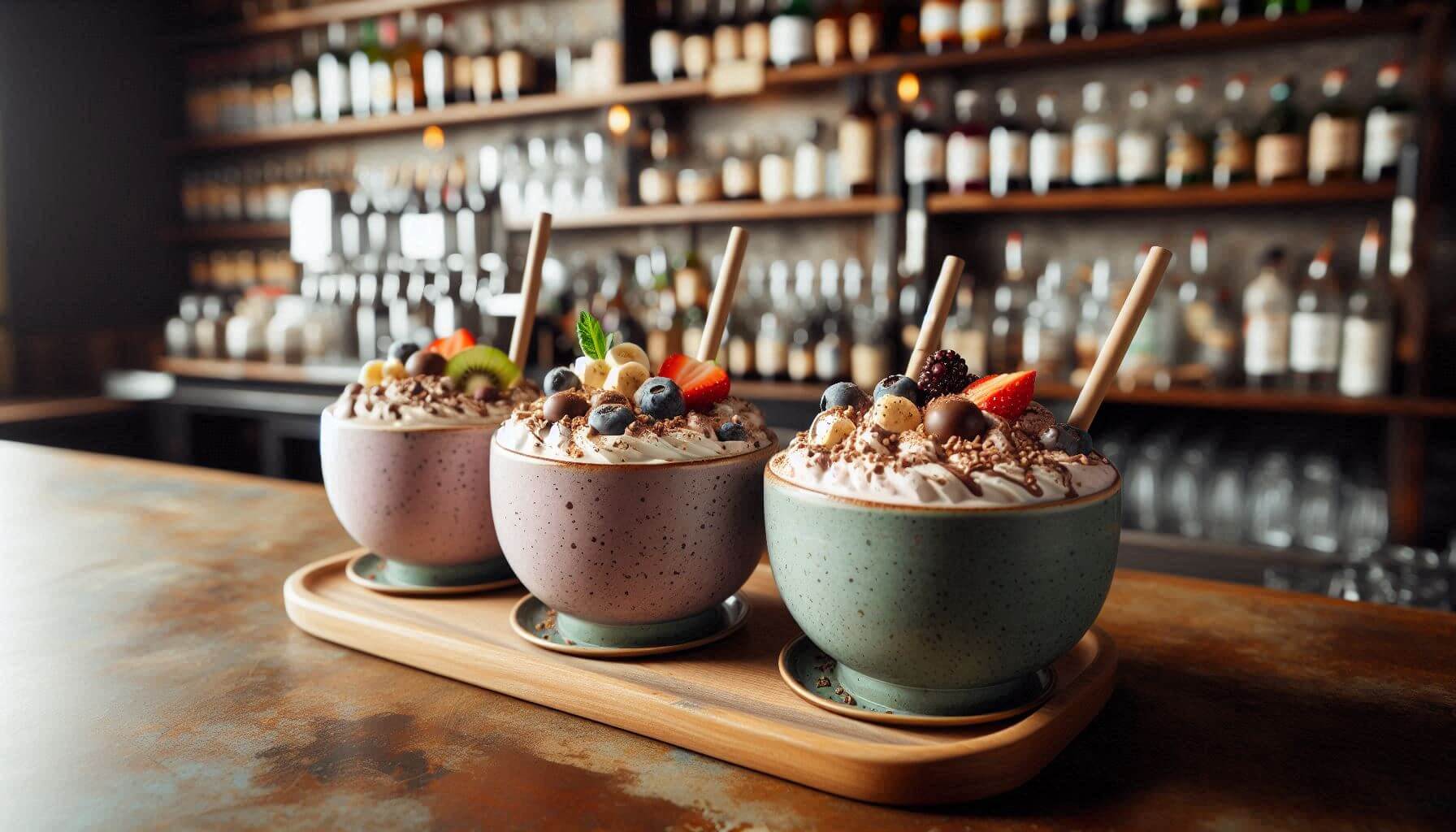
A trio of protein shake bowls on a wooden plank, resting on a bar top

Wow, AI-generated food that actually looks like food!

The latest “-ification” to take root in food and beverage centers around people favoring consuming several meals throughout the day.

The “snackification” of F&B menus across the industry is joining “gamification” in moving from trend to standard.

So, what is snackification, and is it right for your concept, brand, and menus?

Let’s start by tackling the first part of that question.

What is Snackification?

Looking at this word from the consumer side, snackification is the replacement of full-size meals with multiple snacks.

There are several factors to which one can point to explain how this behavior went from trend to mainstay. One prevailing theory posits that people snacked more often throughout the day during the pandemic. That particular behavior simply hasn’t fallen to the wayside.

Another driver may be cost. A percentage of consumers perceive “traditional” daypart dining as more expensive than opting for smaller items whenever they feel hungry. Whether true, false, or somewhere in between, this perception exists, and it’s strengthening snacks as a viable menu category.

Of course, there’s also the treat factor. Some people simply like to treat themselves, and a snack several times a week helps them fulfill this desire.

On the operator side, snackification is the embracing of snacks as a revenue generator.

Several restaurants have created snack sections on their F&B menus. Indeed, more than a mere handful of quick-service and fast-casual concepts are leaning into snacks.

However, the creation of QSR brands that focus on snacks truly illustrates the strength of snackification.

Should You Snackify Your Menu?

Making changes to your concept and menu requires careful consideration.

Jumping on any trend should also be done with caution; the same goes for changing an element of operations to embrace a new standard.

There are several questions that need answers before deciding to snackify your menu.

  • What items will you offer as snacks? With the rise in usage of GLP-1 drugs, protein-rich snacks are growing in popularity. A focus on wellness is also motivating consumers to seek out snacks that are lower in sugar and calories. However, sweet treats are still sought after. Again, careful consideration is key.
  • How well do you know your guests? Using data, can you say with confidence that you can leverage snacks successfully? Do you know what types of snacks will resonate with guests? Are the snacks you’re considering in alignment with your brand and concept, or will the change confuse guests?
  • Will offering snacks increase your costs? You need to know know with certainty how snack items will affect labor and food costs.
  • Will the change to snacking impact other dayparts? It’s possible the shift can cannibalize dayparts, which will affect your costs, traffic, and revenue.
  • Can you transform items already on your menu into snacks? Doing so could keep your costs under control, and help you make the shift quickly. What on your menu is high in protein, craveable, and able to be produced in smaller portions easily?

It’s quite likely that snacks will resonate with your guests. However, you need to know, not guess. What does your data tell you about traffic, item sales, and guest preferences?

As I’ve said before, success in this business comes down to math, not magic.

Image: Microsoft Designer

Client Intake Form - KRG Hospitality

by David Klemt David Klemt No Comments

Black Limes, Chili Crunch, and More

Black Limes, Chili Crunch, and More

by David Klemt

A single, halved black lime on a silver platter, resting on top of a bar in a shaft of light

I like to think the two standard limes in the background are envious of the fancy, blanched lime on the silver platter.

Kimpton Hotels & Restaurants, with their boutique concepts and global presence, are well positioned to study developing F&B trends.

Just about two months ago, Kimpton made their 2025 Culinary + Cocktail Trend Forecast available for free download. They’ve been releasing this forecast annually since 2015.

While I encourage you to download the report for yourself, I want to share the trends that stand out the most to me. For your own copy of the 2025 Culinary + Cocktail Trend Forecast, click here.

To learn which 2025 beverage trend predictions from Datassential have my attention, follow this link.

Here’s to a successful 2025. Cheers!

Black Limes

The What

A black lime is a standard lime that has been blanched in salt water. The peel and flesh hardens, and turns dark brown or black.

The Why

Blanching and cooling limes intensifies the aroma and flavors, boosting sourness, saltiness, and citrus notes.

The How

First, prepare a bowl of ice water. Next, add whole limes to a pot, and add water and a teaspoon of salt (experiment with amounts). Bring water to a boil for one to two minutes, then remove them with a slotted spoon and put them in the ice bath immediately. Let them cool completely, and store in a sealed container.

To use them, add whole black limes to soup stock. Or, use their powder for rubs, as seasoning, or as garnishes. Be cautious at first, as a little can go a long way.

As you may imagine, this food-focused trend can also work well for a bar’s beverage program.

Salted Egg Yolks

The What

A cured egg yolk that has been delivering umami flavor to Chinese cuisine for centuries.

The Why

Culinary teams can add salted egg yolks to all manner of dishes to imbue them with umami and salt flavors. Obviously, these work perfectly in Chinese dishes. However, with their buttery and often crumbly texture, they’re also great for enhancing pastas, salads, and other foods.

The How

It’s important to keep in mind that there’s a risk of bacteria associated with curing foods, like salmonella. So, proceed with caution, and adhere to strict food safety and handling rules.

Use the best-quality eggs you can, and use fine salt rather than coarse to avoid piercing yolks.

There are also two ways to prepare salted egg yolks. One method uses a jar and whole eggs, and one uses an air-tight container with a bed of salt and just the egg yolks. Ask your culinary team which method they prefer, and bear in mind that the process takes days. Also, it’s a good idea to bake the egg yolks in an oven at 160 degrees Fahrenheit (71 degrees Celsius) to ensure food safety.

Vegan Clarified Milk

The What

For a while there, it seemed as though it was a requirement for all cocktail bars to have Clarified Milk Punch on the menu. This led, of course, to more cocktails receiving the clarity treatment.

This trend is exactly what it sounds like on paper: A drink made with clarified vegan milk.

The Why

Some guests don’t consume dairy, so clarifying vegan milk will allow them to partake in this drink trend.

The How

Using coconut milk as an example, add lime juice and other liquid ingredients to an air-tight container. Stir the mixture, then leave in a refrigerator over night. Check the container, looking for separation; when you see it, strain the mixture through a coffee filter or cheesecloth into a bottle. Do this until you’re happy with the result. Serve as you would with any batched cocktail.

There are other methods for separating the solids from a milk, such as heating the milk to a specific temperature to speed up the process, then adding it and lime juice to the other liquid ingredients.

Spiced Fruit Leather Garnishes

The What

Again, this is exactly what it seems to be: fruit leather mixed with a spicy ingredient, like chili or habanero powder.

The Why

Garnishing drinks with spiced fruit leather adds a new dimension to the drinking experience, and allows your bar team to enhance the flavor experience. Plus, spiced fruit leathers are fun to nibble on in between sips.

The How

To have your culinary or bar team craft spiced fruit leather in-house, puree a fruit or fruits with high water content in a device such as a Vitamix. If you don’t have a dehydrator and specific fruit leather trays or dehydrator trays, you can line a baking sheet with parchment paper or silicone mats.

The person preparing the fruit leather can use a fine mesh strainer before they spread the puree onto a tray. Sprinkle the puree with the appropriate spice mixture, then pop the tray or baking sheet into an oven set to 140-150 degrees Fahrenheit (60-66 degrees Celsius) for four to twelve hours. Peel off the fruit leathers, cut into strips, and use as garnish.

Chili Crunch the World

The What

Kimpton expressly mentions chili crunch in their 2025 forecast, not chili crisp. In simple terms, crunch has a crunchier texture than crisp, as its made with larger pieces of ingredients.

In terms of both products, at their core they’re mixtures of peppers, onion, garlic, seasonings, and oil.

However, Kimpton foresees culinary teams crafting their own chili crunches (and likely chili crisps) that are specific to particular cuisines. Imagine, for example, a barbecue-centric chili crunch, or one featuring Italian seasonings.

The Why

Texture, heat (unless specifically made to not be hot), seasoning, an explosion of flavors… Chili crunch is an enhancer of both flavor and the guest experience.

The How

To make this condiment, start with dried chilies, and remove their seeds. Pulse or otherwise chop them. Remember, you want pieces that will create a crunch, so don’t pulverize the chilies. Set the chilies aside in a heat-safe container. Now, add your spices and seasonings to the chilies. Some people like to add peanuts to create more crunch.

In a pan, fry onions or shallots, straining them when they start to get pale, and reserving the oil. Put the oil back in the pan, and fry the garlic, being careful to avoid cooking for too long so they don’t become bitter. Strain the oil, separating it from the fried garlic. Heat the now-infused pour over the chilies, spices, and seasonings, and let the mixture cool. Once cool, add the onions or shallots and garlic to the mixture.

Your culinary team will likely have their own approach to producing chili crunch.

There are many more predictions in Kimpton’s 2025 Culinary + Cocktail Trend Forecast, so make sure to download your copy and check them out today.

Image: Microsoft Designer

KRG Hospitality Contact Request for Proposal 30 Minute Discovery Session

Book Below to Setup a 30-Minute Complimentary Discovery Call and Request for Proposal.


by David Klemt David Klemt No Comments

Watch These Drink Trends in 2025

Watch These Drink Trends in 2025

by David Klemt

AI-generated image of a bartender serving miniature Martinis

Bottle of Martinis, anyone? In case you were uncertain, this image is AI-generated.

We’re nearing the end of 2024, and that means F&B intelligence platforms are releasing their year-end reports and predictions.

Among these platforms is Datassential. Recently, they released their Future of Drink preview report. You can sign up for your own copy here.

I’ve sifted through Datassential’s latest reports and trend-focused articles, and I’ve pulled a handful I think are among those that may perform the strongest in 2025.

Cheers!

Posh Jello Shots

Or as Datassential calls them in their report summary, “highbrow” jello shots.

This is the 2025 trend prediction that stands out the most to me. Your bar team will know how to produce jello shots (or learn how to make them reliably and consistently), but it’s not a difficult skill to develop.

Jello shots, or gelatin shots if you want to be pedantic, are most often associated with house parties and dive bars. However, gelatin is an interesting cocktail canvas, offering at the very least a different way to experience drinks texturally.

The simplest way to embrace this trend would be to use upmarket alcohol to craft these shots. Premium or super premium vodkas, for example. Another way would be to convert your signature cocktail(s) into jello form. And yet another approach would be layered jello shots, with each layer crafted using premium or super-premium ingredients.

An Alternative

Of course, operators don’t need to produce specialty, higher-end shots in gelatin form. With a bit of thought and experimentation, bar teams can produce shots that are essentially miniature versions of cocktails. Further, these can be offered as flights.

So, do you have a few specialty cocktails on your menu? Offer them as a flight of shots. Want to craft themed flights, such as a Negroni and two variants (Boulevardier and Sbagliato, for example)? That idea may just take off with your guests in 2025.

Creating shootable versions of more sophisticated cocktails elevates your program. Further, doing so can help introduce guests to a range of cocktails during a single visit in what can be a more responsible manner.

Think so-called “Mar-tinies” for inspiration: miniature Martinis served in miniature Martini glasses.

Heirloom Grains

It’s likely that you’re going to see “heirloom” or “heritage” a lot more in 2025 in relation to beer.

As both terms imply, brewers who produce these types of beer use grains they can trace back decades. Often times, heirloom grains are significant historically.

For example, Hanabi Lager Co. produces Haná Pilsner. Per the brewer, Haná is an heirloom grain that was used to produce the first-ever pilsner. In case you’re a beverage history buff or like sharing stories with guests who are interested, the first pilsner was brewed in 1842 by Josef Groll in the city of Pilsen.

Hanabi Lager Co. credits British farmers with “rescuing” Haná, pulling it back from the brink of extinction in 2015. Click here to check out other Hanabi beers made with heirloom barley and other heritage grains.

Operators who are interested in leveraging beers with notable ingredients should look for the words “heirloom,” “heritage,” and “ancient grain.” Further, they should ensure they know these beers would be of interest to their guests, and serve their concept in an authentic manner.

More Beer Trends

Other beer-centric trend predictions include global beers, hazy IPA, beer cocktails, and beer with a hint of lime.

I’m confident you don’t need an explanation of each of these 2025 trend predictions. However, it’s smart to approach each with careful consideration before adding them to your menu.

To provide an example, consider flights that focus on each trend: three to four hazy IPAs, half-sized beer cocktails, or specialty global beers.

Focusing on beer cocktails, or beertails or hoptails as I’ve seen over the years, I’m somewhat skeptical how they’ll rise in popularity. In my experience, they’ve never quite “hit” throughout the years. But, maybe 2025 is the year.

As far as beers with a hint of lime, consider creating snack pairings that pair well with such beers. Snacking as a trend is expected to rise in 2025, so it’s wise to engage your kitchen team to come up with a snack menu for your bar.

Cocktails on Tap

While I don’t recommend cocktails on tap of keg cocktails for every concept, I have certainly crafted beverage programs that leverage this trend.

And, in fact, I don’t consider these drinks to be a trend at all. In my opinion, cocktails on tap may not be ubiquitous, but they’re certainly no fad.

Why do I like cocktails on tap? For several reasons.

One of those is the speed of service, which benefits the team and the guest. While labor is necessary prior to service to prepare these drinks, kegged cocktails make up for all that effort. When the right cocktails are selected for the taps, they make it easy on the bar team to serve, and make it into the hands of guests in mere moments.

Another reason is the “novelty” of cocktails on tap. These drinks aren’t new yet many guests find the idea interesting, which piques their curiosity. Engaging guests is always good for business.

Now, think about bars and restaurants that include self-pour walls as a core feature of the concept. Guests have shown they’re interested in pouring their own beers and wines from pour walls. There are myriad reasons, including trying before they commit to something new to them. This applies to cocktails as well, and kegged cocktails are perfect for self-pour concepts.

Finally, they work for just about every category of bar, from casual neighborhood watering hole to upscale cocktail bar. When an operator focuses on glassware, garnish, and presentation, a cocktail on tap can appeal to even the most discerning cocktailian.

Image: Microsoft Designer

KRG Hospitality Contact Request for Proposal 30 Minute Discovery Session

Book Below to Setup a 30-Minute Complimentary Discovery Call and Request for Proposal.


by David Klemt David Klemt No Comments

Are “Substituters” Leading NA Growth?

Are “Substituters” Leading NA Growth?

by David Klemt

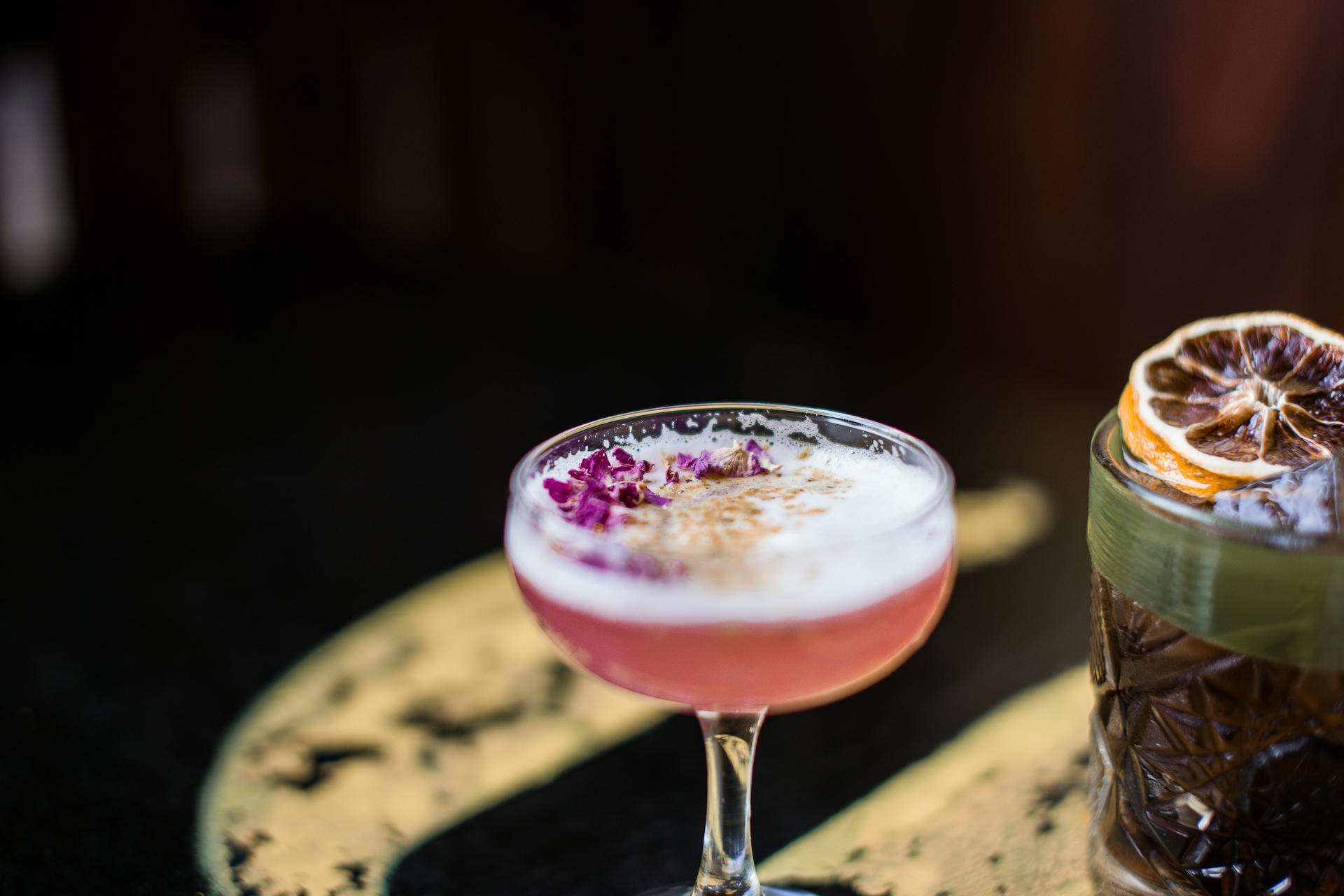
Cocktails with edible flowers and dehydrated fruit for garnishes

No-ABV, low-ABV, or full strength?

Revelations shared by the IWSR recently suggest that the very generation driving non-alcohol growth may also be driving traditional beverage alcohol growth.

At least, according to the IWSR, a particular generation is over-indexing in the non-alc category and “full-strength” categories such as rum, whisky, Champagne, brandy and Cognac, and RTDs.

This is because Millennialsthere it is, the big reveal—appear to be “substituters.” That is, as explained by the IWSR, much of this cohort consumes alcohol on some occasions, and non-alc beverages on others.

Now, before we proceed, let me get this out of the way: No generation is a monolith. While there’s value in understanding a given generation’s behavior, it’s important to understand that we can really only do so in broad terms.

That said, broadly speaking, members of the Millennial generation appear to be driving the growth of non-alc overall. In comparison to other generations, Millennials are consuming more non-alc spirits, more non-alc beer, and more non-alc wine.

Of course, there’s another caveat I must address: Less than half of Gen Z is of legal drinking age. So, when compared to that generation, the numbers are a bit skewed.

Generally speaking, non-alc is growing across the board in the US. What was once relegated to two or three low-alc beers and barely considered “mocktails” for many, many years is now a viable category. The category has gone from an afterthought to inspiring entire alcohol-free bar concepts, and it hasn’t taken long to achieve this growth.

Numbers

When I say Millennials are consuming more non-alc than other generations, what does that mean? Is the difference subtle, or is it eyebrow raising?

Per IWSR data, it’s the latter.

Last year, 45 percent of all non-alc beer drinkers in the US were Millennials. That number has jumped to 61 percent in 2024. Change focus to non-alc spirits and Millennials make up 66 percent of overall US consumers. That number is 59 percent when we look at who’s drinking non-alc wine.

For some context, just 22 percent of non-alc beer drinkers in the US are Gen X. Take a look at legal-drinking-age Gen Z and that number shrinks to seven percent. Again, though, most of Gen Z isn’t yet LDA.

So, back to substituters. Just under half of all Millennials, according to IWSR findings, vacillate between non-alc and full-ABV. It would appear, then, that Millennials are the most interested in exploring and experimenting with non-alc beverages.

For obvious reasons, this makes it clear that operators need to do more than just toss a couple of alcohol-free beers and sugary zero-proof cocktail concoctions on their menus.

Further, and I know I’m repeating myself, operators need to ensure they deliver the same level of service and guest experience for those abstaining from alcohol as those ordering traditional adult beverages. Failing to do so can alienate guests who choose to not consume alcohol but want to visit and socialize at a bar or restaurant. Why would they return if they receive what they perceive to be a lower level of service?

IWSR’s deep dive and data make it clear that operators need to give the non-alc element of their menu due consideration. The category is growing, interesting is increasing, and it’s smart business.

To review this data yourself, follow this link.

Image: Rachel Claire via Pexels
KRG Hospitality Contact 60-Minute Impact Session

Looking to Start, Stabilize, or Scale? Book Below to Setup a 60-Minute Result-Driven Impact Session.


by David Klemt David Klemt No Comments

Is Demand for Delivery Down?

Is Demand for Delivery Down?

by David Klemt

AI-generated image of a person carrying takeout bags from restaurant to their motorcycle

I have done this. Cargo straps required.

Not too long ago, it seemed as delivery was going to overtake people’s desire to enjoy a restaurant in person, but that trend may be on a downward swing.

At first, this trend made perfect sense, for obvious reasons. For a while, the best way for consumers to enjoy their favorite restaurants and show support was to order delivery.

Rideshare companies jumped on delivery, as did several platforms. When guests were able to visit restaurants in person freely, delivery had become a habit for many of them. In fact, ordering delivery had become the de facto method of engaging with restaurants for a not-insignificant percentage of people.

However, operators and their teams weren’t shy about exposing their delivery “partners.” I think it’s fair to describe the fees operators were being charged by some of these partners as outrageous.

When the public found out about these fees, they didn’t sit well. Takeout, carryout, takeaway, order for pickup… Whatever your preferred nomenclature, people began seeing it as superior to delivery. This shift in consumer behavior was driven by a desire to support their favorite restaurants.

Of course, there are other factors that affected people’s move away from delivery. I’m confident in saying that most of us who have ordered delivery at some point in the last couple of years has experienced at least one of several downsides.

However, has delivery really fallen out of favor? Have takeout or drive-up pickup actually been passing up delivery?

Datassential’s 2024 Midyear Trends Report has some insights that can answer those questions. You can (and should) check it out for yourself here.

The State of Takeout and Delivery

To obtain a snapshot of the state of the performance of delivery and takeout, Datassential conducted a survey in May of this year. The F&B intelligence platform surveyed 400 US operators and more than 1,500 US consumers.

According to Datassential, nearly half of restaurant operators reported increases in guests dining in person at their restaurants.

Perhaps more telling, however, is that Datassential’s survey reveals that half of restaurants aren’t even offering delivery. I don’t know the breakdown of operators who once offered delivery and stopped doing so versus operators who never offered delivery.

What I do know is that there are, as I alluded to up top, many reasons for people to eschew delivery. Chief among these are cost, and the condition of the order when it arrives to the guest.

On the operator side, cost is once again a consideration, as are negative reviews and complaints. More than one study has shown that operators often get the blame when a third party botches an element of the delivery. These complaints can include food being delivered lukewarm or cold, parts of the delivery missing, or the wrong items being delivered to someone.

But, again, is demand for delivery slipping?

Per Datassential’s report, takeout and catering are outpacing the growth of delivery for US operators. Almost 40 percent of operators who participated in Datassential’s survey reported an increase in frequency for takeout and catering orders. In comparison, just 20 percent of respondents ordered an increase in delivery order.

Just eight percent of operators indicated a decrease in takeout and delivery. In fact, the greatest decrease impacts catering (14 percent), according to Datassential’s report.

Takeaway

Delivery, simply put, doesn’t work for every operator or every concept. Moreover, it looks like consumer desire for takeout is on a greater upswing in contrast to delivery.

For concepts that succeed with delivery, it’s imperative that operators control the process rather than cede to third parties, in my opinion.

The best way forward will vary from business to business. Operators and their teams need to be ruthless the quality, consistency, accuracy, and value of all orders, whether placed in person, for takeout, or for delivery. Further, when it comes to takeout and delivery, the ordering process must be convenient.

What’s clear is that every operator needs to dive into their data, determine how guests prefer to order from their restaurant, and pursue those preferences to enhance the guest experience.

Image: Microsoft Designer

KRG Hospitality Contact Request for Proposal 30 Minute Discovery Session

Book Below to Setup a 30-Minute Complimentary Discovery Call and Request for Proposal.


by David Klemt David Klemt No Comments

Game On: Datassential’s Midyear Report

Game On: Datassential’s Midyear Trends Report

by David Klemt

An Xbox One controller sitting on a Scorpion Gaming mouse pad

Brought to you by Xbox, Scorpion Gaming, and cool photography.

The 2024 Midyear Trends Report released by Datassential earlier this month contains an intriguing revelation that savvy operators can leverage.

There is, of course, interesting and useful information throughout. After all, Datassential conducted a survey of 1,500-plus US consumers, along with 400 US foodservice operators.

Surveying nearly 2,000 people is going to garner some helpful insights.

For example, we know that many people are concerned with their nutrition. Along with that comes reading nutrition labels. However, US consumers appear to throw that behavior to the wayside when dining out.

According to Datassential’s survey results, 62 percent of consumers in the US read the nutrition labels on new items before selecting them for purchase at grocery stores. But nearly that same percentage of consumers, 58 percent, don’t consider diets or nutrition when choosing where they’re going to eat.

What that says to me is that people still viewing dining out as a treat or an occasion. Most people, when treating themselves and others, see it as an escape. An escape from the stresses of work, of life, and from eating “boring” foods.

People are still driven to leave home to gather, socialize, and have fun. And restaurants and bars still play a major role in meeting those needs and desires.

Negative and fear-mongering stories may be getting all the clicks, but Datassential’s findings are much less on the doom-and-gloom side of the equation. Per their midyear report, nearly 90 percent of US restaurant operators have seen increases in traffic (46 percent) or had their traffic remain the same (42 percent) so far this year. Just 12 percent of operators reported decreases in traffic, according to Datassential.

Game On

Now, let’s look at the data in this report that really caught my attention.

The Datassential report reveals that 61 percent of survey respondents play video games. Citing Entertainment Software Association data, close to 200 million Americans are gamers. Going further, gaming spans all ages. Last year, gamers spent well over $50 billion on this particular hobby. MarketWatch claims even combined, the global sports and movie industries don’t outperform video games financially.

Of all respondents to the Datassential survey, a quarter aren’t gamers, and 15 percent “used to” play video games. That latter group consists mainly of Gen Xers. And, hey, fair enoughsome people don’t enjoy or have time for video games.

In contrast, however, 23 percent of survey respondents label themselves “avid gamers.” Gen Z, Millennials, and men make up the majority of this group of consumers.

Almost 40 percent (38%) classify themselves as “casual.” This group consists mainly of Gen X, Gen Z, and women.

Alright, so…what does this have to do with restaurant operators? Well, gamers spent $57 billion just on video games. Per Datassential, 45 percent of survey respondents have made F&B purchases after consuming video game-related ads or content. This is true of 63 percent of US Gen Z consumers, and 56 percent of US Millennials.

These stats tell me that gaming pays not just for console manufacturers and game producers, but also for F&B operators. It would seem to me, then, that operators with concepts that can leverage video games in an authentic manner should give strong consideration to doing so.

So, game on?

Image: Jose Gil on Unsplash

KRG Hospitality Start-Up Restaurant Bar Hotel Consulting Consultant Solutions Plans Services

by David Klemt David Klemt No Comments

Put Your Finger on the Culinary TrendPulse

Put Your Finger on the Culinary TrendPulse

by David Klemt

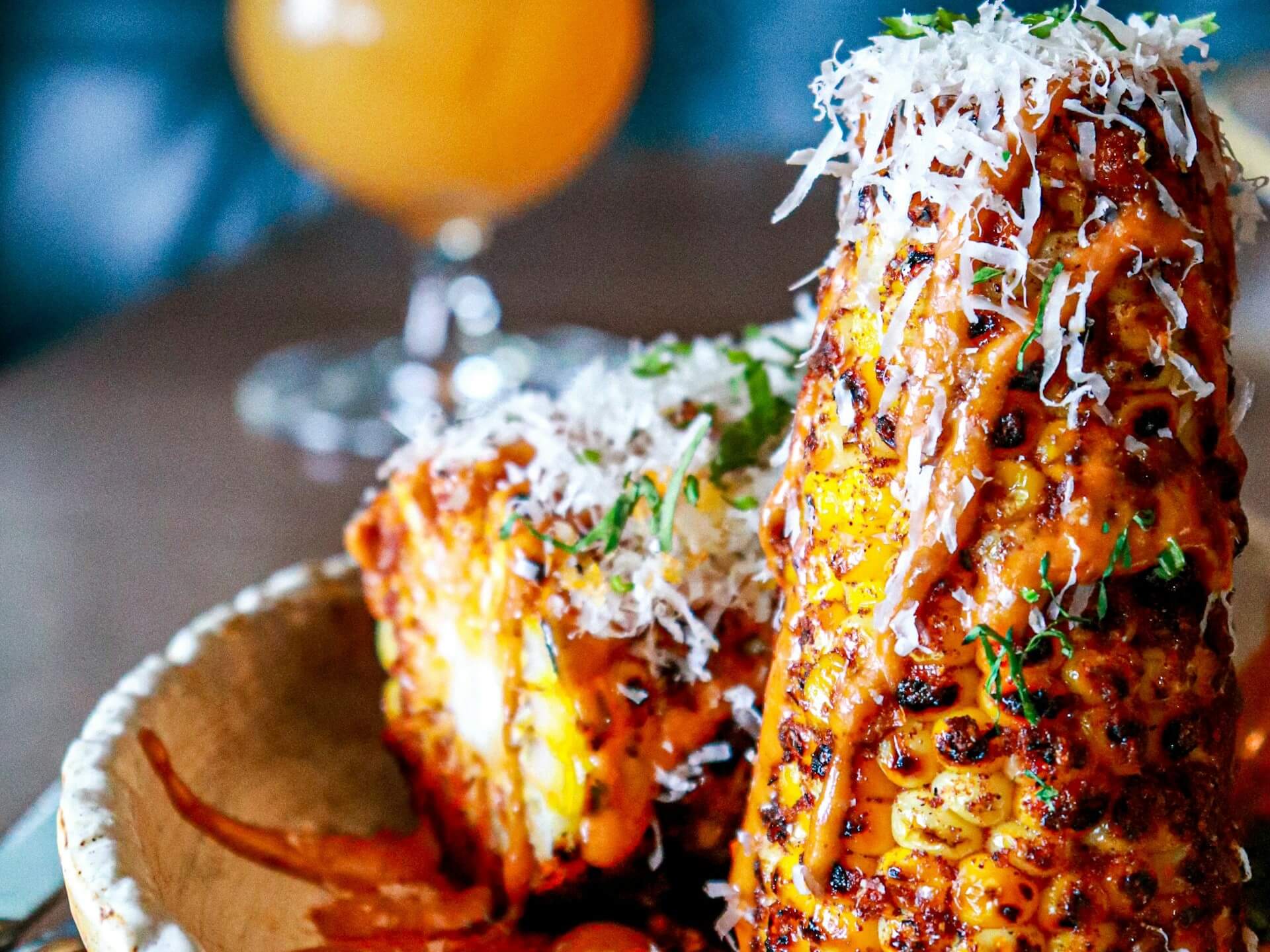
Elote or street corn-style dish on a table

An informative and engaging culinary trend report from Campbell’s Foodservice provides compelling insight that will help operators refresh their menus.

Recently, Campbell’s dropped their Culinary TrendPulse 2024 report. To download your own copy, click here.

Executive chef Gerald Drummond and senior chef Greg Boggs have identified four culinary trends for 2024. The chefs analyzed data provided by Campbell’s Foodservice and the company’s partners.

As has become commonplace, Campbell’s also took note of food and flavor social media mentions and conversations. This makes sense; if people are talking about it on social media, it’s probably growing in demand.

Now, I’m going to share each of the trends below. However, I’m going to laser in on one in particular. My reasoning is simple: It’s a compelling take on segment that has been experiencing growth, along with the accompanying growing pains.

To start, though, a brief look at three of the 2024 culinary trends identified by Chefs Drummond and Boggs.

TrendPulse 2024: Trends 1, 3 and 4

To put it bluntly, I think the first trend in this report is here to stay. It’s safe to say it has reached the proliferation stage.

So, when I see “global cuisine” in reports, I don’t really consider it a trend. What I want to see is specific cuisines, dishes or flavors identified as trending.

Fortunately, Chefs Drummond and Boggs have identified three global cuisines on the rise. Per the chefs and Campbell’s, Mexican, Asian, and North African cuisines are on an upward trend in the US.

In particular, operators should be aware of the following:

  • Asian cuisine: Korean, Souteast Asian, and Thai food are on the rise.
  • Mexican cuisine: birria, quesabirria, birriamen, chamoy, and street corn mentions have grown in menu mentions and social discussions.
  • North African cuisine is projected to grow by more than 12 percent on menus, year over year. Currently, operators should look at harissa, tagine, and peri-peri (a.k.a. piri-piri, or peli-peli).

Another trend from this report is “new nostalgia.” As the term suggests, consumers are showing interest in creative spins on well-known comfort foods.

Likely driven at least in part by global cuisines, heat is also on the rise. I mean that figuratively and literally.

Per a Tastewise data point cited in the Campbell’s report, sweet and spicy mentionsknown as “swicy”—have grown nearly 50 percent over the past year.

TrendPulse 2024: Trend 2

Alright, so here’s the trend that stands out to me.

According to Chefs Drummond and Boggs, consumers are still very much interested in plant-based cuisine. However, they want actual plants to be the stars.

Or, as Campbell’s puts it in their report, one of their top trends is “putting plants back in plant-based.” Interestingly, this trend fits with the first one in the Campbell’s report: global cuisine.

Per a Technomic report cited by Campbell’s, 41 percent of consumers eat a vegetarian or vegan dish at least once per week. However, it seems that these same consumers are showing a preference for actual plants.

Most plant-based meat alternatives are processed foods. In fact, some sources designate them “ultra-processed foods.” Today’s consumer is more educated on processed foods and seeks to avoid them.

So, operators should menu more dishes that feature plants. There’s a place for plant-based meat alternatives but their highly processed nature may be putting off a not-insignificant number of consumers.

In their report, Campbell’s suggests offering dishes featuring the following proteins: beans, legumes, and pulses.

Look, trend predictions are guesses. In this case, they’re data-driven and educated, but they’re still guesses. When considering menu changes, operators need to make choices that make sense for their business, guests, and market.

If you’re like me, you’ve noticed that all four of these trends pair well with one another. Operators should encourage their kitchen teams to get creative and craft new dishes that leverage two or more of the above trends.

Image: Aleisha Kalina on Unsplash

by David Klemt David Klemt No Comments

Slice Releases 2024 Report

Indie Pizzeria App Slice Releases 2024 Report

by David Klemt

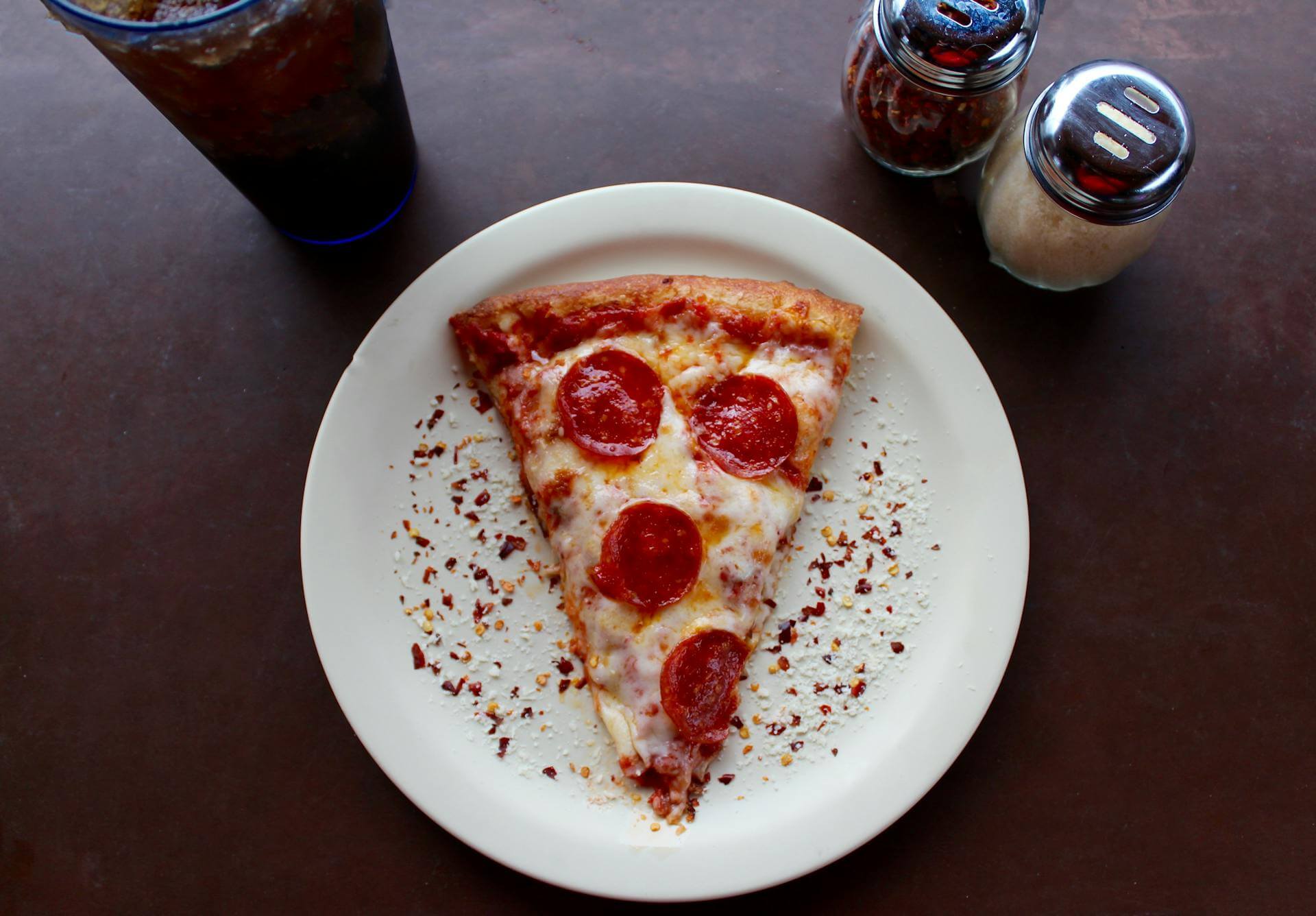
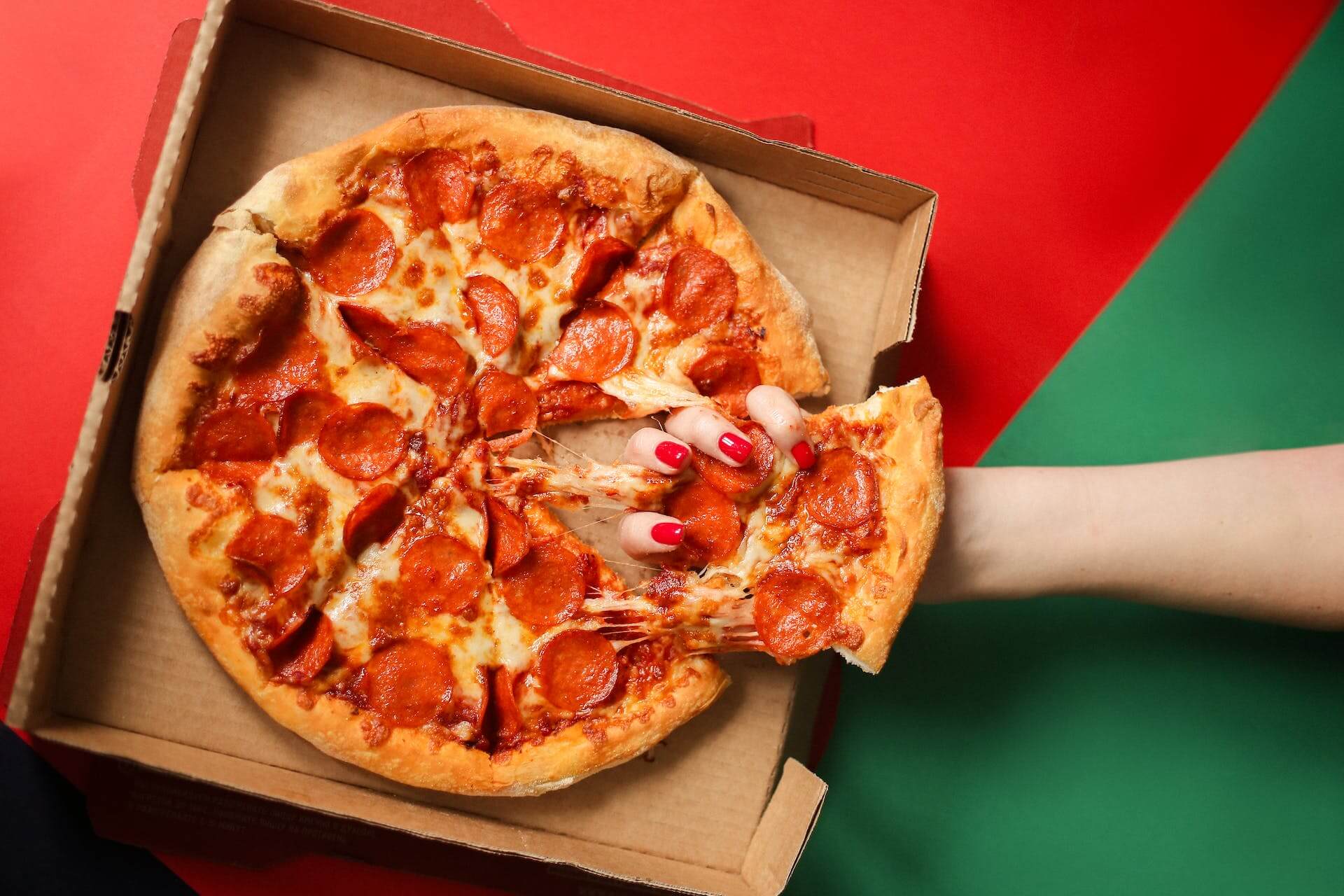
Slice of pepperoni pizza on a plate, on top of a table

Still the most popular pizza topping.

It’s finally here, one of our favorite food-forward hospitality industry reports providing operators with valuable insider insights.

In keeping with tradition, Slice released their 2024 Slice of the Union report the day before National Pizza Day. Truly, this is one of the reports I most look forward to each year.

As one would expect, the fifth-annual Slice of the Union is stuffed with helpful information.

Before we dig in, a quick rundown of Slice. The platform serves all 50 states and works with more than 20,000 independent pizzerias. To put that in context, that’s a network of pizzerias in the US larger than Domino’s, Little Caesars, and Pizza Hut combined.

If you’re an independent pizzeria owner and you have yet to partner with Slice, I encourage you to look into doing so. Should a partnership with Slice be feasible, it should increase brand awareness, engagement, traffic, and revenue to a notable degree.

Seasoning

Kicking things off, Slice sprinkles a bit of trivia onto this year’s report.

Last year, consumers apparently gorged themselves on pizza. How much was eaten? Just over 29,000 tons.

Providing context, Slice says to imagine 11,572,064,136 pennies. That’s a Scrooge McDuck dive-worthy pile of coins.

However, one category of pizza experienced a drop in popularity last year. According to Slice, pizzerias saw a 5.21-percent dip in vegan pizza orders.

Now, on to toppings.

Toppings

There’s a reason I chose a photo of a single slice of pepperoni pizza for this article.

Operators who track their data probably already know what I’m about to say: According to Slice, pepperoni is the most popular pizza topping in the US.

This is followed by, in descending order of popularity, mushrooms, sausage, extra cheese, onions, bacon, and black olives. For those wondering, kale was one of the “least-loved” toppings last year.

If you read through the 2023 Slice of the Union report or read our article reviewing it, you know they made a couple of trend predictions. Last year, Slice guessed that pickle pizzas would be in demand. Well, they were right. Orders for pickle pizzas jumped by 32 percent in 2023.

So, when Slice makes a pizza-based prediction, it’s probably in your best interest to take it to heart. Oh, waitSlice has a prediction for 2024. According to the platform, tinned fish will be a standout pizza topping this year.

Sauce

In case you’re wondering about how much data Slice has at their fingertips, here’s an interesting bit of trivia. Last year, 4,744 people ordered pizzas with anchovies, garlic, or onions on Valentine’s Day. Alrighty, then.

They also know that orders for pizza with pineapple as a topping saw an increase of nearly six percent in 2023.

Further, the 2024 Slice of the Union reveals the most and least “pizzaful” days of 2023. The former? December 1. And the latter? Thanksgiving.

Last year, Fridays accounted for the most orders, at 23.5 percent. However, only 8.7 percent of pizza orders were placed on Mondays.

For data that’s a bit more esoteric, what if Slice could reveal which Zodiac signs order the most and least pizza? Would this be useful to operators? Honestly, it could be, I suppose. Particularly for those who have loyalty programs and engage with their guests via email and text marketing.

Apparently, a Taurus (April 20 to May 20) is the most likely to order pizza. Conversely, Capricorns (December 22 to January 19) either don’t like placing food orders in general or don’t like eating pizza specifically, because they ordered the least amount last year.

By the way, if you happen to operate a pizzeria in New Jersey, you may want to search for a guest named Dominic. According to Slice, someone named Dominic in NJ placed 348 pizza orders in 2023. Sounds like Dom has earned a special perk from his favorite pizza joint.

Extra Cheese

Pizzeria owners and their teams in Hawaii, Alabama, Oregon, South Carolina, and Montana may have the happiest wallets. That’s because people who ordered pizza for delivery in those five states tipped their drivers the most.

However, people who order pizza in Washington may have slightly lighter wallets than their fellow Americans. That’s because while the average price for a large cheese pizza in the US is $18.33, that number jumps to $25.75 in the Evergreen State.

If you’d like to see the average price for a large cheese pizza in each of the 50 states, click here. As an example, the average price in Nevada (KRG Hospitality’s American HQ is in Las Vegas) is $21.09.

Speaking of price, while Dom in NJ placed the most pizza orders, Frances in New York placed the most expensive order last year: $2,867.07. Frances, I want to attend one of your pizza parties (I think).

Finally, let’s end on data that can help operators when reviewing their labor costs. On average, pizza delivery distance was 9.14 miles in 2023. And, on average, pizzerias completed the process of producing an order and delivering it in 42.5 minutes.

For more insights from the 2024 Slice of the Union, click here.

Image: Sydney Troxell on Pexels

KRG Hospitality. Restaurant Business Plan. Feasibility Study. Concept. Branding. Consultant. Start-Up.

Top