Food & Beverage

by David Klemt David Klemt No Comments

Father’s Day Food & Beer Pairings

Father’s Day Food & Beer Pairings

by David Klemt
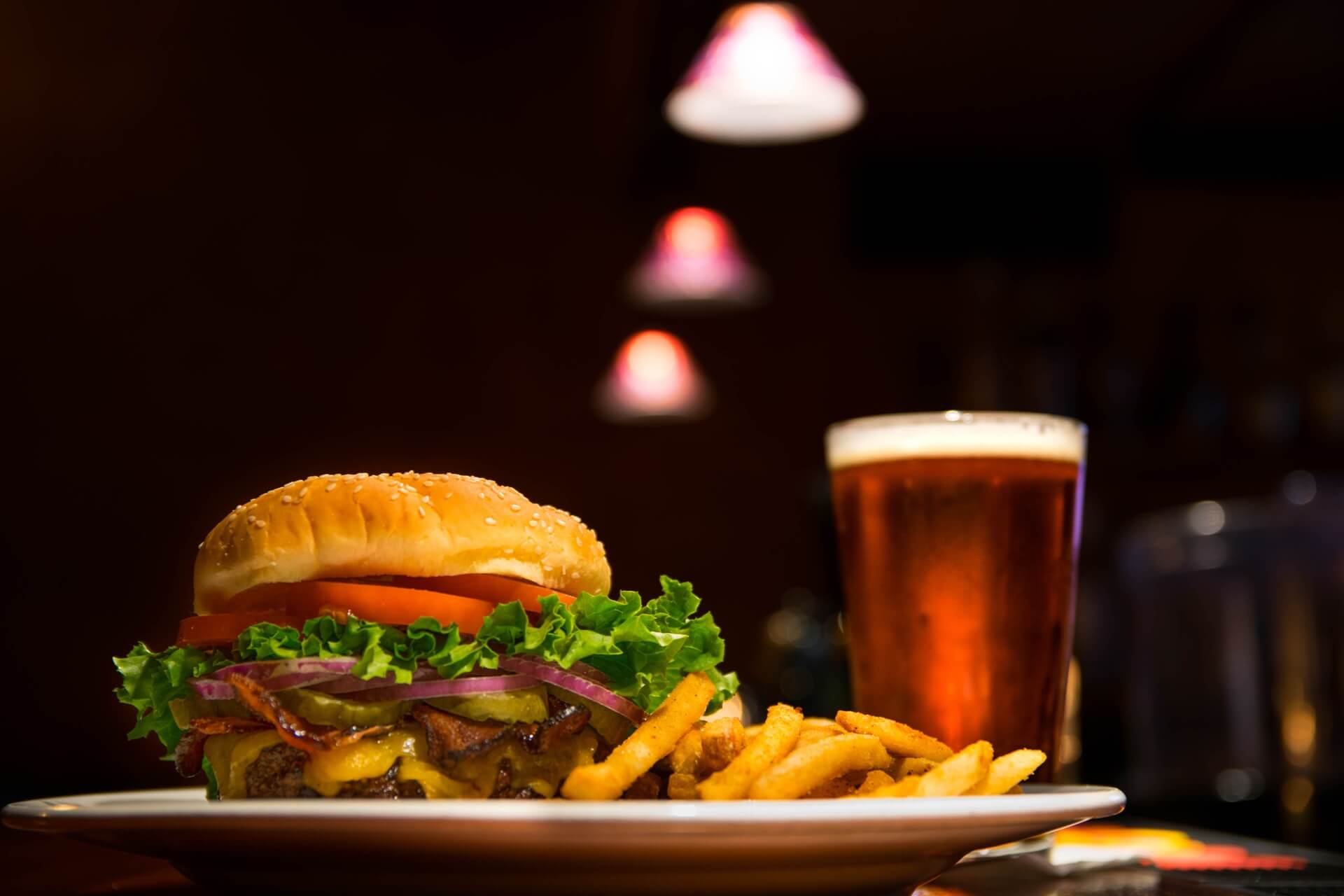
Burger with onion rings and beer

Father’s Day is right around the corner and while it isn’t usually quite as busy as Mother’s Day, this year could be different.

After all, states and provinces are reopening, and the weather is getting warmer. In fact, Governor Andrew Cuomo announced yesterday that restaurants and bars are no longer subject to social distancing restrictions.

And hey, who isn’t looking for an excuse to get out and return to restaurants and bars?

Now, I’m going to assume that most operators who plan to celebrate Father’s Day this weekend have their promotions in place. However, to help give those promos a boost, I want to share beer pairings for classic Father’s Day menu items.

Of course, these pairings work well on any day of the week, and they’re in no way limited to dads. Anyone who enjoys beer will appreciate operators putting an emphasis on food and beer pairings.

Burgers

One of the most popular foods, particularly for those seeking out comfort, burgers and an array of beers go together. For a classic hamburger, suggest an IPA, APA or Lager. Known for your mushroom and Swiss cheese burger? Brown ales, amber ales and porters work well. Pale ales go well with bacon burgers, and wheat ales and Witbier pair with veggie burgers.

Chicken

Fried chicken is certainly right up there with burgers in terms of comfort foods. And it’s certainly great for Father’s Day. Suggest pairing fried chicken with a Kölsch, Märzen, Helles, and Hefeweizen. For barbecue chicken, recommend a light lager, Pilsner, Saison, Hefeweizen and Witbier. Honey glazed chicken (baked or as wings) work very well with a Kölsch.

Pork

If you have ribs on the menu, there are a few ways to go with beer pairings. Porters, stouts and German lagers are medium- to full-bodied and can stand up to bold, rich flavors and compliment smoke. On the other hand, pale ales and IPAs (lighter versions tend to work better) are lighter but can compliment barbecue flavors as well. Porters and American pale ales sip well with pulled pork sandwiches. A Märzen, Hefeweizen or Porter pairs nicely with pork chops.

Steak

Just like there are several cuts of beef for steaks, there are several beer types that pair well with steak. Brown ales, stouts, porters, IPAs, lagers and IPAs work well for different reasons. Cuts that are more flavorful (ribeye, top sirloin, porterhouse, T-bone) pair well with darker beers (generally speaking). But cuts like filet mignon, known to be lighter in flavor, work well with lighter beers (some lagers and IPAs).

Seafood

Much like steak, seafood presents plenty of variety for beer drinkers. You’ll find that Pilsners compliment many different types of seafood. Generally speaking, lobster dishes pair well with a Pilsner or an IPA (that isn’t too assertive). Pilsners work great with an array of fish, so suggest one with your fish and chips or tilapia. When it comes to many crab dishes, lagers and—yep—Pilsners are excellent recommendations. Wheat beers pair well with mussels, and sours and Goses drink well with oysters.

Grilled Vegetables

When it comes to grilled and charred vegetables, dark beers with roast coffee, malty and chocolate flavors pair very well. Imperial stouts can certainly hold their own with grilled, roasted and charred veggies. However, black lagers and porters are lighter than imperial stouts with similar flavor characteristics, meaning they won’t overpower the vegetables.

Of course, the best way to make winning pairing suggestions is to try them yourself. Even better, include kitchen staff, servers and bartenders and get their feedback. There’s no substitute for being able to make pairing recommendations based on personal experience.

Image: Edward Franklin on Unsplash
by David Klemt David Klemt No Comments

5 Bottles for June 21, World Lambrusco Day

5 Bottles for June 21, World Lambrusco Day

by David Klemt

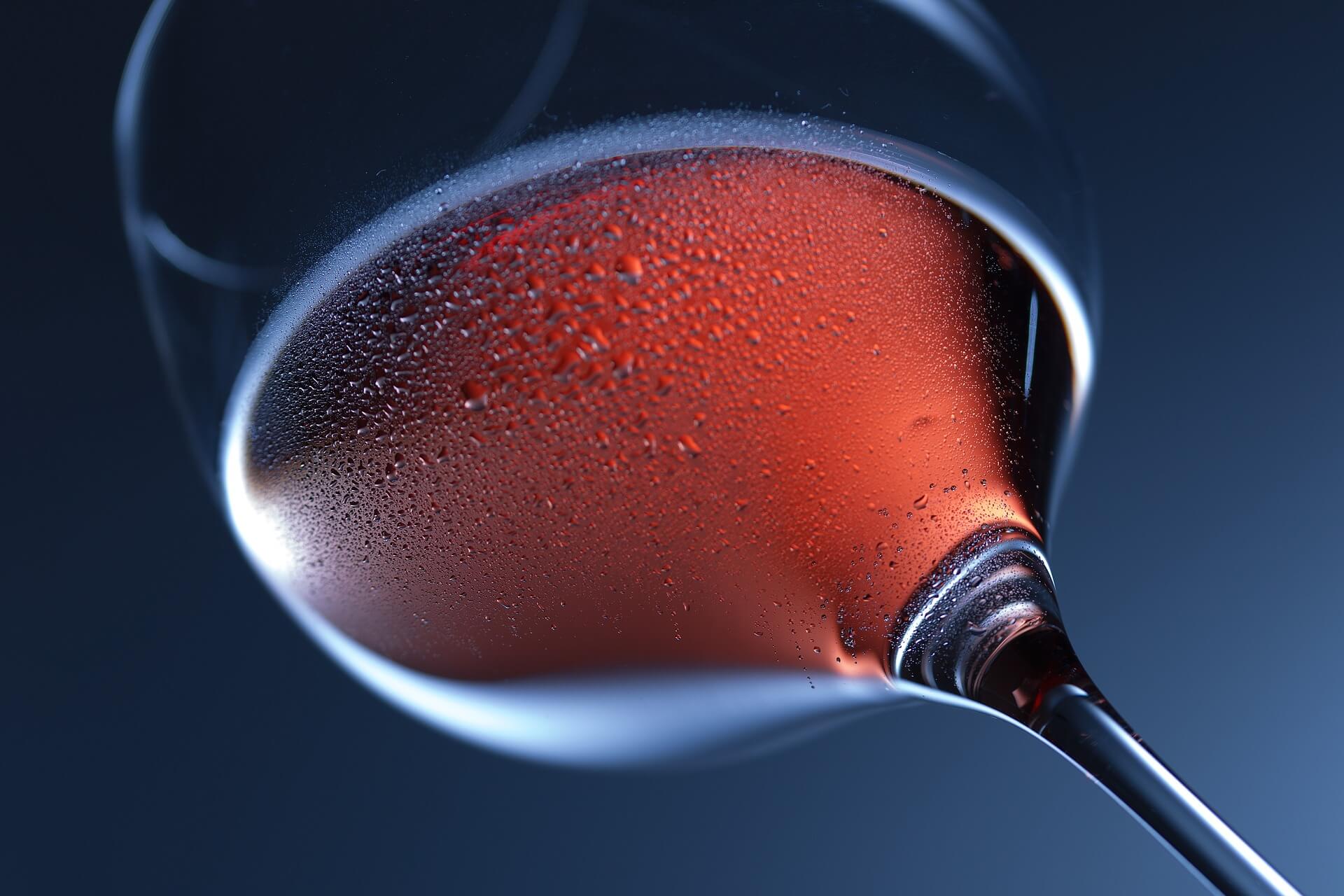
Sparkling red wine in wine glass with condensation

On June 21, the world celebrates one of Italy’s most-famous wines, the oft-misunderstood and maligned Lambrusco.

Now, some people of a certain age chuckle and roll their eyes when someone mentions Lambrusco. After all, the most (in)famous example throughout North America was Riunite.

Of course, I mean no disrespect to that particular producer. It’s just that the world is aware of other Lambrusco labels.

People also now know much more about wine in general and Lambrusco specifically. And they know it’s not always a sweet, sparkling wine.

Lambrusco 101

Much like many, many other wines, Lambrusco is a protected designation. Think Champagne, Prosecco or Châteauneuf-du-Pape.

Lambrusco comes from five regions in Northern Italy: four in Emilia-Romagna and one in Lombardy. Cheese fans may know Emilia-Romagna for its Parmigiano Reggiano cheese production.

The five denominazione di origine controllata (DOC) regions each produce distinct styles of Lambrusco with their own unique characteristics.

For example, Lambrusco Grasparossa di Castelvetro from Modena are the most-tannic of these wines. They also tend to be dark purple in color.

In contrast, some Lambrusco Reggiano wines are lighter in color. These Lambruscos also tend to be sweeter on the palate and more floral on the nose.

Lambrusco di Sorbara produces perhaps the most unique Lambrusco, such as rosè.

Most Lambrusco is semi-sparkling, or frizzante, owing to winemakers using the ancestral, traditional or Charmat methods of production.

Modern Outlook

For decades, most North Americans were only aware of Lambrusco from Riunite. Therefore, North Americans only knew Lambrusco as a cloyingly sweet, fizzy Italian wine.

Of course, many people love sweet. So many, in fact, that the term “sweet sells” is well-known among beverage managers.

However, today’s consumer doesn’t necessarily want to drink what their parents or grandparents drink. And while they may not dislike sweet outright, they want to experience different flavor profiles.

For these consumers, bartenders, bar managers, servers, and floor managers should be aware of a few important Lambrusco label terms:

  • Dolce: This is the sweetest Lambrusco.
  • Amabile: Medium-sweet wines not quite as sweet as dolce.
  • Semisecco: The most common Lambrusco, off-dry wines that aren’t as sweet as amabile or dolce.
  • Secco: Dry Lambrusco with balance and savory notes in addition to fruit on the palate.

Lambrusco is a great alternative to Champagne, Prosecco and other sparkling wines in the summer. In particular, those with patios should push their guests to try it.

Where to Start

Like I said, I’m not bashing Riunite—the label has been around for quite some time.

But for those who want to fill out their wine menus, these bottles are worth a look. I’ve chosen one bottle from each of Italy’s five Lambrusco DOCs.

Fondo Bozzole ‘Incantabiss’ Lambrusco Mantovano

From the Lombardy region. A soft wine with mineral notes balance the fruit (strawberry in particular).

Vigneto SaettiRosso Viola 2019

From the Lambrusco Salamino di Santa Croce region. This bottle would definitely draw some eyes as it’s brought to a table. Dry with smoothness balanced by assertive tannins. Black cherry, red berries, and violet.

Lini 910 Lambrusco Rosso Labrusca Reggiano (non-vintage)

91 points from Vinous. Blueberry and strawberry on the nose and palate. I have to say, the label is pretty cool.

Cleto Chiarli Lambrusco Grasparossa di Castelvetro Amabile Centenario (non-vintage)

Speaking of labels, I can see where this bottle would be mistaken for Champagne. Semi-sweet and smooth with lots of fruit on the nose and palate.

Paltrinieri “Radice” Lambrusco di Sorbara (non-vintage)

High acid lends itself to this wine’s significant brightness. Along with strawberry, expect grapefruit and watermelon notes.

Image: Dirk Wohlrabe from Pixabay

by David Klemt David Klemt No Comments

7 Whiskeys for National Bourbon Day

7 Whiskeys for National Bourbon Day

by David Klemt

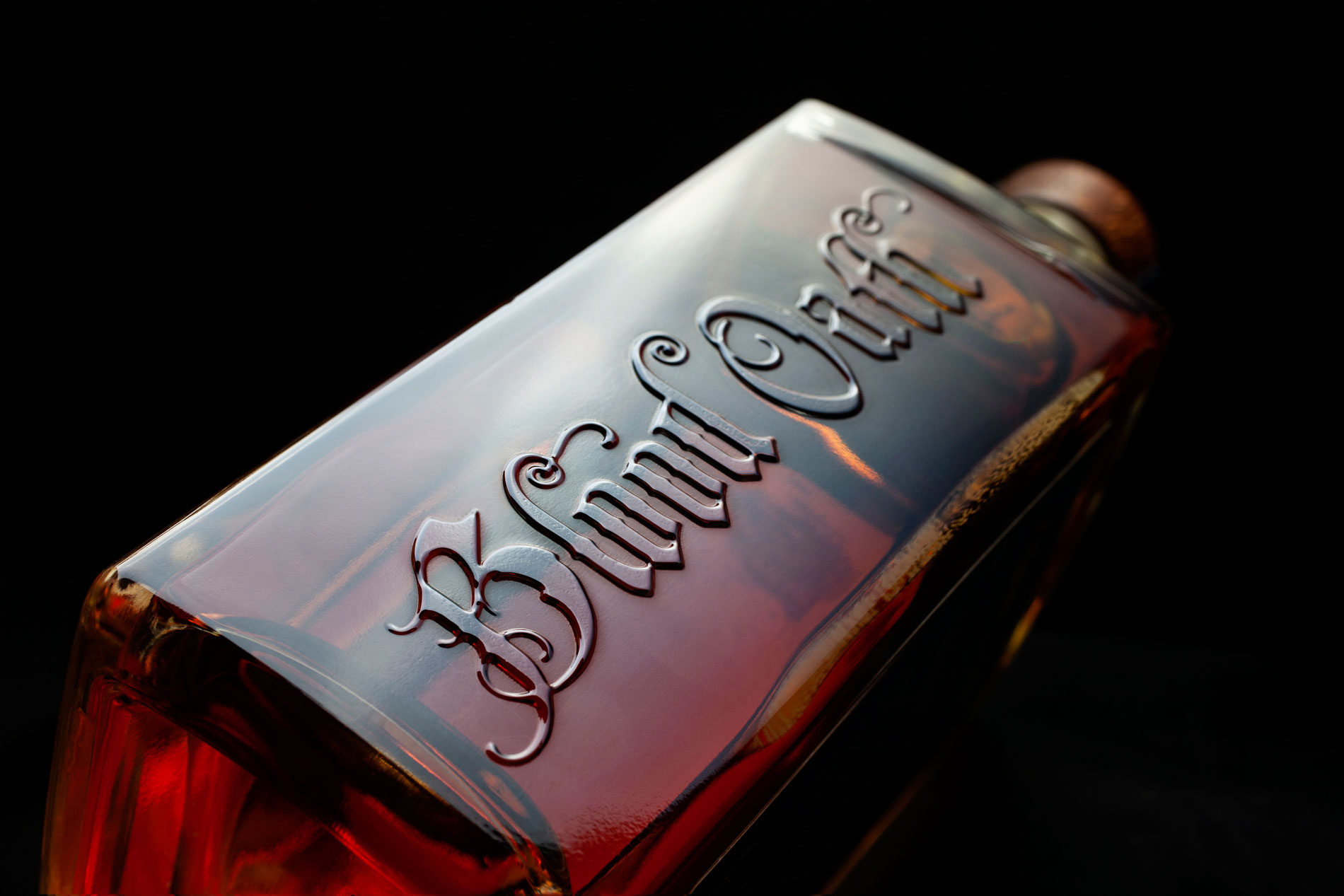
Lux Row Distillers Blood Oath Pact No. 7 bourbon whiskey

We celebrate America’s native spirit on June 14, National Bourbon Day.

Certainly, this is a mainstream holiday more than worthy of celebrating. We definitely don’t need an excuse to enjoy a dram and a cocktail, but it’s great to have one at the ready anyway.

Of course, there are far too many labels out there for us to list and honor them all. So, we’ve chosen seven bottlings that span a decent range of prices.

Cheers!

$50 and Under

Evan Williams 1783 Small Batch (Kentucky), $20 SRP

Perhaps owing to their affordable prices, a lot of people tend to sleep on Evan Williams. However, their bottles routinely end up on bartender go-to lists. Their 1783 Small Batch pays homage to the year Williams founded Kentucky’s first distillery,

Wyoming Whiskey National Parks Limited Edition American Whiskey (Wyoming), $50 SRP

Are you and your guests big fans of our beautiful national parks? If so, Wyoming Whiskey National Parks Limited Edition is the perfect whiskey! This straight bourbon, which features Wyoming’s Grand Teton National Park on its label, is a five-year-old, 92-proof homage to our natural resources. For every bottle sold, Wyoming Whiskey is donating $50 to the National Park Foundation.

$51 to $99

Woodford Reserve Double Oaked (Kentucky), $57 SRP

If you and your guests are looking for one of the smoothest expressions of Woodford, Double Oaked is the one. This whiskey starts its life as Distiller’s Select but receives a second barreling in virgin, charred-oak barrels. And Double isn’t smooth enough for you, there’s always Double Double

Russell’s Reserve 13 Year Bourbon (Kentucky), $69.99 SRP

The Russell’s Reserve label is part of the Wild Turkey portfolio and honors Master Distiller Jimmy Russell’s legacy. Master Distiller Eddie Russell is Jimmy’s son, has been producing whiskey for Wild Turkey for 40 years, and, like his father, is Kentucky Bourbon Hall of Fame inductee. The Russell’s Reserve 13 Year bottling is, of course, 13 years old, and it rings in at 114.8 proof.

Blood Oath Pact No. 7 (Kentucky), $99 SRP

The Blood Oath series is part of the Lux Row Distillers portfolio. Like Orphan Barrel releases, each Blood Oath release, known as a Pact, is highly sought after. In fact, if you don’t get your hands on one right away, the prices can double or more on the secondary market. Blood Oath Pact No. 7 is a blend of three Kentucky bourbons: one 14 year and two eight years.

$100 and Over

Heaven’s Door & Redbreast 10-Year Master Blenders’ Edition (Tennessee), $99.99 SRP

Alright, so this one is only a penny under $100—we’re rounding up for this one. As the name of this straight bourbon suggests, this is a collaboration between Bob Dylan’s Heaven’s Door and Redbreast Irish Whiskey. Master Blender’s Edition features 10-year-old Heaven’s Door bourbon given a 15-month finishing treatment in 12-year-old Redbreast casks.

Copper Tongue Orphan Barrel (Tennessee), $100 SRP

As with Lux Row Distillers releases, Orphan Barrel is highly sought after and highly collectible. Aficionados and fans in the know will go out of their way to score a dram if they can find it. Coppper Tongue will be no different, a 16-year-old, cask-strength straight bourbon weighing in at 89.8 proof. The distillery recommends enjoying it neat or, interestingly, with a slice of pear.

Image: Lux Row Distillers

by David Klemt David Klemt No Comments

Stand Out with Weird Holidays: June

Stand Out with Weird Holidays: June

by David Klemt

Stay Weird neon sign with purple background

Want to stand out from from other restaurants and bars in your area? Then commit to keeping it weird.

Several “holidays” are set against every date on the calendar, and June is no exception. These holidays range from mainstream to food-centric to weird.

Focus on the latter to raise eyebrows, carve out a niche for your restaurant or bar, and attract more guests. Why do what everyone else is already doing?

Of course, you shouldn’t try to celebrate every holiday, weird or otherwise. And this month’s list in no way includes every odd holiday.

Focus on the days that are authentic to your brand; resonate with your guests; and help you grab attention on social media.

For last month’s list, click here.

June 3: National Egg Day

How are your sour cocktails? Celebrate the egg on this day by featuring your egg white-powered drinks.

June 7: National VCR Day

Leverage nostalgia by showcasing an outdated way to enjoy movies and TV shows. If you really want to immerse yourself and your guests in this holiday, find a VCR and some movies on VHS, come up with some themed cocktails, and lure in nostalgia-thirsty guests. (Make sure you have the proper licenses in place to play music, movies, TV shows, etc.)

June 8: National Name Your Poison Day

Talk about a perfect holiday for a bar! This is an excellent day to design a call promotion around or to highlight your bar team’s ability to create delicious cocktails on the fly based on guests’ spirits preferences.

June 13: International Axe Throwing Day

Are you one of the operators who has introduced axe throwing to your restaurant, bar or eatertainment venue? Then do we have the holiday for you and your guests…

June 16: Bloomsday

This holiday honors revered Irish writer James Joyce. The story goes that Joyce’s favorite dram was Jameson, so get those bottles and specials ready.

June 18: National Splurge Day

Have some high-dollar spirits, beers, wines and dishes? Promote them loudly on this day and encourage your guests to truly treat themselves.

June 24: National Bomb Pop Day

There’s more than one way to celebrate this fun, refreshing and nostalgic holiday. For instance, there are various versions of the Bomb Pop cocktail. Another example is offering housemade boozy Bomb Pops. And then you can always simply garnish drinks with Bomb Pops.

June 25: National Take Your Dog to Work Day

If you have a dog-friendly restaurant, bar or lounge, encourage people who have brought their dogs to work to pop in for a well-deserved bite and drink.

June 30: Social Media Day

Feel like your social media savvy could use some work? Want your guests to plaster your business all over social? Use this holiday to improve your social media skills, add followers, and increase engagement with the help of the people who support your business.

Image: Dan Parlante on Unsplash

by David Klemt David Klemt No Comments

Return of the Indoor Diners: B.C.

Return of the Indoor Diners: B.C.

by David Klemt

Vancouver, British Columbia, Canada skyline

Good news for operators, foodservice professionals and the public as British Columbia prepares for a return to indoor dining.

The ban on indoor dining is set to expire tomorrow, along with the rest of B.C.’s so-called “circuit breaker” restrictions.

However, it remains unclear still whether restaurants can throw their doors open and welcome guests first-thing Tuesday morning.

Confusion

Some operators and restaurant advocacy groups believe the restriction on indoor dining expires at 11:59 PM tonight.

It follows, in their opinion, that the expiration means operators can offer indoor service the following morning, Tuesday, May 25.

Of course, it’s never that cut and dry, is it?

Much like the CDC’s recent update to mask and social distancing recommendations in America, B.C.’s restaurant restrictions are only causing confusion.

While the “circuit breaker” restrictions put in place back in March are set to expire, Premier John Horgan and other officials haven’t made it clear if more restrictions will be put in place.

Additionally, restaurant and other hospitality operators haven’t been given much notice. They’re simply aware that current restrictions expire before midnight tonight.

Consistently Inconsistent

It’s never great to feel like you’re on the back foot. Unfortunately, operators still don’t receive much in the way of a heads up when rules and recommendations change.

Once again, officials and the public make it clear that they think restaurants and bars can simply flip a switch and return to regular service. Once again, the industry and its challenges are ignored.

When those with the power to impose restrictions are vague about what operators should expect after their rules expire, it makes it nearly impossible for operators to prepare properly for what comes next.

Should operators plan on an increase in traffic because they can once again fill their dining rooms? Will they need to prepare for 25-, 50- or 75-percent capacity restrictions? Are their going to be limits to outdoor dining, delivery, carryout and curbside pickup?

How much F&B and other products should they order, planning for a return to indoor dining or more restrictions? In terms of staffing, should operators plan to run with a skeleton or full crew?

Every one of those questions—and several more—have an impact on resources, revenue and survivability. When officials fail to provide all the necessary information when making important announcements, they only cause confusion and create more questions than answers. Too often, they foist their responsibilities onto business owners and the public.

There’s no excuse.

Preparation

Unfortunately, there’s no silver bullet to offer operators in this situation. They’ll need to monitor the situation in B.C. and await clear guidance from government officials pertaining to any upcoming restrictions.

Yet again given no meaningful notice, it’s going to be difficult for operators to plan to get the most out of this week and the near future.

Still, operators will want to give staff notice that they should plan to work. It’s less than ideal but operators should plan to schedule against a few possibilities: a new indoor dining ban, indoor dining with capacity restrictions, and a full return indoor dining.

One of these days, perhaps politicians will listen to our massive industry’s requests and serve us better.

Image: Aditya Chinchure on Unsplash

by krghospitality krghospitality No Comments

Where are To-Go Cocktails Legal?

Where are To-Go Cocktails Legal?

by David Klemt

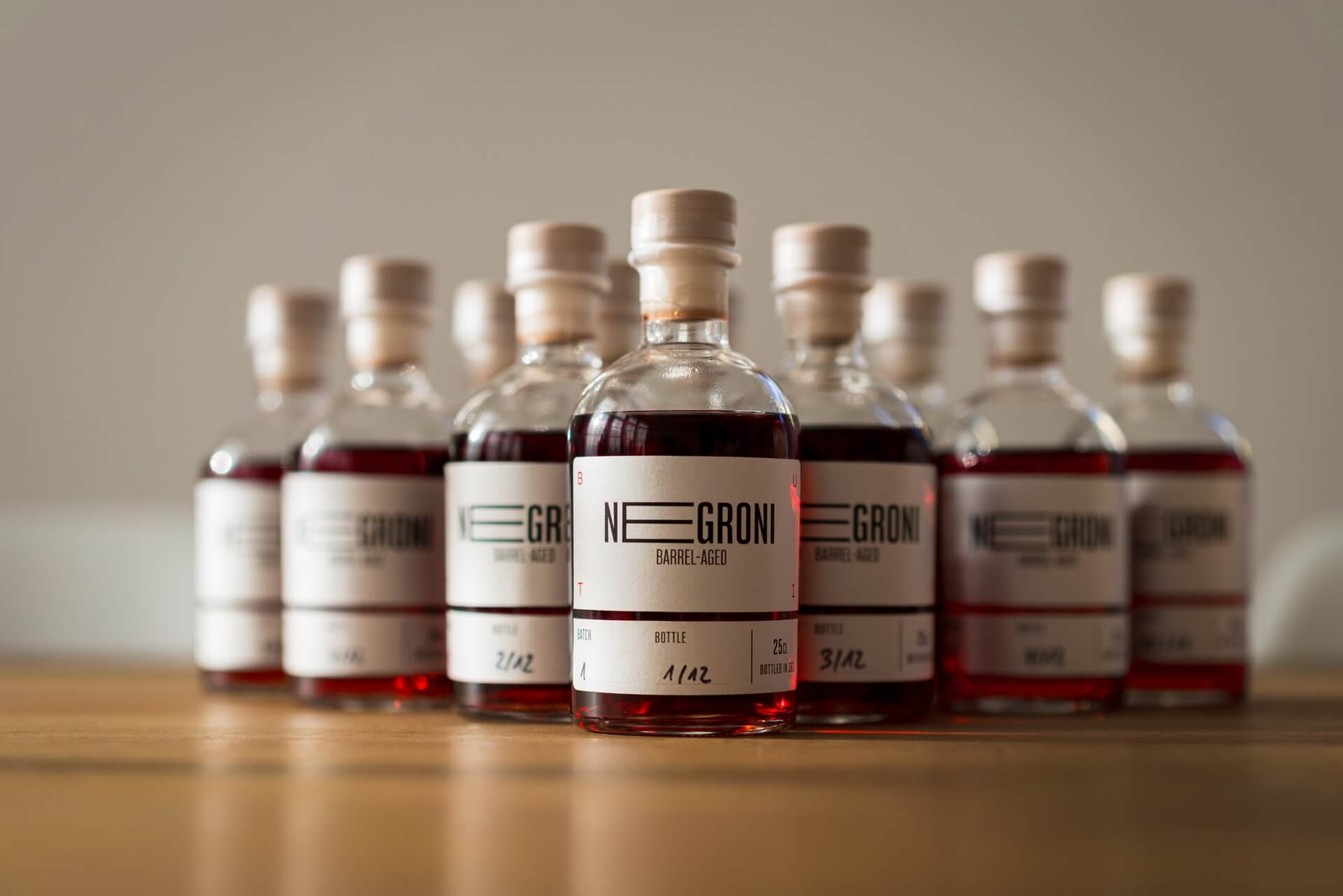
Bottled Negroni mixed drinks and to-go cocktails

We’re still coming to grips with what the industry will look like post-pandemic. One pandemic-driven adaptation is to-go cocktails.

For this article, “cocktails” means mixed drinks specifically, as that is how most jurisdictions are defining such to-go drinks.

In some markets, operators can now offer to-go mixed drinks permanently. Some jurisdictions are offering extensions to temporary sales, while others are considering bills.

The To-Go Pivot

Clearly, our industry responds to guest demands and expectations. And what does today’s guest expect? For their every customized whim to be fulfilled—conveniently.

Therefore, it only makes sense that operators constantly adapt to encourage guest loyalty (as far as that’s possible).

People are itching to get out more, impatient to return to their pre-pandemic lives. Even so, the convenience of drinking and dining at home appeals to large swaths of the public.

Of course, it’s not just convenient.

Providing guests the choice to enjoy a restaurant or bar’s F&B offerings and semblance of their unique experience at home—including cocktails—is also about safety and comfort levels.

Obviously, we want guests to be able to comfortably and safely gather in restaurants, bars, hotels, and every other type of hospitality venue. That’s a given.

However, if some people are more comfortable at home for now, operators in a position to meet guests where they are to generate revenue should do so.

Lawmakers Respond

Carryout and delivery beer and wine sales have been legal for some time in many states. Mixed drinks, not so much.

The rules addressing “to-go” cocktails (carryout and delivery are more accurate) were relaxed in several markets in response to indoor dining bans and shutdowns.

However, “loose” laws aren’t permanent changes. Some jurisdictions will eventually rescind their relaxed approach and ban to-go cocktails unless specific legislation passes.

Iowa is the first American state to legalize to-go cocktails permanently. The vote was unanimous in the Iowa House and nearly so in the Iowa Senate.

Operators in Canada or America who intend to sell to-go cocktails must be aware of their jurisdiction’s specific rules, including but not limited to packaging requirements, volume restrictions, food sale components, and transportation laws.

Canada: Delivery and Carryout Rules

Currently, KRG Hospitality operates in Alberta, British Columbia, and Ontario for the Canadian market. Therefore, we’re focusing on those provinces for this article.

Alberta

While packaged, unopened liquor may be sold for off-site consumption, pre-made cocktails may not. Food sales must accompany liquor sales.

British Columbia

The province’s approach to liquor sales for delivery and carryout are the same as Alberta’s. Operators can’t sell to-go mixed drinks.

Ontario

Restaurants and bars can sell pre-made cocktails sealed in bottles, cans, and bags. Like the other two provinces, food sales must accompany to-go liquor sales.

America: Permanent, Extended, Up for Consideration

In total, 11 states have made the move to legalize to-go mixed drinks permanently:

  • Arkansas
  • Florida
  • Georgia
  • Iowa
  • Kentucky
  • Montana
  • Ohio
  • Oklahoma
  • Texas
  • West Virginia
  • Wisconsin

Others have introduced bills to make to-go cocktails legal permanently:

  • Arizona
  • California
  • Kansas
  • Minnesota
  • Missouri
  • Nebraska
  • New Hampshire
  • New Jersey
  • New York
  • Oregon
  • Pennsylvania

A handful have extended to-go cocktails until at least 2022:

  • Delaware (March 2022)
  • Illinois (2024)
  • Maine (September 2022)
  • Virginia (July 2022)
  • Washington (July 2023)

Image: Jonas Tebbe on Unsplash

by krghospitality krghospitality No Comments

International Chain Slashes Menu

International Chain Slashes Menu

by David Klemt

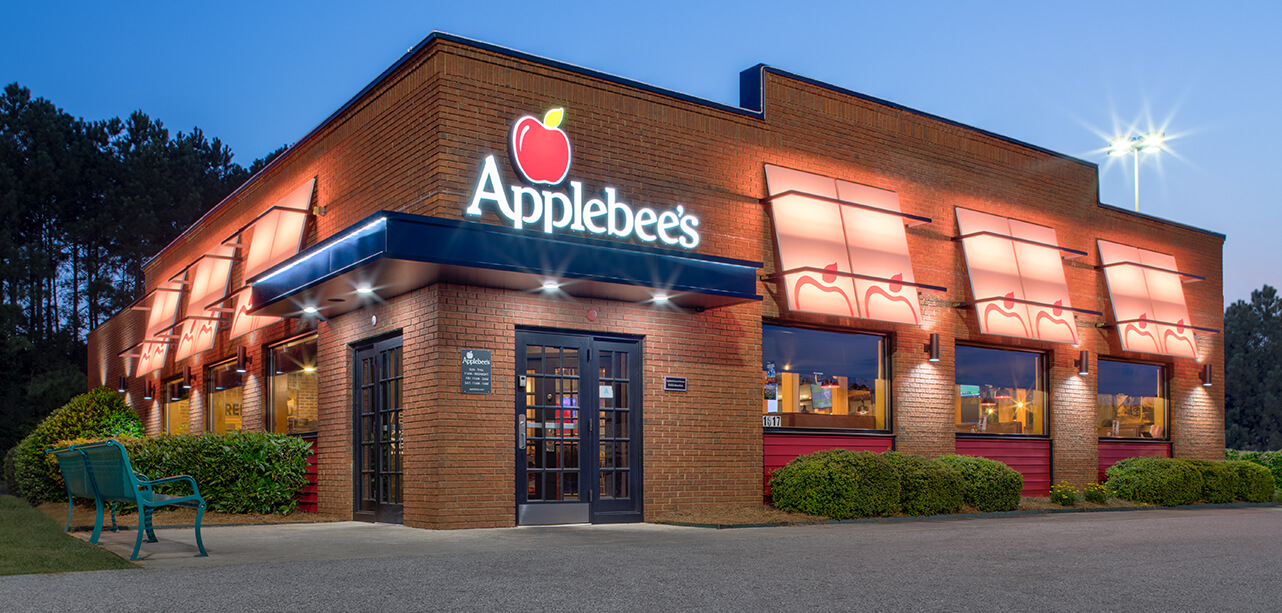
Applebee's Grill & Bar casual dining restaurant

If you’re curious as to whether “lean and mean” menus are here to stay as a result of the pandemic, look no further than one international chain.

Moving forward, Applebee’s Grill + Bar menus will be some 60 items lighter.

The chain’s menu will be 38 percent smaller, and the change is permanent.

Significant Overhaul

Of course, it isn’t like the Applebee’s menu is tiny now. At about 100 items, it’s still larger than most independent restaurant menus. For contrast, KRG Hospitality president Doug Radkey, in most cases, recommends 12- to 32-item food menus.

Still, the casual dining chain cutting 60 items permanently is a big move.

The decision is a direct result of the pandemic and the toll it took on Applebee’s and the industry overall. Unfortunately, like many operators big and small, chain and independent, the chain had to furlough staff. Lightening the menu made it easier for the chain to adapt and shift toward takeout and delivery.

Weak performers and complex items that affect efficiency are gone. According to John Cywinski, Applebee’s president, the decision means faster ticket times, more consistency, and better efficiency.

Among the 60 or so items that are no longer available: the triple cheeseburger, clam chowder, and BBQ brisket tacos.

Streamline Summer

The decision to eliminate dozens of complex and lagging items puts Applebee’s in a better position for Summer 2021, potentially.

Speaking with CNN Business, Cywinski said, “The team will have to be very thoughtful about every single product or beverage they introduce, and the consequence of it from a complexity standpoint.”

That thoughtful approach is crucial in large part because of Applebee’s new menu policy: When a new item comes onto the menu, an old item must go.

Accordingly, Applebee’s can remain innovative while avoiding once again inflating their menus.

With demand for social interaction, a return to normalcy, and in-person restaurant and bar visits set to explode, Applebee’s finds itself with a menu that’s nearly 40-percent smaller. That should make it simpler for the chain’s restaurant and bar teams to fill orders quickly, efficiently, and consistently.

Menu Refresh

Every operator needs to know their numbers. That doesn’t just mean costs and inventory, by the way.

Do you know the cook times for each food item on your menu? Do you know how many dishes you can make with a given ingredient? Is thoughtful cross-utilization an important element of your F&B operations?

The answers to those questions can help you identify bottlenecks in your operation and become more agile.

Another important question to consider: Do you know which menu items are your slowest sellers? If you do, answer this: Why are they still on your menu?

When you eliminate an item, yes, some guests will express their disappointment. You’ll have to weigh the costs of keeping a poor performer against freeing up resources by losing an item that rarely sells. You may even identify an item that you personally love but just doesn’t move. Again, you have to do what’s best for your bottom line.

You may not have 160 items on your menu. You may not have 100. That doesn’t mean you don’t have at least a handful of items that you can eliminate to reduce costs and increase revenue.

Image: Applebee’s Grill + Bar

by David Klemt David Klemt No Comments

Stand Out with Weird Holidays: May

Stand Out with Weird Holidays: May

by David Klemt

Stay Weird neon sign with purple background

Want to stand out from from other restaurants and bars in your area? Then commit to keeping it weird.

Several “holidays” are set against every date on the calendar, and May is no exception. These holidays range from mainstream to food-centric to weird.

Focus on the latter to raise eyebrows, carve out a niche for your restaurant or bar, and attract more guests. Why do what everyone else is already doing?

Of course, you shouldn’t try to celebrate every holiday, weird or otherwise. And this month’s list in no way includes every odd holiday.

Focus on the days that are authentic to your brand; resonate with your guests; and help you grab attention on social media.

For last month’s list, click here.

May 5: National Totally Chipotle Day

It’s not just Cinco de Mayo today, it’s National Totally Chipotle Day! Two guesses as to what pepper this holiday celebrates…

May 6: World Password Day

This holiday exists to encourage people to consider their privacy and make sure their passwords are secure. Of course, operators can make this holiday more fun than mundane. One simple way is to come up with and share a password guests can use for food or drink specials. Speakeasy operators, today’s your day!

May 9: National Sleepover Day

What pairs well with sleepovers? Food, drinks, pajamas and movies. And what pairs well with warming weather and the comfort levels of today’s guests? Patios and other outdoor areas. Show a movie outside, encourage pajamas, create fun and comforting F&B offerings… This is a fun one.

May 20: National Pick Strawberries Day

The perfect day to feature cocktails that call for strawberry garnishes. And if there was ever a holiday practically built for featuring Snoop Dogg‘s new strawberry-flavored Indoggo Gin, this is it.

May 21: National Bike to Work Day

As the story goes, the radler was invented in the 1920s by a Bavarian tavern owner. A group of cyclists stopped by looking to quench their thirsts with beer. The tavern owner didn’t have enough, so he added sparkling lemonade to his kegs. Eurkea, the radler was born.

This is the perfect day to pay homage to the radler and reward people for biking to work.

May 22: National Craft Distillery Day

One of the best days to program promotions around local and hyper-local spirits.

May 25: National Brown-Bag It Day

Looking for a simple and fun way to celebrate this weird holiday? Offer a special featuring tall boys served in brown paper bags along with hangover-curing comfort foods.

May 30: National Creativity Day

I mean…what a blank canvas! This is the day to execute your most creative promotions. Ask your team members for their most creative ideas to boost staff engagement.

Image: Dan Parlante on Unsplash

by David Klemt David Klemt No Comments

Reverse Cocktails for Lower ABV Sips

Reverse Cocktails for Lower ABV Sips

by David Klemt

Straining a cocktail into a rocks glass over ice cubes

A simple and creative way to add low-proof drinks to a menu is to offer reverse cocktails.

As a concept, reverse cocktails are simple to understand. However, they’re also a great way to engage the bar team.

Better still, they offer guests looking to enjoy less-spirited drinks a real cocktail experience.

What’s a Reverse Cocktail?

Essentially, a reverse cocktail is exactly what it sounds like. Let’s use the classic Martini as an example.

Say your classic recipe calls for two ounces of gin, a half-ounce of sweet vermouth, and a dash of orange bitters. To build the Reverse Martini, half the gin, quadruple the sweet vermouth, and keep the bitters the same.

That’s a quick and dirty example. You and your bar team will want to play with your recipes—different vermouths and gins will deliver differing results.

Vermouths, amaros, and low-proof aperitifs are ideal for building reverse cocktails and expanding your cocktail program.

What’s the Point?

Reverse cocktails lower the ABV in comparison to their standard, boozier counterparts.

Michael Toscano, Woodford Reserve brand ambassador and Bar Hacks podcast guest, thinks many people are looking to slow down their alcohol intake. Home bartenders, if reports are accurate, have been pouring spirits generously during the pandemic. When they get out, they may be after lower-proof sips.

A reverse cocktail is a creative solution to enjoying cocktails in a new way with less alcohol.

Of course, they also offer operators a new guest experience. A menu section with the title “Reverse Cocktails” is likely to spark some guest interest and questions. Also, such drinks are a great way to refresh drink menus and move some inventory.

There’s also the fact that reverse cocktails give guests seeking low-ABV sips the full cocktail experience—there’s no risk of alienating them.

Image: Adam Jaime on Unsplash

by David Klemt David Klemt No Comments

2021 Kentucky Derby Drink Recipes

2021 Kentucky Derby Drink Recipes

by David Klemt

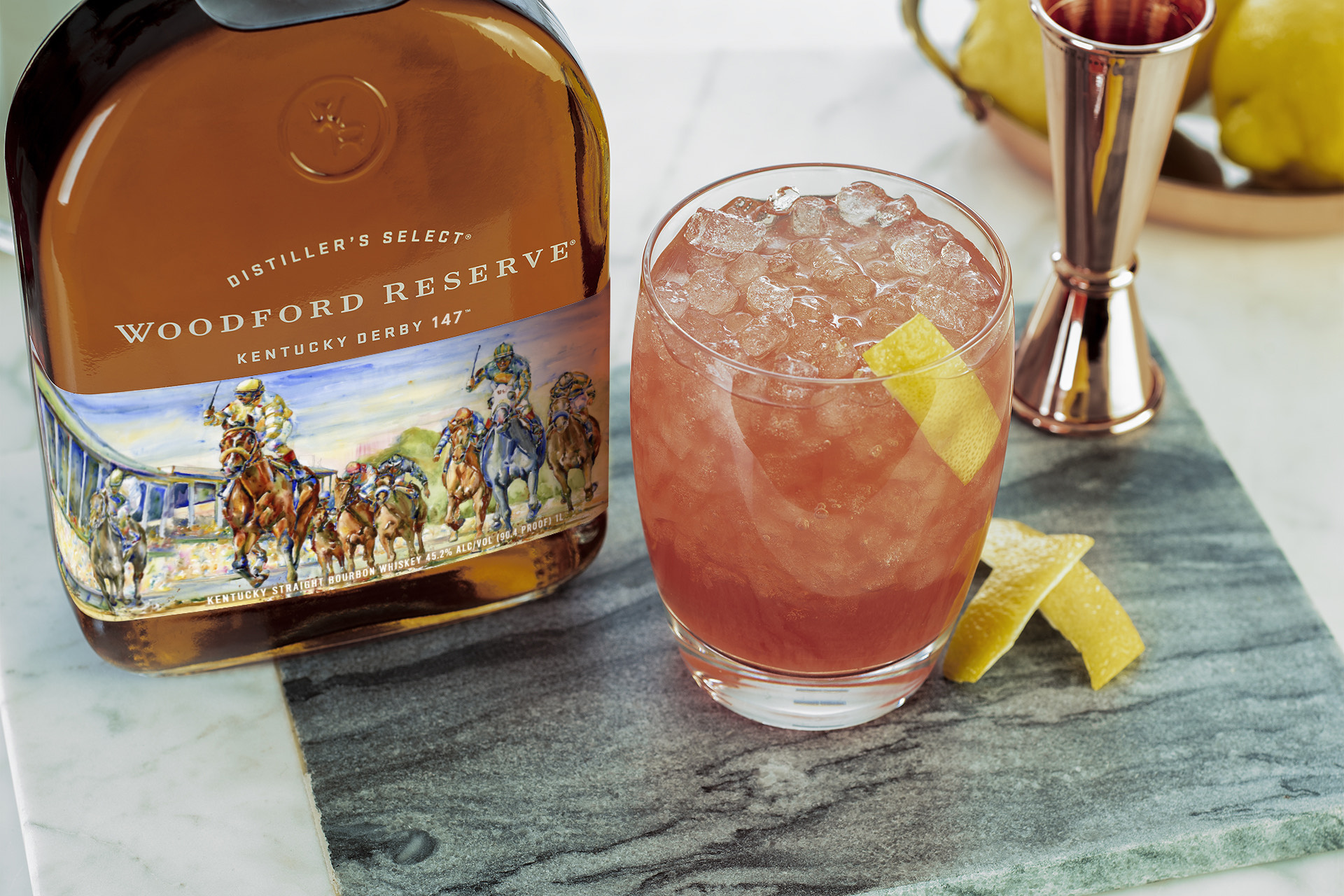
Woodford Spire Kentucky Derby cocktail

The 2021 Kentucky Derby takes place this Saturday, May 1. These cool drinks are perfect for the hottest two minutes in sports.

This year, the unbeaten Essential Quality is the favorite to win the 147th Run for the Roses. Hot Rod Charlie, Rock Your World, and Medina Spirit are also in consideration.

Personally, given the subject of this article—bourbon cocktails—we’d like to see Bourbonic take the first race in the Triple Crown.

Since Woodford Reserve is the official Presenting Sponsor of the Kentucky Derby, you can’t go wrong with the Woodford cocktails below.

Of course, the 2021 Woodford Reserve Derby Bottle makes these Derby drinks taste that much better.

Cheers!

Woodford Mint Julep

Recipe courtesy of Woodford Reserve

This is the traditional Derby Day cocktail. Churchill Downs will be pouring gallons of this classic.

Express the essential oils in the mint and rub them inside the glass (or a Julep cup, ideally). Add simple syrup, bourbon, and crushed ice. Stir, then garnish with more ice, fresh mint, and powdered sugar.

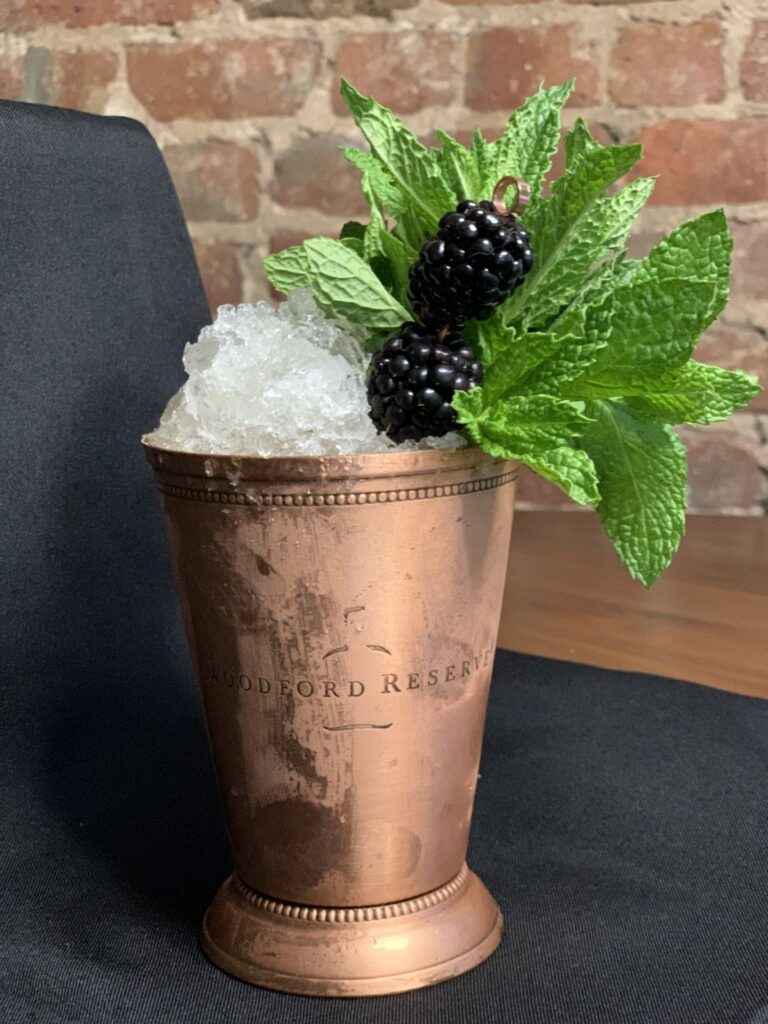
Mint Julep made with Woodford Reserve by Michael Toscano

NYC Mint Julep

Recipe by Michael Toscano, Woodford Reserve Brand Ambassador

As loyal Bar Hacks podcast listeners may already know, Michael Toscano knows his way around an irresistible Mint Julep. When you’re done with this article, click here to listen to Episode 32 of Bar Hacks with Toscano.

Muddle six blackberries with simple syrup and a healthy bunch of mint leaves (eight to ten). Add two ounces of Woodford Reserve Bourbon and fill the Julep cup with crushed ice. Stir and lift ice until the Julep cup is frosted. Garnish with two blackberries and a fresh sprig of mint.

Note: To build this cocktail precisely as Michael recommends on our podcast, add 1.5 ounces of Woodford to the Julep cup over crushed ice. Add more ice to create a mound on top of the cup, then float the remaining half-ounce of bourbon. Finish with a healthy dusting of powdered sugar and either nutmeg of powdered chocolate.

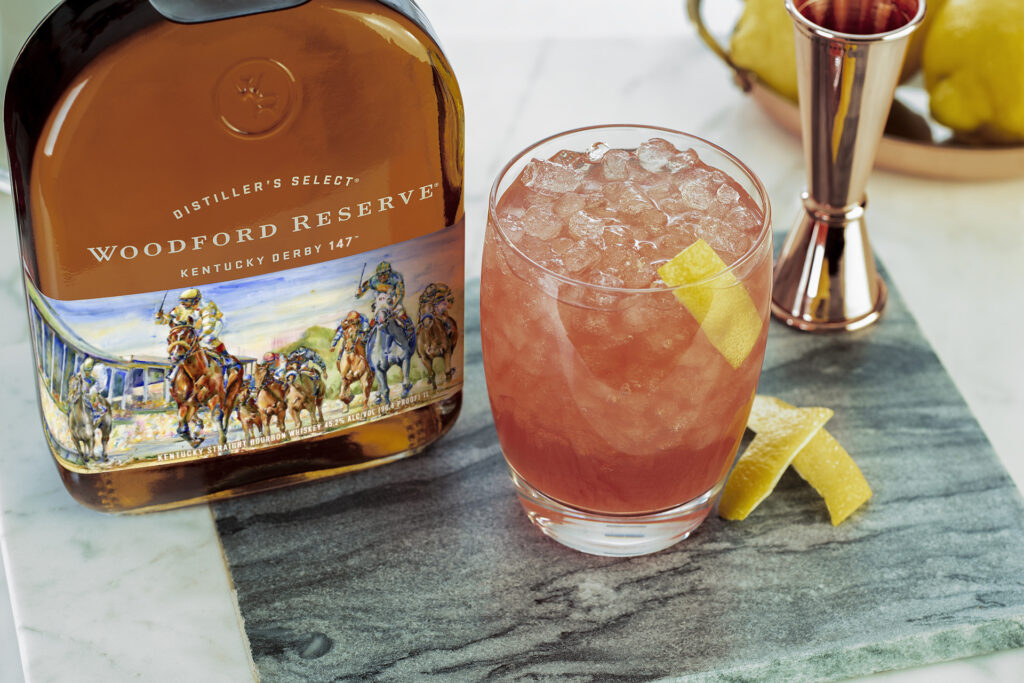
Woodford Spire Kentucky Derby cocktail

Woodford Spire

Recipe courtesy of Woodford Reserve

Some people may not know that this is the Official Cocktail of the Kentucky Derby. Most assume that title goes to the Mint Julep.

In a mixing glass, mix Woodford Reserve, lemonade and cranberry juice with a bar spoon. Pour into a copper cup, add crushed ice to the top of the glass, and serve with a lemon twist.

Zero-proof Woodford Spire

Recipe courtesy of Woodford Reserve

Those choosing to enjoy Kentucky Derby festivities without alcohol will appreciate this refreshing drink.

  • 2 parts Lemonade
  • 2 parts Unsweetened iced tea
  • 1 part Cranberry juice
  • Lemon twist to garnish
  • Crushed ice

Prepare and serve the same as the full-proof Spire.

Images: Woodford Reserve / Brown-Forman

by David Klemt David Klemt No Comments

Multi-gen Recipe Becomes RTD

Multi-gen Recipe Becomes RTD

by David Klemt

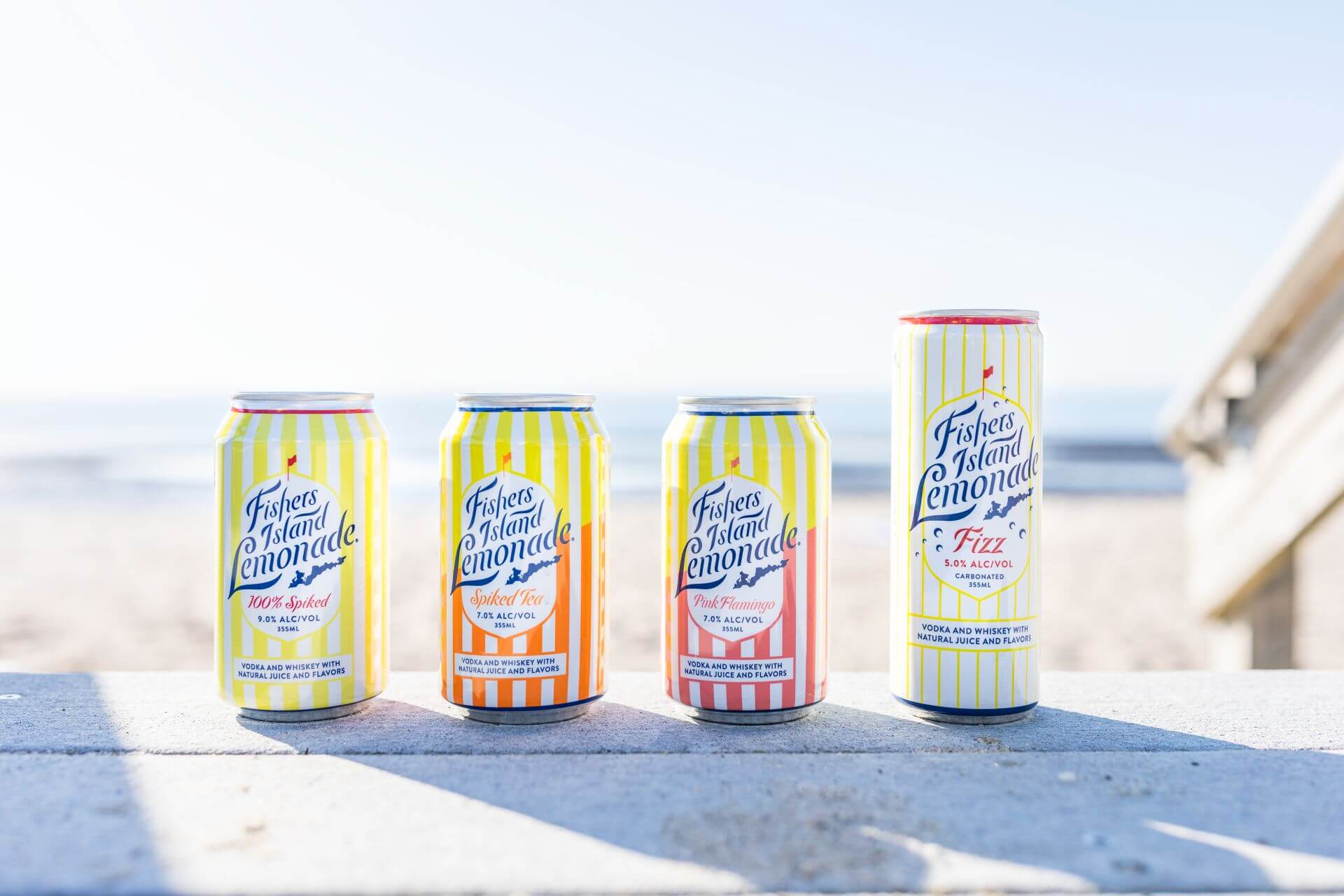
Fishers Island Lemonade cans and flavors

Not just another RTD, Fishers Island Lemonade is a premium brand that transforms a multi-generational recipe into a can cocktail.

Now, the brand is launching four new expressions, right in time for summer.

Let’s take a look at these craft RTD cocktails.

A Recipe with History

There’s only one place to drink on Fishers Island in New York, the Pequot Inn. The restaurant and bar is known for its signature cocktails.

One intrepid member of the Shillo family, who owned the Pequot for more than two decades, is putting her spin on one of the signature cocktails into cans.

Bronya Shillo tended bar at the Pequot when it was under her family’s ownership. She launched Fishers Island Lemonade (FIL) in 2014.

FIL’s original expression is a 9.0-percent blend of premium vodka, barrel-aged whiskey, lemon and honey. Now, the Original spiked lemonade has four new friends: Spiked Tea, Pink Flamingo, Fizz, and Frozen Spirits Pops.

Brand Expansion

Like Original FIL, the brand’s new lineup consists of signature cocktail recipes. In fact, you’ll find several FIL recipes on the brand’s website.

FIL Spiked Tea and Pink Flamingo both ring in at 7.0 percent ABV. The former is the original recipe with black tea, while the latter is made with cranberry.

Fishers Island Fizz is the lower-ABV version of Original FIL, coming in at a more sessionable 5.0 percent ABV.

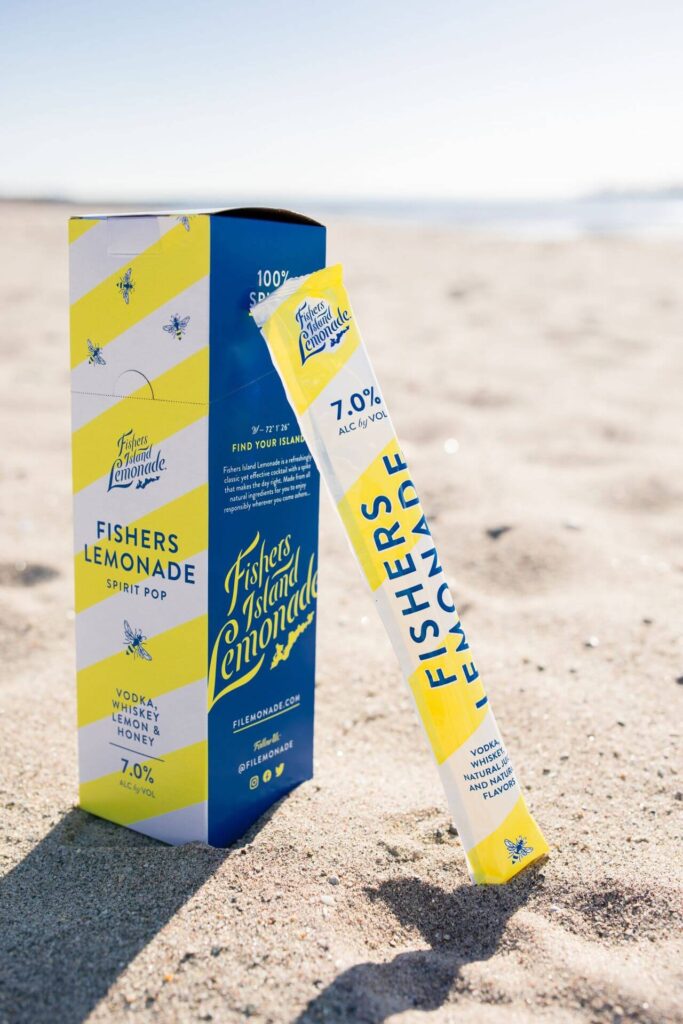
Fishers Island Lemonade Frozen Spirits Pops

Perfect for summer, FIL Frozen Spirits Pops are exactly what they sound like: popsicles made with Original FIL.

Finding FIL

Currently, FIL is available in Colorado, Connecticut, Georgia, Maine, Massachusetts, New Hampshire, New Jersey, New York, and Rhode Island.

However, the brand is utilizing direct-to-consumer sales to reach consumers across America. FIL is also available on Drizly.

A four-pack of FIL RTDs have an SRP of $15.99. The Frozen Spirits Pops come in ten-packs with an SRP of $27.99.

Images provided by Fishers Island Lemonade

by David Klemt David Klemt No Comments

Summer of White Claw 2.0?

Summer of White Claw 2.0?

by David Klemt

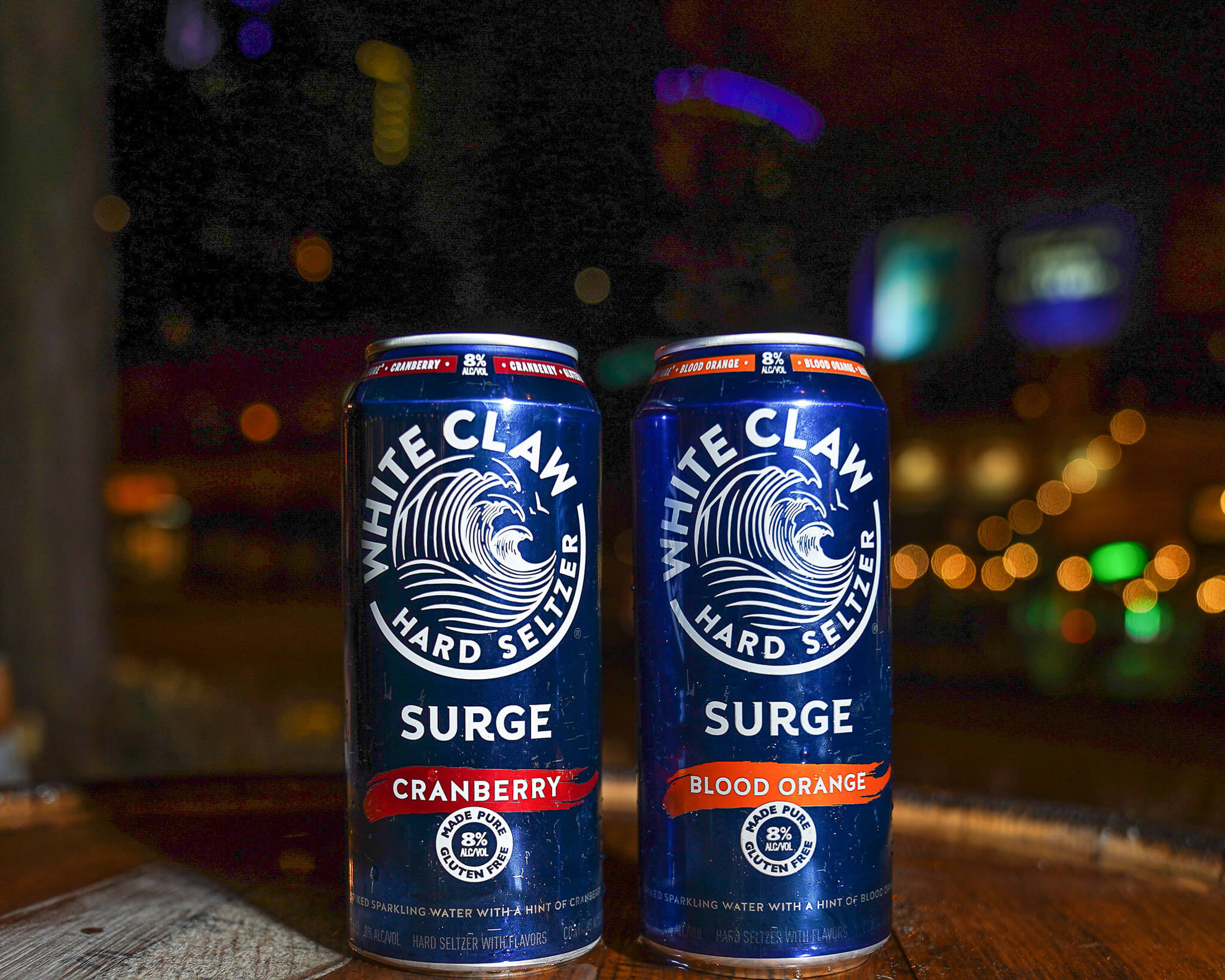
White Claw Surge Blood Orange and White Claw Surge Cranberry hard seltzer cans

White Claw is ready to leverage the surge in pent-up consumer demand to get out and party this summer with their latest innovation, Surge.

The new expressions are notable for several reasons. The most obvious, of course, is that they ring in at 8.0% ABV.

Odds are strong that we may be on the verge of a Summer of Surge.

Summer of White Claw 2.0

Let’s look back at the brief but bold history of White Claw.

Imagine it’s 2016. Hard seltzer isn’t quite the powerhouse beverage category that it is today. There’s no snappy, “Ain’t no laws when you’re drinking Claws,” tagline. Neither is there a “ClawLife” hashtag…yet. However, White Claw launches.

Fast-forward to 2018. Fanatics are sharing their devotion to White Claw all over social media. They’re tagging posts #ClawLife. The memes are everywhere, as are the white cans of hard seltzer.

That leads us to 2019. It almost seems simpler to ask what Big Brands aren’t trying to copy White Claw’s success. Try as they might, nobody dethrones King Claw.

Summer 2019 is the Summer of White Claw. The brand essentially singlehandedly grows hard seltzer into the powerhouse beverage category it is today.

In 2021, the hard seltzer kingpin certainly seems set to take over summer once again with White Claw Surge Cranberry and White Claw Surge Blood Orange.

Surging Forward

White Claw Surge’s higher ABV—a boost from 5.0% to 8.0%—isn’t the only departure from the “standard” Claws.

Surge is available only in 16-ounce cans, whereas standard White Claw comes in 12-ounce cans and tall boy versions are 19.2 ounces.

Another big difference? Standard White Claw flavors in 12-ounce cans contain 100 calories. Surge, with 220 calories, has more than twice that amount.


View this post on Instagram


A post shared by White Claw Hard Seltzer (@whiteclaw)

Should White Claw Surge perform as expected, it will represent an interesting evolution in hard seltzer. For many, hard seltzer is a stand-in for beer and other beverage alcohol options because of its low calorie count. If higher-proof, high-calorie hard seltzer becomes popular, it’s a notable shift in consumer behavior.

#ClawLife 2.0

Surge isn’t the only innovation coming from White Claw in time for Summer 2021.

The new White Claw Iced Tea flavors will likely prove to be a popular refresher as the weather gets warmer. These expressions—Lemon, Raspberry, Mango, and Peach—are 100 calories and 5.0% ABV (in 12-ounce cans) like standard Claws.

There are also three new expressions of White Claw available in Variety Pack Flavor Collection No. 3: Strawberry, Pineapple, and Blackberry.

With all of these new hard seltzers on the market and pent-up consumer demand, it’s difficult to see how we’re not headed toward Summer of White Claw 2.0.

Image: White Claw

by David Klemt David Klemt No Comments

Celebrate National Takeout Day!

Celebrate National Takeout Day!

by David Klemt

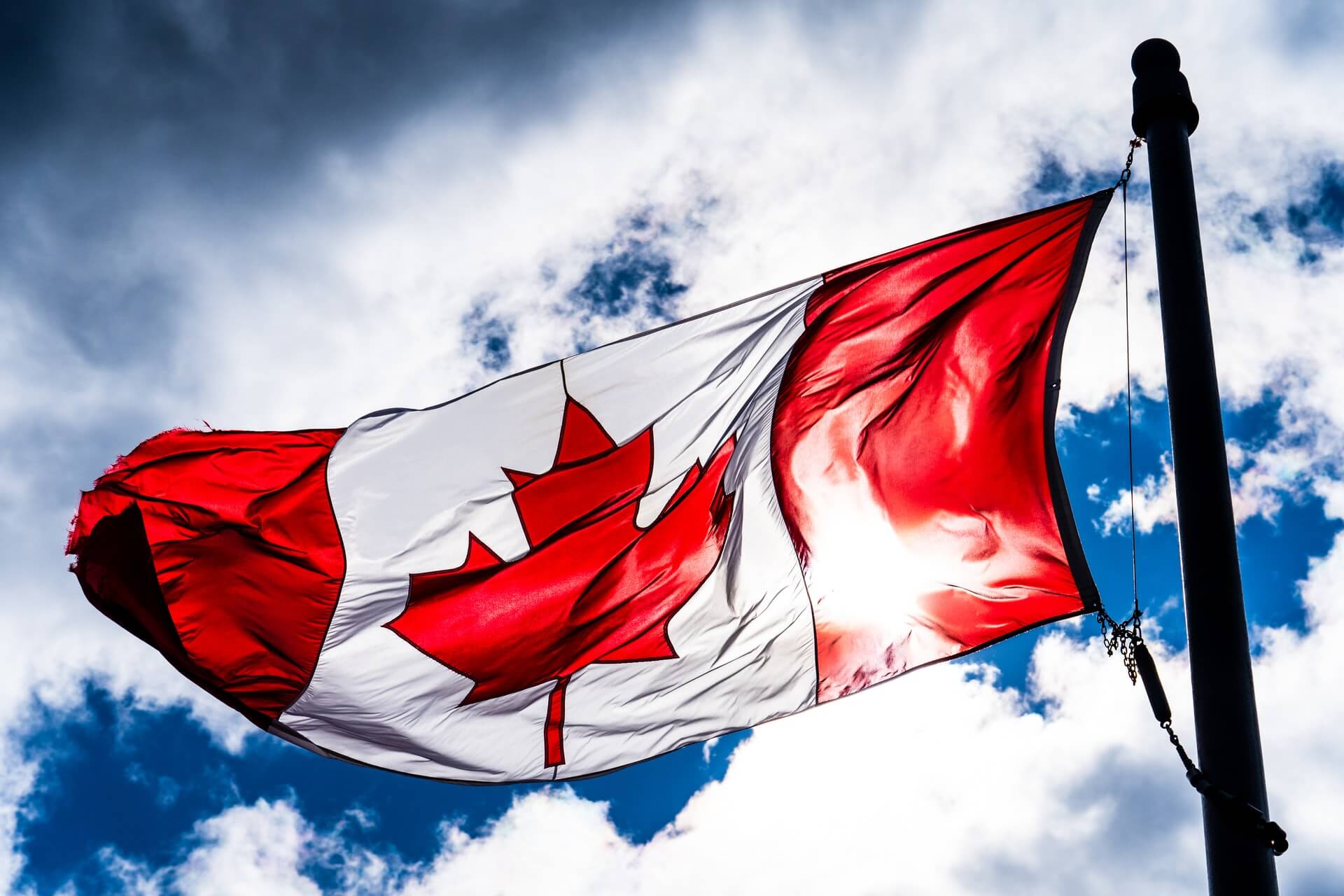
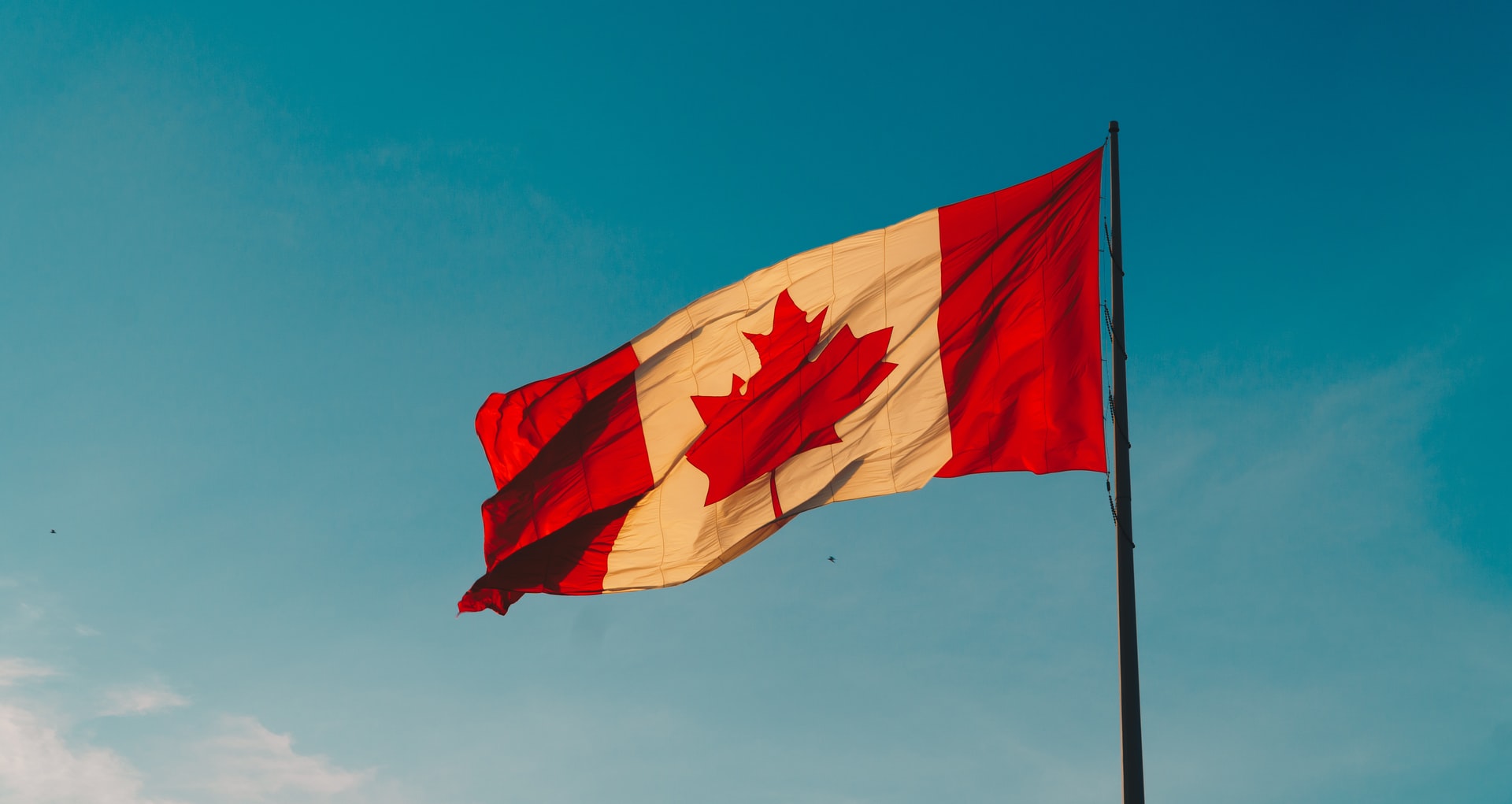
Canadian flag against blue sky and white clouds

Today is the big day: National Takeout Day in Canada!

Canada Takeout is challenging Canadians to place takeout orders and set a national record.

Obviously, this national challenge is very straightforward—if you’re in Canada, order takeout!

Take Part

As an operator, make sure your loyal customers know to participate today. You know what that means—flood social media.

If there was ever a right time to leverage your social media channels, it’s today.

Post about your takeout menu. Post about any specials you’re offering to entice your customers to place takeout orders. Show off your food. Use the hashtags #takeoutday and #Canadatakeoutrecord. Encourage your customers to post their orders and use the same hashtags.

Also, ensure your receipt printing system is set to label takeout orders as “Takeout” on receipts. That makes it possible for your customers to upload their receipts to the Takeout Tracker; make sure you tell your customers to do that so they can be counted.

Go All In

Canada Takeout’s mission is “reminding Canadians to order takeout.” The organization is helping Canada set the all-time record for takeout orders today in several ways.

We’ve been over their hashtags and that you should absolutely use them. However, Canada Takeout has also created social media assets anyone can download and use. One of these assets features a fantastic slogan: “Eat well. Support local. Set a record.”

Click here, scroll down, and download. While you’re at it, make sure you’re following Canada Takeout on Instagram and Facebook.

Keep it Going

This isn’t Canada Takeout’s first initiative. The organization launched the inaugural National Takeout Day last year, April 15, 2020.

Per a press release, the hashtag #takeoutday has earned more than 160 million impressions, reaching nearly 53 million people.

Canada Takeout also celebrates other food-related holidays. Visit the site and you’ll see that they’re looking forward to Thai Food Day (April 21), Tomato Day (April 28), and Mexican Food Day (May 5).

Get your takeout menu ready, promote it on social, and help set a record today!

Image: chris robert on Unsplash

by David Klemt David Klemt No Comments

Stand Out with Weird Holidays: April

Stand Out with Weird Holidays: April

by David Klemt

Stay Weird neon sign with purple background

Want to stand out from from other restaurants and bars in your area? Then commit to keeping it weird.

Several “holidays” are set against every date on the calendar. They range from mainstream to food focused to weird.

Focus on the latter to raise eyebrows, carve out a niche for your restaurant or bar, and attract more guests.

Of course, you shouldn’t try to celebrate every holiday, weird or otherwise. Focus on the days that are authentic to your brand; resonate with your guests; and help you grab attention on social media.

April 14: National Reach as High as You Can Day

This is a holiday that will likely work best on social media. Just like there’s always a holiday and people like to say “there’s always a tweet,” there’s always a hashtag.

Use this day (and its accompanying hashtag) to highlight staff who want to participate, along with your venue.

Of course, if you want to involve your guests in person, go for it. Put your head together with your staff and get creative.

April 15: National Take a Wild Guess Day

You can take promotions centered around this day in several directions. The simplest way is to use the holiday to engage with followers on your social channels.

Consider borrowing from the “wrong answers only” posts on Instagram. Post a blurred, pixelated or “censored” item, like a bottle. In the caption, ask followers to “guess” what it is—wild guesses only.

This holiday also works well with blind tasting events.

April 16: Wear Pajamas to Work Day

I’d say this holiday is fairly self-explanatory. Let your front-of-house staff participate by wearing pajamas, with full team buy-in. Or, encourage your guests to wear their pajamas to your restaurant or bar.

If this holiday fell on a Saturday or Sunday, this would be a great day for a brunch promo. Of course, there’s nothing to say you can’t execute a Friday brunch.

April 16: National Bean Counter Day

In the United States, this holiday is taking place a month before the Tax Day deadline. If you’re so inclined, you could offer a deal to all the tax preparers and accountants in your area.

Although, you can also go a completely different direction. You can fill a large jar with beans—coffee would be great—and have guests guess how many there are. You can even post the jar full of beans to social, encouraging follower engagement. Closest guess wins a prize.

April 22: National Jelly Bean Day

Oh, hey… Remember that bean-counting holiday from way up there? I wonder if that bean-guessing idea would work for this holiday…

April 23: National Talk Like Shakespeare Day

If you think you or your social media manager can handle it, encourage your followers to describe your restaurant or bar as though they’re the Bard himself.

Or, as a Shakespearean translator would explain it, “Encourageth thy followeth’rs to describeth thy restaurant ‘r bar as though those gents’re the Bard himself.”

April 25: National DNA Day

Yesterday, I shared how our DNA plays a significant role in how we perceive bitter flavors. National DNA Day would be a great time to plan and execute a PTC strip and cocktail event.

April 27: National Tell a Story Day

How well do your loyal guests know you and your brand? How well do they know your staff?

National Tell a Story Day is an excellent time to leverage the story features on your social channels. Show off the venue and tell your brand’s story. If you have team members who want to participate and tell share a story, that’s a great way to engage with followers and guests.

April 28: National Superhero Day

If there was a ever a day to encourage your staff and/or guests to dress up for a fun time… National Superhero Day also leverages Shudder’s “Halfway to Halloween” event.

To take this holiday in another direction, you can also celebrate members of your community who give back to others by giving back to them.

“Weird” holidays aren’t just a dynamic way to engage with guests. Asking your team for ideas for holiday promotions is an excellent way to keep them engaged, which is a smart way to retain staff.

Image: Dan Parlante on Unsplash 

by David Klemt David Klemt No Comments

The Science of Bitter Flavors

The Science of Bitter Flavors

by David Klemt

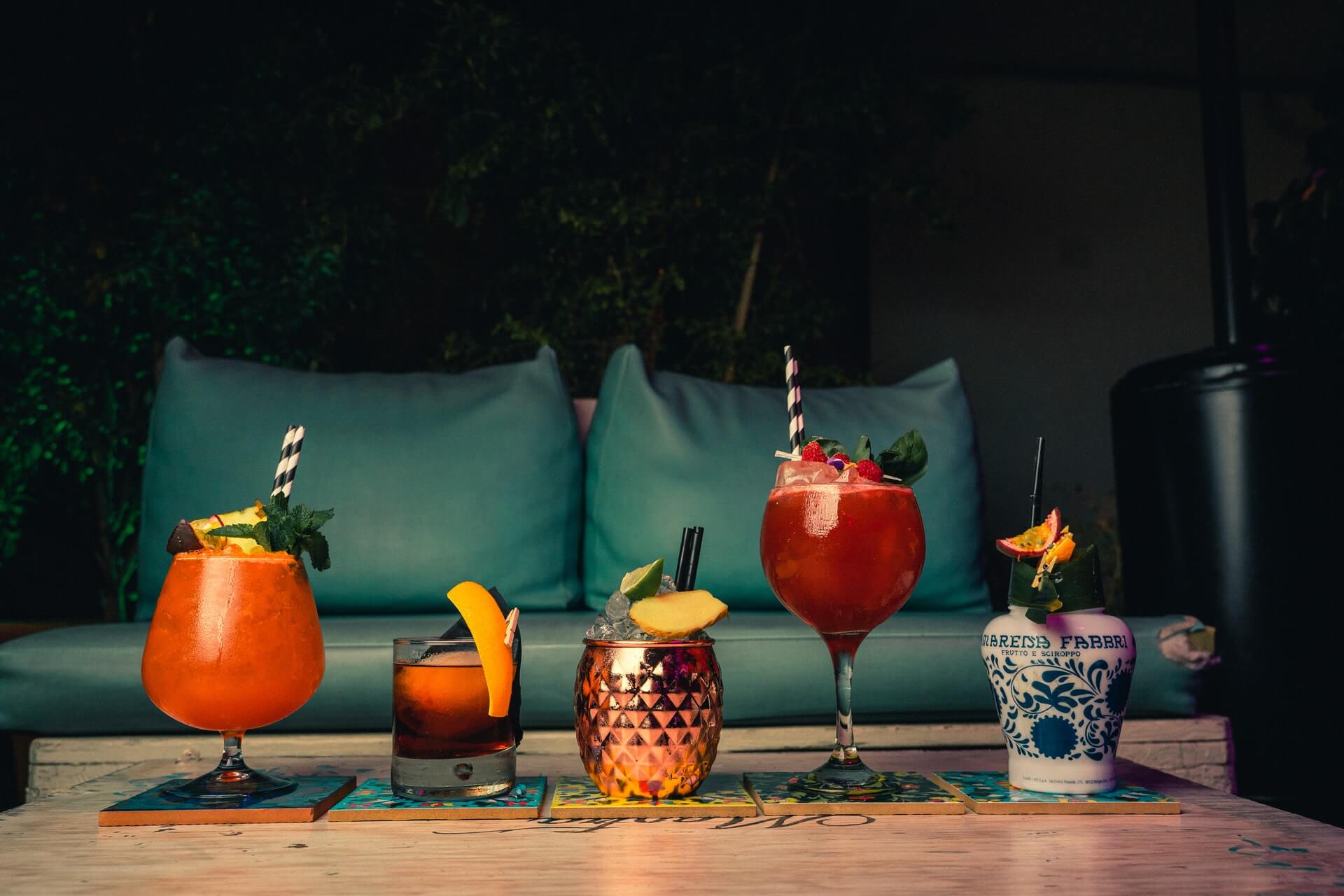
Selection of cocktails on table on patio of bar

Not only do bitter cocktail ingredients add depth and complexity to drinks, individual DNA plays a role in how we perceive them.

Campari, one of the best-known bitter aperitifs, adds herbal bitterness to cocktails.

However, not everyone perceives bitterness the same way. This is why some of your guests love bitter drinks, some can’t stand them, and others don’t have much of a response at all.

The Bitter Response

Dr. Danielle Reed is associate director of the Monell Chemical Senses Center. As her research summary states, why different people taste and smell differently, and how genotypes play a role in that perception.

A recent Campari digital event, “In a Sense: Decoding the Science of Bitter,” dives into the bitter response of humans. During this webinar, host Alison Mouratis, a Campari portfolio representative in Chicago, hosts Dr. Reed and Micah Melton, beverage director at the Alinea Group.

In the webinar, Dr. Reed asks, “Where does bitter come from?” The answer is: plants.

Obviously, plants can’t defend themselves like animals. If a predator chooses a plant as its prey, it doesn’t really have to worry about teeth and talons.

Instead, plants employ secondary defense chemicals, and they do so in an instant. Some of these defense chemicals are poisonous and humans perceive them as bitter. Often, bitter flavors activate our salivary glands to dilute the poison and protect us.

Phenylthiocarbamide

Yes, that. Phenylthiocarbamide (PTC) is a chemical compound that tastes bitter…to some of us.

As Dr. Reed explains, not everyone can detect PTC. Our parents determine whether the receptor that picks up PTC is broken or not.

In some of us (about 30 percent of people), the receptor is broken. Turns out, it’s broken in yours truly. In others, one parent passes on the receptor. And for some people, both parents pass it on and the reaction to PTC is strong.

Test Your Receptor

I discovered my receptor is broken during the Campari event on screen with more than a dozen other participants.

How does one test their reaction to PTC? Via PTC strips. One takes a strip, places it in their mouth, and they’ll know quite quickly if their receptor is active.

Not only is this interesting to do just out of personal curiosity, operators can host an event similar to Campari’s. Guests are looking for new ways to engage with the brands, restaurants, bars, and bar teams they support.

PTC strips are available for on Amazon, and they’re not expensive. Vials of 100 PTC strips can cost as little as five dollars.

Not only is this type of event educational, it’s entertaining and can help drive drink sales.

Image: Chino Rocha on Unsplash 

by David Klemt David Klemt No Comments

2020 Craft Brewing Production Infographic

2020 Craft Brewing Production Infographic

by David Klemt

Stack of beer kegs in black and white

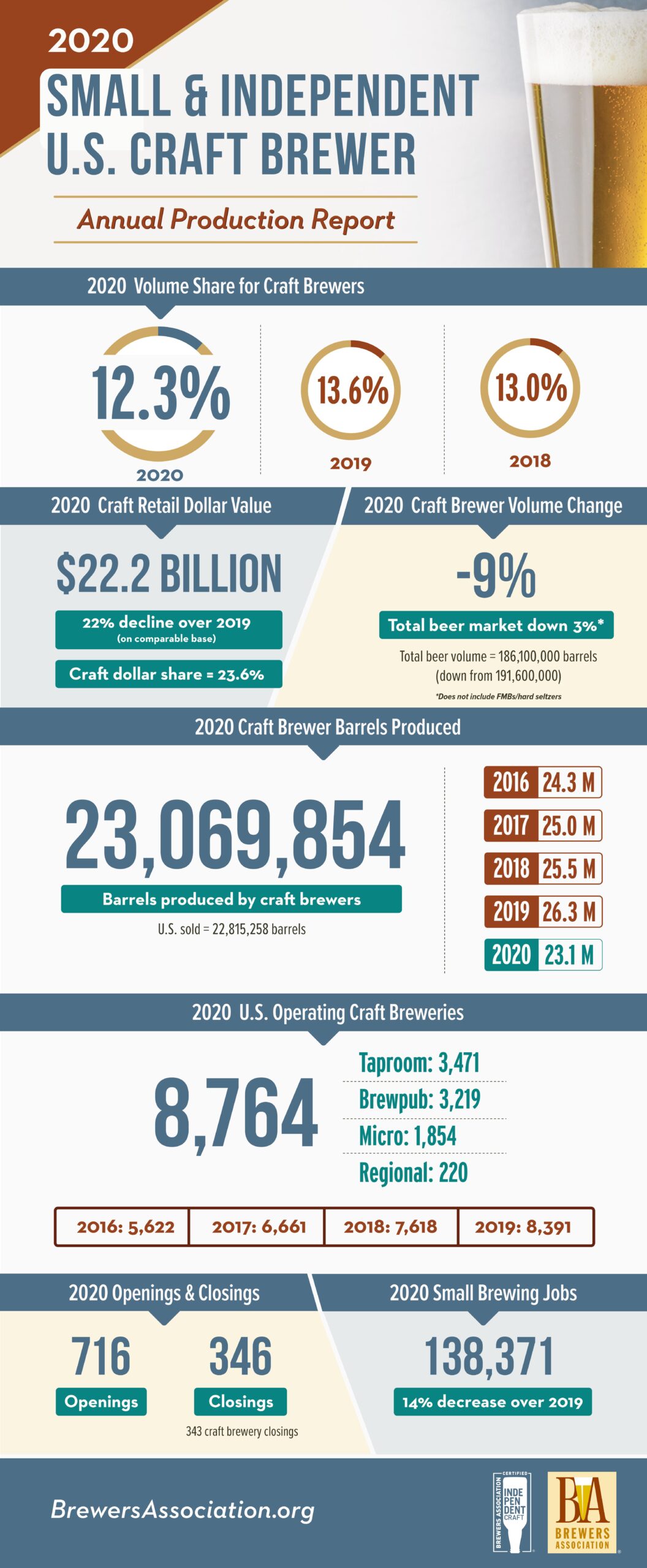
The Brewers Association‘s latest report and infographic reveal 2020 small and independent craft brewery production numbers.

Like their restaurant, bar and brewpub cohorts, brewers are facing enduring struggles due to the Covid-19 pandemic.

However, the Brewers Association did find some good news.

First, the challenges.

Overall Market Drop

The BA’s report reveals that small and independent craft brewer production is down nine percent from 2019. Overall, draught beer sales dropped 40 percent last year.

That equates to an overall market share of 12.3 percent in 2020. Comparing 2020 to 2019, that’s a decline of 1.3 percent.

Unfortunately, 2020 craft brewer numbers also reveal significant job loss for the industry. In comparison to 2019, direct craft beer jobs are down 14 percent.

In terms of small and independent brewery closures, 2020 saw 346 brewers close their doors permanently.

Some Silver Linings

There is some good news for craft beer. Not every closure is attributable to Covid-19.

Reviewing the 2020 numbers, the BA says there are 8,764 craft breweries operating in the United States. That’s an all-time high.

The breakdown is as follows:

  • 220 Regional craft breweries
  • 1,854 Microbreweries
  • 3,219 Brewpubs
  • 3,471 Taproom breweries

Impressively, the number of new craft brewery openings more than double the number of closures at 716.

Per Bart Watson, chief economist at the BA, the total number of craft breweries and openings in 2020 proves the “resilient and entrepreneurial nature” of small and independent brewers.

BA Infographic

You’ll find more information below. The BA’s infographic neatly tells the story of the association’s latest report.

Perhaps the biggest positive takeaway is the steady growth in operational craft breweries. Since 2016, the number of breweries in this category has increased by nearly 3,100.

That’s an average of 785 new brewery openings each year. Given the number of openings in 2020, it’s possible craft brewers will gain ground on the jobs lost over the course of last year.

It’s also likely production and sales numbers will see a boost in 2021 through a culmination of easing restrictions, reopening markets, pent-up demand, vaccination rates, and guest comfort levels.

2020 Small and Independent US Craft Brewer Annual Production Report

Infographic: Brewers Association

Image: Hennie Stander on Unsplash

by David Klemt David Klemt No Comments

Dial In Your Brunch Before Mother’s Day

Dial In Your Brunch Before Mother’s Day

by David Klemt

Warming weather, pent-up demand, and less-restrictive Covid rules—at least in the United States—make brunch viable in many markets.

Plus, we’re just a month away from Mother’s Day. If everything goes right, dining restrictions won’t keep operators from capitalizing on this big brunch holiday.

Considering your brunch menu now—including your Champagne and sparkling drinks—will help you dial it in before Mother’s Day.

To help you perfect your brunch operations, let’s look at a casual chain, a taco shack, a fine-dining restaurant, and a casual independent restaurant that focuses on comfort foods.

Las Vegas

Things are looking up for Las Vegas. Nevada’s current Covid-19 status is Mitigation.

Restaurants, bars, pubs, breweries, distilleries and wineries may operate at 50-percent indoor capacity. There’s no occupancy limit for outdoor dining, but operators must follow social distancing guidelines.

The city is known for its buffets, of course. Some are open again, thanks to the easing of restrictions. However, Las Vegas buffets are known globally—let’s focus on a more traditional restaurant for this list. I also want to venture off the Strip—but not too far.

Lazy Dog is a casual dining chain with a focus on craft beer and dog-friendly operations. Canine buddies are welcome on their patios.

You may be wondering why, given all the incredible restaurants in Las Vegas, I’m looking at a casual chain. The answer, quite simply, is that I want to offer an array of suggestions to get you thinking about your own brunch offerings.

First, there’s the $20 DIY Mimosa. For $20, guests get a 750mL of Freixenet Cava with either orange juice of Kern’s Peach Nectar.

Then there are the brunch menu food items. There’s a generous portion of avocado toast that comes with cheesy scrambled eggs; a Breakfast Burger; a Breakfast Club Sandwich; a couple of breakfast quiches; and Bacon Candy, which is bacon with brown sugar, crushed red pepper chili flakes and black pepper.

Lazy Dog’s brunch is a good example of how to make bottle service fun and accessible, and elevating brunch menus in a way that’s familiar and appealing to guests.

Nashville

It’s still standard operating procedure for guests in restaurants and bars to wear face coverings unless eating or drinking. Capacity is 175 people maximum per floor. There’s a limit of 10 guests per table inside, 25 outside.

However, restaurants and bars are open in Nashville for indoor dining. Venues that serve alcohol must cease service at 1:00 AM and close at 2:00 AM. If there is no alcohol service, a restaurant may remain open for 24 hours.

Redheaded Stranger takes brunch in a deceptively simple direction: breakfast tacos. Brunch doesn’t have to be standard breakfast foods, after all.

Flour tortillas are made in house and pair well with mouthwatering brunch fillings. There are tacos with bacon, tater tots, egg and cheddar cheese; chorizo, egg, sour cream and cheddar; and tater tots, jalapeño crema, red hatch chiles, and American cheese. Oh, and don’t forget their inventive sauces, like Dr. Pepper Hot Sauce.

Of course, no brunch is complete without cool, refreshing drinks. The taco hot spot offers Bloody Marys, Mimosas, Margaritas, and frozen cocktails.

Orlando

Florida is in Phase 3 of their reopening plan. That means restaurants, bars and nightlife venues are open for business.

There’s an executive order in place in Orange County, Florida, mandating face masks in public settings. Orlando is in Orange County.

Otherwise, it’s business as usual.

Chef’s Table at the Edgewater is an award-winning fine dining restaurant. People travel from all over the world for the food and experience.

The Chef’s Table brunch menu features upscale but accessible fare. There are Duck Fat Fries to share (or keep to yourself); Lobster Mac & Cheese; a trio of Mini Beef Wellingtons; Chicken and Waffles made with sweet-tea-brined chicken and bourbon maple syrup; Vegan Chilaquiles Verdes to which one can add a sunny-side-up egg.

Philadelphia

As of April 4, restaurants and bars are able to enjoy relaxed Covid restrictions. One of the biggest reasons for restaurants and bars to rejoice is the return of bar services. Barriers are required promote social distancing.

As far as indoor capacity restrictions, restaurants and bars that self-certify may operate at 75 percent. Venues that don’t self-certify may open at 50 percent indoor capacity.

Establishments can serve alcohol without the purchase of food, and there’s no longer a curfew for removing alcohol from tables.

One Philly restaurant that got our attention with their brunch menu is the Twisted Tail. The Headhouse Square eatery offered a $39/person prix fixe menu for Easter, taking full advantage of Pennsylvania’s new Covid regulations.

Their “standard” brunch menu features creative items such as Crawfish Mac & Cheese, Beer-Battered Cheese Curds, and Buttermilk Chicken Sandwich.

Image: Natasha Kapur on Unsplash 

by David Klemt David Klemt No Comments

Grilled Cheese Day: Mastering the Melt

Grilled Cheese Day: Mastering the Melt

by David Klemt

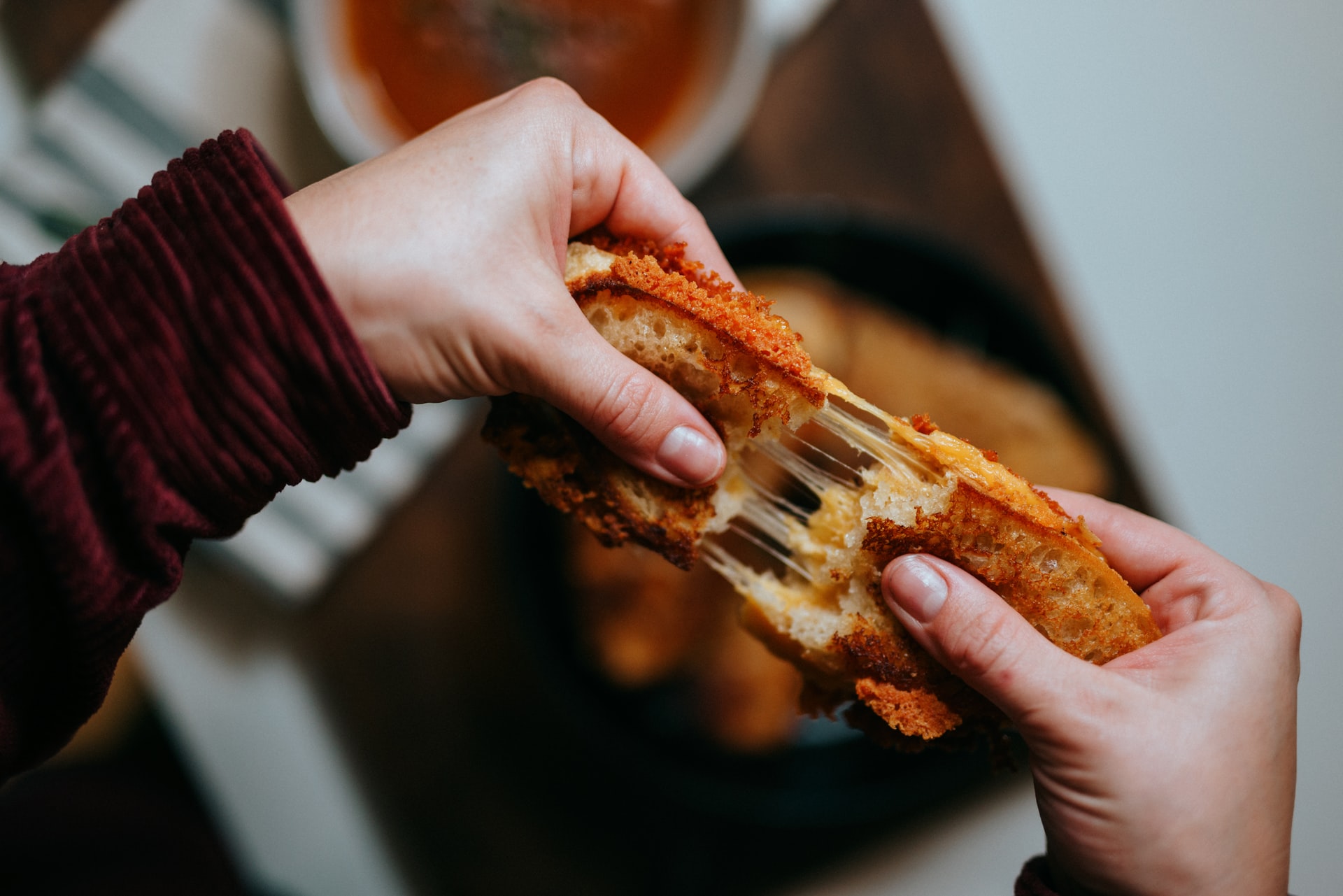
Person pulling apart melty grilled cheese sandwich

There are few comfort foods more popular than a well-made, melty grilled cheese sandwich.

It’s such a perfect comfort food that it has its own national holiday in the United States.

National Grilled Cheese Sandwich Day is April 12 in the US. From what I’ve read, Canada also gets in on the fun.

Melt Mastery

If you want to make the best grilled cheese sandwiches, not just any cheese will do.

The saying goes that you can’t squeeze blood from a stone. Well, you also can’t squeeze a melt out of a hard cheese cheese.

So, you want to make one of the comfiest of comfort foods. Cheese selection matters. Here’s what to consider:

  • Moisture content. Hard cheeses have very little water content and therefore don’t fully liquify.
  • Fat content. Cheeses with a high fat content melt very well.
  • Acidity. Cheeses that are highly acidic get stringy when melted. Acid-curded cheeses (vegan, many goat cheeses) don’t melt much, if at all.
  • Age. If you want melty cheese that results in that visually appealing cheese pull, look for fresh and unaged cheeses.

Melt Mates

It’s tempting to throw the cheese drawer at a sandwich. If one cheese is great, more cheeses are even better, right?

Wrong. Certain cheeses melt together better than others. Consider this:

There are restaurants that have grilled cheese eating challenges. Complete such a challenge, bask in glory forever. The reason this particular challenge must be completed quickly is melting points. As the sandwich cools, the cheeses congeal. The harder, lower-fat cheeses make it much more difficult to finish the admittedly ridiculous challenge sandwich.

So, which challenges melt the best and tend to play well together? Check out the list below:

  • American
  • Blue Cheese
  • Brie (works particularly well with fruit slices, jam and aged Cheddar)
  • Cheddar (look for younger versions for the best melt)
  • Colby
  • Comté
  • Fontina
  • Gruyère (again, younger versions tend to be better for grilled cheese sandwiches)
  • Monterey Jack
  • Mozzarella
  • Muenster
  • Pepper Jack
  • Provolone
  • Raclette
  • Taleggio

Become Legend

Comfort foods have become big-time revenue generators during the pandemic in America and Canada. There’s no reason to believe that’s going to change any time soon.

Master your melt and your sandwiches will become legend. Master the sides, dips and other accoutrements that enhance your legendary sandwich(es) and you’ll become a grilled cheese god.

Image: Nathan Dumlao on Unsplash

by David Klemt David Klemt No Comments

Does the Margarita Still Reign Supreme?

Does the Margarita Still Reign Supreme?

by David Klemt

Whatever’s happening here, I’m in…

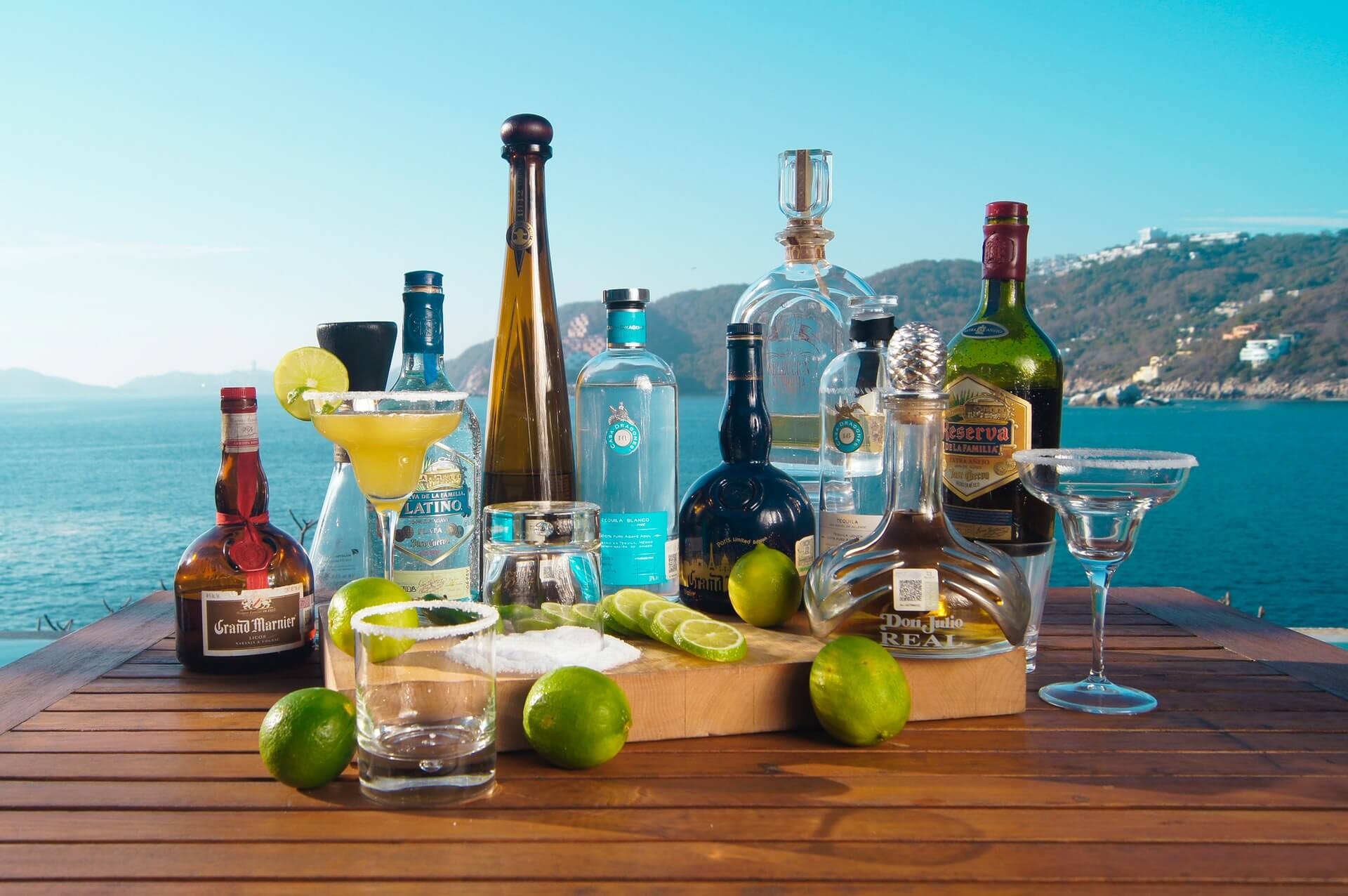
The Margarita has maintained the title of Most Popular Cocktail in the United States year after year.

But is the classic cocktail still wearing the crown and clutching the scepter?

Most Popular 2020 Cocktails

Midway through last year, Google revealed the top cocktail searches in each state:

  • Alabama: Hurricane
  • Alaska: Whiskey Sour
  • Arizona: Paloma
  • Arkansas: Frozen Daiquiri
  • California: Paloma
  • Colorado: Hurricane
  • Connecticut: Margarita
  • Delaware: Screwdriver
  • Washington, DC: Old Fashioned
  • Florida: Cuba Libre
  • Georgia: Sazerac
  • Hawaii: Lemon Drop Martini
  • Idaho: Kamikaze
  • Illinois: Manhattan
  • Indiana: French 75
  • Iowa: Kamikaze
  • Kansas: Screwdriver
  • Kentucky: Lily
  • Louisiana: Bushwacker
  • Maine: Margarita
  • Maryland: Kamikaze
  • Massachusetts: Old Fashioned
  • Michigan: Cosmo
  • Minnesota: Oliveto
  • Mississippi: Painkiller
  • Missouri: Gin and Tonic
  • Montana: Blue Hawaiian
  • Nebraska: Old Fashioned
  • Nevada: Grasshopper
  • New Hampshire: Old Fashioned
  • New Jersey: Manhattan
  • New Mexico: Old Fashioned
  • New York: Manhattan
  • North Carolina: Bushwacker
  • North Dakota: Kamikaze
  • Ohio: Boulevardier
  • Oklahoma: Black Russian
  • Oregon: Old Fashioned
  • Pennsylvania: Whiskey Sour
  • Rhode Island: Cosmo
  • South Carolina: Tequila Sunrise
  • South Dakota: Screwdriver
  • Tennessee: Buschwacker
  • Texas: Paloma
  • Utah: Cape Cod
  • Vermont: Cosmopolitan
  • Virginia: Old Fashioned
  • Washington: Old Fashioned
  • West Virginia: Kamikaze
  • Wisconsin: Grasshopper
  • Wyoming: White Russian

Margarita Slipping?

As you can see, the Margarita was only the top search in two states, Connecticut and Maine. Perhaps their access to the Atlantic Ocean coastline motivated residents of those states to enjoy the refreshing classic that invokes summer and escapism.

Regardless, the Margarita didn’t even make it into the top three. Third place went to the Cosmo, Manhattan and Screwdriver in a three-way tie, with each the most popular in three states.

Second place went to Kamikaze, the top cocktail search in Idaho, Iowa, Maryland, North Dakota and West Virginia.

Before I get to the first-place cocktail—according to a snapshot of time by Google—I have to address the clear winner of the Most Unique Search title. Minnesota’s top search was for the Oliveto cocktail, shaken and strained into a rocks glass:

  • 2 oz. Dry gin
  • 1 oz. fresh Lemon juice
  • 1/4 oz. Simple syrup
  • 1/4 oz. Licor 43
  • 1/2 oz. full-bodied Extra virgin olive oil
  • 1 fresh Egg white
  • Ice cubes

New Number One?

The Old Fashioned, clinching seven states, was the number-one cocktail…for about 30 days in 2020.

Much has also been made about a supposed surge in interest for the Gin & Tonic.

However, scouring the Internet for data and articles, the Margarita is still sitting comfortably on the throne. According to multiple sources, the Margarita is a to-go cocktail mainstay, it’s succeeding in the RTD space (meaning it’s performing well on- and 0ff-premise), and home bartenders are driving up sales of tequila and cordials.

Trends are fun but classics are classics for a reason. So, make sure your Margs, G&Ts, Old Fashioneds, Manhattans and other staples are dialed in this year.

Image: Menú Acapulco on Unsplash

by David Klemt David Klemt No Comments

Uncorked: 2021 Wine Trends to Watch

Uncorked: 2021 Wine Trends to Watch

by David Klemt

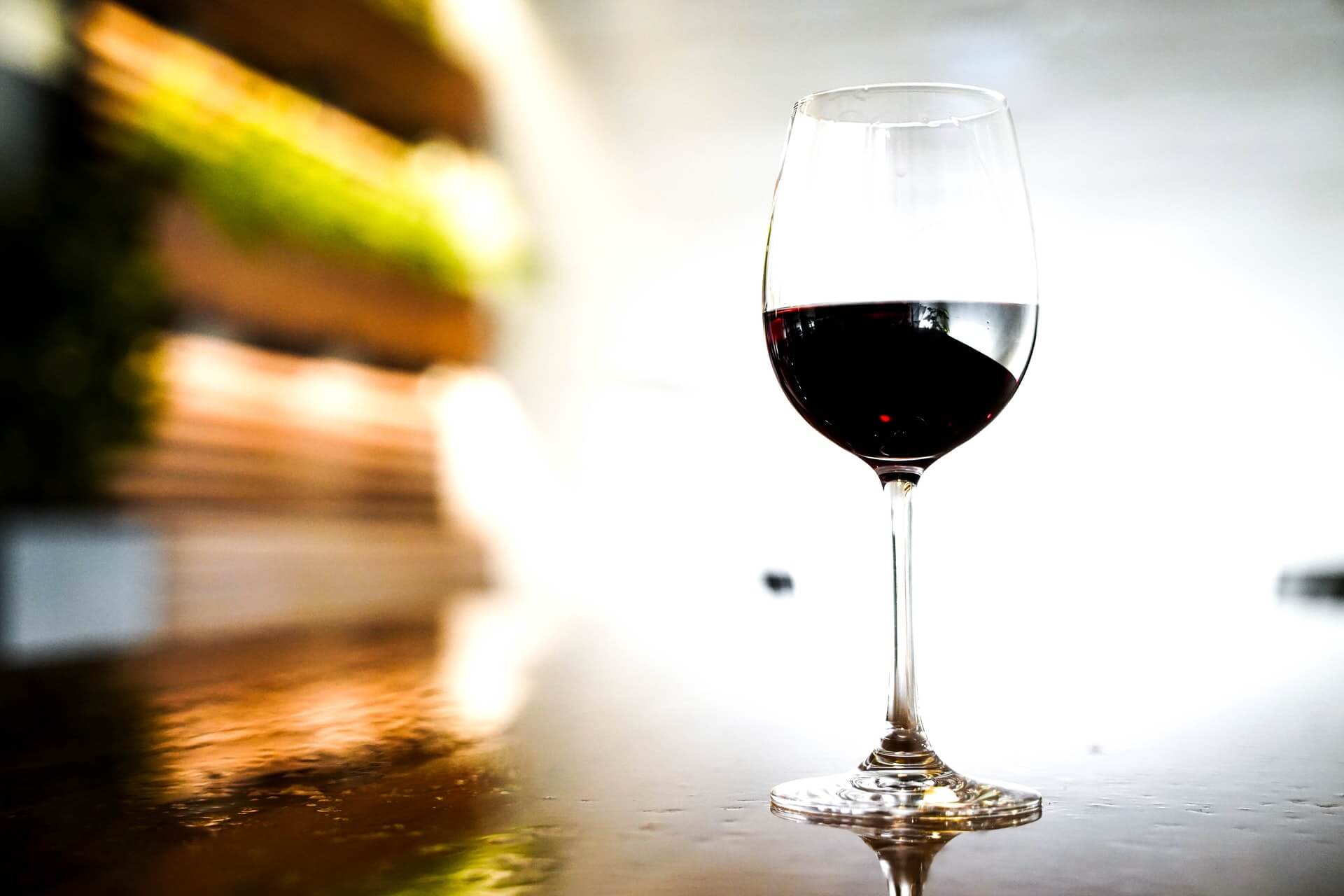
Glass of red wine

What’s up with wine in 2021? We reviewed multiple sources to find out.

One great thing about hunting for wine trends is that it’s easy—there’s no shortage of sources willing to make predictions.

Common Wine Trends

The IWSR, without a doubt a reputable source for information about all things beverage, expects wine consumption to “bounce back” this year.

Along with Forbes, Wine Intelligence, just-drinks, and bar inventory platform Backbar, the IWSR expects e-commerce to be crucial for wine sales. Continuing with tech influence, the IWSR and Wine Intelligence expect wine producers and sellers to engage more with consumers online. Forbes pointed to orange wine benefiting from Instagram posts as a specific example of digital engagement.

Forbes, the IWSR, and Wine Intelligence predict alternative packaging to really take off in 2021. Canned wines are well positioned but other options—wine-in-box and “letterbox” bottles, for example—will perform well this year.

Forbes, the IWSR, and WineMemoir expect sustainability to be even more important in 2021. The IWSR mentioned organic and low-intervention wine, and they pointed to biodynamic wine, as did WineMemoir. Zero-waste winemaking was mentioned by Forbes.

The IWSR and Forbes expect sparkling wine—Prosecco specifically—to have a moment this year. Drinking occasions, per the IWSR, have come to include Prosecco more often; sparkling is no longer just for celebrating.

Breakout Wine Trends

Speaking of moments, rosé Champagne will have on in 2021, according to Forbes. The publication also expects the wealthy to continue “drinking richly,” so operators with rare, exclusive and high-dollar bottles should consider promoting them.

With the explosive growth of hard seltzer that has taken place over the past few years, Wine Intelligence predicts 2021 to be the year the wine seltzer market is established.

People will choose “safe” wine options, meaning they’ll be less likely to experiment and move out of their comfort zones, according to just-drinks. The magazine is also more cautious about the category’s growth this year, pointing to slowed economies and rises in alcohol duty rates.

Backbar, explaining that wine dollar value slipped but sales volume rose in 2020, predicts restaurants will offer more affordable wines. Along with that trend, they predict restaurants will hold less inventory to reduce costs, meaning wine lists will shrink.

Specific varietals Backbar predicts will perform well due to a turn toward affordable wines: South American Cabernet Sauvignon, Chardonnay and Malbec; South African Chenin Blanc; Portuguese reds; red blends; and American wines in general.

2021 will be the Year of Cabernet Franc, according to WineMemoir. Bordeaux will see a resurgence in popularity, and wines from Abruzzo and Jura will see a lift.

Image: Carson Masterson on Unsplash

by David Klemt David Klemt No Comments

Mardi Gras Transforms Into Yardi Gras

Mardi Gras Transforms Into Yardi Gras

by David Klemt

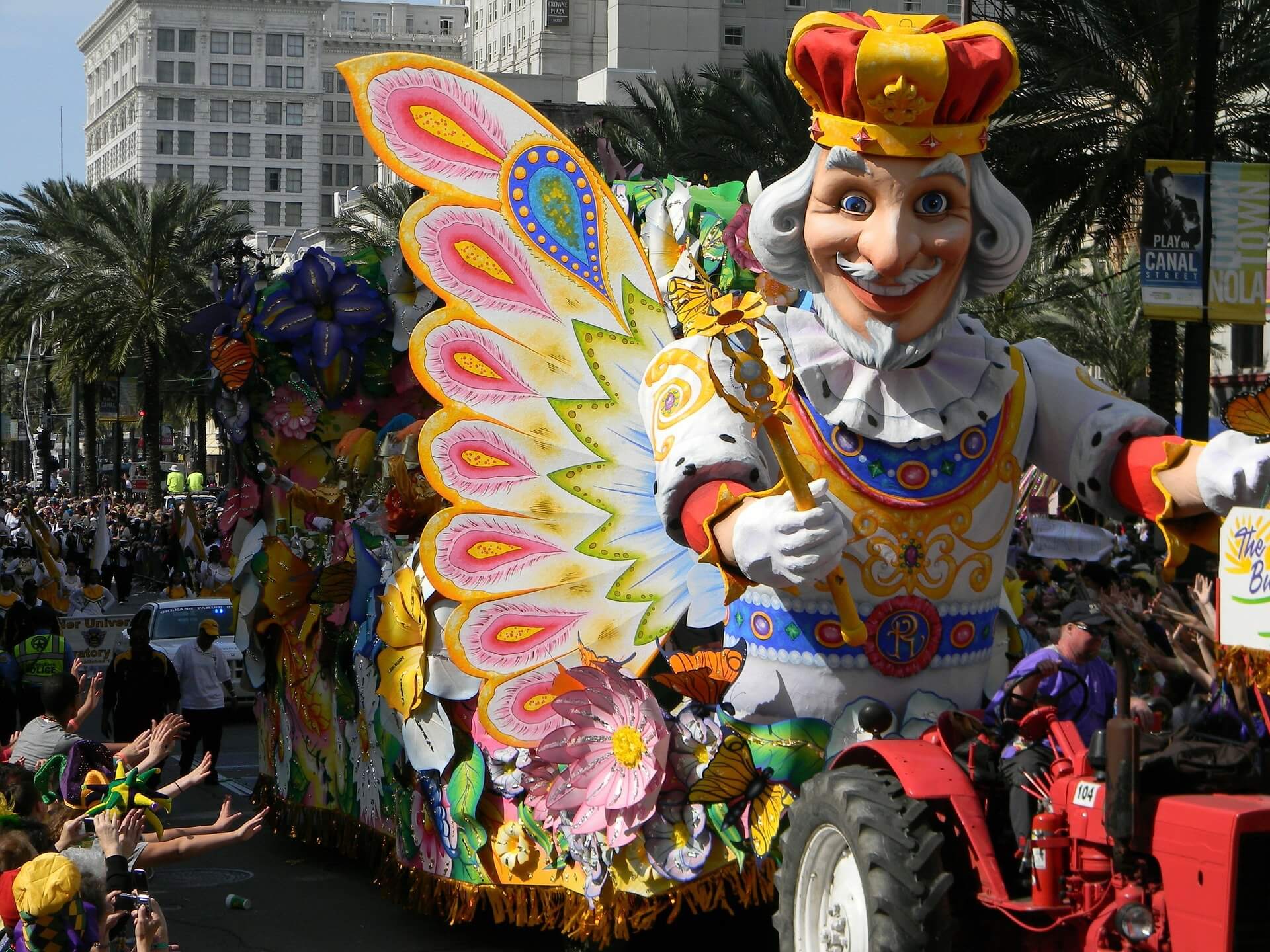
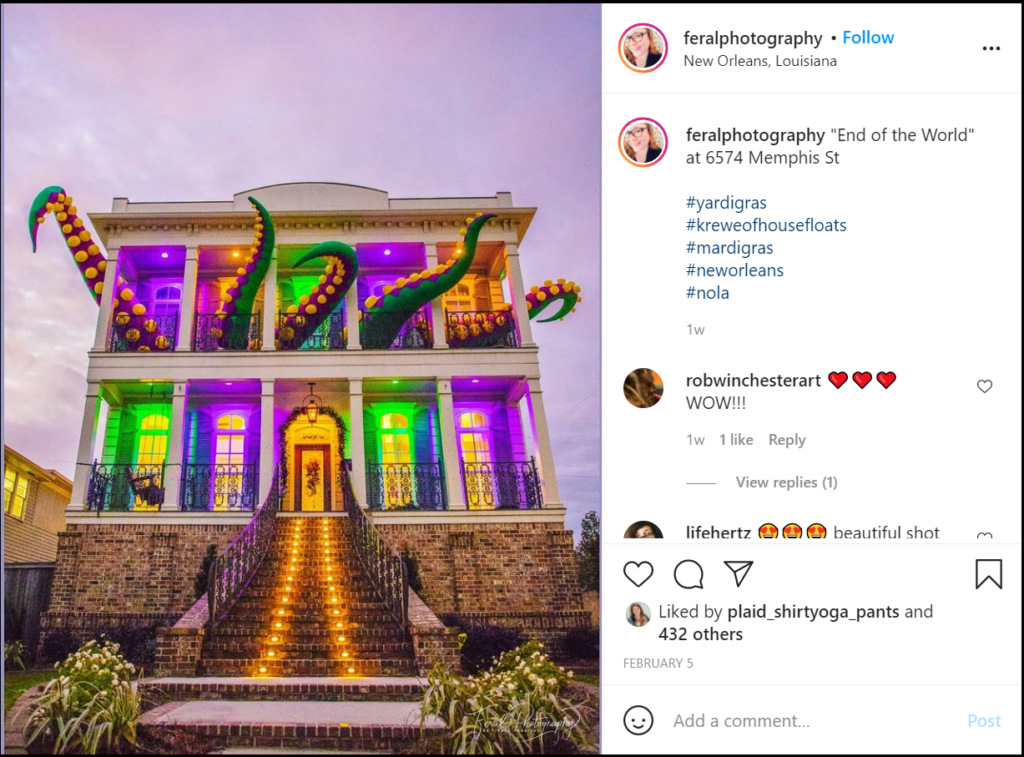
In a glaring, neon sign of the times, Mardi Gras is built for socially distanced enjoyment this year.

This year, the parade “floats” will be stationary and the revelers will come to them.

Initially created as a grassroots campaign to raise money for artists who craft Mardi Gras parade floats, “Yardi” Gras just may become an annual tradition. In fact, it has been reported that artists have already been commissioned for Yardi Gras in 2022.

What is Yardi Gras??

It’s simple. Well, it’s simple to understand—designing and constructing a Mardi Gras float is a complex undertaking that takes about a year.

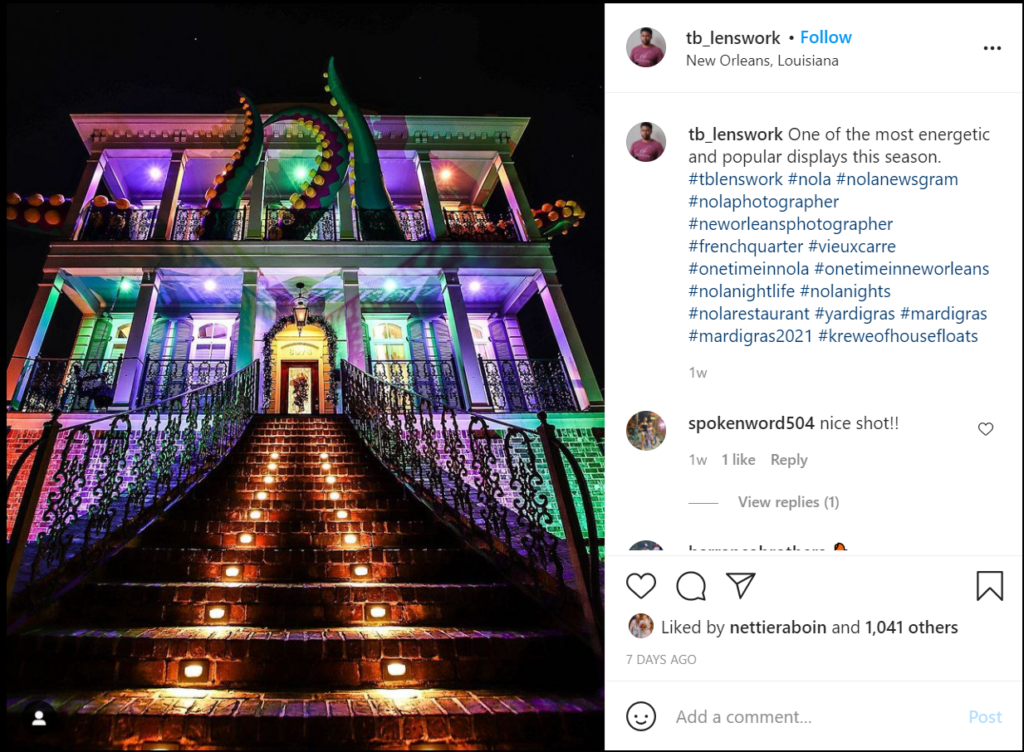
Anyway, Yardi Gras celebrates Mardi Gras by transforming buildings into stand-ins for their float counterparts. As you read this, there are hundreds of homes and businesses decorated to celebrate Carnival.

Given that the most common way to enjoy Yardi Gras is via driving tours, I can see this taking off in cities across the world…in conjunction with traditional Mardi Gras parades, of course.

Via @nolashirtclub on Instagram

Alright, Who Did This?

The Krewe of Red Beans has been credited with kicking off what I hope becomes a tradition in NOLA (along with the return of floats, of course) and other cities. To raise funds for Mardi Gras artists and float builders who found themselves out of work when the city canceled parades.

A krewe, by the way, is a social group that organizes Carnival parades or balls.

Announced via press release another krewe, the Krewe of House Floats, also supported artists and the community: The Krewe of House Floats (KoHF) today announced a giving campaign to raise $100,000 for those affected by COVID-19 restrictions and Mardi Gras event cancellations, with Culture Aid NOLA and Grace at the Greenlight as the first partners for the initiative. The magic of Carnival, while often billed as the ‘Greatest Free Show on Earth,’ isn’t possible without float artisans, service industry workers, musicians, Mardi Gras Indians and other culture bearers.”

Click here to donate via the Krewe of Red Beans, and click here to give to the Krewe of House Floats. The latter has created a map of Yardi Gras participants.

Via @tb_lenswork on Instagram

Why Am I So into this Idea?

In its 164-year history, Mardi Gras has only been canceled 14 times. Mardi Gras is most closely associated with New Orleans, a city that should hold a place a reverence in the hearts of all hospitality workers.

Las Vegas, New York City, Chicago, San Francisco, and Orlando come to most people’s minds when they think of US cities known for hospitality. However, New Orleans deserves a top ranking on any hospitality list.

New Orleans has nurtured the careers of several notable chefs, bartenders and operators:

  • Chef Leah Chase, who passed in 2019, was anointed the Queen of Creole Cuisine. Dooky Chase, her NOLA restaurant, has been recognized as one of the most important restaurants and was an important gathering spot for the Civil Rights Movement.
  • Emeril “So Famous You Don’t Need to Hear His Last Name to Know Who I’m Talking About” Lagasse helmed the storied Commander’s Palace in NOLA.
  • The Brennan family took ownership of Commander’s Palace in 1969 and has succeeded in building a family-owned restaurant empire.
  • Chef Nina Compton is a James Beard Award winner who worked in NYC and Miami. Before opening the award-winning Compère Lapin in 2015 and Bywater American Bistro in 2018 in NOLA, Chef Compton competed on season 11 of Top Chef.
  • Chris Hannah worked at the world-famous Arnaud’s 75 for close to 15 years before opening Manolito and Jewel of the South with Nick Dietrich.
  • Jeff “Beachbum” Berry cemented his legacy as one of the most influential people in the bar world long before he opened Latitude 29 in the French Quarter. He has written seven books focused on cocktail and culinary history, “lost” recipes, and culture.

That’s just a tiny handful of culinary and cocktail influencers with ties to New Orleans.

Cocktails Created in New Orleans

NOLA is the home of several classic cocktails, including:

  • Sazerac. Antoine Peychaud, the inventor of Peychaud’s Bitters, is credited as the creator of the Sazerac.
  • Vieux Carré. It means “Old Quarter” in French and references what we now know as the French Quarter.
  • Brandy Crusta. Created by Joseph Santini in the 1850s at the “original” Jewel of the South bar.
  • Ramos Gin Fizz. Originally called the New Orleans Gin Fizz but eventually changed to honor its creator, Henry Ramos.
  • Hurricane. Invented at Pat O’Brien’s Bar, which is still in operation and has been serving Hurricanes since the 1940s.

Next time you serve or enjoy one of these classics, toast New Orleans.

We hope you have a great Mardi Gras or Yardi Gras!

Image: beebutter from Pixabay

by David Klemt David Klemt No Comments

2021 Technomic Outlook: United States

2021 Technomic Outlook: United States

by David Klemt

Technomic has been providing the foodservice industry with valuable insights on a global level for 50 years.

The research and consulting firm has been one of my go-to information sources for at least a decade.

A few weeks ago, I reviewed American food delivery trends from multiple sources. This week, I’m taking a look at Technomic’s foodservice predictions for the US.

Unprecedented and Unpredictable

Before we proceed, keep this in mind: predictions are best guesses. Technomic’s approach is scientific and data-driven but it’s important to approach any prediction with caution.

As the firm itself points out in their 2021 foodservice report, the global pandemic has plunged the industry deep into unprecedented territory.

It seems the only thing predictable about Covid-19 in relation to restaurants, bars and other hospitality businesses is that this industry will continue to bear the brunt of closures and restrictions.

That said, I trust Technomic to lead the industry through unprecedented and unpredictable moments in time.

7 Key Trends

Technomic has made seven predictions for foodservice in the US.

  1. Streamlined menus. Technomic expects the trend toward reducing SKUs to continue. However, that may lead to innovative and healthy items replaced removed items. Leafy greens, environmentally-friendly, and health-conscience items such as immune boosters are expected to be menued.
  2. Tech is the future. This prediction can be summed up quickly: If it’s a tech-based, can improve operations and help a brand differentiate itself from others, the industry is going to implement it.
  3. Top three cuisines. Chinese, Italian and Mexican food and drink are expected by Technomic to perform the best in 2021, particularly if operators move beyond the classics and incorporate lesser-known ingredients. However, Technomic expects more interest in West African and Caribbean cuisine.
  4. Social justice. Operators will have to be transparent about their stances on social justice issues and make meaningful statements—hashtags won’t cut it with younger consumers.
  5. Umami will reign supreme. Technomic uses the phrase “new-mami” to describe “intense, mouthwatering fare.” Think fruit vinegars beyond apple, candy cap mushrooms, seafood meatballs, and so much more.
  6. Communal concepts must adapt. Food halls, eatertainment concepts, and venues with communal seating will have to reimagine their spaces and how guests use them during an era characterized by social distancing, constant sanitizing, and off-premise business models. Traditional guest experiences may return but there’s no telling when that will happen.
  7. Revenue recovery. Technomic expects the industry to start recovering in 2021. However, sales levels are unlikely to reach those of 2019.

Bring it all Together

Chasing trends can be a fool’s errand. Not every prediction made by Technomic will work for every restaurant or bar in Canada.

Just like Technomic collects and analyzes industry data, operators must review their guest, sales and operations data to make informed decisions. This is another reason it’s crucial to own the guest journey in its entirety.

Click here to view Technomic’s “2021 U.S. Trend Outlook” webinar.

Image: Justin Cron on Unsplash
by David Klemt David Klemt No Comments

2021 Technomic Outlook: Canada

2021 Technomic Outlook: Canada

by David Klemt

Technomic has been providing the foodservice industry with valuable insights on a global level for five decades.

The research and consulting firm has been one of my go-to information sources for at least ten years.

A few weeks ago, I reviewed Canadian food delivery trends from multiple sources. This week, I’m taking a look at Technomic’s foodservice predictions for Canada.

Unprecedented and Unpredictable

First things first: predictions are best guesses. Technomic’s approach is scientific and data-driven but it’s important to approach any prediction with caution.

As the firm itself points out in their 2021 foodservice report, the global pandemic has thrown the industry into unprecedented territory.

It seems the only predictable element related to Covid-19 is that restaurants, bars and other hospitality businesses will bear the brunt of closures and restrictions.

That said, I trust Technomic to lead the industry through unpredictable, unprecedented moments in time.

5 Key Trends

Technomic has made five predictions for foodservice in Canada.

  1. 2021 will represent the start of financial recovery for foodservice. Technomic predicts moderate sales growth this year, below levels of 2019. However, limited-service restaurants are expected to perform better than their counterparts and return to 2019 revenue levels. Not surprisingly, Technomic expects full-service restaurants to be the most challenged.
  2. Operators will make their stances on social issues known. Multiple sources say today’s consumers want transparency from the brands they support. They want to know what company’s believe about climate change, food insecurity, social inequalities, diversity and hiring practices, fair pay for employees, and other issues. Technomic expects more operators to “double down” on transparency.
  3. On-premise operations will invest in off-premise business models. Again, multiple sources have reported that significant percentages of consumers are uncertain or uncomfortable about returning to restaurants and bars for in-person dining and drinking. Technomic expects operators to invest in smaller dining rooms so they can offer more limited-contact and contactless options to guests: walk-up ordering windows, multiple drive-thru lanes, designated curbside pickup locations, and in-store pickup and grab-and-go stations. The firm also expects more operators to embrace first-party/direct delivery, along with technologies like mobile ordering and geofencing.
  4. Comfort, quirkiness and indulgence. Technomic expects comfort foods to continue to perform well and encourages operators to get creative—even quirky—with this category. They caution that health will still be a focus of many guests and suggest that some operators will “disguise better-for-you meals as indulgent.”
  5. Our home and native land. Hyperlocality will play a crucial role in driving traffic given the travel restrictions imposed throughout Canada. Operators will likely forge relationships with local farms to attract local visitors to their venues. Technomic expects to see grassroots movements promoting support for small regional chains and local independent operations to gain traction.

Bring it all Together

Chasing trends can be a fool’s errand. Not every prediction made by Technomic will work for every restaurant or bar in Canada.

Just like Technomic collects and analyzes industry data, operators must review their guest, sales and operations data to make informed decisions. This is another reason it’s crucial to own the guest journey in its entirety.

Click here to view Technomic’s “2021 Canadian Trends Outlook” webinar.

Image: Hermes Rivera on Unsplash
by David Klemt David Klemt No Comments

The 2021 Restaurant Start-Up Cost Guide & Checklist is Here! Download Today

The 2021 Restaurant Start-Up Cost Guide & Checklist is Here! Download Today

by David Klemt

This guide gives anyone starting a restaurant, bar, brewpub or other F&B venue the best chance for success in 2021.

Hospitality has endured a nearly endless thrashing for almost an entire year. The calendar has ticked over to 2021 but still, the pummeling doesn’t have an end date.

However, the industry has endured and continues to do so. We don’t know when Covid-19 will cease presenting a threat but we know this: there’s no end to the fight in those in the hospitality community.

Veteran and neophyte owners and operators are still going to open new venues in 2021, pandemic be damned. That fact means it’s more crucial than ever before that owners are positioned for success.

The KRG Hospitality 2021 Restaurant Start-Up Cost Guide & Checklist aims to structure the process of opening a restaurant or bar to maximize an owner’s opportunity. The guide contains 2021 start-up costs, renovation costs, scaled costs, an in-depth milestone checklist, and more that will help readers understand the process and keep them on track to go from concept to opening doors as smoothly as possible.

Click here to download the guide and start down the path of restaurant or bar success today.

Top