Food delivery

by David Klemt David Klemt No Comments

Grubhub Reveals 2023 Order Trends

Grubhub Reveals 2023 Order Trends

by David Klemt
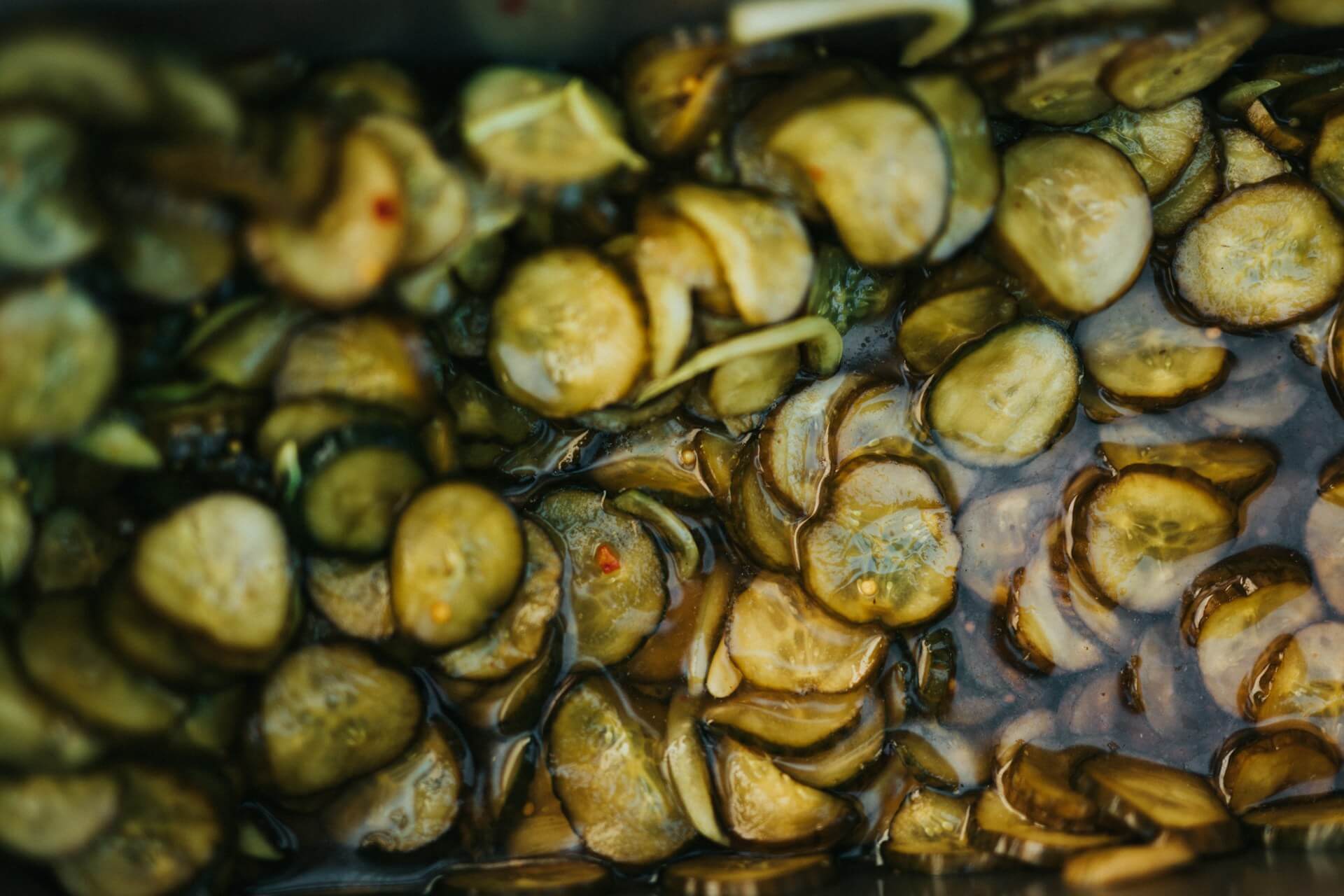
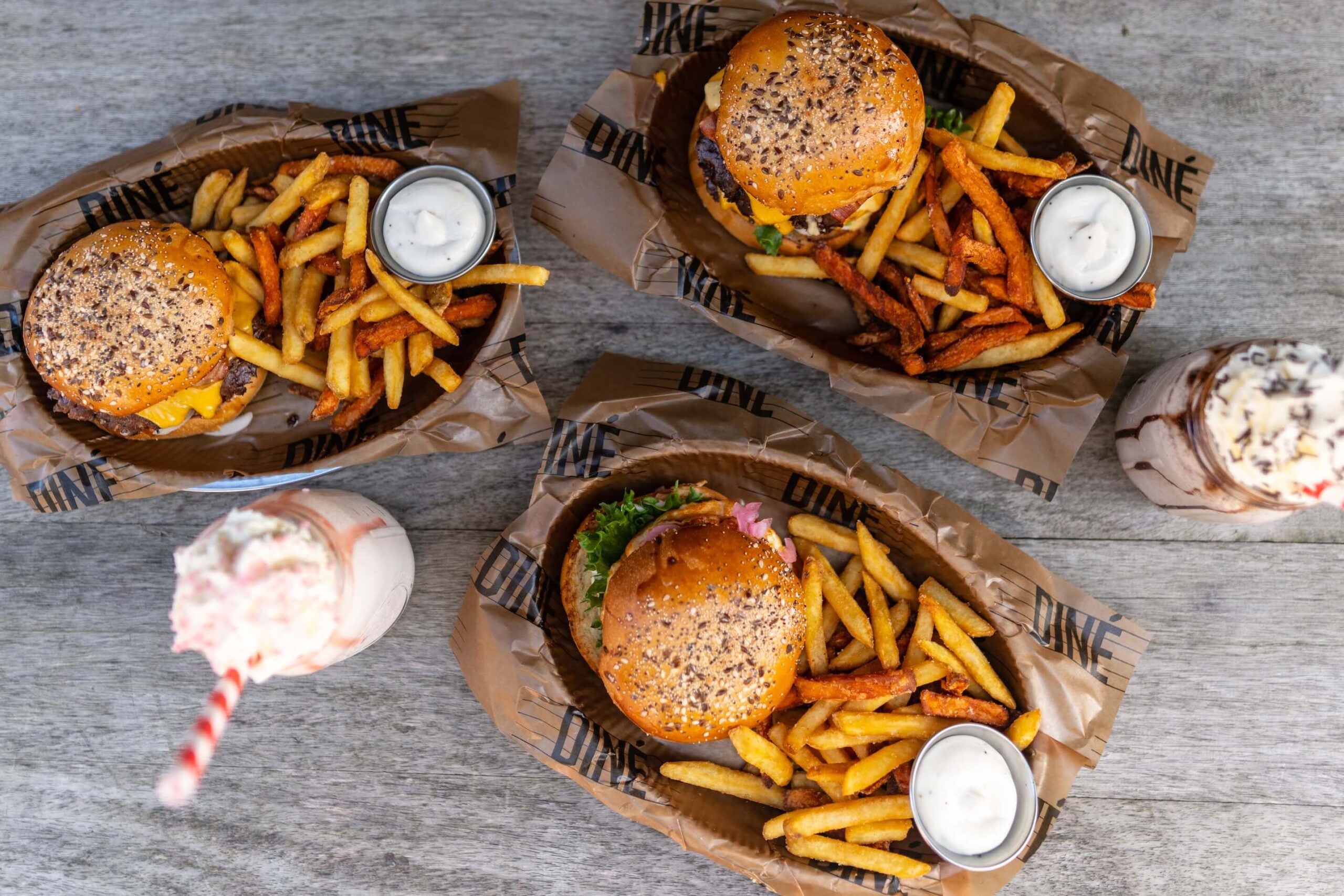
A veritable sea of pickle chips

Just under the wire Grubhub releases their annual end-of-year report, revealing their customers’ top ordering trends of 2023.

Uber Eats and DoorDash unveiled their reports at the end of October and start of November, respectively.

To revisit 2022 for a moment, the top food item ordered via Grubhub was the burrito. So, the unofficial theme of last year’s annual report was warmth and comfort wrapped in layers.

I’m providing that context because this year’s report also comes with a theme. This year, it’s “doing it for the vibes.” For Grubhub, this means that users of the service broke out of their comfort zones to try new F&B items.

Providing an example, one of the standout trends for 2023 is heat. As in, Grubhub users added spice to quite a lot of orders, as you’ll see below.

Click here to review Grubhub’s top 2022 food orders, and here for their 2022 beverage orders. To review this year’s Grubhub report in its entirety, click here.

Now, let’s take a look at a number of this year’s ordering trends.

Soft Drinks & Coffee

Usually, I start with food items when reviewing these reports. Well, once you become predictable, you become beatable. So, I’m going to shake things up and begin with beverages.

According to Grubhub, a TikTok trend—#dietcokebreak—is responsible for the growth of Diet Coke on the platform. In fact, the third-party delivery service says that in-office orders of Diet Coke grew by 17 percent. No surprise, then, that the soda grabbed the top spot in 2023.

Top 5 Sodas

  • Diet Coke
  • Coke
  • Sprite
  • Dr. Pepper
  • Ginger Ale

Next, coffee orders. Per this year’s Grubhub report, people weren’t shy about ordering coffee outside of the breakfast and lunch dayparts.

According to their data, more than 10 million coffee orders were placed after 5:00 PM.

Top 5 Coffee Orders

  • Iced Coffee
  • Caramel Frappe
  • Mocha Frappe
  • Cappuccino
  • Hot Coffee

Food & Flavors

Here’s an interesting revelation: more than 600,000 Grubhub users chose to order salads with a side of French fries.

In fact, the French fry is the top ordered side in 2023 on the platform. So, Grubhub ranked fries by style.

Top 5 French Fry Styles

  • Classic cut
  • Waffle fries
  • Cheese fries
  • Sweet potato fries
  • Curly fries

Hey, let’s reignite the pineapple on pizza debate. According to Grubhub’s year-end report, pineapple as a pizza topping grew by 33 percent in comparison to 2022.

However, Hawaiian pizza has some more growth to do if it wants to take the number one spot.

Top 5 Pizza Styles

  • Cheese Pizza
  • Margherita Pizza
  • Pepperoni Pizza
  • Buffalo Chicken Pizza
  • Hawaiian Pizza

Finally, top flavors. In short, heat is a hit.

Grubhub users added spice to a staggering 53 million orders this year. For further context, sriracha was added to more than 91,000 orders.

And when it comes to chicken wings, Buffalo was the dominant style. I find it interesting, though, that no style of wing made the top five for this category.

Top 5 Spicy Items

  • Spicy potato soft tacos
  • Spicy chicken sandwich
  • Spicy tuna roll
  • Hot and sour soup
  • Drunken noodles

Bringing this report to a close, the item with the most growth. Pickles grew by 89 percent in 2023, accounting for 6.9 million orders.

So, I guess make sure your pickles, French fries, cheese pizzas, and salads are on point as we head into the New Year.

Image: Nathan Dumlao on Unsplash

by David Klemt David Klemt No Comments

2023 DoorDash Ordering Trends

2023 DoorDash Ordering Trends: Canada & US

by David Klemt

Canada and the United States of America on a globe

After checking out this year’s annual Cravings Report we’re turning our attention to the 2023 DoorDash restaurant ordering trends reports.

Luckily, there are two reports available from DoorDash: one that focuses on Canada, and one for the US.

These two countries are, of course, KRG Hospitality’s primary markets. So, the data in these DoorDash reports is relevant and compelling for our current and future clients.

Perhaps unsurprisingly, Canadian and American DoorDash users are somewhat similar by a few metrics. However, where there are differences they’re fairly glaring.

For example, 78 percent of Canadian DoorDash survey respondents picked up a takeout order from a restaurant in the month prior to being surveyed. That number is 76 percent for American survey respondents.

Regarding in-person restaurant dining, 62 percent of respondents had done so the month prior. Among American survey respondents that number is 61 percent.

But when it comes to placing an order for delivery we see a notable difference. For Canada, 58 percent of survey respondents had ordered delivery. That number jumps to 77 percent among Americans.

This tells me a few (fairly obvious) things. Generally speaking, it appears consumers in Canada and America—according to DoorDash—prefer delivery and takeout to in-person dining. Going further, it seems that overall, Canadians prefer pickup or takeout to delivery. However, Americans seem to place delivery and pickup orders at nearly identical rates.

If it’s true that consumers favor delivery or takeout to in-person dining currently, there could be a couple of simple reasons. First, convenience.

Second, fees. It’s possible that today’s consumer perceives delivery fees are lower than in-person dining fees, unfortunately. If that’s the case, third-party delivery services can exploit this perception.

More Similar than Different

In comparing both DoorDash reports, I find that Canadian and American consumers who use DoorDash are rather similar.

Survey respondents in both countries indicate that Friday is the most popular day of the week to order food. Further, 6:00 PM is the most common local time to place orders in both countries.

And when it comes to the fastest-growing dayparts for order placement? In both Canada and the US it’s late-night and breakfast. Although, I most note that both dayparts are growing faster in Canada.

Nearly half of American respondents and a little over half of Canadian respondents indicate they want to try new restaurants and dishes.

Definitely not surprisingly, consumers in both countries primarily focus on menu selection and pricing when seeking a new restaurant to try. In fact, these numbers are identical for Canadians and Americans, at 55 percent and 51 percent, respectively.

Top Canadian Food Orders

When we look at the top items ordered via DoorDash, we don’t find anything out of the ordinary.

  1. Burgers
  2. Fries
  3. Pizza
  4. Salad
  5. Sandwiches

Looks like standard fare and comfort foods to me. This tells me that operators who have these items on their menus need to ensure they’re of the highest quality to stand out from other restaurants and bars.

Top American Food Orders

Interestingly but not too surprisingly, the list below is quite similar to the list above.

  1. French fries
  2. Burgers
  3. Tacos
  4. Salad
  5. Pizza

With the exception of tacos and sandwiches, the list is nearly identical.

Hey, who wants to debate whether tacos and sandwiches are in the same food family?

I encourage you to review both reports in their entirety for yourself. For the Canadian Edition of DoorDash’s report, click here. And click here for the US edition.

Image: Lara Jameson on Pexels

Bar Pub Brewery Nightclub Club Nightlife Technology Plan Tech Stack

by David Klemt David Klemt No Comments

2023 Cravings Report: “The Most” Orders

2023 Uber Eats Cravings Report: “The Most…” Orders

by David Klemt

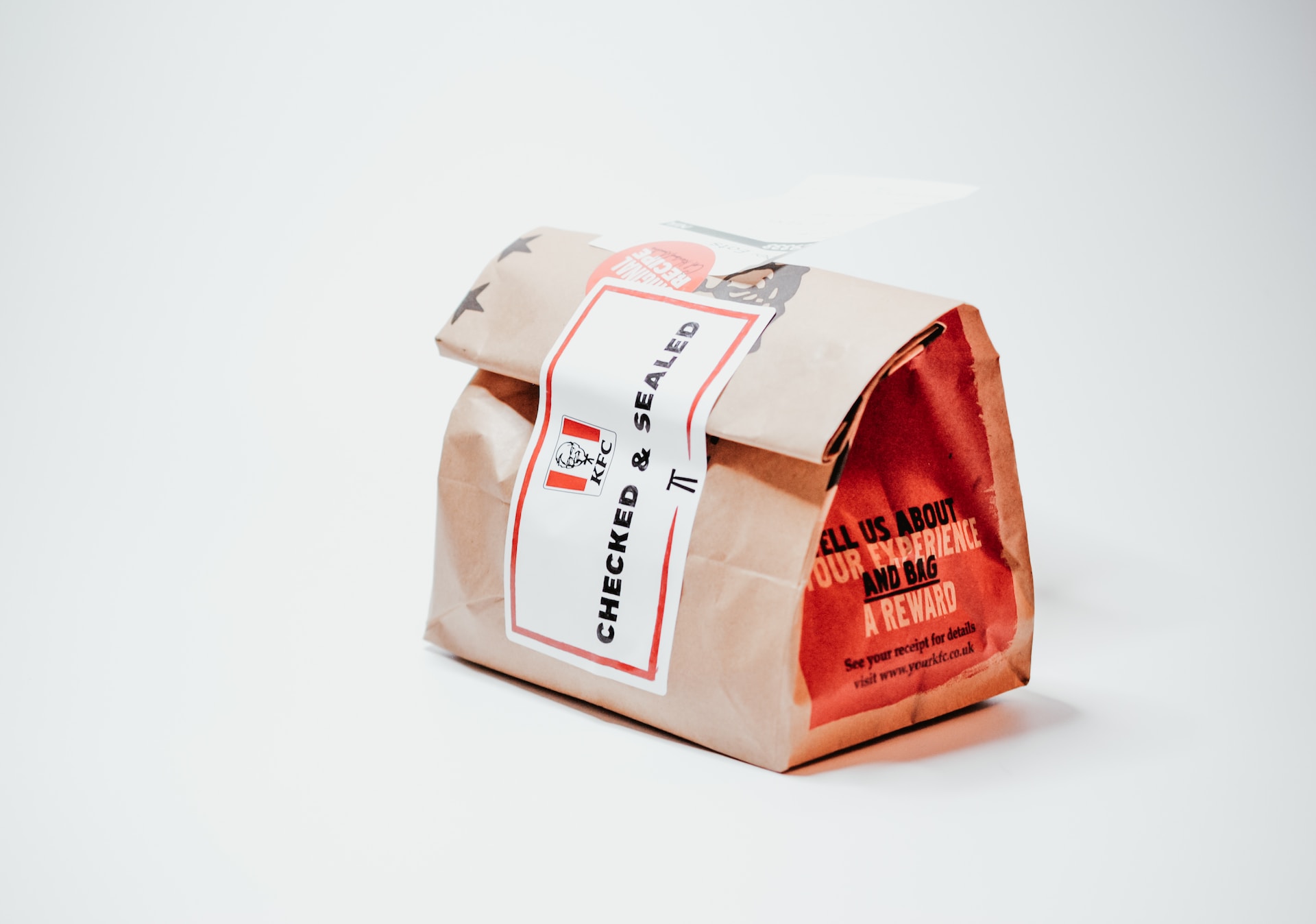
Kentucky Fried Chicken packaged for delivery or pickup

Let’s take a look at the top orders, delivery requests, order combinations, surprising pairings, and more from the 2023 Uber Eats Cravings Report.

It appears that the chicken sandwich dominance we’ve seen over the years is winding down. At least, that seems to be the case among Uber Eats users.

As you’ll see below, not only is the chicken sandwich not the most popular item, it’s not even among the top five. It does edge out the cheeseburger and wings among the most popular combos, but it doesn’t outperform French fries and salt as a combo.

Another eyebrow-raising detail? Pizza doesn’t show up anywhere among the most ordered items, most popular combos, or even the most surprising combos.

Now, if you’re curious about the 2022 Uber Eats Cravings Report, you’re in luck. You can click here for the top food orders from that report, and here for the top beverage orders.

The Most…Ordered Items

  • French fries
  • Garlic naan
  • Pad Thai
  • Miso soup
  • California roll

Am I the only one who expected to see burgers, chicken sandwiches, and pizza on this list?

The Most…Popular Combos

  1. Burrito bowl + cheese
  2. French fries + salt
  3. Chicken sandwich + shredded lettuce
  4. Cheeseburger + mustard
  5. Wings + ranch

Fairly standard, really. Every one of these orders makes complete sense. Now, the category coming up next…it’s a different story.

However, before we move on, let’s compare these items to those found on the 2022 Uber Eats Cravings Report.

Interestingly, the number-one item is nearly identical: burrito + cheese. And French fries + salt is the second most-popular item on both lists.

The Most…Surprising Combos

  1. Steak + jelly
  2. Cottage cheese + mustard
  3. Condensed milk + avocado
  4. Seaweed + pasta sauce
  5. Butter + pickled onions

I really have nothing to say after reviewing this short list. I mean…hey, do your thing, everyone. Make your order yours.

To the operators out there, be ready for some odd order combos.

The Most…Popular Requests

  1. No onions
  2. Dressing on the side
  3. Ranch
  4. Extra soy sauce
  5. Spicy
  6. Sauce on the side
  7. No lettuce
  8. No jalapenos
  9. Extra gravy
  10. No slaw

Looking at the top request, Uber Eats has a theory as to what’s driving it: the return to the office.

People, it appears, are self-conscious about their breath in an in-person, face-to-face setting.

The Most…Popular Food and Alcohol Combos

  1. Ribeye + Vodka
  2. Cheeseburger + Frozen Margarita
  3. Chicken + Frozen Piña Colada
  4. Lobster tail + Apple whiskey
  5. Tamales + Daiquiris

Last year’s report reveals the following combos:

  1. Steak + Margaritas
  2. Pizza + White Claw
  3. Burritos + Margaritas
  4. Chicken + Sangria
  5. Wings + Beer

Overall, a lot of change from the 2022 Cravings Report to this year’s report.

Image: Nik on Unsplash

Bar Nightclub Pub Brewery Menu Development Drinks Food

by David Klemt David Klemt No Comments

Slice Releases 2023 “Slice of the Union”

Indie Pizzeria App Slice Releases 2023 Report

by David Klemt

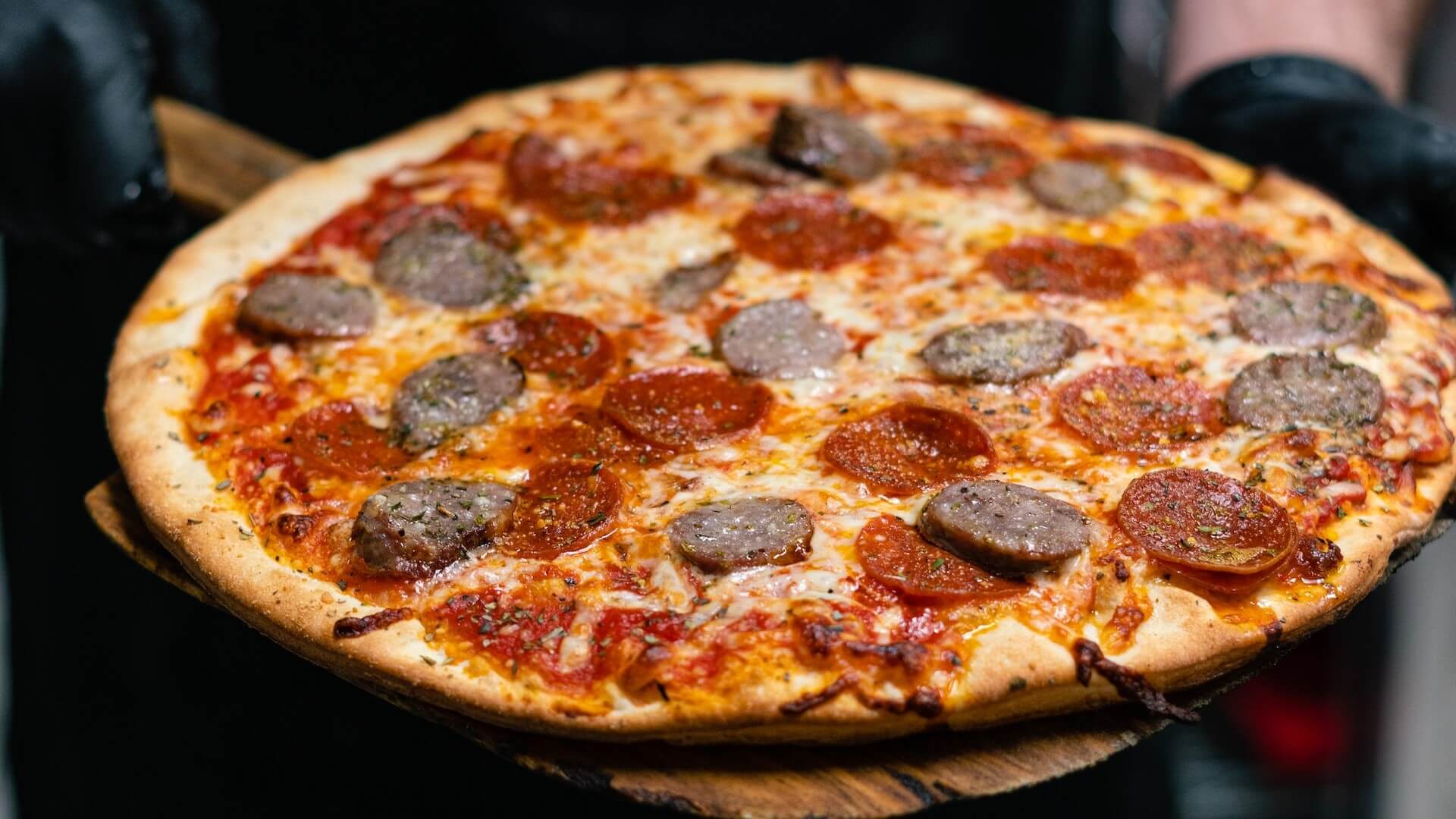
Wood-fired pizza on paddle

The annual Slice of the Union report from independent pizzeria ordering app Slice offers excellent insight into the indie pizza space.

Per the company’s website, Slice serves all 50 states and works with 19,000 pizzerias. For context, that’s a network of pizzerias more than double in size in comparison to Domino’s.

In my opinion, then, the company is well-positioned to deliver data regarding the indie pizzeria space.

Additionally, Slice says they save independent operators money. To date, Slice claims partners have saved more than $265 million in fees that would have gone to third-party delivery services.

In part, that’s due to a 2021 innovation by the company. At the International Pizza Expo in Las Vegas in August of 2021, Slice unveiled fixed-price, tiered packages for partners.


View this post on Instagram


A post shared by Slice (@slice)

Essentially, Slice intends to help local, indie pizzerias boost their reach, discoverability, and revenue. The company’s mission is “empowering independent pizzerias.” In part, Slice accomplishes their mission to “Keep Local Thriving” by offering indie pizzeria operators access to technology and services that rival the big pizza chains.

Below you’ll find some of the insights from the 2023 Slice of the Union that most stand out to me. To review the report in its entirety yourself, please click here. Not only is it an informative read, it’s actually fun.

Ordering Occasion

Kicking things off, ordering occasions. As all operators should know, many guests seek out particular cuisine, drinks, or venues dependent upon their dining or drinking occasion.

In the 2023 Slice of the Union, Slice takes a look at a couple occasions that motivate people to order pizza: sports and awards shows.

Now, it’s no surprise that people order pizza to enjoy while watching sports. So, since that’s common knowledge, Slice goes deeper and identifies the top sports leagues:

  1. Football
  2. Basketball
  3. Baseball
  4. Hockey

No mention of my two favorites, F1 and MotoGP, but at least hockey makes the cut. (My Vegas side says, “Go Knights!” but my born-in-Chicago side says, “Go ‘Hawks!”)

When we look at awards shows, the top spot may be somewhat of a surprise:

  1. People’s Choice Awards
  2. Tony Awards
  3. Emmy Awards
  4. Golden Globes
  5. The Oscars

Interestingly, the Grammys only manage an honorable mention. And there’s something poetic about pizza being the “people’s choice” for the People’s Choice.

Another bit of compelling data. Slice says that most people buckle and give up on their New Year’s resolution to keep away from pizza on January 13.

What’s in a Name?

There are certainly some creative pizzeria names out there.

However, Slice identifies not just some of the most common names but how many pizzerias use them:

  1. Joe: 206 pizzerias
  2. Sal: 206 pizzerias
  3. Tony: 114 pizzerias
  4. Johnny: 56 pizzerias
  5. Ray: 43 pizzerias
  6. Nino: 21 pizzerias

Flavors on the Rise

Wondering what the top topping is? What Slice sees as the pizza trends to watch?

Well, Slice has the answers to those questions (and more) in their annual report.

Pepperoni, as Slice says, “is a classic.” So, it wouldn’t provide much insight to just say, “Hey, pepperoni is popular.” Operators who offer pepperoni—and why wouldn’t they?—are already aware of its ubiquity.

Instead, Slice identifies the topping that’s showing the most growth. Per Slice, mushrooms has shown up on 8.9 percent more pizzas. Also, ranch dressing showed up on 9.7 percent more pizza orders in 2022.

Now, which trends may gain more significant footholds in the pizza space this year? Slice identifies two in their report:

  • Roman-style pizza
  • Pickle pizza

A Roman-style pizza is thin crust and pushes the toppings out all the way to the edges. A pickle pizza features—shocker—pickles heavily. According to Slice, this style of pizza normally includes a garlic sauce and mozzarella cheese.

Again, you’ll want to check this report out for yourself as there’s much more useful information. Click here to read it now.

Image: Dylan Sauerwein on Unsplash

KRG Hospitality Restaurants & Cafes, 2023 icon

by David Klemt David Klemt No Comments

Canada’s Top 2022 DoorDash Orders

Canada’s Top 2022 DoorDash Orders

by David Klemt

Burgers, French fries and milkshakes

Operators curious about the most popular delivery items in 2022 will be happy to learn that DoorDash’s year-end report is ready for viewing.

Those who want to compare it to predictions from several sources earlier this year can click here. The DoorDash Canada report can also be compared to consumer trends in Canada revealed back in October.

Before we jump in, I’m not detailing the DoorDash report in its entirety here. To review the entire report, please click here.

Instead, I’ll be sharing the top takeaways in terms of top menu items; top cuisines; and top items by province.

Speaking of provinces, a word to New Brunswick, Newfoundland and Labrador, Northwest Territories, Nova Scotia, Nunavut, Prince Edward Island, and the Yukon. Please don’t break out the pitchforks and come for me for not including you in this article. DoorDash’s report only covers data from six provinces—I didn’t leave you out intentionally.

Top DoorDash Cuisines in Canada

  1. American
  2. Mexican
  3. Japanese
  4. Thai
  5. Mediterranean
  6. Indian
  7. Chinese
  8. Italian
  9. Korean
  10. Filipino

Top DoorDash Items in Canada

  1. Burgers & Fries
  2. Fried Chicken
  3. Poutine
  4. Sushi Rolls
  5. Chicken Wings
  6. Burritos
  7. Chicken Rice Bowl
  8. Shawarma Wraps
  9. Curry
  10. Pad Thai

I think there’s one key takeaway that stands out in regards to this list. Notably, it appears that while chicken isn’t number one, it’s undeniably popular amongst Canadian DoorDash users.

In fact, according to DoorDash data, chicken reigns supreme in British Columbia. When you reach the province-specific sections below, you’ll see how powerful the cravings in BC are for chicken.

Top DoorDash Late-night Items

Again, chicken rules the DoorDash roost in this category.

  1. Chicken Nuggets
  2. Fries
  3. Poutine
  4. Chicken Wings
  5. Chicken Burgers
  6. Apple Pie
  7. Cheeseburger
  8. Spinach & Cheese Dip
  9. Chocolate Fudge Sundae
  10. Crispy Chicken

Top DoorDash Items: British Columbia

  1. Burrito Bowl
  2. Szechuan Chicken Lettuce Wraps
  3. Butter Chicken
  4. California Roll
  5. Crispy Chicken Sandwich
  6. Tofu Bowl
  7. Chocolate Chip Cookies

Top DoorDash Items: Ontario

  1. Cheeseburger
  2. Coffee
  3. Burrito Bowls
  4. Chicken Shawarma
  5. Crispy Chicken
  6. Bagels
  7. Pad Thai
  8. Beef Patty
  9. Pizza
  10. Onion Rings

Top DoorDash Items:Alberta

  1. Spinach and Cheese Dip
  2. Chicken Cheddar Sandwich
  3. Chilli Chicken
  4. Kale Salad
  5. Margarita Pizza
  6. Hot Apple Turnover

Top DoorDash Items: Québec

  1. Poutine
  2. Cappuccino
  3. Pad Thai
  4. Steak and Cheese
  5. Croissant
  6. Dumplings
  7. Chips
  8. Tacos

Top DoorDash Items: Saskatchewan

Interestingly, a beverage item holds the top spot in Saskatchewan.

  1. Bubble Tea
  2. Pepperoni Pizza
  3. Pork Bun
  4. Crispy Pork
  5. Garlic Bread
  6. Pasta

Top DoorDash Items: Manitoba

  1. Fries
  2. Butter Chicken
  3. Red Velvet Cake
  4. Poke Bowl
  5. Shawarma Wrap

As I stated in Wednesday’s article detailing Grubhub and Uber Eats’ reports for the US, we believe operators should take as much control over their restaurants and bars as possible. At KRG Hospitality, that means implementing direct delivery if it makes sense: ease of use, delivery capabilities, favorable costs, etc.

It’s also helpful to know what consumers in your area are craving and ordering. Such information can provide a useful baseline for many concepts’ menu development.

Image: John Fornander on Unsplash

by David Klemt David Klemt No Comments

Grubhub and Uber Reveal Top 2022 Items

Grubhub and Uber Reveal Top 2022 Items

by David Klemt

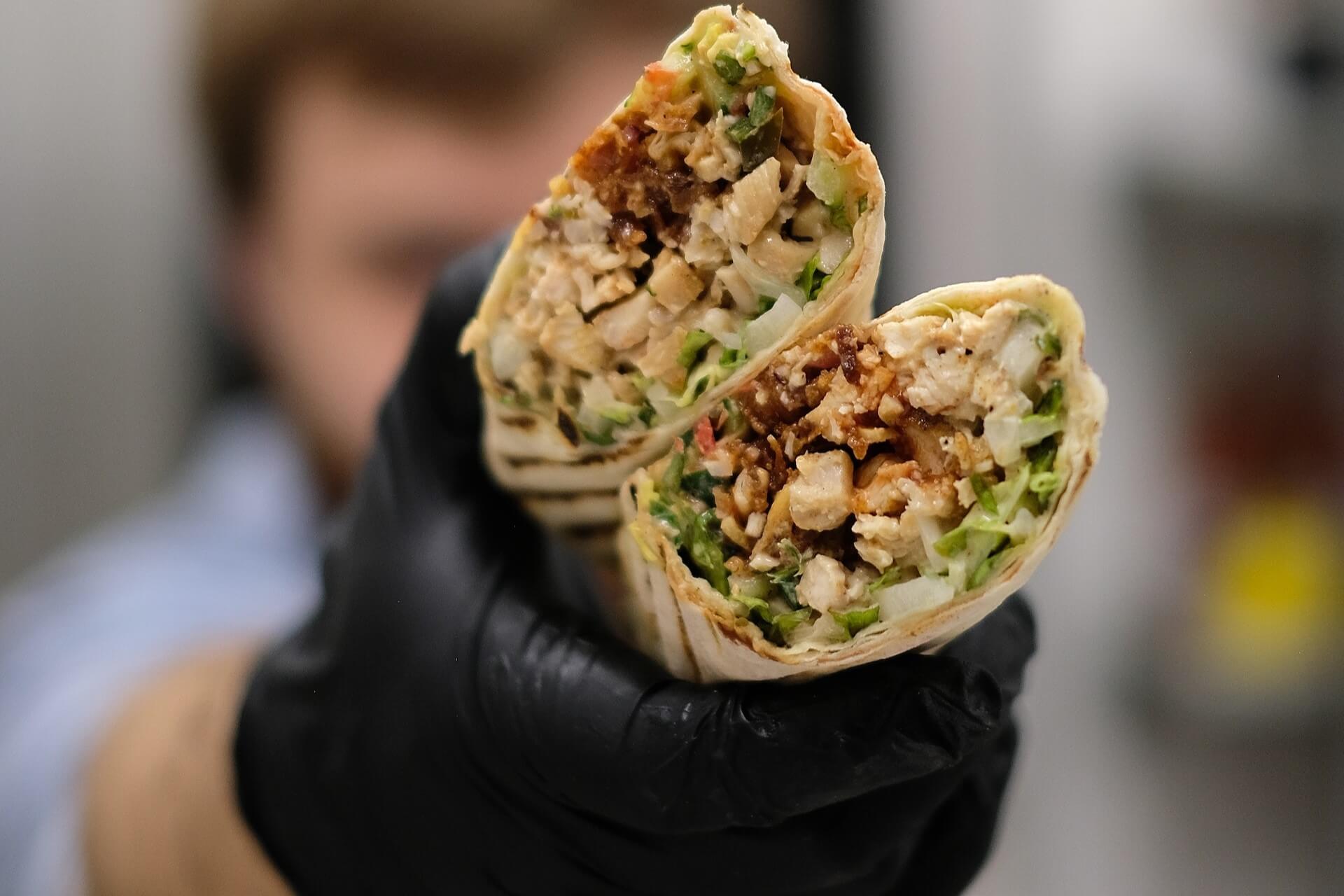
Chef pointing burrito halves toward camera

Grubhub’s 2022 Delivered and Uber Eats’ 2022 Uber Eats Cravings reports are live and there’s one surprise that’s immediately evident.

The top food item lists for both platforms make one thing clear right away: the chicken sandwich is no longer sitting on its throne.

Instead, as far as the data for these two delivery powerhouses show, there’s a new food item king. More compellingly, this menu item holds the throne on both platforms.

Now, I’m not suggesting the fried chicken sandwich is in the dungeon. In fact, the popular sandwich causing “wars” in the QSR space is still holdings it own. Indeed, the sandwich is still in the top five overall at Uber Eats.

Shockingly, it’s not in the top five overall at Grubhub. However, the fried chicken sandwich is among the top five Grubhub lunch and late-night orders.

So, which menu item wears the crown for 2022 in the kingdoms of Grubhub and Uber Eats? The burrito.

That’s awesome news for most operators. Much like the humble but mighty chicken sandwich, concepts can put their signature spin on a burrito. In fact, most concepts can put multiple signature spins on the new king of delivery items. One way to approach this would be to create a permanent signature and then seasonal LTOs.

Top 10 Grubhub Items

In 2022, the fried chicken sandwich only clinches the number seven spot at Grubhub.

Just like Uber Eats, cheeseburgers and pizza outperform the chicken sandwich.

  1. Burrito (bowl or regular)
  2. Cheeseburger
  3. Cheese Pizza
  4. Pad Thai
  5. Chicken Quesadilla
  6. California Roll
  7. Fried Chicken Sandwich
  8. Caesar Salad
  9. Chicken Tikka Masala
  10. Boneless Wings

Top 5 Grubhub Breakfast Items

  1. Sausage, Egg + Cheese Sandwich
  2. Donuts
  3. Sausage Burrito
  4. Bagel with Cream Cheese
  5. Muffins

Top 5 Grubhub Lunch Items

  1. Burrito
  2. Cheeseburger
  3. Fried Chicken Sandwich
  4. Cheese Pizza
  5. Chicken Quesadilla

Top 5 Grubhub Late-night Items

  1. Chicken Quesadilla
  2. Fried Chicken Sandwich
  3. Cheeseburger
  4. Mozzarella Sticks
  5. Cheese Pizza

As we see, the chicken quesadilla does some heavy lifting at Grubhub. The item holds the number five spot overall, at lunch, and during the late-night daypart.

Top 10 Uber Eats Combos

For their 2022 report, Uber Eats takes a different approach than Grubhub. Instead of just listing individual items, the platform identifies their top combos.

  1. Burrito + Cheese
  2. French Fries + Salt
  3. Cheeseburger + Diced Onions
  4. Chicken Sandwich + Fries
  5. Breakfast Sandwich + American Cheese
  6. Soup + Bread
  7. Pancakes + Sausage
  8. Pizza + Mozzarella
  9. Salad + Balsamic Vinaigrette
  10. Quesadilla + Sour Cream

Most “Unexpected” Uber Eats Combos

  • Ham + Cream Cheese
  • Fruit Roll Up + Hot Cheetos
  • Pickles + Whipped Cream
  • Popcorn + Pickle Juice
  • Dark Chocolate + Tomato Salad
  • Pizza + Applesauce
  • Sushi + Ranch
  • Peanut Butter + Pizza
  • Cheese + Martinis
  • Watermelon + Mustard

To read both reports in their entirety, click here for Grubhub and here for Uber Eats. There are more insights, including beverages and beverage combos.

Of course, longtime readers and our clients know where we stand on third-party delivery platforms. Ideally, operators should take as much control over their business as they can. For us, that means implementing direct delivery as long as it’s feasible and incurs lower costs than third-party.

We view delivery platform reports as menu development resources. It’s always wise to keep up to date on consumer and food trends, after all.

Image: Kamila Bairam on Pexels

by David Klemt David Klemt No Comments

$28.82 per Hour for NYC Delivery Workers?

$28.82 per Hour for NYC Delivery Workers?

by David Klemt

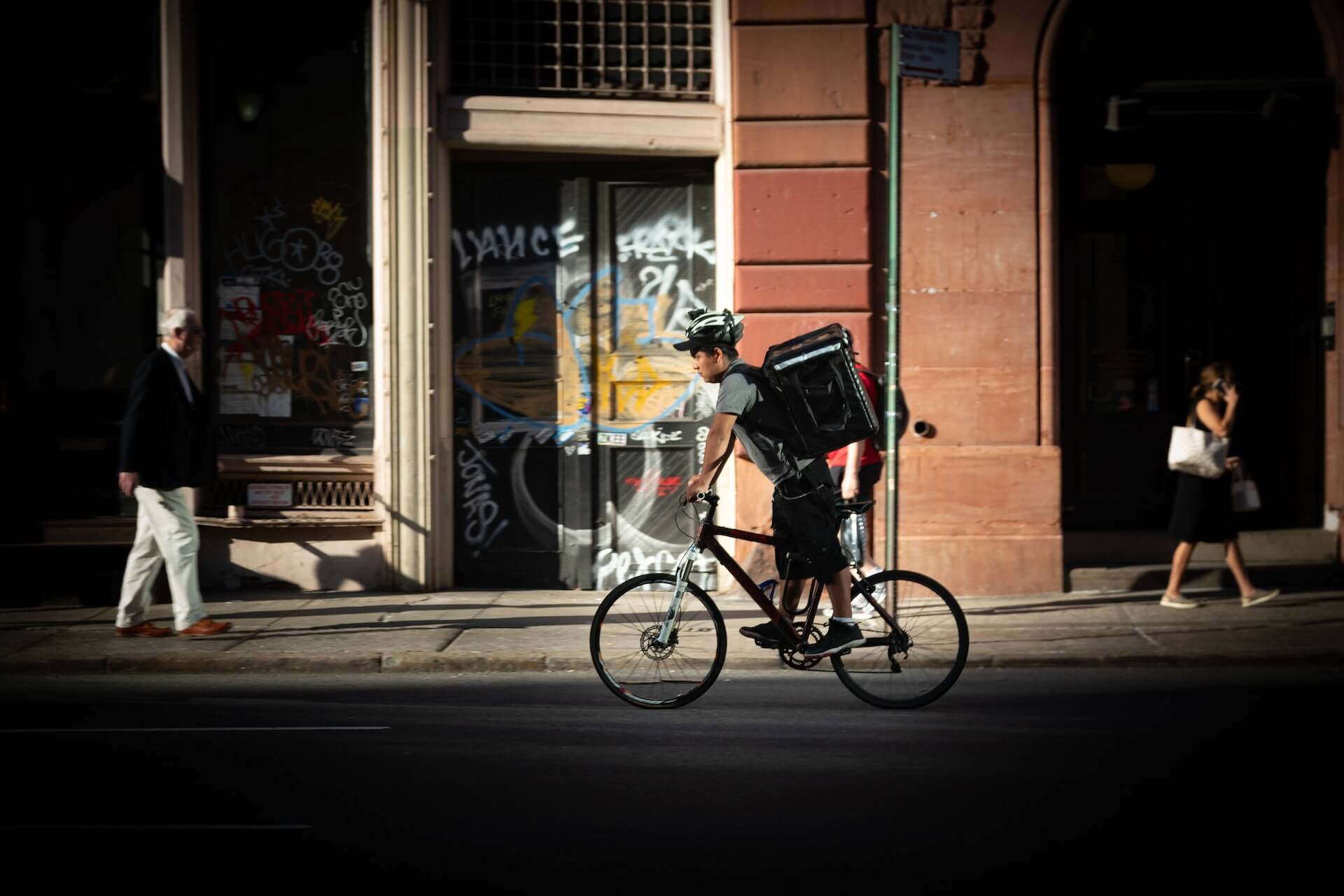
Delivery worker on bicycle on city street

In response to the New York City Council’s proposal of $23.82 per hour for delivery workers, some “deliveristas” are asking for more.

Now, before we proceed, no, this isn’t a re-run of an article from last week. This isn’t a case of déjà vu—it’s the evolution of a news story that’s developing rapidly.

So, how much more do delivery workers in NYC want? Well, they’re after a significant bump over the council’s minimum hourly wage proposal.

Requesting that the NYC Council more accurately account for deliverista expenses, some delivery workers are asking for $28.82 per hour.

Early last week, a group consisting of Los Deliveristas Unidos and the Worker’s Justice Project members came together. They gathered at New York City Hall to make their stance on the NYC Council’s minimum wage proposal.

As the deliveristas see it, an increase from $23.82 to $28.82 more accurately reflects their operating expenses. The argument is compelling when one considers costs beyond fuel.

Asking for More

After all, not every delivery worker in NYC (and other markets) uses a car, truck or SUV to make deliveries. That should explain the use of the term “delivery worker,” not “delivery driver.” Some deliveristas ride motorcycles, mopeds, or bicycles. I’m willing to bet some even use scooters, rollerblades, or skateboards.

Using any mode of transportation as a delivery worker comes with requirements, both legal and practical. For example, deliveristas must maintain insurance, maintain their transportation, and purchase and maintain safety equipment.

And yes, that safety equipment is crucial. According to some reports, around a third of NYC those who deliver on two wheels have been injured on the job. Tragically, 33 delivery workers have been killed since 2020. In fact, NYC says delivery workers have the highest injury rate.

Another interesting development may seem semantic. However, when one takes time to truly consider the point it’s rather poignant.

In asking for the proposal of $23.82 to rise by $5 by 2025, are asking for a living wage. Not minimum wage, as the proposal frames the hike, but a living wage.

One worker, Antonio Solís, as quoted by The City, a non-profit NYC news publication, explained: “We are asking the city to make a $5 adjustment, to go that extra mile to ensure we get to a living wage.”

A Request, not a Rejection

It’s also important to note that NYC’s delivery workers aren’t rejecting the council’s minimum wage proposal. Rather, the request is that the council considers updating their proposal ahead of a December 16 public hearing on the matter.

So far, companies like DoorDash, Grubhub, and Uber Eats haven’t released much in the way of statements. However, there have been reports quoting a handful of representatives. In pushing back against the proposal, they’ve mentioned increased costs; reduced deliveries; and the possibility of “locking out” deliveristas if delivery demand is low at a given time.

Should legislation go into effect after the public hearing, it’s likely we’ll see lawsuits from the delivery companies.

Image: Patrick Connor Klopf on Unsplash

by David Klemt David Klemt No Comments

$23.82 Minimum Wage for Delivery Workers?

$23.82 Minimum Wage for Delivery Workers in NYC?

by David Klemt

Red "New York" sign on building

With a public hearing on the docket for December 16, the New York City Council is proposing “fairer pay for delivery workers.”

The move is a year in the making. Last year, the NYC Council approved legislation with the goal of improving delivery worker pay and working conditions.

Now, the council is moving to increase minimum wage for the 60,000-plus delivery workers in the city.

At the risk of coming across as pessimistic, the legislation is likely to be unpopular with third-party delivery services. After all, when NYC and San Francisco passed laws to cap third-party delivery commissions, the big services filed lawsuits.

So, again, increasing the minimum wage for delivery workers in NYC will probably not go down well with companies like Uber, DoorDash, and Grubhub.

It’s possible we’ll find out before the end of this year. After the public hearing, the NYC Council will consider public comments. Then, the council could move forward and enact the legislation.

What’s in the Proposal?

Should the rule go into effect after the public hearing on December 16, minimum wage would rise to $17.87 per hour for third-party delivery workers. By April 1, 2025, that rate would increase to $23.82.

“This new proposed minimum pay rate would help ensure a fairer pay for delivery workers for third-party apps, providing more stability for 60,000 workers across our city,” says New York City Mayor Eric Adams.

According to reports, Brooklyn Borough President Antonio Reynoso is in favor of the legislation as well.

“It’s absolutely unacceptable that the restaurant delivery workers who provide for so many in this city are not justly compensated for their time, reimbursed for their expenses or provided essential benefits,” says Reynoso.

So, how did the council arrive at the $23.82 per hour figure? Well, we actually have that information:

  • $19.86, which matches standards set by the New York City Taxi and Limousine Commission for ride-hail drivers;
  • $2.26 for expenses delivery workers incur; and
  • $1.70 for worker’s compensation.

Why Legislate Delivery Worker Pay?

It appears the main reason is an incredibly simple one. In short, third-party delivery workers aren’t making minimum wage in NYC.

Per the Department of Consumer and Worker Protection (DCWP), delivery workers average less than the city’s $15 minimum wage. With tips, they’re averaging $14.18. And without tips? As one can imagine, the hourly rate plummets: $7.09 per hour.

According to the DCWP, the average hourly expense a delivery worker incurs is $3.06. So, that drives their hourly pay to $11.12 with tips, $4.03 without.

In an argument likely to be cited in any lawsuit filed by DoorDash (or at least shared in a public statement), the company claims its delivery workers make almost $29 per hour.

Clearly, there’s a discrepancy somewhere. Either delivery drivers are woefully underpaid for the service they provide or multiple researchers are misinterpreting hourly pay data.

Several sources have cited a statement made by a DoorDash representative about the NYC Council’s proposal:

“Dashing allows so many across New York City to earn when, where and how often they choose,” says the rep. “Unfortunately, the proposed rule does not appropriately account for this flexibility or that Dashers are able to choose which deliveries they accept or reject.”

Their statement continues, addressing a possible rise in costs and drop in orders:

“Failing to address this could significantly increase the costs of delivery, reducing orders for local businesses and harming the very delivery workers it intends to support.”

Why Should I Care if I Don’t Operate in New York City?

We’ll see—quickly, apparently—if this proposal becomes law. Should that happen, there’s reason to assume similar proposals will pop up in other cities and states.

We’ll also see whether or not third-party delivery companies file lawsuits in response. They’ve done so for commission caps, after all.

At any rate, this is one to watch. Similar legislation could be coming to your market.

Image: Nik Shuliahin 💛💙 on Unsplash

by David Klemt David Klemt No Comments

The Numbers on Food Delivery in Canada

The Numbers on Food Delivery in Canada

by David Klemt

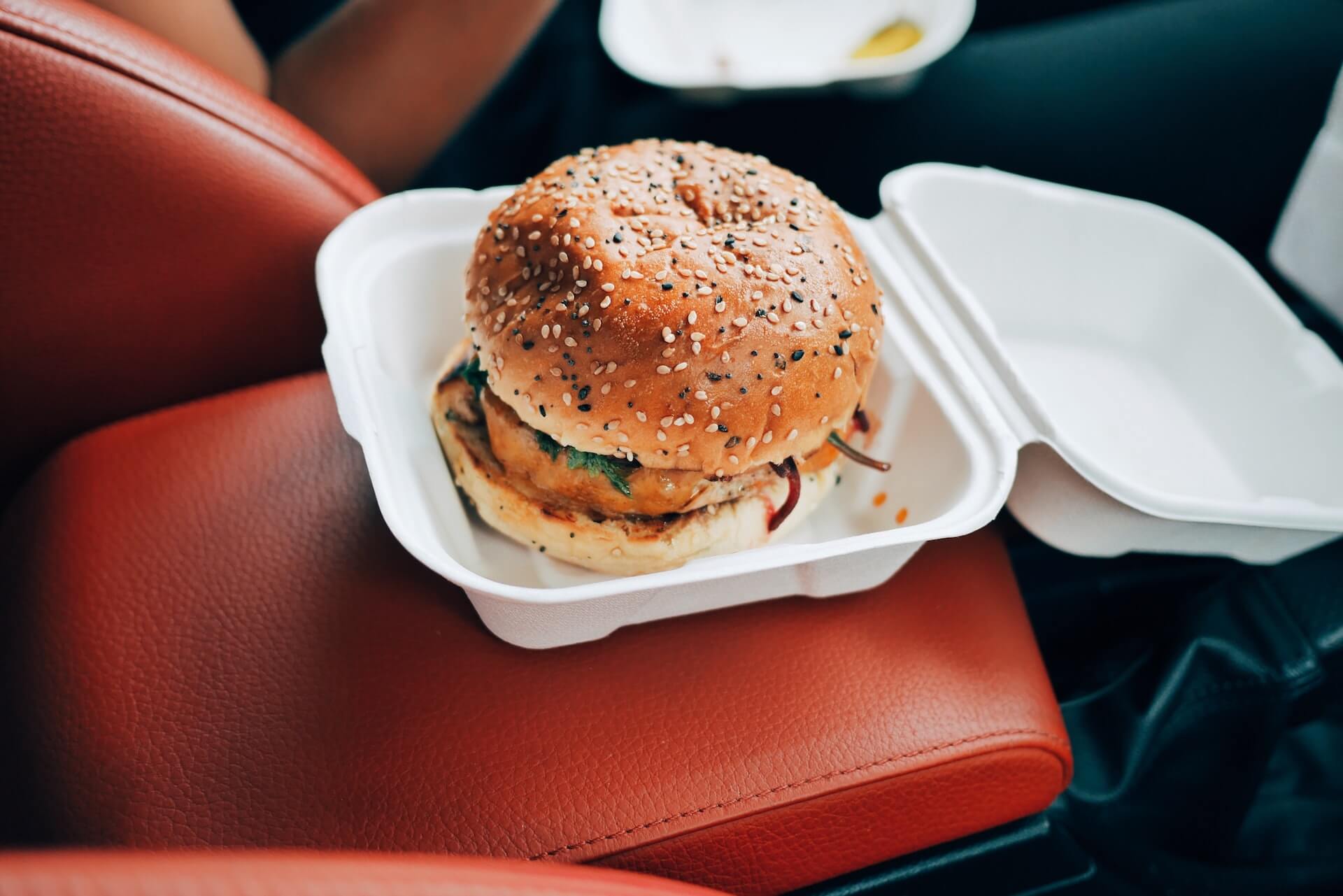
Burger in container inside car

For most restaurants, delivery is now a crucial service element rather than a “nice-to-have” option a small percentage of guests expect.

This is true whether your restaurant is in the US or Canada. But who’s placing orders? How are they ordering? And will they continue to order for the foreseeable future?

Well, Restaurants Canada has answers to all those questions and more. So, we let’s take a look at what their 2022 Foodservice Facts report says about delivery.

To download your own copy of this informative report, click here.

Who’s Placing Orders?

In their 2022 Foodservice Facts report, Restaurants Canada looks at three age groups:

  • 18 to 34
  • 35 to 54
  • 55-plus

Perhaps unsurprisingly, the 18- to 34-year-old cohort leads the charge when it comes to ordering delivery. It’s also not surprising that 35 to 54 comes in second, and 55 and older is third.

However, the first two groups are closer than some may assume. Eighty-three percent of the the 18 to 34 cohort placed orders at quick-service or full-service restaurants between December 2021 and May 2022.

That number does drop for the same time period among the 35 to 54 group, but not by a significant amount. Of that cohort, 77 percent ordered delivery. Just over half of the 55-plus group placed delivery orders: 52 percent.

Now, those numbers are down a bit from 2021, which makes sense. Things were much more restrictive in 2021 and people were just getting back to a sense of normalcy at the start of this year.

In 2021, the delivery order percentages were:

  • 18 to 34: 89 percent
  • 35 to 54: 81 percent
  • 55-plus: 67 percent

Looking at these numbers, it appears the 55-plus cohort is more comfortable dining out in person. Conversely, the 18 to 34 age group is clearly comfortable making delivery a part of their everyday lives.

How do People Want to Order?

Believe it or not, your website still matters. I’ve been saying this for years but the pervasiveness of delivery and takeout ordering is really driving this point home.

The fact is, a notable percentage of your guests want to support your restaurant and staff directly. Over the past couple of years, consumers have become well aware that third-party delivery services are incredibly costly for operators.

Consumers are also aware of third-party delivery debacles, such as the abysmal Grubhub “Free Lunch” mess from May of this year.

So, direct delivery is something that operators need to at least consider. Implementation is often less difficult than most business owners believe. And many platforms, SevenRooms, for example, make implementing direct delivery simple and affordable.

Interestingly, Restaurants Canada data supports the need for direct delivery. Back in May, the industry advocacy organization asked survey respondents how they prefer to place delivery orders from restaurants.

Preferences for QSR customers:

  • No preference: 10 percent
  • Over the phone: 19 percent
  • Third party: 35 percent
  • Restaurant website or app: 36 percent

Full-service customer preferences:

  • No preference: 8 percent
  • Over the phone: 28 percent
  • Third party: 29 percent
  • Restaurant website or app: 35 percent

Honestly, I find it surprising anyone calls a QSR to place an order. However, I suppose that makes sense for an office or catering.

At any rate, make sure your website is up-to-date, you offer direct or “last-mile” delivery, and make it easy to navigate your menu and the ordering process.

Is Ordering Here to Stay?

Now, we all know why restaurant delivery has been supercharged the past two years. However, consumer trend data show that delivery was on the rise before the Covid-19 pandemic.

But now that people are eager to return to normal and the industry is on its way to returning to pre-pandemic levels, is delivery really here to stay?

According to another question asked of survey respondents by Restaurants Canada, more than half of QSR and full-service restaurant customers plan to stick with delivery.

For their 2022 Foodservice Facts report, Restaurants Canada asked back in May how often consumers planned to place delivery orders in the next six months.

Order frequency for QSR customers:

  • Never placed a delivery order and don’t plan to now: 29 percent
  • Order less often: 20 percent
  • Will order with the same frequency: 45 percent
  • Will order more often: 7 percent

Frequency of orders for full-service customers:

  • Never placed a delivery order: 24 percent
  • Order less often: 23 percent
  • Will order with the same frequency: 44 percent
  • Will order more often: 9 percent

Here to Stay?

Of course, there are multiple factors feeding the numbers above. Some people simply don’t like ordering and waiting for delivery. For these consumers, the practice doesn’t just seem convenient.

There’s also the consumer demand to return to in-person dining, socializing with family and friends. And, of course, meeting new people while dining out.

We must also consider inflation and rising costs. Often, restaurant spending is among the first to be reduced when consumers need to be more frugal. Rising menu costs are sure to curtail some delivery spending.

That said, it’s clear delivery is here to stay and must be considered a crucial element for most restaurant operations. QSR and full-service operators need to bear in mind is placing orders; how often they’re placing orders; and get them in the habit of placing orders directly.

Image: Oliur on Unsplash

by David Klemt David Klemt No Comments

Tech Shows Up in a Big Way at NRA Show

Tech Shows Up in a Big Way at 2022 National Restaurant Association Show

by David Klemt

NCR Aloha NRA Show booth

The number of tech platforms and solutions at the 2022 National Restaurant Association Show in Chicago was a sight to behold.

Once seemingly technology averse, our industry is awash in platform integrations, apps, and smart devices.

Drive-thru signs are reading license plates and collecting data. Digital menu signs are implementing facial recognition software. Automation is taking on more and more tasks.

Amazingly, the digital paint on the innovations we’re seeing isn’t even dry yet. While some developments may have taken years to come to market, it feels like they’re only one or two years “old.”

Here to Stay

People are still talking about a “return to normal” when it comes to the Covid-19 pandemic. To some, that means going back to their 2019 habits and lifestyles.

Well, that’s not going to happen in the restaurant, bar, or lodging spaces.

Delivery? Here to stay. Contactless payment? Not going anywhere. QR and digital menus? Commonplace at this point.

And contactless pickup? NRA Show 2022 attendees exploring the North Building encountered multiple pickup platforms.

To state the obvious, delivery is expensive. Combine inflation and rising gas prices with third-party delivery platform fuel surcharges and it’s only getting pricier.

Clearly, contactless pickup is becoming a more appealing solution for operators and their customers.

On the one hand, operators who invest in smart, contactless pickup lockers can avoid the exorbitant costs they incur from third-delivery companies. And on the other hand, customers know they can save money by picking up their orders themselves. Moreover, they know they can do so safely with contactless pickup.

Operators can now choose from an array of smart locker setups to leverage customer demand for safe, convenient takeout.

Your New Marketing Partner

Remember when people were blown away by QR code menus? Well, those are already old news.

As an aside, the fine-dining and luxury categories have been over QR codes for quite some time. However, they’re probably not going to be interested in the latest menu innovation. No, they’re much more eager to return to traditional, tactile, luxurious physical menus.

Other categories, though, will likely be interested in smart digital menus. As this tech gets smarter—perhaps terrifyingly so—your menu will be a supercharged sales associate.

There are digital menus coming to market that can recognize an operators guests…and then attempt to upsell them. The more a guest visits a venue with smart signs, the more the platform learns about them and their preferences. From there, the signs can attempt to sell them on a promotion like an LTO item.

Not long ago at all we learned that texting a consumer is a powerful way to market to them. Well, now we’re going to have the opportunity to sell them in a direct, interactive way straight from our menus.

Oh, and if this isn’t impressive enough, there are digital sign platforms capable of displaying surge prices. In the blink of an eye an operator will be able to leverage this type of pricing and revenue generation.

More Powerful POS

There were no shortage of powerful POS systems at the 2022 NRA Show. If anything, there are almost too many options out there for operators to consider.

However, we don’t think this is a bad problem to have. In fact, tech stack selection is one of KRG Hospitality’s key services.

Now, I’m not saying operators need to chase the newest, shiniest POS on the market. If what an operator has is working smoothly and they’re getting the most of their POS every day, there’s no reason to invest in a completely new platform.

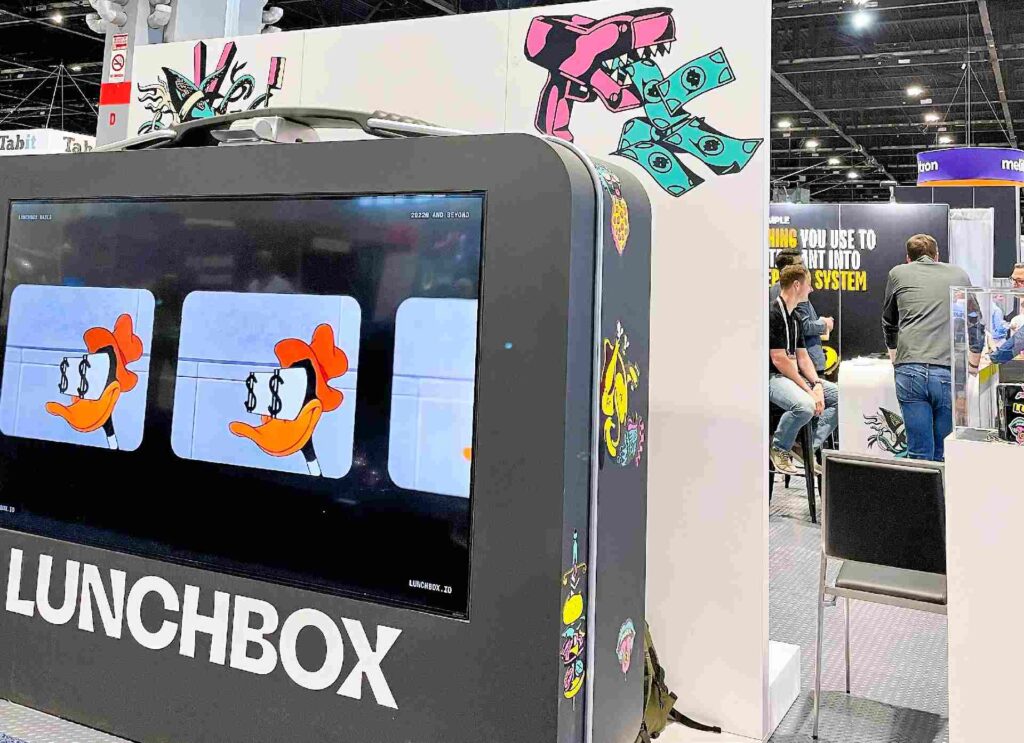
But along with POS developments come powerful integrations. Case in point, Lunchbox. In simple terms, Lunchbox is an online ordering, marketing, loyalty, and guest subscription platform.

Lunchbox 2022 NRA Show booth display

Recently revamped, this fun brand (one of the coolest booths at the show, if not the coolest) boasts an average increase in same-store sales of 52 percent. Additionally, Lunchbox customers (per the company) experience an average of 42 percent month-over-month revenue growth.

As impressive is the fact that this platform integrates with several top POS systems, including Toast, Oracle’s Micros, NCR’s Aloha, and Revel.

What a time, eh?

Photos taken by and property of author

by David Klemt David Klemt No Comments

Alright, Seriously—WTF, Grubhub?

Alright, Seriously—WTF, Grubhub?

by David Klemt

Or, more to the point, stop working with “partners” who exploit our industry rather than support it.

In spectacular and entirely predictable fashion, Grubhub’s “free lunch” further reveals that third-party delivery platforms don’t care about restaurants.

Of course, they all say they support restaurant owners and operators. And, of course, they’re quick to pat themselves on their backs for being a pandemic lifeline.

But…no. Time and time again, mainly through their exorbitant and exploitative fees, they prove the opposite is true.

Restaurants and bars aren’t third-party delivery partners. Rather, these relationships are adversarial and detrimental. So much so, in fact, that some states passed laws to limit third-party delivery fees.

In Nevada, for example, Clark County Commissioners passed an emergency ordinance in August 2020 capping those fees at 15 percent. Clearly, we need to stop enriching companies that prove they don’t support the hospitality industry but cause it significant harm.

Free Lunch?

They say there’s no such thing as a free lunch. Apparently, Grubhub really wants to prove that maxim true.

That’s one of the takeaways from their disastrous promotion. Last Tuesday, in what’s being reported as an attempt to claim the delivery throne in New York City, Grubhub offered “free” lunch to anyone who placed an order for delivery.

The requirements for this promotion? Place an order for delivery through Grubhub on May 17 between 11:00 AM and 2:00 PM and use the code “freelunch.”

Of course, customer orders weren’t entirely free. Rather, the code was good for a $15 discount. Still, a wildly attractive offer as the ensuing debacle reveals.

Unsurprisingly, the promotion made for some eye-grabbing and eye-rolling headlines. Buzzfeed News published the most attention-grabbing one: “GrubHub Was Getting 6000 Orders A Minute During Its Promo Today That Left Restaurant Workers Stressed And Customers Hangry.”

Six thousand orders per minute during a promotion with a three-hour window in a single market.

In addition, the outlet reported that one unsatisfied customer was number 3,630 in the Grubhub customer service queue. Apparently—and who can blame him—he hung up before he could speak with a Grubhub rep about his missing order.

Duh

Who could’ve seen this coming? Any of the restaurant owners, operators, or team members Grubhub “serves,” that’s who.

In fact, anyone who works in this industry with on-premise experience knew this was going to happen. So, too, any journalist who specializes in hospitality.

The fact that whoever came up with this promotion didn’t see this coming is revealing. Unless the creators of these apps and services have real-world restaurant experience, they don’t understand the business.

How can one effectively and properly serve an industry without an understanding of how it operates? Hospitality is about service. Shouldn’t the companies attempting to work within our industry work hard to serve alongside us?

Let’s be clear—this promotion was in no way designed to help struggling restaurants. It wasn’t intended to boost their traffic and revenue. Rather, it was solely created to serve Grubhub’s desire to be number one.

As we all know, we’re experiencing major staff shortages. There are also supply shortages making it difficult for operators to obtain product reliably. Grubhub made those problems exponentially worse.

Some restaurants stopped taking delivery orders. Others canceled orders. There were operators who closed in an effort to catch up with orders and prevent the situation from worsening.

According to news stories, some social media users posted that they planned to stop ordering through third-party platforms.

Negative Impact

If you’re new to KRG Hospitality, welcome. You’re likely realizing that we’re not fans of third-party delivery.

Those of you who are familiar with us have known for quite some time that we support direct delivery. That is, delivery controlled and executed by the restaurant itself.

It’s not that we’re against innovation. Rather, our dislike of these platforms, generally speaking, comes from our perception of their behavior.

In our opinion, they take control away from operators and cost them money. Again, speaking generally, they collect customer data that operators should control. Their fees are ridiculous in most cases. And when it comes to the customer experience, their inconsistencies and shortcomings reflect poorly on the operators far too often.

Studies show that customers who have issues with third-party deliveries often place the blame on the restaurant. Food the wrong temperature? Order arrive late? Packages in less-than-ideal condition? While those issues and others can be the fault of the driver, the restaurant often takes the brunt of a customer’s dissatisfaction.

Of course, there’s also the financial impact of third-party delivery on restaurants. A SevenRooms report from last year reveals how these platforms harm operators and their bottom lines.

The Solution

Look, we know operators have a ton on their plates. But protecting and boosting the bottom line is a non-negotiable element of this business.

Yes, it’ll take some time, effort, and money to set up direct delivery. However, it’s the best solution.

Direct delivery means the operator collects and control valuable data. Likewise, the operator can ensure consistency. Through direct delivery, the operator shapes and controls the experience.

Control. Inherently, third-party delivery takes some control away from operators. That’s not a good thing, and neither is their financial impact.

Look into setting up direct delivery, take control, and protect your revenue ASAP. Friend of KRG “Rev” Ciancio and SevenRooms CEO Joel Montaniel each address delivery on the Bar Hacks podcast. Listen to episode 13 with Rev and episode 24 with Joel to learn more about delivery.

We need to stop rewarding companies that exploit our industry and take advantage of our owners, operators, and hard-working staff members.

Direct delivery is the answer. Take steps to implement it today.

Image: Rosie Kerr on Unsplash

by David Klemt David Klemt No Comments

Wendy’s Looks to Ghosts for Growth

Wendy’s Looks to Ghosts for Growth

by David Klemt

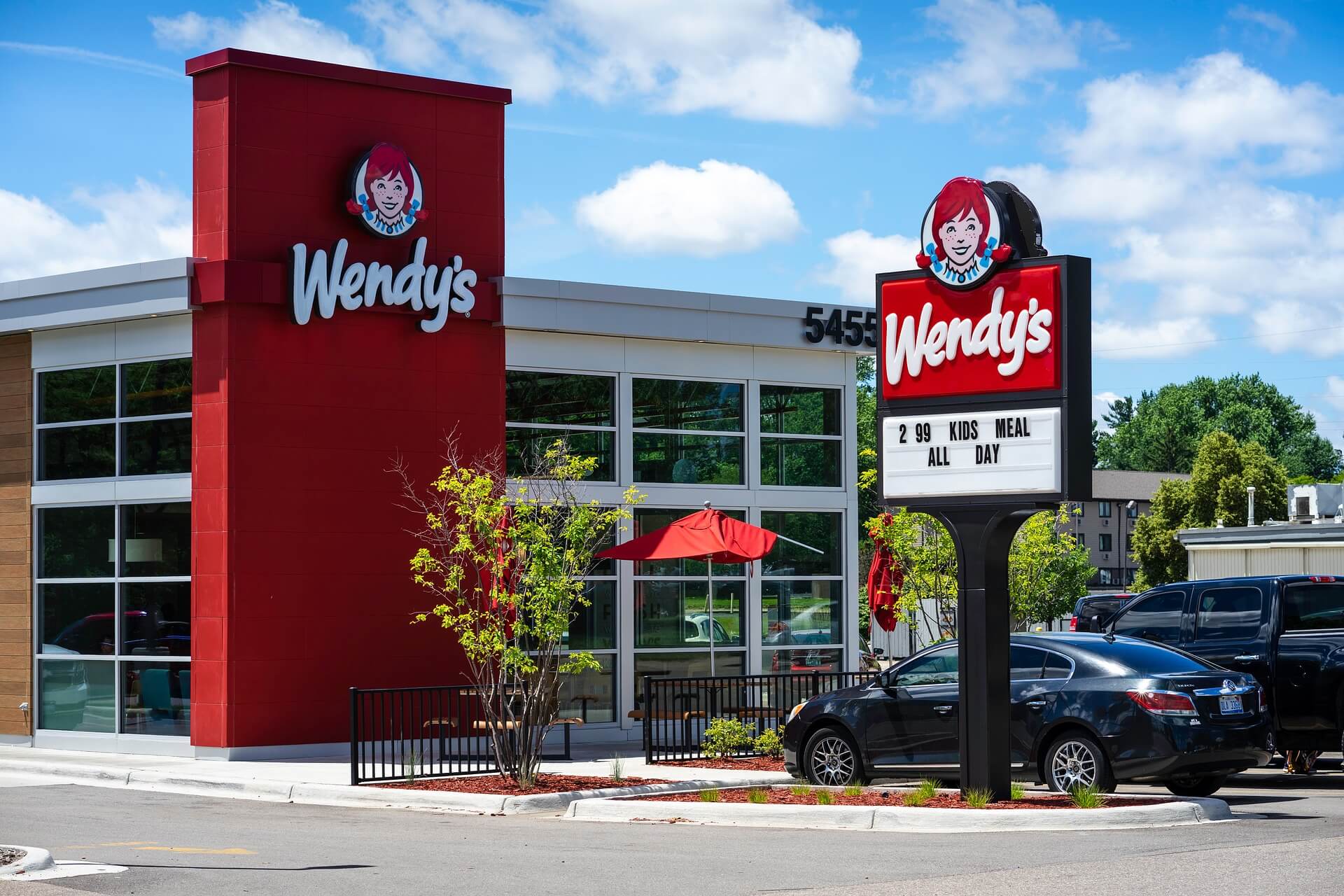
Wendy's fast food restaurant exterior and sign

Wendy’s is the latest foodservice company to announce plans to open ghost kitchens in Canada, the US and the UK.

The fast-food giant’s scheme is large-scale and part of an expansive growth strategy.

Per the company, Wendy’s plans to open 700 ghost kitchens.

Embracing the Trend

Here’s a question for you: Do you hear and read the word “pivot” or the phrase “ghost kitchen” more often these days?

Ghost kitchens seem to be the pivot of choice for restaurant groups and enterprising tech companies looking to leverage the next big thing. (There, a sentence with both “pivot” and “ghost kitchen” in it,)

The trend also appears more often than not to be the domain of Big Business.

Former Uber executive Travis Kalanick is the founder of CloudKitchens. DoorDash is also entering the ghost kitchen space, running a trial in California to see if pursuing the idea is viable.

Now, enter Wendy’s, not exactly a mom-and-pop shop in the restaurant space.

Ghost vs. Virtual Kitchen

We don’t revel in the semantics game, necessarily. But we know people are going to refer to Wendy’s ghost locations as “virtual” kitchens as well.

However, ghost kitchens and virtual kitchens have unique definitions and characteristics.

Wendy’s isn’t creating a new brand with new items they’re preparing in their existing brick-and-mortar locations. Nor do they plan to do so with their new locations under constructions currently.

Were that the case, their strategy would be a virtual kitchen plan.

Instead, the 700 locations will be separate facilities without storefronts. Also, the units will focus solely on delivery, leveraging on-demand consumer behavior.

So, the lack of storefront is arguably the greatest defining characteristic of a ghost kitchen.

Conversely, a virtual kitchen operates in a location with a storefront. However, the brand on offer exists online and not in the brick-and-mortar world of an established brand. In essence, an existing brand is offering a brand that they don’t want to dilute what they’ve already built.

That’s a Lot of Ghosts

Per reporting, Wendy’s is joining forces with Reef Technology to open and operate their ghost kitchens.

At least 50 such locations are in the works to open this year. The other several hundred locations will open between 2022 and 2025.

That means we should see more than 150 Wendy’s ghost kitchens going live per year across Canada, the US and the UK.

Partnering with Reef Technology is an interesting and telling maneuver. Reef, per their website, focuses on “urbanization” and reshaping “our urban infrastructure.”

And as CEO Todd Penelow stated last week, Wendy’s doesn’t isn’t strong in urban areas. The vision for Wendy’s new strategy is to penetrate urban markets, adding new stores and new franchisees as the brand moves forward.

Should things go according to plan, Wendy’s expects to expand from 6,500 units worldwide to somewhere between 8,500 and 9,000 in 2025.

Image: Michael Form from Pixabay

by David Klemt David Klemt No Comments

Rise of the ‘Not’ Delivery Platforms

Rise of the ‘Not’ Delivery Platforms

by David Klemt

The big third-party delivery services are facing pushback in the form of community-based competition.

We’ve kept our eye on this burgeoning trend and the push for operators to implement first-party delivery, also known as direct delivery.

It isn’t directly related to hospitality but the first of the “not” sites that grabbed our attention was Not Amazon. As the name suggests, Not Amazon is…well…not Amazon.

The founder highlights businesses owned and operated by women and BIPOC and LGBTQA+ people. However, Not Amazon goes even further, as illustrated in their mission statement:

“Providing the most we can, while taking as little as possible, in order to build a new kind of community.”

Community and neighborhood support is at the core of Not Amazon. The digital era has been marked by local, mom-and-pop brick-and-mortar businesses suffering in the wake of online shopping. Convenience has outweighed community. More often than not, women-, BIPOC- and LGBTQA+-owned businesses have been disproportionately affected by “convenience.”

Of course, it makes sense with a global pandemic to shop online. Not Amazon, which currently serves Calgary, Halifax, Toronto and Vancouver, provides a viable alternative to its behemoth of an online retail counterpart.

That brings us to two compelling hospitality industry-specific platforms.

It’s not a secret that KRG Hospitality supports first-party and last-mile delivery. In fact, we’ve very clearly explained that operators lose guest data and control over the guest journey when they sign with a third-party delivery company.

That’s to say nothing of the fees third-party services charge their F&B “partners.” Is it convenient that DoorDash, UberEats, Postmates and other companies provide a semblance of infrastructure, the lure of reaching a larger pool of customers, and drivers (including the associated liability)? Sure.

But are the costs associated with doing business with a third-party delivery company worth it? Most likely not.

Studies have also shown that when a delivery goes wrong on the third-party’s end–cold food, for instance–it’s the restaurant that tends to get the blame.

There are two websites that, like Not Amazon, have popped up to put supporting local restaurants front and center: Not UberEats and NotGrubhub.

The former serves Toronto and operates as a non-profit, according to their FAQ page. The latter is mainly focused on the United States, offers the option to purchase gift cards, and is powered by Lunchbox. NotGubhub also boasts more than 100,000 direct ordering links.

Both operate in similar fashion: Restaurants submit their information to be added to the respective platforms, provide an ordering link, and obtain a listing. From there, people can search by location for restaurants in their area to place a delivery order.

In the case of NotUberEats, deliveries are fulfilled by Ritual or DoorDash. As noted on their FAQ page, Ritual is offering Toronto restaurants free delivery through 2021. Restaurants can also DoorDash because, as NotUberEats explains in their FAQs, the service is charging a flat rate and not collecting any commissions.

People can also send restaurant information to NotUberEats to help grow their listings. Anyone who wishes to do so is asked to provide at least 50 businesses in their city and submit them here.

Operators ready to make the move to first-party/direct delivery and own their guest journey should consider the following platforms:

With delivery here to stay, the sooner operators transition to direct delivery, the better. There’s no longer a reason to lose control of guests, a profitable operational element, or costs.

Image: Nathan Dumlao on Unsplash
by David Klemt David Klemt No Comments

Delivery and Takeout Food Trends for 2021: United States

Delivery and Takeout Food Trends for 2021: United States

by David Klemt

Yesterday we reviewed food delivery data and 2021 food trend predictions for Canada. Now it’s the United States’ turn.

Before we jump into the data and predictions, a word on succeeding with delivery in 2021 and beyond.

As I pointed out yesterday, when an operator signs up with a third-party delivery service, their guest data becomes the delivery company’s data.

That means that company and not the restaurant or bar owns the guest journey and guest engagement, and therefore owns the guest for all intents and purposes.

When a restaurant, bar or other F&B business enters into a contract with a third-party delivery company—unless otherwise explicitly stated—they give up control of targeted marketing efforts. In other words, third-party delivery platforms disrupt the guest journey.

Delivery became a way for many businesses to generate revenue during 2020, for obvious reasons. Operators who can afford to implement first-part and last-mile delivery should do so to maximize their revenue and control the guest journey and marketing.

To help operators own delivery, we’ve reviewed end-of-year reports from three delivery titans—UberEats, Grubhub and DoorDash—to share their 2020 findings. When it comes to the most ordered items, cuisines and categories, some third-party platforms are willing to share data.

According to UberEats, comfort foods were the most popular category:

  • Burgers and fries
  • Burritos
  • Pad Thai
  • Mac and cheese
  • California rolls
  • Chicken Tikka Masala
  • Miso soup
  • Mozzarella sticks

Per the platform, the following cuisines proved most popular:

  • American
  • Italian
  • Mexican
  • Chinese
  • Japanese
  • Thai
  • Indian
  • French
  • Caribbean
  • Greek

As UberEats stated in their report, it appears that customers found a way to travel after all—they just did it through food.

Pizza, bagels, wings, tacos, burgers and dumplings led the way for Grubhub in 2020. The most popular pizza order was Hawaiian (because some people are monsters and put pineapple on their pies), while the most popular burger was garlic mushroom. Grubhub revealed that their top French fry was the loaded curly fry, and the most popular plant-based item was the eggplant burger.

In descending order, the top F&B Grubhub orders overall from 2020 were:

  • Spicy chicken sandwich
  • Chicken burrito bowl
  • Chicken wings
  • Waffle fries
  • Cold brew coffee
  • Steak quesadilla
  • Iced latte
  • Fish and chips
  • Strawberry shake
  • Roast beef sandwich

Per Grubhub, the top breakfast item was the acai bowl, the top side dish was French fries, the number-one late-night order was strawberry cheesecake, and the most ordered dessert was apple pie.

Moving on to DoorDash, the platform identified their top ten 2020 items back in November:

  • Chicken fingers and French fries
  • Fried chicken sandwich
  • Mac and cheese
  • Chips and guacamole
  • Apple pie
  • Pad Thai
  • Chicken quesadilla
  • Iced coffee
  • California roll
  • Chicken Tikka Masala

The UberEats, Grubhub and DoorDash revelations align with data collected by the National Restaurant Association between November and December of 2020. Per the NRA, the following were the top items sold by full-service casual, family and fine-dining restaurants:

  • Burgers
  • Seafood
  • Pizza
  • Steak
  • Chicken (excluding chicken wings)
  • Breakfast items
  • Pasta
  • Mexican food
  • Sandwiches, subs and wraps
  • Chicken wings

According to the NRA, the items below were the most popular for limited-service restaurants (fast casual, quick-service, coffee and snack):

  • Sandwiches, subs and wraps
  • Pizza
  • Burgers
  • Chicken (excluding chicken wings)
  • Ice cream, cookies and cakes
  • Baked goods
  • Breakfast items
  • Mexican food
  • BBQ items
  • Seafood

For 2021, DoorDash predicted the following items to see a lift:

  • Sausage, egg and cheese on a biscuit
  • Create your own omelettes
  • Carrot cake
  • Cinnamon roll
  • Caramel latte
  • Chocolate brownies
  • Black coffee
  • Donuts
  • Blueberry muffin
  • Biscuits

DoorDash revealed that Mexican, Chinese and Tex-Mex were the top cuisines ordered via the platform. The company also predicted five cuisines would be popular in 2021:

  • Taiwanese
  • French
  • Filipino
  • Australian
  • Moroccan

When it comes to 2021, multiple sources have named vegetarian, vegan, plant-based, and health and wellness items as the foods to watch. Even this early into the year it’s not exactly a controversial statement to say that all of those categories are going to perform well in 2021.

According to DoorDash, nearly half of Americans (47 percent) plan to consume more plant-based items. Whether it’s truly healthier than its traditional counterparts, plant-based is perceived that way. In total, per DoorDash, 72 percent of Americans plan to make a concerted effort to eat healthier in 2021. This is likely due to an increased interest in boosting immune systems due to Covid-19.

Put another way, operators will likely struggle if they don’t add vegan, vegetarian, and plant-based foods to their streamlined menus, another trend expected to continue through 2021.

Predictions from the Specialty Food Association in particular caught our attention. For 2021, the association has predicted spices and herbs native to West Africa (Senegal, for example) will be in demand. Scandinavian and Cambodian flavors are also expected to perform well, as are Latin American and Southeast Asian items.

Due to interest in tahini sauce and black sesame, the SFA expects halva, which is a Middle Eastern confection, to get plenty of attention. The SFA and Datassential both named fermented honey as an item to watch in 2021.

Along with vegan and plant-based items, creative meal kits are expected to perform well. Restaurants and bars will continue to face restrictions and indoor dining bans over the course of at least the next few months. Creative meal kits will get the attention of customers who have grown tired of preparing the same meals over and over.

Whether an operator chooses to stick with their current menu or embrace one or more food trends, they should look into first-party or last-mile delivery. It’s imperative that operators own their guest journey and marketing efforts.

For more information about first-party and last-mile delivery, please listen to Bar Hacks episode 13 with “Rev” Ciancio, an advocate of keeping delivery and data in-house.

Image: Robert Anasch on Unsplash

by David Klemt David Klemt No Comments

Delivery and Takeout Food Trends for 2021: Canada

Delivery and Takeout Food Trends for 2021: Canada

by David Klemt

Patrons, analysts and experts have spoken: delivery and takeout will remain standards in the new era of hospitality.

Analysts and experts have spoken with data, and consumers have spoken with their dollars.

But there’s another consequential voice that matters when it comes to delivery: that of the operator.

There’s no denying that the operator is shoved aside in the third-party delivery relationship. At the very least, that’s the overwhelming perception. Once an operator signs on with such a service, their guest data becomes the delivery company’s data.

Whatever company owns the data owns the guest, their journey and engagement, and the targeted marketing efforts. That means a restaurant or bar’s guests receive offers and promotions for their competitors.

In short, third-party delivery platforms disrupt the guest journey.

However, there are some data the third-party delivery services do share. As we saw midway through 2020, for example, Uber Eats and Grubhub released the top orders and other useful information in publicly available reports. Some of the services also release end-of-year or year-in-review reports, as SkipTheDishes did for Canada.

Most of these reports are laser-focused on the United States. That’s logical given the number of bars, restaurants and other hospitality businesses to which Grubhub, Uber Eats, Postmates, Instacart, Seamless and other services have access.

SkipTheDishes, for the Americans reading this, is the Grubhub of Canada. For the Canadians reading, below are SkipTheDishes’ data regarding top orders, cuisine, and demographics in 2020:

  • Top Cuisines: Chinese, Italian, American/Canadian
  • Top Orders (General): Asian dishes, pizza, burgers
  • Top Orders by Item: Chicken sandwiches (also the top item in 2020 in the US), burgers, and French fries (mid-year data)
  • Top Vegan Provinces: Manitoba, Saskatchewan, British Columbia
  • Top Organic Provinces: British Columbia, Ontario, Alberta
  • Top Gluten-free Provinces: Manitoba, Alberta, The Maritimes
  • Top Dairy-free Provinces: British Columbia, Alberta, The Maritimes
  • Top Kosher Provinces: Alberta, Ontario, Saskatchewan
  • Top Dayparts: 5:00 PM was the most popular order time, and late afternoon (3:00-4:00 PM) and weekdays saw lifts. Late-night ordering (9:00 PM and beyond) slowed. (Mid-year data.)
  • Top Pre-order Daypart: 5:00 PM. More Canadians got into the habit of pre-ordering their dinners. (Mid-year data.)
  • Fastest-growing Segment by Age Group: 65+
  • Most Revealing Datum: 81% of customers ordered from restaurants they’d never visited in person.

That was last year. What’s in store for Canada this year? A scan of a few sources—Food Network Canada, Restaurants Canada, and Chatelaine—offers some valuable insights.

Plant-based items and foods recognized for boosting a person’s immune system are expected to be popular. The pandemic has given many consumers a reason to reevaluate what they’re putting into their bodies. All three sources predict people will be interested in and order plant-based foods and focus on health and wellness.

Both Food Network Canada and Chatelaine predicted chickpeas—an inexpensive, versatile and plant-based protein source—will be among the top food items sought out by restaurant guests (in-person) and customers (takeout, delivery). Most operators should be able to adapt and get creative to add chickpea-based items to their menus. The two sources also predicted that snacking will replace meals (at least occasionally), so snackable items and sides may take off this year.

Food Network Canada pointed to sauerkraut as an example of a health and wellness food item that may see a boost in popularity and demand due to its probiotic and gut health properties. The source also predicted that coffee and coffee-based F&B items will get a lift in 2021.

Restaurants Canada predicted that comfort food, popular throughout 2020, will remain in high demand. However, 2021 will bring in an interest in elevated riffs on comfort food classics. Citing specific examples, Restaurants Canada suggested Pad Thai French fries and Pulled Pork Mac and Cheese. The Canadian food industry association predicted that interest in and support of Black, Indigenous, and People of Color (BIPOC) cuisine, flavors and businesses will continue through 2021.

All three sources listed plant jerky as food item to watch in 2021.

What else should be in store for this year? Operators embracing first-party or so-called “last-mile” delivery to grab their share of the orders of this year’s trendy food items. Platforms such as Lunchbox, Olo, ChowNow can provide operators with the ability to own delivery and therefore the entire guest journey in the new era of hospitality. It’s likely an operator’s current POS can be updated to “unlock” in-house delivery, which would then need to be supported by a delivery menu, delivery supplies, and staff training.

For more information about first-party and last-mile delivery, please listen to Bar Hacks episode 13 with “Rev” Ciancio, an advocate of keeping delivery and data in-house.

Image: Norma Mortenson from Pexels

Top