Guest experience

by David Klemt David Klemt No Comments

This Year’s Big Trend: Personalization

This Year’s Big Trend: Personalization

by David Klemt

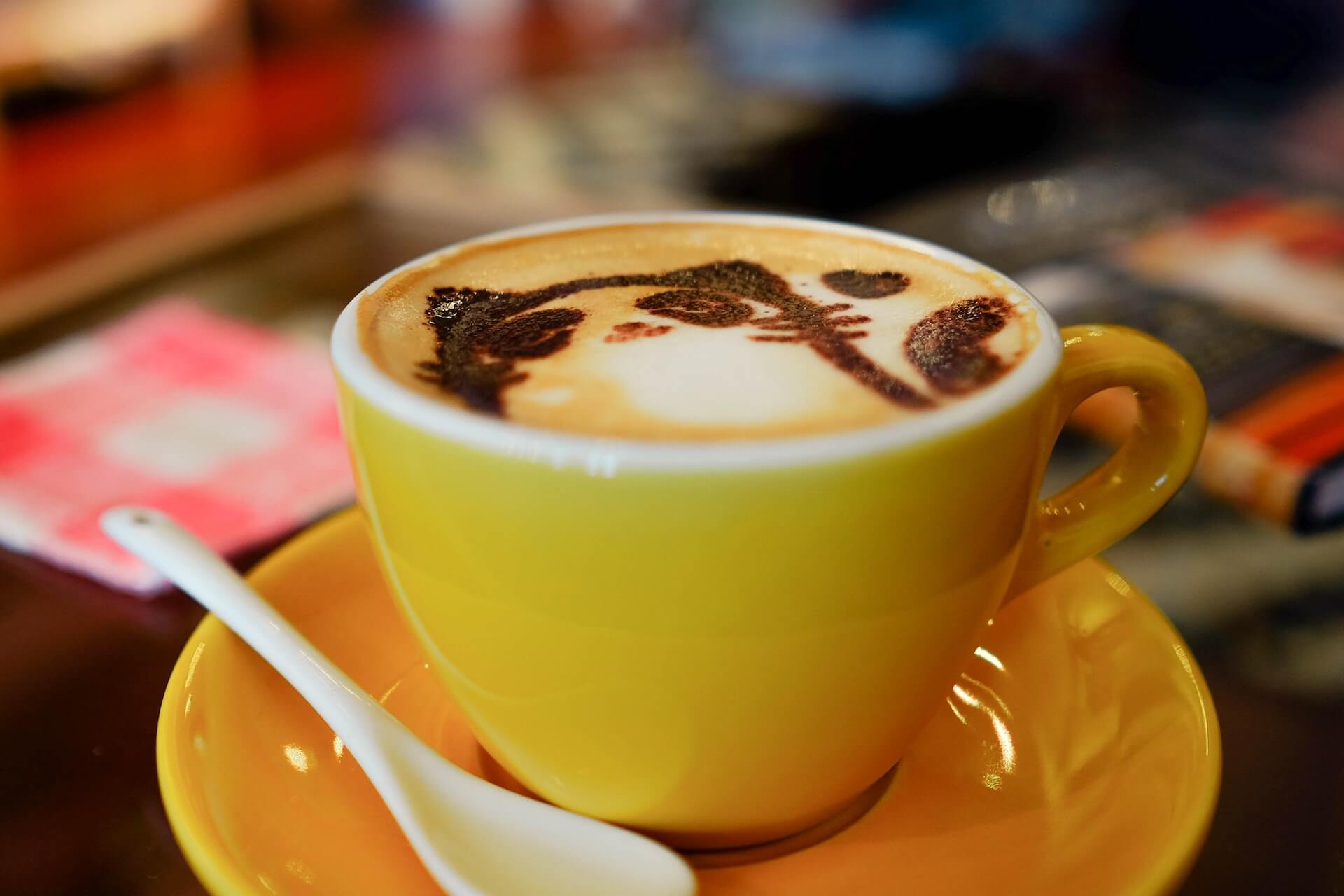
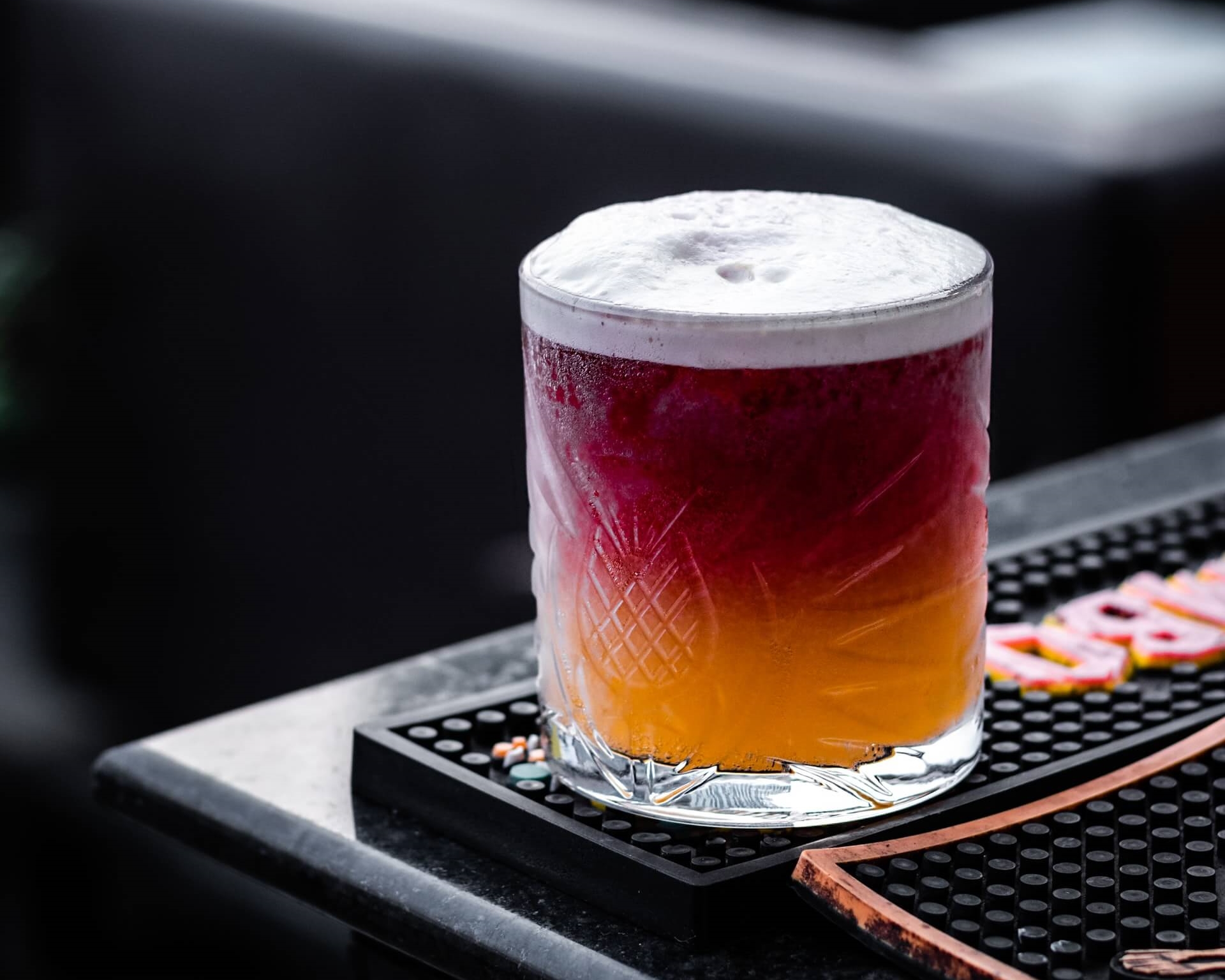
Foam art cap on top of coffee

Ripples, the beverage-top media brand, is predicting that 2023 will be the Year of Personalization with a focus on in-person interactions.

Last year, the bev-top brand behind the Ripple Maker II Pro, named moderation as one of the top trends. When we look at the ubiquity of low-ABV drinks, we see that Ripples was right. And when we consider the proliferation of non-alcohol brands, Ripples appears downright prescient.

In other words, Ripples continues to be proven right about moderation.

Three revelatory datapoints and one generation are partly responsible for the brand’s accurate 2022 prediction. First, in comparison to 2019, zero-alcohol products were up 166 percent. Second, the non-alcohol category grew four times faster than its low-ABV counterpart. Third, non-alcohol spirits have grown by over 113 percent since 2020.

The generation Ripples believes is responsible for non-alc’s growth? Gen Z. In part, this is due to social media and the generation’s aversion, speaking generally, to being embarrassed by drunken behavior in front of the world.

So, proven right about last year’s prediction, it’s wise to take Ripples’ 2023 prediction seriously.

Year of Personalization

As Ripples explains, personalization has long been the strength of digital platforms. Be it an online retail platform or music streaming service, personalization is king.

And it’s easy to see why. Using online shopping as an example, think of the typical customer journey.

A shopper signs up, they click around or search for specific items, and they make their purchases. Soon, the platform is emailing the user about sales. Then, emailing the user items they think they’ll like, based on the individual’s data.

The more the user shops, the more targeted the platform’s suggestions and interactions become. Before the user knows it, they’re signing up for a loyalty program, earning rewards, and giving the platform more of their money.

Well, personalization is no longer only shining in the digital space. Now, businesses are engaging with their customers in the “phygital” space. That is, the physical space as well as the digital one.

As Ripples states, “Nothing beats real human interaction for building connection and loyalty between brands and consumers.” One way to leverage this new relationship between consumers and brands? Experiential activations.

Ripples knows a thing or two about this type of engagement. The bev-top media company partnered with Guinness Korea for a campaign involving 100 bars. Consumers scanned a QR code, selected a design via the Ripples app, and the design was printed atop a pint of Guinness.

You Need Data

Personalization is a long-standing element of the hospitality industry. It’s one of our keys to success: we cater to guest preferences.

However, we can’t do that effectively without collecting guest data. And interestingly, Ripples’ prediction falls in line quite neatly with another 2023 prediction.

As you may be aware, 2023 is also likely to be the Year of the POS System. That is, a tech stack “revolution” is expected to take place this year. One crucial element of a powerful, worthwhile POS system is customer relationship management, or CRM.

Of course, if a POS doesn’t offer a CRM module, the best systems make it easy to integrate with the best CRM platforms.

Either way, CRM is the key to personalization in the digital, physical, and phygital spaces. It’s difficult to effectively personalize the guest experience pre-, during, and post-visit without guest data.

Regardless of whether Ripples’ prediction is accurate—and it’s likely they are—savvy operators need to make sure they’re responsibly collecting and utilizing guest data. If this is the Year of Personalization and the Year of the POS System, the reality is that 2023 is really the Year of CRM.

Image: Hannah Wei on Unsplash

KRG Hospitality Planning Phase, 2023 icon

by David Klemt David Klemt No Comments

American Trends 2023: Technomic

American Trends 2023: Technomic

by David Klemt

Pink pineapple against pink background

Foodservice research firm Technomic has some interesting predictions for the hospitality industry in the United States of America this year.

On the topic of operations, Technomic foresees more negotiating power among workers. Additionally, the firm looks at both the economy and pent-up guest demand.

When it comes to food, the US and Canada have a trend prediction in common. And as the image atop this article signifies, a particular color may be a hit on menus in 2023.

Before we jump in, Technomic’s 2023 Canadian trend predictions are here. Last year’s Technomic predictions for America are here. Curious readers can review the firm’s 2023 predictions in their entirety here.

Okay, let’s go!

Think Pink

I want to address this prediction first. According to Technomic, pink is going to be the F&B color of 2023.

As they explain, the color is fun, nostalgic, and photogenic. Yes, operators must still consider the Instagram-worthiness of their menu items. That may change one day, but it’s not today.

Per Technomic, pink also signals that a food or drink may have antioxidants.

Some of the items the research firm names specifically: pink pineapple, pink salt, pink celery, cara cara oranges, and schisandra berries.

Pickle It

This is the culinary trend that, per Technomic, Canada and America will share in 2023.

Along with fermenting, pickling gives the kitchen and bar teams a unique experimentation method to explore. So, encourage these teams to get creative and add pickling and fermentation to your next menu update.

Of course, that’s not the only reason to consider putting pickling front and center. For many, these preparations indicate a healthy F&B choice. Think kombucha, as an example.

As we know, healthy choices continue to be top of mind for many guests.

One more note: Technomic suggests being transparent and identifying the pickling and fermenting processes your team leverages to produce each menu item.

Economics

For those looking for a bit of optimism in these trying times, Technomic may have what you’re looking for. This year’s report, What We Foresee for 2023, says the following about the possibility of a recession:

“There is reason for optimism in the coming year, however, as any recession is expected to be relatively mild.”

Yes, that’s just one source’s opinion. However, Technomic is known for their voraciousness when it comes to data. So, if this firm is optimistic it could be a solid sign that things are looking up in 2023.

“Pent-up consumer demand” and variations thereof have been making the rounds since 2o21. However, it’s still a relevant phrase.

As it pertains to 2023, Technomic believes on-premise dining may “bounce back” this year. In fact, the firm suggests that people want to socialize and dine in person now more than ever.

Also, delivery and pickup times appear to be growing. So, plenty of people will see in-person dining as the more appealing option in 2023.

Operations

In part due to legislation addressing minimum wage and workplace conditions, employees may have the upper hand this year.

Add the fact that many people seeking work know many operators are dealing with a labor shortage and their negotiating position looks even stronger.

So, we could finally be in for a significant change when it comes to how the industry looks at compensation. More and more workers—and the guests they serve—are taking issue with tipping. Instead, many people outside and inside of the industry want to see operators pay staff a competitive, living wage.

Of course, there are also the hospitality professionals who prefer tips to minimum wage. In 2023, the industry could experience the start of a sea change. Time will tell.

For more predictions and this Technomic report in its entirety, please click here.

Image: Alex Gruber on Unsplash

by David Klemt David Klemt No Comments

We Ask ChatGPT About Robots and AI

We Ask ChatGPT About Robots and AI in Restaurants

by David Klemt

Vintage toy robot face and torso

Earlier this week we had “a conversation” with ChatGPT, the now (in)famous chatbot from artificial intelligence research and development company OpenAI.

For my first time interacting with this type of tool, I keep things simple. I attempt to phrase my questions correctly, focusing on the topic of AI and robots in hospitality.

Initially, I receive a response that probably isn’t much of a surprise. But as you’ll see, the chatbot highlights an item or two that aren’t always top of mind with this topic.

Below you’ll find ChatGPT’s responses to one request and two questions.

Please write 400 to 500 words about robots and artificial intelligence working in restaurants, from the perspective of robots and AI.

“Robots and artificial intelligence (AI) are becoming increasingly prevalent in the restaurant industry. This is in part due to the many benefits that these technologies can offer, such as increased efficiency, improved safety, and reduced labor costs. However, it is also important to consider the perspective of the robots and AI systems themselves, and how they are integrated into the restaurant workforce.

One of the main ways that robots and AI are used in restaurants is through automation of tasks that would otherwise be performed by human workers. For example, robots can be programmed to cook food, mix drinks, and serve customers. This can help to improve the efficiency of the restaurant, as robots are able to work faster and more accurately than humans. Additionally, robots can be designed to perform tasks that are dangerous or difficult for humans, such as handling hot oil or sharp knives. This can help to improve safety in the kitchen and other areas of the restaurant.

However, the use of robots and AI in restaurants also raises some important ethical and social issues. Some people may worry that robots will take jobs away from human workers, especially in an industry that already has high turnover rates. Additionally, there may be concerns about the social and emotional impact of having robots as a major presence in the workplace. For example, some people may find it uncomfortable or strange to interact with robots in a social setting, such as a restaurant.

The robots and AI perspective, they are programed to perform their task efficiently without any error. They don’t have any emotions or preferences hence they are not impacted by the same issues that human employees may face like fatigue, stress or burnout. They can work in any environment without needing breaks or vacation days, this can help reduce labor costs, as restaurants can operate with fewer employees. However, it also means that human workers may need to be trained in new skills that allow them to work alongside robots and AI systems.

In conclusion, the integration of robots and AI in the restaurant industry can provide many benefits, including increased efficiency and improved safety. However, it is important to consider the ethical and social implications of these technologies, and to ensure that they are implemented in a way that benefits both the restaurant and its employees. With proper planning and training, robots and AI can be an [sic] valuable asset to restaurant workforce.”

Can you explain to me, in 300 to 400 words, what the ethical implications are for restaurant, bar, and hotel operators using artificial intelligence and robots to complete tasks?

For the most part, ChatGPT repeats talking points from our first interaction. This is likely due to the phrasing of my question. Also, this chatbot is still in its “infancy.”

However, ChatGPT brings up a few new points, and expands on others.

“The use of artificial intelligence (AI) and robots in restaurants, bars, and hotels raises a number of ethical implications that should be considered by operators. One of the main concerns is the potential for these technologies to displace human workers. In an industry that already has high turnover rates and relatively low wages, the use of robots and AI could make it even more difficult for human workers to find and keep jobs. This could lead to increased unemployment, reduced income and work-life imbalance among the impacted employees.

Another ethical concern is the impact that these technologies may have on the customer experience. For example, some customers may find it unsettling or uncomfortable to interact with robots in a social setting, such as a restaurant or hotel. Additionally, customers may feel that the use of robots and AI detracts from the human element of the service experience, and could harm the overall reputation of the business. There may also be concerns about how the data collected by these systems is used and protected, raising question about data privacy and security.

Additionally, some concerns about the way these AI and robots are designed and how they make their decisions, there could be potential for bias, especially when the systems are provided with data that is not representative of the whole population. This could lead to unfair treatment of customers, employees and other stakeholders.

There are also concerns about how the maintenance and repair of these technologies are managed and who is responsible for any accidents or malfunctions that may occur. This is particularly important for safety critical tasks, such as cooking or cleaning. Operators need to ensure that the AI and robots are designed and maintained to the highest standards to prevent any harm to employees or customers.”

Are there risks that human designers and engineers will introduce bias to customer-facing artificial intelligence and robots?

Since ChatGPT mentions bias in response to my first question, I run with that train of thought.

Below is what the chatbot has to say about that topic as it relates to AI and robots.

“Yes, there is a risk that human designers and engineers may introduce bias into customer-facing artificial intelligence (AI) and robots. This can happen in a number of ways, including:

  1. Data bias: If the AI system is trained on a dataset that is not representative of the population it will be serving, it may make decisions or predictions that are biased towards certain groups of people. For example, if an AI system used in a hotel is trained on data from primarily white and wealthy guests, it may have difficulty understanding and serving guests from other backgrounds.
  2. Algorithm bias: The way an AI system is designed and the algorithms it uses can also introduce bias. For example, if an algorithm is designed to prioritize certain inputs over others, it may make decisions that are biased towards certain groups of people.
  3. Human bias: Human bias can be introduced into AI systems through the decisions made by designers and engineers about what the system should do, how it should work and how it should interact with people. For example, if a designer and engineers decide that the robot should be more polite to older customers, it may be less polite to younger customers, or if the system is designed to recognize only certain languages, it may not be able to understand and serve customers who speak other languages.

It is important for human designers and engineers to be aware of the potential for bias in AI systems, and to take steps to minimize it. This can be done by using diverse and representative data when training the AI system, being mindful of the potential for bias in the algorithms used, and involving stakeholders from diverse backgrounds in the design and testing process. Additionally, monitoring and audit the system performance regularly, and providing ways for users to provide feedback on the performance and make adjustments accordingly.

It is important to remember that this is an ongoing process and it requires continuous monitoring and adjustment as the data and environment changes. There is also a need for more research in the field of explainable AI, which would allow human designers and engineers to understand why the AI system is making certain decisions, which can help to identify and mitigate any biases that may have been introduced.”

Takeaways

Obviously, I don’t think ChatGPT “speaks” for the machines. And I don’t think the chatbot was attempting to convince me of anything. There’s nothing overtly nefarious afoot here—this was mainly an entertaining exercise with a newsworthy tool.

That said, I’m not entirely certain how I feel about my interaction with ChatGPT. On one hand, the answers in favor of AI and robots are what one expects: efficiency, speed, consistency, cost reductions, improvements to safety.

But what about what ChatGPT says about biases, programming, representation, and human interactions with tech? To alter a phrase, “Who watches the programmers?”

Hospitality is about the human element. It’s about service and the guest experience. Personally, I don’t think the world will be in a better place if we reduce human interaction.

Dropping baskets into hot oil? Slicing and dicing? Sure, send in the robots…maybe. Reducing the human element in the name of efficiency and profits? I don’t see a benefit worth the risks.

Image: Rock’n Roll Monkey on Unsplash

by David Klemt David Klemt No Comments

Canadian Trends 2023: Technomic

Canadian Trends 2023: Technomic

by David Klemt

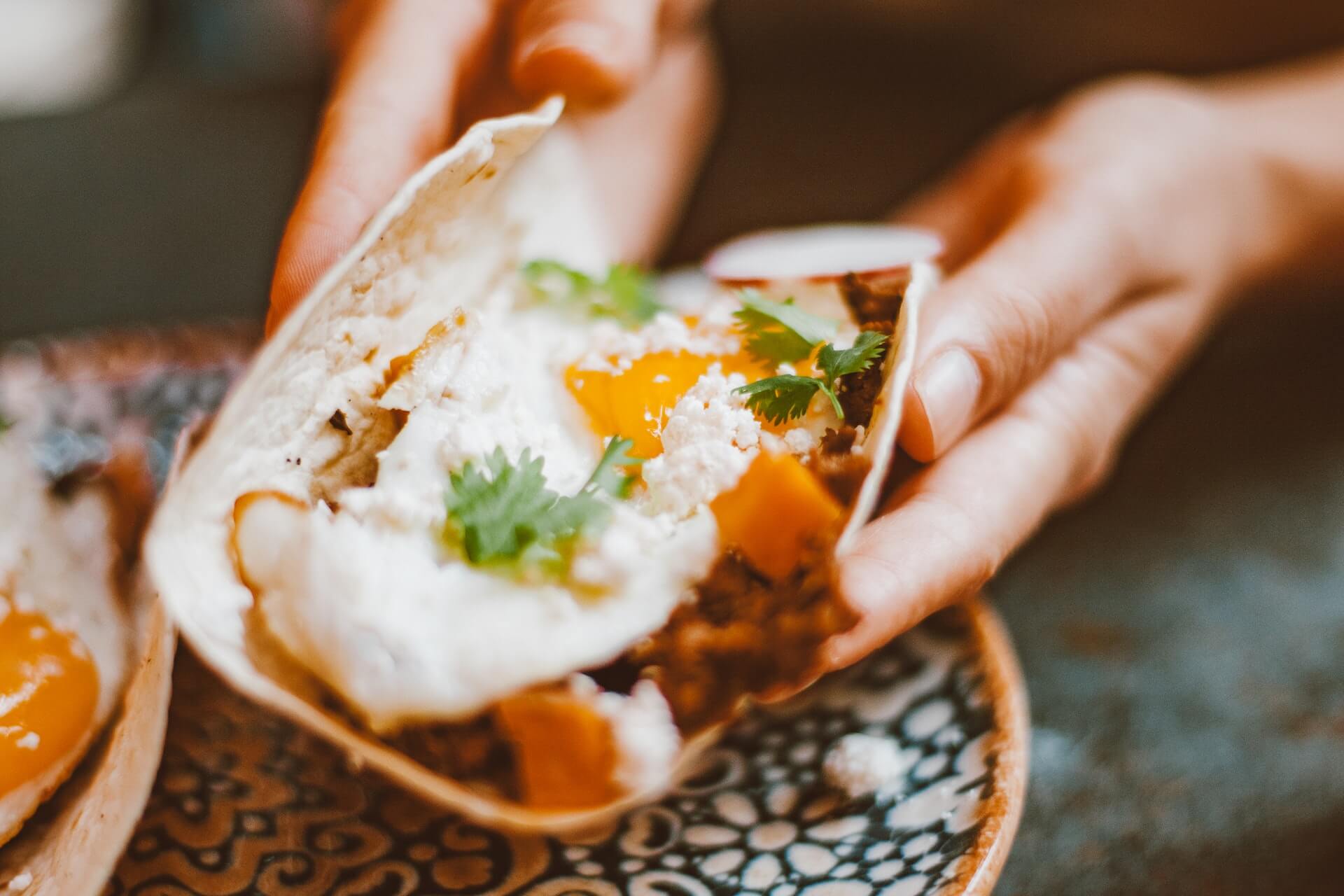
Tortilla with beans, cotija cheese and egg

Restaurant, bar, and hotel operators will find this year’s data-driven trend predictions from Technomic for 2023 insightful.

Interestingly but perhaps not surprisingly, some operators may be looking beyond North America for inspiration.

Per Technomic, Central and South American cuisines could influence menus in Canada this year. Other food trends that might take hold are “retro” health items, and all manner of pickled foods.

Of course, not every Canadian trend prediction involves F&B. According to Technomic, tech and the guest experience will play important roles.

To review last year’s Technomic predictions, click here. Now, let’s jump into Technomic’s 2023 predictions.

Guest Experience

Certainly, the guest experience should always be top of mind for operators, their leadership teams, and their staff.

In this instance, Technomic isn’t suggesting that the guest experience in general will be a trend. Obviously, with as important as it is to the success of any business, it’s a cornerstone.

Rather, Technomic predicts that guests will continue to feel the need to rein in their spending due to ricing costs and prices. However, the foodservice research firm also believes there’s still heavy desire for social interaction.

So, both those financial and social influences translate to the following: overdelivery.

Operators and their teams must ensure they position their brands well; make guests feel special every visit; and really dial in the guest experience. Specifically, Technomic suggests focusing on younger generations and menus with at least a couple specialty items that aren’t easy for a guest to replicate at home.

In other words, do whatever it takes to entice guests with memorable experience and quality menu items, and keep them coming back for more.

Technology

Multiple industry sources believe that 2023 is the Year of Tech for the hospitality industry. In particular, some sources believe that POS systems will receive significant attention from operators looking to upgrade.

Compellingly, Technomic sees the situation a bit differently. In particular, they’re suggesting that QR code menus may find themselves on the sidelines. Traditional menu, according to Technomic, will make their comeback this year.

Also making a (possible) resurgence? Per Technomic, in-person ordering for carryout and in-person dining.

As far as tech innovations that Technomic expects to take off this year, they see the following as standouts:

  • loyalty programs;
  • enhanced/upgraded cooking equipment;
  • automated inventory software/platforms; and
  • digital menu boards for back of house.

Culinary

As hinted at above, Central and South American cuisines are expected to take off in Canada, per Technomic.

The research firm provides specific—and delicious—examples:

  • Honduras: Baleadas tacos
  • Dominican Republic: Wasakaka sauce
  • El Salvador: Curtido slaw or relish
  • Peru: Aji amarillo and rocoto peppers
  • Bolivia: Saltenas, similar to empanadas

Another culinary trend Technomic predicts will perform well in Canada? Pickled everything.

Okay, maybe not everything. However, Technomic expects “pickling, fermenting, dehydrating and freeze-drying” to “increasingly pop up on menus.” The firm expects that operators will offer a wide range of “unusually pickled items outside of the typical veggies, including proteins and seeds.”

So, if you’re an operator reading this, it may be time to motivate your back-of-house staff to get creative with their pickling ideas.

Finally, pandemic-driven, health-based trend foods like turmeric and ginger may start to fade in popularity. Instead, predicts Technomic, items with “classic” health descriptors such as “natural,” “real,” “free,” “reduced,” and “lower” will get attention from guests looking to eat and drink healthier.

For your own copy of this Technomic report in its entirety, click here.

Image: Roman Odintsov on Pexels

by David Klemt David Klemt No Comments

SevenRooms and CSV form Partnership

SevenRooms and Competitive Social Ventures form Partnership

by David Klemt

The word "play" painted on a wall

Guest experience and retention platform SevenRooms will kick off 2023 with a partnership with Competitive Social Ventures.

This new partnership is yet another example of SevenRooms’ continuous growth. For technology in general and our industry in particular, this is excellent news.

Consider how long it has taken, up until recently, for hospitality to embrace tech innovations. Navigating tech solutions can be daunting. Equally intimidating can be the cost of implementing new tech in a restaurant, bar, or hotel.

Watching a tech platform continue to innovate and grow, therefore, is good news for operators and their teams.

SevenRooms traces their founding to 2011. In comparison, many “solutions” never escape the vaporware stage, existing only on paper. With more than a decade of operation under its belt, SevenRooms is established and positioned for longevity.

In other words, the platform is worthy of operator consideration and investment. We make no secret of our preference for SevenRooms at KRG Hospitality. Unless they prove we should think otherwise, the platform is our favorite tech-based guest retention solution.

Beyond functionality, ease of use, and effectiveness, the company’s continuous growth motivates our support. Look at how SevenRooms grew in 2021 alone:

The platform also started 2022 with the hiring of a chief revenue officer, Brent-Stig Kraus.

Social Entertainment

With its headquarters in Alpharetta, Georgia, Competitive Social Ventures blends sports, socializing, and entertainment.

In fact, the company refers to the brands it has brought to market as “competitive socializing entertainment concepts.”

Last year, CSV brought Fairway Social Alpharetta and Roaring Social Alpharetta to market. The former focuses on sports simulators. Roaring Social, on the other hand, delivers a speakeasy experience combined with bowling.

Arriving in 2023, the real estate holding company plans to launch Pickle & Social concepts throughout the Metro Atlanta. As the name suggests, the concept features indoor and outdoor pickleball courts. Guests will also have access to table tennis. And like Fairway Social and Roaring Social, Pickle & Social will feature live music and an elevated F&B experience.

CSV already makes use of SevenRooms’ reservation and guest data management tools. Going into 2023, this partnership will evolve into review aggregation, marketing automation, and table waitlist management. The latter makes it easier for any concept to handle walk-ins as painlessly as possible.

Most importantly, the partnership with SevenRooms empowers CSV to pursue their growth plans. While the growth of SevenRooms is impressive and confidence-inspiring, their commitment to client growth is the real story here.

When choosing their tech stack, operators need to know the relationship is mutually beneficial. In fact, they need to be confident that each platform is here for long-term success.

In fact, operators should look at every relationship through this lens: Is every partner working to help you grow?

Image: Ben Hershey on Unsplash

by David Klemt David Klemt No Comments

Is There Demand for Non-alcohol?

As the Holidays Approach, is There Demand for Non-alcohol?

by David Klemt

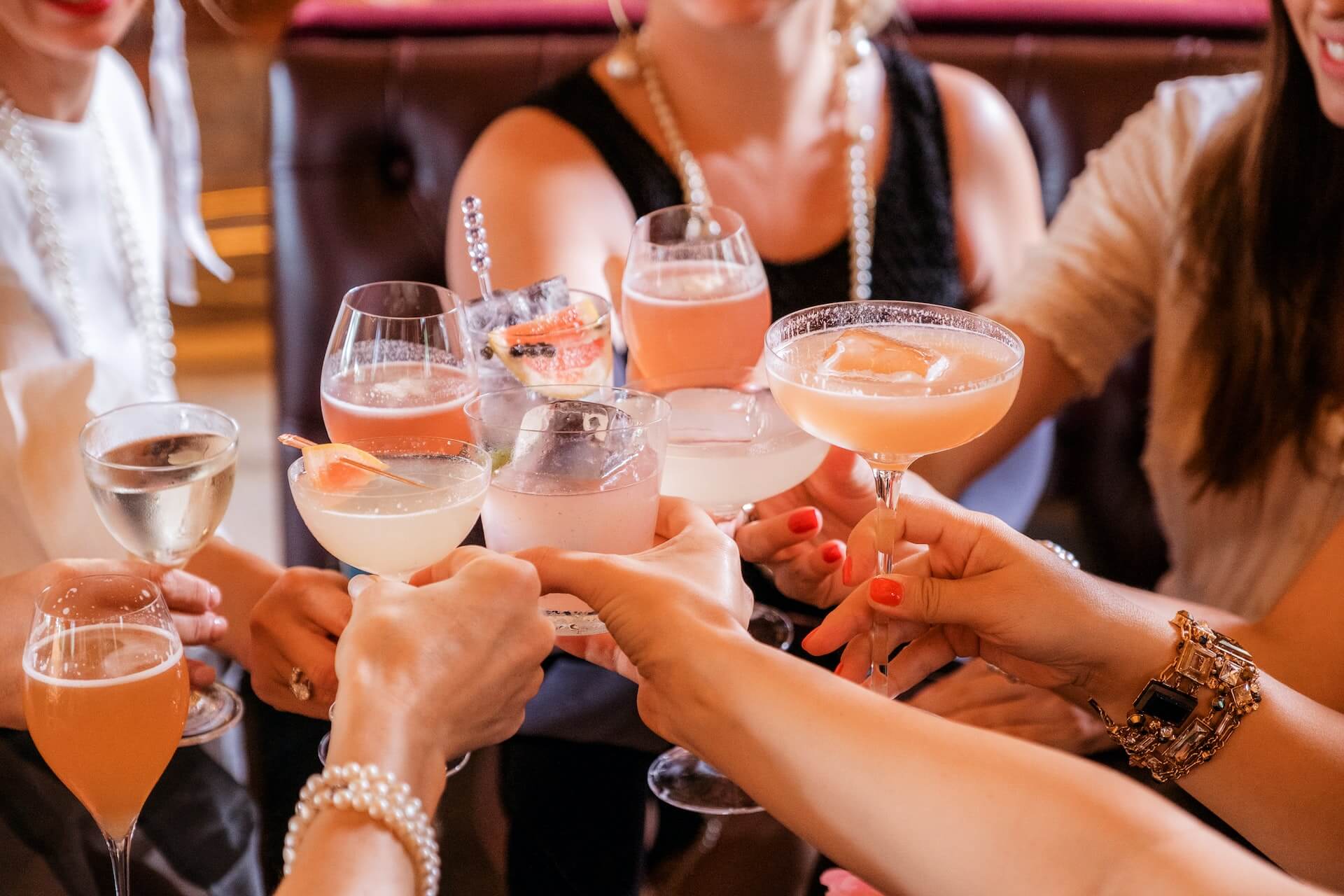
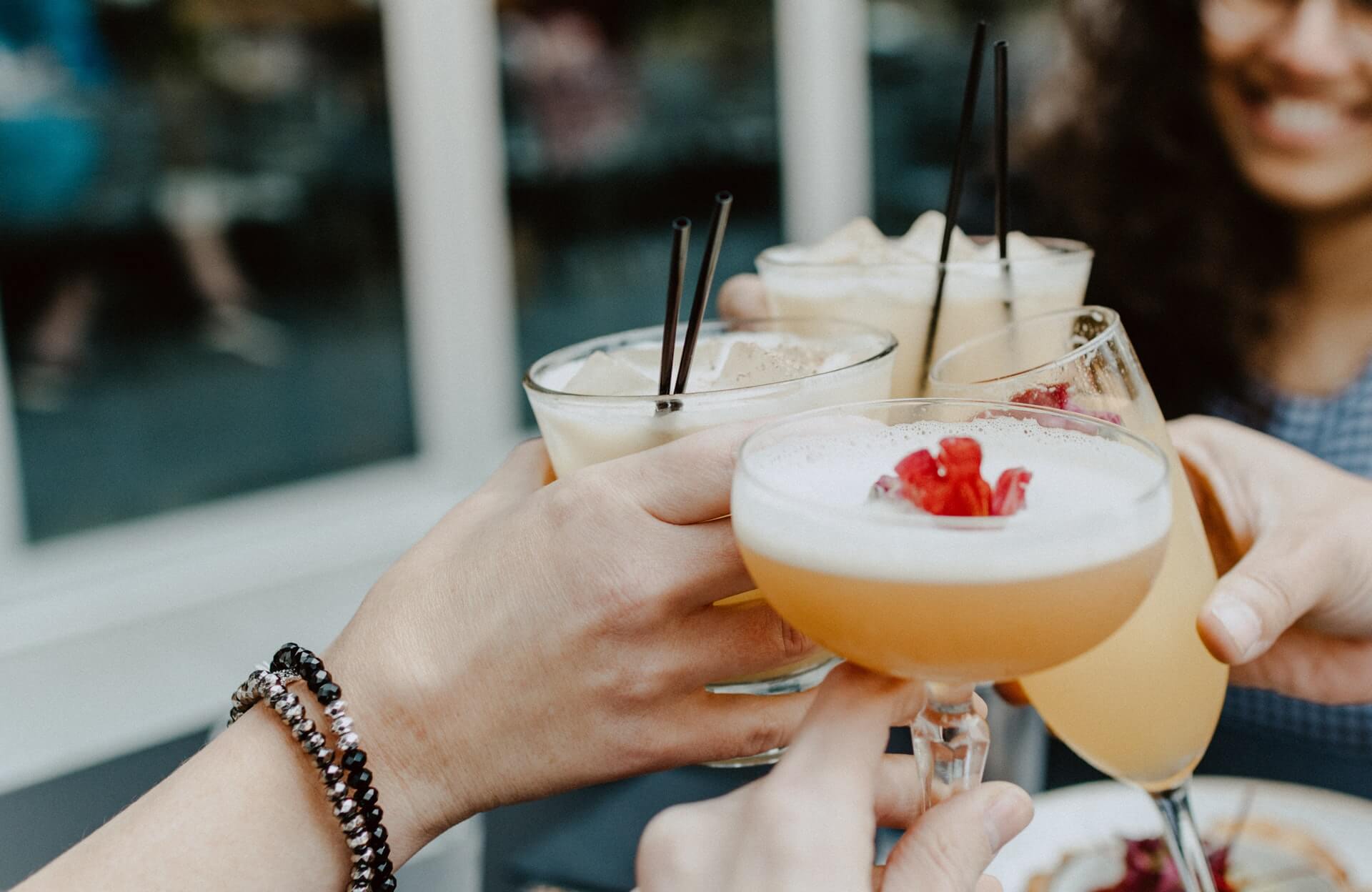
Friends toasting with pink drinks

There’s no denying that non-alcohol is a growing beverage category, but does the data support the hype and operator consideration?

A report by behavioral research firm Veylinx offers compelling insight into non-alcohol and consumers.

By now, there’s really no excuse for failing to give non-alc serious consideration. When planning menus, operators should treat non-alc as much more than an afterthought.

Admitting fully that I’m repeating myself, giving alcohol-free beverages the same attention as their full-proof counterparts is crucial. Doing so is smart business; non-alc is capable of driving traffic and revenue.

And then there’s the guest experience element of the non-alc equation. Hospitality is about service, about ensuring every guest is comfortable. Giving guests who are abstaining from alcohol consumption a different experience than others isn’t hospitality—it’s alienation. Not only is that the antithesis of hospitality, it’s bad business.

Reviewing Veylinx data shows that non-alc is worthy of operators’ time and consideration. In my opinion, it’s even more important that non-alc menus and offerings be dialed in now. After all, the end-of-year holidays on our doorsteps.

The infamous Busiest Bar Night of the Year is nearly here. From November 23 through New Year’s Eve, people will be meeting up with family and friends. Many will also be seeking an escape from the stress of those gathering and the holidays.

Non-alcohol by the Numbers

One of the most important points made by Veylinx is this: Abstinence from alcohol isn’t limited to “social media” events like Dry January and Sober October.

Rather, consumers are choosing to abstain from alcohol throughout the year for myriad reasons. Specifically, Veylinx data reveals that more than 75 percent of Americans have abstained from alcohol consumption at some point for at least one moment.

Further, 46 percent of Americans plan to reduce their consumption of alcohol “right now.” As in, the holidays may be upon us but they’re actively working on a plan to drink less, not more.

Two major factors motivating this behavioral change are mental well-being and physical health. In service of those factors, more than half of LDA drinkers in America plan to replace beverage alcohol with non-alc beverages.

Interestingly, Veylinx finds that these consumers will pay more for non-alc alternatives in comparison to the general population.

Drilling down further, this shift in consumer behavior appears to be driven by a handful of consumer types:

  • 21- to 35-year-old consumers;
  • “light” drinkers; and
  • consumers who have set aside alcohol consumption for one month or more.

Speaking of the first group, demand for RTDs is 48 percent greater in comparison to those aged 35 or older. Add CBD to RTD and the demand among the 21 to 35 cohort grows by 18 percent.

However, not all non-alc growth comes from the 21-to-35 group. Non-alc beverages with mood boosters see an increase in demand from the 35-plus group of 29 percent.

In short, if an operator is ignoring the non-alc consumer, they’re harming their own business and reputation. Alcohol-free RTDs, cocktails, beer, and wine are growing.

Savvy operators will leverage that growth.

Image: Helena Yankovska via Unsplash

by David Klemt David Klemt No Comments

These are the Happiest Provinces in Canada

These are the Happiest Provinces in Canada

by David Klemt

Newfoundland and Labrador during daytime

If you’re wondering which province in Canada is the happiest, Statistics Canada has the answer—and the happiest may surprise you.

Of course, those who live and work in the happiest province won’t find it shocking. After all, they’re largely happy to be there.

However, if you expect the happiest province to be the home of Toronto, Vancouver, Montreal or Canada… Well, you’re in for a surprise.

Earlier this week we took a look at the happiest cities and states in America. Congratulations Fremont, California, and Hawaii, respectively. To learn where 181 other cities and 49 states rank, please click here.

The Happiness Survey

Or more accurately, the “life satisfaction” survey. For this survey, that’s what Statistics Canada reveals: life satisfaction.

Interestingly, the survey is very simple. Apparently, Statistics Canada simply asked participants to rate the satisfaction of living in their province, zero through ten. For this survey, zero is least satisfied, ten is most.

Ages 15 through 75 (and older) were able to participate. The survey was also broken down to gauge the satisfaction of men and women.

Before we jump into the breakdown of province satisfaction or happiness, some good news. Reviewing the Statistics Canada data, most participants across all age groups are happy. In fact, age groups 65 to 74 and 75-plus appear to be happiest.

On the other side, ages 15 to 54 had the most people who rated their life satisfaction between zero and five. Even so, just over 20 percent of survey respondents rated their satisfaction a five or less.

So, on the whole, Canadians seem satisfied or happy with their lives, regardless of the province in which they live. Personally, I find that to be great news.

The Happiest Province

Okay, let’s dive into the reason you’re here: to learn which province is the happiest.

  1. Newfoundland and Labrador
  2. Prince Edward Island
  3. Quebec
  4. New Brunswick
  5. Manitoba
  6. Alberta
  7. Saskatchewa
  8. Nova Scotia
  9. Ontario
  10. British Columbia

The above rankings are determined by the percentage of survey respondents who rated their life satisfaction eight, nine or ten. So, if you’re in Newfoundland and Labrador, Prince Edward Island or Quebec, wow—you’re apparently one incredibly happy person.

Conversely, below you’ll find the rankings as determined by the largest percentage of respondents who rated their satisfaction a five or lower. As you’ll find, the list below isn’t simply the inverse of the one above.

  1. Ontario
  2. British Columbia
  3. New Brunswick
  4. Alberta
  5. Nova Scotia
  6. Prince Edward Island
  7. Manitoba
  8. Saskatchewa
  9. Quebec
  10. Newfoundland and Labrador

As far as Canada overall, the results of this particular survey are positive. Just 19.4 percent of survey respondents rated their satisfaction or happiness zero through five. And only 28.9 percent provided a rating of six or seven.

More than half of Canadians, 51.7 percent, rate their lives an eight, nine or ten. That’s some great and welcome news.

Image: Erik Mclean on Unsplash

by David Klemt David Klemt No Comments

How a Chain Lost My Business Forever

How the Staff at a National Chain Lost My Business Forever

by David Klemt

Chocolate cookie and cookie crumbles

An unfortunate and entirely avoidable guest experience debacle guarantees that I’ll never spend another dollar at a particular national American chain.

What was supposed to be a small treat and excuse to get outside for a bit went downhill quickly.

Now, before I begin, I tend to shrug at poor service. Truly, a front-of-house team member has to go pretty far for me to do more than raise an eyebrow.

Given how the past two years-plus have gone, my tolerance has only grown. Everyone has bad days, including restaurant, bar, and hotel staff. In fact, I tend to assume that someone is simply having an off day due to an array of reasons: working several days in a row, opening and closing multiple times a week; having more responsibilities heaped on them due to being short staffed; a seeming increase in abuse from guests; stress spilling over onto the job; etc.

However, that doesn’t mean I’ll always return to be subjected to poor service in the future. What I experienced yesterday falls into this category: I won’t spend my money with this chain ever again.

Third-party Issues

As stated above, my visit to this national chain (600-plus locations) was intended to be a small treat. It was Halloween, they specialize in a particular type of confection, so why not?

Also, the temperatures have been in the 70s and lower in Las Vegas—perfect for a trip on my motorcycle. So, two treats in one, really.

Okay, so I’m going to do something I don’t like doing here: making an assumption or two. I think, however, I’m basing them on sound reasoning.

Additionally, I don’t like to use third-party delivery. In this case, the order was placed via Uber Eats for pickup using a monthly credit. Zero offense to third-party delivery drivers—it’s the corporations behind the services and the fees they charge operators I don’t support.

So, my assumption is that because the order came in via Uber Eats the staff figured I was “just” a delivery driver.

Downhill Fast

I’ll concede that this visit didn’t start off on the wrong foot: I received a decent welcome. Since I was picking up the order, I stood at the pickup counter, and confirmation came in before I arrived that the order was ready.

There were three guests waiting when I walked in, and one by one they got their orders and left. I didn’t think anything was going wrong until people walked in after me and received their orders. In terms of this chain, my order was on the smaller side.

After several minutes of being ignored, I was asked if I was picking up for Uber Eats. I clarified that no, I’m not an Uber Eats driver, I was picking up my order placed via Uber Eats.

Another several minutes went by as I watched larger orders get fulfilled ahead of mine. And then I was asked again—by the same staff member—who I was picking up for. Again, not an Uber Eats driver—my order.

At this point, I had been waiting more than 10 minutes. When I was finally given my order, I noticed another difference. Staff members showed guests their orders to confirm the contents before handing them over. My order, however, was taped closed behind the counter and handed to me.

It didn’t strike me that this is how this staff treats Uber Eats driver until I was on my bike. And that’s the problem.

Standards of Service

If this is how staff treats third-party delivery drivers, it’s appalling. There’s no excuse for treating drivers differently just because they aren’t the guest themselves or fellow employees.

Let’s be clear: anyone walking through a restaurant, bar or hotel’s doors deserves at least decent service. There are several reasons for this, and I shouldn’t have to address them. But, hey, we’re already here, so why not address a couple?

First, standards. If your staff is purposely treating a group of people poorly because they think they can do so without ramifications, your standards have slipped or there simply aren’t any. That’s a problem.

Are team members going to get to know regulars? Absolutely. Are they going to have favorites. Of course! And there’s nothing wrong with that. In fact, that’s what should happen—every front-of-house team member should cultivate their own regulars.

So, yes, some guests will treated differently. There’s a huge difference, however, between subjecting some guests to poor service intentionally and delivering outstanding service to favorites.

Quite simply, the minimum standard of service should be great service. “Decent” sucks; great should be the baseline.

Regulars and guests who staff have rapport with should receive service that’s above and beyond the standard level. Rock star servers and bartenders deliver outstanding service to everyone, regular or first-timer, gracious guest or grump.

Different Treatment?

Second, your staff shouldn’t be treating third-party delivery workers like they don’t matter. There’s zero room in hospitality for treating people poorly—doing so is in direct opposition to the spirit of this profession.

In fact, they shouldn’t treat difficult guests with anything but your expected standards. Leadership team members should be confronting rude or difficult guests, protecting the rest of the team.

I’ve read and heard about restaurant staff treating third-party delivery drivers poorly. Always, of course, with justifications thrown in: retaliation toward rude drivers, drivers not tipping…pick a reason. Again, if there’s a rude driver, staff should alert leadership and they should handle it.

Look, I’ve made no secret of my view on third-party delivery apps. Their fees and taking advantage of operators, particularly during the pandemic, infuriate me. And it’s easy to point at me and say I’m part of the problem, using a credit to place a third-party delivery. I’ll accept that criticism.

What I won’t do is return to a business with staff who think it’s acceptable to allow standards to slip and treat delivery drivers poorly. Most people seem to take delivery jobs to make ends meet. Hell, some of them are likely service industry professionals themselves working another job or jobs.

The labor shortage isn’t a valid justification for slipping standards or poor service. Dislike of third-party delivery services is no justification, either.

In fact, this chain obviously sees these delivery services as a viable income stream. The fact their staff doesn’t is a problem. If there’s a standard of service for this chain, it certainly wasn’t met when I was there. And if there’s a standard that I didn’t receive, there are several other problems.

Either way, the damage is done.

Image: Andre Moura via Pexels

by David Klemt David Klemt No Comments

Menus in Canada: Who Wants What Items?

Menus in Canada: Who Wants What Items?

by David Klemt

Bar and restaurant food and drink menus

Nobody has a crystal ball telling them what they should put on their menus to boost traffic and revenue, but we do have data.

In this instance, we have useful data regarding Canadian consumers specifically. Not only do we have helpful information from Restaurants Canada, David Henkes from Technomic has also weighed in. For those who are unfamiliar, Technomic is one of the best foodservice research and consulting firms.

Before we dive into Restaurant Canada’s menu trend information, this is not a review of the top menu item orders in Canada. For a deep dive into that topic in particular, please read our article “F&B in Canada: Top Menu Items.”

Instead, in this article we’re reviewing broader menu categories and interest in them among Canadian consumers. For your own copy of the 2022 Foodservice Facts report, click here.

Word of Warning

Now, it’s important to bear in mind that the data below is a snapshot. It’s important, informative data but it shouldn’t influence your menu completely.

In other words, when considering revising your menu in any way, make sure you’re staying true to your brand and the community you serve. If your data differs from Restaurants Canada and Technomic data, that’s okay.

Not only are there always outliers, not all data applies to every concept. So, don’t take drastic action on your menus based solely on the data below.

For this particular topic, Restaurants Canada asked three age groups about their interest in eight menu categories.

The groups are: 18 to 34, 35 to 54, and 55-plus. The industry advocacy group then reviewed the numbers for those who indicated they’re “very interested” or “somewhat interested” for each category or item.

Who Wants What?

The menu category generating the most interest from Canadian consumers, according to Restaurants Canada data, is food sourced from local farmers. Overall, 93 percent of survey respondents very or somewhat interested. Those in the 55-plus age group are the most interested.

More than 80 percent are interested in comfort foods, or creative riffs on comfort foods. Age groups 18 to 34 and 35 to 54 have the most interest. Precisely 80 percent are interested in trying globally inspired foods and flavors, led by the 18 to 34 age group.

Foods that promote health and wellness come next, with 79 percent of Canadian consumers showing interest. The 55-plus age group is particularly interested. However, dishes that utilize ingredients that boost one’s immune system are only popular among 53 percent of survey respondents. Interestingly, it’s the 18 to 34 age group with the most interest in this category.

In what’s possibly a contrast from American consumers, the final three categories have no more than 41 percent of survey respondents’ interest. Forty-one percent have interest in meatless and vegetarian items. Next, just 38 percent show interest in alcohol-free cocktails. Finally, just 33 percent are interested in plant-based burgers and sausages.

For each of those categories, the greatest interest comes from the 18 to 34 age group, and the 55-plus group shows the least amount of interest.

Recommended Reading

We’ve been reviewing the 2022 Foodservice Facts report from Restaurants Canada in depth for several weeks. To learn more about this important report, please read the following:

Image: Samuel Regan-Asante on Unsplash

by David Klemt David Klemt No Comments

The Delicious ‘Mistake’ Causing an Uproar

The Delicious ‘Mistake’ Causing an Uproar

by David Klemt

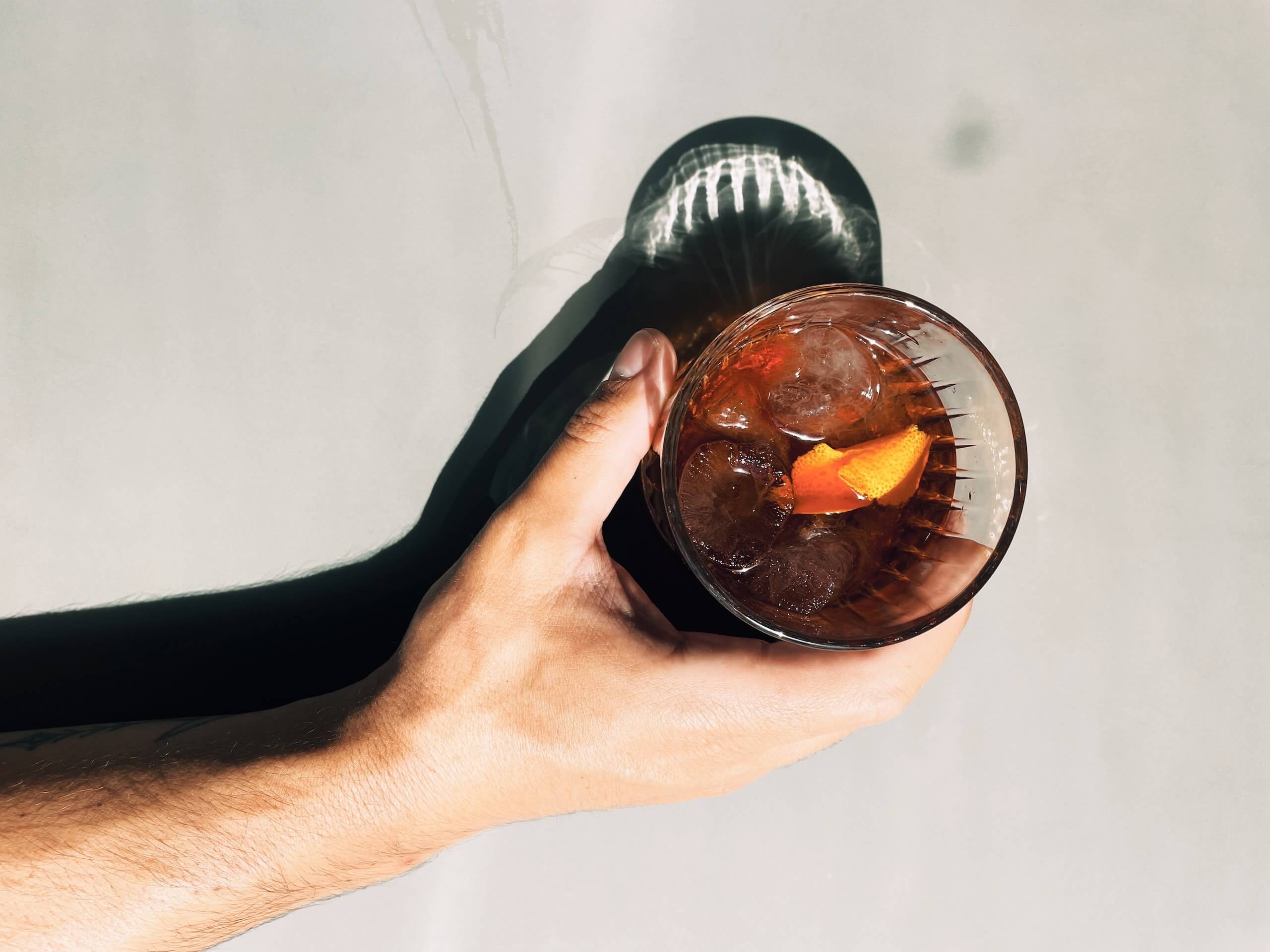
Overhead shot of hand holding cocktail

Are you hearing your bar team or fellow bartenders debating Negroni specs or catching them rolling their eyes when a guest orders a particular variant?

Well, there’s a good reason. For some reason, the Negroni Sbagliato is getting roasted across social media.


View this post on Instagram


A post shared by Mover & Shaker (@moverandshakerco)

Perhaps it’s for the way it’s apparently being ordered. If the memes are anything to go by—a portion of a sentence I can’t believe I just typed—guests are asking for, “A Negroni Sbagliato, with Prosecco.”

It’s possible that some bartenders are bristling at the “with Prosecco” portion of the order. A Sbagliato, which translates to “mistake,” “bungled,” or “incorrect” from Italian, is a gin-less Negroni. As you may already know or are putting together by now, sparkling wine stands in for the gin.

There’s also another possibility as well: some bartenders can’t stand when a cocktail suddenly explodes in popularity and it’s all they seem to make for weeks on end.

Of course, it could just be that some bartenders don’t feel that the drink is worthy of the hive-mind ordering frenzy. I’ve seen more than one comment on social media posts (again, I can’t believe that’s a relevant method of providing context, but here we are) pointing out that there’s nothing groundbreaking about the Sbagliato.

“All that’s happening is gin being swapped out for sparkling wine,” is a common refrain. It’s a good point.

If the phrase, “No Negroni without Campari,’ holds true, how can a Negroni be a Negroni without gin?

Guest Experience

So, that’s the gist of this “scandal” or “outrage.” Really, it just seems like a bit of fun from the bartender and cocktail communities. Why not vent a little spleen at something innocuous if nobody gets hurt?

Unless, of course, the guest experience is being affected negatively. There was a time not long ago during which a number of “serious” cocktail bar teams belittled guests for any number of reasons, and seemed to get away with it.

Didn’t know something about a particular element of ingredient of a drink? Ridicule. Asked for a drink “beneath” the bar team? Outward contempt.

Not great, as you can imagine, for the guest experience, growing a loyal base, and earning repeat visits.

Personally, I have no issue with front-of-house team members rolling their eyes at someone causing problems. Being rude or creepy to team members and/or guests? Difficult guests get what they deserve if they’re mocked, set straight, and kicked out.

But for ordering what they want to drink, well within reason? Sorry, but I don’t feel like that’s worthy of outward scorn. It’s not the spirit of hospitality, and it’s certainly not good for business.

However, I don’t think anyone has addressed the Negroni Sbagliato (non)issue as well as bartender Giuseppe González via Instagram:


If you don’t want to check out the post, even though you should, here’s a relevant snippet:

So I say this with love: Unless they are ordering a Pumpkin Spice Negroni Sbagliato, let it go and look at this human knowing one thing: it’s actually a really cool drink and I’m not mad at it.

Negroni Sbagliato

Remember, one of the keys to the balance that defines the original Negroni is the 1:1:1 ratio. For this riff on the classic, that ratio remains the same—it’s an ingredient change that makes the difference.

As you’ll see below, the Sbagliato recipe calls for Prosecco rather than gin. While the substitution is simple, the change to the cocktail is significant in terms for flavor and mouthfeel.

I’d also say this an fun fall or winter cocktail, so why not put one on your menu?

  • 1 oz. Campari
  • 1 oz. Sweet vermouth
  • 1 oz. Prosecco
  • Orange slice or peel to garnish

First, prepare an Old Fashioned glass with a large ice cube or sphere. Next, add ice, Campari and sweet vermouth to a mixing glass. Stir until well chilled, then strain into the prepared glass. Now, add the Prosecco to the glass and stir once more. Finally, garnish with orange slice or peel.

If you so choose, you can build this drink entirely with Campari portfolio elements. There’s Campari itself, of course. Then there’s Cinzano Vermouth Rosso and Cinzano Prosecco.

Image: Matheus Frade on Unsplash

by David Klemt David Klemt No Comments

Restaurant Rewards Making Headlines

Restaurant Rewards Making Headlines

by David Klemt
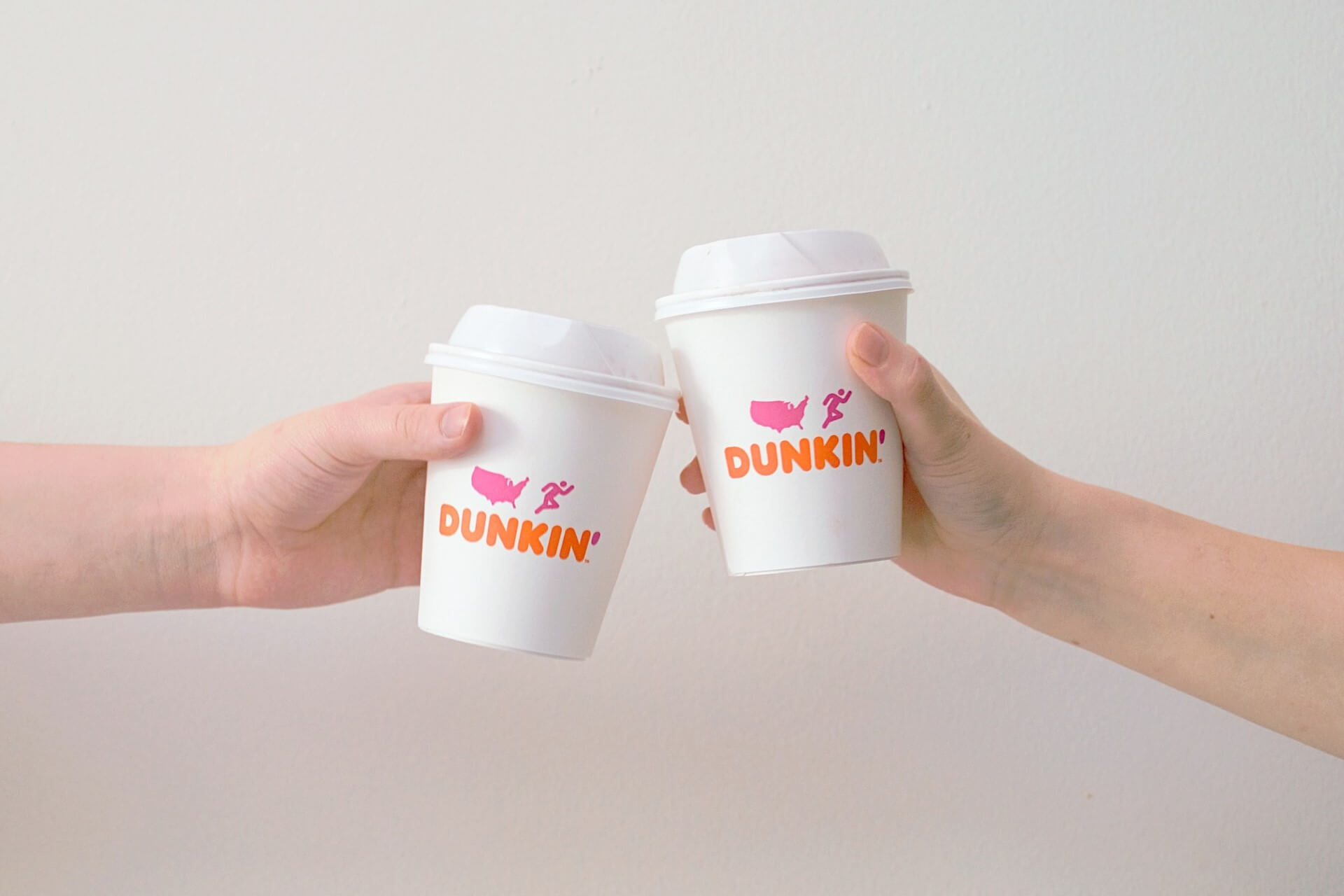
People toasting with Dunkin' Donuts cups

Loyalty programs are making waves and grabbing headlines but not all of the news is good, according to consumers.

Dunkin’, Chipotle, Taco Bell, and Starbucks are among the restaurants whose programs are receiving attention.

Now, there are still those who cling to the idea that all publicity is good. Personally, I’ve found that idiom to be outdated. In fact, I’ve believed that phrase to be false for several years.

Instead, when it comes to publicity, I find this quote from Warren Buffet to be far more accurate: “It takes 20 years to build a reputation and five minutes to ruin it.”

It’s important for operators—for all entrepreneurs, really—to protect their brand’s reputation. At the end of the day, long-term success depends on the reputation one builds. And make no mistake, that reputation is made—or broken—every day, with every interaction.

So, what does all of that have to do with loyalty or rewards programs? It’s simple—such programs aren’t just about revenue. A loyalty program, when executed well, is a branding tool that boosts engagement, recognition, and perception.

When a loyalty or rewards program is executed poorly it doesn’t just mean low membership numbers. A brand’s reputation can take a severe hit if loyal consumers cry foul.

Let’s take a look at some brands that have made headlines the past couple of weeks.

Taco Bell

This rewards program, the Taco Lover’s Pass, is a bit of an anomaly in the loyalty space.

It was first launched in Arizona in September 2021. Depending on the location, the pass cost either $5 or $10. In exchange, people could get a free taco a day for 30 consecutive days, and they could choose from seven tacos.

Back in January of this year, Taco Bell brought back the Taco Lover’s Pass. This time, the program was available throughout the US, and it cost $10. Again, those who snagged a pass through the chain’s app could get a free taco each day for 30 consecutive days.

And just two weeks ago, Taco Bell made the Taco Lover’s Pass available again. This time, people had one day to download the app (if they didn’t have it already) and grab the pass.

Time will tell if Taco Bell will eventually make this wildly popular program permanent. For now, this occasional reward program seems to be serving the chain just fine, and their loyal guests don’t seem to be angry that the Taco Lover’s Pass, thus far, appears fleetingly.

Starbucks

Another interesting approach to loyalty sees Starbucks partnering with Delta Airlines.

As of yesterday, members of Starbucks Rewards and Delta SkyMiles can link the programs together. Members of the former can receive double stars on days on which they’re flying Delta (at participating locations). For the latter, members will earn one mile for every dollar they spend at Starbucks.

Essentially, linking the two accounts ensures that members earn points across both programs for a single purchase. Not a bad move—it should be an effective way to boost loyalty for both companies.

Chipotle

Ah, Chipotle. It’s safe to say this brand has experienced plenty of ups and downs over the past several years.

But credit where credit is due: It seems that the chain manages to come back from each scandal or mistake. And that’s what’s so frustrating—they wouldn’t have to correct missteps if they took care to avoid making them in the first place.

So, why are people upset with Chipotle now? The backlash concerns the restaurant chain’s Chipotle Rewards program.

When someone signs up the program, they can redeem a nice perk immediately: free chips and guacamole. On their birthday, they have access to another perk. In general, the biggest benefit is earning up to 10 points for every dollar spent at Chipotle.

The points a member earns are redeemable in multiple ways: free menu items, a charitable donation, or merchandise. Seems very straightforward, right?

Well, Chipotle updated their rewards program, and it’s not an upgrade. In response to inflation, Chipotle has increased prices, just as innumerable restaurants have also done.

However, the chain updated Chipotle Rewards so that members must spend more to get their free entree reward. Members must now spend an additional $20-plus to get their reward, and they’re understandably unhappy.

It should go without saying but a rewards program is for increasing visits or orders per member. With people declaring they’re “done” with Chipotle, the brand’s update is driving down visits and potentially harming their reputation.

Dunkin’

Things in the reward and reputation space may be worse for Dunkin’ than any other restaurant brand at the moment.

The chain first launched its DD Perks loyalty program eight years ago. Last week, Dunkin’ “reworked” loyalty, launching Dunkin’ Rewards.

Unfortunately, according to several reports, social media, and Reddit, the new program deflated the value of members’ points. From what I’ve seen members must now earn more than double the points they needed to prior to the Dunkin’ Rewards rollout for a gratis beverage.

Oh, and free drinks on a member’s birthday? The new program eliminates that perk. As is often the case on social media, some people are seething.

However, a statement from Scott Murphy, the president of Dunkin’, suggests that people are perhaps misunderstanding or misrepresenting the new program.

“Dunkin’ loyalists told us they wanted the ability to redeem for more than just beverages and we listened,” Murphy said to The Washington Post. “They also wanted to bundle points for larger orders, which we accomplished. And they told us they wanted to be recognized for their loyalty, which they can now achieve through Boosted Status and earn points even faster when they come to Dunkin’ more often.”

In short, Dunkin’ Rewards is built to allow members to redeem points for a wider array of menu items, including meals. For now, however, it seems the knee-jerk reaction is that many members feel the points they earned prior to the new program’s launch are devalued. And they’re furious, with some calling for a boycott.

Obviously, a boycott is the opposite effect one wants from their loyalty program.

Loyalty is a Tightrope Act

If there’s one takeaway here, it’s that rewarding guests for their loyalty isn’t as simple as offering points for dollars.

Perhaps it should be simple, and maybe it was was that simple a while back. But now, operators must be far more cautious when designing a loyalty program.

I’ll continue to dislike offering discounts for most brands. In my opinion, once a guest becomes accustomed to receiving a discount regularly, that discount becomes the standard price. That’s not good for most operators.

It may seem counterintuitive, but I’d rather see loyalty program members receive a free item than discounts. At least they’ve paid full price to earn that perk.

Another issue, however, is making changes to loyalty programs. Operators are facing incredible strain when it comes to costs, and this industry’s margins are already razor thin. It appears that some brands aren’t just increasing costs, they’re also increasing the points it takes to earn loyalty perks.

That may make sense on paper but program members are showing that they don’t take kindly to this type of change.

Slow Down

Look at loyalty programs through the eyes of consumers, not just the eyes of an accountant.

When the costs of living rise and a person’s dollars don’t go as far as they did before, they tend to cut back or eliminate expenditures. Commonly, restaurant visits are among the first things suffer. Loyalty programs can offer guests a way to stretch their dollars—there’s an attractive perk around the bend that allows them to justify continual visits.

If a brand devalues a loyalty program member’s points or requires them to spend more to earn the same benefits, why would they be happy? Why would they remain loyalty? As far as they’re concerned, their incentive to do so no longer exists. The perceived value is no longer there.

Before an operator launches or “revisits” a loyalty program, they need to slow down and analyze it from every angle. These programs are a delicate balancing act, demanding they make sense for both the bottom line and the guests.

If an operator hasn’t yet implemented a loyalty program, perhaps they should hold off until costs become more reasonable. With inflation affecting costs and therefore prices, the wisest move may be to take the time to really dial in the program, prepare the necessary assets, and implement when it won’t impact revenue negatively.

On the flip side, operators considering making significant changes to their loyalty programs need to take the time to strategize before implementation. A misstep, even if it’s a misunderstanding from the member side, can do irreparable harm.

Image: Isabella and Zsa Fischer on Unsplash

by David Klemt David Klemt No Comments

Canada’s Restaurant Labor by the Numbers

Canada’s Restaurant Labor by the Numbers

by David Klemt

Chef inside commercial kitchen

While there are positive signs for Canada’s foodservice industry, recruiting and retaining labor continues to be a challenge.

Unfortunately, this isn’t a challenge unique to Canada. Operators throughout North America and indeed across the globe are facing labor shortages.

Restaurants Canada addresses this topic in their 2022 Foodservice Facts report. The non-profit research and advocacy group predicts sales will reach pre-pandemic levels by Q4 of this year.

However, restaurants, bars, and nightclubs may have to achieve traffic and revenue growth despite a significant labor deficit.

Please click here to access the 2022 Foodservice Facts report yourself.

Labor Shortage by Category

In their latest report, Restaurants Canada crunches the numbers for three distinct venue categories. These are quick-serve restaurants, full-service restaurants, and bars and nightclubs.

The organization finds that QSRs and FSRs are facing the greatest shortages. In fact, in response to a survey from May of this year, at least half of QSRs and FSRs aren’t operating with fulls staffs.

For QSRs, 52 percent of respondents say they perceive restaurants and bars they’ve visited to be understaffed. A bit over a third (36 percent) think staffing is “about right.” Unhelpfully, 12 percent “don’t know” if restaurants and bars have enough staff.

So, let’s switch gears to FSRs. Precisely half of survey respondends say restaurants and bars don’t have enough staff. Just like their QSR counterparts, 36 percent say that staffing seems to be at the ideal level. Fourteen percent respond that they “don’t know,” which doesn’t tell us much.

Per Canadians who responded to Restaurants Canada’s survey, bars and nightclubs are fairing better…at first. Frustratingly, a staggering 37 percent of respondents “don’t know” if bars or nightclubs have appropriate levels of staffing. Thirty-two percent think they’re understaffed, 31 percent think staffing levels are “about right.”

Industry professionals are probably already putting two and two together here. As long as guests receive the level of service they expect, from greeting to speed of service, to closing out their check, they think things are fine. If they’re made to wait longer than they want, they’ll likely say a restaurant, bar or nightclub doesn’t have enough people on shift.

Labor Shortage by Role

Okay, so the May 2022 Restaurants Canada wasn’t entirely helpful. It still provides interesting insight. That is, we know how guests perceive staffing in at least most instances.

So, let’s get down to hard numbers: shortages in specific roles throughout the industry.

Here, Restaurants Canada provides compelling information, even if it’s not what we want to see. In comparison to 2019, every role is down by thousands of people. In some cases, tens of thousands.

Below you’ll find the deficits by role:

  • Foodservice supervisors: -3,100
  • Chefs: -10,900
  • Bartenders: -17,600
  • Maîtres d’hôtel and hosts/hostesses: -21,100
  • Restaurant and foodservice managers: -22,400
  • Food counter attendants, kitchen helpers, and related support occupations: -43,200
  • Cooks: -44,400
  • F&B servers: -89,500
  • Other: -18,800

Add that up and that’s a shortage of 271,000 people throughout Canada’s foodservice industry. For further context, the industry boasted 1,265,700 workers. In 2021, the industry was down to 994,700.

Unfortunately, from 2020 to 2021, just 4,100 jobs were recovered, according to Restaurants Canada. This situation clearly shows that operators need to change their approach to staffing.

Now, more than ever, operators must focus on effective recruitment, onboarding, and retention. For tips on making improvements, click here. To learn how to implement employee surveys to boost retention and avoid costly turnover, click here.

Image: Brian Tromp on Unsplash

by David Klemt David Klemt No Comments

3 Bar Hacks Episodes for Sober October

3 Bar Hacks Episodes for Sober October

by David Klemt

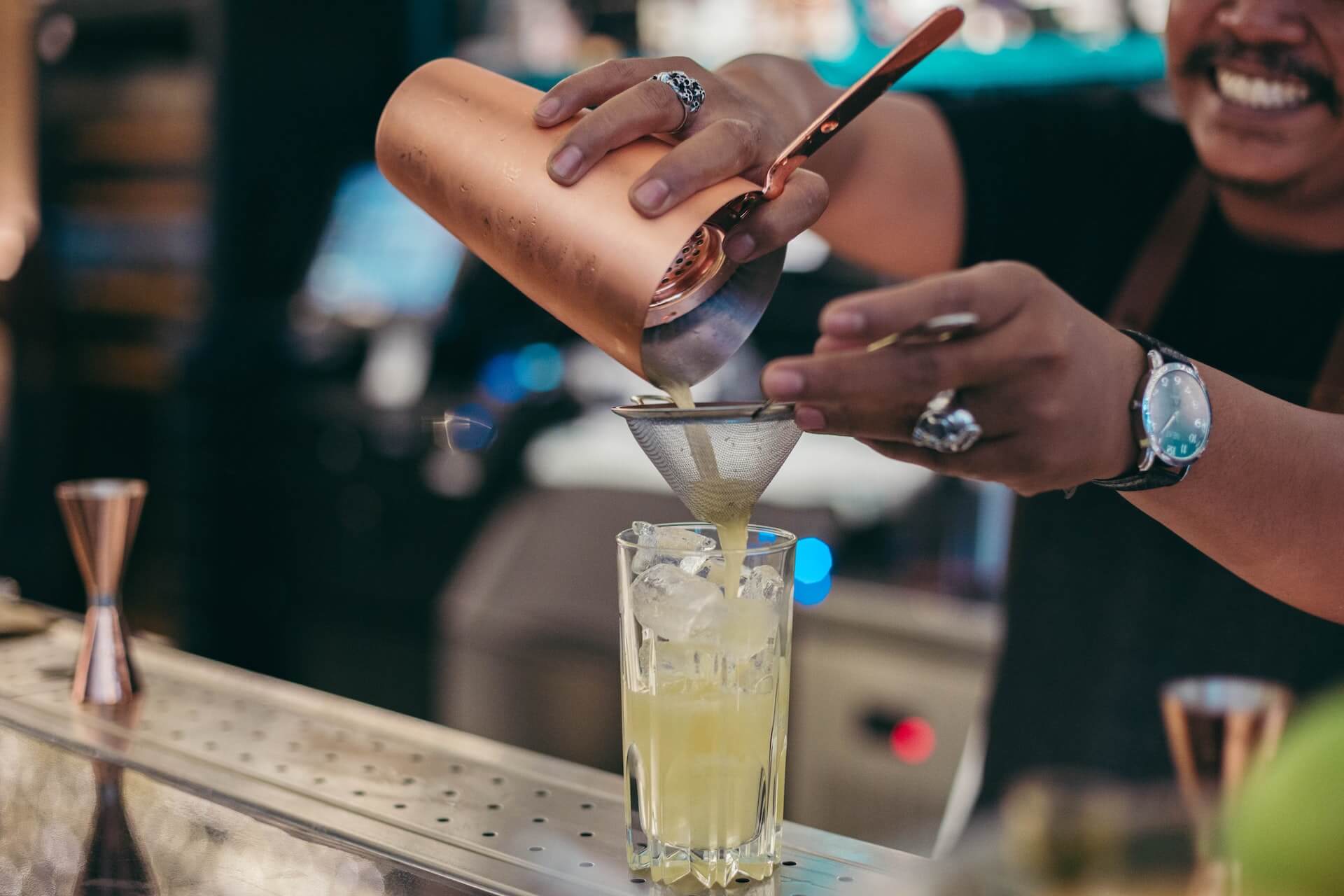
Bartender straining cocktail

We’re just two weeks away from Sober October so here are three Bar Hacks podcast episodes to get you ready for this important month.

Over the course of 100-plus episodes we’ve spoken with a handful of non-alcohol brands. These, along with other alcohol-free brands, should be on your radar.

In fact, they deserve spots on your backbar and placement on your menus. The latest estimate is that around 40 percent of Americans don’t consume alcohol. In Canada that number is roughly 33 percent.

However, those numbers don’t paint a complete picture. Over the past few years there has been increasing interest in “sober curiosity.” In this movement, people abstain from drinking alcohol from time to time rather than abstaining permanently.

Now, we tend to associate the month of January with sobriety, either permanent or temporary. Clearly, however, October is also a month where people choose to not imbibe.

The Sober Guest Experience

The following should go without saying but let’s cover it anyway. Some sober people do, in fact, spend time in bars and nightclubs.

Just as that should go without saying, so should this: Your sober guests deserve every bit as great an experience as guests who are drinking alcohol.

Moreover, sober guests deserve a guest experience free of discomfort or isolation. In short, you should seamlessly provide the same level of service at the bar to sober guests as those who enjoy alcohol.

No, it’s not enough to menu water, sugary sodas, lemonade, and tea. Sober guests should be comfortable coming to your bar. Like guests who consume alcohol, sober guests should be able to order a drink that doesn’t make them feel different or singled out.

So, put quality non-alcohol beers on your menu. Create a number of signature zero-proof cocktails. Serve both with the same attention to detail as presentation as their full-alcohol counterparts.

“I’m a professional, I want to create,” says Paul Mathew, founder of alcohol-free aperitif brand Everleaf and Bar Hacks guest. “I want to do something I’m proud of.”

Approach your alcohol-free program the same way as Mathew, a bartender and operator himself. Be professional, be creative, and be mindful of your sober guests’ experience.

Episode 28 with Tim Rita

Lyre’s Spirits crafts alcohol-free spirits that masterfully mimic their full-proof counterparts. Host David Klemt sits down with Lyre’s brand ambassador, bartender, and buddy Tim Rita to chat about the brand. In this episode you’ll learn about one of the fastest-growing brands in one of the fastest-growing beverage categories. For the alcohol-free Mai Tai mentioned on the podcast, click here.

Listen now.

Episode 31 with Ted Fleming

Ted Fleming, entrepreneur and CEO and founder of Partake Brewing, stops by the Bar Hacks podcast to talk with host David Klemt. The two discuss the founding of Partake Brewing and the importance and growth of the non-alcohol beer category. Also, how operators can succeed with non-alc, advice for entrepreneurs, and more. Visit the Partake Brewing website to learn more. Connect with Partake on InstagramTwitter and Facebook.

Click here to listen.

Episode 81 with Paul Mathew

Paul Mathew, bartender, bar owner, and founder of Everleaf, sits down with Bar Hacks podcast co-host David Klemt. In this fun and informative episode, Paul shares his journey through bartending and bar ownership, and his entry into the drinks business. Non-alcoholic aperitif brand Everleaf is the culmination of Paul’s many years as a conservationist botanist, knowledge of plants, and nearly 30 years in the bar business.

The Everleaf portfolio consists of three unique expressions and a new RTD line. Shortly, Everleaf will begin distribution throughout the United States, and there are plans for Canada and Australia in the future. To learn more, vist the Everleaf website and follow Everleaf on Instagram and Facebook.

Listen to this episode here.

Image: Jia Jia Shum on Unsplash

by David Klemt David Klemt No Comments

Top 10 States Attracting High Earners

Top 10 States Attracting High Earners

by David Klemt

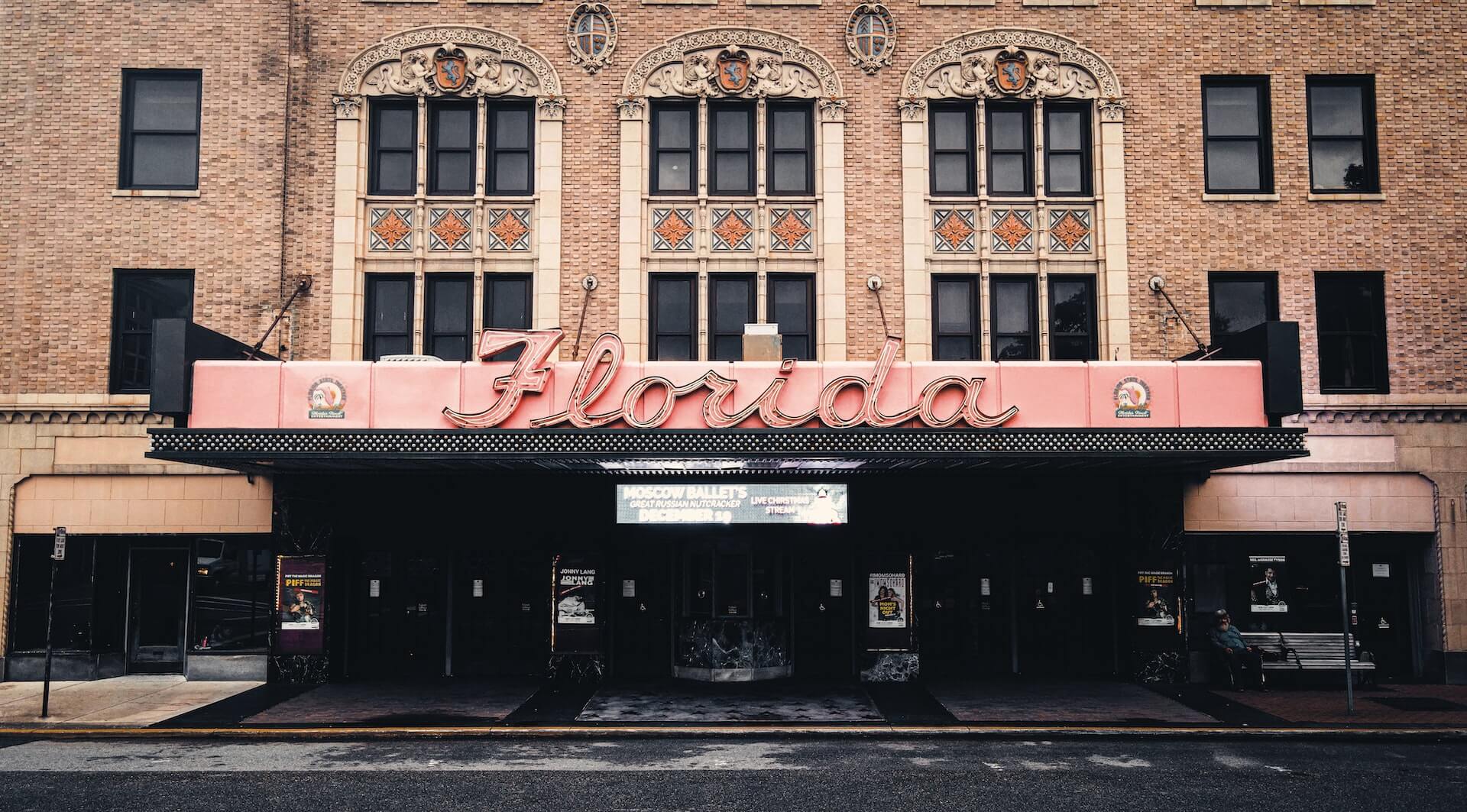
The Florida Theater in Jacksonville, Florida

Using the inflow and outflow data of tax filers earning $200,000 or more, SmartAsset identifies the top ten states attracting high earners.

When it comes to the number-one state, “it’s not even close,” says SmartAsset Advisors. Not surprisingly, several top inflow cities (according to Redfin data) line up with SmartAsset’s top inflow state list.

So, why should this information matter to operators? Plainly, it’s important market information. Population, household income, and age information are crucial considerations when opening any business.

In fact, KRG Hospitality includes such data (and much, much more) when conducting research for our proprietary feasibility, business, and concept plans. Among many elements of opening a restaurant, bar, hotel, or entertainment venue, the income of one’s target audience is crucial.

Knowing where high-income households are leaving and moving to can inform many operator decisions. Where should one open their first concept? Which markets should one consider for expansion? What type of concept will work in a market? What are the threshold price points for menu items? How will this information help inform design choices?

Operators need to recoup their outlay. The income of a concept’s ideal guest should be as important to an operator as knowing their costs.

Top Ten Inflow States

Interestingly, the top state on this list did experience significant outflow in 2020. In fact, the state lost 11,756 high-earning households in 2020.

However, the state also added 32,019 such households, netting 20,263 high earners.

  1. Utah
  2. Idaho
  3. Nevada
  4. Colorado
  5. Tennessee
  6. South Carolina
  7. North Carolina
  8. Arizona
  9. Texas
  10. Florida

Another compelling detail of the states on this list pertains to income tax. In short, three of the states don’t levy personal income tax.

Above, they’re the states in bold: Florida, Nevada, and Texas.

Top 10 Outflow States

So, above are the ten states are seeing the greatest an inflow of high-earning households. Which means, of course, there’s an inverse.

Below, the ten states experiencing the greatest outflow of high earners. Unsurprisingly, SmartAsset deems several entries on the list high-tax states. Also, Washington, DC, is a high-tax area.

Moreover, the list below includes five of the top ten high personal income tax jurisdictions (in bold).

  1. Ohio
  2. Minnesota
  3. Washington, DC
  4. Maryland
  5. New Jersey
  6. Virigina
  7. Massachusetts
  8. Illinois
  9. California
  10. New York

However, it’s not as though these states are seeing a massive exodus of high-earning households. In fact, per SmartAsset, these states have more high-income households than the national average.

Nationally, high-earning households account for less than seven percent of all tax filers. According to SmartAsset, nearly nine percent of tax filers are high-income households in the top ten outflow states.

Image: Trevor Neely on Unsplash

by David Klemt David Klemt No Comments

Is Your Business in a Top Time Out City?

Is Your Business in a Top Time Out City?

by David Klemt

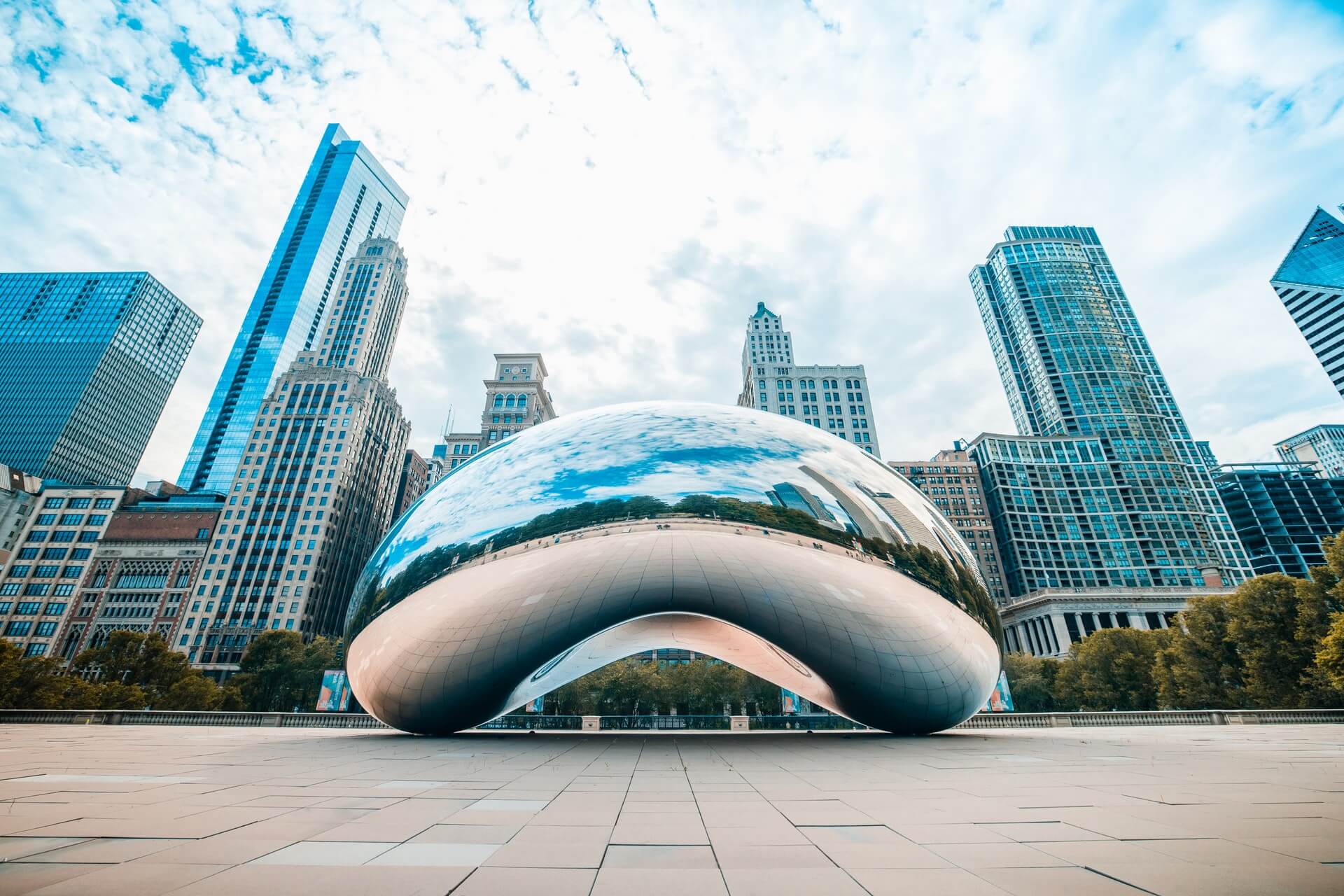
The Bean aka Cloud Gate in Chicago

Hot off the presses, Time Out is now revealing the results of their Time Out Index 2022, an annual list identifying the world’s top cities.

The global publication, founded in the late 1960s, surveyed 20,000 “city dwellers.” Time Out focuses on cities’ restaurant, bar, nightlife, entertainment, and art scenes.

For 2020 and 2021, Time Out put emphasis on the pandemic and how cities maintained resiliency and kept communities together. In 2022, priority is given to flourishing nightlife, dining, and drinking, along with culture.

Additionally, Time Out gives weight to a city’s sustainability, safety, walkability, and affordability. To learn more about how Time Out analyzes data, click here.

Compelling Rankings

Below, you’ll find Time Out’s ranking of the best 53 cities in the world for 2022. I’ve broken the list into sections: 53 to 11, and ten to number one.

Interestingly, the 20,000 survey respondents note the dining, drinking, and nightlife of the top five cities. In fact, the nightlife scene of number three is “the world’s best.”

And city number two? Survey takers think it’s the most fun—”funnest,” according to Time Out—in the world.

Now, I know our audience is largely American and Canadian, so I’ll get to how both rank. Six cities—the usual suspects, basically—in the US are on the list. Only one American city is in the top ten, and it’s likely not the one you think. As for Canada, one city claims the 27 spot, another is number nine.

You’ll find the Canadian and American cities in bold below. Champing at the bit to see the results? Scroll down!

Time Out Cities 53 to 11

  1. Doha, Qatar
  2. Hong Kong
  3. Bangkok, Thailand
  4. Istanbul, Turkey
  5. Johannesburg, South Africa
  6. Rio de Janeiro, Brazil
  7. Auckland, New Zealand
  8. Sydney, Australia
  9. Abu Dhabi, United Arab Emirates
  10. Singapore
  11. Accra, Ghana
  12. Los Angeles, California, USA
  13. Rome, Italy
  14. Dubai, United Arab Emirates
  15. Barcelona, Spain
  16. Miami, Florida, USA
  17. São Paulo, Brazil
  18. Dublin, Ireland
  19. Athens, Greece
  20. Manila, Philippines
  21. Kuala Lumpur, Malaysia
  22. Paris, France
  23. Tel Aviv, Israel
  24. Mexico City, Mexico
  25. Boston, Massachusetts, USA
  26. Lisbon, Portugal
  27. Toronto, Ontario, Canada
  28. Delhi, India
  29. San Francisco, California, USA
  30. Tokyo, Japan
  31. Stockholm, Sweden
  32. Birmingham, England
  33. Buenos Aires, Argentina
  34. New York, New York, USA
  35. Lyon, France
  36. Porto, Portugal
  37. London, England
  38. Taipei, Taiwan
  39. Melbourne, Victoria, Australia
  40. Mumbai, India
  41. Manchester, England
  42. Madrid, Spain
  43. Cape Town, South Africa

The Top Ten Time Out Cities

  1. Copenhagen, Denmark
  2. Montréal, Québec, Canada
  3. Berlin, Germany
  4. Marrakech, Morocco
  5. Prague, Czech Republic
  6. Amsterdam, Netherlands
  7. Glasgow, Scotland
  8. Medellín, Colombia
  9. Chicago, Illinois, USA
  10. Edinburgh, Scotland

Congratulations to the top 53 cities in the world! We expect big things from their dining, drinking, and nightlife moving forward.

Image: Christopher Alvarenga on Unsplash

by David Klemt David Klemt No Comments

Hotels, Guest Data and Guest Expectations

Hotels, Guest Data and Guest Expectations: A Chat with SevenRooms

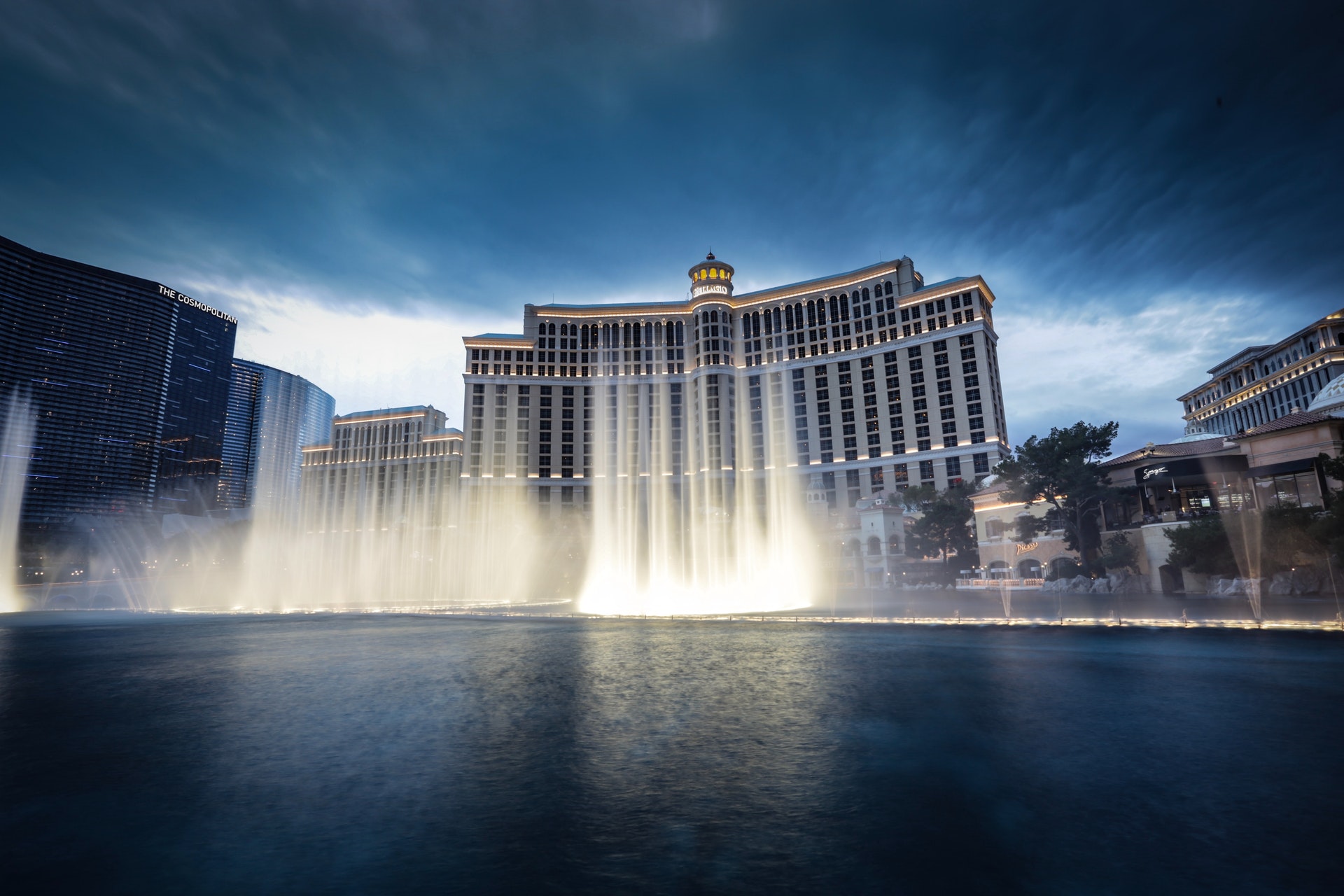
Fountains outside Bellagio Las Vegas

We sit down with Austen Asadorian, vice president of sales at SevenRooms, to chat about pent-up demand for travel.

People are eager to get back out there and hotels, of course, play a crucial role in their travel plans. However, we’re not engaging with the same guests we were pre-pandemic.

No, today’s guest demands more from the hotels and resorts they select. And a key to delivering on guest demands is collecting guest data.

But while operators know they’re supposed to be collecting guest data, there’s some uncertainty about what to actually do with it. Enter: SevenRooms.

More accurately, meet Austen Asadorian of SevenRooms. Not only can he address meeting guest demands through tech, he can address how to use guest data responsibly and effectively.

Hi Austen, thank you for taking the time to speak with us. Can you tell us a little about yourself and your role at SevenRooms?

Thanks, David! My name is Austen Asadorian and I’m the Vice President of Sales at SevenRooms. I first started my career in hospitality early in high school, getting a job at a local restaurant in New Jersey, learning everything from protein fabrication to catering and dealing with daily customers, even managing events. I continued working in hospitality through college, while going to the Culinary Institute of America for a degree in hospitality management, and ultimately, landed at Hillstone Restaurant Group where I ran back of house operations as well as the company’s Manager Training Program. Before joining SevenRooms, I worked as Peloton’s Director of Sales, leading their go-to-market strategy for retail growth and expansion from 2014-2017.

Today, I support SevenRooms’ global expansion efforts to accelerate our goal of being the best-in-class solution for hospitality operators around the world. Having previous experience in the hospitality industry, I joined SevenRooms because I was hyper aware of the pain points in the industry surrounding technology and the need for better guest management after having lived it day-to-day for several years. More importantly, I believe in SevenRooms’ vision and have a true passion for helping hospitality businesses, big and small, drive revenue, and create loyal guests for life.

Let’s talk hotels. What does the hotel industry look like two years after (or into) the Coronavirus pandemic?

When the pandemic struck, travel came to a complete halt and hotel occupancy in the US fell from 70% in March 2019 to less than 25% in March 2020—rooms were empty. Now, as the world is back to what we can consider a new “normal,” we’re seeing an extreme surge in travel and hotels are busier than ever.

However, what guests expect from hotels experience-wise has changed and they demand more. They’re making up for lost time and they want to make it count. Coming out of the pandemic, hotel operators are taking a harder look at their entire tech stack. It’s no longer optional to have a tech stack that is fully integrated from top to bottom across their operations—it’s a must-have—and technology providers are adapting to meet those needs. Additionally, operators have put a strong emphasis on the importance of ownership over their guest data. Both trends have positioned SevenRooms incredibly well within the hotel sector, as this has been our business philosophy from day one.

How can hotel operators and managers live up to these high expectations?

The simple answer is by taking advantage of technology solutions into their everyday practices and processes. These tech solutions can be anything from a QR code for mobile order and pay, allowing guests to order food and drink from anywhere on the property without ever needing a server to approach them, to an integrated customer relationship management (CRM) platform that speaks to and pulls data from their F&B CRM, easily sharing that information across teams at the hotel. For example, passing information along to a guest services team to ensure that in-room amenities don’t include nuts if a guest has a peanut allergy.

Operators and managers should also make sure they’re utilizing loyalty programs. According to a recent SevenRooms survey of American consumers, 44% say that loyalty programs play a part in their hotel choice and there are certain incentives that will bring them back.

For example, some want loyalty points to enjoy on property restaurants and bars, whereas others want a personal greeting when they check in, or a complimentary glass of champagne waiting for them when they get to their room.

Technology and loyalty programs both play into an exceptional experience and it’s important for operators to use both to create the total package.

You mentioned collecting guest data. Can you tell us a little bit more about why that is so important?

When we talk about data and hotels, we’re talking about using it to power a one-of-a-kind unique experience. We don’t mean taking or selling personal information, and that’s an important distinction.

The data we’re collecting for operators centers around a guest’s profile—who they are and what they like. This can be anything from their dietary preferences to their favorite table in the hotel restaurant’s dining room, to what dessert they order most often when they visit.

By having this data, operators can build a direct relationship with these guests and, in turn, build an incredible experience that keeps them coming back. For example, if a guest stays at a specific hotel on their vacation and takes full advantage of the pool cabanas, the data collected on those visits can then be used to retarget them with a special marketing promotion or offer to visit their local hotel property for a staycation, complete with a discount on a cabana day rental.

Creating these unique, personalized experiences not only increases revenue for operators, but also drives loyalty, as a loyal guest is more important than a one-time guest.

About Austen

Austen Asadorian is the Vice President of Sales at SevenRooms, where he is tasked with supporting SevenRooms’ global expansion efforts and accelerating the company’s goal of being the best-in-class solution for hospitality operators globally. Prior to joining SevenRooms, Austen was Peloton’s Director of Sales, leading the company’s go-to-market strategy for retail growth and expansion. He started his career at Hillstone Restaurant Group where he cut his teeth learning how to run efficient and profitable restaurants at scale. Austen was ultimately promoted into an executive role where he oversaw the company’s Manager in Training Program and Back of House Operations. Austen graduated from the Culinary Institute of America (CIA).

Image: Antonio Janeski

by David Klemt David Klemt No Comments

Alright, Seriously—WTF, Grubhub?

Alright, Seriously—WTF, Grubhub?

by David Klemt

Or, more to the point, stop working with “partners” who exploit our industry rather than support it.

In spectacular and entirely predictable fashion, Grubhub’s “free lunch” further reveals that third-party delivery platforms don’t care about restaurants.

Of course, they all say they support restaurant owners and operators. And, of course, they’re quick to pat themselves on their backs for being a pandemic lifeline.

But…no. Time and time again, mainly through their exorbitant and exploitative fees, they prove the opposite is true.

Restaurants and bars aren’t third-party delivery partners. Rather, these relationships are adversarial and detrimental. So much so, in fact, that some states passed laws to limit third-party delivery fees.

In Nevada, for example, Clark County Commissioners passed an emergency ordinance in August 2020 capping those fees at 15 percent. Clearly, we need to stop enriching companies that prove they don’t support the hospitality industry but cause it significant harm.

Free Lunch?

They say there’s no such thing as a free lunch. Apparently, Grubhub really wants to prove that maxim true.

That’s one of the takeaways from their disastrous promotion. Last Tuesday, in what’s being reported as an attempt to claim the delivery throne in New York City, Grubhub offered “free” lunch to anyone who placed an order for delivery.

The requirements for this promotion? Place an order for delivery through Grubhub on May 17 between 11:00 AM and 2:00 PM and use the code “freelunch.”

Of course, customer orders weren’t entirely free. Rather, the code was good for a $15 discount. Still, a wildly attractive offer as the ensuing debacle reveals.

Unsurprisingly, the promotion made for some eye-grabbing and eye-rolling headlines. Buzzfeed News published the most attention-grabbing one: “GrubHub Was Getting 6000 Orders A Minute During Its Promo Today That Left Restaurant Workers Stressed And Customers Hangry.”

Six thousand orders per minute during a promotion with a three-hour window in a single market.

In addition, the outlet reported that one unsatisfied customer was number 3,630 in the Grubhub customer service queue. Apparently—and who can blame him—he hung up before he could speak with a Grubhub rep about his missing order.

Duh

Who could’ve seen this coming? Any of the restaurant owners, operators, or team members Grubhub “serves,” that’s who.

In fact, anyone who works in this industry with on-premise experience knew this was going to happen. So, too, any journalist who specializes in hospitality.

The fact that whoever came up with this promotion didn’t see this coming is revealing. Unless the creators of these apps and services have real-world restaurant experience, they don’t understand the business.

How can one effectively and properly serve an industry without an understanding of how it operates? Hospitality is about service. Shouldn’t the companies attempting to work within our industry work hard to serve alongside us?

Let’s be clear—this promotion was in no way designed to help struggling restaurants. It wasn’t intended to boost their traffic and revenue. Rather, it was solely created to serve Grubhub’s desire to be number one.

As we all know, we’re experiencing major staff shortages. There are also supply shortages making it difficult for operators to obtain product reliably. Grubhub made those problems exponentially worse.

Some restaurants stopped taking delivery orders. Others canceled orders. There were operators who closed in an effort to catch up with orders and prevent the situation from worsening.

According to news stories, some social media users posted that they planned to stop ordering through third-party platforms.

Negative Impact

If you’re new to KRG Hospitality, welcome. You’re likely realizing that we’re not fans of third-party delivery.

Those of you who are familiar with us have known for quite some time that we support direct delivery. That is, delivery controlled and executed by the restaurant itself.

It’s not that we’re against innovation. Rather, our dislike of these platforms, generally speaking, comes from our perception of their behavior.

In our opinion, they take control away from operators and cost them money. Again, speaking generally, they collect customer data that operators should control. Their fees are ridiculous in most cases. And when it comes to the customer experience, their inconsistencies and shortcomings reflect poorly on the operators far too often.

Studies show that customers who have issues with third-party deliveries often place the blame on the restaurant. Food the wrong temperature? Order arrive late? Packages in less-than-ideal condition? While those issues and others can be the fault of the driver, the restaurant often takes the brunt of a customer’s dissatisfaction.

Of course, there’s also the financial impact of third-party delivery on restaurants. A SevenRooms report from last year reveals how these platforms harm operators and their bottom lines.

The Solution

Look, we know operators have a ton on their plates. But protecting and boosting the bottom line is a non-negotiable element of this business.

Yes, it’ll take some time, effort, and money to set up direct delivery. However, it’s the best solution.

Direct delivery means the operator collects and control valuable data. Likewise, the operator can ensure consistency. Through direct delivery, the operator shapes and controls the experience.

Control. Inherently, third-party delivery takes some control away from operators. That’s not a good thing, and neither is their financial impact.

Look into setting up direct delivery, take control, and protect your revenue ASAP. Friend of KRG “Rev” Ciancio and SevenRooms CEO Joel Montaniel each address delivery on the Bar Hacks podcast. Listen to episode 13 with Rev and episode 24 with Joel to learn more about delivery.

We need to stop rewarding companies that exploit our industry and take advantage of our owners, operators, and hard-working staff members.

Direct delivery is the answer. Take steps to implement it today.

Image: Rosie Kerr on Unsplash

by David Klemt David Klemt No Comments

Designing with Anxiety in Mind

Designing with Anxiety in Mind

by David Klemt

Blurry image of people in a nightclub or bar

Interior design has the power to remove a person’s anxiety, improving the guest experience by making them feel more comfortable.

Lionel Ohayon, founder and CEO of ICRAVE, addressed design and anxiety at HD Expo 2022 in Las Vegas. While anxiety wasn’t the entire focus of this intimate discussion, what Ohayon had to say was powerful.

When some operators consider their space, they probably aren’t thinking about guest anxiety. Ohayon, who designs with compassion and empathy in mind, believes designers can address anxiety through the design process.

Why the respected designer think designers can accomplish this feat? He does it himself.

Innovative Design

For the benefit of those unfamiliar with Ohayon and ICRAVE, some background.

Specializing in interiors and lighting, ICRAVE is an award-winning design firm. Founded by Ohayon, the firm’s approach to design includes a focus on the experiential and the client’s brand strategy.

One may assume that ICRAVE works solely in the hospitality space. To that point, the firm’s portfolio includes some of the world’s most impressive restaurants, bars, lounges, nightclubs, hotels, and spas.

However, the company is well known for work in the healthcare, wellness, entertainment, residential, workplace, mixed-use, and airport spaces.

After two decades, ICRAVE has honed their vision, approach, and strategy. A key pillar is “experience design.” In fact, the firm believes that “the experience is the brand.”

It would be impossible to live and deliver on that core tenet without understanding a client’s business. For ICRAVE, the final product must engage all those who use the space they’ve designed and their client is operating.

Reducing Anxiety

Consider this scenario. It’s not one that we’ve all found ourselves in. However, it is a situation that those who experience anxiety live with every day.

Let’s say someone has agreed to meet friends at a nightclub. They’re not meeting somewhere outside of the club so they can enter as a group.

This person arrives, enters, and is seeking out their friends. Unfortunately for them and their anxiety, they’re the first to get there. Anxiety (and even panic) sets in. Now, the last place this guest wants to be is in this nightclub.

Obviously, this is a terrible guest experience. And now this guest may associate the venue, fairly or not, with feelings of anxiety. They may never want to return.

Throughout Ohayon’s career, he has designed for this exact situation. During his HD Expo session—which was much more an intimate conversation inside the DesignWell Pavilion—Ohayon explained that he has incorporated “perches” in a number of his designs.

A perch, in this context, is a space a person can access that makes them feel comfortable while they wait for others in their party to arrive. The way I understand it, a perch is like a “hideaway,” a space someone feeling anxiety in public can use so they don’t feel like everyone’s eyes—and judgment—are upon them.

Designing and planning for longevity requires designers and their clients to think differently. Health and wellness must be more than buzzwords—they must be authentic to a brand.

Anything less is disingenuous. Today’s consumer is perceptive when it comes to sensing the inauthentic, and they don’t like it.

Takeaway

Now, some operators may feel as though addressing a guest’s anxiety isn’t their problem. And we’re not always sensitive to the fact that someone is feeling anxious.

Some people may even feel defensive about their venue right now. Their space, they may be thinking, isn’t causing anyone anxiety.

At risk of putting too fine a point on it or stating the obvious, a key element of hospitality is guest comfort. If a guest’s comfort and sense of safety isn’t important to someone, they really shouldn’t be in hospitality.

To clarify, Ohayon’s comments on anxiety are first and foremost for designers. He wants designers to consider how they can incorporate elements that may help reduce a person’s anxiety.

On the client side, though, an operator can and should ask about such elements during the design process of their space. There’s no reason to be defensive—this is about mindfulness, wellness, and compassion.

Removing anxiety through design pays off during day-to-day operations. If a space can reduce a guest’s anxiety, that guest can be present and engaged. That engagement leads to a positive, memorable experience. And that type of experience evolves into repeat visits from loyal guests.

Image: Maurício Mascaro

by David Klemt David Klemt No Comments

Forward Progress: 2022 Drink Trends

Forward Progress: 2022 Drink Trends

by David Klemt

Cocktail on bar mat behind bar

Curious about what drink trends to leverage throughout 2022 to fulfill guest desires and expectations? Datassential has answers.

Of course, nobody has a crystal ball. However, as their name suggests, Datassential has something similar: data.

A trove of their valuable data was shared during Bar & Restaurant Expo 2022. Amanda Torgerson, senior account manager at Datassential, revealed the trends operators should be aware of this year.

Datassential MegaTrends

During this informative session, Torgerson shared what Datassential has identified as three “megatrends.” In other words, two trends that are particularly noteworthy.

First up, self-service. Whether beer, wine, or cocktails, Datassential thinks today’s guest wants more control.

Self-service beverage alcohol taps offer control in multiple ways, pour size and customization among them.

In addition, guests don’t have to wait for servers or bartenders when serving themselves. And, of course, self-service cuts down on front-of-house labor costs.

Second, experiential imbibing. In this context, this doesn’t simply relate to occasion, service, location, and ambiance.

Rather, the drink itself is an experience. Experiential cocktails engage multiple senses and include:

  • color-changing cocktails (those using butterfly pea powder, for example);
  • cocktail carts (similar to tableside guacamole preparations, tableside cocktail prep and service);
  • fire and smoke: smoked, charred, and burnt cocktails;
  • drinks that invoke nostalgia and guests’ childhoods;
  • frozen drinks; and
  • beer, wine, spirit, and cocktail flights.

Finally, botanicals. As we know, scent is a crucial component of taste. Botanicals, obviously, activate one’s olfactory sense.

Additionally, botanicals can affect a drink’s appearance and taste. So, break out the Chartreuse, Lillet, and elderflower liqueurs.

And while your team is at it, consider how else scent can be used to entice guests and enhance the drinking experience.

Best of the Rest

Treating this as more of a speed round, let’s review Datassential’s trend predictions in four major categories.

Seltzer/Beer

When it comes to hard seltzer, Datassential has (re)confirmed what we all know: This category has staying power. And as many operators found out during the pandemic, seltzers can boost to-go and delivery sales.

Beer cocktails are also trending up, per Datassential. Mini-bottles of beer also having a moment, and can easily tie into the beer cocktail trend.

Finally, heirloom beers—those made with heirloom grains—are proving popular with consumers.

Wine

According to Torgerson, wine seltzer is poised for a moment. Relating it to the hard seltzer trend, consider this Wine Cooler 2.0, as Torgerson said.

Other key wine trends are frizzante and red sparkling wines, orange wines, and canned sake.

Then there’s fruit wines, which means any wine not made from grapes. During her session, Torgerson suggested using these in cocktails.

Cocktail

In addition to cocktails on tap, Datassential sees the following as cocktail trends to watch:

  • Drinks made with genever.
  • Hybrid rums, blends of light and dark rums.
  • Ranch Water (typically a highball made with tequila and lime juice, topped with Topo Chico).
  • Single-serve, premade cocktails such as RTDs. These are great for off-premise sales.
  • Boozy frozen desserts.

Global

Focusing first on increasingly popular spirits, Datassential’s data shows that pisco, mezcal, and Japanese whisky are trending up.

In terms of wine, operators should look into regions that are perhaps “lesser known” in North America. Some examples from Torgerson’s presentation are Georgian and Hungarian wines.

And finally, what Datassential identifies as “drinking for a cause.” Such causes and beverage activations can be local or global as the world is so much more connected.

Image: ABHISHEK HAJARE on Unsplash


by David Klemt David Klemt No Comments

Dining Room Tech on the Rise

Dining Room Tech on the Rise

by David Klemt

Printed circuit board with gold details

After years of restaurant technology adoption moving at a glacial pace, the industry now appears to be embracing innovations at light speed.

In fact, in just two short years some in the industry think it may be time to slow down. New tech can be exciting but jumping on every “innovation” is expensive, time consuming, and inefficient.

However, slowing down doesn’t equate to hitting the pause button.

Dining room tech was a topic of discussion at the 2022 Restaurant Leadership Conference in Scottsdale, Arizona. The two speakers agree that our industry needs to ease off the tech throttle a bit.

However, they also feel that tech innovations in the restaurant space will continue at a faster rate than they did pre-pandemic.

Session host Raymond Howard, a co-founder of Ziosk, interviewed Chris DeFrain and Hernan Mujica about dining room tech. DeFrain is a CPA at Lehigh Valley Restaurant Group, which operators 21 Red Robin franchises throughout Pennsylvania. Mujica is CIO for Texas Roadhouse.

Red Robin

Industry professionals and consumers alike should be familiar with Ziosk. After all, Red Robin has been a client with tech company since August, 2012.

Anyone who has visited a Red Robin has certainly interacted with a Ziosk terminal.

According to DeFrain, there are some interesting consumer behaviors taking place in Red Robin dining rooms. When it comes to tech, guests appear satisfied to place orders for appetizers and desserts via Ziosk terminals.

As DeFrain sees it, the guest would rather not wait for a server for ordering those types of food items. However, guests do seem to prefer ordering entrees from a server.

That’s a positive in DeFrain’s opinion, as he believes that ordering must remain the domain of servers. While he contends that the tech-based ordering process needs streamlining, DeFrain doesn’t appear interested in taking it out of servers’ hands completely.

This makes sense; the server as an integral element of the guest experience. How can a casual dining restaurant build guest loyalty and deliver a memorable guest experience without an engaging front-of-house team?

Of course, dining room tech should do more than accept orders, summon a server, and offer tableside payments. Today, data is king. Powerful platforms collect as much useful data as possible.

To that end, DeFrain appreciates that Ziosk provides data Red Robin leadership teams can share with staff. For example, a server can be shown how much they’re making in tips during their shift.

Finally, DeFrain says that guest usage of Ziosk terminals is improving feedback and comments.

Texas Roadhouse

In comparison to Red Robin, Texas Roadhouse took longer to sign on with Ziosk. In part, interestingly, this was due to the redesign of the terminal itself.

Turns out, Texas Roadhouse waited for a Ziosk terminal that took up less space and looked better on the chain’s tables.

Per Mujica (and any Texas Roadhouse guest), the in-person experience is core to the brand. Therefore, dining room tech must be an enhancement, not a detriment.

Like Red Robin, the chain has no interest in adopting tech that replaces FoH staff.

Another consideration regarding dining room tech should be important to all operators: The tech must be user friendly. According to Mujica, restaurant guests are happy to embrace tech innovations—if it’s easy to use.

So, operators must be careful and deliberate when choosing their tech stack. Generally speaking, native tech users (Gen Z) will likely be much quicker to learn how to use a particular technology than a Baby Boomer or even Gen X counterpart.

As such, operators must know their guests in order to adopt tech that enhances rather than alienates.

Another reason Texas Roadhouse chose Ziosk, per Mujica, comes down to mobile pay. In short, the chain didn’t like the mobile pay guest experience.

In terms of the future, Mujica predicts that handheld, tableside ordering is the future of dining room tech.

Takeaway

Like Mujica says, operators have now seen what tech innovations can do for them. In short, there’s no turning back.

And I agree with Mujica and DeFrain: it’s likely (and necessary) that tech development will slow a bit moving forward. Honestly, we all need room to breathe, consider the innovations available currently, and decide what works best for a particular business.

Likewise, I agree that tech can’t be allowed to alter the service model. Technology shouldn’t be seen as a replacement for staff.

Interestingly, restaurateur David Chang addressed this very subject during a 2022 RLC conversation. In his opinion, tech won’t replace restaurant roles, it will streamline them. At most, said Chang, tech will replace small, repetitive tasks, such as the physical flipping of a burger.

In closing, when deciding on the tech stack, operators should consider the following: ease of use for guests, ease of use for staff, streamlining of operations, and cost.

In this space, tech should never be embraced simply because it’s shiny and new. Not only is that costly in terms of investment, it can cost guest loyalty and visit frequency.

Image: Vishnu Mohanan on Unsplash

by David Klemt David Klemt No Comments

Prepare for the New Rules of Hospitality

Prepare for the New Rules of Hospitality

by David Klemt

People toasting with a variety of cocktails

Guests are returning to bars, restaurants, and hotels, so you need to prepare now for the new rules of hospitality.

If you’re wondering what those rules are, wonder no more. We have a number of articles addressing them, some of which are here, here, and here.

Phil Wills, owner and partner of the Spirits in Motion and Bar Rescue alum, also has some thoughts. In fact, Wills shared his approach to what he identifies as the new rules of hospitality last week.


View this post on Instagram


A post shared by Phil Wills (@phil_i_am11)

During Bar & Restaurant Expo 2022, Wills presented “The New Rules of Hospitality: What a Post-pandemic Consumer Wants.”

Below, you’ll find what Wills has to say about hospitality in 2022 and beyond in three categories.

Hospitality

Wills kicked off his session with a simple question: How do you define “hospitality”? And yes, he put attendees on the spot, asking them for their answers.

It’s always at least a bit amusing that even the most outgoing operator gets shy in a conference setting. I’ve never seen so many people suddenly need to check their phones, shoes, or the ceiling tiles as when they’re asked to participate in a class or education session.

For Wills, the definition is “making a guest feel welcome, as though they’re in your home.”

Obviously, the answer is different for everyone. As Wills says, the key is considering how you and your brand define hospitality. If that seems easier said than done, Wills has some tips, presented in the context of a guest visit.

First, guests take in the sights, sounds, and smells of your space. They also consume your menu items, and converse with your staff, their party, and other guests.

Look at your business through the eyes of your guests. Now, this can be a difficult exercise, particularly if you spend a lot of time in your restaurant, bar or hotel.

So, ask team members to do the same and provide feedback. We take for granted what our spaces, food, and drinks look like.

To improve the guest experience, pay attention to ticket times and F&B consistency. This will reduce recovery incidents and phrases.

Finally, Wills recommends engaging with guests (if that’s what they want). However, he also suggests facilitating connections between guests.

Interestingly, Wills also says, “Regulars are old money. You want to get that new money.” Then, you want to convert that new money into old money. Rinse, repeat.

Training

As relates to training, Wills categorizes new hires in two ways: toll takers and moneymakers.

Toll takers take a toll on your business. They cost you money, and if they don’t receive the proper training they can chase guests away.

So, you’ll need to spend time and money to convert toll takers into moneymakers.

Speaking strictly in a technical sense, training needs to provide team members with the knowledge and tools to become moneymakers. To accomplish this, Wills has three keys to making training stick:

  1. Don’t make training too easy. If training is easy, team members won’t retain what they’re taught. Challenge your staff.
  2. Vary your training. There are a number of training methods at your disposal. Use multiple methods to engage your staff. Wills suggests combining shift work, book work, and tests, at a minimum.
  3. Turn training into a competition. At this point, we’re gamifying just about anything. So, Wills recommends the platform 1Huddle to gamify your training.

Labor

Simply put, Wills says we need to find new ways to make this industry exciting to new hires.

According to the National Restaurant Association, we’re still seeing significant job losses in hospitality, foodservice, and lodging and accommodation.

In fact, we’re down 14 percent when it comes to full-service restaurant jobs. For bars and taverns, the number is 25 percent.

For Wills, offering incentives, mental health breaks, and even cash bonuses for staying in role for a number of months can draw the attention of new workers.

However, he also has another interesting idea: making people smile. On average, according to Will’s research, people smile 20 times each day. He wants to find ways to make people smile 20 times during a single visit to a restaurant or bar.

Now, Wills admits he’s still working on how to accomplish this lofty goal. I believe a key component is creating a working environment that inspires team members to smile 20 times per shift.

Image: Kelly Sikkema on Unsplash

by David Klemt David Klemt No Comments

Single Malts for International Whiskey Day

5 Single Malts for International Whiskey Day

by David Klemt

Bottles of Glendalough Distillery 7 Year Old Mizunara Finish on top of a barrel

In case it isn’t yet obvious, March is full of an array of wonderful cocktail and spirits holidays perfect for restaurants and bar promotions.

So, it’s pretty impressive that we can end this month with International Whiskey Day. Or, if you prefer, International Whisky Day.

Wondering which you should use, “whiskey” or “whisky”? Well, there’s a (mostly) accepted method for distinguishing the two.

As some spirits aficionados and historians explain it, if a country has the letter “E” in its name, so should the word “whiskey.” No “E”? Then it’s “whisky.”

Or, and this may be controversial, you can just use whichever you prefer. Or perhaps use the spelling that’s on your favorite label. Alternately, if executing a promotion with a sponsor, ask their preference and use it.

At any rate, we all get to celebrate uisce beatha (Irish) or uisge beatha (Scottish) on Sunday, March 27.

Below you’ll find some suggestions for bottles to showcase on International Whisk(e)y Day. Cheers!

American Whiskey

Obviously, there’s a glaring issue with trying to choose a single bottle of whiskey to represent the US. In short, there are dozens (at a minimum) of bottles from which to choose.

So, to make things easier (on me, I suppose), I’m limiting this list to single malts. Look, I had to draw a line somewhere.

Honestly, this doesn’t make things incredibly simple. You may find it surprising to learn that the US has the American Single Malt Whiskey Commission (ASMWC). Not only that, but the commission has nearly 100 members.

To promote and protect American single malt, the ASMWC defines this whiskey as:

  • made from 100-percent malted barley;
  • produced at one distillery;
  • mashed, distilled and matured in the US;
  • matured in 700-liter or smaller oak casks;
  • distilled to no more than 160 proof (80-percent ABV); and
  • bottled at 80 proof or more (40-percent ABV).

There are, thankfully, several dozen bottles to choose from to represent American single malt whiskey. For my list, I’m selecting Westward American Single Malt Whiskey Cask Strength.

Produced in Portland, OR, this double-gold winner is the 125-proof version of Westward’s original single malt whiskey. Bold, assertive, rich, and complex, this bottle embodies this American whiskey category.

Canadian Whisky

When it comes to whisky, Canada is known for its blends. Canada’s whiskey world is also known for bold but smooth rye.

However, there are distillers paying homage to their Scottish roots and traditions. These masters of their craft are working hard to put single-malt Canadian whiskies on the map.

In particular, craft distillers in Vancouver are producing single malts that deserve the world’s time and attention.

Now, when it comes to Canadian single malt, I’m a neophyte. However, I believe you and your guests will appreciate my selection.

Commodore Canadian Single Malt Whisky is crafted by Odd Society Spirits. The distillery is located in Vancouver, British Columbia.

Compellingly, Commodore is produced with malted barley grown in BC. Weighing in at 92 proof, expect pepper and tobacco on the palate, balanced with dark fruit and sweetness.

Irish Whiskey

Another country known for its blends is Ireland. Jameson, Bushmills, Red Breast, Powers… Each distillery produces world-famous, revered blends.

However, Ireland crafted several styles of whiskey over the course of many centuries. Single malts were certainly among them.

Of course, that style fell to wayside as the thousands of distilleries in Ireland shut down decades ago. Luckily, some modern-era distilleries are tapping into centuries of Irish distillation history.

Among these is Glendalough Distillery, our guest for episode 71 of the Bar Hacks podcast. Co-founder Donal O’Gallachoir reveals their latest expression, an Irish single malt finished in exceedingly rare Japanese mizunara casks.

So, for my Irish single malt selection, I choose Glendalough 7-Year-Old Mizunara Finished. You can learn more about this bottle and Glendalough listening to the podcast linked above or reading this article.

Scottish Whisky

If it’s difficult to choose just one American single malt whiskey, it’s nearly impossible to land on only a single single malt Scotch.

Do I choose the highest age statement (and an immense price tag)? Is the smart move the “most accessible” bottle? A peat monster?

What about the most traditional bottle? The most experimental? In the end, I opted for a single malt whisky that falls into the latter category.

At this point, we expect to see Oloroso sherry, port, and bourbon cask finishes. What’s a bit more unusual is a rum cask finish.

So, I’m going with the Balvenie Caribbean Cask. This 14-year-old single malt spends 14 years maturing in American oak casks. Then, it’s finished in ex-rum barrels.

The result is a unique and compelling whisky with notes of banana, cocoa, brown sugar, fresh fruit, and toffee.

Australian Whisky

When he started Starward, founder David Vitale had one mission: Craft the whisky that would come to define the entire category. No pressure.

To accomplish this mission, Vitale and company aim to capture Australia’s terroir in every bottle of every expression.

Their barley is sourced in Australian. Local malt masters (malters? maltsters?) malt said barley. The yeast comes from local Australian brewers.

And it doesn’t stop there. Any ingredient used to craft Starward Whisky must be within one day’s drive of the distillery. That distillery is located in Melbourne.

Why Melbourne? Because it’s the Foodie Capital of Australia. Why does that matter? Because Starward is also meant to be enjoyed with food.

You can learn more about Starward and David Vitale on episode 63 of Bar Hacks.

So, which bottle did I choose? Starward’s very first whisky, the single malt Starward Solera. If you and your guests want to experience Australian single malt, this is where to start.

You really can’t go wrong with any of these bottles. If you’re celebrating International Whiskey Day, life is great. Enjoy!

Image: Glendalough Distillery

by David Klemt David Klemt No Comments

Yes, Some Tequilas Have Additives

Yes, Some Tequilas Have Additives

by David Klemt

A shot of tequila served with salt shaker and lime wedge

The subject of additives in tequila—and lack of transparency on labels—isn’t new but recent social media posts are shining a light on the topic.

In particular, there are posts circulating about tequila producers using vanilla flavoring. Doing so, it turns out, is well within the Norma Oficial Mexicana (NOM) rules.

However, revealing it on labels? With some caveats, it’s also well within the rules not to mention additives.

Understandably, people want to know what they’re putting in their bodies. Increasingly, this has grown to include alcohol.

So, there are bar owners, bar managers, bartenders, and bar guests who want to avoid serving and consuming additives whenever possible. Of course, there are also guests out there who don’t care about additives in the spirits they drink.

Interestingly, though, there’s a collective of tequila distilleries committed to producing clean spirits. They have no interest in using additives.

Chris Wirth alludes to these producers on episode 66 of the Bar Hacks podcast. He and wife Camila Soriano produce world-first clean tequila seltzer Volley.

Are There Additives in Tequila?

First, let’s be clear: Several categories of spirit permit the use of additives. Labeling transparency falls under the jurisdiction of different governing bodies.

So, it’s not like the use of additives is a scandal or exclusive to tequila. And, again, some consumers and hospitality professionals care, some don’t.

Additives become a problem when producers who use additives choose language on their labels and in marketing that suggest otherwise.

You see, tequila producers aren’t required to include additives on their labels if they don’t exceed one percent of total volume. NOM permits the use of glycerin, caramel coloring, “sugar-based” syrups, and oak extract in all tequilas except blanco.

However, there appears to be a loophole in NOM rules showing the use of additives in blancos is indeed permitted.

For those who don’t want to consume tequilas that use additives, brands that claim to be additive-free in their labeling and marketing present a problem. That’s because at best they’re just following the rules, but at worst they’re using the rules to be deceptive.

Why Does this Matter?

According to some in the industry, tequila may just kick vodka off its throne this year. In America, anyway.

Undeniably, that indicates increased consumer focus on tequila. It follows that a number of restaurant, bar, and nightclub guests will come across the topic of additives.

Some will want to know which brands are additive-free. This is where this topic should matter to operators and their bar teams: Guests don’t want to hear, “I don’t know.”

Luckily, there’s a resource out there that will help: Tequila Matchmaker. Hit that link, click the “Types” tab, and select “– Additive Free” from the dropdown.

As of this writing, you’ll find 266 bottles of additive-free tequila. Some of the brands you’ll find on this page are Código 1530, Tanteo, Fortaleza, El Tesoro, ArteNOM, Tears of Llorona, and Patrón.

Once more, this isn’t a scandal. Rather, this is an opportunity for operators to ensure they have some tequilas on their menu that are additive-free.

It’s likely the topic will come up and being prepared with a few recommendations will improve the guest experience.

Image: Francisco Galarza on Unsplash

by David Klemt David Klemt No Comments

What Consumers Expect from Delivery

What Consumers Expect from Delivery

by David Klemt

Delivery or takeout food order in brown paper bag

Consumers are developing specific behaviors and opinions regarding delivery that impact their perception of restaurants and brands.

Over the course of two years and three surveys, Deloitte has attempted to learn more about consumers and delivery.

In total, Deloitte surveyed 1,550 restaurant customers. Additionally, the multinational interviewed highly positioned executives from ten casual, fast-casual, and QSR brands.

What Consumers Want

First, it should come as no surprise that delivery is here to stay. None of Deloitte’s survey results indicate otherwise.

In fact, it appears that some consumers are showing an interest in additional delivery methods. Half of survey respondents are willing to try driverless or drone delivery.

More than half—64 percent—don’t expect to return to pre-pandemic dining habits by March of this year. Illustrating the habit of ordering takeout and delivery, 61 percent of respondents engage with restaurants that way at least once per week. That represents a 32-percent increase from June 2020 to September 2021.

When dining off-premise, 57 percent of Deloitte survey respondents prefer to place orders via an app. However, 40 percent of respondents prefer a restaurant’s own branded website or app. That shows that:

  1. A restaurant’s website matters. A significant percentage of consumers want to get information, get a feel for a restaurant, and place orders with a business directly.
  2. Direct delivery is feasible. Consumers want to know and feel as though they’re supporting a restaurant directly rather than a third-party business.

Own the Delivery Experience

Of course, quality is a concern with consumers who place delivery orders. This points to another pitfall regarding third-party delivery beyond the fees.

Unfair as it is, three out of five restaurant customer survey respondents have quality expectations. Specifically, they expect the same food experience off-premise as they receive on-premise. That means the same quality and the same freshness.

They also indicate that wait times of up to 30 minutes are acceptable. Here’s where the risk to restaurants comes into play. Consumers will fault the restaurant for late orders; cold food (or melted or room-temperature food for cold items); iced drinks becoming watered down; and other order issues even if they’re delivered by third-party services.

So, operators must look into and invest into what they can to improve the quality of delivery orders. Containers that keep hot food hot, French fries and other fried foods crisp, and cold foods cold are paramount.

Unfortunately, problems that occur after an order has left a restaurant—which are out of the business’ hands—are often attributed to the venue. Another reason, then, to consider and implement direct delivery.

Image: Yu Hosoi on Unsplash

Top