Guest experience

by David Klemt David Klemt No Comments

Top-performing Menu Items in the US

Top-performing Menu Items in the US (So Far)

by David Klemt

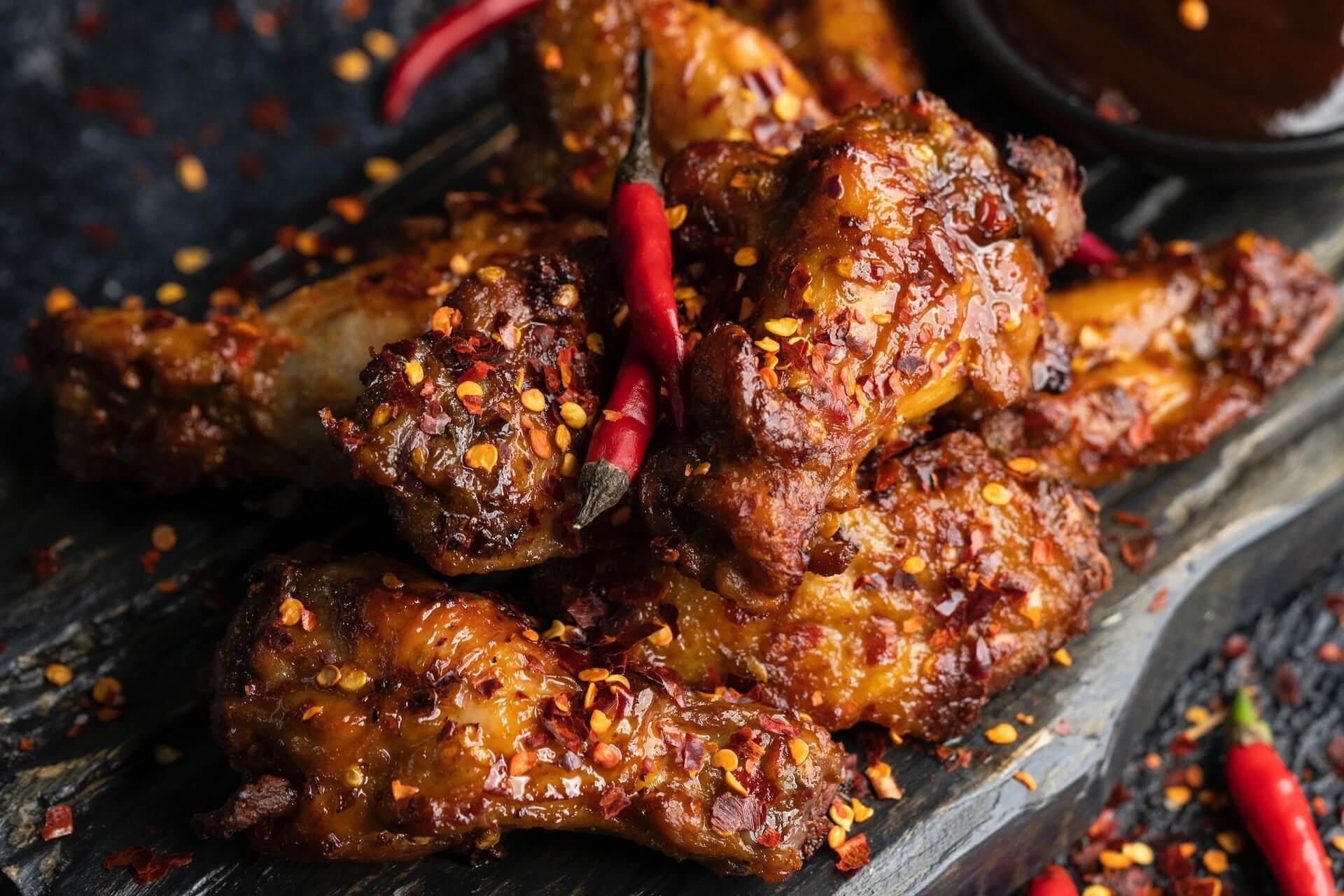
Barbecue chicken wings, chili peppers, and chili flakes

Thanks to a recent mid-year report from F&B intelligence platform Datassential, we now know the top-performing menu items in the US.

For the low, low price of filling out a handful of fields, you can download a copy of Datassential’s “Foodbytes: 2023 Midyear Trend Report” for yourself.

There’s plenty of useful data packed into this short report. You may find some of the top food items a bit surprising.

But First…

Datassential does more than just list the top mid-year menu performers in their latest report. There are also a couple of interesting datapoints for operators to consider.

The first piece of information is an alarming statistic: 54 percent of consumers are of the belief that “tipping culture has gotten out of control.”

As we’ve reported earlier, it’s likely that a major driver of “tip fatigue” comes from retail. The expectation for consumers to tip at a restaurant, bar or nightclub is ingrained deeply in American culture.

However, consumers throughout America are being prompted to tip after just about every transaction they’re attempting to complete. In fact, it’s not just retail that has been encouraging (in some cases, guilting) people to tip. Some contractors are also adding tip lines when handing over tablets to clients so they can pay their invoices.

One result is that servers and bartenders are reporting lower tips; guests are so over tipping that they’re pushing back against the practice in venues where they’d traditionally have no problem doing so.

Of course, tip fatigue isn’t the only reason consumers are pushing back against tipping. Many people feel that operators should increase what they pay staff. Indeed, some people feel that operators are asking them to subsidize their employee pay. Whether they’d be happy to pay higher prices remains to be seen.

Fads Aren’t Bad?

Whenever we cover trends or discuss them with clients, we caution against chasing too many (or the “wrong” trends). And fads? It can be even riskier to hop on the bandwagon of something that may never even reach the trend stage of its lifecycle.

However, likely due to the ubiquity of TikTok, consumers expect restaurants to embrace fads. According to Datassential, 67 percent of consumers overall “want to see more fads at restaurants and retail.”

That number jumps to 74 percent when focusing on Millennials and Gen Z.

So, while we still caution operators about jumping on fads (or “micro trends”) and trends, that doesn’t mean be too cautious. If a fad or trend works with your brand and won’t cost much to feature, at least give it consideration.

Not sure you’re great at identifying fads that will work for your business? Ask your staff which fads and trends are hot at the moment.

Speaking of Hot…

Alright, let’s take a look at the F&B items Datassential identifies as popular at the midway point of 2023.

Again, I encourage you to download the report in its entirety. You can do just that by clicking here.

But for those who want instant gratification, check out these menu items:

  • Super Duper: Let’s kick things off with the hottest chain LTO, the Denny’s Super Slam. Per Datassential, restaurant chains have already featured in excess of 2,000 LTOs in 2023. The F&B intel agency tests them all, and the Super Slam is wearing the LTO crown at the moment.
  • Chef Chatbot: Datassential tapped ChatGPT to create a burger recipe and had Midjourney create an image for the resulting Caprese Avocado Burger. More than half of consumers surveyed—57 percent—want to try it at a restaurant.
  • Big Winner: Datassential asked consumers a simple question: Which would you rather eat for the rest of your life, a hamburger or a hot dog? A staggering 87 percent chose hamburgers, meaning just 13 percent of consumers would choose a hot dog over it’s burger buddy.
  • What a Pickle: Back in March we checked out Slice’s Slice of the Union report, and it predicted pickle pizzas would be a hot trend this year. Well, Datassential has crunched the numbers and says 40 percent of consumers are aware of this pizza style already. Looks like Slice may be proven right by the end of the year.
  • Speed Demon: Curious about the fastest-growing menu item on the US? Well, wonder no more: Datassential says it’s the barbecue chicken wing. Over the past year, they’ve grown 373 percent on menus across the States. Datassential posits the overall growth of chicken and the embracing of flavor trends like Carolina gold barbecue sauce are contributing factors.

There’s a lot to unpack here, so I’ll leave you to it. Just remember that when it comes to fads and trends, there’s a fine line between what’s hot, what’s not, and jumping on the wrong one. Good luck!

Image: Ahmed Bhutta on Pexels

KRG Hospitality Start-Up Restaurant Bar Hotel Consulting Consultant Solutions Plans Services

by David Klemt David Klemt No Comments

Cheers to the 2023 World Beer Cup Winners

Cheers to the 2023 World Beer Cup Winners

by David Klemt

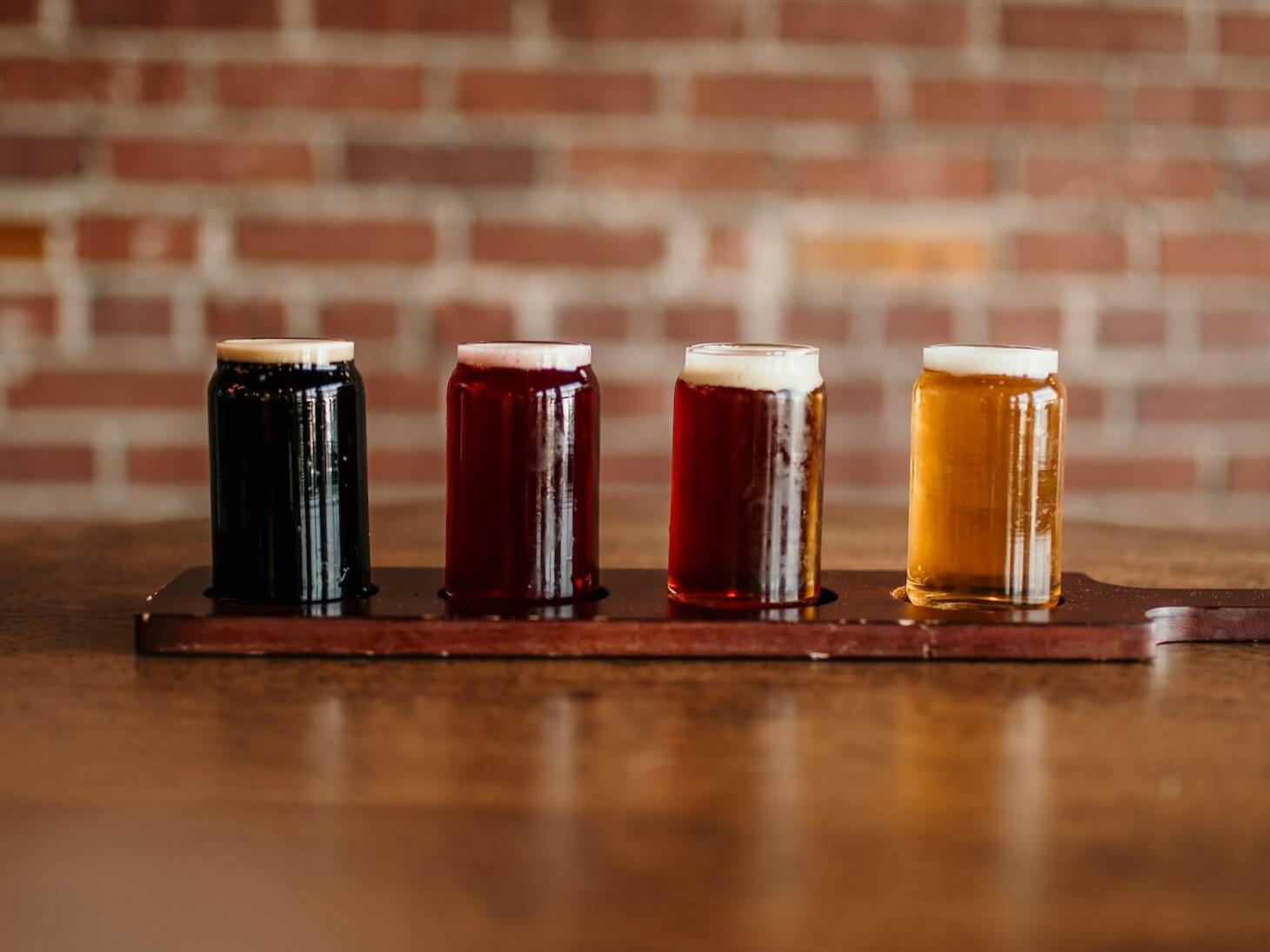
Flight of beers offering different styles

Raise a glass or hoist a stein in celebration of the 2023 World Beer Cup winners, a collection of some of the most incredible brews on the planet.

Since 1996, the World Beer Cup has established itself as “the Olympics of Beer” and is hosted by the Brewers Association. This year, 272 judges from 26 countries ranked submissions from 2,376 brewers across 103 categories. A staggering 10,213 beers were entered in the 2023 World Beer Cup.

On average, 99 beers are submitted for each category. Of note, no category is guaranteed to have three medalists. In theory, the judges assessing a given category may award only a silver or bronze medal, determining that there is no outstanding entrant deserving of gold.

While the average per category is 99 entrants, some styles have hundreds. The first five categories below boasted the most entrants in 2023.

For our coverage of the 2022 World Beer Cup winners, click here.

American-style India Pale Ale

412 entrants

  • Gold: Head Hunter (Fat Head’s Brewery & Saloon; North Olmsted, Ohio, USA)
  • Silver: Applied Science (Sunriver Brewing Co.; Sunriver, Oregon, USA)
  • Bronze: Old West (Craft Coast Beer & Tacos; Oceanside, California, USA)

Juicy or Hazy India Pale Ale

374 entrants

  • Gold: Wherever You Go (Green Cheek Beer Co.; Costa Mesa, California, USA)
  • Silver: Nectaronus Prime (Moksa Brewing Co.; Rocklin, California, USA)
  • Bronze: Nelson Hazy IPA (Prison Pals Brewing Co.; Doral, Florida, USA)

German-style Pilsener

233 entrants

  • Gold: Pils (Von Ebert Brewing, Pearl District; Portland, Oregon, USA)
  • Silver: Dollar Pils Y’all (Holler Brewing Co.; Houston, Texas, USA)
  • Bronze: Bibo (Creature Comforts Brewing Co., Southern Mills; Athens, Georgia, USA)

International Light Lager

220 entrants

  • Gold: Anne Bonny (Le Corsaire – Microbrasserie Pirate; Lévis, Québec, Canada)
  • Silver: 3Speed (Amsterdam Brewing Co.; Toronto, Ontario, Canada)
  • Bronze: Ultra Secret Enigma (Liability Brewing Co.; Greenville, South Carolina, USA)

Wood- and Barrel-aged Strong Stout

202 entrants

  • Gold: Big Mistake (11 Below Brewing Co.; Houston, Texas, USA)
  • Silver: BA Sexual Chocolate (Foothills Brewing; Winston-Salem, North Carolina, USA)
  • Bronze: Vladislav (Diebolt Brewing Co., Denver, Colorado, USA)

I selected another dozen categories, which you’ll find below. These include American Wheat Beer, Non-alcohol Beer, and Pumpkin Beer.

For the full list of 2023 World Beer Cup winners, please click here. Cheers!

Session India Pale Ale

  • Gold: Wild Gravity (Bend Brewing Co.; Bend, Oregon, USA)
  • Silver: Trump Hands (Cannonball Creek Brewing Co.; Golden, Colorado, USA)
  • Bronze: Summatime (603 Brewery; Londonberry, New Hampshire, USA)

American Wheat Beer

  • Gold: Taildragger 5G (Saddle Mountain Brewing Co.; Goodyear, Arizona, USA)
  • Silver: Meister (Eppig Brewing; Vista, California, USA)
  • Bronze: Miner’s Gold (Lewis & Clark Brewing Co.; Helena, Montana, USA)

Belgian Fruit Beer

  • Gold: Central City Brewing Framboise (Central City Brewers and Distillers; Surrey, British Columbia, Canada)
  • Silver: Vieux Bois Lambic Inspired Ale w/ Cranberry & Raspberry (Bozeman Brewing Co.; Bozeman, Montana, USA)
  • Bronze: Turtle Kriek (Peticolas Brewing Co.; Dallas, Texas, USA)

Belgian-style Sour Ale

  • Gold: Vintage 2022 (New Glarus Brewing Co.; New Glarus, Wisconsin, USA)
  • Silver: Chance, Luck and Magic 2020 (Garage Project; Wellington, New Zealand)
  • Bronze: Borealis (Lamplighter Brewing Co.; Cambridge, Massachusetts, USA)

English-style Brown Ale

  • Gold: Shhhhhh…This Is Ryan’s Award Winning Brown Ale (Green Cheek Beer Co., Costa Mesa; Costa Mesa, California, USA)
  • Silver: Black Cats (Streetside Brewery; Cincinnati, Ohio, USA)
  • Bronze: Brown Ale (Grid City Beer Works; Salt Lake City, Utah, USA)

South German-style Hefeweizen

  • Gold: Altstadt Hefe (Altstadt Brewery; Fredericksburg, Texas, USA)
  • Silver: Flying W Hefeweizen (Little Dry Creek Brewery; Greenwood Village, Colorado, USA)
  • Bronze: Fujizakura Kogen Beer Weizen (Fujizakura Heights Beer; Minamitsuru-gun, Yamanashi Prefecture, Japan)

Classic Saison

  • Gold: Saaz Dryhopped Saison (33 Brewing Experiment; Vancouver, British Columbia, Canada)
  • Silver: Juilletistes (Bruery Terreux; Placentia, California, USA)
  • Bronze: Valor (Tooth and Nail Brewing Co.; Ottawa, Ontario, Canada)

Pumpkin Beer

  • Gold: Pumpkin Ale (Backpocket Brewing; Coralville, Iowa, USA)
  • Silver: Pumpkinator (Saint Arnold Brewing Co.; Houston, Texas, USA)
  • Bronze: Jack O’Lantern Ale (Bond’s Brewing Co.; Laramie, Wyoming, USA)

Chili Beer

  • Gold: Yellow Fever (Comrade Brewing Co.; Denver, Colorado, USA)
  • Silver: Kimchi Sour (Dokkaebier; Oakland, California, USA)
  • Bronze: Oaxaca Choca Mexican Chocolate Stout (New Realm Brewing Co., Charleston; Charleston, South Carolina, USA)

Smoke Beer

  • Gold: Unearthing the Orb (Resolute Brewing Co.; Centennial, Colorado, USA)
  • Silver: Smokehaus Bock (Devils Backbone Basecamp Brewpub & Meadows; Roseland, Virginia, USA)
  • Bronze: Colossal 2 (Port City Brewing Co.; Alexandria, Virginia, USA)

Gluten-free Wheat Beer

  • Gold: Ghostfish 8th Anniversary Beer (Ghostfish Brewing Co.; Seattle, Washington, USA)
  • Silver: Seven Spice Anniversary Saison (Holidaily Brewing Co.; Golden, Colorado, USA)
  • Bronze: Ripped Jeans and Wolf Shirts (ALT Brew; Madison, Wisconsin, USA)

Non-alcohol Beer

  • Gold: Superb-Owl (Uiltje Brewing Co.; Haarlem, North Holland, Netherlands)
  • Silver: Just the Haze (Boston Beer Co., Samuel Adams Brewing Co.; Boston, Massachusetts, USA)
  • Bronze: Galactic Extra Dark (Big Drop Brewing Co.; Wilmington, Delaware, USA)

Image: Daniel Lee on Unsplash

KRG Hospitality Bar 101 Techniques

by David Klemt David Klemt No Comments

Celebrate the Negroni, Support Slow Food

Celebrate the Negroni and Support Slow Food

by David Klemt

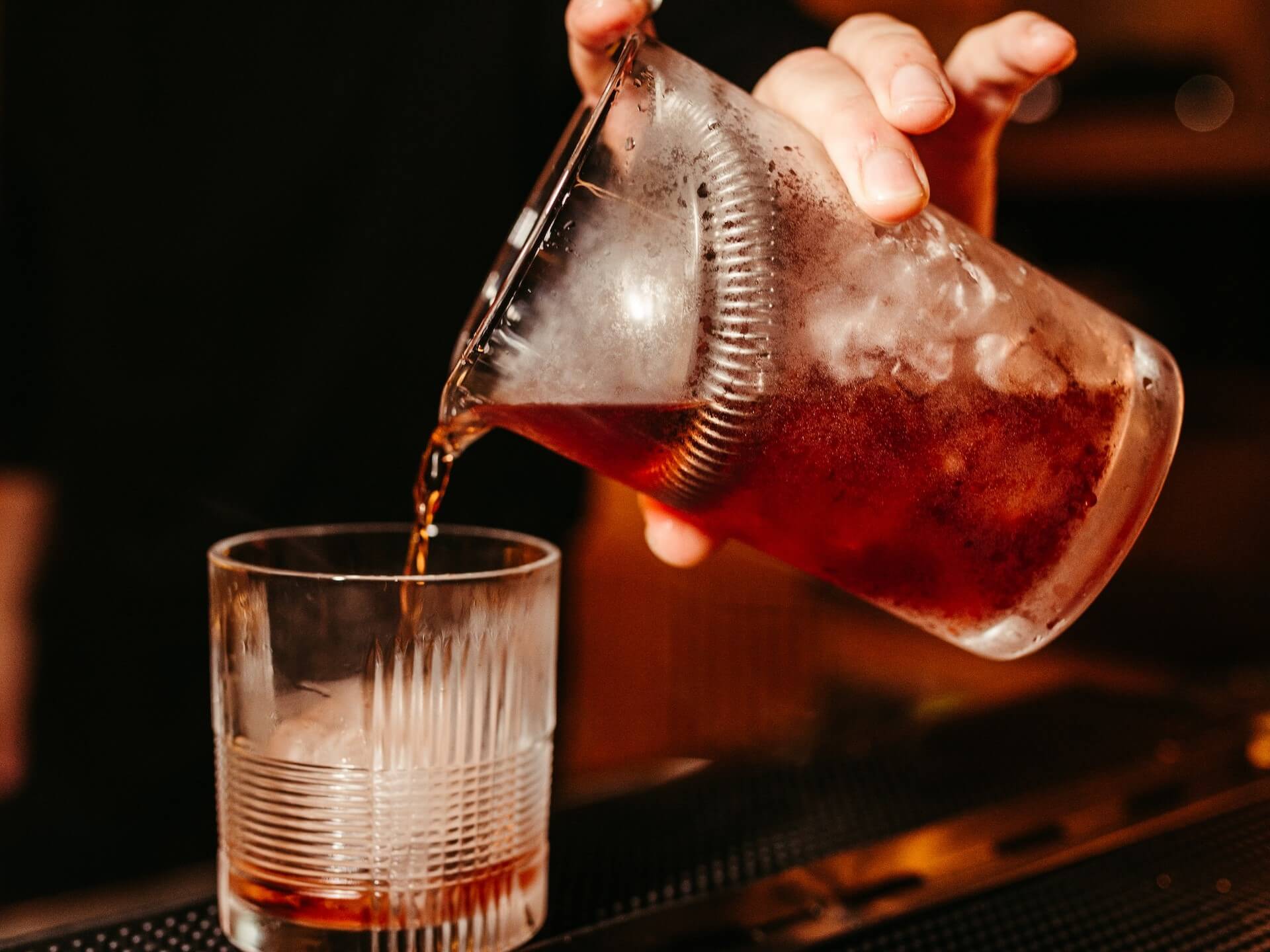
Bartender pouring Negroni into glass

This month, operators will have the opportunity to sign their bars up to take part in the tenth-anniversary celebration of Negroni Week.

For 2023, Negroni Week hosts Imbibe Magazine and Campari are raising funds for Slow Food. Sponsors also include Cinzano, Bulldog Gin, Bols Genever, and Coopers’ Craft Bourbon.


View this post on Instagram


A post shared by Campari USA (@campariusa)

Negroni Week will take place from September 18 through September 24. Registration is now live and operators can sign up their bars via this link.

So, we’re helping spread the word early and giving operators and their teams plenty of time to prepare to participate this year.

Negroni Week 2023

After first launching in 2013, Negroni Week is celebrating their decennial year.

Over the course of ten years, Imbibe and Campari have seen tremendous growth and results. In its inaugural year (or perhaps inaugural week is more accurate), a little over 100 venues participated. In its second year, 1,300 venues registered for Negroni Week.

Now, thousands of venues sign up every year, helping to raise money for worthy causes. To date, Negroni Week boasts more than $4 million in funds for charitable organizations.

Participation really couldn’t be any simpler: register, make a donation of at least $25, serve Negronis and/or variations of Negronis, and donate proceeds from your Negroni Week LTO menu.

After completing registration and making at least the minimum donation, an operator’s venue will gain placement on the Negroni Week website. The listings are searchable by state and city. Venues that donate $250 or more will carry a Premium Donor designation.

Those looking for inspiration for their charity LTO menus can click here to sift through Negroni Week’s recipe database.

Slow Food

Simply put, Slow Food’s mission is to help everyone access food that’s good for them, good the people who grow it, and good the planet as a whole.

An even more succinct description comes from the Slow Food website: access to food that’s “good, clean, and fair for all.”

Further, Slow Food seeks to prevent the loss local food cultures, along with food traditions. The organization was founded in 1989 and is now active in more than 160 countries.

In the US, Slow Food operates as a 501(c)(3) organization and has been active in Canada for several years. The charitable organization has had a strong presence in the provinces of British Columbia, Calgary, Montréal, and Ontario.

Get Ready

With just three ingredients in a 1:1:1 ratio, any bar team should be able to handle putting delicious Negronis across the bar.

So, operators should ensure their team can craft a traditional Negroni while encouraging them to work on some creative variations.

We’ll see in a little over a month to celebrate Negroni Week!

Image: Jonathan Borba on Unsplash

KRG Hospitality Complete Bar Menu Audit

by David Klemt David Klemt No Comments

Drink Donnybrook: Let’s Talk Piña Colada

Drink Donnybrook: Let’s Talk Piña Colada

by David Klemt

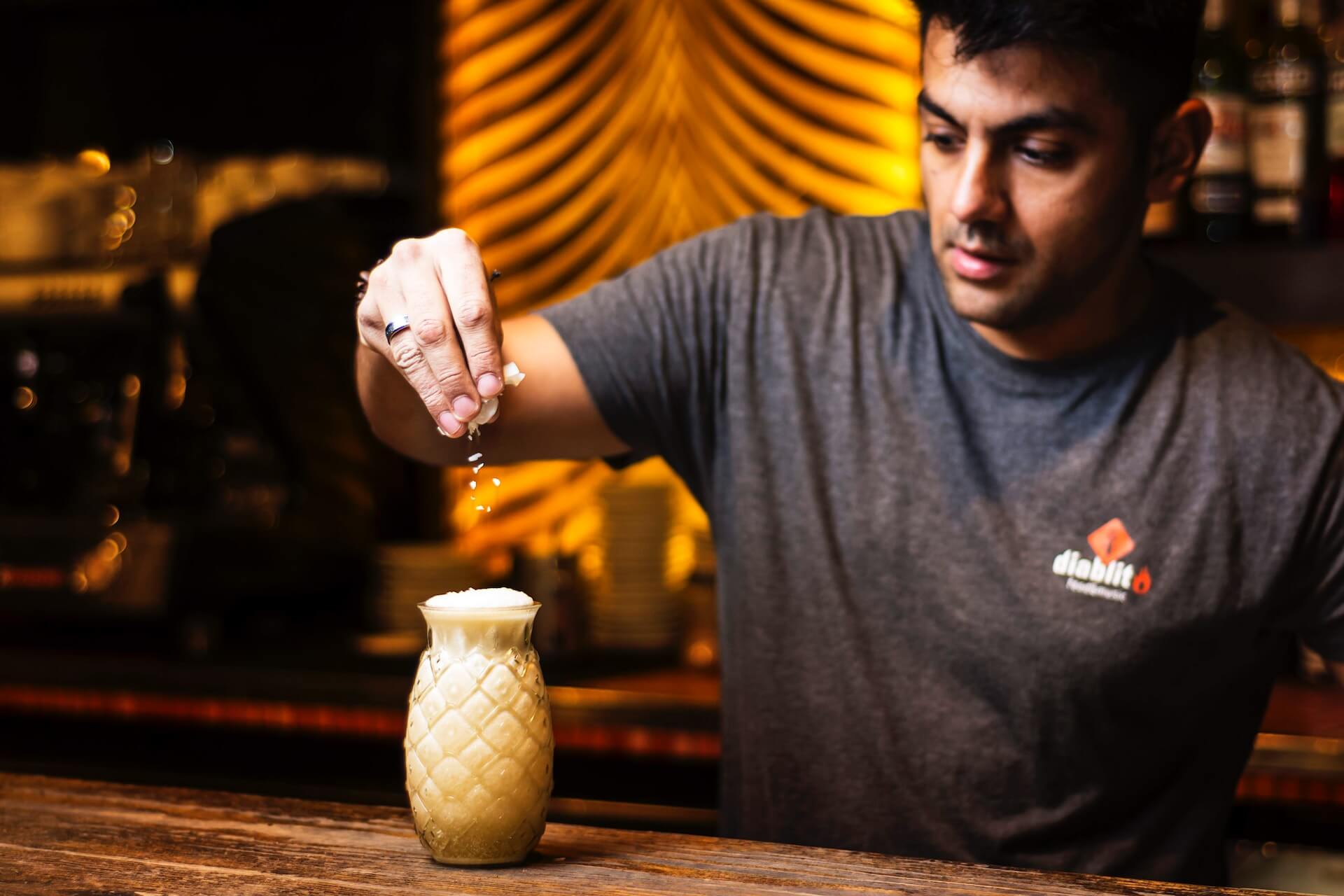
A bartender serving a cocktail in a pineapple-shaped glass

Temperatures are rising and there are still about six weeks of summer left, so let’s take a look at a refreshing warm-weather hero: the Piña Colada.

So far we’ve looked at the Martini and Whiskey Sour. Now, it’s another classic’s turn in the Drink Donnybrook spotlight.

One could claim that the Piña Colada is one of the original “lost cocktails.” Of course, that depends on which origin story turns out to be true.

If the Piña Colada dates back to the first quarter of the 19th century, then it’s a pirate cocktail once lost to the winds of time. Puerto Rican pirate Roberto Cofresí, also known as El Pirata Cofresí, supposedly served his crews a drink consisting of rum, coconut, and pineapple. Sounds like a Piña Colada to me.

The reason I said it could be considered an original lost cocktail is that Cofresí died in 1825. Disputed history says his drink recipe disappeared with his death.

However, the Piña Colada may have far less metal roots than being invented by a famous pirate. Puerto Rico’s official drink may have simply been created by a bartender.

One Drink, Three Bartenders

Ramón “Monchito” Marrero may have created the Piña Colada while at the helm of the Beachcomber Bar at the Caribe Hilton in Old San Juan, Puerto Rico, in 1952. Or maybe it was 1954.

It’s almost like bartenders should be able to more easily protect their intellectual properties so we can identify their cocktails’ true origins.

Forgive the digression. You’ll be shocked—shocked, I say—to learn that another bartender may have created the Piña Colada. During the same year. At the same hotel.

That bartender is Ricardo García, and the claim is that he invented the drink during a coconut shortage.

Would it surprise you to learn that a third bartender working in Old San Juan also claimed credit for the Piña Colada? Ramón Portas Mignot said he came up with this tropical classic in 1963 at Barrachina. The restaurant and bar’s ownership apparently agreed, because they installed a plaque at the front door backing Mignot’s claim.

Hey, if it has a plaque, it must be true; they don’t just give those to anyone. Oh, and you can check out that plaque for yourself: Barrachina still exists and enjoys a 4.5 rating from over 4,100 Google reviews.

A Rough Patch

Unfortunately, once anointed “the world’s most famous drink,” the Piña Colada had a rough, well, several decades.

In the 1970s, the drink’s quality plunged and fell out of favor with cocktailians. Any technique for building the nautical libation went down the bar sink. It was easier and cheaper to just make Piña Coladas with premade mixes and cheap rum.

Add to that the trend toward serving bastardized versions in oversized glassware at mediocre hotel pools, tourist trap hotel bars, weird supper clubs nowhere near a beach, and on cruise ships and you can see why cocktail connoisseurs snubbed this classic.

The Cocktail Revolution of the 2000s helped restore the Piña Colada’s dignity and popularity. It may not find itself in as much demand as the Margarita or Daiquiri, but it’s no longer missing from serious cocktail programs.

So raise a Hurricane—or a cocktail glass or coupe—to the Piña Colada today. ¡Salud!

Recipe

  • 2 ounces Light rum
  • 1 ½ ounces Cream of coconut
  • 1 ½ ounces Pineapple juice
  • ½ ounce Freshly squeezed lime juice
  • Pineapple leaf and pineapple wedge for garnish

For a more traditional preparation, fill a Hurricane glass with ice and set to the side. Add the liquid ingredients to a shaker with ice. Shake for at least 30 seconds. Toss the ice from the Hurricane glass and replace with pebble ice. Strain cocktail into glass and garnish.

Now, you don’t need to serve a Piña Colada in a Hurricane. Plenty of bars and restaurants send them across the bar in coupes or other cocktails glasses, sans garnish. Speaking of garnishing this classic, some people expect whipped cream, a lime wedge or wheel, a cherry, or even all three. You’ll see bartenders serve them with sugar rims and umbrellas. Like me, you’ve probably also seen them served with an orange wheel.

Then there are the frozen Piña Coladas and fruit Piña Coladas, versions made with various styles of rum… People just can’t seem to resist putting their stamp on this classic.

Dealer’s choice, I suppose, or you can ask guests what preparation and garnish they prefer. Or, and this is the approach I recommend, nail down your bar’s signature Piña Colada, including garnish (or none).

Image: Kike Salazar N on Unsplash

KRG Hospitality Start-Up Restaurant Bar Hotel Consulting Consultant Solutions Plans Services

by David Klemt David Klemt No Comments

iPourIt Releases Their 2023 Pour Report

iPourIt Releases Their 2023 Pour Report

by David Klemt

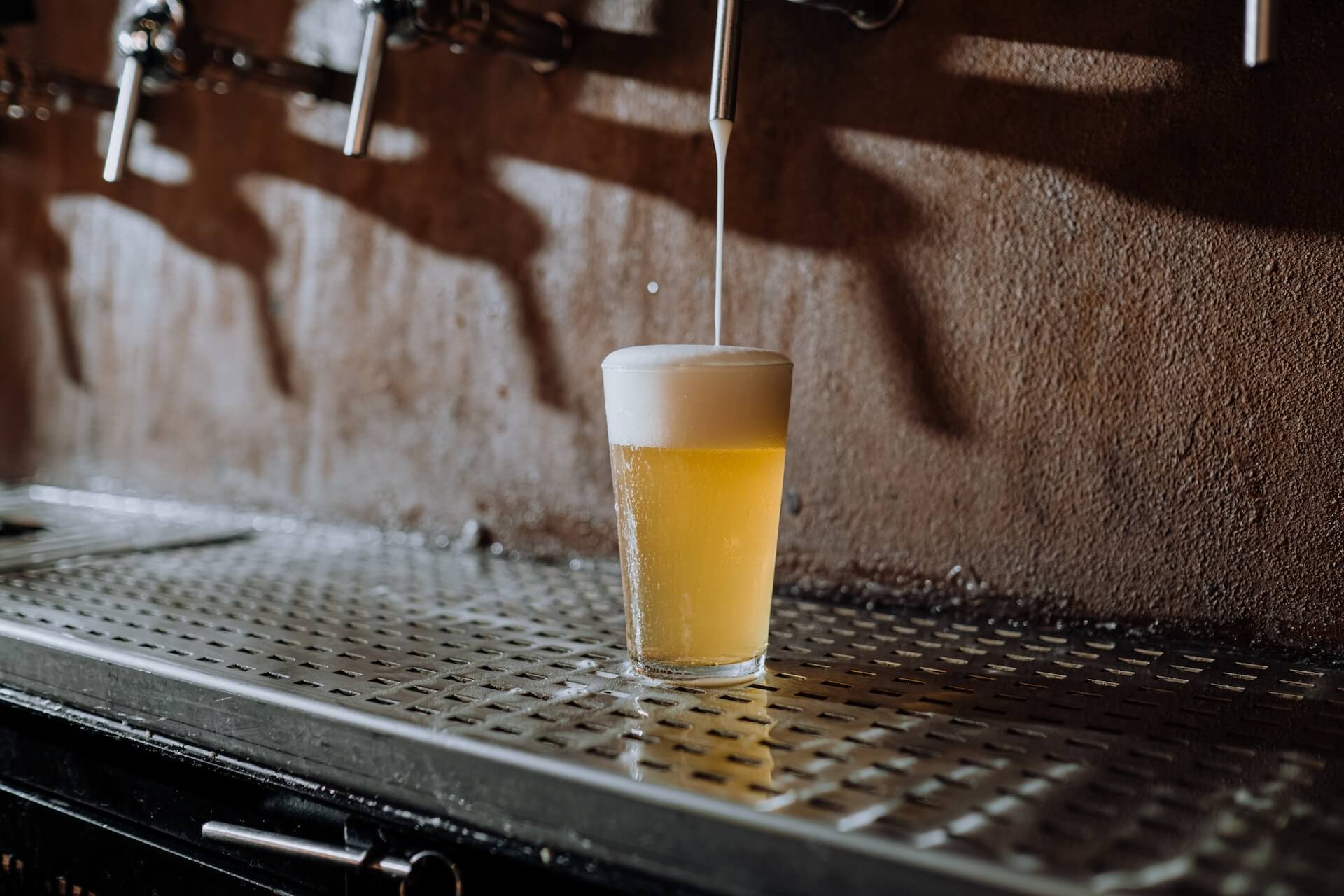
Beer pouring into glass from tap

Interactive self-serve beer experience platform iPourIt‘s latest report, the 2023 Pour Report, is now available for download and review.

iPourIt is a pioneer in the self-serve beverage space. While it may seem counter-intuitive to some, many guests have shown time and again that they enjoy using self-serve walls. For these guests, a not in any way insignificant number, iPourIt installations enhance the guest experience, increase loyalty, and boost revenue.

And while many people associate iPourIt and self-serve programs with beer, these systems can also pour wine, cocktails on tap, spirits, non-alcohol beverages, and soft drinks.


View this post on Instagram


A post shared by Matt Plapp (@mattplapp)

Another benefit from iPourIt? Transparency and sharing of data. The company doesn’t limit providing valuable guest behavior insight to their clients. Rather, they make the data they collect available to anyone. Simply head to their website, fill out a few fields, and gain important beverage insights.

Anyone curious can choose between a standard report and a “pro” version. Both are free to download and peruse. People can also read our article that dives into their fourth-annual report via this link.

Below you’ll find key takeaways from their 2023 report. I strongly urge operators to download and review either report.

The Who

We agree that demographics are a metric that people and businesses often misuse. Valuegraphics can be far more effective for businesses looking to build loyalty and boost revenue.

Still, demographics can provide beneficial insights.

First, let’s look at how men and women used iPourIt systems in 2022. Men poured 20,477,288 ounces last year, whereas women poured 10,848,435 ounces. The average per pour for men was 6.4 ounces in comparison to 5.3 ounces per pour from women. On average, men spent $14.72 per visit to an iPourIt-equipped location; women spent $12.24.

Next, the generational breakdown. IPA was the number-one style poured for Baby Boomers, Generation X, and Millennials. For legal-drinking-age Generation Z drinkers, IPA came in second; their top pour style was cider. Likewise, Lager claimed second place for Boomers, Gen X, and Millennials. Second was IPA for Gen Z, and Lager was third. Wheat beer was third place for Boomers, fourth for Gen X and Millennials, and fifth for Gen Z. Sour came in fifth for Gen X and Millennials fourth for Gen Z; for Boomers, the style didn’t rank among the top five. Stout clinched the fifth spot for Boomers.

Finally, in terms of traffic, men of every age group poured more ounces than their female counterparts.

The What

Below, the top 10 styles of beer poured by men:

  1. Fruit beer
  2. Pale Ale
  3. Blonde
  4. Pilsner
  5. Stout
  6. Sour
  7. Wheat beer
  8. Cider
  9. Lager
  10. IPA

In descending order, the top five (download the report for the top ten) products poured by men were Michelob Ultra, Bud Light, Golden Road Brewing Mango Cart, Coors Light, and Modelo Especial.

And now the top styles of beer or category of beverage poured by women:

  1. Stout
  2. Fruit beer
  3. Blonde
  4. White wine
  5. Hard seltzer
  6. Wheat beer
  7. Sour
  8. Lager
  9. IPA
  10. Cider

Also in descending order, the top products poured by women were Michelob Ultra, Mango Cart by Golden Road Brewing, Bud Light, Ace Pineapple Cider, and Coors Light.

The Where

The 2023 Pour Report by iPourIt breaks the US down into five regions: West, Southwest, Midwest, Southeast, and Northeast.

Because our American head office is in Las Vegas and our hotel consultant is in Pennsylvania, we’ll look at the West and Northeast.

The top-five pours for the West in 2022 were:

  1. Bud Light
  2. Firestone Walker Brewing Co. 805
  3. Golden Road Brewing Mango Cart
  4. Coors Light
  5. Modelo Especial

While the top-five pours in the Northeast were:

  1. Blue Moon Brewing Co. Belgian White
  2. Allagash Brewing Co. White
  3. Lord Hobo Brewing Co. Boom Sauce
  4. Sloop Brewing Co. Juice Bomb
  5. Stella Artois

For the curious, Bud Light and Coors Light are categorized as American-style Light Lagers, 805 is a Blonde Ale, Mango Cart is a Wheat Ale, and Modelo Especial is a Mexican-style Pilsner. Blue Moon and Allagash White are both Belgian-style wheat beers (or Witbiers), Boom Sauce is a Double IPA, Juice Bomb is a Northeastern IPA, and Stella Artois is a Lager.

For further insights, please download this year’s iPourIt report here.

Image: cottonbro studio on Pexels

KRG Hospitality Beverage Programming

by David Klemt David Klemt No Comments

Cheers to the Spirited Awards Winners!

Cheers to the 2023 Spirited Awards Winners!

by David Klemt

Bartender presenting cocktail

A toast to the nominees and winners!

Cheers to each of the winning bars, teams, and individuals taking home awards from the 17th annual Spirited Awards at Tales of the Cocktail 2023 in New Orleans!

Spirits educator, advocate, and bartender’s bartender Tiffanie Barriere earned the well-deserved Tales Visionary Award. Master Distiller Desmond Payne, MBE, took home the Helen David Lifetime Achievement Award.

Compellingly, a number of so-called secondary and tertiary markets are taking awards back to their home cities. These include Albuquerque, Phoenix, and Portland. Nothing against primary markets like New York City and Los Angeles, but it’s wonderful to see other cities grab the spotlight and shine, make their marks, and let everyone know, “We’ve arrived—don’t sleep on us!”

Unfortunately, Canada didn’t take home any international awards from Tales this year, nor did Las Vegas. Next year, hopefully.

Barcelona, however, can boast that it’s the home of the Spirited Award winner for the World’s Best Bar.

As far as our little experiment with artificial intelligence attempting to predict Spirited Awards winners, the chatbot we selected didn’t do very well. That said, it did accurately guess six out of the 24 awards we presented to the bot for a 25-percent success rate: Best US Brand Ambassador; International Bartender of the Year; Best International Bar Mentor; Best International Restaurant Bar; Best Broadcast, Podcast, or Online Video Series; and Best Cocktail & Spirits Writing.

Raise a glass and toast this year’s Spirited Awards winners. Cheers!

US Categories

US Bartender of the Year presented by Pernod Ricard USA

Christine Wiseman, Marygold’s Brasserie / Broken Shaker (Miami, Florida)

Best US Bar Mentor presented BarSmarts

Chris Patino

Best US Brand Ambassador presented Libbey

Vance Henderson (Hendrick’s Gin)*

Best US Bar Team presented by William Grant & Sons

Happy Accidents (Albuquerque, New Mexico)

Best US Cocktail Bar presented by Absolut Vodka

Century Grand (Phoenix, Arizona)

Best US Hotel Bar presented by Grey Goose

Hey Love at The Jupiter (Portland, Oregon)

Best US Restaurant Bar presented by Amaro Montenegro and Select Aperitivo

Café La Trova (Miami, Florida)

Best New US Cocktail Bar presented by Diageo Bar Academy

Martiny’s (New York, New York)

Timeless US Award

Tiki-Ti (Los Angeles, California)

International Categories

International Bartender of the Year presented by The Busker

Giorgio Bargiani, Connaught Bar (London, England, United Kingdom)*

Best International Bar Mentor presented by Tales of the Cocktail Foundation

Agostino Perrone*

Best International Brand Ambassador presented by Tales of the Cocktail Foundation

Nicola Riske (The Macallan)

Best International Bar Team presented by Angostura Caribbean Rum

ALQUÍMICO (Cartagena, Colombia)

Best International Cocktail Bar presented by Patr​​ón Tequila

SIPS (Barcelona, Spain)

Best International Hotel Bar presented by Perrier

Jigger & Pony at the Amara Hotel (Singapore)

Best International Restaurant Bar presented by Tales of the Cocktail Foundation

Analogue Initiative (Singapore)*

Best New International Cocktail Bar presented by Diageo Bar Academy

Line Athens (Athens, Greece)

Timeless International Award

Long Bar at the Raffles Hotel (Singapore)

Global Categories

Tales Visionary Award

Tiffanie Barriere

Helen David Lifetime Achievement Award

Desmond Payne, MBE

World’s Best Bar

SIPS (Barcelona, Spain)

Best New Spirit or Cocktail Ingredient presented by Lyre’s Non-Alcoholic

Martini & Rossi Floreale Non Alcoholic Aperitivo

World’s Best Cocktail Menu presented by Diageo Bar Academy

Double Chicken Please (New York, New York)

World’s Best Spirits Selection presented by Tales of the Cocktail Foundation

Raised by Wolves (San Diego, California)

Writing & Media Categories

Best Cocktail & Spirits Publication presented by Tales of the Cocktail Foundation

Punch

Best Broadcast, Podcast, or Online Video Series presented by Tales of the Cocktail Foundation

The Speakeasy Podcast*

Best Cocktail & Spirits Writing presented by Tales of the Cocktail Foundation

The Great Mezcal Heist” by Emma Janzen, for Eater*

Best New Cocktail or Bartending Book presented by Tales of the Cocktail Foundation

The Bartender’s Manifesto by Toby Maloney with Emma Janzen

Best New Book on Drinks Culture, History, or Spirits presented by Tales of the Cocktail Foundation

Modern Caribbean Rum: A Contemporary Reference to the Region’s Essential Spirit by Matt Pietrek and Carrie Smith

Congratulations to each of the venues, teams, and individual winners! Cheers!

Bar Hacks Guests

The following Spirited Awards presenters, winners, and TOTC team have appeared on the Bar Hacks podcast. Give these episodes a listen to learn more about these amazing people!

Vance Henderson (episode 20)

Episode 48, Episode 65, and the Hurricane Ida Emergency Episode with Eileen Wayner

Lynn House (episode 52)

Kellie Thorn and Lola Thomas (episode 72)

Roberta Mariani (episode 84)

* Denotes an accurate prediction by DeepAI‘s AI Chat chatbot.

Image: Christian Fridell on Pexels

KRG Hospitality. Bar Consultant. Nightclub. Lounge. Mixology. Cocktails.

by krghospitality krghospitality No Comments

5 Ways to Elevate the Hotel Experience

5 Inexpensive Ways to Elevate Your Hotel Guest Experience

by Kim Richardson

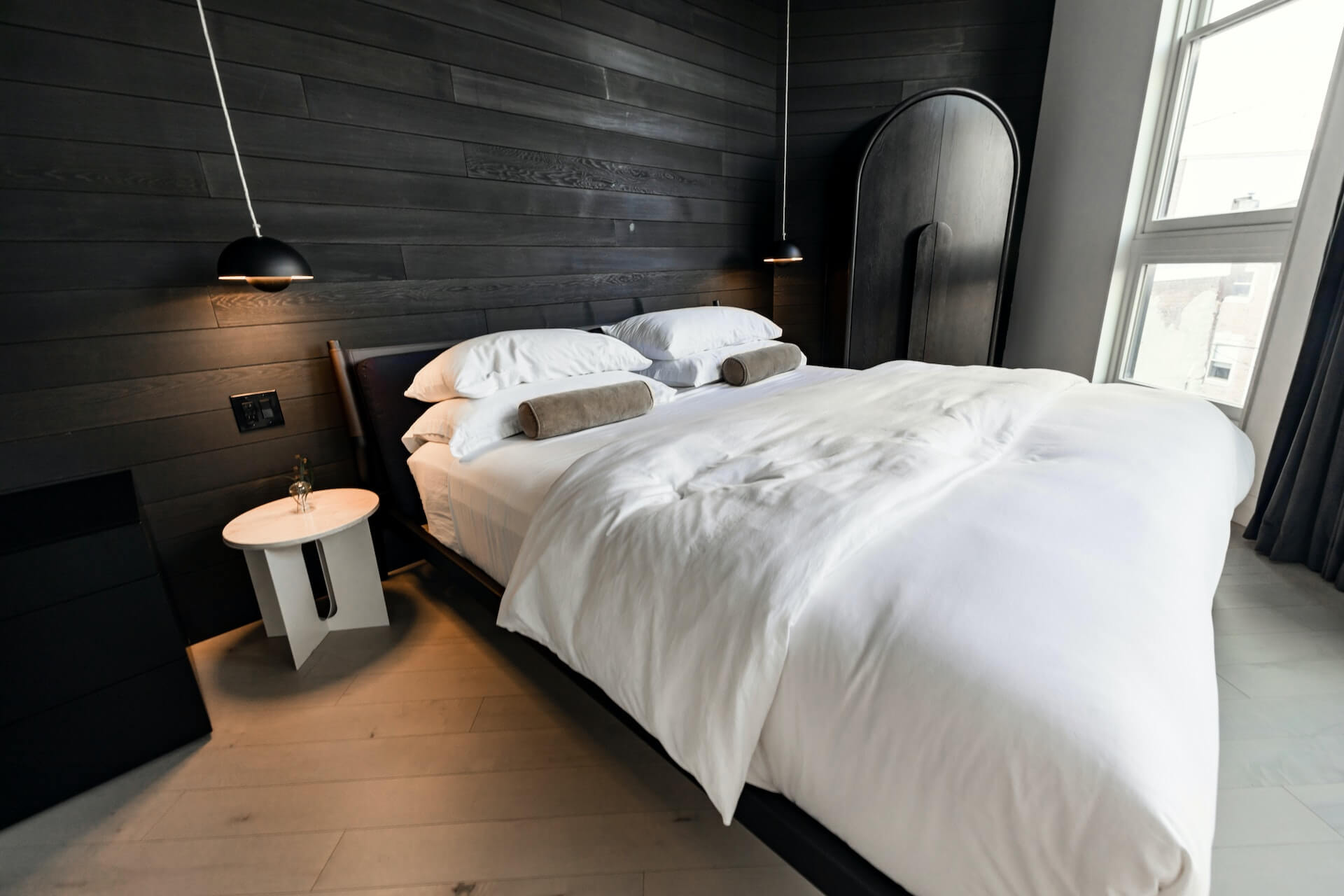
Boutique hotel room with black and white walls and linens

With all the different amenities today’s travelers are looking for, you’re not going to be able to accommodate all of them.

It’s no secret: Happy hotel guests make for happy employees and happy owners. They’re the true advertisement for our hotel and resort locations.

But as the maxim goes, you can’t make all the people happy all the time. With very exceptionsbrands that can afford to embody the money-no-object version of unreasonable hospitality—it’s not realistic to think you can satisfy every guest’s every whim.

With all the different amenities today’s travelers are looking for, you’re not going to be able to accommodate every single preference. Some of them may not be in your budget, and others may not make sense for your business.

With that in mind, here are some basic items that every hotel location can provide with little to no cost.

Get back to the basics of your business and make sure the machine is running smoothly before you worry about adding things that cost you additional money. A little goes a long way!

1 Create a seamless and friendly arrival experience.

Whether your guests spend days traveling to you or maybe just take a 10-minute car ride, it’s important that their stay starts off with a warm and welcoming experience. This sets the tone for their entire stay.

How does your staff greet them at the door and front desk? Are the details of the reservation correct? Is the room ready on time? Is the room the correct type? Do you and your team acknowledge special details and requests? More importantly, do you follow through to deliver on those requests?

People put a lot of time into planning a trip. A rocky arrival or a mishandled request can really put a damper on someone’s getaway whether it’s for business or pleasure. When they start off with a bad experience, they’re more likely to nitpick the rest of their stay.

The guest experience starts well before arrival. Don’t forget to keep in mind all the interactions they have prior to arrival: ease of reservation process, user-friendly websites, and pleasant interactions with any staff they might have.

2 Personalize the experience. Send a welcome note and acknowledge special occasions.

Sending a welcome note to a guest is a great way to personalize the experience, and I do mean personalize! Try to stay away from generic welcome letters.

Use their name in the letter. If they’re a repeat guest, use phrases such as “Welcome back.” If you see something in the reservation notes about them celebrating a special occasion, be sure to acknowledge it in the welcome note and wish them well.

Welcome notes can be sent as an email, something that is handed to them at the front desk, or a card in their room. Consider sending a small gift when you know someone is celebrating a special occasion. The gift doesn’t have to be expensive; its purpose is to make them feel noticed.

A small treat can be enough.

3 Partner with companies for amenities you are not able to provide (ex: gym, restaurants, transportation, spa/salon).

Partnering with nearby companies is a great way to add extra amenities to your hotel. This doesn’t have to be something that costs you money.

You can discuss the terms case by case with each business. They may be willing to offer a discount coupon (complimentary to you) for allowing them to put collateral in your lobby or on your website. You can also discuss trades of service.

If you’re not a full-service hotel, a discount at a nearby restaurant or cafe can go a long way. Similar to this, if you don’t have a fitness center maybe there is one nearby that is willing to offer your guests complimentary access (or for a discount). Spa/salons are also a great amenity you can feature.

If you’re not located in a walkable area (or maybe there’s a big attraction nearby that’s not walkable), consider teaming up with a transportation company that can be available to your guests.

When partnering with these nearby businesses, it’s important that they actually are nearby and accessible to your guests. We’ve all been in situations, be it a hotel or a membership, that comes with discounts, but then when you go to look at them, they’re not convenient to use. Don’t be that business.

4 Master the basics. Keep a clean property and deliver on all amenities promised.

This sounds like an obvious one, but this is often where we drop the ball as an industry.

It’s not always about being a five-star hotel and having tons of luxurious extras. Meeting guest expectations by following through on what you promised should be a given, but it’s truly not.

Regardless of the level of hotel, a clean property is important. Guests shouldn’t find dirty items from the last guest. All public spaces should be clean and stocked with any amenities you offer.

If you offer complimentary coffee in the lobby until 10:00 AM, make sure it’s really there and available until that time. Don’t put the last container out at 9:00 or 9:30 AM and stop checking on it.

I’m the guest who goes down for coffee at the last minute it’s available. I can’t tell you how many times I’ve started filling my cup and heard the trickle of the container running out. Then I’m left with going to find coffee elsewhere or hunting down a staff member to get more.

These types of experiences might not warrant a guest complaint but they do create a feeling of not getting what they pay for.

Keep your guests notified of any unexpected changes to the promised amenities. If your lobby is under renovation, your famous restaurant is closed for a private party, or the pool isn’t available, send proper notification to your guests prior to arrival. Consider offering some type of compensation as a show of good faith prior to the complaints rolling in.

Things don’t always go according to plan, and we can’t always be perfect, but you have the power to dictate whether this is a good or bad experience for your guest.

5 Provide readily available directions and info on the local area (restaurants, local attractions, tours, shopping).

No matter how hard your guests work on researching the area ahead of time, there is nothing better than hearing from the locals about the real places to check out.

Be sure to have a varied list of places to recommend to the guests based on their specific interests. As our travelers often are without a car, make sure you’re able to tell them the best way to get there.

Any additional information you can provide on these places is great. Consider having brochures on hand, websites, apps, and QR codes. Consider compiling a list of your staff’s favorite places to go. This can be posted in a public space, done as a handout that can be given to guests upon request, or distributed electronically.

As you can see, you don’t have to throw tons of money at your hotel to make a big, positive impact on your guests. Thinking ahead, partnering with local businesses, and ensuring your staff adheres to your steps of service, policies, and procedures can deliver big dividends.

For more tips, be sure to sign up for the KRG Hospitality newsletters (email and LinkedIn) and follow me on Instagram!


View this post on Instagram


A post shared by Kim Richardson (@hospitalityby.kim)

Image: Andrea Davis on Pexels

KRG Hospitality. Boutique Hotels. Resorts. Properties. Consultant. Feasibility Study. Business Plan

by David Klemt David Klemt No Comments

Tales Reveals Top 4 Awards Finalists

Tales Reveals Top 4 2023 Spirited Awards Finalists

by David Klemt

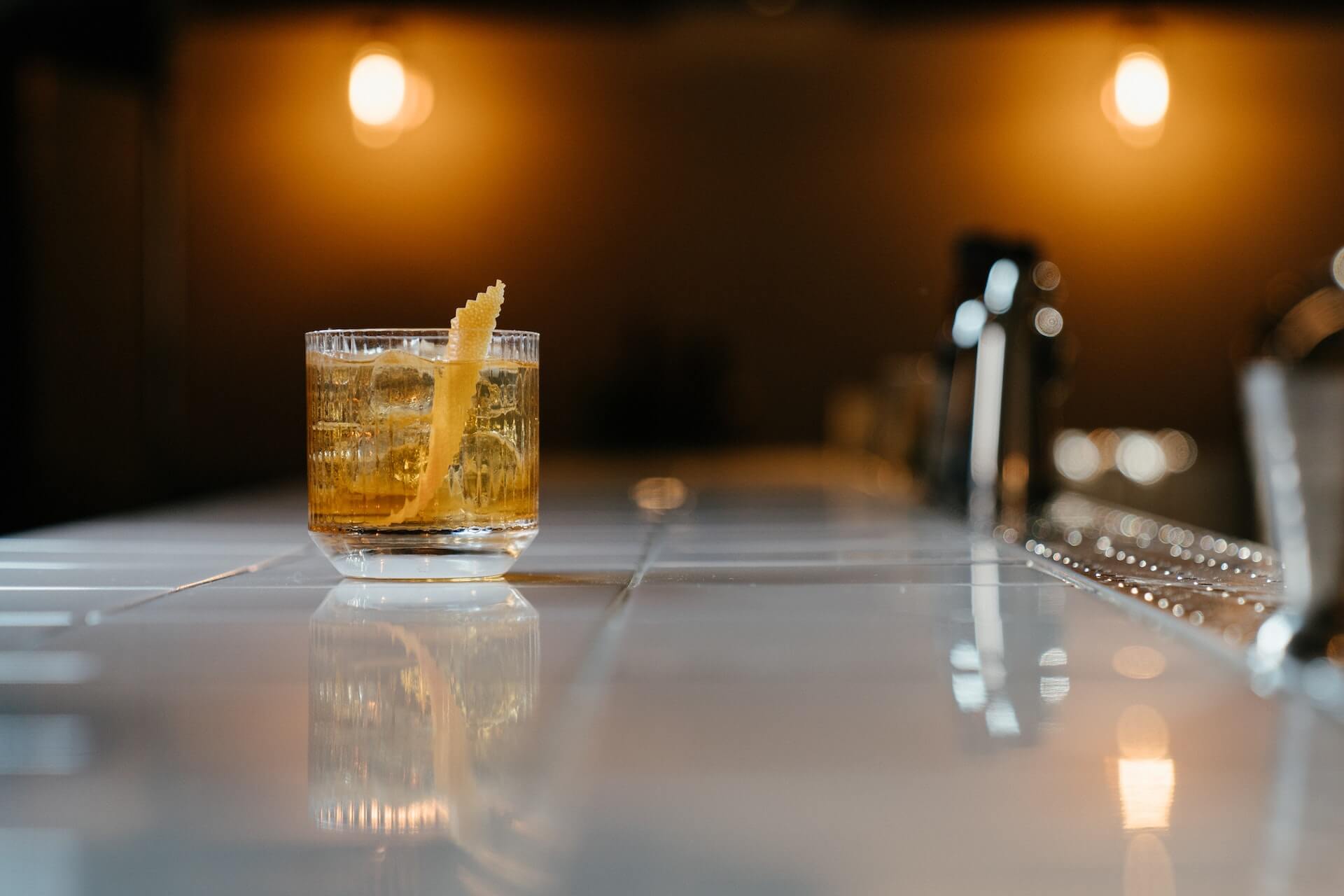
Cocktail with orange peel garnish resting on glossy white bar top

We’re one month away from the 17th annual Spirited Awards ceremony and the top four nominees in each category have been revealed.

Over the course of the past few months, the Tales of the Cocktail Foundation have been hard at work to narrow the field. They first announced this year’s honorees. Not long ago, they announced the top ten nominees.

Now, we know the top four nominees in the running for each of the Spirited Awards. You can check them out below, with each award organized into one of four main categories: US, International, Global, and Writing & Media.

Congrats to the finalists! We’ll know the winners in just a month.

Cheers!

US Categories

US Bartender of the Year presented by Pernod Ricard USA

  • Caer Maiko Ferguson, DrinkWell / Daijoubu (Austin, Texas)
  • Kapri Robinson, Allegory at the Eaton Hotel (Washington, DC)
  • Masahiro Urushido, Katana Kitten (New York, New York)
  • Christine Wiseman, Marygold’s Brasserie / Broken Shaker (Miami, Florida)

Best US Bar Mentor presented BarSmarts

  • Anu Apte
  • Colin Asare-Appiah
  • Nectaly Mendoza
  • Chris Patino

Best US Brand Ambassador presented Libbey

  • Kiowa Bryan (Spiribam)
  • Chris Cabrera (Bacardi USA)
  • Cameron George (Ardbeg Single Malts)
  • Vance Henderson (Hendrick’s Gin)

Best US Bar Team presented by William Grant & Sons

  • Happy Accidents (Albuquerque, New Mexico)
  • Nickel City (Austin, Texas)
  • Pacific Cocktail Haven (San Francisco, California)
  • Yacht Club (Denver, Colorado)

Best US Cocktail Bar presented by Absolut Vodka

  • Century Grand (Phoenix, Arizona)
  • Double Chicken Please (New York, New York)
  • Overstory (New York, New York)
  • Service Bar (Washington, DC)

Best US Hotel Bar presented by Grey Goose

  • Allegory at the Eaton Hotel (Washington, DC)
  • Dear Irving on Hudson at the Aliz Hotel (New York, New York)
  • Hey Love at The Jupiter (Portland, Oregon)
  • Little Rituals at the Residence Inn/Courtyard by Marriott (Phoenix, Arizona)

Best US Restaurant Bar presented by Amaro Montenegro and Select Aperitivo

  • Café La Trova (Miami, Florida)
  • Cleaver Butchered Meats & Seafood (Las Vegas, Nevada)
  • Kumiko (Chicago, Illinois)
  • Palomar (Portland, Oregon)

Best New US Cocktail Bar presented by Diageo Bar Academy

  • Chez Zou (New York, New York)
  • Martiny’s (New York, New York)
  • Milady’s (New York, New York)
  • Pacific Standard at the KEX Portland (Portland, Oregon)

International Categories

International Bartender of the Year presented by The Busker

  • Gina Barbachano, Hanky Panky (Mexico City, Mexico)
  • Giorgio Bargiani, Connaught Bar (London, England, United Kingdom)
  • Daniel Schofield, SCHOFIELD’S BAR (Manchester, England, United Kingdom)
  • Luke Whearty, BYRDI (Melbourne, Victoria, Australia)

Best International Bar Mentor presented by Tales of the Cocktail Foundation

  • Simone Caporale
  • Danil Nevsky
  • Agostino Perrone
  • Christina Veira

Best International Brand Ambassador presented by Tales of the Cocktail Foundation

  • Caitlin Hill (Rémy Cointreau)
  • Daniyel Jones (House of Angostura)
  • Dave Mitton (Lot 40 / J.P. Wiser’s)
  • Nicola Riske (The Macallan)

Best International Bar Team presented by Angostura Caribbean Rum

  • ALQUÍMICO (Cartagena, Colombia)
  • Atwater Cocktail Club (Montréal, Québec, Canada)
  • Jigger & Pony at the Amara Hotel (Singapore)
  • Paradiso (Barcelona, Spain)

Best International Cocktail Bar presented by Patr​​ón Tequila

  • 🔶🟥🔵 (London, UK)
  • ALQUÍMICO (Cartagena, Colombia)
  • Atwater Cocktail Club (Montréal, Québec, Canada)
  • SIPS (Barcelona, Spain)

Best International Hotel Bar presented by Perrier

  • ARGO at the Four Seasons (Hong Kong)
  • BKK Social Club at Four Seasons Bangkok (Bangkok, Thailand)
  • Botanist at the Fairmont Pacific Rim Hotel (Vancouver, British Columbia, Canada)
  • Jigger & Pony at the Amara Hotel (Singapore)

Best International Restaurant Bar presented by Tales of the Cocktail Foundation

  • Analogue Initiative (Singapore)
  • ARCA Restaurant & Bar (Tulum, Quintana Roo, Mexico)
  • Bar Kismet (Halifax, Nova Scotia, Canada)
  • Danico (Paris, France)

Best New International Cocktail Bar presented by Diageo Bar Academy

  • Last Word (Singapore)
  • Line Athens (Athens, Greece)
  • Mahaniyom Cocktail Bar (Bangkok, Thailand)
  • Night Hawk (Singapore)

Global Categories

Best New Spirit or Cocktail Ingredient presented by Lyre’s Non-Alcoholic

  • Martini & Rossi Floreale Non Alcoholic Aperitivo
  • PATRÓN El Alto Tequila
  • Saint Benevolence Aged Rum Clairin
  • The Fords Gin Co. Sloe Gin

World’s Best Cocktail Menu presented by Diageo Bar Academy

  • ALQUÍMICO (Cartagena, Colombia)
  • Double Chicken Please (New York, New York)
  • Handshake Speakeasy (Mexico City, Mexico)
  • Panda & Sons (Edinburgh, Scotland)

World’s Best Spirits Selection presented by Tales of the Cocktail Foundation

  • Baba Au Rum (Athens, Greece)
  • In Situ Mezcalería (Oaxaca, Mexico)
  • Raised by Wolves (San Diego, California)
  • Swift Soho (London, England, United Kingdom)

Writing & Media Categories

Best Cocktail & Spirits Publication presented by Tales of the Cocktail Foundation

  • CLASS Magazine
  • Difford’s Guide
  • Punch
  • The Cocktail Lovers Magazine

Best Broadcast, Podcast, or Online Video Series presented by Tales of the Cocktail Foundation

  • Black and Brown Podcast
  • Radio Imbibe
  • Shōshin Art Club
  • The Speakeasy Podcast

Best Cocktail & Spirits Writing presented by Tales of the Cocktail Foundation

  • “The Drinks Industry Has an Ageism Problem” by Betsy Andrews, for SevenFifty Daily
  • “The Great Mezcal Heist” by Emma Janzen, for Eater
  • “The Secrets to the Best Dry Martini You’ll Ever Have” by David Wondrich, for The Daily Beast
  • “This Is What Decolonizing a Spirit Looks Like” by Adaorah Oduah, for Punch

Best New Cocktail or Bartending Book presented by Tales of the Cocktail Foundation

  • Mindful Mixology: A Comprehensive Guide to No- and Low-Alcohol Cocktails with 60 Recipes by Derek Brown
  • Modern Classic Cocktails by Robert Simonson
  • The Bartender’s Manifesto by Toby Maloney with Emma Janzen
  • The New York Times Essential Book of Cocktails – Elevated and Expanded, edited by Steven Reddicliffe

Best New Book on Drinks Culture, History, or Spirits presented by Tales of the Cocktail Foundation

  • A SENSE OF PLACE: A Journey Around Scotland’s Whisky by Dave Broom
  • Doctors and Distillers: The Remarkable Medicinal History of Beer, Wine, Spirits, and Cocktails by Camper English
  • Modern Caribbean Rum: A Contemporary Reference to the Region’s Essential Spirit by Matt Pietrek and Carrie Smith
  • Unreasonable Hospitality by Will Guidara

Image: cottonbro studio on Pexels

KRG Hospitality. Bar Consultant. Nightclub. Lounge. Mixology. Cocktails.

by David Klemt David Klemt No Comments

Why You Need to Use Direct Bookings

Why You Need to Use Direct Bookings

by David Klemt

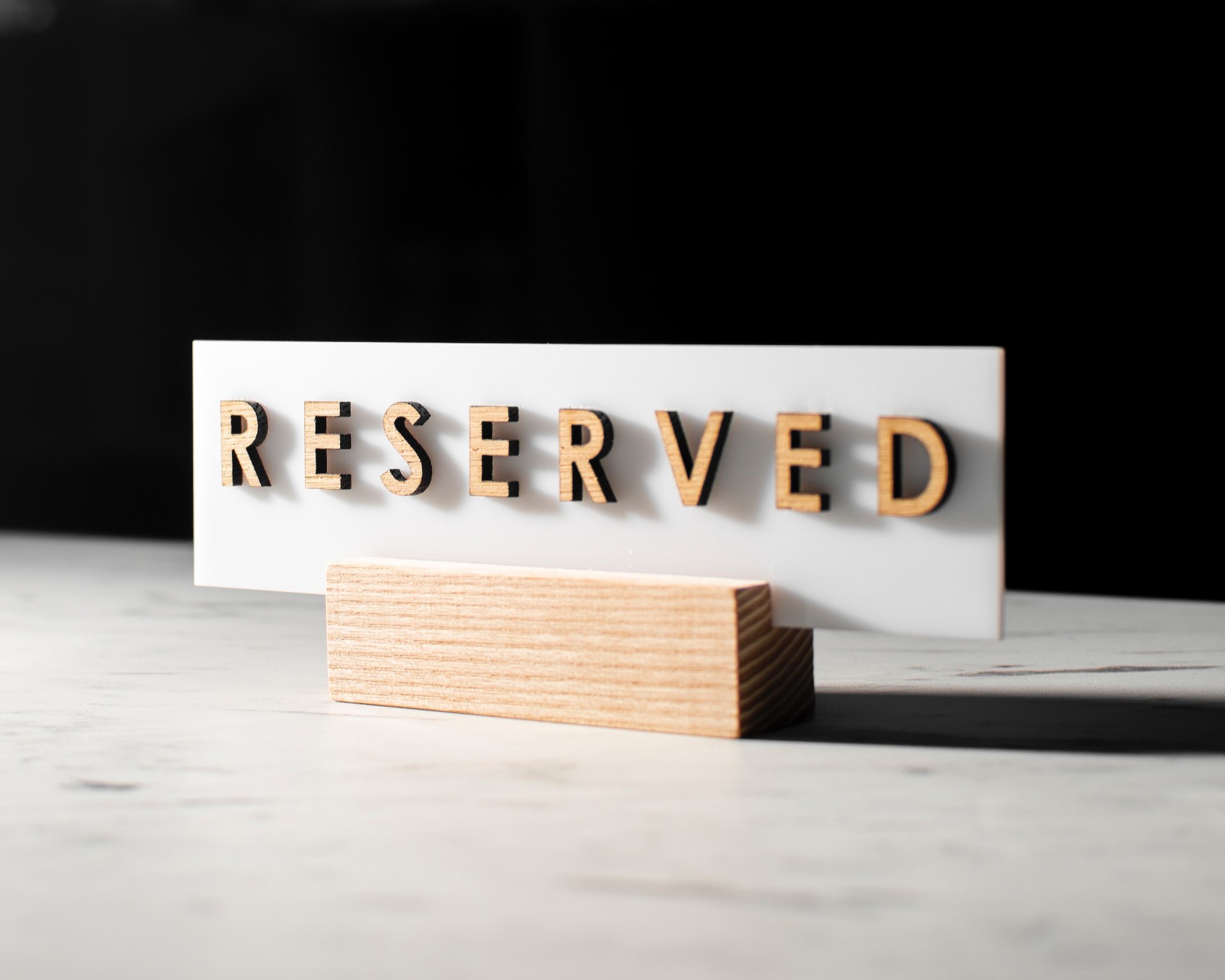
White "Reserved" sign in wooden block on table

A new report from guest retention platform SevenRooms shows that like delivery, guests prefer to support restaurants directly when it comes to reservations.

Similar to their awareness of third-party delivery platform fees, today’s guest appears to be aware that third-party marketplaces cost restaurants and bars too much.

Let’s consider the guest discovery journey. According to their 2023 Dining Discovery & Booking Report, SevenRooms says most guests discover new restaurants via word of mouth. In fact, 61 percent of people rely on family, friends, and co-workers to find new restaurants. A third of diners use Google (33 percent), and nearly as many use social media (29 percent).

So, what role do third-party marketplaces play in restaurant and bar discovery? Per SevenRooms, not even ten percent of people who discover new places to grab a bite or a drink use such platforms.

Their research shows that just nine percent of diners use OpenTable to find new restaurants. However, that’s three times the number of diners that Resy (three percent) is seeing use their platform for discovery.

Okay, so what does this mean to you, the operator? It means that you should be leveraging a direct-booking feature. Guests are telling us how they want to experience restaurants and bars. They’ve let us know they prefer direct delivery. Now, they’re letting us know they prefer direct booking.

In other words, give them what they want: user-friendly ways to support your business. Make it easy to find you on social. Ensure your website is functional and easy to navigate. And give delivery and booking buttons prime real estate on your website so guests can find them quickly.

I also recommend communicating that you offer direct bookings, and thanking those who use that functionality for supporting your business directly. This can, of course, be done via automated marketing emails.

For more information—including how many diners call restaurants directly to make reservations—please read the SevenRooms press release below. You can also download their latest report here.

SEVENROOMS CONSUMER DATA UNVEILS HOW GUESTS ARE DISCOVERING AND BOOKING RESTAURANTS

Leading guest experience and retention platform highlights consumer expectations for discovering new restaurants and making reservations

NEW YORK (June 7, 2023) – SevenRooms, a guest experience and retention platform for the hospitality industry, released its latest consumer report, “2023 Dining Discovery & Booking Report,” highlighting how guests discover new restaurants and book reservations. One thing is clear – diners are utilizing many channels for discovery – from word of mouth to a variety of online channels. Nearly two-thirds (61%) of diners hear about or discover new restaurants from friends, family and co-workers, followed by 33% using Google, 29% searching social media for restaurant profiles and 22% discovering through social media influencers or trusted sources. Only a small percentage use third-party platforms such as OpenTable (9%) and Resy (3%) to discover new restaurants.

“Coming out of the pandemic, operators are navigating an entirely new landscape which includes how diners are discovering and booking reservations,” said Joel Montaniel, CEO & Co-Founder of SevenRooms. “In this new world three things are clear: being everywhere diners are online is table stakes, diners prefer to book directly as opposed to using a third-party app, and while third-party apps are still important, Google is quickly becoming one of the preferred destinations for diners when they don’t go direct to the restaurant.”

Defining today’s restaurant guest

In the United States, today’s guests expect more than just a meal, and creating opportunities to build loyalty will set restaurants apart. Each experience can turn a one-time diner into a loyal guest – but it must include personalized touches from start to finish. It is critical for operators to own their data to create a relationship with each guest based on preferences, past visits and upcoming special occasions noted when booking direct. By building this relationship, operators are able to be more proactive with their guests, personalize dining experiences and use the data they collect to curate experiences that will ultimately drive more revenue.

The beauty of a direct booking platform is the ability to capture that data; for example, asking the guest when they are booking if they are celebrating anything special, or noting dietary preferences. Guests are also willing to make that extra step to make sure they have an excellent experience – nearly half (45%) of diners will call the restaurant directly to book a reservation, and 35% will book through the restaurant’s website. Twenty-nine percent of diners also say that they receive better experiences at the restaurant when they book direct, and more than 1 in 4 (27%) feel restaurants prioritize their reservation when doing so. 

Similar to how today’s diners are catching on to the experiential benefits of booking direct, they are also realizing that third-party platforms are not actually in the best interest of the restaurant. Sixty-one percent believe that making reservations directly with the restaurant, rather than with a third-party reservation platform, is better for the restaurant. Additionally:

  • 29% of respondents want to do all they can to directly support restaurants
  • 17% of respondents noted that third-party reservation platforms charge too much in fees to the restaurant, and guests would rather not have the restaurant incur that cost

“As the expectation for incredible experiences grows, third-party reservation platforms are losing market share as diners prefer to book directly with restaurants to ensure they get the best experience,” said Montaniel. “SevenRooms has always been dedicated and focused on empowering operators to deliver the most personalized guest experiences. Our omnichannel approach, enabling restaurants to meet guests wherever they are, whether through global discovery and booking channels or a restaurant’s own website, helps operators serve diners in this new world while helping them operate more sustainable and profitable businesses.

To learn more about SevenRooms, please visit www.sevenrooms.com.

About SevenRooms

SevenRooms is a guest experience and retention platform that helps hospitality operators create exceptional experiences that drive revenue and repeat business. Trusted by thousands of hospitality operators around the world, SevenRooms powers tens of millions of guest experiences each month across both on- and off-premises. From neighborhood restaurants and bars to international, multi-concept hospitality groups, SevenRooms is transforming the industry by empowering operators to take back control of their businesses to build direct guest relationships, deliver exceptional experiences and drive more visits and orders, more often. The full suite of products includes reservation, waitlist and table management, online ordering, mobile order & pay, review aggregation, email marketing and marketing automation. Founded in 2011 and venture-backed by Amazon, Comcast Ventures, PSG and Highgate Ventures, SevenRooms has dining, hotel F&B, nightlife and entertainment clients globally, including: MGM Resorts International, Mandarin Oriental Hotel Group, The Cosmopolitan of Las Vegas, Wynn Resorts, Jumeirah Group, Hard Rock Hotels & Resorts, Wolfgang Puck, Michael Mina, Bloomin’ Brands, Giordano’s, Australian Venue Company, Altamarea Group, AELTC, The Wolseley Hospitality Group, Dishoom, Live Nation and Topgolf.  www.sevenrooms.com

Image: Алексей Вечерин on Pexels

KRG Hospitality. Restaurant Business Plan. Feasibility Study. Concept. Branding. Consultant. Start-Up.

by David Klemt David Klemt No Comments

The Art of the Preparation

The Art of the Preparation

by David Klemt

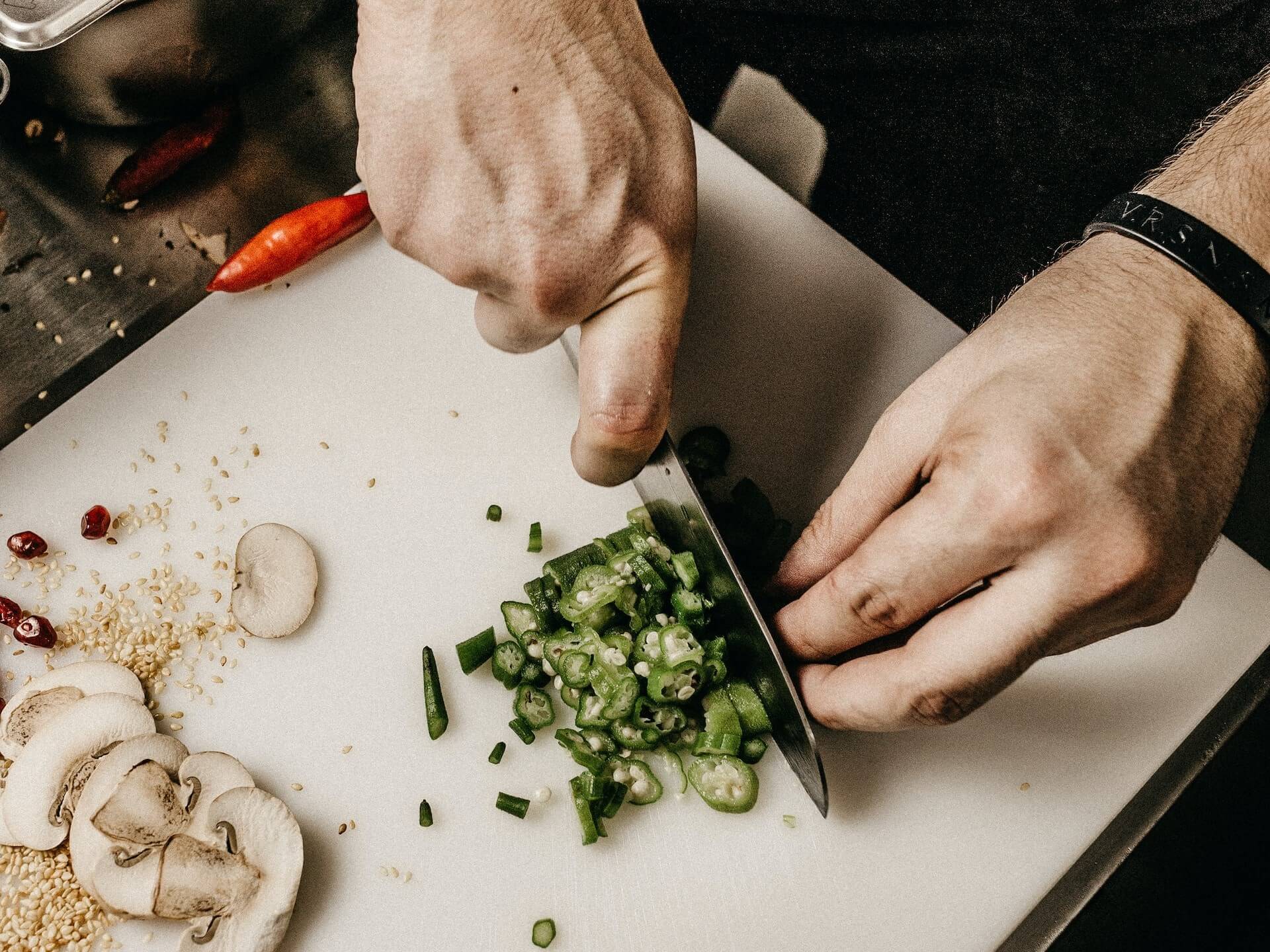
Overhead view of chef slicing and chopping ingredients

Chef Brian Duffy‘s take on preparation and its overall impact on the guest experience extends to every aspect of operations.

In one sentence during his 2023 National Restaurant Association Show in Chicago cooking demo, Chef Duffy sums up the power of the proper mindset.

“The art of the preparation creates the experience,” says Chef Duffy.

Now, he was preparing plant-based shrimp from New Wave Foods at the time. After preparing a pan, the revered chef was readying a pound of FABI Award-winning New Wave Shrimp for Duffified Shrimp Fried Rice.


View this post on Instagram


A post shared by Chef Brian Duffy (@chefbriduff)

When making this dish, Chef Duffy chops roughly half the New Wave Shrimp in half. He does so to enhance the dish’s texture, and therefore the guest experience. Additionally, Chef Duffy likes to toast basmati rice before adding it to the pan with the shrimp and vegetables.

Again, Chef Duffy shared his view on the guest experience when cutting animal-alternative shrimp (the product is made with sustainable seaweed and mung bean).

Preparation

Okay, so what does slicing or chopping shrimp have to do with the guest experience? It’s the attention to what others may consider a tiny detail. In fact, some may deem important details “optional.”

Whether front-of-house, back-of-house, or back office, everyone’s mindset matters. How one views their role and how they approach their responsibilities impacts every element of a restaurant, bar, nightclub, or hotel’s success.

Choosing to halve half the shrimp because it will deliver a better experience speaks volumes. It’s a commitment to perfect the “small” details so every guest walks away wanting to return.

If an operator wants to know if they have a chef or an executive chef, this is one way to tell. Is the chef teaching their brigade? Guiding them? Implementing policies around preparation? Or are they just punching the clock, making sure the rest of the team shows up, and sending out food that’s “good enough”?

Operators can apply versions of those questions to every role in the house, including their own. Is their pride in preparing every element of service and operation? Or is the team just muddling through each shift?

There are no Small Details

Interestingly, most guests likely won’t ever be aware of every detail operators and their teams get right. However, they will feel every choice each team member makes. They may not know precisely what goes right, but they take home with them that their visit was exceptional.

Pulling the threads tighter separates operators and their brands from one another. Guests can get a bite and a drink anywhere. They reward outstanding service and experiences with their time and money.

It’s a simple equation to understand: Operators want to create an army of loyal guests, guests expect exceptional experiences. The operators who deliver on guest expectations are rewarded with loyalty.

Chef Duffy isn’t “just” slicing shrimp. He’s not “just” toasting rice. Chef’s not “just” making “the world’s most perfect dippy egg.” In reality, he’s ensuring every decision he, his teams, and his clients make enhance the guest experience exponentially.

There are no small details. There are no small decisions. The art of the preparation, as Chef Duffy says, creates the experience. Indeed, preparation also separates the mediocre from the exceptional.

Image: Jonathan Borba on Unsplash

KRG Hospitality Mindset Coaching

by David Klemt David Klemt No Comments

Raise the Bar: The 3 Ps of Hospitality

Raise the Bar: The 3 Ps of Hospitality

by David Klemt

Three hands holding up three pineapples

No, one isn’t “pineapples.”

Nightlife, bar, and cocktail experts Mia Mastroianni, Phil Wills, and Art Sutley want operators to focus on what they call “the Three Ps.”

The engaging trio shared their trio of Ps recently in Las Vegas at the 2023 Bar & Restaurant Expo.

So, what are the Three Ps of hospitality? People, Place, and Product. Operators who pull the threads tighter on each of these crucial elements will be well on their way to improving operations and the guest experience.

People

Remember all the way back to a week ago when I shared Mastroianni, Wills, and Sutley’s thoughts on service versus hospitality? Consider the first P a deeper dive into that topic.

Operators need to focus on two categories of people who help their businesses succeed: their teams and their guests.

Addressing the former, the trio feels that operators are centering a disproportionate amount of their attention on guests in comparison to staff.

“We’re not lacking for people who want to work in the business and are outperforming other industries, but we’re not focusing on staff like we focus on guests,” says Wills. “Treat everyone with respect, including through the hiring process. If you don’t engage your staff, you won’t retain them. You need to show them they can grow in your business.”

According to Sutley, 89 percent of operators say that labor costs present a “significant challenge.” It follows, then, that committing to treating staff with respect and nurturing their careers isn’t just the right thing to do, it’s smart business.

Look for people with passion, those you can motivate to go above and beyond so you’re not stuck with a team full of space-fillers who are just after a paycheck, suggests Mastroianni.

Of course, operators and their teams must also focus on providing exceptional service and experiences to guests.

“Treat ever guest like a pearl in an oyster,” advises Wills. “They’re the pearl, we’re the oyster. We need to ‘protect’ them.” Anything less, cautions Sutley, and guests won’t return.

Place

Interestingly, the trio touched on design, aesthetic, and vibe. However, that isn’t the crux of the second P.

Rather, Place is really goes back to the guest experience. The design, aesthetic, and vibe need to meet guest expectations.

“Make sure your space is what it’s supposed to be,” says Wills.

For example, if a concept presents itself as a high-end cocktail bar, the four walls need to deliver on that expectation. With the exception of a handful of high-level examples, an upscale bar won’t survive if they deliver a dive bar—not neighborhood bar, dive bar—vibe and service. (For the record, I love a dive bar. But I don’t expect to encounter TV trope-style dive bar service if I walk through the doors of a high-end cocktail bar.)

One way operators can ensure their space is what it should be is standardization. Once a concept goes from idea to brick and mortar, when the owner’s vision is realized, the team needs to deliver a matching experience. Steps of service, systems, procedures…standardization is the name of the service game.

“Standardize your opening, shift, and closing procedures and systems to maintain your place,” says Mastroianni.

Every team member—front of house, back of house, leadership—needs to know and buy into an operator’s standards.

Product

Standardization breeds consistency. And consistency is a key element of the third P, Product.

Per Sutley, 76 percent of operators have noticed that guests are opting for more premium drinks. That’s great news, but it’s not the whole story.

It’s great that guests are opting for more expensive drink options. After all, that can certainly help the bottom line.

“However,” cautions Mastroianni, “they won’t come back without consistency in production.”

To drive this point home, consider this story from Mastroianni. A bartender made her a drink, and it was pretty good. She ordered another one from the same bartender and watched him make it differently the second time around. Not only was this second version different, it was better. While one could view this story through a positive lens—the drink was even better the next time!—that’s not the correct takeaway.

If the bartender was committed to building cocktails consistently, the second version of that cocktail would’ve been the first one served to Mastroianni. It would be the best version, and it would always be that impressive version.

When we’re fighting the possibility that up to 70 percent of first-time guests never return, the importance of product consistency can’t be overstated.

“Really focus on the small details to affect big change and get guests through the doors and keep coming back,” says Wills.

Image: Aleksandar Pasaric on Pexels

KRG Hospitality Start-Up Restaurant Bar Hotel Consulting Consultant Solutions Plans Services

by David Klemt David Klemt No Comments

SevenRooms and Marriott Partnership

SevenRooms and Marriott Reveal Global Partnership

by David Klemt

Restaurant staff member using SevenRooms on a tablet

Fresh from launching the innovative Pre-Shift pre-service tool, SevenRooms today announces the platform’s latest partnership.

The announcement, which you can read in its entirety below, shows the confidence that some of the most recognizable hospitality brands in the world have in SevenRooms capabilities.

Specifically, the platform is now a preferred restaurant technology provider throughout Marriott International‘s portfolio. In fact, Marriott is leveraging the SevenRooms suite of tech solutions at several of their brands in more than a dozen countries. This translates to over 8,500 properties using the platform’s powerful booking, relationship management, and marketing tools.

Among the brands utilizing SevenRooms tools are The Ritz-Carlton, JW Marriott, EDITION Hotels, The Luxury Collection, and W Hotels.

The latest news to come from SevenRooms again underscores the platform’s commitment to growth and longevity. After more than a decade in operation and service to hospitality operators, it’s safe to say the company has reached ubiquity.

You may not operate a hotel or operate within a hotel. You may not oversee a multi-unit or multi-concept business. This news should be no less important to you.

When developing your tech stack (a service KRG Hospitality provides) it’s important to choose platforms that are here to stay. Otherwise, your investments of time and money go up in smoke. Likewise, the disruption to operations and service as you seek a new platform are harmful to you, your team, and guests.

So, it can be wise to not just dig into the platforms you’re considering, it can be smart to see what companies trust them as partners.

SevenRooms is a platform that we’re comfortable recommending to many of our clients. And no, we’re not paid or otherwise compensated to do so.

To learn more about SevenRooms partnering with Marriott International, see below.

SEVENROOMS SELECTED AS A MARRIOTT INTERNATIONAL PREFERRED RESTAURANT TECHNOLOGY PROVIDER

The global technology platform will power personalized guest experiences to increase revenue while providing deeper guest insights for the global hospitality company 

NEW YORK (May 18, 2023) – SevenRooms, a guest experience and retention platform for the hospitality industry, today announced its agreement with Marriott International to become a preferred restaurant technology provider. SevenRooms is currently live across 25 countries at Marriott brands including W Hotels, The Ritz-Carlton, St. Regis, Sheraton, JW Marriott, Le Méridien, Westin, Marriott Hotels, Renaissance Hotels, EDITION Hotels, The Luxury Collection and Gaylord Hotels. This will unlock additional opportunities at the more than 8,500 Marriott International properties worldwide.

SevenRooms is a data-driven guest experience and retention platform focused 100% on building operator-focused tools. The platform offers solutions to global brands that not only increase revenue generation, but help them build long-term relationships with guests. 

For restaurants, bars, and other F&B outlets in Marriott-branded hotels, the SevenRooms platform offers a suite of tools to help drive incremental revenue, increase operational efficiencies, and offer exceptional guest experiences. Through SevenRooms’ Customer Relationship Management (CRM) and Marketing Automation capabilities, Marriott’s hotels are not only able to cultivate meaningful, direct relationships with guests, but access a 360-degree view into the guest journey to foster deeper guest loyalty.

“We’re thrilled to collaborate with Marriott International as a preferred restaurant technology provider, helping them deliver more personalized experiences for their guests around the world,” said Joel Montaniel, CEO & Co-Founder of SevenRooms. “Today, consumers expect more out of their F&B experiences whether they’re staying local or traveling abroad. They want to engage with hotels, restaurants and bars on their own terms, and are increasingly discovering and booking where to eat and drink across an array of channels. With SevenRooms, operators have access to tools that help them reach these guests while driving operational efficiencies by connecting F&B into their overall hotel strategy to generate revenue and increase profitability. Our suite of products not only helps operators of Marriott-branded hotels provide guests with exceptional experiences that enhance positive sentiment and drive increased loyalty, but enables them to do so at scale, automatically. We look forward to working with Marriott as we enable them with technology to build longer-lasting, more profitable relationships with their guests.”

Marriott International properties can now incorporate much of SevenRooms’ suite of tools and solutions, including Customer Relationship Management (CRM), on-premise table management, waitlist management, marketing automation, email marketing, order management and review aggregation. 

“Marriott’s hospitality roots began in restaurants, and we want to provide exceptional, unforgettable restaurant experiences for our guests,” said Matthew Von Ertfelda, Senior Vice President, Food & Beverage at Marriott International. “With SevenRooms, we’re not only able to provide guests with the experiences they crave, but we can leverage a robust suite of tools to help turn one-time guests into lifelong guests.”

To learn more about SevenRooms, please visit www.sevenrooms.com.

About SevenRooms

SevenRooms is a guest experience and retention platform that helps hospitality operators create exceptional experiences that drive revenue and repeat business. Trusted by thousands of hospitality operators around the world, SevenRooms powers tens of millions of guest experiences each month across both on- and off-premises. From neighborhood restaurants and bars to international, multi-concept hospitality groups, SevenRooms is transforming the industry by empowering operators to take back control of their businesses to build direct guest relationships, deliver exceptional experiences and drive more visits and orders, more often. The full suite of products includes reservation, waitlist and table management, online ordering, mobile order & pay, review aggregation, email marketing and marketing automation. Founded in 2011 and venture-backed by Amazon, Comcast Ventures, PSG and Highgate Ventures, SevenRooms has dining, hotel F&B, nightlife and entertainment clients globally, including: Marriott International, MGM Resorts International, Mandarin Oriental Hotel Group, The Cosmopolitan of Las Vegas, Wynn Resorts, Jumeirah Group, Hard Rock Hotels & Resorts, Wolfgang Puck, Michael Mina, Bloomin’ Brands, Giordano’s, Australian Venue Company, Altamarea Group, AELTC, The Wolseley Hospitality Group, Dishoom, Live Nation and Topgolf.  www.sevenrooms.com 

Image: SevenRooms

KRG Hospitality tech stack consulting. Tech. Technology. CRM. POS. Restaurant. Bar. Cafe. Lounge. Hotel. Resort.

by David Klemt David Klemt No Comments

Leverage These 3 Sports for Growth

Leverage These 3 Sports for Growth

by David Klemt

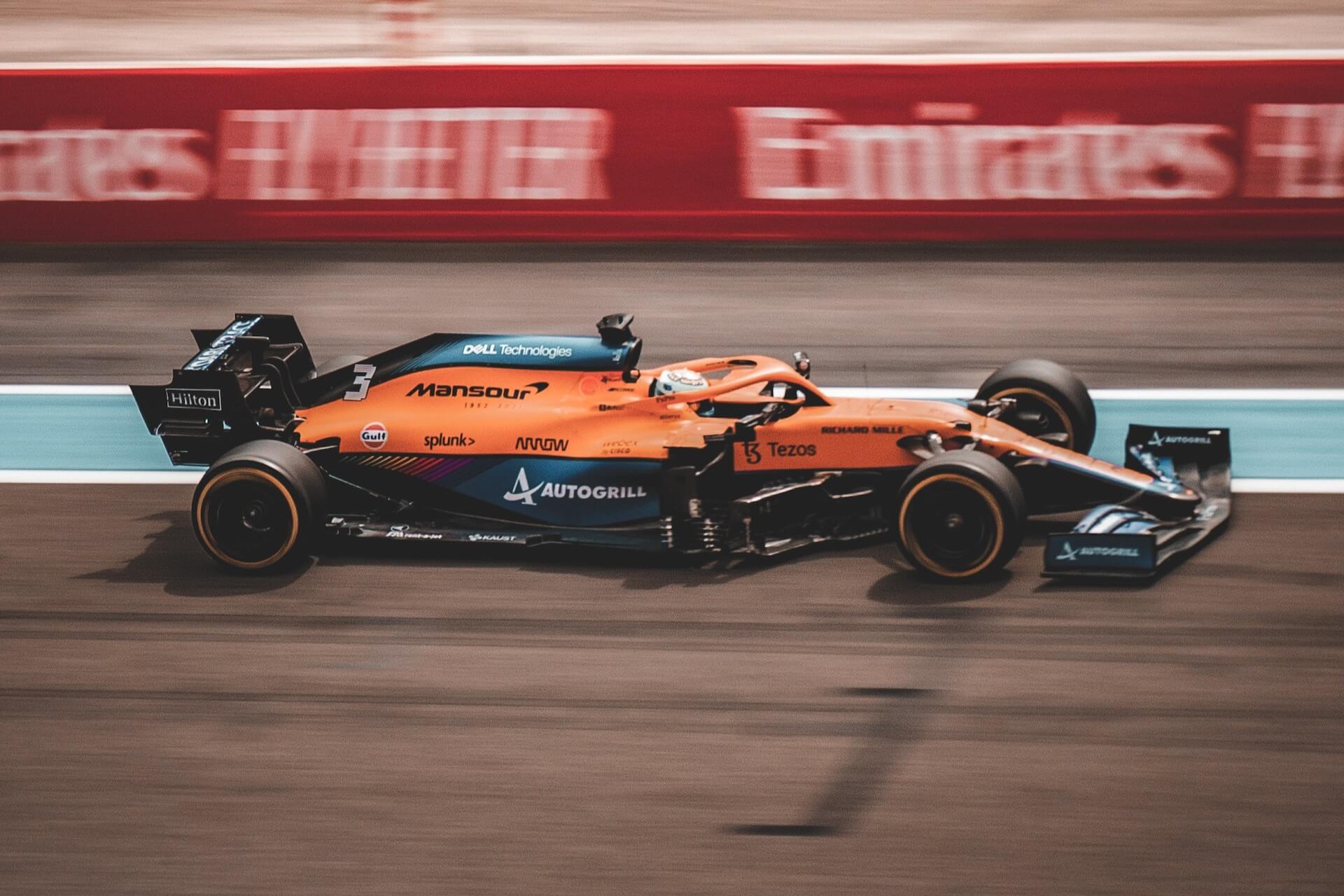
Daniel Ricciardo in McLaren F1 race car

Sports receive more than three million mentions daily on social media and in online communities, and three sports are driving conversations.

Media-monitoring and SaaS platform Meltwater‘s recent report shows growth in media mentions and community engagement. The report, “2023 Industry Snapshot: Sports,” also identifies three sports that are growing globally.

Most restaurant and bar concepts, at least throughout North America, can benefit from sports. They have televisions, at least decent audio, and the proper licenses to air sports and other programs.

At the risk of oversimplifying, that means that any bar or restaurant can be a sports bar. Before anyone begins furiously hammering out an email to send me, I’m not saying any bar or restaurant can automatically become a great sports bar because they have TVs. I’m simply saying that operators who want to leverage sports and specific sporting events are at a good starting point to do so.

With that caveat out of the way, let’s check out what Meltwater has uncovered regarding sports.

Sports Conversations

According to Meltwater, sports is a hot topic every day of the year. On average, there are 3.16 millions mentions of sports each day.

And that’s just on a “normal” day. Last year, that number jumped to well over 12 million mentions during the FIFA World Cup.

Meltwater identifies 2022 as a particularly strong year in terms of growth for sports conversations. That boost is expected to carry into 2023, providing savvy operators with opportunities to leverage sports.

Per Meltwater, sports social media handles, hashtags, and keywords have grown by more than 20 percent. That’s significant growth.

Now, let’s look at the sports driving much of that growth.

Football

When I say “football” in this context, I mean the sport some people call “soccer.” So, not American football, which Dave Grohl and Crown Royal pointed out is a Canadian invention during Super Bowl LVII.

For the past few decades (at least), much has been made of Americans maligning football (soccer). Well, all the tropes of that mockery may be wearing very thin.

Last year, mentions of football keywords were up 56 percent—in the US. The second-place country was Nigeria with an increase of 33 percent.

Globally, the sport’s online conversations went up by 32 percent. The day of the FIFA World Cup final? That number exploded to 630 percent. Could be smart for operators to begin planning their World Cup promotions soon.

Baseball

There are some interesting stats surrounding baseball and online conversations.

Last year, conversations of this sport grew by just three percent. And for a country that claims the sport as their national pastime, American baseball convos saw a notable dropoff: a decrease of 11 percent.

However, baseball grew by nine percent in Canada in 2022. Japan saw an increase of 36 percent, and Venezuela was up 22 percent.

Unsurprisingly, the sport’s two largest organizations dominate baseball conversations.

Leading the charge, Major League Baseball mentions grew by 16 percent in 2022 globally, and by 54 percent in Japan. Right on MLB’s heels, Nippon Professional Baseball 23 percent globally and 28 percent in the US.

For those who are curious, three teams stood out in the baseball conversation: the Los Angeles Dodgers (+59 percent), New York Yankees (+55 percent), and NY Mets (+46 percent). However, LA Angels pitcher Shohei Ohtani saw truly incredible growth with an increase of 74 percent.

An important takeaway: Baseball fans in America appear quite interested in watching (or listening to) NPB. That gives operators another organization—and all their scheduled games—to leverage.

Formula 1

Ah, my favorite sport. I’m happy (for the most part) to see this motorsport growing around the world. In fact, Formula 1 keyword mentions grew 13 percent globally, and #F1 was among the hashtags used most in 2022.

On July 3, 2022, Ferrari driver Carlos Sainz, Jr. (driver #55) won the British Grand Prix at Silverstone. Red Bull’s Sergio Perez (#11) took second and Mercedes’ Lewis Hamilton (#44) took third. And on this day the F1 conversation skyrocketed, growing by 338 percent.

The country leading the way for F1-related keyword mentions in 2022 was Japan, growing by a staggering 91 percent.

Much of the increase in interest in F1 can be traced back to Netflix and its Drive to Survive docu-series (some call it a reality-TV drama).

Looking at American interest in the sport, it helps that there are now three races on the calendar that take place in the US: the Miami Grand Prix, the US Grand Prix at Circuit of the Americas in Austin, TX, and the Las Vegas Grand Prix. That’s three opportunities (Miami has already happened) for American operators to take advantage of this sport’s growing popularity.

Last year, former Aston Martin driver Sebastian Vettel (#5), Red Bull driver Max Verstappen (current champion and #1), and Ferrari driver Charles Leclerc (#16) saw the most growth in terms of individual drivers.

I can only hope that my other favorite motorsport, MotoGP, starts to become more popular throughout North America.

Takeaways

Some operators may find that sports don’t work for their concept, such as a high-end cocktail bar or fine-dining restaurant. Those are two venue types that tend to eschew televisions as they don’t work with their vibe and aesthetic.

That said, each operator must choose how to best implement sports and related promotions. This includes understanding which sports, teams, and players their guests like. Then, of course, it’s also a matter of gauging interest.

With that determined, operators must also decide how to make sports work with their concept. Some things to consider are themed F&B menus, sports-related LTOs, FoH uniforms, and how far to go with promotions. That latter consideration will depend on how rabid a fan base each operator is targeting. A truly dedicated fan base encourages some bars to “officially” support a certain team.

Another important consideration? Will leveraging a particular sport or team alienate other guests due to rivalries or a lack of interest or comfort? Sometimes the cost of implementing promotions includes pushing away a percentage of guests on particular days.

Because I live in Las Vegas, I have an array of venues available to me around the clock. It’s conceivable that I could find a home bar or restaurant to watch F1 and MotoGP. Personally, the capability of comfortably watching my two favorite sports would boost my loyalty and visits. However, there may not be a large pool of people like me in this market. Would a bartender want to turn on an F1 race just for me?

There’s a lot to consider when choosing how to best leverage sports. The upsides include converting customers to loyal, repeat guests; a realistic idea of what to consider in terms of labor and inventory for specific days, weeks, months, and seasons; and boosts in traffic, revenue, and online engagement (which in turn can translate to more traffic and revenue).

Image: Photo by PRAT clement via Pexels

KRG Hospitality Sports & Entertainment, 2023 icon

by David Klemt David Klemt No Comments

Ocean’s Summertime Celebrations

Ocean Casino Resort Summertime Celebrations

by David Klemt

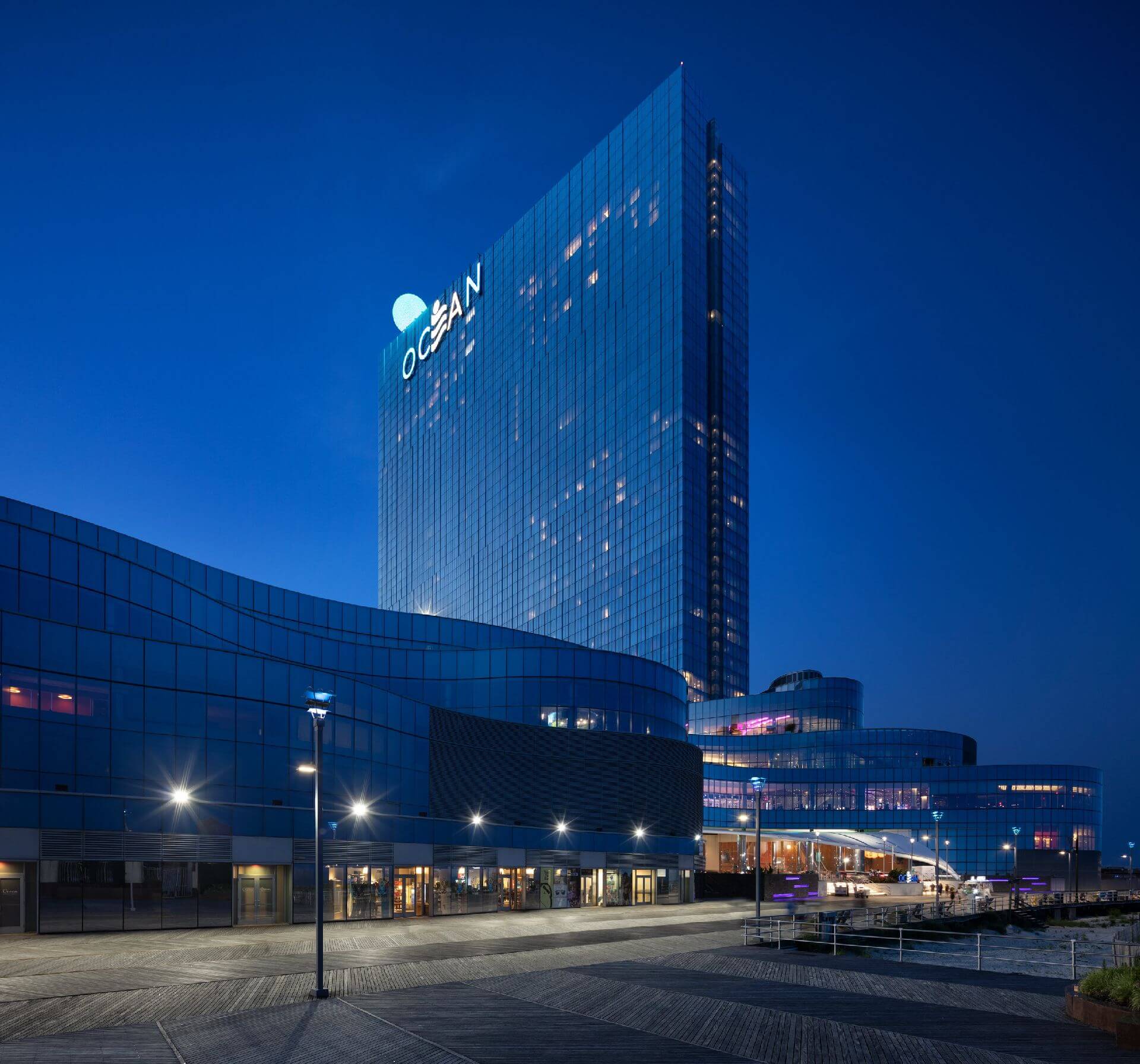
Exterior of Ocean Casino Resort at sunset

Ocean Casino Resort is celebrating an impressive milestone all summer long through creative local business partnerships.

This summer, the resort will reach its fifth anniversary. The festivities will begin May 26, a month before Ocean’s “birthday.”

However, rather than focus solely on the resort and casino, Ocean is choosing to celebrate the community it serves as well. These fifth birthday activations and initiatives are an excellent lesson for operators across all hospitality business categories.

I’m sure operators—all hospitality professionals, really—will agree that restaurants and bars are integral elements of any community’s bedrock. Increasingly, the same can be said of hotels. In fact, large hotel groups are investing in the development of smaller imprints that are tasked with the mission of serving locals and local businesses.

When a restaurant, bar, hotel, or nightclub reaches annual milestones, it’s largely due to community support. Sure, businesses in destination cities benefit greatly from tourist visits. However, for most markets, longevity is anything but assured without local backing and buy-in.

It’s clear that the importance of local support isn’t lost on Ocean. This summer’s celebrations include several local partnerships and community initiatives to pay that support back.

Local Partnerships

Last year, the Ocean leveraged the demise of the Choco Taco. So far in 2023, Ocean has supported Philly and KC during the Big Game, and gotten creative with cocktails that raised funds for the Girl Scout Troops of Southern and Central New Jersey.

Local partnerships are key to Ocean’s five-year celebration:

  • The Seed: Created Seeds of the Ocean for Ocean’s five-year anniversary.
  • Tennessee Avenue Beer Hall: Seeds of the Ocean lager will also be available at this local beer hall.
  • Rhythm & Spirits: Joining forces with Little Water Distillery to feature their gin in the Oceans 5 cocktail.
  • Little Water Distillery: Their Rusted Revolver Indigenous Gin is the star of the Oceans 5 cocktail, mentioned above. The distillery has also created the Chocolate Cake Martini, featuring Bar 32 chocolate shavings.
  • Hank Sauce: For those who prefer their celebrations spicy, Ocean and Hank Sauce have collaborated on Across the Boards. This hot sauce will accompany food items at restaurants inside Ocean.
  • Tony Boloney’s: They’ve created the High 5 pizza to celebrate Ocean’s birthday. This is another collaboration within a collaboration, as it features Seed of the Ocean lager and Across the Boards hot sauce.
  • Bar 32: What celebration is complete without something sweet? Bar 32 (a bean-to-bar chocolatier) and Ocean will be offering three commemorative chocolate bars: the Berry Pretzel Bar, Party Pretzel Bar, and Salty Peanut Butter Bar.
  • Mudgirl Studios: Ocean has commissioned several handmade, one-of-one pieces from this non-profit that will be featured not just in common areas on the property but also in some of the guest rooms.
  • Atlantic City Arts Foundation: To help celebrate its fifth birthday, Ocean has collaborated with the ACAF for a three-panel mural that will have a home at Tennessee Avenue Beer Hall.

Creative & Compelling

What I find most notable about these local partnerships is how several of them intertwine.

Not only did Ocean commission an exclusive beer, a local restaurant chain is using it for a pizza. That same restaurant chain is also using a hot sauce Ocean had created to celebrate their milestone. There are other collaborations that bring Rhythm & Spirits, Little Water Distillery, and Bar 32 together.

However, Ocean is doing more than just supporting a select group of local businesses. Mudgirl Studios employs and empowers at-risk, homeless and formerly incarcerated women. The ACAF, as one would imagine, inspires and empowers people to pursue the arts. Both support and strengthen communities throughout Atlantic City, and Ocean is giving back by supporting them.

In addition to all of that, the celebrations kick off on Memorial Day Weekend with a $300,000 sweepstakes. All in, there will be more than $5 million in promotions and giveaways in play over the course of this summer. From June 24 to July 4, Ocean is putting up one million dollars for a second sweepstakes.

Then there are Tesla giveaways, birthday fireworks, the Birthday Bar Pop-up Experience at 1927 Lounge inside Ocean Resort Casino, and Ocean’s sponsorship of the Atlantic City Beer and Music Festival.

Nola's Bar & Lounge inside Ocean Casino Resort

Look for Ocean’s birthday drinks at property bars like Nola’s Bar & Lounge

Again, it would be easy for Ocean to have simply planned a celebratory weekend, week, or month, focusing solely on themselves. Instead, they’re involving several small businesses and community organizations.

Takeaways

Do I expect restaurant and bar operators to somehow offer $5 million in giveaways to celebrate a milestone? Or even $300,000? Perhaps a Tesla?

No, of course not.

However, I do think operators should really put thought into celebrating their annual milestones. Surviving the first 12 months is a huge achievement. Making it through the first 18 months and hitting the two-year anniversary is just as challenging.

So, operators should take four to six months to plan their celebrations. Additionally, they should view these events as a way to thank the community for supporting them. And, of course, that includes being grateful for beneficial business relationships.

When considering marking these achievements, it’s wise to include local businesses. Craft brewers and distillers, local farmers and vintners, non-profit organizations… All the better if the selected partners can collaborate with one another to make the celebration and partnerships that much more impactful.

Operators should take a page out of Ocean’s celebration handbook and look for creative, thoughtful collaborations. Doing so lifts up others and pays local support forward, in turn making the entire community stronger.

It’s perfectly acceptable for an operator to be proud and celebrate milestones. But it’s even better for operators to celebrate those who help them thrive.

Images courtesy of Ocean Casino Resort

KRG Hospitality. Boutique Hotels. Resorts. Properties. Consultant. Feasibility Study. Business Plan

by David Klemt David Klemt No Comments

Ovation Reveals 5 Secrets for Growth

Ovation Reveals 5 Secrets for Growth

by David Klemt

Sign that reads "We hear you."

Restaurant guest feedback platform Ovation CEO Zack Oates reveals five secrets to what he calls the “digital table touch.”

The company touts itself as the number-one guest feedback platform. Ease of use is one reason the Ovation is viewed so favorably. Guests receive a two-question survey via SMS. Operators receive honest feedback they can use to improve guest retention and loyalty.

Those curious in learning more about the platform can check out several case studies on the Ovation website. Odds are, one of these studies matches closely with an operator’s own business.

For the purposes of this article, I’m going to focus on Oates’ 2023 Bar & Restaurant Expo education session. Getting even more granular, I’m going to drill down to Oates’ digital table touch approach to guest feedback and retention.

If Oates’ startling claim about first-time guests is true, guest retention is even more difficult than many operators would think. According to Oates, 70 percent of first-time guests don’t return to a restaurant. That number is, simply put, too damn high. Fifty percent is too high.

Feedback Reality

Let’s be honest about in-person feedback. While there are some honest guests out there, for some reason people tend to leave without being honest during their visits. In the moment, most of us will say “great” or “very good” when asked by a server or manager about our restaurant experience.

This is a compelling phenomenon. Per Oates, 15 percent of dine-in orders have issues. And yet most guests won’t say about an issue during their visit. That rate doubles to 30 percent for delivery orders, by the way.

Being totally transparent, Oates says he behaves the same in restaurants. He’s the CEO of a restaurant feedback platform and he’ll still say everything is fine during a visit even when it isn’t. So, while physical table touches are important, they’re likely not giving an operator an accurate picture of what’s going on in their dining room.

In fact, Oates says rather bluntly that “table touches are out of touch.” Further, they’re not scalable, off-premises, honest, or capable of fixing root issues, in his opinion.

Likewise, long-form surveys. According to Oates, long feedback surveys have an abysmal take rate: 0.01 percent. At that point, the rate may as well be zero. Online reviews, as may operators likely know, don’t really represent most guests.

The best solution to secure honest, actionable feedback appears to be Ovation’s SMS-based process.

Secret #1: Make Measurement Frictionless

Hot take: The easier a thing is to do, the more people will participate.

So, operators who want collect valuable guest feedback need to make it simple. If a guest orders delivery, operators should stuff carryout bags and top boxes with a call to action. For in-person dining, they should add a feedback CTA to table toppers. QR codes can make the process very easy. CTAs need to be visible and simple to complete.

The winning formula seems to be a two-question survey and collecting guest data. So, operators should consider enrolling guests who participate and leave feedback in a $100 gift card draw (or something similar).

Secret #2: Drive 5-star Reviews

Oates says that operators should push guests to rate their experiences on review sites. Doing so not only results in collecting valuable feedback, it can boost reviews and increase a restaurant’s visibility. The more discoverable a restaurant is, the more traffic it can potentially see.

Also, a note on actual five-star reviews: that’s not the best score. People tend to distrust perfect scores and one-star reviews. Per Oates, the best score is 4.7 stars, and operators should aim for at least a 4.0.

Secret #3: Respond to Feedback

This means good and bad feedback, and in a timely manner. Per Oates, one bad review reaches 30 potential guests. So, it’s best to address the situation as quickly as possible—if an operator can do so without losing their cool.

To ensure that emotions don’t prevail over rational responses, follow the Three Cs of Bad Review Recovery:

  1. Collected.
  2. Compassionate.
  3. Call to action.

Remember, people want to feel important. When they leave a bad review the underlying feeling driving the review is likely a sense that they’ve been disrespected. Operators attempting to recover from a bad review need to make the reviewer feel acknowledged and important.

Secret #4: Discover and Act on Trends

A business term that has been making the rounds for years now is “kaizen.” This is the concept of everyone in an organization working toward making incremental improvements to the business.

Savvy operators will set aside their egos, find trends within the feedback they receive, and work to improve on any shortcomings.

Secret #5: Text Guests to Bring Them Back

As I’ve said before, if you really want to meet guests where they are, reach them on the phones in their pockets. However, Oates has more advice than simply, “Text them surveys.”

To boost participation, tempt guests with an offer. Oates says to make the offer a good one. So, operators should consider the following:

  • Come up with an offer and put it first.
  • Make it a good offer: “The first X amount of people to complete this survey will receive 15 percent off their next visit.”
  • Track participation via a link.

While operators can leverage each of the above secrets on their own, Ovation’s digital table touch process is seamless and easy to implement. Either way, collecting honest guest feedback and acting on it is one of the most effective methods for improving guest retention.

Image: Jon Tyson on Unsplash

KRG Hospitality tech stack consulting. Tech. Technology. CRM. POS. Restaurant. Bar. Cafe. Lounge. Hotel. Resort.

by David Klemt David Klemt No Comments

SevenRooms Introduces New Tool: Pre-Shift

SevenRooms Introduces New Tool: Pre-Shift

Front of house staff member using SevenRooms

A new tool from SevenRooms will help operators and their teams make the most of pre-shift meetings to deliver exceptional service.

Aptly named, Pre-Shift provides a real-time, data-driven picture of a given shift’s reservations. Operators and their leadership team members will no longer need to hit the office, navigate to the day’s reservations, and print out guest data—assuming they have such valuable information.

Further, this new feature is accessible via the venue’s devices (tablets, phones, etc.). Pre-Shift, then, offers a real-time view of reservations and robust guest data. Well ahead of arrivals, staff will know a guest’s seating preference, relationship with the venue, reviews they’ve left, allergies, and much more.

Intriguingly, Spago has been testing Pre-Shift ahead of SevenRooms’ announcement and launch. Per Steve Scott Springer, the GM of Spago of Beverly Hills, this new tool is a game-changer for restaurants.

Less than two months ago, SevenRooms launched Email Marketing. It’s likely we can expect more new features to roll out throughout 2023.

To learn more, please review the Pre-Shift press release below.

SEVENROOMS’ PRE-SHIFT FEATURE EMPOWERS TEAMS TO STREAMLINE PRE-SERVICE OPERATIONS

New data-driven tool serves as a one-stop-shop for restaurant teams to enhance the guest experience and build guest loyalty

NEW YORK (May 3, 2023) – SevenRooms, a global guest experience and retention platform for the hospitality industry, today announced a new product feature, Pre-Shift, which provides operators with key shift details they can leverage to inform and lead pre-service meetings. Pre-Shift is built to power and simplify pre-service meetings for restaurant operators and their staff around the world.

The new feature provides operators a real-time, unified view of everything they need ahead of each shift and saves employees’ time with an out-of-the-box informational report. Instead of paper print-outs and laborious briefing forms, Pre-Shift allows teams to harness rich customer data with up-to-the-minute information on every guest joining during that shift.

With ongoing labor shortages, Pre-Shift is a crucial tool in helping operators save time on administrative tasks like pulling guest and reservation data to optimize a team’s pre-shift meeting ahead of service with all stakeholders. This allows operators and staff to instead focus on delivering exceptional, personalized experiences the moment that guest walks through the door. Operators have the ability to embrace new consumer expectations to provide an incredible guest journey from start to finish.

By incorporating this tool, staff can utilize SevenRooms’ rich guest data and Auto-Tags to educate themselves on incoming guests. The tool highlights valuable insights such as allergy information, dining preferences, previous experiences with the restaurant, and positive/negative reviews. It also provides a quick snapshot of that day’s notes on menu specials, private events or special requests, making it easy for staff to reference back to quickly throughout the course of service. Whether it’s the maître d, host, server or back of house employees, Pre-Shift enables all staff with the information they need to deliver exceptional service, build guest loyalty, and keep up with diner expectations as they continue to evolve.

Pre-Shift helps restaurants deliver personalized hospitality at scale with invisible technology. Guest and reservation data can be accessed on the fly without double clicks or additional navigation via iPhone and iPads for the utmost convenience. No other reservation management product on the market today offers such a robust overview with automated guest data incorporated into its dashboard, saving operators time as they set up for service.

“The magic of SevenRooms is in the way that we’re able to serve up relevant guest information to restaurants at key points of service. Our new Pre-shift view takes that magic one step further by strategically aggregating the most important guest insights before service even begins,” said Allison Page, Co-Founder & Chief Product Officer at SevenRooms. “We seamlessly take the data available for a shift and serve up key insights that the front of house should be aware of heading into service – for instance, guests with a high propensity to spend, guests who have previously left negative reviews, guests with allergies and more. Pre-Shift provides operators a real-time, unified view that takes pre-service preparation to a whole new level, ultimately providing guests with exceptional, frictionless experiences.”

“Pre-Shift is a great addition to Spago’s pre-service meeting,” said Steve Scott Springer, General Manager at Spago Beverly Hills. “When we began using the group-by server feature, it really was an ‘a-ha’ moment. This is exactly the way every restaurant wants to prep their employees ahead of a shift. We put the entire view up on a screen so our team can see and follow along. This is so much easier than what we used to do – it’s a no-brainer.”

For more information about SevenRooms and its services, please visit www.sevenrooms.com.

About SevenRooms

SevenRooms is a guest experience and retention platform that helps hospitality operators create exceptional experiences that drive revenue and repeat business. Trusted by thousands of hospitality operators around the world, SevenRooms powers tens of millions of guest experiences each month across both on- and off-premises. From neighborhood restaurants and bars to international, multi-concept hospitality groups, SevenRooms is transforming the industry by empowering operators to take back control of their businesses to build direct guest relationships, deliver exceptional experiences and drive more visits and orders, more often. The full suite of products includes reservation, waitlist and table management, online ordering, mobile order & pay, review aggregation, email marketing and marketing automation. Founded in 2011 and venture-backed by Amazon, Comcast Ventures, PSG and Highgate Ventures, SevenRooms has dining, hotel F&B, nightlife and entertainment clients globally, including: MGM Resorts International, Mandarin Oriental Hotel Group, The Cosmopolitan of Las Vegas, Wynn Resorts, Jumeirah Group, Wolfgang Puck, Michael Mina, Bloomin’ Brands, Giordano’s, LDV Hospitality, Zuma, Australian Venue Company, Altamarea Group, AELTC, The Wolseley Hospitality Group, Dishoom, Live Nation and Topgolf.  www.sevenrooms.com

Image: SevenRooms

by David Klemt David Klemt No Comments

Sticking to Your Standards

The Importance of Sticking to Your Standards

by David Klemt

Person writing down notes

One crucial task for all restaurant, bar, nightclub, and hotel operators is to set the acceptable standards and commit to maintaining them.

Hospitality operations are subject to an interesting paradox. We’re all told to prepare for things to go sideways during any given shift. We’re also told that adhering to our standards of service will help us weather a storm of challenges. Oftentimes, however, the first thing to slip at the first sign of trouble is: our standards.

When a client signs on with KRG Hospitality, they are given the task of identifying their core values. There’s an exercise for this key development step; it’s part of our standards.

Your core values inform your standards (and so much more): leadership team standards; front- and back-of-house team member standards; and standards of service. Additionally, you should spell out these standards during the onboarding process, utilizing an employee manual—which new hires must sign and date—and practical training.

It’s absolutely crucial that you and your team commit to your standards fully. They’re inviolable, what both KRG president Doug Radkey and Chef Brian Duffy call your “non-negotiables” during speaking engagements and when working with clients.

Are people going to make mistakes, including you? Yes. On occasion, a standard is going to slip. The key is understanding that maintaining standards helps reduce these occasions; panicking and allowing them to slip just drops us deeper into quicksand.

Someone on the team is going to miss a service step. Something will occur during a shift that’s not up to standards. What’s important in those moments is the ability for the team to recognize the slip quickly and correct course immediately.

Setting Standards

There are different ways for operators to select their standards. The example I provide at the top of this article is one approach KRG implements.

Michael Tipps, co-founder of Invictus Hospitality and friend of KRG Hospitality, has an intriguing approach of his own. He shared this during the 2023 Bar & Restaurant Expo in Las Vegas.

“Standards separate operators and their teams,” says Tipps. While he doesn’t encourage operators to look at every other operator in their market as competition, he does advocate for differentiation.

Tipps shared a three-step approach to standards. (Step two, by the way, is the one I find intriguing.)

  1. Create your standards. Again, there are different approaches.
  2. Pick your committee. I’m going to explain this further.
  3. Set standards against the grandest vision of your venue.

So, what does it mean to “pick your committee”? Well, it means surrounding yourself with people you respect…real or imagined. As Tipps explained during BRE, he has people in his life that he considers his committee. The real-life members of this committee are a sounding board for any number of ideas, questions, challenges, and even mistakes.

And yes, his committee also includes “imaginary” members, such as Michael Jordan and Phil Jackson. These are people that he doesn’t know personally but are known to have incredibly high standards. They’re high achievers and, of course, many have biographies and we can know their standards. Tipps has “asked” these committee members, “How should I handle X?”

This creative approach isn’t for everyone but every operator should at least give it a shot. When we step that far out of our comfort zones the results can be incredible.

The Cheat Code

On the specific topic of service standards, Tipps has a cheat code for operators: hotels. “The hotel mindset is a hospitality cheat code,” says Tipps.

How so? It’s quite enlightening.

Think about your restaurant. Now, think about it as the first-floor cornerstone of an upscale hotel. Imagine that there are 250 incredible boutique hotel rooms above your restaurant. These rooms command rates of several hundred dollars per night. Now think about how you would treat each guest in these expensive rooms if they ask for a straw.

“Make the effort to care like nobody else can,” says Tipps.

Always bear in mind that hospitality is how you make people feel. Your mission should be for each and every guest to feel relevant.

Generally speaking, most people don’t want to be alone. They’re not just coming to your restaurant because they’re hungry, to your bar because they’re thirsty. In reality, as Tipps would tell you, they’re coming to be around other people. They’re using your F&B as a reason to be around other people and feel relevant.

Your mission is to ensure people feel relevant when they spend time at your venue with your team. The package you send to accomplish this mission is your standards of service.

“Self-inflicted mediocrity is the result of laziness and lack of accountability,” Tipps says.

Hold everyone accountable for enforcing your standards—including yourself—and you’ll level up in every facet.

Image: Owen Michael Grech on Unsplash

KRG Hospitality Start-Up Restaurant Bar Hotel Consulting Consultant Solutions Plans Services

by David Klemt David Klemt No Comments

Meet Customers Where They Are, Part 3

Meet Customers Where They Are, Part 3

by David Klemt

Person using Google search on their phone

If you truly want to meet your potential guests where they are, you need to be as discoverable as possible via mobile and desktop search.

The first part of this series discusses meeting guests in secondary and tertiary markets. Also, part one recommends looking into suburbs and watching moving data.

Part two looks into the importance of being top of mind for delivery, takeout, and pickup guests. Even with the current demand for socializing and in-person dining, off-premise dining guests are an important focus.

Now, I’m talking about being discoverable. Why? Because of where your guests are: their phones and desktops.

So, there are few crucial elements of your business to consider. Your website still matters. You need to ensure you own your venue listings. It’s crucial that your location information is up to date across platforms.

And now, meeting guests where they are will mean improving the odds that AI chatbots recommend your business.

Another ongoing KRG Hospitality series is our conversations with ChatGPT, Bing AI, and now Google Bard. It’s our chat with the latter that shows the importance of improving online discoverability.

Below, interactions with Bard and ChatGPT about using AI chatbots to discover restaurants, bars, and hotels.

Google Bard

Can people use Bard to discover new restaurants and bars, and book reservations?

Yes, people can use Bard to discover new restaurants and bars, and book reservations. Bard can access and process information from the real world through Google Search and keep its response consistent with search results. For example, if you ask Bard to find a restaurant with good Italian food in San Francisco, it will look for restaurants that have been rated highly by other users and that serve Italian food. Bard can also book reservations for you through OpenTable.

What criteria do you use to determine the best restaurant, bar or hotel for someone asking you to conduct a search of such businesses?

I use a variety of criteria to determine the best restaurant, bar, or hotel for someone asking me to conduct a search of such businesses. Some of the most important criteria include:

  • Customer reviews. I look at customer reviews to see what other people have said about the restaurant, bar, or hotel. This helps me get a sense of the quality of the food, service, and atmosphere.
  • Location. I also consider the location of the restaurant, bar, or hotel. I want to make sure that it is in a convenient location for the person I am recommending it to.
  • Price. I consider the price of the restaurant, bar, or hotel. I want to make sure that it is within the person’s budget.
  • Type of food. If the person is looking for a specific type of food, I will try to find a restaurant that serves that type of food.
  • Atmosphere. I also consider the atmosphere of the restaurant, bar, or hotel. If the person is looking for a casual or formal atmosphere, I will try to find a restaurant that fits their needs.
  • Other criteria. I may also consider other criteria, such as the hours of operation, the availability of parking, and the presence of accessibility features.

By taking all of these factors into account, I can help the person I am recommending it to find the best restaurant, bar, or hotel for their needs.

How can a restaurant, bar or hotel improve the odds that Bard would recommend them to someone?

There are a few things that a restaurant, bar, or hotel can do to improve the odds that I would recommend them to someone:

  • Provide excellent customer service. This means being friendly, helpful, and responsive to customer needs. It also means going above and beyond to make sure that customers have a positive experience.
  • Offer a unique or memorable experience. This could be anything from a special menu item to a unique atmosphere. Something that makes the restaurant, bar, or hotel stand out from the competition.
  • Be consistent. This means providing the same level of service and quality every time a customer visits. It also means being reliable and keeping promises.
  • Be responsive to feedback. This means listening to what customers have to say and taking their feedback into account. It also means being willing to make changes based on feedback.

By following these tips, restaurants, bars, and hotels can increase the odds that I would recommend them to someone.

If I asked you to find me the best cocktail bar in Las Vegas for early evening drinks and the best upscale restaurant for a late dinner in Las Vegas, what would you recommend?

Sure, I can help you with that. Here are my recommendations for the best cocktail bar and upscale restaurant in Las Vegas for early evening drinks and late dinner, respectively:

  • Cocktail bar: The Vesper Bar at The Cosmopolitan of Las Vegas. This award-winning bar offers a wide variety of cocktails, as well as a beautiful atmosphere. It is perfect for a romantic evening or a night out with friends.
  • Upscale restaurant: The Dorsey at The Venetian Las Vegas. This Michelin-starred restaurant offers a tasting menu of modern American cuisine. The atmosphere is elegant and the service is top-notch. It is perfect for a special occasion or a romantic dinner.

I hope this helps!

ChatGPT

Can people use ChatGPT to discover new restaurants and bars, and book reservations?

As an AI language model, I can provide recommendations and information about restaurants and bars, but I cannot directly book reservations for you. However, I can suggest several online platforms that allow you to book reservations at restaurants and bars, such as OpenTable, Resy, and Yelp Reservations. These platforms allow you to search for restaurants and bars based on various criteria such as location, cuisine, price range, and availability, and make reservations online.

If you’re looking for restaurant recommendations, I can provide suggestions based on your preferences such as cuisine, location, price range, and other factors. Additionally, I can provide you with information such as hours of operation, contact information, and customer reviews. Please let me know if there’s anything specific you’re looking for and I’ll do my best to assist you!

How do you help ChatGPT users find the best restaurants, bars, and hotels?

As an AI language model, I can help ChatGPT users find the best restaurants, bars, and hotels by using natural language processing and machine learning algorithms to understand the user’s preferences and provide personalized recommendations.

To find the best restaurants and bars, I can consider various factors such as cuisine, location, price range, ambiance, and customer reviews. I can also take into account any dietary restrictions or preferences the user may have, such as vegan or gluten-free options.

To find the best hotels, I can consider factors such as location, price range, amenities, and customer reviews. I can also help users find hotels based on their preferred style of accommodation, such as luxury, boutique, or budget.

In addition to recommendations, I can also provide users with useful information such as hours of operation, contact information, and directions. I can also assist with booking reservations or finding deals and discounts if available.

How can a restaurant, bar or hotel improve the odds that ChatGPT would recommend them to someone?

There are several ways a restaurant, bar, or hotel can improve the odds of being recommended by ChatGPT to someone:

  1. Positive Customer Reviews: Positive customer reviews are one of the most critical factors in ChatGPT’s recommendation algorithm. Encourage your customers to leave positive reviews on platforms such as Google, Yelp, or Tripadvisor, as these can greatly improve your chances of being recommended.
  2. High-Quality Photos: High-quality photos of your establishment, food, and drinks can make a big difference in attracting potential customers. Ensure that your website and social media pages have high-quality images that showcase the ambiance, menu, and overall experience of your establishment.
  3. Accurate and Up-to-Date Information: Ensure that your establishment’s information is accurate and up-to-date on various platforms. This includes your address, phone number, hours of operation, and menu.
  4. Responding to Customer Queries: Respond promptly to customer queries or complaints on various platforms, including social media. This shows that you value customer feedback and are willing to make improvements to provide an excellent experience.

Offering Unique Experiences: Offering unique experiences or features, such as signature cocktails or locally sourced ingredients, can help your establishment stand out and increase the likelihood of being recommended by ChatGPT.

If I asked you to find me the best cocktail bar in Las Vegas for early evening drinks and the best upscale restaurant for a late dinner in Las Vegas, what would you recommend?

For the best cocktail bar in Las Vegas for early evening drinks, I would recommend The Chandelier at The Cosmopolitan of Las Vegas. It is a three-story bar with a stunning chandelier centerpiece, offering a wide range of signature cocktails and a luxurious ambiance. It’s perfect for early evening drinks with friends or colleagues.

For the best upscale restaurant for a late dinner in Las Vegas, I would recommend Joel Robuchon at MGM Grand. It is a Michelin-starred restaurant with an elegant dining room and exceptional French cuisine. They offer a variety of tasting menus, including a vegetarian option, and a vast wine selection. The service is impeccable, and the atmosphere is perfect for a romantic dinner or a special occasion.

Takeaways

First, the bar and restaurant recommendations. As a Las Vegas local for creeping up on two decades, they’re solid. I think a first-timer would find them helpful and be happy with those selections.

More importantly, however, is what each bot reveals about discoverability. Operators need to make sure they’re responding to reviews quickly and properly; that they’re listings are under their control and the information is accurate; and that they’re courting reviews in the 4.0- to 4.7- star range. (More on that rating range in the near future.)

Then there are the other important considerations, such as pricing, cuisine, and atmosphere. When taking control of listings, operators must categorize their venues accurately.

Technology innovations often present a paradox. Ostensibly, technology makes lives easier. However, many operators likely find that much of tech makes things more difficult.

Leveraging tech often requires more work on the operator side—innovations often make things simpler for our guests. Of course, tech can make things easier for operators, it just takes a lot of work initially.

As people rush to develop AI—some say too quickly—it’s going to be top of mind for people searching for restaurants, bars, nightclubs, eatertainment venues, hotels, etc. Operators are going to have to meet their guests where they are: search engines and chatbots.

KRG Hospitality. Restaurant. Bar. Hotel. Feasibility Study. Business Plan.

Image: Solen Feyissa on Unsplash

by David Klemt David Klemt No Comments

Empower Your Team to Make Decisions

Do You Empower Your Team to Make Decisions?

by Kim Richardson

Chess pieces on chess board in grayscale

Empowerment is about so much more than trusting someone to follow clearly defined rules; you must learn to trust your team’s judgement.

Yes, even when things don’t go according to plan. If you’re only training your team on the “rules,” you’re doing a disservice to them and yourself. So, let’s have a little chat about empowerment. What does it mean to you? What are your expectations of your team when you tell them they are empowered?

Looking back throughout your own work history, have you ever had a job where your boss told you that you were empowered to make decisions, but you didn’t actually know what to do or how to make decisions? Did anyone ever explain “the how” of decision making to you?

Now, look at yourself as a leader. Have you ever had employees that you’ve told are empowered to make decisions, yet they get a manager every time someone needs something out of the ordinary? Are you explaining to your staff “the how” of decision making, along with your expectations?

It’s frustrating to feel like the house might fall down when you’re not in it. That’s no way to operate a business. We all want our staff to be able to make educated decisions when we’re not around. We shouldn’t have to hold their hands and be part of every single decision.

Still, there are times when, left to their own devices, a team member doesn’t make the decision you’d want them to make. This makes owners and leadership team members feel as though they must be at work every second.

So, how do you move away from micromanagement and learn to trust your team’s decision making?

Leverage Teachable Moments

You’ll never be able to give an example of every possible situation that may arise. Therefore, you’ll never be able to train your team on everything that they’ll encounter on any shift.

How do you tell someone how to handle situations when you’re not around? You don’t, and I don’t suggest you even try. Instead, you need to instill a sense of empowerment in your team.

However, “empowerment” is just a word if you’re not educating your team. You need to teach staff how to make good decisions. And how do you even start to do that? Cash in on all the teachable moments that happen throughout the day!

Once upon a time we were all new to this industry. I’m sure you have a few stories of some mistakes you’ve made along the way. I know I certainly do.

Think back to those situations. Did someone explain to you why you made a mistake? More importantly, did they then help you understand what to do next time? Or did they just get mad and make you feel like a failure?

I’ve had the privilege of working with some amazing people over the years. There are several people that really put effort into teaching me. The different things they taught me helped me to understand the ins and outs of decision making, even in situations I know very little about.

Example 1: The Restaurant

For my first job ever, I was a hostess at an Italian restaurant and pizzeria. During the training process I was told to rotate sections when seating tables. That’s easy enough, right? Well…maybe not.

Sometimes I’d see exceptions to this rule. The same section would get sat twice in a row, for example. I watched exceptions to “the rule” get made with no clue as to why.

One day, I sat the same section twice in a row. I don’t remember why, but I do remember the server’s reaction.

Right after seating the second party in the server’s section she let me know how annoyed she was by my decision. Now, I knew I messed up immediately—she let me know. But I didn’t know why it wasn’t okay that I had double-sat her this time.

All I knew is there was a rule I was expected to follow…unless I wasn’t supposed to follow it. Sometimes it was okay to disregard the rule, sometimes not. The rule wasn’t clarified before I began my role as a hostess, it wasn’t explained during training, and it wasn’t explained in the moment I “broke” the rule.

At some point it was explained to me that there were several factors that influenced the “double-seating rule.” For instance, you might skip a section in the rotation if they were just sat a big party. You might double-seat someone if they were regulars, family or friends and the server was able to accommodate an additional table. Of course, there were several other factors that could come into play.

The biggest issue is that none of that was explained to me during training. Moreover, I was left to figure out the nuances of seating on my own.

Example 2: The Hotel Sales Office

I worked at a hotel in the sales office for my first job out of college handling group room blocks.

The contracts I sent out to clients had cutoff dates 30 days prior to the event. Again, sounds pretty simple, doesn’t it?

One day a bride emailed me asking if she could extend the cutoff date. The cutoff date fell on a holiday weekend and she was concerned that people might not have time to book their rooms. I wrote her back and very politely told her no. So she reached out to my boss, Jill, who told her yes.

And then I got called into Jill’s office.

I remember that conversation like it was yesterday. Jill was very nice about the situation and explained that it was okay to make exceptions for people sometimes. Sometime later, I extended a cutoff date for another group. Should be an acceptable exception, right?

Nope. I got my hand slapped on that one. There was a citywide event going on over those dates. The hotel was fully sold out and turning away business. In this circumstance, it was actually a huge problem to extend the cutoff date.

Great—here we go again with a rule that exists in a gray area, and no one explained its nuances. As it turns out, there are factors that go into extending a cutoff date, such as how many rooms the group has already picked up; how busy the hotel is over the dates of their room block; and the relationship you have with the client.

I don’t know if anyone ever flat out explained these gray areas to me. Instead, I was left to figure out the nuances through trial and error.

Example 3: The Dish Tub Incident

At that same hotel several years later I started handling banquet events. One day, a client told me their registration desk needed dish tubs lined with cloth napkins. I threw it on the banquet event order.

Well, I happened to work at a Five Diamond hotel. Dish tubs with napkins sitting out in view of the public? That’s not how we did things. Enter: Bruce the Banquet Manager.

No detail, however small, escaped Bruce. Referring to the dish tubs and napkins, Bruce asked me why they were necessary. I actually had no idea what the client wanted with the tubs and napkins. So, I reached out to the client.

Turns out all she needed was a way to store welcome packets for event attendees. These days, we just put up a QR code and call it good. Once I let Bruce know what the containers were actually for, he understood. However, we weren’t about to load unsightly dish tubs with welcome packets. Instead, we found something more aesthetically pleasing and in line with our level of service.

I spoke about the Dish Tub Incident with Jill. To her credit, she helped me understand that people who are planning meetings so frequently are sending standard specs. Sometimes there would be a request on a BEO that wouldn’t make sense for the venue. Crucially, she taught me that if I ever saw something that didn’t make sense I needed to ask questions.

Truthfully, I don’t remember if it was that conversation or another but Jill taught me one of the best lessons: Ask the client what goal they’re trying to achieve. By understanding their goals we could provide solutions that made sense for us and honored their wishes. Additionally, we’d deliver the excellent service they had come to expect.

Example 4: The Hotel Cafeteria

Let’s take a little break from talking about my mistakes and talk about somebody else’s.

Many years later, I was working at another hotel. One day, I went to the cafeteria and the fruit bowls had Asian pears in them. I love Asian pears, so I was really excited about those bowls.

Now, those particular pears were probably a day away from being spoiled. I went to the cafeteria the next week and there were the Asian pears again! This time, they were perfectly fresh, crisp pears.

Well, I certainly enjoyed that. You want to know who didn’t enjoy that? The executive chef!

As it turns out, Chef sent the pears that were about to go bad to the cafeteria because they were leftovers from something else. He didn’t want them to go to waste. But the fresh, crisp pears that were out the following week? Those were a different story.

There was a kitchen team member who saw the Asian pears go down the week before. When he was setting up the cafeteria the following week he threw some in the fruit bowl. No one had told him that Asian pears are expensive. Also, no one had told him the pears were just going down to the cafeteria because they were close to spoiling. They’re not typically the type of thing set out in the employee cafeteria.

While I would never expect Chef to stop and explain every single decision he’s making, it’s the perfect example of seeing one of your superiors doing something and thinking you’re supposed to do the same.

Leaders Teach

When I look back on some of the mistakes I made, they seem pretty obvious with many years of hindsight.

The solutions to unexpected situations are common knowledge to me now. If you also have some years in this industry, they’re likely common knowledge to you.

And that’s my point.

I was young. I was inexperienced. People didn’t always tell me the things they had learned that were common knowledge to them. So, they also didn’t share their expectations with me.

I can only assume that you have people on your team that are young and inexperienced. As seasoned hospitality professionals, we all make decisions every day that can be teaching moments. These moments are part of the learning experience. Using them to shape your team will help your business run better.

Have you implemented an onboarding process? Do you have a detailed employee manual? Do you have actual systems in place? If so, great—you’re ahead of the curve.

But do you think that you’re training new and existing employees on every situation that will ever pop up during their shifts? Really, that’s impossible. Instead, be on the lookout for teachable moments. Put people on your leadership and empower them to do the same.

In turn, they’ll help empower your staff to make the “right” decisions for your business. And importantly, they’ll feel empowered to learn from mistakes so they don’t repeat them. Over time, and it won’t take long, you and your leadership team will be able to step away and work on other parts of the business. In fact, you’ll find that you can step away from the business from time to time.

People are going to make mistakes. That includes you. Don’t let these teachable opportunities go to waste.

Image: Hassan Pasha on Unsplash
KRG Hospitality. Boutique Hotels. Resorts. Properties. Consultant. Feasibility Study. Business Plan

by David Klemt David Klemt No Comments

Spring Clean Your Business!

7 Ways to Give Your Business a Spring Cleaning!

by Kim Richardson & David Klemt

White mops against red and white wall

In case you’re so busy you didn’t catch it, we’re officially—finally—in spring, and that means it’s time to spring clean your business.

Below you’ll find a spring cleaning slideshow with helpful advice from KRG Hospitality consultant Kim Richardson.

Each slide contains her best advice for reviewing, refreshing, and improving your business. For your convenience, Kim organizes her spring cleaning advice in just seven slides.

It’s time to look at your business through fresh, energized eyes! Your team, guests, and bottom line will thank you.

[metaslider id=78443]

Note: Unable to view the slides above? Each slide is transcribed below.

1 Re-plant Your Core Values

  • Review your core values with your team.
  • Post them where everyone can see them daily.
  • Foster core values through consistent training.
  • What kind of experiences are you offering your team?
  • Hire a coach to help you discover your core values.

2 Tidy up Your Guest Journey Map

  • Walk through your business from the guest perspective.
  • Review your website for content, ease of use, current info.
  • Review your technology and potential pain-points.
  • Touch up items that may have become run down: paint, signage, furniture, equipment, etc.
  • Review your flow of service and communication.

3 Spruce up Your SOP & Training Programs

  • Evaluate how well current SOPs are being followed.
  • Evaluate how well you continuously train your team.
  • Make updates as needed and add any new procedures.
  • Ensure SOPs are easily accessible by your team.
  • Discuss your standards during pre-shift meetings.

4 Deep Clean Your Financial Books

  • Review your budgets and projections for the year ahead.
  • Review and organize the financials tracking processes; receipts, invoices, files, etc. and digitize what you can.
  • Consider updating your financial tracking technology or bringing in a third party to assist.

5 Dust off Your Business Plan

  • Evaluate the progress of your business plan.
  • Acknowledge what you have accomplished.
  • Are you on track to achieve your goals this year?
  • Do all of your goals still make sense?
  • Make any necessary updates and create a game plan to stay on track; review every 30 days.

6 Freshen up Your Marketing Plan

  • Budget time and money to dedicate towards marketing for the next 90 days.
  • Create strategic campaigns that will create awareness, build a database, and retain your targeted customers.
  • Consider working with a third party or having someone dedicated to this role internally.

7 Declutter Your Mind

  • Perform a calendar audit.
  • Review goals and formulate action plans.
  • Practice mindfulness through journaling or meditation.
  • Consider hiring a mindset coach to help you organize your life and your business.

Image: PAN XIAOZHEN on Unsplash / Slideshow Images: Kim Richardson / KRG Hospitality
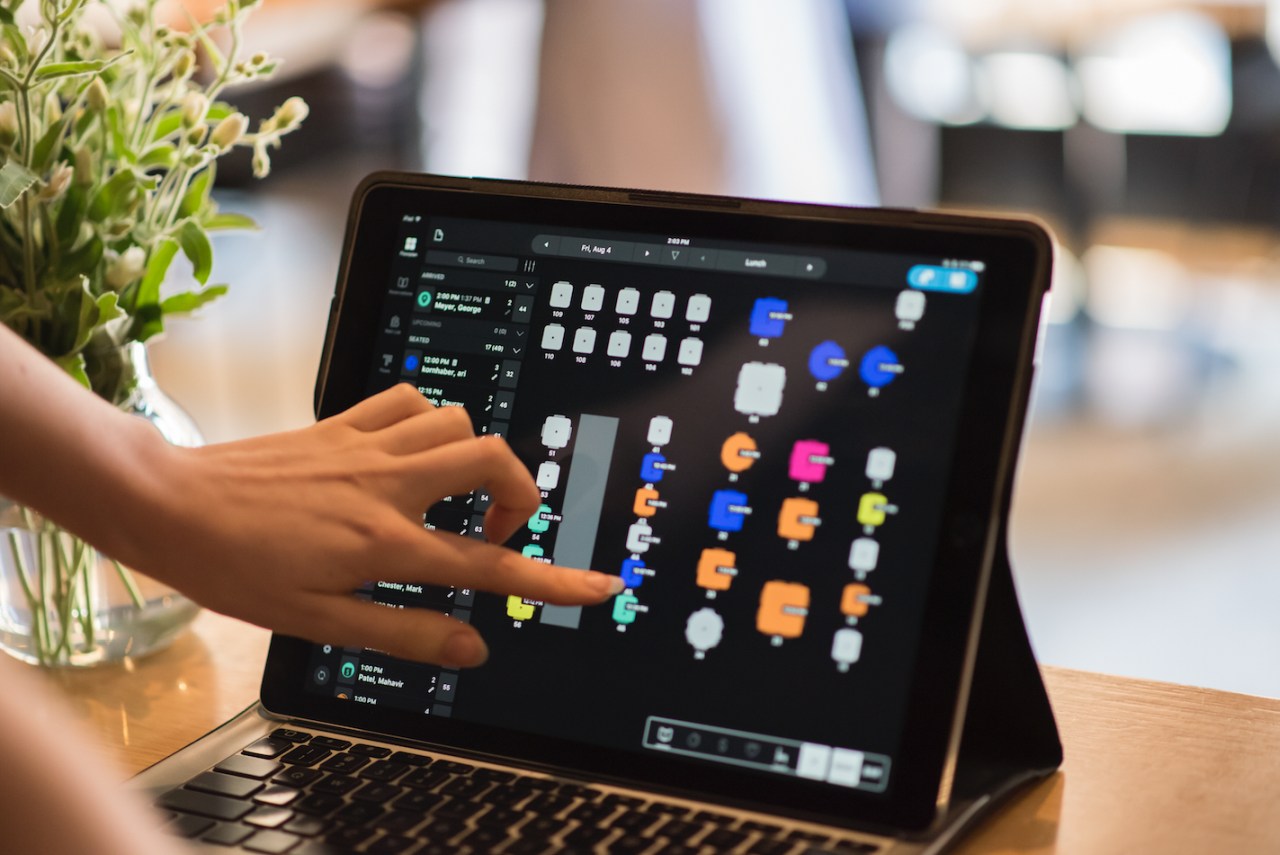
KRG Hospitality. Business Coach. Restaurant Coach. Hotel Coach. Hospitality Coach. Mindset Coach.

by David Klemt David Klemt No Comments

The Incredible Rise of Luxury Whiskeys

There are Luxury Whiskeys. Then There are These…

by David Klemt

Closeup image of whiskey in a glass

Some investors look at whiskey as a luxury good worthy of parking their dollars, with some outperforming gold and the S&P 500 Index.

In fact, super- and ultra-premium whiskey has at times outperformed gold over the past decade. According to some reports, investments in whiskey casks performed better than gold, the S&P 500, and Bitcoin just a few years ago.

Of course, the hospitality and spirits worlds have long been reporting increased interest in luxury whiskey. Really, consumers have shown interest in premium, super-premium, and ultra-premium spirits across several categories.

In other words, it appears that the “drink better” movement continues to accelerate.

This is, of course, great news for operators. Premium and above spirits command higher prices on-premise, boosting revenue.

But there’s luxury, and then there’s luxury. There are ultra-premium spirits, and there are truly exclusive bottles. I suppose hyper-premium describes these incredibly rare expressions. After all, there are hypercars and hyperyachts, and the owners of such vehicles are the people who can afford hyper-premium spirits.

Two examples of such spirits made headlines recently, and wow—their prices are eyewatering.

The Highland Park 54 Year Old

Interested in a taste of the late ’60s? This Scotch was laid down back in 1968 by Highland Park.

And back in 2008, Highland Park master whisky maker Gordon Motion combined four refill butts and six refill hogsheads. That was also the year that Gordon Motion was named master whisky for the distillery. It seems Motion wasted no time in creating an awe-inspiring whisky for Highland Park.

Highland Park’s 54-year-old whisky is stunning, and just 225 bottles are available. This is, of course, a nod to the distillery’s big 2023 anniversary celebration. Highland Park was founded in 1798; 2023 is their 225-year anniversary.

So, what’s a 700ml, 46.9% ABV bottle of Highland Park 54 Year Old going for? Each one carries a price tag of £39,000, or nearly $47,000 USD. There is, of course, no telling what each bottle will be valued at in the future (or if they’ll appreciate, so be careful, investors).

As far as flavor profile, there are, of course, woody and peaty notes. However, there’s also camphor, pistachio, kiwi, and lychee. However, I’m sure whatever I write here will never do justice to experiencing a dram of 54 Year Old.

Gordon & MacPhail Generations 80-Years-Old

For once, I’m nearly speechless. This is the world’s oldest Scotch. And, until we learn otherwise, world’s oldest whisky.

Of particular note, this is Glenlivet liquid rested by father-and-son duo John and George Urquhart in a Gordon & MacPhail cask.

The liquid was laid down on February 3, 1940 and bottled on February 5, 2020. There are 250 decanters available, and these vessels are as stunning as the whisky they contain.

Architect and designer Sir David Adjaye OBE (knighted in 2017) designed the decanter and oak case. Glencairn Crystal Studio stepped up for production of the decanter. Wardour Workshops crafted the case from sustainably sourced oak.

As I stated above, Highland Park’s 54-year-old Scotch costs nearly $50,000. So, what does this Gordon & MachPhail 80-Years-Old Scotch cost?

Well, we won’t really know until October 7 of this year. That’s the date that Sotheby’s will auction off Generations 80-Years-Old Decanter #1.

The world-renowned luxury marketplace is estimating this lot will go for between $120,000 and $255,000. Although, that price could be driven higher should the auction heat up.

Some of the tasting notes from Charlie MacLean MBE include: almond oil, scented hand-soap, sandalwood, dates, salted plums, figs, dry Oloroso Sherry, and a menthol finish.

The Takeaway

I’m not suggesting that operators drop tens of thousands of dollars on hyper-premium bottles. While doing so could translate to hefty margins per ounce sold from such bottles, it’s not realistic for most restaurants and bars.

However, it’s clear that consumers are showing interest not only in learning about luxury spirits but also an inclination to splash out for a taste.

Are 50- to 80-year-old spirits extreme examples of luxury? Absolutely. Do they point to interest in more affordable examples of luxury? Again, absolutely.

Decades-old spirits are rare but not, if this makes sense, uncommon. While the two bottles above are generating headlines, there are others out in the world garnering interest. Examples are Morthlach 70-Year-Old and 75-Year-Old.

Moreover, these rare expressions generate interest in the distilleries that produced them. So, while the average guest may not be able shell out for a 50-year-old single malt, they could be persuaded to try one from that same distillery that’s half that age.

This is, of course, where storytelling comes into the guest experience. An educated, interested, and engaging front-of-house team can be a sales powerhouse.

Image: Anthony Torres on Unsplash

KRG Hospitality Beverage Programming

by David Klemt David Klemt No Comments

EHI and Danny Meyer Invest in SevenRooms

EHI and Danny Meyer Invest in SevenRooms

by David Klemt

Front of house staff member using SevenRooms

SevenRooms is showing no signs of resting on their laurels, announcing a major new investor: Enlightened Hospitality Investments.

EHI, a private-equity fund, traces its launch back to 2016. The fund, launched by and affiliated with Union Square Hospitality Group, typically makes investments in the $10-25 million range. Generally speaking, EHI makes non-control investments.

As you’re likely well aware, USHG’s founder and executive chairman is none other than restaurateur Danny Meyer. The Shake Shack chairman is also the managing partner of EHI.

Investment in SevenRooms by EHI—and by extension Danny Meyer—is huge news. Meyer now joins other high-profile chef and restaurateur investors in SevenRooms:

“At EHI, we always pay close attention to transformative tech that advances high touch,” says Meyer. “Far more than a reservations platform, SevenRooms provides abundant tools to create highly customized guest experiences and equips both restaurant and hotel teams to do what they do best—deliver truly memorable hospitality.”

Continual Growth

Since 2011, SevenRooms has pursued growth while serving the hospitality industry.

Whether in terms of innovation, partnerships, appointing the right people to key roles, or attracting investors, the platform is constantly strategizing to ensure its longevity.

Just look at what the company has achieved over 24 months:

  • March 2021: SevenRooms appoints Pamela Martinez as the company’s chief financial officer.
  • September 2021: SevenRooms announces a multi-year partnership with TheFork. The partnership is big news for operators throughout Europe and Australia. Further, the partnership illustrates how the company is pursuing global growth.
  • October of 2021: The company forms a partnership with Olo. This ensures clients who also use Olo are able to capture data from a key group: off-premise customers. That data creates profiles for such customers automatically. That means operators can learn more about—and effectively market to—customers who engage with them via online orders.
  • December 2021: SevenRooms and ThinkFoodGroup—the hospitality company behind Chef José Andrés’ portfolio of restaurants—make their partnership public. Interestingly, this partnership also includes ThinkFoodGroup joining SevenRooms in an advisory role.
  • January 2022: The platform announces the hiring of a chief revenue officer, Brent-Stig Kraus.
  • December 2022: SevenRooms enters into a partnership with Competitive Social Ventures.
  • January 2023: The company announces the appointment of their first-ever chief marketing officer.

As our industry rapidly attracts tech platforms and innovations, it can be difficult to know which companies are here to stay.

The growth of SevenRooms shows stability and longevity. Those are two key factors that should inform operator decisions when considering the tech stack.

Image: SevenRooms

by David Klemt David Klemt No Comments

Restaurant Bans Children Under 10

A Restaurant Bans Children Under 10 and People Have Some Thoughts

by David Klemt

Closeup of spaghetti noodle wrapped around fork

On February 9, Nettie’s House of Spaghetti in Tinton Falls, New Jersey, announced it was banning children under the age of 10.

Of course, people had some thoughts after seeing the announcement on Facebook. In fact, it became a national news story. I mean, here I am, writing yet another article about the situation.

As you’ve likely already guessed, Nettie’s has received both support and pushback. Interestingly, the Facebook post shows 40,000 reactions and 11,000 shares but just 11 comments.

For the most part, the 11 comments show varying degrees of support. There are, however, a couple posts that voice disappointment.

Post Bans Children Under 10

To be honest, I find Nettie’s Facebook post announcing the ban professional. It’s not hostile, not mired in corporate-speak.

“We love kids. We really, truly, do. But lately, it’s been extremely challenging to accommodate children at Nettie’s. Between noise levels, lack of space for high chairs, cleaning up crazy messes, and the liability of kids running around the restaurant, we have decided that it’s time to take control of the situation.”

Not a bad start. The restaurant explains that they aren’t “anti-children” and lays out what led to this decision.

“This wasn’t a decision that was made lightly, but some recent events have pushed us to implement this new policy. As of March 8, the day we return from our winter break, we will no longer allow children under 10 to dine in the restaurant.”

Straightforward, announcing when the ban takes place and the ages that will no longer be permitted in the dining room.

“We know that this is going to make some of you very upset, especially those of you with very well-behaved kids, but we believe this is the right decision for our business moving forward. Thank you for understanding [red heart emoji].”

Finally, Nettie’s addresses the backlash they knew they’d receive.

Support and Opposition

Obviously, two camps have emerged: those who support the ban and those who oppose it.

The top comment gives full-throated support of Nettie’s decision:

“Fantastic idea… having worked in the industry since I was 14, [I]’ve never seen anything like I have in the recent past. Kids are out of control and most parents are oblivious. The disregard for manners and common decency is unreal. I worked in FH and was disgusted by the behavior. Good for you for taking a stand [clapping emoji].”

Pretty harsh indictment of parenting. This comment also elicited a response from Nettie’s:

Jill Sorrentino-Wilson thank you for the support! It’s become a liability to us – kids running around the restaurant in circles when we’re trying to carry trays of food and drinks has made doing our jobs extremely difficult.

Speaking of harsh, one commenter thinks this decision may be a bit much:

“I thought this was an Onion when i first saw it! I have grown kids, they were really well behaved, and nobody likes misbehaved kids(barbarism begins at the home!), especially while dining. But this might be harsh…”

And, of course, a comment from a disappointed potential guest:

That is really sad to hear .. I was looking forward to trying out your place but with a well behaved 9 year old I’m not welcome .. sad ..

Final Thoughts

No operator will ever open a concept that’s all things to all guests. They’ll never make everybody happy, and they won’t win the loyalty of every guest.

Additionally, as one commenter on the Nettie’s Facebook post points out, not every restaurant offers an atmosphere suitable for families.

That said, operators also need to know that every decision and policy will be scrutinized by the community. It’s possible that comments opposing Nettie’s new policy were scrubbed by the page’s admin—I have no way of knowing.

But I do know this: social media comments don’t necessarily represent reality. It’s possible more people support this policy than oppose it. So, it’s possible Nettie’s will gain more guests than they lose.

Banning children will likely always elicit strong responses. One can argue that banning kids is in direct opposition to the spirit of hospitality. After all, one Facebook commenter did say “I’m not welcome” when addressing the Nettie’s ban.

However, there’s no arguing that loud—obnoxious, even—children ruin the hospitality experience for other diners. Is the experience of diners without children of less value in comparison to those with children? Should an operator be expected to “deal with” the potential liability of out-of-control children? Or should they be able to make a decision removing that liability without fear of significant backlash?

In the end, the community Nettie’s serves will make their feelings known with traffic and dollars. Every operator needs to know that’s how their decisions will ultimately be judged.

Image: Mae Mu on Unsplash
KRG Hospitality Restaurants & Cafes, 2023 icon

by David Klemt David Klemt No Comments

Infographic Shows Massive Tech Growth

Infographic Shows Massive Hospitality Industry Tech Growth

by David Klemt

White robot hand

An infographic from Brizo FoodMetrics puts the explosive growth of the hospitality industry technology landscape on display.

It appears that operators, once largely hesitant to embrace new technology, are seeking it out. So, too, it seems, are guests. Intriguingly, many guests expect restaurants, bars, and hotels to innovate technologically.

In a sign of this change, SpotOn is predicting 2023 to be the year when independent operators upgrade their POS systems.

And that’s just one area where tech companies are innovating for our industry. As their infographic shows, Brizo FoodMetrics identifies ten areas of innovation:

  • POS systems
  • Payment platforms
  • Online ordering solutions
  • Reservation and waitlist platforms
  • Inventory, accounting, and purchasing solutions
  • Human resources and staffing
  • Delivery, pickup, and drive-thru tech
  • Marketing, loyalty, and analytics platforms
  • Artificial intelligence, robotics, and automation
  • Ghost kitchen and virtual brand tech

Looking just at Brizo’s POS section, they list 48 platforms as part of their “2023 Restaurant Tech Landscape.” That’s four dozen POS systems, and that’s not even every platform available to operators.

Some will be familiar to operators—Toast, TouchBistro, Clover—as they’re basically synonymous with POS systems. Others, like Tillpoint and OVVI, may be less known. However, that doesn’t mean they’re not worthy of research and consideration.

Explosive Growth and Innovation

Again, the Brizo infographic doesn’t list every single available platform. For instance, I don’t see OpenSimSim under the HR/Staffing section. But the fact that there are still dozens of other platforms—more than in the POS section—shows that tech companies finally want their share of the hospitality pie.

This is, of course, beneficial for operators and their teams for several reasons. One such reason is innovation.

On one hand, the established platforms must innovate to fend off competitors. And on the other hand, upstarts must prove themselves to operators. In other words, new platforms must show they’re not vaporware; they have longevity and won’t abandon their own platform any time soon; they’ll update constantly; they’re simple to learn and use; they integrate with other systems; and that they’re worth an operator’s money and time.

We’re just two months into 2023. Imagine what the 2024 tech landscape is going to look like. And bear in mind, this is a restaurant-focused map—there are categories like property management systems for hotels that aren’t included.

If you’re in the market for a new POS system, want to upgrade scheduling, or are just curious about where the industry is heading, check out the infographic below. Select a few brands that are unfamiliar and look them up.

Brizo FoodMetrics 2023 Restaurant Tech Landscape

To view this infographic on the Brizo FoodMetrics website, click here.

KRG Hospitality Planning Phase, 2023 icon

Image: Possessed Photography on Unsplash

Top