Hospitality startup

by David Klemt David Klemt No Comments

Emerging Brands are Compound Startups

Why the smartest one to 15-unit hospitality brands are not “small chains” yet. They are startups learning how to repeat themselves without breaking.

Growth in this industry has entered a new era. From recent conference discussions, what we are seeing and hearing is that bar, restaurant, and even boutique hotel operators still plan to open more locations despite cost pressure.

However, the conversation has shifted from raw expansion to sustainable growth, stronger unit economics, and operational readiness.

At the same time, industry data continues to show that closures remain part of the landscape, particularly for brands that grew faster than their model matured. Black Box Intelligence has warned that unit closures are likely to continue, even as some operators keep developing more locations.

That’s why this thought matters: emerging brands are just compound startups.

A second, fifth, or 15th location does not magically make a brand “corporate.” It simply means the founder is attempting to repeat a business model under more pressure, with more people, in more places.
by Doug Radkey

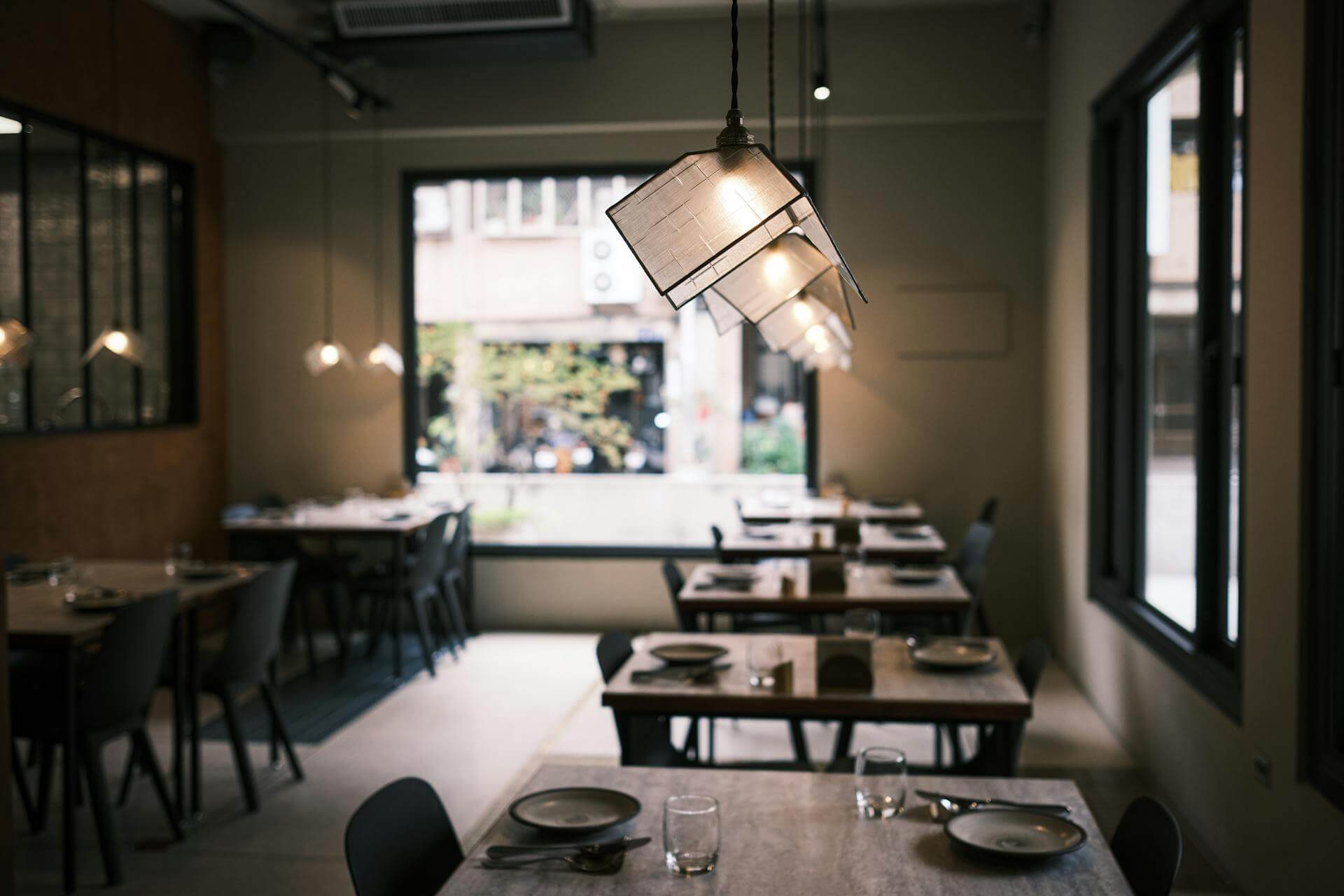
Interior of a light, relaxing restaurant with a focus on the modern, sophisticated light fixtures and open window to the sidewalk and street.

This article breaks down what “compound startup” means; why so many operators misunderstand scale; and what serious bar, restaurant, and boutique hotel entrepreneurs must build before growth becomes an asset instead of a liability.

The Growth Illusion: Why More Locations Can Hide a Weaker Business

In hospitality, growth is seductive:

  • A packed dining room turns into a second site conversation.
  • A strong summer in one market becomes an excuse to test another.
  • Friends, investors, landlords, and even guests start asking the same question: “When are you opening the next one?”

That question flatters the ego; it does not validate the model.

Too many operators assume that one good location means they have a scalable brand. What they often have is a founder-carried success story.

The owner still approves too many decisions. The best managers still rely on the founder’s instinct. The menu still works because one chef protects it. The guest experience still lands because the founder is in the room.

That is not scale. That is heroics, and heroics do not compound.

A Story Every Growing Operator Will Recognize

A founder opens a strong first location. Maybe it is a cocktail bar, maybe a neighborhood restaurant. Maybe it is a small lifestyle hotel with food and beverage anchors.

The first unit performs well enough. Reviews are good and revenue looks strong. Staff is stretched, but the energy feels high. There is momentum.

Then the founder opens a second location. Almost immediately, the cracks widen.

The first unit loses focus because the founder is no longer present every day. The second unit opens with a team that knows the standards in theory but not in rhythm.

From there, costs and inventory variance increase, culture starts to split, and guests notice inconsistency. Managers become messengers instead of coaches and leaders. The founder begins working more, not less.

This is the point where many operators say “Growth is hard.”

But here’s the thing: growth is not the issue. Unrepeatable success is the issue.

An emerging brand is still a startup because every new unit is a new test of the model. The only difference is that the cost of failure gets higher with each location.

Pillar One: Scaling is Not Expansion. Scaling is Repetition Without Degradation.

The first truth serious operators need to accept is this: opening more units is not scaling. Repeating a model without dilution is scaling.

That means the following must remain true from location one to location five:

  • The guest experience still feels intentional.
  • The unit-level economics still make sense.
  • The culture still transfers.
  • The systems still hold.
  • The brand identity still lands clearly.

If any of those degrade with each unit, you are not scaling; you are stretching.

This is where a lot of emerging brands get trapped. They call themselves a “chain” because they have multiple addresses. But operationally, they are still improvising. They have expanded their footprint without maturing their infrastructure.

A second location should not prove ambition, it should prove repeatability. That is a much higher bar to reach.

Pillar Two: Systems Compound. Effort Does Not.

Startups are fueled by intensity. That is normal. Founders often work harder, stay later, and solve more problems than anyone else in the building. In the early stage, effort covers a lot of weakness.

But effort has a limit. What has no limit? Systems.

The brands that become scalable stop asking “How do we keep up?” They start asking “What must be documented, standardized, and delegated so this works without us?”

That simple mindset shift changes everything.

Systems do not automatically make a brand bureaucratic or corporate. They ensure that knowledge leaves the founder’s head and enters the business in usable formats:

  • strategic playbooks
  • programmed SOPs
  • role clarity
  • service standards
  • training flows
  • decision rules
  • opening and closing disciplines
  • vendor and purchasing frameworks

This is where compounding begins.

Every time a system replaces memory, the business becomes more transferable. Every time a process becomes trainable, leadership gets lighter. Every time expectations become standardized, culture gets stronger.

The founder who still solves everything manually is not building an emerging business; they are scaling personal exhaustion.

Pillar Three: Every Unit Should Be a Feedback Loop, Not Just a Revenue Line.

This is where serious operators separate themselves from the hopeful.

A new location should do more than add top-line revenue. It should teach the brand something.

Every additional unit should refine the model:

  • program complexity
  • labor deployment
  • average revenue per guest behavior
  • service pacing
  • production flow
  • local marketing
  • daypart demand
  • guest retention patterns

That is how compound startups evolve into disciplined brands.

You are not just opening more bars, restaurants, or boutique hotels. You are gathering intelligence. Every unit is a live test of what is truly core to the concept and what was only working because of geography, novelty, or founder presence.

The smartest operators treat each location as a strategic lab. The struggling operators treat each location as proof they were already right.

One mindset compounds wisdom, the other compounds blind spots.

Pillar Four: Leadership Depth, Not Real Estate, is the True Growth Constraint.

Most people think growth is limited by capital, real estate, or timing. In hospitality, growth is usually limited by leadership depth.

You can always find another space. Just as you can always raise more money or can always negotiate another lease.

What is much harder is building a bench of people who can lead the brand at standard without the founder becoming the glue for every decision.

This is the hidden scaling trap.

A business can look ready on paper while being leadership-fragile in practice. Ask better questions:

  • Can your current GMs develop managers into future AGMs who can then become future GMs?
  • Can someone open a new unit without you holding every meeting?
  • Can your business and developed culture survive your physical absence?
  • Can the business solve problems without escalating them all upward?

If the answer is no, you do not have a scaling problem. What you have is a leadership development problem, and this is where many emerging brands stall.

Not because demand disappeared but because the founder never stopped being the sun in the solar system. Real scalable businesses are not built on charismatic founders. They are built on distributed leadership, reinforced systems, and cultural consistency.

Pillar Five: Unit Economics Turn Growth Into Wealth or Waste.

This is the point many operators avoid because it feels less fun than branding, design, or buzz.

But this is the pillar that determines whether an emerging brand becomes a wealth-building machine or an expensive ego project.

Revenue is loud, unit economics are quiet.

The industry is full of businesses that grow volume and revenue faster than profitability. That is why sustainable expansion has become such a focus. Operators planning new locations are doing so under heavier cost pressure, more scrutiny around labor and inventory, and growing emphasis on profitability discipline.

If your first location does not have healthy unit-level economics, your fifth location will not solve that; it will amplify it.

That means serious operators must know:

  • contribution margins.
  • prime cost discipline.
  • ADR + TGRM for hotels.
  • labor productivity (not just labor costs).
  • sales per square foot.
  • cash flow timing.
  • return on invested capital by unit.
  • payback timeline.
  • break-even thresholds under pressure and volatility.

This is where emerging brands become compound startups in the truest sense. They do not just add units, they improve the model so each new location has better odds, better data, and better operational intelligence than the one before it.

That is compounding; not ambition without infrastructure, and not “we’ll figure it out later.”

Compounding means the business gets smarter as it grows.

What This Means for Small Hospitality Brands Right Now

If you operate between one and 15 locations, this should reframe how you see yourself.

You are not “small” in some dismissive sense, and you are not “too early” to think like a chain.

But you are also not “there” just because you have multiple units. You are an emerging brand, which really means you are a compound startup.

That requires a different mindset:

Stop asking:

  • How fast can we grow?
  • Which market is next?
  • How do we get bigger?

Start asking:

  • What in this model is actually repeatable?
  • What still depends too much on founder energy?
  • What is documented versus assumed?
  • Where are margins strongest and weakest by unit?
  • What are we learning with each location?
  • Who can lead without us in the room?

Those questions build a legacy business. The others just build motion.

The Strategic Takeaway Serious Operators Should Save

The brands that win the next decade will not be the fastest to expand. They will be the most disciplined in how they repeat. That is the entire game.

A startup proves an idea. An emerging brand proves a system. A great hospitality company proves that the system can grow without sacrificing the soul of the brand.

So if you are sitting at one, three, or ten locations right now, remember this:

You are not done being a startup. You are simply in a more expensive chapter of it.

Treat each unit like a lesson. Treat systems like assets, leadership depth like oxygen, and unit economics like truth.

Emerging brands are not just growing businesses, they are startups that learned how to compound. And in hospitality, that is the difference between becoming a brand and becoming a cautionary tale.

Related Reading

Image: Teresa Jang via Pexels

Work with Us

To learn how we can help you assess your operation and stabilize and scale it, click the image below.

Client Intake Form - KRG Hospitality

by David Klemt David Klemt No Comments

KRG Releases 2024 Start-Up Guide

KRG Hospitality Releases 2024 Restaurant Start-Up Cost Guide

by David Klemt

2024 KRG Hospitality Start-up Costs Guide

KRG HOSPITALITY RELEASES SIXTH ANNUAL RESTAURANT START-UP COST GUIDE

Toronto-based hospitality industry consulting firm with offices in key markets throughout Canada and the United States of America unveils their latest restaurant cost guide and interactive hospitality calculator.

December 21, 2024 (TORONTO)—Today, KRG Hospitality releases their 2024 Bar & Restaurant Start-up Costs Guide, which is free to download. The Toronto-based consulting firm specializes in startup restaurant and bar projects along with boutique hotels, experiential concepts, and entertainment venues. KRG Hospitality’s American headquarters is located in Las Vegas, Nevada.

For the past six years KRG has researched, reviewed, and published the annual start-up cost guide, one of the industry’s leading resources dedicated to restaurant project costing.

And each year this informative and transparent guide is used as a trusted budgeting tool by developers, lenders, contractors, consultants, and aspiring restaurateurs. The guide is founded upon KRG Hospitality’s proprietary database of previous project costs, which includes project data from restaurants, bars, and cafes developed over the past 24 months.

Further, this annual KRG Hospitality guide also includes the interactive KRG Hospitality Calculator, which is updated for 2024.

The costs to start a restaurant have been on a steady rise over the past six years. Major drivers are increases in inflation, interest, labor, construction, and equipment. Of course, there are also the unique materials required to deliver a scalable, sustainable, memorable, profitable, and consistent on-premise, off-premise, or hybrid-style concept.

Drawing upon this comprehensive guide, an industry-leading expert has analyzed the information and provided a succinct and user-friendly summary of the findings for each major start-up category. This isn’t simply a couple of pages identifying a few costs. Rather, the sixth annual guide is a deep dive that provides real insight into what to expect in 2024.

The guide is available now as a free download via this link.

About KRG Hospitality

KRG Hospitality is a storied and respected agency with proven success over the past decade, delivering exceptional and award-winning concepts throughout a variety of markets found within Canada, the United States, and abroad since 2009. Specializing in startups, KRG is known for originality and innovation, rejecting cookie-cutter approaches to client projects. The agency provides clients with a clear framework tailored to their specific projects, helping to realize their vision for a scalable, sustainable, profitable, memorable, and consistent business. Learn more at KRGHospitality.com. Connect with KRG Hospitality and the Bar Hacks podcast on social: KRG Twitter, Bar Hacks Twitter, KRG Media Twitter, KRG LinkedIn.

Disclaimer

While using this guide helps develop a rough preliminary financial and strategic milestone plan, it is strongly recommended that you seek professional expert advice to provide you with a more precise, project specific estimate as each concept and market will be slightly different. KRG Hospitality Inc. is not responsible for any project that is not currently under contract within the company.

Image: KRG Hospitality

KRG Hospitality Start-Up Restaurant Bar Hotel Consulting Consultant Solutions Plans Services

by krghospitality krghospitality No Comments

KRG Hospitality now Serving Midwest Region

KRG Hospitality adds Midwest Region

Marina City Towers in Chicago, Illinois

KRG HOSPITALITY NOW SERVING MIDWEST REGION

Toronto-based hospitality industry consulting firm with offices throughout Canada and the USA now serving the Midwest through Chicago office.

CHICAGO, IL (March 17, 2023)—Today, KRG Hospitality announces the addition of the Midwest region of the US to their North American service area. The team will operate out of an office in Chicago, Illinois. However, the agency will serve Midwest markets outside of Chicago as well.

KRG is excited to announce their presence in the region and their ability to serve clients effectively. The agency will offer the full suite of their proven hospitality solutions, including: hourly consulting and coaching; complete feasibility studies, fully customized concept plans; in-depth, focused business plans; project support and management; food and/or drink menu development and consulting; and personalized F&B education.

“I was born in Chicago and first entered the hospitality industry in the Northwest Suburbs. I got my first taste of nightlife in Chicago’s incredible bar and nightclub scene,” says David Klemt, partner and director of business development of KRG Hospitality. “Those experiences shaped my entire hospitality career trajectory. It will be an honor to serve the great people of the Midwest and bring their hospitality visions to life.”

“2023 is turning into quite the growth year for KRG, with the addition of team members Kim Richardson and Jared Boller, and now an exciting new market,” says Doug Radkey, KRG Hospitality founder, president, and project manager. “We see great opportunity in the Midwest, not only in Chicago, but many of the surrounding regions. The food, beverage, and hotel scene is incredibly strong, and we’re open to the challenge of not only helping launch new hospitality brands but helping transform existing brands scale and be successful in the new era ahead.”

KRG is ready to work with clients of all experience levels in the Midwest. The consulting agency’s suite of solutions serve new operators looking to open their first concept and veterans seeking a rebrand or expansion. From independent pizzerias and QSRs to multi-unit regional chains and boutique hotels, and everything in between, the KRG team is eager to take client visions and transform them into brick-and-mortar realities.

To schedule an introductory call to learn how the KRG Hospitality team serves clients, please follow this link.

About KRG Hospitality

KRG Hospitality is a storied and respected agency with proven success over the past decade, delivering exceptional and award-winning concepts throughout a variety of markets found within Canada, the United States, and abroad since 2009. Specializing in startups, KRG is known for originality and innovation, rejecting cookie-cutter approaches to client projects. The agency provides clients with a clear framework tailored to their specific projects, helping to realize their vision for a scalable, sustainable, profitable, memorable, and consistent business. Learn more at KRGHospitality.com. Connect with KRG Hospitality and the Bar Hacks podcast on social: KRG Twitter, Bar Hacks Twitter, KRG Media Twitter, KRG LinkedIn.

Image: Tobias Brunner from Pixabay

KRG Hospitality Start-Up Restaurant Bar Hotel Consulting Consultant Solutions Plans Services

by David Klemt David Klemt No Comments

5 Books to Read this Month: March 2023

5 Books to Read this Month: March 2023

by David Klemt

Flipping through an open book

Our engaging and informative March book selections will help you hone your leadership, entrepreneurial, and operational skills to dial in your business.

To review the book recommendations from February 2023, click here.

Let’s jump in!

Whiskey Women: The Untold Story of How Women Saved Bourbon, Scotch, and Irish Whiskey

It shouldn’t come as a surprise that women have been involved with and influencing alcohol for centuries. Still, women’s contributions to the spirits, beer, and wine we imbibe are often overlooked. Fred Minnick’s Whiskey Women seeks to change that.

From Amazon: “Whiskey Women tells the tales of the women who created the industry, from Mesopotamia’s first beer brewers and distillers to America’s rough-and-tough Prohibition bootleggers. Women have long distilled, marketed, and owned significant shares in spirits companies, including Bushmills, Johnnie Walker, and Maker’s Mark. Williamson is one of many influential women who greatly influenced Scotch, bourbon, and Irish whiskey. Until now their stories have remained untold.”

Unvarnished: A Gimlet-eyed Look at Life Behind the Bar

Even now it seems like people don’t view the service industry as offering “real” careers. Indeed, some restaurant and bar owners are asked when their “real” plan is because it can’t possibly be running a hospitality business.

In Unvarnished, Eric Alperin, owner, manager and designer of the Varnish in LA, and author Deborah Stoll reject that idea. This fascinating book offers lessons learned from Sasha Petraske, Alperin’s partner and mentor; the many tiny details bar owners will turn over and over in their heads before finalizing plans; reasons to not date a bartender; and much, much more.

There are also 100 recipes that Alperin required hopeful bartenders to know before they could land a job at the Varnish.

Heads in Beds: A Reckless Memoir of Hotels, Hustles, and So-Called Hospitality

Last month we featured In the Weeds. In January, we recommended Your Table is Ready. Both books are similar to the amazing Kitchen Confidential, a book all hospitality professionals should read.

Heads in Beds is essentially Kitchen Confidential for those in the hotel business. The Amazon listing describes this book as “a funny, authentic, and irreverent chronicle of the highs and lows of hotel life, told by a keenly observant insider who’s seen it all. Prepare to be amused, shocked, and amazed as he spills the unwritten code of the bellhops, the antics that go on in the valet parking garage, the housekeeping department’s dirty little secrets—not to mention the shameless activities of the guests, who are rarely on their best behavior.”

There are also emotional stories and revelations about the darker side of the industry we all need to address.

Impactful Influence for Modern Leaders: How to Use the Power of Influence to Lead Other People Toward Success

None of us can really become a true leader without the ability to influence those who work for us. That means, however, that we must continually develop ourselves. Influencing those around us to perform at their best isn’t as simple as giving orders, of course.

And that’s where Impactful Influence for Modern Leaders comes in. This book will help you build trust with your team; mentor others effectively; learn to let go and trust your team; and much more.

Lady You Got Balls: The Gift of Being Underestimated

If you’re an entrepreneur, odds are you’ve experienced being underestimated. You’ve likely had a taste of office life and decided it wasn’t for you due to the politics and betrayals.

If that’s you, you have something in common with Patricia Stroberg, author of Lady You Got Balls. In this book, you’ll see why being an underestimated underdog can be to your advantage. Lady You Got Balls “is for anyone wanting to run a successful company and live a life of purpose when the challenges seem too overwhelming to overcome.”

Image: Mikołaj on Unsplash

KRG Hospitality Complete Bar Menu Audit

Top