Restaurants

by David Klemt David Klemt No Comments

Which Chains are America’s Favorites?

NRN & Technomic Identify America’s Favorite Chains

by David Klemt

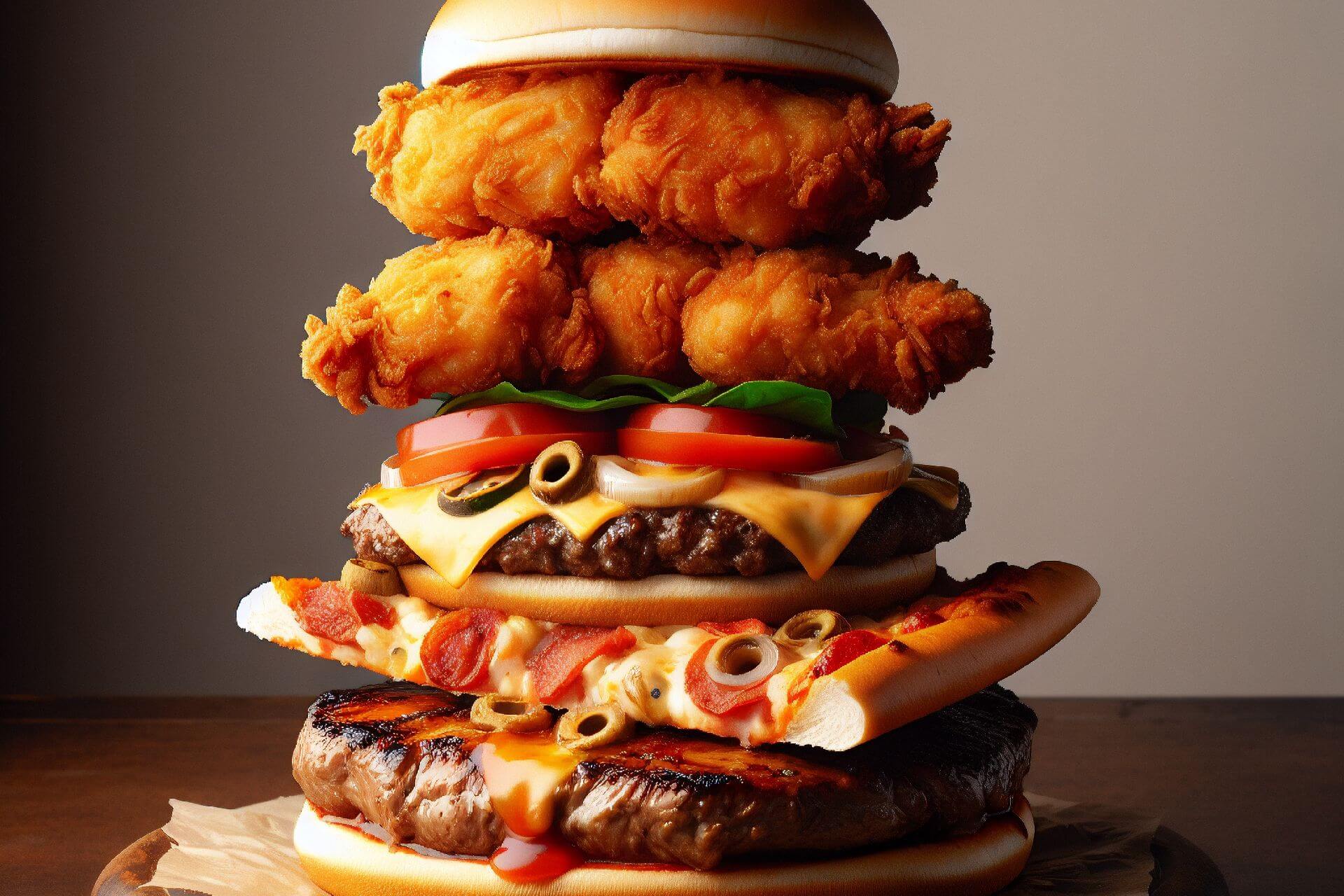
A cheeseburger with chicken patties, pizza, and steak on it

Alright, which one of you maniacs out there is going to make this AI-generated chicken-patty-pizza-steak burger a reality and put it on your menu?

Toward the beginning of 2024, Nation’s Restaurant News collaborated with Technomic to identify America’s favorite restaurant chains.

To my understanding, this is the first such partnership between the independent foodservice publication and the foodservice intelligence platform.

Providing more than just a glimpse into America’s favorite chains, the rankings span several categories. For instance, the partnership between NRN and Technomic reveals the top QSRs, along with the country’s favorite fast-casual, family-style, and miscale restaurants.

However, the top three chains across more granular categories are also identified. Examples include America’s favorite chicken, pizza, burger, and Mexican restaurants.

In fact, I’m going to kick things off with the more specific, specialized categories. Then, I’ll move into the broader segments.

That said, I encourage you to review NRN‘s article revealing America’s favorite midscale, casual, QSR, etc. restaurants for yourself. Written by Joanna Fantozzi, the piece is full of valuable insights beyond simple rankings.

Further, you may find it interesting to compare these rankings to the results of BrandVue’s Most Loved Eating Out Brands 2023 report, which we reviewed here.

Cheers to NRN and Technomic! Here’s to hoping that this becomes an annual release.

Beverage or Snack

  1. Tropical Smoothie Cafe
  2. Smoothie King
  3. Jamba

Burger

  1. Culver’s
  2. In-N-Out
  3. Freddy’s Frozen Custard & Steakburger

Chicken

  1. Chick-fil-A
  2. Jollibee
  3. Raising Cane’s

Italian (FSR)

  1. Carrabba’s Italian Grill
  2. Maggiano’s Little Italy
  3. Mellow Mushroom

Mexican

  1. Chuy’s Tex-Mex
  2. Torchy’s Tacos
  3. Moe’s Southwest Grill

Pizza

  1. Papa Murphy’s
  2. Marco’s Pizza
  3. Cici’s Pizza

Sandwich

  1. Jersey Mike’s Subs
  2. Newk’s Eatery
  3. Jason’s Deli

Steak

  1. Ruth’s Chris Steak House
  2. Fleming’s Prime Steakhouse
  3. Longhorn Steakhouse

Varied Menu

  1. Seasons 52
  2. Bahama Breeze Island Grille
  3. Cooper’s Hawk

QSR

  1. Dutch Bros Coffee
  2. Topical Smoothie Cafe
  3. Smoothie King
  4. Cold Stone Creamery
  5. Chik-fil-A

Fast Casual

  1. Jersey Mike’s Subs
  2. Newk’s Eatery
  3. Jason’s Deli
  4. McAlister’s Deli
  5. Sweetgreen

Family Style

  1. First Watch
  2. Cracker Barrel
  3. Golden Corral

Casual

  1. Seasons 52
  2. Bahama Breeze Island Grille
  3. Bonefish Grill
  4. Longhorn Steakhouse
  5. Cooper’s Hawk

Midscale

  1. First Watch
  2. Cracker Barrel
  3. Golden Corral
  4. Shoney’s
  5. Black Bear Diner

Favorite Chains: Overall

  1. Ruth’s Chris Steak House
  2. Season 52
  3. Dutch Bros Coffee
  4. Fleming’s Prime Steakhouse
  5. Bahama Breeze Island Grille
  6. Longhorn Steakhouse
  7. Cooper’s Hawk
  8. Tropical Smoothie Cafe
  9. The Capital Grille
  10. Smoothie King

When it comes to this list of the top-ten favorite chain restaurants, Technomic data scores a number of crucial insights.

Click here to see how each of these industry leaders ranked in:

  • Service and hospitality
  • Unit appearance and ambience
  • F&B
  • Convenience and takeout
  • Value

Image: Shutterstock. Disclaimer: This image was generated by an Artificial Intelligence (AI) system.

KRG Hospitality. Restaurant Business Plan. Feasibility Study. Concept. Branding. Consultant. Start-Up.

by David Klemt David Klemt No Comments

2023 State of the Menu: Datassential

2023 State of the Menu: Datassential

by David Klemt

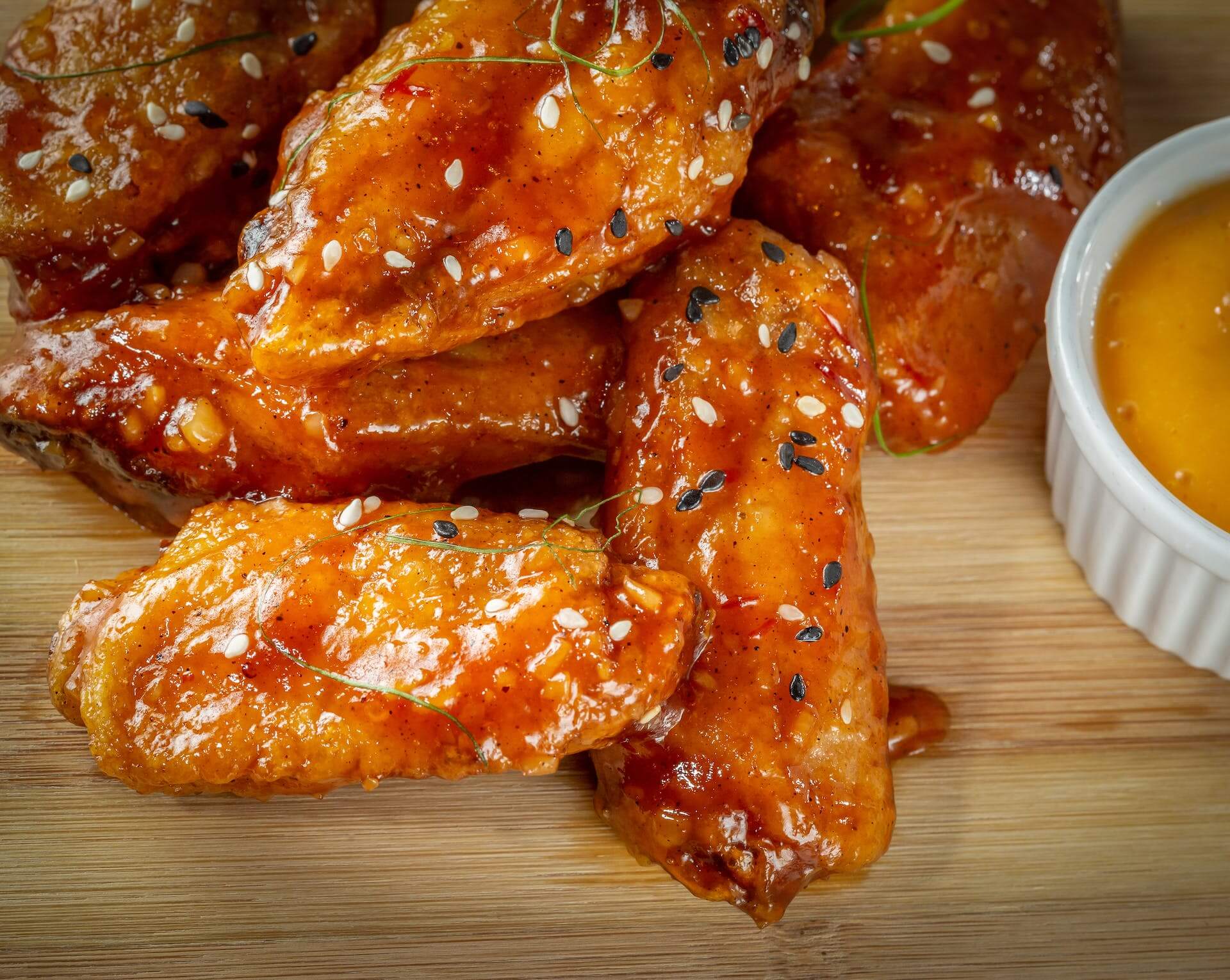
Korean fried chicken wings

The annual 2023 State of the Menu by Datassential includes an interesting metric to gauge restaurant recovery: menu size by segment.

Hosts Jack Li, Mike Kostyo, and Claire Conaghan discuss a handful of topics during this webinar. Host Li touches on food-forward cities at the beginning of this presentaiton. Kostyo shares some of the most innovative menu items out there right now. And Conaghan dives deep into menu trends.

Industry professionals interested in watching this webinar on demand can register to do so here.

There are a handful of metrics people are using to measure post-pandemic restaurant recovery. Labor is, of course, receiving a lot of attention. People are also tracking traffic, average check size, revenue, and profits.

One metric Datassential is keeping tabs on is menu size per restaurant segment. Additionally, they’re tracking each segment’s top-growing food and beverage items.

Notably, however, in tracking menu size, Conaghan focuses solely on food and non-alcohol beverage items, omitting catering and alcohol.

Chains vs. Independents

Starting things off, Conaghan addresses the overall menu size trend. That is, menus are noticeably smaller in comparison to pre-pandemic sizes.

Interestingly, chain restaurants don’t appear to be in any rush to move away from this trend. In fact, Conaghan notes that chains appear to be further reducing the size of their menus. This has been the trend over the past 12 months.

According to Conaghan, fine dining also seems to be happy to shrink their menus. Menu size shrunk the most among restaurants in this segment. In comparison, quick-service menu sizes decreased the least.

However, independent restaurant operators appear to be going in the opposite direction from their chain counterparts. In contrast, indies have been growing the size of their menus the past 12 months.

Menu Size by Segment

Fast Casual

Per Conaghan, the only segment to reach pre-pandemic menu size is fast casual. In fact, this category of restaurant is often exceeding pre-pandemic items-per-menu size.

This increase in menu size is attributable to operators “leaning into” core cuisine items. For example, sandwiches, Mexican entrees, and pizza.

However, the fastest-growing food item on fast-casual menus is the chicken wing. According to Conaghan, it’s easy for operators to innovate with chicken wings.

A restaurant doesn’t have chicken wings? All they have to do is add them, starting with simple preparations. If a restaurant does have chicken wings on the menu already, innovation is as simple as adding new flavors.

As far as the fastest-growing drink for fast-casual restaurants, it’s dessert beverages.

QSR, Casual Dining, and Midscale

These three segments are “very, very close” to reaching pre-pandemic menu sizes.

As midscale operators are likely very aware, this segment tends to have the largest menus. I wouldn’t be surprised, therefore, if a number of midscale concepts review their items per menu, their costs, and decide they can perform well with slightly smaller menus moving forward.

Unsurprisingly, chicken wings are the food item growing most quickly on QSR food menus. Oh, and barbecue chicken wings are the fastest-growing food item among casual dining restaurants.

Perhaps a bit more eyebrow-raising is the fastest-growing beverage type for QSRs: energy drinks. Boba and flavored iced teas are growing fastest on casual-dining drink menus.

For midscale restaurants, dessert samplers are the fastest-growing food items. Think “dessert charcuterie” when trying to picture a dessert platter. Another way to think about the dessert sampler is a static dessert cart with small bites of each dessert on the menu.

Fine Dining

Again, this segment is the furthest from pre-pandemic menu size. And, again, operators in this category seem happy with this trend.

An interesting note Conaghan makes about this segment is what many operators are using to fill out their menus: desserts. This is, she says, an area where fine dining can differentiate itself from other concepts.

Per Conaghan, bao, applesauce, and summer squash are growing the fastest on fine-dining food menus.

Now, I may have slipped into a fever dream during this portion of the Datassential webinar. Because unless I’m mistaken, the Shirley Temple has been identified as the fastest-growing beverage in the fine-dining space.

Pricing

Okay, so this segment of the 2023 State of the Menu webinar isn’t really a recovery metric.

However, it’s interesting, and something Jack Li says about chain restaurant pricing made me chuckle.

Most Expensive vs. Least Expensive

First, some straightforward data.

The following list identifies the five most-expensive ZIP codes for chain restaurant menu pricing. Anyone who wants the full list of 15 most-expensive ZIP codes can watch the webinar.

  • 10036 (New York, NY)
  • 96707 (Kapolei, HI)
  • 98902 (Yakima, WA)
  • 96815 (Honolulu, HI)
  • 99503 (Anchorage, AK)

It’s understandable to think this would consist entirely of New York City, Los Angeles, or San Francisco ZIPs. But when we consider what it costs operators to import food to Hawaii and Alaska. Additionally, Washington and New York are among the states with the highest minimum wage. Operators need to recover those costs somehow.

And now the five least-expensive ZIP codes:

  • 78526 (Brownsville, TX)
  • 75224 (Dallas, TX)
  • 76106 (Fort Worth, TX)
  • 31907 (Columbus, GA)
  • 31701 (Albany, GA)

Pricing Logic

Now, on to what Li says during the webinar that makes me laugh.

Nationwide, the average price of a McDonald’s Big Mac in the US is $5.26. (A caveat: This webinar took place in October. This price may have increased or decreased by now.)

However, the lowest price for a Big Mac is $3.49 at a location in Wilburton, Oklahoma.

So, what’s the highest price, and where can one find these pricey Big Macs? Three McDonald’s locations sell the burger for $8.29. That’s nearly two-and-a-half times the lowest-priced Big Mac.

Summarizing pricing variations among chain restaurants succinctly, Li made me laugh with the following: “Store pricing often just doesn’t make sense.”

Going further, Li says Datassential shows that the more franchised a restaurant chain is, the more variances in pricing will occur.

The full webinar can be viewed here.

Image: Leonardo Luz on Pexels

Bar Nightclub Pub Brewery Menu Development Drinks Food

by David Klemt David Klemt No Comments

Gen Z Shifting the Restaurant Landscape

Gen Z Shifting the Restaurant Landscape

by Nathen Dubé
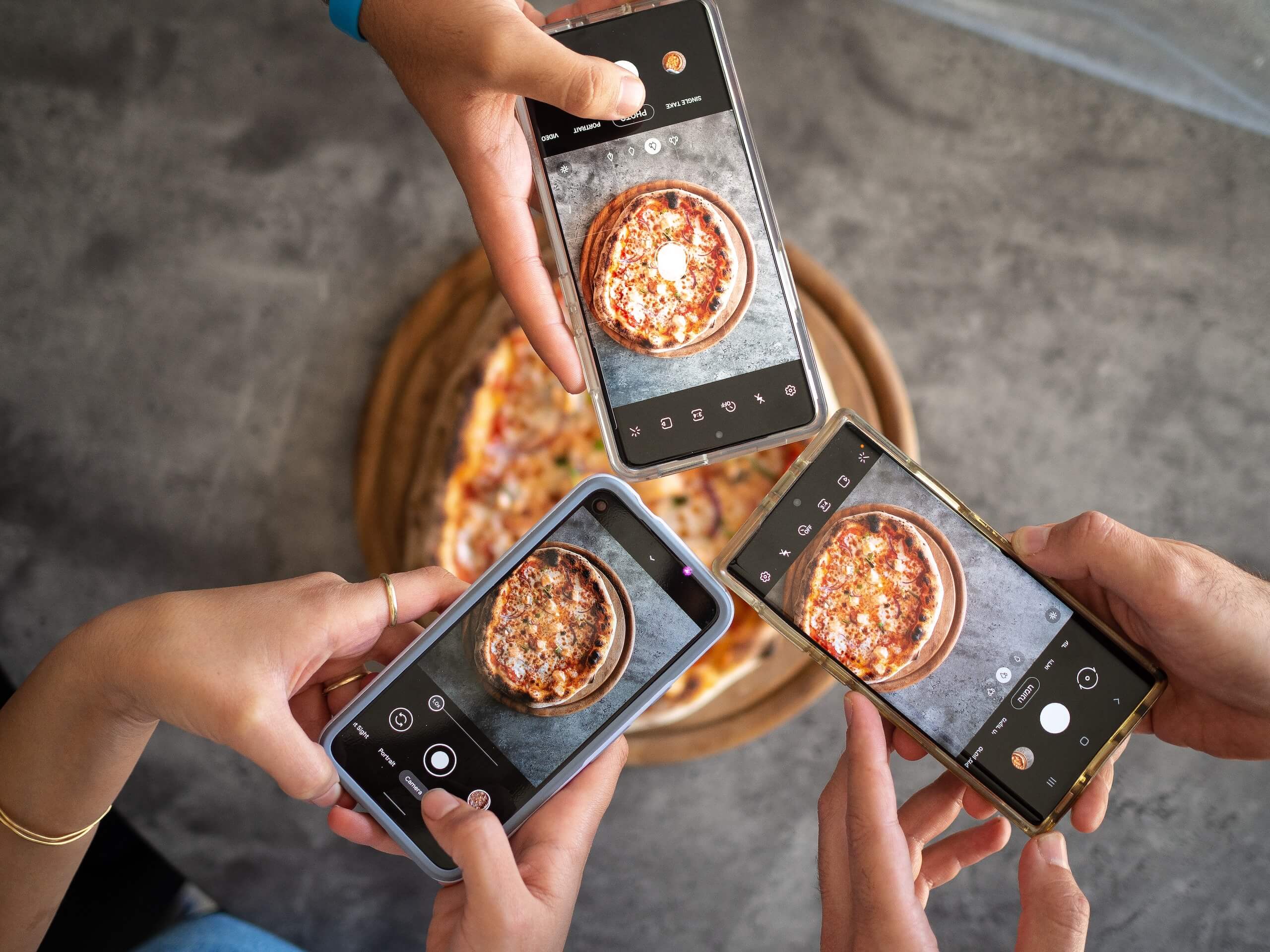
People holding phones over a pizza

I think we can admit every demographic snaps pics of their food now.

The next wave of restaurant guests is ready to be won over. Our industry is on the cusp of a monumental shift, and Generation Z is at the helm.

As they come into their own, both socially and economically, this vibrant generation is poised to redefine dining as we know it. With their digital-first mindset, staggering spending power, and penchant for loyalty, Gen Z is a demographic that no restaurant can afford to overlook.

Comprising nearly a quarter of the American economy, Gen Z is a force to be reckoned with. Born in 1993 or later, they command an awe-inspiring $250 billion in spending power.

But what’s truly remarkable is their approach to dining. Generally speaking, eating out is not an occasional indulgence for this generation; it’s a regular part of life.

In fact, the majority of Gen Zers frequent restaurants at least once a week, a statistic that’s all the more astonishing when you consider that many are not even old enough to drive.

As this generation matures and their financial standing improves, they are set to become the next wave of loyal restaurant patrons. To capture their attention and build lasting relationships, restaurants must focus on three pivotal areas: cutting-edge technology, customizable menus/personalization, and one-of-a-kind experiences.

By proactively adapting to meet the unique needs and desires of Gen Z, restaurants can not only win their business but also secure a prosperous future in an ever-evolving industry.

So, the question isn’t whether to adapt to Gen Z. Rather, the question is, how quickly can you do it?

The next generation of restaurant-goers is not just knocking at the door, they’re already here. And they’re ready to dine.

Technology

Generation Z is a digitally native cohort, seamlessly integrating smart technology into every facet of their lives—from smart cars to smartphones.

To engage with this generation of guests effectively, it’s imperative for restaurants to have a mobile-optimized online menu. Given Gen Z’s penchant for quick, easily digestible information, a streamlined, fast-loading menu is key.

Highlighting elements like flavors and health-conscious options can serve as compelling selling points.

The Digital Investment Dilemma

While the allure of digital innovation is undeniable, it comes with its own set of challenges, primarily financial.

However, there is good news.

Investing in robust digital systems is essential for ensuring a smooth guest experience. This investment often yields dividends in the form of operational efficiency and heightened customer loyalty—two factors crucial to long-term success.

Gen Z, in particular, is quick to embrace modern conveniences like alcohol delivery and digital ordering, signaling a clear trajectory for the restaurant industry’s future.

Additionally, many innovative tech solutions integrate with platforms operators use currently. Where this is the case, the new tools can enhance operations, automation, marketing campaigns, back of house, etc., which justifies the initial outlay.

Augmented Reality: A New Frontier in Dining

Augmented reality (AR) in the dining space is an emerging trend with boundless potential. Although the initial costs of integrating AR can be steep, the payoff in terms of guest engagement is substantial.

Imagine a dining scenario during which guests can use AR glasses or goggles to access nutritional information about their meal instantly. The possibilities are as limitless as they are exciting.

Staying ahead of the curve with tech ensures restaurants not only attract Gen Z but also offer an enhanced dining experience that sets them apart in a competitive market and attracts guests of all ages.

The future of dining is here, and it’s digital, customizable, and incredibly interactive. Are you ready to be a part of it?

Social Media

When it comes to capturing the attention of Gen Z, social media is a goldmine.

While Facebook may not be their platform of choice, YouTube, Instagram, and TikTok are where they’re most active.

These platforms are ideal for sharing quick, engaging six- to 15-second videos that resonate with Gen Z’s fast-paced and humorous nature. Bear in mind, video not only killed the radio star, it has surpassed static photography as the engagement format of choice.

And don’t underestimate the influence of even the youngest among them; they often have a significant say in family dining decisions.

Social Media: The Modern-Day Word-of-Mouth

In today’s digital landscape, social media isn’t just a platformit’s a potent marketing arsenal.

Gen Z is particularly vocal about their dining experiences, often sharing them online for their followers to see. This user-generated content serves as invaluable, organic marketing that can drive both foot traffic and revenue.

In essence, social media has become the new word-of-mouth, and restaurants should actively encourage this form of authentic promotion.

The WiFi Factor

Offering free WiFi isn’t just a courtesy, it’s strategic.

By becoming a wireless hotspot, you’re also positioning yourself as a dining hotspot.

Free WiFi enables Gen Z patrons to stay connected, even while enjoying a meal with family or friends. They can easily share texts, photos, and perhaps even a glowing review, providing your restaurant with the kind of word-of-mouth advertising that money can’t buy.

By embracing these digital and social strategies, restaurants can not only attract the Gen Z audience but also create a dynamic, interactive dining environment that appeals to all.

The future of the restaurant industry is undeniably digital, and those who adapt will not just survive but thrive. Are you prepared for this exciting new chapter in dining?

Authenticity

The culinary landscape is evolving, and Gen Z is at the forefront of this transformation.

Authentic and Global Flavors: The Culinary Passport

In an era marked by globalization, Gen Z’s palate is as diverse as their worldview.

Their affinity for authentic, global flavors is more than a trend, it’s a reflection of a world where borders are increasingly blurred. As international cuisines become more accessible, they’re also becoming a staple on restaurant menus.

For restaurateurs, this provides an opportunity to diversify and enrich their culinary offerings.

Fusion: The Art of Culinary Innovation

Fusion foods are not merely a passing fad. Truly, fusion is a celebration of culinary creativity.

This trend allows chefs to push the boundaries of traditional cooking, often creating unique, high-value dishes that enhance a restaurant’s revenue potential.

In many ways, fusion embodies the inclusive and diverse spirit of Gen Z, making this culinary approach a hit among this demographic.

Experiential Dining: The Rise of the Experience Economy

The move towards experiential dining is part of a larger shift in consumer behavior, where experiences are valued over material goods.

Restaurants offering interactive experiences like cooking classes, wine tastings, or farm-to-table events are tapping into this lucrative trend.

Gen Z, in particular, is drawn to such experiential dining options, as well as to culinary fusions and fresh, natural ingredients.

A New Wave of Flavors and Dining Options

Unique flavors like yuzu, tamarind, and lemongrass are more than just exotic additions. These flavors and ingredients are becoming mainstream, particularly among Gen Z.

Educational food services, from grade schools participating in the National Restaurant Association’s Kids LiveWell program to college campuses offering “campus cuisine,” are also playing a role.

These institutions are introducing Gen Z to a wide array of international flavors and dietary options, including vegan, vegetarian, and gluten-free choices.

By understanding and embracing these trends, restaurants can position themselves as forward-thinking establishments ready to meet the diverse needs and preferences of Gen Z.

The future of dining is here, and it’s as varied, interactive, and global as the generation it serves. Are you ready to be a part of this culinary revolution?

Crafting the Ultimate Customizable Dining Experience

When it comes to dining, Gen Z values customization above all else. They want their meals tailored to their preferences, and they want them now.

While staples like burgers and pizza remain popular, it would be a mistake to pigeonhole their tastes.

According to Technomic’s The Generational Consumer Trend Report, Gen Z has a broader palate, embracing a range of global cuisines like Chinese, Mexican, and pasta at rates higher than any other generation.

A Melting Pot of Influences

This global appetite is more than just a random preference. Rather, it’s a reflection of Gen Z’s diverse background and the adventurous spirit of their Gen X parents.

But the driving force behind it all is the allure of customization.

Imagine a dining table where each person has their own uniquely crafted taco, creating a communal dining experience rich in personalization. This aligns perfectly with insights from Flavor & The Menu’s Generational Flavors report, which highlights the importance of affordability, value, and convenience to Gen Z diners.

The Customization Kings: Why Subway and Chipotle Reign Supreme

It’s no coincidence that eateries like Subway and Chipotle are among Gen Z’s favorites. These establishments have mastered the art of customization while also offering affordability and convenience—three key factors that resonate with this generation.

By recognizing and capitalizing on these trends, restaurants can craft the ultimate dining experience that not only appeals to Gen Z but also sets them apart in a highly competitive market.

The future of dining is customizable, diverse, and incredibly exciting. Are you prepared to meet the demands of this new generation of discerning diners?

Social Responsibility

A Win-Win for Brands and Consumers

For Gen Z, social responsibility isn’t just a buzzword, it’s a way of life. And this focus translates into tangible economic gains for restaurants.

Brands that actively engage in social responsibility have seen a four-percent uptick in sales. This demonstrates that doing good is also good for business.

This generation is more likely to patronize establishments that resonate with their values, making corporate social responsibility not just an ethical imperative but a savvy business strategy.

Health and Wellness: The New Currency

Gen Z’s emphasis on better-for-you options extends to their dining choices.

According to Technomic, features like recycling, sustainable food practices, and health-conscious menu items can significantly boost restaurant traffic.

But it doesn’t stop there.

This generation is willing to pay a premium for quality and health benefits, opening up lucrative revenue streams for restaurants that offer premium, health-focused menus. This is not a fleeting trend but a market shift, propelled by Gen Z’s prioritization of quality over quantity.

Sustainability: The Green Dividend

The push for sustainability is evolving from an ethical stance to an economic imperative. With government incentives encouraging eco-friendly practices and a consumer base willing to pay extra for sustainable options, going green is increasingly profitable.

This creates a virtuous cycle where businesses can contribute to environmental conservation while also boosting their bottom line.

By aligning with these core values—social responsibility, health and wellness, and sustainability—restaurants can attract the discerning Gen Z but also position themselves for long-term success in a rapidly evolving market.

The future of dining is socially responsible, health-conscious, and eco-friendly. Are you ready to embrace it?

The Social Hub

Coffee Shops as Gen Z’s Gathering Grounds

Starbucks and similar coffee shops have become social hubs for Gen Z.

Offering specialty coffee experiences in an adult-like setting, these establishments have become the go-to spots for socializing among those too young for adult beverages.

A Diverse Palette of Beverages

When it comes to drinks, Gen Z’s preferences are as diverse as their food choices.

While soda remains a popular option, this generation is also more inclined than others to opt for healthier alternatives like lemonade, bottled water, fruit juice, and smoothies.

Highlighting these better-for-you options can be a smart move for restaurants looking to cater to this health-conscious demographic.

Nutritional Transparency: A Win for All

In a world where regulatory scrutiny around food labeling is intensifying, transparency is key.

Restaurants that provide nutritional information voluntarily not only cater to the health-focused mindset of Gen Z but also position themselves as responsible businesses in the eyes of both regulators and the broader community.

In Conclusion: The Future of Dining is Here, and It’s Gen Z

As we’ve explored, Gen Z is redefining the dining landscape in numerous ways—from their penchant for customization and global flavors to their focus on social responsibility, health, and sustainability.

By understanding and adapting to these multifaceted preferences, restaurants can not only attract this influential demographic but also set themselves up for long-term success in an ever-changing industry.

The future of dining is not just about food; it’s about creating an experience that resonates with the values and lifestyles of the next generation of consumers.

Are you ready to be a part of this exciting culinary evolution?

Image: Yoav Aziz on Unsplash

KRG Hospitality. Bar Restaurant Hotel. Project Support. Project Management. Start Up.

by David Klemt David Klemt No Comments

Brand Love: BrandVue’s 2023 Rankings

Brand Love: BrandVue’s 2023 Rankings

by David Klemt

Black and white image of a winners' podium under a spotlight

As we near the end of the year, Savanta has revealed their BrandVue’s Most Loved Eating Out Brands 2023 report, ranking 100 restaurant brands in America.

The B2B and B2C market consultancy has been publishing this report since 2019. Their fifth-annual report includes 16 categories, including ranking consumer opinion of third-party delivery services.

As a category, Burger boasts the greatest presence with 17 loved restaurant brands. In second is Italian or Pizza with 13 brands. With ten brands, Specialty comes in third as a category. Tied for fourth are Mexican and Chicken, featuring eight brands each.

Download the full report here.

Top Restaurant in Each Category

Below you’ll find the gold medalist in each category, in alphabetical order by restaurant type.

  • Asian: Panda Express
  • Burger: McDonald’s
  • Café or Bakery: Starbucks
  • Chicken: Chick-fil-A
  • Family Style: Cracker Barrel Old Country Store
  • Frozen Dessert: Cold Stone Creamery
  • Italian or Pizza: Olive Garden
  • Mexican: Taco Bell
  • Sandwich: Subway
  • Seafood: Red Lobster
  • Specialty: Krispy Kreme
  • Steak: Texas Roadhouse
  • Varied Menu: The Cheesecake Factory

Other Categories

There are a handful of other categories on the BrandVue list. Namely, Delivery, Sports Bar, and Meal-kit.

I’ve separated Delivery in particular because it doesn’t represent brick-and-mortar brands. Rather, these are third-party services.

For this year’s list, Savanta ranks five delivery services. Below, the top three:

  1. Caviar
  2. DoorDash
  3. UberEats

However, it’s important to note that DoorDash bought their one-time rival Caviar back in 2019. So, it’s really as though DoorDash claims two spots among the top three.

Of course, UberEats owns Postmates, which is among the five Delivery brands on this list. So is Seamless, owned by Grubhub. However, Grubhub itself doesn’t appear on this list.

The other two categories, Sports Bar and Meal-kit, count just one brand each among them: Buffalo Wild Wings and Plated, respectively.

Top 26 Restaurant Brands

Below, the top quarter of the 2023 BrandVue list. As you’ll see, the gold medalists among the top 25 are in bold.

Why did I decide to show the top 26 rather than the top 25? My reasoning is simple: one of the top 25 is a delivery service, not a brick-and-mortar restaurant.

  1. Domino’s (Italian or Pizza)
  2. Red Lobster (Seafood)
  3. Cold Stone Creamery (Frozen Dessert)
  4. Culver’s (Burger)
  5. Caviar (Delivery)
  6. Cinnabon (Specialty)
  7. Braum’s (Burger)
  8. Auntie Anne’s (Specialty)
  9. Wingstop (Chicken)
  10. Popeyes (Chicken)
  11. Wendy’s (Burger)
  12. Pizza Ranch (Italian or Pizza)
  13. Pizza Hut (Italian or Pizza)
  14. KFC (Chicken)
  15. The Cheesecake Factory (Varied Menu)
  16. Subway (Sandwich)
  17. In-N-Out Burger (Burger)
  18. Dunkin’ Donuts (Café or Bakery)
  19. Taco Bell (Mexican)
  20. Raising Cane’s (Chicken)
  21. Olive Garden (Italian or Pizza)
  22. Krispy Kreme (Specialty)
  23. Texas Roadhouse (Steak)
  24. McDonald’s (Burger)
  25. Starbucks (Café or Bakery)
  26. Chick-fil-A (Chicken)

Unsurprisingly, the top six spots go to gold medalists. In total, gold medalists claim seven slots amongst the top ten. Twelve of the top performers out of all 16 categories are in the top 25.

Interestingly, the list also puts America’s love for burgers, chicken, and pizza on full display. Of the top 25 most-beloved restaurant brands, five fall into the Burger category, and five fall into Chicken. Four slots belong to the Italian or Pizza category.

Notably, there are no Asian or Family Style restaurants among the top 26. However, I expect more Asian and Mexican restaurants to earn places in the top quarter over the next few years.

To see the full list of the 100 most-beloved restaurant (and delivery) brands in the US, click here.

Image: Joshua Golde on Unsplash

KRG Hospitality. Restaurant Business Plan. Feasibility Study. Concept. Branding. Consultant. Start-Up.

by David Klemt David Klemt No Comments

’23 World’s 50 Best Restaurants: 51 to 100

2023 World’s 50 Best Restaurants: 51 to 100

by David Klemt

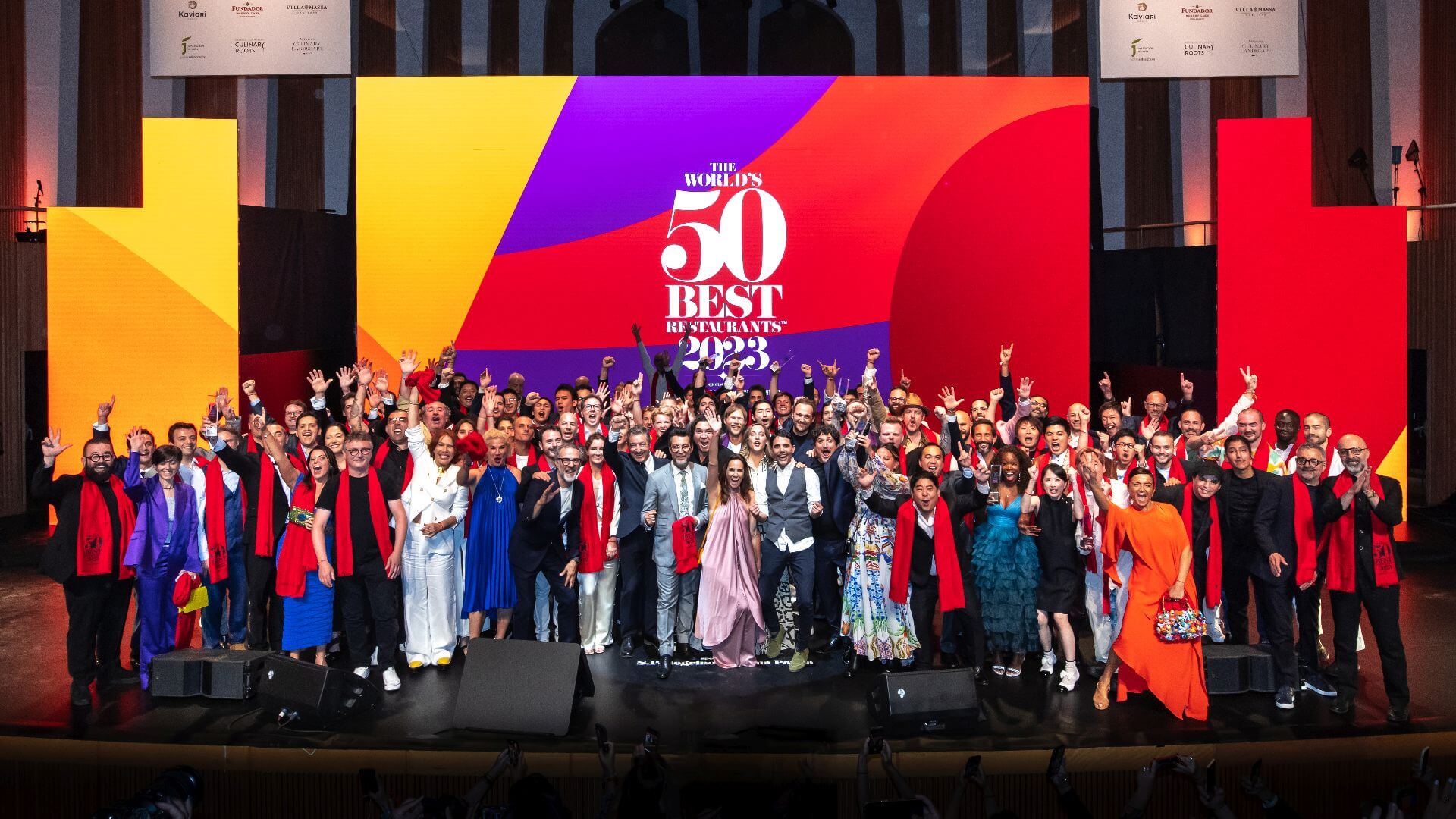
The World's 50 Best Restaurants 2023 Awards group shot

Last week we checked out the top 50 restaurants around the world, and today we’re taking a look at those ranked 51 to 100.

Narrowing down the 50 best restaurants in the world is a harrowing task. So it makes sense that the World’s 50 Best Restaurants expanded the list to the best 100. Even that, however, must be daunting.

France performed particularly well on the 100 to 51 list this year, clinching six spots. Four of those, unsurprisingly, are located in Paris.

The US, Bangkok, and Spain each have four restaurants on the list. For the US, two restaurants make the rankings in both California and New York.

Operators in Japan earn three spots, with two restaurants in Tokyo and one in Osaka. London also achieves three places on this list.

A number of countries, regions, and cities have two restaurants on the 2023 100 to 51 list: Cape Town, Denmark, Hong Kong, Istanbul, and Mexico.

Again, like to 50 to 1, Canada and Australia don’t have restaurants ranked anywhere on the 51 through 100 list.

The World’s 50 Best Restaurants 2023: 100 to 51

  1. Maito (Panama City, Panama)
  2. Fu He Hui (Shanghai, China)
  3. Saison (San Francisco, California, United States of America)
  4. Labyrinth (Singapore)
  5. Ricard Camarena Restaurant (Valencia, Spain)
  6. Ceto (Roquebrune-Cap-Martin, France)
  7. La Colombe (Cape Town, South Africa)
  8. Kei (Paris, France)
  9. Neighborhood (Hong Kong)
  10. Kadeau (Copenhagen, Denmark)
  11. Wing (Hong Kong)
  12. Mingles (Seoul, South Korea)
  13. Potong (Bangkok, Thailand)
  14. Ossiano (Dubai, United Arab Emirates)
  15. Lyle’s (London, England, United Kingdom)
  16. Enrico Bartolini (Milan, Italy)
  17. Meta (Singapore)
  18. Sazenka (Tokyo, Japan)
  19. Enigma (Barcelona, Spain)
  20. Azurmendi (Larrabetzu, Bizkaia, Spain)
  21. Flocons de Sel (Megève, France)
  22. Nuema (Quito, Ecuador)
  23. Alléno Paris au Pavillon Ledoyen (Paris, France)
  24. Tantris (Munich, Germany)
  25. Oteque (Rio de Janeiro, Brazil)
  26. Fyn (Cape Town, South Africa)
  27. Nusara (Bangkok, Thailand)
  28. Cosme (New York City, New York, United States of America)
  29. Sühring (Bangkok, Thailand)
  30. Core by Clare Smyth (London, England, United Kingdom)
  31. Sud 777 (Mexico City, Mexico)
  32. Zén (Singapore)
  33. SingleThread (Healdsburg, California, United States of America)
  34. Le Clarence (Paris, France)
  35. Turk Fatih Tutak (Istanbul, Türkiye)
  36. Burnt Ends (Singapore)
  37. Aponiente (El Puerto de Santa María, Cádiz, Spain)
  38. Neolokal (Istanbul, Türkiye)
  39. Arpège (Paris, France)
  40. Chef’s Table at Brooklyn Fare (New York City, New York, United States of America)
  41. La Cime (Osaka, Japan)
  42. Mérito (Lima, Perú)
  43. Lasai (Rio de Janeiro, Brazil)
  44. Jordnær (Copenhagen, Denmark)
  45. Sorn (Bangkok, Thailand)
  46. Ernst (Berlin, Germany)
  47. Alcalde (Guadalajara, Jalisco, Mexico)
  48. Brat (London, England, United Kingdom)
  49. Hof van Cleve (Kruishoutem, Belgium)
  50. Narisawa (Tokyo, Japan)

Last Year’s 100 to 51 List

A number of restaurants from the 2022 World’s Best Restaurants, 100 to 51 are also on this year’s list.

Flocons de Sel, located in Megève, France, likely made the greatest gains. In 2022, the restaurant was ranked number 99. This year, Flocons de Sel earned the number 80 spot.

A few restaurants made humble but notable steps in the right direction. As an example, New York’s Chef’s Table at Brooklyn Fare climbed from 63 to 61. And Ernst, located in Berlin, went from number 62 in 2022 to 55 this year.

Unfortunately, Sud 777 in Mexico City tumbled in 2023. Last year, the venue reached the number 52 spot. This year, however, it’s number 70. That said, it’s the number 70 restaurant in the world. Nothing to be ashamed of, and I won’t be surprised to see the Sud 777 team drive the restaurant back toward the 50s or better in 2024.

To review the 100 to 51 list from 2022, please click here.

Cheers to these 50 top-performing restaurants!

Image: The World’s 50 Best Restaurants

KRG Hospitality. Restaurant Business Plan. Feasibility Study. Concept. Branding. Consultant. Start-Up.

by David Klemt David Klemt No Comments

2023 World’s 50 Best Restaurants Revealed

2023 World’s 50 Best Restaurants: 1 to 50

by David Klemt

Central in Lima, Peru, the winner of the 2023 World's 50 Best Restaurants

The team behind Central in Lima, Peru, the number one restaurant in the world.

We finally know which venues from around the globe claim one of the top 50 spots on the 2023 World’s Best Restaurants list.

As you’ll see below, a few countries and cities perform very well on this year’s list.

For example, five of this year’s restaurants are in Italy, one of which is in the top ten. However, restaurants throughout Spain grab six spots on this year’s list. Three of these are among the top ten restaurants.

France claims four spots. Three of those are in Paris, and one is in the top ten.

London takes three spots, as do Mexico City, and Tokyo. One restaurant in the top ten is in Mexico City.

America has just two restaurants on the 2023 World’s 50 Best Restaurants list. Both are in New York City, one is in the top ten. Bangkok, Bogotá, Dubai, and German also each have two restaurants on the list.

Peru, like France, also boasts four spots on the list. Each of these four are located in Lima, and two restaurants are among the top ten. Most importantly, one of those restaurants is the number-one restaurant in the world.

For our Canadian and Australian readers, I’m sorry to report that there are no restaurants on the list below that are in your respective countries.

The World’s 50 Best Restaurants 2023: 50 to 1

  1. The Chairman (Hong Kong)
  2. Rosetta (Mexico City, Mexico)
  3. La Grenouillère (La Madelaine-sous-Montreuil, France)
  4. Mayta (Lima, Perú)
  5. Orfali Bros Bistro (Dubai, United Arab Emirates)
  6. Nobelhart & Schmutzig (Berlin, Germany)
  7. Le Bernardin (New York City, New York, United States of America)
  8. Leo (Bogotá, Colombia)
  9. Piazza Duomo (Alba, Italy)
  10. Le Calandre (Rubano, Italy)
  11. Restaurant Tim Raue (Berlin, Germany)
  12. The Jane (Antwerp, Belgium)
  13. The Clove Club (London, England, United Kingdom)
  14. Sezánne (Tokyo, Japan)
  15. Plénitude (Paris, France)
  16. Ikoyi (London, England, United Kingdom)
  17. Uliassi (Senigallia, Ancona, Italy)
  18. El Chato (Bogotá, Colombia)
  19. Hiša Franko (Kobarid, Slovenia)
  20. Mugaritz (San Sebastian, Guipúzcoa, Spain)
  21. Frantzén(Stockholm, Sweden)
  22. Boragó (Santiago, Chile)
  23. Kjolle (Lima, Perú)
  24. Florilège (Tokyo, Japan)
  25. Schloss Schauenstein (Fürstenau, Switzerland)
  26. Belcanto (Lisbon, Portugal)
  27. Septime (Paris, France)
  28. Kol (London, England, United Kingdom)
  29. Elkano (Getaria, Gipuzkoa, Spain)
  30. Den (Tokyo, Japan)
  31. Quique Dacosta (Dénia, Alicante, Spain)
  32. Don Julio (Buenos Aires, Argentina)
  33. Steirereck (Vienna, Austria)
  34. Gaggan Anand (Bangkok, Thailand)
  35. Reale (Castel di Sangro, L’Aquila, Italy)
  36. Le Du (Bangkok, Thailand)
  37. Odette (Singapore)
  38. Pujol (Mexico City, Mexico)
  39. A Casa do Porco (São Paulo, Brazil)
  40. Trèsind Studio (Dubai, United Arab Emirates)
  41. Table by Bruno Verjus (Paris, France)
  42. Quintonil (Mexico City, Mexico)
  43. Atomix (New York City, New York, United States of America)
  44. Lido 84 (Gardone Riviera, Brescia, Italy)
  45. Maido (Lima, Perú)
  46. Alchemist (Copenhagen, Denmark)
  47. Asador Etxebarri (Axtondo, Bizkaia, Spain)
  48. Diverxo (Madrid, Spain)
  49. Disfrutar (Barcelona, Spain)
  50. Central (Lima, Perú)

Last Year’s List

Some of the restaurants above also earned spots on the 2022 World’s 50 Best Restaurants list.

For example, Ikoyi in London, England, was number 49 last year. The restaurant climbs to number 35 this year.

Bogotá’s Leo was number 48 in 2022 but rises to 43 in 2023.

Central fought to climb one place. Last year, Central was number two. Now, they’re the best restaurant in the world.

For the full list of the top 50 restaurants last year, please click here.

Cheers to this year’s top 50!

Image: The World’s 50 Best Restaurants

KRG Hospitality. Restaurant Business Plan. Feasibility Study. Concept. Branding. Consultant. Start-Up.

by David Klemt David Klemt No Comments

SBA Releases 46% of Held RRF Funds

SBA Releases 46% of Held RRF Funds

by David Klemt

Single one-hundred-dollar bill

After receiving pressure from members of Congress and scrutiny from the industry and media, the SBA has released some RRF funds.

This comes after several months of inaction from the Small Business Administration.

The amount released on Wednesday, November 23 isn’t insignificant. However, the SBA disbursed less than half of the RRF money they’re sitting on.

Still, the news is welcome, particularly to the RRF applicants who finally received a grant.

$180 Million in RRF Funds

Several months ago, the Government Accountability Office (GAO) investigated the handling of the Restaurant Revitalization Fund. Back in July, the fruits of that investigation came to light: $180 million of the $28.6 billion in RRF funding had not been disbursed.

Further, it was reported in back August that the SBA was partnering with the Department of Justice to “formulate a plan on how to distribute” the money.

Now, nearing the end of November, it appears the SBA and DoJ have finalized a plan. Two days ago, on the eve of Thanksgiving, the SBA released $83 million of the $180 million that was discovered in July of this year. If every applicant received the same amount, that works out to $491,124 per grant.

With any hope, this means the remaining $97 million will go to deserving grant applicants very soon.

Where did the Money Go?

We don’t yet know which RRF grant recipients received a portion of the $83 million released this week.

What we do know is:

  • 169 applicants received this week’s grants;
  • applicants were selected by the order in which they applied for grants in 2021;
  • each recipient was alerted about their grant award this week;
  • the recipients are expected to actually receive the money some time next week;
  • grant recipients have until March 2023 to spend the funds; and
  • the recipients won’t have to repay the money if they spend it on “approved purchases.”

It’s logical that the disbursement of the $97 million in remaining RRF grants will follow the same procedure.

Statements on this Week’s Developments

This week, both the Small Business Administration and National Restaurant Association made statements about the release of $83 million in RRF funds.

“This week, the U.S. Small Business Administration (SBA) began distribution of returned funding in the Restaurant Revitalization Fund (RRF) program, following the program’s closure in June 2021. In doing so, the SBA worked with the advice of the Department of Justice on a plan to distribute the remaining funds, approximately $83 million,” reads a press release from the SBA.

“In addition to other SBA assistance programs, the RRF has helped more than 100,000 restaurants and other food and beverage business owners survive the pandemic,” continues the administration’s statement.

Sean Kennedy, executive vice president of public affairs for the NRA, said the following about this week’s disbursement:

“The SBA’s action represents the final chapter of our nearly three-year effort to secure dedicated federal pandemic relief dollars for local restaurants. Today’s announcement is great news for those 169 operators fortunate enough to receive an RRF grant, but hundreds of thousands more are struggling with uncertainty.

“We must continue to look forward because the enormous challenges of the industry will continue beyond today. From the recruitment of employees to the constantly rising costs for food, running a restaurant right now is a daily struggle. There are steps the government can take to support restaurants in every community, and we will continue to press for solutions at the federal, state, and local level.”

Image: AR on Unsplash

by David Klemt David Klemt No Comments

Restaurants in Canada: Daypart Performance

Restaurants in Canada: Daypart Performance

by David Klemt

White clock on red background

For both in-person dining and off-premise consumption, more Canadian consumers are ordering from restaurants across all dayparts.

As Restaurants Canada points out in their latest report, traffic and sales remain lower than pre-pandemic levels. However, there are reasons to be positive.

For one example, Restaurants Canada predicts 2022 sales to return to pre-pandemic levels by the end of the year. The foodservice research and advocacy organization’s 2022 Foodservice Facts report provides another positive outlook.

Just looking at Q1 of this year versus Q3, all dayparts are seeing increases in traffic.

To read more about the report and grab your own copy, follow this link.

Numbers Tell the Tale

Per Restaurants Canada, the breakfast daypart slid significantly in 2020. During that time, it fell 20 percent that year.

For the first half of this year, however, Restaurants Canada reports that breakfast traffic is just four percent lower in comparison to 2019.

On a positive note, the breakfast daypart has risen steadily from March of this year to July, or Q1 versus Q3. In fact, all dayparts have grown.

According to Restaurants Canada, 43 percent of Canadians ordered breakfast from restaurants in March 2022. That number grew to 50 percent by July of this year.

In terms of snack purchases, 55 percent of Canadian consumers made purchases from restaurants. By July, that percentage rose to 62 percent.

Continuing along, 64 percent of Canadians placed lunch orders in March. Four months later, that number had increased to 73 percent.

Per the 2022 Foodservice Facts report, a significant percentage of Canadians are placing lunch and snack orders. In fact, Restaurants Canada says that Canadians are making purchases from restaurants during those dayparts two to three times per month.

Of course, there’s one more daypart we need to discuss…

Dinner is King

By the numbers, the dinner daypart is outperforming all others in Canada.

In March of 2022, 85 percent of Canadians had placed dinner orders at restaurants. That number rose to 87 percent in April but dipped to 86 percent in May.

However, dinner saw growth again in June and July, rising to 88 and then 89 percent, respectively.

As the numbers show, dinner orders are outpacing lunch orders 14 percent. Snacks are being outpaced by dinner by nearly 30 percent. Of all dayparts, breakfast is the weakest.

In fact, dinner outperforms breakfast by nearly 40 points. This makes sense when we consider the work-from-home effect.

More people working from home means, in theory, many less people commuting to work. Restaurants that once saw great breakfast daypart traffic are seeing a significant dropoff. Less people commuting means less people popping into a restaurant for breakfast.

It appears that instead, people are clocking in, working until break time, and then going to get a snack. And when lunch rolls around, why not place an order for lunch?

Naturally, after working all day, people are tired or eager to meet up with friends and family to socialize and decompress. So, dinner ruling the daypart roost makes complete sense.

In other words, operators looking to streamline should consider this Restaurants Canada data. The dayparts that require the most labor currently are lunch and dinner, so operators should plan accordingly if that’s viable for their business.

Image: CHUTTERSNAP on Unsplash

by David Klemt David Klemt No Comments

Restaurants Canada Reveals Pandemic Impact

Two Years On, Restaurants Canada Reveals Pandemic Impact

by David Klemt

Canon accounting calculator

Restaurants Canada looks at the impact of the pandemic on the foodservice industry in their latest Foodservice Facts report.

Canada’s foodservice industry research and advocacy non-profit sees a return to pre-pandemic operations. However, the path forward toward pre-pandemic traffic and sales levels won’t be without its challenges.

“While nominal sales are expected to return to pre-pandemic levels before the end of the year, traffic still remains below what it was before,” says Restaurants Canada president and CEO Christian Buhagiar.

To access your own copy of 2022 Foodservice Facts, click here.

Industry Still Struggling

As an owner, operator, or foodservice professional, you probably have the answer to a specific question in mind.

When will we be “back to normal?” And, of course, the natural followup to that question. Will the industry surpass 2019 traffic and sales?

Restaurants and bars throughout Canada have survived six waves of Covid-19 over the course of two-plus years. There have been an inordinate amount of lockdowns that inarguably forced the permanent closure of far too many businesses.

As Restaurants Canada states (and the rest of us know all too well), there’s no telling if another Covid-19 variant will rear its ugly head. It’s conceivable (but with any luck unlikely) that Canada could face future lockdowns.

At the moment, according to Restaurants Canada, foodservice sales are currently 11 percent below 2019 levels. And yes, that’s after adjustment for inflation. Speaking of which, one reason traffic and sales remain below those of 2019 is consumer confidence. Many Canadians are concerned about a possible recession.

In addition, operators in Canada continue to face a labor shortage.

News Not All Bad

Now, anyone who read the previous section would be justified in lacking confidence in the industry. However, there is good news.

First, let’s compare Q1 of 2022 to Q2. Per Restaurants Canada, just 15 percent of restaurants were able to seat guests with zero restrictions. By April, though, approximately 90 percent of restaurants in Canada could serve in-person guests restriction-free.

Second, Q2 had more positivity in store for operators. According to Restaurants Canada, the FSR segment endured an 18-month decline in traffic when Covid-19 took hold. When restrictions were lifted, the floodgates of consumer demand burst. By Q2, traffic was a mere one percent lower in comparison to 2019.

Going a bit granular, QSR performance also improved in Q2. Per Restaurants Canada, QSR traffic lagged eight percent behind pre-pandemic levels. However, that number improved to just two percent under pre-pandemic levels by Q2.

Compellingly, Q2 still wasn’t done with foodservice industry positivity. While QSRs outpaced FSRs three-fold in terms of traffic, their numbers combined bring the industry back to 2019 Q2 levels.

Restaurant Canada’s positive outlook predicts that the industry will return to pre-pandemic levels by Q4.

Image: StellrWeb on Unsplash

by David Klemt David Klemt No Comments

Discover the World’s 50 Best

Discover the World’s 50 Best with this Helpful Tool

by David Klemt

Red neon hand sign over a cocktail

You may be familiar with the World’s 50 Best Bars and the World’s 50 Best Restaurants rankings, but do you know about their Discovery tool?

On episode 82 of the Bar Hacks podcast, Mark Sansom mentions this powerful and helpful tool. Sansom, for those who have yet to listen to the episode, is the content director for the World’s 50 Best Bars.

Put plainly, the World’s 50 Best rankings are powerful and influential. As Sansom says, when the organization shouts, people listen. Making the 100 to 51 or 50 to one list can change a restaurant or bar’s business. Exposure, traffic, revenue, status, longevity… The restaurant and bar lists are game changers for those who work hard enough to earn a spot.

However, the World’s 50 Best, as the name suggests, ranks just a few hundred restaurants and bars:

So, the organization put their heads together. What if they could increase the chances that thousands of venues could find themselves on the radar of millions of people across the world? What could that do for a much larger swathe of deserving restaurants and bars?

50 Best Discovery

Enter, the 50 Best Discovery database.

“That’s the more egalitarian face of 50 Best, and that’s where we’re really excited about moving in the future,” says Sansom.

According to Sansom, there are more than 2,500 restaurants and bars just waiting for, well, discovery. It is, as he says, “the world’s most authoritative database on restaurants and bars anywhere.”

Compellingly, this is more than just a lonely input field chilling out on a webpage. Rather, there’s also a slideshow of 50 Best editor’s picks to scroll through. In using the tool for this article I discovered the following venues without even scrolling:

  • Franklin Barbecue in Austin, Texas
  • Cal Pep in Barcelona, Spain
  • Amass in Copenhagen, Denmark
  • Fyn Restaurant in Cape Town, South Africa

In other words, this tool is aptly named: The mission is discovery, and I’d say that mission is well on its way to achievement.

North America Results

Given the potential of the 50 Best Discovery database, I of course took it for a spin. You can do the same by clicking here.

Below, my results. In the interest of full transparency, it appears some cities in North America could use some work.

However, I feel confident that the 50 Best Discovery database will improve over time. After all, this is a new tool. Remember, the North America 50 Best Bars list is also brand new. As the organization recognizes more regions and venues, they’ll develop their database further.

Calgary, Alberta, Canada

  • Proof

Toronto, Ontario, Canada

  • Bar Raval
  • BarChef
  • The Shameful Tiki Room

Vancouver, British Columbia, Canada

  • Botanist
  • Boulevard Kitchen & Oyster Bar
  • The Keefer Bar

Las Vegas, Nevada, USA

  • Greene St. Kitchen
  • Herbs & Rye
  • Wing Lei

Nashville, Tennessee, USA

  • Bastion
  • The Catbird Seat
  • Pearl Diver

Philadelphia, Pennsylvania, USA

  • Vedge
  • Zahav

Image: Marcus Loke on Unsplash

by David Klemt David Klemt No Comments

Breakdown: How Senators Voted on RRF

Breakdown: How Senators Voted on RRF

by David Klemt

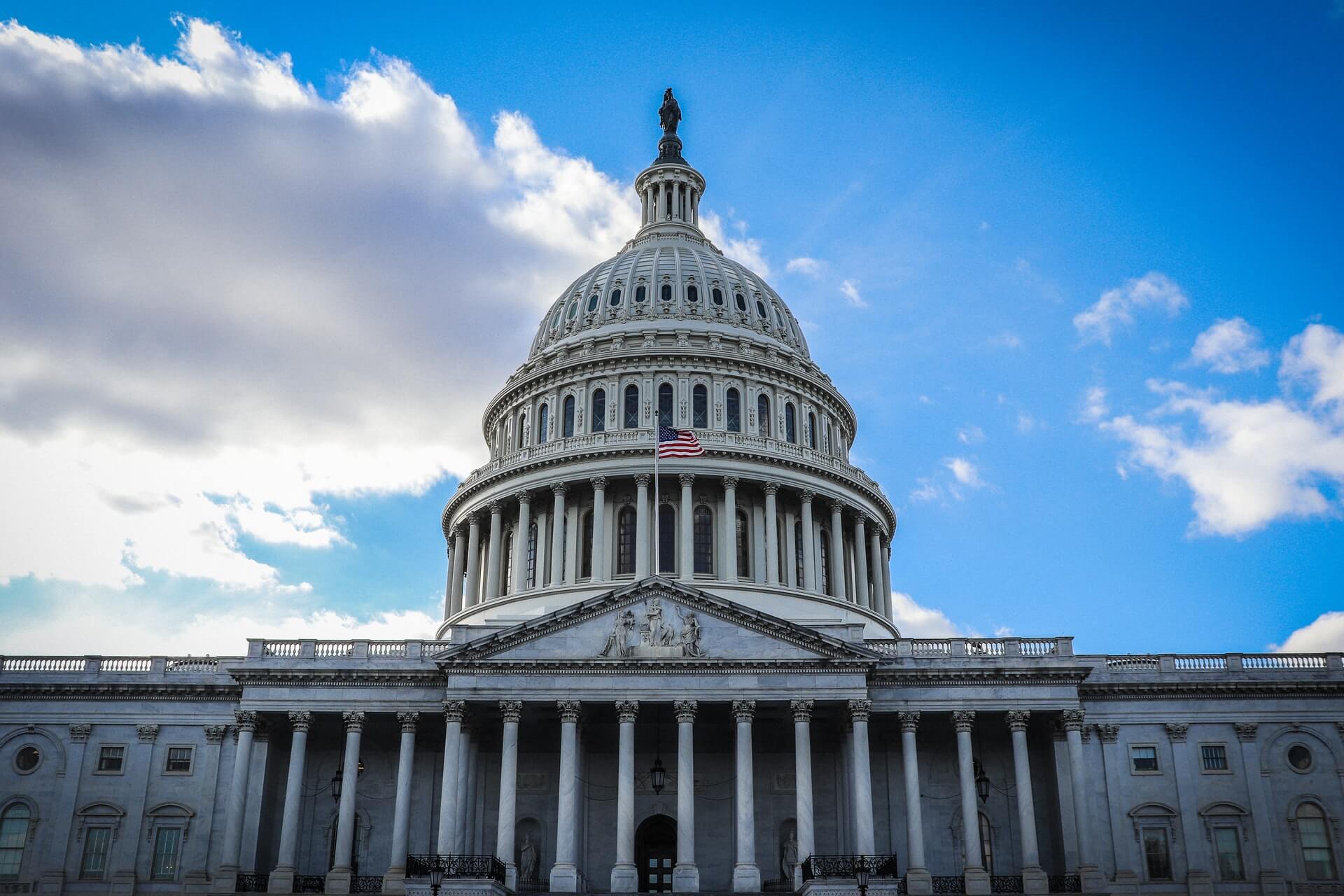
U.S. Capitol Building exterior, cloudy blue skies

After a year of waiting, we now know the fate of the Restaurant Revitalization Fund: a 52 to 43 vote that saw RRF replenishment fail on the Senate floor.

Last Thursday, the US Senate voted to debate the Small Business COVID Relief Act of 2022 (S.4008). A filibuster put an end to this effort to replenish the RRF.

To be blunt, this is a disgrace. Eligible RRF applicants have been awaiting needed and deserved grants for a year. We were left out of Build Back Better, we were left out of the $1.5 trillion omnibus spending bill passed in March.

A contributing factor to why this is so disappointing is the passing of S.3811. Of particular note, 32 of the senators who voted against $40 billion for American restaurants and bars voted in favor of $40 billion for supplemental aid for Ukraine.

Now, I’m not saying that Ukraine doesn’t deserve our support. Likewise, I’m not saying that we shouldn’t have voted to provide the war-torn country $40 billion in aid.

However, I am saying that I find it indefensible that dozens of our senators would send that kind of money overseas, then turn around and deny relief for American businesses.

In one moment we have senators saying America needs to come first. They then proceed to turn their backs on hard-working Americans.

Nay Votes

Unfortunately, 43 senators—all Republican—voted against the Small Business COVID Relief Act of 2022. Therefore, they voted against replenishing the RRF.

However, that doesn’t mean all Republican senators voted against the bill. Indeed, four Republicans voted with their Democrat and Independent peers.

  • Barrasso (R-WY)
  • Blackburn (R-TN)
  • Boozman (R-AR)
  • Braun (R-IN)
  • Burr (R-NC)
  • Capito (R-WV)
  • Cornyn (R-TX)
  • Cotton (R-AR)
  • Cramer (R-ND)
  • Crapo (R-ID)
  • Cruz (R-TX)
  • Daines (R-MT)
  • Fischer (R-NE)
  • Graham (R-SC)
  • Grassley (R-IA)
  • Hagerty (R-TN)
  • Hawley (R-MO)
  • Hoeven (R-ND)
  • Hyde-Smith (R-MS)
  • Inhofe (R-OK)
  • Johnson (R-WI)
  • Kennedy (R-LA)
  • Lankford (R-OK)
  • Lee (R-UT)
  • Lummis (R-WY)
  • McConnell (R-KY)
  • Moran (R-KS)
  • Paul (R-KY)
  • Portman (R-OH)
  • Risch (R-ID)
  • Romney (R-UT)
  • Rounds (R-SD)
  • Rubio (R-FL)
  • Sasse (R-NE)
  • Scott (R-FL)
  • Scott (R-SC)
  • Shelby (R-AL)
  • Sullivan (R-AK)
  • Thune (R-SD)
  • Tillis (R-NC)
  • Toomey (R-PA)
  • Tuberville (R-AL)
  • Young (R-IN)

Yea Votes

It’s important to remember that the Small Business COVID Relief Act of 2022 was a bipartisan effort. Sens. Ben Cardin (D-MD) and Roger Wicker (R-MS) introduced the bill, which included $40 billion for the RRF and $8 billion for other businesses.

Four Republican senators and two Independents voted in the affirmative with all Democrats.

  • Baldwin (D-WI)
  • Bennet (D-CO)
  • Blumenthal (D-CT)
  • Blunt (R-MO)
  • Booker (D-NJ)
  • Cantwell (D-WA)
  • Cardin (D-MD)
  • Carper (D-DE)
  • Casey (D-PA)
  • Cassidy (R-LA)
  • Collins (R-ME)
  • Coons (D-DE)
  • Cortez Masto (D-NV)
  • Duckworth (D-IL)
  • Durbin (D-IL)
  • Feinstein (D-CA)
  • Gillibrand (D-NY)
  • Hassan (D-NH)
  • Heinrich (D-NM)
  • Hickenlooper (D-CO)
  • Hirono (D-HI)
  • Kaine (D-VA)
  • Kelly (D-AZ)
  • King (I-ME)
  • Klobuchar (D-MN)
  • Leahy (D-VT)
  • Lujan (D-NM)
  • Manchin (D-WV)
  • Markey (D-MA)
  • Menendez (D-NJ)
  • Merkley (D-OR)
  • Murkowski (R-AK)
  • Murphy (D-CT)
  • Murray (D-WA)
  • Ossoff (D-GA)
  • Padilla (D-CA)
  • Peters (D-MI)
  • Reed (D-RI)
  • Sanders (I-VT)
  • Schatz (D-HI)
  • Schumer (D-NY)
  • Shaheen (D-NH)
  • Sinema (D-AZ)
  • Smith (D-MN)
  • Stabenow (D-MI)
  • Tester (D-MT)
  • Warner (D-VA)
  • Warnock (D-GA)
  • Warren (D-MA)
  • Whitehouse (D-RI)
  • Wicker (R-MS)
  • Wyden (D-OR)

Not Voting

Three Democrat and two Republican senators didn’t vote on S.4008.

  • Brown (D-OH)
  • Ernst (R-IA)
  • Marshall (R-KS)
  • Rosen (D-NV)
  • Van Hollen (D-MD)

Yay Votes for Ukraine, Nay Votes for RRF

The following senators, all Republican, voted to send $40 billion in aid to Ukraine.

The same day, they voted against $40 billion to replenish the RRF, voting against American restaurants and bars.

  • Barrasso (R-WY)
  • Burr (R-NC)
  • Capito (R-WV)
  • Cornyn (R-TX)
  • Cotton (R-AR)
  • Cramer (R-ND)
  • Cruz (R-TX)
  • Daines (R-MT)
  • Fischer (R-NE)
  • Graham (R-SC)
  • Grassley (R-IA)
  • Hoeven (R-ND)
  • Hyde-Smith (R-MS)
  • Inhofe (R-OK)
  • Johnson (R-WI)
  • Kennedy (R-LA)
  • Lankford (R-OK)
  • McConnell (R-KY)
  • Moran (R-KS)
  • Portman (R-OH)
  • Risch (R-ID)
  • Romney (R-UT)
  • Rounds (R-SD)
  • Rubio (R-FL)
  • Sasse (R-NE)
  • Scott (R-FL)
  • Scott (R-SC)
  • Shelby (R-AL)
  • Sullivan (R-AK)
  • Thune (R-SD)
  • Tillis (R-NC)
  • Toomey (R-PA)
  • Young (R-IN)

Image: PartTime Portraits on Unsplash

by David Klemt David Klemt No Comments

Restrictions: What’s Different in BC?

Restrictions: What’s Different in British Columbia?

by David Klemt

Granville Street in Vancouver, British Columbia, Canada, at night

While face mask and proof-of-vaccine requirements remain in place throughout British Columbia, some Covid-19 restrictions are no more.

“By following the science and looking out for each other, we are now in a position to carefully ease many COVID-19 restrictions,” said BC premier John Horgan last week.

Per reports, the second-dose vaccine rate of eligible residents in BC is over 90 percent. That, along with a dip in hospitalizations, are likely contributing to this easing of restrictions.

Premier Horgan denies that the “Freedom Convoy” protests influenced BC’s decisions.

What’s Different Now?

The most relevant news pertaining to hospitality operators impacts capacity and guest behavior.

Restaurant, bar, lounge, and nightclub operators have reason to feel a sense of relief. This is due to several favorable changes to Covid-19 restrictions.

First, capacity restrictions for the venues above have been lifted. This return to 100-percent capacity is likely the most welcome change for BC operators.

Second, table limits. In short, those are also no more. No longer are parties limited to six guests or less.

The third restriction (at least the order I’m addressing them) is the return of mingling. That’s right—guests can socialize amongst other tables once again.

Fourth, there’s no longer a Covid-19-specific limit dictating liquor service hours.

Fifth, down goes the plexiglass. Operators can remove their plexi barriers. However, given the past two years of restriction whiplash, it could be smart to store and not toss our or destroy them.

Finally, and this is perhaps the greatest return to a semblance of normalcy, dancing is back. For nearly two years, the province of BC has been the town in Footloose. But as of now, guests are free to dance once again.

It’s important to note that workers will follow their employers’ Covid-19 safety plans.

What Else is Changing?

Unfortunately, what’s in the pipeline for further easing of restrictions is unknown.

Currently, masks are required in a restaurant, bar, lounge, or nightclub when a guest isn’t in their seat. Also, guests must still present the BC Vaccine Card for scanning to gain entry. Two doses of an approved vaccine are required.

BC’s Provincial Health Officer, Dr. Bonnie Henry, will “revisit” current restrictions on March 15. Dr. Henry will do so again in mid-April.

So, while there is cause for some optimism that life could return to normal in BC by April or May, we simply do not know for sure. Indeed, should another Covid-19 variant lead to a rise in infections and hospitalizations, now-lifted restrictions could conceivably return.

However, while Dr. Henry believes as we do that “hope is not a strategy,” there is room for optimism. With capacity, mingling, and dancing restrictions lifted, operators can once again offer guests a sense of normal life.

Image: Jerry Coli from Pixabay

by David Klemt David Klemt No Comments

Restrictions: What’s Different in Ontario?

Restrictions: What’s Different in Ontario?

by David Klemt

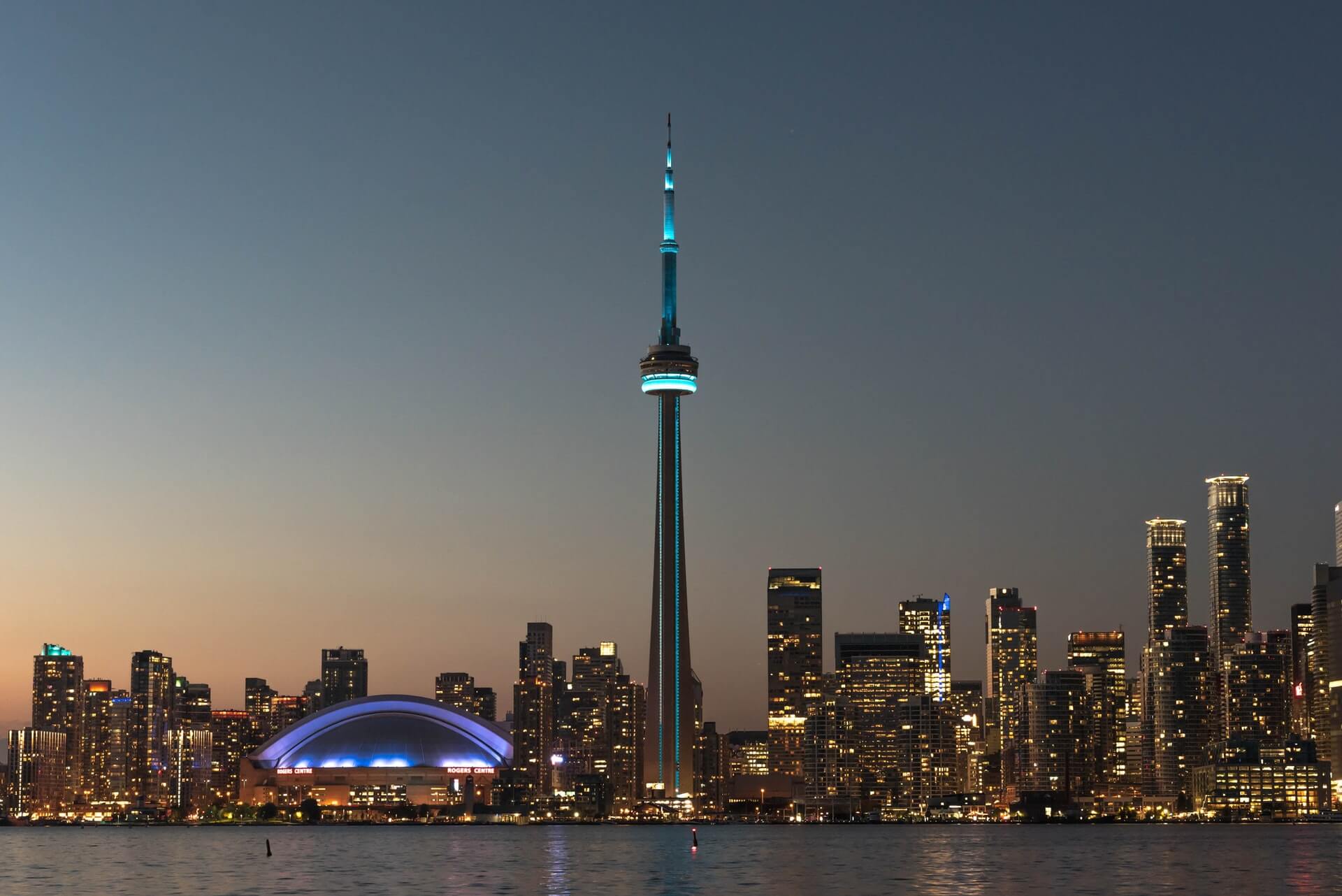
Toronto, Ontario, Canada skyline viewed from harbor at dusk

Changes involving Covid-19 restrictions have come to the province of Ontario, Canada, the location of the global KRG Hospitality headquarters.

Las Vegas is home to KRG’s American headquarters. The state of Nevada eliminated its indoor mask mandate nearly three weeks ago.

Ontario’s restriction-easing plans should be welcome news for current and future operators throughout the province.

Per Ontario premiers, these changes are due to a reduction in Covid-19 hospitalizations. Reportedly, further pandemic-related changes are due today, with more coming down March 14.

What’s Different Now?

Most notably, indoor capacity restrictions for restaurants and bars are no longer in place. However, this is somewhat nuanced at the moment.

Per the current reading of Ontario’s public health measures, only venues that require proof of vaccination may return to 100-percent indoor capacity.

As the order reads, the following businesses are subject to “no capacity limits [indoors]…where proof of vaccination is required:

  • restaurants, bars and other food or drink establishments without dance facilities;
  • casinos, bingo halls and other gaming establishments;
  • cinemas; and
  • indoor areas of other settings that choose to “opt-in” to proof of vaccination requirements.

Operators of stadiums, arenas, and concert venues may now operate at 50-percent capacity

Nightclubs and other establishments that serve food and/or drink and have “dance facilities” and also require proof of vaccination are restricted to an indoor capacity of 25 percent.

Again, these changes are reportedly temporary. The province’s premiers and several outlets report that Covid-19 restrictions will be lifted further in March.

What Else is Changing?

Clearly, the biggest planned change involves proof of vaccination.

The province of Ontario appears to be embracing optimism. Additionally, one can argue that premiers are choosing to reward Ontarians for helping drive down hospitalization rates.

Should the plan be followed, should hospitalizations not increase, proof-of-vaccination requirements will be lifted March 1. In fact, Ontario’s mandatory vaccine passport system will also be lifted on March 1 if everything goes to plan.

Additionally, indoor capacity limits will return to 100 percent “in all indoor public settings.”

However, on March 1, face coverings and the “active/passive” screening of guests will remain in place. Also, operators can choose to require proof of vaccination voluntarily.

Reporting on what to expect by March 14 is murky. Analyzing Ontario premier Doug Ford’s words regarding these developments may offer a clue.

“We will need to keep masking in place for just a little bit longer,” said Ford. Perhaps Ontario can expect mask requirements to be lifted by or on March 14.

Of course, a certain level of skepticism regarding Ontario’s restriction-lifting plan is justified. Optimism is healthy but it’s not a business strategy.

That said, allowing for cautious optimism, the province’s plans is still welcome news. If Ontarians remain patient and vigilant, life and operations may return to normal in just three to four weeks.

Image: Alex on Unsplash

by David Klemt David Klemt No Comments

Current Restaurant, Bar and Travel Restrictions: Eastern Caribbean

Current Restaurant, Bar and Travel Restrictions: Eastern Caribbean

by David Klemt

KRG Hospitality has turned hospitality industry visions into reality throughout the Eastern Caribbean for several years.

We’ve reviewed and gathered the current Covid-19-based travel and operator restrictions for Puerto Rico, the US Virgin Islands, the British Virgin Islands, St. Martin and Sint Maarten to help current operators and those considering taking the next steps in their journey toward opening their own businesses.

To book a 15-minute introductory call to discuss your project and how we can help you realize your vision, click here.

Puerto Rico

Earlier this month, Governor Pedro Pierluisi revised Puerto Rico’s Covid-19 protocols.

Travel Requirements

  • Complete travel declaration and:
  • arrive with proof of a negative (molecule-based) Covid-19 test; or
  • self-quarantine (at traveler’s expense) either 14 days or the duration of your trip, whichever is shorter.
  • While in Puerto Rico, travelers must:
    • wear a mask at all times when in public;
    • wash hands frequently;
    • wipe down high-touch surfaces;
    • practice social distancing; and
    • keep track of and minimize places visited and interactions with people.

Requirements

  • Island-wide curfew from 11:00 PM to 5:00 AM.
  • Hotels: Common areas closed from 11:00 PM to 5:00 AM.
  • Restaurants: Limited to 30-percent capacity.
  • Bars and Discos: Closed.
  • Movie theaters and casinos: Limited to 30-percent capacity.
  • All businesses must close by 10:00 PM.

Recommendations

  • Reservations for restaurants visits.

US Virgin Islands

The Virgin Islands Department of Health has provided incredibly detailed guidance for restaurants, bars and nightclubs. Click here for the full details. The USVI include the main islands of Saint Croix, Saint John, and Saint Thomas, and several so-called “minor” islands.

Travel Requirements

  • All air and sea travelers to the US Virgin Islands five years of age or older are required to use the USVI Travel Portal and submit a Covid-19 test before travel. This includes anyone in-transit to another destination.
    • Acceptable tests: COVID-19 molecular from a nasal or throat or saliva swab, COVID-19 antigen (rapid) test from a nasal or throat swab, Covid-19 antibody finger stick or blood draw.
  • Travelers who originate in the USVI and return to the territory, including those who return within a five-day period, are required to take a Covid-19 test before returning or have proof of a positive antibody test result within the previous four months.

Requirements

  • All restaurant, bar and nightclub employees reporting for work must be screened for Covid-19 using this questionnaire.
  • Employers can either conduct temperature checks onsite with a no-touch thermometer or employees may check their temperatures before arriving at the workplace and have the results verified by management onsite. Temperatures should not exceed 100.3 degrees Fahrenheit.
  • Employees and guests must wear masks at all times unless eating or drinking.
  • At the minimum, ask guests the following questions before allowing entry:
    • Have you been in close contact with a confirmed case of COVID-19?
    • Are you experiencing a cough, shortness of breath or sore throat?
    • Have you had a fever in the last 48 hours?
  • Capacity is limited to 50 percent (as defined by Business License or the Fire Marshall) or 100 guests, whichever is fewer.
  • Space tables and barstools six feet apart.
  • No more than six guests may be seated at the same table.
  • Serving alcohol at bar counters is prohibited.
  • Guests picking up takeout orders must wait outside until their order is ready.
  • The sale of alcohol between 11:00 PM and 8:00 AM by all restaurants and establishments with a Tavern Keeper A or Tavern Keeper B license is prohibited.
  • Restaurants must remain closed between the hours of midnight and 6:00 AM.
  • All bars and nightclubs are permitted to operate only for seated service.
  • Cabarets remain closed.
  • Last call for bars and nightclubs—without exception—is at 11:00 PM.
  • Guests of bars and nightclubs are required to wear masks unless seated at their designated table.
  • Live music and DJs must cease performances at closing time: Midnight.

Recommendations

  • Whenever possible, require reservations for visits and deliveries.
  • If possible, prioritize curbside pickup and takeout over in-person dining.

British Virgin Islands

The BVI, which consist of Tortola, Virgin Gorda, Anegada, and Jost Van Dyke and more than 50 smaller islands and cays, were closed for nine months before reopening to travelers on December 1, 2020. The Government of the Virgin Islands, however, imposed a travel ban on anyone travelling from the United Kingdom and the Dominican Republic to the BVI effective January 11.

Travel Requirements

  • Travelers must start their application no later than 48 hours before travel.
  • Applications on the BVI Gateway portal must be completed a minimum of 24 hours before travel date and time.
  • All applicants who are in “pending” status and haven’t completed their necessary requirements 24 hours prior to travelling will be denied entry.
  • Travelers must have proof of negative Covid-19 PCR test taken within 5 days prior to day of travel and proof of medical insurance that includes coverage for Covid-19.
  • Visitors are required to quarantine for four days on the property of their approved accommodations or at their own home. Arrival day is considered day zero.
  • Air travelers: Visitors can arrive at the Terrance B. Lettsome Airport (EIS) on Tortola.
  • Sea travelers: Visitors can arrive at Road Town Ferry Terminal.

Requirements

  • As of January 28, a curfew is in place from 2:01 AM to 4:59 AM daily until February 11. Businesses are permitted to operate between the hours of 5:00 AM to 2:00 AM daily if they’ve been inspected and approved by the Social Distancing Monitoring Task Force and certified by the Environmental Health Division.
  • Gold Seal Professional Level Certification: A nine-hour training course (three hours over three days) that incorporates COVID-19 training and professional-level hospitality service training required for front-line personnel across all hospitality industry sectors, specifically front desk representatives, guest room attendants, restaurant servers and kitchen cooks.

St. Martin and Sint Maarten

This 37-square-mile island has two sides, the St. Martin (the French) and Sint Maarten (the Dutch).

Travel Requirements

  • All travelers arriving by air must complete Electronic Health Authorization System (EHAS) application.
  • As of January 27, 2021, all travelers embarking in Aruba are required to submit a negative rt-PCR test within 72 hours before departure to Sint Maarten (until further notice)
  • As of February 12, 2021, the rt-PCR test time frame will be reduced from 120 to 72 hours, before departure to St. Maarten for all travelers originating from a high-risk country (last leg in case of connecting flights).
  • Travelers arriving via sea from a low-risk country are exempt from Covid-19 testing.
  • Travelers arriving via sea from a moderate- to high-risk country must complete an rt-PCR test 120 hours prior to departure from last port (must be the immediate last departure point).

Requirements

  • Restaurants, bars and nightclubs must close by midnight. This applies to the Dutch side of St. Maarten as well.
  • Casinos on the Dutch side must close by 2:00 AM.
  • No more than 6 people may be seated at any given table.
  • Tables and contact surfaces must be thoroughly disinfected with an antiviral product.
  • It is mandatory for staff and customers to wear a mask when moving around.

Last updated: January 28, 2021. Please note that Covid-19 guidance, restrictions and protocols are subject to swift change. One should monitor their jurisdictions for the latest updates.

Image: Colin Chong on Unsplash

by David Klemt David Klemt No Comments

Current Restaurant and Bar Restrictions: Las Vegas, Nashville, Philadelphia, Orlando

Current Restaurant and Bar Restrictions: Las Vegas, Nashville, Philadelphia, Orlando

by David Klemt

KRG Hospitality has turned hospitality industry visions into reality throughout the United States for several years.

Currently, we operate in Las Vegas, Nashville, Philadelphia and Orlando, along with the surrounding areas. Of course, we’re available to take projects from the idea phase to opening doors and beyond in other markets.

We’ve reviewed and gathered the current Covid-19-based restrictions for each of the four main US markets in which KRG operates to help current operators and those considering taking the next steps in their journey toward opening their own businesses.

To book a 15-minute introductory call to discuss your project and how we can help you realize your vision, click here.

Las Vegas

Set to expire on January 15, Nevada’s statewide “pause,” first implemented on November 24, was extended January 11 for a further 30 days. Guidance can be found here.

Requirements

  • Restaurants and bars must reduce capacity from 50 percent to 25 percent for both indoor and outdoor dining.
  • Bar seating must be social distanced.
  • Walk-ins are prohibited. Guests must make reservations.
  • Masks must be worn when a guest isn’t eating or drinking.
  • No more than four people may share the same table.
  • Nightclubs and dayclubs aren’t permitted to open.

Recommendations

  • Curbside, delivery, and/or takeout are encouraged.
  • Restaurants and bars should continue to make hand sanitizer available and conduct health screenings and/or temperature checks.
  • Limit personal gatherings to ten people from a maximum of two families.
  • Wear masks at indoor and outdoor gatherings.

Nashville

Among Nashville’s restaurant and bar guidance is the “No Seat, No Service” mantra. Additional requirements and recommendations are below, and detailed information can be found here.

Requirements

  • All residents and all visitors must wear face coverings when in public.
  • Restaurants and bars limited to 5o-percent capacity, with social distancing.
  • Tables must be socially distanced. Limited to eight people per table.
  • Surfaces must be cleaned after they’ve been used by patrons.
  • Standing at the bar is prohibited–bars are seated-service only.
  • Remember “No Shirt, No Service”? The new rule is “No Seat, No Service.”
  • Customers must wear a mask when standing up and walking through the restaurant or bar.
  • Entertainment is permitted but barriers must be in place between performers and customers. However, dance floors are prohibited.
  • Bar games and activities like darts, arcade games, etc., must be sanitized in between uses.
  • Last call for service is 10:00 PM, which is also the cutoff for entry.
  • No self-service food or condiments are permitted.

Recommendations

  • Governor Bill Lee urges Tennesseans to wear a mask, gather only with immediate household members.
  • Display this sign to show commitment to mandated and recommended health and safety rules and practices.
  • Use contactless, virtual or disposable menus.

Philadelphia

The current restrictions went into effect November 20. Click here for the full list of requirements and recommendations. You’ll find the city’s complete hotel guidance here.

Requirements

  • Required protections: Masks, Barriers, Staff education, Employee symptom screening and isolation of infected employees, Ensure employees can remain six feet away from one another; Handwashing on employee arrival and in accordance to established food safety precautions, Follow Department of Public Health Food Safety regulations.
  • 25-percent capacity of stated fire code occupancy.
  • Guests may not stand in the restaurant or sit at the bar.
  • Alcohol may only be served on-premises if it’s part of the same transaction as a meal.
  • Table capacity of four people of the same household or less.
  • Outdoor dining capacity limited to fewer than 50 people.
  • Operators must plan for inclement weather in regards to outdoor dining.
  • No entertainment permitted.
  • Indoor catered events prohibited.
  • Last call for orders must take place at 11:00. Business must be closed for service by midnight.

Recommendations

  • Servers should wear face shields and/or goggles along with a mask.
  • Temperature checks for employees and customers aren’t required but no-touch thermometer should be used by establishments that choose to conduct them. Anyone with a temperature of 100.4 degrees or higher should be turned away.
  • Consider using physical barriers in between tables.
  • Use contactless payment methods.
  • Promote online ordering, delivery, and curbside pickup options.

Hotel Requirements

  • Required protections: Provide masks to employees, Staff education, Employee symptom screening and isolation of infected employees, Ensure employees can remain six feet away from one another; Provide employees hourly handwashing breaks.
  • Separate staff from customers at ticket and information desks with plastic barriers.
  • Utilize contactless room service delivery.
  • Outdoor events and gatherings are prohibited from exceeding 10 percent of maximum occupancy (maximum of 2,000 persons), even with masks and social distancing. If no maximum occupancy is known, occupancy may not exceed more than 10 persons per 1,000 square feet.
  • Remove self-serve F&B stations from public areas.
  • Remove magazines, menus, and other reusable items that can’t be cleaned from guest rooms.
  • Indoor gatherings and events are prohibited.

Hotel Recommendations

  • Use contactless payment methods.
  • Increase building ventilation.

Orlando

Unlike Las Vegas, Nashville and Philadelphia, Orlando, because it’s located in Florida, has lifted restrictions on restaurants. Section 3: Restaurants of Executive Order 20-244 states:

“Pursuant to Chapter 252, including sections 252.36(5)(b ), (g) and (h), Florida Statutes, and in order to safeguard the economic vitality of this state, any restaurant may operate as set forth below.

“A. Restaurants, including any establishment with a food service license, may not be limited by a COVID-19 emergency order by any local government to less than fifty
percent (50%) of their indoor capacity. If a restaurant is limited to less than one hundred percent (100%) of its indoor capacity, such COVID-19 emergency order
must on its face satisfy the following:

“1. quantify the economic impact of each limitation or requirement on those restaurants; and 2. explain why each limitation or requirement is necessary for public health.

“B. Nothing in this order preempts or supersedes a non-COVID-19 municipal or county order.

“Section 4. Suspension of COVID-19-related Individual Fines and Penalties This order, consistent with Executive Order 20-92, suspends the collection of fines and
penalties associated with COVID-19 enforced upon individuals.”

The order that closed bars has also been rescinded: “Bars and other alcoholic beverage vendors may operate for consumption on premise effective Monday, Sept. 14th
under Phase 2… Adhere to social distancing rules, table seating [six feet] between tables. Alcohol allowed for take-out and delivery.”

However, Executive Order 20-192 is still in place and states:

“WHEREAS, on March 17, 2020, I issued Executive Order 20-68, as extended by Executive Order 20-112, which authorized the Department of Business and Professional
Regulation to ensure all restaurants implement employee screening and to prohibit any restaurant employee from entering the restaurant premises if he or she meets certain criteria indicative of concerns related to COVID-19.”

More details can be found here.

Last updated: January 27, 2021. Please note that Covid-19 guidance, restrictions and protocols are subject to swift change. One should monitor their state, county and city for the latest updates.

Image: Katy Anne on Unsplash

by David Klemt David Klemt No Comments

Current Restaurant and Bar Restrictions: Toronto, Calgary, Vancouver

Current Restaurant and Bar Restrictions: Toronto, Calgary, Vancouver

by David Klemt

For more than a decade, KRG Hospitality has turned hospitality industry visions into reality throughout Canada.

Currently, we operate in Toronto, Calgary and Vancouver and the surrounding areas.

We’ve reviewed and gathered the current Covid-19-based restrictions in Ontario, Alberta and British Columbia to help current operators and those considering taking the next steps in their journey toward opening their own businesses.

To book a 15-minute introductory call to discuss your project and how we can help you realize your vision, click here.

Toronto

On January 25, the province of Ontario officially extended the current state of emergency (which includes a stay-at-home order) by 14 days by Premier Doug Ford. Had Premier Ford not extended the emergency order, it would’ve expired Tuesday of this week. Unless extended again, it will expire February 11.

What this means for restaurants, bars and other types of F&B establishments is that indoor and outdoor dining are banned currently. Delivery, takeout and drive-through service are permitted.

Individuals face $750 fines (up to a maximum of $100,000) and corporations could be hit with $1,000 fines (up to a maximum of $500,000 for a director or officer) for a violation of emergency orders.

When the state of emergency expires or is otherwise rescinded, Ontario is expected to revert to the regulations found within the Reopening Ontario Act (currently suspended). Should Ontario find itself immediately colour-coded Grey, the current restrictions on restaurants and bars will remain identical: only delivery, takeout and drive-through service will be allowed.

Among other restrictions, a Red control level means restaurants are restricted to indoor dining capacity of ten people, outdoor dining is permitted, customers must be seated and two metres apart from one another, liquor may only be sold within a 9:00 AM to 9:00 PM window, face coverings must be worn except when eating or drinking, and nightclubs may only operate as a restaurant or bar.

Orange level restrictions include a 50-person capacity limit, a maximum of four people per table, customers must be screened before entry, liquor may only be sold between the hours of 9:00 AM and 9:00 PM, establishments must close by 10:00 PM, and gentlemen’s clubs must remain closed.

The Yellow control level is marked by the following restrictions: no more than six people may be seated at the same table, liquor may only be sold between 9:00 AM and 11:00 PM, establishments must close by midnight, music levels may not exceed that of a “normal conversation,” and all seated patrons must provide contact information.

Green control doesn’t mean everything is back to pre-pandemic “normalcy.” Tables must still be at least two metres apart, customers must be seated, face coverings must be worn except when eating or drinking, no buffet-style service is permitted, nightclubs may only operate as restaurants or bars, and contact information for at least one person per party must be collected. Restricted dancing, singing, performing and karaoke (no private rooms) are permitted.

Calgary

On December 13, 2020, indoor and outdoor dining was banned throughout Alberta. Current Covid-19-related public health measures and restrictions have been extended until further notice. The province’s restrictions affect restaurants, bars, cafes, pubs, and lounges (and other businesses, of course).

Only delivery, takeout and curbside pickup are permitted in Alberta. However, this is expected to change on February 8, 2021.

Hotels, motels and lodges are open but may not offer access to gyms, pools or spas. Indoor dining is banned but room service permitted. Casinos must remain closed.

Movie theatres, bowling alleys, pool halls and other entertainment businesses may not open for business.

If Alberta returns to the previous relaunch strategy, the province will be subject to a three-stage reopening. However, the document hasn’t been updated since June 2020.

Update: Alberta allowed restaurants and bars to reopen for in-person services yesterday, February 8. Indoor alcohol service must end by 10:00 PM, and indoor dining service must cease by 11:00 PM. Contact information from one person of the dining party must be collected, there’s a limit of six people maximum per table and each individual must be from the same household. Alternatively, the maximum per table for an individual living alone is there two close contacts. Tables must be spaced two metres apart and no entertainment is permitted.

Vancouver

British Columbia is far less restrictive than Ontario and Alberta, at least at the moment. The restrictions in place currently affect restaurants, bars, cafes, cafeterias, coffee shops, lounges, and tasting rooms. Nightclubs, however, must remain closed.

Requirements

  • Unless a physical barrier is in place, customers not in the same party must be at least two metres away from one another.
  • No more than six people may be seated at the same table or booth, even if they’re members of the same party.
  • If seated at a counter, customers must be two metres apart unless they’re in the same party or physical barriers are in place.
  • No more than six customers of the same party may be seated at a counter less than two metres from one another.
  • Businesses that offer self-serve food or non-alcohol drink stations must: ensure alcohol-based hand sanitizer or handwashing facilities are “within easy reach”; signage reminding customers to wash or sanitize their hands before touching anything on the stations and to maintain two metres from other customers must be present; utensils and high-touch surfaces at the stations must be cleaned and sanitized “frequently.”
  • Dance floors must be closed, and karaoke, singing, jam sessions, open mic sessions, and dancing are prohibited.
  • Background music or sounds may not be amplified or exceed the volume of a “normal” conversation.

Further details can be found here.

Last updated: February 9, 2021. Please note that Covid-19 guidance, restrictions and protocols are subject to swift change. One should monitor the country, provinces and cities for the latest updates.

Image: James Wheeler from Pexels

by David Klemt David Klemt No Comments

Tobin Ellis and Barmagic’s Relief Dashboard Contains Hundreds of Restaurant and Bar Resources

Tobin Ellis and Barmagic’s Relief Dashboard Contains Hundreds of Restaurant and Bar Resources

by David Klemt

In keeping with this week’s focus on good news, KRG Hospitality would like to shine a light on Barmagic’s Bar & Restaurant Revival Guide.

First, some background.

Tobin Ellis founded Barmagic of Las Vegas in 1997. He’s done so much for the hospitality industry that it feels almost criminal to just attach a few labels to describe him, but here we are.

Ellis is a hospitality industry innovator, advocate, designer, marketer and consultant. Anyone who has ever attended an hospitality trade show and sat in on a presentation, panel or Q&A session featuring him knows he’s passionate, quick-witted, real-world solution-oriented, and doesn’t suffer pretenders lightly.

He’s also more than put in the work to for the recognition he deserves as an industry icon. Ellis has been in the trenches for decades, beginning his hospitality journey washing dishes in upstate New York. He has worked around the world in essentially every type of venue, from sleepy dives to hyperkinetic high-volume cocktail bars, and everything in between.

A few years back, Perlick partnered with Ellis to create the Tobin Ellis Signature Cocktail Station. This innovative hardware was designed with ergonomics in mind, focusing on improving bar team member’s physical comfort and safety.

Since restaurants and bars found themselves fully in the devastating and nearly inescapable grip of the pandemic, Ellis has focused on the health and longevity of the industry as a whole.

To help operators navigate the pandemic and the myriad challenges (again, a criminal label for what operators and workers have been facing for almost 12 months) it continues to present, Ellis added a Hospitality Relief dashboard to the Barmagic website.

Visitors will find hundreds of links for US- and Canada-based resources, including a relief map for those who need aid or who want to donate to relief efforts. There’s also a link to the Barmagic Bar & Restaurant Revival Guide, a 96-page download loaded with information and ideas that Ellis hopes “might just spark a thought or two” in the minds of restaurant and bar owners, operators, leaders and workers.

We’re not going to get through this if we don’t come together, save as many businesses as possible, and help new venues open and flourish. We applaud the Barmagic relief resources—more like this, please.

Image:

by David Klemt David Klemt No Comments

Dave Portnoy, Other Celebrities Provide Financial Support for Restaurants and Other Small Businesses

Dave Portnoy, Other Celebrities Provide Financial Support for Restaurants and Other Small Businesses

by David Klemt

Famous chefs and restaurateurs aren’t the only people lending their celebrity to raise money for struggling businesses and the workers they employ.

Well, notoriety may be a better descriptor for Dave Portnoy‘s influence than celebrity. He may not be an operator but he is one of the most prolific pizza reviewers and influencers on the planet. And there’s no denying he’s been in the corner of restaurants, criticizing how officials and their responses have dealt lethal blows to the industry.

The Barstool Sports founder was challenged to put his money where his mouth is by Marcus Lemonis after “ranting” about the plight of Covid-19-ravaged restaurants and bars. Rising to the challenge, Portnoy seeded the Barstool Fund with a personal donation of $500,000, which Lemonis matched.

That half-million dollars isn’t the only donation Lemonis has made to help small businesses. The entrepreneur, philanthropist and television show host launched the Nashville 30 Day Fund by putting in $500,000 of his own money just days after December 25, 2020. This particular fund provides small businesses and individuals that operate or reside within a half-mile radius of the Christmas Day bombing site in Nashville with forgivable loans up to $100,000

Back to the Barstool Fund. Bolstered by celebrity backing and support from more than 175,000 donors and counting, the fund has raised more than $22 million in less than a month and helped more than 100 businesses.

Guy Fieri, who helped grow the Restaurant Employee Relief Fund to well over $20 million, has donated money to the Barstool Fund. So have Aaron Rodgers (who reportedly pitched in $500,000), Tom Brady, Dana White, and Kid Rock.

One crucial element for small businesses applying to the Barstool Fund is that they must still be paying their employees. There are no regional restrictions, but applicants do need to explain the intended use for whatever funds they may receive. According to a Newsweek article, checks will be given to businesses selected for Barstool Fund support on a month-t0-month basis.

Below you’ll find the restaurants, bars, pubs, taverns and even a soda shop that have received Barstool Fund grants as of yesterday afternoon, January 11. To apply for funds, please click here. If you can afford to contribute, please follow this link and click “Contribute to the Fund.”

Northeast

Gaetano’s Tavern on Main (Wallingford, CT), Laskara (Wallingford, CT),  Piggy’s Cafe (Hartford, CT), Red Rock Tavern (Hartford, CT), Abbey Burger Bistro (Baltimore, MD), Claddagh Pub (Baltimore, MD), Don’t Know Tavern (Baltimore, MD), Dough Boy Fresh Pretzel Company (Dundalk, MD), Atlas Pub & Kitchen (Chicopee, MA), Casa Mia (Marblehead, MA), Jalapeno’s Mexican Grill (Walpole, MA), Jimmy’s Pub & Restaurant (Mansfield, MA), The Park Lunch (Newburyport, MA), The Village Trestle (Goffstown, NH), Hoboken Beer & Soda Outlet (Hoboken, NJ), Jack’s Cafe (Verona, NJ), Marandola’s (Bradley Beach, NJ), Mia Restaurant (Oceanport, NJ), Nanni Ristorante (Rochelle Park, NJ), Tim Kerwin’s Tavern (Middlesex, NJ), The Underdog Bar & Grill (Haledon, NJ), Acquista Trattoria (Fresh Meadows, NY), Bayview Tavern (Seaford, NY), Borrelli’s (East Meadow, NY), The Café (Long Beach, NY), Chadwick’s Restaurant (Brooklyn, NY), Durf’s Family Restaurant (Fairport, NY), The Eagle House (Williamsville, NY), Holbrooks Backporch (Holbrook, NY), Johny’s Luncheonette (New York, NY), Kabooz’s Bar and Grill (New York, NY), Kirvens (Bronx, NY),La Conca D’Oro (Catskill, NY), Mama Mia 44 SW (New York, NY), Mary Ann’s Mexican Restaurant (Port Chester, NY), Mulligan’s Fireside Pub (Bronx, NY), Portobello Restaurant (Staten Island, NY), Roomers Bar (Lake Placid, NY), San Martino Ristorante (Yonkers, NY), Squire’s Tap Room (Tonawanda, NY), Trattoria L’incontro (Queens, NY), Flanigan’s Boathouse (Conshohocken, PA), Jack’s Spot Tavern (Pitman, PA), Kelly’s Seafood (Philadelphia, PA), La Collina (Bala Cynwyd, PA)

Midwest

Manny’s Cafeteria & Delicatessen (Chicago, IL), Ken’s Diner (Skokie, IL), Que Rico (Chicago, IL), The Rathskeller (Indianapolis, IN), Special Dogs & More (Columbus, IN), The Bomber Restaurant (Ypsilanti, MI), Champ’s Pub (Brighton, MI), Kennedy’s Irish Pub (Waterford, MI), Mac’s Acadian Seafood Shack (Saline, MI), Water Street Tavern (Kent, OH), Dairy Land Family Restaurant (Madison, WI), Gray Brewing Company (Janesville, WI), J&B’s Bar & Blue Ribbon Tap Room (Milwaukee, WI)

Rocky Mountains

Durango Diner (Durango, CO)

Southeast

Play Louisville (Louisville, KY), Steak Street (High Point, NC), Freddie’s Beach Bar (Arlington, VA), Wonju Korean Restaurant (Roanoke, VA)

Southwest

Al J’s Tavern (Tucson, AZ), Coney Island Hot Weiners (Tulsa, OK), Mack’s Tenders (Houston, TX)

Pacific

Anaheim White House (Anaheim, CA), Cactus Cantina (Riverside, CA), Dessert’D Organic Bake Shop (Mammoth Lakes, CA), Locale Farm to Table Eatery (Bakersfield, CA), Mexican Riviera (Torrance, CA), Mitla Cafe (San Bernardino, CA), Rubi’s Frosty Freeze (Whittier, CA), Tadich Grill (San Francisco, CA), Vincenzo’s Terrazza (West Covina, CA), Banks Billiards (Banks, OR), Mayan Mexican Family Restaurants (Lacey, WA)

For the full list of Barstool Fund recipients, click here.

Image: Vladimir Solomyani on Unsplash

by David Klemt David Klemt No Comments

Defiance of Sweeping Restaurant and Bar Restrictions is Growing

Defiance of Sweeping Restaurant and Bar Restrictions is Growing

by David Klemt

Defiance of Covid-19-related bar and restaurant restrictions is growing.

Operators across the United States are showing their willingness to refuse to comply with orders they feel are unjust. From being restricted to delivery and takeout only to crippling capacity limits, restaurant and bar owners are making it clear they have no intention to quietly let their employees and businesses suffer.

The pushback has taken various forms so far, from civil disobedience to organized, peaceful protests.

There’s the #OPENSAFE movement in Orange County, California, to which several dozen operators have committed. These business owners have pledged to operate safely and responsibly but have refused to comply with Governor Gavin Newsom’s orders that banned in-person dining.

86 Politicians, a grassroots movement coming out of Los Angeles County in California, was created as a response to the sweeping orders kneecapping the hospitality industry. If politicians are going to hurt rather than help operators and their employees, 86 Politicians supports recalling and removing them from office.

In New York City, the Latino Restaurant Bar and Lounge Association of New York State and New York City Hospitality Alliance organized a peaceful protest just over two weeks ago. Several hundred restaurant and bar owners, operators and workers gathered and marched against Governor Andrew Cuomo’s ban on indoor dining. Gov. Cuomo’s order was itself defiant: it defied logic and went against the state’s own contact-tracing data.

Now, an operator in Minnesota is facing a five-year suspension of her bar and bistro’s liquor license for defying orders. Lisa Hanson, owner of the Interchange Wine and Coffee Bistro in Albert Lea, roughly 90 minutes south of Minneapolis-Saint Paul, refuses to comply with Governor Tim Walz’s executive order banning indoor service. Hanson has been engaged in this fight since at least December of last year.

Hanson organized a protest—a reportedly peaceful one—of around 200 people yesterday. Protestors marched and chanted from city hall to the courthouse, walking past the Interchange at one point.

The bar and bistro, which has been hit with a temporary restraining order and had its license revoked by the Minnesota Department of Health, has a sign up declaring it a “Constitutionally Compliant Business.” That sign, which appeared in a WCCO 4 News clip and bears the logo, phone number and weblink for the Constitutional Law Group, states that the Interchange doesn’t follow any government official or agency’s “orders or suggestions” for face masks or social distancing.

According to a news report, the Minnesota Department of Public Safety is moving forward with a 60-day suspension of the Interchange’s liquor license. Hanson told reporter David Schuman that she had two choices: “Either I closed permanently or I opened fully.”

Hanson chose the latter. The Interchange’s owner is entitled to a court hearing before her suspension goes into effect. A tip jar at the bar and bistro has been transformed into a legal fund collection.

Whether one agrees with Hanson’s decision to make a stand and risk her liquor license and therefore business is somewhat beside the point. The #OPENSAFE and 86 Politicians movements, the protests in New York City, the story of the Interchange (which has yet to reach its conclusion), all point to increasing tensions.

Many restaurant and bar owners and operators don’t feel as though their voices are being heard. They feel like politicians at all levels of government are targeting them, using the businesses as scapegoats. More and more, the words “arbitrary” and “unfair” are coming up in conversations about rules that are crippling—if not outright killing—the hospitality industry.

Well over 100,000 restaurants and bars in the US have closed permanently since the start of the pandemic in March of last year. Unless officials listen to operators and at least gain a cursory understanding of their needs and challenges, more closures and job losses are imminent.

To be clear, we at KRG Hospitality aren’t against logical, common sense health and safety protocols aimed halting the spread of Covid-19. One of the cornerstones of hospitality is ensuring the safety of guests and employees. However, government officials and agencies are implementing and executing orders that are, quite clearly, uninformed and severely harmful. What works for retail and other industries doesn’t work for our industry.

It’s crucial that pressure be kept on Congress and Senate to vote on the RESTAURANTS Act and ensure it’s signed into law. The 117th Congress was sworn in yesterday and we must continue to demand they do their jobs and save our industry. We’ve been targeted as scapegoats—it’s beyond time we receive targeted relief.

Politicians can expect more protests and less faith in their abilities to govern if restaurant and bar owners and professionals continue to be harmed by their orders. Perhaps the only way to persuade them to help the industry and, in turn, keep their constituents employed, is to imperil their political influence and careers. Eighty-six ignorant and harmful politicians, indeed.

Image of Minnesota State Capitol: Bao Chau on Unsplash

by David Klemt David Klemt No Comments

You Need to Watch “Restaurant Hustle 2020: All on the Line” Now

You Need to Watch Restaurant Hustle 2020: All on the Line Now

by David Klemt

Whether you own, operate, manage, are employed by or have ever spent time at a restaurant as a guest, you need to watch Food Network’s Restaurant Hustle 2020: All on the Line.

Guy Fieri, who has helped raise $24 million (and counting) for restaurant industry workers, executive produced and co-directed the documentary, which aired last night. He tasked skeleton production crews (one would assume given the pandemic) with following four incredible chefs—Marcus Samuelsson, Maneet Chauhan (and her husband Vivek), Christian Petroni, and Antonia Lofaso—and said he wanted them to keep the cameras rolling to capture “the good, the bad and the ugly.”

When the scope of Covid-19 became clearer and the industry began to see how much devastating its impact would be on restaurants, bars and other hospitality venues, Fieri says in the documentary that he had two thoughts: “’No way can this happen,’ and, ‘Oh my god, this is gonna be worse than we ever imagined.’”

He’s angry about what’s happening to the industry and millions of people it employs and feeds.

“I was mad. I’m still mad,” says Fieri in Restaurant Hustle 2020. “Wrecked lives, wrecked families… Changed the history of the industry.”

Per the documentary, Fieri felt compelled to help his “millions of brothers and sisters” in whatever ways possible: “There was no words. It’s coming. Prepare. Stick together. What can we do?”

The documentary begins with three indisputable facts that speak volumes to the importance of the industry: The restaurant industry employs over 15 million people. That equals up to 20 percent of America’s workforce. The industry generates over $850 billion in sales.

From there, Restaurant Hustle 2020 introduces the four chefs, their restaurants, their challenges, and their collective hustle. Like so many in this industry, there’s no giving up in these people—there’s only fight.

Chef Marcus Samuelsson

Seeking community after 9/11, Chef Samuelsson opened the Harlem location of Red Rooster in 2010. That location employed 180 people—Chef Samuelsson had 30 venues located in eight countries when Covid-19 hit. Pre-pandemic, Red Rooster in Harlem would see around 1,100 guests on a Saturday night, and Chef Samuelson was just a week out from opening the doors of Red Rooster in Miami.

“It’s taken me 25 years to build this moment, but it took ten days to tear it all down. I don’t wish it on my worst enemy,” says Chef Samuelsson.

Chef Maneet Chauhan

Chef Chauhan and her husband Vivek operate four restaurants and three breweries within the Morph Hospitality Group portfolio in Nashville, Tennessee. At their peak, they served 2,500 guests over the course of a weekend. Morph employed nearly 300 people but by March they made the heart-wrenching decision to close their doors. Recalling the difficult choice, Chef Chauhan is brought to tears talking about how gracious her employees were about it.

However, Chef Chauhan and husband Vivek are willing to fight for their dreams and their employees: “The thing is, we are scrappy. We are immigrants,” she says.

Vivek focused on developing and strategizing reopening plans, and the duo fully embody the meaning of the Hindi word “jugaad,” or “a flexible approach to a problem.” While it only represented maybe a tenth of their regular sales, Morph implemented curbside pickup at three of their venues. They rotated availability offering curbside at a different location on Friday, Saturday and Sunday. This allowed them to bring back a handful of employees.

Chef Christian Petroni

There are five locations of Chef Petroni‘s Italian restaurant concept Fortina throughout New York’s tri-state area: Armonk, Brooklyn, Rye Brook, Stamford, and Yonkers. Heading into 2020, they were set to have another amazing year after doing very well in 2019.

“We were just gearing up to take over the world,” says Chef Petroni.

The first Covid-19 death in the United States was reported on February 28 in King County in Washington State. As we know, on March 16, 2020, NYC shut down around 27,000 restaurants, resulting in the loss of 225,000 jobs. Chef Petroni employed nearly 300 people but had to reduce his workforce to less than twenty. To help the communities they serve and generate some revenue, Chef Lofaso created Pies for the People so customers were able to buy pies for those in need or who needed a morale boost (such as hospital workers and EMTs).

Chef Antonia Lofaso

Over the course of a decade, Chef Lofaso has built and operated three restaurant concepts in Los Angeles, California. Her restaurants employed almost 500 people and back in February, serving 1,200 guests over the course of just two weekend evenings was common. Chef Lofaso’s biggest passion is the hospitality aspect of restaurant operation and being “the facilitator of the good time.” That good time came crashing down in March.

“It’s taken me ten years to build these three restaurants and it took a matter of a week for it all to be torn down,” says Chef Lofaso.

She admits to feeling sadness and anger, in large part because she had to lay off nearly 500 employees. Chef Lofaso says that she feels responsible to her team members because they help her build her dream. By March she was able to bring back roughly 20 workers, convert her locations into markets, and sell liquor, which allowed her to bring back 90 percent of her back-of-house employees for at least two days per week and double sales.

For the rest of the story, people will have to watch Restaurant Hustle 2020. The importance of Food Network, Guy Fieri and these chefs capturing this crucial moment in history cannot be overstated.

As Fieri says in the documentary, it’s “a historical moment in time in an industry that is so important to all of us in so many ways, shapes and forms, and these four very brave chef-restaurant owners captured it. Something you’ve never seen. Something you’ll probably never see again.”

As we move forward into 2021, it’s crucial we remember that this story is still unfolding—we don’t know what the new year holds for this or any industry. We know that without targeted aid, the lives of millions of Americans are in jeopardy. We know that even with vaccines available, we’re not out of harm’s way yet.

We don’t know what the industry will look like when the world returns to “normal,” whatever that may be. But we know this industry is made up of fighters and we look out for our own. We’ll get through this together.

Food Network is available via several streaming platforms, including Amazon Fire TV, Roku and Apple TV.

Photo by Shangyou Shi on Unsplash

by David Klemt David Klemt No Comments

75% of American Restaurant Operators Expect Decreased Sales Through Start of 2021

75% of American Restaurant Operators Expect Decreased Sales Through January

by David Klemt

The fifth National Restaurant Association COVID-19 Restaurant Impact Survey results have been released.

Unsurprisingly and unfortunately, the news is not good.

For their fifth installment, the NRA surveyed 6,000 restaurant operators and 250 supply chain businesses between November 17 and 30. Full-service and limited-service restaurant operators, independent and chain, reported their sales had slipped in October.

Only 12 percent of restaurant operators reported seeing sales growth. In comparison, 79 percent said sales were down.

Per the NRA survey, one reason for the decline in sales is outdoor dining season coming to a close. In New York City, per Governor Andrew Cuomo’s order banning indoor dining, outdoor dining is the only option beyond delivery and takeout. However, the weather is less than attractive for outdoor diners.

Costs are disproportionate to sales for most operators. Nearly 60 percent of survey participants reported increased labor costs when compared to the start of the Covid-19 pandemic in the United States.

Profit margins, historically thin even at the best of times, were reported by 86 percent of operators who partook in the survey to also be lower than the they were prior to the pandemic.

The NRA’s predicted outcome for the industry is that without targeted and significant federal relief specifically for restaurants and bars, more temporary and permanent closures are coming, as are further losses of jobs.

According to an estimate from the NRA, more than 110,000 restaurants and bars had closed by December 1. On average, these establishments employed 32 people, and 17 percent of the closed businesses employed a minimum of 50 people.

Close to 40 percent of survey participants indicated they were considering closing their restaurants or bars temporarily and waiting out the pandemic. That means layoffs that could affect dozens of employees per establishment. Almost 60 percent of survey participants expect a reduction in their workforces over the coming three months.

Sales are expected to lag through the start of next year. The majority of operators surveyed, 75 percent, expect sales to fall even further from their already lower levels through the start of next year.

If that logical assumption becomes reality, slowed sales may trigger a domino effect: reduced traffic, plummeting sales, and increased operational costs leading to layoffs, temporary closures, and ultimately permanent closures.

Restaurants and bars require targeted relief for the industry to survive. If that help doesn’t come soon, if the RESTAURANTS Act or similar legislation isn’t signed into law, the country will lose millions of jobs permanently. The economy will be dealt a lethal blow, losing out on tens of billions of dollars.

Now is not the time to back off the pressure being put on Congress and Senate to pass the RESTAURANTS Act. Click here to tell them time is up—they must return to Washington in January to save our restaurants and bars.

Image: Enrico Hänel from Pexels

by David Klemt David Klemt No Comments

“More help is on the way.” But not for restaurants and bars.

“More help is on the way.” But not for restaurants and bars.

by David Klemt

Speaking about the economic relief package, Senate Majority Leader Mitch McConnell (R-KY) struck what can be generously described as tainted altruism.

“More help is on the way,” said McConnell on the Senate floor on Sunday. He also took the time to attempt to absolve Republican leadership of any blame for the glacier-paced movement forward on relief, laying the fault at Democrats’ feet.

To be blunt, both parties have failed the American people and small businesses in terms of providing federal assistance during the pandemic.

After months of inaction on relief—with the exception of a Congressional vote in September that failed to pass in the Senate—and weeks of discussions and partisan sniping, negotiators finally managed to zero in on a bill with a strong likelihood of becoming law.

Yet sifting through remarks made by some politicians regarding pandemic relief over the course of the past several months, variants of the word “prompt” were bandied about.

If the package passes—which is expected to happen later today—members of Congress and Senate will no doubt perform self-congratulatory victory laps for finally doing their jobs after months of failing to do much of anything in the way of relief. Meanwhile, millions of Americans will continue to face life-altering challenges, reaching out for lifelines that are simply not there.

Included in the package are a number of details identified as “key” to both political parties:

  • The ability for businesses that had received Paycheck Protection Program loans which had been forgiven to deduct the costs said loans covered on their federal tax returns.
  • Speaking of the PPP, it will be reopened with over $284 billion intended for small businesses.
  • $12 billion in available PPP funds for minority-owned and “very small” businesses.
  • $15 billion made available in PPP funds specifically for independent movie theaters, live music venues, and cultural institutions like museums.
  • $600 stimulus checks for qualifying adults (and each child in a household) who earned $75,000 or less in 2019. The amount would be reduced for people who earned more. Those who made $99,000 or more last year are not expected to receive a stimulus check.
  • A $300 boost to unemployment benefits for 11 months, with a possible implementation date of December 27.
  • Gig and contract workers enrolled in the PUA or PEUC programs can expect the same $300 boost to their benefits for 11 to 13 weeks.
  • The deadline to spend billions of dollars made available to cities and states via the CARES Act is expected to be extended from the end of this year to be an entire year.
  • $25 billion in emergency assistance for renters.
  • A moratorium on evictions expected to be extended through the end of January.

What’s not in the package expected to be rushed through Congress? Hundreds of billions of dollars in state and local aid Democrats wanted, liability shields for corporations Republicans wanted, the $120 billion RESTAURANTS Act, or the $240 billion Restaurant and Foodservice Industry Recovery Fund.

Despite McConnell’s declaration that federal assistance is on the way, the economic relief plan leaves an industry that employs millions of American workers and contributes hundreds of billions of dollars to the nation’s GDP (four percent before the pandemic) to fend for itself.

Guy Fieri, in all seriousness, has done more for more unemployed restaurant workers than the government, raising more than $21 million in relief funds in under two months.

The hospitality jobs lost due to Covid-19 aren’t expected to return. With more than 110,000 restaurants closed—and counting—the economic impact will be felt nationwide and, in all probability, have global ramifications.

The PPP turned out to be an absolute farce: billions of dollars went to businesses that are anything but small by definition. There’s little reason to believe the process will improve much (if at all) this time around.

And while restaurants and bars have been crucial to nurturing community, connections and culture since inception, they’re clearly not considered culturally relevant institutions by politicians.

With Congress facing an uphill battle in terms of drafting the language for the relief bill and then voting on it, expecting our elected officials to propose, negotiate, draft and vote on a bill for the hospitality industry seems foolish. That means the earliest the industry can expect help—which seems exceedingly unlikely to ever materialize—is in late February of 2021.

Apparently restaurants, bars, and the foodservice professionals they employ aren’t key to politicians on any side of the aisle. Well, not until they need venues to host their campaign fundraisers, that is.

Image: Andrew Seaman on Unsplash

by David Klemt David Klemt No Comments

Is Texas the Model for Restaurant Operation During the Pandemic?

Is Texas the Model for Restaurant Operation During the Pandemic?

by David Klemt

The mass exodus to Texas has been all over the news lately.

Many new Texas residents moved to the Lone Star State moved from California. Some moved to escape exorbitant rent, home prices, and taxes. But others have left California due to what some deem over-reaching Covid-19 restrictions.

On December 5, a regional stay-at-home order took effect in five California regions. Included in that order was a restriction on “nonessential trips” between the hours of 10:00 P.M. and 5:00 A.M. Some California lawmakers disagreed with labeling the restriction a “curfew” but it certainly seemed like one to Californians.

Also included in the order was a full shutdown of businesses categorized as bars, while restaurants were restricted to delivery and takeout only. In response, a group of operators in Orange County formed the #OPENSAFE movement and made it known they intended to defy the order, which is expected to remain in place through at least Christmas.

It’s likely that some former Californians flocked to Texas due to Governor Gavin Newsom’s restrictive stay-at-home order and “Covid fatigue.”

But is Texas less restrictive than California?

Some counties in Texas did implement curfews. For example, a 10:00 P.M. to 5:00 A.M. curfew took effect in Bexar, El Paso and San Antonio Counties over the Thanksgiving holiday. However, they were short-lived and ended November 30.

According to reports, El Paso County Judge Ricardo Samaniego is mulling the idea of a “partial curfew” for the period between the Christmas holiday and New Year’s Eve.

One major difference between the orders implemented in California and those that were issued in Texas is that the latter weren’t blanket, statewide restrictions.

Another difference regards bars. Drinking establishments are closed throughout California. In Texas, according to this document located on the Texas Alcoholic Beverage Commission website, “[b]ars or similar establishments located in counties that have opted in may operate for in-person service up to 50% of the total listed occupancy inside the bar or similar establishment,” and guests must remained seated if they’re drinking or eating.

Interestingly, no occupancy limit exists for a bar’s (or “similar establishment’s”) outdoor area. Another interesting detail: “the County Judge of each county may choose to opt in with the Texas Alcoholic Beverage Commission (TABC) to allow bars or similar establishments to operate with in-person service.”

That statement relates to Texas’ GA-32 executive order. In counties where Covid-19-related hospitalization rates and case counts meet state requirements, county judges can opt-in to reopen bars. In fact, the TABC features a map—updated daily at 3:00 P.M. CST—that displays the counties in which bars are permitted to open their doors.

Bars are required to stop serving alcohol at 11:00 P.M. but don’t have to close for business or send guests away at that time.

Restrictions are different for Texas restaurants. According to the TABC’s website, “Restaurants may operate for dine-in service up to 75% of the total listed occupancy inside the restaurant; outdoor dining is not subject to an occupancy limit; and restaurant employees and contractors are not counted towards the occupancy limitation. This applies only to restaurants that have less than 51% of their gross sales from alcoholic beverages.”

Per news coverage, the cutoff rule Texas bars operate under doesn’t apply to restaurants, motivating the decision of thousands of bar owners to reopen their businesses as restaurants.

One of the highest-profile ex-Californians who made the move to Texas recently is Joe Rogan. Rogan speaks with Texas native and entrepreneur Richard Rawlings on the most recent episode of The Joe Rogan Experience podcast on Spotify. The subject of California comes up roughly 23 minutes into the discussion, with Rogan calling out California and saying that Californians “are recognizing” that “California itself doesn’t exist as everybody thought of it.”

Rogan goes on to say that California’s government is to blame for the exodus to Texas, saying, “Literally, it’s a case of now we know that if you have poor government, the government can ruin a state.”

He praises Texas Governor Greg Abbott and his approach to Covid-19. In particular, Rogan lauds Gov. Abbott for shutting down the state for a short period of time but allowing businesses to remain open. He mentions that while businesses are still struggling—capacity restrictions, social distancing protocols, mask requirements—at least they’re able to operate.

At around the 24-minute mark, the conversation shifts to restaurants in particular.

You can’t even go eat outside. There’s a 10:00 P.M. curfew in Los Angeles. It’s insane. There’s no science behind it, either. There’s no science that shows that if you get people to stay home after 10:00 P.M. that there’s less transmission,” says Rogan.” There’s no science, nothing. It’s arbitrary decisions that are made by politicians. And that’s the minimum: The outdoor dining thing is the most egregious because you have all these people that spent so much money to try to convert their restaurants and make these outdoor dining [spaces]—spent thousands of dollars that they didn’t even fucking have. They just wanted to stay open, and then they just get shut down.”

Rawlings then references the owner of Pineapple Hill Saloon & Grill, Angela Marsden, and the emotional, viral video she posted in response to Los Angeles restaurants being prohibited from offering outdoor dining.

Marsden claimed to have spent $80,000 to comply with L.A. County health requirements and create an outdoor dining area before the restriction was put in place. In the video, she shows a television production crew dining under tents set up next to her outdoor dining area. Ultimately, Marsden had to shut down after running out of funds.

I was pretty pissed off at that one because, you know, we shut down Gas Monkey Bar & Grill for the winter,” says Rawlings. “We’re just hanging out, see what happens.”

Texas hasn’t fully reopened and some may still view some of the state’s Covid-19 rules as arbitrary. However, capacity limitations for bars (up to 50 percent) and restaurants (up to 75 percent) are much more viable for operators.

There are other questions to consider regarding Covid-19 protocols and restrictions. If state lawmakers implement rules that ultimately encourage their residents to flee to other states, does that increase the risk of infection rates, hospitalizations and deaths rising in those states? Is America capable of setting aside our divisions and pulling in the same direction to flatten curves nationwide? Are our lawmakers capable of abandoning the arbitrary for the targeted and logical to provide relief and increase the survivability rates of restaurants, bars and other small businesses?

Covid-19 protocols can change in any state at any time, but for now, Texas may serve as the best model for restricted restaurant and bar operations in the United States.

Image: Thomas Park on Unsplash

by David Klemt David Klemt No Comments

Can Vending Machines Help Restaurants and Farmers Fight Food Waste and Generate Revenue?

Can Vending Machines Help Restaurants and Farmers Fight Food Waste and Generate Revenue?

by David Klemt

French farmers have found an innovative way to fight food waste, generate much-needed revenue, and provide fresh produce to the public: vending machines.

Last week, Barron’s, a publication dedicated to financial and investment news coverage, published an article about farmers in France finding more success selling produce via vending machines than their own farm stores.

All manner of items can be loaded into vending machines—fruits, vegetables, eggs and dairy products, for example—and famers are able to choose how many lockers their setups will include. For instance, one farmer invested in a 60-locker vending machine for €30,000, while another placed a machine with 88 lockers close to her farm.

Selling via vending machine was lauded by Barron’s as respectful of health and safety regulations since farmers and consumers aren’t interacting with one another directly.

This development begs the question: Would selling produce directly to consumers through vending machines prove viable in the United States and Canada?

The havoc afflicting the restaurant business doesn’t affect only the owners, operators and employees—it’s a shockwave ripping through other industries, such as farming and agriculture. For months, news coverage has included reports of farmers sharing stories of showing up to restaurants to deliver food only to find them closed, leaving farmers with surpluses of food destined to go to waste.

One option to make this work could include restaurant operators and local farmers partnering to set up vending machines (locker type, not the standard snack versions). This would help reduce the initial buy-in and both operators and farmers would have access: restaurants would use them for contactless meal and meal kit pickup, and farmers could accept direct-to-consumer orders of fresh produce fulfilled through the lockers.

In fact, creative operators may be able to build meal kits that combine their menu items with ingredients sourced from local farmers.

The partnership concept may prove more viable for connectivity reasons as well. In France, one major supplier of vending machines, according to Barron’s, indicated the machines required a reliable 4G connection, in part because they recommend only accepting credit card and online payments to reduce vandalism. Placing vending machines on-site should provide more stable connections and steadier consumer traffic.

Politicians continue to drag their feet and posture in regards to Covid-19 relief. It has been clear for months that the public and businesses without lobbying power are being left to fend for themselves. A partnership between restaurants and farmers could prove mutually beneficial for the survival of the restaurant, farming and agriculture industries.

When contacting their representatives to demand they help we the people and the restaurant industry, it could be wise to remind them that relief for restaurants is also relief for farmers, saving millions of jobs and thousands of farms at risk of permanent loss, along with avoiding literal tons of needless food waste.

Image: Alex Motoc on Unsplash

Top