Restaurant Start-Up

by David Klemt David Klemt No Comments

Here Comes National American Beer Day!

Raise a Glass to National American Beer Day!

by David Klemt

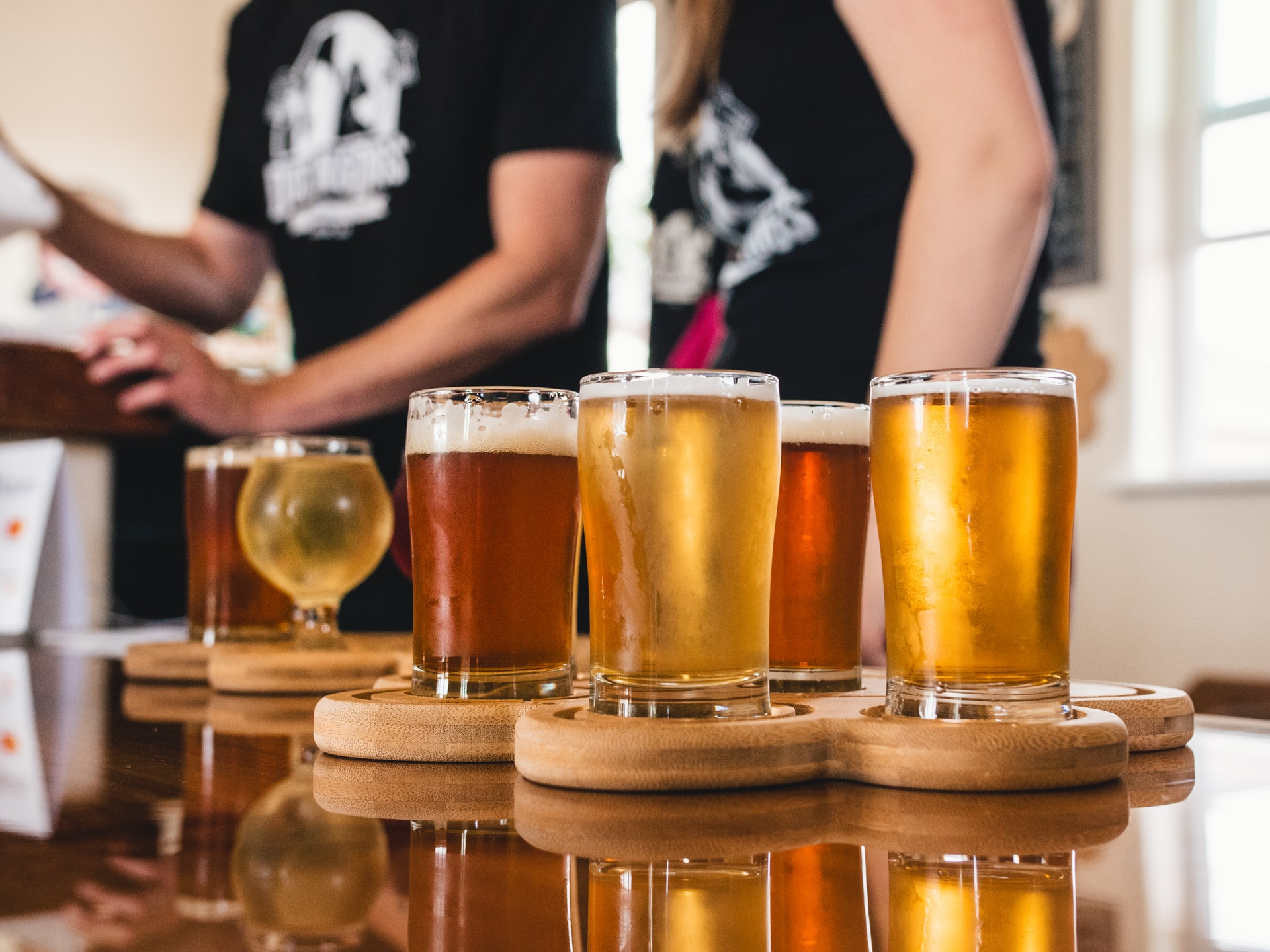
Array of craft beers arranged on a wooden board for sampling

American beer drinkers, rejoice! National American Beer Day arrives on Thursday, October 27.

Celebrating America beer on this holiday, as you’re likely guessing, is fairly simple.

After all, the most important element of National America Beer Day is enjoying—*gasp!*—American beer. This is the holiday your beer program has been waiting for!

However, that begs an important question: Does America brew its own styles of beer?

German Beer Styles

People tend to most closely associate beer styles with Germany. And why shouldn’t they?

Just look at the beers Germany pioneered or otherwise made famous, not to mention Oktoberfest and German beer purity law:

  • Altbiers
  • Berliner Weisses
  • Bocks
  • Dunkels
  • Dunkelweizens
  • German Pilsners (It’s widely accepted that the Czech Republic invented Pilsner, also known as Bohemian Pilsner. German Pilsner is normally more bitter than Czech/Bohemian Pilsner, and a bit lighter-bodied. Also, remember that all Pilsners are Lagers.)
  • Goses
  • Hefeweizens
  • Kölsches
  • Lager (This is the most popular style of beer in the world. Depending on who you talk to, Britain, Bavaria, Germany or Austria invented the first lager.)
  • Märzens
  • Schwarzbiers
  • Weizenbocks

That’s a whole lotta beer styles, and that’s not even every style of beer credited to Germany. Therefore, it wouldn’t have been right to simply jump into American beer styles.

American Beer Styles

So, did German brewers leave anything for Americans to invent or make their own?

Of course they did! Americans have taken to beer brewing like macaroni takes to cheese (what? just go with it):

  • American Adjunct Lagers
  • American Amber Ales
  • American Blonde Ales, aka Golden Ales
  • American Brown Ales
  • American Hefeweizens, aka American Pale Wheat Ales
  • American Pale Ales, aka APAs
  • American Red Ales
  • American Stout
  • Cream Ales
  • Imperial Pilsners
  • Imperial Porter
  • India Pale Ales (Before you aim your pitchfork at me, I know the first IPAs were brewed in Britain. However, there’s no denying that the American craft beer scene has put their fingerprints all over this style with a vast array of substyles.)
  • Session IPAs
  • Steam Beers, aka California Commons (Of all styles, this is considered a wholly American creation.)

Now, before the beer snobs say that brewers in the US can’t just put “American” in front of an established beer style and claim it as their own, that’s really not what’s happening.

American brewers find inspiration in the “original” beer styles. That’s undeniable. That doesn’t mean they don’t innovate; American brewers have made some styles even more famous.

As stated above, a perfect example is the IPA. American IPA is a distinct style, differentiating itself from the original style. Additionally, it has been joined by Black IPA, Double IPA, White IPA, and other creative variations.

Celebrate National American Beer Day

Unlike debating who first brewed what beers, which countries should get to claim which beer styles, and what constitutes a unique beer style (should triple and quadruple IPAs be seen as actual styles?), celebrating National American Beer Day is simple.

At this restaurant and bar holiday’s core, all you have to do is showcase the American beers you have on offer.

If you want to go deeper, highlight the village, town, city or state each beer calls home.

And if you’d like to really go hard, pair them with uniquely American fare. Truly go HAM by pairing select beers with their hometown delicacies.

Make sure your draft lines and glasses are beer-clean and beer-ready, tap your guest database to send out marketing emails and texts, promote your celebration on social media, and let the beer flow.

Image: Meritt Thomas on Unsplash

by David Klemt David Klemt No Comments

Incentive Economy: What are You Offering?

The Incentive Economy: What are You Offering?

by David Klemt

Chef's knife and honing rod crossed on cutting board

You know about the gig economy but are you familiar with the incentive economy?

It’s quite simple, and there are myriad ways for operators to engage with it. In fact, you likely already participate in the incentive economy in some way.

To put it succinctly, the incentive economy is all about the perks of a job beyond a paycheck.

The Old Ways are Out

On episode 53 of our Bar Hacks podcast, Chef Brian Duffy addresses the need for changes in our industry directly.

First, he tackles the lack of transparency in leadership by some operators. As Chef Duffy says, “That’s an old school way of doing it. That was an old school way, that was the Eighties.”

According to the chef, and we wholeheartedly agree, we now find ourselves in a “different phase” in the industry.

Then, Chef Duffy takes on how leadership in the industry treats staff.

One effective recruiting and hiring incentive Chef Duffy offers on the podcast deals with scheduling. None of his cooks close both nights of a weekend. He also posts schedules two weeks in advance so there are, A) no surprises, and B) if staff need to swap or drop, they have time to do so without impacting the business.

This simple scheduling incentive is attractive to new hires and existing staff. Why? Because working unpredictable, erratic hours is stressful.

“That ruins your life,” explains Chef Duffy.

If operators want to attract new hires, keep their team together, and reduce turnover, listening to staff about scheduling is crucial.

Things Need to Change

Chef Duffy shares a story on the podcast about his daughter and her experience working at a restaurant operated by a hospitality group.

No, he doesn’t name the group or the concept. The who isn’t the point here, it’s the what.

That what is how leadership bungled not only a scheduling issue but also how they botched Chef Duffy’s daughter’s two-week notice, her final shifts, and her final pay.

For more context, his daughter wasn’t a new hire who bailed after perceiving she had been treated poorly. She had worked at that restaurant for a year, there were ongoing issues, and she finally left.

As we all know, we’re down about a million jobs in this industry. That loss isn’t simply because of the pandemic. Our industry is undergoing a seismic cultural shift and we’re losing people who won’t return to hospitality.

Things need to change if we’re going to reverse this trend and strengthen the industry. KRG Hospitality president Doug Radkey addresses the change we need in his latest book, Hacking the New Normal. Chef Duffy addresses some of the necessary changes on our podcast as well.

“We can complain as much as we want, but we created it,” Chef Duffy says. “We as owners and operators and managers, we created what’s happening right now.”

Get Creative

The only limits to incentivizing your staff are your imagination, staying consistent with policies and procedures, being respectful of your staff and guests, and the law. Remain in those confines and get creative.

An incentive doesn’t need to be a grand gesture or prize. In many instances, something that makes a shift more fun and breaks up the monotony is enough to energize the staff.

“I want my staff, I want my front-of-house staff, to know what my sales goal is for the day,” says Chef Duffy. “And then I want to run a contest with that.”

One of the chef’s favorite contests is simple and highly motivating: Follow the Twenty.

Chef Duffy puts a twenty-dollar bill into play against a particular item or menu category. For example, either a specific dessert or any dessert.

Whenever a team member sells a dessert, they get the $20 that’s in play. If a different person sells another dessert, they get the twenty. Follow the Twenty incentivizes the first person to sell more of an item to hang onto the money, and the game motivates the rest of the staff to outperform their coworker to get the prize.

The last member of staff to sell a dessert that shift or day keeps the money.

Offering another creative incentive he’s seen, Chef Duffy shares that there’s a restaurant out there offering a free tattoo to kitchen staff that stays for at least 30 days. Will some staff leave after they get their tattoo? Possibly. Hiring wisely, implementing training policies and procedures, treating staff with respect, making scheduling easier and more flexible, ensuring clear communication is embedded in the fabric of your brand’s culture, and offering further incentives can prevent that turnover.

Offer Ongoing Education

“We live in an incentive world now,” says Chef Duffy. Explaining that he doesn’t operate large kitchens, large bars, or employ large teams, he admits he can only do so much in terms of incentives.

However, his approach to incentivizing staff to stay starts with this example of true leadership: “The one thing I can do is treat my employees well.”

With decades of experience in the industry, Chef Duffy’s knowledge is something he can offer his staff. A big believer in education, passing down information that can enrich team members’ careers and lives is an incredibly valuable incentive.

During a recent training session with a very young kitchen staff, the chef started with the very basics of education.

“Hey, guys, here’s a knife. This is a knife,” he said to the kitchen staff. “There’s seven different parts to a knife. Here’s the most powerful part, here’s the most precise part. This is how you hold it, this is what we do…”

Just reading that, it may seem like Chef Duffy was being condescending. That’s not the case. He wants to share as much of what he’s learned over the years to pass on his collected knowledge.

“I want people to feel as if they’re gaining something from me and the knowledge that I have rather than, ‘Go cut those onions and I’m gonna yell at you if you do it the wrong way,'” says Chef Duff.

Make Meaningful Change Today

Making impactful change can feel overwhelming. Let’s face it, it’s easier to just stay the course. But these days, staying the course can cost you your staff, then your guests, and then your business.

One way to start making change is to look inward at yourself, and at your leadership team.

Are your staff gaining anything from you beyond a job and paycheck? Is your leadership team mentoring and incentivizing staff? Are you, your leaders, and your team happy at work?

If the answer to those questions is “no,” do what’s reasonable to improve your brand’s work culture.

As Chef Duffy says, “The whole dynamic of it has to change and we have to take better care of our employees.”

Image: Steve Raubenstine from Pixabay

by David Klemt David Klemt No Comments

Modernize Your Scheduling Today

Modernize Your Scheduling Today

by David Klemt

2021 calendar on cell phone

Scheduling platforms and apps modernize restaurant, bar and hotel team management, streamlining and simplifying several processes.

When it comes to improving communications, the benefits of updating and upgrading how you manage scheduling can’t be overstated.

Of course, in our tech-heavy world, several scheduling platforms do more than just inform your employees about their shifts.

Today’s options handle payroll; assign specific tasks to particular team members; help leadership provide feedback; give staff a platform to provide feedback to leadership; and much more.

Staff Retention

Now, we’ve addressed how our industry has been much quicker to embrace new tech innovations over the past couple years.

We’re bringing up the topic of scheduling platforms for a specific reason. We all make mistakes, and we can learn from those mistakes. And we can also learn from others’ mistakes so we can do our best to avoid making them as well.

On today’s episode of the Bar Hacks podcast, Chef Brian Duffy shares a story about a scheduling issue.

During his return appearance, Chef Duffy explains that his 20-year-old daughter provided two months’ notice about days off she needed to her former employer. “Former” is key here.

It’s clear that the hospitality group property at which she once worked either didn’t utilize a scheduling app, didn’t communicate well, or both.

At any rate, Chef Duffy’s daughter received constant phone calls from management during her vacation. Obviously, that would be infuriating.

Even worse, after she quit that job—she had provided two weeks’ notice—this former employer called to ask if she was coming in for “her shifts.” Well, no—she had quit, with notice.

Clearly, there are other issues with that leadership team beyond a lack of clarity in scheduling. However, a powerful, easy-to-use staff management tool could possibly have kept Chef Duffy’s daughter from quitting this job. A powerful platform, for example, like the four below that are mentioned on episode 53 of Bar Hacks.

7shifts

When choosing a scheduling platform, one crucial element is integration. 7shifts integrates with several major POS systems, such Toast, Harbortouch, Heartland, TouchBistro, Micros, Upserve, and Clover.

In addition to scheduling, which is a given feature for all these platforms, 7shifts offers robust features. Leadership can send one-on-one messages to staff or create group chats. The app itself is a timeclock and handles payroll. And more inclusive packages provide operators with labor budgeting, sales forecasting, labor alerts, and even state-based compliance tools.

7Shifts is free for single locations with up to 10 workers. At the Appetizer level, 7shifts costs $17.99 per month, per location, for up to 20 team members. For $39.99 per month, per location, operators with up to 30 staff can take advantage of the Entrée level. The Works is $69.99 per month, per location, and manages an unlimited number of staff.

HotSchedules

One of the key features of HotSchedules is labor forecasting. Per the platform’s website, HotSchedules “labor forecasts are based on activity, historical data, and specific business rules” to reduce costs and increase revenue.

On the leadership side, scheduling is streamlined and simple to use. Managers can approve—or deny—shift requests with a single click. They can also message individual team members or send messages to a single location.

On the team side, staff can give away, swap and pick up shifts via the convenient app. Staff can request time off, and HotSchedules integrates with their Google Calendars. Upon arrival, staff can clock in through the HotSchedules app and track their attendance and pay.

OpenSimSim

At the surface level, it may seem like OpenSimSim isn’t as robust as the company’s competitors. However, it’s powerful and efficient.

One of the best OpenSimSim features is the open shift invite. Using this feature, team members can be invited to apply for an open shift once one becomes available. In addition, staff can set their profiles up to be auto-approved for open shifts.

Of course, OpenSimSim offers features similar to other scheduling platforms. For example, leadership receives real-time open shift, overtime, and late clock-in notifications. Users can also direct message and group chat via the platform.

Schedulefly

Last on this list solely because I organized these platforms alphabetically is Schedulefly. When you look into this platform, you’ll notice immediately that it’s powerful enough to manage concepts with multiple units.

Managers can quickly and easy navigate each unit in their chain to handle scheduling, broadcast messages for individual locations, message specific team members, and more. Is there a shift that needs to be filled at a specific unit? Schedulefly makes it easy to target the appropriate location and get it filled.

Similar to 7shifts, Schedulefly offers pricing based on staff size. There are no contracts, no fees, and each “level” offers all the same features and services:

  • 19 staff or fewer: $30/month
  • 20 to 39 staff: $40/month
  • 40 t0 59 staff: $50/month
  • 60 to 79 staff: $60/month
  • 80 staff or more: Contact Schedulefly for pricing.

It should go without saying that scheduling is crucial. Understaffing, overstaffing, staffing frustrations, failing to listen to staff about scheduling, and not simplifying the process can increase staff turnover.

Outdated approaches to scheduling also leads to significant decreases in revenue.

At its core, scheduling is a form of communication, a vital one. Commit to improving your communication today by upgrading your scheduling. Your leadership team and staff will thank you.

Image: Gerd Altmann from Pixabay

by David Klemt David Klemt No Comments

US Opening Border to Vaccinated Travelers

US Opening Border to Vaccinated Travelers

by David Klemt

Roadmap showing United States of America, Canada, and Mexico borders

There will be more good news for the hospitality, travel, lodging, and tourism industries on Monday, November 8.

That’s the day that the US will open its borders to international travelers.

Guidance to enter the country applies to travelers arriving by land and air.

Neighbors to the North and South

This welcome news comes nearly three months after Canada opened its border to the US.

And like that border reopening, international travelers will have to prove their vaccination status. In fact, while not all the details are yet known, only fully vaccinated travelers will be permitted to cross American borders. The borders will remain closed to unvaccinated travelers.

The details for non-US travelers seeking to enter the country are as follows:

  • Non-essential travel is permitted.
  • Those entering via air travel will have to show proof of full vaccination before boarding their flight. They will also need to show proof of a “recent” negative Covid-19 test.
  • Travelers entering via Canadian or Mexican land borders will need to show proof of full vaccination. The negative test requirement is not, as of yet, required.
  • For now, Americans and non-US travelers will not have to quarantine after crossing a border.

Initial reporting stated that travel restrictions would be implemented via a phased approach. Land borders would be opened on November. However, air travel would remain restricted until the start of January 2022.

That doesn’t, at this moment, appear to be accurate.

Dozens of Countries Gain Access to US

Foreign travelers from the following countries who meet US requirements for entry will be able to enter:

  • Austria
  • Belgium
  • Brazil
  • Canada
  • China
  • Czech Republic
  • Denmark
  • England
  • Estonia
  • Finland
  • France
  • Germany
  • Greece
  • Hungary
  • Iceland
  • India
  • Iran
  • Italy
  • Latvia
  • Liechtenstein
  • Lithuania
  • Luxembourg
  • Malta
  • Mexico
  • Netherlands
  • Northern Ireland
  • Norway
  • Poland
  • Portugal
  • Scotland
  • Slovakia
  • Slovenia
  • South Africa
  • Spain
  • Sweden
  • Switzerland
  • Wales

Of course, this list is subject to updating, additions, and other changes.

Great News

Obviously, the US opening its borders to dozens of countries is great news for operators in several industries. Additionally, opening borders to economic partner countries should have a positive impact.

If it’s great for tourism, it’s great for hospitality, travel, and lodging and accommodation businesses. In turn, it should be a boon for the US economy.

Airlines should see a spike in travel, much of which will be tourism-based. That means hotels, restaurants, bars, lounges, nightclubs, breweries, distilleries, wineries, entertainment venues, stadiums, and more will benefit.

Operators will need to plan and execute to attract international travelers to leverage demand and increase revenue. Moving forward, forming partnerships with supportive partners (local restaurant with boutique hotel, for example) and working with domestic marketing organizations (DMOs) could pay dividends for savvy operators.

Image: REVOLT on Unsplash

by David Klemt David Klemt No Comments

Months Pass, RRF Still not Replenished

Months Pass, RRF Replenishment Remains Uncertain

by David Klemt

Time has run out hourglass, black and white

If you’re wondering if the RRF Replenishment Act of 2021 or ENTREE Acts are making progress, you’re not alone.

Unfortunately, it appears far too many politicians on all sides are focusing on anything but our industry.

Indeed, it’s apparently more important that they score political “points” for sniping at each other on social media; engage in hyperbole and histrionics; and overall engage in brinksmanship instead of doing anything meaningful for their constituents.

Meanwhile, the industry has lost more than $300 billion in revenue over 19 months. Additionally, we’re short at least one million jobs.

So, it’s not hyperbolic to state this: It’s no longer time for Congress to act, time has very much run out.

It’s up for owners and operators, their teams, and their teams’ families.

Replenish RRF Act

As people familiar with the Restaurant Revitalization Fund will recall, the fund launched with $28.6 billion. Obviously, that was nowhere near enough funding to meet the demand for grants.

The National Restaurant Association estimates that 177,000 grant applicants are still waiting for assistance. Those applications total more than $43 billion.

Essentially, $60 billion would be printed to replenish the RRF. That’s according to the language in the RRF Replenishment Act bill.

In June, Sens. Kyrsten Sinema (D-AZ) and Roger Wicker (R-MS), and Reps. Earl Blumenauer (D-PA) and Brian Fitzpatrick (R-PA) introduced the bill.

It’s now the middle of October.

ENTREE Act

Toward the end of July, Rep. Blaine Luetkemeyer (R-MO) introduced an alternative bill.

A ranking member of the House Committee on Small Business, Rep. Luetkemeyer proposed the Entrepreneurs Need Timely Replenishment for Eating Establishments Act on July 20.

Again, that was in July and it’s now October 25.

Known as the ENTREE Act (acronyms are fun, eh?), this bill wouldn’t just create $60 billion out of thin air.

Instead, per the text of the bill, the ENTREE Act would use unspent funds from the American Rescue Plan and Economic Injury Disaster Loans.

Now What?

In early August, there was an attempt made to replenish the RRF with $48 billion of emergency funding.

Sen. Ben Cardin (D-MD), along with a bipartisan group of senators, sought unanimous consent to authorize the funds.

Unfortunately, Sen. Rand Paul (R-KY) objected to the unanimous consent motion. The measure was blocked due to Sen. Paul’s objection and the RRF didn’t receive any emergency funds.

So, now what? In August, political insiders expressed their opinion that the ENTREE Act wasn’t likely to be passed.

Meanwhile, the RRF Replenishment Act hasn’t made significant progress since it was first introduced in June.

Most recently, members of the Independent Restaurant Coalition held a press conference with Rep. Blumenauer and Rep. Dean Phillips (D-MN). During the press conference, it was pointed out that Congress was voting on infrastructure bills that didn’t contain the RRF Replenishment or ENTREE Acts.

The most that can be said currently about any “progress” is that House Speaker Nancy Pelosi has made a promise that relief for the industry is coming, somehow, during some unknown timeframe.

Great. In the meantime, you, your family members, your friends, and your guests can contact their reps to put more pressure on them to replenish the RRF. You can also click here for more ideas from the IRC on how to get the message across that our representatives need to act now.

Perhaps reminders that every House seat and 34 Senate seats are up for re-election next year will help spur some action.

Image: Eduin Escobar from Pixabay

by David Klemt David Klemt No Comments

SevenRooms Announces Olo Partnership

SevenRooms Announces Olo Partnership

by David Klemt

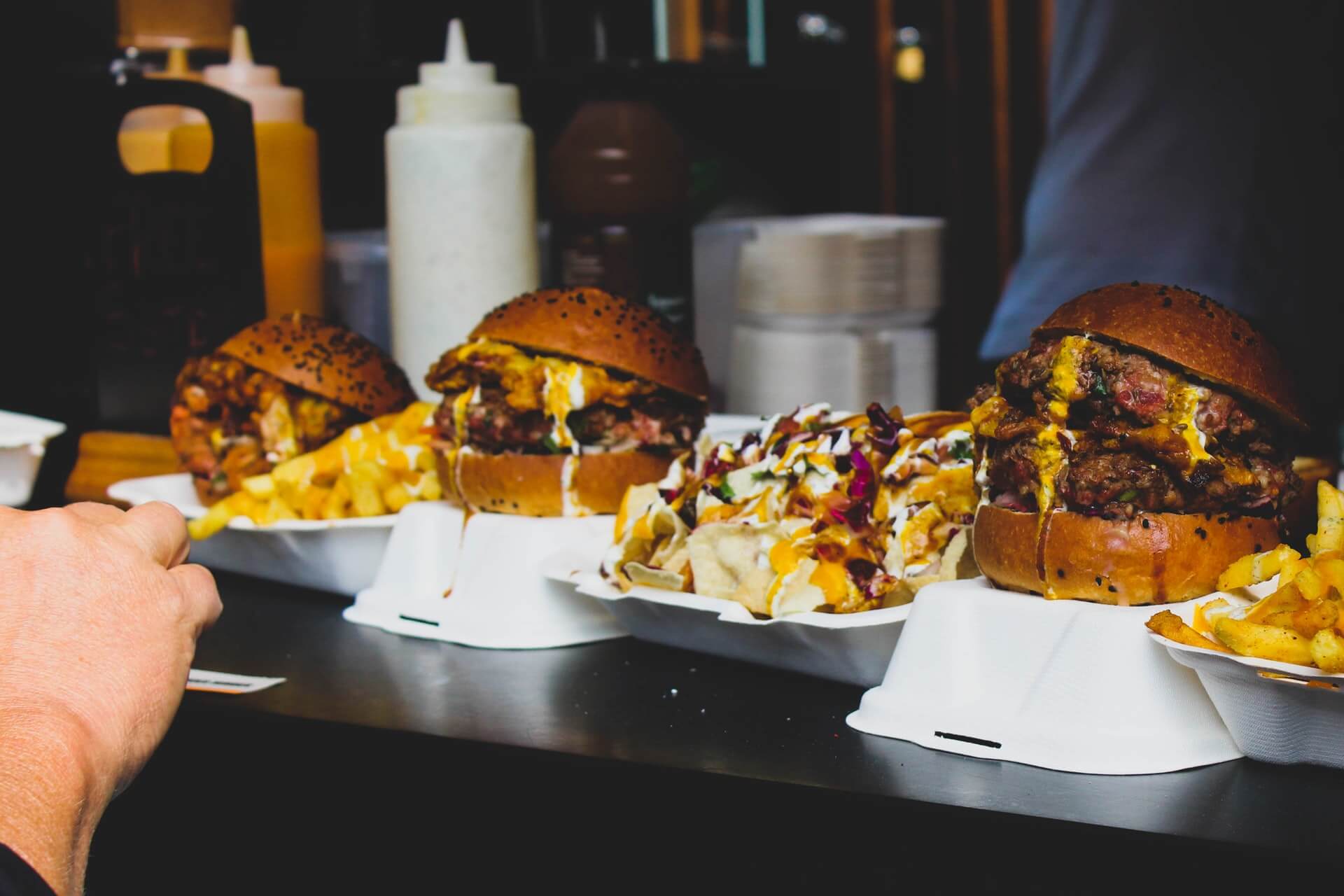
Cheeseburgers and French fries in takeout containers on pass

SevenRooms continues to grow and develop innovative partnerships.

The platform’s newest partnership benefits the hospitality industry, operators, and consumers.

In joining forces with Olo, SevenRooms further helps restaurants, bars, and hotels position themselves to succeed in an increasingly digital world.

The Bleeding Edge

Olo, which literally stands for “Online Ordering,” predates the iPhone.

In fact, the company launched before smartphones were more than niche devices.

Upon its inception, Olo’s service consisted mainly of sending mobile coffee orders to restaurant printers via text message.

Like SevenRooms, Olo seeks to stay ahead of the consumer behavior curve:

  • 2005: Olo launches, anticipating coffee drinkers will eagerly embrace mobile ordering.
  • 2008: The company predicts fast-casual restaurants will become faster than fast food.
  • 2012: Olo envisions the redesigning of kitchen restaurants to include pickup windows.
  • 2015: The platform sees the future for foodservice is delivery.

Now, Olo is dedicated to making sure online ordering customers benefit from the industry’s digital transformation.

The Partnership

SevenRooms ensures clients who also use Olo can capture their off-premise customers’ information. That data then creates profiles for those customers automatically.

This partnership leverages SevenRooms CRM and marketing automation integration. Operators will be able to send post-order surveys to off-premise, online ordering customers automatically.

So, operators can learn what is and isn’t working off-premise; elevate the experience of off-premise customers to increase online order frequency; convert those customers to in-person guests; encourage repeat visits; and increase profitability.

Moving forward, SevenRooms and Olo users will get to know their off-premise customers better.

“To meet the ever-evolving needs of our hospitality clients, we’ve continued to seek out strategic partners who help us provide an even more comprehensive solution to operators,” says SevenRooms CEO and founder Joel Montaniel. “Our integration with Olo delivers on our promise of offering a 360-degree platform focused on helping operators build deeper, direct relationships across on- and off-premise experiences. This partnership facilitates better operational efficiency and online data capture, ultimately helping operators optimize the profitability of their delivery and takeout business while strengthening customer relationships. We are excited to welcome Olo to our partner network, and look forward to our continued collaboration to drive better, more streamlined solutions for the industry.”

Learn more about SevenRooms here. Click here to learn more about Olo.

Image: call me hangry 🇫🇷 on Unsplash

by David Klemt David Klemt No Comments

What’s a Marketing Fund?

What’s a Marketing Fund?

by David Klemt

Vintage cash register in black and white

Do you know what a “marketing fund” is?

Moreover, if you know what I’m talking about, do your managers and staff have access to it?

A marketing fund—not your marketing budget—is a useful tool that can solve guest experience issues quickly.

What it Is

Both Doug Radkey and I mentioned marketing funds last week.

First, I brought it up in my article about communication and staff empowerment. Next, Doug included the marketing fund on last week’s Bar Hacks bonus episode, titled “Empowerment.” There, he shared the story that inspired my article.

Simply put, a marketing fund is a bit of cash kept on hand for use in a variety of situations.

Some people call it petty cash. Others refer to it as an “emergency” fund. We call it a marketing fund.

Whatever you choose to call it, it’s a small amount of cash most accessible by a manager or, often times, a bartender.

How to Use It

Operators will have to decide on the amount set aside; how often to replenish it; and who has access to the marketing fund.

For some, $40 may be feasible. Others may find that setting aside $200 for the week may work best.

In most cases, a register behind the bar serves as the marketing fund’s home. A manager or bartender knows where it is and can find it quickly.

Now, you’re likely noticing the word “quickly” is coming up a lot in reference to the marketing fund. That’s the point—quick, smooth problem solving.

So, come up with your rules and expectations regarding the marketing fund. Communicate those expectations. Then empower specific team members each shift to access it.

Of course, this requires trust in the team, their integrity, and their sense of what is and isn’t reasonable.

When to Use It

Again, this is about what’s reasonable and acceptable to an individual operation.

Will buying a round ease tensions and put a guest’s experience back on a positive track? Use the marketing fund.

Is there a promo that’s going wrong for a guest that a manager can solve with cash (a gift card problem, for example)? Access the marketing fund.

Will running across the street to grab an item solve a guest problem? The marketing fund can help.

This works for several reasons:

  • Staff can solve a guest’s issue quickly. This eases tensions and improves the guest experience.
  • Guest-facing or other issues can be solved smoothly. In some instances, the guest won’t even catch on that there’s really a problem.
  • Marketing fund transactions are traceable.
  • The marketing fund holds the operator and staff accountable. Are issues consistently arising during certain shifts or with specific team members? Something needs addressing.

The marketing fund is a practical, useful tool. Its use is trackable and ensures accountability. Consider implementing this fund today.

Image: Evergreens and Dandelions on Unsplash

by David Klemt David Klemt No Comments

Why Communication and Empowerment Matter

Why Communication and Empowerment Matter

by David Klemt

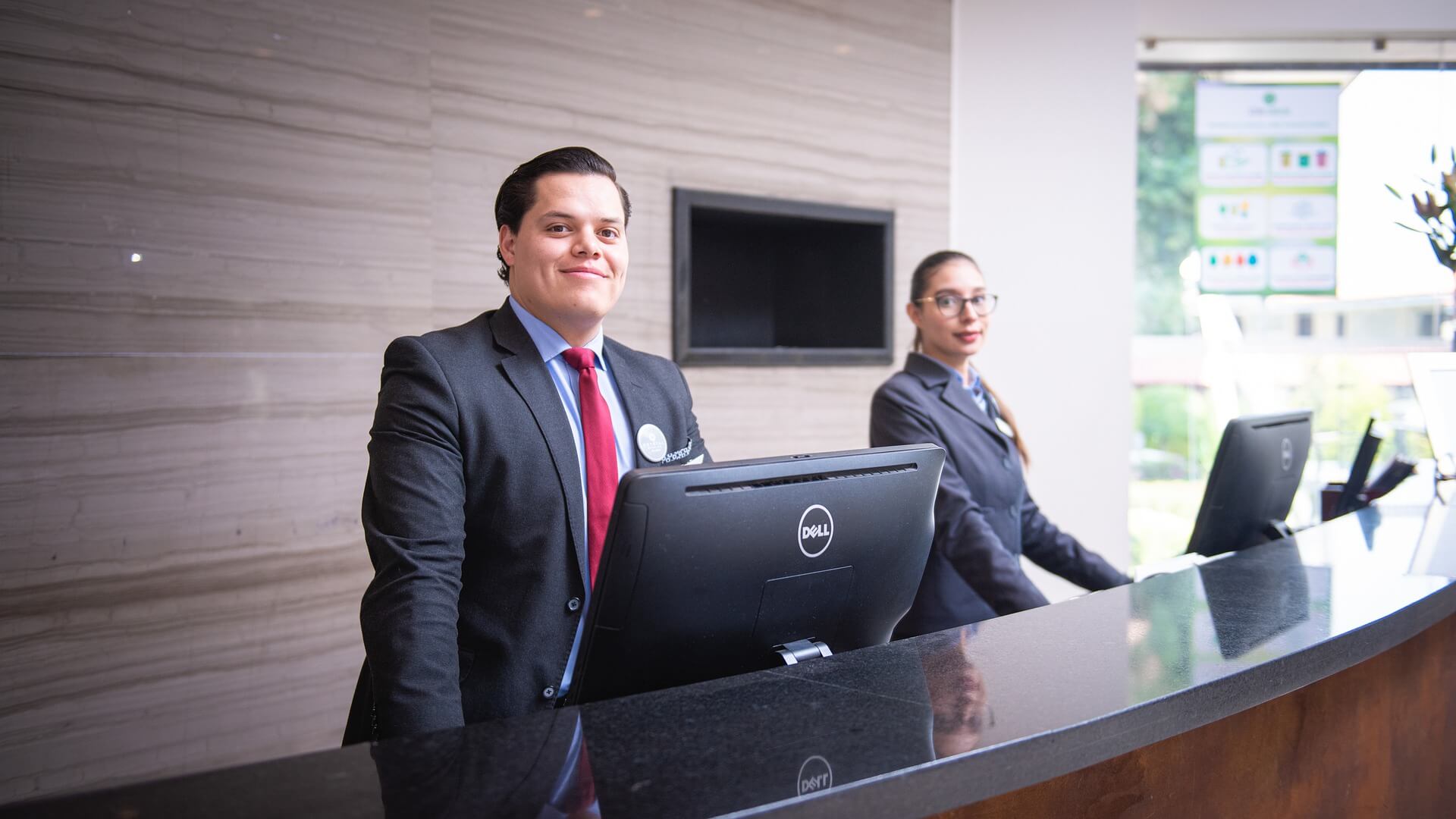
Employees at front desk in hotel lobby

To truly embody the spirit of hospitality, internal communication and empowering staff must be part of your operation’s culture.

A situation KRG Hospitality president Doug Radkey found himself in recently could have been resolved quickly and smoothly.

However, it’s clear the staff lacked communication from the top. Nor did they have the ability to solve problems as they arose.

Let’s dive in.

Guest Experience

First, I’m not going to reveal where this incident took place. In fact, I’m not even going to provide the location.

Second, the problem arose at the front desk of a hotel. A well-staffed front desk—there were four team members working.

The issue was fairly minor but impacted the guest experience.

So, Doug and Jennifer Radkey booked a hotel over the weekend. They made their decision in part because of an available package. Among the perks of the package was a $50 gift card for a nearby restaurant.

Stopping by the desk on the way up to their room, Doug asked for the gift card. The desk clerk he asked had no idea what he was talking about.

In fact, none of the four front desk clerks knew about the promotion. Doug pulled up the hotel’s website and promotion on his phone, and showed the clerks.

Doing so jogged one clerk’s memory. However, details were still mostly unknown. There was no manager on duty and the staff searched through drawers looking for the restaurant gift cards.

After about ten minutes of searching, Doug said he and Jennifer were headed up to their room to get ready for dinner. They’d be down in an hour for the card (hopefully).

A Resolution, Kind Of

True to their word, Doug and Jennifer returned to the front desk for the gift card.

Miraculously, the front desk clerks had found one. (However, Doug thinks one of the team members ran over to the restaurant, bought a card, and brought it back to the hotel.)

One more note: A housekeeping team member had overheard the incident at the front desk as it was unraveling. She chimed in to suggest the front desk just knock $50 off the hotel stay or give Doug and Jennifer $50 cash to take to dinner.

Instead, as I just explained, the front desk clerks got their hands on a gift card.

But let’s look at what wrong here:

  • The guest encountered a service issue and waited more than ten minutes for any sort of resolution.
  • That resolution didn’t come for more than an hour.
  • It’s clear the staff received insufficient notice and details about the promotion.
  • The staff was also most likely not empowered to provide quick resolutions to guest problems.

Doug’s incident could have been resolved quickly and smoothly through communication and staff empowerment.

Communication

Clearly, communication is key for any business to operate smoothly. That’s not limited in any way to hotels or hospitality—all businesses in all industries need to value communication.

In fact, clear communication is a foundational value. Communicating clearly needs to be part of every operator’s core values and ingrained in their brand’s culture.

If there’s a promotion, if there’s a special, if there’s anything “unique” happening at a hotel, restaurant, bar, entertainment venue, etc., the staff needs to know.

Operators should email the details to staff members. Managers should share the details of a promotion or special during shift meetings. Staff should know how to enter promotions into the POS.

It’s doubtful that Doug would’ve encountered this gift card issue if clear communication was an important element of the hotel’s culture.

The front desk clerks would’ve known about it, and likely would’ve handed over the gift card upon check-in. Barring that, they would’ve known where to find the cards quickly and easily so they could’ve handed one out upon request for those guests who booked a room via the promotion.

Empowerment

There’s a second element of this particular guest experience equation: empowerment.

Had the front desk staff been empowered to correct mistakes as quickly as they may arise, it’s possible Doug would never have noticed there was an issue.

As difficult as it may be, operators and managers need to trust their staff. If that’s not happening, there are deeper issues at play that must be addressed and corrected.

If this hotel staff—remember, four clerks deep—were accustomed to adapting and resolving problems on the fly, that would’ve been evident.

This article wouldn’t exist because Doug wouldn’t have had a memorable negative guest experience to share with me.

Up to a reasonable point, guest-facing staff need to be empowered to solve problems quickly. It’s up to individual operators to decide what’s reasonable.

Upset guests don’t like encountering issues, obviously. Do you know what they really don’t like? Having to repeat themselves or watch staff flounder to reach a satisfactory resolution.

An empowered staff can assess a situation, target the problem, and resolve it without involving anyone else. And they can do so quickly and smoothly.

A Better Resolution

How could this issue have been resolved faster, accounting for the poor communication regarding the promotion? A daily or weekly “marketing fund.”

Some operators set aside an amount of cash for bartenders or other front-of-house staff to use at their discretion to solve problems. When that marketing fund is accessed, it’s reported and management can review the who, how much, and why at the end of the night.

In this case, $50 could have been handed over and accounted for with a, “I’m so sorry, we seem to be out of gift cards at the moment, this offer has been so popular,” and Doug would’ve only had a slight inkling of an issue.

Again, there were four front desk clerks present when this happened. Three didn’t know about the promotion. One clerk had a foggy idea about the promotion.

This wasn’t a staffing issue, nor was it a pandemic issue. And 19 months in, as harsh as this may seem, the pandemic can’t be the fallback excuse for every issue that comes up.

The following day, a manager learned of the incident upon Doug and Jennifer checking out the next day. He apologized and knocked $50 off their stay.

That wouldn’t have been necessary had leadership communicated about the promotion clearly. It certainly wouldn’t have been a painful incident had the staff felt empowered to make impactful guest experience decisions.

Today, commit to reviewing your operation’s communication. In all honesty, is it clear? Can it be improved? Have there been issues lately that could’ve been avoided if clear communication was part of your brand’s culture?

Once you’ve reviewed communication, as yourself if your staff feels empowered to solve guest issues quickly and reasonably. If not, that must change as soon as possible.

Image: Rodrigo Salomón Cañas from Pixabay

by krghospitality krghospitality No Comments

Hiring and Training Staff for Consistency

Hiring and Training Staff for Consistency

by Nathen Dube
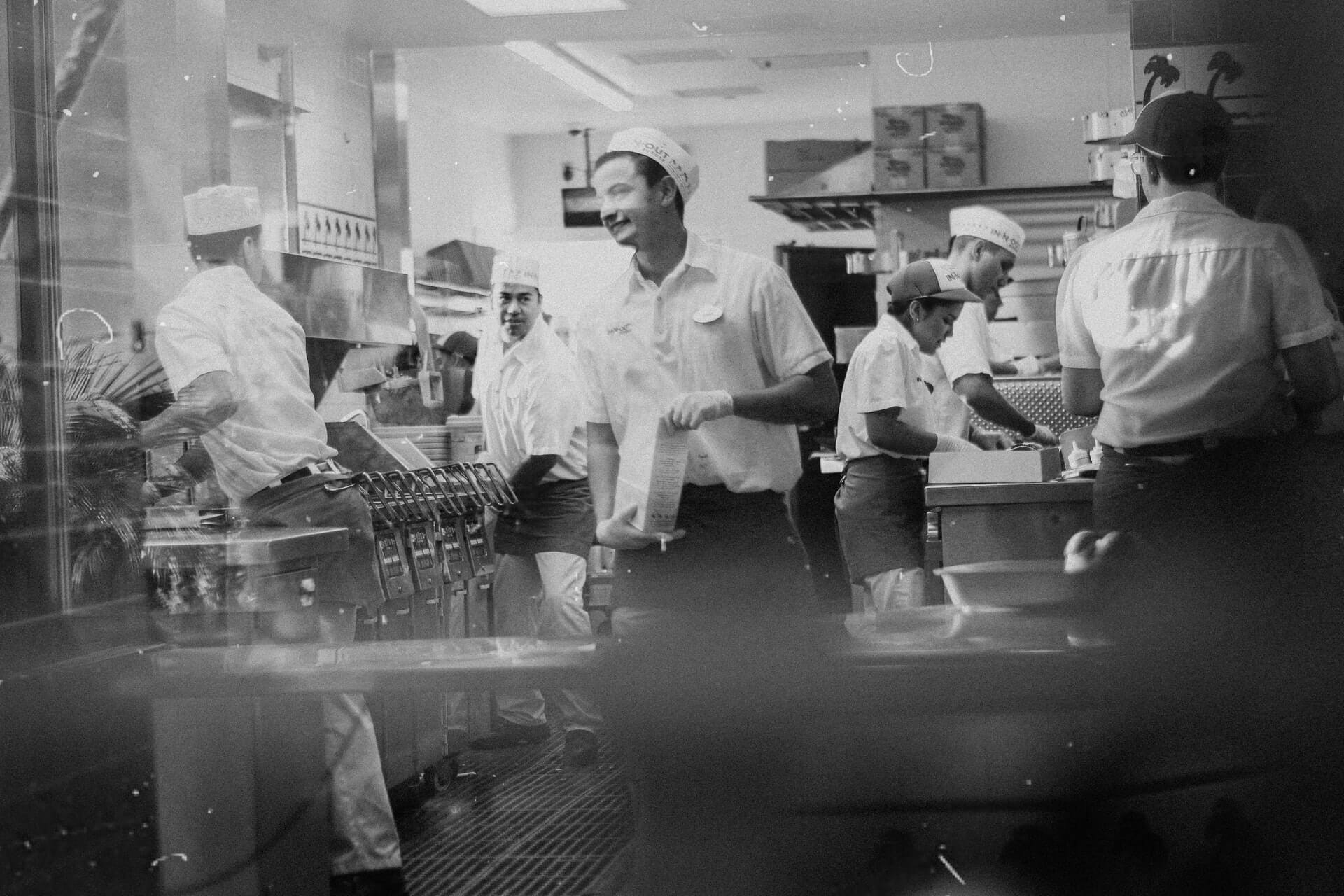
Happy and well-trained In N Out kitchen staff

Every restaurant needs to hire staff. This is probably the second most important pre-opening task after deciding on a concept.

Hiring can be an arduous process and hiring the wrong person is often detrimental to success. It costs time, money, and effort to replace and repair the damages.

Putting a fully developed onboarding plan in place—compelling job ads, effective interview and selection processes, in-depth training manuals, and training schedules—can help streamline hiring and retention, and make new hires feel welcome and confident in their roles.

Hiring and Onboarding

Creating a strategy to onboard all staff, adjusting for differing positions (cooks, servers, managers, etc.), will help to identify potential employees that fit your needs skill- and attitude-wise.

A strategic plan will streamline the entire process, start to finish. Think of it as your recruiting and hiring “recipe.”

Answering phone calls, scribbling notes, writing emails, losing phone numbers… Operating without a plan can be very frustrating and time consuming for everyone. After all, running your restaurant is far more important than being your own HR department.

The problem is that many organizations see training as an expense and not as an investment. Untrained employees will, inevitably, lack the motivation and knowledge to use company resources properly.

A lack of training in the hospitality industry leads to:

  • costly waste;
  • employees who feel unappreciated in their job;
  • employees with a general sense that their job doesn’t matter; and
  • unsatisfactory guest interactions that impact guest retention negatively.

At this point, employees either leave or get fired for poor performance.

While it may seem simple just to replace one worker with another, consider this: Hiring someone can cost up to 30 percent of the job’s salary. For an employee that makes $40,000 a year, that could equal around $12,000 to hire someone new.

However, training an existing employee correctly might only cost a few hundred dollars, reducing invested time. Even if replacing one employee doesn’t sound that bad, consider that for every three employees who need to be replaced, that will equal an entire salary with no real gains.

Clearly Define Roles and Responsibilities

From the outset, outlining job roles and daily responsibilities properly is extremely important to ensure that all staff are on the same page.

Building and maintaining a well-oiled machine takes time and planning. However, identifying and distributing responsibilities as equitably as possible will help things flow smoothly.

Differing service times can lead to staff friction when tasks are not being completed effectively for the next shift. The lack of a clear plan regarding responsibilities such as prep, stocking fridges, putting away orders, cleaning, and maintenance will inevitably cause confusion.

Yes, writing out a daily walkthrough and task list from shift start shift end time for each role in your organization will take some time and effort. No, it isn’t the most fun job you’ll do.

But doing so will make onboarding and training a seamless and less time-consuming transition overall.

How to Train New Restaurant Employees

When you’ve completed the interviews, made your hire, and are now bringing in your new staff, where do you start? Who is responsible for training? (Yes, this should be delegated in your plan!) What station do they start on and what is the timeline for moving them along?

Having a plan for onboarding that is mapped out in an employee manual will help to clearly explain your company’s policies and expectations; training modules; and all other helpful information to a new hire.

Expecting a line cook, who may even be green themselves, to convey this to a new employee is like playing the telephone game in grade one: it doesn’t work and is irresponsible.

Setting up detailed, specific workstation plans is the first step. The second step is to plan training shifts and specify who is going to be training new hires.

Batch training can make this process easier. Have your head chef or front-of-house manager spend time to train all the new hires, not just the one or two who happen to be working that day. Be sure to include other positions like sous chefs and floor staff.

This last step, along with a solid training manual, helps eliminate starting the whole process over again every time a position turns over. It also completely mitigates the disaster of staff members being trained differently. Consistency will be solid across the board.

Different Strategies for Part-time Staff

A great part-time employee program can elevate your full-time staff.

With the peaks and valleys of busy restaurant periods fluctuating around lunch and dinner, for example, full-time staff can be overworked and then swiftly underutilized. Part-time employees on the other hand, when scheduled correctly don’t experience the swing in workload.

Although part-time staff offer flexibility in scheduling, it can be difficult to find time to train them. However, part-time workers should not be excluded from training just because their hours are limited.

Organizing training specifically for your part-time employees is crucial to the success of your team. Scheduling a part-timer to come in on a busy Saturday lunch shift and flounder around strains and stresses out the rest of the staff. That’s the last thing you want or need.

Part-time staff benefit from shorter periods of training engagement than your full-time staff. You do want to include them in your large training sessions but will certainly have some who can’t make it.

Since their schedules are limited, you can train part-time staff via 15-minute lessons during pre-shift meetings. These talks can cover can anything from kitchen hygiene reminders, menu walkthroughs, customer service, and proper table setting.

Using your best staff for on-the-job training can also be beneficial to your part-timers. Shadowing during shifts provides a visual, real-world representation of everything written out in your employee manual. Following in the footsteps of someone in the role a part-timer has been hired for is an excellent way for them to understand their responsibilities and tasks in real-time.

Not only is it an opportunity to understand how the whole team functions, it’s a chance to meet colleagues and bond with the team.

Streamline Your Menu

As mentioned in a previous post, the streamlining of your menu benefits everyone from the top down.

Trying to train a new employee on how to cook (or serve) every single item on a large menu can be daunting. Keeping your menu narrow and focused will make an employee’s transition into their new position.

This is where your employee manual will come into play again. Recipes and pictures, along with training and tastings, will give new staff the confidence to cook and serve the dishes skillfully. Shadow shifts will complete the picture for them with hands-on training.

Conversely, having a large menu creates unnecessary confusion and takes a longer time for staff to feel comfortable.

Everything on your menu needs to be something that your kitchen and serving staff can handle efficiently without putting undue burden on your staff. Choose recipes that include ingredients that you know fit within your budget and concentrate on making them the best they can be. Good food is more about taste than presentation.

Seasonal menu changes should be addressed via staff meetings, updated recipe cards, tastings, and even testing for all staff. Consider using these events to train and onboard your new staff to start them on the right foot and avoid them having to play catch-up.

Don’t Discount Human Communication

Everyone wants to implement the latest technology to save money, resources, labour costs, and to deliver superior product.

One thing that needs to be remembered when training staff is this: even with all these new processes, human interaction is still necessary for a functioning business.

That is, human skill is still required to cook and plate delicious, Instagram-worthy food, and to deliver that food to the guests at the table. For the time being, human interaction is what creates memorable dining experiences and keeps guests coming back!

The opposite end of that spectrum happens when technology fails or crashes. Troubleshooting and problem-solving skills are required by your staff every day.

Train staff how to utilize your technology stack but also understand the “old-fashioned” ways.

Effective Troubleshooting Ability: Importance of Teamwork, Repetition, Consistency

 A solid training strategy produces a staff that values teamwork, a team with effective troubleshooting skills, and consistent results.

When you identify the roles you are looking and the responsibilities that come along with them, plus delegate and train properly, you are essentially giving your staff the ability to individually and collectively trouble shoot any issues that arise.

These problems can relate to customer service, broken equipment, inventory problems, and other issues that might come up when you or your leadership team aren’t there to fix things.

Everything talked about here is the foundation you should be building on to create an environment that thrives on teamwork. From the minute you onboard new staff they are comfortable in what is being asked of them and are given plenty of opportunity to work alongside colleagues.

Excellent teamwork leads to consistency and repetition of food, drinks, and service regardless of who is working the front or back of house. There is nothing more disappointing than returning to a restaurant only to have a substandard experience.

Implementing these programs even before opening day will help to keep you and, more importantly, your staff happy, thriving, and creating an amazing experience for your guests time and again!

Image: nick jenkins on Unsplash
by krghospitality krghospitality No Comments

Why You Should Hire for Grit

Why You Should Hire for Grit

by Jennifer Radkey

Punch today in the face motivation print

It’s no secret that the hospitality industry is currently struggling to fill empty positions.

In an industry that suffered immensely throughout the pandemic with closures and restrictions, the desire for workers to return is low. Add in underlying issues such as low wages, unappealing hours, and sometimes undesirable work culture, and it makes the hunt for great employees seem even more daunting.

But what do you do when the resumes do come in? How do you select team members who will make your business stronger and help you strive towards success?

I’m going to suggest that you start by looking for one key characteristic: Grit.

What is Grit?

Psychologist and grit specialist Angela Duckworth states that, “Grit is sustained passion and perseverance for long term goals.” Grit is showing stamina in order to achieve success. It is often a better predictor of success than talent or skill alone.

If you want to do a deep dive into the benefits of grit to learn how and why grit is a better predictor of success than talent or intelligence, I highly suggest reading Duckworth’s book Grit: The Power of Passion and Perseverance. You can also check out her Ted Talks.

Why Grit?

Gritty individuals are more likely to deal with adversity better. These are the people you want on your team, especially in leadership roles. They are individuals who see success as a marathon and do not quit.

In an industry known for high turnover, the number one quality you should be scouting for is perseverance. Who is going to stick with you when times are stressful? Who is going to push for personal and professional growth? These are the individuals you need to look for.

Hiring for Skill

Many restaurant and bar owners will look at skill first when hiring new staff. I get it. If someone has previous experience and has demonstrated job specific skills, then it means less training on your part. If they “know what they’re doing,” that individual should be a good hire, right?

While finding someone with skill may prove that they can do the day-to-day tasks, it says nothing about how dedicated they will be to your business, what their growth potential is, or what their values may be. Skill can be easily taught; values, grit, and a growth mindset, however, can not.

Hiring for Grit

It starts with your job ad. An individual with grit is on the search for growth opportunities and for challenges.

What are you offering your team members? Are you offering learning opportunities, tuition assistance, training experiences? Are you making this clear from the very start that these opportunities are available?

If you want dedicated employees who are of a growth mindset you need to attract them to you with what they are searching for.

The Resume

Resumes may not be plentiful, and you may need to fill a position ASAP, but you still need to take the time to carefully analyze a resume if you want to hire for long-term success.

When reading a resume there are clues to indicate if the candidate has grit. Firstly, check to see how long they have stuck with previous jobs, teams, hobbies, volunteer positions, etc. Do they have a lot of experience but have switched jobs every one to two years? Have they done a lot of volunteer work but only for very brief stints?

Secondly, what level of achievement did they receive in these? For example, an individual who was on a varsity basketball team for four years, was made captain, and won a championship shows more grit than someone who played recreational basketball for a year and didn’t win any major awards.

One more example: An individual who started off as host, stayed with the restaurant for several years, and during that time made his way to the management team shows more grit than an individual who has more years of experience but it is spread over various establishments and each stint is less than a year in length.

The Hiring Process

A person with grit will not make you hunt them down. If anything, they will hunt you down!

The individuals who go out of their way to research your establishment before an interview, who follow up in a timely way for setting up interviews, and who follow up after their resume is sent and after they have an interview are the type of people you want on your team.

Do not overlook these individuals (even if they don’t have a ton of experience) because they are demonstrating respect, a keen interest in working for you, and dedication. Remember, skill can easily be taught but key qualities such as grit and growth mindset can not.

The Interview

There are some key questions you can ask during the interview process to determine if a candidate has grit:

  • “Tell me about a big goal you had and how you went about achieving that goal.” Look for specific details about how they reached their goal.
  • “Tell me about a time when you gave up on a goal, and why.” People give up on goals all the time. Perhaps it turned out to just not be feasible. Maybe a major life-changing event happened. A person with grit will typically only give up on a goal for a significant reason.
  • “Tell me about a major obstacle or challenge that you recently had to overcome, and how you did so.” The hospitality industry is full of obstacles and daily challenges both big and small. You need an idea of if and how your team members can overcome these obstacles.
  • “Who is a successful person that you admire, and why?” Does the candidate admire someone successful because of work ethic, grit, perseverance, bravery, etc.? Or do they admire the person for talent, success, material wealth, and popularity? What we admire in others is often what we try to achieve for ourselves.

These are all questions that will give you an idea of someone’s level of grit.

The Bottom Line

Turnover hurts everyone, and it hurts our bottom line. In our industry it is inevitable, but it doesn’t need to be a continuous revolving door of employees.

Start by attracting the right people, look for signs of grit during the hiring process, and then do your part by creating a rewarding and positive work environment to create longevity.

Is hiring stressful? You bet. But if you do it right, hopefully you won’t have to do it often! Here’s to personal and professional well-being. Cheers!

Image: Johnson Wang on Unsplash

by David Klemt David Klemt No Comments

Can Luxury be Accessible?

Can Luxury be Accessible?

by David Klemt

Poolside seating at luxury resort hotel in Cabo San Lucas

Can everyone experience luxury or is this category of hospitality inherently exclusive, serving only a small percentage of consumers?

During a panel discussion titled “Brand Identity: The Evolution of Luxury in Lifestyle Hotels” at Hospitality Design Expo 2021, one speaker answered this question.

Moreover, this speaker’s answer was simple and definitive.

What is Luxury?

Blame luxury brand marketing but it seems many people define luxury through the Three Es: exclusive, extravagant, and expensive.

However, as people reflect and rethink their priorities, a new view of luxury appears to be emerging.

Lee Shuman, director of project management at Peachtree Hotel Group, defines luxury through the Three Cs: comfort, convenience and contemplation.

Interestingly, comfort is included in the dictionary definition of luxury as well. (And yes, I know it’s cliché to point to dictionary definitions in articles.)

We’ve been hearing for a few years now that more people, particularly younger Millennials and Gen Zers, favor experiences over material items. Time is more valuable to these consumers than possessions.

Shuman’s Three Cs, then, speak to these consumers:

  • Obviously, people seek out comfort, particularly when it comes to hotels, resorts, restaurants, and travel.
  • Convenience reduces friction and removes pain points, allowing guests to spend their valuable time seeking out memorable experiences seamlessly.
  • When it comes to contemplation, Shuman says this is a design component that provides guests with several opportunities to notice and experience design “moments.” Contemplation also relates directly to experiences.

Operators who embrace and embody the Three Cs will meet guest expectations of luxury.

Can Luxury be Accessible?

Shuman answered this question succinctly: “Luxury has to be accessible.” Not can be accessible, not should be accessible, but luxury must be accessible.

Going further, Shuman said that “everyone in every strata should experience luxury.” There are a couple of ways to interpret this view of luxury.

Looking at this subject through the lens of convenience, one can take Shuman’s opinion on luxury literally. Everyone, regardless of the category or price point of hotel or resort (or restaurant, for that matter), should have access to luxury.

An alternate view that still relates to convenience is that if luxury is too exclusive, too few consumers will have access and the venue won’t be profitable.

Another viewpoint is that luxury needs to be accessible physically. In other words, if it can’t be touched, it’s not luxurious.

Per Shuman, guests don’t want luxury they can see but not touch.

Make it Happen

Shuman likes to see how guests are using a given property. Observing guests in situ provides him with insights that can be used enhance their experiences and improve design.

Hotel and resort guests are, from what Shuman observes, trending younger. Although, he said that could be because operators are aging.

As we’ve been learning, many younger guests are after experiences, comfort and convenience regardless of where they’re staying. Ticking those three boxes will help operators attract these younger guests.

Of course, older guests, due in part to a reshuffling of priorities during the pandemic, also have an interest in the Three Cs.

Shuman is also seeing that hotels and resorts must be enjoyable to use. Interestingly, he’s observing pools falling out of favor while the demand for well-designed health centers. His commitment to observing and learning about guests constantly provides these insights.

To make luxury accessible moving forward, operators should embrace the Three Cs, observe their guests continuously, and realize that luxury doesn’t necessitate excluding guests.

As consumer desires and expectations change, operators must adapt more and more rapidly. Increasingly, change is impacting the perception of luxury.

Yes, the Three Es still exist and likely always will. However, the Three Cs are informing a more modern view of luxury.

Image: GaPeppy1 from Pexels

by David Klemt David Klemt No Comments

Canadian On-premise Sales Stabilizing

Canadian On-premise Sales Stabilizing

by David Klemt

Canadian flag in downtown Toronto, Ontario, Canada

A report from Restaurants Canada and Nielsen CGA shows that on-premise sales are steadying and, in some provinces, growing.

In fact, with the exception of Alberta being slightly down, Canada’s nationwide sales velocity looks promising in comparison to 2019.

Overall, Canada’s on-premise velocity is on the rise. Let’s take a look at how the three main provinces KRG Hospitality services are performing.

Alberta

To say that Alberta is down is a tad misleading. The province’s performance is nearly on par with 2019.

In comparison to 2019, Alberta is just -1 percent below in velocity levels.

Now, in comparison to 2020, the province is +46 percent. However, 2019 is a far more accurate gauge of performance.

While being down one percent is on the surface negative, growth in Calgary and Edmonton is highly encouraging.

In the week to August 21, Calgary’s velocity rose +4 percent, while Edmonton grew +10 percent. Those two cities are responsible for overall growth in velocity in Alberta of +4 percent.

Should the upward trend continue, Alberta will match and surpass 2019 quickly.

British Columbia

Of the three key provinces in which KRG Hospitality operates, BC is the second-best performing in comparison to 2019. Against 2020, BC is the third top performer.

Per Restaurants Canada and CGA, BC velocity is up +12 percent in comparison with 2019’s sales. The province is up +33 percent when compared to 2020.

In Vancouver, velocity is flat rather than experiencing negative growth. Any negative trends, according to the Restaurants Canada and CGA report, is coming from Victoria. That city is down -6 percent.

Ontario

Of our key Canadian markets, Ontario is performing the best overall.

Compare velocity to 2020 and the province is up +48 percent. In comparison to 2019, Ontario’s velocity is up +13 percent.

One can attribute current growth to Toronto. The Ontario city’s performance in the week to August 21 is +4 percent.

Canada

According to the report, sales velocity in Canada is up +2 percent overall.

Compare the country’s overall performance against 2020 and 2019, and Canada is trending upward. The nation’s on-premise velocity is up +41 percent in comparison to 2020 and +11 percent against 2019.

Clearly, the expectation is for the country’s on-premise performance to experience further growth as consumers return to in-person dining and restrictions loosen.

However, it’s important for operators to not simply return to pre-pandemic operations. Consumer behaviors have changed and many pandemic-driven habits—delivery, for example—are now permanent.

Further, now’s the time for those considering proceeding with plans to open restaurants, bars and hotels to move forward. In fact, Travis Tober, the guest from our milestone 50th episode of Bar Hacks, believes there’s no better time than now to open a hospitality venue.

Image: Lewis Parsons on Unsplash

by David Klemt David Klemt No Comments

6 Takeaways from HD Expo 2021

6 Takeaways from HD Expo 2021

by David Klemt

Lobby of Crockfords inside Resorts World Las Vegas

Crockfords lobby inside Resorts World Las Vegas

This year’s Hospitality Design Expo in Las Vegas reveals an industry set to undergo seismic shifts that will reverberate for years to come.

While the pandemic certainly plays a role in transforming the industry, it’s not the only factor.

Here are six major takeaways from HD Expo 2021.

Diversity, Equity and Inclusion

Hospitality—indeed, the world—is in the midst of reckoning with inequality. This is both long overdue and nowhere near complete.

Truthfully, we’re just at the start of the process. There’s much more work to be done.

However, many global hospitality brands and their partners are taking steps to be more equitable. The focus on diversity, equity and inclusion is holistic, spanning C-suites to fronts and backs of house.

Refreshingly, this commitment to diversity, equity and inclusion isn’t limited to hotel and restaurant chains. Smaller, independent operators are also up to the challenge of eschewing long-standing inequalities and toxic norms.

We have a lot more work to do but change is in the air.

Sustainability

Another widespread hospitality industry focus is sustainability. Again, global brands and equipment manufacturers to independent operators and small design firms are seeking to operate more sustainably.

Hotels, resorts, and restaurants are committing to design and operations that lessen their impact on local areas and the globe. Equipment manufacturers are doing the same.

While a smaller show this year, the HD Expo floor featured several exhibitors proudly pursuing LEED and other environmentally-friendly certifications.

Certainly, the hospitality industry has been focusing on sustainability, “going green,” and responsible operations for a few years. From what we saw at HD Expo 2021, the desire for sustainability and environmental design is only going to grow stronger.

Return to Nature

Intriguingly, many designers and boutique operators are changing how we think about resorts. Airstreams and intimate cabins that encourage guests to recharge and reconnect with nature are on the rise.

For example, Getaway intends their guests to disconnect and immerse themselves in nature. Ideally, a guest won’t even consider bringing electronic devices and trying to work or spend any time on their phone.

A quick exploration of the Getaway website makes the brand’s mission clear. Slides have titles such as “Getaway from Nashville” and “Getaway from Chicago.” The navigation bar lists Getaway locations under the heading “Escape From.”

Conversely, there’s Yonder. This resort in Escalante (more locations are on the way) also wants guests to disconnect. However, they do offer WiFi and aren’t about escaping from the world.

Rather, Yonder encourages guests to engage with one another. The Escalante property features a communal clubhouse and robust food and beverage program. A massive hot tub spans the length of the pool. There are no showers in the Airstreams or cabins—guests commune with nature when they bathe.

Of course, more traditional hotels and resorts, along with restaurants and bars, are also embracing the outdoors.

In terms of this design change, one can certainly draw a straight, well-defined line from the pandemic to outdoor spaces. Leveraging outdoor areas continues to be one of the most common solutions for navigating and surviving mandates and public health recommendations.

Nearly every panel discussion at HD Expo 2021 at least made a passing mention of maximizing the usage of outdoor spaces. Clearly, this isn’t a design trend—this change is here to stay.

Guest Tech

Increasingly, hotels and some restaurant brands are going out of their way to allow guests to control their stays through technology.

Want to order room service? A few clicks of your phone make that possible. Not completely comfortable? Adjust temperatures, lights, drapes and shades digitally.

From check-in to check-out, a guest can essentially control every aspect of their visit via the little device in their pocket.

This is, in part, a response to the pandemic. It’s also about adapting quickly to shifting guest needs and desires.

Hotel, resort, restaurant and bar, and entertainment venue guests are skewing ever younger. And each successive generation is ever-more technologically savvy.

If something can be handled via phone or tablet quickly and conveniently, a significant percentage of guests feel it should be handled that way.

Additionally, smart increases in tech implementation speak to another guest expectation: If they’re accustomed to having something from home, they want it at hotels and resorts as well.

In fact, Lee Shuman, vice president of construction and design for Peachtree Hotel Group, says guest expectation is impacting hotel pools. According to Shuman, pools “seem to be falling to the wayside” in favor of larger, better-equipped health centers.

Of course, this another change partly fueled by the pandemic. More and more people are focusing on their health. People are working out more and expect hotels and resorts to provide them with convenient ways to work out when away from home.

After all, a hotel is intended to be a home away from home.

Local Culture

As trends, locality and hyper-locality are growing stronger and stronger. Interestingly, a focus on local culture is impacting all areas of hospitality, not just F&B.

Several hotel, resort and design groups spoke to the importance of embracing locals in as many ways as possible.

Hotel and resort owners and groups are retaining the services of local designers. In turn, those designers influence exterior architecture, interior design, artwork, and a specific project’s color theory.

Who better, after all, to ensure a property fits within the landscape and speaks to locals? It’s only logical to work with local designers and artists—they’re immersed fully in a location and and its culture.

Local artists and artisans also imbue a property with its personality. They also help to attract local support.

We expect more hotel and resort groups to focus on differentiating one property in their portfolio from the next. Indeed, there are groups with portfolios wherein every property is unique.

F&B Focus

It’s fair to say that, traditionally speaking, many hotel groups treated their F&B programming almost as an afterthought. In fact, some groups made it clear F&B was unimportant to them.

That’s changing.

Locality and hyper-locality are permeating F&B programs, and hotels, guests and locals are better for it.

It’s no longer uncommon to find local food items, beer, spirits, wine, and soft drinks on hotel restaurant and room service menus.

The pursuit of the local is very real and very effective. Locals are encouraged by some hotel operators to work, relax, play, dine and eat at their properties. In fact, many groups seek to make their hotels and resorts a part of everyday life for locals.

Interestingly, hyper-locality isn’t new to today’s restaurant operator. We expect this “trend” to gain a stronger foothold throughout the hospitality industry.

Image: Crockfords / Resorts World Las Vegas

by David Klemt David Klemt No Comments

Connect with Us at Pizza Expo 2021

Connect with Us at Pizza Expo 2021

by David Klemt

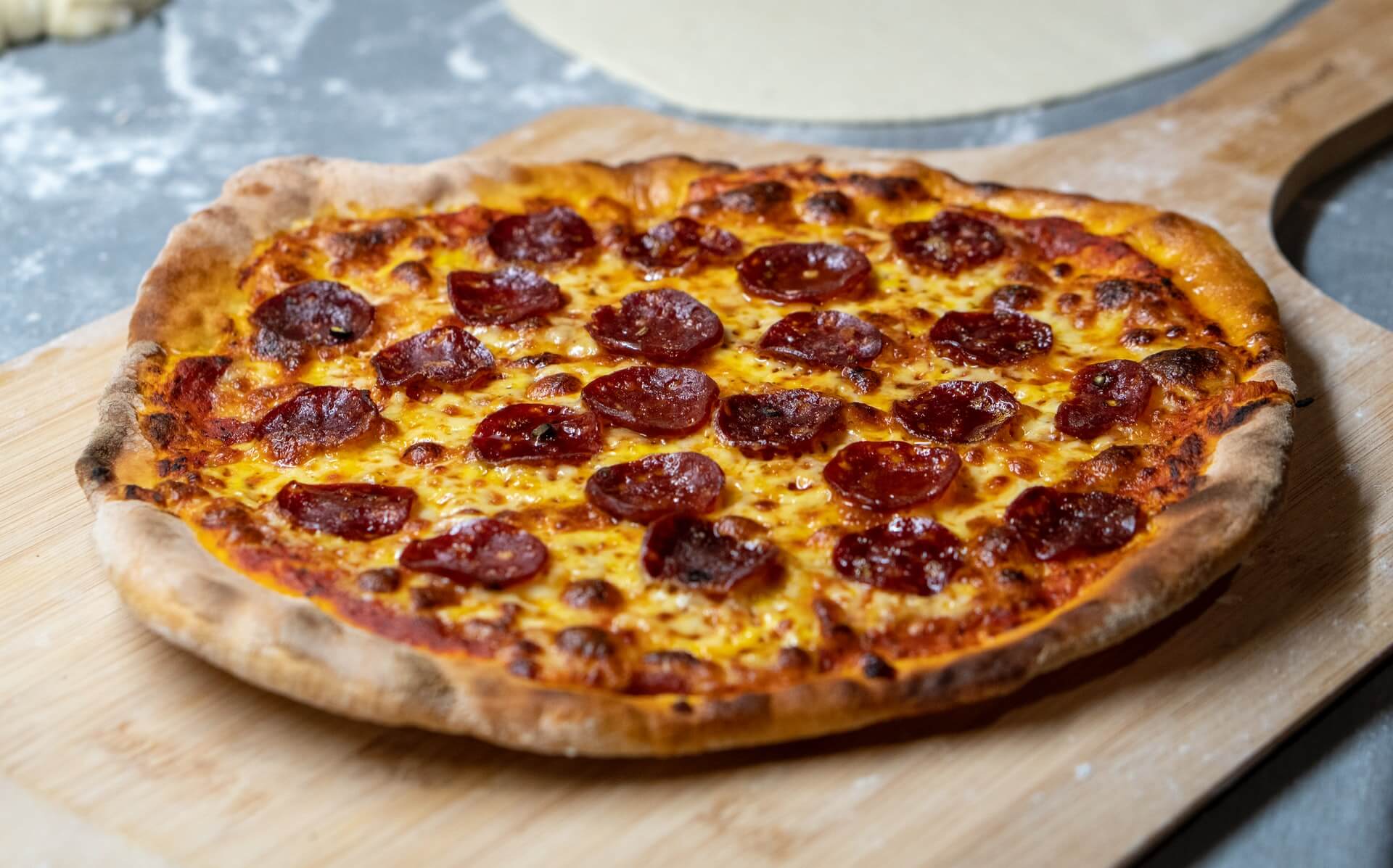
Freshly baked pepperoni pizza on board

We’re currently attending the International Pizza Expo in Las Vegas this week.

If you’d like to meet up, don’t hesitate to reach out to me via email or LinkedIn.

There are a lot of attendees to meet, education sessions to check out, and exhibitors to explore. However, we’ll be around so don’t be shy.

Where to Find Us

First, it’s awesome that trade shows and conferences are back in Las Vegas.

Linking online is convenient but nothing can really replace connecting in person.

That said, we’ll be at the International Pizza Expo all three days. Please, if you want to learn more about KRG Hospitality or the Bar Hacks podcast, feel free to connect.

Today, you’ll be able to find us at industry leader, pizza pro, restaurateur, and Bar Hacks guest Mike Bausch‘s “Community Marketing” seminar. Of course, we’ll also be attending his keynote on Wednesday.

But, back to today. You’ll certainly be able to find us at Scott Anthony’s “Old-school Marketing that Still Works,” and Nicole Russell and Anthony Falco’s “Today’s Top Pizza Trends” seminars.

If you’re looking for us on Tuesday, we know we’ll be attending Bausch’s “Menu Development Amidst COVID”; Nicole Bean’s “Logistics of Offering Multiple Pizza Styles”; and Sammy Mandell’s “Using Video to Grow” sessions.

Wednesday, the final day of this year’s International Pizza Expo, offers an array of can’t-miss education sessions.

We’re interested in the “Women in Pizza” panel featuring Nicole Bean, Rachel Cope, Denise Greer and Nicole Russell; Bausch’s “Third-party Delivery”; and the “Not Letting Covid Win” panel with Domenico Di Diana, Pasquale Di Diana, and Eric Rickman.

Of course, we’ll be walking the expo floor as well.

Las Vegas is Home

One of the major KRG Hospitality markets is Las Vegas. It’s where I’ve lived for nearly two decades.

So, if you want to grab a bite and a drink or even just want some tips for places to check out, reach out to me.

As home to one of Tony Gemignani’s Pizza Rock locations, it’s more than a little likely that you’ll spot us at this off-Strip pizza standout.

Image: amirali mirhashemian on Unsplash

by David Klemt David Klemt No Comments

How and Why to Edit Your Menu

How and Why to Edit Your Menu

by Nathen Dube

Restaurant tables with place settings and menus

When thinking about opening a restaurant an important question to answer is, “What am I going to serve?”

There is one answer that tempts too many restauranteurs: “I’ll offer something for everyone!” The thinking is that doing so translates into everyone coming to their restaurant or bar.

The truth is, everyone isn’t coming. Sadly, many of these places don’t survive long, and 60 percent of restaurants don’t make it past their first year. Having an overwhelming menu is one of the key contributors to that statistic.

Massive menus are stressful for guests, making it difficult for them to decide. At a certain point, too many items create what’s called the Paradox of Choice. Overwhelm guests with possibilities and they’ll just choose something simple and familiar rather than exploring the entire menu, impacting the guest experience negatively.

Too many options also lend to the perception of low-quality food. How can a kitchen staff possibly excel at so many dishes? How can the ingredients be fresh and not frozen? What is the quality of dishes if people only order them once or twice a week?

Those reasons and more are why it’s important to have a laser-focused menu from the onset.

Inventory Challenges

If a large portion of your menu isn’t moving out of the kitchen to hungry diners, guess where that food is going. A large menu creates tracking issues, a high percentage of ingredient spoilage, and opens the door to theft from staff. The best establishments do just a handful of things well, with a select few complementary items to round out the menu.

Having a kitchen full of product for dishes on the menu that might get ordered can quickly turn into dead stock. If there are boxes sitting in dry storage shelves collecting dust, it’s a good time to consider removing any dishes that require them from the menu.

Setting a scheduled review of inventory and menu sales breakdowns can be a great way to avoid dead stock eating into your food budget for any significant length of time. Not all dishes end up being winners—ignoring the losers will limit profitability significantly. A massive, unchecked menu just compounds the issue.

Another profit-eater is food waste. Ordering usually means receiving product in bulk and breaking it down. It’s near impossible, as an example, to order just two or four of something like cabbage for a dish that doesn’t move. The cabbage sits, and half a case gets thrown out for every dish sold. Having a focused menu will help quickly highlight items that need to be removed from a menu.

Tracking Issues

Then there’s the issue of theft. Unfortunately, theft happens. Having some deterrents in place can help mitigate opportunities for those who seek to steal in this industry.

If there aren’t robust tracking systems in place along with an honest team who uses them correctly, things can (and will) disappear. A much harder time will be had spotting losses and what’s causing them when it takes a long time to track inventory. Again, this leads to compounded profit losses on dead stock and product spoilage. We haven’t even begun to prepare any food yet and already our food cost is trending in a bad direction.

A restaurant budget needs to be established before opening and needs to be adhered to strictly. That can quickly go out the window when it comes to ordering food to stock your kitchen. A massive addition to your operating costs can set you back a few months, particularly when you’re not seeing a return on purchases for the reasons stated above.

With the current climate of the restaurant industry and a post-Covid dining scene, avoiding these pitfalls is crucial to success. Rising food and labour costs, recovering from months of closures, and a shortened patio season (if you’re lucky enough to have one), have made strict cost controls more important than ever going forward.

Keep in mind, if your seating capacity matches or is less than the amount of menu items you’re serving, that equates to minimal product turnover, which translates to minimal profits. That number is multiplied by product loss of any kind.

Training & Retention

When an owner can’t match their concept to food and drink offerings, it leads to poorly trained staff and frustration during service. There will be plenty of room for error (more loss!) and, unsurprisingly, low staff retention. That all keeps this never-ending cycle in motion.

If you can’t clarify your vision, how can you expect staff to showcase it to guests with any confidence?

At every “big menu” restaurant I’ve worked in, the owners were always in the building or kitchen. This wasn’t because they were driven to be hands on. It was because they couldn’t train staff properly to run the whole menu reliably, things would go “missing,” or staff simply couldn’t accomplish daily tasks consistently.

Interestingly, the opposite was true at establishments with small, focused menus. Staff were confident and knowledgeable, problems with food and service didn’t spiral out of control, and food moved out the door to some degree of consistency. The owners were freed up to run their business rather than micromanage everyone.

With all the issues currently hampering the food industry, the last thing you want right now is another level of frustration among your staff. Retention rates are at an all-time low. The struggle to fill job openings industry-wide are at all-time high, as are reported cases of staff walking out mid-service. A properly structured menu can keep your business on track and make the lives of your employees much more simplified.

Editing Your Menu

Focusing on cohesion between menu and concept doesn’t require offering all the dishes under the sun. Avoiding the “something for everyone” approach leads to improved guest experiences and employee confidence. Streamlining your menu simplifies inventory and sales tracking; differentiates high-profitability items from the rest; and makes identifying items that don’t sell easier.

Paring down your menu into a tight, focused version allows you to quickly retool it every few months. Just try tracking and editing a large four-page menu as frequently. It’s costly to reprint and you have better things to do with your time.

Keeping things tight also creates space to take advantage of seasonal offerings, local specialties, or customer favorites. You can also offer specials throughout the week that can drive traffic and give your talented cooks a chance to show off!

I would suggest looking over your sales data to identify your highest-selling dishes and the slow movers every one to two months. If you have a seasonal menu, this can be done at the midpoint of a seasonal change.

Think about what items are being purchased and only used in one dish. They can start to pile up in your stockroom and lead to dead stock. Consider the versatility of ingredients when planning a menu change—cross-utilize everything you can.

Fluctuating Costs

Another important point that can get forgotten is that the prices of food items fluctuate constantly. Maintaining a large menu, therefore, can become a nightmare cost scenario quickly. Limes, beef, avocados—even celery—are experiencing tremendous jumps in price. A small menu allows for damage control when prices jump, giving your room to make quick, lower-cost moves.

Of course, the alternative is to have your staff rattle off everything the kitchen is out of to your guests. Not cool.

The underlying theme here is to avoid tying up your finances in product that is sitting, turning to waste instead of profit, or not moving at all. Your mission is to have product moving out of the kitchen constantly and consistently.

It might seem like a wise decision to offer a large menu that’s all over the place. Maybe you’re making that choice for fear of alienating guests or reducing your traffic. However, the points made in this article should illustrate why a cohesive link between concept and menu is crucial, and how a smaller, more focused menu can deliver more for you than a large, out-of-touch menu.

Image: Karolina Grabowska from Pixabay

by David Klemt David Klemt No Comments

New York City Mandates Escalate

New York City Mandates Escalate

by David Klemt

Times Square empty in New York City during Covid-19 pandemic

Mandates requiring people to wear masks and maintain social distance indoors aren’t new.

However, a mandate requiring proof of vaccination status to dine and drink inside a restaurant or bar is a new development.

This week, Mayor Bill de Blasio is escalating Covid-19 mandates in New York City.

Restaurants and Gyms

To date, New York City is nearing a 70-percent full vaccination rate.

The latest pandemic mandate is likely intended to boost the city’s vaccination rate. Per reporting, the Delta variant of Covid-19 accounts for more than 70 percent of new cases in New York City.

Interestingly, the new mandate requires workers, not just customers, to prove their vaccination status. It also makes New York the first major city to implement such a requirement.

So far, the requirement pertains to indoor restaurants, bars, nightclubs, performances, and gyms.

Per Mayor de Blasio’s announcement, the vaccine mandate, referred to as “the Key to NYC Pass,” will begin with a transition period that starts August 16. Beginning September 13, full enforcement of the mandate via New York State’s Excelsior Pass app; the NYC COVID SAFE app; or paper vaccination card is expected.

Union Square

Predictably, the response to this mandate comes in three flavors: supportive, hostility, and apathetic.

So, those who support the requirement are applauding it, saying they’ll feel safer when dining out. Conversely, those who oppose the new mandate believe this is glaring government overreach and an infringement on their freedoms.

In a way, however, this mandate isn’t completely new. Some operators throughout the United States already require proof of vaccination to enter their venues.

Currently, several media outlets are focusing on Danny Meyer and his Union Square Hospitality Group.

Several days before Mayor de Blasio’s announcement, Meyer said guests who want to dine and drink in his NYC restaurants will need to prove vaccination status starting September 7.

Additionally, Meyer announced current and new employees would have to prove they’ve been vaccinated.

At the moment, it doesn’t appear Shake Shack, of which Meyer is founder and chairman, will follow suit.

Not the First

However, Meyer is not the first operator to implement and enforce strict Covid-19 protocols to protect their teams, guests and communities.

Perhaps some of the focus on Meyer is intended to draw eyes and ears, and ultimately encourage more people to get vaccinated fully. After all, celebrity chefs and operators have nationwide and global influence.

Cynically, however, it’s to not dismiss the focus on Meyer as a ploy for ratings, clicks, and engagement.

At any rate, many operators across the country require proof of vaccination to work and dine at their restaurants, bars, nightclubs, and hotels. And many were doing so before Meyer made his announcement.

One such chef-operator is Eric Rivera, who operates ADDO in Seattle. He has required proof of vaccination for employees and guests since May of this year.

In fact, Chef Rivera has been strict in his handling of Covid-19 health and safety measures since last year.

A visit to Chef Rivera’s website finds the following disclaimer, attributed to him:

“All of our experiences are for vaccinated guests only. That will remain permanent. If that’s a problem for you then there are plenty of restaurants that will reward you for doing nothing, this isn’t one of them.”

During an NPR interview, Chef Rivera explained his stance succinctly: “I don’t want to be somebody’s last meal. Whatever I’m doing food-wise and restaurant-wise isn’t worth that.”

He’s active on Twitter, where he makes his position and policies clear.

Takeaway

If you think I’m going to point out that New York City’s new mandate increases the likelihood of hostile confrontations with guests, you’re correct. I’ve said it before and I’ll say it again.

Also, if you’re guessing that I’m going to point out that guest-facing team members must receive support from leadership when policing guest behavior, you’re two for two.

However, policies like those put in place by Chef Rivera and others throughout the industry highlight something else: They’re showing the fallacy of the maxim “the customer is always right.”

Why should operators tolerate aggression toward their employees from disrespectful, angry customers—for any reason—if the employee is remaining professional and respectful?

It certainly seems that a growing number of operators are tired of capitulating to everyone who walks through their doors. The days of bowing to customers and failing to support and defend employees look to be ending.

Personally, I’m in favor of putting that outdated adage to rest. Continuing to reward guest behaviors we find objectionable—which has been the industry’s stance for decades—ultimately motivates good employees to quit. Again, this isn’t a pandemic-driven phenomenon—it has been going on for generations.

Of course, each operator must do what they think is best for their business. Just about every decision made in this industry is risky, but risk is something all operators understand inherently. Watching dollars walk out the doors never to return can be a frightening proposition. So is the prospect of losing good workers and incurring the associated costs.

The need to balance the comfort and safety of their team members and guests is paramount—an absence of either will shut a business down. Today, however, choosing guest dollars over employee dignity, safety and mental health is inexcusable and evidence of a problematic company culture.

If we’re truly in the midst of a Great Resignation, I can’t fault operators for deciding to keep their employees safe. Even if we weren’t facing a labor shortage, I’d support operators who support their workers.

Image: Paulo Silva on Unsplash

by David Klemt David Klemt No Comments

How SevenRooms Improves Operations

How SevenRooms Improves Operations

by David Klemt

Reviewing and analyzing customer data on a laptop computer

It’s true that SevenRooms is a reservation management platform. However, it’s so much more powerful than that.

Simply put, if the platform wasn’t simple to use and integrate with other systems, they wouldn’t be celebrating their tenth year.

A recent interview via Clubhouse highlights why now, more than ever, operators need to seriously consider SevenRooms.

Background

Guy Clarke, founder of Sizzle Dining, spoke with two key SevenRooms team members in a casual but informative Clubhouse chat.

Allison Page, SevenRooms co-founder and Chief Product Officer, and Marybeth Sheppard, senior vice president of marketing, fielded Clarke’s questions.

Interestingly, Page admits SevenRooms took five to seven years to really fine-tune operations. In fact, she says that the team didn’t quite know exactly what they were offering for the first year or two.

Now, the “reservation” platform has truly hit their stride. The company doesn’t just manage reservations, it provides powerful solutions: a full suite of operational tools; table management; and guest experience and retention capabilities.

Of course, many tech platforms claim to help operators. However, SevenRooms is now enjoying a decade in business.

Their longevity is, in part, due to their approach to hospitality. As Page tells it, the founders didn’t just enter the industry believing they could “fix it” with tech.

Plenty of tech folks have identified problems in hospitality, boasted about their “common sense” solution, and exited after finding out how challenging the business is.

Instead, the SevenRooms team spent time in the trenches. According to Page, they took reservations, checked coats, and more. They spent time with hospitality workers after hours and got to know them.

What’s with that Name?

I’ve written several articles about SevenRooms. However, I’ve never addressed why the founders chose that name.

When asked by Clarke during the Clubhouse chat, Page provided the answer.

Turns out, the name is a loose nod to Graydon Carter’s “Seven Rooms Theory.” The theory speaks to navigating social status in New York City. In short, it posits that the NYC social scene consists of seven consecutive “rooms,” each with a secret door. Find the secret door, move to the next room.

Of course, SevenRooms isn’t about exclusivity. Instead, SevenRooms is helping operators reach the seventh “room,” which is a lasting relationship with a guest. The six previous rooms are a journey toward understanding that guest and making them loyal by delivering incredible guest experiences.

Why SevenRooms Works

If this seems like a shameless plug for SevenRooms, well, it sort of is. They didn’t pay me, Doug or KRG Hospitality to promote the platform; we just like what SevenRooms can do for operators.

In an industry that has until recently been slow to innovate when it comes to tech, the platform has been improving restaurant and hotel operations for years.

According to Page, SevenRooms has a simple operating philosophy that drives the company: “Make small big, make big small.” SevenRooms is driven to help small, independent operations punch well above their weight class. The platform gives independent operators the same capabilities as their large chain counterparts.

Conversely, SevenRooms gives enterprise operators an effective way to deliver the engaging experiences that independents offer their guests.

However, there are other reasons SevenRooms is so worthy of consideration: simplicity.

SevenRooms is all about collecting data. Of course, data does no good if an operator doesn’t know what to do with it. If they had to analyze and leverage it on their own, they’d need to employ data scientists and an entire marketing team.

Well, SevenRooms employs those people instead so operators don’t need to. An operator doesn’t need to be a data scientist to use the information they collect through the platform. Marketing campaigns are automated and engaging, and require little effort from the end user.

Reduce Costs, Increase Revenue

As Sheppard explains, SevenRooms manages and, more importantly, helps maximize a restaurant’s floor.

Looking to increase turns? Done. Want every seat to generate revenue? Smart seating makes that possible. According to Sheppard, SevenRooms’ auto-assign seating functionality is worthy of operators’ trust. Additionally, the platform’s CRM, table management and marketing tools help staff upsell guests.

Speaking of automated functions, Sheppard provides insight into SevenRooms auto-tagging. The platform assigns automated tags that make it simple for staff to understand the guests they’re serving. Some examples are:

  • Burger lover
  • Red wine lover
  • Big tipper
  • Loves expensive wine
  • No-showed twice

Just those five examples show how SevenRooms helps operators and their teams maximize the guest experience to generate revenue. So, how does the platform reduce costs?

First, investing in SevenRooms reduces an operator’s overall tech stack investment. It integrates with around 50 POS systems and offers several tools (modules), meaning an operator doesn’t need to purchase several platforms that may not integrate with one another.

Second, the reservation and table management tools streamline an operator’s business. When team members are focusing on revenue-generating tasks, the floor is being sat more efficiently, and guests are being wowed, costs are driven down and revenue is driven up.

Then, there’s the “hidden” benefit. As Sheppard says, hospitality is a passion-driven industry. Unfortunately, there are many “non-passion” tasks that must be accomplished for operators to make money and keep their doors open.

Those tasks can take a toll, leading to an operator to fall out of love with the industry and their own concept. Well, SevenRooms takes several of those tasks (sifting through data, creating marketing campaigns, figuring out how to maximize the floor, etc.) and automates them.

Therefore, operators have more time to program menus, mentor team members, forge relationships with guests by touching tables, and more.

To request a SevenRooms demo, click here.

Image: John Schnobrich on Unsplash

by David Klemt David Klemt No Comments

4 Tips for Recruiting and Retention

4 Tips for Recruiting and Retention

by David Klemt

Server walking through restaurant carrying tray

Operators seeking to survive and thrive despite the Great Resignation can give themselves an edge with these four concepts.

Attract New Talent

KRG Hospitality president Doug Radkey doesn’t find the struggle to fill restaurant, bar and hotel positions all that shocking.

Why? Because too many operators post generic, cookie-cutter job listings. Doing what everyone else is doing has never been advisable for those looking to stand out.

Instead, Doug suggests a more unique approach to job ads, an approach that helps operators stand above the competition.

Step one is avoiding banal listing language:

  • “Are you friendly, energetic, and highly motivated?”
  • “Are you an experienced and enthusiastic [insert position]?”
  • “The ideal candidate must work well in a fast-paced environment and be a team player.”
  • List of basic job tasks.

Instead, Doug suggests the following:

  • Hire for values rather than experience. Training addresses systems and standards, not personality and drive.
  • Operators should be transparent about their core values, company culture, and potential for growth.
  • Showcase the approach to inclusivity, diversity, acceptance, and flexibility. That is, if that’s authentic. If not, that’s a flashing, neon red flag that requires addressing.
  • Offer a living wage, benefits, potential for personal growth, and education.
  • Produce a video of team members sharing why they work at the company. This must be genuine and honest.

Demand creates competition. Innovation beats the competition.

Actually Onboard New Hires

So, an operator adjusts their approach to filling open positions. They recruit and hire promising employees.

Sadly, it’s common for new hires in hospitality and foodservice to leave in just a few months. Rather than accept this as the norm, operators have a tool at their disposal for improving employee retention: Onboarding.

Too many operators think the next step after hiring someone is providing a start date, showing them the front- and back-of-house, and hoping things will work out.

Well, hope isn’t a strategy.

The next step after hiring someone is onboarding and should include the following:

  • Complete all pertinent paperwork and setting up access to systems. If applicable, set up direct deposit.
  • Provide new hire with detailed employee handbook. If there isn’t one yet, that must be addressed.
  • Share the story of the business (history, area, etc.) and workplace culture.
  • Outline expectations: Policies, rules and responsibilities.
  • Explain benefits, such as health insurance and mentorship opportunities.
  • Provide training and assign shadowing.
  • Deliver feedback on trained tasks.

The above list obviously has room for more onboarding tasks. Operators should create a physical onboarding checklist. Also, they should require the person or people tasked with onboarding to complete and sign off the checklist (even if that person is the operator).

Nail recruiting, hiring and onboarding and word will get out. The result? Hiring gets easier and turnover decreases.

Focus on Workplace Culture

Doug addressed workplace culture and the labor shortage on Bar Hacks bonus episode number 16.

Simply put, operators need to take an honest look at their culture.

Is it inclusive and accepting? Transparent and nurturing? Do employees feel comfortable bringing up workplace issues? (More on that last one below.)

Hospitality is fast-paced and demanding—owners and managers shouldn’t add to the stress.

Why would anyone want to work in for someone who isn’t going to treat them and their coworkers with respect, mentor them and nurture their career, and value their input?

It’s every operator’s responsibility to be good stewards of hospitality professionals’ passion for this industry. We do them a disservice when we turn a blind eye to an unhealthy workplace culture that has taken hold, crushing their love of his business and driving them away.

Value Employee Feedback

Yes, guest feedback is valuable. However, so is feedback from employees.

It’s important for operators to remember not to focus solely on guests.

True, a business isn’t a business without customers. Equally true: It’s not a business without employees.

So, operators should foster a work environment in which employees feel comfortable sharing honest feedback. This is, of course, where culture comes into play.

If employees don’t feel safe sharing their opinions and suggestions, operators won’t truly know what it’s like to work for them. Without that feedback, employee turnover will skyrocket, recruiting and hiring will be an endless struggle, and the guest experience will suffer.

We all know what happens if guests pick up on an uncomfortable restaurant, bar or hotel environment: They don’t return.

Operators can’t expect their businesses to thrive (or just survive) if they focus solely on guests.

Putting these concepts to work can help operators succeed despite the Great Resignation of 2021.

Image: Shangyou Shi on Unsplash

by David Klemt David Klemt No Comments

Canada to Reopen Border

Canada to Reopen Border

by David Klemt

Canadian airplane with maple leaf on tail

In a move months in the making, Canadian Prime Minister Justin Trudeau is opening the border to Americans.

Remarkably, this loosening of Canada-America border restrictions doesn’t pertain solely to essential travel.

Rather, the border will open on August 9 for non-essential travel to American travelers (and permanent residents) who can prove their vaccine status.

Great News

Obviously, this is fantastic news for Canadian hospitality operators (and other business owners, of course).

Really, it’s great news for all Canadians and Americans: people can finally visit family and friends, and the economy should see a boost.

This news comes on the heels of other positive developments for Canada, such as the country’s vaccination rate now surpassing that of America’s. There’s also the province of Ontario bringing back indoor dining.

According to media reports, Canadian officials are in communication with American President Joe Biden’s administration about opening the border the other way.

However, there is no information yet about when that will happen. When asked about Canada’s announcement regarding the border, White House press secretary Jen Paski said the following:

“Any decisions about reopening travel will be guided by our public health and medical experts. We take this incredibly seriously. We look and are guided by our own medical experts. I wouldn’t look at it through a reciprocal intention.”

Should all to plan, Canada will open the border to travelers from other countries on September 7.

The Details

Of course, Americans can’t just flash their passport and cross the border. People eager to enter to Canada need to plan ahead a few days.

This is due to the requirement that Americans—with few exceptions—need to submit travel information 72 hours before arriving at the border. For example, if an American would like to cross the border the day it reopens to them, August 9, they’ll need to begin the process no later than August 6.

So, those travelers will need to use the ArriveCAN website, iOS app, or Android app.

ArriveCAN users using the website will show Canadian border agents a printout. App users will show them their screen.

Also, travelers will need to complete a Covid-19 test within the same 72 hours and be asymptomatic upon arriving at the border.

To review eligibility requirements—including lists of eligible and ineligible vaccines—click here. Full details are here.

The Opportunity

Clearly, the plan to open the border to American travelers and Canadians who found themselves stuck in America due to the pandemic presents a terrific opportunity for business owners.

In particular, in terms of our industry, bar, restaurant and hotel operators must see this development as excellent news.

Family members and friends will be eager for long-overdue reunions. That means hotel stays and restaurant and bar visits. There are also opportunities that relate to weddings, such as rehearsal dinners.

Obviously, operators must prepare for an influx of guests. So, they need to schedule accordingly, prepare staff for possibly overwhelming amounts of traffic, and ensure precautions are in place that reassure team members their health and safety are being considered.

In terms of those who waiting for the “right time” to open their restaurant or bar, this news could be a signal that the hospitality industry is on its way toward recovery in Canada.

It’s crucial that operators and management balance guest and employee comfort levels. Doing so will aid in boosting traffic, increasing revenue, and recruiting, hiring, and employee retention efforts.

Image: John McArthur on Unsplash

by David Klemt David Klemt No Comments

People are Returning to Cities

People are Returning to Cities

by David Klemt


Aston Martin DB5 on freeway in Phoenix, Arizona

It seems the people fleeing big cities in a “mass exodus” are throwing their moving trucks and vans into reverse.

Millennials and Gen Z are apparently leaving the suburbs and rural areas.

Analysts are looking at significant increases in rent as proof of the shift.

Climbing Rent

Anyone following along with real estate is aware that the housing market is off-the-charts hot right now.

Bidding wars for houses and condos are driving prices up by tens of thousands of dollars in many cases.

Well, those bidding wars aren’t only affecting housing sales.

In some markets, rates for rental properties are climbing by more than 40 percent. Per reports, rent is up 7.5 percent across the nation.

Now, bidding wars are taking place for rental properties. As is the case with homes and condos, there’s less inventory than demand.

Obviously, that drives up prices.

Who and Where?

Millennials and Gen Z are driving the journey back to the cities.

Many in those generations moved out of cities to live with friends or family. During the pandemic, doing so was a sound in terms of physical, mental, and financial health.

According to data from ApartmentGuide.com, the following markets are seeing year-over-year increases in one- and two-bedroom apartment rent:

  • Tucson, AZ
  • Santa Ana, CA
  • Henderson, NV
  • Las Vegas, NV

For the full report, click here.

Another market is, per several outlets, seeing an influx in younger, wealthy renters and buyers: Phoenix, AZ.

In fact, the wealthy have been investing in property throughout Phoenix, Las Vegas, Denver and Dallas.

Of course, the nation’s biggest cities are also drawing more people. For example, New York City is experiencing an influx of residents.

This is largely due to the relaxing of Covid-19 restrictions and an increase—in some cities and states—in vaccination rates.

It’s important to meet guests where they are. Those looking to expand or open new venues should give serious consideration to booming secondary markets.

Image: iStrfry , Marcus on Unsplash

by David Klemt David Klemt No Comments

Hospitality Labor Shortage not Improving

Hospitality Labor Shortage not Improving

by David Klemt

Wait station to side of busy bar

Surveys and data focusing on the restaurant and hotel employment situation paint a stark picture.

The sobering reality is that operators can’t simply point to the pandemic as the reason they’re failing to fill available positions.

Instead, we need to focus on the problems hospitality workers continue to face.

It’s not going to be easy. However, it can lead to positive change. That change can help the hospitality industry recover and thrive long into the future.

Culture is Crucial

Per several sources, millions of hospitality professionals are washing their hands of the industry.

Unfortunately, foodservice and lodging workers are citing several reasons for the exodus:

  • Lack of livable wages.
  • Inconsistent wages.
  • Stress levels not worth level of monetary compensation.
  • Lack of benefits.
  • Lack of mentoring and/or career progress.
  • Industry volatility, particularly devastating as a result of the pandemic.
  • Unhealthy lifestyle: Long shifts, late nights, and alcohol and drug abuse.
  • Cultures of harassment and discrimination.

Obviously, it’s easier to blame labor shortages on the workers. Well, being easier doesn’t make it true.

Industry and workplace culture matters. Employee turnover rates were high long before the pandemic ravaged the planet.

Rather than make excuses, operators need to look at their restaurant, bar or hotel’s culture.

Barking orders and feeling infallible isn’t leadership. Admitting failures and shortcomings—and learning from them and implementing positive changes—is how successful operators lead.

Generic Job Listings

Last week, KRG Hospitality president Doug Radkey asked a simple but poignant question on LinkedIn: Are your job listings just like everybody else’s?

He suggests knocking it off with the old standards:

  • “Are you friendly, energetic, and highly motivated?”
  • “Are you an experienced and enthusiastic [insert position]?”
  • “The ideal candidate must work well in a fast-paced environment and be a team player.”
  • List of basic job tasks.

What’s appealing about such basic, generic ads? Why would rock star talent be moved to work for operators who post these types of ads?

Instead, Doug suggests the following:

  • Hire for values, not experience. Training can address systems and standards, not personality and drive.
  • Operators should be transparent about their core values, company culture, and potential for growth.
  • Showcase the approach to inclusivity, diversity, acceptance, and flexibility. That is, if that’s authentic. If not, that’s a flashing, neon red flag that requires addressing.
  • Offer a living wage, benefits, potential for personal growth, and education.
  • Produce a video of team members sharing why they work at the company. This must be genuine and honest.

A unique approach to ads, hiring and onboarding can lead to an increase in employee retention.

Yes, it’s more comfortable to avoid looking internally for the roots of problems. It’s more comfortable to avoid blame. And it’s more comfortable to point fingers anywhere but at ourselves.

That’s not leadership. And it certainly won’t improve any operator’s situation, nor will it improve the hospitality industry and its opportunity to thrive.

Image: One Shot from Pexels

by David Klemt David Klemt No Comments

Indoor Dining Returning to Ontario

Indoor Dining Returning to Ontario

by David Klemt

3D Toronto Sign at night

Operators and their employees and guests in Ontario, Canada, have a real reason to celebrate this week.

On Friday, July 16, at 12:01 AM, the province will launch into Step 3 of the Reopening Ontario plan.

Why is this fantastic news for Ontario operators? Stage 3 includes the return of indoor dining.

Ahead of Schedule, Again

As with Step 1 and Step 2, the province is entering Step 3 of the Reopening Ontario plan earlier than expected.

Ontario launched Step 1 three days ahead of schedule. Step 2 also came a few days early.

The province is entering Step 3 a whole five days early. These early launches are a testament to Ontario’s vaccination efforts.

Premier Doug Ford said during a press release that the targets triggering Step 3 were not just met but surpassed.

However, he did mention that the campaign to vaccinate Ontarians was in no way complete.

“While this is welcome news for everyone who wants a return to normal, we will not slow down our efforts to fully vaccinate everyone who wants to be and put this pandemic behind us once and for all,” Premier Ford said.

Step 3 Details

This phase of the plan is the least-restrictive of Reopening Ontario.

In Step 3, restaurants and bars can welcome indoor guests. The only capacity restriction is that people must be able to maintain distance of two metres between one another.

Restaurants and bars with dance floors are restricted to 25-percent capacity and a maximum occupancy of 250.

Outdoor dining capacity will focus on social distancing: there must be two metres between tables.

Face masks are a requirement for indoor gatherings and in situations where it’s not possible to socially distance properly.

Should the vaccine rate and other indicators continue to improve, it’s possible that Ontario will reopen fully as soon as 21 days after Step 3 begins. So far, Reopening Ontario steps have launched ahead of schedule, a great sign for reopening fully.

However, operators must take care to remain in compliance with federal, provincial and local regulations. Click here to review the Reopening Ontario details.

Of course, we’ll monitor the situation and see what Ontario officials say next.

Image: Maarten van den Heuvel on Unsplash

by David Klemt David Klemt No Comments

First-ever Carbon-neutral Distilled Spirit

Novo Fogo Releases First-ever Carbon-neutral Distilled Spirit

by David Klemt

Novo Fogo Bar Strength Silver Cachaça bottle

Novo Fogo is releasing their Silver Cachaça in a one-liter bottle with a fresh new design, strength and trade industry focus.

Clearly, the Brazilian distiller is concentrating on bar owners and bartenders for 2021.

Of course, Novo Fogo is also focusing on their relationship with the planet.

Reducing Environmental Impact

The Novo Fogo distillery calls the Floresta Atlântica home. And the brand is fiercely protective of this location.

Also known as the Atlantic Rainforest, the distillery operates within the second-largest UNESCO Biosphere Reserve.

Novo Fogo’s home is pristine, surrounded by untouched nature—there’s no pollution. Operating in harmony, Novo Fogo goes to great lengths to impact their surroundings—and the planet—as little as possible.

Fans of the distillery’s handcrafted, small-batch cachaça will attest to the liquid’s terroir. Tasting Novo Fogo is like standing in Floresta Atlântica and breathing in its pristine nature.

The company is carbon negative (absorb more carbon dioxide than they emit); uses minimal water; utilizes organic production methods; and manages reforestation efforts.

World First Spirit

Novo Fogo’s mission includes a relentless, meticulous approach to saving the Amazon rainforest. The reasoning is obvious—sixty percent of Brazil is rainforest.

Also, rainforests absorb carbon dioxide; release oxygen and water into the atmosphere; are home to indigenous people; and are habitats full of animal and plant life.

So, it’s with great pride that Novo Fogo Bar Strength Silver Cachaça is the world’s first carbon-neutral distilled spirit.

This accomplishment is no small feat. To achieve this goal, Novo Fogo had to take into account the impact of their partners.

That means the brand calculated:

  • production of their glass bottles (recycled glass, neck wraps made from plastics found on the streets of São Paulo), corks, labels, and cases;
  • utilities and fuel used by their distributor’s warehouses;
  • the resources used by land and sea freight partners; and
  • the impact of sales and delivery efforts.

After calculating the entirety of Bar Strength Silver Cachaça’s impact on the Earth, Novo Fogo purchased carbon offsets through Native. The offsets will save trees by providing 2,000 families in Honduras that produce coffee with water filters. Ultimately, this will save trees as the families won’t need to cut any down to boil water.

Bar Owner and Bartender Friendly

While things are improving, it can still be cost-prohibitive for people to choose products that are good for our planet.

To that end, Novo Fogo also aims to reduce the financial impact for bar owners who purchase Bar Strength Silver Cachaça.

Per the brand, the average wholesale cost of the new one-liter expression is $24. That translates to 22 1.5-ounce pours, a cost per ounce of $0.71, and a cost per cocktail of $1.06.

However, this new expression also takes the practical into mind.

Bartenders will appreciate Novo Fogo’s new bottle design:

  • The neck is taller while the midsection is has been slimmed down.
  • Regarding the footprint, the bottom of the bottle is now circular.
  • Novo Fogo shrunk the bottle’s footprint.

Ultimately, the redesign results in a one-liter bottle that’s easier to handle and fits better in a well.

Of course, boosting the ABV from 40 percent to 43 percent means this cachaça’s flavors are more intense. Obviously, that makes for a bolder drinking and guest experience.

Consumers are growing increasingly concerned about the health of our planet. Many seek out brewers, vintners and distillers who operate responsibly. The same goes for the restaurants, bars and hotels they’ll support.

Novo Fogo just made it that much easier to make cocktails that are better for the planet.

Image: Novo Fogo

Top