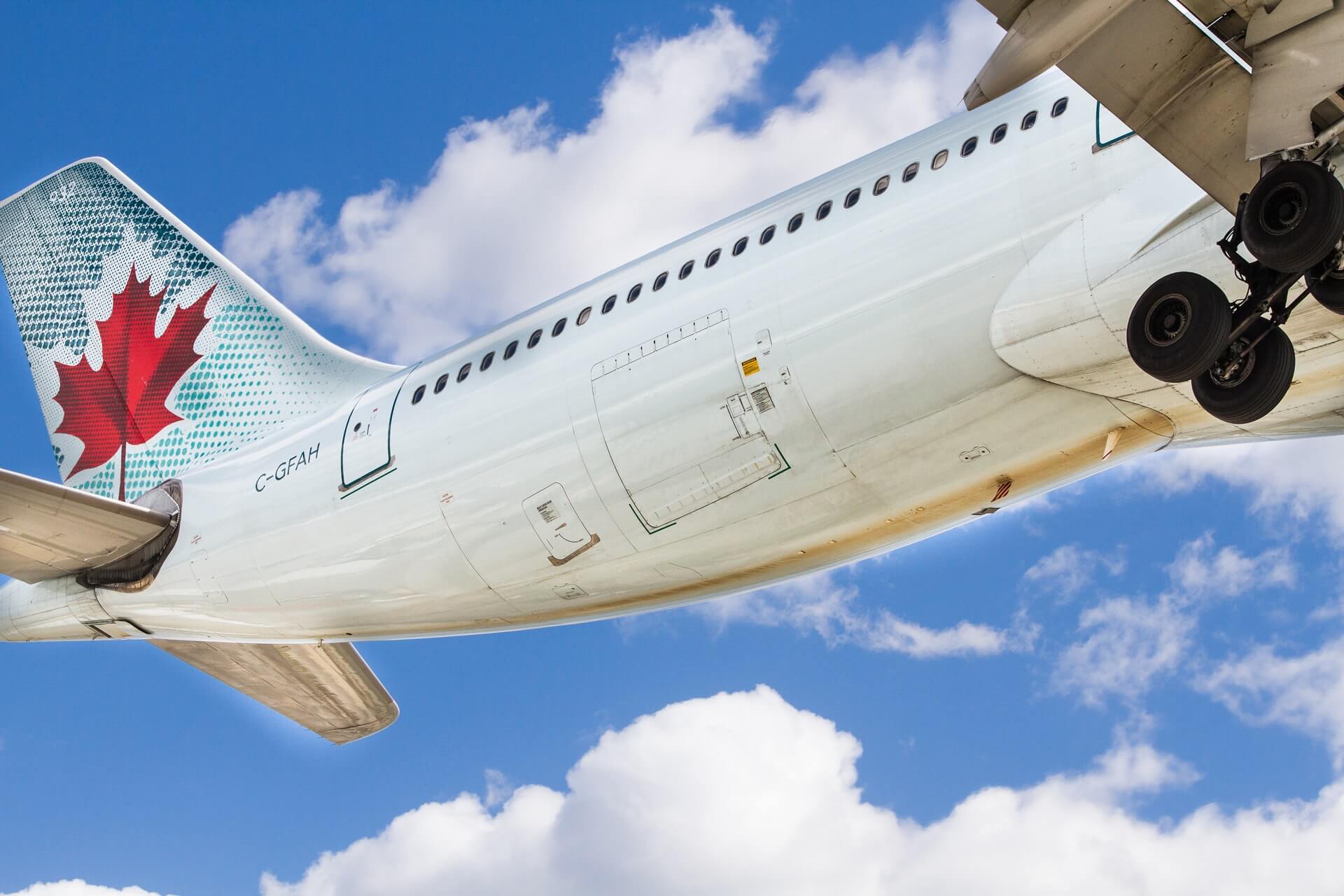
In a move months in the making, Canadian Prime Minister Justin Trudeau is opening the border to Americans.
Remarkably, this loosening of Canada-America border restrictions doesn’t pertain solely to essential travel.
Rather, the border will open on August 9 for non-essential travel to American travelers (and permanent residents) who can prove their vaccine status.
Great News
Obviously, this is fantastic news for Canadian hospitality operators (and other business owners, of course).
Really, it’s great news for all Canadians and Americans: people can finally visit family and friends, and the economy should see a boost.
This news comes on the heels of other positive developments for Canada, such as the country’s vaccination rate now surpassing that of America’s. There’s also the province of Ontario bringing back indoor dining.
According to media reports, Canadian officials are in communication with American President Joe Biden’s administration about opening the border the other way.
However, there is no information yet about when that will happen. When asked about Canada’s announcement regarding the border, White House press secretary Jen Paski said the following:
“Any decisions about reopening travel will be guided by our public health and medical experts. We take this incredibly seriously. We look and are guided by our own medical experts. I wouldn’t look at it through a reciprocal intention.”
Should all to plan, Canada will open the border to travelers from other countries on September 7.
The Details
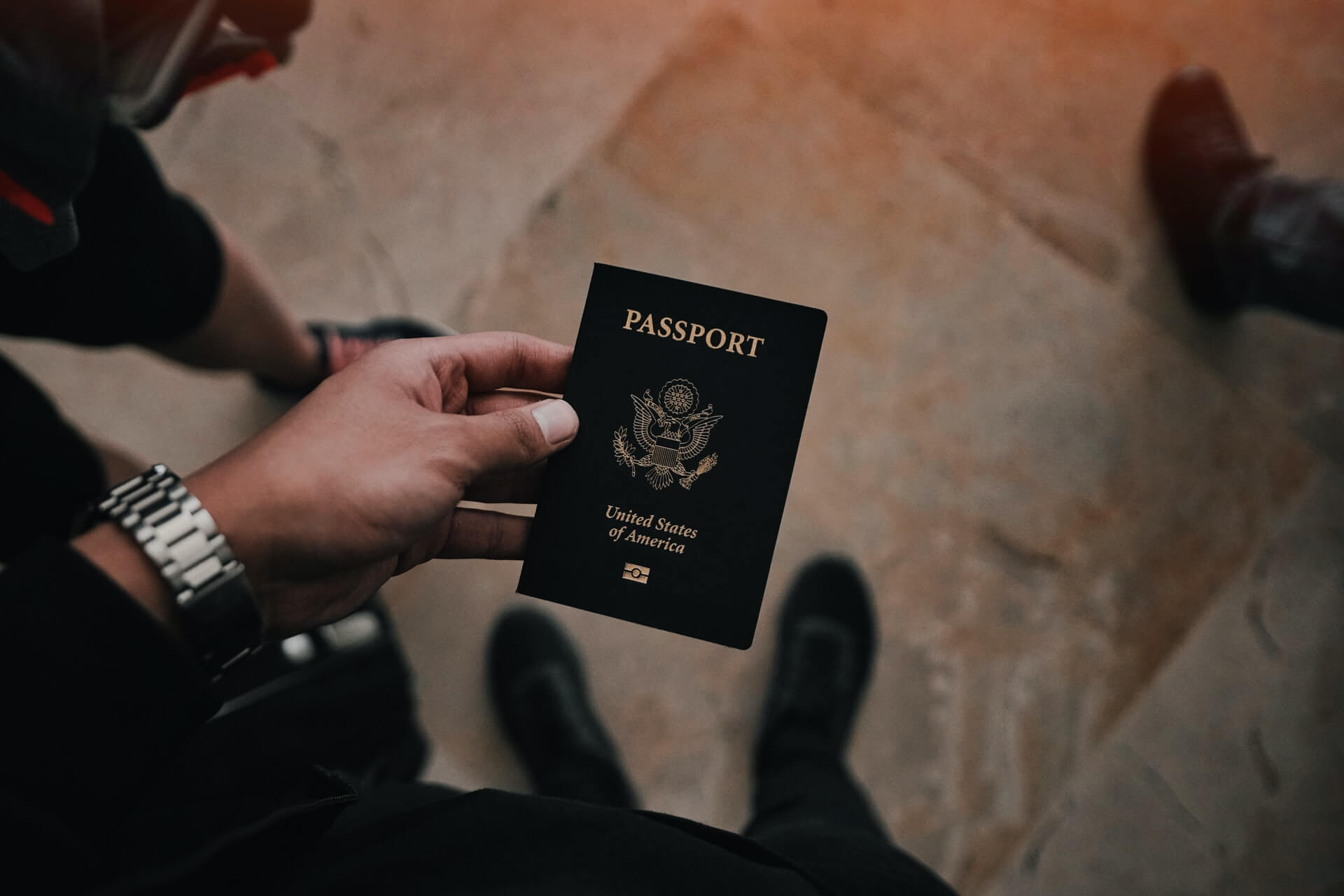
Of course, Americans can’t just flash their passport and cross the border. People eager to enter to Canada need to plan ahead a few days.
This is due to the requirement that Americans—with few exceptions—need to submit travel information 72 hours before arriving at the border. For example, if an American would like to cross the border the day it reopens to them, August 9, they’ll need to begin the process no later than August 6.
ArriveCAN users using the website will show Canadian border agents a printout. App users will show them their screen.
Also, travelers will need to complete a Covid-19 test within the same 72 hours and be asymptomatic upon arriving at the border.
To review eligibility requirements—including lists of eligible and ineligible vaccines—click here. Full details are here.
The Opportunity
Clearly, the plan to open the border to American travelers and Canadians who found themselves stuck in America due to the pandemic presents a terrific opportunity for business owners.
In particular, in terms of our industry, bar, restaurant and hotel operators must see this development as excellent news.
Family members and friends will be eager for long-overdue reunions. That means hotel stays and restaurant and bar visits. There are also opportunities that relate to weddings, such as rehearsal dinners.
Obviously, operators must prepare for an influx of guests. So, they need to schedule accordingly, prepare staff for possibly overwhelming amounts of traffic, and ensure precautions are in place that reassure team members their health and safety are being considered.
It’s crucial that operators and management balance guest and employee comfort levels. Doing so will aid in boosting traffic, increasing revenue, and recruiting, hiring, and employee retention efforts.
It seems the people fleeing big cities in a “mass exodus” are throwing their moving trucks and vans into reverse.
Millennials and Gen Z are apparently leaving the suburbs and rural areas.
Analysts are looking at significant increases in rent as proof of the shift.
Climbing Rent
Anyone following along with real estate is aware that the housing market is off-the-charts hot right now.
Bidding wars for houses and condos are driving prices up by tens of thousands of dollars in many cases.
Well, those bidding wars aren’t only affecting housing sales.
In some markets, rates for rental properties are climbing by more than 40 percent. Per reports, rent is up 7.5 percent across the nation.
Now, bidding wars are taking place for rental properties. As is the case with homes and condos, there’s less inventory than demand.
Obviously, that drives up prices.
Who and Where?
Millennials and Gen Z are driving the journey back to the cities.
Many in those generations moved out of cities to live with friends or family. During the pandemic, doing so was a sound in terms of physical, mental, and financial health.
According to data from ApartmentGuide.com, the following markets are seeing year-over-year increases in one- and two-bedroom apartment rent:
Another market is, per several outlets, seeing an influx in younger, wealthy renters and buyers: Phoenix, AZ.
In fact, the wealthy have been investing in property throughout Phoenix, Las Vegas, Denver and Dallas.
Of course, the nation’s biggest cities are also drawing more people. For example, New York City is experiencing an influx of residents.
This is largely due to the relaxing of Covid-19 restrictions and an increase—in some cities and states—in vaccination rates.
It’s important to meet guests where they are. Those looking to expand or open new venues should give serious consideration to booming secondary markets.
Surveys and data focusing on the restaurant and hotel employment situation paint a stark picture.
The sobering reality is that operators can’t simply point to the pandemic as the reason they’re failing to fill available positions.
Instead, we need to focus on the problems hospitality workers continue to face.
It’s not going to be easy. However, it can lead to positive change. That change can help the hospitality industry recover and thrive long into the future.
Culture is Crucial
Per several sources, millions of hospitality professionals are washing their hands of the industry.
Unfortunately, foodservice and lodging workers are citing several reasons for the exodus:
Lack of livable wages.
Inconsistent wages.
Stress levels not worth level of monetary compensation.
Lack of benefits.
Lack of mentoring and/or career progress.
Industry volatility, particularly devastating as a result of the pandemic.
Unhealthy lifestyle: Long shifts, late nights, and alcohol and drug abuse.
Cultures of harassment and discrimination.
Obviously, it’s easier to blame labor shortages on the workers. Well, being easier doesn’t make it true.
Industry and workplace culture matters. Employee turnover rates were high long before the pandemic ravaged the planet.
Rather than make excuses, operators need to look at their restaurant, bar or hotel’s culture.
Barking orders and feeling infallible isn’t leadership. Admitting failures and shortcomings—and learning from them and implementing positive changes—is how successful operators lead.
Generic Job Listings
Last week, KRG Hospitality president Doug Radkey asked a simple but poignant question on LinkedIn: Are your job listings just like everybody else’s?
He suggests knocking it off with the old standards:
“Are you friendly, energetic, and highly motivated?”
“Are you an experienced and enthusiastic [insert position]?”
“The ideal candidate must work well in a fast-paced environment and be a team player.”
List of basic job tasks.
What’s appealing about such basic, generic ads? Why would rock star talent be moved to work for operators who post these types of ads?
Instead, Doug suggests the following:
Hire for values, not experience. Training can address systems and standards, not personality and drive.
Operators should be transparent about their core values, company culture, and potential for growth.
Showcase the approach to inclusivity, diversity, acceptance, and flexibility. That is, if that’s authentic. If not, that’s a flashing, neon red flag that requires addressing.
Offer a living wage, benefits, potential for personal growth, and education.
Produce a video of team members sharing why they work at the company. This must be genuine and honest.
A unique approach to ads, hiring and onboarding can lead to an increase in employee retention.
Yes, it’s more comfortable to avoid looking internally for the roots of problems. It’s more comfortable to avoid blame. And it’s more comfortable to point fingers anywhere but at ourselves.
That’s not leadership. And it certainly won’t improve any operator’s situation, nor will it improve the hospitality industry and its opportunity to thrive.
As with Step 1 and Step 2, the province is entering Step 3 of the Reopening Ontario plan earlier than expected.
Ontario launched Step 1 three days ahead of schedule. Step 2 also came a few days early.
The province is entering Step 3 a whole five days early. These early launches are a testament to Ontario’s vaccination efforts.
Premier Doug Ford said during a press release that the targets triggering Step 3 were not just met but surpassed.
However, he did mention that the campaign to vaccinate Ontarians was in no way complete.
“While this is welcome news for everyone who wants a return to normal, we will not slow down our efforts to fully vaccinate everyone who wants to be and put this pandemic behind us once and for all,” Premier Ford said.
Step 3 Details
This phase of the plan is the least-restrictive of Reopening Ontario.
In Step 3, restaurants and bars can welcome indoor guests. The only capacity restriction is that people must be able to maintain distance of two metres between one another.
Restaurants and bars with dance floors are restricted to 25-percent capacity and a maximum occupancy of 250.
Outdoor dining capacity will focus on social distancing: there must be two metres between tables.
Face masks are a requirement for indoor gatherings and in situations where it’s not possible to socially distance properly.
Should the vaccine rate and other indicators continue to improve, it’s possible that Ontario will reopen fully as soon as 21 days after Step 3 begins. So far, Reopening Ontario steps have launched ahead of schedule, a great sign for reopening fully.
However, operators must take care to remain in compliance with federal, provincial and local regulations. Click here to review the Reopening Ontario details.
Of course, we’ll monitor the situation and see what Ontario officials say next.
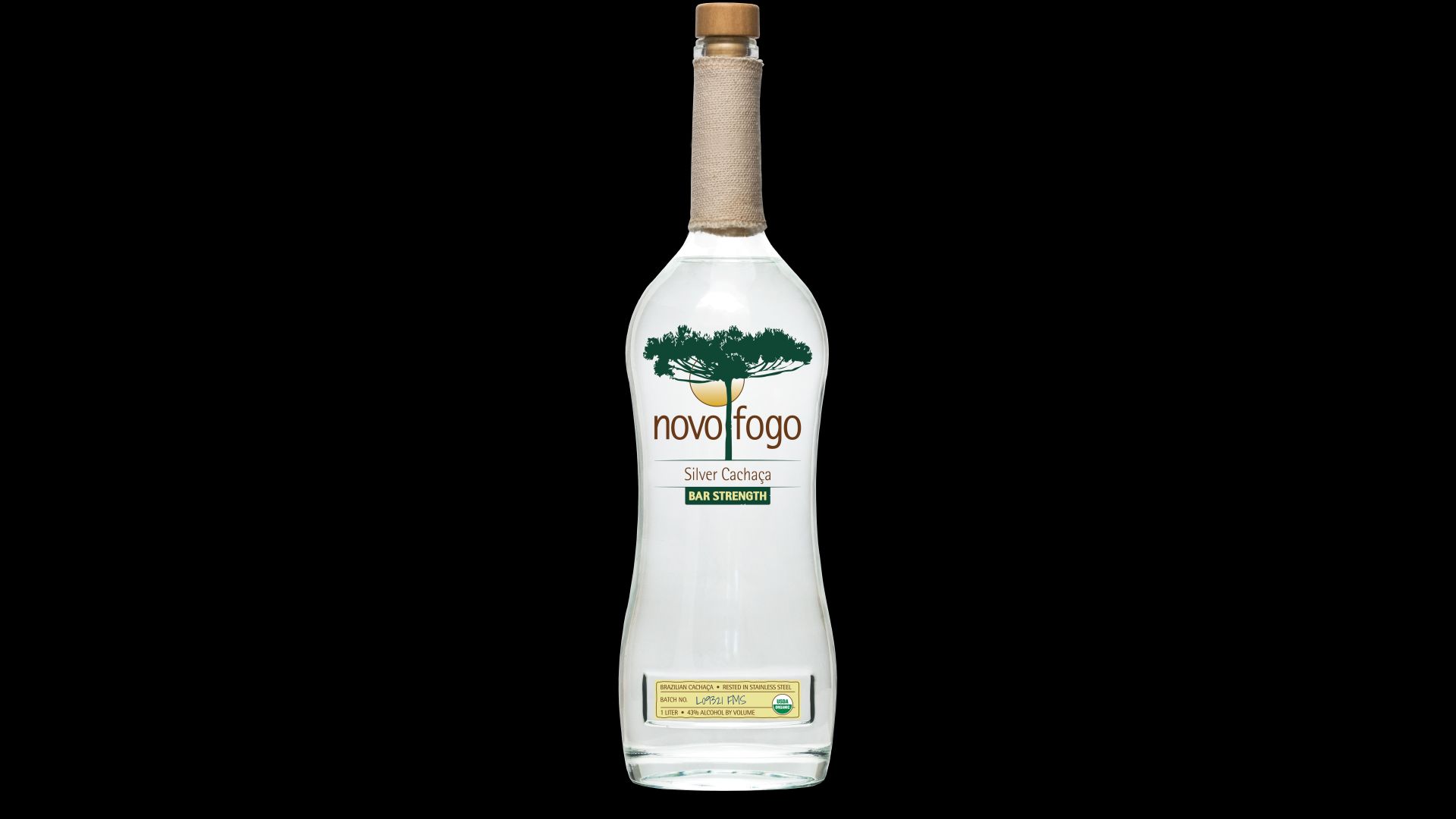
Novo Fogo Releases First-ever Carbon-neutral Distilled Spirit
by David Klemt
Novo Fogo is releasing their Silver Cachaça in a one-liter bottle with a fresh new design, strength and trade industry focus.
Clearly, the Brazilian distiller is concentrating on bar owners and bartenders for 2021.
Of course, Novo Fogo is also focusing on their relationship with the planet.
Reducing Environmental Impact
The Novo Fogo distillery calls the Floresta Atlântica home. And the brand is fiercely protective of this location.
Also known as the Atlantic Rainforest, the distillery operates within the second-largest UNESCO Biosphere Reserve.
Novo Fogo’s home is pristine, surrounded by untouched nature—there’s no pollution. Operating in harmony, Novo Fogo goes to great lengths to impact their surroundings—and the planet—as little as possible.
Fans of the distillery’s handcrafted, small-batch cachaça will attest to the liquid’s terroir. Tasting Novo Fogo is like standing in Floresta Atlântica and breathing in its pristine nature.
The company is carbon negative (absorb more carbon dioxide than they emit); uses minimal water; utilizes organic production methods; and manages reforestation efforts.
World First Spirit
Novo Fogo’s mission includes a relentless, meticulous approach to saving the Amazon rainforest. The reasoning is obvious—sixty percent of Brazil is rainforest.
Also, rainforests absorb carbon dioxide; release oxygen and water into the atmosphere; are home to indigenous people; and are habitats full of animal and plant life.
This accomplishment is no small feat. To achieve this goal, Novo Fogo had to take into account the impact of their partners.
That means the brand calculated:
production of their glass bottles (recycled glass, neck wraps made from plastics found on the streets of São Paulo), corks, labels, and cases;
utilities and fuel used by their distributor’s warehouses;
the resources used by land and sea freight partners; and
the impact of sales and delivery efforts.
After calculating the entirety of Bar Strength Silver Cachaça’s impact on the Earth, Novo Fogo purchased carbon offsets through Native. The offsets will save trees by providing 2,000 families in Honduras that produce coffee with water filters. Ultimately, this will save trees as the families won’t need to cut any down to boil water.
Bar Owner and Bartender Friendly
While things are improving, it can still be cost-prohibitive for people to choose products that are good for our planet.
To that end, Novo Fogo also aims to reduce the financial impact for bar owners who purchase Bar Strength Silver Cachaça.
Per the brand, the average wholesale cost of the new one-liter expression is $24. That translates to 22 1.5-ounce pours, a cost per ounce of $0.71, and a cost per cocktail of $1.06.
However, this new expression also takes the practical into mind.
Bartenders will appreciate Novo Fogo’s new bottle design:
The neck is taller while the midsection is has been slimmed down.
Regarding the footprint, the bottom of the bottle is now circular.
Novo Fogo shrunk the bottle’s footprint.
Ultimately, the redesign results in a one-liter bottle that’s easier to handle and fits better in a well.
Of course, boosting the ABV from 40 percent to 43 percent means this cachaça’s flavors are more intense. Obviously, that makes for a bolder drinking and guest experience.
Consumers are growing increasingly concerned about the health of our planet. Many seek out brewers, vintners and distillers who operate responsibly. The same goes for the restaurants, bars and hotels they’ll support.
Novo Fogo just made it that much easier to make cocktails that are better for the planet.
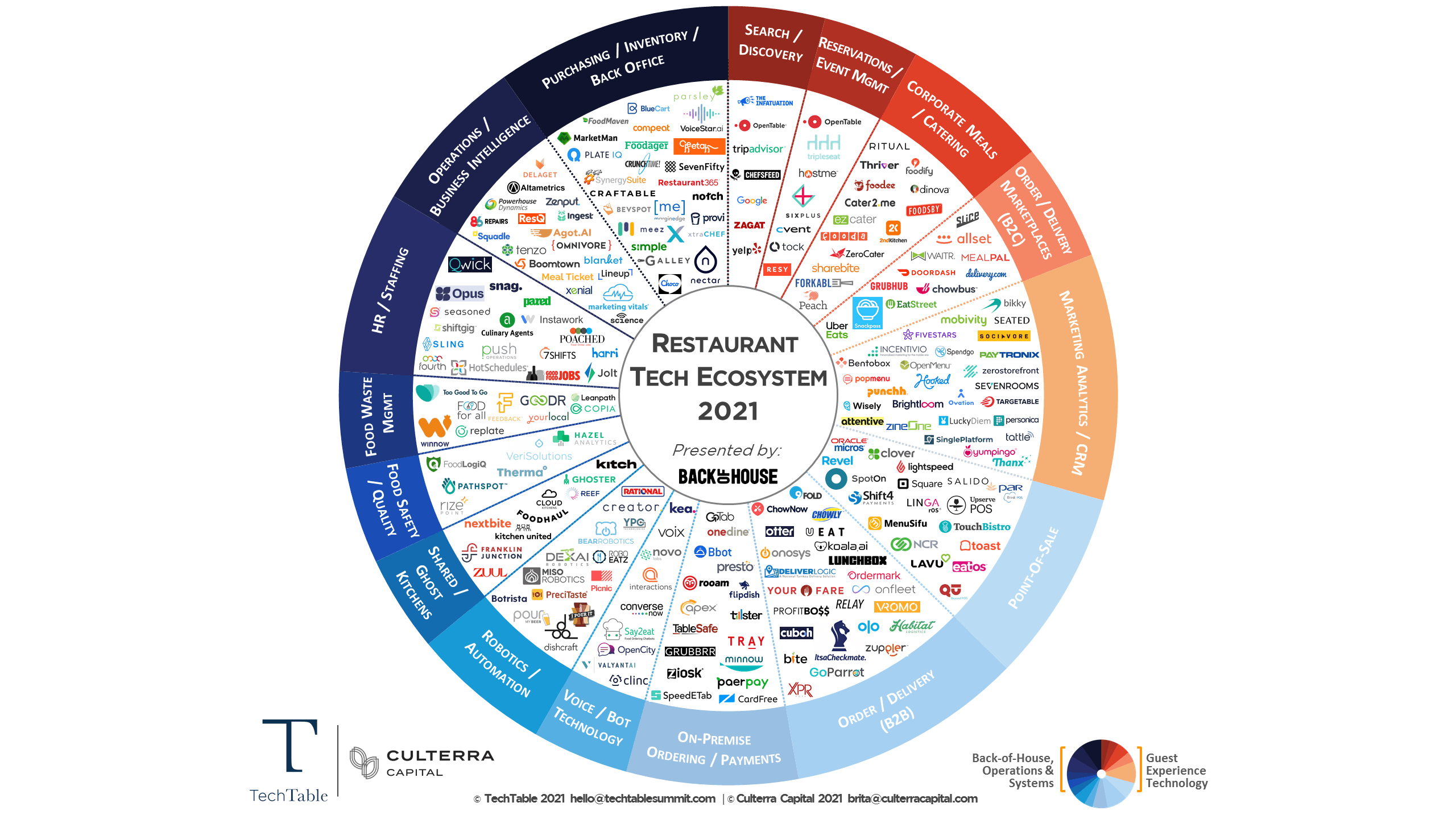
The hospitality industry’s embracing of new technologies is experiencing rapid and welcome acceleration in less than two years.
In comparison to the restaurant technology map by TechTable and Better Food Ventures from 2019, there are two entirely new categories: Shared / Ghost Kitchens, and Food Safety / Quality.
It’s a sign of current industry trends and what will matter to guests moving forward that ghost kitchens and food safety are emerging as separate tech segments.
Obviously, the pandemic didn’t create the ghost kitchen category. However, it did fuel a meteoric rise in delivery and takeout. In turn, ghost kitchens are more prevalent than ever.
After all, a former Uber executive Travis Kalanick owns CloudKitchens and Applebee’s is testing a ghost kitchen pilot program.
What was once the domain of murky, unpermitted virtual brands is now its own successful business model.
However, today’s guest isn’t concerned solely with convenience. In general, guests now take their health and safety more seriously since the pandemic
Tech platforms that can ensure the food guests are consuming is safe will ease some concerns.
Increase in Platforms
Again, in comparison to just two years ago, the acceleration in new tech for the industry is astounding. It’s also long overdue.
As a whole, the hospitality industry has been surprisingly slow to take on new tech. Although, it’s fair to say that there wasn’t much new to adopt until somewhat recently.
Now that there’s more to try out, operators seem keen to embrace tech that can help them streamline operations; improve inventory monitoring and ordering; hire employees and manage teams; engage with and market to customers intelligently; and much more.
Even better, the above map doesn’t include all of the available platforms. That’s excellent news as it means operators have an increasing number of choices to help improve their business in every category of operation.
For example, Barventory isn’t listed within the Purchasing / Inventory / Ordering segment. The platform makes taking inventory, gaining a real-time inventory snapshot, and efficient ordering a breeze. Barventory also features the world’s first live keg scale.
It’s challenging to find positives from the past 14 to 15 months. However, one good thing may be the leaps in technology our industry is experiencing.
If they continue, these innovations may make it easier for operators and their employees to recover.
A concept’s tech stack is crucial to operations and will only grow more important moving forward. Whether opting for a full KRG Hospitality package or the Mindset program, we can help operators make informed tech selections.
Map by TechTable and Culterra Capital, sponsored by Back-of-House
Operators will likely have to further wade into politics if so-called “vaccine passports” become standard.
If recent reporting is accurate, several platforms will bring vaccine passports to market.
The hospitality, lodging and travel industries have been thrust into politics since for several years now. Unfortunately, the pandemic has only made the situation more precarious.
Dangerous Waters
For many operators, navigating today’s politically-charged atmosphere is an unwelcome development.
It’s bad enough that hospitality, lodging and travel have been thrown into utter chaos for well over a year. America and Canada have lost tens of thousands of restaurants and bars. Operators able to survive have lost millions of workers.
Too many people have lost jobs, savings, homes, and any sense of stability in their lives. Mental health, as a result, is on the decline for many people.
Unfortunately, all of those awful things are being exacerbated by politics. In America in particular (if reports are accurate), politics have severely divided the country.
Covid-19 safety protocols were politicized immediately. Restaurant, bar, hotel and travel workers found themselves playing pandemic police, putting them in dangerous situations.
If vaccine passports become standard, operators will find themselves deeper in the political quagmire. Workers will likely face a greater risk for confrontations with hostile guests.
Per recent reports, the Biden administration has said they have no plan to implement federal vaccine passports.
However, several states have already banned this form of proof of vaccination. These include: Alabama, Arizona, Arkansas, Florida, Georgia, Idaho, Indiana, Iowa, Montana, North Dakota, South Carolina, South Dakota, Texas, Utah (but private companies can require workers to get vaccinated), and Wyoming.
So far, two states—Hawaii and New York—have implemented vaccine passports. As far as the other states, vaccine passports are not a requirement or haven’t been banned yet.
New York’s vaccine passport, Excelsior Pass, was developed by IBM. A vaccinated New York resident downloads the app, a business owner downloads the scanner app, and vaccination status can be confirmed. Similar apps are believed to be in the works.
Again, however, many states have banned these apps.
What Does this Mean for Businesses?
If vaccine passports are banned fully where an operator does business, the decision has been made for them.
However, some bans relate only to government entities—businesses can require proof of vaccination.
And if a state doesn’t prohibit vaccine passports at all? The situation can be even more challenging for operators.
Operators eager to protect their workers and guests from infection may welcome vaccine passports. Some operators may feel these passports are an invasion of privacy and reject them. Still others may view them as a potential source for harassment and discrimination.
Should an operator require vaccine passports, they should expect backlash that could directly impact business. Operators who prohibit the use the vaccine passports may be viewed as “irresponsible” and also face backlash
Once again, the pandemic has put operators in several industries in no-win situations. Operators should consider their vaccine passport plan and the messaging around it now.
It couldn’t be simpler to use, and it will give users an idea of how much funding their project will require.
Just enter the square footage you desire or that you know you’ll need. Then, our brand-new calculator generates more than 40 key costs for your review.
Know Your Numbers
New or veteran, single unit or multi, success in this business requires an obsessive knowledge of numbers.
Costs, in particular, are operators’ eternal opponents. People incur the greatest costs before they ever open their doors for business.
Now, that’s just common sense on one hand. Securing a location, kitting out a kitchen, building out the front of house—these are five-, six- and sometimes even seven-figure endeavors.
However, on the other hand, the massive costs that come with opening a new restaurant or bar are often the result of surprises or insufficient planning.
That’s where our calculator comes in.
Here to Help
There’s a reason that the KRG Bar & Restaurant Start-up Calculator populates more than 40 fields.
That reason is simple: preparation is key.
For instance, does your current plan budget for utility deposits, business insurances, opening F&B inventory, soft opening and launch month strategies, the complete array of construction or renovation costs?
Here’s a real-world example of our calculator at work:
Let’s say you want to open a 2,200-square-foot pub. At the minimum, you should budget at least $2,547 for business insurances and nearly $8,200 for opening F&B inventory. And you’ll likely want to set aside at least $14,806 for emergencies.
As with any online calculator, this free calculator is to be used as an initial reference point. Every project is unique in its own way. Property and leasing costs, equipment, and renovation costs will heavily fluctuate based on market, concept, and the status/condition of a chosen property.
Operators can add recruitment, hiring and retention among to the growing list of challenges they’re facing due to the pandemic.
Labor struggles aren’t exactly a shock to the hospitality industry.
However, the speed with which the many stark predictions of labor shortages and challenges across North America has caught some by surprise.
Outlook: Brutal
Fast-casual to fine dining. Independent to chain. Regional hospitality group to multi-national powerhouse.
No operator, no concept, no market appears immune to today’s recruitment, hiring or retention challenges.
It’s not the only reason but the federal boost to unemployment is exacerbating the situation. Restaurant operators across America have been reporting that their workers are making more on unemployment than they would make returning to their jobs.
It’s likely the hiring situation won’t improve until the end of August or start of September; the federal boost to unemployment is set to expire on September 6.
Of course, that points to another glaring industry issue: livable wages and benefits.
The pandemic didn’t cause the labor shortage and hiring problem on its own, but it certainly hasn’t helped anything. Some operators throughout North America say they’ve been hunting for workers for all positions for months.
Incentives & Bonuses
Operators are fighting for workers. To many reading this, that’s not a surprise. However, many operators report fighting to even get candidates to show up for interviews.
Famously, one McDonald’s franchisee in Tampa, Florida, is using a $50 incentive for interviews. If a candidate manages to follow through and show up for their interview, they walk away with $50.
During a recent conversation with Chef Brian Duffy (which we’ll be releasing as episode 33 of the Bar Hacks podcast), interview incentives came up. While it’s no $50 bonus just for showing, Chef Duffy has offered candidates free lunch for appearing for their interviews. And yes, he still struggles.
Interestingly, appearance incentives don’t appear to be working. What does appear to be working? Increasing starting wages, referral programs, apply-via-text functionality, and all manner of signing and performance-based bonuses.
The bonuses run the gamut. Show up for all your shifts for three or four months and earn a $500 bonus. Paying down student loans. Fronting the bill for culinary school. One restaurant in Alabama is offering an SUV to their top-performing worker later this year.
In addition to bonuses, wages are seeing a boost. Jobs that would normally start at $12 to $15 per hour are now offering starting wages of $16 to $18 dollars per hour.
No matter how one slices it, the situation leads to cost hikes across the board for operators. When costs increase for operators, prices increase for consumers. Margins shrink, the old cycle continues, the industry struggles.
Reality Check
Now, it’s simple to blame the pandemic for the current situation. To say it’s not a major factor would be incredibly disingenuous.
That said, the struggle to find and keep workers is also a culmination of decades-long, industry-wide problems.
Lack of diversity, inclusion, equality, living wages, opportunities, and transparency; failure to address social issues; inexcusable, threatening, and outright illegal behavior… All of this and much more contributes to the industry’s hiring and retention challenges.
That’s a criminally shallow summary of the situation—I’m well aware. Doug Radkey, president of KRG Hospitality, addresses the need to review and reset the industry in his book Hacking the New Normal. He takes a deep dive into rejecting the status quo in this industry.
My point is that operators can’t blame their woes solely on the pandemic, absolving themselves of responsibility.
Operators must take a hard look at themselves and their operations, and ask difficult questions. Doing so can be uncomfortable. But neither positive change nor growth come from resting in the comfort zone.
If your dream is to open a restaurant, bar or nightclub, you’re not doing yourself any favors by waiting to make it a reality.
The same goes for starting up any other type of hospitality business.
We’re in uncharted territory and things seem unstable. But waiting to move forward with your concept is setting you back.
Industry Challenges
We can all agree that the destruction wrought upon the hospitality industry in 2020 continues to be felt today.
Tens of thousands of business closures. Millions of jobs and hundreds of billions of dollars in revenue lost.
Some experts say the veteran operators and workers won’t be back. The financial damage and psychological trauma will drive them out of the industry. Others disagree, myself included, saying those operators won’t stay down for long. This industry works its way into people’s blood.
The pandemic is responsible for the permanent or long-term closure of nearly 20 percent of restaurants in America. Most of the restaurants lost were well-established operations. The industry is down 2.5 million jobs that it will take years to recover.
Since March of last year, Canada has seen the closure of 10,000 restaurants. The country is facing the loss of 800,000 industry jobs.
Waiting to open a restaurant or bar, therefore, seems to make sense. Only no, it doesn’t.
Don’t Wait
Time is rarely on anyone’s side. And I’m not the first to say that perfection is an illusion. Our industry would be a fraction of what it is if people chose to wait for the “perfect time” to open.
That doesn’t mean it’s great to throw caution—and hundreds of thousands of dollars—to the wind.
Rather, those with a vision for a business in this industry owe it to themselves to move forward.
Let me put it this way: If you have an idea but you’re waiting for “the right time,” you’re already behind.
There are operators who successfully opened new concepts in the midst of the pandemic. We’re going to see new entrants in this industry this year as well. Will you be among them?
Maybe you’re not ready to break ground or sign a lease. Perhaps you’re not ready to send in a crew to renovate a space.
However, there are crucial moves you can make so that when you’re ready ready, you can move quickly. Think agility.
Will you be applying for a grant to fund part of your business? Complete the paperwork and submit it now.
Do you need a consultant? Do your research now and schedule those conversations.
You need demographic, feasibility and other studies done. Will you do them? Will you retain the services of an industry researcher?
If you’re not yet ready, take meaningful steps today because your future competitors are making their moves. It takes longer than you think for each crucial step to be completed, and there are dozens.
Your concept won’t become a reality if it only lives in your head. Don’t watch your opportunity to thrive in this industry pass you by.
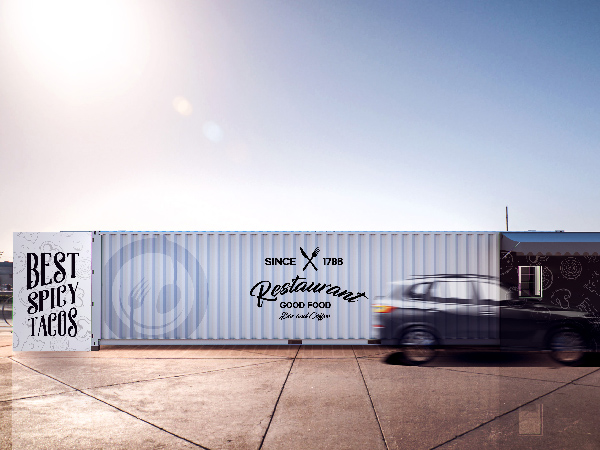
Would it be a surprise to anyone after the past twelve months that shipping containers may be the new commercial kitchens?
According to two 2021 Restaurants Canada Show panelists, custom containers are the future.
A partnership between a builder and designer is providing restaurateurs with an intriguing solution.
Meet the Problem Solvers
Jonathan Auger is the president of Juiceworks Exhibits. The company operates out of Mississauga, Ontario, Canada.
Juiceworks designs, engineers, and fabricates memorable exhibits and installations. Click here to view projects for clients such as Genesis, Infiniti and Volvo.
Portage specializes in interior design and offers a full suite of services, including research, sophisticated design, and construction management. The company’s restaurant design work can be seen here.
Together with a small but skilled team, Auger and Goddard have formed Make My Ghost Kitchen.
Custom Container Flexibility
In some cases, a smaller restaurant footprint is attractive to operators. This is due in part to guest behavior we’ve seen since 2020. That is, guests haven’t been able to or felt comfortable with dining indoors at restaurants.
Then, of course, there’s the cost factor. A smaller footprint, generally speaking, equals lower initial investment and rent. An operator with a new concept can use a container before investing in a brick-and-mortar location.
Operators looking to expand or add retail, along with QSRs, are showing interest in Make My Ghost Kitchen’s containers. One explanation for the interest is simple: containers are highly mobile.
An operator sends their kitted out container to a potential market. They open up shop and test the viability of their concept. If the reaction is less than desirable, they move the container to another market.
For example, one client set up a container complete with a delivery window. In just six hours they sold 3,600 burgers.
Custom Container Costs
Make My Ghost Kitchen’s custom containers come with the necessary equipment. They also feature a delivery window and fabricated with a small pickup vestibule.
Obviously, prices go up with the quality of equipment. Other customizations, it stands to reason, can also push container costs up.
On average, however, Auger says an eight-foot by 20-foot container can be had for as low as $20 per square foot. Prices can climb north of $50 to $75 per square foot, however.
Whether functioning as a ghost kitchen or marketing showpiece, operators can choose from ventilation solutions. The containers can vent to interior (which heats them up quickly) or exterior. Another cost to consider is water. If a municipality doesn’t grant access to their water it will need to be trucked in.
Finally, a custom-kitted kitchen can be an asset. If an operator decides it’s time to move on, they have the potential to sell their container.
The lines between virtual and ghost kitchens are growing increasingly blurry as they rise in popularity.
The terms aren’t interchangeable—they’re separate concepts.
Let’s snap the two into focus so operators can decide for themselves which, if either, is for them.
Virtual Kitchen
A virtual kitchen or virtual restaurant supports a brick-and-mortar concept. This includes food trucks.
Standard process is as follows:
A concept in a certain category seeks to expand their menu options without diluting or otherwise damaging their brand.
They create new menu items and sometimes a new brand.
Their existing kitchen or kitchens create these new items, which are online- and delivery-only.
A virtual kitchen has a brick-and-mortar location in a technical sense, but the brand’s existence is essentially digital as far as consumers know.
Ghost Kitchen
These facilities are delivery-only and commonly produce virtual brands’ items, which is a possible source of the confusion surrounding ghost and virtual kitchens. A truly virtual brand is only available online, either via its own ordering site or a delivery app—it has no brick-and-mortar location of its own.
We’ve known since the Chicken Wars first started that chicken sells, apparently in all forms. Several virtual brands, largely focused on wings and sandwiches, are succeeding with the help of ghost kitchens.
However, ghost kitchens also rent themselves out to or otherwise enter into contracts with third-party concepts with brick-and-mortar locations of their own to produce their delivery menu items.
The explosive rise of delivery is driving investment in ghost kitchens (former Uber executive Travis Kalanick’s CloudKitchens is an excellent example). It’s also the reason that so many industry experts and speculators declare ghosts “the future of restaurants.”
Not the Same
This quick rundown should clarify the differences between virtual kitchens and ghosts. Their missions may be similar but their operations are not.
St. Patrick’s Day is just around the corner. Operators need to make sure they’re ready for in-person, delivery and takeout guests eager to celebrate.
An interesting element for this year’s holiday is that many people will be celebrating at home. That makes themed delivery, takeout and pickup packages important.
Over the past 12 months, consumers have grown to correlate drinking occasions with drinking at home. That shift in behavior can make it more challenging to succeed with holidays.
Of course, challenges also present opportunities. Working from and drinking at home has made weekday day-drinking more common. Operators can leverage new behaviors to offer in-person, delivery and takeout packages starting earlier for St. Patrick’s Day.
Such packages can include Irish Coffees for the morning or early lunch, Irish beers for lunch or dinner, Irish whiskey and beer packages for dinner and late-night…you get the idea. Classic and modern riffs on St. Patrick’s Day food mainstays are also a crucial element. The key is to get creative with inventory and offers, attracting a combination of in-person and off-premise consumers.
To give you a helping hand, we’ve rounded up some of our favorite Irish, Canadian and America whiskeys. We’re including the standards but also focusing on innovative and single malt expressions that boost guest spends and overall revenue.
Irish Whiskeys
One thing all operators know when it comes to St. Patrick’s Day: Irish whiskey and high-visibility brands must be represented.
After all, according to the Spirits Business, Irish whiskey generated well over $1 billion for distillers last year in the United States alone.
Jameson, Bushmills, Tullamore DEW, Kilbeggan and Redbreast shine on St. Patrick’s Day. Proper No. 12 is just a few years old but is on its way to becoming a St. Patrick’s standard.
In markets that can bear it, premiumization can help generate more revenue during this year’s holiday.
There’s nothing wrong with OG Jameson but consider premiumization with Jameson Black Barrel or 18 Years, which is finished in first-fill barrels.
When it comes to Bushmills, the original expression is great. Rare Cask 01, however, is the distillery’s Cognac cask premium dram.
When people hear or think about St. Patrick’s Day, they tend to immediately leap to Irish whiskey. However, this holiday can be a time to highlight whiskeys from other countries.
Central City crafts Lohin McKinnon Single Malt with “pure British Columbia” water, per their website. The distiller recommends adding a splash cold, filtered water, a tip you can share with your guests.
Another Central City single malt takes Canadian in an interesting direction. Lohin McKinnon Tequila Barrel Finished instills single malt with unique flavors.
Eau De Claire boasts the distinction of being Alberta’s first craft distillery and first single malt whisky producers. The distillery uses only Alberta barley and rye to craft their liquid.
American Single Malts
There are a number of superlative American single malt whiskeys to consider promoting on St. Patrick’s Day.
Westland produces American single malt in Seattle, Washington. The distillery’s Outpost Range—Garryana, Colere, and Solum—celebrates American tradition, innovation and Pacific Northwest provenance.
Westward aims to craft and bottle the spirit of the American Northwest. Westward Pinot Noir Cask and Stout Cask elevate the distillery’s American single malts.
Those searching for a Rocky Mountain single malt need look no further than Stranahan’s. Each of their expressions is thoughtfully crafted, so it can be hard to choose just one. However, Blue Peak is interesting because it undergoes high-altitude distillation and is also finished using the Solera Method.
Also hailing from Colorado is Deerhammer. The distillery’s American Single Malt mash bill can experience temperature swings of well over 40 degrees in a single day.
If news stories are to be believed, Americans are fleeing big, expensive cities en masse.
Are those stories accurate or examples of sensationalism?
Mass Exodus?
The pandemic is, without any doubt, reshaping the United States. It is, in fact, transforming any nation on which it has gained a significant foothold.
Several sources claim that a mass exodus to the suburbs and rural towns is taking shape across America.
The authors of these stories often cite survey results, housing and rental price fluctuations, financial struggles and the cost of living in many cities, and anecdotal “evidence” to make their points.
On its face, just the argument that cities like Los Angeles and New York City are too expensive to live in with so many people struggling financially makes sense. And stories about astronomically high rent compared to square footage and median income in dense, expensive cities are commonplace.
Haute Exodus?
Still other stories tell tales of the wealthy migrating from major cities to “wait out” the pandemic.
Since wealthy people have the means, they’re able to leave densely populated areas for destinations with smaller populations. The logic being, the less people in an area, the lower risk of infection.
There are reports referring to NYC as a “ghost town” and describing San Francisco as a shell of its former densely-populated, well-heeled self.
Again, much of the reporting is supported by anecdotal and social media “evidence.”
Half-thruths
Forbes, which has published articles supporting mass exodus claims and also disputing them, has made the argument that the situation is nuanced.
Eric Martel, a Forbes Councils Member, analyzed U-Haul Migration Index (UMI) and uncovered some interesting data. Martel finds that net migration in San Francisco and Los Angeles is lower—significantly so in LA—than it was in 2018. In NYC, net migration looks higher.
More reasonable conclusions regarding Americans and the pandemic seem to be:
Large numbers of people have moved out of some major cities. NYC seems to be a good example.
Some of the wealthy have temporarily left highly-populated cities, choosing to stay in places normally considered vacation destinations for longer periods of time.
People appear to be moving toward the outskirts of larger cities where rent and prices tend to be lower than that of city centers.
Suburbs near the outskirts of major cities appear to be popular migration targets.
Some of this “migration” is temporary, driven by the ability to work remotely. It’s likely that some people who have moved out of cities will return when they perceive things have returned to “normal.”
Adapt
Jack Li, co-founder and CEO of Datassential, suggests operators check out so-called second-tier cities—Austin, Nashville and Charlotte, for example—and the areas where cities meet suburbs. The reasons are simple:
Innovation and food trends tend to start cities, reaching rural areas last. That means second-tier cities, city outskirts, and suburbs are quicker to embrace trends and innovations. (Location.)
Less-expensive commercial real estate prices. (Cost.)
Potential increase in the number of families. (Customer density.)
Potential increase in the number of seniors with financial means. (Customer density.)
The impact the pandemic has had makes informed decisions that much more critical to success in this industry. Demographic and feasibility studies are more important now than ever.
Both are cornerstones of the KRG Hospitality approach, whether an operator has several years’ experience or is a neophyte. Click here to learn more about how KRG Hospitality can help you and your concept, click here to learn about KRG Mindset Coaching, and click here to download the KRG 2021 Start-up Cost Guide & Checklist.
Seeking an alternative to complete start-up planning and project management? The solution you’re looking for is KRG Mindset Coaching.
Just like every operator is unique, each project brings with it distinct challenges that require individual approaches and plans.
Some projects are already under way but need help moving forward. KRG Mindset gives these projects the help needed to cross the finish line and achieve long-term success.
What is Mindset Coaching?
Owning a hospitality business may look great on paper, but starting a hospitality business can be really quite stressful:
There are what seem to be endless hours of planning.
There are numerous third-parties involved.
There are often hundreds of thousands of dollars at stake.
There are over 500 unique tasks to complete.
It doesn’t matter if this is your first, fifth, or twentieth project—it’s crucial that you be both prepared and organized when opening a new concept or expanding operations.
However, not every project requires our full suite of targeted solutions, which includes feasibility studies, conceptual planning, business planning, brand development, guest experience strategies, food & beverage programs, and operational assessments.
If you’re beyond the idea stage but find your project is struggling to reach the finish line, we’re here to help. And just like a project in its earliest days, you’ll receive the unique, fully customized KRG treatment.
Is Mindset the Solution for You?
KRG Mindset provides a unique, coaching-style program that helps your start-up make continual forward progress:
Receive a dedicated consultant who will be an approachable advisor for you and your project. They’ll review and navigate your start-up questions and challenges, and be your compass to provide you with a clear path towards a successful opening.
Weekly 1-on-1 video/phone sessions with access to a private calendar: a weekly session in which we evaluate the past week and define required actions for the next week with a focus on budgets, timelines, and industry-specific consulting.
Your dedicated consultant is also available for second opinions and the review of: key documents, location, concept, branding, layouts, equipment, menu, service, technology, labor and financial optimization, system development, operations, marketing, and overall strategic clarity.
Your consultant will help you see the blind spots throughout your project, positioning you to maintain your budget and desired opening date.
Your consultant will help you make strong, educated decisions throughout your start-up project that will have a positive impact on the successful start of your restaurant, bar or hospitality brand.
And finally, your advisor will coach you so you become more confident, energized, and motivated about your opening while holding you accountable and helping you become a better leader through the creation of new habits, communication methods, and decision-making processes.
The 2021 Restaurant Start-Up Cost Guide & Checklist is Here! Download Today
by David Klemt
This guide gives anyone starting a restaurant, bar, brewpub or other F&B venue the best chance for success in 2021.
Hospitality has endured a nearly endless thrashing for almost an entire year. The calendar has ticked over to 2021 but still, the pummeling doesn’t have an end date.
However, the industry has endured and continues to do so. We don’t know when Covid-19 will cease presenting a threat but we know this: there’s no end to the fight in those in the hospitality community.
Veteran and neophyte owners and operators are still going to open new venues in 2021, pandemic be damned. That fact means it’s more crucial than ever before that owners are positioned for success.
The KRG Hospitality 2021 Restaurant Start-Up Cost Guide & Checklist aims to structure the process of opening a restaurant or bar to maximize an owner’s opportunity. The guide contains 2021 start-up costs, renovation costs, scaled costs, an in-depth milestone checklist, and more that will help readers understand the process and keep them on track to go from concept to opening doors as smoothly as possible.
Click here to download the guide and start down the path of restaurant or bar success today.
Those seeking new restaurant opportunities in 2021 should give serious consideration to Absurd! Kitchen Co., KRG Hospitality’s unique turnkey QSR.
Development of the concept was motivated by the realization that operators need to continue to pivot to survive the pandemic and thrive in a post-pandemic world.
“At KRG Hospitality, we immediately pivoted in March 2020 into ‘rescue mode,’ understanding the immediate needs of so many independent operators,” says Doug Radkey, president of KRG Hospitality.
Moving forward into 2021, guests will be more concerned health, safety and their comfort than ever before. Absurd! was developed as a response to heightened guest expectations and to create a path forward for operators in the post-Covid-19 era. Not only is the concept forward-looking, it’s designed for turnkey operation.
Restaurant guests were growing accustomed to the convenience of frictionless ordering, pick-up and delivery. Lock downs, restrictions, and health and safety concerns have pushed delivery and pickup closer to the forefront of guest expectation. Absurd! leverages the latest in technology and utilizes a subscription element to reward loyalty while offering a convenient and safe QSR experience.
In the new era of restaurant operation we can expect guests to be less tolerant of waiting in lines. Multiple publications have published articles hypothesizing that the Covid-19 pandemic we lead to the end of waiting. Considering the importance of social distancing and how commonplace curbside pickup has become, it’s understandable that many guests have developed a preference for speedy, safe service.
Equally understandable is a guest wishing to keep interactions with other people to a minimum. The ability to peruse a menu via QR code or pay their bill using their own device has offered a level of comfort to guests during the pandemic. It’s logical to believe these guest habits are here to stay.
At Absurd! locations there are no traditional lines. By design, there’s no contact between guests and staff. Guests interact with a location via designated pick-up or drive-through areas. In the pick-up area, guests access food-safe storage units through their mobile devices to grab their orders. The drive-throughs only serve delivery drivers or those who have placed pre-orders. Convenient, safe, time-saving restaurant features for a post-pandemic world.
Absurd! cuisine is inspired by Southern flavors and dishes such as loaded chicken strips, fried waffle sticks, breakfast bowls, and sandwiches. There are options for the full range of dietary needs and preferences, such as dairy-free, gluten-free and vegan meat alternatives. Along with a competitive, high-quality menu, KRG Hospitality has developed a retail offerings that include branded dry spices and meal kits, leveraging another trend that has seen significant growth during the pandemic. The concept’s packaging is sustainable, and adding a food truck can expand an Absurd! operation’s reach.
“Approximately 85 percent of the food menu will be prepared on-site, including the seasoning mix and ‘dredge’ for the fried chicken, which is intended to also be gluten-free and dairy-free,” says Radkey. “The brand is able to accomplish this by maintaining a small but robust and strategic menu mix over the breakfast, lunch, and dinner day-parts. Other food items such as the chile cornbread, breakfast biscuits, and sandwich buns will be sourced through regional partnerships.”
While developing Absurd!, KRG has created a loyalty program to go along with it that’s relevant to today’s guest preferences and consumer habits. Loyalty programs have made the news lately, with attention being paid to how they’ve been changing for the past couple of years. Tech has emerged as a driver for such programs, combining guest data and personalized digital interactions to increase loyalty. However, creativity is a crucial element as well. Recognizing the value of a unique but easily understood loyalty program that offers an attractive value proposition, KRG’s approach for Absurd! is a beverage-based subscription service.
“With a low monthly cost of approximately $8.99 USD per month, the Absurd! beverage subscription program, which is optional, gives the brand an easy way to attract customers and convince them to change their traditional F&B ordering habits while building a strong base of loyalty (and data),” says Radkey. “Consumers today are accustomed to low-cost monthly subscriptions. Therefore, we think it is time for restaurants to tap into that opportunity. The ‘unlimited drinks’ within this program include coffee, iced tea, lemonade, and an assortment of flavored soda waters.”
Absurd! Kitchen Co. isn’t unique for the sake of being different. First and foremost, the concept was designed for experienced and new operators alike so they can thrive in the new era of hospitality. The dedication of KRG Hospitality to helping operators flourish with concepts that are scalable, sustainable, profitable, memorable and consistent is ingrained in Absurd’s DNA.
The concept is a recession- and pandemic-proof QSR that doesn’t rely heavy upon day-to-day involvement by the owners, making it ideal for operators of any level, from the neophyte to the experienced hospitality group.
Click here to learn more about Absurd! and visit www.AbsurdKitchen.com to download this turnkey concept’s information packet.
Originally Posted on Typsy – By Doug Radkey 10/02/2018
The development of a restaurant can be extremely daunting with its many moving parts and it’s easy to miss crucial start-up strategies within the mix of it all.
One you don’t want to overlook is your intended media launch strategy. Today, the word ‘media’ means so much more than your local newspaper outlet.
The worst thing you can do is start your marketing and promotional campaigns one week before opening or simply expect a Field of Dreams “if you build it, they will come” type of scenario to work.
Hint: it doesn’t!
A successful restaurant launch includes building plenty of buzz for the three-four months leading up to the opening. It also means developing what we call a communications strategy to deal with the variety of media outlets both before and after opening.
A strong communications strategy will prepare you for the most effective social, digital, and community-related marketing tools in relation with targeted media partnerships which will then target your specified audience across a multitude of touch-points.
Aside from the established chain restaurants, many aspiring and independent restaurateurs do not have the budget for their own in-house marketing team (or outsourcing an award-winning agency). And that’s okay. In order to be fully present within your community both before and after opening, restaurateurs just need to ensure they have the necessary marketing plans in place.
This means projecting the right voice to attract the right audience. This also means determining the tone of your content, the nature of your interaction, and the overall approach to your brands messaging.
It also means knowing how to handle any third party media attention before and after opening.
To develop an effective communications strategy – you want to focus on three key areas: your social media, your public relations, and your direct-to-consumer channels. Let’s have a look at each.
Social Media
Within both your marketing and communications plan, you firstwant to develop a social media strategy. There is no getting around this today. Use plenty of simple, cost-effective strategies in the weeks prior to opening to create the buzz you want (and need). These methods will also maximize exposure (to both the public and other media outlets) in addition to early revenue opportunities during what’s known as your ‘honeymoon period’ – the first three months of operating.
This includes developing and/or executing on:
Social media channels, like Facebook, Instagram and Twitter, that your target audience actually uses each and every day
The development of strategic monthly content calendars for each social channel
The creation of social media contests and sales-driven promotions
Social media paid-advertising campaigns to further build your targeted community
Digital marketing partnerships where you can leverage both social media and email marketing
Food and beverage photography and videography strategies to enhance your visuals
It’s not easy building an online community from scratch. Your social media presence must have a strategy behind it – not a ‘spray and pray’ method of posting a food photo and hoping your target market will engage with it. It is imperative that you’re consistent, unique, and strategic. You also want to build digital partnerships that will help you successfully piggy-back on another’s already built social media community.
Public Relations
Leading up to the opening and for the first one-to-two months after – you want to build strong relations with your local media partners. Pairing this with a strong social media strategy is crucial in developing the awareness you need to get a head start in generating revenue.
You want to consider the following methods:
The development of your key brand messages to create consistency and reduce confusion
The creation, management, and distribution of press materials including a press kit, fact sheets, press releases, and owner/chef biographies
The development of a targeted media list – online, print, and broadcast. Know beforehand who you want and don’t want to associate throughout your local media. Don’t waste time meeting with media outlets that don’t have the same target audience as you do
Partnering with key influencers (bloggers) and tastemakers (farmers, breweries, wineries, and other key suppliers to your restaurant)
The identification and training of your start-up brand ambassadors; this includes ownership, management, and other priority personnel
At a minimum, you want to send out press releases and contact your local restaurant bloggers, podcasters, food critics, and social media influencers. Engage with your local industry dignitaries on social media and then inform them of your newly developed restaurant. Create an invite only event either before or during your soft opening to maximize on their value and to amplify your story.
Direct-to-Customer
To tie all of your social media and public relations together to create a winning communications strategy, you want to include a variety of direct-to-consumer campaigns throughout the first 30-90 days of opening.
You want to ensure your target market is seeing your brand across a variety of channels. Pending your choice of concept – you want to entice them to visit your venue approximately three times before the end of your honeymoon period.
You can achieve this by creating the emotion that your target audience is going to miss out on the hottest new restaurant in town (FOMO – Fear Of Missing Out). You can do this by creating the following:
A variety of menu tasting and beverage pairing events
Direct mail marketing campaigns to targeted hyper-local neighborhoods
Community marketing outreach and partnership opportunities (events, donations, and sponsorships)
Site sampling and street activations by personally taking food samples and marketing material to local businesses (using your developed brand ambassador strategy)
In-house return visit campaigns that measure the return-frequency of customers
How will you reach the maximum number of targeted customers with the least amount of spending to maximize your return-on-investment? How will you plan to be memorable and stand out from the competition as time goes on? Start early and be creative, imaginative, and bold in all of your efforts while being prepared to handle social media, public relations, and direct-to-consumer strategies.
The Ultimate Opening Day Checklist for Restaurants
Originally Posted on Typsy – By Doug Radkey 08/06/2018
Before opening your doors to the public, there is an enormous and often overwhelming list of both tasks and strategic milestones to first complete.
This list traditionally starts 3-6 months (sometimes even more) prior to opening day.
In this industry, there is never a ‘one-size fits all’ approach, but there are some general guidelines to follow, that any seasoned restaurateur will likely agree with, no matter if it’s a 3 month or 6 month project.
Your opening day checklist shouldn’t just be a piece of paper either, it is ideal to hold weekly meetings throughout the start-up phase and consider using an online project management dashboard to promote effective communication within your entire start-up team.
Let’s have a look at a generic restaurant opening-day checklist with the appropriate time-frames that should be shared with all members of your opening day team.
Design and Build
Even prior to signing your lease, you should have a grasp of who your design and construction or renovation team will be. Don’t waste your time afterwards sourcing and negotiating – the clock is now ticking.
For many independent operators, this is often 120-180 days away from your projected opening day. This is also where having your feasibility study, concept development plan, and business plan will help speed up the process, positioning you to make strategic – business driven decisions.
During this period you should expect the following:
Completed schematic designs (engineer and architect related drawings)
Submission of drawings to local municipality for approvals
The hiring of your project/construction manager or foreman
Receive quotes for exhaust hood systems and any other customized concept specifics that may need additional lead time outside of 2.5-3 months.
The project manager should then put in place what is known as a ‘gantt chart’ indicating construction or renovation milestones. From there, the construction of your restaurant dictates the remainder of the schedule for concept and operational specifics. You should work backwards from that projected completion date, often 90 days, and by ideally adding 2-3 weeks for potential delays.
3 – 4 Months Out:
Apply for liquor license – if required
Finalize graphic designs and other branding initiatives
Secure both web and social domains
Order bar and kitchen equipment – order earlier for customized equipment
Order furniture for restaurant (tables, chairs, umbrellas etc.)
Order any additional millwork related pieces for your concept – earlier for customized ones
Develop vision, mission, value, and culture statements for your concept
Develop staff positions, specified roles, job descriptions, and wage structures
Prepare your operational strategies (marketing plans, training programs, onboard packages, staff policies, operational templates/checklists etc.)
Decide and finalize choice of operational vendors; cleaners, pest control, grease trap cleaners, exhaust hood cleaners, security, telecommunications etc.
60 Days Out:
Install exterior signage and execute first portion of marketing plan including social media launch
Create start-up menu and prepare your food and beverage supply chain management
Setup payroll structure with bookkeeper and all staff paperwork filing processes
Interview and onboard any key management (chef and/or general manager)
Decide and order small-wares for both the kitchen and bar area
Decide and order staff uniforms with any logo artwork or embroidery
Decide and order point-of-sale systems in addition to any sound, video, and digital menu boards
Cost out menu and prepare both menu covers, design, and engineering strategies
Review current construction status and milestones – adjust remainder of schedule as needed
Install (and test) all kitchen & bar equipment and organize all ordered small-wares
Interview and onboard remainder of your team leading up to 30 days to opening
30 Days Out:
Install point-of-sale system and merchant services for both testing and training
Finalize recipe booklet & menu cards with photos for both kitchen and bar area
Setup line and employee stations; walk-through menu, steps required, and adjust
Begin 1-2 weeks of training for all new hires focusing on operations, equipment, and service sequence
Order and organize all food and beverage for training, soft openings, and opening day
Execute 30 day marketing and media launch strategies to begin second phase of building buzz
Create staff schedules for the next two weeks of soft openings plus first week of opening
Construction should be nearing completion minus final touch-ups and inspections
Setup a preventative maintenance program for all equipment and create emergency contact list
14 Days Out:
Host a photo/video shoot for food, beverage, and interior for marketing purposes.
Host first week of soft openings – using a strategic list of invite only guests
Make tweaks to operations and service sequence by observing timing, traffic flow, and guest emotions
7 Days Out:
Execute final portion of start-up marketing, media, and promotions plan.
Host second (and often final) week of soft openings – using a strategic list of invite only guests
Finalize tweaks to operations and service sequence by observing timing, traffic flow, and guest emotions
Opening Day:
D-day has arrived. Are you ready? By now all the previous groundwork you’ve done should mean that you’re prepared to open your doors to the public. Just a few more things before you celebrate:
Ensure venue, both interior and exterior, is impeccably clean with no signs of construction
By completing both training and a two week soft opening – your team should be confident and well prepared for the first round of guests
Be calm, you got this!
As you can see, there is so much that goes into an opening and one should not attempt to go about it alone. Starting a restaurant, whether ‘from scratch’ or by over-taking an already built establishment (and re-branding), is incredibly challenging.
But by being prepared with the appropriate plans and checklists, you’ll be opening your restaurant with success!
There is truly a science to the design and layout of a winning bar. Outside of implementing a timeless interior, a bar needs to consider many factors including but not limited to; efficiency, hyper-local competition, and overall guest experiences – within its design elements.
Completing a bars ‘concept plan’ should be one of the first steps any aspiring bar owner should take. A concept plan will outline vision, value, mission, and culture statements plus its initial architectural, entertainment, and menu development characteristics (wishlist).
Once you’ve defined your concept, you can begin adding more heart and soul to the design and overall guest experience strategies; the back-bone to a memorable bar. Every component of the bars interior design, entertainment plan, and menu development process should enhance the guests’ overall senses (also known as emotions).
Here are items you can work on for your vision, prior to delivering a presentation to any designer, consultant, and/or architect.
Energizing the Space
Consider ways to not only maximize the space, but energize the space. What experiences can you deliver? Use this time to consider adding space for sound engineering, live music and/or DJ’s, interactive games, mix of televisions, and the right mix of socializing and networking opportunities.
Social Space
In today’s market-space, it is imperative that all newly designed bars (and restaurants) take into account social media, guest photos, and guest videos. Keeping the energized space in mind, how can you add space with the right lighting for taking group photos (with your branding in the background) in addition to taking videos and photos of cocktails and/or food.
Bar-Back
The next focus needs to be on bar efficiency. Consider the size of establishment, guest capacity, and your point-of-sale requirements. Then add multiple bartender stations while choosing the correct equipment, bottle display, overhead glass racks (less breakage), and under-bar space plus the number of speed rails, ice stations, garnish stations, cutting boards, and sinks within a one pivot movement for each bartender. This will then determine the size of ‘bar’ required, which will assist in developing your budget (and beverage menu).
Kitchen Space
A winning bar will also have a memorable food program. Offering premium food and focused, high-quality beer, wine, & spirits is a recipe for maximum revenue potential in today’s market space. Ensure there is space for grills, flat-tops, deep fryers, burners, and a convection oven (or combi-oven) plus space for prep areas, freezers, and refrigeration to provide a quick (and profitable) food program.
Seating and Lighting
This will entirely depend on the chosen concept. Your choice of lighting and seating will determine length of stay, the amount of money a guest will spend, and how they will interact with guests in their party plus other guests at your bar. Every seat and light fixture must have a purpose. This is just as important as laying out the actual back-bar itself and should be discussed with designers, architects, and consultants.
Branding
Consistency through all design elements (interior, exterior, menus, website, social media, and other marketing collateral) is the final consideration piece. Look for ways to incorporate subtle additions of logo colors and branding throughout the venue. Where ever the guests will take the most pictures and videos, make sure there is a way that people will know they’re at your bar!
There are numerous other variables and details required, but starting with this will make you look like a pro when you meet with a designer by having a concept plan completed and a true vision of how you want your bar to be laid out. A professional designer should be able to then take your vision, tweak it to professional standards, and implement it into drawings that will ensure it meets local codes and your overall budget!
Originally Posted on Typsy – By Doug Radkey 07/13/2018
Sometimes, in order to reach our dreams, we need a little help. Starting (or growing) a scalable and sustainable restaurant or hospitality business is not cheap. Many aspiring restaurateurs need a business partner or investment group to help reach their financial targets.
Here’s what we know: The average start-up restaurant, (in US dollars) can range from $295,000 to $660,000+ depending on a variety of factors, including of course the size of establishment, whether it’s a ‘from-scratch’ project, and the choice of overall concept.
No matter how you look at it, that’s a lot of money.
So how can you get financial help? You can’t just walk up to someone and ask for $100,000 for example. You need to get out in both the financial and hospitality community and network to build up both solid and referable business relationships. You then need to prepare yourself and your concept for investors.
But how do you do that successfully for your hospitality business? Here’s how:
Be Prepared
Let’s hope you’ve completed a feasibility study, concept development plan, and business plan (hint: if you haven’t – get started, you won’t get far without these plans). Once those plans are finalized and tweaked, you want to begin preparing yourself for investors by ‘working backwards’ from your completed business plan.
Investors receive numerous proposals per month or year. They may not have the time to read through all of your plans, initially. You want to narrow it down to 10-12 impactful slides followed by 1-2 pages of your ‘executive summary’, and then a 60 second elevator-type pitch.
When crafting a proposal to investors, the return on their investment will always be their first and most critical concern, so keep that in mind.
Perfect Your Pitch Decks
Combining your three plans (feasibility + concept + business), what are the most important and impactful pieces of information that an investor would look for?
This is a great opportunity, within 10-12 slides, to include:
Your overall market size
Gaps in the market
Competitive advantages
Start-up costs
Architectural notes
Menu development
Key performance indicators
Other financial highlights
Refine Your Executive Summary
Now, take your pitch decks and narrow that key information down to 1-2 pages of the most important and impactful information. If you can’t capture their interest in your executive summary, you need to keep re-drafting it until it screams ‘WOW’.
Often times, this is the first document they will want to read, before getting into pitch decks or even your business plan.
Know Your Elevator Pitch
Sixty seconds. How can you grab the attention of an investor in one minute or less? Show your passion through the pitch while answering the three most critical questions the investor will want to hear, even before they ask you.
This is where you want to hit them with:
How they will make their money back
What problem or market gap you are filling
What your overall business concept is
Be Strategic
Investors want to know where their money is going, how it is going to be used, and how they’re going to get it back. Being strategic also means to expect the unexpected, and be prepared for it. You also want to identify your strengths, opportunities, and challenges.
If you’ve completed your plans correctly, you should know your numbers. Be prepared to answer key financial questions (for example KPI’s) – which should all be backed up with both facts and strategic (SMART) objectives.
Show them your benchmarks for:
Revenue per customer throughout different times of the day
Break-even strategies
Detailed labor reports, inc. revenue per labor hour
Detailed food and beverage costs
Marketing and advertising budgets
Revenue per square foot
Revenue per available seat
Know Your Limits
Don’t be surprised that investors will have an interest in your business, (after all it is their money and reputation that’s on the line) so be prepared to answer some challenging questions:
Are you willing to negotiate any control of the restaurant to investors?
When will the restaurant begin to turn a profit? What are the monthly cash-flow projections?
What are the projected profits of the restaurant over the next 1-3 years; and is it realistic?
What is your role in the project and who will be surrounding you for support?
What are the chances the restaurant concept will fail? What is the exit strategy
Before you pitch your heart out, have a long, hard, think about these and know where you stand. It’s better that you know your boundaries rather than step into a deal that you’re not happy with.
Leave an Impression
Lastly, be confident and memorable – show your passion, your level of experience, as well as your true understanding of your business concept. Utilize additional resources such as photos, drawings, videos, market research, testimonials, and even food or beverage samples to help enhance your presentation.
If you’re turned away by an investor (or bank), don’t let it get you down. Learn from the experience, make any adjustments from their feedback, and try again.
Asking for money isn’t easy – but being prepared, strategic, and memorable – will help you get closer to winning that next investor pitch.
Originally Posted on Typsy by Doug Radkey – 04/24/2018
Opening a second restaurant location is not as easy as many people may think. Just because “you’ve been there – done that” once doesn’t mean it’s going to be any easier the second time around. In fact, many restaurateurs find it more difficult than the first one.
A common first challenge is that many restaurants, even the most successful restaurants, are simply not ready or properly positioned for this type of expansion. There are numerous circumstances that need to be executed on first, many of which are often overlooked.
To take a restaurant from one location to two or three takes a variety of planning methods, in-depth market research, and the proper execution of a variety of systems. Sound familiar?
Let’s have a look at the indicators so you can ready yourself for growth and expansion!
1. You’re Mentally & Physically Prepared
By now you should know if you have the willingness to sacrifice in addition to the required systemized thinking, social skills, creativity, stress management, and passion to lead a restaurant to success. But that’s just one restaurant, now you’re considering multiplying all of that by two (or more).
Are you ready?
We know restaurant owners more often than not, wear too many hats, leading to upwards of 60 to 80+ hours of work per week. You have to truly ask yourself if you’re in the right mindset and have structured your personal life to endure this type of growth. This is where surrounding yourself with the right professionals (supporting cast) and/or considering a business partnership might be ideal for some – to reduce both risk and potential burnout with the opening of a second unit.
2. Your Previous Restaurant Isn’t Dependent on You
How critical is your presence to the operations and day-to-day success of the restaurant? If it is highly dependent on you; what would happen if your time was shared at a secondary location? What often happens is an independent owner will spend more time at the new location, leaving the first location vulnerable.
That’s why it’s important to take the time to consider the right management team for multiple locations to ensure there is no collapse of the first location and a strong start for the second location.
This includes additional chefs, managers, and supervisors in addition to start-up specialists like consultants, designers, engineers, and architects that will save you time, money, and energy during this growth stage.
3. You Have Strong Systems and Processes in Place
Arguably one of the most important aspects in terms of growth is ensuring that each restaurant (current and the potential new one) has consistent systems in place. Duplication of the same winning formula is the key to early success.
Developing daily routines, service sequences, training programs, communication methods, hiring practices, and customer experience strategies to name a few – is absolutely critical.
It takes effort, honesty, training, reviews, and accountability by the entire team to ensure these basic systems work and are implemented on a daily basis. If you feel there is a gap in any of these systems, it needs to be addressed immediately before any second location is considered.
4. You’re Financially Ready
Is the current restaurant highly profitable and maintaining the most important key performance indicators? Could there be any further financial improvement at the current location? Could it help financially carry the second location if needed for a period of time? If so – for how long and by how much?
Again, just because one restaurant is profitable, doesn’t mean the second unit will have immediate profitability. It takes a deep dive into the books to make a verifiable business decision to expand. Work with trusted and experienced accountants to fully understand the financial health of the current location and the viability of a second.
5. Your Restaurant is a Good Market Fit
Conducting a feasibility study for the second location is just as important as completing one for the first location.
Consider these factors: Where are you planning on developing this second location? How close will it be to the first location? Is the market large and strong enough to support a second location of the same brand? What has made the first location so successful? Will you need to scale or adjust the concept?
There are numerous market related questions that need to be addressed.
Outside of the company structure, choice of concept, financial viability, and overall market – growing restaurants need to consider supplier consistency and overall marketing plans for numerous outlets.
There are many positives to growing into multiple locations, but it should only be done when the time is truly right and when it is done for the right reasons. It’s important to not forget the fundamentals of restaurant operations; where consistency, the quality of food and beverage, customer service, and overall guest experience is paramount at each location.
Lowering Your Risk Before Opening a New Restaurant
Originally Posted on Typsy by Doug Radkey – 01/16/2018
Early recognition of risk is crucial for the success of any business, and arguably more so for restaurants. To ensure proper positioning and ongoing success, it’s vital for a restaurateur to understand the variety of operational, financial, legal, systematic, and people-related risks to not only opening a restaurant, but operating one too.
Identifying risks from the very early stages will position a restaurant to be disciplined and prepared for when things may ‘go wrong’ down the road. Identifying risks will also help streamline a restaurants’ processes while improving communication and implementing a variety of systematic control methods, something every restaurant needs for long-term success.
The opposite of risk, is opportunity, and that’s why focusing on with these seven tips will help you avoid pitfalls before opening your restaurant.
1. Assess Yourself First
First and foremost, the hospitality industry is not for everyone. It’s not what it’s made out to be on television and across some social media feeds. This industry is cut-throat; plain and simple. Take the time to look in the mirror and ask yourself about the required character traits.
You then want to ask yourself, and also write down detailed responses to:
Why you want to open a restaurant or bar
Why you think many restaurants fail within 18 months
What the difference is between success and survival
Explaining expectations of profit versus the lifestyle you want to live
Explaining how important growth is to you, both personally and in business.
Do you feel you have what it takes? This industry requires sacrifice, systemized thinking, social skills, creativity, stress management, and a lot of passion. The first opportunity in risk management – starts with you.
2. Plan Thoroughly
One word that cannot be stressed enough during the start-up phase is of course, planning. Sometimes, however, even with a high level of planning in place, things can unfortunately go sideways — and they can happen fast.
This is where having a strategic combination of feasibility studies, concept development plans, and business plans will be beneficial and provide you with an opportunity to set the tone early, for the upcoming project.
These plans will analyze and reduce the risk for many potential, common, and ‘unforeseen’ events during both start-up and operational stages.
3. Form a Strategic Team
You’re determined, positive, confident, adaptable, and crave learning experiences. Being an a restaurateur combines an enormous amount of passion and vision for creating food, drink, and experiences – and a drive to be undeterred by a high level of unprecedented risks.
But you shouldn’t go about it alone. Work with a team of supporters; including mentors, consultants, accountants, lawyers, designers, engineers, and chef/bar focused experts.
They will help minimize start-up and operational risks by creating efficient systems that will undoubtedly streamline your restaurant and both its start-up and ongoing processes. You will also be given the opportunity to learn a lot from these professionals in their respective fields which will assist you both short-term and long-term.
4. Do a Financial Check-Up
One of the many headaches aspiring restaurateurs face is the simple fact of running out of money before the restaurant even opens – a common, but detrimental risk.
A thorough set of plans reviewed by consultants, accountants, and designers – will prepare a restaurant for potentially hidden costs by measuring realistic financial scenarios. Ideally, there should be at least three months worth of operating capital set aside for opening day.
Aspiring restaurateurs should also analyze the potential for leasing equipment and other assets while comparing interest rates and exit strategies for each potential financial program they may apply to.
Restaurant owners should also ensure they have a credit check report and a statement of personal net worth, and to clear any outstanding debt with past creditors prior to starting a restaurant. Most importantly, set aside savings (ideally 6-12 months worth) for yourself and your family in case the restaurant is off to a slower start than originally predicted.
5. Complete All Business Paperwork
Make sure you receive the full list of permits that your local municipality requires for starting a restaurant or bar. Visit your city clerk office to receive the entire list, in writing, plus their associated fees and timeline for approval. Overlooking one or more of the required permits or licenses can result in a delayed opening and course, further additional costs.
These may include business registration forms, business licensing, building permits, zoning adjustments, occupancy certificates, ventilation, electrical and plumbing permits, outdoor signage permits, health and safety inspection certificates, liquor licenses, and others. Each municipality, province/state, and federal government will be different, so ensure you receive the correct information for your specific location.
A restaurant also needs to measure a variety of liability factors. Disaster can strike at any moment, therefore an aspiring restaurateur should ‘hire’ an insurance broker, to source the best general liability insurance, property insurance, off-premise insurance, liquor liability insurance, and workers compensation insurance to reduce risk, costs, and any personal liability.
6. Assess Your Restaurant’s Location
Choosing a location is an exciting component of starting a restaurant, but it comes with its own variety of risks. New restaurateurs often find out after a lease is signed that their property may not be fully compatible for a restaurant and will need further upgrades to meet standards for energy and ventilation, plus any revised building and/or health codes (to name a few).
This is where working with a commercial realtor, property inspector, engineer, and commercial lawyer will reduce any potential shortcomings while looking for specific leasehold concessions and exit clauses that will reduce your own risk, down the road, if the restaurant is unsuccessful.
7. Prepare Your Restaurant’s Operational Setup
When it comes to restaurants, bars, and cafes etc; the producers, manufacturers, delivery drivers, owners, managers, and servers ultimately share the responsibility to create a safe and enjoyable dining experience.
Transparency, traceability, and accountability in terms of food and beverage, must be a top concern when deciding on vendors to ensure all product entering your restaurant are not only safe for your customers, but for your community.
Knowing and understanding your concept will also assist in kitchen, bar, and storage requirements – reducing the risk for spoilage, theft, and accidents.
There is so much that goes into operational setup, but focusing on the above plus proper HR programs, staff training programs, allergen disclosures, secured networks, and overall venue related security, will create a safer environment for both your employees and customers; reducing a long list of risks and potential lawsuits.
Life happens, things go wrong, but being prepared is what will make you stand out from the others. It takes planning, effort, and an experienced support team to overcome the impact of an unfortunate event when opening your restaurant.
Originally Posted on Typsy by Doug Radkey – 11/01/2017
If you’ve worked as a leader in the restaurant industry, then you know what it’s like. You know that leaders have to be willing to make sacrifices and acquire the systemized thinking, social skills, creativity, stress management, and passion that it takes to be successful.
Becoming a restaurateur combines an enormous amount of passion and vision. You have to create food, drink, and overall experiences with a drive that is undeterred by the high number of unprecedented risks. You must be determined, positive, confident, adaptable, and crave learning experiences.
And even if you do have all of those qualities, it can often be too much for one person to endure. This is when considering a partnership might be ideal for some.
It’s not uncommon for restaurants to be started or initially operated by a partnership, and you will be hard pressed to find a well-known restaurant brand that didn’t start as a partnership before becoming a larger corporation.
However, partnerships aren’t easy. They come with their own set of challenges, both at the start-up phase and during the operational stage.
There must be a common vision, mission, and commitment, and a high level of communication, creativity, and expertise between partners. Effective partners will also play off each other’s strengths and weaknesses to succeed in this cutthroat industry.
Here are a few elements to consider when determining if a restaurant partnership is right for you. This is what you should be looking for in a business partner today.
1. Have a Three-Step Plan
Before engaging in serious partnership discussions or agreements, it is crucial to complete a feasibility study, concept development plan, and business plan. Is the idea of a partnership even feasible? Can your restaurant concept withstand not only the market, but also two or more owners? Is there enough of a profit margin for all partners to live a healthy lifestyle? What are the short and long-term goals?
Many questions need to be answered before you make any decisions, and these plans will lay the foundation needed to move forward.
2. Conduct a SWOT Analysis
There should be a competitive SWOT analysis within the business plan, but it is also ideal to complete a thorough SWOT analysis (strengths, weaknesses, opportunities and threats) on both a personal and partnership level.
What strengths and weaknesses do you each possess, what opportunities exist if you decide to partner, and what threats will present themselves if you formulate a partnership?
For full effectiveness, have all potential partner(s) complete the same and analyze all of the responses.
3. Create Statements
To ensure potential partners are on the same page, it is imperative that you all have a similar vision, mission, value, and culture statements. Complete an exercise, similar to the SWOT analysis, in which each individual writes a statement addressing those four categories. These answers should then be compared against one another.
A partnership will inevitably run into hard challenges if visions and goals are not equally aligned. If you cannot cohesively agree on these statements at this stage, don’t move on to the next step.
4. Review the Laws
It’s absolutely critical to review your national and local business laws, regulations, taxes, and how they may relate to structured partnerships, liability, and asset management. Many countries, states, provinces and local municipalities have different information on their registered requirements.
Study this information and review it with both an accountant and a lawyer, so you can determine which partnership structure is best for your unique situation.
5. Draft an Agreement
Restaurants, bars, and other hospitality related businesses are really no different to traditional businesses. There needs to be a comprehensive and clear partnership agreement in place, even if it is a friend or family member as the potential partner.
The agreement must clearly state the financial structure of the partnership (investment, return and profit share) in addition to property management involvement, labor involvement, and overall activeness within the business.
Will both partners be active in the day-to-day operations, or will one act as a ‘silent partner’? Often, one partner looks after the back-of-house while another looks after the front-of-house, or is one partner just there to assist in finances while the other operates the business? Every minor detail must be documented, reviewed by a lawyer, and signed for liability and accountability purposes.
At the end of the day, successful partnerships rely on setting realistic (S.M.A.R.T) goals, open communication, frequent meetings, defined roles, and sound business structure. Only partner with other individuals who are willing to be open, honest, and respectful, and share the same values that you do.
You will need a balance of planning, trust and talent to be compatible. There will undoubtedly be stressful situations throughout the start-up phase, operational phase, and overall partnership that will reveal who you have really partnered with.
By executing these steps, you should be able to limit any surprises. The same goes for partnerships as it does for business in general; if you fail to plan, then you plan to fail.