Bar

by David Klemt David Klemt No Comments

Let’s Talk About Rum Styles

Let’s Talk About Rum Styles

by David Klemt

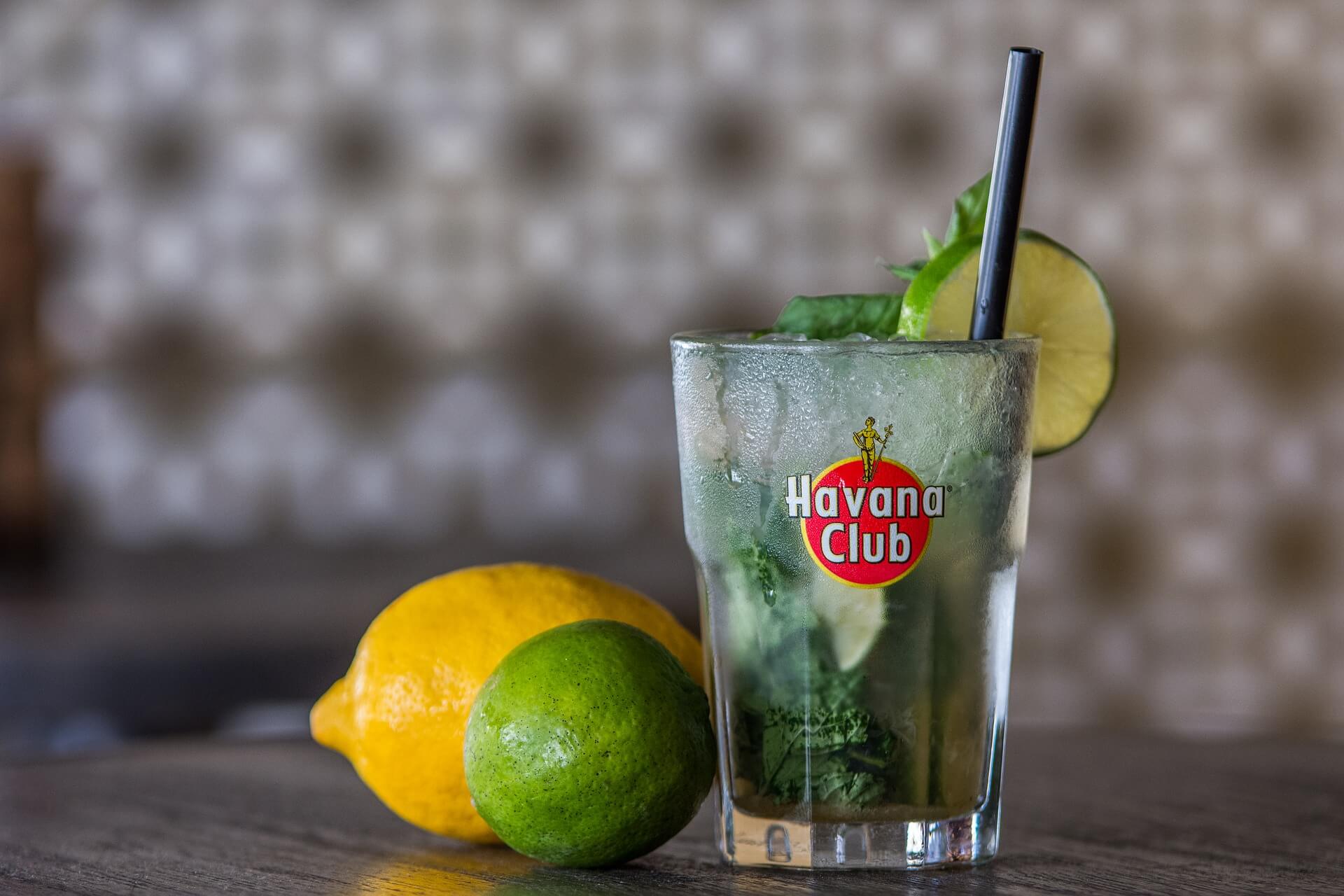
Havana Club Mojito rum cocktail

Last Monday, August 16, was National Rum Day. Of course, millions of people drink rum every day. So, there’s really not a bad day to learn more about the many styles of this versatile spirit.

Obviously, we love restaurant and bar holidays. Just review Exhibits A and B, National Tequila Day and National Scotch Day.

But, we also love learning and teaching others about spirits and cocktails any day of the week. Today, let’s dive into rum!

Cheers!

Molasses vs. Juice vs. Syrup

There are three main types of rum in terms of the main ingredient distillers ferment to make this classic spirit.

First, the more common source: molasses from sugarcane. Then, there’s fresh sugarcane juice. Finally, rum can be made with sugarcane syrup.

However, there are also spirits like aguardiente made from the distillation and fermentation of fruit. Additionally, beet sugar can be an ingredient. However, many countries—including the US—require rum to be made from cane sugar.

Light Rums

Generally speaking, rums can be broken down into two characteristics beyond molasses, juice or syrup: light rum and dark rum.

White / Clear

It doesn’t get much lighter than clear, does it? Simply put, the production method for making a white or clear rum includes filtering out the color. Contrary to what some assume, these rums aren’t necessarily unaged: many rest for one or two years.

Again, speaking generally, these light rums are often less flavorful than other styles. Daiquiris, Mojitos and Piña Coladas tend to be made mostly using white or clear rums. Of course, it can be profitable to upsell those classics with golden, pale, dark, and premium aged rums.

Gold / Pale

One way to think about gold or pale rums is that they’re a step up in flavor profile. They also tend to receive longer aging times than their white and clear counterparts.

However, since they’re not normally the rums that are rested for particularly long times, they’re usually affordable.

Dark Rums

Dark

So, let’s kick this section off with the creatively named dark rum category called…dark.

To be clear, this category can include gold and pale rums, technically. When people refer to dark rums, that’s an awfully broad description. So-called “dark rums” can run the gamut from aged a couple of years to aged for incredibly long times. Not only do these rums not undergo a filtering process to remove their color, distillers may actually add color.

Black

Now, this is a more specific categorization among the catch-all “dark rum” descriptor.

When one encounters a black rum, they can expect several elements: dark in color, rich and bold flavor, a full body, and a rum made from molasses. Often, the barrels used to age black rums are given a heavy char.

Navy

This is another full-body rum. Arguably, this is the most traditional form of rum that harkens back to the 1600s.

It bears the name “navy” because it’s the style of rum that British Royal Navy sailors made famous. As many people are aware, rum was a staple ration on the Royal Navy’s ships.

Specialty

Drilling deeper, there are several categories of rum that are too specific to simply bear the label “light” or “dark.”

Flavored / Spiced

Prepare for amazement: This category of rums receives enhancements from spices and/or flavorings. Shocking, I know.

Coconut is among the most common rum flavorings. However, you’ll also find apple, pineapple, and even gingerbread.

In terms of spiced rum—hello, Captain Morgan—common spices are cinnamon, clove, and nutmeg.

Overproof

I’m willing to bet this label isn’t difficult for most people to figure out.

Speaking generally once again, most rum in the US and Canada weighs in between 40- and 50-percent ABV. Overproof rum, then, is a high-proof spirit.

Cask strength for rum can reach as high as 84.5-percent ABV, or 169 proof. Interestingly, the US prohibits rum over 155 proof from entering the country (in most cases).

In Canada, up to 190-proof spirits are legal.

Funky

This is an incredibly fun and unique style of rum hailing from Jamaica.

Jamaican funky rums offer the drinker the opportunity to try something different, bold, and that embodies the island country’s terroir. To make these unique rums, distillers often add what’s called “dunder” during the fermentation process. Dunder it leftover material from previous distillations, and when added in large quantities, it can be referred to as “muck.”

Get heavy in the muck and the rum gets truly, unforgettably funky.

Rhum Agricole

At the top of this article are the three main sources for rum: sugarcane molasses and sugarcane juice. Distillers produce rhum agricole by distilling pressed sugarcane sugar directly.

Also, rhum agricole was created in the island nation of Martinique. Now, many people have likely read that only Martinique distillers can make rhum agricole. The reality is more nuanced.

For a rhum agricole to be labled “Rhum Agricole AOC Martinique,” the product must meet specific requirements.

Cachaça

There’s a saying well-known by bar professionals across the globe: “No Negroni without Campari.” Well, there’s no Caipirinha without cachaça.

Also known as the National Spirit of Brazil, cachaça must be made from fermented sugarcane juice. The use of many species of trees throughout Brazil give distillers the opportunity to produce cachaça with terroir and distinctive flavor profiles.

Image: Christo Anestev from Pixabay

by David Klemt David Klemt No Comments

Supporting Local Charities

Supporting Local Charities

by David Klemt

Stacks of pizza boxes

When it comes to showing the community you serve that you care about the people in it, supporting local charities is a wise decision.

Indeed, it’s a choice that restauranteur, restaurant industry leader, author, speaker, and World Pizza Champion Mike Bausch endorses.

Last week, Bausch shared his tips for supporting local charities at the 2021 International Pizza Expo in Las Vegas, Nevada.

The owner of Andolini’s Pizzeria in Oklahoma is also a Bar Hacks podcast guest. Click here to listen to episode 18.

The Wrong Way

First, Bausch encourages operators to always donate food, not money.

“Don’t be a gold Sponsor,” he says of the higher tiers of charitable donations. “Don’t be a silver sponsor.”

Of course, one reason to provide only food to a charity’s event comes down to costs. Let’s say an operator plans to donate five 20-inch pizzas (I know, not a huge donation—it’s just an example). On the high end, the food cost is $7 per pizza. That’s a donation of just $35 while still showing community support.

Second, promoting charitable donations. Simply put, don’t do it.

Bausch says to just provide the donations but not brag about it on social media or other avenues. In most cases, doing so wipes out good will from the community.

However, there is one exception: national charity events.

Third, some donations come in the form of silent auctions. In these instances, Bausch believes it’s perfectly acceptable to be over the top.

For example, silent auction items are often just an 8.5 x 11 sheet describing what a bidder can win. To stand out, Bausch says to go big with a branded basket loaded with several items. People will leave the event remembering the brand with the big basket.

The Right Way

Here, Bausch explains that he normally says yes to all charities. There are, of course, some exceptions. More on that below.

First, let’s take a look at a simple way to field donation requests. Bausch recommends adding a donation request page to a restaurant’s website. Doing so makes it easy for an operator to stay on schedule for donations and events.

The form also helps weed out the aforementioned exceptions. If someone seeking donations can’t even take the time to fill out the form, says Bausch, that identifies a red flag immediately.

Also, Bausch includes the following at the end of the request form: “A customer of Andolini’s?” (yes or no), and “Describe an experience (positive or negative) you’ve had at Andolini’s.”

Additionally, not every donation Bausch and Andolini’s make is necessarily for a charity. There are smaller groups of people with whom Bausch will seek good will.

Example: Pokémon and Magic: The Gathering groups. Bausch sees value in supporting so-called “fringe” groups, providing a place to host tournaments or food for their tournaments.

Bausch will also call the local police, ask when shift changes take place, and drop off pizzas.

When asked, inevitably, why he would just drop off free pizzas, his answer is simple: “Because we want to.”

Image: Hans Braxmeier from Pixabay

by David Klemt David Klemt No Comments

Why Operators Need to Set Goals

Why Operators Need to Set Goals

by David Klemt

Darts in a dartboard and in bullseye

Something restauranteur Mike Bausch said during the 2021 International Pizza Expo caught my attention.

It stuck with me for a few days. Eventually, I had no choice but to write it down and share it with others.

“If you don’t have a goal,” Bausch said, “you just have a dream. And dreams are just fluff.”

Goals are Measurable

An operator’s goals don’t stop with realizing the vision of opening their business. Rather, that’s when setting goals starts.

Starting up a restaurant, bar, brewery, entertainment venue, hotel… Just getting to the point of opening the doors for the first time requires accomplishing multiple goals.

In fact, our Roadmap to Success identifies several steps—or goals—to achieve to open a startup.

But, hey, let’s say a person’s goal is to open a business. What’s next? Just running that business? That’s not much of a goal. It isn’t defined, it isn’t really measurable, and it won’t accomplish much.

There’s a reason KRG Hospitality offers coaching for operators after they’ve opened for business. Our work doesn’t end with the grand opening.

Similarly, “I want to make a bunch of money” also isn’t really a goal. That’s a result; goals are what help you achieve desired outcomes.

So, instead of writing down making money as a goal, come up with goals that will:

Of course, those represent just a tiny handful of possible goals.

Goals Drive Forward Progress

Because goals are measurable, they help an operator and their business continue growing. So, when operators make goals, they’re working to ensure long-term viability.

Yes, building a bank account and setting one’s self up for retirement can be goals. But how does an operator achieve either of those goals?

They set and achieve the goals that will drive them toward those two personal accomplishments.

Also, in achieving a number of other, equally important goals, the business moves forward constantly. In essence, a restaurant or bar without goals is a listless ship floating in the doldrums.

An effective captain keeps wind in the sails.

Goals Strengthen Teams

Sticking with the ship metaphor because it’s incredibly original and has never before been done, it needs a crew.

So, too, does a restaurant, bar, entertainment venue, or hotel.

Sure, the basic goal of an employee is making money. Generally speaking, that’s not enough of a goal to keep a team member engaged and loyal.

However, an operator being transparent about financial goals (for a particular shift, the week, the month, etc.) engages the team.

Likewise, an operator can (and should) inquire about employees’ individual goals. Then, they should come up with mutually beneficial ways to help accomplish those goals.

Clearly, those are just two examples of how operators can include their teams in the goal-setting process.

The keys to setting goals are:

  • make sure they’re clear;
  • ensure they’re achievable;
  • be certain they’re measurable;
  • when relevant, be transparent about the results with the team;
  • learn from failures or sub-optimum results; and
  • celebrate wins.

And then, of course, set new goals.

So, are you a dreamer or are you a visionary: a dreamer and a doer?

Image: Afif Kusuma on Unsplash

by David Klemt David Klemt No Comments

Leadership: The Other 10-second Rule

Leadership: The Other 10-second Rule

by David Klemt

Watch face showing seconds and minutes

Those who remember last week’s Friday post will recall that there’s more than one 10-second rule.

Interestingly, this “other” rule also relates to communication.

As we all know, communication is paramount to leading teams and building relationships with others.

Last Week’s Rule

Deceptively simple, last week’s 10-second rule focuses on easing tensions.

If a situation is about to boil over or is already out of control, going silent for 10 seconds can cool things off.

First, shutting up for ten seconds stops the argument cold. Second, it provides time for the person leveraging this tactic to respond rationally.

Third, it humanizes the other person. Rather than seeing an opponent, the person going quiet for ten seconds remembers that this is a team member they’re engaging.

Finally, people who use this rule say going silent tends to snap the other party out of their hostility.

Treating others with respect and dignity, along with encouraging open communication and a free flow of ideas, are hallmarks of a healthy workplace culture.

This Week’s Rule

There are, of course, similarities between this week’s rule and last week’s. Obviously, they both call for a ten-second “timeout” to talking.

Also, they both focus on humanizing the other person in the conversation.

I came across the other 10-second rule on the Accounting Today website. Accountant and author Kyle Walters writes that his rule is also simple: If Walters talks for ten consecutive seconds during a client meeting, he stops to ask an open-ended question. Crucial to the process is that Walters then gives the person answering time to talk.

Now, while Walters applies this to client meetings, it’s useful for conversation in general. As he points out, it breaks the bad habits of dominating conversations; giving off the impression that you’re selfish and don’t care about the others in conversations; and not listening to others.

Anyone who leads a team; needs to develop relationships with suppliers, distributors, contractors, investors, banks, inspectors, etc.; and wants to build relationships with guests knows that listening is crucial.

Sure, ten seconds doesn’t seem like a lot of time. However, take the time to actually see how many thoughts you can fire off in ten seconds. You’ll see how much talking for that “small” amount of time can quickly seem domineering if you don’t stop to include others in the conversation.

There’s also the “small” detail that you’re not having a conversation if you’re not listening—you’re just delivering a speech…and it’s probably not a good one.

It takes work to break bad habits. However, the benefit to your personal growth, leadership abilities, and business are worth the effort.

Image: Agê Barros on Unsplash

by David Klemt David Klemt No Comments

Vax Passports? Here Come Vax Kiosks

Vaccine Passports? Here Come Vaccine Kiosks

by David Klemt

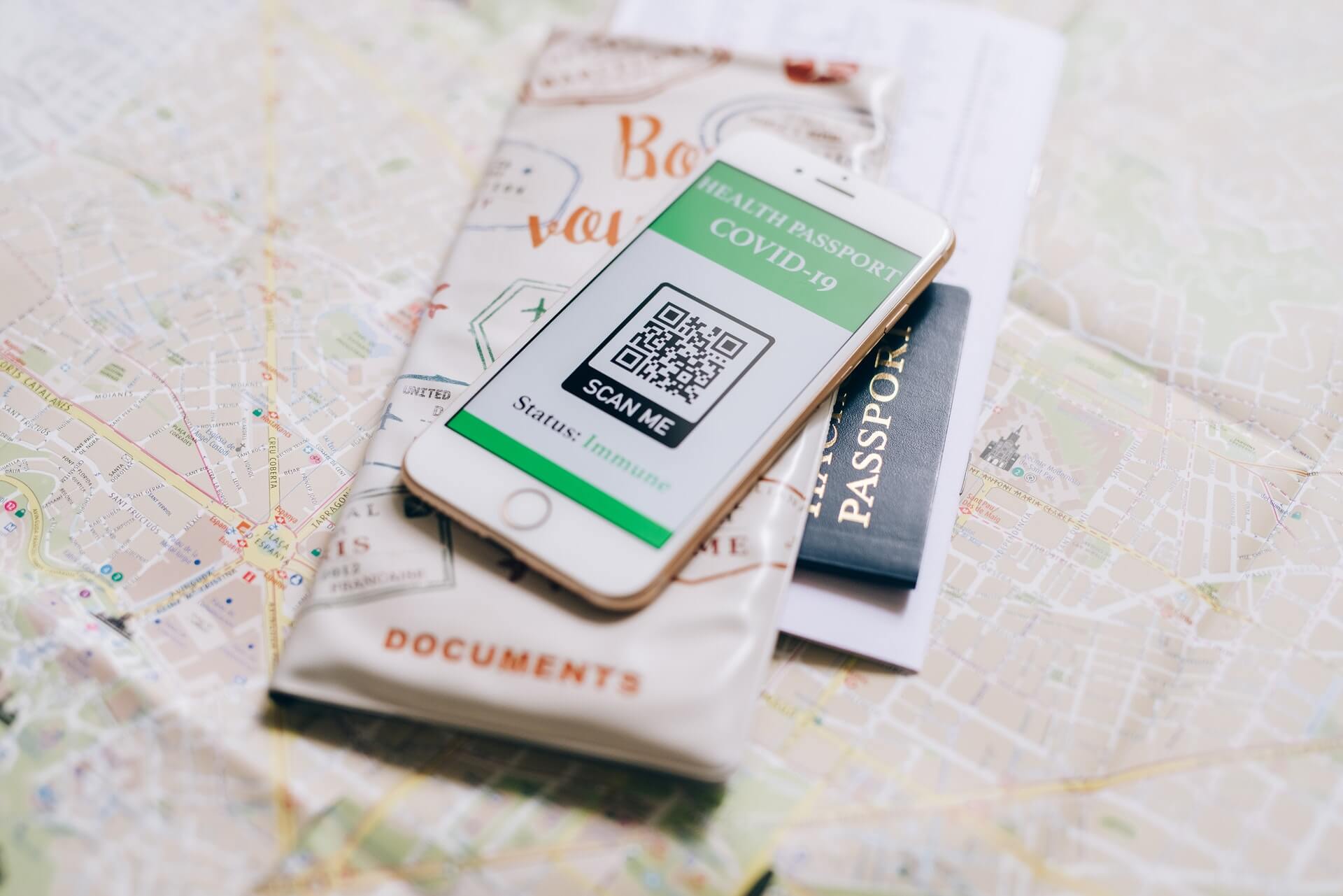
Vaccine passport on phone sitting on map and passport

Some airports and hotels are already leveraging kiosk technology to confirm a person’s vaccine status.

It’s only a matter of time before we see this technology expand to hospitality venues like restaurants, bars and nightclubs.

The question is, what will the confirmation process look like?

CLEAR Example

One of the simplest ways to imagine how these kiosks will work is via CLEAR.

The company uses a person’s unique biometrics to “transform your eyes and face into a touchless ID.” CLEAR can also use fingerprints.

Currently, you can find the service in more than 50 airports, stadiums and other locations. A person walks up to a CLEAR kiosk, it scans their eyes, face and/or fingerprints, and their identity is confirmed.

The company’s website shows a message explaining that CLEAR users can link their vaccine status to their account. At the moment, this appears to be one of the most seamless integrations in terms of tech and an individual’s identity.

One real-world example of how CLEAR works to prove vaccination status comes from the Las Vegas Raiders. To attend home games without wearing masks, people will have to download the free CLEAR mobile app. Using the Health Pass feature, they’ll be able to prove their vaccination status to go maskless at Allegiant Stadium.

Privacy Concerns

So, how else could these kiosks work? First, it’s incredibly unlikely that every major market will install such kiosks. The exception may be airports, of course.

However, some hotel and large restaurant groups may decide to use them, likely in cities like New York that already have vaccine passport apps.

In theory, using a platform like Google API, businesses could install kiosks that scan an app via QR code or other method to confirm a person’s vaccination status.

One glaring issue comes down to privacy.

Loyal CLEAR users trust the company or they wouldn’t use it. However, who would program apps that confirm vaccination status for kiosks? And who would own the data? How secure can that very personal data be?

Millions of people already believe being asked to wear a mask is an infringement on their freedoms. Millions also believe being asked to confirm their vaccination status is a violation of their privacy.

So, how will they respond to vaccine passports at hotels, restaurants, entertainment venues, stadiums, etc.? Whatever side of the debate you’re on, it’s clear that the divide between the vaccinated and unvaccinated is widening by the day.

As has been the case since 2020, lawmakers are punting on taking responsibility for how mandates and “recommendations” are enforced by businesses. As has been the case for well over a year, it’s the guest-facing workers who will bear the brunt of hostile encounters over mask and vaccine rules.

Image: Olya Kobruseva from Pexels

by David Klemt David Klemt No Comments

Connect with Us at Pizza Expo 2021

Connect with Us at Pizza Expo 2021

by David Klemt

Freshly baked pepperoni pizza on board

We’re currently attending the International Pizza Expo in Las Vegas this week.

If you’d like to meet up, don’t hesitate to reach out to me via email or LinkedIn.

There are a lot of attendees to meet, education sessions to check out, and exhibitors to explore. However, we’ll be around so don’t be shy.

Where to Find Us

First, it’s awesome that trade shows and conferences are back in Las Vegas.

Linking online is convenient but nothing can really replace connecting in person.

That said, we’ll be at the International Pizza Expo all three days. Please, if you want to learn more about KRG Hospitality or the Bar Hacks podcast, feel free to connect.

Today, you’ll be able to find us at industry leader, pizza pro, restaurateur, and Bar Hacks guest Mike Bausch‘s “Community Marketing” seminar. Of course, we’ll also be attending his keynote on Wednesday.

But, back to today. You’ll certainly be able to find us at Scott Anthony’s “Old-school Marketing that Still Works,” and Nicole Russell and Anthony Falco’s “Today’s Top Pizza Trends” seminars.

If you’re looking for us on Tuesday, we know we’ll be attending Bausch’s “Menu Development Amidst COVID”; Nicole Bean’s “Logistics of Offering Multiple Pizza Styles”; and Sammy Mandell’s “Using Video to Grow” sessions.

Wednesday, the final day of this year’s International Pizza Expo, offers an array of can’t-miss education sessions.

We’re interested in the “Women in Pizza” panel featuring Nicole Bean, Rachel Cope, Denise Greer and Nicole Russell; Bausch’s “Third-party Delivery”; and the “Not Letting Covid Win” panel with Domenico Di Diana, Pasquale Di Diana, and Eric Rickman.

Of course, we’ll be walking the expo floor as well.

Las Vegas is Home

One of the major KRG Hospitality markets is Las Vegas. It’s where I’ve lived for nearly two decades.

So, if you want to grab a bite and a drink or even just want some tips for places to check out, reach out to me.

As home to one of Tony Gemignani’s Pizza Rock locations, it’s more than a little likely that you’ll spot us at this off-Strip pizza standout.

Image: amirali mirhashemian on Unsplash

by David Klemt David Klemt No Comments

Leadership: What is the 10 Second Rule?

Leadership: What is the 10 Second Rule?

by David Klemt

Message icon and emoji in form of white neon sign

Anyone who spends any time reading publications that focus on business will come across the “10 Second Rule.”

So, what is this rule? And why should you care?

After all, many entrepreneurs who enter hospitality do so partially to reject “corporate life.”

Adapt Rather than Reject

First, let me say that we understand the allure of eschewing the traditional business world. KRG Hospitality is itself a rebellion against corporate life.

However, we believe that some proven business strategies absolutely have a place in independent restaurant and bar operations.

Indeed, there are lessons independent and boutique operators can learn from their chain and corporate counterparts.

Conversely, independent and boutique entrepreneurs can teach chains quite a few things.

In fact, there are chain operations out there that go to great lengths to appear independent. They strive to leverage the perception that they’re local and small.

So, rather than outright reject corporate strategies and tactics, operators should adapt them to streamline operations, reduce costs, maximize profits, and thrive long-term.

Ten Seconds

Hospitality and foodservice are fast-paced—that’s not news. When front and back of house find themselves in the weeds, passions rise quickly. Often, a blow-up is on the menu.

The same can be true during shift and staff meetings. Perhaps one or two employees aren’t engaging, or maybe there’s a long-simmering issue that’s close to boiling over.

Or, perhaps a change to operations and expectations—the reason for the meeting—immediately ruffles feathers. This rule also applies to one-on-one discussions between ownership, management, and staff.

Engaging in a dust-up can be tempting. Not many people appreciate having their authority questioned or perceived slight left unaddressed.

The 10 Second Rule I’m addressing pertains to communication. Of course, we all know communication is often two things: crucial and difficult.

Simply put, the 10 Second Rule tells us to be quiet for ten seconds. If tensions are rising (often accompanied by volume), put an end to the situation by shutting up and counting to ten.

According to people who champion this rule, a few things happen: the person who implements stops feeding the tension; that same person can now respond without emotion; it provides time to remember that the other party isn’t just an opponent; and the other party tends to also cool off.

It’s a simple rule that can have a huge impact on workplace culture. A healthier, more positive culture leads to happier staff, which improves recruiting and retention. That’s a huge payoff for just ten seconds.

Image: Jason Leung on Unsplash

by David Klemt David Klemt No Comments

How and Why to Edit Your Menu

How and Why to Edit Your Menu

by Nathen Dube

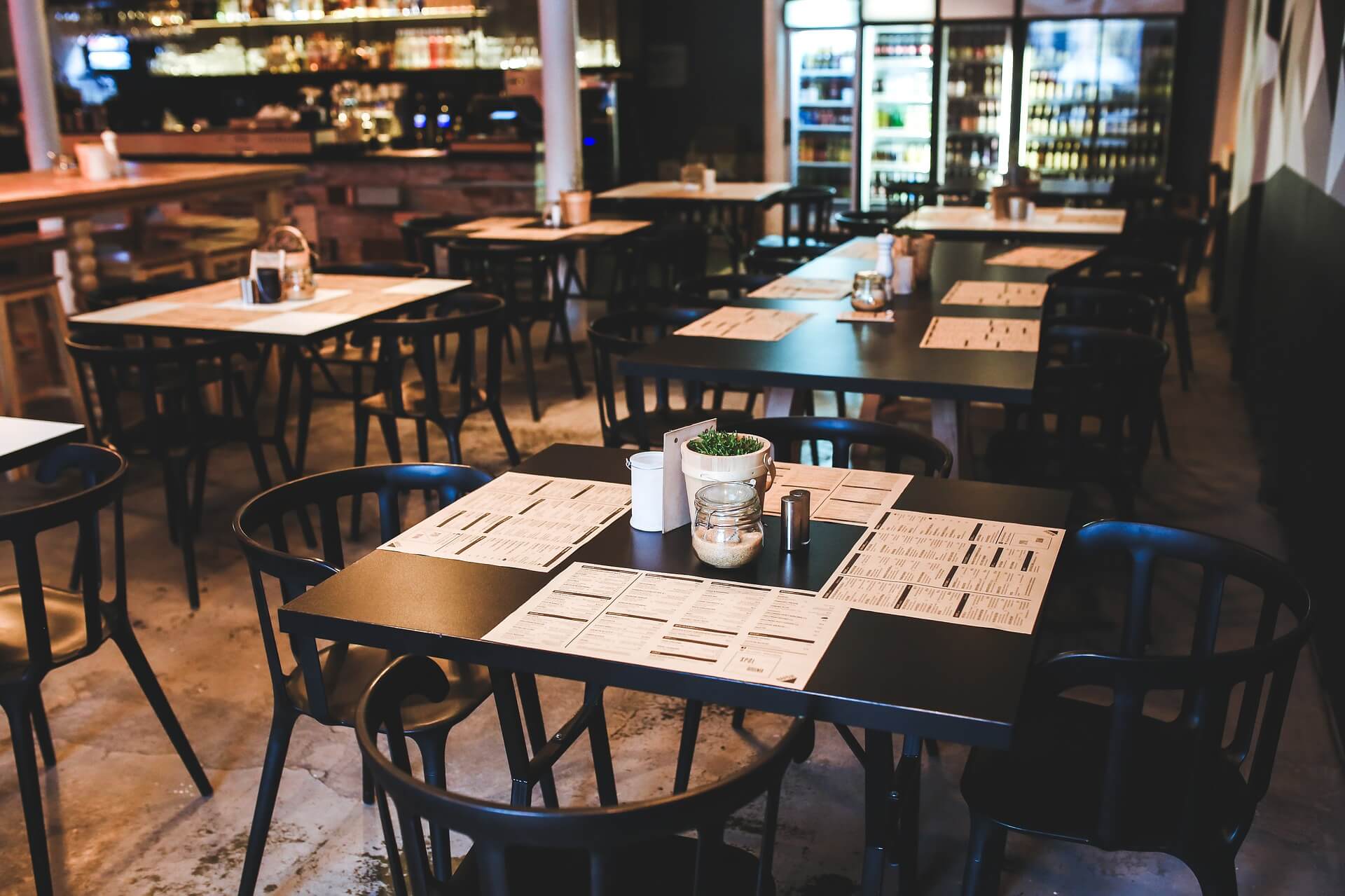
Restaurant tables with place settings and menus

When thinking about opening a restaurant an important question to answer is, “What am I going to serve?”

There is one answer that tempts too many restauranteurs: “I’ll offer something for everyone!” The thinking is that doing so translates into everyone coming to their restaurant or bar.

The truth is, everyone isn’t coming. Sadly, many of these places don’t survive long, and 60 percent of restaurants don’t make it past their first year. Having an overwhelming menu is one of the key contributors to that statistic.

Massive menus are stressful for guests, making it difficult for them to decide. At a certain point, too many items create what’s called the Paradox of Choice. Overwhelm guests with possibilities and they’ll just choose something simple and familiar rather than exploring the entire menu, impacting the guest experience negatively.

Too many options also lend to the perception of low-quality food. How can a kitchen staff possibly excel at so many dishes? How can the ingredients be fresh and not frozen? What is the quality of dishes if people only order them once or twice a week?

Those reasons and more are why it’s important to have a laser-focused menu from the onset.

Inventory Challenges

If a large portion of your menu isn’t moving out of the kitchen to hungry diners, guess where that food is going. A large menu creates tracking issues, a high percentage of ingredient spoilage, and opens the door to theft from staff. The best establishments do just a handful of things well, with a select few complementary items to round out the menu.

Having a kitchen full of product for dishes on the menu that might get ordered can quickly turn into dead stock. If there are boxes sitting in dry storage shelves collecting dust, it’s a good time to consider removing any dishes that require them from the menu.

Setting a scheduled review of inventory and menu sales breakdowns can be a great way to avoid dead stock eating into your food budget for any significant length of time. Not all dishes end up being winners—ignoring the losers will limit profitability significantly. A massive, unchecked menu just compounds the issue.

Another profit-eater is food waste. Ordering usually means receiving product in bulk and breaking it down. It’s near impossible, as an example, to order just two or four of something like cabbage for a dish that doesn’t move. The cabbage sits, and half a case gets thrown out for every dish sold. Having a focused menu will help quickly highlight items that need to be removed from a menu.

Tracking Issues

Then there’s the issue of theft. Unfortunately, theft happens. Having some deterrents in place can help mitigate opportunities for those who seek to steal in this industry.

If there aren’t robust tracking systems in place along with an honest team who uses them correctly, things can (and will) disappear. A much harder time will be had spotting losses and what’s causing them when it takes a long time to track inventory. Again, this leads to compounded profit losses on dead stock and product spoilage. We haven’t even begun to prepare any food yet and already our food cost is trending in a bad direction.

A restaurant budget needs to be established before opening and needs to be adhered to strictly. That can quickly go out the window when it comes to ordering food to stock your kitchen. A massive addition to your operating costs can set you back a few months, particularly when you’re not seeing a return on purchases for the reasons stated above.

With the current climate of the restaurant industry and a post-Covid dining scene, avoiding these pitfalls is crucial to success. Rising food and labour costs, recovering from months of closures, and a shortened patio season (if you’re lucky enough to have one), have made strict cost controls more important than ever going forward.

Keep in mind, if your seating capacity matches or is less than the amount of menu items you’re serving, that equates to minimal product turnover, which translates to minimal profits. That number is multiplied by product loss of any kind.

Training & Retention

When an owner can’t match their concept to food and drink offerings, it leads to poorly trained staff and frustration during service. There will be plenty of room for error (more loss!) and, unsurprisingly, low staff retention. That all keeps this never-ending cycle in motion.

If you can’t clarify your vision, how can you expect staff to showcase it to guests with any confidence?

At every “big menu” restaurant I’ve worked in, the owners were always in the building or kitchen. This wasn’t because they were driven to be hands on. It was because they couldn’t train staff properly to run the whole menu reliably, things would go “missing,” or staff simply couldn’t accomplish daily tasks consistently.

Interestingly, the opposite was true at establishments with small, focused menus. Staff were confident and knowledgeable, problems with food and service didn’t spiral out of control, and food moved out the door to some degree of consistency. The owners were freed up to run their business rather than micromanage everyone.

With all the issues currently hampering the food industry, the last thing you want right now is another level of frustration among your staff. Retention rates are at an all-time low. The struggle to fill job openings industry-wide are at all-time high, as are reported cases of staff walking out mid-service. A properly structured menu can keep your business on track and make the lives of your employees much more simplified.

Editing Your Menu

Focusing on cohesion between menu and concept doesn’t require offering all the dishes under the sun. Avoiding the “something for everyone” approach leads to improved guest experiences and employee confidence. Streamlining your menu simplifies inventory and sales tracking; differentiates high-profitability items from the rest; and makes identifying items that don’t sell easier.

Paring down your menu into a tight, focused version allows you to quickly retool it every few months. Just try tracking and editing a large four-page menu as frequently. It’s costly to reprint and you have better things to do with your time.

Keeping things tight also creates space to take advantage of seasonal offerings, local specialties, or customer favorites. You can also offer specials throughout the week that can drive traffic and give your talented cooks a chance to show off!

I would suggest looking over your sales data to identify your highest-selling dishes and the slow movers every one to two months. If you have a seasonal menu, this can be done at the midpoint of a seasonal change.

Think about what items are being purchased and only used in one dish. They can start to pile up in your stockroom and lead to dead stock. Consider the versatility of ingredients when planning a menu change—cross-utilize everything you can.

Fluctuating Costs

Another important point that can get forgotten is that the prices of food items fluctuate constantly. Maintaining a large menu, therefore, can become a nightmare cost scenario quickly. Limes, beef, avocados—even celery—are experiencing tremendous jumps in price. A small menu allows for damage control when prices jump, giving your room to make quick, lower-cost moves.

Of course, the alternative is to have your staff rattle off everything the kitchen is out of to your guests. Not cool.

The underlying theme here is to avoid tying up your finances in product that is sitting, turning to waste instead of profit, or not moving at all. Your mission is to have product moving out of the kitchen constantly and consistently.

It might seem like a wise decision to offer a large menu that’s all over the place. Maybe you’re making that choice for fear of alienating guests or reducing your traffic. However, the points made in this article should illustrate why a cohesive link between concept and menu is crucial, and how a smaller, more focused menu can deliver more for you than a large, out-of-touch menu.

Image: Karolina Grabowska from Pixabay

by David Klemt David Klemt No Comments

What’s the RRF Replenishment Act?

What’s the RRF Replenishment Act?

by David Klemt

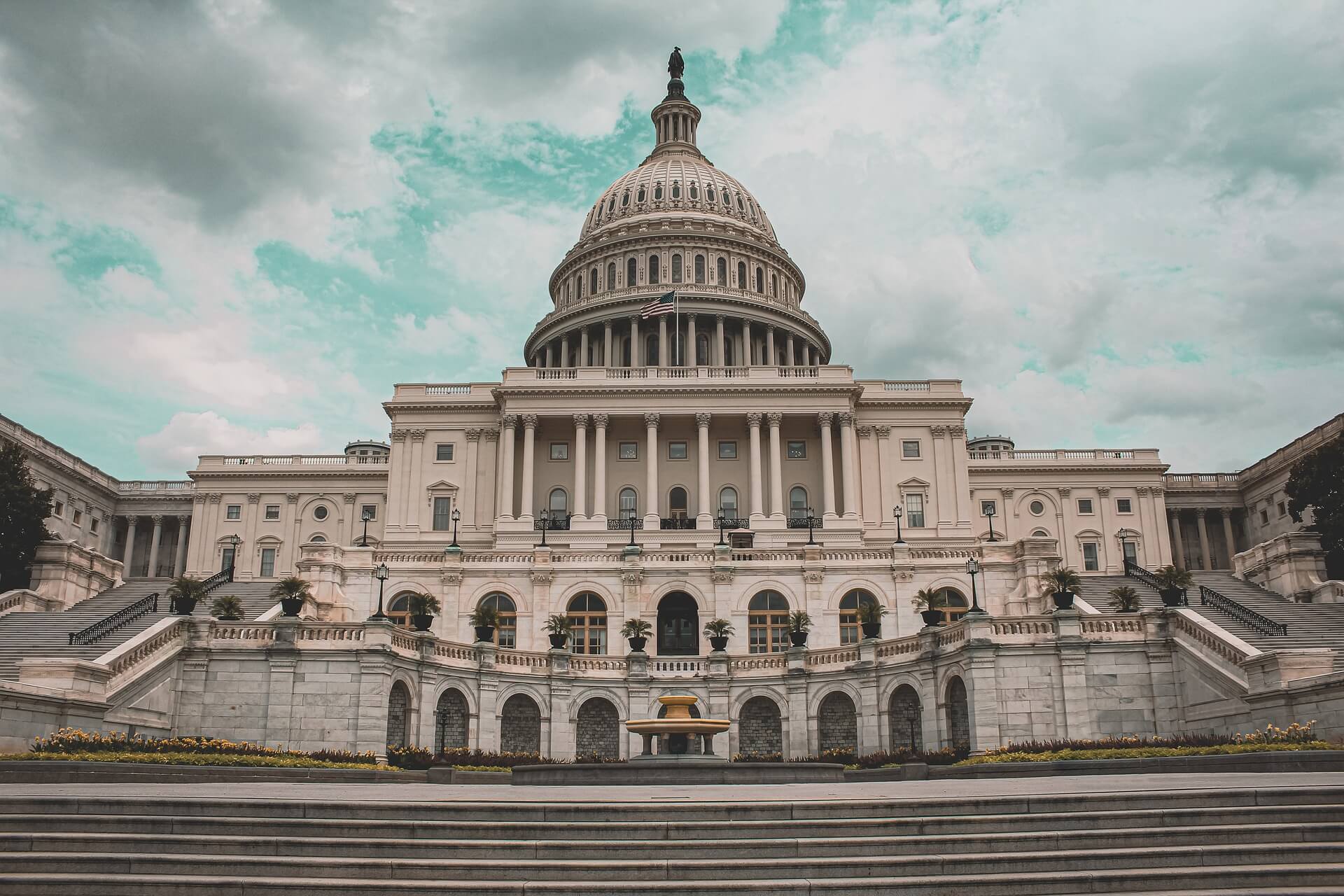
The United States Capitol Building with cloudy sky in background

The ENTREE Act isn’t the only bill seeking to replenish the Restaurant Revitalization Fund. In fact, a bipartisan bill predates the ENTREE Act by a month.

So, what’s the difference between that bill and the Restaurant Revitalization Fund Replenishment Act of 2021?

Let’s take a look.

Additional Funding

Clearly, the biggest similarity between the two bills is the amount of money both are after.

Both the RRF Replenishment Act and ENTREE Act seek $60 billion.

As people familiar with the RRF will recall, the fund launched with $28.6 billion. Obviously, that was nowhere near enough funding to meet the demand for grants.

The RRF Replenishment Act was introduced in June by the same bipartisan group that first introduced the RRF. Sens. Kyrsten Sinema (D-AZ) and Roger Wicker (R-MS), and Reps. Earl Blumenauer (D-PA) and Brian Fitzpatrick (R-PA) introduced the bill on June 3.

Per a press release, nearly $50 billion in grant applications were left outstanding. The RRF application portal was closed just 21 days after launching.

$60 Billion

The biggest difference between the RRF Replenishment and ENTREE acts? Sourcing the $60 billion to replenish the RRF.

Per the text of the bill, the ENTREE Act would use unspent funds from the American Rescue Plan and Economic Injury Disaster Loans.

As for the RRF Replenishment Act, the funding would essentially come from “printing” an additional $60 billion.

Clearly, Americans will have differing opinions when it comes how the RRF is funded. However, using unspent, previously allocated funds does seem like a more logical approach.

So far, there’s no word on how these two bills may impact one another. There’s no news about the bills working in conjunction, just as there’s no news yet about a preference for one over the other.

With all eyes on the Senate and the progress of the infrastructure bill, we’re still awaiting answers on the RRF Replenishment and ENTREE acts.

Image: oljamu from Pixabay

by David Klemt David Klemt No Comments

Today’s the Day: Canada Opens Border

Today’s the Day: Canada Opens Border

by David Klemt

Canadian Border Services Agency sign on chainlink fence

The big day is here and Canada is opening their border to the USA.

Today, Americans and permanent residents can enter the country for “discretionary,” a.k.a. non-essential, travel.

Of course, the border is only open to travelers who can prove their vaccination status (full series).

Quarantine Lifted

As many Canadians are well aware, quarantining was mandatory for people traveling into Canada up until today.

Asymptomatic travelers, with very specific exemptions, were required to quarantine for 14 days upon arrival. The mandatory quarantine included a three-night stay at a hotel authorized by the Canadian government.

Oh, and the traveler had to cover the cost of the mandatory hotel stay.

However, that wasn’t all that was required. Travelers had to create and submit a quarantine plan. Foreign national who failed to submit a plan deemed suitable faced the risk of border agents turning them away.

Of course, the mandatory quarantine dissuaded Canadians from traveling across the border for essential travel. After all, Canadians weren’t exempt from hotel quarantine.

Requirements

Now, Americans or permanent residents residing in America aren’t receiving unfettered access to the border. Indeed, there are requirements that must be met for anyone hoping to cross into Canada from the US.

Per the Government of Canada website, in its entirety for clarity:

“Beginning on August 9th, 2021 at 12:01 a.m. EDTfully vaccinated United States (U.S.) citizens and permanent residents will be eligible to enter Canada for discretionary (non-essential) reasons, such as tourism, however these individuals must:

  1. be fully vaccinated: to be considered fully vaccinated, a traveller must have received the full series of a vaccine—or combination of vaccines—accepted by the Government of Canada at least 14 days prior to entering Canada. Currently, those vaccines are manufactured by Pfizer-BioNTech, Moderna, AstraZeneca/COVISHIELD, and Janssen (Johnson & Johnson).
  2. be residing in and travelling from the U.S.;
  3. have a valid pre-arrival COVID-19 molecular test result taken in the U.S. (antigen tests are not accepted);
  4. be asymptomatic;
  5. submit their mandatory information via ArriveCAN, including proof of vaccination in English or French;
  6. be admissible under the Immigration and Refugee Protection Act; and,
  7. take a test on arrival, if required.”

So, if you or someone you know is planning to travel to Canada from America, make sure you follow the requirements precisely.

Operators, Be Ready

So far, news of increasing infection and hospitalization rates aren’t impacting Canada’s decision; the border is open as of today. Neither New York City’s vaccine mandate nor an increasing amount of counties and corporations implementing mask and vaccine mandates are deterring Canada.

Additionally, it doesn’t appear as though the Canadian government plans to implement other travel requirements (so far).

Canadian restaurant, bar, hotel, and entertainment venue operators need to be ready for an influx of guests. This is particularly true for operators in large metropolitan areas and well-known tourist destinations.

Pent-up demand for travel, experiences, reunions, weddings, and just escape should skyrocket with the Canada-US border reopening.

Also, should things go well, operators need to prepare for even more travels next month. While not written in stone, Canada plans to open the country’s borders to other countries on September 7.

Interestingly, this is also excellent news for those waiting to open a restaurant or bar. Plans to reopen borders should prove to be a boon for the Canadian economy. So, now’s the time to move forward.

Canadian operators must be vigilant about monitoring the border situation. Fresh opportunities arrive on your doorstep starting today.

Image: Hermes Rivera on Unsplash

by David Klemt David Klemt No Comments

What is the ENTREE Act?

What is the ENTREE Act?

by David Klemt

United States Capitol Building on fifty dollar bill

Foodservice and hospitality operators are waiting for Congress to act and replenish the Restaurant Revitalization Fund.

Well, that replenishment may come in the form of a bill from Rep. Blaine Luetkemeyer (R-MO).

Congressman Luetkemeyer is a ranking member of the House Committee on Small Business.

Restaurant Revitalization Fund Empty

As operators know, it didn’t take long for the RRF to be depleted entirely.

The Small Business Administration opened the RRF application portal on May 3. Just 21 days later, the portal was closed to new applicants.

More than 60 percent of eligible applicants in need were not awarded grants from the $28.6 billion fund.

Clearly, that amount was nowhere near enough to meet the needs of our industry.

People have been calling for Congress to #replenishRRF ever since the RRF portal was closed on May 24.

Entrepreneurs Need Timely Replenishment for Eating Establishments Act

To be fair, Congress acted quickly to at least address the SBA’s shortcomings in handling the RRF.

Early in June, a bipartisan group introduced Restaurant Revitalization Fund Replenishment Act of 2021. Sens. Kyrsten Sinema (D-AZ) and Roger Wicker (R-MS), and Reps. Earl Blumenauer (D-PA) and Brian Fitzpatrick (R-PA) introduced the bill on June 3.

The bill seeks $60 billion to replenish the RRF and the funds would essentially come from “printing more money.”

However, Rep. Luetkemeyer introduced the Entrepreneurs Need Timely Replenishment for Eating Establishments Act on July 20.

The aptly (if unwieldy) named bill is also proposing $60 billion. However, the funds would come from a combination of sources.

ENTREE Act Funding

Both sources would pour unspent, previously allocated funds into the ENTREE Act.

Rep. Luetkemeyer’s bill proposes using state and local funds from the $1.9 trillion American Rescue Plan.

The ENTREE Act would also secure funds from Economic Injury Disaster Loans that have yet to be spent.

Currently, there’s no indication if Congress intends for these bills to somehow work together. Also, no date has been put forth regarding voting on either the Restaurant Revitalization Fund Replenishment Act or ENTREE Act.

However, we can put pressure on Congress by asking them to act quickly on these bills. So, let’s come together and contact our representatives—it can take just 30 seconds.

Image: Karolina Grabowska from Pexels

by David Klemt David Klemt No Comments

New York City Mandates Escalate

New York City Mandates Escalate

by David Klemt

Times Square empty in New York City during Covid-19 pandemic

Mandates requiring people to wear masks and maintain social distance indoors aren’t new.

However, a mandate requiring proof of vaccination status to dine and drink inside a restaurant or bar is a new development.

This week, Mayor Bill de Blasio is escalating Covid-19 mandates in New York City.

Restaurants and Gyms

To date, New York City is nearing a 70-percent full vaccination rate.

The latest pandemic mandate is likely intended to boost the city’s vaccination rate. Per reporting, the Delta variant of Covid-19 accounts for more than 70 percent of new cases in New York City.

Interestingly, the new mandate requires workers, not just customers, to prove their vaccination status. It also makes New York the first major city to implement such a requirement.

So far, the requirement pertains to indoor restaurants, bars, nightclubs, performances, and gyms.

Per Mayor de Blasio’s announcement, the vaccine mandate, referred to as “the Key to NYC Pass,” will begin with a transition period that starts August 16. Beginning September 13, full enforcement of the mandate via New York State’s Excelsior Pass app; the NYC COVID SAFE app; or paper vaccination card is expected.

Union Square

Predictably, the response to this mandate comes in three flavors: supportive, hostility, and apathetic.

So, those who support the requirement are applauding it, saying they’ll feel safer when dining out. Conversely, those who oppose the new mandate believe this is glaring government overreach and an infringement on their freedoms.

In a way, however, this mandate isn’t completely new. Some operators throughout the United States already require proof of vaccination to enter their venues.

Currently, several media outlets are focusing on Danny Meyer and his Union Square Hospitality Group.

Several days before Mayor de Blasio’s announcement, Meyer said guests who want to dine and drink in his NYC restaurants will need to prove vaccination status starting September 7.

Additionally, Meyer announced current and new employees would have to prove they’ve been vaccinated.

At the moment, it doesn’t appear Shake Shack, of which Meyer is founder and chairman, will follow suit.

Not the First

However, Meyer is not the first operator to implement and enforce strict Covid-19 protocols to protect their teams, guests and communities.

Perhaps some of the focus on Meyer is intended to draw eyes and ears, and ultimately encourage more people to get vaccinated fully. After all, celebrity chefs and operators have nationwide and global influence.

Cynically, however, it’s to not dismiss the focus on Meyer as a ploy for ratings, clicks, and engagement.

At any rate, many operators across the country require proof of vaccination to work and dine at their restaurants, bars, nightclubs, and hotels. And many were doing so before Meyer made his announcement.

One such chef-operator is Eric Rivera, who operates ADDO in Seattle. He has required proof of vaccination for employees and guests since May of this year.

In fact, Chef Rivera has been strict in his handling of Covid-19 health and safety measures since last year.

A visit to Chef Rivera’s website finds the following disclaimer, attributed to him:

“All of our experiences are for vaccinated guests only. That will remain permanent. If that’s a problem for you then there are plenty of restaurants that will reward you for doing nothing, this isn’t one of them.”

During an NPR interview, Chef Rivera explained his stance succinctly: “I don’t want to be somebody’s last meal. Whatever I’m doing food-wise and restaurant-wise isn’t worth that.”

He’s active on Twitter, where he makes his position and policies clear.

Takeaway

If you think I’m going to point out that New York City’s new mandate increases the likelihood of hostile confrontations with guests, you’re correct. I’ve said it before and I’ll say it again.

Also, if you’re guessing that I’m going to point out that guest-facing team members must receive support from leadership when policing guest behavior, you’re two for two.

However, policies like those put in place by Chef Rivera and others throughout the industry highlight something else: They’re showing the fallacy of the maxim “the customer is always right.”

Why should operators tolerate aggression toward their employees from disrespectful, angry customers—for any reason—if the employee is remaining professional and respectful?

It certainly seems that a growing number of operators are tired of capitulating to everyone who walks through their doors. The days of bowing to customers and failing to support and defend employees look to be ending.

Personally, I’m in favor of putting that outdated adage to rest. Continuing to reward guest behaviors we find objectionable—which has been the industry’s stance for decades—ultimately motivates good employees to quit. Again, this isn’t a pandemic-driven phenomenon—it has been going on for generations.

Of course, each operator must do what they think is best for their business. Just about every decision made in this industry is risky, but risk is something all operators understand inherently. Watching dollars walk out the doors never to return can be a frightening proposition. So is the prospect of losing good workers and incurring the associated costs.

The need to balance the comfort and safety of their team members and guests is paramount—an absence of either will shut a business down. Today, however, choosing guest dollars over employee dignity, safety and mental health is inexcusable and evidence of a problematic company culture.

If we’re truly in the midst of a Great Resignation, I can’t fault operators for deciding to keep their employees safe. Even if we weren’t facing a labor shortage, I’d support operators who support their workers.

Image: Paulo Silva on Unsplash

by David Klemt David Klemt No Comments

5 Books to Read this Month: August

5 Books to Read this Month: August

by David Klemt

Flipping through an open book

This month’s fun and informative book selections will help you develop next-level culinary, beverage and leadership skills.

To review last month’s book recommendations, click here.

Let’s dive in!

Something & Tonic: A History of the World’s Most Iconic Mixer

Author and bartender Nick Kokonas takes readers on a historical, global journey that focuses on the history of tonic. This informative book also contains tips, tricks, and 60 original cocktail recipes. Click here to purchase Something & Tonic now.

America Walks into a Bar

Do you have a passion for this business? Do you actually love bars and the rich history of our industry? Then you need to read Christine Sismondo’s America Walks into a Bar, equal parts adventure, entertainment and history.

Burn the Ice: The American Culinary Revolution and Its End

I could try to sum up Burn the Ice for you, but Danny Meyer seems to have captured the essence of this Kevin Alexander’s book in one word: “Inspiring.”

The Power of Strangers: The Benefits of Connecting in a Suspicious World

When we come across a great bar, restaurant or hotel, we never encounter strangers. Instead, we meet friends we never knew we had. In The Power of Strangers, author Joe Keohane addresses the importance of getting over the fear of engaging with strangers and why, particularly in these divisive times, we need “strangers” more than ever in our lives.

Hacking the New Normal: Hitting the Reset Button on the Hospitality Industry

The world around us has changed, as has the food & beverage industry and the hospitality industry as a whole. But will some ways of life change for the better? Will restaurants, bars, and hotels come out of the pandemic even stronger? In Hacking the New Normal, author and president of KRG Hospitality Doug Radkey addresses the need to hit the reset button on the hospitality industry for its long-term survival.

Image: Mikołaj on Unsplash

by David Klemt David Klemt No Comments

Stand Out with Weird Holidays: August

Stand Out with Weird Holidays: August

by David Klemt

Stay Weird neon sign with purple background

Want to stand out from from other restaurants and bars in your area? Then commit to keeping it weird.

Several “holidays” are set against every date on the calendar, and July is no exception. These holidays range from mainstream to food-centric to weird.

Focus on the latter to raise eyebrows, carve out a niche for your restaurant or bar, and attract more guests. Why do what everyone else is already doing?

Of course, you shouldn’t try to celebrate every holiday, weird or otherwise. And this month’s list in no way includes every odd holiday.

Focus on the days that are authentic to your brand; resonate with your guests; and help you grab attention on social media.

For last month’s list, click here.

August 3: National Night Out Day

It may sound like this holiday is just an excuse for restaurant and bar crawls. However, this day is actually about bringing communities together and making them safer. This is an excellent time to strengthen your ties to the community and support local organizations.

August 5: National Underwear Day

We’re not entirely sure what to suggest you do for this holiday but there’s definitely something here. Get creative but be tasteful, is all we recommend.

August 6: National Fresh Breath Day

Certain herbs help freshen breath: Mint, basil, rosemary, cardamom, and tarragon, for example. These same herbs also make great cocktails, so tie them into a drink promotion.

August 7: National Disc Golf Day

With mask mandates being re-issued, some people will likely be looking at outdoor sports as an escape. Encourage and reward people for getting out and playing disc golf on this day.

August 8: National Dollar Day

Have a menu item or two you can offer for $1? Perhaps a “buy one, get another for one dollar”? You know what to do on National Dollar Day.

August 9: National Book Lover’s Day

There are several ways you can celebrate this holiday with your guests. For example, you can host a book drive, encourage guests to trade books, or even create a free community library space inside your business. Tap into your creative side.

August 10: Lazy Day

I mean, come on… This day was practically invented to encourage people to spend all day eating and drinking in your bar or restaurant. People can be responsible another day.

August 14: National Bowling Day

Remember National Disc Golf Day from way up higher on this page? Of course you do. Well, it shouldn’t be difficult to come up with promotions focused on bowling, like offering promotions for bowling teams who pop into your bar or restaurant.

August 21: National Honey Bee Day

If we lose our bees, we lose our agriculture. And if we lose that, we lose our food supply. Highlight the importance of honey bees with menu items that feature honey (local sources are ideal), and promote the need to protect these valuable insects.

August 27: National Just Because Day

A promotion focused on doing whatever you want just because you feel like doing it? The sky’s truly the limit with this one.

Image: Dan Parlante on Unsplash

by David Klemt David Klemt No Comments

We Need to Join Forces on the RRF

We Need to Join Forces on the RRF

by David Klemt

The United States Capitol Building with blue sky and white clouds in the background

It’s time for all hospitality professionals to come together and tell Congress to replenish the Restaurant Revitalization Fund.

Honestly, it’s well beyond time for us to all join forces and send our message to Congress.

Owners, operators, managers, and team members need to contact their representatives. Additionally, they need to encourage their friends and family members to do the same.

If we’re going to stop the damage to our industry, this needs to be done.

State of the RRF

Per this download from the National Restaurant Association, 455,304 eligible restaurants applied for RRF grants.

In total, 278,304 restaurants were awarded grants.

To be fair, that’s excellent news. And the Small Business Administration should be applauded for providing lifelines to nearly 280,000 restaurants.

However, the $28.6 billion the fund was seeded with was never going to be enough. Also, the SBA’s RRF portal was open nowhere near long enough.

Toward the end of May, Republican members of Congress sent a letter to the SBA. In it, they criticize the SBA for closing the portal so quickly.

To provide context, the RRF application portal was open a mere 21 days. Further context: the SBA made it clear before the RRF portal was opened that only priority applications would be processed for the first 21 days.

Replenish the RRF

According to the NRA, 177,000 eligible RRF applicants were not awarded grants.

That number represents a total of $43.6 billion in grants that haven’t been awarded.

So, not only does the SBA need to reopen the RRF, they need to replenish it with at least $43.6 billion. The NRA is asking that Congress refill the RRF with $50 billion.

We all know that the situation is dire. Per the NRA, 1.3 million jobs have been lost. Since the first 14 months of the Covid-19 pandemic, restaurants have lost $290 billion in sales. Obviously, that number has grown. At least 90,000 restaurants have either closed their doors long-term or forever.

However, this isn’t only about our industry. As the NRA shows, every dollar spent on this industry generates $2 for farming, baking, fishing, and other industries.

Looking at the numbers makes it clear: We all need to carve out the few minutes it will take to tell our representatives what we want.

What do we want? For the RRF to be replenished. Click here to tell Congress to replenish the RRF with at least $50 billion, and make sure to spread this message on social by using #ReplishRRF.

There are millions and millions of us in this industry. Now more than ever, we need to join forces and pull in the same direction.

Image: Louis Velazquez on Unsplash

by David Klemt David Klemt No Comments

More States Issue Mask Mandates

More States Issue Mask Mandates

by David Klemt

United States of America atlas roadmap with push pins

Unsurprisingly, more states, counties and cities across the US and the country’s territories are issuing mask mandates.

In some cases, the mandates and guidance are coming down regardless of vaccination status.

Unfortunately, these actions are a response to reports of Covid-19 infection and hospitalization increases. The rise in cases and hospitalizations is due in large part to the highly transmissible Delta variant.

In fact, the Centers for Disease Control and Prevention (CDC) is once again changing course. Now, the CDC recommends that people in areas where Covid-19 infection rates are “substantial” or “high” wear masks inside indoor public places.

A map of these areas can be found on the CDC’s COVID Data Tracker page.

Local Defiance

Illustrating the divisive times in which Americans find themselves, some mandates are pitting local officials against their state counterparts.

For example, Florida. Per several outlets, Palm Beach County officials are ordering masks to be worn indoors by everyone irrespective of vaccination status. Of course, the mandate stands in direct defiance of Governor Ron DeSantis’ statewide ban of such an order.

No word yet on Gov. DeSantis suing the county over the order.

However, Missouri Attorney General Eric Schmitt is suing St. Louis County and city officials to stop their mask mandate. Currently, St. Louis requires masks be worn indoors and on public transportation.

Also, no word on whether these mandates will impact Canada’s plan to reopen the border for non-essential travel to vaccinated Americans.

Mandates: Vaccinated, Unvaccinated

Below, a list of the states and territories with mask mandates in some form (public transit, public places, state buildings, for example) in place.

The following orders pertain to everyone, vaccination or no vaccination.

  • California
  • New Hampshire
  • Hawaii
  • Illinois
  • Indiana
  • New Jersey
  • Kansas
  • Maryland
  • Massachusetts
  • New Mexico
  • Mississippi
  • Montana
  • Nevada
  • New York
  • North Carolina
  • North Dakota
  • Ohio
  • Oregon
  • Puerto Rico
  • Virginia
  • New York

As always, check with your local, county and state authorities for full details.

Mandates: Unvaccinated

Here, a list of the states and territories with requirements in place only for those who are unvaccinated.

  • Colorado
  • Connecticut
  • Delaware
  • Kentucky
  • Michigan
  • Pennsylvania
  • Rhode Island
  • Vermont
  • Washington
  • Washington, DC

Again, residents should check with state, county and local authorities for requirements and guidance.

Operator Concerns

Once more, owners and operators find themselves having to police guest behavior and compliance regarding Covid-19 mandates and recommendations.

And once again, it’s the guest-facing team members who will be thrust into any confrontations with hostile customers.

While not a silver bullet by any means, operators should communicate their intent to comply with mandates. Social media posts, emails and phone conversations should make requirements and expectations clear.

Additionally, operators and managers need to stay on top of employee concerns and comfort levels. Leadership must also make it clear, with actions and not just words, that their teams will be supported when engaging with guests.

The industry is in a very tenuous place and has been for many months. Workers are leaving and not coming back. Perhaps it’s time—respectfully and professionally—to set aside the maxim that “the customer is always right” and err on the side of employees.

Image: Morgan Lane on Unsplash

by David Klemt David Klemt No Comments

How SevenRooms Improves Operations

How SevenRooms Improves Operations

by David Klemt

Reviewing and analyzing customer data on a laptop computer

It’s true that SevenRooms is a reservation management platform. However, it’s so much more powerful than that.

Simply put, if the platform wasn’t simple to use and integrate with other systems, they wouldn’t be celebrating their tenth year.

A recent interview via Clubhouse highlights why now, more than ever, operators need to seriously consider SevenRooms.

Background

Guy Clarke, founder of Sizzle Dining, spoke with two key SevenRooms team members in a casual but informative Clubhouse chat.

Allison Page, SevenRooms co-founder and Chief Product Officer, and Marybeth Sheppard, senior vice president of marketing, fielded Clarke’s questions.

Interestingly, Page admits SevenRooms took five to seven years to really fine-tune operations. In fact, she says that the team didn’t quite know exactly what they were offering for the first year or two.

Now, the “reservation” platform has truly hit their stride. The company doesn’t just manage reservations, it provides powerful solutions: a full suite of operational tools; table management; and guest experience and retention capabilities.

Of course, many tech platforms claim to help operators. However, SevenRooms is now enjoying a decade in business.

Their longevity is, in part, due to their approach to hospitality. As Page tells it, the founders didn’t just enter the industry believing they could “fix it” with tech.

Plenty of tech folks have identified problems in hospitality, boasted about their “common sense” solution, and exited after finding out how challenging the business is.

Instead, the SevenRooms team spent time in the trenches. According to Page, they took reservations, checked coats, and more. They spent time with hospitality workers after hours and got to know them.

What’s with that Name?

I’ve written several articles about SevenRooms. However, I’ve never addressed why the founders chose that name.

When asked by Clarke during the Clubhouse chat, Page provided the answer.

Turns out, the name is a loose nod to Graydon Carter’s “Seven Rooms Theory.” The theory speaks to navigating social status in New York City. In short, it posits that the NYC social scene consists of seven consecutive “rooms,” each with a secret door. Find the secret door, move to the next room.

Of course, SevenRooms isn’t about exclusivity. Instead, SevenRooms is helping operators reach the seventh “room,” which is a lasting relationship with a guest. The six previous rooms are a journey toward understanding that guest and making them loyal by delivering incredible guest experiences.

Why SevenRooms Works

If this seems like a shameless plug for SevenRooms, well, it sort of is. They didn’t pay me, Doug or KRG Hospitality to promote the platform; we just like what SevenRooms can do for operators.

In an industry that has until recently been slow to innovate when it comes to tech, the platform has been improving restaurant and hotel operations for years.

According to Page, SevenRooms has a simple operating philosophy that drives the company: “Make small big, make big small.” SevenRooms is driven to help small, independent operations punch well above their weight class. The platform gives independent operators the same capabilities as their large chain counterparts.

Conversely, SevenRooms gives enterprise operators an effective way to deliver the engaging experiences that independents offer their guests.

However, there are other reasons SevenRooms is so worthy of consideration: simplicity.

SevenRooms is all about collecting data. Of course, data does no good if an operator doesn’t know what to do with it. If they had to analyze and leverage it on their own, they’d need to employ data scientists and an entire marketing team.

Well, SevenRooms employs those people instead so operators don’t need to. An operator doesn’t need to be a data scientist to use the information they collect through the platform. Marketing campaigns are automated and engaging, and require little effort from the end user.

Reduce Costs, Increase Revenue

As Sheppard explains, SevenRooms manages and, more importantly, helps maximize a restaurant’s floor.

Looking to increase turns? Done. Want every seat to generate revenue? Smart seating makes that possible. According to Sheppard, SevenRooms’ auto-assign seating functionality is worthy of operators’ trust. Additionally, the platform’s CRM, table management and marketing tools help staff upsell guests.

Speaking of automated functions, Sheppard provides insight into SevenRooms auto-tagging. The platform assigns automated tags that make it simple for staff to understand the guests they’re serving. Some examples are:

  • Burger lover
  • Red wine lover
  • Big tipper
  • Loves expensive wine
  • No-showed twice

Just those five examples show how SevenRooms helps operators and their teams maximize the guest experience to generate revenue. So, how does the platform reduce costs?

First, investing in SevenRooms reduces an operator’s overall tech stack investment. It integrates with around 50 POS systems and offers several tools (modules), meaning an operator doesn’t need to purchase several platforms that may not integrate with one another.

Second, the reservation and table management tools streamline an operator’s business. When team members are focusing on revenue-generating tasks, the floor is being sat more efficiently, and guests are being wowed, costs are driven down and revenue is driven up.

Then, there’s the “hidden” benefit. As Sheppard says, hospitality is a passion-driven industry. Unfortunately, there are many “non-passion” tasks that must be accomplished for operators to make money and keep their doors open.

Those tasks can take a toll, leading to an operator to fall out of love with the industry and their own concept. Well, SevenRooms takes several of those tasks (sifting through data, creating marketing campaigns, figuring out how to maximize the floor, etc.) and automates them.

Therefore, operators have more time to program menus, mentor team members, forge relationships with guests by touching tables, and more.

To request a SevenRooms demo, click here.

Image: John Schnobrich on Unsplash

by David Klemt David Klemt No Comments

4 Tips for Recruiting and Retention

4 Tips for Recruiting and Retention

by David Klemt

Server walking through restaurant carrying tray

Operators seeking to survive and thrive despite the Great Resignation can give themselves an edge with these four concepts.

Attract New Talent

KRG Hospitality president Doug Radkey doesn’t find the struggle to fill restaurant, bar and hotel positions all that shocking.

Why? Because too many operators post generic, cookie-cutter job listings. Doing what everyone else is doing has never been advisable for those looking to stand out.

Instead, Doug suggests a more unique approach to job ads, an approach that helps operators stand above the competition.

Step one is avoiding banal listing language:

  • “Are you friendly, energetic, and highly motivated?”
  • “Are you an experienced and enthusiastic [insert position]?”
  • “The ideal candidate must work well in a fast-paced environment and be a team player.”
  • List of basic job tasks.

Instead, Doug suggests the following:

  • Hire for values rather than experience. Training addresses systems and standards, not personality and drive.
  • Operators should be transparent about their core values, company culture, and potential for growth.
  • Showcase the approach to inclusivity, diversity, acceptance, and flexibility. That is, if that’s authentic. If not, that’s a flashing, neon red flag that requires addressing.
  • Offer a living wage, benefits, potential for personal growth, and education.
  • Produce a video of team members sharing why they work at the company. This must be genuine and honest.

Demand creates competition. Innovation beats the competition.

Actually Onboard New Hires

So, an operator adjusts their approach to filling open positions. They recruit and hire promising employees.

Sadly, it’s common for new hires in hospitality and foodservice to leave in just a few months. Rather than accept this as the norm, operators have a tool at their disposal for improving employee retention: Onboarding.

Too many operators think the next step after hiring someone is providing a start date, showing them the front- and back-of-house, and hoping things will work out.

Well, hope isn’t a strategy.

The next step after hiring someone is onboarding and should include the following:

  • Complete all pertinent paperwork and setting up access to systems. If applicable, set up direct deposit.
  • Provide new hire with detailed employee handbook. If there isn’t one yet, that must be addressed.
  • Share the story of the business (history, area, etc.) and workplace culture.
  • Outline expectations: Policies, rules and responsibilities.
  • Explain benefits, such as health insurance and mentorship opportunities.
  • Provide training and assign shadowing.
  • Deliver feedback on trained tasks.

The above list obviously has room for more onboarding tasks. Operators should create a physical onboarding checklist. Also, they should require the person or people tasked with onboarding to complete and sign off the checklist (even if that person is the operator).

Nail recruiting, hiring and onboarding and word will get out. The result? Hiring gets easier and turnover decreases.

Focus on Workplace Culture

Doug addressed workplace culture and the labor shortage on Bar Hacks bonus episode number 16.

Simply put, operators need to take an honest look at their culture.

Is it inclusive and accepting? Transparent and nurturing? Do employees feel comfortable bringing up workplace issues? (More on that last one below.)

Hospitality is fast-paced and demanding—owners and managers shouldn’t add to the stress.

Why would anyone want to work in for someone who isn’t going to treat them and their coworkers with respect, mentor them and nurture their career, and value their input?

It’s every operator’s responsibility to be good stewards of hospitality professionals’ passion for this industry. We do them a disservice when we turn a blind eye to an unhealthy workplace culture that has taken hold, crushing their love of his business and driving them away.

Value Employee Feedback

Yes, guest feedback is valuable. However, so is feedback from employees.

It’s important for operators to remember not to focus solely on guests.

True, a business isn’t a business without customers. Equally true: It’s not a business without employees.

So, operators should foster a work environment in which employees feel comfortable sharing honest feedback. This is, of course, where culture comes into play.

If employees don’t feel safe sharing their opinions and suggestions, operators won’t truly know what it’s like to work for them. Without that feedback, employee turnover will skyrocket, recruiting and hiring will be an endless struggle, and the guest experience will suffer.

We all know what happens if guests pick up on an uncomfortable restaurant, bar or hotel environment: They don’t return.

Operators can’t expect their businesses to thrive (or just survive) if they focus solely on guests.

Putting these concepts to work can help operators succeed despite the Great Resignation of 2021.

Image: Shangyou Shi on Unsplash

by David Klemt David Klemt No Comments

How About Some Cheese with that Scotch?

How About Some Cheese with that Scotch?

by David Klemt

Cheese plate with Brie, Parmesan, Pepperjack and white Cheddar cheeses

On Tuesday, July 27, America celebrates National Scotch Day.

Of course, we could round up an array of tempting bottles. However, we’re going in a different direction for this spirited holiday.

Instead of a roundup, we’re sharing cheese and Scotch pairings sure to pique the interest of your guests.

As our Bar Hacks Podcast listeners we know, we love a bonus. So, you’ll also find wine pairings below. You can use those on Sunday, July 25, National Wine & Cheese Day.

So, please share two of our favorite things, interesting food and beverage pairings and bonuses. Cheers!

Lighter Expressions

Scotches with lighter, mellower profiles and sweet, fruit or citrus flavors require pairings that won’t overpower them. Of course, being lighter doesn’t make them any less complex or mean they lack in sophistication.

Comté (French, cow’s milk)

Versions of Comté that have some age on them (18 or 24 months) are known for salty, earthy and creamy notes. Generally speaking, quality Comté is also known for hazelnut and buttery aromas and flavors. These pair well with Scotches with fruit and vanilla on the palate, like those aged in ex-bourbon barrels. (Wine pairings: Bordeaux, Champagne, Chardonnay, Pinot Noir)

Gruyère (Swiss, cow’s milk)

So, you want to pair a Scotch that was aged in ex-Sherry casks with the perfect cheese. You want to offer a Gruyère here, as the nutty, garlicky and oniony notes of some versions will enhance—not overpower—the fruity, mellow notes and smoothness of the Scotch. Interestingly, some Gruyères resemble Comté. (Wine pairings: Cabernet Sauvignon, Chianti, Malbec, Syrah)

Manchego (Spanish, sheep’s milk)

The richness of Manchego stands up to Scotches with citrus, vanilla, spice, and honey notes. Look for curado (aged three to six months) and viejo (aged 12 to 24 months) for the best aromas and flavors. (Wine pairings: Cava, Merlot, Rioja, Tempranillo)

Brie (French, cow’s milk)

This variety of cheese tends toward the subtle, with nutty notes. Brie plays well with Scotches that have fruity and sweet notes. (Wine pairings: Chardonnay, Pinot Noir, Riesling, Sauvignon Blanc)

Parmesan (Italian, cow’s milk)

Speaking of nutty flavors, Parmesan pairs well with lighter Scotches that have bright citrus notes or earthier profiles. (Wine pairings: Lambrusco, Gewürztraminer, Pinot Grigio, Prosecco)

Camembert (French, cow’s milk)

Another great selection for lighter Scotches. Camembert features sweet, floral notes that don’t overpower Scotches that also have sweet flavors. (Wine pairings: Champagne, Chenin Blanc, Riesling, Sauvignon Blanc)

Feta (Greek, French, sheep’s milk, goat’s milk)

Interestingly, Feta has seen quite a rise in popularity with home chefs during the pandemic. So, give guests what they want and may have been cooking with themselves. Feta’s tanginess enhances the sweetness and fruitiness of lighter Scotches. (Wine pairings: Albariño, Champagne, Lambrusco, Riesling)

Heavier Expressions

Big, bold, full-bodied. Smoky and peaty. More intense Scotches need rich, sharp, and, oftentimes, creamy cheeses that can stand up to them.

Roquefort (French, sheep’s milk)

A blue cheese like Roquefort is sharp, rich and creamy, so it provides balance to smoky Scotches. (Wine pairings: Ice wine, Riesling, Sauterne, Sherry)

Stilton (English, Irish, cow’s milk)

Stilton, another blue cheese, is not as sharp as Roquefort and some others. However, it has a full body and its finish can be intense. That means it works well with rich, peaty Scotches. (Wine pairings: Gewürztraminer, Port, Riesling, Sherry)

Gouda (Dutch, cow’s milk)

Gouda, with a smoky profile itself, pairs with peaty, smoky Scotches. (Wine pairings: Barbera, Grüner Veltliner, Lambrusco, Zinfandel)

Cheddar (English, cow’s milk)

Have a Scotch that’s heavier on woody, oaky notes than smoke? Cheddar—and there are many options to choose from—plays well with such Scotches. (Wine pairings: Cabernet Sauvignon, Cava, Champagne, Chardonnay)

Remember that executing a pairing at its highest level means including the staff. This will help them sell pairings, upsell pairings, and identify pairings in the first place.

Dietary note: Make sure to read the labels of the cheeses you put on your menu. If any cheese has animal rennet, they’re not fit for vegetarians or vegans to consume.

Image: Jennifer Murray from Pexels

by David Klemt David Klemt No Comments

Canada to Reopen Border

Canada to Reopen Border

by David Klemt

Canadian airplane with maple leaf on tail

In a move months in the making, Canadian Prime Minister Justin Trudeau is opening the border to Americans.

Remarkably, this loosening of Canada-America border restrictions doesn’t pertain solely to essential travel.

Rather, the border will open on August 9 for non-essential travel to American travelers (and permanent residents) who can prove their vaccine status.

Great News

Obviously, this is fantastic news for Canadian hospitality operators (and other business owners, of course).

Really, it’s great news for all Canadians and Americans: people can finally visit family and friends, and the economy should see a boost.

This news comes on the heels of other positive developments for Canada, such as the country’s vaccination rate now surpassing that of America’s. There’s also the province of Ontario bringing back indoor dining.

According to media reports, Canadian officials are in communication with American President Joe Biden’s administration about opening the border the other way.

However, there is no information yet about when that will happen. When asked about Canada’s announcement regarding the border, White House press secretary Jen Paski said the following:

“Any decisions about reopening travel will be guided by our public health and medical experts. We take this incredibly seriously. We look and are guided by our own medical experts. I wouldn’t look at it through a reciprocal intention.”

Should all to plan, Canada will open the border to travelers from other countries on September 7.

The Details

Of course, Americans can’t just flash their passport and cross the border. People eager to enter to Canada need to plan ahead a few days.

This is due to the requirement that Americans—with few exceptions—need to submit travel information 72 hours before arriving at the border. For example, if an American would like to cross the border the day it reopens to them, August 9, they’ll need to begin the process no later than August 6.

So, those travelers will need to use the ArriveCAN website, iOS app, or Android app.

ArriveCAN users using the website will show Canadian border agents a printout. App users will show them their screen.

Also, travelers will need to complete a Covid-19 test within the same 72 hours and be asymptomatic upon arriving at the border.

To review eligibility requirements—including lists of eligible and ineligible vaccines—click here. Full details are here.

The Opportunity

Clearly, the plan to open the border to American travelers and Canadians who found themselves stuck in America due to the pandemic presents a terrific opportunity for business owners.

In particular, in terms of our industry, bar, restaurant and hotel operators must see this development as excellent news.

Family members and friends will be eager for long-overdue reunions. That means hotel stays and restaurant and bar visits. There are also opportunities that relate to weddings, such as rehearsal dinners.

Obviously, operators must prepare for an influx of guests. So, they need to schedule accordingly, prepare staff for possibly overwhelming amounts of traffic, and ensure precautions are in place that reassure team members their health and safety are being considered.

In terms of those who waiting for the “right time” to open their restaurant or bar, this news could be a signal that the hospitality industry is on its way toward recovery in Canada.

It’s crucial that operators and management balance guest and employee comfort levels. Doing so will aid in boosting traffic, increasing revenue, and recruiting, hiring, and employee retention efforts.

Image: John McArthur on Unsplash

by David Klemt David Klemt No Comments

10 Bottles for National Tequila Day

10 Bottles for National Tequila Day

by David Klemt

Shots of tequila surrounded by lime wedges and salt

This Saturday we celebrate the world’s most famous agave spirit: the one and only tequila.

National Tequila Day takes place this weekend on July 24.

Of course, there are still those out there who view tequila as a low-quality, high-proof spirit that leads to bad decisions.

Luckily, years of education are turning that around. People across the world are now aware of high-quality sipping tequilas.

Those in the know are drinking better, although that doesn’t preclude them from making bad choices afterward. Indeed, we can no longer blame the tequila, only ignorance of higher quality expressions.

Just like we did for bourbon and Lambrusco, we’ve rounded up bottles operators should consider for National Tequila Day and beyond.

Cheers!

Blanco

Arguably the tequila most people associate with cheap shots and cocktails. Distillers don’t age blanco and they bottle the liquid soon after distillation. However, the explosion in the growth of tequila brings with it new brands and higher standards. Many blancos taste excellent and make great cocktails.

Mijenta Blanco

This blanco represents the antithesis of the mainstream stereotype of blanco tequilas. Tequilera Maestro (Tequila Master) Ana Maria Romero approaches the process of making Mijenta Blanco with the same care and attention to detail as she does reposado.

Teremana Blanco

Yes, this is a “celebrity tequila.” Yes, Dwayne “The Rock” Johnson owns Teremana. Being a celebrity spirit doesn’t discredit the quality of this brand. Teremana Blanco is a silver tequila that aims to drink like a luxury expression.

Joven

An interesting and rare (currently) category, joven is unaged tequila blended with one or more aged expressions.

Viva XXXII Joven

Described as a “modern sipping” expression by the distillery, Viva XXXII Joven is made with estate-grown blanco and the brand’s extra añejo. Expect crisp flavors of lemon peel, yerba buena (an aromatic mint), and white pepper.

Casa Dragones Joven

When Casa Dragones first entered the market in 2009, this was their debut expression. Five years later, they released their first blanco. In the case of Casa Dragones Joven, blanco was blended with extra añejo. Not only is it proper to include one of the first joven tequilas on the market on this list, this expression has earned its place.

Reposado

Combine the bold flavors of younger blanco tequila with the smooth, refined characteristics of aged añejo. That will give you an idea of what to expect with a reposado, which is aged between two and twelve months. Equal capable in shots and cocktails or for sitting and sipping.

Volcán De Mi Tierra Reposado

Made from agaves that take well over 3,000 days to ripen, Volcán Reposado captures the terroir of the state of Jalisco. The liquid is aged in American and European oak barrels, which helps to make this a smooth expression.

Clase Azul Reposado

Arguably the most recognized bottle on the back of any bar. Clase Azul Reposado draws the eyes of guests with its unique appearance and keeps them coming back with its unique flavor profile and incredible smoothness.

Añejo

This category must be aged for one to three years in oak. Of course, añejo can be enjoyed as a shot or in a cocktail, just like any spirit can be. However, these tequilas are often best when sipped slowly to appreciate every flavor, aroma, and mouthfeel characteristic.

El Tesoro Añejo

This añejo is aged between two and three years in ex-bourbon barrels. The result is intriguing, to the say the least: Master Distiller Carlos Camarena says El Tesoro Añejo, due to vanilla and maple notes, would pair well with pancakes.

Casa Dragones Barrel Blend

Known as a small-batch producer of luxury blanco and joven tequilas, Casa Dragones is finally producing an añejo. Casa Dragones Barrel Blend is aged in Quercus Sessile French oak and new American oak barrels, both of which undergo custom toasting. The result is a smooth, luxurious sipper with spice, oak, berry, and agave notes.

Extra Añejo

Once a distiller passes the three-year mark aging tequila, they have free reign to experiment. The extra añejo category is where people find truly unique and rare (and expensive, of course) expressions.

Herradura Selección Suprema

It may interest people to know that Herradura gets the credit for creating both the reposado and extra añejo categories. So, it’s only fitting that they be on this list in one of those categories. Herradura Selección Suprema rests for 49 months—four years and one month—in American white oak barrels.

Tears of Llorona No. 3 Extra Añejo

Master Distiller Germán González initially created Tears of Llorona to for his friends and family. However, the five-year-old extra añejo Maestro Gonzalez produces are sometimes made available to the public. The current private stock offering, Tears of Llorona No. 3, is aged in Scotch, brandy, and sherry oak barrels.

Image: Xavier Espinosa from Pixabay

by David Klemt David Klemt No Comments

Mask Mandates, Recommendations Return

Mask Mandates, Recommendations Return

by David Klemt

Downtown Los Angeles, California

Pointing to vaccination hesitation, vaccination refusal, and rises in Covid-19 cases, some cities are mandating masks indoors.

Importantly, mandates and recommendations are coming down irrespective of vaccination status.

Of course, many people are unhappy about this news. Much of the backlash includes the claim that a return to masks proves vaccines don’t work.

However, others point to variants—in particular, Delta—spreading via the unvaccinated and unmasked.

Unfortunately, continuing divisiveness means hospitality and other frontline workers are again at risk for hostile confrontations.

Los Angeles County, California

If you’re an operator in Los Angeles County, masks indoors aren’t just a recommendation. An indoor mask mandate went into effect on Saturday, July 17.

Just a month prior, embattled Governor Gavin Newsom proudly announced California’s unrestricted reopening.

Now, the more cynical among us see Gov. Newsom’s June reopening as a bid to stave off recall efforts. However, recall ballots will go out to Californians next month.

Per reporting, California’s Covid-19 infection rate is close to tripling. Los Angeles County health officials say the indoor mask mandate comes out of an overabundance of caution.

On a different note, health officials expect the state’s vaccination rate to effectively combat a spike in infection rates. The current rate isn’t expected to match or surpass those of prior peaks in the state.

As far as mandate details, it’s quite simple: Masks are required for everyone indoors, regardless of their vaccination status.

According to reports, an additional ten California counties are recommending masks indoors. No word yet on if other counties—or the state as a whole—will announce mask mandates. Nor is there an end date for LA County’s current mandate.

Southern Nevada

While not a mandate, the Southern Nevada Health District is recommending people, regardless of vaccination status, wear masks indoors.

Unsurprisingly, Las Vegas is experiencing an influx of visitors. With vaccination rates on the decline and infection rates on the rise, health officials are concerned.

More than 2.9 million visitors flocked to Las Vegas in May. Clark County, Nevada, which includes Las Vegas, has a population of over two million.

Of course, it’s important to remember that, for now, wearing masks indoors is a recommendation. However, some resorts and casinos—Westgate and the Venetian among them—now require their employees to wear face masks.

So far, neither Las Vegas, Clark County or Nevada have implemented a mandate. Of course, that could change and a mandate may be in the wings.

Orange County, Florida

Much of the news of returning mask mandates and recommendations focuses on Los Angeles and Las Vegas.

In fact, some critics are attacking Nevada Governor Steve Sisolak, accusing him of blindly following Gov. Newsom.

Interestingly, though, is that a mayor in Florida is also recommending face masks.

Mayor Jerry Demings of Orange County recommends wearing masks indoors, vaccination status notwithstanding. The phrasing of the mayor’s announcement refers to the suggestion as an “official recommendation.” However, no mandate is in place currently.

Frontline Risks

Clearly, mask mandates and even recommendations are going to anger some of the population.

Unfortunately, hospitality workers (and those in other public-facing industries) are once again at risk of confrontations. Even without mandates, some businesses that choose to require masks experience hostility.

The last thing America needs is more divisiveness, anger, and potential for confrontations.

Millions of hospitality professionals have left the industry for good. One factor leading to those losses has been concern for safety due to people angry over mask and vaccine requirements.

Obviously, operators must do whatever’s in their power to ensure the safety of their team members and guests. Leadership must not only convey their support for their employees, they must stand behind that messaging with their actions.

In cities where masks mandates and recommendations return, operators need to focus on safety as much as employee retention. Indeed, the former aids the latter, which aids recruiting and hiring.

Image: Daniel Lee on Unsplash

by David Klemt David Klemt No Comments

People are Returning to Cities

People are Returning to Cities

by David Klemt


Aston Martin DB5 on freeway in Phoenix, Arizona

It seems the people fleeing big cities in a “mass exodus” are throwing their moving trucks and vans into reverse.

Millennials and Gen Z are apparently leaving the suburbs and rural areas.

Analysts are looking at significant increases in rent as proof of the shift.

Climbing Rent

Anyone following along with real estate is aware that the housing market is off-the-charts hot right now.

Bidding wars for houses and condos are driving prices up by tens of thousands of dollars in many cases.

Well, those bidding wars aren’t only affecting housing sales.

In some markets, rates for rental properties are climbing by more than 40 percent. Per reports, rent is up 7.5 percent across the nation.

Now, bidding wars are taking place for rental properties. As is the case with homes and condos, there’s less inventory than demand.

Obviously, that drives up prices.

Who and Where?

Millennials and Gen Z are driving the journey back to the cities.

Many in those generations moved out of cities to live with friends or family. During the pandemic, doing so was a sound in terms of physical, mental, and financial health.

According to data from ApartmentGuide.com, the following markets are seeing year-over-year increases in one- and two-bedroom apartment rent:

  • Tucson, AZ
  • Santa Ana, CA
  • Henderson, NV
  • Las Vegas, NV

For the full report, click here.

Another market is, per several outlets, seeing an influx in younger, wealthy renters and buyers: Phoenix, AZ.

In fact, the wealthy have been investing in property throughout Phoenix, Las Vegas, Denver and Dallas.

Of course, the nation’s biggest cities are also drawing more people. For example, New York City is experiencing an influx of residents.

This is largely due to the relaxing of Covid-19 restrictions and an increase—in some cities and states—in vaccination rates.

It’s important to meet guests where they are. Those looking to expand or open new venues should give serious consideration to booming secondary markets.

Image: iStrfry , Marcus on Unsplash

by David Klemt David Klemt No Comments

Hospitality Labor Shortage not Improving

Hospitality Labor Shortage not Improving

by David Klemt

Wait station to side of busy bar

Surveys and data focusing on the restaurant and hotel employment situation paint a stark picture.

The sobering reality is that operators can’t simply point to the pandemic as the reason they’re failing to fill available positions.

Instead, we need to focus on the problems hospitality workers continue to face.

It’s not going to be easy. However, it can lead to positive change. That change can help the hospitality industry recover and thrive long into the future.

Culture is Crucial

Per several sources, millions of hospitality professionals are washing their hands of the industry.

Unfortunately, foodservice and lodging workers are citing several reasons for the exodus:

  • Lack of livable wages.
  • Inconsistent wages.
  • Stress levels not worth level of monetary compensation.
  • Lack of benefits.
  • Lack of mentoring and/or career progress.
  • Industry volatility, particularly devastating as a result of the pandemic.
  • Unhealthy lifestyle: Long shifts, late nights, and alcohol and drug abuse.
  • Cultures of harassment and discrimination.

Obviously, it’s easier to blame labor shortages on the workers. Well, being easier doesn’t make it true.

Industry and workplace culture matters. Employee turnover rates were high long before the pandemic ravaged the planet.

Rather than make excuses, operators need to look at their restaurant, bar or hotel’s culture.

Barking orders and feeling infallible isn’t leadership. Admitting failures and shortcomings—and learning from them and implementing positive changes—is how successful operators lead.

Generic Job Listings

Last week, KRG Hospitality president Doug Radkey asked a simple but poignant question on LinkedIn: Are your job listings just like everybody else’s?

He suggests knocking it off with the old standards:

  • “Are you friendly, energetic, and highly motivated?”
  • “Are you an experienced and enthusiastic [insert position]?”
  • “The ideal candidate must work well in a fast-paced environment and be a team player.”
  • List of basic job tasks.

What’s appealing about such basic, generic ads? Why would rock star talent be moved to work for operators who post these types of ads?

Instead, Doug suggests the following:

  • Hire for values, not experience. Training can address systems and standards, not personality and drive.
  • Operators should be transparent about their core values, company culture, and potential for growth.
  • Showcase the approach to inclusivity, diversity, acceptance, and flexibility. That is, if that’s authentic. If not, that’s a flashing, neon red flag that requires addressing.
  • Offer a living wage, benefits, potential for personal growth, and education.
  • Produce a video of team members sharing why they work at the company. This must be genuine and honest.

A unique approach to ads, hiring and onboarding can lead to an increase in employee retention.

Yes, it’s more comfortable to avoid looking internally for the roots of problems. It’s more comfortable to avoid blame. And it’s more comfortable to point fingers anywhere but at ourselves.

That’s not leadership. And it certainly won’t improve any operator’s situation, nor will it improve the hospitality industry and its opportunity to thrive.

Image: One Shot from Pexels

Top