Branding

by David Klemt David Klemt No Comments

Prepare Now for Old Fashioned Week

Prepare Now for Old Fashioned Week

by David Klemt
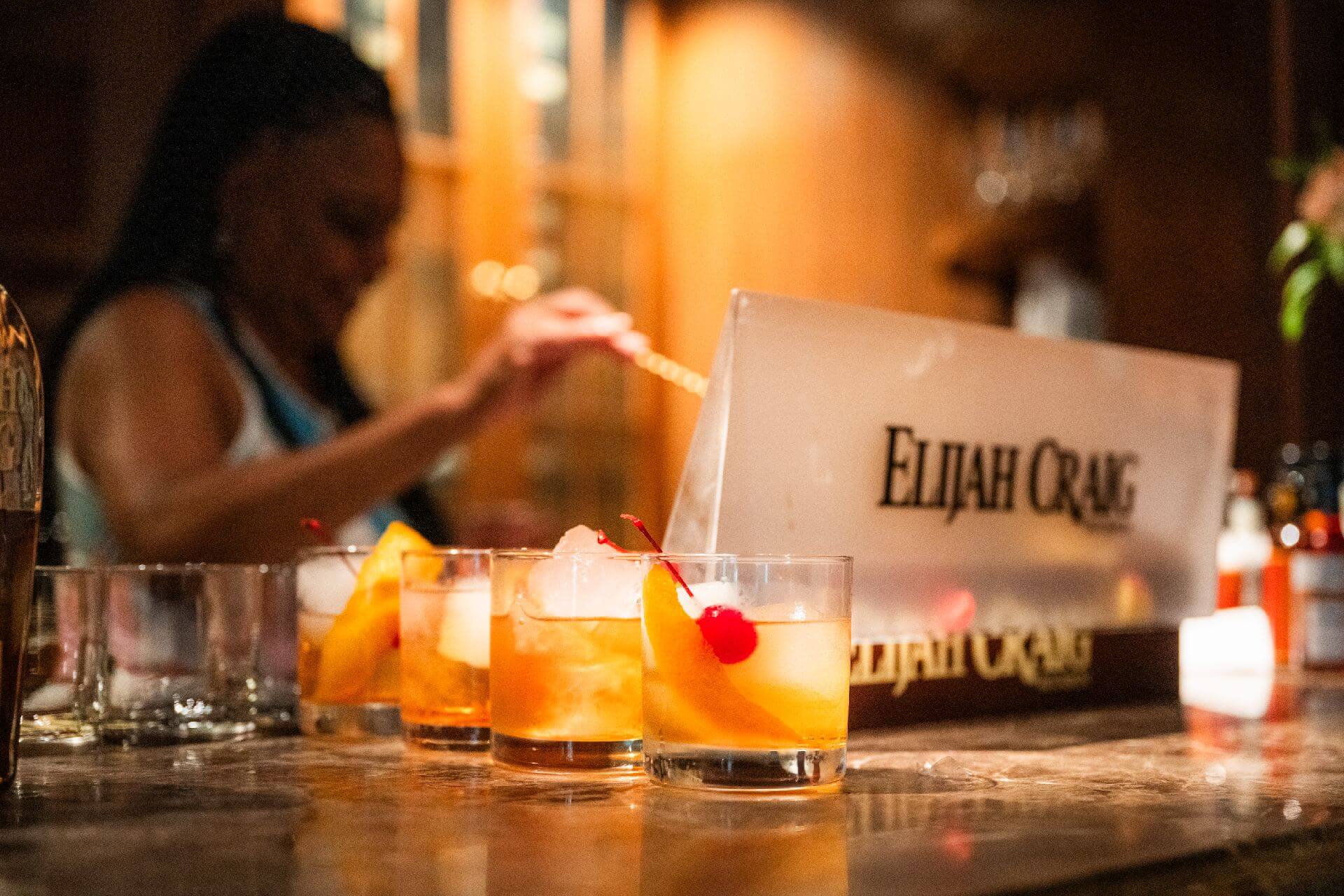
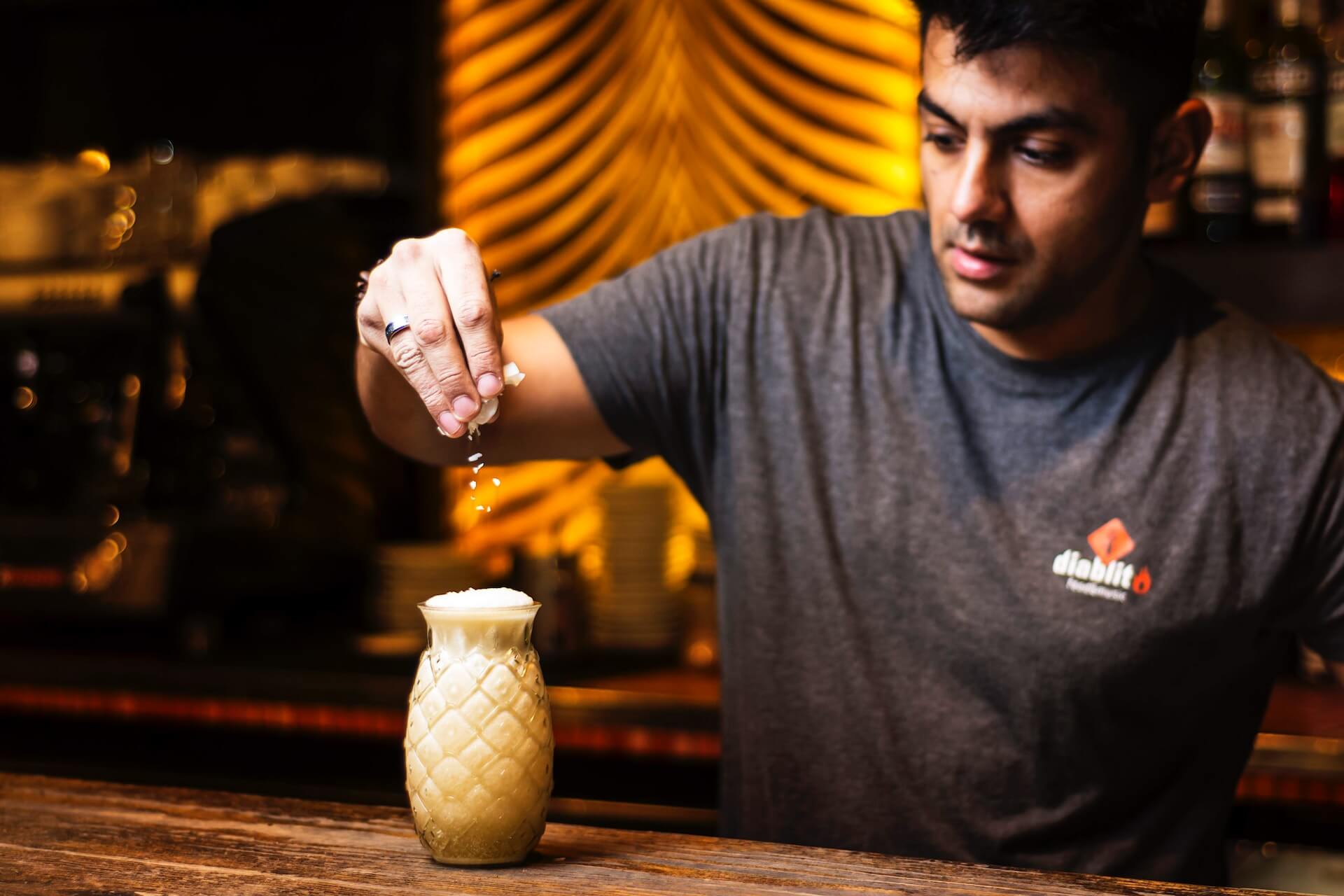
Lynn House making Old Fashioned cocktails for Elijah Craig

Lynn House making Old Fashioneds for Elijah Craig Old Fashioned Week.

It may be nearly two months away but it’s not too early to register your bar and team for Elijah Craig Old Fashioned Week.

This year’s event, the fourth annual Old Fashioned Week, will take place from Friday, October 13 to Sunday, October 22.

As was the case in 2022, the Southern Smoke Foundation will be this year’s beneficiary. In 2020 and 2021, Elijah Craig Old Fashioned Week raised a combined $200,000 for the Restaurant Workers’ Community Foundation.

Just last year, to add context, Old Fashioned Week helped make it possible for Southern Smoke to provide nearly $110,000 in relief grants to food and beverage workers.

Those interested in participating this year can register their venue for free via this link. Create an Old Fashioned LTO menu—or simply make standard Old Fashioneds with Elijah Craig bourbon—and Elijah Craig will donate $1 for every Old Fashioned sold (up to $100,000).

There really couldn’t be a simpler way to deliver a fantastic, classic cocktail experience to guests while supporting a great cause.

Elijah Craig Old Fashioned Cocktail Contest

There’s more to Elijah Craig Old Fashioned Week. You and your bartenders have the opportunity to participate in a cocktail contest, too.

From now until October 31, anyone who wants to throw their hat in the ring can submit their recipe for their own signature Old Fashioned.

The winner of the Elijah Craig Old Fashioned Cocktail Contest will win $5,000. They’ll also have their winning recipe included in Elijah Craig’s 2024 cocktail recipe book.

Recipes can be submitted through this link. For contest rules and judging criteria, please click here.

To learn more about Elijah Craig and the Old Fashioned, check out episode 52 of the Bar Hacks podcast with special guest Lynn House.

Four unique takes on the Old Fashioned can be found below.

4 Day Weekend

Recipe by Stephanie Andrews

  • 2 oz. Elijah Craig Bourbon
  • 1/2 oz. Grilled Peach Gomme Syrup (see note)
  • 4 dashes Lapsang Souchong Tea–Honey Mustard Bitters (see note)
  • BBQ Spritz (see note)
  • Grilled peach slice to garnish
  • Lemon zest to garnish

Prepare an Old Fashioned glass with a large ice sphere or cube. Add ice and first three ingredients to mixing glass. Stir, then strain into prepared glass. Mist BBQ spritz over drink, then garnish.

Note for syrup: Prepare five ripe peaches, removing pits and slicing into pieces. Grill over high heat until peach pieces have grill marks. Dissolve two tablespoons gum arabic in one quart of water in saucepan, whisking constantly. When gum arabic has dissolved fully, add four cups sugar. Again, whisk until dissolved fully. Add peach pieces and steep overnight. Strain, discard peaches, and store in airtight container in refrigerator for up to two months.

Note for bitters: Add 750ml of neutral grain spirit, two tablespoons Lapsang souchong tea leaves, and two tablespoons black tea leaves to a mason jar and shake vigorously. Next, add the peel of one lemon, one cinnamon stick, one teaspoon grains of paradise, and one tablespoon honey mustard to mason jar. Allow mixture to rest for one to two weeks, then strain into a bottle. Bitters may be stored for up to two months at room temperature.

Note for spritz: This recipe is a bit…different. Char eight high-quality beef hotdogs on a grill. Once charred, chop hotdogs into small pieces, place into a sous-vide bag with 750ml of Elijah Craig bourbon, and cook for two hours at 165 degrees Fahrenheit. Strain and pout into an atomizer or mister. The spritz can be stored for up to two months at room temperature.

Borrowed Time

Recipe by Alec Bales

  • 1.25 oz. Elijah Craig Small Batch Bourbon
  • 0.75 oz. St. Lucian Bounty dark rum
  • 0.25 oz. Sorghum syrup
  • 2 dashes Angostura bitters
  • 2 dashes Regans’ orange bitters
  • Round of lemon peel to garnish

Stir all ingredients except for garnish in a rocks glass. Stir, add ice, then stir again. Express oils from lemon peel, then drop into glass to garnish.

A Swallow’s Leave

Recipe by Caer Maiko

  • 2 oz. Butter chestnut–infused Elijah Craig bourbon (see note)
  • 0.25 oz. Soy-caramel syrup (see note)
  • 3 dashes Adzuki bean–Angostura bitters (see note)
  • Coin-shaped orange peel to garnish

As with the recipe above, add all ingredients minus garnish to an Old Fashioned glass, add ice, and stir. Flame the orange peel, then drop into glass to garnish

Note for infusion: Melt a teaspoon of unsalted butter in a saucepan over medium heat. Add eight shelled chestnuts to pan. Cook chestnuts until lightly charred and butter is lightly browned. Add a 750ml bottle of Elijah Craig bourbon and, while still warm, the contents of the saucepan to a mason jar. Leave jar in a freezer for eight hours, then fine strain back into original bottle.

Note for syrup: Simmer three ounces brown sugar, three ounces turbinado sugar, and a half-ounce soy sauce in six ounces of water in a saucepan over medium heat for ten minutes. Ensure all solids dissolve fully, then let cool and pour into appropriate container.

Note for bitters: Wash the syrup from a half-cup of canned adzuki beans. Place into a glass container with four ounces of Angostura bitters. Muddle, then cover container and leave for 12 to 24 hours before passing mixture through a strainer into another appropriate container.

Santiago’s Luck

Recipe by Jake Powell; makes 10 servings

  • 15 oz. Elijah Craig bourbon
  • 5 oz. Cold-brew concentrate
  • 1.5 oz. Yellow Chartreuse
  • 1.5 oz. Amaro Nonino
  • 1.5 oz. Cinnamon-infused banana liqueur (preferably Tempus Fugit; see note)
  • 0.25 oz. Orange bitters
  • Optional: Pinch of salt
  • Orange twist to garnish

Add all ingredients, minus garnish but including pinch of salt if you so choose, to a 750ml bottle. One serving is two ounces over a large ice sphere or cube in a rocks glass.

Note for infusion: Prepare a 750ml bottle of banana liqueur by adding three or four cinnamon sticks to it. Let sit for 24 hours at room temperature, then strain into either a separate 750ml bottle or into another container, then back into original bottle.

Image: Elijah Craig
KRG Hospitality Beverage Programming

by David Klemt David Klemt No Comments

Pumpkin Spice Everything is Already Here

Pumpkin Spice Everything is Already Here

by David Klemt

Black and white image of jack-o'-lantern with smoke coming of its eyes

In what perhaps is an attempt to encourage people to think of cooler autumnal temperatures, pumpkin spice is descending upon us earlier than ever before.

Operators who are finalizing their pumpkin spice menu items are basically already late to the party.

Luckily, it isn’t like the brands for which fall’s most infamous LTO flavor works are too far behind. A significant percentage of consumers are drawn to pumpkin spice menu items like trick or treaters to homes handing out full-size candy bars.

So, operators still have time to put the final touches on pumpkin spice menu items…but they’ll want to get a move on.

That’s exactly what restaurant chains did this year. Their pumpkin spice-flavored onslaught began with the start of this month.

Pumpkin Spice, Now a Summer Flavor?

Spirit Halloween stores. Christmas music. And now, it appears, Pumpkin Spice.

What do these three things have in common? Well, it seems like they’re making their debuts earlier and earlier each year.

When we think of summer and seasonality, I don’t think pumpkin or even baking spices enters into most people’s minds.

Unless, however, those people are in marketing and branding.

According to Restaurant Business, Krispy Kreme went all in on pumpkin spice on August 7. On that day, the chain unveiled four donuts and a number of beverages featuring pumpkin flavors.

Interestingly, the company’s global chief brand officer, Dave Skena, states that their pumpkin spice releases came one day earlier this year. Last year, they say, pumpkin spice arrived “significantly earlier than the year before.”

7-11 may have crossed the pumpkin spice dateline first this year. Dunkin’ is already offering pumpkin spice F&B items. And Starbucks, famous for their PSL LTO, is rumored to be launching their specialty menu this Thursday.

Given these August releases, can we expect a brand to attempt to get the jump on everyone else and launch pumpkin spice LTOs in July?

Consumer Cravings

Brands wouldn’t gamble on releasing their pumpkin spice LTOs in August if they didn’t think their decision would pay off.

Considering what Krispy Kreme’s Skena says about pumpkin spice’s August arrival, consumers have already spoken. Apparently, a significant percentage of people have an interest in fall flavors midway through summer.

Of course, there are a few considerations for independent operators in terms of seasonal releases. Rolling out new menus and menu items can be a costly endeavor. Pulling the plug on one revenue-generating seasonal menu or LTO in favor of significantly different items may be harmful to the bottom line.

One approach operators could take is to plan far enough ahead to pull the trigger on LTOs when 7-11, Dunkin’, or Starbucks launch theirs. In other words, be ready, but don’t jump the gun.

This also speaks to the importance of operators knowing their core guests and listening to feedback. Are front-of-house staff hearing murmurs from guests that they’re craving new flavors? Perhaps it could be lucrative to leverage that anticipation.

Image: Colton Sturgeon on Unsplash

KRG Hospitality Start-Up Restaurant Bar Hotel Consulting Consultant Solutions Plans Services

by David Klemt David Klemt No Comments

Drink Donnybrook: Let’s Talk Mai Tai

Drink Donnybrook: Let’s Talk Mai Tai

by David Klemt

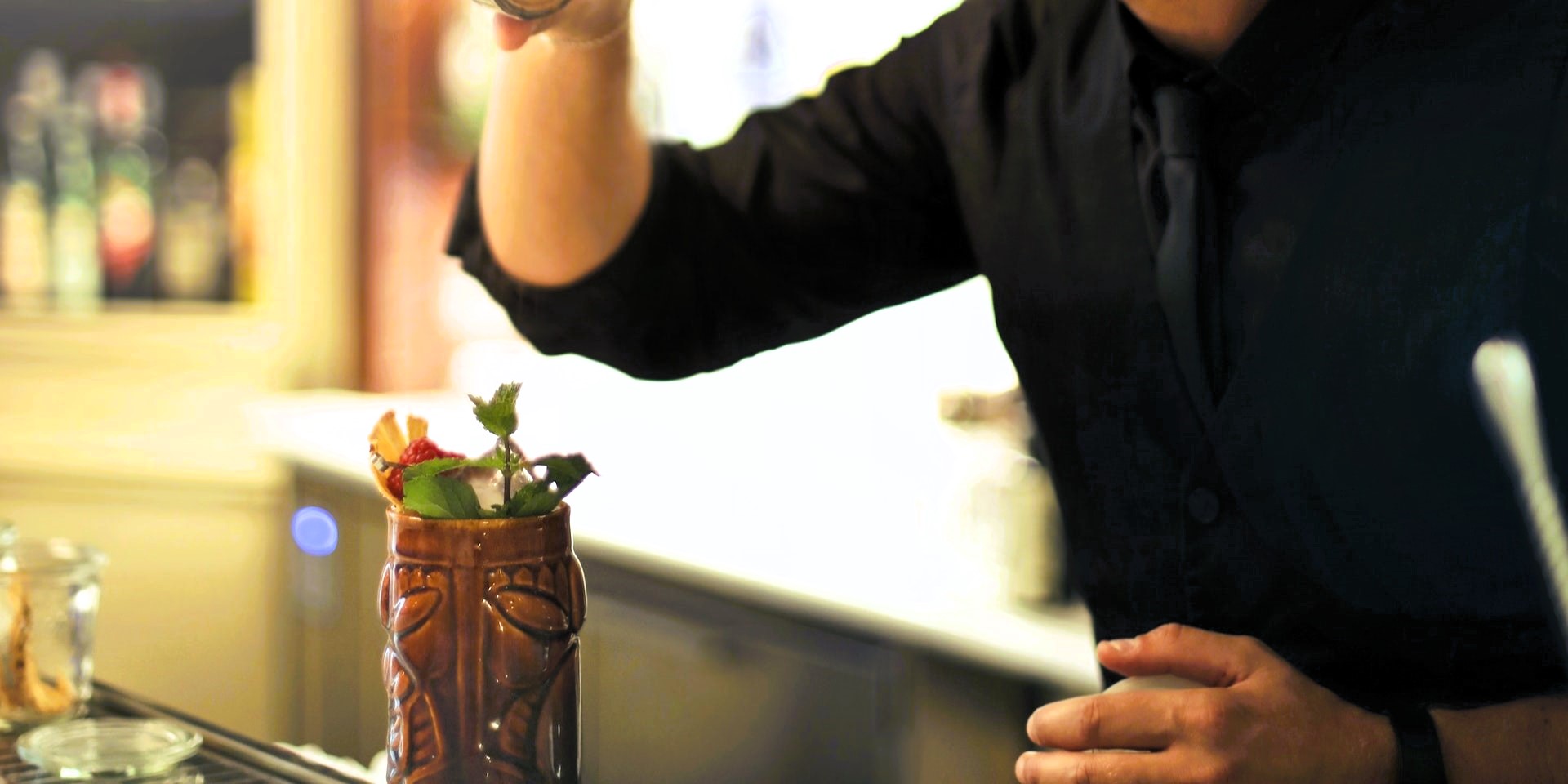
Bartender serving a tiki cocktail

Is there a Mai Tai in there? Maybe…?

There are two big drink holidays coming up in August for your programming pleasure, and the best part is that they both play incredibly well with one another.
One of these holidays you can create a promotion around is National Rum Day, August 16. This year, this spirit-forward holiday falls on a Wednesday. Hey, who couldn’t use a rum drink on Hump Day?

The other is more specific, celebrating a particular drink: August 30, also known as Mai Tai Day. Hey, what do you know—this cocktail holiday also falls on a Wednesday in 2023! It’s almost like these two festive days are exactly two weeks apart or something…

As you’re likely already deducing, these days are related: rum is the base for a Mai Tai. So, creating an LTO around this classic tiki drink gives operators the opportunity to celebrate for two weeks straight, or at least for two weekends. That means it’s also an excellent way to bid August farewell and prepare for the fall.

Controversy!

Scandal! Strife! Squabble! Other words that are synonymous with controversy!

Not only has there been a bit of a debate regarding the creator of the Mai Tai, there has been debate about the day we celebrate this classic cocktail.

Oh, and there’s been plenty of debate over specs. And there will likely be bickering over the correct build forever.

But back to the day we celebrate the Mai Tai. If you Google “National Mai Tai Day” or “Mai Tai Day,” you’ll likely see there’s debate over the correct date.

For a while at least, there were people claiming that National Mai Tai Day is June 30. Well, two crucial sources say that’s flat-out wrong: Trader Vic’s and the City of Oakland, California.

Some people may shrug at that first source, given that there’s still some debate over the drink’s inventor. However, in 2009, Rebecca Kaplan, an at-large councilmember of the city of Oakland, declared August 30 to be Mai Tai Day officially.

Fighting Words

Want to make some cocktail history and bartender nerds heads explode? Just say that Donn Beach, also known as “Don the Beachcomber,” is the father of the Mai Tai.

That should all but guarantee a donnybrook with whomever you target with that statement.

However, unlike the Martini, Piña Colada, and Whiskey Sour, we have a (mostly) definitive answer to the question of who created the Mai Tai.

While there are some who say that Don the Beachcomber created the Mai Tai in 1933, it would be more accurate to say that he created the predecessor of the Mai Tai. Cocktail historians who back Trader Vic as the inventor of this classic would agree.

You see, Don the Beachcomber created a drink called the QB Cooler, and historians say, perhaps generously, that Trader Vic was riffing on Don’s drink when he invented the Mai Tai in 1944. Now, if you really want to kick the donnybrook up a notch, perhaps turn it into a slugfest, see who thinks the Mai Tai tastes like the QB Cooler and which think they taste completely different. Fun times.

Then there’s this: It’s possible we don’t know the exact original recipe for the Mai Tai. Famously—or infamously, if we want to be dramatic—it’s said that Trader Vic never shared his actual specs with anyone. One could argue, then, that nobody has ever had the “real” version if they didn’t drink one made for them by Trader Vic himself. He’ll have passed 30 years ago in October of 2024, so I’m not sure how many people in the industry currently can say Trader Vic made them a Mai Tai personally.

Authentic or Abomination?

Did you read the caption underneath the image at the top of this article? If not, wow—thanks.

If so, you’ll recall that I ask if the drink in the tiki mug in the image contains a Mai Tai. And I answer my own question indicating that, at best, I can only say “maybe.”

Sure, it’s being served in a tiki drinkware, so one could argue that there’s a tiki drink in there. The Mai Tai, as we know, is a tiki classic. The drink is also garnished with mint, which is correct.

But then we look at the rest of the garnish: a raspberry and what appears to be desiccated orange. Oh, and a Mai Tai should be served in a double rocks glass.

Of course, bartenders around the world serve cocktails in drinkware that deviates from the “right” vessel. However, the proper garnish is mint and a lime wheel…to the best of our knowledge.

Ultimately, guests decide with their dollars whether they believe a bar makes them the “right” Mai Tai. You and your bar team will need to dial in a signature version if you want your bar to be known for its Mai Tai, and perhaps come up with a great riff or two.

The Original…Maybe

The original recipe, cocktail historians and drink nerds believe, is:

  • 1 oz. Light rum
  • 1 oz. Dark rum
  • Fresh lime juice (keep half of the squeezed lime’s shell)
  • 0.5 oz. Orange curaçao
  • 0.25 oz. Orgeat
  • 0.25 oz. Simple syrup
  • 1 cup Crushed ice
  • Fresh mint sprig to garnish
  • Lime wheel to garnish

Fill a shaker with crushed ice and add the light rum, lime juice, curaçao, simple, and orgeat. In other words, hold back the dark rum! Shake for a few seconds and pour the contents into a double rocks glass. If you want to be fancy, add fresh crushed ice to the double rocks glass and strain the shaker into it. Float the dark rum, then garnish and serve.

Technically, a bartender should use J. Wray & Nephew rum…but a bottle, if one can be found, goes for at least $50,000 last I checked. Bartenders should also refrain from adding pineapple juice, orange juice, or grapefruit juice. And they shouldn’t garnish with cherries or pineapple wedges. But, here we are; all of those things and more happen.

Oh, there are also tequila, mezcal, amaro, and whiskey versions, plus riffs made with avocado and variants that call for an array of bitters. What you do with this information is up to you and your bar team.

Image: Andrea Piacquadio on Pexels

KRG Hospitality. Bar Consultant. Nightclub. Lounge. Mixology. Cocktails.

by David Klemt David Klemt No Comments

Top-performing Menu Items in the US

Top-performing Menu Items in the US (So Far)

by David Klemt

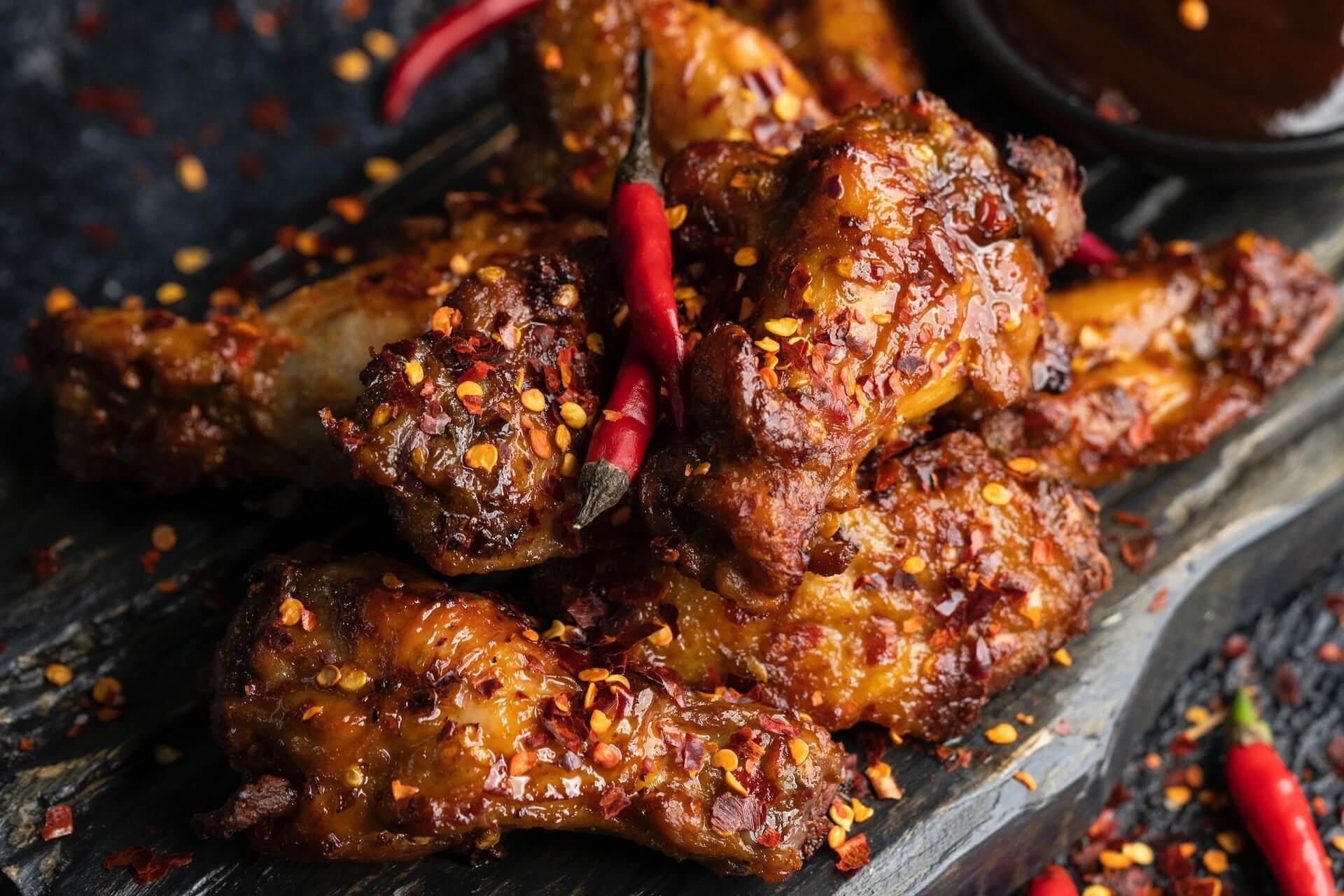
Barbecue chicken wings, chili peppers, and chili flakes

Thanks to a recent mid-year report from F&B intelligence platform Datassential, we now know the top-performing menu items in the US.

For the low, low price of filling out a handful of fields, you can download a copy of Datassential’s “Foodbytes: 2023 Midyear Trend Report” for yourself.

There’s plenty of useful data packed into this short report. You may find some of the top food items a bit surprising.

But First…

Datassential does more than just list the top mid-year menu performers in their latest report. There are also a couple of interesting datapoints for operators to consider.

The first piece of information is an alarming statistic: 54 percent of consumers are of the belief that “tipping culture has gotten out of control.”

As we’ve reported earlier, it’s likely that a major driver of “tip fatigue” comes from retail. The expectation for consumers to tip at a restaurant, bar or nightclub is ingrained deeply in American culture.

However, consumers throughout America are being prompted to tip after just about every transaction they’re attempting to complete. In fact, it’s not just retail that has been encouraging (in some cases, guilting) people to tip. Some contractors are also adding tip lines when handing over tablets to clients so they can pay their invoices.

One result is that servers and bartenders are reporting lower tips; guests are so over tipping that they’re pushing back against the practice in venues where they’d traditionally have no problem doing so.

Of course, tip fatigue isn’t the only reason consumers are pushing back against tipping. Many people feel that operators should increase what they pay staff. Indeed, some people feel that operators are asking them to subsidize their employee pay. Whether they’d be happy to pay higher prices remains to be seen.

Fads Aren’t Bad?

Whenever we cover trends or discuss them with clients, we caution against chasing too many (or the “wrong” trends). And fads? It can be even riskier to hop on the bandwagon of something that may never even reach the trend stage of its lifecycle.

However, likely due to the ubiquity of TikTok, consumers expect restaurants to embrace fads. According to Datassential, 67 percent of consumers overall “want to see more fads at restaurants and retail.”

That number jumps to 74 percent when focusing on Millennials and Gen Z.

So, while we still caution operators about jumping on fads (or “micro trends”) and trends, that doesn’t mean be too cautious. If a fad or trend works with your brand and won’t cost much to feature, at least give it consideration.

Not sure you’re great at identifying fads that will work for your business? Ask your staff which fads and trends are hot at the moment.

Speaking of Hot…

Alright, let’s take a look at the F&B items Datassential identifies as popular at the midway point of 2023.

Again, I encourage you to download the report in its entirety. You can do just that by clicking here.

But for those who want instant gratification, check out these menu items:

  • Super Duper: Let’s kick things off with the hottest chain LTO, the Denny’s Super Slam. Per Datassential, restaurant chains have already featured in excess of 2,000 LTOs in 2023. The F&B intel agency tests them all, and the Super Slam is wearing the LTO crown at the moment.
  • Chef Chatbot: Datassential tapped ChatGPT to create a burger recipe and had Midjourney create an image for the resulting Caprese Avocado Burger. More than half of consumers surveyed—57 percent—want to try it at a restaurant.
  • Big Winner: Datassential asked consumers a simple question: Which would you rather eat for the rest of your life, a hamburger or a hot dog? A staggering 87 percent chose hamburgers, meaning just 13 percent of consumers would choose a hot dog over it’s burger buddy.
  • What a Pickle: Back in March we checked out Slice’s Slice of the Union report, and it predicted pickle pizzas would be a hot trend this year. Well, Datassential has crunched the numbers and says 40 percent of consumers are aware of this pizza style already. Looks like Slice may be proven right by the end of the year.
  • Speed Demon: Curious about the fastest-growing menu item on the US? Well, wonder no more: Datassential says it’s the barbecue chicken wing. Over the past year, they’ve grown 373 percent on menus across the States. Datassential posits the overall growth of chicken and the embracing of flavor trends like Carolina gold barbecue sauce are contributing factors.

There’s a lot to unpack here, so I’ll leave you to it. Just remember that when it comes to fads and trends, there’s a fine line between what’s hot, what’s not, and jumping on the wrong one. Good luck!

Image: Ahmed Bhutta on Pexels

KRG Hospitality Start-Up Restaurant Bar Hotel Consulting Consultant Solutions Plans Services

by David Klemt David Klemt No Comments

Taco Bell Celebrates Taco Tuesday Win

Taco Bell Celebrates Taco Tuesday Win

by David Klemt

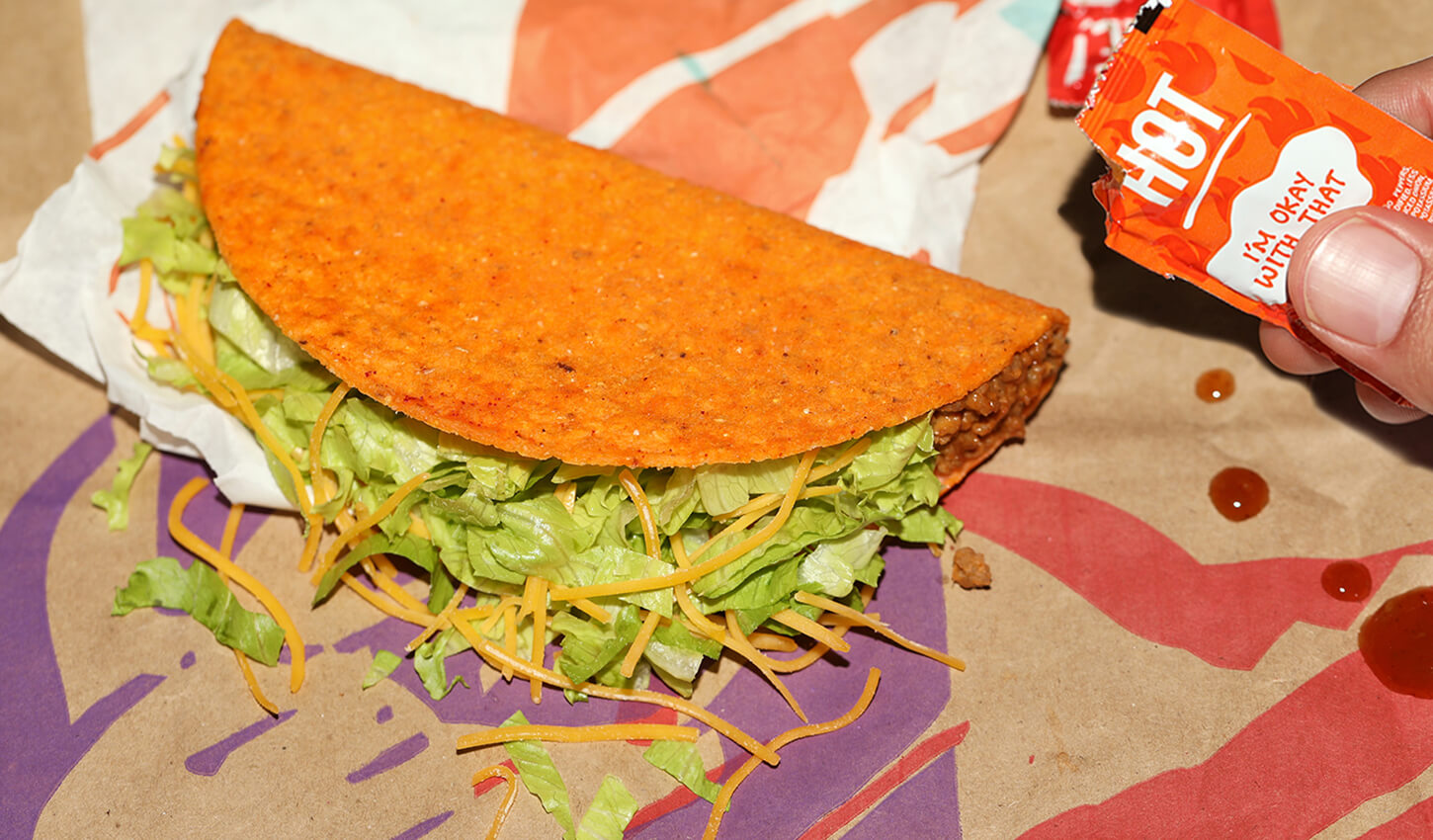
Taco Bell Doritos Locos Taco and sauce packet

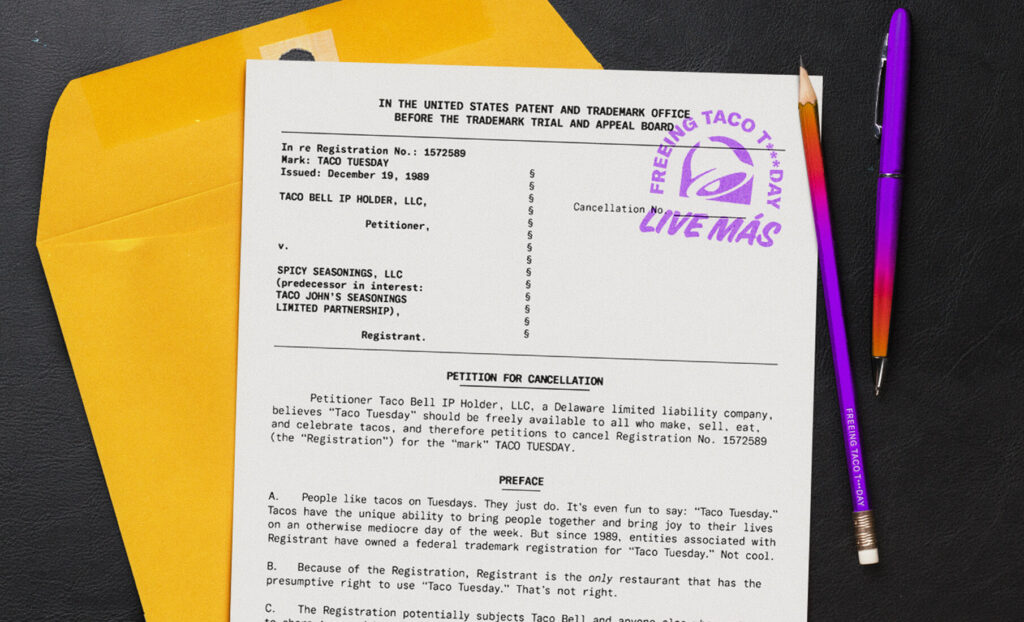
Taco Bell, fresh off their victory in petitioning for the cancellation of the “Taco Tuesday” mark, will open a $5 million taco tab on September 12.

There’s no arguing that over at least the past few years Taco Bell has become the master of LTOs and attention-grabbing, loyalty-strengthening, and headline-generating promotions.

This campaign further solidifies the brand’s status as king of the fast-food campaigns.

“Taco T**sday” to “Taco Tuesday”

It’s highly unlikely that consumers and operators alike are unaware of the company’s “Taco T**sday” ads. The campaign, while playful, put a spotlight on the fact that, until recently, “Taco Tuesday” was a registered trademark.

Rather than spend millions of dollars to fight Taco Bell, Taco John’s, who previously had the rights to the mark, opted to relinquish the rights to the mark. Taco Bell’s argument was that nobody should be permitted to mark a common phrase.

“We’ve always prided ourselves on being the home of Taco Tuesday, but paying millions of dollars to lawyers to defend our mark just doesn’t feel like the right thing to do,” said Jim Creel, Taco John’s CEO. “As we’ve said before, we’re lovers, not fighters, at Taco John’s. So in that spirit, we have decided to begin sharing Taco Tuesday with a pledge to contribute $100 per location in our system to restaurant employees with children who are battling a health crisis, death or natural disaster. And we’re challenging our litigious competitors and other taco-loving brands to join us in supporting the people who serve our favorite food to guests across the nation.”

In fact, Creel fired a shot across the bow at Taco Bell at other rivals. After announcing their pledge to CORE, the CEO challenged other brands that want to use “Taco Tuesday” to do the same. The result would be quite the donation, considering that Taco John’s operates 400 restaurants in 21 states and Taco Bell alone operates more than 7,200 in the US. Look overseas and that number jumps up by about 1,000 locations in 30 countries.

Taco John’s has reportedly made good on their pledge, donating $40,000 to CORE, Children of Restaurant Employees.

What’s in a Mark?

Fast-food chain Taco John’s trademarked the phrase back in 1989. However, back in 1984, a California-based restaurant, Tortilla Flats, registered the trademark. According to some sources, the mark lapsed and Taco John’s snapped it up. That said, Tortilla Flats has sued other California restaurants for using the phrase throughout the years.

Interestingly, Taco John’s only had rights to the mark in 49 states. The exception is New Jersey, where Gregory’s owns the trademark. In fact, anyone who visits their site (as of the publication of this article) will see the phrase “Home of the Original Taco Tuesday!” right at the top.

However, it may surprise some to learn that a celebrity who appeared in Taco Bell’s “Taco T**sday” ads attempted to trademark the phrase in 2019. That celebrity? None other than Lebron James.

Clearly, this seemingly simple two-word phrase is a valuable trademark. It’s also likely that plenty of restaurants across the US have been surreptitiously using the phrase to drive traffic to their venues on Tuesdays for years.

The fact that Lebron James showed interest in the trademark and Taco Bell likely spent millions of dollars in ad revenue to have Taco John’s mark canceled shows the value. Time will tell how many millions of dollars the phrase will be worth to Taco Bell and other restaurant brands across the US.

Taco Tab

Some will see Taco Bell’s campaign as a massive brand bullying a smaller rival. Others will agree that it’s unfair for anyone to own the rights to such a common phrase.

In terms of exposure, I think this battle will help Taco John’s experience further growth. Last year was a banner year for growth for the franchise, and the brand was seeing growth back in 2021 as well.

After doing some digging, I learned that seven Taco John’s locations are owned by corporate; the plan for 2023 is to go from 375 stores to 400; and another 20 to 25 locations are planned for 2024. Per the Taco John’s website, initial layout for a franchise is between $942,000 and $1.4 for a single unit. A single franchise location generates annual revenue of around $1.2 million, on average.

Regarding Taco Bell, the brand is celebrating their victory—framed as a victory for all restaurants—with another of their famous and effective LTOs. On August 15, August 22, August 29, and September 5, Taco Bell guests can score a free Doritos Locos Taco. But the big celebration comes on September 12.

For that upcoming Taco Tuesday, Taco Bell will open a $5 million tab with DoorDash across the United States, with the exception of New Jersey. Again, Gregory’s owns the rights to the “Taco Tuesday” mark in the Garden State.

On September 12, Taco Bell will cover a portion of orders placed through the third-party delivery app to participating restaurants that offer Mexican cuisine. This does help the fast-food titan make the case that they fought this battle not just for themselves but all foodservice brands that wish to use the phrase “Taco Tuesday” without fear of legal action.

For further information, read the official Taco Bell press release below.

Taco Bell's "Liberate Taco T**sday" court petition

TACO BELL WILL HELP PAY FOR YOUR TACO TUESDAY CELEBRATION — EVEN IF IT’S NOT AT TACO BELL

Irvine, Calif. (August 8, 2023) – To celebrate the liberation of the Taco Tuesday trademark registration in 49 states, and to support and spotlight restaurants who now have the right to freely use Taco Tuesday, Taco Bell has announced that on Tuesday, September 12, Taco Tuesday fans (nearly) everywhere* can celebrate Taco Tuesday (nearly) anywhere – and Taco Bell will help pay for it.

On Taco Tuesday, September 12, Taco Bell, in partnership with DoorDash, is opening a $5 million taco tab to cover a portion of taco fans’ orders from any participating vendor selling Mexican cuisine. Because now that Taco Tuesday is free* – your tacos should be, too.

Leading up to the September 12 celebration, all Taco Bell locations will be offering a free Doritos® Locos Taco every Tuesday, no purchase necessary, on 8/15, 8/22, 8/29 and 9/5**.

“Taco Tuesday belongs to all who make, sell, eat and celebrate tacos, and this Free-For-All will not only thank taco fans who supported the cause, but will also spotlight local restaurants and vendors who can now embrace Taco Tuesdays without fear of legal action,” said Taco Bell U.S. Chief Marketing Officer, Taylor Montgomery. “When tacos win, we all win. We all win when Taco John’s decides to release its trademark registration, we all win when taco vendors everywhere are free to join the movement, and we all win when taco fans can freely celebrate and support Taco Tuesdays at Taco Bell or anywhere else.”

The Road to Freeing Taco Tuesday

In May 2023, Taco Bell took a bold step on behalf of taco lovers nationwide by filing legal petitions to cancel the two Taco Tuesday trademark registrations. The aim was simple: to free the phrase for restaurants nationwide. The message was clear: Taco Tuesday belongs to everyone, from Taco Bell to Taco John’s to your favorite local taco spot.

In late July, Taco John’s courageously decided to abandon its Taco Tuesday trademark registration. Not only did Taco John’s act benefit thousands of businesses across 49 states by making the term Taco Tuesday more freely available, Taco John’s also made a meaningful donation to Children of Restaurant Employees (CORE) for $40,000, which the Taco Bell Foundation has matched.

Supporting The Taco Community

Taco Bell has also committed to donating $1 million in partnership with the Taco Bell Foundation to support young people who make, sell, eat and celebrate tacos. Donations made by Rounding Up at checkout on Tuesdays will be matched up to $1 million. These donations will continue to fund the Taco Bell Foundation’s Community Grants and the Live Más Scholarship for fans and team members.

*The Taco Tuesday trademark registration has been canceled in all states except New Jersey. Therefore, the DoorDash offer will be limited to the 49 states where Taco Tuesday has been freed.

**NO PURCHASE NECESSARY. Offer valid on Tuesdays 8/15, 8/22, 8/29, and 9/5 only during local store operating hours while supplies last. Limit one (1) regular Free Seasoned Beef Nacho Cheese Doritos®

Locos Tacos per person, per offer day, available at participating U.S. Taco Bell® locations only. Not available with delivery orders unless placed directly on the Taco Bell app (delivery fees, taxes and tip apply). App and web orders require inputting offer code and customer must add a DLT to their cart. Not valid with any other offer. No substitutions. No cash value. Void where prohibited. Terms: ta.co/terms.

About Taco Bell Corp.

For more information about Taco Bell, visit our website at www.TacoBell.com, our Newsroom at www.TacoBell.com/news or www.TacoBell.com/popular-links. You can also stay up to date on all things Taco Bell by following us on LinkedIn, TikTok, Twitter, Instagram, Facebook and subscribing to our YouTube channel.

Images: Taco Bell

by David Klemt David Klemt No Comments

Celebrate the Negroni, Support Slow Food

Celebrate the Negroni and Support Slow Food

by David Klemt

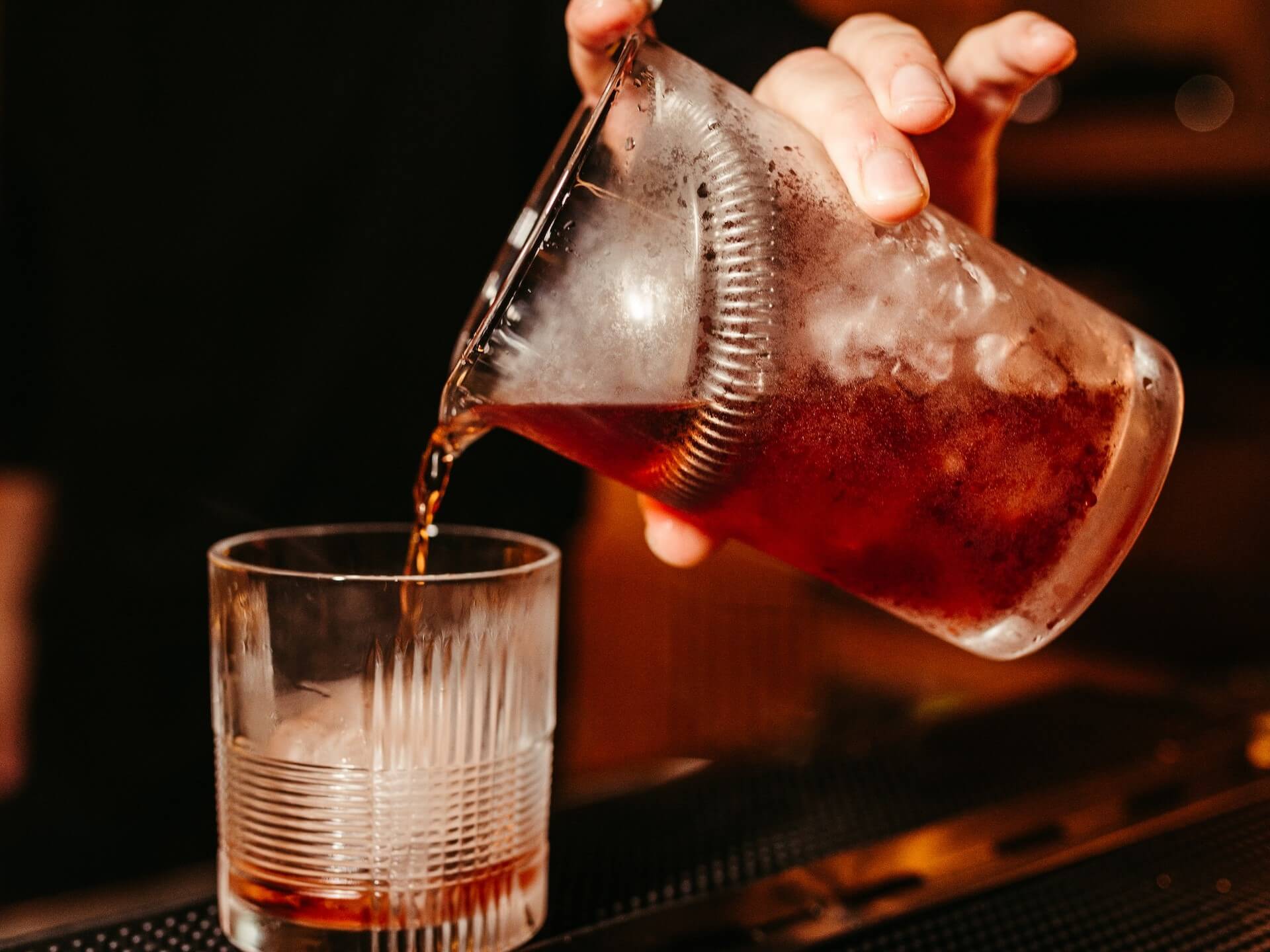
Bartender pouring Negroni into glass

This month, operators will have the opportunity to sign their bars up to take part in the tenth-anniversary celebration of Negroni Week.

For 2023, Negroni Week hosts Imbibe Magazine and Campari are raising funds for Slow Food. Sponsors also include Cinzano, Bulldog Gin, Bols Genever, and Coopers’ Craft Bourbon.


View this post on Instagram


A post shared by Campari USA (@campariusa)

Negroni Week will take place from September 18 through September 24. Registration is now live and operators can sign up their bars via this link.

So, we’re helping spread the word early and giving operators and their teams plenty of time to prepare to participate this year.

Negroni Week 2023

After first launching in 2013, Negroni Week is celebrating their decennial year.

Over the course of ten years, Imbibe and Campari have seen tremendous growth and results. In its inaugural year (or perhaps inaugural week is more accurate), a little over 100 venues participated. In its second year, 1,300 venues registered for Negroni Week.

Now, thousands of venues sign up every year, helping to raise money for worthy causes. To date, Negroni Week boasts more than $4 million in funds for charitable organizations.

Participation really couldn’t be any simpler: register, make a donation of at least $25, serve Negronis and/or variations of Negronis, and donate proceeds from your Negroni Week LTO menu.

After completing registration and making at least the minimum donation, an operator’s venue will gain placement on the Negroni Week website. The listings are searchable by state and city. Venues that donate $250 or more will carry a Premium Donor designation.

Those looking for inspiration for their charity LTO menus can click here to sift through Negroni Week’s recipe database.

Slow Food

Simply put, Slow Food’s mission is to help everyone access food that’s good for them, good the people who grow it, and good the planet as a whole.

An even more succinct description comes from the Slow Food website: access to food that’s “good, clean, and fair for all.”

Further, Slow Food seeks to prevent the loss local food cultures, along with food traditions. The organization was founded in 1989 and is now active in more than 160 countries.

In the US, Slow Food operates as a 501(c)(3) organization and has been active in Canada for several years. The charitable organization has had a strong presence in the provinces of British Columbia, Calgary, Montréal, and Ontario.

Get Ready

With just three ingredients in a 1:1:1 ratio, any bar team should be able to handle putting delicious Negronis across the bar.

So, operators should ensure their team can craft a traditional Negroni while encouraging them to work on some creative variations.

We’ll see in a little over a month to celebrate Negroni Week!

Image: Jonathan Borba on Unsplash

KRG Hospitality Complete Bar Menu Audit

by David Klemt David Klemt No Comments

Drink Donnybrook: Let’s Talk Piña Colada

Drink Donnybrook: Let’s Talk Piña Colada

by David Klemt

A bartender serving a cocktail in a pineapple-shaped glass

Temperatures are rising and there are still about six weeks of summer left, so let’s take a look at a refreshing warm-weather hero: the Piña Colada.

So far we’ve looked at the Martini and Whiskey Sour. Now, it’s another classic’s turn in the Drink Donnybrook spotlight.

One could claim that the Piña Colada is one of the original “lost cocktails.” Of course, that depends on which origin story turns out to be true.

If the Piña Colada dates back to the first quarter of the 19th century, then it’s a pirate cocktail once lost to the winds of time. Puerto Rican pirate Roberto Cofresí, also known as El Pirata Cofresí, supposedly served his crews a drink consisting of rum, coconut, and pineapple. Sounds like a Piña Colada to me.

The reason I said it could be considered an original lost cocktail is that Cofresí died in 1825. Disputed history says his drink recipe disappeared with his death.

However, the Piña Colada may have far less metal roots than being invented by a famous pirate. Puerto Rico’s official drink may have simply been created by a bartender.

One Drink, Three Bartenders

Ramón “Monchito” Marrero may have created the Piña Colada while at the helm of the Beachcomber Bar at the Caribe Hilton in Old San Juan, Puerto Rico, in 1952. Or maybe it was 1954.

It’s almost like bartenders should be able to more easily protect their intellectual properties so we can identify their cocktails’ true origins.

Forgive the digression. You’ll be shocked—shocked, I say—to learn that another bartender may have created the Piña Colada. During the same year. At the same hotel.

That bartender is Ricardo García, and the claim is that he invented the drink during a coconut shortage.

Would it surprise you to learn that a third bartender working in Old San Juan also claimed credit for the Piña Colada? Ramón Portas Mignot said he came up with this tropical classic in 1963 at Barrachina. The restaurant and bar’s ownership apparently agreed, because they installed a plaque at the front door backing Mignot’s claim.

Hey, if it has a plaque, it must be true; they don’t just give those to anyone. Oh, and you can check out that plaque for yourself: Barrachina still exists and enjoys a 4.5 rating from over 4,100 Google reviews.

A Rough Patch

Unfortunately, once anointed “the world’s most famous drink,” the Piña Colada had a rough, well, several decades.

In the 1970s, the drink’s quality plunged and fell out of favor with cocktailians. Any technique for building the nautical libation went down the bar sink. It was easier and cheaper to just make Piña Coladas with premade mixes and cheap rum.

Add to that the trend toward serving bastardized versions in oversized glassware at mediocre hotel pools, tourist trap hotel bars, weird supper clubs nowhere near a beach, and on cruise ships and you can see why cocktail connoisseurs snubbed this classic.

The Cocktail Revolution of the 2000s helped restore the Piña Colada’s dignity and popularity. It may not find itself in as much demand as the Margarita or Daiquiri, but it’s no longer missing from serious cocktail programs.

So raise a Hurricane—or a cocktail glass or coupe—to the Piña Colada today. ¡Salud!

Recipe

  • 2 ounces Light rum
  • 1 ½ ounces Cream of coconut
  • 1 ½ ounces Pineapple juice
  • ½ ounce Freshly squeezed lime juice
  • Pineapple leaf and pineapple wedge for garnish

For a more traditional preparation, fill a Hurricane glass with ice and set to the side. Add the liquid ingredients to a shaker with ice. Shake for at least 30 seconds. Toss the ice from the Hurricane glass and replace with pebble ice. Strain cocktail into glass and garnish.

Now, you don’t need to serve a Piña Colada in a Hurricane. Plenty of bars and restaurants send them across the bar in coupes or other cocktails glasses, sans garnish. Speaking of garnishing this classic, some people expect whipped cream, a lime wedge or wheel, a cherry, or even all three. You’ll see bartenders serve them with sugar rims and umbrellas. Like me, you’ve probably also seen them served with an orange wheel.

Then there are the frozen Piña Coladas and fruit Piña Coladas, versions made with various styles of rum… People just can’t seem to resist putting their stamp on this classic.

Dealer’s choice, I suppose, or you can ask guests what preparation and garnish they prefer. Or, and this is the approach I recommend, nail down your bar’s signature Piña Colada, including garnish (or none).

Image: Kike Salazar N on Unsplash

KRG Hospitality Start-Up Restaurant Bar Hotel Consulting Consultant Solutions Plans Services

by David Klemt David Klemt No Comments

SEO Tips from AI: Hotels & Camps

SEO Tips from AI: Hotels, Camps & Lodges

by David Klemt

OpenAI logo on smartphone screen, resting on laptop keyboard

After asking ChatGPT to suggest SEO improvements for restaurants, bars, and nightclubs, we’ve done the same for the hotel space.

This is part two of our AI-generated SEO tips series. In part one, we focus on restaurants, bars, nightclubs, and eatertainment venues.

For this part, we ask ChatGPT about improving SEO for boutique hotels, independently owned hotels, boutique and luxury campgrounds, and boutique and luxury lodges.

The boutique and luxury outdoor experiential market is heating up. So, I was curious about what keywords and advice ChatGPT would recommend to help operators in this space stand out and improve their odds for discover.

Personally, I found some of the keyword suggestions helpful. However, these are terms we at KRG Hospitality already know to include in our brand identity and marketing plans.

Simply put, I don’t think AI rivals what humans can create when it comes to brand identity and marketing. But, you should read the following and decide for yourself.

What specific terms are the best for boutique or independently owned hotels to use for SEO ranking?

For boutique or independently owned hotels, it’s important to focus on specific terms that highlight the unique aspects of your property and appeal to your target audience. Here are some specific terms that can be beneficial for SEO ranking:

  1. Hotel Name: Ensure that your hotel’s name is prominently featured in your website’s content, meta tags, and URLs to associate your website with your hotel’s name.
  2. Location-Based Keywords: Include location-specific keywords throughout your website to target customers searching for hotels in your area. For example, use terms like “boutique hotels in [location],” “[location] luxury accommodations,” or “independent hotels near [landmark].”
  3. Unique Selling Points: Highlight the unique features and qualities of your boutique hotel. Optimize your website with keywords that reflect these selling points, such as “boutique hotel with rooftop pool,” “intimate luxury accommodations,” or “designer boutique hotel in [location].”
  4. Style and Theme: If your boutique hotel has a specific style or theme, incorporate relevant keywords. For example, use terms like “vintage-inspired boutique hotel,” “modern boutique accommodations,” or “bohemian chic hotel in [location].”
  5. Amenities and Services: Emphasize the distinctive amenities and services your boutique hotel offers. Optimize your website with keywords related to these offerings, such as “boutique hotel with spa,” “gourmet dining experiences,” or “personalized concierge services.”
  6. Local Attractions and Experiences: If your boutique hotel is close to popular local attractions or offers unique experiences, mention them on your website. Optimize with keywords related to these attractions and experiences to attract visitors searching for accommodations near specific landmarks or seeking specific activities.
  7. Sustainable or Eco-Friendly: If your boutique hotel has a focus on sustainability or eco-friendliness, incorporate related keywords. Use terms like “eco-friendly accommodations,” “green boutique hotel,” or “sustainable practices in [location].”
  8. Reviews and Testimonials: Encourage guests to leave reviews on platforms like Google My Business, Yelp, or TripAdvisor. Positive reviews can boost your hotel’s visibility in search results and attract more bookings.
  9. Local SEO: Implement local SEO strategies by optimizing your website for local search results. This includes creating and optimizing your Google My Business profile, ensuring consistent NAP (Name, Address, Phone) information across directories, and getting listed in local online directories.
  10. Social Media Integration: Integrate social media into your SEO strategy by linking your website to your hotel’s social media profiles. Engage with your audience, share updates about your hotel, and encourage user-generated content through social media channels.

Remember to conduct keyword research specific to your boutique hotel’s offerings, style, and target audience. Regularly monitor your website’s performance, track keyword rankings, and adapt your SEO strategy as needed to improve your hotel’s online visibility and attract more guests.

What specific terms are the best for boutique and luxury campgrounds and lodges to use for SEO ranking?

For boutique and luxury campgrounds and lodges, it’s important to use specific terms that highlight the unique features, amenities, and experiences your property offers. Here are some specific terms that can be beneficial for SEO ranking:

  1. Campground or Lodge Name: Ensure that your property’s name is prominently featured in your website’s content, meta tags, and URLs to associate your website with your campground or lodge’s name.
  2. Location-Based Keywords: Include location-specific keywords throughout your website to target customers searching for campgrounds or lodges in your area. For example, use terms like “luxury campground in [location],” “[location] glamping site,” or “boutique lodge near [landmark].”
  3. Nature and Outdoor Keywords: Emphasize the natural beauty and outdoor experiences available at your campground or lodge. Optimize your website with keywords related to activities like hiking, fishing, wildlife watching, or stargazing. Use terms like “nature retreat,” “wilderness campground,” or “outdoor adventure in [location].”
  4. Unique Accommodations: If your campground or lodge offers unique accommodations like glamping tents, treehouses, or luxury cabins, highlight them on your website. Optimize with keywords like “glamping experience,” “luxury safari tents,” or “secluded treehouse retreat.”
  5. Amenities and Services: Showcase the luxurious amenities and services your campground or lodge provides. Optimize your website with keywords related to these offerings, such as “heated swimming pool,” “private chef services,” “spa and wellness facilities,” or “concierge services.”
  6. Sustainable or Eco-Friendly: If your campground or lodge follows sustainable practices or has an eco-friendly focus, incorporate related keywords. Use terms like “eco-conscious accommodations,” “sustainable camping,” or “green lodge in [location].”
  7. Nearby Attractions and Activities: Highlight popular nearby attractions, landmarks, or outdoor activities that guests can enjoy during their stay. Optimize with keywords related to these attractions and activities to attract visitors searching for accommodations near specific points of interest.
  8. Reviews and Testimonials: Encourage guests to leave reviews on platforms like Google My Business, Yelp, or TripAdvisor. Positive reviews can boost your campground or lodge’s visibility in search results and attract more bookings.
  9. Local SEO: Implement local SEO strategies by optimizing your website for local search results. This includes creating and optimizing your Google My Business profile, ensuring consistent NAP (Name, Address, Phone) information across directories, and getting listed in local online directories.
  10. Social Media Integration: Integrate social media into your SEO strategy by linking your website to your campground or lodge’s social media profiles. Engage with your audience, share updates about your property, and encourage user-generated content through social media channels.

Remember to conduct keyword research specific to your campground or lodge’s offerings, location, and target audience. Regularly monitor your website’s performance, track keyword rankings, and adapt your SEO strategy as needed to improve your property’s online visibility and attract more guests.

Takeaway

Just like AI-generated tips for SEO and discovery for restaurants and bars, there needs to be a human element for hotels, campgrounds, and lodges.

Relying on AI to improve search engine ranking isn’t, at this point, the best strategy. Perhaps one day that will change, but today isn’t that day.

The answers to my questions do provide some good tips regarding specific keywords and SEO practices. However, I wouldn’t suggest that operators trust AI to write their listings or the pages on their websites.

As it stands, in my opinion, AI just can’t match what people can do when it comes to marketing, branding, and discovery.

Image: Levart_Photographer on Unsplash

KRG Hospitality marketing support. Restaurant. Bar. Cafe. Lounge. Hotel. Resort.

by David Klemt David Klemt No Comments

SEO Tips from AI: Restaurants & Bars

SEO Tips from AI: Restaurants, Bars & Nightclubs

by David Klemt

OpenAI ChatGPT logo against matching background

We aren’t fans of artificial intelligence “creating” marketing plans but can chatbots help improve SEO by offering keywords and making other suggestions?

Since AI tools such as ChatGPT can instantly crawl the depths of the Internet, we want to know if they can provide “insider” tips. Perhaps they have a leg up when it comes to parsing what helps and what hurts SEO ranking.

Restaurant, bar, and nightclub websites still matter. Consider the latest SevenRooms data in regards to how people discover new places to dine, drink, and socialize. Two-thirds of consumers rely on word-of-mouth recommendations from family and friends. A third use Google.

So, that should show how important it is to ensure your restaurant, bar, or nightclub is showing up right away when people are using search engines.

For the first part of our AI SEO series, I ask ChatGPT for suggestions for restaurants, bars, nightclubs, and eatertainment venues. In the follow-up article, I ask for assistance for hotels, campgrounds, and lodges.

Note: ChatGPT’s answers are provided below unedited. There’s some repetition, which is to be expected.

What specific terms are the best for restaurants to use for SEO ranking?

When it comes to specific terms for SEO ranking for restaurants, it’s important to consider keywords that are relevant to your restaurant’s niche, location, and target audience. Here are some specific terms that can be beneficial:

  1. Cuisine Keywords: Incorporate specific cuisine-related keywords that reflect the type of food your restaurant serves. For example, if you have an Italian restaurant, use terms like “Italian cuisine,” “authentic Italian dishes,” or “Italian restaurant [location].”
  2. Location-Based Keywords: Include location-specific keywords throughout your website to target customers searching for restaurants in your area. For instance, use terms like “best restaurants in [location],” “[location] dining,” or “[location] food scene.”
  3. Menu Items: Optimize your website for specific menu items that are popular or unique to your restaurant. Include descriptive keywords for these dishes, such as “signature seafood pasta,” “gourmet burger with truffle aioli,” or “vegan-friendly options.”
  4. Dining Experience Keywords: Highlight specific aspects of your restaurant’s dining experience. For example, if you have a rooftop terrace, mention it with keywords like “rooftop dining [location]” or “alfresco dining with city views.”
  5. Special Occasions: If your restaurant caters to special occasions like birthdays, anniversaries, or private events, optimize with related keywords. Use terms like “private event venue,” “birthday dinner reservations,” or “romantic anniversary restaurant.”
  6. Farm-to-Table or Sustainable Keywords: If your restaurant emphasizes locally sourced or sustainable ingredients, incorporate related keywords. Use terms like “farm-to-table dining,” “organic ingredients,” or “sustainable seafood.”
  7. Brunch or Breakfast Keywords: If your restaurant serves brunch or breakfast, optimize your website for keywords related to these meals. Use terms like “weekend brunch spot,” “best breakfast in [location],” or “bottomless mimosa brunch.”
  8. Online Ordering and Delivery: If your restaurant offers online ordering or food delivery services, optimize your website with related keywords. Use terms like “online food ordering,” “food delivery [location],” or “order food online.”
  9. Reviews and Testimonials: Encourage customers to leave reviews on platforms like Google My Business, Yelp, or TripAdvisor. Positive reviews can boost your restaurant’s visibility in search results and attract more customers.
  10. Local SEO: Implement local SEO strategies by optimizing your website for local search results. This includes creating and optimizing your Google My Business profile, ensuring consistent NAP (Name, Address, Phone) information across directories, and getting listed in local online directories.

Remember, it’s crucial to conduct keyword research specific to your restaurant’s offerings and target audience. Regularly monitor your website’s performance, track keyword rankings, and adapt your SEO strategy as needed to improve your restaurant’s online visibility and attract more diners.

What specific terms are the best for bars to use for SEO ranking?

When it comes to specific terms for SEO ranking for bars, it’s important to consider keywords that are relevant to your bar’s theme, location, and target audience. Here are some specific terms that can be beneficial:

  1. Bar Name: Ensure that your bar’s name is prominently featured in your website’s content, meta tags, and URLs to associate your website with your bar’s name.
  2. Location-Based Keywords: Include location-specific keywords throughout your website to target customers searching for bars in your area. For example, use terms like “best bars in [location],” “[location] nightlife,” or “bars near [landmark].”
  3. Bar Type or Theme: Incorporate specific keywords related to your bar’s type or theme. For instance, if you have a sports bar, use terms like “sports bar,” “sports pub,” or “sports viewing in [location].” If your bar has a specific theme like a speakeasy, mention keywords like “speakeasy bar,” “1920s-inspired bar,” or “craft cocktails in a hidden bar.”
  4. Drink Specialties: Highlight popular drinks or signature cocktails on your website and optimize the descriptions with relevant keywords. For example, use terms like “craft cocktails,” “mixology bar,” or “unique drink creations.”
  5. Happy Hour and Specials: If your bar offers happy hour specials or unique promotions, optimize your website with keywords related to these offerings. Use terms like “happy hour deals,” “drink specials,” or “late-night promotions.”
  6. Entertainment and Events: If your bar hosts live music, DJs, trivia nights, or other events, optimize your website with keywords related to these offerings. For instance, use terms like “live music bar,” “DJ nights,” or “weekly trivia at [bar name].”
  7. Reviews and Testimonials: Encourage customers to leave reviews on platforms like Google My Business, Yelp, or TripAdvisor. Positive reviews can boost your bar’s visibility in search results and attract more customers.
  8. Local SEO: Implement local SEO strategies by optimizing your website for local search results. This includes creating and optimizing your Google My Business profile, ensuring consistent NAP (Name, Address, Phone) information across directories, and getting listed in local online directories.
  9. Social Media Integration: Integrate social media into your SEO strategy by linking your website to your bar’s social media profiles. Engage with your audience, share updates about your bar, and encourage user-generated content through social media channels.
  10. Events Calendar: If your bar has a calendar of upcoming events, optimize it with keywords related to the types of events you host. For example, use terms like “live music schedule,” “karaoke nights,” or “themed parties at [bar name].”

Remember, it’s important to conduct keyword research specific to your bar’s offerings and target audience. Regularly monitor your website’s performance, track keyword rankings, and adapt your SEO strategy as needed to improve your bar’s online visibility and attract more customers.

What specific terms are the best for eatertainment venues similar to Topgolf or Punch Bowl Social to use for SEO ranking?

For eatertainment venues similar to Topgolf or Punch Bowl Social, it’s important to use specific terms that highlight the unique features, activities, and experiences your venue offers. Here are some specific terms that can be beneficial for SEO ranking:

  1. Venue Name: Ensure that your venue’s name is prominently featured in your website’s content, meta tags, and URLs to associate your website with your venue’s name.
  2. Location-Based Keywords: Include location-specific keywords throughout your website to target customers searching for similar venues in your area. For example, use terms like “Topgolf-style venue in [location],” “entertainment center in [location],” or “[location] eatertainment complex.”
  3. Interactive Games and Activities: Highlight the various interactive games and activities available at your venue. Optimize your website with keywords related to these offerings, such as “interactive golf games,” “arcade entertainment,” “bowling alley,” “virtual reality experiences,” or “multiplayer experiences.”
  4. Social Atmosphere: Emphasize the social and vibrant atmosphere of your venue. Use keywords that convey a fun and engaging experience, such as “socializing with friends,” “lively entertainment environment,” or “party and event destination.”
  5. Food and Drink: Highlight the dining and beverage options available at your eatertainment venue. Optimize your website with keywords related to your menu, such as “gourmet food and craft cocktails,” “full-service restaurant with a bar,” or “delicious bites and refreshing drinks.”
  6. Entertainment Variety: Showcase the variety of entertainment options available at your venue. Use keywords related to live performances, music, comedy shows, or special events. For example, “live music venue,” “comedy club,” or “special event space.”
  7. Private Events and Group Activities: If your venue caters to private events or offers group activities, optimize your website with keywords related to these offerings. Use terms like “private event venue,” “corporate team-building activities,” or “party room reservations.”
  8. Reviews and Testimonials: Encourage guests to leave reviews on platforms like Google My Business, Yelp, or TripAdvisor. Positive reviews can improve your venue’s visibility in search results and attract more visitors.
  9. Local SEO: Implement local SEO strategies by optimizing your website for local search results. This includes creating and optimizing your Google My Business profile, ensuring consistent NAP (Name, Address, Phone) information across directories, and getting listed in local online directories.
  10. Social Media Integration: Integrate social media into your SEO strategy by linking your website to your venue’s social media profiles. Engage with your audience, share updates about upcoming events or promotions, and encourage user-generated content through social media channels.

Remember to conduct keyword research specific to your eatertainment venue’s offerings, target audience, and location. Regularly monitor your website’s performance, track keyword rankings, and adapt your SEO strategy as needed to improve your venue’s online visibility and attract more visitors.

What specific terms are the best for nightclubs to use for SEO ranking?

When it comes to specific terms for SEO ranking for nightclubs, it’s crucial to consider keywords that are relevant to your nightclub’s niche, location, and target audience. Here are some specific terms that can be beneficial:

  1. Nightclub Name: Ensure that your nightclub’s name is prominently featured in your website’s content, meta tags, and URLs to associate your website with your nightclub’s name.
  2. Location-Based Keywords: Include location-specific keywords throughout your website to target customers searching for nightclubs in your area. For example, use terms like “nightclubs in [location],” “[location] nightlife,” or “dance clubs near [location].”
  3. Music Genre: Incorporate specific music genre-related keywords that reflect the type of music your nightclub specializes in. For instance, if you focus on electronic dance music, use terms like “EDM nightclub,” “electronic dance club,” or “techno parties in [location].” If you cater to hip-hop enthusiasts, include keywords like “hip-hop club,” “urban nightlife,” or “R&B parties in [location].”
  4. DJ Names: If your nightclub regularly hosts renowned DJs or has resident DJs, mention their names on your website. People often search for specific DJs, so including their names can increase your nightclub’s visibility.
  5. Event Themes: Highlight specific event themes or special nights that your nightclub offers. Optimize your website with keywords related to these offerings. For example, use terms like “themed parties,” “ladies’ night,” “Latin night,” or “80s retro dance party.”
  6. VIP Experience: If your nightclub offers VIP experiences, bottle service, or VIP table reservations, optimize your website with keywords related to these offerings. Use terms like “VIP nightclub experience,” “bottle service in [location],” or “VIP table bookings.”
  7. Dress Code: If your nightclub has a specific dress code policy, mention it on your website and optimize with relevant keywords like “nightclub dress code,” “dress to impress,” or “formal attire.”
  8. Reviews and Testimonials: Encourage customers to leave reviews on platforms like Google My Business, Yelp, or TripAdvisor. Positive reviews can improve your nightclub’s visibility in search results and attract more customers.
  9. Local SEO: Implement local SEO strategies by optimizing your website for local search results. This includes creating and optimizing your Google My Business profile, ensuring consistent NAP (Name, Address, Phone) information across directories, and getting listed in local online directories.
  10. Social Media Integration: Integrate social media into your SEO strategy by linking your website to your nightclub’s social media profiles. Engage with your audience, share updates about upcoming events, and encourage user-generated content through social media channels.

Remember to conduct keyword research specific to your nightclub’s offerings and target audience. Regularly monitor your website’s performance, track keyword rankings, and adapt your SEO strategy as needed to improve your nightclub’s online visibility and attract more attendees.

Takeaway

Operators need to pay attention to SEO ranking and discovery. They need to own their listings and make sure the information is accurate.

While AI can help with keywords and search terms, it doesn’t appear to be at the point where it can manage your SEO or marketing strategy. There are platforms like Toast, Restaurant365 and SevenRooms that can make marketing simpler. However, people still do the best job.

At KRG Hospitality, for instance, we create brand strategy plans. We also partner with restaurant marketing experts like Matt Plapp and America’s Best Restaurants.

Can AI streamline tasks? Yes, it can simplify and, in some cases, take over some tasks. Can it create effective, engaging marketing strategies that perform better than those created and executed by humans? In our experience and opinion, no.

I think the answers to my SEO questions above are helpful in terms of making suggestions that operators can use today to improve their odds of being discovered by guests. And I still don’t think operators can offload marketing responsibilities to AI.

Image: Mariia Shalabaieva on Unsplash

KRG Hospitality tech stack plan. Restaurant. Bar. Cafe. Lounge. Nightclub. Hotel. Resort.

by David Klemt David Klemt No Comments

Seemingly Simple: The French Fry

Seemingly Simple: The French Fry

by David Klemt

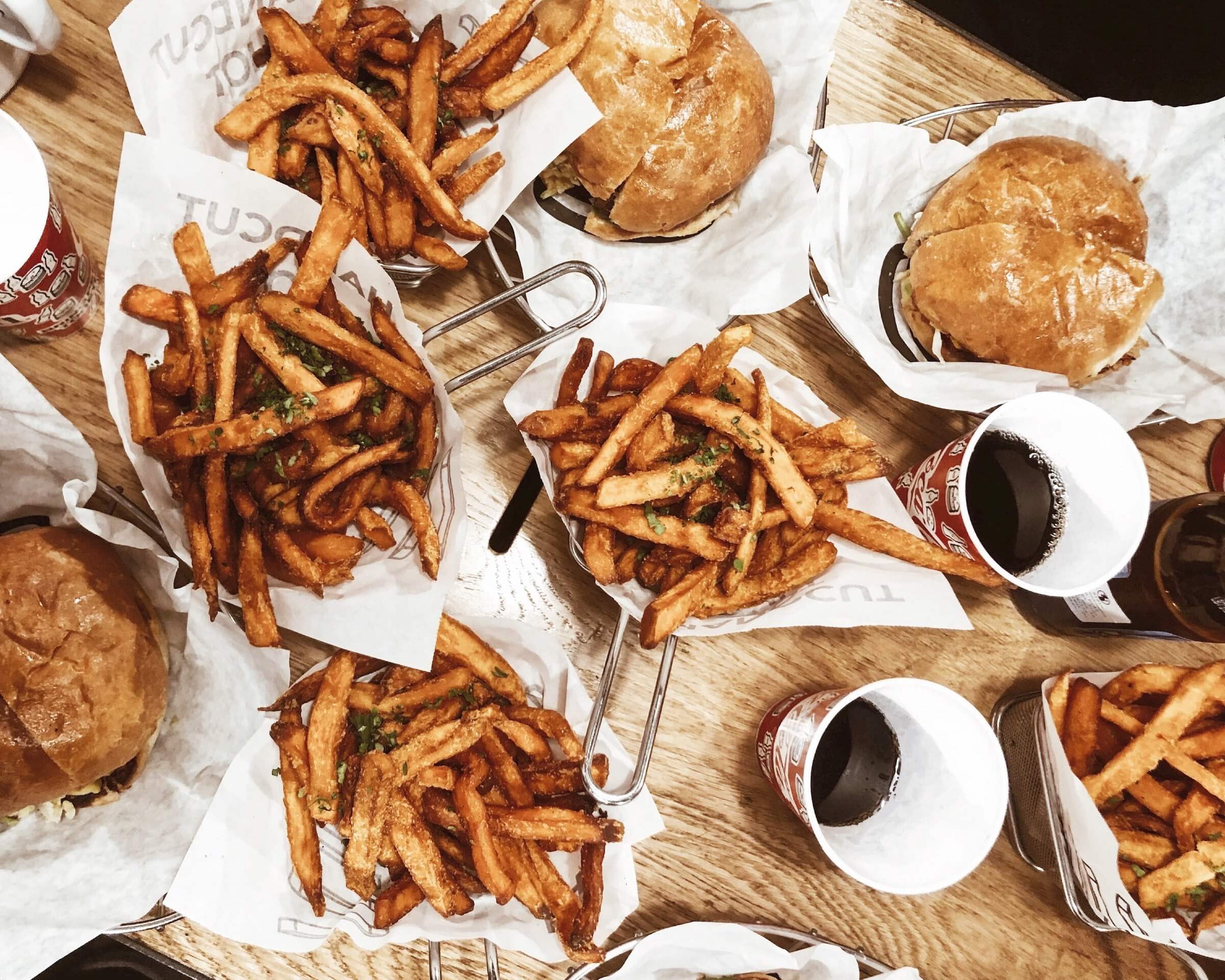
French fries and sandwiches in baskets

We celebrate the humble French fryat once a living legend and deceptively simple sideon Thursday, July 13, National French Fry Day.

Now, I know I tend to dive into the history, disputed or not, of a given item when a holiday comes around. However, that’s not the point of this article.

Of course, I could easily point out that this iconic item’s origins aren’t settled history. That Belgium claims ownership as of 1680. Or that Chile may have beaten Belgium by 61 years. And that France gets credit because the recipe for “modern” French fries appear in the cookbook La Cuisinière Républicaine from 1775. I’m not even going to get into the debacle that was 2003’s Freedom Fries…

Again, that’s not the point. Whether you call them French fried potatoes, French fries, fries, pomme frites, or chips, they’ve been around for anywhere from 400-plus to almost 250 years in some form.

And still they manage to confound many a cook.

We’ve all gotten an order of flaccid, cold, mushy or otherwise cheerless chips. And we’ve all managed to muscle down at least a handful of those dismal, forlorn fries, each soggy bite driving us deeper into despair.

Okay, that may be the tiniest bit dramatic. My point is, French fries are deceptively simple to get just right. And a subpar fry canlet’s face it, will—ruin a guest’s perception of a restaurant. They may return, but they’ll be apprehensive.

Fry Infatuation

If you thought maybe I’d try to create a portmanteau like “infrytuation,” I did think about it. But that would be far too silly, even for me. I wouldn’t even type such a thing out loud.

Anyway, we may not know the origin of fries or chips for a fact. But we do know that for the most part, people love a fry. Those who don’t, well, they’re not to be trusted. Should you come across such a person, grab a handful of friesor the entire basketand run away. You don’t need that kind of negativity in your life.

But why? Why do we love a fry?

Perhaps it’s the versatility. They complete many a limited-service restaurant or QSR meal. At this point, the “bag fry” is almost its own varietal.

They’re at home at a dive or neighborhood bar. But they’ll also step up and accompany a steak at a French bistro or steakhouse. Fish house, shack or upscale seafood restaurant? Pleasefish and chips are a power couple comfortable in any environment.

Speaking of versatility, chips are also happy to indulge a chef or cook’s most debaucherous thoughts. A vessel to carry short rib, cheeses, and an array of seasonings? They’re down.

Of course, it’s likely that fry popularity comes down to comfort. A hit of salt, fat, heat, crispness, and creaminess? That’s at the bare minimum. Toss on some parmesan or pecorino romano and that hit of dopamine doubles, at least.

Chip Tips

One professional, personality, and purveyor who knows his way around a French fry is Chef Brian Duffy.

Indeed, he takes fries seriously. So seriously, in fact, that he has promoted Lamb Weston for several years. For the unfamiliar, America-based Lamb Weston is on of the biggest producers of French fries in the world.

One of their products, the Extra Crispy series of fries, retains crispness for 30 minutes.

Chef Duffy also understands the importance of fries. They can, as stated above, make or break a guest’s visit.

Additionally, as you can see in the Instagram post below, Chef Duffy certainly sees the humble fry as a blank canvas for experimentation.


View this post on Instagram


A post shared by Chef Brian Duffy (@chefbriduff)

Given his strongly held views on fries, I reached out for his thoughts. And, of course, Chef Duffy didn’t disappoint. If you want to master your fries, take the Duffified approach.

Make sure you’re following Chef on Instagram, Facebook, Twitter, and Pinterest. From knife skills to thoughts on seasonings and techniques, you’ll gain helpful culinary insights. Oh, and he’s funny, too.

Duffified Fries

Elevate your French fries. Realize that they’re not “just” a side dish and therefore an afterthought.

For many brands, their fry is a calling card. That “card” can either tempt people through your doors or warn them to stay away.

Are they seasoned well?

Fries are seasoned perfectly when seasoned within 3-5 seconds of being removed from the fryer. Create a fry seasoning that has a good salt-to-seasoning ratio. My Fry base is 1 cup sea salt, 1/8 cup fresh ground black pepper, 1/2 cup onion powder, 1/4 cup garlic powder, 1/8 cup dark chili powder.

Are they crispy?

A good quality fry holds its crispiness for 10 to 15 minutes, unless it’s designed with a coating like a Crispy on Deliveryfry from Lamb Weston that can stay crispy for up to 30 minutes. There’s nothing worse that taking that first bite and having a cold, soggy fry.

Are they hot?

A hot fry has a creaminess in the center that enhances the ultimate experience of the fry. Having that crispy exterior and creamy interior ensures a perfect fry!

Hand-cut fries.

Let’s be real: They’re amazing within the first few minutes. But anything longer than that is a soggy fry, rarely cooked perfectly due to the labor involved and the variations between the type of potato, the time of the year, and the starch to sugar content. It’s just a super inconsistent product unless it’s a huge focus for your concept. I’d stay away.

What are your sauces?

Just ketchup? Just ranch? Make up a few new dipping sauces that will assist you in creating a fry program that isn’t just as a side. Three different fry cuts and three different sauces are now a $14 appetizer that will make people happy.

Choose a fry or a fry program that matches your concept!

Is it a wedge, a concertina, a waffle, a dipper or a steak…? Choose wisely because the wrong fry can take your menu from great to, “Well, that sucked.”

Takeaway

Speaking of featuring fries as a premium appetizer that justifies a premium price, Chef Duffy has a couple of ideas.

One, a fry board. We’ve seen cheese boards, meat boards, pretzel boards… Why not fries?

Sift through Instagram and you’ll also find a Chef Duffy take on build-your-own nacho fries.

Get creative. Don’t just have fries, engage your kitchen and have them build a fry program. Innovation draws people in and converts them to loyal, repeat guests while justifying premium pricing.

Image: Vincent Rivaud on Pexels

Disclaimer: Neither the author nor KRG Hospitality received compensation, monetary or otherwise, from Lamb Weston or any other entity in exchange for this post.

KRG Hospitality menu development. Restaurant. Bar. Cafe. Lounge. Hotel. Resort. Food. Drinks.

by David Klemt David Klemt No Comments

Program for Unique Holidays: July 2023

Program for Unique Holidays: July 2023

by David Klemt

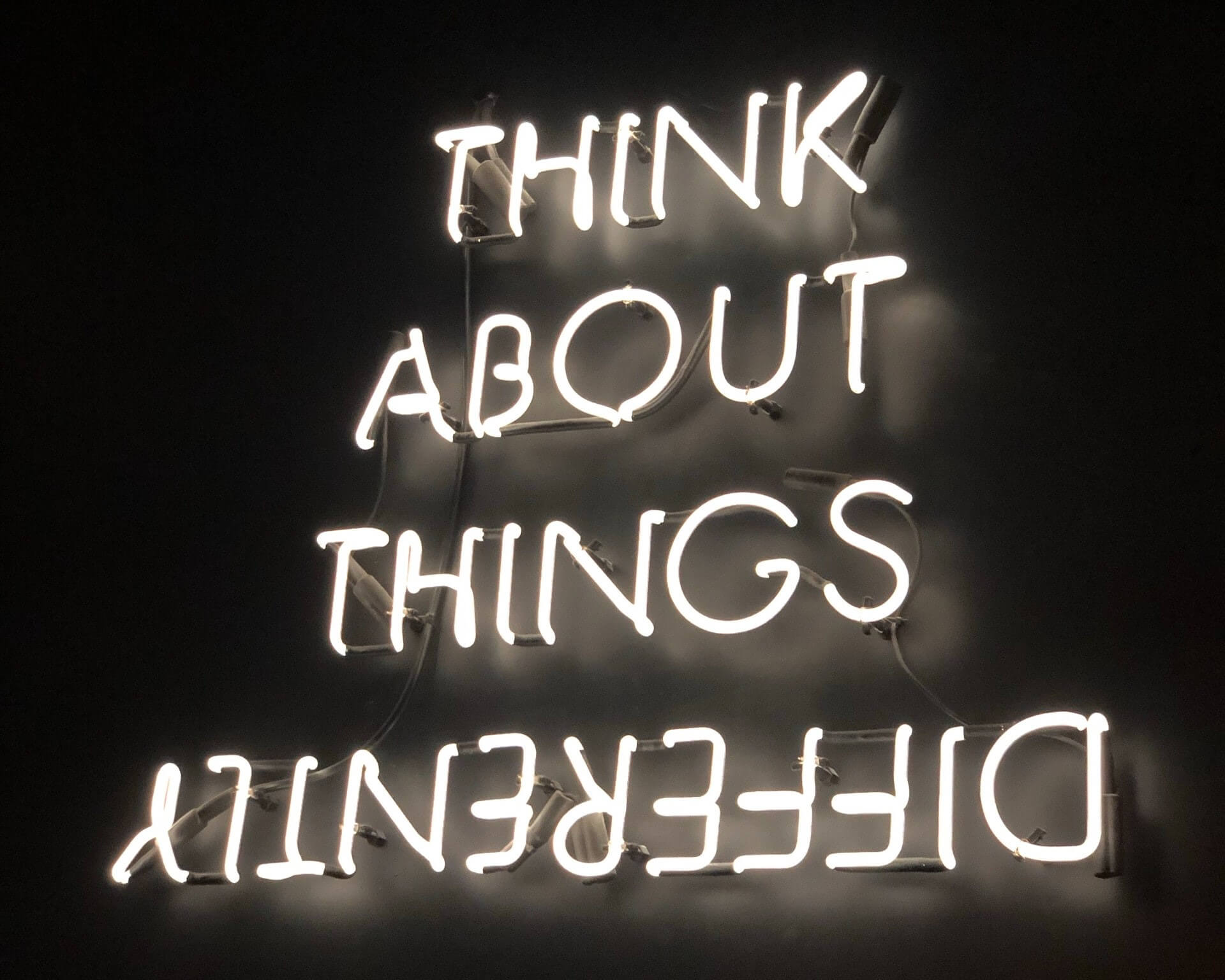
"Think about things differently" neon sign

Do you want to stand out from from other restaurants and bars in your area? Change how you think about your July holiday promotions.

Several holidays are set against every date on the calendar, and this month is no exception. These holidays range from mainstream to esoteric.

Pay attention to the “weird” or unique holidays to raise eyebrows, carve out a niche for your restaurant or bar, and attract more guests. Why do what everyone else is already doing? Why program only around the same holidays as everyone else?

Of course, you shouldn’t try to celebrate every holiday, strange or otherwise. Focus on the days that are authentic to your brand; resonate with your guests; and help you grab attention on social media.

You’ll find suggestions for promotions below. However, the idea behind our monthly holiday promotions roundup is to inspire you and your team to get creative and come up with unique programming ideas.

For our June 2023 holidays list, click here.

July 5: Workaholics Day

Great bars and restaurants offer escapes from the drudgery and negativity of the rest of the world. On this day, encourage those who can step away from work to actually do so.

Barring getting workaholics to play hooky, come up with an LTO menu that’ll inspire them to at least pop by to unwind after a hard day’s work.

July 6: World Kissing Day

There are quite a few cocktails with “kiss” in the title, and these are the drinks you should use to program for this holiday.

The Kiss cocktail, for example, is a gin cocktail with Dubonnet, sweet vermouth, and Luxardo maraschino liqueur. The Widow’s Kiss consists of apple brandy, Yellow Chartreuse, Bénédictine, and Angostura bitters. In other words, it’s not difficult to celebrate this holiday through your drink menu.

July 7: Dive Bar Day

It’s difficult to beat a dive or neighborhood bar when you’re looking for a great time with friends. If you’re a dive or neighborhood bar operator, this is your day.

July 11: National Cheer Up the Lonely Day

Look, the past few years have isolated far too many of us. People are lonely, and this isolation isn’t doing anyone’s mental health any favors.

Bars and restaurants are cornerstones of their communities, so this is an excellent day to encourage people to come in, grab a bite and a drink, and try to make some new friends.

July 13: National French Fry Day

When a French fry is done right, when it’s hot with a crunchy exterior and creamy interior, it’s a perfect food. If you think your team makes amazing French fries, brag about it on social and prove it to your guests.

Better yet, this is a great day to show off your French fry skills with signature loaded versions.

July 14: National Nude Day

Unless you’re running an incredibly niche concept with excellent community and guest support, please don’t celebrate National Nude Day with nudity.

Instead, draw guests in through an enticing LTO menu. You can, for example, highlight your bar team’s prowess for creating the Naked & Famous cocktail, a mezcal cocktail made with Aperol and Yellow Chartreuse. Of course, there’s also the Porn Star Martini, along with other cocktails with names that imply nudity.

July 20: National Moon Day

It may seem like this holiday is related to the previous one, but please behave. You and your guests can celebrate Earth’s sole natural satellite via cocktails.

Not only are there drinks like the Moon cocktail (made with gin and sherry), you can also offer blue, purple, and black cocktails served with large ice cubes.

July 25: Culinarians Day

Are you proud of your kitchen team? Proud of the culinarians that are working hard to make your restaurant a success? This is the day to highlight the mastery of their craft and your signature menu items.

Alternatively, if you can afford to do so, you can also go dark on this day to give your culinary team a break.

July 28: National Get Gnarly Day

If you have some “out there” menu items, this is the day to highlight them. Do you have a food challenge? Promote it! Have some “interesting” bottles in your inventory? Promote them!

Image: Ivan Bertolazzi on Pexels

KRG Hospitality menu development. Restaurant. Bar. Cafe. Lounge. Hotel. Resort. Food. Drinks.

by David Klemt David Klemt No Comments

Are You Making MargaRights or MargaWrongs?

Cointreau Wants to Know: Are You Making MargaRights?

by David Klemt

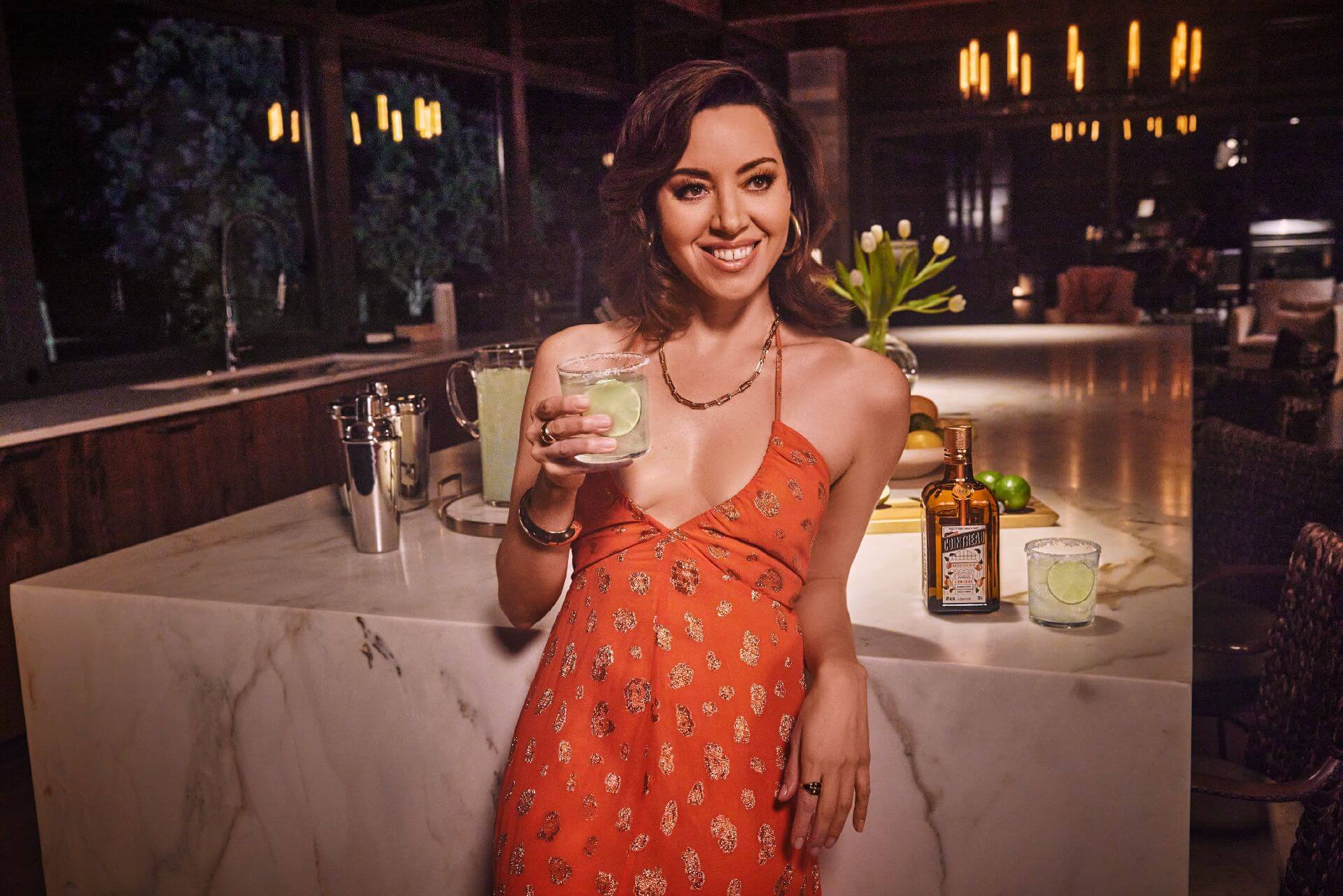
Aubrey Plaza holding a Margarita made with Cointreau

Temperatures are rising and people are socializing, so Cointreau wants to make sure you and your team make Margaritas right.

In fact, they’re so serious about Margarita specs that they’re partnering with Aubrey Plaza educate the public. To celebrate the 75th anniversary of the Margarita, the iconic brand is launching the MargaRight campaign.

Challengers come and go but so far, the Margarita is the top cocktail in the US. This has been the case for many, many years. Of course, it’s also a popular cocktail around the world and has been number one in other countries as well.

Now that we’re a week away from the “official” start of summer, it’s paramount to make sure your Margaritas are MargaRight. For one thing, it’s the perfect summer sipper. For another, people are eager to socialize in restaurants and bars, and the Margarita is sure to join groups of friends as they hang out together.

But there’s another reason to ensure your Margs are on point: The wrath of Aubrey Plaza. More accurately, avoiding incurring Plaza’s wrath for putting MargaWrongs across your bar.

Margarita mix? Anger. No Cointreau? Fury.

To borrow a refrain from fanatics of another classic cocktail, it’s safe to say that Plaza would agree with, “No Margarita without Cointreau.”

The Original Margarita

Some, including Cointreau, support the belief that the Margarita’s creation traces back to 1948. For this origin story, Dallas socialite Margarita Sames is either the inventor of the Margarita or asked for a signature cocktail for a party she was hosting at her Acapulco home. Going further, another claim is that Tommy Hilton was a party guest and brought the recipe to Hilton properties, helping to make it famous.

Another claim is that the Margarita is simply a logical evolution of the Daisy. The mid-1800s tipple has a cocktail family named after it, and the Margarita, Sidecar, Cosmopolitan, and Daiquiri sprang forth from it.

Regardless of what origin story you choose to believe, Cointreau champions the original recipe: Cointreau, blanco tequila, fresh lime juice, and a lime wheel to garnish. It’s this classic recipe that Cointreau and Plaza are adamant about for the MargaRight campaign.

To learn more about the MargaRight campaign and Cointreau’s celebration of the Margarita, please read the press release below. Cheers!

Cointreau and Aubrey Plaza Make Your Margarita MargaRight This Summer

Plaza celebrates summer and 75 Years of The Original Margarita

NEW YORK – June 14, 2023 – Cointreau, the iconic orange liqueur, is teaming up with Aubrey Plaza to launch a new creative campaign where the actor insists that the only way to enjoy a Margarita is the MargaRight way, and that is with Cointreau, of course.

Who better to show you MargaRight from MargaWrong than the famously irreverent Aubrey Plaza, who is known for her fearless honesty and unparalleled wit. “I love Margaritas – and the only way to make them MargaRight starts with three ingredients: Cointreau, tequila and fresh lime juice,” said Plaza. “Otherwise, it’s just MargaWrong.” Plaza continued, “This summer, you’ll only catch me ordering Margaritas MargaRight, and Cointreau will always be at any party of mine.”

Cointreau is an essential ingredient in The Original Margarita, and has been for 75 years, since Dallas socialite Margarita Sames created the recipe in 1948. In celebration of its 75th anniversary, Cointreau debuts today its largest creative campaign to-date across connected TV, digital, and social platforms. Captured in both home entertaining and bar and restaurant settings, Cointreau’s summer campaign creatively captures a comedic tone alongside its elevated style. The campaign has a range of video spots and photo stills showcasing how Margaritas should be enjoyed all summer long, always with Cointreau. To check out the NEW campaign, head to https://www.cointreau.com/us/en/whats-new/margaright.

“Cointreau has a history of cinematic storytelling with continued investment in marketing and partnering with top-tier celebrity talent, now including Aubrey Plaza,” said Nicolas Beckers, President and CEO at Rémy Cointreau America. “We want to continue to invite consumers to enjoy our brand wherever they are, and Aubrey is the perfect partner to showcase how three simple ingredients – Cointreau, tequila and fresh lime juice – are all you need to make your summer and Margarita MargaRight.”

As Margarita Sames once said, “a Margarita without Cointreau is not worth its salt.” Whether you’re ordering one at a bar or shaking it up at home, make your Margarita MargaRight and head to Cointreau.com to learn more.

The Original Margarita:

Ingredients:

  • 1 oz. Cointreau
  • 2 oz. Blanco tequila
  • 1 oz. Fresh lime juice

Directions:

  1. Rim your rocks glass with salt
  2. Combine all ingredients in a shaker with ice
  3. Shake vigorously until well chilled
  4. Strain into a rocks glass filled with fresh ice
  5. Garnish with a lime wheel

About Cointreau:

Iconic orange liqueur creator and cocktail pioneer, Maison Cointreau was founded in 1849 in Angers, France. The brand’s heritage as a liquorist-distiller lives on today at the heart of more than 500 cocktails, including the original Margarita and Cosmopolitan. Cointreau liqueur’s distinctive character is the result of the meticulous selection, harmony, and distillation of sweet and bitter orange peel essences, a task entrusted to Maison Cointreau’s Master Distiller. Unique and boasting exceptional organoleptic qualities, it’s a staple for bartenders and at-home cocktail enthusiasts around the world. Visit www.cointreau.com and follow us on Instagram for more.

To learn more about Cointreau, visit www.cointreau.com or follow Cointreau on Instagram via @Cointreau_US or Facebook via @cointreauUS.

About Rémy Cointreau:

All around the world, there are clients seeking exceptional experiences; clients for whom a wide range of terroirs means a variety of flavors. Their exacting standards are proportional to our expertise – the finely-honed skills that we pass down from generation to generation. The time these clients devote to drinking our products is a tribute to all those who have worked to develop them. It is for these men and women that Rémy Cointreau, a family-owned French Group, protects its terroirs, cultivates exceptional multi-centenary spirits and undertakes to preserve their eternal modernity. The Group’s portfolio includes high-end and singular brands, such as the Rémy Martin and Louis XIII cognacs, and Cointreau liqueur. Rémy Cointreau has a single ambition: becoming the world leader in exceptional spirits. To this end, it relies on the commitment and creativity of its 1,850 employees and on its distribution subsidiaries established in the Group’s strategic markets. Rémy Cointreau is listed on Euronext Paris.

Disclaimer: Neither the author nor KRG Hospitality received compensation, monetary or otherwise, from Rémy Cointreau, Cointreau, or any other entity in exchange for this post.

Image and videos courtesy of Cointreau

KRG Hospitality Beverage Programming

by David Klemt David Klemt No Comments

Own Your Team’s Excellence

Own Your Team’s Excellence

by David Klemt


Martinis at Bemelmans Bar inside the Carlyle hotel in New York City

If you and your team are producing an incredible food or drink item, don’t just be proud—make it your signature and own it.

As Chef Brian Duffy says during his demos and speaking engagements, people can eat and drink anywhere. Further, with just a handful of major food suppliers operating throughout North America, operators are using much of the same ingredients.

With that in mind, then, it’s crucial that operators and their teams innovate. Doing so ensures that hospitality professionals are staying current on consumer demands and trends; constantly seeking be educated and share information; and making sure their business stands out from others.

A commitment to standing out can also motivate a team to elevate their techniques. In turn, they can truly “own” an item. Creating something incredible—and replicating it order after order consistently—can become a brand and team’s calling card.

Does your kitchen team turn out a fantastic signature burger? Has your business become known as the place for chicken wings because of your kitchen team?

Has your bar team perfected the Margarita? Are they so good at crafting Frozen Irish Coffees that your bar is on Glendalough Distillery‘s radar?

When you identify what your team is producing at an extraordinary level, you need to make certain you loudly own it.

A Real-world Example

For a high-level example of what I’m talking about, we can look at the Carlyle in New York City.

This landmark Rosewood Hotel is known for delivering peerless service. However, a venue inside this sophisticated resort is known for a specific item.

Bemelmans Bar, an escape from the hectic streets of New York, is known for the Martinis the bar team produces. (They’re also known for their red jackets, but those aren’t for sale.)

It may be a bold statement considering the level of bars and cocktails in the city, but Bemelmans Bar (and therefore the Carlyle) owns the Martini in NYC. In fact, the bar serves a staggering 1,000 Martinis a night. More often than not, the Martinis that cross the bar or leave the service well are dirty or extra dirty. This has been the case since at least 2021.

So famous are the Bemelmans’ Martinis that the Carlyle sells an at-home kit, yours for just $395. It’s their latest promotion, though, that makes it evident Bemelmans and the Carlyle are taking ownership of the Martini.

Guests of the Carlyle can now book their Martini Retreat, a two-day experience that centers around their signature cocktail. If, perhaps, you think that $400 is a bit steep for their Martini Box, prepare for true sticker shock. The Martini Retreat experience starts at $4,895 for two guests.

However, the package is rather impressive and encapsulates the Carlyle’s ownership of the Martini. The Carlyle Martini Retreat includes:

  • a two-night stay in a Madison Room or Premier Suite;
  • a Bemelmans Bar Martini Box;
  • enrollment in the Bemelmans Master Martini Class (valued at $495), a 45-minute experience during which guests learn how the bar team crafts multiple variations of vodka and gin Martinis, and their new Madeline’s Vesper cocktail;
  • a two-course Martini lunch at Dowling’s at The Carlyle; and
  • a curated list of where to go to try other great Martinis throughout NYC, put together by Dimitrios Michalopoulos, bar manager at Bemelmans.

Takeaway

So, am I suggesting that operators create an experience that costs thousands of dollars? Well…I mean, if your concept can succeed with such a promotion, absolutely. If doing so would resonate with enough guests to make it feasible and become a steady (and impressive) revenue stream, go for it.

However, what I’m really attempting to drive home here is the power of becoming known for even a single signature item. And, hey—your item, in your market, may be the Martini.

Owning an item means screaming from the rooftops and hills that it’s yours. That your team’s version is the one to have; the one people in the know have to have. Taking ownership of your team’s excellence translates to becoming a destination for it, to driving repeat visits once people have experienced it.

Of course, with that ownership comes the responsibility to elevate all other elements of your business. Every other item on the menu must be produced and served at the highest level. This ensures the entire guest experience wows the guests, and the signature item is essentially a driver and the cherry on top.

It’s time to review what your team produces so well that your brand owns it. Should this introspection yield no results, it’s then time to see what other operators are known for and discover what item or items you and your team can improve upon. What’s something that works with your brand that you feel confident you and your team can own?

There’s power, money, and long-term success in something on your menu. It’s time to uncover it and take ownership.

Image: The Carlyle

KRG Hospitality. Boutique Hotels. Resorts. Properties. Consultant. Feasibility Study. Business Plan

by David Klemt David Klemt No Comments

Ovation Reveals 5 Secrets for Growth

Ovation Reveals 5 Secrets for Growth

by David Klemt

Sign that reads "We hear you."

Restaurant guest feedback platform Ovation CEO Zack Oates reveals five secrets to what he calls the “digital table touch.”

The company touts itself as the number-one guest feedback platform. Ease of use is one reason the Ovation is viewed so favorably. Guests receive a two-question survey via SMS. Operators receive honest feedback they can use to improve guest retention and loyalty.

Those curious in learning more about the platform can check out several case studies on the Ovation website. Odds are, one of these studies matches closely with an operator’s own business.

For the purposes of this article, I’m going to focus on Oates’ 2023 Bar & Restaurant Expo education session. Getting even more granular, I’m going to drill down to Oates’ digital table touch approach to guest feedback and retention.

If Oates’ startling claim about first-time guests is true, guest retention is even more difficult than many operators would think. According to Oates, 70 percent of first-time guests don’t return to a restaurant. That number is, simply put, too damn high. Fifty percent is too high.

Feedback Reality

Let’s be honest about in-person feedback. While there are some honest guests out there, for some reason people tend to leave without being honest during their visits. In the moment, most of us will say “great” or “very good” when asked by a server or manager about our restaurant experience.

This is a compelling phenomenon. Per Oates, 15 percent of dine-in orders have issues. And yet most guests won’t say about an issue during their visit. That rate doubles to 30 percent for delivery orders, by the way.

Being totally transparent, Oates says he behaves the same in restaurants. He’s the CEO of a restaurant feedback platform and he’ll still say everything is fine during a visit even when it isn’t. So, while physical table touches are important, they’re likely not giving an operator an accurate picture of what’s going on in their dining room.

In fact, Oates says rather bluntly that “table touches are out of touch.” Further, they’re not scalable, off-premises, honest, or capable of fixing root issues, in his opinion.

Likewise, long-form surveys. According to Oates, long feedback surveys have an abysmal take rate: 0.01 percent. At that point, the rate may as well be zero. Online reviews, as may operators likely know, don’t really represent most guests.

The best solution to secure honest, actionable feedback appears to be Ovation’s SMS-based process.

Secret #1: Make Measurement Frictionless

Hot take: The easier a thing is to do, the more people will participate.

So, operators who want collect valuable guest feedback need to make it simple. If a guest orders delivery, operators should stuff carryout bags and top boxes with a call to action. For in-person dining, they should add a feedback CTA to table toppers. QR codes can make the process very easy. CTAs need to be visible and simple to complete.

The winning formula seems to be a two-question survey and collecting guest data. So, operators should consider enrolling guests who participate and leave feedback in a $100 gift card draw (or something similar).

Secret #2: Drive 5-star Reviews

Oates says that operators should push guests to rate their experiences on review sites. Doing so not only results in collecting valuable feedback, it can boost reviews and increase a restaurant’s visibility. The more discoverable a restaurant is, the more traffic it can potentially see.

Also, a note on actual five-star reviews: that’s not the best score. People tend to distrust perfect scores and one-star reviews. Per Oates, the best score is 4.7 stars, and operators should aim for at least a 4.0.

Secret #3: Respond to Feedback

This means good and bad feedback, and in a timely manner. Per Oates, one bad review reaches 30 potential guests. So, it’s best to address the situation as quickly as possible—if an operator can do so without losing their cool.

To ensure that emotions don’t prevail over rational responses, follow the Three Cs of Bad Review Recovery:

  1. Collected.
  2. Compassionate.
  3. Call to action.

Remember, people want to feel important. When they leave a bad review the underlying feeling driving the review is likely a sense that they’ve been disrespected. Operators attempting to recover from a bad review need to make the reviewer feel acknowledged and important.

Secret #4: Discover and Act on Trends

A business term that has been making the rounds for years now is “kaizen.” This is the concept of everyone in an organization working toward making incremental improvements to the business.

Savvy operators will set aside their egos, find trends within the feedback they receive, and work to improve on any shortcomings.

Secret #5: Text Guests to Bring Them Back

As I’ve said before, if you really want to meet guests where they are, reach them on the phones in their pockets. However, Oates has more advice than simply, “Text them surveys.”

To boost participation, tempt guests with an offer. Oates says to make the offer a good one. So, operators should consider the following:

  • Come up with an offer and put it first.
  • Make it a good offer: “The first X amount of people to complete this survey will receive 15 percent off their next visit.”
  • Track participation via a link.

While operators can leverage each of the above secrets on their own, Ovation’s digital table touch process is seamless and easy to implement. Either way, collecting honest guest feedback and acting on it is one of the most effective methods for improving guest retention.

Image: Jon Tyson on Unsplash

KRG Hospitality tech stack consulting. Tech. Technology. CRM. POS. Restaurant. Bar. Cafe. Lounge. Hotel. Resort.

by David Klemt David Klemt No Comments

Tips from Tipps on Cool Concepts

Tips from Tipps on Building a Cool Concept

by David Klemt

Mama Foo Foo Daytona bar and DJ booth

It’s true that “cool” is difficult to define, and yet as amorphous a concept as it can be, we can create a vibe that embodies this important design element.

Some people have an innate understanding of the cool factor. They can identify it, design for it, and reënvision it. However, even these people can’t always explain the concept of cool.

To repurpose a 1964 quote from Supreme Court Justice Potter Stewart, “I know it when I see it.” And to paraphrase that quote, many of us would say we know cool “when we experience it.”

Of course, I can say that the KRG Hospitality team knows cool and develops concepts around this nebulous design concept. But that wouldn’t be cool; if you call yourself cool, you’re not. It’s sort of like attempting to give yourself a nickname—it really doesn’t work. (When I was in the Air Force I witnessed what happened to a few brand-new F16 trainees who tried to give themselves their own call signs. The results? Yikes.)

So, I’m going to share some helpful thoughts on this topic from a friend of KRG. Invictus Hospitality co-founder Michael Tipps, who knows cool when he sees and feels it.

Importantly, he and his team can also design for it. During the 2023 Bar & Restaurant Expo in Las Vegas last month he shared his thoughts on this idea to a room full of operators and leadership team members.

To check out some of the cool concepts in the Invictus portfolio, click here. For the KRG portfolio gallery, follow this link.

So, You Wanna be Cool…

With very few exceptions, most people thinking about their dream restaurant, bar, nightclub, eatertainment concept, or hotel don’t want to embody the antithesis of cool. In fact, I’ll say that if someone does design an “uncool” concept purposely and does so successfully…it’s cool.

That said, here’s an important tip from Tipps on developing a cool concept: “If your bar or restaurant is epic, it will attract everyone.”

However, that doesn’t mean designing a place that attempts to make everyone happy. Instead, consider your target guests—groups of people you and your partners understand, ideally—and design for them.

Nailing your concept for your target guests will attract other groups. And before anyone says that sounds exclusionary, that’s not what Tipps or I are talking about. Listen to anyone from the KRG Hospitality and Invictus Hospitality teams speak and you’ll know making any guest feel unwelcome isn’t on the menu.

Instead, consider the longstanding maxim that you can’t please everyone. Hence, focusing on your target guests to pull the threads tighter during the concept development phase.

Another key consideration when trying to nail down the cool factor? Differentiation.

“If everyone is used to westerns, somebody wants an action movie,” says Tipps. In other words, in a market saturated by one or two types of concepts, there are people dying for something different.

So, develop your dream concept with the idea of delivering something different in mind.

Stay True

This isn’t exactly a hot take but at the end of the day, all restaurants serve food. All bars serve drinks. All hotels provide rooms.

In other words, people can go anywhere for at least decent food and drink, and a place to sleep. The differentiators that separate one concept from another are atmosphere, service, and culture. Those three elements (along with some others) define a particular brand.

When your dream concept is on paper and you’re ready to make it a brick-and-mortar reality, you must stay true to it. Using the KRG process as an example, our feasibility studies, concept development plans, and business plans combine to form our Roadmap to Success. This is a document hundreds of pages long that’s unique to every client and concept we develop.

Once that deliverable is in your hand, it’s crucial to stay true. Or, as Tipps said at BRE in March, “You have to remain steadfast and focused on your concept.”

Designing a cool concept can take you into deep, uncharted waters in your chosen market. The voice telling you that you need to rein things in can be a loud, nagging one. Learn to quiet that panicking voice.

It can be daunting to design something you think is cool. You may find yourself asking if anyone would even want this “cool” concept.

Well, an unfiltered Tipps suggests you consider your answer to the following question: “How do people know what they want if they haven’t fucking seen it?”

You can build the next Applebee’s, Chili’s or Fridays. Or you can build something unique that will set a new standard in a market. And that’s not a knock against those chain restaurants—they’re successful on a global scale. But if you don’t want to operate an Applebee’s, don’t design yourself one.

A Word on Rebranding

Owing to the pandemic, rebrands are, as Tipps says, ubiquitous. This makes sense as people’s perspectives are different now. Operators want to finally own their dream concept. Hospitality pros want to work for brands that share their values, and that they deem cool. Guests want to spend their time and money on brands with which they identify (and also deem cool).

“If somebody wants to rebrand, they probably should,” says Tipps.

According to Tipps, however, “a lot of people confuse a rebrand with a refresh.”

While new tables, chairs, and paint can feel like a huge change, that’s not a rebrand. While many guests appreciate a refresh, their relationship with the brand won’t change much.

So, if an operator doesn’t plan and execute a full rebrand carefully, Tipps says they need to temper their expectations for a measurable ROI.

Now, if you have ideas for a cool rebrand, planning is crucial. But that doesn’t just relate to knowing what you want. You need to have your new name, logo, colors, menus, and exterior and interior designs finalized, of course.

However, you need to plan for how long the rebrand will take. As an example, when Invictus last rebranded their own concept they planned for two months to prepare to shut down for a full week.

Your cool new concept and its cool new details? They cost money and, as importantly, they take time. Which, as we all know in this business, costs even more money when you’re shut down.

Now’s the time to move forward with your cool new concept. Don’t hesitate to take your first step toward owning the cool brand you’ve always really wanted. While you’re dreaming about your concept, someone else in your market is making theirs a reality.

Image courtesy of Invictus Hospitality

KRG Hospitality brand identity. Restaurant. Bar. Cafe. Lounge, Hotel. Resort.

by David Klemt David Klemt No Comments

Spring Clean Your Business!

7 Ways to Give Your Business a Spring Cleaning!

by Kim Richardson & David Klemt

White mops against red and white wall

In case you’re so busy you didn’t catch it, we’re officially—finally—in spring, and that means it’s time to spring clean your business.

Below you’ll find a spring cleaning slideshow with helpful advice from KRG Hospitality consultant Kim Richardson.

Each slide contains her best advice for reviewing, refreshing, and improving your business. For your convenience, Kim organizes her spring cleaning advice in just seven slides.

It’s time to look at your business through fresh, energized eyes! Your team, guests, and bottom line will thank you.

[metaslider id=78443]

Note: Unable to view the slides above? Each slide is transcribed below.

1 Re-plant Your Core Values

  • Review your core values with your team.
  • Post them where everyone can see them daily.
  • Foster core values through consistent training.
  • What kind of experiences are you offering your team?
  • Hire a coach to help you discover your core values.

2 Tidy up Your Guest Journey Map

  • Walk through your business from the guest perspective.
  • Review your website for content, ease of use, current info.
  • Review your technology and potential pain-points.
  • Touch up items that may have become run down: paint, signage, furniture, equipment, etc.
  • Review your flow of service and communication.

3 Spruce up Your SOP & Training Programs

  • Evaluate how well current SOPs are being followed.
  • Evaluate how well you continuously train your team.
  • Make updates as needed and add any new procedures.
  • Ensure SOPs are easily accessible by your team.
  • Discuss your standards during pre-shift meetings.

4 Deep Clean Your Financial Books

  • Review your budgets and projections for the year ahead.
  • Review and organize the financials tracking processes; receipts, invoices, files, etc. and digitize what you can.
  • Consider updating your financial tracking technology or bringing in a third party to assist.

5 Dust off Your Business Plan

  • Evaluate the progress of your business plan.
  • Acknowledge what you have accomplished.
  • Are you on track to achieve your goals this year?
  • Do all of your goals still make sense?
  • Make any necessary updates and create a game plan to stay on track; review every 30 days.

6 Freshen up Your Marketing Plan

  • Budget time and money to dedicate towards marketing for the next 90 days.
  • Create strategic campaigns that will create awareness, build a database, and retain your targeted customers.
  • Consider working with a third party or having someone dedicated to this role internally.

7 Declutter Your Mind

  • Perform a calendar audit.
  • Review goals and formulate action plans.
  • Practice mindfulness through journaling or meditation.
  • Consider hiring a mindset coach to help you organize your life and your business.

Image: PAN XIAOZHEN on Unsplash / Slideshow Images: Kim Richardson / KRG Hospitality

KRG Hospitality. Business Coach. Restaurant Coach. Hotel Coach. Hospitality Coach. Mindset Coach.

by David Klemt David Klemt No Comments

SevenRooms Email Marketing Integration

SevenRooms Introduces Email Marketing Integration

by David Klemt

Public red and blue mailbox

Today, SevenRooms announces a new marketing innovation that integrates with the platform’s Automated Email feature: Email Marketing.

This is more evidence of SevenRooms’ continued growth. The company began 2023 by adding their first-ever chief marketing officer. Just two months later, SevenRooms announced a new investor: Enlightened Hospitality Investments, spearheaded by Danny Meyer.

Additionally, offering this new tool to operators makes clear the platform’s intent to truly be an all-in-one operations solution. Email Marketing, for example, can replace third-party email services. Streamlining marketing makes it simpler for operators and their teams to ensure they keep guests engaged with their venue and brand.

And, of course, including effective tools within a single platform can lead to reduced costs and the relief of pain points. When systems are difficult to use, some operators are less inclined to want to actually use them. That’s a waste of valuable resources.

Combined with Automated Emails, SevenRooms Email Marketing gives more control over marketing to operators. Not only are emails triggered based on various tags, the emails can be customized fully. And, to ensure marketing runs smoothly for everyone, operators will have access to templates if customization isn’t necessarily in their wheelhouse.

You’ll find the SevenRooms Email Marketing press release in its entirety below.

SEVENROOMS EXPANDS MARKETING SUITE WITH INTEGRATED EMAIL MARKETING

New Email Marketing Tool Provides Key Data Insights and Revenue Potential for SevenRooms Clients

NEW YORK (March 14, 2023)—SevenRooms, a global guest experience and retention platform for the hospitality industry, has announced a new solution and expansion of its marketing suite for hospitality operators worldwide: Email Marketing. The product will work in conjunction with SevenRooms’ Automated Emails, a set of personalized, trigger-based emails sent to customers on behalf of the operator, to continue to engage guests once they’ve visited a venue.

Email Marketing enables SevenRooms customers to send one-time, customized marketing emails directly within the SevenRooms platform to give operators more control over the way they use their guest data. Having ownership of this guest data allows operators to build their brand through direct touchpoints with guests to drive loyalty and repeat visits. It also provides detailed insights into email performance with metrics that matter to their business, including showing the reservations, covers and revenue attributed to each email.

Email Marketing supports operators with a solution that is connected throughout a restaurant’s tech stack and removes the need to use third-party email service providers that create additional work for staff trying to manage email preferences across multiple systems. It is directly linked to the SevenRooms CRM and operating system giving operators full control over their messaging and who receives it by using Auto-tags or Client tags to segment marketing audiences. Additionally, operators using Email Marketing have the ability to create either fully customized emails with an easy-to-use visual editor or utilize curated templates.

The new product also enhances the experience for guests of SevenRooms customers by allowing them to stay in touch or up-to-date with their favorite venues, receive targeted messages and promotions, or simply control the venues from which they receive marketing. Leveraging Email Marketing, restaurants can use their guest data to tee up relevant, customized emails. For example, sending guests who have purchased wine at least five times an invite to a dinner with their sommelier, or excluding guests with shellfish allergies from an email about their annual clambake.

“SevenRooms Email Marketing product provides restaurants with functionality that simply does not exist in the email marketing platforms that restaurants traditionally use,” said Allison Page, Co-Founder and Chief Product Officer at SevenRooms. “We enable restaurant marketers to leverage their robust SevenRooms guest database to quickly and easily build targeted campaign segments, eliminating the need to manually export and import mailing lists between systems. While other email service providers promise revenue, SevenRooms can prove it with accurate data on the revenue generated by each campaign to truly measure email marketing performance.”

“The combination of SevenRooms’ Email Marketing and Automated Emails makes guests feel very connected with us,” said Alyssa Fenu, Sales & Marketing Manager at Mango’s Tropical Café. “Being able to choose who our emails are going to — a specific customer segment or broadcasting to our whole database — makes the process a lot simpler. And it’s super easy to understand how many people opened our emails, how many people actually made a reservation, and how much money we’re making because it’s all in one place.”

For more information about SevenRooms and its services, please visit www.sevenrooms.com.

About SevenRooms

SevenRooms is a guest experience and retention platform that helps hospitality operators create exceptional experiences that drive revenue and repeat business. Trusted by thousands of hospitality operators around the world, SevenRooms powers tens of millions of guest experiences each month across both on- and off-premises. From neighborhood restaurants and bars to international, multi-concept hospitality groups, SevenRooms is transforming the industry by empowering operators to take back control of their businesses to build direct guest relationships, deliver exceptional experiences and drive more visits and orders, more often. The full suite of products includes reservation, waitlist and table management, online ordering, mobile order & pay, review aggregation and marketing automation. Founded in 2011 and venture-backed by Amazon, Comcast Ventures, PSG and Highgate Ventures, SevenRooms has dining, hotel F&B, nightlife and entertainment clients globally, including: MGM Resorts International, Mandarin Oriental Hotel Group, The Cosmopolitan of Las Vegas, Wynn Resorts, Jumeirah Group, Wolfgang Puck, Michael Mina, Bloomin’ Brands, Giordano’s, LDV Hospitality, Zuma, Australian Venue Company, Altamarea Group, AELTC, The Wolseley Hospitality Group, Dishoom, Live Nation and Topgolf.  www.sevenrooms.com

Image: Brett Garwood on Unsplash

KRG Hospitality Planning Phase, 2023 icon

by David Klemt David Klemt No Comments

Program for Unique Holidays: March 2023

Program for Unique Holidays: March 2023

by David Klemt

"Think about things differently" neon sign

Do you want to stand out from from other restaurants and bars in your area? Change how you think about holiday promotions.

Several holidays are set against every date on the calendar, and March is no exception. These holidays range from mainstream to esoteric.

Pay attention to the “weird” or unique holidays to raise eyebrows, carve out a niche for your restaurant or bar, and attract more guests. Why do what everyone else is already doing? Why program only around the same holidays as everyone else?

Of course, you shouldn’t try to celebrate every holiday, strange or otherwise. Focus on the days that are authentic to your brand; resonate with your guests; and help you grab attention on social media.

You’ll find suggestions for promotions below. However, the idea behind our monthly holiday promotions roundup is to inspire you and your team to get creative and come up with unique programming ideas.

For our February 2023 holidays list, click here.

March 3: National I Want You to be Happy Day

This is certainly a holiday tailor-made for the hospitality industry. Above all, we should all want guests to feel happy before, during, and after their visit. Happy and excited in anticipation to visiting, happy throughout their visit, and leaving with a happy memory.

March 5: Cinco de Marcho

This is a week-long celebration. Traditionally, this holiday has been intended to prepare people for all the alcohol they intend to consume on St. Patrick’s Day.

However, operators can go a different direction with this. For the week leading up to St. Patrick’s Day you can trickle out the dishes and drinks you intend to feature for the big celebration. Alternatively, you can feature alcohol-free and even health-boosting drinks before St. Patrick’s Day.

March 8: National Proofreading Day

You and your team should be proofreading your menus before they every find their in front of guests. But, hey, mistakes are sometimes made.

For National Proofreading Day, challenge your guests to find errors on your menus, placing a “bounty” on them. Reward guests who find mistakes and then fix them.

March 10: Mario Day

Nostalgia is a powerful tool for generating engagement, boosting traffic, and creating guest loyalty. This holiday celebrates Nintendo’s most famous character, obviously.

If you have gaming consoles or Super Mario Bros. arcade games, you know what to do. And you also know you should create a Mario-themed LTO menu.

March 13: National Open An Umbrella Indoors Day

You could, if you’re superstitious, tempt fate on this day. For example, you could set some umbrellas by your front door and dare guests to open them indoors upon their arrival.

Or you could create an LTO menu with drinks served with cocktail umbrellas, a much “safer” way to celebrate.

March 16: National Everything You Do Is Right Day

Does your guest want another drink? That’s the right decision. Do they want to order a second starter? They’re right to do so. Is your guest mulling over dessert? They should do it because it’s the right thing to do.

March 22: National Goof Off Day

Sometimes your guests need to play hooky. Work, errands, chores… Who needs ’em? This is the day they should find refuge in your restaurant or bar and take a break from their responsibilities.

March 26: Make Up Your Own Holiday Day

I mean… Clean slate here. Create your own holiday and make it stick for an annual March 26 celebration at your venue.

March 29: Smoke And Mirrors Day

One of the simplest ways to leverage this holiday is with smoked cocktails and foods. Smoke sells: When one guest orders a smoked cocktail, others follow.

March 30: National Virtual Vacation Day

You can treat this like National Goof Off Day. Of course, you can also decorate your place to look like a vacation destination, create themed LTOs, and send your guests into April feeling refreshed.

Women’s History Month Holidays

In addition to March being Women’s History Month, there are separate days that celebrate women and women’s accomplishments, and bring attention to women’s issues. You can find these days below:

  • International Women’s Week: March 5-12
  • Women of Aviation Worldwide Week: March 6-13
  • Women in Construction Week: March 6-13
  • International Women’s Day: March 8
  • National Women And Girls HIV/AIDS Awareness Day: March 10

Image: Ivan Bertolazzi on Pexels

KRG Hospitality Beverage Programming

by David Klemt David Klemt No Comments

Do Super Bowl Ads Work on Consumers?

Do Super Bowl Ads Work on Consumers?

by David Klemt

Pepsi Zero Sugar bottle

One of the biggest Super Bowl ad winners is Pepsi Zero Sugar.

Brands spent hundreds of millions of dollars to advertise during Super Bowl LVII, but do their ads actually translate to demand for their products?

A week ago we shared our ten favorite beverage-focused Big Game ads. Along with those ads we shared some numbers.

One of those numbers was $7 million, the cost of a 30-second Super Bowl ad on Fox. Other numbers? $500 million and $700 million, the range of revenue it’s estimated that Fox generated this year from Super Bowl ads.

At this point, these ads and the Halftime Show have essentially become their own entities. Some people watch the Big Game for the ads, some for the show halfway through. It stands to reason that brands are well aware of this development. So, they try to create the most impactful ad possible in the hopes of generating consumer demand.

In other words, these brands aren’t spending all this money just so they’re commercial can be deemed cool. Sure, brands want that buzz. But they also want an ROI on the millions they spend.

The big question is, then, are they seeing a return? Well, it just so happens that behavioral insight platform Veylinx has a data-driven answer to that question.

In short, the answer is yes. Of course, it’s a nuanced yes. For example, it appears Gen Z doesn’t care much about Super Bowl ads, as you’ll see below. Also, non-advertisers in the same categories as Super Bowl advertisers appear to see a benefit from the ads.

You’ll learn more from the Veylinx press release below. It’s an interesting read with valuable data for restaurant, bar, and hotel operators.

NEW YORK, Feb. 22, 2023 — A new study from behavioral research company Veylinx determined whether or not Super Bowl commercials boost consumer demand for the products advertised. The results show that 2023 Super Bowl advertising fueled a 6.4% increase in demand among viewers.

The overall increase in consumer demand was driven by women, who accounted for a 21% increase in demand growth. The commercials had minimal impact on men, yielding just 1% demand growth for the brands tested. Gen Z viewers were largely unimpressed by the Super Bowl ads, with demand among 18 to 25 year olds actually shrinking by 1%.

2023 Veylinx impact of Super Bowl ads on consumers chart

“It’s not really a surprise to see that Super Bowl ads improve sales, but the short term bump alone may not be enough to justify the $7 million price tag,” said Veylinx founder and CEO Anouar El Haji. 

Using Veylinx’s proprietary methodology—which measures actual demand rather than intent—the study tested purchase behavior during the week before the Super Bowl and again the week after. The research focused on measuring the change in consumer demand for eight brands with Super Bowl ads: Michelob Ultra, Heineken 0.0%, Hellmann’s Mayo, Downy Unstopables, Crown Royal Whisky, Frito-Lay PopCorners, Pringles and Pepsi Zero Sugar. 

Super Bowl Advertising Winners Overall

Michelob Ultra – 19% increase in demand

Pepsi Zero Sugar – 18% increase in demand

Frito-Lay PopCorners – 12% increase in demand

Heineken 0.0% – 11% increase in demand

Super Bowl Advertising Winners Among Women

Pepsi Zero Sugar – 45% increase in demand

Michelob Ultra – 40% increase in demand

Heineken 0.0% – 40% increase in demand

Crown Royal Whisky – 26% increase in demand

Veylinx, top performing brands during 2023 Super Bowl

Halo Effect for Non-Advertisers

The biggest winners were arguably brands in the same product categories as Super Bowl advertisers. Non-advertisers in those categories appeared to benefit nearly as much as the advertisers: demand grew by 4.2% percent for the study’s control group of non-advertising competitors. Corona Extra, Kraft Mayo and Lay’s STAX were the greatest beneficiaries in a control group that also included Budweiser Zero, Arm & Hammer Clean Scentsations, Canadian Club Whisky, Popchips, and Coke Zero Sugar. Notably, every non-advertiser saw at least a slight increase in post-Super Bowl demand.

“The goal of our study was to look specifically at how consumer demand is affected by running a commercial during the Super Bowl,” El Haji said. “It’s possible that the non-advertisers deployed other marketing efforts to offset or take advantage of the Super Bowl advertising—or they simply benefited from increased exposure for their categories.” 

Additional Findings

Study participants also answered a series of follow-up questions about their preferences, perceptions and how they watched the Super Bowl. More than three-quarters watched at home through various platforms, the most popular being the live cable/satellite broadcast (38%), followed by YouTube TV (15%) and Hulu (10%). When asked why they watched, it’s no surprise that participants were all about the game (64%)—but the commercials were the next most popular reason for watching (39%), followed by halftime (35%), the social aspect (26%) and fear of missing out (13%). 

About the Research

Veylinx studied the behavior of 1,610 U.S. consumers pre- and post- Super Bowl LVII. Unlike typical surveys where consumers are simply asked about their purchase intent, Veylinx measures whether consumers will pay for a product through a real bidding process. Consumers reveal their true willingness to pay by placing sealed bids on products and then answering follow-up questions.

For more information about the study and the Veylinx methodology, visit info.veylinx.com/super-bowl

About Veylinx

Veylinx is the most realistic behavioral insights platform for confidently answering critical business questions during all stages of product innovation. To reliably predict demand, Veylinx captures insights through a Nobel Prize-winning approach in which consumers have real skin in the game. This is a major advance from traditional market research practices that rely on what consumers say they would hypothetically buy. Veylinx’s unique research methodology is trusted by the world’s largest and most innovative consumer goods companies.

Main article image: PepsiCo / Article body images: Veylinx

KRG Hospitality Bars & Lounges, 2023 icon

by David Klemt David Klemt No Comments

Picture vs. Video: Datassential Weighs In

Picture vs. Video: Datassential Weighs In

by David Klemt

Vintage Rolleiflex camera

If you want to meet guests—both regular and new—where they are, it helps to know how they prefer to consume social media content.

However, I’m not talking about which platforms are the most popular. We’ll get to that, but I’m talking about the content itself.

It appears that two camps are emerging: Team Picture and Team Video. And yes, they appear to follow demographic delineations.

Veteran operators and front-of-house teams know the drill. It’s standard for a server to drop food off and phones to hover over dishes immediately.

Bartenders, of course, also know the routine. In fact, bartenders working behind the stick across the globe know chronically online guests will come seeking specific drinks because they’re “Instagrammable.”

Hey, I’m not above it—I’ve snapped pics at bars and restaurants known for their innovative drink presentations. The same can be said about certain dishes at particular restaurants.

But is that camera just rapid-fire snapping photos? Or is it becoming more common for the guest holding the phone to record video?

Luckily, F&B market research agency Datassential has data-driven answers to those questions.

Still Photography vs. Moving Pictures

Okay, I’ll admit that this subheading title is a bit lame. Whatever—I’m keeping it in.

At any rate, you know what I’m talking about here, pictures versus videos. Interestingly, Datassential suggests that our industry is already at least a bit behind in this debate.

As they say in their latest Foodbytes report, 2023 Food Trends, “It seems like the food industry only just figured out how to cater to the importance of photography and Instagram and now it’s all being replaced by video.”

Specifically, Datassential speaks about short-form video in this report. Essentially, the agency is saying that guests (younger generations, in particular) are “over” still or static images of F&B items.

Today, just like video killed the radio star, video is on a still photography killing spree. And as I mention above, Datassential’s data reveals what people expect regarding this topic when it comes to age groups.

Unsurprisingly to some, Gen Z is most likely to consume video content. It follows, then, that 67 percent of this group has taken video of food at a restaurant or at home.

Next up, at 54 percent, is Millennials. Forty percent of Gen X says they’ve taken video of food at a restaurant at home. Just 18 percent of Baby Boomers have done so.

Where are People Consuming Video Content?

So, that’s the “who.” Now for the “where.”

According to Datassential, these are the top platforms for video consumption:

  1. BeReal: 11 percent
  2. TikTok Live: 25 percent
  3. Twitter video: 27 percent
  4. Snapchat video: 35 percent
  5. Instagram Reels: 38 percent
  6. TikTok: 41 percent
  7. Facebook Live: 41 percent
  8. Instagram videos: 44 percent
  9. Instagram Stories: 45 percent
  10. Facebook Stories: 48 percent
  11. YouTube: 77 percent

Does this mean you need to create content for each platform? Well, unless you somehow have the time or a digital marketing team, probably not.

Instead, you’ll want to pick the platforms that make the most sense for your brand and audience. There are also cross-posting tools that can save you time and simplify the process.

Takeaway

It’s up to individual operators to choose their social channels. The same is true for what they plan to post, photos or videos.

There’s a different consideration I want operators to keep top of mind. If video continues to dominate social, think about what could happen to dining rooms. It won’t be unusual for “influencers” to break out handheld lighting equipment to create videos. And I think we all know what that will do to the atmosphere in restaurants, bars, and lounges.

As strange as it may seem, operators may need to post signs banning flash photography and lighting for videos. Otherwise, the guest experience will diminish. Who pays the price for that negatively impacted experience? Not the influencer; the operator takes the hit in their reviews and traffic.

If video is here to stay, operators need to observe their dining rooms and adjust accordingly. That doesn’t just mean crafting video-worthy interiors and menu items. Now, it also means protecting the guest experience.

Image: Alexander Andrews on Unsplash

KRG Hospitality, Intro to Garnishes

by David Klemt David Klemt No Comments

5 Books to Read this Month: September 2022

5 Books to Read this Month: September 2022

by David Klemt

Flipping through an open book

This month’s engaging and informative book selections will help you develop next-level leadership skills and dial in your drink menu.

To review August’s book recommendations, click here.

Let’s jump in!

Your Restaurant Culture Sucks!: Stop surviving. Start thriving. Escape mediocrity

Donald Burns, the Restaurant Coach and friend of KRG Hospitality, completes his Your Restaurant Sucks! trilogy. For the third book in the self-improvement and hospitality industry leadership series, Burns tackles culture.

In Your Restaurant Culture Sucks!, Burns helps owners, operators, and leadership team members understand the importance of workplace and company culture. Instead of complaining that “nobody wants to work anymore,” look inside and find out why perhaps nobody wants to work for you. That kind of honesty helps implement real change, change that sets you apart and improves recruitment, hiring, and retention.

“All restaurants can buy from the same vendors and hire from the same labor pool. What separates the good, from the great to the outstanding is culture!”

Subtract

Sometimes changing our outlook and improving our leadership skills is about streamlining.

“We pile on ‘to-dos’ but don’t consider ‘stop-doings.’ We create incentives for good behavior, but don’t get rid of obstacles to it. We collect new-and-improved ideas, but don’t prune the outdated ones. Every day, across challenges big and small, we neglect a basic way to make things better: we don’t subtract.”

With Subtract, Leidy Klotz explains how changing how we approach solutions can be life changing. Maybe we need to stop adding and start subtracting to improve our strategies.

Cure: New Orleans Drinks and How to Mix ’Em from the Award-Winning Bar

If you travel to New Orleans and you’re in this industry, you probably make sure to include Cure on your itinerary. For more than a decade this 2018 James Beard Award winner (Outstanding Bar Program) has been integral to the city’s craft cocktail scene.

Whether you’re after a deceptively simple beer and shot or a cocktail made with a rare, allocated bourbon, Cure is there to elevate your French Quarter visit. And soon you’ll be able to bring Cure home with you, and to your restaurant or bar as well. Available now for preorder, Cure includes 100 cocktail recipes that tell the tale of NOLA from past, present, and future.

Craft Beer Design: The Design, Illustration and Branding of Contemporary Breweries

Anyone who pauses to consider beer can design knows that it’s becoming nearly as important as the liquid. With thousands of breweries all over the US alone, how does a brewer stand out? How does a small, independent craft brewer grab a potential new customer’s attention in a sea of options? In part, through their can designs. Of course the beer itself is crucial and the most important element. However, a consumer has to be motivated to try a beer before they learn how good it tastes.

Craft Beer Design dives deep into craft beer design, featuring real-world examples and interviews with the designers themselves.

Think Again: The Power of Knowing What You Don’t Know

Curiosity keeps us learning. The pursuit of knowledge keeps us sharp. Learning helps us improve ourselves, our leadership, and our operations. The belief that we’ve learned all there is to know, however, prevents us from learning to our own detriment.

Much like Subtract teaches us how to remove rather than add, Think Again proposes a new approach: unlearning and rethinking. Why do we get defensive when we’re wrong? Why are we so afraid of challenges to long-held beliefs? Admitting when we’re wrong and seeking facts is a strength, not a weakness.

Image: Mikołaj on Unsplash

by David Klemt David Klemt No Comments

5 Books to Read this Month: April 2022

5 Books to Read this Month: April 2022

by David Klemt

Flipping through an open book

This month’s engaging and informative book selections will help you develop next-level culinary, beverage and marketing skills throughout 2022.

To review February’s book recommendations, click here.

Let’s jump in!

My America: Recipes from a Young Black Chef

This book is scheduled to be released on May 17 of this year. I anticipate this cookbook by Chef Kwame Onwuachi, which includes 125 recipes, to come flying off the shelves. In addition to more than 100 recipes, Chef Onwuachi connects his personal journey to food, culture, and places. Pre-order My America now!

Paddy Drinks: The World of Modern Irish Whiskey Cocktails

Jack McGarry, Sean Muldoon, and Jillian Vose are back with their latest Dead Rabbit book. The trio’s latest release, Paddy Drinks, shares Irish whiskey drink recipes you’ll find on the actual Dead Rabbit menu. However, that’s just one portion of this informative book. Inside are whiskey flavor wheels, tasting notes, illustrations depicting whiskey production, and more. And if that’s not enough for you, David Wondrich provides the foreword.

Founder Brand: Turn Your Story Into Your Competitive Advantage

In Founder Brand, Dave Gerhardt explains why your brand’s story is one of the most valuable assets you own as an entrepreneur.

From the Amazon listing: “This is a tactical guidebook that first shows you how to tell your story, then how to put your story to use as a marketing strategy. You’ll learn how social media provides a bridge between you and your customers, the platforms that are appropriate for your business, and how to measure results to truly determine value.”

Finding Mezcal: A Journey into the Liquid Soul of Mexico

You don’t have to be a veteran bartender or spirits expert to know that mezcal continues to rise in popularity. Written by Ron Cooper, founder of artisanal mezcal brand Del Maguey, Finding Mezcal includes 40 cocktail recipes from bartenders and chefs; photographs; Cooper’s own artwork; and much more.

Bar Hacks: Developing The Fundamentals for an Epic Bar

Industry expert and KRG Hospitality president Doug Radkey wrote this informative and conversational book. This is the perfect read for aspiring or seasoned bar, pub, lounge, or even restaurant owners, operators, and managers looking for that competitive edge in operations. If you’re looking for both fundamental and in-depth planning methods, strategies, and industry focused insight to either start or grow a scalable, sustainable, memorable, profitable, and consistent venue in today’s cut-throat industry, Bar Hacks is written just for you

Image: Mikołaj on Unsplash

by David Klemt David Klemt No Comments

Durham Distillery’s Pandemic Pivot

Durham Distillery’s Pandemic Pivot

by David Klemt

Durham Distillery Navy Strength Gin in a snowbank

Distillers throughout the world are experiencing supply chain issues affecting their ability to produce and bottle their spirits.

One particular issue impacting distillers—and therefore the businesses that sell their products—is a glass bottle shortage.

Obviously, bottles are every bit as important to a brand as the liquid inside. We would all likely ace a quiz calling for us to match bottle silhouettes and brands.

Of course, other issues are also confounding producers, and the restaurants and bars that rely on them.

Labor challenges throughout the world reduced spirit, beer, and wine production. Using a particular spirit as an example, an agave shortage is impacting tequila.

However, consumption hasn’t slowed. Therefore, many distillers, brewers, and winemakers find themselves unable to meet demand.

The situation is dire enough for some retailers and even entire municipalities to ration certain products.

Pandemic Pivot

A distillery in North Carolina is turning a necessary pivot (everyone’s favorite pandemic word) into a limited-edition run for two of their products.

Durham Distillery, located in Durham, NC, produces CONNIPTION Gin. There are two core expressions, both crafted using traditional methods but with a modern approach.

CONNIPTION Gin American Dry is, of course, crafted with juniper berries. However, there’s also Angelica root, cardamom, cucumber, honeysuckle, Indian coriander, and orange peel.

Durham’s Navy Strength expression of CONNIPTION is crafted with bay leaf, caraway, cardamom, fig, Indian coriander, juniper berries, lemon, and rosemary.

Fans of these gins, along with craft spirit aficionados, are familiar with CONNIPTION’s signature bottle shape: American Dry and Navy Strength use rectangular bottles (see image above).

Faced with either slowing production due to an inability to obtain signature bottles or using a more readily available bottle, Durham Distillery chose the latter.

Durham Distillery CONNIPTION Gin Pandemic Pivot American Dry cylindrical bottle

“Given the global supply chain issues so many of our friends and colleagues here in North Carolina and beyond are currently facing, we knew we had two options: give in or lean in and make the best of the situation while keeping our focus on continuing to deliver our award-winning gin to our amazing, loyal customers throughout the state,” says Durham Distillery co-founder and CEO Melissa Katrincic. “The supply chain had an actual conniption and we’re pleased we could be nimble to pivot to solve for our needs.”

Like Durham’s Cold Distilled Cucumber Vodka, both CONNIPTION expressions are available in a cylindrical bottle. Of course, this is only for a limited time.

In fact, the labels on the round bottles read, “same delicious gin but round,” “NC Exclusive Pandemic Pivot,” and, “Temporary Due to Glass Shortage.”

Durham Distillery CONNIPTION Gin Pandemic Pivot Navy Strength cylindrical bottle

This particular pandemic pivot is deceptively simple. Altering packaging may seem like no big deal but it’s a gamble for established brands.

In the case of Durham’s CONNIPTION, this pivot seems like a fun and engaging win.

Image: Hayes Potter on Unsplash

by David Klemt David Klemt No Comments

What Does Omni-channel Mean?

What Does Omni-channel Mean in Hospitality?

by David Klemt

Restaurant diners eating burgers, fries and roasted vegetables

Buzzword or professional jargon, the term “omni-channel” seems to come up more often as our industry embraces more innovations.

As more social and digital platforms (channels) pop up, your job as marketer becomes more complex.

For a pessimistic take, your marketing efforts are like a ship. Every new marketing channel that gains traction is like a hole you have to plug. Fail to do so and you risk your marketing ship sinking.

Now for an optimistic take. Every channel you can add to your marketing is an opportunity to grow your reach. Increasing the amount of people who become familiar with your brand represents the potential to grow loyalty and sales.

If you want to meet your guests where they are—and you should—you need to have a presence where they are to engage with them.

And that’s just marketing. There are also omni-channel operational tactics you can implement. Unsurprisingly, you’ll likely realize many of those solutions are also digital.

So, what does “omni-channel” mean for operators? It means offering seamless guest experiences pre-, per- and post-visit.

Staying top of mind is also an element of an omni-channel strategy.

Traditional Channels

In terms of marketing, let’s break down the different types of channels available to operators.

A simple way to look at “traditional” marketing channels is that they don’t leverage digital mediums:

  • Newspaper and magazine ads
  • Radio and television ads
  • Direct mail
  • Billboards
  • Vehicle wraps
  • Flyers

Now, some of the above may seem outdated. However, those channels still have reach.

The key is knowing your brand and audience to know if a traditional channel will deliver an ROI. You also need to take the time to figure out where your dollars and time are best spent.

Digital Channels

So, there’s a reason I put the word traditional in quotation marks in the previous section.

There may be a time when digital channels become so ubiquitous that they’re considered traditional.

Just look at the digital channels below and consider how commonplace they’ve become:

  • Social media
  • Email marketing
  • Company websites
  • Search engine marketing
  • Newsletters
  • Text messages

It’s easy to see how one day the channels above will overtake their non-digital counterparts and become the traditional way we market.

The reasons for this are obvious. Digital campaigns are easily measurable, they allow for incredibly specific targeting, and they tend to be more engaging.

Really, the biggest cons that pertain to digital marketing channels are: being viewed as annoying/intrusive; being lost in the sea of ads people encounter every day.

On the execution side, it can still be overwhelming to engage just in social media marketing. However, there are platforms that can help make this task less daunting.

Other Channels

Like I wrote earlier, omni-channel doesn’t only pertain to marketing.

Of course, the term and practice are most often associated with marketing. However, operators have more to think about to truly become omni-channel.

The way your guests interact with your restaurant are also channels. Your front-of-house staff is a channel, technically speaking.

Now, we all know that the pandemic forced operational changes. Many of those changes are here to stay.

So, let’s look at a potential guest journey:

  • The potential guest receives a promotional offer via email.
  • They follow the link to an online reservation platform.
  • After arriving at the restaurant with their party, they check in with the host in person.
  • The server greets the party, some of whom request a physical menu. Others in the party pull out their phones and access the menu via QR code.
  • Throughout the meal, the server touches the table to ensure the visit is going well, refill drinks, take additional drink orders, etc.
  • When it’s time to pay, the party quietly does so via a touchless option and leaves.
  • A follow-up email is sent for feedback.
  • After a number of days, a text message is sent out to encourage another visit.

The marketing channels are just one element that makes the hypothetical restaurant an omni-channel operation. Providing digital, touchless menu access and payment are also omni-channel elements.

Those are just a few examples. If you take the time to review your operations; where you can reach new and repeat guests; threats such as third-party delivery; and innovations you can implement, you’ll see where you can make changes to become an omni-channel restaurant.

Image: Dan Gold on Unsplash

Top