Branding

by David Klemt David Klemt No Comments

Program for Unique Holidays: March 2024

Program for Unique Holidays: March 2024

by David Klemt
"Think about things differently" neon sign

Do you want to stand out from from other restaurants and bars in your area? Change how you think about your March holiday promotions.

Several holidays are set against every date on the calendar, and this month is no exception. These holidays range from mainstream to esoteric.

Pay attention to the “weird” or unique holidays to raise eyebrows, carve out a niche for your restaurant or bar, and attract more guests. Why do what everyone else is already doing? Why program only around the same holidays as everyone else?

Of course, you shouldn’t try to celebrate every holiday, strange or otherwise. Focus on the days that are authentic to your brand; resonate with your guests; and help you grab attention on social media.

You’ll find suggestions for promotions below. However, the idea behind our monthly holiday promotions roundup is to inspire you and your team to get creative and come up with unique programming ideas.

For our February 2024 holidays list, click here.

March 5: Cinco de Marcho

Supposedly, this holiday is meant to “train the livers” of people planning on getting slightly wild on March 17. They have 12 days to get ready to party.

Well, we at KRG Hospitality think this sounds a bit irresponsible. We don’t want any operators or their teams to run into any legal trouble. So, I recommend offering a spin on the Coronarita as a nearly two-week-long LTO.

Build a Margarita with Irish whiskey, Cointreau, fresh lime juice, and agave syrup. Serve it in a salt-rimmed pint glass, schooner, or mason jar. Invert a Harp Lager, Smithwick’s Pale Ale, or Guinness Blonde Lager in the glass.

March 7: National Crown Roast of Pork Day

Here’s a fun one based on a culinary classic. Put simply, a crown roast is anywhere from a dozen to nearly two dozen pork rib chops. When arranged in a circle, they look like a crown.

It’s old school, and it’s certainly a shareable dish. Dress this LTO up with a wine pairing, or dress it down with a bucket of beers.

March 8: National Proofreading Day

Your menu is a billboard. It’s a crucial marketing and branding tool. So, it can be embarrassing when there are typos and other issues on your menu.

If you don’t want to proofread it yourself, or you just want to engage your guests, put a “bounty” on misspellings and grammatical errors on your menu. Watch how quickly any mistakes are found, if any exist.

March 14: National Potato Chip Day

Housemade potato chips are among the best appetizers and sides. If your kitchen team is up for it, consider housemade chips as an LTO side. Think about making them a permanent (or semi-permanent) addition to your menu if all goes well.

March 18: National Sloppy Joe Day

So, it’s March 18. Some people may have gotten after it pretty hard for St. Patrick’s Day. They need comfort food.

If your kitchen team can make delicious Sloppy Joe’s from scratch (maybe served with housemade potato chips), they may be just what the doctor ordered.

March 19: National Poultry Day

Does your restaurant or bar serve dishes featuring poultry? Guess what you should do on this day…

March 21: World Vermouth Day

The days of low-quality vermouth are gone. For a few years not at least, people have discovered that premium vermouth makes a great cocktail base. This holds particularly true for low-ABV drinks, like reverse cocktails.

March 22: National Goof Off Day

This year, National Goof Off Day falls on a Friday. Really, that timing couldn’t be much better.

Encourage your guests to set aside their responsibilitiesas long as it won’t get them firedand goof off at your bar.

March 29: Smoke and Mirrors Day

When a cocktail is served with smoke, people take notice. Often times, when one is served, people watching the show want one of their own.

This is the perfect holiday to show off your smoking cocktails. To really embrace the holiday, smoke and serve them in a glass and chrome smoker box. By the way, these boxes work well when it comes to smoking food items, too.

March 31: National Tater Day

Much like poultry day, I bet you can figure out what to do on National Tater Day. Celebrate the potato! Tater tot nachos? Done. Sriracha French fries? Awesome. Fully loaded potato skins and baked potatoes? Classics.

Get creative. The humble potato is a fantastic canvas for enticing dishes.

Image: Ivan Bertolazzi on Pexels
Bar Pub Brewery Nightclub Club Nightlife Marketing Plan

by David Klemt David Klemt No Comments

The Fourth Member of Your Team

The Fourth Member of Your Team

by David Klemt

Black puzzle piece slotting into illuminated puzzle

When looking at your organization, it’s crucial to realize ownership, leadership, and staff aren’t the only members of the team.

There’s another key member, and their input is among the most valuable. And you rely on them for the success of your business. They’re your guests.

It may seem painfully obvious that your guests are integral to the success of your business. After all, your registers won’t ring without guests coming through your doors, placing orders online or via phone, and spending their money at your venue.

When they become regularsparticularly vocal regulars who tell others about your great businessthey transform into unofficial brand ambassadors. That’s fantastic marketing that tends to cost you nothing.

However, their importance goes beyond the monetary. Further, it’s more than just free marketing.

Menu Streamlining

Do your guests provide you with feedback? Actually, scratch that; let’s start again.

Do you provide your guests with a simple, convenient way to give you feedback? And do you seek more than a thumbs up or thumbs down for their experience at your restaurant or bar?

It can be difficult to streamline your menu, particularly if you’re unable to look at every item objectively. There are operators and chefs out there who get attached to their personal favorite menu items. That’s fine, until it’s not.

Perhaps a dish took a long time and a lot of work to get just right. Maybe it was a family thing and you’re proud of it.

But if you’re too proud of it and it’s not selling, it’s just costing you money. Keeping it on the menu hoping it will become a hit is bad for business.

A while back, when Bar & Restaurant Expo was Nightclub & Bar, Chef Brian Duffy shared a simple method for streamlining a menu. You run a product mix report, then separate them into three categories: rock stars, solid performers, and dogs.

The former are your top-selling items, and the middle category perform consistently. But the latter…they don’t sell. Worse, if they require ingredients that you don’t cross-utilize to make other dishes or drinks, they aren’t just stagnant, they’re costing you money.

If an item isn’t selling, that’s your gueststhe fourth member of your team—letting you know they don’t want it. Removing such items is an easy way to begin the streamlining process. Some of the best bars and restaurants in the world audit their highly anticipated menu launches a few months after their release. Items that aren’t selling are refreshed or removed.

So, when you encourage your guests to give your feedback, ask them what they think about your menu. Also, ask your staff what guests are telling them about your food and drink.

Your Vision

If you’re anything like our clients (or you are one of our clients), you’ve spent a ton of time envisioning your perfect restaurant, bar, cafe, eatertainment concept, nightclub, or hotel.

With that comes a hypothetical but informed vision of the guest journey. You’ll have an idea of how your guests will use your space.

Well, what if your guests turn that idea on its head? How will you react if guests see your vision in a different way?

On today’s episode of the Bar Hacks podcast, guest James Grant says something that I have also been saying for quite some time: like me, he sees guests as an integral member of the team. They do, to a degree, have influence over your concept.

To paraphrase, Grant says guests are half of the reason people open and operate restaurants, bars, cafes, nightclubs, hotels, etc.

As an example, we have a client who saw their space a certain way. We helped develop their bar concept with their vision in mind. However, not long after opening, our client’s guests showed that they had a different perception of the bar. Our client adapted, and the bar team and guests are happy.

The brand didn’t change. Neither did the space, physically. Nor did the cocktail program. However, one key element did change, as far as the type of bar it was intended to be.

As another example, friends of mine opened a bar years back. The space was meant to be an upscale cocktail bar with a relaxed and sophisticated vibe. That vision was achieved, but influential guests added an element: the bar became a high-energy after-hours spot.

At first, my friends weren’t sure about this change or if they should encourage it. But when they saw that revenue and profits were up, well…sometimes change is a good thing.

Adaptation

You may be very proud of items you have on your menu. Along those lines, you may have a very specific vision for your F&B programs that tell the story of your brand and space.

If an item here or there doesn’t catch on, it doesn’t make you a failure. It can be disappointing if your personal favorite turns out to be a dud with guests; don’t take it personally. It’s just business. The items on your menu should earn money, not lose it.

And if a guest reads through your highly curated cocktail, beer, or wine menu and then orders something “basic,” that shouldn’t be seen as a personal affront.

Now, guests deciding your concept is something you never intended it to be is something else. If this happens, it requires looking at the experience, service, brand storytelling, and even the design with a critical eye.

That said, if none of that is “off,” and if your team is happy and profits go up because your guests see your business in a different way, it may be smart to adapt. This is particularly true if your team is making more money and the unexpected new direction is safe.

Operators have usually been creating their concepts in their minds for years. It can be a shock for guests to transform the business into something else.

But if the business is successful because of how guests decide to use it, is that a bad thing?

Only you can answer that question. It may be best for you to identify the “why” behind the possible concept disconnect and stamp it out. However, it may be best to lean into the unexpected new direction.

Image: Edge2Edge Media on Unsplash

KRG Hospitality Start-Up Restaurant Bar Hotel Consulting Consultant Solutions Plans Services

by David Klemt David Klemt No Comments

Update Your Margs with Mezcal and Sotol

Update Your Margaritas with Mezcal, Sotol, and More!

by David Klemt

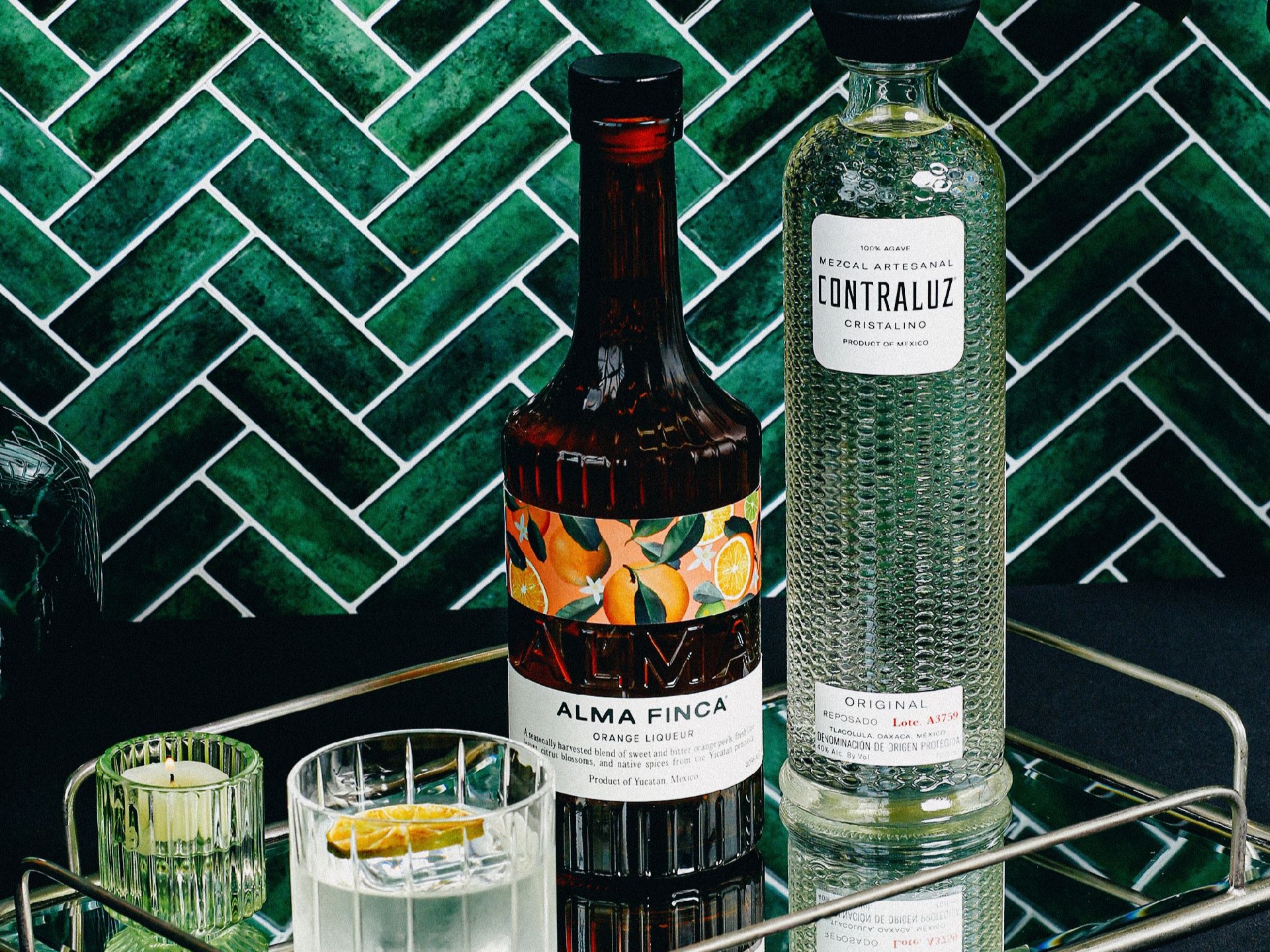
Contraluz Cristalino Mezcal bottle on a drinks tray

We all know how to make a classic Margarita, so for this National Margarita Day we want to put some new recipes and ingredients on your radar.

The cocktail recipes below swap out the tequila for mezcal and sotol.

For a quick refresher, all tequila is mezcal in a technical sense. Mezcal is made with agave plants. Tequila producers use a specific agave plant, Blue Weber. Further, tequila must be produced in one of five Mexican states: Guanajuato, Jalisco, Michoacan, Nayarit, or Tamaulipas.

Then we have sotol. You may have seen sotol thrown in with agave spirits on cocktail or spirits roundups. To clarify, however, sotol is a typo of shrub known as the desert spoon, and it’s not an agave plant.

So, all tequila is mezcal, mezcal is agave, and sotol is…sotol.

Swap Out the Tequila

Being National Margarita Day, you certainly need to have a classic Margarita on your menu. It’s all the better if your bar team makes them so well and so consistently that really, your top-selling Marg is one of your signature cocktails.

That said, it’s also a good idea to play with classics to give your guests new drinks to discover. The two recipes below are two great examples of riffs on the classic Margarita that should get your and your bar team’s creative wheels turning.

Allow me to introduce you to Contraluz Cristalino Mezcal and Nocheluna Sotol, if you’re not already acquainted.

Contraluz lays claim to the title of “world’s first cristalino mezcal.” Made from 100 percent espadín agave, this is a crystal-clear, small-batch reposado mezcal. On the nose, expect aromas of agave, along with citrus and floral notes. You may also detect smoke, cedar, and honey. In terms of flavor, Contraluz delivers notes of vanilla, clove, cacao, and cooked agave, with a sweet, long finish.

The second cocktail below is made with Nocheluna Sotol, which is crafted using 100-percent wild sotol from Chihuahuan desert. This particular sotol is the result of a collaboration between a fourth-generation master vintner, and a master distiller.

A unique spirit, Nocheluna delivers a delicate balance of sweet, herbal, dried fruit, and mineral notes. These notes come through via both the aroma and taste, although you may detect oak and smoke as well. Interestingly, Nocheluna says the finish may include a taste of pecan wood, along with wet earth.


View this post on Instagram


A post shared by Nocheluna Sotol (@nochelunasotol)

But Wait, There’s More!

Along with Contraluz and Nocheluna, you’ll see three bottles that may be new to you below. The Light and Soul cocktail calls for Alma Finca Orange Liqueur, Nixta Licor de Elote, and HAGAVE Spiced Nectar.

The first is an orange liqueur produced by the same company that makes Montelobos Mezcal. The second liqueur, Nixta Elote, is essentially liquid elote seasoning, and it comes in a fantastic corn-shaped bottle. Finally, HAGAVE is exactly what it says on the label: a premium, spiced agave mixer.

I don’t know about you, but I definitely plan to get my hands on each of these bottles. Just imagine what you can do to engage with your guests by introducing them to a crystal-clear, artisanal mezcal, an expertly crafted sotol, and liquid elote in a corn bottle.

Cheers!

Contraluz Cristalino Mezcal, Light and Soul cocktail

Light and Soul

  • 2.0 oz. Contraluz Cristalino Mezcal
  • 0.5 oz. Alma Finca Orange Liqueur (or a triple sec or different orange liqueur if unavailable)
  • 0.5 oz. Nixta Licor de Elote
  • 1 oz. Lime cordial
  • 0.5 oz. HAGAVE Spiced Nectar

Place a large ice cube or sphere in a rocks glass. Add all liquid ingredients to a shaker filled with ice. Shake well, and strain into the prepared rocks glass. Garnish with a dehydrated lime wheel.

Nocheluna Sotol cocktail, the Sotolita

Sotolita

  • 1.5 oz. Nocheluna Sotol
  • 1.0 oz. Triple sec
  • 1.0 oz. Fresh lime juice
  • 1.5 oz. Apple juice
  • Apple slices to garnish
  • Chiltepin salt for rim (sea salt blend with chiltepin peppers)

Prepare a rocks glass by adding quality ice and rimming it with chiltepin salt. Add ice to a shaker, then add all liquid ingredients. Shake well, then strain into the prepared glass. Garnish with an apple-slice fan.

Images provided by LaFORCE

KRG Hospitality Start-Up Restaurant Bar Hotel Consulting Consultant Solutions Plans Services

by David Klemt David Klemt No Comments

Taco Bell Reveals 2024 Marketing Calendar

“Thank You for Coming to My Taco Bell Talk”

by David Klemt

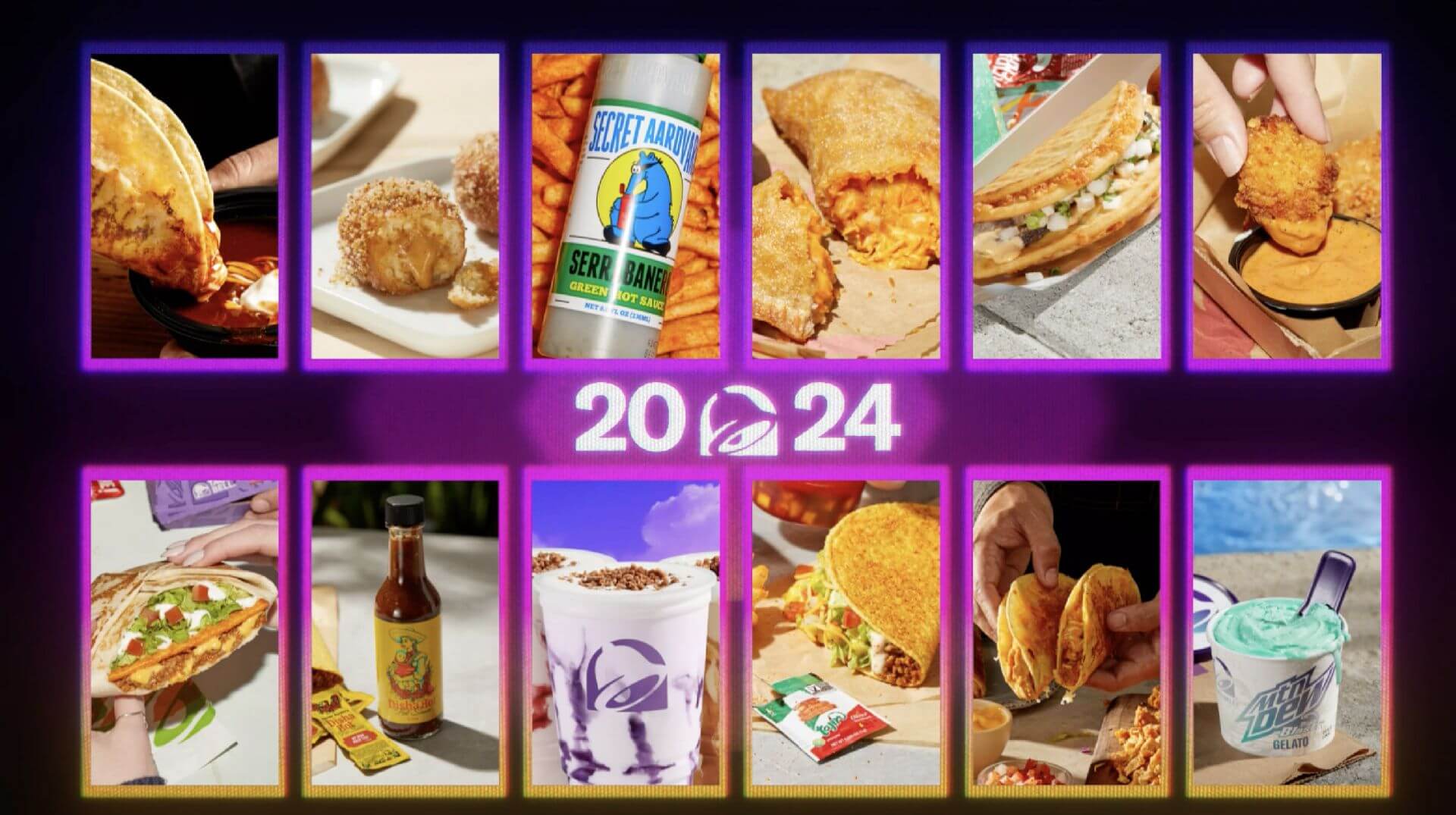
2024 Taco Bell menu item lineup

The showdown between the Kansas City Chiefs and San Francisco 49ers isn’t the only big news coming out of Las Vegas from Super Bowl LVIII weekend.

Of course, the game’s result is also big news. Congratulations to the Chiefs on their back-to-back world champion wins!

However, Super Bowl weekend kicked off with a unique event. On Friday, February 9, Taco Bell hosted their first-ever Live Más LIVE event.

As the event’s title suggests, Live Más LIVE was a livestream. And during that livestream, the undisputed Kings of the LTO did something they and their competitors simply don’t do. At Live Más LIVE, Taco Bell revealed their 2024 menu lineup.

Another way of putting this to illustrate the event’s significance is that Taco Bell just gave away their marketing calendar for the year.

Apparently, the inspiration for Live Más LIVE comes from Apple. The tech colossus has been hosting their annual Worldwide Developers Conference in earnest for more than 20 years. For the unfamiliar, Apple uses WDC to announce product news.

“I watch Apple’s Worldwide Developer’s Conference, and I just had this moment,” said Taylor Montgomery, Taco Bell’s chief marketing officer. So, I have to wonder if Live Más LIVE will become an annual or semi-annual event.

I’ll get to the items and opportunities Taco Bell unveiled in a moment. There’s a bigger point I believe operators should take away from Live Más LIVE.

A restaurant or bar’s menu is not just a list of items for sale. A menu is a powerful marketing tool. It’s a billboard. Arguably, the menu is the most powerful tool in an operator’s marketing toolbox.

QSR Innovation

Collaborations

While Taco Bell’s 2024 menu items are huge news, they’re not the only important revelation.

During Live Más LIVE, Taco Bell announced three emerging chefs who will launch the QSR giant’s TBX culinary program. Chefs Reuben Asaram, Jennifer Hwa Dobbertin, and Lawrence Smith will first be tasked with reinvigorating the Crunchwrap Supreme.

The announcement that these three chefs will bring their unique styles to Taco Bell speaks to the overall theme of the Super Bowl weekend event: Innovation.

This year, Taco Bell is going hard with new menu items, and they’re entering into compelling new collaborations to do so. These partnerships include:

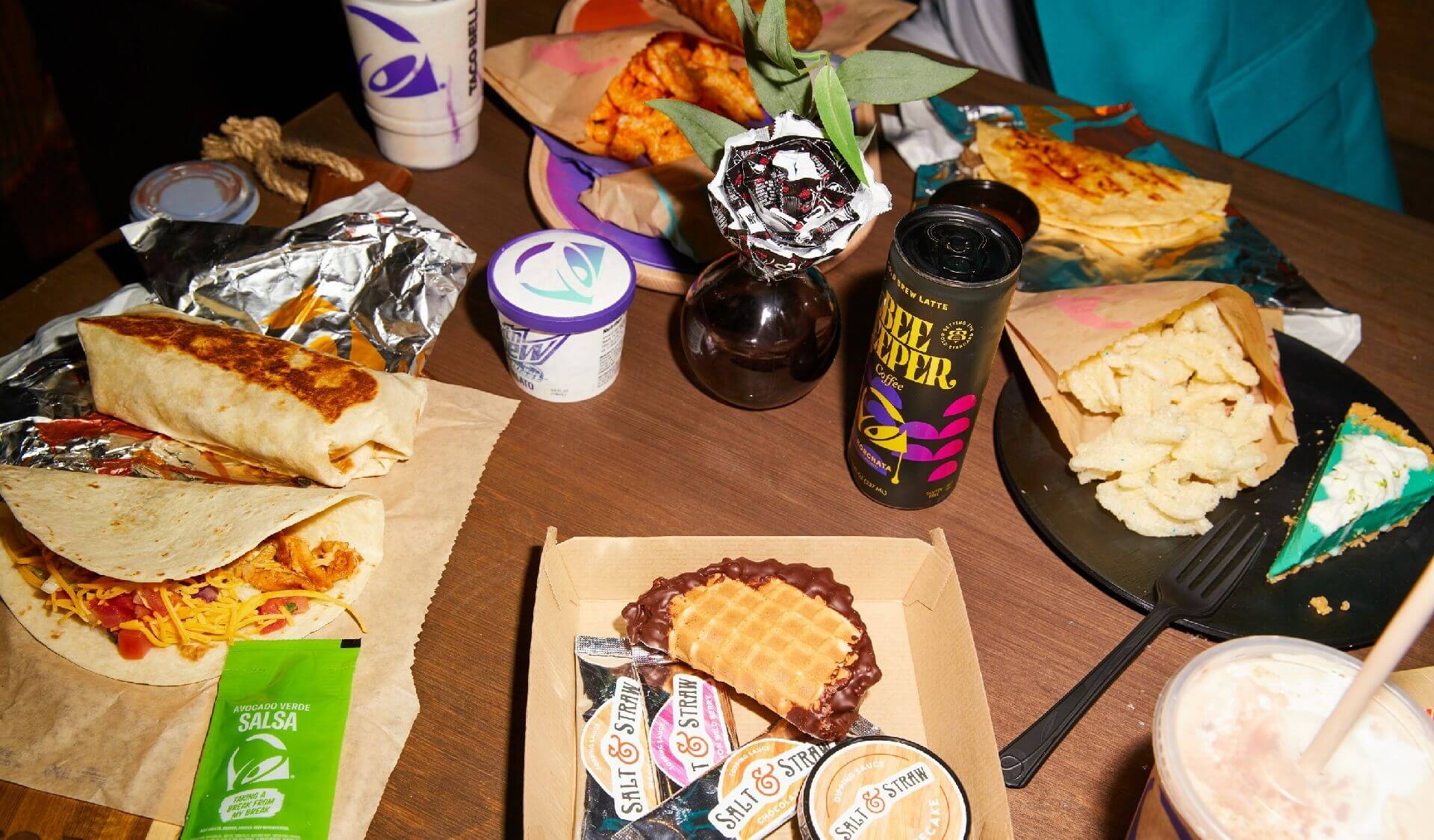
  • Beekeeper Coffee for Horchata Cold Brew Latte;
  • Cheez-It for the Cheez-It Crunchwrap, which features a Cheez-It cracker that’s 16 times (!) the size of a standard one;
  • Disha Hot for an exclusive sauce packet;
  • Salt & Straw for Ice Cream Chocolate Taco (think upscale Choco Taco), featuring cinnamon ancho ice cream;
  • Secret Aardvark for their Serrabanero sauce, which will accompany Nacho Fries; and
  • Tajín for an exclusive Taco Bell menu that will reportedly consist of a Tajín Crunchy Taco, Tajín Twists, and a Tajín Strawberry Freeze.

Having attended the Salt & Straw opening in Las Vegas (well, Spring Valley, but I won’t get into that further) I can say that I’m eager to sink my teeth into an Ice Cream Chocolate Taco.

On its own, these collaborations and menu testings are big news. However, Taco Bell’s event went bigger.

Menu Expansion

We all remember the Great Chicken Wars of the past several years. Well, Taco Bell has put their competitors on notice: They’re finally leaping into the fray.

According to Liz Matthews, Taco Bell’s chief food innovation officer, the company is lacking when it comes to having their “fair share of chicken.” The planned Cantina Chicken menu aims to fix this oversight.

2024 Live Mas Live Taco Bell event

Along with oven-roasted and shredded chicken seasoned with pasilla, other chilies, and spices, come a number of ingredients appearing at Taco Bell restaurants for the first time. Among them are purple cabbage, an Avocado Verde Salsa sauce packet, and white corn taco shells.

Debuting soon (hopefully) are are the Cantina Chicken Burrito, Cantina Chicken Taco (available in soft or crispy varieties), Cantina Chicken Quesadilla, and Cantina Chicken Bowl.

Those aren’t the only new chicken-centric items coming to the Taco Bell menu. There’s also the Cheesy Chicken Crispanada, featuring marinated and slow-cooked chicken.

Oh, and chicken nugget lovers, rejoice! Crispy Chicken Nuggets, made by marinating all-white chicken in spiced jalapeño buttermilk and frying them in a tortilla coating, are on their way.

This year, Taco Bell will also offer the Cheesy Enchilada Dipping Taco (slow-roasted chicken), and Cheesy Street Chalupa, which is available with slow-roasted chicken or grilled steak.

On the sweet side, Taco Bell is launching MTN DEW BAJA BLAST Gelato, and Dulce de Leche Cinnabon Delights.

As one might suspect, some of these items will be permanent, some will come in the form of LTOs. And if my suspicions prove correct, I think we’ll see a secret, unannounced menu item at least once in 2024.

Image: Taco Bell

KRG Hospitality. Restaurant Business Plan. Feasibility Study. Concept. Branding. Consultant. Start-Up.

by David Klemt David Klemt No Comments

Working with Local Influencers

Community Collaboration: Working with Local Influencers

by David Klemt

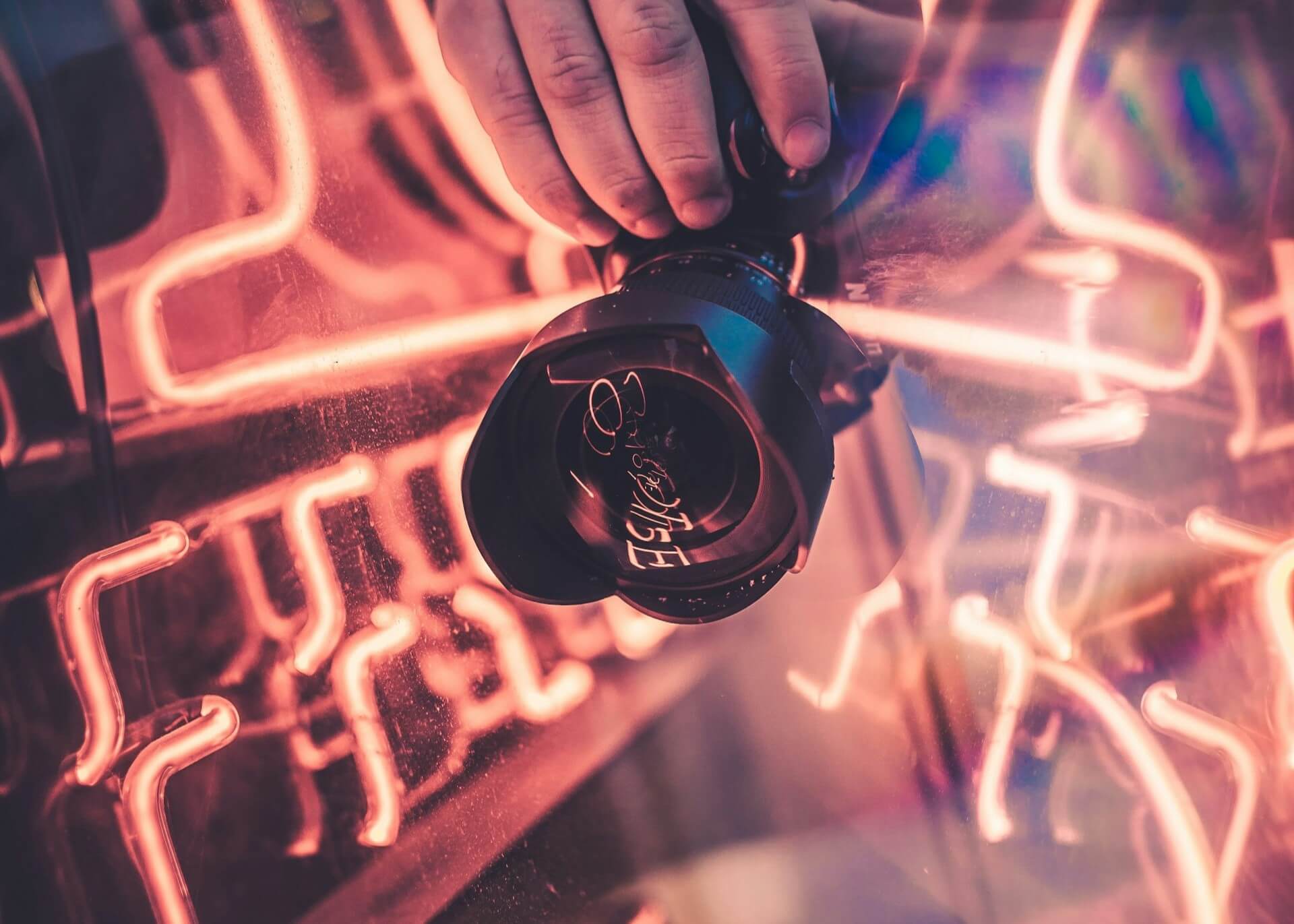
Photographer's hand holding DSLR camera by neon sign

One of the standout educational sessions from WSWA Access Live 2024 focused on finding and working with local influencers.

Natalie Migliarini, a.k.a. Beautiful Booze, and James Stevenson, a.k.a. Little Lane Media, presented “Successfully Engaging with Influential Content Creators in Your Community” in Las Vegas, Nevada, last week. The duo made the case for seeking to collaborate with influencers in your community.

“Local influencer” may give the impression of less popularity and less reach. After all, another designation for these people is “micro-influencer.”

However, there are several reasons why working with local or micro-influencers is a smart move for your bar, restaurant, nightclub, cafe, or hotel.

It helps to understand that some marketing experts categorize influencers by follower count:

  • Nano: 1,000 to 10,000 followers
  • Micro: 10,000 to 100,000 followers
  • Macro: 100,000 to 1,000,000 followers
  • Mega: 1,000,000-plus followers

I don’t know about you, but I think reaching a potential 10,000 followers local to my area of operation is an excellent value proposition. If you’re curious, Migliarini’s Beautiful Booze Instagram account falls into the macro category.

Of course, there are other appealing benefits as well.

Effective Marketing

What do You Want?

What are your goals when marketing your business? I’m willing to wager there are at least three:

  • To be discovered by new people.
  • Boosting traffic.
  • Increasing revenue.

And what’s one of your greatest concerns when it comes to your marketing efforts? I’ll bet that it’s budget.

Well, Migliarini and Stevenson believe local or micro-influencers (and I’d say nano-influencers, as well) can tick all of those boxes.

What do You Want to Spend?

Local influencers will likely be much more affordable than their macro or mega counterparts. There are celebrities—part of the mega-influencer category—that can make millions of dollars for a single promotional post. Macro-influencers can command five figures for just one post.

Now, think about social media. Depending on the platform (Migliarini and Stevenson favor Instagram), these pricey posts can have a lifespan as short as 15 minutes. That’s a lot of money to spend on marketing for just minutes or hours of relevancy.

Then consider engagement. According to Migliarini and Stevenson, engagement is more important than reach.

Who do You Want to Reach?

I’m sure the thought of people across the globe knowing your restaurant or bar is appealing. But would that really translate to more traffic and greater revenue?

Eventually, sure. But in the here and now, when building your brand and getting discovered, your local community is more important.

If you’re operating in the Chicago suburbs, will your revenue and margins improve because some social media users in Vancouver found your venue online? Or, would your business be better served by locals and people in the surrounding area visiting your spot on a regular basis?

I think you know the answer.

Well, this is where nano- and micro-influencers come into play. You want support from locals. Garnering that support via social media means you want influencers who are engaged with your community.

The partners you’re after are local influencers, not global (or national, until you’ve become a must-visit destination for tourists).

As Migliarini and Stevenson say, an influencer may be “micro” by follower count but “macro” in terms for their effectiveness in a particular market.

Effective Partnerships

How to Find Collaborators

The great news is that it’s not difficult to find local influencers. Let’s use Instagram as an example for finding collaborators.

When you pop open the app, you’ll see the search icon at the bottom of the screen. To make this very simple, it’s the magnifying glass to the right of the house icon.

Once you tap the magnifying glass icon, you’ll be able to search for basically anything in the search field. From this point, you’ll see several tabs to scroll through: For you, Accounts, Audio, Tags, Places, and Reels.

Of those fields, Tags will likely deliver some of the best results. Migliarini and Stevenson suggest following hashtags relevant to you and your business. From there, you’ll come across influencers local to your area of operation.

How to Select Collaborators

All engagement is not the same.

It’s going to be tempting to look for huge follower counts and tons of likes on posts. Well, Migliarini and Stevenson find a different metric far more effective in gauging an account’s engagement.

Instead of likes, look at comments. An influencer may have hundreds or thousands of posts. And those posts may have hundreds or thousands of likes.

Does that really mean much? If you use Instagram, think about your behavior on the app.

It’s likely that you scroll dozens of posts whenever you open Instagram. You probably hit the heart icon, liking a number of posts as you scroll.

Do you remember every post that you like? After liking posts, do you think about the account that posted it? Probably not.

Now, let’s say you liked a post so much that you felt compelled to take the extra steps of commenting on it. If that was a post about a dish or drink from a bar or restaurant, that comment may convert into a visit or delivery order.

When you’re looking for a local influencer and going through posts, look at the number of comments. Hundreds or thousands of likes with just a handful of comments may indicate there’s not much engagement. But dozens or hundreds of comments? That’s a great sign.

Of course, you should also sift through the comments. Doing so can show you if the posts are mostly attracting bots. Further, you want to make sure the comments are positive.

How to Engage Collaborators

It’s important to remember that this is going to be a professional relationship.

Stevenson says there’s nothing wrong with sliding into a potential marketing partner’s DMs. However, it’s wise to share your business email address when reaching out. This way, the conversation moves to a more professional platform, and important messages likely won’t get lost.

Once the conversation has turned to the business at hand, both sides need to be crystal clear regarding expectations. How many posts are expected? When will the influencer post them? What’s the budget? What will working on site look like?

Be as detailed as possible to avoid confusion, frustration, and disappointment; both sides will benefit when every expectation is understood.

There’s another key to these collaborations that Stevenson wants operators to understand. Social media influencers aren’t salespeople, they’re marketers. This is a marketing exercise; you’re paying them to communicate and help people discover your business.

Going deeper, there’s another difference. There are influencers, and there are content creators. An influencer is paid to influence, and a content creator is paid to create content for others.

Another way to look at it: Influencers are in front of the camera, content creators are behind the camera. The distinction is very important.

In their partnership, Migliarini is in front of the camera, operating Beautiful Booze. Stevenson is behind the camera, running Little Lane Media. Both partner with restaurants, bars, hotels, resorts, and brands. However, they do so in different ways.

Now that you know what to consider, go forth and find your local influencers.

Image: Max Bender on Unsplash

KRG Hospitality marketing support. Restaurant. Bar. Cafe. Lounge. Hotel. Resort.

by David Klemt David Klemt No Comments

Program for Unique Holidays: February 2024

Program for Unique Holidays: February 2024

by David Klemt

"Think about things differently" neon sign

Do you want to stand out from from other restaurants and bars in your area? Change how you think about your February holiday promotions.

Several holidays are set against every date on the calendar, and this month is no exception. These holidays range from mainstream to esoteric.

Pay attention to the “weird” or unique holidays to raise eyebrows, carve out a niche for your restaurant or bar, and attract more guests. Why do what everyone else is already doing? Why program only around the same holidays as everyone else?

Of course, you shouldn’t try to celebrate every holiday, strange or otherwise. Focus on the days that are authentic to your brand; resonate with your guests; and help you grab attention on social media.

You’ll find suggestions for promotions below. However, the idea behind our monthly holiday promotions roundup is to inspire you and your team to get creative and come up with unique programming ideas.

For our January 2024 holidays list, click here.

February 3: Ice Cream for Breakfast Day

I think we can all agree that life is too short to not indulge ourselves and have a treat occasionally. French toast, pancakes, crepes… All of these breakfast foods and more pair quite well with ice cream.

This holiday is even better if your back-of-house team can make ice cream from scratch.

February 4: National Homemade Soup Day

One of the most comforting foods on the planet, particularly during the winter, is a warm cup or bowl of homemade soup.

Of course, as an operator, you’ll want to consider rephrasing this holiday as “Housemade” or “Scratch-made” soup.

February 5: Start of Pride in Food Service Week

Pride in Food Service Week runs from February 5 to 9. The purpose is to celebrate foodservice professionals. For some, this means leaving a larger tip than normal. Some operators use this five-day holiday to host special events that highlight their team’s skills. I also recommend using this time to come up with ways you can honor your team, and improve their lives and careers.

February 11: National Peppermint Patty Day

Back in November of last year I wrote about how peppermint was overtaking pumpkin spice as the preferred flavor. Well, this is the perfect day to feature peppermint via a variety of F&B items on your menu, from cocktails and high-quality non-alcohol LTO beverages to tempting desserts.

February 13: National Cheddar Day

Cheddar is the most-popular cheese in the UK and one of the most-popular in the US. If you can slather it in Cheddar, create an LTO menu, feature it, and promote it.

February 16: National Almond Day

This is definitely the holiday to feature dishes with almonds, from appetizers and entrees to desserts. And, of course, there are drinks made with Disaronno, Baileys Almande, Cîroc Amaretto, and other liqueurs and spirits that can help your bar team serve up almond-flavored cocktails.

February 22: National Margarita Day

Nope, this is not an “out there” holiday. However, it is a fantastic time to showcase your signature Margaritas, alongside a classic build, of course.

February 23: National Skip the Straw Day

If you have been trying to be a more sustainable business, reducing and eliminating waste is key. I’m not saying you have to focus solely on replacing plastic straws. Instead, think about serving drinks without straws.

However, make sure you do have straws on hand for those guests who need them.

February 24: National Tortilla Chip Day

Nachos, nachos, nachos. Nachos piled high, nachos prepared in the traditional method, your bar or restaurant’s signature nachos… Time to create a promotion around the humble tortilla chip!

February 26: National Pistachio Day

Have you ever had a Pistachio Martini? How about a Pistachio Espresso Martini, Pistachio Sour, or Pistachio Fizz?

If you haven’t, odds are many of your guests haven’t, either. Could be a great idea for an LTO menu featuring pistachio, huh?

Image: Ivan Bertolazzi on Pexels

Bar Nightclub Pub Brewery Marketing Agency Team

by David Klemt David Klemt No Comments

Drink Donnybrook: Brandy Alexander

Drink Donnybrook: Brandy Alexander

by David Klemt

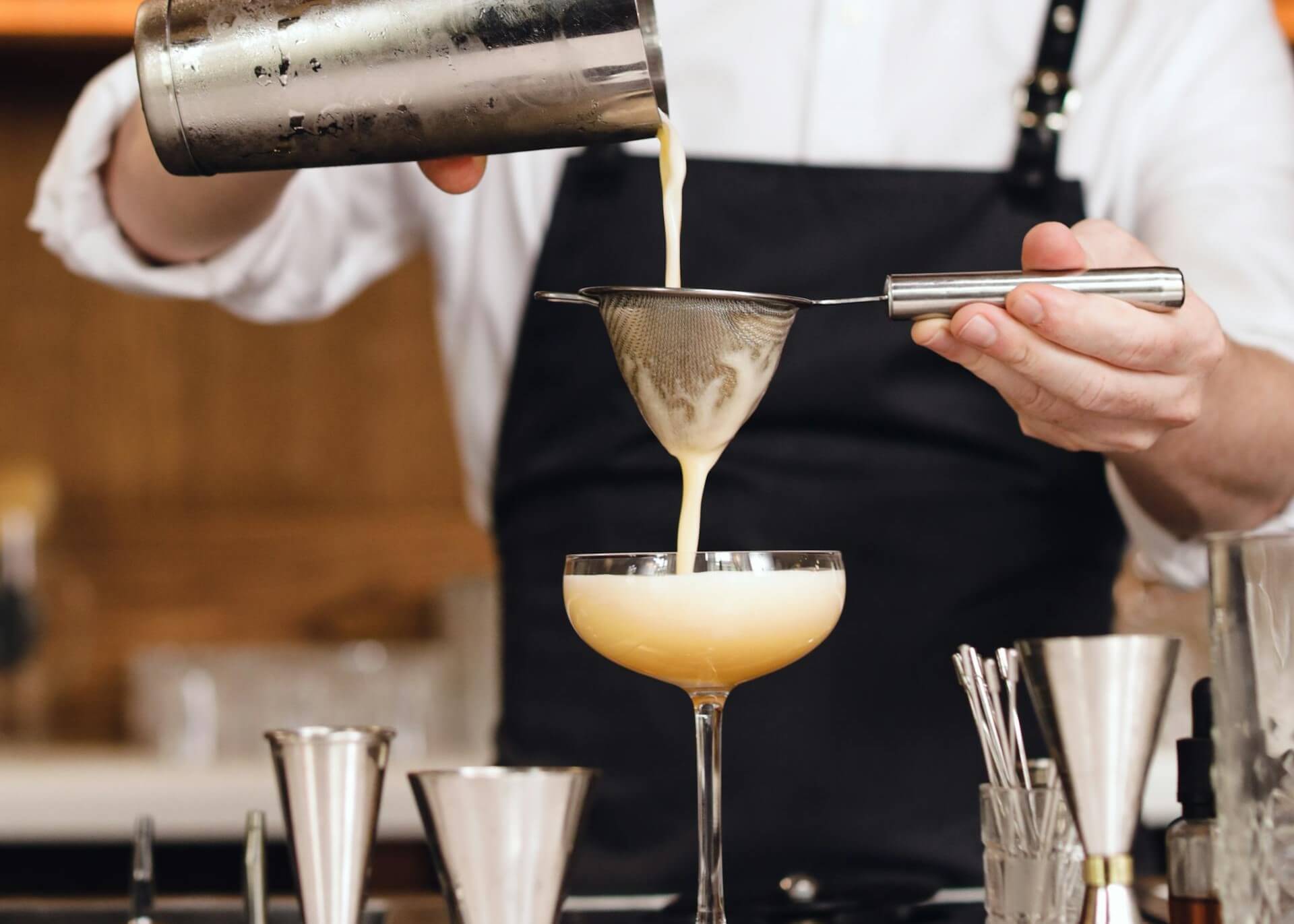
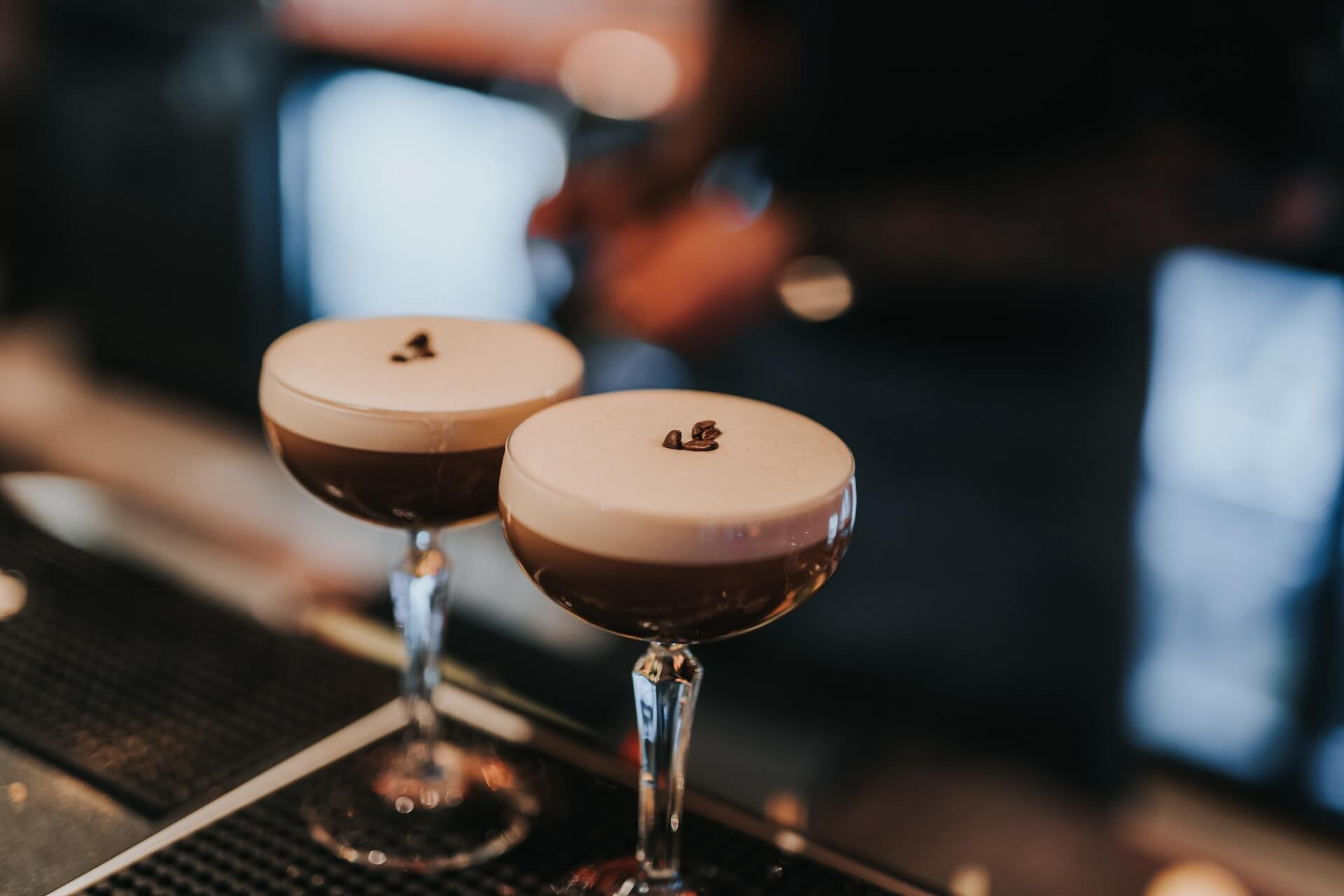
Bartender straining cocktail into glass

The classic Brandy Alexander cocktail, which we celebrate at the end of this month, is slowly approaching a century since its first appearance.

That is, of course, if we go solely by the first time this creamy cocktail’s recipe was printed in a book. For the curious, the book is Cafe Royal Cocktail Book by William J. Tarling. And that book was first published in 1937. Notably, Tarling’s book was published by the United Kingdom Bartenders Guild.

Now, since you’re reading this you know this is a new entry in the Drink Donnybrook series. So, you know that the Brandy Alexander’s history is unclear. You also know, if this isn’t you’re first time reading one of these articles, that I love a cocktail with a shadowy origin.

We do know, however, that the Brandy Alexander belongs to the Duos and Trios cocktail family. Per Gaz Regan, a Duo is a base spirit plus a liqueur. Add a cream or cream liqueur to the Duo and you get a Trio, which describes the Brandy Alexander.

Let’s dive into this creamy cocktail’s creation.

Firsts

The Brandy Alexander is itself a riff on a cocktail that predates its appearance in Cafe Royal Cocktail Book by twenty years.

First, there was the Alexander. This predecessor is made with gin. According to my deep dive, the gin-based recipe first appeared in Recipes For Mixed Drinks by Hugo Ensslin in 1917.

As time went on and more cocktail recipe books were published, something interesting happened. The gin-based recipe would commonly be referred to as Alexander #1, or the first recipe. As you may have already guessed, the brandy version would be listed as Alexander #2.

Per Tomas Curras, cocktail books seem to have changed the naming convention to Alexander and Brandy Alexander some time in the 1970s.

Of the two recipes, it appears that the Brandy Alexander is the more popular. So, while it didn’t show up first, it has taken first place (allegedly) among the Alexander cocktails.

But there’s another first within the Alexander lore, as you’ll see below.

Who Done It?

Prepare to have your mind blown: We don’t know.

At best, we think we know the creator of the gin Alexander, a.k.a. Alexander #1. I say “think” because better cocktail historians than I can’t say for certain that we know the Alexander’s creator.

However, the assumption does make a great deal of sense. It’s believed that Troy Alexander—check out that surname—invented what could be the eponymous cocktail in New York City at a restaurant called Rector’s.

This would place the first Alexander’s creation some time between 1899 and 1918, the years Rector’s was in operation. Rector’s, by the way, was the first restaurant in NYC to feature a revolving door.

Alexander created the cocktail for a party celebrating a successful ad campaign featuring the fictitious character Phoebe Snow. Snow, white…white cocktail.

But who was the first person to swap out the gin for brandy in the Alexander? It’s feasible that it was Troy Alexander, of course. If it wasn’t him, well…we don’t know who decided to substitute brandy for gin.

There’s more mystery surrounding the drink’s name, as well. Some say the Brandy Alexander is a nod to Russian tsar Alexander II. Or perhaps it honors Princess Victoria Alexandra Alice Mary. The classic could also pay homage to critic Alexander Woollcott (a claim he made himself) or Grover Cleveland Alexander, pitcher for the Philadelphia Phillies from 1911 to 1917.

So, there you have it: a mystery to share with your guests when they come to your bar or restaurant for your Brandy Alexander Day promotion on January 31. Cheers!

The Recipe

Interestingly, there’s some room to play with this classic. Some people follow the equal parts rule, some add a bit more brandy than creme de cacao or cocoa. Others double the amount of brandy.

You and your bar team should play with the measurements to create your signature take on the Brandy Alexander.

At any rate, fill a shaker with ice then add one, one-and-a-half, or two ounces of brandy, one ounce of the creme de cacao of your choice, and one ounce of cream. Shake until well chilled, then strain into cocktail glass or coupe. Garnish with freshly grated nutmeg.

Image: cottonbro studio on Pexels

Bar Nightclub Pub Brewery Menu Development Drinks Food

by David Klemt David Klemt No Comments

Nachogate: A Lesson in Standards

Nachogate: A Lesson in Standards

by David Klemt

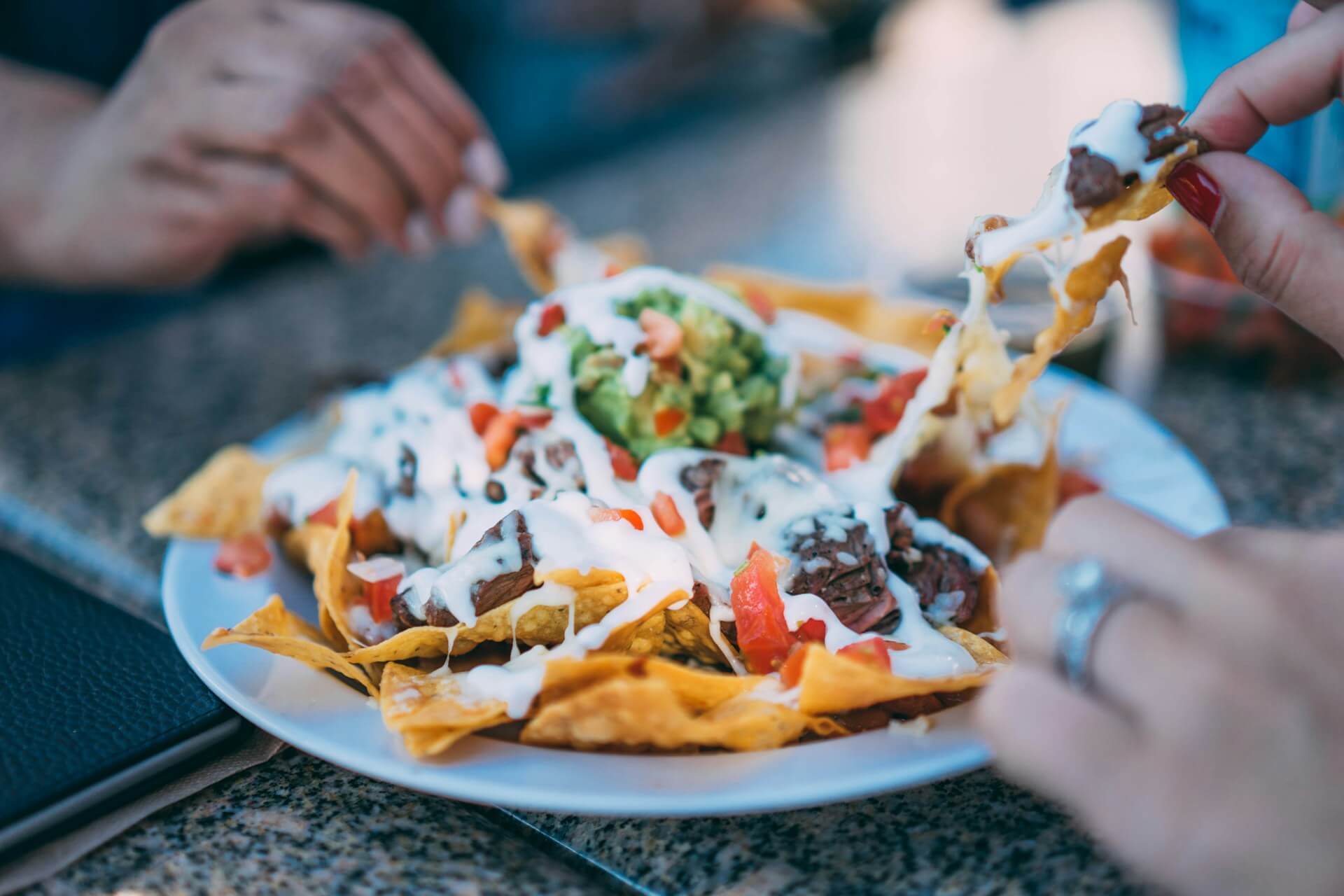
People sharing a plate of nachos

You wouldn’t think a social media post about a plate of nachos could cause a scandal but that’s exactly what’s happening, and it’s known as Nachogate.

Shockingly, this story comes to us from a luxury casino resort in Las Vegas.

A photo of a meager dish with six entire tortilla chips on it has 1.3 million views already. That’s pretty impressiveor unfortunate, depending on which side of the post you’re onconsidering the post is from this Monday.

One of the top comments on the post points out that there’s quite the disparity between chips and accompaniments.

“More condiments than chips. Wow,” reads the comment. To which the original poster responds, “They said it was so you can have the perfect bite.”

It should go without saying that every dish put in front of a guest needs to be as close to perfect as possible. If it’s on the menu, if it leaves the kitchen, it impacts the guest experience. There is no, “Well it’s only [insert item]. It’s not that big of a deal.”

That mindset simply has no place in hospitality.

No, not every dish or drink is perfect. Yes, everyone makes mistakes. The absolute lowest standard should be caring enough to catch mistakes before they affect guests.

Failing that, every operator and leadership team member needs to care enough to acknowledge mistakes that reach guests, handle them gracefully, and fix them. This includes listening to and rewarding servers, bartenders, barbacks, and hosts whenever they catch a mistake.

Of course, there’s another lesson here. When developing non-negotiable standards, aim high. Fountainbleau Las Vegas is a luxury lifestyle brand; I doubt Nachogate reflects the company’s standards.

#Nachogate Fallout

Look, it can feel good to say that we don’t have competitors in this industry, we have peers. In some ways that can be an accurate statement.

However, watch what happens when an operator makes a mistake and it blows up in spectacular fashion.

Case in point, Nachogate. Or, given how the situation went viral, #Nachogate.

It would be bad enough if The Tavern at Fountainbleau Las Vegas took a reputational hit solely with the guests it affected directly. Obviously, it gets exponentially worse when it takes off on social media and alters the perception of potential guests.

But #Nachogate got worse when the venue’s “peers” leveraged the situation to their advantage.

That’s just a handful of posts taking advantage of Fountainbleau Las Vegas’ mistake. And that’s a lot of free marketing leveraging an unforced error that transformed into a viral moment.

Resolution

Alright, so I probably haven’t made any friends at Fountainbleau for sharing this story. Well, allow me to extend an olive branch. After all, I’ve made plenty of mistakes and will make more in the future.

It appears that the issue has been addressed by the property. That says to me that there are indeed standards, and there are people who care enough to respond when they’re not met.

Again, mistakes happen. The key is to correct course and move forward. Fountainbleau has done just that.

That’s a smart move. A mistake was made, people piled on, and instead of ignoring the issue, the company acknowledged and corrected the mistake where it blew up: the public eye.

Fountainbleau Las Vegas is just over a month into serving the public. There are going to be growing pains. Indeed, anyone who has been following the casino resort is aware that there have been much larger issues. For example, the company is dealing with the departures of three high-level executives.

The point of this article isn’t to roast Fountainbleau further. Assuming the viral post is true and the nachos at The Tavern have indeed been improved, a mistake was made and was then addressed.

I’m sharing this story as an example to drive home the need for standards, for non-negotiables. That means sitting down, considering every element of operations and service, writing out standards, and training teams on those non-negotiables. It’s as important as identifying values, sharing them with the team, and adhering to them.

Sit down today and develop your standards. If you’ve done that in the past, review your standards, update them if necessary, and ensure they still have buy-in from your team.

Image: Herson Rodriguez on Unsplash

KRG Hospitality Start-Up Restaurant Bar Hotel Consulting Consultant Solutions Plans Services

by David Klemt David Klemt No Comments

Irish Distilleries You Need to Know

Irish Distilleries You Need to Know in 2024

by David Klemt

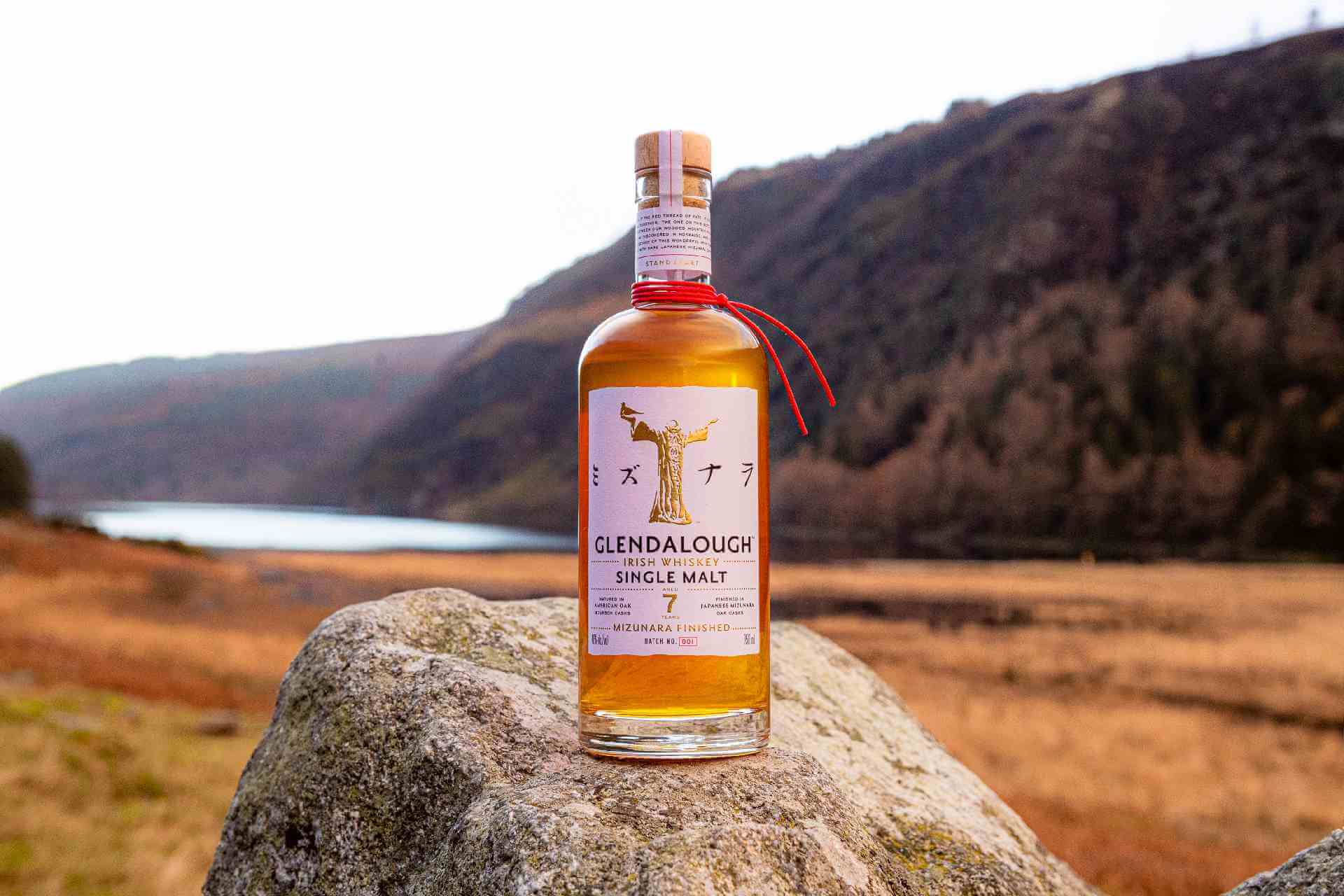
7-Year-Old Single Malt Mizunara Finish in Wicklow, Ireland

On Thursday, January 25, we honor a simple but delicious cocktail that can trace its roots back to Europe and the middle of the 19th century.

A bartender can serve this drink hot, chilled, or iced. And until somewhat recently, a bartender usually makes this cocktail with a spirit from one of just a few producers.

I’m talking about the venerable Irish Coffee.

Now, this could make for an interesting Drink Donnybrook. However, I’m going to focus on shining a spotlight on some Irish distilleries and labels you and your bar team should have on your radar.

Of course, there’s nothing wrong with making an Irish Coffee with one of the usual suspects. Indeed, it’s perfectly acceptable—traditional, even—to make yours with Jameson, Bushmills, Tullamore Dew, Redbreast, or Powers.

But while there’s nothing wrong with playing to expectations, making the choice to offer something different can set you, your team, and your venue apart.

As our buddy Chef Brian Duffy says, operators can charge premium menu prices only if they innovate. Pairing a lesser-known Irish whiskey with a local coffee roaster’s coffee would be an innovation that falls in line with Chef Duffy’s approach to pricing.

There are other ways to build an Irish Coffee as a premium cocktail. The quality of the whipped cream, for instance, is a consideration. For example, whipping the cream in front of guests is a premium touch.

Not the Usual Suspects

A lot is going on with Irish distilleries. We have more choice than we’ve had in several decades.

Check these Irish distilleries out today:

Several of these distilleries also produce other spirits, such as gin and vodka. And, of course, not every distillery produces spirits that are available to the US and Canada, currently.

Still, it’s good to be aware of these distilleries and their brands so we can encourage suppliers to bring them to North America and beyond.

To learn more about Glendalough Distillery in particular, please listen to the Bar Hacks podcast episode below:

Hot Coffee

Let’s assume you’re going to with piping hot coffee, not serve your Irish Coffee on ice or frozen.

You’re going to want to ensure your glassware is heat resistant, of course. Let’s not burn the hands of our guests.

To that heat-resistant glassware, add one-and-a-half to two ounces of Irish whiskey. Next, add two to four teaspoons of sugar, or a half- to two-thirds-ounce of demerara syrup. Add three to four ounces of hot coffee, then top with quality whipped cream. When I say add the cream, I mean an inch or so, not just a wee bit.

You’ll notice that I’m using ranges of measurements. This is because you’re going to want to play around with your Irish Coffee to make it one of your signatures. That includes selecting your sweetener, whether that translates to brown sugar, syrup, or something else.

Now, if you’re after something different, check out the Frozen Irish Coffee from Erin Rose in New Orleans, or the recipe for the Dead Rabbit‘s Irish Coffee.

Cheers!

Image: Glendalough Distillery

Bar Pub Brewery Nightclub Club Nightlife Marketing Plan

by David Klemt David Klemt No Comments

Welcome Back to the Culinary Arena

Welcome Back to the Culinary Arena: A Comprehensive Guide for 2024

by Nathen Dubé

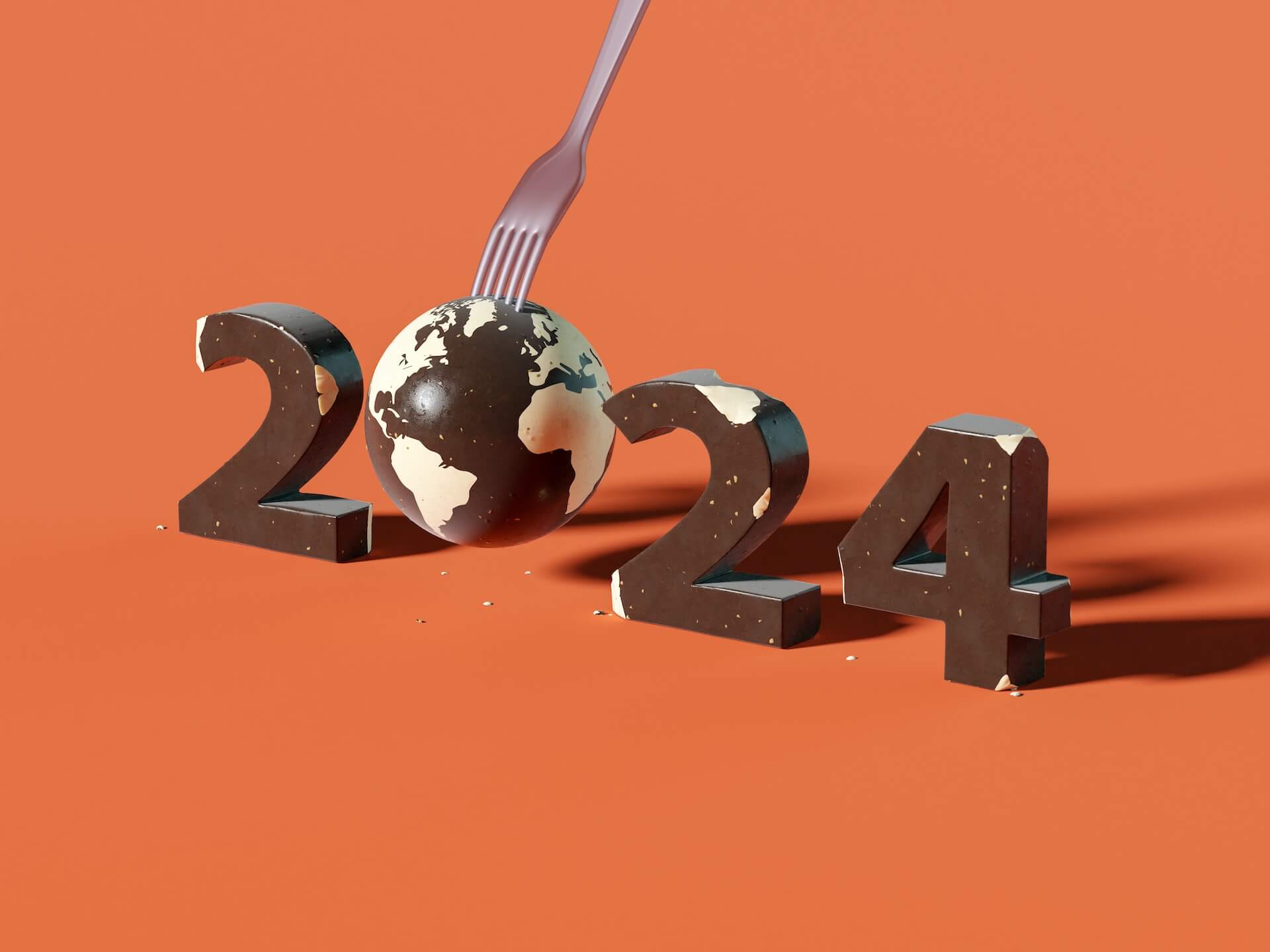
"2024" dessert concept

The start of a new year is an exciting time in the restaurant world, offering a unique opportunity to reassess and rejuvenate your foodservice business.

From utilizing downtime effectively to setting strategic priorities, this guide is designed to help you navigate the year ahead with confidence and creativity.

Whether you’re a seasoned chef or a budding restaurateur, these insights will equip you with the tools to make 2024 a year of remarkable culinary experiences and business growth.

Part 1: Strategic Use of Downtime

Menu Innovation and Optimization

The start of the year is ideal for re-evaluating your menu.

Begin by analyzing customer feedback and sales data from the previous year. Identify which dishes were most popular and which underperformed. Consider removing items that aren’t selling well and focus on the dishes that your customers love.

This is also an excellent time to experiment with new flavors and culinary trends. For instance, with the growing demand for plant-based options, think about introducing a few vegan or vegetarian dishes.

Keep an eye on food trends. Are there new ingredients or cooking techniques that you can incorporate into your menu? This not only keeps your offerings fresh and exciting but also shows your commitment to culinary innovation.

Remember, a well-crafted menu is a balance between popular staples and innovative dishes. It should reflect your restaurant’s identity while also appealing to your target customer base.

Consider a seasonal menu that takes advantage of fresh, local produce, which can provide inspiration for new dishes and help reduce costs.

Staff Training and Empowerment

The quieter months are a perfect opportunity for staff training and development.

Conduct a skills audit to identify areas where your team could improve or learn new competencies. This could range from culinary skills, like mastering a new cooking technique, to soft skills, such as guest service or conflict resolution.

Training doesn’t have to be formal or expensive. You can leverage online courses, in-house mentoring, or even cross-training within your team.

For instance, front-of-house staff could benefit from basic kitchen training to better understand the dishes they are serving, while kitchen staff could learn about customer service to appreciate the end-to-end dining experience.

Team building is another key aspect. Organize activities that foster communication and collaboration. This could be something as simple as a team meal or a group outing.

A cohesive team that communicates well will provide better service, leading to happier guests and a more pleasant working environment.

Finally, empower your staff by involving them in decision-making processes. This could be in menu development, process improvements, or even marketing ideas.

When staff feel valued and part of the business, they are more likely to be motivated and committed.

Facility Revitalization

Use this quieter period to assess and upgrade your facilities.

Start with a thorough cleaning and maintenance check. This includes checking kitchen equipment, dining area furniture, and the overall infrastructure of your establishment.

Evaluate your kitchen equipment and consider if anything needs to be repaired or replaced. Upgrading to more efficient equipment can improve productivity and reduce long-term costs. For instance, investing in energy-efficient appliances not only cuts down on utility bills but is also better for the environment.

Look at your dining area from a customer’s perspective. Is the seating comfortable? Is the lighting appropriate? Small changes in décor can significantly enhance the dining experience. Consider refreshing the paint, adding new artwork, or even rearranging the layout to improve flow and ambiance.

Also, think about your back-of-house operations. Is your storage area organized? Can you improve the workflow in the kitchen? An efficient back-of-house leads to smoother service and a better customer experience.

Part 2: Setting Priorities for the Year

Elevating Customer Experience

The guest experience is paramount in the food service industry. This year, make it a priority to enhance every aspect of your guest’s journey.

From the moment they walk in, to the service they receive, to the food they enjoy, each element should contribute to a memorable experience.

Focus on training your staff to provide exceptional service. This includes being knowledgeable about the menu, attentive to guest needs, and quick to resolve any issues.

Personalized service can make a big difference. Remembering regulars’ preferences or celebrating special occasions with them can turn a one-time visit into repeat patronage.

Ambiance plays a crucial role in the dining experience. The right music, lighting, and décor can create an inviting atmosphere that complements your culinary offerings. If your budget allows, consider investing in upgrades that enhance the ambiance, such as new lighting fixtures or comfortable seating.

Implementing a feedback system is also important. Encourage customers to share their experiences, whether through comment cards, online reviews, or direct conversations. This feedback is invaluable for continuous improvement and can help you address any issues promptly.

Sustainability as a Cornerstone

Sustainability is becoming increasingly important to consumers, and incorporating sustainable practices into your business can have a significant impact. Start by assessing your current practices and identifying areas for improvement.

One key area is waste reduction. Conduct a waste audit to understand where most of your waste is coming from and develop strategies to reduce it. This could involve better inventory management to prevent overordering and spoilage, composting food waste, or finding creative ways to use leftovers.

Local sourcing is another aspect of sustainability. Building relationships with local suppliers not only supports the local economy but also reduces your carbon footprint. Local ingredients are often fresher and can inspire seasonal menus.

Also, consider the sustainability of your operations. This could involve using eco-friendly packaging, reducing energy consumption, or even installing water-saving devices.

Communicating your sustainability efforts to your customers can also enhance your brand’s image and attract environmentally conscious patrons.

Innovative and Integrated Marketing Strategies

In today’s digital age, effective marketing is crucial for any business.

Utilize social media platforms to engage with your audience. Share behind-the-scenes glimpses of your kitchen, showcase your signature dishes, and highlight your team. This not only promotes your offerings but also builds a connection with your guests.

Email marketing is another powerful tool. Regular newsletters can keep your guests informed about new menu items, special events, or promotions. Personalized emails on birthdays or anniversaries can make your guests feel special and encourage repeat visits.

Don’t overlook the power of community involvement. Participate in local events, collaborate with other businesses, or sponsor local sports teams. This can increase your visibility in the community and build goodwill.

Financial Health and Diversification

Keeping a close eye on your financials is crucial.

Regularly review your costs and revenues and look for ways to optimize them. This might involve renegotiating supplier contracts, adjusting menu prices, or reducing unnecessary expenses.

Consider diversifying your revenue streams. This could include offering catering services, hosting private events, or selling branded merchandise.

These additional streams can provide a buffer during slower periods and increase your overall profitability.

Conclusion

As we look forward to 2024, let’s embrace the opportunities and challenges that come our way.

By using downtime strategically, setting clear priorities, and striving for excellence continuously, we can ensure that this year is not just successful but also fulfilling.

Remember, in the dynamic world of foodservice, adaptation and innovation are key. Let’s make this year a celebration of our culinary passion, business acumen, and commitment to our guests.

Here’s to a year of delicious discoveries and unparalleled success in the culinary world!

Image: 愚木混株 cdd20 on Unsplash

KRG Hospitality operational assessments

by David Klemt David Klemt No Comments

Life is Peachy with These Cocktails

Life is Peachy with These Pantone-inspired Cocktails

by David Klemt

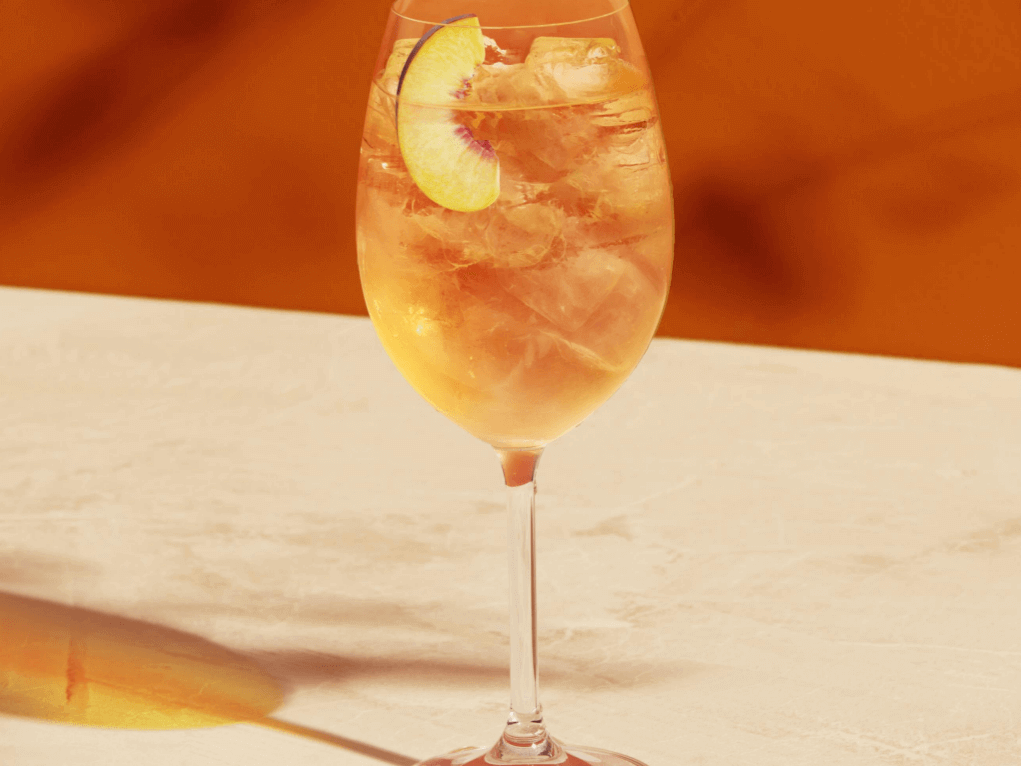
Greek Spritzer drink

According to Pantone, the 2024 Color of the Year is Peach Fuzz, which communicates warmth, community, collaboration, and a sense of welcoming.

There’s a lot that operators can do with Pantone’s annual announcement.

For those who are curious, the 2023 Color of the Year was Viva Magenta, a bold, purplish shade of red. And in 2022, the color was Very Peri, a dynamic shade of blue.

If an operator is looking for a complete venue refresh, Peach Fuzz may be an effective choice. For example, people can leverage the 2024 Color of the Year with feature walls, seating, tablecloths, and physical menus.

Of course, not every operator is looking to undergo a redesign. In this case, there’s still plenty of opportunity to splash Peach Fuzz throughout a bar or restaurant. One simple and effective way is through the drink menu.

Below are three peach-forward cocktail recipes. They’re visually appealing, which is helpful since we tend to “drink” with our eyes first. And with peach brandy, puree, or bitters, they impart more than just color: peach fans will appreciate the flavor.

You’ll also find a recipe for the Cosmopolitan, the famous cocktail created by Toby Cecchini. It turns out Aubrey Plaza, the modern face of the Margarita, is also the spokesperson for the Cosmo. Just like they say there’s no Negroni without Campari, there’s no Cosmo without Cointreau.

Cheers!

Frankly, My Dear cocktail

Frankly, My Dear

  • 0.75 oz. Cointreau
  • 0.75 oz. Tequila
  • 0.75 oz. Fresh lemon juice
  • 0.5 oz. Peach puree
  • 3 oz. Prosecco to top
  • Peach wedge to garnish

Prepare a Collins glass by filling it with ice. Add all ingredients except for the Prosecco and garnish to a shaker with ice. Shake well, then strain into Collins glass. Top with Prosecco, garnish with a peach wedge, and serve.

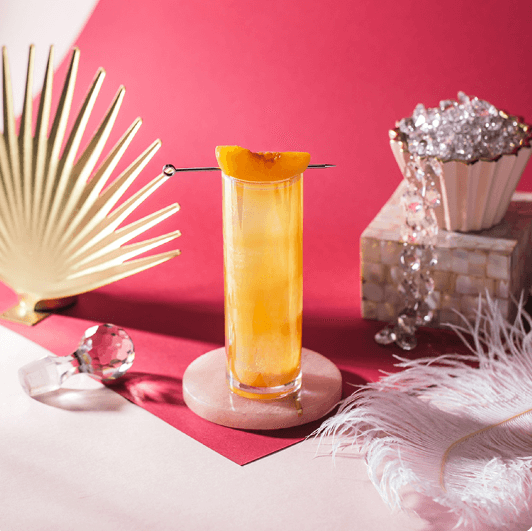
Fish House Punch cocktail

Fish House Punch

Add ice to a rocks, Collins, or other glass. Fill a cocktail shaker with ice, then add all ingredients except for garnish. Shake well, strain, garnish with lemon zest, and serve.

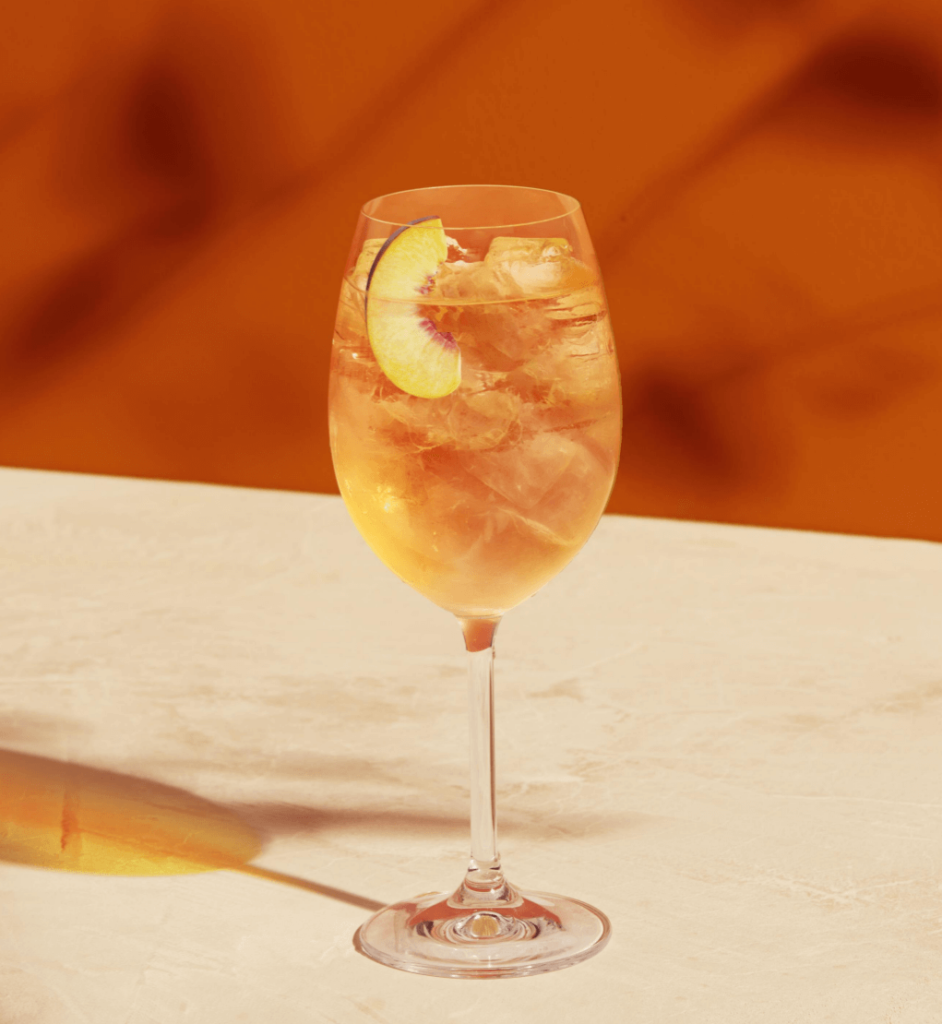
Peach Spritzer cocktail, also known as Greek Spritzer

METAXA Peach Spritzer

  • 1.5 oz. METAXA 7 Stars
  • 1.5 oz. Prosecco or other sparkling wine
  • 0.75 oz. Tonic
  • 3 dashes Peach bitters
  • Peach wedge to garnish
  • For winter: Star anise and tree leaf to garnish
  • For spring: Jasmine flower to garnish

For this cocktail, start by selecting a red wine glass. Add METAXA 7 Stars, then add bitters and ice. Stir, add tonic, then top with Prosecco or other sparkling wine. Garnish with a peach wedge.

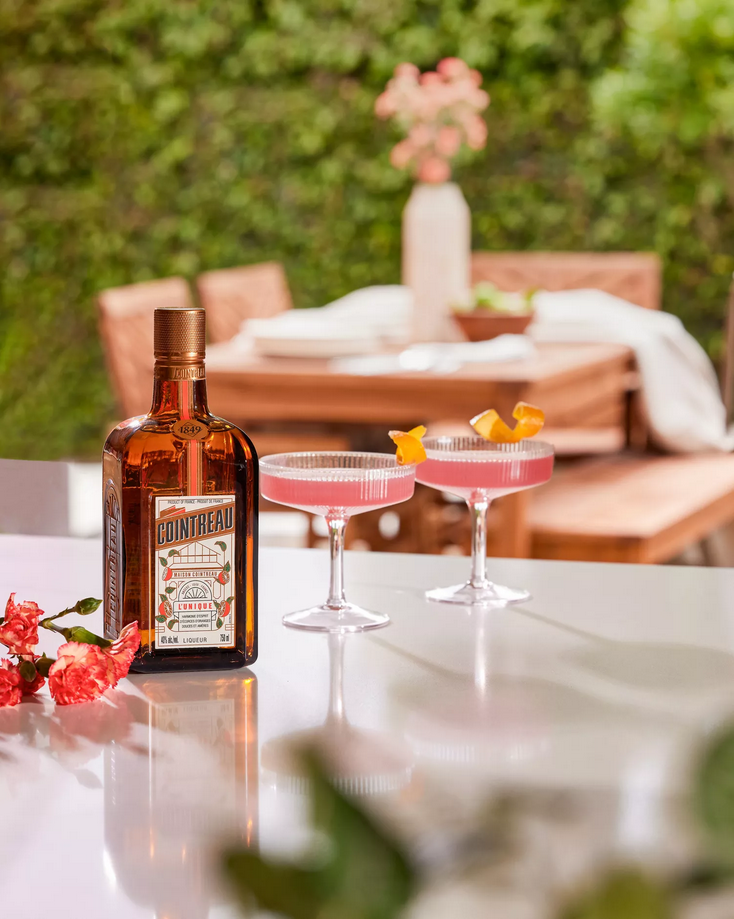
Cointreau Cosmopolitan cocktails

Cointreau Cosmo

  • 1 oz. Cointreau
  • 2 oz. Vodka
  • 1 oz. Fresh lime juice
  • 1 oz. Cranberry juice
  • Orange twist to garnish

Your bartenders probably know how to make a Cosmo. But just in case, start by preparing a coupe or cocktail glass by chilling it. Add all the liquid ingredients and ice to a cocktail shaker. Shake well, then strain into the prepared glass. Garnish and serve.

Images belong to their respective brands.

KRG Hospitality. Bar Consultant. Nightclub. Lounge. Mixology. Cocktails.

by David Klemt David Klemt No Comments

Program for Unique Holidays: January 2024

Program for Unique Holidays: January 2024

by David Klemt

"Think about things differently" neon sign

Do you want to stand out from from other restaurants and bars in your area? Change how you kick off the new year with your January holiday promotions.

Several holidays are set against every date on the calendar, and this month is no exception. These holidays range from mainstream to esoteric.

Pay attention to the “weird” or unique holidays to raise eyebrows, carve out a niche for your restaurant or bar, and attract more guests. Why do what everyone else is already doing? Why program only around the same holidays as everyone else?

Of course, you shouldn’t try to celebrate every holiday, strange or otherwise. Focus on the days that are authentic to your brand; resonate with your guests; and help you grab attention on social media.

You’ll find suggestions for promotions below. However, the idea behind our monthly holiday promotions roundup is to inspire you and your team to get creative and come up with unique programming ideas.

For our December 2023 holidays list, click here.

January 2: Thank God It’s Monday Day

We all know the Monday trope: It’s the day of the week to fear, inspiring the Sunday Scaries.

Well, this month encourages people to change how they look at the start of the workweek. Your venue can play a role, offering F&B promotions and entertainment programming that puts people in good spirits on a Monday.

January 3: National Fruitcake Toss Day

Another trope? Fruitcake somehow becoming a rock star during the end-of-year holiday season. I suppose this divisive dessert gets the “rock” part right…

If you have the space, you can hold a fruitcake tossing competition. Nobody’s going to eat the fruitcakes they were given, so they may as extract some joy from them.

January 9: National Cassoulet Day

This French dish is warm and comforting. And according to Tastewise, social conversations were up 20 percent in 2023.

However, less than one percent of restaurants have cassoulet on their menus in the US. Could be an excellent opportunity for savvy operator and kitchen team.

January 13: National Peach Melba Day

Each December, Pantone announces the next year’s Color of the Year. At this point, it’s a tradition.

For 2024, that color is Peach Fuzz. So, it makes sense to put peach dishes and drinks on your menu. The Peach Melba is a dessert consisting of peach wedges resting in raspberry sauce, accompanied by vanilla ice cream. However, there’s no reason your kitchen team can’t make this their own by getting creative with ice cream flavors and other accompaniments.

January 14: Start of National Mocktail Week

This is an excellent way to help guests celebrate Dry January. However, it’s important to note that some sober guests find the term “mocktail” disrespectful. I can see their point: the word has “mock” in it. So, perhaps call your celebration Alcohol-free Week, Non-alcohol Week, or Zero-ABV Week.

Either way, this is the time to dial in your zero-proof menu.

January 15: National Strawberry Ice Cream Day

Celebrating this holiday with the Peach Melba is a great way to get the most out of promoting your guests’ favorite new dessert. All you have to do is serve your Peach Melba with, you guessed it, strawberry ice cream instead of the standard vanilla.

January 20: National Cheese Lover’s Day

Getting creative to celebrate this holiday will take some effort. However, if you nail it, this promotion can be recurring and become a sought-after experience.

Wine, beer, and spirits pair with a vast array of cheeses. You can create an entire tasting experience, pairing specific cheeses with a curated selection of wines, beers, whiskeys, or other spirits. Check out this guide for pairing ideas.

January 20: National Use Your Gift Card Day

I don’t usually double up on holidays for this monthly KRG Hospitality feature, but here we are.

If your business offers gift cards, this is the day to encourage people to come in and redeem them. Send a targeted email campaign, include a link to your reservation system, and you’ll have an excellent way to track how many gift cards you can expect to show up for redemption.

January 25: Clashing Clothes Day

Why should October and December get all the dress-up fun? There’s no reason your guests have to pull out all the stops for Ugly Christmas Sweater gatherings and then wait another year to do it again.

If you pull this off well and make it a “thing,” you and your team can own Clashing Clothes Day and make it an annual promotion.

January 30: National Croissant Day

The humble but delicious, flaky croissant is a tasty canvas. Sure, you can just offer croissants, but what about going harder and offering an array of croissant sandwiches or desserts?

Image: Ivan Bertolazzi on Pexels

KRG Hospitality Start-Up Restaurant Bar Hotel Consulting Consultant Solutions Plans Services

by David Klemt David Klemt No Comments

Two New Review Platforms You Need to Know

Two New Review Platforms You Need to Know

by David Klemt

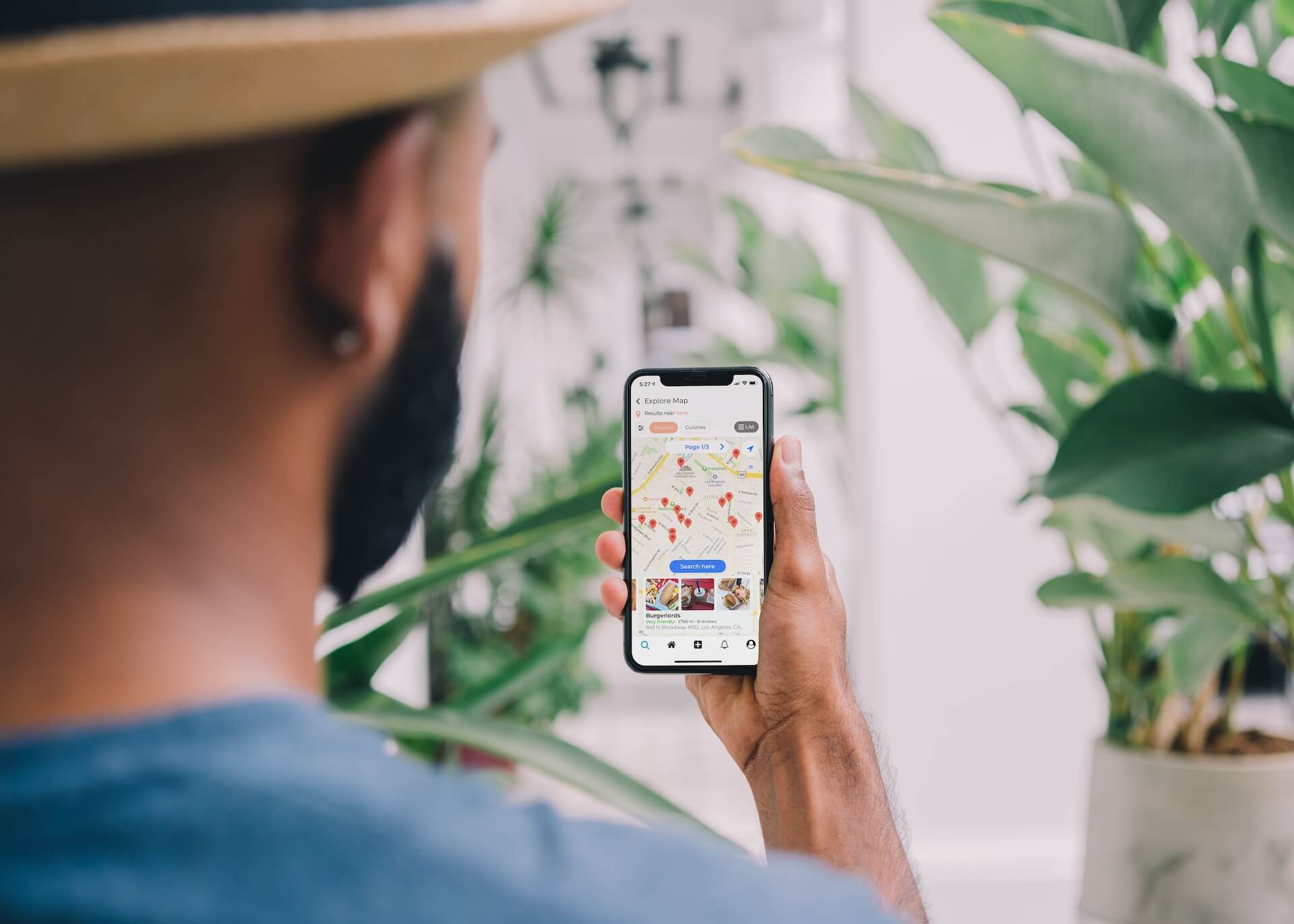
Person looking at restaurants on a map on their phone

Operators should be aware of two new review platforms that will help people discover their restaurant, bar, nightclub, or eatertainment venue.

At this point, we’re all aware of the mainstream review sites. Google, Yelp, OpenTable, Tripadvisor… Whether viewed as a helpful discovery tool or nuisance, each is a well-known player.

Well, there are new platforms on the scene. Importantly, each one is putting their own stamp on how people review venues and discover new experiences.

For example, I wrote about a new platform that rejects negative reviews a few weeks ago. It’s Good “believe[s] a restaurant rec from 1 trusted friend is more valuable than recs from 10,000 strangers.”

The founders, including Kevin Auerbach (former Apple), Meghan Raab (former Snap), director and photographer Mike Rosenthal, and songwriter and performer John Legend, have also eschewed the standard star rating.

So, that’s one modern-day take on the review platform. Now, two others.

Atmosfy

By now, most people are aware that video content outperforms static photography on social media. In other words, people engage more with video.

That’s not to say that static photography is obsolete. Rather, when it comes to discovery, video appears to be king at the moment.

Enter: Atmosfy.

This platform is all about video reviews. In fact, their website reads, “A video is worth a thousand pictures.” Restaurant, bar, nightlife, and eatertainment operators should see the value in users showing off their experiences via video.

In addition, users get access to a personal map. They can bookmark places they’ve been and want to go, and share their experiences so others can discover them.

And with $12 million in seed funding from Redpoint Ventures and other venture capital firms, operators can be certain this is no flash in the pan. In fact, Atmosfy supports in excess of one million businesses in over 10,000 cities in more than 150 countries.

Recs

First, the T-rex mascot of this platform is pretty cool.

Second, Recs takes a similar approach to It’s Good. However, the founders, Jesse Berns and Sean Conrad, have put their own spin on review platforms.

Like It’s Good, Recs sees far more value in recommendations from friends than strangers. Also, there’s no star rating system, nor will users find negative reviews.


View this post on Instagram


A post shared by Recs (@getrecs)

Another interesting detail: Users aren’t able to leave anonymous reviews. This is because Recs is built for recommendations among friends. Were a user to be anonymous, they wouldn’t be discoverable to friends, and therefore they’d be leaving recommendations to…nobody.

However, the most important element of Recs (arguably) is that users either recommend a place or they don’t.

So, in theory, if a business is blowing the guest experience, they won’t even be discoverable on Recs because nobody will be recommending it. At least to a specific core of users, that business won’t exist in their world on Recs.

As far as the Recs user experience, people save venues as “recommend” or “wanna go.” Users find their friends, share their lists, and discover new places to try by checking out their friends’ lists. A simple, straightforward way for people to eat, drink, and hang out together throughout a city.

Takeaway

Simply put, an operator needs to know how people are discovering their business. Operators need to meet guests where they are, which means online.

So, operators need to know about new platforms. When sending a post-visit surveyit doesn’t need to be lengthy—operators should ask how guests learned about their venue. This is one way to stay up to date on social media and review sites.

A comprehensive and effective marketing strategy includes review and discovery platforms. Certainly, operators ignore discovery tools at their peril.

Image: abillion on Unsplash

Bar Pub Brewery Nightclub Club Nightlife Brand Identity

by David Klemt David Klemt No Comments

Taco Bell Leveraging Subscriptions & LTOs

Taco Bell Leveraging Subscriptions & LTOs

by David Klemt

Taco Bell Grilled Cheese Nacho Fries

Not for the first time, Taco Bell is showing the industry the power of offering fan-favorite limited-time offers and leveraging subscriptions.

These days, everything seems to be subscription-based. We stream shows and movies via subscriptions. We can have food, clothing, gadgets, collectibles, and knick-knacks delivered to us by subcription.

Car features like heated seats, remote engine start, and self-driving? Subscriptions. Want to use software we used to buy once and install? Now we’re paying monthly to use it (or up front for a “discounted” yearly fee).

So, why should people find it odd to subscribe to one of their favorite restaurants? If the value is there for a consumer it’s no different than paying a monthly fee for other products and services to which they subscribe.

Clearly, Taco Bell has an acute understanding of people’s comfort with subscriptions. For many consumers, they’re the norm, just part of their daily routine.

As evidence, I introduce Exibit A, the Taco Lover’s Pass.

What makes this subscription noteworthy is the fact that it’s only a few years old, and it’s not even a permanent subscription. As Taco Bell Rewards members know all too well, only they can cop a Taco Lover’s Pass, and it only comes available every so often.

Most times, members have just one day to grab a pass. However, people had two whole days to decide the last time it became available.

And now, Exhibit B, the Nacho Fries Lover’s Pass.

An LTO Subscription and Item

Look, tens of millions of people love tacos. So, it’s logical that the Taco Lover’s Pass is so successful.

And if the past several years have shown us anything, millions of people also love Nacho Fries. The LTO menu item first appeared in Taco Bell restaurants in 2018. A few years later, in 2021, the Taco Lover’s Pass was tested in Arizona.

Why wouldn’t we eventually see a Nacho Fries Lover’s Pass, given the hype that follows every reintroduction of this popular item? Taco Bell has mastered the art of the LTO and the subscription. More specifically, they’ve mastered the recurring subscription. Remember, their passes aren’t permanent offerings.

Further, the iconic QSR also understands the power of the “drop.” At this point, it seems as though Taco Bell has noticed the rabid stir a limited-edition shoe or clothing drop can create for the fashion industry, studied it, and adapted it to foodservice.

With that said, the last Taco Lover’s Pass was accompanied by a menu item drop: the Toasted Breakfast Taco. If you think the Nacho Fries Lover’s Pass also ushered in an LTO, you’re correct.

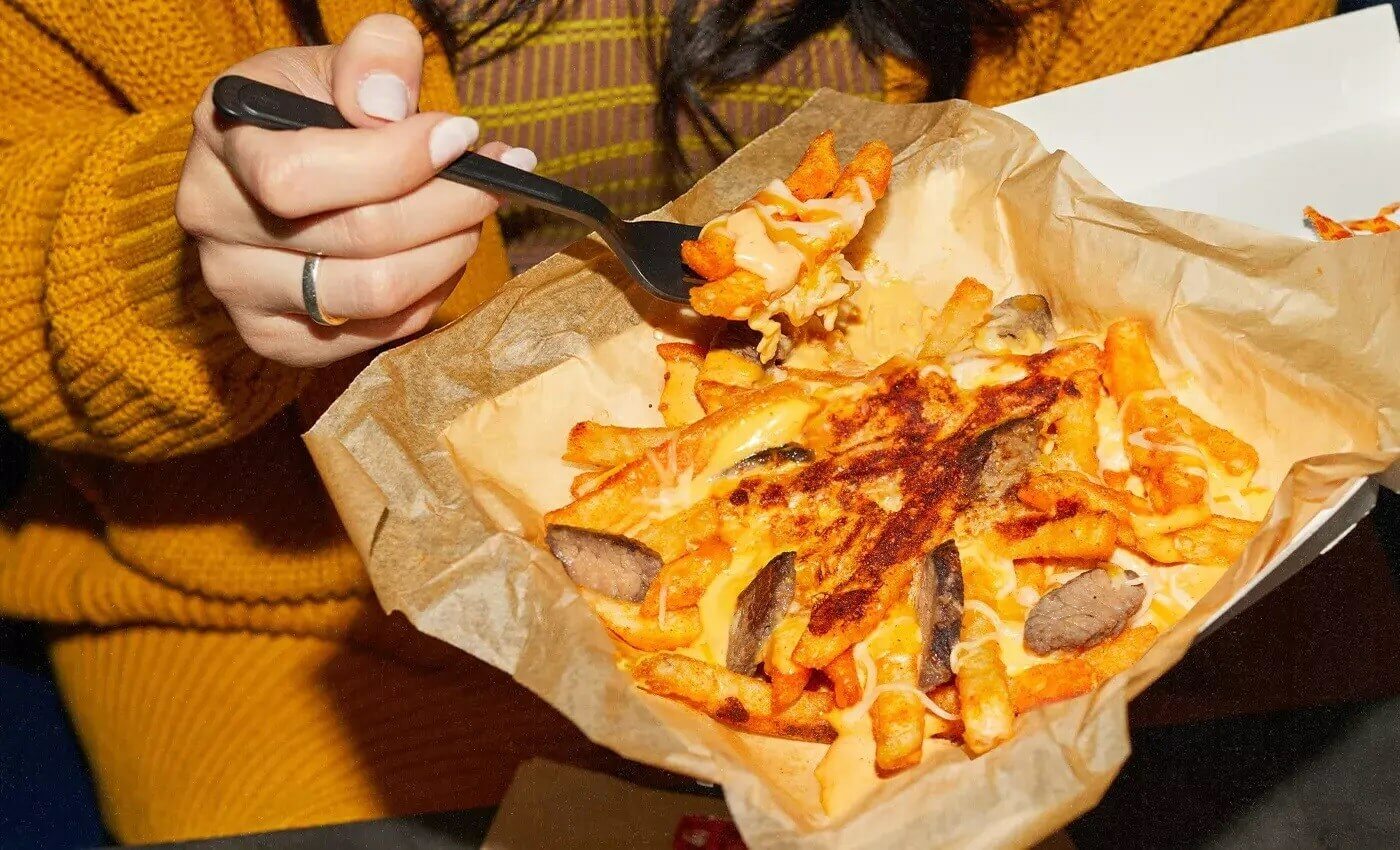
The first-ever Nacho Fries Lover’s Pass comes along with the limited-time-only offer of Grilled Cheese Nacho Fries.

Take the Nacho Fries, slather them in a sauce of melted mozzarella, monterey pepper jack, and cheddar cheeses, add Taco Bell nacho cheese and chipotle sauce, and toss on some marinated steak. There you go—Grilled Cheese Nacho Fries. They’re just $4.99 while supplies last, and there’s a spicy version made with jalapeños.

It’s no surprise that Taco Bell is BrandVue’s most-loved Mexican restaurant brand, and number eight on their overall list of most-loved restaurant brands.

Takeaway

Loyalty and rewards programs, subscription services, hyped LTO menu drops… These aren’t the exclusive domain of global chain restaurants.

Independent operators can absolutely leverage LTOs and subscriptions. Moreover, indies can do so with as much—if not more—specificity. Independent and regional chain operators tend to be far more nimble than their large chain counterparts.

After all, it’s much easier to implement change in one or a handful of restaurants than it is hundreds or thousands of locations. In theory, single-unit operators also know their loyal guests on a more intimate level. Where that’s the case, they should know what levers to pull to generate interest and encourage repeat visits.

It’s no small task to create a subscription program, let alone a free-to-use-but-engaging, branded rewards program. And that’s to say nothing of coming up with menu item so powerful that taking it away for months at a time is a feasible, profitable thing to do. Although, if you’ve shrunk your menu and eliminated a decent food or drink performer, you may have somewhere to start.

With time and thoughtful consideration, independent and regional operators can absolutely nail rewards, subscriptions, and LTOs.

Image: Taco Bell

Bar Nightclub Pub Brewery Menu Development Drinks Food

by David Klemt David Klemt No Comments

Peppermint is the Latest Flavor Superstar

Peppermint is the Latest Flavor Superstar

by David Klemt

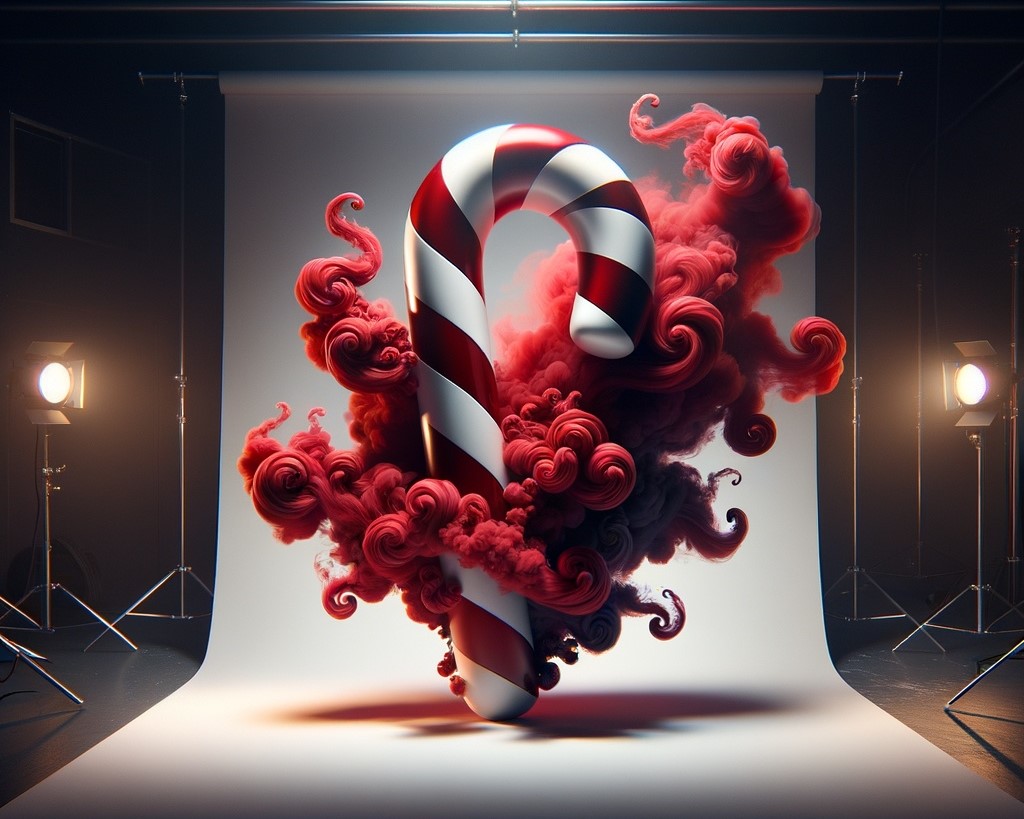
A candy cane surrounded by red smoke in a studio

Just when you think you have a handle on seasonal flavors, along comes the latest and greatest demand from consumers: peppermint.

Perhaps it’s because pumpkin spice shows up earlier each year. Maybe it’s because that hit of frosty peppermint hits the nostalgia button.

It could be as simple as consumers thinking:

  • pumpkin is for fall; and
  • peppermint is for winter.

Regardless, it appears that people are turning their attention to peppermint.

Of course, that doesn’t mean that pumpkin and pumpkin spice are out of favor completely. A recent trip to a grocer with shelves devoid of pumpkin butter and other pumpkin spice flavors show me people are still snapping it up.

And no, it wasn’t a product shift; staff says those products are flying out the door after each restock.

Instead, I think people are just ready for the next thing. In this case, the next flavor thing. And that flavor, it seems, is peppermint.

Considering that pumpkin spice LTOs appeared in early August this year, it makes sense for many consumers to want something new. After all, they’ve had four months to indulge their pumpkin and pumpkin spice cravings. That’s a third of the year.

Peppermint on the Rise

When delving into F&B and hospitality trends I tend to look at Datassential and Technomic. Both are credible, reliable sources of information.

However, I’m turning to another source, Tastewise, to dive into pumpkin spice and peppermint. For the unfamiliar, Tastewise is an F&B insight platform that uses artificial intelligence to collect real-time consumer behavior data.

First up, pumpkin spice. According to Tastewise, the flavor is up nearly 75 percent in terms of social conversations in 2023. Additionally, four percent of restaurants in the US have pumpkin spice items on their menus. That may not sound like a lot, but that’s more than 33,000 restaurants.

Now, let’s look at peppermint. Per Tastewise, social conversations about this frosty flavor are up almost 22 percent this year. However, peppermint liqueur conversations are up just over 77 percent.

Interestingly, according to Tastewise, peppermint items are on almost eight percent of menus in the US. That’s more than 67,000 restaurants, over double the amount of pumpkin spice.

One note: peppermint is not the same as mint. While peppermint is trending (most likely due to seasonal shift), mint is down nearly 109 percent. So, not all mint flavors and items are equal. This seems particularly true at the moment.

Takeaway

Is everyone on social media, talking about food? No, of course not.

It’s important to note, though, Tastewise’s current market overview. At the time of publication, Tastewise is scanning:

  • 8,151,698 people on social media;
  • 57,220,294 social media posts;
  • 937,070 restaurants;
  • 136,278,759 dishes; and
  • 5,878,416 recipes.

Operators can and should take industry insights with a grain of salt. Not every fad, trend or item works for every operator and concept.

However, it’s important to know what consumers are talking about and posting to social media. Being a part of some conversations can be a boon for an operator and their bottom line.

So, if introducing a peppermint LTO (or LTOs) will appeal to an operator’s guestsbecause they take the time to understand them and track their menu item salesand works with their concept authentically, they should consider becoming a part of this conversation.

Image: Shutterstock. Disclaimer: This content was generated by an Artificial Intelligence (AI) system.

KRG Hospitality Start-Up Restaurant Bar Hotel Consulting Consultant Solutions Plans Services

by David Klemt David Klemt No Comments

5 Books to Read this Month: November 2023

5 Books to Read this Month: November 2023

by David Klemt

Flipping through an open book

Our inspiring and informative November book selections will help you and your team transform your operations and F&B programming.

This month, we look at a new branding and marketing book. We also dive into agave spirits and cuisine from the Canadian Prairies.

There’s an eye-opening exploration into the topic of technology, culture, and the “alignment problem,” as well.

To review the book recommendations from October 2023, click here.

Let’s jump in!

The Restaurant Marketing Mindset: A Comprehensive Guide to Establishing Your Restaurant’s Brand, from Concept to Launch and Beyond

If you haven’t had the opportunity to hear Chip Klose speak, look into his books. His latest The Restaurant Marketing Mindset, came out in early October. As the title suggests, this book is for anyone who’s struggling with branding and marketing, or who simply wants a fresh perspective on this crucial element of operations.

From Amazon: “Restaurants boast some of the highest failure rates of any industry, yet even worse is the sheer number of concepts that struggle just to break even. In The Restaurant Marketing Mindset, Chip Klose introduces a series of mindset shifts and actionable frameworks to help owners and operators finally take control of their marketing.

With more than twenty years of operational experience—plus an MBA in food marketing—Klose has the authority, experience, and track record needed to speak confidently on the subject. Each lesson stacks one on top of the other, giving the reader a step-by-step plan to attract more diners, retain those diners, and spark word of mouth with the ones who matter most.

This book is for any chef, owner, or operator who’s ever felt overwhelmed when it comes to marketing their restaurant. Each chapter is filled with powerful insights to help you build a more profitable (and sustainable) business.”

Pick it up today!

Prairie: Seasonal, Farm-Fresh Recipes Celebrating the Canadian Prairies

This engaging cookbook features 1oo traditional and creative recipes highlighting Canadian Prairie cuisine. These seasonal, farm-to-table recipes are sure to impress your guests.

From Amazon: “No matter the season, the Prairies are all about preserving every ounce of food, so of course there’s also tons of helpful tips and tricks on reducing food waste. There’s even a Staples chapter with recipes for stocking your pantry to keep you cooking all year long. Both a love letter to Canada’s grandest provinces and an indispensable collection of recipes, Prairie is as inviting and bountiful as the region it celebrates.”

Agave Spirits: The Past, Present, and Future of Mezcals

The authors of this informative book visited eight Mexican states to learn all they could about mezcal. By extension, they learned not only about traditional production but also where this hugely popular spirits category is headed for the future.

From Amazon: “The result of the authors’ fieldwork and on-the-ground interviews with mezcaleros in eight Mexican states, Agave Spirits shows how traditional methods of mezcal production are inspiring a new generation of individuals, including women, both in and beyond the industry. And as they reach back into a rich, centuries-long history, Nabhan and Suro Pinera make clear that understanding the story behind a bottle of mezcal, more than any other drink, will not only reveal what lies ahead for the tradition―including its ability to adapt in the face of the climate crisis―but will also enrich the drinking experience for readers.”

The Alignment Problem: Machine Learning and Human Values

When we build automated systems, we’re placing a lot of trust in our expertise. And because humans are fallible, the systems we build are far from perfect.

From Amazon: “Today’s ‘machine-learning’ systems, trained by data, are so effective that we’ve invited them to see and hear for us—and to make decisions on our behalf. But alarm bells are ringing. Recent years have seen an eruption of concern as the field of machine learning advances. When the systems we attempt to teach will not, in the end, do what we want or what we expect, ethical and potentially existential risks emerge. Researchers call this the alignment problem.”

Hacking the New Normal: Hitting the Reset Button on the Hospitality Industry

The world around us has changed. The food and beverage industry has changed. The hospitality industry has changed. But will some ways of life change for the better? Will perhaps the restaurant, bar, and hospitality industry come out even stronger? With the right changes to the previous status quo, it is possible. There’s no question, resets are major undertakings, but a major reset will provide us with a clean start and that’s what this industry needs.

Pick up KRG Hospitality president Doug Radkey’s second book today! Click here.

Image: Mikołaj on Unsplash

KRG Hospitality. Business Coach. Restaurant Coach. Hotel Coach. Hospitality Coach. Mindset Coach.

by David Klemt David Klemt No Comments

Program for Unique Holidays: November 2023

Program for Unique Holidays: November 2023

by David Klemt

"Think about things differently" neon sign

Do you want to stand out from from other restaurants and bars in your area? Change how you think about your November holiday promotions.

Several holidays are set against every date on the calendar, and this month is no exception. These holidays range from mainstream to esoteric.

Pay attention to the “weird” or unique holidays to raise eyebrows, carve out a niche for your restaurant or bar, and attract more guests. Why do what everyone else is already doing? Why program only around the same holidays as everyone else?

Of course, you shouldn’t try to celebrate every holiday, strange or otherwise. Focus on the days that are authentic to your brand; resonate with your guests; and help you grab attention on social media.

You’ll find suggestions for promotions below. However, the idea behind our monthly holiday promotions roundup is to inspire you and your team to get creative and come up with unique programming ideas.

For our October 2023 holidays list, click here.

November 3: National Jersey Day

This is an easy one. MLB, the NBA, NHL, NFL, NCAA Football… All of these and more are in regular season play at the moment.

Establish your bar as the place to watch and play fantasy sports to develop a loyal guest base. One way to really get your guests engaged is to get them to wear their jerseys, and this holiday is the “official” day for them to do so.

November 5: Zero Tasking Day

Sure, multi-tasking and the people who claim to have mastery over it are impressive. But you know what’s even more impressive? Taking the time to nothing but relax.

You know what’s an excellent place to check out, relax, and indulge? Your restaurant, bar, or nightclub.

November 6: National Nacho Day

No, nachos aren’t the world’s most unique food. However, your approach and presentation can certainly help you stand out from other operators.

Go highest. Go largest. Go most unusual ingredients. Go most premium toppings. Just go wild.

November 11: National Metal Day

Anyone who knows me knows that metal holds a special place in my life. In fact, I recently hit the Pearl Theater inside the Palms for the Dethklok + BABY METAL “BABYKLOK” tour stop in Las Vegas.

This is the day for you to encourage the metalheads among your guests to show up to your bar or restaurant. Create an LTO featuring metal spirit brands, like Slipknot Iowa Whiskey and Metallica’s Blackened Whiskey.

November 14: National Pickle Day

If your kitchen can pickle it, this is the holiday to have them create an LTO menu showing off their skills.

November 16: National Use Less Stuff Day

Sustainability and ethical business practices aren’t just trendy anymore. Many of today’s guests want to know they’re supporting businesses that have a plan to address waste.

If you’ve been developing a sustainability plan, this is the day to launch it. Look at your operations, look at your menu, and see where you can make small but impactful changes.

November 20: National Absurdity Day

Do you have an “absurd” idea for a promotion, menu item, design feature, or branding exercise? Tighten up that idea and execute it on National Absurdity Day.

You can also check out one of our KRG Concepts, Absurd! Kitchen Co., for a turn-key restaurant concept.

November 22: DrinksGiving

As operators know, the Wednesday before Thanksgiving has traditionally been the busiest bar night of the year. Whether you call it Thanksgiving Eve or DrinksGiving, this is your opportunity to pull out all the stops.

November 25: National Small Business Day

This is the perfect holiday to highlight all the small, craft, and independent F&B brands you work with at your restaurant or bar. Feature local artisans, spirits and beer producers, farmers, and more on your menu to help them and you generate more business.

November 30: National Mason Jar Day

I don’t know what it is but drinking from a mason jar, whether there’s a delicious cocktail, moonshine, or a soft drink inside it, is just a cool experience.

Of course, you can also get creative with starter, side, and dessert presentations inside mason jars.

Image: Ivan Bertolazzi on Pexels
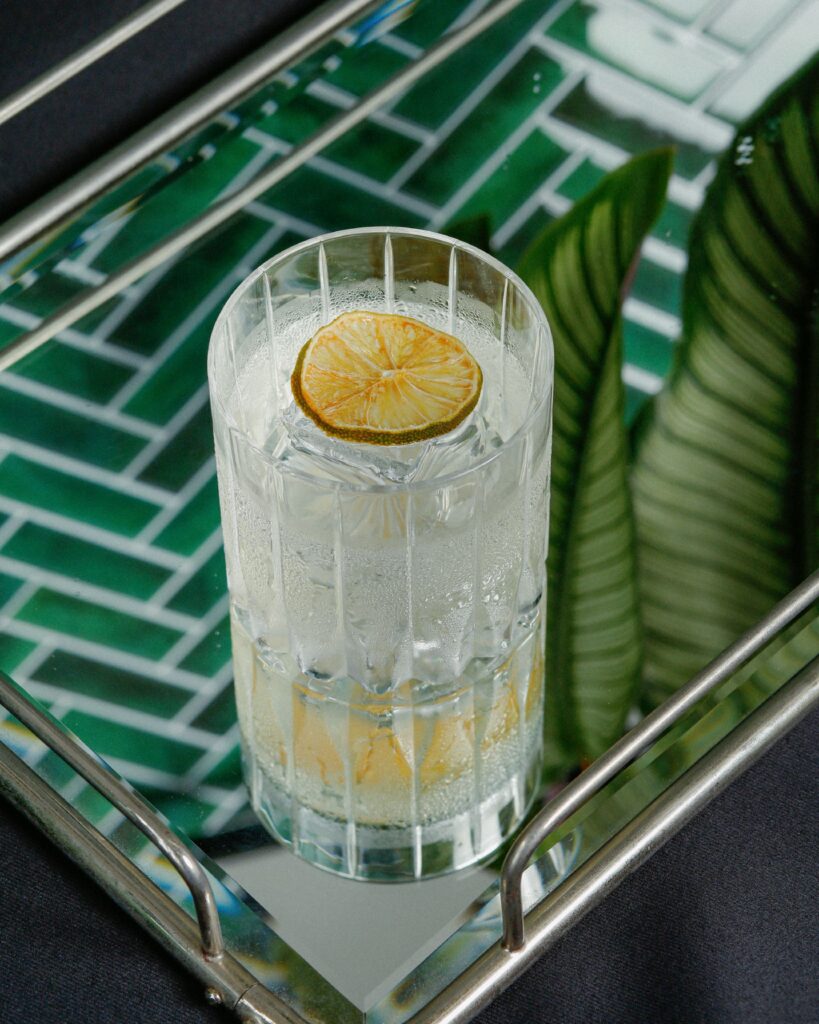
Bar Nightclub Pub Brewery Marketing Agency Team

by David Klemt David Klemt No Comments

New Review Platform Rejects Negativity

It’s Good: New Review Platform Rejects Negativity

by David Klemt

"Just be nice" sign on wall with graffiti

Combine equal parts incredible team of founders, love for food and travel, and respect for an expression that we should all adhere to more closely, and you get a new review platform.

The expression from which this team derives their platform’s ethos?

“If you don’t have something good to say, don’t say it at all.” But how can a review platform embody that age-old expression?

Well, it turns out that answer is rather simple: by refusing to allow negative reviews. That’s the foundation of how It’s Good plans to operate.

That is, of course, quite the departure from Yelp, Google Reviews, Tripadvisor, and other review platforms. In my experience, Yelp draws the ire of most operators. Obviously, it doesn’t help Yelp’s reputation among operators that people can review bomb a venue rather easily, among other issues.

On It’s Good, there’s no “star” ratings system. Negative comments? The platform is “not even built for” those, according to co-founder John Legend.

“Either you recommend [a place or experience] or you don’t,” says Legend, elaborating further on It’s Good.

The team of founders also includes Kevin Auerbach (who comes from Apple), Meghan Raab (from Snap), and director and photographer Mike Rosenthal.

With Auerbach and Raab guiding what is likely a top-notch engineering team, It’s Good should be simple and fun to use.

The User Experience

At the moment, It’s Good is an invite-only platform. According to articles online, Legend and Rosenthal have been working on the app for four years.

So, the initial idea is to lay the user foundation ahead of its public launch. Logical, since it would be challenging to sift through recommendations without a core user group populating the app first.

“Our mission is to be your go-to place for saving & sharing your most favorite places to eat and drink. Trustworthy recommendations for you, by you – from the people you know or admire, all in one beautiful space,” reads the waitlist confirmation email I received from Shirene Niksadat, It’s Good head of community.

Interestingly, one of the motivating factors behind this platform is Legend himself. Apparently, he’s a go-to source for recommendations amongst his friends.

“My friends always reach out to me for ‘my list’ of restaurants in the cities I’ve visited,” Legend is quoted as saying on the It’s Good website.

From what I can gather, the platform will allow people to find new restaurants, bars, and experiences via location-based and themed lists. I’m sure there’s more functionality, but the main takeaways are:

  • organized recommendations;
  • personalized recommendations from trusted sources and friends; and
  • recommendations that answer a simple question: Is this place or experience good?

“We believe a restaurant rec from 1 trusted friend is more valuable than recs from 10,000 strangers,” says the It’s Good site, right at the top.

That should give us all an idea of how this platform will operate, and what to expect when it goes live for the general public.

Obviously, I can’t provide a review of this review platform. But I can say that I’m looking forward to my opportunity to take it for a spin.

To get your name on the waitlist, click here.

Image: A A on Unsplash

KRG Hospitality Start-Up Restaurant Bar Hotel Consulting Consultant Solutions Plans Services

by David Klemt David Klemt No Comments

Intersection of Streaming & Sports Betting

The Intersection of Streaming and Sports Betting

by David Klemt

Closeup shot of the NFL logo painted onto turf or grass

The popularity and ubiquity of sports betting is exploding throughout the US, and its seemingly inescapable presence is due in large part to streaming.

This is one topic we learned about during our first visit to the Global Gaming Expo, also known as G2E.

It’s true that gaming and hospitality are two distinct, different industries. However, they’re inextricably connected. And with gaming platforms and mobile devices making it even easier to place bets on sports, that connection is only getting stronger.

Now, I’m going to take a moment to make my relationship with gaming clear. First, I’m not an expert on the industry. Second, I rarely partake in gaming even though I live in Las Vegas. I’ll throw the odd twenty into a small handful of specific slot machines, but that’s the extent of my gaming experience. I think it has been a decade since I last played craps.

So, I’m going to do my best to share what I learned during G2E. The show is an educational experience for me, and I feel that hospitality business operators can benefit from its sessions.

As far as the hospitality-gaming relationship, however, I certainly believe they’re complementary industries. This is absolutely true in Las Vegas, and it’s true in other markets as well. If casinos weren’t aware that hospitality is crucial to keeping guests returning and risking their cash on games, they wouldn’t bother focusing on dining, drinking, nightlife, and other hospitality amenities.

I’m also confident saying Las Vegas in particular wouldn’t have generated nearly $15 billion in 2022. And casinos throughout America wouldn’t have generated over $60 billion last year.

In summary, the connection between hospitality and gaming is what drew me to G2E this year.

Watershed Moments

One of the sessions I attended was “Streaming X Sports Betting: The Future of Engaging Gen Z.” Adam I. Kaplan, the chief operating officer of SportsGrid, was the speaker.

SportsGrid, I’ve since learned, is a multimedia sports betting network. According to Kaplan, the ad-supported network is available on more than 40 platforms and accessed by millions upon millions of mobile devices

Users can access SportsGrid 24/7 via smart TV or their dedicated app. Additionally, people can stream SportsGrid via other platforms, such as:

  • Roku;
  • Prime Video;
  • YouTube TV;
  • Sling;
  • Freevee; and
  • Plex.

Per Kaplan, we can trace the creation of SportsGrid to two genesis points: the creation of Napster, and the introduction of the iPhone.

The launch of Napster in June of 1999 was, of course, a watershed moment. And its influence on society is undeniable. According to Kaplan, the platform’s influence included the belief that content should be free.

When the iPhone hit the scene in January of 2007, it, too, was a massive milestone. Part of its success, as Kaplan pointed out, was how easy it made for users to engage with content.

Taken together, Napster and the iPhone have “taught” people that content should be free and easy to access. And their launches have led to the rise of iGaming and sports betting.

Sports Betting Repeal Day

Like hospitality, sports betting has their own Repeal Day. Whereas bars and restaurants celebrate on December 5, gaming would celebrate May 14.

That’s the day in 2018 that the United States Supreme Court struck down the Professional and Amateur Sports Protection Act (PASPA) of 1992. Essentially, PASPA banned sports betting in the US, with narrow exceptions for four or five states.

When PASPA was overturned on the basis that the act violated the Tenth Amendment (states’ rights), several states made moves to legalize sports betting. Currently, sports betting is legal in some form in more than 30 states and Washington, DC.

During the five-year period following the end of PASPA, sports betting has gained massive traction throughout the US. Several publications report that the NFL in particular sees the most betting action.

According to the American Gaming Association, 73 million Americans plan to bet on the 2023-2024 NFL season specifically. That’s up from 46 million in 2022, a huge leap.

Of all adults who said they’d bet on sports this year, 14 percent (more than 35 million people) plan to place their bets online.

Per SportsGrid’s Kaplan, people aged 40 and under—so, Millennials and legal-age Gen Z—make up the majority of sports bettors. Looking at sports betting as an engagement driver, businesses should see the opportunity to attract sports bettors as customers and keep them loyal.

Skin in the Game

As Kaplan points out, one reason that sports betting drives engagement is the sense a bettor has of having “skin in the game.”

Well, they aren’t the only people who want skin in the sports betting game.

Since PASPA ended, hospitality venues across the country have attempted to get in on the sports betting phenomenon. This makes perfect sense, particularly for sports bars.

What operator in that space wouldn’t love the ability to stream content from a platform like SportsGrid, FanDuel TV, or DraftKings Network, with their guests permitted to place bets while inside the venue, legally?

That opportunity could prove incredibly lucrative, generating significant traffic and sales. And that’s to say nothing of the marketing, promotions, and guest loyalty opportunities. Think of what legalized on-premise sports betting could do to attract fantasy sports league participants…

Additionally, venues that can stream sports betting content and encourage betting on-premise (again, legally) could prove incredibly popular with one of the age groups operators focus on the most: the 21- to 34-year-old segment.

So, it appears one of the next frontiers for hospitality is pushing for the legalization of sports betting on-premise. Operators in favor of guests being allowed to place bets while onsite can either wait and see or actively engage their lawmakers.

What a time, eh?

Image: Adrian Curiel on Unsplash

KRG Hospitality. Gaming. Entertainment. Consultant. Food Service. Bowling Alley. Golf. Simulator. Arcades. Eatertainment.

by David Klemt David Klemt No Comments

Brand Love: BrandVue’s 2023 Rankings

Brand Love: BrandVue’s 2023 Rankings

by David Klemt

Black and white image of a winners' podium under a spotlight

As we near the end of the year, Savanta has revealed their BrandVue’s Most Loved Eating Out Brands 2023 report, ranking 100 restaurant brands in America.

The B2B and B2C market consultancy has been publishing this report since 2019. Their fifth-annual report includes 16 categories, including ranking consumer opinion of third-party delivery services.

As a category, Burger boasts the greatest presence with 17 loved restaurant brands. In second is Italian or Pizza with 13 brands. With ten brands, Specialty comes in third as a category. Tied for fourth are Mexican and Chicken, featuring eight brands each.

Download the full report here.

Top Restaurant in Each Category

Below you’ll find the gold medalist in each category, in alphabetical order by restaurant type.

  • Asian: Panda Express
  • Burger: McDonald’s
  • Café or Bakery: Starbucks
  • Chicken: Chick-fil-A
  • Family Style: Cracker Barrel Old Country Store
  • Frozen Dessert: Cold Stone Creamery
  • Italian or Pizza: Olive Garden
  • Mexican: Taco Bell
  • Sandwich: Subway
  • Seafood: Red Lobster
  • Specialty: Krispy Kreme
  • Steak: Texas Roadhouse
  • Varied Menu: The Cheesecake Factory

Other Categories

There are a handful of other categories on the BrandVue list. Namely, Delivery, Sports Bar, and Meal-kit.

I’ve separated Delivery in particular because it doesn’t represent brick-and-mortar brands. Rather, these are third-party services.

For this year’s list, Savanta ranks five delivery services. Below, the top three:

  1. Caviar
  2. DoorDash
  3. UberEats

However, it’s important to note that DoorDash bought their one-time rival Caviar back in 2019. So, it’s really as though DoorDash claims two spots among the top three.

Of course, UberEats owns Postmates, which is among the five Delivery brands on this list. So is Seamless, owned by Grubhub. However, Grubhub itself doesn’t appear on this list.

The other two categories, Sports Bar and Meal-kit, count just one brand each among them: Buffalo Wild Wings and Plated, respectively.

Top 26 Restaurant Brands

Below, the top quarter of the 2023 BrandVue list. As you’ll see, the gold medalists among the top 25 are in bold.

Why did I decide to show the top 26 rather than the top 25? My reasoning is simple: one of the top 25 is a delivery service, not a brick-and-mortar restaurant.

  1. Domino’s (Italian or Pizza)
  2. Red Lobster (Seafood)
  3. Cold Stone Creamery (Frozen Dessert)
  4. Culver’s (Burger)
  5. Caviar (Delivery)
  6. Cinnabon (Specialty)
  7. Braum’s (Burger)
  8. Auntie Anne’s (Specialty)
  9. Wingstop (Chicken)
  10. Popeyes (Chicken)
  11. Wendy’s (Burger)
  12. Pizza Ranch (Italian or Pizza)
  13. Pizza Hut (Italian or Pizza)
  14. KFC (Chicken)
  15. The Cheesecake Factory (Varied Menu)
  16. Subway (Sandwich)
  17. In-N-Out Burger (Burger)
  18. Dunkin’ Donuts (Café or Bakery)
  19. Taco Bell (Mexican)
  20. Raising Cane’s (Chicken)
  21. Olive Garden (Italian or Pizza)
  22. Krispy Kreme (Specialty)
  23. Texas Roadhouse (Steak)
  24. McDonald’s (Burger)
  25. Starbucks (Café or Bakery)
  26. Chick-fil-A (Chicken)

Unsurprisingly, the top six spots go to gold medalists. In total, gold medalists claim seven slots amongst the top ten. Twelve of the top performers out of all 16 categories are in the top 25.

Interestingly, the list also puts America’s love for burgers, chicken, and pizza on full display. Of the top 25 most-beloved restaurant brands, five fall into the Burger category, and five fall into Chicken. Four slots belong to the Italian or Pizza category.

Notably, there are no Asian or Family Style restaurants among the top 26. However, I expect more Asian and Mexican restaurants to earn places in the top quarter over the next few years.

To see the full list of the 100 most-beloved restaurant (and delivery) brands in the US, click here.

Image: Joshua Golde on Unsplash

KRG Hospitality. Restaurant Business Plan. Feasibility Study. Concept. Branding. Consultant. Start-Up.

by David Klemt David Klemt No Comments

5 Books to Read this Month: October 2023

5 Books to Read this Month: October 2023

by David Klemt

Flipping through an open book

Our inspiring and informative October book selections will help you and your team transform your vision for your business into a successful story.

This month, we’re taking a good look at independent hotel operations, including checking out the wonderful guest experience a rustic lodge can deliver. We also dive into operations and brand strategy.

Oh, and we get inspiration from a company founder who turned $50 into a $30 billion-per-year, globally recognized brand.

To review the book recommendations from September 2023, click here.

Let’s jump in!

INDIE HOTEL: Why Hoteliers Are Breaking Free from Chains and Choosing Independence

I picked up INDIE HOTEL just a day or two after it was released. Written by Jeremy Wells, one of the brilliant minds behind the recently opened Ozarker Lodge, this book examines the shifting hospitality landscape.

From Amazon: “The hospitality industry is exciting and always evolving. One of the most exciting shifts in recent years is the growing popularity of independent, boutique hotels. While chains are here to stay, I believe the days of franchise domination are numbered. Traveler preferences are changing, and technology, once available only to chains, is becoming more accessible. As a result, more and more hoteliers will continue to make the leap into independence—breaking free from chains and enjoying a newfound freedom.”

Order your copy today!

Lodge: An Indoorsy Tour of America’s National Parks

We’re firm believers of looking everywhere for inspiration. Lodge may not be a how-to book for hoteliers but it speaks to the importance of the guest experience. Moreover, it shows that while midscale and luxury hotels and resorts seem to popping up all over, a rustic lodge that encourages disconnecting and recharging definitely still has its place in hospitality.

From Amazon: “Max Humphrey shines a light on 10 rustic National Park lodges in all their airy, timeworn splendor. No historic photos here; the images of the architecture and interiors are as they look today, highlighting these storied places in a fresh, alluring way. Sure, the lobbies are the main stage, but Humphrey touches on grand dining rooms, guest rooms, and rustic canteens alike. He writes about the buildings themselves in terms of the historical goings-on at the time, why they were built, and the players involved, highlighting notable architectural moments and period-specific furnishings. A smattering of pop culture history adds extra bursts of levity throughout.”

Grab it today.

Future Hospitality: Impactful Brand Experiences that Drive Sustainable Growth, Happier Guests, and Inspired Staff

Since the latest Jeremy Wells book kicks off this list, let’s take a look at his first book.

Future Hospitality drives home a simple but powerful principle that KRG shares. Put simply, hospitality is a mindset. This book also explains how an operator’s brand strategy plays a significant role in embodying that important principle.

From Amazon: “The purpose of this book is to help you understand the significance of making people feel good, and how the principles of strategic brand development can dramatically influence how you go about doing it.

“Without the core foundational component of a brand strategy in place at your business, I believe that you’ll be fighting an uphill battle that you don’t need to fight. If your business means anything to you, then you need to make it mean something to others.”

Order your copy here.

Shoe Dog: A Memoir by the Creator of NIKE

Again, we don’t always have to look at the hospitality industry for inspiration or lessons. We can learn from businesses that appear to have nothing to do with our own.

There are several lessons we can learn from Phil Knight and his leadership of Nike. For example, the following quotes are attributed to Knight:

  • “Don’t tell people how to do things, tell them what to do and let them surprise you with their results.”
  • “Let everyone else call your idea crazy; just keep going. Don’t stop. Don’t even think about stopping until you get there, and don’t give much thought to where ‘there’ is. Whatever comes, just don’t stop.”

From Amazon: “In 1962, fresh out of business school, Phil Knight borrowed $50 from his father and created a company with a simple mission: import high-quality, low-cost athletic shoes from Japan. Selling the shoes from the boot of his Plymouth, Knight grossed $8000 in his first year. Today, Nike’s annual sales top $30 billion. In an age of start-ups, Nike is the ne plus ultra of all start-ups, and the swoosh has become a revolutionary, globe-spanning icon, one of the most ubiquitous and recognisable symbols in the world today.”

Pick up your copy.

Bar Hacks: Developing The Fundamentals for an Epic Bar

If you have yet to read Bar Hacks, written by KRG Hospitality president and Bar Hacks podcast creator Doug Radkey, you need to pick your copy up today.

Without an understanding and appreciation of the fundamentals, long-term success is essentially an impossibility.

Image: Mikołaj on Unsplash

KRG Hospitality. Boutique Hotels. Resorts. Properties. Consultant. Feasibility Study. Business Plan

by David Klemt David Klemt No Comments

Celebrating the Espresso Martini

Celebrate the Espresso Martini with Mr. Black

by David Klemt

Two Espresso Martinis on a bar

For the second time in its brief but exciting history, Mr. Black Espresso Martini Fest is coming to bars throughout America.

Last year, 70 bars in eight cities across the US took part to celebrate the Espresso Martini. This year, participation more than doubles.

Fourteen cities in ten states will play host to more than 200 bars during the fest. For 2023, Austin, Boston, Dallas, Denver, Nashville, Phoenix, and Seattle are joining in on the fun.


View this post on Instagram


A post shared by Mr Black Spirits (@mrblackspirits)

I, for one, expect Espresso Martini Fest to have the same staying power as other cocktail celebrations. The inaugural event took place in 2016 in Australia. In 2018, the Fest spread to the UK. After launching in the US, the week-long event growth has doubled over the course of just one year.

Logically, Mr. Black Espresso Martini Fest should join the ranks of Negroni Week, Old Fashioned Week, and Bee’s Knees Week.

Now, I know I’ve called the Espresso Martini “the cocktail that won’t die.” And yes, I’ve pointed out that it’s not technically a Martini, and that many bartenders hate it for the time it can take to make. That doesn’t mean participating in Espresso Martini Fest is a bad idea.

This is a cocktail that guests enjoy. It’s a drink that generates headlines each year. And clearly it’s a beverage that can drive traffic and generate revenue. At the end of the day, participation is a smart move.

2023 Espresso Martini Fest Cities

Given that the Fest runs from October 9 to 15, it’s unlikely the organizers are still vetting venues for participation. However, at the time of this article’s publication, the portal appeared to be open. It’s a worth a shot if you want your bar to join Espresso Martini Fest!

At least you’re aware of the event now so you can prepare to sign up next year.

Bars in the following cities are taking part in this year’s Fest:

  • Austin, Texas
  • Boston, Massachusetts
  • Chicago, Illinois
  • Dallas, Texas
  • Denver, Colorado
  • Houston, Texas
  • Los Angeles, California
  • Miami, Florida
  • Nashville, Tennessee
  • New York, New York
  • Phoenix, Arizona
  • San Diego, California
  • San Francisco, California
  • Seattle, Washington

I certainly anticipate this list growing by at least 50 percent for 2024. Cheers!

Image: Krists Luhaers on Unsplash

KRG Hospitality. Bar Consultant. Nightclub. Lounge. Mixology. Cocktails.

by David Klemt David Klemt No Comments

Program for Unique Holidays: September ’23

Program for Unique Holidays: September 2023

by David Klemt

"Think about things differently" neon sign

Do you want to stand out from from other restaurants and bars in your area? Change how you think about your September holiday promotions.

Several holidays are set against every date on the calendar, and this month is no exception. These holidays range from mainstream to esoteric.

Pay attention to the “weird” or unique holidays to raise eyebrows, carve out a niche for your restaurant or bar, and attract more guests. Why do what everyone else is already doing? Why program only around the same holidays as everyone else?

Of course, you shouldn’t try to celebrate every holiday, strange or otherwise. Focus on the days that are authentic to your brand; resonate with your guests; and help you grab attention on social media.

You’ll find suggestions for promotions below. However, the idea behind our monthly holiday promotions roundup is to inspire you and your team to get creative and come up with unique programming ideas.

For our August 2023 holidays list, click here.

September 4: Eat an Extra Dessert Day

Do you know what’s better than one dessert? Okay, yes, I know that you know I’m going to say two desserts.

On this holiday, highlight your desserts and encourage your guests to indulge, treating themselves to at least two.

September 5: Be Late for Something Day

Look, none of us are perfect. We’ve all been late for something, and each of us will be late for something in the future.

There’s no reason your guests can’t be late for something on September 5, taking the time to enjoy another bite or another drink (responsibly, of course).

September 8: National Ampersand Day

Pairings. Combos. Flights. LTOs. Restaurants and bars practically run on the word “and,” or the humble ampersand. Celebrate the ampersand by creating an LTO menu of enticing pairings and combos.

September 14: National Eat a Hoagie Day

If I have to tell you what to feature on this day…just wow. One word of caution, however: Make sure you’re making authentic hoagies, not just any sandwich.

September 15: National Cheese Toast Day

Whether you and your guests call it rarebit, cheese on toast, a toasted cheese sandwich, or a grilled cheese, this is the day to put your cheese toast in the spotlight. Bonus: This is also National Grenache Day, so come up with a toasted cheese sandwich that pairs well with this wine varietal.

September 16: National Guacamole Day

Sure, you can serve a guacamole you order from your food supplier. Or you can create your own signature guacamole (or guacamoles) and prepare it table- or bar-side.

As an example, when I make guacamole I like to add a bit of orange or grapefruit juice, along with lime juice. Nothing groundbreaking, but it adds a nice bit of zip.

September 22: Car Free Day

Encourage your staff and guests—if feasible, of course—to forego their cars, trucks, and SUVs and use alternative methods of travel to your venue. Bicycles, skateboards, EVs, scooters, motorcycles (lower emissions than cars), walking…anything but a traditional automobile.

September 25: Better Breakfast Day

Do you know where the people in your community can get a better breakfast? I really hope you said, “My restaurant/bar!”

September 27: National Crush a Can Day

I’m sure you have more than just a few “crushable” or sessionable beverages on your menu. Whether beer, canned cocktail, canned wine, or other canned RTD, this is the day to make your guests aware of your crushable menu items.

September 30: National Hot Mulled Cider Day

With summer over, cold-weather drinks will be the order of the day. So, get your hot mulled cider dialed in and feature it on your menu.

Image: Ivan Bertolazzi on Pexels
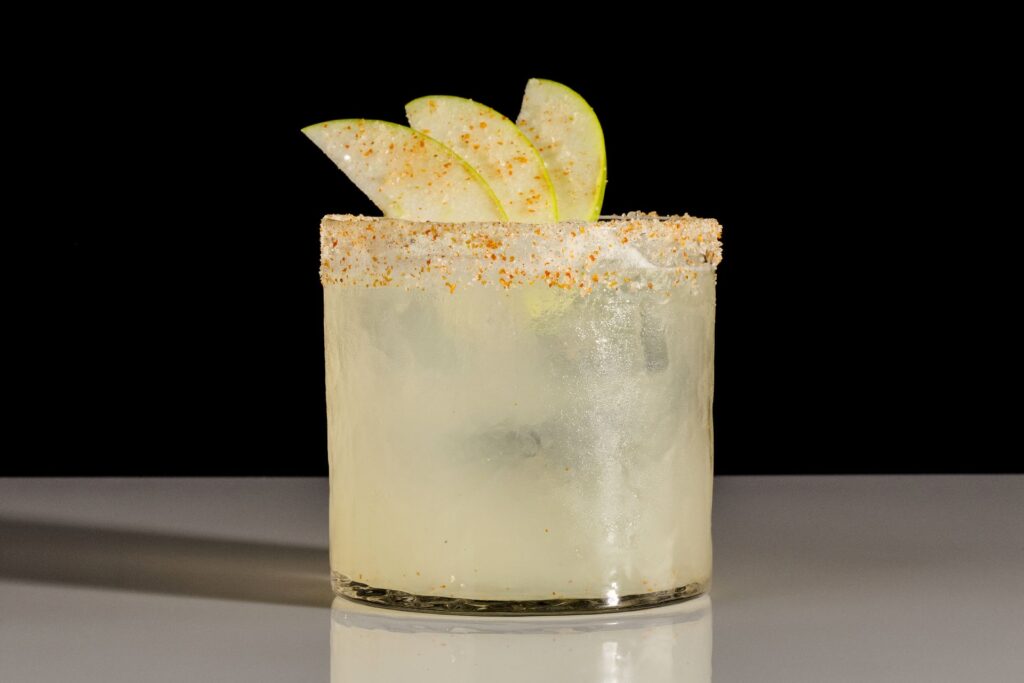
KRG Hospitality Start-Up Restaurant Bar Hotel Consulting Consultant Solutions Plans Services

by David Klemt David Klemt No Comments

Drink Donnybrook: Let’s Talk Rum Punch

Drink Donnybrook: Let’s Talk Rum Punch

by David Klemt

Spider Island Rum bottle and rum cocktail

Like this, but at least four times bigger. And made with more than just one spirit.

With National Rum Punch Day coming up on September 20, I think it’s time we shine the Drink Donnybrook light on another classic, large-format drink.

I argue, and I’m likely not the only one, that the legendary Scorpion Bowl is a Rum Punch. That is, of course, if the recipe calls for rum.

Like Rum Punch, a Scorpion Bowl is a large-format cocktail. Both are meant for sharing, and both aren’t exactly known for being “weak” drinks.

Speaking of weak, both can also follow the classic Barbadian rhyme we all know: “One of sour, two of sweet, three of strong, four of weak.”

So, why focus on the Scorpion Bowl specifically on National Rum Punch Day? In part, because it may help you stand out from the crowd. I also argue the name is a bit more attention-grabbing. Additionally, a Scorpion Bowl tells potential guests to gather their friends for a great time.

A Bit of History: Rum Punch

Punch is one of the oldest types of cocktails that we know about. As with myriad classics, it origin proudly wears a shroud of mystery.

However, we can trace written references to punch back to the 17th century. So, we know that punch, as far as a mixed alcohol drink, is at least a few centuries old.

For the most part, British sailors are credited with creating Rum Punch. That means we have to address an unfortunate reality: Rum Punch is, as far as we know, a result of British colonization. As spirits and cocktail historian David Wondrich puts it when talking about punch, “It’s inseparable from the colonial experience.”

Wondrich also addresses the (likely) mythologized belief that “punch” comes from the Indostan word “paunch,” which means “five.” History suggests that East India Company sailors typically made punch with five ingredients: a spirit, sugar, spice, citrus, and water. The sugar trade, pursued by the East India Company, eventually led to rum being the spirit of choice for punch.

In his 2010 book Punch: The Delights (and Dangers) of the Flowing Bowl, Wondrich points out that there are recipes with less than five ingredients. And, of course, there are recipes that call for the use of more than five ingredients to make punch. Therefore, we can call the origin of this centuries-old cocktail’s naming convention into question.

A Bit of History: Scorpion Bowl

Similar to Rum Punch, there’s a bit of uncomfortable history when it comes to the Scorpion Bowl.

This large-format drink is a classic tiki cocktail. Over the past few years, there has been pushback for bar owners using tiki iconography, and even the word itself. “Nautical” or “tropical” are the preferences for people who feel that tiki is an offensive appropriation of Pacific Island culture in general, and Maori culture specifically.

Do with that information as you will; it’s just a note on how some people view tiki bars, tiki drinks, and tiki culture. It’s important for bar owners and operators to be aware of terminology and themes that may keep some people away.

That said, the Scorpion—the precursor to the Scorpion Bowl—has an origin as muddled as the leaves, simple, and bourbon in a Mint Julep.

To this day, from what I can find, we don’t know the bartender or bar owner who should get credit for the Scorpion. The belief is that they worked behind the stick at a bar in Hawaii called the Hut. As the story goes, the 1930s recipe includes rum, brandy, orgeat, and citrus, and is a large-format drink.

The legendary Victor J. “Trader Vic” Bergeron stopped by the bar in the 1940s and afterward created his own version, the Scorpion Bowl. Oh, and the best part is that even Trader Vic couldn’t decide on a definitive recipe for this shareable cocktail; he changed his recipe constantly.

Rum Punch vs. Scorpion Bowl

Okay, let’s look at these two literal titans of the cocktail world.

Bothare members of the tiki family of drinks, or, if one prefers, the nautical or tropical family. The usual serve for both is a large-format vessel, though individual servings are possible. Rum plays an important role in both, as do citrus and sugar.

In terms of differences, Rum Punch “traditionally” calls for the use of two rums (a light and a dark). When it comes to a Scorpion Bowl, the recipe calls for a rum and a brandy, and sometimes bartenders throw in gin and wine. In fact, I’d say that in the modern cocktail era, a Scorpion Bowl is less about a traditional recipe and more about a tropical-style drink served in a bowl.

What that tells me is this: the Scorpion Bowl is a Rum Punch, if it has rum in it.

So, be different this upcoming National Rum Punch Day and mark the holiday with Scorpion Bowls.

Image: Odeani Baker on Pexels

KRG Hospitality. Bar Consultant. Nightclub. Lounge. Mixology. Cocktails.

Top