Cook

by David Klemt David Klemt No Comments

Soup Season: Transforming Comfort Classics

Soup Season: Transforming Comfort Classics

by David Klemt

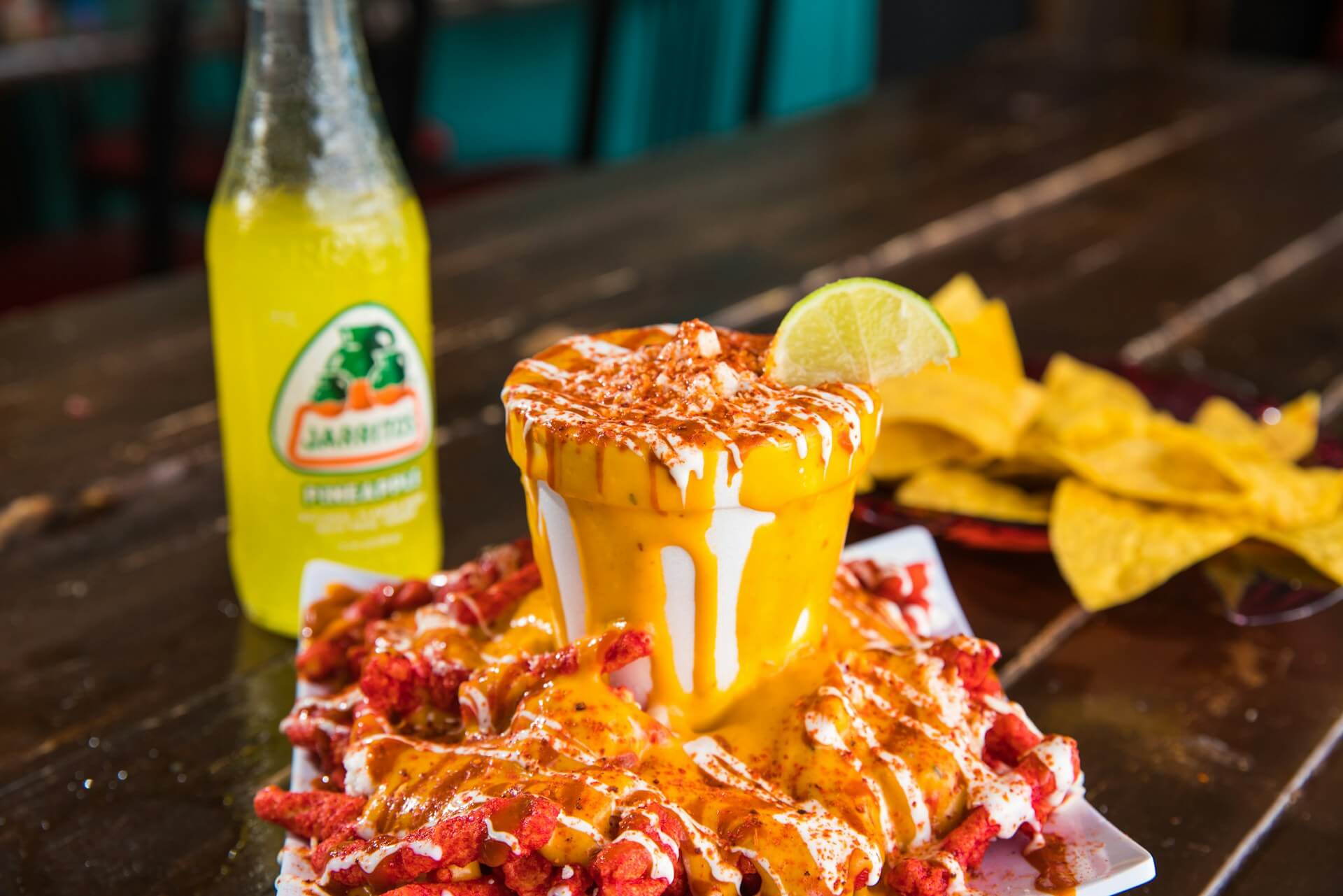
Elote en vaso, or vaso de elote, also known as street corn in a cup, on a bar

Elote en vaso or vaso de elote, also known as “street corn in a cup.”

The latest and greatest from Campbell’s Foodservice is all about operators making the most of cooler weather by maximizing soup season.

If you read KRG Hospitality articles regularly, you’re likely aware that we like the helpful information Campbell’s makes available. For example, I’ve written articles that share their tips for leveraging nostalgia, crushing it with LTOs, and 2024 culinary trends.

Their newest tips aim to help operators succeed with soup. Further, much of Campbell’s Foodservice’s tips are in direct response to Datassential and Technomic data. In fact, Campbell’s references Technomic’s Soup & Salad Consumer Trend Report directly.

To be sure, the first bit of advice that Campbell’s shares is the most obvious: Leverage seasonal flavors. In this case, we’re talking fall and winter flavors.

You may already see stores where you live and operate unleashing Halloween decorations. I know I have; it may be 105 degrees in Las Vegas as I write this, but people are getting into an autumnal mood.

Of course, when you take advantage of seasonality for LTOs or menu updates, it’s important to let your guests know.

“Calling out seasonal items on your menu demonstrates the operator is being relevant and using ingredients that are in season,” says Campbell’s Foodservice Executive Chef Gerald Drummond. “From a consumer standpoint, that’s something that they really look towards.”

We agree wholeheartedly. Going deeper, we recommend working with local suppliers to procure seasonal ingredients, and calling that out as well.

Another tip comes from Datassential and Technomic insights. Three in ten younger consumers would like to see soups that feature plant-based proteins. And around half want at least one vegetarian-friendly soup on a menu.

The Standout Tip

When you’re through reading this article, I encourage you to scroll back to the top, click the “soup season” link, and read this Campbell’s Foodservice report for yourself.

That way, you’ll see all of their latest tips for getting the most out of seasonal soups.

However, I’m going to share the tip that stood out the most to me: transforming comfort food dishes into soups. Hence, the image at the top of this article: vaso de elote, or elote en vaso. That dish translates to “street corn in a cup” from Spanish.

Now, elote or street corn is undeniably a comforting street food. If I see it on a menu, I’m going to order it. Were I to see street corn in a cup, particularly if it came with the presentation at the top of this article, I’m going to order it.

So, if a culinary team were to transform street corn in a cup into street corn in a cup of soup, I’m all in.

Think about your concept, the approach to cuisine, and the community you serve. Then, think about the comfort dishes that work well with your concept and resonate with your guests.

In their report, Campbell’s Foodservice recommends beer cheese soup, of which I’m a fan. They also suggest lasagna soup (I’d try it), and chicken pot pie soup (again, I’m down).

Real-Word, Professional Advice

I asked our chef consultant Nathen Dubé for a couple of quick tips for transforming a comforting food dish into a soup. (By the way, you can book a call with him to discuss your menu or kitchen here.)

“I would look at the overall profile of the dish, and then decide if you’re going to combine everything into a puree or a broth,” says Nathen.

Then, the kitchen team needs to decide “which ingredients would be incorporated, and which could be left whole afterwards for texture, and stronger stand-out flavours.” As he explained to me, some ingredients definitely translate better to slow cooking versus finishing towards the end of the process.

With that advice given, take a look at your menu. Do you have some comfort foods that would be intriguing to guests in soup form? What about some of your signature dishes?

Once you’ve determined which dishes to transform into seasonal, LTO soups, engage your kitchen team. They’ll likely be excited to do something new, and show off their culinary talent.

Some people may harbor the misconception that soup isn’t exciting. I think creative operators and culinary teams can disabuse skeptical guests of this notion. Cheers!

Image: Jarritos Mexican Soda on Unsplash

KRG Hospitality. Restaurant Business Plan. Feasibility Study. Concept. Branding. Consultant. Start-Up.

by David Klemt David Klemt No Comments

Building a Cohesive Culinary Team

The connections we build within our teams, with our purveyors, and, ultimately, with our guests, shape every aspect of the dining experience.

In the culinary world, teamwork is not just a concept; it’s the foundation of success. Over my 25 years in the hospitality industry, I’ve seen firsthand how crucial these relationships are.

Join me as I delve into the crucial role of teamwork in the kitchen, and how it influences every aspect of the culinary journey.

by Nathen Dubé

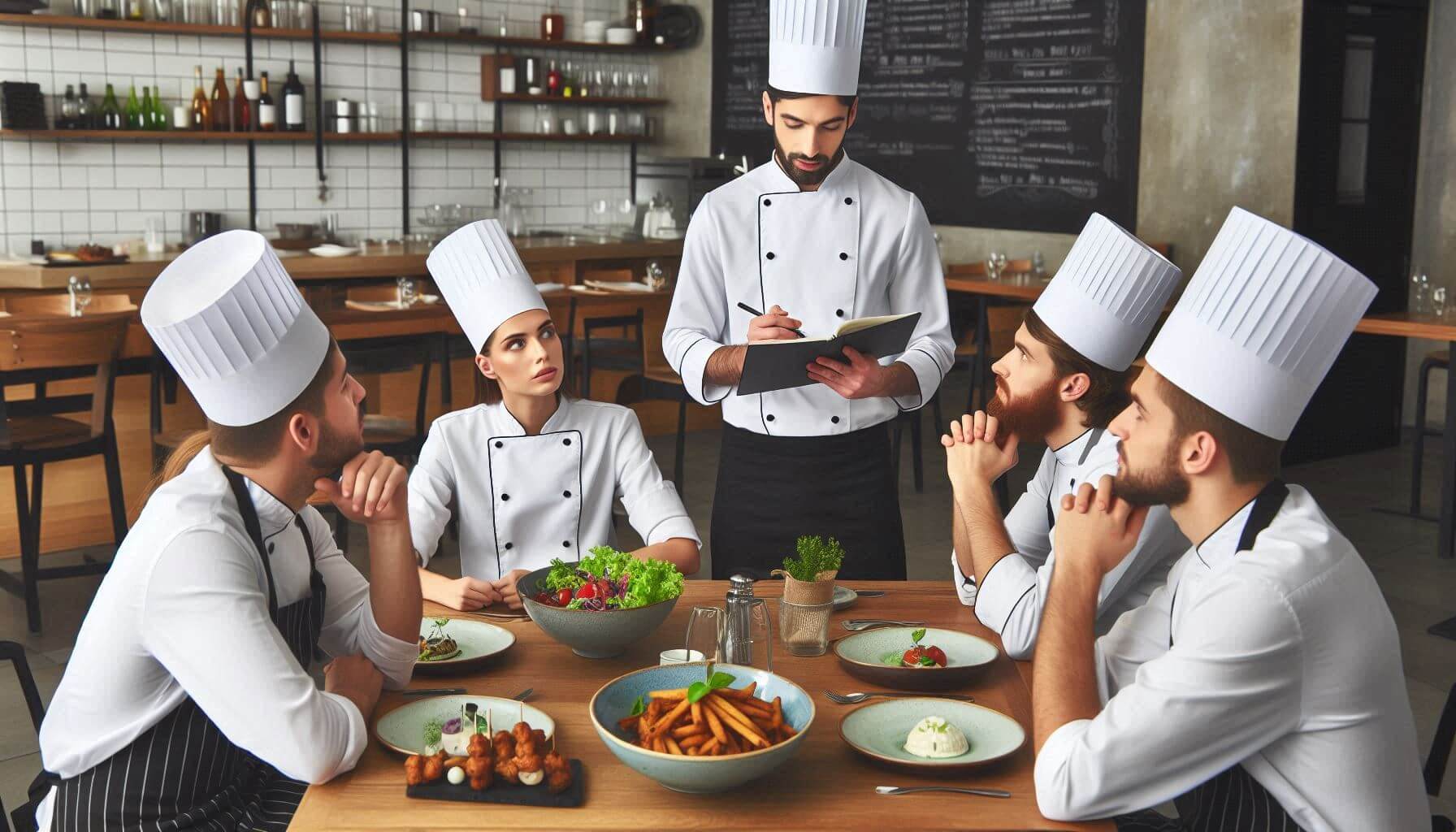
A chef holding a meeting with the kitchen team inside a restaurant

Microsoft Designer seems to think all chefs have beards.

The Importance of Teamwork in the Kitchen

A cohesive team is essential in a kitchen. When everyone works together seamlessly, efficiency improves, and food quality reaches new heights.

The synergy within the team impacts the dining experience directly, creating a sense of unity that customers can sense in every bite.

A busy kitchen’s energy can be chaotic, but a strong team turns that chaos into a symphony of coordinated efforts. When each member understands their role and executes it well, the result is a smooth, efficient operation that consistently delivers high-quality dishes to diners.

Take, for example, the dynamics of a typical dinner rush. The kitchen is busy with activity, with chefs, line cooks, and servers all working together to meet the demands of a packed dining room. Each movement is choreographed to ensure that dishes are prepared to perfection, and delivered quickly.

This level of efficiency is only possible when there is a deep sense of teamwork and mutual understanding among all members of the kitchen brigade.

Strategies for Fostering Collaboration

Effective Communication

Communication is the backbone of a well-functioning kitchen. Clear and open channels of communication ensure that everyone is on the same page, preventing misunderstandings and mistakes. Regular briefings and feedback sessions create a transparent environment where issues can be addressed proactively.

However, effective communication goes beyond daily briefings. It involves creating a culture where team members feel comfortable voicing their concerns and suggestions. This openness fosters a collaborative atmosphere in which everyone contributes to the kitchen’s success.

For instance, a simple pre-service briefing can highlight the evening’s menu, identify potential challenges, and assign specific tasks, ensuring that everyone knows what to expect. Such briefings not only prevent problems but also allow for real-time feedback, enabling continuous improvement.

Additionally, adopting digital communication tools like kitchen display systems can further streamline operations by providing instant updates on orders and modifications, reducing the risk of errors and enhancing overall efficiency.

Role Clarity and Responsibilities

In a busy kitchen, knowing exactly what’s expected of you is crucial. Role clarity reduces confusion and fosters accountability, ensuring that everyone can focus on their specific tasks without overlap or conflict.

Each role must be defined clearly to maintain order during peak times. When each team member understands their responsibilities this streamlines operations, and minimizes the potential for errors.

Clear roles also enhance individual accountability, as everyone knows what their responsibilities.

Consider the different stations in a kitchen: the sauté chef, the pastry chef, the garde manger, and so on. Each role is distinct, with specific duties and responsibilities. When everyone understands their role and how it fits into the larger picture, the kitchen runs like a well-oiled machine.

This clarity is particularly important during high-pressure situations, where any ambiguity can lead to mistakes and delays.

Team Building Activities

Team-building activities tailored for kitchen staff can enhance camaraderie and teamwork significantly. These activities foster a sense of unity and create bonds that translate into better collaboration during service.

Simple activities like group cooking challenges or team outings can break the routine, and build stronger relationships. When team members understand and trust each other, they work together more effectively, creating a more harmonious and efficient kitchen environment.

One effective team-building exercise involves rotating roles for a day. This allows team members to experience different aspects of the kitchen operation, fostering empathy and understanding. Another idea is organizing off-site events, such as cooking competitions or farm visits, which can strengthen the team’s bond outside the hectic environment of the kitchen.

Additionally, hosting regular team-building workshops focused on communication skills, conflict resolution, and stress management can equip team members with the tools they need to work together more effectively under pressure.

Continuous Learning and Development

Ongoing training and skill development are vital for maintaining a culture of learning and innovation in the kitchen. Encouraging continuous learning not only enhances individual skills but also strengthens the team as a whole.

Workshops, training sessions, and even informal knowledge-sharing sessions can keep the team updated on the latest culinary techniques and trends. This culture of continuous development ensures that the team remains adaptable and innovative, ready to tackle new challenges and improve their craft.

For example, inviting guest chefs to conduct classes or arranging for team members to attend culinary festivals and exhibitions can provide valuable exposure to new ideas and techniques. These experiences not only enhance the team’s skills but also inspire creativity and innovation in the kitchen.

Consider fostering a culture of mentorship, in which experienced chefs take on the role of guiding and nurturing newer team members. Doing so can create a supportive learning environment that benefits everyone involved.

Creating a Positive Work Environment

A respectful and supportive work culture is essential for a productive kitchen. Recognizing and celebrating team achievements boosts morale and motivates everyone to perform at their best.

Creating a positive work environment involves acknowledging the efforts of each team member and celebrating successes, no matter how small. This recognition fosters a sense of pride and belonging, leading to increased job satisfaction and better performance.

One way to create a positive work environment is to establish a system for regular performance reviews and feedback. This not only helps identify areas for improvement but also provides an opportunity to recognize and reward outstanding performance.

Additionally, implementing initiatives such as employee wellness programs, flexible scheduling, and opportunities for professional development can contribute to a more supportive and fulfilling work environment.

When team members feel valued and supported, they are more likely to be engaged and motivated, leading to better overall performance.

Leadership and Its Role in Team Dynamics

Leadership plays a pivotal role in shaping team dynamics and morale. Effective kitchen leaders lead by example, show empathy, and make decisive choices that inspire confidence and respect among team members.

Good leadership is about more than just managing tasks; it’s about inspiring and guiding the team. Effective leaders create an environment where teamwork thrives, and everyone feels valued and motivated to contribute their best.

One crucial aspect of effective leadership is the ability to communicate a clear vision and set achievable goals. By providing direction and clarity, leaders can help the team stay focused and aligned with the overall objectives of the kitchen.

It’s important to foster a culture of transparency and openness. Team members should feel comfortable sharing their ideas and concerns. This will enhance trust and collaboration within the team.

Leaders who actively listen to their team members and involve them in decision-making processes create a sense of ownership and accountability that drives performance.

Finally, leading by example—demonstrating a strong work ethic, maintaining a positive attitude, and showing respect for all team members—can set the tone for the entire kitchen. When team members see their leaders embodying the values and behaviors they aspire to, they are more likely to follow suit.

Conclusion

In the culinary world, teamwork is the secret ingredient to success. From the relationships we build with food purveyors to the final dish we present to guests, every aspect of the dining experience is enhanced by a connected team.

Implementing strategies such as effective communication, role clarity, team-building activities, continuous learning, and positive leadership is essential for fostering collaboration and achieving culinary excellence.

I encourage you to implement these strategies in your kitchens and share your experiences. Together, we can create culinary masterpieces that leave a lasting impression on our guests.

Building and leading culinary teams has been a rewarding journey, filled with challenges and triumphs. The power of teamwork has not only shaped my career but also the experiences of countless diners.

As we continue to evolve in the culinary world, let’s remember that our strength lies in our connections, and through them, we can achieve extraordinary culinary excellence. The journey of building a cohesive kitchen team is ongoing, but the rewards are well worth the effort.

Let’s strive to create kitchens where teamwork, respect, and passion for food come together to create unforgettable dining experiences.

Image: Microsoft Designer

Related Reading

Work with Us

Click the image below to work with us on your restaurant concept.

Client Intake Form - KRG Hospitality

by David Klemt David Klemt No Comments

Essential Kitchen Equipment for Every Chef

Essential Kitchen Equipment for Every Chef

by Nathen Dubé

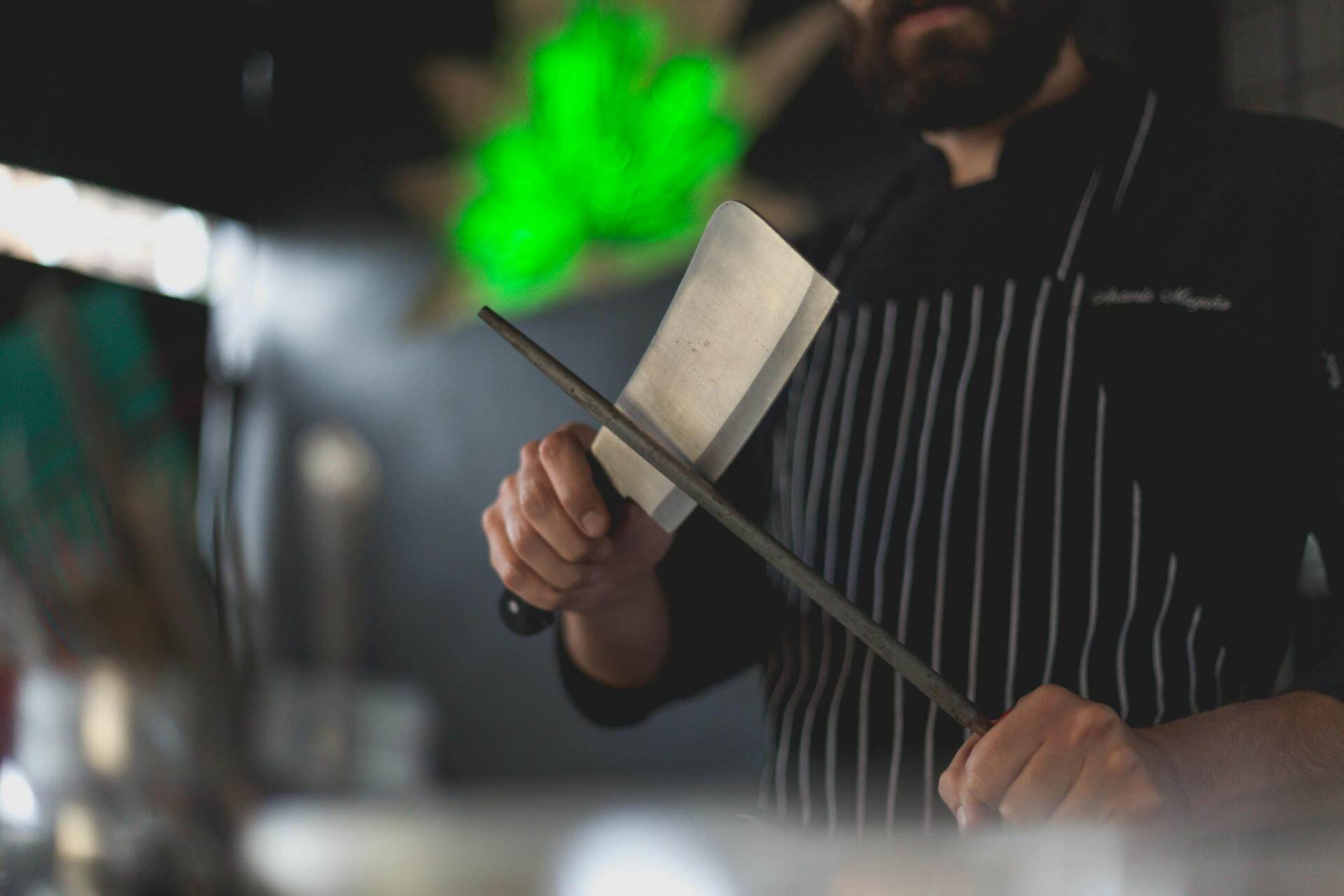
Close-up photograph of a chef sharpening a cleaver

In the world of culinary arts, the right equipment can make all the difference between cooking a good dish and crafting an extraordinary one.

Whether you’re a home cook or a professional chef, having the right tools at your disposal is crucial for efficiency, precision, and creativity in the kitchen.

Tag along as I explore the essential kitchen equipment every chef should have, from basic must-haves to advanced tools. I also share usage tips, maintenance advice, and personal stories about my favorite equipment.

Equipment: The Essentials

Knives

A good set of knives is the cornerstone of any kitchen. High-quality knives can improve your cooking experience significantly, making prep work faster and more precise.

The key types of knives every chef should have include a chef’s knife, paring knife, bread knife, and boning knife. A chef’s knife is versatile, suitable for chopping, slicing, and dicing, while a paring knife is ideal for peeling and intricate work. A bread knife, with its serrated blade, is perfect for slicing bread and pastries, and a boning knife is essential for de-boning meat and fish.

To make the most of these tools, it’s important to keep knives sharp, as sharp blades ensure clean cuts, and reduce the risk of accidents.

Use the appropriate knife for each task to maintains efficiency and precision. Hone knives regularly with a honing steel to maintain their edges, and sharpen them with a whetstone or professional service periodically to ensure long-term performance.

Hand wash and immediately dry knives to prevent rust and damage, which will prolong the life of your knives.

My chef’s knife is my most trusted kitchen companion. I remember purchasing my first high-quality chef’s knife early in my career. The difference it made in my chopping speed and accuracy was astounding.

Cutting Boards

Cutting boards are essential for providing a safe and efficient surface for food preparation.

The primary types of cutting boards include wooden, plastic, and composite boards. Wooden cutting boards are gentle on knives and durable, while plastic cutting boards are easy to sanitize, and are often used for raw meat and poultry. Using separate cutting boards for raw meat and vegetables is crucial to prevent cross-contamination.

Secure the cutting board with a damp cloth underneath to prevent slipping, and ensure safety.

Wooden cutting boards require regular oiling to prevent drying and cracking, while plastic cutting boards should be cleaned with hot soapy water and sanitized in the dishwasher. It’s also important to replace cutting boards that show deep grooves or signs of wear to maintain hygiene and efficiency.

I’ve always been partial to wooden cutting boards for their durability and aesthetic appeal.

Cookware

Quality cookware is essential for various cooking methods, from sautéing to baking.

Essential cookware includes a skillet, saucepan, stockpot, baking sheets, and a Dutch oven. A skillet is versatile for frying, searing, and sautéing, while a saucepan is perfect for making sauces, boiling, and simmering. A stockpot is ideal for soups, stews, and boiling large quantities. Baking sheets are indispensable for baking cookies, roasting vegetables, and more. A Dutch oven is great for slow cooking, braising, and baking bread.

To ensure even cooking and avoid overcrowding, it’s important to use the correct size of pan for the job. Preheat pans before adding ingredients to achieve better searing and browning.

Avoid metal utensils on non-stick cookware to prevent scratching, and clean cookware according to the manufacturer’s instructions to maintain their non-stick properties and finish. Season cast-iron cookware regularly to maintain a non-stick surfaceand prevent rust—to extend its lifespan.

Mixing Bowls

Mixing bowls are essential for combining ingredients, marinating, and more.

The main types of mixing bowls include stainless steel, glass, and plastic. Stainless steel bowls are durable and resistant to stains and odors, while glass bowls are non-reactive and versatile for mixing and serving. Plastic bowls are lightweight, and often come with lids for storage.

Use larger bowls than you think you need to prevent spillage when mixing. Also, ensure you have a variety of sizes on hand so you’re prepared for different tasks. Clean bowls thoroughly after each use to prevent residue build-up, and avoid abrasive cleaners on glass bowls to to prevent scratching.

Mandolin

A mandolin is an essential tool for achieving uniform slices and julienne cuts, which are crucial for presentation and even cooking.

With adjustable blades, a mandolin can slice vegetables, fruits, and even cheeses to precise thicknesses.

Using a mandolin can be dangerous without proper handling, so always use the hand guard, and work slowly to avoid accidents. Clean the blades regularly and make sure they’re sharp to maintain the efficiency and safety of this tool.

One of my favorite uses for the mandolin is preparing vegetables for ratatouille. The uniform slices not only show off their color and texture but preserve their crunch.

Equipment: Advanced

Stand Mixer

A stand mixer is an invaluable tool for any chef, capable of mixing, kneading, and whipping with ease.

Stand mixers come with various attachments, including a paddle for mixing, a whisk for whipping, and a dough hook for kneading. Starting on a low speed prevents ingredients from splattering out of the bowl and ensures thorough mixing.

To maintain a stand mixer, clean attachments and bowls immediately after use to prevent residue from hardening. Check and tighten the attachments regularly to ensure they are secure.

My stand mixer has been a game-changer, particularly for baking. I remember making my first batch of bread dough with it. The ease and consistency it provides are unparalleled, allowing me to focus on perfecting recipes rather than spend valuable time on manual kneading.

Food Processor

A food processor is essential for tasks like chopping, slicing, grating, and pureeing.

Use the pulse function to control the consistency of chopped ingredients, and avoid overfilling the bowl to ensure even processing. Clean the bowl, blades, and attachments promptly to prevent food from drying on them, and handle blades carefully as they’re extremely sharp.

My food processor has saved me countless hours of prep work. Creating salsas, dips, and marinades are a breeze with the press of a button!

Sous Vide Machine

Sous vide cooking involves vacuum-sealing food and cooking it in a water bath at a precise temperature, which results in perfectly cooked dishes. Season food before vacuum-sealing it to enhance flavor, and use a container with a lid or cover the water bath with plastic wrap to minimize water evaporation.

Clean the sous vide machine according to the manufacturer’s instructions, and regularly descale it if you use hard water to prevent build-up.

My sous vide machine revolutionized the way I cook proteins. I recall preparing a sous-vide steak for a dinner party; the precise temperature control ensured it was cooked to perfection.

Immersion Blender

An immersion blender, or hand blender, is perfect for pureeing soups, sauces, and smoothies in the pot or container directly. Move the blender up and down for blending, and avoid overfilling the container to prevent splattering.

Clean the blade and shaft immediately after use so food doesn’t dry on them, and be cautious when handling the blade as it is sharp.

My immersion blender has been a versatile tool in my kitchen. Again, soups, sauces, jams, etc. are all done directly in the pot, saving time (and mess) from transferring to a food processor.

Digital Scale

A digital scale is an essential tool for any chef, particularly for baking, where precision is key. Measuring ingredients by weight rather than volume ensures accuracy and consistency, which is crucial for successful recipes.

To use a digital scale effectively, always set the scale to zero after placing your container on it to ensure you are only measuring the ingredients. Calibrate the scale regularly, and replace the batteries when necessary so it maintains its accuracy.

I use my digital scale extensively when baking bread. Precise measurements of flour, water, and other ingredients are crucial to achieve the perfect texture and rise. This tool has improved the consistency significantly.

Set of Ring Molds

Ring molds are invaluable for creating uniform and aesthetically pleasing presentations, particularly in fine dining. They are used for shaping and plating dishes such as tartares, layered salads, and desserts.

Use ring molds to elevate the presentation of your dishes; they’ll ensure a professional and well-crafted appearance. Ensure the molds are well-greased or lined to prevent sticking and achieve clean edges.

Equipment: Maintenance Tips

Proper maintenance and care of your kitchen equipment are essential for longevity and performance. Regular cleaning prevents food from hardening and becoming difficult to remove, and proper storage in a dry, safe place prevents damage and ensures easy accessibility.

Perform routine maintenance checks, such as sharpening knives, seasoning cast iron, and descaling appliances, to keep equipment in optimal condition. Follow the manufacturer’s instructions for care and usage to avoid voiding warranties and ensure optimal performance.

Having the right kitchen equipment is crucial for any chef, whether professional or amateur. From basic essentials like knives and cutting boards to advanced tools like stand mixers and sous vide machines, each piece of equipment plays a vital role in creating culinary masterpieces.

Proper usage and maintenance of these tools ensure they perform well and last for years, enhancing your cooking experience and efficiency.

Invest in quality kitchen equipment to improve your cooking and make the process more enjoyable. Take care of your tools and learn how to use them effectively, and you’ll elevate your culinary skills and create dishes that impress and delight.

Image: Los Muertos Crew via Pexels

KRG Hospitality Start-Up Restaurant Bar Hotel Consulting Consultant Solutions Plans Services

by David Klemt David Klemt No Comments

The Indispensable Egg: Simple but Powerful

The Indispensable Egg: Simple but Powerful

by Nathen Dubé

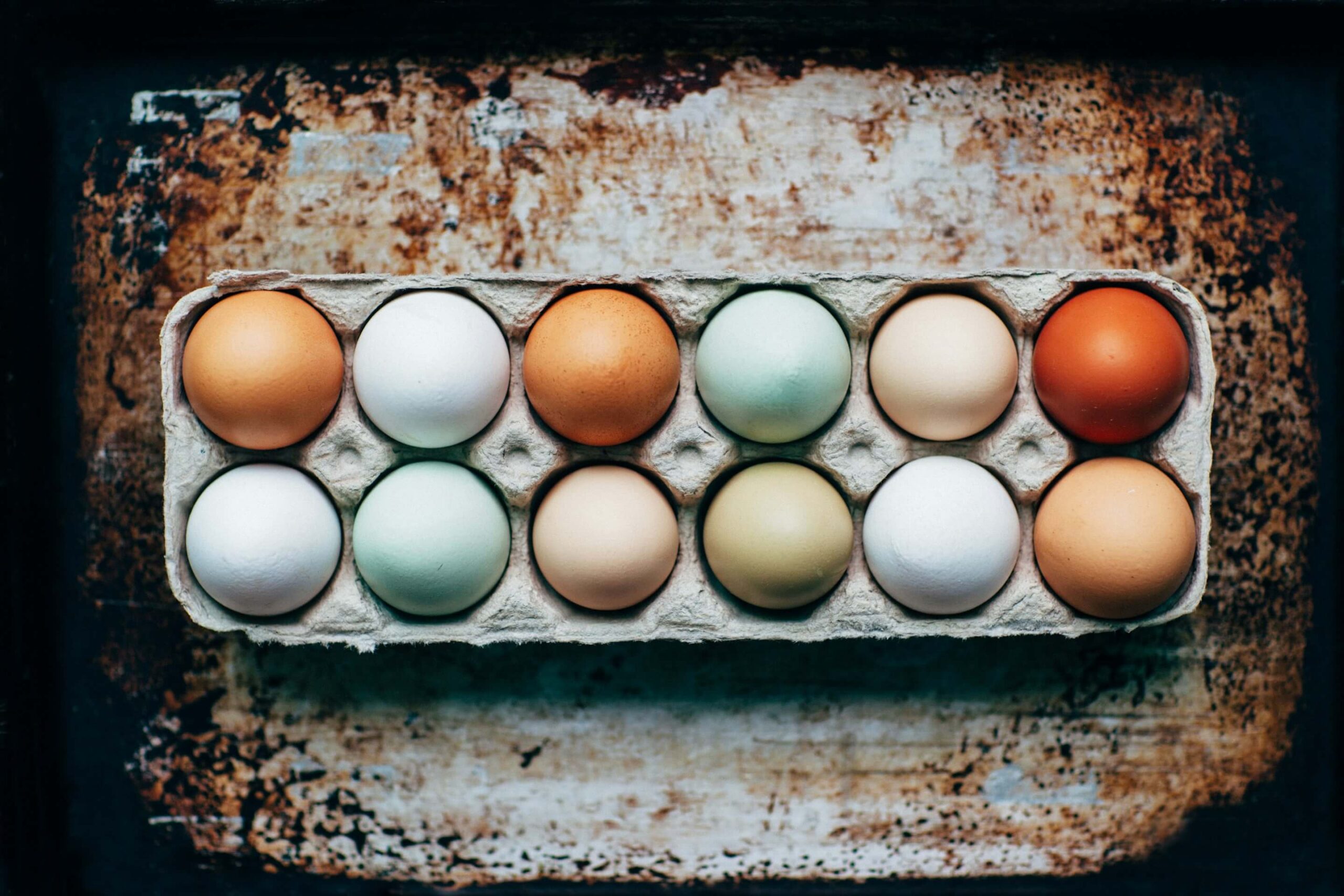
Eggs of various color in a carton

In the realm of gastronomy, eggs are indispensable, offering a unique blend of flavor and texture that is celebrated across various cuisines.

These staples of culinary tradition embody the essence of simplicity and versatility. Farm-fresh eggs, known for their rich, vibrant yolks and robust shells, elevate this simple ingredient to new heights.

This comprehensive exploration delves into the culinary excellence of farm-fresh eggs and their broader implications in the hospitality industry, from enhancing the quality of dishes to contributing to business success.

The Culinary Excellence of Farm-Fresh Eggs

The superiority of farm-fresh eggs in cooking is undeniable. Their vibrant yolks, a result of the diverse diet of free-range hens, enrich dishes with deeper flavors and a more appealing visual presentation.

In baking, these eggs contribute to finer, more consistent textures. And in sauces and dressings, their freshness is paramount, forming the foundation of many classic culinary creations.

Crafting Artisanal Dishes with Farm-Fresh Eggs

Embracing the artisanal approach, chefs use farm-fresh eggs to create dishes that showcase their natural elegance and flavor.

From perfectly poached eggs on a bed of fresh greens to innovative egg tarts, these eggs become the centerpiece of culinary craftsmanship, attracting patrons who appreciate the art of cooking.

Seasonal Menus and Farm-Fresh Eggs

Utilizing farm-fresh eggs allows chefs to design seasonal menus that reflect the changing offerings of local farms.

The subtle variations in flavor and color of the eggs throughout the year inspire creative, seasonal dishes, demonstrating a commitment to freshness and local sourcing.

Nutritional Superiority of Farm-Fresh Eggs

Beyond their culinary appeal, farm-fresh eggs offer enhanced nutritional benefits.

Rich in omega-3 fatty acids, vitamins, and minerals, they cater to health-conscious consumers, adding a valuable dimension to menus and marketing strategies in the hospitality sector.

The Business Benefits of Premium Ingredients

Incorporating farm-fresh eggs into a restaurant’s offerings is a strategic business decision. It signifies a commitment to quality and can differentiate an establishment in a competitive market.

This choice also allows for storytelling opportunities, sharing the origins of the ingredients and the relationships with local producers, building trust and a sense of community with patrons.

As Chef Brian Duffy says, operators can charge premium prices, but only if they’re being innovative. Purchasing and using fresh eggs from a local farmer is a step toward innovation and justifies charging a premium.

Ethical Considerations and Consumer Awareness

The ethical sourcing of farm-fresh eggs aligns with the growing consumer awareness and demand for transparency, and humane treatment in food production.

By choosing ethically sourced eggs, hospitality businesses can build a brand image that resonates with these values, fostering customer loyalty.

Implementing Change in the Hospitality Industry

Adopting farm-fresh eggs comes with its challenges, such as higher costs and variable supply. However, these can be mitigated through creative menu planning and pricing strategies.

Educating staff about the benefits and ethos behind using these eggs enhances the dining experience for customers.

Sustainability and the Future of Food

Choosing farm-fresh eggs is a step towards a more sustainable food system. Small-scale egg farming often employs environmentally friendly practices, contributing to a sustainable future.

This commitment to sustainability is increasingly important to consumers and can be a significant aspect of a restaurant’s brand identity.

Conclusion

Farm-fresh eggs represent more than just a culinary choice; they are a statement about quality, sustainability, and the future of food.

For chefs and restaurateurs, they offer a means to distinguish their offerings, tell a compelling story, and build a business that is both profitable and principled.

As the hospitality industry evolves, those who embrace the full potential of ingredients like farm-fresh eggs will find themselves leading a movement that values the entire journey from farm to table. This comprehensive exploration underscores the multifaceted role of farm-fresh eggs in both culinary excellence and the broader context of the hospitality industry.

Image: Kelly Neil on Unsplash

by David Klemt David Klemt No Comments

DoorDash Names 2023 Global F&B Trends

DoorDash Names 2023 Global F&B Trends

by David Klemt

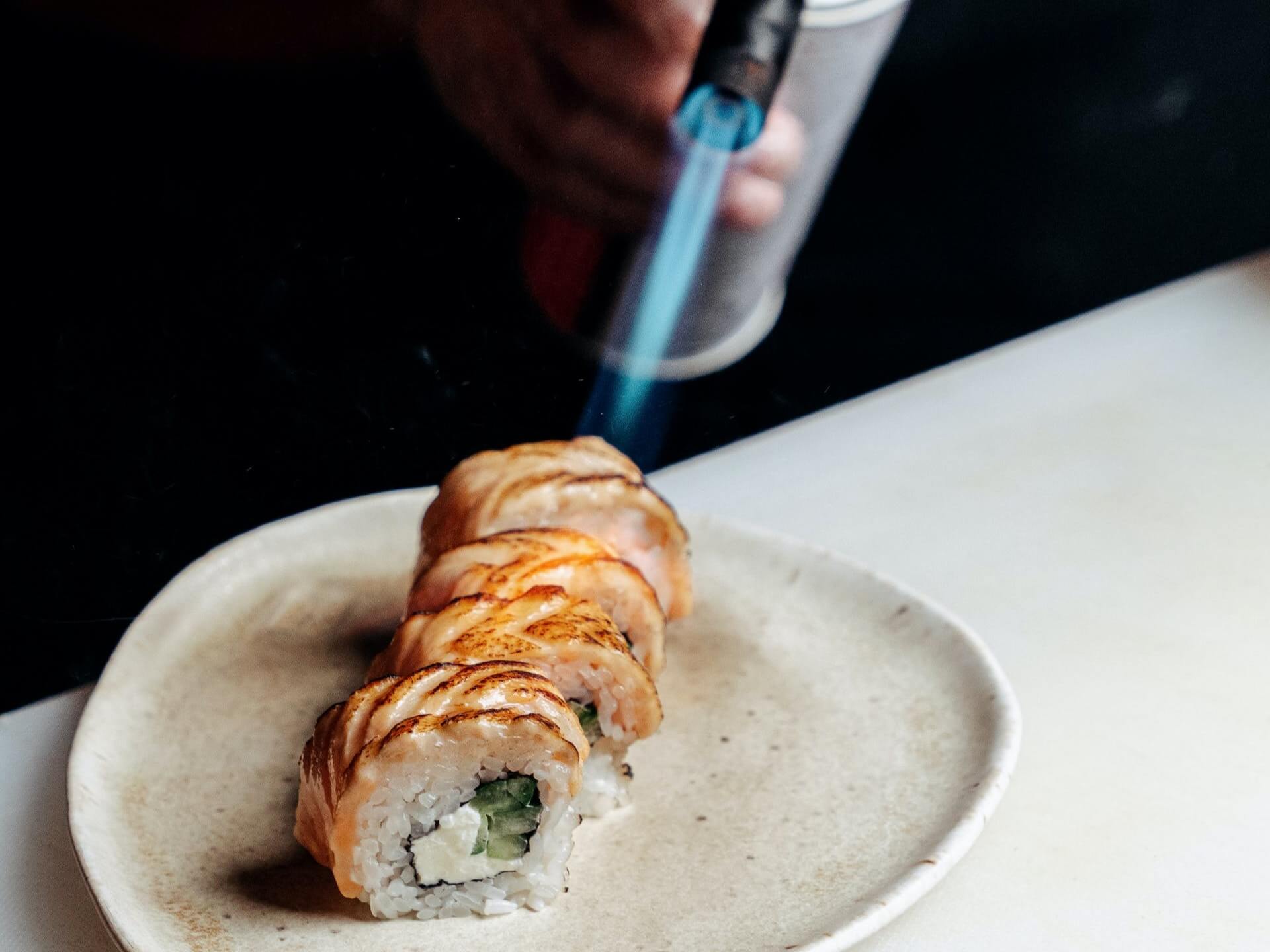
Chef torching salmon sushi

As we get close to winding down 2023 and welcoming 2024, DoorDash takes a shot at identifying the global F&B trends to watch.

This is an exciting and insightful time of year for our industry. In the last quarter, different sources start publishing their data-backed F&B predictions for the year ahead.

Take, for example, Technomic’s Global, Canadian, and American trend predictions for 2023. Oh, and don’t worry—we’ll be taking a look at their predictions for 2024 soon.

Today, however, we’re checking in on DoorDash. Admittedly, I’m not the biggest fan of third-party delivery. It’s no secret I favor direct delivery for operators.

There’s no denying, though, that third-party delivery companies have access to valuable data. From the top food and drink orders to the dayparts seeing the most delivery and pickup order growth, they can help operators see shifts in consumer behavior.

So, I’m happy to take a look at what food trends DoorDash thinks operators should watch moving forward.

Before we jump in, I’m happy that DoorDash includes this cautionary statement in their article: “Finally, always consider whether or not a trend actually fits in at your restaurant.”

At KRG Hospitality, we couldn’t agree more. Jumping on every trend, as tempting as that may be, is unwise and can do harm than good. So, while the lists below identify trends that are gaining traction currently, operators need to be discerning.

Food Trends

Let’s start with a trend multiple sources identified toward the end of 2022 that appears to still be on an upward trajectory: pickles.

Seriously, it seems that people can’t get enough pickles. Pickle pizza appears to the current darling when it comes to this food trend. Speaking of pizza, DoorDash sees square pizzas as a trend to watch.

Another trend that multiple sources have been keeping tabs on is chimichurri. According to DoorDash, this condiment is finding its way onto all manner of food item.

Other food trends that operators should be aware of are bowls (deconstruct a sandwich, burrito, etc., and you have a bowl); oyster mushrooms subbing in for meat; higher-end tinned fish; and gluten-free menu options.

To be honest, I don’t think that last one is just a trend. At this point, offering gluten-free options or entire menus is mainstream.

Now, there are two more food trends I want to address separately. One, smaller menus. This is a trend I believe most operators can and should get behind. Shrinking a menu can result in lower food and labor costs, and a happier team. Making a menu smaller can also make a restaurant more nimble and engaging as LTOs may have more impact.

And then there’s aburi sushi, which is presented after the top of the fish is torched. This gives sushi a smoky flavor and brings in a different texture element.

To be fair, I’ve expected this to take off for the past several years. Now, it appears it’s taking hold and moving from fad to trend.

TikTok Trends

Yes, we have to talk about TikTok. There’s no question that the platform is a trend-producing powerhouse.

Clearly, TikTok has an influence on food trends. If you want to know what your younger guests want to try, check TikTok. The same goes for your guests who are highly engaged with social media influencers.

Below, the trends DoorDash sees taking hold.

  • Chopped sandwiches. Do you have sandwiches on your menu? Can your guests watch as your team makes them? You may want to create a chopped version of your signature or best-selling sandwich.
  • Pasta salad summer. Apparently, this summer was the Summer of Pasta Salad. Specifically, pasta salads made with fresh ingredients, and made without ingredients like mayonnaise.
  • Cottage cheese. According to DoorDash, TikTokers are putting cottage cheese in scrambled eggs, adding it to pasta sauce, and using it to make cheese toasts. I’ve personally tried the TikTok trend of using cottage cheese to make nacho cheese sauce.

One word of caution: TikTok trends come and go in the blink of an eye. So, operators need to hop on trends that work with their restaurant or bar before they’re already out of favor. It’s a daunting task.

To review this DoorDash report in its entirety, including beverage and grocery trends, follow this link.

Image: Ivan Samkov on Pexels

Bar Nightclub Pub Brewery Menu Development Drinks Food

by David Klemt David Klemt No Comments

New Review Platform Rejects Negativity

It’s Good: New Review Platform Rejects Negativity

by David Klemt

"Just be nice" sign on wall with graffiti

Combine equal parts incredible team of founders, love for food and travel, and respect for an expression that we should all adhere to more closely, and you get a new review platform.

The expression from which this team derives their platform’s ethos?

“If you don’t have something good to say, don’t say it at all.” But how can a review platform embody that age-old expression?

Well, it turns out that answer is rather simple: by refusing to allow negative reviews. That’s the foundation of how It’s Good plans to operate.

That is, of course, quite the departure from Yelp, Google Reviews, Tripadvisor, and other review platforms. In my experience, Yelp draws the ire of most operators. Obviously, it doesn’t help Yelp’s reputation among operators that people can review bomb a venue rather easily, among other issues.

On It’s Good, there’s no “star” ratings system. Negative comments? The platform is “not even built for” those, according to co-founder John Legend.

“Either you recommend [a place or experience] or you don’t,” says Legend, elaborating further on It’s Good.

The team of founders also includes Kevin Auerbach (who comes from Apple), Meghan Raab (from Snap), and director and photographer Mike Rosenthal.

With Auerbach and Raab guiding what is likely a top-notch engineering team, It’s Good should be simple and fun to use.

The User Experience

At the moment, It’s Good is an invite-only platform. According to articles online, Legend and Rosenthal have been working on the app for four years.

So, the initial idea is to lay the user foundation ahead of its public launch. Logical, since it would be challenging to sift through recommendations without a core user group populating the app first.

“Our mission is to be your go-to place for saving & sharing your most favorite places to eat and drink. Trustworthy recommendations for you, by you – from the people you know or admire, all in one beautiful space,” reads the waitlist confirmation email I received from Shirene Niksadat, It’s Good head of community.

Interestingly, one of the motivating factors behind this platform is Legend himself. Apparently, he’s a go-to source for recommendations amongst his friends.

“My friends always reach out to me for ‘my list’ of restaurants in the cities I’ve visited,” Legend is quoted as saying on the It’s Good website.

From what I can gather, the platform will allow people to find new restaurants, bars, and experiences via location-based and themed lists. I’m sure there’s more functionality, but the main takeaways are:

  • organized recommendations;
  • personalized recommendations from trusted sources and friends; and
  • recommendations that answer a simple question: Is this place or experience good?

“We believe a restaurant rec from 1 trusted friend is more valuable than recs from 10,000 strangers,” says the It’s Good site, right at the top.

That should give us all an idea of how this platform will operate, and what to expect when it goes live for the general public.

Obviously, I can’t provide a review of this review platform. But I can say that I’m looking forward to my opportunity to take it for a spin.

To get your name on the waitlist, click here.

Image: A A on Unsplash

KRG Hospitality Start-Up Restaurant Bar Hotel Consulting Consultant Solutions Plans Services

by David Klemt David Klemt No Comments

Mastering the Art of Knife Skills

Mastering the Art of Knife Skills: A Culinary Journey

by Nathen Dubé

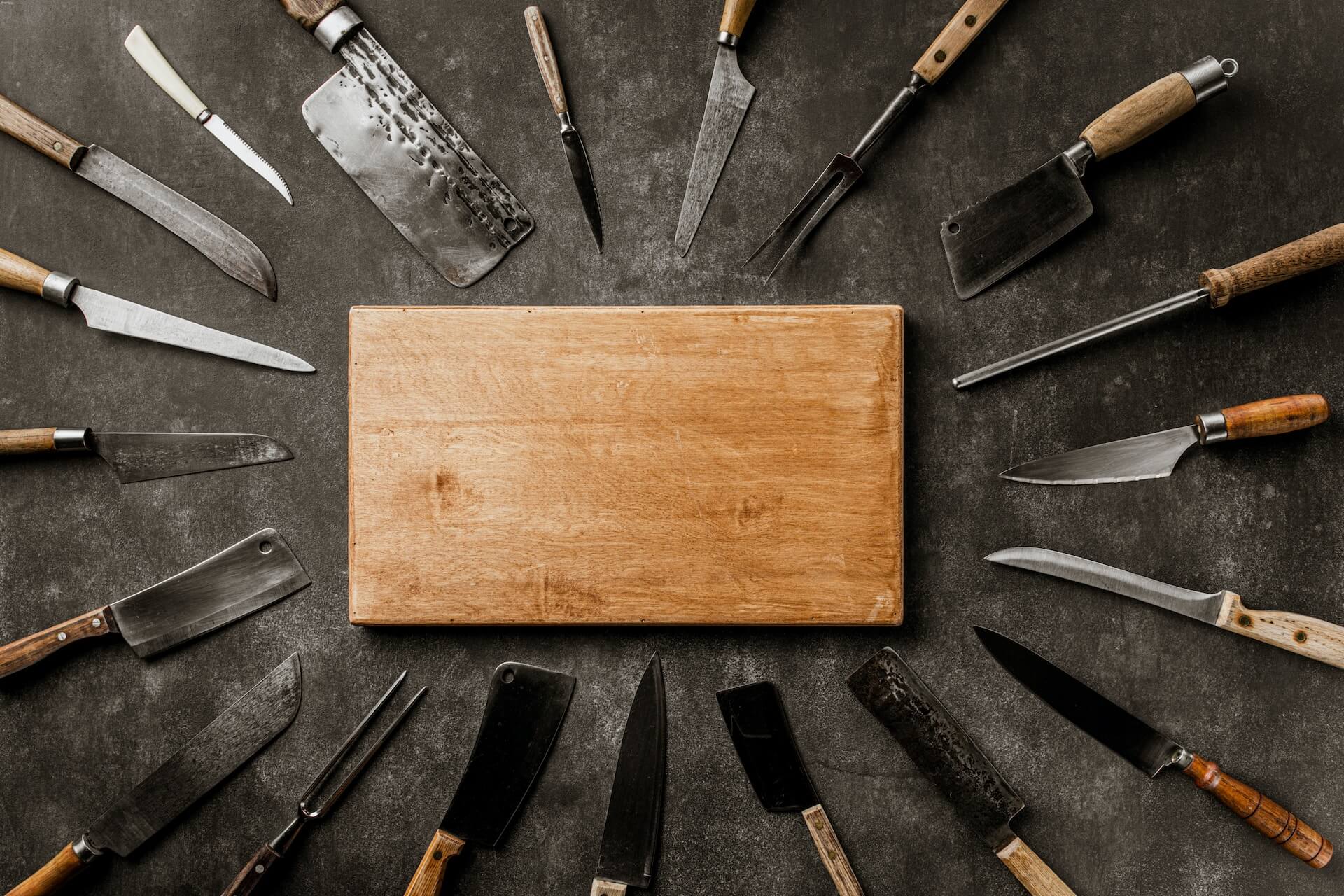
Collection of various vintage knives surrounding a cutting board

In the realm of culinary arts, the knife is not merely a kitchen tool; it’s the extension of a chef’s hands, the paintbrush for a culinary masterpiece.

In the hand of a skilled chef, a knife is the instrument that transforms raw ingredients into delectable works of art.

Therefore, knife skills are the backbone of every great chef’s repertoire, and they form the cornerstone of culinary excellence.

In this exploration, we embark on a journey to unravel the significance of knife skills, the techniques that define them, and the artistry they enable in the culinary world.

The Role of Knives in Culinary Excellence

Knives are the most fundamental tools in any kitchen. They are the bridge between raw ingredients and the final dish, and their importance cannot be overstated.

Here are some key aspects of the role knives play in culinary excellence.

Precision and Consistency

Imagine a chef creating uniform, paper-thin slices of cucumber for an elegant salad. The precision required for such delicate work comes from mastering knife skills.

Consistency in slicing, dicing, and chopping ensures even cooking and a visually appealing presentation.

Efficiency

In a bustling restaurant kitchen, time is of the essence. Efficient knife skills enable chefs to prepare ingredients quickly and streamline the cooking process.

The ability to swiftly and skillfully handle a knife can make all the difference in meeting the demands of a busy service.

Safety

Knife safety is paramount in the culinary world.

Proper knife skills not only enhance efficiency but also minimize the risk of accidents. A chef with well-honed knife skills knows how to handle the blade safely, reducing the likelihood of cuts and injuries.

Artistry

Beyond their utilitarian functions, knives are tools of artistic expression in the culinary world.

A chef’s ability to craft intricate cuts and designs with a knife can elevate a dish from ordinary to extraordinary.

From garnishes to decorative vegetable carvings, knife skills allow chefs to showcase their creativity.

Essential Knife Techniques

Knife skills encompass a range of techniques, each serving a specific purpose in the kitchen.

Let’s delve into some of the fundamental knife skills that every chef should master.

1. The Pinch Grip

The pinch grip is the foundation of proper knife handling. It involves gripping the knife handle with three fingers while using the thumb and index finger to pinch the blade near the bolster.

This grip provides control and precision, allowing for accurate cuts.

2. The Rock Chop

The rock chop is a rhythmic cutting motion during which the knife’s blade rocks back and forth on the cutting board. It’s ideal for chopping herbs, garlic, and onions.

Mastering this technique involves maintaining a consistent rocking motion to achieve uniform cuts.

3. The Slice

Slicing is a technique used to create thin, even pieces of ingredients.

The key is to maintain a smooth, forward and backward motion of the knife while keeping the fingers tucked safely away from the blade.

4. The Julienne

Julienne is the art of cutting vegetables or fruits into long, thin strips, resembling matchsticks.

Achieving uniformity in julienne cuts requires precision and practice. This is a technique often used in salads and stir-fries.

5. The Dice

Dicing involves cutting ingredients into small, uniform cubes.

Chefs use this technique for creating perfectly diced onions, tomatoes, and other vegetables. It’s a fundamental skill in many classic recipes.

6. The Chiffonade

Chiffonade is a technique for slicing leafy greens or herbs into thin, ribbon-like strips. This technique is commonly used for garnishing soups, salads, and pasta dishes.

7. The Tourne

The tourne, also known as “turned” vegetables, involves creating seven-sided, oblong shapes from root vegetables like potatoes and carrots.

This technique showcases precision and artistry.

8. The Batonnet

Batonnet cuts involve creating evenly sized, rectangular sticks from ingredients like potatoes and cucumbers.

This technique is often used for making French fries and crudités.

The Journey to Mastery

Becoming proficient in knife skills is a journey that requires dedication, practice, and a commitment to precision.

Below are a number of essential tips for aspiring chefs on their path to mastering this art.

1. Start with the Basics

Begin by mastering the fundamental techniques, such as the pinch grip, slice, and rock chop.

These skills form the building blocks for more advanced cuts.

2. Invest in Quality Knives

A chef is only as good as their tools.

Invest in high-quality knives that are well-balanced and comfortable to handle. Regularly sharpen and maintain them to ensure optimal performance.

3. Practice, Practice, Practice

Knife skills improve with practice.

Set aside time to hone your cutting techniques regularly. Consider using inexpensive ingredients like potatoes and carrots for practice to minimize food wastage.

4. Seek Guidance

Don’t hesitate to seek guidance from experienced chefs or culinary instructors.

Taking a knife skills class or watching instructional videos can provide valuable insights and feedback.

5. Prioritize Safety

Safety should always come first.

Pay close attention to hand placement, keep your fingers tucked away from the blade, and use a cutting board with a non-slip surface.

6. Embrace Creativity

Once you have mastered the basics, allow your creativity to flourish.

Experiment with decorative cuts and intricate garnishes to add flair to your dishes.

Knife Skills in the Professional Kitchen

In professional kitchens, the importance of knife skills is not up for debate. Chefs in high-end restaurants are expected to demonstrate exceptional precision and speed when handling knives.

Here’s how knife skills come into play in the professional culinary world.

Speed and Efficiency

In a busy restaurant kitchen, the ability to prep ingredients quickly and efficiently is essential.

Knife skills enable chefs to meet the demands of a fast-paced environment while maintaining quality.

Consistency

Consistency is crucial in ensuring that every dish leaving the kitchen meets the restaurant’s standards.

Uniform cuts, achieved through precise knife skills, contribute to consistent cooking times and presentation.

Artistry and Presentation

Fine-dining establishments often emphasize presentation as much as taste.

Knife skills allow chefs to create intricate designs and garnishes that enhance the visual appeal of each dish, turning it into a work of art.

Safety in High-stress Environments

Professional kitchens can be high-stress environments.

Chefs with excellent knife skills can handle the pressure more effectively and safely, reducing the risk of accidents.

Knife Skills for Home Cooks

While professional chefs rely on knife skills in their daily work, these skills are equally valuable for home cooks.

Whether you’re preparing a simple family meal or hosting a dinner party, below you’ll find how knife skills can elevate your home cooking.

Save Time and Effort

Efficient knife skills allow you to prep ingredients more quickly, making meal preparation a breeze even on busy weeknights.

Elevate Home Cooking

Mastering knife skills enables you to create restaurant-quality dishes at home.

You can impress your family and guests with beautifully plated meals.

Safety and Confidence

Proper knife skills at home reduce the risk of accidents and boost your confidence in the kitchen.

Experimentation and Creativity

With the right knife skills, you can experiment with different cuts and techniques, adding variety and creativity to your home-cooked meals.

Conclusion

In the world of culinary arts, knives are not just tools; they are extensions of a chef’s creativity and skill.

Knife skills are the foundation of culinary excellence, enabling chefs to transform ingredients into works of art.

Whether you aspire to be a professional chef or simply want to elevate your home cooking, mastering knife skills is a journey worth embarking on. It’s a journey of precision, creativity, and the pursuit of culinary perfection—a path that leads to the heart of the culinary world, where the artistry of knives comes to life.

As you embark on your own culinary journey, remember that every slice, chop, and dice brings you one step closer to mastering the art of knife skills—an art form that transcends the kitchen and allows you to create culinary magic with every cut.

So, sharpen your knives, practice your techniques, and let your culinary creativity flourish. The world of flavors and possibilities awaits at the tip of your blade.

Image: Sergey Kotenev on Unsplash

KRG Hospitality menu development. Restaurant. Bar. Cafe. Lounge. Hotel. Resort. Food. Drinks.

by David Klemt David Klemt No Comments

The Science of Flavour Pairing

In the world of culinary arts, there exists a fascinating and almost mystical aspect that elevates a dish from ordinary to extraordinary: flavour pairing.

The art of flavour pairing is like a symphony of tastes and aromas, orchestrated to create harmonious and memorable dining experiences. As a chef consultant, I invite you to embark on a culinary journey that delves deep into the science and creativity behind flavour pairing.

Whether you are a seasoned industry professional or a curious food enthusiast, this article will unveil the secrets of culinary magic that lie within this art and science.

by Nathen Dubé

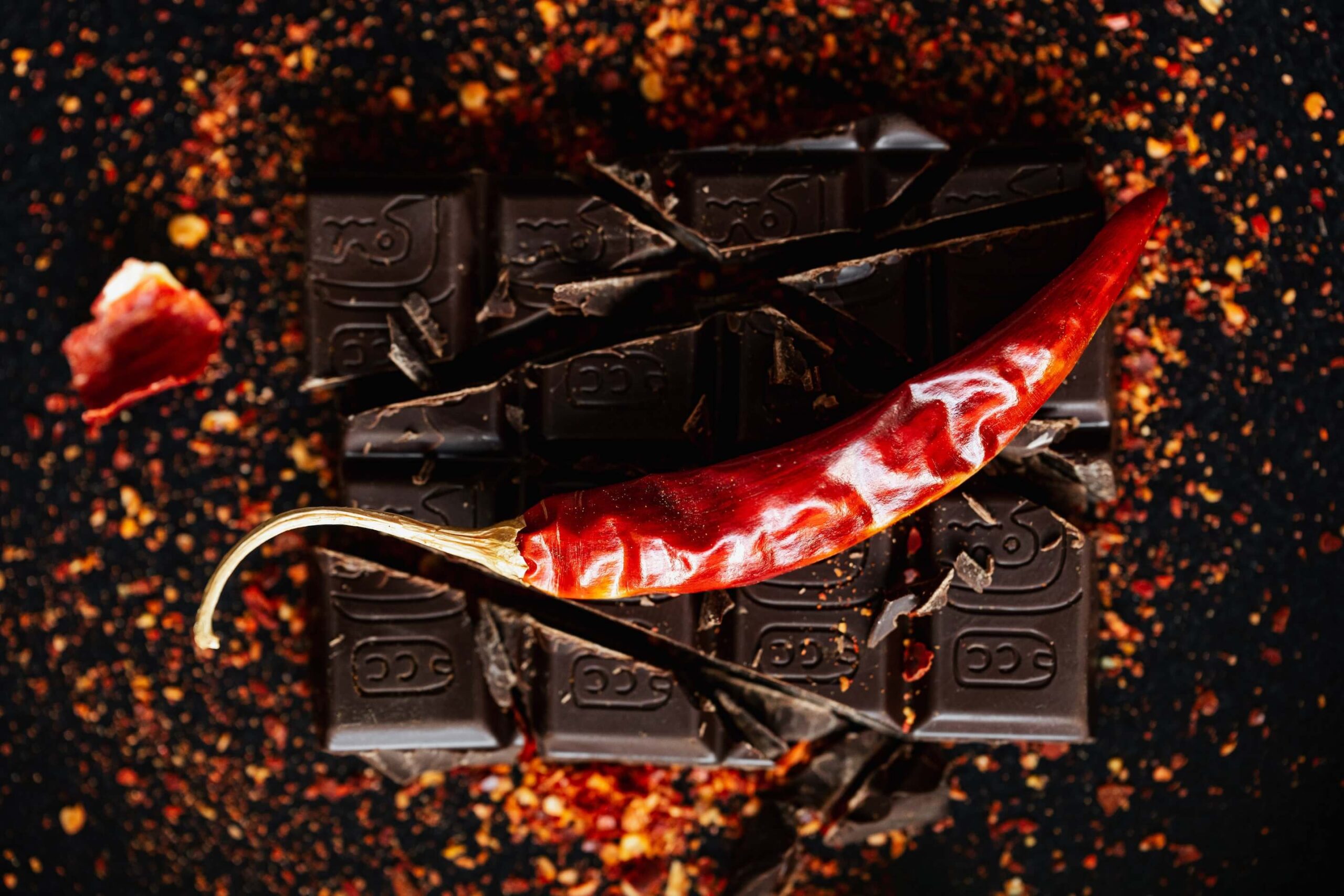
A red pepper resting on top of a bar of chocolate

The Science Behind Flavour Pairing

To truly understand the art of flavour pairing, one must first grasp the science that underpins it.

Flavour pairing isn’t just about randomly combining ingredients. Rather, it’s about exploiting the complex interactions between different compounds that create flavours.

Here’s a brief look at the science.

The Flavour Wheel

Imagine a vast wheel with hundreds of spokes, each representing a distinct flavour. This is the flavour wheel, a tool that categorizes flavours into primary, secondary, and tertiary categories.

Understanding this wheel helps chefs identify complementary flavours and build balanced profiles.

The primary flavours include sweet, sour, salty, and bitter, while the secondary flavours encompass umami, fatty, and astringent notes. Tertiary flavours delve even deeper, encompassing specific aromatic compounds found in various ingredients.

The flavour wheel serves as a roadmap for chefs, allowing them to create harmonious and balanced dishes by combining flavours from different categories.

For example, pairing a salty ingredient like prosciutto with sweet melon exploits the contrast between saltiness and sweetness for a delightful taste experience.

Chemical Compounds

Flavour compounds are the building blocks of taste and aroma. These compounds are responsible for the diverse spectrum of flavours we encounter in food.

Understanding which compounds are shared between ingredients is key to successful flavour pairing.

A well-known example of shared aroma compounds is the presence of vanillin in both vanilla beans and oak barrels used for aging wine. Vanillin is a key aroma compound responsible for the sweet and creamy notes in vanilla. When wines are aged in oak barrels, they can acquire subtle vanilla and spice undertones from the wood, creating a harmonious and recognizable flavour pairing in wines, especially in the case of oak-aged Chardonnay or red Bordeaux wines.

This shared compound, vanillin, illustrates how we can derive the same aroma compound from different sources (vanilla beans and oak barrels) and contribute to the complexity and appeal of various culinary creations, enhancing both desserts and wines.

Contrast and Harmony

Flavour pairing often revolves around the concept of contrast and harmony.

Some pairings work because they contrast flavours, creating excitement and intrigue. Others harmonize, creating a seamless and balanced taste experience.

Consider the classic contrast between sweet and sour in dishes like sweet and sour chicken. The sweetness of the sauce contrasts with the tanginess of vinegar, resulting in a harmonious yet exciting combination.

On the other hand, a harmonious pairing might involve complementary flavours that meld together seamlessly. Think of the classic combination of tomatoes and basil in a Caprese salad. The earthy, herbaceous notes of basil harmonize beautifully with the juicy sweetness of ripe tomatoes.

Umami

The fifth taste, umami, has gained prominence in recent years.

Umami is often described as a savory or meaty taste, and it can be used to elevate a wide range of dishes.

Ingredients that are rich in umami—mushrooms, soy sauce, and Parmesan cheese, for example—can enhance and deepen the overall flavour of a dish.

One popular example of umami-rich flavour pairing is the combination of Parmesan cheese with ripe tomatoes. The umami in the cheese amplifies the tomato’s natural sweetness and creates a more complex and satisfying flavour profile.

Classic Flavour Pairings

Now that we’ve dipped our toes into the science of flavour pairing, let’s explore some classic pairings that have stood the test of time.

Salt and Sweet

This classic pairing is all about balance. The saltiness enhances the sweetness in dishes like salted caramel and chocolate-covered pretzels. The contrast is what makes it so delightful.

When it comes to savoury dishes, the addition of a touch of salt can elevate the overall flavour. Consider how a pinch of salt can enhance the sweetness of roasted vegetables or a perfectly seared steak.

Acid and Fat

The acidity in ingredients like lemon or vinegar can cut through the richness of fatty dishes, creating balance.

Think of a zesty vinaigrette dressing on a buttery avocado salad. The acidity brightens the dish and prevents it from feeling overly heavy.

Spicy and Cool

Combining spicy and cooling elements can create a dynamic and memorable flavour experience.

For example, a fiery hot sauce paired with a creamy yogurt dip offers a pleasing contrast of temperature and sensation. The coolness of the yogurt soothes the heat of the spice, creating a balanced and exciting flavour profile.

Savoury and Sweet

The umami-rich savoury notes of ingredients like bacon or prosciutto can beautifully complement the sweetness of fruits, as seen in dishes like melon wrapped in prosciutto.

The salty, savoury elements create a perfect counterpoint to the natural sweetness of the fruit.

Herbs and Citrus

The fresh, aromatic qualities of herbs like basil, cilantro, or mint can be elevated when paired with the zingy brightness of citrus fruits.

The combination of fresh herbs and citrus can add layers of flavour to salads, marinades, and cocktails.

Modern Flavour Pairing Techniques

While classic pairings are timeless, modern culinary innovation has taken flavour pairing to new heights.

Here are some cutting-edge techniques and trends to explore.

Molecular Gastronomy

This avant-garde approach to cooking employs scientific principles to create unexpected flavour combinations.

Techniques like spherification and foaming can transform ordinary ingredients into extraordinary culinary creations.

For instance, the technique of spherification involves transforming liquid ingredients into tiny, flavorful spheres with a thin membrane. These spheres can burst with flavour in your mouth, creating a unique and memorable dining experience.

Imagine a burst of basil-infused olive oil encapsulated in a delicate sphere served alongside a tomato salad.

Global Fusion

As our world becomes more connected, so do our culinary influences.

Chefs are exploring fusion cuisine, merging ingredients and techniques from different cultures to create exciting and unexpected flavour pairings.

For example, Korean tacos combine the bold flavours of Korean barbecue with the convenience of a taco, resulting in a fusion dish that offers a delightful balance of sweet, spicy, and savory elements.

Experimenting with flavors, techniques and combinations both classic and new, and mastering an array of techniques will elevate any kitchen team’s skills. In turn, that team will elevate the menu, restaurant, and guest experience.

Image: Karolina Grabowska via Pexels

Related Reading

Work with Us

Click the image below to partner with us to start, stabilize, or scale your F&B concept.

Client Intake Form - KRG Hospitality

by David Klemt David Klemt No Comments

Kitchen Parlance, Part One

Kitchen Parlance, Part One

by Nathen Dubé

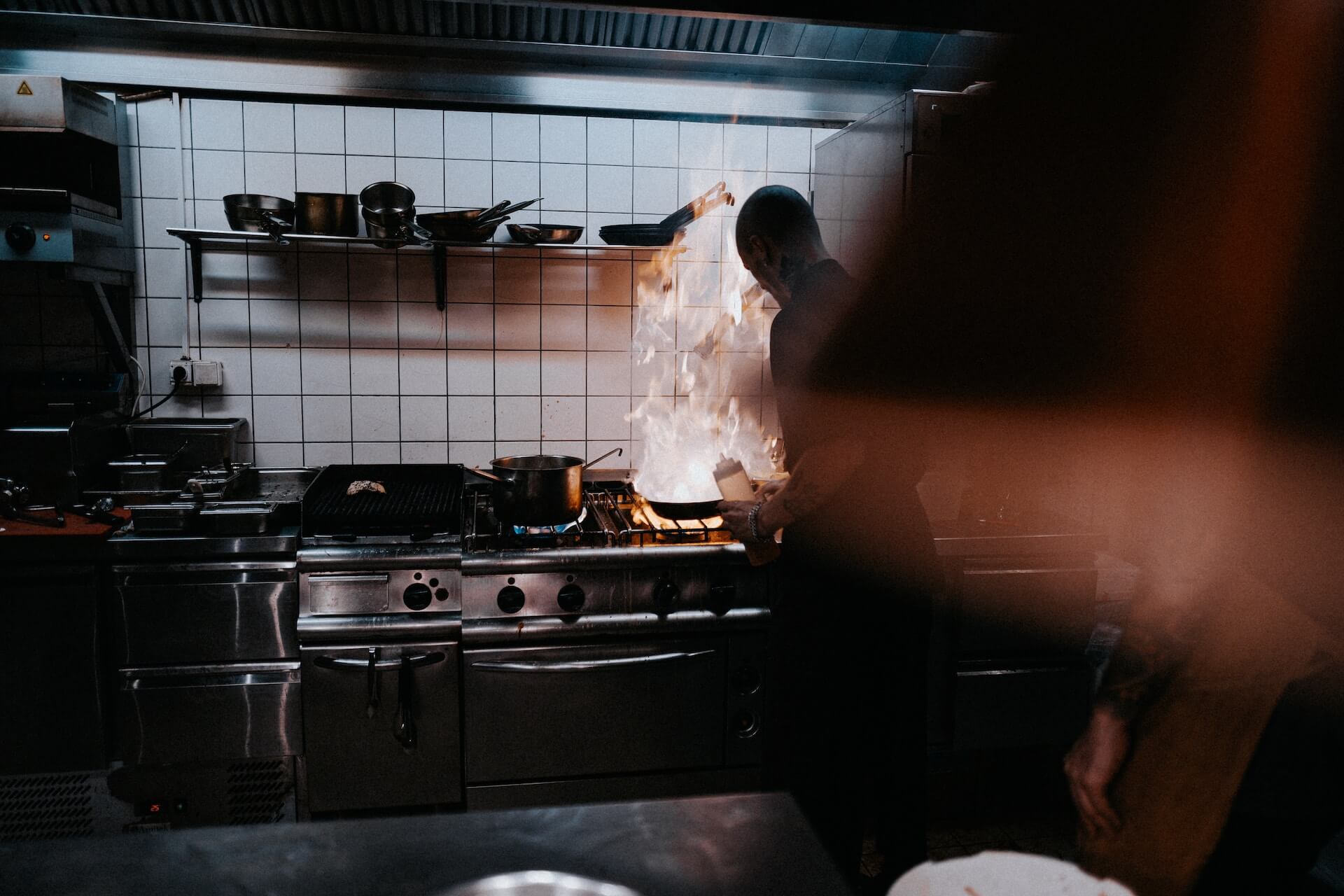
Chef handling flaming pan in commercial kitchen

Entering a professional kitchen might seem like a whole different realm with its own governing rules, and certainly its very own language.

“Clopen?” “All day?” “Behind?” “Covers?” “Deuce,” “dying on the pass”… If these terms sound foreign and made up to you, you’re not alone!

A busy kitchen can be a hot, intense, and stressful environment. Having a full-on conversation takes up valuable time when minutes and even seconds are the difference between a perfectly cooked plate of food and trash.

When actions need to be conveyed quickly and efficiently between two parties or a full team in a loud and fast-paced environment, slang develops out of necessity. Kitchens are no different, with their use of a creative and interesting lexicon.

New owners and operators opening their own concept may find many words and phrases they hear from the kitchen and servers strange at first. This is particularly true of owners and operators who may have little to no back-of-house or serving experience.

To lend a hand to hopeful operators or those opening their doors for the first time, let’s take a look at some of the more popular kitchen terms.

Operational & Equipment Terms

First, let’s take a look at the structural element of a restaurant and how they’re referred to.

Floor

The dining room (or whatever is deemed as guest seating in your establishment) is referred to as “the floor.” When someone asks, “who is on the floor tonight?”, they’re referring to the staff—usually servers—working the floor. Managers will walk the floor to check on guests and aid in service.

Note: The bar area, although it may have counter seating and its own tables, is referred to separately from the floor.

Low Boy

An under-counter refrigerator is called a “low boy” for its below-the-waist positioning, requiring cooks to bend down low to gather ingredients. This can include freezers as well. There are a variety of door configurations, including swinging, and drawer-style. Some even have salad tops where ingredients are kept in the top, under a lid.

Walk-In

A (very) large fridge or freezer, often constructed on site. It has a big swinging door that can be opened from both sides for safety reasons. The majority of raw ingredients—plus some prep and leftovers—are stored here. If you’re wondering where the word comes from, the clue is in the name: it’s so large, you can walk into it.

The walk-in is also notorious for being where restaurant staff go to scream some stress away, as the excellent insulation creates a nice sound barrier from guests.

Mise

The word “mise,” pronounced “meez,” is a slang term for “mise en place.” Mise en place is the French term for “having everything in its place” prior to service. Cooks use “mise” to refer to their own specific set of prepared ingredients, whether in terms of having it ready or not, or even worse, missing.

On the Line

The line, and the term “on the line,” refers to the area in the kitchen where the cooking equipment is located. Of course, this where chefs do most of the cooking during service. A typical line includes a walkway where the cooks work, and a flat table space—usually at the “window” or “pass” (see below)—where they plate, on the opposite side. Not surprisingly, that opposite side is referred to as the “plating area.”

If a concept requires it, there are separate “hot” lines where the hot cooking is done, and “cold” lines, where dishes that don’t require cooking are prepared. Deep fryers, ovens, and ranges are located in the former, and salad stations are located in the latter area. In classic French terms, the garde manger cook usually prepares most dishes on a cold line.

Pass / Window

The pass or window is the area opposite the cooking line where completed orders are placed for server pick-up. Think of passing dishes from the kitchen and you’ll understand this term immediately. Sometimes it will be referred to as a “window” in restaurants that have actual windows into the kitchen line from which food is passed to servers. The pass area is typically where the heat lamps are located, meant to keep dishes warm during a busy service.

The Rail / Board

The term “rail” or “board” refers to a strip of metal mounted to the food window that holds the food tickets (orders) from the kitchen printer in place. This keeps the flow organized and is normally overseen by the chef or line supervisor.

“Calling the board” means the person in charge reads out tickets as they come in, and directs cooking traffic to the other line cooks. Doing so helps to avoid disagreements and chaos in the kitchen. This position is reserved for the highest-ranking or most-talented cook, as it requires excellent cooking and communication skills. “Clear the board or rail” means completing all orders that have come in for the time being.

Chit / Ticket

When a server enters an order into the POS system, a chit or ticket, or even “dupe” (meaning “duplicate,” from the fact that some systems use three-color paper that prints a kitchen copy, a server copy, and an expo, bar, cold line, or pasty section copy), is printed to the kitchen. That ticket is then read aloud to the cooks before being placed in queue on the rail or board. When the food on the order is complete, the copy is marked in some fashion (stamp, marker, pen) and placed under the plate in the window. The server then picks up the food and the chit is “stabbed” on to a spike.

Don’t let spiked tickets fall out of the rail or all hell can break loose and derail a service!

Two-Top / Three-Top

Dining room tables are referred to as “tops” and are identified by how many guests they can accommodate (seats). A table with two chairs is a “two-top” or “deuce.” Tables with four or six chairs are “four-tops” and “six-tops,” respectively.

Covers

Each person who enters the restaurant is a cover: they “cover” one seat. The more covers, the busier a service will be, and vice versa. These numbers are used to project future numbers, staffing requirements, and inventory required. Covers are also a point of pride for kitchen staff. The more covers, the busier the service, and if you can navigate it with few mistakes, the adrenaline rush can directly convince yourself of your own talents.

Dead Plate

A dead plate is a dish of food that’s no longer worthy of the dining room. Sitting in the window too long, incorrect preparation, or even worse, being sent back by a guest results in a dead plate. Untouched dead plates are usually given to dish washing staff or porters; those sent back by guests are tossed in the bin.

Section

A section is how the floor is divided amongst serving staff. Typically, the more talented or senior staff get a bigger section. Designating sections, with all their tables in one close area, helps servers move efficiently during busy periods and keep close tabs on guests. Managers and floor captains will oversee a few or all sections and offer help to the individual servers during busy times or for large parties.

Server Alley

The front-of-house equivalent of the kitchen hot line. This is where everything servers need to do their jobs is located. Extra napkins, spare side plates, cutlery rolls, and cleaning supplies for clearing tables can all be found here. There are usually a few POS terminals here for entering orders.

Team & Guest Terms

These next few slang words are used to talk about certain people.

Expo

“Expo” is the shortened term for “expediter,” or the position of organizing, plating, and (in some cases) garnishing food at the pass. The main responsibility is to makes sure each dish is correct before the food runner or server brings it to the table. This role can be the liaison between front of house and back of house, allowing both teams to do their jobs without having to stop and coordinate.

Busser

Part of the porter team, the busser is the person who clears dishes from a table when guests leave, and drops them in the dish-washing area. The term refers to the bus bin or large plastic tub into which the bussers put all the dishes, flatware, glasses, and debris. They might also be tasked with wiping down tables and resetting them for new guests. Sometimes, the busser will pull double duty and also wash the dishes they bring back to the kitchen.

Trail / Stage

Note: In the foodservice world, “stage” is pronounced “staahj.”

A trail is essentially a training shift during which new team member will “trail” behind a cook or server. This provides the new hire the ability to learn, get comfortable with SOPs, and mitigates any potential mistakes. However, not all establishments have the staffing to offer this scenario and will train a new hire during live action.

A stage is a longer-term trail for a designated period of time. This can be a couple of weeks, a month or two, or an entire season at destination-style dining places, like Michelin-starred restaurants and hotels. The expectation is that this is a learning experience for the cook, who is exposed to new ingredients, recipes, and techniques. An agreed upon time frame is set and the cook trades labor for education.

A Personal Note on Stage

The short-term stage commitment includes the understanding that the restaurant won’t reward you monetarily. We all know the costs of training staff. Imagine investing all that effort and having that person leave after just a month or two.

Now, I despise the term “free labor” for the kitchen or benefiting restaurant. There’s a new argument that has been surfacing over the last few years that stages should be paid internships. I have two problems with this thought process.

One, these are often highly touted restaurants that operate at an elite level, and they’re extremely busy. Having a new body takes up valuable focus and resources from somebody in that kitchen. They are willing to work with you and share all their knowledge and experience.

Often times, there isn’t a chance in hell in getting a job there, and this can be the only way to get a chance at learning from these masters of the craft. Having gained valuable career experience from stages myself, they can be a great alternative if you can’t gain employment with the venues.

Two, those who raise these arguments have no experience in doing them; think they have learned nothing from the stages they may have done; had a bad experience overall; or really have no other alternatives to the points I just mentioned.

Hot tip: If you don’t like working for free, don’t! If you the value in stage, go for it!

Campers

This is a term for people who linger at their table well after they’ve finished and paid. While all guests are welcome to make themselves at home, the problem with campers is that they can take up valuable real estate during busy periods. This is the reason for table time caps at operations that run on the reservation system. They also prevent servers from “turning” tables to serve more guests and increase their tips.

Action Terms

These are some random terms that indicate actions and requests.

Fire

The process of finishing a dish. When an order is printed out, it may have courses such as appetizer, main, and dessert. All courses might be started and cooked to 80 percent completion and then held. The main wouldn’t be fired until after the appetizer. When the person in charge of the line says, “Fire table six mains,” that means finish cooking, plate the dishes, and send them to the pass.

All Day

A very quick way for a cook to request a tally of all the dishes ordered from their section. The line lead will provide totals of each dish, instead of reading out each table’s order. For example, a cook will ask for an all-day on fryers, and the lead will call back, “Six large fry, three medium fry, two poutine, and one chicken nugget.” The cook can quickly add up what they have cooking or need to prepare to fire.

Behind

As you can imagine, in a busy, happening kitchen, there are people racing in all directions in tight spaces. One quick way to avoid collisions around hot equipment and sharp objects is to yell “behind” when passing someone or a station of people. It gives them time to either move out of the way or stay in place to avoid catastrophe.

Other variations include “hot” to indicate hot pots or pans, or the potential of getting burnt. “Sharp” means a knife, and “corner” means coming around the corner. “Behind hot” and “hot, corner” are combinations which mean exactly what you think they mean.

Flash

To reheat a dish, or an item on a plate that sat under the heat lamp too long, or if a guest has requested something cooked further. Usually under a salamander, a convection oven, or a deep fryer for fried food. I’m sure for some establishments (I started out in places where this was the norm), “flashing” means “cooking” an item to well done via microwave.

Heard / Heard That

The acknowledgement that an order has been read by the person running the pass or the line and understood by all in the kitchen. Also works for a direct order to an individual.

In the Weeds

When one station is receiving the majority of the orders at any given time, or the dining room has filled up all at once and all the orders are coming in together, this can create a downward spiral between starting to cook and plating or finishing existing dishes. This is known as being “in the weeds.” The only way to survive is to put your head down and cook your way out. I’ve experienced surviving the weeds and having it ruin an entire service. It all depends on the resilience and talent of the cooks, servers, and leaders involved.

On the Fly

The request for something that is needed quickly. Perhaps the item was missed, dropped, or incorrect, and the rest of the dishes are at the table. Whatever is needed “on the fly” takes precedence over everything else or, worst-case scenario, gets shoehorned into orders coming up.

Stretch It

Kitchen lingo for getting as many portions out of something nearing its end as possible. For example, a saucepan only has enough for four steaks but five are needed. The sauce has completed cooking and the plates are waiting. So, the kitchen needs to “stretch it” and make it work or be down five plates of food.

Waxing a Table

This means giving a table special treatment. This person or these people could be VIPs, return guests, the owner’s family and friends, or an influential food writer. Whoever the are, they’ve been identified and are given a little extra attention by staff.

86

When a menu item has completely run out, the kitchen manager will say the item has been “86ed.” It’s important for the kitchen staff to communicate this to servers as soon as possible so that no more orders are placed for the item.

Family Meal

The pre-service meal enjoyed by all staff on premises. Usually made by the staff from leftovers as a way to showcase creativity and skill.

Comp

Referring to items removed from the bill for an error or because the guest didn’t like it. A comp also comes from waxing a table, of course. It’s important to track comped items for accounting purposes. Comps can be a great way to make guests happy in a pinch. However, owners, operators, executive chefs, and lead bartenders need to be aware of how often comps are being handed out; they can be indicative of quality-control problems or employee theft.

Clopen

This is a portmanteau of “close” and “open.” The dreaded weekend brunch shift comes to mind. Working a busy late Friday or Saturday service and having to come back in the following morning to sling eggs to hungover patrons is a difficult and thankless task. In short, a team member who works back-to-back closing and opening shifts is working a clopen.

FIFO

This stands for “first in, first out,” and references inventory organization, crucial for perishable items. The new items go behind the older ones so that the items that were there first get used first, ensuring freshness and quality. I once had a chef who decided that “FIFO” stood for “fit in, or f*ck off.”

These are just some of the slang terms in the culinary lexicon used to convey quick understanding when under fire. You might also hear differences in dialect between cultures and regions. I’ve worked in both Toronto and Montréal, and there are similarities and differences between terms used in Ontario and Québec, French and English, and English and South American Spanish.

So, next time you’re out dining and you hear one of these words or phrases, you might be able to figure out what’s going on behind the scenes. Tip well, be polite, and try something new!

Image: lasse bergqvist on Unsplash

KRG Hospitality menu development. Restaurant. Bar. Cafe. Lounge. Hotel. Resort. Food. Drinks.

by David Klemt David Klemt No Comments

Fire and Ice: Bring Your Teams Together

Fire and Ice: Bring Your Teams Together

by Jared Boller

Ice on fire inside of a Martini glass

If you want to elevate your concept you need to ensure the front- and back-of-house teams are working with each other, not against one another.

There’s nothing wrong with a healthy rivalry and competition, of course. But the key word there is “healthy.” Both teams are crucial to your success, even if they seem like polar opposites.

Analogies are one of the singular greatest educational selling points when you have a group of people in front of you. Not only do they help you get your point across, they also help you to make a topic relatable to the listening novice.

In hospitality there are numerous ways to use analogies as teaching tools. When it comes to mixology or bartending, I like to use fire and ice to represent the kitchen and the bar.

I take this approach because the bar (ice) is the friendly counterpart to the fast and furious kitchen (fire). If you follow my train of thought, you’ll see why I preferthis approach: ultimately, we’re speaking about temperature and its importance in both spaces.

Consider the art of crafting cocktails. You and your bar team should understand dilution and melting rates the same way you know how important temperatures are to steaks. Nine times out of ten, individuals at the table have a personal preference regarding the temperature of their steak.

Guests don’t hesitate to relay this information to the server. Next, the chef and their brigade uses fire and cooking times to ensure each state is cooked properly. Not only that, the mastery of their craft leads to each steak coming out at the same time, cooked to each guest’s preference.

This process is the same for the bar. Stirred, shaken, egg-white cocktails… Bartenders must master their craft to ensure they understand the different types and uses of ice (or no ice) when building drinks. Moreover, they need to use that knowledge to ensure each drink for a table or group comes out at the same time, with the appropriate level of coldness.

In the end, when drinks hit the pass or server’s station, we want drink orders to be delivered as quickly as possible because they’re on the clock. The ice in the drinks start to melt. Hot food begins to get cold. We’re fighting time.

Understanding temperatures and times relates directly to the guest experience. We can tell how well-oiled and skillful front- and back-of-house teams are by watching drinks and dishes hit tables.

Fire

According to Anthropologist Richard Wrangham, who wrote the book Catching fire: How Cooking Made Us Human, people started cooking over open fire more than two million years ago.

Wrangham states that cooking was first seen as “simply chunking a raw hunk of something into flames and watching it sizzle.” Modern chefs may not agree with this style but we are able to see that early human “cooks” came to a few realizations regarding their use of fire. Their food was healthier, tastier, and they may have had more revitalized immune systems.

Obviously, the evolution of modern cooking techniques have advanced through tools, techniques, and vessels over the years. However, regardless of how much innovation we introduce to our kitchens, we’re still using fire and heat to cook our food.

Unless they’re expecting a salad, sushi, or another amazing raw or cold food, guests anticipate their food will be hot or warm upon arriving in front of them. Great chefs take control of their kitchens, techniques, and tools. Their masters of temperature. They have a nearly supernatural understanding of timing.

It’s always a site to behold when someone is masterful in the kitchen. A seemingly endless number of pots and pans raging on burners. Infinite elements of dishes flowing in and out of ovens. Chaos to the novice’s eyes but in reality, flawlessly composed dishes arriving at perfect temperatures.

Ice

We can trace the use of ice in drinks as far back as ancient Egypt. Icy drinks are also well documented by first-century Roman society; emperors, it’s claimed, enjoyed “chilled” cocktails via glacier runoff extracted from the mountains.

Emperors, according to some historians, would store giant blocks of ice in cool cellars, garnishing their tipples with shards of ice. This was both a decadent display of their elite status, and evidence that humans have long appreciated a cold, refreshing drink.

It wasn’t until early 1800s Boston that humankind really began to master ice. A young entrepreneur, Frederic “The Ice King” Tudor, pursued an idea with his brother and launched the ice or frozen water trade. Over the course of just a few decades, the New England-based trade was able to ship ice worldwide.

The Wenham Lake Ice Company, established in the 1840s, harvested giant blocks from the eponymous lake and stored them in a network of ice houses, accessed by a small railroad system. Once a luxury, ice was on its way to going mainstream. Everyone was coming to the realization that drinks tasted better with a bit of dilution and colder temperatures.

Eventually, ice production led to ice harvesting innovations. For example, Clinebell machines that use cold plates to 300-pound, crystal-clear blocks. Along with being clear, the ice blocks are super dense to reduce dilution rates significantly. From glaciers to “harvesting” ice from lakes to full-on factory production, our obsession with ice has led to technological innovation.

Interestingly, however, early 19th century methods of ice extraction are once again in vogue. A cadre of passionate bartenders who view ice as a premium ingredient in and of itself are hand carving ice cubes, spheres, and spears for perfectly curated Negronis or Old-fashioneds.

Takeaway

The bottom line is, temperature is important to anyone working in hospitality. Kitchen and bar teams need to work together to create the best possible products.

Some people think of food or drinks when asked to consider the best restaurants and bars in the world. However, those are products. What sets the best concepts apart is the teams they’ve each built and nurtured.

It’s the passion of each team member and their consideration of the fine details that makes a restaurant or bar notable. So, when we think about fire and ice, we can consider this idea the ultimate geekery in regard to our profession.

Take it from me: When the front of the house and back of the house collaborate, then they’re in sync with one another and nail the small details, they transform first-time guests to repeat brand evangelists.

They may not understand why their experience was so incredible but they’ll become outspoken ambassadors.

Image: Alexander Startsev on Unsplash

KRG Hospitality Mixology Training with Jared Boller

by David Klemt David Klemt No Comments

Own Your Team’s Excellence

Own Your Team’s Excellence

by David Klemt


Martinis at Bemelmans Bar inside the Carlyle hotel in New York City

If you and your team are producing an incredible food or drink item, don’t just be proud—make it your signature and own it.

As Chef Brian Duffy says during his demos and speaking engagements, people can eat and drink anywhere. Further, with just a handful of major food suppliers operating throughout North America, operators are using much of the same ingredients.

With that in mind, then, it’s crucial that operators and their teams innovate. Doing so ensures that hospitality professionals are staying current on consumer demands and trends; constantly seeking be educated and share information; and making sure their business stands out from others.

A commitment to standing out can also motivate a team to elevate their techniques. In turn, they can truly “own” an item. Creating something incredible—and replicating it order after order consistently—can become a brand and team’s calling card.

Does your kitchen team turn out a fantastic signature burger? Has your business become known as the place for chicken wings because of your kitchen team?

Has your bar team perfected the Margarita? Are they so good at crafting Frozen Irish Coffees that your bar is on Glendalough Distillery‘s radar?

When you identify what your team is producing at an extraordinary level, you need to make certain you loudly own it.

A Real-world Example

For a high-level example of what I’m talking about, we can look at the Carlyle in New York City.

This landmark Rosewood Hotel is known for delivering peerless service. However, a venue inside this sophisticated resort is known for a specific item.

Bemelmans Bar, an escape from the hectic streets of New York, is known for the Martinis the bar team produces. (They’re also known for their red jackets, but those aren’t for sale.)

It may be a bold statement considering the level of bars and cocktails in the city, but Bemelmans Bar (and therefore the Carlyle) owns the Martini in NYC. In fact, the bar serves a staggering 1,000 Martinis a night. More often than not, the Martinis that cross the bar or leave the service well are dirty or extra dirty. This has been the case since at least 2021.

So famous are the Bemelmans’ Martinis that the Carlyle sells an at-home kit, yours for just $395. It’s their latest promotion, though, that makes it evident Bemelmans and the Carlyle are taking ownership of the Martini.

Guests of the Carlyle can now book their Martini Retreat, a two-day experience that centers around their signature cocktail. If, perhaps, you think that $400 is a bit steep for their Martini Box, prepare for true sticker shock. The Martini Retreat experience starts at $4,895 for two guests.

However, the package is rather impressive and encapsulates the Carlyle’s ownership of the Martini. The Carlyle Martini Retreat includes:

  • a two-night stay in a Madison Room or Premier Suite;
  • a Bemelmans Bar Martini Box;
  • enrollment in the Bemelmans Master Martini Class (valued at $495), a 45-minute experience during which guests learn how the bar team crafts multiple variations of vodka and gin Martinis, and their new Madeline’s Vesper cocktail;
  • a two-course Martini lunch at Dowling’s at The Carlyle; and
  • a curated list of where to go to try other great Martinis throughout NYC, put together by Dimitrios Michalopoulos, bar manager at Bemelmans.

Takeaway

So, am I suggesting that operators create an experience that costs thousands of dollars? Well…I mean, if your concept can succeed with such a promotion, absolutely. If doing so would resonate with enough guests to make it feasible and become a steady (and impressive) revenue stream, go for it.

However, what I’m really attempting to drive home here is the power of becoming known for even a single signature item. And, hey—your item, in your market, may be the Martini.

Owning an item means screaming from the rooftops and hills that it’s yours. That your team’s version is the one to have; the one people in the know have to have. Taking ownership of your team’s excellence translates to becoming a destination for it, to driving repeat visits once people have experienced it.

Of course, with that ownership comes the responsibility to elevate all other elements of your business. Every other item on the menu must be produced and served at the highest level. This ensures the entire guest experience wows the guests, and the signature item is essentially a driver and the cherry on top.

It’s time to review what your team produces so well that your brand owns it. Should this introspection yield no results, it’s then time to see what other operators are known for and discover what item or items you and your team can improve upon. What’s something that works with your brand that you feel confident you and your team can own?

There’s power, money, and long-term success in something on your menu. It’s time to uncover it and take ownership.

Image: The Carlyle

KRG Hospitality. Boutique Hotels. Resorts. Properties. Consultant. Feasibility Study. Business Plan

by David Klemt David Klemt No Comments

The Art of the Preparation

The Art of the Preparation

by David Klemt

Overhead view of chef slicing and chopping ingredients

Chef Brian Duffy‘s take on preparation and its overall impact on the guest experience extends to every aspect of operations.

In one sentence during his 2023 National Restaurant Association Show in Chicago cooking demo, Chef Duffy sums up the power of the proper mindset.

“The art of the preparation creates the experience,” says Chef Duffy.

Now, he was preparing plant-based shrimp from New Wave Foods at the time. After preparing a pan, the revered chef was readying a pound of FABI Award-winning New Wave Shrimp for Duffified Shrimp Fried Rice.


View this post on Instagram


A post shared by Chef Brian Duffy (@chefbriduff)

When making this dish, Chef Duffy chops roughly half the New Wave Shrimp in half. He does so to enhance the dish’s texture, and therefore the guest experience. Additionally, Chef Duffy likes to toast basmati rice before adding it to the pan with the shrimp and vegetables.

Again, Chef Duffy shared his view on the guest experience when cutting animal-alternative shrimp (the product is made with sustainable seaweed and mung bean).

Preparation

Okay, so what does slicing or chopping shrimp have to do with the guest experience? It’s the attention to what others may consider a tiny detail. In fact, some may deem important details “optional.”

Whether front-of-house, back-of-house, or back office, everyone’s mindset matters. How one views their role and how they approach their responsibilities impacts every element of a restaurant, bar, nightclub, or hotel’s success.

Choosing to halve half the shrimp because it will deliver a better experience speaks volumes. It’s a commitment to perfect the “small” details so every guest walks away wanting to return.

If an operator wants to know if they have a chef or an executive chef, this is one way to tell. Is the chef teaching their brigade? Guiding them? Implementing policies around preparation? Or are they just punching the clock, making sure the rest of the team shows up, and sending out food that’s “good enough”?

Operators can apply versions of those questions to every role in the house, including their own. Is their pride in preparing every element of service and operation? Or is the team just muddling through each shift?

There are no Small Details

Interestingly, most guests likely won’t ever be aware of every detail operators and their teams get right. However, they will feel every choice each team member makes. They may not know precisely what goes right, but they take home with them that their visit was exceptional.

Pulling the threads tighter separates operators and their brands from one another. Guests can get a bite and a drink anywhere. They reward outstanding service and experiences with their time and money.

It’s a simple equation to understand: Operators want to create an army of loyal guests, guests expect exceptional experiences. The operators who deliver on guest expectations are rewarded with loyalty.

Chef Duffy isn’t “just” slicing shrimp. He’s not “just” toasting rice. Chef’s not “just” making “the world’s most perfect dippy egg.” In reality, he’s ensuring every decision he, his teams, and his clients make enhance the guest experience exponentially.

There are no small details. There are no small decisions. The art of the preparation, as Chef Duffy says, creates the experience. Indeed, preparation also separates the mediocre from the exceptional.

Image: Jonathan Borba on Unsplash

KRG Hospitality Mindset Coaching

by David Klemt David Klemt No Comments

5 Books to Read this Month: May 2023

5 Books to Read this Month: May 2023

by David Klemt

Flipping through an open book

Our engaging and informative May book selections will take your front and back of house to the next level, and help develop your leadership skills.

To review the book recommendations from April 2023, click here.

Let’s jump in!

Contagious You: Unlock Your Power to Influence, Lead, and Create the Impact You Want

This is one of three books KRG Hospitality’s Jennifer Radkey read in February. It’s the sequel to a book titled Contagious Culture, which we featured last month.

From Amazon: “For anyone who’s sought to create change, or felt sucked into the drama and chaos of a toxic work environment, this book will advance the notion that everyone at an organization is a leader—for good or for bad—and that leaders have tremendous power to influence those who follow their example. The quality of our leadership is based upon our intentions, energy, and presence. By emphasizing authorship, self-care, and response-ability (not responsibility) as leadership skills and therefore cultural amplifiers, Contagious You shows you how to walk the path of more effective leadership while navigating the road blocks in your way. Whether these road blocks are working with negative co-workers with secret agendas and unrealistic expectations, or just the general ‘busyness’ of life and its excessive demands, this book will take you on a journey to create more space, more courageous leadership, and stronger collaboration to influence others and create the impact you desire.”

Grab this book today: click here.

Chef’s PSA: Culinary Leadership Fundamentals

If Chef’s PSA sounds familiar, that’s probably because it’s a series of four books. We included another book in the series, How Not to be the Biggest Idiot in the Kitchen, last December in our last book roundup of 2022.

Culinary Leadership Fundamentals is intended to prepare chefs to lead a brigade. It’s one thing to know how to prepare food; it’s another to know how to be the leader in the kitchen. Of course, this book is also full of valuable information for owners and operators. After all, they should know how their chef is approaching their role.

From Amazon: “When you become a Chef for the first time you may be put in a position where you know how to cook but not how to lead and manage. This book will teach you everything you need to know to become a Chef Leader in the kitchen. From how to manage costs, build a team, market yourself and overcome adversity. This is the book every Chef needs if they want a competitive edge in running a successful kitchen.”

Pick it up today!

Southern Cooking, Global Flavors

Chef Kenny Gilbert’s journey through the culinary world is epic. By the age of seven he had shown such an interest in the art of BBQ that his father bought him his first grill, a small Weber. After high school he moved from his hometown to Cleveland to attend the Pennsylvania Culinary Institute. After graduation, Chef Gilbert entered into an apprenticeship at the Ritz-Carlton, Amelia Island, in Florida. By age 23, Chef Gilbert earned the role of Chef de Cuisine. He has also opened restaurants and led the culinary programs at restaurants and hotel properties not only throughout Florida but also Colorado, Georgia, throughout the Caribbean, France, Japan, and Spain. Oh, and there was Chef Gilbert’s Top Chef season seven appearance, plus the development of his own line of spices and rubs.

His newly released book features 100 recipes that put international spins on southern classics. Pick up Southern Cooking, Global Flavors today!

The Ice Book: Cool Cubes, Clear Spheres, and Other Chill Cocktail Crafts

We’ve addressed the need to compliment your cocktail menu with a dedicated ice program. This book, available now for pre-order, is from world-renowned cocktail and spirits writer Camper English. Not only does it include easy-to-follow instructions for you and your bar team to elevate your cocktail program, from full-proof to zero-ABV drinks. The Ice Book, then, is aptly titled—it’s everything you need to introduce a memorable drinking experience.

From Amazon: “In The Ice Book, internationally renowned cocktail icepert Camper English details how to use directional freezing to make perfectly pure ice in a home freezer, carve it up into giant diamonds and other shapes, and embed it with garnishes, including edible orchids and olives. You’ll learn how to create a frozen bowl for Negroni punch, serve a Manhattan inside an ice sphere, and infuse cubes with colors and flavors to create cranberry cobblers, a color-changing Gin and Tonic, and other awesome drinks.”

The Book of Cocktail Ratios: The Surprising Simplicity of Classic Cocktails

Long-time subscribers to KRG Hospitality’s newsletters and readers of our articles know that I love a controversial take on cocktails. Take, for instance, the origin of the Margarita. Well, the opening sentence from the description for The Book of Cocktail Ratios certainly got my attention.

From Amazon: “Did you know that a Gimlet, a Daiquiri, and a Bee’s Knees are the same cocktail? As are a Cosmopolitan, a Margarita, and a Sidecar. When hosting a party wouldn’t you enjoy saying to your guests, ‘Would you care for a Boulevardier, perhaps, or a Negroni?’ These, too, are the same cocktail, substituting one ingredient for another. Or if you’d like to be able to shake up a batch of whiskey sours for a party of eight in fewer than two minutes, then read on.

“As Michael Ruhlman explains, our most popular cocktails are really ratios—proportions of one ingredient relative to the others. Organized around five of our best-known, beloved, classic families of cocktails, each category follows a simple ratio from which myriad variations can be built: The Manhattan, The Gimlet, The Margarita, The Negroni, and the most debated cocktail ever, The Martini.”

This book should provide you and your bar team with a totally different perspective when it comes to drink ratios. Pre-order your copy today!

Image: Mikołaj on Unsplash

KRG Hospitality advanced bar education

by David Klemt David Klemt No Comments

Kitchen Doctrine: The Culinary Holy Trinity Across Cuisines

To some, the Holy Trinity refers to the Christian doctrine of the Father, the Son, and the Holy Spirit. But what’s the Cajun Holy Trinity?

Well, that’s a whole different story with which some people may not be as familiar. However, it carries equal weight in certain kitchens of the world.

Lending its name from religious credo, the Cajun Holy Trinity was developed in the state of Louisiana in the southern United States. Chef Paul Prudhomme gets the credit for introducing the term in 1981, along its popularization.

Cajun or Creole cuisine evolved from French, Spanish, and West African immigrants. French traditions blended into a melting pot of West African, Spanish, and Native American cuisines. The French and the Acadians (French colonists deported from Acadia in what is now Nova Scotia, Canada) both influenced Louisiana’s cuisine. The Acadians became known as Cajuns to English speakers, and thus Cajun cooking grew out of necessity in Louisiana.

It’s incredible what three (and sometimes just one or two more) simple ingredients can do to create incredible dishes.

by Nathen Dubé
Carrots, celery and onions

Understanding the Culinary Holy Trinity

Mirepoix 101

The French contributed two staples directly to Cajun and Creole cooking: roux-based cooking and the trinity of mirepoix, or onions, celery, and carrots. In Louisiana, however, carrots didn’t grow as easily as bell peppers. So, bell peppers, typically the more bitter green version, replaced them.

Some cooks were so bold as to add garlic to the Holy Trinity, referring to it as the Pope. Other variants use garlic, parsley, or shallots in addition to the three Trinity ingredients. Unlike the elaborate French dishes using mirepoix, the Holy Trinity is more symbolic of rustic, family-style meals.

These ingredients are the first to go into the pot or skillet, creating a flavorful foundation for gumbo, jambalaya, crawfish étouffée, and more. Often, by adding a bit of flour and whisking, a roux is built right on top of these sweet and colorful aromatics to form a thicker base.

The ratio is also overturned from the traditional mirepoix of two parts onion, one part celery, one part carrot, with three parts onions to two parts celery to one part bell pepper.

Practical Application

So, now that we know what it is, how do we use it?

First, the ingredients are finely diced, then sauteed in oil, fat, or butter until translucent and tender. This stage of cooking draws the water from the vegetables, concentrating their natural flavors.

You can continue cooking the ingredients down until they’re caramelized, which is to say the sugars come out and brown them in the pan. They’ll become easy to break down with the back of a spoon. There’s a further concentration of flavors but we’re approaching the law of diminishing returns.

The shorter the cooking time of the end dish, the smaller size the pieces should be. For longer times, they can be cut into larger pieces. For obvious reasons, we want our ingredients to cook evenly, as well as withstand the timeframe of the cooking. You don’t want minced vegetables in a stock that’s going to simmer for 10 hours, the same way we don’t want giant chunks in a soup that’s done in 30 minutes. Texture of the end product are also important, not just flavor.

Here are examples of some recipes that include the Cajun Holy Trinity:

  • Chicken and Sausage Jambalaya
  • Cajun Gumbo with Andouille Sausage
  • Chicken and Okra Gumbo

Looking at other cuisines of the world, we’ll find some interesting variations. Interestingly, however, we’ll find similarities in the use of a category of vegetables and herbs called “aromatics.” In the Western world, these are vegetables like garlic, onions, carrots, celery, and herbs like bay leaves, thyme, parsley, and peppercorns.

In Asia you’ll find green onions, ginger, garlic, and warming spices like cinnamon and clove. These mixes are usually sautéed to slowly draw out flavors that can carry a dish. Sofrito and its Italian counterpart, soffritto, literally mean to stir-fry.

French Cuisine

The term mirepoix is encountered regularly in French culinary texts by the 19th century.

In 1814, Antoine Beauvillier wrote a recipe for Sauce à la Mirepoix in his book L’Art du Cuisinier. It’s a short recipe for a buttery, wine-laced stock garnished with an aromatic mixture of carrots, onions, and a bouquet garni. Marie-Antoine Carême created a similar recipe in 1816, calling it simply “Mire-poix.”

The origins are cloudy but what’s clear is the basic mirepoix ratio: two parts onions, one part celery, one part carrots by weight. These vegetables are often finely chopped and sautéed, but they can be used whole or roughly chopped in slowly simmered stocks or braises. A simple ratio for bones to mirepoix for a stock is 10:1.

When chopping, be particular about uniformity. This ensures even cooking when sweating or deeply browning them for a heartier flavor.

If cooking further, the addition of tomato purée creates a mixture called pinçage, which smells incredibly rich and transforms a braise into a near-religious experience. The addition of some chopped thyme and rosemary elevates further.

Another alternative is the mirepoix au gras (“with fat”): the addition of diced ham or pork belly.

Hands down, however, the most famous example of the power of French mirepoix is the humble chicken soup. It capitalizes on the aromatic qualities and depth of the caramelized vegetables. Similar combinations—both in and out of the French culinary repertoire—can include leeks, parsnips, garlic, tomatoes, shallots, mushrooms, bell peppers, chilies, and ginger.

White mirepoix (which substitutes leeks and parsnips for the onions and carrots) is used when you want a white color in the final dish. It might be a stretch to include the French duxelles (mushrooms and often onion or shallot and herbs, reduced to a paste), but leave no stone unturned, I say.

Mirepoix Recipes to Try

  • Roasted meats, like turkey
  • Chicken Noodle Soup
  • Braised Short Ribs
  • Vegetable soups

Italian Soffritto

Referred to as battuto before it’s cooked, soffritto is the combination of onions, celery, carrots, garlic, and parsley, although there are quite a few variations on this mixture. Soffritto can also include bell peppers, fennel, and finely diced cured meats like pancetta or prosciutto.

There’s no set ratio for the ingredients. This combination forms the foundation for soups like minestrone, the base for pasta sauces such as ragù, stews, and braises throughout Italian cuisine.

While both mirepoix and soffritto serve as building blocks of flavor, there are a few subtle differences.

Mirepoix is made by sweating onions, celery, and carrots. Soffritto uses minced rather than diced vegetables. And, indicative of Italy, the use of olive oil trumps butter in the cooking process.

Soffritto recipes to try

  • Ragú Bolognese
  • Italian Wedding Soup
  • Pasta e Fagioli (Pasta and Bean Soup)
  • Braised Sausage, and Kale with Rosemary

Spanish Sofrito

While saffron and seafood are the clear stars of the classic paella, it’s sofrito—the mixture of onion, garlic, bell peppers, and tomatoes (sometimes paprika) cooked in olive oil—that sets the stage. Although it may seem ludicrous, the removal of the sofrito and not the prime seafood on top would do more damage to the final dish.

This is where we begin to see the introduction of the New World. After the 16th century, Catalonia in particular “discovered” the tomato and began using it in everything. Bell peppers, onions, and garlic are the other ingredients that make up sofrito.

The medieval recipe book Libre de Sent Sovi shows that Catalan cuisine historically used native ingredients to make sofregit. Most Old World-style dishes call for onions, leeks, carrots, and salt pork, in place of the yet to be discovered tomato, so the sofritos of the 1300s can be interpreted loosely.

From the Mexican American border to the tip of Argentina, and all of the islands in between, Latin America has taken the Spanish sofrito and adapted it to its local offerings. Cuban sofrito tends to look the closest to Chef Prudhomme’s Holy Trinity, but with more garlic, while the Ecuadorian version includes freshly toasted cumin, tomatoes, onions, garlic, and sweet cubanelle peppers.

Sofrito recipes to try

  • Seafood Paella
  • Spanish Beef Stew with Pimentón and Piquillo Peppers
  • Spanish Chickpea and Spinach Stew
  • Nicaraguan Arroz con Pollo

Puerto Rican Sofrito

In Puerto Rico, many dishes start with recaíto, the perfumed flavor of culantro, ají dulce, onions, cubanelle peppers, and garlic. Often referred to as “blessed thistle,” the long, jagged-edged, leafy culantro has a similar taste to cilantro.

For this Caribbean island’s sofrito, known as recaíto, culantro leaves are minced and added to ajíes dulces, small but essential chilies in Puerto Rican cuisine. Add onions, cubanelles, garlic, and cilantro, and you have a mild, bright-green paste that adds a fresh, herbal punch to stews and rice dishes.

In the Caribbean, sofrito refers to a wide variety of mixtures; one common type includes lard colored with annatto seeds and mixed with ingredients like chiles, bell peppers, onion, cilantro, oregano, and ham. You can find variations on this sofrito throughout Central and South America.

Suppengrün

In case the umlaut didn’t give it away, the German answer to mirepoix—suppengrün—translates to “soup greens.” The Dutch equivalent is soepgroente.

Suppengrün typically consists of carrots, celery root, and leeks in no set ratio. Sometimes onions, parsnips, and potatoes are added. It may also contain parsley, thyme, celery leaves, rutabaga (a.k.a. swede), or parsley root.

The mix depends on regional traditions. Vegetables used are cold-climate roots and bulbs with long shelf lives. Suppengrün acts like herbs and imparts hearty, strong flavors to the soup or sauce, providing a foil for other strong-tasting ingredients such as dried peas and beans, or pot roast.

Large chunks of vegetables can be slow cooked to make rich soups and stocks, and are discarded when they have given up most of their flavor. Finely chopped suppengrün are browned in fat and create the base for a finished sauce. The vegetables may be cooked long enough to fall apart and become part of the sauce or pureed.

Suppengrün recipes to try

  • Beef Sauerbraten with Red Cabbage and Pretzel Dumplings

Włoszczyzna

From Poland, włoszczyzna is similar to its German counterpart but with red cabbage as the main ingredient.

Włoszczyzna is the Polish word for “soup vegetables” or greens. The literal translation is “Italian stuff,” stemming from Queen Bona Sforza d’Aragona—who was Italian—who married Polish King Sigismund I the Old in 1518. The queen no doubt brought her own cooks to the Polish court and introduced this concept to Polish cuisine.

A włoszczyzna may consist of carrots, parsnips or parsley root, celery root or celeriac, leeks, and savoy or white cabbage leaves. Sometimes, cooks also use celery leaves and flat-leaf parsley. Bay leaves and allspice grains are found in certain iterations.

The most typical packaged combination is celery root, parsley root, carrots, and leeks. Włoszczyzna is usually cut to uniform size and boiled as a flavor base for soups and stews.

Włoszczyzna recipes to try

  • Pork, Cabbage, and Potato
  • Barszcz (traditional Polish borscht)

Other Variations from Around the World

The Ukrainian or Russian smazhennya or zazharka consists of onion, carrot, and beets (and sometimes celery).

Refogado is the Portuguese base is made from onions, olive oil, minced garlic, and bay leaf. There’s a variation with tomato paste instead of fresh tomato influenced by the Eastern Mediterranean and Balkans regions.

Chinese/Cantonese cooking uses a base of scallions, ginger, and garlic. In Sichuan cooking you’ll often find a mixture of chili peppers, Sichuan peppercorns, and white pepper.

The amount of varied flavors and spices in Indian cuisine is incredibly vast and can differ from neighbor to neighbor. However, many of these dishes begin with basic mixture of garlic, ginger, and onion.

West African cuisine is another example of a huge amount of variety, but one common flavor base is the trio of tomatoes, onions, and spicy chiles.

The Haitian Epis has African origins with similarities to sofrito which is used in Hispanic cuisine. Parsley, scallions, garlic, citrus juice, and Scotch bonnet peppers are combined to create this base. Haitian Epis is used for finishing sauces, marinating meat and fish, and flavoring rice and bean dishes, as well as soups, and stews.

Hopefully you’re now inspired to try out a new combination or two, or even make up your own Holy Trinity. The possibilities are literally endless. But first, you owe it to yourself to learn a new Cajun recipe, starting with Chef Prudhomme’s Holy Trinity.

Image: Cindy from Pixabay

Related Reading

Work with Us

Click the image below to work with us on your restaurant concept.

Client Intake Form - KRG Hospitality

by krghospitality krghospitality No Comments

Say Hi to Your Mother Sauces for Me

Say Hi to Your Mother Sauces for Me

by Nathen Dubé

Chef pouring espagnole or brown sauce

A well-crafted sauce can elevate a dish, tying all the elements together, adding richness, texture, and colour to almost any recipe.

French cuisine in particular is renowned for its liberal use of flavorful sauces. Developed in the 19th century by French chef Auguste Escoffier, the five mother sauces are basic recipes that serve as the foundation for any number of secondary sauce variations. Each mother sauce is categorized primarily according to its unique base and thickener.

The five French mother sauces are: béchamel, velouté, espagnole, hollandaise, and tomato. Historically, Chef Escoffier originally designated only four mother sauces, and mayonnaise as a cold mother sauce, with Hollandaise below that.

Interestingly, when his book was translated to English, mayonnaise was forgotten or omitted; Hollandaise was listed as the fifth mother sauce.

Beginning culinary students and experienced cooks alike commit these five sauces to memory. They learn that by tweaking their basic formulas, all manner of great sauces can be crafted.

Please meet the five mother sauces below. I explain: how each is made; their basic uses; and some secondary sauces you can make from them.

1. Béchamel

Béchamel, or white sauce, is a simple milk-based sauce made from butter, flour, and milk.

You know béchamel as the white sauce that gives chicken pot pie its texture, or as the vehicle of cheesy goodness and binding agent in delicious mac ‘n’ cheese creations. The sauce can be found in everything from scalloped potatoes and lasagne to gravy iterations.

In classical cuisine, béchamel was poured over fish, eggs, or steamed chicken. While béchamel has a generally neutral taste on its own, the classic mother sauce adds a unique creamy texture that is both hearty and comforting.

My personal favorite base recipe is Joel Robuchon’s equation of one liter of milk, 60 grams of butter, and 60 grams of flour. It works perfectly every time.

To make béchamel, start by cooking butter and flour in a saucepan until it forms a substance called a roux. The roux is responsible for thickening the sauce. To remove the floury taste, cook the roux over medium heat for a few minutes.

When the roux is ready, slowly whisk in warm milk and simmer until it forms a creamy sauce. Strain the liquid after it thickens to get rid of any sediment, then add salt and pepper. (You can add other ingredients as well, such as bay leaves, nutmeg, onion, clove, or even cheese.)

With the addition of a few extra seasonings like salt, pepper, and cloves, béchamel is complete — though it may be used as a base for many other sauces.

Béchamel sauces include:

  • Mornay: onion, cloves, Gruyère, and Parmesan cheese
  • Alfredo: garlic with heavy cream
  • Soubise: butter and caramelized onions
  • Cheddar sauce (used for mac ‘n’ cheese or nacho-style sauces): whole milk and cheddar cheese

2. Velouté

Velouté means “velvet” in French, and that is the texture you get with this original sauce.

A velouté is a simple sauce made from butter, flour, and clear stock. Chicken, turkey, and fish stock are most commonly used, but these days, although it’s not traditional, you can also find vegetarian velouté using vegetable stock.

This mother sauce is similar to béchamel in that it’s a white sauce thickened with roux. However, it uses stock for the base in place of milk. As a reminder, stock is a savory, flavorful cooking liquid created by simmering bones, herbs, and aromatic vegetables for several hours. Chicken stock is most common, but you can also use other white stocks, such as those made from veal or fish.

To make velouté, start by making a white roux with butter and flour. Next, slowly stir in warm stock and let it simmer until a creamy, light sauce forms.

When finished, velouté has a delicate, light flavor and a smooth texture. The sauce is usually served over poached or steamed fish or chicken; the light flavors of the sauce compliment the light, delicate meat. By adding wine, lemon, or other flavorings such as herbs, cooks can adjust the flavour of this mother sauce.

Some popular sauces derived from velouté include:

  • Supreme: chicken velouté with heavy cream and mushrooms
  • Venetian: chicken or fish velouté with tarragon, shallots, and parsley
  • Hungarian: chicken or veal velouté with onion, paprika, and white wine

3. Espagnole

Espagnole, otherwise known as brown sauce, is a rich, dark sauce made from roux-thickened stock, puréed tomatoes, and mirepoix (carrots, onions, and celery that’s used as a base). Brown stock, which is made from beef or veal bones that have been roasted and simmered, gives espagnole a particularly rich, complex flavor.

This dark brown sauce—one of the original mother sauces—and its derivative sauces tend to be heavy and thick. They lend a signature richness to such dishes as bœuf bourguignon, lamb, duck, and veal.

Like velouté, espagnole uses roux and stock as the main ingredients. However, instead of white roux and stock, it calls for brown stock and brown roux. In this case, the flour paste (butter, flour) is cooked until the flour browns.

It’s important that cooks stir the roux while it browns so the paste does not stick and burn or scorch. You can imagine how this would ruin the finished product, of course. When the roux has finished cooking, browned mirepoix, pureed tomato, and beef or veal stock are added.

Espagnole is the base for:

  • Demi-glace: additional beef or veal stock, herbs, and spices that’s reduced to a thick, gravy-like consistency
  • Sauce Robert (or Robert Sauce): espagnole with lemon juice, dry mustard, white wine, and onions.
  • Mushroom sauce: mushrooms, shallots, sherry, and lemon juice
  • Burgundy sauce: espagnole with red wine and shallots

4. Sauce Tomate

Sauce tomate, also known as sauce tomat, or tomato sauce, bears slight resemblance to the Italian-style tomato sauce served with pasta.

Tomato sauce is arguably the most popular of the French mother sauces. It is often served on top of pastas (gnocchi, in particular) or polenta, or with grilled meats or vegetables.

Trigger warning for Italians: The original mother sauce tomate was thickened with a roux, but thankfully this is no longer the case.

The classical French tomato sauce can be (but usually is not) thickened with roux and seasoned with pork, herbs, and aromatic vegetables. However, most modern tomato sauces consist primarily of puréed tomatoes seasoned with herbs and reduced into a rich, flavorful sauce.

Marie-Antoine Carême classified sauce tomate as a mother sauce in the early 20th century. They are remarkably versatile and can be served with stewed or roasted meats, fish, vegetables, eggs, and of course, pasta dishes. You’ll even find it used as pizza sauce.

The best tomato sauces are made with fresh, vine-ripened tomatoes. If you can make big batches when they’re in peak season, you’ll be able to enjoy flavorful sauce year-round.

Probably the most well-known sauces, you can make the following with sauce tomate:

  • Marinara: tomato sauce with garlic, onions, and herbs)
  • Sauce Portugaise or Portuguese sauce: tomato sauce with garlic, onions, sugar, salt, parsley, and peeled tomatoes
  • Creole sauce: tomato sauce with white wine, garlic, onion, cayenne pepper, and red bell peppers

5. Hollandaise

Like sauce tomate, this sauce was a later addition to Carême’s list. Brunch-goers will recognize hollandaise from Eggs Benedict variations. People will also know it from topping steamed asparagus or smothering a steak or lobster tail.

Both the original recipe and its derivative sauces are commonly served over eggs, vegetables, fish, or chicken. It’s worth mentioning that hollandaise is derived from mayonnaise and hasn’t always been classified as a mother sauce.

Hollandaise stands out from the other French mother sauces because it relies on the emulsification—or mixing—of egg yolks and butter in place of roux. The tangy, creamy sauce is made from butter, raw egg yolks, lemon juice, and optional flavorings like cayenne pepper or white wine vinegar.

Rookies often struggle with Hollandaise, and jokes will be made that the ingredients can sense fear and intimidation. The tendency for butter and egg yolks to resist combining—much like water and oil—coupled with the gentle heat of a bain-maire (steam bath) can cause the sauce to split or a pile of scrambled eggs to appear.

The key to making a proper hollandaise is slightly warm egg yolks, room temperature butter, and steady, constant whisking. It’s essential to add the butter to the yolks slowly and incrementally so that the ingredients remain stable and don’t separate.

Hollandaise and its derivative sauces are often served over eggs, vegetables, or lighter meats like poultry and fish. Speaking of derivatives, even though hollandaise is delicious on its own:

  • Béarnaise (beef’s perfect match): hollandaise with white wine, tarragon, and peppercorn
  • Choron: hollandaise with tarragon and tomato
  • Sauce Maltaise: hollandaise with blood orange juice
  • Sauce Mousseline: hollandaise with whipped heavy cream

There you have it—the five mother sauces. Master these and an entire world of sauce and dip creation opens up to you.

Image: Vitor Monthay on Unsplash

KRG Hospitality Restaurants & Cafes, 2023 icon

by David Klemt David Klemt No Comments

Can ChatGPT Write Food and Drink Menus?

Can ChatGPT Write Food and Drink Menus?

by David Klemt

Closeup of keyboard

After my “conversation” last month with ChatGPT about AI, I had another conversation during which I asked it to write me four menus.

Of course, I did this to prove a point. And upon reviewing the ChatGPT menus, you’ll likely reach the same conclusion.

Curious about how creative the AI-powered chatbot could be, I asked for four specific menus. As you’ll see, two are cocktail specific, one focuses on food, and one is a 20-item F&B menu for a specific event.

So, yes, ChatGPT can write food and drink menus. But there’s a caveat. I could leave you in suspense but that’s not very nice. Let’s jump in.

Write me a cocktail menu using the most popular cocktails from 2022.

Cocktail Menu

  1. Aperol Spritz – Aperol, Prosecco, and soda water, garnished with an orange slice
  2. Old Fashioned – Bourbon, sugar, bitters, and a citrus peel
  3. Margarita – Tequila, triple sec, lime juice, and salt rim
  4. Daiquiri – Rum, lime juice, and simple syrup
  5. Moscow Mule – Vodka, ginger beer, and lime juice
  6. Paloma – Tequila, grapefruit juice, lime juice, and soda water
  7. Pina Colada – Rum, pineapple juice, coconut cream, and a cherry garnish
  8. Whiskey Sour – Bourbon, lemon juice, and simple syrup
  9. French 75 – Gin, Champagne, lemon juice, and simple syrup
  10. Mai Tai – Rum, orange liqueur, lime juice, and orgeat syrup

*All cocktails are served over ice, unless otherwise requested.

Write me a cocktail menu using the most popular spirits and alcohol types of 2022.

Cocktail Menu

  1. Gin and Tonic – Gin, tonic water, and a lime wedge
  2. Vodka Martini – Vodka, dry vermouth, and an olive garnish
  3. Bourbon Manhattan – Bourbon, sweet vermouth, and bitters
  4. Tequila Sunrise – Tequila, orange juice, and grenadine syrup
  5. Rum Runner – Rum, blackberry liqueur, orange juice, pineapple juice, and grenadine
  6. Whiskey Sour – Bourbon, lemon juice, and simple syrup
  7. Margarita – Tequila, triple sec, lime juice, and salt rim
  8. Daiquiri – Rum, lime juice, and simple syrup
  9. Long Island Iced Tea – Vodka, gin, rum, tequila, triple sec, lemon juice, and cola
  10. Pina Colada – Rum, pineapple juice, coconut cream, and a cherry garnish

*All cocktails are served over ice, unless otherwise requested.

Write me an appetizer and tapas menu that includes food items from an array of cuisines.

Appetizer and Tapas Menu

  1. Bruschetta – Grilled bread topped with fresh tomatoes, basil, and balsamic glaze
  2. Hummus Platter – Chickpea dip served with pita bread and fresh veggies
  3. Spring Rolls – Fried wonton wrappers filled with veggies and served with sweet chili sauce
  4. Spinach and Artichoke Dip – Creamy dip made with spinach, artichokes, and melted cheese, served with tortilla chips
  5. Stuffed Jalapeños – Jalapeño peppers stuffed with cream cheese and bacon
  6. Fried Calamari – Lightly battered and fried squid rings served with marinara sauce
  7. Baked Brie – Warm, gooey brie cheese topped with fruit preserves and served with crackers
  8. Fried Rice Balls – Rice mixed with veggies and spices, rolled into balls and fried, served with sweet and sour sauce
  9. Chorizo Sliders – Mini sliders made with spicy chorizo sausage and topped with avocado crema
  10. Samosas – Triangular-shaped pastries filled with spiced potatoes and peas, served with mint chutney.

*Please let us know of any dietary restrictions, and we will do our best to accommodate your needs.

Write me a food and beverage menu for the 2023 [Big Game] with ten food items and ten drinks.

[Big Game] 2023 Food and Beverage Menu

Food:

  1. Buffalo Wings – Crispy wings tossed in spicy Buffalo sauce
  2. Sliders – Mini burgers with various toppings, such as bacon and cheddar, mushroom and Swiss, and BBQ pulled pork
  3. Nachos – Tortilla chips topped with melted cheese, jalapeños, salsa, and sour cream
  4. Chili – Hearty beef chili served with shredded cheddar cheese, onions, and crackers
  5. Ribs – Slow-cooked BBQ ribs with a tangy sauce
  6. Mac & Cheese Bites – Fried balls of creamy mac & cheese
  7. Deviled Eggs – Hard-boiled eggs filled with a mixture of mayo, mustard, and spices
  8. Pizzas – Slices of delicious pizza in various toppings such as pepperoni, mushroom, and sausage
  9. Chips & Dip – Assorted chips served with guacamole, salsa, and queso dip
  10. Soft Pretzels – Warm, soft pretzels served with cheese dipping sauce

Drinks:

  1. Beer – A selection of domestic and imported beers
  2. Margaritas – Classic margaritas made with tequila, triple sec, and lime juice
  3. Bloody Mary – A spicy tomato and vodka-based drink with celery, olives, and other garnishes
  4. Hard Cider – A crisp, apple-based beverage
  5. Sodas – A variety of soft drinks, such as cola, lemon-lime, and root beer
  6. Whiskey Sours – A mixture of whiskey, lemon juice, and simple syrup
  7. Spiked Hot Cider – Warm apple cider with a splash of rum
  8. Red and White Wines – A selection of red and white wines to accompany any meal
  9. Iced Tea – Sweetened or unsweetened iced tea
  10. Coffee – Freshly brewed coffee, hot and ready to enjoy.

*Please drink responsibly and always have a designated driver.

Where Do You Stand on AI?

In my opinion, there are essentially four primary camps forming around the subject of artificial intelligence.

There are the Alarmists, the Enthusiasts, the Cautious, and the Shoulder Shruggers.

As my label implies, the Alarmists are fearful of AI. This group doesn’t like the genie being let out of its bottle. On the polar opposite, there are the Enthusiasts. This group can’t wait to see how far AI can go and what it’s fully capable of.

The Shoulder Shruggers basically have no opinion. They may even throw in an eye roll when the topic of AI comes around.

Then there’s the camp I most closely identify with: the Cautious. I don’t know enough about AI to be an Alarmist or an Enthusiast. Instead, I agree with points made by both of those camps.

Conclusion

Before I had my latest conversation with ChatGPT, I happened across a few interesting articles about the chatbot specifically and AI in general. A point each article shared was this: (for now), ChatGPT isn’t creative.

And that’s the caveat I mentioned at the top of this article.

Sure, it can scour the Internet for information in the blink of an eye, contextualize it (to a degree), and present it in a manner that seems intelligent. But really, neither ChatGPT nor other AI tools are capable of creative endeavors.

Now, consider the “menus” you just read. Unless your goal is to become a boring, regional chain bereft of personality and identity, not a single one is creative. In fact, they both consist of F&B items that any bartender, bar manager, chef, cook, or kitchen manager should know how to make, off-menu or on.

Simply put, these ChatGPT menus don’t provide much, if anything, in the way of brand identity.

That’s not to say that menus with the items above are “bad.” It’s just that they’re not enticing, not inspiring, not creative. They’re the definition of derivative. Why would today’s guest be drawn to a venue with those menus?

For now, I don’t think we need to be afraid of AI. Humans still rule the creativity roost. Oh, and please don’t use those AI-generated menus.

KRG Hospitality Restaurants & Cafes, 2023 icon  KRG Hospitality Beverage Programming

Image: Christian Wiediger on Unsplash

by David Klemt David Klemt No Comments

5 Books to Read this Month: November 2022

5 Books to Read this Month: November 2022

by David Klemt

Flipping through an open book

This month’s engaging and informative book selections will help you hone your culinary, cocktail, and leadership skills to dial in your menus and operations.

To review October’s book recommendations, click here.

Let’s jump in!

Shaya: An Odyssey of Food, My Journey Back to Israel: A Cookbook

The next time you visit New Orleans, plan to dine at least once at the James Beard Award-winning Shaya. I’ve had the opportunity to do so and the experience was stunning. Of course, you’ll also want to check out Domenica and Pizza Domenica while in NOLA. To give you an idea of what to expect, pick up the Shaya cookbook.

Chef Alon Shaya’s personal journey through cooking is truly unique, embracing Israeli, Italian, and American Southern cuisines. Shaya tells Chef-operator Shaya’s moving story and more than 100 incredible recipes. Pick it up at Amazon.

Turkey and the Wolf: Flavor Trippin’ in New Orleans

After moving to New Orleans and working in fine dining, Chef Mason Hereford opened his own restaurant and put his stamp on the scene: Turkey and the Wolf. Both the restaurant and this cookbook focus on creative and enticing takes on Southern cooking.

Fancy deviled-egg tostadas? Fried bologna sandwiches absolutely heaving with potato chips? How about purposely burnt tomato casserole? Well, you’ll find these recipes and 92 others in this book, along with photographs and illustrations. This is sure to get you salivating and get your creative wheels turning. Grab Turkey and the Wolf here on Amazon.

Last Call at Coogan’s: The Life and Death of a Neighborhood Bar

As those of us in the industry know, restaurants and bars are the cornerstones of the communities they serve. Last Call at Coogan’s is the true tale of a neighborhood bar that, unfortunately, closed its doors for good during the pandemic after more than 30 years in operation.

From Amazon: “This book touches on many serious issues facing the country today: race relations, policing, gentrification, and the COVID-19 pandemic. Along the way, readers will meet the bar’s owners and an array of its most colorful regulars.” Purchase here via Amazon.

Spiritual Coffee

Bar co-founder, bartender, brand ambassador, and author Martin Hudak’s informative and exciting cocktail book is available now for purchase. Hudak is one of the brilliant minds behind Sydney destinations Maybe Sammy and Sammy Junior. Also, he’s a brand ambassador for Mr. Black, the ridiculously tasty coffee liqueur.

Spiritual Coffee focuses on coffee cocktails, a passion of Hudak’s. However, you’ll get more than recipes when you purchase this entertaining book. In these pages you’ll also find a wealth of coffee history, knowledge, and stories. Buy here!

The Future Is Analog: How to Create a More Human World

This book, from award-winning author David Sax, asks poignant culture questions about our rush toward a digital world, an undertaking that was supercharged during the pandemic.

“Is our future inevitably digital? Can we reject the downsides of digital technology without rejecting change?” Sax asks. “Can we innovate not for the sake of productivity but for the good of our social and cultural lives? Can we build a future that serves us as humans, first and foremost?” Purchase here via Amazon.

Image: Mikołaj on Unsplash

by David Klemt David Klemt No Comments

5 Books to Read this Month: October 2022

5 Books to Read this Month: October 2022

by David Klemt

Flipping through an open book

This month’s engaging and informative book selections will help you develop next-level leadership skills and dial in your F&B menus.

To review September’s book recommendations, click here.

Let’s jump in!

Down and Out in Paradise: The Life of Anthony Bourdain

First things first: This biography by author Charles Leerhsen about chef and modern philosopher Anthony Bourdain isn’t authorized. However, this book purports to offer a deep dive into the late, revered chef’s life, from childhood to his final days.

Just be forewarned that this book is already and for good reason considered controversial.

Down and Out in Paradise will be available on October 11. Click here to pre-order this book today.

The Ethical Leader: Why Doing the Right Thing Can Be the Key to Competitive Advantage

Written by Morgen Witzel, The Ethical Leader addressed ethical behavior in business. Far too often, for far too many business owners and leadership team members, behaving ethically isn’t a non-negotiable. Rather, doing the right thing in business is “nice,” not “necessary.”

For this leadership book, Witzel explains why gaining and maintaining the trust and respect of team members and customers is crucial to the success of any business. “Trust engenders loyalty and good reputation, which in turn builds brand value… Ethical behavior is the key to trust-building, but it needs to go deeper than something managers do out of a sense of moral duty.”

Pour Me Another: 250 Ways to Find Your Favorite Drink

It may not happen every shift but bar team members and servers do encounter the restless guest from time to time. Their go-to drink, for whatever reason, just isn’t cutting it during a particular visit. Of course, this is an excellent time to improve their visit and the guest experience. And it’s the perfect time to introduce a guest to their new favorite drink.

JM Hirsch’s Pour Me Another helps people find that new favorite. Bar professionals and servers will find it useful for guiding guests through a cocktail discovery process. Click here to pre-order this book for its October 4 release.

Twist: Your Guide to Creating Inspired Craft Cocktails

The classics are a litmus test for any bar professional. It’s all well and good to invent and craft signature drinks, but if you can’t nail the classics there’s something wrong. Author Jordan Hughes, over the course of 75 recipes, combines the classics with creation in Twist.

This new book, set for release on December 13, teaches the classics. However, Hughes also helps the reader develop the skills to riff on these timeless recipes to put their stamp on the industry. Pre-order today!

Boards and Spreads: Shareable, Simple Arrangements for Every Meal

So, you’re familiar with how much people on Instagram love a good cheese and charcuterie board. In fact, you have some artisanal, eye-catching boards just waiting to be photographed and posted to social media by your guests. But do they really just sit around until someone orders either cheese, charcuterie, or a combination thereof?

It doesn’t have to be that way. Yasmin Fahr’s book Boards and Spreads provides plenty of other uses for your fancy Instagrammable boards. Oh, and there just happen to be several dip and spread recipes to refresh your menu.

Image: Mikołaj on Unsplash

by David Klemt David Klemt No Comments

WCK Shares Chefs for Ukraine Update

World Central Kitchen Shares Chef for Ukraine Update

by David Klemt

Ukraine flag blowing in wind

World Central Kitchen has been on the ground helping refugees since Russia first invaded the sovereign nation of Ukraine.

I mean that quite literally. In their video update, it was revealed that a WCK team arrived in Poland within hours of the invasion.

Maggie Leahy, director of donor relations at WCK, spoke with WCK CEO Nate Mook to share the details of the 501(c)3 nonprofit organization’s #ChefsForUkraine campaign.

Mook shared that the WCK activated a fast-response team which is informally referred to as the Tip of the Spear. When the team arrived at the Poland-Ukraine border, they had gotten there so quickly that they weren’t certain what they’d find.

Assessment and Coordination

In fact, WCK wasn’t certain if their humanitarian efforts would even be needed. However, as we all know now, they certainly were in demand. The United Nations, as it turns out, wasn’t even on the ground yet.

Shockingly, Mook shared that WCK hadn’t encountered a crisis at the level of Ukraine’s invasion for many, many years.

For the past 12 years, WCK has responded to crises all over the world. From natural disasters like massive floods and earthquakes to, unfortunately, shootings and warzones, the humanitarian organization has provided nourishing meals for those displaced and in need.

So, assessing the situation in Ukraine quickly was of the utmost importance. Some refugees crossing the 24-hour pedestrian border at which the first WCK team had arrived hadn’t eaten a meal in two days.

Responding as fast and efficiently as possible, the organization connected with catering companies and local restaurants in Poland to feed those fleeing Ukraine.

However, that was simply a quick fix.

Systems in Place

Mook shared the following anecdote to explain WCK’s commitment to fast responses in its humanitarian efforts.

Chef José Andrés, who co-founded World Central Kitchen his wife Patricia, says that they’re the world’s largest non-governmental organization, or NGO. Going further, Chef Andrés says this is because they have chefs and restaurants around the world WCK can activate to respond to crises…even if those chefs and restaurants don’t know it now.

Getting the refugees crossing into Poland fed quickly was just one step to providing assistance. What WCK really specializes in is coordination and setting up systems, per Mook.

Speed is just one element of WCK’s humanitarian efforts. Reliability, consistency, accountability, and efficiency are the other keys.

Without systems in place, WCK simply wouldn’t be able to do what they do, which is provide nourishment, stability, and a sense of dignity to those in crisis.

Millions of Meals

Soon after arriving and setting up in Poland, WCK teams arrived in Czechoslovakia, Hungary, Moldova, and Romania.

When refugees started heading west, WCK teams set up in Germany and Spain. And while it wasn’t clear initially if teams would be needed in Ukraine directly, WCK has indeed set up inside the war-torn country.

There are WCK teams serving and supporting people in communities hosting refugees, liberated Ukraine cities, and even cities under fire.

Currently, WCK’s mission is providing hundreds of thousands of fresh meals to those in need. The organization is also providing tens of thousands of meal kits.

WCK has provided a staggering amount of meals. As of June 22, the day Leahy and Mook provided the #ChefsForUkraine update, they’ve served more than 54 million meals in response to Ukraine’s invasion.

It’s results like that incredible amount of meals that inspire our continued support of WCK through our KRG Cares program. We encourage you to support WCK as well.

Image: Daria Volkova on Unsplash

Top