Food

by David Klemt David Klemt No Comments

Giving Tuesday: World Central Kitchen

Giving Tuesday: World Central Kitchen

by David Klemt

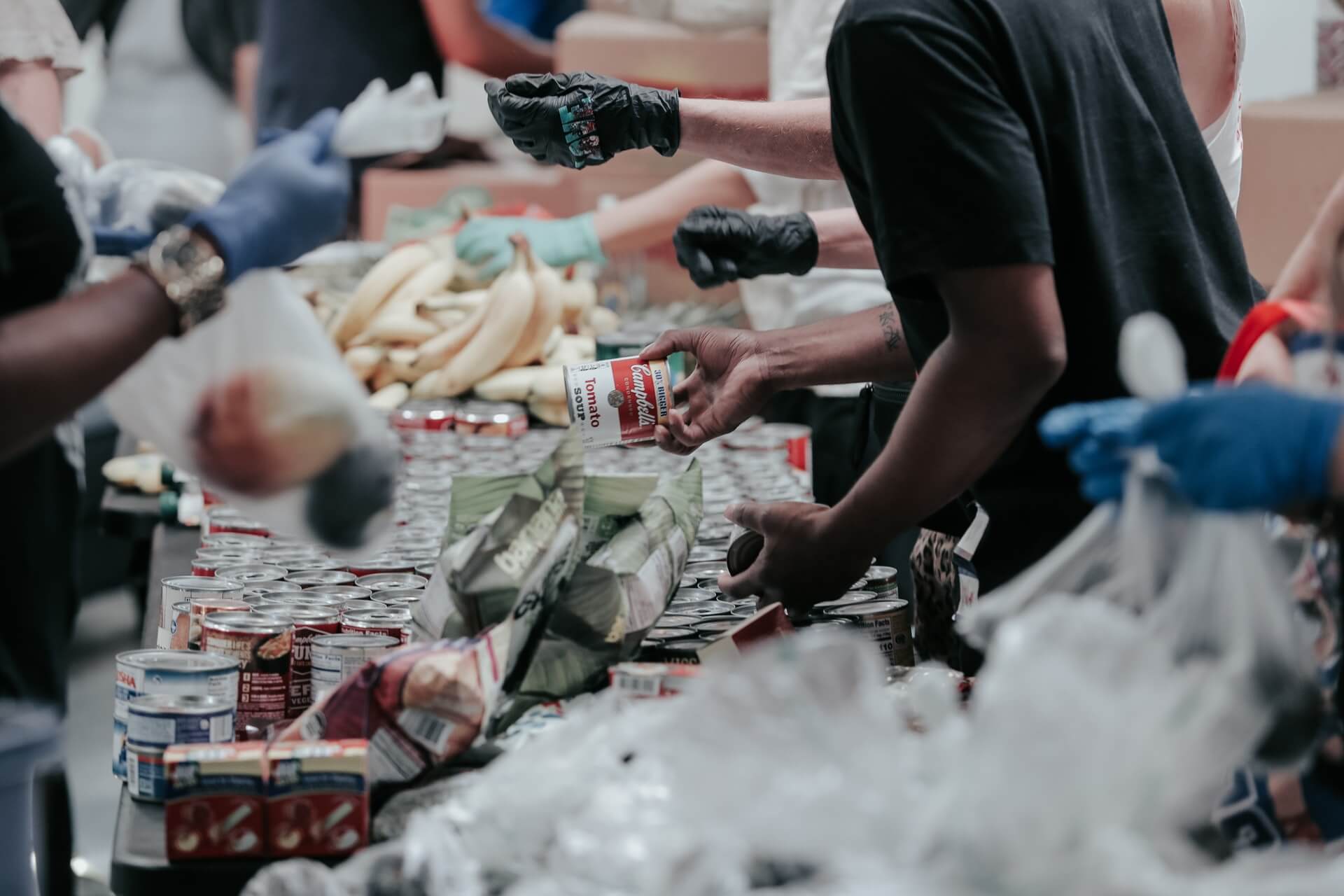
Food bank charity donations

November 30 is Giving Tuesday, “a global generosity movement” that focuses on all acts of kindness and giving, large and small.

KRG Hospitality vice president Jennifer Radkey explains Giving Tuesday in-depth in her article from last week.

In her article, Jennifer puts forth ways to involve your business and staff in acts of kindness.

She also explains that November 30 is an opportunity for operators to give back. After all, communities supported restaurants and bars during the pandemic. Now’s the time to provide support for those communities.

All acts of kindness and generosity are encouraged on Giving Tuesday. Monetary donations, volunteering time, hosting charitable organizations free of charge… There are endless ways to participate in Giving Tuesday.

“In other words, it doesn’t matter how you give,” says Jennifer. It just matters that you take part.

World Central Kitchen

At KRG Hospitality, we support World Central Kitchen. Founded in 2010 by Chef José Andrés and his wife Patricia, WCK has been fighting food insecurity for nearly 12 years.

One reason we give to WCK is exemplified in an announcement from earlier this month.

World Central Kitchen is committing to providing $1 billion over the next ten years via their Climate Disaster Fund.

Another reason we give to World Central Kitchen? The 501(c)(3) non-profit gave more than $250 million in 2020 to feed communities around the world.

However, it’s WCK’s overall approach to fighting food insecurity is what we find compelling. The charitable organization doesn’t just show up to a community, hand out food, and leave.

Rather, WCK commits to long-term, local solutions. They create food programs to improve a community’s overall health; offer culinary training and provide jobs; and work to build food security.

If you have the means, please consider following this link to make a donation to World Central Kitchen. Per Charity Navigator, WCK enjoys the highest rating for a charity: four out of four stars.

Donations can be one-time or monthly, for any amount, and in someone’s honor or memory.

Image: Joel Muniz on Unsplash

by David Klemt David Klemt No Comments

5 Books to Read this Month: November

5 Books to Read this Month: November

by David Klemt

Flipping through an open book

This month’s fun and informative book selections will help you develop next-level culinary, beverage and leadership skills this November.

To review October’s book recommendations, click here.

Let’s dive in!

Cook as You Are

The Great British Baking Show contestant Ruby Tandoh is a food writer with a half-dozen books to her name. Her latest will likely change how you look at food and its preparation. In particular, the “mini” version of Cook as You Are aims to be as inclusive as possible. The free download makes it easier for people who learn differently or require assistance in the kitchen to enjoy cooking. Cook as You Are features 100 original recipes created by Tandoh that don’t require hours of preparation or professional-grade kitchen equipment to execute.

The Bullhearted Brand

Expert Joseph Szala explains why operators should view branding as a strategic endeavor. Branding is more than a clever name, eye-catching logo, and slick tagline. Szala, as he explains, “lay(s) out the foundational elements and details about creating and scaling restaurant brands” in The Bullhearted Brand, drawing from years of real-world experiences.

Bourbon’s Backroads

Bourbon is one of the few spirits that America can truly claim as its own. Myths and legend abound, such as the claim that whiskey can only be called bourbon if it’s produced in Bourbon County. Karl Raitz conducted extensive research to uncover the full history of bourbon in the United States for Bourbon’s Backroads.

Gilded Age Cocktails

Author Cecilia Tichi takes readers on a cocktail journey spanning three decades. The Gilded Age, which took place between 1870 and the early 1900s, is known as the Golden Age for cocktails. Readers will be able to learn the stories of not only classic Golden Age cocktails to pass on to others, but also the stories of their creators. Gilded Age Cocktails transports us back to the pre-Prohibition Era, a time when bartenders first became famous and helped us all drink better.

Hacking the New Normal

Doug Radkey, president of KRG Hospitality, author of Bar Hacks and Hacking the New Normal, makes the case for making meaningful, impactful change in order for the hospitality industry to survive and thrive moving forward. As he explains during bonus episodes of the Bar Hacks podcast, as have multiple podcast guests like Chef Brian Duffy, the industry won’t truly recover unless we change our mindsets and the way restaurants, bars, hotels, resorts, entertainment venues, and arenas operate and treat staff.

Image: Mikołaj on Unsplash

by David Klemt David Klemt No Comments

Stand Out with Weird Holidays: November

Stand Out with Weird Holidays: November

by David Klemt

Stay Weird neon sign with purple background

Want to stand out from from other restaurants and bars in your area? Then commit to keeping it weird.

Several “holidays” are set against every date on the calendar, and November is no exception. These holidays range from mainstream—Thanksgiving Eve and Thanksgiving, anyone?—to food-centric to weird.

Pay attention to the latter to raise eyebrows, carve out a niche for your restaurant or bar, and attract more guests. Why do what everyone else is already doing?

Of course, you shouldn’t try to celebrate every holiday, weird or otherwise. And this month’s list in no way includes every odd holiday.

Focus on the days that are authentic to your brand; resonate with your guests; and help you grab attention on social media.

For October’s list, click here.

November 1: World Vegan Day

Obviously, this holiday isn’t weird for vegans or vegetarians. There are, however, those who still find this particular diet odd. Well, this is the perfect holiday to learn more about vegan cooking and eating. Pass on that knowledge by adding delicious vegan dishes to your menu.

November 4: National Candy Day

Do you have a surplus of candy now that Halloween is over? Trying to fight the temptation to eat it all yourself? Various candies perform well as garnishes for cocktails. There’s also another way to approach this holiday, like featuring starters such as candied bacon.

November 6: National Nacho Day

So, this holiday is more fun than weird, really. However, you can probably see the potential to deviate from the standard nacho builds. Instead, ask your kitchen staff to get creative and come up with intriguing takes on nachos that will grab the attention of your guests.

November 9: National Scrapple Day

One of the best ways to cut back on food waste in restaurants, bars, and hotels is to utilize as much of a given ingredient as possible. Scrapple, of which our Philadelphia audience will no doubt be very well aware, consists of pork scraps. Guests outside of Pennsylvania may have never tried scrapple before, so this holiday is the perfect time to tempt them with a new taste sensation.

November 12: National Pizza with the Works Except Anchovies Day

It’s not this pizza that’s weird, of course. It’s the very specific pizza this holiday is celebrating. I’m guessing that you know exactly what to do to celebrate this holiday with your guests.

November 14: Pickle Day

The (in)famous Pickleback. Bloody Mary made with pickle juice. A Dill Pickle Martini. Pickle appetizers and starters. If you’ve got pickles and some degree of creativity, it’s pretty clear what needs to be done on November 14.

National 15: National Spicy Hermit Cookie Day

This is another very specific holiday. This cookie, the Spicy Hermit, features flavors that couldn’t be any more perfect for fall: cinnamon, clove, allspice, and nutmeg. You can Google a recipe, of course, but we found this one and it seems delicious.

November 17: National Take a Hike Day

We’re big fans of encouraging guests and staff to get outside. There are thousands of trails throughout the United States and Canada, ranging from the easy-peasy to the truly treacherous, so the sky’s the limit. Encourage guests to take a hike and grab a bite and drink at your establishment to rest and recover. Have them tag your spot and their meal, of course.

November 28: Red Planet Day

It seems like billionaires and millionaires can’t get enough of Mars. Over the past few years, space travel has focused almost exclusively on the idea of reaching the Red Planet and figuring out how to live on it. So, if you’ve got dishes and drinks that are predominantly red in color, put them at the forefront on November 28.

Image: Dan Parlante on Unsplash

by David Klemt David Klemt No Comments

SevenRooms Announces Olo Partnership

SevenRooms Announces Olo Partnership

by David Klemt

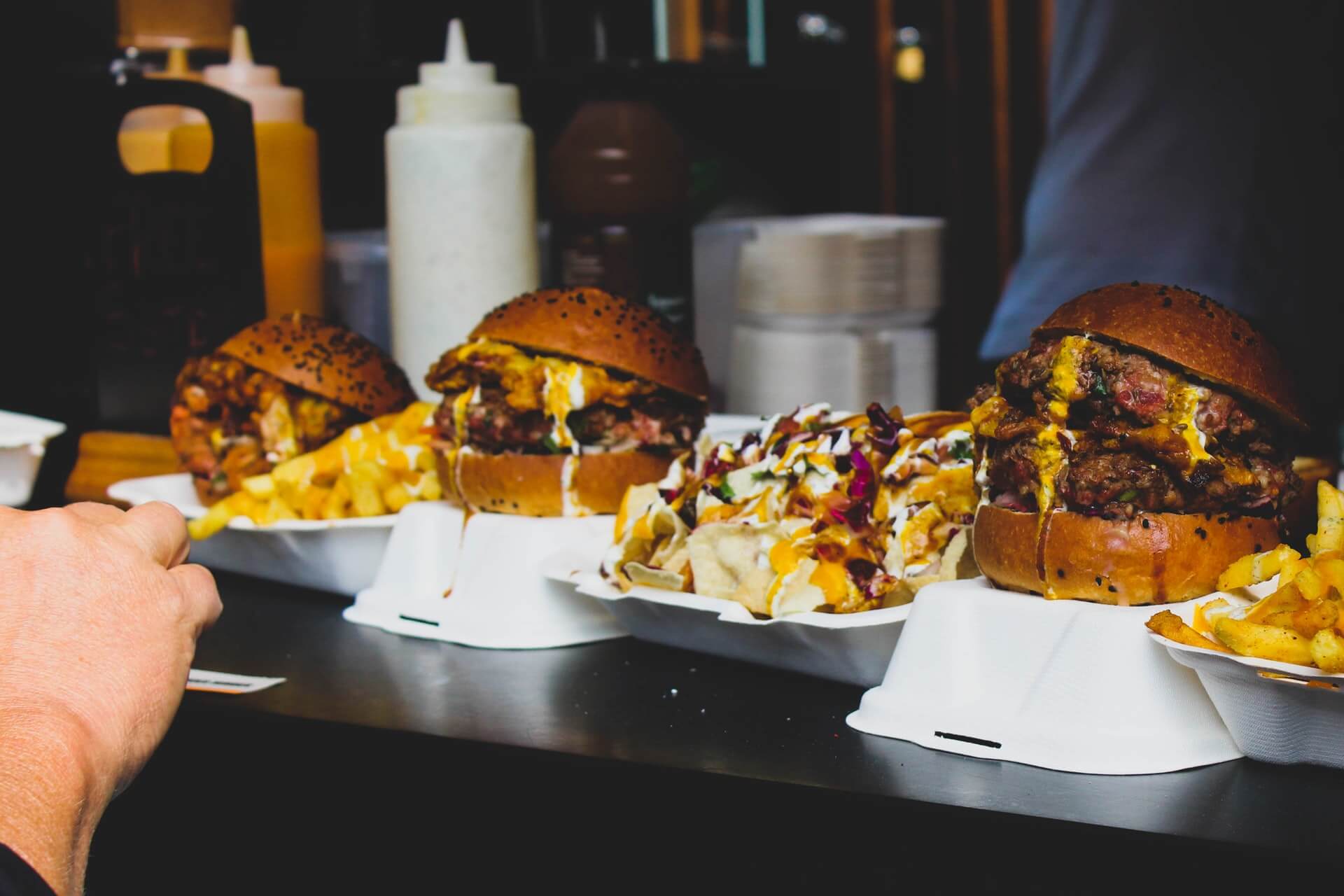
Cheeseburgers and French fries in takeout containers on pass

SevenRooms continues to grow and develop innovative partnerships.

The platform’s newest partnership benefits the hospitality industry, operators, and consumers.

In joining forces with Olo, SevenRooms further helps restaurants, bars, and hotels position themselves to succeed in an increasingly digital world.

The Bleeding Edge

Olo, which literally stands for “Online Ordering,” predates the iPhone.

In fact, the company launched before smartphones were more than niche devices.

Upon its inception, Olo’s service consisted mainly of sending mobile coffee orders to restaurant printers via text message.

Like SevenRooms, Olo seeks to stay ahead of the consumer behavior curve:

  • 2005: Olo launches, anticipating coffee drinkers will eagerly embrace mobile ordering.
  • 2008: The company predicts fast-casual restaurants will become faster than fast food.
  • 2012: Olo envisions the redesigning of kitchen restaurants to include pickup windows.
  • 2015: The platform sees the future for foodservice is delivery.

Now, Olo is dedicated to making sure online ordering customers benefit from the industry’s digital transformation.

The Partnership

SevenRooms ensures clients who also use Olo can capture their off-premise customers’ information. That data then creates profiles for those customers automatically.

This partnership leverages SevenRooms CRM and marketing automation integration. Operators will be able to send post-order surveys to off-premise, online ordering customers automatically.

So, operators can learn what is and isn’t working off-premise; elevate the experience of off-premise customers to increase online order frequency; convert those customers to in-person guests; encourage repeat visits; and increase profitability.

Moving forward, SevenRooms and Olo users will get to know their off-premise customers better.

“To meet the ever-evolving needs of our hospitality clients, we’ve continued to seek out strategic partners who help us provide an even more comprehensive solution to operators,” says SevenRooms CEO and founder Joel Montaniel. “Our integration with Olo delivers on our promise of offering a 360-degree platform focused on helping operators build deeper, direct relationships across on- and off-premise experiences. This partnership facilitates better operational efficiency and online data capture, ultimately helping operators optimize the profitability of their delivery and takeout business while strengthening customer relationships. We are excited to welcome Olo to our partner network, and look forward to our continued collaboration to drive better, more streamlined solutions for the industry.”

Learn more about SevenRooms here. Click here to learn more about Olo.

Image: call me hangry 🇫🇷 on Unsplash

by David Klemt David Klemt No Comments

Stand Out with Weird Holidays: October

Stand Out with Weird Holidays: October

by David Klemt

Stay Weird neon sign with purple background

Want to stand out from from other restaurants and bars in your area? Then commit to keeping it weird.

Several “holidays” are set against every date on the calendar, and October is no exception. These holidays range from mainstream—Halloween, anyone?—to food-centric to weird.

Pay attention to the latter to raise eyebrows, carve out a niche for your restaurant or bar, and attract more guests. Why do what everyone else is already doing?

Of course, you shouldn’t try to celebrate every holiday, weird or otherwise. And this month’s list in no way includes every odd holiday.

Focus on the days that are authentic to your brand; resonate with your guests; and help you grab attention on social media.

For September’s list, click here.

October 3: National Boyfriend Day

I’m pretty sure you understand exactly what this holiday honors and how to encourage guests to celebrate it. Invite people into your restaurant or bar to treat their boyfriend to a bite, drink, and good time.

October 6: National Noodle Day

Do you have noodles? Like to sell them to guests? Enjoy creating LTOs and specialty noodle dishes? This is the holiday to celebrate all of your favorite things with your guests.

October 8: National Fluffernutter Day

Ah, Fluffernutter. Marshmallow fluff resonates with a lot of people, particularly ’80s and ’90s kids. National Fluffernutter Day is the perfect holiday to leverage nostalgia, creative cocktails and desserts, cooling temperatures, and candy.

October 9: National Motorcycle Ride Day

One of the best parts about cruising in a group on motorcycles is stopping to refuel at a restaurant or bar. Encourage your bike-riding guests to begin, take a break during, or end their group ride at your venue.

October 11: National Kick Butt Day

No, this isn’t a day about literally kicking any butts. Instead, this holiday is about motivating people to take the necessary steps to realize their dreams and achieve their goals. Encourage your guests to take steps to reach their goals and celebrate doing so at your business.

October 13: National Emergency Nurse’s Day

Nurses always deserve our thanks. However, I think we can all agree that the past 18 months have been particularly difficult and overwhelming for nurses. Offer the emergency room nurses (all nurses, really) an amazing food or drink promotion to thank them for all they do.

October 15: National Grouch Day

While this holiday focuses on letting people let their grouch flag fly, operators can take a different direction. Why not offer people a place and promotion to get out of their funk through great food, amazing drinks, and a fantastic time?

October 17: Wear Something Gaudy Day

I mean, this holiday is two weeks out from Halloween—people are willing to make any excuse to dress up.

October 21: Get to Know Your Customers Day

Do you really want to boost your bottom line? Get to know your customers. Really, this holiday is for you. Use this day to implement guest data-collecting practices and train your team to obtain this valuable information. Learn more about why and how to build a guest database on episode 51 of Bar Hacks with Matt Plapp.

October 25: Sourest Day

There are multiple ways to approach Sourest Day. Some say it’s about eliminating the “sour” people in our lives. Others use it to enjoy sour candies which, admittedly, is perfect for Halloween month. For operators, promoting sour beers and cocktails is likely a winning strategy.

October 29: National Breadstick Day

Unless someone is counting their carbs strictly, everyone enjoys a breadstick. In reality, not many people have the discipline to enjoy just one. If you’ve got breadsticks on your menu, you know what to do on this holiday.

Image: Dan Parlante on Unsplash

by David Klemt David Klemt No Comments

Connect with Us at Pizza Expo 2021

Connect with Us at Pizza Expo 2021

by David Klemt

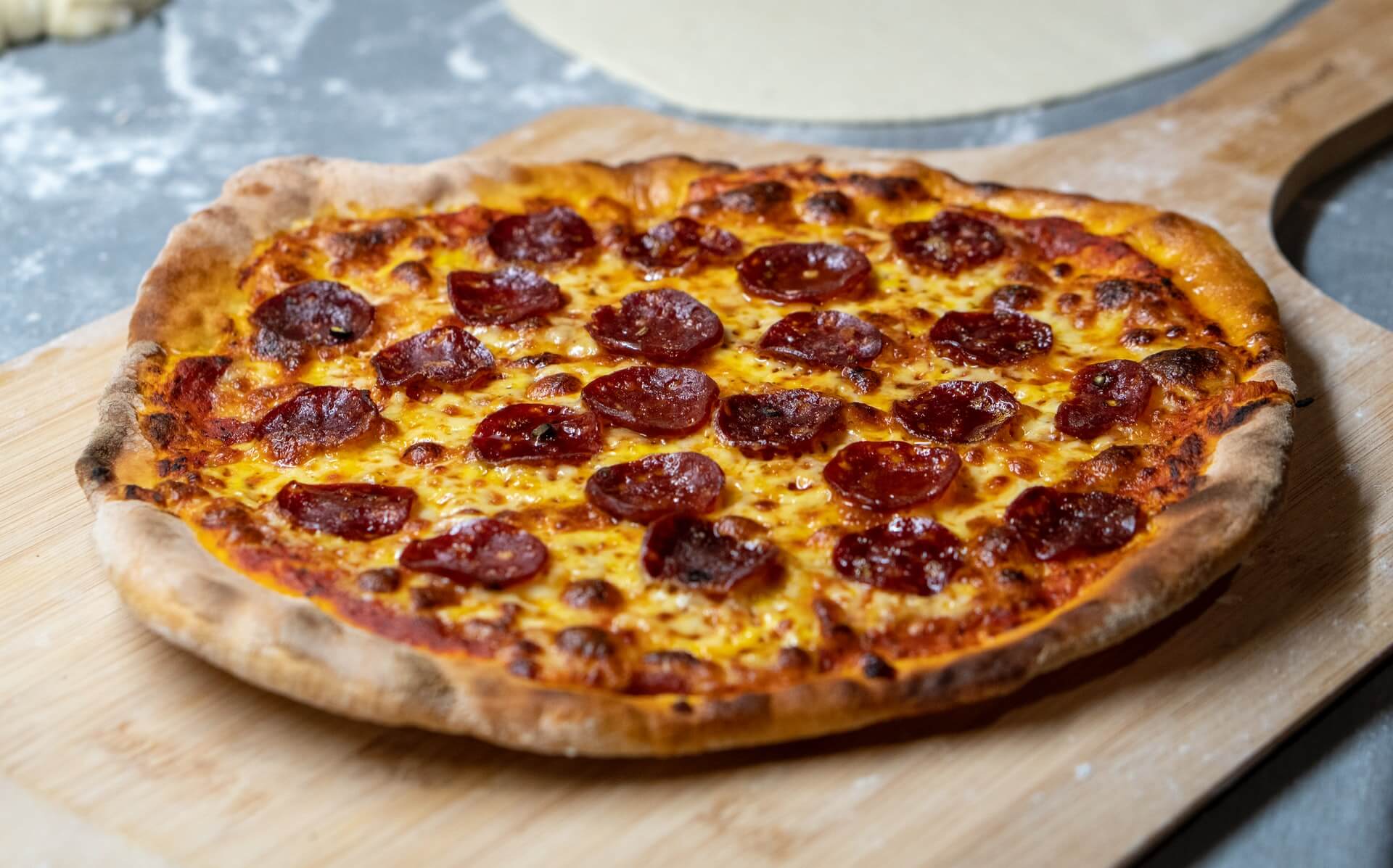
Freshly baked pepperoni pizza on board

We’re currently attending the International Pizza Expo in Las Vegas this week.

If you’d like to meet up, don’t hesitate to reach out to me via email or LinkedIn.

There are a lot of attendees to meet, education sessions to check out, and exhibitors to explore. However, we’ll be around so don’t be shy.

Where to Find Us

First, it’s awesome that trade shows and conferences are back in Las Vegas.

Linking online is convenient but nothing can really replace connecting in person.

That said, we’ll be at the International Pizza Expo all three days. Please, if you want to learn more about KRG Hospitality or the Bar Hacks podcast, feel free to connect.

Today, you’ll be able to find us at industry leader, pizza pro, restaurateur, and Bar Hacks guest Mike Bausch‘s “Community Marketing” seminar. Of course, we’ll also be attending his keynote on Wednesday.

But, back to today. You’ll certainly be able to find us at Scott Anthony’s “Old-school Marketing that Still Works,” and Nicole Russell and Anthony Falco’s “Today’s Top Pizza Trends” seminars.

If you’re looking for us on Tuesday, we know we’ll be attending Bausch’s “Menu Development Amidst COVID”; Nicole Bean’s “Logistics of Offering Multiple Pizza Styles”; and Sammy Mandell’s “Using Video to Grow” sessions.

Wednesday, the final day of this year’s International Pizza Expo, offers an array of can’t-miss education sessions.

We’re interested in the “Women in Pizza” panel featuring Nicole Bean, Rachel Cope, Denise Greer and Nicole Russell; Bausch’s “Third-party Delivery”; and the “Not Letting Covid Win” panel with Domenico Di Diana, Pasquale Di Diana, and Eric Rickman.

Of course, we’ll be walking the expo floor as well.

Las Vegas is Home

One of the major KRG Hospitality markets is Las Vegas. It’s where I’ve lived for nearly two decades.

So, if you want to grab a bite and a drink or even just want some tips for places to check out, reach out to me.

As home to one of Tony Gemignani’s Pizza Rock locations, it’s more than a little likely that you’ll spot us at this off-Strip pizza standout.

Image: amirali mirhashemian on Unsplash

by David Klemt David Klemt No Comments

How and Why to Edit Your Menu

How and Why to Edit Your Menu

by Nathen Dube
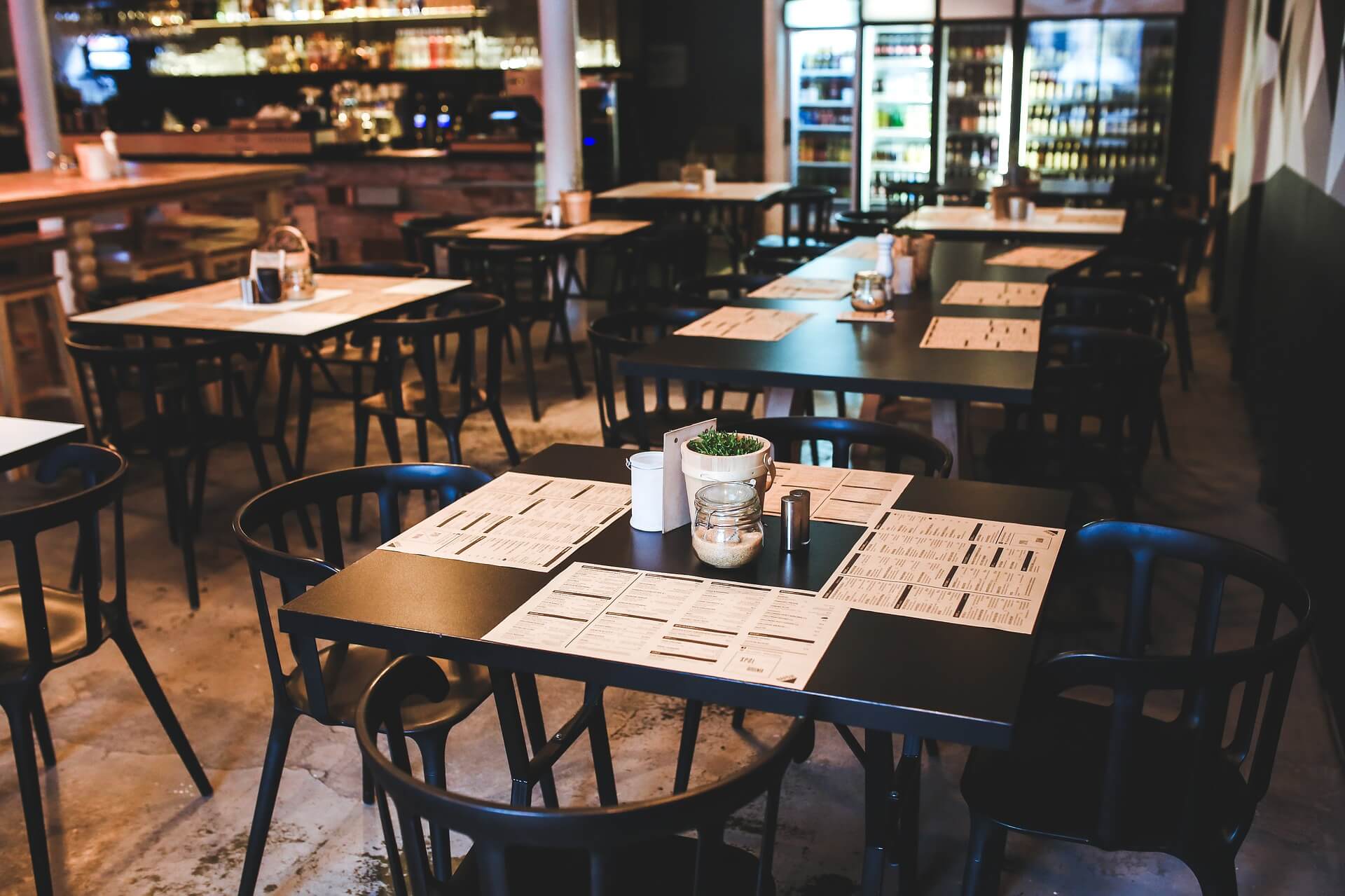
Restaurant tables with place settings and menus

When thinking about opening a restaurant an important question to answer is, “What am I going to serve?”

There is one answer that tempts too many restauranteurs: “I’ll offer something for everyone!” The thinking is that doing so translates into everyone coming to their restaurant or bar.

The truth is, everyone isn’t coming. Sadly, many of these places don’t survive long, and 60 percent of restaurants don’t make it past their first year. Having an overwhelming menu is one of the key contributors to that statistic.

Massive menus are stressful for guests, making it difficult for them to decide. At a certain point, too many items create what’s called the Paradox of Choice. Overwhelm guests with possibilities and they’ll just choose something simple and familiar rather than exploring the entire menu, impacting the guest experience negatively.

Too many options also lend to the perception of low-quality food. How can a kitchen staff possibly excel at so many dishes? How can the ingredients be fresh and not frozen? What is the quality of dishes if people only order them once or twice a week?

Those reasons and more are why it’s important to have a laser-focused menu from the onset.

Inventory Challenges

If a large portion of your menu isn’t moving out of the kitchen to hungry diners, guess where that food is going. A large menu creates tracking issues, a high percentage of ingredient spoilage, and opens the door to theft from staff. The best establishments do just a handful of things well, with a select few complementary items to round out the menu.

Having a kitchen full of product for dishes on the menu that might get ordered can quickly turn into dead stock. If there are boxes sitting in dry storage shelves collecting dust, it’s a good time to consider removing any dishes that require them from the menu.

Setting a scheduled review of inventory and menu sales breakdowns can be a great way to avoid dead stock eating into your food budget for any significant length of time. Not all dishes end up being winners—ignoring the losers will limit profitability significantly. A massive, unchecked menu just compounds the issue.

Another profit-eater is food waste. Ordering usually means receiving product in bulk and breaking it down. It’s near impossible, as an example, to order just two or four of something like cabbage for a dish that doesn’t move. The cabbage sits, and half a case gets thrown out for every dish sold. Having a focused menu will help quickly highlight items that need to be removed from a menu.

Tracking Issues

Then there’s the issue of theft. Unfortunately, theft happens. Having some deterrents in place can help mitigate opportunities for those who seek to steal in this industry.

If there aren’t robust tracking systems in place along with an honest team who uses them correctly, things can (and will) disappear. A much harder time will be had spotting losses and what’s causing them when it takes a long time to track inventory. Again, this leads to compounded profit losses on dead stock and product spoilage. We haven’t even begun to prepare any food yet and already our food cost is trending in a bad direction.

A restaurant budget needs to be established before opening and needs to be adhered to strictly. That can quickly go out the window when it comes to ordering food to stock your kitchen. A massive addition to your operating costs can set you back a few months, particularly when you’re not seeing a return on purchases for the reasons stated above.

With the current climate of the restaurant industry and a post-Covid dining scene, avoiding these pitfalls is crucial to success. Rising food and labour costs, recovering from months of closures, and a shortened patio season (if you’re lucky enough to have one), have made strict cost controls more important than ever going forward.

Keep in mind, if your seating capacity matches or is less than the amount of menu items you’re serving, that equates to minimal product turnover, which translates to minimal profits. That number is multiplied by product loss of any kind.

Training & Retention

When an owner can’t match their concept to food and drink offerings, it leads to poorly trained staff and frustration during service. There will be plenty of room for error (more loss!) and, unsurprisingly, low staff retention. That all keeps this never-ending cycle in motion.

If you can’t clarify your vision, how can you expect staff to showcase it to guests with any confidence?

At every “big menu” restaurant I’ve worked in, the owners were always in the building or kitchen. This wasn’t because they were driven to be hands on. It was because they couldn’t train staff properly to run the whole menu reliably, things would go “missing,” or staff simply couldn’t accomplish daily tasks consistently.

Interestingly, the opposite was true at establishments with small, focused menus. Staff were confident and knowledgeable, problems with food and service didn’t spiral out of control, and food moved out the door to some degree of consistency. The owners were freed up to run their business rather than micromanage everyone.

With all the issues currently hampering the food industry, the last thing you want right now is another level of frustration among your staff. Retention rates are at an all-time low. The struggle to fill job openings industry-wide are at all-time high, as are reported cases of staff walking out mid-service. A properly structured menu can keep your business on track and make the lives of your employees much more simplified.

Editing Your Menu

Focusing on cohesion between menu and concept doesn’t require offering all the dishes under the sun. Avoiding the “something for everyone” approach leads to improved guest experiences and employee confidence. Streamlining your menu simplifies inventory and sales tracking; differentiates high-profitability items from the rest; and makes identifying items that don’t sell easier.

Paring down your menu into a tight, focused version allows you to quickly retool it every few months. Just try tracking and editing a large four-page menu as frequently. It’s costly to reprint and you have better things to do with your time.

Keeping things tight also creates space to take advantage of seasonal offerings, local specialties, or customer favorites. You can also offer specials throughout the week that can drive traffic and give your talented cooks a chance to show off!

I would suggest looking over your sales data to identify your highest-selling dishes and the slow movers every one to two months. If you have a seasonal menu, this can be done at the midpoint of a seasonal change.

Think about what items are being purchased and only used in one dish. They can start to pile up in your stockroom and lead to dead stock. Consider the versatility of ingredients when planning a menu change—cross-utilize everything you can.

Fluctuating Costs

Another important point that can get forgotten is that the prices of food items fluctuate constantly. Maintaining a large menu, therefore, can become a nightmare cost scenario quickly. Limes, beef, avocados—even celery—are experiencing tremendous jumps in price. A small menu allows for damage control when prices jump, giving your room to make quick, lower-cost moves.

Of course, the alternative is to have your staff rattle off everything the kitchen is out of to your guests. Not cool.

The underlying theme here is to avoid tying up your finances in product that is sitting, turning to waste instead of profit, or not moving at all. Your mission is to have product moving out of the kitchen constantly and consistently.

It might seem like a wise decision to offer a large menu that’s all over the place. Maybe you’re making that choice for fear of alienating guests or reducing your traffic. However, the points made in this article should illustrate why a cohesive link between concept and menu is crucial, and how a smaller, more focused menu can deliver more for you than a large, out-of-touch menu.

Image: Karolina Grabowska from Pixabay

by David Klemt David Klemt No Comments

How About Some Cheese with that Scotch?

How About Some Cheese with that Scotch?

by David Klemt

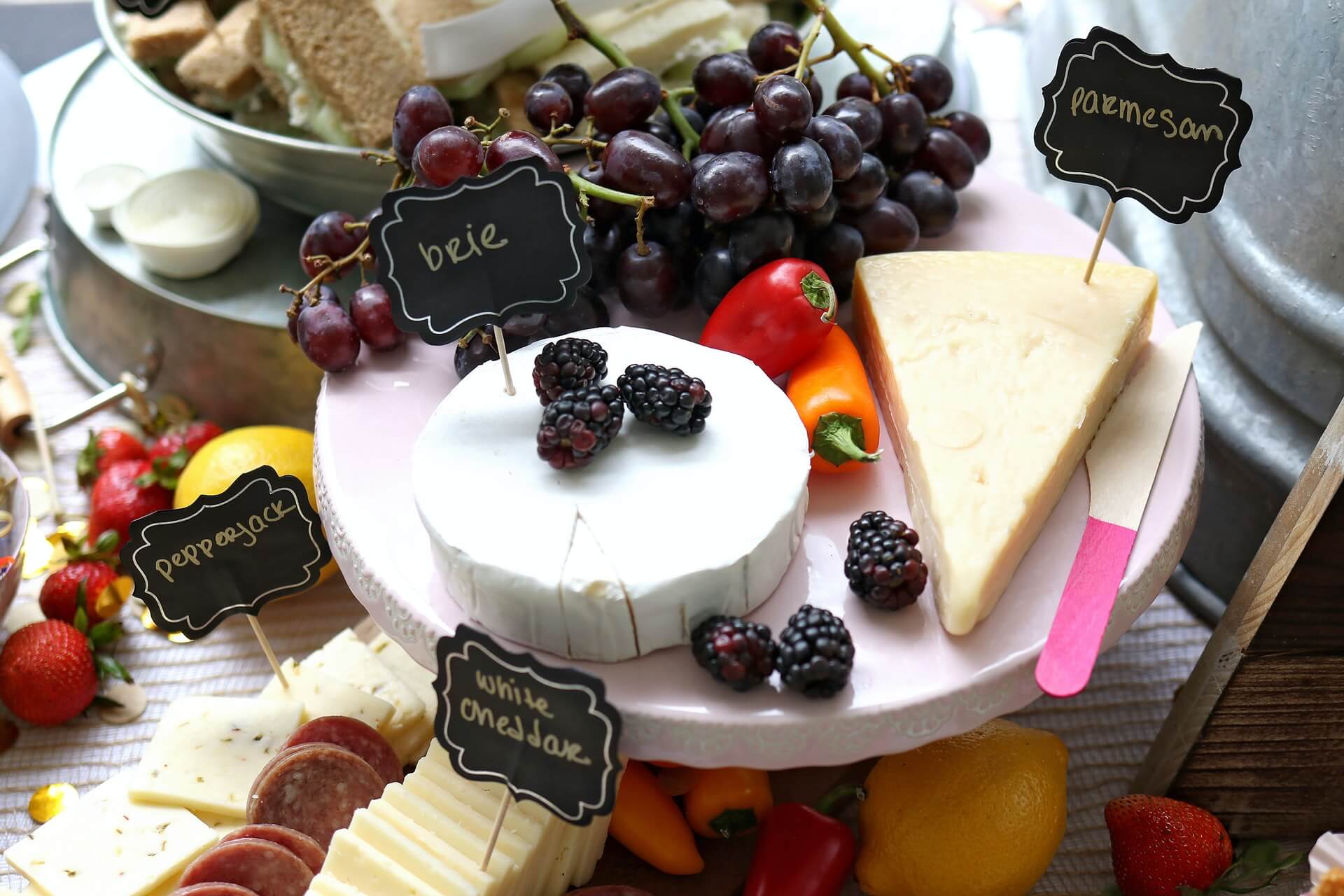
Cheese plate with Brie, Parmesan, Pepperjack and white Cheddar cheeses

On Tuesday, July 27, America celebrates National Scotch Day.

Of course, we could round up an array of tempting bottles. However, we’re going in a different direction for this spirited holiday.

Instead of a roundup, we’re sharing cheese and Scotch pairings sure to pique the interest of your guests.

As our Bar Hacks Podcast listeners we know, we love a bonus. So, you’ll also find wine pairings below. You can use those on Sunday, July 25, National Wine & Cheese Day.

So, please share two of our favorite things, interesting food and beverage pairings and bonuses. Cheers!

Lighter Expressions

Scotches with lighter, mellower profiles and sweet, fruit or citrus flavors require pairings that won’t overpower them. Of course, being lighter doesn’t make them any less complex or mean they lack in sophistication.

Comté (French, cow’s milk)

Versions of Comté that have some age on them (18 or 24 months) are known for salty, earthy and creamy notes. Generally speaking, quality Comté is also known for hazelnut and buttery aromas and flavors. These pair well with Scotches with fruit and vanilla on the palate, like those aged in ex-bourbon barrels. (Wine pairings: Bordeaux, Champagne, Chardonnay, Pinot Noir)

Gruyère (Swiss, cow’s milk)

So, you want to pair a Scotch that was aged in ex-Sherry casks with the perfect cheese. You want to offer a Gruyère here, as the nutty, garlicky and oniony notes of some versions will enhance—not overpower—the fruity, mellow notes and smoothness of the Scotch. Interestingly, some Gruyères resemble Comté. (Wine pairings: Cabernet Sauvignon, Chianti, Malbec, Syrah)

Manchego (Spanish, sheep’s milk)

The richness of Manchego stands up to Scotches with citrus, vanilla, spice, and honey notes. Look for curado (aged three to six months) and viejo (aged 12 to 24 months) for the best aromas and flavors. (Wine pairings: Cava, Merlot, Rioja, Tempranillo)

Brie (French, cow’s milk)

This variety of cheese tends toward the subtle, with nutty notes. Brie plays well with Scotches that have fruity and sweet notes. (Wine pairings: Chardonnay, Pinot Noir, Riesling, Sauvignon Blanc)

Parmesan (Italian, cow’s milk)

Speaking of nutty flavors, Parmesan pairs well with lighter Scotches that have bright citrus notes or earthier profiles. (Wine pairings: Lambrusco, Gewürztraminer, Pinot Grigio, Prosecco)

Camembert (French, cow’s milk)

Another great selection for lighter Scotches. Camembert features sweet, floral notes that don’t overpower Scotches that also have sweet flavors. (Wine pairings: Champagne, Chenin Blanc, Riesling, Sauvignon Blanc)

Feta (Greek, French, sheep’s milk, goat’s milk)

Interestingly, Feta has seen quite a rise in popularity with home chefs during the pandemic. So, give guests what they want and may have been cooking with themselves. Feta’s tanginess enhances the sweetness and fruitiness of lighter Scotches. (Wine pairings: Albariño, Champagne, Lambrusco, Riesling)

Heavier Expressions

Big, bold, full-bodied. Smoky and peaty. More intense Scotches need rich, sharp, and, oftentimes, creamy cheeses that can stand up to them.

Roquefort (French, sheep’s milk)

A blue cheese like Roquefort is sharp, rich and creamy, so it provides balance to smoky Scotches. (Wine pairings: Ice wine, Riesling, Sauterne, Sherry)

Stilton (English, Irish, cow’s milk)

Stilton, another blue cheese, is not as sharp as Roquefort and some others. However, it has a full body and its finish can be intense. That means it works well with rich, peaty Scotches. (Wine pairings: Gewürztraminer, Port, Riesling, Sherry)

Gouda (Dutch, cow’s milk)

Gouda, with a smoky profile itself, pairs with peaty, smoky Scotches. (Wine pairings: Barbera, Grüner Veltliner, Lambrusco, Zinfandel)

Cheddar (English, cow’s milk)

Have a Scotch that’s heavier on woody, oaky notes than smoke? Cheddar—and there are many options to choose from—plays well with such Scotches. (Wine pairings: Cabernet Sauvignon, Cava, Champagne, Chardonnay)

Remember that executing a pairing at its highest level means including the staff. This will help them sell pairings, upsell pairings, and identify pairings in the first place.

Dietary note: Make sure to read the labels of the cheeses you put on your menu. If any cheese has animal rennet, they’re not fit for vegetarians or vegans to consume.

Image: Jennifer Murray from Pexels

by David Klemt David Klemt No Comments

Want Champagne Onion Rings with That?

Want Champagne Onion Rings with That $6,000 Burger?

by David Klemt

De Daltons gourmet Golden Boy hamburger, cropped image

Matthew McConaughey once said that the inventor of the hamburger was smart but creator of the cheeseburger was a genius.

So, what title should we bestow upon the person who created the first-ever gourmet burger?

Super-genius? Superhuman? Superhero?

Perhaps legend is high-enough praise for whomever made it acceptable to charge more than $10 for a simple menu item.

A Brief History of Haute Hamburgers

The United States is widely credited with the invention of the hamburger. However, the exact origin is unknown. Therefore, it remains heavily disputed.

Of course, we wouldn’t have today’s gourmet burgers without two decidedly standard burger powerhouses: White Castle and McDonald’s.

The former was founded 100 years ago this past March in 1921, while the latter really came into its own in 1955. However, thanks to films like The Founder, McDonald’s tends to get the lion’s share of modern burger and fast-food credit.

Regardless, the first haute cuisine burgers wouldn’t hit the market until the turn of this century. Chefs Daniel Boulud and Richard Blais are among the names that receive credit for creating the gourmet burger category.

Over the past several years, several high-dollar burgers have made headlines. For example, Corvallis, Oregon-located restaurant Juicys Outlaw Grill created a $5,000 burger ten years ago. Anyone interested in having one was required to provide 48-hours’ notice.

In 2017, Dutch chef Chef Diego Buik offered a $2,300-plus burger at South of Houston in the Hague. Just two years ago, Chef Hubert Keller featured a $5,000 burger on the menu at his Las Vegas restaurant Fleur.

Another Las Vegas restaurant, Burger Brasserie, has offered a $777 burger for nearly a decade.

Chef Gordon Ramsay’s latest restaurant, the cleverly named Gordon Ramsay Burger outpost in London (the original is in Las Vegas), features a burger that costs between $106 and $144. Oh, and it doesn’t come with fries—those come with an upcharge of ten bucks.

New King of Burgers

Now, there’s a new most-expensive burger making the scene. Interestingly, it’s not from an American restaurant.

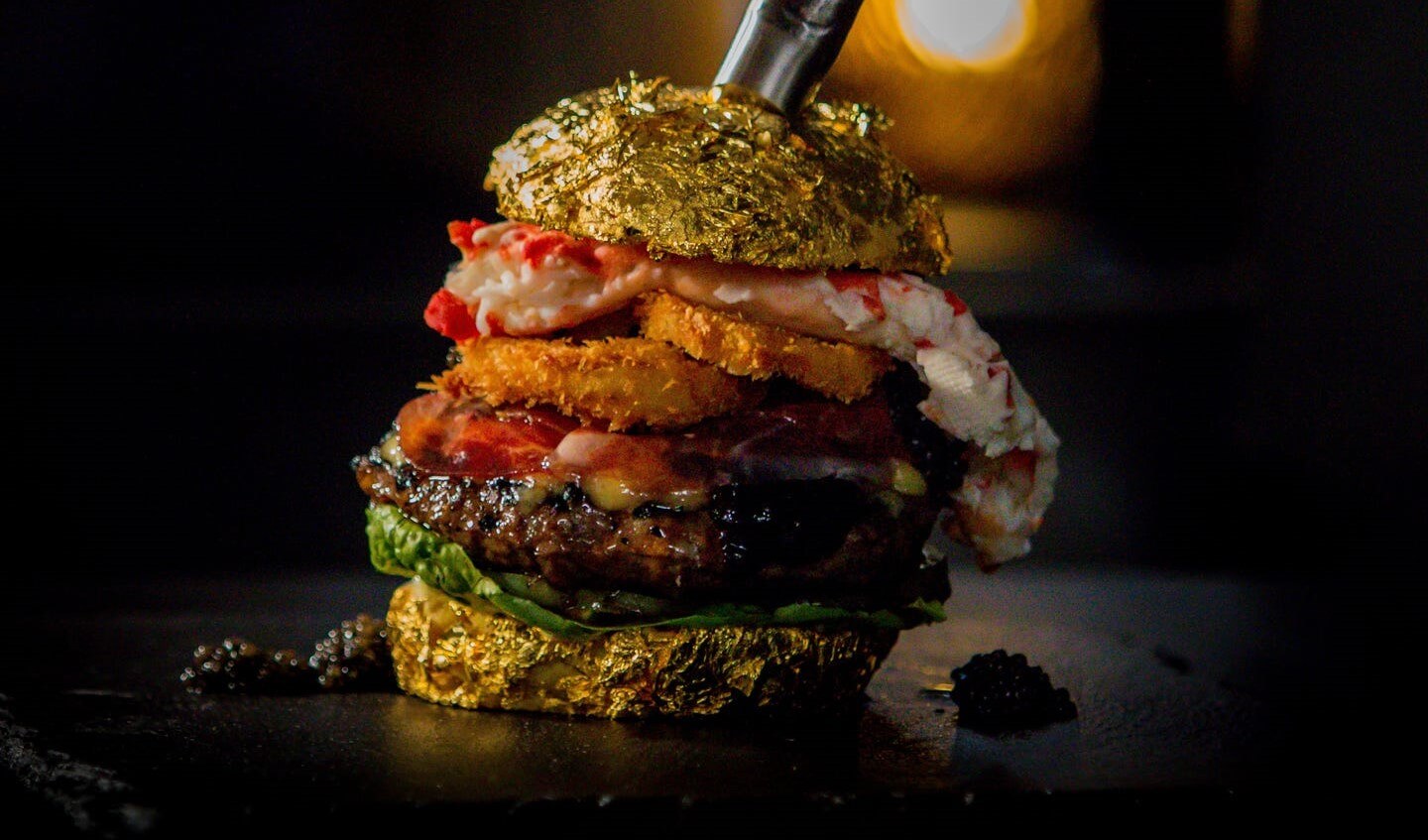
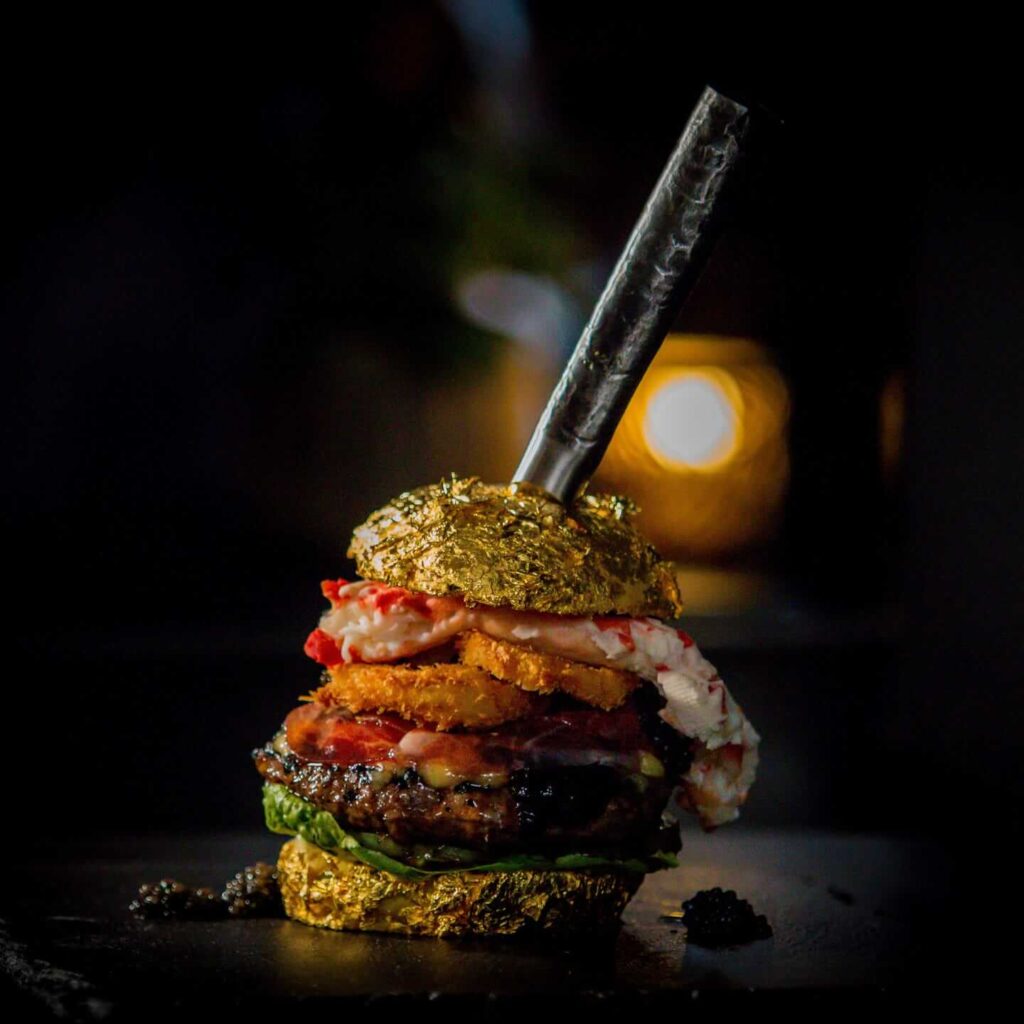
De Daltons, a Dutch diner located about 40 minutes southeast of Amsterdam, is the home of a gourmet burger known as the Golden Boy.

De Daltons gourmet Golden Boy hamburger

Of course, this isn’t just any gourmet burger—at €5000, De Daltons is attempting to make it the gourmet burger.

So, what does one get for their nearly $6,000 investment in haute cuisine?

To start, there’s the burger. It’s made of ground A5 Wagyu brisket and chuck short rib. It’s topped with The Macallan- and Kopi Luwak coffee-infused barbecue sauce; truffled Cheddar cheese; Joselito vintage jamon (the best ham in the world); Dom Pérignon-battered onion rings; Beluga caviar; white truffle; Tiger tomato and cucumber that was pickled in matcha; smoked mayonnaise made saffron, chive and duck eggs; and king crab cooked in white wine.

Oh, and the burger is given a whiskey-smoked treatment before it’s served.

Speaking of service, what kind of bun is luxurious enough to hold the Golden Boy? A saffron- and Dom Pérignon-infused gold leaf one, of course.

Gourmet Gimmick?

The latest headline-grabbing burger is truly a hedonistic indulgence. Unlike some haute hamburgers from the past, however, it’s made with truly impressive ingredients.

Before the Golden Boy made its appearance, one simply had to make a BOUS (Burger of Unusual Size) to get attention. One could also go the “gourmet” route by pairing their signature burger with a pricey bottle of Champagne.

After those two routes turned a bit stale, chefs with impressive credentials could make news by making gourmet burgers from “fancy” meats, slapping foie gras and an aged cheese on top, and dusting the bun with gold.

De Daltons’ burger is clearly taking the gourmet burger in an ultra-luxe direction. All challengers to the King of Burger throne will have to follow suit.

Yes, the Golden Boy is a gimmick. Yes, it has helped De Daltons pull focus and grab the global restaurant spotlight. However, as ludicrous as many will find the price tag, the burger does deliver on luxe ingredients and pageantry.

So, am I suggesting that restaurateurs review their menus, local suppliers, and market to come up with their own headline-generating luxury menu item? Well, yeah.

If an operator’s kitchen team has the skills to execute on a specialty high-priced item while remaining authentic and without alienating loyal guests, go for it. If there’s only PR, marketing and revenue upside, creating one incredible “off-menu”item is worth the effort.

Again, this comes down to operators knowing their guests, their markets, and what they’re great at doing. The word “gimmick” doesn’t have to be a dirty word—it can be a positive if done correctly.

Image: De Daltons

by David Klemt David Klemt No Comments

Father’s Day Food & Beer Pairings

Father’s Day Food & Beer Pairings

by David Klemt

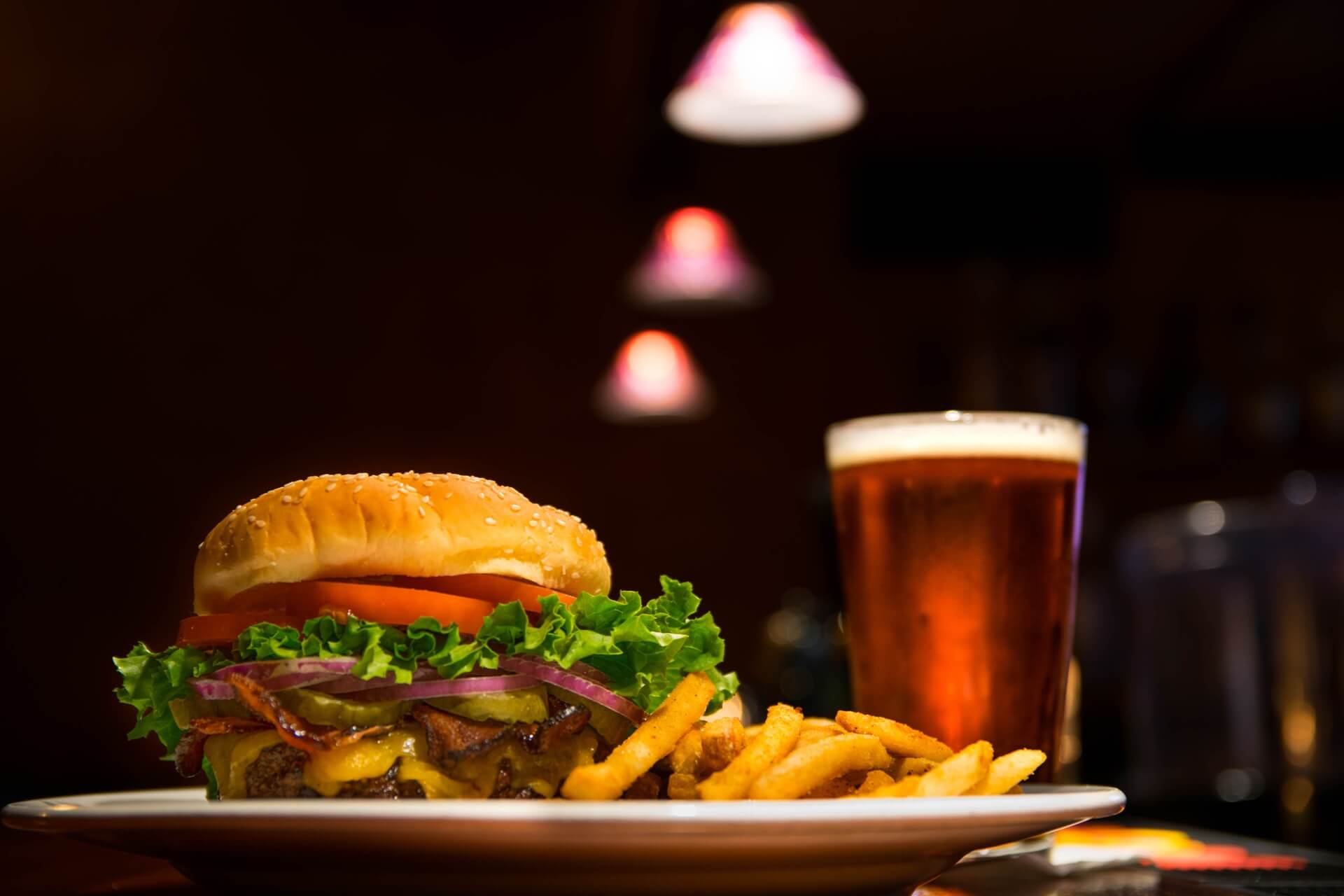
Burger with onion rings and beer

Father’s Day is right around the corner and while it isn’t usually quite as busy as Mother’s Day, this year could be different.

After all, states and provinces are reopening, and the weather is getting warmer. In fact, Governor Andrew Cuomo announced yesterday that restaurants and bars are no longer subject to social distancing restrictions.

And hey, who isn’t looking for an excuse to get out and return to restaurants and bars?

Now, I’m going to assume that most operators who plan to celebrate Father’s Day this weekend have their promotions in place. However, to help give those promos a boost, I want to share beer pairings for classic Father’s Day menu items.

Of course, these pairings work well on any day of the week, and they’re in no way limited to dads. Anyone who enjoys beer will appreciate operators putting an emphasis on food and beer pairings.

Burgers

One of the most popular foods, particularly for those seeking out comfort, burgers and an array of beers go together. For a classic hamburger, suggest an IPA, APA or Lager. Known for your mushroom and Swiss cheese burger? Brown ales, amber ales and porters work well. Pale ales go well with bacon burgers, and wheat ales and Witbier pair with veggie burgers.

Chicken

Fried chicken is certainly right up there with burgers in terms of comfort foods. And it’s certainly great for Father’s Day. Suggest pairing fried chicken with a Kölsch, Märzen, Helles, and Hefeweizen. For barbecue chicken, recommend a light lager, Pilsner, Saison, Hefeweizen and Witbier. Honey glazed chicken (baked or as wings) work very well with a Kölsch.

Pork

If you have ribs on the menu, there are a few ways to go with beer pairings. Porters, stouts and German lagers are medium- to full-bodied and can stand up to bold, rich flavors and compliment smoke. On the other hand, pale ales and IPAs (lighter versions tend to work better) are lighter but can compliment barbecue flavors as well. Porters and American pale ales sip well with pulled pork sandwiches. A Märzen, Hefeweizen or Porter pairs nicely with pork chops.

Steak

Just like there are several cuts of beef for steaks, there are several beer types that pair well with steak. Brown ales, stouts, porters, IPAs, lagers and IPAs work well for different reasons. Cuts that are more flavorful (ribeye, top sirloin, porterhouse, T-bone) pair well with darker beers (generally speaking). But cuts like filet mignon, known to be lighter in flavor, work well with lighter beers (some lagers and IPAs).

Seafood

Much like steak, seafood presents plenty of variety for beer drinkers. You’ll find that Pilsners compliment many different types of seafood. Generally speaking, lobster dishes pair well with a Pilsner or an IPA (that isn’t too assertive). Pilsners work great with an array of fish, so suggest one with your fish and chips or tilapia. When it comes to many crab dishes, lagers and—yep—Pilsners are excellent recommendations. Wheat beers pair well with mussels, and sours and Goses drink well with oysters.

Grilled Vegetables

When it comes to grilled and charred vegetables, dark beers with roast coffee, malty and chocolate flavors pair very well. Imperial stouts can certainly hold their own with grilled, roasted and charred veggies. However, black lagers and porters are lighter than imperial stouts with similar flavor characteristics, meaning they won’t overpower the vegetables.

Of course, the best way to make winning pairing suggestions is to try them yourself. Even better, include kitchen staff, servers and bartenders and get their feedback. There’s no substitute for being able to make pairing recommendations based on personal experience.

Image: Edward Franklin on Unsplash

by krghospitality krghospitality No Comments

International Chain Slashes Menu

International Chain Slashes Menu

by David Klemt

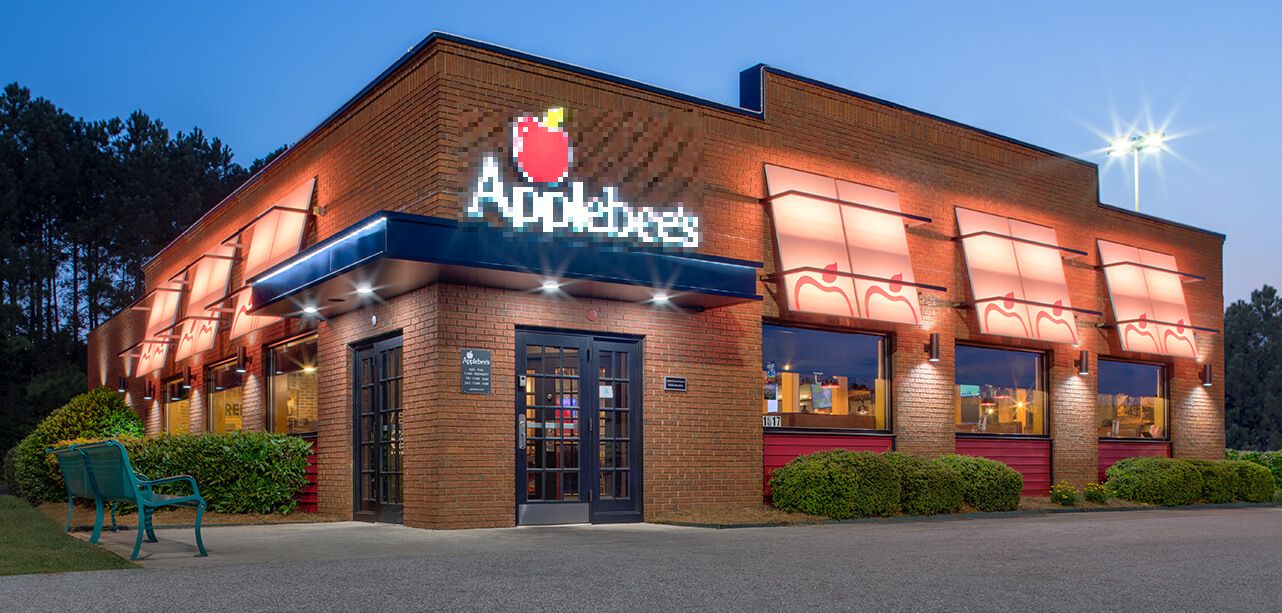
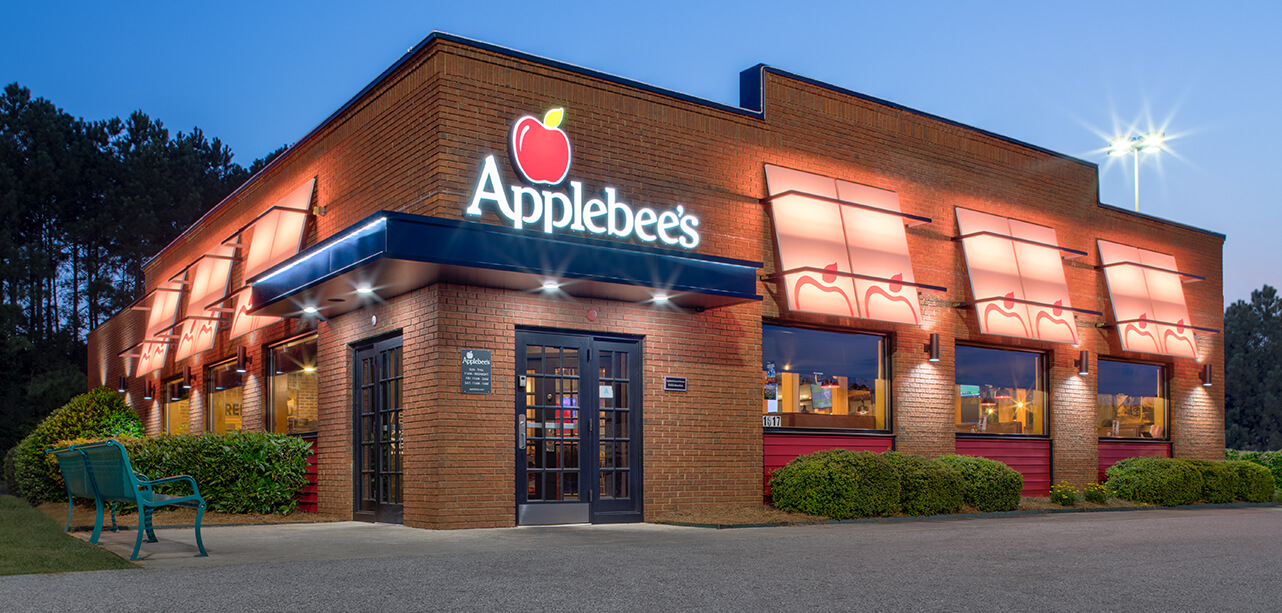
Applebee's Grill & Bar casual dining restaurant

If you’re curious as to whether “lean and mean” menus are here to stay as a result of the pandemic, look no further than one international chain.

Moving forward, Applebee’s Grill + Bar menus will be some 60 items lighter.

The chain’s menu will be 38 percent smaller, and the change is permanent.

Significant Overhaul

Of course, it isn’t like the Applebee’s menu is tiny now. At about 100 items, it’s still larger than most independent restaurant menus. For contrast, KRG Hospitality president Doug Radkey, in most cases, recommends 12- to 32-item food menus.

Still, the casual dining chain cutting 60 items permanently is a big move.

The decision is a direct result of the pandemic and the toll it took on Applebee’s and the industry overall. Unfortunately, like many operators big and small, chain and independent, the chain had to furlough staff. Lightening the menu made it easier for the chain to adapt and shift toward takeout and delivery.

Weak performers and complex items that affect efficiency are gone. According to John Cywinski, Applebee’s president, the decision means faster ticket times, more consistency, and better efficiency.

Among the 60 or so items that are no longer available: the triple cheeseburger, clam chowder, and BBQ brisket tacos.

Streamline Summer

The decision to eliminate dozens of complex and lagging items puts Applebee’s in a better position for Summer 2021, potentially.

Speaking with CNN Business, Cywinski said, “The team will have to be very thoughtful about every single product or beverage they introduce, and the consequence of it from a complexity standpoint.”

That thoughtful approach is crucial in large part because of Applebee’s new menu policy: When a new item comes onto the menu, an old item must go.

Accordingly, Applebee’s can remain innovative while avoiding once again inflating their menus.

With demand for social interaction, a return to normalcy, and in-person restaurant and bar visits set to explode, Applebee’s finds itself with a menu that’s nearly 40-percent smaller. That should make it simpler for the chain’s restaurant and bar teams to fill orders quickly, efficiently, and consistently.

Menu Refresh

Every operator needs to know their numbers. That doesn’t just mean costs and inventory, by the way.

Do you know the cook times for each food item on your menu? Do you know how many dishes you can make with a given ingredient? Is thoughtful cross-utilization an important element of your F&B operations?

The answers to those questions can help you identify bottlenecks in your operation and become more agile.

Another important question to consider: Do you know which menu items are your slowest sellers? If you do, answer this: Why are they still on your menu?

When you eliminate an item, yes, some guests will express their disappointment. You’ll have to weigh the costs of keeping a poor performer against freeing up resources by losing an item that rarely sells. You may even identify an item that you personally love but just doesn’t move. Again, you have to do what’s best for your bottom line.

You may not have 160 items on your menu. You may not have 100. That doesn’t mean you don’t have at least a handful of items that you can eliminate to reduce costs and increase revenue.

Image: Applebee’s Grill + Bar

by David Klemt David Klemt No Comments

Celebrate National Takeout Day!

Celebrate National Takeout Day!

by David Klemt

Canadian flag against blue sky and white clouds

Today is the big day: National Takeout Day in Canada!

Canada Takeout is challenging Canadians to place takeout orders and set a national record.

Obviously, this national challenge is very straightforward—if you’re in Canada, order takeout!

Take Part

As an operator, make sure your loyal customers know to participate today. You know what that means—flood social media.

If there was ever a right time to leverage your social media channels, it’s today.

Post about your takeout menu. Post about any specials you’re offering to entice your customers to place takeout orders. Show off your food. Use the hashtags #takeoutday and #Canadatakeoutrecord. Encourage your customers to post their orders and use the same hashtags.

Also, ensure your receipt printing system is set to label takeout orders as “Takeout” on receipts. That makes it possible for your customers to upload their receipts to the Takeout Tracker; make sure you tell your customers to do that so they can be counted.

Go All In

Canada Takeout’s mission is “reminding Canadians to order takeout.” The organization is helping Canada set the all-time record for takeout orders today in several ways.

We’ve been over their hashtags and that you should absolutely use them. However, Canada Takeout has also created social media assets anyone can download and use. One of these assets features a fantastic slogan: “Eat well. Support local. Set a record.”

Click here, scroll down, and download. While you’re at it, make sure you’re following Canada Takeout on Instagram and Facebook.

Keep it Going

This isn’t Canada Takeout’s first initiative. The organization launched the inaugural National Takeout Day last year, April 15, 2020.

Per a press release, the hashtag #takeoutday has earned more than 160 million impressions, reaching nearly 53 million people.

Canada Takeout also celebrates other food-related holidays. Visit the site and you’ll see that they’re looking forward to Thai Food Day (April 21), Tomato Day (April 28), and Mexican Food Day (May 5).

Get your takeout menu ready, promote it on social, and help set a record today!

Image: chris robert on Unsplash

by David Klemt David Klemt No Comments

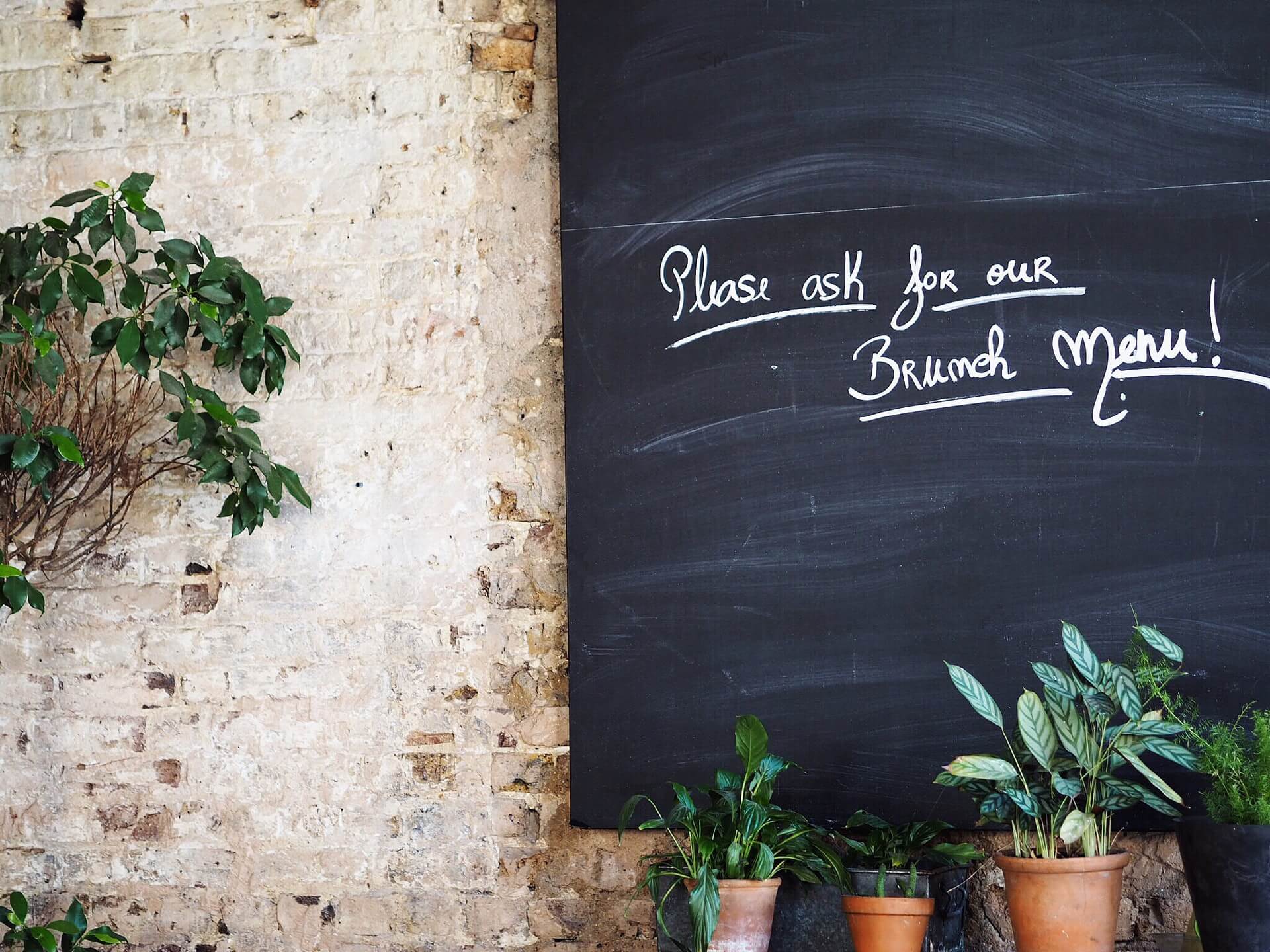
Dial In Your Brunch Before Mother’s Day

Dial In Your Brunch Before Mother’s Day

by David Klemt

Warming weather, pent-up demand, and less-restrictive Covid rules—at least in the United States—make brunch viable in many markets.

Plus, we’re just a month away from Mother’s Day. If everything goes right, dining restrictions won’t keep operators from capitalizing on this big brunch holiday.

Considering your brunch menu now—including your Champagne and sparkling drinks—will help you dial it in before Mother’s Day.

To help you perfect your brunch operations, let’s look at a casual chain, a taco shack, a fine-dining restaurant, and a casual independent restaurant that focuses on comfort foods.

Las Vegas

Things are looking up for Las Vegas. Nevada’s current Covid-19 status is Mitigation.

Restaurants, bars, pubs, breweries, distilleries and wineries may operate at 50-percent indoor capacity. There’s no occupancy limit for outdoor dining, but operators must follow social distancing guidelines.

The city is known for its buffets, of course. Some are open again, thanks to the easing of restrictions. However, Las Vegas buffets are known globally—let’s focus on a more traditional restaurant for this list. I also want to venture off the Strip—but not too far.

Lazy Dog is a casual dining chain with a focus on craft beer and dog-friendly operations. Canine buddies are welcome on their patios.

You may be wondering why, given all the incredible restaurants in Las Vegas, I’m looking at a casual chain. The answer, quite simply, is that I want to offer an array of suggestions to get you thinking about your own brunch offerings.

First, there’s the $20 DIY Mimosa. For $20, guests get a 750mL of Freixenet Cava with either orange juice of Kern’s Peach Nectar.

Then there are the brunch menu food items. There’s a generous portion of avocado toast that comes with cheesy scrambled eggs; a Breakfast Burger; a Breakfast Club Sandwich; a couple of breakfast quiches; and Bacon Candy, which is bacon with brown sugar, crushed red pepper chili flakes and black pepper.

Lazy Dog’s brunch is a good example of how to make bottle service fun and accessible, and elevating brunch menus in a way that’s familiar and appealing to guests.

Nashville

It’s still standard operating procedure for guests in restaurants and bars to wear face coverings unless eating or drinking. Capacity is 175 people maximum per floor. There’s a limit of 10 guests per table inside, 25 outside.

However, restaurants and bars are open in Nashville for indoor dining. Venues that serve alcohol must cease service at 1:00 AM and close at 2:00 AM. If there is no alcohol service, a restaurant may remain open for 24 hours.

Redheaded Stranger takes brunch in a deceptively simple direction: breakfast tacos. Brunch doesn’t have to be standard breakfast foods, after all.

Flour tortillas are made in house and pair well with mouthwatering brunch fillings. There are tacos with bacon, tater tots, egg and cheddar cheese; chorizo, egg, sour cream and cheddar; and tater tots, jalapeño crema, red hatch chiles, and American cheese. Oh, and don’t forget their inventive sauces, like Dr. Pepper Hot Sauce.

Of course, no brunch is complete without cool, refreshing drinks. The taco hot spot offers Bloody Marys, Mimosas, Margaritas, and frozen cocktails.

Orlando

Florida is in Phase 3 of their reopening plan. That means restaurants, bars and nightlife venues are open for business.

There’s an executive order in place in Orange County, Florida, mandating face masks in public settings. Orlando is in Orange County.

Otherwise, it’s business as usual.

Chef’s Table at the Edgewater is an award-winning fine dining restaurant. People travel from all over the world for the food and experience.

The Chef’s Table brunch menu features upscale but accessible fare. There are Duck Fat Fries to share (or keep to yourself); Lobster Mac & Cheese; a trio of Mini Beef Wellingtons; Chicken and Waffles made with sweet-tea-brined chicken and bourbon maple syrup; Vegan Chilaquiles Verdes to which one can add a sunny-side-up egg.

Philadelphia

As of April 4, restaurants and bars are able to enjoy relaxed Covid restrictions. One of the biggest reasons for restaurants and bars to rejoice is the return of bar services. Barriers are required promote social distancing.

As far as indoor capacity restrictions, restaurants and bars that self-certify may operate at 75 percent. Venues that don’t self-certify may open at 50 percent indoor capacity.

Establishments can serve alcohol without the purchase of food, and there’s no longer a curfew for removing alcohol from tables.

One Philly restaurant that got our attention with their brunch menu is the Twisted Tail. The Headhouse Square eatery offered a $39/person prix fixe menu for Easter, taking full advantage of Pennsylvania’s new Covid regulations.

Their “standard” brunch menu features creative items such as Crawfish Mac & Cheese, Beer-Battered Cheese Curds, and Buttermilk Chicken Sandwich.

Image: Natasha Kapur on Unsplash 

by David Klemt David Klemt No Comments

Grilled Cheese Day: Mastering the Melt

Grilled Cheese Day: Mastering the Melt

by David Klemt

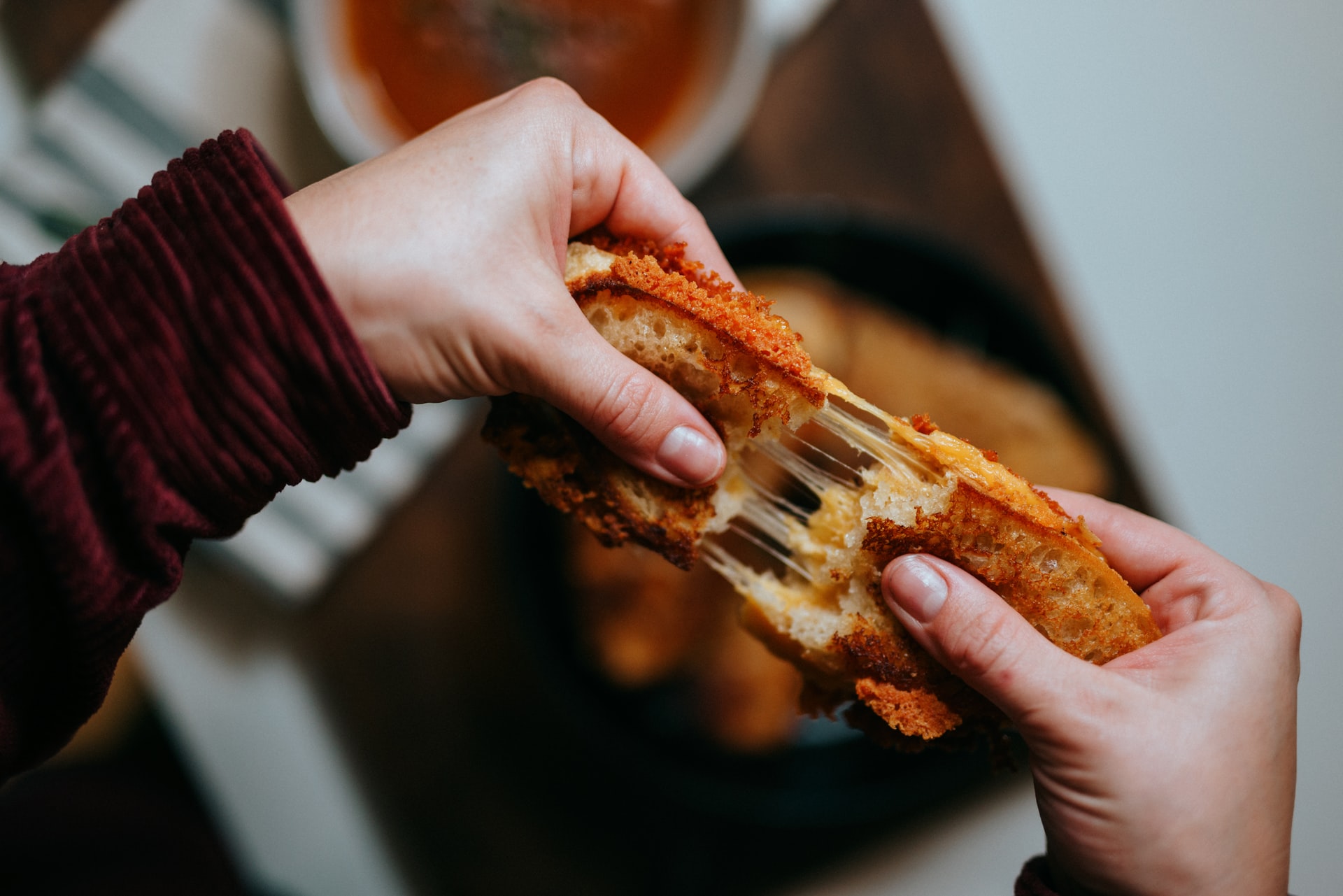
Person pulling apart melty grilled cheese sandwich

There are few comfort foods more popular than a well-made, melty grilled cheese sandwich.

It’s such a perfect comfort food that it has its own national holiday in the United States.

National Grilled Cheese Sandwich Day is April 12 in the US. From what I’ve read, Canada also gets in on the fun.

Melt Mastery

If you want to make the best grilled cheese sandwiches, not just any cheese will do.

The saying goes that you can’t squeeze blood from a stone. Well, you also can’t squeeze a melt out of a hard cheese cheese.

So, you want to make one of the comfiest of comfort foods. Cheese selection matters. Here’s what to consider:

  • Moisture content. Hard cheeses have very little water content and therefore don’t fully liquify.
  • Fat content. Cheeses with a high fat content melt very well.
  • Acidity. Cheeses that are highly acidic get stringy when melted. Acid-curded cheeses (vegan, many goat cheeses) don’t melt much, if at all.
  • Age. If you want melty cheese that results in that visually appealing cheese pull, look for fresh and unaged cheeses.

Melt Mates

It’s tempting to throw the cheese drawer at a sandwich. If one cheese is great, more cheeses are even better, right?

Wrong. Certain cheeses melt together better than others. Consider this:

There are restaurants that have grilled cheese eating challenges. Complete such a challenge, bask in glory forever. The reason this particular challenge must be completed quickly is melting points. As the sandwich cools, the cheeses congeal. The harder, lower-fat cheeses make it much more difficult to finish the admittedly ridiculous challenge sandwich.

So, which challenges melt the best and tend to play well together? Check out the list below:

  • American
  • Blue Cheese
  • Brie (works particularly well with fruit slices, jam and aged Cheddar)
  • Cheddar (look for younger versions for the best melt)
  • Colby
  • Comté
  • Fontina
  • Gruyère (again, younger versions tend to be better for grilled cheese sandwiches)
  • Monterey Jack
  • Mozzarella
  • Muenster
  • Pepper Jack
  • Provolone
  • Raclette
  • Taleggio

Become Legend

Comfort foods have become big-time revenue generators during the pandemic in America and Canada. There’s no reason to believe that’s going to change any time soon.

Master your melt and your sandwiches will become legend. Master the sides, dips and other accoutrements that enhance your legendary sandwich(es) and you’ll become a grilled cheese god.

Image: Nathan Dumlao on Unsplash

by David Klemt David Klemt No Comments

Container Kitchens: The New Footprint

Container Kitchens: The New Footprint

by David Klemt

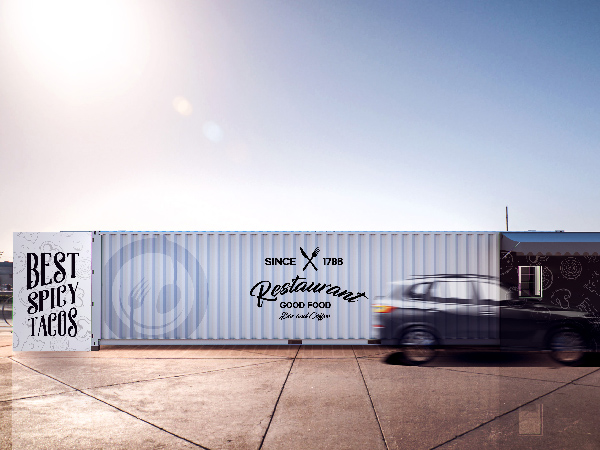
Make My Ghost Kitchen container exterior

Would it be a surprise to anyone after the past twelve months that shipping containers may be the new commercial kitchens?

According to two 2021 Restaurants Canada Show panelists, custom containers are the future.

A partnership between a builder and designer is providing restaurateurs with an intriguing solution.

Meet the Problem Solvers

Jonathan Auger is the president of Juiceworks Exhibits. The company operates out of Mississauga, Ontario, Canada.

Juiceworks designs, engineers, and fabricates memorable exhibits and installations. Click here to view projects for clients such as Genesis, Infiniti and Volvo.

Nicholas Goddard is the founder of Portage Design Group, located in Toronto.

Portage specializes in interior design and offers a full suite of services, including research, sophisticated design, and construction management. The company’s restaurant design work can be seen here.

Together with a small but skilled team, Auger and Goddard have formed Make My Ghost Kitchen.

Custom Container Flexibility

In some cases, a smaller restaurant footprint is attractive to operators. This is due in part to guest behavior we’ve seen since 2020. That is, guests haven’t been able to or felt comfortable with dining indoors at restaurants.

Then, of course, there’s the cost factor. A smaller footprint, generally speaking, equals lower initial investment and rent. An operator with a new concept can use a container before investing in a brick-and-mortar location.

Other benefits relate to market testing; expansion; virtual and ghost kitchen operations; and delivery and pickup.

Operators looking to expand or add retail, along with QSRs, are showing interest in Make My Ghost Kitchen’s containers. One explanation for the interest is simple: containers are highly mobile.

An operator sends their kitted out container to a potential market. They open up shop and test the viability of their concept. If the reaction is less than desirable, they move the container to another market.

For example, one client set up a container complete with a delivery window. In just six hours they sold 3,600 burgers.

Custom Container Costs

Make My Ghost Kitchen’s custom containers come with the necessary equipment. They also feature a delivery window and fabricated with a small pickup vestibule.

Obviously, prices go up with the quality of equipment. Other customizations, it stands to reason, can also push container costs up.

On average, however, Auger says an eight-foot by 20-foot container can be had for as low as $20 per square foot. Prices can climb north of $50 to $75 per square foot, however.

Whether functioning as a ghost kitchen or marketing showpiece, operators can choose from ventilation solutions. The containers can vent to interior (which heats them up quickly) or exterior. Another cost to consider is water. If a municipality doesn’t grant access to their water it will need to be trucked in.

Finally, a custom-kitted kitchen can be an asset. If an operator decides it’s time to move on, they have the potential to sell their container.

Image: Make My Ghost Kitchen

by David Klemt David Klemt No Comments

Mardi Gras Transforms Into Yardi Gras

Mardi Gras Transforms Into Yardi Gras

by David Klemt

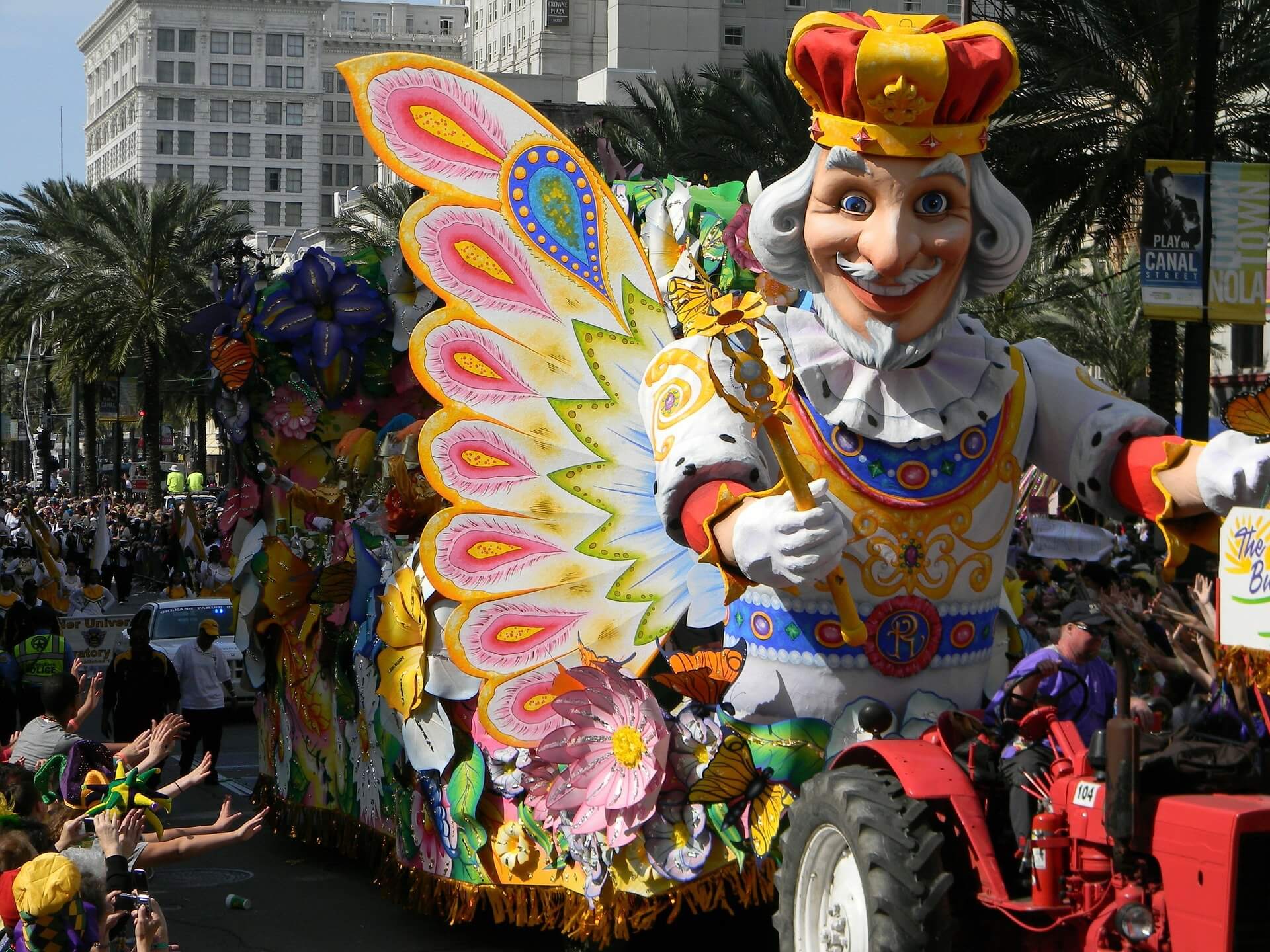
In a glaring, neon sign of the times, Mardi Gras is built for socially distanced enjoyment this year.

This year, the parade “floats” will be stationary and the revelers will come to them.

Initially created as a grassroots campaign to raise money for artists who craft Mardi Gras parade floats, “Yardi” Gras just may become an annual tradition. In fact, it has been reported that artists have already been commissioned for Yardi Gras in 2022.

What is Yardi Gras??

It’s simple. Well, it’s simple to understand—designing and constructing a Mardi Gras float is a complex undertaking that takes about a year.

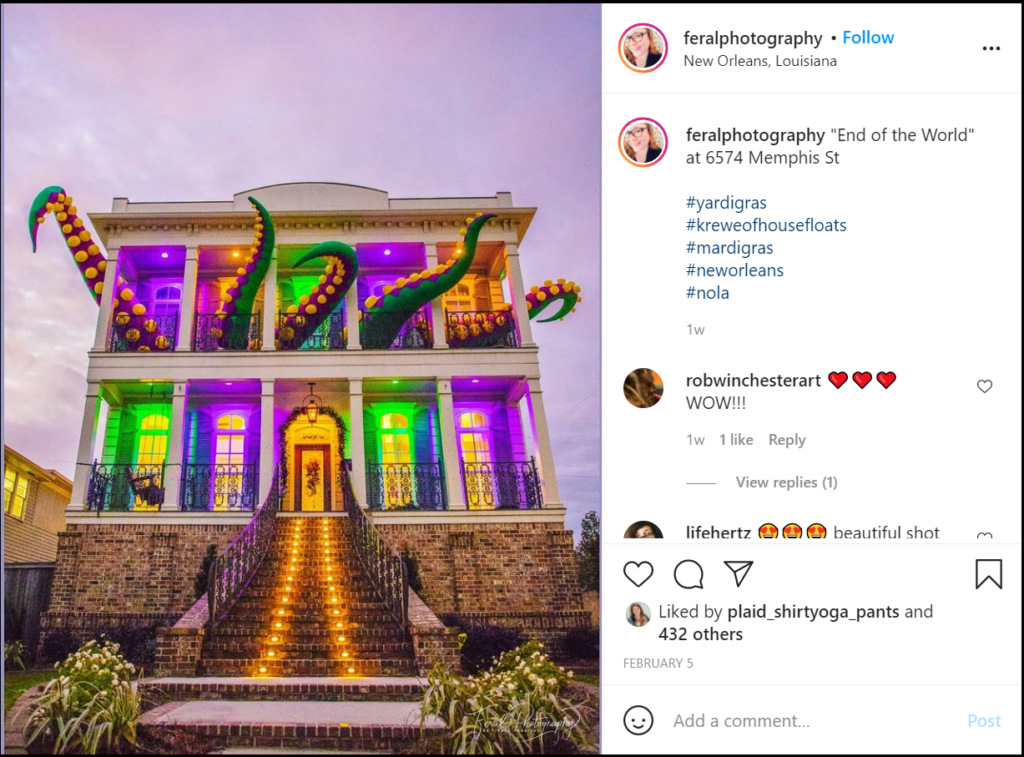
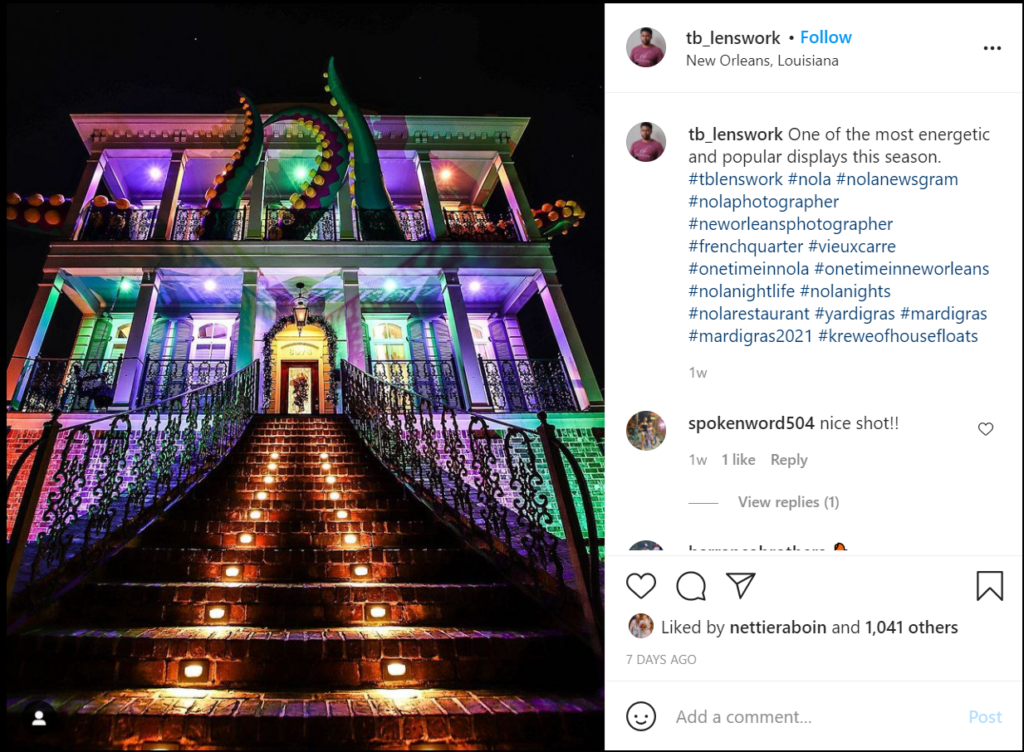
Anyway, Yardi Gras celebrates Mardi Gras by transforming buildings into stand-ins for their float counterparts. As you read this, there are hundreds of homes and businesses decorated to celebrate Carnival.

Given that the most common way to enjoy Yardi Gras is via driving tours, I can see this taking off in cities across the world…in conjunction with traditional Mardi Gras parades, of course.

Via @nolashirtclub on Instagram

Alright, Who Did This?

The Krewe of Red Beans has been credited with kicking off what I hope becomes a tradition in NOLA (along with the return of floats, of course) and other cities. To raise funds for Mardi Gras artists and float builders who found themselves out of work when the city canceled parades.

A krewe, by the way, is a social group that organizes Carnival parades or balls.

Announced via press release another krewe, the Krewe of House Floats, also supported artists and the community: The Krewe of House Floats (KoHF) today announced a giving campaign to raise $100,000 for those affected by COVID-19 restrictions and Mardi Gras event cancellations, with Culture Aid NOLA and Grace at the Greenlight as the first partners for the initiative. The magic of Carnival, while often billed as the ‘Greatest Free Show on Earth,’ isn’t possible without float artisans, service industry workers, musicians, Mardi Gras Indians and other culture bearers.”

Click here to donate via the Krewe of Red Beans, and click here to give to the Krewe of House Floats. The latter has created a map of Yardi Gras participants.

Via @tb_lenswork on Instagram

Why Am I So into this Idea?

In its 164-year history, Mardi Gras has only been canceled 14 times. Mardi Gras is most closely associated with New Orleans, a city that should hold a place a reverence in the hearts of all hospitality workers.

Las Vegas, New York City, Chicago, San Francisco, and Orlando come to most people’s minds when they think of US cities known for hospitality. However, New Orleans deserves a top ranking on any hospitality list.

New Orleans has nurtured the careers of several notable chefs, bartenders and operators:

  • Chef Leah Chase, who passed in 2019, was anointed the Queen of Creole Cuisine. Dooky Chase, her NOLA restaurant, has been recognized as one of the most important restaurants and was an important gathering spot for the Civil Rights Movement.
  • Emeril “So Famous You Don’t Need to Hear His Last Name to Know Who I’m Talking About” Lagasse helmed the storied Commander’s Palace in NOLA.
  • The Brennan family took ownership of Commander’s Palace in 1969 and has succeeded in building a family-owned restaurant empire.
  • Chef Nina Compton is a James Beard Award winner who worked in NYC and Miami. Before opening the award-winning Compère Lapin in 2015 and Bywater American Bistro in 2018 in NOLA, Chef Compton competed on season 11 of Top Chef.
  • Chris Hannah worked at the world-famous Arnaud’s 75 for close to 15 years before opening Manolito and Jewel of the South with Nick Dietrich.
  • Jeff “Beachbum” Berry cemented his legacy as one of the most influential people in the bar world long before he opened Latitude 29 in the French Quarter. He has written seven books focused on cocktail and culinary history, “lost” recipes, and culture.

That’s just a tiny handful of culinary and cocktail influencers with ties to New Orleans.

Cocktails Created in New Orleans

NOLA is the home of several classic cocktails, including:

  • Sazerac. Antoine Peychaud, the inventor of Peychaud’s Bitters, is credited as the creator of the Sazerac.
  • Vieux Carré. It means “Old Quarter” in French and references what we now know as the French Quarter.
  • Brandy Crusta. Created by Joseph Santini in the 1850s at the “original” Jewel of the South bar.
  • Ramos Gin Fizz. Originally called the New Orleans Gin Fizz but eventually changed to honor its creator, Henry Ramos.
  • Hurricane. Invented at Pat O’Brien’s Bar, which is still in operation and has been serving Hurricanes since the 1940s.

Next time you serve or enjoy one of these classics, toast New Orleans.

We hope you have a great Mardi Gras or Yardi Gras!

Image: beebutter from Pixabay

by David Klemt David Klemt No Comments

Finalizing Your Big Game Menu? Google is Here to Help

Finalizing Your Big Game Menu? Google is Here to Help

by David Klemt

Operators putting the final touches on their delivery, takeout, meal kit and Big Game menus for February 7 could probably use some help.

None of us have a crystal ball but we do all have access to Google Trends intel, which is often just as good.

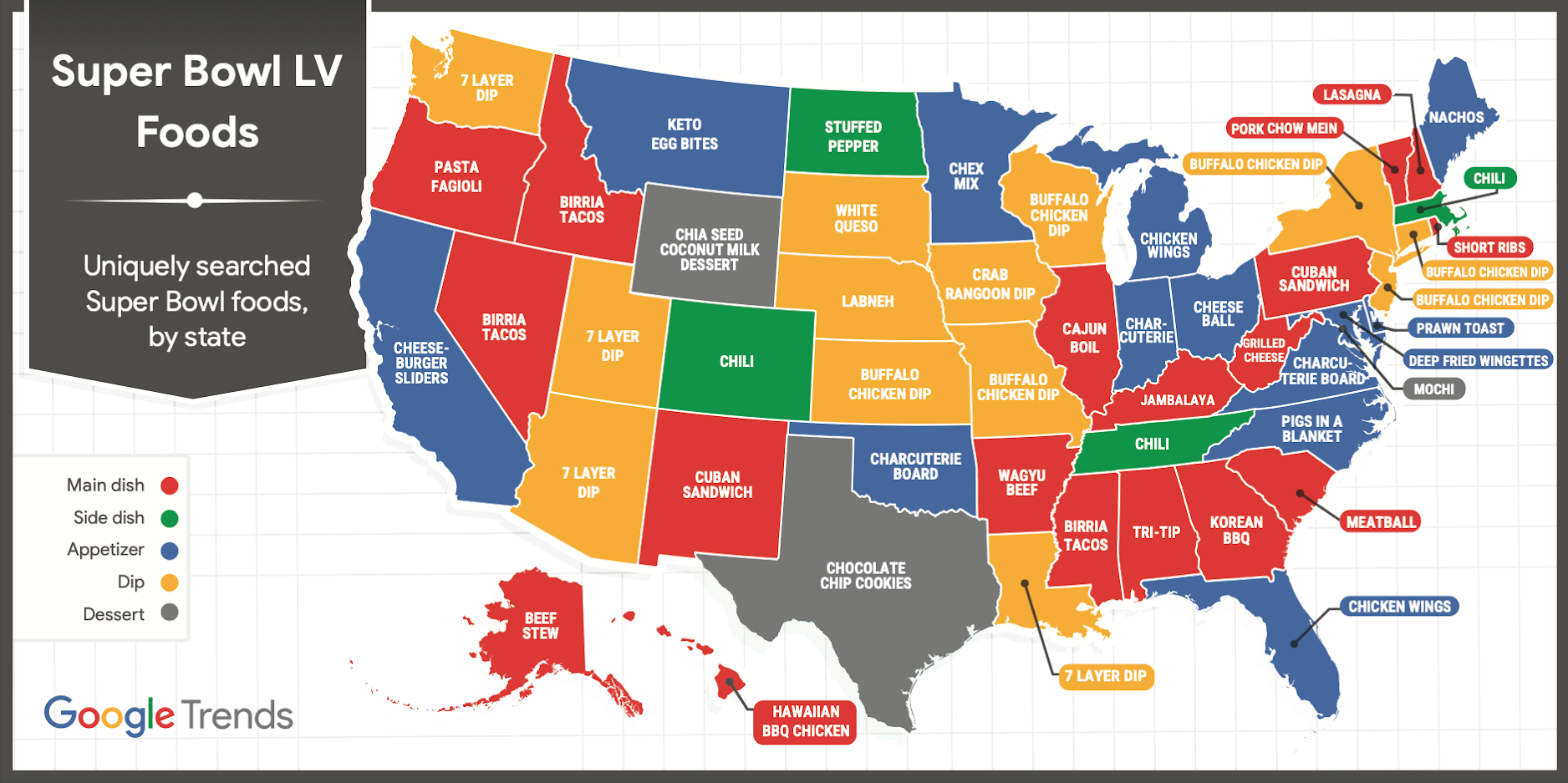
Google’s latest data-driven infographic is just in time for this coming weekend: Uniquely searched Super Bowl foods, by state.”

The information, neatly categorized by food item type, provides insight into what people in each state are interested in ordering from restaurants or featuring at their at-home gathering. Such data can help operators dial in their menus and create Big Game packages, offering customers a convenient way to enjoy their favorite foods while they watch the Big Game.

Unique Super Bowl Food Searches

Google color-coded their infographic. Red represents main dishes, green is for side dishes, appetizers are blue, dip is yellow, and grey denotes dessert. As the Google map shows, several states are more into snacks than entrees.

Eighteen states are red. Interestingly, a specific item is the top search in three states. Nevada, Idaho and Mississippi are dominated by birria tacos. Cuban sandwich was the top search in two states: New Mexico and Pennsylvania. The other 13 states each have top searches unique to them:

  • Oregon: Pasta fagioli
  • Alaska: Beef stew
  • Hawaii: Hawaiian BBQ chicken
  • Illinois: Cajun boil
  • Arkansas: Wagyu beef
  • Kentucky: Jambalaya
  • Alabama: Tri-tip
  • Georgia: Korean BBQ
  • South Carolina: Meatball
  • West Virginia: Grilled cheese
  • Rhode Island: Short ribs
  • Vermont: Pork chow mein
  • New Hampshire: Lasagna

Just four states are green, and chili is the top search in 75 percent of those: Colorado, Tennessee and Massachusetts. North Dakota is the outlier with stuffed peppers.

There are 13 states colored blue. The top football food search in three of those—Oklahoma, Virginia and Indiana—is charcuterie board. Surprisingly, chicken wings are the top search in just two states, and neither is their state of origin: Michigan and Florida. The most unique appetizer, at least in our view, is Montana’s interest in keto egg bites. Although, Maryland’s search for deep fried wingettes is very specific and Delaware’s search for prawn toast is rather distinct. What’s commonly assumed to be a sports bar and Super Bowl staple, nachos, was only the top search in one state: Maine. California searched for cheeseburger sliders, Minnesota looked up Chex Mix, Ohio is most interested in cheese ball, and North Carolina is all about pigs in a blanket.

Another 13 states are most interested, per Google data, in dip (yellow states). In particular, Buffalo chicken dip reigns supreme. It’s the top search in six states: Kansas, Missouri, Wisconsin, New Jersey, Connecticut and, somewhat predictably, New York. However, 7-layer dip is a close second, dominating four states: Washington, Arizona, Utah and Louisiana. Nebraska may lay claim to Most Unique Dip Search with labneh. South Dakota looked up white queso the most, and Iowa prefers crab rangoon dip.

Only two states and Washington, DC, searched for dessert items the most. Wyoming’s top search was incredibly specific: chia seed coconut milk dessert. Texas wants chocolate chip cookies, and our nation’s capital searched for mochi.

Unfortunately, this Google Trends data doesn’t include Puerto Rico. You can view the infographic by scrolling down.

Takeaways

Top main dish: Birria tacos

Top side dish: Chili

Top appetizer: Charcuterie board

Top dip: Buffalo chicken

Google Trends most unique Super Bowl LV food search

Super Bowl LV: Uniquely searched Super Bowl Foods, by state. Google Trends.

Map image: Google

Featured image: Jeswin Thomas on Unsplash

by David Klemt David Klemt No Comments

Las Vegas Vegan Culinary School Slated for April Opening

Las Vegas Vegan Culinary School Slated for April Opening

by David Klemt

This has been a big year for veganism already.

Multiple sources have named vegan food as a hot (and therefore lucrative) “trend” to watch this year.

The Michelin Guide France awarded a star to an entirely vegan restaurant in France for the first time in history.

And now, news out of Las Vegas is further making this Veganuary one for the books.

Global destination that it is, Las Vegas does its best to appeal to the greatest number of people possible. There are close to two dozen restaurants considered wholly vegan, and hundreds of other venues have vegan-friendly options. For several years now, every restaurant at Wynn Las Vegas has had vegan options on their menus.

The fact that Las Vegas is picking up steam as a vegan-friendly hotspot can be attributed to a few factors.

One, destination cities are about delivering on top-notch experiences. Vegas is no exception—amazing experiences keep people coming back. Two, if it’s trending, it’s very likely available somewhere in Vegas. The more popular it becomes, the more widely available it is throughout the city. And three, Las Vegas operators aren’t in the habit of letting a lucrative opportunity slide by them. People are willing to pay money for vegan food? Then vegan food they shall have!

Vegas Vegan Culinary School & Eatery is slated to open in April 2021. Located in the Arts District of Downtown Las Vegas, the venue will operate as a vegan deli, coffee shop, weekly meal delivery service, space for events and fundraisers, and brick-and-mortar and online culinary school.

According to Vegas Vegan’s Instagram page, demo at their location began around the middle of this month. A post from two days ago shows buildout progress.

This type of project moving from concept to buildout is a big deal for the city, culinary students, vegans, and those curious about the vegan diet. It’s also a big development for vegan food in general.

It’s certainly too early to declare 2021 food trend predictions accurate, of course. However, the opening of a dedicated vegan culinary school and restaurant certainly hints at vegan food ramping up in popularity this year. The same can be said for vegetarian and plant-based diets as well.

Moving forward, it’s going to be important and profitable for operators to have at least a few vegan-friendly F&B menu options. To fail to do so is to alienate vegans, and in this industry alienation equals lost revenue, something no operator can afford.

For those uncertain about what food items to add to their main, delivery and takeout menus, Grubhub listed the below as their top five vegan orders of 2020:

  1. Tofu spring rolls (263 percent more popular in 2020 than 2019)
  2. Plant based burger (251 percent more popular in 2020 than 2019)
  3. Black bean taco (242 percent more popular in 2020 than 2019)
  4. Vegan chocolate cake (211 percent more popular in 2020 than 2019)
  5. Vegan ramen (183 percent more popular in 2020 than 2019)

Succeeding with vegan or other diet-specific items comes down to thoughtful consideration of what will be authentic to a particular restaurant or bar. Just slapping anything vegan on the menu is simply not good enough.

Image: Free To Use Sounds on Unsplash

by David Klemt David Klemt No Comments

Recently Awarded Michelin Star Shines Spotlight on Vegan Menus and Operations

Recently Awarded Michelin Star Shines Spotlight on Vegan Menus and Operations

by David Klemt

If there was any question that vegan restaurant concepts are viable, a recently awarded Michelin star has provided a firm and affirmative answer.

Michelin Guide France awarded ONA (Origine Non Animale or “Non-Animal Origin” in English) a Michelin star earlier this week. This marks the first time in the award’s history that a restaurant in France that uses no animal products received a star.

Chef and owner Claire Vallée opened ONA in the city of Arès in the southwest of France in 2016 leveraging a combination of crowdfunding a loan from La Nef, an ethical bank. It has been reported that volunteers helped to finish the project when funds ran out before construction had been completed.

The vegan diet has endured mockery for decades in the United States and Canada. It’s only in recent years that veganism has flourished, bolstered by a belief that the diet is healthier, more sustainable, and more ethical. Growing interest in plant-based diets have also no doubt boosted veganism.

In France, however, the vegan diet hasn’t been embraced as widely as it has throughout North America. Sifting through online searches, travel blogs and posts shows that, generally speaking, vegan options aren’t widely available throughout France’s rich and storied restaurant scene.

For ONA to win a Michelin star shows that attitudes toward the vegan diet in one of the gastronomy and culinary capitals of the world is undergoing a possibly seismic shift.

A number of chefs have returned their Michelin stars or requested their restaurants not be considered for the accolade. For now, however, Michelin stars still recognize outstanding food and operations.

The awarding of a star to ONA is a significant achievement for Chef Vallée and her team.

Image: Jo Sonn on Unsplash

by David Klemt David Klemt No Comments

Delivery and Takeout Food Trends for 2021: United States

Delivery and Takeout Food Trends for 2021: United States

by David Klemt

Yesterday we reviewed food delivery data and 2021 food trend predictions for Canada. Now it’s the United States’ turn.

Before we jump into the data and predictions, a word on succeeding with delivery in 2021 and beyond.

As I pointed out yesterday, when an operator signs up with a third-party delivery service, their guest data becomes the delivery company’s data.

That means that company and not the restaurant or bar owns the guest journey and guest engagement, and therefore owns the guest for all intents and purposes.

When a restaurant, bar or other F&B business enters into a contract with a third-party delivery company—unless otherwise explicitly stated—they give up control of targeted marketing efforts. In other words, third-party delivery platforms disrupt the guest journey.

Delivery became a way for many businesses to generate revenue during 2020, for obvious reasons. Operators who can afford to implement first-part and last-mile delivery should do so to maximize their revenue and control the guest journey and marketing.

To help operators own delivery, we’ve reviewed end-of-year reports from three delivery titans—UberEats, Grubhub and DoorDash—to share their 2020 findings. When it comes to the most ordered items, cuisines and categories, some third-party platforms are willing to share data.

According to UberEats, comfort foods were the most popular category:

  • Burgers and fries
  • Burritos
  • Pad Thai
  • Mac and cheese
  • California rolls
  • Chicken Tikka Masala
  • Miso soup
  • Mozzarella sticks

Per the platform, the following cuisines proved most popular:

  • American
  • Italian
  • Mexican
  • Chinese
  • Japanese
  • Thai
  • Indian
  • French
  • Caribbean
  • Greek

As UberEats stated in their report, it appears that customers found a way to travel after all—they just did it through food.

Pizza, bagels, wings, tacos, burgers and dumplings led the way for Grubhub in 2020. The most popular pizza order was Hawaiian (because some people are monsters and put pineapple on their pies), while the most popular burger was garlic mushroom. Grubhub revealed that their top French fry was the loaded curly fry, and the most popular plant-based item was the eggplant burger.

In descending order, the top F&B Grubhub orders overall from 2020 were:

  • Spicy chicken sandwich
  • Chicken burrito bowl
  • Chicken wings
  • Waffle fries
  • Cold brew coffee
  • Steak quesadilla
  • Iced latte
  • Fish and chips
  • Strawberry shake
  • Roast beef sandwich

Per Grubhub, the top breakfast item was the acai bowl, the top side dish was French fries, the number-one late-night order was strawberry cheesecake, and the most ordered dessert was apple pie.

Moving on to DoorDash, the platform identified their top ten 2020 items back in November:

  • Chicken fingers and French fries
  • Fried chicken sandwich
  • Mac and cheese
  • Chips and guacamole
  • Apple pie
  • Pad Thai
  • Chicken quesadilla
  • Iced coffee
  • California roll
  • Chicken Tikka Masala

The UberEats, Grubhub and DoorDash revelations align with data collected by the National Restaurant Association between November and December of 2020. Per the NRA, the following were the top items sold by full-service casual, family and fine-dining restaurants:

  • Burgers
  • Seafood
  • Pizza
  • Steak
  • Chicken (excluding chicken wings)
  • Breakfast items
  • Pasta
  • Mexican food
  • Sandwiches, subs and wraps
  • Chicken wings

According to the NRA, the items below were the most popular for limited-service restaurants (fast casual, quick-service, coffee and snack):

  • Sandwiches, subs and wraps
  • Pizza
  • Burgers
  • Chicken (excluding chicken wings)
  • Ice cream, cookies and cakes
  • Baked goods
  • Breakfast items
  • Mexican food
  • BBQ items
  • Seafood

For 2021, DoorDash predicted the following items to see a lift:

  • Sausage, egg and cheese on a biscuit
  • Create your own omelettes
  • Carrot cake
  • Cinnamon roll
  • Caramel latte
  • Chocolate brownies
  • Black coffee
  • Donuts
  • Blueberry muffin
  • Biscuits

DoorDash revealed that Mexican, Chinese and Tex-Mex were the top cuisines ordered via the platform. The company also predicted five cuisines would be popular in 2021:

  • Taiwanese
  • French
  • Filipino
  • Australian
  • Moroccan

When it comes to 2021, multiple sources have named vegetarian, vegan, plant-based, and health and wellness items as the foods to watch. Even this early into the year it’s not exactly a controversial statement to say that all of those categories are going to perform well in 2021.

According to DoorDash, nearly half of Americans (47 percent) plan to consume more plant-based items. Whether it’s truly healthier than its traditional counterparts, plant-based is perceived that way. In total, per DoorDash, 72 percent of Americans plan to make a concerted effort to eat healthier in 2021. This is likely due to an increased interest in boosting immune systems due to Covid-19.

Put another way, operators will likely struggle if they don’t add vegan, vegetarian, and plant-based foods to their streamlined menus, another trend expected to continue through 2021.

Predictions from the Specialty Food Association in particular caught our attention. For 2021, the association has predicted spices and herbs native to West Africa (Senegal, for example) will be in demand. Scandinavian and Cambodian flavors are also expected to perform well, as are Latin American and Southeast Asian items.

Due to interest in tahini sauce and black sesame, the SFA expects halva, which is a Middle Eastern confection, to get plenty of attention. The SFA and Datassential both named fermented honey as an item to watch in 2021.

Along with vegan and plant-based items, creative meal kits are expected to perform well. Restaurants and bars will continue to face restrictions and indoor dining bans over the course of at least the next few months. Creative meal kits will get the attention of customers who have grown tired of preparing the same meals over and over.

Whether an operator chooses to stick with their current menu or embrace one or more food trends, they should look into first-party or last-mile delivery. It’s imperative that operators own their guest journey and marketing efforts.

For more information about first-party and last-mile delivery, please listen to Bar Hacks episode 13 with “Rev” Ciancio, an advocate of keeping delivery and data in-house.

Image: Robert Anasch on Unsplash

by David Klemt David Klemt No Comments

Delivery and Takeout Food Trends for 2021: Canada

Delivery and Takeout Food Trends for 2021: Canada

by David Klemt

Patrons, analysts and experts have spoken: delivery and takeout will remain standards in the new era of hospitality.

Analysts and experts have spoken with data, and consumers have spoken with their dollars.

But there’s another consequential voice that matters when it comes to delivery: that of the operator.

There’s no denying that the operator is shoved aside in the third-party delivery relationship. At the very least, that’s the overwhelming perception. Once an operator signs on with such a service, their guest data becomes the delivery company’s data.

Whatever company owns the data owns the guest, their journey and engagement, and the targeted marketing efforts. That means a restaurant or bar’s guests receive offers and promotions for their competitors.

In short, third-party delivery platforms disrupt the guest journey.

However, there are some data the third-party delivery services do share. As we saw midway through 2020, for example, Uber Eats and Grubhub released the top orders and other useful information in publicly available reports. Some of the services also release end-of-year or year-in-review reports, as SkipTheDishes did for Canada.

Most of these reports are laser-focused on the United States. That’s logical given the number of bars, restaurants and other hospitality businesses to which Grubhub, Uber Eats, Postmates, Instacart, Seamless and other services have access.

SkipTheDishes, for the Americans reading this, is the Grubhub of Canada. For the Canadians reading, below are SkipTheDishes’ data regarding top orders, cuisine, and demographics in 2020:

  • Top Cuisines: Chinese, Italian, American/Canadian
  • Top Orders (General): Asian dishes, pizza, burgers
  • Top Orders by Item: Chicken sandwiches (also the top item in 2020 in the US), burgers, and French fries (mid-year data)
  • Top Vegan Provinces: Manitoba, Saskatchewan, British Columbia
  • Top Organic Provinces: British Columbia, Ontario, Alberta
  • Top Gluten-free Provinces: Manitoba, Alberta, The Maritimes
  • Top Dairy-free Provinces: British Columbia, Alberta, The Maritimes
  • Top Kosher Provinces: Alberta, Ontario, Saskatchewan
  • Top Dayparts: 5:00 PM was the most popular order time, and late afternoon (3:00-4:00 PM) and weekdays saw lifts. Late-night ordering (9:00 PM and beyond) slowed. (Mid-year data.)
  • Top Pre-order Daypart: 5:00 PM. More Canadians got into the habit of pre-ordering their dinners. (Mid-year data.)
  • Fastest-growing Segment by Age Group: 65+
  • Most Revealing Datum: 81% of customers ordered from restaurants they’d never visited in person.

That was last year. What’s in store for Canada this year? A scan of a few sources—Food Network Canada, Restaurants Canada, and Chatelaine—offers some valuable insights.

Plant-based items and foods recognized for boosting a person’s immune system are expected to be popular. The pandemic has given many consumers a reason to reevaluate what they’re putting into their bodies. All three sources predict people will be interested in and order plant-based foods and focus on health and wellness.

Both Food Network Canada and Chatelaine predicted chickpeas—an inexpensive, versatile and plant-based protein source—will be among the top food items sought out by restaurant guests (in-person) and customers (takeout, delivery). Most operators should be able to adapt and get creative to add chickpea-based items to their menus. The two sources also predicted that snacking will replace meals (at least occasionally), so snackable items and sides may take off this year.

Food Network Canada pointed to sauerkraut as an example of a health and wellness food item that may see a boost in popularity and demand due to its probiotic and gut health properties. The source also predicted that coffee and coffee-based F&B items will get a lift in 2021.

Restaurants Canada predicted that comfort food, popular throughout 2020, will remain in high demand. However, 2021 will bring in an interest in elevated riffs on comfort food classics. Citing specific examples, Restaurants Canada suggested Pad Thai French fries and Pulled Pork Mac and Cheese. The Canadian food industry association predicted that interest in and support of Black, Indigenous, and People of Color (BIPOC) cuisine, flavors and businesses will continue through 2021.

All three sources listed plant jerky as food item to watch in 2021.

What else should be in store for this year? Operators embracing first-party or so-called “last-mile” delivery to grab their share of the orders of this year’s trendy food items. Platforms such as Lunchbox, Olo, ChowNow can provide operators with the ability to own delivery and therefore the entire guest journey in the new era of hospitality. It’s likely an operator’s current POS can be updated to “unlock” in-house delivery, which would then need to be supported by a delivery menu, delivery supplies, and staff training.

For more information about first-party and last-mile delivery, please listen to Bar Hacks episode 13 with “Rev” Ciancio, an advocate of keeping delivery and data in-house.

Image: Norma Mortenson from Pexels

by David Klemt David Klemt No Comments

Serve Up a Slice of Nostalgia: Viennetta Returns

Have a Slice of Nostalgia: The Return of Viennetta

by David Klemt

A British confection launched in the ’80s is headed back to the United States.

Wall’s brought what’s considered by some the first-ever branded ice cream dessert—Viennetta—to the world almost 40 years ago. The British frozen dessert and ice cream producer, owned by Unilever, launched the legendary treat in 1982.

Viennetta is said to be based on a multi-layered pastry known as mille-feuille. The original Wall’s product consists of layers of vanilla ice cream and compound chocolate that create the dessert’s signature wavy top.

Viennetta ice cream dessert

While Viennetta was a product of Wall’s in Europe, it came to America under Unilever’s Breyers label. At one point in the ’90s, the product disappeared from the United States, though it maintained a presence throughout Europe, Australia, New Zealand, and elsewhere.

As an ’80s kid, I remember seeing Viennetta commercials late in the decade,  or perhaps I saw them in the early ’90s. Either way, the images of what passed for elegance and sophistication back then informed me that Viennetta must be a “fancy” dessert. I mean, c’mon—it was served on a silver platter!

Alas, I never had the opportunity to taste what I could only assume back then was an opulent dessert before it was so cruelly whisked out of the country. But that will change this year.

Unilever is bringing at least the original vanilla flavor back to the States in 2021 under their Good Humor brand. Back in the ’80s, Viennetta wasn’t available solely at supermarkets—it was also sold at KFCs and Pizza Huts. I’ve found no announcements from Unilever or Good Humor that Viennetta will be available through a partnership at any restaurants this year, but it would make sense.

Can you experience nostalgia if you’ve never actually owned, enjoyed or consumed a product in the past personally? Apparently the answer is yes, because when I saw Viennetta was returning to America my first thought was, “Finally—I’ll have my chance,” followed by a flood of images from my childhood and early teen years.

Should I be ashamed? Maybe. But I’m not. And I know I’m not alone. And I know something else: Operators looking to leverage nostalgia, particularly if they’re ’80s- or ’90s-themed or feature programming around those decades, should be excited about this news.

Image: Wikimedia Commons

by David Klemt David Klemt No Comments

The 2021 Food Trends to Know for Veganuary

The 2021 Food Trends to Know for Veganuary

by David Klemt

Strange or even inappropriate as it may seem, it’s time to review food trend data and predictions because we’re hurtling toward 2021.

January also plays host to two monthlong traditions that impact F&B operations: Dry January and Veganuary. For this post, we’re focusing on the latter.

Veganuary may not have claimed “tradition” status just yet, to be honest, but it appears to be well on its way. The movement began in the United Kingdom in 2014 as a social and eco-friendly campaign intended to make the transition to adopting a vegan diet as easy as possible.

The movement has been growing each year with 2018 through 2020 seeing the biggest increases in participation. In 2017, a reported 50,000 people had signed up for Veganuary. That number jumped to a reported 170,000 in 2018; 250,000 in 2019; and 400,000 in 2020. According to the Veganuary campaign, 2020’s participation represented more than one million animal lives and the CO2 equivalent of 450,000 flights.

“Research shows that health is a significant driver for so many people going vegan, especially American consumers. But the reasons to test this lifestyle and decrease consumption of animal-based products are countless, from improving health, to reducing animal suffering, and helping to preserve the planet,” said Veganuary CEO Simon Winch in 2018. “Research shows that not only are there more people curious about going vegan, but more people are sticking with the lifestyle after taking part in Veganuary, which is great news! We are thrilled with the enthusiasm and growing response from Americans taking the pledge and will continue to do our part in making it as easy as possible to try vegan, for as many people as possible.”

Participants sign up for free and are challenged to stick to a vegan diet for the entirety of January. While Covid-19 vaccines have been approved, they’re not widely available to the general public. Many markets are still restricted to outdoor dining, delivery and pickup. It’s important that operators stay current with food and consumer behavior trends to remain top of mind and continue generating revenue.

We reviewed multiple sources to find common vegan-friendly food trends for operators to leverage when programming their 2021 menus.

Plant-based (Datassential, Delish)

One big difference between plant-based and vegan is that the latter’s focus on moral and ethical reasons for choosing the diet. Regardless, plant-based is expected to grow in popularity and therefore demand across the globe.

Tofu (Food & Wine, Whole Foods Market)

The great thing about tofu, a sentence I never thought I’d type, is that the back of house can get as creative as they want with it. Tofu “scrambles” (no eggs, just peppers, onions and sweet potato cubes), fishless tacos (breaded and brined tofu), and spaghetti with tofu riffs elevate this ingredient.

Mushrooms (Food & Wine, Whole Foods Market)

Portobello mushrooms, for example, are more than capable of starring in an array of dishes, replacing animal proteins rather easily. There’s also the fact that mushrooms are being used to make to-go packaging, giving eco-minded guests another reason to support a particular restaurant.

Chickpeas (Whole Foods Market, Martha Stewart.com)

“You can chickpea anything,” says Whole Foods Market. In fact, they claim it’s the cauliflower, taking several forms, like pasta and flour.

Hyper-local (Food & Wine, MarthaStewart.com, The New York Times)

The push for restaurants to source ingredients locally and highlight them on their menus isn’t expected to slow. These publications and more are recognizing supporting local as a “trend” (it’s more a movement at this point) that will get stronger in 2021.

Meal kits (Food & Wine, Delish, MarthaStewart.com, The New York Times)

These, as several publications have stated, are here to stay. Consumers got used to these when subscription services exploded in popularity. Some restaurants offered them pre-pandemic as a response to the meal-kit subscription craze, and they’ve become more prevalent since Covid-19 ripped apart the world. They’re a hit with consumers, so operators should consider vegan-friendly meal kits during Veganuary.

Home cooking classes (Datassential, Whole Foods Market, Delish)

Many of us probably feel like our entire lives are one big Zoom meeting at this point. Well, that’s not expected to change any time soon. A great way to connect with guests staying at home is to host cooking classes—with a focus on vegan cooking in January—and follow up with curated meal kits.

Datassential also identified baby carrots and ramen among their 2021 food trend predictions (and both are vegan-friendly), and carob, chicory root, “future” produce (specialty produce varities), and honeysuckle as flavor trends to follow next year.

Two trends that are not considered vegan? Avocados and fermented honey because the reliance on bees to produce and cultivate both are considered “exploitation” by vegans. Remember the moral and ethical difference between vegan and plant-based from above? There you go.

Image: Anh Nguyen on Unsplash

Top