Food

by David Klemt David Klemt No Comments

2026: Animals vs. Plants?

2026: Animals vs. Plants?

by David Klemt

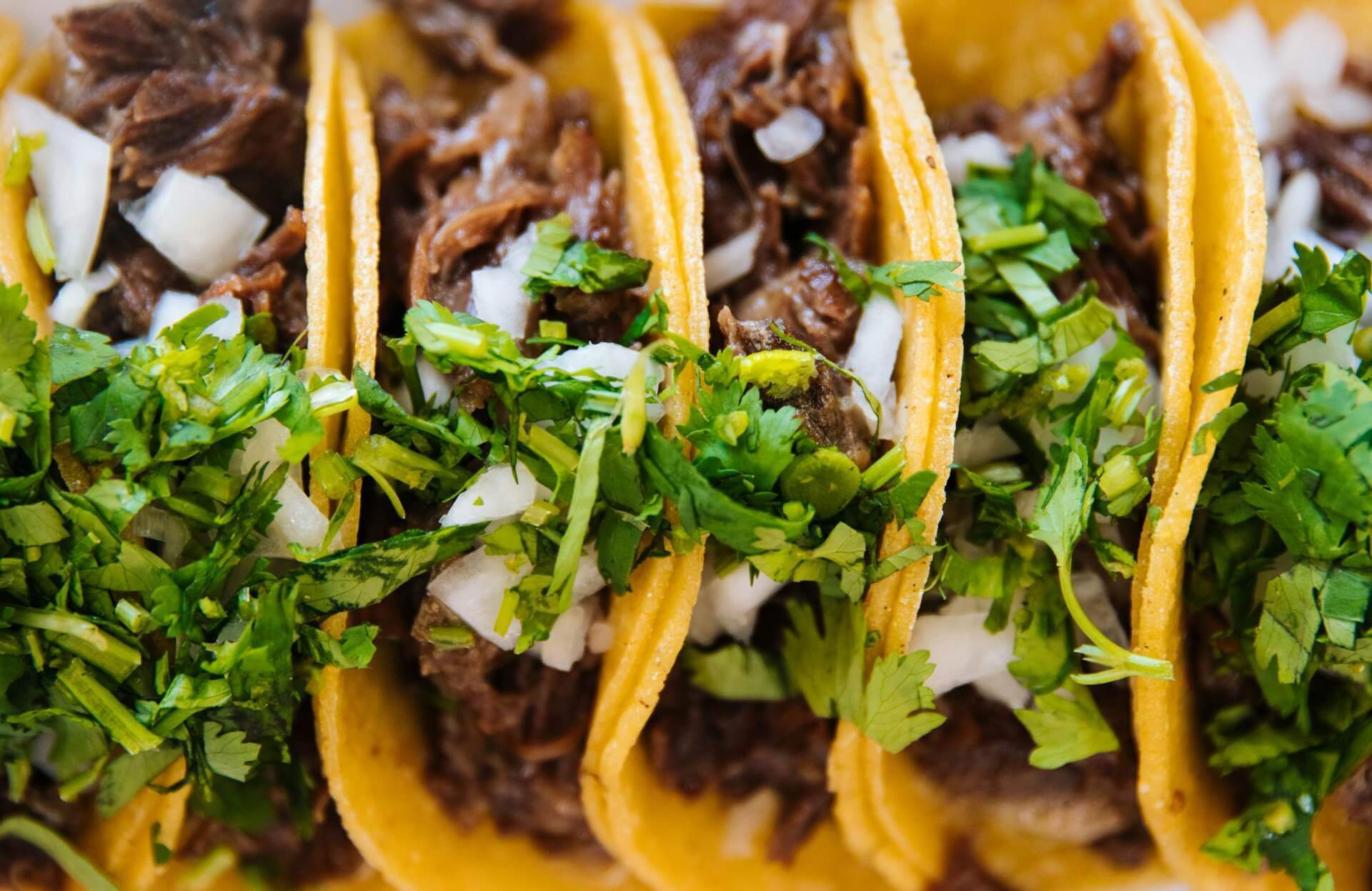
Fine-dining plating of beef at a gourmet dining experience in Alberta, Canada

Gourmet dining experience featuring Canadian beef.

According to Datassential, plant-based meat and seafood alternatives have reached a plateau, meaning that animal meats should go hard in 2026.

Last September, the F&B intelligence platform surveyed 993 consumers who eat both animal and plant-based meats. Most indicated that they were more interested in the former than the latter.

There are three primary factors driving this sentiment, per Datassential. The top factor is how natural one category is in comparison to the other. Second is versatility. And third, which is perhaps the most important to operators with food programs, is craveability.

More Natural

Of the 993 survey respondents, 65 percent indicated that animal meat is more natural to consume than its plant-based counterparts. This appears to be the top concern or motivating factor, as it represents the greatest sentiment per respondents.

This does make some sense, at least to me. Over the past several years I’ve heard variations of this point of view at restaurants, inside kitchens, in discussions with F&B peers, while speaking with clients, and at trade shows. A common misgiving can be summed up thusly: “We don’t know exactly what they’re putting in these products.”

That doesn’t bode well for overall consumer perception.

More Versatile

Survey respondents also expressed that they feel animal meats are more versatile than plant-based alternatives. In fact, 61 percent shared that opinion.

Again, I’ve heard variations of this statement several times, and I’m sure I’m not the only one. You’ll hear “But what do I do with it?” at trade shows where there are plant-based brands exhibiting at booths and doing demos.

More Craveable

Finally, craveability. This is an interesting one. Nearly 60 percent of respondents (59%) stated that they crave animal meat on a regular basis. On its own, that’s not an incredible stat. However, that majority opinion consists of people who don’t follow through on that craving.

In other words, even people who don’t eat animal meat regularly feel its pull. That doesn’t necessarily include people who adhere to vegetarian or vegan diets, but it’s possible.

More Meat

Along with this comes some insight into consumption habits. Per the Datassential survey, 37 percent of respondents increased their consumption of animal meat more than they boosted their intake of plant-based counterparts.

This is logical when we take the three sentiments above into account as a whole. If something is more natural, more versatile, and more craveable, it stands to reason consumers are going to choose to consume it, and even consume more of it more often.

It’s also possible this increase relates to consumer interest in proteinmaxxing.

More Choices

So, where does this leave operators and their food programs?

Well, it leaves them needing to make programming, menu, and inventory choices.

Datassential suggests that plant-based meats have plateaued in the retail space. It certainly seems that consumer sentiment toward plant-based meats has also plateaued among consumers, based on their survey results.

However, that doesn’t mean operators should abandon plant-based meats and altogether. The better, more intentional approach is to run reports, analyze the data, and make choices with surgical, informed precision.

What do the numbers indicate? Are plant-based meats lagging, and are they taking up valuable inventory space? If orders for plant-based meats are declining, what do sales for “center-of-plate” vegetables look like? What can be leaned into harder, what can be adjusted, and what should be removed?

And, crucially: Are the choices for moving forward being made in a well-considered, intentional manner, or are they just knee-jerk reactions and guesses?

It’s worth noting that Datassential’s consumer sentiment survey focuses on plant-based meats, not just plants. The survey respondents didn’t indicate a decline in interest for items like cauliflower or portobello steaks.

Whatever choices are made, operators need to leverage data and facts, and follow the Three Ps: People, Processes, and Profits.

Image: Deane Bayas via Pexels

Client Intake Form - KRG Hospitality

by David Klemt David Klemt No Comments

Tequila may Drive These 2026 Trends

Tequila may Drive These 2026 Trends

by David Klemt

Clear glasses filled with tea, served from a silver teapot at a restaurant

Is there alcohol in that teapot? Maybe.

While some of us continue to cross our fingers that tequila will have their year as the top spirit, other similar sips may rise up in 2026.

One can argue that tequila finally clinched the Top Spirit crown in the US and made 2025 its year. After all, it showed the fastest growth of any spirit last year.

Further, some sources report that tequila generated more revenue than any other major category in the US. Per reporting, premiumization is believed to be a major driver of tequila’s 2025 success.

However, other sources report that vodka still holds the throne due to volume sales. It probably won’t shock a single person that Tito’s holds the number one spot as 2025’s top-selling brand.

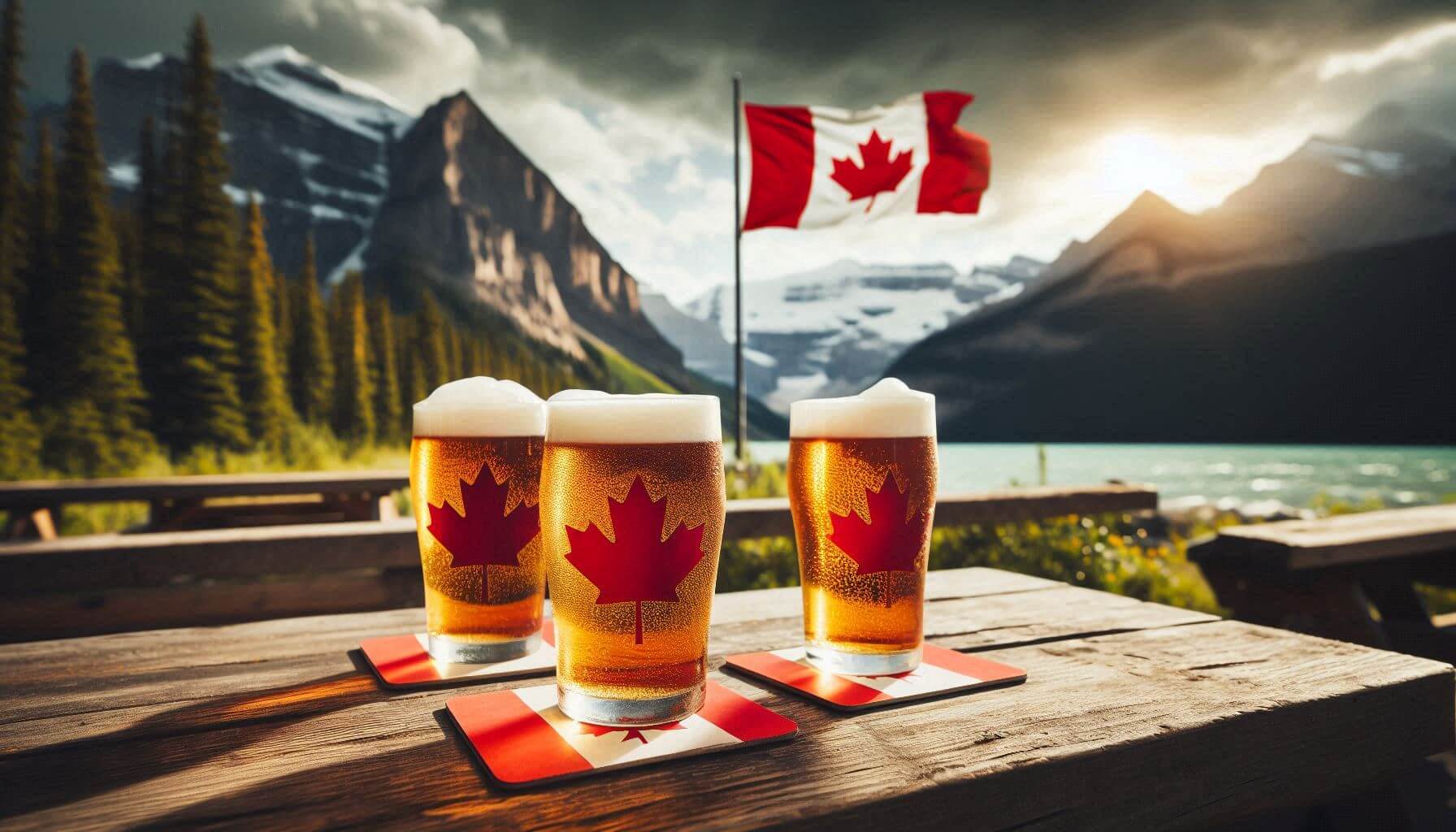
In Canada, beer earned the top spot by overall market share. However, Canadian whisky led in 2025 as the top spirit, though tequila garnered notable interest.

Meanwhile, two spirits similar to tequila may finally have meaningful moments in 2026 as vodka and the world’s most-famous agave spirit battle for the title. If Datassential and Nation’s Restaurant News are accurate in their predictions, raicilla and sotol may finally become even more well known to consumers this year.

What is Raicilla?

This agave spirit has been produced in Jalisco, Mexico (for the most part), for at least three centuries. And yet, it wasn’t granted its own Denominación de Origen (Designation of Origin, or DO) until 2019.

Authentic raicilla can only be produced in 16 municipalities throughout Jalisco, and, for some reason, one municipality in Nyarit, called Bahía de Banderas.

There are essentially two regional types of raicilla, de la costa and de la sierra. As the names imply, the former are coastal raicillas, and the latter are from mountainous areas.

Some varieties of raicilla will be familiar to tequila drinkers: joven, reposado, and añejo. There are also varieties that have been aged or matured in glass, abocado (infused raicilla), and artisanal double-distilled raicilla.

Unlike tequila, which can only be made from Blue Weber agave, raicilla is made from several different types of agave. Intriguingly, most raicilla is made with wild agave. The reason is simple: raicilla production is nowhere near the scale of tequila, so for the most part, producers don’t need to cultivate huge fields of agave.

Generally speaking, there are two primary approaches to cooking agave for raicilla, resulting in different flavor profiles. De la sierra producers tend to cook the agave above ground. Conversely, de la costa producers mainly utilize underground or pit ovens.

So, de la sierra raicilla usually doesn’t have smoky notes like mezcal, whereas de la costa raicilla is more likely to share that profile. Generalizing again, raicilla is characterized most often as being more floral and vegetal than tequila and mezcal. Really, a raicilla’s flavors and aromas are highly dependent on terroir.

What is Sotol?

Contrary to a common misunderstanding, sotol isn’t derived from agave. One common thread connecting tequila and sotol is the fact that they’re both traditional Mexican distilled spirits.

Another similarity is the production method: piñas are harvested and cooked, then fermented and distilled.

However, it’s a plant known as Dasylirion that’s used to produce sotol. Commonly known as “desert spoon,” this plant is a member of the asparagus family, as is agave. This may be what leads some to believe that sotol and tequila are both agave-based spirits.

Like tequila and raicilla, sotol is protected by a DO. This means true sotol can be produced exclusively in the Mexican states of Chihuahua, Coahuila, and Durango. It must be noted, though, that there are producers in Texas “don’t recognize” the DO and bottle what they call sotol.

A detail that may appeal to more sustainability-minded guests: sotol production is considered more eco-friendly in comparison to tequila and raicilla. When harvesting desert spoon for sotol, the roots aren’t dug up, meaning a single plant is capable of producing several bottles of sotol over its lifetime.

Desert spoon piñas are cooked in an earthen pit, and terroir is a factor. Depending on the regiondesert, forest, or prairiea sotol will have different flavor and aroma profiles.

For example, a forest sotol may have notes of pine, eucalyptus, and mushroom. In contrast, a desert sotol may be characterized by leather and pepper. Sotol is complex and will keep the adventurous engaged for quite some time.

How can Operators Capitalize?

One of the most effective ways to introduce guests to raicilla and sotol is to leverage the undeniable and seemingly unstoppable popularity of tequila.

And while it’s fun to nerd out over production, it’s likely a better idea, initially, to taste guests on tequila, raicilla, and sotol. While you’re there, you can also include mezcal.

Particularly notable is NRN itself predicting sotol as a trend of its own this year. Further, Datassential has identified raicilla as a trend in their own report.

Of course, there are also some compelling 2026 trend predictions you can leverage with these two traditional Mexican spirits.

Both raicilla and sotol are more than capable of standing in for tequila and mezcal in cocktails. However, raicilla can also tag in for gin, and sotol can act as substitute for gin and vodka.

Off the top of my head, raicilla or sotol Margaritas and Negronis should appeal to a wide range of guests.

This brings me to a simple trend that NRN predicts may take off in 2026: smaller cocktails.

Think (and Price) Small

That’s it; it’s that simple. People seem to be drinking less, not just in frequency but in ABV.

So, it may behoove operators to offer smaller cocktails, accompanied by appropriately reduced prices. This means the drinks are priced appropriately rather than offering discounts in the hopes of driving traffic.

Not only does this move, when intentional, speak to a current shift in guest imbibing behavior, and appeals to those who want to go out to bars and restaurants but don’t want to spend much.

The New Happy Hour

This is where a few trends converge. According to Datassential, “teatime is the new happy hour.”

And per The IWSR, playfulness may also take hold in 2026. I’m sure you can see where this is going.

In Datassential’s view, teatime rather than traditional happy hour gives operators more leeway in terms of dayparts. Noon, early afternoon, early evening, brunch… It’s all on the table, and there isn’t confusion around start and stop because it’s not referred to as a happy hour.

It also allows operators to offer tea-based cocktails made with raicilla and sotol (or any other spirit), and low- and no-ABV tea drinks. Again, this speaks to a range of consumer behaviors and expectations.

The Three Ps

Whatever trends operators choose to pursue this year, their decisions must be intentional.

That means viewing them through the lenses of People, Processes, and Profits.

People: Do we have the right people in place in the right roles? Are we serving our guests to the best of our abilities? Team member or guest, are we truly treating everyone with respect and gratitude?

Processes: How often are we reviewing each operational element? Are we reviewing our menus at regular intervals over the course of 12 months, or are we doing this annually (or not at all)? How are we approaching our pricing? When was the last time we reviewed and tested each and every one of our systems?

Profits: Total sales are great, but are we making money? As Doug Radkey, president and principal consultant of KRG Hospitality says, “Sales are a vanity metric. Profits tell the real story.” Do we know our numbers? Are we controlling costs? Do we make pricing and labor decisions proactively and strategically, or are we panicking and reacting without careful consideration?

Those are by no means all of the questions we need to ask on a regular basis, but they’ll give operators a solid baseline.

Image: Davey Gravy via Unsplash

Client Intake Form - KRG Hospitality

by David Klemt David Klemt No Comments

Chicken Tenders with a Side of Red Flag

Chicken Tenders with a Side of Red Flag

by David Klemt

AI-generated image of a pile of chicken nuggets on a plate in a restaurant, wtih a red flag jutting out of them

Red flag! AI-generated image.

Chef Brian Duffy doesn’t mince words, and when it comes to restaurant menus, he has zero patience for mediocrity and the absence of creativity.

During his latest live menu read at Bar & Restaurant Expo 2025, Chef Duffy once again shared his unfiltered thoughts and tips in real time.

Reviewing menus submitted prior to his live menu read, Chef Duffy went after tired ingredients, uninteresting items, pricing, and menus that scream “I was designed by a supplier!”

For those who have yet to witness a Duffified live menu read, the process is simple. A call for menus is sent out, people send over their menus, and they’re put up on a large screen at the Bar & Restaurant Expo’s F&B Innovation Center or in a classroom.

A key element is that Chef Duffy doesn’t see the menus ahead of time; his thoughts are off the cuff and in the moment.

It’s important to note that not every menu is eviscerated. Chef Duffy points out strengths, and offers suggestions to make good menus great. And, without fail, attendees paying attention will walk away with a pile of helpful tips.

Oh, look, chicken tenders. Yay.

Which came first, the chicken tenders or the apathy?

“If chicken tenders are on your menu, you’re bastardizing your brand.”

That line alone set the tone for the session. Chef Duffy’s point? If you’re trying to build a unique, memorable food program—and you should be—then you can’t fall back on the same tired menu items as everyone else.

If your reports show that chicken tenders are at the top of your sales, that’s a justification for keeping them. However, at least consider getting creative with accompanying sauces, presentations, and enhancements so you stand out from the competition.

Chicken tenders may be “safe,” but safe isn’t what guests remember, photograph, post about, or come back for specifically. Not to slander big brands, but chicken tenders are what people expect from full-service national and global chain restaurants.

Meet with your culinary team, get creative, stand out.

Your first five items reveal everything.

Chef Duffy says he can tell, just from scanning the first five menu items, whether your menu was designed by you or handed down by the food purveyor.

The latter is a problem.

“Your menu is your brand,” Chef Duffy reminded the F&B Innovation Center. “It tells your story, your values, your creativity—or your lack of all three.”

As he has said before, your menu is also your billboard.

That means you need to ditch generic descriptions, rethink your item layout, and stop outsourcing identity to third-party salespeople.

“Everybody has the same shit on their menu,” Chef Duffy said just a year ago. “We’ve been told what to put on our menu buy our purveyors.”

Being honest with yourself, is your menu actually yours, or have you ceded control of your brand to your suppliers?

Pricing should be as intentional as plating.

“I’m all for a funky number, my friends,” Duffy said.

This statement was in response to a menu with less-standard pricing. Whole numbers ending in 0 or 5? Not exactly blowing anyone’s hair back. Rational numbers ending in a 5 or 9? Been done, haven’t they?

Chef Duffy’s reasoning is psychological: Funky numbers can create curiosity. Perhaps more importantly, nontraditional numbers communicate that the pricing wasn’t slapped on from a cost spreadsheet; it was considered.

Of course, you don’t have to pour nonstandard numbers all over your menu. There’s nothing wrong with sprinkling them around instead.

Just be sure that you’ve costed your items down to the temp picks in your burgers, and bev-naps that accompany your drinks, when pricing your menu.

Retire the balsamic.

If your go-to vinaigrette is still balsamic, it’s time to move on.

“It was cool in 1986,” Duffy quipped.

If that statement offends or surprises you, it may be time to check out some flavor trend news and reports. Also, ask your culinary team what they think about the dressings accompanying the salads and other items leaving the kitchen. Anything but enthusiasm should tell you that they have some ideas for more on-trend accompaniments. (Note: A disinterested kitchen is a disengaged kitchen. Get your team excited!)

I’m not saying, and Chef Duffy wasn’t suggesting, that tradition should be tossed in the trash. However, adhering strictly to decades-old tradition in the culinary world puts you, your menu, and your brand at risk of obsolescence.

You have a responsibility to embrace flavors that reflect today’s culinary trends and consumer palates if you work in F&B.

The same goes for buzzword-laden menus and what he calls “culinary white noise”—ingredients and terms that sound impressive but say nothing.

A box, a name, and a story.

When it comes to designing your menu, Chef Duffy likes to see creative item names, detailed but punchy descriptions, and a visual cue—like a box—surrounding (and therefore calling out) featured items.

Why?

Because you’re not just listing food, and that mindset needs a seismic shift.

Restaurant operators, their culinary and bar teams, and their service staff are curating a guest experience. The layout of your menu should help guide the guest journey, telling and reinforcing your brand’s story.

There’s limited real estate on a menu—including digital versions—so every millimeter requires careful consideration to maximize the results.

There’s no room for confusion.

Okay, this next one baffled not only Chef Duffy but every person who attended his live menu read. Honestly, if you have any idea what this meant, please email me with your thoughts.

One menu—remember, this is real life—that Chef Duffy reviewed included the phrase “choice of meat bar bbq” (written here exactly as it was on the menu). And where was this listed? Under the chicken wings.

Seriously, what does that even mean? If a room full of F&B professionals can’t figure it out, something has gone terribly wrong.

Put simply, ambiguity kills confidence. If a guest has to guess what they’re ordering—or worse, ask a server who also doesn’t know—you’ve very likely lost their return visit.

There’s nothing wrong with building mystery. Plenty of chefs, bartenders, and operators come up with item names and descriptions intended to pique guest curiosity.

But here’s the thing: That’s an intentional, curated choice. These items and descriptions are meant to provoke a response. It’s part of the experience, and each server and bartender can answer questions about such items confidently.

Put more simply, there’s a difference between, “Ooo, what’s that?” and, “Um, what’s that?”

Final Bite

Your menu is your voice, so make it count.

Chef Duffy’s latest live menu read was less a menu critique and more a rallying cry this year.

Stop giving up control of your inventory, menu, and brand to your purveyors. If you’re going to have the same dishes as other operators, at least get creative with the ingredients, sauces, and other accompanying items. Revisit your pricing strategy. And, hey, while you’re at it, revisit your dressings and other items, and determine if they’re still adding value.

Whether it’s weird pricing, boxed features, or creative naming conventions, every detail matters. Your menu doesn’t just feed your guests—it frames their expectations, defines your concept, and tells the world your brand story.

And if all else fails, just remember: Lose the chicken tenders and balsamic vinaigrette.

Image: Canva

Client Intake Form - KRG Hospitality

by David Klemt David Klemt No Comments

5 Books to Read this Month: March 2025

5 Books to Read this Month: March 2025

by David Klemt

Flipping through an open book

Our March book selections focus on outdoor cooking, miniaturized cocktails, restaurant design, hotel design, and prioritizing the right things.

To review the book recommendations from February 2025, click here.

Let’s jump in!

Tiny Cocktails: The Art of Miniature Mixology

Several years ago, Tales of the Cocktail featured an event highlighting Mar-tiny’s, miniature serves of an array of Martinis. Over the years, I’ve come across mini drinks at bars and pop-up events, and people have always seemed to find the concept compelling. Couple this interesting way of serving with today’s apparent preference for imbibing less alcohol and we have a recipe for successful drinks.

From Amazon:Tiny Cocktails offers a unique and creative approach to mixology for those who want to savor delicious cocktails without overindulging. The recipes showcase smaller drinks with big flavors—an ideal way to explore new flavors and refine your mixology skills without making a full-drink commitment. Each drink comes in around 3-6 ounces, with about half the alcoholic punch of a full-sized cocktail.”

Order your copy here!

Symon’s Dinners Cooking Out: 100 Recipes That Redefine Outdoor Cooking

Funnily enough, this also reminds me of an awesome, engaging Tales of the Cocktail event. Not too many TOTCs ago, Kimpton Hotels hosted an event during which every food item (save for a couple of cheese boards) was prepared outside, over fire. The result was a fantastic dinner that showcased how the simplest form of cooking, when coupled with creativity, can produce something spectacular.

From Amazon: “In Symon’s Dinners Cooking Out, Michael Symon offers 100 recipes for outdoor cooking including desserts and drinks too. Featuring fan-favorite recipes from his popular Food Network show, Symon’s Dinners Cooking Out, and brand new recipes, this cookbook is sure to excite budding and expert grillers alike. From live-fire classics like Bacon-Cheddar Smash Burgers to unexpected dishes like Fettuccine with Smoked Tomato Sauce, cooks who take it outside will find all kinds of creative ways to use their grills year-round.”

Pick yours up today!

Tasteful: New Interiors for Restaurants and Cafés

I’ve had the opportunity to speak to multiple hospitality-focused interior designers on the KRG Hospitality-produced Bar Hacks podcast. In each case, I’ve asked about their process for helping clients share their vision for a restaurant, bar, or other concept and transform it into a tangible design.

To that end, I present Tasteful, which I hope will help spark creativity in anyone considering the interior design of their own concept, and explain what they’re visualizing to others.

From Amazon: “The ever-evolving landscape of the gastronomic industry never fails to surprise with new ideas and trends—and Tasteful is a testament to that. A follow-up on the earlier gestalten title Appetizer, this book is a curated selection of the most eye-catching interiors of new restaurants, cafes, bars and all kinds of food places. Featuring a variety styles from a host of diverse locations around the planet, Tasteful serves as both a travel guide for intrepid foodies and an inspiration for those passionate about design.”

Grab a copy now!

Design: The Leading Hotels of the World

On the most-recent episode of the Bar Hacks episode I speak with Michael Suomi, an award-winning architect and interior designer who specializes in unique and complex hotel projects (along with restaurant and bar designs). That episode, and this book, should inspire those opening a hotel to knock their design out of the ballpark, and create a narrative for their property.

From Amazon: “Embark on a stunning visual journey through The Leading Hotels of the World, a collection of the world’s most exclusive independent luxury hotels, which consistently dominates prestigious awards, securing top honors in Travel + Leisure’s World’s Best Awards and Condé Nast Traveler’s Readers’ Choice Awards.”

Click here to order your copy!

Undoing Urgency: Reclaim Your Time for the Things that Matter Most

One of our goals for KRG Hospitality clients sounds simple on the surface: spend less time on their business. Imagine having the ability to step away for multiple weeks throughout the year, to actually unplug and not even think about your bar, restaurant, cafe, nightclub, or hotel. We want that for all of our guests, because while we can help make brands, brick-and-mortar businesses, and menus, and make operations run more smoothly, none of us can make more time.

Undoing Urgency, likewise, is about time, and what we do with it.

From Amazon:Undoing Urgency…details the GAME Plan (Goals, Actions, Metrics, and Execution), which turns core values into high-priority goals and minimum effective dose actions for maximum impact. The GAME Plan works for all goals, having been used at the highest levels in business, health, life, and the most personal ambitions. It takes readers on a journey of personal discovery to identify what brings them value and joy. Ultimately, Reynolds wants to help people break free of urgency and start living a value-driven life dedicated to what is most important to them.”

Buy it now!

Image: Mikołaj on Unsplash

Client Intake Form - KRG Hospitality

by David Klemt David Klemt No Comments

Program for Unique Holidays: March 2025

Program for Unique Holidays: March 2025

by David Klemt

Restaurant or bar owner sitting at the bar, working on a schedule or calendar

AI-generated image.

Do you want to stand out from from other restaurants and bars in your area? Change how you think about your March 2025 holiday programming.

Several holidays are set against every date on the calendar, and this month is no exception. These holidays range from mainstream to esoteric.

Pay attention to the “weird” or unique holidays to raise eyebrows, carve out a niche for your restaurant or bar, and attract more guests. Why do what everyone else is already doing? Why program only around the same holidays as everyone else?

To provide a handful of examples, March boasts National Cold Cuts Day, Mario Day, and Make Up Your Own Holiday Day. Those are all things you can get creative and program around, and celebrate with your guests.

Of course, you shouldn’t try to celebrate every holiday, strange or otherwise. Focus on the days that are authentic to your brand; resonate with your guests; and help you grab attention on social media.

You’ll find suggestions for promotions below. However, the idea behind our monthly holiday promotions roundup is to inspire you and your team to get creative and come up with unique programming ideas.

For our February 2025 holidays list, click here.

March 3: National Cold Cuts Day

If you’re a deli, are partners with a deli, or otherwise serve menu items featuring cold cuts, this holiday should certainly be on your radar.

Whether you choose to feature all the cold cuts available, focus on one specifically, or offer LTO sandwiches or other items, this is a holiday worth building a promotion around.

March 5: National Absinthe Day

Some people choose to celebrate “Cinco de Marcho” on this day, “training” their kidneys for St. Patrick’s Day. Well, allow me to propose an alternative: National Absinthe Day.

While there are also clear versions, absinthe is usually green. It’s interesting, and loaded with lore. And this holiday doesn’t necessarily encourage dangerous levels of alcohol consumption.

March 7: National Cereal Day

From breakfast shots to breakfast cereal-flavored shots and cocktails, this is a simple holiday for programming beverage promotions.

And on the food side, think about how much fun your culinary team can have reimagining famous cereals as new menu items.

March 10: Mario Day

People tend to associate Mario with a few powerups: Super Mushrooms, Fire Flowers, Super Leaves, and Starman stars. So, if we extrapolate and apply these powerups to F&B, operators and their teams can craft food and drinks that feature mushrooms, edible flowers, leaves, and star shapes.

And that’s to say nothing of the suits Mario can don, enemies he bests, and other associations with Mario.

March 13: World Kidney Day

I mention kidneys toward the top of this holiday roundup. Well, operators can celebrate World Kidney Day by offering healthy, zero-alcohol beverages. Going further, they can highlight food items that are free of ultra-processed ingredients, and low in sodium, potassium, and phosphorous. Instead, promote dishes that feature lean proteins and healthy fats.

March 15: National Corn Dog Day

On its own, a standard corn dog, one can argue, isn’t that unique. So…let’s change that. If you have corn dogs on your menu, or you have the capability of adding them as an LTO, think about how far you and your culinary team can go with it.

Elote treatment to the exterior? Awesome. Panko or cornflake crust? Yes, please. Going sweet and savory with a dusting of sugar, and accompanied with ketchup and mustard? I’ll try it.

March 21: National Countdown Day

For several reasons, a lot of people seem to like a countdown. Operators can leverage this by creating a countdown that ends later on National Countdown Day.

A special food item, unique drink, or LTO menu revealed when the countdown reaches zero are just a few ideas.

March 22: National Goof Off Day

I’m always a fan of giving guests an “excuse” to blow off work, errands, and other responsibilities. Not every day, of course, but once in a while.

This year, National Goof Off Day falls on a Saturday, so it shouldn’t be too difficult to encourage guests to goof off at your restaurant or bar.

March 26: Make Up Your Own Holiday Day

Hey, have you ever thought about a holiday celebrating your business? National [insert your bar, restaurant, cafe, nightclub, hotel] Day? Well, this is the perfect time to launch just such a holiday, or anything else you can dream up.

March 30: National Virtual Vacation Day

If National Goof Off Day doesn’t work with you, your brand, and your guests, perhaps this holiday does. While one way to celebrate this day is to use VR for a “vacation,” another is to simply embrace a holiday mindset. With nearly a month to plan, I’m sure you can come up with a promotion that helps transport guests to a vacation destination via your business.

Image: Microsoft Designer

Client Intake Form - KRG Hospitality

by David Klemt David Klemt No Comments

Are Snacks Right for Your Menu?

Are Snacks Right for Your Menu?

by David Klemt

A trio of protein shake bowls on a wooden plank, resting on a bar top

Wow, AI-generated food that actually looks like food!

The latest “-ification” to take root in food and beverage centers around people favoring consuming several meals throughout the day.

The “snackification” of F&B menus across the industry is joining “gamification” in moving from trend to standard.

So, what is snackification, and is it right for your concept, brand, and menus?

Let’s start by tackling the first part of that question.

What is Snackification?

Looking at this word from the consumer side, snackification is the replacement of full-size meals with multiple snacks.

There are several factors to which one can point to explain how this behavior went from trend to mainstay. One prevailing theory posits that people snacked more often throughout the day during the pandemic. That particular behavior simply hasn’t fallen to the wayside.

Another driver may be cost. A percentage of consumers perceive “traditional” daypart dining as more expensive than opting for smaller items whenever they feel hungry. Whether true, false, or somewhere in between, this perception exists, and it’s strengthening snacks as a viable menu category.

Of course, there’s also the treat factor. Some people simply like to treat themselves, and a snack several times a week helps them fulfill this desire.

On the operator side, snackification is the embracing of snacks as a revenue generator.

Several restaurants have created snack sections on their F&B menus. Indeed, more than a mere handful of quick-service and fast-casual concepts are leaning into snacks.

However, the creation of QSR brands that focus on snacks truly illustrates the strength of snackification.

Should You Snackify Your Menu?

Making changes to your concept and menu requires careful consideration.

Jumping on any trend should also be done with caution; the same goes for changing an element of operations to embrace a new standard.

There are several questions that need answers before deciding to snackify your menu.

  • What items will you offer as snacks? With the rise in usage of GLP-1 drugs, protein-rich snacks are growing in popularity. A focus on wellness is also motivating consumers to seek out snacks that are lower in sugar and calories. However, sweet treats are still sought after. Again, careful consideration is key.
  • How well do you know your guests? Using data, can you say with confidence that you can leverage snacks successfully? Do you know what types of snacks will resonate with guests? Are the snacks you’re considering in alignment with your brand and concept, or will the change confuse guests?
  • Will offering snacks increase your costs? You need to know know with certainty how snack items will affect labor and food costs.
  • Will the change to snacking impact other dayparts? It’s possible the shift can cannibalize dayparts, which will affect your costs, traffic, and revenue.
  • Can you transform items already on your menu into snacks? Doing so could keep your costs under control, and help you make the shift quickly. What on your menu is high in protein, craveable, and able to be produced in smaller portions easily?

It’s quite likely that snacks will resonate with your guests. However, you need to know, not guess. What does your data tell you about traffic, item sales, and guest preferences?

As I’ve said before, success in this business comes down to math, not magic.

Image: Microsoft Designer

Client Intake Form - KRG Hospitality

by David Klemt David Klemt No Comments

5 Books to Read this Month: February 2025

5 Books to Read this Month: February 2025

by David Klemt

Flipping through an open book

Our February book selections focus on bartender techniques and cocktail balance, mushrooms, fusion, leadership, and mastering the fundamentals.

To review the book recommendations from January 2025, click here.

Let’s jump in!

Mushroom Gastronomy: The Art of Cooking with Mushrooms

On a recent episode of the Bar Hacks podcast, the topic of mushrooms in cocktails came up briefly. While mushrooms are somewhat divisive in the beverage space, they remain an important culinary staple. To that end, we want to put Mushroom Gastronomy on your radar.

Authored by culinary writer and mushroom specialist (seriously, don’t try foraging without expertise; consuming or serving the wrong mushrooms can severely, permanently harm or kill your, your team, and your guests) Krista Towns, this book shares just about everything you could hope to know about more than a dozen edible mushrooms, and features more than 100 recipes, along with fantastic photos.

From Amazon: “The book explores 25 of the most popular edible and delicious mushrooms. Stunning photographs introduce each variety, including their unique nutritional values, ideal cooking methods, culinary tips, and flavor pairings, making this book a go-to resource for anyone interested in cooking with mushrooms.”

Grab the hardcover today.

The Cocktail Balance 2.0

As the title of this book suggests, this is the followup to The Cocktail Balance, written by Stanislav Harcinik. The Cocktail Balance 2.0 dives even deeper into bartending and mixology, focusing on theory, practice (including infusion and carbonation), inspiration, and, of course, recipes. Nearly 300 pages are packed with knowledge, recipes, and beautiful photography. The first batch of books sold out quickly, but pre-orders are open for April of this year.

From the website: “Divided into three sections—theoretical, practical, and inspirational—the book provides in-depth knowledge on various aspects of bartending. The theoretical section includes detailed Excel sheets covering margins, cocktail costs, inventory management, and profitability, giving insights into the financial aspects of bartending. It also delves into advanced mixology techniques such as carbonation, clarification, and the use of enzymes, which have recently become more popular in bars.”

Pre-order yours here!

Give and Take: Why Helping Others Drives Our Success

We’ve recommended multiple books written by professor and researcher Adam Grant, including Think Again and Originals. Give and Take may be just over ten years old, but it’s lessons and message or no less relevant than they were in 2014.

From Amazon: “For generations, we have focused on the individual drivers of success: passion, hard work, talent, and luck. But in today’s dramatically reconfigured world, success is increasingly dependent on how we interact with others. In Give and Take, Adam Grant, an award-winning researcher and Wharton’s highest-rated professor, examines the surprising forces that shape why some people rise to the top of the success ladder while others sink to the bottom. Praised by social scientists, business theorists, and corporate leaders, Give and Take opens up an approach to work, interactions, and productivity that is nothing short of revolutionary.”

Order the paperback here.

Cutting Up in the Kitchen: Food and Fun from Southern National’s Chef Duane Nutter

I don’t usually include more than one pre-order in a monthly roundup. In fact, I try to avoid including them too often. However, this book came up on my radar, and I want to share it with you.

Cutting Up in the Kitchen is written by Chef Duane Nutter, known for fusing Southern food with other cuisines and flavors, whether regional or international. Further, Chef Nutter isn’t afraid to infuse his writing with humor. Those looking for culinary innovation and inspiration should pre-order this book today.

From Amazon: “This cookbook, full of sophisticated yet approachable recipes, is organized like a comedy act with chapter titles such as The Set Up (Cocktails), Stock Material (Sauces and Condiments), Open-Mikers (Appetizers, Salads, and Soups); Bit Parts (Side Dishes); The Hook (Fish and Seafood Main Courses); Headliners (Main Courses), and Curtain Calls (Desserts). You will find recipes for Spiced Rum Iced Coffee and Coconut Negroni to whet your whistle; Smoked Paprika Compound Butter and Mustard Green Chimichurri to flavor dishes; Arugula Salad with Golden Beets, Pickled Grapes, and Spiced Pecans along with Pimento Cheese Deviled Eggs to start the meal; Sautéed Royal Red Shrimp with Bourbon Maque Choux or Lamb Burger Helper for a main course, and Buttermilk and Honey Ice Cream, Citrus Bread Pudding, or Cheesecake Flan to close the show. A good time will be had by all!”

Pre-order here!

Bar Hacks: Developing The Fundamentals for an Epic Bar

If you haven’t read Bar Hacks yet, this is KRG president and principal consultant Doug Radkey’s first book. In his this book he explains the importance of nailing the fundamentals in order to:

  • start your operator journey in the best possible position;
  • stabilize your business; and
  • scale when the time comes, if that’s what you want.

From Amazon: “This informative and conversational book is the perfect read for aspiring or seasoned bar, pub, lounge, or even restaurant owners, operators, and managers looking for that competitive edge in operations! If you’re looking for both fundamental and in-depth planning methods, strategies, and industry focused insight to either start or grow a scalable, sustainable, memorable, profitable, and consistent venue in today’s cut-throat industry–Bar Hacks is written just for you!”

Click here to get your copy today!

Image: Mikołaj on Unsplash

Client Intake Form - KRG Hospitality

by David Klemt David Klemt No Comments

Program for Unique Holidays: February 2025

Program for Unique Holidays: February 2025

by David Klemt

Restaurant or bar owner sitting at the bar, working on a schedule or calendar

AI-generated image.

Do you want to stand out from from other restaurants and bars in your area? Change how you think about your February 2025 holiday programming.

Several holidays are set against every date on the calendar, and this month is no exception. These holidays range from mainstream to esoteric.

Pay attention to the “weird” or unique holidays to raise eyebrows, carve out a niche for your restaurant or bar, and attract more guests. Why do what everyone else is already doing? Why program only around the same holidays as everyone else?

To provide a handful of examples, February boasts National Pizza Day, National Cheddar Day, and National Retro Day. Those are all things you can get creative and program around, and celebrate with your guests.

Of course, you shouldn’t try to celebrate every holiday, strange or otherwise. Focus on the days that are authentic to your brand; resonate with your guests; and help you grab attention on social media.

You’ll find suggestions for promotions below. However, the idea behind our monthly holiday promotions roundup is to inspire you and your team to get creative and come up with unique programming ideas.

For our January 2025 holidays list, click here.

February 7: Rose Day

Rose presents interesting flavor and scent profiles. It can also be difficult to perfect; too little and it likely won’t register, too much and it will overpower. Notably, it doesn’t take much for rose to go in either direction. However, if your kitchen and bar teams are up to the task, rose dishes and drinks can be quite intriguing for your guests.

Of course, you can also go a different direction and celebrate Rose Day as Rosé Day with all manner of wine, spirits, and beers.

February 8: National Kite Flying Day

As one would expect, there are several drinks with “kite” in the name. Cocktails (including zero-proof versions), beers, and wines. Further, there’s the similar paper airplane, so you can feature the Paper Plane, as well.

February 9: National Pizza Day

Is programming around pizza unusual, unexpected, or unique? On its face, no, of course not.

However, restaurant and bar operators can make National Pizza Day an unusual food holiday by featuring unique ingredients, and interesting pizza styles.

February 10: National Cream Cheese Brownie Day

Much like pizza, most brownies aren’t considered unique. That said, your culinary team’s interpretation can become a signature dessert (or appetizer

February 13: National Cheddar Day

Is everything better (or “beddar”) with cheddar? No, not everything. But there sure are a lot of menu items that are great with this hard cheese.

I’m confident that you and your kitchen team can find plenty of ways to feature cheddar on an LTO menu.

February 14: Start of Alzheimer’s and Dementia Care Education Week

This week is dedicated to Alzheimer’s and dementia awareness and education, along with raising funds for charitable organizations looking for a cure. If you think you can organize a charity drive, be it for one day or the entire week, go for it.

One way to execute is to donate proceeds from an LTO item or menu. If you have signature drink or dish, that item can lead the charge for raising charitable donations. This important week has a hashtag, so be sure to include it to spread the word: #AlzheimersDementiaCareEducationWeek.

February 20: National Comfy Day

Sure, operators can go for comfy dress to celebrate this holiday. It can be “cute” to have staff show up in comfy gear, or encourage guests to do so.

Or, operators can go a different direction: focusing on the comfort foods on their menus. Whether they’re traditional or creative takes on comfort classics, a comfort food LTO menu is perfect for February 20.

February 24: National Tortilla Chip Day

Who doesn’t love a tortilla chip, particularly when it’s carrying an array of delicious toppings? You know what to do: highlight your nachos (if you have them on your menu), and get creative with the presentation (we like to go sky high), proteins, and other ingredients.

February 27: National Retro Day

It seems like the phrase, “Everything old is new again,” is always relevant. National Retro Day is one of the best times to dive into vintage F&B recipe books and select classics that work with your theme and resonate with guests. Grasshoppers, anyone?

February 28: National Floral Design Day

Edible flowers are visually appealing, and can also enhance the dining and drinking experience. You know what to do!

Image: Microsoft Designer

Client Intake Form - KRG Hospitality

by David Klemt David Klemt No Comments

Top 10 Bar Hacks Episodes of 2024

Top 10 Bar Hacks Episodes of 2024

by David Klemt

A classic, vintage microphone on top of a worn-in bar, next to a laptop

AI-generated image.

Bar Hacks has come a long way over the course of nearly five years and 130 episodes, including adding a new format toward the end of last year.

As we move forward, we’re taking a moment to look back at last year’s top ten episodes of Bar Hacks.

As with our other two KRG Hospitality-produced podcasts, Hospitality Reinvented and Turn this Way, the purpose of Bar Hacks has always been helping operators and hospitality professionals.

The original format focuses on sharing the stories of, and advice from, professionals throughout the industry: successful operators, brand founders and owners, chefs, bartenders, designers, brand ambassadors, and more. We encourage people to think differently, innovate in hospitality, and stay up to date about new ideas, new products, trends, and techniques.

ReFire‘s mission is similar in that I, along with my co-host Bradley Knebel of Empowered Hospitality, want listeners to think differently, and innovate while working on the fundamentals. On ReFire episodes, we analyze two to three real-life hospitality situations, and provide our thoughts on each matter.

Episode one kicked off ReFire by looking at second chances, onboarding, and pranking team members. On episode two, we talk about F&B influencers, reservation systems, and “firing” guests.

We’re excited to see where both formats go this year. This year is off to a great start, featuring conversations with designer Nancy Kuemper, and the founder of ITALICUS, SAVOIA, and ItalSpirits, Giuseppe Gallo. And Bradley and I have some awesome conversations coming up on ReFire.

Thank you for listening. Your support is humbling, and means everything to us. And, as always, thank you to our incredible guests for taking the time to chat with us. Cheers!

Bar Hacks Top 10: 2024

Episode 109 with Colin Asare-Appiah

Happy new year, and welcome to 2024! We wanted to kick off season five of the Bar Hacks podcast with an amazing guest.

Host David Klemt had the opportunity to chat with Colin Asare-Appiah, an industry icon he’s wanted to talk to for many years. Colin is Bacardí’s trade director of multiculture and lifestyle, and the brand’s LGBTQIA+ advocate. Not only does he spread the message of diversity, equity, and inclusion, he believes (as does KRG Hospitality and Bar Hacks) that diversity is necessary for our industry to thrive.

In this episode you’ll learn about Colin’s journey through hospitality, which includes saying he’d never be a bartender to becoming a bartender and creating a bartending school; his thoughts on what makes a successful operator and team; cocktail and spirits trends for 2024; the AJABU cocktail festival coming to South Africa in March of this year, spearheaded by Colin and his partner Mark Talbot Holmes; and more. Cheers!

Spotify

Apple Podcasts

Episode 110 with James Grant

James Grant, World Class Global Bartender of the Year 2021 and Canada’s 100 Best Bartender of the Year 2022, stops into the Bar Hacks podcast!

As the director of mixology at the Fairmont Royal York in Toronto, Ontario, Canada, James oversees three distinct concepts: CLOCKWORK, REIGN, and The Library Bar. As he explains, this role is quite a step up from bartending at and managing an 18-seat speakeasy in Edmonton, Alberta.

On this episode, James talks about his journey through hospitality to his current role; his approach to developing the Fairmont Royal York’s cocktail programs; tips for speakeasy operators; advice for new operators; what it means to have The Library Bar recognized by World’s 50 Best Bars; and more. Cheers!

Spotify

Apple Podcasts

Episode 111 with Michael Tipps

It has taken a while but it has finally happened! Michael Tipps, friend of KRG Hospitality and podcast host David Klemt, dropped by Bar Hacks.

The two kick this episode off by discussing the 2024 Bar & Restaurant Expo. Both Tipps and KRG Hospitality president Doug Radkey are speaking at this year’s show. In fact, they’re teaching back to back during a bootcamp on Monday, March 18. After the bootcamp, Tipps is presenting a workshop titled “Elevated Guest Experiences.”

Tipps also gives his thoughts on the state of the industry and consulting; speaks about creating cool concepts; makes a big announcement; and more. Cheers!

Spotify

Apple Podcasts

Episode 113 with Emma Sleight

Sponsored by Perrier, North America’s 50 Best Bars is returning to San Miguel de Allende, Mexico, on April 23. The 2024 ceremony represents the third edition of North America’s 50 Best Bars.

And who better to share details about the upcoming ranking than Emma Sleight, Head of Content: Bars & Hotels for World’s 50 Best? Emma dropped by the Bar Hacks podcast to talk about the 2024 ceremony, the Voting Academy, special awards, and more. In fact, listeners will get to learn a bit about Emma herself, including her being a sommelier and Associate of Cheese.

We’re looking forward to this year’s list! Be sure to stream the ceremony on YouTube or Facebook if you won’t be attending in person. Cheers!

Spotify

Apple Podcasts

Episode 114 with Anne Becerra

The fantastic Anne Becerra returns to the Bar Hacks podcast! Anne is also returning to the Food & Wine Classic in Aspen, Colorado, this year. That incredible event takes place from June 14 to June 16.

In addition to talking about the Food & Wine Classic, Anne and Bar Hacks host David Klemt chat about beer styles to check out and put on your menu now; service and turning non-beer drinkers on to beer; a few brewers you should have on your radar; whether 2024 is (finally) the Year of Lager; and more. Cheers!

Spotify

Apple Podcasts

Episode 117 with Pete Flores

We love a savvy operator here at Bar Hacks and KRG Hospitality. Juan Please Drink Company co-founder Pete Flores certainly falls into that category.

For several years, Flores was sure someone would bring a simple-but-delicious drink to the RTD space: lemonade and tea with a tequila base. Yet, that prediction never did come to pass. So, as Flores says, realizing that door was open, he stepped through it with a small team and brought the TLT (tequila, lemonade, tea) to market under the Juan Please Drink Company portfolio.

During this conversation you’ll learn about Flores’ experience in the hospitality world, how his vision for an RTD became reality, the challenges he and the team have faced and overcome, plans for future expressions, and much more. Cheers!

Spotify

Apple Podcasts

Episode 119 with Matthias Ingelmann

We’re excited to welcome Matthias Ingelmann, bars manager at KOL Mezcaleria in London, back to the Bar Hacks podcast! We first spoke to Matthias on episode 106, mostly about KOL, one of the World’s 50 Best Restaurants, and his role as the bars manager. This time, however, we’re learning about mezcal.

Matthias breaks down styles of mezcal, regions (including the fact that mezcal is made in countries other than Mexico), and producers. He also dispels a number of myths and misconceptions, shares his approach to introducing guests to mezcal (and sotol and raicilla), and suggests food pairings. Of course, there’s so much more, so make sure to give this episode a listen. Cheers!

Spotify

Apple Podcasts

Episode 121 with Marybeth Shaw

Marybeth Shaw is the chief creative officer at Wolf-Gordon, an American design company that provides wallcoverings, wall protection, upholstery, paint, and more. Shaw has achieved an MBA from NYU Stern, an M. Arch. from the Ecole d’Architecture de Paris-Belleville, an MCP from MIT, and, most recently, an MBA. Further, she earned the HiP Award for Creative Direction from Interior Design in 2017, and serves on the Board of the Wallcoverings Association.

For the past couple of years, Shaw has curated intriguing design installations for HD Expo, held in Las Vegas. It was the first installation, HI > AI, that grabbed Bar Hacks host David Klemt’s attention. Since then, he has wanted to have her stop by the podcast. Finally, the two made that happen!

Shaw stops by the discuss wallcoverings, wall protection, sustainability, finding and nurturing the careers of designers, her own journey through the worlds of hospitality and commercial design, design trends (some that she’d like see go away), and much more. Cheers!

Spotify

Apple Podcasts

Episode 123 with Roger Thomas

Real Las Vegas royalty stopped by the Bar Hacks podcast! That’s not hyperbole: Roger Thomas truly changed the face of Las Vegas and how people approaching gaming around the world over his 40-year career.

While Roger has made “cameo” appearances on projects for clients here and there, he really worked for a single client, building the Mirage, the Bellagio, and Wynn and Encore resorts and casinos in multiple markets across the globe.

During this conversation, Roger shares how he got his start in interior design in hospitality, his approach to luxury design, how he has mentored other designers, some of his favorite design features, his new book Resort Style: Spaces of Celebration, tips for hiring and working with interior designers, why designers flock to Las Vegas, and so much more. Cheers!

Spotify

Apple Podcasts

Episode 124 with Laura Louise Green

Psychotherapist, soon-to-be organizational psychologist, and former bartender Laura Louise Green drops by the Bar Hacks podcast to talk about a very important topic: burnout.

The hospitality industry has been taking strides to address many of the challenges that affect hospitality professionals’ physical, mental, and emotional health. Burnout is one of the many dangerous issues we all face, yet we don’t always acknowledge.

Among other important conversations we need to have that are long overdue, Green has been taking on burnout head-on. On this episode, she defines burnout, shares symptoms, explains the truth and myths about burnout, offers some ways to heal from it, and much more.

Spotify

Apple Podcasts

Image: Canva

KRG Hospitality Contact Request for Proposal 30 Minute Discovery Session

Book Below to Setup a 30-Minute Complimentary Discovery Call and Request for Proposal.


by David Klemt David Klemt No Comments

Black Limes, Chili Crunch, and More

Black Limes, Chili Crunch, and More

by David Klemt

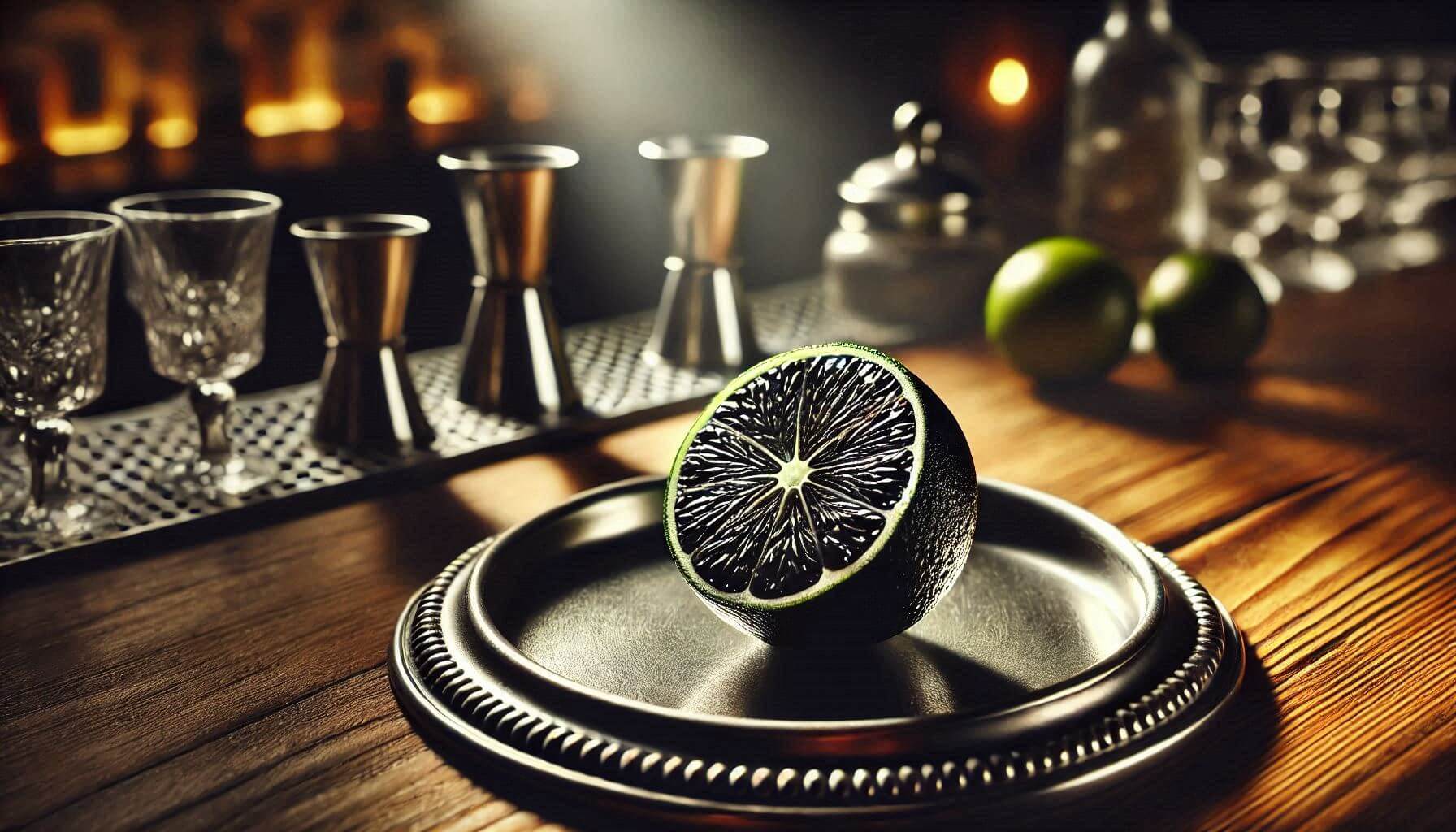
A single, halved black lime on a silver platter, resting on top of a bar in a shaft of light

I like to think the two standard limes in the background are envious of the fancy, blanched lime on the silver platter.

Kimpton Hotels & Restaurants, with their boutique concepts and global presence, are well positioned to study developing F&B trends.

Just about two months ago, Kimpton made their 2025 Culinary + Cocktail Trend Forecast available for free download. They’ve been releasing this forecast annually since 2015.

While I encourage you to download the report for yourself, I want to share the trends that stand out the most to me. For your own copy of the 2025 Culinary + Cocktail Trend Forecast, click here.

To learn which 2025 beverage trend predictions from Datassential have my attention, follow this link.

Here’s to a successful 2025. Cheers!

Black Limes

The What

A black lime is a standard lime that has been blanched in salt water. The peel and flesh hardens, and turns dark brown or black.

The Why

Blanching and cooling limes intensifies the aroma and flavors, boosting sourness, saltiness, and citrus notes.

The How

First, prepare a bowl of ice water. Next, add whole limes to a pot, and add water and a teaspoon of salt (experiment with amounts). Bring water to a boil for one to two minutes, then remove them with a slotted spoon and put them in the ice bath immediately. Let them cool completely, and store in a sealed container.

To use them, add whole black limes to soup stock. Or, use their powder for rubs, as seasoning, or as garnishes. Be cautious at first, as a little can go a long way.

As you may imagine, this food-focused trend can also work well for a bar’s beverage program.

Salted Egg Yolks

The What

A cured egg yolk that has been delivering umami flavor to Chinese cuisine for centuries.

The Why

Culinary teams can add salted egg yolks to all manner of dishes to imbue them with umami and salt flavors. Obviously, these work perfectly in Chinese dishes. However, with their buttery and often crumbly texture, they’re also great for enhancing pastas, salads, and other foods.

The How

It’s important to keep in mind that there’s a risk of bacteria associated with curing foods, like salmonella. So, proceed with caution, and adhere to strict food safety and handling rules.

Use the best-quality eggs you can, and use fine salt rather than coarse to avoid piercing yolks.

There are also two ways to prepare salted egg yolks. One method uses a jar and whole eggs, and one uses an air-tight container with a bed of salt and just the egg yolks. Ask your culinary team which method they prefer, and bear in mind that the process takes days. Also, it’s a good idea to bake the egg yolks in an oven at 160 degrees Fahrenheit (71 degrees Celsius) to ensure food safety.

Vegan Clarified Milk

The What

For a while there, it seemed as though it was a requirement for all cocktail bars to have Clarified Milk Punch on the menu. This led, of course, to more cocktails receiving the clarity treatment.

This trend is exactly what it sounds like on paper: A drink made with clarified vegan milk.

The Why

Some guests don’t consume dairy, so clarifying vegan milk will allow them to partake in this drink trend.

The How

Using coconut milk as an example, add lime juice and other liquid ingredients to an air-tight container. Stir the mixture, then leave in a refrigerator over night. Check the container, looking for separation; when you see it, strain the mixture through a coffee filter or cheesecloth into a bottle. Do this until you’re happy with the result. Serve as you would with any batched cocktail.

There are other methods for separating the solids from a milk, such as heating the milk to a specific temperature to speed up the process, then adding it and lime juice to the other liquid ingredients.

Spiced Fruit Leather Garnishes

The What

Again, this is exactly what it seems to be: fruit leather mixed with a spicy ingredient, like chili or habanero powder.

The Why

Garnishing drinks with spiced fruit leather adds a new dimension to the drinking experience, and allows your bar team to enhance the flavor experience. Plus, spiced fruit leathers are fun to nibble on in between sips.

The How

To have your culinary or bar team craft spiced fruit leather in-house, puree a fruit or fruits with high water content in a device such as a Vitamix. If you don’t have a dehydrator and specific fruit leather trays or dehydrator trays, you can line a baking sheet with parchment paper or silicone mats.

The person preparing the fruit leather can use a fine mesh strainer before they spread the puree onto a tray. Sprinkle the puree with the appropriate spice mixture, then pop the tray or baking sheet into an oven set to 140-150 degrees Fahrenheit (60-66 degrees Celsius) for four to twelve hours. Peel off the fruit leathers, cut into strips, and use as garnish.

Chili Crunch the World

The What

Kimpton expressly mentions chili crunch in their 2025 forecast, not chili crisp. In simple terms, crunch has a crunchier texture than crisp, as its made with larger pieces of ingredients.

In terms of both products, at their core they’re mixtures of peppers, onion, garlic, seasonings, and oil.

However, Kimpton foresees culinary teams crafting their own chili crunches (and likely chili crisps) that are specific to particular cuisines. Imagine, for example, a barbecue-centric chili crunch, or one featuring Italian seasonings.

The Why

Texture, heat (unless specifically made to not be hot), seasoning, an explosion of flavors… Chili crunch is an enhancer of both flavor and the guest experience.

The How

To make this condiment, start with dried chilies, and remove their seeds. Pulse or otherwise chop them. Remember, you want pieces that will create a crunch, so don’t pulverize the chilies. Set the chilies aside in a heat-safe container. Now, add your spices and seasonings to the chilies. Some people like to add peanuts to create more crunch.

In a pan, fry onions or shallots, straining them when they start to get pale, and reserving the oil. Put the oil back in the pan, and fry the garlic, being careful to avoid cooking for too long so they don’t become bitter. Strain the oil, separating it from the fried garlic. Heat the now-infused pour over the chilies, spices, and seasonings, and let the mixture cool. Once cool, add the onions or shallots and garlic to the mixture.

Your culinary team will likely have their own approach to producing chili crunch.

There are many more predictions in Kimpton’s 2025 Culinary + Cocktail Trend Forecast, so make sure to download your copy and check them out today.

Image: Microsoft Designer

KRG Hospitality Contact Request for Proposal 30 Minute Discovery Session

Book Below to Setup a 30-Minute Complimentary Discovery Call and Request for Proposal.


by David Klemt David Klemt No Comments

5 Books to Read this Month: January 2025

5 Books to Read this Month: January 2025

by David Klemt

Flipping through an open book

Our January book selections focus on changing the way we approach hospitality, mastering the fundamentals, America cuisine, bourbon, and more.

To review the book recommendations from December 2024, click here.

Let’s jump in!

Hacking the New Normal

Doug Radkey‘s followup book to Bar Hacks! The world around us has changed. The food and beverage industry has changed. The hospitality industry has changed. But will some ways of life change for the better? Will perhaps the restaurant, bar, and hospitality industry come out even stronger? With the right changes to the previous status quo, it is possible. There’s no question, resets are major undertakings, but a major reset will provide us with a clean start and that’s what this industry needs.

From Amazon: “Whether or not you’re a hotelier, restaurateur, bar owner or a front-line staff memberthis book will position you for success in the new normal. With a spotlight on hybrid business models, real estate, profit margins, technology, guest experiences, culture, diversity, and mindset, Hacking the New Normal is the guidance you need.

Grab your copy here.

Bar Hacks: Developing The Fundamentals for an Epic Bar

It’s the last book roundup of the year and yes, I’m taking the opportunity to recommend KRG president and principal consultant Doug Radkey’s first book. In his this book he explains the importance of nailing the fundamentals in order to:

  • start your operator journey in the best possible position;
  • stabilize your business; and
  • scale when the time comes, if that’s what you want.

From Amazon: “This informative and conversational book is the perfect read for aspiring or seasoned bar, pub, lounge, or even restaurant owners, operators, and managers looking for that competitive edge in operations! If you’re looking for both fundamental and in-depth planning methods, strategies, and industry focused insight to either start or grow a scalable, sustainable, memorable, profitable, and consistent venue in today’s cut-throat industry–Bar Hacks is written just for you!”

Click here to get your copy today!

Let There Be Havens: An Invitation to Gentle Hospitality

We find inspiration everywhere at KRG Hospitality. As important to us is sharing that inspiration to help our clients, partners, and readers hone their vision for hospitality concepts. This book, Let There Be Havens, is a look at “gentle hospitality,” an approach to providing impactful hospitality to those who visit your home. Operators and front- and back-of-house teams welcome guests to their “other” home every shift, and this book can improve every professional’s approach to service and hospitality.

From Amazon: “When one person reaches for another, makes an offering, and believes we all hold such worth. No matter what we have in our pockets or where we’ve been up until now, we take care of each other―whether we’re strangers on a sidewalk or families around a table. Each day, we create trails of beauty and connection. One open door opens the next. And then it happens: our streets fill with lamplight, our lives lift with spirit, and our homes become circles of gold.”

Click here to order the hardcover.

Bourbon Land: A Spirited Love Letter to My Old Kentucky Whiskey

Chef Edward Lee’s favorite spirit is bourbon. While this book, Best New Cookbook of Spring 2024 by Eater, Epicurious, and Food & Wine, dives into bourbon’s history, how to taste it, and famous distilleries, there’s another key element that should motivate you to buy it. Namely, how to cook with bourbon, and 50 accompanying recipes.

From Amazon: “Knowledgeable, entertaining, and more than a little infatuated with his subject, award-winning food writer and chef Edward Lee gives us his insight into bourbon, telling us everything we should know about the mellow honey-brown treasure that’s put Kentucky on the global map: How bourbon is made. Its history. How to read a label. A look inside the famous distilleries. The influence of oak. Tours of Kentucky’s bourbon regions. How to taste bourbon like a professional.”

Get it here.

Buttermilk Graffiti

Oh, Chef Lee is also an award-winning writer. In 2019, his book Buttermilk Graffiti won the James Beard Award for Best Book of the Year in Writing. It was also nominated for other awards. Chef Lee traveled the US, learned the personal and food stories of the people he encountered, and shared more than a dozen of those stories in this book, which also includes 40 recipes.

From Amazon: “American food is the story of mash-ups. Immigrants arrive, cultures collide, and out of the push-pull come exciting new dishes and flavors. But for Edward Lee, who, like Anthony Bourdain or Gabrielle Hamilton, is as much a writer as he is a chef, that first surprising bite is just the beginning. What about the people behind the food? What about the traditions, the innovations, the memories?”

Follow this link to buy your copy.

Image: Mikołaj on Unsplash

KRG Hospitality Contact 60-Minute Impact Session

Looking to Start, Stabilize, or Scale? Book Below to Setup a 60-Minute Result-Driven Impact Session.


by David Klemt David Klemt No Comments

Program for Unique Holidays: January 2025

Program for Unique Holidays: January 2025

by David Klemt

Restaurant or bar owner sitting at the bar, working on a schedule or calendar

AI-generated image.

Do you want to stand out from from other restaurants and bars in your area? Change how you think about your January 2025 holiday programming.

Several holidays are set against every date on the calendar, and this month is no exception. These holidays range from mainstream to esoteric.

Pay attention to the “weird” or unique holidays to raise eyebrows, carve out a niche for your restaurant or bar, and attract more guests. Why do what everyone else is already doing? Why program only around the same holidays as everyone else?

To provide a handful of examples, January boasts celebrations of birds, tempura, a French comfort dish, and gift cards. Those are all things you can get creative and program around, and celebrate with your guests.

It’s also Dry January, which is embraced by a vast array of people: non-drinkers, the “sober curious,” the newish “zebra stripe” consumers, the health conscious… Whatever their motivation, these guests still need an amazing experience at your bar or restaurant. And you may recall that Whistlepig launched Dank January last year, releasing the limited-edition Dank & Dry Old Fashioned Cocktail. This was a non-alcoholic bottled cocktail made with rye “non-whiskey,” and enhanced with non-psychoactive terpenes. If you visit their site, they may have something planned for 2025.

Of course, you shouldn’t try to celebrate every holiday, strange or otherwise. Focus on the days that are authentic to your brand; resonate with your guests; and help you grab attention on social media.

You’ll find suggestions for promotions below. However, the idea behind our monthly holiday promotions roundup is to inspire you and your team to get creative and come up with unique programming ideas.

For our December 2024 holidays list, click here.

January 5: National Bird Day

The Jungle Bird. Grey Goose. Famous Grouse. Redbreast. Eagle Rare. Wild Turkey. Kentucky Owl. Chicken wings. Duck fat. Use this holiday, which falls on a Sunday this year, to feature your bird-themed drinks and foods.

January 7: National Tempura Day

When it comes to comfort foods, battering and frying are winning partnership. If you can batter and fry it, put it on your menu, and promote it.

January 9: National Cassoulet Day

Did you know that less than one percent of restaurants have cassoulet, a warm and comforting French dish, on their menus in the US? Seems like an opportunity for a savvy operator and kitchen team to fill a gap.

January 11: National Milk Day

This is the day to promote your bar team and their skill crafting milk cocktails. The Coquito, Bourbon Milk Punch, the Grasshopper, the Mudslide… National Milk Day is easy and fun to celebrate.

January 12: National Mocktail Week Begins

If it hasn’t yet achieved ubiquity, Dry January has certainly reached proliferation. This week, National Mocktail Week (which runs through January 18), is the time to show that you’ve crafted a carefully considered zero-proof drink menu. Remember, some sober guests find the term “mocktail” disrespectful, so consider using a different term.

January 17: National Bootlegger’s Day

This is the holiday to celebrate brands or cocktails that have survived prohibition, were created during prohibition, or produce or feature moonshine.

January 20: National Use Your Gift Card Day

Are gift cards an element of your marketing and branding strategy? Do you see them as a viable revenue channel? If so, this is the day to encourage people to come in and redeem them. Send a targeted email campaign, and include a link to your restaurant’s reservation system.

January 21: Squirrel Appreciation Day

Did you know that it’s believed squirrels plant three billion oak trees every year? Well, you do now.

I’m sure you’ve gotten ahead of me already regarding what I’m going to recommend you do to celebrate this holiday: put the classic Pink Squirrel on your menu. And why not? This iconic cocktail has been around since the 1940s, and may inspire an upcoming Drink Donnybrook.

January 24: National Beer Can Appreciation Day

Creative beer can design goes hand in hand with craft beer brewing. In fact, the approval of can designs in the US is quite an important process.

A lot of thought goes into beer can design and particularly eye-catching labels deserve more than a passing glance. Feature the most creative and attention-grabbing beers on your menu on National Beer Can Appreciation Day. You should definitely feature them on your social media channels.

January 30: National Croissant Day

The humble but delicious, flaky croissant is a tasty canvas. Sure, you can just offer croissants, but what about going harder and offering an array of croissant sandwiches or desserts? Bacon, egg, and cheese. Plant-based sausage, plant-based egg, and plant-based cheese. Nutella…croissants are light, flaky, butter, and fun.

Image: Microsoft Designer

KRG Hospitality Contact Request for Proposal 30 Minute Discovery Session

Book Below to Setup a 30-Minute Complimentary Discovery Call and Request for Proposal.


by David Klemt David Klemt No Comments

Program for Unique Holidays: November 2024

Program for Unique Holidays: November 2024

by David Klemt

Restaurant or bar owner sitting at the bar, working on a schedule or calendar

I don’t know why but AI seems to think anyone who owns a restaurant or bar has a beard. AI-generated image.

Do you want to stand out from from other restaurants and bars in your area? Change how you think about your November holiday programming.

Several holidays are set against every date on the calendar, and this month is no exception. These holidays range from mainstream to esoteric.

Pay attention to the “weird” or unique holidays to raise eyebrows, carve out a niche for your restaurant or bar, and attract more guests. Why do what everyone else is already doing? Why program only around the same holidays as everyone else?

To provide a handful of examples, November boasts celebrations of the bold and pungent, Gose beer style, stuffing, and metal. Those are all things you can get creative and program around, and celebrate with your guests.

Of course, you shouldn’t try to celebrate every holiday, strange or otherwise. Focus on the days that are authentic to your brand; resonate with your guests; and help you grab attention on social media.

You’ll find suggestions for promotions below. However, the idea behind our monthly holiday promotions roundup is to inspire you and your team to get creative and come up with unique programming ideas.

For our October 2024 holidays list, click here.

November 8: Cook Something Bold and Pungent Day

This is the day to shine a spotlight on menu items that are heavy on aromatics, intense flavors, and presentations that demand attention.

November 9: Chaos Never Dies Day

If your bar or restaurant has a chill, relaxing vibe, this may be a great holiday for you and your guests. Chaos Never Dies Day is about mindfulness, relaxation, de-stressing, and, if healthy, socializing with friends and family.

Encourage your guests to visit your venue, silence their phones, and escape for a while.

November 10: Area Code Day

Area Code Day is an excellent time to celebrate your community. Showcase the local producers and collaborators with whom you partner, for example.

November 11: National Metal Day

Does your bar play metal? Do you feature live metal bands? Would you say your overall theme and ambiance is metal? Have I got a holiday for you…

November 15: National Philanthropy Day

Organize food, coat, or clothing drives. Highlight a charitable organization that your bar, restaurant, or hotel supports. This is one of the best days of the year for you and your guests to get involved with organizations that improve the community.

November 17: International Happy Gose Day

Several centuries old, Gose comes to us from Germany. Generally speaking, this wheat beer is tart, sour, spicy, and salty. Of course, craft brewers love to make styles their own, so there are Goses out there with other dominant characteristics.

Fans of this style of beer will tell you that it pairs well with everything. However, when developing your Gose promotion, keep grilled meats, seafood, roasted root vegetables, and tangy, powerful cheeses in mind.

November 21: National Stuffing Day

We all know that person whose main food focus on Thanksgiving (American, Canadian, or otherwise) is stuffing (or dressing, depending on preparation and pedantry). Sure, the other dishes are great, but they may just stab someone in the hand with their fork if they get between them and stuffing. In fact, we may be that person.

In the lead-up to Thanksgiving, task your kitchen with creating an irresistible stuffing (or dressing), and preparing it in multiple ways: waffled, sandwich, etc. Who knows? It may just lead to Thanksgiving Eve takeout orders.

November 22: National Farm-City Week

People celebrate this week to honor the farmers who help make American Thanksgiving possible. Of course, farmers deserve recognition for more than just one holiday.

This is a fantastic time of year to call attention to the farms and farmers with whom your restaurant partners.

November 29: Sinkie Day

Okay, so this one could be interesting. With all the prep and formality that can go into some people’s Thanksgiving celebrations, Sinkie Day offers welcome casualness. In simple terms, it’s about grabbing a bite while standing over a sink. Basically, rejecting a dining table, and eating anywhere else.

One spin you and your restaurant team can put on Sinkie Day is to highlight the items on your menu that are transported and eaten just about anywhere easily.

November 30: National Mason Jar Day

Cocktails, their alcohol-free counterparts, soft drinks like teas and sodas, kombucha, desserts, even salads… There’s a lot a creative bar or restaurant team can do with menu items, mason jars, and presentations.

Image: Microsoft Designer

KRG Hospitality Contact 60-Minute Impact Session

Looking to Start, Stabilize, or Scale? Book Below to Setup a 60-Minute Result-Driven Impact Session.


by David Klemt David Klemt No Comments

5 Books to Read this Month: November 2024

5 Books to Read this Month: November 2024

by David Klemt

Flipping through an open book

Our November book selections focus on recognizing your own potential, developing and enhancing culinary and cocktail skills, and leadership.

To review the book recommendations from October 2024, click here.

Let’s jump in!

Soups, Salads, Sandwiches: A Cookbook

Who doesn’t appreciate dining on a soup, salad, and sandwich? It’s one of the most famous food-based trinities in the world. Each of these individual items is a blank canvas for creativity from your kitchen team; they can be as simple or complex and inventive as you and your team desire. A soup, salad, or sandwich can introduce guests to new flavors. When presented as a trio, they can also tell a cohesive, compelling culinary story. In this aptly named cookbook, Matty Matheson tells interesting stories, and shares more than 120 recipes.

From Amazon: “Packed with character, personal stories, 126 scrumptious recipes, and vivid photographs of a day-in-the-life with Matty and his family, Soups, Salads, Sandwiches will have you fearlessly whipping up your own combinations in the kitchen.”

Order your copy today on Amazon, or wherever you get books.

Unsliced: How to Stay Whole in the Pizzeria Industry

Mike Bausch, the author of Unsliced, was one of the first guests on the Bar Hacks podcast. If you’d like to give his episode a listen, it’s number number 18 (Spotify link | Apple Podcasts link). In his book, Bausch lays everything out for pizzeria operators, from leadership and marketing to adjusting your mindset.

These two sentences from the description of Unsliced say it all, and they resonate with me and my partners at KRG Hospitality: “It’s hard not to get discouraged in this business. But with the right perspective, smart systems, and hard work, your restaurant can thrive.”

From Amazon: “If you own a pizzeria, you know something most people don’t: the pizza business is more cutthroat, stressful, and multifaceted than Wall Street. Every day is a constant struggle to manage overhead, attract loyal customers, stand out from the pack, and keep your employees motivated.

“Running a pizzeria is hard. But it doesn’t have to be as hard as you think.”

Pick this book up here.

The Bartender’s Pantry: A Beverage Handbook for the Universal Bar

Published earlier this year, The Bartender’s Pantry by Jim Meehan and Bart Sasso offers a unique departure from the standard cocktail recipe book. As you glean from the word “pantry” in the title of this book, Meehan and Sasso encourage bartenders to take a culinary approach to crafting drinks. However, The Bartender’s Pantry is also aimed at cooks. Really, this is a great book that should help bring the front and back of houses together. There are more than 100 recipes, and this book is available in a flexibound version, which makes it infinitely cool.

From Amazon: “Each chapter features artfully illustrated recipes incorporating the featured ingredients that bring the reader into the kitchens of some of the world’s most revered bartenders, baristas, importers, and chefs. Their innovative takes on traditional recipes including horchata, matcha, Turkish coffee, sorrel, kvass, and ice cream are followed by full-page photos of over 50 cocktails that incorporate them including modern classics like the Gin Basil Smash, Earl Grey MarTEAni and Penicillin.”

Grab the flexibound version from Amazon.

Beyond the Hammer: A Fresh Approach to Leadership, Culture, and Building High Performance Teams

Author Brian Gottlieb identifies three challenges that just about every business faces: leading staff to take ownership of the work they do; friction between departments or separate teams; and producing inconsistent results. He also presents a strategy in Beyond the Hammer to overcome these challenges, in addition to high employee turnover, and burnout.

From Amazon: “These common issues create high turnover and force managers into crisis mode where they’re consumed putting out daily fires. Over time, the very nature of the business changes and a new culture emerges; one shaped by the lowest level of acceptable behavior.”

Hardcover available on Amazon.

Hidden Potential: The Science of Achieving Greater Things

If you’ve listened to episode 100 of the KRG Hospitality-produced Bar Hacks podcast (Spotify link | Apple Podcasts link), you’ve heard Tako Chang talk about discovering the Double Chicken Please team’s hidden talents. Moreover, you’ve heard how impressed she is with the team’s skills, and encouraging each member to develop them further. That’s an example of great leadership.

This book, written by organizational psychologist Adam Grant, addresses finding and exploring your own potential; doing the same for others; and why we should focus more on learning than working ourselves to the bone to achieve success.

From Amazon:Hidden Potential offers a new framework for raising aspirations and exceeding expectations. Adam Grant weaves together groundbreaking evidence, surprising insights, and vivid storytelling that takes us from the classroom to the boardroom, the playground to the Olympics, and underground to outer space. He shows that progress depends less on how hard you work than how well you learn. Growth is not about the genius you possess—it’s about the character you develop. Grant explores how to build the character skills and motivational structures to realize our own potential, and how to design systems that create opportunities for those who have been underrated and overlooked.”

The hardcover costs less than the paperback right now on Amazon.

Image: Mikołaj on Unsplash

KRG Hospitality Contact 60-Minute Impact Session

Looking to Start, Stabilize, or Scale? Book Below to Setup a 60-Minute Result-Driven Impact Session.


by David Klemt David Klemt No Comments

Program for Unique Holidays: October 2024

Program for Unique Holidays: October 2024

by David Klemt

"Think about things differently" neon sign

Do you want to stand out from from other restaurants and bars in your area? Change how you think about your October holiday programming.

Several holidays are set against every date on the calendar, and this month is no exception. These holidays range from mainstream to esoteric.

Pay attention to the “weird” or unique holidays to raise eyebrows, carve out a niche for your restaurant or bar, and attract more guests. Why do what everyone else is already doing? Why program only around the same holidays as everyone else?

To provide a handful of examples, October boasts celebrations of the cheeseburger, the double cheeseburger, cheese pizza, pepperoni pizza, beer, and guacamole. Those are fantastic F&B holidays sure to appeal to your guests. However, you can still celebrate some “out there” holidays to get people’s attention and draw them to your business.

Of course, you shouldn’t try to celebrate every holiday, strange or otherwise. Focus on the days that are authentic to your brand; resonate with your guests; and help you grab attention on social media.

You’ll find suggestions for promotions below. However, the idea behind our monthly holiday promotions roundup is to inspire you and your team to get creative and come up with unique programming ideas.

For our September 2024 holidays list, click here.

October 1: The New National Taco Day

That’s right; National Taco Day has changed! You can read my article addressing this change here for more details, but what you need to know is that from today onward, National Taco Day will always fall on a Taco Tuesday.

October 2: Walk Your Dog Week

If your venue is dog friendly, and you operate in at least a decently walkable city or town, this is a great week to invite your guests to pop in for a dog treat, a bite, and a drink with their best friends.

October 4: Plaidurday

This day is dedicated to plaid. Plaid shirts, plaid pants, plaid shoes, plaid hats, plaid coats, plaid scarves, kilts featuring a tartan… If it’s plaid, encourage your guests to come by your place while they’re wearing it.

October 11: It’s My Party Day

Okay, this is an odd one. Really, it’s all about nostalgia. Technically, it’s about people revisiting their sweet sixteen parties, which is incredibly specific. Personally, I’d tap into your understanding of your guests and come up with a nostalgic theme that will appeal to them. After all, October is all about dressing up and themed parties.

October 12: National Motorcycle Ride Day

If your venue is motorcycle friendly, encourage your guests who ride to organize a ride, with a stop at your business to relax and refuel.

October 15: National Chicken Cacciatore Day

Recently, we addressed the importance of putting your spin on classic comfort foods. Chicken cacciatore, a recipe that’s about 600 years old, certainly falls into this category; it’s a classic comfort food, and your kitchen team can certainly put their own take on it.

October 21: Apple Day

We also addressed applejack, America’s first native spirit, just yesterday. Sure, you can do caramel apples or apple pie to celebrate this day, but I think you should bring your bar team into the mix, and create an LTO menu featuring applejack cocktails.

October 24: National Food Day

It sounds like this holiday is incredibly open ended, doesn’t it? A blank slate for any cuisine or food item you want to program a holiday promotion to leverage.

However, it’s specifically focused on featuring natural foods. For tips on how to build a natural, farm-to-table menu, check out KRG Hospitality chef consultant Nathen Dubé’s article here.

October 25: Chucky, the Notorious Killer Doll Day

I’ve included this because, wow, is it specific. It’s also a great day to play the Child’s Play movies and Chucky television show, within the confines of the proper licenses, of course.

October 30: National Candy Corn Day

Candy corn sucks, and if you agree (which means you’re correct), you’ll use this day to campaign against this food crime against nature.

Image: Ivan Bertolazzi on Pexels

KRG Hospitality Contact 60-Minute Impact Session

Looking to Start, Stabilize, or Scale? Book Below to Setup a 60-Minute Result-Driven Impact Session.


by David Klemt David Klemt No Comments

Raise Your Glass to Canadian Beer Day

Raise Your Glass to Canadian Beer Day

by David Klemt

An AI-generated image of three pint glasses filled with beer sitting on Canadian flag coasters on a picnic table, with a mountain, lake, and Canadian flag in the background

This is an AI-generated image, but I still want to visit and drink those beers.

Operators and their guests will raise their glasses and celebrate Canadian beer on October 9, also known as Canadian Beer Day.

This year represents the sixth-annual Canadian Beer Day. Beer Canada created the holiday, with first event launching in 2019.

Not only does this beer-centric holiday honor one of the world’s most-popular drinks, it’s a day to observe its impact on Canada. According to the Beer Canada website, which is an excellent resource that I recommend everyone visit, brewers in the country employ 21,000 Canadians directly.

Zoom out and that number jumps to nearly 150,000 Canadians overall. There are farmers, bartenders, retailers, truckers, designers, and many other people whose employment relies on beer production. Further, almost 90 percent of beer purchased in Canada is brewed locally.

Each year, Beer Canada crafts a theme to go along with Canadian Beer Day. This year, that theme celebrates the cultural significance of the nation’s beer culture.

As an American, I think I’m qualified to say that people have seemed more divided over the past decade than in recent memory. At least, that’s what we’re often being told in the US, Canada, and other countries.

But think about how powerful gathering in pubs and bars has been for breaking down barriers. Having a beer with a stranger and finding middle ground can lower temperatures, and go a long way toward healing communities.

We should all strive to get back to that simple, comforting practice.

“Local” Impact

I may date myself a bit here but I remember the first Canadian beer I ever tried. Growing up in the Midwest in America, it was common to have friends who visited or had family and friends in Canada.

One day in the Nineties, some friends of mine and I got into a lighthearted debate about beer. One of our friends, who had just come back from a trip to Canada, scoffed at our light American pilsners and lagers, stating that we were essentially drinking water.

Then, he opened a cooler and pulled out bottles of Moose Drool Brown Ale. Not long after that moment, I’d be introduced to Moosehead and Labatt.

I still think about that first sip of Moose Drool, particularly when a beer debate heats up. I’m just one person but Canadian beer has had an impact on little old American me.

Canadian Beer

Head to Montréal, Québec, and you can visit the Talon Vaults, the archaeological remains of Canada’s first commercial brewery.

This important bit of beer-brewing history dates back to the late 1660s, when La Brasseries du Roy was opened by Jean Talon in Québec City. However, beer brewing in Canada dates back to at least the 1620s.

In 1786, the legendary John Molson established the Molson Brewery, also in Québec City. I think we all know how significant the Molson story is to Canadian beer.

Today, there are more than 1,300 breweries operating and employing people across Canada. Most are located in Ontario, Québec, British Columbia, and Alberta. Although, there at least a single brewery in every province. For example, there’s one brewery in the Northwest Territories, and one in Nunavut.

Per Statista data, the Canadian beer industry generated $18.43 billion (US $13.6 billion) in 2023, with $7.8 billion (US $5.8 billion) coming from restaurants and bars.

Those are big numbers being put up by just 1,300 breweries.

Celebrate in Style

Along with having a beer and getting to know someone, a great beer and food pairing can improve your day.

So, I asked Nathen Dubé, our chef consultant at KRG Hospitality, for some of his favorite beer pairings. And, wow, did he deliver.

Check out his recommendations below, and consider using them for a Canadian Beer Day limited-time-offer menu.

Let’s start with his favorite personal pairing.

“One of my favorite beer and food pairings is a robust, malty, Canadian brown ale with a perfectly grilled bison burger topped with aged cheddar, caramelized onions, and a touch of maple bacon,” says Nathen. “The rich malt character of the brown ale complements the hearty, gamey flavor of the bison, while the subtle sweetness from the caramelized onions and bacon plays beautifully with the ale’s caramel notes. The cheddar adds a creamy, sharp contrast, making each bite and sip a delightfully balanced experience.”

Now, let’s jump into Nathen’s LTO suggestions. This Canadian Beer Day, he recommends crafting unique, gourmet poutines.

Traditional Poutine

Beer Pairing: Local Pale Ale

Description: Hand-cut fries topped with squeaky cheese curds and a rich beef gravy. The pale ale’s mild bitterness cuts through the gravy’s richness, while its effervescence balances the cheese’s creaminess.

Butter Chicken Poutine

Beer Pairing: Indian Pale Ale (IPA)

Description: Fries smothered in creamy, spiced butter chicken sauce, topped with fresh cilantro and a dollop of yogurt. The hoppy and citrusy notes of the IPA enhance the spices in the butter chicken, creating a vibrant and aromatic pairing.

Pulled Pork BBQ Poutine

Beer Pairing: Smoked Porter

Description: Crispy fries loaded with slow-cooked pulled pork, tangy BBQ sauce, and cheddar cheese. The smoked porter’s roasted malt flavors complement the smoky pork, while its subtle sweetness balances the BBQ sauce’s tang. This poutine can be—or rather should be—prepared and served individually. As a general, Nathen always thinks the darker the beer, the stronger the cheese. On the other flavor profile side, the lighter/fruitier beer, the lighter the cheese.

Be sure to add these tempting poutines to your LTO menu, and visit the Canadian Beer Day website to download their digital and social media assets. Cheers!

Image: Microsoft Designer

KRG Hospitality Contact Request for Proposal 30 Minute Discovery Session

Book Below to Setup a 30-Minute Complimentary Discovery Call and Request for Proposal.


by David Klemt David Klemt No Comments

National Taco Day Makes its Move

National Taco Day Makes its Move

by David Klemt

A closeup photograph of four street tacos with meat, onions, and cilantro in soft corn tortillas

I call this a good start.

I don’t know how to break this to you, so I’m just going to say it: National Taco Day, one of the world’s most important holidays, has made a big move.

For the past 15 years, National Taco Day has been celebrated on October 4. That means that since its inception, the annual holiday that celebrates the taco has only fallen on a Taco Tuesday three times.

In fact, it didn’t even fall on Taco Tuesday until its third year, in 2011. National Taco Day didn’t repeat the feat again until 2016, and then 2022. Had the date remained the same in perpetuity, we wouldn’t get another National Taco Day on a Taco Tuesday until 2028 at the earliest.

Starting this year—in a week and a half, in fact—National Taco Day will fall on the first Tuesday in October.

I’m going to share my thought process after I first found out about this news.

How did I learn about this massive change? Via a post by Smirnoff. You see, National Taco Day and National Vodka Day have been linked since they each first launched in 2009.


View this post on Instagram


A post shared by Smirnoff (@smirnoff)

It seems that Smirnoff is none too pleased with this news, though they’ll reunite with National Taco Day in 2028.

My first reaction was “I can’t believe this is news,” for a few seconds. That evolved into “I can’t believe this took so long to resolve” rather quickly.

And then I told the KRG Hospitality team about this news.

Finally!

I’ve always thought “Why isn’t National Taco Day always on a Taco Tuesday?” when the holiday has come around.

Finally, someone has acted to rectify this oversight; Taco Bell appealed to National Day Calendar to change the date. It may seem to trivial for a fast-food giant (or anyone else, for that matter) to petition to have a holiday’s date changed when it isn’t a legal holiday.

However, according to a Taco Bell press release addressing this National Taco Day news, it’s rare that National Day Calendar makes such a change. The release goes on to quote Marlo Anderson, the founder of National Day Calendar, which launched in 2013.

“For years, we’ve celebrated National Taco Day on October 4th, but it’s always felt like there was a bigger opportunity to align it with something even more special—Taco Tuesday,” said Anderson.

Interestingly, another fast food chain is credited with creating National Taco Day: Del Taco. Keeping the trivia going, “National” reportedly doesn’t actually pertain to any one country; it’s just what the holiday is called.

While this news is certainly another win for Taco Bell and their, well, obsession with Taco Tuesday (understandable, of course), it’s a win for everyone who loves tacos.

Operators need to pull out all the stops for October 1, the first of the newly revised National Taco Day celebrations. Task your kitchen team with creating LTO tacos, crafting a super-premium version of your signature taco if you have one, and ensuring there are vegetarian- and vegan-friendly options to appeal to every single taco-loving guest.

Let’s go all out!

Image: Jeswin Thomas on Unsplash

KRG Hospitality Contact Request for Proposal 30 Minute Discovery Session

Book Below to Setup a 30-Minute Complimentary Discovery Call and Request for Proposal.


by David Klemt David Klemt No Comments

Balancing Menu Creativity with Preferences

Menu Design: Balancing Creativity and Guest Preferences

by Nathen Dubé

An AI-generated image of a chef-owner and head chef reviewing a restaurant menu

Note: AI-generated image.

A menu is not just a list of dishes; it’s a strategic tool that influences guest choices, enhances the dining experience, and maximizes sales.

Therefore, a well-designed menu is a crucial component of a restaurant’s success.

Come along with me and we’ll explore the principles of effective menu design, balancing creativity with guest preferences, and the role of menu psychology in driving decisions.

Key Principles of Effective Menu Design

Layout and Structure

The foundation of a great menu lies in its layout and structure. Organizing menu items logically—grouping appetizers, mains, desserts, and beverages into distinct sections—guides guests through their dining journey.

This structure helps in creating a seamless experience where guests can find what they are looking for easily. Subsections like “vegetarian,” “seafood,” or “grilled” can further refine the selection process.

Logical organization not only aids in navigation but also enhances the overall dining experience by reducing decision fatigue.

Item Placement

Item placement on the menu can have a significant impact on what guests decide to order.

The “Golden Triangle” concept suggests that guests’ eyes typically first gravitate to the center, then the top right, and finally, the top left of the menu. Placing high-margin items in these areas can drive sales.

Additionally, highlighting signature dishes and specials in these prime spots can make them more appealing. Strategic placement is essential for maximizing the visibility of certain items, encouraging guests to order the dishes that are most profitable or unique.

Readability

A menu should be easy to read and visually appealing. Choosing appropriate fonts and sizes ensures that the text is legible in various lighting conditions.

A key factor to bear in mind is maintaining clear spacing between items to prevent the menu from looking cluttered and overwhelming.

Ensuring the clarity and ease of reading is vital; if a guest struggles to read the menu, it detracts from their dining experience. Effective readability involves the thoughtful selection of fonts, sizes, and spacing to create a harmonious and inviting look.

Balancing Creativity and Guest Preferences

Creative Culinary Expression

A menu is an opportunity to showcase the chef’s creativity and culinary expertise. Innovative dishes that use unique ingredients or cooking techniques can set a restaurant apart from its competitors.

Creativity is crucial for developing a distinctive culinary identity, and offering guests an exciting and memorable dining experience.

However, it’s important to balance creativity with dishes that guests are familiar with and enjoy. Balancing innovation with tradition ensures that while the menu offers new and novel experiences, it also provides comfort and familiarity.

Popular Guest Preferences

To appeal to a broad audience, a menu should include a mix of creative dishes and popular favorites. Including familiar dishes alongside innovative options can cater to a wider audience, making everyone feel welcomed and valued.

Additionally, considering dietary restrictions and preferences is crucial. Offering vegetarian, vegan, gluten-free, and allergen-friendly options ensures that all guests can find something they love. Addressing dietary needs and preferences not only broadens the guest base but also demonstrates the restaurant’s commitment to inclusivity and guest satisfaction.

Market Trends

Staying updated with current culinary trends helps keep the menu fresh and exciting.

For instance, trends such as plant-based diets, sustainability, and ethnic fusion can attract trend-conscious diners. Incorporating these trends into the menu shows that the restaurant is contemporary and aware of its guests’ evolving tastes.

Aligning the menu with market trends can create a buzz and draw attention to the restaurant, enhancing its reputation as a forward-thinking and dynamic establishment.

The Role of Menu Psychology

Influencing Guest Choices

Menu psychology involves using strategic design and phrasing to influence what guests order.

Some effective techniques include strategic pricing methods like decoy pricing. This approach involves placing a high-priced item next to a mid-priced item to make the latter seem more reasonable. Another tactic is charm pricing, an approach that uses prices that end in “.99” to make them appear more attractive.

These subtle cues can guide guest decisions and encourage them to choose certain dishes. Understanding menu psychology allows restaurants to steer guests subtly towards higher-margin items without being overtly pushy.

Maximizing Sales

Highlighting profitable dishes with visual cues, such as boxes, borders, or bold text, can draw attention to these items. Descriptive language that evokes the senses can make dishes sound more appealing, and entice guests to try them.

For example, describing a dish as “succulent, slow-roasted pork with a caramelized apple glaze” creates a vivid image, and stimulates appetite.

Effective use of menu psychology can boost sales significantly, and enhance the dining experience by making the menu more engaging and enticing.

Enhancing Appeal with Descriptive Language and Visuals

Descriptive Language

Using evocative and sensory words to describe dishes can enhance their appeal. Highlighting unique ingredients, preparation methods, and the origin of the dish creates a story that resonates with guests.

Descriptive language adds depth and dimension to the menu, transforming it from a simple list of dishes into a narrative that engages the guest’s imagination. Phrases like “handcrafted,” “locally sourced,” and “artisanal” add a touch of sophistication and quality, making dishes sound more attractive and special.

Visuals

Including high-quality images or illustrations of key dishes can boost their appeal significantly. Visuals help guests imagine the dish, and can trigger an emotional response

A well-designed menu with complementary color schemes and design elements reinforces the restaurant’s theme, and creates a cohesive brand identity.

The use of appealing visuals can stimulate appetite, and make the decision-making process more enjoyable for guests, enhancing their overall dining experience.

Examples of Innovative Menus

Case Studies of Successful Menus

Analyzing menus from renowned restaurants provides valuable insights into successful design choices.

For instance, The French Laundry in California uses a minimalist menu design that emphasizes simplicity and elegance, allowing the focus to remain on the high-quality ingredients and sophisticated dishes.

Similarly, Nobu’s menu balances innovative Japanese-Peruvian fusion dishes with classic favorites, catering to a diverse clientele.

These examples illustrate how thoughtful menu design can enhance the dining experience, and create a distinctive brand identity.

Insights from Industry Experts

Menu design professionals and restaurateurs offer valuable best practices. Experts suggest evaluating and adapting the menu continuously to meet changing guest preferences and market trends.

Updating the menu regularly not only keeps it interesting for repeat guests but also allows for the introduction of seasonal ingredients and new culinary innovations.

Industry insights highlight the importance of flexibility and responsiveness in menu design, ensuring that the restaurant remains relevant and competitive.

Conclusion

A thoughtfully designed menu is a powerful tool in the restaurant industry. It balances creativity with guest preferences, uses psychology to influence choices, and enhances appeal through descriptive language and visuals.

Investing in effective menu design can enhance the dining experience, drive guest satisfaction, and boost sales. For restaurateurs, it’s an essential aspect of creating a successful and memorable dining establishment.

By understanding and implementing these principles, restaurant owners can craft menus that not only reflect their culinary vision but also resonate with their target audience, ensuring a winning formula for success.

A well-designed menu can transform the dining experience, making it more engaging, enjoyable, and, ultimately, profitable for the restaurant.

Image: Microsoft Designer

KRG Hospitality Contact Request for Proposal 30 Minute Discovery Session

Book Below to Setup a 30-Minute Complimentary Discovery Call and Request for Proposal.


by David Klemt David Klemt No Comments

Is Demand for Delivery Down?

Is Demand for Delivery Down?

by David Klemt

AI-generated image of a person carrying takeout bags from restaurant to their motorcycle

I have done this. Cargo straps required.

Not too long ago, it seemed as delivery was going to overtake people’s desire to enjoy a restaurant in person, but that trend may be on a downward swing.

At first, this trend made perfect sense, for obvious reasons. For a while, the best way for consumers to enjoy their favorite restaurants and show support was to order delivery.

Rideshare companies jumped on delivery, as did several platforms. When guests were able to visit restaurants in person freely, delivery had become a habit for many of them. In fact, ordering delivery had become the de facto method of engaging with restaurants for a not-insignificant percentage of people.

However, operators and their teams weren’t shy about exposing their delivery “partners.” I think it’s fair to describe the fees operators were being charged by some of these partners as outrageous.

When the public found out about these fees, they didn’t sit well. Takeout, carryout, takeaway, order for pickup… Whatever your preferred nomenclature, people began seeing it as superior to delivery. This shift in consumer behavior was driven by a desire to support their favorite restaurants.

Of course, there are other factors that affected people’s move away from delivery. I’m confident in saying that most of us who have ordered delivery at some point in the last couple of years has experienced at least one of several downsides.

However, has delivery really fallen out of favor? Have takeout or drive-up pickup actually been passing up delivery?

Datassential’s 2024 Midyear Trends Report has some insights that can answer those questions. You can (and should) check it out for yourself here.

The State of Takeout and Delivery

To obtain a snapshot of the state of the performance of delivery and takeout, Datassential conducted a survey in May of this year. The F&B intelligence platform surveyed 400 US operators and more than 1,500 US consumers.

According to Datassential, nearly half of restaurant operators reported increases in guests dining in person at their restaurants.

Perhaps more telling, however, is that Datassential’s survey reveals that half of restaurants aren’t even offering delivery. I don’t know the breakdown of operators who once offered delivery and stopped doing so versus operators who never offered delivery.

What I do know is that there are, as I alluded to up top, many reasons for people to eschew delivery. Chief among these are cost, and the condition of the order when it arrives to the guest.

On the operator side, cost is once again a consideration, as are negative reviews and complaints. More than one study has shown that operators often get the blame when a third party botches an element of the delivery. These complaints can include food being delivered lukewarm or cold, parts of the delivery missing, or the wrong items being delivered to someone.

But, again, is demand for delivery slipping?

Per Datassential’s report, takeout and catering are outpacing the growth of delivery for US operators. Almost 40 percent of operators who participated in Datassential’s survey reported an increase in frequency for takeout and catering orders. In comparison, just 20 percent of respondents ordered an increase in delivery order.

Just eight percent of operators indicated a decrease in takeout and delivery. In fact, the greatest decrease impacts catering (14 percent), according to Datassential’s report.

Takeaway

Delivery, simply put, doesn’t work for every operator or every concept. Moreover, it looks like consumer desire for takeout is on a greater upswing in contrast to delivery.

For concepts that succeed with delivery, it’s imperative that operators control the process rather than cede to third parties, in my opinion.

The best way forward will vary from business to business. Operators and their teams need to be ruthless the quality, consistency, accuracy, and value of all orders, whether placed in person, for takeout, or for delivery. Further, when it comes to takeout and delivery, the ordering process must be convenient.

What’s clear is that every operator needs to dive into their data, determine how guests prefer to order from their restaurant, and pursue those preferences to enhance the guest experience.

Image: Microsoft Designer

KRG Hospitality Contact Request for Proposal 30 Minute Discovery Session

Book Below to Setup a 30-Minute Complimentary Discovery Call and Request for Proposal.


by David Klemt David Klemt No Comments

Program for Unique Holidays: Sept. 2024

Program for Unique Holidays: September 2024

by David Klemt

"Think about things differently" neon sign

Do you want to stand out from from other restaurants and bars in your area? Change how you think about your September holiday programming.

Several holidays are set against every date on the calendar, and this month is no exception. These holidays range from mainstream to esoteric.

Pay attention to the “weird” or unique holidays to raise eyebrows, carve out a niche for your restaurant or bar, and attract more guests. Why do what everyone else is already doing? Why program only around the same holidays as everyone else?

To provide a handful of examples, September boasts celebrations of the cheeseburger, the double cheeseburger, cheese pizza, pepperoni pizza, beer, and guacamole. Those are fantastic F&B holidays sure to appeal to your guests. However, you can still celebrate some “out there” holidays to get people’s attention and draw them to your business.

Of course, you shouldn’t try to celebrate every holiday, strange or otherwise. Focus on the days that are authentic to your brand; resonate with your guests; and help you grab attention on social media.

You’ll find suggestions for promotions below. However, the idea behind our monthly holiday promotions roundup is to inspire you and your team to get creative and come up with unique programming ideas.

For our August 2024 holidays list, click here.

September 4: Eat an Extra Dessert Day

You know what’s better than selling one dessert? Selling multiple desserts.

One approach that may perform well for you, depending on your concept and menu, is to create new, smaller versions of desserts so people won’t be too stuffed to enjoy more than one treat.

September 8: National Ampersand Day

Ah, the ampersand. This is perhaps my favorite logogram, since it means “and,” and it looks cool when stylized. Since this symbol represents “and,” this is the perfect day to feature a menu of food-and-drink pairings or shot-and-beer pairings. I recommend a tiered LTO menu, with a few options for each level: Beam & Bud Light, Woodford & Guinness, etc.

September 9: National Wiener Schnitzel Day

This dish comes to us from Vienna. It’s so good and comforting that it’s one of Austria’s national dishes. Germans, of course, love wiener schnitzel as well.

To leverage this holiday, consider making a traditional version made with veal cutlets, served with French fries, mashed potatoes, or Hasselback potatoes. If you want to build an LTO menu, though, look to other versions of this dish. For example, there’s a non-breaded wiener schnitzel variant served with a cream sauce called rahmschnitzel. One can also argue that Japanese tonkatsu (pork, not veal), Danish skinkeschnitzel (made with pork rather than veal), and American chicken-fried steak will work for this holiday.

September 14: National Eat a Hoagie Day

The humble hoagie is an institution. Depending on where you operate, these iconic sandwiches may be known as heroes, grinders, submarines, subs, po’boys, bombers, or torpedoes. However, if your guests know them as hoagies, you better come correct. Hell hath no fury like a Philadelphian presented with a hoagie with mustard on it, for example.

September 15: National Crème de Menthe Day

Crème de menthe enjoys a deep history, which you can read about here. The main takeaways are the two most-famous cocktails that feature this legend among liqueurs: the Grasshopper, and the Stinger. Both classics are great for an LTO menu celebrating the final days of summer.

September 17: National Table Shuffleboard Day

Does your bar, restaurant, or eatertainment concept feature table shuffleboard? If it does, you’re poised to leverage this holiday.

One of the most effective approaches is to organize a tournament. Of course, you can also feature other contests, like Closest to the Edge.

September 21: Escapology Day

Okay, this one is a bit specific. If your restaurant or bar is located in the same market as an escape room (or several, as is the case for a city like Las Vegas), consider partnering with them if it makes sense to do so. You and your team can recommend your guests check out a particular escape room. Conversely, the escape room can recommend your restaurant or bar for post-escape food and drinks. To solidify the partnership, both businesses can offer a discount or other benefit to each other’s guests.

Really, we want you to think about local businesses that can serve as strong partners.

September 23: National Great American Pot Pie Day

Two weeks ago we tackled comfort foods. In particular, transforming traditional comfort foods into soups. This holiday is the perfect time to make an LTO soup (or, if it performs well, a permanent menu item, or recurring LTO from fall through winter) out of one of the best-known comfort classics, the pot pie.

September 24: Innergize Day

Summer is coming to a close. Traditionally, this means vacation and relaxation time is over as people return to offices, and children return to school.

Innergize Day is about relaxing and disconnecting. It’s quite likely your concept can facilitate relaxation, escaping devices, and slowing down.

September 25: Better Breakfast Day

Is your concept open for the early morning daypart? Do you serve brunch? More importantly, is your concept committed to serving healthy food and drinks, or are you interested in updating your menu to feature healthier items?

If you answered yes to any of those questions, this could be the day for you. Use social media and other marketing channels to promote your healthy menu. Create items like healthy breakfast bowls and smoothies if it’s time for an update, and promote your new, healthier menu.

Image: Ivan Bertolazzi on Pexels

Bar Nightclub Pub Brewery Marketing Agency Team

by David Klemt David Klemt No Comments

The Comprehensive Guide to Combi Ovens

The Comprehensive Guide to Combi Ovens: Efficiency, Versatility, and Performance

by Nathen Dubé

A chef in a commercial kitchen, using a set of combi-ovens.

That’s some impressive AI-generated commercial kitchen equipment.

The versatility of combi ovens stems from their ability to combine multiple cooking methods into a single unit, making them a must-have for any professional kitchen.

These appliances have revolutionized the way we cook in the dynamic realm of modern kitchens.

In this comprehensive guide, we’ll explore the efficiency, versatility, and performance of combi ovens, helping you understand why they’re essential for contemporary culinary success.

What is a Combi Oven?

Definition and Basic Functionality

A combi oven is a kitchen powerhouse that combines convection, steam, and a mix of both cooking methods.

This multipurpose bit of kitchen kit can bake, roast, grill, steam, and even sous-vide. With such incredible functionality and versatility, combi ovens are indispensable for any culinary operation.

History and Evolution

Introduced in the 1970s, the combi oven has come a long way from its humble beginnings.

Early models were basic convection ovens with a simple steam function. Today, they boast advanced features like programmable settings, precise temperature and humidity controls, and smart technology integration.

The evolution of combi ovens has been marked by several key innovations. Initially, combi ovens were large, cumbersome units that required significant space and manual operation. However, as technology advanced, these ovens became more compact, efficient, and user-friendly. The introduction of digital controls, touchscreens, and programmable settings has made it easier for chefs to achieve precise cooking results with minimal effort.

Key Components and Features

Modern combi ovens are equipped with several advanced components.

  • Fan and Motor: Ensures even heat distribution. The fan circulates hot air around the food, allowing for uniform cooking and browning.
  • Steam Generator: Produces steam for moist cooking. This feature is essential for steaming vegetables, fish, and other delicate items without drying them out.
  • Touchscreen Interface: For easy programming and monitoring. Chefs can set specific cooking times, temperatures, and humidity levels with just a few taps on the screen.
  • Temperature and Humidity Sensors: For precise control over cooking conditions. These sensors ensure that the oven maintains the desired environment, leading to consistent results.

The Versatility of Combi Ovens

Range of Cooking Methods

Combi ovens excel in offering diverse cooking methods, including those below.

  • Steaming: Perfect for vegetables, seafood, and delicate items. Steaming helps retain nutrients and natural flavors while ensuring even cooking.
  • Baking: Ideal for bread, pastries, and desserts. The convection function provides even heat distribution, resulting in perfectly baked goods.
  • Roasting: Achieves a crispy exterior while keeping the interior moist. This method is great for meats, poultry, and root vegetables.
  • Grilling: Adds a charred flavor to meats and vegetables. The high heat of the grill function sears the outside, creating a delicious crust.
  • Sous-Vide: Ensures precise temperature control for slow cooking. This method involves cooking food in a vacuum-sealed bag in a water bath, resulting in tender and flavorful dishes.

Examples of Dishes

Combi ovens can handle a variety of dishes, demonstrating their versatility.

  • Roast Chicken: Achieve a golden, crispy skin while keeping the meat juicy and tender.
  • Steamed Fish: Cook delicate fish fillets to perfection, preserving their texture and flavor.
  • Croissants and Baguettes: Bake flaky, golden pastries with consistent results.
  • Grilled Vegetables: Enhance the natural flavors of vegetables with a slight char.
  • Sous-Vide Steaks: Cook steaks to the perfect level of doneness with precise temperature control.

Combi Oven Benefits

Combi ovens are versatile enough to benefit various culinary environments.

  • Restaurants: Handle high-volume orders efficiently. Chefs can prepare multiple dishes simultaneously, reducing wait times, and improving service.
  • Catering: Provide versatility for diverse menus. Caterers can offer a wide range of dishes without needing multiple appliances.
  • Hotels: Ensure consistent quality for large-scale food service. Hotel kitchens can maintain high standards across various meal services, from breakfast buffets to fine dining.

Comparison to Traditional Cooking Equipment

Compared to traditional ovens and steamers, combi ovens are more energy-efficient and cost-effective. They reduce the need for multiple appliances by combining cooking methods into one.

This consolidation leads to lower energy consumption, and reduced operational costs.

How Combi Ovens Save Energy

Combi ovens save energy through several mechanisms.

  • Reduced Cooking Time: Faster cooking with combined methods. The combination of convection and steam accelerates the cooking process, reducing overall energy use.
  • Efficient Heat Distribution: Even cooking reduces energy waste. The fan and motor ensure that heat is distributed evenly, eliminating hot spots and undercooked areas.
  • Programmable Settings: Optimize energy use for different recipes. Chefs can program the oven to use the most efficient cooking method for each dish, minimizing energy consumption.

Impact on Food Waste Reduction and Sustainability

Combi ovens contribute to sustainability in several ways.

  • Reducing Food Waste: Precise cooking reduces overcooking and waste. The ability to control temperature and humidity accurately ensures that food is cooked to perfection, minimizing leftovers and discarded items.
  • Lower Utility Costs: Efficient energy use lowers bills. The reduced cooking time and optimized energy consumption lead to significant savings on utility bills.
  • Sustainable Cooking Practices: Support eco-friendly kitchen operations. By using less energy and reducing food waste, combi ovens help kitchens operate more sustainably.

Maintenance Tips and Best Practices

Daily and Weekly Maintenance Routines

Regular maintenance ensures optimal performance and longevity.

  • Daily: Clean the interior and exterior surfaces, empty the drip tray, and check the door seals. Wipe down the touchscreen interface to keep it responsive.
  • Weekly: Descale the steam generator, clean the fan and motor, and inspect all components for wear and tear. This routine helps prevent buildup, and ensures the oven operates efficiently.

Cleaning and Descaling Tips

Proper cleaning and descaling are crucial for maintaining the combi oven’s performance.

  • Cleaning: Use non-abrasive cleaners and soft cloths. Avoid harsh chemicals that could damage the oven’s surfaces or components.
  • Descaling: Follow manufacturer instructions for descaling solutions and procedures. Regular descaling prevents mineral buildup that can affect the steam generator’s performance.

Troubleshooting Common Issues

Address common issues promptly to avoid downtime.

  • Inconsistent Cooking: Check temperature settings and fan operation. Ensure the oven is preheated properly, and that the fan is distributing heat evenly.
  • Steam Issues: Inspect the steam generator and descaling schedule. Regular descaling can prevent steam production problems.
  • Error Codes: Refer to the user manual for specific error resolutions. Most combi ovens have built-in diagnostics to help identify and resolve issues.

Importance of Regular Professional Servicing

Professional servicing ensures longevity and performance. Schedule regular check-ups with certified technicians to keep your combi oven in top condition.

These experts can identify potential issues before they become major problems, and ensure that the oven operates at peak efficiency.

Choosing the Right Combi Oven

When selecting a combi oven, consider several key factors:

  • Size and Capacity: Match the oven size to your kitchen’s needs. Smaller kitchens may benefit from compact models, while larger operations may require higher-capacity units.
  • Features: Look for advanced controls, programmability, and energy efficiency. Consider features like multi-stage cooking, recipe storage, and automatic cleaning functions.
  • Brand Reputation: Choose reputable brands known for quality and reliability. Research customer reviews and industry recommendations to find a trusted manufacturer.
  • Budget: Balance cost with the oven’s features and benefits. While high-end models may offer more advanced features, there are also budget-friendly options that provide excellent performance.

Case Studies and Expert Recommendations

Explore success stories from top chefs and kitchens to see how combi ovens have transformed their culinary operations. For example, a renowned restaurant may use a combi oven to streamline its kitchen workflow, resulting in faster service and improved dish consistency.

Insights from industry experts can guide your decision, offering tips on selecting and using the best combi oven for your needs. Interviews with chefs who have integrated combi ovens into their kitchens successfully can provide valuable perspectives on maximizing the benefits of these appliances.

Integration and Practical Tips

Smooth integration involves several steps.

  • Space Planning: Ensure adequate space for the oven and ventilation. Measure the available area, and consider the oven’s dimensions. Include any clearance needed for door opening, and maintenance access.
  • Electrical and Plumbing: Confirm compatibility with your kitchen’s infrastructure. Check that the oven’s electrical requirements match your kitchen’s power supply, and that you have the necessary plumbing connections for the steam generator.
  • Workflow Optimization: Position the oven for easy access and efficiency. Consider the flow of your kitchen operations, and place the oven where it can be reached by chefs and kitchen staff easily.

Training Staff for Optimal Use

Proper training is essential for maximizing the benefits of a combi oven.

  • Hands-On Training: Provide practical demonstrations for staff. Show them how to operate the oven, program settings, and use different cooking methods.
  • User Manuals: Ensure staff are familiar with the oven’s features and controls. Distribute user manuals, and provide training sessions to cover all aspects of the oven’s operation.
  • Ongoing Education: Update training regularly as new features or recipes are introduced. Continuous education helps staff stay proficient with the oven, and explore new cooking techniques.

Maximizing the Benefits in Daily Operations

To fully leverage a combi oven, consider the following tips.

  • Menu Planning: Design menus that utilize the oven’s versatility. Incorporate dishes that can be prepared using different cooking methods to showcase the oven’s capabilities.
  • Batch Cooking: Optimize batch sizes for efficiency. Use the oven’s capacity to cook multiple dishes at once, reducing cooking time and energy use.
  • Monitoring and Adjustments: Monitor cooking processes continually, and adjust for consistency. Check the oven’s performance regularly, and fine-tune settings to achieve the best results.

Conclusion

Combi ovens are a cornerstone of modern kitchen efficiency, offering unparalleled versatility and performance. By incorporating a combi oven into your kitchen, you can enhance creativity, improve operational efficiency, and achieve consistent, high-quality results. Explore your options and consult with experts to find the perfect combi oven for your culinary needs.

The benefits of combi ovens extend beyond just cooking versatility. Their energy efficiency, cost-effectiveness, and impact on food waste reduction make them an excellent investment for any kitchen.

With proper maintenance and staff training, a combi oven can transform your culinary operations, delivering delicious results every time. Whether you’re a restaurant, catering service, or hotel, a combi oven can elevate your kitchen’s capabilities and help you meet the demands of modern dining.

Image: Microsoft Designer

KRG Hospitality. Restaurant Business Plan. Feasibility Study. Concept. Branding. Consultant. Start-Up.

by David Klemt David Klemt No Comments

Soup Season: Transforming Comfort Classics

Soup Season: Transforming Comfort Classics

by David Klemt

Elote en vaso, or vaso de elote, also known as street corn in a cup, on a bar

Elote en vaso or vaso de elote, also known as “street corn in a cup.”

The latest and greatest from Campbell’s Foodservice is all about operators making the most of cooler weather by maximizing soup season.

If you read KRG Hospitality articles regularly, you’re likely aware that we like the helpful information Campbell’s makes available. For example, I’ve written articles that share their tips for leveraging nostalgia, crushing it with LTOs, and 2024 culinary trends.

Their newest tips aim to help operators succeed with soup. Further, much of Campbell’s Foodservice’s tips are in direct response to Datassential and Technomic data. In fact, Campbell’s references Technomic’s Soup & Salad Consumer Trend Report directly.

To be sure, the first bit of advice that Campbell’s shares is the most obvious: Leverage seasonal flavors. In this case, we’re talking fall and winter flavors.

You may already see stores where you live and operate unleashing Halloween decorations. I know I have; it may be 105 degrees in Las Vegas as I write this, but people are getting into an autumnal mood.

Of course, when you take advantage of seasonality for LTOs or menu updates, it’s important to let your guests know.

“Calling out seasonal items on your menu demonstrates the operator is being relevant and using ingredients that are in season,” says Campbell’s Foodservice Executive Chef Gerald Drummond. “From a consumer standpoint, that’s something that they really look towards.”

We agree wholeheartedly. Going deeper, we recommend working with local suppliers to procure seasonal ingredients, and calling that out as well.

Another tip comes from Datassential and Technomic insights. Three in ten younger consumers would like to see soups that feature plant-based proteins. And around half want at least one vegetarian-friendly soup on a menu.

The Standout Tip

When you’re through reading this article, I encourage you to scroll back to the top, click the “soup season” link, and read this Campbell’s Foodservice report for yourself.

That way, you’ll see all of their latest tips for getting the most out of seasonal soups.

However, I’m going to share the tip that stood out the most to me: transforming comfort food dishes into soups. Hence, the image at the top of this article: vaso de elote, or elote en vaso. That dish translates to “street corn in a cup” from Spanish.

Now, elote or street corn is undeniably a comforting street food. If I see it on a menu, I’m going to order it. Were I to see street corn in a cup, particularly if it came with the presentation at the top of this article, I’m going to order it.

So, if a culinary team were to transform street corn in a cup into street corn in a cup of soup, I’m all in.

Think about your concept, the approach to cuisine, and the community you serve. Then, think about the comfort dishes that work well with your concept and resonate with your guests.

In their report, Campbell’s Foodservice recommends beer cheese soup, of which I’m a fan. They also suggest lasagna soup (I’d try it), and chicken pot pie soup (again, I’m down).

Real-Word, Professional Advice

I asked our chef consultant Nathen Dubé for a couple of quick tips for transforming a comforting food dish into a soup. (By the way, you can book a call with him to discuss your menu or kitchen here.)

“I would look at the overall profile of the dish, and then decide if you’re going to combine everything into a puree or a broth,” says Nathen.

Then, the kitchen team needs to decide “which ingredients would be incorporated, and which could be left whole afterwards for texture, and stronger stand-out flavours.” As he explained to me, some ingredients definitely translate better to slow cooking versus finishing towards the end of the process.

With that advice given, take a look at your menu. Do you have some comfort foods that would be intriguing to guests in soup form? What about some of your signature dishes?

Once you’ve determined which dishes to transform into seasonal, LTO soups, engage your kitchen team. They’ll likely be excited to do something new, and show off their culinary talent.

Some people may harbor the misconception that soup isn’t exciting. I think creative operators and culinary teams can disabuse skeptical guests of this notion. Cheers!

Image: Jarritos Mexican Soda on Unsplash

KRG Hospitality. Restaurant Business Plan. Feasibility Study. Concept. Branding. Consultant. Start-Up.

by David Klemt David Klemt No Comments

The Rise of Experimental Gastronomy and its Impact on the Guest Experience

The culinary world has always been a playground for creativity and innovation, but a new wave of chefs has pushed the boundaries even further in recent years.

This movement, known as experimental gastronomy, is revolutionizing the way we think about food.

From molecular gastronomy to avant-garde cooking techniques, experimental gastronomy blends science and artistry to create unforgettable dining experiences.

This article will give you an understanding of the creativity and innovation that are the hallmarks of experiential gastronomy.

by Nathen Dubé

Experimental gastronomy method of food spherification.

Yes, that’s food. This is an example of spherification, a discipline within the experimental gastronomy movement.

The Essence of Experimental Gastronomy

At its core, experimental gastronomy is about challenging traditional culinary norms, and exploring new possibilities. Chefs in this field use cutting-edge techniques and unconventional ingredients to create dishes that surprise and delight the senses.

Employing unique techniques allows chefs and their teams to create experiences that go beyond taste alone. These include using liquid nitrogen to freeze herbs instantly, or employing spherification to turn liquids into spheres that burst in your mouth.

Innovative Techniques and Ingredients

One of the hallmarks of experimental gastronomy is the use of innovative techniques that transform familiar ingredients into something entirely new.

For instance, sous-vide cooking allows chefs to cook food at precise temperatures, resulting in perfect textures and flavors.

Another technique, fermentation, is used to develop complex flavors in unexpected ways. Ingredients like edible flowers, seaweed, and insects are also being explored for their unique flavors and nutritional benefits.

  • Sous-vide cooking: This method involves cooking food sealed in airtight bags in a water bath at controlled temperatures. It ensures even cooking, and enhances the food’s natural flavors and textures.
  • Fermentation: Used to develop complex flavors, this technique leverages the transformative power of microbes. Foods like kimchi, kombucha, and miso are products of fermentation.
  • Spherification: This technique, popularized by molecular gastronomy, turns liquids into small, caviar-like spheres, providing a burst of flavor.

The Role of Creativity and Science

Creativity and science are the driving forces behind experimental gastronomy. Chefs often collaborate with scientists and food technologists to develop new methods and ingredients.

This fusion of disciplines has led to groundbreaking discoveries, such as the creation of edible foams and gels. It also encourages chefs to think outside the box, combining flavors and textures in ways that defy convention.

Driving Factors Behind Experimental Gastronomy

Several factors are driving the rise of experimental gastronomy.

  • Unique dining experiences: In a competitive culinary landscape, restaurants strive to offer unique and memorable experiences that go beyond traditional dining.
  • Advancements in food technology: Modern tools and techniques enable chefs to experiment with new cooking methods and ingredients.
  • Sustainability and ethical dining: There is a growing interest in sustainable practices and ethical dining, prompting chefs to explore alternative ingredients and methods that minimize waste and environmental impact.

Food as Art

In the realm of experimental gastronomy, food is not merely sustenance but a form of art. Chefs act as artists, using their creativity to craft dishes that are visually stunning and emotionally evocative.

The presentation of food becomes a crucial element, with each plate designed meticulously to tell a story or evoke a specific emotion. This artistic approach transforms dining into a multi-sensory experience, engaging not just the taste buds but all the senses.

Case Studies of Innovative Dishes

Experimental gastronomy has produced some truly memorable dishes that challenge our perceptions of food.

Below, a handful examples of innovative dishes.

  • Forest Floor: This dish uses dehydrated mushrooms, edible soil, and moss to evoke the experience of walking through a forest.
  • Fermented Seaweed Salad: This dish showcases the complex umami flavors developed through fermentation, highlighting the potential of seaweed as a sustainable ingredient.
  • Edible Balloons: Made from flavored gelatin, these balloons are filled with helium, and can be eaten after inhalation, adding a playful element to the dining experience.

Insights into the Future of Culinary Experimentation

As experimental gastronomy continues to evolve, the future looks promising. With advancements in food technology and a growing interest in sustainable and ethical dining, chefs are exploring new ways to innovate.

The possibilities include:

  • Lab-grown meats: These are developed from animal cells in a lab, offering a sustainable alternative to traditional meat production.
  • Plant-based substitutes: Ingredients derived from plants that mimic the texture and flavor of meat, appealing to both vegetarians and meat-eaters.
  • Pop-up restaurants: Temporary dining establishments that offer unique and immersive culinary experiences, allowing chefs to experiment with new concepts without long-term commitments.

Moreover, the rise of immersive dining experiences, where the environment and presentation are as important as the food itself, suggests that the demand for experimental cuisine is only growing. Restaurants are increasingly using technology such as virtual reality and interactive elements to enhance the dining experience.

Experimental gastronomy represents the cutting edge of culinary innovation, pushing the boundaries of what is possible in the kitchen. Combining creativity, science, and a willingness to take risks helps chefs in this field redefine the dining experience.

As we look to the future, it’s clear that experimental gastronomy will continue to inspire and challenge us, offering new and exciting ways to experience food.

Image: Chef Rudakova on Unsplash

Related Reading

Work with Us

Click the image below to work with us on starting, stabilizing, or scaling your F&B concept.

Client Intake Form - KRG Hospitality

by David Klemt David Klemt No Comments

Cultivating Your Food Program

Cultivating Your Food Program: From Farm to Table

by Nathen Dubé

A black-and-white image of a vintage Farmall tractor in a field on a farm

When I think of farms, I think of vintage tractors.

The farm-to-table concept has become a cornerstone of modern cuisine, emphasizing the importance of sustainability, local sourcing, and community support.

Developing a sustainable food program that embodies these principles not only enhances the quality of your offerings but also fosters a deeper connection with your community and the environment.

Come along with me as I explore the steps to create a successful farm-to-table food program, the benefits it brings, and how to overcome common challenges along the way.

Understanding the Farm-to-Table Concept

The farm-to-table movement is rooted in the idea of sourcing food directly from local farms and producers, minimizing the distance food travels from harvest to plate. This approach prioritizes freshness, sustainability, and supporting local economies.

Historically, farm-to-table practices were the norm before the rise of industrial agriculture. The resurgence of this movement reflects a growing awareness of the environmental and health benefits of local sourcing.

My journey into the farm-to-table approach began with a profound appreciation for the origins of food.

Growing up in northern Canada, where hunting, fishing, and visiting family farms were common, I developed an early respect for the land and the bounty it provides. This background fueled my passion for integrating farm-to-table principles into my culinary practices.

Steps to Develop a Farm-to-Table Food Program

Research and Planning

The first step in developing a farm-to-table program is thorough research and planning.

Identifying local farms and suppliers who align with your values is crucial. Building relationships with these producers ensures a reliable and sustainable supply chain.

When I start any farm-to-table program, I spend considerable time visiting local farms, understanding their practices, and establishing partnerships.

Developing a personal connection with producers not only ensures the quality of ingredients but also builds a network of trust and collaboration.

Menu Design and Ingredient Sourcing

Creating a seasonal menu that focuses on available produce is central to the farm-to-table philosophy. This approach celebrates the natural cycles of the land, and offers diners the freshest ingredients.

Incorporating local ingredients into your dishes requires creativity and flexibility. Designing a menu around what is seasonally available can lead to innovative dishes that highlight the best of what each season has to offer.

For instance, one summer, I crafted a menu featuring heirloom tomatoes, fresh herbs, and locally caught fish, creating dishes that were vibrant and full of flavor.

Logistics and Supply Chain Management

Setting up an efficient supply chain for fresh produce involves addressing logistical challenges such as delivery schedules and storage. Maintaining the integrity of fresh ingredients requires careful planning and coordination with your suppliers.

One logistical challenge I’ve faced is the coordination of delivery schedules with multiple local farms. One viable solution has been to establish a central drop-off point, working closely with suppliers to streamline the process. This has helped ensure that kitchens receive fresh produce without compromising quality.

Staff Training and Involvement

Educating your team about the farm-to-table philosophy is essential for the success of the program. Training staff on how to handle and prepare local ingredients enhances their skills and instills a sense of pride and ownership in the program.

During a training session focused on the farm-to-table approach, we invited local farmers to speak about their produce and farming practices. This firsthand interaction helped our team understand the importance of sustainability, and the effort behind each ingredient, fostering a deeper connection to our mission.

Benefits of a Farm-to-Table Program

Quality and Freshness

The most immediate benefit of a farm-to-table program is the enhanced flavor and nutritional value of fresh, local produce. Ingredients that are harvested at peak ripeness and delivered quickly retain their natural flavors and nutrients, elevating the quality of your dishes.

Feedback from guests often highlights the noticeable difference in taste and freshness.

I recall one diner remarking that a summer saladmade with just-picked greens, fresh herbs, and vine-ripened tomatoeswas the best they had ever tasted, attributing the quality to the farm-to-table approach.

Community and Economic Impact

Supporting local farmers and the local economy is another significant benefit of the farm-to-table movement. By sourcing locally, you contribute to the sustainability of small farms, and foster a sense of community.

One program we developed impacted local producers positively by providing them with a stable and reliable market for their products. One farmer shared that our partnership allowed them to expand their operations and invest in sustainable farming practices, demonstrating the broader economic benefits of local sourcing.

Environmental Sustainability

The reduction of a carbon footprint through local sourcing, along with the promotion of sustainable farming practices, are crucial aspects of the farm-to-table movement.

Shortening the supply chain reduces transportation emissions, and supporting farms that use sustainable practices helps protect the environment.

Our commitment to sustainability has not only reduced our environmental impact but also resonates with guests. Many of our patrons appreciate knowing that their dining choices support eco-friendly practices, adding another layer of value to their experience.

Case Studies and Success Stories

Successful Farm-to-Table Programs

Several well-known restaurants excel in farm-to-table practices, setting a benchmark for others to follow.

For example, Chez Panisse in Berkeley, California, is renowned for its dedication to local sourcing and seasonal menus, serving as an inspiration for many chefs. Another example is Blue Hill at Stone Barns in New York, where the farm and restaurant work in tandem to create a closed-loop system that exemplifies sustainability.

These establishments highlight the potential for farm-to-table programs to succeed on both large and small scales.

Personal Successes

Implementing our own farm-to-table programs has been a journey of learning and growth.

One of our notable successes was the introduction of a seasonal tasting menu that not only showcased local produce but also told a story of the region’s agricultural heritage. This menu became a favorite among our guests, and earned positive reviews for its creativity and quality.

Challenges and How to Overcome Them

Seasonal Variability and Availability

Adapting to changes in seasonal produce can be challenging. However, embracing this variability allows for creativity and innovation in menu design.

Strategies for menu flexibility include preserving ingredients when they are in peak season, and incorporating preserved items into the menu during off-seasons.

For instance, during the winter months in the past, I have used preserved tomatoes and pickled vegetables from summer harvests. This has ensured that kitchen teams I’ve worked on in the past continued to offer vibrant and flavorful dishes, even when fresh produce was more difficult to find.

Cost Management

Balancing cost with quality and sustainability is a common challenge in farm-to-table programs. Finding cost-effective solutions without compromising on principles requires careful planning and negotiation with suppliers.

KRG Hospitality’s approach to cost management involves working closely with farmers to plan our purchasing around their production cycles, allowing us to secure better prices for bulk orders.

Additionally, minimizing waste through efficient use of ingredients helps control costs while maintaining high standards.

Conclusion

Developing a farm-to-table food program involves careful planning, dedication, and a commitment to sustainability.

The steps outlined above—research and planning, menu design, logistics, and staff training—are essential for creating a successful program. Enhanced quality, community support, environmental sustainability, and other benefits far outweigh the challenges.

I encourage you to embark on your own farm-to-table journey. By sharing your experiences and joining the movement, you can contribute to a more sustainable and connected culinary world.

The rewarding aspects of farm-to-table practices extend beyond the kitchen. They foster a deeper connection to the food we prepare and serve, enhance our relationships with local producers, and contribute to a more sustainable future.

As we continue to embrace these principles, we can look forward to a future where sustainable dining is not just an option but a standard. Let’s continue to cultivate our food programs with care, passion, and a commitment to excellence.

Image: Sean Stratton on Unsplash

KRG Hospitality menu development. Restaurant. Bar. Cafe. Lounge. Hotel. Resort. Food. Drinks.

Top