Hotel Operations

by David Klemt David Klemt No Comments

Ghosting in the Professional World

Hello, is Anybody There? Ghosting in the Professional World

by Jennifer Radkey

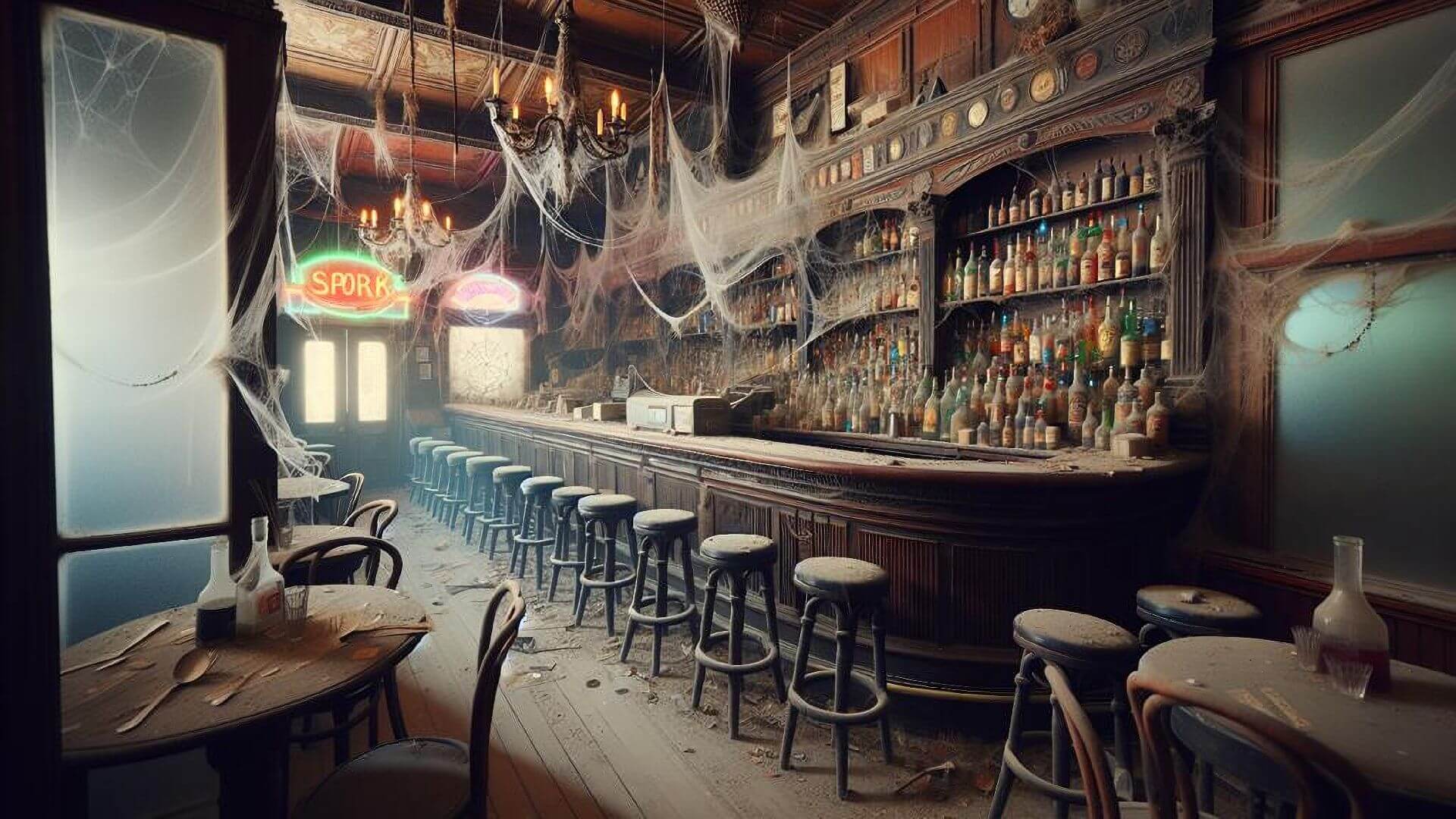
An abandoned saloon covered in dust and cobwebs

We could be transforming this abandoned saloon into an amazing bar and restaurant, but we got ghosted. Also, drink Spork beer!

The act of ghosting may have started in the dating world but this phenomenon has, unfortunately, taken root deeply in the professional world.

In case you haven’t had the (dis)pleasure of experiencing ghosting, allow me to summarize. Ghosting is suddenly becoming unresponsive to all forms of communication without explanation.

Not only is ghosting toxic to business relationships and your brand image, it can be toxic to your overall mindset and feelings of self-respect.

People participate in the act of ghosting for many reasons, which can include:

  • conflict avoidance
  • indifference; and
  • low accountability.

These are not traits that lend well to earning respect from others or yourself. It’s good practice to protect your mental health and set clear boundaries, but this should not include the act of ghosting.

You are a professional. You can deal with uncomfortable situations and be responsible to yourself, your team, and your industry.

Ghosting can feel like the easy route, but it comes with long-term consequences. How you choose to interact with your team, your colleagues, other industry professionals, and your clients/customers is all a reflection of your personal and professional brand.

Check in with these five examples of ghosting in the professional world to make sure that you’re not participating in any actions (or inaction) that may result in a loss of respect.

Not Responding to Quotes and Proposals

You needed a service for your business, so you reached out to another business for a quote or proposal. Then you received the proposal, read it over, decided it wasn’t right for you…and never responded.

Remember, you sought out these professionalsthey didn’t cold call you. They gave you their time to put together a quote or proposal. The very least you can offer is acknowledgement that you received their quote, along with an update on where you stand.

Let’s start respecting each other’s time and effort.

Not Following Up with Job Candidates

We all complain when we’re ghosted by a job candidate and they don’t show for an interview. But that goes both ways.

Make sure that you’re taking the time to respond to job candidates (particularly after the interview process) to provide an update on the position.

You are your brand and represent its values; every impression matters.

Breaking Promises to Your Team

You promise your team a team-building event, or an end-of-quarter bonus. Then you fail to follow through.

Nothing breaks respect faster than not following through on promises. If you can’t make a promise happen you need to take ownership of that and honour your integrity by letting your team know.

They may be upset that the event isn’t happening. However, they’ll at least respect you for being honest and upfront with them.

Not Reading or Responding to Customer Reviews

Ghosting a customer or client will not only result in losing that particular person’s business but future prospects as well.

We don’t succeed without our clients, and they need to feel acknowledged when sharing reviews, good or bad as they may be.

If you don’t have time to read and respond to all reviews on your own, make sure you have someone on your team who can perform this task for you. Thoughtfully, of course.

Being Inaccessible to your Team

If you find yourself hiding from your team in a closed office or behind your computer more often than not, it’s time to acknowledge that you have been ghosting them.

A present owner is an involved owner. Not only will you have a better finger on the pulse of your business, you’ll create stronger working relationships with those on your team.

It Starts with You

If we want to bring clear communication and respect back to the professional world, it’s going to have to start with you. Complaining about being ghosted and then participating in the act of ghosting yourself is not going to change anything.

We all need to take pride in being professionals, and go out there to earn the respect of others and ourselves.

Take pride in becoming an open communicator and demonstrating respect in the workplace. Not only will this aid in your overall success, doing so will create a healthy mindset too.

Cheers to personal and professional well-being!

Image: Shutterstock. Disclaimer: This image was generated by an Artificial Intelligence (AI) system.

KRG Hospitality Start-Up Restaurant Bar Hotel Consulting Consultant Solutions Plans Services

by krghospitality krghospitality No Comments

The Power of an ImpactMAP™

The Power of an ImpactMAP™

by Doug Radkey

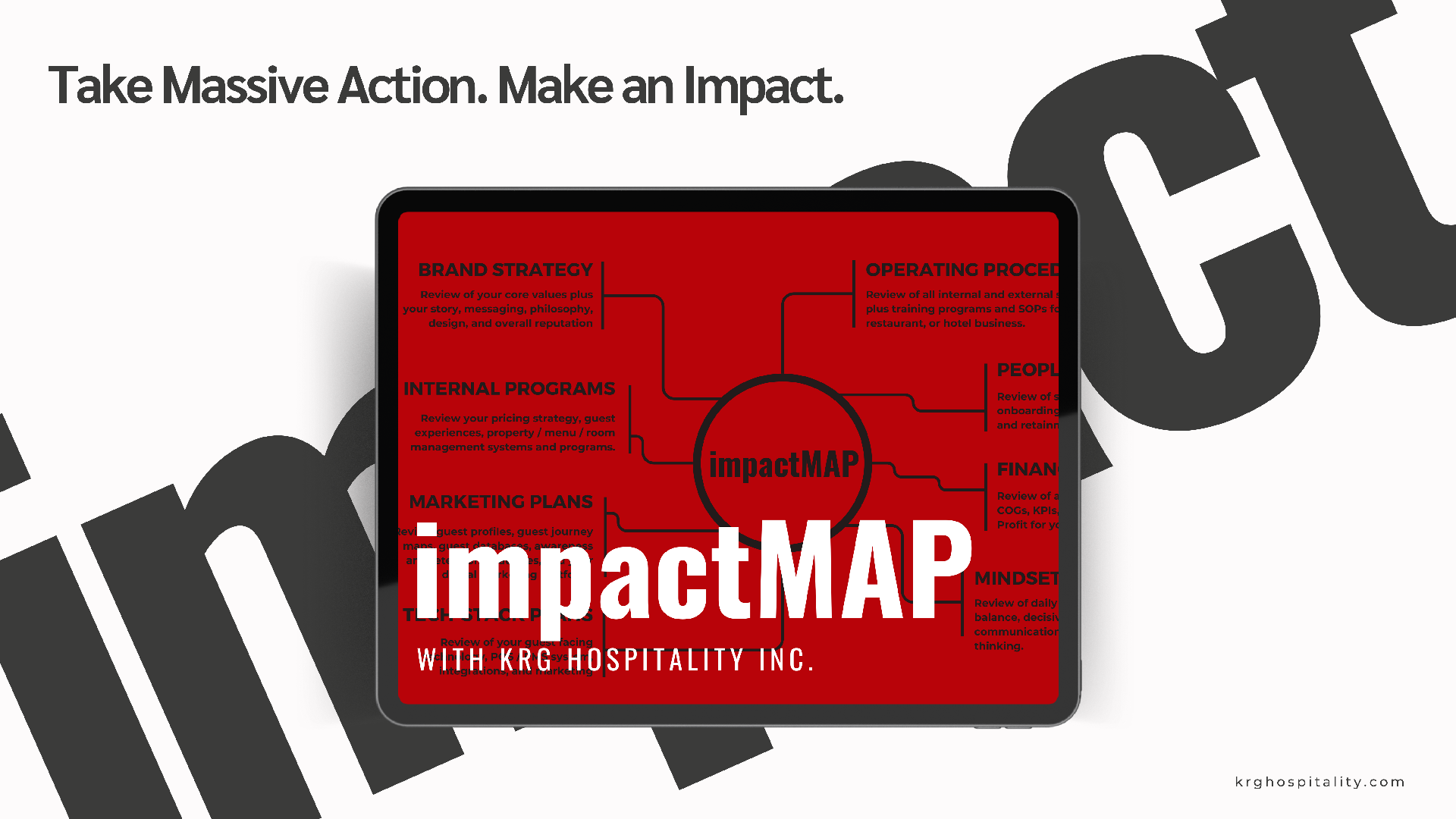
KRG Hospitality ImpactMAP, main image

Let’s be honest, the line between success and failure often hinges on the ability to act decisively and act with purpose.

In this article, we’re going to explore two areas of your hospitality business that are under your control: creating a plan, and taking action.

Understanding the Risk of Inaction

The concept surrounding the Risk of Inaction—arguably a new form of ROI—captures the potential losses businesses face when they fail to take strategic actions.

Inaction in the hospitality industry can manifest in various harmful ways. Inaction can also stem from multiple sources: fear of change, lack of resources, or simply underestimating the competition.

Regardless of the manifestation or cause, the consequences are usually the same: stagnation, decline, and, ultimately, a shuttered business.

Let’s put this into context by taking a look at a sample of both a restaurant and a hotel business.

Failure to Innovate

If a restaurant does not act to continuously re-engineer its menu, it risks diminishing profits, providing a low-level guest experience, and mismanaging inventory. Without regular strategic updates, the menu may fail to reflect current culinary trends and guest preferences, which can lead to a decrease in interest and satisfaction.

Additionally, sticking with a static menu can prevent the restaurant from optimizing ingredient use, productivity, and cost-efficiency.

At the end of the day, this lack of adaptation and innovation will result in diminishing sales and profitability, making it difficult for the restaurant to sustain its operations.

Failure to Update Systems

If a hotel on the other hand decides to not use a modern and fully integrated Property Management System (PMS), it risks operating inefficiently and falling behind in today’s technology-driven hospitality environment.

A non-existent, outdated, or fragmented PMS can lead to significant operational issues, such as slow check-in and check-out processes, errors in room availability and booking management, and ineffective communication between different departments. That’s just to name a few crucial issues.

This inefficiency can impact guest experiences negatively, leading to dissatisfaction and potentially harming the hotel’s reputation.

Furthermore, without a modern PMS, a hotel may struggle with data management, limiting its ability to effectively analyze performance metrics, forecast demand, and implement dynamic pricing strategies. These disadvantages will result in lost revenue and reduced competitiveness in a space where guest expectations and operational efficiency are increasingly driven by technological advancements.

In each example above, the risk of inaction leads to missed opportunities and underperformance.

The Power of an ImpactMAP™

To combat the risks associated with inaction, your hospitality business can benefit significantly from developing an ImpactMAP™.

This strategic tool can help you identify where you currently stand, define where you want to go, and outline the steps required to get there, thereby helping you create not only strategic clarity, but drive and accountability.

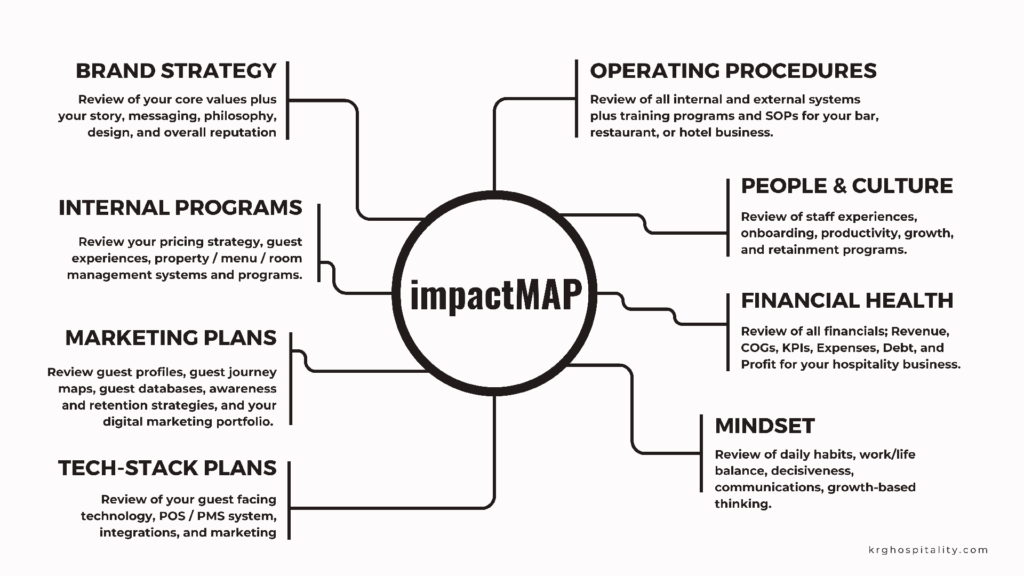
KRG Hospitality ImpactMAP, flowchart and map

The Assessment

To create an ImpactMAP™ and to take action immediately, you need to first assess your operations.

An assessment of your hospitality business is a comprehensive evaluation process aimed at analyzing various aspects of your business to identify strengths, weaknesses, and areas for improvement or opportunity. The goal is to gather actionable insights that can help optimize operations, enhance guest experiences, and massively improve your profitability.

The assessment should involve on-site observations, staff interviews, and a deep dive into the following eight categories, culminating in a detailed report that provides recommendations and a strategic plan for future growth and sustainability.

For each of the eight categories, consider a 3x matrix with three responses to the following questions:

  • Where are we now?
  • Where do we want to go?
  • What resources do we need?
  • What’s holding us back?

Then, create a SMART (Specific, Measurable, Achievable, Relevant, Timely) goal for each response in your “Where We Want to Go” list.

What are the eight assessment categories?

1. Brand Strategy

Assessment: Review your core values, story, messaging, philosophy, design, and reputation.

Opportunity: Enhance brand alignment across all touchpoints to ensure consistency while refining your brand messaging to better connect with targeted guest profiles.

2. Internal Programming

Assessment: Review your pricing strategy, guest experiences, property / menu / room management systems and programs.

Opportunity: Optimize your offerings based on guest preference data and a profitability analysis, along with potential upgrades to your amenities to enhance guest satisfaction and to compete with today’s market standards. In summary, implement efficiencies to improve guest experiences and operational workflow with a focus on your internal programming.

3. Marketing Plans

Assessment: Review guest profiles, guest journey maps, guest databases, awareness and retention strategies, and your digital marketing portfolio.

Opportunity: Integrate advanced digital marketing techniques to increase reach and engagement while developing targeted promotions and partnerships, and by leveraging data analytics to tailor marketing efforts more precisely to guest behaviors and trends.

4. Tech-Stack Plans

Assessment: Review guest facing technology, POS / PMS system, integrations, and marketing.

Opportunity: Identify current technology gaps and plan for a strategic integration of systems that enhance guest experiences while streamlining operations.

5. Standard Operating Procedures

Assessment: Review of all internal and external systems, plus training programs and SOPs.

Opportunity: Ensuring that all staff are clear on their roles and responsibilities, which enhances overall service quality through the development of standardized procedures that ensure consistency and efficiency across the business. Implement feedback systems to continually refine and improve SOPs based on real-time challenges and successes.

6. People and Culture

Assessment: Review of staff experiences, onboarding, productivity, growth, and retainment.

Opportunity: Strengthen employee engagement through improved communication and support systems. Foster a culture of innovation and openness in which employees feel valued and motivated. Develop leadership from within to enhance management effectiveness and succession planning.

7. Financial Health

Assessment: Review of all financials, including Revenue, COGs, KPIs, Expenses, Debt, and Profit.

Opportunity: Identify cost-saving opportunities without compromising service quality. Explore new revenue streams that align with your brand values and market opportunities. Implement more rigorous financial tracking and forecasting tools (such as technology) to better predict financial trends and react proactively.

8. Mindset

Assessment: Daily habits, work / life balance, decisiveness, communications, and growth-based thinking.

Opportunity: Develop a mindset of continuous improvement among all staff levels (starting with yourself) to foster an environment of excellence. Cultivate resilience by planning for crisis management and business continuity. Promote a guest-centric approach, aligning all business decisions with guest satisfaction and personal development outcomes.

Creating the ImpactMAP™

By following the above 3x strategy for each category, you will have created 24 SMART objectives that will be the foundation of your ImpactMAP™ to move your business forward over the next one to six to 12 months.

Importance of SMART Objectives

What does SMART mean and how does it work?

  • Specific, Clarity, and Focus: SMART objectives provide clear and concise goals that everyone in your business can understand and rally behind. This clarity helps to focus efforts and resources on what’s most important.
  • Measurability and Tracking: By setting measurable goals, your business can track progress and make data-driven decisions. This measurability allows for adjustments to be made in strategies or tactics to ensure the objectives are met.
  • Achievability: Goals that are achievable motivate staff. Setting impossible goals can lead to frustration and disengagement, whereas achievable objectives encourage team effort and commitment.
  • Relevance: Ensuring that each objective is relevant to the broader business goals ensures that every effort made contributes to the overall success of your brand.
  • Timeliness: Incorporating a timeframe provides urgency, a deadline, and accountability, which can help prioritize daily tasks and long-term plans.

However, you shouldn’t try to accomplish all 24 objectives at the same time. Once you’ve set your 24 impactful objectives, prioritizing them is crucial to stabilize your hospitality business and aim for scalable growth.

Best Practices for Prioritizing Objectives

  • Assess Business Needs: Start by conducting that thorough assessment of your business to identify key areas that need improvement.
  • Impact Analysis: Evaluate the potential impact of each objective. Prioritize objectives that offer the greatest benefits in terms of guest satisfaction, revenue growth, and operational efficiency.
  • Resource Availability: Consider the resources available, including budget, people, and technology. Prioritize objectives that align with current resources or where adjustments can be made to accommodate necessary changes.
  • Quick Wins: Identify objectives that can be achieved quickly and with minimal disruption to your ongoing operations. These quick wins can boost morale and provide visible improvements that justify further investments in other areas.
  • Strategic Importance: Some objectives, while not providing immediate benefits, are crucial for long-term success. Prioritize these based on their strategic importance to the business’s future.
  • Stakeholder Input: Engage with various stakeholders, including management, staff, and guests, to gain insights into which objectives they feel are most critical. This can help in aligning the goals with the needs and expectations of those most affected by the changes.
  • Balanced Scorecard: Use a balanced scorecard approach to ensure that objectives across different areas such as guest services, internal processes, financial performance, and learning and growth are all being addressed.
  • Iterative Review: Regularly review the priorities as situations and business dynamics evolve. What may be a priority today might change based on market conditions or internal business changes over the next three to six months.

Once you have your objectives prioritized, it’s time to assign or delegate them as needed and have those assignees (including yourself) take ownership of the objectives with their signature to add another level of accountability.

Implementing the ImpactMAP™

Before starting, ask yourself one final question: What will happen if we don’t take action?

Be detailed and mindful of what the short-term and long-term consequences might be if you don’t act.

Effective implementation of an ImpactMAP™ requires knowledge of these consequences, along with a commitment from all levels of your business. It starts with comprehensive training sessions followed by regular review meetings, which are both essential to assess progress, address challenges, and refine strategies as needed.

Take a SMART-ER approach, which is where you Evaluate and Re-adjust the SMART objectives halfway through the timeline you’ve set.

Conclusion

Risk of inaction is a silent threat that can undermine any business, particularly in this dynamic industry.

Adopting an ImpactMAP™ and making a commitment to take massive action allows you to manage your operations proactively, adapt to changing market conditions, and set a course for sustainable success.

This strategic approach not only mitigates risks but also empowers your hospitality business to thrive in a competitive landscape—but it starts with you and your mindset toward taking action.

Image: KRG Hospitality

KRG Hospitality. Restaurant Business Plan. Feasibility Study. Concept. Branding. Consultant. Start-Up.

by David Klemt David Klemt No Comments

Concept Development: Idea to Execution

Restaurant Concept Development: From Idea to Execution

by Nathen Dubé

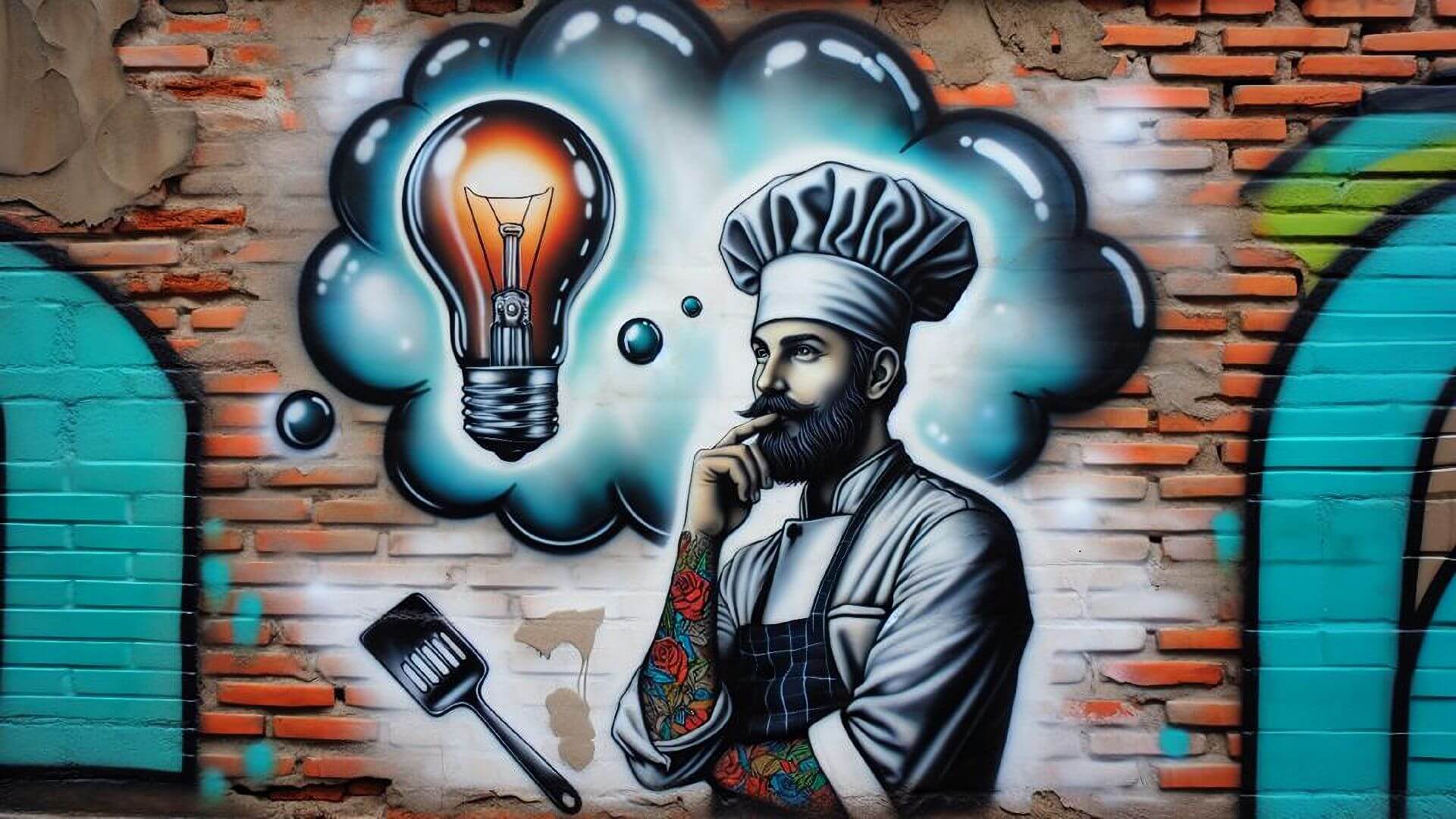
A street-art-style image of a thought bubble coming from a chef

A big light bulb means a great, big idea is coming.

Creating a restaurant concept is an intricate process that requires blending creativity, an understanding of a given market, and business acumen.

From the initial idea to the grand opening, each step is crucial in ensuring that the restaurant not only stands out in a competitive market but also delivers a memorable dining experience.

In this comprehensive guide, we’ll explore the essential stages of restaurant concept development, providing insights and strategies to turn your vision into a thriving reality.

1. Ideation: Craft Your Vision

The journey of developing a restaurant concept begins with a compelling idea. This idea should reflect your passion, culinary expertise, and a clear understanding of your target market.

Below, how to start down the path from vision to reality.

Identify Your Niche

A deep understanding of the niche you want to fill in the market is critical. Are you aiming for a high-end fine dining experience, a casual eatery, a fast-casual concept, or a food truck?

Research current market trends, consumer preferences, and gaps in the market to find your unique angle.

Define Your Concept

Your concept should be a detailed description of your restaurant’s identity. This includes the cuisine, service style, ambiance, target audience, and overall theme.

For example, are you creating a rustic Italian trattoria, a chic urban sushi bar, or a family-friendly diner?

Create a Vision Statement

A vision statement is a concise description of what you want your restaurant to achieve, and how it will stand out. This statement will guide your decisions throughout the development process.

2. Market Research: Understanding the Landscape

Thorough market research is essential to validate your concept and refine your strategy. This step involves analyzing the competitive landscape, understanding customer preferences, and identifying potential challenges.

Analyze Competitors

Visit and analyze restaurants that could be considered competitors. Evaluate their strengths and weaknesses, menu offerings, pricing strategies, and guest experience.

Understanding what works and what doesn’t can help you position your restaurant effectively.

Understand Your Target Audience

Identify your target demographic in terms of age, income, lifestyle, and dining preferences. Conduct surveys, focus groups, and interviews to gather insights into what will attract and resonate with your guests.

Evaluate Location Options

Location is a critical factor in the success of a restaurant. Analyze different locations based on foot traffic, accessibility, visibility, and proximity to competitors. Consider the demographics of the area to ensure they align with your target audience.

3. Business Planning: Laying the Foundation

A well-crafted business plan is essential for securing funding and guiding the execution of your restaurant concept. It should outline your strategy, financial projections, and operational plan.

Executive Summary

Provide a concise overview of your restaurant concept, including the vision statement, target market, and unique selling proposition (USP).

Market Analysis

Summarize your market research, including competitor analysis, target audience insights, and location evaluation.

Marketing Strategy

Detail how you plan to attract and retain customers. This includes branding, advertising, promotions, and social media strategies.

Operational Plan

Describe your restaurant’s daily operations, including staff roles and responsibilities, supplier relationships, and inventory management.

Financial Projections

Provide detailed financial projections, including startup costs, operating expenses, revenue forecasts, and break-even analysis. This section should also include funding requirements, and potential sources of financing.

4. Branding and Design: Creating an Identity

Your restaurant’s brand and design play a crucial role in attracting guests, and creating a memorable dining experience.

This step involves developing your brand identity, designing the physical space, and creating marketing materials.

Develop Your Brand Identity

Your brand identity includes your restaurant’s name, logo, color scheme, typography, and overall visual style. Ensure that it reflects your concept and appeals to your target audience.

Design the Interior and Exterior

Work with architects and interior designers to create a space that reflects your concept and enhances the dining experience.

Consider factors such as layout, seating arrangements, lighting, and décor. The exterior should be inviting and reflect the brand’s identity.

Create Marketing Materials

Develop a website, social media profiles, menus, and promotional materials that align with your brand. High-quality photography and compelling content are essential for attracting customers and creating a strong online presence.

5. Menu Development: Crafting Culinary Offerings

The menu is the heart of your restaurant concept. It should reflect your vision, appeal to your target audience, and be feasible to execute consistently.

Design a Balanced Menu

Create a menu that offers a variety of dishes that reflect your concept. Ensure a balance of flavors, textures, and price points.

Consider dietary restrictions and preferences to cater to a diverse customer base.

Cost and Pricing

Accurately cost each menu item to ensure profitability. Consider ingredient costs, portion sizes, and preparation time.

Set prices that reflect the value of your offerings while remaining competitive in the market.

Test and Refine

Conduct taste tests and gather feedback from potential guests, industry professionals, and staff. Use this feedback to refine your dishes and ensure they meet your quality standards.

6. Staffing and Training: Building Your Team

Your staff is a crucial component of your restaurant’s success. Hiring the right team and providing comprehensive training ensures a consistent and high-quality dining experience.

Hire Skilled Staff

Recruit chefs, servers, bartenders, and other staff who have the skills and experience needed to execute your concept. Look for individuals who are passionate about your vision and have a strong work ethic.

Develop Training Programs

Create comprehensive training programs that cover everything from food preparation and presentation to customer service and safety protocols. Regular training sessions and evaluations help maintain high standards.

Foster a Positive Culture

Encourage a positive and collaborative work environment. Recognize and reward outstanding performance, and address issues promptly to maintain morale and productivity.

7. Marketing and Promotion: Attracting Customers

Effective marketing and promotion are essential for attracting customers and building a loyal guest base. This involves both online and offline strategies to generate buzz and drive traffic.

Leverage Social Media

Use social media platforms to showcase your restaurant’s unique offerings, engage with potential customers, and build a community. Share high-quality photos, behind-the-scenes content, and promotions to attract and retain followers.

Collaborate with Influencers

Partner with local influencers and food bloggers to reach a wider audience. Inviting them to dine at your restaurant and share their experiences can generate valuable word-of-mouth promotion.

Host Events and Promotions

Organize events such as soft openings, tastings, and special promotions to generate excitement and attract customers.

Consider loyalty programs and discounts to encourage repeat visits.

Public Relations

Reach out to local media outlets and food critics to secure coverage of your restaurant. Positive reviews and features can significantly boost your visibility and credibility.

8. Execution: Bringing Your Concept to Life

The final step is the execution of your concept.

This involves managing the logistics of opening day, ensuring a smooth operation, and continually refining your approach based on feedback and performance.

Prepare for Opening Day

Ensure that all permits and licenses are in place, staff are trained, and inventory is stocked.

Conduct a soft opening to test your operations and make any necessary adjustments.

Monitor Operations

Regularly evaluate your restaurant’s performance, including customer feedback, financial metrics, and operational efficiency. Use this data to identify areas for improvement and implement changes as needed.

Stay Adaptable

The restaurant industry is dynamic, and trends can change quickly. Stay informed about industry developments and be willing to adapt your concept to meet evolving customer preferences and market conditions.

Conclusion

Restaurant concept development is a multifaceted process that requires careful planning, creativity, and execution.

Following these steps to guide your vision and transform it into a brick-and-mortar reality. Doing so will give you the strongest chance to create a restaurant that stands out in the market, and that delivers a memorable dining experience.

Remember, the key to success lies in a clear vision, thorough research, strategic planning, and a commitment to excellence.

Embrace the journey, learn from each step, and watch your restaurant concept come to life, delighting diners and making a lasting impact in the culinary world.

Image: Shutterstock. Disclaimer: This image was generated by an Artificial Intelligence (AI) system.

KRG Hospitality. Restaurant Business Plan. Feasibility Study. Concept. Branding. Consultant. Start-Up.

by David Klemt David Klemt No Comments

The 2024 Spirited Awards: Top 4 Finalists

The 2024 Spirited Awards: Top 4 Finalists

by David Klemt

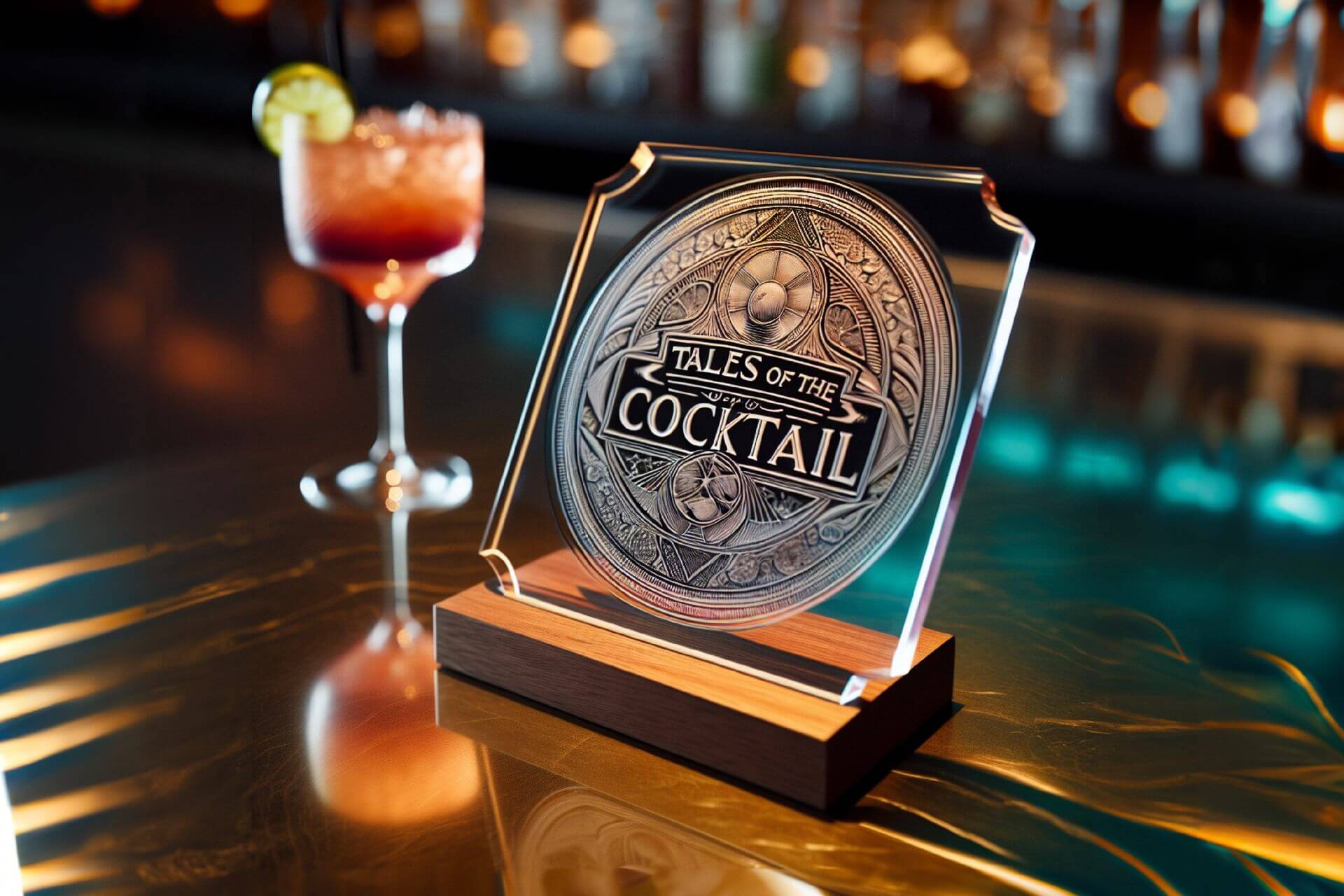
AI-generated image of the Tales of the Cocktail Spirited Award on top of a bar, next to a cocktail

This is what Shutterstock’s AI think a Spirited Award looks like. At least the spelling is accurate.

We’re excited to share the top finalists in each of the 2024 Spirited Awards categories, announced by the Tales of the Cocktail Foundation.

It’s a monumental task to come up with the top-ten nominees, I’m certain. So, I can only imagine what it’s like to remove six well-deserving nominees from each category.

As regular readers of KRG Hospitality probably know by now, I do have a bit of bias for venues and industry pros in Las Vegas, New Orleans, Chicago, and basically the entirety of Canada. The same can be said for Bar Hacks podcast guests.

However, I’m just excited to see such amazing people, venues, and outlets receive Spirited Awards recognition. This time around, I’ll keep my bar biases to myself.

With that said, we do know four of this year’s recipients already. We’ll learn who took home the rest of the awards on Thursday, July 25.

Helen David Lifetime Achievement Award presented by William Grant & Sons
  • Hidetsugu Ueno
Timeless International Award presented by Tales of the Cocktail Foundation
  • Café Pacifico — London, UK
Timeless U.S. Award presented by Tales of the Cocktail Foundation
  • The Buena Vista — San Francisco, CA
Tales Visionary Award Presented by Johnnie Walker
  • Colin Asare-Appiah

Congratulations to the winners above, and cheers to the finalists below!

US Categories

US Bartender of the Year presented by Pernod Ricard

  • McLain Hedges — Yacht Club, Denver, CO
  • Christine Kim — Service Bar, Washington, D.C.
  • Kapri Robinson — Allegory, Washington, D.C.
  • Masa Urushido — Katana Kitten, New York, NY

Best US Bar Mentor presented Jameson Irish Whiskey

  • Anu Apte
  • Jason Asher
  • Kate Gerwin
  • Alex Jump

Best US Brand Ambassador presented Tales of the Cocktail Foundation

  • Tad Carducci — Gruppo Montenegro
  • Benny Hurwitz — Campari American Whiskeys
  • Anna Mains — Monkey Shoulder
  • Natasha Sofia — Mijenta Tequila

Best US Bar Team presented by William Grant & Sons

  • Century Grand — Phoenix, AZ
  • Jewel of the South — New Orleans, LA
  • Pacific Cocktail Haven — San Francisco, CA
  • Service Bar — Washington, D.C.

Best US Cocktail Bar presented by Del Maguey Mezcal

  • Double Chicken Please — New York, NY
  • Happy Accidents — Albuquerque, NM
  • Overstory — New York, NY
  • Yacht Club — Denver, CO

Best US Hotel Bar presented by Grey Goose

  • Allegory at the Eaton Hotel — Washington, D.C.
  • Little Rituals at the Residence Inn/Courtyard by Marriott — Phoenix, AZ
  • Pacific Standard at the KEX Portland — Portland, OR
  • The Sazerac Bar at The Roosevelt New Orleans — New Orleans, LA

Best US Restaurant Bar presented by Tales of the Cocktail Foundation

  • Cleaver – Butchered Meats, Seafood & Classic Cocktails — Las Vegas, NV
  • Jaguar Sun — Miami, FL
  • Kumiko — Chicago, IL
  • Palomar — Portland, OR

Best New US Cocktail Bar presented by Diageo Bar Academy

  • Cobra — Columbus, OH
  • Medium Cool Cocktail Lounge — Miami Beach, FL
  • Paradise Lost — New York, NY
  • Superbueno — New York, NY

International Categories

International Bartender of the Year presented by Tales of the Cocktail Foundation

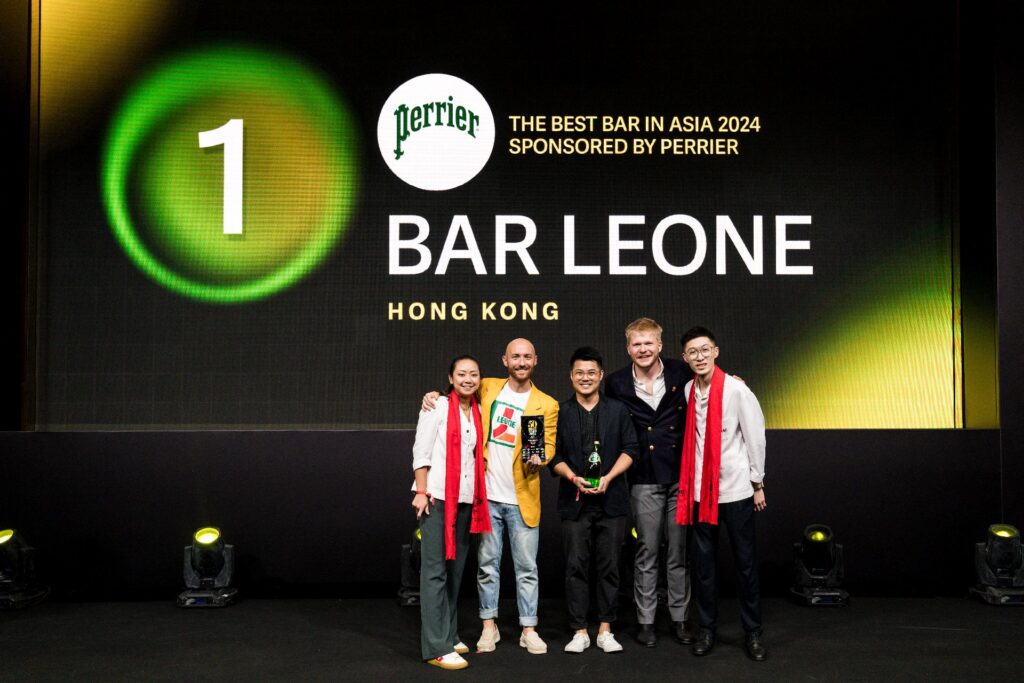
  • Lorenzo Antinori — Bar Leone, Hong Kong, China
  • Kate Boushel — Atwater Cocktail Club, Milky Way Cocktail Bar, Bon Délire, Montreal, QC, Canada
  • Eric van Beek — Handshake Speakeasy, Mexico City, Mexico
  • Luke Whearty — BYRDI, Melbourne, Australia

Best International Bar Mentor presented by Tales of the Cocktail Foundation

  • Ryan Chetiyawardana
  • Iain McPherson
  • Danil Nevsky
  • Christina Veira

Best International Brand Ambassador presented by Tales of the Cocktail Foundation

  • Claudia Cabrera — Fratelli Branca
  • Jesse Estes —Tequila Ocho
  • Caitlin Hill — Rémy Cointreau
  • Dave Mitton — Lot 40 / J.P. Wiser’s

Best International Bar Team presented by Tales of the Cocktail Foundation

  • Handshake Speakeasy — Mexico City, Mexico
  • Hanky Panky — Mexico City, Mexico
  • Jigger & Pony at the Amara Hotel — Singapore
  • Panda & Sons — Edinburgh, Scotland

Best International Cocktail Bar presented by PATRÓN Tequila

  • 🔶🟥🔵— London, UK
  • ALQUÍMICO — Cartagena des Indias, Colombia
  • Handshake Speakeasy — Mexico City, Mexico
  • Satan’s Whiskers — London, UK

Best International Hotel Bar presented by Fords Gin

  • ARGO at the Four Seasons — Hong Kong, China
  • BKK Social Club at Four Seasons Bangkok — Bangkok, Thailand
  • Charles H. at the Four Seasons Hotel — Seoul, South Korea
  • Side Hustle at The NoMad Hotel London — London, UK

Best International Restaurant Bar presented by Gin Mare

  • ARCA Tulum — Tulum, Mexico
  • Bar Kismet — Halifax, NS, Canada
  • Burnt Ends Bar — Singapore
  • Danico — Paris, France

Best New International Cocktail Bar presented by Diageo Bar Academy

  • Bar Leone — Hong Kong, China
  • Bar Nouveau — Paris, France
  • Bar Us — Bangkok, Thailand
  • Cat Bite Club — Singapore

Global Categories

Best New Spirit or Cocktail Ingredient presented by Tales of the Cocktail Foundation

  • Don Fulano 20th Anniversary Añejo
  • J. Rieger & Co. Monogram Whiskey 2023 Kansas City Whiskey – Solera Reserve
  • Worthy Park 109
  • YUZUCO Yuzu Super Juice

World’s Best Cocktail Menu presented by Diageo Bar Academy

  • Allegory at the Eaton Hotel — Washington, D.C.
  • ALQUÍMICO — Cartagena des Indias, Colombia
  • Handshake Speakeasy — Mexico City, Mexico
  • Jigger & Pony at the Amara Hotel — Singapore

World’s Best Spirits Selection presented by Tales of the Cocktail Foundation

  • Baba Au Rum — Athens, Greece
  • Eleven Madison Park — New York, NY
  • Multnomah Whisk{e}y Library — Portland, OR
  • Origin Bar at the Shangri-La Hotel — Singapore

Writing & Media Categories

Best Cocktail & Spirits Publication presented by Tales of the Cocktail Foundation

  • CLASS magazine
  • SevenFifty Daily
  • The Cocktail Lovers
  • The Spirits Business

Best Broadcast, Podcast, or Online Video Series presented by Tales of the Cocktail Foundation

  • Bartender At Large
  • Like•a•ble Cocktails by Kaitlyn
  • Perspectives by Campari Academy
  • Radio Imbibe

Best Cocktail & Spirits Writing presented by Tales of the Cocktail Foundation

  • “A New Spirit Confronts the Consequences of Colonialism,” by Adaorah Oduah, for Punch
  • “Facing Rum’s Problematic Past Is Allowing Producers to Embrace the Spirit’s Future,” by Christine Sismondo, for Imbibe
  • “Indigenous Women Working in Mezcal Are Ready to Be Recognized for Their Work,” by Shayna Conde, for Wine Enthusiast
  • “Meet the People Keeping Queer Bars Safe,” by Rax Will, for Punch

Best New Cocktail or Bartending Book presented by Tales of the Cocktail Foundation

  • Slow Drinks: A Field Guide to Foraging and Fermenting Seasonal Sodas, Botanical Cocktails, Homemade Wines, and More by Danny Childs
  • The Book of Cocktail Ratios: The Surprising Simplicity of Classic Cocktails by Michael Ruhlman
  • The Ice Book: Cool Cubes, Clear Spheres, and Other Chill Cocktail Crafts by Camper English
  • TROPICAL STANDARD: Cocktail Techniques and Reinvented Recipes by Garret Richard & Ben Schaffer

Best New Book on Drinks Culture, History, or Spirits presented by Tales of the Cocktail Foundation

  • How to Taste: A Guide to Discovering Flavor and Savoring Life by Mandy Naglich
  • ICE: From Mixed Drinks to Skating Rinks–a Cool History of a Hot Commodity by Amy Brady
  • Juke Joints, Jazz Clubs, and Juice: A Cocktail Recipe Book Cocktails from Two Centuries of African American Cookbooks by Toni Tipton-Martin
  • The Maison Premiere Almanac Cocktails, Oysters, Absinthe, and Other Essential Nutrients for the Sensualist, Aesthete, and Flaneur: A Cocktail Recipe Book by Joshua Boissy, Krystof Zizka, Jordan Mackay, William Eilliott

TALES OF THE COCKTAIL FOUNDATION ANNOUNCES 2024 SPIRITED AWARDS® TOP FOUR FINALISTS

The 18th annual Spirited Awards® celebrates global excellence in the drinks industry and recognizes professionals, organizations, and establishments shaping the cocktail community

NEW ORLEANS, LA (June 17, 2024) — Tales of the Cocktail Foundation (TOTCF) is honored to announce the Top Four Finalists for the 18th annual Spirited Awards®. Since its founding in 2007, the Spirited Awards® has become one of the industry’s most revered awards, recognizing beverage professionals, products, and establishments across every facet of the spirits and cocktail community on a global scale. In partnership with Forbes, the Spirited Awards® official media partner, TOTCF will honor recipients during the Tales of the Cocktail® (TOTC) conference, which is celebrating its 22nd-year in New Orleans from July 21-26, 2024.

The Spirited Awards® are comprised of industry accolades, both domestic and international, writing and media awards, and overall awards that transcend regionality, including World’s Best Cocktail Bar and World’s Best Cocktail Menu. Today, Tales of the Cocktail Foundation is proud to announce the Top Four finalists of each category, in addition to the recipients of the Helen David Lifetime Achievement Award, Timeless U.S. and International Awards, and the Tales Visionary Award. The awards categories spotlight a range of talent from bartenders, journalists, brand ambassadors, and industry luminaries, to brands and media, to ensure each aspect of the industry is represented and recognized for its incomparable contributions.

“It is with immense pleasure that we celebrate those propelling the cocktail industry forward and amplifying their craft within their respective communities,” said Charlotte Voisey, Spirited Awards® Overall Chair. “We are honored to announce our Top Four Finalists for the 2024 Spirited Awards and recognize the incredibly talented individuals receiving the Helen David Lifetime Achievement Award, Timeless U.S. and International Awards, and the Tales Visionary Award. Their love-affair with hospitality and dedication to advancing the industry is awe-inspiring. We are excited to celebrate and honor them at the 18th annual Spirited Awards.”

[See above for the top-four finalists in each category.]

The 18th Annual Spirited Awards® Ceremony

The 18th annual Spirited Awards® Ceremony will be celebrated on July 25, 2024, at the Fillmore New Orleans. For those who are interested in attending the Spirited Awards®, two tiers of tickets are now available – Spirited Awards® Ceremony Side Seating and Spirited Awards® Ceremony Stadium Seating. Additional information and to purchase tickets, please visit the Spirited Awards® website.

Spirited Awards® Judges

Below is a list of Spirited Awards® Chairs, responsible for overseeing the judging process this year:

  • Spirited Awards® Overall Chair
    • Charlotte Voisey
  • Asia Pacific Co-Chairs
    • Sam Bygrave
    • Andrew Ho
    • Symphony Loo
    • Charmaine Thio
  • Canada Co-Chairs
    • Kate Boushel
    • Jonathan Smolensky
  • Europe Co-Chairs
    • Stephanie Jordan
    • Roberta Mariani
  • Latin America & Caribbean Co-Chairs
    • Carlos Aguinsky
    • Georgina Barbachano García
  • Middle East & Africa Co-Chairs
    • Stephen “KOJO” Aidoo
    • Caitlin Hill
    • Nana Sechere
  • U.S. Central Co-Chairs
    • Joshua Gandee
    • Lynn M. House
  • U.S. East Co-Chairs
    • Jackson Cannon
    • Jaymee Mandeville
  • U.S. West Co-Chairs
    • Jason Asher
    • Erin Schaeferle
  • Timeless Co-Chairs
    • Jared Brown
    • Anistatia Miller
  • Writing & Media Co-Chairs
    • Ryan Chetiyawardana
    • Emma Janzen
    • Sandrae Lawrence

Spirited Awards® judges are a collection of respected bartenders, bar owners, educators, and writers from across the globe entrusted with this critical calling. Drawing on their years of experience and their knowledge of the current work being done locally, nationally, and internationally, together the judges can evaluate nominees from far and wide to ensure that the Spirited Awards® represents the breadth and diversity of the global drinks industry.

Tales of the Cocktail Foundation’s Spirited Awards® Committee is dedicated to valuing the inclusion of the communities the foundation serves, by ensuring that our judging panel reflects their incredible diversity in terms of race, gender, ethnicity, and sexuality. Recognizing that inclusion is key to a well-represented committee, TOTCF strives to ensure that we have an equitable representation of gender across the judging panel. The Spirited Awards® are not based on popular vote and all nominations are evaluated by their respective judging committees.

Spirited Awards® Directory

Tales of the Cocktail is pleased to share the Spirited Awards® Directory giving discerning imbibers a comprehensive compendium of all Spirited Awards® winners and nominees from the past 18 years. This resource is updated annually, making it a go-to guide for planning the perfect drinking and dining itinerary. Access Spirited Awards® Directory to explore award-winning bars.

A Special Thanks: Spirited Awards® Sponsors

Tales of the Cocktail Foundation would like to thank all of its Spirited Awards® sponsors: Del Maguey Mezcal, Diageo Bar Academy, Fords Gin, G. H. Mumm Champagne, Gin Mare, Grey Goose, House of Lustau, Jameson Irish Whiskey, Johnnie Walker, Lyre’s Non-Alcoholic, PATRÓN Tequila, Pernod Ricard, and William Grant & Sons.

To follow along for additional information on the Tales of the Cocktail Foundation, please visit the website, Instagram, Twitter, and Facebook.

About Tales of the Cocktail Foundation

Tales of the Cocktail Foundation is a non-profit organization that educates, advances, and supports the global hospitality industry and creates lasting impact in our host communities. Tales of the Cocktail Foundation is the global leader in spirits education and a platform to tackle issues facing the industry. The pillars of the Foundation are to Educate, Advance, and Support the hospitality industry through programs that benefit individuals and organizations in the community and to make a lasting impact in communities that host our events.

About Forbes

Forbes champions success by celebrating those who have made it, and those who aspire to make it. Forbes convenes and curates the most influential leaders and entrepreneurs who are driving change, transforming business and making a significant impact on the world. The Forbes brand today reaches more than 140 million people worldwide through its trusted journalism, signature LIVE and Forbes Virtual events, custom marketing programs and 42 licensed local editions in 68 countries. Forbes Media’s brand extensions include real estate, education and financial services license agreements.

Image: Shutterstock. Disclaimer: This image was generated by an Artificial Intelligence (AI) platform.

KRG Hospitality Start-Up Restaurant Bar Hotel Consulting Consultant Solutions Plans Services

by David Klemt David Klemt No Comments

Try, Try Again: Creating Positive Habits

Try, Try Again: Creating Positive Habits

by Jennifer Radkey

Two people jogging through a city at sunrise, going in opposite directions

It turns out that some AI platforms aren’t good at telling time, so instead of an image of an alarm clock, here’s the 5 A.M. Club going for a jog.

Ever wonder why some people seem to effortlessly achieve their goals while others struggle? It’s all about the habits they have cultivated.

We all have great intentions to practice healthy habits that are good for our body, mind, and soul…but we face roadblocks in committing to them.

Do any of these thoughts sound familiar?

  • “How does she have the time to workout, run a business, take care of her family, and have hobbies? She must be part of that 5 A.M. Club. I could never do that; I’m not a morning person.”
  • “I wish I could post to social media daily. I know I could reach more potential customers if I do. I don’t know how to come up with that much content though.”
  • “I want to feel stronger. My friend has started strength training, and he seems so much more confident and happier, but I’m a cardio person.”
  • “I wish I could take a few courses, but I don’t have time for that.”

All of the statements above have one thing in common: They have already given up before even trying.

There’s a wish to become better at something, and then there’s an immediate shut down.

Here’s the thingyou don’t know that a habit will work for you or not until you try it.

You Have to Work at It

Experience eclipses all for learning about yourself. You tell yourself that you aren’t a morning person and you can never wake up at 5 a.m. But until you try it…how do you know that?

Developing new habits takes time and commitment. If you’re serious about making changes to your life and you know that certain habits will help you achieve that goal faster, you owe it to yourself to try.

On average it can take at least two months to actually form a new habit. Trying something for a week and deciding it’s not for you doesn’t do you, your goals, or the habit proper justice. Give things time.

If, after several weeks, you feel that the change really isn’t for you, no problem! At least you’ll know that it doesn’t work from experience, not from your limiting beliefs.

The same advice applies to your team. If you’re trying to encourage daily habits in the work environment, it’s going to take time before everyone’s consistently participating.

Yes, they’re going to need daily and weekly reminders. Yes, it’s going to take more than a week or two. If the habit you’re trying to implement will create a more efficient, successful business, it deserves time and commitment from you.

Mindset is contagious, just as action and inaction are contagious. If you want your team to adopt a new habit, you and your leadership team must show up and participate in the habit as well.

Make it positive. Demonstrate the value of doing it. Have patience while your team practices the new habit.

Positive habits are the powerhouses behind personal and professional success. By consistently doing small things, you can create a ripple effect of positive change.

Image: Shutterstock. Disclaimer: This image was generated by an Artificial Intelligence (AI) system.

KRG Hospitality. Business Coach. Restaurant Coach. Hotel Coach. Hospitality Coach. Mindset Coach.

by David Klemt David Klemt No Comments

5 Books to Read this Month: June 2024

5 Books to Read this Month: June 2024

by David Klemt

Flipping through an open book

Our inspiring June book selections will give you a new perspective on goal-setting and teamwork, develop leadership skills, and improve your F&B program.

To review the book recommendations from May 2024, click here.

Let’s jump in!

Love & Whiskey: The Remarkable True Story of Jack Daniel, His Master Distiller Nearest Green, and the Improbable Rise of Uncle Nearest

I first had the opportunity to hear Fawn Weaver tell her story, the story of Uncle Nearest, and boldly proclaim the superiority of Tennessee whiskey to Kentucky bourbon six or seven years ago at Tales of the Cocktail. Her presentation, literally kneeling on a bar for nearly an hour so everyone in the room could see and hear her, blew me away. I’ve been a huge fan every since. If you ever get the chance to hear Weaver speak, don’t think about it, just do it. And make sure to pre-order this book today because this story is incredible.

From Amazon: “Embark on a captivating journey with Love & Whiskey. New York Times bestselling author Fawn Weaver unveils the hidden narrative behind one of America’s most iconic whiskey brands. This book is a vibrant exploration set in the present day, delving into the life and legacy of Nearest Green, the African American distilling genius who played a pivotal role in the creation of the whiskey that bears Jack Daniel’s name.”

Pre-order this book here!

A Quick Drink: The Speed Rack Guide to Winning Cocktails for Any Mood

I can’t imagine that Lynnette Marrero and Ivy Mix need introductions at this point in their careers. Both are icons of the industry, and both have dedicated themselves to not only the crafts of bartending and hospitality but also giving back. Not only will you find more than 100 cocktail recipes in A Quick Drink, a portion of the proceeds are going to breast cancer charities.

From Amazon: “Award-winning mixologists Ivy Mix and Lynnette Marrero co-founded Speed Rack, a global all-women bartending competition where competitors show off their talents making both classic and original drinks as quickly as their arms can shake and stir—all in the name of raising money for breast cancer charities… Shining a spotlight on the most influential women behind the bar today and their inventive drinks, this hot pink celebration of the incredible Speed Rack community is an unconventional, inspiring resource for home bartenders and professionals alike.”

Order your copy today!

Open Wide: A Cookbook for Friends

Benny Blanco wears a lot of hatsartist, actor, music producer, and now author—and now he’s adding an apron to the mix. This cookbook is irreverent and informative, and I learned about it from a mention on Matty Matheson’s Instagram. If Matheson digs it, that’s all the endorsement I need to pick up a copy.

From Amazon: “I’ve been told some of the finest stories over meals. I’ve laughed so hard I thought I was going to actually die. I’ve fallen in love—sometimes with the food, sometimes with the person across the table. I’ve cried in good ways, and I’ve cried in bad ways. I hope you’ve been lucky enough to have all these same memories and then some. But if you haven’t, I can make you a promise. If you follow these three simple steps, it will all become a reality: Open this book. Open your heart. And open wide, baby.”

Pick it up now.

How to Lead with Purpose: Lessons in Life and Work from the Gloves-off Mentor

Look, you’re going to make mistakes as a leader. We all do, and we’ll continue to make them as life goes on. However, we can avoid some mistakes by learning from others’ experiences. Similarly, we can mitigate the damage when we make those same mistakes by, again, learning from others. Moreover, great leaders can make the world a better place by making a positive impact on the people they lead.

From Amazon: “Liam Black has been supporting social entrepreneurs and purpose-driven leaders for decades, and he understands what it takes to do work that goes beyond the bottom line – and what it can take out of you, too.

“In this no-bullshit, woo-woo-free book, he reveals how to align purpose and leadership, how to deal with uncertainty, imposter syndrome, anxiety and loneliness along the way, how to exercise authority (even in the face of endemic sexism), and when it’s right to walk away.”

Place your order or download it here.

Start Less, Finish More: Building Strategic Agility with Objectives and Key Results

As an entrepreneur or member of a leadership team, you’re likely familiar with the abbreviation “KPI.” However, the abbreviation “OKR” may be new to you. Whereas the former means, “key performance indicators,” the latter stands for, “objectives and key results.” To provide a quick explanation, the OKR approach usually consists of stating a huge goal, then creating a strategy around the measurable metrics that will help an organization know if they’re on track to achieving said goal. There are some people who prefer KPI to OKR. I think both can be implemented by different members within the leadership team.

From Amazon: “Written with senior leaders in mind, Start Less Finish More is an accessible and to-the-point manual that will give you practical, step-by-step tools for implementing OKRs in your organization. OKR leadership begins with the development of a lean, engaging, adaptive strategy that is translated into short term—typically 90-120 day—stretch goals. Leading OKRs is a transparent, engaging process that aligns the whole organization to your strategy, building collaboration, commitment and accountability at all levels.”

Get yours today!

Image: Mikołaj on Unsplash
KRG Hospitality Start-Up Restaurant Bar Hotel Consulting Consultant Solutions Plans Services

by krghospitality krghospitality No Comments

Program for Unique Holidays: June 2024

Program for Unique Holidays: June 2024

by David Klemt

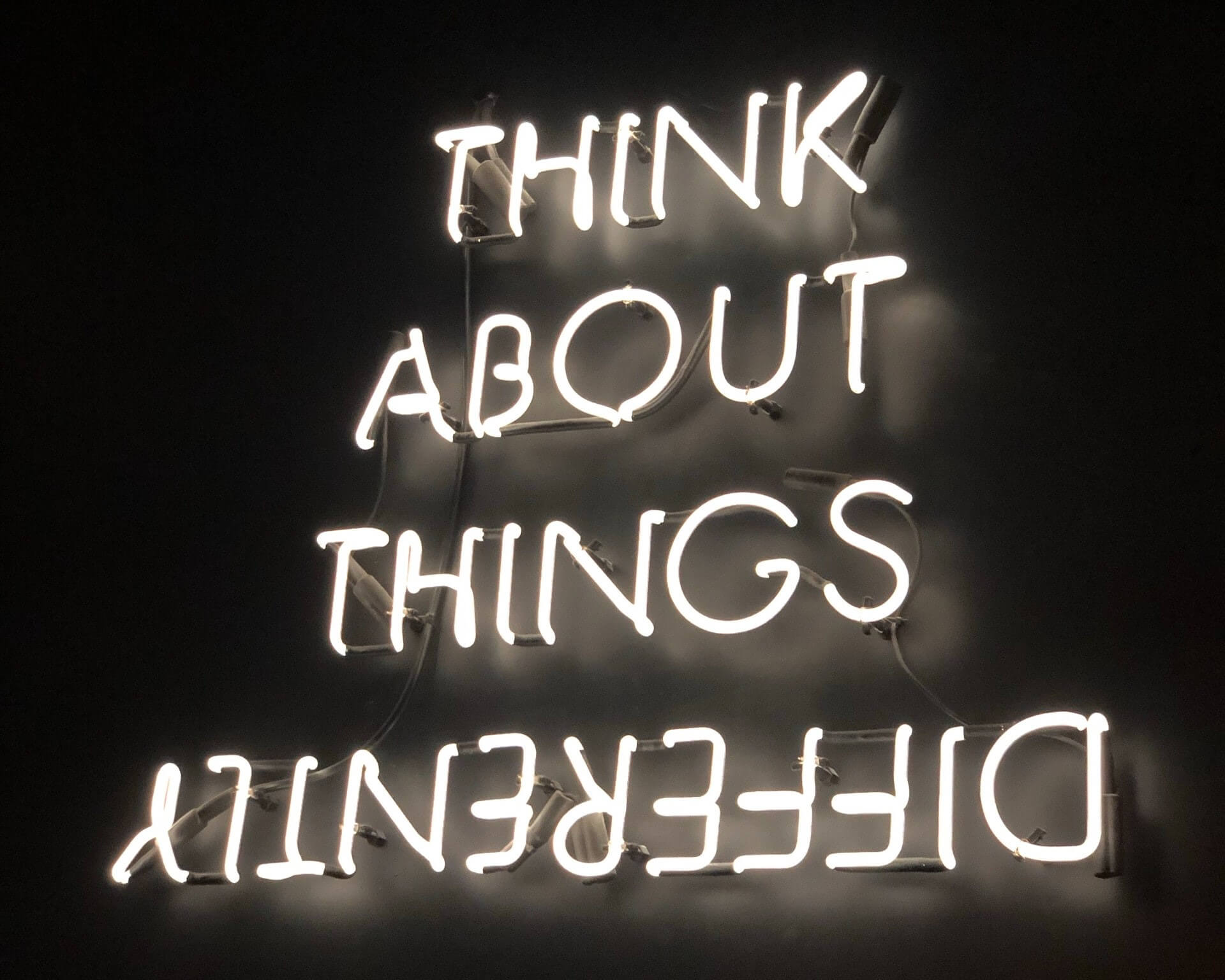
"Think about things differently" neon sign

Do you want to stand out from from other restaurants and bars in your area? Change how you think about your June holiday programming.

Several holidays are set against every date on the calendar, and this month is no exception. These holidays range from mainstream to esoteric.

Pay attention to the “weird” or unique holidays to raise eyebrows, carve out a niche for your restaurant or bar, and attract more guests. Why do what everyone else is already doing? Why program only around the same holidays as everyone else?

Of course, you shouldn’t try to celebrate every holiday, strange or otherwise. Focus on the days that are authentic to your brand; resonate with your guests; and help you grab attention on social media.

You’ll find suggestions for promotions below. However, the idea behind our monthly holiday promotions roundup is to inspire you and your team to get creative and come up with unique programming ideas.

For our May 2024 holidays list, click here.

June 6: National Gardening Exercise Day

Does your bar, restaurant, or hotel have an herb garden? If so, this is an excellent day to let your guests know about it, and highlight which drinks and dishes feature ingredients from said garden.

June 8: National Rosé Day

Your first instinct may be to feature your still and sparkling rosé wines on this day. However, there are also rosé spirits out there, like vodka and gin. Use this day to make your guests aware of your rosé program. Oh, and June 8 also happens to be World Gin Day, another reason to offer an LTO menu that features rosé gin.

However, you don’t have to stop the festivities on June 8. The next day is Day of La Rioja, and this Spanish province is world-renowned for its winemaking. In fact, there are more than 600 wineries in La Rioja, and some produce rosado or rosato, a.k.a. rosé.

June 10: National Herbs & Spices Day

If your kitchen makes its own spice blends, shout about them to the rooftop on June 10. And if you don’t yet make your own blends but would like to, here’s a tip from Chef Brian Duffy: make ten pounds of it, not just a quart, and store it in a clearly labeled flat tray. You’ll go through it faster than you anticipate if it’s a hit.

June 15: World Tapas Day

Really, who doesn’t love a small plate and sharing with friends? I know I’ve built a meal out of tapas on more than one occasion. Review your menu, get creative, and build your own brand-authentic and concept-specific tapas menu for June 15.

June 16: Turkey Lovers’ Day

This day lands close to the midway point leading to Thanksgiving. So, create a turkey-heavy LTO menu. Turkey tacos, turkey barbacoa burrito bowls, a full-on turkey dinner, turkey breasts…

June 16: World Sustainable Gastronomy Day

I tend to avoid doubling up on holidays but this one is important, so I’m breaking my own “rule.” Leading up to June 16, review your menu and operations to identify what you’re doing that’s producing sustainable dishes. Taking this a step farther, find out where you can improve to be more sustainable, and implement those initiatives by June 16.

June 21: National Take Back the Lunch Break Day

Do you offer pickup or delivery? And are you open for lunch? How fast are your kitchen times? These are all important operational elements to consider, particularly if you want to attract the lunch crowd. Should you feel that your lunch daypart operations are dialed in, lure in guests with intriguing lunch-time promotions.

June 22: National Onion Ring Day

Not only is this the perfect day to boast about your onion rings, it’s an excellent excuse to review their presentation and come up with something impactful and memorable. Consider an array of accompaniments, size and height, and playing with your batter.

June 27: International Pineapple Day

Ah, the pineapple, the international symbol of hospitality. If there was ever a day to go absolutely bonkers with a pineapple-forward F&B LTO menu, this is it!

June 29: National Waffle Iron Day

Who doesn’t love a waffle, particularly a build-your-own waffle? I think you know what to do on this holiday.

Image: Ivan Bertolazzi on Pexels

KRG Hospitality. Bar Consultant. Nightclub. Lounge. Mixology. Cocktails.

by David Klemt David Klemt No Comments

’24 World’s 50 Best Restaurants: 51 to 100

2024 World’s 50 Best Restaurants: 51 to 100

by David Klemt

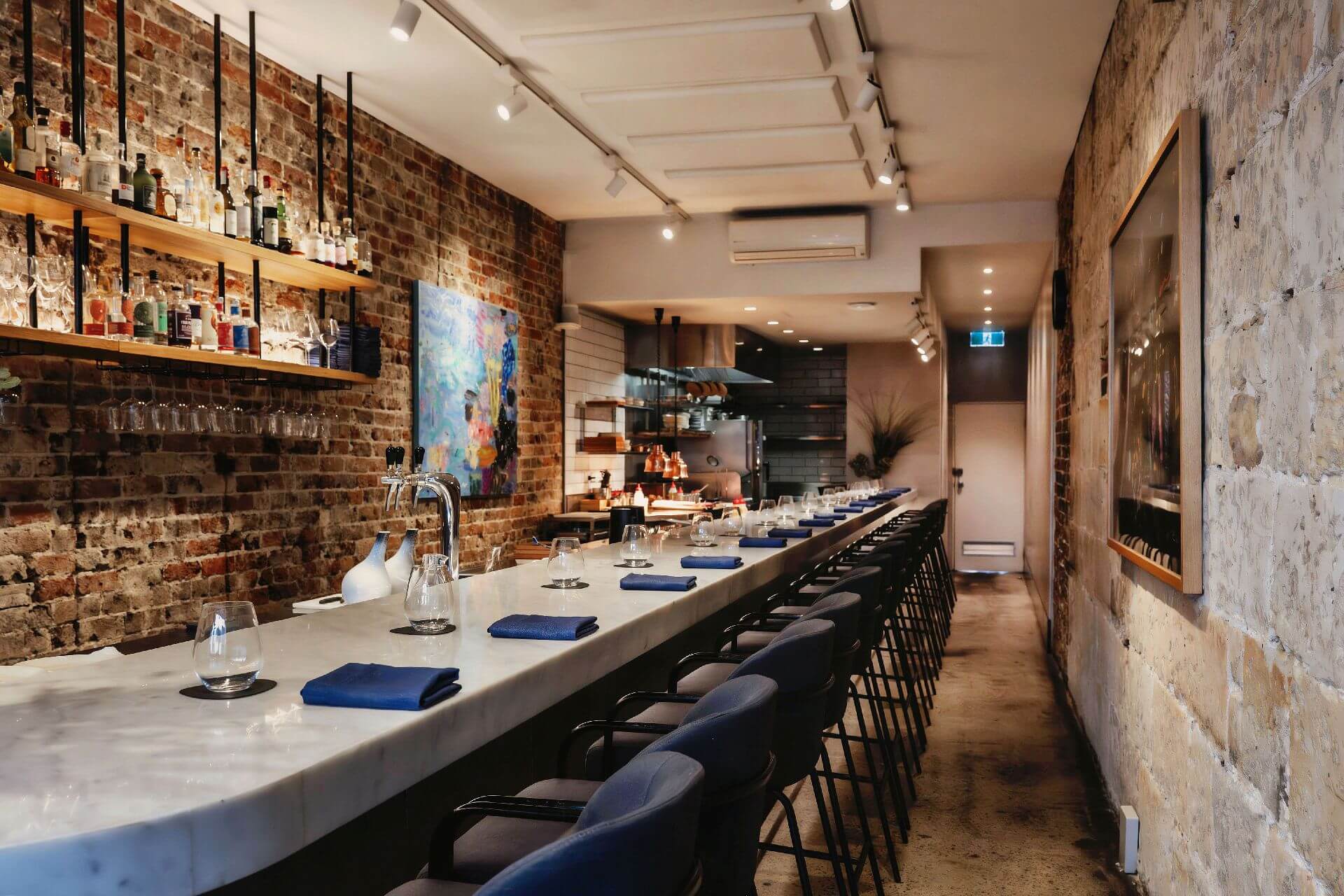
Interior of Saint Peter restaurant in Sydney, Australia

Saint Peter restaurant in Sydney, New South Wales, Australia, number 98 on the 2024 World’s 50 Best Restaurants list, numbers 51 through 100.

The World’s 50 Best Restaurants is excited to announce numbers 51 through 100 on this year’s list ahead of the awards ceremony in Las Vegas on June 5.

Those who are curious or in need of a refresher can click here for last year’s 51 through 100. Our coverage on numbers 1 through 50 from 2023 is here.

More than 1,000 independent votersconsisting of chefs, journalists, and foodies on the gohelped to form this year’s list. These same experts cast their votes to create the 2024 World’s 50 Best Restaurant ranking, numbers one through fifty.

But let’s get back to restaurants 51 through 100. Twelve of the extended list are new entries to the list. That means that a quarter of the back 50 restaurant are new to the World’s 50 Best Restaurants.

Along those lines, three are re-entries. These restaurants are Mil in Cusco, Peru; Willem Hiele in Oudenburg, West Flanders, Belgium; and Indian Accent in New Delhi, India.

Just three of the restaurants on the extended list are in the US, with one in Chicago and two in New York City. Unfortunately, none are located in Canada. Hopefully, at least one restaurant in the Great White North will find itself ranked somewhere among the top fifty.

Now, I don’t often defer to a press release to provide you with more information. However, everything you could want to know about not just this half of the list but also the awards ceremony on June 5 in Las Vegas is included in the official press release below. This includes how to watch the awards live as each restaurant and their position is revealed.

Congratulations to restaurants 51 through 100 for 2024! And cheers and good luck to numbers one through fifty!

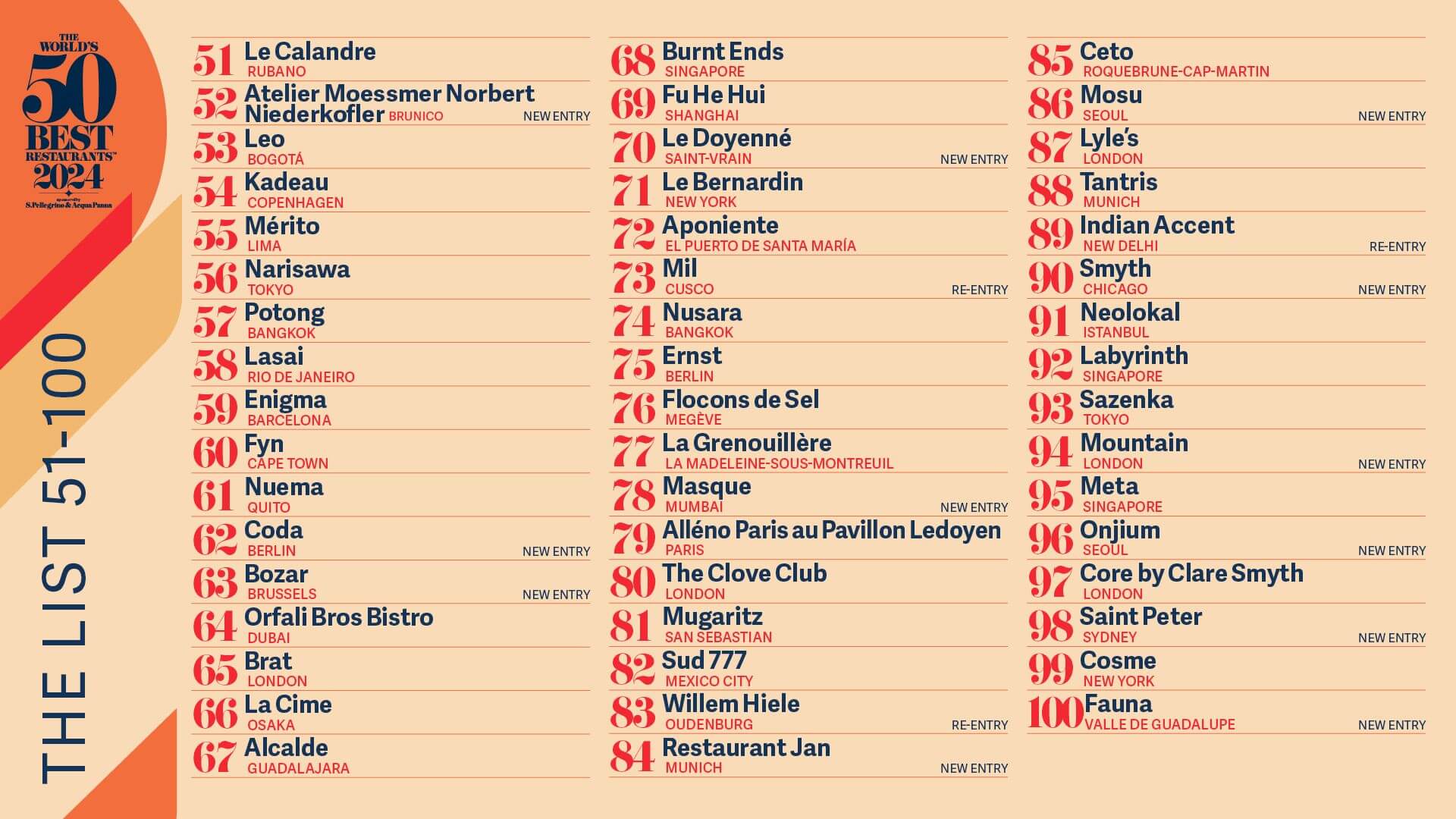
A landscape-orientation chart of the 2024 World's 50 Best Restaurants, numbers 51 through 100

THE WORLD’S 50 BEST RESTAURANTS ANNOUNCES THE 51-100 LIST FOR 2024

The extended list is unveiled ahead of The World’s 50 Best Restaurants 2024 awards ceremony in Las Vegas on 5 June

22 May 2024 – The World’s 50 Best Restaurants 2024, sponsored by S.Pellegrino & Acqua Panna, today reveals the list of restaurants ranked from No.51 to No.100, ahead of this year’s awards ceremony, which takes place in Las Vegas on 5 June. The extended 51-100 list features restaurants across six continents and is compiled from the votes of 1,080 independent experts from the world of gastronomy, from food journalists and globally renowned chefs to travelling gastronomes. Each has contributed their votes to The World’s 50 Best Restaurants 2024, with the full list to be revealed two weeks from today, live on stage.

The 51-100 List in Numbers

  • The 51-100 list includes 12 new entries from 11 different cities, ranging from Berlin and Mumbai to Seoul and Sydney
  • The 51-100 list includes restaurants in 23 territories across six continents
  • 13 entries are from Asia, 23 from Europe, six from North America, five from South America, one from the Middle East, one from Africa and one from Oceania
  • The highest new entry in the 51-100 list is Atelier Moessmer Norbert Niederkofler in Brunico, Italy, at No.52

Europe gains six new entries to the list this year, including Atelier Moessmer Norbert Niederkofler (No.52) in Brunico; Coda (No.62) in Berlin; Bozar (No.63) in Brussels; Le Doyenné (No.70) in Saint-Vrain; Restaurant Jan (No.84) in Munich and Mountain (No.94) in London.

France leads the way with four further restaurants, including: Flocons de Sel (No.76) in Megève; La Grenouillère (No.77) in La Madelaine-sous-Montreuil; Alléno Paris Au Pavillon Ledoyen (No.79) in Paris and Ceto (No.85) in Roquebrune-Cap-Martin also represented. Four further restaurants in the UK are represented on the extended list, with Brat (No.65), The Clove Club (No.80), Lyle’s (No.87) and Core by Clare Smyth (No.97) all claiming a spot.

Germany boasts a total of four entries in the ranking, with Ernst (No.75) in Berlin and Tantris (No.88) in Munich, also placing. Three restaurants from Spain are voted into the extended list: Enigma
(No.59) in Barcelona, Aponiente (No.72) in El Puerto de Santa María and Mugaritz (No.81) in San Sebastián. Italy is also represented by Le Calandre (No.51) in Rubano, while Belgium’s Willem Hiele, in Oudenburg, returns to the list at No.83. One restaurant from Denmark and Turkey each place in the ranking, in the form of Kadeau (No.54) in Copenhagen and Neolokal (No.91) in Istanbul, respectively.

Asia welcomes new entries from Masque in Mumbai (No.78), as well as Mosu (No.86) and Onjium (No.96), both in Seoul, alongside a return for New Delhi’s Indian Accent (No.89). Three Japanese
restaurants feature on the list: Narisawa, Tokyo (No.56), La Cime, Osaka (No.66) and Sazenka, Tokyo (No.93). Mainland China is represented by Fu He Hui, Shanghai at No.69, while Singapore has three placements, including Burnt Ends at No.68, Labyrinth at No.92 and Meta at No.95. Two Thai restaurants place in the ranking with Potong at No.57 and Nusara at No.74, both located in Bangkok.

The World’s 50 Best Restaurants continues to recognise North America’s flourishing gastronomy with new entries Smyth, in Chicago, at No.90 and Fauna, in Valle de Guadalupe, Mexico, at No.100. Two further restaurants from Mexico feature: Guadalajara’s Alcalde at No.67 and Mexico City’s Sud 777 at No.82. From the US, Le Bernadin in New York is at No.71 while Cosme, also in New York, is at No.99.

South America claims five entries on the extended list. Bogotá’s Leo – from The World’s Best Female Chef 2022, Leonor Espinosa – places at No.53. Mérito, Lima comes in at No.55, while Cusco’s Mil is at No.73. Lasai in Rio de Janeiro is at No.58 and Nuema, Quito – home to The World’s Best Pastry Chef 2023, Pía Salazar – is voted No.61.

Cape Town’s Fyn, winner of the Sustainable Restaurant Award 2023, places at No.60, while Dubai’s Orfali Bros Bistro is at No.64. Australia is represented in the extended ranking by Sydney’s Saint Peter, led by chef Josh Niland, which places at No.98.

William Drew, Director of Content for The World’s 50 Best Restaurants, comments: “This year’s extended list is a true representation of global gastronomy. With restaurants located across six
continents, we’re thrilled to see so many new entries from exciting names that are making their mark on the dining world. Huge congratulations to all the restaurants and teams on this year’s
extended list; we look forward to celebrating their successes together at next month’s awards ceremony in Las Vegas.”

The Voting Process

The World’s 50 Best Restaurants 2024 list is voted for by 1,080 international restaurant industry experts and well-travelled gourmets who make up The World’s 50 Best Restaurants Academy. The
gender-balanced Academy comprises 27 separate regions around the world, each of which has 40 members including a chairperson. No sponsor from the event has any influence over the voting process.

Professional services consultancy Deloitte independently adjudicates The World’s 50 Best Restaurants list, including the ranking from 51-100. This adjudication ensures that the integrity and authenticity of the voting process and the resulting lists are protected.

Results

The awards ceremony for The World’s 50 Best Restaurants 2024 is being held in Las Vegas on Wednesday 5 June and will also be streamed live on the 50 Best Facebook channel via the link here
and the YouTube channel via the link here. The announcement of the list and individual awards can be followed via the 50 Best social media channels, with the livestream beginning at 20:25 (Las Vegas time) and 04:25 UK time.

50 Best Social Media

Follow on Instagram: @TheWorlds50Best #Worlds50Best

Follow on X: @TheWorlds50Best

Like on Facebook: https://www.facebook.com/50BestRestaurants

Subscribe to the YouTube channel: 50 Best Restaurants TV

About The World’s 50 Best Restaurants

Since 2002, The World’s 50 Best Restaurants has reflected the diversity of the world’s culinary landscape. The annual list of the world’s most prestigious restaurants provides a snapshot of some of the best destinations for unique culinary experiences, in addition to being a barometer for and a pioneer of global gastronomic trends. The 50 Best family also includes Latin America’s 50 Best Restaurants, Asia’s 50 Best Restaurants, Middle East & North Africa’s 50 Best Restaurants, The World’s 50 Best Hotels, The World’s 50 Best Bars, Asia’s 50 Best Bars, North America’s 50 Best Bars, 50 Best Discovery and the #50BestTalks series, all of which are owned and run by William Reed. 50 Best aims to bring together communities across the hospitality sector to foster collaboration,
inclusivity, diversity and discovery and help drive positive change.

About the host city: The Las Vegas Convention and Visitors Authority (LVCVA)

The Las Vegas Convention and Visitors Authority (LVCVA) is charged with marketing Southern Nevada as a tourism and convention destination worldwide and with operating the 4.6 million square-foot Las Vegas Convention Center (LVCC). With nearly 155,000 hotel rooms and more than 15 million square feet of meeting and exhibit space in Las Vegas alone, the LVCVA’s mission centres on attracting leisure and business visitors to the area. The LVCVA also owns the Las Vegas Convention Center Loop designed and operated by The Boring Company, and also owns the Las Vegas Monorail, an elevated 3.9-mile system with seven stops throughout the resort corridor. For more information, go to www.lvcva.com, www.visitlasvegas.com or www.vegasmeansbusiness.com.

About the main sponsor: S.Pellegrino & Acqua Panna

S.Pellegrino and Acqua Panna are the main partners of The World’s 50 Best Restaurants. S.Pellegrino and Acqua Panna are the leading natural mineral waters in the fine dining world. Together they interpret Italian style worldwide as a synthesis of excellence, pleasure and well-being.

Our partners:

  • The Las Vegas Convention and Visitor Authority (LVCVA) – Official Host City
  • Wynn Las Vegas – Official Host Hotel Partner
  • S.Pellegrino & Acqua Panna – Main Partner & Official Water Partner; sponsor of The World’s Best Restaurant Award
  • Estrella Damm – Official Beer Partner; sponsor of the Estrella Damm Chefs’ Choice Award
  • Resy & American Express – Official Booking Platform and Credit Card Partner; sponsor of Resy One To Watch Award; presenting partner of 50 Best Signature Sessions
  • Gin Mare – Official Gin Partner; sponsor of Gin Mare Art of Hospitality Award
  • Woodford Reserve – Official American Whiskey Partner, sponsor of the Woodford Reserve Icon Award
  • Sosa – Official Ingredients Partner; sponsor of The World’s Best Pastry Chef Award
  • Beronia – Official Wine Partner; sponsor of the Beronia World’s Best Sommelier Award
  • Aspire Lifestyles – Official Concierge Partner
  • Lee Kum Kee – Official Sauce and Condiment Partner
  • Dassai Sake – Official Sake Partner
  • Kaviari – Official Caviar Partner
  • Hwayo – Official Soju Partner
  • illycaffè – Official Coffee Partner
  • Champagne Nicolas Feuillatte – Official Champagne Partner
  • Tequila Ocho – Official Tequila Partner
  • The Craft Irish Whiskey Co. – Official Whiskey of the World Partner
  • Cinco Jotas – Official Iberico Ham Partner
  • Ancho Reyes Chile Liqueur – Official Mexican Liqueur Partner
  • Three Cents – Official Mixers Partner
  • Highstreet World – Official Metaverse Partner, sponsor of the Highest Climber Award
  • Nude Glass – Official Glassware Partner
  • Jaén Selección – Official Olive Oil Partner
  • Resorts World Las Vegas – Official Welcome Dinner & Closing Party Partner
  • The Venetian Resort Las Vegas – Official Partner

Image: Saint Peter in Sydney, NSW, Australia

KRG Hospitality. Restaurant Business Plan. Feasibility Study. Concept. Branding. Consultant. Start-Up.

by David Klemt David Klemt No Comments

Chef Duffy x NRA Show: Balance

Chef Duffy x NRA Show: Balance

by David Klemt

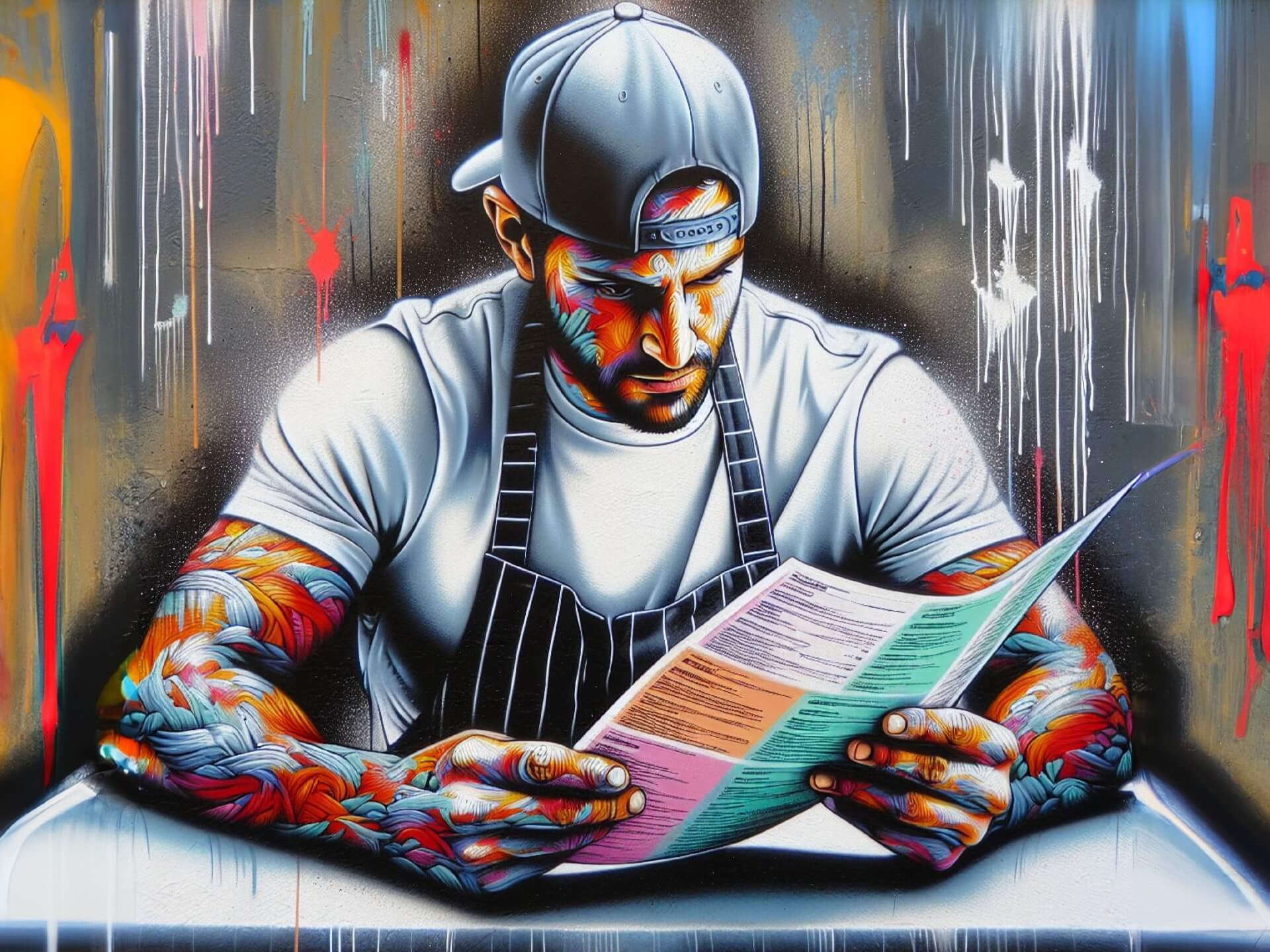
Street art-style, AI-generated image of a chef holding a color-coded recipe sheet

Those would be some pretty rad sleeves in real life.

I’m not done with the invaluable menu tips and tricks shared by Chef Brian Duffy during his 2024 National Restaurant Association Show live menu reads.

The KRG Hospitality team attends and speaks at multiple hospitality industry trade shows, conferences, and expos each year. When reviewing the education on offer, I always search for Chef Duffy’s name to see if he’s doing live menu reads.

And why have I developed this habit? Simple: The amount of insights one can take back to their business and implement immediately. Consider the impact one of Chef Duffy’s asides can have just on the guest experience.

As an example, when addressing the burger section of an anonymous operator’s menu, he casually mentioned that he always adds two slices of cheese to a cheeseburger to fill the top out more.

There’s also his tip for housemade, signature seasoning blends. Don’t make a quart, make ten pounds and store the blend in a flat tray, labeled clearly. Chef Duffy’s reads aren’t a breakdown of tips that only the operator who submitted the menu will find beneficial; everyone who pays attention will walk away with valuable advice.

At this year’s NRA Show, Chef Duffy had only enough time to get through three menu reads. However, he still packed his session with helpful advice. So, after reviewing all the notes I took, I decided I’d need to write two articles.

Let’s go!

Achieving Balance: Food Costs

In yesterday’s article, available here, I touched on one of Chef Duffy’s key points: achieving balance.

He made this point in response to a sports bar menu that had a couple pricing issues. One involved add-ons, with two slices of bacon costing $3.50 while a chicken breast was six dollars. And then there were the daily specials: two Chicago-style hotdogs cost more than a burger.

However, there’s more to balancing a menuand the kitchenthan ensuring pricing makes sense to guests.

By now, we’ve all heard and read ad nauseam that costs are rising. In fact, we’ve all experienced these increases. Streamlining the menu, including production, can help mitigate this issue.

As Chef Duffy said during his menu reads, he’d rather execute 25 items perfectly than produce 50 items that suck. I can say that we wholeheartedly agree with this sentiment.

In part, we agree because we favor smaller menus. Offering fewer menu items made perfectlyconsistently so—with cross-utilized ingredients as often as possible reduces food costs. There’s also that pesky paradox of choice inherent to a bloated menu.

But there’s another benefit: kitchen team satisfaction and retention. An overwhelmed kitchen team is an unhappy kitchen team, and an unhappy kitchen team will look for the exits. Losing a single team member costs an operator thousands of dollars, let alone an entire team.

Achieving Balance: Labor Costs

This is probably my favorite tip from this round of live menu reads: Chef Duffy color codes his recipes and menus in the development stage.

An operator can realize multiple benefits from this approach to menu programming. Among these is a visual representation of how many dishes are being prepped and produced by each station.

Color-coding the recipes and menu allows an operator, their leadership team, and kitchen team to avoid, as Chef Duffy put it, hammering a specific station. I’ll also opine that this technique can help identify any labor or skill gaps (or redundancies).

Chef Duffy’s method of menu development also helps operators balance their menus before they ever reach their guests’ hands. Case in point: One menu Chef Duffy reviewed in Chicago listed a single item underneath its own menu section. That’s not great balance.

I think every restaurant and bar operator can benefit from this tip, whether a visual, auditory, reading, or kinesthetic learner.

Achieving Balance: All Hands

A restaurant or bar doesn’t achieve success due to the efforts of a single person. So, why do so many concepts maintain silos?

When Chef Duffy prices a menu, he doesn’t do so alone. Rather, he involves the owner (or owners) of the business, the kitchen manager, and the head chef.

The word “culture” is thrown around a lot these days, nearly to the point that the word has lost its meaning. An operator who truly wants to build a positive work and brand culture needs buy-in from their team. A great way to not achieve that is to avoid transparency.

So, share numbers with the appropriate parties. A head chef needs to know the kitchen’s numbers if they ever hope to achieve the title “executive chef.” The leader who oversees the kitchen team can’t do their job effectively if they don’t know what the kitchen costs the business and what revenue it generates.

And a team that doesn’t feel trusted or appreciatedand that there’s no opportunity to develop as a hospitality professional to grow in this industry—is one that won’t hesitate to leave for better employment.

To that end, Chef Duffy strongly recommends that operators spend an hour per week with each kitchen team member. After all, as Chef Duffy pointed out, if an operator’s vision isn’t being executed, they have only themselves to blame.

An operator can’t expect to achieve consistency without working to achieve balance. Without consistency, a sustainable, scalable business is unachievable.

Image: Shutterstock. Disclaimer: This image was generated by an Artificial Intelligence (AI) system.

Bar Nightclub Pub Brewery Menu Development Drinks Food

by David Klemt David Klemt No Comments

Chef Duffy x NRA Show: Live Menu Read

Chef Duffy x NRA Show: Live Menu Read

by David Klemt

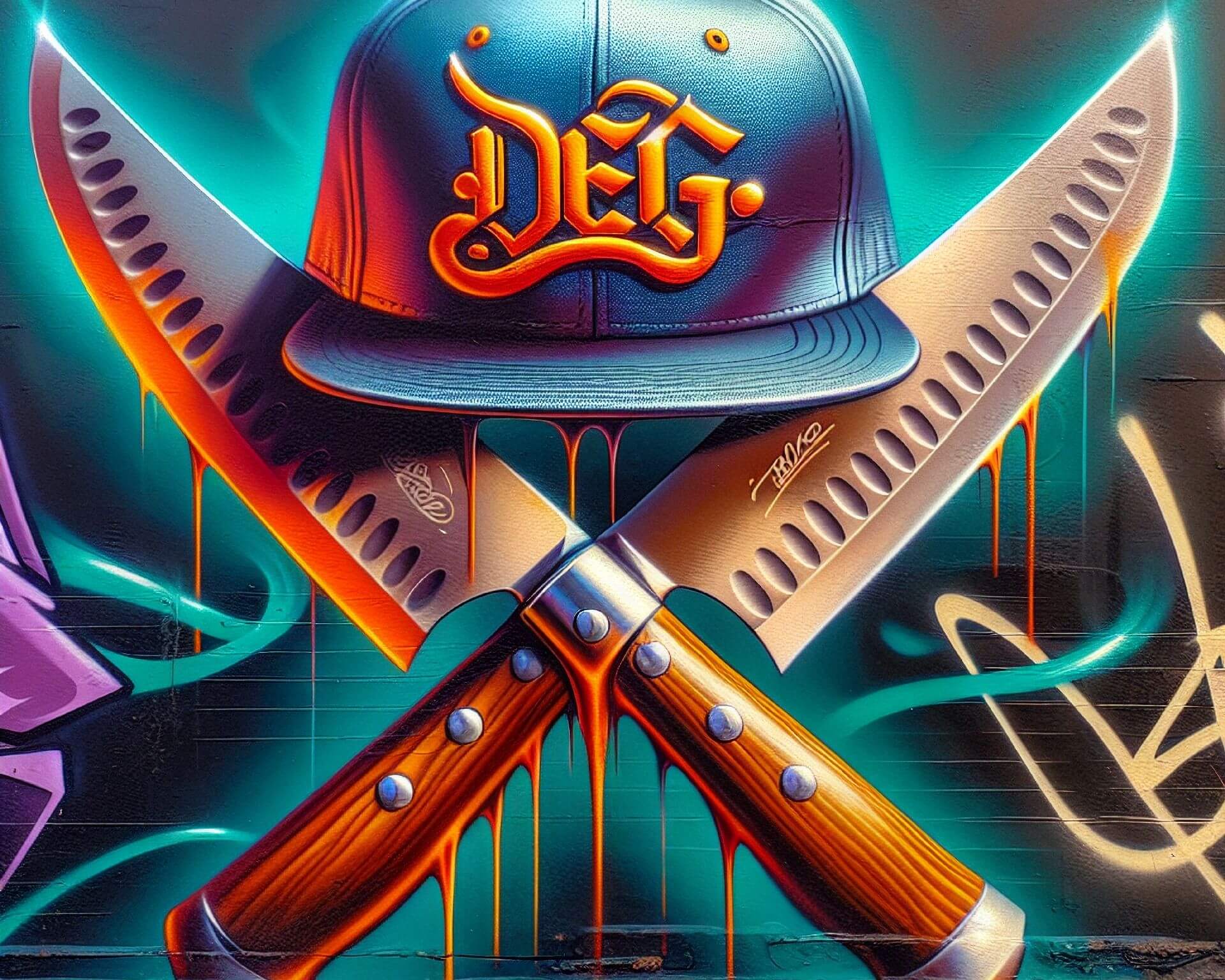
Graffiti of crossed chef's knives underneath a baseball cap that reads, "D.E.G."

Chef Brian Duffy crushed it in Chicago at the 2024 National Restaurant Association Show.

We’re sharing tips from Chef Brian Duffy‘s live menu reads at this year’s National Restaurant Association Show in Chicago.

These informative sessions are always standouts at industry trade shows and conferences. Both the operator who submits their menu anonymously and the audience gain valuable insight into menu programming and development.

In ten minutes or less, the Chef Duffy shares wisdom that’ll boost guest engagement; streamline and energize the kitchen; and help save on labor and food costs. And he won’t even Bar Rescue anyone who submits a menu. That is to say, no, he doesn’t yell at anyone while giving them tips for fixing their menu.

As Chef Duffy pointed out during his latest live menu reads, an operator’s menu has the potential to create generational wealth. However, it must be programmed properly for it to reach that potential.

So, ask yourself a question right now about your menu: Would you be proud for your menu, in its current state, to be plastered across a billboard? If not, I have another question for you: Why aren’t you taking the time to rectify that situation?

Your menu is your concept’s billboard. Treat it as such.

Oh, and one note for the NRA Show before we dive in: These sessions deserve at least two hours. One hour just isn’t enough given how impactful Chef Duffy’s live menu reads are for operators.

Menu Programming 101

There’s a logical reason why Chef Duffy is never short on menus to review. In fact, he addressed the situation directly at the 2024 NRA Show.

“Everybody has the same shit on their menu,” he stated frankly.

One explanation for why menus seem so similar makes a lot of sense.

“We’ve been told what to put on our menu buy our purveyors,” said Chef Duffy during his live menu read.

For the most part, operators are given the same product catalogs. These are circulated nationally, not regionally. So, everyone is ordering the same items. Clearly, Chef Duffy is fed up with this situation.

“We’re not here to do the same things that everyone else is,” declared Chef Duffy. “I don’t want to see that anymore.”

Menu #1: Sports Bar

This first menu featured a vibrant design that instilled a sense of patriotism. Chef Duffy theorized that he’d feel good spending time in this space, based on the menu’s appearance.

However, he wasn’t a fan of the layout of the menu. Taking up valuable real estate was a large catering ad, placed directly in the center.

In the top left were salads. “‘Add chicken to any salad,'” read Chef Duffy. “No shit. Why are we stopping at chicken? We can add anything to a salad.”

Based on his knowledge of food costs and the menu’s pricing, Chef Duffy deduced that the operator’s food costs were too high. In fact, he estimated that food costs were more than 31 percent. The burgers, he surmised, were running a 35-percent cost.

By the way, Chef Duffy always puts two slices of cheese on his burgers to fill the top out more. This delivers a more visually appealing experience, and a better bite.

On the topic of pricing, operators must maintain balance. For example, this first menu priced the addition of two slices of bacon at $3.50, but a chicken breast was six dollars. Two Chicago hotdogs cost more than a burger.

Menu #2: Breakfast Spot

Unfortunately, the operator committed one of Chef Duffy’s deadliest menu sins. There was a photo of the restaurant’s steak and eggs.

Worse, the image showed a rather large steak paired with a commodity egg. If this dish doesn’t leave the kitchen looking exactly like the picture, guests are going to be underwhelmed and unimpressed. Further, why are operators still trying to save money by buying commodity eggs?

However, there was a second deadly menu sin committed by the operator. Given the overall perception this menu delivered, the claim that at least one dish featured “wild-caught crab” didn’t ring true to Chef Duffy.

I’m confident in saying that I think lying on a menu may provoke Chef Duffy’s wrath more than a photo.

“If you lie to me on your menu, I will tear you apart,” he stated quite strongly.

That said, he did like the menu’s design (minus the photos). Even better, he recognized that there were several inventive spins on breakfast classics. Remember, “We’re not here to do the same things that everyone else is.”

Menu #3: Sports Bar

To be honest, I was expecting this type of menu. In fact, I thought it would be the first menu design encountered during this session.

Essentially, it was a collection of what everyone else has on their menus.

As an example, there were wings on the menu, and the sauces were anything but creative. Chef Duffy didn’t address it but they were also listed without commas, so they appeared to be one long, run-on sentence of a sauce.

The most glaring issues, however, were the pasta and the dessert. Both sections contained just a single item. That’s rightthere was an entire section dedicated to one pasta dish. Moreover, it’s not like there were a number of modifiers one could select to personalize their pasta.

This was the item description underneath the dessert section (designated as “Closers”): “Dessert of the week – $8 Please ask your server for details.” There’s a significant issue with that description and placement, as identified by Chef Duffy.

If a menu includes desserts, the guest is likely going to forget about them after they’ve ordered their starter and entree. It’s far more effective to have a dessert tray or cart and train your servers to suggest dessert when they touch the table toward the end of the meal.

Takeaways

Chef Duffy throws in more tips during a single menu read than most people would expect.

Below are some of the takeaways that make his live menu reads so insightful:

  • Only list name brands if they come from a local farm. This approach shows that an operator cares about supporting local producers and is part of the community.
  • Use the best ingredients for the specific concept.
  • If a restaurant features housemade buns for burgers and/or bread for sandwiches, they should offer a version as an appetizer. Really make this idea shine by also offering housemade specialty butters.
  • Operators that have chips on their menus should use the crumbles and “dust” to make breading for other items. After all, the chips have been paid for alreadyuse all of them.
  • It’s better and more impactful to have 25 items on a menu that are executed perfectly than 50 items that are executed poorly.
  • Chef Duffy doesn’t agree with omitting prices from menus. “Why? Are we negotiating? Are we negotiating before I place my order?”

Connect with Chef Duffy on Instagram, and learn more about him on the Duffified Experience Group website.

Image: Shutterstock. Disclaimer: This image was generated by an Artificial Intelligence (AI) system.

KRG Hospitality Start-Up Restaurant Bar Hotel Consulting Consultant Solutions Plans Services

by David Klemt David Klemt No Comments

Want to Leverage Nostalgia? Spin It

Want to Leverage Nostalgia? Put Your Spin on It

by David Klemt

A recent report from Campbell’s Foodservicealong with supporting data from external sources—supports what many operators assume about food trends.

Our dive into Campbell’s Culinary TrendPulse 2024 report is here for those who want to take a look. Anyone who wants to download a copy of the report for themselves can click here.

However, I’m referencing a fresh, quick-hit report from Campbell’s. While it only takes a handful of minutes to read, it’s chock-full of useful insights.

In particular, this latest menu trend analysis looks into succeeding with nostalgia. Citing a study from Symrise in their post, 70 to 76 percent of guests ages 22 to 65 cherish nostalgic items.

Put simply, that translates to a truth most operators know: guests of all ages like comfort foods. This really doesn’t need much explanation. Comfort foods areinsert shocked Pikachu face herecomforting. And I think we’re all seeking comfort these days.

So, yes, operators shouldin an authentic mannerspeak to and fill this guest desire. Authentically in this context means putting comfort foods on the menu that make sense. Doing this successfully requires menu programming that fits with the brand and within the venue’s theme. It also necessitates really knowing your guests and what they expect.

For example, will a particular restaurant’s guests find mac and cheese comforting? Will they stop scanning the menu when they come across pozole? What about cacio e pepe or beef braciole? How receptive will they be to sukiyaki?

A sharp operator should know their guests’ tastes better than just about anyone. Therefore, they should know what foods they’ll find comforting.

However, there’s another way to succeed with nostalgia and enhance the guest experience.

“New” Nostalgia

There are a couple of ways to interpret the term “new nostalgia.”

One way is to tap into what foods, generally speaking since they’re not monoliths, different generations view as comfort foods. This can be something as simple as a certain candy or beverage from their childhood.

Another way is for an operator and their kitchen team to take a nostalgic dish and put their own spin on it. Using candy as an example again, a scratch-made interpretation of a treat to create a dessert may work.

Consider, as a real-world model for this approach, the Chocotini that Oceans Resort Casino featured toward the end of August in 2022. This was a direct response to the news that Klondike had retired the Choco Taco, a nostalgic treat for millions of people spanning multiple generations.

Of course, operators can also cross-utilize items to craft new menu items that tap into the craving for nostalgic comfort foods. These dishes can be permanent additions, seasonal menu updates, or LTOs.

Take a look at the image atop this article. Mac and cheese is a classic comfort dish. Now, feature it as a topping for a signature burger. That’s a prime example of new nostalgia.

Going farther, kitchen teams can combine nostalgia with another trend to get even more creative: global flavors. Are there tacos on the menu? Maybe bulgogi tacos featuring beef short rib, Korean slaw, and soy-lime dressing would resonate with guests.

I’m not saying anyone should menu these specific items. Rather, my aim here is to get operators and their kitchen and bar teams to put their heads together and create undeniable, irresistible takes on classics.

The key, again, is an understanding of the market, community, and guests. From there, it’s about getting creative and crafting dishes that guests can’t get anywhere else.

Image: Alex Haney on Unsplash
KRG Hospitality menu development. Restaurant. Bar. Cafe. Lounge. Hotel. Resort. Food. Drinks.

by David Klemt David Klemt No Comments

The Sbagliato Enters the RTD Space

The Negroni Sbagliato Enters the RTD Space

by David Klemt

Via Carota Craft Cocktail sparkling ready-to-pour cocktail lineup

Ideal for high-volume bars that serve guests with discerning tastes in ready-to-drink cocktails, Via Carota Craft Cocktails is launching a new line.

You may be familiar with Via Carota’s elegant bottle design and classic ready-to-pour drinks. However, if you’re new to this brand, they have a spectacular line of classic, premium RTDs (or RTPs, if you prefer):

  • Old Fashioned
  • Signature Manhattan
  • Signature Martini
  • Espresso Martini
  • Classic Negroni
  • White Negroni

Further, if the name seems familiar to you, there’s good reason. This line of cocktails is inspired by the West Village restaurant of the same name.

Featuring a new but no-less-elegant bottle design, Via Carota is introducing a sparkling range to their portfolio. Within this range are a Spritz, French 75, and Paloma. However, it’s the other two expressions in the line that have caught my eye.

You may recall that toward the end of 2022, a variant of a classic cocktail grabbed headlines at a furious pace. It seemed as though the Negroni Sbagliato was inescapable.

Well, that drink may not be spilling ink quite as much, but guests are still ordering it. So, Via Carota is serving up not just one but two Sbagliato variants. Alongside the aforementioned Spritz, French 75, and Paloma are the Negroni Sbagliato and White Negroni Sbagliato.

To learn more, review the official press release below. Salute!

Via Carota Craft Cocktails Announces New Sparkling Range

Ready-to-serve classics with fizz include Negroni Sbagliato, White Negroni Sbagliato, Spritz, Paloma and French 75

(May 14, 2024 – New York, NY)Via Carota Craft Cocktails, the craft cocktail brand inspired by the eponymous West Village establishment, announces today a new range of single-serve, ready-to-pour sparkling cocktails.

Designed to be perfectly balanced and made for wherever life finds you, the new Sparkling Range features five refreshing, classic cocktails with lively fizz. The bubbly, bar-quality offerings are housed in stunning bespoke bottles and crafted to be enjoyed straight or served over ice – ideal for warm weather occasions, always with friends. The range includes:

  • Negroni Sbagliato: A bubbly riff on the classic Negroni, combining citrus and orange peel with herbaceous wine notes, for a long and fresh, effervescent finish.

  • White Negroni Sbagliato: A charming twist on the modern classic, this refreshing cocktail substitutes a white aperitivo in place of the traditional red, harmoniously marrying bitter and sweet for a complex cocktail.

  • Spritz: Vibrant in color, this bright, bittersweet, and zesty cocktail is approachable and full-flavored with complex herbal notes.

  • Paloma: Citrus notes and bespoke Blanco tequila combine sweet, sour and a touch of bitter for a bold cocktail with a crisp and bright finish.

  • French 75: A bright and complex classic with delectable notes of citrus and elderflower for a crisp and vibrant finish.

“We couldn’t be happier to share these sparkling expressions with consumers, just in time for summer,” said Chief Executive Officer, Bart Silvestro. “Via Carota Craft Cocktails was designed to elevate the at-home cocktail experience, and after the tremendous growth seen with the core range over the last year, this carefully crafted lineup pays homage to classic sparkling cocktails, with the bar-quality liquid that has become synonymous with our unique chef-to-shelf brand.”

The Via Carota Craft Cocktails Sparkling Range can be purchased as a 10-pack on DrinkViaCarota.com for $69, or as a 4-pack at select retailers for $24.99. Each 200ml bottle contains one sparkling cocktail at 11% ABV. The new Via Carota Craft Cocktails Sparkling Range joins the existing line of still, ready-to-serve cocktails launched in 2023, which includes Classic Negroni, White Negroni, Old Fashioned, Signature Manhattan, Espresso Martini and Signature Martini. For affiliate, visit ShareASale for 20% when joining in-network and/or via Skimlinks.

ABOUT VIA CAROTA CRAFT COCKTAILS

Elevated, classic recipes meet bar cart-worthy packaging to offer a cocktail experience like no other. Via Carota Craft Cocktails (VCCC) was created to bottle the warmth and relaxed elegance of the beloved West Village restaurant, allowing you to enjoy a perfectly balanced craft cocktail, wherever life finds you.  VCCC’s core range of craft cocktails currently includes the following: Classic Negroni, White Negroni, Old Fashioned, Signature Manhattan, Espresso Martini and Signature Martini. The Sparkling line includes the following: Negroni Sbagliato, White Negroni Sbagliato, Spritz, Paloma and French 75, with additional cocktails and formats to come.

Image: Via Carota Craft Cocktails

Bar Nightclub Pub Brewery Menu Development Drinks Food

by David Klemt David Klemt No Comments

Why We Offer Tech-stack Planning

Why KRG Hospitality Offers Tech-stack Planning

by David Klemt

Black-and-white photograph of shelves loaded with broken desktop computers and monitors

If your hardware looks like this, it may be time to update your tech stack.

Navigating the seemingly endless restaurant, bar, and hotel technology options available to operators can feel like an overwhelmingly complex task.

This can be particularly true for brand-new operators and those with a decade or more of experience under their belts. For the former, where does one with little to no experience even begin putting together their technology stack?

And for the latter, what tech upgrades are worth implementing, and which platforms are crucial; which are nice to have; and which are unnecessary for a particular concept?

Sitting down and sifting through the platforms within just a few categories can be a significant investment of time. Learning to use each solution and training relevant team members on them also requires considerable time and effort. That’s to say nothing of the initial and monthly outlay of precious monetary resources after making selections.

Of course, there’s also the nagging feeling that maybe the platforms chosen aren’t the “right” fit, or the best in class.

Most operators, regardless of the length of time they’ve been in hospitality, are aware of a handful of tech selections they need to make. They know they need a point-of-sale system, a customer relationship management option, an online ordering platform, a reservation system.

But what about inventory, gratuity management, marketing campaign management, guest feedback, scheduling, catering, website chatbots, AI-enhanced loyalty programs, and even kitchen displays?

According to Brizo Foodmetrics, operators need to consider a dozen tech categories. At KRG Hospitality, we say there are at least that many.

Difficult Choices

Per a new report from Nation’s Restaurant News, people are excited but cautious about the tech available to the hospitality industry. Anyone interested in reviewing the 2024 Restaurant Technology Outlook report can click here to gain access.

Among the report’s insights are the identification of a number of challenges operators face when it comes to tech decisions. The most-significant barrier is still pricing, with 37 percent of NRN survey respondents saying hardware comes with high costs. Further, 30 percent think there’s not enough transparency surrounding additional fees.

There’s also an interesting perception as regards features. While 33 percent of respondents feel the systems they’ve selected are light on functionality, 18 percent say their systems have functions that they don’t even use.

Thirty-two percent of survey respondents identify a lack of knowledge of systems as a barrier to adopting new tech solutions. In some good news, just ten percent of respondents say systems are too difficult to use. Still, ten percent of our industry is a significant number.

Combined, 87 percent of those surveyed will either possibly (24%), probably (33%), or definitely (30%) invest in tech in 2024. That’s an impressive number.

However, 39 percent of respondents were “definitely” going to invest in tech in 2023. That’s a drop of nine percent.

Here to Help

When we at KRG develop a tech stack for a client, it’s with their specific project and needs in mind.

And while we do have preferred partners, we present multiple options. Moreover, each option comes with a synopsis of features and a justification for its inclusion.

If a preferred partner isn’t the best option or the client wants to choose something else, we support that decision. Tech is challenging enough already without being steered toward specific platforms for no other reason than, “We like this one.” These decisions aren’t about us, they’re about what’s best for our clients.

At the end of each tech-stack plan are estimated costs for each option. We include the onboarding fees, monthly fees, and the annual cost. Again, these are close estimates as modules, additional features and hardware like handhelds, and subscriptions can increase or reduce the overall cost.

The hospitality industry tech landscape is transforming from a barren desert to a thriving wetland. KRG Hospitality is here to help you navigate this complex terrain.

Image: z yu on Unsplash
Bar Pub Brewery Nightclub Club Nightlife Technology Plan Tech Stack

by David Klemt David Klemt No Comments

Your Most Underused Feature

The Most Underused Element of Your Business

by David Klemt

AI-generated image of a cathedral inside a suitcase

What, you’ve never seen a cathedral inside a suitcase with a glowing interior before?

There’s a part of your business that you see and use every day, and yet it’s very likely the least leveraged element of your bar, restaurant or hotel.

If there are couple (or more) areas of your business running through your mind right now, that’s a bit of a red flag. For now, I want you to focus on a specific feature of your venue: the name.

When you were developing your concept, did it have a different name than it does now? Are you proud of the name? Do you think it pops and demands attention?

During his 2024 Bar & Restaurant Expo session, Michael Tipps posited that most operators are averse to attaching an abstract or enigmatic handle to their concept. That is, in his opinion, a mistake.

“The name is the most under-utilized element of a bar or restaurant,” he said plainly.

For context, this is a man who has proudly affixed the monikers Shoo Shoo, Baby and Mama Foo Foo to concepts in Los Angeles and Daytona Beach, respectively. I’m not going to provide more examples since some concepts are yet to be revealed officially, but there’s more label lunacy in the works.

The word “works” is a segue for addressing the fear or being too “out there.” As they say, it isn’t crazy if it works. Part of making sure the name and thematic elements work is developing a concept’s identity. With that achieved, marketing will be far more effective.

Make an Impact

As we tell KRG Hospitality clients, concept development is the fun stage of project planning. It’s a collaborative effort that gives everyone involved the opportunity to be creative.

Moreover, an effective consultant will help their client swing for the fences rather than stay too grounded. The concept development stage shouldn’t be about dumbing down and saying no. The right consultant-client relationship will be about asking, “How can we get to where and who you want to be?”

Tipps, co-founder of Maverick Theory, will tell you that our F&B world is a social experiment. Guests really aren’t coming to buy food and beverages; they’re at your venue to socialize, connect, feel valued.

“It’s not about what you’re doing, it’s about what you’re being while you do it,” he says. So, I think it’s safe for me to say that he would ask why someone would want to be mediocre. Why would they want their concept to blend in rather than stand out?

As he said during his BRE session, “Everyone who wants to build a concept that’s original and blows people away also includes people who build mediocre, cliche restaurants and bars.

If your concept doesn’t make an impact on a guest and make them curious enough to step through the doors, that’s not a great start. Yes, outstanding service is crucial; it converts one-time guests into repeat visitors. However, they need a reason to become a guest in the first place.

Logically, that means the name, signage, and exterior design need to be impactful.

“Steven Spielberg didn’t make a scary shark movie called Scary Shark,” observed Tipps.

Why, then, do people continue to put “restaurant” or “bar” in the name of their business? Fear.

Stand Up and Stand Out

I doubt that a significant percentage of hospitality operators have said the following during concept development: “I’d really like to fade into the background.”

Combined, according to 2023 data, there are more than 810,000 restaurants and bars in the US alone. Add hotels and motels and that number jumps to well over 900,000.

The last thing that will help any of those businesses make money and keep the lights on is to become white noise. Saddle your concept with a boring name and that’s exactly what it will be, from the jump. Why do that to yourself?

As I said in the preceding section, fear. And Tipps would agree with my conclusion.

“You want to do something special but you also don’t want to do anything too esoteric,” said Tipps during his session. That’s the reason we see “restaurant” and “bar” on restaurant and bar signs.

There’s also the fact that things get very “real” for some people when they first open their doors to the public. They’re now in the spotlight, and the pressure to lead their business to success can be overwhelming.

It’s fair to theorize that some owners second-guess their name and branding when their nerves get the better of them. How will they ever live up to a bold, irresistible bar or restaurant name? What if people won’t come to the business if they aren’t 100-percent certain they know it’s a restaurant or bar?

Which would you rather visit? Mama Foo Foo Neighborhood Restaurant and Bar, or Mama Foo Foo? Which has more impact and sparks your curiosity? Which name would make you feel like you’ve arrived somewhere?

What’s in a Name?

Tipps didn’t title his BRE session “How to Name Your Restaurant or Bar.” Instead, his session was called “Cathedral in a Suitcase.”

Does that session title communicate the topic directly? Not exactly, but it certainly had an impact. And that was the point.

Rather than wonder how to name a restaurant or bar, Tipps (and the KRG team as well) wants operators, current and future, to consider different approaches to developing their concepts.

Certainly, we don’t need to label restaurants and bars as restaurants and bars. Further, as Tipps pointed out during his session, we don’t have to make them feel like restaurants and bars. I promise you, people will intuit how you intend for them to use your space.

Per Tipps, and once again, we agree, your restaurant can feel like a movie. Your bar can feel like an album. You can decide, while eschewing stereotypical elements, whether your venue is masculine, feminine, or neutral.

“Creativity is intelligence having fun,” said Tipps, so have fun with your concept in the development stage. That will translate to a fun, engaging venue (with the right systems and standards in place, of course).

From there, collaborate with a designer to transform your concept from vision to brick and mortar that creates connections. For example, add texture, because speaking to our sense of touch elicits a visceral reaction. Give careful consideration to lighting, because your guests want to look good. Make sure every element relates to the name and the theme.

So, what’s in a name? The future of your business.

Image: Shutterstock. Disclaimer: This image was generated by an Artificial Intelligence (AI) system.

Bar Pub Brewery Nightclub Club Nightlife Concept Development

by David Klemt David Klemt No Comments

3 Operators Address Surviving a Downturn

3 Wise Operators Share Tips for Surviving a Downturn

by David Klemt

AI-generated diorama-style image of woman behind bar using a tablet

I have to say, AI-generated, diorama-style images look rad.

During a standout session from the 2024 Bar & Restaurant Expo, a panel of three successful and highly respected bar operators answered an important question.

This year, BRE brought together an operator supergroup: Erick Castro, Nectaly Mendoza, and Travis Tober. The trio drove home the importance of becoming a student of the industry; being curious about business; understanding the need to nail the fundamentals; and operators knowing their numbers.

Castro summed up the path to becoming a successful operator rather succinctly: “You need to follow the fundamentals to make money.”

Of course, making money is just part of the success equation. Banking that money so it can work for an operator is another. Again, Castro put it simply, urging operators to live within their means when their bar or restaurant starts making money.

Taking it further, Mendoza pointed out that trying to project an image of success is foolish. As he explained, some operators and bartenders are projecting an image of prosperity and expertise, but it’s nothing more than an illusion.

Tober, who understands this business like few others, drove home the need to understand that really, operators are in the entertainment and relationship business. He, his business partners, and his teams are committed to giving guests a reason to visit their concepts and spend their money.

Toward the end of this incredible session, an audience member, to the benefit of every attendee, asked the trio for advice everyone could take back home to improve their operations.

Tighten Up

When it comes to appealing topics of discussion, most people want to shy away from economic downturn. However, ignoring the possibility of a recession doesn’t prevent it from becoming reality.

In fact, Tober said operators need to prepare now for things “to get rough for the next two or three years.” So, he advised the roomful of operators to tighten up their P&Ls.

For future operators this means making it non-negotiable to understand every aspect of their business. Systems must be in place and standards developed before the first guest ever steps through the doors.

According to Tober, operators who are aggressive and savvy can set themselves up “for life” in the next five or six years. We all know what that means, and it’s one of the reasons an operator need to re-invest in their business.

Adding to Tober’s thoughts on the next few years, Mendoza advised the audience to be prepared to attack opportunities when they present themselves.

On the topic of becoming a sharp and successful operator, Mendoza said to “overkill” the books. “Put the same attention into your books as you do your bar team and menus.”

Put simply, operators who know their numbers and the importance of reinvesting funds have chosen the path toward success. This also relates to hopeful operators. They’ll have the opportunity, if they follow their instincts and wait for the right location to become available, for a strong start over the next few years.

Fortuitously, that fits with Castro’s advice: Make sure you’re actually starting a business, not creating a job for yourself. Also, ensure pour costs, food costs, and labor costs are dialed in because they’re the variables over which operators have the most control. Lastly, aim for low turnover.

Takeaway

If we at KRG Hospitality didn’t agree with Castro, Mendoza, or Tober, we wouldn’t share their advice or insight.

The naked truth is that bars and restaurants are going to close. It happens every day.

Mendoza addressed this reality directly. Looking around the room, he said, “Look, some of you motherfuckers ain’t gonna make it.”

While it got a laugh, it was also true. However, one can improve their odds of success by putting the right systems in place; being curious enough to want to know everything about their business and the industry; hiring people for passion, and committing to mentoring and treating them well; and hiring people who will, as Mendoza said, make stress and pain points irrelevant.

It has been said plenty of times that we can hire for passion in this industry, and train for skills. What I hadn’t really heard until Mendoza said it is that we should also hire people who won’t cause an operator’s headaches. About midway through their session, Mendoza advised the room to ask themselves if the person they’re interviewing is going to be a problem or a good fit.

Another truth is that one operator’s failure represents another operator’s future success. However, that’s not possible without a high-level understanding of one’s business specifically and the hospitality business in general.

Image: Shutterstock. Disclaimer: This image was generated by an Artificial Intelligence (AI) system.

KRG Hospitality Start-Up Restaurant Bar Hotel Consulting Consultant Solutions Plans Services

by David Klemt David Klemt No Comments

BUNNYFiSH: A Lesson in Collaboration

BUNNYFiSH: A Lesson in Collaboration

by David Klemt

A cartoon fish wearing bunny ears, hovering near the world-famous "Welcome to Las Vegas" sign

Honestly, I’ve seen stranger things than a floating fish wearing bunny ears while living in Las Vegas.

Architect Craig Sean Palacios, co-founder of BUNNYFiSH studio in Las Vegas, told a compelling story about professional relationships during HD Expo 2024.

Palacios and his business partner worked closely with former Zappos CEO Tony Hsieh for a decade. Titled “Meaningful Collaboration: A Decade with Tony Hsieh,” the presentation was an interesting look into a unique client relationship.

When BUNNYFiSH studio first started, Palacios and Wichmann were working out of The Beat Coffeehouse. Interestingly, this space, located in Downtown Las Vegas, was an example of adaptive reuse architecture. The space was transformed from a quick-care medical center into a coffeehouse, with small exam rooms converted into small offices.

As Palacios recalls, he was wrapping up for the day about 14 years ago when someone popped their head into the BUNNYFiSH office. This person asked what Palacios was doing, and he answered that he was leaving for the day. Clarifying their question, the person inquired about BUNNYFiSH.

After explaining the studio’s overview and sharing some project details, Palacios was told the person would be back. Well, that person did return, and he had a few more people in tow. One of these people, as I’m sure you’ve guessed, was Hsieh.

Eventually, the group traveled from The Beat to the streets of Downtown Las Vegas, and through the doors of Hsieh’s apartment. Along with people milling about was a wall loaded with Post-It Notes. Written on these notes were words like “speakeasy” and “restaurant.” As an architect, Palacios instinctively began arranging the notes to create logical, cohesive concepts.

From there, Hsieh led Palacios to an empty lot, and asked what the architect would put there. Palacios saw a grocery store. Hsieh, a butterfly farm.

It was in that moment, said Palacios, that he began to understand Hsieh. After what was essentially an entire day with Hsieh, BUNNYFiSH studio, the Zappos CEO, and his team would go on to discuss architecture for several months.

Speaking the Same Language

During at least one conversation, Hsieh made the statement that he didn’t “speak architect.” And to this day, Palacios isn’t quite sure if that was a completely truthful claim.

However, he was told that no architect had ever really been able to make Hsieh happy up to that point. So, it appears that the two had found an effective method of communication, and Hsieh appeared happy to work with BUNNYFiSH studio.

That method did take time to develop, of course. Take, for instance, the transformation of a building in Downtown Las Vegas that Hsieh had acquired. When Palacios asked what Hsieh wanted, the latter told the former to “go to the W in Austin.”

That was the whole of the instruction.

So, with that as the entire brief, BUNNYFiSH went to the W in Austin. And, as Palacios explained, they did basically everything one could have done at the hotel at that time. Upon their return to Las Vegas, Palacios made the call to simply let Hsieh find him at The Beat when he was ready.

Sure enough, that’s what happened a few days later. Basically, Hsieh wanted BUNNYFiSH to transform his building into the W in Austin, in a way. When Inspire first opened, I visited the speakeasywhich required biometric access, I believe via a retinal scanand I would later watch Hey, Bartender in the space’s theater/TED Talk area, hosted by Dushan Zaric, co-founder of Employees Only.

Making Things Happen

Hsieh would go on to work with BUNNYFiSH on more projects, large and small. In doing so, they would all transform the Downtown Las Vegas landscape and culture.

To provide one large-scale example, BUNNYFiSH took on the Gold Spike’s metamorphosis from old-school, outdated casino to nightlife, social, and event space. This is another concept with which I’m familiar, having hosted an event there with the Bar & Restaurant Expo team when the event was still known as Nightclub & Bar.

There was also a small downtown motel conversion. Since “nobody needs parking in Las Vegas,” the parking lot was ripped out and a six-hole putt-putt course was installed. Of course, it wasn’t that simple; each hole was a version of a world-famous counterpart.

Anyone who has spent time in Downtown Las Vegas will be familiar with another BUNNYFiSH-Hsieh collaboration: Container Park. However, it’s a dog park project that really encapsulates the real message within Palacios’ story.

Per the Las Vegas native, Hsieh was a part of most of the meetings between his team and BUNNYFiSH. From time to time, he’d pop his head into a meeting with a question or idea, but that was about it.

Well, during one meeting, Hsieh popped up and asked if it was possible to build the world’s largest functional fire hydrant. By now several years into the relationship, Palacios knew the answer: “Yes.”

As he explained, he had learned to not say no to Hsieh. That may paint the entrepreneur in a tyrannical light. That isn’t, however, what Palacios meant.

Asking Why

While some clients can accept hearing “no” after they’ve asked a question, others need more. They require a why.

Sure, that’s sometimes because a client is, to put it diplomatically, “particular.” But as Palacios learned over the course of a decade-long collaborative relationship with Hsieh, sometimes “why” is a tool.

That three-letter question can spark creativity. Creativity in getting around but not running afoul of building codes, creativity in material or site selection, creativity in bringing an idea into the physical world.

While “no” is, indeed, a complete sentence, in the context of developing a restaurant, bar, hotel, etc., it can be a project killer.

Further, once one side of a business relationship comes to understand how the other interprets a why, communication grows stronger. Instead of just a conversation-halting “no,” collaborators learn to anticipate. So, that “no” starts out as a, “No, we can’t/shouldn’t do it that way, here’s why, here’s our solution.”

That’s a far stronger and healthier way to communicate and work together.

Real-world Example

Let’s look at a BUNNYFiSH project in Reno, Nevada. Traditionally, a guest room has a desk. And, traditionally, you’d be told by a hotel executive that the desk is so guests can write letters.

Well…which guests are actually doing this? Why are hotels still putting the same desk designs in their rooms?

Those two questions led to a room design featuring a reinvented desk. The BUNNYFiSH desk design is now the standard for the hotel group.

However, that desk design update pales in comparison to another change Palacios suggested.

Why, Palacios asked, did this hotel need a conference space? And why not transform the space that would traditionally be a conference space into…a bocce bar. A very large bocce bar, at that.

As Palacios explained the moment he posed those questions to hotel executives (a.k.a. major BUNNYFiSH clients), he was first met with silence. But that silence eventually turned to belief in Palacios and BUNNYFiSH, and there is in fact a bocce bar where one would expect a conference space.

According to Palacios, the bar is generating more revenue than the client projected they’d see from the conference area.

Takeaways

Too many people forget that “relationship” is the operative word in “business relationship.”

Had BUNNYFiSH seen their burgeoning relationship with Hsieh as solely transactional, they would likely have been relegated to the same pile of architects that hadn’t managed to satisfy Hsieh.

However, all parties developed an understanding of one another. They learned how to communicate with one another, and the results were incredible.

Further, Palacios and BUNNYFiSH learned to adapt that communication style for future clients, again to wonderful results.

Hospitality is a people business. As some people like to say, most problems are people problems. Going further, people problems are often communication problems.

Learning how to communicate and collaborate can solve a multitude of problems, and help develop long-term relationships.

Image: Shutterstock. Disclaimer: This image was generated by an Artificial Intelligence (AI) system.

Motel Hotel Resort Boutique Concept Development

by David Klemt David Klemt No Comments

5 Books to Read this Month: May 2024

5 Books to Read this Month: May 2024

by David Klemt

Flipping through an open book

Our inspiring and informative May book selections will help you improve your life and outlook, get a handle on operations, and build your leadership team.

To review the book recommendations from April 2024, click here.

Let’s jump in!

Now That I have Your Attention: 7 Lessons in Leading a Life Bigger Than They Expect

This book is listed as a pre-order but I was able to purchase mine a while back, and it arrived a couple of weeks ago. Nicolas Hamilton has overcome a lot in his life, to put it mildly. He has gone from being told he’d never walk to defying that expectation and driving in the British Touring Car Championship. In Now That I Have Your Attention, you’ll learn lessons, like rebelling against the rulebook, always walking the hardest path, and seeing rock bottom and never going back.

From Amazon:Now That I Have Your Attention follows Nicolas’s remarkable journey and shares the valuable, tough, and often surprising lessons learned throughout his life.

“Nicolas’s journey has at times been hostile and has forced him to navigate periods of anger and resentment, but by building his mental strength and pushing himself beyond the physical limits of what anyone had ever expected of him, Nicolas has changed his life – and believes you can too.”

Pre-order your copy today.

Creativity, Inc. (The Expanded Edition): Overcoming the Unseen Forces That Stand in the Way of True Inspiration

Among other lessons, Creativity, Inc. drives home the importance of building an incredible team. However, that also includes building a culture of support and development.

From Amazon:The co-founder and longtime president of Pixar updates and expands his 2014 New York Times bestseller on creative leadership, reflecting on the management principles that built Pixar’s singularly successful culture, and on all he learned during the past nine years that allowed Pixar to retain its creative culture while continuing to evolve.

Purchase here.

The Cocktail Parlor: How Women Brought the Cocktail Home

On the surface, this is a recipe book. There are 40 “main” cocktail recipes along with 100 variants. But when we really dive in we see that The Cocktail Parlor is about giving women credit for shaping the past and present of cocktail culture.

From Amazon: “Journeying through the decades, this book profiles a diverse array of influential hostesses. With each historic era comes iconic recipes, featuring a total of 40 main cocktails and more than 100 variations that readers can make at home. Whether its happy hour punch à la Martha Washington or a Harlem Renaissance–inspired Green Skirt, readers will find that many of the ingredients and drinks they’re familiar with today wouldn’t be here without the hostesses who served them first.”

Pick it up today!

The E-Myth Revisited: Why Most Small Businesses Don’t Work and What to Do About It

Do you feel like you’re working at your business but not on your business? If you have a sense that you feel more like you’ve created a job for yourself than a business, this book may just help you turn things around as an entrepreneur.

From Amazon: “An instant classic, this revised and updated edition of the phenomenal bestseller dispels the myths about starting your own business. Small business consultant and author Michael E. Gerber, with sharp insight gained from years of experience, points out how common assumptions, expectations, and even technical expertise can get in the way of running a successful business.”

Order here.

Traction: Get a Grip on Your Business

As Doug Radkey, founder and president of KRG Hospitality says, a leader in this space needs strategic clarity. This book can provide insights into how to achieve that clarity, improve processes, and build a leadership team that can actually lead others.

From Amazon: “In Traction, you’ll learn the secrets of strengthening the six key components of your business. You’ll discover simple yet powerful ways to run your company that will give you and your leadership team more focus, more growth, and more enjoyment. Successful companies are applying Traction every day to run profitable, frustration-free businesses—and you can too.”

Buy it today.

Image: Mikołaj on Unsplash

KRG Hospitality Start-Up Restaurant Bar Hotel Consulting Consultant Solutions Plans Services

by David Klemt David Klemt No Comments

Program for Unique Holidays: May 2024

Program for Unique Holidays: May 2024

by David Klemt

"Think about things differently" neon sign

Do you want to stand out from from other restaurants and bars in your area? Change how you think about your May holiday programming.

Several holidays are set against every date on the calendar, and this month is no exception. These holidays range from mainstream to esoteric.

Pay attention to the “weird” or unique holidays to raise eyebrows, carve out a niche for your restaurant or bar, and attract more guests. Why do what everyone else is already doing? Why program only around the same holidays as everyone else?

Of course, you shouldn’t try to celebrate every holiday, strange or otherwise. Focus on the days that are authentic to your brand; resonate with your guests; and help you grab attention on social media.

You’ll find suggestions for promotions below. However, the idea behind our monthly holiday promotions roundup is to inspire you and your team to get creative and come up with unique programming ideas.

For our April 2024 holidays list, click here.

May 1: Motorcycle Safety Awareness Month

If your concept is one that attracts motorcyclists already, or one that can handle motorcyclists to show up en masse without alienating other guests, your venue can celebrate Motorcycle Safety Awareness Month any or every day in May.

Encourage your guests to ride safely, look out for motorcycles when they’re driving, and organize group rides that stop by your bar or restaurant. Responsibly, of course.

May 4: Beer Pong Day

Let’s face itbeer pong is a classic bar game. Importantly, it’s a classic bar game that anyone can learn to play (to varying degrees of skill), and it’s simple to organize a tournament.

Should your bar or restaurant have the room and the following to support a beer pong tournament, this holiday could do very well for you and your team.

May 6: National Beverage Day

I mean…look how open-ended this holiday is. Is your bar or restaurant known for a particular drink? More than one particular drink? Perfect! Now’s the time to really brag about that and bring people through your doors.

May 11: National Stamp Out Hunger Food Drive Day

Part of being a great operator is being an excellent neighbor and member of the community. One selfless act you and your team can participate in is to organize a food drive, acting as the central hub for donations and partnering with a food pantry, shelter, or other charitable organization.

May 17: National Pizza Party Day

Sure, the pizza party has become a corporate trope. That doesn’t mean that if you operate a pizzeria your business shouldn’t be the one that companies, families, and groups of friends call when it’s pizza party time.

May 19: World Baking Day

How are your kitchen team’s baking skills? This is the holiday to shine a light on them and create a baked well LTO.

May 20: World Bee Day

Not only are there some interesting cocktails with the word “bee” in their name, there are also plenty that call for honey as an ingredient.

However, as I pointed out on Earth Day, there are also vegan honey alternatives that can be used for F&B items. So, this could be the day to use those and make your guests aware of them.

May 21: International Tea Day

Tea is, obviously, an excellent drink on its own. However, tea can really shine as the base or mixer for an array of cocktails. Try creating an LTO menu of full-, low-, and no-ABV cocktails for your guests to try.

May 22: National Craft Distillery Day

Do you have a craft distillery in your market? In your state? This holiday is the perfect time to work on developing a relationship with them and crafting an LTO menu with their products.

May 30: National Mint Julep Day

Ah, the Mint Julep. It’s not just for the Kentucky Derby. It’s a classic for a reason, and one of those reasons is how refreshing it is on a hot day. Plus, there are several variants you can adjust to create an LTO menu.

Image: Ivan Bertolazzi on Pexels

Bar Nightclub Pub Brewery Marketing Agency Team

by David Klemt David Klemt No Comments

Slice Releases 2024 Report

Indie Pizzeria App Slice Releases 2024 Report

by David Klemt

Slice of pepperoni pizza on a plate, on top of a table

Still the most popular pizza topping.

It’s finally here, one of our favorite food-forward hospitality industry reports providing operators with valuable insider insights.

In keeping with tradition, Slice released their 2024 Slice of the Union report the day before National Pizza Day. Truly, this is one of the reports I most look forward to each year.

As one would expect, the fifth-annual Slice of the Union is stuffed with helpful information.

Before we dig in, a quick rundown of Slice. The platform serves all 50 states and works with more than 20,000 independent pizzerias. To put that in context, that’s a network of pizzerias in the US larger than Domino’s, Little Caesars, and Pizza Hut combined.

If you’re an independent pizzeria owner and you have yet to partner with Slice, I encourage you to look into doing so. Should a partnership with Slice be feasible, it should increase brand awareness, engagement, traffic, and revenue to a notable degree.

Seasoning

Kicking things off, Slice sprinkles a bit of trivia onto this year’s report.

Last year, consumers apparently gorged themselves on pizza. How much was eaten? Just over 29,000 tons.

Providing context, Slice says to imagine 11,572,064,136 pennies. That’s a Scrooge McDuck dive-worthy pile of coins.

However, one category of pizza experienced a drop in popularity last year. According to Slice, pizzerias saw a 5.21-percent dip in vegan pizza orders.

Now, on to toppings.

Toppings

There’s a reason I chose a photo of a single slice of pepperoni pizza for this article.

Operators who track their data probably already know what I’m about to say: According to Slice, pepperoni is the most popular pizza topping in the US.

This is followed by, in descending order of popularity, mushrooms, sausage, extra cheese, onions, bacon, and black olives. For those wondering, kale was one of the “least-loved” toppings last year.

If you read through the 2023 Slice of the Union report or read our article reviewing it, you know they made a couple of trend predictions. Last year, Slice guessed that pickle pizzas would be in demand. Well, they were right. Orders for pickle pizzas jumped by 32 percent in 2023.

So, when Slice makes a pizza-based prediction, it’s probably in your best interest to take it to heart. Oh, waitSlice has a prediction for 2024. According to the platform, tinned fish will be a standout pizza topping this year.

Sauce

In case you’re wondering about how much data Slice has at their fingertips, here’s an interesting bit of trivia. Last year, 4,744 people ordered pizzas with anchovies, garlic, or onions on Valentine’s Day. Alrighty, then.

They also know that orders for pizza with pineapple as a topping saw an increase of nearly six percent in 2023.

Further, the 2024 Slice of the Union reveals the most and least “pizzaful” days of 2023. The former? December 1. And the latter? Thanksgiving.

Last year, Fridays accounted for the most orders, at 23.5 percent. However, only 8.7 percent of pizza orders were placed on Mondays.

For data that’s a bit more esoteric, what if Slice could reveal which Zodiac signs order the most and least pizza? Would this be useful to operators? Honestly, it could be, I suppose. Particularly for those who have loyalty programs and engage with their guests via email and text marketing.

Apparently, a Taurus (April 20 to May 20) is the most likely to order pizza. Conversely, Capricorns (December 22 to January 19) either don’t like placing food orders in general or don’t like eating pizza specifically, because they ordered the least amount last year.

By the way, if you happen to operate a pizzeria in New Jersey, you may want to search for a guest named Dominic. According to Slice, someone named Dominic in NJ placed 348 pizza orders in 2023. Sounds like Dom has earned a special perk from his favorite pizza joint.

Extra Cheese

Pizzeria owners and their teams in Hawaii, Alabama, Oregon, South Carolina, and Montana may have the happiest wallets. That’s because people who ordered pizza for delivery in those five states tipped their drivers the most.

However, people who order pizza in Washington may have slightly lighter wallets than their fellow Americans. That’s because while the average price for a large cheese pizza in the US is $18.33, that number jumps to $25.75 in the Evergreen State.

If you’d like to see the average price for a large cheese pizza in each of the 50 states, click here. As an example, the average price in Nevada (KRG Hospitality’s American HQ is in Las Vegas) is $21.09.

Speaking of price, while Dom in NJ placed the most pizza orders, Frances in New York placed the most expensive order last year: $2,867.07. Frances, I want to attend one of your pizza parties (I think).

Finally, let’s end on data that can help operators when reviewing their labor costs. On average, pizza delivery distance was 9.14 miles in 2023. And, on average, pizzerias completed the process of producing an order and delivering it in 42.5 minutes.

For more insights from the 2024 Slice of the Union, click here.

Image: Sydney Troxell on Pexels

KRG Hospitality. Restaurant Business Plan. Feasibility Study. Concept. Branding. Consultant. Start-Up.

by David Klemt David Klemt No Comments

6 Sips for National Cocktail Day

6 Sophisticated Sips for National Cocktail Day

by David Klemt

The Rémy Sidecar cocktail in landscape orientation

Our friends at Cointreau, Mount Gay, Rémy Martin, St-Rémy Signature, Belle de Brillet, and METAXA want us to share some recipes with you.

And why do these purveyors of fine spirits want you to have these drink recipes? To inspire you and your team to craft a sophisticated National Cocktail Day menu, of course.

Now, you and your team are likely very familiar with Cointreau, Mount Gay, and Rémy Martin. After all, each are among the most well-known liqueurs, rums, and Cognacs on the planet.

However, you may be less familiar with some of the other spirits below. So, I’m going to provide a brief overview. Naturally, I’ll also encourage you to contact your reps so they can taste you and your team on each.

Let’s kick things of with METAXA. If your guests like brandy, they’re probably going to love METAXA. In particular, METAXA 7 Star is a Greek spirit that consists of Muscat wine, wine distillates, and Mediterranean aromatics and botanicals, aged in oak barrels. This is a truly unique spirit; your guests have likely never tasted anything quite like it.

Now, let’s look at Belle de Brillet. This is a French liqueur made with fine Brillet Cognac eau-de-vie and Poire Williams (Williams pears). Really, this is an elegant way to enjoy terroir via two fruits: pears and grapes. From what I can find, it takes 20 Williams pears to produce each bottle of Belle de Brillet.

That brings us to St-Rémy Signature. Also from France, St-Rémy Signature is the marriage of tradition and modern production techniques. For example, Signature undergoes a double-maturation process, unlike many fine brandies. When it comes to terroir, Signature takes people on a tour, as it’s made with dozens of grapes from all over France.

Whether you decide to create an LTO menu with the recipes below or put your spins on these drinks, your guests will thank you for helping them celebrate National Cocktail Day.

Cheers!

The Rémy Sidecar cocktail

The Rémy Sidecar

Fill a shaker with ice, then add first three ingredients. Shake well. Strain into a coupette, and garnish with a lemon peel.

The Original Margarita by Cointreau

The Original Margarita by Cointreau

  • 1 oz. Cointreau
  • 2 oz. Blanco tequila
  • 1 oz. Fresh lime juice
  • Lime wheel to garnish

Prepare a glass by rimming it with salt. Add all ingredients except for garnish to a shaker filled with ice. Shake well, then strain into the prepared glass. Garnish with lime wheel.

Mount Gay Orange Eclipse cocktail

Mount Gay Orange Eclipse

  • 2 oz. Mount Gay Eclipse
  • 1 oz. Fresh blood orange juice
  • 0.6 oz. Sweet vermouth
  • 4 dashes of Angostura Bitters
  • Orange peel to garnish

Prepare a coupe by filling it with ice and setting it aside. Alternatively, keep some coupes in a fridge to have chilled glassware on hand. Fill a shaker with ice, then add first four ingredients. Shake until well chilled, then strain into prepared coupe. Garnish with orange peel.

METAXA Greek Spritz cocktail

METAXA Greek Spritz

  • 1.4 oz METAXA 7 Stars
  • 1.4 oz Prosecco (or other sparkling wine)
  • 0.7 oz Splash of tonic
  • 3 Dashes of peach bitters or fresh peach juice
  • Peach wedge to garnish

Pour METAXA 7 Stars into a wine glass. Add ice, tonic, and bitters or juice to glass, then stir. Top with Prosecco or other sparkling wine. Garnish with peach wedge.

Belle de Brillet Belle Pamplemousse cocktail

Belle de Brillet Belle Pamplemousse

  • 1.75 oz. Belle de Brillet
  • 0.5 oz. Fresh lemon juice (optional)
  • 3.5 oz. Grapefruit soda
  • 1 oz. Prosecco
  • Slice of grapefruit to garnish

Add ice to a glass, then add all liquid ingredients. Stir, then garnish with grapefruit slice.

St-Rémy Signature Rose cocktail

St-Rémy Signature Rose

  • 1 oz. St-Rémy Signature
  • 0.7 oz. Fresh lemon juice
  • 0.3 oz. Grenadine syrup
  • 0.3 oz. Hibiscus syrup
  • 1 Egg white
  • Edible flower to garnish

Add ice and first five ingredients to a shaker. Shake well, then strain into a stemmed or footed glass. Garnish with an edible flower.

Disclaimer: Neither the author nor KRG Hospitality received compensation, monetary or otherwise, in exchange for this post.

Images provided by LaFORCE

Bar Nightclub Pub Brewery Menu Development Drinks Food

by David Klemt David Klemt No Comments

What are You Changing in 2024?

What are You Changing in Your Restaurant or Bar in 2024?

by David Klemt

Restaurant owner reviewing their menu

More fun with AI-generated images. That’s quite the busy bar setup.

Toward the end of last year, Nation’s Restaurant News identified what changes operators chose to make after analyzing their operational data.

The publication surveyed hundreds of operators about how data drove their decisions. This survey was an element of their year-end report, Market Leader Report: The Data-driven Restaurant.

As one would imagine, this report focuses on data collection, analysis, and usage. However, NRN‘s report doesn’t just address the importance of data collection in the F&B space. Rather, they seek to understand if operators are collecting the “right” data; whether they can optimize the data they collect; what metrics they’re tracking; and how they’re acting on all that data.

Simply put, it’s an important report addressing a topic crucial to today’s restaurant and bar operations. Those who want their own copy of The Data-driven Restaurant can download it free here.

While entire report is valuable, the focus of this article is one question and the answers provided. Below, to provide context, is a breakdown of the survey respondents.

The Who

Most of the respondents identified as independent restaurant operators.

  • Indie: 37 percent
  • Chain (franchisee): 21 percent
  • Chain (company owned): 18 percent
  • Multi-concept: 15 percent
  • Single-site operator: 6 percent
  • HQ or brand level of foodservice company: 3 percent

By a slim margin, most survey respondents categorized their restaurants as full service or casual dining.

Perhaps unsurprisingly, the fewest respondents operate in the upscale or fine dining category.

  • Full service / casual dining: 30 percent
  • Fast casual: 28 percent
  • Quick service: 20 percent
  • Midscale / family dining: 15 percent
  • Upscale / fine dining: 7 percent

The What

So, what question caught our attention at KRG Hospitality?

“In the past 12 months, which initiatives did your organization undertake after analyzing data?”

NRN conducted this survey in November 2023. Not surprisingly, respondents mostly made changes to their menus after reviewing their data. Streamlining menus and adjusting prices were two of the biggest operational trends last year, as many operators are no doubt well aware.

That theory is supported by the survey results. Below, the top four answers to the question above.

  • Changed menu prices (48 percent)
  • Removed items from or added items to our menu (47 percent)
  • Improved the way we trained our staff (26 percent)
  • Adjusted our loyalty program’s rewards and/or incentives (24 percent)

Honestly, it’s heartening to see that training is among the top-three data-driven actions operators took last year. And, of course, it’s not shocking that the menu was the focus of the most attention. Streamlining is an effective way to reduce food and labor costs. Further, pricing is always (please excuse the pun) on the menu.

Our question is: What changes, if any, do you plan to implement this year now that we’re headed into Q3?

The What: The Sequel

If the menu received the most attention after operators reviewed their data, what received the least?

Well, it appears marketing fell to the wayside, along with the kitchen. The following are the bottom four answers to the question in the section above:

  • A/B tested marketing campaigns and increased ROI (6 percent)
  • Changed specs on our kitchen equipment or technology (10 percent)
  • Identified lapsed customers and marketed to them (11 percent)
  • Increased throughput in our kitchen during peak periods (13 percent)

Now, I’ll concede that one marketing action found itself in the middle of the pack when it came to this survey question. Upon analyzing their data, 18 percent of respondents identified new potential guests and marketed to those people.

Still, in comparison to making changes to menus, the fewest respondents took marketing action or made changes to the kitchen directly.

Does this mean that menu changes have the greatest impact on guests and ROI? Well, that’s possible. However, I think something else is at play.

Personally, I think collecting data is the easy part. At this point, most platforms serving our industry are collecting data for operators.

But tracking the correct metrics, analyzing the associated data, and knowing what to do after analyzing said data? That’s difficult. It can be overwhelming, which is why it’s so important to build and implement the proper tech stack for a specific concept. This is why one of the services we offer our clients is tech-stack development.

Further, the tech stack needs to be built around an operator and their leadership team. If nobody knows how to use it or what to do with the data they’re collecting, it’s useless.

Image: Shutterstock. Disclaimer: This image was generated by an Artificial Intelligence (AI) system.

Bar Pub Brewery Nightclub Club Nightlife Technology Plan Tech Stack

by David Klemt David Klemt No Comments

Loud Luxuries: Martinis and Caviar

Loud Luxuries: Opulent Martinis & Caviar Bumps

by David Klemt

Taking a look at what’s going down in the bar and restaurant world, it appears that luxury sips and bites are the latest darlings in the F&B space.

In particular, I’m talking about the stories going around about $40 Martinis. Oh, and the interest consumers are showing in caviar. Specifically, caviar bumps, though people seem to be craving this luxury bite any way they can get it.

At the risk of coming across as snobby or hipster-ish, Las Vegas has been offering guests caviar bumps at parties and restaurants for several years now. A close friend of mine has hired a caviar bump service for private business events and personal parties on more than one occasion.

To explain, a caviar bump is a much less formal way of consuming salt-cured roe. One takes a small spoon, dabs a bit of caviar in the area of their hand between their thumb and index finger, and licks it off. Contrary to what some people think (probably only once), the caviar isn’t snorted. Although, I’m not here to police how people choose to consume their food.

Interestingly, there are plant-based “caviar” brands on the market. So, vegetarian and vegan guests can get in on the caviar bump fun.

Now, back to the $40 Martinis. If that makes some operators and bartenders raise an eyebrow, their jaws will likely drop when they read what’s next. It’s not difficult to find Martinis that cost well in excess of $100.

This trend is belongs to the “loud luxury” movement. As one can infer reasonably, the phrase describes spending a lot of money on an item or experience because it’s expensive. Engaging in ostentatious spending is the point.

Given the state of many people’s finances these days, such flashy displays are justifiably viewed as vulgar by some. However, if recent stories are to be believed, 2024 is the year of loud luxury.

Get Loud

Or, more accurately, operators should encourage their guests to get loud.

That is, of course, if loud luxury matches the concept and market. Although, having a $40 Martini on a dive bar menu is only silly if it costs an operator money. There’s nothing wrong with putting such a drink on a menu if it doesn’t offend a venue’s base of loyal guests and run them off.

So, what’s in a $40-plus Martini? Pricey booze, put simply. These luxe libations aren’t made with $20 or $30 gins or vodkas. Rather, these spendy sips feature spirits that cost $100 or more.

Further, these trendy, tony tipples pair quite well with caviar bumps. There’s no reason an operator can’t leverage both of these extravagant trends simultaneously. Depending on which caviar is on offer, bumps can command upsell costs of $10 to $20 (or more).

That can mean that an operator’s $40 Martini can become a $50 or $60 Martini-and-caviar pairing experience.

Again, offering guests such an extravagant experience requires careful consideration and execution. Operators need to make an informed decision that includes understanding how their guests will respond to these loudly luxurious menu items.

That said, if a concept and brand can deliver such an over-the-top experience without alienating their guests, it can be fun, memorable, and profitable.

Something to consider as we approach Espresso Martini Day, which takes place on March 15. Who wants to take a shot at making one that costs more than $40?

Image: Ambitious Studio* – Rick Barrett on Unsplash
KRG Hospitality Start-Up Restaurant Bar Hotel Consulting Consultant Solutions Plans Services

by David Klemt David Klemt No Comments

Creative Conversion: Adaptive Reuse

Creative Conversion: Adaptive Reuse Architecture

by David Klemt

Abandoned gas and service station

Just taking a quick glance, I see covered outdoor seating, a cool front desk, and roll-up doors for an indoor-outside space.

There are several benefits to reusing an existing space and converting it into a bar or restaurant, including sustainability, and reenergizing a community.

This approach to design is called “adaptive reuse architecture.” A design layperson would likely call it “repurposing.”

As the term implies, this design methodology focuses on using an existing building in a new, modern way. It’s a beneficial approach to design and architecture in large part because new construction is so resource heavy.

Proponents of adaptive reuse architecture point to a given project’s lower carbon footprint, energy conservation, sustainability, and lower construction costs. However, there’s more to it than just reduced costs (attractive to owners and investors) and lower impact on the environment.

There are buildings that lie dormant across the US, Canada, and other countries that hold special places in communities’ hearts. Revitalizing these spaces can do wonders for lifting people’s spirits, preserving heritage while developing culture and community in a new way.

Finally, in my eyes, it’s honorable to allow a space to once again serve the community, albeit in a different way. A space that once provided a crucial service to an area—employment, resources, a communal space, shelter—can now serve as a place to nourish the body and mind through food, drink, and social interaction.

When considering a site (which should also be accompanied by a feasibility study), operators should look at locations that can help them do what neighborhood restaurants and bars have historically done best: serve as cornerstones for their communities.

Vinsetta Garage

One of the most popular approaches to reusing spaces for restaurants is repurposing service stations.

Maybe its American nostalgia, maybe it’s America’s love for the open road. Or, maybe it’s that there are so many service stations in disrepair throughout the country.

Of course, when considering a former gas station, service station, or automotive repair shop, one must consider the costs of making the space food- and people-safe. After all, oil, fuel, and other harmful substances were present in significant amounts over the years. That said, abatement is absolutely feasible as long as a realistic budget is in place.

At any rate, one great example of service station reuse is Vinsetta Garage. This concept in particular keeps a landmark alive: the restaurant lives inside the oldest garage east of the Mississippi. The garage survived for more than 90 years before closing its doors.

Of particular note is the team behind Vinsetta Garage, Union Joints. Reuse appears to be Union Joints’ raison d’être. Along with this garage, the group has reused a fire hall, a church, and a lumber mill. They’ve even repurposed a Hooters. (We can argue whether second- or third-generation restaurant spaces are adaptive reuse some other time.)

To my knowledge, Union Joints has never repeated a concept, owing greatly to their dedication to giving landmark buildings new life.


View this post on Instagram


A post shared by Vinsetta Garage (@vinsettagarage)

The Jane

What a transformation this space has undergone.

Once a military hospital chapel, The Jane counts among its accolades two Michelin Stars, multiple appearances on the World’s 50 Best Restaurants list, and was described as the world’s most beautiful restaurant at the 2015 Restaurants & Bar Design Awards.

The kitchen resides where the altar once stood, and themes of good and evil, and life and death, can be found throughout the space. This is truly a high-concept reuse of a space.


View this post on Instagram


A post shared by The Jane Antwerp (@thejaneantwerp)

Hoogan et Beaufort

When people consider adaptive reuse, many likely think of repurposing factories.

They’re normally large, and often feature impressive floor-to-ceiling heights. And, unfortunately, they can be found abandoned or otherwise unused all over many countries.

Reusing such a space can revitalize an area, removing an eyesore from a community and making it functional once again. An upscale example of a reused and reimagined factory is Hoogan et Beaufort, a restaurant in Montréal, Québec, Canada.

For nearly 100 years, the factory produced rail cars. The industrial space, with 28-foot-high ceilings, ceased production in 1992. Its doors were reopened by Chef Marc-André Jetté as a 70-seat restaurant in 2015.

HopSin Brewpub

This space is part of the Mag8 Craft Beer brewery in Colares, Portugal.

Formerly a tram station and post office, the building also houses HopSin, a brewpub.

As you can see in the post below, the flat roof of the building provides a fantastic outdoor area. Interestingly and conveniently, the tram that currently travels to Sintra stops right in front of HopSin.


View this post on Instagram


A post shared by HopSin Colares (@hopsin_colares)

Trinity Place

Located in New York City, Trinity Place reuses a bank vault. However, it’s not just any bank vault.

Diners have the opportunity to grab a bite and drink in a vault tied to industrialist and philanthropist Andrew Carnegie.

In partnership with New York Realty Bank, Carnegie commissioned the bank vault at the turn of the 20th century. And 120 years ago, it was said to be “the largest and strongest bank vault in the world.” It was so big that the building, the Trinity and US Realty Building, was built around and atop the vault in 1907.

Other than restoring it to use as an actual bank vault, what could one really do with this space? Well, two creative restaurateurs, Katie Connolly and Jason O’Brian restored the vault…and turned it into a bar and restaurantcomplete with a 40-foot mahogany barin 2006.

The Ordinary

Speaking of bank vaults, there’s a kitchen behind bank vault doors inside The Ordinary.

The team behind FIG, a James Beard Award-winning restaurant operating in Charleston, South Carolina. Also in Charleston, The Ordinary reuses a bank space.

The bank itself has quite a history. Interestingly, considering the focus of this article, the former bank stands on ground that was once a factory. However, that building was not reused; it was torn down to make way for Peoples-First National Bank, which opened for business in 1928.

Looking at that year, some of you may know what happened next. The Great Depression descended upon the world, and Peoples-First survived as best it could until closing its doors in 1933. Occupied for a time by a bakery, the building became Citizens & Southern National Bank in the 1940s, and operated as such for nearly 50 years.

Citizens & Southern National Bank became NationsBank at the start of the Nineties. Then, just before the turn of the century, the space transformed into a Bank of America branch. The bank closed in 2006.

In 2006, FIG’s owners bought the bank, reusing the space as best they could to reimagine and reopen it as a restaurant. The vault was, unfortunately, removed, but other elements of the former bank remain.


View this post on Instagram


A post shared by The Ordinary (@eattheordinary)

Image: Jason Mitrione on Unsplash

KRG Hospitality site development. Site selection. Restaurant. Bar. Cafe. Lounge. Hotel. Resort.

by David Klemt David Klemt No Comments

5 Books to Read this Month: March 2024

5 Books to Read this Month: March 2024

by David Klemt

Flipping through an open book

Our inspiring and informative March book selections will help you improve operations, refresh F&B programming, and consider a design update.

This month, we look at books covering an array of topics: overcoming dysfunctions within teams; stepping outside of comfort zones; cocktail and Irish dish recipes; and repurposing existing buildings.

To review the book recommendations from February 2024, click here.

Let’s jump in!

The Five Dysfunctions of a Team: A Leadership Fable

In a departure from most business books, the author of The Five Dysfunctions of a Team presents useful lessons in the style of a fictional tale. This approach makes this bookwhich has more than 13,000 reviews on Amazona compelling read.

From Amazon: “Equal parts leadership fable and business handbook, this definitive source on teamwork by Patrick Lencioni reveals the five behavioral tendencies that go to the heart of why even the best teams struggle. He offers a powerful model and step-by-step guide for overcoming those dysfunctions and getting every one rowing in the same direction.”

Pick up your copy today.

The Complete Irish Pub Cookbook

I doubt you need a reminder but just in case, St. Patrick’s is just two weeks away. So, what better time to pick up this best-selling cookbook featuring Irish classic and modern fare? Flip through this book, check out some interesting recipes, and put your own spin on them so they fit with your concept.

From Amazon: “Pubs in Ireland are the cornerstone of their communities, relaxed places where locals and visitors can experience the best of traditional Irish hospitality. Many pubs have also become the place to go for a great meal, with a choice of both traditional and contemporary dishes. In recent years Irish cooking has been transformed, with skillful cooks making the most of wonderful fresh local produce to create delicious new dishes and giving a twist to many classics. This tasty cookbook includes the best of both worlds – with best-loved favorites s Irish Stew, Corned Beef and Split Pea and Ham Soup and newer recipes, like Scallop Chowder or Oatmeal and Raspberry Cream to set your taste buds tingling.”

Order The Complete Irish Pub Cookbook now!

Drink: Featuring Over 1,100 Cocktail, Wine, and Spirits Recipes

This is a seriously big book. After all, it really does contain more than 1,100 recipes. KRG Hospitality president Doug Radkey recently picked up this book and flipped through its many, many pages.

Along with well over a thousand recipes organized by spirit, Drink looks at bar tools, housemade ingredients, and ice. Further, it includes interviews with bartenders. If you’re looking for a recipe book that will inspire a drink menu refresh, this is the one you want.

Grab this tome today.

Cool is Everywhere: New and Adaptive Design Across America

Last month, we dove into the biophilic design methodology. This book, Cool is Everywhere, is a photo-driven look into the adaptive reuse design movement. Very briefly summarized, this is a design movement that focuses on repurposing existing architecture rather than knocking down buildings and putting up new construction. This approach tends to be eco-friendly, and as you’ll see from the photos in this book, it also creates cool buildings.

From Amazon: “Cool Is Everywhere highlights remarkable designs that have transformed ordinary buildings into works of art. From North Adams, Massachusetts, to Oakland, California, join Michel as he explores the skyscrapers and quaint neighborhoods that led him to believe that cool is, in fact, everywhere.”

Pick up this book now.

The Comfort Crisis: Embrace Discomfort To Reclaim Your Wild, Happy, Healthy Self

This book from author Michael Easter asks a fairly simple question: What if the modern world’s conveniences are making our lives more difficult? When we look deeper into our lives, we may find that our health is being impacted negatively by building and remaining in our comfort zones. Certainly, entrepreneurs can find that refusing to step outside of their comfort is hurting the business side of their lives.

From Amazon: “In many ways, we’re more comfortable than ever before. But could our sheltered, temperature-controlled, overfed, underchallenged lives actually be the leading cause of many our most urgent physical and mental health issues? In this gripping investigation, award-winning journalist Michael Easter seeks out off-the-grid visionaries, disruptive genius researchers, and mind-body conditioning trailblazers who are unlocking the life-enhancing secrets of a counterintuitive solution: discomfort.”

Order it today!

Image: Mikołaj on Unsplash
KRG Hospitality Start-Up Restaurant Bar Hotel Consulting Consultant Solutions Plans Services

Top