Hotel Operations

by David Klemt David Klemt No Comments

Slice Releases 2024 Report

Indie Pizzeria App Slice Releases 2024 Report

by David Klemt

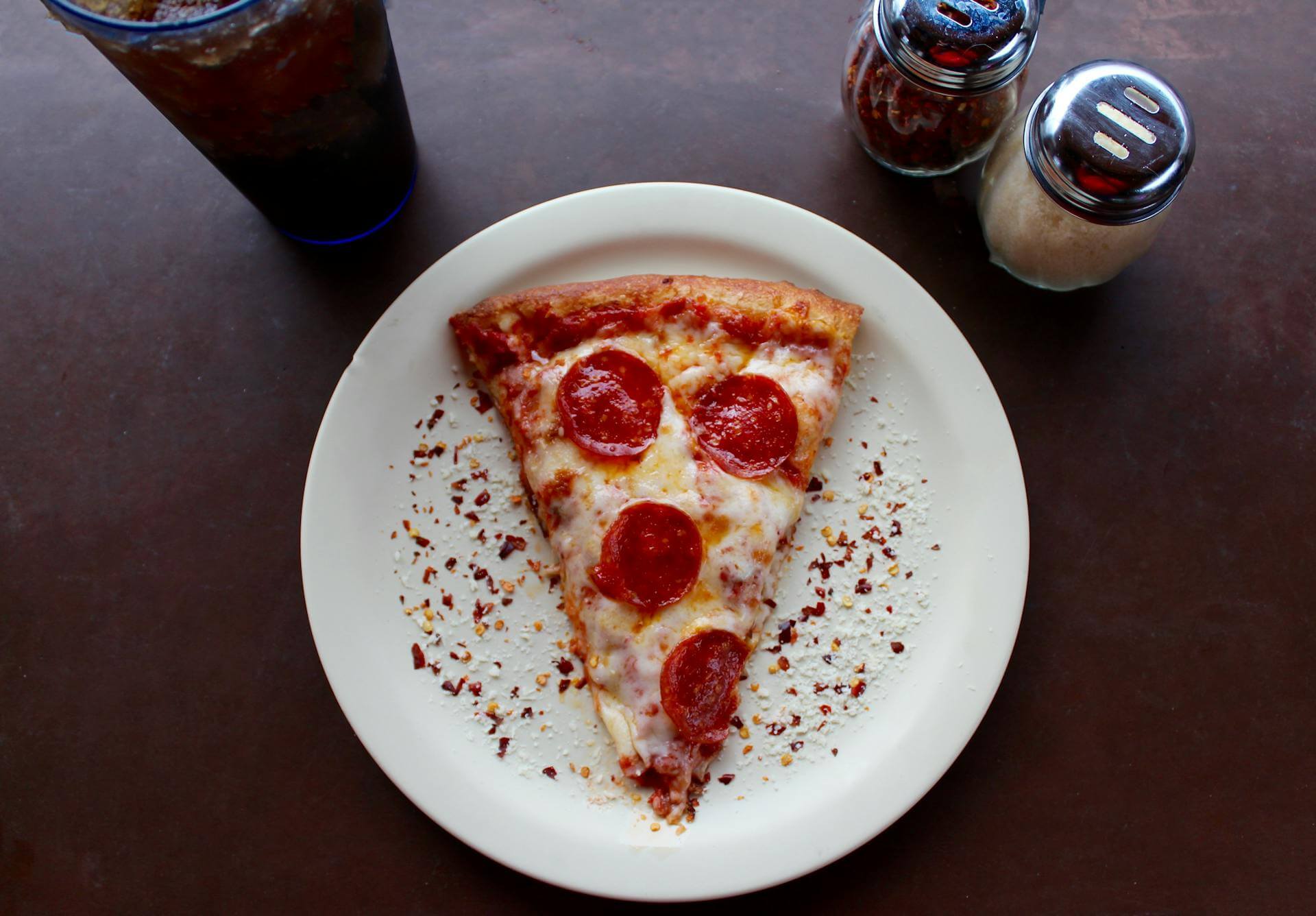
Slice of pepperoni pizza on a plate, on top of a table

Still the most popular pizza topping.

It’s finally here, one of our favorite food-forward hospitality industry reports providing operators with valuable insider insights.

In keeping with tradition, Slice released their 2024 Slice of the Union report the day before National Pizza Day. Truly, this is one of the reports I most look forward to each year.

As one would expect, the fifth-annual Slice of the Union is stuffed with helpful information.

Before we dig in, a quick rundown of Slice. The platform serves all 50 states and works with more than 20,000 independent pizzerias. To put that in context, that’s a network of pizzerias in the US larger than Domino’s, Little Caesars, and Pizza Hut combined.

If you’re an independent pizzeria owner and you have yet to partner with Slice, I encourage you to look into doing so. Should a partnership with Slice be feasible, it should increase brand awareness, engagement, traffic, and revenue to a notable degree.

Seasoning

Kicking things off, Slice sprinkles a bit of trivia onto this year’s report.

Last year, consumers apparently gorged themselves on pizza. How much was eaten? Just over 29,000 tons.

Providing context, Slice says to imagine 11,572,064,136 pennies. That’s a Scrooge McDuck dive-worthy pile of coins.

However, one category of pizza experienced a drop in popularity last year. According to Slice, pizzerias saw a 5.21-percent dip in vegan pizza orders.

Now, on to toppings.

Toppings

There’s a reason I chose a photo of a single slice of pepperoni pizza for this article.

Operators who track their data probably already know what I’m about to say: According to Slice, pepperoni is the most popular pizza topping in the US.

This is followed by, in descending order of popularity, mushrooms, sausage, extra cheese, onions, bacon, and black olives. For those wondering, kale was one of the “least-loved” toppings last year.

If you read through the 2023 Slice of the Union report or read our article reviewing it, you know they made a couple of trend predictions. Last year, Slice guessed that pickle pizzas would be in demand. Well, they were right. Orders for pickle pizzas jumped by 32 percent in 2023.

So, when Slice makes a pizza-based prediction, it’s probably in your best interest to take it to heart. Oh, waitSlice has a prediction for 2024. According to the platform, tinned fish will be a standout pizza topping this year.

Sauce

In case you’re wondering about how much data Slice has at their fingertips, here’s an interesting bit of trivia. Last year, 4,744 people ordered pizzas with anchovies, garlic, or onions on Valentine’s Day. Alrighty, then.

They also know that orders for pizza with pineapple as a topping saw an increase of nearly six percent in 2023.

Further, the 2024 Slice of the Union reveals the most and least “pizzaful” days of 2023. The former? December 1. And the latter? Thanksgiving.

Last year, Fridays accounted for the most orders, at 23.5 percent. However, only 8.7 percent of pizza orders were placed on Mondays.

For data that’s a bit more esoteric, what if Slice could reveal which Zodiac signs order the most and least pizza? Would this be useful to operators? Honestly, it could be, I suppose. Particularly for those who have loyalty programs and engage with their guests via email and text marketing.

Apparently, a Taurus (April 20 to May 20) is the most likely to order pizza. Conversely, Capricorns (December 22 to January 19) either don’t like placing food orders in general or don’t like eating pizza specifically, because they ordered the least amount last year.

By the way, if you happen to operate a pizzeria in New Jersey, you may want to search for a guest named Dominic. According to Slice, someone named Dominic in NJ placed 348 pizza orders in 2023. Sounds like Dom has earned a special perk from his favorite pizza joint.

Extra Cheese

Pizzeria owners and their teams in Hawaii, Alabama, Oregon, South Carolina, and Montana may have the happiest wallets. That’s because people who ordered pizza for delivery in those five states tipped their drivers the most.

However, people who order pizza in Washington may have slightly lighter wallets than their fellow Americans. That’s because while the average price for a large cheese pizza in the US is $18.33, that number jumps to $25.75 in the Evergreen State.

If you’d like to see the average price for a large cheese pizza in each of the 50 states, click here. As an example, the average price in Nevada (KRG Hospitality’s American HQ is in Las Vegas) is $21.09.

Speaking of price, while Dom in NJ placed the most pizza orders, Frances in New York placed the most expensive order last year: $2,867.07. Frances, I want to attend one of your pizza parties (I think).

Finally, let’s end on data that can help operators when reviewing their labor costs. On average, pizza delivery distance was 9.14 miles in 2023. And, on average, pizzerias completed the process of producing an order and delivering it in 42.5 minutes.

For more insights from the 2024 Slice of the Union, click here.

Image: Sydney Troxell on Pexels

KRG Hospitality. Restaurant Business Plan. Feasibility Study. Concept. Branding. Consultant. Start-Up.

by David Klemt David Klemt No Comments

6 Sips for National Cocktail Day

6 Sophisticated Sips for National Cocktail Day

by David Klemt

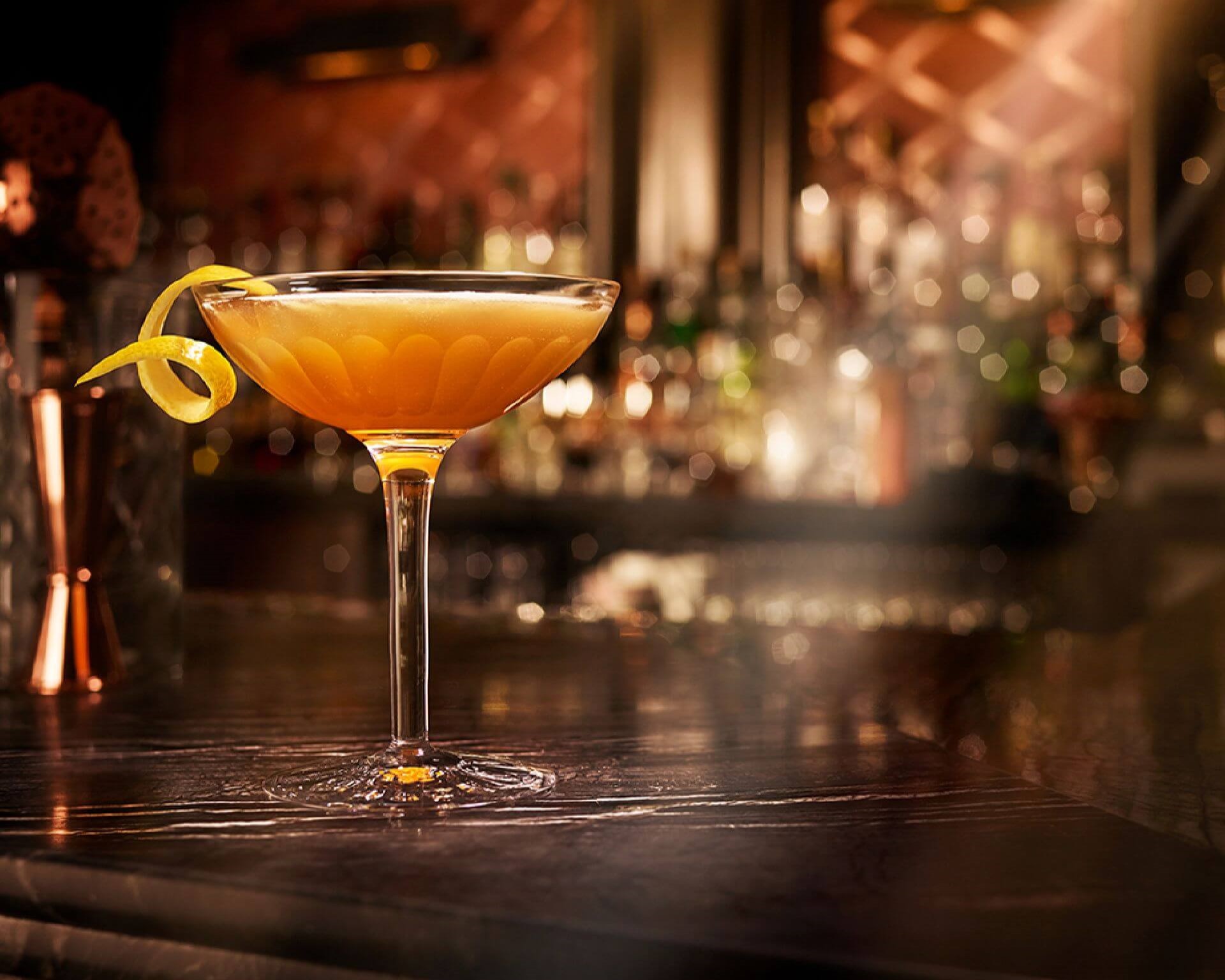
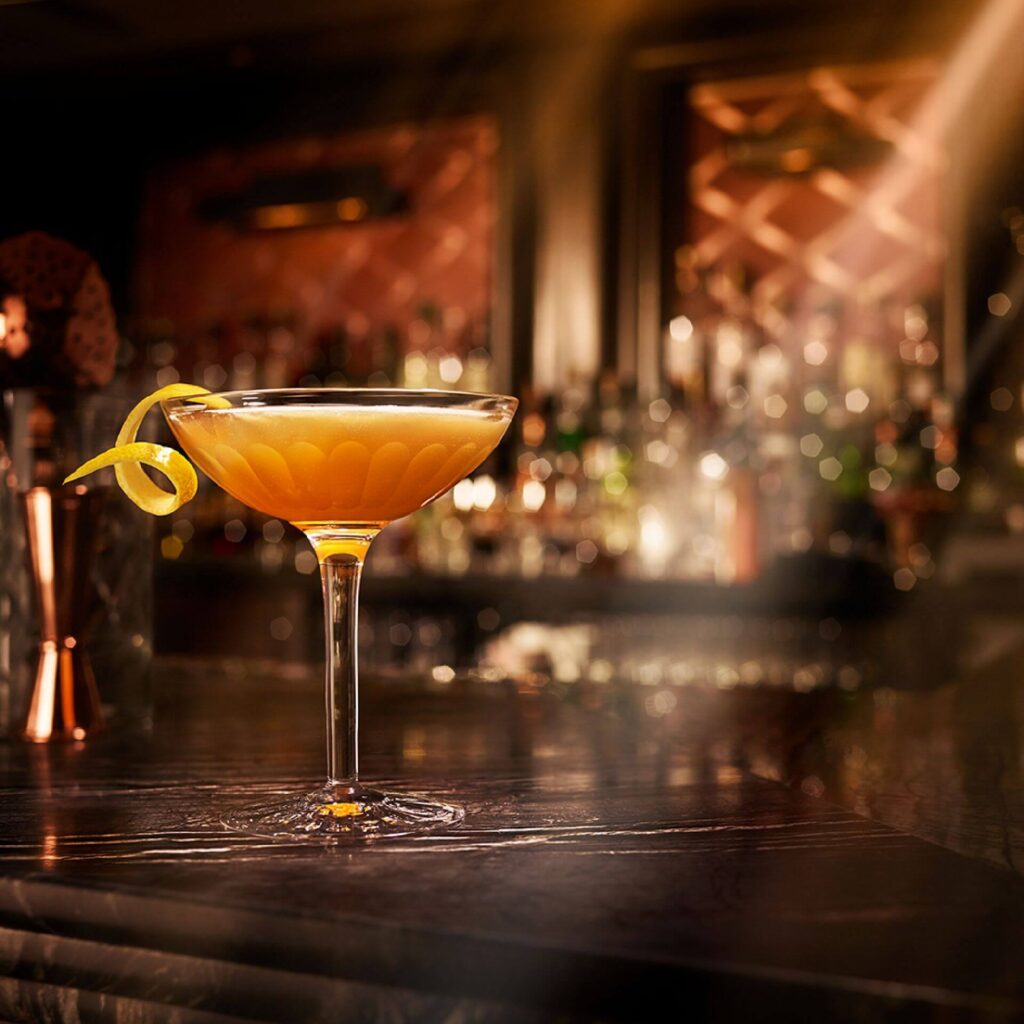
The Rémy Sidecar cocktail in landscape orientation

Our friends at Cointreau, Mount Gay, Rémy Martin, St-Rémy Signature, Belle de Brillet, and METAXA want us to share some recipes with you.

And why do these purveyors of fine spirits want you to have these drink recipes? To inspire you and your team to craft a sophisticated National Cocktail Day menu, of course.

Now, you and your team are likely very familiar with Cointreau, Mount Gay, and Rémy Martin. After all, each are among the most well-known liqueurs, rums, and Cognacs on the planet.

However, you may be less familiar with some of the other spirits below. So, I’m going to provide a brief overview. Naturally, I’ll also encourage you to contact your reps so they can taste you and your team on each.

Let’s kick things of with METAXA. If your guests like brandy, they’re probably going to love METAXA. In particular, METAXA 7 Star is a Greek spirit that consists of Muscat wine, wine distillates, and Mediterranean aromatics and botanicals, aged in oak barrels. This is a truly unique spirit; your guests have likely never tasted anything quite like it.

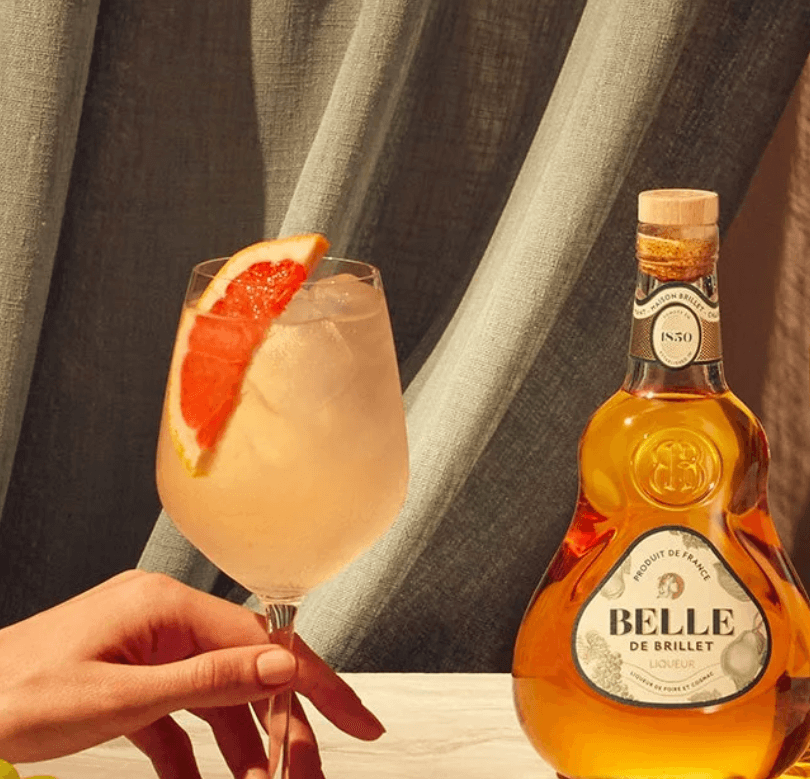
Now, let’s look at Belle de Brillet. This is a French liqueur made with fine Brillet Cognac eau-de-vie and Poire Williams (Williams pears). Really, this is an elegant way to enjoy terroir via two fruits: pears and grapes. From what I can find, it takes 20 Williams pears to produce each bottle of Belle de Brillet.

That brings us to St-Rémy Signature. Also from France, St-Rémy Signature is the marriage of tradition and modern production techniques. For example, Signature undergoes a double-maturation process, unlike many fine brandies. When it comes to terroir, Signature takes people on a tour, as it’s made with dozens of grapes from all over France.

Whether you decide to create an LTO menu with the recipes below or put your spins on these drinks, your guests will thank you for helping them celebrate National Cocktail Day.

Cheers!

The Rémy Sidecar cocktail

The Rémy Sidecar

Fill a shaker with ice, then add first three ingredients. Shake well. Strain into a coupette, and garnish with a lemon peel.

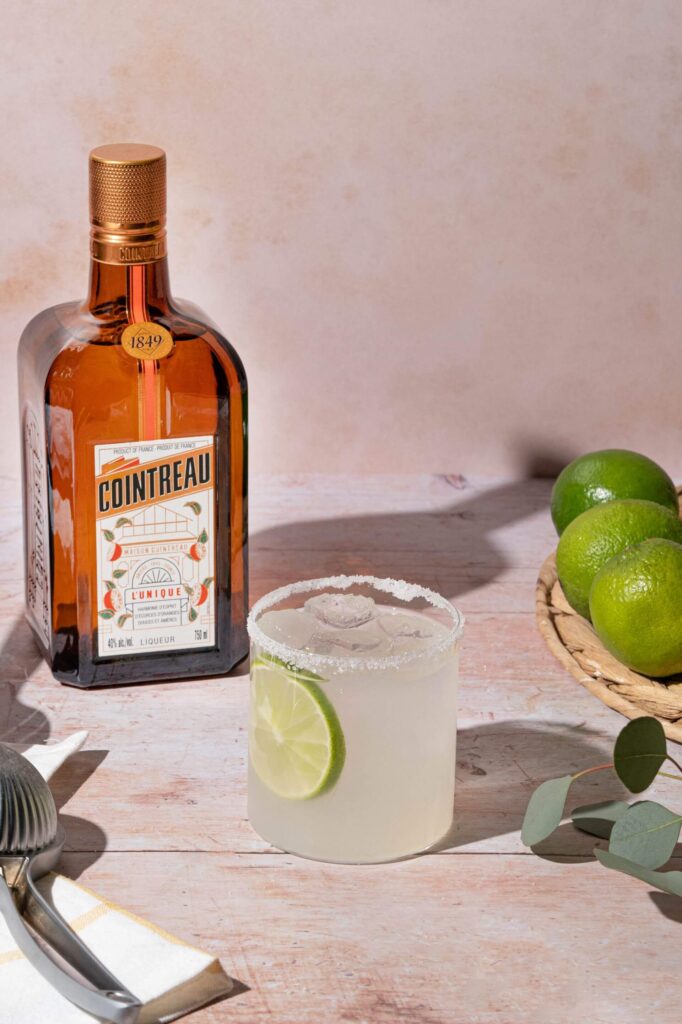
The Original Margarita by Cointreau

The Original Margarita by Cointreau

  • 1 oz. Cointreau
  • 2 oz. Blanco tequila
  • 1 oz. Fresh lime juice
  • Lime wheel to garnish

Prepare a glass by rimming it with salt. Add all ingredients except for garnish to a shaker filled with ice. Shake well, then strain into the prepared glass. Garnish with lime wheel.

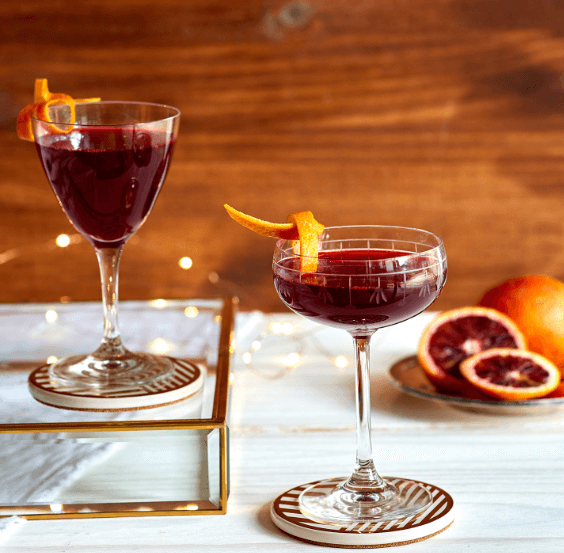
Mount Gay Orange Eclipse cocktail

Mount Gay Orange Eclipse

  • 2 oz. Mount Gay Eclipse
  • 1 oz. Fresh blood orange juice
  • 0.6 oz. Sweet vermouth
  • 4 dashes of Angostura Bitters
  • Orange peel to garnish

Prepare a coupe by filling it with ice and setting it aside. Alternatively, keep some coupes in a fridge to have chilled glassware on hand. Fill a shaker with ice, then add first four ingredients. Shake until well chilled, then strain into prepared coupe. Garnish with orange peel.

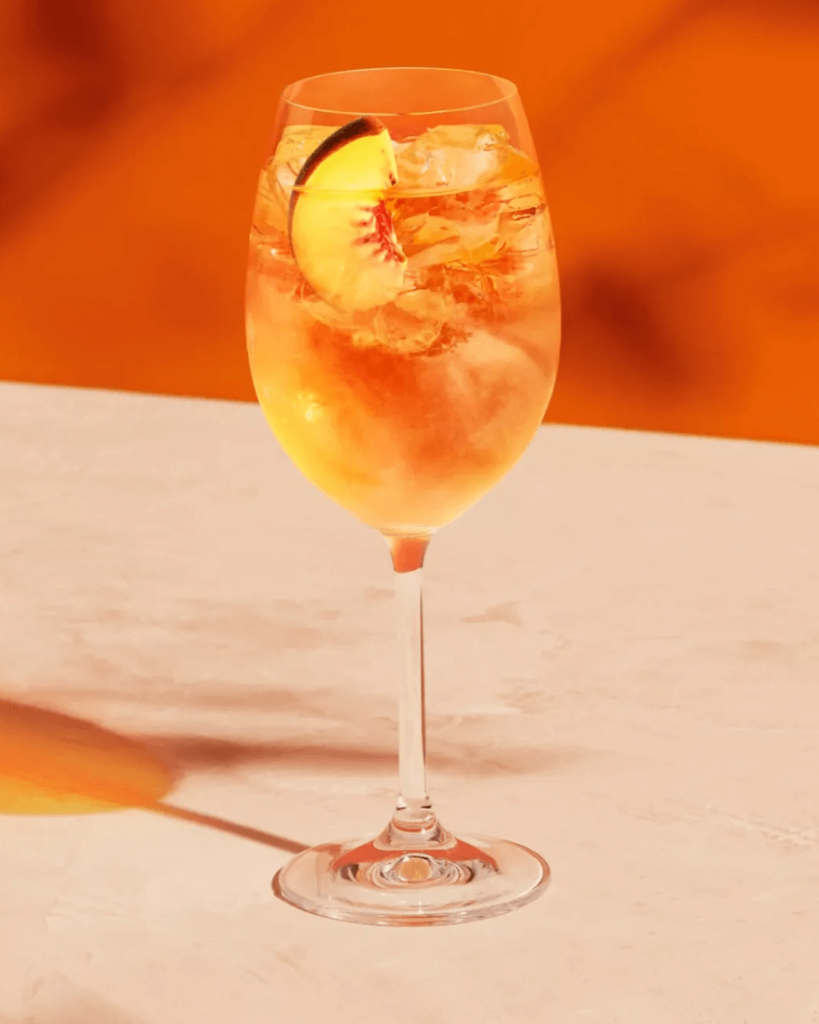
METAXA Greek Spritz cocktail

METAXA Greek Spritz

  • 1.4 oz METAXA 7 Stars
  • 1.4 oz Prosecco (or other sparkling wine)
  • 0.7 oz Splash of tonic
  • 3 Dashes of peach bitters or fresh peach juice
  • Peach wedge to garnish

Pour METAXA 7 Stars into a wine glass. Add ice, tonic, and bitters or juice to glass, then stir. Top with Prosecco or other sparkling wine. Garnish with peach wedge.

Belle de Brillet Belle Pamplemousse cocktail

Belle de Brillet Belle Pamplemousse

  • 1.75 oz. Belle de Brillet
  • 0.5 oz. Fresh lemon juice (optional)
  • 3.5 oz. Grapefruit soda
  • 1 oz. Prosecco
  • Slice of grapefruit to garnish

Add ice to a glass, then add all liquid ingredients. Stir, then garnish with grapefruit slice.

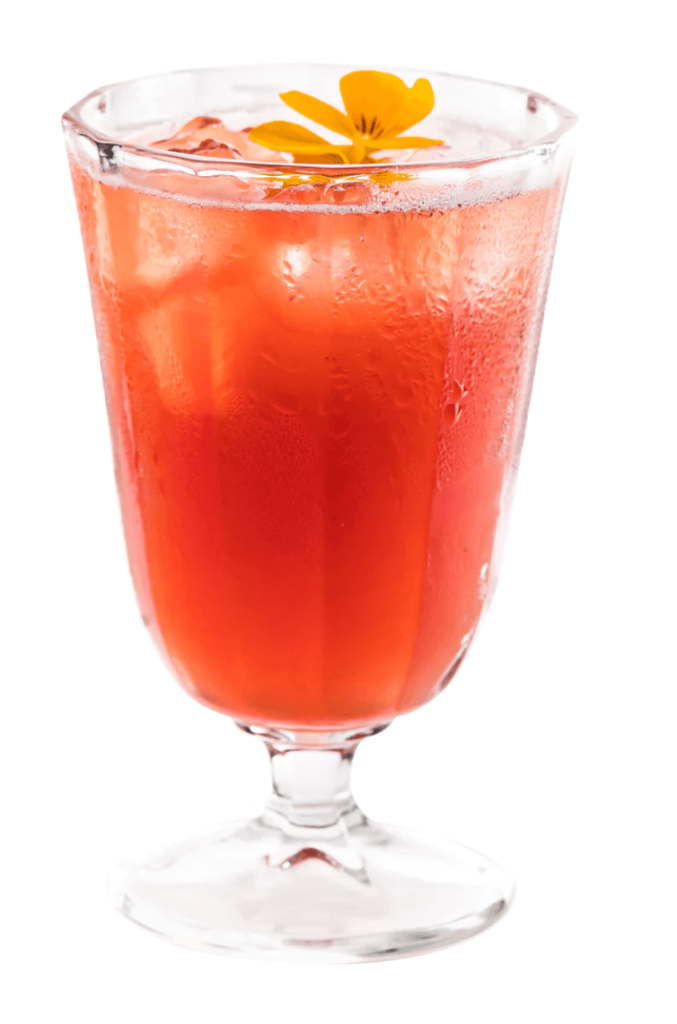
St-Rémy Signature Rose cocktail

St-Rémy Signature Rose

  • 1 oz. St-Rémy Signature
  • 0.7 oz. Fresh lemon juice
  • 0.3 oz. Grenadine syrup
  • 0.3 oz. Hibiscus syrup
  • 1 Egg white
  • Edible flower to garnish

Add ice and first five ingredients to a shaker. Shake well, then strain into a stemmed or footed glass. Garnish with an edible flower.

Disclaimer: Neither the author nor KRG Hospitality received compensation, monetary or otherwise, in exchange for this post.

Images provided by LaFORCE

Bar Nightclub Pub Brewery Menu Development Drinks Food

by David Klemt David Klemt No Comments

What are You Changing in 2024?

What are You Changing in Your Restaurant or Bar in 2024?

by David Klemt

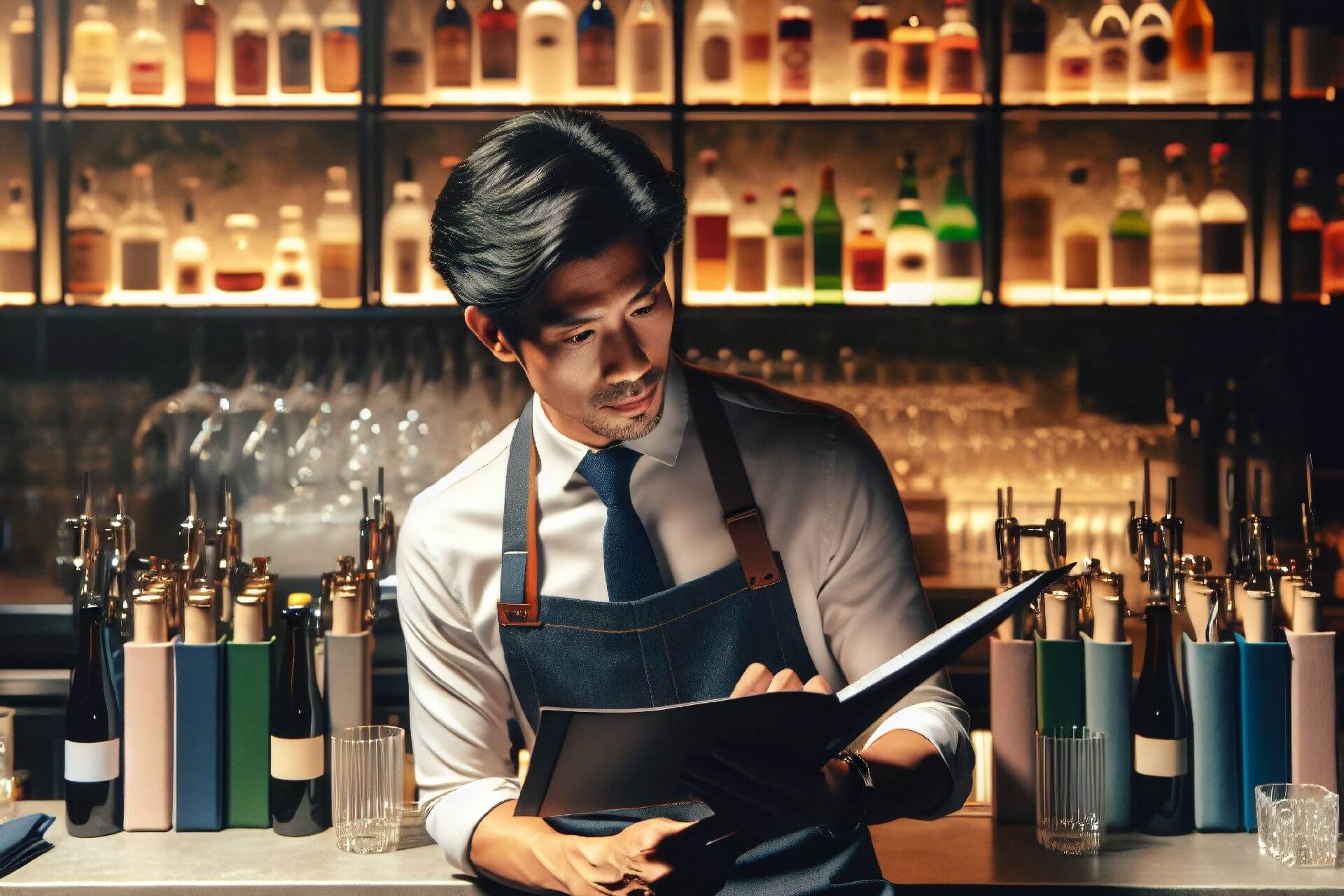
Restaurant owner reviewing their menu

More fun with AI-generated images. That’s quite the busy bar setup.

Toward the end of last year, Nation’s Restaurant News identified what changes operators chose to make after analyzing their operational data.

The publication surveyed hundreds of operators about how data drove their decisions. This survey was an element of their year-end report, Market Leader Report: The Data-driven Restaurant.

As one would imagine, this report focuses on data collection, analysis, and usage. However, NRN‘s report doesn’t just address the importance of data collection in the F&B space. Rather, they seek to understand if operators are collecting the “right” data; whether they can optimize the data they collect; what metrics they’re tracking; and how they’re acting on all that data.

Simply put, it’s an important report addressing a topic crucial to today’s restaurant and bar operations. Those who want their own copy of The Data-driven Restaurant can download it free here.

While entire report is valuable, the focus of this article is one question and the answers provided. Below, to provide context, is a breakdown of the survey respondents.

The Who

Most of the respondents identified as independent restaurant operators.

  • Indie: 37 percent
  • Chain (franchisee): 21 percent
  • Chain (company owned): 18 percent
  • Multi-concept: 15 percent
  • Single-site operator: 6 percent
  • HQ or brand level of foodservice company: 3 percent

By a slim margin, most survey respondents categorized their restaurants as full service or casual dining.

Perhaps unsurprisingly, the fewest respondents operate in the upscale or fine dining category.

  • Full service / casual dining: 30 percent
  • Fast casual: 28 percent
  • Quick service: 20 percent
  • Midscale / family dining: 15 percent
  • Upscale / fine dining: 7 percent

The What

So, what question caught our attention at KRG Hospitality?

“In the past 12 months, which initiatives did your organization undertake after analyzing data?”

NRN conducted this survey in November 2023. Not surprisingly, respondents mostly made changes to their menus after reviewing their data. Streamlining menus and adjusting prices were two of the biggest operational trends last year, as many operators are no doubt well aware.

That theory is supported by the survey results. Below, the top four answers to the question above.

  • Changed menu prices (48 percent)
  • Removed items from or added items to our menu (47 percent)
  • Improved the way we trained our staff (26 percent)
  • Adjusted our loyalty program’s rewards and/or incentives (24 percent)

Honestly, it’s heartening to see that training is among the top-three data-driven actions operators took last year. And, of course, it’s not shocking that the menu was the focus of the most attention. Streamlining is an effective way to reduce food and labor costs. Further, pricing is always (please excuse the pun) on the menu.

Our question is: What changes, if any, do you plan to implement this year now that we’re headed into Q3?

The What: The Sequel

If the menu received the most attention after operators reviewed their data, what received the least?

Well, it appears marketing fell to the wayside, along with the kitchen. The following are the bottom four answers to the question in the section above:

  • A/B tested marketing campaigns and increased ROI (6 percent)
  • Changed specs on our kitchen equipment or technology (10 percent)
  • Identified lapsed customers and marketed to them (11 percent)
  • Increased throughput in our kitchen during peak periods (13 percent)

Now, I’ll concede that one marketing action found itself in the middle of the pack when it came to this survey question. Upon analyzing their data, 18 percent of respondents identified new potential guests and marketed to those people.

Still, in comparison to making changes to menus, the fewest respondents took marketing action or made changes to the kitchen directly.

Does this mean that menu changes have the greatest impact on guests and ROI? Well, that’s possible. However, I think something else is at play.

Personally, I think collecting data is the easy part. At this point, most platforms serving our industry are collecting data for operators.

But tracking the correct metrics, analyzing the associated data, and knowing what to do after analyzing said data? That’s difficult. It can be overwhelming, which is why it’s so important to build and implement the proper tech stack for a specific concept. This is why one of the services we offer our clients is tech-stack development.

Further, the tech stack needs to be built around an operator and their leadership team. If nobody knows how to use it or what to do with the data they’re collecting, it’s useless.

Image: Shutterstock. Disclaimer: This image was generated by an Artificial Intelligence (AI) system.


Bar Pub Brewery Nightclub Club Nightlife Technology Plan Tech Stack

by David Klemt David Klemt No Comments

Loud Luxuries: Martinis and Caviar

Loud Luxuries: Opulent Martinis & Caviar Bumps

by David Klemt

Taking a look at what’s going down in the bar and restaurant world, it appears that luxury sips and bites are the latest darlings in the F&B space.

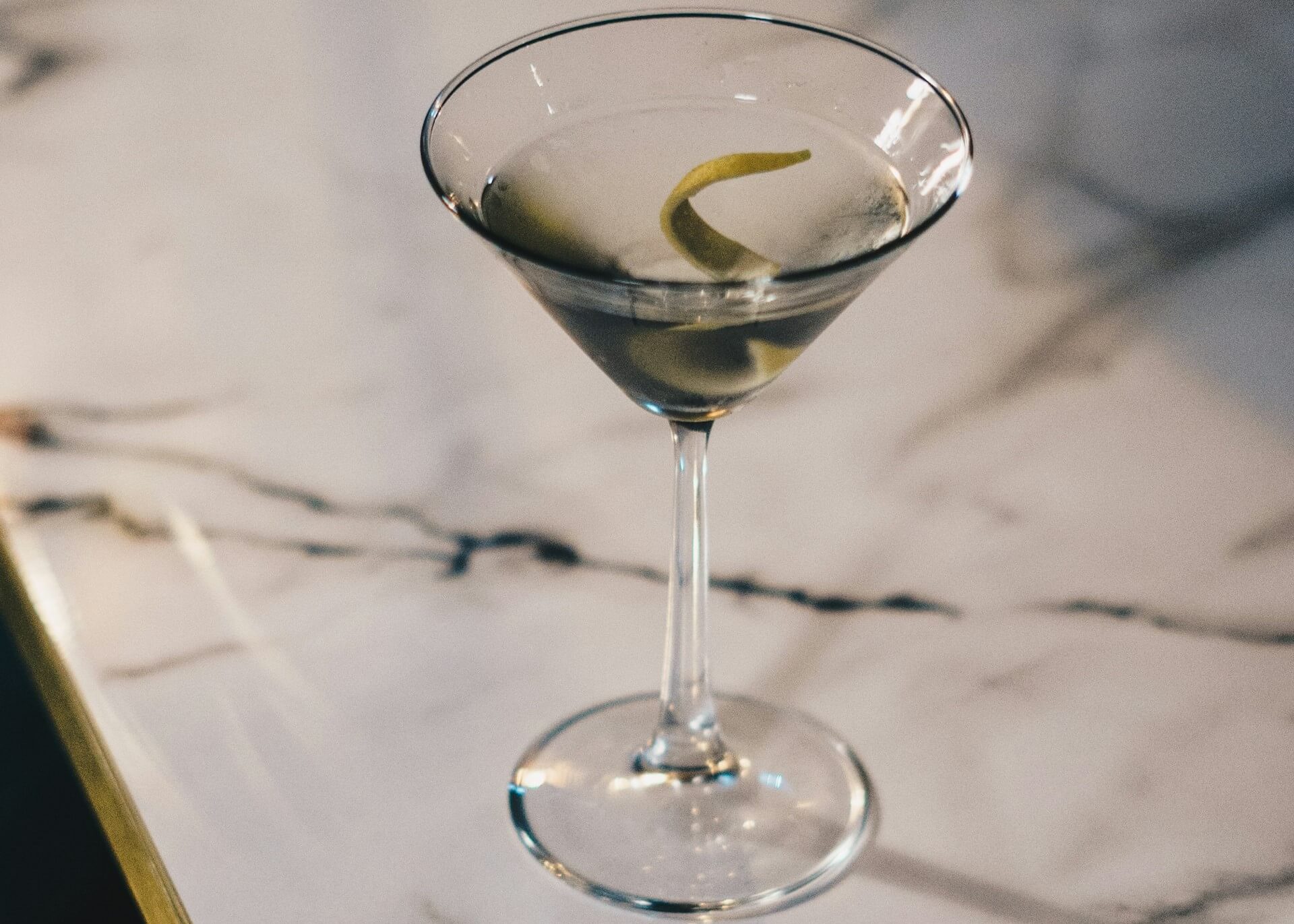
In particular, I’m talking about the stories going around about $40 Martinis. Oh, and the interest consumers are showing in caviar. Specifically, caviar bumps, though people seem to be craving this luxury bite any way they can get it.

At the risk of coming across as snobby or hipster-ish, Las Vegas has been offering guests caviar bumps at parties and restaurants for several years now. A close friend of mine has hired a caviar bump service for private business events and personal parties on more than one occasion.

To explain, a caviar bump is a much less formal way of consuming salt-cured roe. One takes a small spoon, dabs a bit of caviar in the area of their hand between their thumb and index finger, and licks it off. Contrary to what some people think (probably only once), the caviar isn’t snorted. Although, I’m not here to police how people choose to consume their food.

Interestingly, there are plant-based “caviar” brands on the market. So, vegetarian and vegan guests can get in on the caviar bump fun.

Now, back to the $40 Martinis. If that makes some operators and bartenders raise an eyebrow, their jaws will likely drop when they read what’s next. It’s not difficult to find Martinis that cost well in excess of $100.

This trend is belongs to the “loud luxury” movement. As one can infer reasonably, the phrase describes spending a lot of money on an item or experience because it’s expensive. Engaging in ostentatious spending is the point.

Given the state of many people’s finances these days, such flashy displays are justifiably viewed as vulgar by some. However, if recent stories are to be believed, 2024 is the year of loud luxury.

Get Loud

Or, more accurately, operators should encourage their guests to get loud.

That is, of course, if loud luxury matches the concept and market. Although, having a $40 Martini on a dive bar menu is only silly if it costs an operator money. There’s nothing wrong with putting such a drink on a menu if it doesn’t offend a venue’s base of loyal guests and run them off.

So, what’s in a $40-plus Martini? Pricey booze, put simply. These luxe libations aren’t made with $20 or $30 gins or vodkas. Rather, these spendy sips feature spirits that cost $100 or more.

Further, these trendy, tony tipples pair quite well with caviar bumps. There’s no reason an operator can’t leverage both of these extravagant trends simultaneously. Depending on which caviar is on offer, bumps can command upsell costs of $10 to $20 (or more).

That can mean that an operator’s $40 Martini can become a $50 or $60 Martini-and-caviar pairing experience.

Again, offering guests such an extravagant experience requires careful consideration and execution. Operators need to make an informed decision that includes understanding how their guests will respond to these loudly luxurious menu items.

That said, if a concept and brand can deliver such an over-the-top experience without alienating their guests, it can be fun, memorable, and profitable.

Something to consider as we approach Espresso Martini Day, which takes place on March 15. Who wants to take a shot at making one that costs more than $40?

Image: Ambitious Studio* – Rick Barrett on Unsplash

KRG Hospitality Start-Up Restaurant Bar Hotel Consulting Consultant Solutions Plans Services

by David Klemt David Klemt No Comments

Creative Conversion: Adaptive Reuse

Creative Conversion: Adaptive Reuse Architecture

by David Klemt

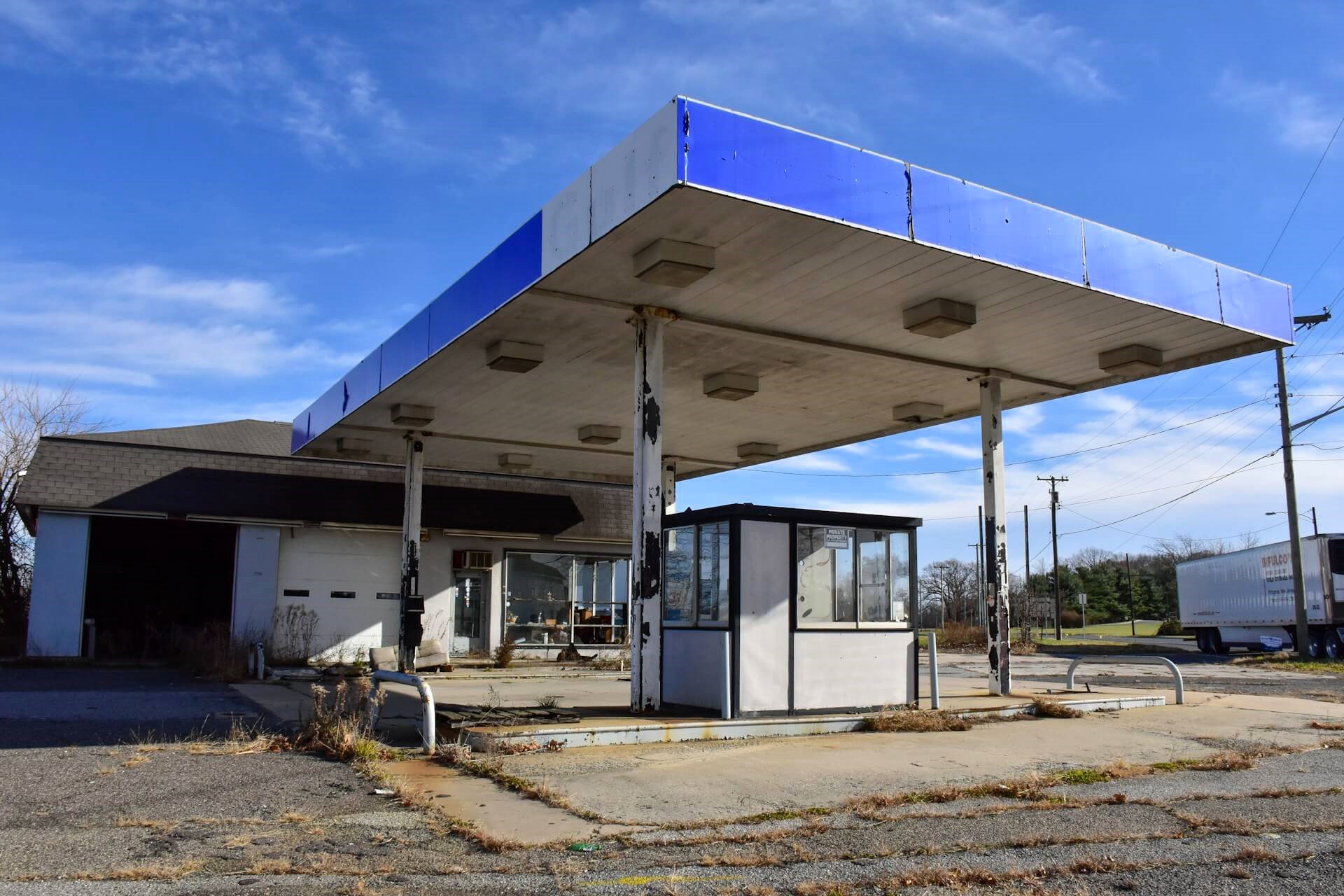
Abandoned gas and service station

Just taking a quick glance, I see covered outdoor seating, a cool front desk, and roll-up doors for an indoor-outside space.

There are several benefits to reusing an existing space and converting it into a bar or restaurant, including sustainability, and reenergizing a community.

This approach to design is called “adaptive reuse architecture.” A design layperson would likely call it “repurposing.”

As the term implies, this design methodology focuses on using an existing building in a new, modern way. It’s a beneficial approach to design and architecture in large part because new construction is so resource heavy.

Proponents of adaptive reuse architecture point to a given project’s lower carbon footprint, energy conservation, sustainability, and lower construction costs. However, there’s more to it than just reduced costs (attractive to owners and investors) and lower impact on the environment.

There are buildings that lie dormant across the US, Canada, and other countries that hold special places in communities’ hearts. Revitalizing these spaces can do wonders for lifting people’s spirits, preserving heritage while developing culture and community in a new way.

Finally, in my eyes, it’s honorable to allow a space to once again serve the community, albeit in a different way. A space that once provided a crucial service to an area—employment, resources, a communal space, shelter—can now serve as a place to nourish the body and mind through food, drink, and social interaction.

When considering a site (which should also be accompanied by a feasibility study), operators should look at locations that can help them do what neighborhood restaurants and bars have historically done best: serve as cornerstones for their communities.

Vinsetta Garage

One of the most popular approaches to reusing spaces for restaurants is repurposing service stations.

Maybe its American nostalgia, maybe it’s America’s love for the open road. Or, maybe it’s that there are so many service stations in disrepair throughout the country.

Of course, when considering a former gas station, service station, or automotive repair shop, one must consider the costs of making the space food- and people-safe. After all, oil, fuel, and other harmful substances were present in significant amounts over the years. That said, abatement is absolutely feasible as long as a realistic budget is in place.

At any rate, one great example of service station reuse is Vinsetta Garage. This concept in particular keeps a landmark alive: the restaurant lives inside the oldest garage east of the Mississippi. The garage survived for more than 90 years before closing its doors.

Of particular note is the team behind Vinsetta Garage, Union Joints. Reuse appears to be Union Joints’ raison d’être. Along with this garage, the group has reused a fire hall, a church, and a lumber mill. They’ve even repurposed a Hooters. (We can argue whether second- or third-generation restaurant spaces are adaptive reuse some other time.)

To my knowledge, Union Joints has never repeated a concept, owing greatly to their dedication to giving landmark buildings new life.


View this post on Instagram


A post shared by Vinsetta Garage (@vinsettagarage)

The Jane

What a transformation this space has undergone.

Once a military hospital chapel, The Jane counts among its accolades two Michelin Stars, multiple appearances on the World’s 50 Best Restaurants list, and was described as the world’s most beautiful restaurant at the 2015 Restaurants & Bar Design Awards.

The kitchen resides where the altar once stood, and themes of good and evil, and life and death, can be found throughout the space. This is truly a high-concept reuse of a space.


View this post on Instagram


A post shared by The Jane Antwerp (@thejaneantwerp)

Hoogan et Beaufort

When people consider adaptive reuse, many likely think of repurposing factories.

They’re normally large, and often feature impressive floor-to-ceiling heights. And, unfortunately, they can be found abandoned or otherwise unused all over many countries.

Reusing such a space can revitalize an area, removing an eyesore from a community and making it functional once again. An upscale example of a reused and reimagined factory is Hoogan et Beaufort, a restaurant in Montréal, Québec, Canada.

For nearly 100 years, the factory produced rail cars. The industrial space, with 28-foot-high ceilings, ceased production in 1992. Its doors were reopened by Chef Marc-André Jetté as a 70-seat restaurant in 2015.

HopSin Brewpub

This space is part of the Mag8 Craft Beer brewery in Colares, Portugal.

Formerly a tram station and post office, the building also houses HopSin, a brewpub.

As you can see in the post below, the flat roof of the building provides a fantastic outdoor area. Interestingly and conveniently, the tram that currently travels to Sintra stops right in front of HopSin.


View this post on Instagram


A post shared by HopSin Colares (@hopsin_colares)

Trinity Place

Located in New York City, Trinity Place reuses a bank vault. However, it’s not just any bank vault.

Diners have the opportunity to grab a bite and drink in a vault tied to industrialist and philanthropist Andrew Carnegie.

In partnership with New York Realty Bank, Carnegie commissioned the bank vault at the turn of the 20th century. And 120 years ago, it was said to be “the largest and strongest bank vault in the world.” It was so big that the building, the Trinity and US Realty Building, was built around and atop the vault in 1907.

Other than restoring it to use as an actual bank vault, what could one really do with this space? Well, two creative restaurateurs, Katie Connolly and Jason O’Brian restored the vault…and turned it into a bar and restaurantcomplete with a 40-foot mahogany barin 2006.

The Ordinary

Speaking of bank vaults, there’s a kitchen behind bank vault doors inside The Ordinary.

The team behind FIG, a James Beard Award-winning restaurant operating in Charleston, South Carolina. Also in Charleston, The Ordinary reuses a bank space.

The bank itself has quite a history. Interestingly, considering the focus of this article, the former bank stands on ground that was once a factory. However, that building was not reused; it was torn down to make way for Peoples-First National Bank, which opened for business in 1928.

Looking at that year, some of you may know what happened next. The Great Depression descended upon the world, and Peoples-First survived as best it could until closing its doors in 1933. Occupied for a time by a bakery, the building became Citizens & Southern National Bank in the 1940s, and operated as such for nearly 50 years.

Citizens & Southern National Bank became NationsBank at the start of the Nineties. Then, just before the turn of the century, the space transformed into a Bank of America branch. The bank closed in 2006.

In 2006, FIG’s owners bought the bank, reusing the space as best they could to reimagine and reopen it as a restaurant. The vault was, unfortunately, removed, but other elements of the former bank remain.


View this post on Instagram


A post shared by The Ordinary (@eattheordinary)

Image: Jason Mitrione on Unsplash

KRG Hospitality site development. Site selection. Restaurant. Bar. Cafe. Lounge. Hotel. Resort.

by David Klemt David Klemt No Comments

5 Books to Read this Month: March 2024

5 Books to Read this Month: March 2024

by David Klemt

Flipping through an open book

Our inspiring and informative March book selections will help you improve operations, refresh F&B programming, and consider a design update.

This month, we look at books covering an array of topics: overcoming dysfunctions within teams; stepping outside of comfort zones; cocktail and Irish dish recipes; and repurposing existing buildings.

To review the book recommendations from February 2024, click here.

Let’s jump in!

The Five Dysfunctions of a Team: A Leadership Fable

In a departure from most business books, the author of The Five Dysfunctions of a Team presents useful lessons in the style of a fictional tale. This approach makes this bookwhich has more than 13,000 reviews on Amazona compelling read.

From Amazon: “Equal parts leadership fable and business handbook, this definitive source on teamwork by Patrick Lencioni reveals the five behavioral tendencies that go to the heart of why even the best teams struggle. He offers a powerful model and step-by-step guide for overcoming those dysfunctions and getting every one rowing in the same direction.”

Pick up your copy today.

The Complete Irish Pub Cookbook

I doubt you need a reminder but just in case, St. Patrick’s is just two weeks away. So, what better time to pick up this best-selling cookbook featuring Irish classic and modern fare? Flip through this book, check out some interesting recipes, and put your own spin on them so they fit with your concept.

From Amazon: “Pubs in Ireland are the cornerstone of their communities, relaxed places where locals and visitors can experience the best of traditional Irish hospitality. Many pubs have also become the place to go for a great meal, with a choice of both traditional and contemporary dishes. In recent years Irish cooking has been transformed, with skillful cooks making the most of wonderful fresh local produce to create delicious new dishes and giving a twist to many classics. This tasty cookbook includes the best of both worlds – with best-loved favorites s Irish Stew, Corned Beef and Split Pea and Ham Soup and newer recipes, like Scallop Chowder or Oatmeal and Raspberry Cream to set your taste buds tingling.”

Order The Complete Irish Pub Cookbook now!

Drink: Featuring Over 1,100 Cocktail, Wine, and Spirits Recipes

This is a seriously big book. After all, it really does contain more than 1,100 recipes. KRG Hospitality president Doug Radkey recently picked up this book and flipped through its many, many pages.

Along with well over a thousand recipes organized by spirit, Drink looks at bar tools, housemade ingredients, and ice. Further, it includes interviews with bartenders. If you’re looking for a recipe book that will inspire a drink menu refresh, this is the one you want.

Grab this tome today.

Cool is Everywhere: New and Adaptive Design Across America

Last month, we dove into the biophilic design methodology. This book, Cool is Everywhere, is a photo-driven look into the adaptive reuse design movement. Very briefly summarized, this is a design movement that focuses on repurposing existing architecture rather than knocking down buildings and putting up new construction. This approach tends to be eco-friendly, and as you’ll see from the photos in this book, it also creates cool buildings.

From Amazon: “Cool Is Everywhere highlights remarkable designs that have transformed ordinary buildings into works of art. From North Adams, Massachusetts, to Oakland, California, join Michel as he explores the skyscrapers and quaint neighborhoods that led him to believe that cool is, in fact, everywhere.”

Pick up this book now.

The Comfort Crisis: Embrace Discomfort To Reclaim Your Wild, Happy, Healthy Self

This book from author Michael Easter asks a fairly simple question: What if the modern world’s conveniences are making our lives more difficult? When we look deeper into our lives, we may find that our health is being impacted negatively by building and remaining in our comfort zones. Certainly, entrepreneurs can find that refusing to step outside of their comfort is hurting the business side of their lives.

From Amazon: “In many ways, we’re more comfortable than ever before. But could our sheltered, temperature-controlled, overfed, underchallenged lives actually be the leading cause of many our most urgent physical and mental health issues? In this gripping investigation, award-winning journalist Michael Easter seeks out off-the-grid visionaries, disruptive genius researchers, and mind-body conditioning trailblazers who are unlocking the life-enhancing secrets of a counterintuitive solution: discomfort.”

Order it today!

Image: Mikołaj on Unsplash

KRG Hospitality Start-Up Restaurant Bar Hotel Consulting Consultant Solutions Plans Services

by David Klemt David Klemt No Comments

Program for Unique Holidays: March 2024

Program for Unique Holidays: March 2024

by David Klemt

"Think about things differently" neon sign

Do you want to stand out from from other restaurants and bars in your area? Change how you think about your March holiday promotions.

Several holidays are set against every date on the calendar, and this month is no exception. These holidays range from mainstream to esoteric.

Pay attention to the “weird” or unique holidays to raise eyebrows, carve out a niche for your restaurant or bar, and attract more guests. Why do what everyone else is already doing? Why program only around the same holidays as everyone else?

Of course, you shouldn’t try to celebrate every holiday, strange or otherwise. Focus on the days that are authentic to your brand; resonate with your guests; and help you grab attention on social media.

You’ll find suggestions for promotions below. However, the idea behind our monthly holiday promotions roundup is to inspire you and your team to get creative and come up with unique programming ideas.

For our February 2024 holidays list, click here.

March 5: Cinco de Marcho

Supposedly, this holiday is meant to “train the livers” of people planning on getting slightly wild on March 17. They have 12 days to get ready to party.

Well, we at KRG Hospitality think this sounds a bit irresponsible. We don’t want any operators or their teams to run into any legal trouble. So, I recommend offering a spin on the Coronarita as a nearly two-week-long LTO.

Build a Margarita with Irish whiskey, Cointreau, fresh lime juice, and agave syrup. Serve it in a salt-rimmed pint glass, schooner, or mason jar. Invert a Harp Lager, Smithwick’s Pale Ale, or Guinness Blonde Lager in the glass.

March 7: National Crown Roast of Pork Day

Here’s a fun one based on a culinary classic. Put simply, a crown roast is anywhere from a dozen to nearly two dozen pork rib chops. When arranged in a circle, they look like a crown.

It’s old school, and it’s certainly a shareable dish. Dress this LTO up with a wine pairing, or dress it down with a bucket of beers.

March 8: National Proofreading Day

Your menu is a billboard. It’s a crucial marketing and branding tool. So, it can be embarrassing when there are typos and other issues on your menu.

If you don’t want to proofread it yourself, or you just want to engage your guests, put a “bounty” on misspellings and grammatical errors on your menu. Watch how quickly any mistakes are found, if any exist.

March 14: National Potato Chip Day

Housemade potato chips are among the best appetizers and sides. If your kitchen team is up for it, consider housemade chips as an LTO side. Think about making them a permanent (or semi-permanent) addition to your menu if all goes well.

March 18: National Sloppy Joe Day

So, it’s March 18. Some people may have gotten after it pretty hard for St. Patrick’s Day. They need comfort food.

If your kitchen team can make delicious Sloppy Joe’s from scratch (maybe served with housemade potato chips), they may be just what the doctor ordered.

March 19: National Poultry Day

Does your restaurant or bar serve dishes featuring poultry? Guess what you should do on this day…

March 21: World Vermouth Day

The days of low-quality vermouth are gone. For a few years not at least, people have discovered that premium vermouth makes a great cocktail base. This holds particularly true for low-ABV drinks, like reverse cocktails.

March 22: National Goof Off Day

This year, National Goof Off Day falls on a Friday. Really, that timing couldn’t be much better.

Encourage your guests to set aside their responsibilitiesas long as it won’t get them firedand goof off at your bar.

March 29: Smoke and Mirrors Day

When a cocktail is served with smoke, people take notice. Often times, when one is served, people watching the show want one of their own.

This is the perfect holiday to show off your smoking cocktails. To really embrace the holiday, smoke and serve them in a glass and chrome smoker box. By the way, these boxes work well when it comes to smoking food items, too.

March 31: National Tater Day

Much like poultry day, I bet you can figure out what to do on National Tater Day. Celebrate the potato! Tater tot nachos? Done. Sriracha French fries? Awesome. Fully loaded potato skins and baked potatoes? Classics.

Get creative. The humble potato is a fantastic canvas for enticing dishes.

Image: Ivan Bertolazzi on Pexels

Bar Pub Brewery Nightclub Club Nightlife Marketing Plan

by David Klemt David Klemt No Comments

Questions Future Operators Need to Ask

Questions Future Operators Need to Ask Before Opening

by Jennifer Radkey

Black and orange question marks

Taking your dream bar or restaurant from vision to reality can be an exciting journey but too many people get ahead of themselves during the process.

What are some of the first actions a future operator takes when deciding to open a new restaurant or bar? Well, many will dive right into deciding on a concept, looking at locations, or figuring out costs. Some may take the time to wisely invest in feasibility, concept, and business plans.

Very few will ask themselves the crucial questions that will help them figure out if they are truly ready to take on this huge endeavorand be successful at it.

Before designing menus, hiring a real estate agent, or looking for investments, you need to sit down and gain a clear understanding of the state of your mindset. Successfully opening a restaurant or bar can be mentally and physically exhausting. Well before you open your doors you need to have acquired a mindset that is built on resilience, growth, leadership, and positivity.

Below are several questions to considerand answer truthfullybefore diving in.

Mindset Questions

  1. What is the purpose behind wanting to open a restaurant or bar? Why is this goal significant to you?
  2. How do you currently stay motivated and do you have a system in place to turn to when you lose motivation?
  3. Do you feel capable of handling the day to day pressures of starting and operating a business? Why or why not?
  4. Have you been in a leadership position before? On a scale of one to 10 (one being not successful at all and 10 being very successful), how successful of a leader were you?
  5. What kind of leader do you want to be and Is there someone in a leadership position you admire and can learn from?
  6. If you feel that you can not be the leader your business needs to succeed is there a partner you can rely on for this?
  7. Are you currently in a good position to be able to devote the time, energy, resources, and focus needed to undertake this endeavor?
  8. What non-negotiables do you have in your life? What are you willing to sacrifice for this dream and what are you not?
  9. How comfortable are you with meeting people and being open to others’ ideas?
  10. What are three key strengths you possess? How will they help you succeed?
  11. What are three weaknesses you possess? How might they hinder your success?
  12. Are you comfortable with delegating to others when you are not the best person for a task?
  13. Do you have a strong support system in place of people you can turn to when needed?
  14. Why are you choosing to open a business in the hospitality industry? How do you plan to leave your mark in it?
  15. Do you possess the knowledge to run the day to day operations of a restaurant or bar? If not, how do you plan to gain that knowledge?
  16. How open are you to continuous education and learning for yourself and your future team?
  17. How will you balance opening a new restaurant/bar with your personal life?
  18. Are you willing to adapt and pivot when needed, even if it means an entirely new concept?
  19. How do you currently deal with failure?
  20. How will opening a restaurant/bar impact other areas of your life?

Once you have answered these questions you will have a better understanding of where your mindset stands right now, what areas you may need to improve upon, and if you are truly ready to open your own restaurant or bar. There is a saying that knowledge is power, and self-knowledge is the most powerful kind!

Cheers to professional and personal well-being!

Image: Laurin Steffens on Unsplash

KRG Hospitality. Business Coach. Restaurant Coach. Hotel Coach. Hospitality Coach. Mindset Coach.

by David Klemt David Klemt No Comments

The Fourth Member of Your Team

The Fourth Member of Your Team

by David Klemt

Black puzzle piece slotting into illuminated puzzle

When looking at your organization, it’s crucial to realize ownership, leadership, and staff aren’t the only members of the team.

There’s another key member, and their input is among the most valuable. And you rely on them for the success of your business. They’re your guests.

It may seem painfully obvious that your guests are integral to the success of your business. After all, your registers won’t ring without guests coming through your doors, placing orders online or via phone, and spending their money at your venue.

When they become regularsparticularly vocal regulars who tell others about your great businessthey transform into unofficial brand ambassadors. That’s fantastic marketing that tends to cost you nothing.

However, their importance goes beyond the monetary. Further, it’s more than just free marketing.

Menu Streamlining

Do your guests provide you with feedback? Actually, scratch that; let’s start again.

Do you provide your guests with a simple, convenient way to give you feedback? And do you seek more than a thumbs up or thumbs down for their experience at your restaurant or bar?

It can be difficult to streamline your menu, particularly if you’re unable to look at every item objectively. There are operators and chefs out there who get attached to their personal favorite menu items. That’s fine, until it’s not.

Perhaps a dish took a long time and a lot of work to get just right. Maybe it was a family thing and you’re proud of it.

But if you’re too proud of it and it’s not selling, it’s just costing you money. Keeping it on the menu hoping it will become a hit is bad for business.

A while back, when Bar & Restaurant Expo was Nightclub & Bar, Chef Brian Duffy shared a simple method for streamlining a menu. You run a product mix report, then separate them into three categories: rock stars, solid performers, and dogs.

The former are your top-selling items, and the middle category perform consistently. But the latter…they don’t sell. Worse, if they require ingredients that you don’t cross-utilize to make other dishes or drinks, they aren’t just stagnant, they’re costing you money.

If an item isn’t selling, that’s your gueststhe fourth member of your team—letting you know they don’t want it. Removing such items is an easy way to begin the streamlining process. Some of the best bars and restaurants in the world audit their highly anticipated menu launches a few months after their release. Items that aren’t selling are refreshed or removed.

So, when you encourage your guests to give your feedback, ask them what they think about your menu. Also, ask your staff what guests are telling them about your food and drink.

Your Vision

If you’re anything like our clients (or you are one of our clients), you’ve spent a ton of time envisioning your perfect restaurant, bar, cafe, eatertainment concept, nightclub, or hotel.

With that comes a hypothetical but informed vision of the guest journey. You’ll have an idea of how your guests will use your space.

Well, what if your guests turn that idea on its head? How will you react if guests see your vision in a different way?

On today’s episode of the Bar Hacks podcast, guest James Grant says something that I have also been saying for quite some time: like me, he sees guests as an integral member of the team. They do, to a degree, have influence over your concept.

To paraphrase, Grant says guests are half of the reason people open and operate restaurants, bars, cafes, nightclubs, hotels, etc.

As an example, we have a client who saw their space a certain way. We helped develop their bar concept with their vision in mind. However, not long after opening, our client’s guests showed that they had a different perception of the bar. Our client adapted, and the bar team and guests are happy.

The brand didn’t change. Neither did the space, physically. Nor did the cocktail program. However, one key element did change, as far as the type of bar it was intended to be.

As another example, friends of mine opened a bar years back. The space was meant to be an upscale cocktail bar with a relaxed and sophisticated vibe. That vision was achieved, but influential guests added an element: the bar became a high-energy after-hours spot.

At first, my friends weren’t sure about this change or if they should encourage it. But when they saw that revenue and profits were up, well…sometimes change is a good thing.

Adaptation

You may be very proud of items you have on your menu. Along those lines, you may have a very specific vision for your F&B programs that tell the story of your brand and space.

If an item here or there doesn’t catch on, it doesn’t make you a failure. It can be disappointing if your personal favorite turns out to be a dud with guests; don’t take it personally. It’s just business. The items on your menu should earn money, not lose it.

And if a guest reads through your highly curated cocktail, beer, or wine menu and then orders something “basic,” that shouldn’t be seen as a personal affront.

Now, guests deciding your concept is something you never intended it to be is something else. If this happens, it requires looking at the experience, service, brand storytelling, and even the design with a critical eye.

That said, if none of that is “off,” and if your team is happy and profits go up because your guests see your business in a different way, it may be smart to adapt. This is particularly true if your team is making more money and the unexpected new direction is safe.

Operators have usually been creating their concepts in their minds for years. It can be a shock for guests to transform the business into something else.

But if the business is successful because of how guests decide to use it, is that a bad thing?

Only you can answer that question. It may be best for you to identify the “why” behind the possible concept disconnect and stamp it out. However, it may be best to lean into the unexpected new direction.

Image: Edge2Edge Media on Unsplash

KRG Hospitality Start-Up Restaurant Bar Hotel Consulting Consultant Solutions Plans Services

by David Klemt David Klemt No Comments

Update Your Margs with Mezcal and Sotol

Update Your Margaritas with Mezcal, Sotol, and More!

by David Klemt

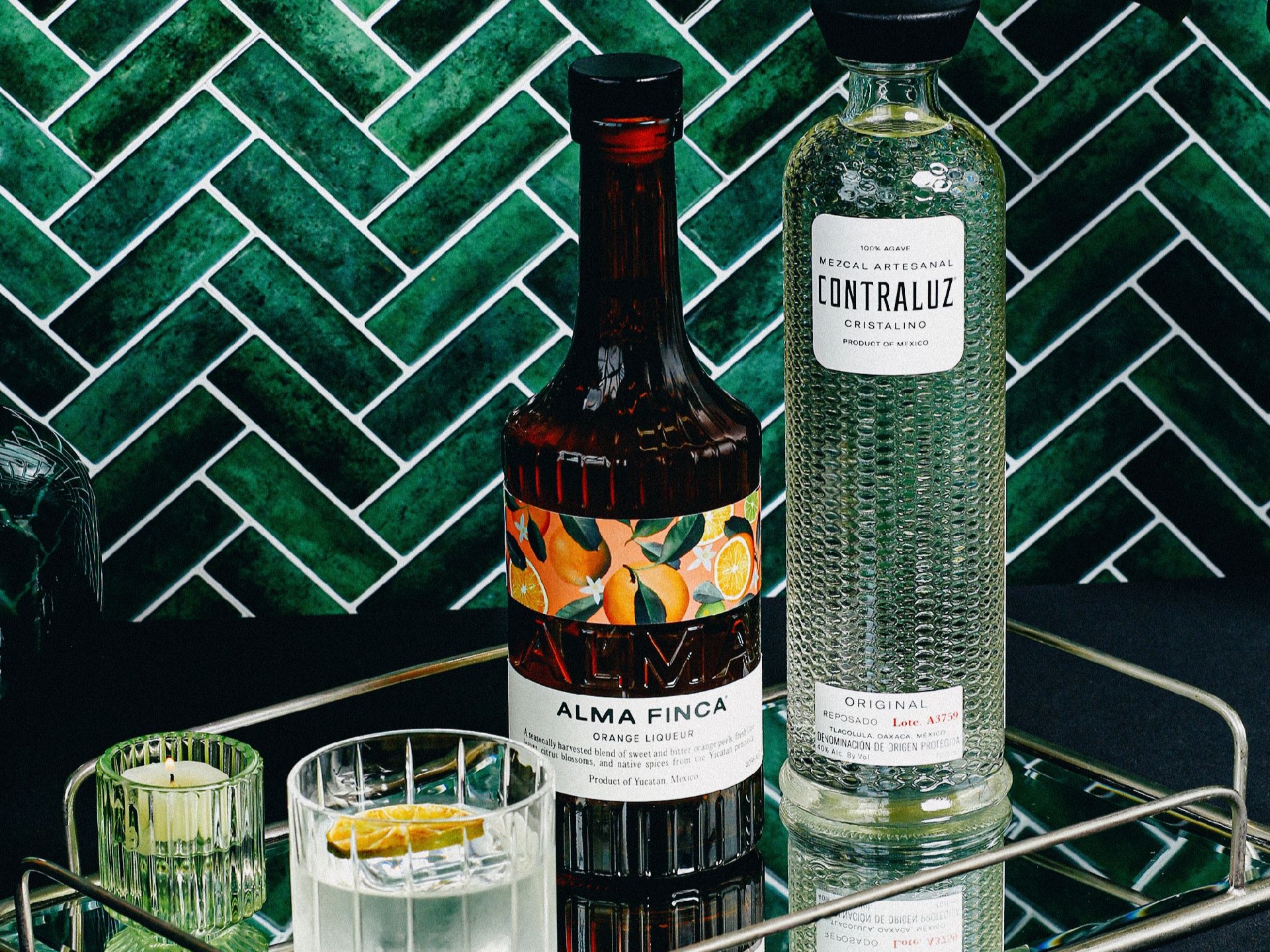
Contraluz Cristalino Mezcal bottle on a drinks tray

We all know how to make a classic Margarita, so for this National Margarita Day we want to put some new recipes and ingredients on your radar.

The cocktail recipes below swap out the tequila for mezcal and sotol.

For a quick refresher, all tequila is mezcal in a technical sense. Mezcal is made with agave plants. Tequila producers use a specific agave plant, Blue Weber. Further, tequila must be produced in one of five Mexican states: Guanajuato, Jalisco, Michoacan, Nayarit, or Tamaulipas.

Then we have sotol. You may have seen sotol thrown in with agave spirits on cocktail or spirits roundups. To clarify, however, sotol is a typo of shrub known as the desert spoon, and it’s not an agave plant.

So, all tequila is mezcal, mezcal is agave, and sotol is…sotol.

Swap Out the Tequila

Being National Margarita Day, you certainly need to have a classic Margarita on your menu. It’s all the better if your bar team makes them so well and so consistently that really, your top-selling Marg is one of your signature cocktails.

That said, it’s also a good idea to play with classics to give your guests new drinks to discover. The two recipes below are two great examples of riffs on the classic Margarita that should get your and your bar team’s creative wheels turning.

Allow me to introduce you to Contraluz Cristalino Mezcal and Nocheluna Sotol, if you’re not already acquainted.

Contraluz lays claim to the title of “world’s first cristalino mezcal.” Made from 100 percent espadín agave, this is a crystal-clear, small-batch reposado mezcal. On the nose, expect aromas of agave, along with citrus and floral notes. You may also detect smoke, cedar, and honey. In terms of flavor, Contraluz delivers notes of vanilla, clove, cacao, and cooked agave, with a sweet, long finish.

The second cocktail below is made with Nocheluna Sotol, which is crafted using 100-percent wild sotol from Chihuahuan desert. This particular sotol is the result of a collaboration between a fourth-generation master vintner, and a master distiller.

A unique spirit, Nocheluna delivers a delicate balance of sweet, herbal, dried fruit, and mineral notes. These notes come through via both the aroma and taste, although you may detect oak and smoke as well. Interestingly, Nocheluna says the finish may include a taste of pecan wood, along with wet earth.


View this post on Instagram


A post shared by Nocheluna Sotol (@nochelunasotol)

But Wait, There’s More!

Along with Contraluz and Nocheluna, you’ll see three bottles that may be new to you below. The Light and Soul cocktail calls for Alma Finca Orange Liqueur, Nixta Licor de Elote, and HAGAVE Spiced Nectar.

The first is an orange liqueur produced by the same company that makes Montelobos Mezcal. The second liqueur, Nixta Elote, is essentially liquid elote seasoning, and it comes in a fantastic corn-shaped bottle. Finally, HAGAVE is exactly what it says on the label: a premium, spiced agave mixer.

I don’t know about you, but I definitely plan to get my hands on each of these bottles. Just imagine what you can do to engage with your guests by introducing them to a crystal-clear, artisanal mezcal, an expertly crafted sotol, and liquid elote in a corn bottle.

Cheers!

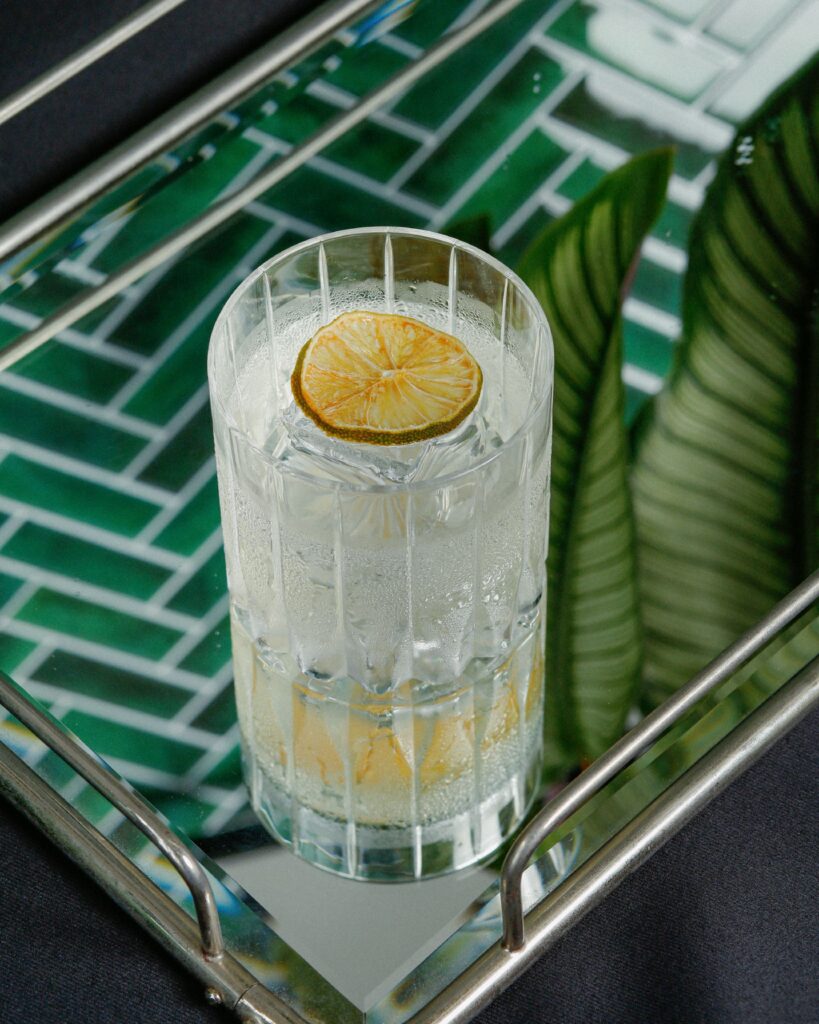
Contraluz Cristalino Mezcal, Light and Soul cocktail

Light and Soul

  • 2.0 oz. Contraluz Cristalino Mezcal
  • 0.5 oz. Alma Finca Orange Liqueur (or a triple sec or different orange liqueur if unavailable)
  • 0.5 oz. Nixta Licor de Elote
  • 1 oz. Lime cordial
  • 0.5 oz. HAGAVE Spiced Nectar

Place a large ice cube or sphere in a rocks glass. Add all liquid ingredients to a shaker filled with ice. Shake well, and strain into the prepared rocks glass. Garnish with a dehydrated lime wheel.

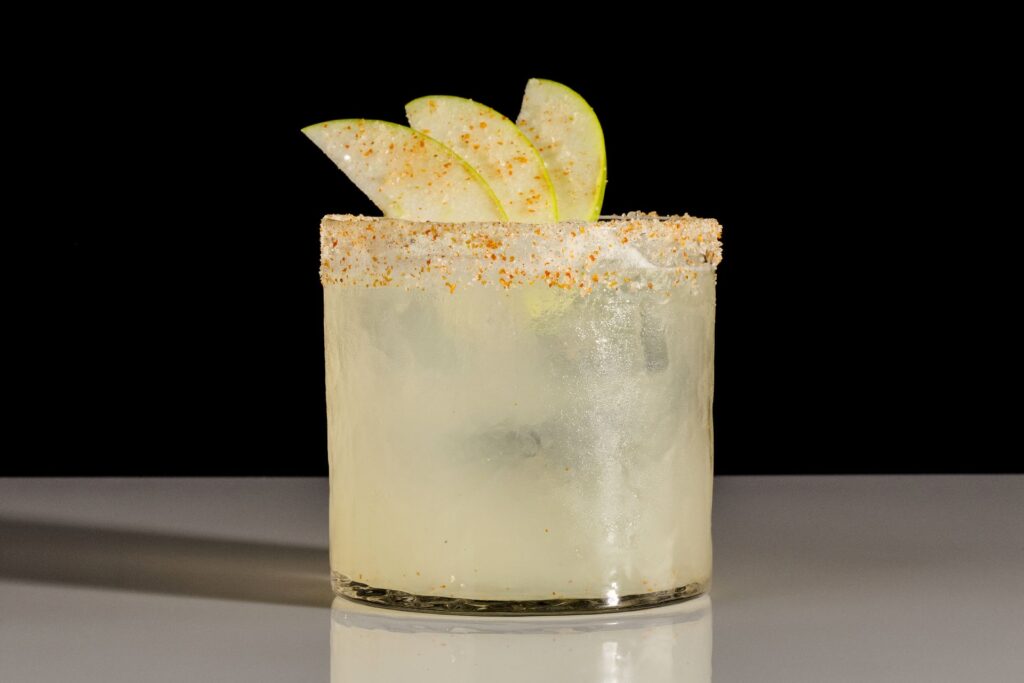
Nocheluna Sotol cocktail, the Sotolita

Sotolita

  • 1.5 oz. Nocheluna Sotol
  • 1.0 oz. Triple sec
  • 1.0 oz. Fresh lime juice
  • 1.5 oz. Apple juice
  • Apple slices to garnish
  • Chiltepin salt for rim (sea salt blend with chiltepin peppers)

Prepare a rocks glass by adding quality ice and rimming it with chiltepin salt. Add ice to a shaker, then add all liquid ingredients. Shake well, then strain into the prepared glass. Garnish with an apple-slice fan.

Images provided by LaFORCE

KRG Hospitality Start-Up Restaurant Bar Hotel Consulting Consultant Solutions Plans Services

by David Klemt David Klemt No Comments

Did This Beer Win Super Bowl LVIII?

Did This Beer Win Super Bowl LVIII?

by David Klemt

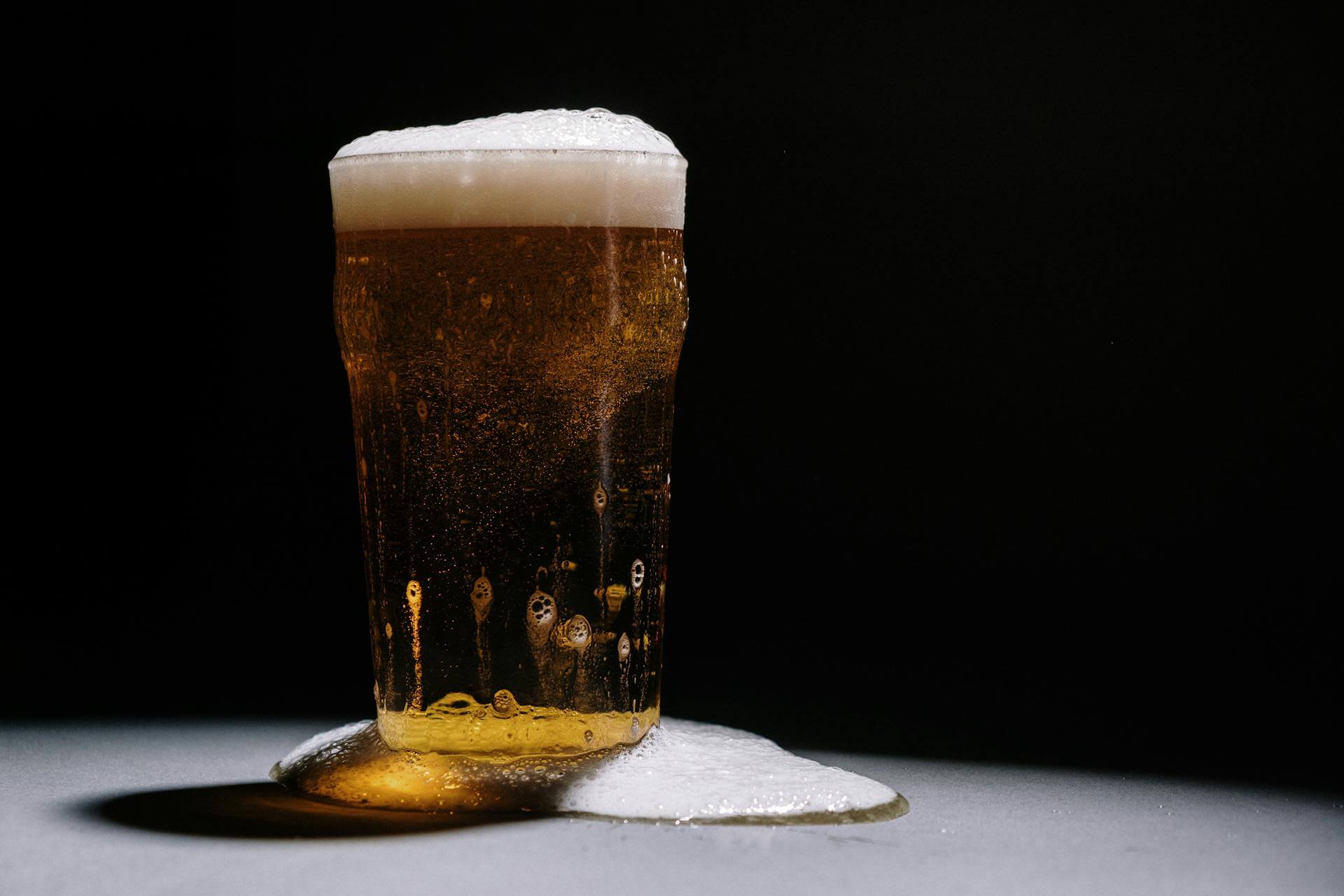
A pint glass overflowing with beer

Now that the Super Bowl is over, behavioral insight platform Veylinx is revealing the impact on brands that advertised during this year’s big game.

If Veylinx sounds familiar to you, you may be a regular KRG Hospitality news reader. Last month we looked at their dive into alcohol-free canned cocktails. Last year, we shared a Veylinx report with a focus on whether Super Bowl ads really work on consumers. And in 2022, Veylinx wondered if the interest in zero-proof drinks was all hype or worth leveraging.

This month, Veylinx is at it again. This time, however, they’re revealing which brands—those that advertised during Super Bowl LVIII—saw the biggest ROI. For context, a 30-second spot during the big game cost approximately $7 million this year.

That’s a ton of cash to shell out in the hopes of seeing a sales increase on- and off-premise.

Speaking of on-premise, Veylinx’s findings should be of interest to operators. The beer that Veylinx says “won” the Super Bowl will likely be top of mind among your guests who watched the game and the accompanying ads.

So, it stands to reason that they’ll either expect to find that beer on a menu. Likewise, they may be swayed to order the beer if they see it when scanning a bar’s taps, menu, or fridges.

With that in mind, operators may want to watch their sales of Michelob Ultra.

Study Methodology

For their latest report, Veylinx used similar methodology to their Elixir non-alcoholic canned cocktail study.

A mix of 50 percent men and fifty percent women participated in the study. All 1,604 participants were US residents aged 21 or older. Looking deeper into the participants, the age breakdown is as follows:

  • 21 to 27: 30 percent
  • 28 to 43: 25 percent
  • 44 to 59: 25 percent
  • 60 and older: 20 percent

Like the Elixir (a fake brand invented by Veylinx) study, participants bid on products with their own money. The auction mix consisted of products that advertised during Super Bowl LVIII and those that did not advertise during the game.

Study Results

Among all viewers of Super Bowl LVIII, brands that advertised during the game saw an average lift of 16 percent.

However, those brands saw the biggest boost in demand—24 percent—among men. Gen Z followed, with demand in advertised brands growing by 11 percent. Among women, brands that advertised saw just a nine-percent boost in demand.

While Doritos Dinamita was the number-one brand among all viewers in general, and men and Gen Z in particular, Michelob Ultra is a close second. Interestingly, the beer brand was the top-performer among women in terms of demand growth.

For those wondering, no alcohol brands were among the top three performers for Gen Z.

So, operators who have noticed in uptick in Michelob Ultra sales may have Super Bowl LVIII to thank. If that’s the case, if sales of Michelob Ultra have increased in bars and restaurants since this year’s big game, it appears that yes, Super Bowl ads still work on consumers.

Image: cottonbro studio on Pexels

Bar Nightclub Pub Brewery Menu Development Drinks Food

by David Klemt David Klemt No Comments

TOTCF Unveils National Policy Initiative

TOTCF Unveils National Policy Initiative

by David Klemt

Tales of the Cocktail 2023 Singapore x Tales Residency

Yesterday, the Tales of the Cocktail Foundation announced the launch of their Policy Initiative, intended to update outdated labor standards and pay.

Along with advocating for both bartenders and servers, the initiative seeks to raise the subminimum wage to $2.13.

This news comes on the heels of the completion of an in-depth survey. The TOTCF surveyed more than 510 bartenders and other hospitality industry professionals about pay and other compensation.

In particular, more than half of bar workers want employers to provide health insurance. On the restaurant side, servers want to say increases in pay.

There’s much more, of course. Please visit this link to discover the finer details of the TOTCF Policy Initiative. Additionally, you’ll find TOTCF’s press release in its entirety below.

INTRODUCING THE TALES OF THE COCKTAIL FOUNDATION® POLICY INITIATIVE

TOTCF introduces a national initiative aimed at policy change in support of the hospitality community with first priority centered on improving labor standards for bar professionals

NEW ORLEANS, LA (February 13, 2024) — Tales of the Cocktail Foundation® (TOTCF) is pleased to announce the launch of the Tales of the Cocktail Foundation Policy Initiative, a multi-faceted effort designed to amplify and advocate for improved benefits and resources for hospitality professionals in the United States. The TOTCF Policy Initiative – which includes a robust nationwide survey and research project, coupled with support from the initiative’s advocacy committee members and partners – will catalyze an extensive campaign to create policy reform and positive change within the food and beverage community.

“Supporting an industry that has been historically underserved – from lack of industry research, common resources to educate and inform, and funding for coalitions – is crucial in breaking the cycles that have made it difficult to build a lifelong career in hospitality,” said Tales of the Cocktail Foundation CEO Eileen Wayner.

Intended to shift antiquated and subpar labor standards through industry support of positive policy action, the TOTCF Policy Initiative’s objectives include providing resources for employees and employers on labor standards and protections, conducting research and supporting efforts toward effective policy changes, information on healthcare access and benefits, sexual harassment training, and youth worker engagement – all with an emphasis on diversity and inclusion. The TOTCF Policy Initiative, along with its Bar Professional Policy Network Hub, will assist with the organization of grassroots development and advocacy efforts in industry professionals’ local communities, providing opportunities for advocates to be directly involved in policy and reform in their own communities.

“Given our unique position within the industry, we want to offer platforms and resources for productive conversations between policymakers, industry executives, bar owners and operators, and bar professionals, to ensure existing and future policy changes are reflective and inclusive,” said Tammera Catchings, Government Affairs Manager for Tales of the Cocktail Foundation. “For TOTCF, the process begins with supportive research data and intricate data analysis of bar industry professionals and their work.”

The Policy Initiative is centered around improving labor standards for hospitality professionals around the country and supporting increased protections that will help ensure bartending and serving are viable, long-term careers. One of the first priorities of the TOTCF Policy Initiative is to support efforts to increase the subminimum wage of $2.13 for bartenders and servers. Since 1990, employment in the hospitality industry has grown over 85%, while overall private-sector employment grew by only 24%. With more than one in ten U.S. workers employed in the hospitality industry, increasing the wage floor and improving labor standards would significantly improve the well-being of millions of Americans and their families and help reduce long-standing race and gender-based wage inequities.

Launched in spring 2022, Phase One of the Policy Initiative consisted of a robust research project, which culminated with an industry-specific data collection completed by more than 500 bartenders and servers nationwide, targeting topics such as job quality, compensation, tip culture, health benefits, and more. This research, which was analyzed by Dynata, the nation’s largest first-party data company, resulted in a compilation of data that highlights key trends in the hospitality community. By effectively utilizing the survey data to start a progressive dialog amongst hospitality executives, politicians, and advocates, the TOTCF Policy Initiative will encourage significant changes in the economic and labor standards for all bartenders and servers in the country. Research results will be published as analyzed on the Tales of the Cocktail Foundation Policy website in April 2024. In Phase Two of the initiative to support positive policy reform, TOTCF is partnering with Florida International University Chaplin School of Hospitality and Tourism Management to conduct further research and analysis into industry labor standards, culminating in research publication at the end of 2024.

TOTCF Policy Initiative Committee Members

TOTCF is pleased to share the collective of industry professionals who are dedicated to advancing and overseeing the Policy Initiative: 
  • Zen Castro: New Orleans, LA – Espiritu Mezcaleria Restaurant, Bartender; BeachBum Berry’s Latitude 29, Bar Back
  • Jayanthi Daniel: Los Angeles, CA – Restaurant Workers Community Foundation, Executive Director 
  • Lauren Darnell: New Orleans, LA – Made IN New Orleans, Executive Director
  • Amanda Gunderson: Los Angeles, CA – Another Round Another Rally, Co-Founder
  • Kaiden Hope: New York, NY – Beam Suntory, Multicultural Portfolio Associate
  • Alex Jump: Denver, CO – Focus on Health, Co-Founder and Director of Operations
  • Jesse Maguire: New York, NY – Beam Suntory, U.S. Trade Engagement Manager 
  • Lynnette Marrero: New York, NY – American Bartender, Mixologist, and Philanthropist 
  • Robin Nance: Albany, IN – Strategic Branding Expert
  • John Reyna: Dallas, TX – Texas Hospitality and Non-profit Law Center, Managing Attorney

Government Affairs Manager

  • Tammera Catchings, J.D., M.S.: Ridgeland, MS – Tales of the Cocktail Foundation
To learn more about the Tales of the Cocktail Foundation Policy Initiative and get involved, join the Bar Professional Policy Network. You can learn more about The Foundation via the Tales of the Cocktail Foundation website, Instagram, Twitter, and Facebook.

About Tales of the Cocktail Foundation

Tales of the Cocktail Foundation is a non-profit organization that educates, advances, and supports the global hospitality industry and creates lasting impact in our host communities. Tales of the Cocktail Foundation is the global leader in spirits education and a platform to tackle issues facing the industry. The pillars of the Foundation are to Educate, Advance, and Support the hospitality industry through programs that benefit individuals and organizations in the community and to make a lasting impact in communities that host our events. This year, TOTCF hosts its 22nd Tales of the Cocktail® (TOTC) conference in New Orleans from July 21-26, 2024, and celebrates the theme Inspire.

Image: Cory Fontenot

Bar Pub Brewery Nightclub Club Nightlife Business Plan

by David Klemt David Klemt No Comments

Want Cinematic F&B Posts? Get Messy

Want Cinematic F&B Posts? Get Messy by David Klemt

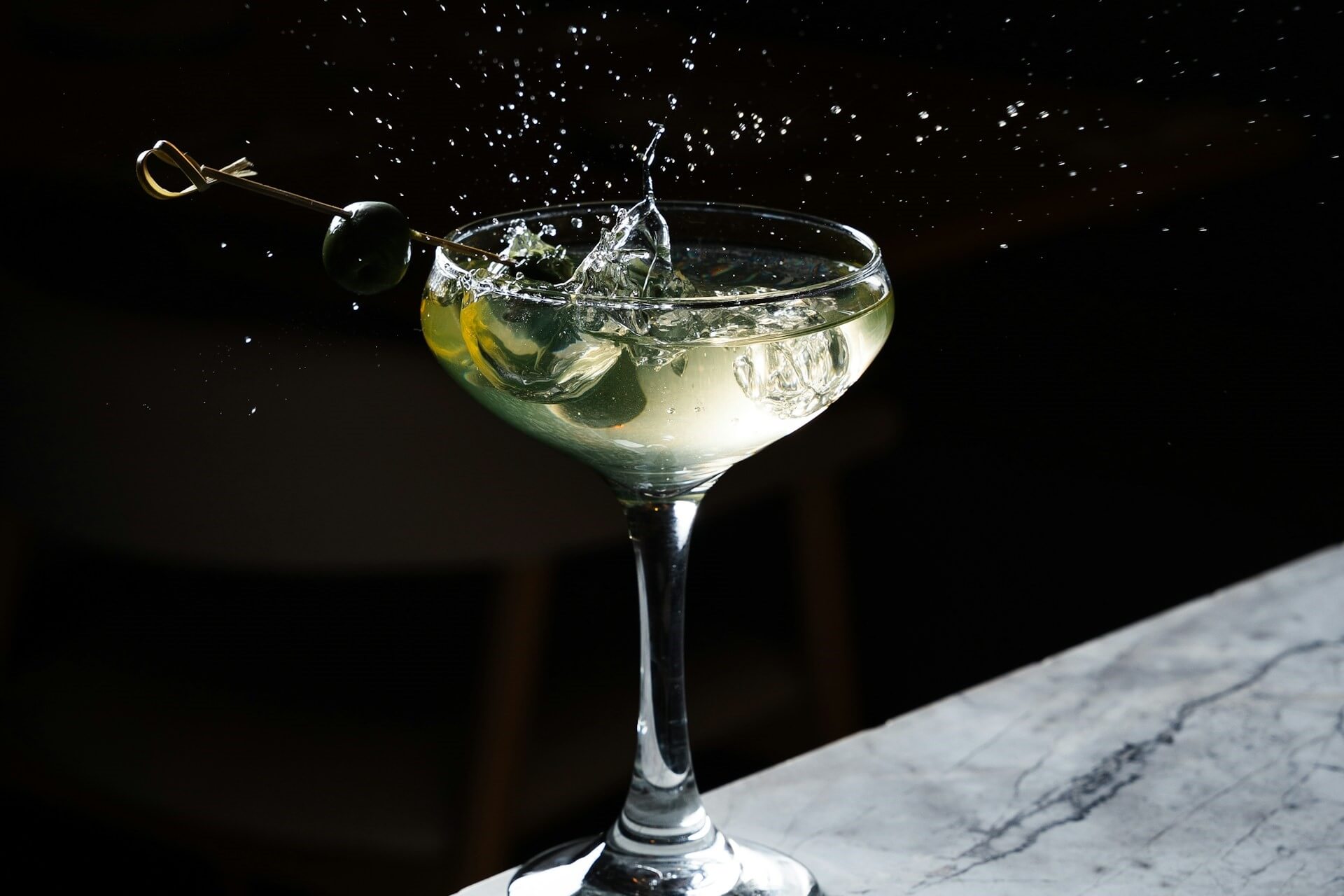
Cocktail splashing out of a cocktail coupe

Note: Photo not taken by Beautiful Booze or Little Lane Media.

Unsurprisingly, many people think that their social media and marketing photos and videos must be perfect. However, that’s not necessarily true.

The pressure to be “perfect” can lead people to stress out over posting F&B content to their social channels. Surely, composition must be flawless. If it’s not, why bother even posting?

After all, the century-plus-old phrase is “picture perfect,” not “picture imperfect.”

Well, you can stop fretting over every detail of your photos and vids. Two experts in social media marketing and content creation encourage you to be less than perfect.

During this year’s WSWA Access Live event in Las Vegas, Nevada, Natalie Migliarini and James Stevenson presented “Cinematic Cocktails: Mastering the Art of Visual Mixology.”

If you’re an avid consumer of social media content, you know Migliarini and Stevenson by the brands they’ve developed over a decade. Beautiful Booze, approaching 200,000 followers on Instagram, is run by Migliarini. Little Lane Media is a media agency operated by Stevenson.

Last week, I shared their tips for working with micro- (and nano-) influencers. Click here to learn why such collaborations can pay dividends for your business.

Today, I’m going to share a few of their tips for creating and posting your own engaging pics and vids.

Perfection is an Illusion

Throughout history, people have explained that perfection is an illusion. Worse, the self-imposed pursuit of perfection when during tasks can discourage a person from even trying.

So, don’t worry about being perfect. Instead, remove the pressure of perfection and just do your best. With that out of the way, Migliarini and Stevenson have a compelling argument against perfection.

In their experiencebear in mind that Beautiful Booze is a pioneer in the cocktail influencer spacethe general consumers of content are put off by content that appears too professional and heavily edited. Rather, people seem drawn to more casual content.

Let’s say you want to promote a new cocktail on your menu. So, you’re going to create a video of yourself or a bartender creating the drink.

If you make a mistake, it can be tempting to scrap the video of edit out the error. Well, you can relax.

According to Migliarini and Stevenson, being messy during some build steps can look better than a “flawless” video. In fact, the duo say a messy video can be “fantastic.” Why? Their reasoning is simple: the mistakes show that you’re not perfect.

You know who else isn’t perfect? The people watching your video. This makes you (or your bartender) more relatable. It also takes the pressure of them if they want to try to make the drink at home.

There’s also the fact that many people are cynical about content. Too professional equals “trying to sell me something.” They know even a casual video is trying to get them to visit your bar or restaurant, but it’s more acceptable.

So, liquid splashing out of the glass? Leave it. Did some booze spill from the jigger and miss the glass? Leave it in.

Tips and Tricks

Of course, you should still create content with some guidelines in place.

  • If you sell alcohol, you should probably keep cocktail, beer, wine, and spirits content to Instagram. TikTok may be a dominant video platform but you can’t be sure what ages are consuming your content. Best to err on the side of caution.
  • Migliarini and Stevenson have learned that people like transparent cocktail shakers when watching cocktail videos.
  • Get a tripod. It doesn’t have to be an expensive, professional one; a decent one from Amazon will do.
  • Any light is better than no light.
  • You can fill “dead space” in your photos with garnishes, coasters, etc.
  • Shoot in slow motion. If you want a truly cinematic post, this works wonders.
  • Aim to create 20-second videos.
  • Finally, and this one is very valuable, edit your video so your “hook” is up first. (Speaking of editing, try Final Cut Pro if editing via laptop or desktop, and InShot to edit on your phone.) You have to grab people’s attention, and Instagram counts the first three seconds as a view. Since it will be a loop, put your hook at the front and the build after that. This may seem odd to you at first but people watching won’t notice the “strange” cut.

Bonus tip: You don’t have to be perfect when performing a task for video. However, make sure your background is cleaned up (and consider blurring it). There are people who’ll pause and try to zoom to pick apart backgrounds; it happens.

With these tips in mind, it’s time to try your hand at some new video content.

Image: Isabella Kara on Unsplash

Bar Pub Brewery Nightclub Club Nightlife Brand Identity

by David Klemt David Klemt No Comments

Working with Local Influencers

Community Collaboration: Working with Local Influencers

by David Klemt

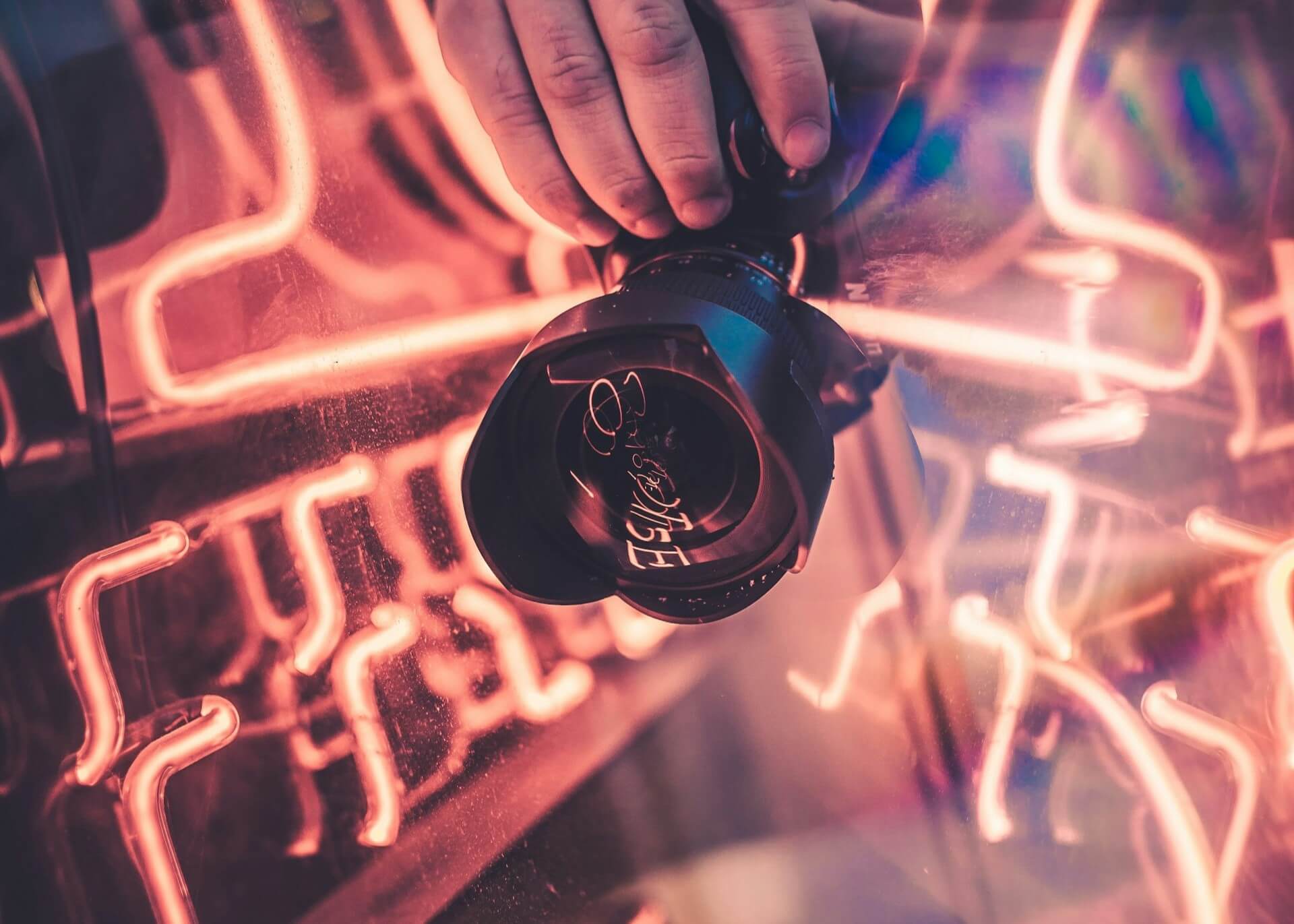
Photographer's hand holding DSLR camera by neon sign

One of the standout educational sessions from WSWA Access Live 2024 focused on finding and working with local influencers.

Natalie Migliarini, a.k.a. Beautiful Booze, and James Stevenson, a.k.a. Little Lane Media, presented “Successfully Engaging with Influential Content Creators in Your Community” in Las Vegas, Nevada, last week. The duo made the case for seeking to collaborate with influencers in your community.

“Local influencer” may give the impression of less popularity and less reach. After all, another designation for these people is “micro-influencer.”

However, there are several reasons why working with local or micro-influencers is a smart move for your bar, restaurant, nightclub, cafe, or hotel.

It helps to understand that some marketing experts categorize influencers by follower count:

  • Nano: 1,000 to 10,000 followers
  • Micro: 10,000 to 100,000 followers
  • Macro: 100,000 to 1,000,000 followers
  • Mega: 1,000,000-plus followers

I don’t know about you, but I think reaching a potential 10,000 followers local to my area of operation is an excellent value proposition. If you’re curious, Migliarini’s Beautiful Booze Instagram account falls into the macro category.

Of course, there are other appealing benefits as well.

Effective Marketing

What do You Want?

What are your goals when marketing your business? I’m willing to wager there are at least three:

  • To be discovered by new people.
  • Boosting traffic.
  • Increasing revenue.

And what’s one of your greatest concerns when it comes to your marketing efforts? I’ll bet that it’s budget.

Well, Migliarini and Stevenson believe local or micro-influencers (and I’d say nano-influencers, as well) can tick all of those boxes.

What do You Want to Spend?

Local influencers will likely be much more affordable than their macro or mega counterparts. There are celebrities—part of the mega-influencer category—that can make millions of dollars for a single promotional post. Macro-influencers can command five figures for just one post.

Now, think about social media. Depending on the platform (Migliarini and Stevenson favor Instagram), these pricey posts can have a lifespan as short as 15 minutes. That’s a lot of money to spend on marketing for just minutes or hours of relevancy.

Then consider engagement. According to Migliarini and Stevenson, engagement is more important than reach.

Who do You Want to Reach?

I’m sure the thought of people across the globe knowing your restaurant or bar is appealing. But would that really translate to more traffic and greater revenue?

Eventually, sure. But in the here and now, when building your brand and getting discovered, your local community is more important.

If you’re operating in the Chicago suburbs, will your revenue and margins improve because some social media users in Vancouver found your venue online? Or, would your business be better served by locals and people in the surrounding area visiting your spot on a regular basis?

I think you know the answer.

Well, this is where nano- and micro-influencers come into play. You want support from locals. Garnering that support via social media means you want influencers who are engaged with your community.

The partners you’re after are local influencers, not global (or national, until you’ve become a must-visit destination for tourists).

As Migliarini and Stevenson say, an influencer may be “micro” by follower count but “macro” in terms for their effectiveness in a particular market.

Effective Partnerships

How to Find Collaborators

The great news is that it’s not difficult to find local influencers. Let’s use Instagram as an example for finding collaborators.

When you pop open the app, you’ll see the search icon at the bottom of the screen. To make this very simple, it’s the magnifying glass to the right of the house icon.

Once you tap the magnifying glass icon, you’ll be able to search for basically anything in the search field. From this point, you’ll see several tabs to scroll through: For you, Accounts, Audio, Tags, Places, and Reels.

Of those fields, Tags will likely deliver some of the best results. Migliarini and Stevenson suggest following hashtags relevant to you and your business. From there, you’ll come across influencers local to your area of operation.

How to Select Collaborators

All engagement is not the same.

It’s going to be tempting to look for huge follower counts and tons of likes on posts. Well, Migliarini and Stevenson find a different metric far more effective in gauging an account’s engagement.

Instead of likes, look at comments. An influencer may have hundreds or thousands of posts. And those posts may have hundreds or thousands of likes.

Does that really mean much? If you use Instagram, think about your behavior on the app.

It’s likely that you scroll dozens of posts whenever you open Instagram. You probably hit the heart icon, liking a number of posts as you scroll.

Do you remember every post that you like? After liking posts, do you think about the account that posted it? Probably not.

Now, let’s say you liked a post so much that you felt compelled to take the extra steps of commenting on it. If that was a post about a dish or drink from a bar or restaurant, that comment may convert into a visit or delivery order.

When you’re looking for a local influencer and going through posts, look at the number of comments. Hundreds or thousands of likes with just a handful of comments may indicate there’s not much engagement. But dozens or hundreds of comments? That’s a great sign.

Of course, you should also sift through the comments. Doing so can show you if the posts are mostly attracting bots. Further, you want to make sure the comments are positive.

How to Engage Collaborators

It’s important to remember that this is going to be a professional relationship.

Stevenson says there’s nothing wrong with sliding into a potential marketing partner’s DMs. However, it’s wise to share your business email address when reaching out. This way, the conversation moves to a more professional platform, and important messages likely won’t get lost.

Once the conversation has turned to the business at hand, both sides need to be crystal clear regarding expectations. How many posts are expected? When will the influencer post them? What’s the budget? What will working on site look like?

Be as detailed as possible to avoid confusion, frustration, and disappointment; both sides will benefit when every expectation is understood.

There’s another key to these collaborations that Stevenson wants operators to understand. Social media influencers aren’t salespeople, they’re marketers. This is a marketing exercise; you’re paying them to communicate and help people discover your business.

Going deeper, there’s another difference. There are influencers, and there are content creators. An influencer is paid to influence, and a content creator is paid to create content for others.

Another way to look at it: Influencers are in front of the camera, content creators are behind the camera. The distinction is very important.

In their partnership, Migliarini is in front of the camera, operating Beautiful Booze. Stevenson is behind the camera, running Little Lane Media. Both partner with restaurants, bars, hotels, resorts, and brands. However, they do so in different ways.

Now that you know what to consider, go forth and find your local influencers.

Image: Max Bender on Unsplash

KRG Hospitality marketing support. Restaurant. Bar. Cafe. Lounge. Hotel. Resort.

by David Klemt David Klemt No Comments

Best and Worst Cities for Servers

Service Wins and Woes: Best and Worst Cities for Servers

by David Klemt

Aerial photograph of Pittsburgh, Pennsylvania, at night

A recent survey from gaming industry site Casinos.US identifies the 25 best and two-dozen worst cities for servers in America.

I can share two details about the methodology that Casinos.US employed.

One, they surveyed 2,000 current and former hospitality professionals. And two, they were asked to rate the overall rudeness of their guests on a scale of one to ten. One is the kindest, ten is the rudest.

Further, I can share that the average rudeness of guests being served in the US is 4.9 out of ten. Unfortunately, the three worst cities on the Casinos.US list rank between 7.0 and 7.6 on the rudeness scale. In fact, 22 of the 24 worst cities come in at 5.0 or above.

No city is perfect. The best of the best earns a score of 2.0, with the next best hitting a 3.0. Still, not bad at all.

Sadly, 45 percent of respondents reported finding themselves interacting with rude guests at least twice per day. As far as the worst of the worst, respondents identified “older adults” as the rudest, and Sunday as the day of the week with the most incidents. Do with that information as you will.

There are two sides to the coin, of course. Impressively, 24 percent of respondents “rarely” encounter rudeness from guests. Even better, 28 percent don’t expect to come across rude guests on a daily basis at work. So, there’s some hope out there.

To review the results of this survey for yourself, click here.

The Worst

Alright, let’s get it out of the way. Below, the worst cities in America for servers, according to Casinos.us.

To the right, their rudeness score. Again, the score is out of ten, with ten being the absolute worst.

  1. Washington, DC (4.9)
  2. Orlando, Florida (4.9)
  3. San Antonio, Texas (5.0)
  4. Sacramento, California (5.0)
  5. Columbus, Ohio (5.0)
  6. Buffalo, New York (5.0)
  7. Houston, Texas (5.1)
  8. St. Louis, Missouri (5.1)
  9. Atlanta, Georgia (5.1)
  10. Louisville, Kentucky (5.3)
  11. Miami, Florida (5.3)
  12. Nashville, Tennessee (5.4)
  13. New York, New York (5.4)
  14. Phoenix, Arizona (5.6)
  15. Detroit, Michigan (5.7)
  16. San Diego, California (5.8)
  17. Las Vegas, Nevada (5.8)
  18. New Orleans, Louisiana (5.8)
  19. Milwaukee, Wisconsin (6.0)
  20. Providence, Rhode Island (6.3)
  21. Oklahoma City, Oklahoma (6.3)
  22. Jacksonville, Florida (7.0)
  23. Cincinnati, Ohio (7.0)
  24. Virginia Beach, Virginia (7.6)

This list, if accurate, leaves me with one question: What’s going on, Virginia Beach? Sheesh. Calm down—your side of ranch isn’t that important, I promise.

It’s tempting to label this a tourist issue. Well over 10 million people—nearly 20 million in 2019—visit Virginia Beach annually.

And, hey, look at the rest of the list; it’s loaded with destination cities that draw millions upon millions of tourists each year.

However, when you look at the list of the best cities for servers below you’ll find more destination cities.

The Best

Now that we know the worst, let’s check out the best.

The cities below rank the lowest as far as rude behavior from guests.

  1. Dallas, Texas (4.8)
  2. Minneapolis, Minnesota (4.8)
  3. Boston, Massachusetts (4.8)
  4. Birmingham, Alabama (4.8)
  5. Salt Lake City, Utah (4.8)
  6. Los Angeles, California (4.7)
  7. San Francisco, California (4.7)
  8. Philadelphia, Pennsylvania (4.7)
  9. Raleigh, North Carolina (4.6)
  10. Riverside, California (4.5)
  11. Kansas City, Missouri (4.5)
  12. Seattle, Washington (4.5)
  13. Charlotte, North Carolina (4.4)
  14. Richmond, Virginia (4.3)
  15. Cleveland, Ohio (4.3)
  16. Indianapolis, Indiana (4.2)
  17. Chicago, Illinois (4.1)
  18. Denver, Colorado (4.1)
  19. Portland, Oregon (4.0)
  20. Tampa, Florida (3.8)
  21. Hartford, Connecticut (3.8)
  22. Austin, Texas (3.8)
  23. Baltimore, Maryland (3.7)
  24. Memphis, Tennessee (3.0)
  25. Pittsburgh, Pennsylvania (2.0)

Philly may be the City of Brotherly Love but the Steel City, Pittsburgh, is the best for servers in terms of guest behavior. At least, according to Casinos.US.

If you live in one of the cities above, go out to bars and restaurants, and aren’t a jerk to your servers, congratulations on being a decent person.

Takeaway

Let’s say you’re an owner, operator, or leadership team member. And let’s say you operate or work in one of the cities above, whether the best or worst.

If your service team routinely on edge, regularly upset, find out why. Leaders look out for their teams and strive to provide a healthy work environment.

I’m not saying you need to get into the details of their personal lives. What I am saying is that if there are issues in the workplace, you need to get to the bottom of them. More importantly, you then need to engage the team and get their feedback.
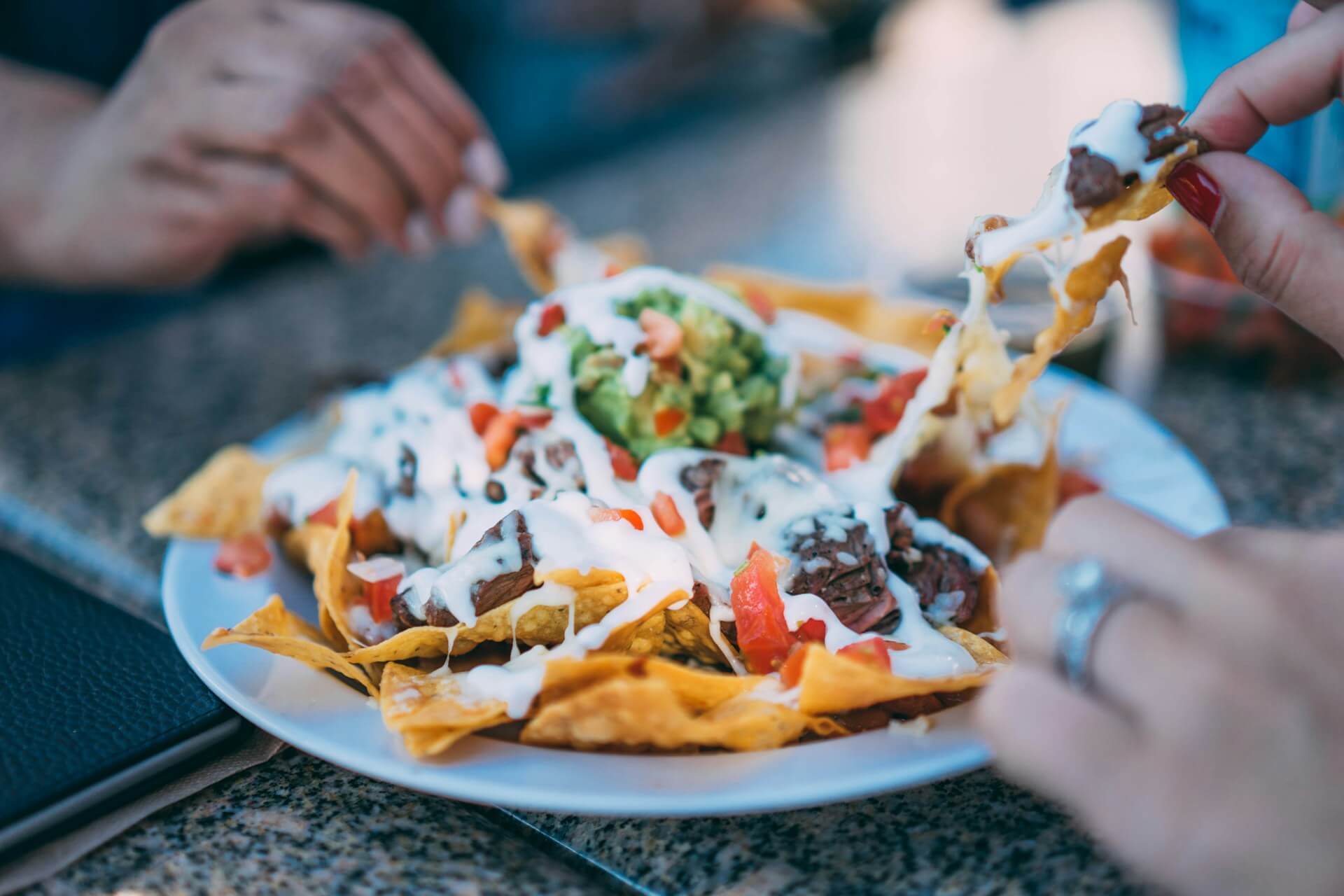
How do they want guest issues handled by the leadership team? Are their problematic regulars who need to be “fired” to protect the team? Some guests simply aren’t worth the revenue and tips in exchange for the emotional and mental distress they’re inflicting on the team.
That is, however, something that must be discussed. Most importantly, when the feedback is taken into account and a procedure is put in place, leadership must adhere to it and act accordingly. Any deviation will result in a loss of trust, and that will decimate team morale even more quickly than an encounter with a rude guest.
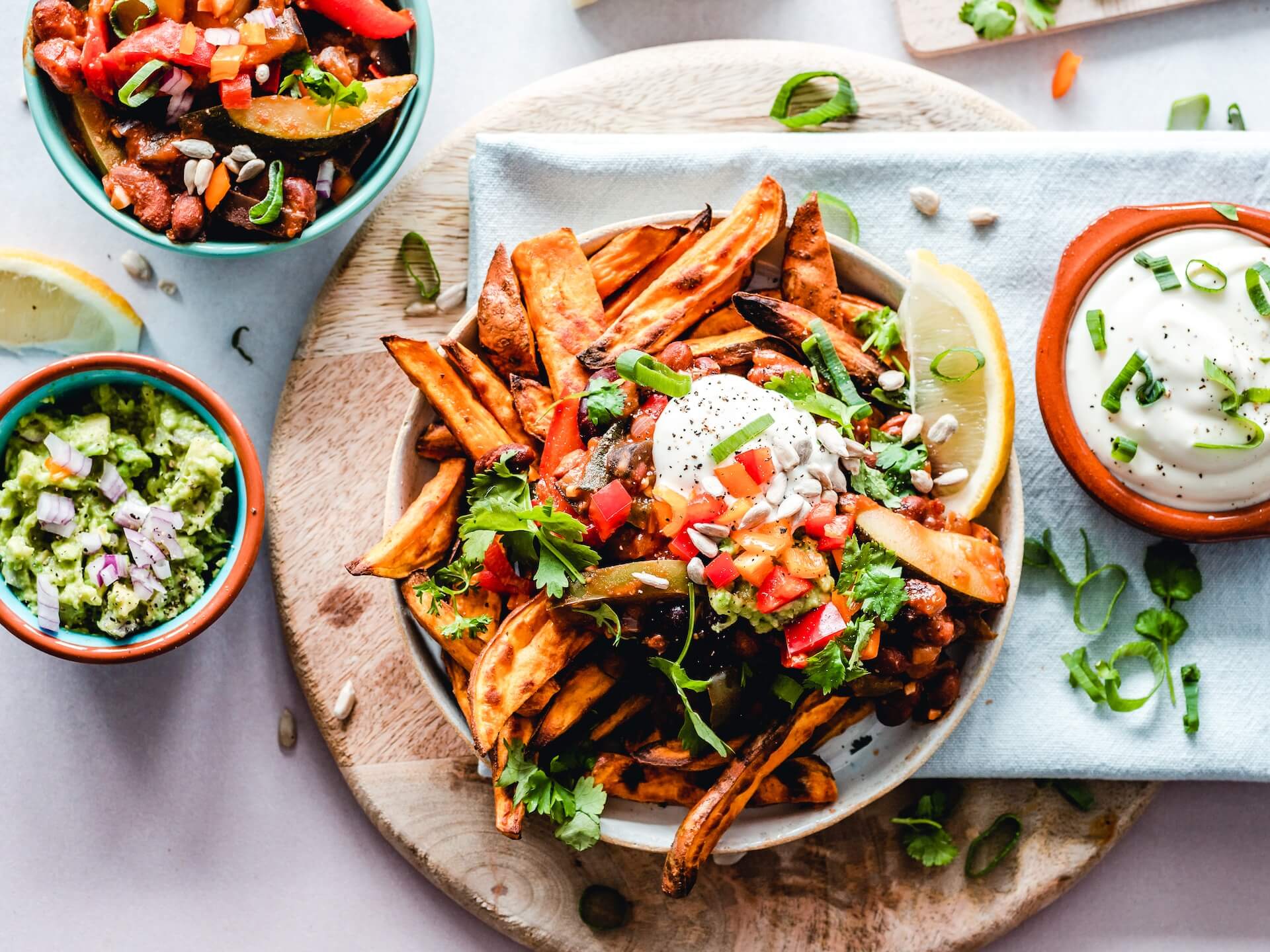
Lose trust from your team, lose the business.

Image: Venti Views on Unsplash

KRG Hospitality Start-Up Restaurant Bar Hotel Consulting Consultant Solutions Plans Services

by David Klemt David Klemt No Comments

5 Books to Read this Month: February 2024

5 Books to Read this Month: February 2024

by David Klemt

Flipping through an open book

Our inspiring and informative February book selections will help you and your team transform your operations, business acumen, and F&B programming.

This month, we look at books covering an array of topics: design; learning to negotiate better; learning cocktail balance and build techniques; and finding your inner chef.

To review the book recommendations from January 2024, click here.

Let’s jump in!

Biophilic Design: The Theory, Science and Practice of Bringing Buildings to Life

This book was co-authored by the late Stephen R. Kellert, one of the developers of the biophilic design methodology. To learn more about biophilic design, click here. Then, pick up this book.

From Amazon: “This book offers a paradigm shift in how we design and build our buildings and our communities, one that recognizes that the positive experience of natural systems and processes in our buildings and constructed landscapes is critical to human health, performance, and well-being. Biophilic design is about humanity’s place in nature and the natural world’s place in human society, where mutuality, respect, and enriching relationships can and should exist at all levels and should emerge as the norm rather than the exception.”

The Cocktail Balance

Written by Stanislav Harcinik, The Cocktail Balance is about more than building cocktails. Readers will learn about the role senses play in cocktails and balance, along with presentation and service.

From thecocktailbalance.com: “My work isn’t focused solely on experienced bartenders, students are part of the target group. By including potential new bartenders, this book wishes to push the upcoming students into a broader, more creative mindset. The book itself is divided into 3 main sections – theory, practical part and legacy from the best bartenders in Slovakia. Theory, contains the basics and building blocks that allow the development of a professional approach, it also focuses on how to present yourself and how to take care of guests. Whereas in the practical section, readers will be able to learn to price a cocktail and to effectively go through a structured creative process. Other chapters also include gastrophysics and neurogastronomy. In other words how an aroma, a physical characteristics, a sound as well as visual stimulation affect the final flavour of a cocktail, and create a comprehensive and unforgettable experience for guests.”

Pick up your copy today.

Craft Cocktails at Home: Offbeat Techniques, Contemporary Crowd-Pleasers, and Classics Hacked with Science

Some bar professionals and guests like to understand the “why” behind what they consume. Why does this taste good? Why and how do certain processes affect spirits? Kevin Liu’s book answers these questions, and more. On top of that, there are 65 recipes to try.

From Amazon: “In Craft Cocktails at Home, you’ll embark upon a one-of-a-kind journey as you learn how to make some of the world’s most innovative, unique, and delicious cocktails. Taste scientists, engineers, and talented bartenders with decades of experience all contributed their expertise to create this must-have guide for novices and professionals alike. Ever wondered what makes water taste good? Curious about what really happens during the barrel-aging process? Interested in which “molecular” ingredients have the best texture? These questions and more, answered inside.”

Order the paperback here.

The Forgotten Chef

Simply put, this book is intended to inspire younger generations to pursue cooking as a career. If you know someone who has an interest in cooking but hasn’t taken steps to become a chef, this is the book you should gift them.

From Amazon: “The book moves quickly through food stories, tips and techniques to inspire and ignite the passion of its targeted reader. Through anecdotal food related stories, the book covers important topics such as the right mindset for cooking success, quality over quantity, kitchen organization (mise en place), kitchen tools (the Dirty Thirty), the celebrity chef conundrum (why people get discouraged in their cooking journey), introduction to knife skills/care, cookbook basics, food preservation and safety and other fun chapters such as saving Grandma’s recipes from extinction, the lost art of sharing (food), and the new-old method of cooking, sous vide.”

Click here to order the paperback.

Getting to Yes: Negotiating Agreement Without Giving In

Everyone needs to know how to negotiate. It’s a valuable skill not just for business but for life in general. Getting to Yes is a how-to manual that teaches you the art of negotiation, a skill you’ll need to develop if you’re an entrepreneur, aspiring business owner, or professional looking to progress in their career. And, as I’ve already said, it will help you in situations you’ll find yourself in outside of business.

From Amazon: “Getting to Yes offers a proven, step-by-step strategy for coming to mutually acceptable agreements in every sort of conflict. Thoroughly updated and revised, it offers readers a straight- forward, universally applicable method for negotiating personal and professional disputes without getting angry-or getting taken.”

Get it today.

Image: Mikołaj on Unsplash

Bar Nightclub Pub Brewery Operations Standard Operating Procedures SOP

by David Klemt David Klemt No Comments

Program for Unique Holidays: February 2024

Program for Unique Holidays: February 2024

by David Klemt

"Think about things differently" neon sign

Do you want to stand out from from other restaurants and bars in your area? Change how you think about your February holiday promotions.

Several holidays are set against every date on the calendar, and this month is no exception. These holidays range from mainstream to esoteric.

Pay attention to the “weird” or unique holidays to raise eyebrows, carve out a niche for your restaurant or bar, and attract more guests. Why do what everyone else is already doing? Why program only around the same holidays as everyone else?

Of course, you shouldn’t try to celebrate every holiday, strange or otherwise. Focus on the days that are authentic to your brand; resonate with your guests; and help you grab attention on social media.

You’ll find suggestions for promotions below. However, the idea behind our monthly holiday promotions roundup is to inspire you and your team to get creative and come up with unique programming ideas.

For our January 2024 holidays list, click here.

February 3: Ice Cream for Breakfast Day

I think we can all agree that life is too short to not indulge ourselves and have a treat occasionally. French toast, pancakes, crepes… All of these breakfast foods and more pair quite well with ice cream.

This holiday is even better if your back-of-house team can make ice cream from scratch.

February 4: National Homemade Soup Day

One of the most comforting foods on the planet, particularly during the winter, is a warm cup or bowl of homemade soup.

Of course, as an operator, you’ll want to consider rephrasing this holiday as “Housemade” or “Scratch-made” soup.

February 5: Start of Pride in Food Service Week

Pride in Food Service Week runs from February 5 to 9. The purpose is to celebrate foodservice professionals. For some, this means leaving a larger tip than normal. Some operators use this five-day holiday to host special events that highlight their team’s skills. I also recommend using this time to come up with ways you can honor your team, and improve their lives and careers.

February 11: National Peppermint Patty Day

Back in November of last year I wrote about how peppermint was overtaking pumpkin spice as the preferred flavor. Well, this is the perfect day to feature peppermint via a variety of F&B items on your menu, from cocktails and high-quality non-alcohol LTO beverages to tempting desserts.

February 13: National Cheddar Day

Cheddar is the most-popular cheese in the UK and one of the most-popular in the US. If you can slather it in Cheddar, create an LTO menu, feature it, and promote it.

February 16: National Almond Day

This is definitely the holiday to feature dishes with almonds, from appetizers and entrees to desserts. And, of course, there are drinks made with Disaronno, Baileys Almande, Cîroc Amaretto, and other liqueurs and spirits that can help your bar team serve up almond-flavored cocktails.

February 22: National Margarita Day

Nope, this is not an “out there” holiday. However, it is a fantastic time to showcase your signature Margaritas, alongside a classic build, of course.

February 23: National Skip the Straw Day

If you have been trying to be a more sustainable business, reducing and eliminating waste is key. I’m not saying you have to focus solely on replacing plastic straws. Instead, think about serving drinks without straws.

However, make sure you do have straws on hand for those guests who need them.

February 24: National Tortilla Chip Day

Nachos, nachos, nachos. Nachos piled high, nachos prepared in the traditional method, your bar or restaurant’s signature nachos… Time to create a promotion around the humble tortilla chip!

February 26: National Pistachio Day

Have you ever had a Pistachio Martini? How about a Pistachio Espresso Martini, Pistachio Sour, or Pistachio Fizz?

If you haven’t, odds are many of your guests haven’t, either. Could be a great idea for an LTO menu featuring pistachio, huh?

Image: Ivan Bertolazzi on Pexels

Bar Nightclub Pub Brewery Marketing Agency Team

by David Klemt David Klemt No Comments

Nachogate: A Lesson in Standards

Nachogate: A Lesson in Standards

by David Klemt

People sharing a plate of nachos

You wouldn’t think a social media post about a plate of nachos could cause a scandal but that’s exactly what’s happening, and it’s known as Nachogate.

Shockingly, this story comes to us from a luxury casino resort in Las Vegas.

A photo of a meager dish with six entire tortilla chips on it has 1.3 million views already. That’s pretty impressiveor unfortunate, depending on which side of the post you’re onconsidering the post is from this Monday.

One of the top comments on the post points out that there’s quite the disparity between chips and accompaniments.

“More condiments than chips. Wow,” reads the comment. To which the original poster responds, “They said it was so you can have the perfect bite.”

It should go without saying that every dish put in front of a guest needs to be as close to perfect as possible. If it’s on the menu, if it leaves the kitchen, it impacts the guest experience. There is no, “Well it’s only [insert item]. It’s not that big of a deal.”

That mindset simply has no place in hospitality.

No, not every dish or drink is perfect. Yes, everyone makes mistakes. The absolute lowest standard should be caring enough to catch mistakes before they affect guests.

Failing that, every operator and leadership team member needs to care enough to acknowledge mistakes that reach guests, handle them gracefully, and fix them. This includes listening to and rewarding servers, bartenders, barbacks, and hosts whenever they catch a mistake.

Of course, there’s another lesson here. When developing non-negotiable standards, aim high. Fountainbleau Las Vegas is a luxury lifestyle brand; I doubt Nachogate reflects the company’s standards.

#Nachogate Fallout

Look, it can feel good to say that we don’t have competitors in this industry, we have peers. In some ways that can be an accurate statement.

However, watch what happens when an operator makes a mistake and it blows up in spectacular fashion.

Case in point, Nachogate. Or, given how the situation went viral, #Nachogate.

It would be bad enough if The Tavern at Fountainbleau Las Vegas took a reputational hit solely with the guests it affected directly. Obviously, it gets exponentially worse when it takes off on social media and alters the perception of potential guests.

But #Nachogate got worse when the venue’s “peers” leveraged the situation to their advantage.

That’s just a handful of posts taking advantage of Fountainbleau Las Vegas’ mistake. And that’s a lot of free marketing leveraging an unforced error that transformed into a viral moment.

Resolution

Alright, so I probably haven’t made any friends at Fountainbleau for sharing this story. Well, allow me to extend an olive branch. After all, I’ve made plenty of mistakes and will make more in the future.

It appears that the issue has been addressed by the property. That says to me that there are indeed standards, and there are people who care enough to respond when they’re not met.

Again, mistakes happen. The key is to correct course and move forward. Fountainbleau has done just that.

That’s a smart move. A mistake was made, people piled on, and instead of ignoring the issue, the company acknowledged and corrected the mistake where it blew up: the public eye.

Fountainbleau Las Vegas is just over a month into serving the public. There are going to be growing pains. Indeed, anyone who has been following the casino resort is aware that there have been much larger issues. For example, the company is dealing with the departures of three high-level executives.

The point of this article isn’t to roast Fountainbleau further. Assuming the viral post is true and the nachos at The Tavern have indeed been improved, a mistake was made and was then addressed.

I’m sharing this story as an example to drive home the need for standards, for non-negotiables. That means sitting down, considering every element of operations and service, writing out standards, and training teams on those non-negotiables. It’s as important as identifying values, sharing them with the team, and adhering to them.

Sit down today and develop your standards. If you’ve done that in the past, review your standards, update them if necessary, and ensure they still have buy-in from your team.

Image: Herson Rodriguez on Unsplash

KRG Hospitality Start-Up Restaurant Bar Hotel Consulting Consultant Solutions Plans Services

by David Klemt David Klemt No Comments

The Shrinking Globe: 2024 Food Trends

The Shrinking Globe: 2024 European Food Trends

by David Klemt

Loaded sweet potato fries bowl

It should come as no surprise that 2024 F&B trends are similar throughout Europe and the UK to those taking hold in North America.

Why do I refer to Europe and the UK separately? I’m aware that the UK is part of Europe. Regionally, one can think of the nation as northwestern Europe.

However, while geographers consider the UK part of Europe, many citizens of the UK don’t see things that simply. So, that’s why I mention the continent and nation separately.

With that out of the way: 2024 F&B trends. People like to say that the world is getting “smaller,” that the devices in our hands are making everything more accessible. That certainly seems to be the case with food and drink.

What you’ll likely notice is that the trends below follow what experts predict for North America rather closely. As David Allison says, people have far more in common with one another than they have differences.

The Consumer

Plants

I think it’s fair to say that plant-based diet mockery is defined by two characteristics.

One, people seem to aim their ridicule toward Americans. And two, it’s cliché at this point.

Much of the world already embraces plant-based diets. That doesn’t mean they’re only either vegetarian or vegan, either.

Estimates for how much of the world consists of flexitarians can reach over 40 percent. This particular diet limits or restricts the intake of animal-based foods. However, it’s not like veganism; flexitarians do consume some animal products. One can say that it’s a very individual diet. In fact, I doubt many flexitarians actually refer to themselves with that label.

Interestingly, though, plant-based brands must innovate if they’re going to succeed with consumers in Europe and the UK.

Hey, what do you know? That’s how it is in North America.

Now that plant-based protein alternatives are here to stay, people want to see innovative analogs.

They’ve seen nuggets and fingers. Burgers and patties aren’t anything new. People want plant-based counterparts for everything: seafood, steak, pork, etc.

Health & Wellness

Here’s a frighteningly hot take: People in Europe and the UK are concerned with their health. Shocking!

For the past few years, much has been made about North Americans and their “renewed” focus on their health and wellness. This is, of course, for obvious reasons.

Well, we can say the same about Europeans and Britons.

Generally speaking, people are trying to reduce their intake of processed foods. This ties to the section above in that many plant-based foods are highly processed. Brands will need to address this to achieve long-term success.

Along with avoiding processed foods, consumers in Europe and the UK are seeking out dishes that are higher in protein and fiber.

Across generations and Europe, people realize that a healthy diet is the top factor in feeling healthier.

The Operator

Happy Balance

Europeans and Britons have centuries upon centuries of history and tradition to contend with throughout their countries.

In some markets, this can lead to conflict or the misconception that operators can’t innovate.

This is, of course, an outdated way of thinking.

Whether operating in the UK or Europe, operators are embracing tech and finding ways to honor tradition while experimenting with the modern.

From the back of the house to the front, chefs and bartenders are drawing inspiration from culinary traditions. However, they’re also getting creative to put their own spins on the menu.

Perhaps more importantly, the guests they’re serving want to try these innovations.

From consumer-facing tech that enhances their visits to creative menu items that find inspiration from around the world, today’s guest is hungry and thirsty for what’s new. This is true regardless of how old and traditional a location may be.

Color

Just a few months ago, Frankfurt, Germany, played host to Food Ingredients Europe 2023.

One of the takeaways from last year’s show that stood out to me is the interest in color.

According to one market development specialist, it appears that Gen Z in Europe and the UK are over boring, bland shades. Instead, they want to be colorful.

From interior and physical menu design to food and drink items, European and British operators can deliver on that desire.

Of course, taking one’s concept in a more colorful direction necessitates knowing one’s guests. So, this is where exceptional service despite concept or category and robust tech platforms come into play.

If bold color is authentic to a concept and resonates with the guests, it could be time to reach out to an interior designer.

Speaking of reaching out, if you’re in Europe or the UK, have a concept you want to open or are already open and need some assistance, KRG Hospitality is excited to announce that we’re entering markets within both regions. Please contact uswe’re here to help.

Image: Ella Olsson on Unsplash

KRG Hospitality business plan. Restaurant. Bar. Cafe. Lounge. Hotel. Resort.

by David Klemt David Klemt No Comments

Welcome Back to the Culinary Arena

Welcome Back to the Culinary Arena: A Comprehensive Guide for 2024

by Nathen Dubé

"2024" dessert concept

The start of a new year is an exciting time in the restaurant world, offering a unique opportunity to reassess and rejuvenate your foodservice business.

From utilizing downtime effectively to setting strategic priorities, this guide is designed to help you navigate the year ahead with confidence and creativity.

Whether you’re a seasoned chef or a budding restaurateur, these insights will equip you with the tools to make 2024 a year of remarkable culinary experiences and business growth.

Part 1: Strategic Use of Downtime

Menu Innovation and Optimization

The start of the year is ideal for re-evaluating your menu.

Begin by analyzing customer feedback and sales data from the previous year. Identify which dishes were most popular and which underperformed. Consider removing items that aren’t selling well and focus on the dishes that your customers love.

This is also an excellent time to experiment with new flavors and culinary trends. For instance, with the growing demand for plant-based options, think about introducing a few vegan or vegetarian dishes.

Keep an eye on food trends. Are there new ingredients or cooking techniques that you can incorporate into your menu? This not only keeps your offerings fresh and exciting but also shows your commitment to culinary innovation.

Remember, a well-crafted menu is a balance between popular staples and innovative dishes. It should reflect your restaurant’s identity while also appealing to your target customer base.

Consider a seasonal menu that takes advantage of fresh, local produce, which can provide inspiration for new dishes and help reduce costs.

Staff Training and Empowerment

The quieter months are a perfect opportunity for staff training and development.

Conduct a skills audit to identify areas where your team could improve or learn new competencies. This could range from culinary skills, like mastering a new cooking technique, to soft skills, such as guest service or conflict resolution.

Training doesn’t have to be formal or expensive. You can leverage online courses, in-house mentoring, or even cross-training within your team.

For instance, front-of-house staff could benefit from basic kitchen training to better understand the dishes they are serving, while kitchen staff could learn about customer service to appreciate the end-to-end dining experience.

Team building is another key aspect. Organize activities that foster communication and collaboration. This could be something as simple as a team meal or a group outing.

A cohesive team that communicates well will provide better service, leading to happier guests and a more pleasant working environment.

Finally, empower your staff by involving them in decision-making processes. This could be in menu development, process improvements, or even marketing ideas.

When staff feel valued and part of the business, they are more likely to be motivated and committed.

Facility Revitalization

Use this quieter period to assess and upgrade your facilities.

Start with a thorough cleaning and maintenance check. This includes checking kitchen equipment, dining area furniture, and the overall infrastructure of your establishment.

Evaluate your kitchen equipment and consider if anything needs to be repaired or replaced. Upgrading to more efficient equipment can improve productivity and reduce long-term costs. For instance, investing in energy-efficient appliances not only cuts down on utility bills but is also better for the environment.

Look at your dining area from a customer’s perspective. Is the seating comfortable? Is the lighting appropriate? Small changes in décor can significantly enhance the dining experience. Consider refreshing the paint, adding new artwork, or even rearranging the layout to improve flow and ambiance.

Also, think about your back-of-house operations. Is your storage area organized? Can you improve the workflow in the kitchen? An efficient back-of-house leads to smoother service and a better customer experience.

Part 2: Setting Priorities for the Year

Elevating Customer Experience

The guest experience is paramount in the food service industry. This year, make it a priority to enhance every aspect of your guest’s journey.

From the moment they walk in, to the service they receive, to the food they enjoy, each element should contribute to a memorable experience.

Focus on training your staff to provide exceptional service. This includes being knowledgeable about the menu, attentive to guest needs, and quick to resolve any issues.

Personalized service can make a big difference. Remembering regulars’ preferences or celebrating special occasions with them can turn a one-time visit into repeat patronage.

Ambiance plays a crucial role in the dining experience. The right music, lighting, and décor can create an inviting atmosphere that complements your culinary offerings. If your budget allows, consider investing in upgrades that enhance the ambiance, such as new lighting fixtures or comfortable seating.

Implementing a feedback system is also important. Encourage customers to share their experiences, whether through comment cards, online reviews, or direct conversations. This feedback is invaluable for continuous improvement and can help you address any issues promptly.

Sustainability as a Cornerstone

Sustainability is becoming increasingly important to consumers, and incorporating sustainable practices into your business can have a significant impact. Start by assessing your current practices and identifying areas for improvement.

One key area is waste reduction. Conduct a waste audit to understand where most of your waste is coming from and develop strategies to reduce it. This could involve better inventory management to prevent overordering and spoilage, composting food waste, or finding creative ways to use leftovers.

Local sourcing is another aspect of sustainability. Building relationships with local suppliers not only supports the local economy but also reduces your carbon footprint. Local ingredients are often fresher and can inspire seasonal menus.

Also, consider the sustainability of your operations. This could involve using eco-friendly packaging, reducing energy consumption, or even installing water-saving devices.

Communicating your sustainability efforts to your customers can also enhance your brand’s image and attract environmentally conscious patrons.

Innovative and Integrated Marketing Strategies

In today’s digital age, effective marketing is crucial for any business.

Utilize social media platforms to engage with your audience. Share behind-the-scenes glimpses of your kitchen, showcase your signature dishes, and highlight your team. This not only promotes your offerings but also builds a connection with your guests.

Email marketing is another powerful tool. Regular newsletters can keep your guests informed about new menu items, special events, or promotions. Personalized emails on birthdays or anniversaries can make your guests feel special and encourage repeat visits.

Don’t overlook the power of community involvement. Participate in local events, collaborate with other businesses, or sponsor local sports teams. This can increase your visibility in the community and build goodwill.

Financial Health and Diversification

Keeping a close eye on your financials is crucial.

Regularly review your costs and revenues and look for ways to optimize them. This might involve renegotiating supplier contracts, adjusting menu prices, or reducing unnecessary expenses.

Consider diversifying your revenue streams. This could include offering catering services, hosting private events, or selling branded merchandise.

These additional streams can provide a buffer during slower periods and increase your overall profitability.

Conclusion

As we look forward to 2024, let’s embrace the opportunities and challenges that come our way.

By using downtime strategically, setting clear priorities, and striving for excellence continuously, we can ensure that this year is not just successful but also fulfilling.

Remember, in the dynamic world of foodservice, adaptation and innovation are key. Let’s make this year a celebration of our culinary passion, business acumen, and commitment to our guests.

Here’s to a year of delicious discoveries and unparalleled success in the culinary world!

Image: 愚木混株 cdd20 on Unsplash

KRG Hospitality operational assessments

by David Klemt David Klemt No Comments

Boutique Brand StandardX to Make Debut

Boutique Brand StandardX to Debut in February

by David Klemt

A white letter "X" painted on a black wall

Like The Standard’s logo, this letter X is upside-down.

Boutique hotel standard The Standard will debut its new brand, StandardX, in Melbourne when its first property opens in February of this year.

Not only will this new hotel be the first StandardX location to open, it’s also the first Standard hotel to open in Australia.

This new boutique hotel brand follows a growing and notable trend within the space. Many hotel groups are focusing on launching brands and imprints that focus on locality.

These brands aim to honor local cultures, striving to serve locals and their communities along with tourists. In fact, some of these brands appear more interested in locals than visitors.

Beyond staycations, these hotels work to gain buy-in from locals in several ways. One of the most obvious is through F&B programs. These new(er) brands seek to menu food and drink items that are authentic to their locations. Likewise, nightlife experiences.

However, it goes deeper than that. Many of these hotels welcome locals to use communal spaces for meetings, art installations, and more. The goal is to establish themselves as a pillars in the communities in which they operate. If done right—deeper than a thin veneer of local support—these hotels prove their locale loyalty.

All that said, only time will tell if StandardX Melbourne will find support in the brand’s chosen Melbourne neighborhood, Fitzroy. On paper, however, it should be a perfect match.

Two Decades of Cool, and Counting

The first Standard opened on the Sunset Strip in Los Angeles in 1999. It takes a lot of work be effortlessly cool, and the Standard Hollywood achieved that standard upon opening.

Artists, celebrities, people who wanted to see and be seen… All could be found at the Standard Hollywood. The hotel’s Rooftop bar and pool became one of LA’s hottest hotspots, a seemingly endless party featuring a seemingly endless parade of the cool and connected.

Starting life in 1967 as the Thunderbird Motel, the Standard Hollywood appears in Sex and the City, Entourage, Mortdecai, and Ocean’s Twelve. One of the property’s most notable details, one that undoubtedly generated coverage, whispers, and social media attention, was “The Box.”

This was a living art installation behind reception. Fifteen feet long, it was a box in which models lounged as guests checked in and navigated the lobby.

After a successful and impactful run of over a decade, the Standard Hollywood closed its doors at the start of 2022. While that meant the brand left California completely, the Standard operates seven properties across the globe, with plans for more standard Standards to come.

The StandardX hotels will take a minimalist approach while maximizing the Standard’s view on hospitality.

“This was an opportunity to return to raw, unbridled simplicity that was accessible to the next generation traveler looking to experience a city through the lens of The Standard brand,” said Standard International’s CEO, Amber Asher, in an interview with Travel + Leisure.

Considering how the Standard brand is associated with all things cool, it’s no surprise that their first foray into Australia is one of the coolest neighborhoods in the world.

Position, Position, Position

Yes, I know the maxim is, “Location, location, location.” Well, I’m being clever. See? See how clever I am? Am I cool yet?

Clearly, the Standard has put in the work to be positioned as one of the coolest brands in the hospitality, accommodation, travel, and leisure spaces.

So, it makes sense that they’ve done their homework and designed a brand and selected a location in keeping with that position.

We can argue whether or not being deemed “cool” makes or breaks your status as cool some other time. The fact is, Fitzroy is considered more than just one of the coolest neighborhoods in Victoria. It’s held up as more than just one of the coolest neighborhoods in Australia. Fitzroy is one of the coolest neighborhoods in the world.

The neighborhood is celebrated for its eclectic nature, local pubs, fantastic indie restaurants and boutiques, and killer nightlife. So, again, the StandardX making its debut there is fitting.

Characterized by 125 minimalist rooms, “cultural programming,” and compelling F&B, the StandardX Melbourne is clearly on a mission to establish itself as the coolest of the cool hotels in Australia.

Two F&B venues, BANG and the Roof, will serve up Thai-inspired dishes and “authentic Mexican,” with the latter accessible only to guests. That exclusivity and of itself will likely make the Roof a sought-after nightlife destination in short order.

Oh, and The Box is back. In a nod to a design feature and installation that separated the Standard from the rest, The Box is the property’s retail venue.

After Melbourne, StandardX is aiming to position itself in Bangkok, with Brooklyn and Austin to follow. Look at where the brand is headed and one thing is clear: their chasing the coolest scenes.

Image: Jen Theodore on Unsplash

KRG Hospitality. Boutique Hotels. Resorts. Properties. Consultant. Feasibility Study. Business Plan

by David Klemt David Klemt No Comments

Life is Peachy with These Cocktails

Life is Peachy with These Pantone-inspired Cocktails

by David Klemt

Greek Spritzer drink

According to Pantone, the 2024 Color of the Year is Peach Fuzz, which communicates warmth, community, collaboration, and a sense of welcoming.

There’s a lot that operators can do with Pantone’s annual announcement.

For those who are curious, the 2023 Color of the Year was Viva Magenta, a bold, purplish shade of red. And in 2022, the color was Very Peri, a dynamic shade of blue.

If an operator is looking for a complete venue refresh, Peach Fuzz may be an effective choice. For example, people can leverage the 2024 Color of the Year with feature walls, seating, tablecloths, and physical menus.

Of course, not every operator is looking to undergo a redesign. In this case, there’s still plenty of opportunity to splash Peach Fuzz throughout a bar or restaurant. One simple and effective way is through the drink menu.

Below are three peach-forward cocktail recipes. They’re visually appealing, which is helpful since we tend to “drink” with our eyes first. And with peach brandy, puree, or bitters, they impart more than just color: peach fans will appreciate the flavor.

You’ll also find a recipe for the Cosmopolitan, the famous cocktail created by Toby Cecchini. It turns out Aubrey Plaza, the modern face of the Margarita, is also the spokesperson for the Cosmo. Just like they say there’s no Negroni without Campari, there’s no Cosmo without Cointreau.

Cheers!

Frankly, My Dear cocktail

Frankly, My Dear

  • 0.75 oz. Cointreau
  • 0.75 oz. Tequila
  • 0.75 oz. Fresh lemon juice
  • 0.5 oz. Peach puree
  • 3 oz. Prosecco to top
  • Peach wedge to garnish

Prepare a Collins glass by filling it with ice. Add all ingredients except for the Prosecco and garnish to a shaker with ice. Shake well, then strain into Collins glass. Top with Prosecco, garnish with a peach wedge, and serve.

Fish House Punch cocktail

Fish House Punch

Add ice to a rocks, Collins, or other glass. Fill a cocktail shaker with ice, then add all ingredients except for garnish. Shake well, strain, garnish with lemon zest, and serve.

Peach Spritzer cocktail, also known as Greek Spritzer

METAXA Peach Spritzer

  • 1.5 oz. METAXA 7 Stars
  • 1.5 oz. Prosecco or other sparkling wine
  • 0.75 oz. Tonic
  • 3 dashes Peach bitters
  • Peach wedge to garnish
  • For winter: Star anise and tree leaf to garnish
  • For spring: Jasmine flower to garnish

For this cocktail, start by selecting a red wine glass. Add METAXA 7 Stars, then add bitters and ice. Stir, add tonic, then top with Prosecco or other sparkling wine. Garnish with a peach wedge.

Cointreau Cosmopolitan cocktails

Cointreau Cosmo

  • 1 oz. Cointreau
  • 2 oz. Vodka
  • 1 oz. Fresh lime juice
  • 1 oz. Cranberry juice
  • Orange twist to garnish

Your bartenders probably know how to make a Cosmo. But just in case, start by preparing a coupe or cocktail glass by chilling it. Add all the liquid ingredients and ice to a cocktail shaker. Shake well, then strain into the prepared glass. Garnish and serve.

Images belong to their respective brands.

KRG Hospitality. Bar Consultant. Nightclub. Lounge. Mixology. Cocktails.

by David Klemt David Klemt No Comments

5 Books to Read this Month: January 2024

5 Books to Read this Month: January 2024

by David Klemt

Flipping through an open book

Our inspiring and informative January book selections will help you and your team transform your operations and F&B programming.

This month, we look at books covering an array of topics: becoming a great boss; gaining perspective when analyzing your business; and more.

To review the book recommendations from December 2023, click here.

Let’s jump in!

Single AF Cocktails: Drinks for Bad B*tches

You may roll your eyes at the title of this cocktail book but there’s no denying it has your attention. In that way, it’s much like a well-curated, themed cocktail menu split into cleverly named sections. In fact, this book is separated into sections that match its overall theme. For example, Honeymoon Phase, Betrayal, Devastation, and Resilience. If you have reality show fans among your guests, they’ll likely know author Ariana Madix from Vanderpump Rules and Dancing with the Stars. So, they’ll probably dig these drinks.

From Amazon: “The newly solo Ariana serves up her own recipes and perspective in a unique exploration of the stages of a doomed relationship. In her own words, Ariana takes back the narrative of her very public breakup while inspiring others to find inner strength in their own troubles. Each drink tells part of the story from her point of view, from when she first met her ex, through the insidious affair and its painful aftermath, and to her present state, coming out the other side, stronger than before.”

Grab it today!

How to Be a Great Boss

Entrepreneurs, when working with a team, need to be leaders. That means being a great boss. However, that doesn’t mean being a tyrant. If you want to earn buy-in from your team, if you want to get the most out of each person, you need to get them excited and engaged.

From Amazon: “Studies have repeatedly shown that the majority of employees are disengaged at work. But it doesn’t have to be this way. Often, the difference between a group of indifferent employees and a fully engaged team comes down to one simple thing: —a great boss.

“In How to Be a Great Boss, Gino Wickman and René Boer present a straightforward, practical approach to help bosses at all levels of an organization get the most from their people. They share time-tested tools that have worked for more than 30,000 bosses in every industry. You can learn to be a great boss—and dramatically improve both your organization’s performance and your team’s excitement about their work.”

Pick up the hardcover today.

Same as Ever: A Guide to What Never Changes

As a business owner, it’s smart to see what’s changing. However, it’s also crucial to identify what’s not changing to gain perspective and understand the whole picture.

From Amazon: “With his usual elan, Morgan Housel presents a master class on optimizing risk, seizing opportunity, and living your best life. Through a sequence of engaging stories and pithy examples, he shows how we can use our newfound grasp of the unchanging to see around corners, not by squinting harder through the uncertain landscape of the future, but by looking backwards, being more broad-sighted, and focusing instead on what is permanently true.

“By doing so, we may better anticipate the big stuff, and achieve the greatest success, not merely financial comforts, but most importantly, a life well lived.”

Click here for the hardcover, or here for the paperback.

Bar Hacks: Developing The Fundamentals for an Epic Bar

This informative and conversational book written by KRG Hospitality president Doug Radkey is the perfect read for aspiring or seasoned bar, pub, lounge, or even restaurant owners, operators, and managers looking for that competitive edge in operations! If you’re looking for both fundamental and in-depth planning methods, strategies, and industry focused insight to either start or grow a scalable, sustainable, memorable, profitable, and consistent venue in today’s cut-throat industry, Bar Hacks is written just for you.

Pick up the paperback from Amazon today!

Hacking the New Normal: Hitting the Reset Button on the Hospitality Industry

Doug’s followup book to Bar Hacks! The world around us has changed. The food and beverage industry has changed. The hospitality industry has changed. But will some ways of life change for the better? Will perhaps the restaurant, bar, and hospitality industry come out even stronger? With the right changes to the previous status quo, it is possible. There’s no question, resets are major undertakings, but a major reset will provide us with a clean start and that’s what this industry needs.

Pick up KRG Hospitality president Doug Radkey’s second book today! Click here.

Image: Mikołaj on Unsplash

Business Plan for Boutique Hotel Motel Resort Property

by David Klemt David Klemt No Comments

Program for Unique Holidays: January 2024

Program for Unique Holidays: January 2024

by David Klemt

"Think about things differently" neon sign

Do you want to stand out from from other restaurants and bars in your area? Change how you kick off the new year with your January holiday promotions.

Several holidays are set against every date on the calendar, and this month is no exception. These holidays range from mainstream to esoteric.

Pay attention to the “weird” or unique holidays to raise eyebrows, carve out a niche for your restaurant or bar, and attract more guests. Why do what everyone else is already doing? Why program only around the same holidays as everyone else?

Of course, you shouldn’t try to celebrate every holiday, strange or otherwise. Focus on the days that are authentic to your brand; resonate with your guests; and help you grab attention on social media.

You’ll find suggestions for promotions below. However, the idea behind our monthly holiday promotions roundup is to inspire you and your team to get creative and come up with unique programming ideas.

For our December 2023 holidays list, click here.

January 2: Thank God It’s Monday Day

We all know the Monday trope: It’s the day of the week to fear, inspiring the Sunday Scaries.

Well, this month encourages people to change how they look at the start of the workweek. Your venue can play a role, offering F&B promotions and entertainment programming that puts people in good spirits on a Monday.

January 3: National Fruitcake Toss Day

Another trope? Fruitcake somehow becoming a rock star during the end-of-year holiday season. I suppose this divisive dessert gets the “rock” part right…

If you have the space, you can hold a fruitcake tossing competition. Nobody’s going to eat the fruitcakes they were given, so they may as extract some joy from them.

January 9: National Cassoulet Day

This French dish is warm and comforting. And according to Tastewise, social conversations were up 20 percent in 2023.

However, less than one percent of restaurants have cassoulet on their menus in the US. Could be an excellent opportunity for savvy operator and kitchen team.

January 13: National Peach Melba Day

Each December, Pantone announces the next year’s Color of the Year. At this point, it’s a tradition.

For 2024, that color is Peach Fuzz. So, it makes sense to put peach dishes and drinks on your menu. The Peach Melba is a dessert consisting of peach wedges resting in raspberry sauce, accompanied by vanilla ice cream. However, there’s no reason your kitchen team can’t make this their own by getting creative with ice cream flavors and other accompaniments.

January 14: Start of National Mocktail Week

This is an excellent way to help guests celebrate Dry January. However, it’s important to note that some sober guests find the term “mocktail” disrespectful. I can see their point: the word has “mock” in it. So, perhaps call your celebration Alcohol-free Week, Non-alcohol Week, or Zero-ABV Week.

Either way, this is the time to dial in your zero-proof menu.

January 15: National Strawberry Ice Cream Day

Celebrating this holiday with the Peach Melba is a great way to get the most out of promoting your guests’ favorite new dessert. All you have to do is serve your Peach Melba with, you guessed it, strawberry ice cream instead of the standard vanilla.

January 20: National Cheese Lover’s Day

Getting creative to celebrate this holiday will take some effort. However, if you nail it, this promotion can be recurring and become a sought-after experience.

Wine, beer, and spirits pair with a vast array of cheeses. You can create an entire tasting experience, pairing specific cheeses with a curated selection of wines, beers, whiskeys, or other spirits. Check out this guide for pairing ideas.

January 20: National Use Your Gift Card Day

I don’t usually double up on holidays for this monthly KRG Hospitality feature, but here we are.

If your business offers gift cards, this is the day to encourage people to come in and redeem them. Send a targeted email campaign, include a link to your reservation system, and you’ll have an excellent way to track how many gift cards you can expect to show up for redemption.

January 25: Clashing Clothes Day

Why should October and December get all the dress-up fun? There’s no reason your guests have to pull out all the stops for Ugly Christmas Sweater gatherings and then wait another year to do it again.

If you pull this off well and make it a “thing,” you and your team can own Clashing Clothes Day and make it an annual promotion.

January 30: National Croissant Day

The humble but delicious, flaky croissant is a tasty canvas. Sure, you can just offer croissants, but what about going harder and offering an array of croissant sandwiches or desserts?

Image: Ivan Bertolazzi on Pexels

KRG Hospitality Start-Up Restaurant Bar Hotel Consulting Consultant Solutions Plans Services

Top